
Gold Decorative Plates
Gold Decorative Plates
-
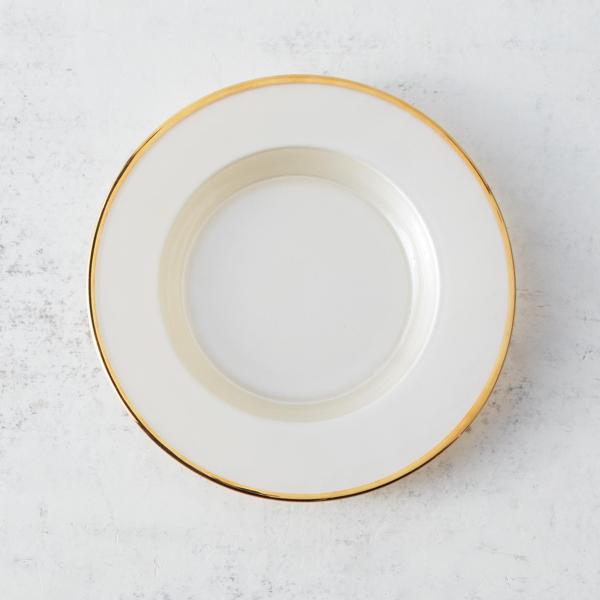
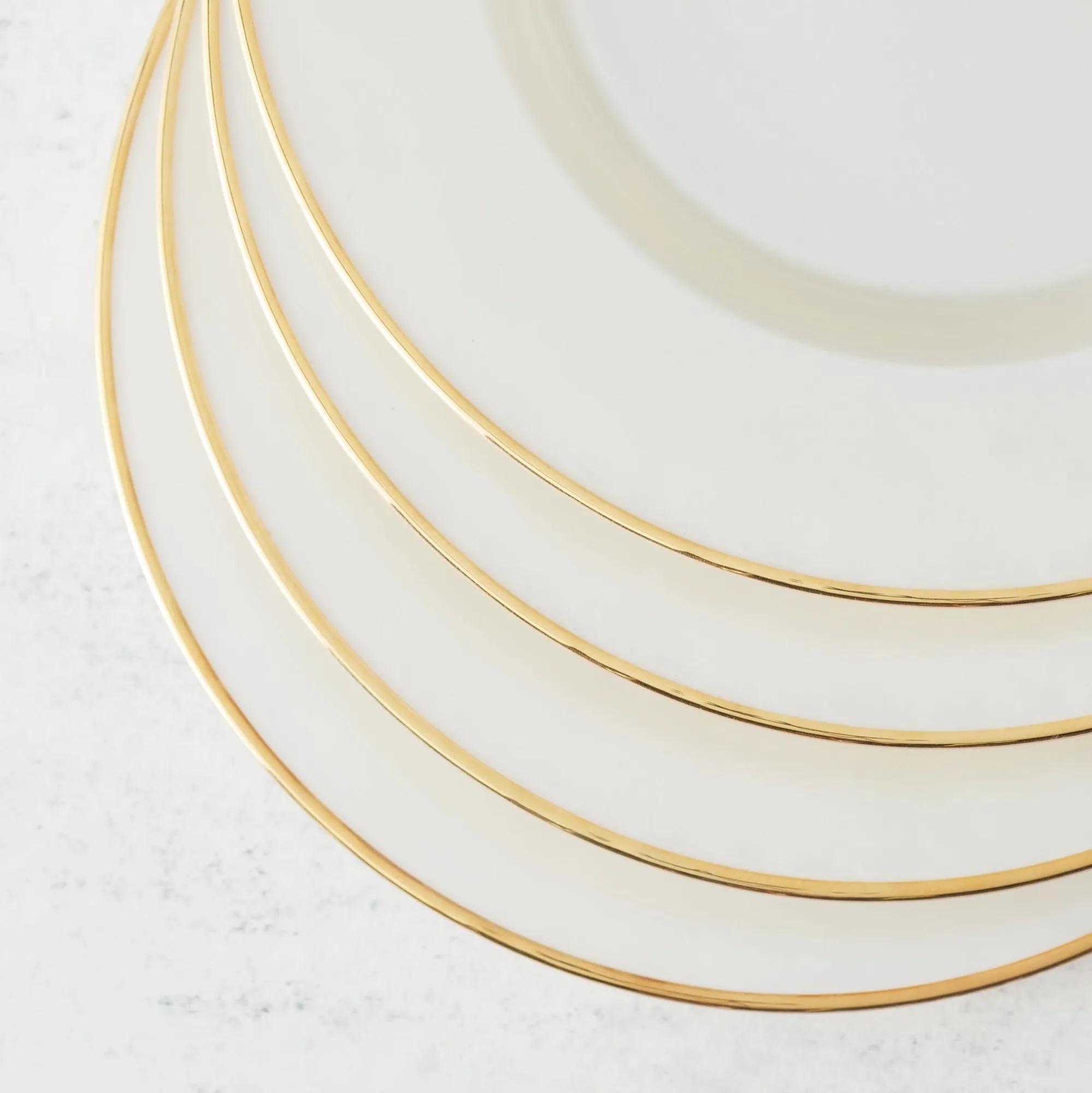 Paramount Dinnerware Sets$59.8
A sophisticated glass dinnerware set featuring a dreamy metallic finish in Alabaster, Champagne, or Gold.
Add To Cart -
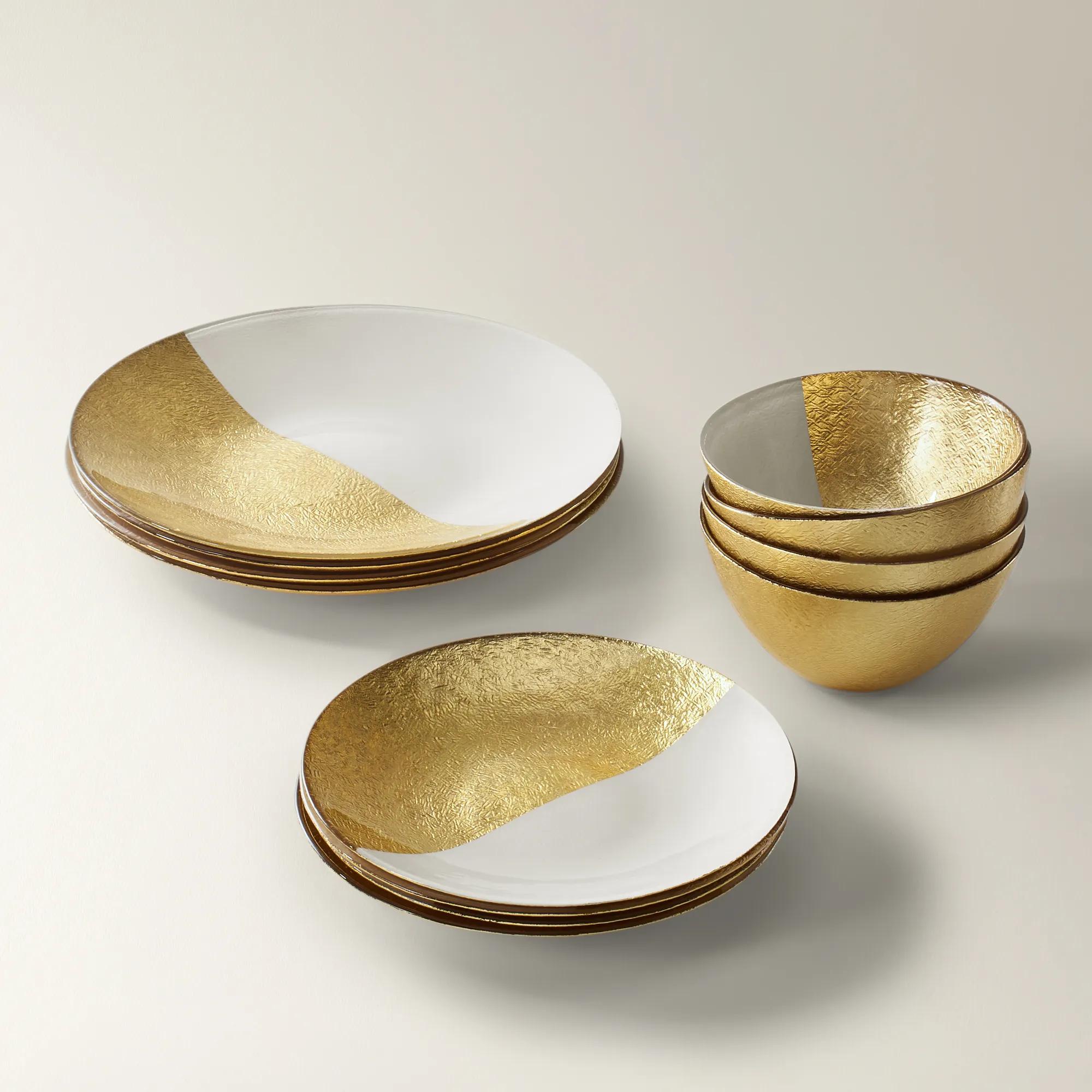
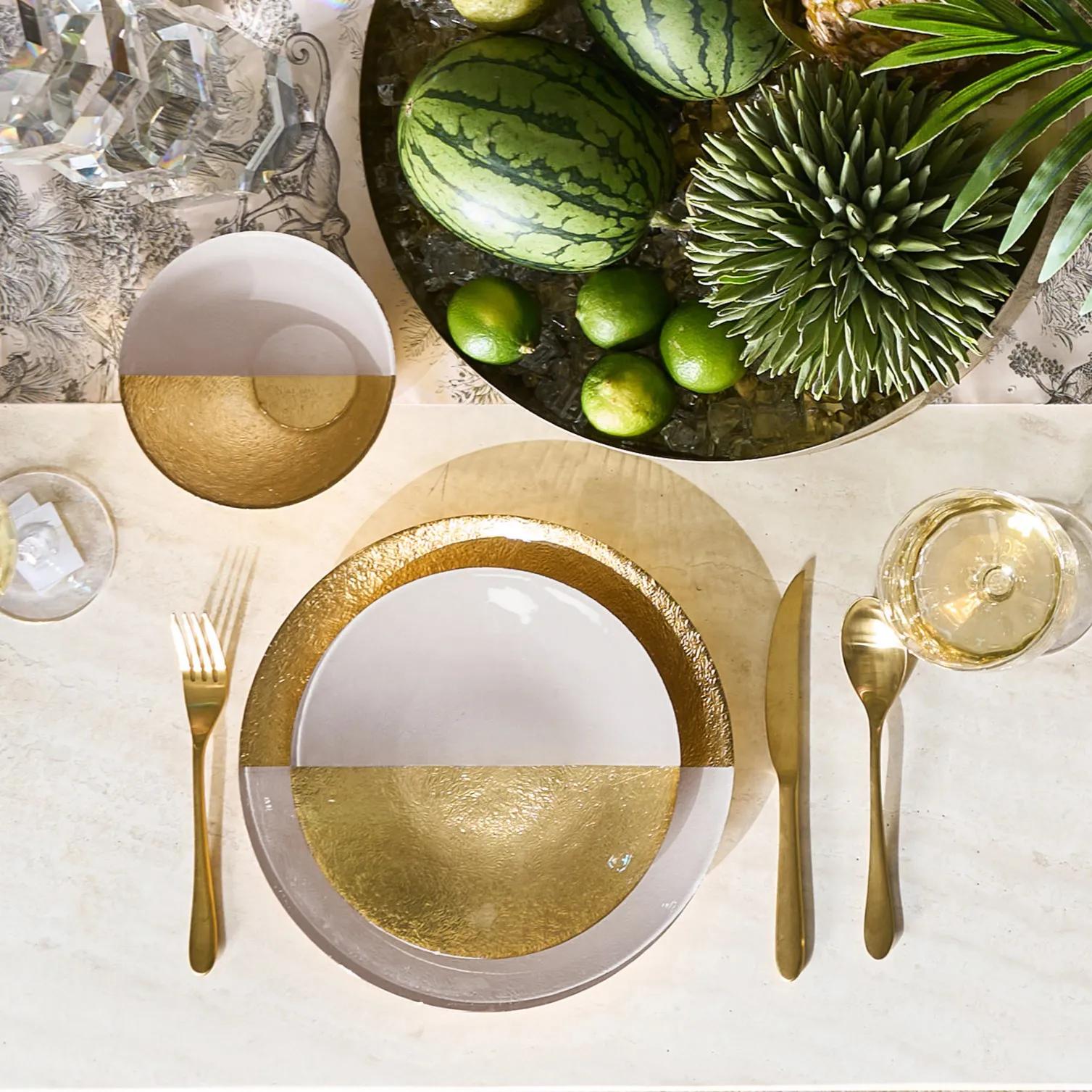 Gemini White and Gold Leaf Dinnerware Sets$59
A sophisticated glass dinnerware set featuring a sleek two-toned white and gold design.
Add To Cart -
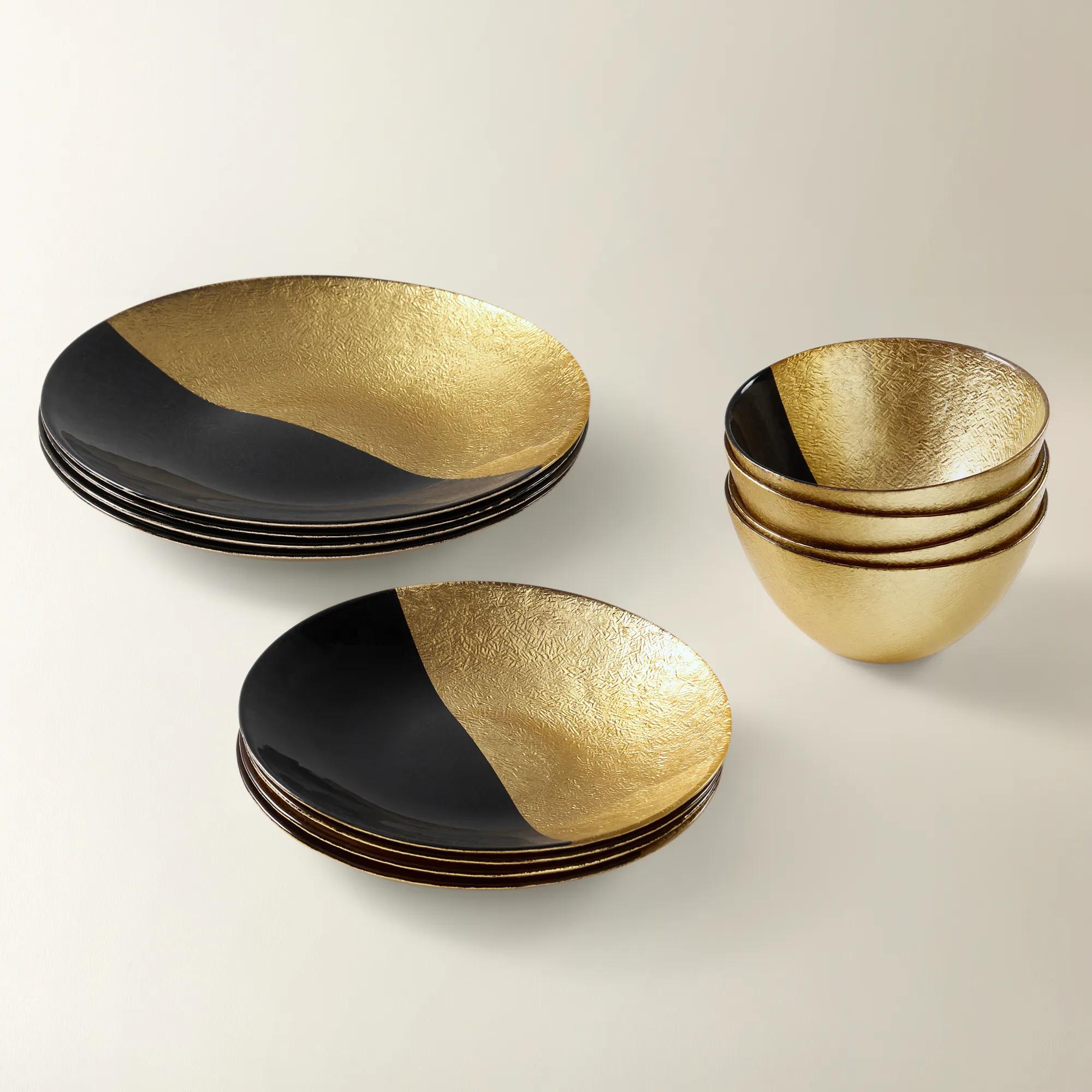 Gemini Black and Gold Leaf Dinnerware Sets$79
A striking set of black and gold glass dinnerware featuring modern two-toned elegance for any table.
Add To Cart -
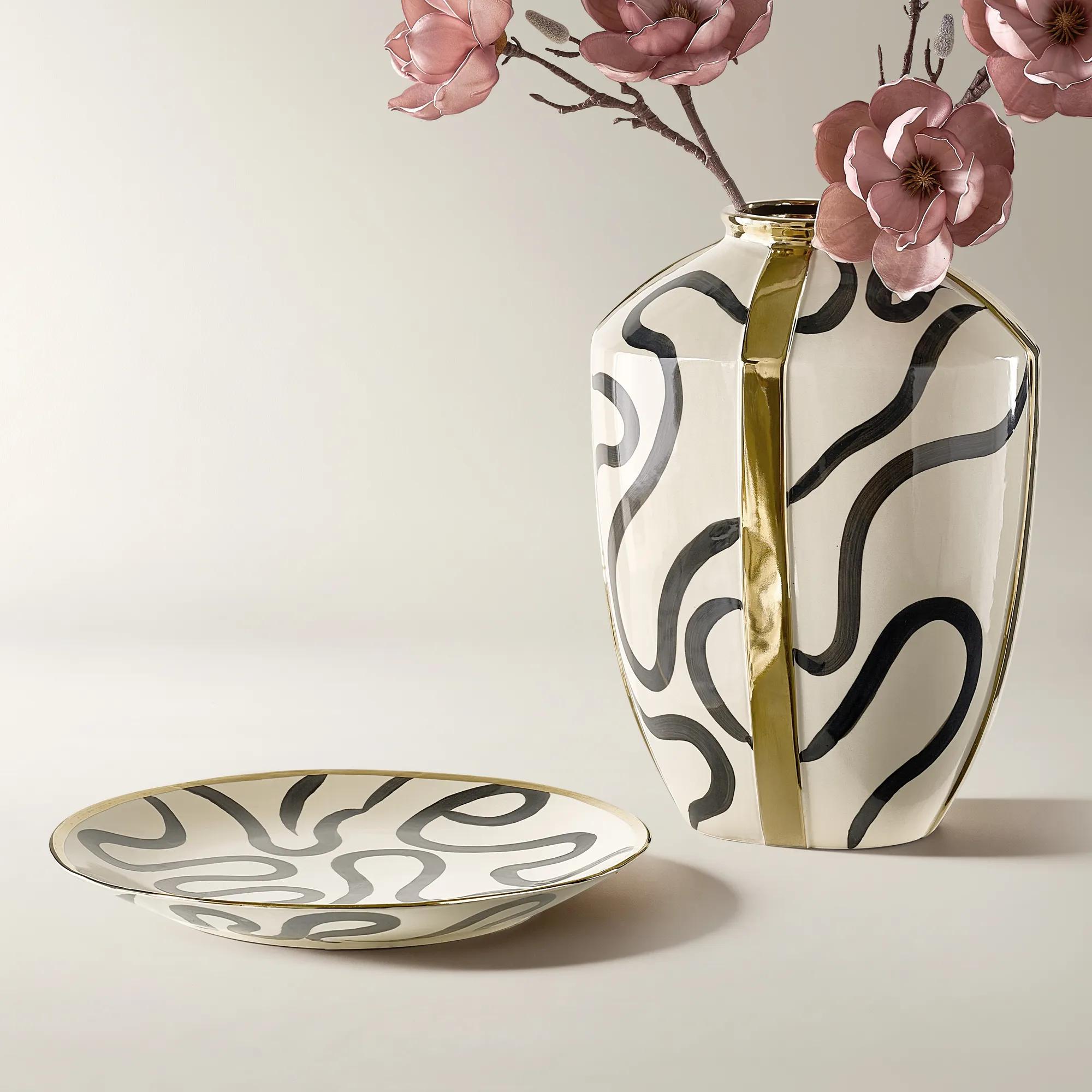
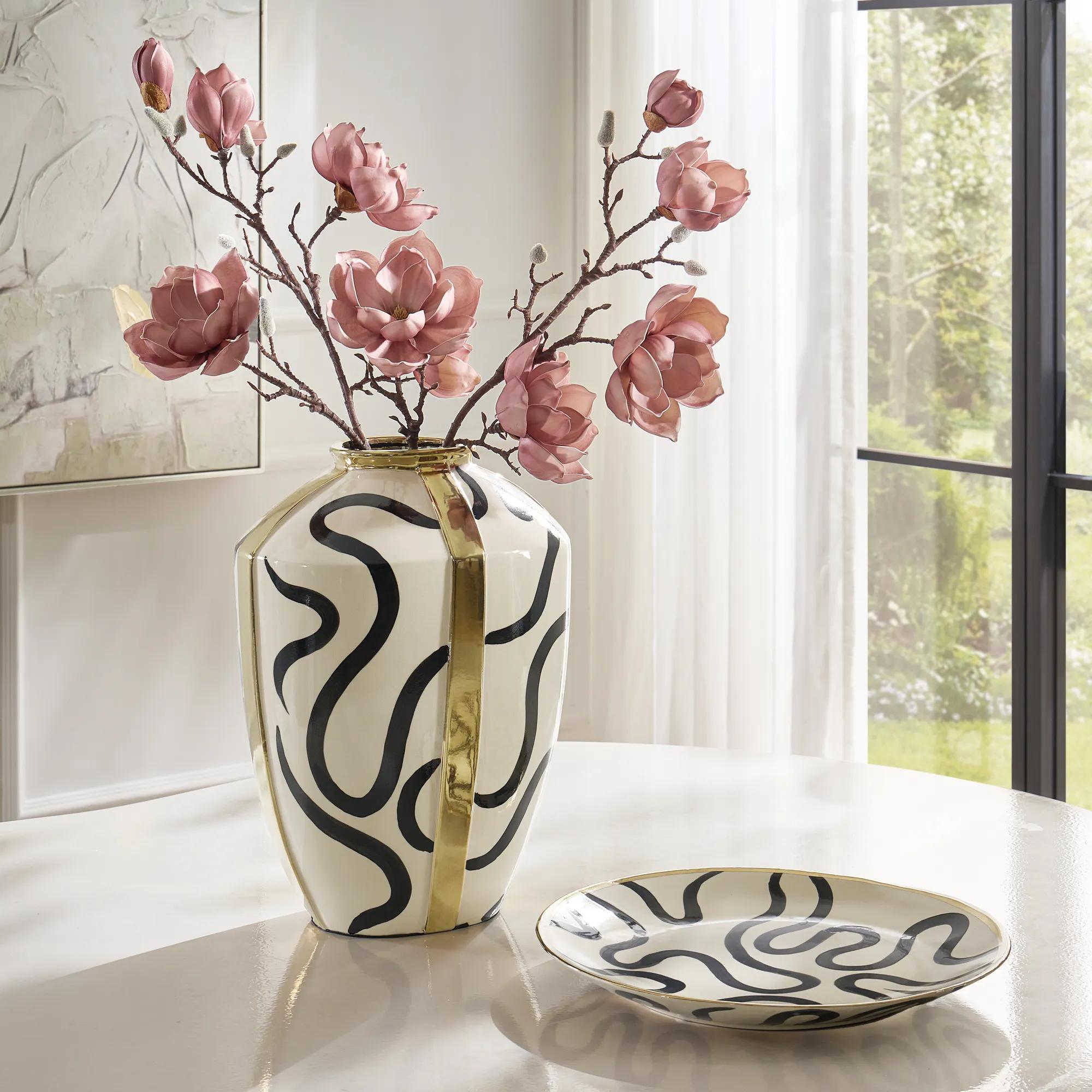 Sonder Soft Gold Black Ceramic Vase & Plate$99
A sculptural ceramic vase featuring interlacing wavy loops in soft gold, alabaster, and black tones.
Add To Cart

Gold Decorative Plates
Gold decorative plates are more than mere accents—they are the punctuation marks of a well-curated room, catching the light and commanding attention with every gleam. Each piece is an invitation to indulge in artistry, layering your space with opulent warmth and luminous allure. Whether arranged as a dramatic tablescape or displayed as radiant wall art, gold decorative plates transform ordinary surfaces into showcases of personal expression. Let your home shimmer with the unmistakable confidence that only gold can bring, infusing every moment with a sense of celebration and grandeur.
Gold decorative plates bring the richness of metallic color to dining tables, consoles, and carefully composed displays. Designed to serve as visual accents, they may take the form of sculptural display plates, shallow decorative dishes, or charger plates that frame a place setting. Their appeal lies in the relationship between shape, surface, and light: a broad, polished rim creates a gleaming outline, while a hammered or softly brushed finish scatters reflections into a more subtle shimmer. Gold can feel architectural against black lacquer, luminous beside clear glass, or richly layered with ivory ceramics and dark wood. On an entryway console, a single plate resting upright on a suitable stand gives its texture the presence of a small artwork. Across a dining table, repeated gold rims establish a deliberate rhythm beneath dinnerware. On a coffee table, a shallow decorative plate can give a collection of ornamental objects a defined space rather than leaving them scattered across the surface. The most compelling arrangements allow the plate’s proportions and detailing to remain visible. An intricately patterned center deserves room to be seen; a restrained center with a dramatic border lends itself to layering. Color matters just as much as shine. Pale champagne gold has a quieter luminosity, yellow gold makes a confident statement, and antiqued gold introduces depth through darker recesses and softened highlights. These variations need not match every metal in a room. A shared undertone, repeated shape, or similar level of polish can connect a gold accent with surrounding furnishings without making the space feel overly coordinated. Gold decorative plates suit interiors that celebrate detail, whether the effect is a tailored dining room with crisp white linens or an expressive living space filled with saturated color, sculptural silhouettes, and art. Their relatively contained scale allows even an elaborate finish to become a focused accent rather than overwhelm the surrounding composition.
Materials give decorative plates much of their character, influencing their weight, texture, durability, and intended use. Glass can lend a gold finish luminous depth, particularly when the decoration is applied beneath a transparent surface, while ceramic and porcelain offer a substantial foundation for glazed color, relief patterns, and metallic accents. Metal plates can emphasize sculptural form and worked texture, although their care needs vary with the underlying metal and protective finish. Resin and acrylic can offer lighter-weight decorative options, but they still require attention to scratching, heat exposure, and the manufacturer’s instructions. A gold-colored surface is not necessarily gold plating, and neither description alone establishes that a plate is suitable for food contact. Metallic effects may come from paint, glaze, foil, leaf, plating, or other applied finishes, each with its own appearance and handling requirements. For dining, the distinction between a decorative plate, a charger, and a food-safe serving plate is essential. A charger generally sits beneath dinnerware to frame the setting and help define each guest’s place; direct contact with food is appropriate only when the piece is expressly labeled for that purpose. Decorative display plates should likewise remain separate from food unless their specifications confirm food-safe use. Scale determines how comfortably these accents fit into a room or table arrangement. Many chargers measure approximately 12 to 14 inches across, leaving a visible border around a smaller dinner plate, but actual dimensions and compatibility vary. The full setting also needs space for flatware, glassware, and neighboring guests without crowded edges. For display, diameter is only part of the equation: rim height, depth, weight, and the footprint of a stand affect placement. A deep rim may cast a striking shadow when displayed upright, while a flatter profile can sit more discreetly beneath dinnerware. Stable support and sufficient surface clearance let those details feel intentional, especially on a narrow console or a dining table where every inch contributes to the composition.
The lasting beauty of a gold decorative plate depends as much on thoughtful handling as on its initial finish. Unless the care instructions specify otherwise, gentle dusting with a soft, dry cloth is a sensible starting point for display pieces; any damp cleaning should follow the recommendations for the particular material and decoration. Abrasive pads, harsh cleaners, and vigorous polishing can scratch a surface or diminish an applied metallic layer. Dishwasher, microwave, and oven use should never be assumed, especially when metallic decoration is present. Even a durable base material may carry a delicate surface treatment, so the finish deserves its own consideration. Soft separators between stored plates help prevent rims and raised patterns from rubbing together, while a stand rated for the plate’s size and weight provides more reliable support than an improvised prop. These practical details preserve the visual effect that makes the piece distinctive: the crisp edge of a fluted border, the contrast within an embossed pattern, or the uninterrupted sweep of a reflective center. For everyday styling, an open area around the plate often creates more impact than an elaborate arrangement. A large textured design can hold a console on its own, while a smaller plate can sit beside a taller decorative form to introduce a change in height and silhouette. Complementary Gold Plated Decorative Vessels can extend that conversation through sculptural volume, with enough variation in shape to keep the arrangement expressive. Gold decorative plates also make thoughtful housewarming or wedding gifts for recipients who enjoy entertaining, collecting distinctive accents, or giving their rooms a personal signature. A display-focused design suits someone drawn to artful objects, while an appropriately sized charger offers a different pleasure for a host who loves a beautifully layered table. Whether chosen for daily display or a celebratory setting, the strongest piece feels connected to the way its recipient lives: richly detailed, purposeful in scale, and full of character.
FAQs
Gold decorative plates are the foundation for a show-stopping tablescape. Layer them with crisp white dinnerware, crystal glassware, and richly textured linens to create a look that radiates glamour. For added drama, pair with bold floral arrangements or candlelight to let the gold accents gleam throughout your dining space.
Absolutely. Gold accent plates bring a sense of celebration to everyday meals and elevate special occasions with their luminous presence. Whether you’re hosting a weekend brunch or an elegant dinner party, these plates infuse every gathering with artistry and sophistication.
Decorative gold plates are remarkably versatile. Hang them in a striking wall arrangement for a gallery effect, use them as catchalls for jewelry on your vanity, or place them on a console table to anchor a vignette with sculptural flair. Their radiant finish adds a layer of luxury to any room.
Gold color plates make an unforgettable gift for housewarmings, weddings, or any milestone celebration. They symbolize warmth, prosperity, and timeless style—perfect for anyone starting a new chapter or curating a home that reflects personal taste and artistry.
To achieve a curated look, blend different textures, finishes, and patterns within your decorative plates set. Combine mirror-finish gold with matte or hammered surfaces, or mix ornate designs with minimalist shapes. This creates visual interest and a collected-over-time aesthetic that feels both intentional and artful.


