Gold Plated Decorative Vessels
Gold Plated Decorative Vessels
-
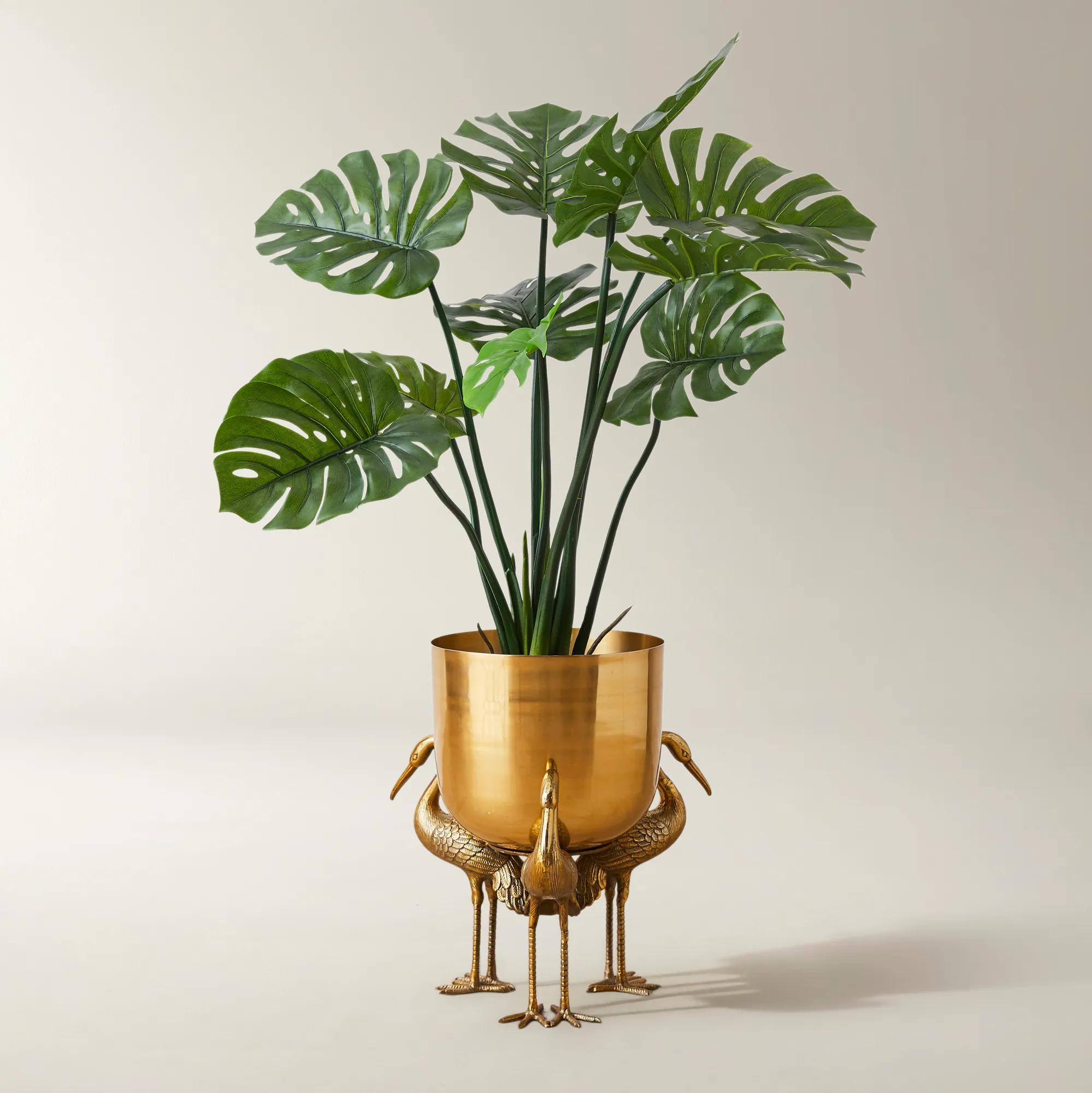
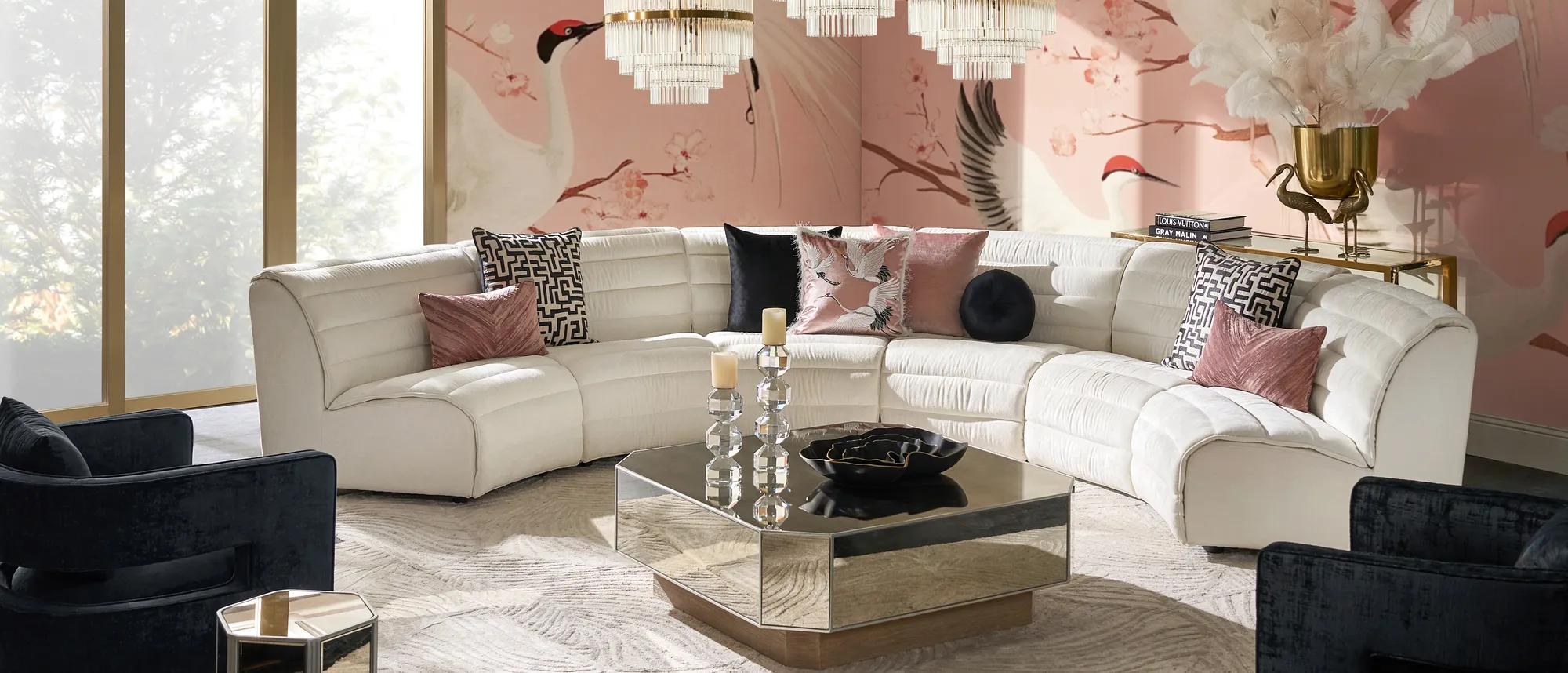 Crane Planter$359
A whimsical aluminum planter perched on three cranes and finished in gleaming gold.
Add To Cart -
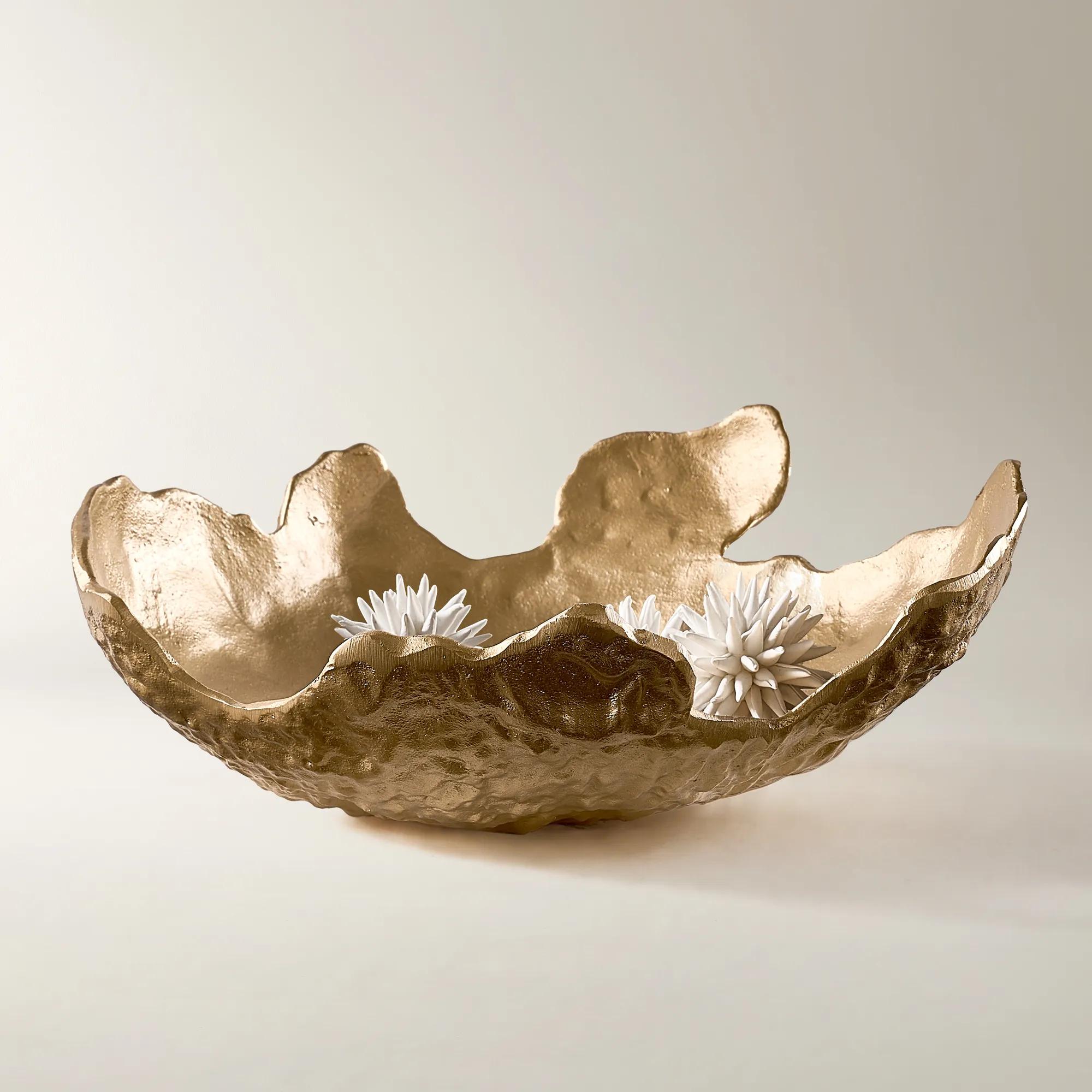 Crush Gold Aluminum Decorative Bowl 16" x 5.75"$169
A sculptural aluminum bowl with a soft gold finish and organic, crushed silhouette for modern decor.
Add To Cart -
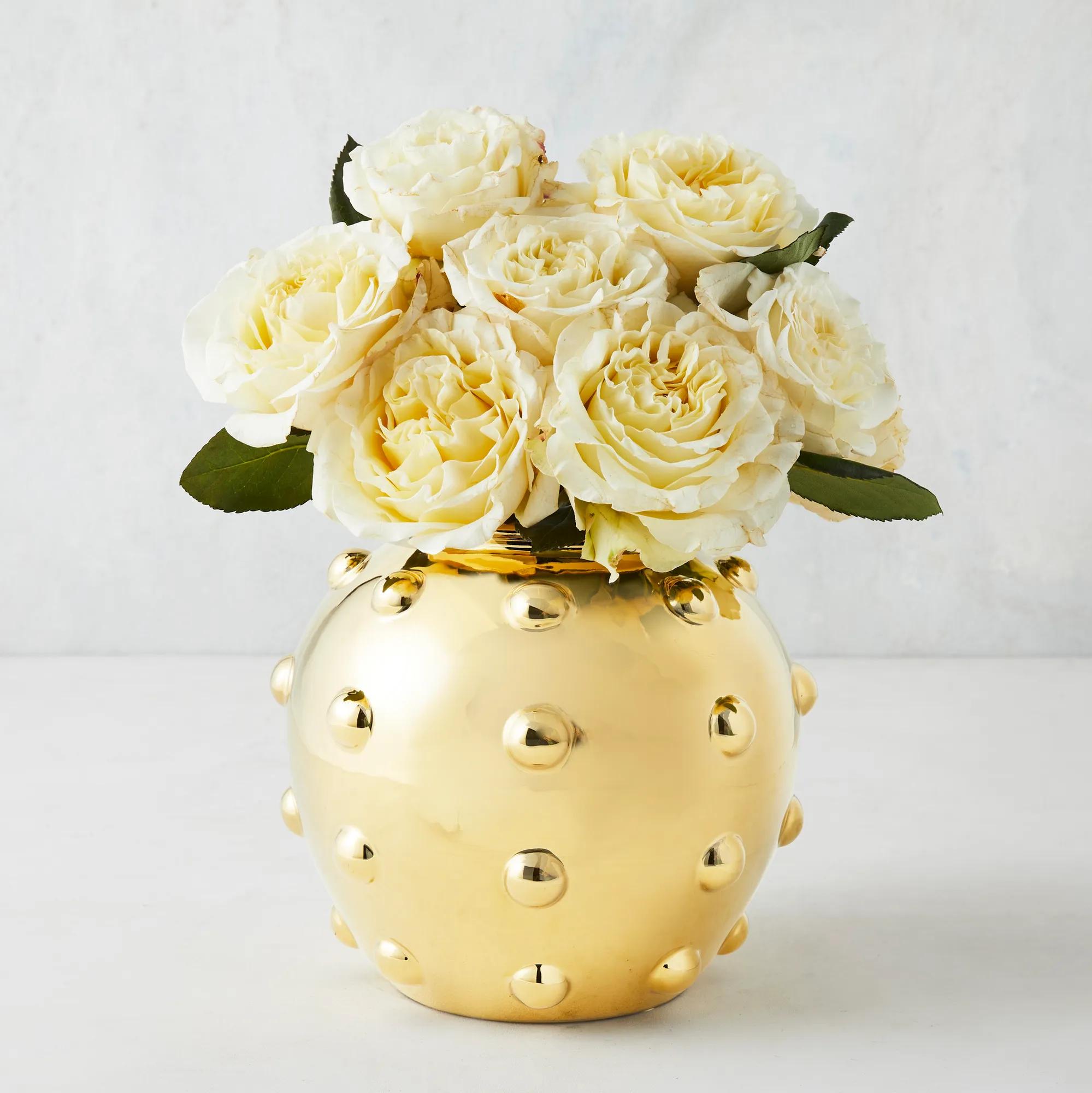
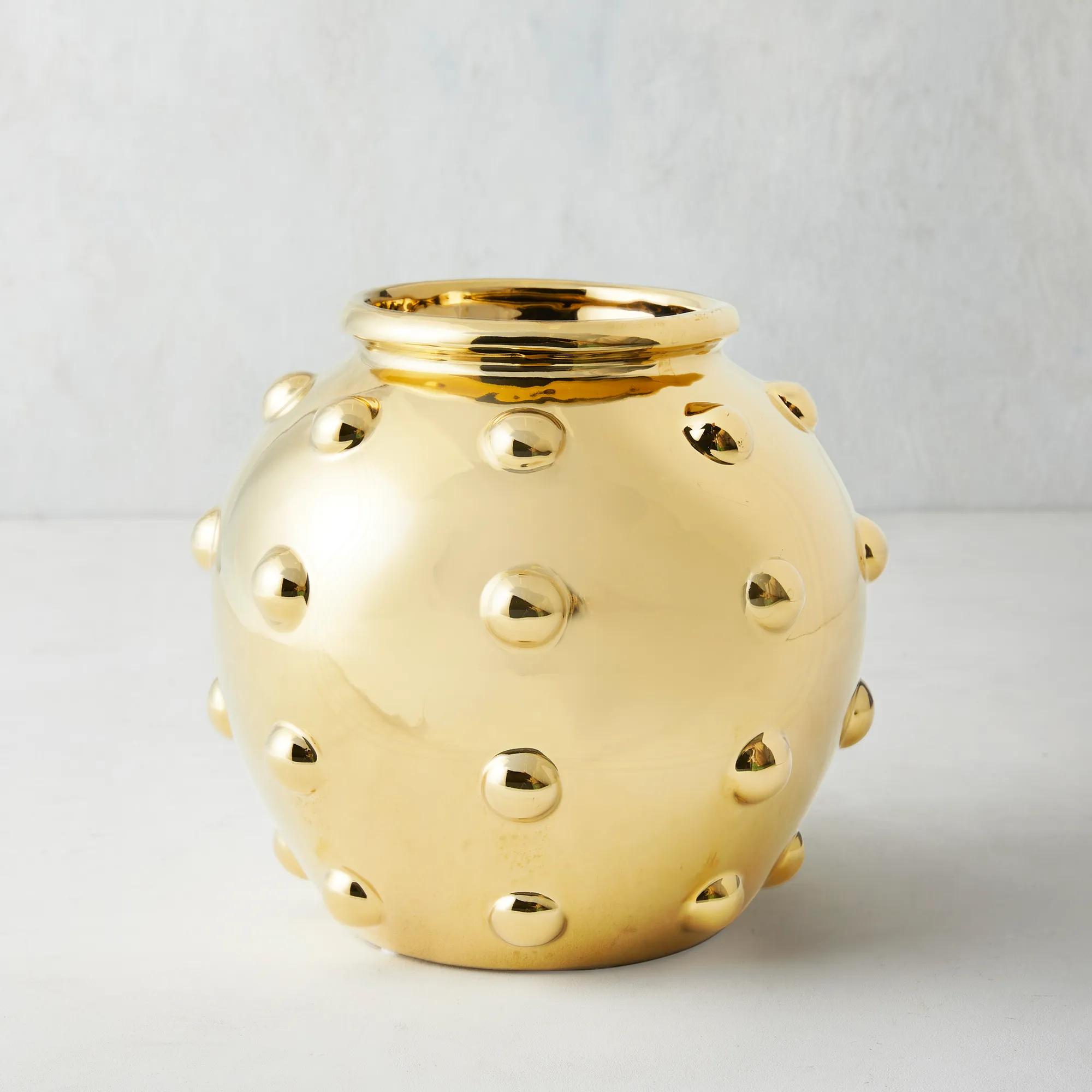 Orb Bauble Vase$59
A ceramic vase with a dimensional dot design and a gleaming gold finish for bold decor impact.
Add To Cart -

 Collins Hand-Cast Gold Aluminum Decorative Pedestal Bowl 23.5" x 5"$79
A gold nickel-plated aluminum bowl with a rectangular pedestal base for striking decorative display.
Add To Cart -
 Odessey Collection$159
A decorative porcelain accent in shiny gold, perfect for adding modern elegance to any space.
Add To Cart -
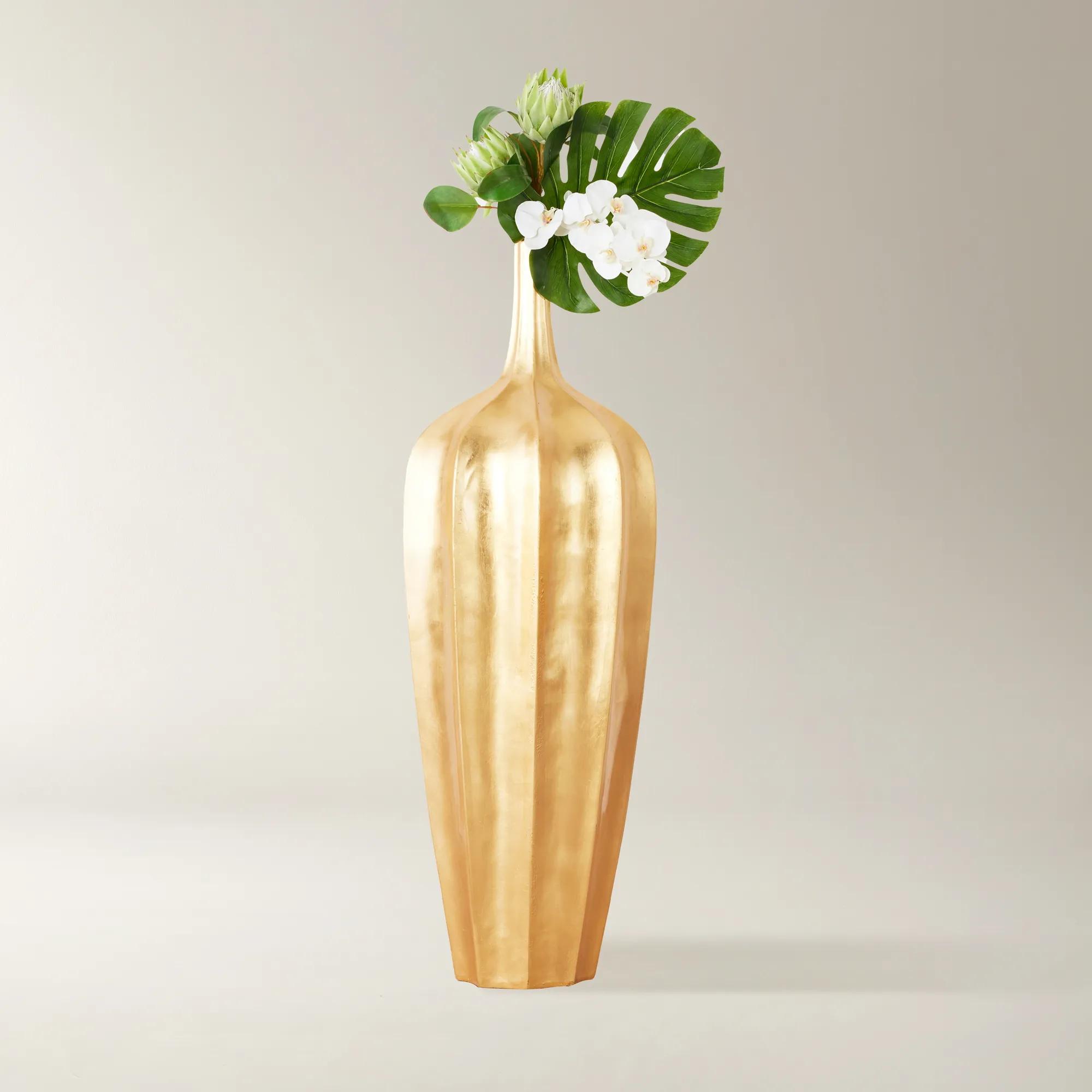 Accolade Gold Leaf Resin Floor Vase 48.75"$539
A fluted fiberglass vase featuring a lustrous gold foil finish for a striking decorative accent.
Add To Cart -
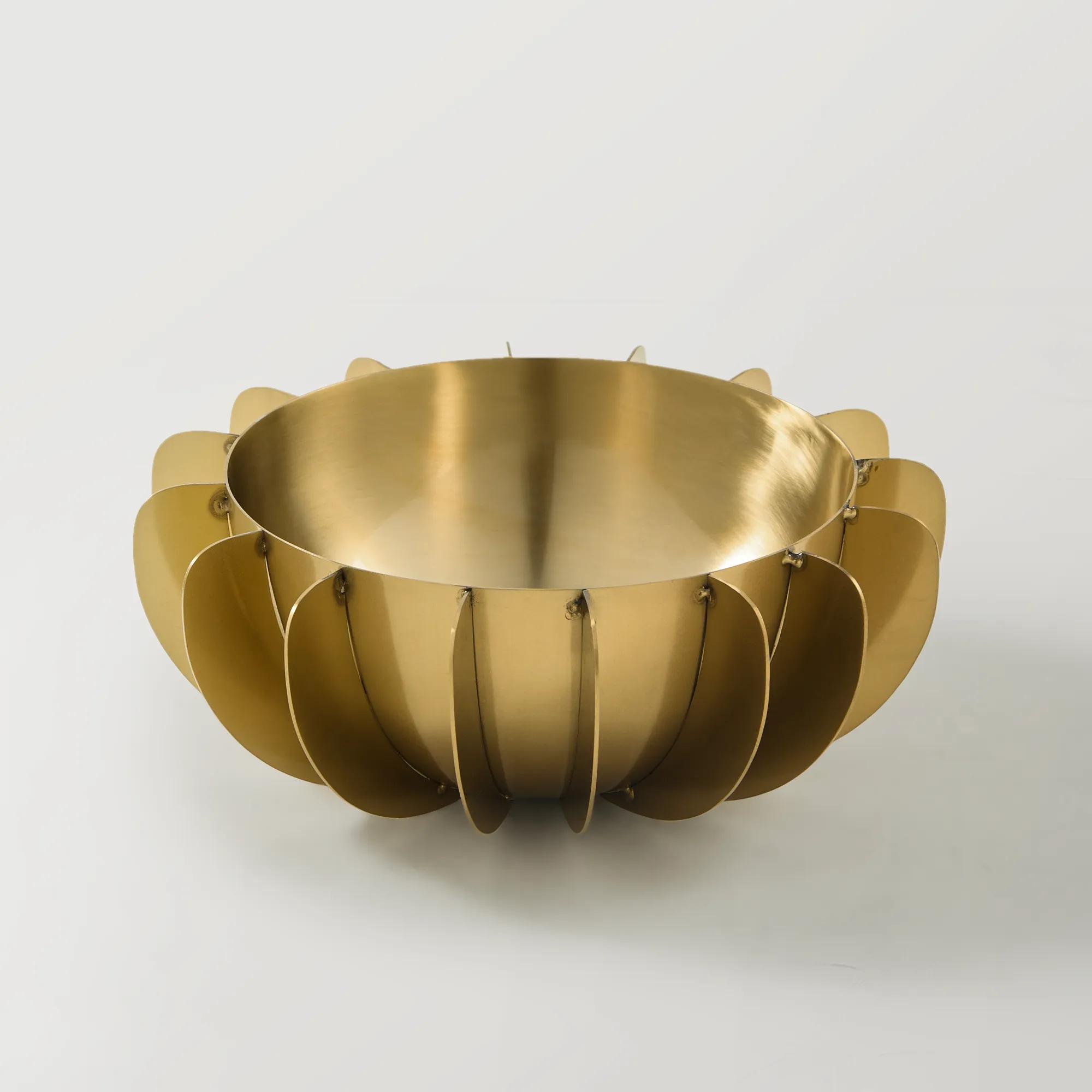
 Mezza Collection$59
A gold-plated stainless steel decorative piece that brings timeless glamour and shine to your decor.
Add To Cart -
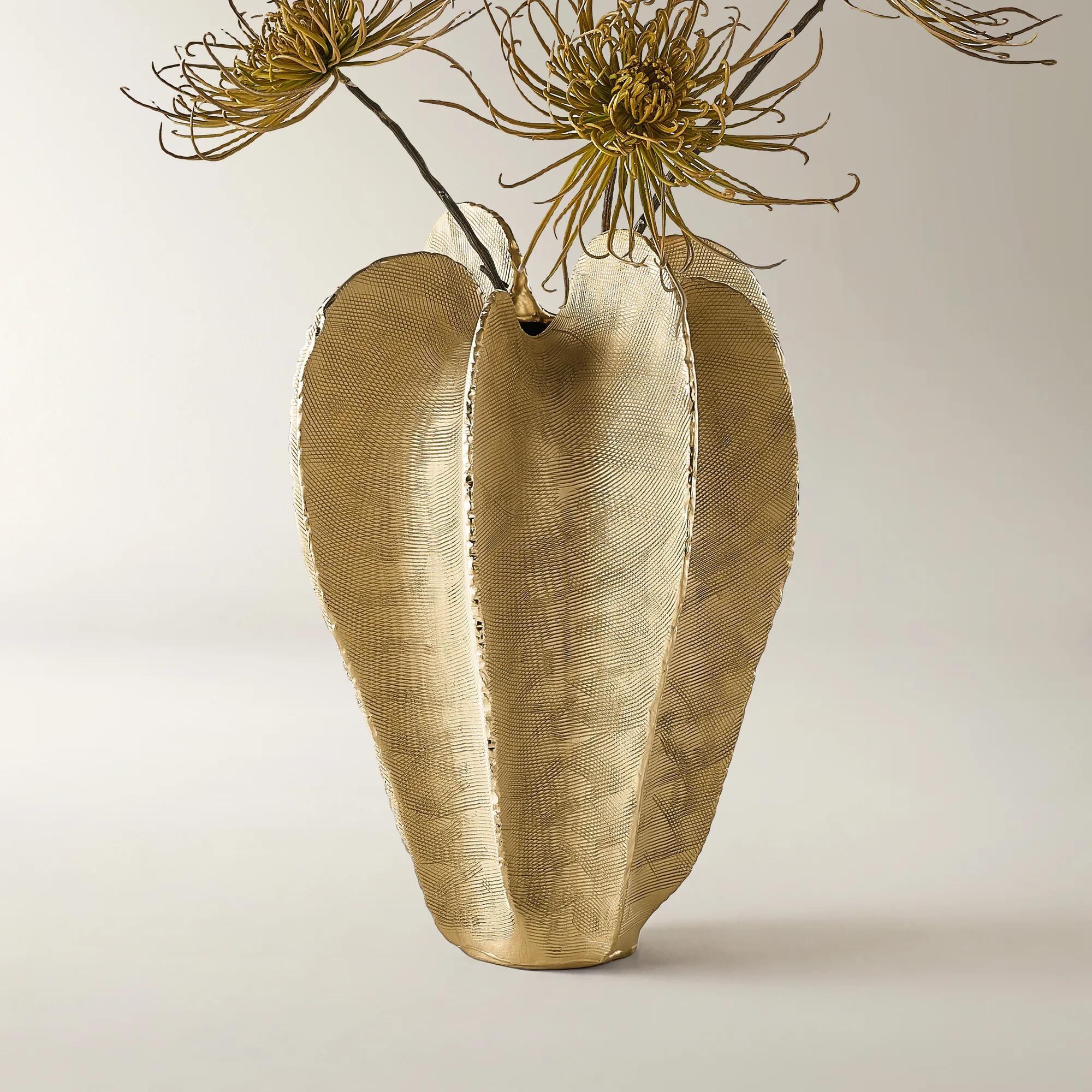 Kosta Soft Gold Textured Ceramic Vase 15.75"$129
A sculptural stoneware vase in a soft gold finish that adds artisanal texture and refined glamour.
Add To Cart -

 Miami Gold Ceramic High Gloss Vase 11.75"$69
A contemporary gold ceramic vase designed for decorative use as a sculptural accent or with foliage.
Add To Cart -
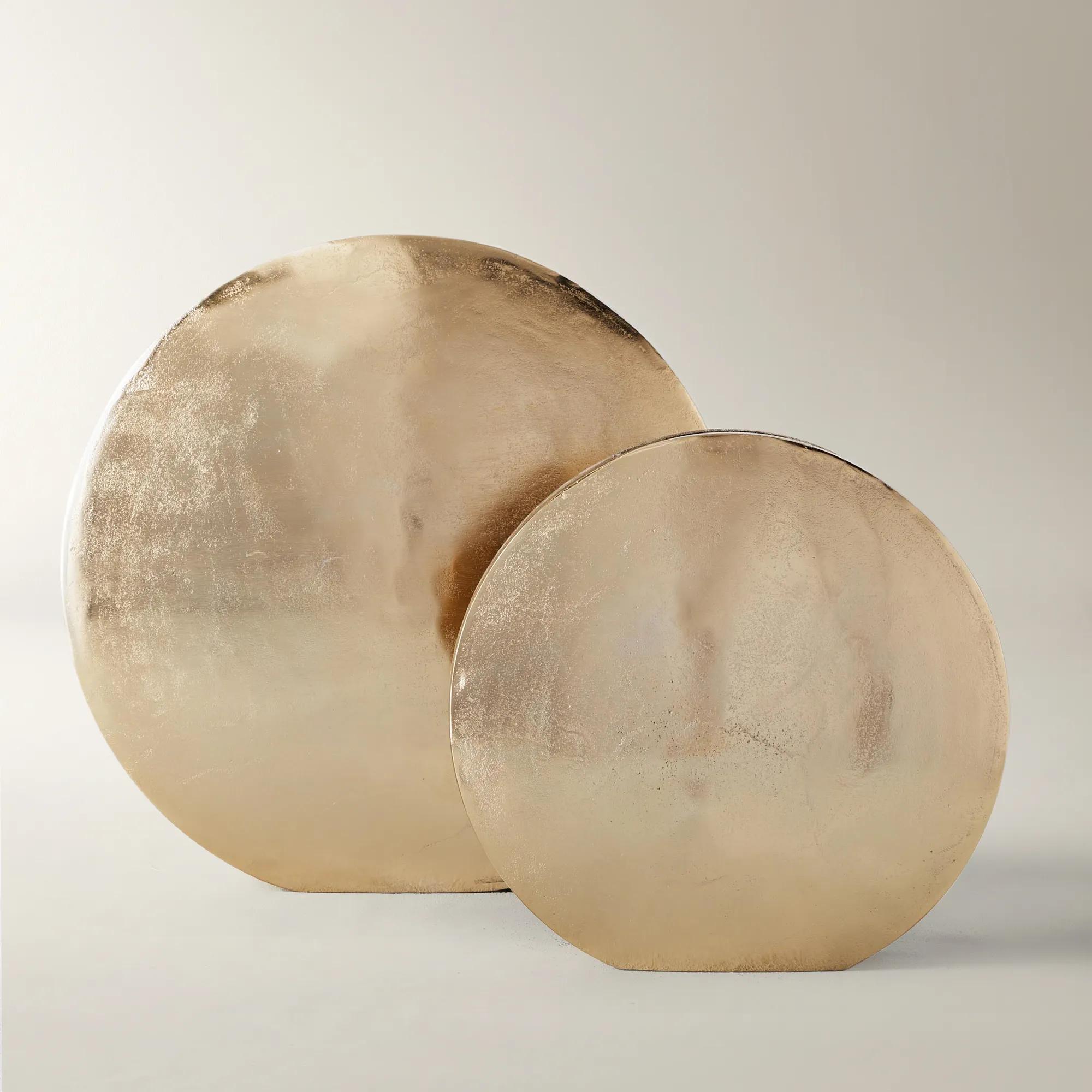
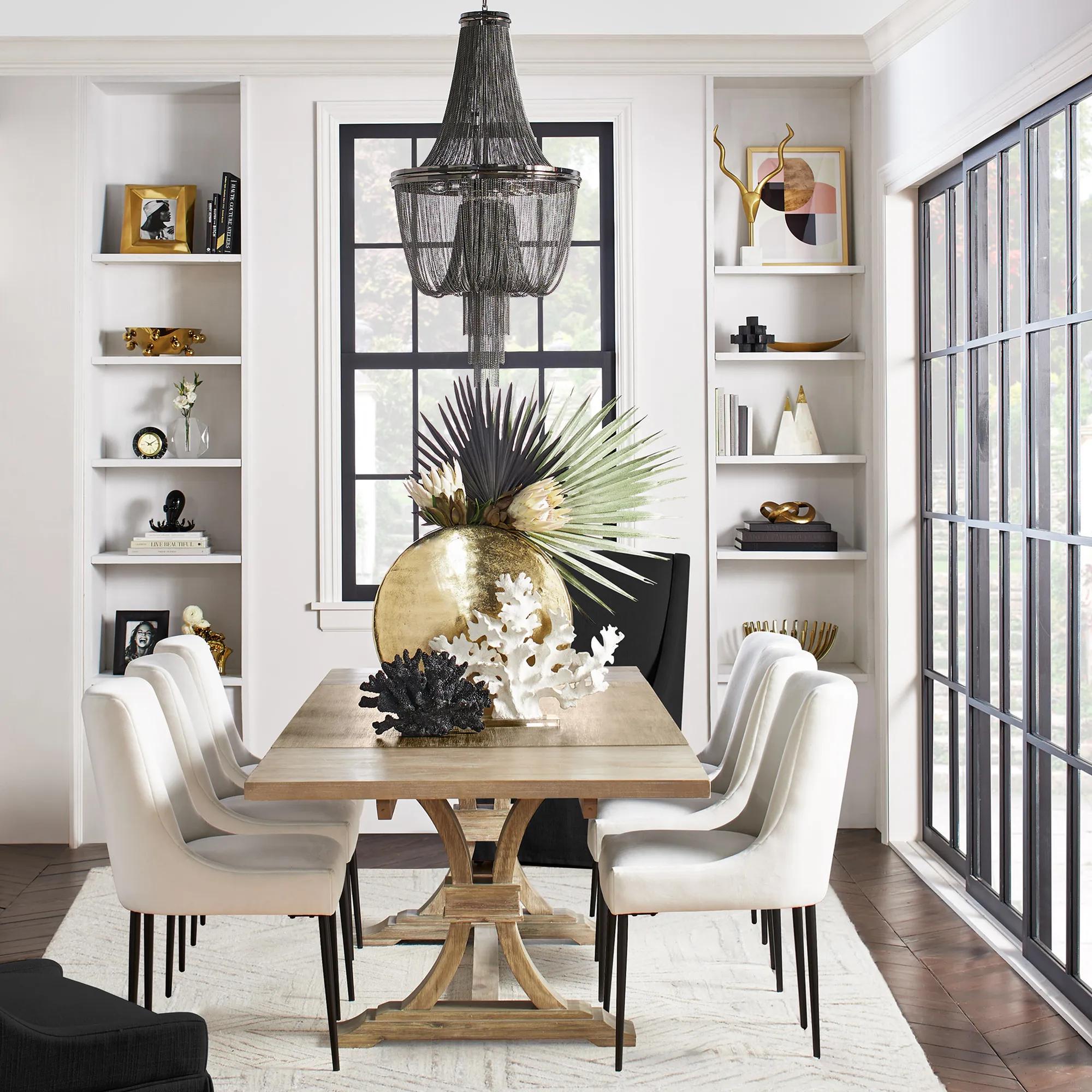 Greer Gold Aluminum Vases$249
A striking gold aluminum disc vase perfect for showcasing dried blooms or as a decorative accent.
Add To Cart -
Miami Gold Ceramic High Gloss Vase 18.5"$69
A contemporary gold ceramic vase designed for decorative use or displaying faux foliage.
Add To Cart -
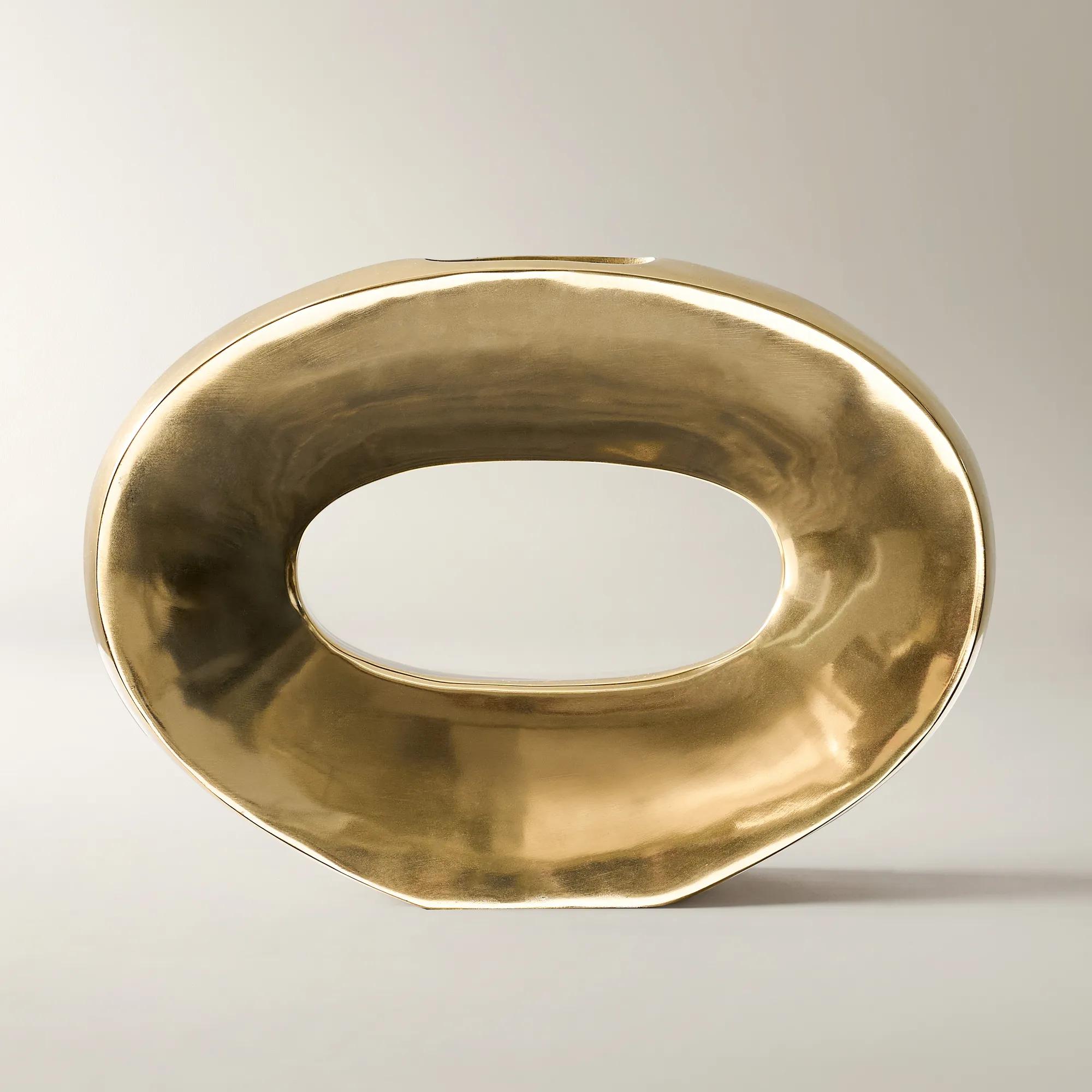
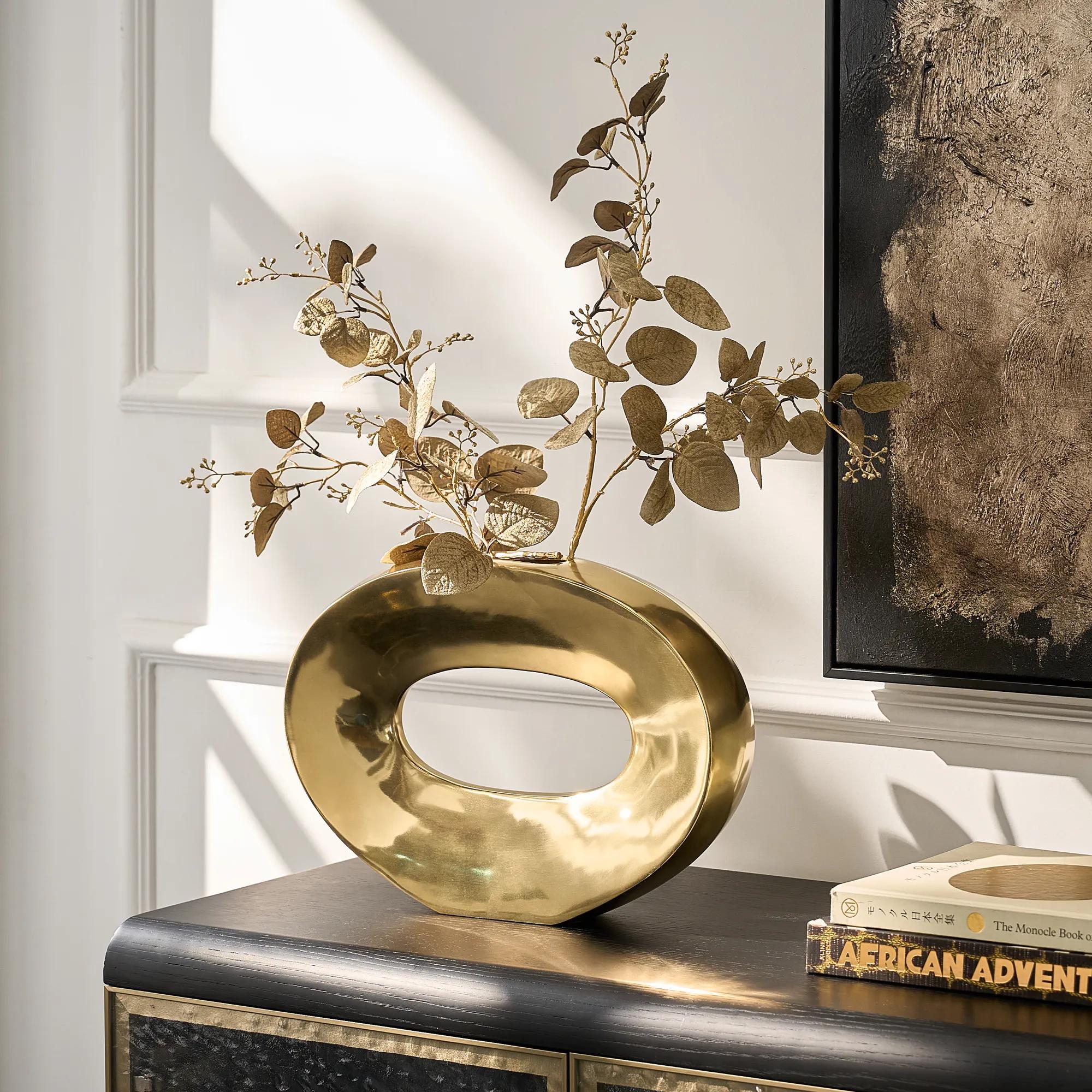 Hera Soft Gold Aluminum Vase 11.75"$169
A sculptural aluminum vase in a soft gold finish, offering modern glamour and architectural appeal.
Add To Cart -
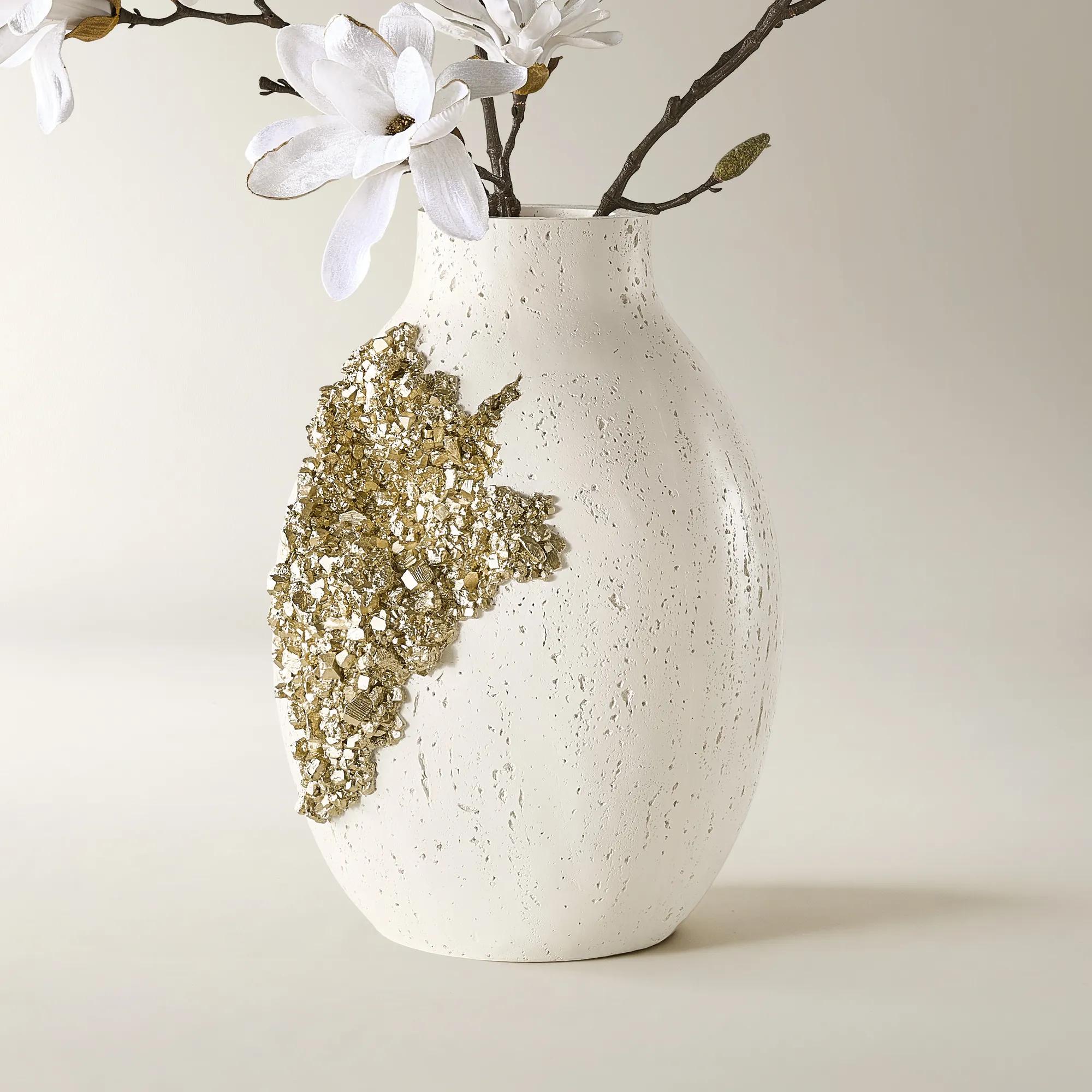 Delve Soft Gold Ivory Resin Vase 18.5"$199
A sculptural polyresin and stone vase in soft gold and white, adding modern glamour to any space.
Add To Cart -
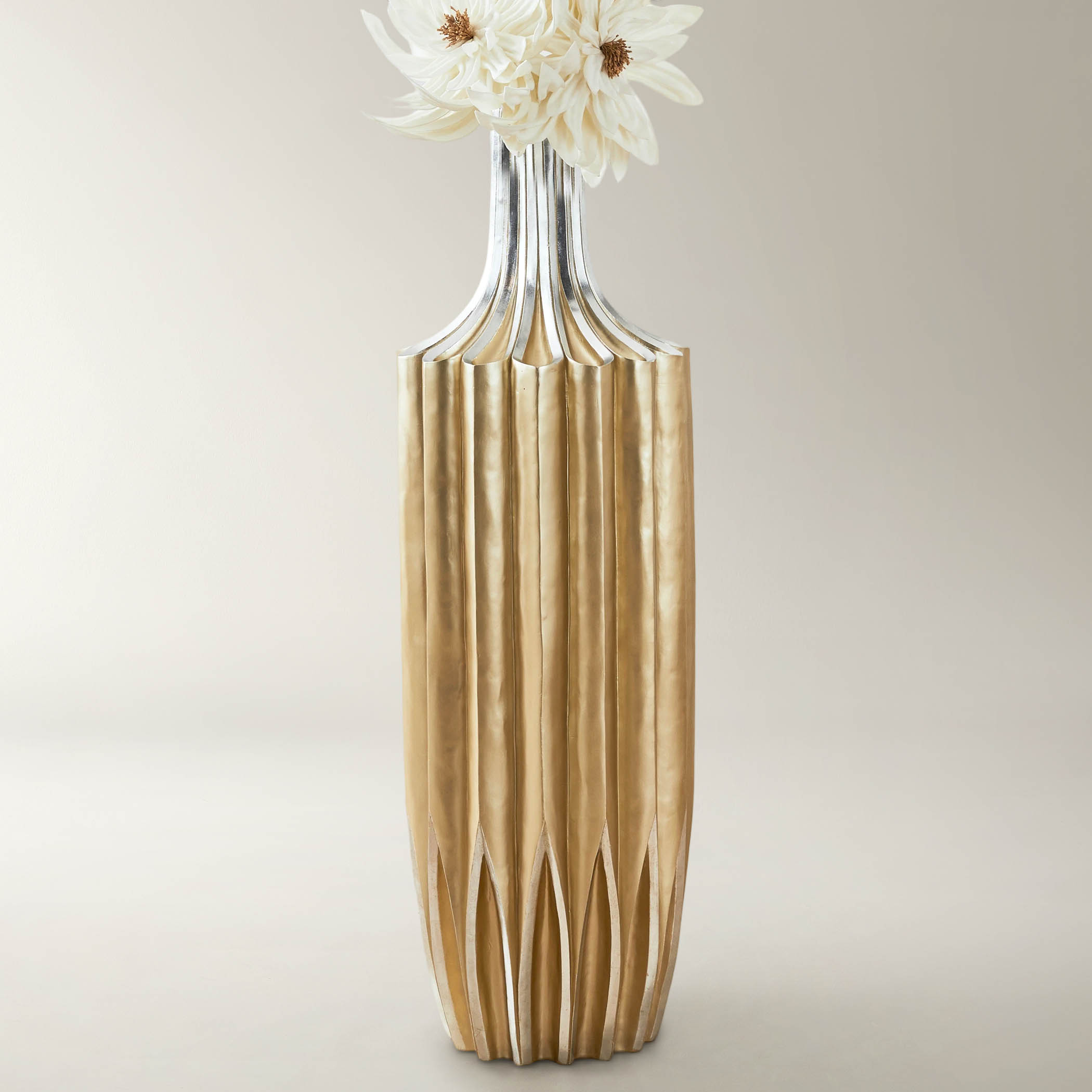
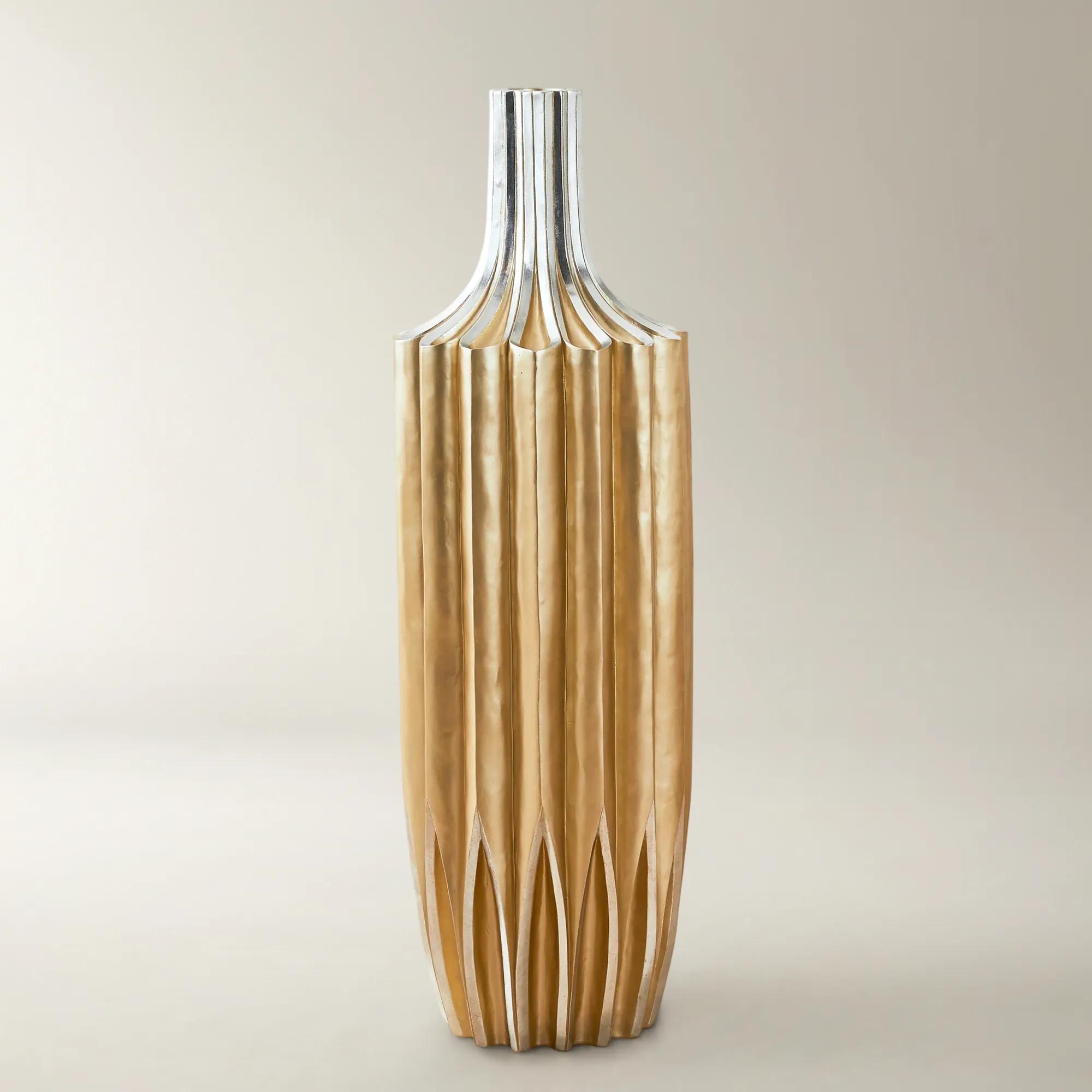 Savannah Gold Resin Floor Vase 48.75"$509
A sophisticated polyresin vase featuring sleek vertical curves for a modern decorative accent.
Add To Cart -
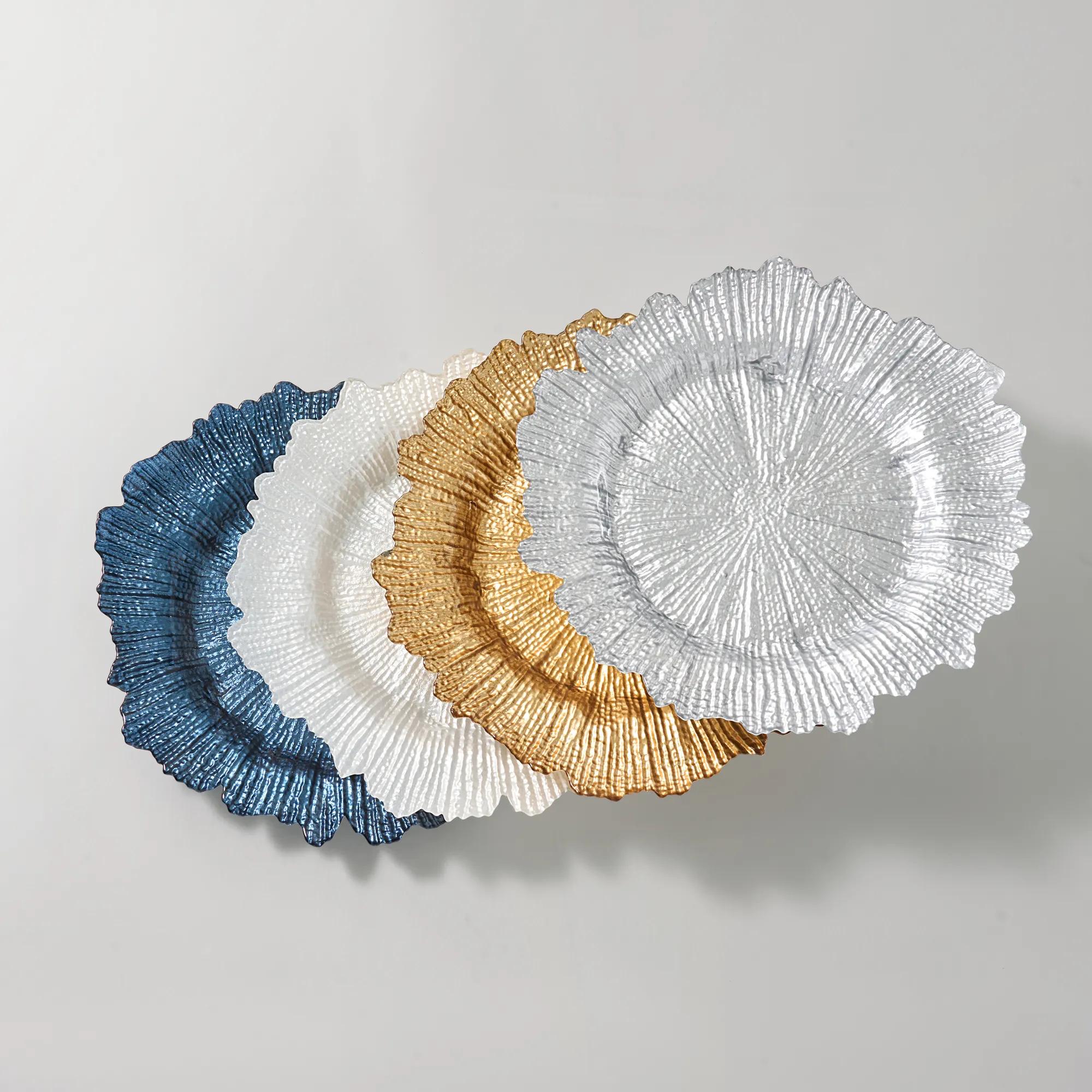
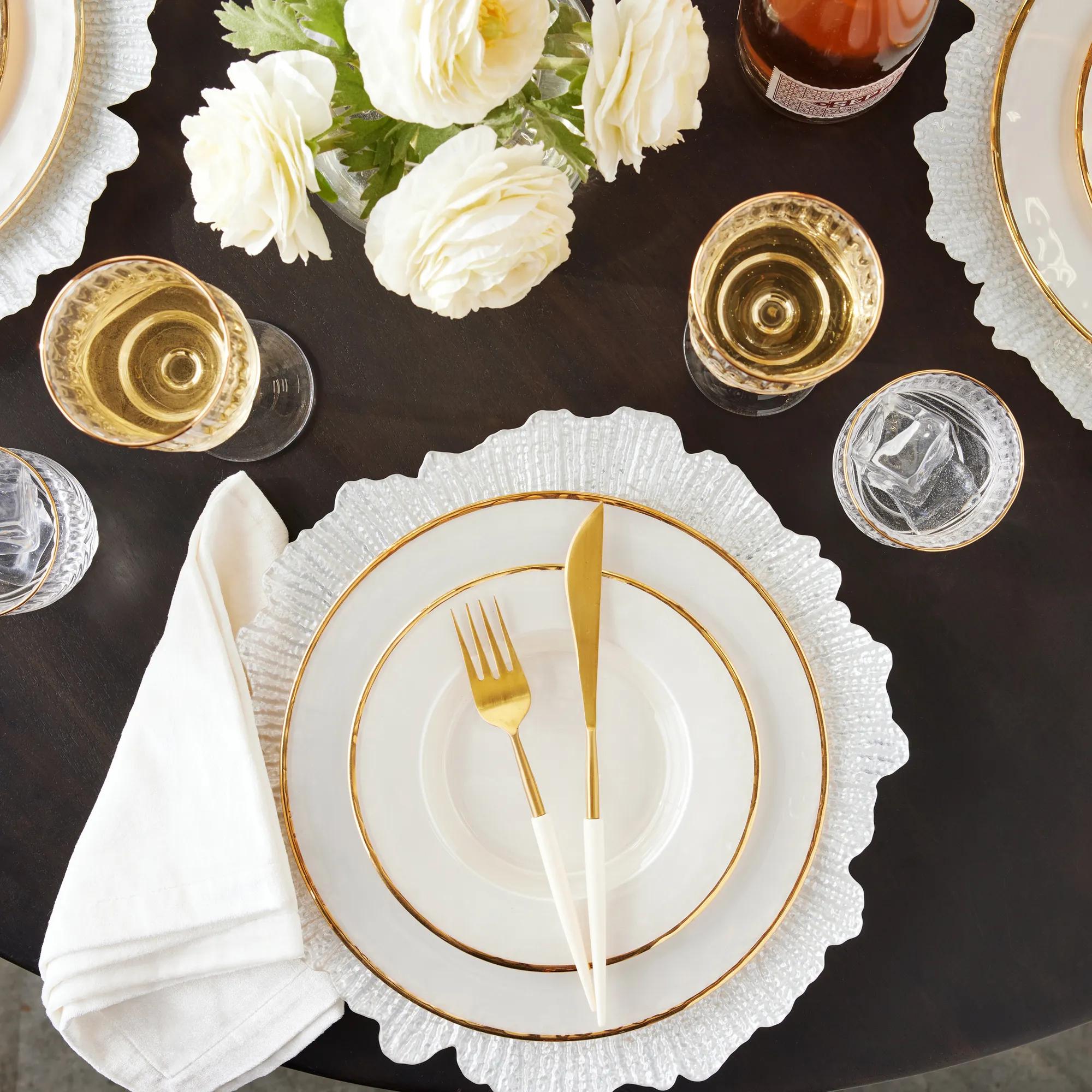 Spruzzo Glass Charger Sets 13"$109
A clear glass charger with an irregular leaf edge and metallic backing for a sparkling table accent.
Add To Cart -
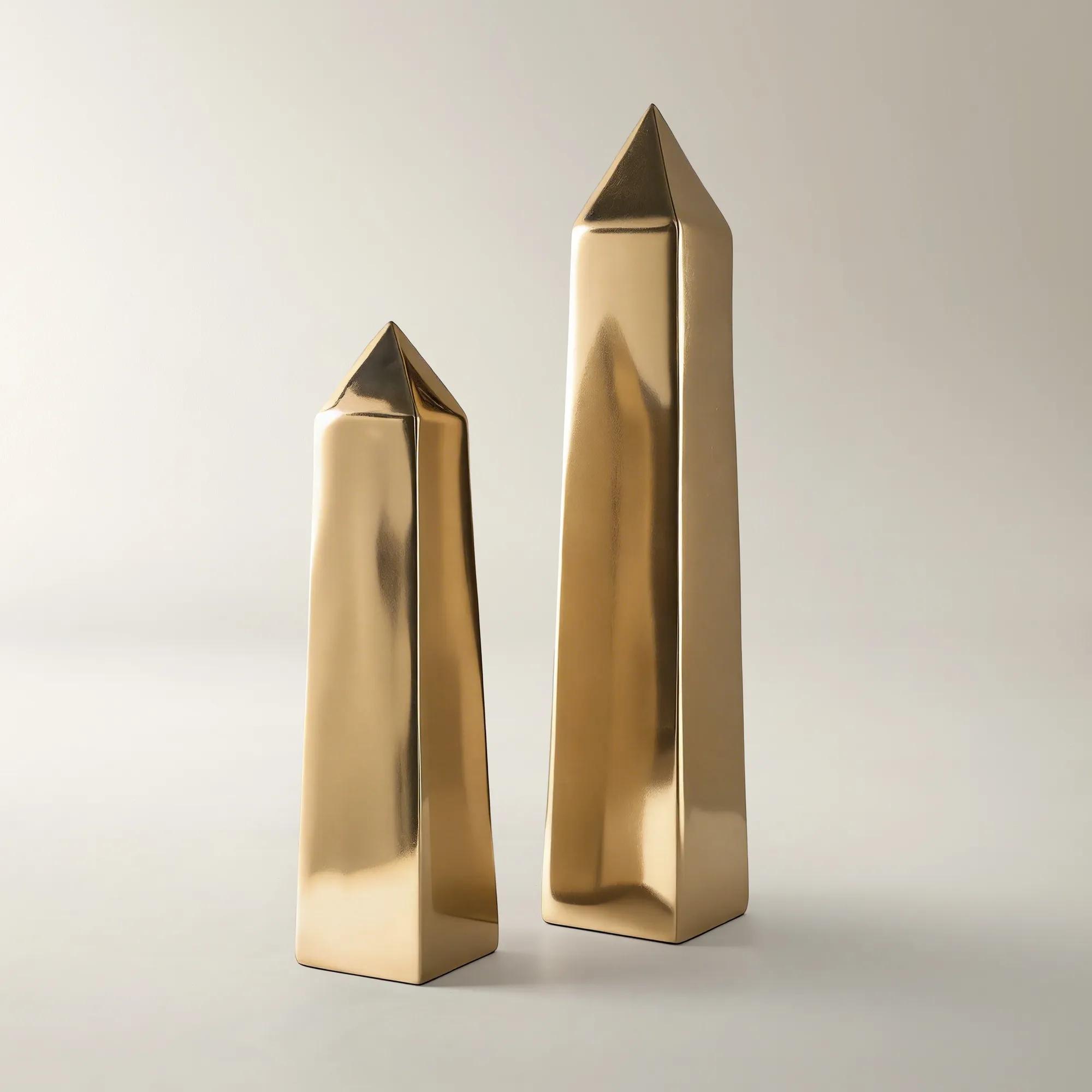
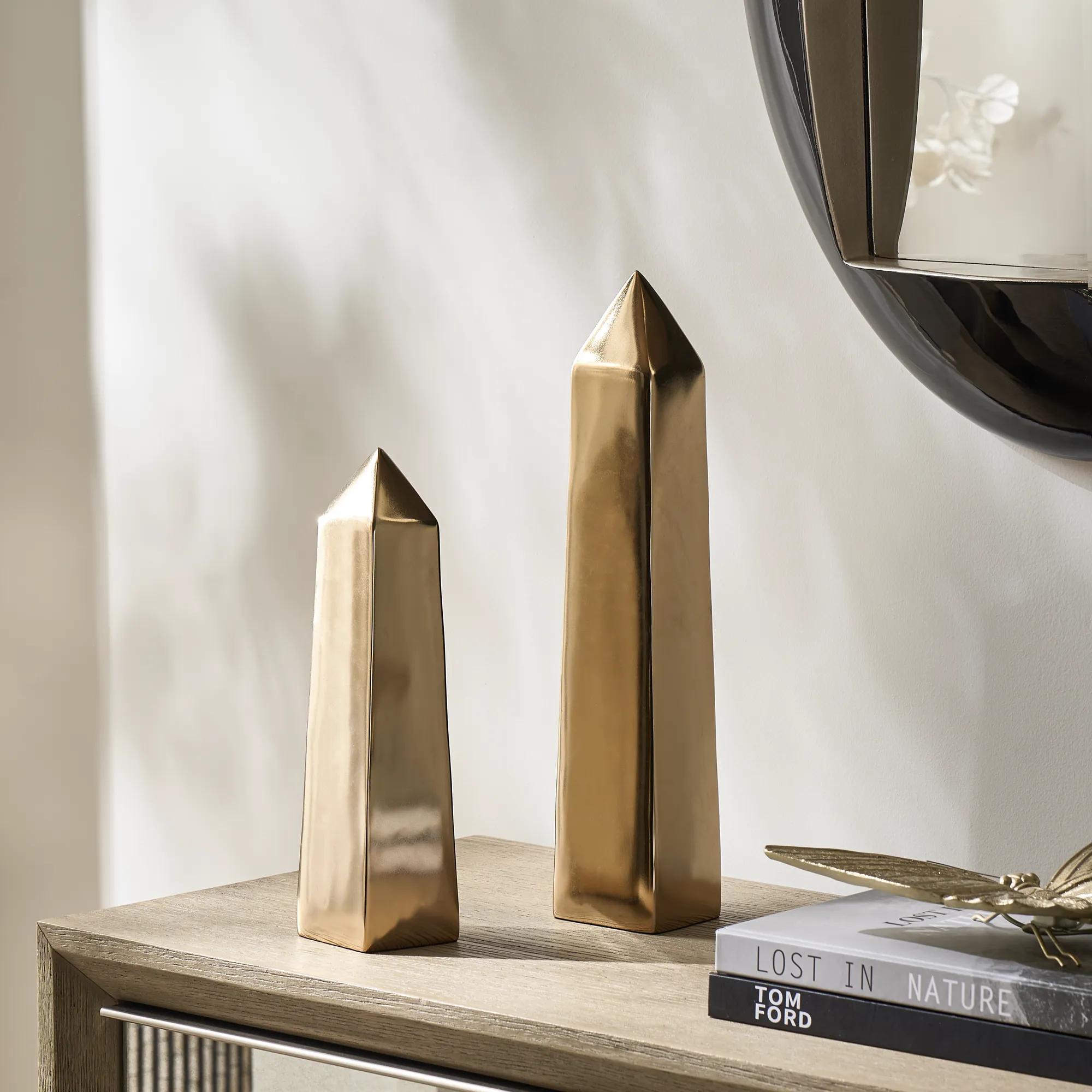 Golden Aluminum Obelisks$69
A sculptural aluminum accent in a soft gold finish, adding modern glamour and architectural interest to any space.
Add To Cart -

 Travertine Gold Metal Book Display Stand 7"$139
A sculptural beige travertine and gold metal stand that elegantly displays books with unique natural variation.
Add To Cart -
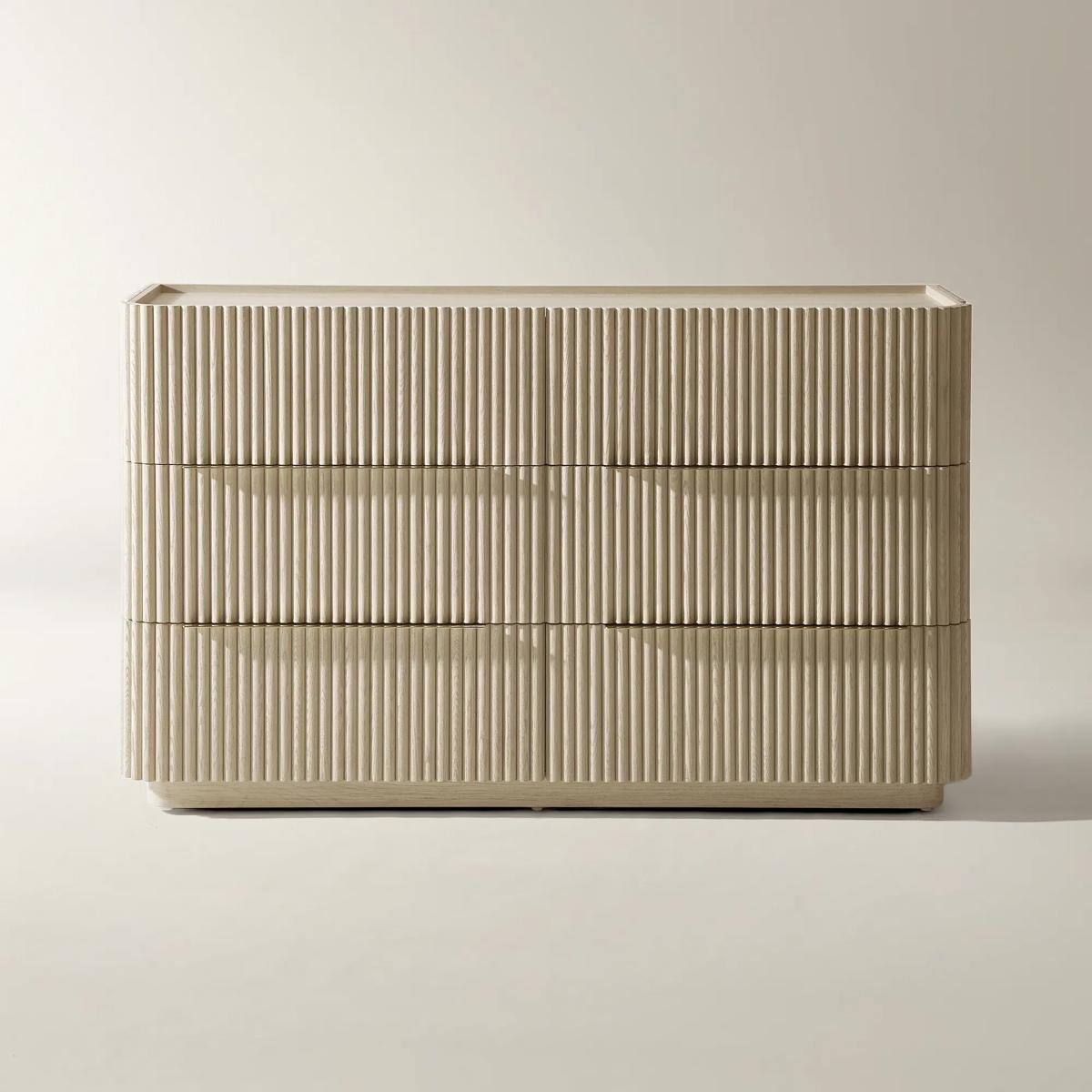
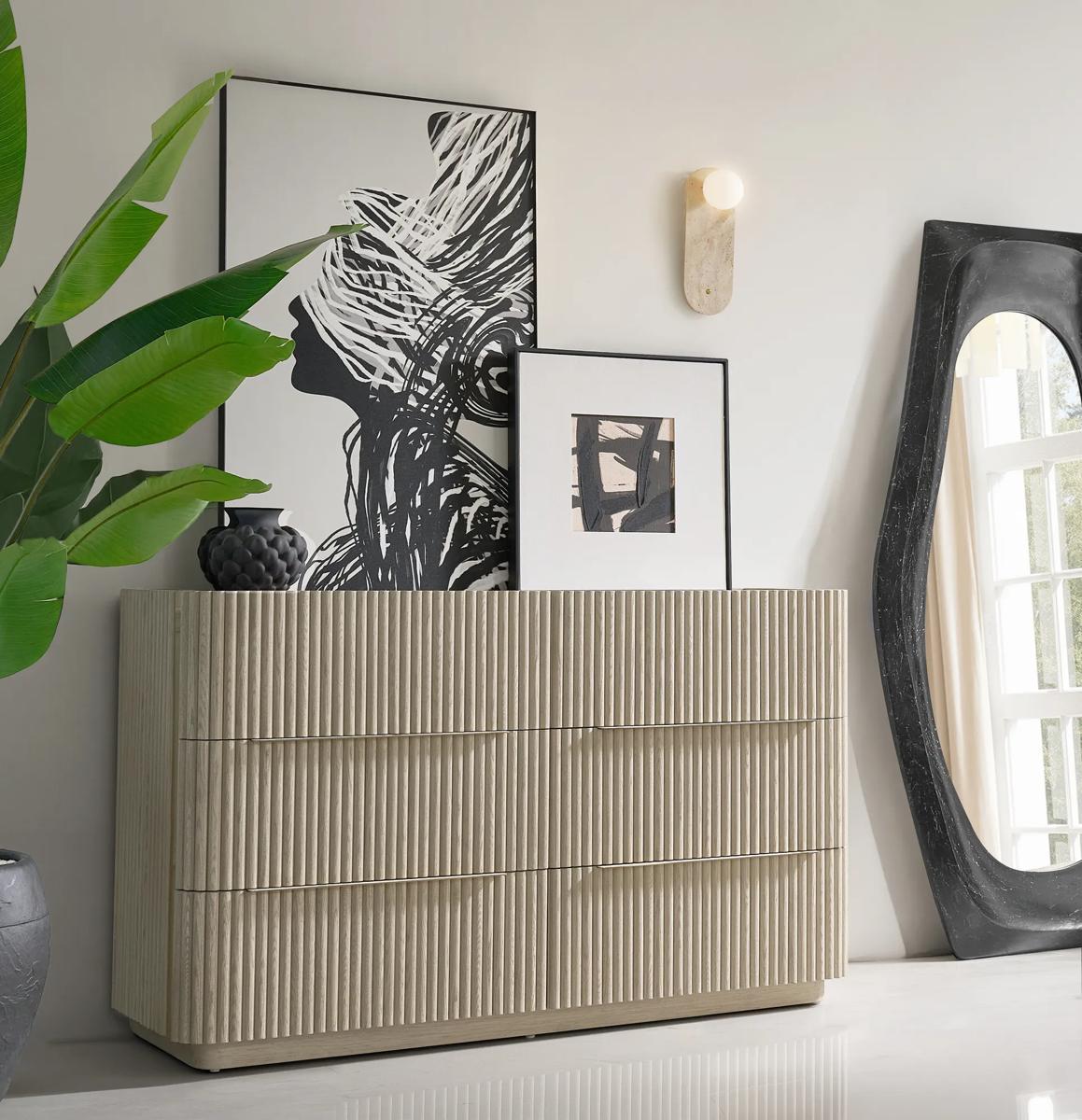 Stria Reeded White Oak 6-Drawer Dresser (64.5")$2599
A sculptural dresser crafted from solid oak with fluted detailing, gold-plated trim, and soft-close drawers.
Add To Cart -
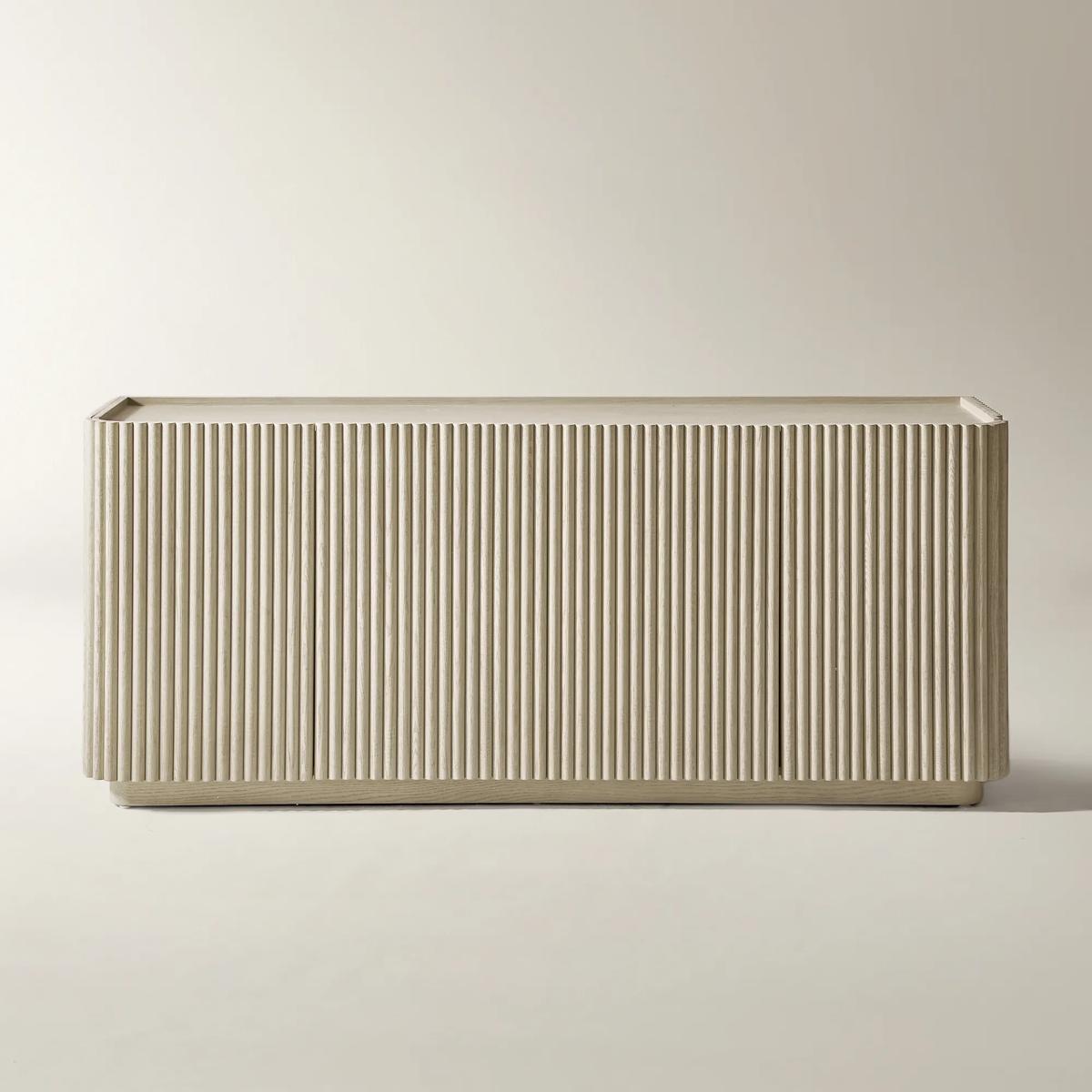
 Stria Reeded White Oak Buffet (72")$2199
A sculptural oak buffet featuring reeded detailing, gold-plated trim, and adjustable storage behind four doors.
Add To Cart -
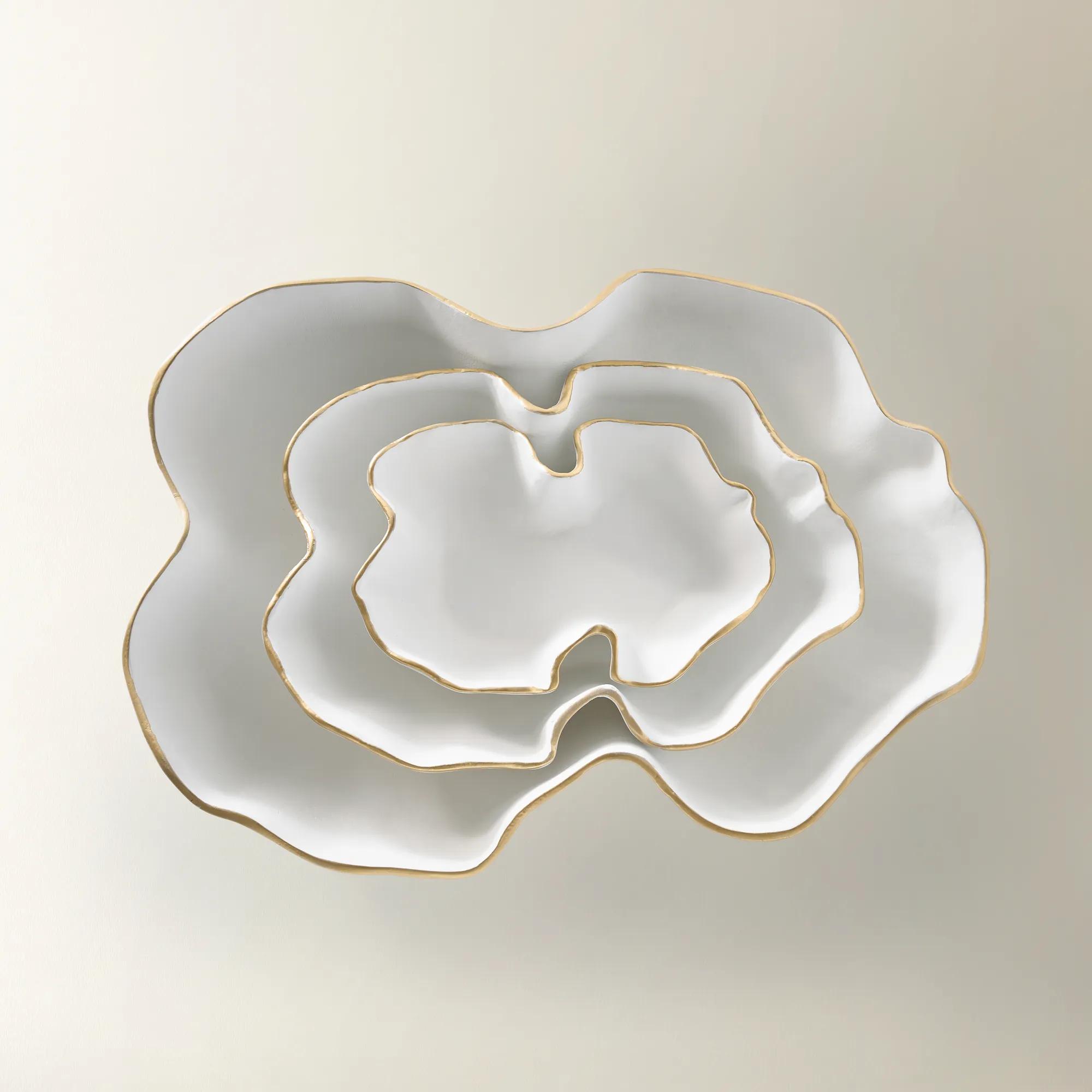 Lava White Gold Aluminum Decorative Nesting Bowls$99
A glossy white aluminum bowl with a golden rim, offering modern elegance for decorative display.
Add To Cart -
 Boots Gold Ceramic Umbrella Stand 18"$99
A whimsical gold ceramic stand shaped like a boot, perfect for storing umbrellas in style.
Add To Cart -
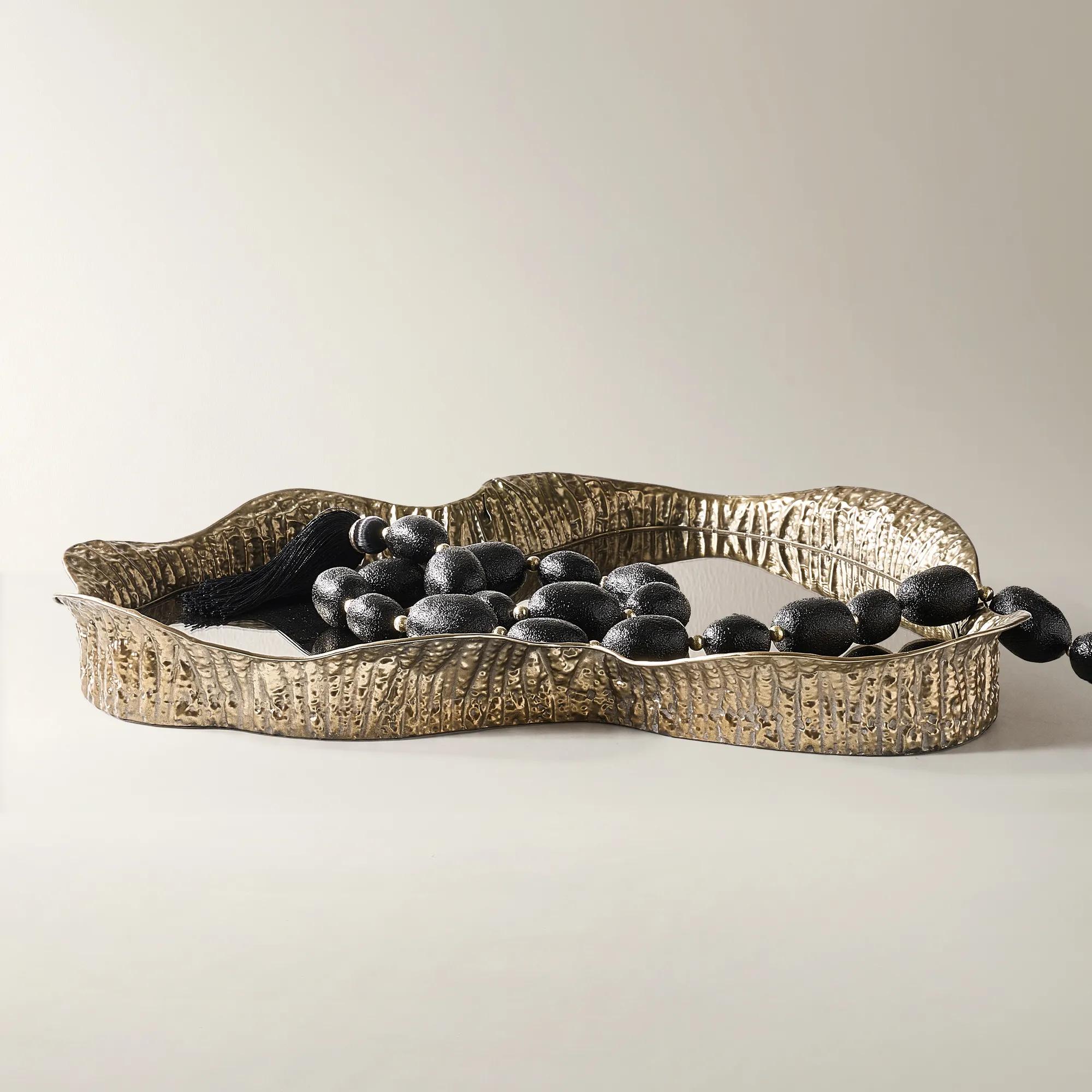 Cara Antique Gold Hand-Forged Iron Organic Shaped Amber Mirror Decorative Tray 21" x 23.5"$319
An antiqued gold iron tray with a bronze-tinted mirror surface for elegant, decorative display.
Add To Cart -
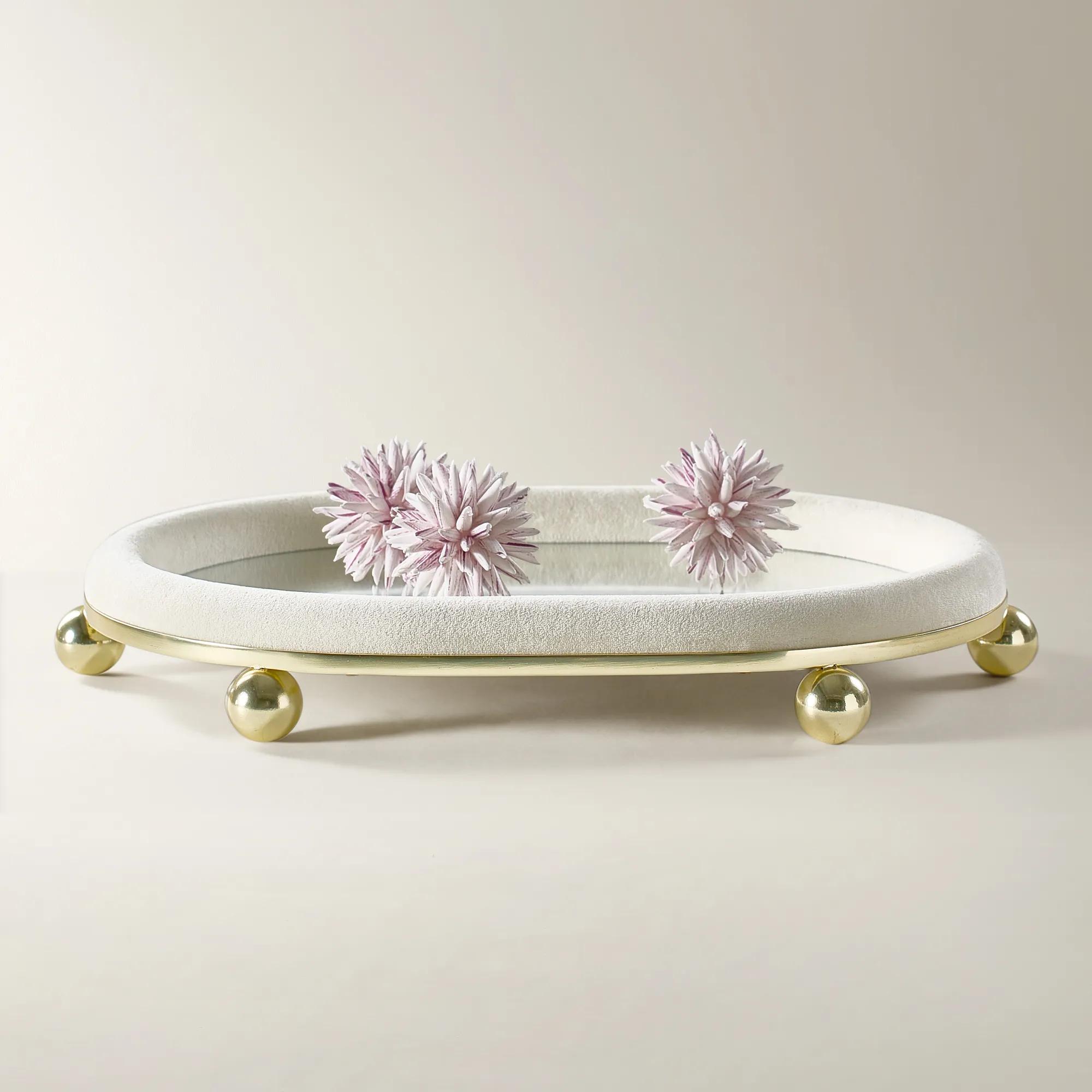
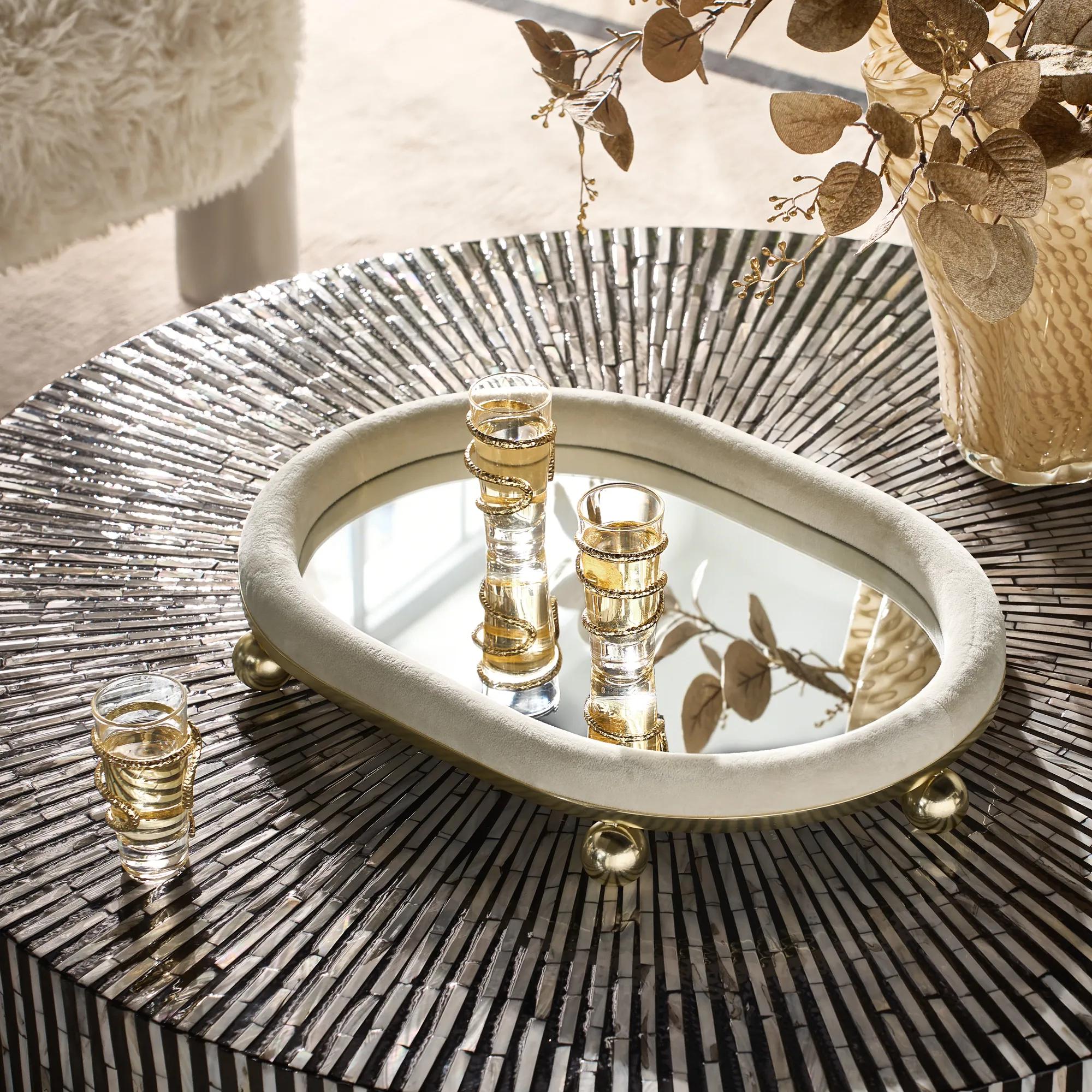 Capri Vanity Ivory Soft Gold Velvet Mirror Tray 17.75" x 2.25"$99
A soft gold iron tray with a mirrored base, velvet accents, and playful bauble details for chic display.
Add To Cart -
 Eye Soft Gold Resin Coin Bank$59
A sculptural resin coin bank in soft gold with a whimsical eye motif for playful, modern decor.
Add To Cart

Gold Plated Decorative Vessels
Gold plated decorative vessels are the very embodiment of opulence—each piece a gleaming ode to artistry and allure. With their radiant metallic finish, these vessels catch the light and command attention, transforming surfaces into curated showcases of sophistication. Whether clustered atop a statement console or standing alone as sculptural centerpieces, gold plated decorative vessels bring an unmistakable sense of drama and grandeur to any room. Elevate your décor with accents that shimmer with promise, inviting admiration and inspiring conversation at every glance.
Gold-plated decorative vessels bring the luminosity of precious metal to sculptural forms, turning a console, dining table, or mantel into a composition with presence. The category encompasses decorative vases, bowls, urns, and pedestal vessels, each offering a different balance of silhouette, surface, and scale. A narrow-neck vase draws attention upward, framing a single dramatic stem; a broad bowl spreads its gleam across a tabletop; an elevated compote gives an arrangement the poise of a small installation. Their appeal extends beyond what they hold. Empty, a vessel with a sweeping lip or deeply textured body can command attention as confidently as a piece of sculpture. Gold plating refers to a thin layer of gold applied over a base material or a prepared surface, rather than an object made from solid gold. Metallic paint, gold-tone finishes, gilding, and gold plating can create related visual effects, but they are not interchangeable descriptions. Material and finish details matter when comparing decorative vessels, particularly when the desired effect is a specific shade or level of reflectivity. A polished surface produces crisp highlights and mirrors nearby colors, while brushed or textured treatments diffuse the light into a softer radiance. Pale gold feels luminous beside ivory upholstery and clear glass; deeper gold tones establish a richer contrast against charcoal, walnut, or saturated blue. Surface relief adds another dimension: fluting emphasizes height, hammered textures scatter light, and sculpted contours create shadows that shift with the viewing angle. These distinctions make gold vessels expressive accents for interiors that favor tailored glamour, collected artistry, or generous layers of texture. For someone who loves a dramatic room but prefers a restrained palette, a single substantial vessel introduces richness without requiring another color. In a more exuberant setting, a grouping of complementary forms can echo the curves of a chandelier, the sheen of a mirror frame, or the golden threads in patterned upholstery, giving those details a deliberate visual connection.
Proportion determines whether a gold decorative vessel feels integrated or merely placed. On a narrow entry console, a slender profile preserves room for daily essentials while creating an elegant focal point beneath artwork. A wide coffee table can support a lower, fuller shape that looks considered from every seat, especially when its silhouette contrasts with the rectangular lines of books or a tray. Dining table arrangements benefit from bowls and compotes that keep conversation comfortable; the total height includes the flowers or branches, not just the vessel itself. Tall forms have a different role, bringing vertical emphasis to an open corner of a sideboard or a generous mantel, provided the base sits fully and securely on the surface. Dimensions should account for the widest part of the body, any projecting handles, and the opening, since a dramatic exterior does not necessarily mean ample space for stems. A small mouth can support a spare arrangement beautifully, while a broad opening may require a floral support system approved for the vessel’s finish. Fresh white flowers sharpen the contrast with gold, leafy stems introduce an organic counterpoint, and an unfilled vessel allows its interior and rim to become part of the display. Fresh arrangements belong only in vessels confirmed as watertight and suitable for that purpose; a decorative vase should not be assumed to hold water simply because of its shape. An appropriate removable liner may help when permitted by the care instructions, but it should fit without scraping the interior or trapping moisture against vulnerable surfaces. Decorative bowls likewise should hold food only when explicitly designated food-safe. Otherwise, their purpose is visual: an open form, an artful arrangement of suitable decorative objects, or a gleaming accent left beautifully bare. Paired with Gold Decorative Plates, vessels introduce height and volume to a display that might otherwise feel flat. Repeating a gold tone while varying the shapes creates cohesion without making every detail identical, and leaving space between pieces gives each contour room to register.
The material beneath a gold finish influences a vessel’s weight, stability, and everyday handling as much as its appearance. Metal-bodied vessels may offer strength without the same breakage risk as ceramic or glass, though they can still dent, scratch, or develop changes in their finish. Porcelain and other ceramic bodies can provide refined contours and a substantial feel, but rims, handles, and projecting details remain vulnerable to chips. Glass introduces its own interplay of transparency and reflection and requires protection from impact. Weight alone is not a measure of quality or security: a tall, narrow vessel with heavy stems can become unstable, while a broad base often provides a more grounded stance. Placement away from busy edges, swinging cabinet doors, and areas accessible to children or pets helps protect both the object and the room around it. Felt protection beneath the base may help safeguard furniture when compatible with the surface, and vessels should be lifted rather than dragged. Gold plating is a surface layer, so its longevity depends on the underlying construction, the plating itself, any protective coating, and how the piece is used. Frequent rubbing and abrasive cleaning can diminish the finish; a soft, dry cloth and gentle dusting are often the most conservative starting point, with the manufacturer’s instructions taking precedence. Metal polish, acidic cleaners, soaking, and dishwasher cleaning should not be used unless expressly approved. Water droplets and floral residue deserve prompt attention using the recommended method, especially around seams and decorative recesses. Indoor display is the appropriate assumption unless a vessel is specifically rated for outdoor use. With thoughtful placement and suitable care, these objects serve people who regard decorating as a personal art: the host composing a memorable dining room, the collector drawn to sculptural silhouettes, or the apartment dweller seeking one radiant accent with real presence. They can also make distinctive housewarming or wedding gifts when chosen with the recipient’s space and taste in mind. A manageable scale and a versatile shape allow the gesture to feel personal without dictating an entire room, offering a lasting invitation to display something beautiful in a way that feels entirely their own.
FAQs
Gold plated decorative vessels capture and reflect light, infusing any space with a sense of warmth and opulence. Their radiant finish brings a touch of glamour to both modern and traditional interiors, transforming surfaces into curated displays that evoke artistry and sophistication.
Gold vessels are remarkably versatile. In winter, fill them with evergreen branches or shimmering ornaments for a festive touch. In spring and summer, showcase fresh florals or sculptural branches. Year-round, they shine as stand-alone art pieces or as part of layered vignettes with candles, books, or other decorative accents.
Absolutely. A gold plated vase makes an unforgettable gift for weddings, anniversaries, housewarmings, or milestone celebrations. Its timeless elegance and enduring quality ensure it will be cherished for years, serving as a constant reminder of the special occasion.
Decorative gold vessels complement a wide array of styles, from classic and Art Deco to contemporary and eclectic. Their luminous finish adds a layer of richness to minimalist spaces, while their bold presence enhances maximalist and glam-inspired rooms.
For a harmonious display, group gold vessels of varying heights and shapes together on a tray or shelf, balancing them with contrasting textures like marble or velvet. Repeating gold accents throughout your space—such as in picture frames or lighting—can also tie the look together beautifully.