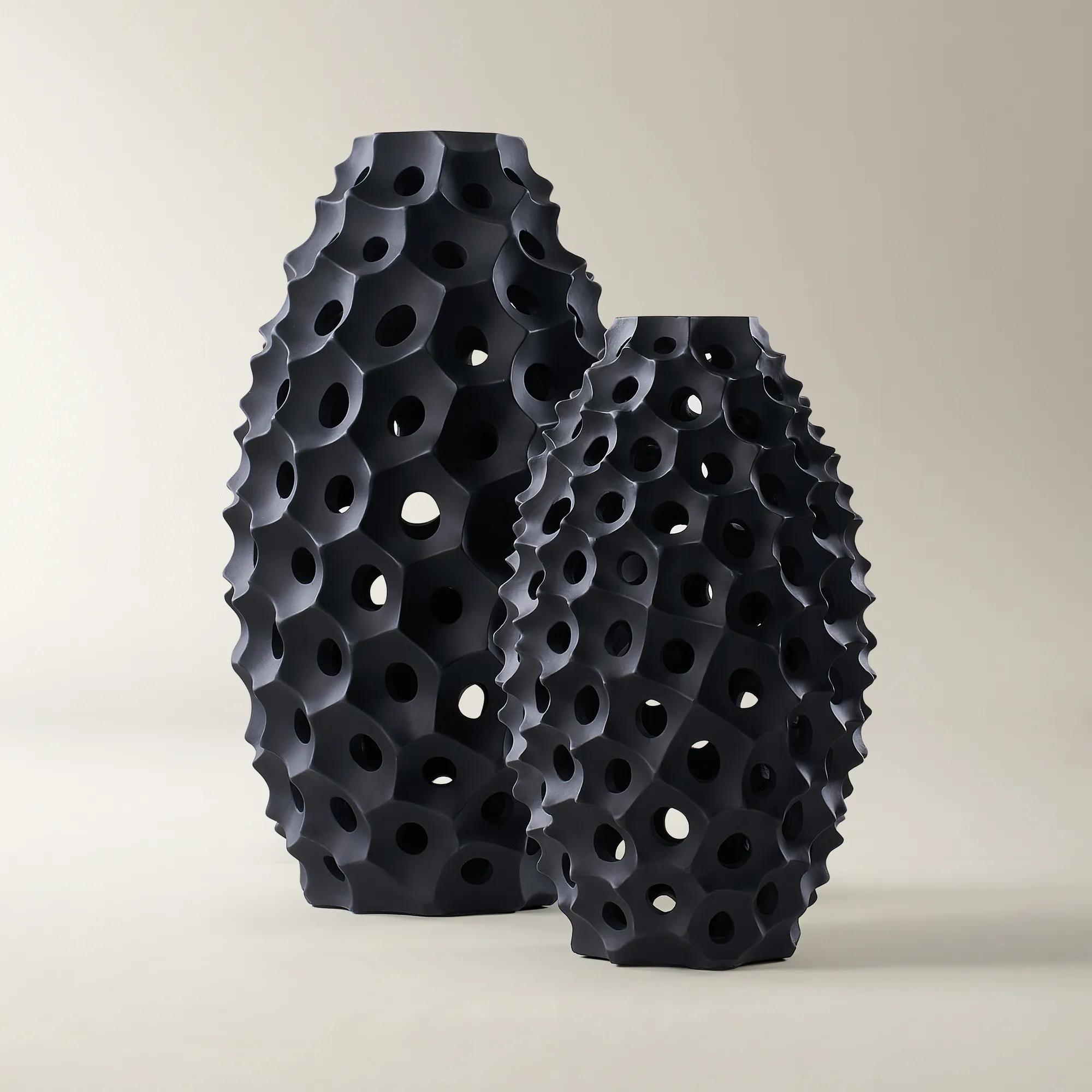
Silver Plates For Decorative Arrangements
Silver Plates For Decorative Arrangements
-
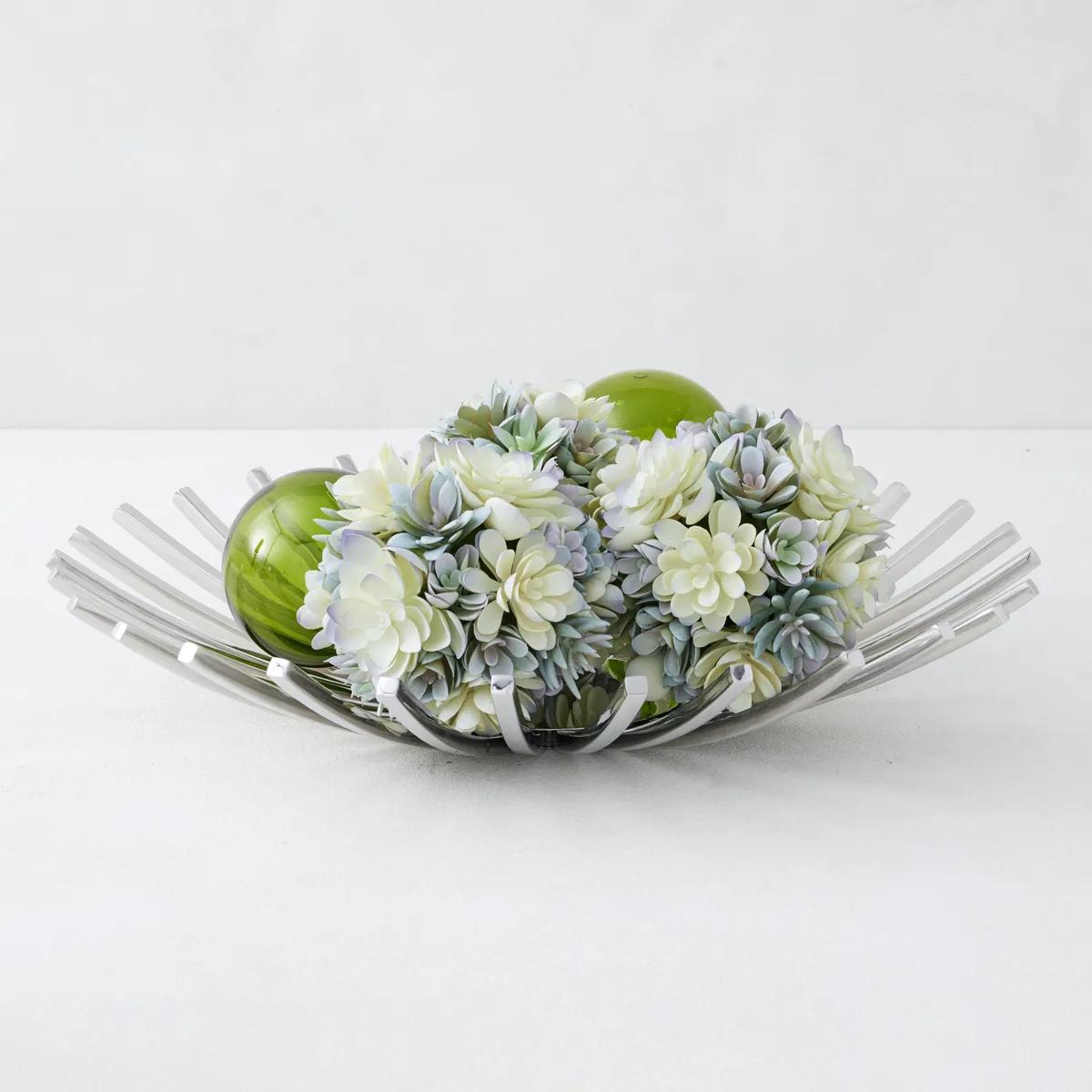
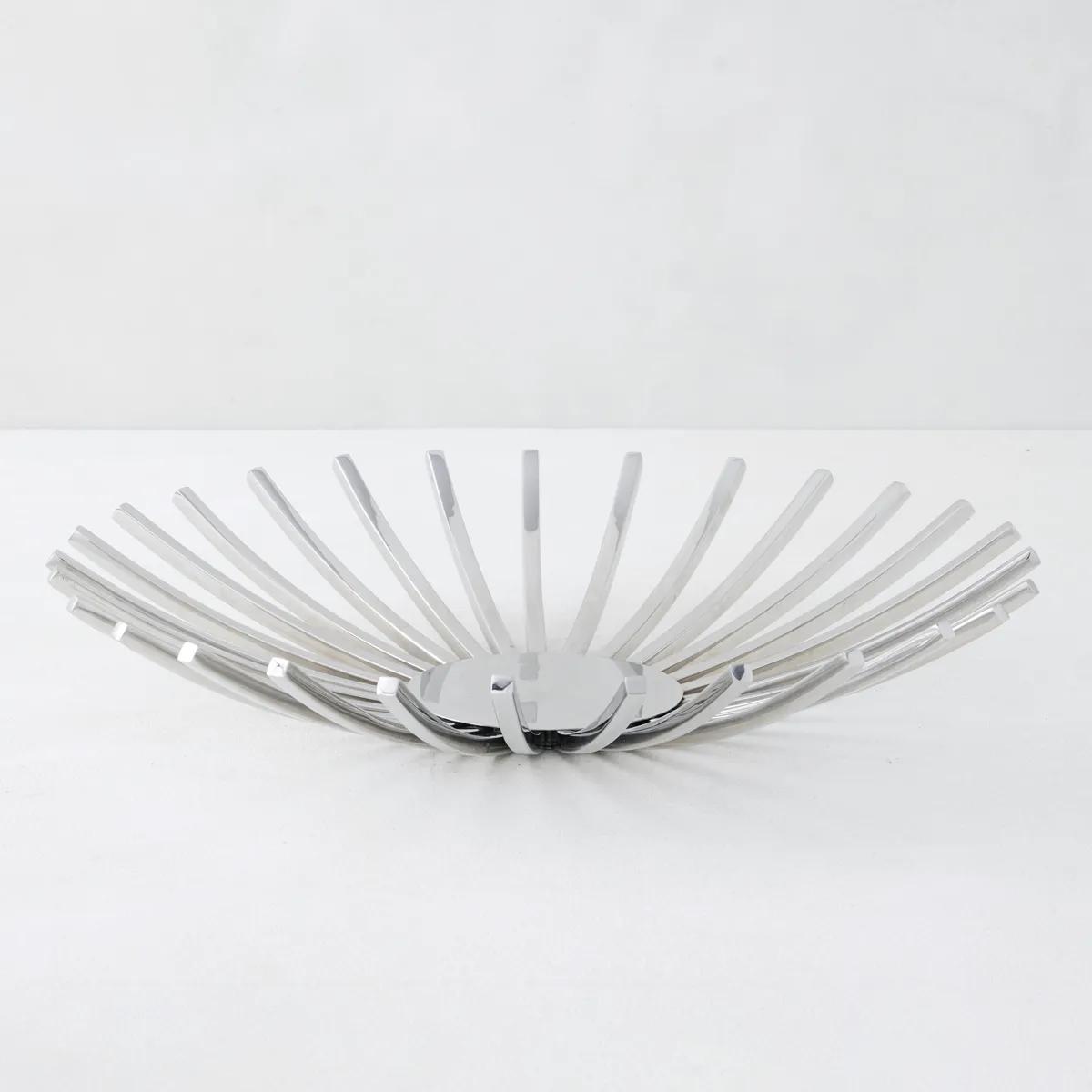 Jupiter Plate$129
A polished stainless steel plate that adds modern brightness to any contemporary decor arrangement.
Add To Cart -
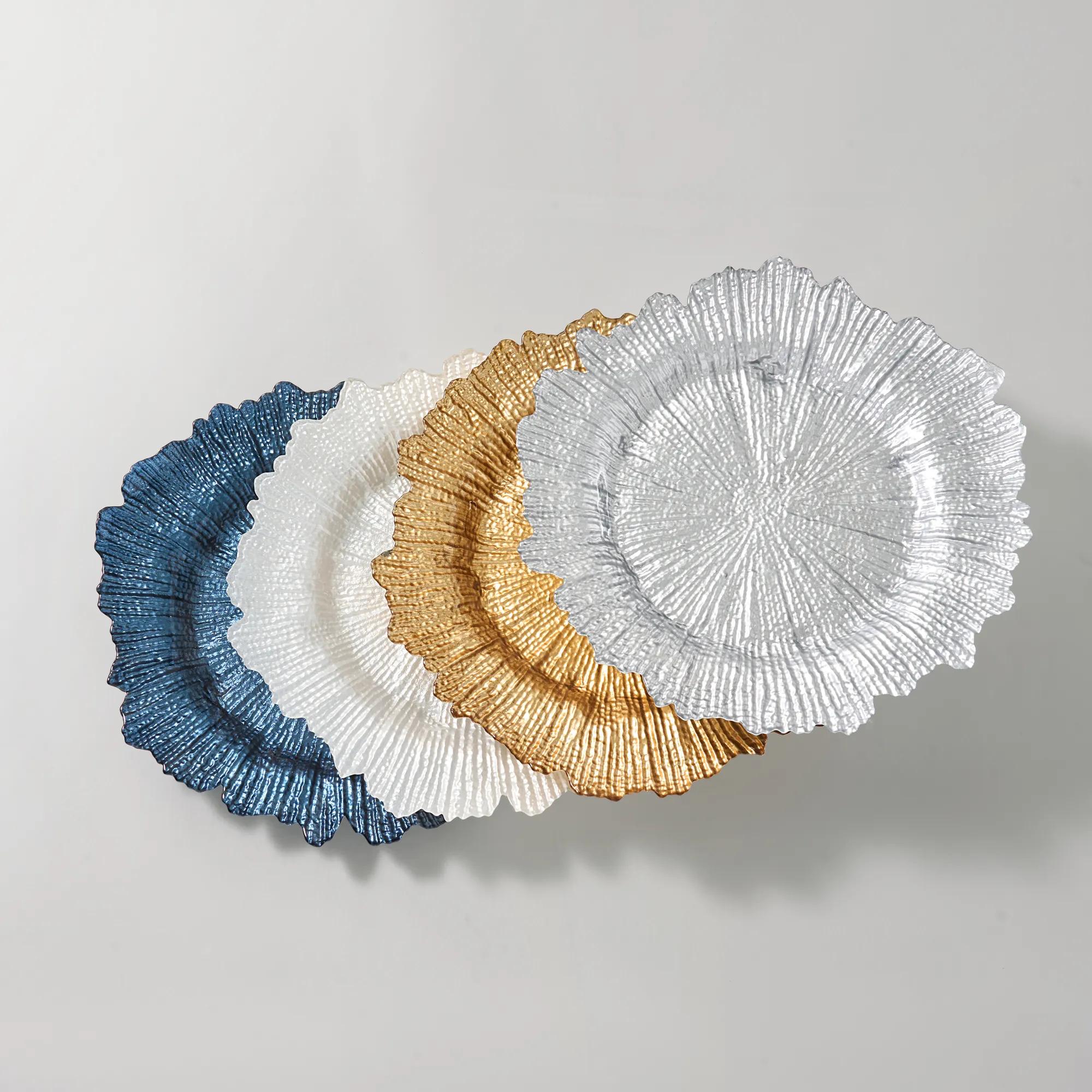
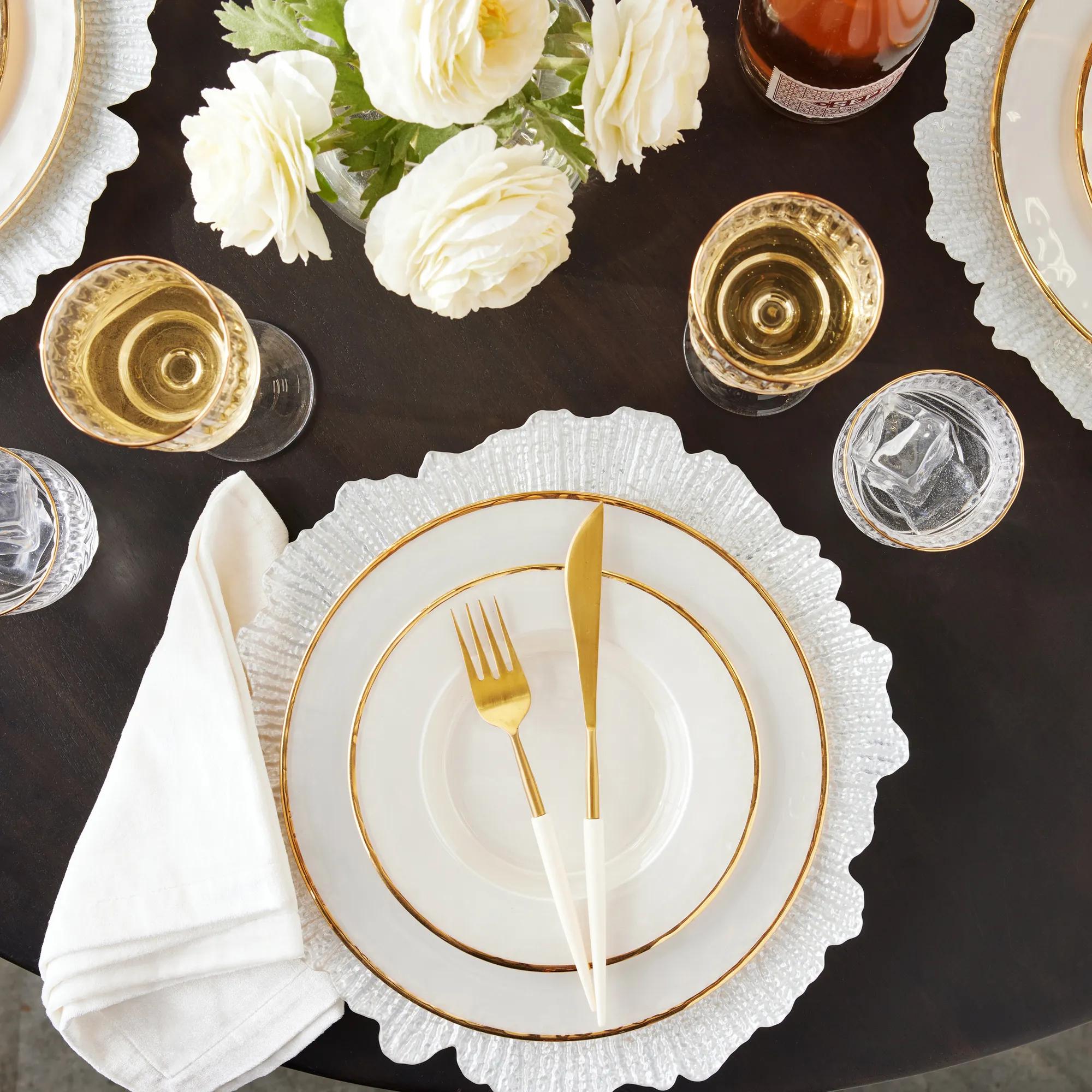 Spruzzo Glass Charger Sets 13"$109
A set of four glass chargers featuring a metallic-backed leaf pattern in gold, silver, white, or sapphire.
Add To Cart -
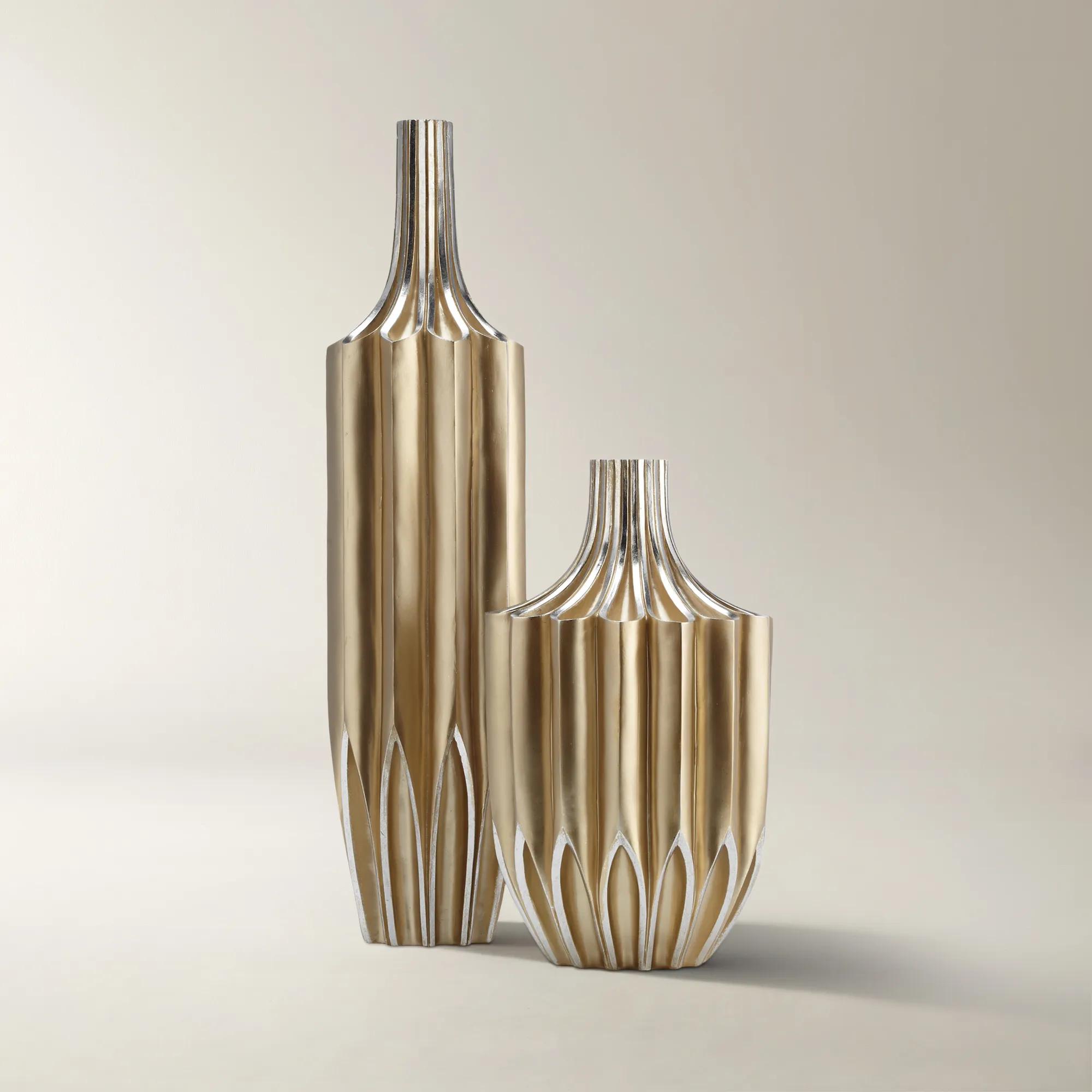
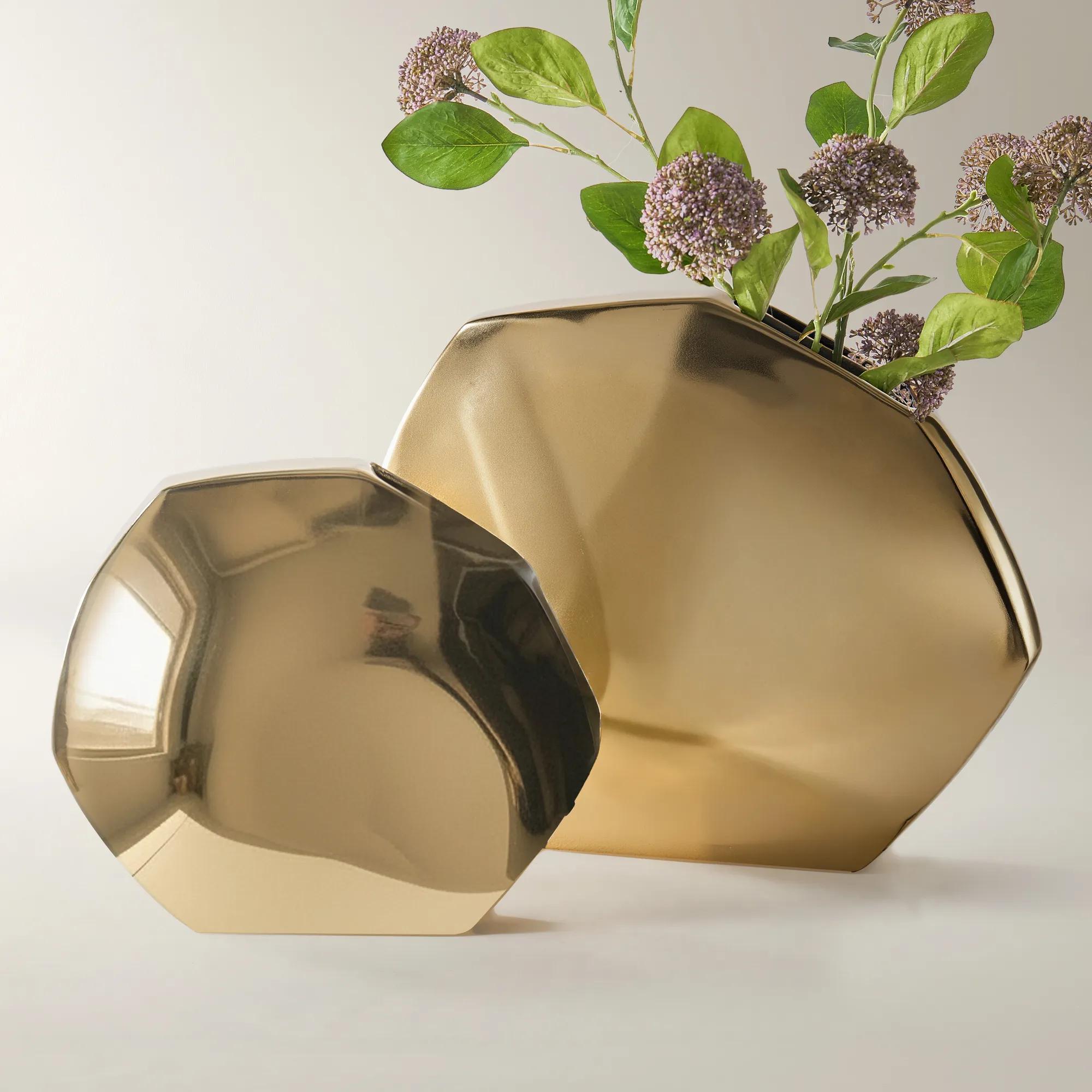
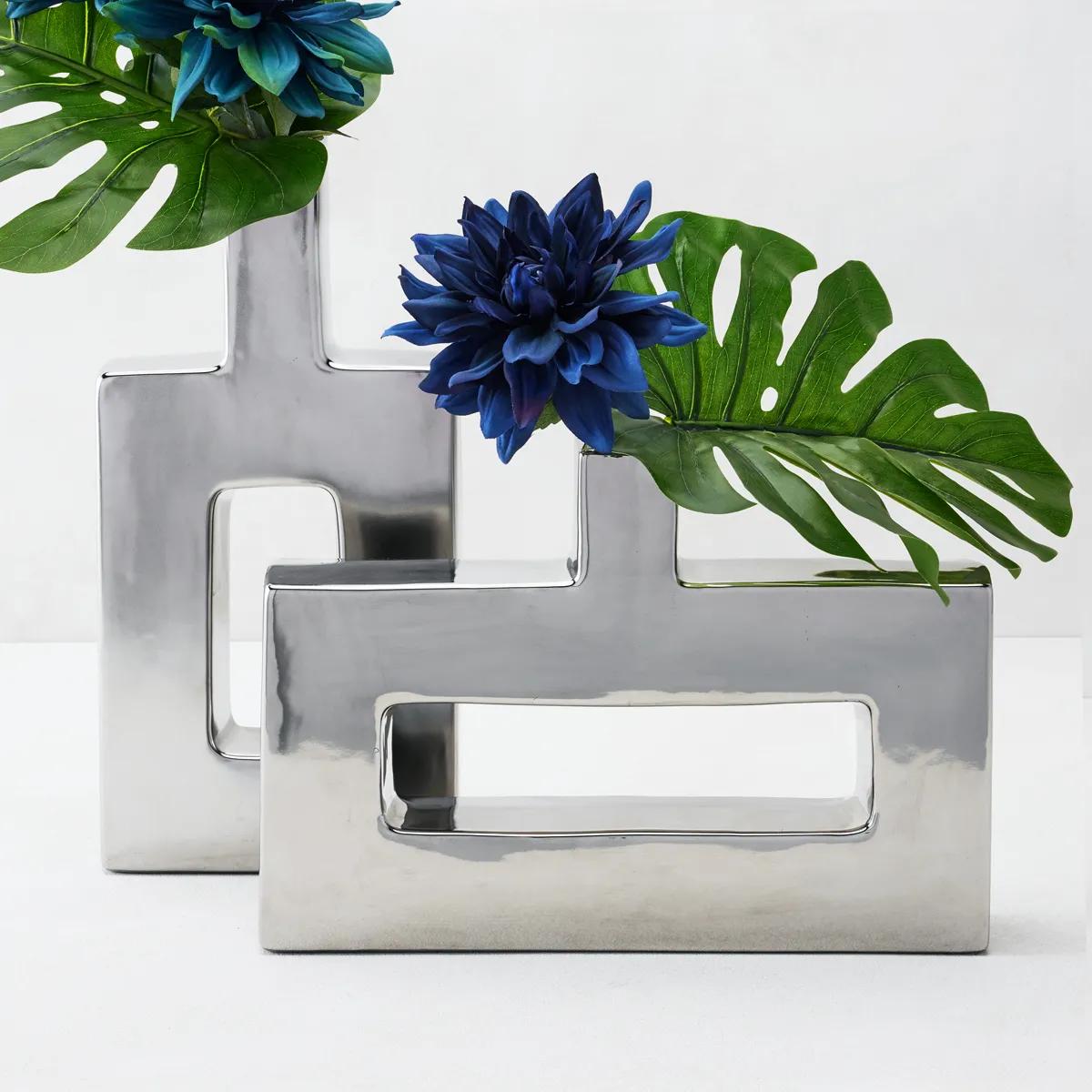 Miami Silver Ceramic High Gloss Vase 18.5"$69
A contemporary silver ceramic vase with a stylish gold glaze, perfect for decorative foliage or display.
Add To Cart -
Miami Silver Ceramic High Gloss Vase 11.75"$69
A contemporary silver ceramic vase with a stylish gold glaze, perfect for decorative foliage or display.
Add To Cart -

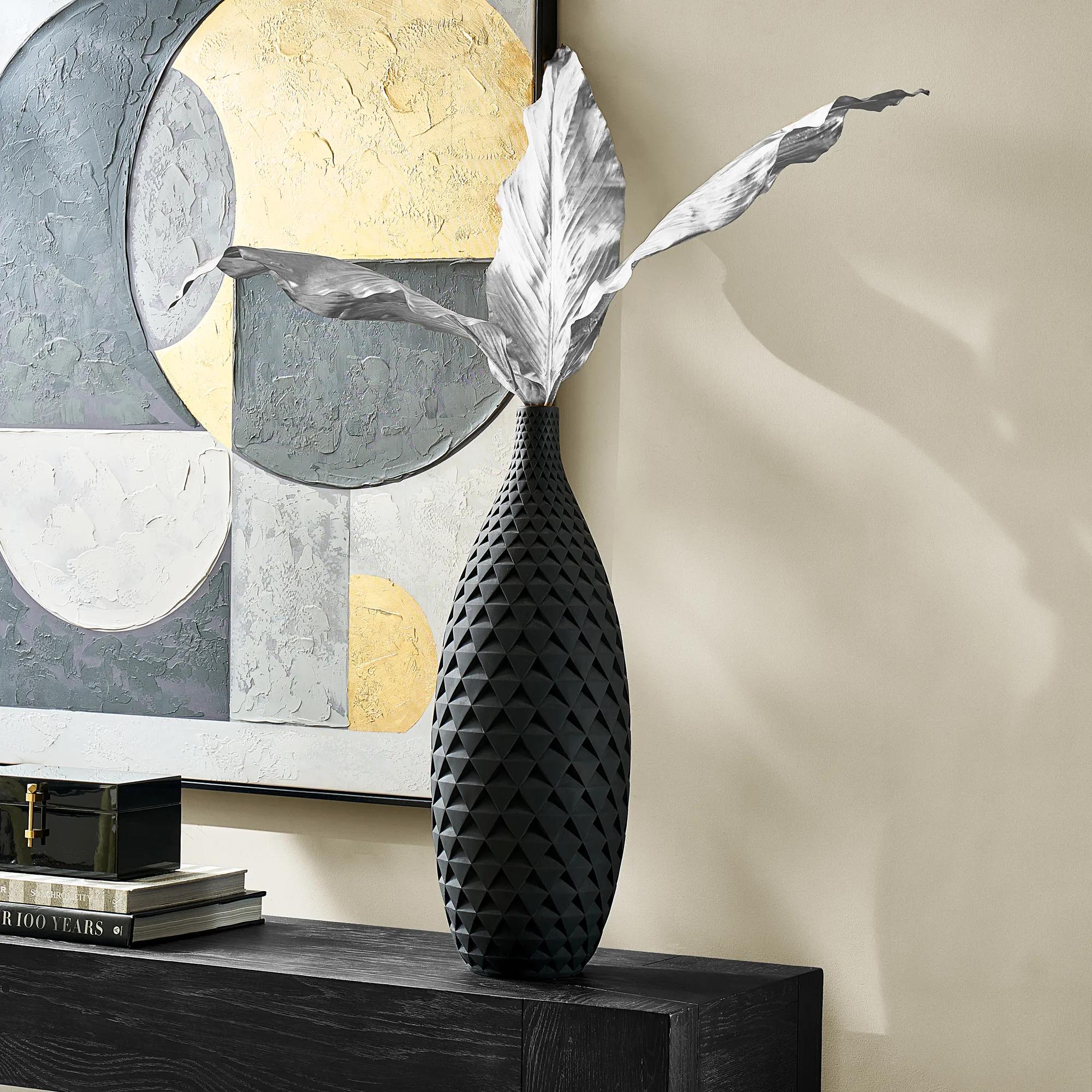 Faux Silver Canna Leaf Branch 38" Set of 3$49
A set of three silver metallic leaves inspired by the Canna plant for modern seasonal décor.
Add To Cart -
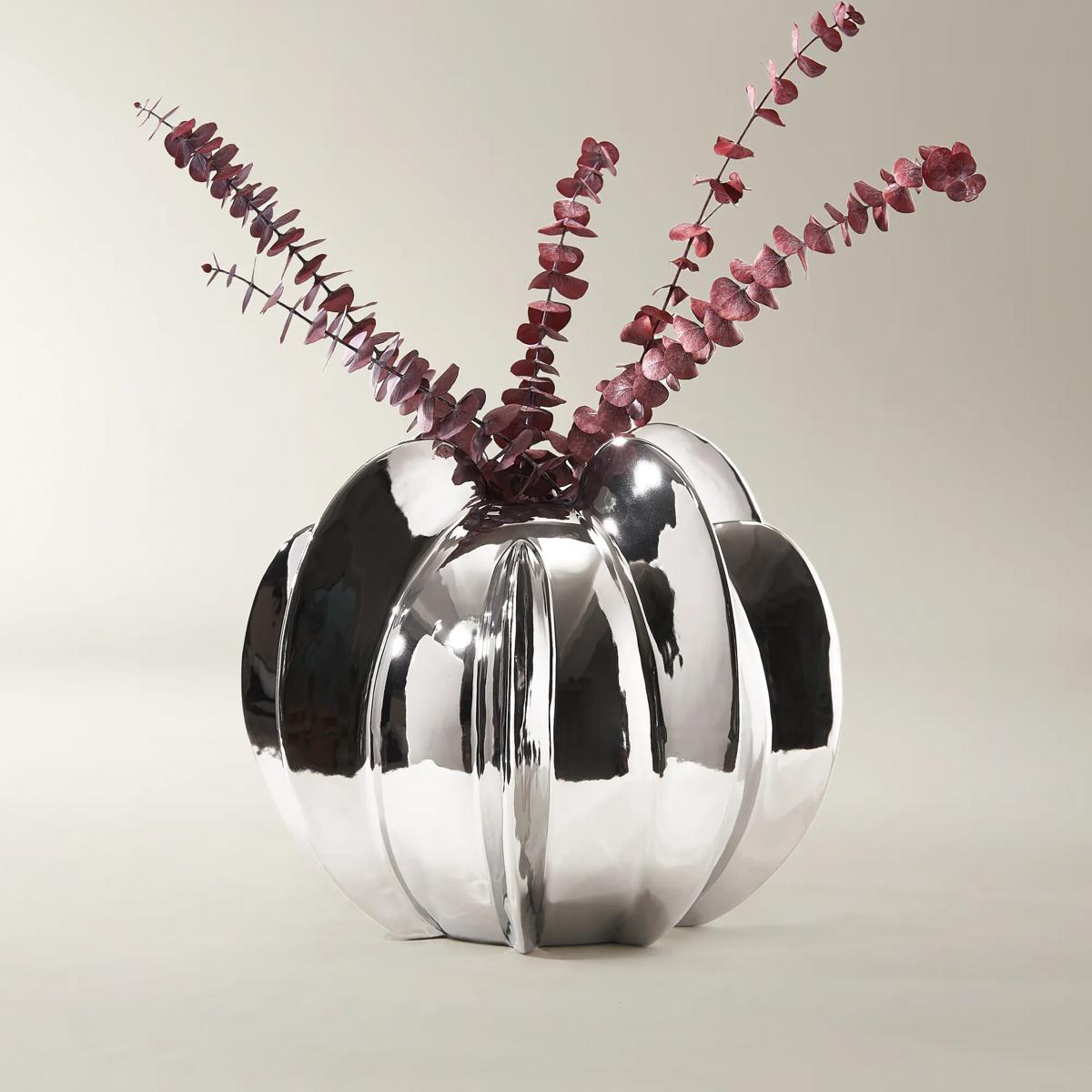
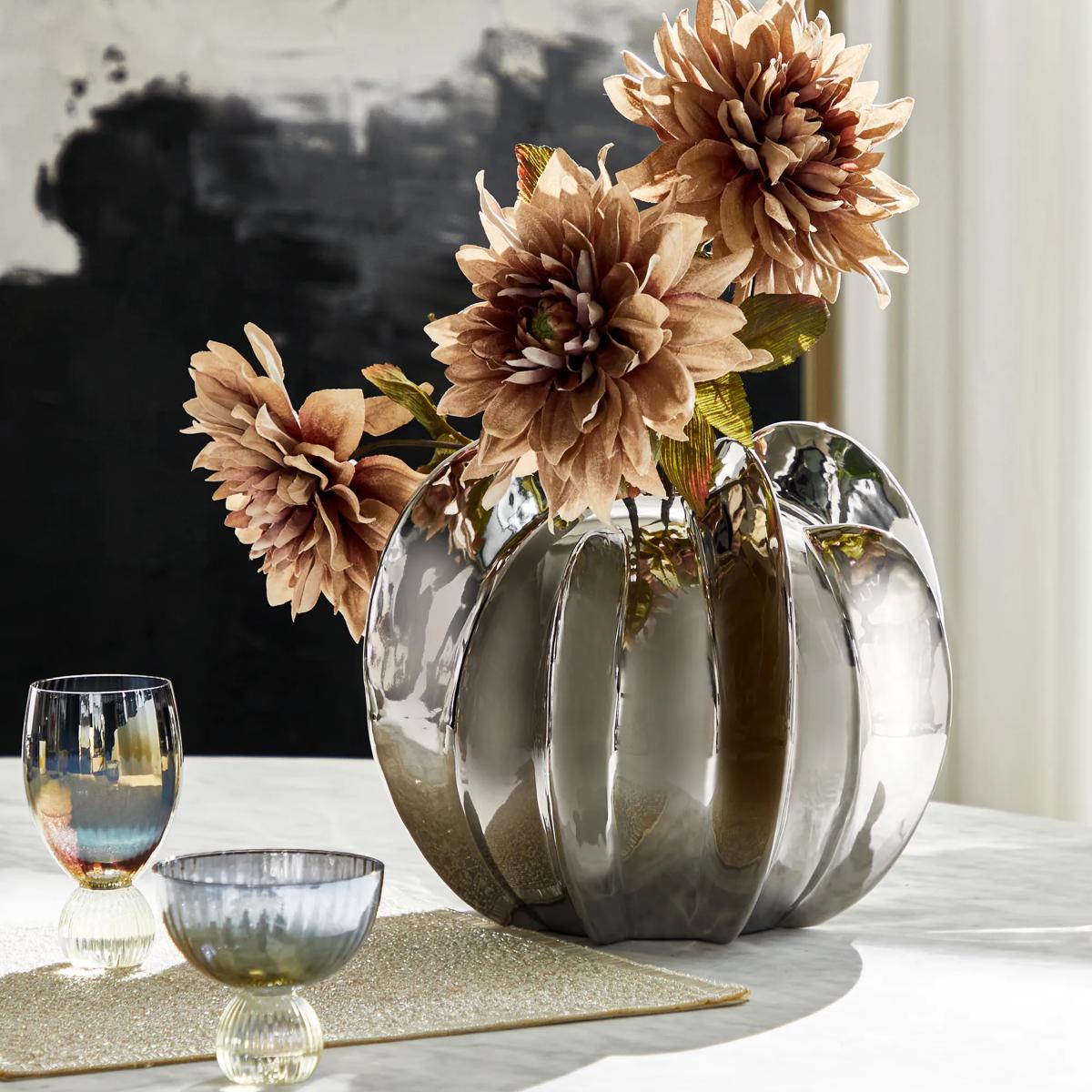 Voyage Vase$99
A reflective silver ceramic vase featuring a bold orb shape and dimensional vertical finned texture.
Add To Cart -
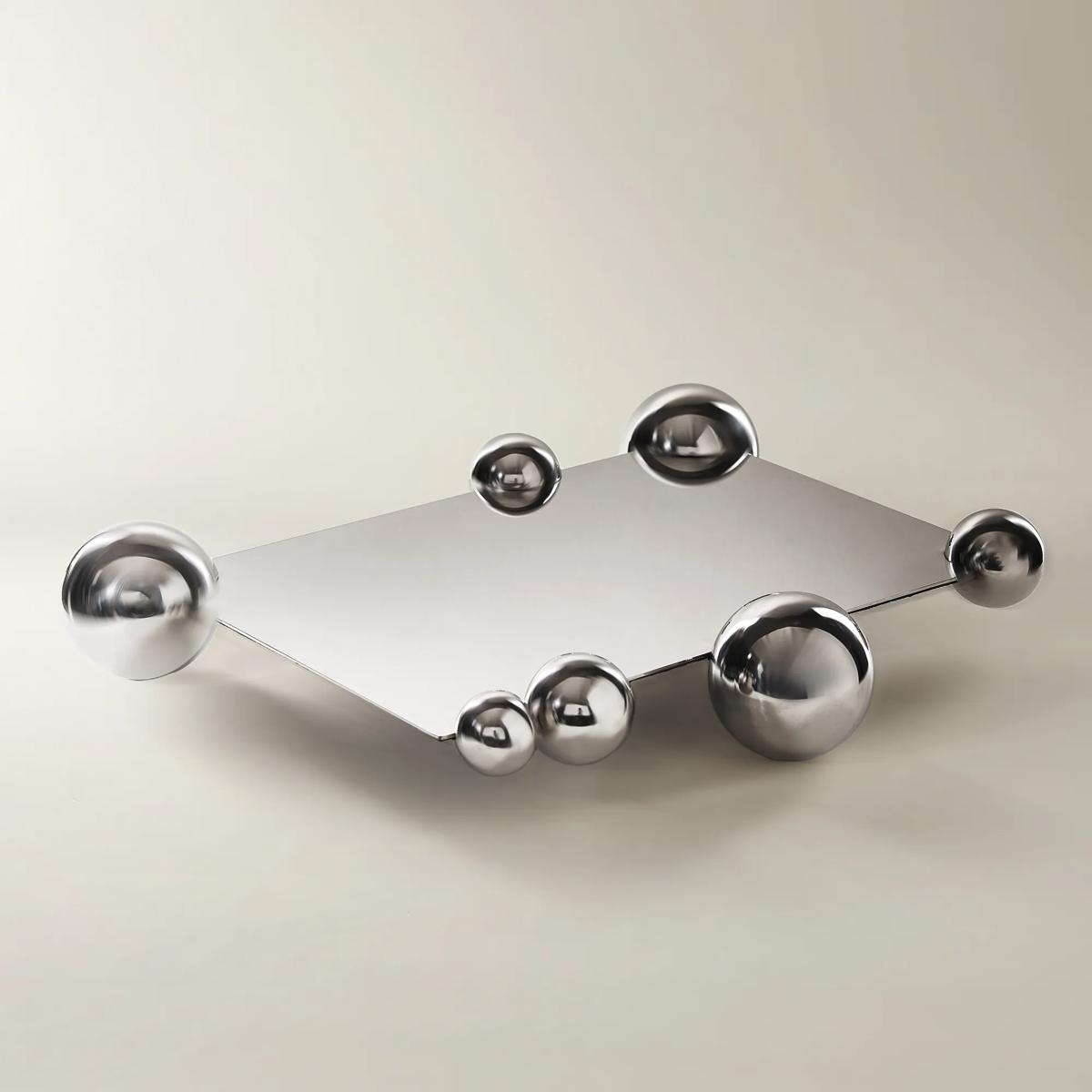 Chrome Bubble Silver Stainless Steel Serving Tray 13.25" x 3.25"$139
A polished stainless steel tray with sculptural bubble accents for a playful, modern entertaining statement.
Add To Cart -
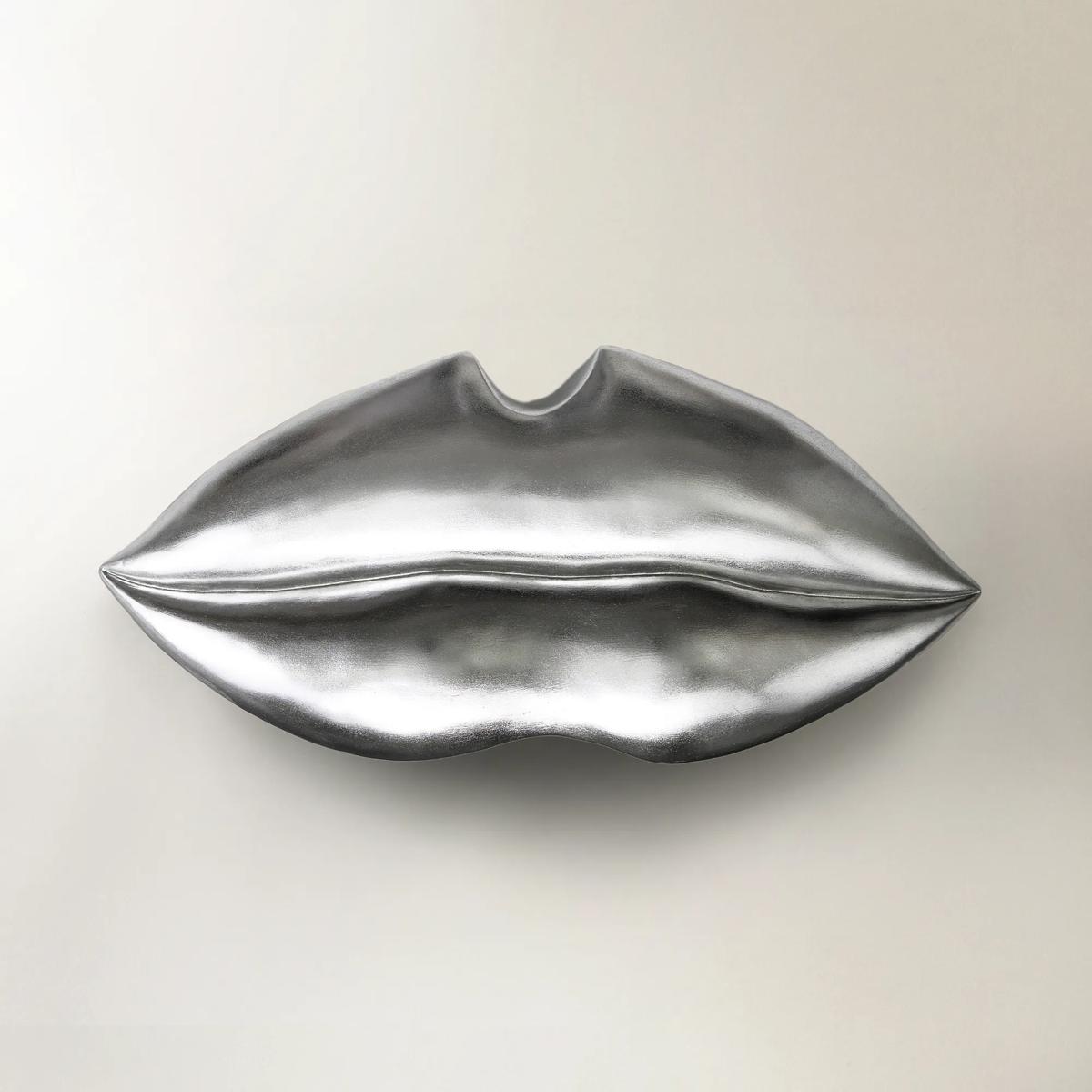 Grand Lips Silver Poly Resin Wall Decor 27.5" x 12.5"$99
A playful resin sculpture in sleek silver, perfect for adding modern flair to any space.
Add To Cart

Silver Plates For Decorative Arrangements
Silver plates for decorative arrangements are the ultimate expression of refined artistry—a gleaming foundation upon which every vignette becomes unforgettable. Their luminous surfaces catch the light, reflecting sophistication and drama into any space, whether showcased alone or layered with sculptural objects and florals. Let each plate set the stage for your imagination, transforming tabletops and consoles into curated moments of radiance. With silver plates for decorative arrangements, your home becomes a gallery of brilliance, where every detail tells a story of opulence and creative flair.
Silver plates for decorative arrangements bring a luminous foundation to table centerpieces, console displays, and artful shelf compositions. Their appeal lies in the way they frame an arrangement: a reflective surface gathers scattered elements into one deliberate moment, while a defined rim gives flowers, decorative objects, and sculptural accents a visual boundary. Unlike a serving platter chosen primarily for food, a decorative silver plate is selected for its silhouette, finish, texture, and presence in the room. “Silver” can describe a color or surface treatment rather than solid silver, so material and finish descriptions matter as much as appearance. Depending on their construction, these accents may feature polished metal, silver-plated surfaces, or ceramic and glass with metallic finishes. Each creates a different mood. A mirror-like plate sharpens the contrast beneath dark foliage or a matte vessel; a hammered surface breaks reflections into smaller flashes of light; a brushed finish introduces a quieter sheen alongside richly veined stone or lacquered furniture. Broad, shallow forms offer room for layered compositions, while deeper rims lend dimension and help define the space occupied by loose decorative elements. Round silver decorative plates soften the strong lines of a rectangular console, and elongated platters echo the proportions of a dining table or generous mantel. Ornate edges lend a collected, expressive character, while smooth contours allow the contents of an arrangement to take the lead. These differences make silver-toned plates equally compelling in a formal dining room, a glamorous living area, or an entryway that deserves a memorable opening gesture. Against charcoal, midnight blue, or jewel-toned upholstery, silver feels crisp and theatrical. Beside ivory textiles and pale wood, its reflective quality adds definition without overwhelming the palette. The result is less about adding another accessory than giving an existing arrangement a stronger sense of composition, with light, shape, and texture working together.
Scale determines whether that composition feels poised or crowded. A decorative centerpiece plate should have enough surface area to hold its intended accents comfortably, with a visible border that lets the finish remain part of the display. On a dining table used every day, a low arrangement preserves conversation and leaves practical room for place settings; on a broad entry console, a larger plate can support a more expansive grouping with contrasting heights. The footprint of every vessel matters, particularly on plates with curved wells, raised patterns, or sloping edges that reduce the usable flat surface. A vase needs a stable resting point, and a floral arrangement belongs in a watertight container rather than directly on a decorative finish that may not tolerate moisture. A silver plate beneath a clear vessel can draw attention to stems and shadows, while a dark ceramic vessel creates a striking contrast against a gleaming base. Decorative spheres, folded textiles, and sculptural objects introduce additional texture without requiring every element to match. For candle arrangements, flameless candles offer atmosphere without exposing the plate to an open flame; burning candles require suitable holders, adequate clearance, and a surface approved for the intended use. During the cooler months, deeper-toned foliage and richly textured accents feel especially expressive against silver, yet the same plate can remain in place as the surrounding palette changes. A mantel arrangement gains rhythm when a low, reflective plate is balanced with taller forms nearby, including Silver Vases For Mantel Decoration, with enough separation for each silhouette to register. Silver chargers offer a related but distinct effect at the dining table, framing dinnerware rather than functioning automatically as serving dishes. Decorative plates and chargers should contact food only when explicitly identified as food-safe. Wall displays are another possibility for plates suited to hanging, provided the mounting hardware supports the piece’s weight, fits its shape, and does not damage the finish. Whether displayed horizontally or vertically, the most persuasive arrangements give silver enough breathing room to reveal its character.
Material, construction, and care influence how gracefully a silver decorative plate lives with its surroundings. A substantial metal plate may feel reassuring on a large console, but its weight deserves consideration on glass shelving or a narrow mantel. Ceramic and glass can deliver beautifully defined contours and luminous finishes, although edges remain vulnerable to chips from impact. Metal is not immune to wear: thin forms can dent, highly polished surfaces can show fine scratches, and plated or applied metallic finishes may be damaged by abrasive cleaning. Solid silver and silver-plated pieces can tarnish, while silver-colored aluminum, stainless steel, and coated materials have different maintenance needs. Care should therefore follow the material and finish instructions rather than a single routine for everything described as silver. Gentle dusting with a soft cloth is often the simplest starting point; soaking, dishwashing, chemical cleaners, and silver polish are appropriate only when the manufacturer permits them. Moisture beneath a vase can leave marks on some finishes, making a dry base and periodic checks especially useful in floral displays. Protective pads suitable for both surfaces can help prevent scratches where a plate meets wood, stone, or glass, while lifting an arrangement instead of sliding it reduces unnecessary friction. A plate intended to remain outdoors needs an explicit outdoor-use designation, since indoor decorative finishes may not withstand rain, humidity, or temperature changes. These practical distinctions make it easier to choose an accent that suits the way a room is actually used, from a frequently rearranged coffee table to a more settled dining room display. Silver decorative plates also make thoughtful housewarming or wedding gifts for recipients who enjoy entertaining, collecting expressive objects, or refreshing their interiors. A versatile silhouette leaves room for personal interpretation, while a richly textured finish can appeal to someone drawn to more dramatic surroundings. The enduring pleasure is that the plate need not dictate a single arrangement. It can frame a restrained grouping of treasured objects or anchor a fuller composition, lending either one a distinctive glow and a beautifully resolved sense of place.
FAQs
Silver plates are the ultimate canvas for festive arrangements. Layer them beneath glass hurricanes filled with shimmering ornaments, or use them to anchor a centerpiece of winter greenery and metallic candleholders. Their reflective surfaces amplify candlelight, creating a magical atmosphere perfect for seasonal gatherings.
Absolutely. The timeless appeal of silver plates allows them to transcend style boundaries. In modern spaces, opt for sleek, polished designs that add a touch of glamour without overwhelming the room. For traditional settings, plates with ornate details or vintage patinas bring a sense of history and grandeur to your décor.
Think beyond the table—silver plates can be displayed on walls as artful accents, used as elegant trays for perfume bottles on a vanity, or paired with sculptural vases to create a striking vignette on a mantel or entry console. Their versatility encourages imaginative styling throughout your home.
Yes, mixing metals is a hallmark of sophisticated design. Silver plates pair beautifully with gold, brass, or rose gold accents, creating dynamic visual interest and depth. The key is to balance proportions and finishes for a harmonious, curated effect that feels intentional and artful.
Silver plates exude timeless elegance and serve as lasting mementos of cherished moments. Whether given for a wedding, housewarming, or holiday celebration, they become part of the recipient’s personal story—treasured pieces that elevate everyday rituals and festive gatherings alike.