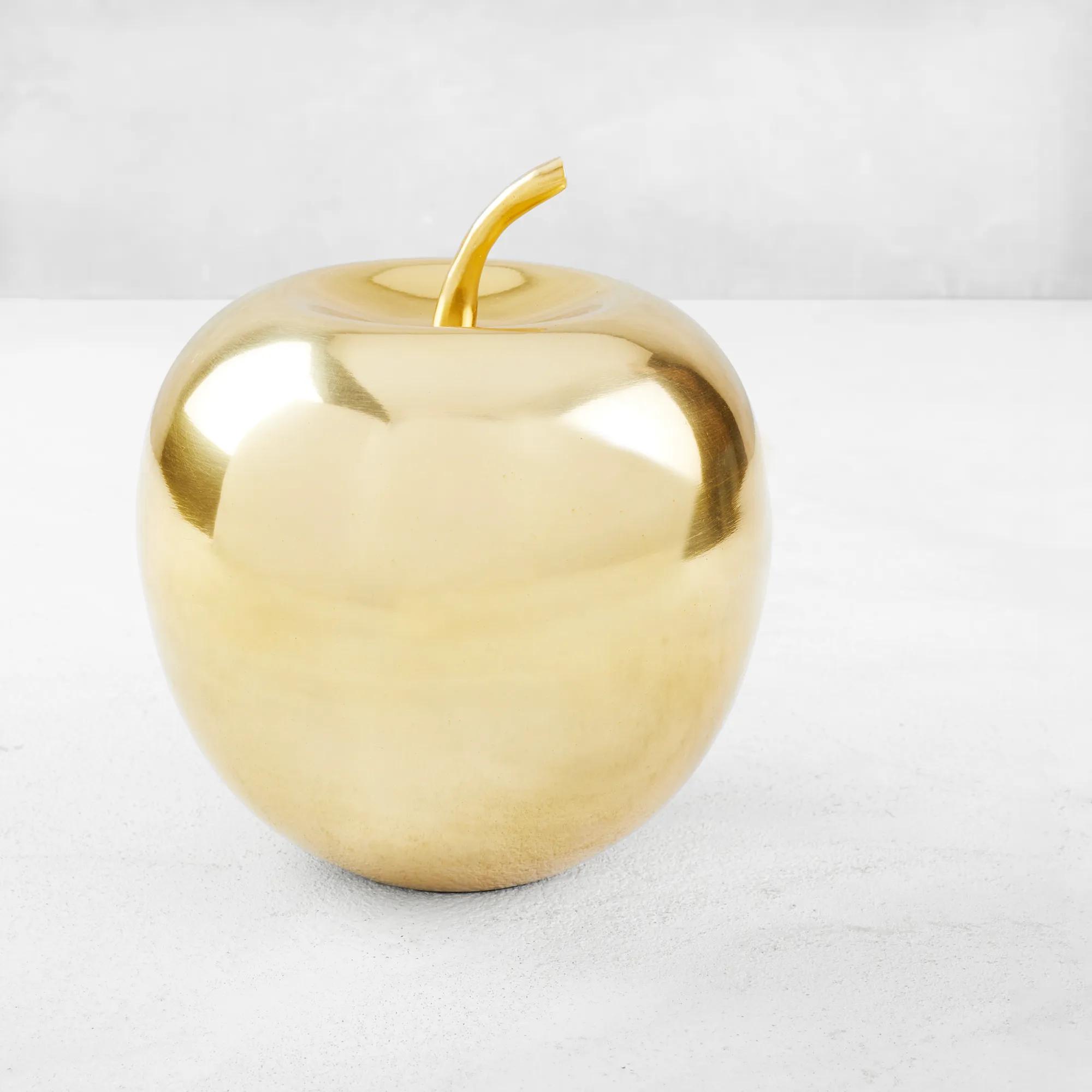
Modern Gold Decorative Accessories
Modern Gold Decorative Accessories
-
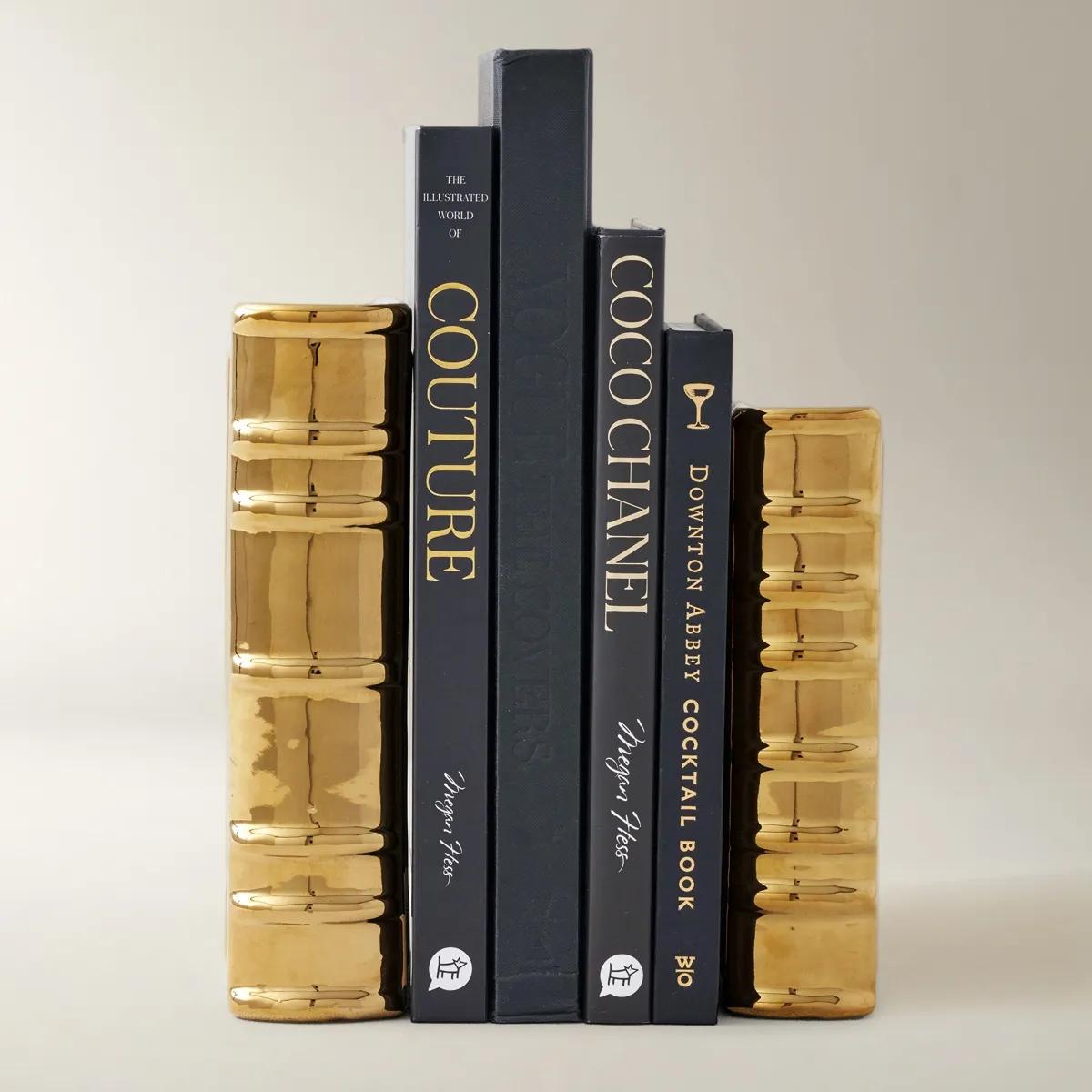 Gold Ceramic Bookends$49
A pair of gold ceramic book accents that double as sleek, modern bookends for any space.
Add To Cart -
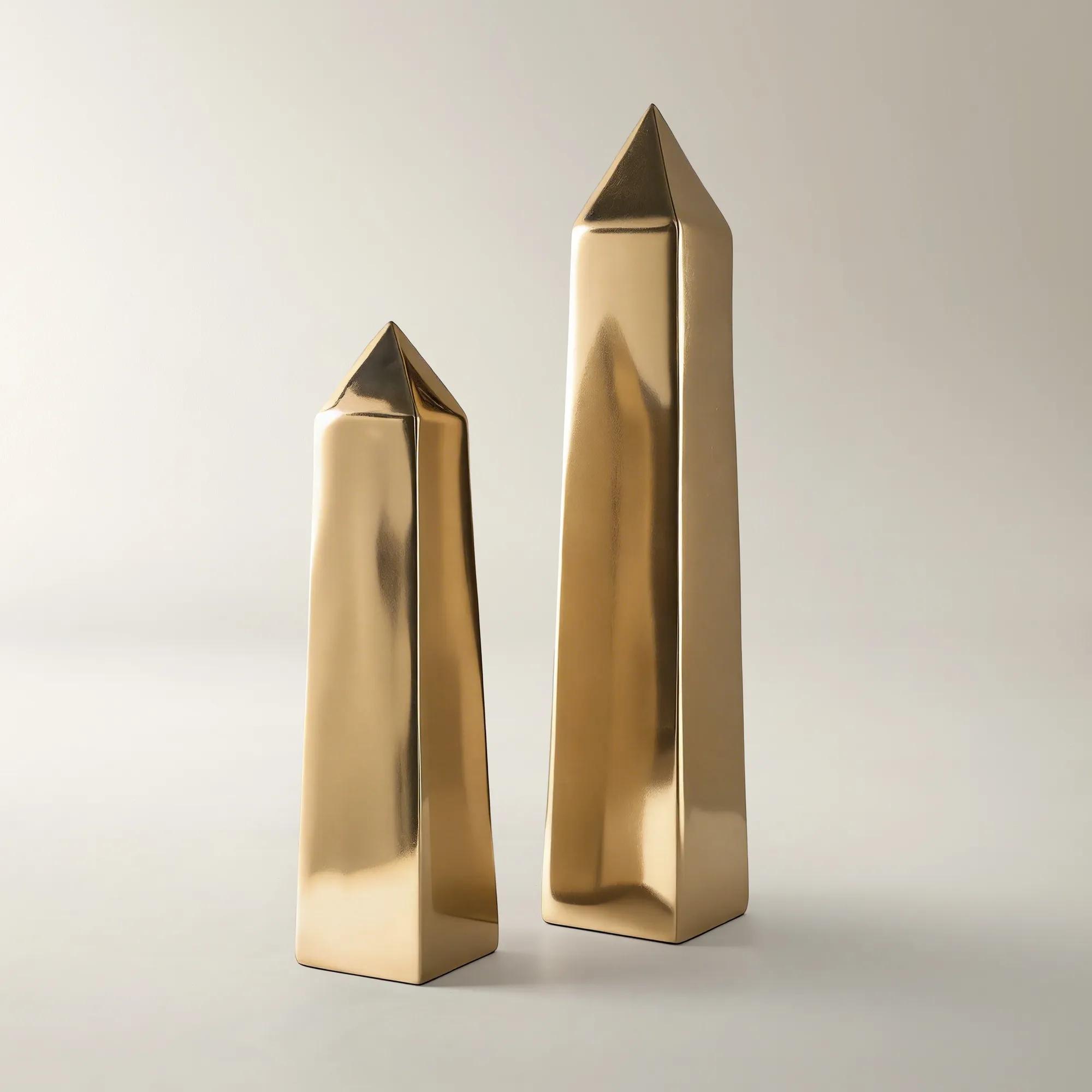
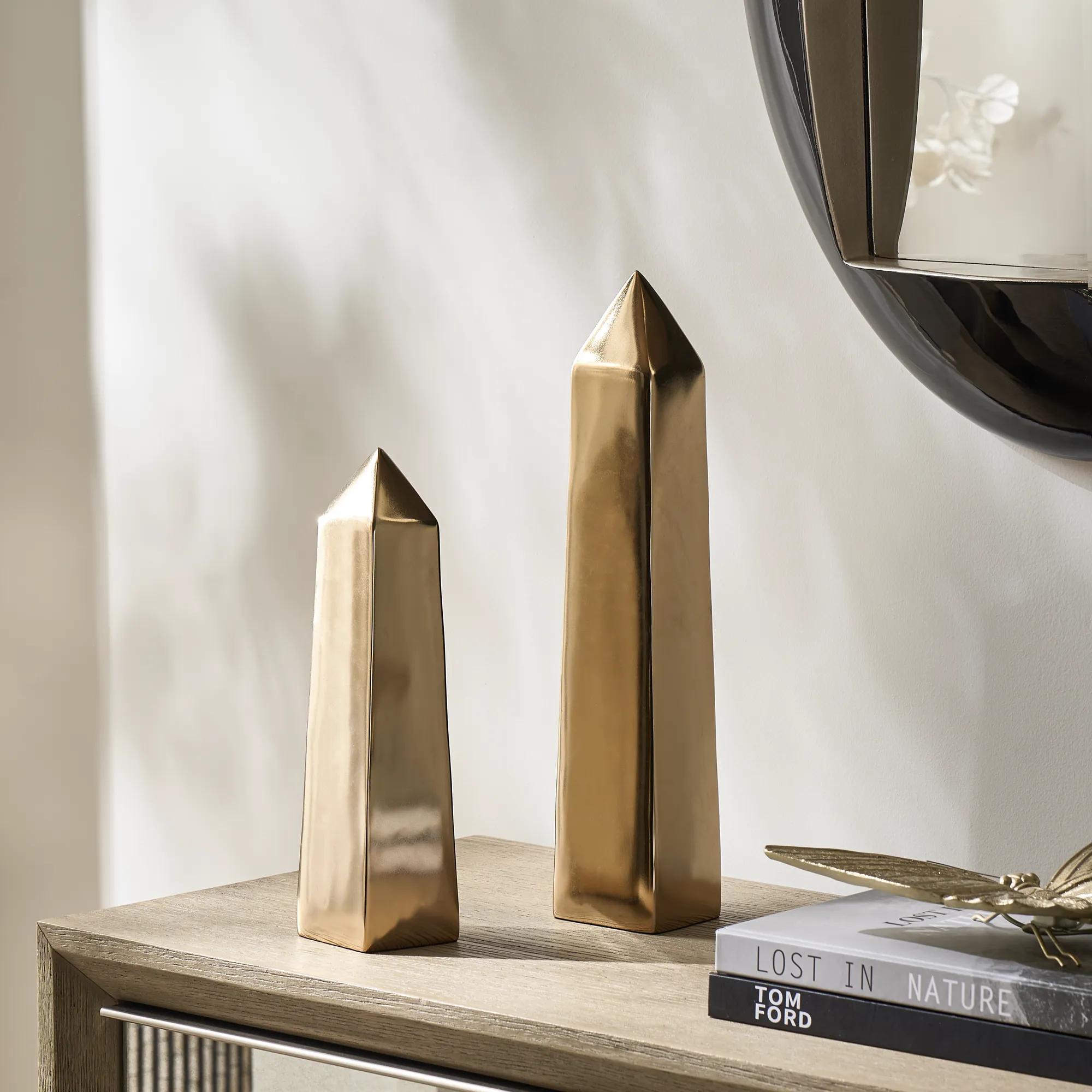 Golden Aluminum Obelisks$59
A sculptural aluminum accent in a soft gold finish that adds modern glamour and architectural drama.
Add To Cart -
 Odessey Collection$159
A decorative porcelain accent in shiny gold, perfect for adding modern elegance to any space.
Add To Cart -
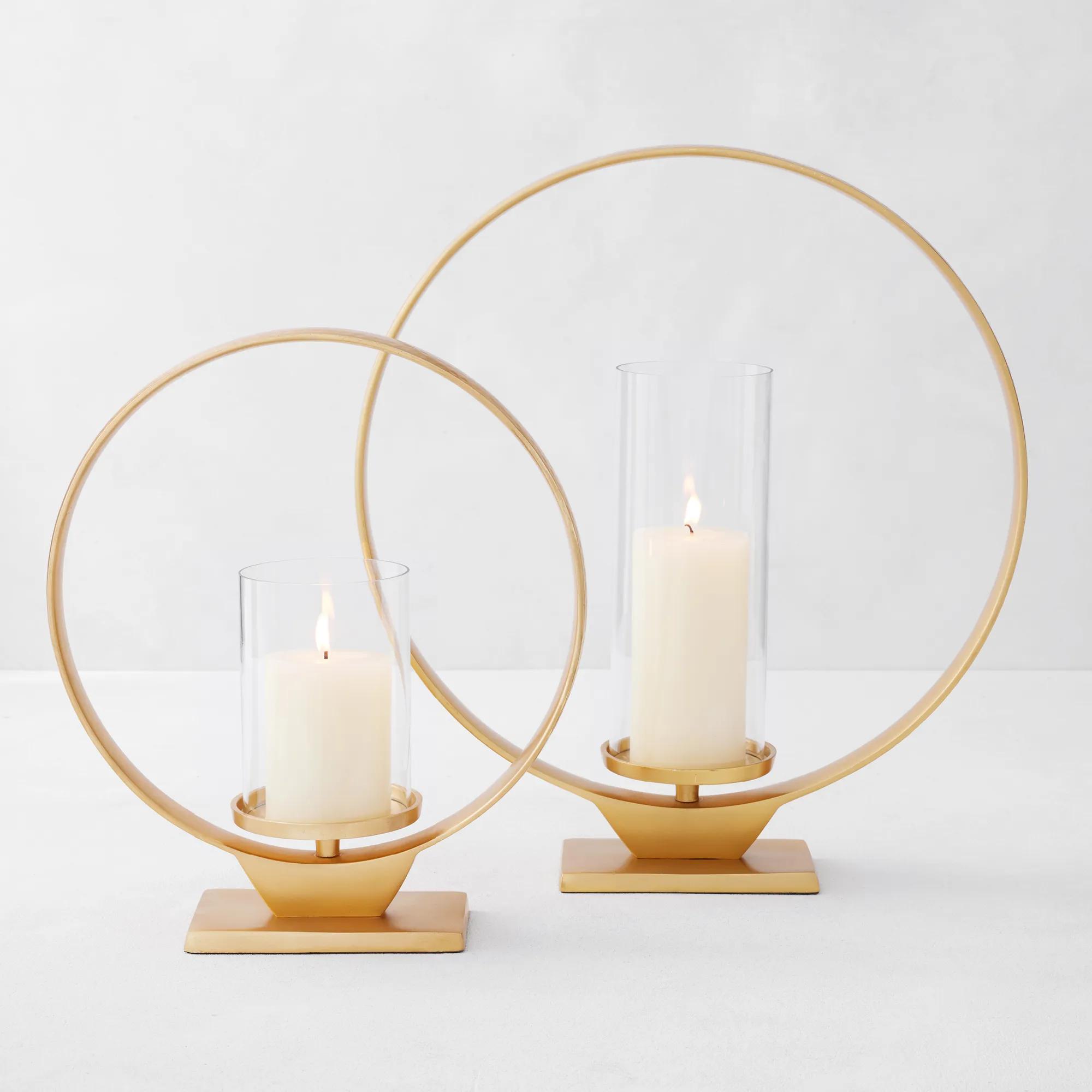
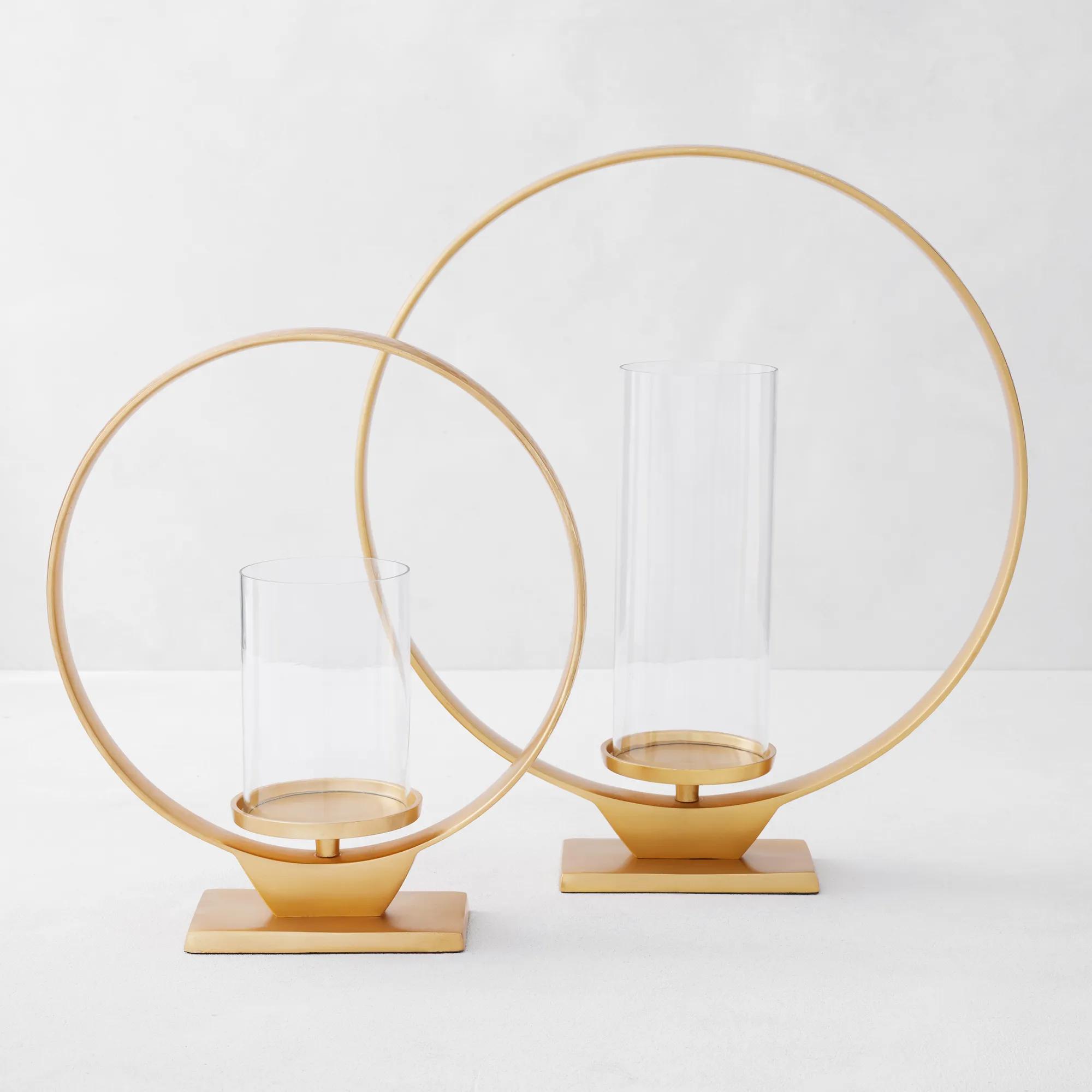 Cirque Pillar Holder$79
A polished gold aluminum pillar holder featuring a hammered metal band and protective glass sleeve for candles.
Add To Cart -
 Black Gold Ceramic Book Box$59
A gold and black ceramic box with hidden storage, adding modern glamour and literary charm to décor.
Add To Cart -
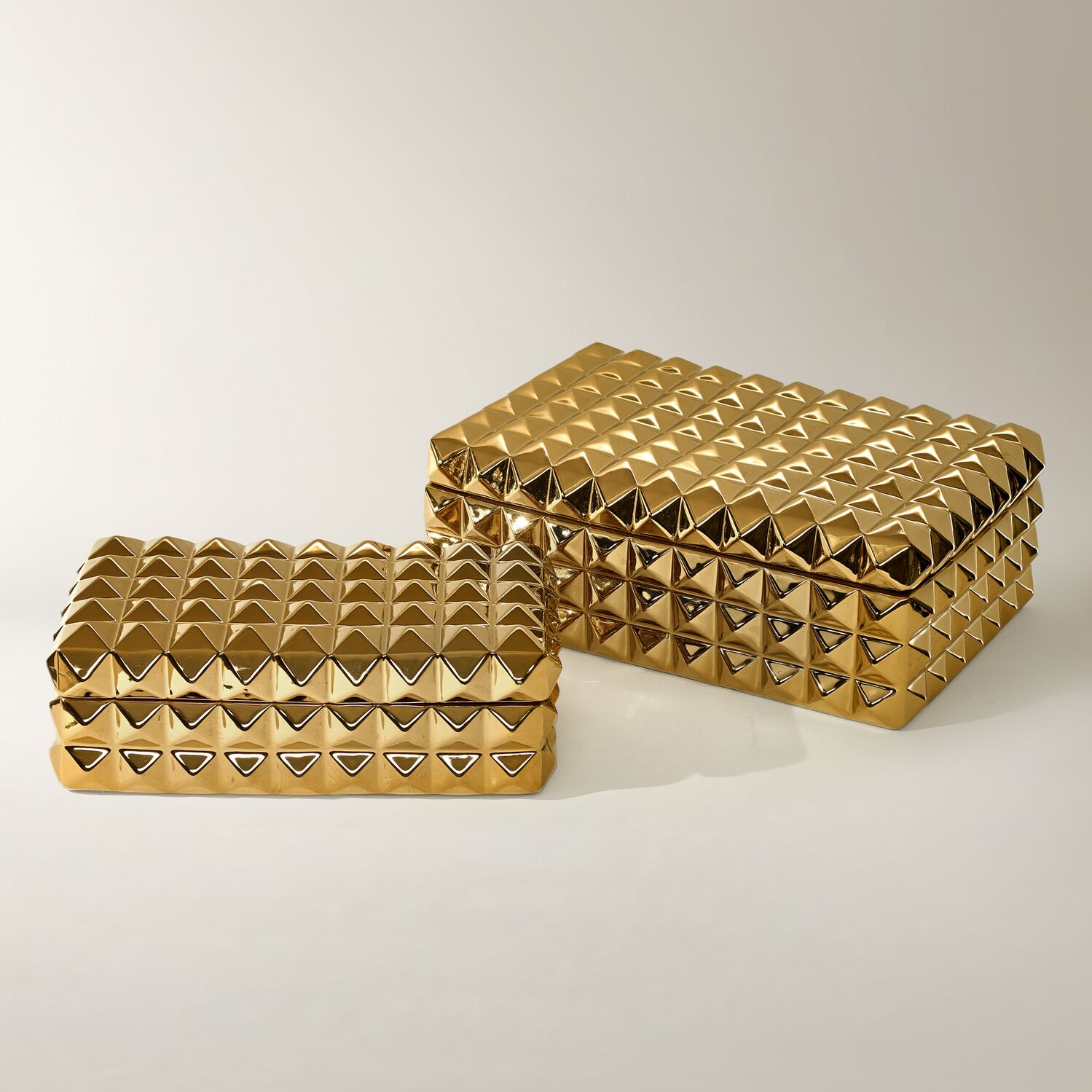 Studded Gold Ceramic Box Large$79
A chic gold-finished box with a studded design, perfect for dressers, vanities, or consoles.
Add To Cart -
Studded Gold Ceramic Box Small$59
A chic gold-finished box with a studded design, perfect for dressers, vanities, or consoles.
Add To Cart -
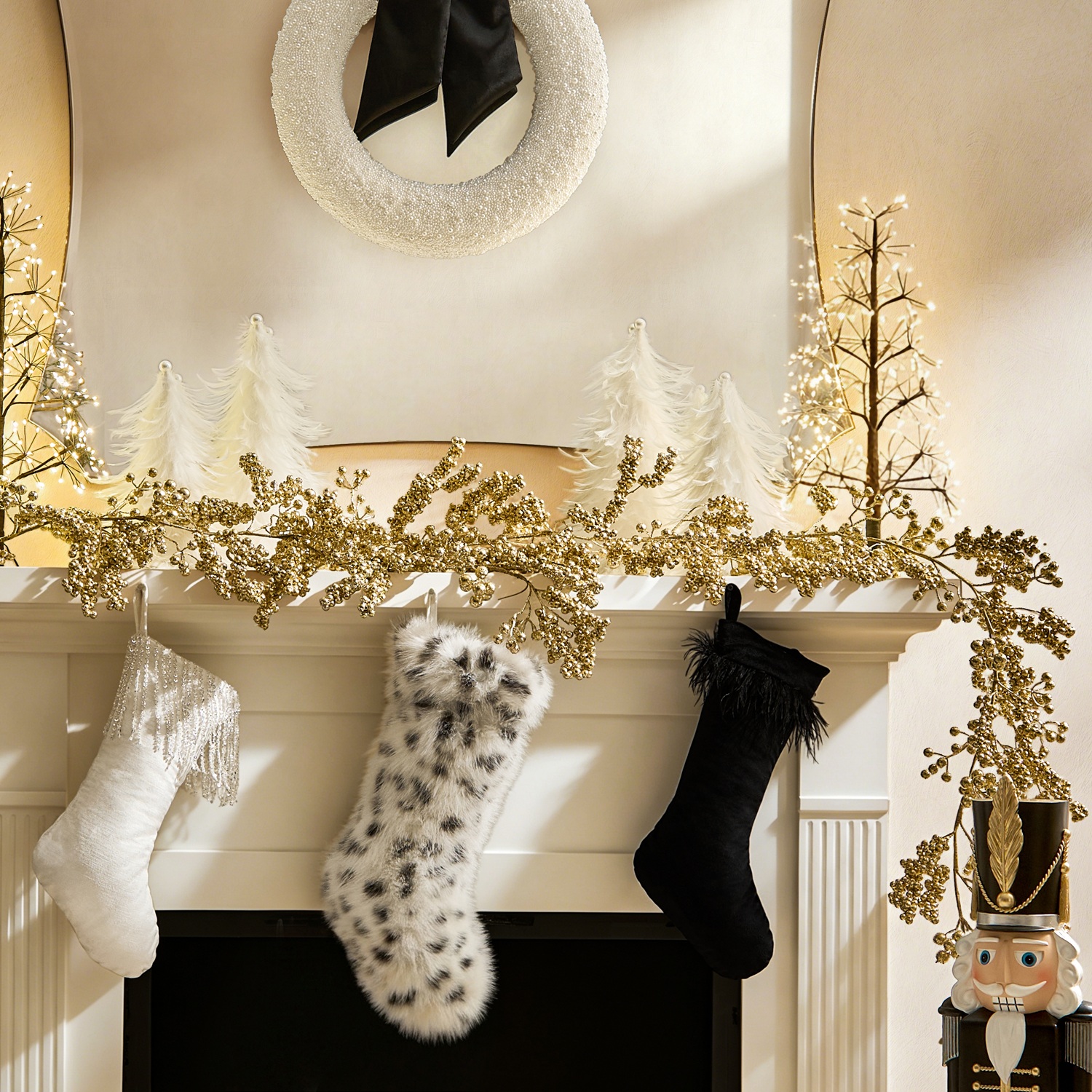
 Metallic Gold Berry Garland 72"$109
A metallic gold garland featuring sculptural berry clusters for a festive, modern accent to holiday décor.
Add To Cart -
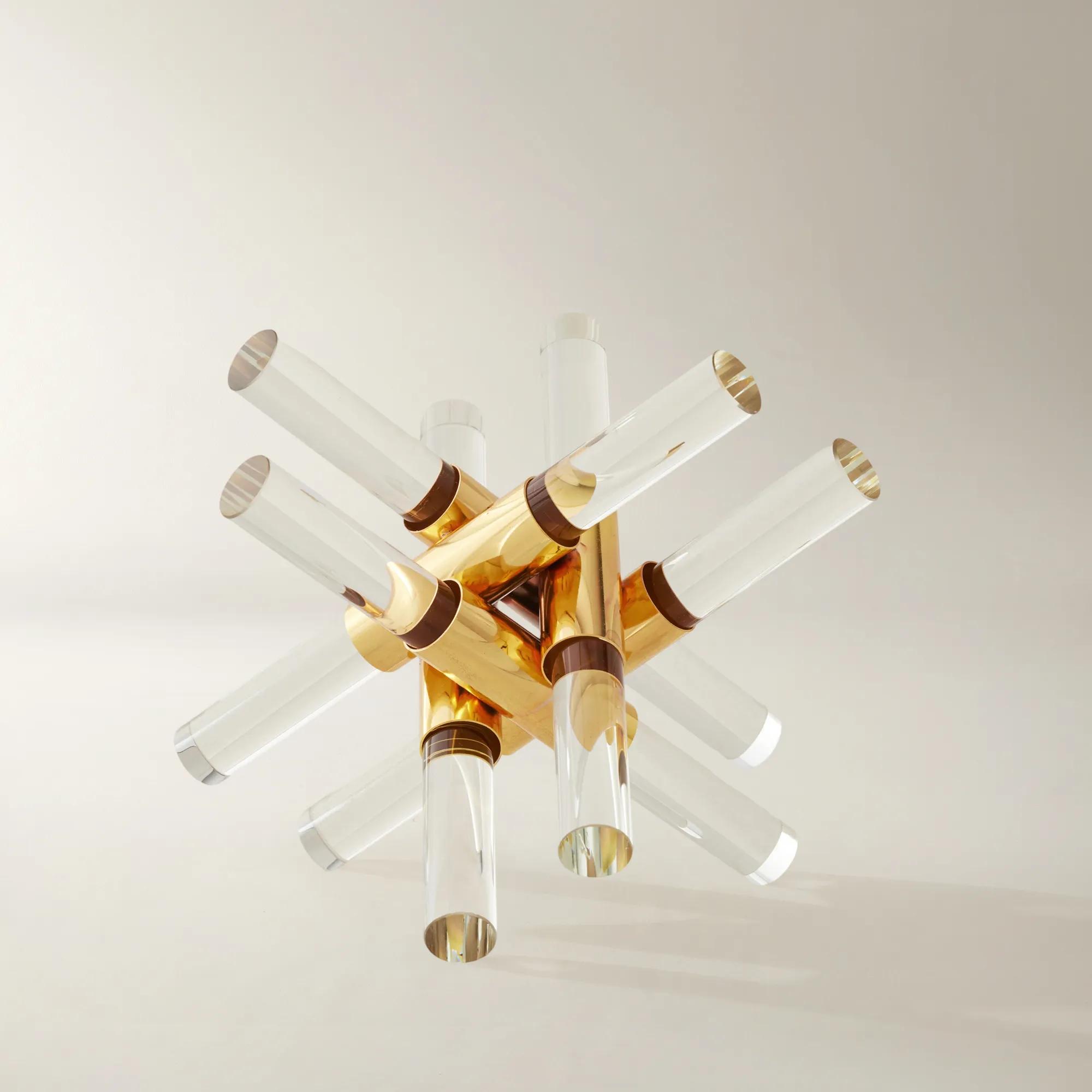
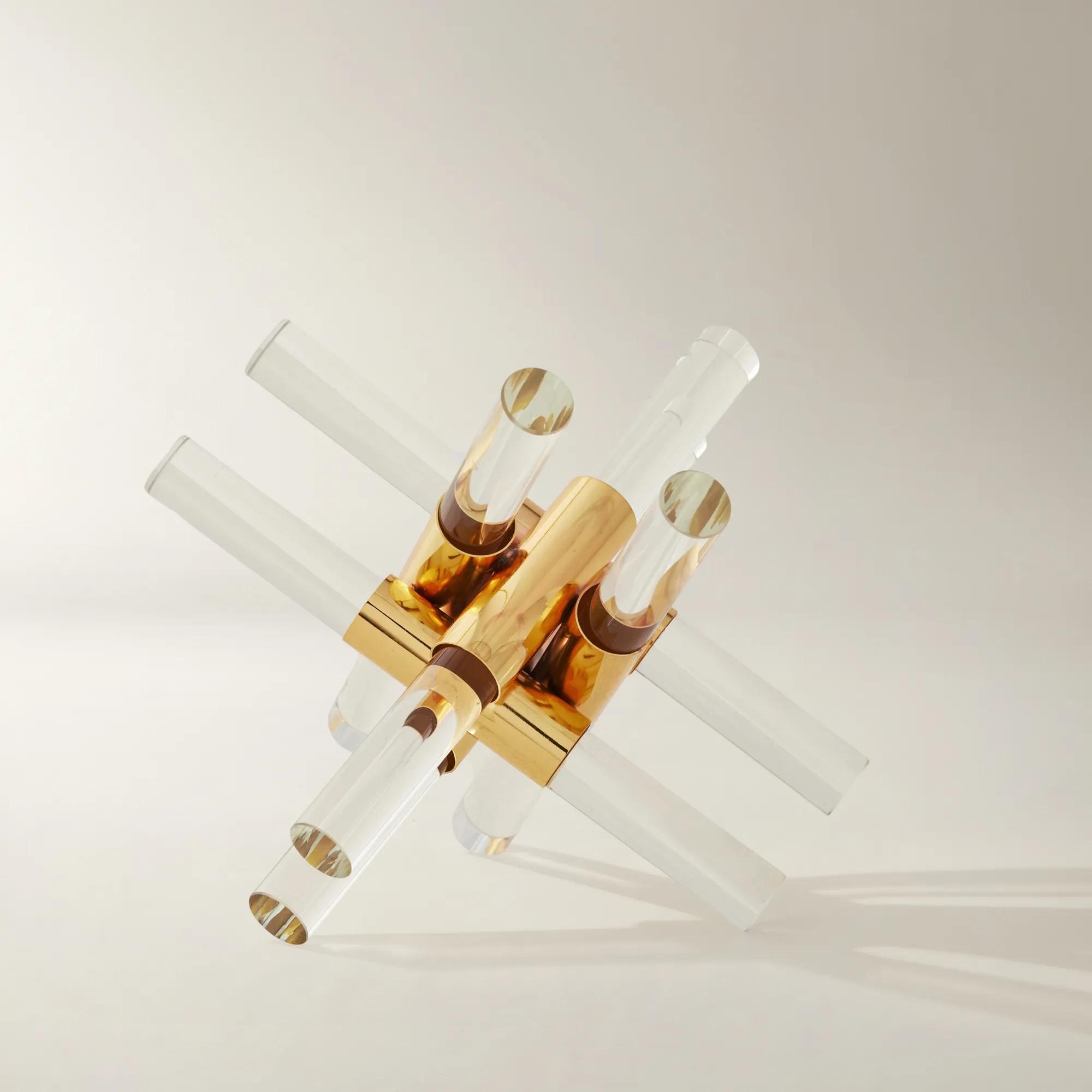 Crystal Glass And Gold Metal Decorative Object 8"$59
A striking decorative accent featuring clear glass rods and gold metal detailing for modern elegance.
Add To Cart -
 Vince Gold Aluminum Candle Wall Sconce 18.5"$79
A sculptural gold aluminum sconce that cradles a single taper candle for modern, luminous ambiance.
Add To Cart -

 Miami Gold Ceramic High Gloss Vase 11.75"$69
A contemporary gold ceramic vase designed for decorative use as a sculptural accent or with foliage.
Add To Cart -
 Trio Twist Soft Gold Aluminum Tapper Holders Set of 3$129
A set of three aluminum taper holders in soft gold with sculptural twisted silhouettes for modern elegance.
Add To Cart -
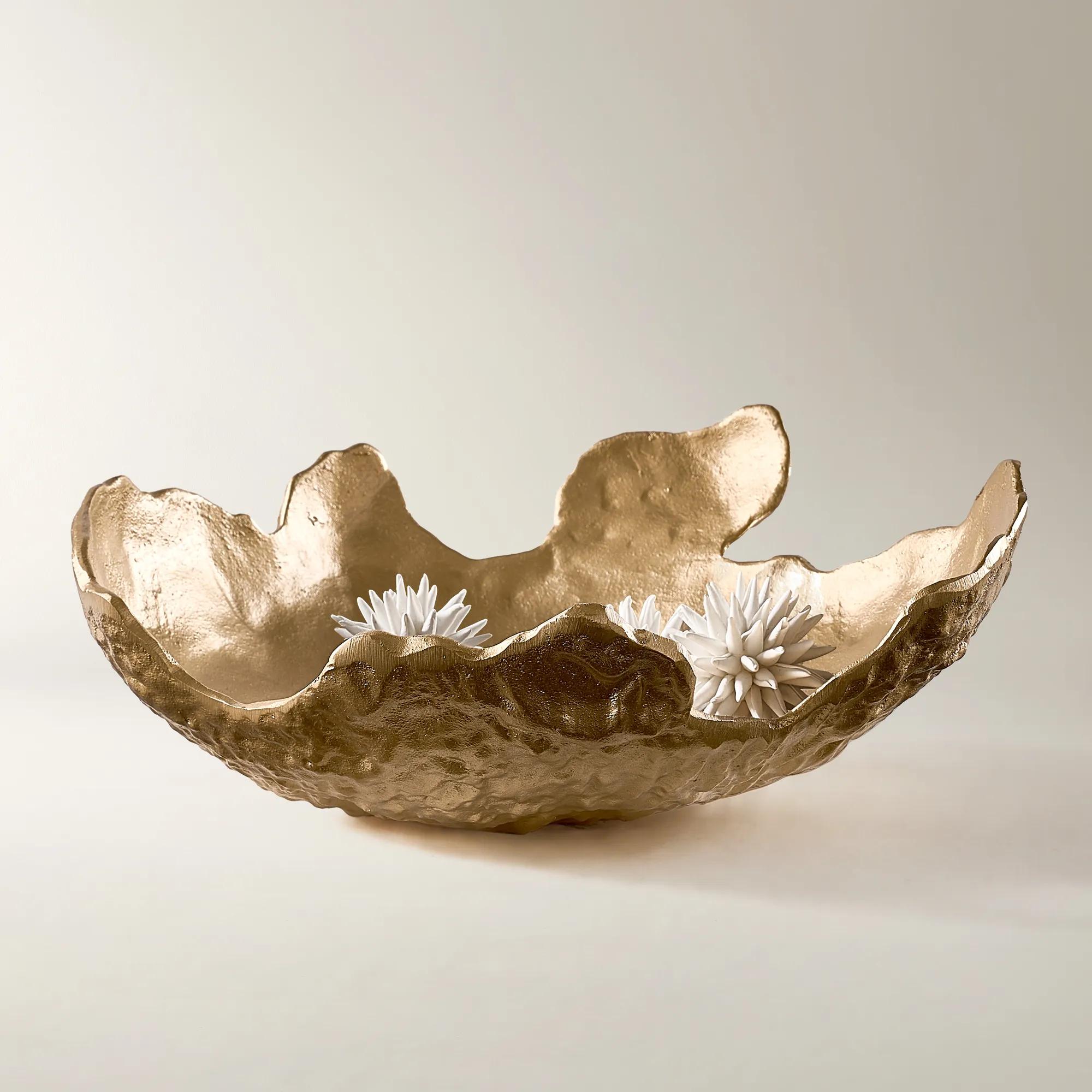 Crush Gold Aluminum Decorative Bowl 16" x 5.75"$169
A sculptural aluminum bowl with a soft gold finish and organic, crushed silhouette for modern decor.
Add To Cart -
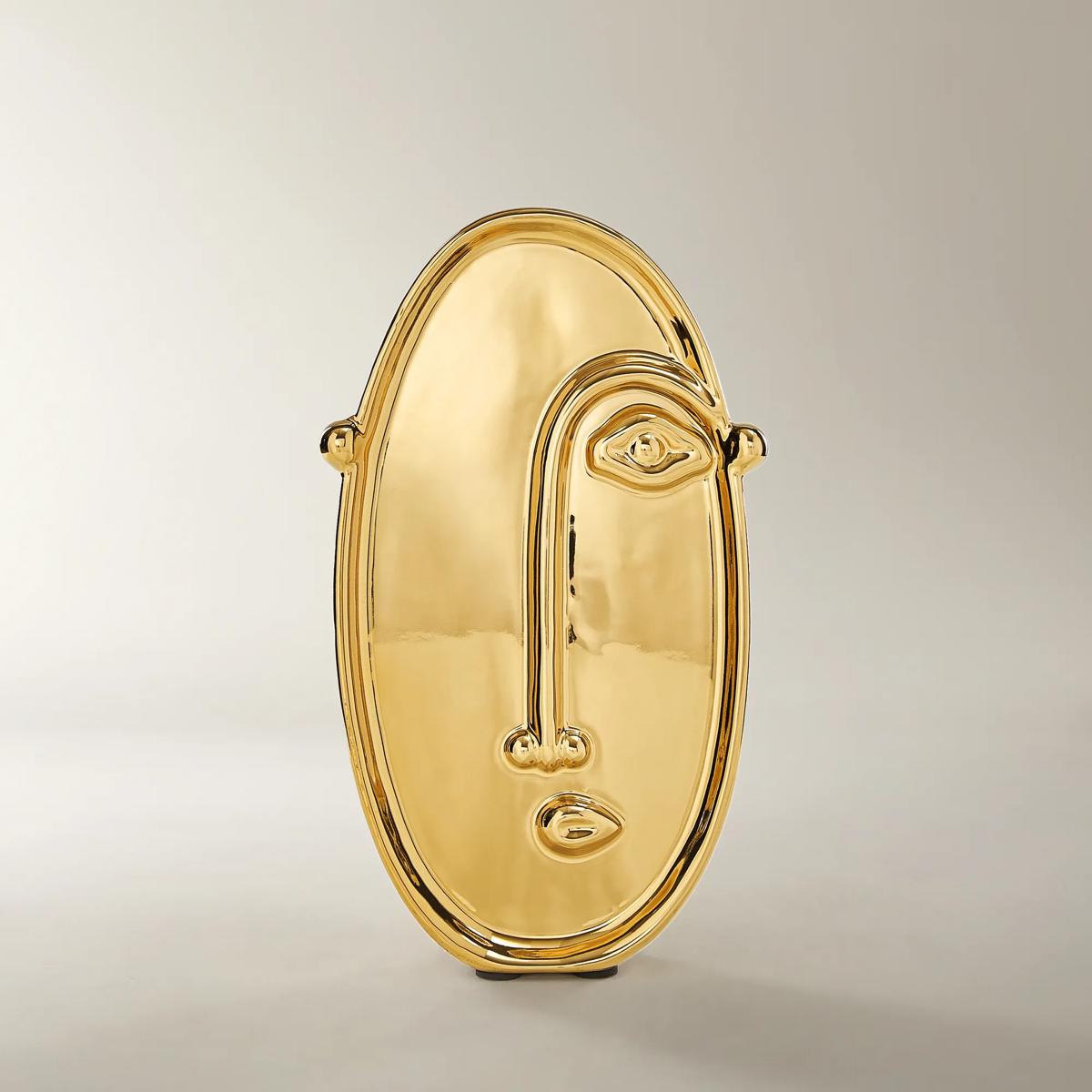
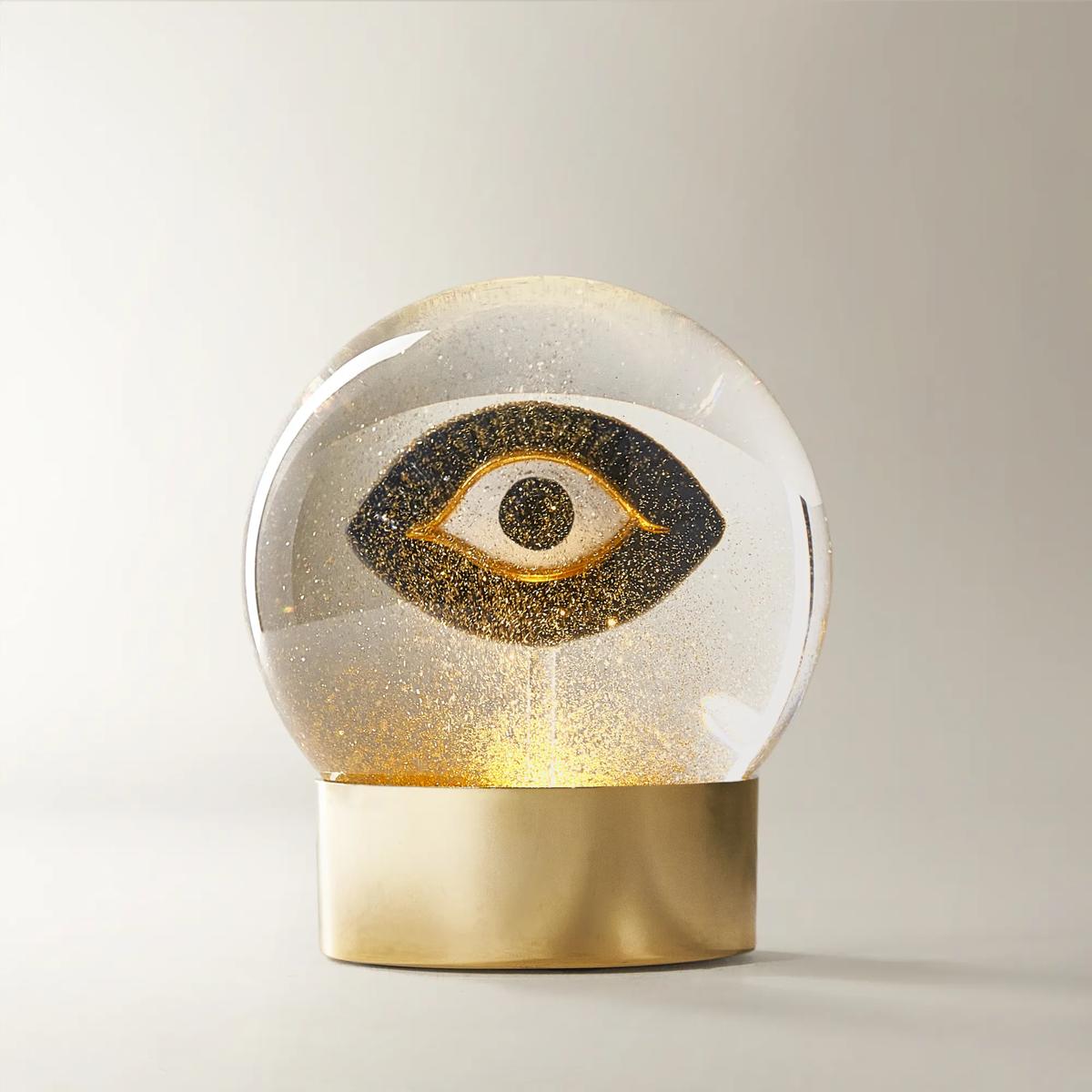
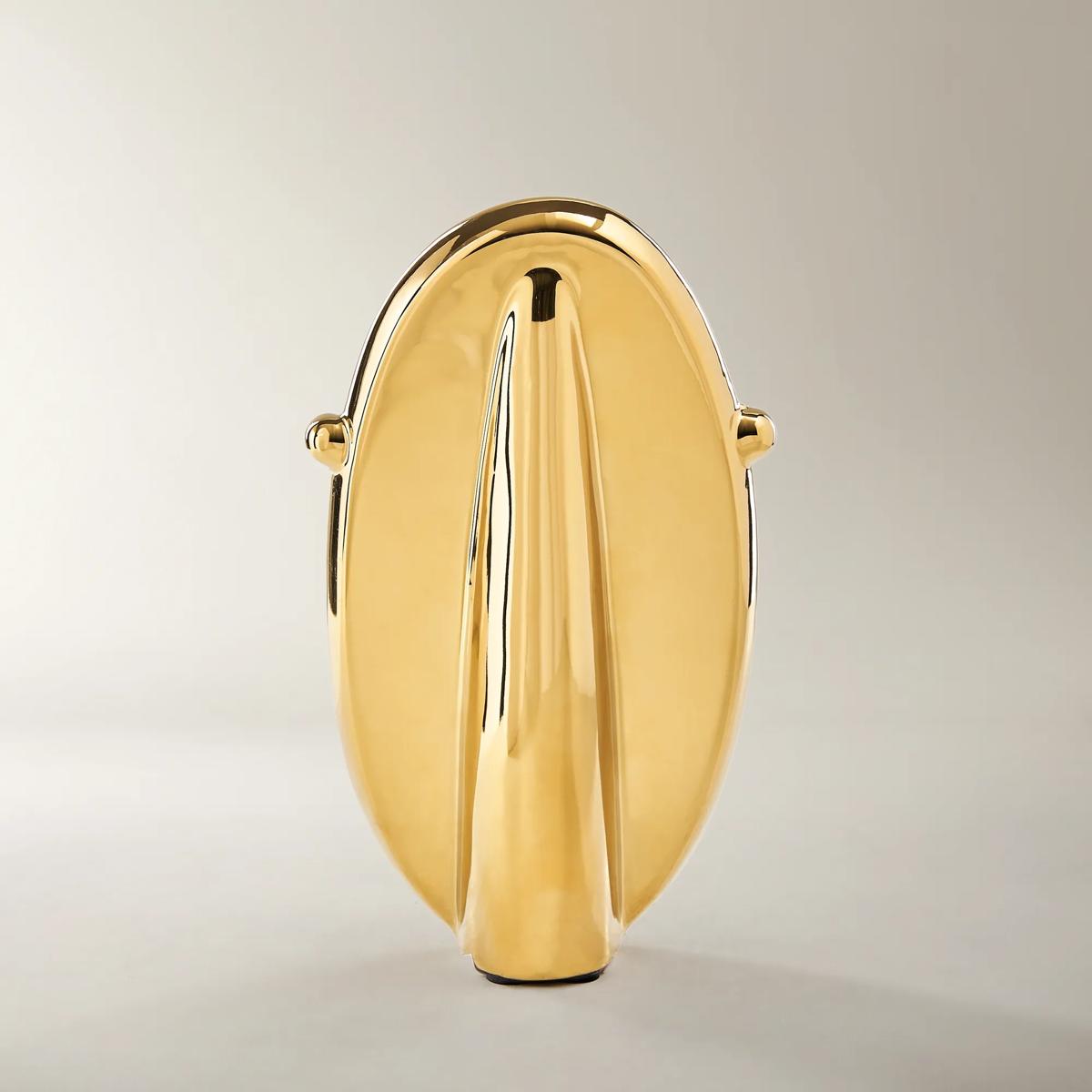 Golden Eye Ceramic Decorative Object 8"$39
A radiant gold ceramic sculpture featuring abstract, elongated facial details for a bold, modern accent.
Add To Cart -
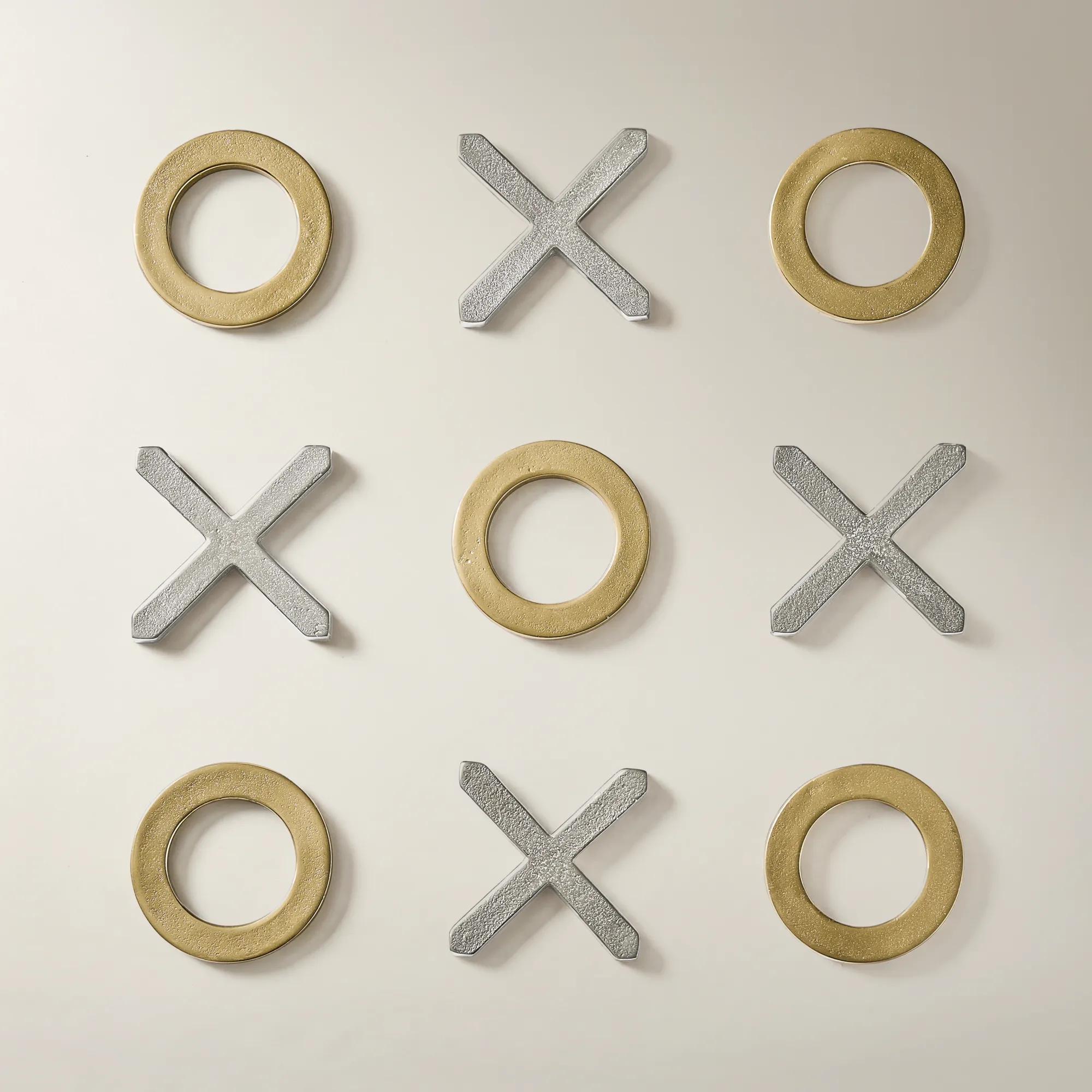 XOXO Gold Silver Aluminum Tic-Tac-Toe Game Pieces$69
A set of oversized gold and silver aluminum game pieces that adds playful, modern glamour to any space.
Add To Cart -

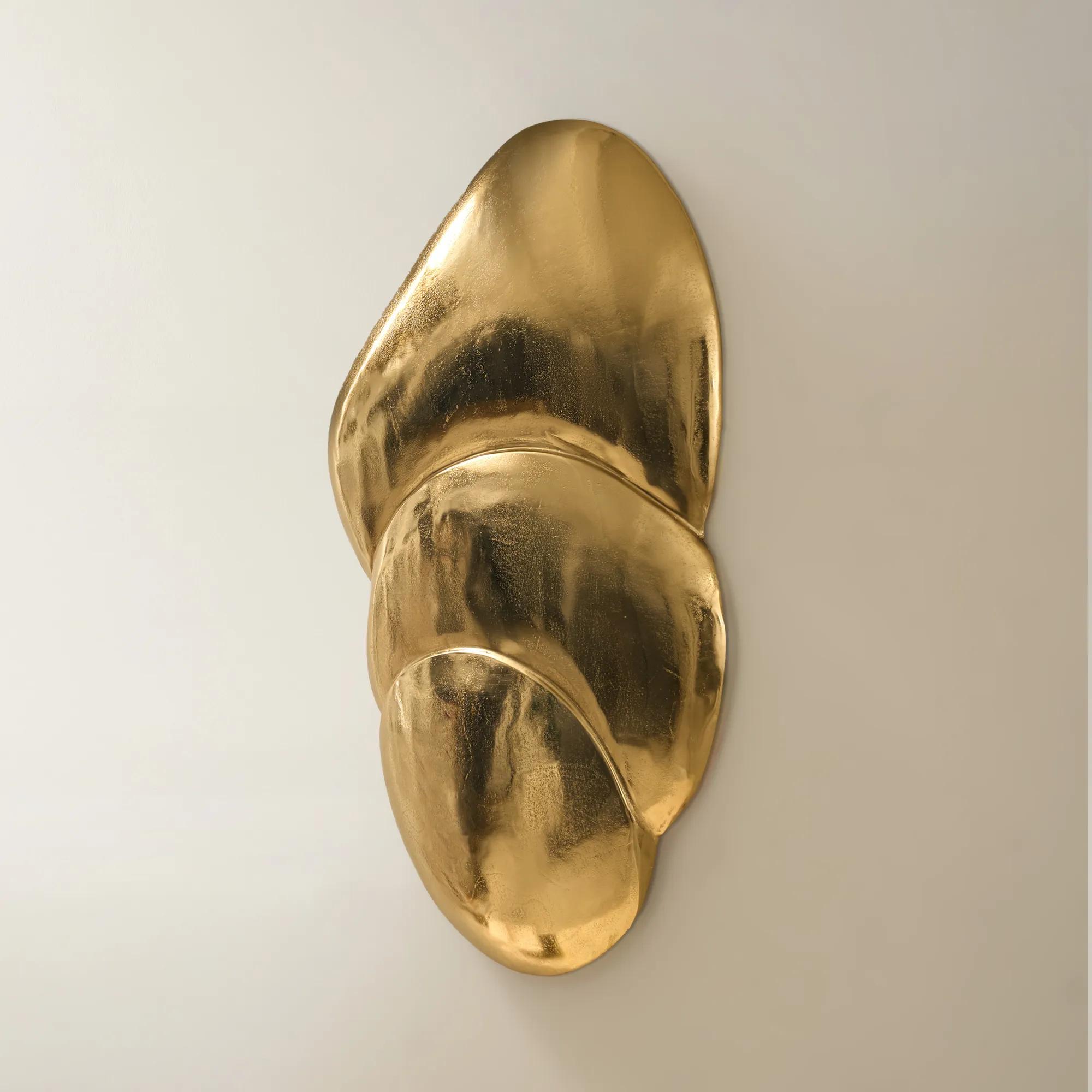 Echo Gold Handcrafted Aluminum Wall Decor 19" x 30"$169
A handcrafted gold aluminum wall sculpture with crisp definition and a polished, gallery-ready framed presentation.
Add To Cart -
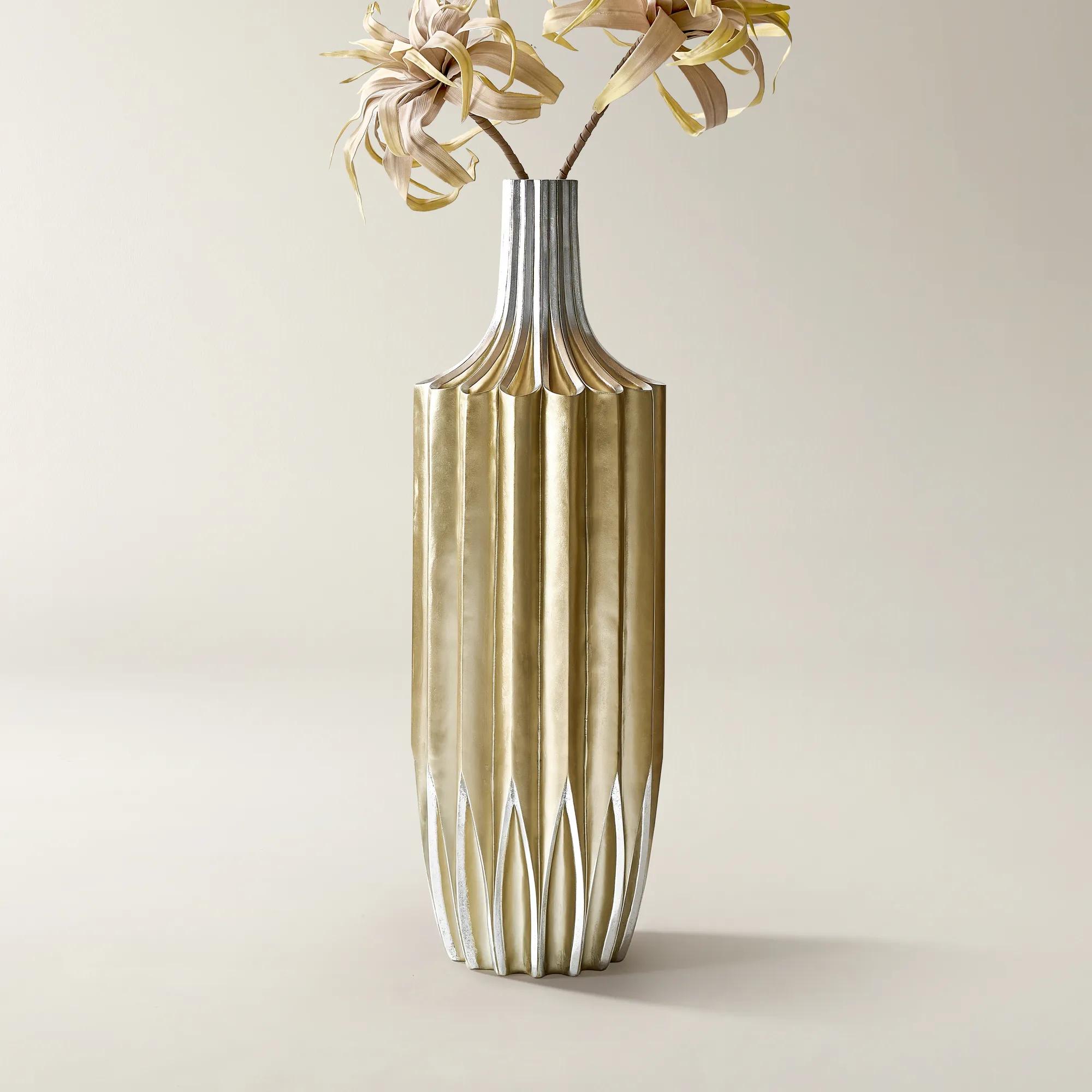
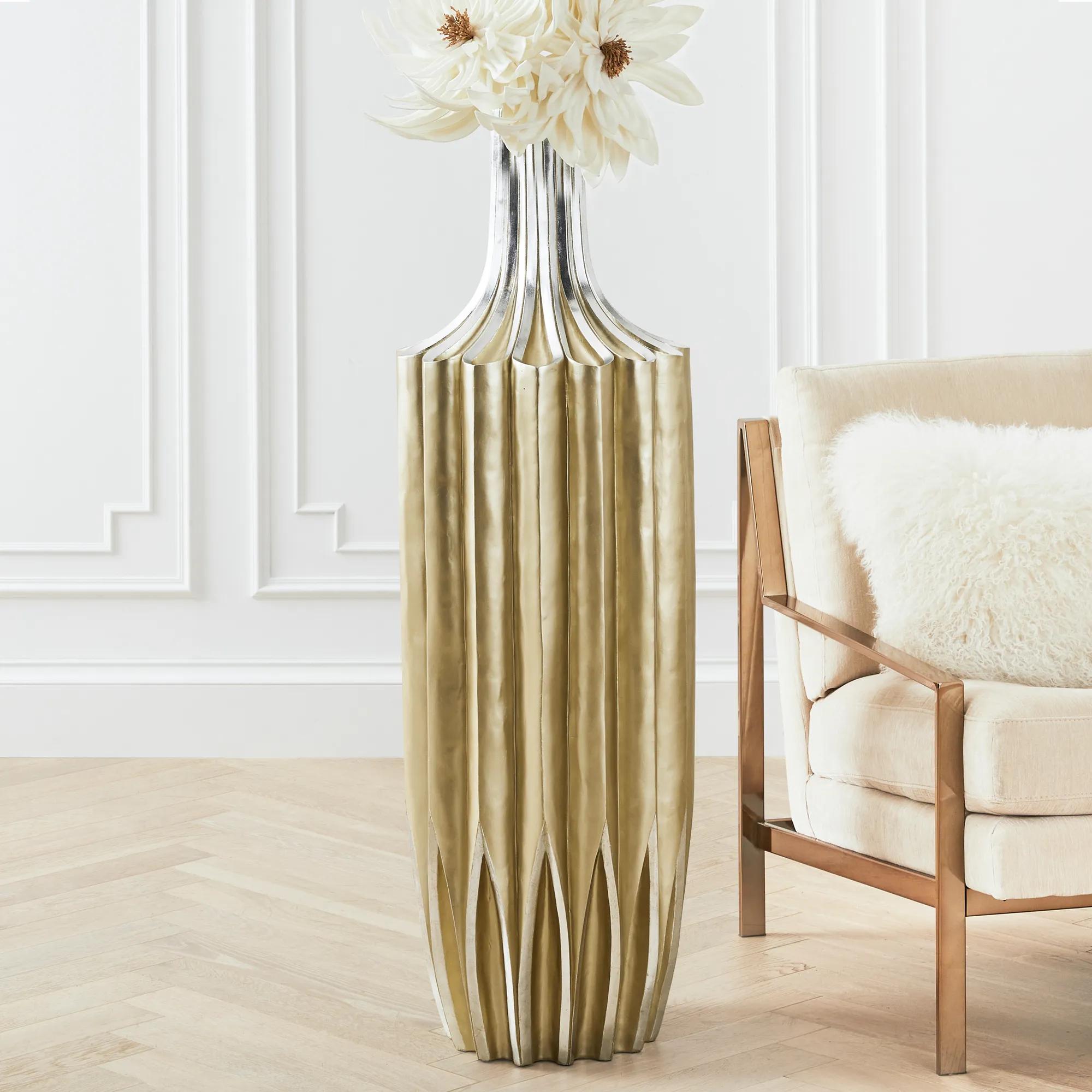 Savannah Gold Resin Floor Vase 48.75"$509
A sophisticated polyresin vase featuring sleek vertical curves for a modern decorative accent.
Add To Cart -
Miami Gold Ceramic High Gloss Vase 18.5"$69
A contemporary gold ceramic vase designed for decorative use or displaying faux foliage.
Add To Cart -
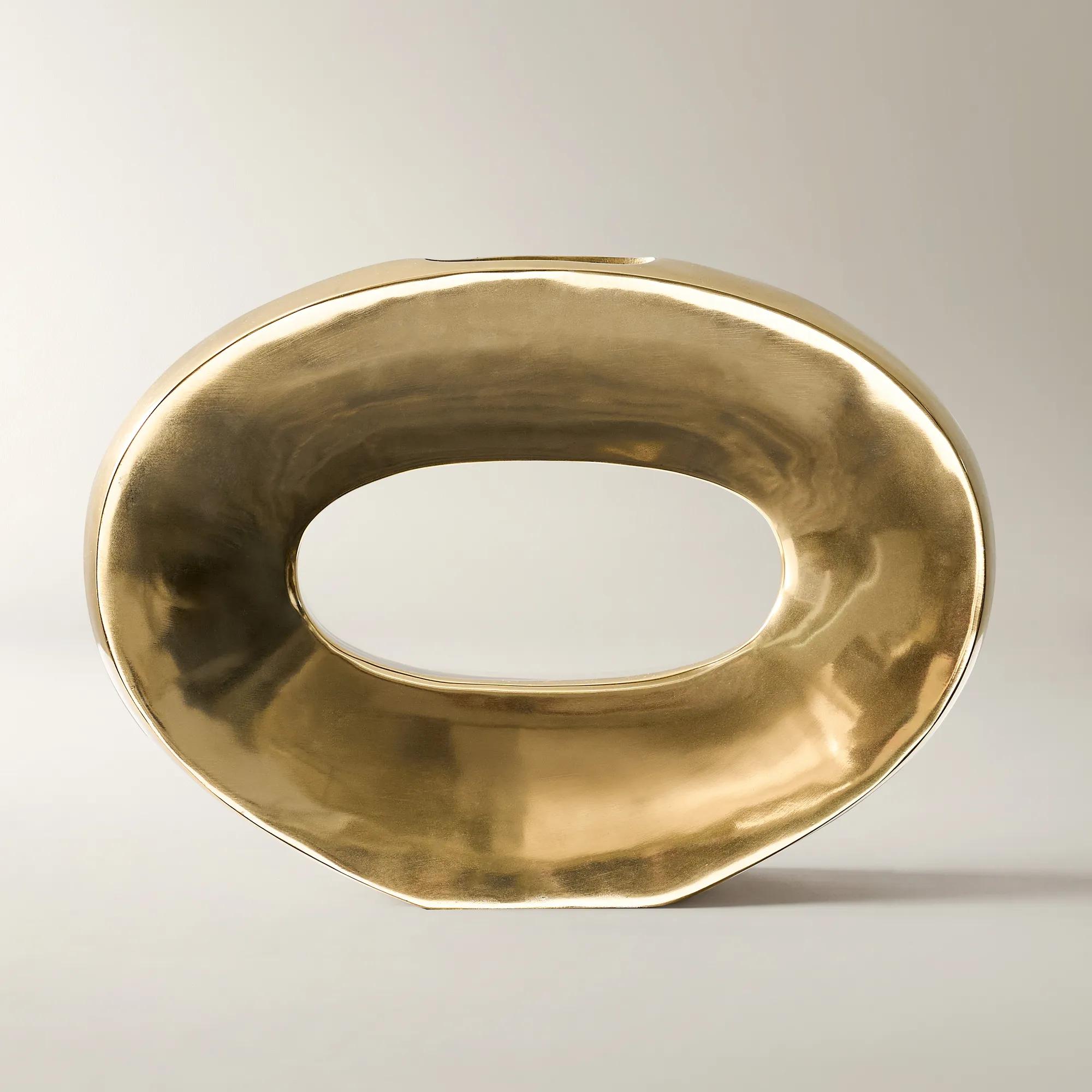
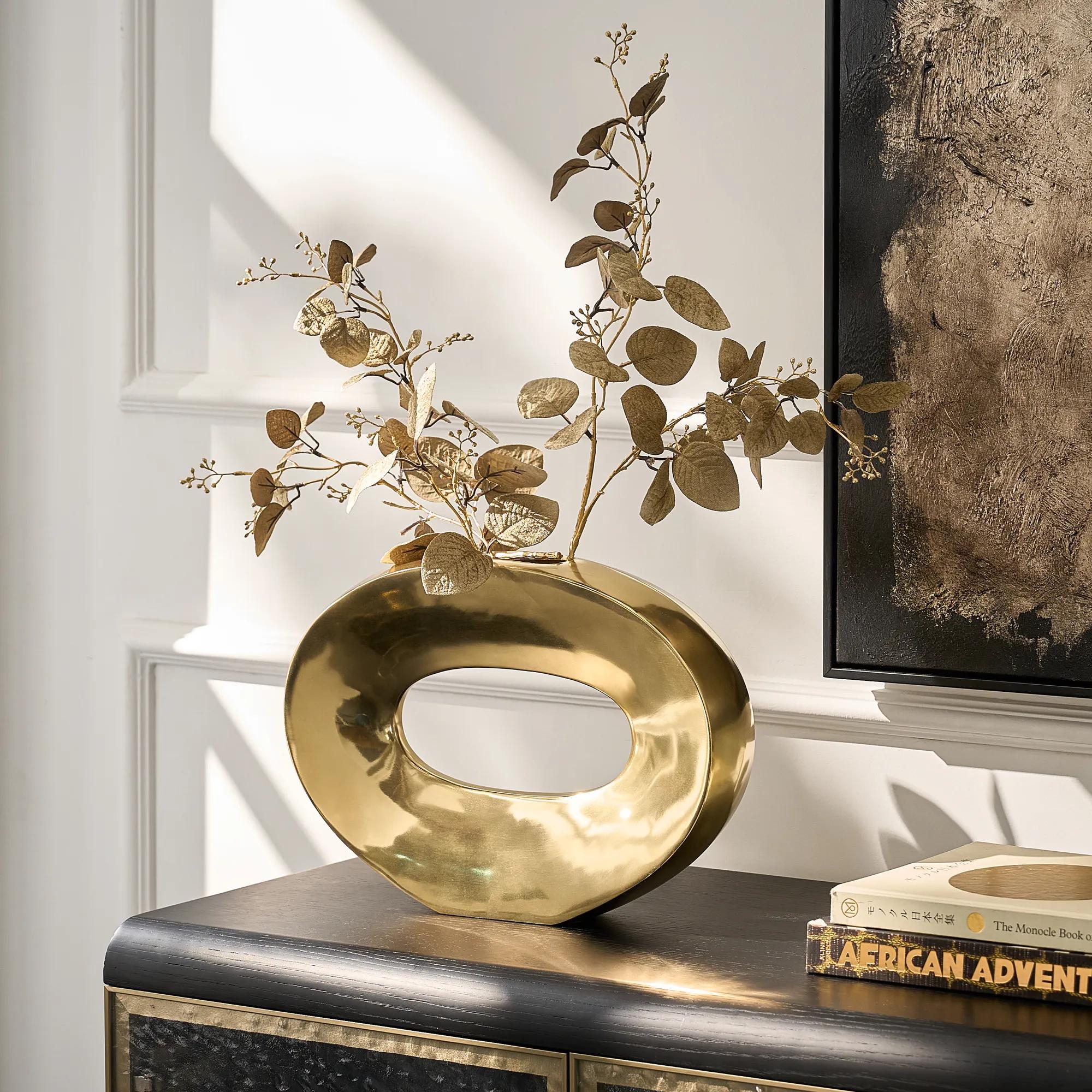 Hera Soft Gold Aluminum Vase 11.75"$169
A sculptural aluminum vase in a soft gold finish, offering modern glamour and architectural appeal.
Add To Cart -
 Serpentine Soft Gold Aluminum Taper Holder$79
A sculptural aluminum taper holder in a soft gold finish with a fluid, wavy loop design.
Add To Cart -
 Trove Soft Gold Marble Stainless Steel Decorative Box$129
A soft gold stainless steel and MDF box that adds modern glamour and artful storage to any space.
Add To Cart -

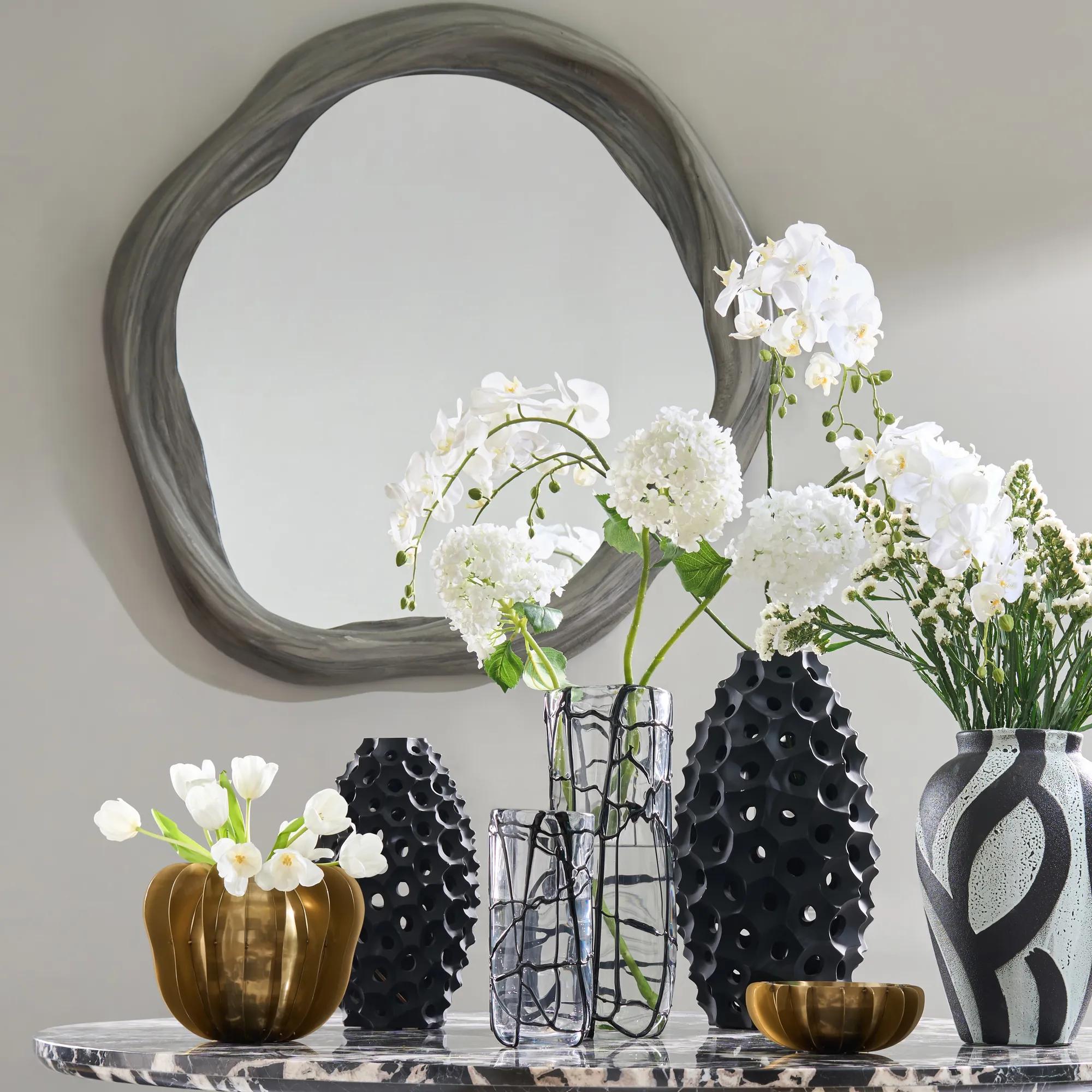 Mezza Collection$99
A gold-plated stainless steel decorative accent that brings timeless glamour and shine to any room.
Add To Cart -
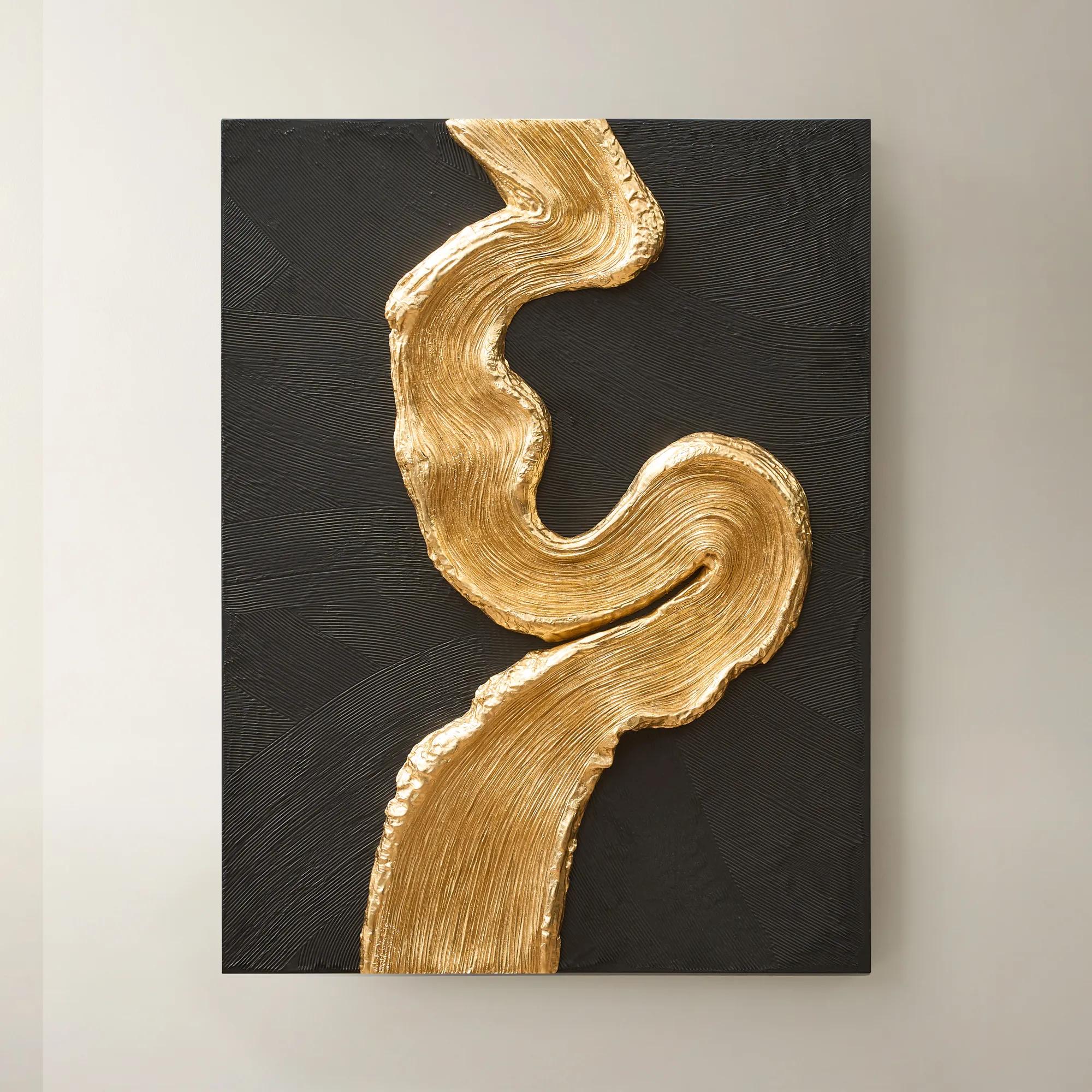
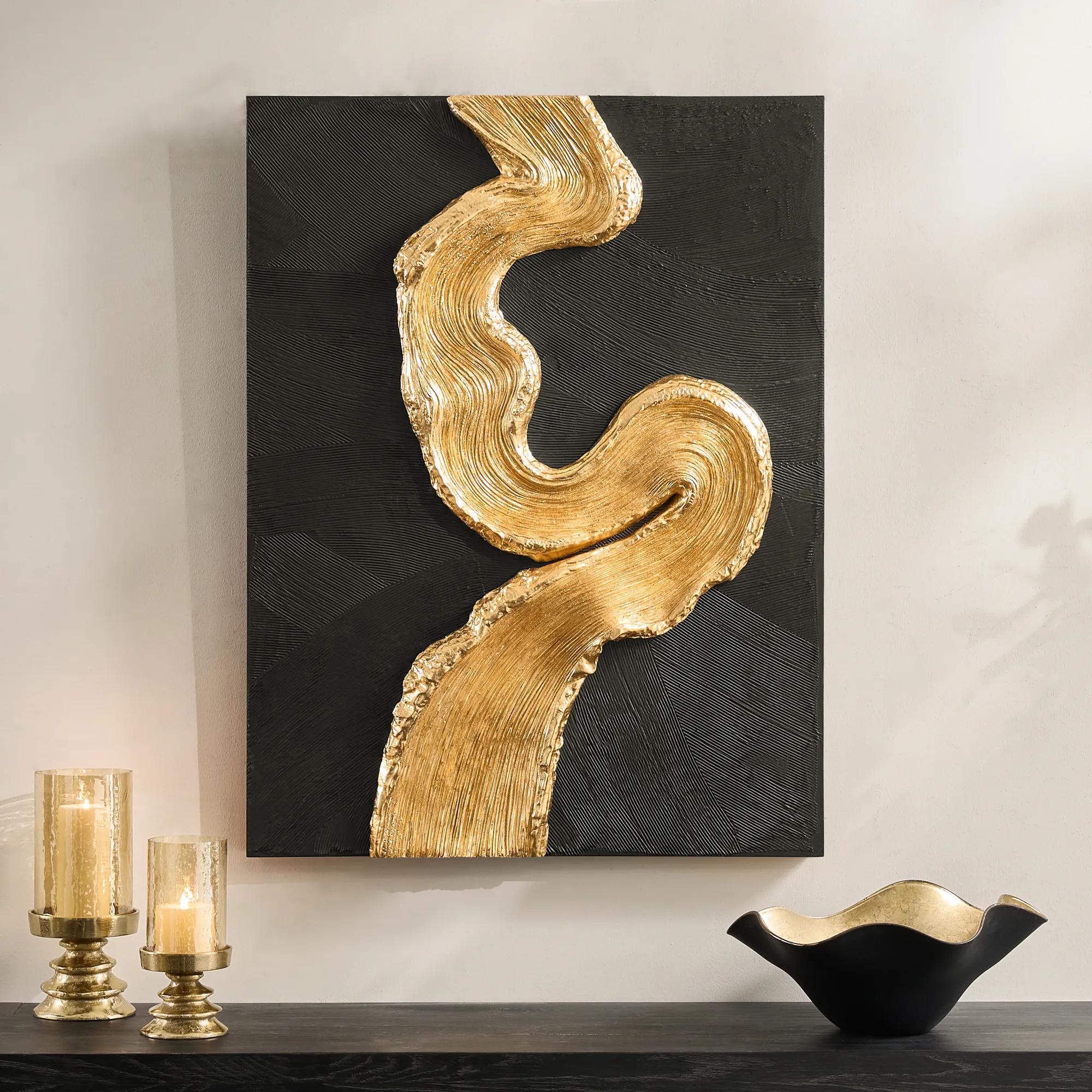 Gold Impasto Sculpted Resin Wall Panel 30" x 40"$499
A sculpted fiberglass resin wall panel featuring gold leaf detail and bold impasto texture on a black backdrop.
Add To Cart -

 Paxton Box Black/Gold$159
A high-gloss black lacquer box with gold dome accents and a soft velvet-lined interior for keepsakes.
Add To Cart

Modern Gold Decorative Accessories
Modern Gold Decorative Accessories are the ultimate invitation to indulge in opulence. Each piece gleams with irresistible allure, transforming everyday moments into extraordinary experiences. Whether adorning a mantel, illuminating a console, or punctuating a curated vignette, these radiant accents infuse your space with a sense of artistry and grandeur. Let your home shimmer with confidence—where every detail is a golden opportunity for self-expression and every corner is touched by the drama of modern design.
Modern gold decorative accessories bring sculptural form, luminous color, and metallic contrast to contemporary interiors. Their defining appeal is the meeting of expressive shapes with a gold-toned finish: a clean-lined silhouette feels more dramatic when its surface catches the light, while an abstract form gains depth through shifting highlights and shadows. These accents can include decorative bowls, trays, vases, objects, and containers intended for display on consoles, shelves, coffee tables, and other interior surfaces. Gold works especially well against ivory upholstery, charcoal walls, dark wood, and clear glass, creating a focal point without requiring an entire room to follow a metallic palette. In a restrained living room, a single substantial accent can give a low table a sense of presence. In a more layered setting, repeated touches of gold can connect artwork, lighting, and tabletop arrangements into one expressive composition. The finish makes a meaningful difference. Polished gold reflects its surroundings with a mirrorlike brilliance, brushed gold offers a softer sheen, and textured surfaces scatter light across ridges, facets, or irregular contours. Modern design does not have to mean severe geometry; fluid curves and open, architectural shapes can feel equally contemporary when their proportions are deliberate. Scale matters as much as shine. A generous console can support a broader arrangement, while a narrow shelf benefits from a compact footprint and enough open space to reveal the object’s outline. On a coffee table, lower forms preserve conversation and sightlines; on an entry console, a taller silhouette can establish a striking first impression. Gold also has a distinctive relationship with color. Alongside black, it feels graphic and assured; beside cream, it reads as luminous and refined; with jewel tones, it creates a richly saturated backdrop for personal expression. The result is not simply a brighter surface, but a room with a more considered rhythm, where small details carry the same visual intention as the furniture around them. Even a reading nook or home office can take on a more expressive character through a carefully proportioned metallic accent.
The character and longevity of gold home accents depend on both the underlying material and the way the finish is applied. A gold appearance does not necessarily indicate solid gold; decorative accessories may use metal, ceramic, glass, resin, or other materials with a metallic coating, glaze, leaf, or applied finish. Each combination creates a different visual and tactile effect. Metal can emphasize crisp edges and slender profiles, ceramic lends itself to rounded volumes and dimensional surfaces, and glass introduces transparency that changes the way a gold detail interacts with light. For a material-focused expression of this look, Gold Stainless Steel Decorative Accessories offer another way to explore the relationship between metallic color and contemporary form. Stainless steel is valued for its strength and corrosion resistance, although the care requirements of a gold-toned surface still depend on its particular finish. No decorative finish should be assumed to resist every scratch, chemical, or environmental condition. Frequently handled accents benefit from placement that limits rubbing against keys, rough ceramics, or other hard objects, while felt pads or a suitable protective layer can help reduce contact between a decorative base and delicate furniture. Routine care is generally gentlest with a soft, dry microfiber cloth; any additional cleaning should follow the individual care instructions. Abrasive pads, metal polish, acidic cleaners, and prolonged soaking may damage some coatings or alter their sheen. Moisture should not be left sitting on a surface unless the material and finish are specifically suited to it. Intended use deserves equal attention: a decorative vessel is not automatically watertight, a display bowl is not necessarily food-safe, and an ornamental container should not be treated as a candleholder unless designed for that purpose. Where fresh flowers are part of the arrangement, confirming water compatibility or using a suitable liner helps protect both the accent and the surface beneath it. These distinctions preserve the beauty of the finish while allowing each piece to serve the purpose for which it was made.
Gold decorative accents feel most compelling when they belong to the life of the room rather than appearing detached from it. On a living room table, a metallic tray can give an arrangement of display objects a defined boundary, leaving the surrounding surface visually calm. Along a bookcase, an open sculptural form introduces breathing room between solid stacks of books, while a rounded vessel softens the repetition of rectangular shelves. In a dining room, an arrangement with varied heights can create dimension, provided it leaves guests comfortable sightlines and ample space for serving. A bedroom calls for a more measured relationship between ornament and everyday use: a compact gold accent can lend a bedside surface polish without crowding a lamp or the essentials kept within reach. In a home office, one confident shape often makes a stronger impression than several small objects competing around a monitor. Across these settings, proportion, stability, and access are as important as the silhouette. The base should sit securely on the intended surface, taller forms need adequate overhead clearance, and arrangements near walkways should leave room for comfortable movement. Mixing gold with other finishes can also feel intentional rather than inconsistent. A shared shape, repeated texture, or recurring gold detail can connect otherwise different materials, while matte stone, woven textiles, and natural wood give gleaming surfaces an appealing counterpoint. Exact color matching is less important than a balanced relationship among warm tones, reflective surfaces, and quieter textures. For someone furnishing a first home, celebrating a wedding, or receiving a housewarming gift, a decorative accent offers a personal gesture without the scale or commitment of furniture. A familiar preference for sculptural art, polished interiors, or richly layered rooms can help inform the choice; available display space and care preferences matter, too. The most enduring appeal comes from the combination of an expressive form and a thoughtful place for it. Whether the setting is expansive or intimate, modern gold accessories can give a room a distinct signature: radiant, artful, and unmistakably personal.
FAQs
Modern gold decorative accessories infuse spaces with warmth, glamour, and visual intrigue. Their reflective surfaces amplify natural and artificial light, making rooms feel brighter and more expansive. Gold’s lustrous finish adds a sense of luxury and sophistication, transforming everyday interiors into striking, expressive environments that feel both welcoming and elevated.
Gold decorative accents are remarkably versatile, complementing a wide spectrum of interior styles. They bring a touch of opulence to modern and contemporary spaces, add a layer of richness to transitional and traditional rooms, and create bold focal points in eclectic or maximalist designs. Whether used sparingly for subtle elegance or layered for dramatic effect, gold accessories adapt beautifully to your personal aesthetic.
Absolutely. Gold decorative accessories make thoughtful and memorable gifts for weddings, anniversaries, housewarmings, and milestone celebrations. Their timeless appeal and radiant finish symbolize prosperity and joy, making them a cherished addition to any home. Choose pieces with enduring style and quality craftsmanship to create a gift that will be treasured for years.
To achieve a harmonious look, consider balancing gold with complementary colors, textures, and finishes. Pair gold accents with neutral tones for understated elegance, or mix with deep jewel hues and rich textiles for a more dramatic effect. Layering different shapes and scales—such as combining a sculptural vase with a sleek tray or ornate candle holders—adds dimension and visual interest while maintaining cohesion.
Premium gold accessories are often crafted from materials such as stainless steel, brass, ceramic, and glass. These materials are chosen for their durability, ability to hold intricate finishes, and luxurious feel. Look for pieces with hand-applied gold leaf, brushed or polished surfaces, and artisanal detailing to ensure a sophisticated and lasting addition to your decor.