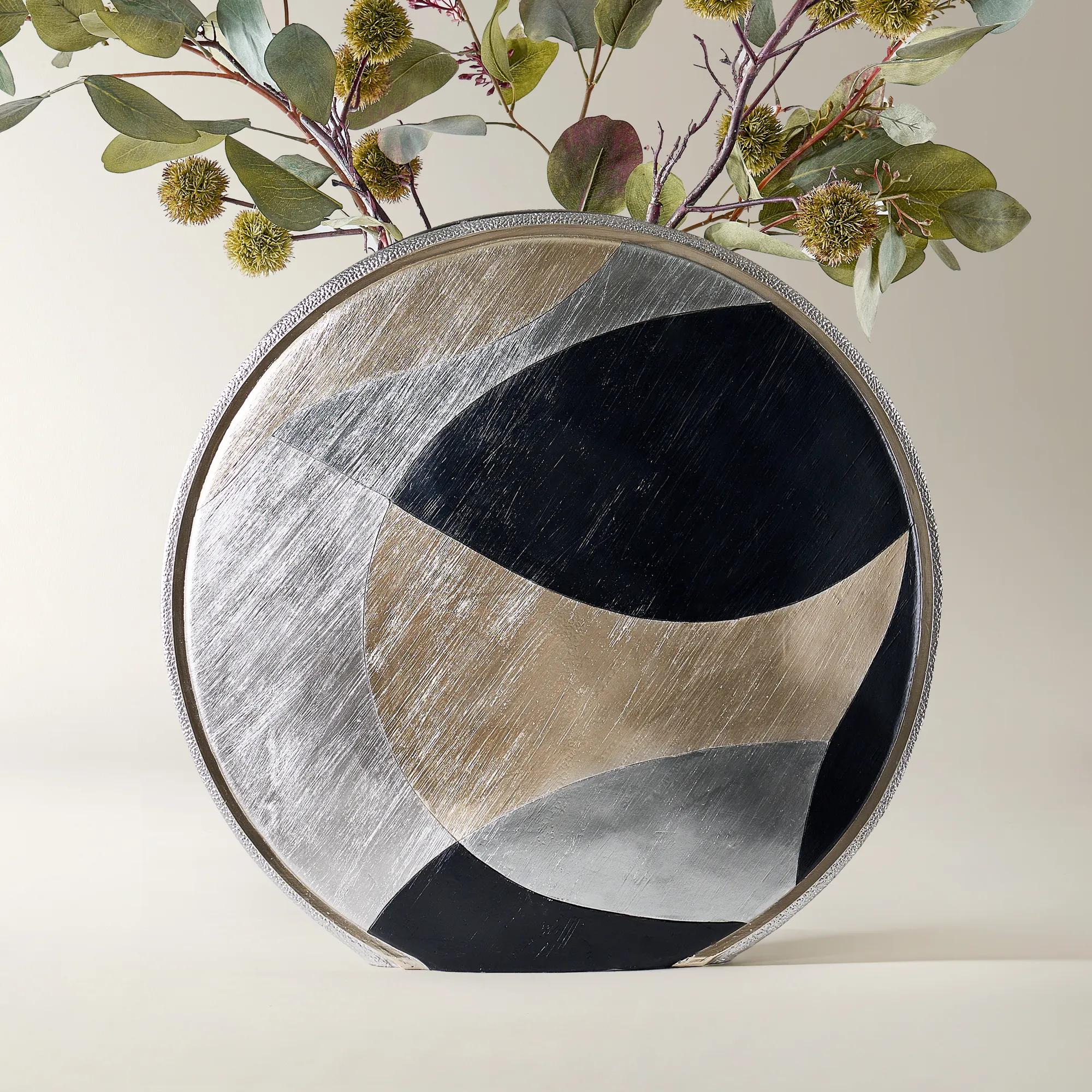
Modern Decorative Accessories
Modern Decorative Accessories
-
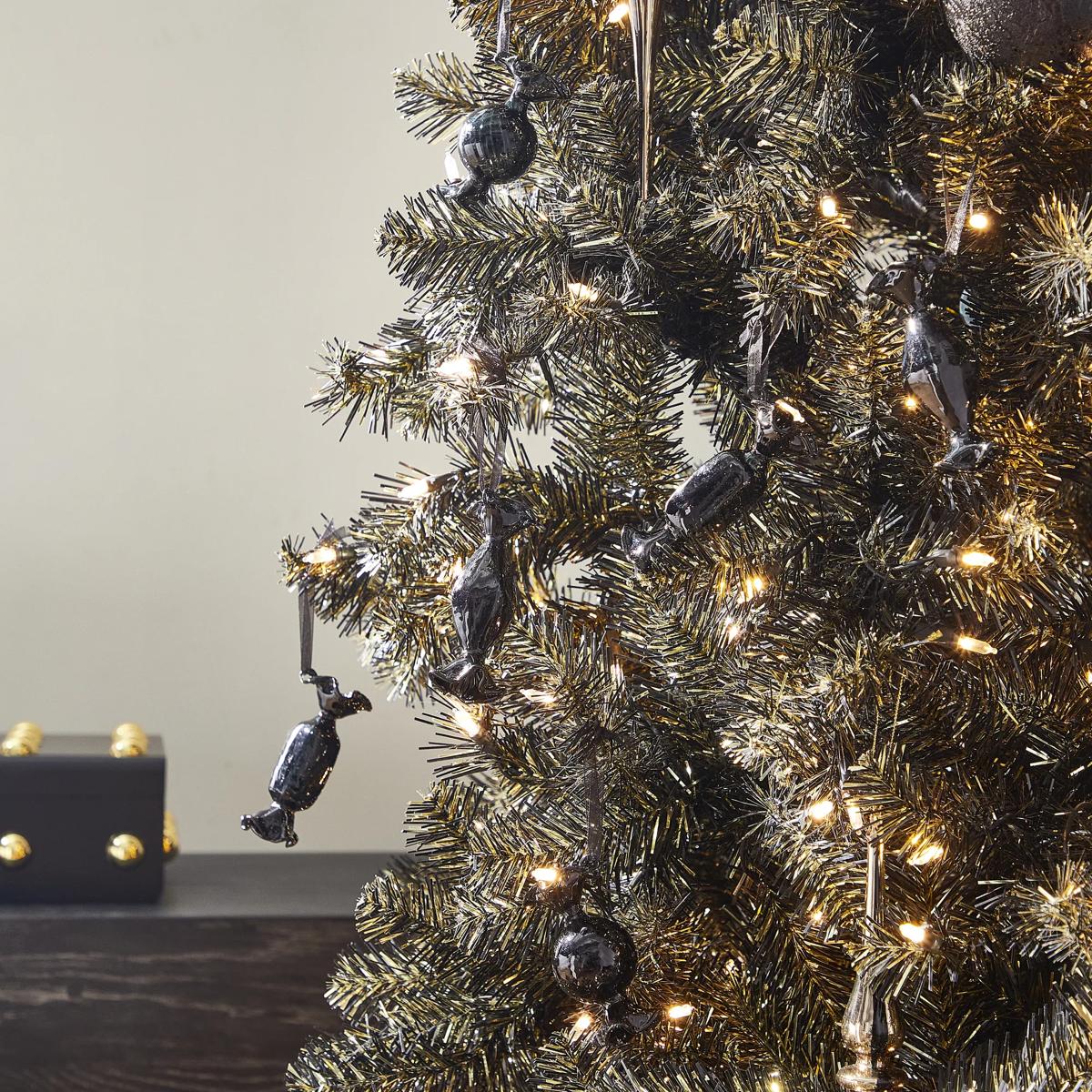
 Black Glass Candy Ornament - Set of 6$39
A set of six glossy black glass ornaments shaped like wrapped candies for a modern, playful holiday touch.
Add To Cart -
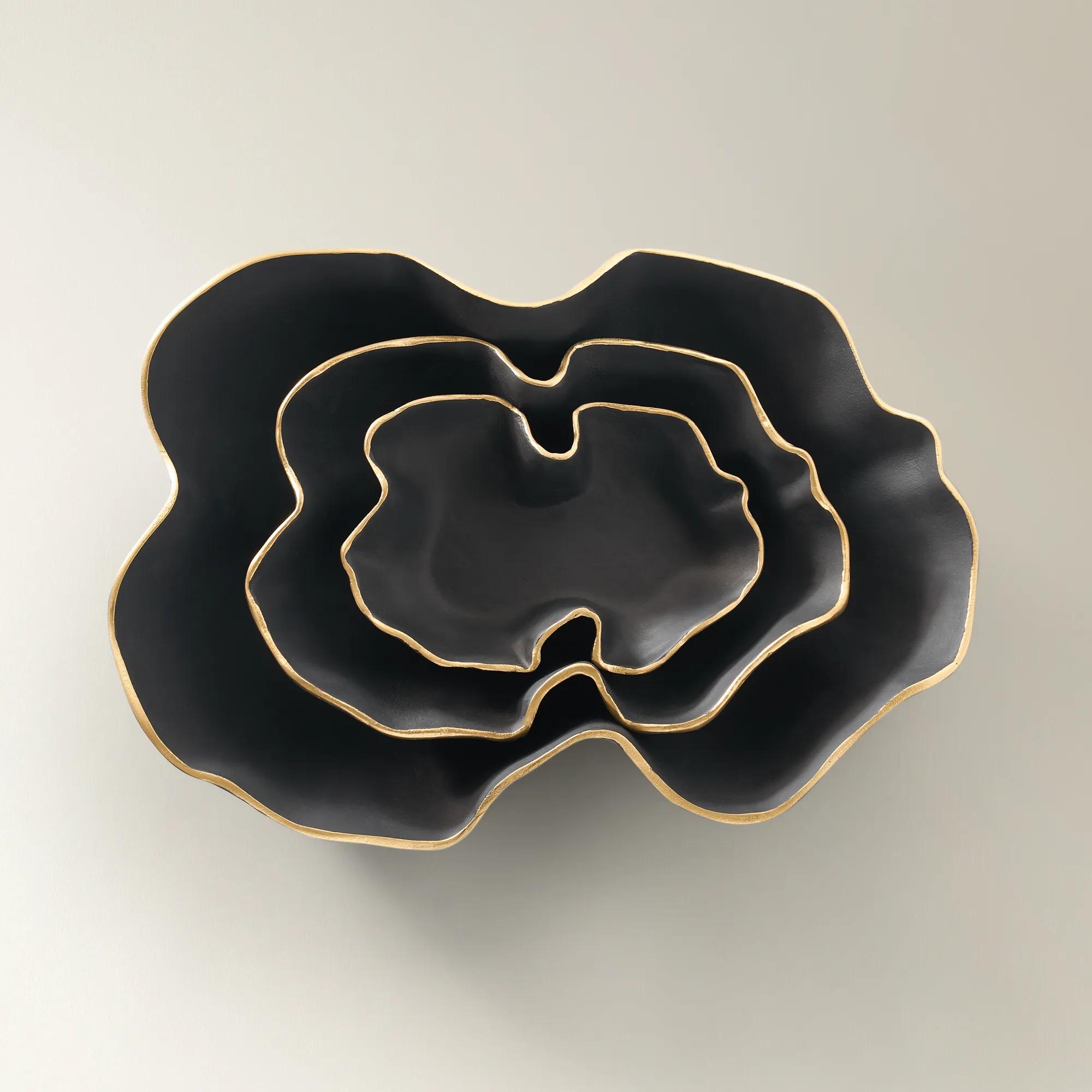 Lava Black Gold Aluminum Decorative Nesting Bowls$99
A deep black aluminum bowl with golden edges, featuring an organic shape inspired by volcanic rock.
Add To Cart -
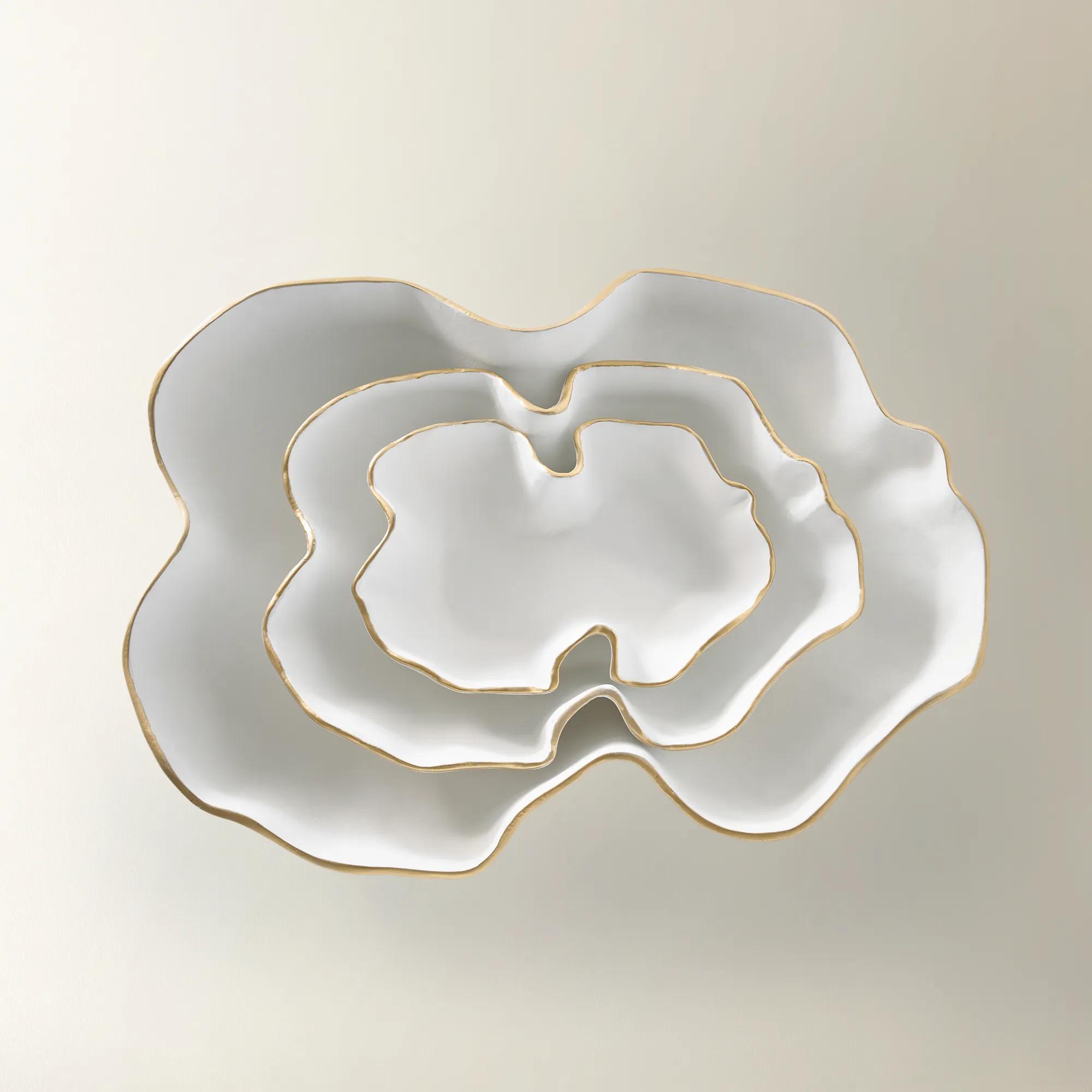 Lava White Gold Aluminum Decorative Nesting Bowls$49
A glossy white aluminum bowl with a golden rim, offering modern elegance for decorative display.
Add To Cart -
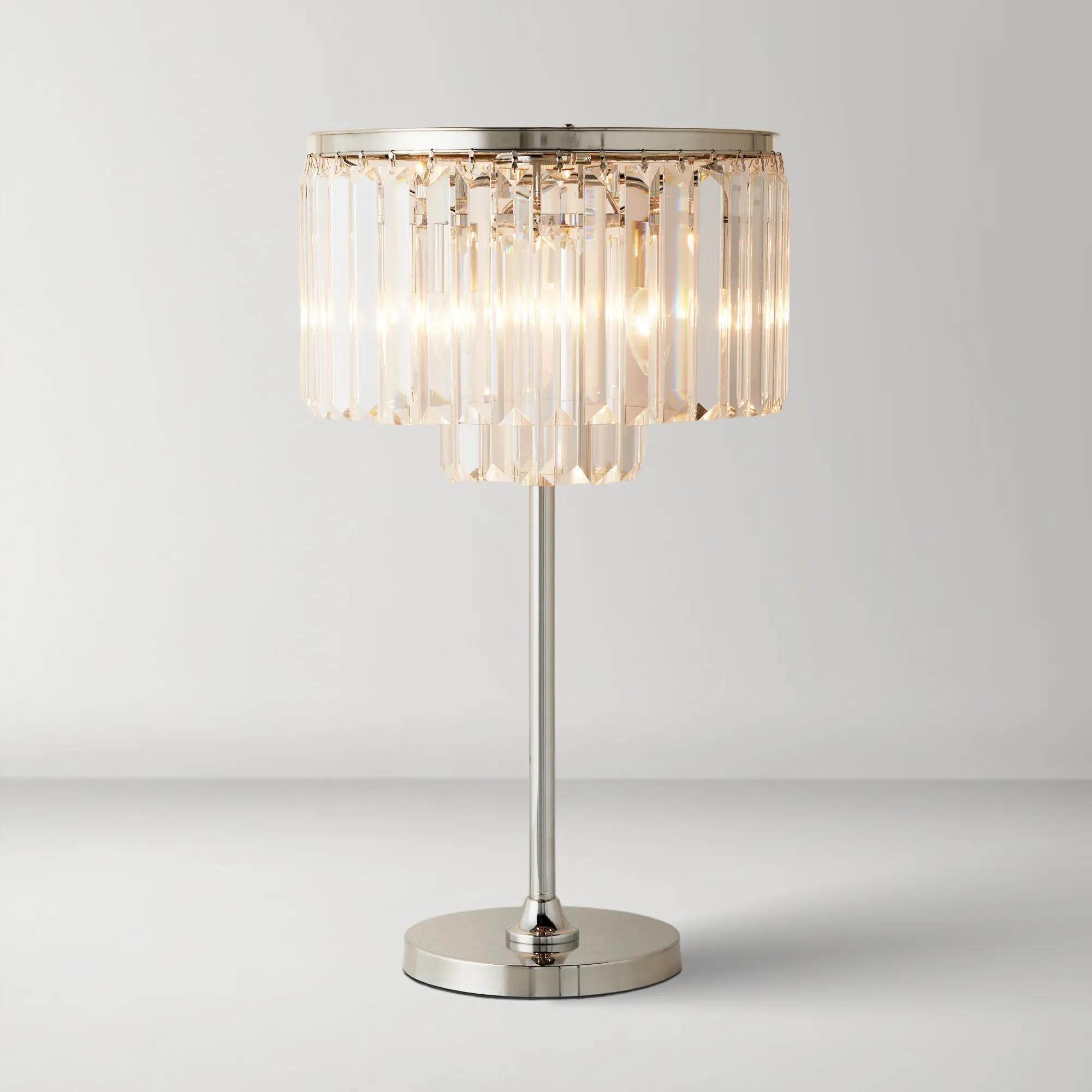
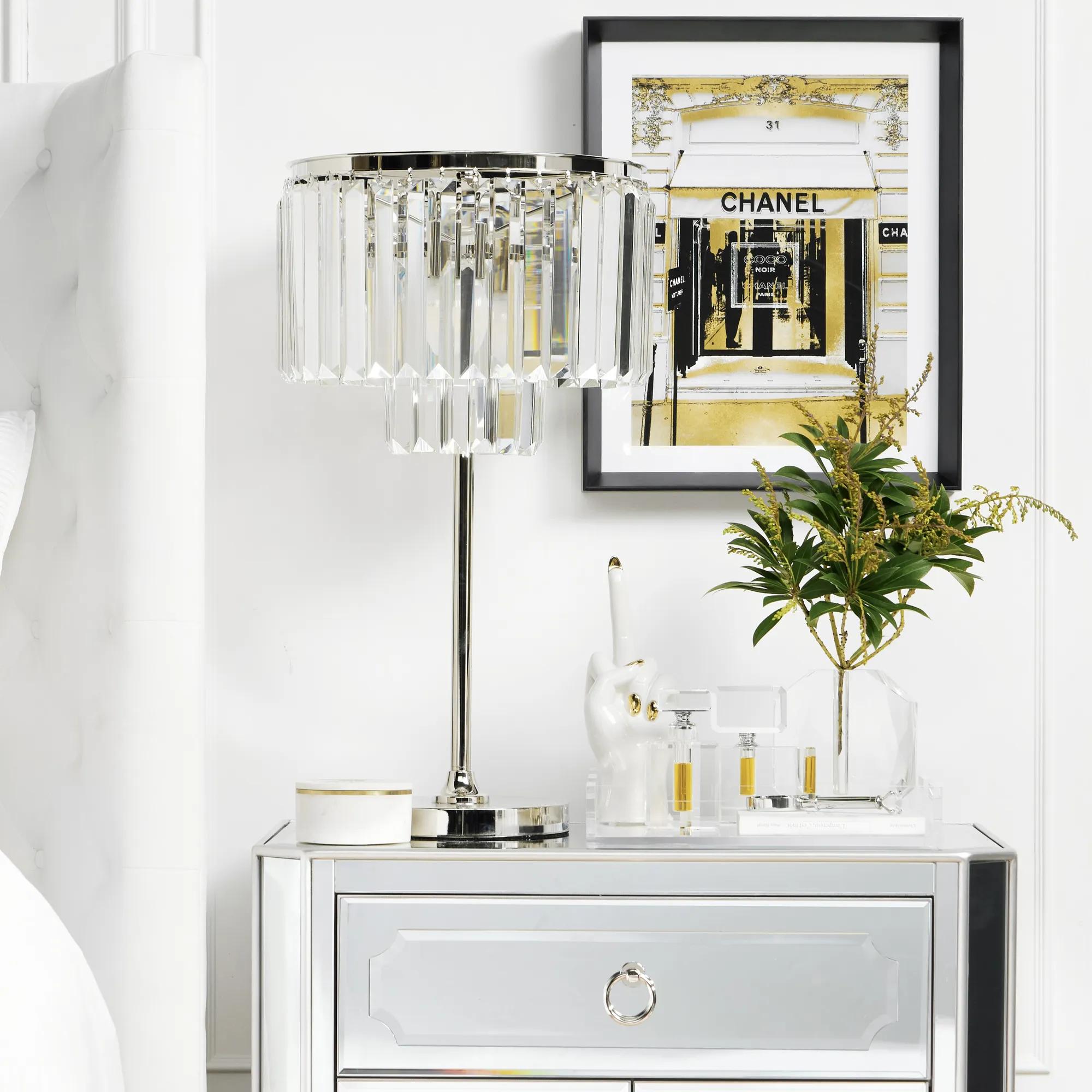 Luxe Table Lamp$499
A sophisticated table lamp featuring faceted ocular glass prisms and a nickel-plated iron frame.
Add To Cart -
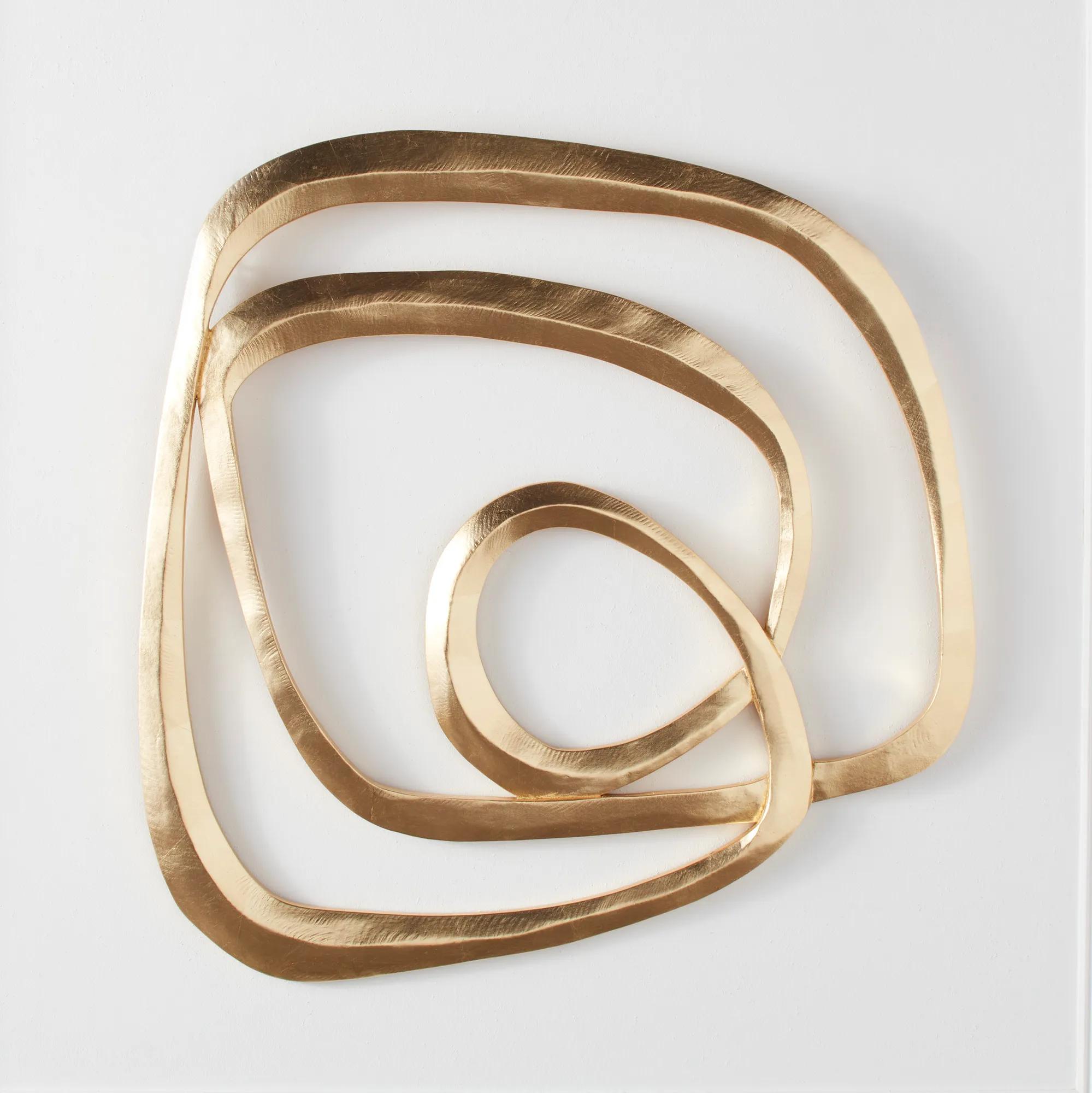 Infinity Gold Leaf Wood Wall Decor I 31.5" x 31.5"$299
A swirling wooden wall sculpture featuring a striking metallic gold finish for a bold decorative statement.
Add To Cart -
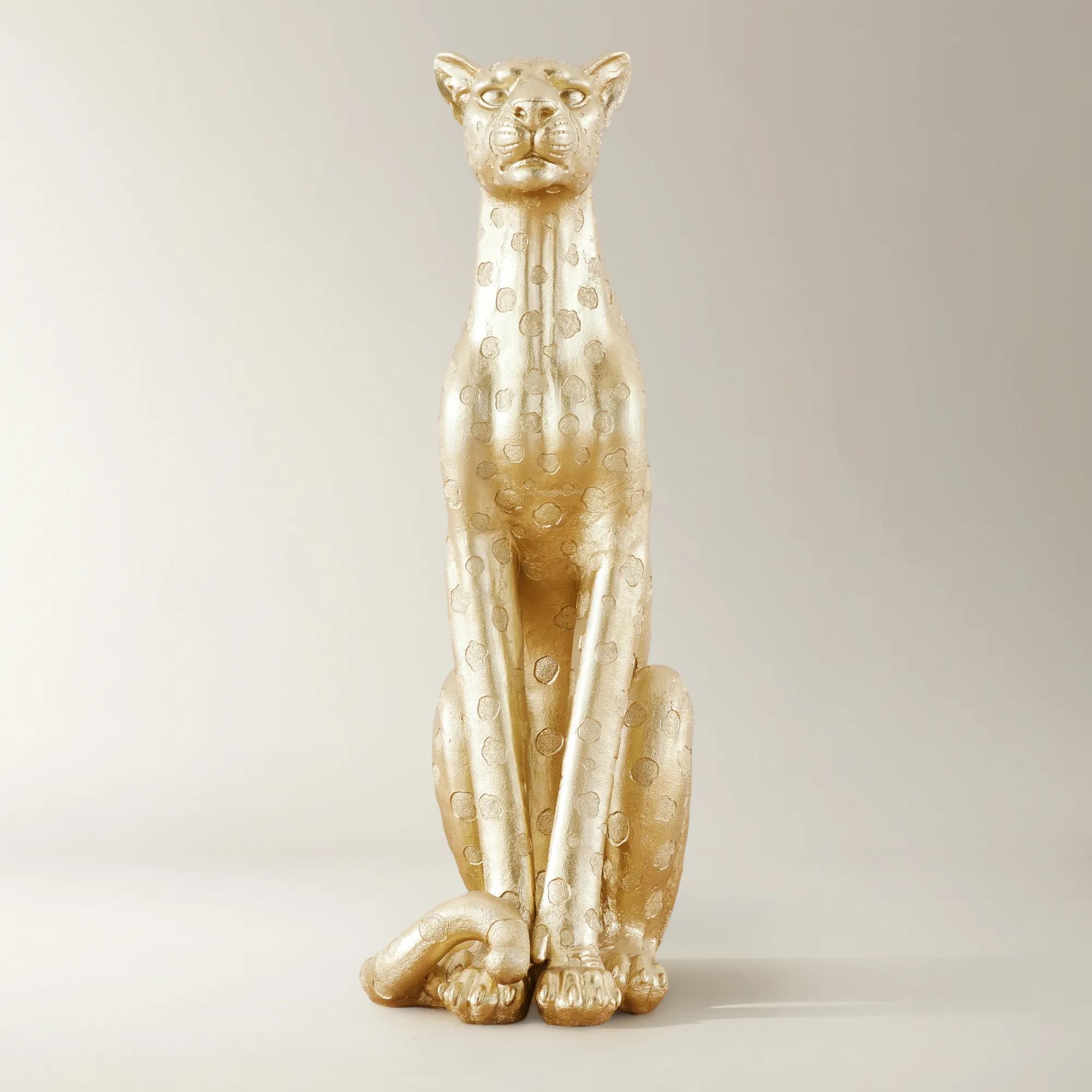 Leopardo Gold Resin Decorative Object 35"$329
A striking gold resin leopard statue that adds a touch of regal elegance to any space.
Add To Cart -
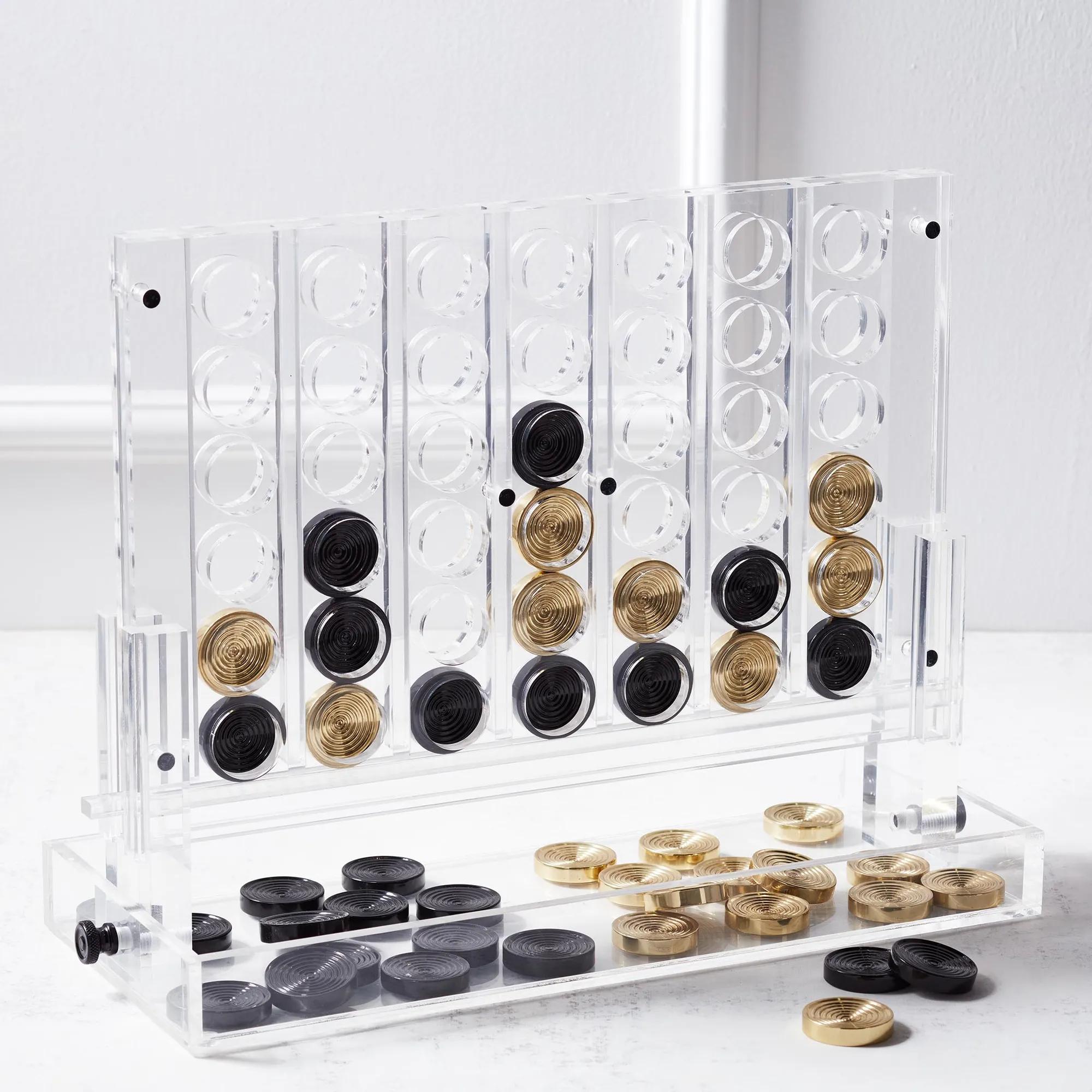
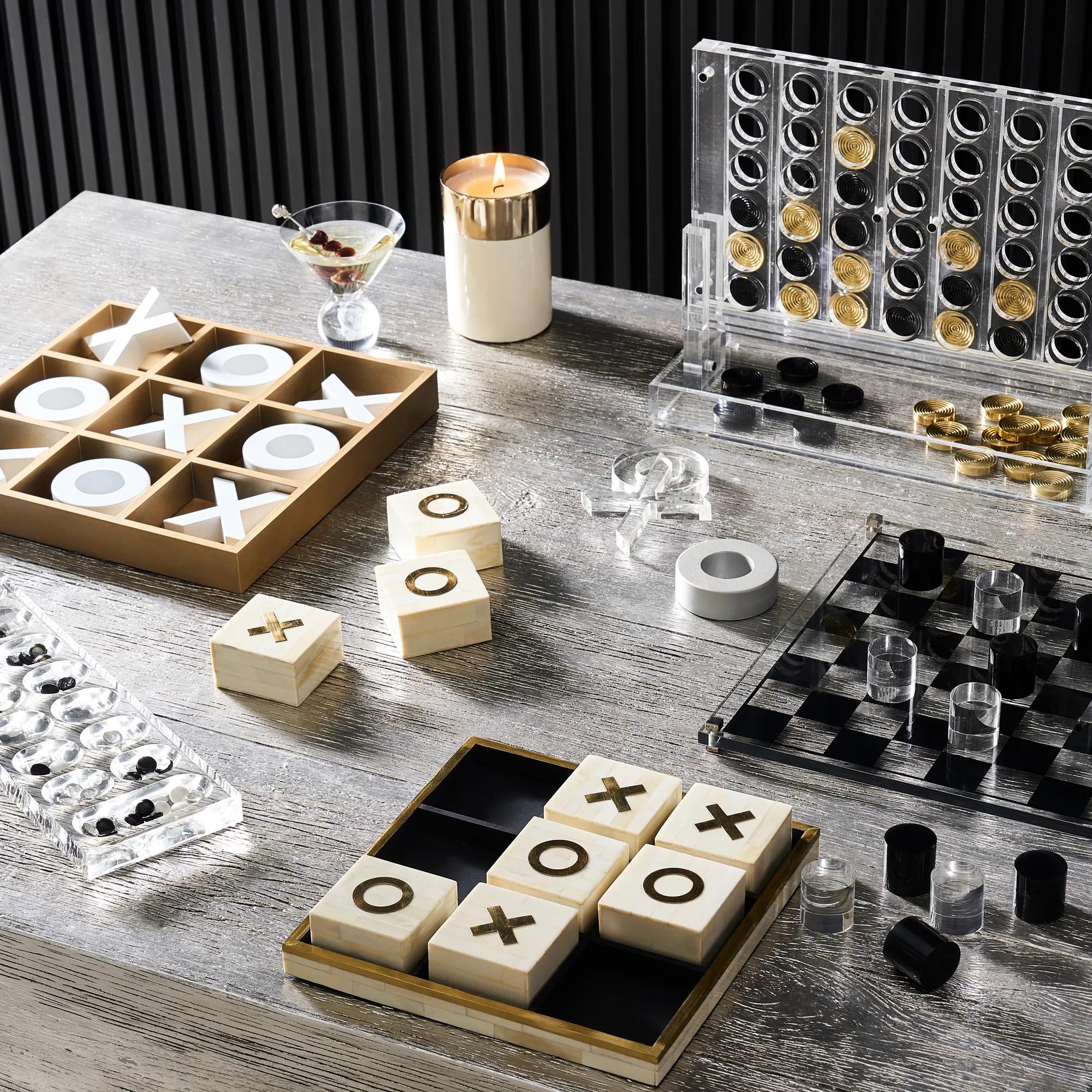 Four In A Row$359
A sleek black and gold acrylic and aluminum game set that doubles as a modern decorative accent.
Add To Cart -
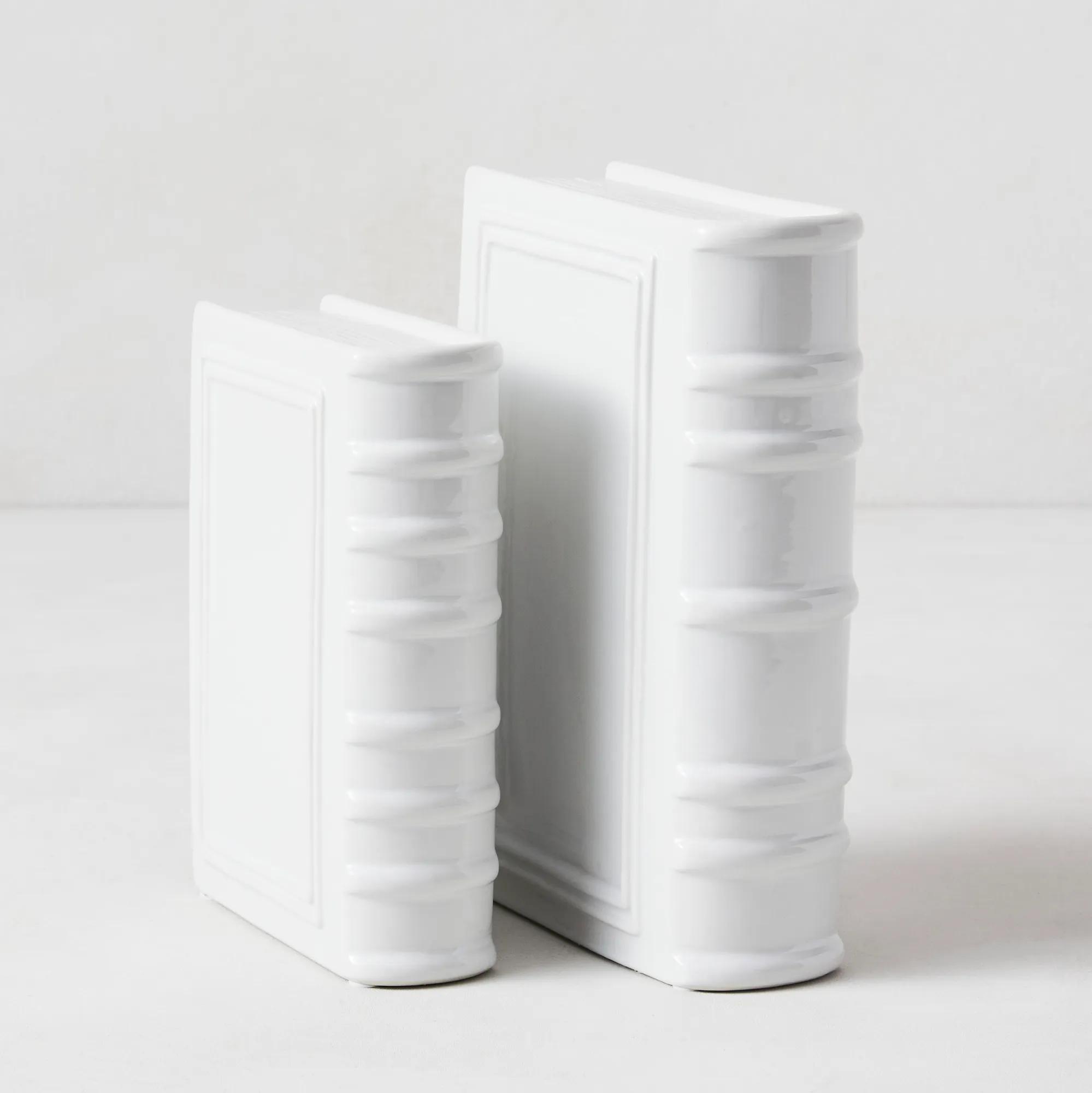
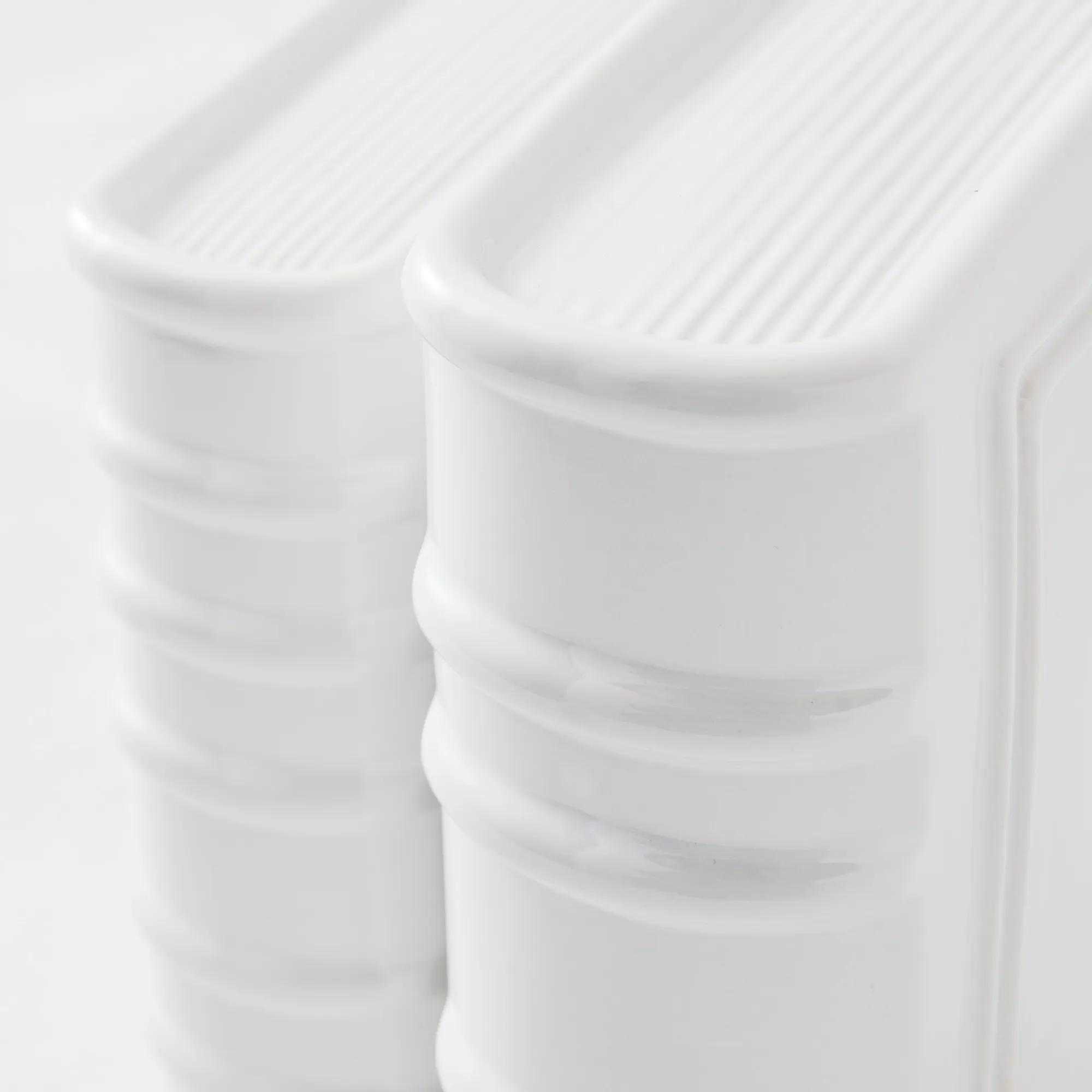 Ceramic Bookends - White$49
A pair of cream ceramic book accents that double as minimalist bookends or decorative console pieces.
Add To Cart -
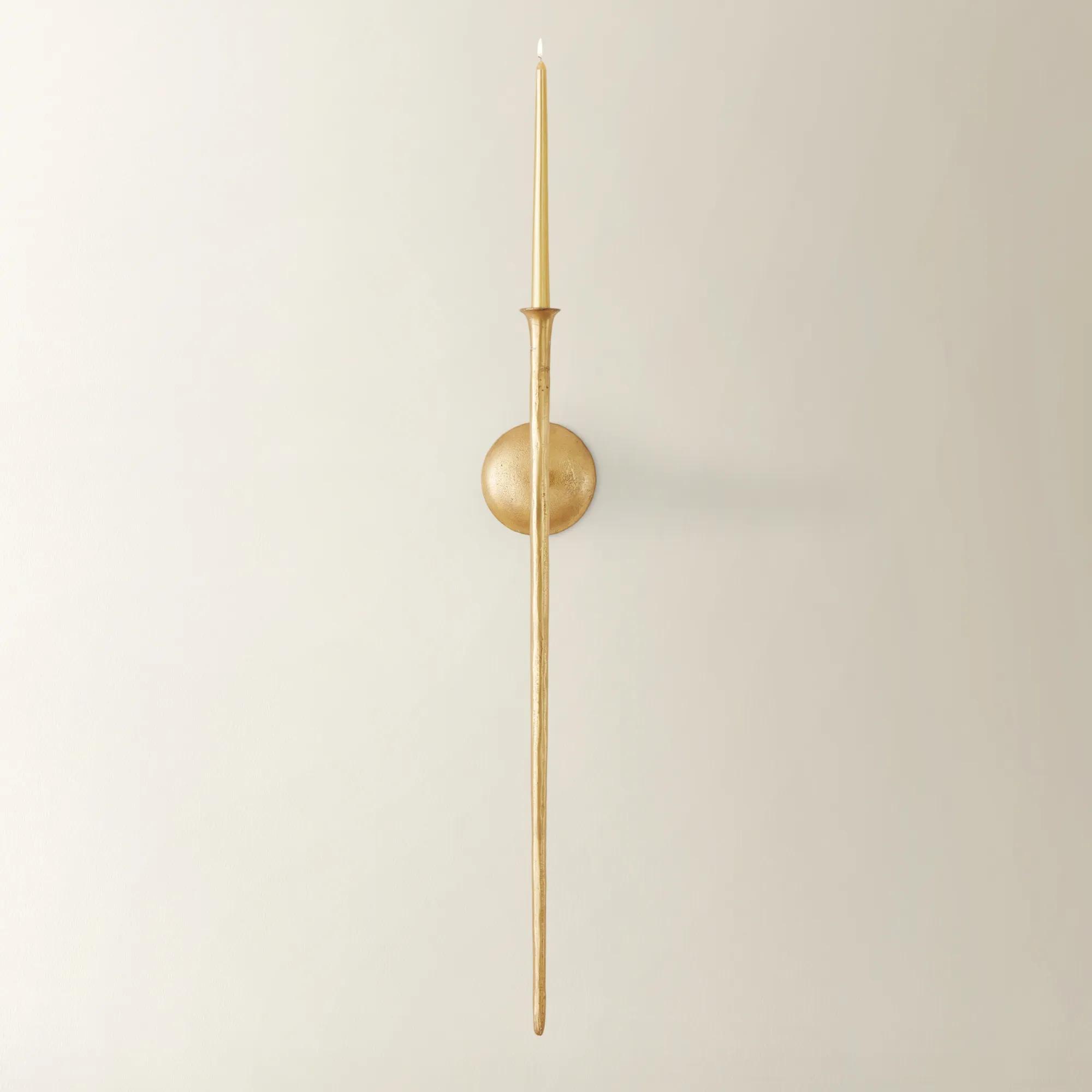 Aspar Gold Aluminum Candle Wall Sconce Large 33"$59
A slender metal wall sconce available in silver, gold, or black, perfect for displaying taper candles.
Add To Cart -
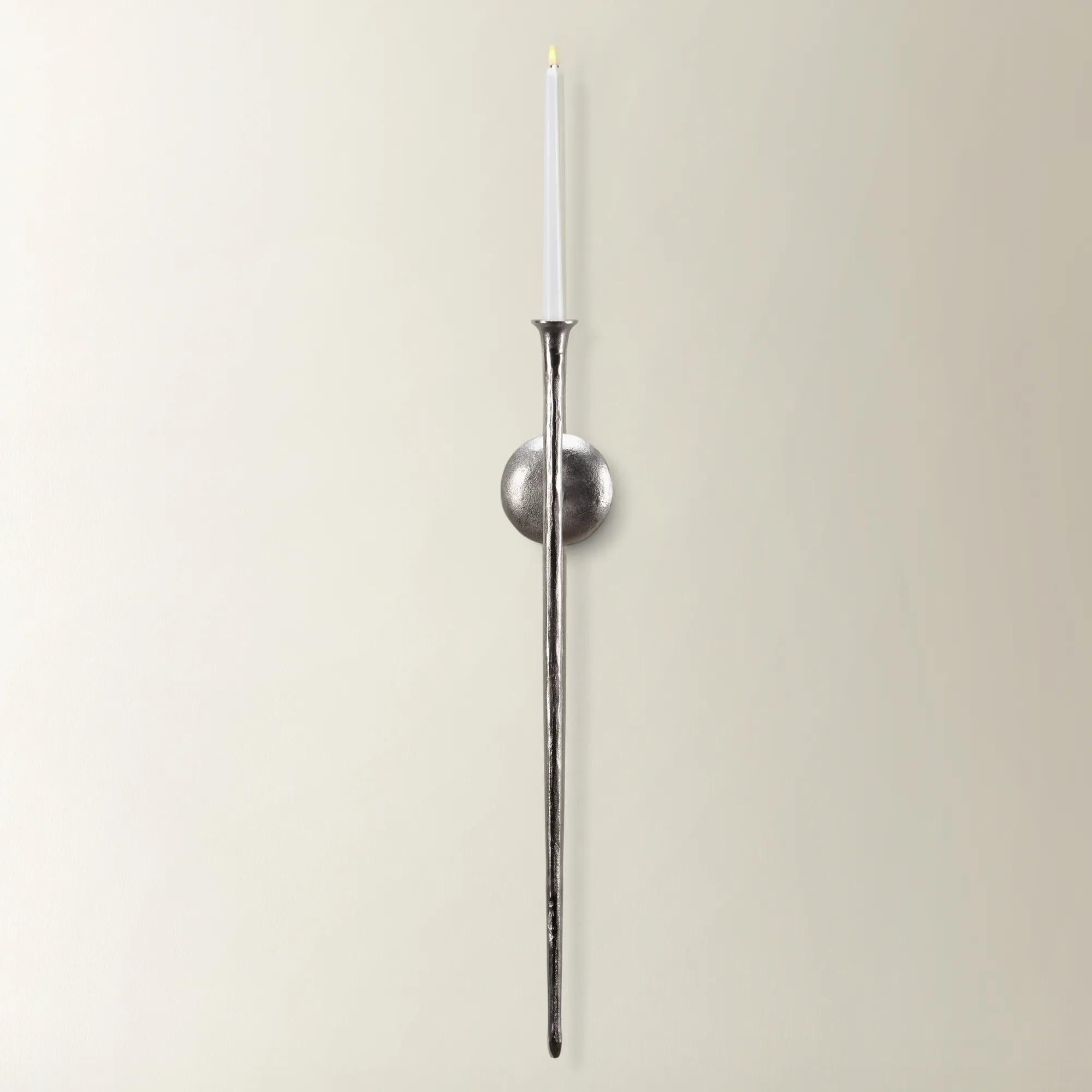
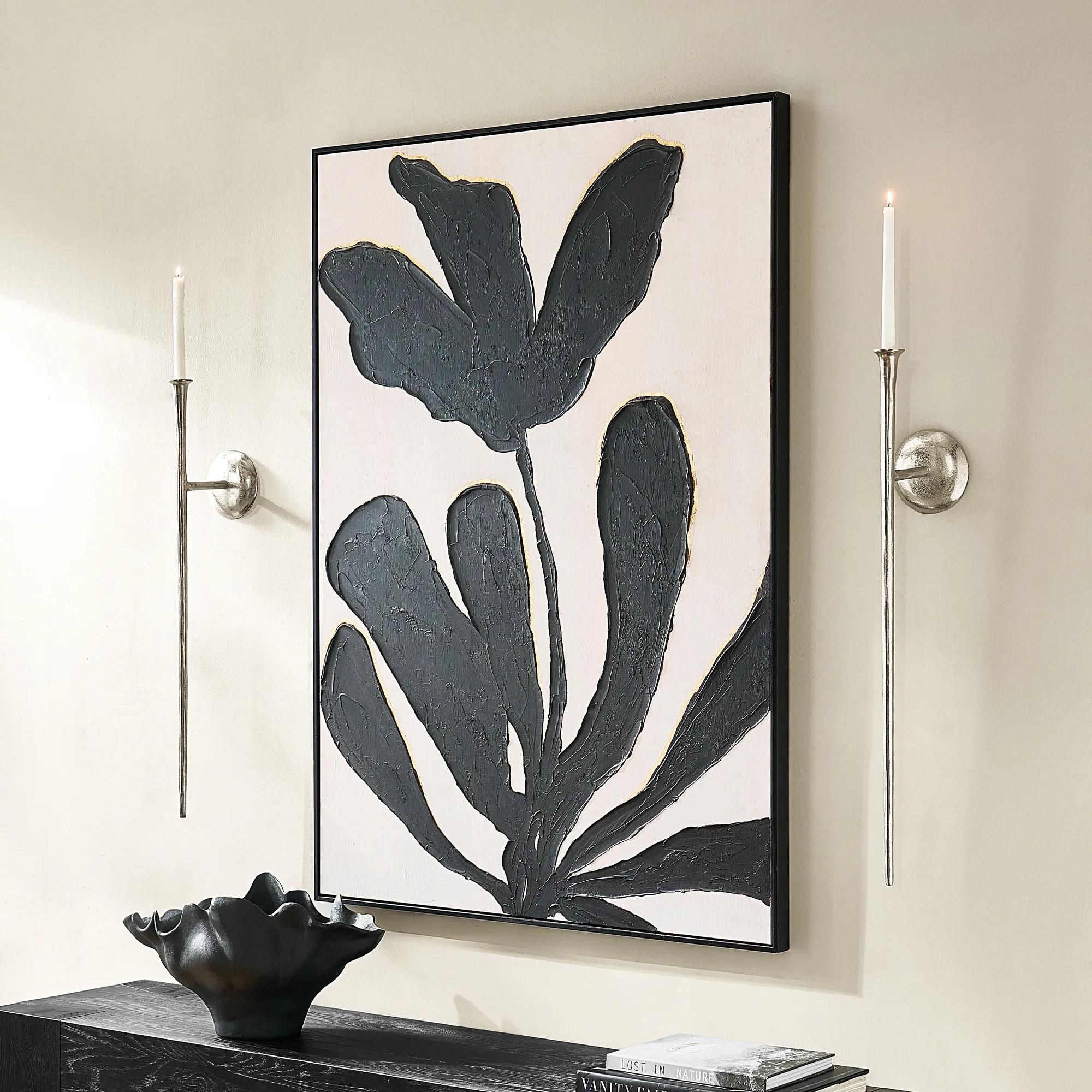 Aspar Silver Aluminum Candle Wall Sconce Large 33"$59
A slender metal wall sconce available in silver, gold, or black for elegant candlelit ambiance.
Add To Cart -
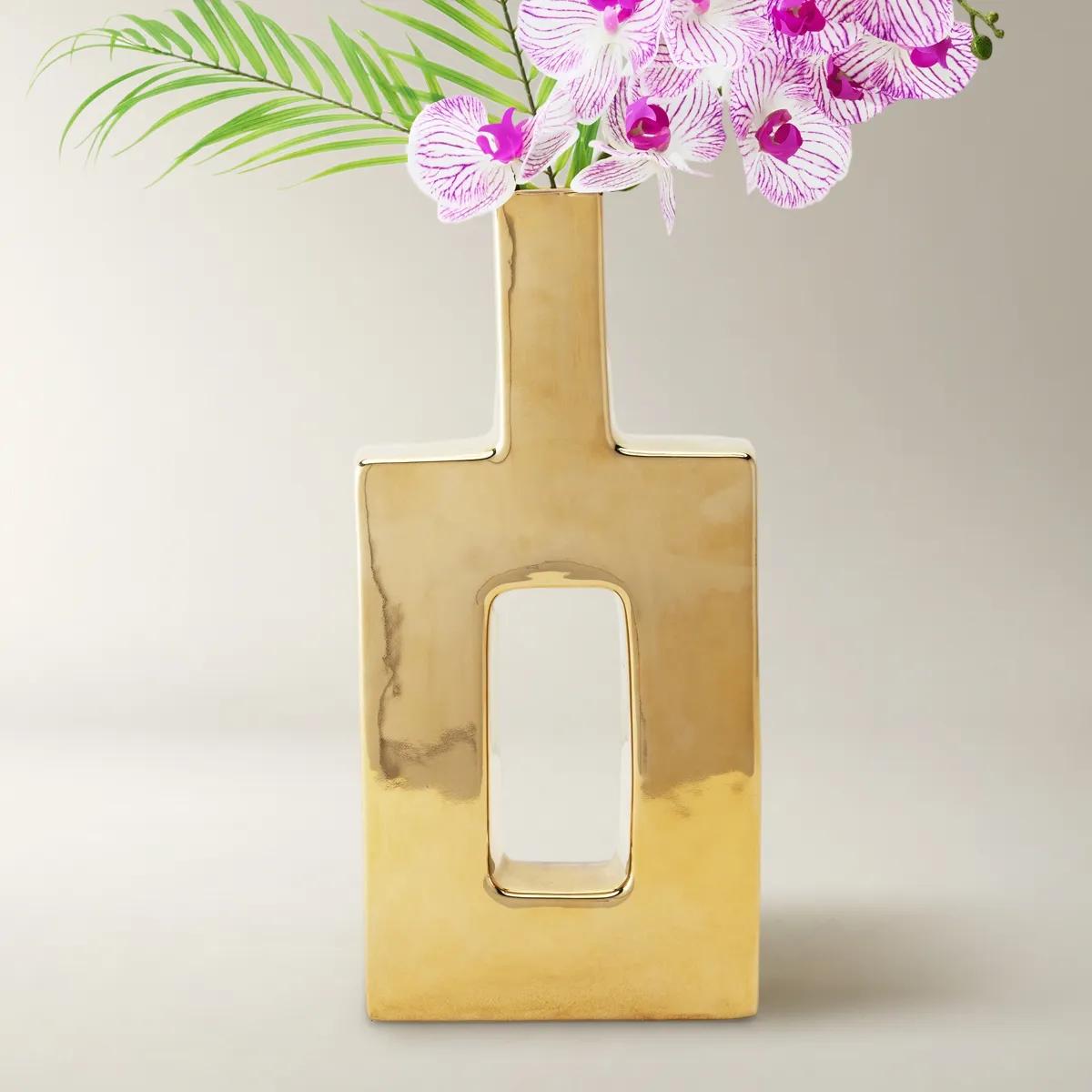 Miami Gold Ceramic High Gloss Vase 18.5"$69
A contemporary gold ceramic vase designed for decorative use or displaying faux foliage.
Add To Cart -
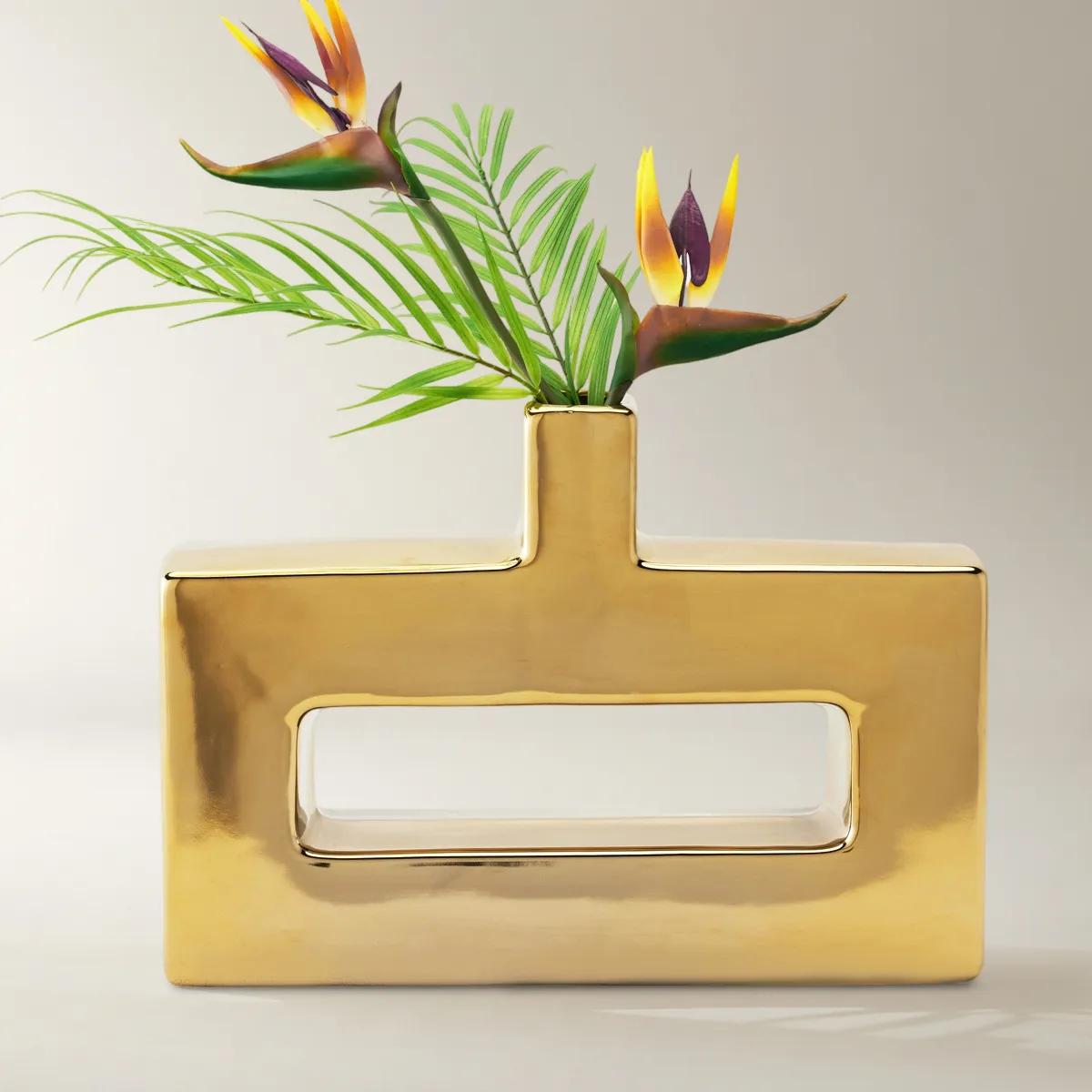 Miami Gold Ceramic High Gloss Vase 11.75"$69
A contemporary gold ceramic vase designed for decorative use as a sculptural accent or with foliage.
Add To Cart -
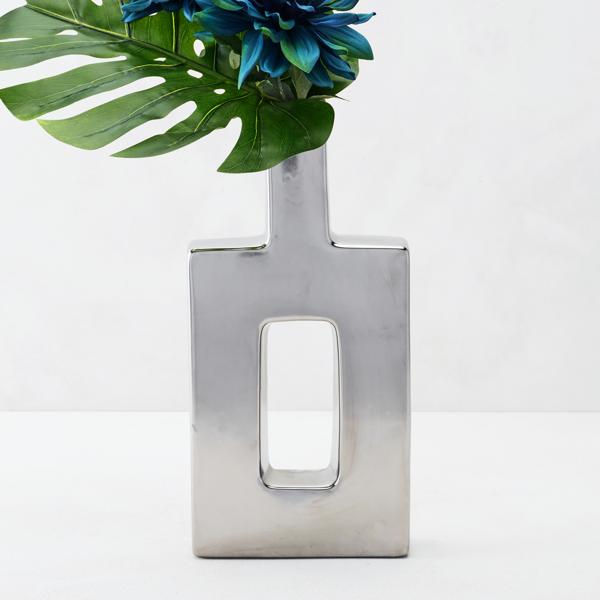
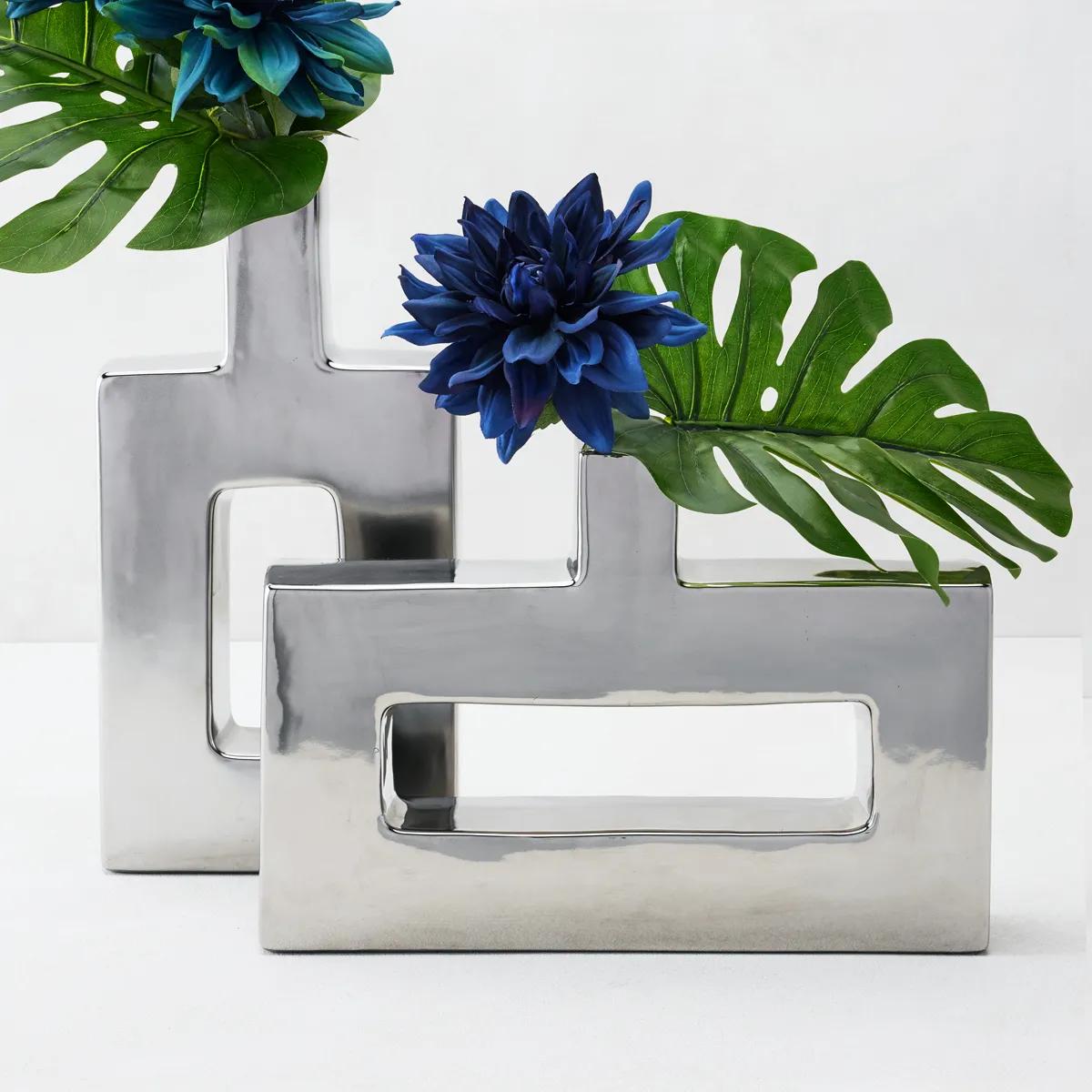 Miami Silver Ceramic High Gloss Vase 18.5"$69
A contemporary silver ceramic vase with a stylish gold glaze, perfect for decorative foliage or display.
Add To Cart -
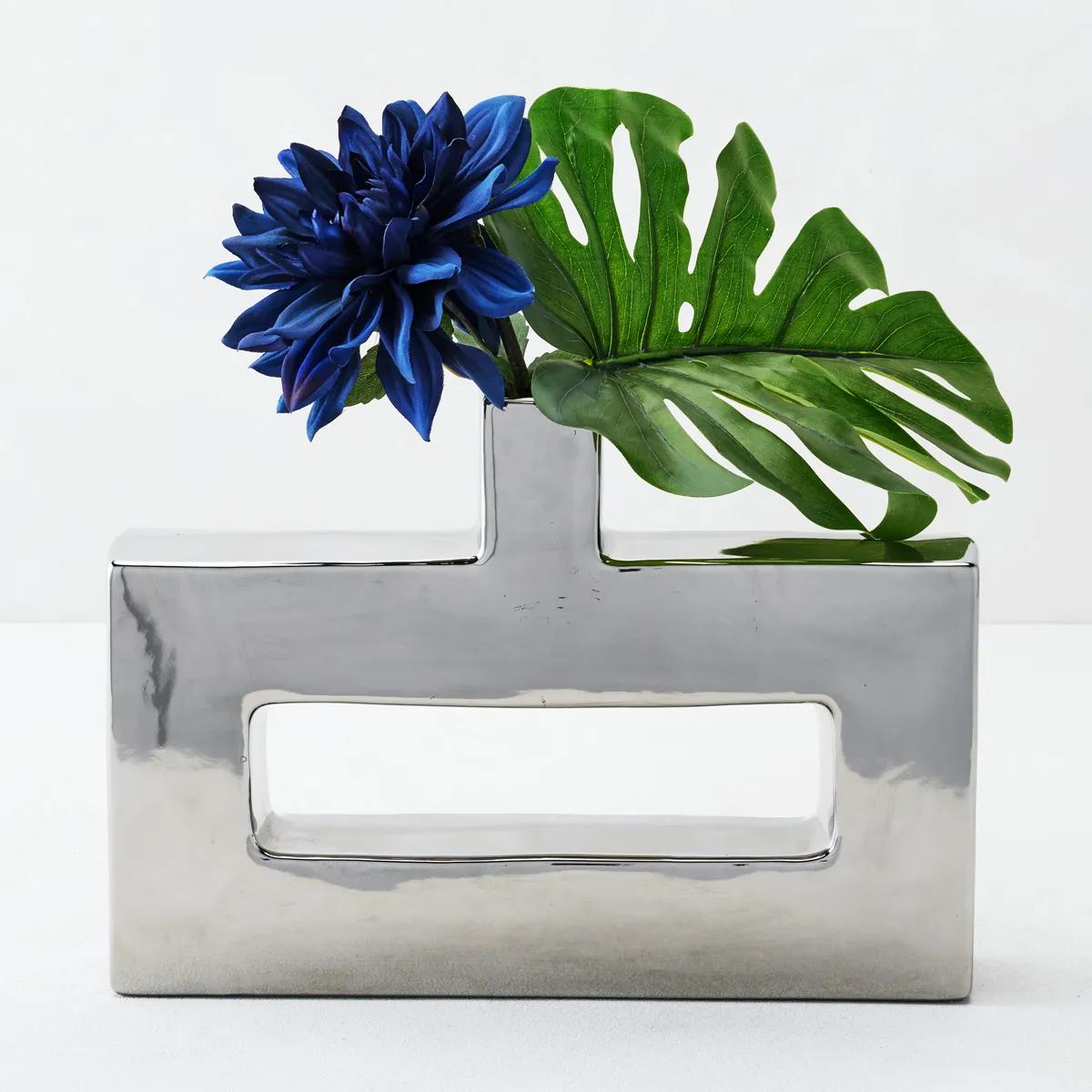 Miami Silver Ceramic High Gloss Vase 11.75"$69
A contemporary silver ceramic vase with a stylish gold glaze, perfect for decorative foliage or display.
Add To Cart -
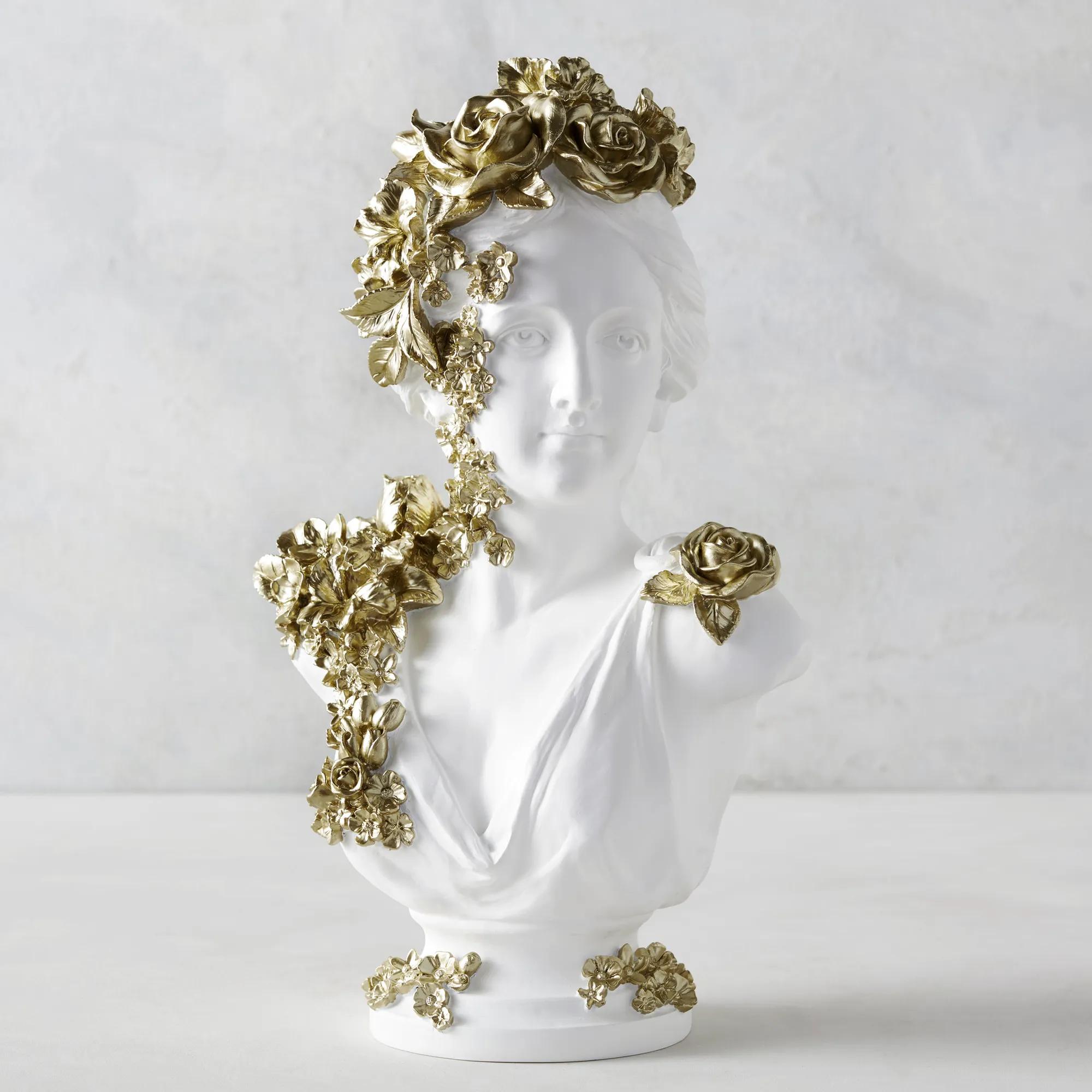 Gold Floral Bust Resin Decorative Object 16.5"$79
A striking resin bust adorned with intricate gold floral embellishments for a bold decorative accent.
Add To Cart -
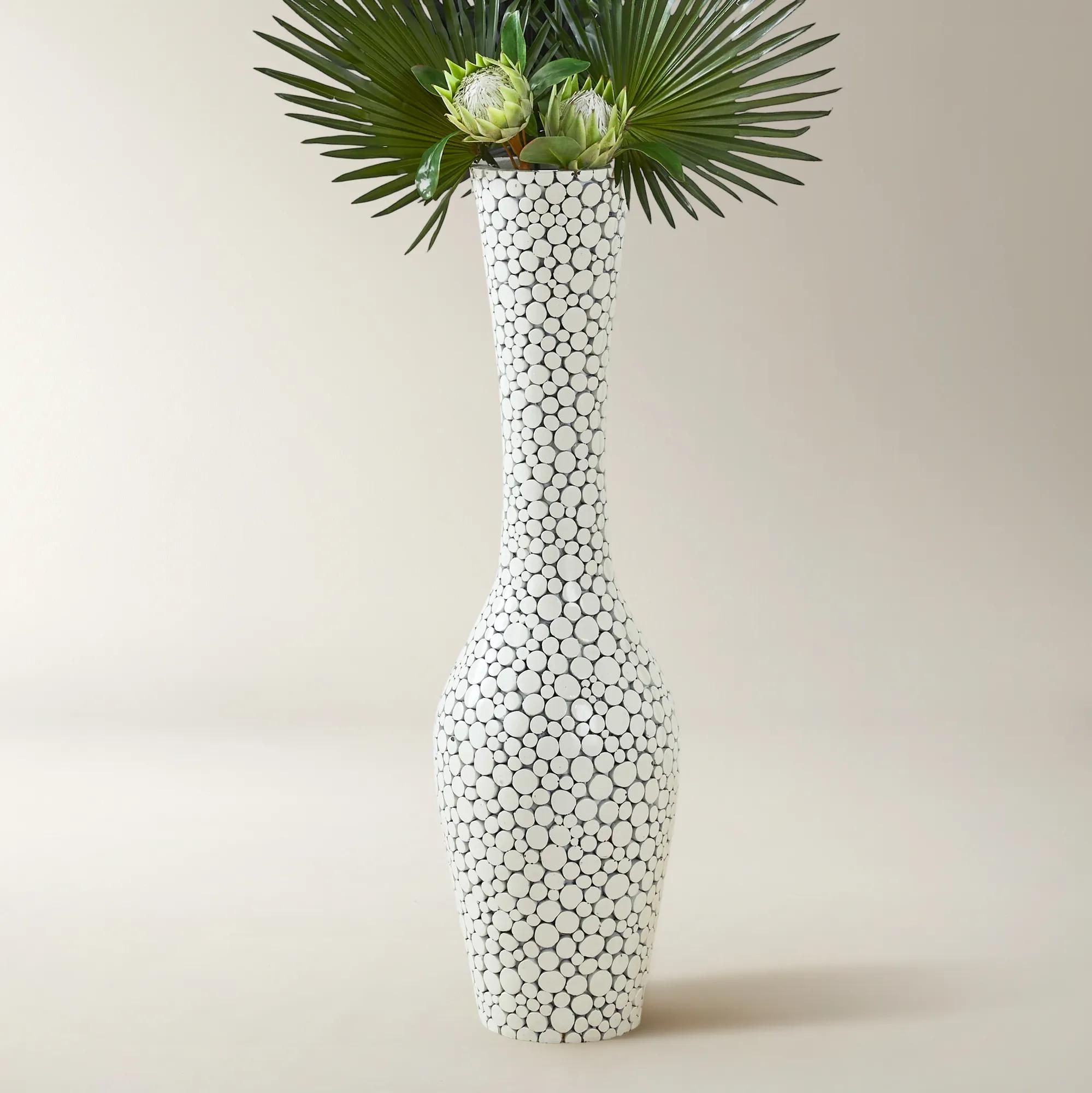 Oslo Floor Vase$299
A contemporary floor vase featuring hand-applied wood accents and a glossy white fiberglass base.
Add To Cart -
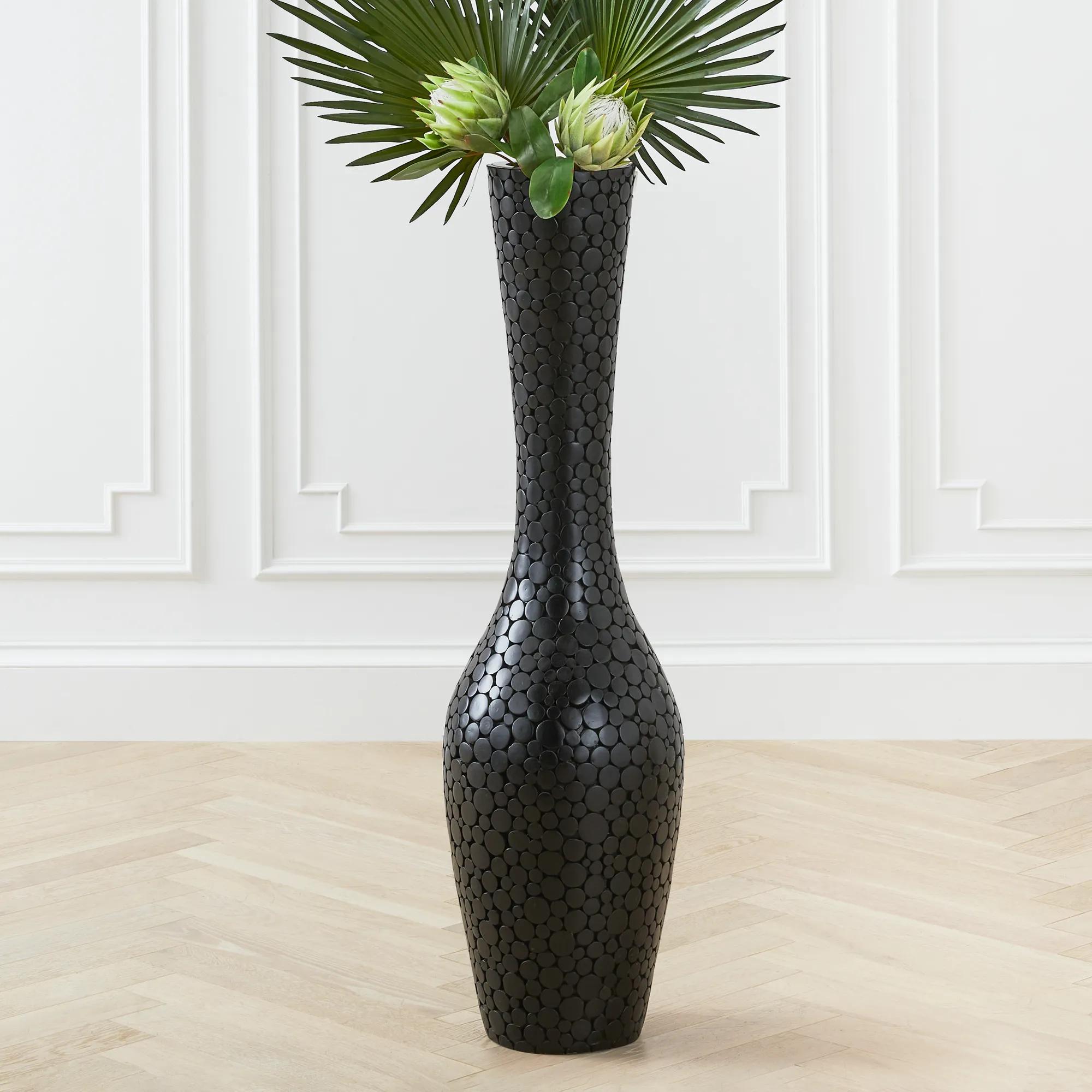
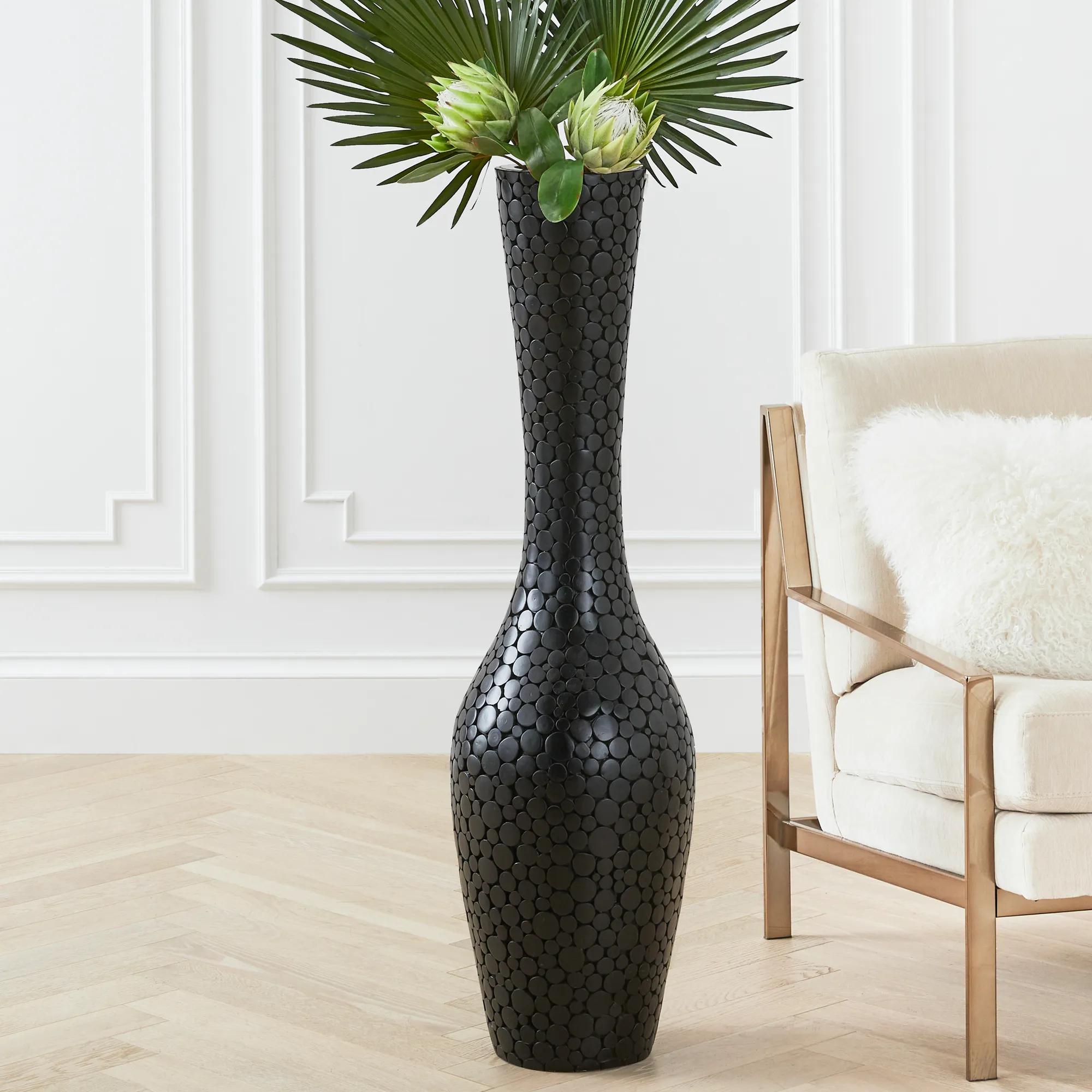 Oslo Black Wood Floor Vase 45"$299
A contemporary floor vase featuring hand-applied wood accents and a glossy black fiberglass base.
Add To Cart -
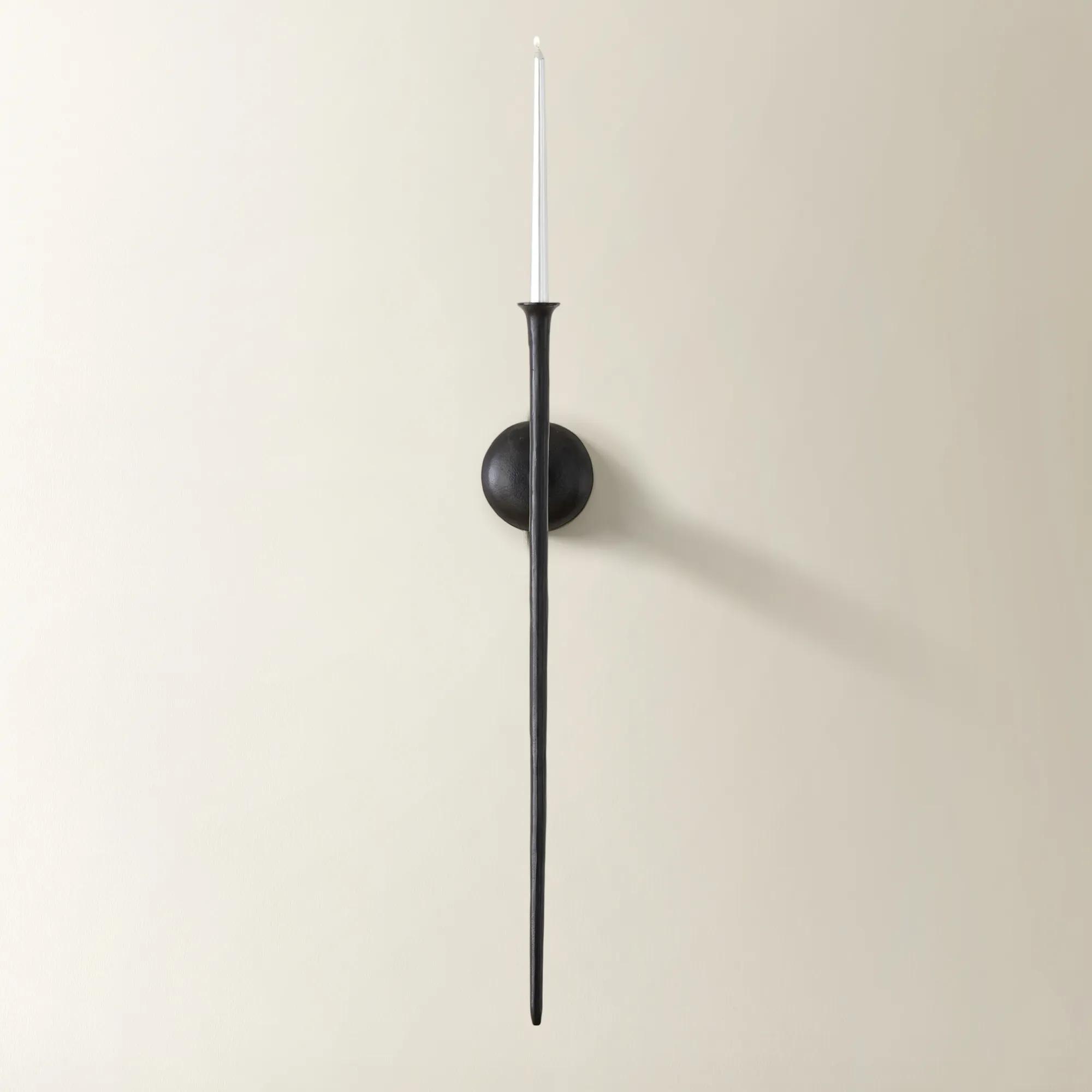 Aspar Black Aluminum Candle Wall Sconce Large 33"$59
A slender metal wall sconce available in silver, gold, or black, perfect for elegant candlelit ambiance.
Add To Cart -
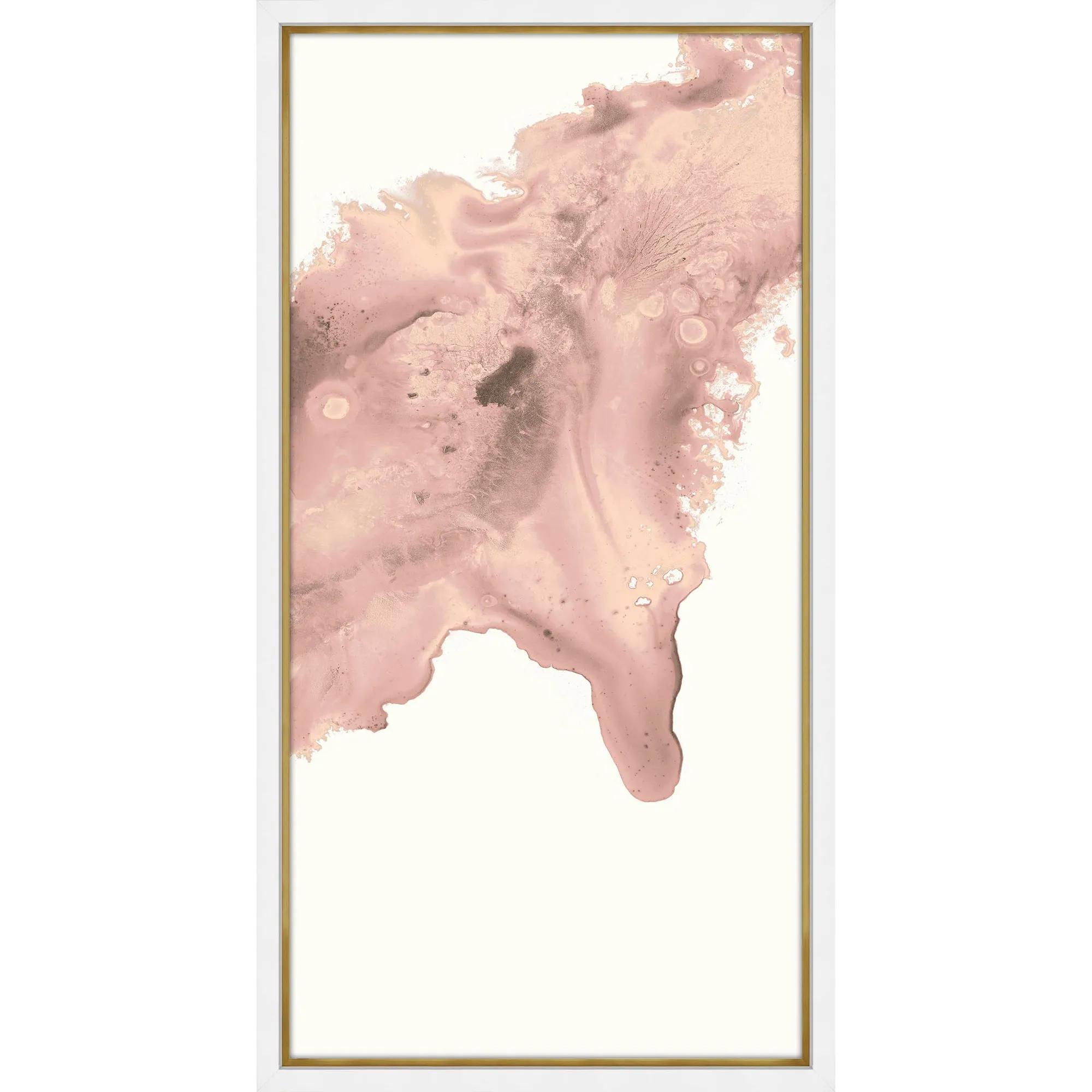
 Blush Conduit 2 Framed Wall Art 24" x 48"$849
A striking abstract print on pearl paper, elegantly framed in gold and matte white for modern appeal.
Add To Cart -
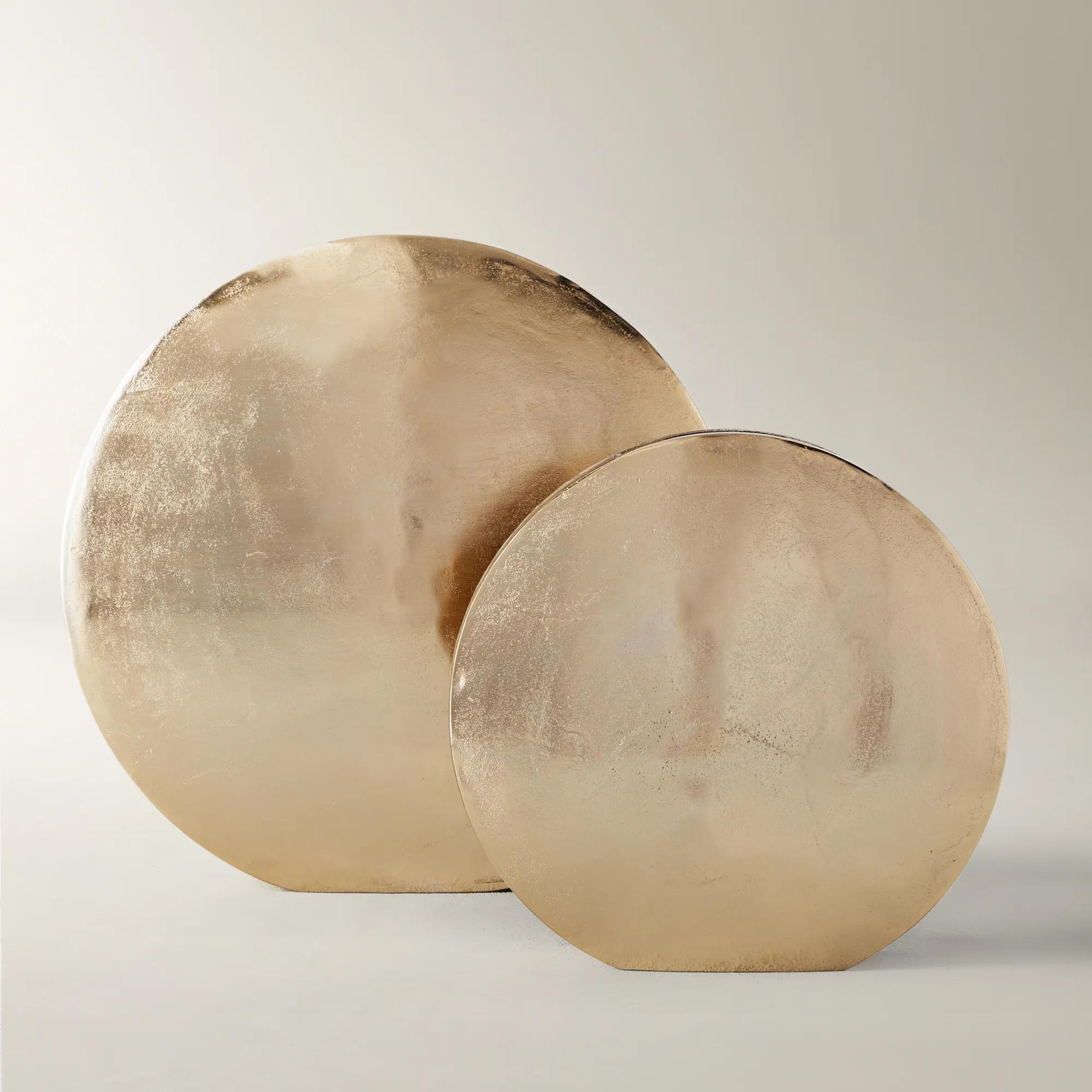
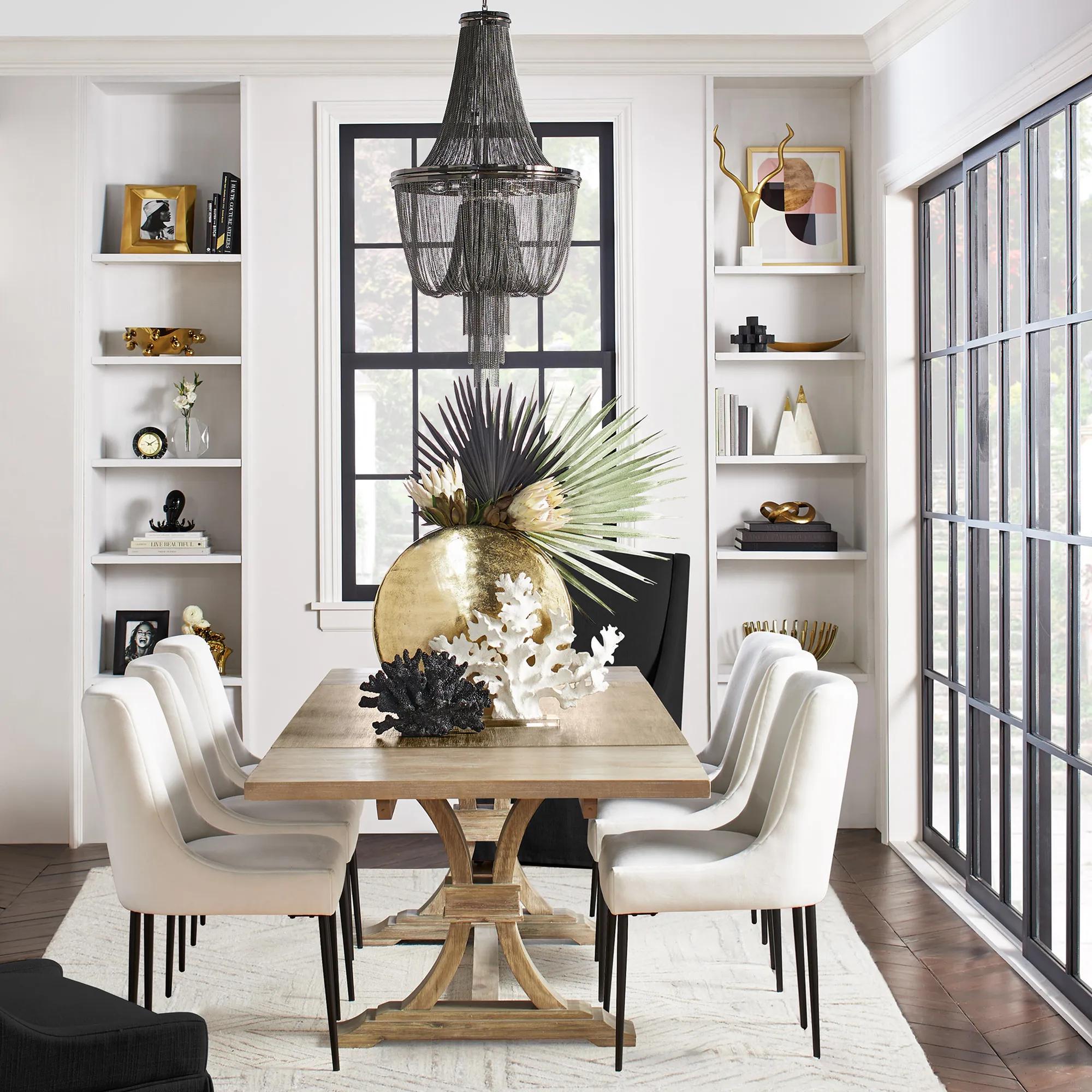 Greer Gold Aluminum Vases$249
A striking gold aluminum disc vase perfect for showcasing dried blooms or as a decorative accent.
Add To Cart -
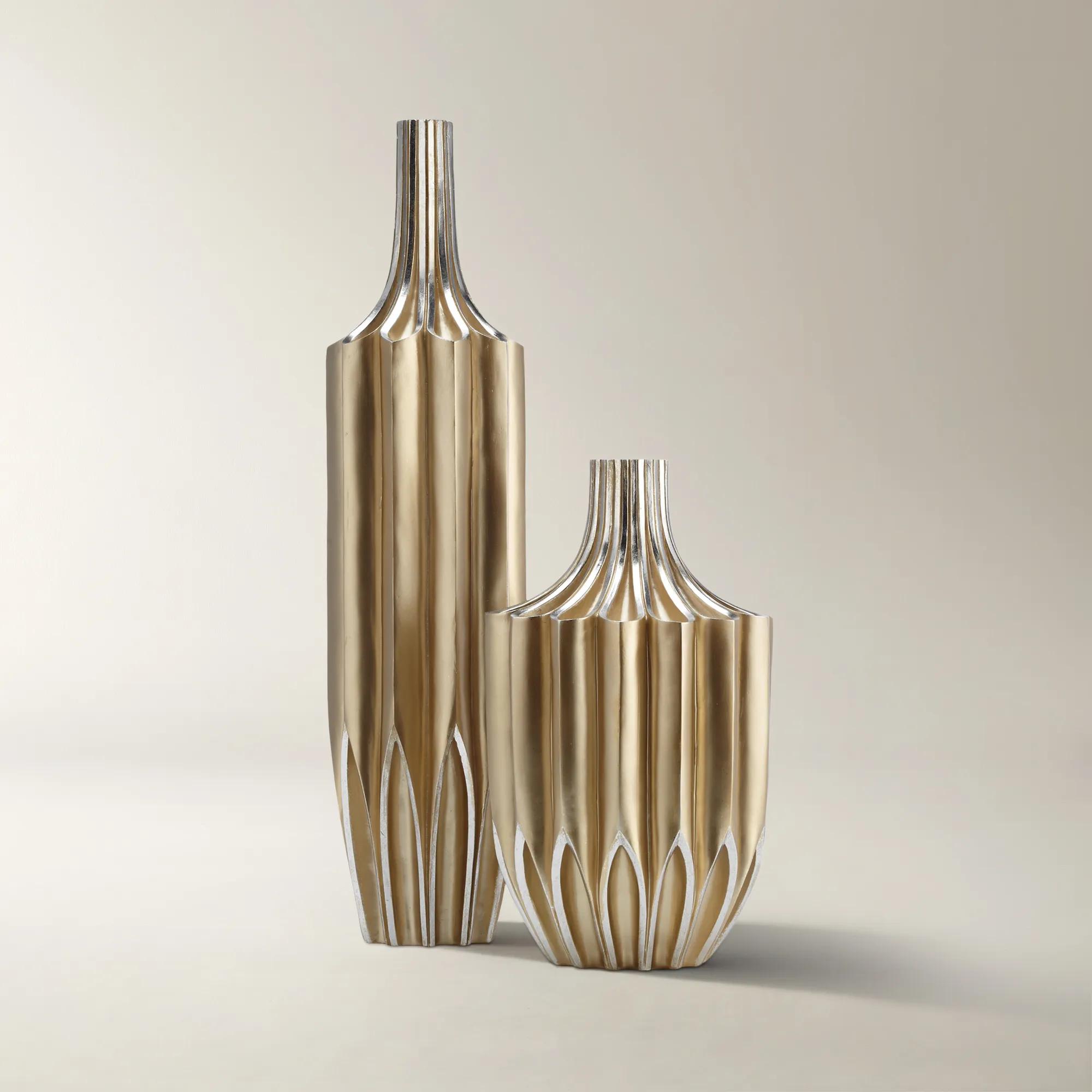
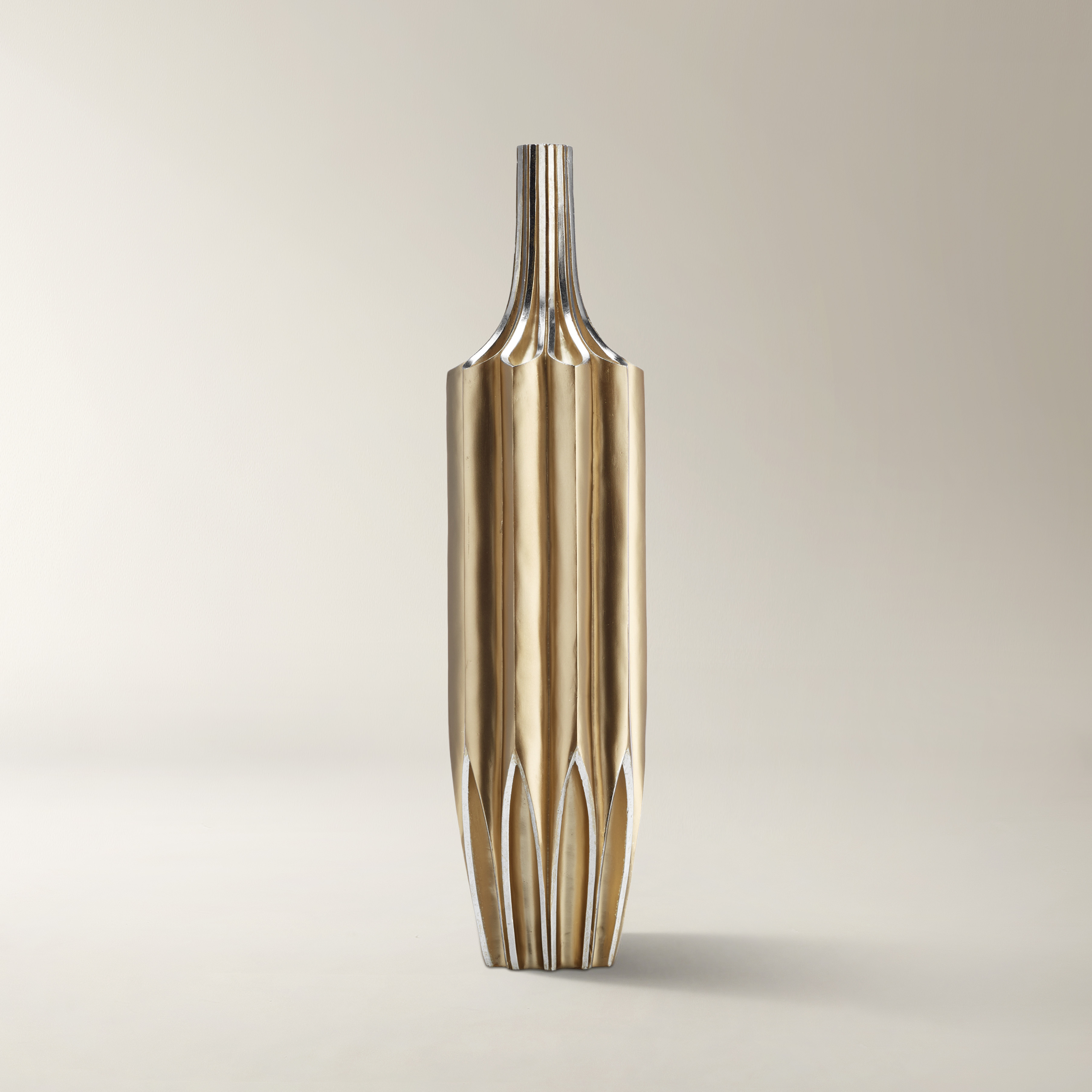 Savannah Gold Resin Vases$79
A sophisticated polyresin vase featuring sleek vertical curves and a modern, inward-flaring design.
Add To Cart -
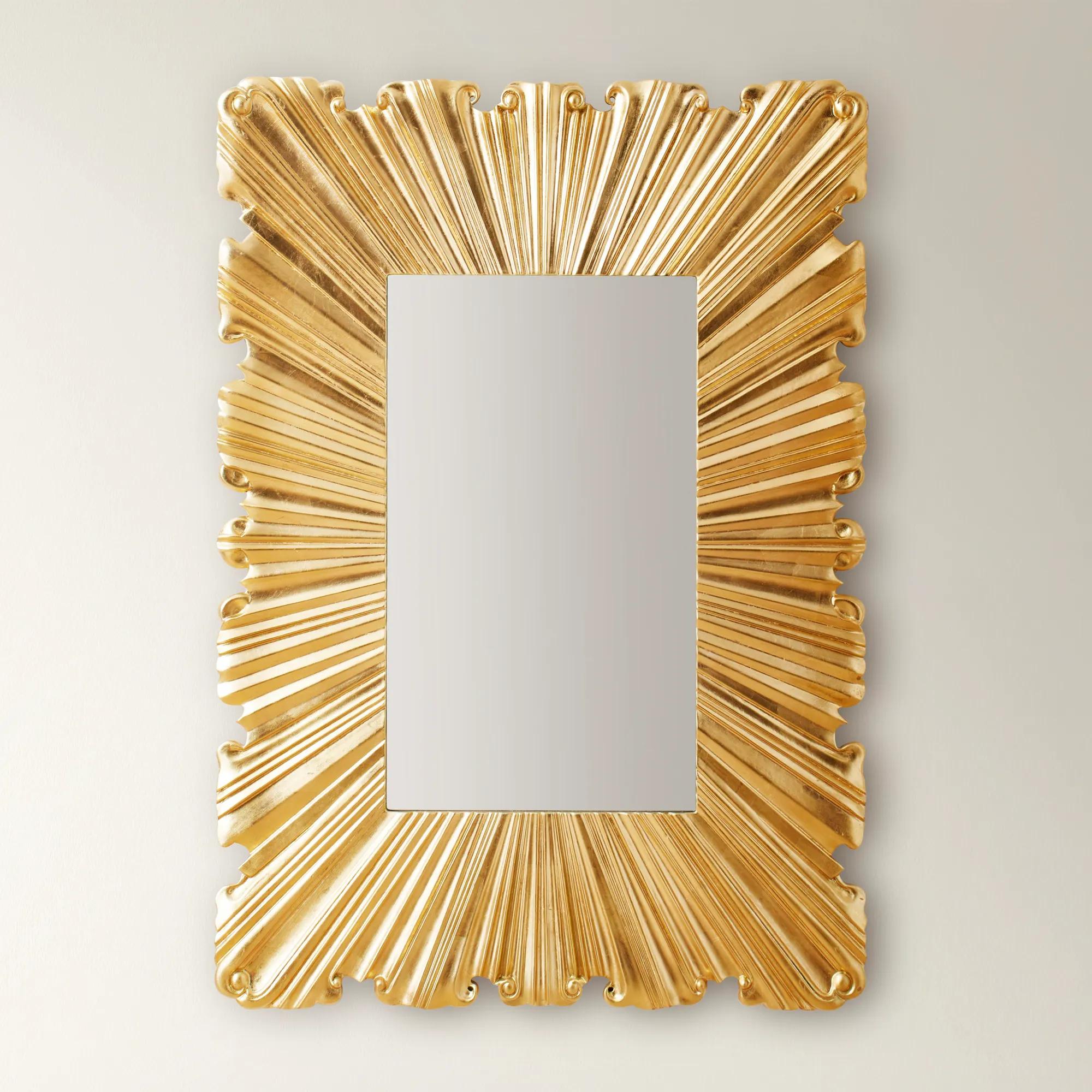 Metropolitan Gold Leaf Resin Rectangular Wall Mirror 27.5" x 39.5"$459
A sculptural wall mirror featuring a gold-finished polyurethane frame for a modern, elegant accent.
Add To Cart -
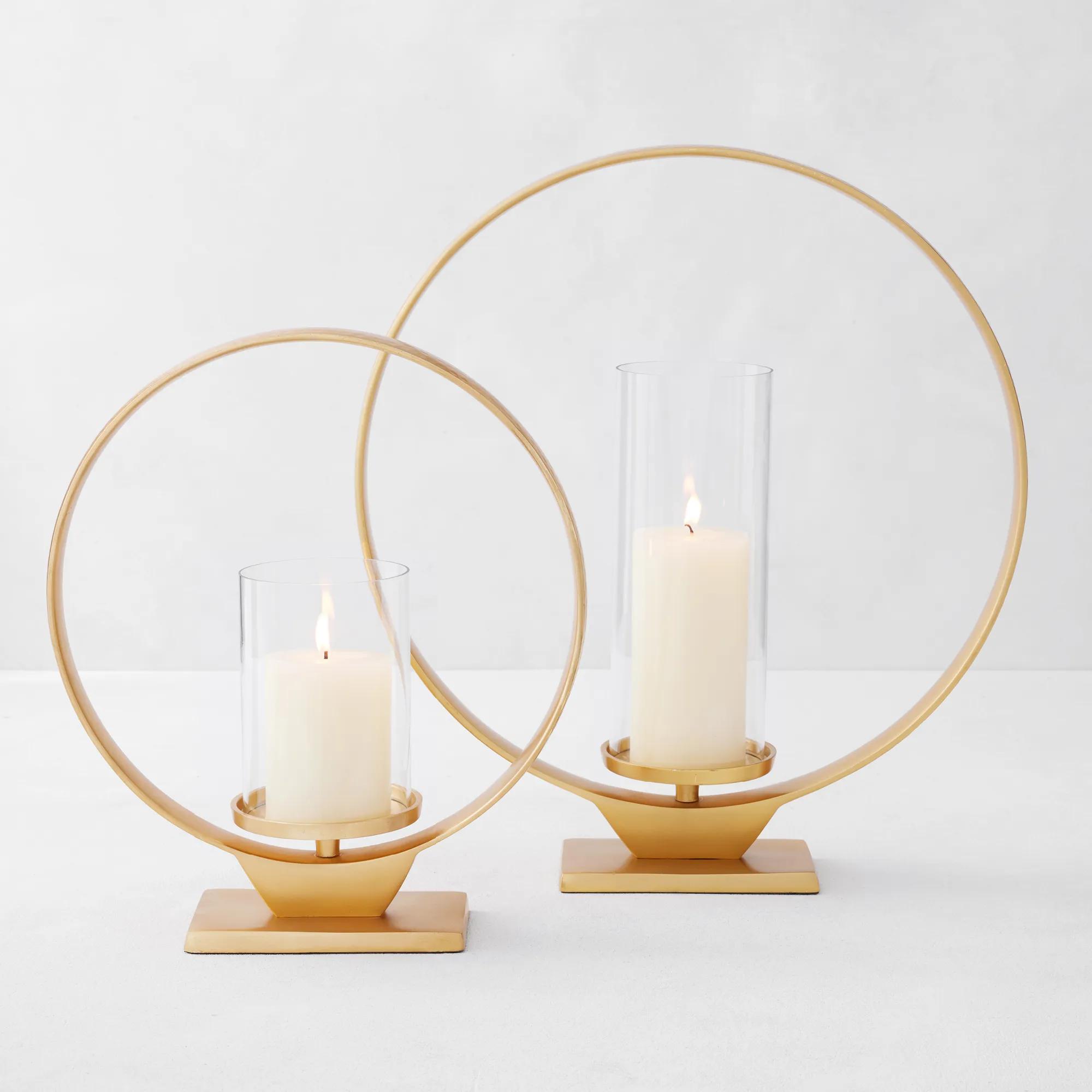
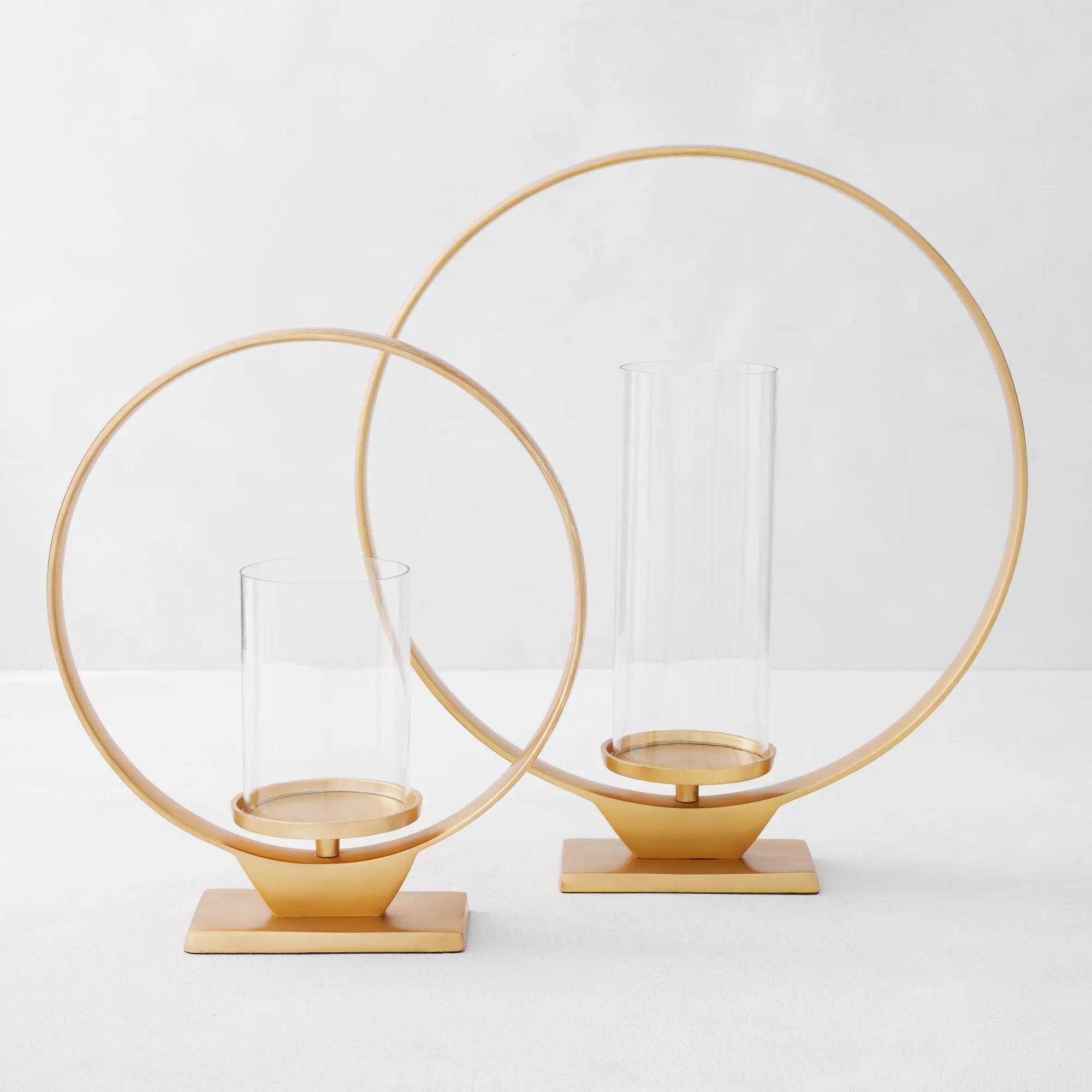 Cirque Pillar Holder$99
A polished gold aluminum pillar holder featuring a hammered metal band and protective glass sleeve for candles.
Add To Cart -
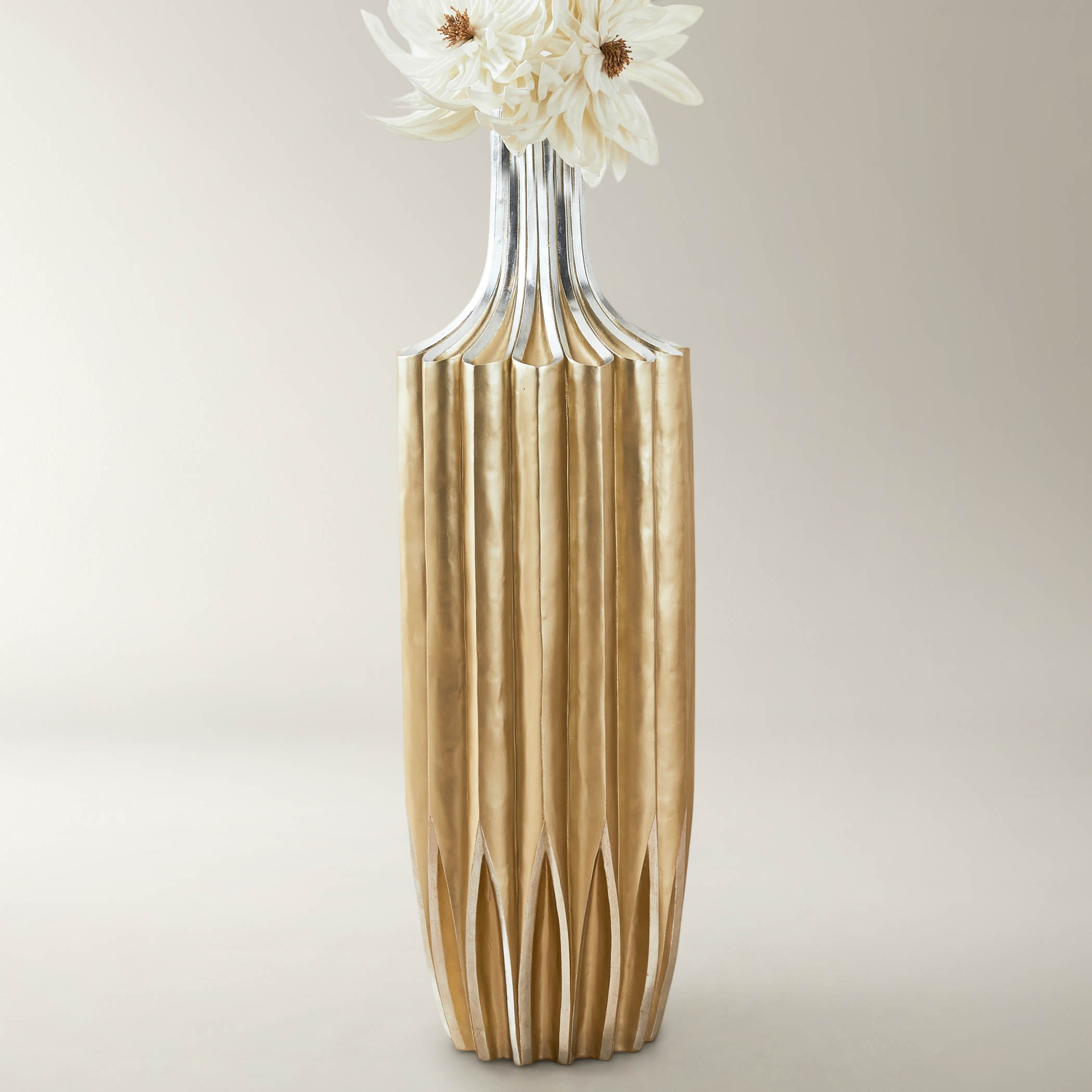
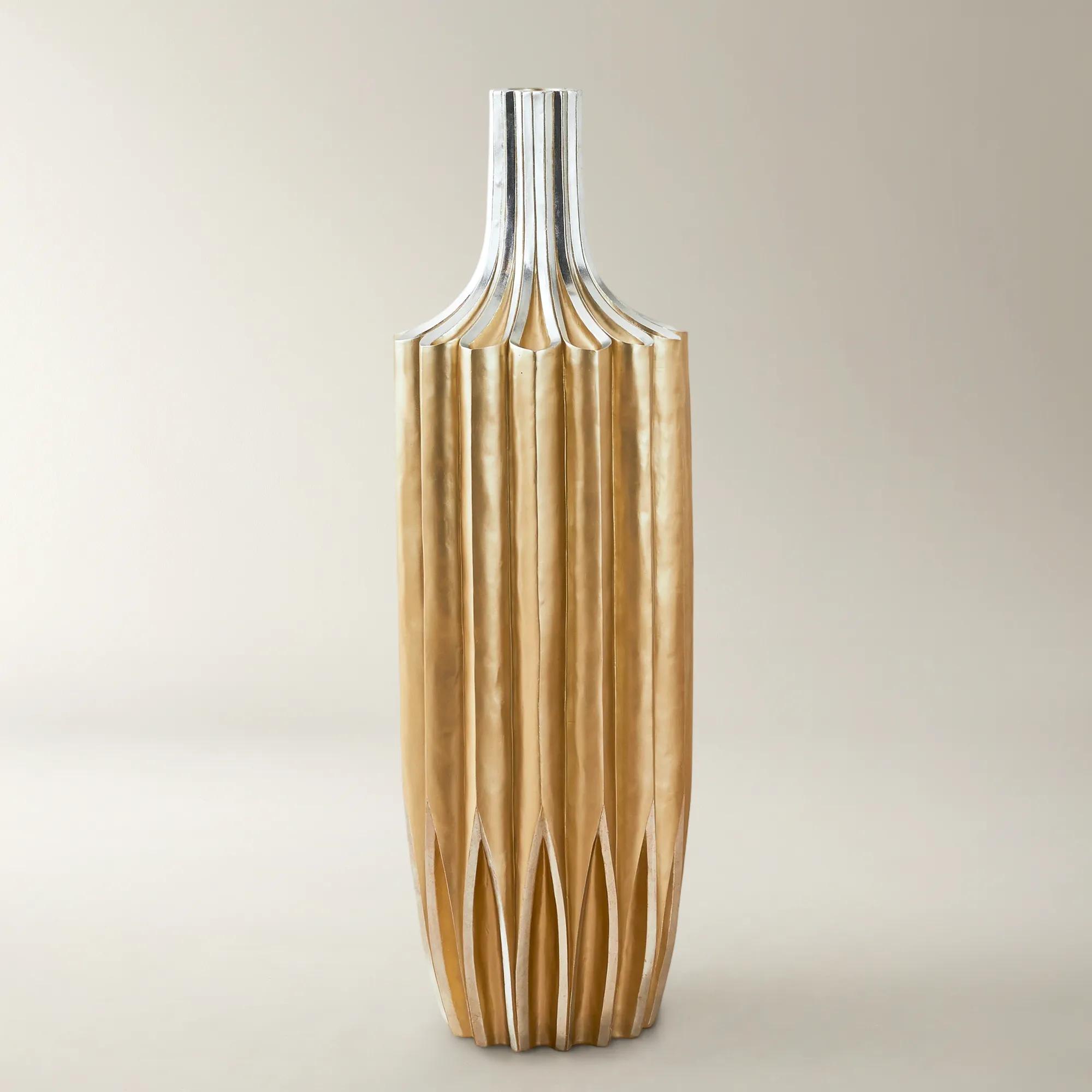 Savannah Gold Resin Floor Vase 48.75"$509
A sophisticated polyresin vase featuring sleek vertical curves for a modern decorative accent.
Add To Cart

Modern Decorative Accessories
Modern Decorative Accessories are the ultimate expression of personal style—artful accents that transform every surface into a curated masterpiece. Each piece is designed to dazzle, inviting intrigue and conversation with sculptural silhouettes and radiant finishes. Whether you’re drawn to bold metallics, luminous glass, or striking abstract forms, these accessories infuse your space with unmistakable drama and sophistication. Elevate your interiors with objects that don’t just complement your décor—they complete your vision, making every room a gallery-worthy statement in modern luxury.
Modern decorative accessories are home accents that bring sculptural shape, expressive color, and distinctive texture to a room. Decorative objects, vases, bowls, trays, and soft accents give shelves and tabletops an artistic presence while connecting the larger elements of an interior. Their impact comes from proportion and contrast: a sweeping curve against a tailored sofa, luminous glass beside richly grained wood, or a polished metallic surface that catches the light beneath a painting. Modern design encompasses more than spare silhouettes. It can be dramatic, richly layered, and unapologetically glamorous, with abstract forms and substantial materials lending familiar rooms a more personal point of view. In a living room, a generous decorative bowl can anchor a broad coffee table without interrupting conversation. On an entry console, a tall sculptural form establishes a confident first impression, while a shallow tray gives keys a deliberate place to land. Bedroom accents often work best when they balance visual richness with room for everyday essentials; a textured decorative box can bring definition to a dresser while keeping small belongings out of sight. Color creates another connection. Ivory and charcoal offer graphic contrast, jewel tones introduce saturated depth, and warm or cool metallic finishes add flashes of brilliance. Repeating one finish or color across a few surfaces can make a room feel composed without making every accessory match. For interiors with patterned upholstery or expressive artwork, quieter solid surfaces give the eye somewhere to settle. Against neutral furniture, an unexpected silhouette or richly colored accent can become the focal point. The most compelling modern home accessories have a clear relationship to their surroundings, whether they echo an architectural curve, draw out a color in a rug, or introduce a striking counterpoint to straight-lined furniture. These details make a space feel collected and considered rather than simply furnished, with enough individuality to reflect the people who live there.
Material determines much of an accessory’s character, from the way it reflects light to how it feels in the hand. Glass can appear airy and translucent or dense and richly colored, giving a tabletop dimension without the visual weight of an opaque form. Ceramic offers a broad range of expressions, including smooth glazed surfaces, tactile matte finishes, and sculptural contours that hold their own without additional embellishment. Metal introduces crisp definition and reflective drama, while wood brings grain and tonal variation that soften a highly polished setting. Natural stone lends weight and distinctive veining; differences in pattern and color are part of its appeal. Resin can accommodate intricate shapes and bold volumes, although its weight, finish, and care requirements vary by construction. The balance between these materials matters as much as the individual surfaces. A gleaming accent beside a textured vessel creates depth, while several equally reflective finishes may compete under strong lighting. Scale deserves the same attention. An accessory should fit both the dimensions of its surface and the way that surface is used. On a coffee table, leave comfortable space for a drink or an open book; on a dining table, lower forms preserve sightlines between guests. Shelving benefits from variations in height and volume, with enough clearance above taller objects to let their outlines read clearly. Depth is especially important on narrow mantels and consoles, where an object’s base should rest fully on the surface without overhanging an edge. Substantial accents also need furniture capable of supporting their weight. For households with children or pets, broad bases, secure placement, and less fragile materials may be more practical than delicate glass on an exposed corner. Durability depends on construction, finish, and placement rather than appearance alone. A dramatic piece can still suit everyday living when its proportions, stability, and surface requirements are appropriate for the room.
Decorative accessories are most satisfying when their intended use is as considered as their appearance. A vase may be designed for dried stems or display rather than fresh flowers, so watertightness should be confirmed before adding water. Decorative bowls and trays are not necessarily food-safe, and an ornamental vessel should never be assumed suitable for a candle or open flame. Indoor accents likewise require explicit outdoor suitability before being placed on a patio or exposed to moisture. These distinctions preserve both the accessory and the surface beneath it. Care should follow the material and finish instructions: a soft, dry cloth is often appropriate for routine dusting, while abrasive pads and harsh cleaners can scratch polished surfaces or damage decorative coatings. Porous stone and unglazed ceramic may absorb liquids, making prompt attention to spills important. Metal finishes can react differently to moisture and cleaning products, and wood should not be left damp. Protective pads beneath heavier objects can help reduce scratches on furniture, provided they are suitable for the surfaces involved. Soft accents bring another dimension to modern rooms, introducing plushness, woven texture, or a tailored edge alongside harder decorative forms. For frequently handled textiles, check the care label and whether covers are removable rather than assuming they can be machine washed. Thoughtful choices also make decorative accessories meaningful gifts for housewarmings, weddings, or someone establishing a new home. A recipient’s preferred palette, available display space, and daily habits offer better direction than size or ornament alone. A compact accent may suit an apartment beautifully, while someone with expansive shelving may appreciate a more substantial sculptural presence. For an interior shaped around distinctive silhouettes and considered details, Designer Decorative Accessories offer another expression of that artistic approach. Across a single tabletop or an entire room, the strongest arrangements leave each material and contour visible. A few carefully related accents can bring definition to an intimate corner, while a larger composition can give a generous room its sense of drama. The result is modern decor with presence, purpose, and a distinctly personal signature.
FAQs
Modern decorative accessories infuse a room with character and intention, serving as both focal points and subtle accents that reflect your personal style. Pieces with sculptural forms, reflective finishes, or rich textures can create visual intrigue, add warmth, and evoke a sense of luxury—turning everyday surroundings into an artistic sanctuary.
During winter, layering accessories such as metallic vases, candleholders, and textured ceramics can amplify the cozy ambiance of your home. Consider arranging mirrored trays with clusters of candles to reflect ambient light, or displaying bold, artful objects on mantels and consoles to celebrate the festive spirit.
Modern decorative accessories make thoughtful gifts for design enthusiasts, new homeowners, or anyone who values self-expression through their living space. Whether for a friend who loves to entertain or a family member with an eye for detail, these pieces offer a lasting impression and a touch of everyday luxury.
Look for accessories that echo the colors, materials, or shapes already present in your space, while introducing new textures or finishes for added depth. Mixing metallics, glass, ceramics, or marble can create a harmonious yet dynamic look, ensuring each piece feels intentional and curated.
Materials and finishes are essential to the allure of modern accessories. Gleaming metals, hand-finished ceramics, and crystal-clear glass all catch the light differently, adding dimension and drama. These tactile elements not only elevate the visual appeal but also invite interaction, making your space feel both luxurious and lived-in.