Designer Decorative Accessories
Designer Decorative Accessories
-
 Black Gold Ceramic Book Box$59
A gold and black ceramic box with hidden storage, adding modern glamour and literary charm to décor.
Add To Cart -
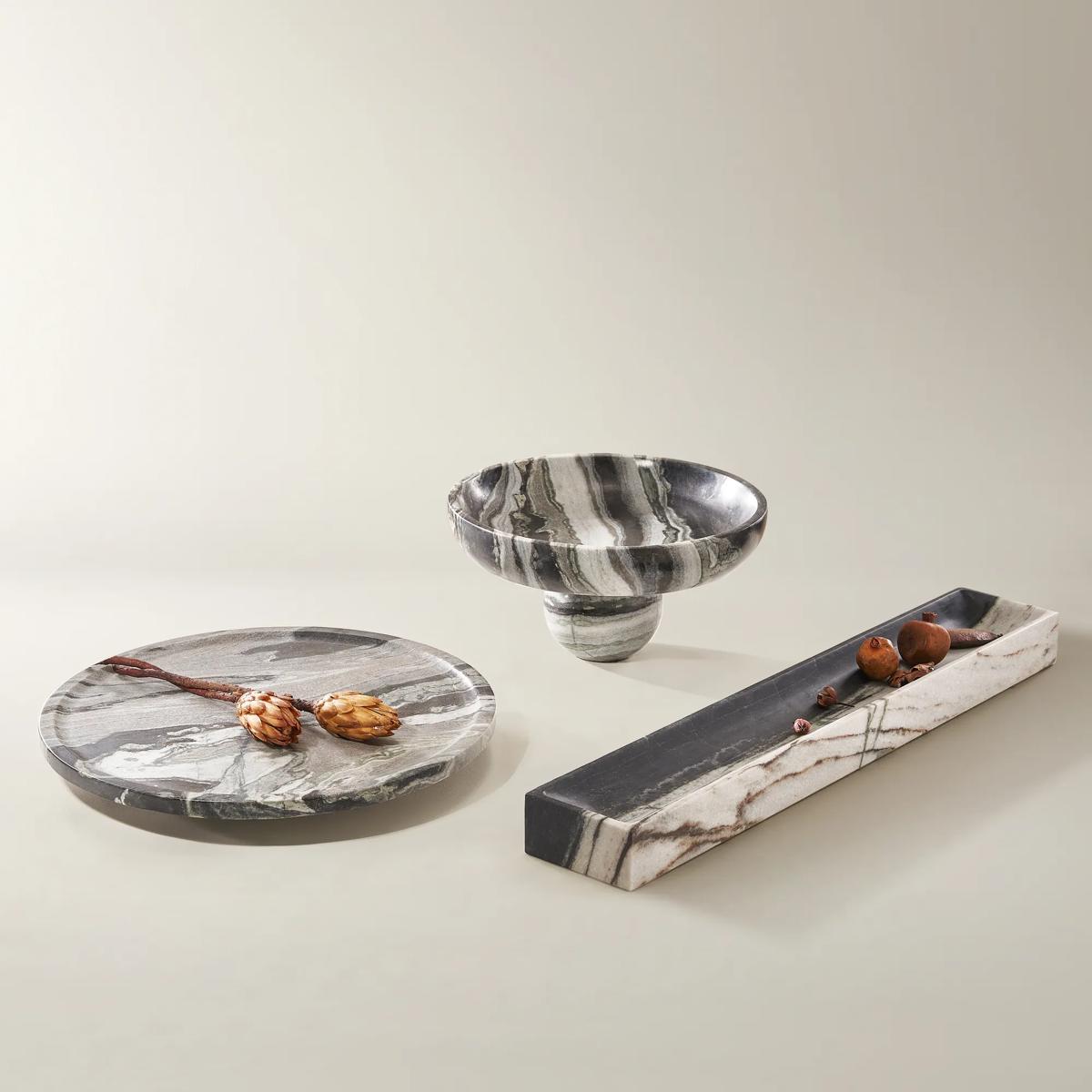
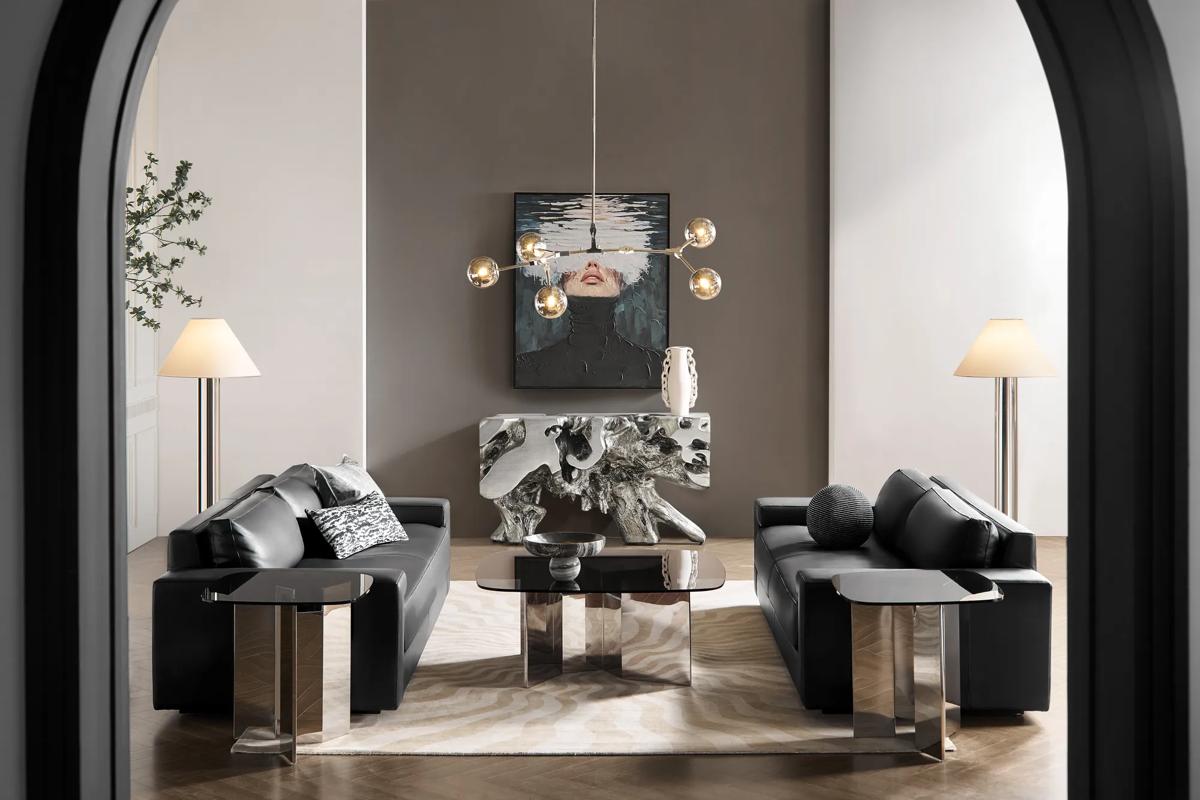 Luxe Marble Collection$149
A striking black marble decor collection featuring unique veining and elegant footed bowl, tray, and riser.
Add To Cart -
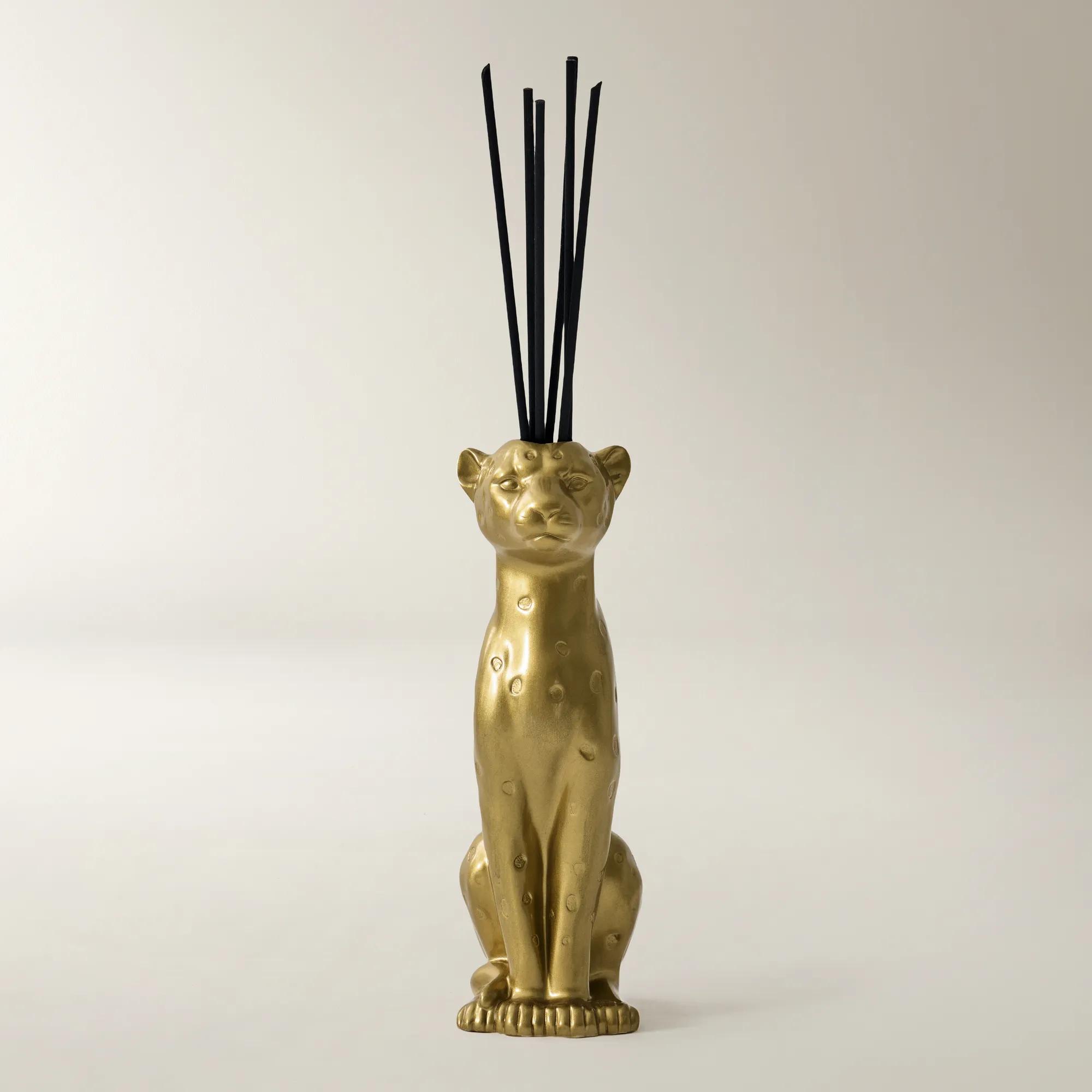
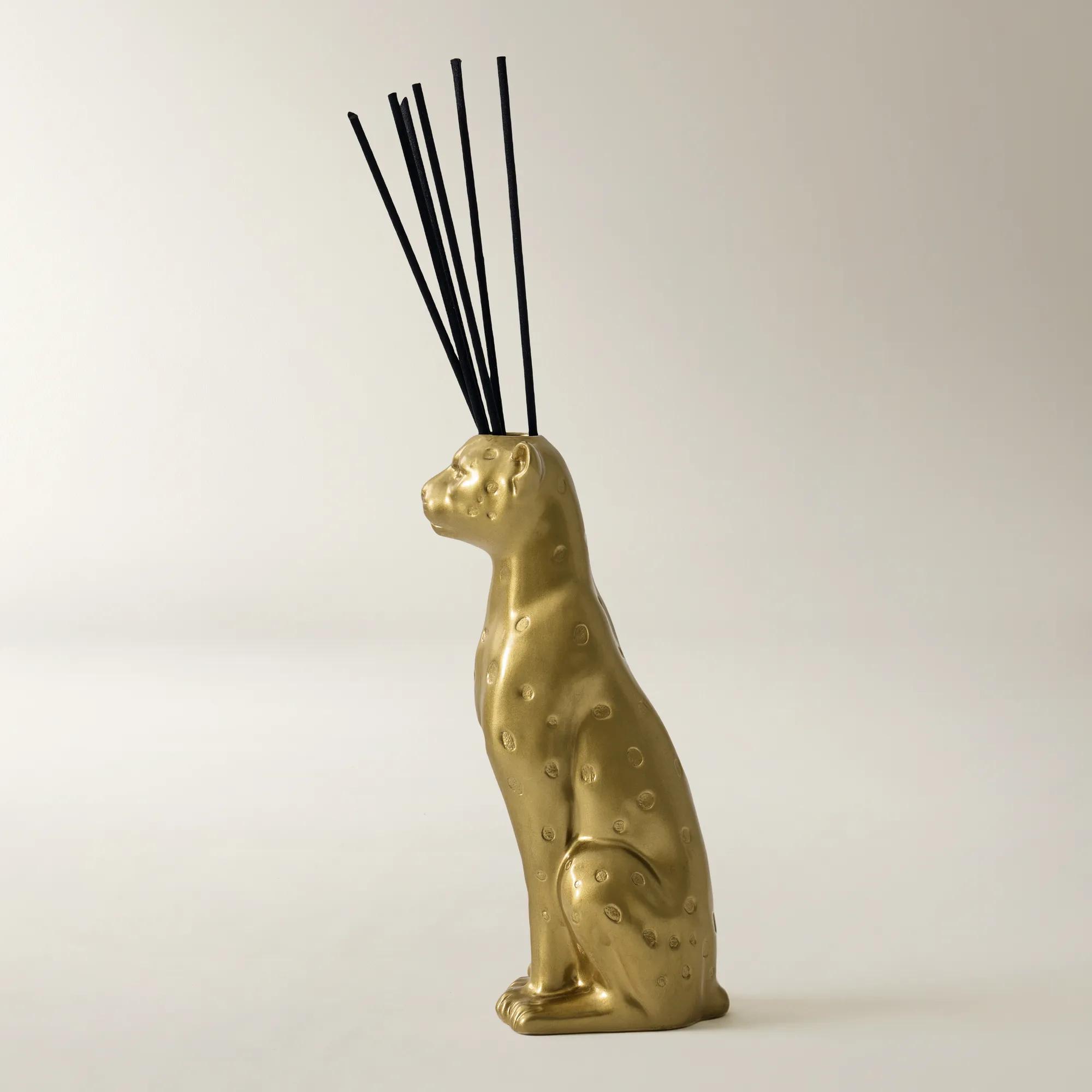 Leo Soft Gold Ceramic Diffuser Gift Set$99
A sculptural porcelain reed diffuser in soft gold, featuring sandalwood and amberwood notes for warm, radiant fragrance.
Add To Cart -
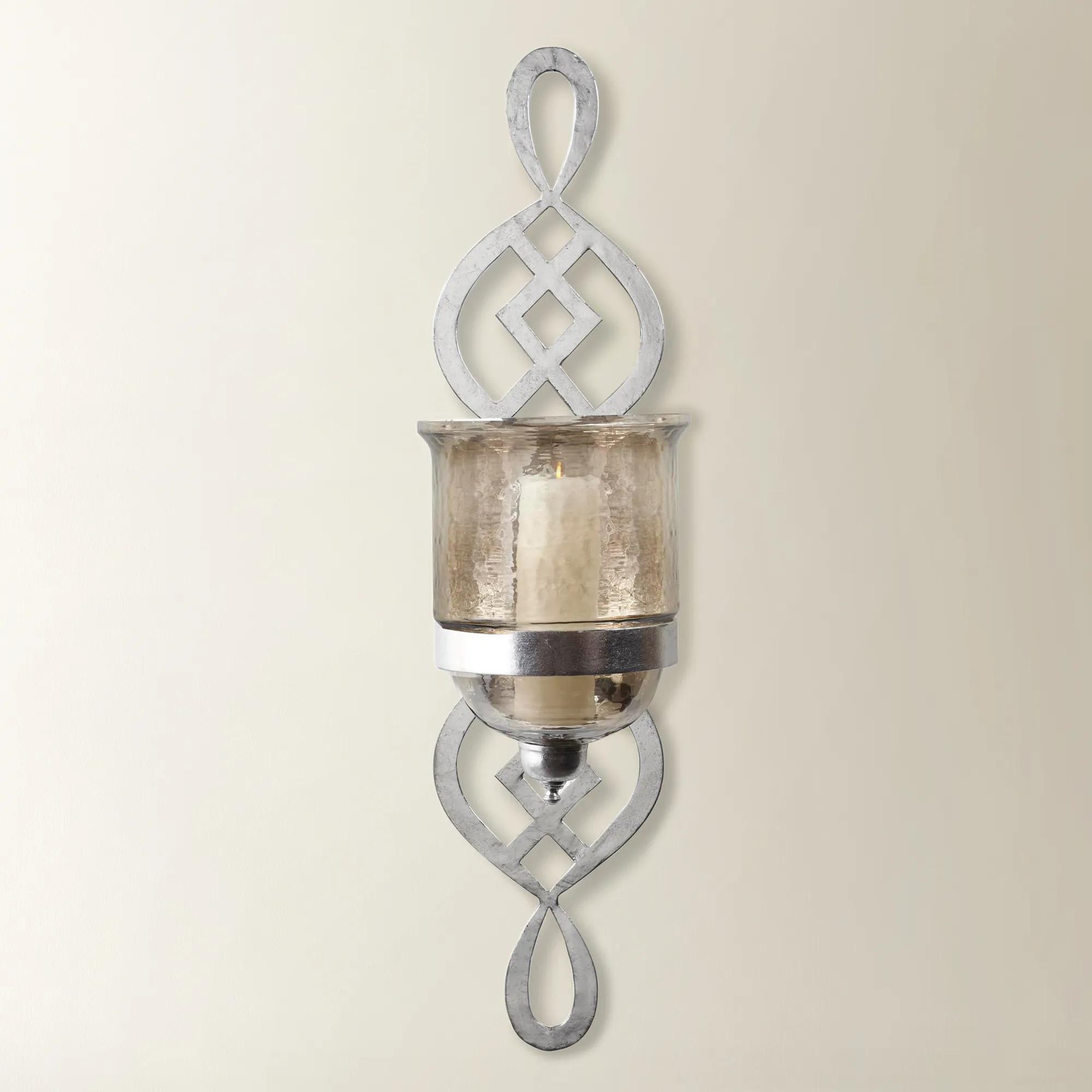 Beverton Wall Sconce$219
A striking wall sconce featuring a hand-finished stainless steel iron frame and hammered amber glass shade.
Add To Cart -
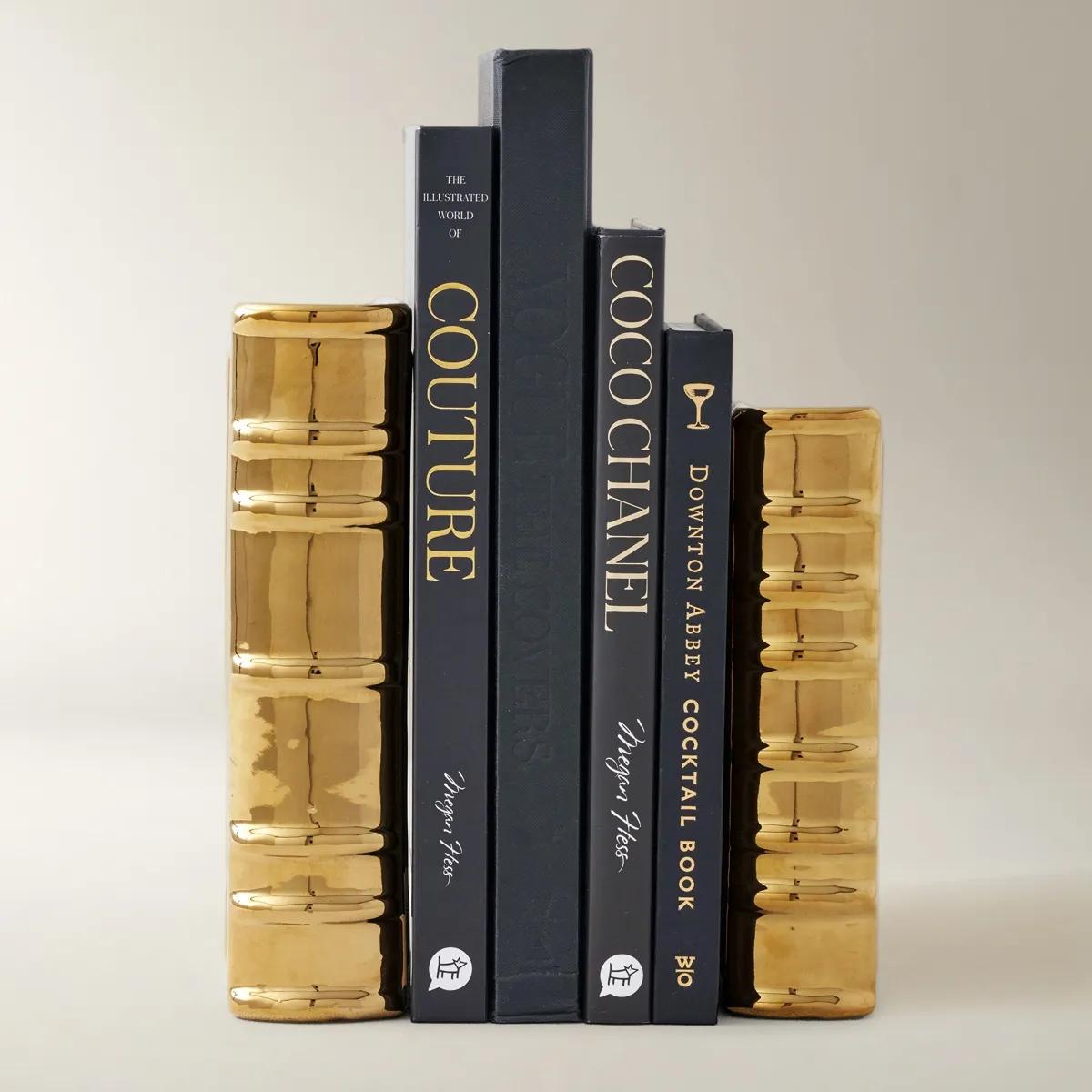 Gold Ceramic Bookends$49
A pair of gold ceramic book accents that double as sleek, modern bookends for any space.
Add To Cart -
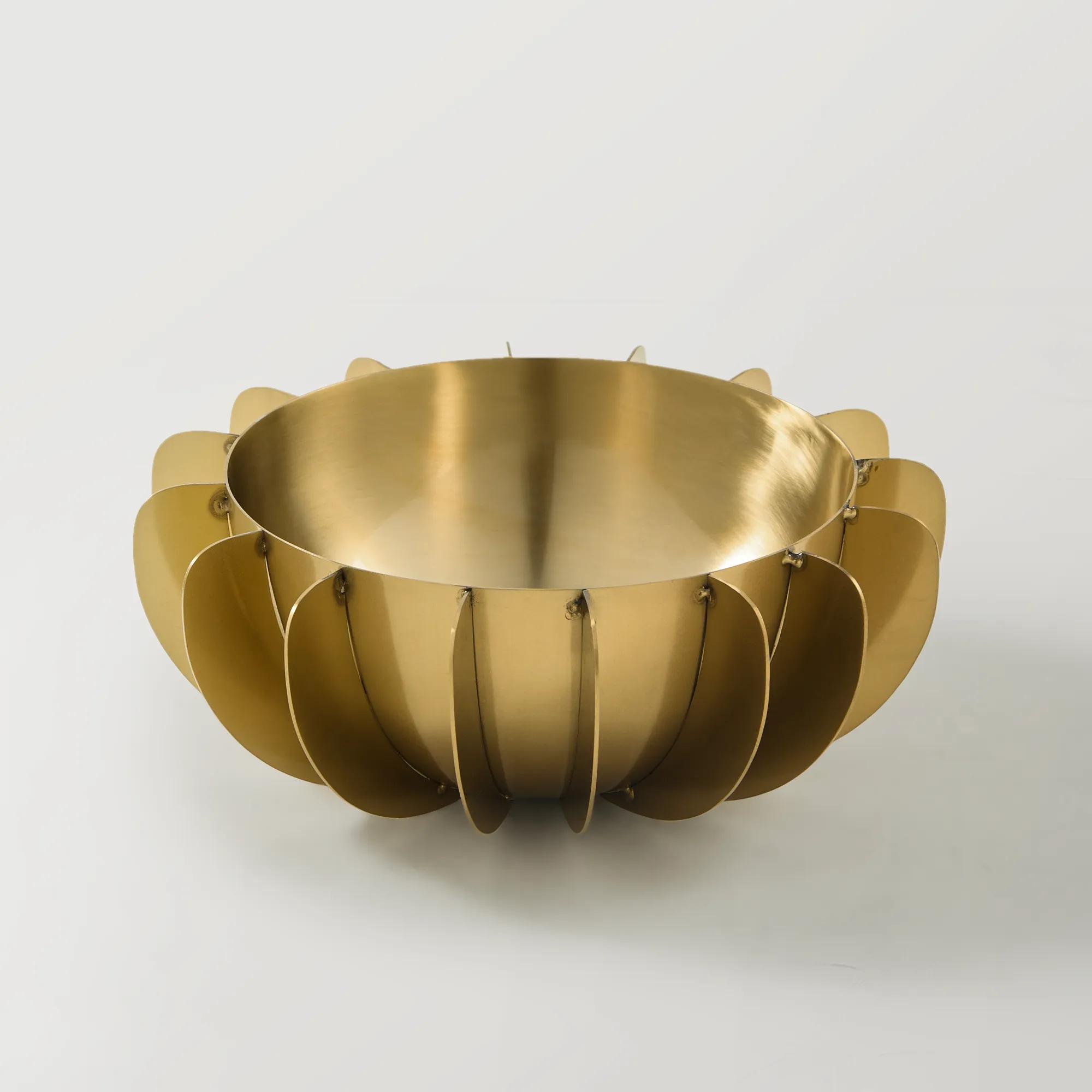
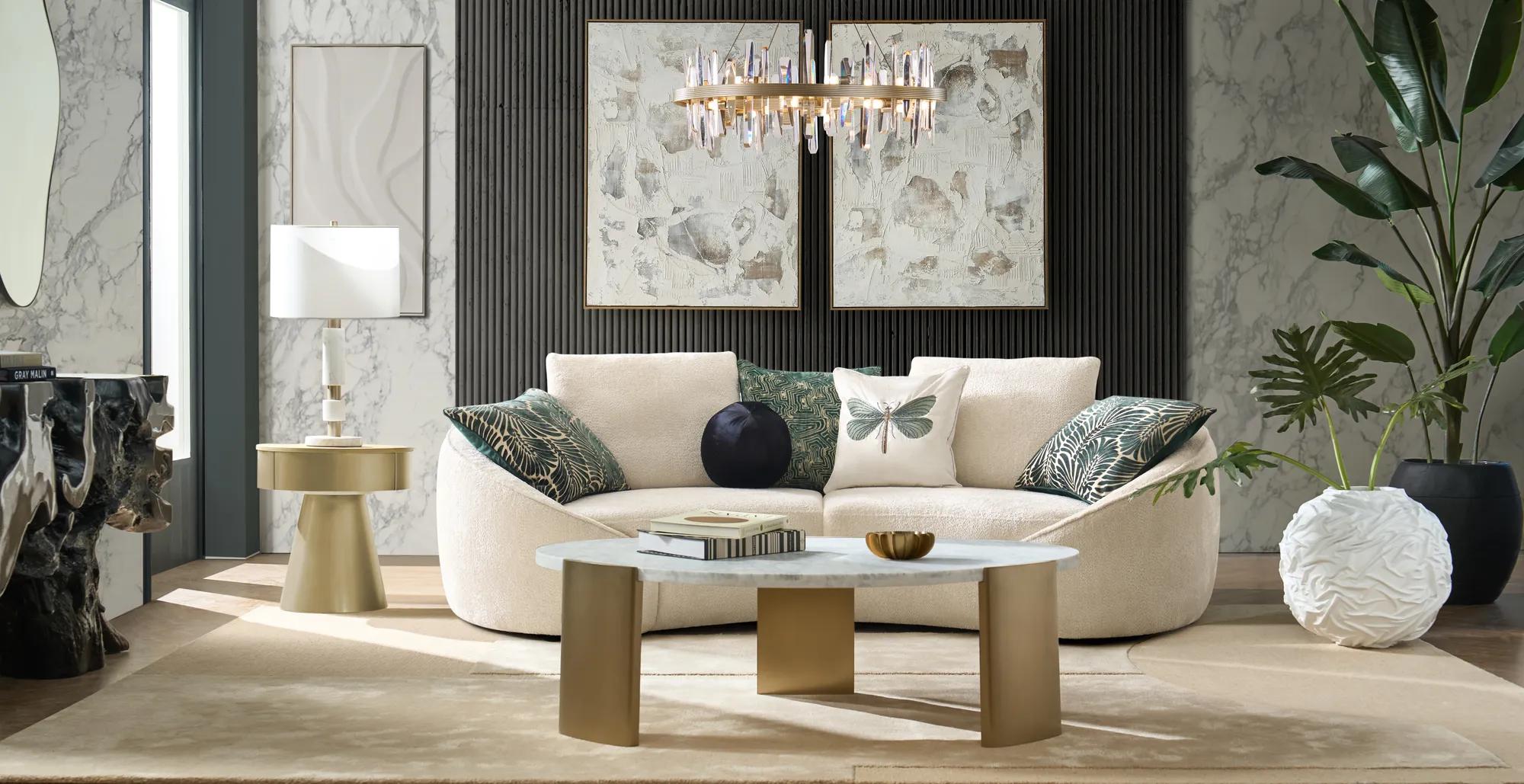 Mezza Collection$59
A gold-plated stainless steel decorative piece that brings timeless glamour and shine to your decor.
Add To Cart -
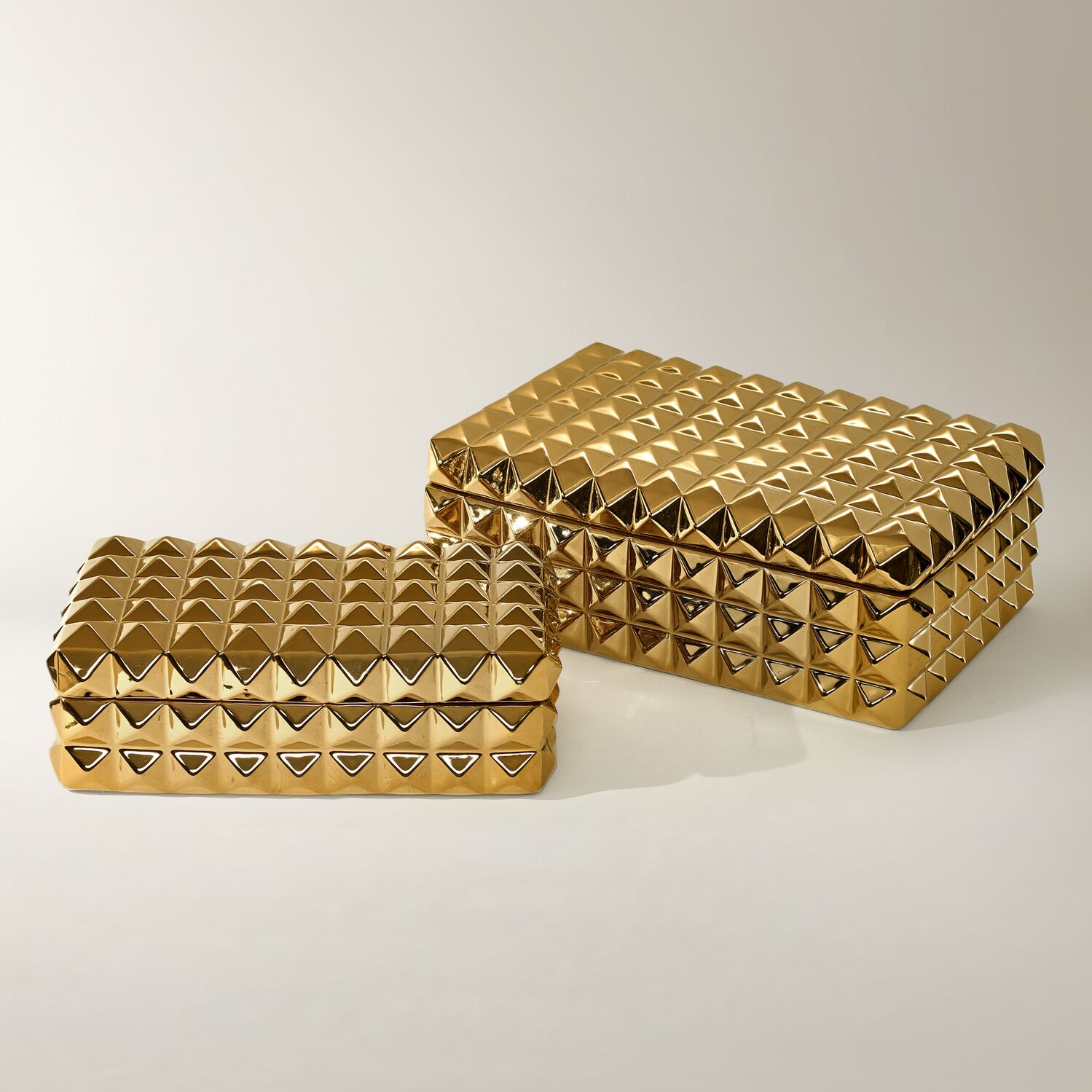 Studded Gold Ceramic Box Large$79
A chic gold-finished box with a studded design, perfect for dressers, vanities, or consoles.
Add To Cart -
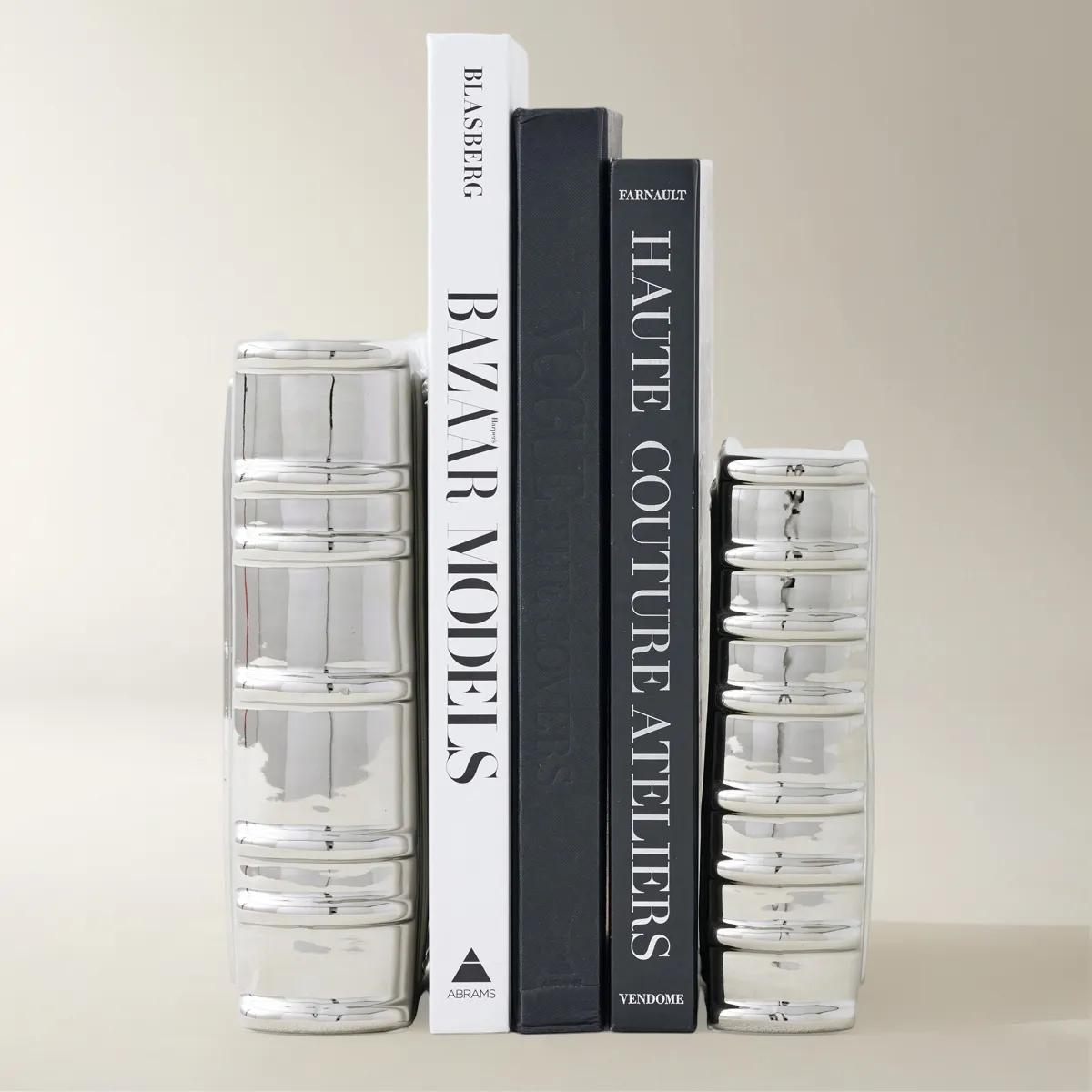
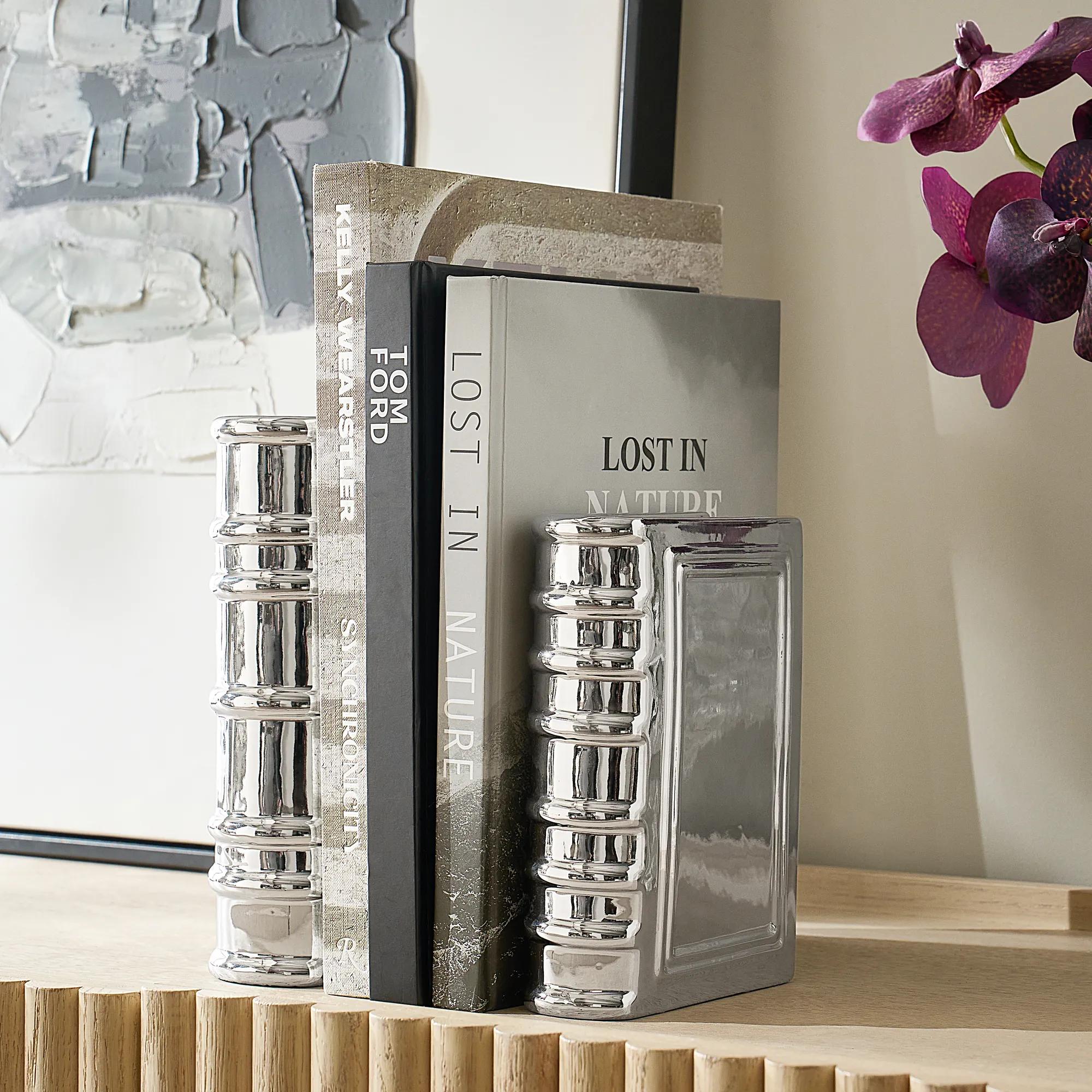 Silver Ceramic Bookends$49
A sleek silver ceramic accent that doubles as stylish bookends for modern decorative displays.
Add To Cart -
Studded Gold Ceramic Box Small$59
A chic gold-finished box with a studded design, perfect for dressers, vanities, or consoles.
Add To Cart -
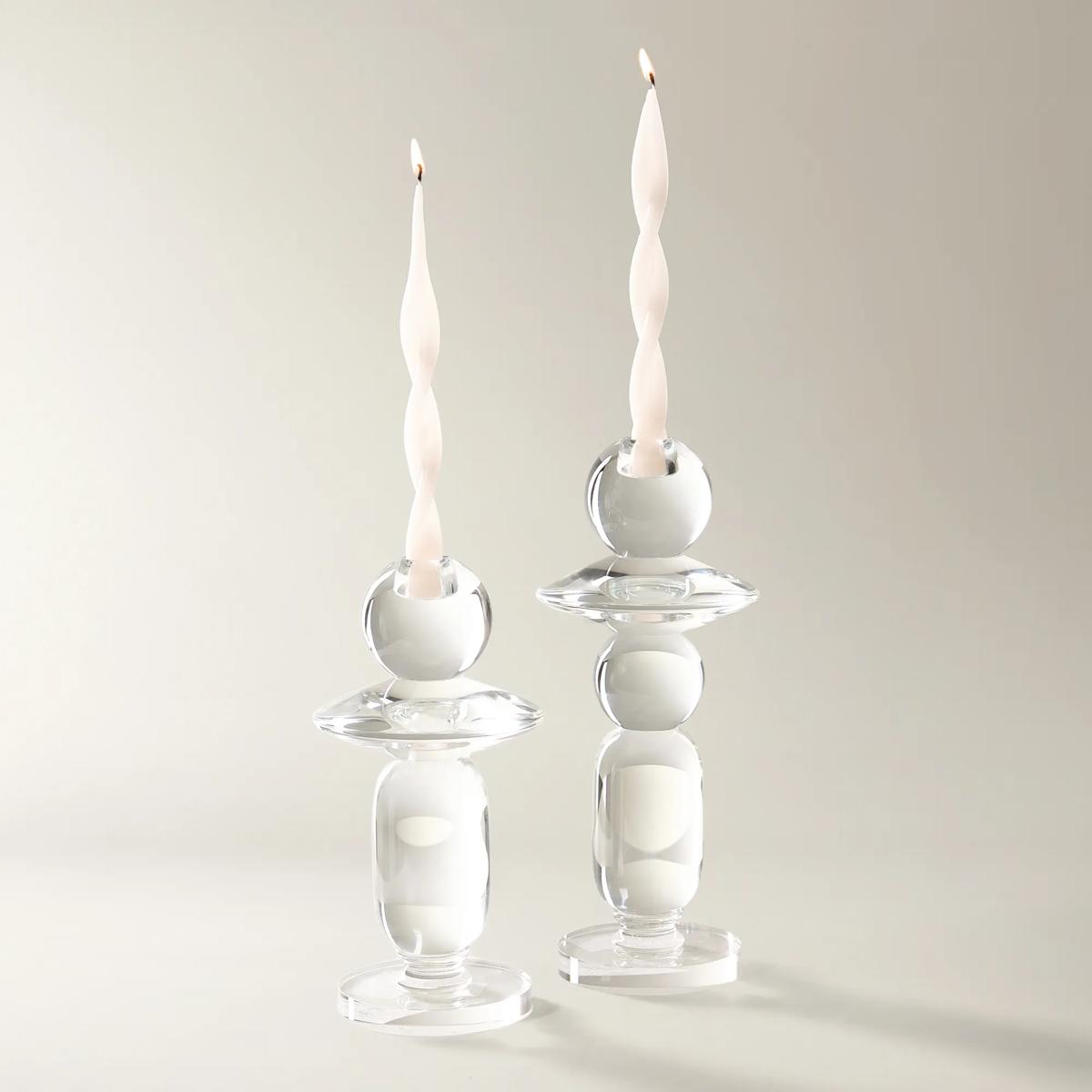
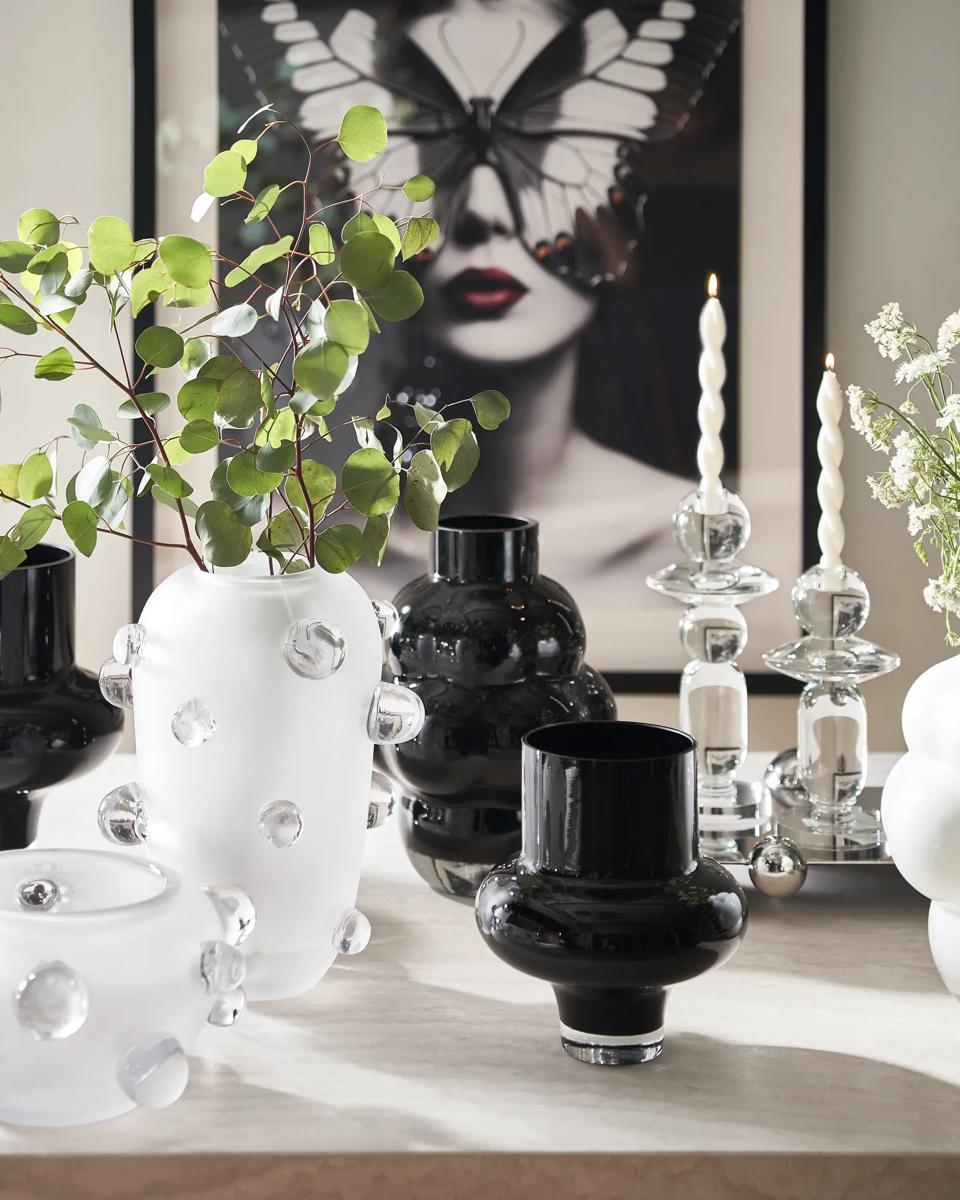 Pela Taper Holder$99
A sculptural taper holder crafted from clear crystal glass, adding luminous modern elegance to any décor.
Add To Cart -
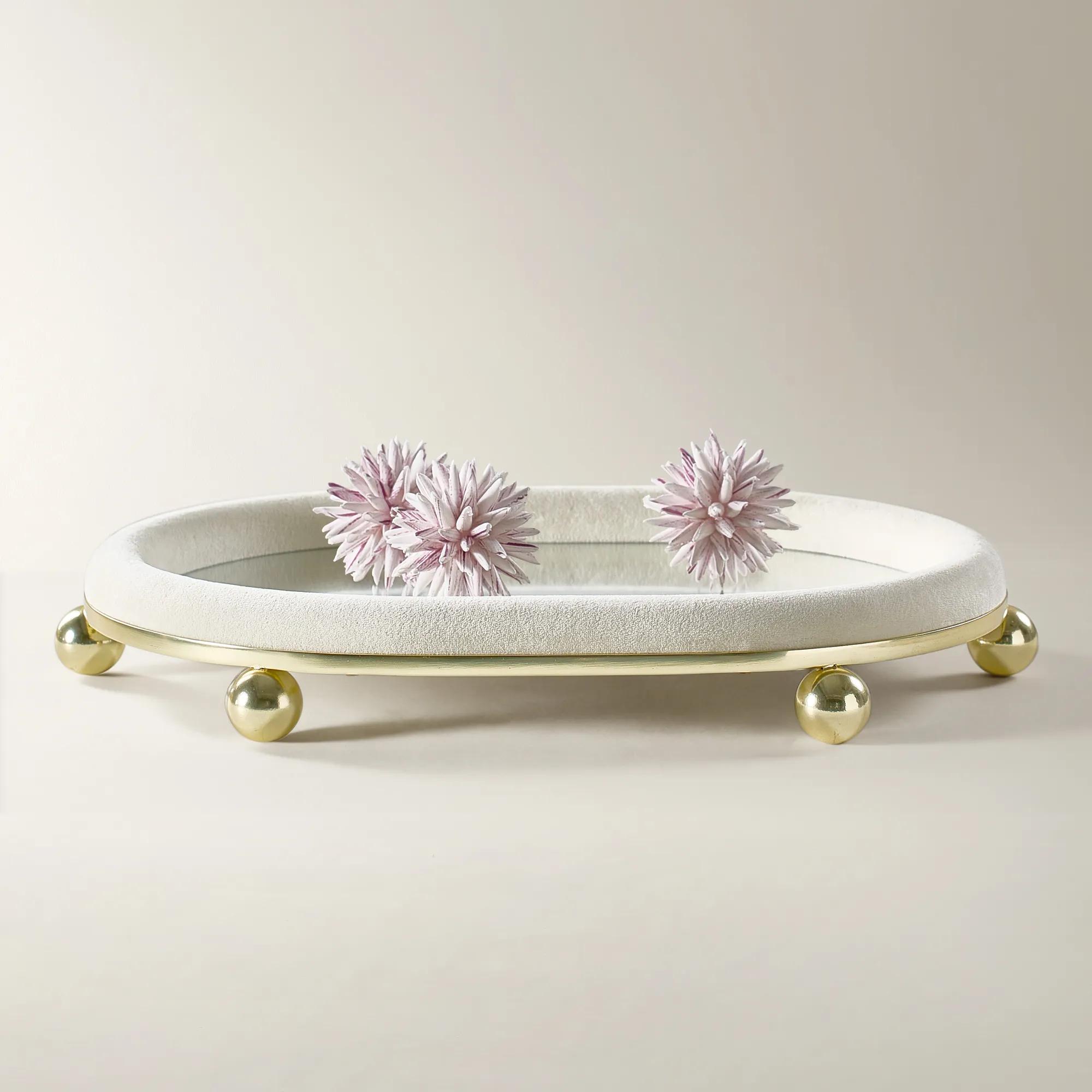
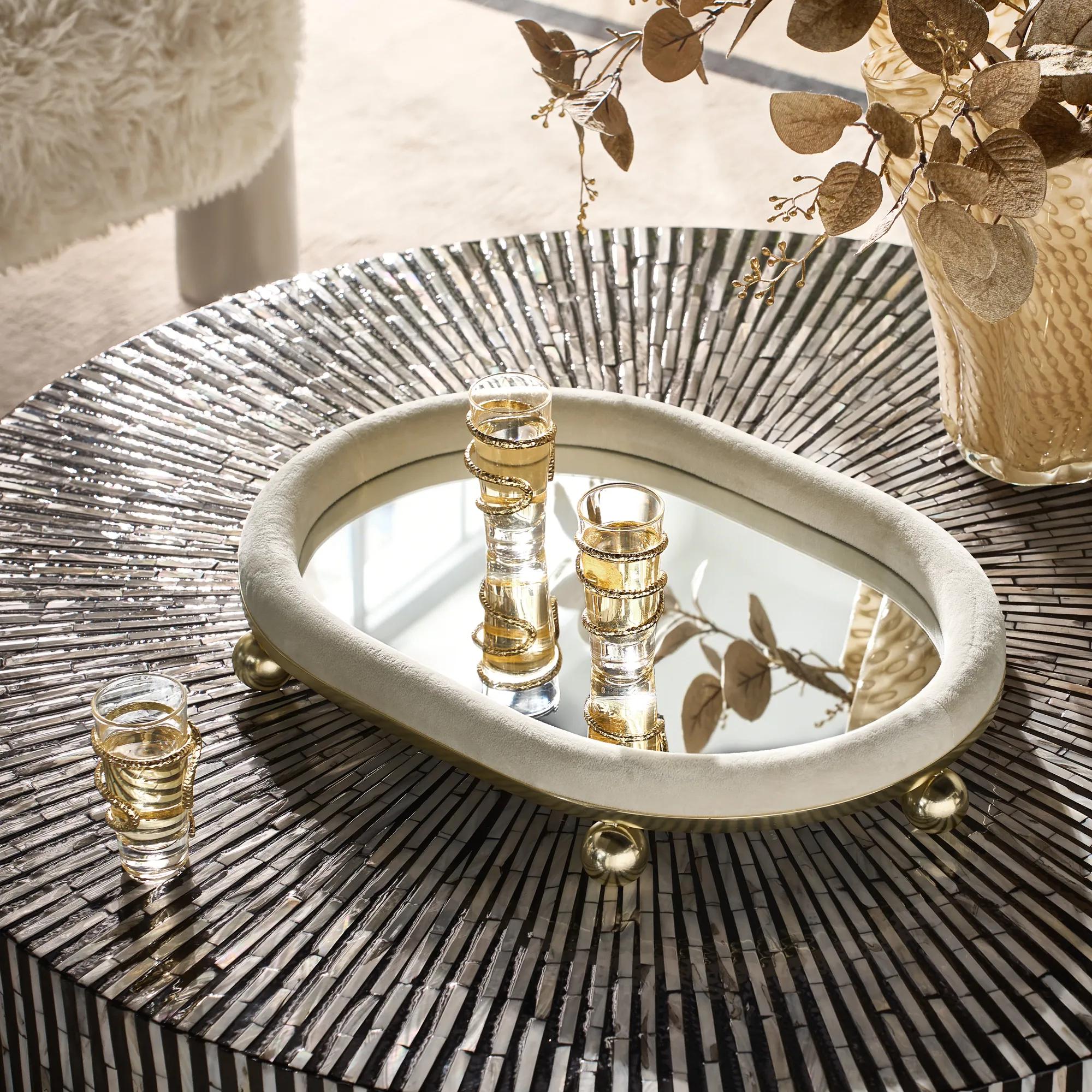 Capri Vanity Ivory Soft Gold Velvet Mirror Tray 17.75" x 2.25"$99
A soft gold iron tray with a mirrored base, velvet accents, and playful bauble details for chic display.
Add To Cart -
 Paxton Box Black/Gold$159
A high-gloss black lacquer box with gold dome accents and a soft velvet-lined interior for keepsakes.
Add To Cart -
 Chiaro Crystal Pillar Holder$169
A faceted clear crystal and iron holder that adds sparkling elegance to mantels or side tables.
Add To Cart -
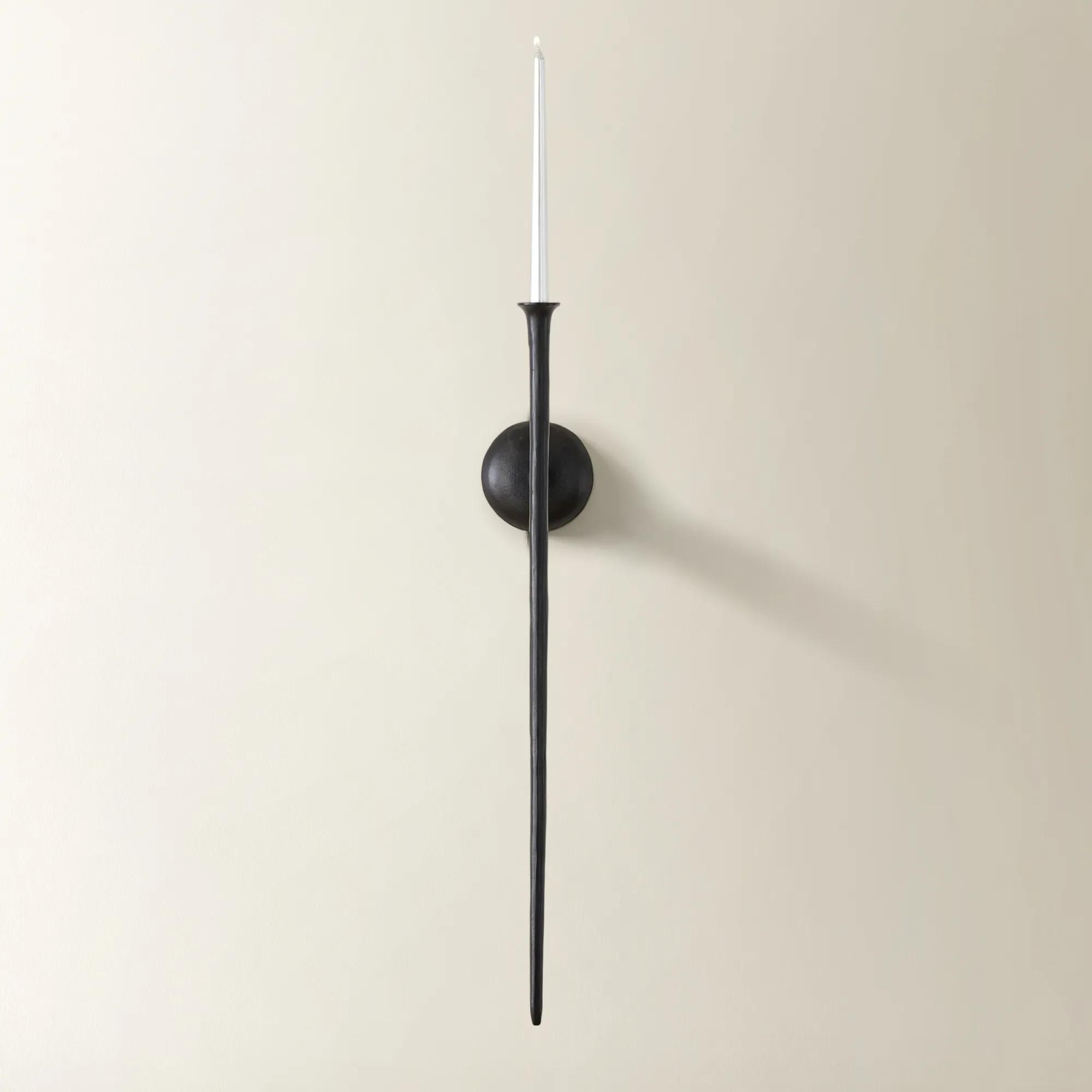 Aspar Black Aluminum Candle Wall Sconce Large 33"$59
A slender metal wall sconce available in silver, gold, or black, perfect for elegant candlelit ambiance.
Add To Cart -
 Handbag Silver Ceramic High Gloss Coin Bank Small$39
A glossy silver ceramic coin bank shaped like a designer handbag for a whimsical decorative accent.
Add To Cart -
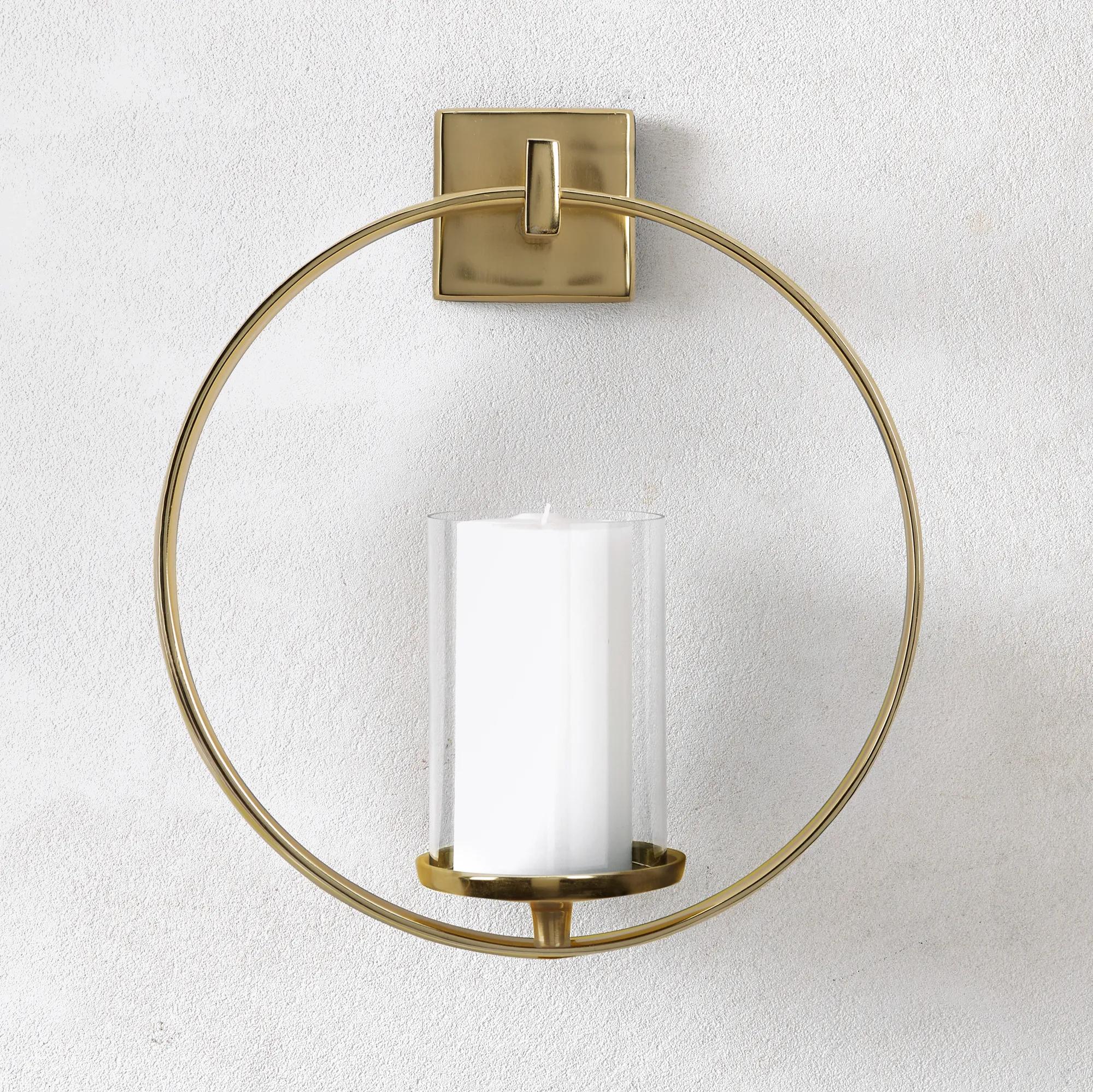
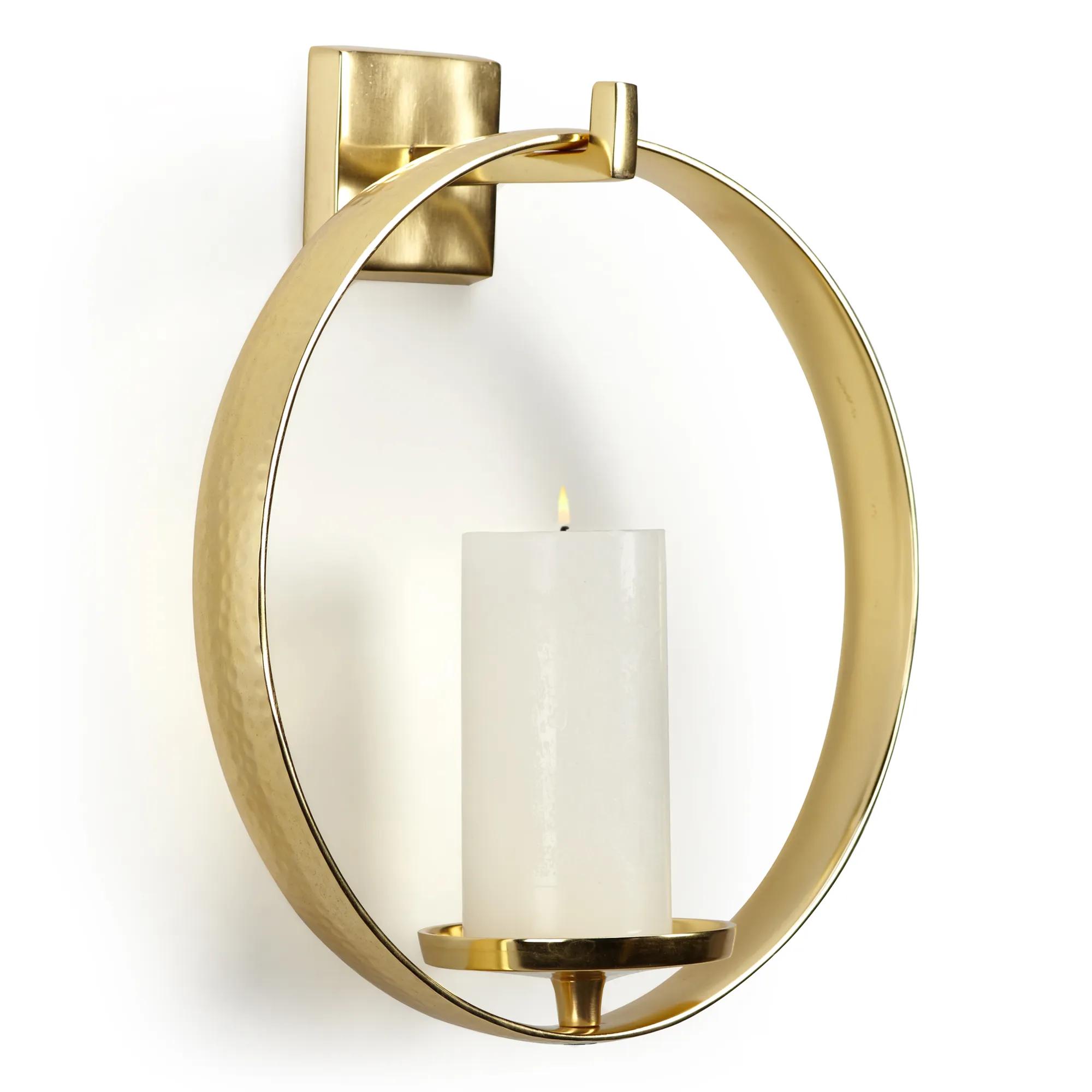 Cirque Hanging Sconce$79
A sleek aluminum wall sconce with a metallic finish, available in silver, gold, or black.
Add To Cart -
 Studded Black Ceramic Box Large$79
A black ceramic box with raised studded texture, offering bold, modern style for decorative storage.
Add To Cart -
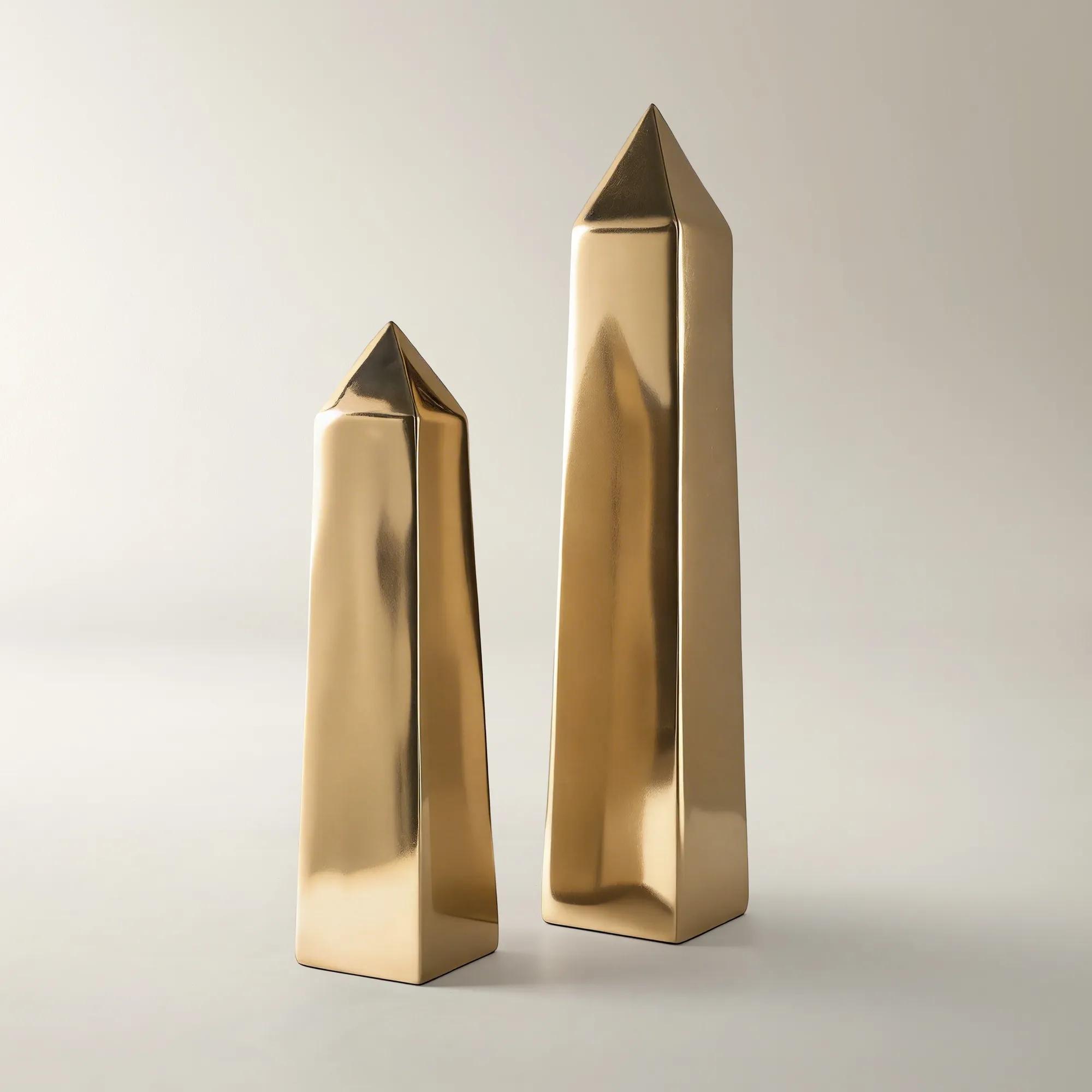
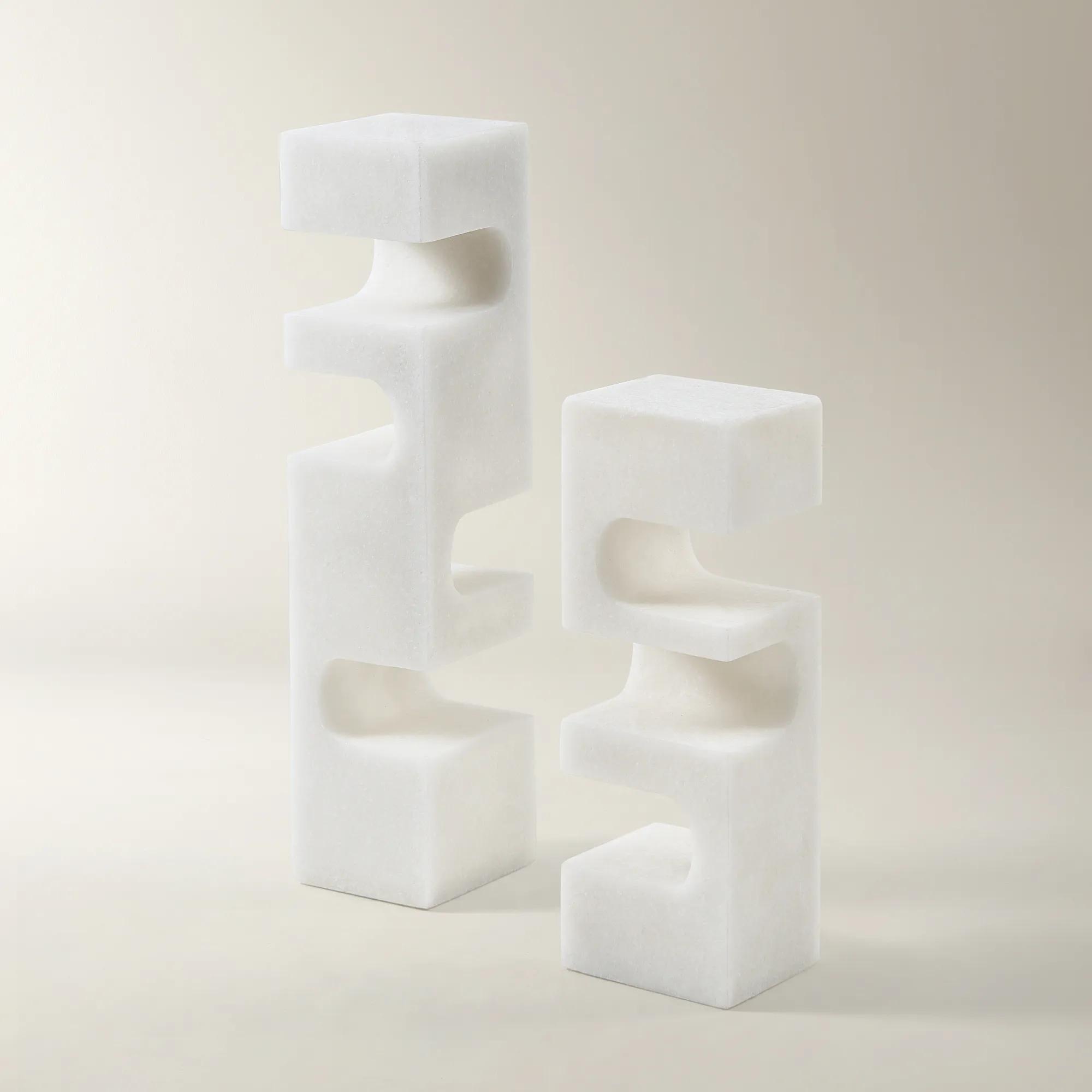
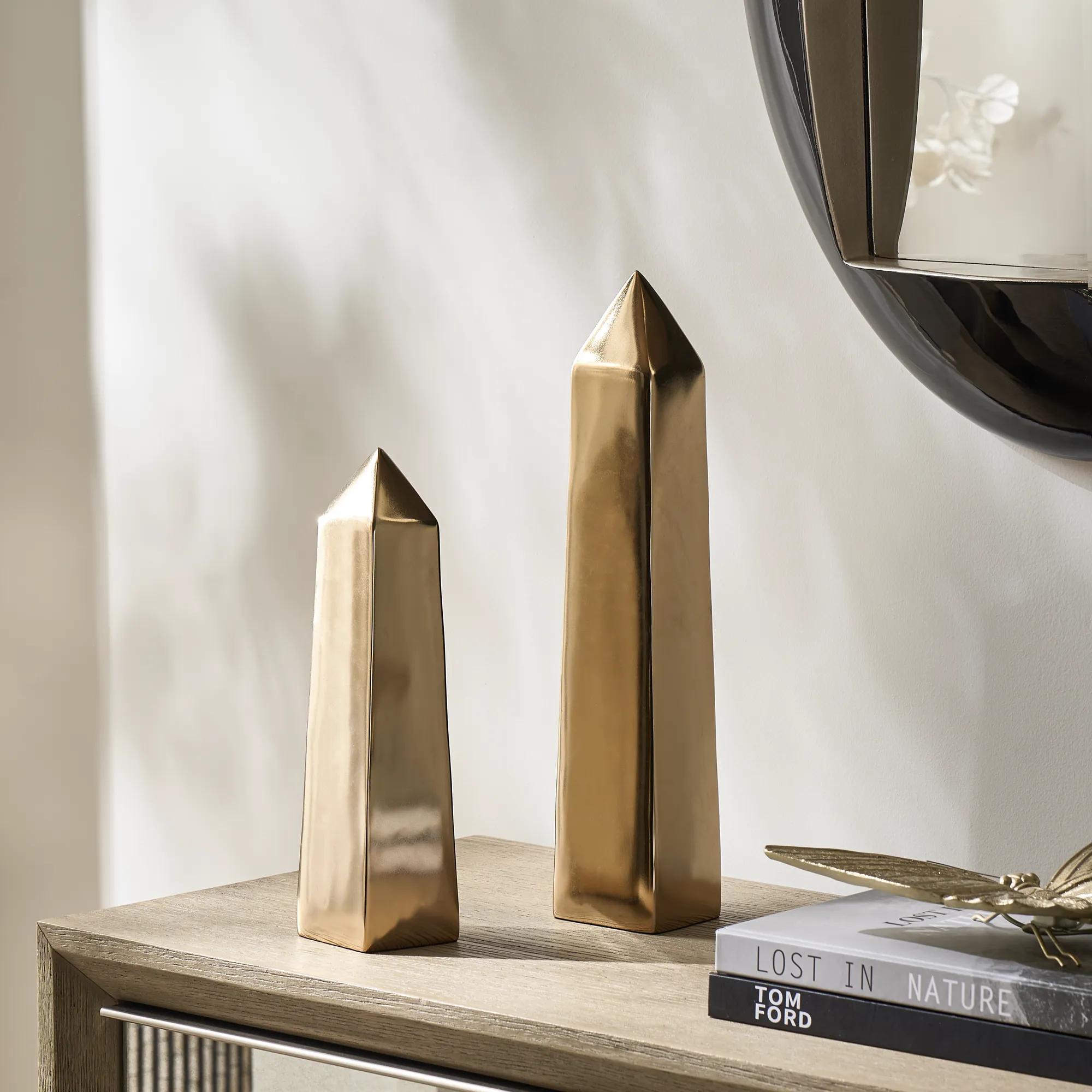 Golden Aluminum Obelisks$69
A sculptural aluminum accent in a soft gold finish, adding modern glamour and architectural interest to any space.
Add To Cart -
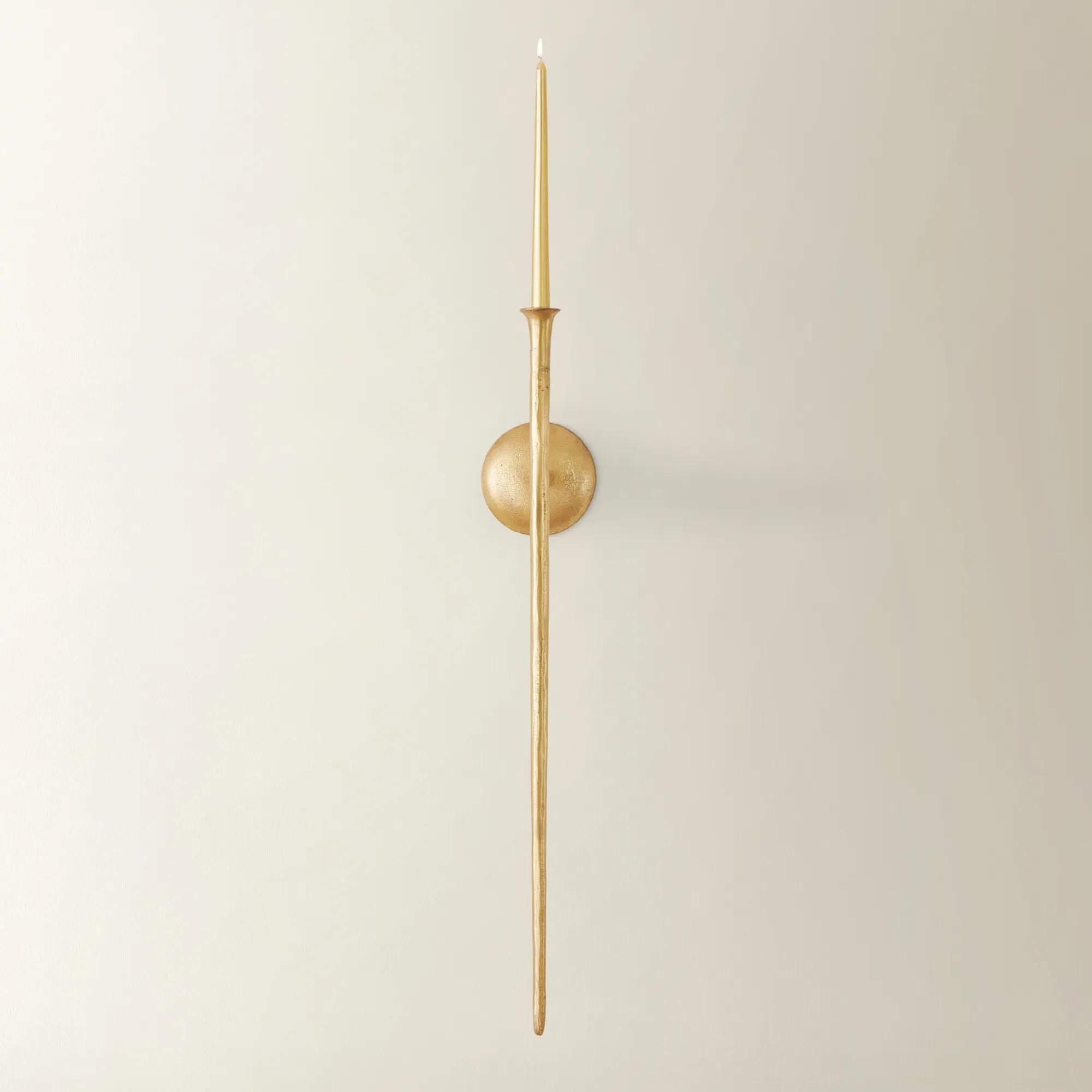 Aspar Gold Aluminum Candle Wall Sconce Large 33"$59
A slender metal wall sconce available in silver, gold, or black, perfect for displaying taper candles.
Add To Cart -
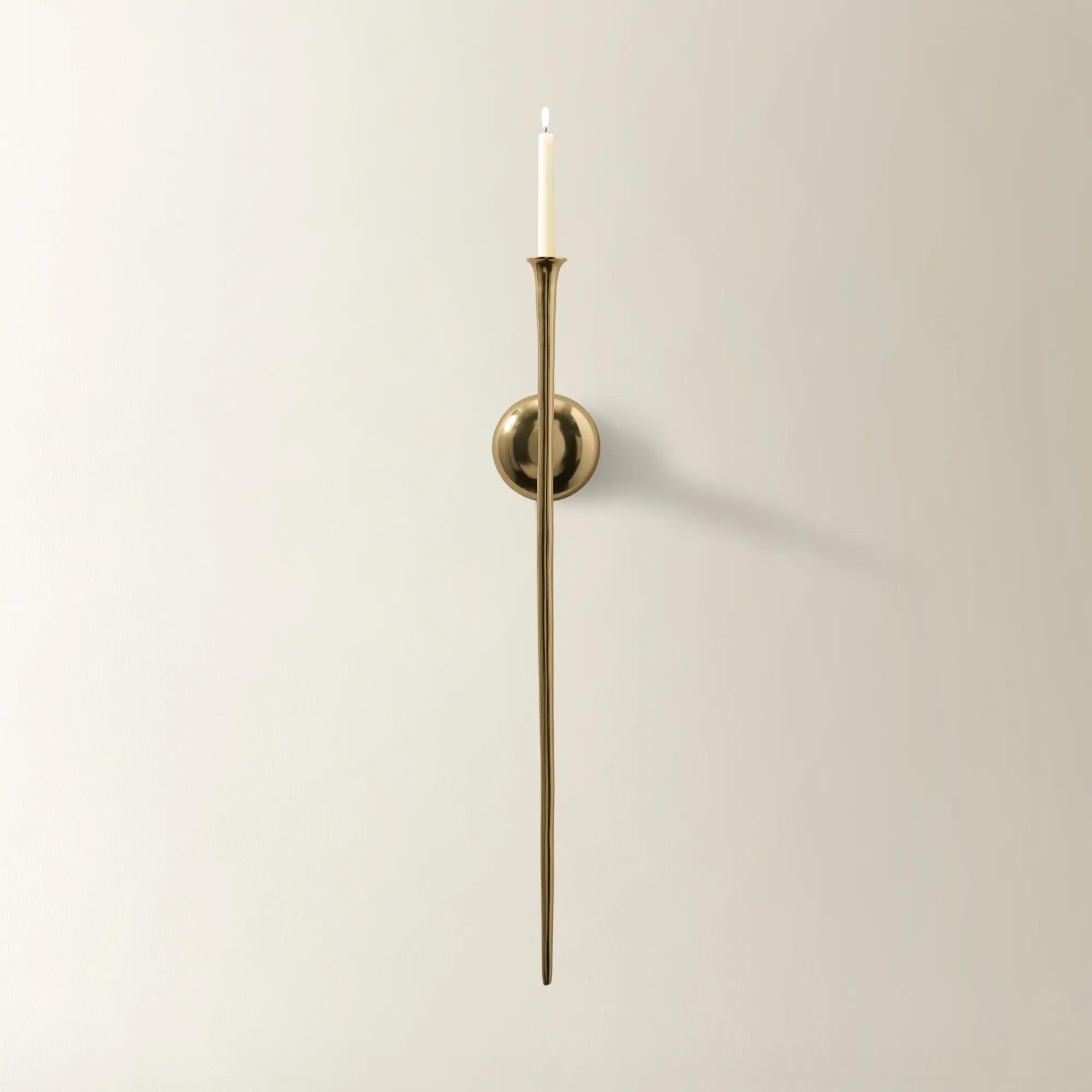
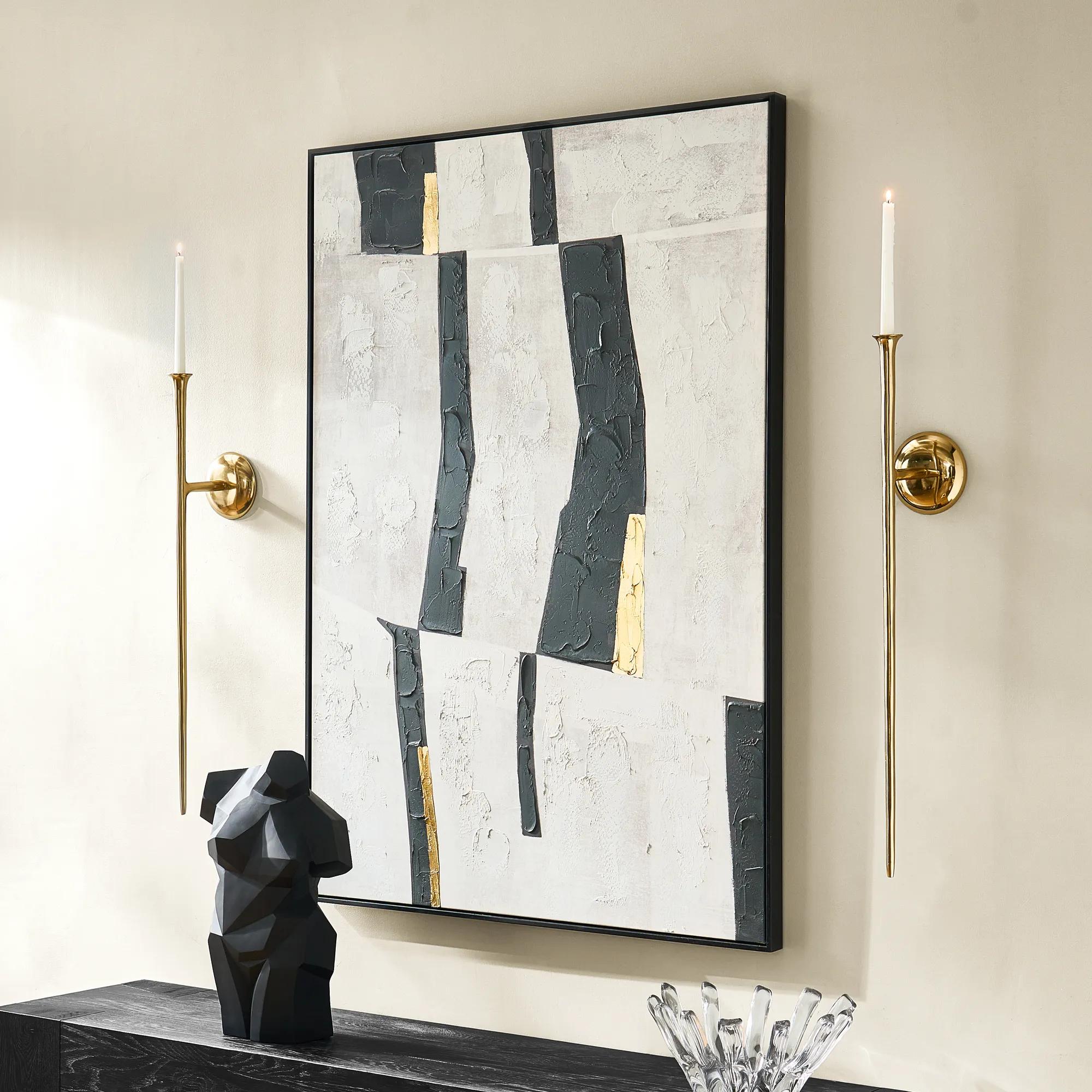 Aspar Shiny Gold Aluminum Candle Wall Sconce Large 33"$59
A slender aluminum wall sconce in shiny gold, designed to hold a standard taper candle.
Add To Cart -
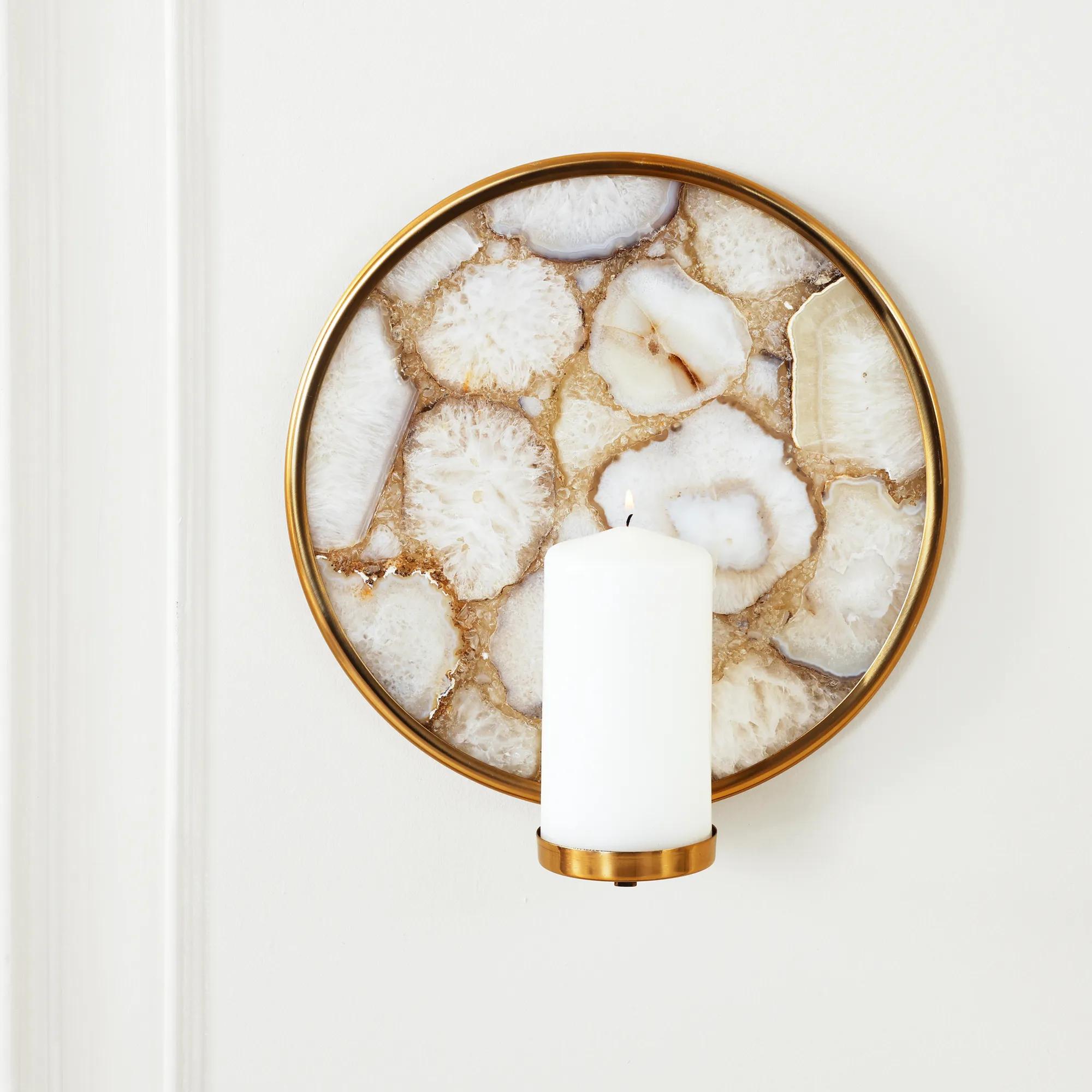 Diego Sconce$179
A neutral-toned agate sconce framed in gold, blending artistic elegance with functional lighting.
Add To Cart -

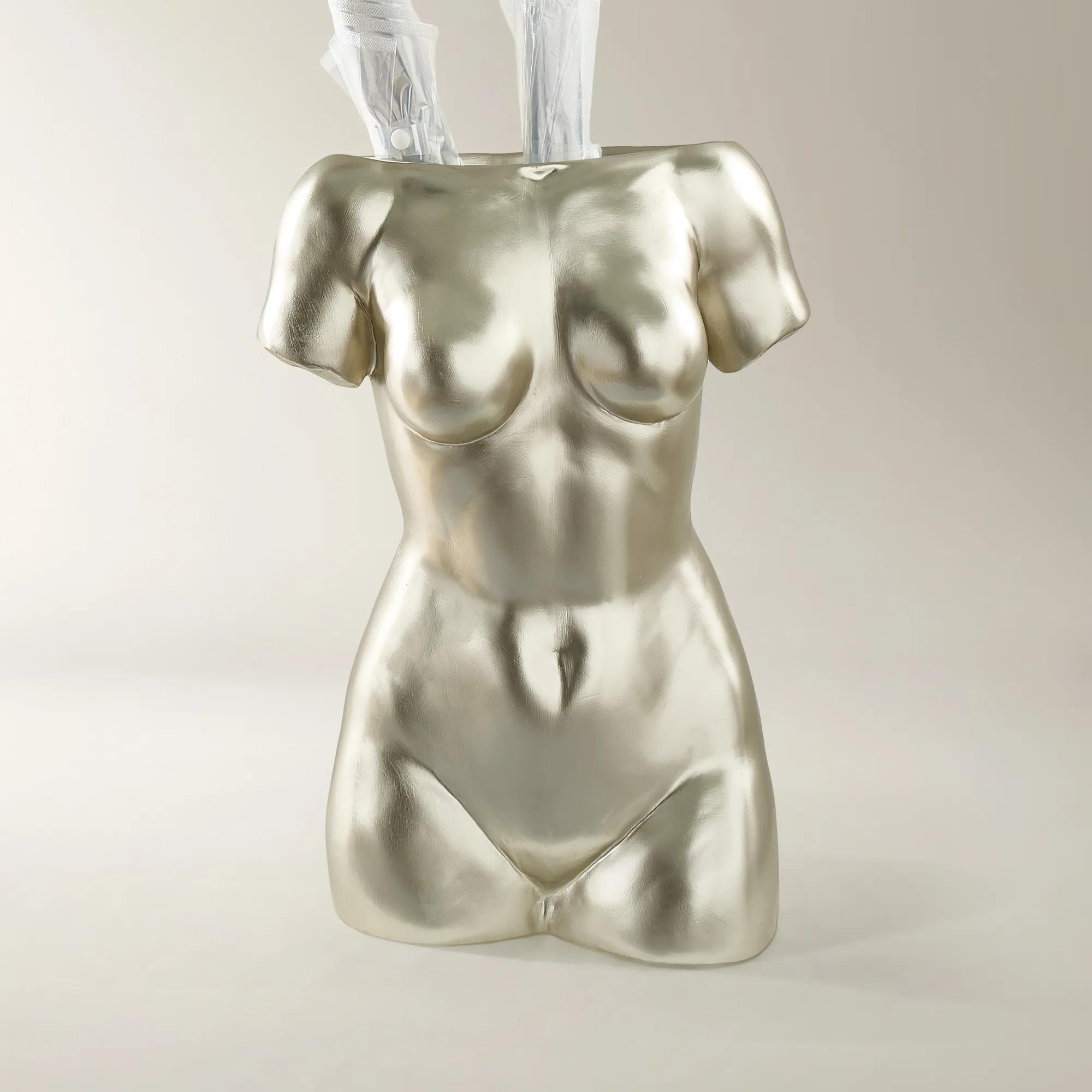 Lutece Champagne Umbrella Stand 17.75"$129
A decorative umbrella stand designed to organize umbrellas stylishly in entryways.
Add To Cart -
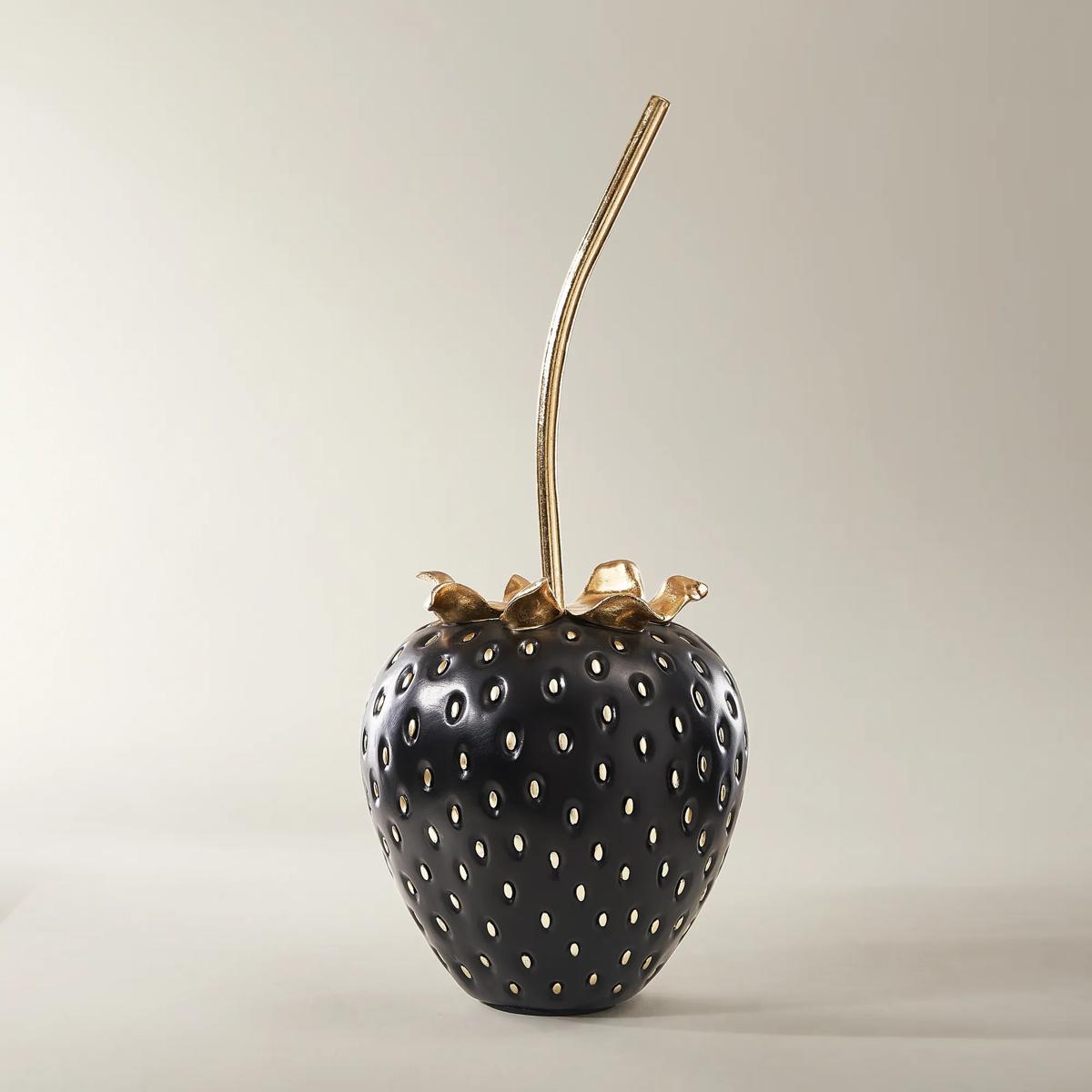 Grand Strawberry Gold And Black Resin Decorative Object 20.25"$129
A bold resin decorative accent in black and gold, adding whimsical elegance to any modern space.
Add To Cart -
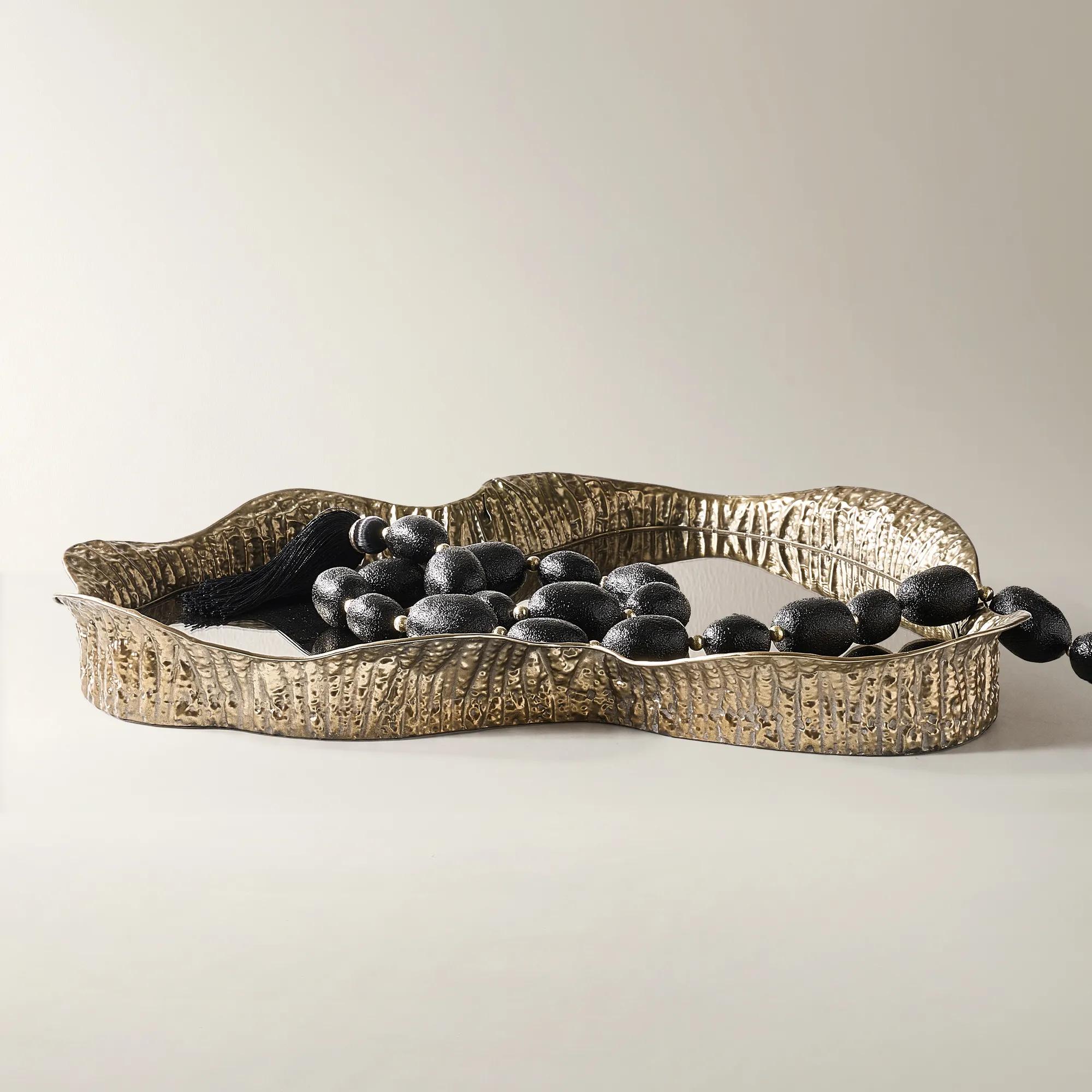 Cara Antique Gold Hand-Forged Iron Organic Shaped Amber Mirror Decorative Tray 21" x 23.5"$319
An antiqued gold iron tray with a bronze-tinted mirror surface for elegant, decorative display.
Add To Cart

Designer Decorative Accessories
Designer Decorative Accessories are the finishing flourish that transforms a well-appointed room into a living masterpiece. Each piece is an invitation to indulge your artistic spirit, layering your space with intrigue, texture, and luminous detail. Whether you’re drawn to sculptural forms, gleaming metallics, or artful accents that spark conversation, these curated treasures elevate every surface and corner with undeniable panache. Embrace the extraordinary—Designer Decorative Accessories are your passport to a home that dazzles at every glance and delights in every detail.
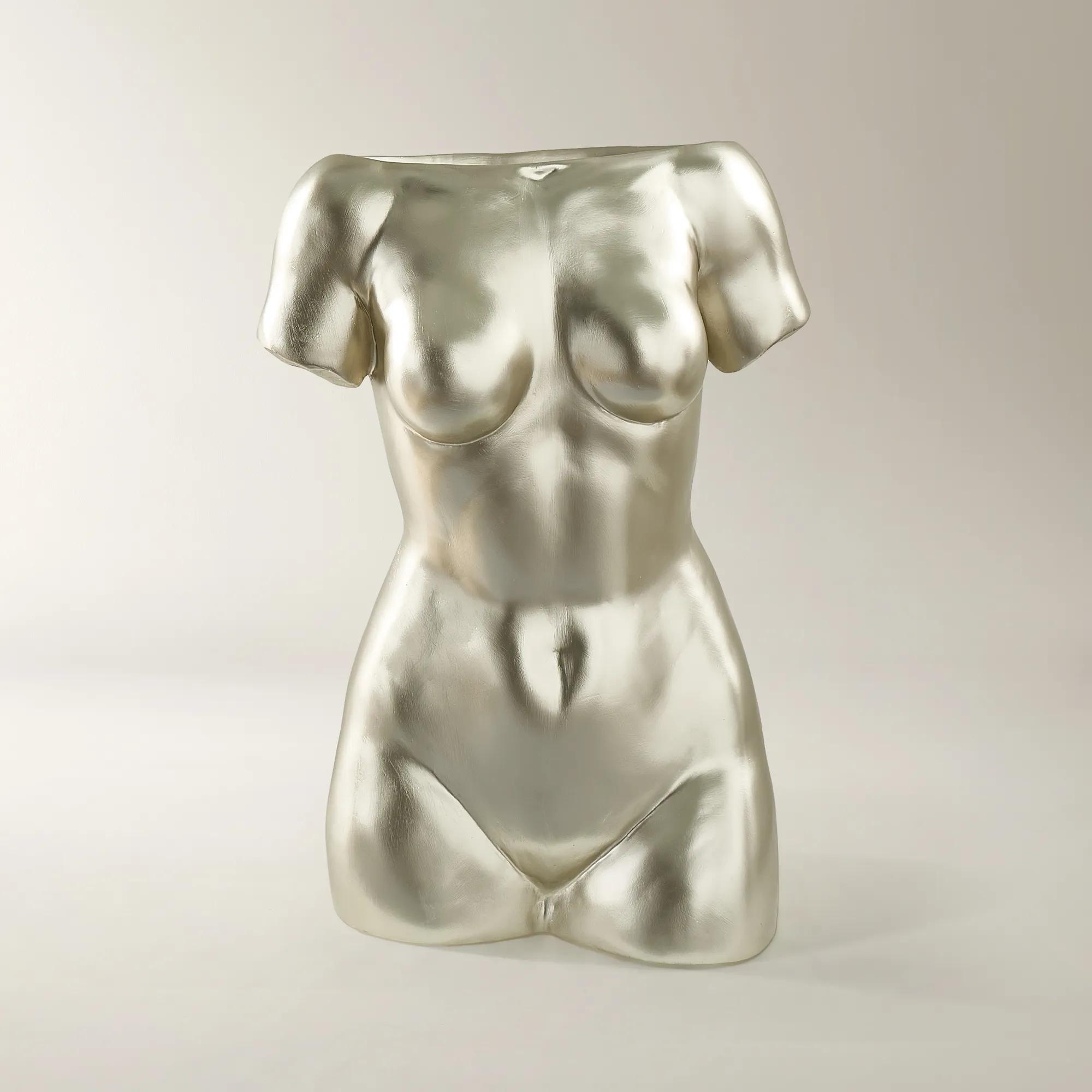
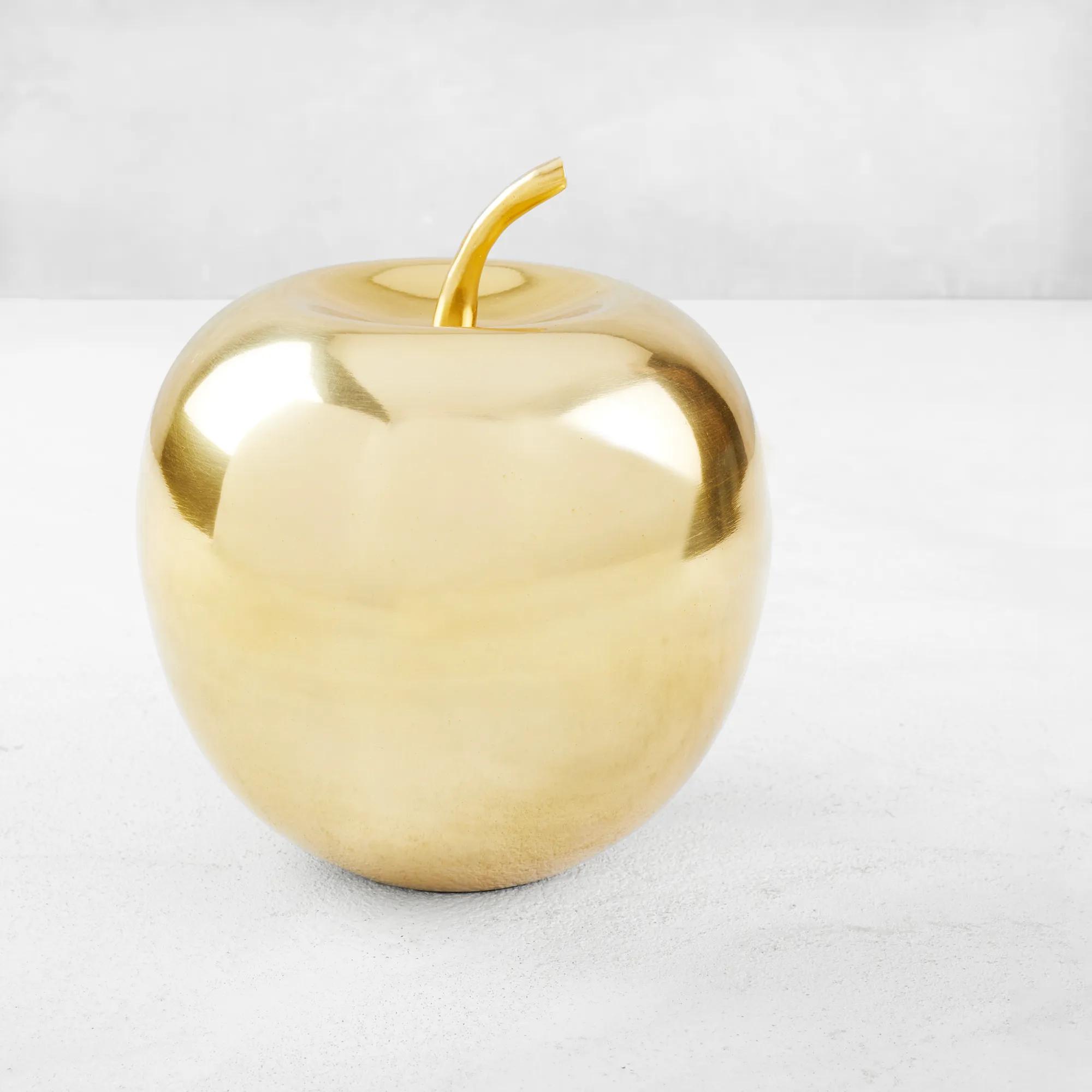
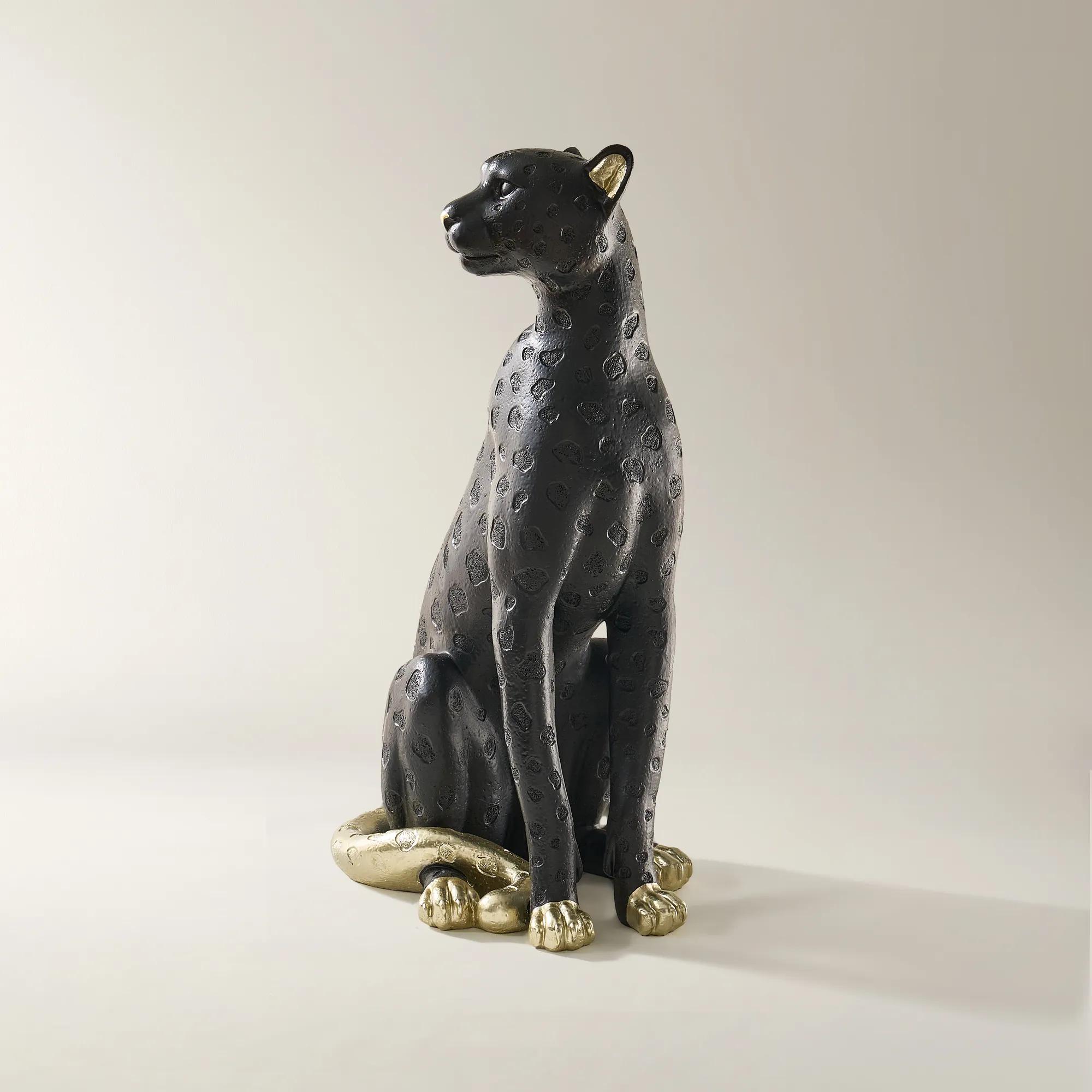
Designer decorative accessories bring artistic shape, distinctive materials, and deliberate detail to the surfaces that give a home its character. Sculptures, decorative bowls, trays, vases, and ornamental boxes introduce focal points at a more intimate scale than furniture, allowing a room to express a taste for sweeping curves, striking geometry, or richly layered finishes. Their appeal lies in the interplay of form and setting: a gleaming silhouette against dark wood, translucent glass catching light beside an upholstered chair, or a deeply textured vessel lending dimension to a polished console. These are accents for people who see decorating as personal expression, whether that means a dramatic entryway, a composed bedside arrangement, or a living room filled with collected objects. Sculptural accessories can hold attention without flowers or other embellishment, while vessels and trays offer opportunities to change an arrangement without rethinking the entire space. Materials shape both the visual effect and the experience of living with each piece. Ceramic and porcelain can present crisp profiles, expressive glazes, and intricate surface relief; glass brings transparency, color, and reflections that shift with the light. Metal may appear luminous and polished or softly brushed, giving the same basic shape a very different presence. Natural stone introduces substantial weight and variations in veining, while wood adds grain and a warmer counterpoint to reflective finishes. Resin can support elaborate sculptural forms, though its weight and surface character vary by construction. No single material defines designer appeal. Proportion, finish, and the relationship between an object and its surroundings matter just as much. A carefully chosen accent can echo the curve of a chair, draw out a color from artwork, or interrupt a room’s straight lines with an unexpected organic shape. The broader world of Luxury Decorative Accessories offers a complementary expression of this approach, with an emphasis on texture, visual richness, and the small details that make an interior feel distinctly personal.
Scale gives decorative objects their authority, and the most compelling arrangements respect the furniture beneath them. A broad console can carry a substantial sculptural form, while a narrow shelf calls for a shallower footprint and enough clearance to appreciate the silhouette. Overall dimensions deserve attention, not just height: the widest point of a flared vase or an outstretched sculpture may extend well beyond its base. On a coffee table, lower bowls and trays preserve conversation sightlines and leave room for everyday use. On a dining table, a centerpiece should feel generous without crowding place settings or obscuring the person across from it. Taller accents often have greater freedom on a sideboard, where they can frame artwork or establish a vertical rhythm against a wide wall. One commanding object can anchor a composition; smaller companions then contribute contrast rather than competing for attention. A grouping of three can create a pleasing sense of movement, especially when the pieces vary in height, but a strong pair or a single expressive form can be equally convincing. What matters is the relationship between volumes, textures, and open space. A tall vessel, a rounded bowl, and a low box bring distinct outlines to a tabletop, while a shared color or finish keeps the arrangement connected. Gloss beside matte, transparent beside opaque, and smooth beside heavily textured surfaces create depth without requiring an abundance of objects. In a bookcase, alternating decorative accents with books gives each shelf a different cadence; leaving space around an intricate form allows its contours to remain legible. A tray can define a composition on an ottoman, provided its base sits securely, while a decorative box offers a discreet place for small belongings when its interior suits the purpose. These accessories work across apartments, expansive homes, private offices, and guest rooms because their impact depends on thoughtful placement rather than square footage. Even a compact entry table can make an expressive first impression through one well-proportioned accent and a clear, intentional surface.
Beauty also needs to suit the way a space is used. Decorative accessories intended purely for display may not be suitable for serving food, holding water, supporting candles, or enduring outdoor exposure. A bowl’s sculptural shape does not establish food safety, and a vase’s appearance does not guarantee that its interior is watertight; the stated use and care directions should determine what goes inside. Dried stems can provide height and movement in an appropriate decorative vessel, while fresh arrangements require a container designed to hold water. For trays, distinguish between a decorative surface and a piece rated for carrying or serving, particularly when handles or mirrored panels are part of the design. Durability depends on material, construction, finish, and placement together. Stone may feel substantial yet remain vulnerable to staining or chipped edges, ceramic and glass can break on impact, and polished metal may show fingerprints or fine scratches. Stable bases and secure placement are especially important in homes with children or pets, where slender forms and projecting details are better kept away from busy pathways and reachable edges. Furniture-safe protective pads can help shield surfaces, provided they are compatible with both the object and the furniture finish. Routine care is often most successful when it is gentle: a soft, dry cloth can remove everyday dust from many finishes, while abrasive cleaners, prolonged moisture, and vigorous polishing may damage delicate coatings. Individual care instructions should take precedence, particularly for gilded details, mirrored surfaces, porous materials, and mixed-material construction. Consider how easily an intricate design can be dusted and whether its intended location exposes it to splashes, direct sunlight, or frequent handling. For gifting, decorative accessories feel especially considered when their scale and character reflect the recipient’s home. A sculptural accent can mark a housewarming, wedding, or anniversary without requiring an exact furniture match, while a decorative box may appeal to someone who values both display and discreet storage. The strongest choice acknowledges a familiar color, favored material, or expressive design instinct, giving the recipient something that belongs in their surroundings yet adds a welcome note of surprise.
FAQs
Designer decorative accessories serve as the finishing touches that bring personality and drama to a room. By layering in sculptural objects, gleaming trays, or richly textured accents, you can create a sense of depth and intrigue. These pieces reflect light, introduce unexpected materials, and help set a mood—whether you’re aiming for cozy sophistication or bold glamour. Thoughtful placement of accessories can transform even the simplest space into an expressive, inviting environment.
To create visual interest, group accessories in odd numbers and vary their heights and textures. Use trays to anchor collections on coffee tables or consoles, and place statement pieces where they catch the eye—such as mantels or entryway tables. Layer mirrors or metallic accents to reflect light and add dimension. Rotate accessories seasonally to keep your décor feeling fresh and curated, and don’t be afraid to mix modern pieces with classic forms for a personalized, gallery-inspired look.
Absolutely. Designer decorative accessories make memorable gifts for housewarmings, weddings, anniversaries, or holidays. Choose pieces that reflect the recipient’s personality or complement their home’s aesthetic, such as a hand-finished vase, a velvet-lined jewelry box, or a set of artful candleholders. These gifts feel thoughtful and luxurious, offering both beauty and function that can be enjoyed for years to come.
Start by considering the colors, materials, and motifs that resonate with you—whether that’s bold metallics, soft ceramics, or dramatic crystal. Think about the story you want your space to tell: Are you drawn to opulent, glamorous accents or more sculptural, modern forms? Mix and match pieces that speak to your sense of artistry and don’t shy away from layering textures and finishes. Your home is your canvas, so let each accessory be an authentic reflection of your taste.
Embrace the spirit of the season by introducing accessories in rich, tactile materials like velvet, faux fur, or brushed metals. Add warmth with candleholders, lanterns, or mirrored trays that amplify the glow of candlelight. Layer in decorative bowls or vases filled with seasonal botanicals, and consider swapping out lighter accents for pieces in jewel tones or metallic finishes. These subtle changes can create a cozy, luxurious atmosphere that feels both festive and refined.