Designer Home Accessories
Designer Home Accessories
-
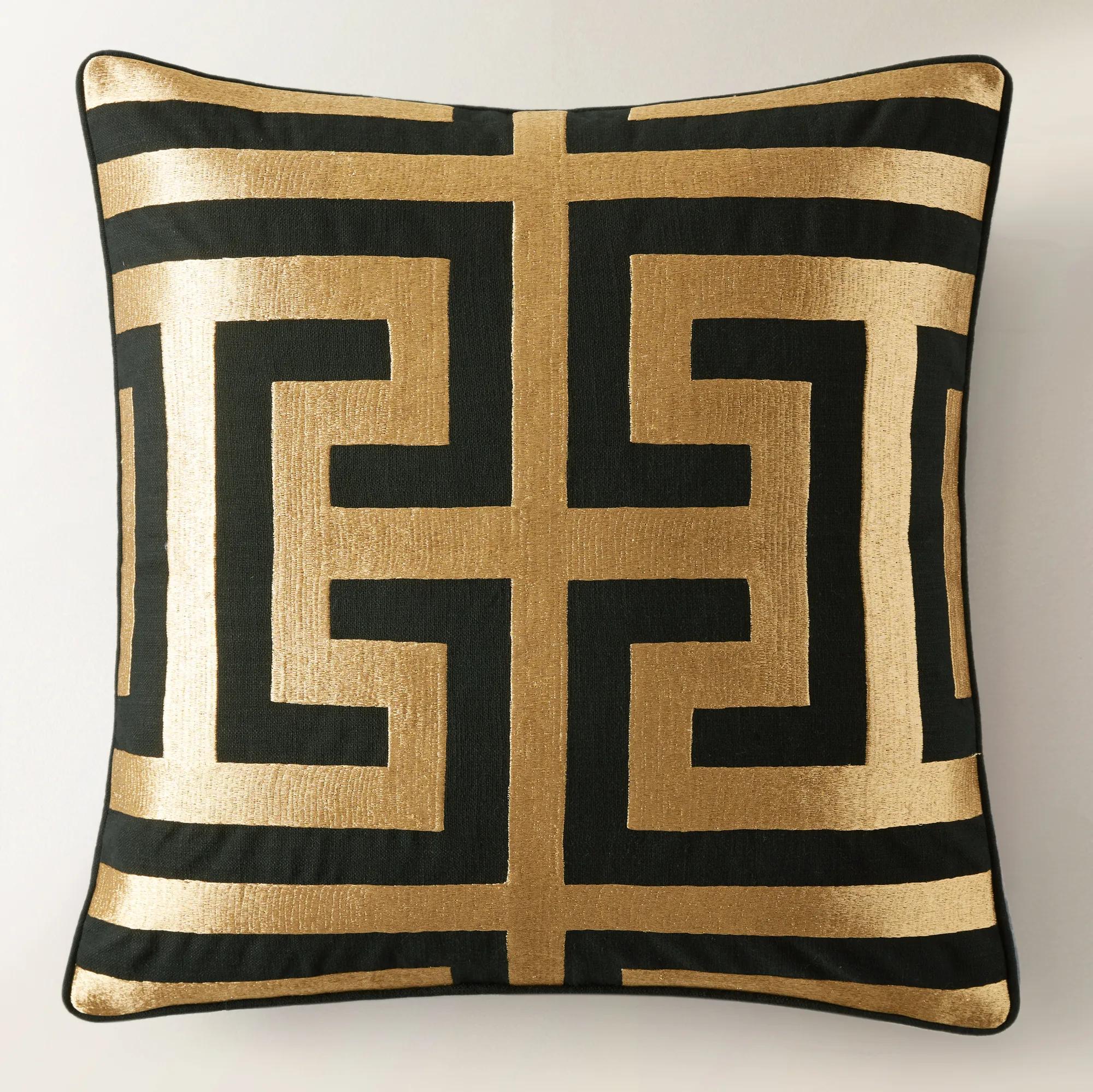
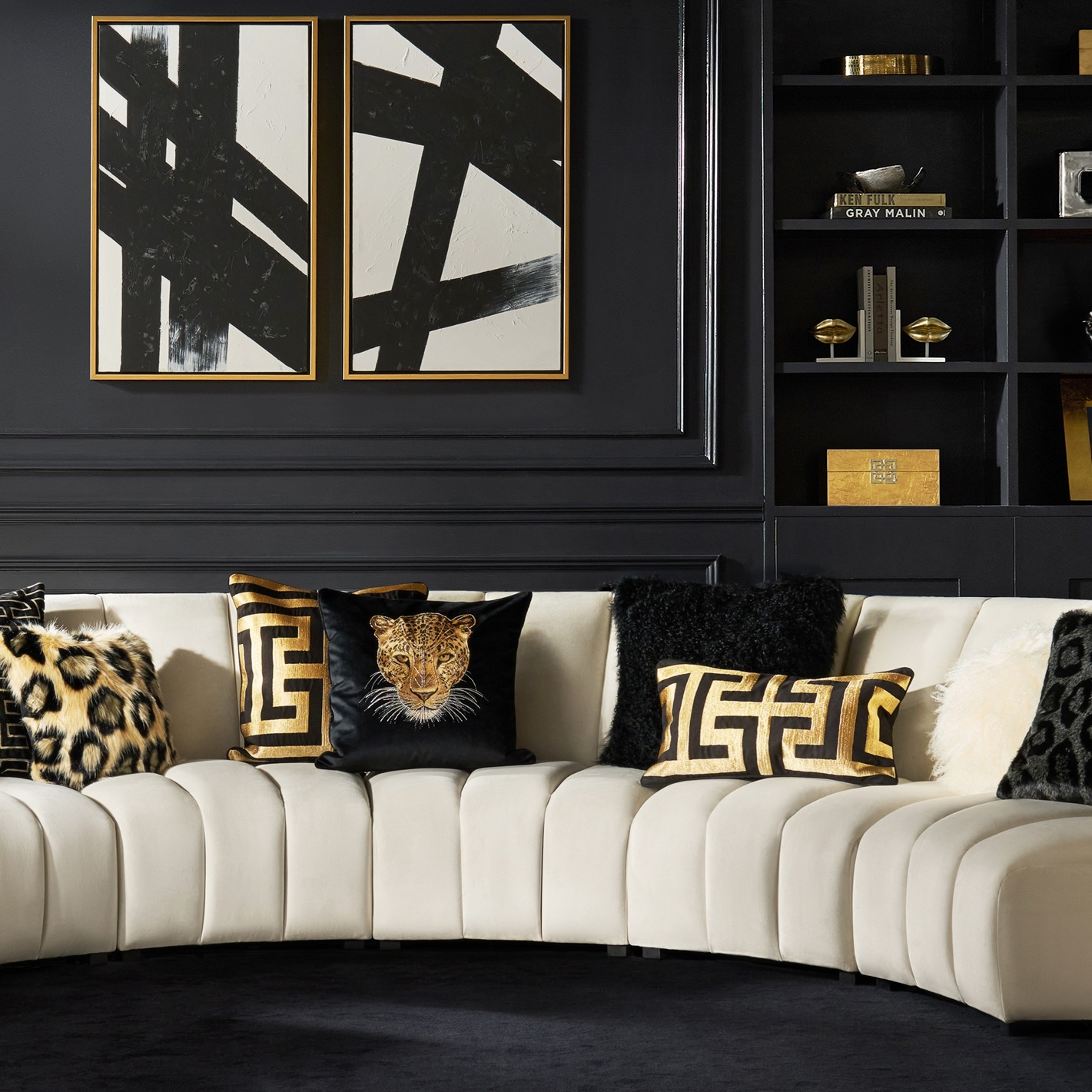 Cace Embroidered Gold/Black Linen Pillow 22" x 22"$129
A cotton-linen pillow in black and gold with metallic Greek key embroidery and feather-down insert.
Add To Cart -
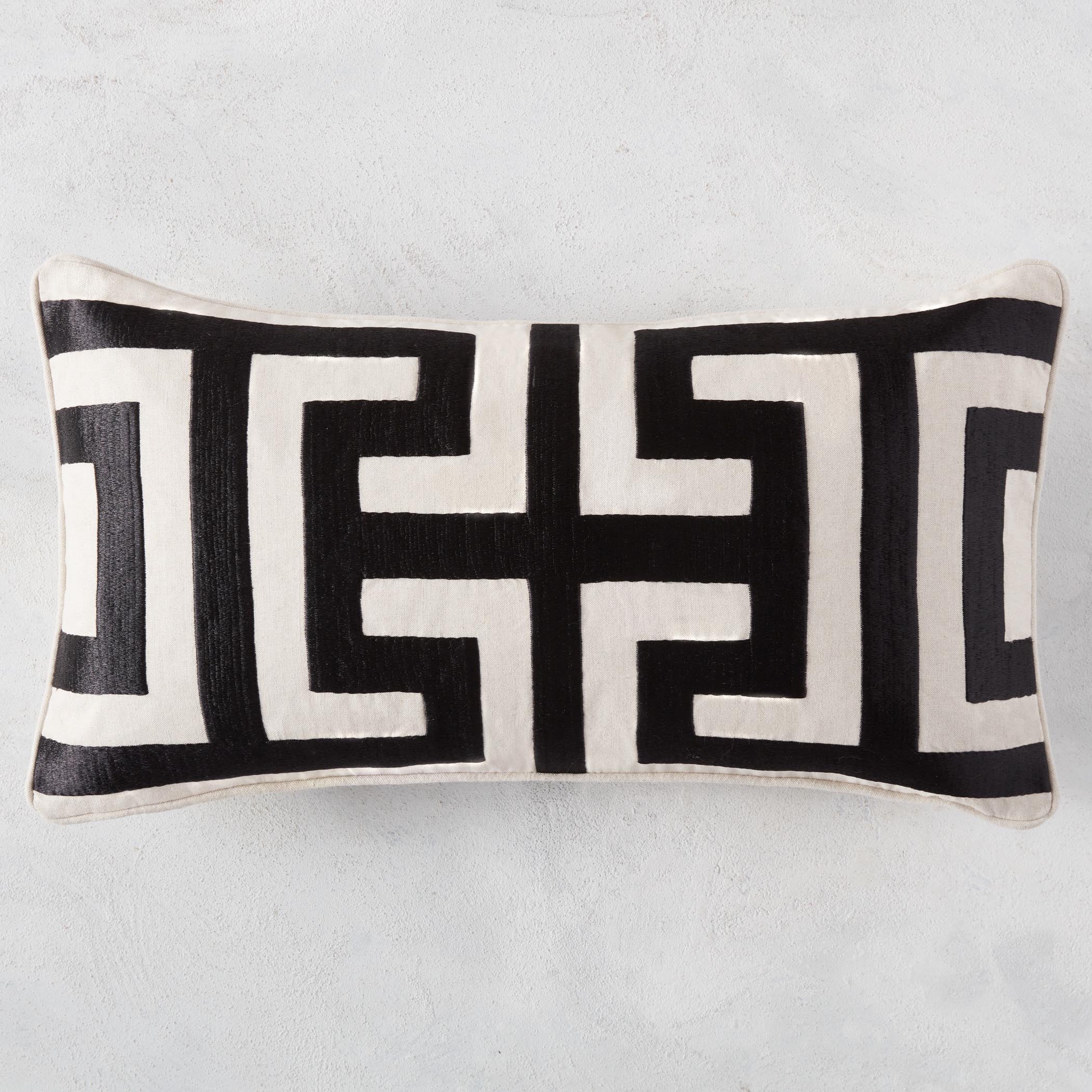 Cace Embroidered Black/Natural Linen Lumbar Pillow 26" x 14"$129
A cotton-linen pillow featuring metallic Greek key embroidery in natural and black with a feather-down insert.
Add To Cart -
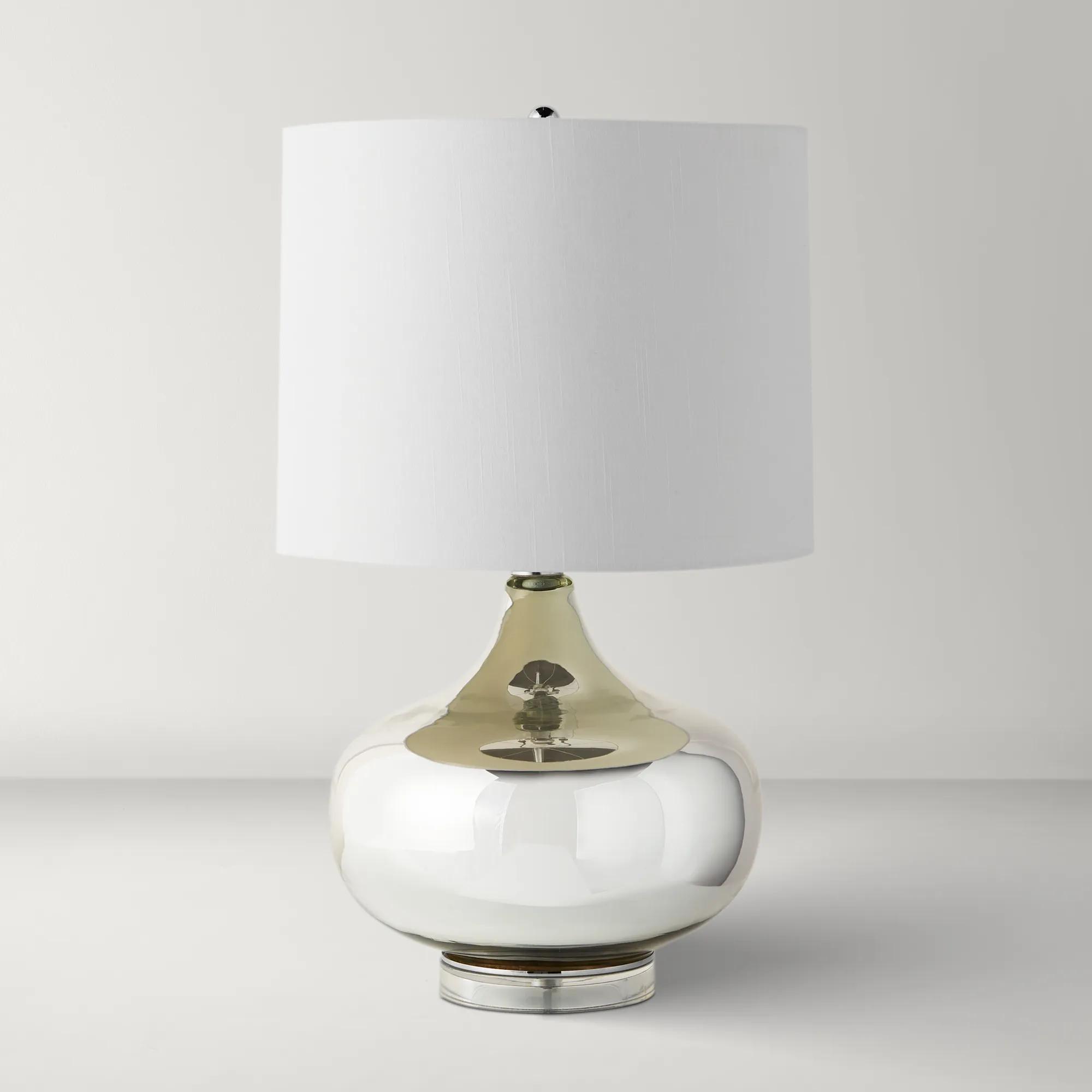 Sabrina Mirrored Silver Glass Table Lamp 27.5"$199
A contemporary lamp featuring a silver mirrored glass base, clear acrylic accents, and a white fabric shade.
Add To Cart -
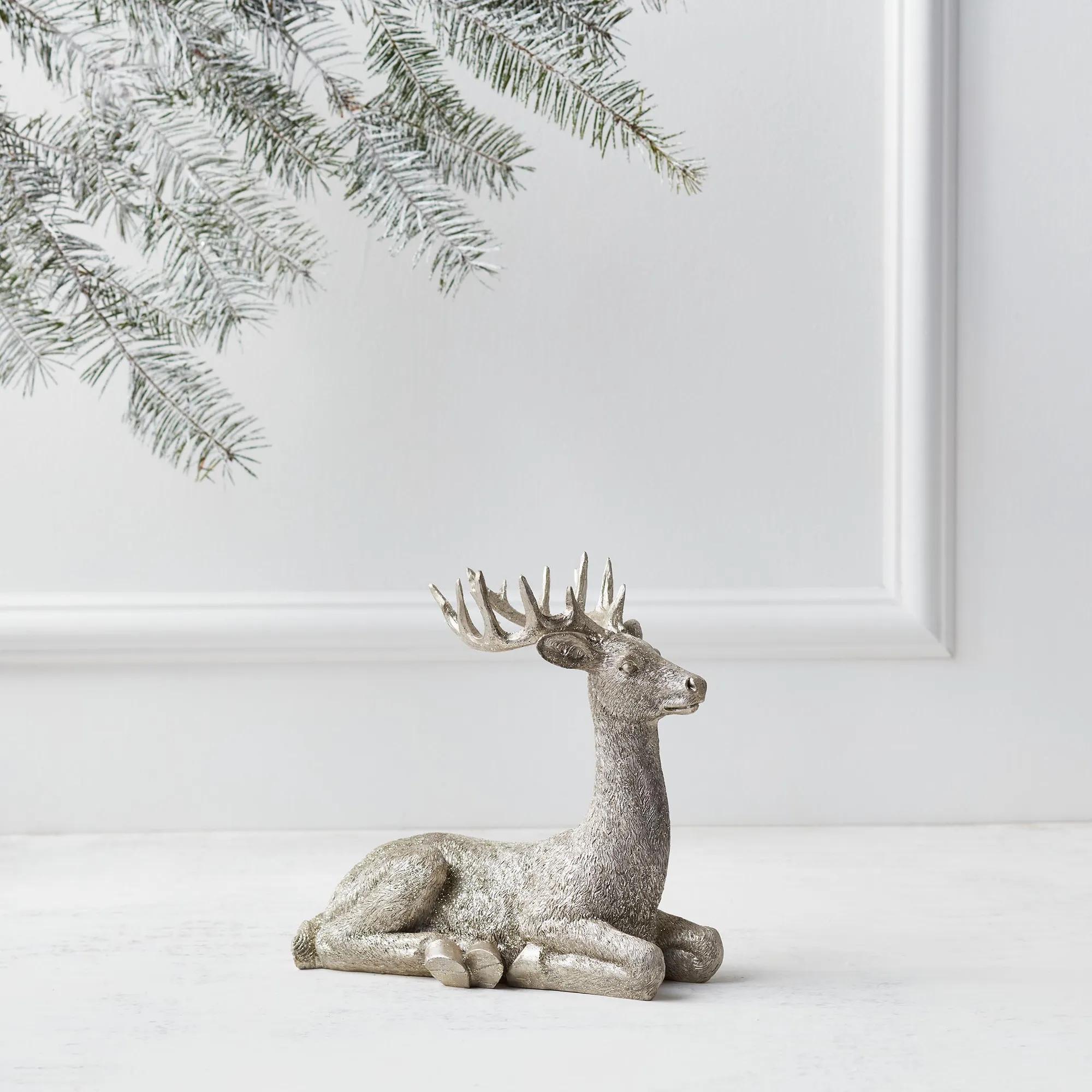
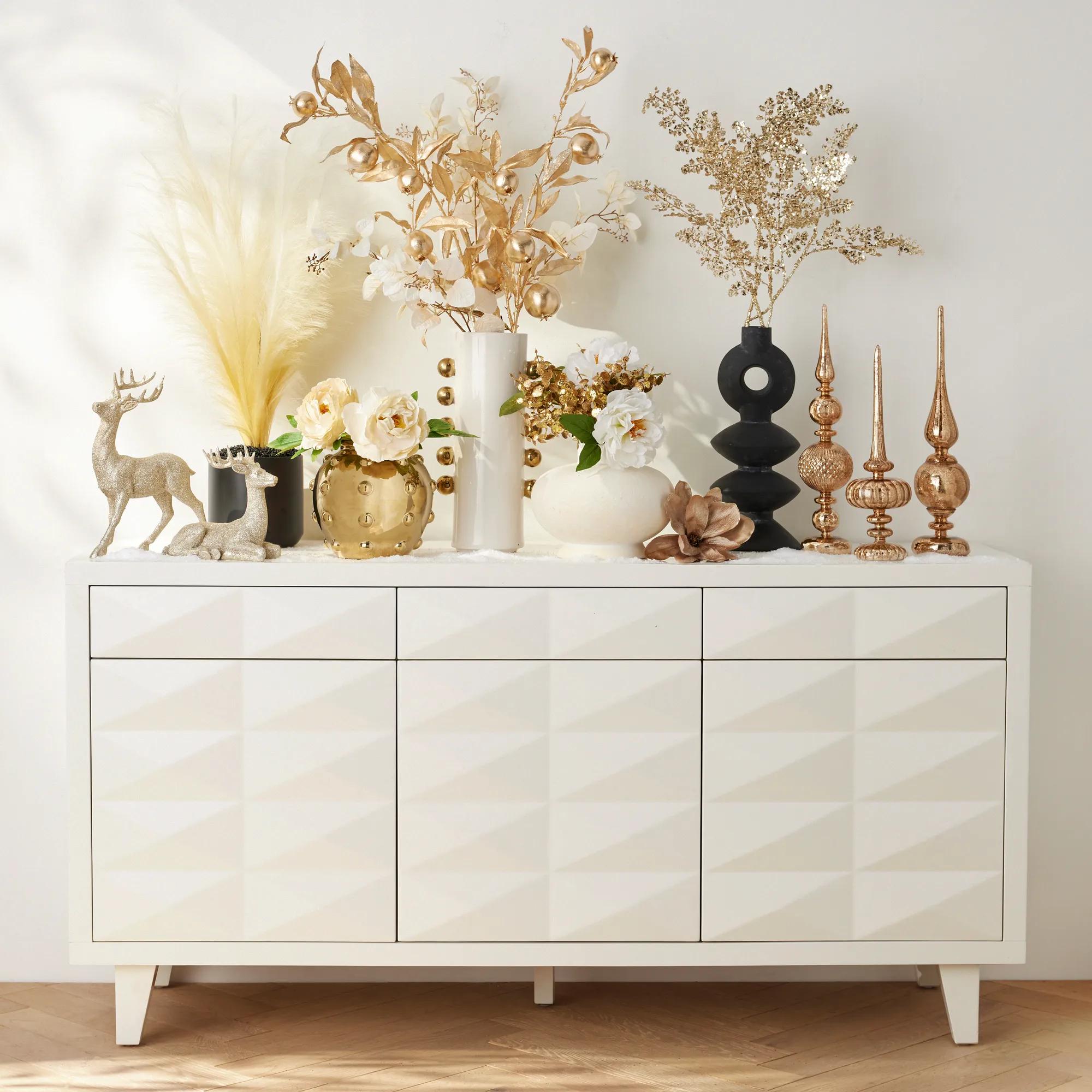 Majestic Deer Champagne Resin 8"$49
A pair of intricately detailed poly resin deer figures with a textured champagne metallic finish.
Add To Cart -
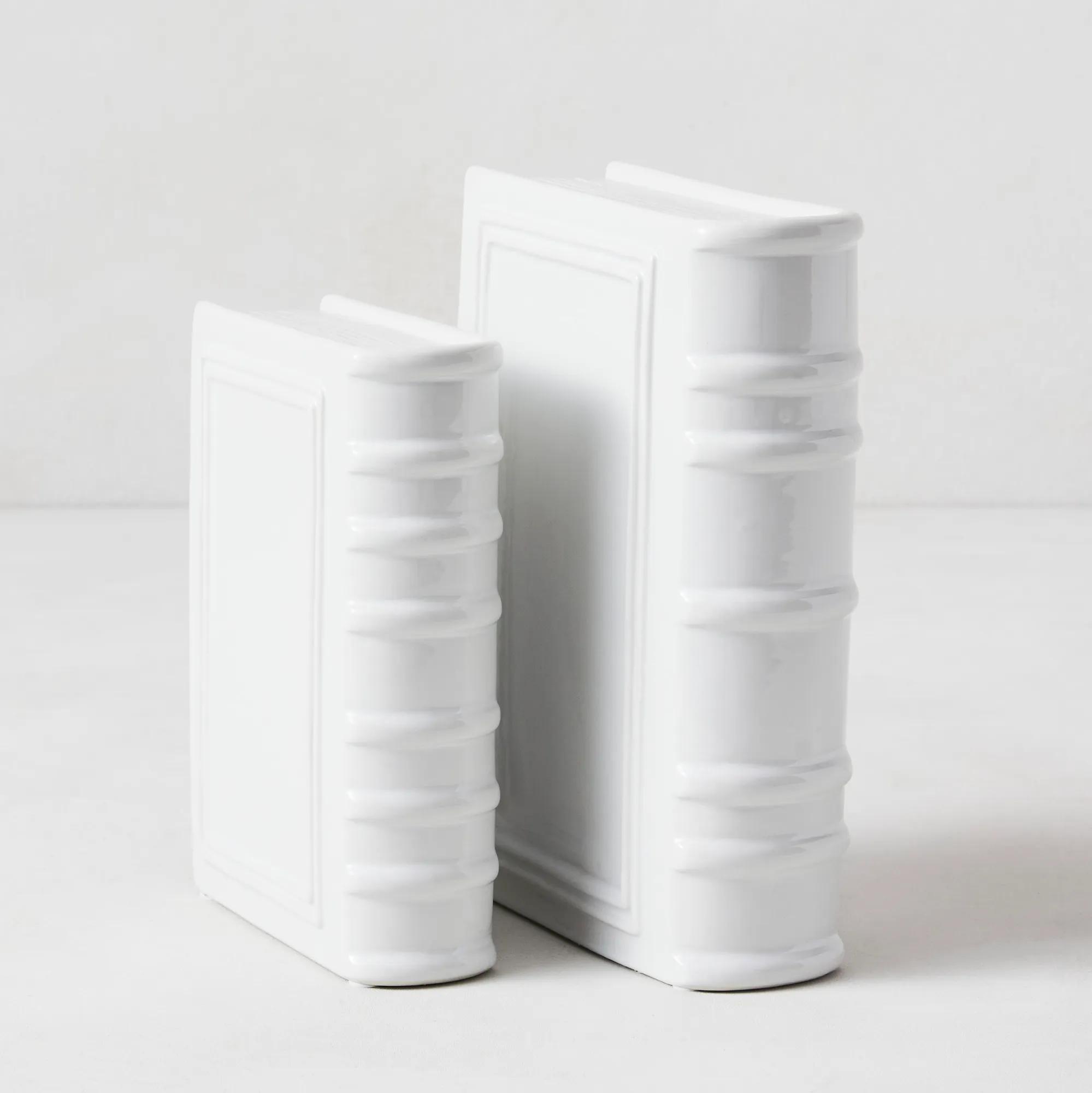
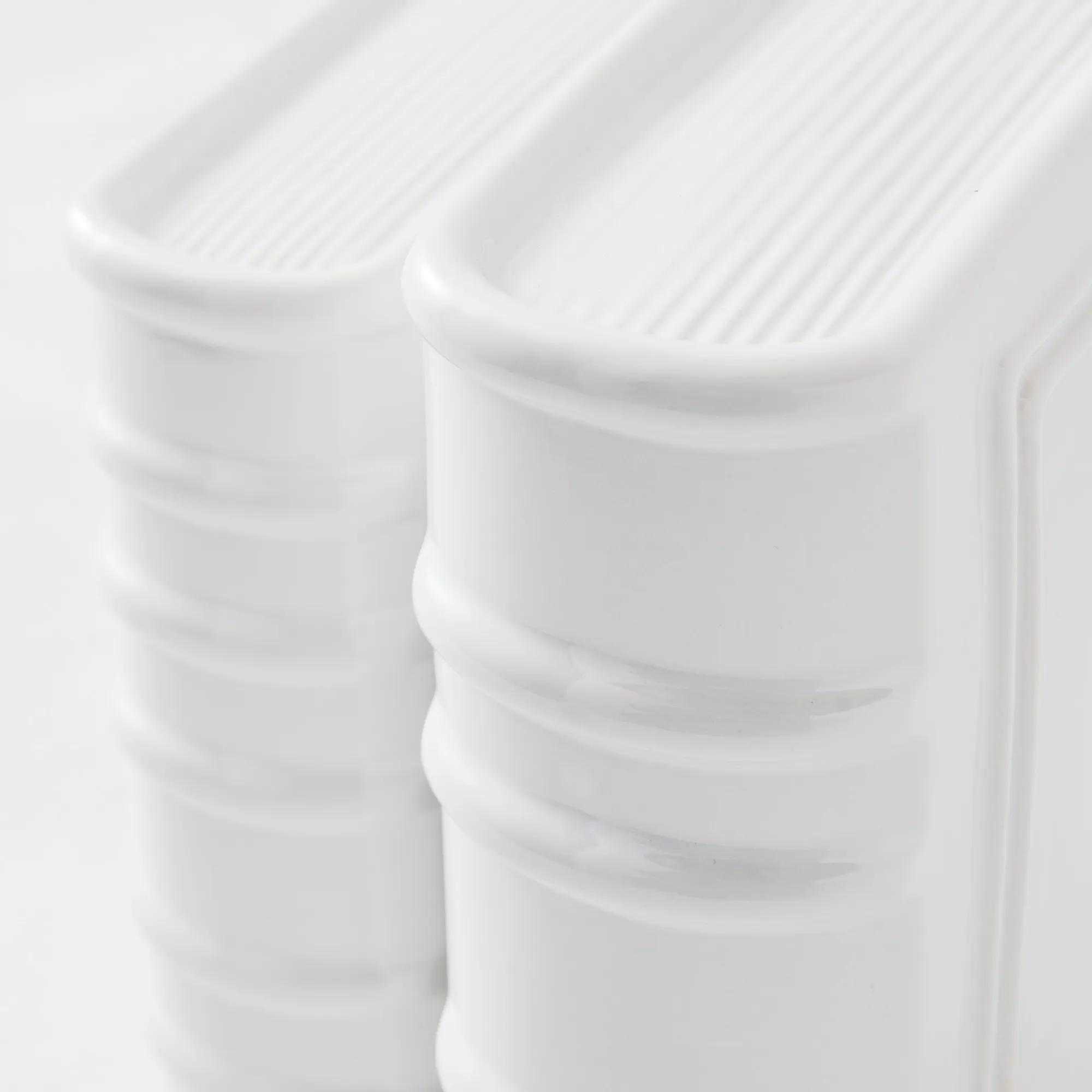 Ceramic Bookends - White$49
A pair of cream ceramic book accents that double as minimalist bookends or decorative console pieces.
Add To Cart -
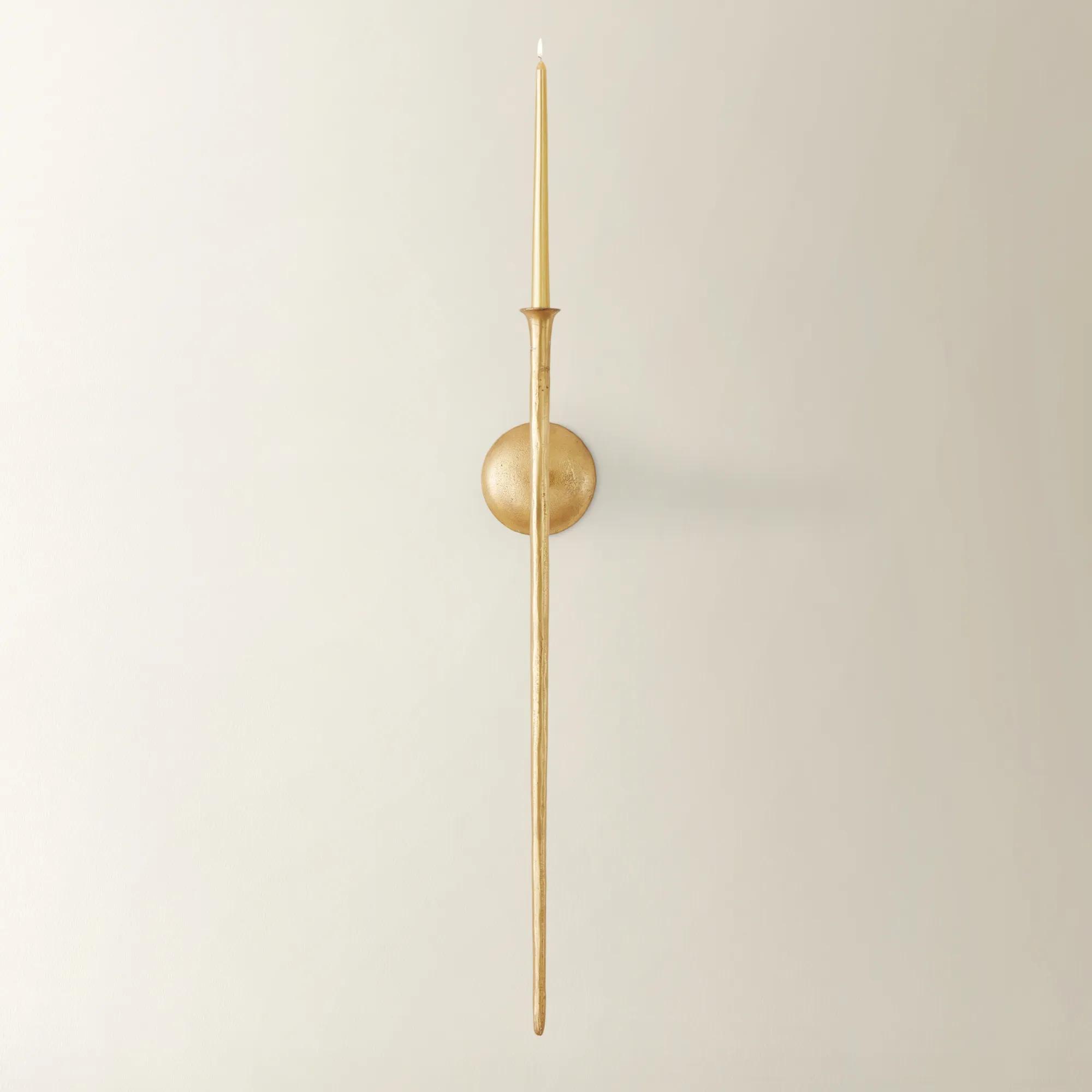 Aspar Gold Aluminum Candle Wall Sconce Large 33"$59
A slender metal wall sconce available in silver, gold, or black, perfect for displaying taper candles.
Add To Cart -
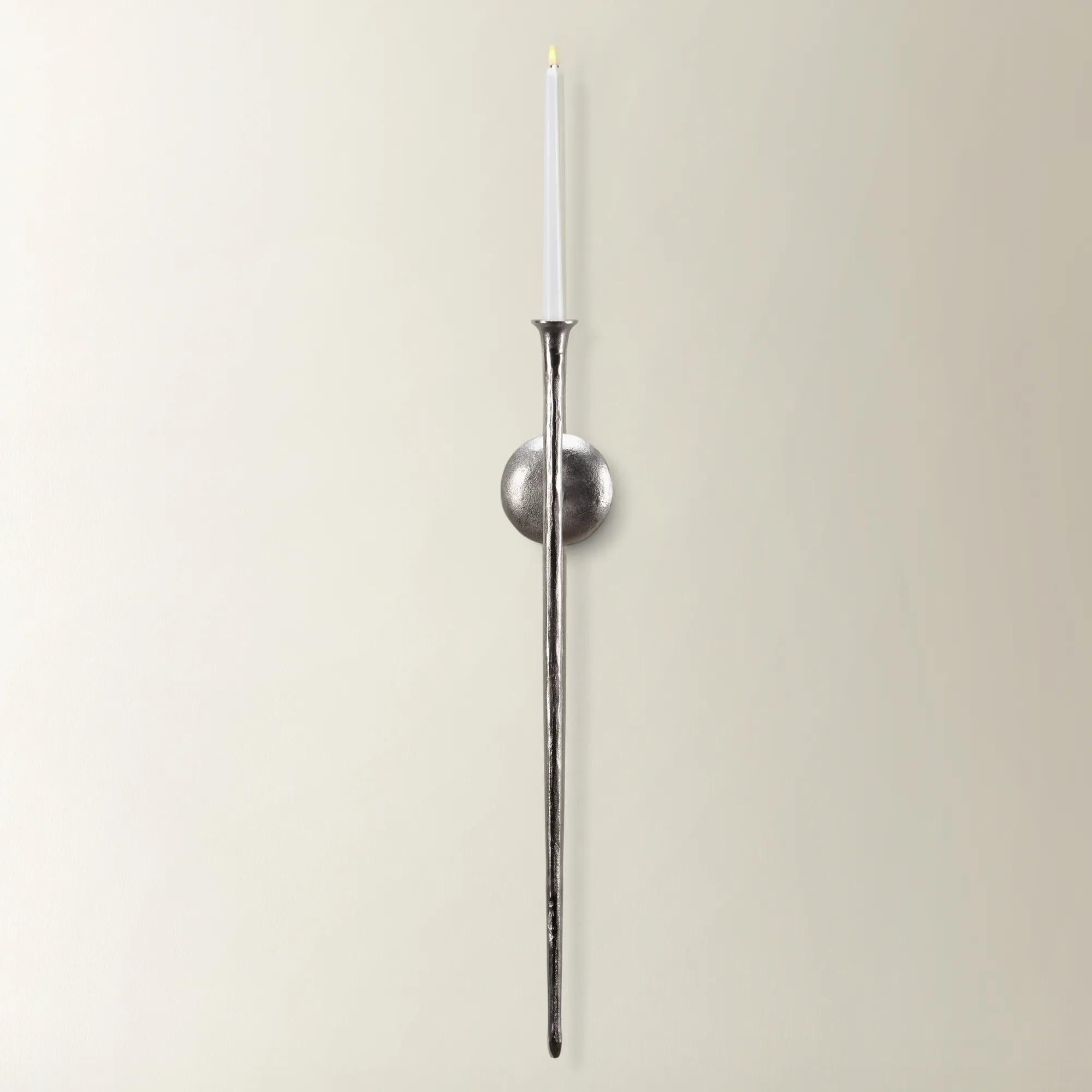
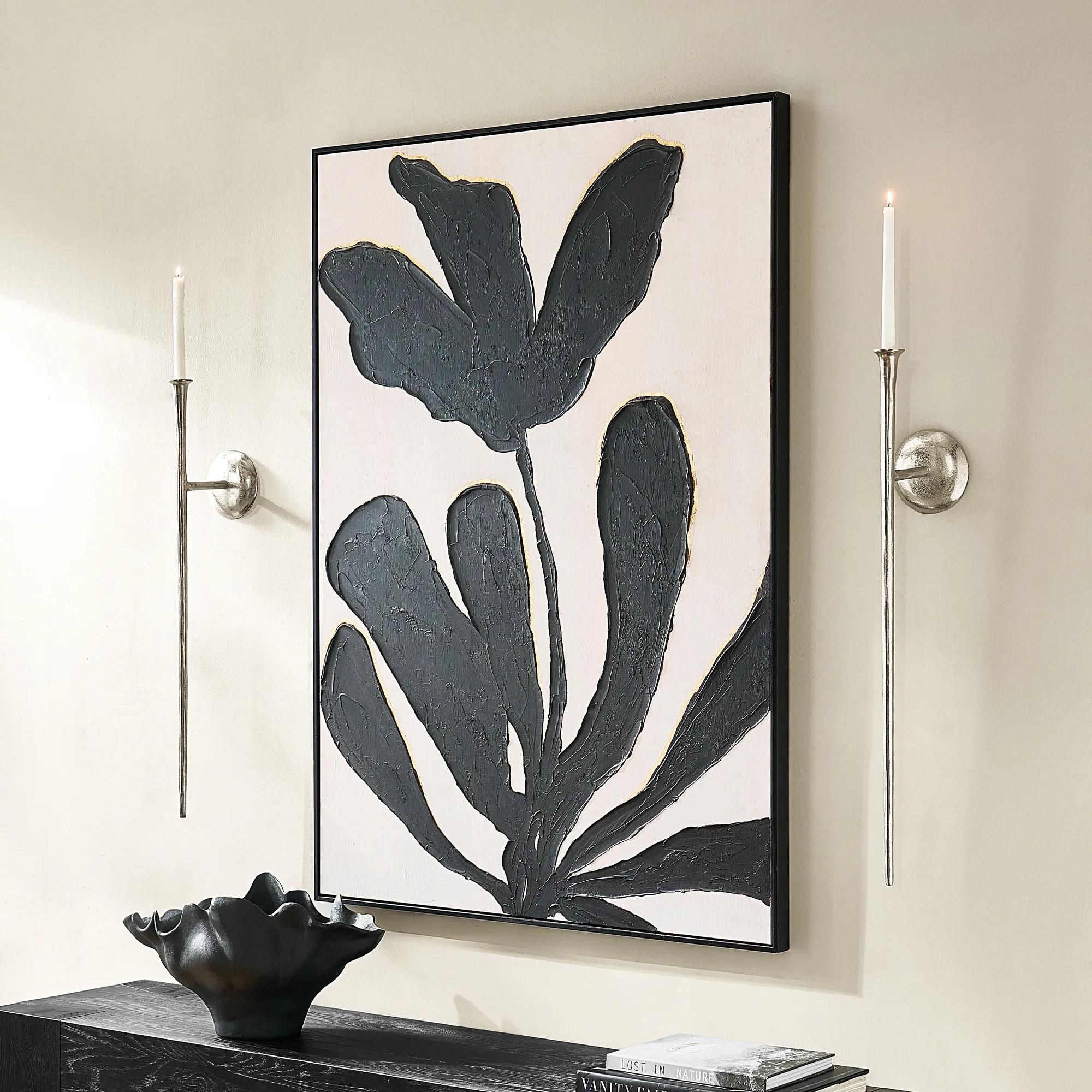 Aspar Silver Aluminum Candle Wall Sconce Large 33"$59
A slender metal wall sconce available in silver, gold, or black for elegant candlelit ambiance.
Add To Cart -
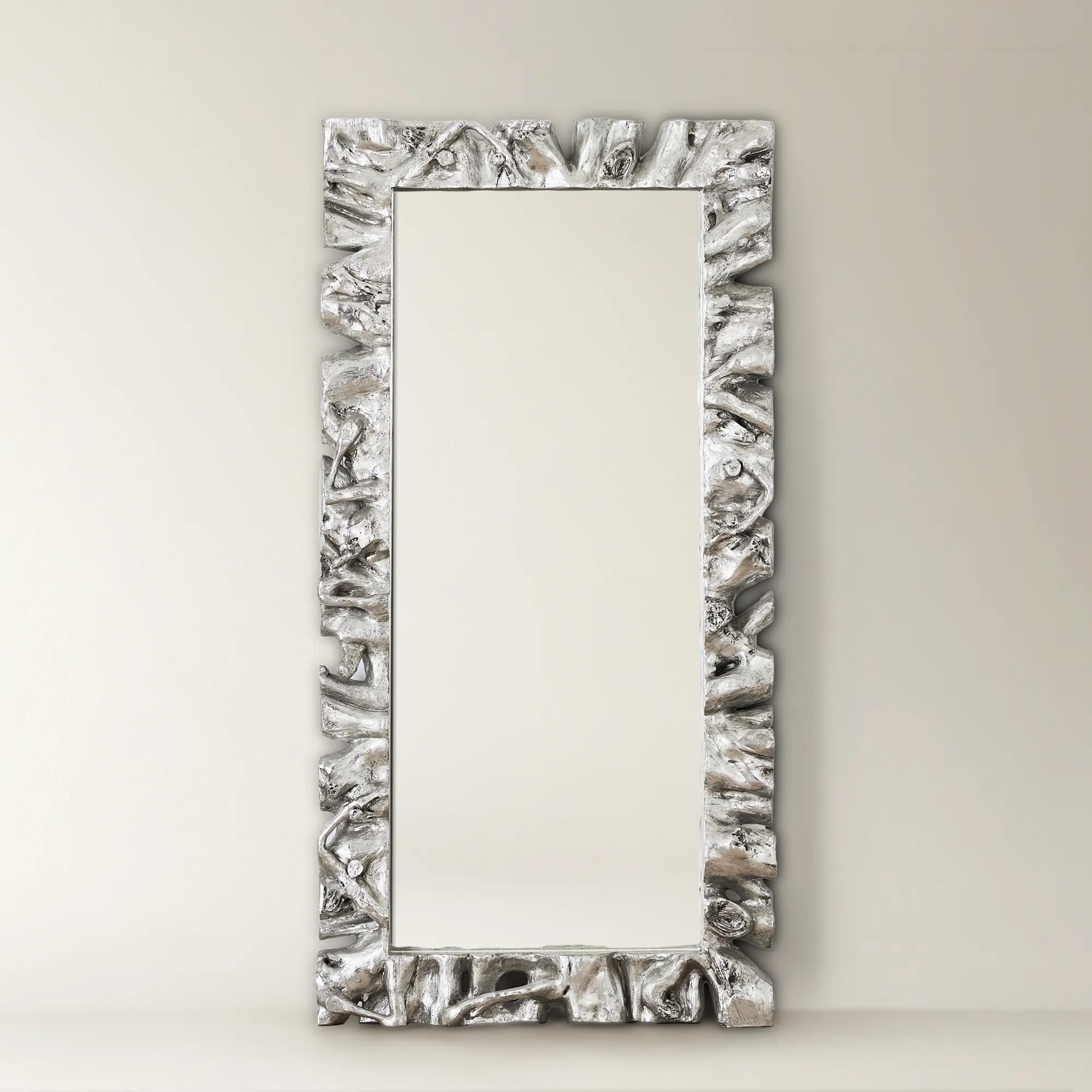 Sequoia Silver Resin Rectangular Floor Mirror 39'' x 78''$1399
A sculptural leaner mirror featuring acacia root-inspired fiber resin and a shimmering metallic leaf finish.
Add To Cart -
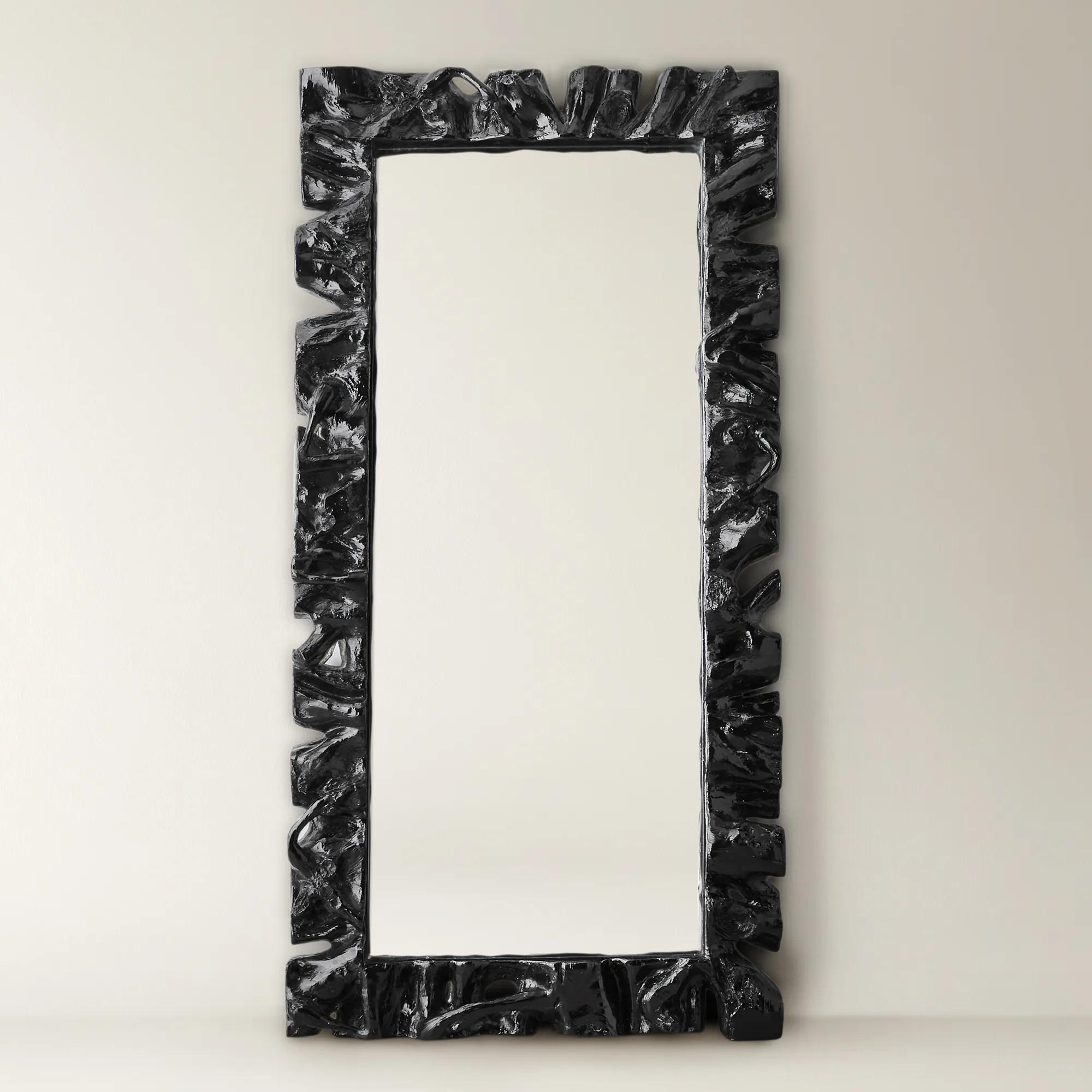
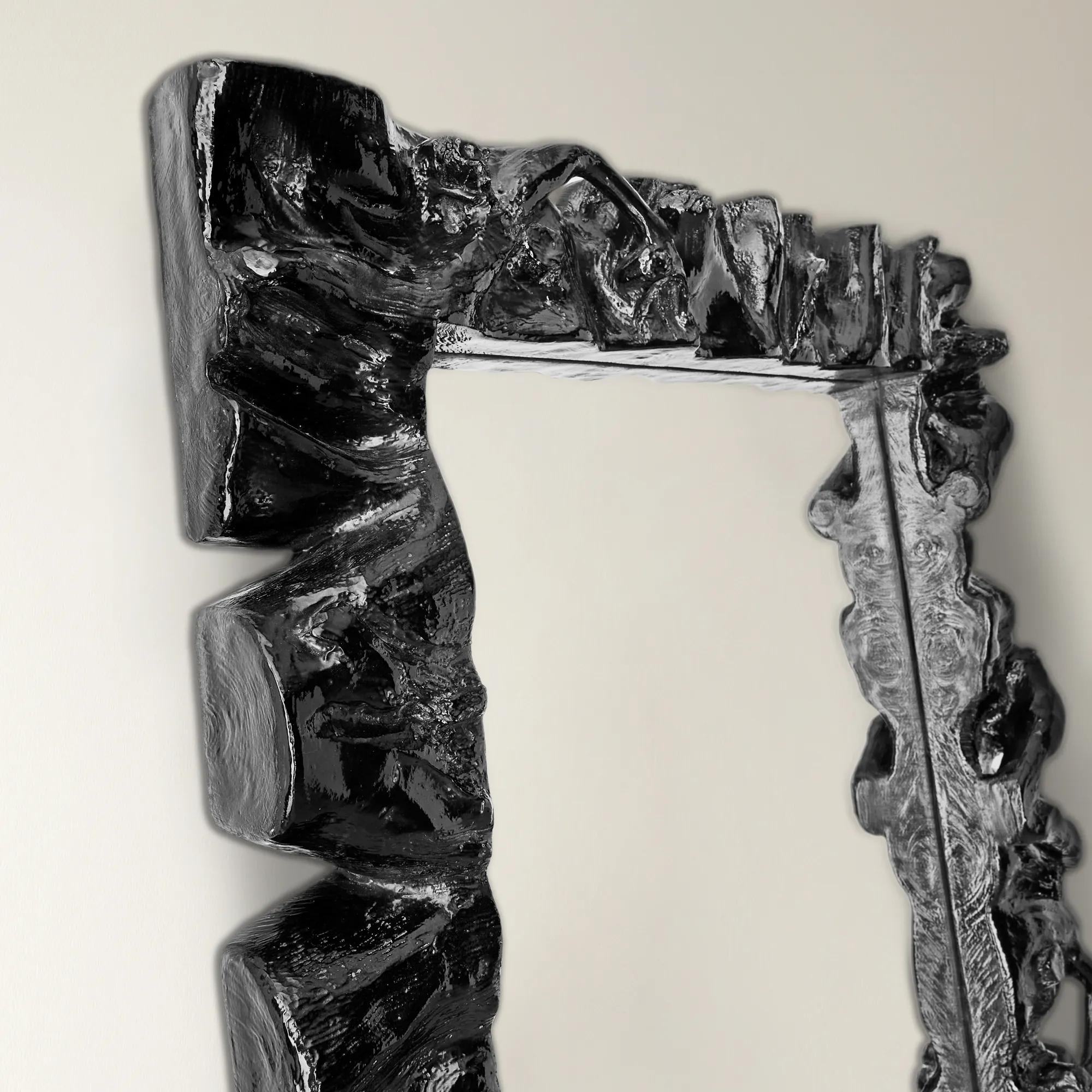 Sequoia Black Resin Rectangular Floor Mirror 39'' x 78''$1399
A sculptural floor mirror featuring acacia root-inspired fiber resin in a sleek black gel finish.
Add To Cart -
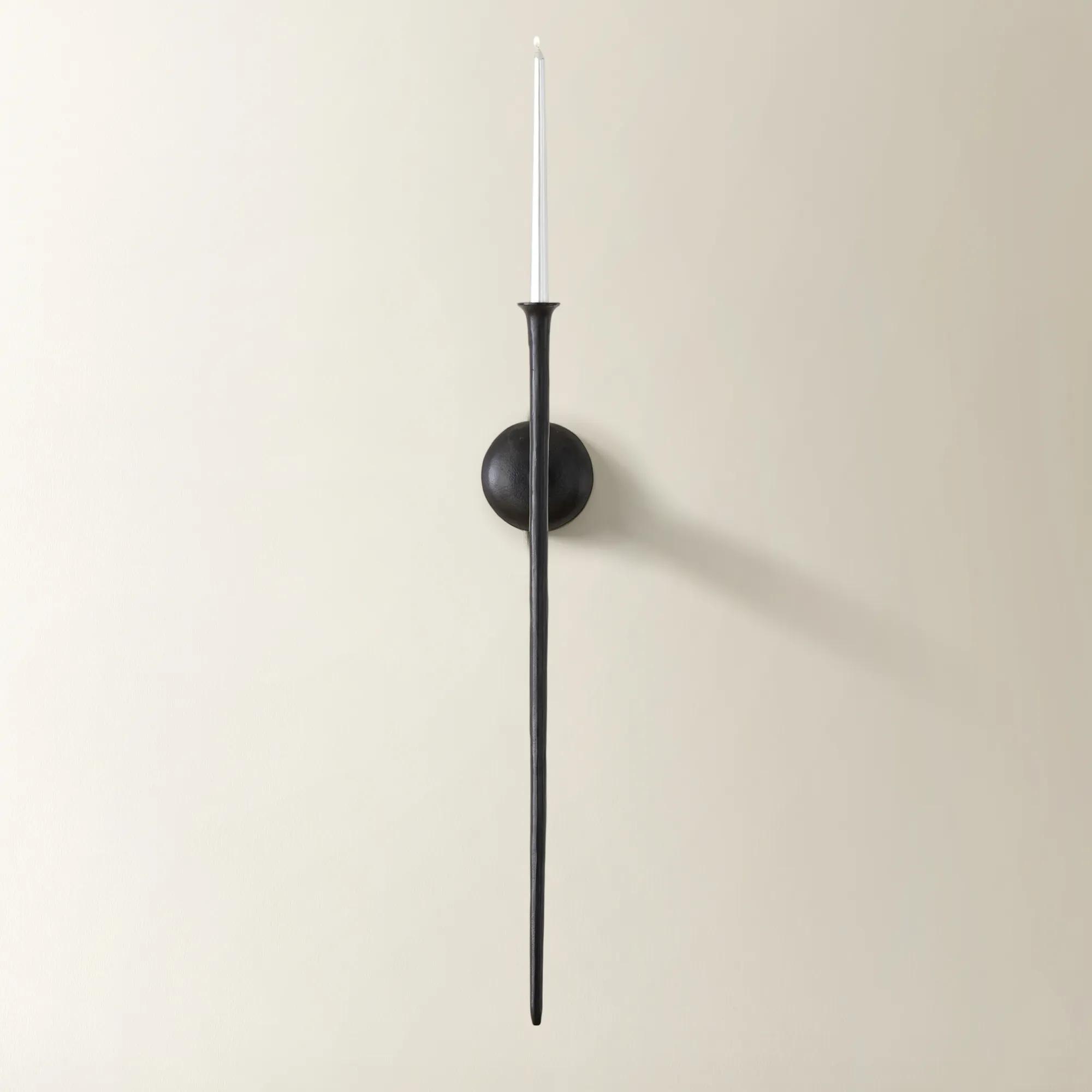 Aspar Black Aluminum Candle Wall Sconce Large 33"$59
A slender metal wall sconce available in silver, gold, or black, perfect for elegant candlelit ambiance.
Add To Cart -
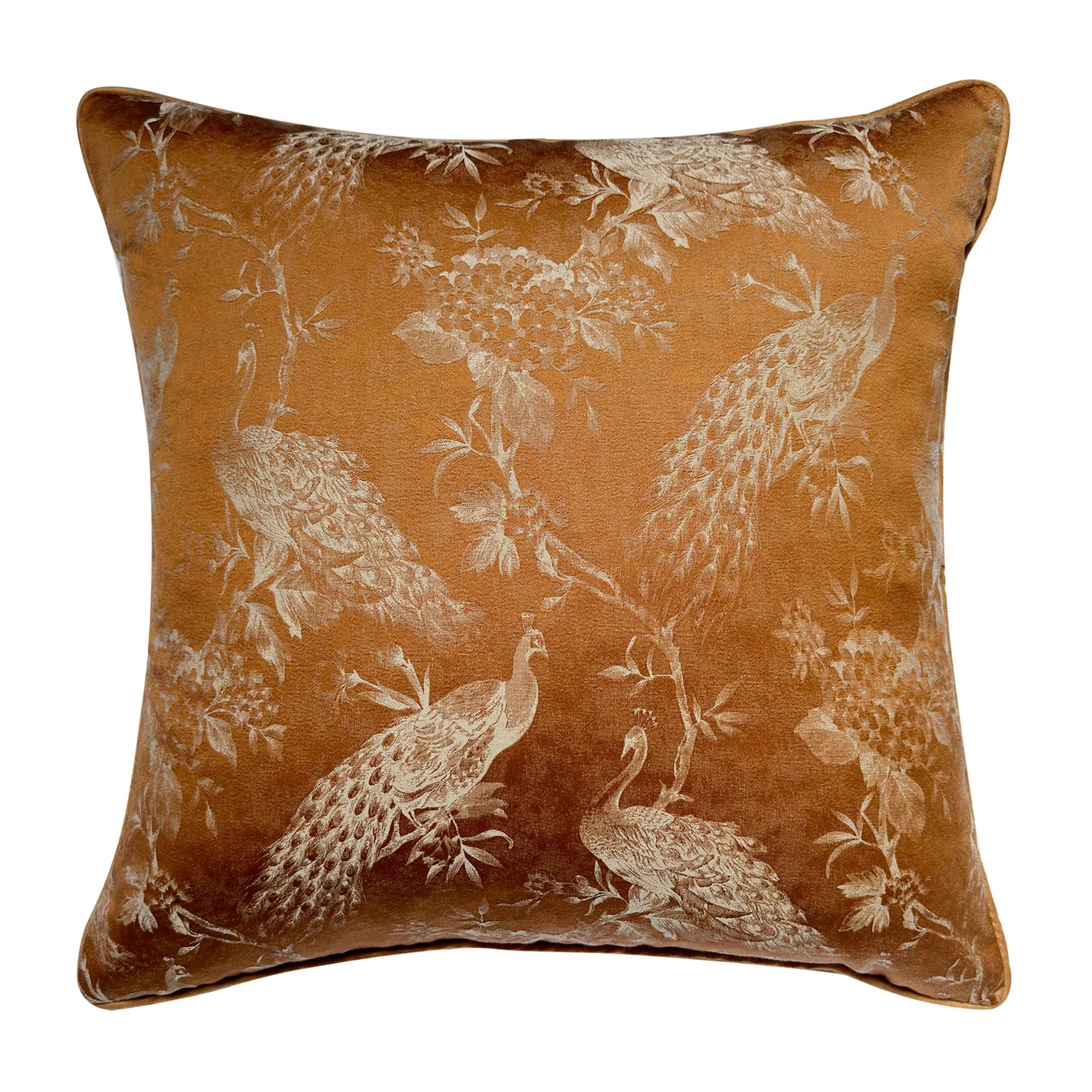
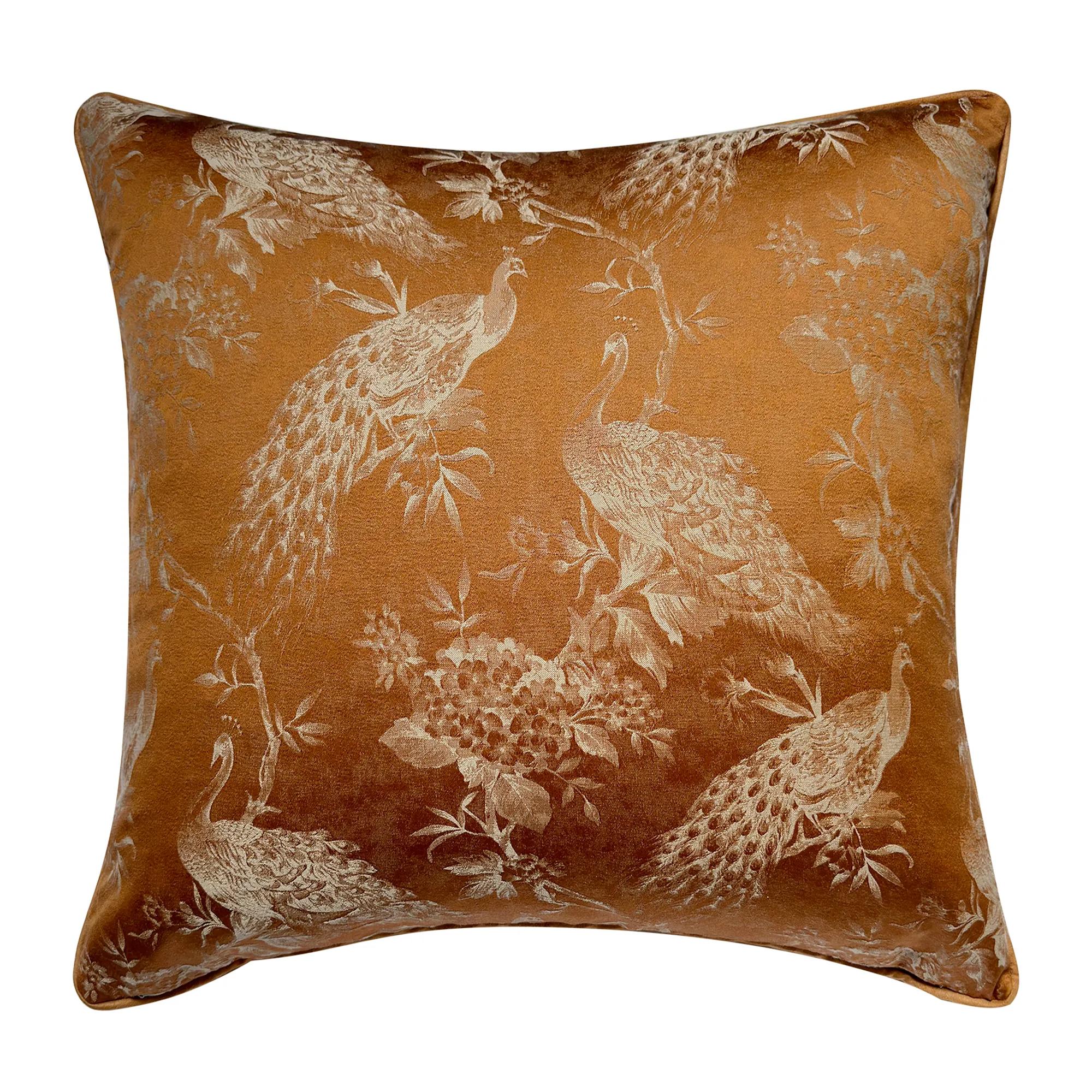 Peacock Copper Jacquard Pillow 20" x 20"$99
A handmade copper jacquard pillow featuring an antique peacock pattern and plush feather down insert.
Add To Cart -
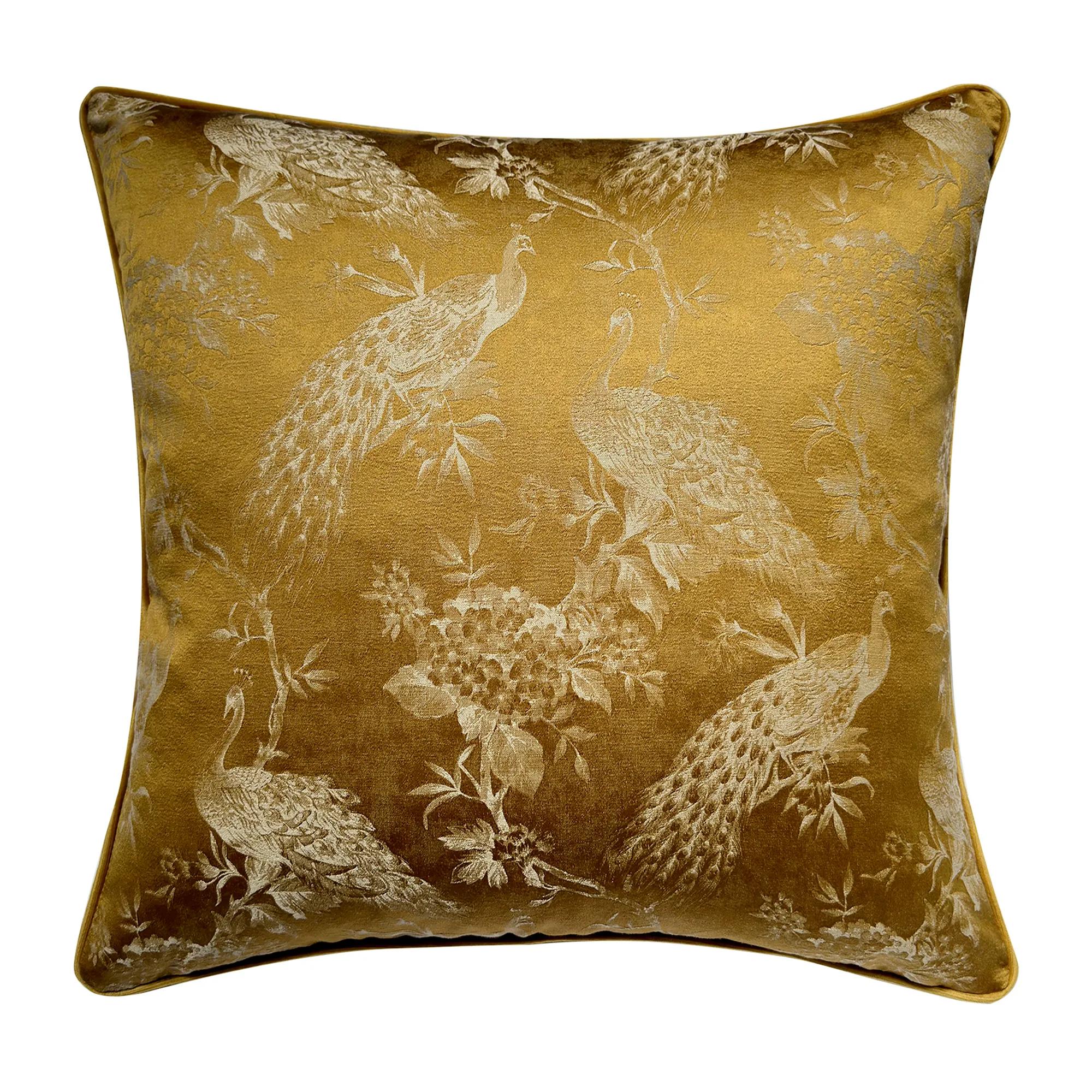 Peacock Mustard Yellow Jacquard Pillow 20" x 20"$99
A mustard jacquard pillow featuring an antique peacock pattern, solid piping, and a plush feather-down insert.
Add To Cart -
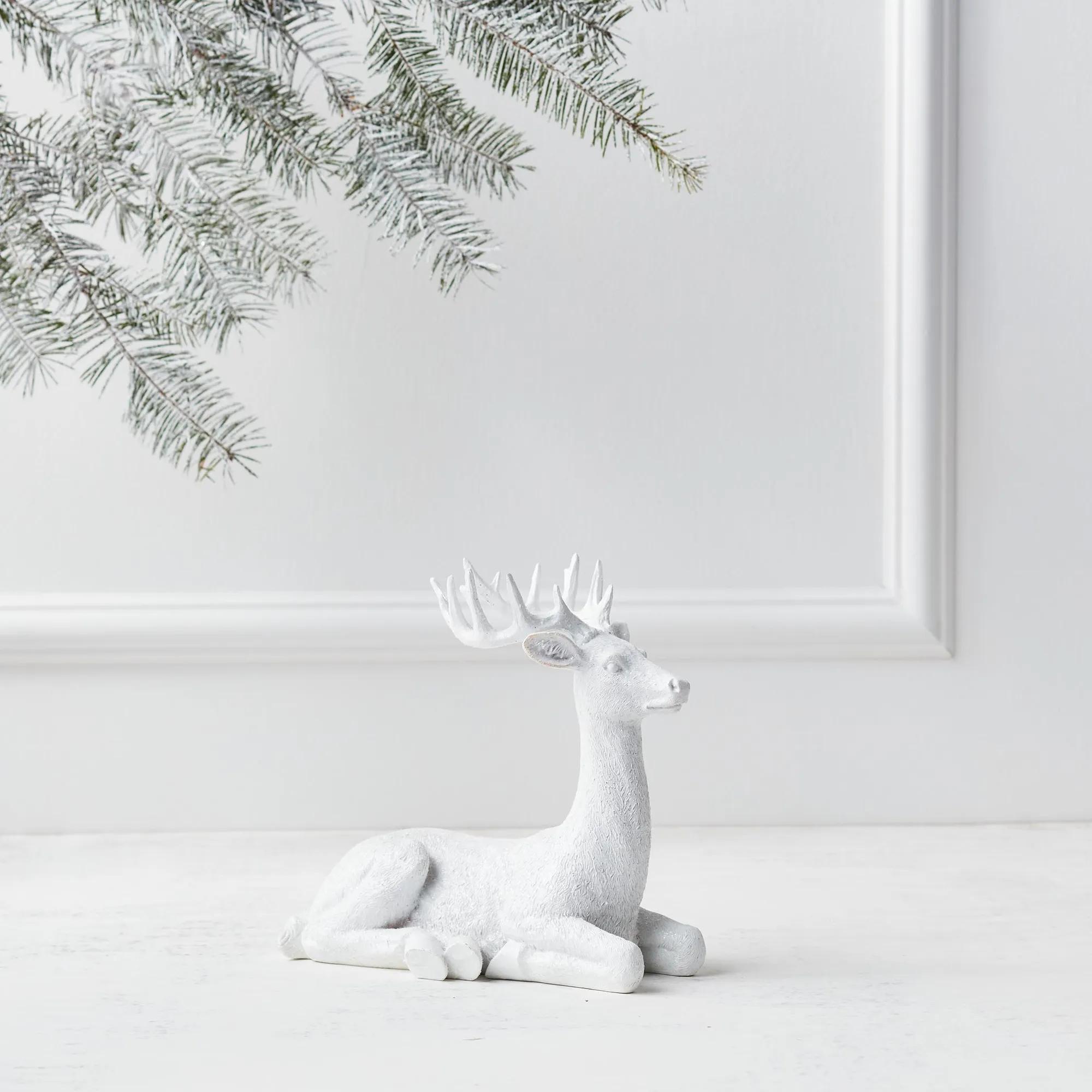
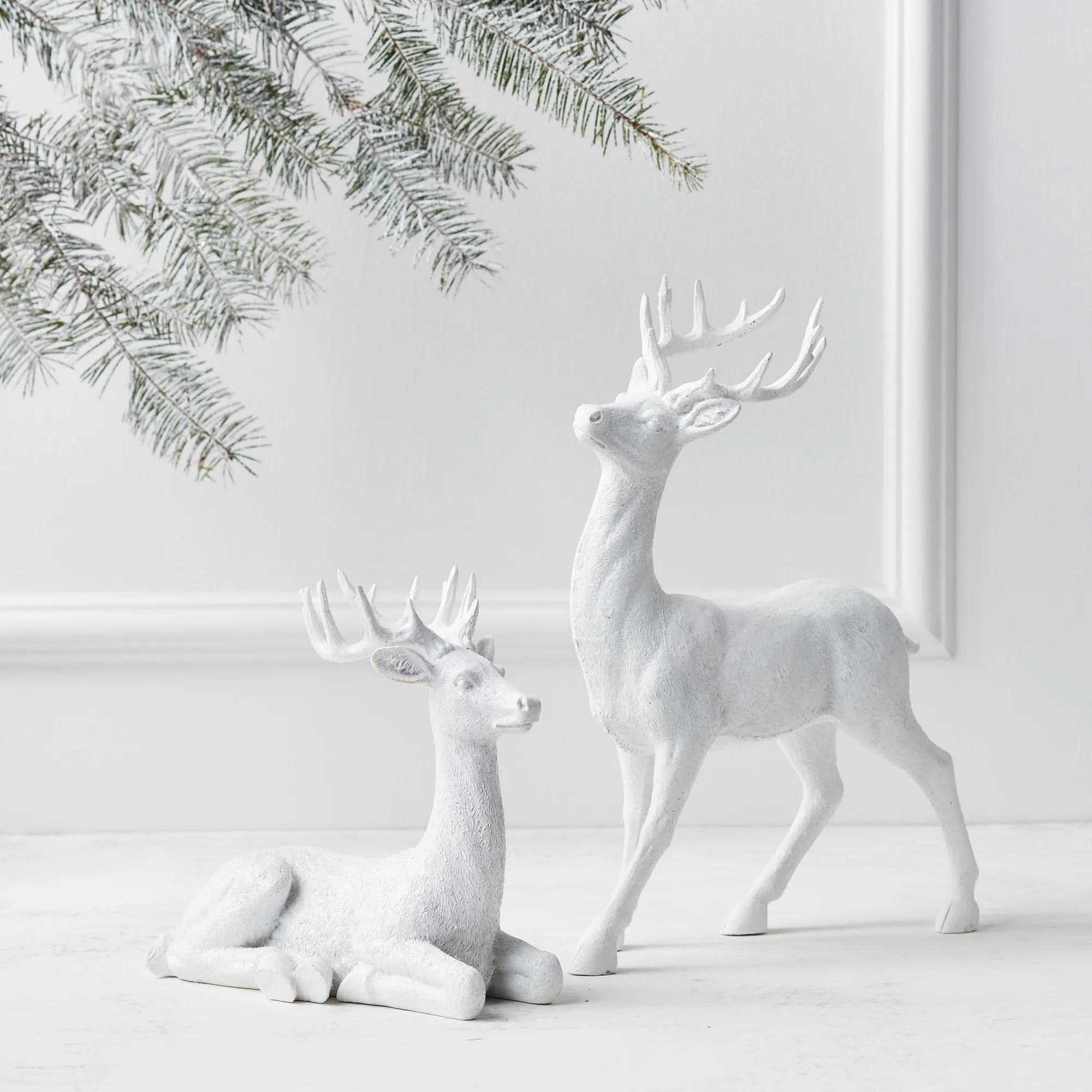 Majestic Deer White Resin 8"$49
A pair of intricately detailed white poly resin deer figures adorned with textured layers of sparkling glitter.
Add To Cart -
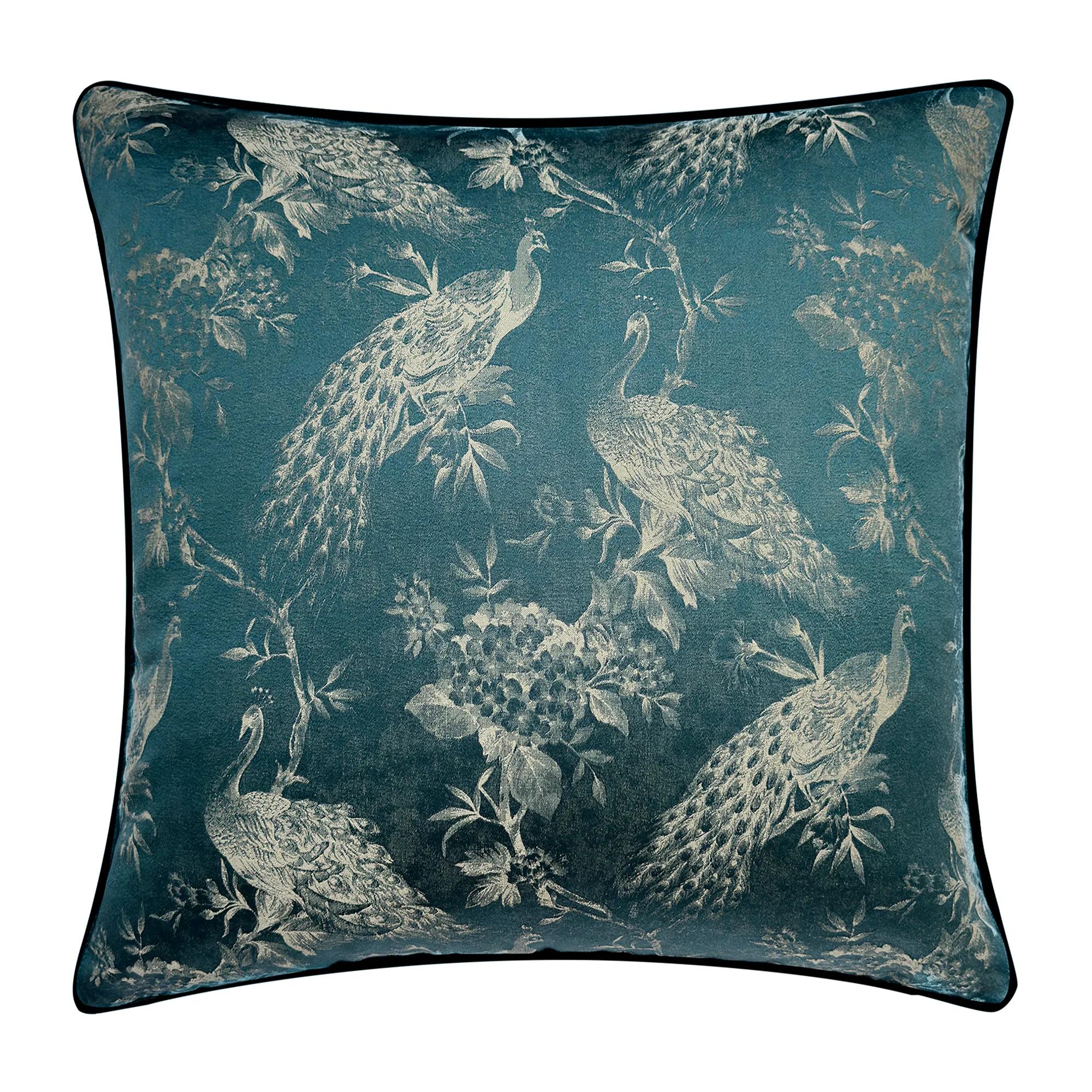
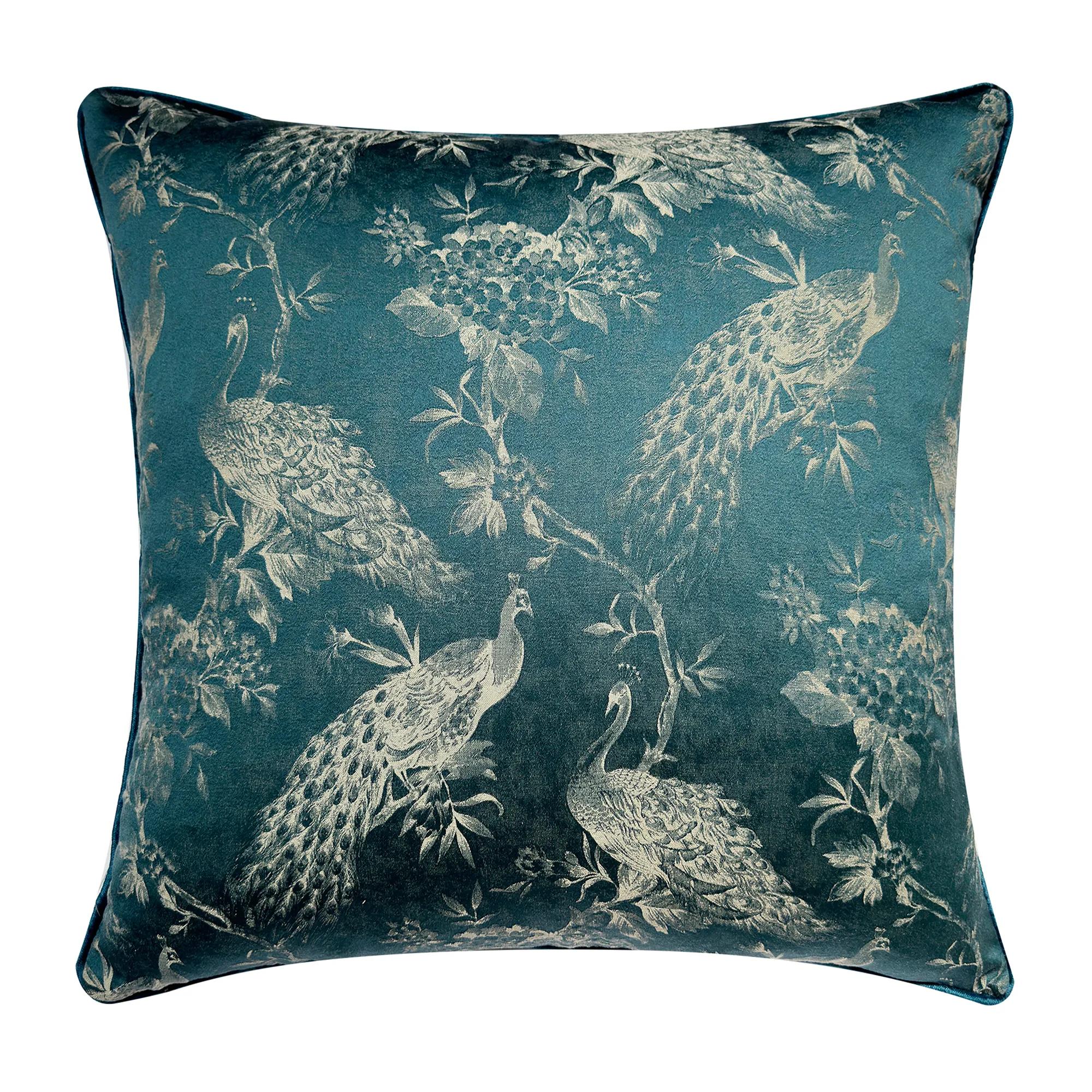 Peacock Teal Jacquard Pillow 20" x 20"$99
A teal jacquard pillow featuring an antique peacock pattern, plush feather down insert, and removable cover.
Add To Cart -
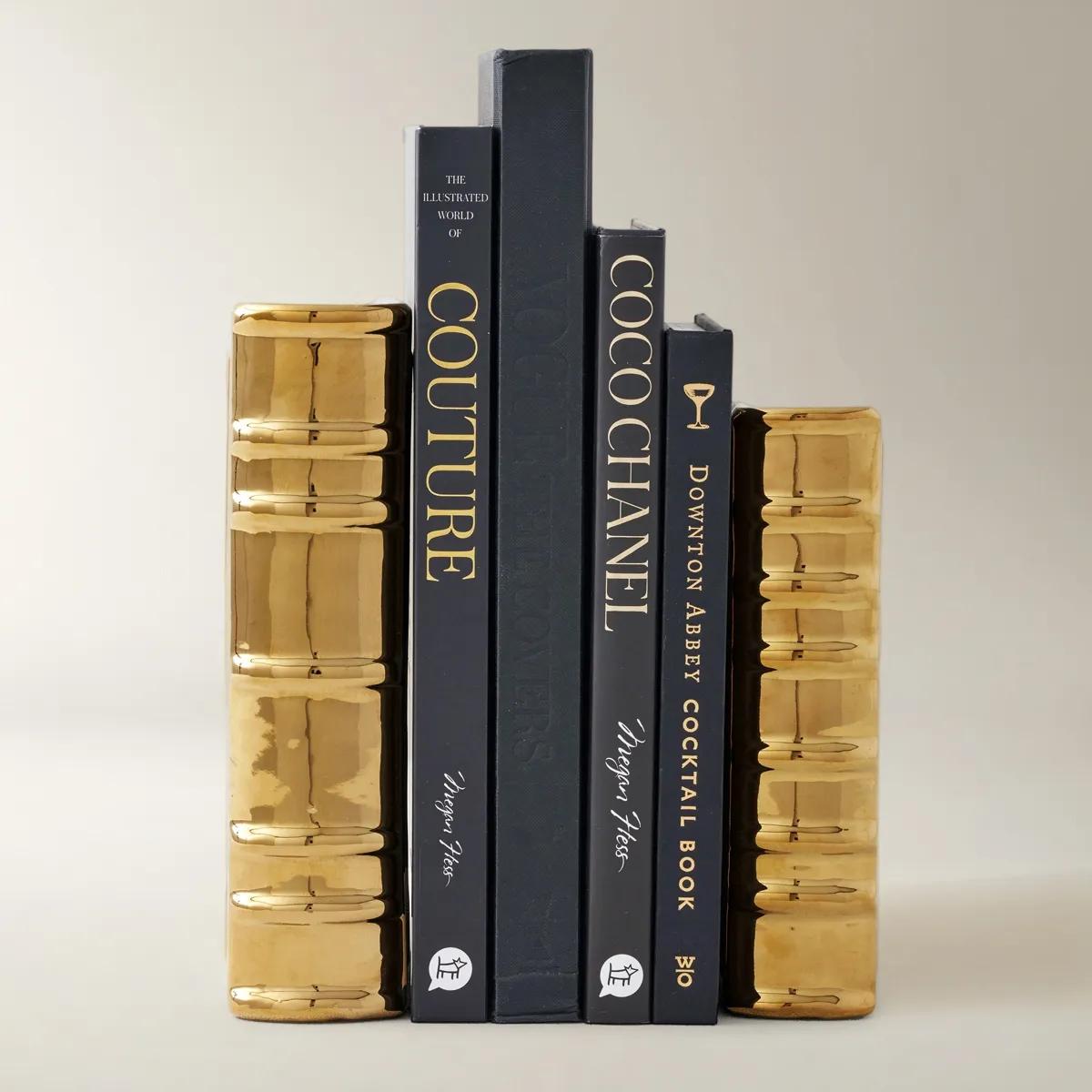 Gold Ceramic Bookends$49
A pair of gold ceramic book accents that double as sleek, modern bookends for any space.
Add To Cart -
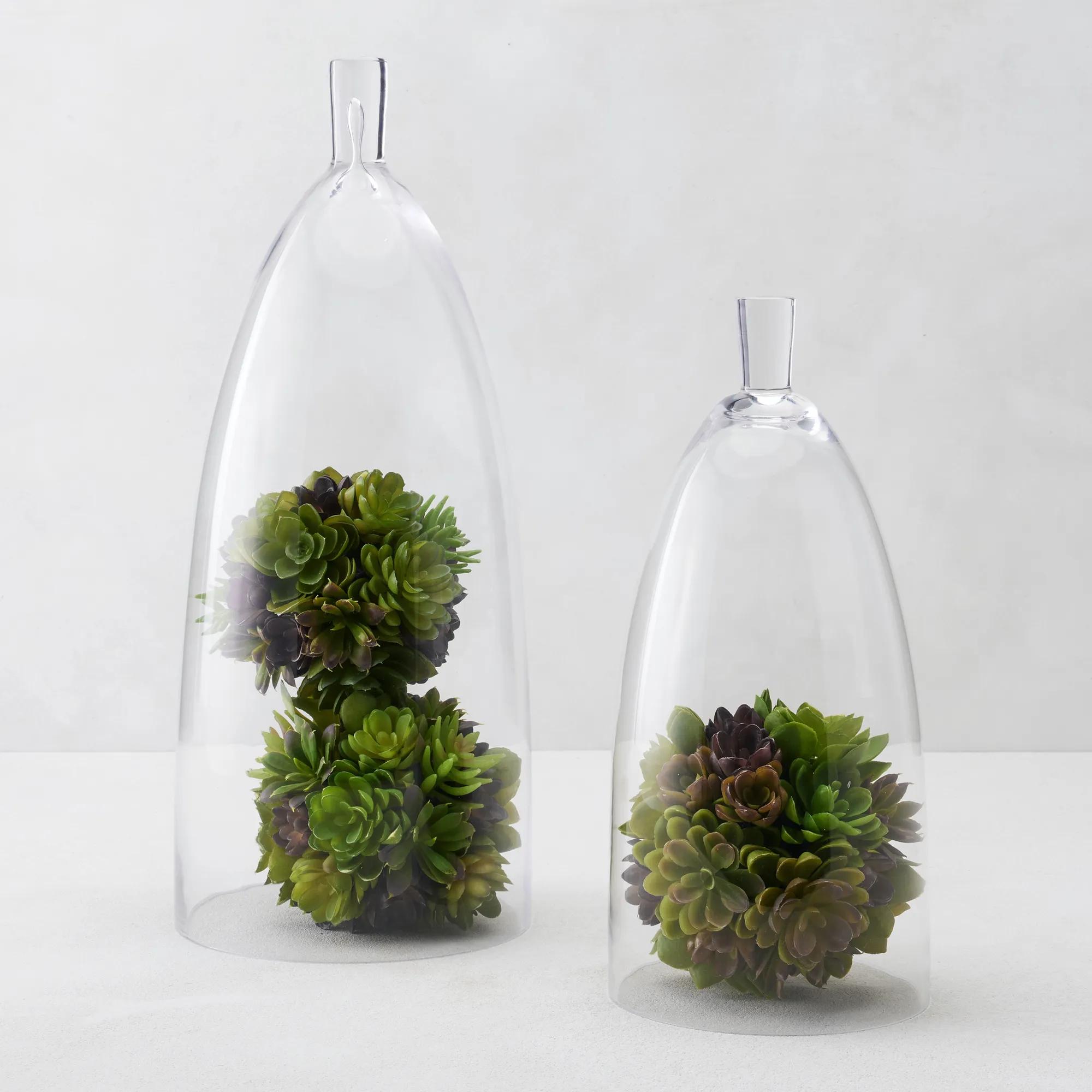 Jules Glass Decorative Cloches$59
A mouthblown glass terrarium perfect for showcasing cherished objects as unique decorative art.
Add To Cart -
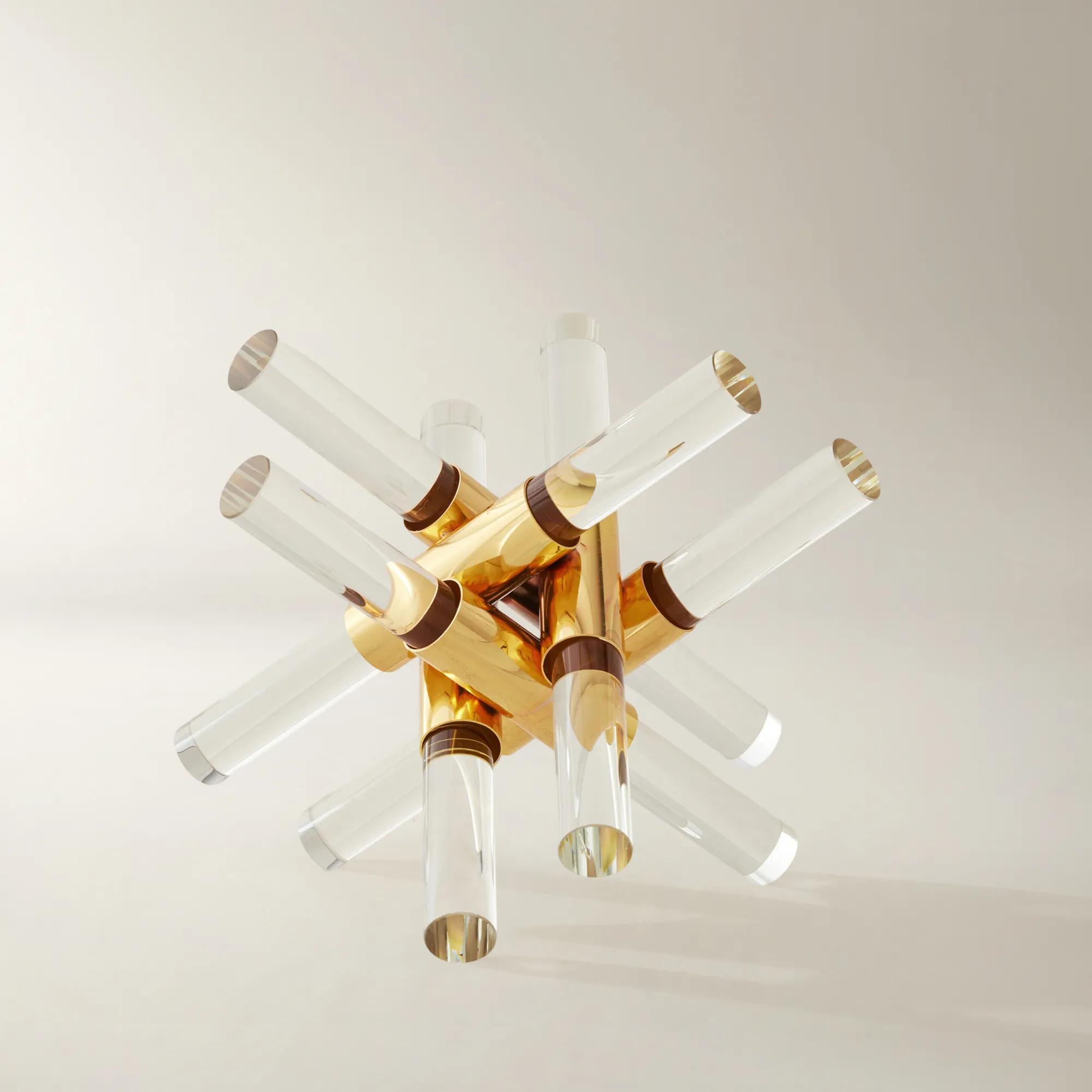
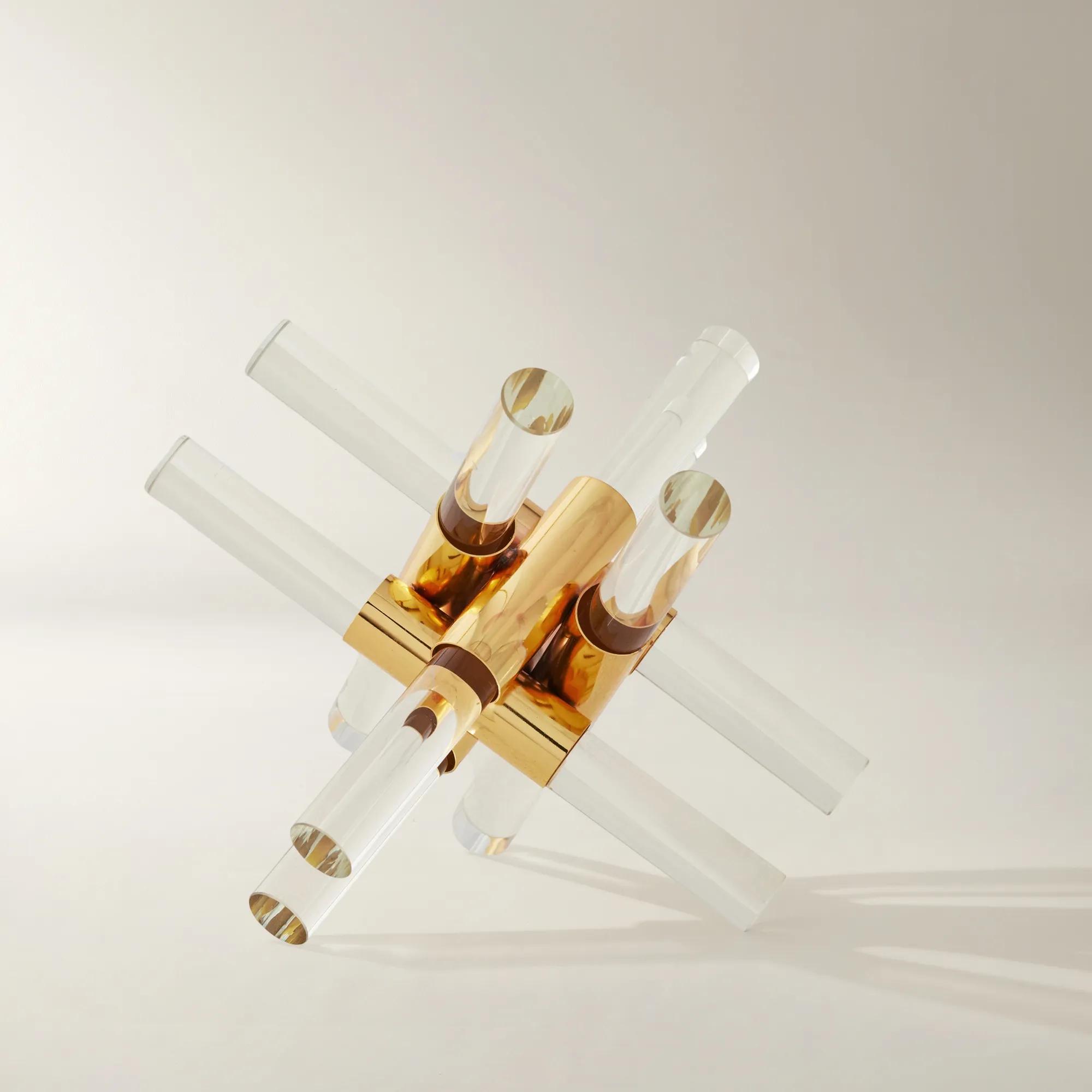 Crystal Glass And Gold Metal Decorative Object 8"$59
A striking decorative accent featuring clear glass rods and gold metal detailing for modern elegance.
Add To Cart -
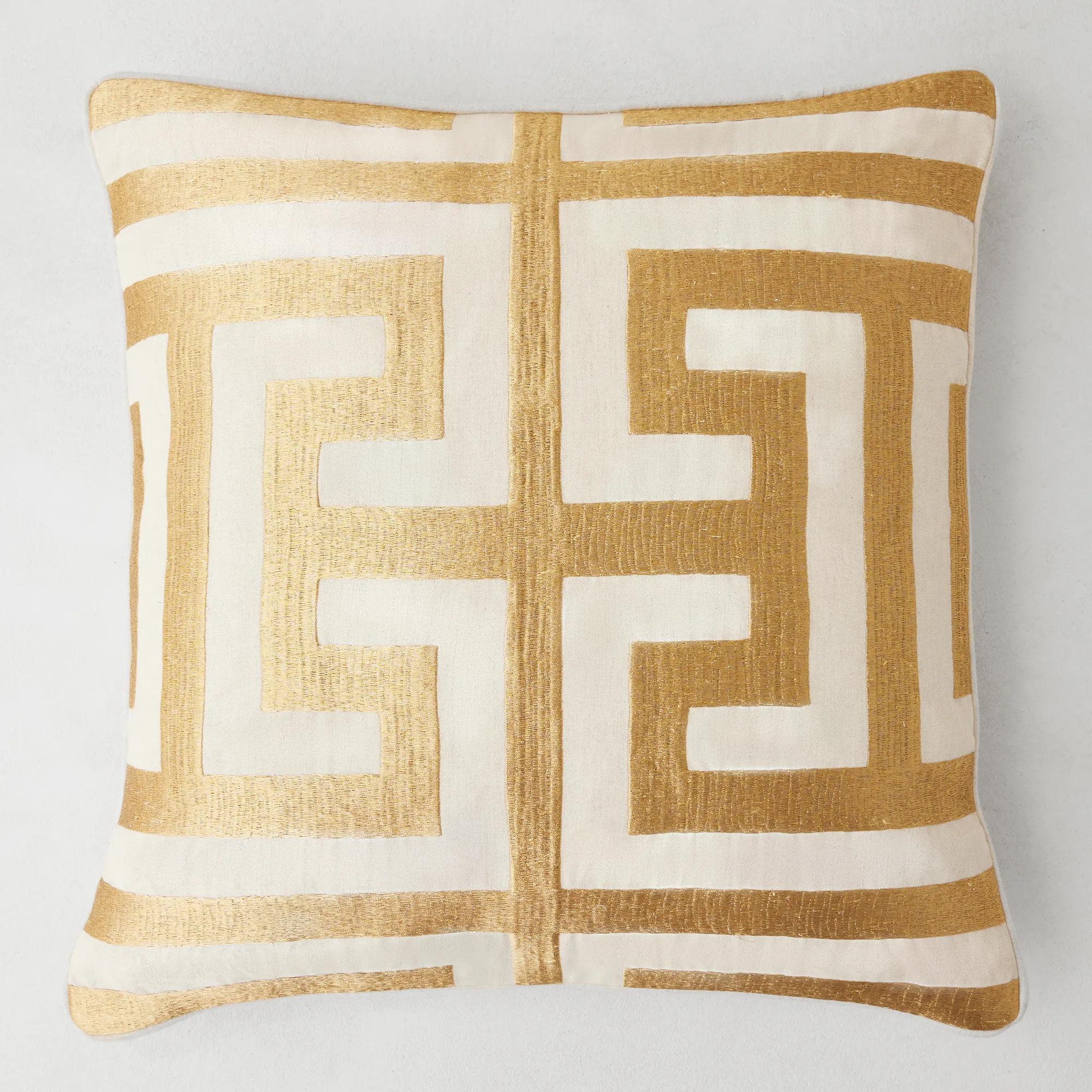
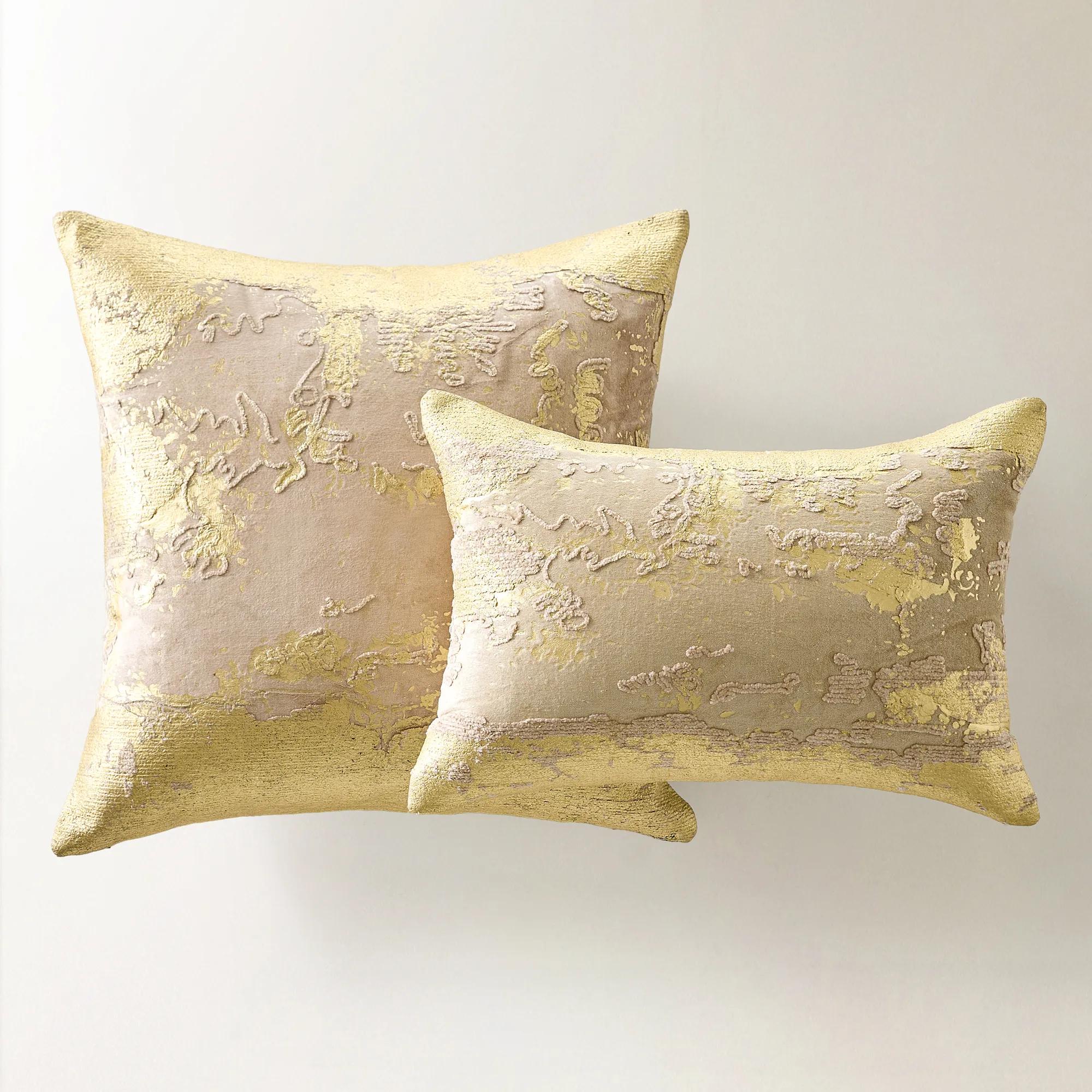
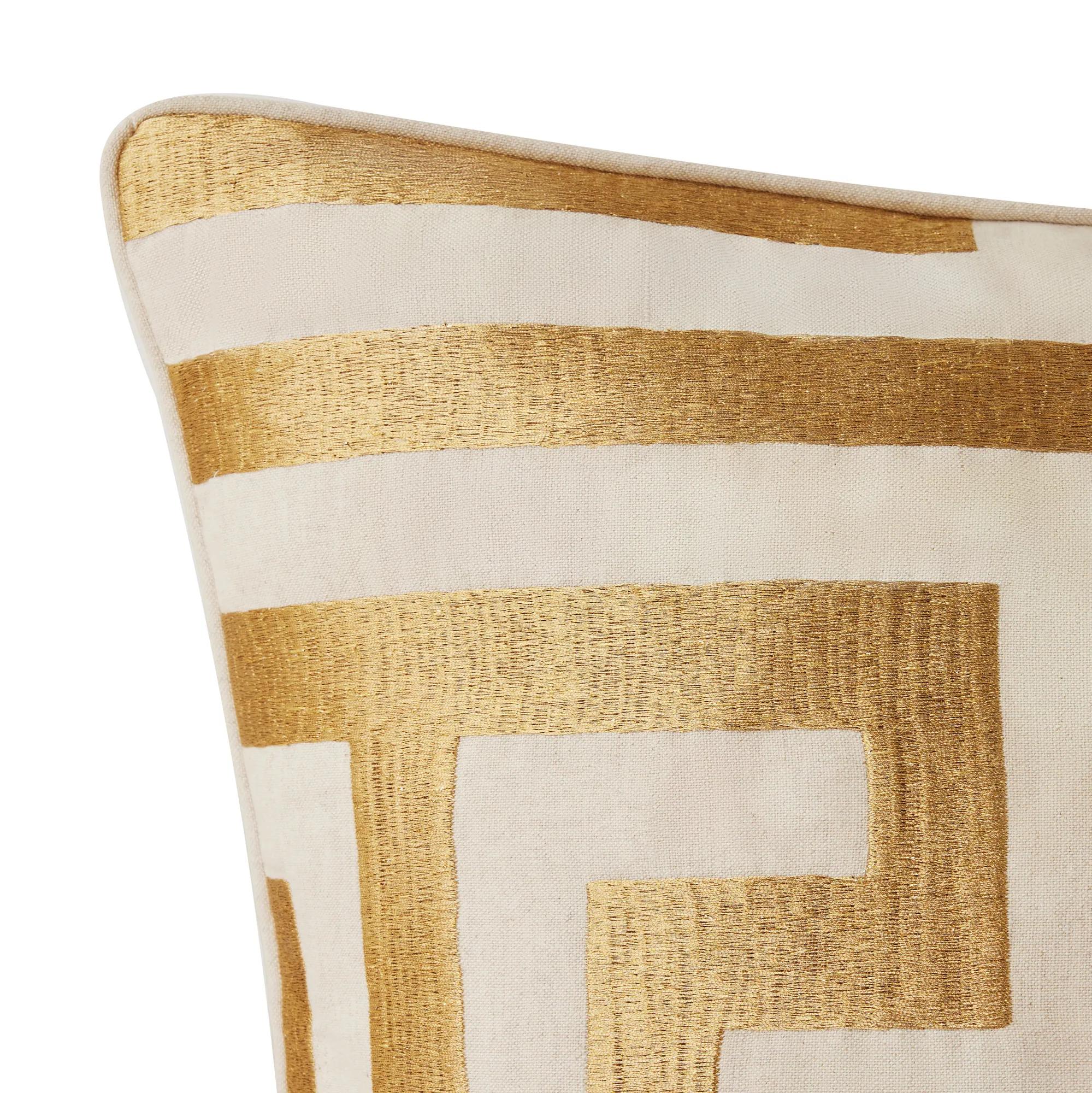 Cace Embroidered Gold/White Linen Pillow 22" x 22"$129
A gold cotton-linen pillow featuring metallic Greek key embroidery and a plush feather-down insert.
Add To Cart -
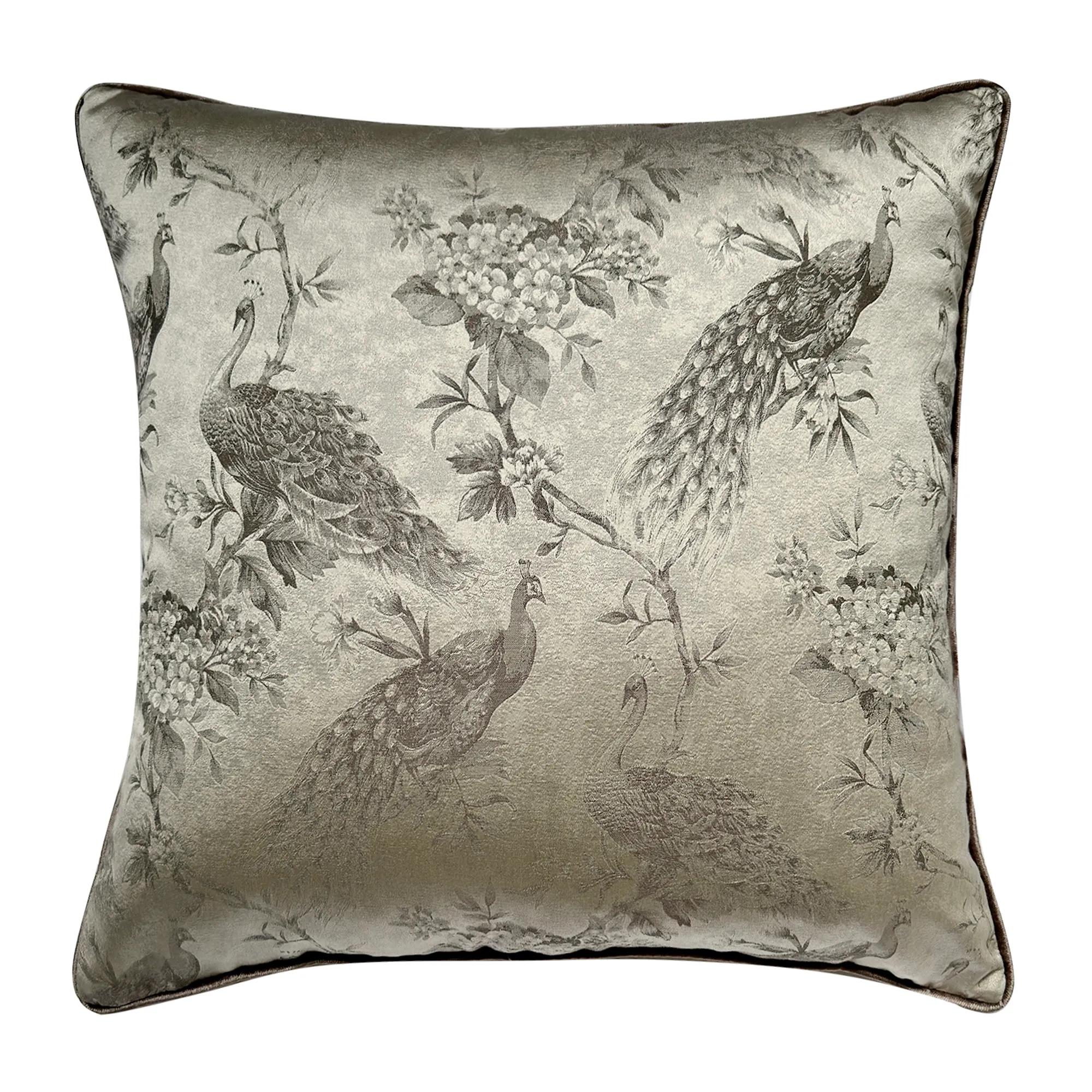
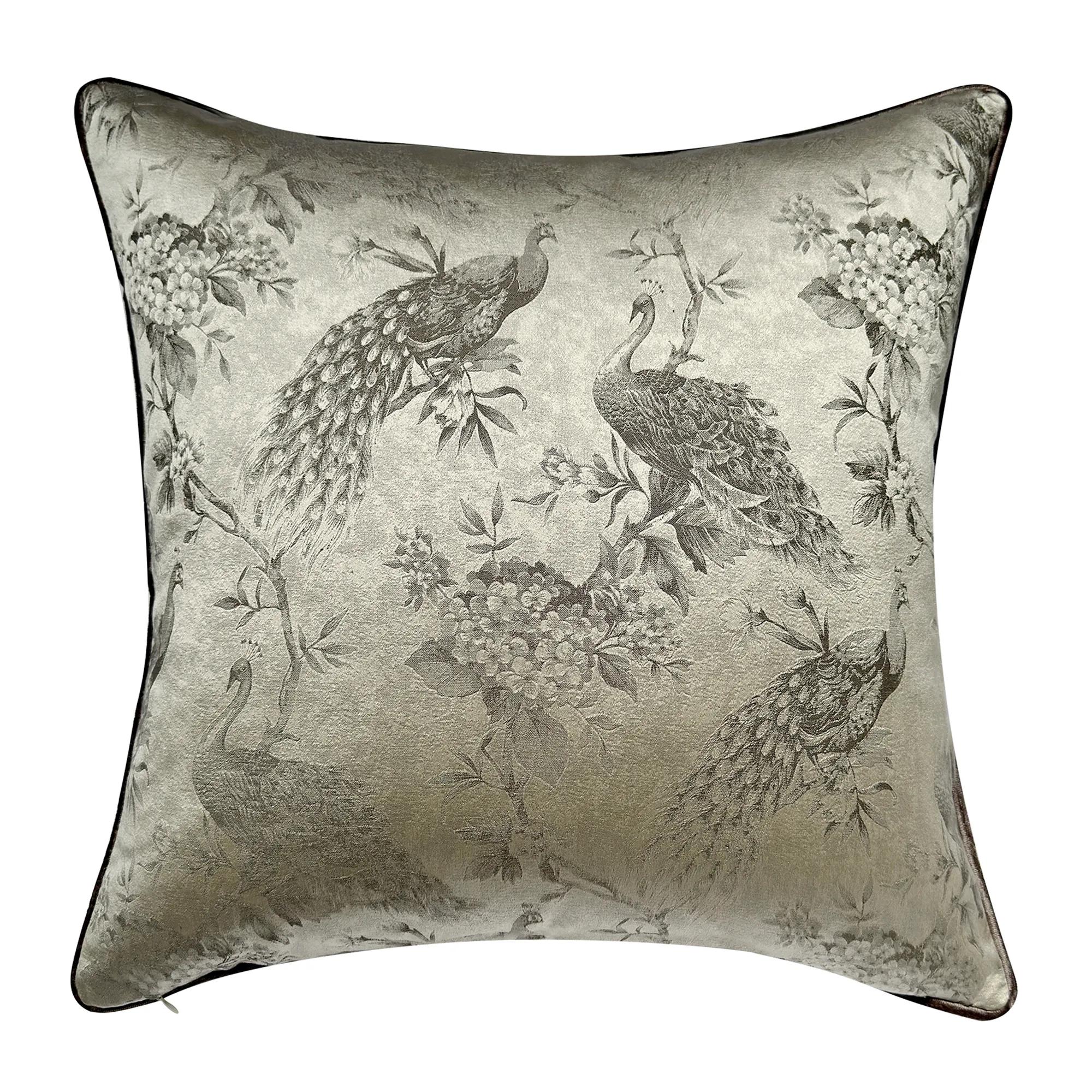 Peacock Silver Jacquard Pillow 20" x 20"$99
A silver jacquard pillow featuring an antique peacock pattern, plush feather down insert, and removable cover.
Add To Cart -
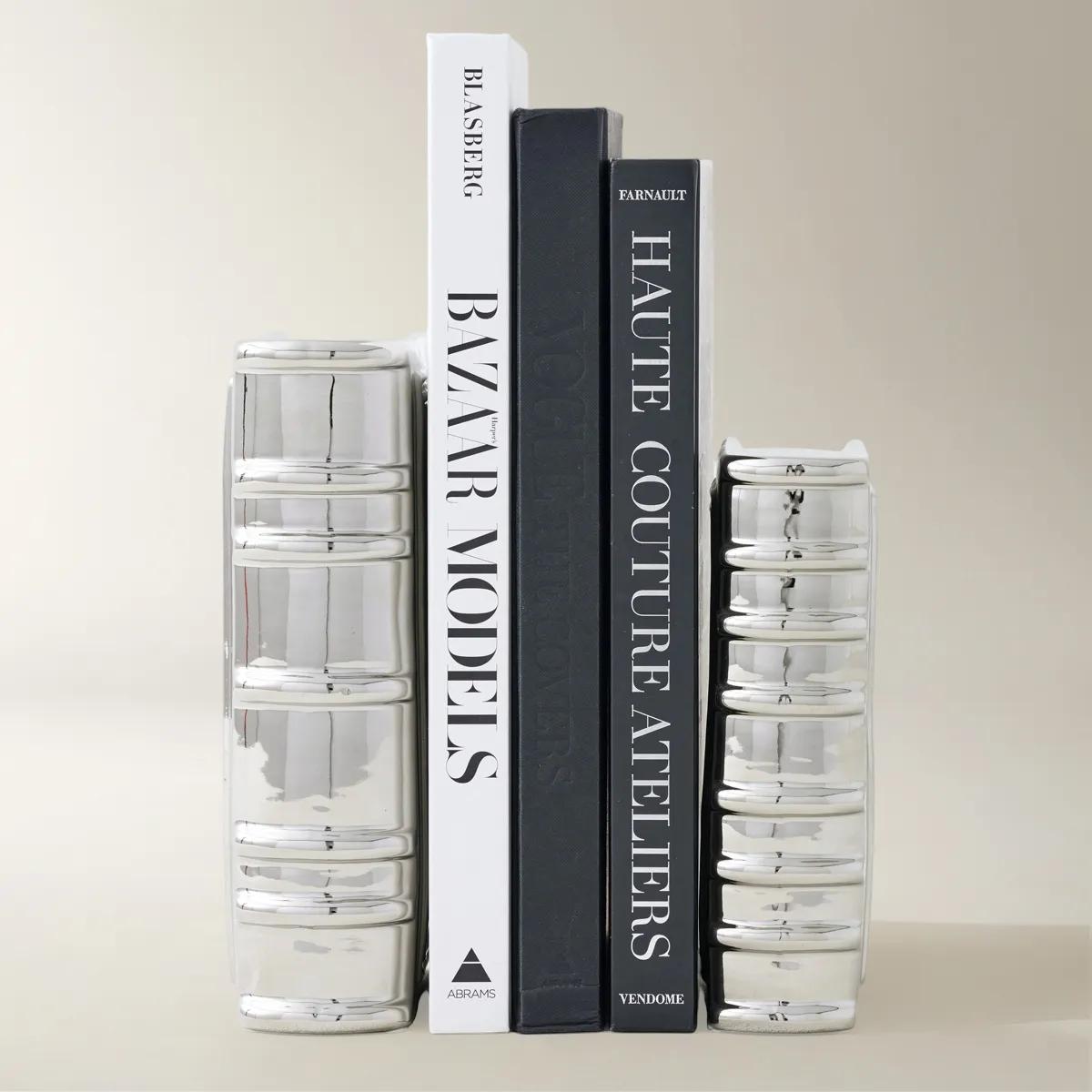
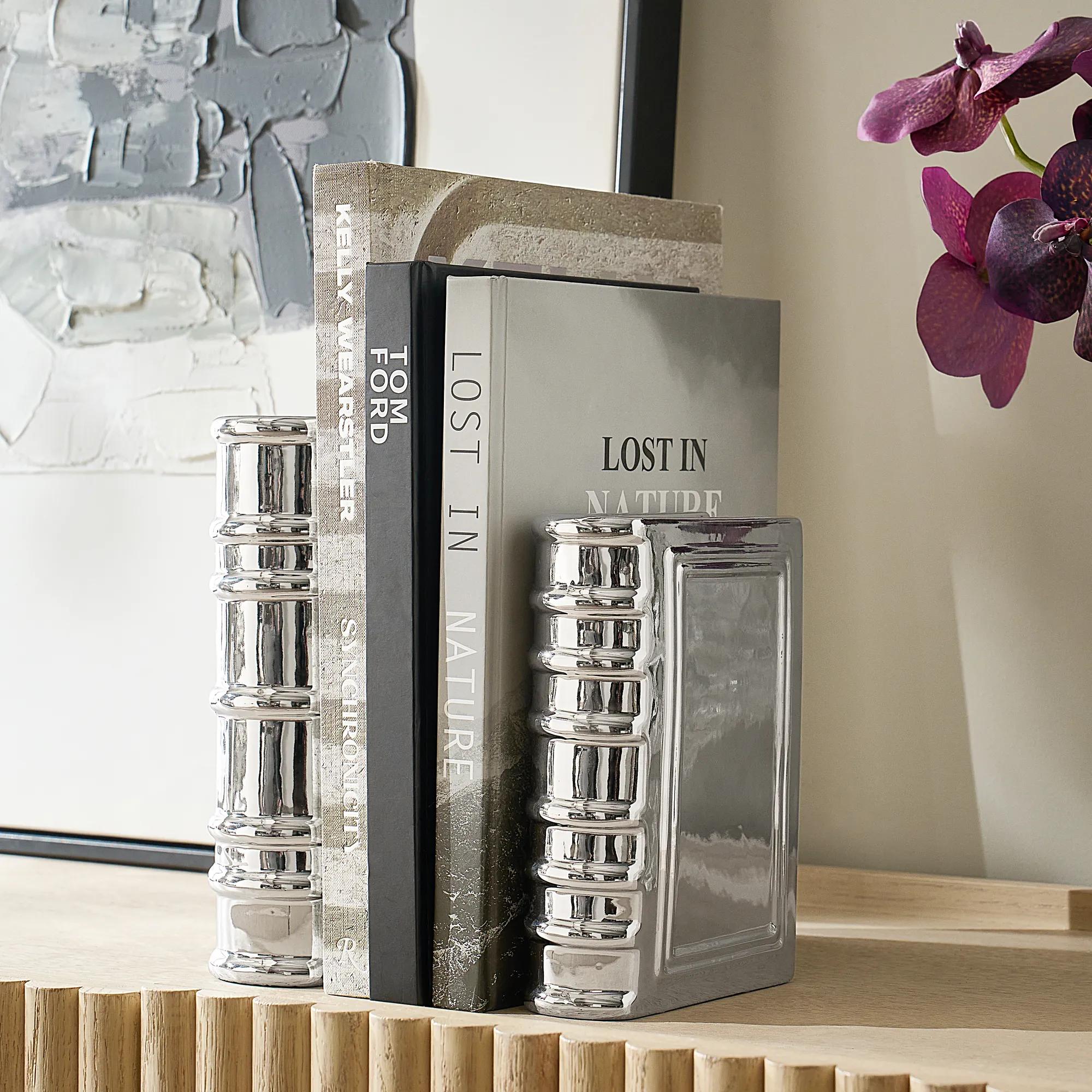 Silver Ceramic Bookends$49
A sleek silver ceramic accent that doubles as stylish bookends for modern decorative displays.
Add To Cart -
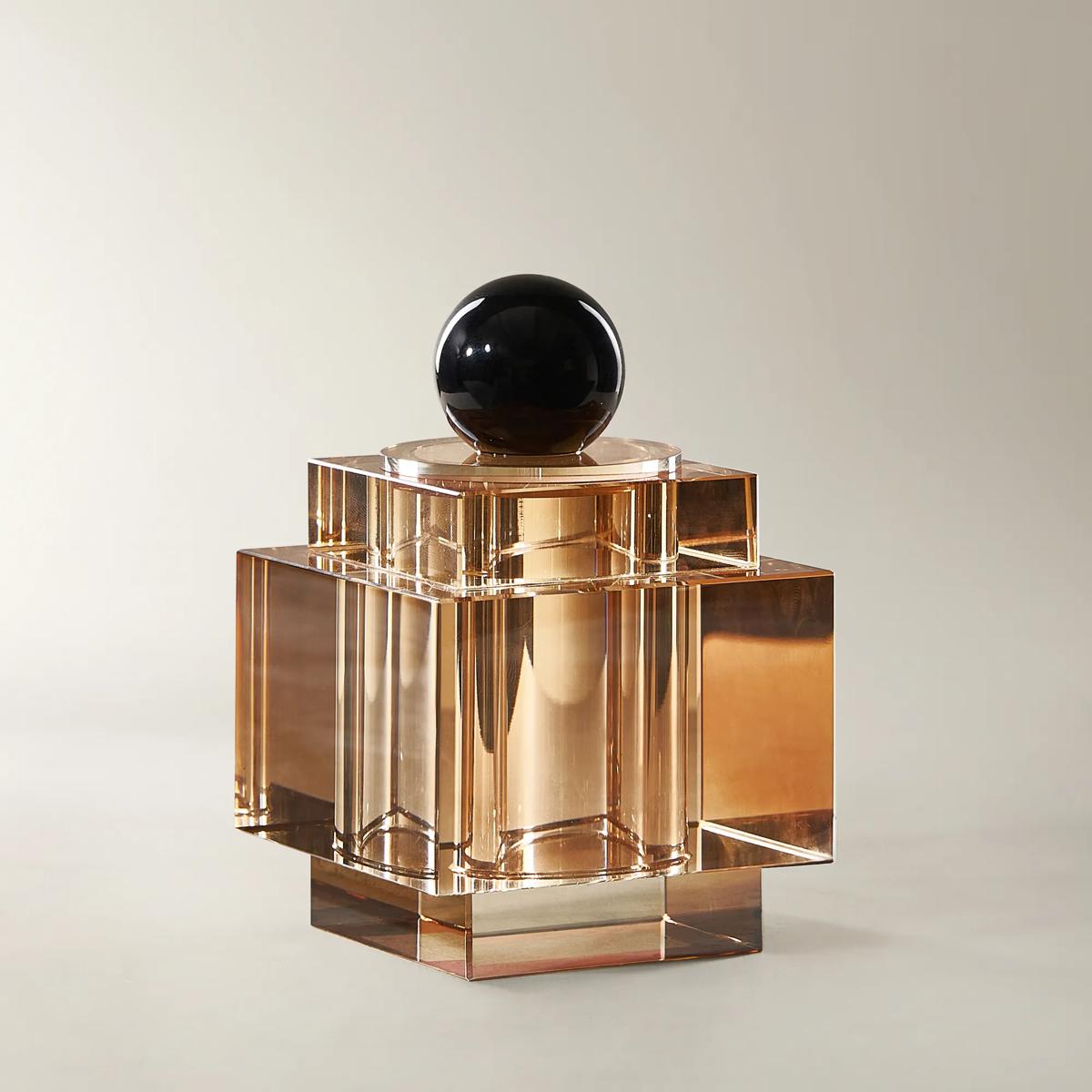
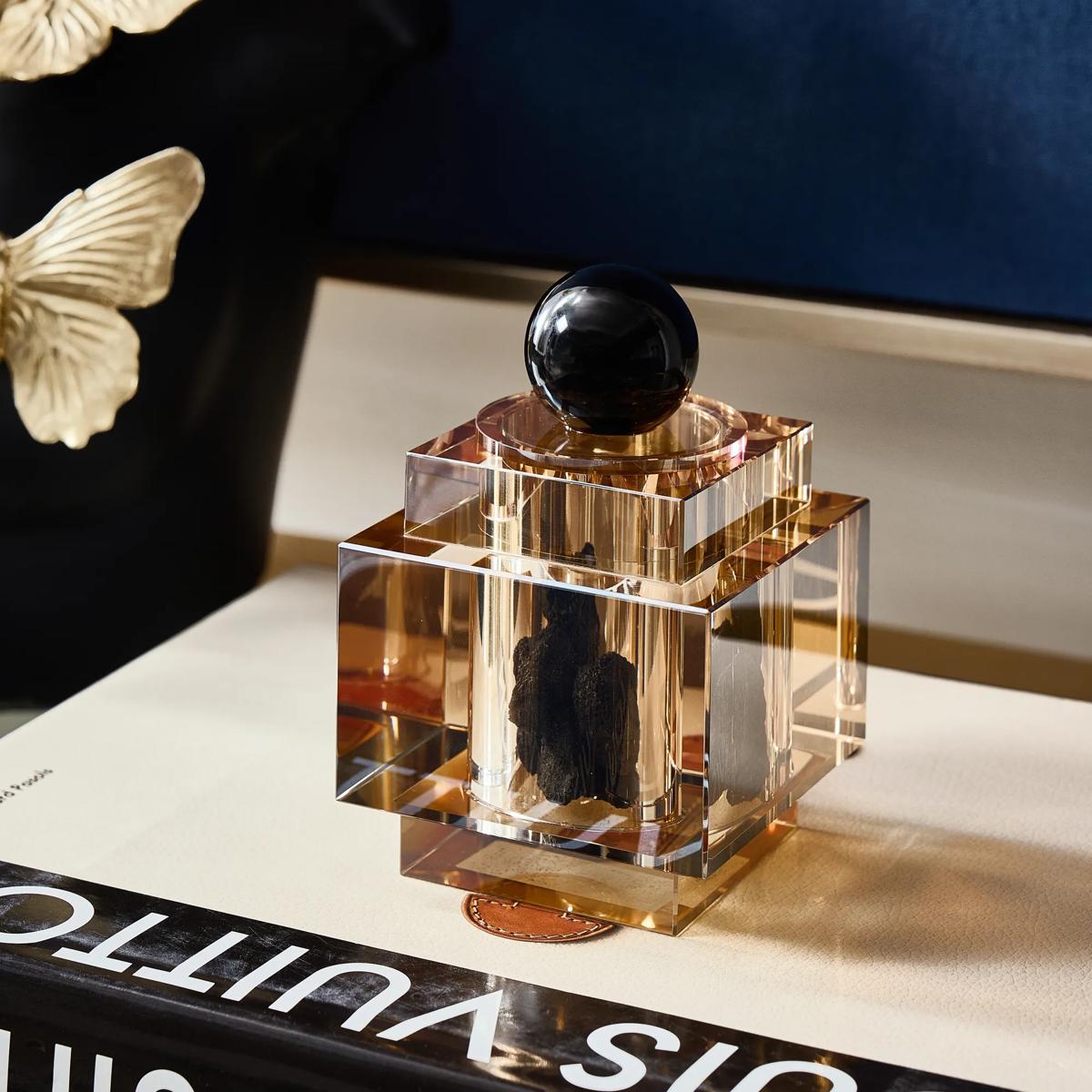 Deco Amber Crystal Glass Perfume Bottle$89
A faceted amber crystal glass accent topped with a glossy black sphere for vintage-inspired glamour.
Add To Cart -
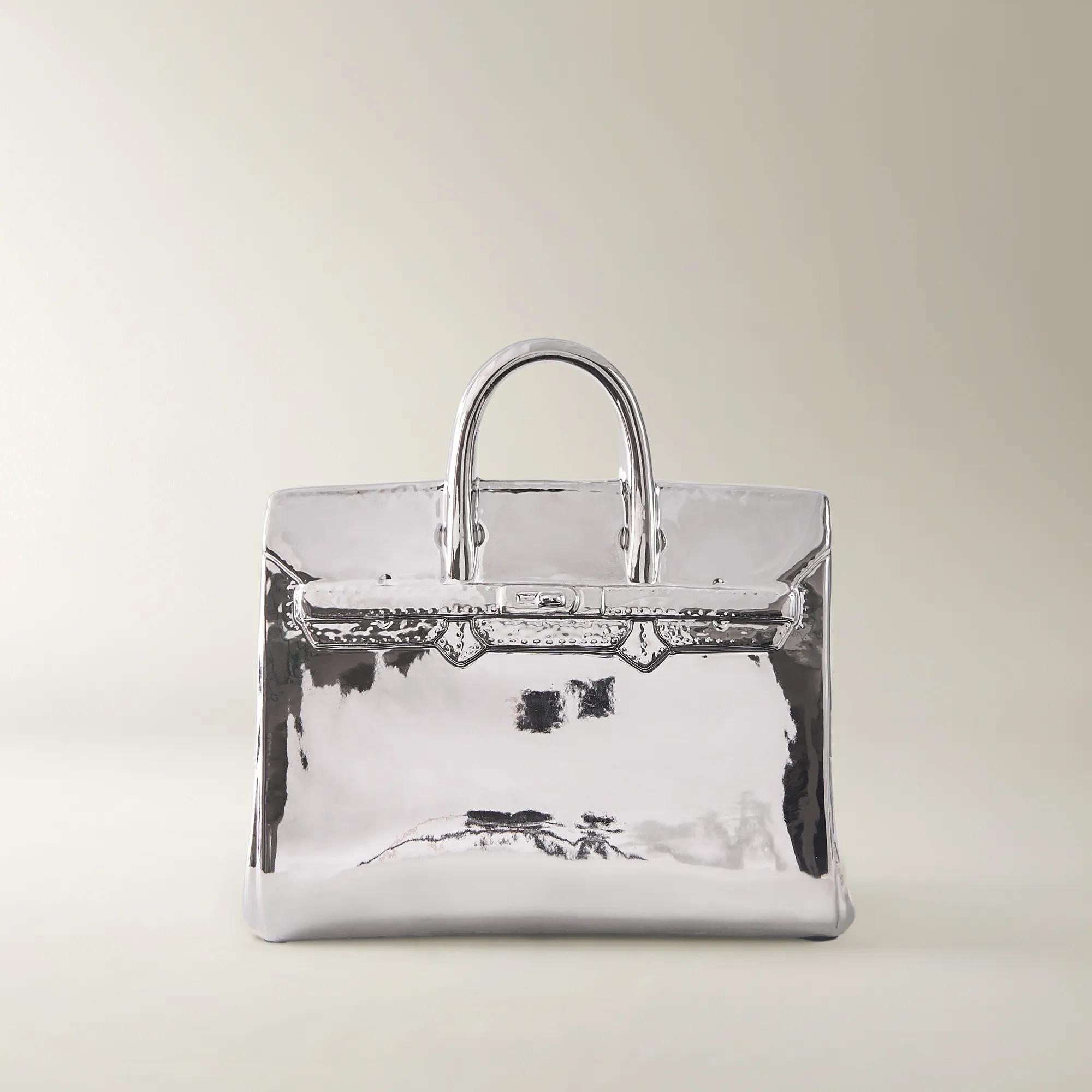 Handbag Silver Ceramic High Gloss Coin Bank Small$39
A glossy silver ceramic coin bank shaped like a designer handbag for a whimsical decorative accent.
Add To Cart -
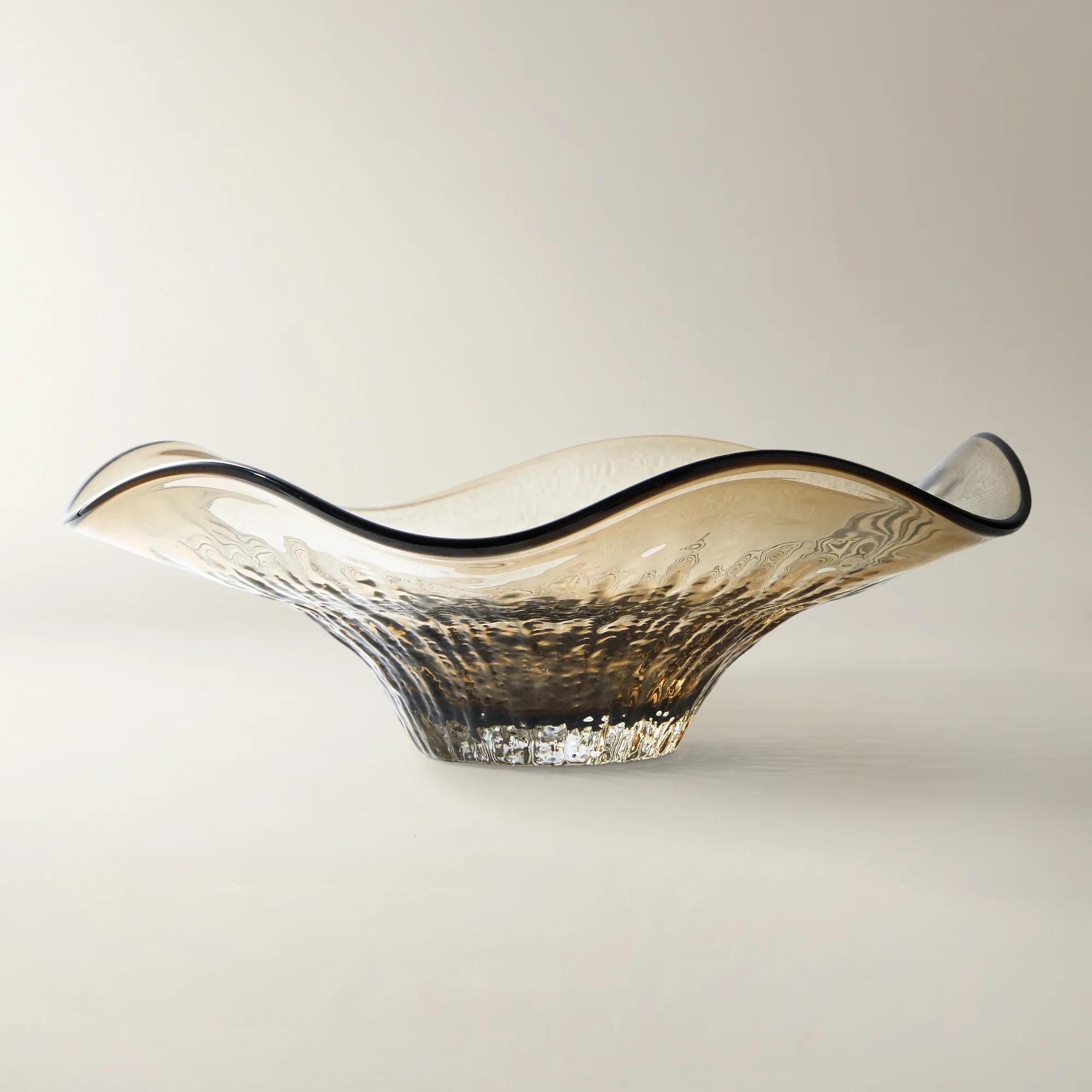 Corsi Brown Handblown Glass Decorative Bowl 15.35" x 5.1"$99
A hand-blown glass bowl in warm amber with organic shape and intricate textural details.
Add To Cart -
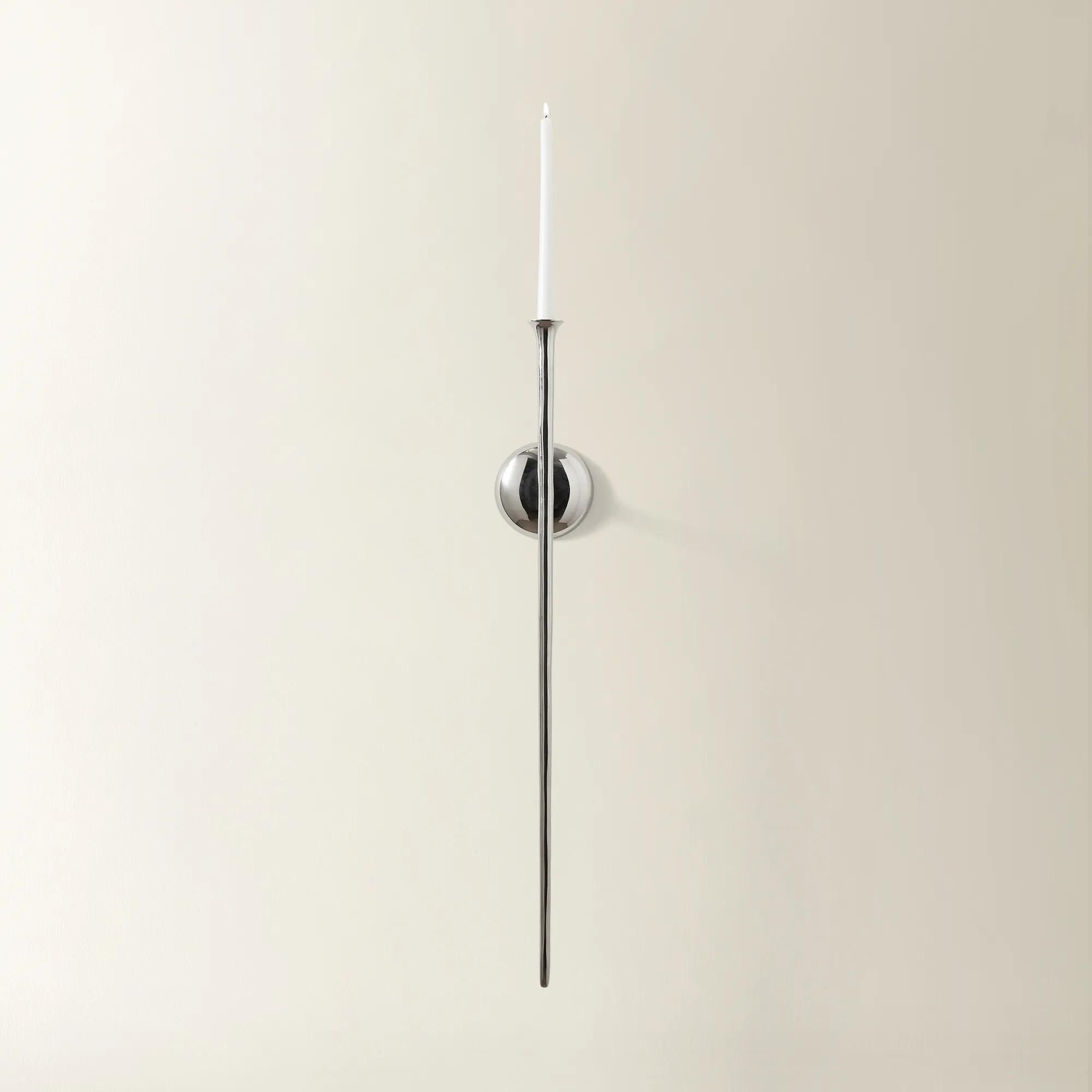 Aspar Wall Sconce$59
A slender, shiny silver aluminum sconce designed to hold a standard taper candle for elegant wall decor.
Add To Cart

Designer Home Accessories
Designer Home Accessories transform the ordinary into the extraordinary, inviting you to curate a home that dazzles with personality and poise. Each piece is an artistic flourish, a conversation starter, and a tribute to the beauty of self-expression. With every sculptural accent and gleaming detail, your space becomes a stage for creativity—layered in luxury, rich in texture, and alive with possibility. Elevate every moment; let Designer Home Accessories become the signature touches that define your story.
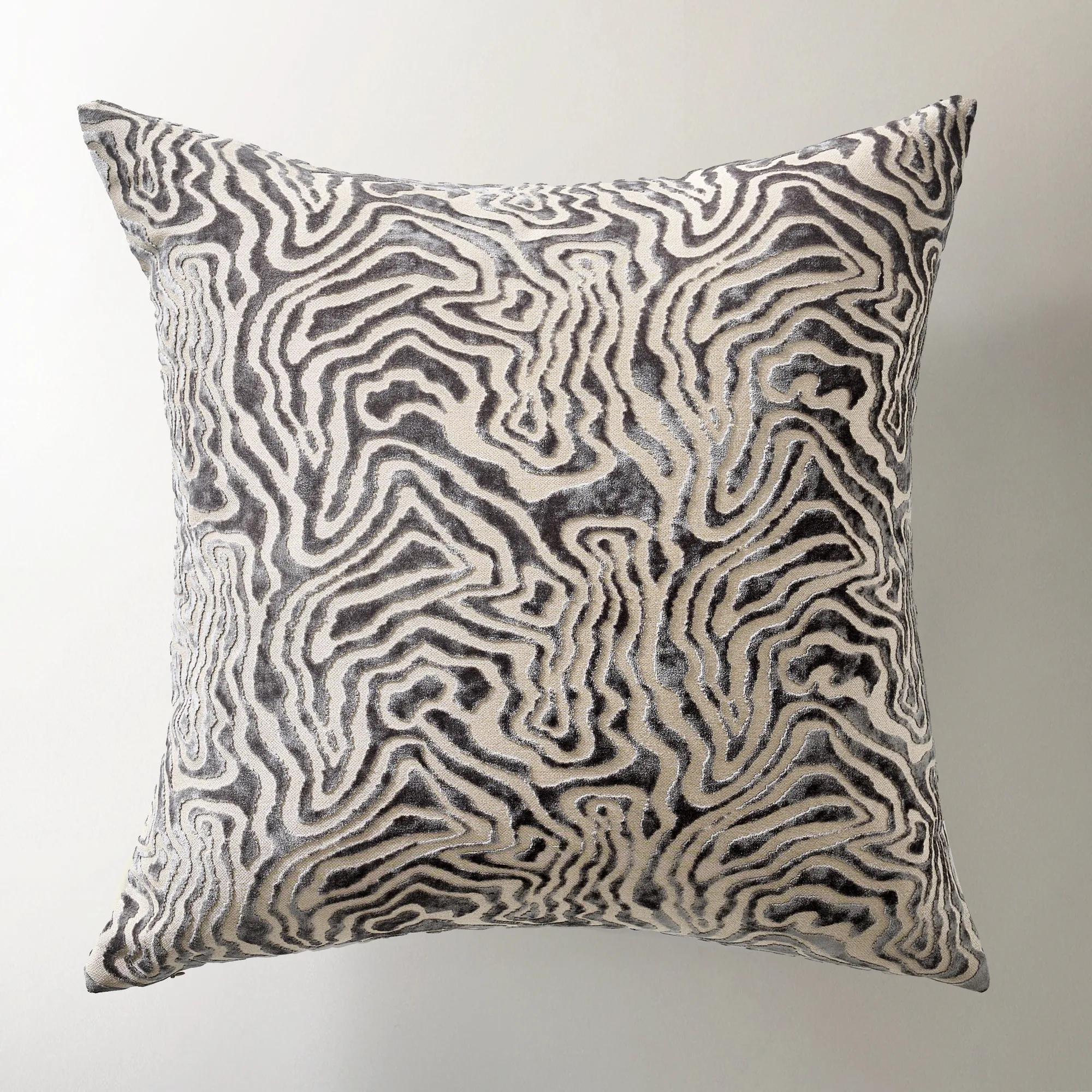
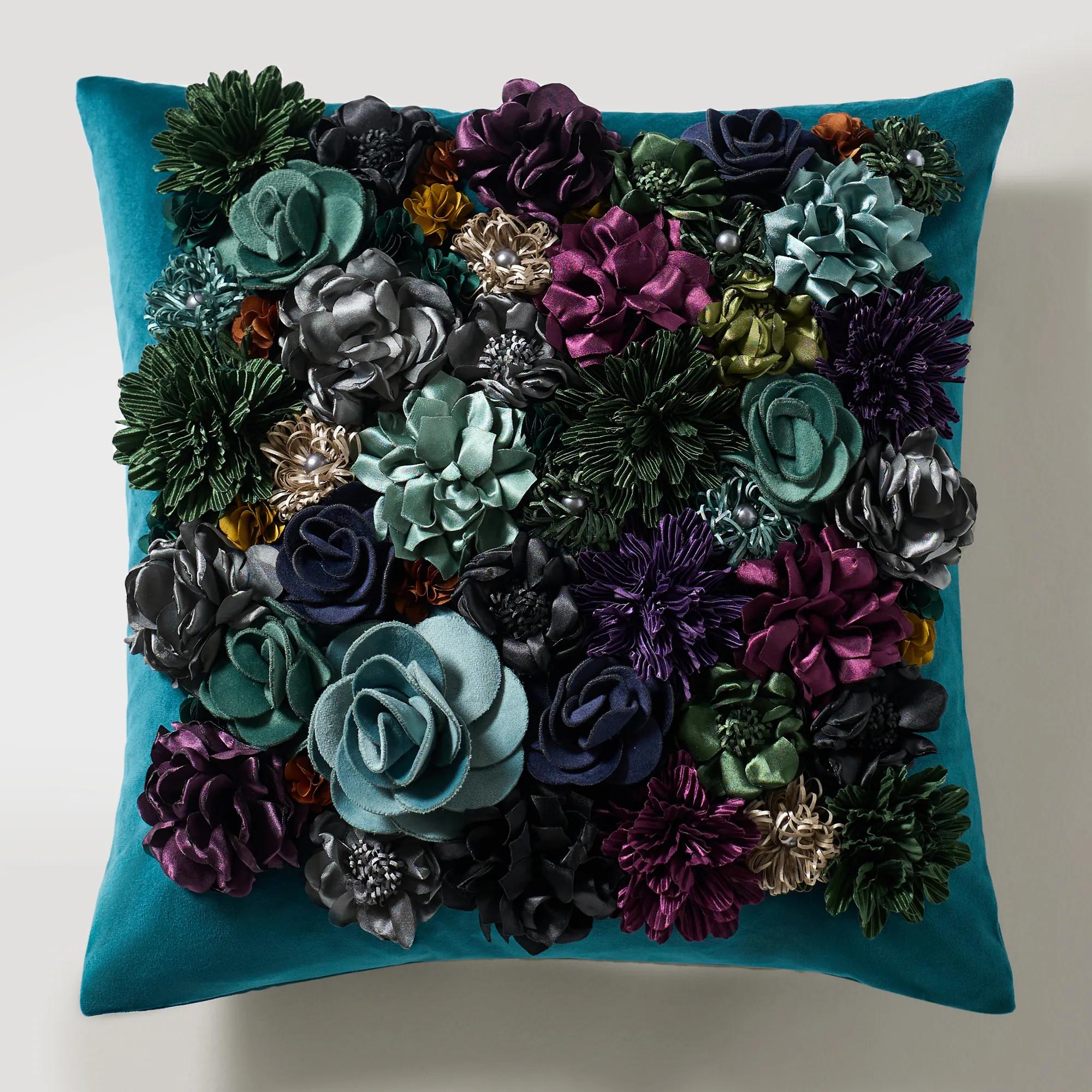
Designer home accessories bring artistic shape, distinctive texture, and a considered sense of proportion to the objects that make a room feel personal. The category spans decorative accents such as vases, bowls, trays, mirrors, candleholders, sculptural objects, and accent pillows—pieces that give furniture a richer setting and turn everyday surfaces into expressive compositions. Their appeal lies in the relationship between form and function: a dramatic vessel can hold a flowering branch, a gleaming tray can organize a console, and a plush pillow can introduce both comfort and saturated color. Materials, finish, scale, and craftsmanship help distinguish an accessory beyond its silhouette, although the word “designer” alone does not establish how a piece was made or how it will perform. Glass offers transparency and reflected light; ceramic creates opportunities for dimensional glazes and sculpted profiles; metal introduces crisp definition; and natural stone contributes weight and distinctive veining. Together, these qualities can create an atmosphere that feels polished without becoming impersonal. In a living room with expansive upholstered seating, a substantial decorative bowl gives the coffee table a confident focal point. On a narrow entry console, a tall, slender vase adds vertical interest while preserving space for daily essentials. A bedroom can take on a more sumptuous character through tactile pillows, a luminous bedside accent, and a mirror that echoes the curves or angles of the furnishings. Designer decor works across a range of interiors, from restrained rooms that need one daring gesture to richly layered spaces where every surface carries a deliberate note of color or shine. The most compelling combinations share something—a repeated curve, an undertone, a finish—without making every object match. A smoked-glass accent beside pale stone, for example, offers contrast while allowing both materials to remain legible. For anyone furnishing a first home, refining an established interior, or creating a more memorable setting for entertaining, these accessories offer a way to express individual taste without replacing the room’s foundational furniture.
Scale and placement determine whether luxury home accessories feel integrated or simply arranged. A broad mantel can support a more assertive silhouette than a shallow shelf, while a dining table needs decorative height that suits the way people gather around it. Low centerpieces preserve conversation across the table; taller arrangements are better suited to a console or another position outside seated sightlines. Before selecting an accent, consider its full dimensions, including projecting handles, flared rims, and the depth of its base. A sculptural object may look compact from the front yet require generous shelf depth to sit securely. Mirrors deserve similar attention: their dimensions, weight, hanging orientation, and required mounting hardware all influence where they belong. Positioning also shapes what a mirror reflects, whether that is an elegant light fixture, an architectural detail, or an otherwise overlooked corner. On frequently used surfaces, beauty benefits from breathing room. A coffee-table arrangement should leave a comfortable place to set down a drink, and an entryway tray should accommodate the objects that actually arrive at the door. Accent pillows need to suit the seat as well as the color palette; generous dimensions can bring drama to a deep sofa, while an assortment of oversized pillows may overwhelm a more compact chair. Texture gives these practical decisions an expressive finish. Velvet catches light differently as its pile changes direction, woven fabrics add visual depth, and smooth ceramic provides a composed counterpoint to richly textured upholstery. Repeating one metallic tone in a few separated locations can connect a room, while mixing polished and brushed surfaces keeps that repetition from feeling rigid. For a related expression of decorative layering, chic home accessories offer another perspective on accents that balance personality with polish. Whether the desired effect is sculptural and gallery-like or enveloping and richly detailed, a clear relationship between the accessories and their surroundings makes the composition feel intentional. One commanding form may provide all the emphasis a small surface needs; several accents can work beautifully when their heights and outlines remain distinct.
Materials and care requirements matter just as much as visual impact, especially when decorative accessories share space with children, pets, regular entertaining, or daily routines. Glass and ceramic can deliver exquisite color and contour, but they may chip or break when knocked against hard surfaces. Natural marble and other stones vary in porosity and can be vulnerable to staining or etching, so spills, acidic substances, and prolonged moisture deserve particular caution. Metal accessories may be solid, plated, painted, or otherwise coated, and the finish often determines which cleaning methods are appropriate. A soft cloth may be suitable for routine dusting, but abrasive pads, harsh cleaners, and metal polish can damage certain decorative treatments; the individual care instructions should always take precedence. Textiles also vary: some removable pillow covers can be washed, while others require spot cleaning or professional cleaning, and a removable cover does not automatically mean it is machine washable. Direct sunlight can affect some dyes and finishes, making placement an important part of preserving their appearance. Intended use should be confirmed rather than inferred from shape. A decorative bowl is not necessarily food-safe, a vase is not always watertight, and an ornamental vessel should not be used as a candleholder unless designed for that purpose. Trays can protect a visual arrangement from feeling scattered, but they do not necessarily protect the furniture beneath them from heat or moisture. Protective pads and suitable coasters can help safeguard delicate surfaces, provided they are compatible with the furniture finish. In busy rooms, stable bases and placement away from edges are especially valuable; weight alone does not make an accessory resistant to damage. These considerations also make decorative home accessories thoughtful gifts for housewarmings, weddings, and hosts who enjoy expressive interiors. A gift feels more personal when its scale, color, and care needs suit the recipient’s home rather than an imagined display. A beautifully proportioned accent can become part of a daily ritual or a treasured room composition, bringing lasting pleasure through its texture, presence, and the way it makes familiar surroundings feel more distinctive.
FAQs
Designer home accessories are the artistic punctuation marks that define a room’s character. Through unexpected shapes, sumptuous textures, and gleaming finishes, these accents create visual interest and set the tone for the entire space. Whether it’s a dramatic sculpture atop a console or a metallic tray that catches the light, the right accessories infuse your home with personality, warmth, and a sense of curated luxury.
High-end home accessories often showcase a blend of luxurious materials such as hand-blown glass, polished marble, gleaming metals, plush velvets, and artisanal ceramics. These materials are chosen not only for their beauty but also for their ability to capture and reflect light, add tactile contrast, and elevate the sensory experience of your living spaces.
Absolutely. Designer home accessories make exceptional gifts for housewarmings, weddings, anniversaries, or holidays. Their distinctive designs and artisanal craftsmanship convey thoughtfulness and an appreciation for beauty, making them memorable keepsakes for those who cherish expressive interiors.
Curating a harmonious arrangement is all about balance. Pair bold statement pieces with subtle accents, and play with varying heights, textures, and finishes to create dynamic vignettes. Stick to a cohesive color palette or complementary tones, and allow each accessory room to breathe so its artistry can be fully appreciated.
Let your imagination lead the way—arrange sculptural pieces on floating shelves, layer trays and bowls on coffee tables, or cluster candleholders to create a warm, inviting glow. Use accessories to highlight architectural features, frame artwork, or accentuate a dramatic entryway. Each piece should feel intentional, contributing to a story that is uniquely your own.