Glass Vases For Modern Interiors
Glass Vases For Modern Interiors
-
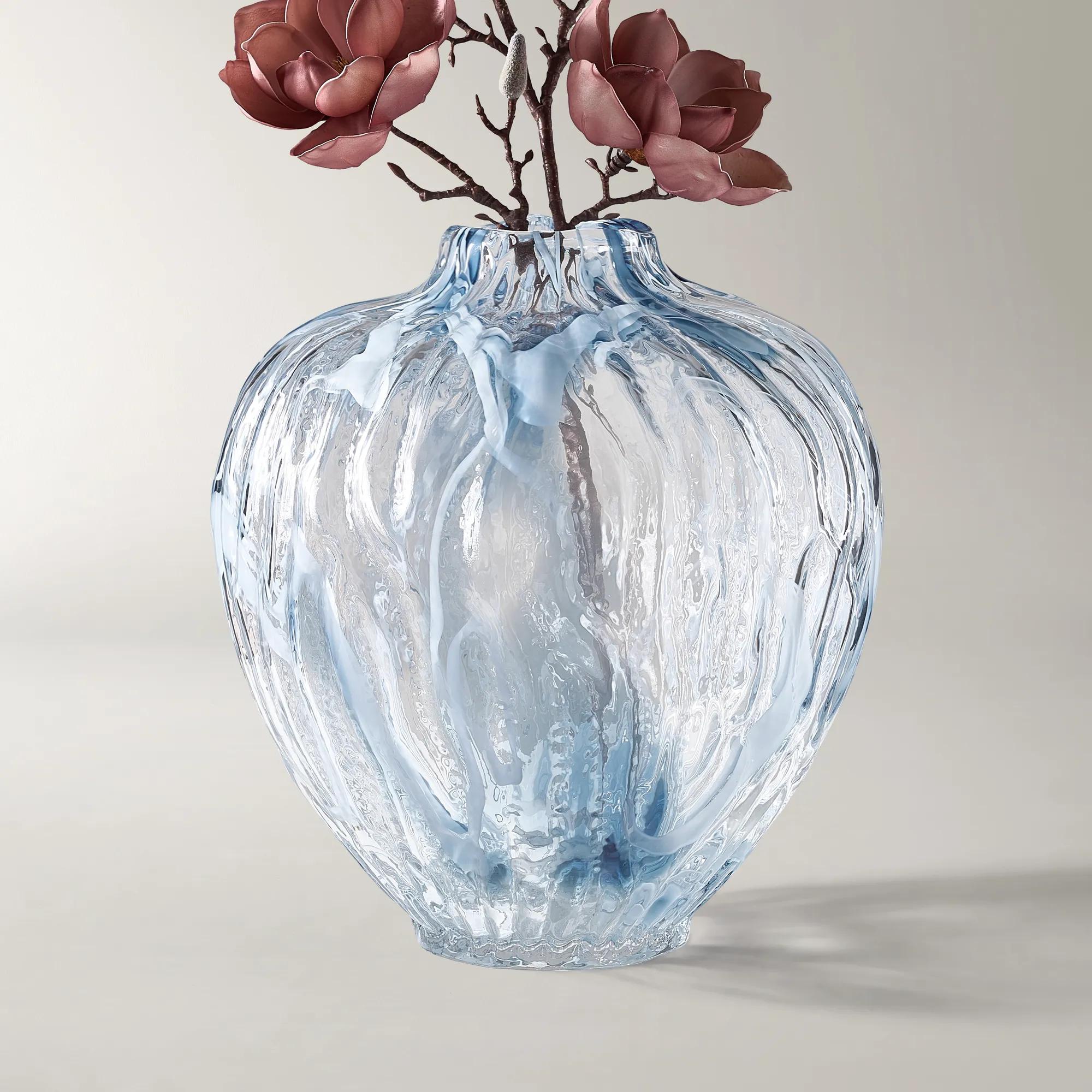 Cruz Mouth Blown Powder Blue Glass Vase 15.75"$169
A handblown glass vase in powder blue with a sculptural, light-catching surface for modern decor.
Add To Cart -
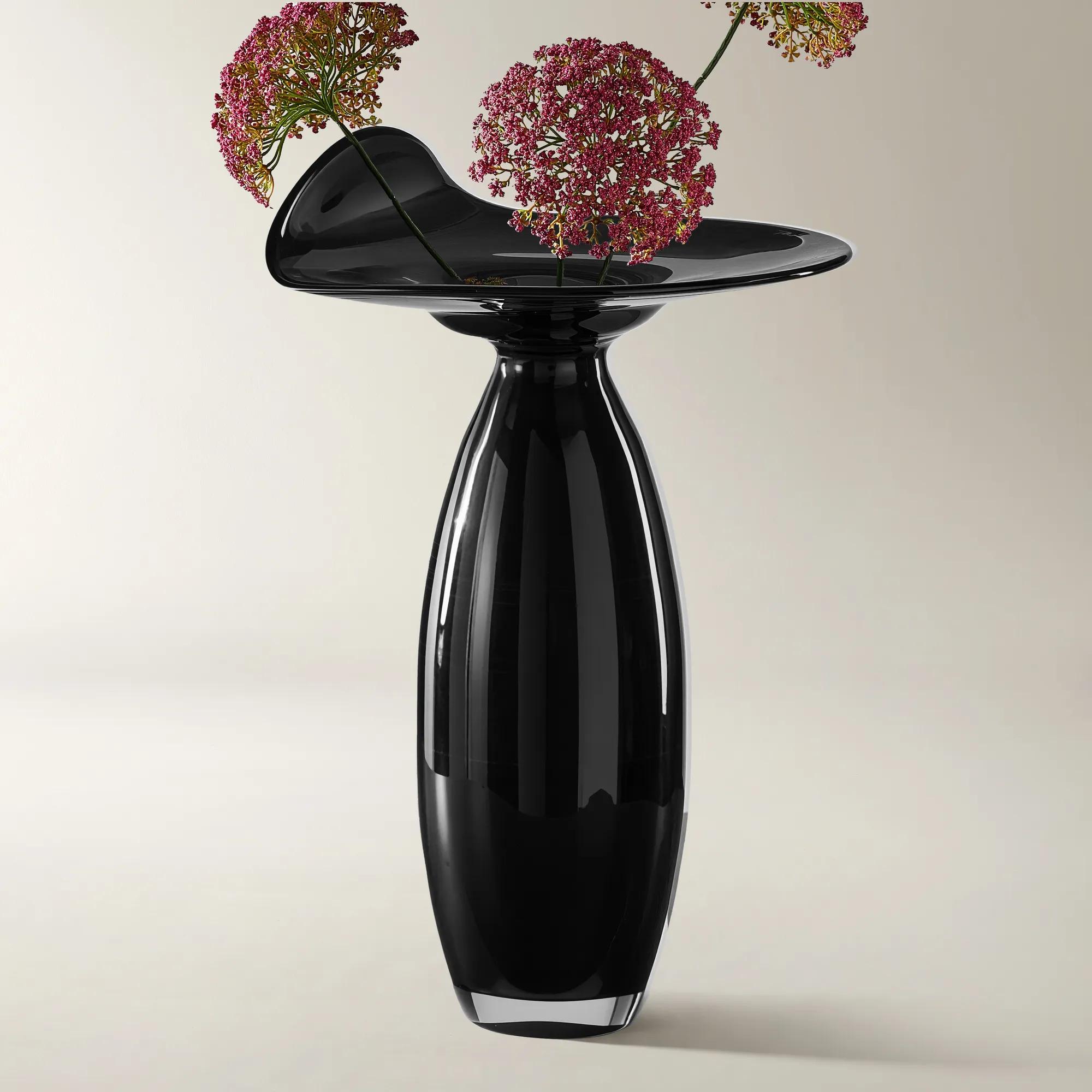 Folia Mouth Blown Glossy Black Glass Vase 22"$199
A handblown glass vase with a glossy black finish and organic sculptural silhouette for modern decor.
Add To Cart -
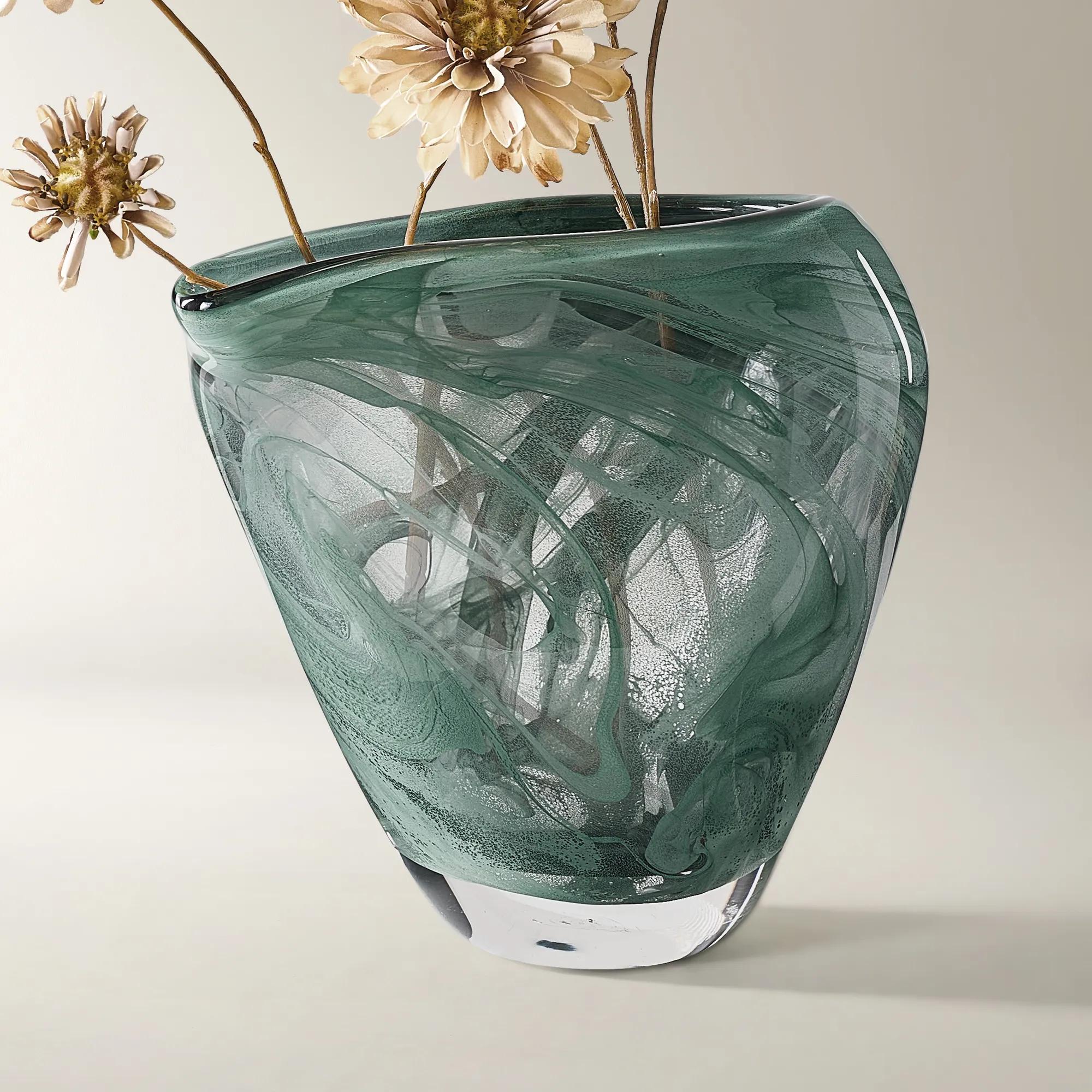 Flow Mouth Blown Sage Green Glass Vase 12.25"$199
A handblown glass vase in calming sage green with an organic, sculptural silhouette for modern decor.
Add To Cart -
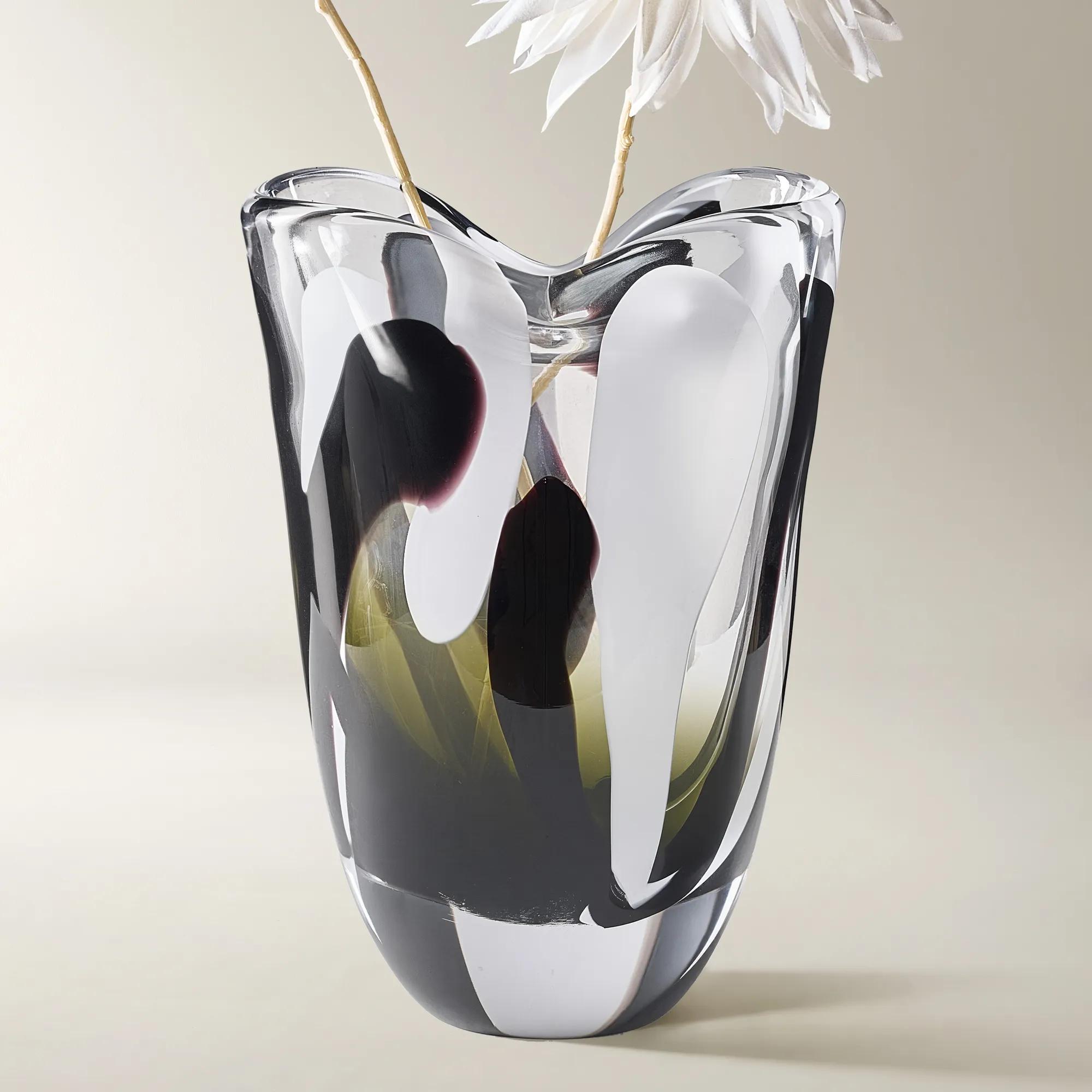 Melrose Mouth Blown Black White Glass Vase 11.25"$109
A handblown glass vase featuring a bold black and white abstract animal pattern for modern appeal.
Add To Cart -
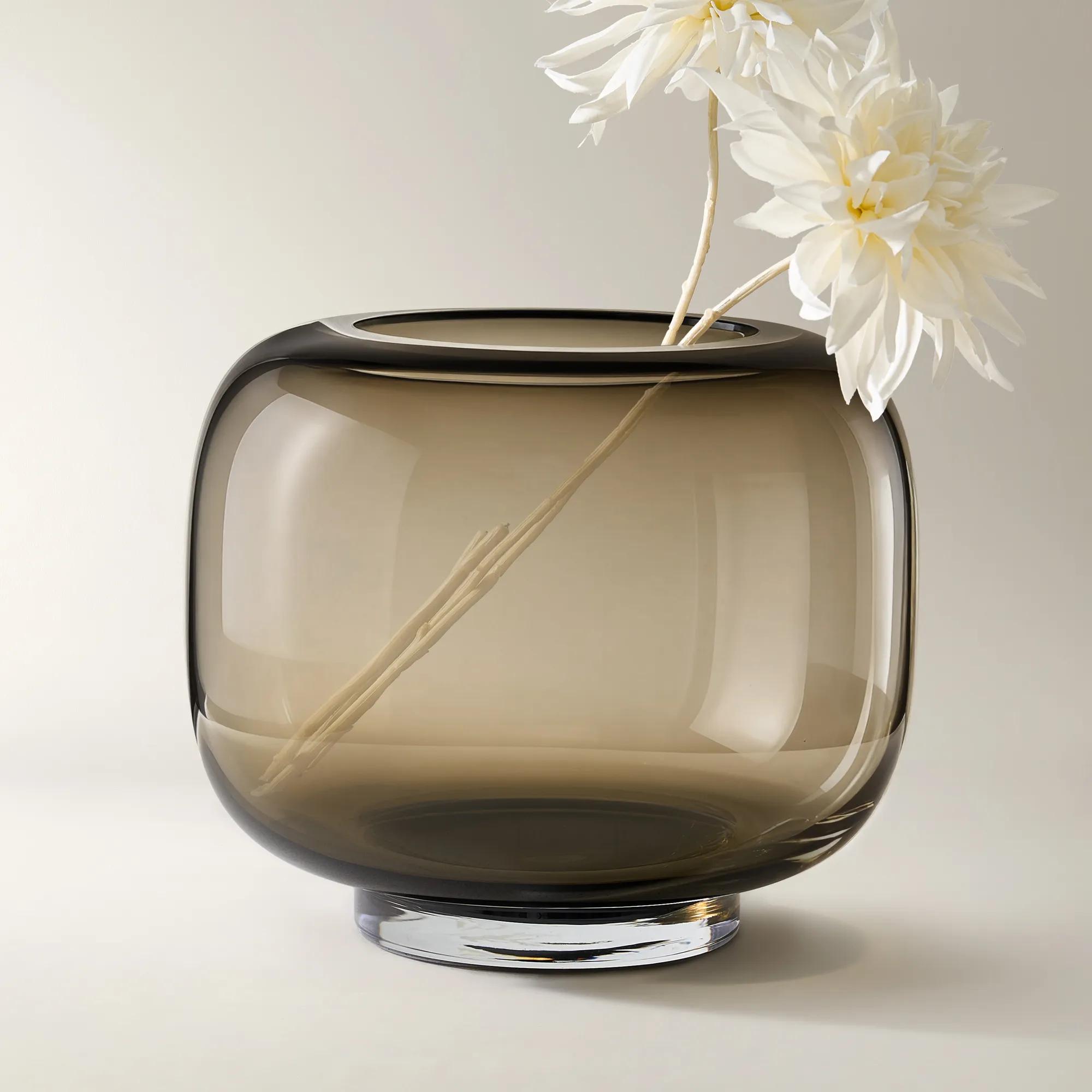 Mateo Smoke Handblown Glass Vase 9.75"$89
A smoke-toned handblown glass vase adding sculptural elegance to modern interiors.
Add To Cart -
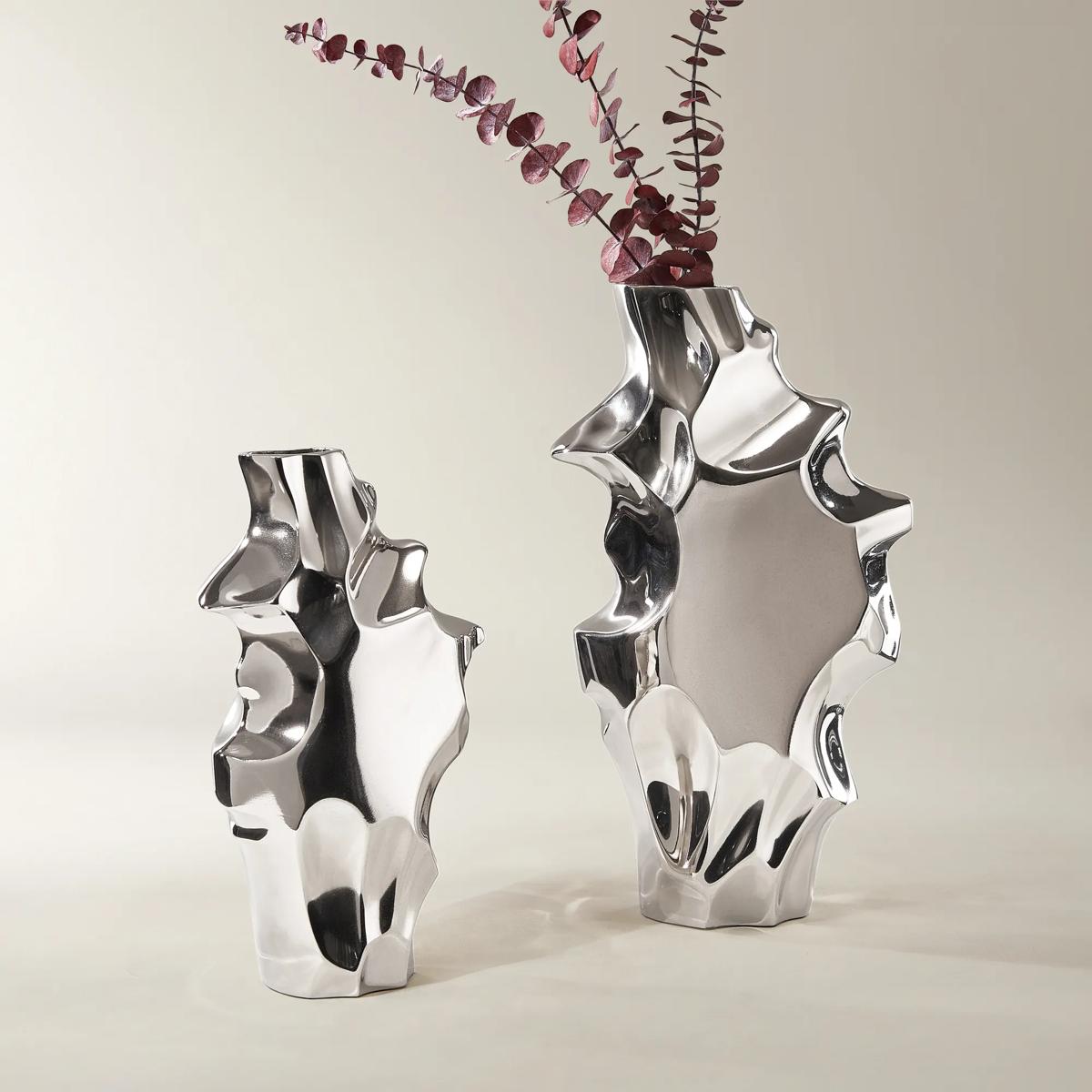
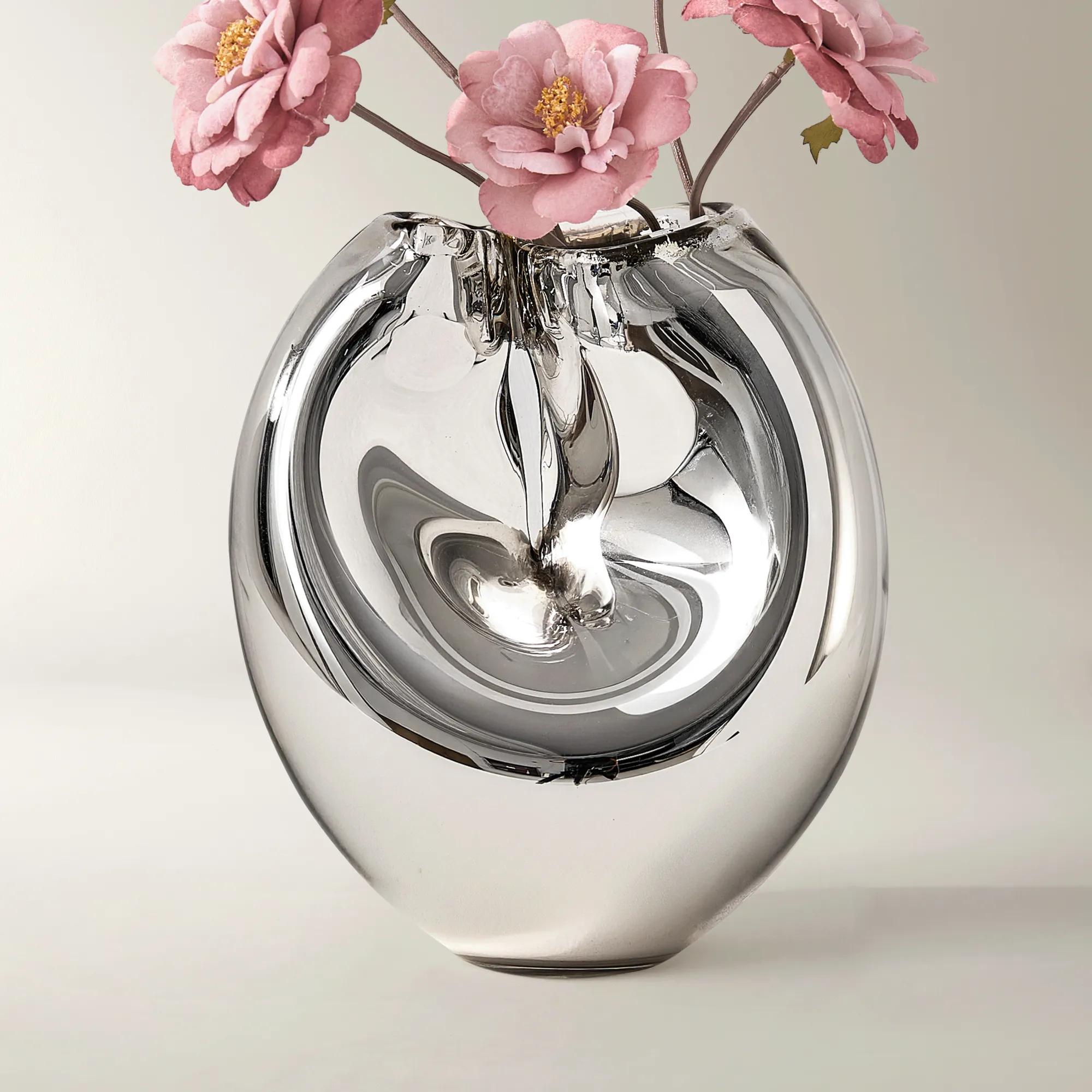 Ono Mouth Blown Mirrored Silver Glass Vase 7.75"$79
A handblown glass vase with a mirrored finish and organic silhouette for modern, artful display.
Add To Cart -
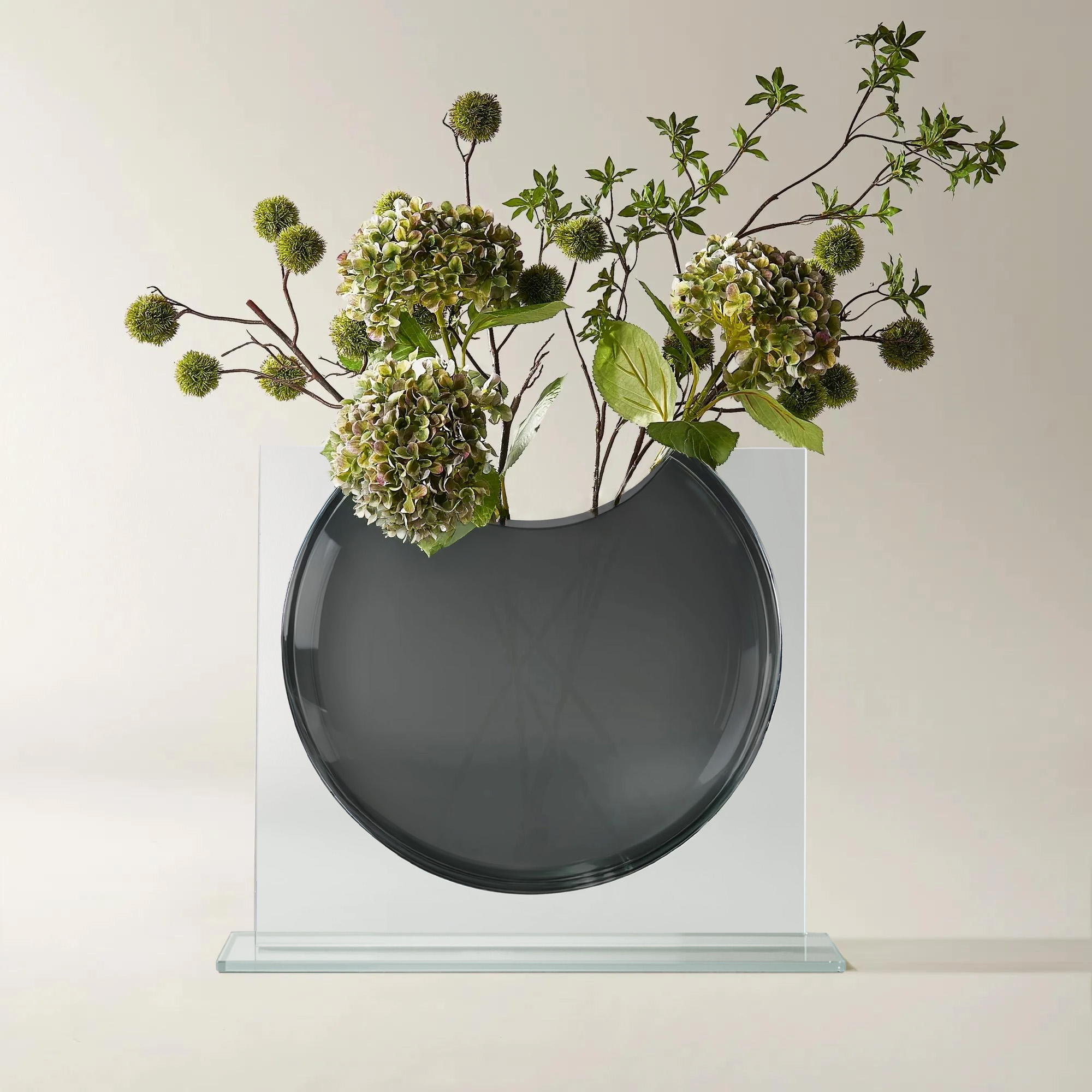
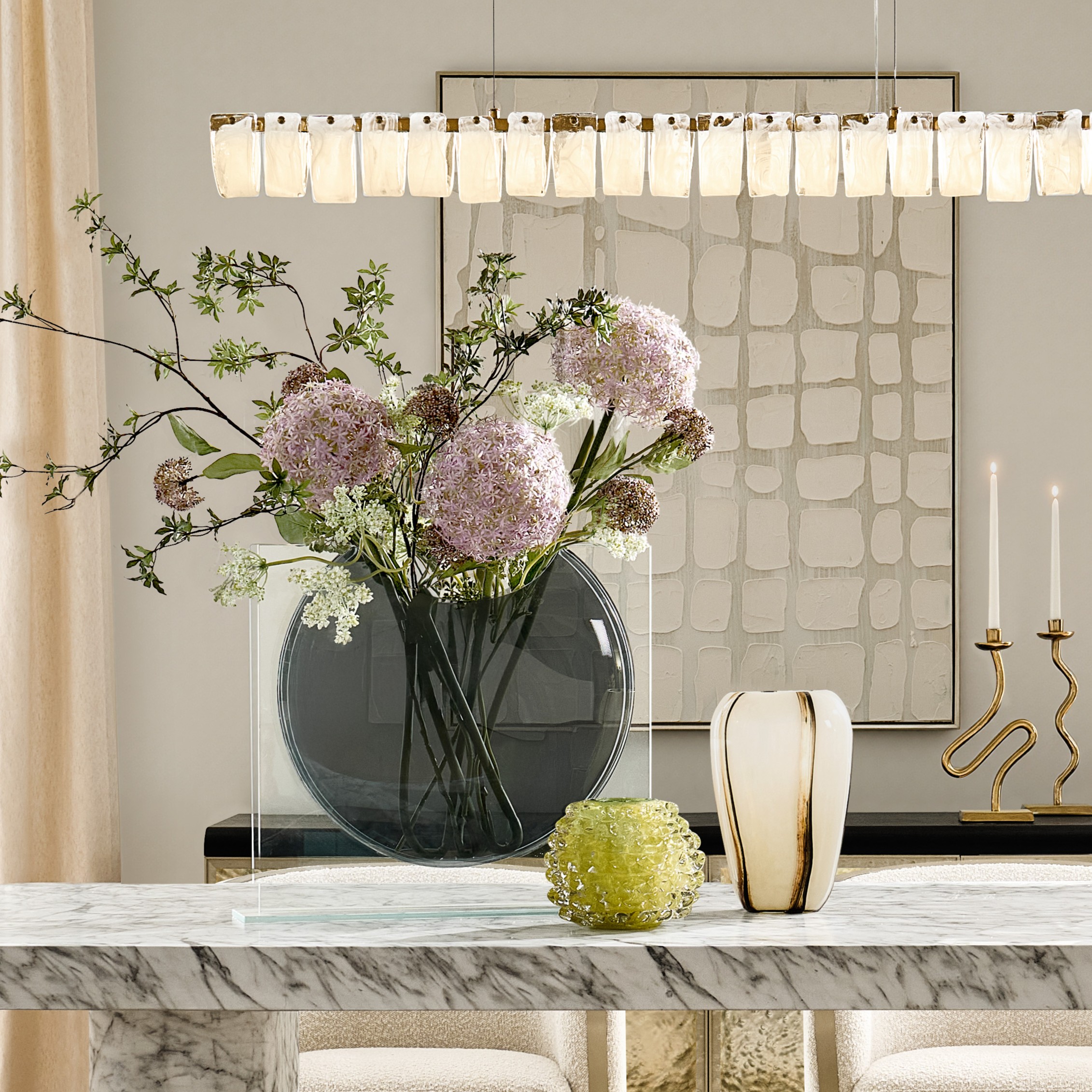 Ellipse Charcoal Glass Vase 20"$299
A sleek elliptical glass vase in clear and charcoal, perfect for displaying fresh flowers in modern spaces.
Add To Cart -
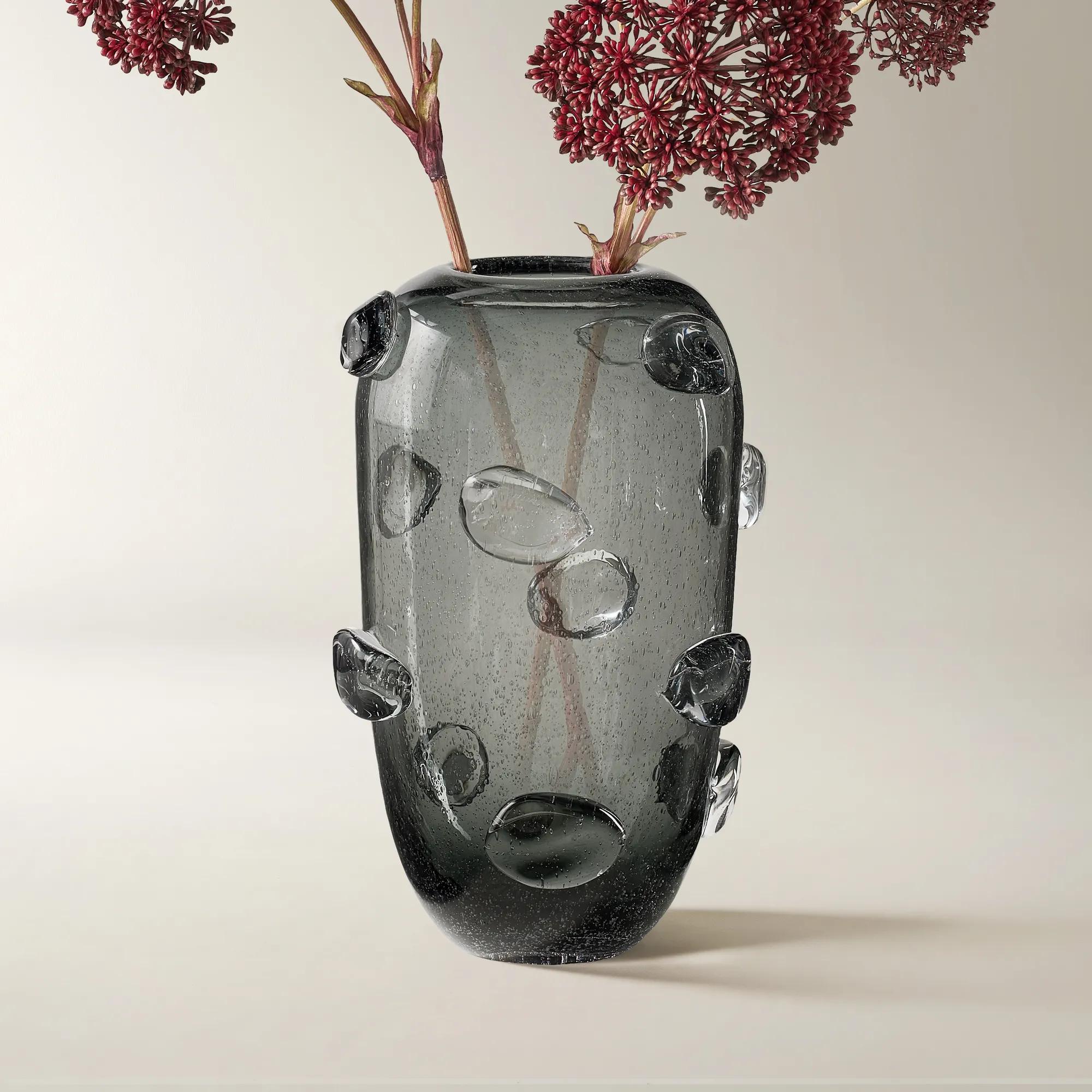 Surel Mouth Blown Graphite Glass Vase 13.5"$149
A handblown glass vase in moody graphite with playful bauble accents for sculptural sophistication.
Add To Cart -
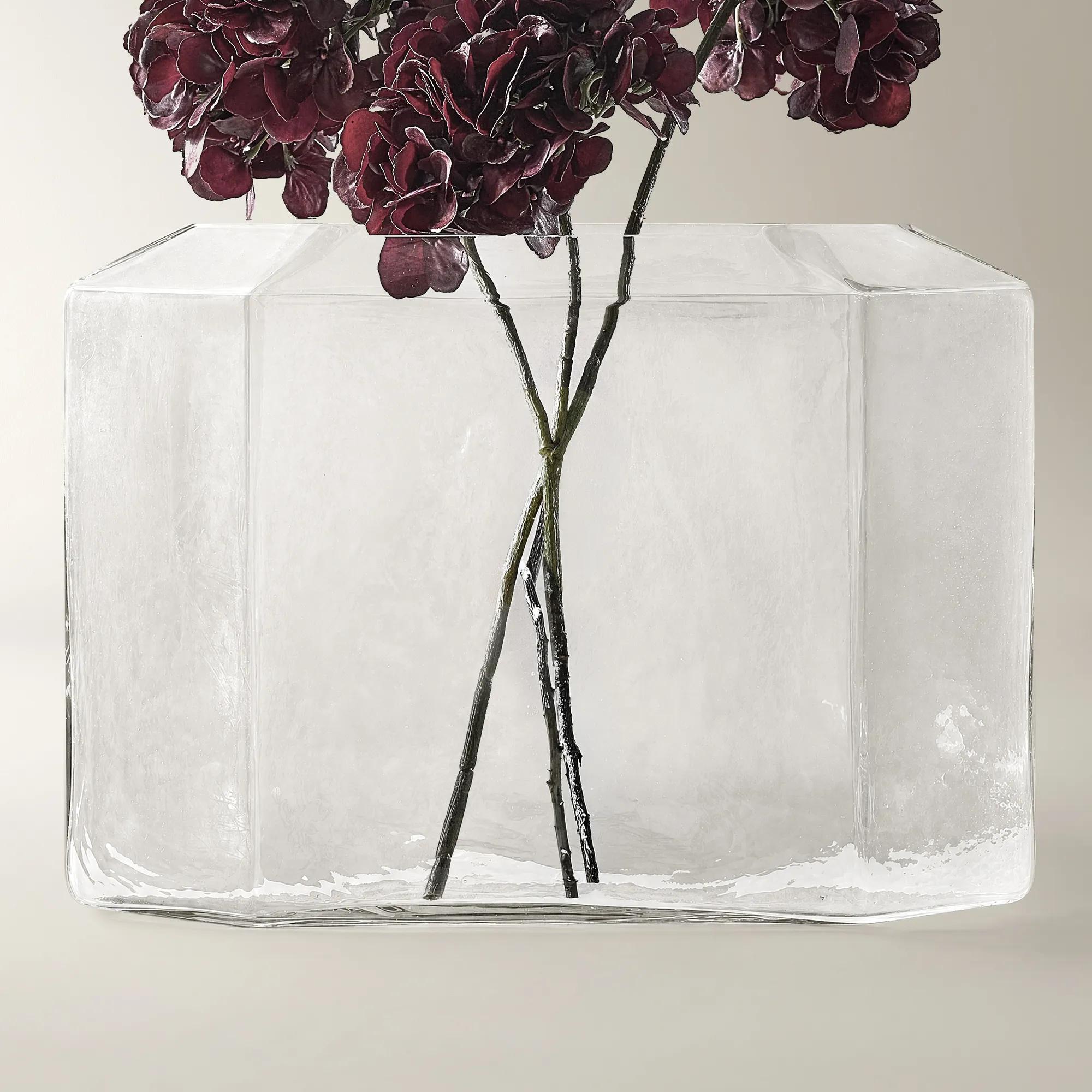 Studio Mouth Blown Clear Glass Vase 13.75"$199
A handblown clear glass vase with faceted detailing that beautifully reflects light for modern elegance.
Add To Cart -
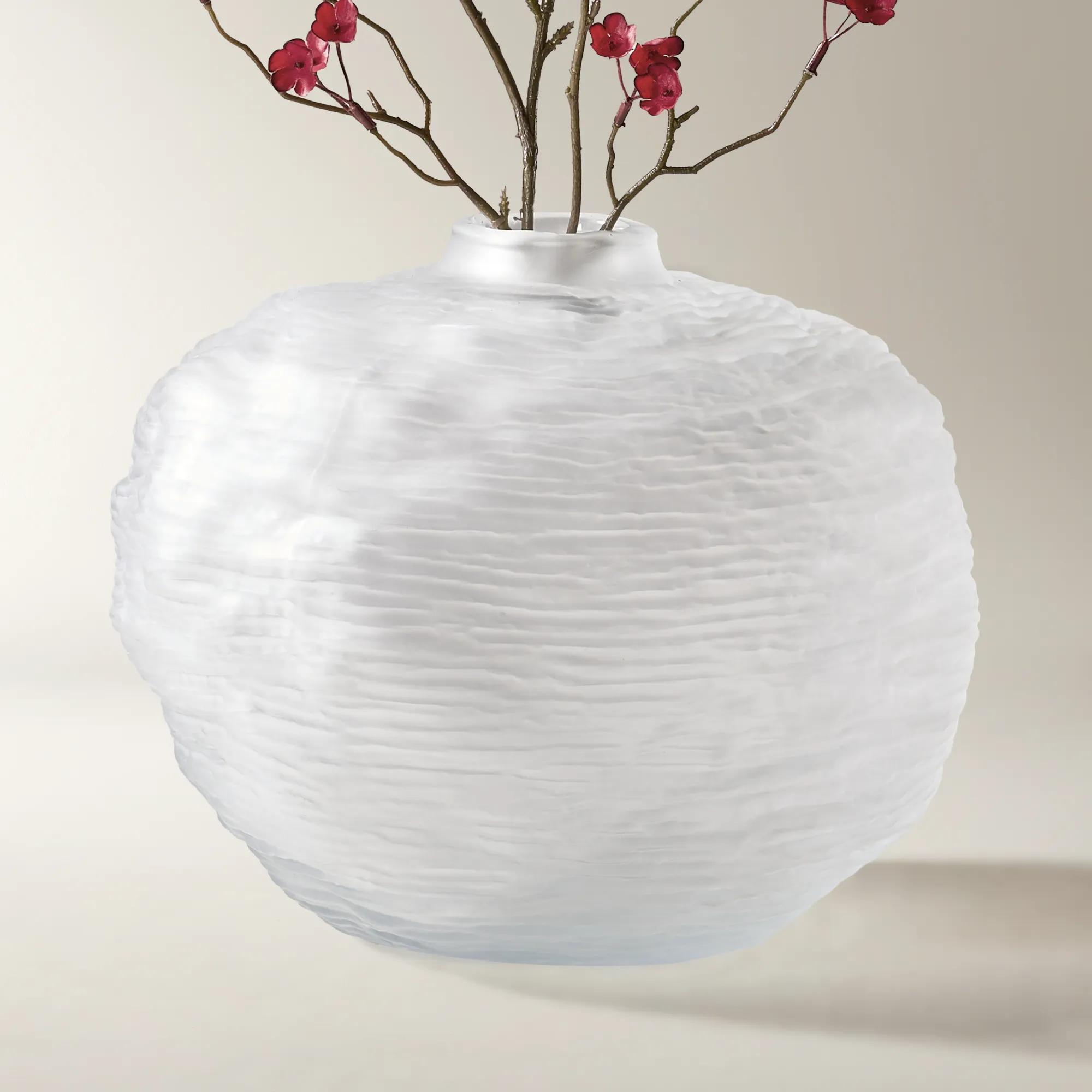 Lucid Mouth Blown Frosted Glass Vase 9.25"$99
A handblown frosted white glass vase with a sculptural, softly textured surface for modern elegance.
Add To Cart -
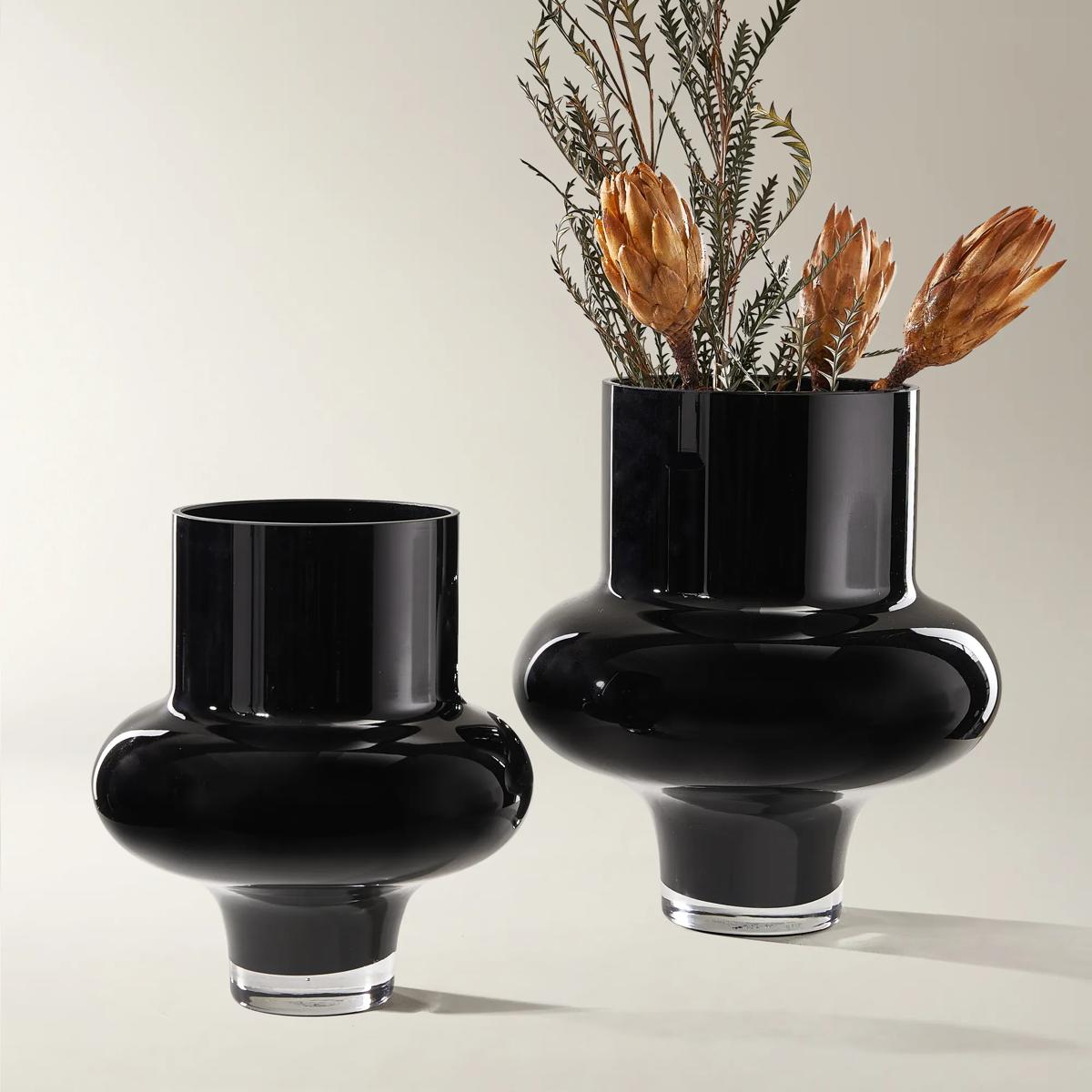
 Kors Glass Vase$69
A sculptural hand-blown black glass vase with a high-gloss finish and bold, curvaceous silhouette.
Add To Cart -
 Ripple Eggshell Blue Handblown Glass Vase 10.25"$89
A handblown eggshell blue glass vase adding sculptural elegance to modern decor.
Add To Cart -
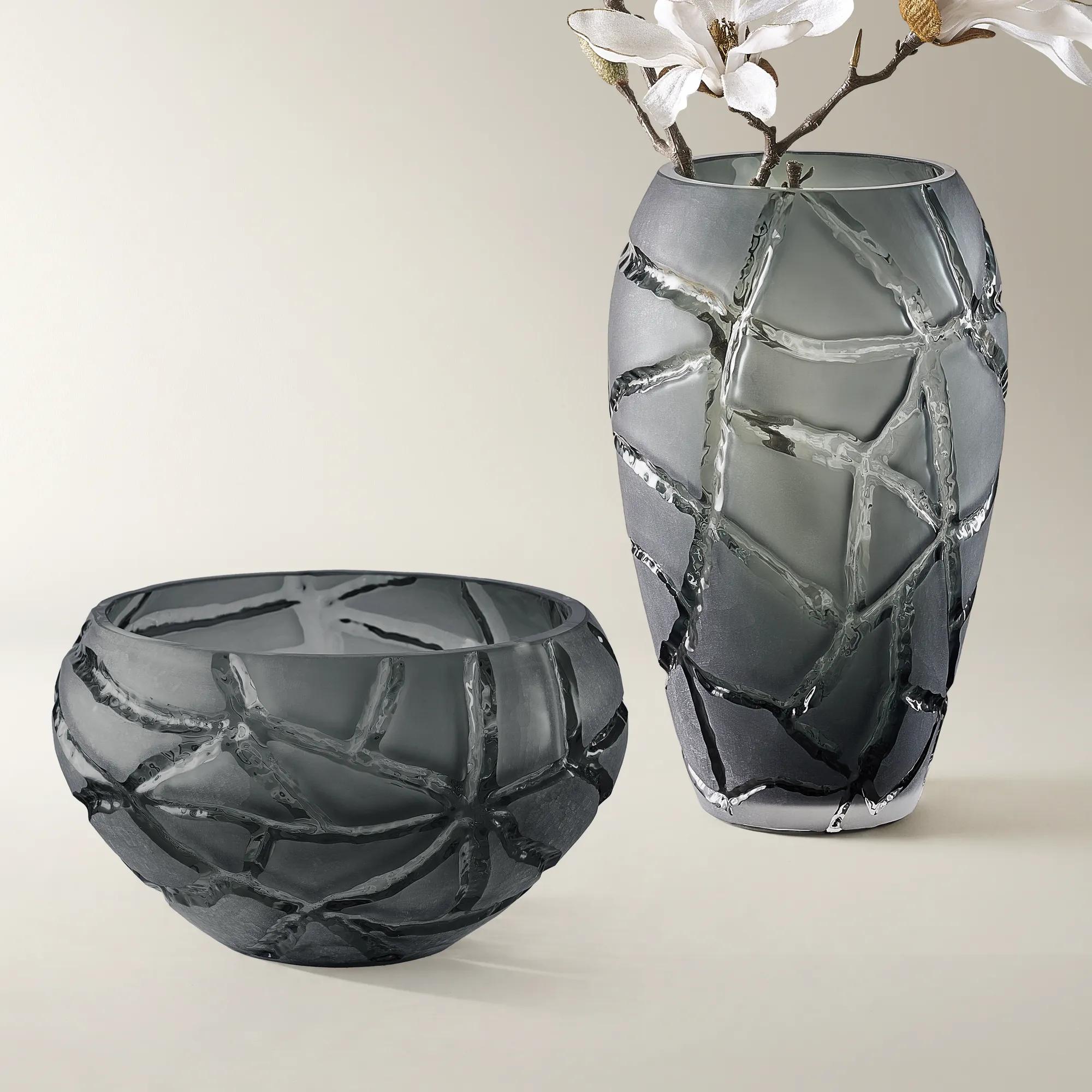
 Tangle Charcoal Glass Vase 16.25"$149
A sculptural charcoal glass vase adding modern elegance to any space.
Add To Cart -
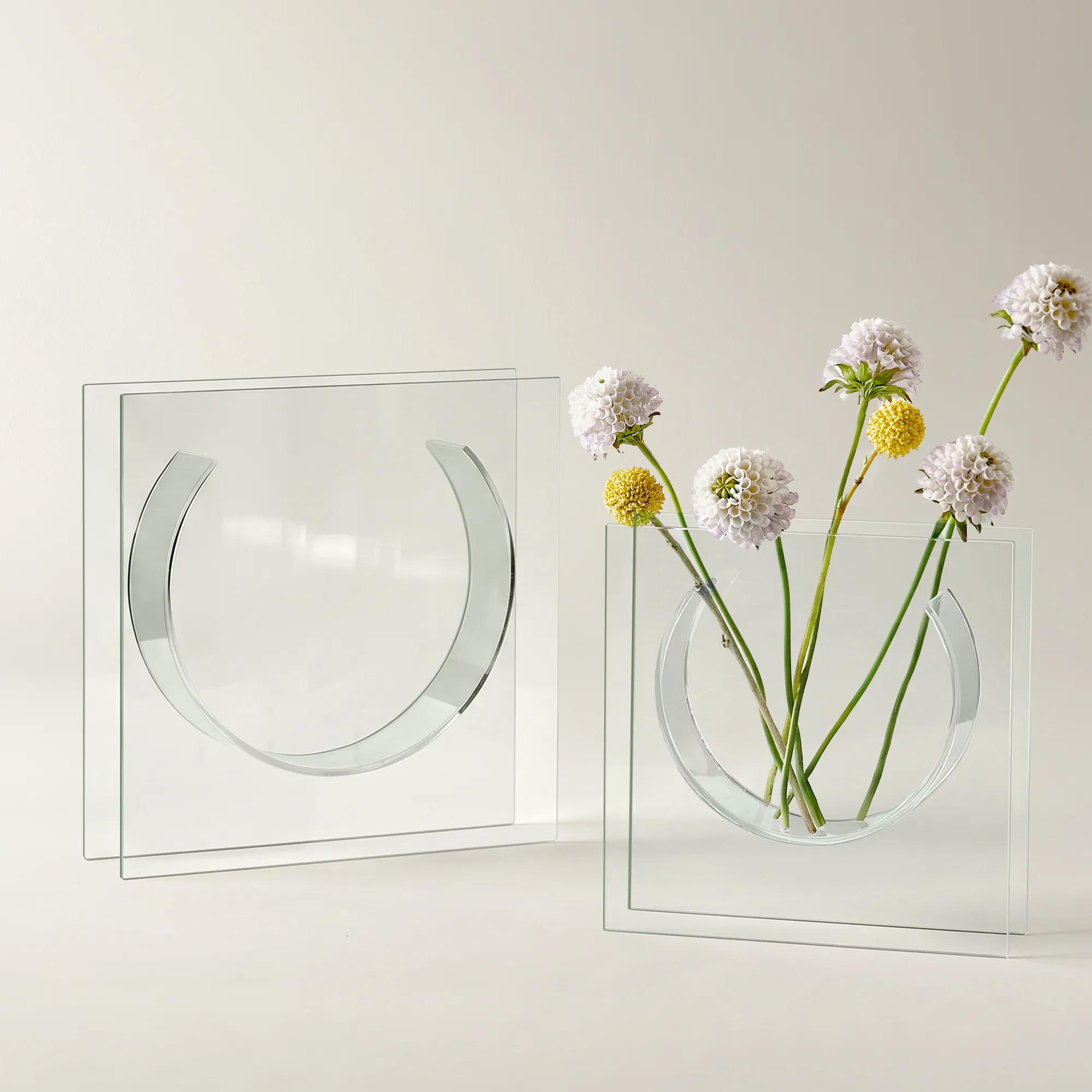
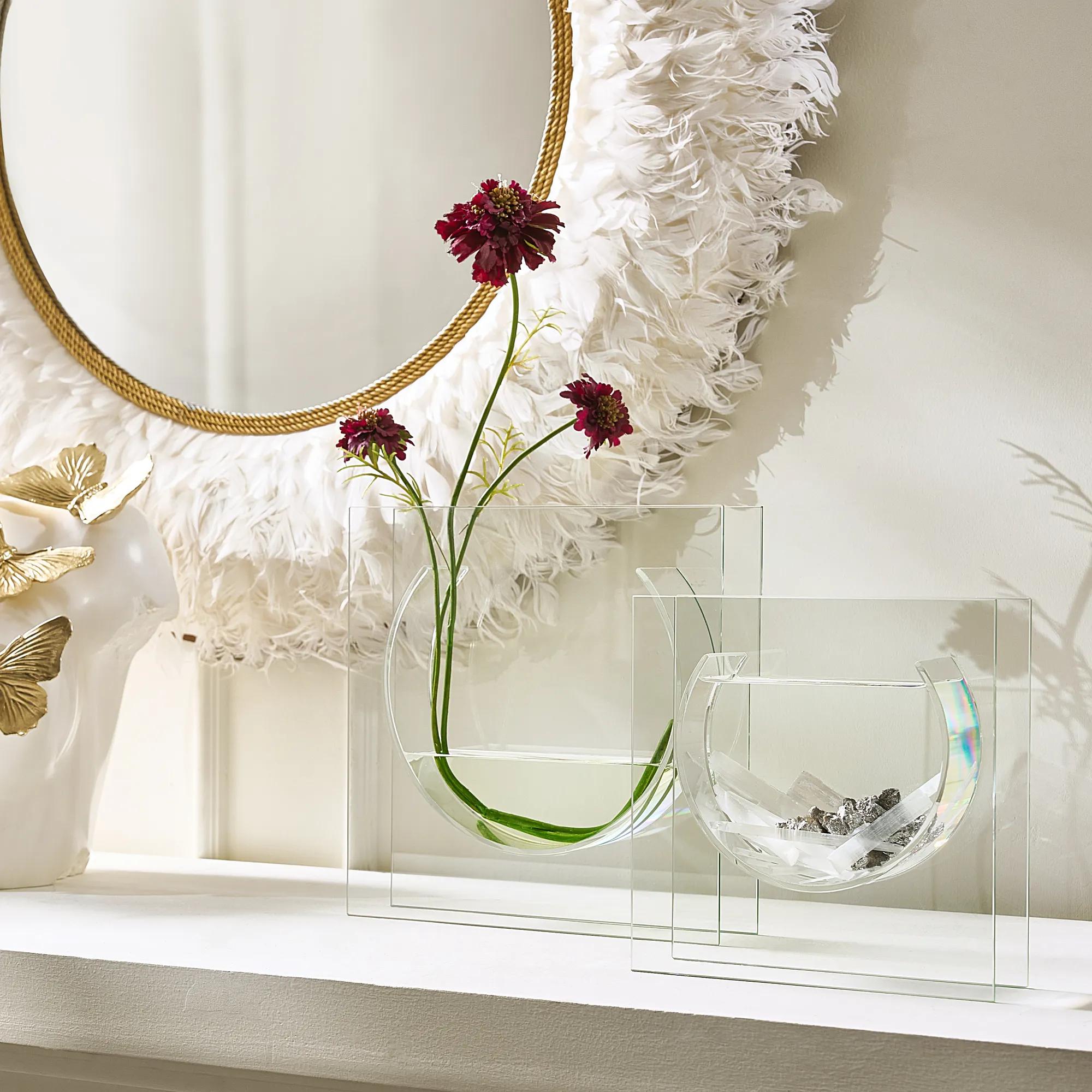 Solaris Clear Glass Vases$39
A bold modern vase crafted from clear glass with an elliptical bowl between two sleek glass panels.
Add To Cart -
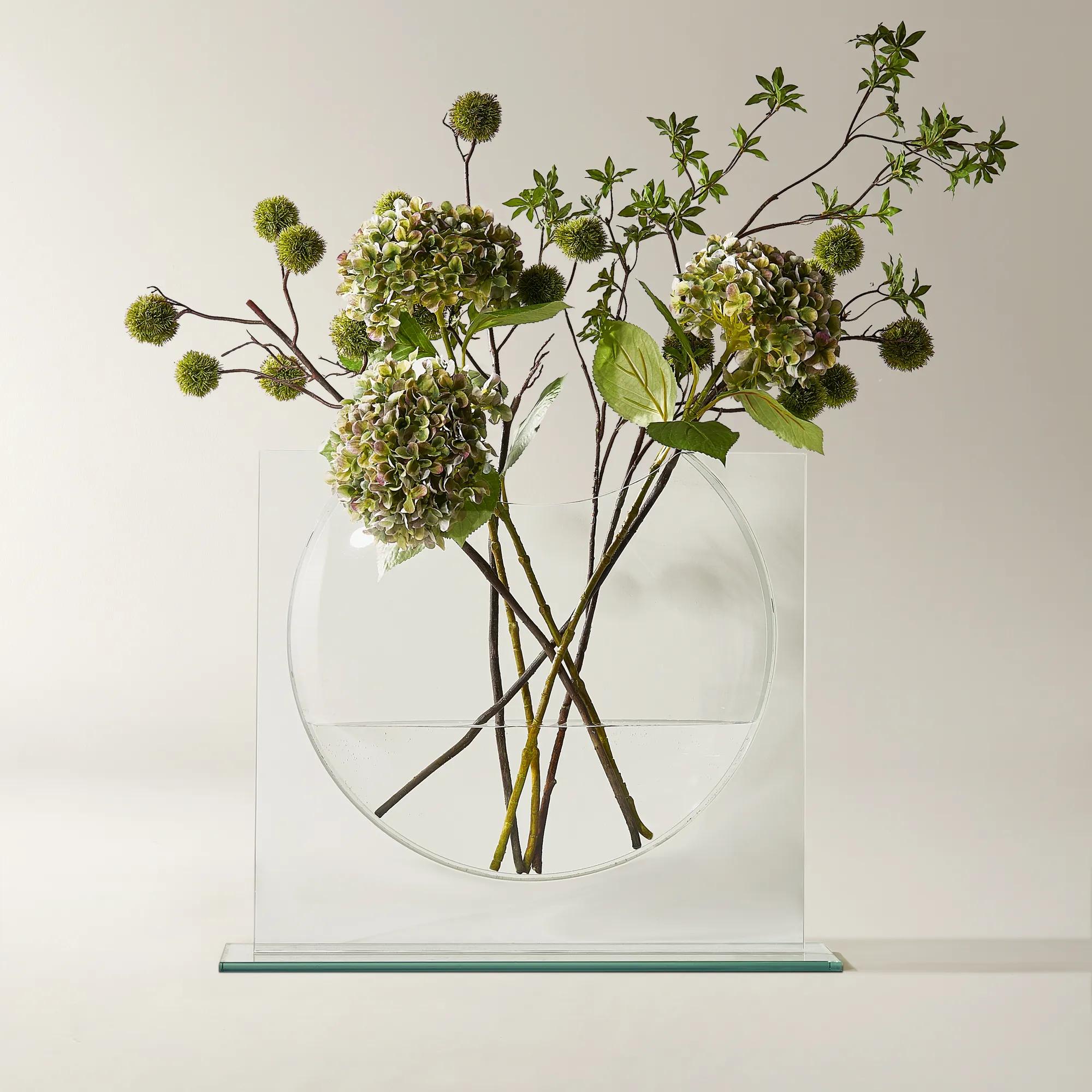
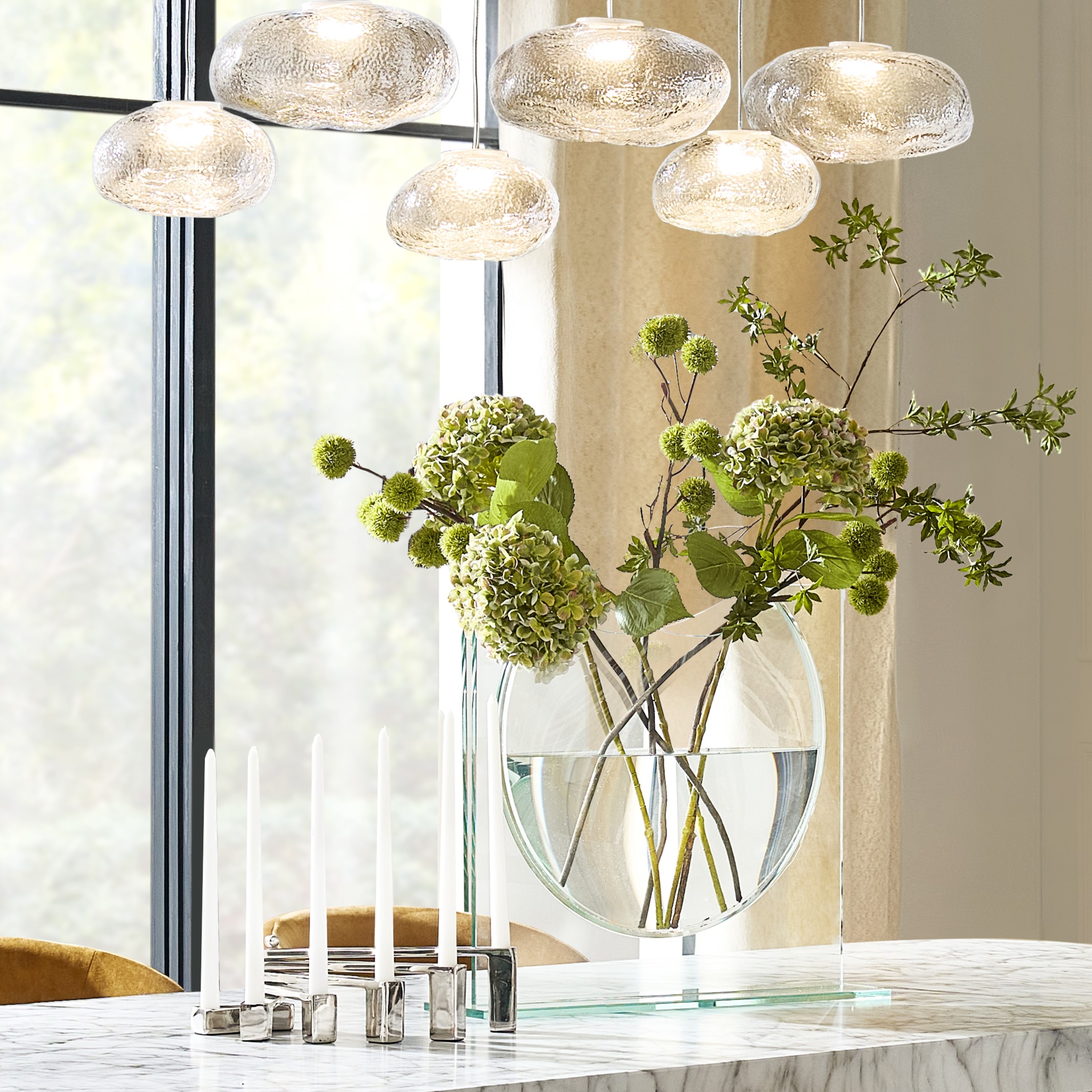 Ellipse Clear Glass Vase 20"$259
A sleek elliptical glass vase offering a modern, functional accent for fresh floral arrangements.
Add To Cart -
 Desi Mouth Blown Spruce Green Glass Vase 10.25"D x 5.5"H$79
A handblown glass vase in spruce green with a chunky, rounded silhouette for modern organic appeal.
Add To Cart -

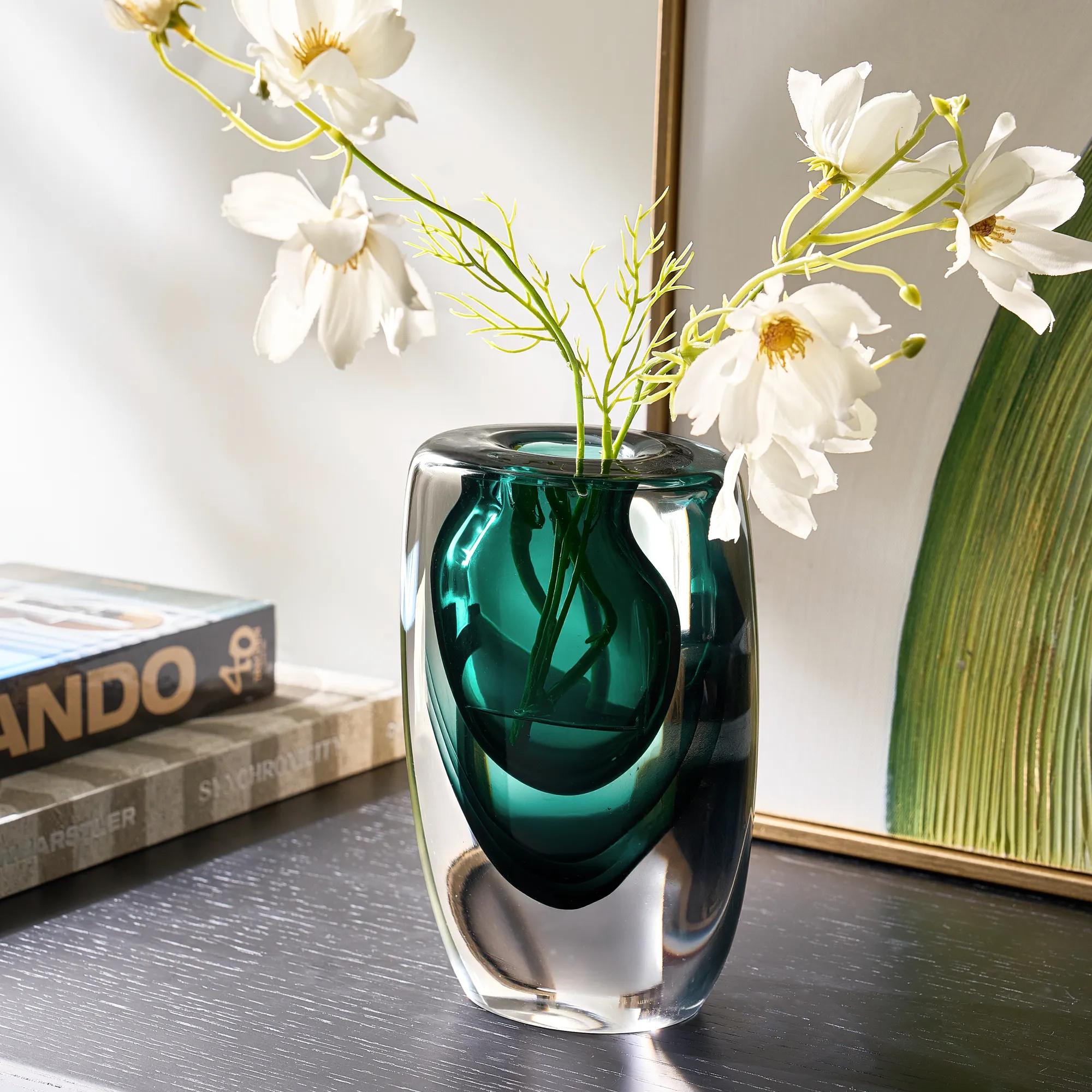 Monro Green Handblown Glass Vase 7.75"$149
A green handblown glass vase adding artisanal texture and modern elegance to curated interiors.
Add To Cart -
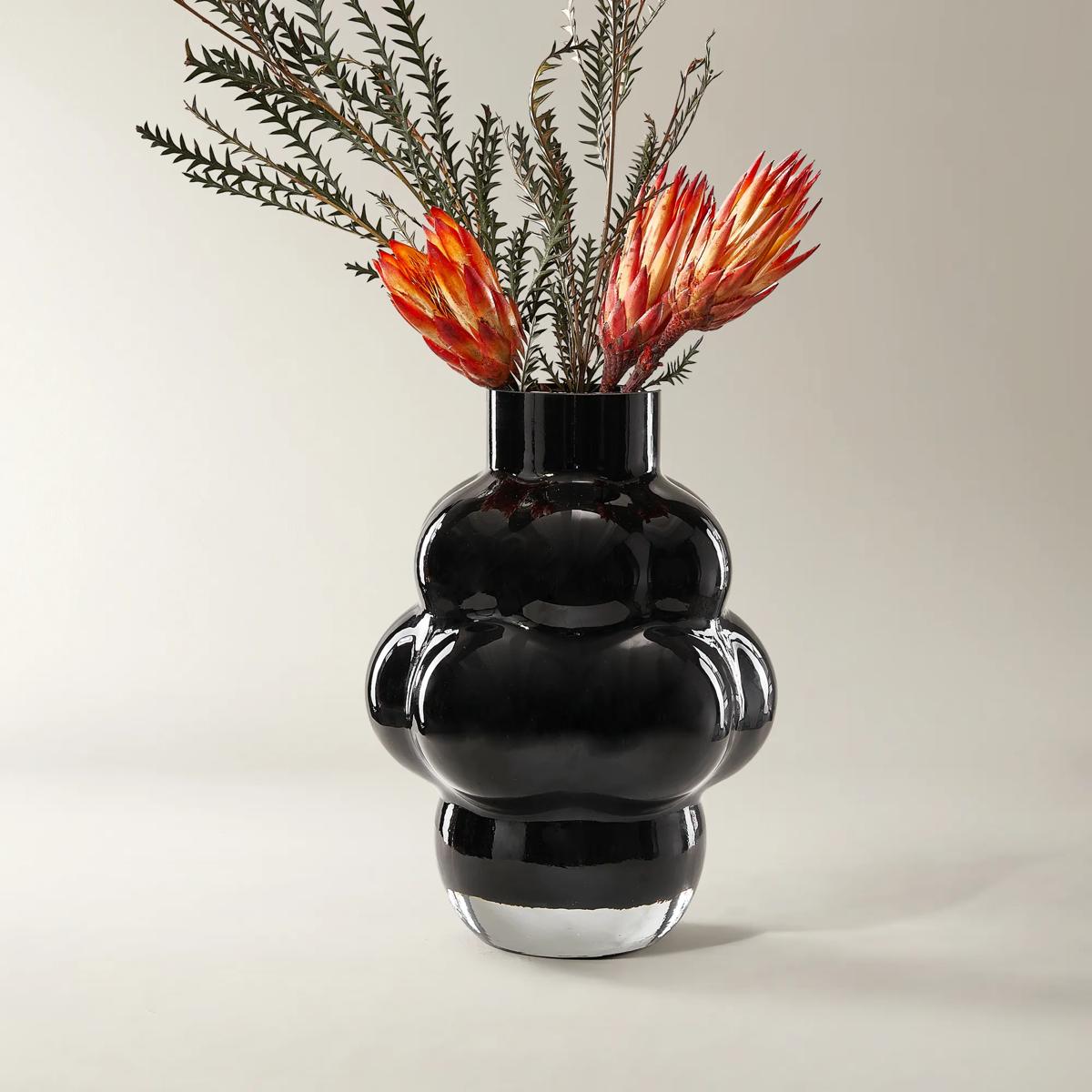 Cloud Glass Vase - Black$129
A hand-blown black glass vase featuring a sculptural silhouette and glossy, dramatic finish.
Add To Cart -
 Speckled Mouth Blown Brown And White Glass Vase 14.75"$129
A handblown glass vase featuring a brown and white speckled pattern for modern, artful appeal.
Add To Cart -
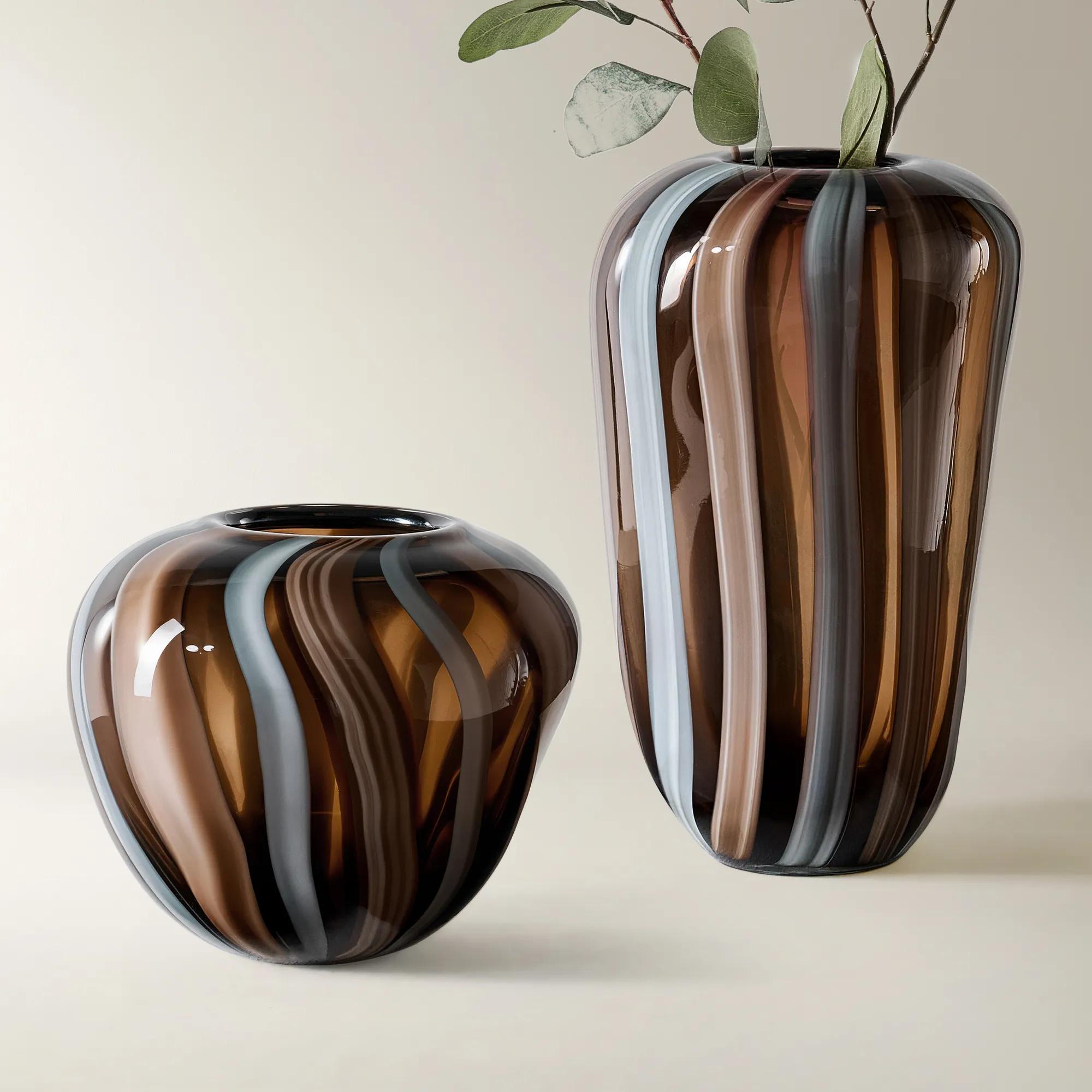
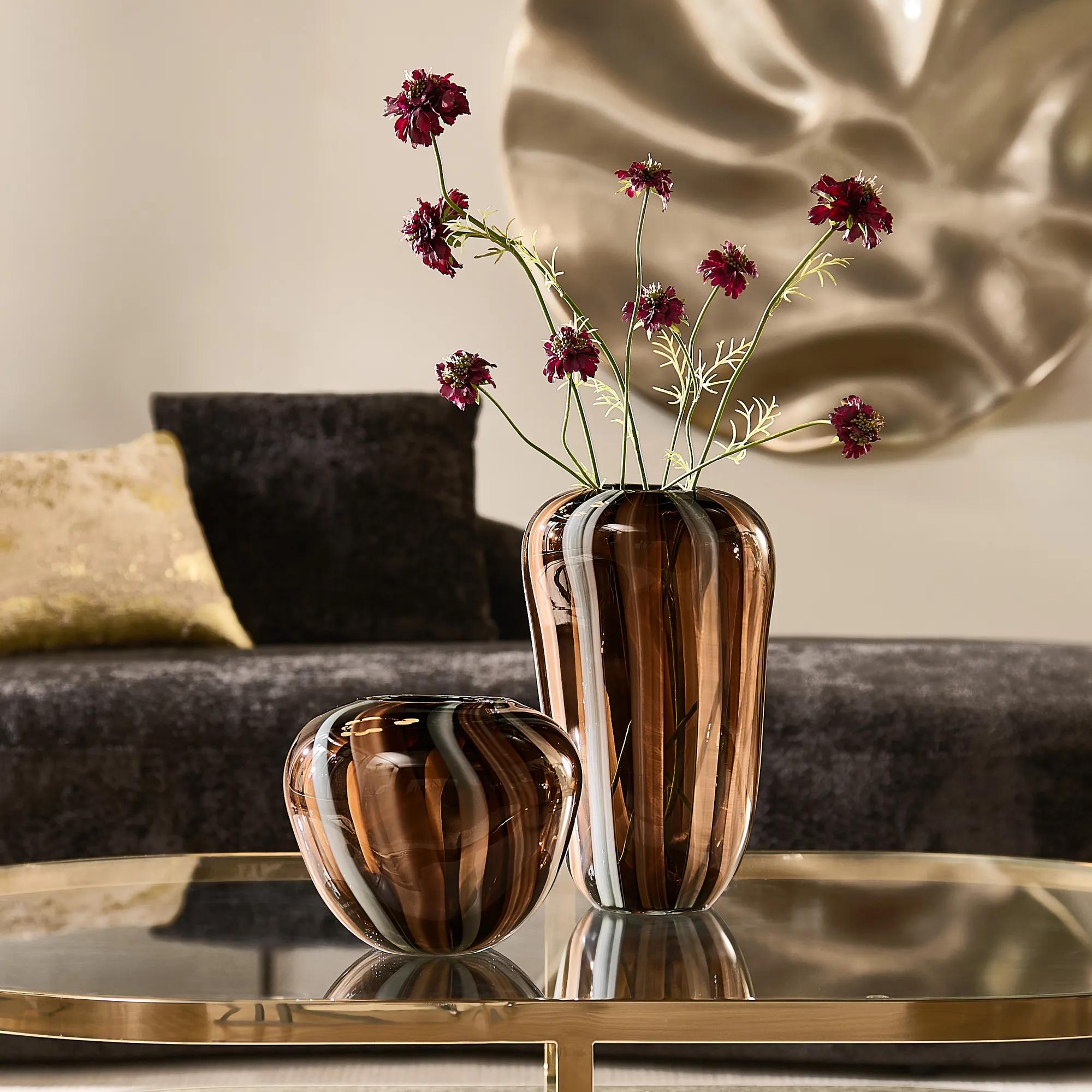 Billow Mouth Blown Brown Striped Glass Vases$119
A sculptural glass vase adding modern elegance to any décor.
Add To Cart -
 Dylan Muted Olive Handblown Glass Vase 6.5"$129
A muted olive green handblown glass vase adding artisanal elegance to modern décor.
Add To Cart -
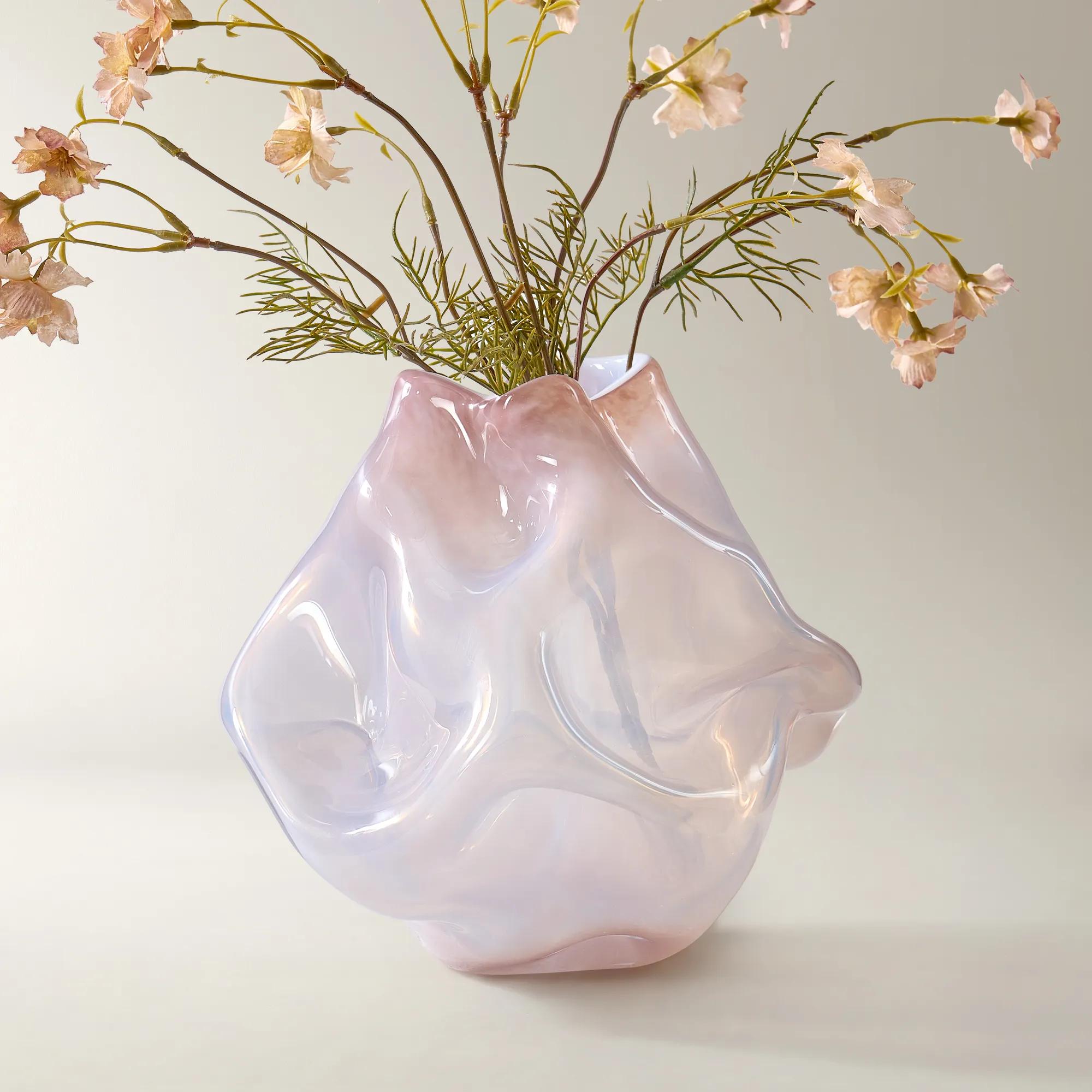 Melt Mocha Rose Handblown Glass Vase 8"$99
A handblown glass vase in a warm mocha rose hue, bringing sculptural elegance to modern spaces.
Add To Cart -
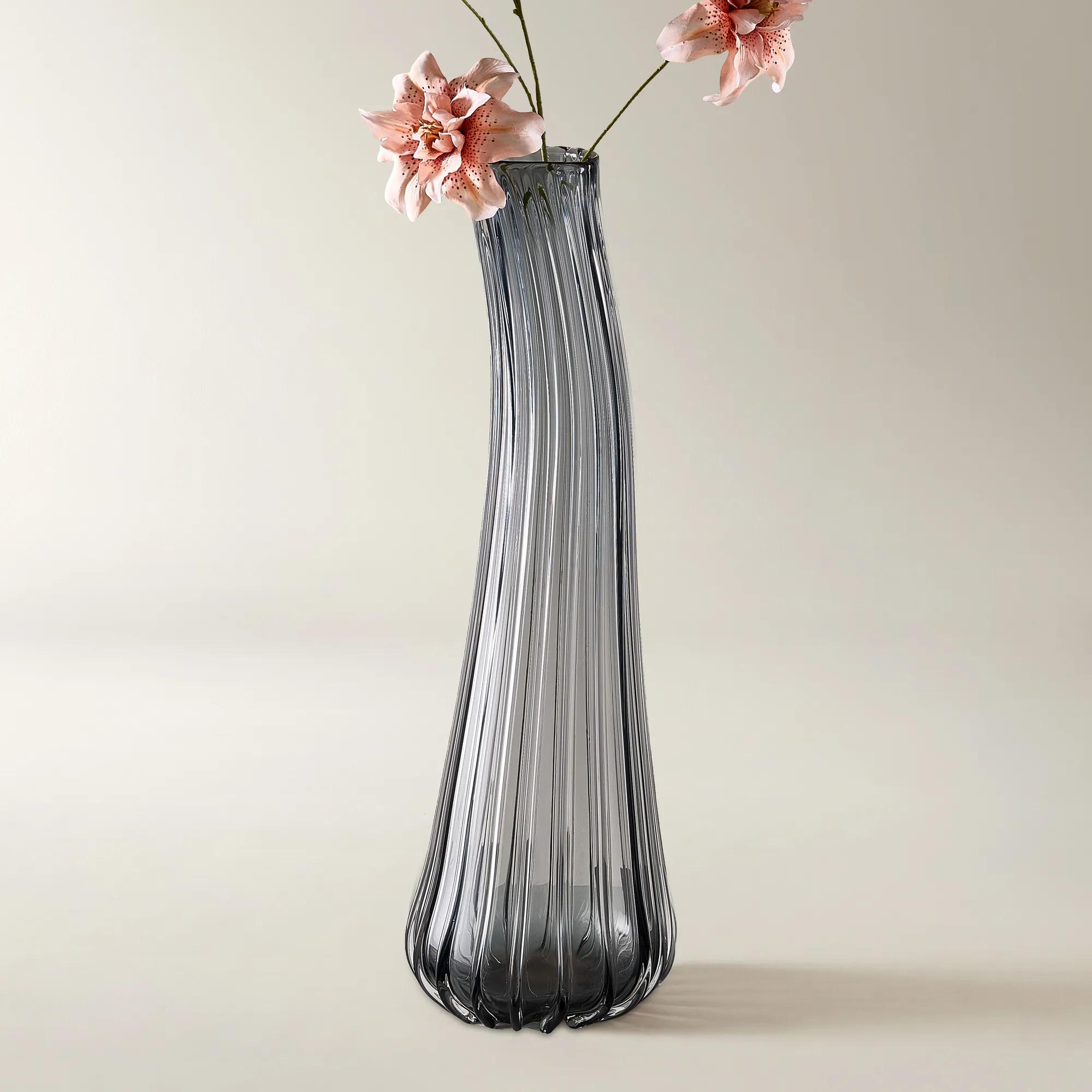 Tango Mouth Blown Smoked Pearl Vase 29"$199
A handblown glass vase in a smoked pearl finish with a textured surface for sculptural elegance.
Add To Cart -
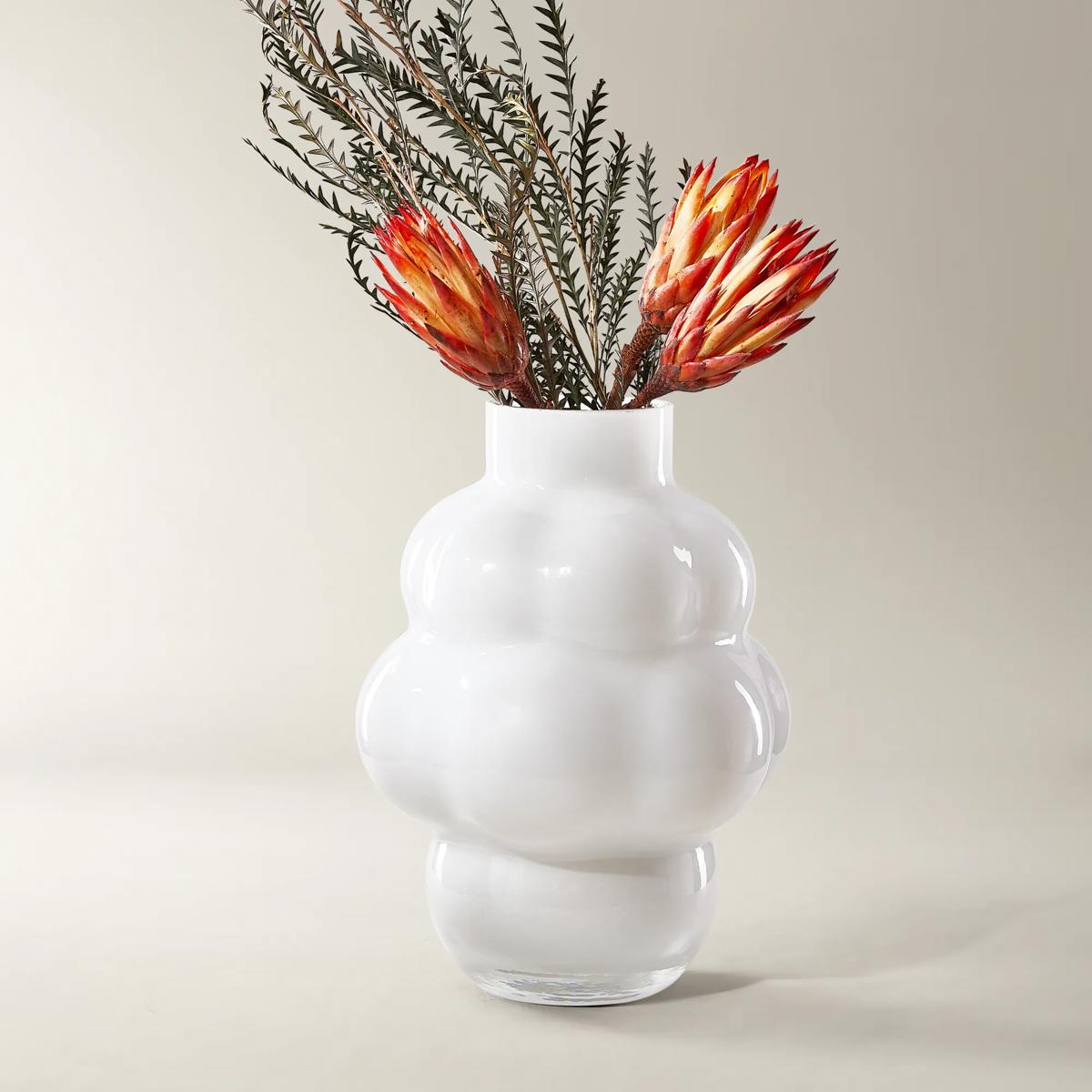 Cloud Glass Vase - White$129
A hand-blown glass vase in glossy opaque white with a sculptural, cloud-inspired silhouette.
Add To Cart

Glass Vases For Modern Interiors
Glass vases for modern interiors are more than vessels—they are luminous sculptures that capture and reflect the artistry of your space. With every curve and contour, they invite light to dance, transforming ordinary arrangements into striking focal points. Whether poised solo on a mantel or gathered in a dramatic tablescape, these vases become the jewelry of the room, layering in clarity, elegance, and a touch of unexpected glamour. Let your home’s story unfold with glass vases that redefine modern luxury—where every detail is intentional and every moment is unforgettable.
Glass vases for modern interiors bring together sculptural silhouettes, luminous surfaces, and color that gives a room depth without overwhelming its architecture. Clear glass feels visually open, allowing stems, water, and surrounding finishes to become part of the composition. Smoke gray introduces a moody, polished note; amber brings richness alongside wood and brass; forest green creates a saturated accent against ivory upholstery or pale stone. The shape is just as expressive as the hue. Cylindrical glass vases emphasize height and clean geometry, rounded vessels soften angular furniture, and asymmetrical forms lend a collected, artistic character to a console or bookshelf. A single substantial vase can command an entry table, while a grouping of smaller vessels creates a more layered composition across a credenza. Repeating one color or finish gives varied shapes a deliberate connection, especially when each piece has enough breathing room for its outline to remain distinct. Ribbed, fluted, and subtly textured glass introduce another dimension, catching light across their contours and bringing movement to an otherwise restrained setting. Smooth, transparent surfaces offer a different kind of drama: a crisp reflection, a visible curve, a stem suspended in water. Against a mirrored tray, glass creates a luminous interplay of reflections; against matte ceramic or richly grained wood, its brilliance becomes a striking contrast. These qualities make modern glass vases especially versatile in living rooms, dining rooms, bedrooms, and home offices, where decorative objects need to relate to both furnishings and daily routines. An empty vessel can be as compelling as a floral arrangement when its proportions and finish carry enough presence. A generous curved form beside a stack of art books, or a slender silhouette beneath an abstract painting, brings intention to the entire vignette. The strongest effect comes from the relationship between the vase and its surroundings, rather than from filling every available surface.
Proportion determines whether a glass vase feels effortless in its setting. Height, diameter, opening size, and base width all influence where a vessel belongs and what it can comfortably hold. A tall, narrow vase gives long stems an elegant vertical line, but the base still needs enough breadth and weight to remain stable with the intended arrangement. A compact vase with a smaller opening gathers a few stems closely, creating a concentrated gesture of color on a nightstand or side table. Broader openings accommodate fuller arrangements, although stems may need additional support to maintain a deliberate shape. For a dining table, a low profile preserves conversation and sightlines, while a taller arrangement is better suited to a console where it will not interrupt views across the room. On shelving, the complete arrangement needs clearance above and around it, not merely enough space for the vessel itself. The depth of a console also matters: a vase should sit securely within the surface rather than crowding an edge or brushing against passing guests. Fresh flowers call for a vessel confirmed as watertight and suitable for holding water; decorative glass, applied finishes, and certain construction methods may require dry use only. Dried botanicals and faux stems offer flexibility for vessels intended solely for display, and an unfilled sculptural vase eliminates the need to coordinate an arrangement at all. With clear glass, the interior is part of the presentation, so clean water, neatly trimmed stems, and foliage kept above the waterline contribute to a polished result. Opaque or deeply tinted glass draws more attention to the outer silhouette, making it useful when the composition calls for a strong block of color. Placement also changes the effect: soft light reveals subtle tint and texture, while a darker backdrop makes a transparent edge more pronounced. In an open living area, echoing a vase’s color in artwork or a decorative pillow can connect separate zones without making every accessory match. These practical relationships give expressive styling a sense of balance, allowing even a dramatic arrangement to feel considered.
Material and construction deserve the same attention as appearance. Glass may be molded, blown, clear, colored, textured, or finished with a decorative coating, and each treatment affects its visual character and care requirements. When present, slight variations in a hand-blown vessel can contribute to its individual character, while molded glass can emphasize repeated patterns and defined contours. Neither wall thickness nor weight alone guarantees resistance to damage; glass remains vulnerable to impact, particularly at rims, narrow necks, and projecting details. A substantial base can improve stability, but it does not make a vessel unbreakable. Placement away from busy edges, curious pets, and children’s play areas helps protect both the vase and the surrounding room. A discreet protective pad beneath the base can help guard delicate furniture finishes, provided it keeps the vessel level and secure. Routine care is generally simplest with a soft cloth and gentle cleaning, guided by the maker’s instructions. Abrasive pads can scratch surfaces, and metallic, painted, or iridescent finishes may need different treatment from uncoated glass. Dishwasher use should be reserved for pieces explicitly identified as dishwasher-safe. Sudden temperature changes can stress glass, so very hot water and abrupt shifts between hot and cold are best avoided unless the vessel is specifically designed for them. For fresh arrangements, regular water changes and careful cleaning help preserve the clarity that makes glass so captivating; narrow openings may require a soft bottle brush that reaches inside without scraping the finish. Thoughtful care keeps the focus on luminous color, graceful proportion, and the beauty of the arrangement. For a broader decorative perspective, Glass Vases for Home Decor offers a related setting for exploring this expressive material. A glass vase also makes a considered housewarming, wedding, or host gift, particularly when its scale suits the recipient’s space and its palette reflects their taste. Whether styled with a single sweeping branch or displayed as an artful object, it gives an everyday surface a distinctive point of view.
FAQs
To style a modern glass vase in a contemporary living room, embrace bold arrangements and striking contrasts. Place a sculptural vase on a mirrored console or marble coffee table, and fill it with a monochromatic bouquet or dramatic greenery for a sleek, editorial effect. Layer with metallic accents or textured décor to enhance the vase’s reflective qualities and create a sophisticated focal point.
Modern glass vases beautifully showcase both fresh and faux botanicals. Long-stemmed blooms like calla lilies, orchids, and tulips highlight tall, slender vases, while lush peonies or hydrangeas suit rounded or wide-mouthed styles. For a minimalist look, try a single sculptural branch or a cluster of pampas grass—each choice brings a unique mood to your space.
Absolutely. A z gallerie glass vase makes a memorable gift for housewarmings, weddings, anniversaries, or milestone celebrations. Its timeless elegance and versatility ensure it will be cherished and displayed for years to come, especially when paired with a fresh bouquet or a handwritten note for a personal touch.
Glass vases are perfect for seasonal transitions. In winter, fill them with bare branches or deep-hued florals for a cozy, dramatic feel. As spring arrives, switch to pastel blooms or delicate greenery. The transparency and reflective nature of glass vases let you experiment with color and light, allowing your décor to evolve effortlessly throughout the year.
Look for vases with clean lines, geometric shapes, or unique textures that echo the modern aesthetic of your space. Colored or smoked glass can add depth and intrigue, while clear glass offers timeless versatility. Consider the vase’s silhouette and how it interacts with your existing décor—an artfully chosen z gallery vase can serve as both a functional vessel and a statement art piece.