Glass Table Vases
Glass Table Vases
-
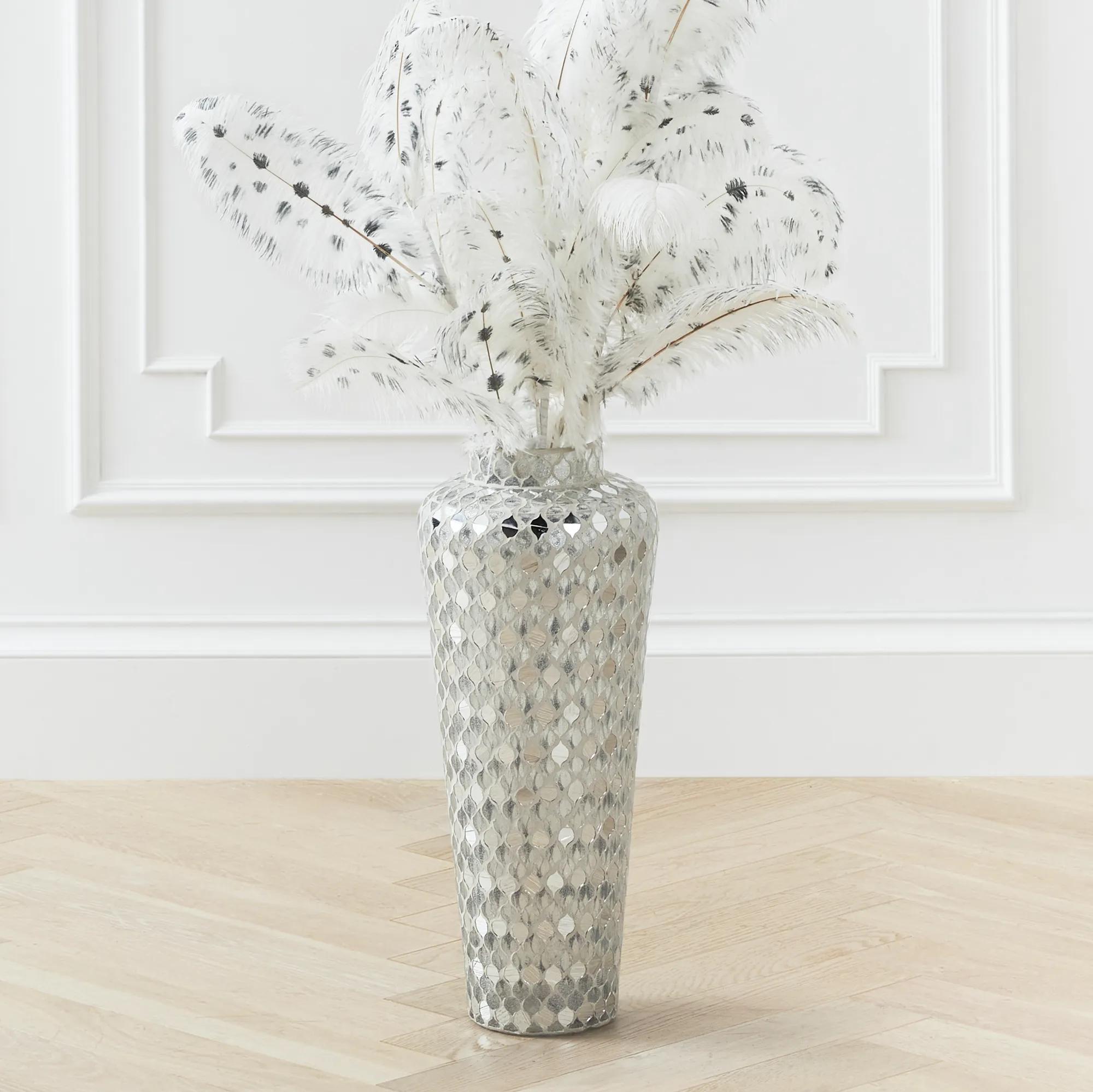 Fez Vase$139
A dazzling glass vase adorned with iridescent mirror and clear tiles for a glamorous decorative accent.
Add To Cart -
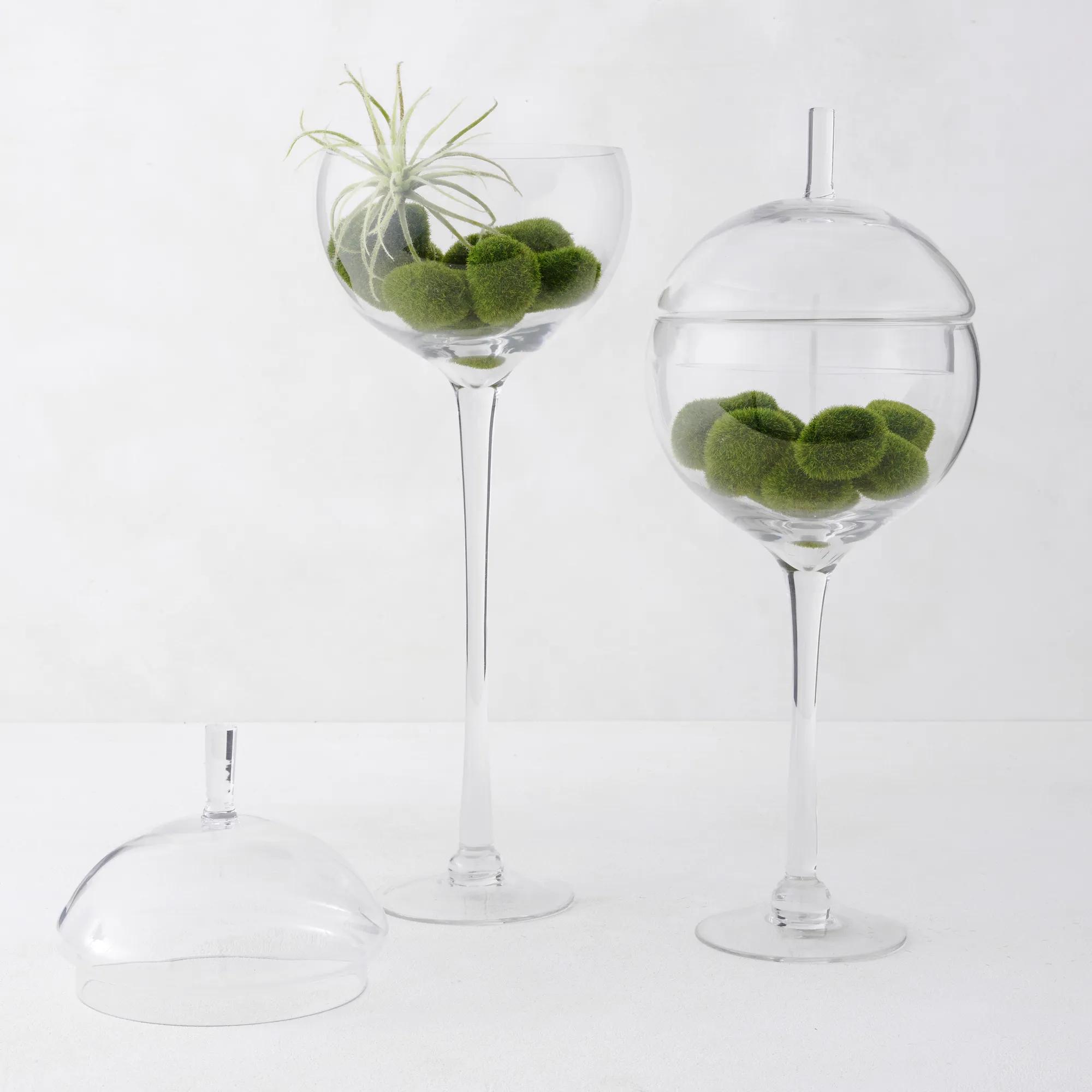 Jules Glass Decorative Canisters$89
A mouthblown glass terrarium perfect for showcasing decorative objects or cherished keepsakes.
Add To Cart -
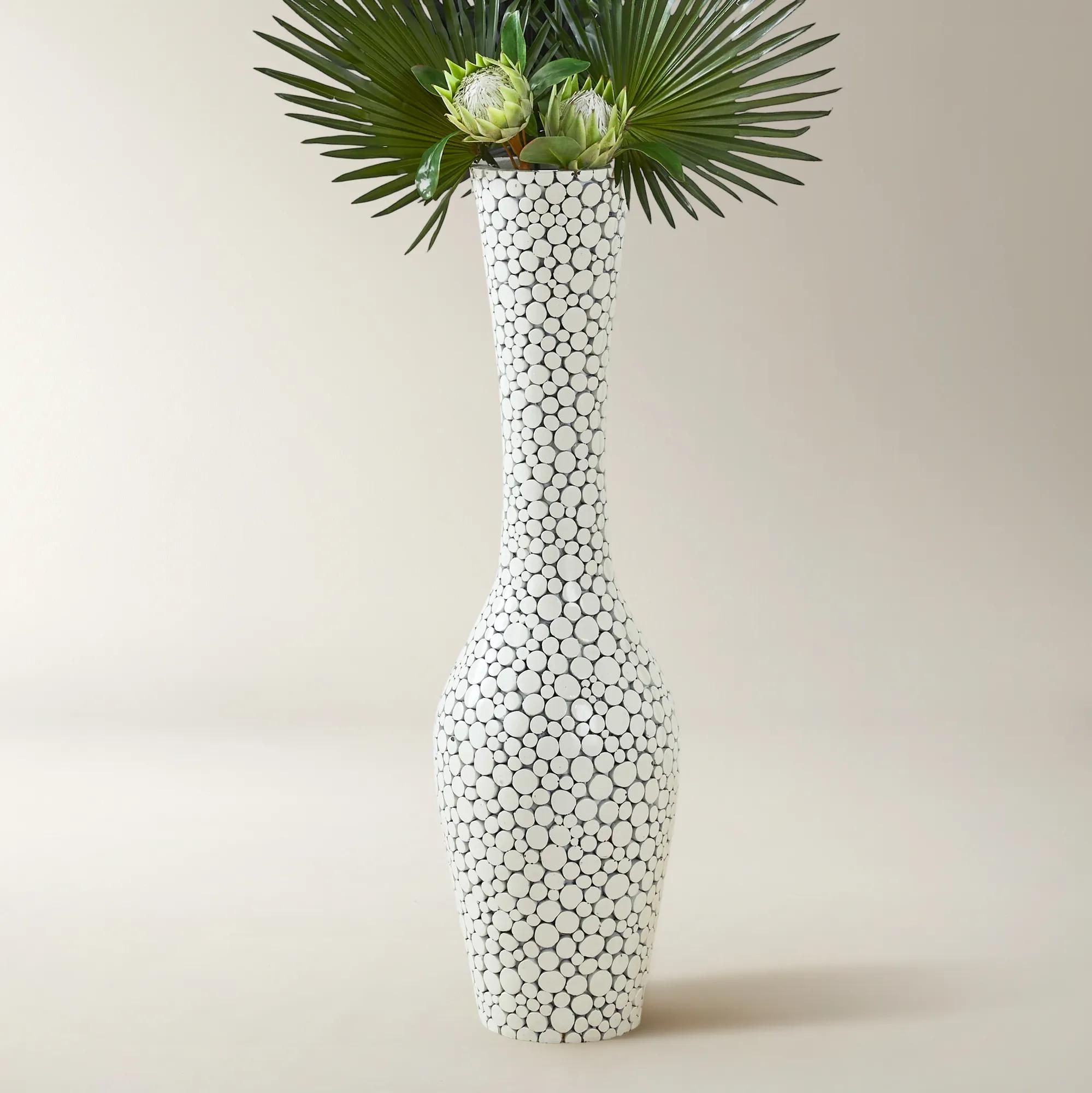 Oslo Floor Vase$299
A contemporary floor vase featuring hand-applied wood accents and a glossy white fiberglass base.
Add To Cart -
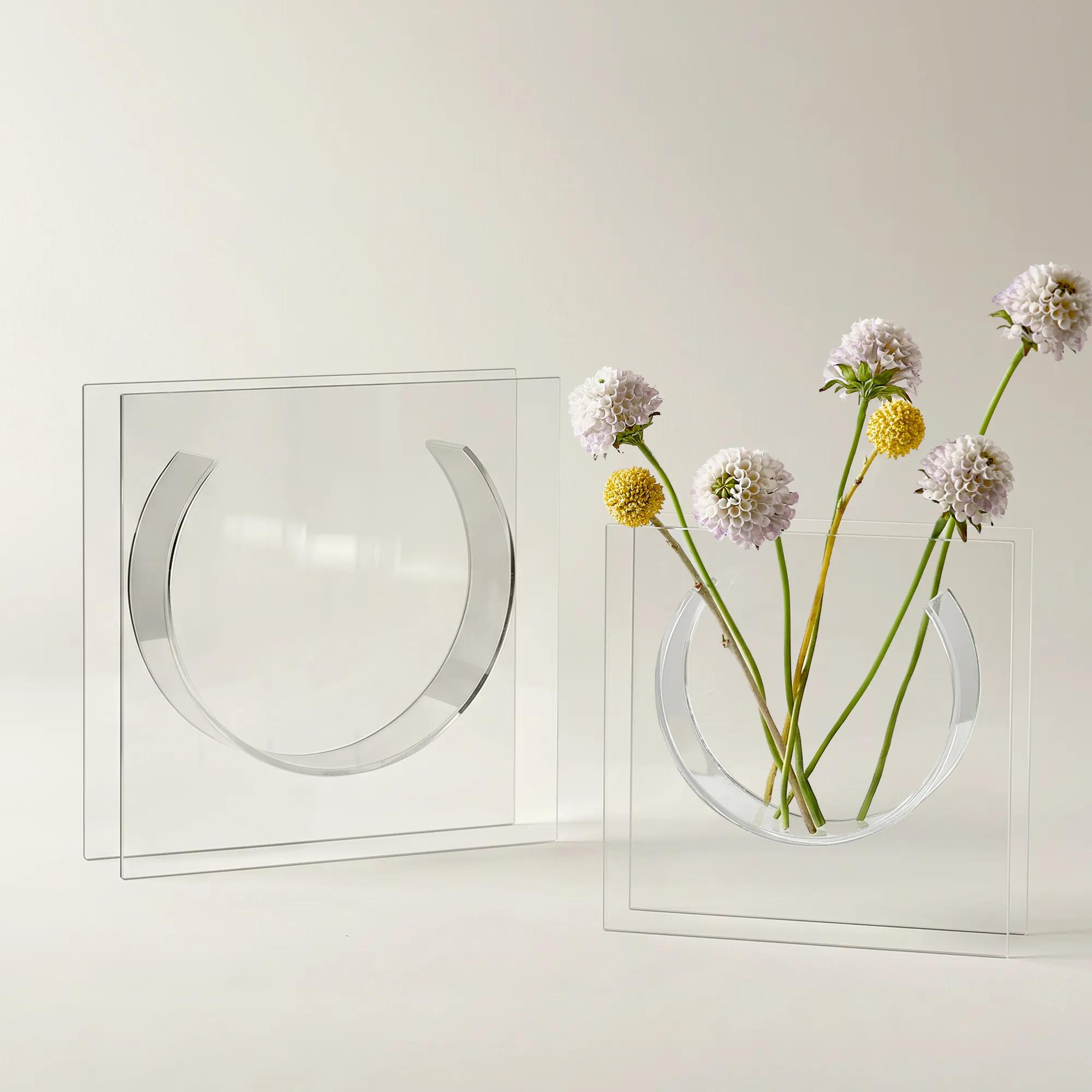
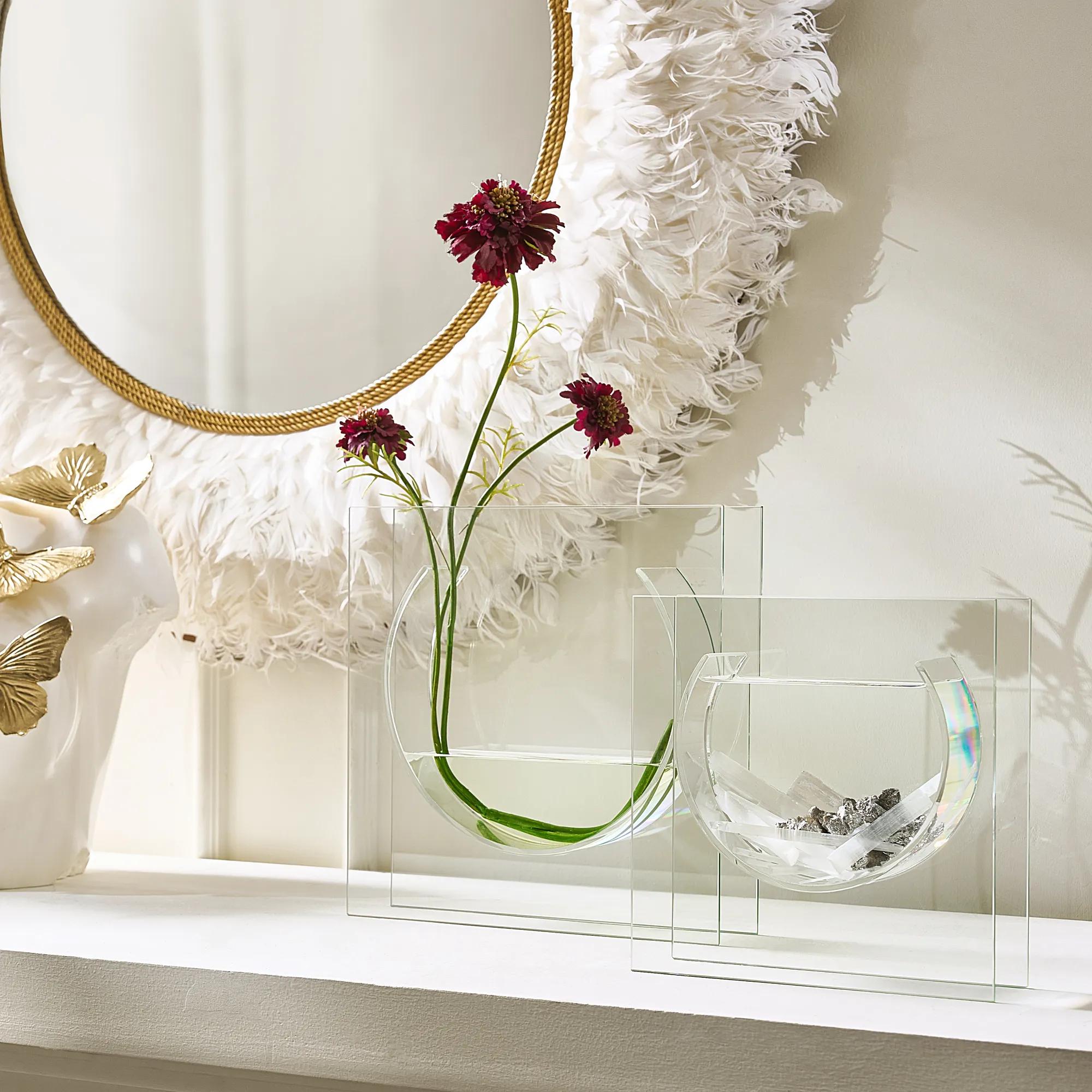 Solaris Clear Glass Vases$29
A clear glass vase with an elliptical bowl and bold modern design between two glass panels.
Add To Cart -
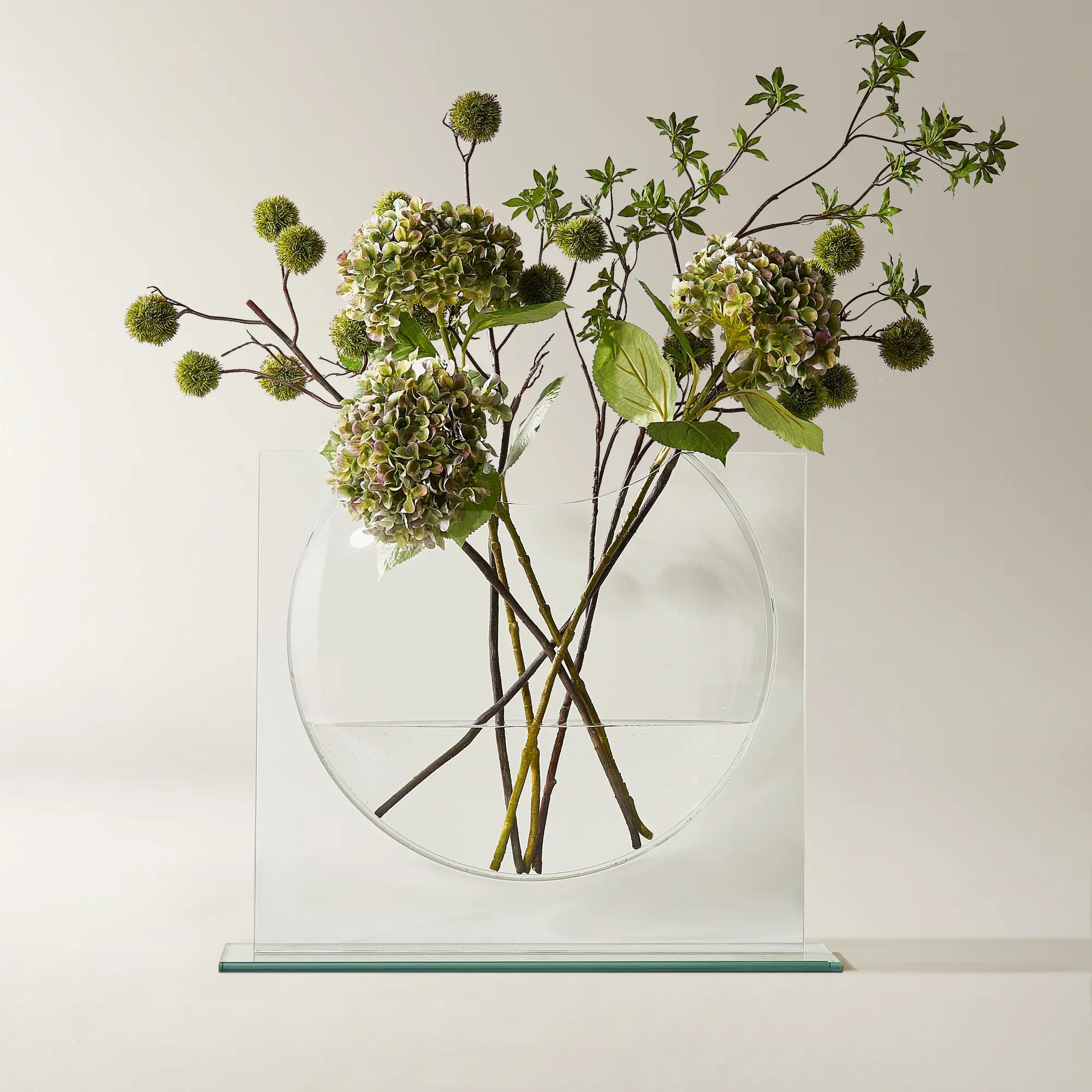
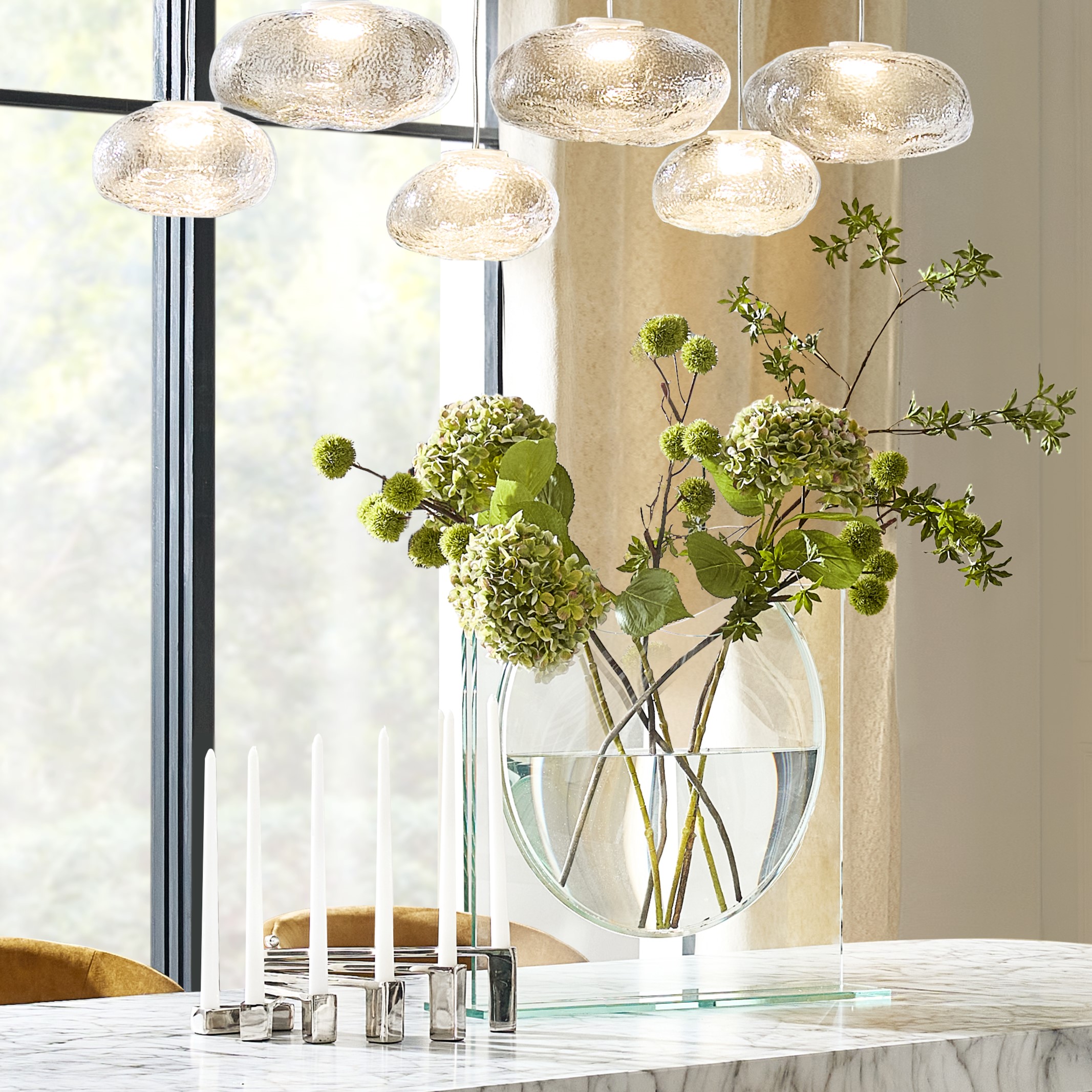 Ellipse Clear Glass Vase 20"$259
A sleek elliptical glass vase offering a modern, functional accent for fresh floral arrangements.
Add To Cart -
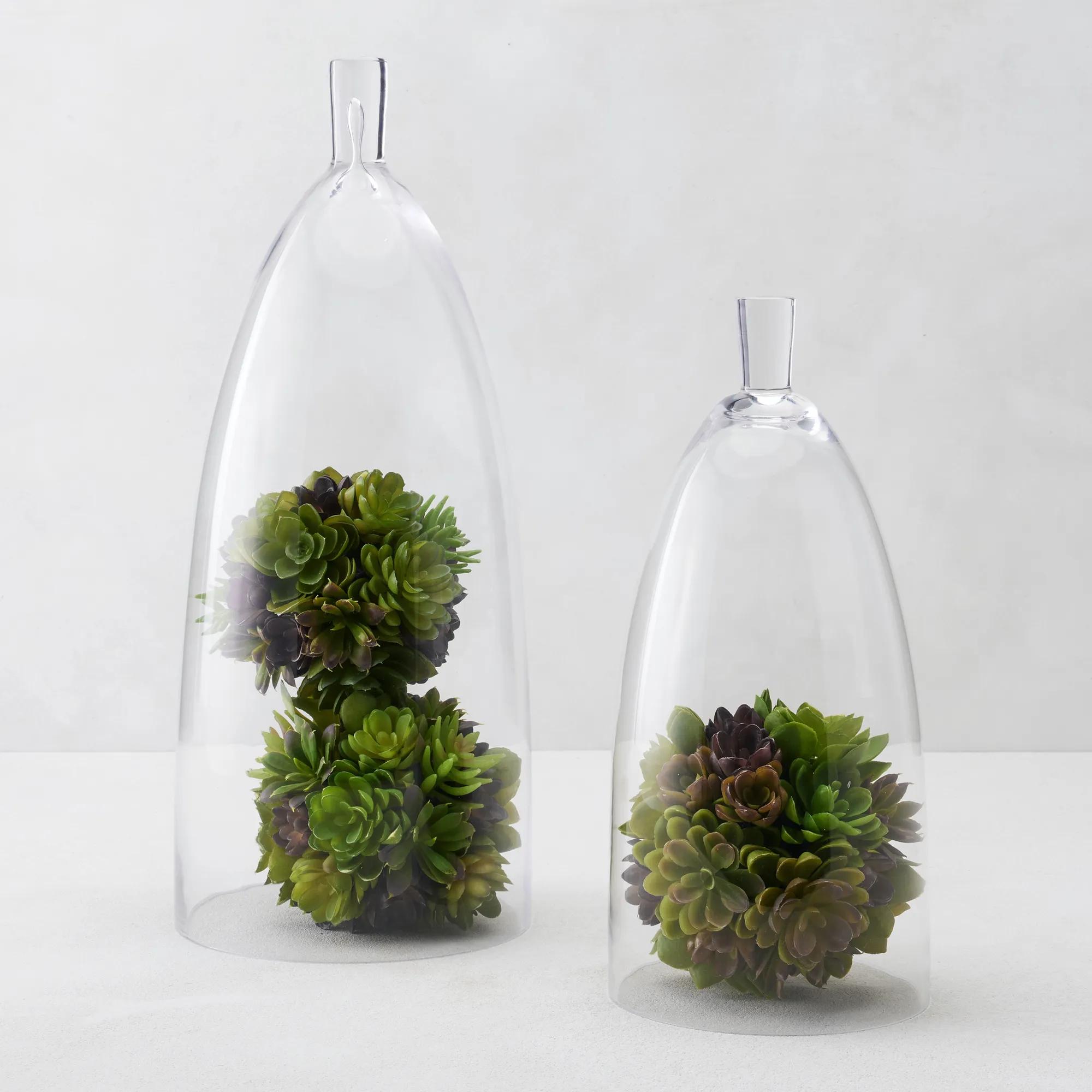 Jules Glass Decorative Cloches$59
A mouthblown glass terrarium perfect for showcasing cherished objects as unique decorative art.
Add To Cart -
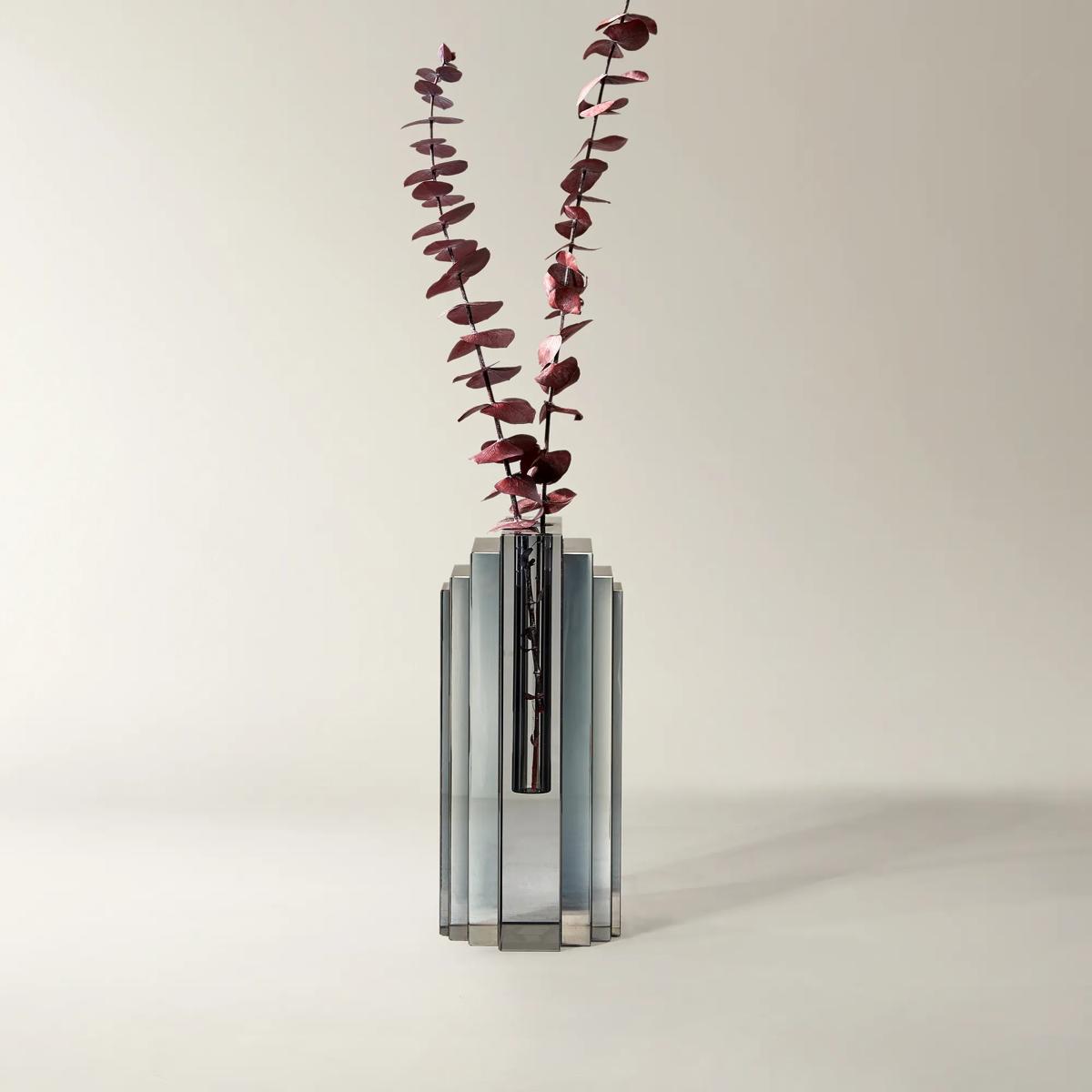 Lucca Crystal Vase - Mirrored Graphite$109
A mirrored graphite crystal vase with a multifaceted geometric design that reflects light for sculptural brilliance.
Add To Cart -
.jpeg?w=1200&h=1200)
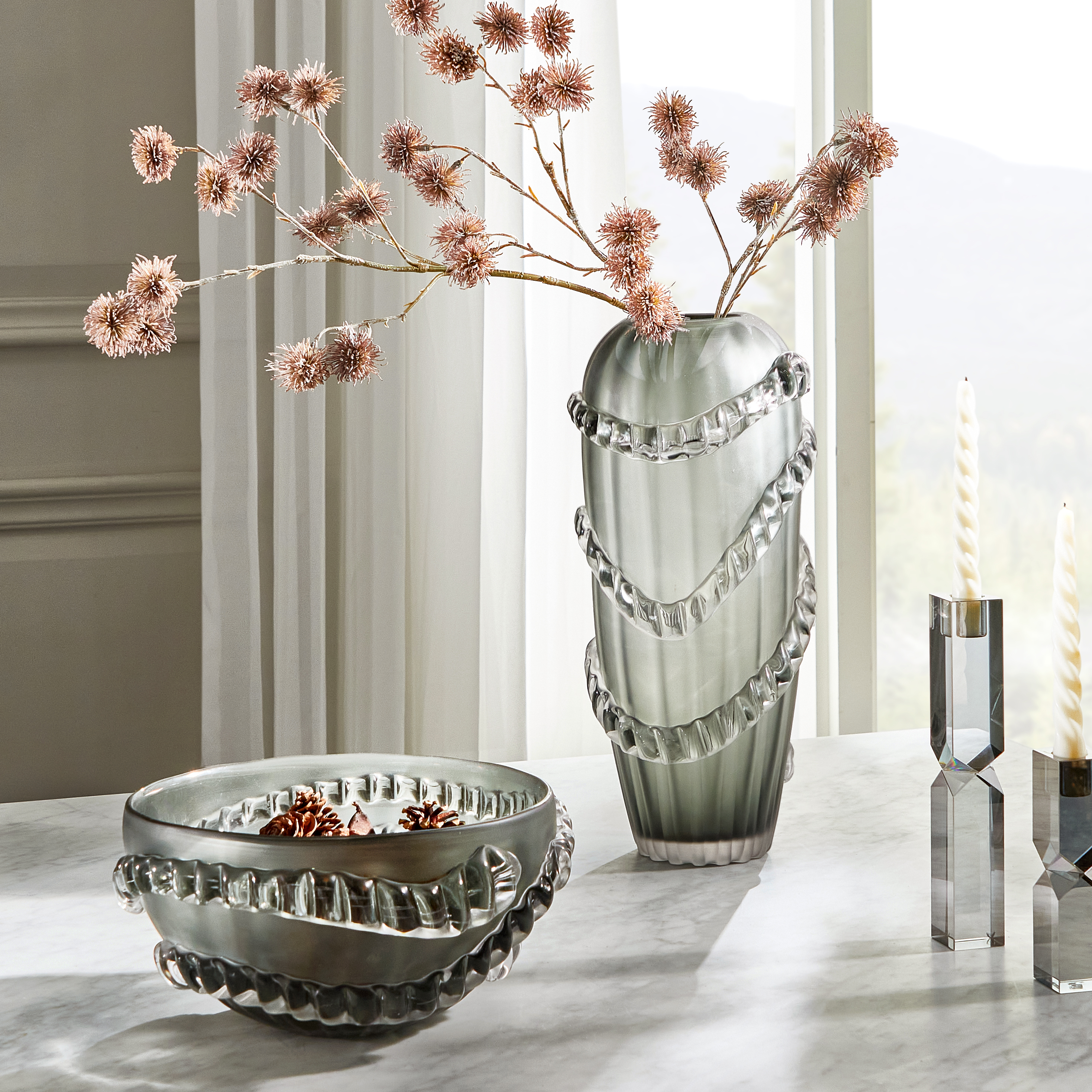 Helix Glass Collection$129
A hand-blown dark gray glass piece featuring fluted bodies and rippling sculptural ribbons for modern elegance.
Add To Cart -
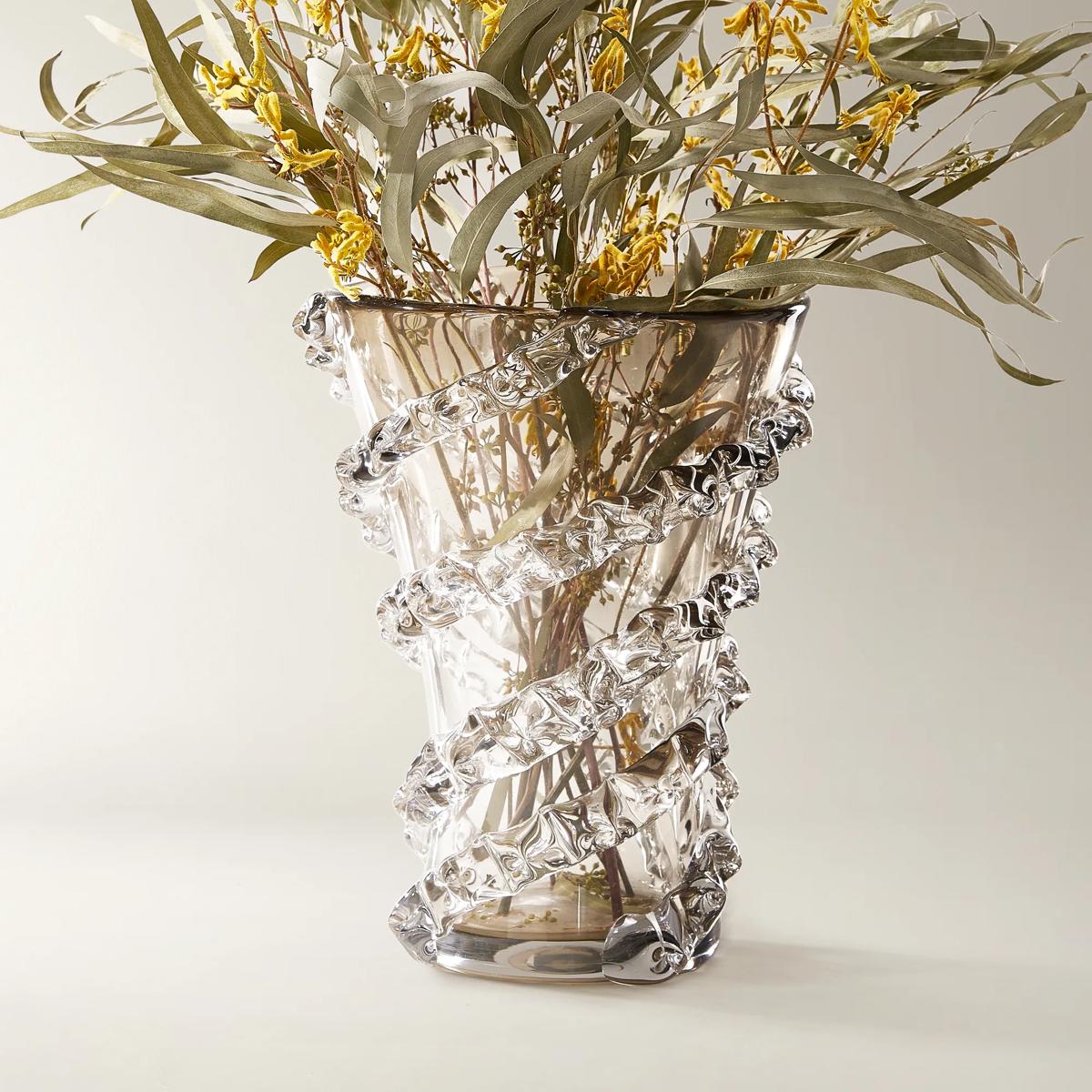
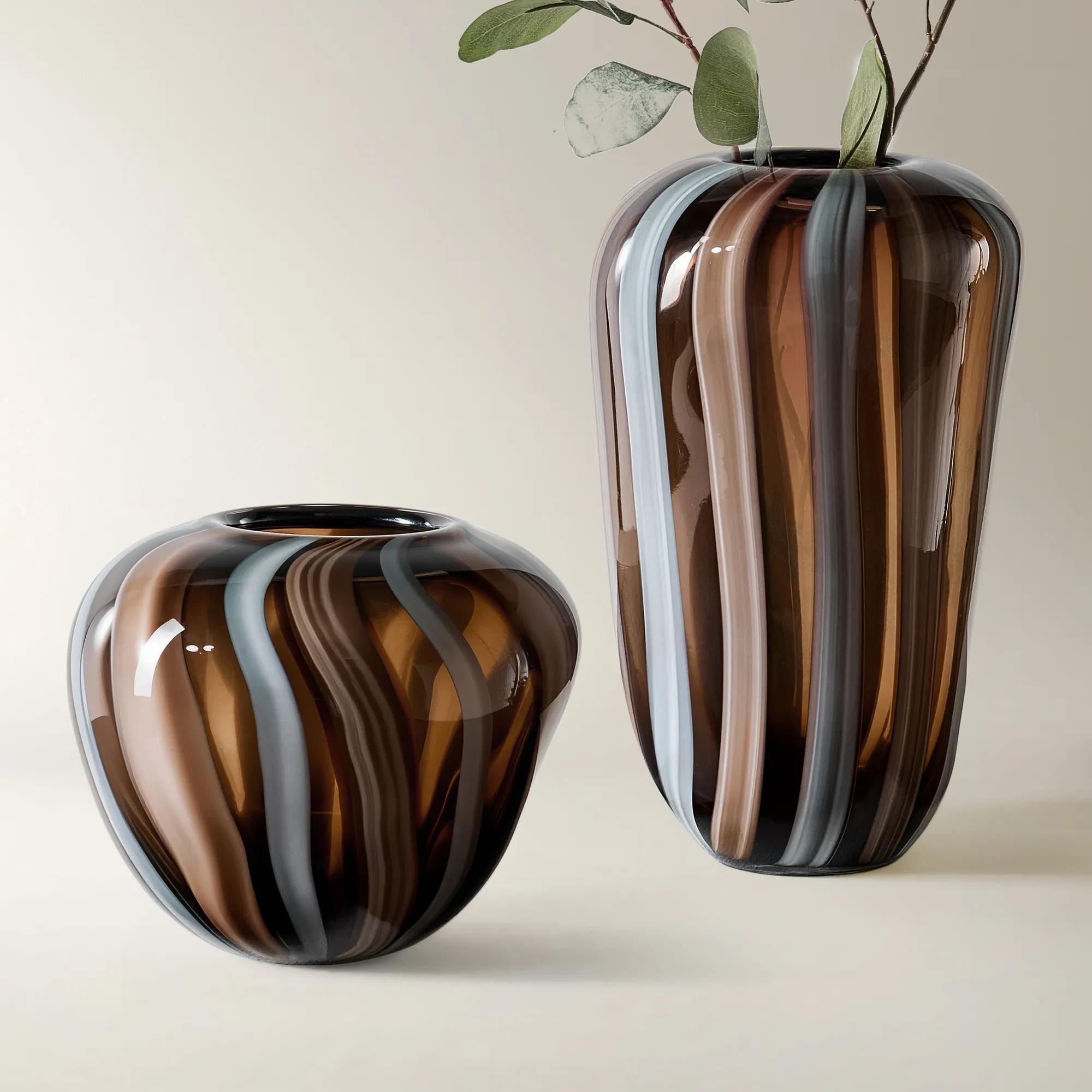
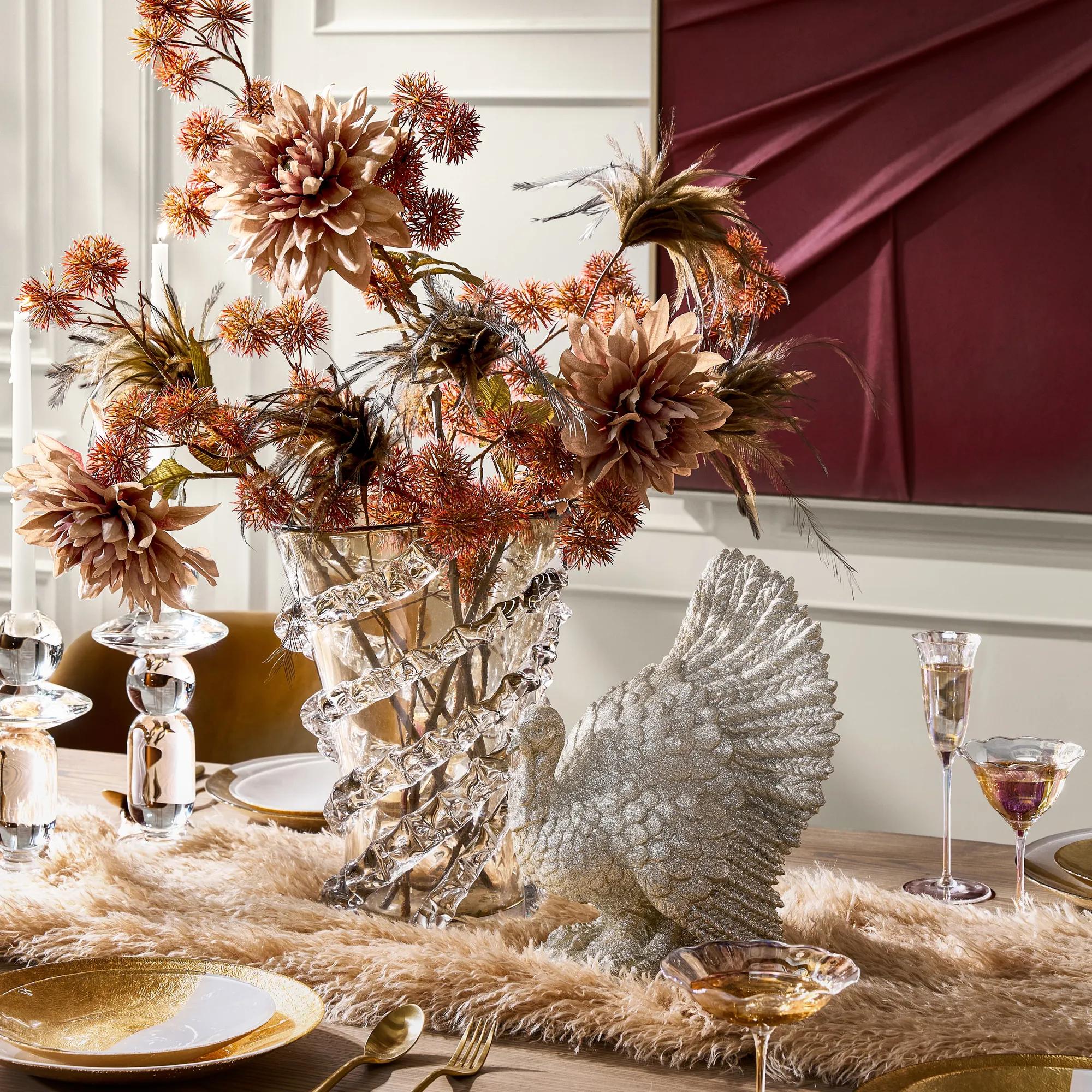 Reyna Glass Vase$299
A hand-blown glass vase featuring a sculptural swirl design and a smoky grey-brown finish.
Add To Cart -
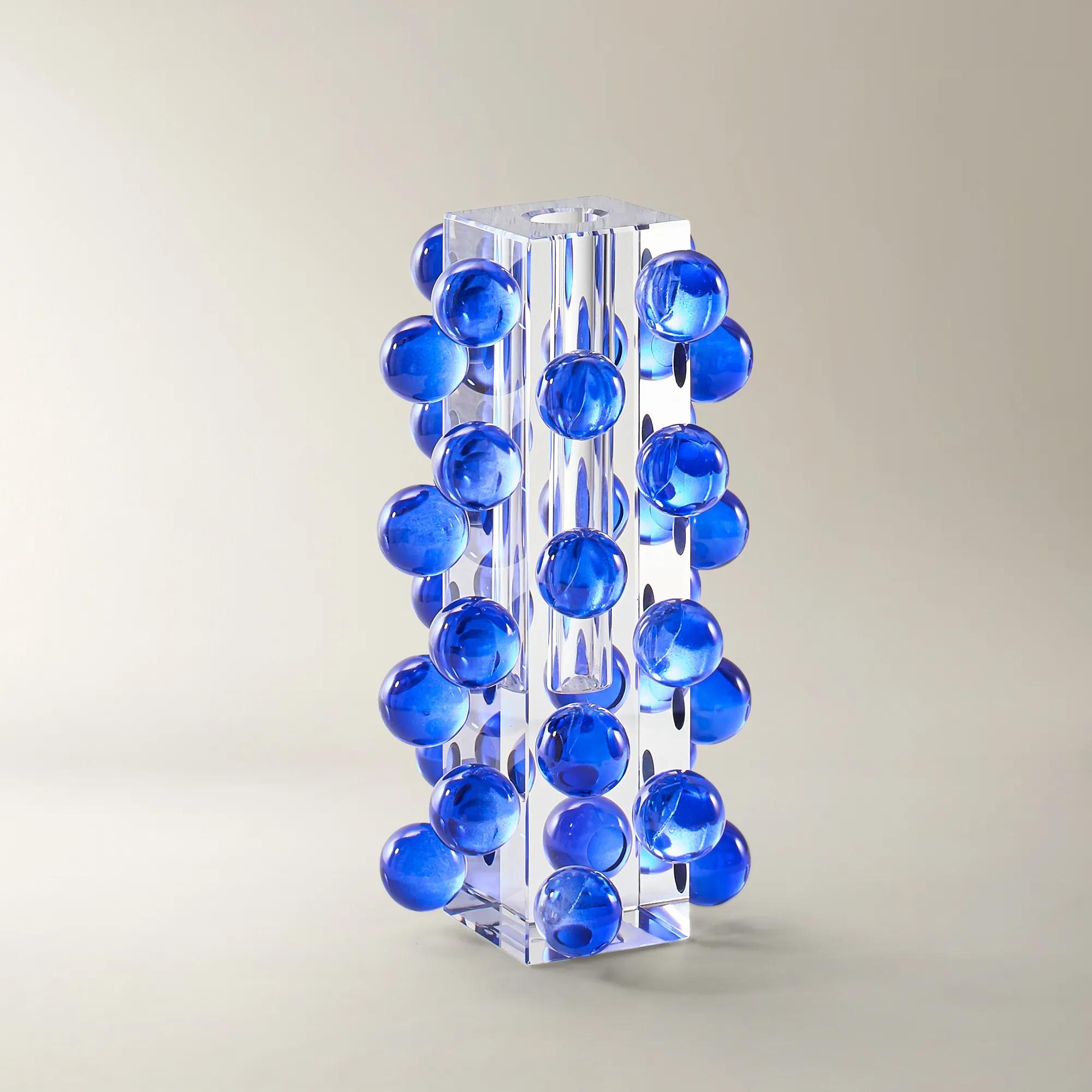 Bubble Vase Blue$79
A vibrant blue crystal glass vase featuring playful clusters of spheres for a striking decorative accent.
Add To Cart -
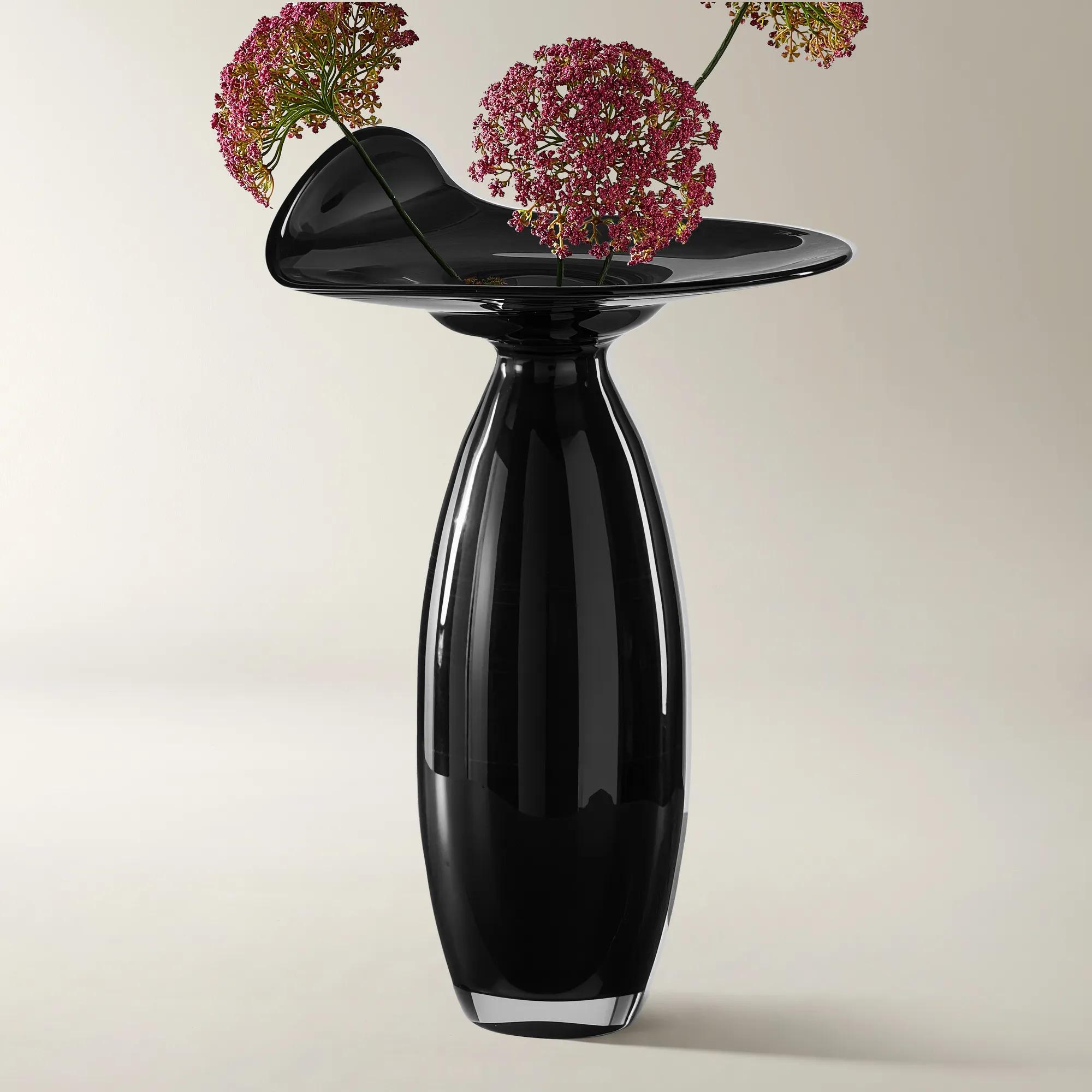 Folia Mouth Blown Glossy Black Glass Vase 22"$199
A handblown glass vase with a glossy black finish and organic sculptural silhouette for modern decor.
Add To Cart -
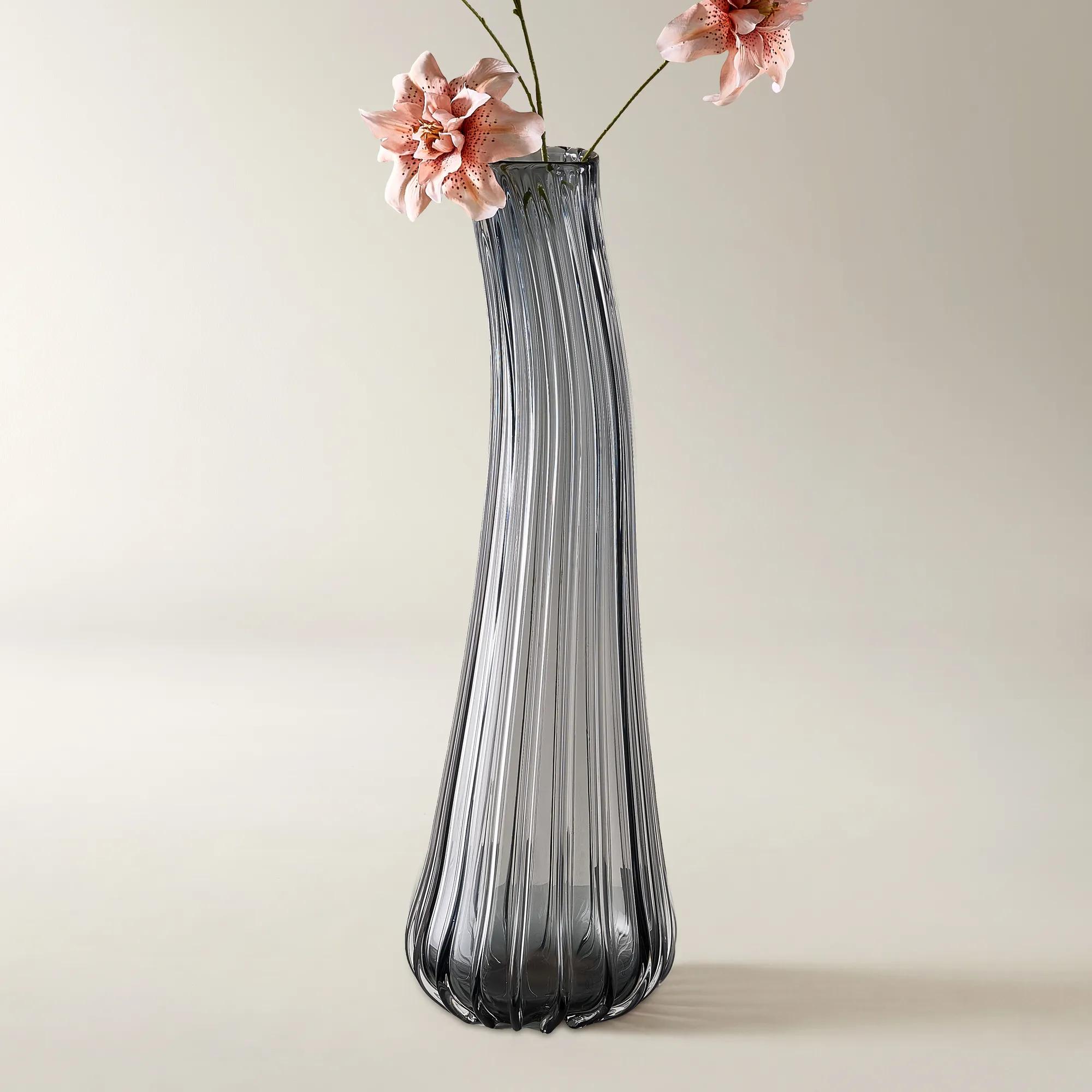 Tango Mouth Blown Smoked Pearl Vase 29"$199
A handblown glass vase in a smoked pearl finish with a textured surface for sculptural elegance.
Add To Cart -
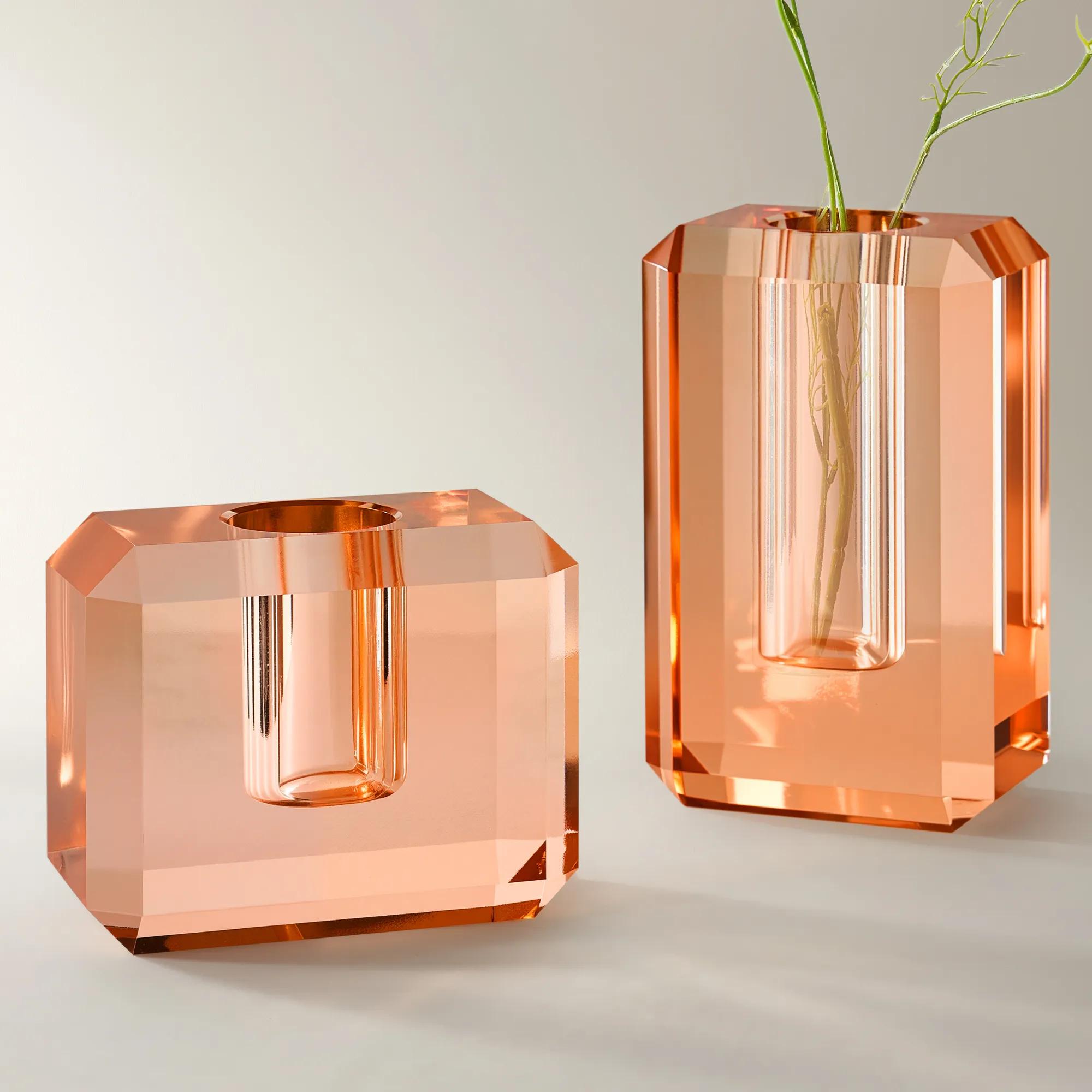
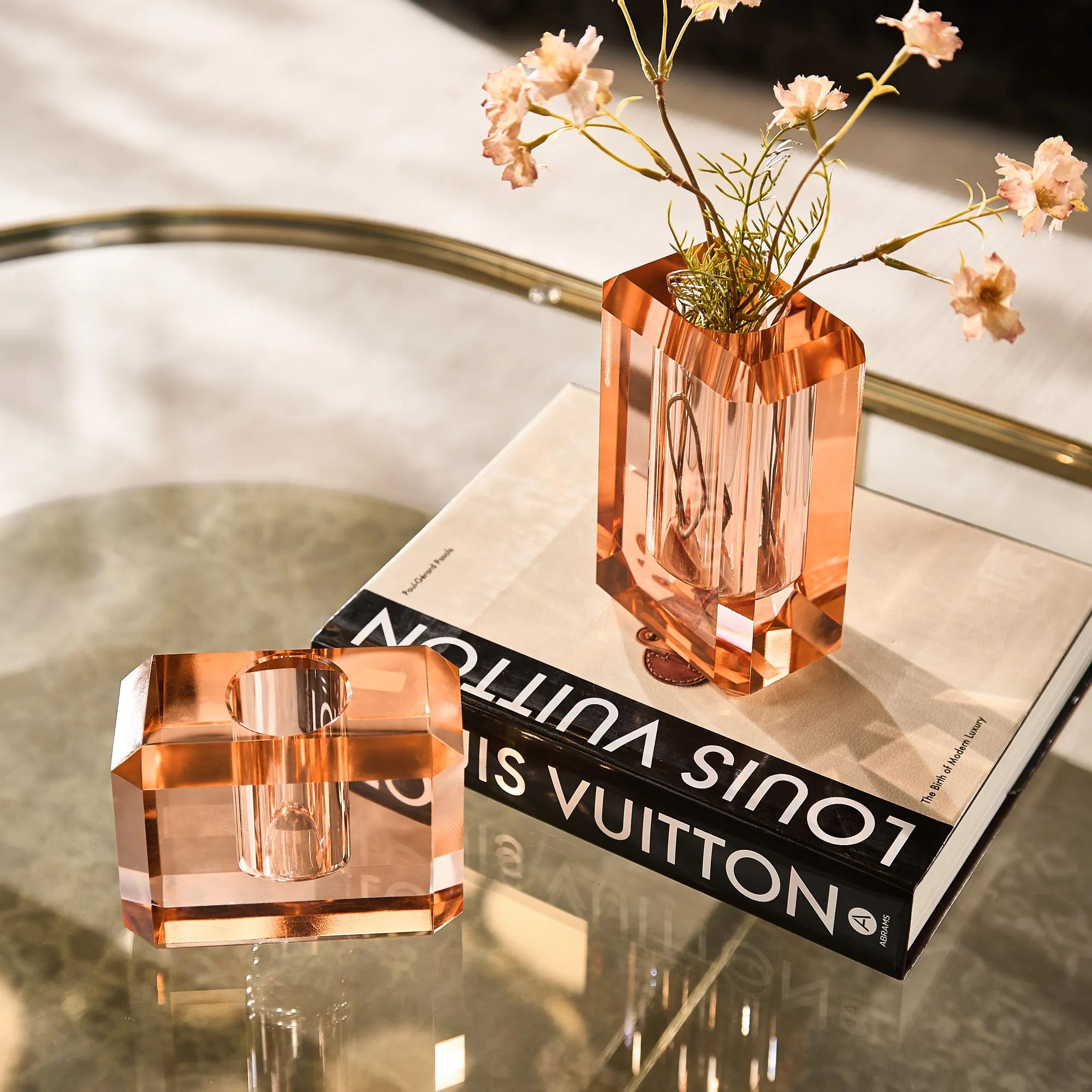 Corina Crystal Glass Bud Vase$99
A delicate crystal glass bud vase adding shimmering elegance to modern floral arrangements.
Add To Cart -
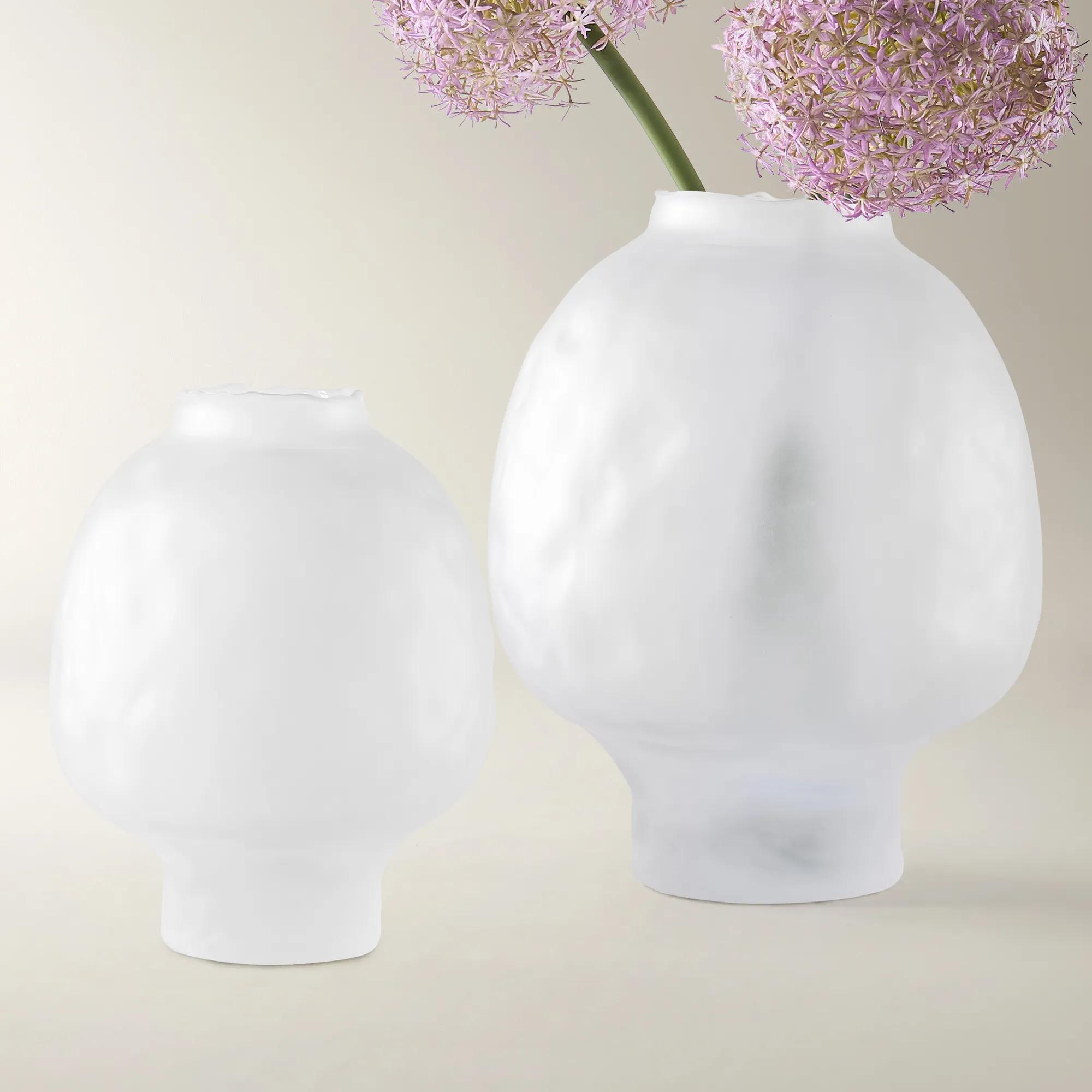
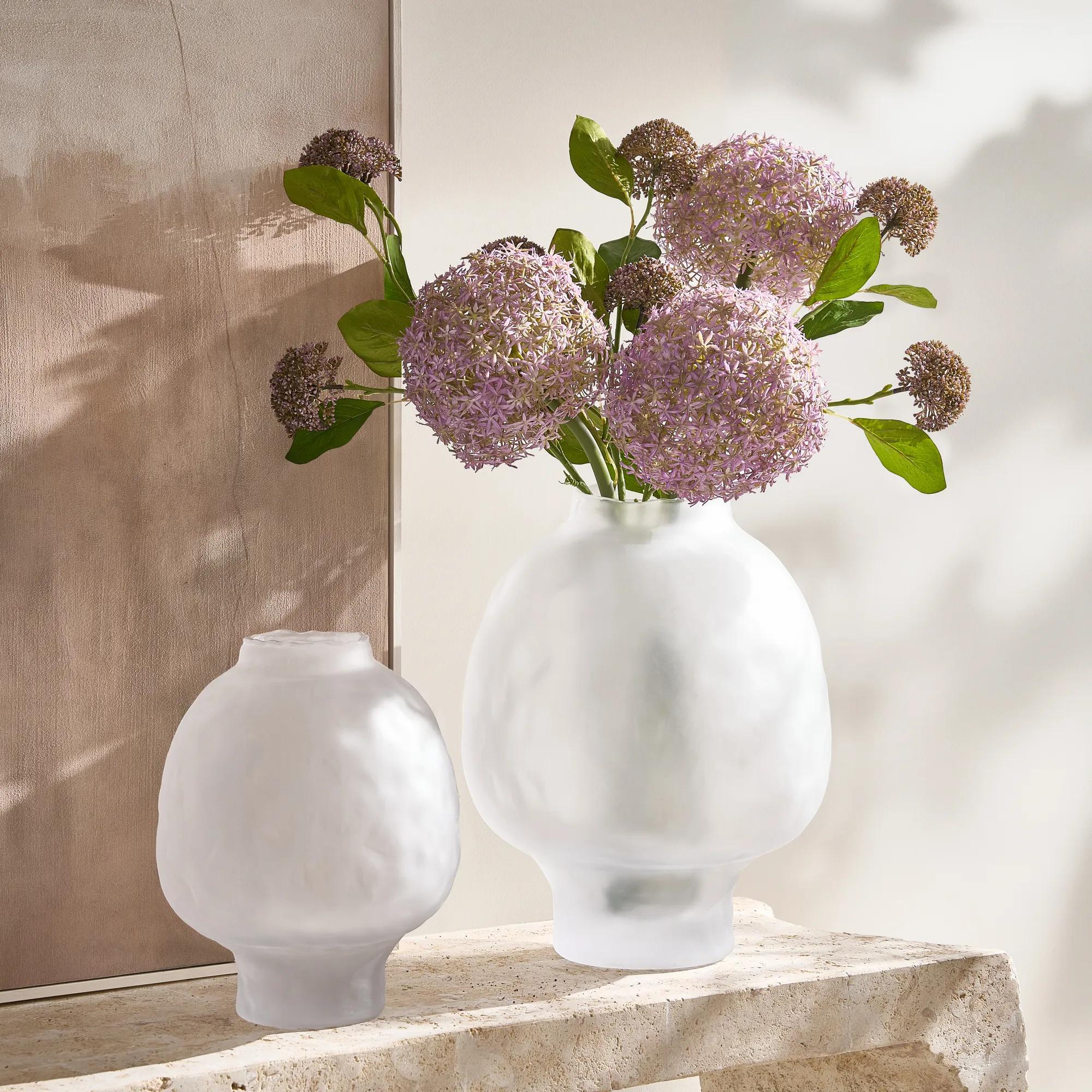 Frost Glass Vase$179
A sculptural frosted glass vase adding sleek, contemporary elegance to curated interiors.
Add To Cart -
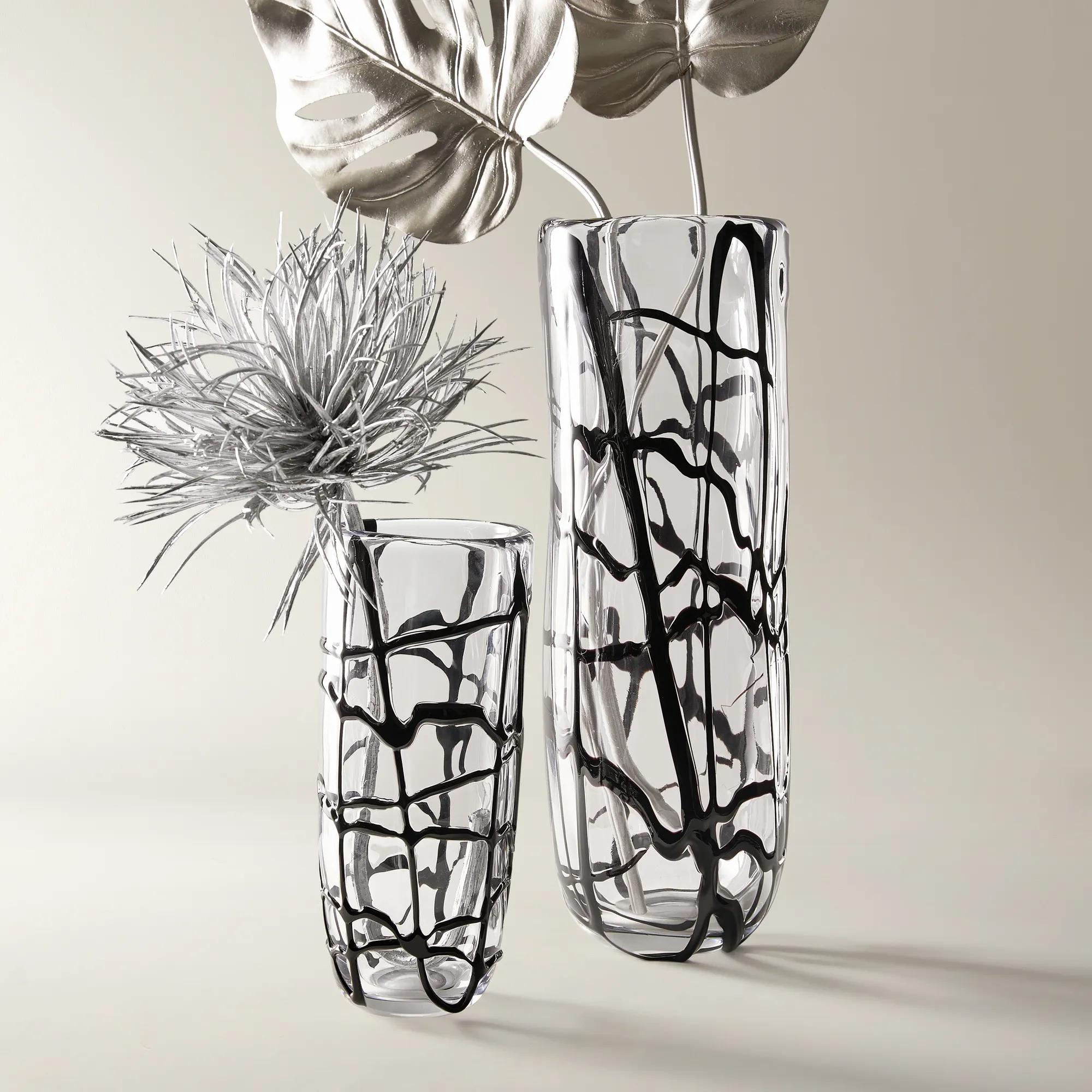 Torino Glass Vase$109
A hand-blown glass vase featuring a dramatic black design and sleek cylindrical silhouette for modern appeal.
Add To Cart -
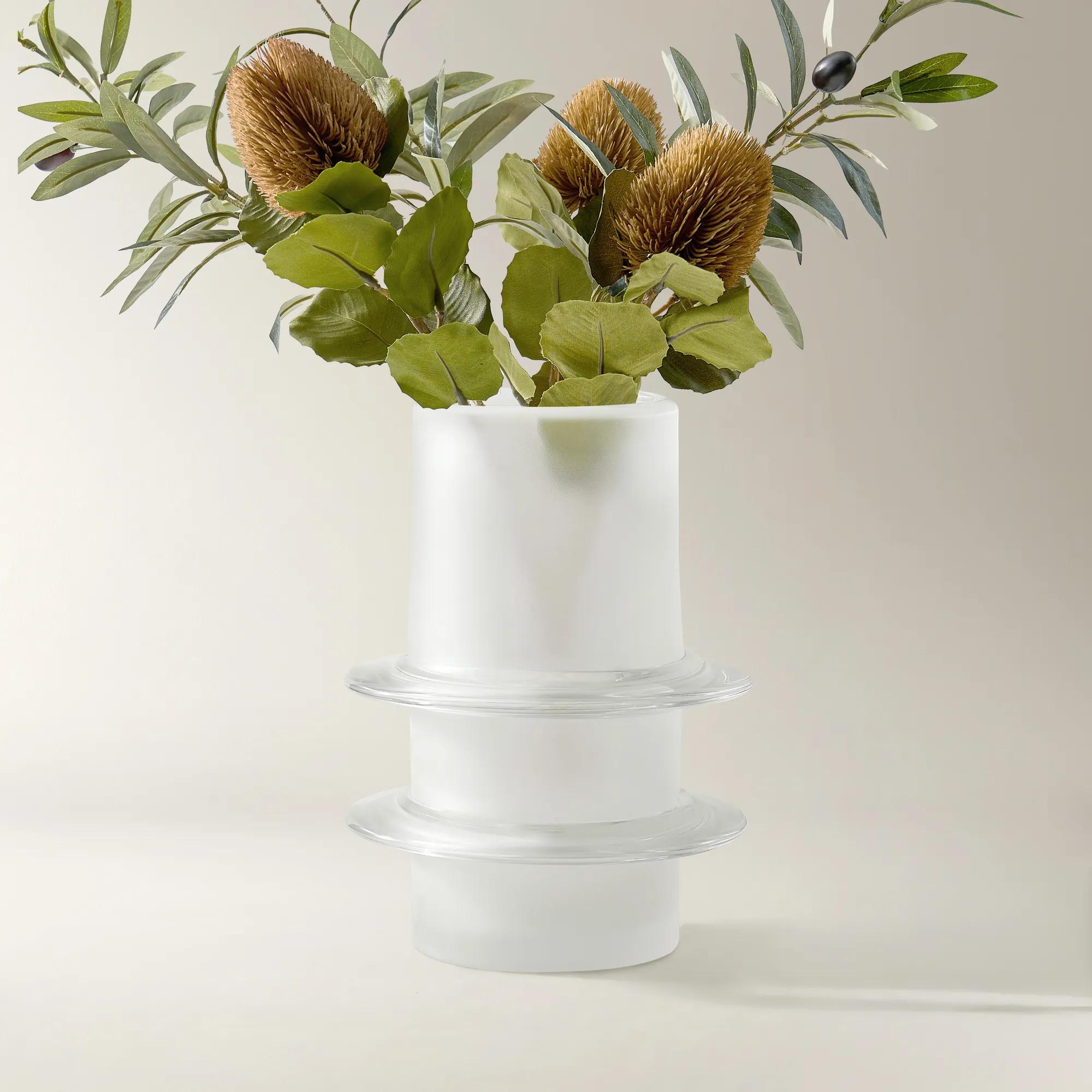
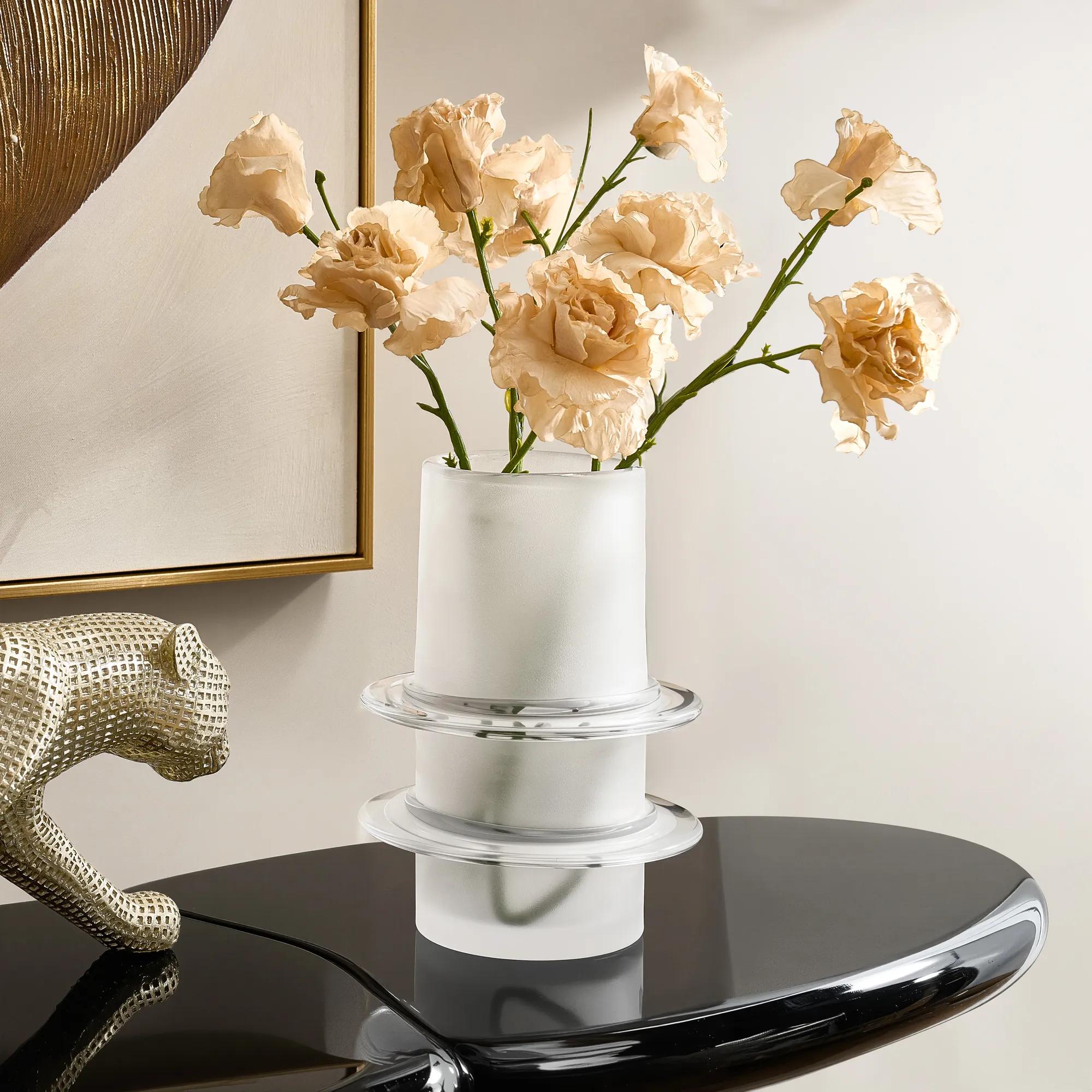 Pierre Glass Vase - Frosted White$99
A frosted white glass vase adding modern elegance to any décor.
Add To Cart -
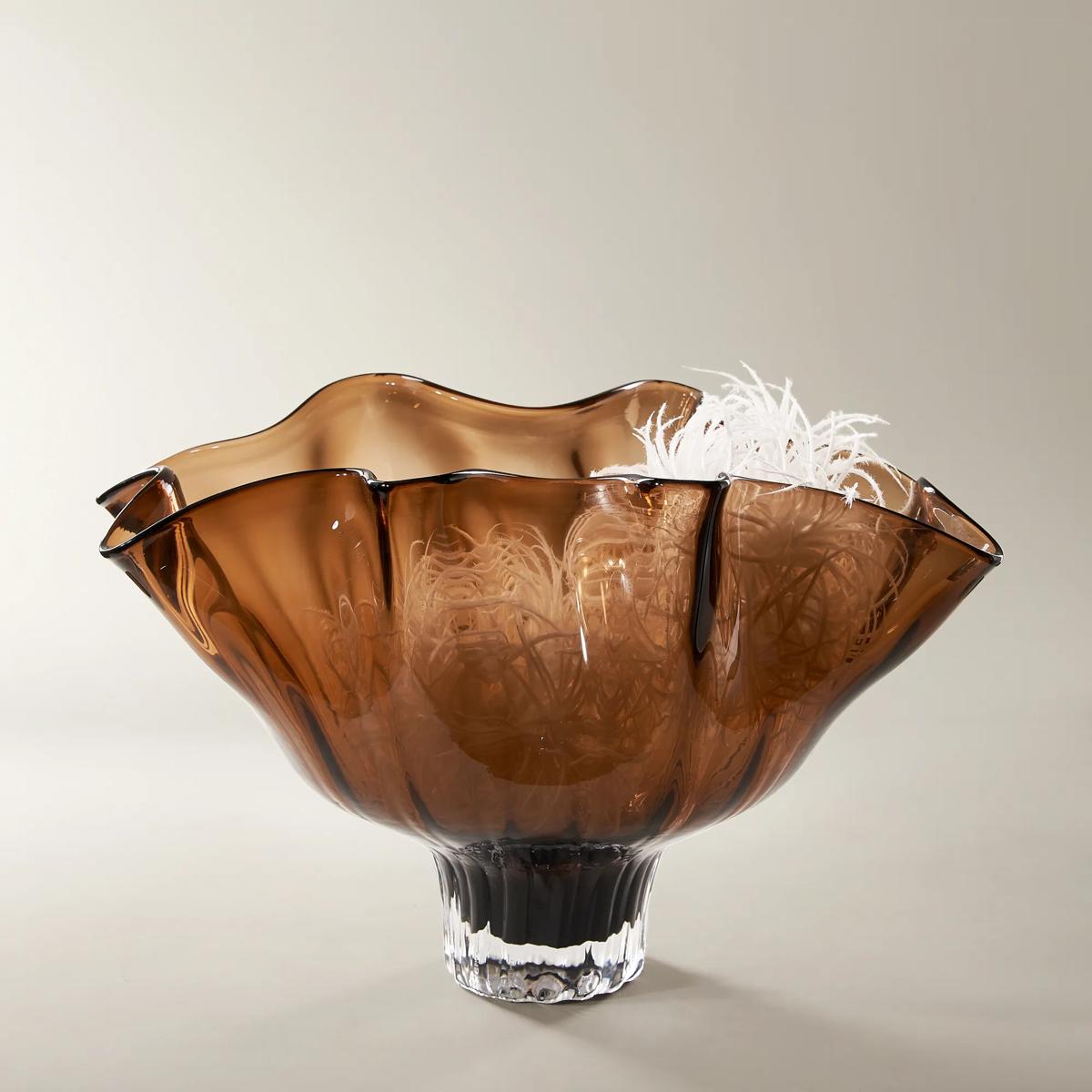
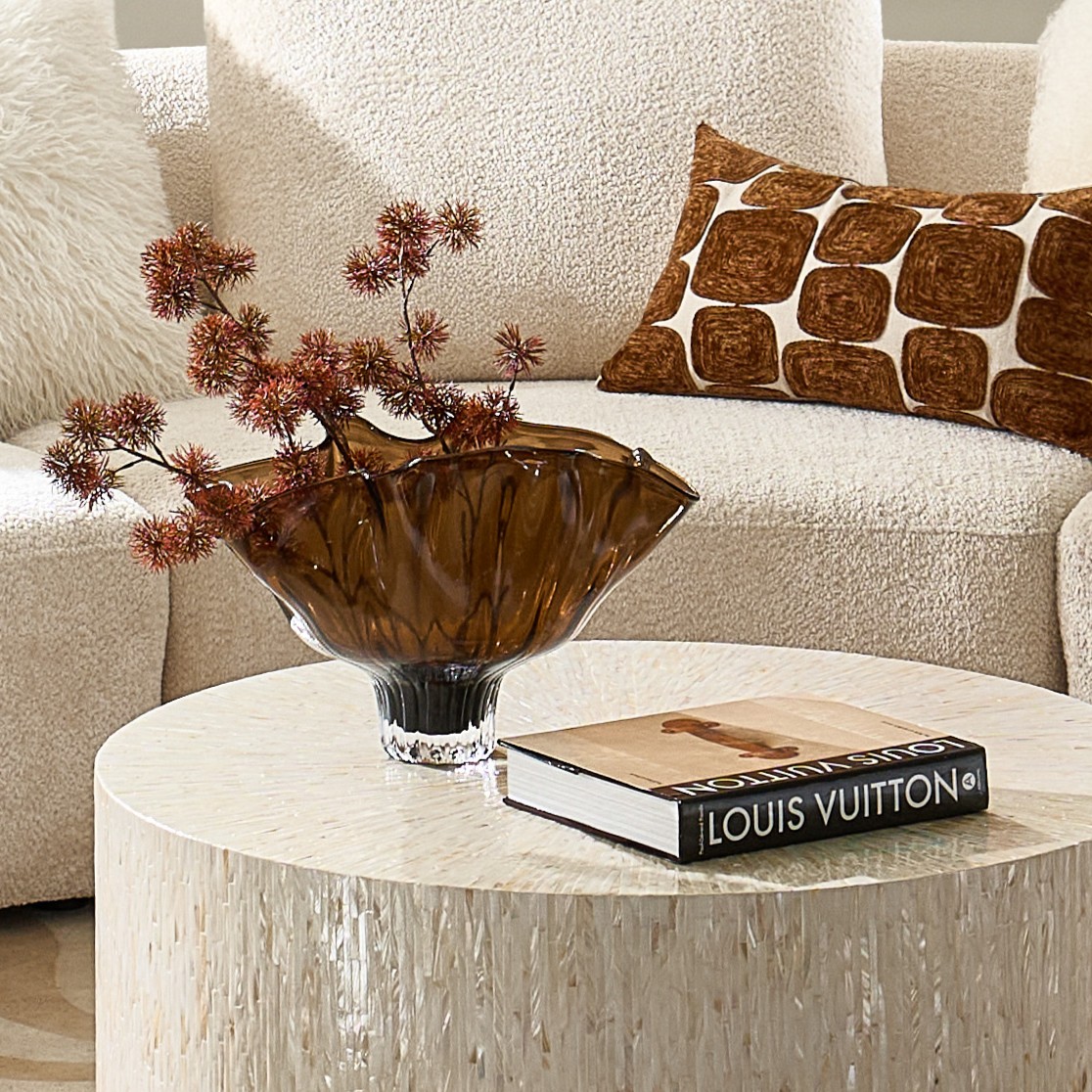 Coco Mouthblown Brown Glass Bowl 17" x 9.75"$139
A hand-blown brown glass bowl with an undulating rim and clear tapered base for sculptural elegance.
Add To Cart -
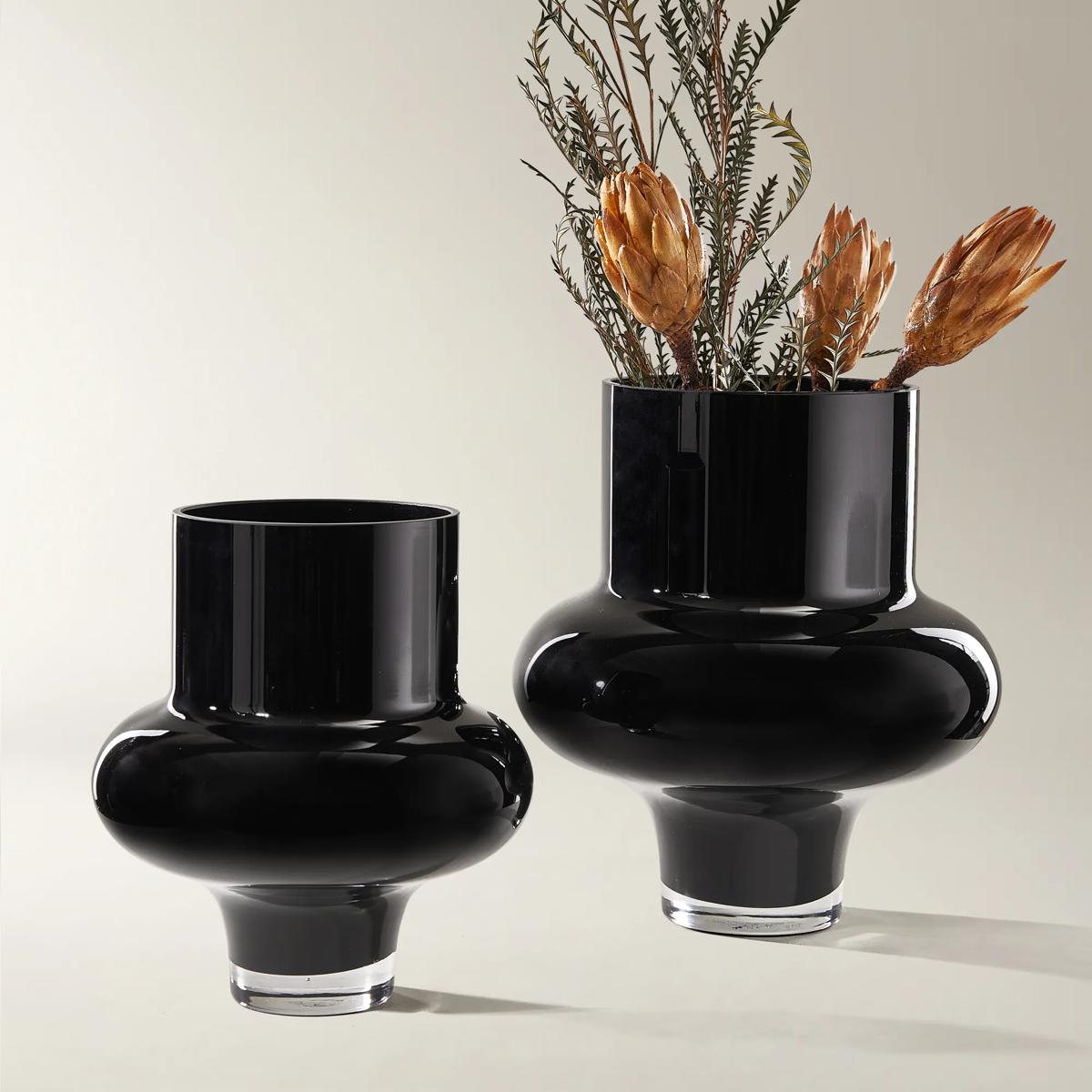
 Kors Glass Vase$69
A sculptural hand-blown black glass vase with a high-gloss finish and bold, curvaceous silhouette.
Add To Cart -
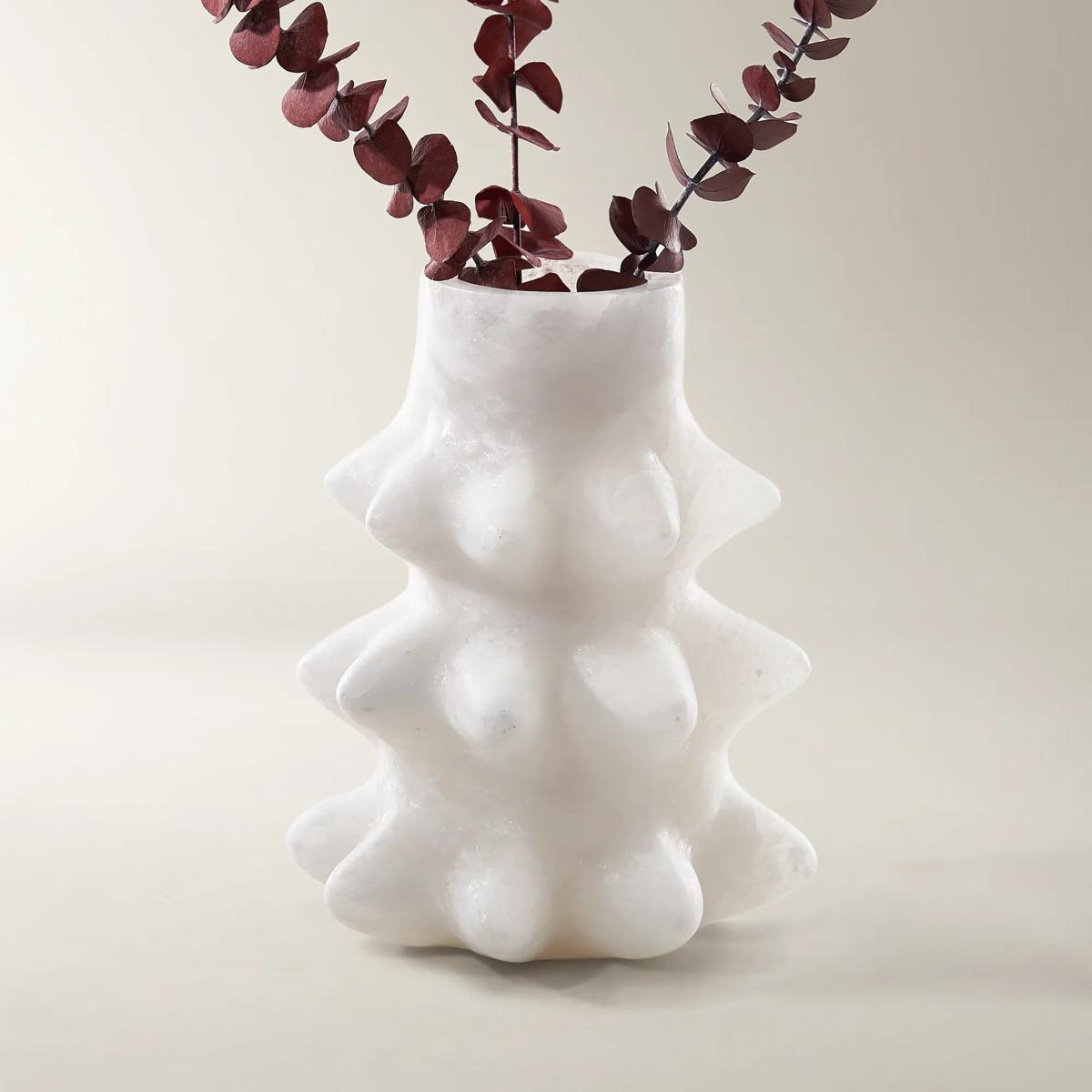
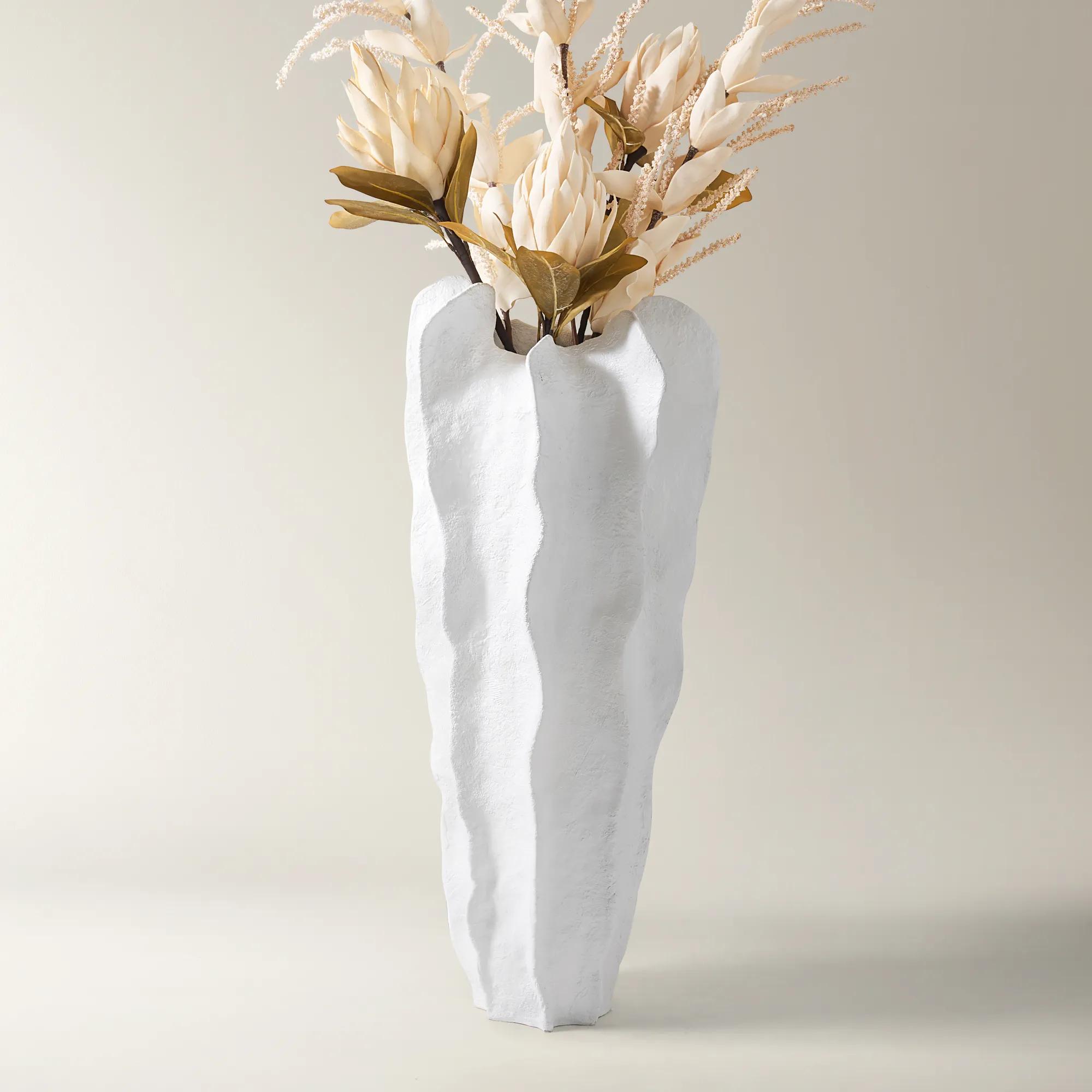
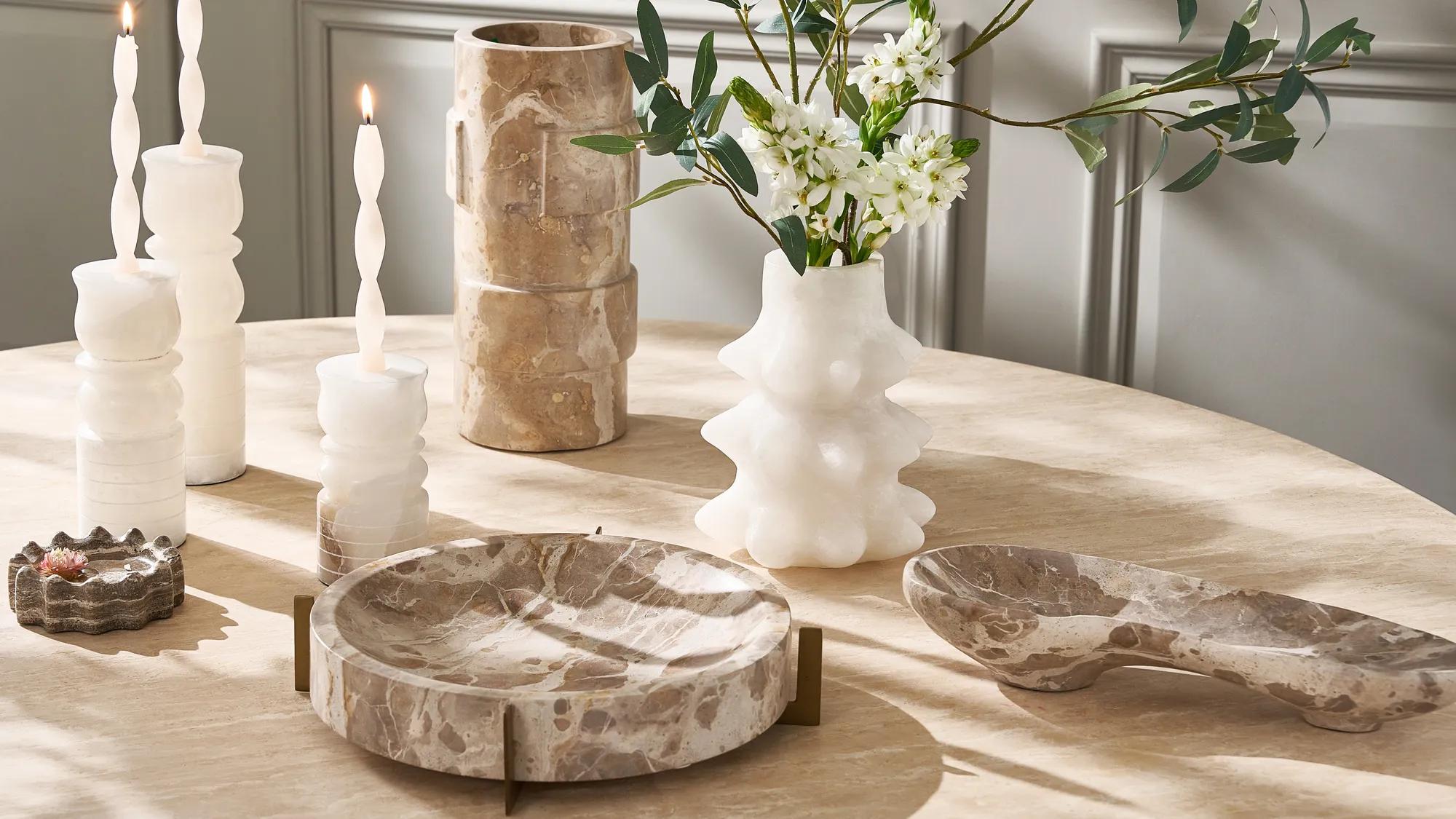 Alabaster Spike Vase$239
A sculptural white alabaster vase with bold spiked contours and naturally radiant veining.
Add To Cart -
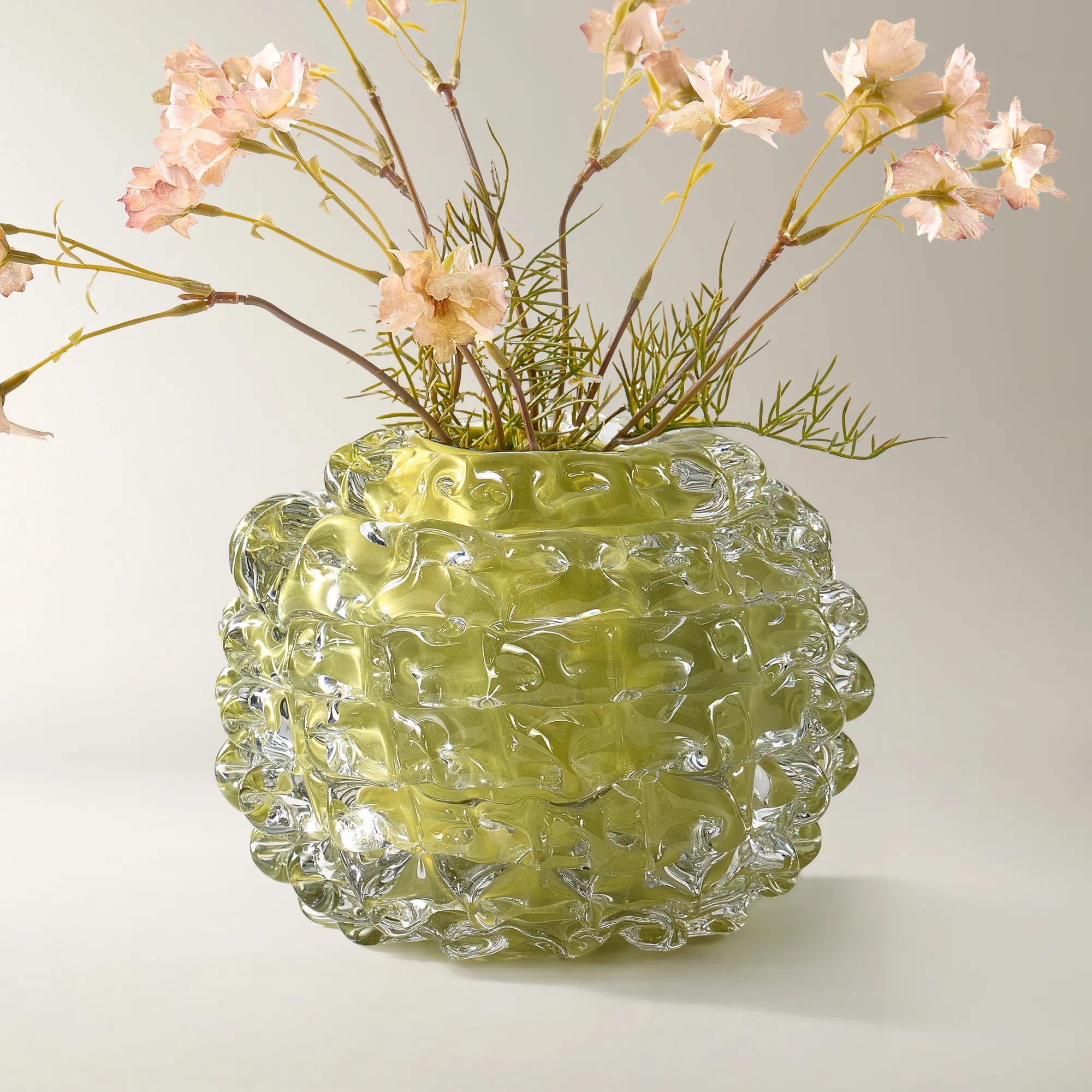 Citron Ice Glass Vase$169
A citron-hued glass vase adding vibrant, translucent color to modern décor.
Add To Cart -
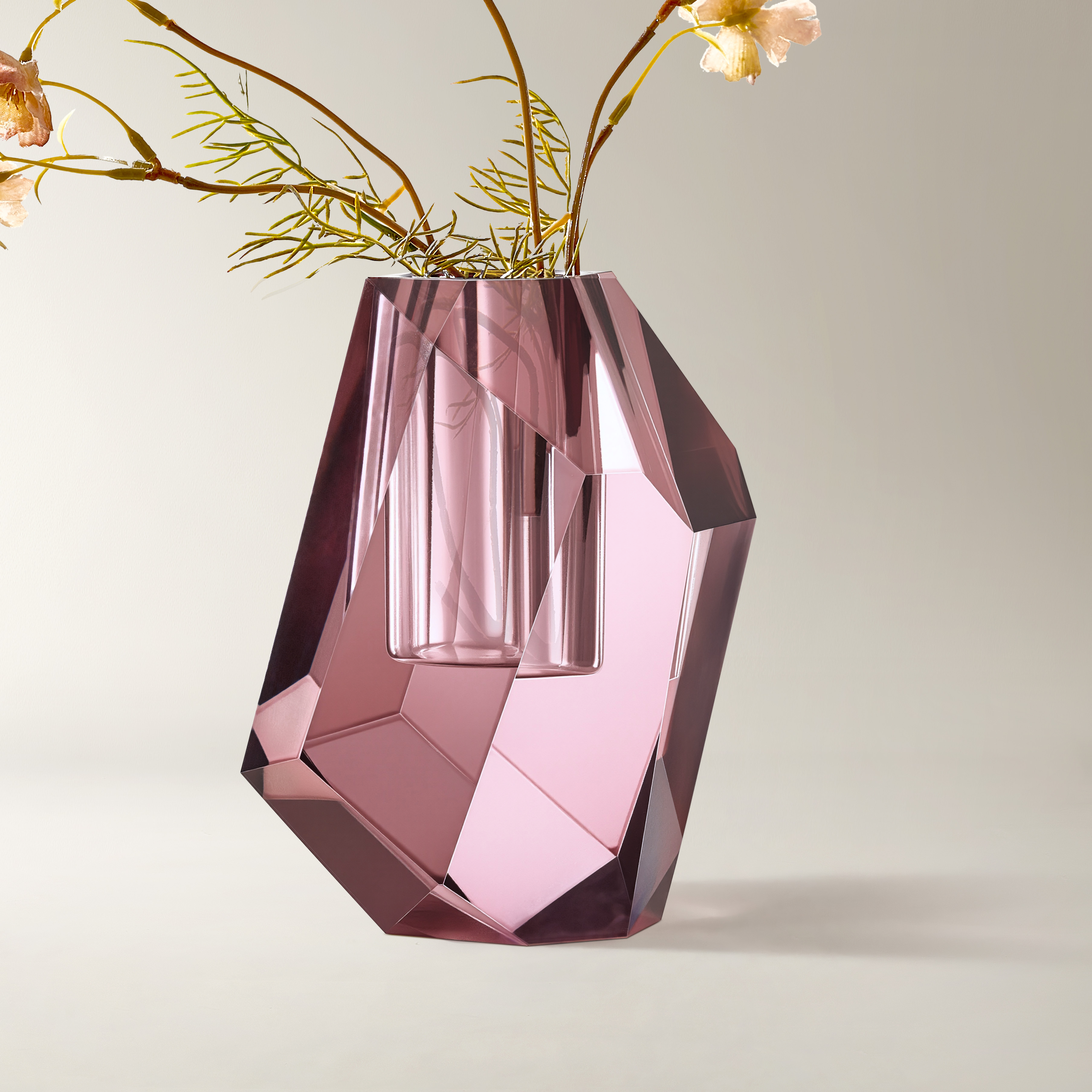 Merci Plum Crystal Glass Bud Vase 7.5"$139
A plum-hued crystal glass bud vase adding jewel-toned elegance to modern decorative arrangements.
Add To Cart -
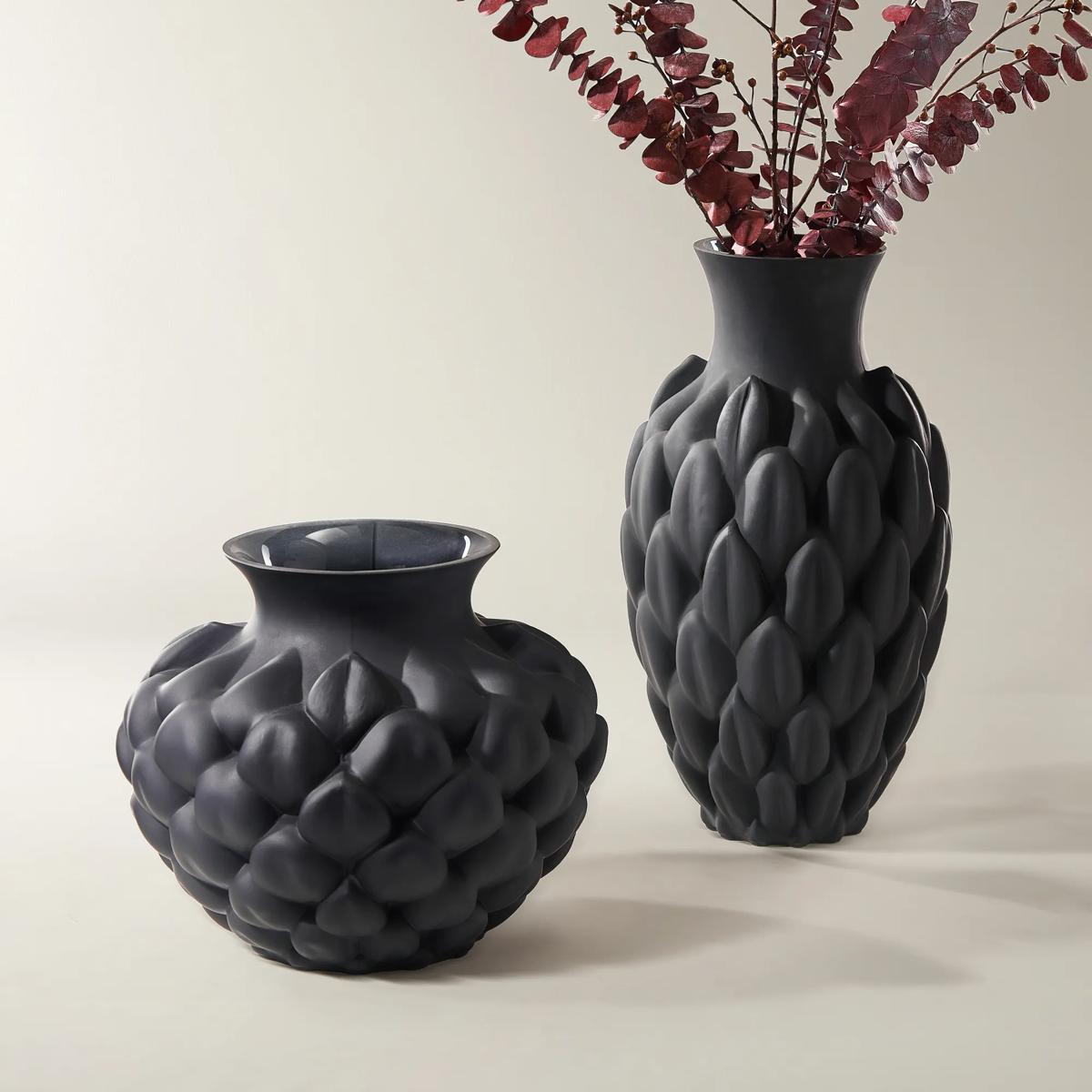
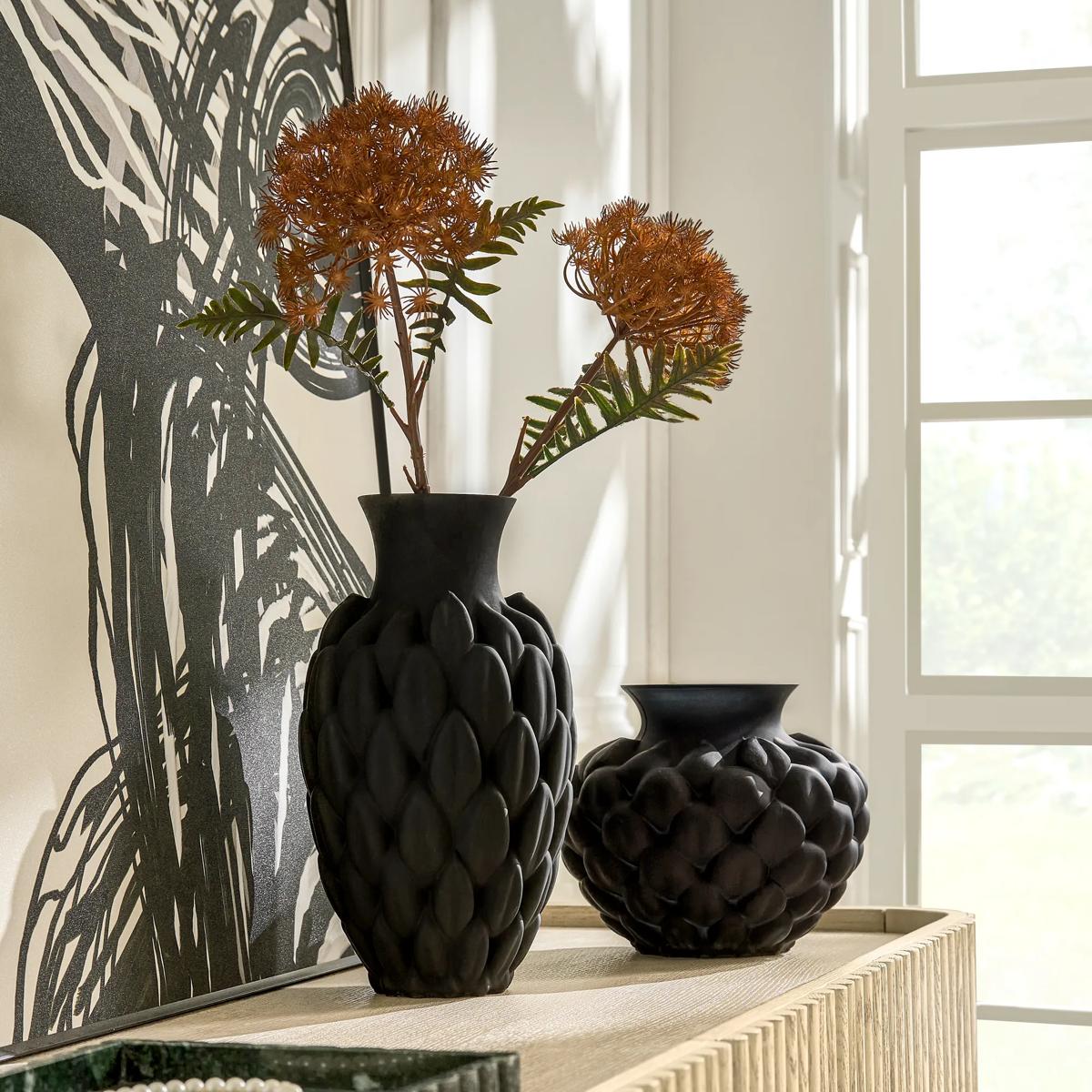 Sabine Glass Vase$69
A sculptural matte black glass vase featuring a dimensional, petal-inspired texture for bold visual impact.
Add To Cart -
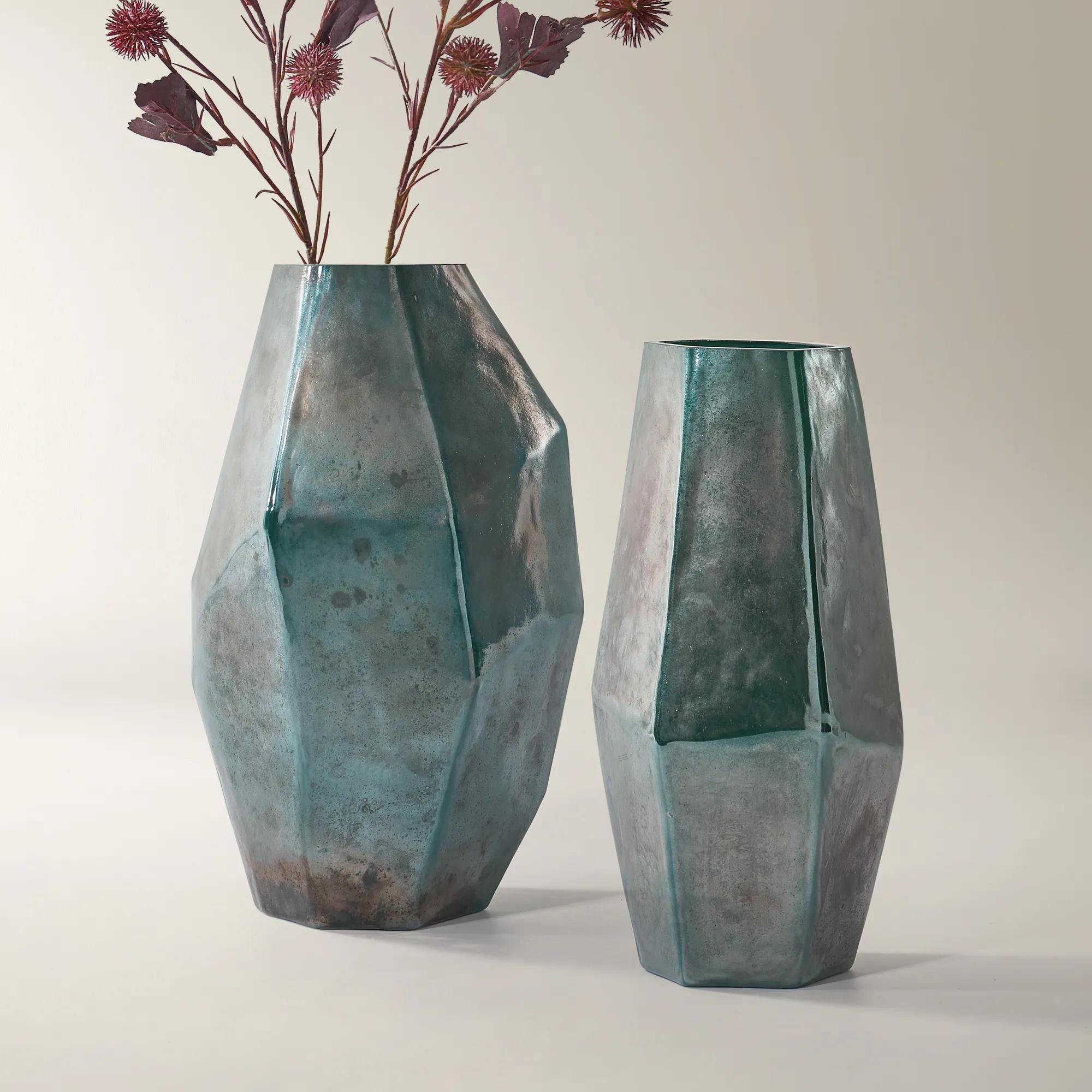
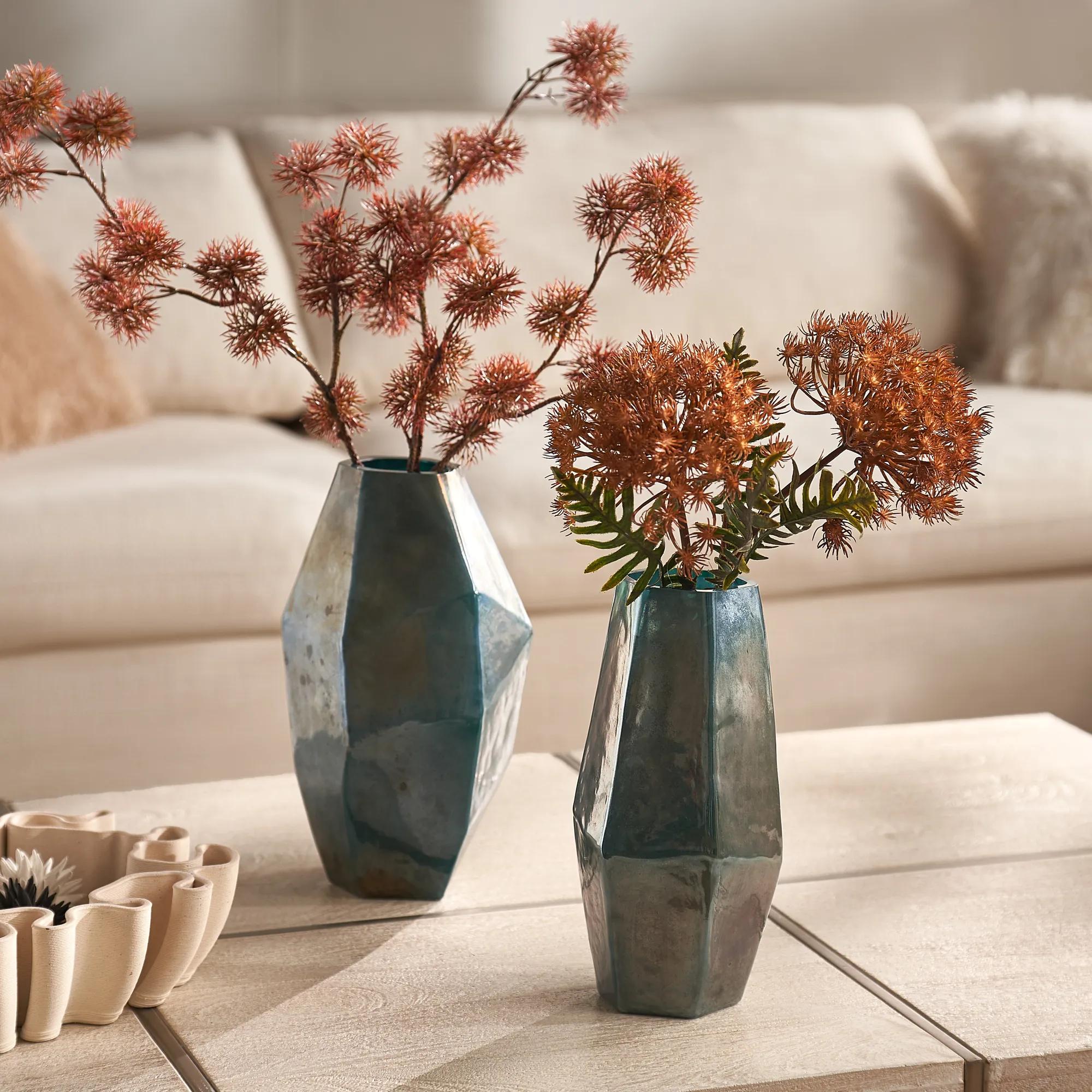 Sienna Vase$79
A hand-blown glass vase in prismatic green with a faceted, geometric silhouette for modern appeal.
Add To Cart -
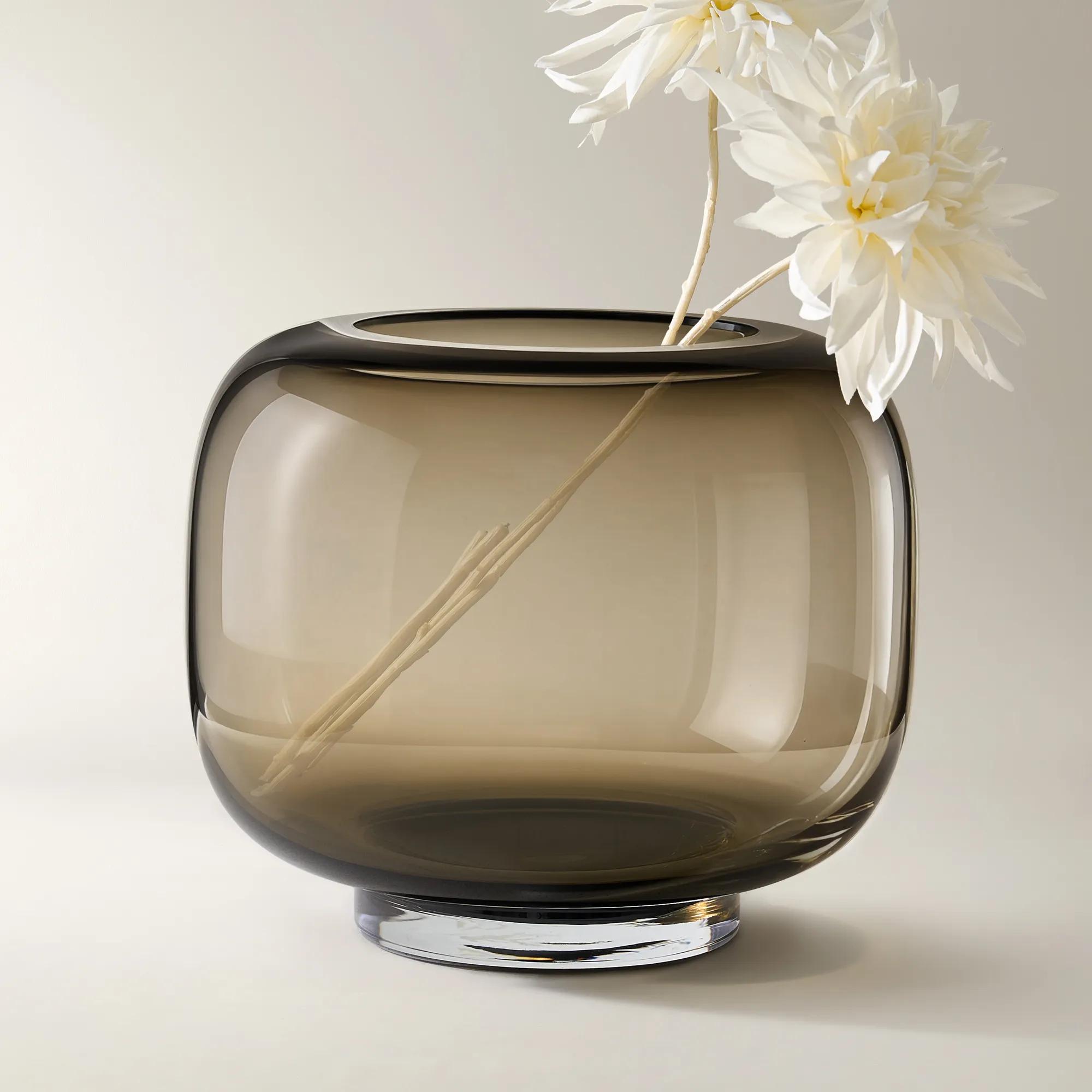 Mateo Smoke Handblown Glass Vase 9.75"$89
A smoke-toned handblown glass vase adding sculptural elegance to modern interiors.
Add To Cart

Glass Table Vases
Explore glass table vases to create a striking centerpiece or bring a sculptural accent to a console, coffee table, or dining table. Choose a silhouette and scale that complement your space, whether you’re framing a floral arrangement or letting the vase stand on its own. For a balanced display, consider both the tabletop’s proportions and the height of your stems.
Glass table vases bring an artful sense of presence to the surfaces that shape daily life: a dining table dressed for conversation, a console framing an entryway, a coffee table layered with books and objects. Their appeal lies in the interplay of form, light, and whatever rests inside. Clear glass reveals the architecture of a stem arrangement, turning the curve of a branch or the crossing of flower stems into part of the composition. Tinted glass introduces color with a softer edge, while deeply colored or opaque glass creates a more defined silhouette against pale walls, polished stone, or rich wood. Smooth surfaces feel sleek and luminous; ribbed, textured, and faceted glass lends dimension even when a vase stands empty. Depending on its construction, a glass vase may have subtle variations in thickness, small bubbles, or other characteristics of the making process, so the finish and product description deserve attention. Shape matters just as much as color. A slender neck holds a few stems in a deliberate, architectural arrangement, while a generous opening gives fuller bouquets room to spread. Rounded vessels soften the straight lines of a rectangular table, and tall cylinders draw the eye upward without relying on elaborate ornament. These are decorative pieces with a practical purpose, but their visual impact does not depend on flowers. An empty glass vase with a compelling profile can anchor a tabletop composition, its contours shifting as light moves across the room. Scale gives that statement its confidence. On a broad console, a substantial vessel has enough presence to relate to artwork or a mirror above it; on a narrow side table, a smaller footprint preserves space for a lamp, a drink, or a favorite book. The right proportion feels intentional rather than crowded, allowing the vase to participate in the room without overwhelming the surface beneath it.
For dining spaces, glass table vases offer a particularly expressive balance of beauty and function. A low, rounded vase filled with loosely arranged blooms keeps the center of the table inviting and allows guests to see one another across the arrangement. A taller vessel can be striking on a dining table between meals, especially when paired with a few sculptural branches, but its height and spread should still suit the surrounding chairs, lighting, and artwork. For a dramatic contrast against light linens or pale ceramic dinnerware, black glass vases for the dining table create a strong visual anchor; explore black glass vases for the dining table for a mood that feels tailored and expressive. Clear glass brings a different energy, allowing flowers, water, and stems to remain visible and making a layered table feel less visually dense. On coffee tables, a compact vase pairs elegantly with a stack of oversized books and a shallow decorative bowl, provided there is enough open surface for everyday use. A console can support a more vertical composition, while a bedside table benefits from a modest vessel that leaves lighting and essentials within easy reach. Grouped vases look most considered when they share one visual thread, such as a related color, surface texture, or curved profile, rather than competing for attention. Varying their heights introduces rhythm, but a single generous vase can be equally compelling when the room already has patterned upholstery, bold artwork, or richly detailed accessories. The flowers themselves also influence fit. Heavy blooms need a stable base and an opening that supports their stems; long branches require enough depth and weight to remain balanced. A narrow-neck vase suits a restrained arrangement of individual stems, while a wider mouth accommodates an abundant bouquet. Fresh flowers call for a vessel specifically intended to hold water, since some decorative finishes and constructions are better suited to dry displays. Dried botanicals and artificial stems offer another expression, emphasizing line, texture, and silhouette without making the vase dependent on a fresh arrangement.
The lasting appeal of glass table vases depends on thoughtful handling as much as design. Glass is rigid and can retain its clarity beautifully with suitable care, but it is vulnerable to chips, scratches, and breakage from impact. A thick wall or weighty base may lend reassuring substance, yet neither makes a vessel shatterproof. Tables in busy walkways, homes with curious pets, and surfaces within a child’s reach call for particular attention to placement and stability. A vase should rest fully on a level surface, away from an edge, with its arrangement balanced rather than leaning heavily to one side. Protective pads can help shield delicate furniture finishes, provided they do not make the base unsteady; any moisture on the exterior should be wiped away before the vase is returned to wood or another sensitive tabletop. Care instructions vary by finish and construction, making the manufacturer’s recommendations the best starting point. When appropriate for the piece, gentle handwashing with mild soap and lukewarm water helps remove residue without aggressive scrubbing. Abrasive cleaners can scratch glass or damage decorative coatings, and sudden changes in water temperature can stress the material. Narrow openings may require a soft bottle brush, while textured exteriors need careful cleaning around their grooves. Rinsing thoroughly and drying with a soft, lint-free cloth helps preserve the luminous effect that makes glass so distinctive. For fresh arrangements, clean water and regular washing between bouquets keep the display looking polished. These considerations also make a glass vase a thoughtful housewarming, wedding, or host gift: it can become part of the recipient’s daily surroundings rather than an object reserved for a single occasion. A compact silhouette suits someone furnishing a smaller home, while an expressive vessel may appeal to a collector of decorative objects. Chosen with the recipient’s colors, surfaces, and habits in mind, a glass table vase offers both useful beauty and room for personal interpretation—a graceful place for flowers, an independent sculptural accent, and a detail that gives a familiar room a more distinctive point of view.
FAQs
Style glass table vases with contrasting textures to create a richly layered vignette. Pair luminous glass with a polished metallic tray, sculptural objects, or art books. A restrained floral palette lets expressive silhouettes command attention, while saturated blooms bring an exuberant flourish to a console or dining table.
Calla lilies and orchids lend glass table vases a sculptural elegance, while roses and peonies create a sumptuous, romantic mood. For a more expressive arrangement, pair seasonal blooms with architectural branches. Clear glass makes the stems part of the composition, giving every detail a role in the display.
Clear glass table vases emphasize transparency, highlighting stems and water as part of the arrangement. Colored glass introduces another layer of expression: smoky hues create a moody atmosphere, jewel tones add richness, and soft tints offer a luminous wash of color. Choose a finish that echoes your room’s palette or introduces a deliberate contrast.
Glass table vases can stand alone as decorative objects, with their curves, color, and surface details becoming the focal point. Display a sculptural vase on an entryway console, or group complementary forms on a coffee table. Leave space around the arrangement so each silhouette reads as an intentional artistic gesture.
Connect glass table vases to your decor through a shared color, shape, or finish rather than matching every detail. Amber glass brings warmth alongside brass accents, while smoky glass creates a dramatic dialogue with marble and dark wood. Ribbed or faceted glass adds visual texture beside smooth ceramics, creating a collected, expressive composition.
.jpeg?w=3495&h=3495)