Furniture Materials, Construction, And Finish Guide
Furniture Materials, Construction, And Finish Guide
-
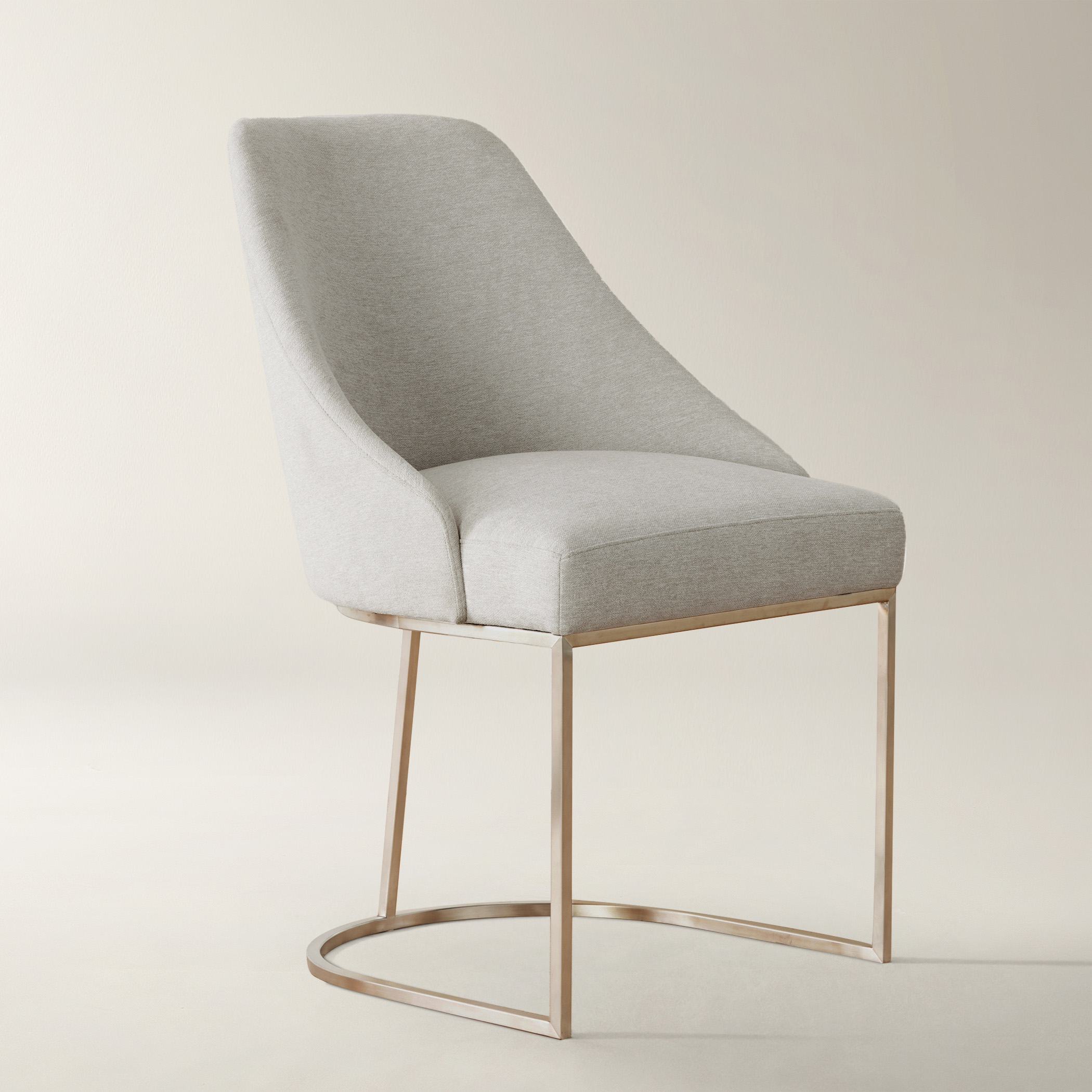
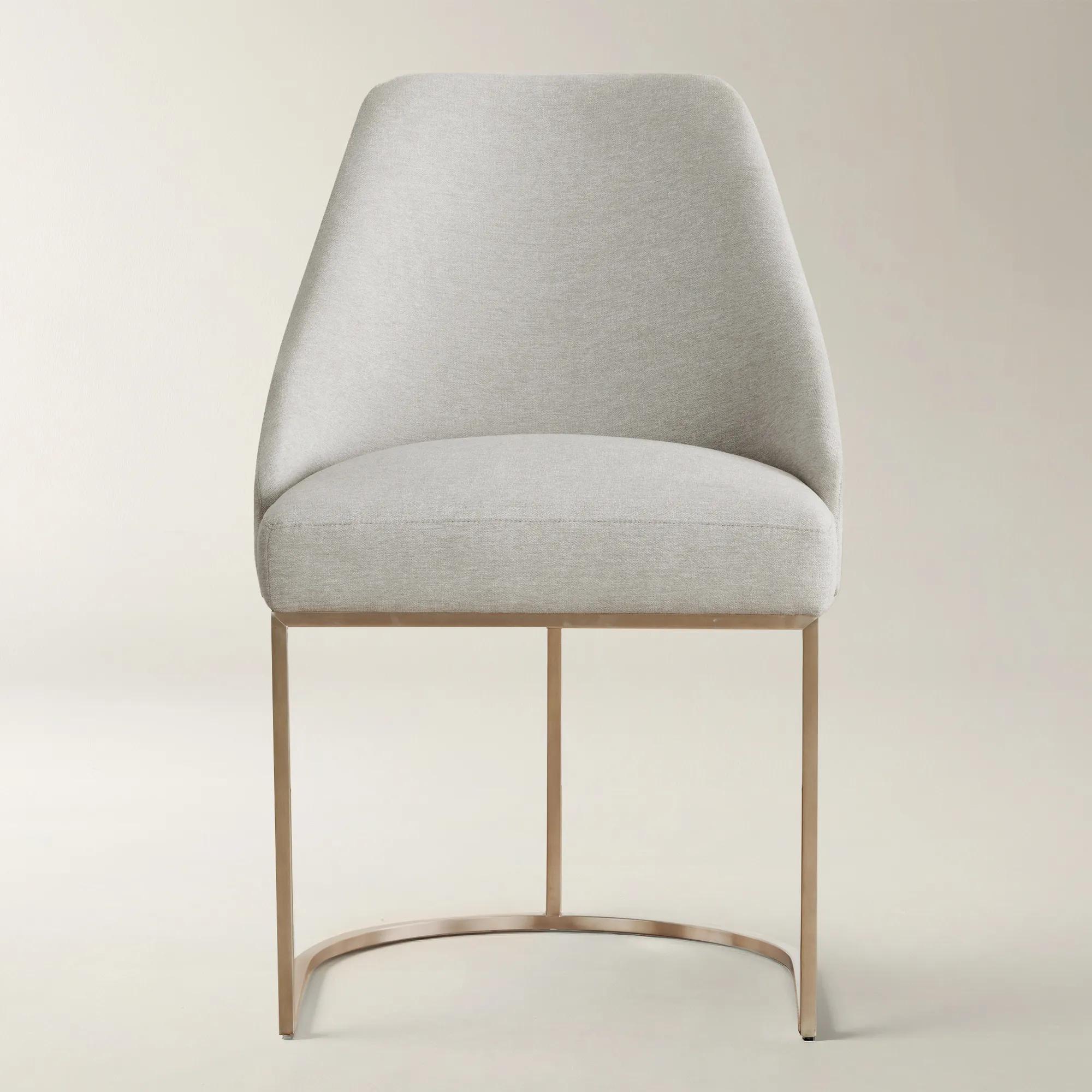 Rowan Ivory Fabric Dining Chair$599
A modern chair featuring brushed stainless steel legs and stain-resistant, water-repellent Roxboro Frost fabric.
Add To Cart -
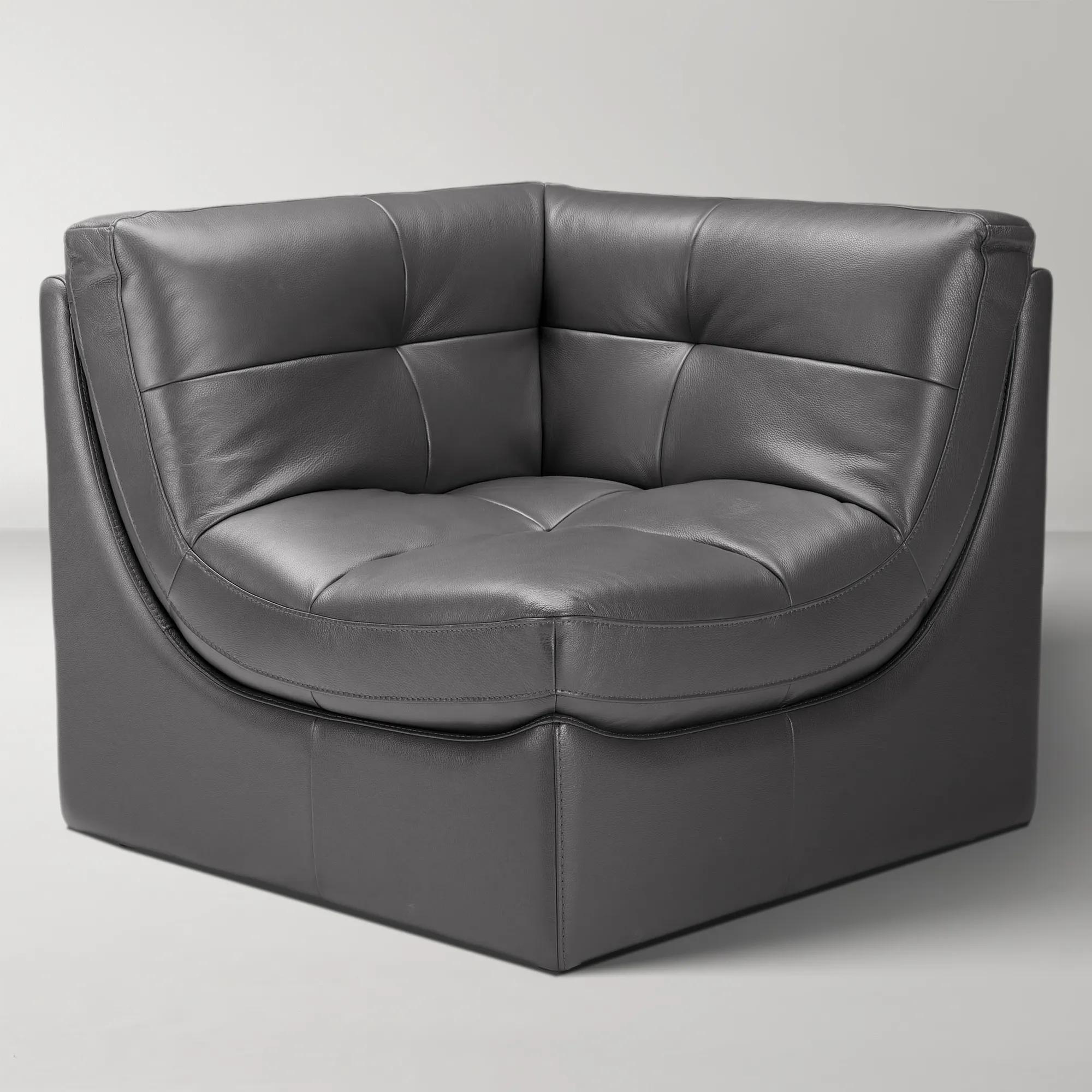
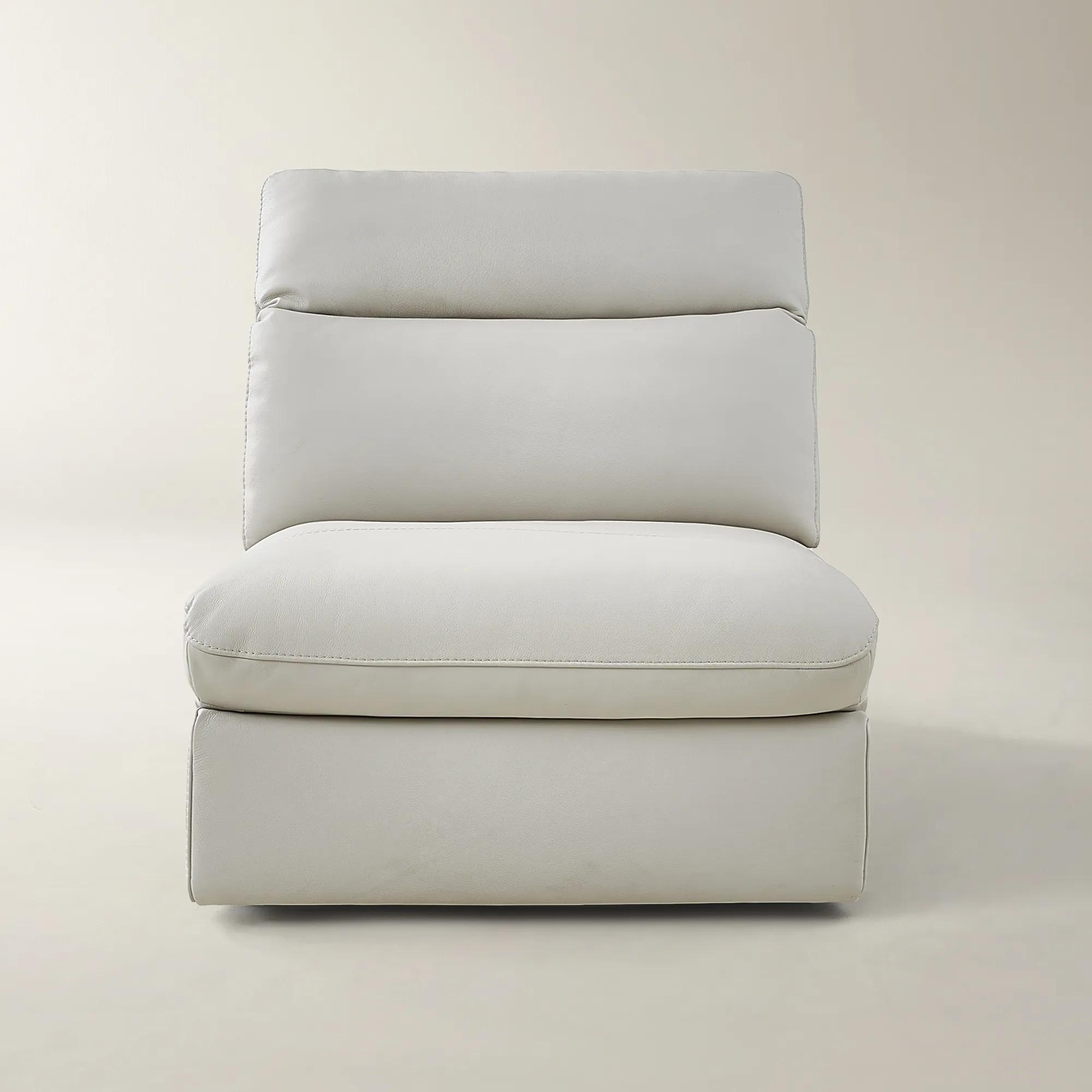
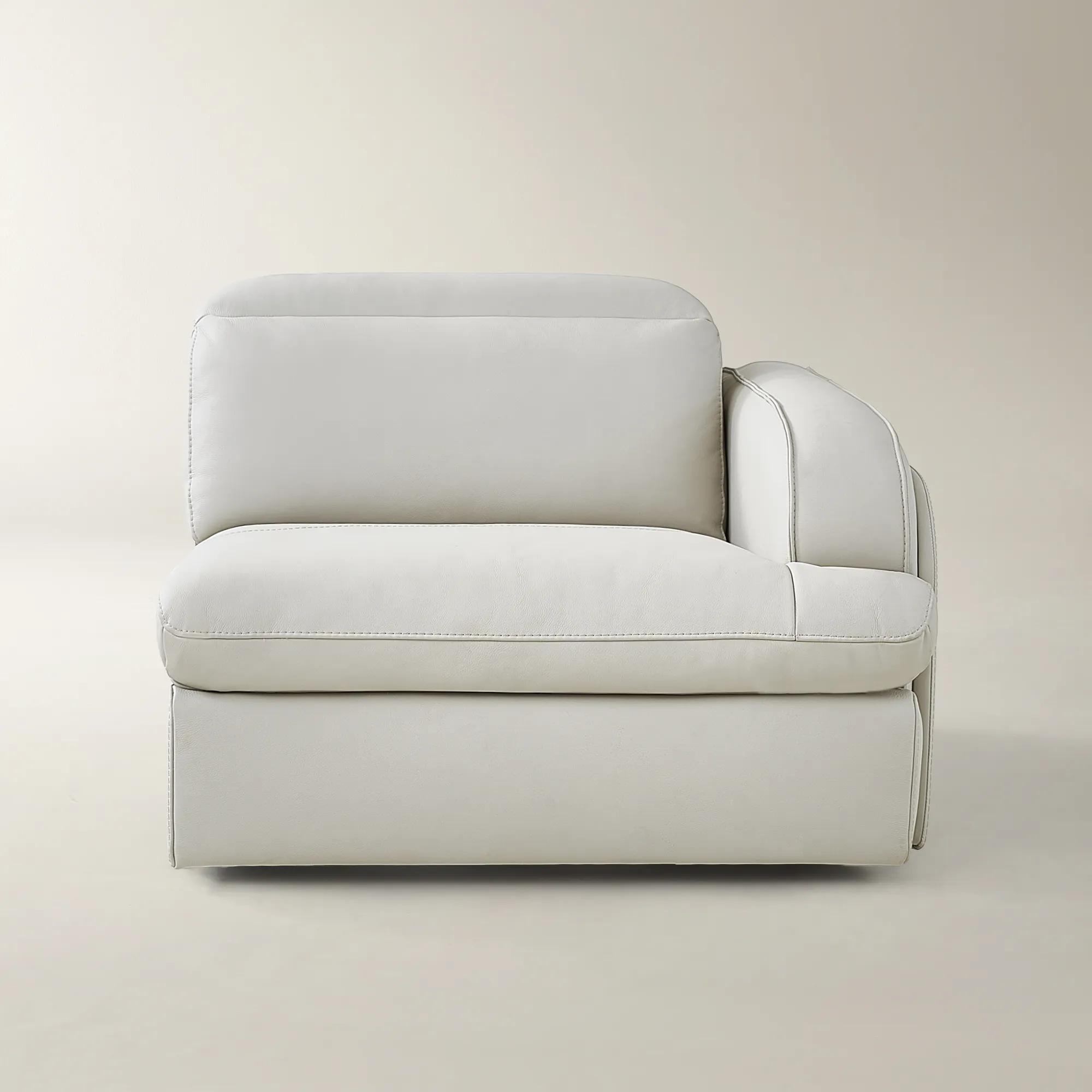
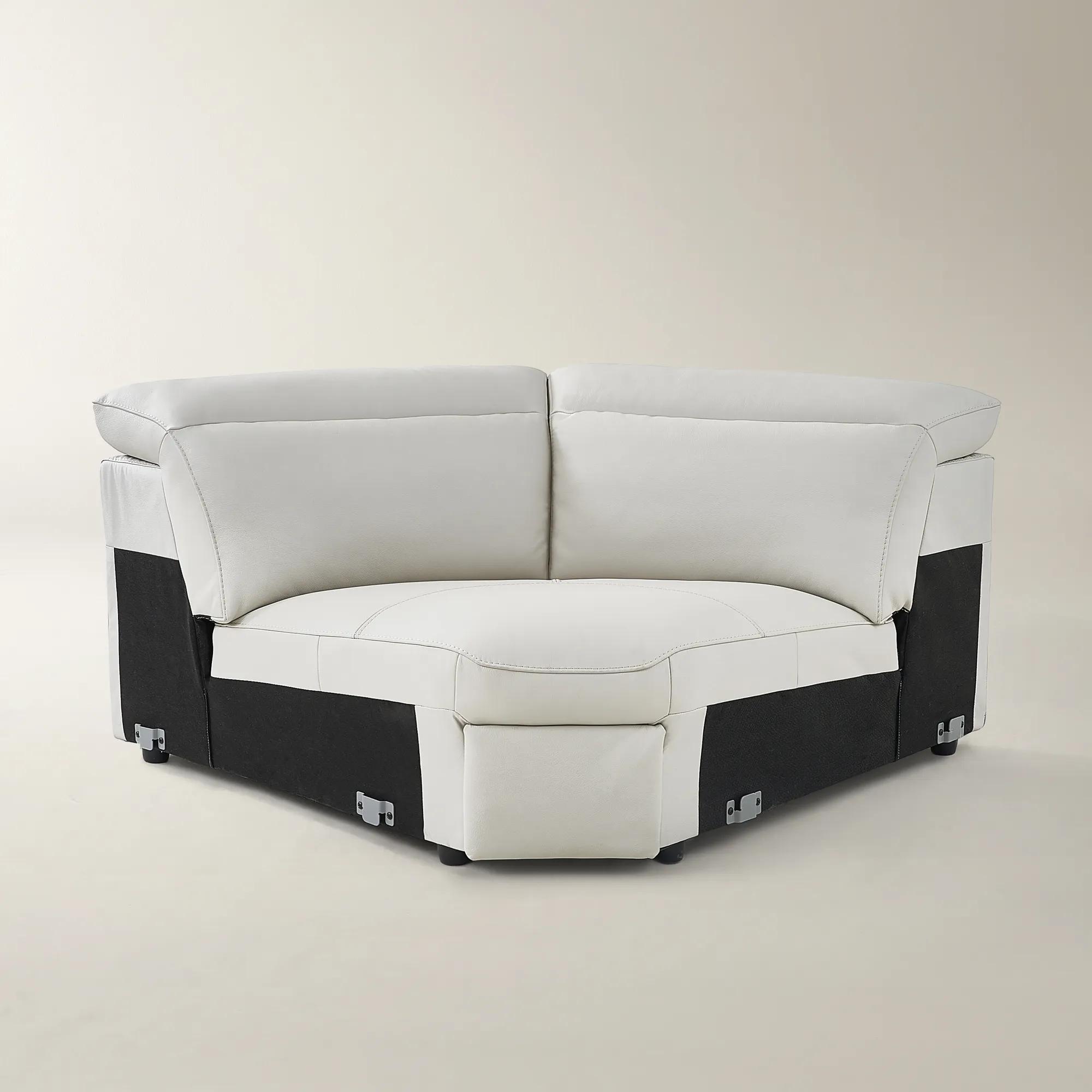
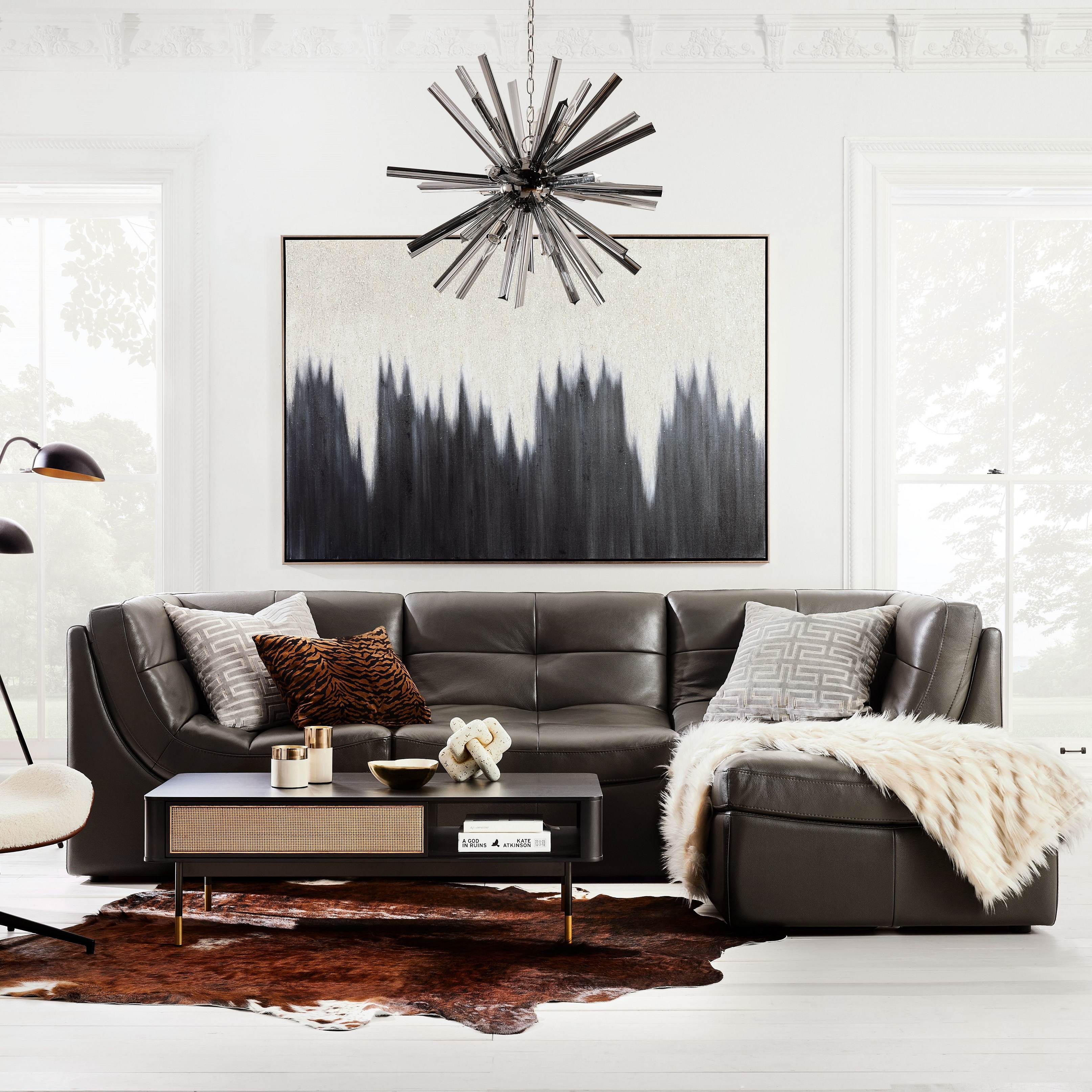 Convo Charcoal Leather Corner Chair$1399
A modular sectional featuring kiln-dried hardwood frames and charcoal semi-aniline leather upholstery for modern versatility.
Add To Cart -
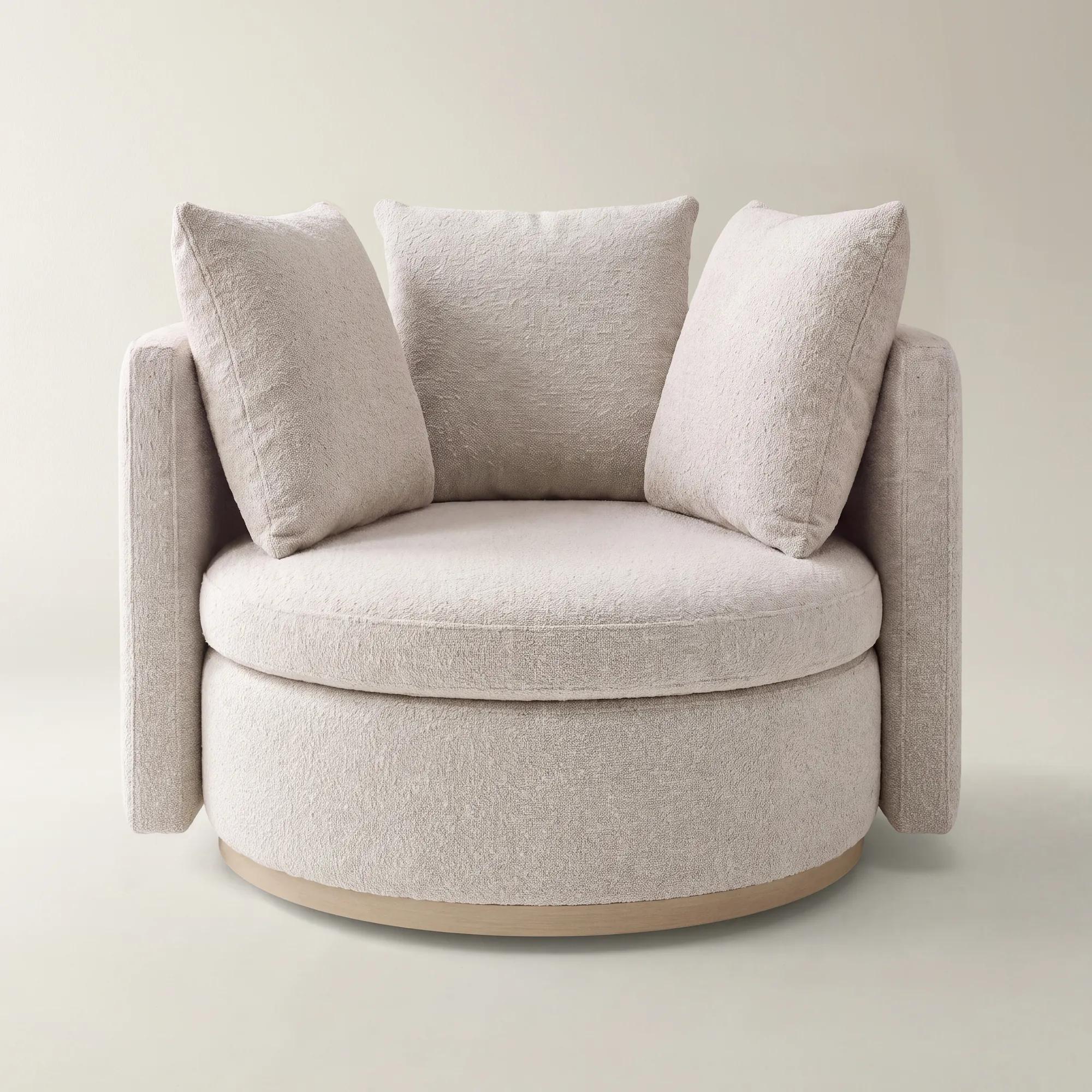
 Stria Ivory Performance Boucle Swivel Accent Chair$1599
An ivory performance bouclé accent chair with enveloping curves, layered comfort, and a concealed 360-degree swivel.
Add To Cart -
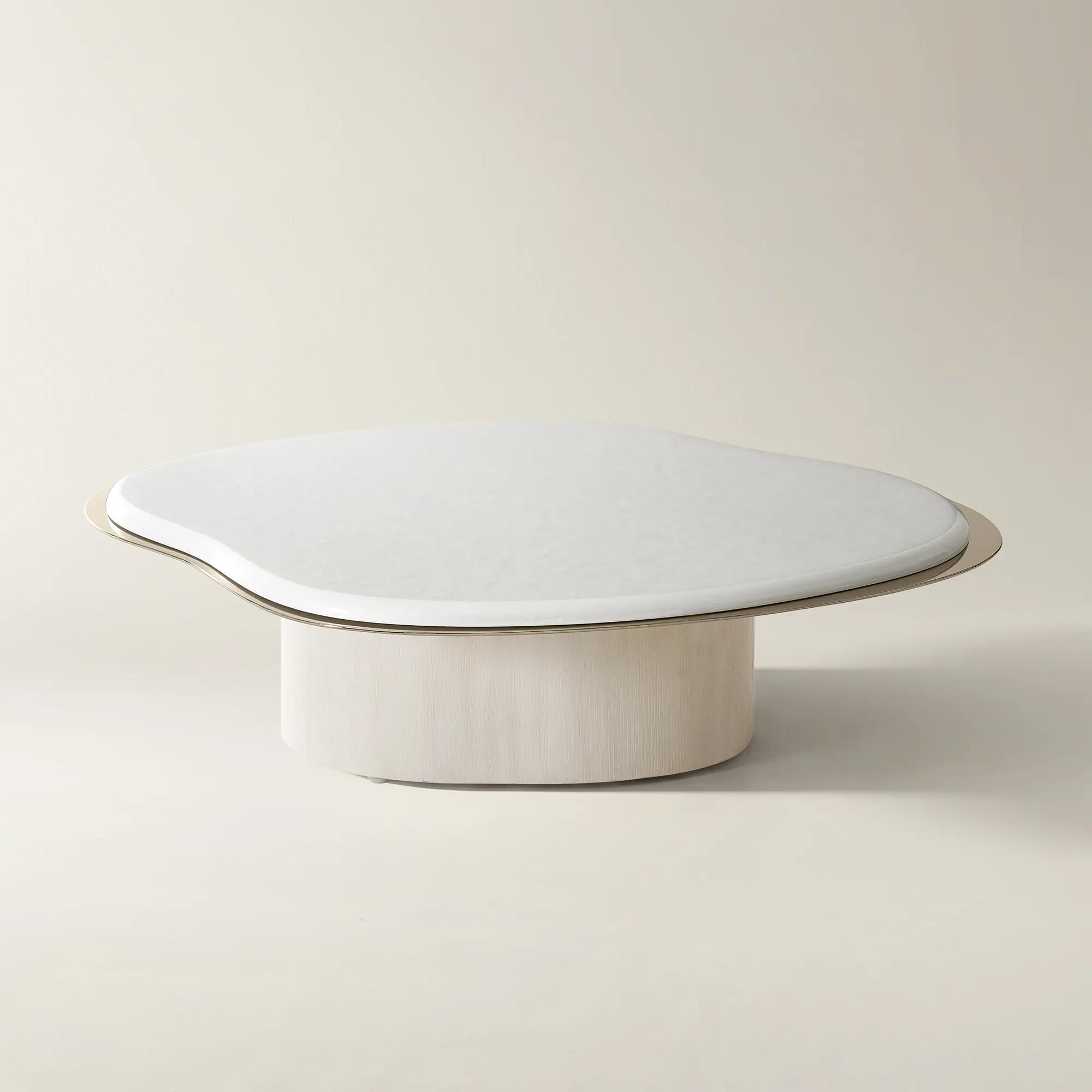
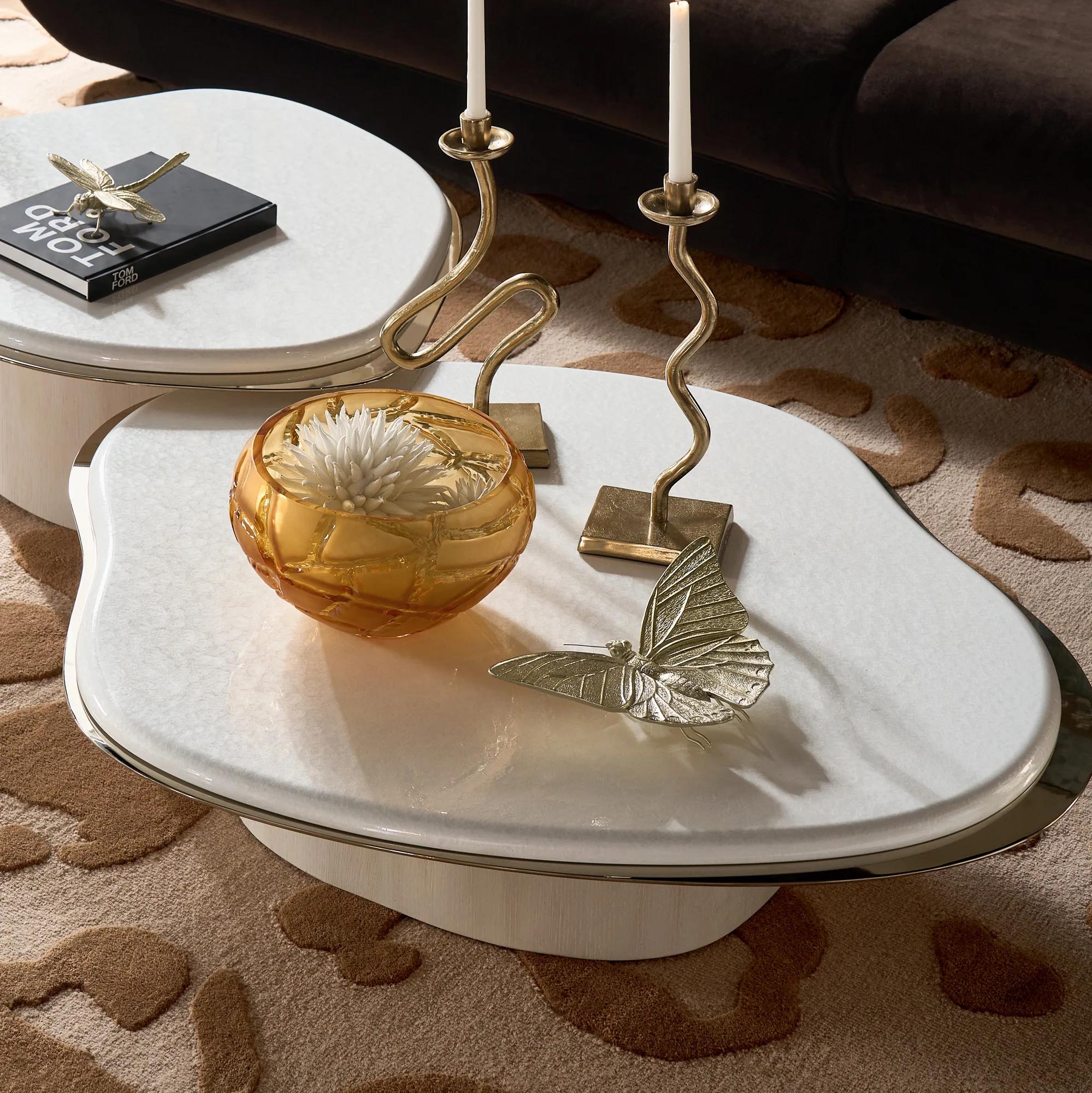 Lumina Bleached Oak Coffee Table With Pearl Lacquered Top (41")$1199
A sculptural coffee table featuring a pearl lacquered top, bleached oak base, and champagne gold trim.
Add To Cart -

 Nia Lacquered Turtle Dove Wood Desk (62")$1099
A modern desk featuring a soft turtle dove lacquer finish, cylindrical legs, and engineered wood construction.
Add To Cart -
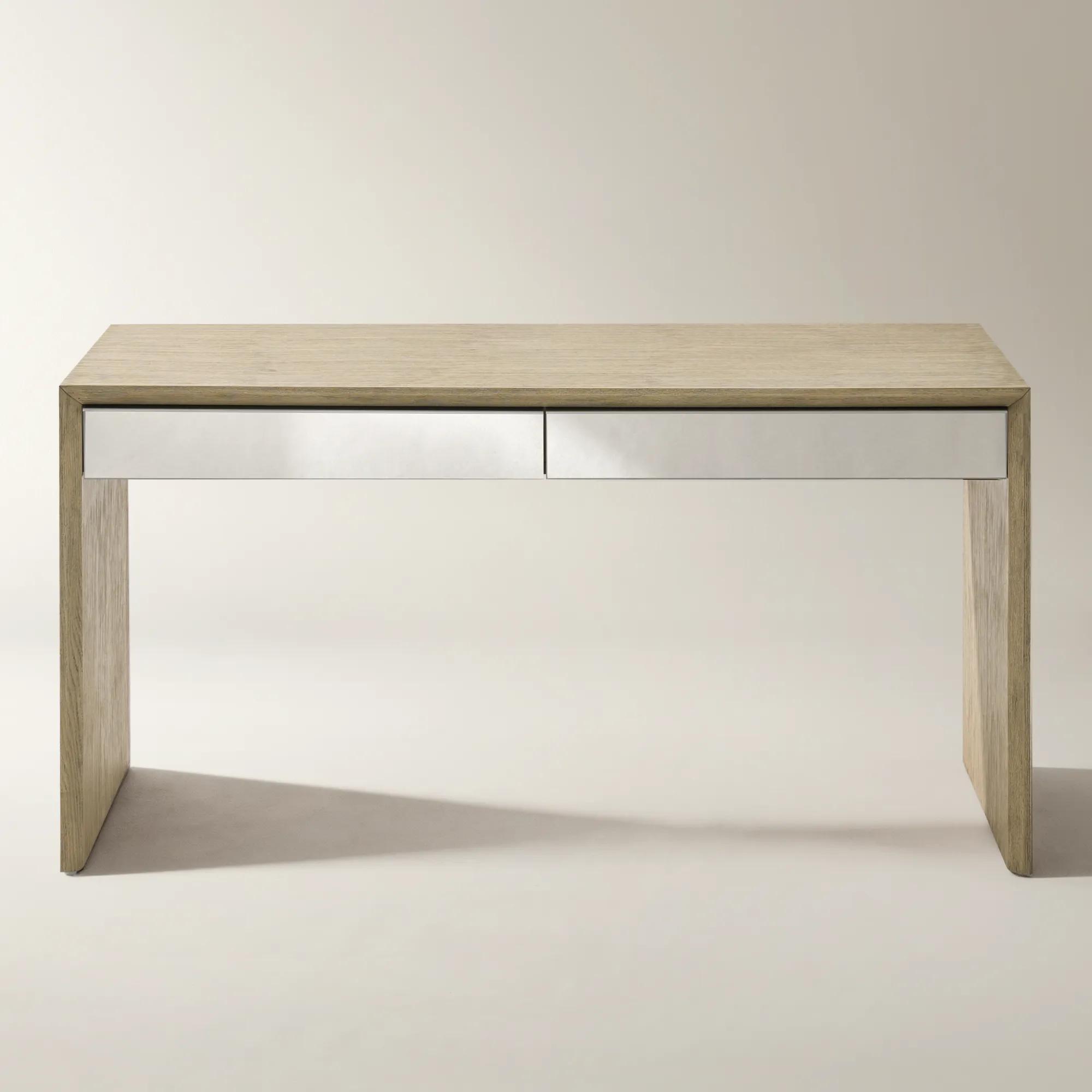 Glimmer Mirrored 2-Drawer Sea Drift Oak Desk (62")$1499
A two-tone oak veneer desk featuring antique mirrored soft-close drawers with velvet-lined interiors for refined style.
Add To Cart -
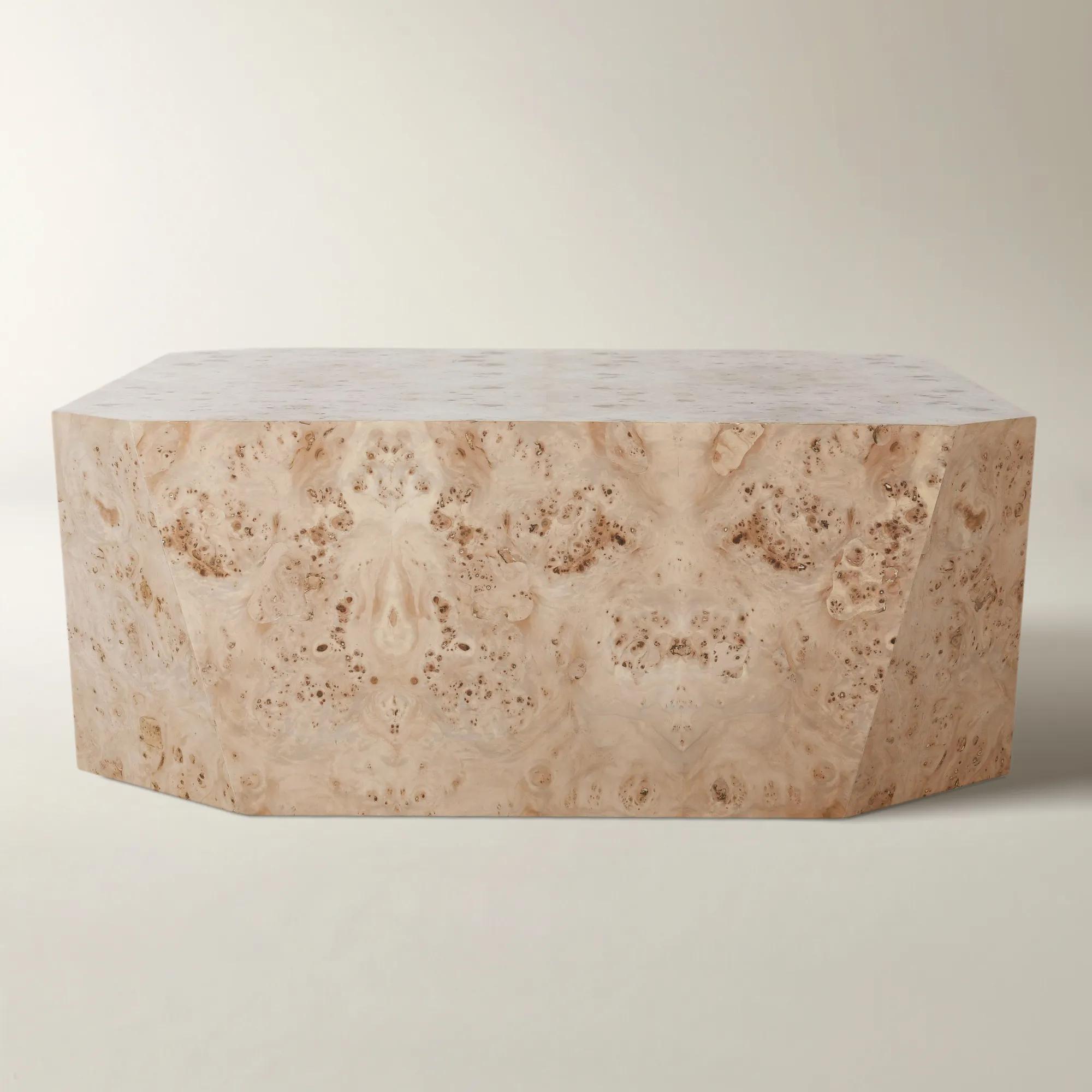
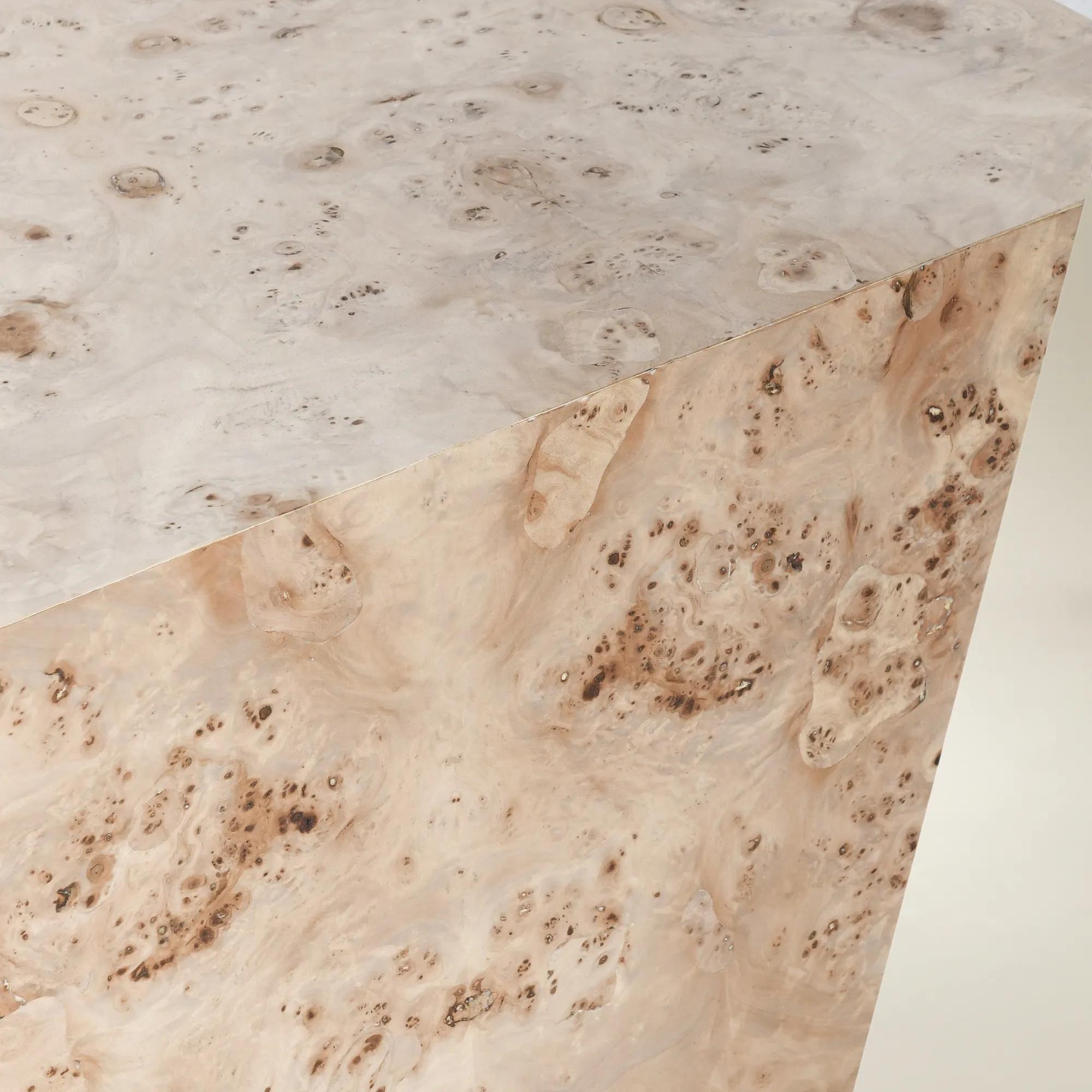 Avena Square Natural Burl Wood Coffee Table (41.75")$1399
A sculptural coffee table featuring natural burl wood veneer with unique grain patterns and a hand-applied finish.
Add To Cart -
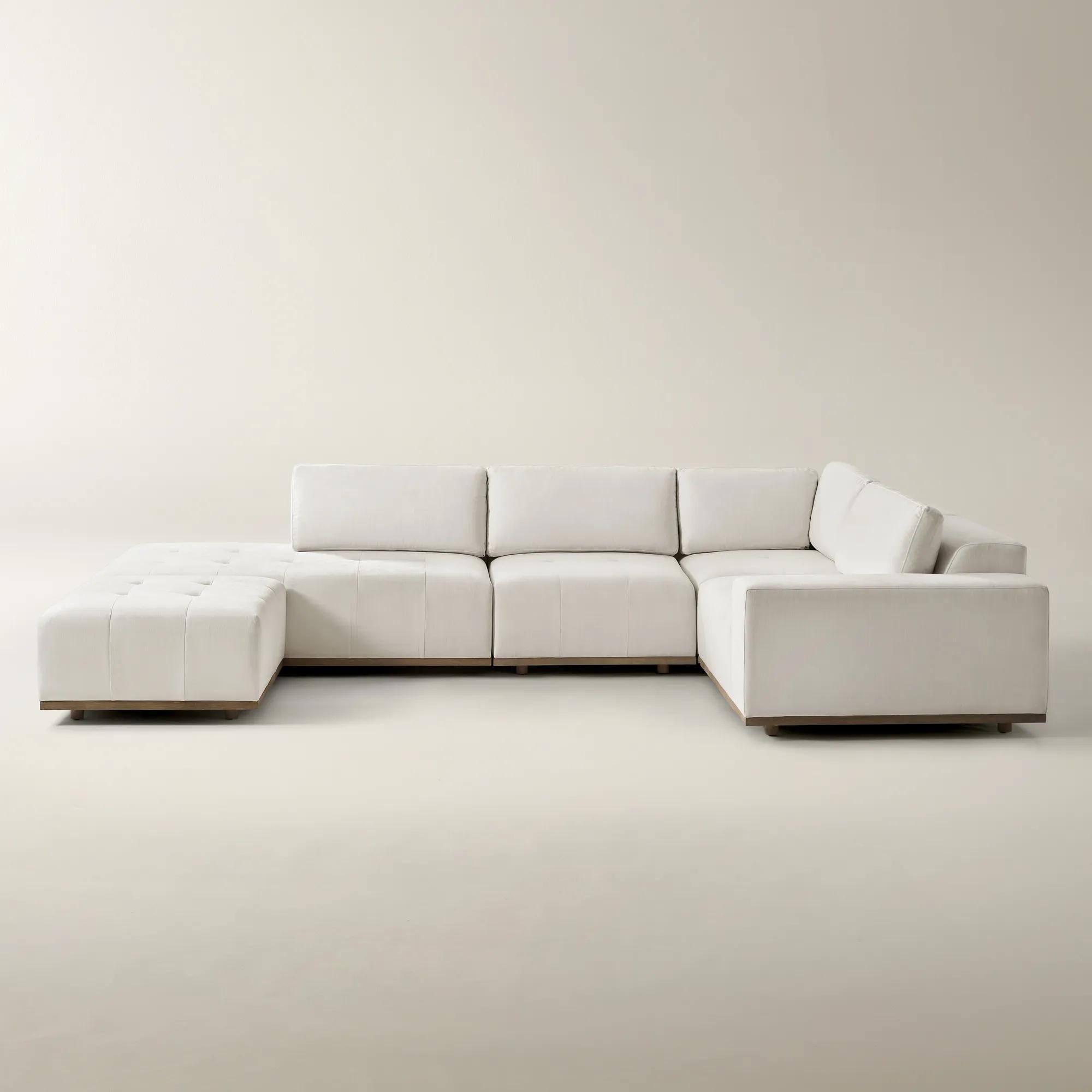
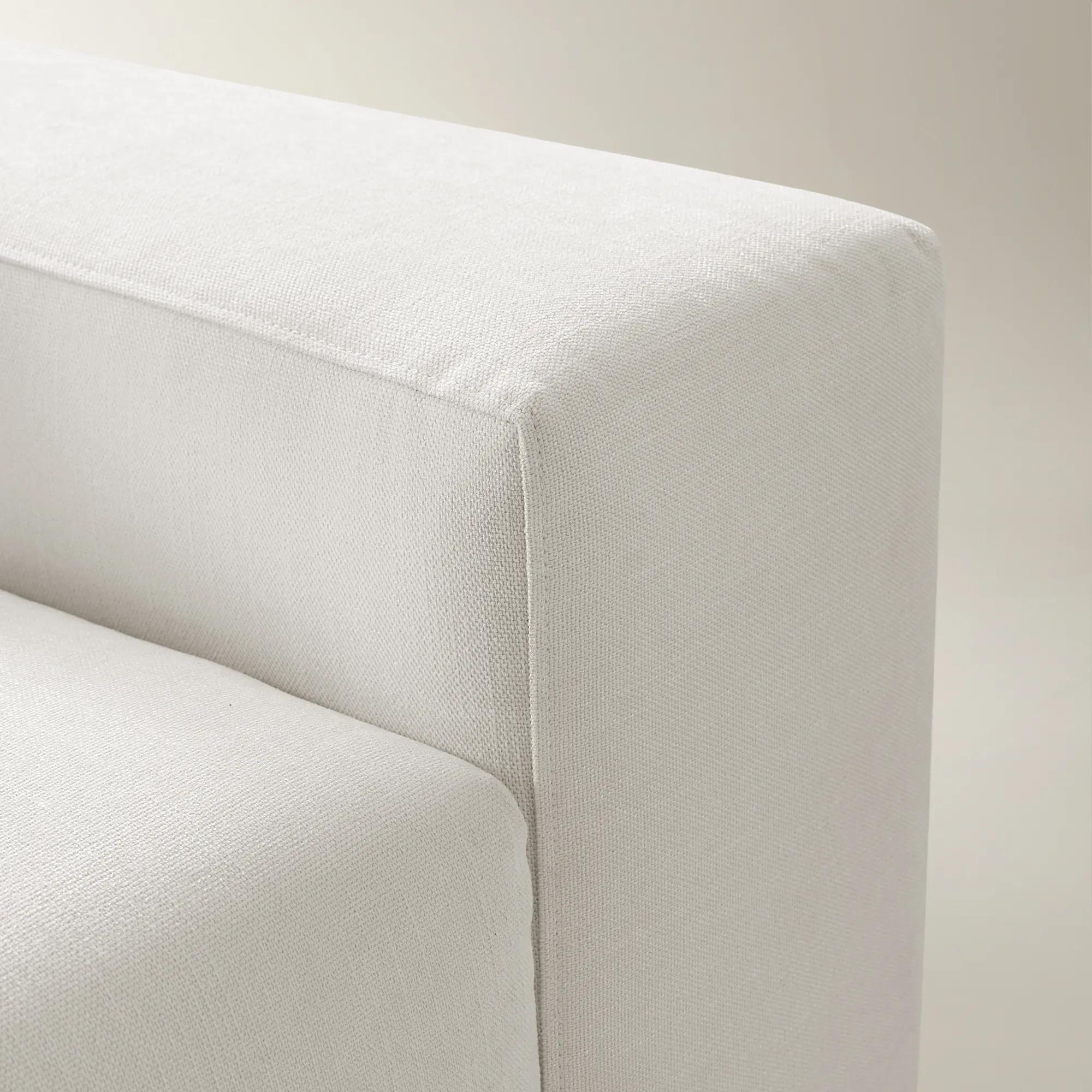 Carlos 5-Piece L-Shaped Oyster Linen Sectional Sofa$6849
A hand-tufted sectional with luxurious linen-blend upholstery and a kiln-dried rubberwood frame for refined comfort.
Add To Cart -
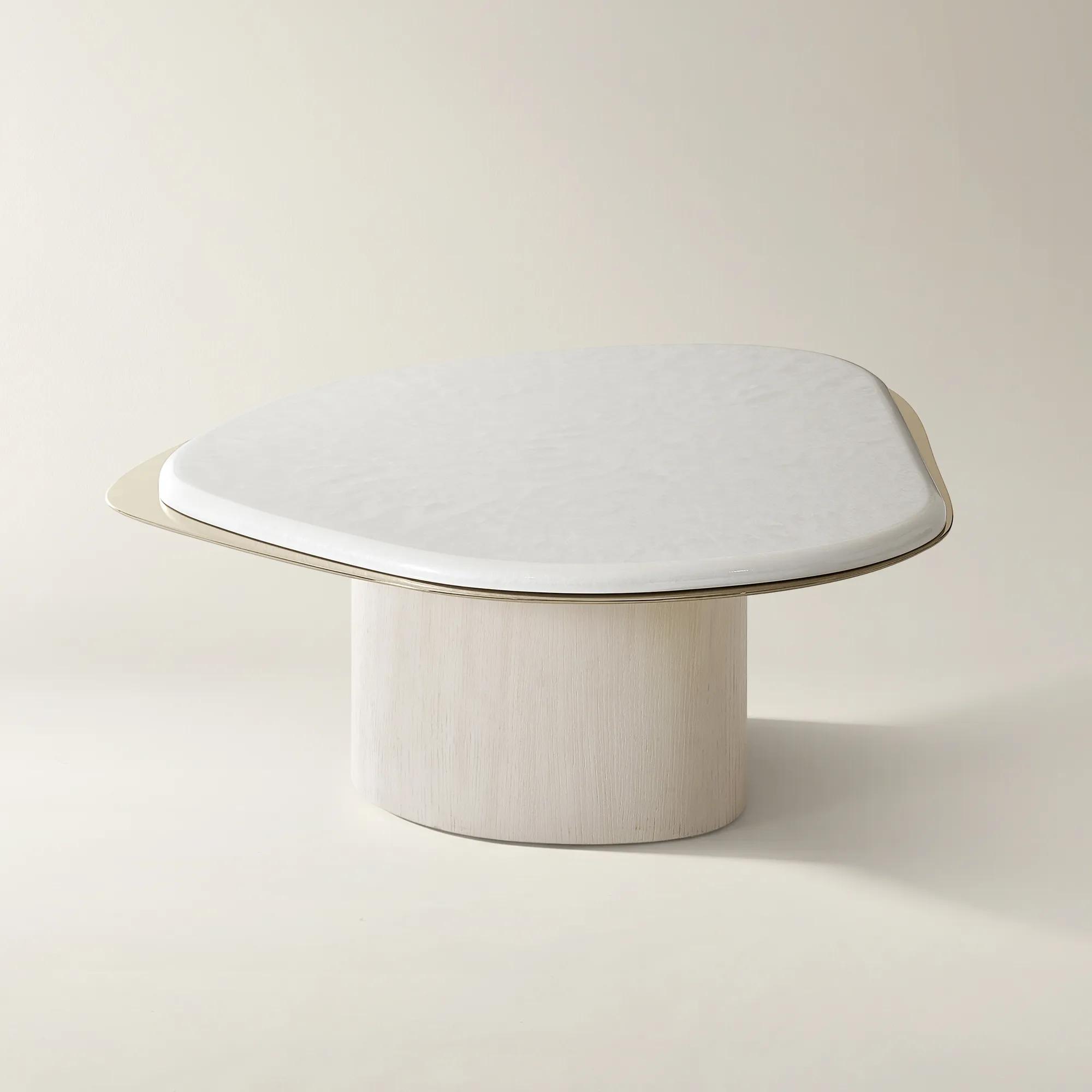
 Lumina Bleached Oak Coffee Table With Pearl Lacquered Top (32")$899
A sculptural coffee table featuring a pearl lacquered top, bleached oak base, and champagne gold trim.
Add To Cart -
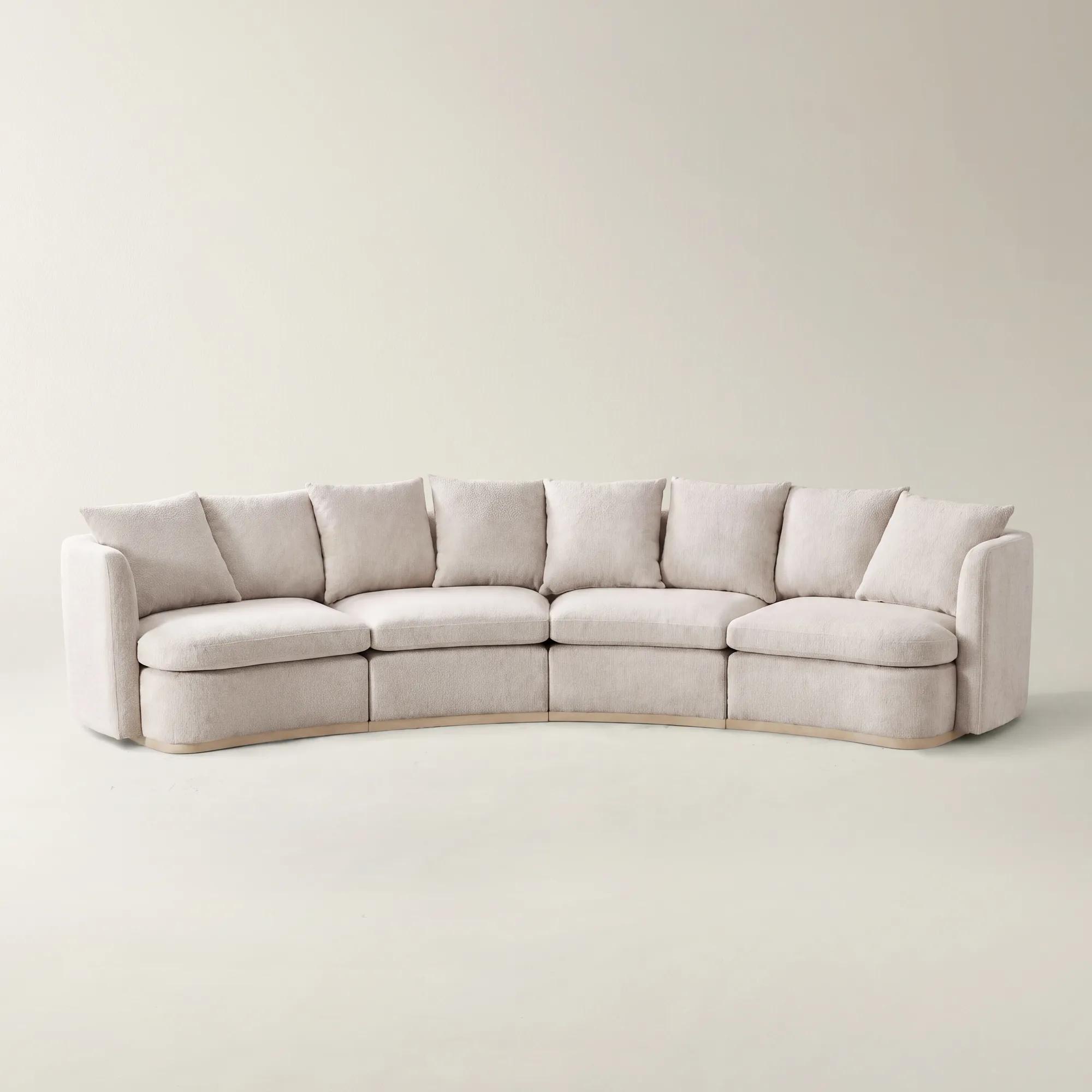
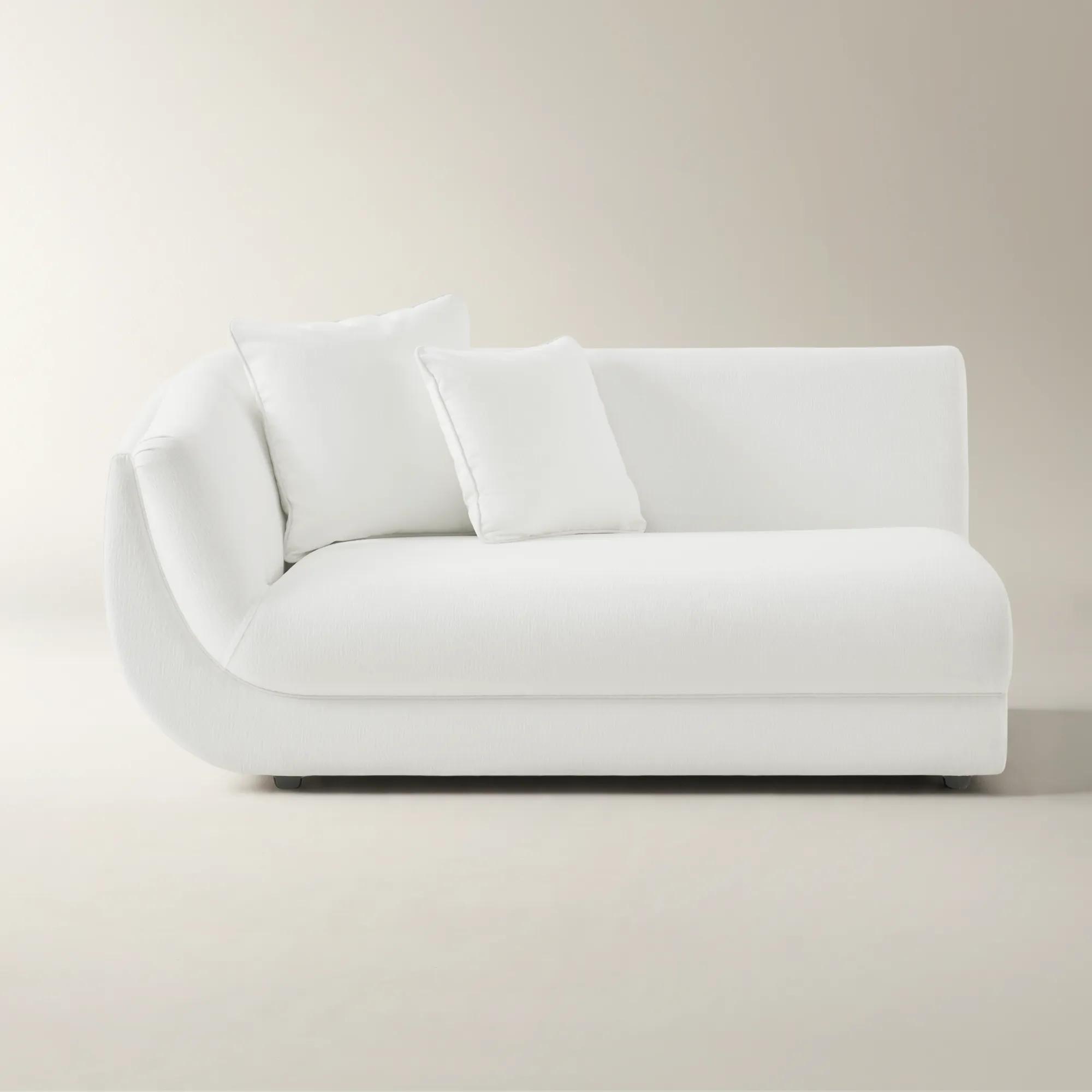
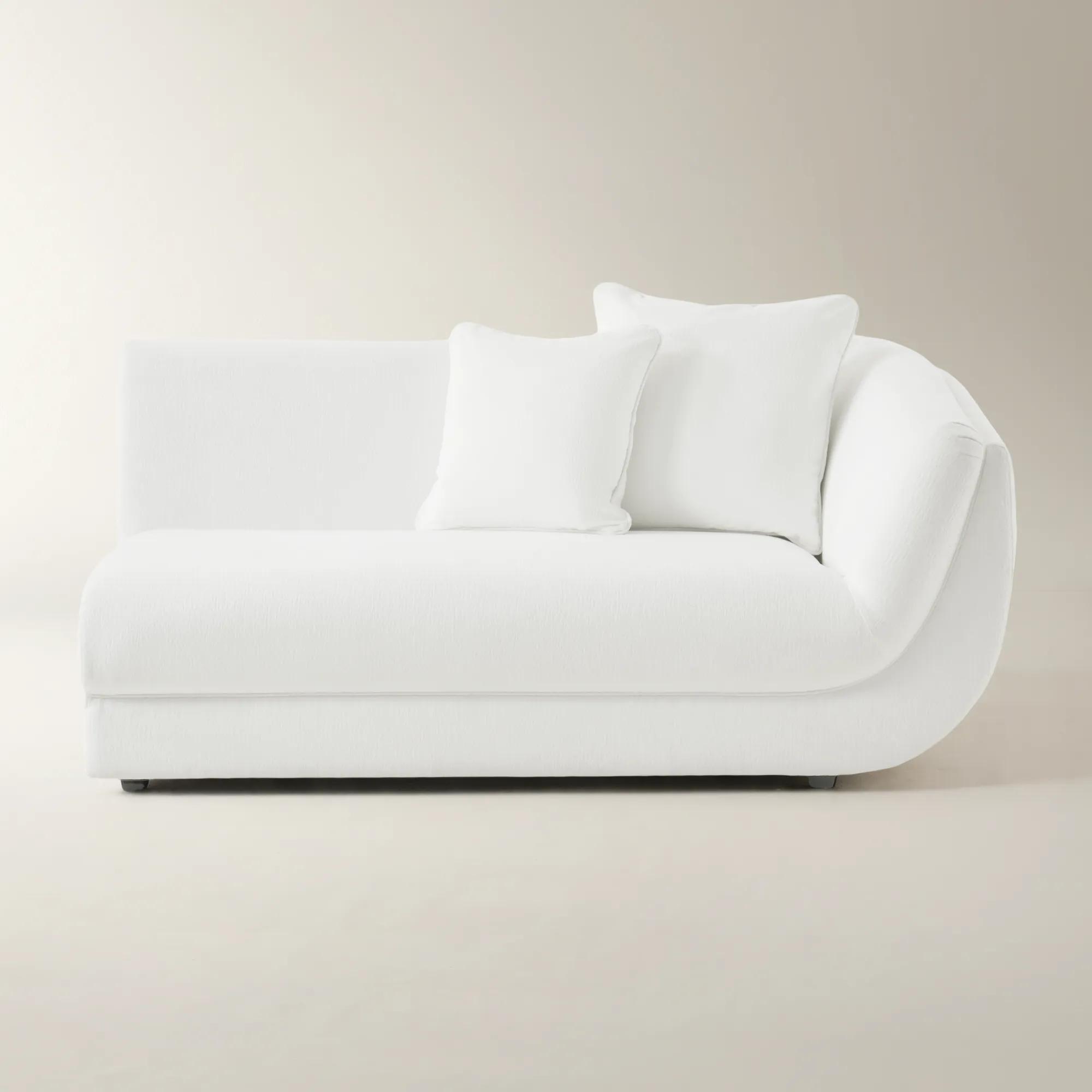
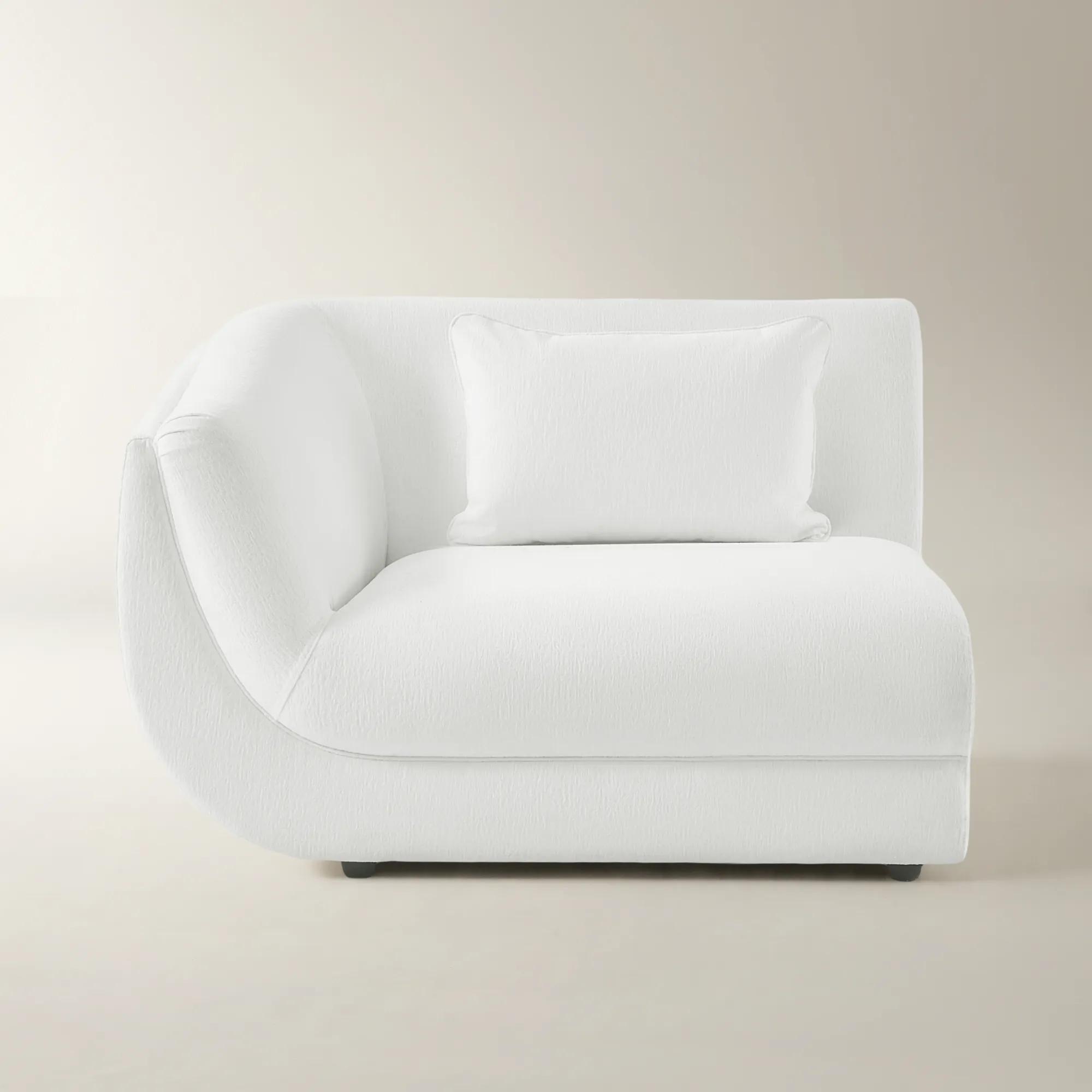
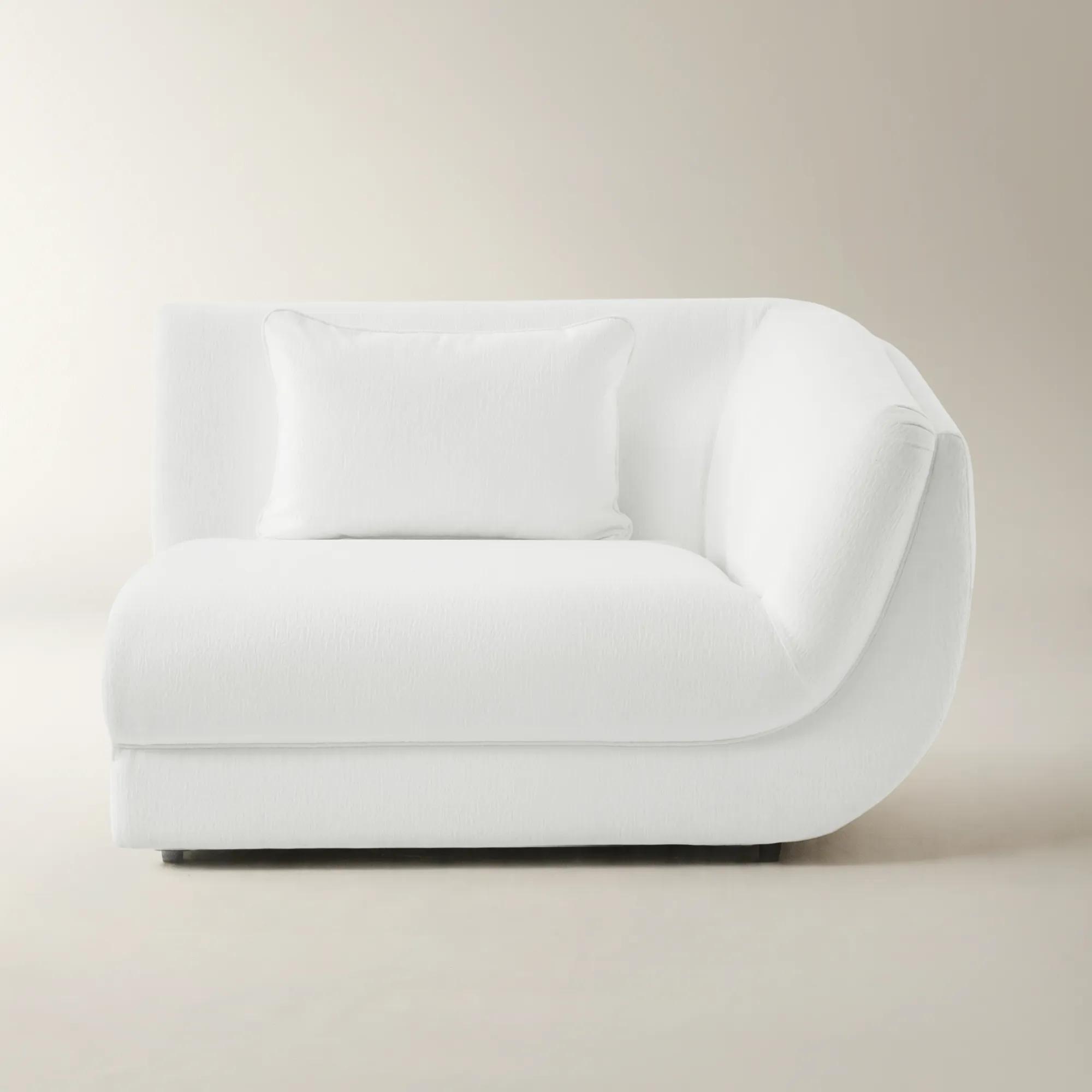
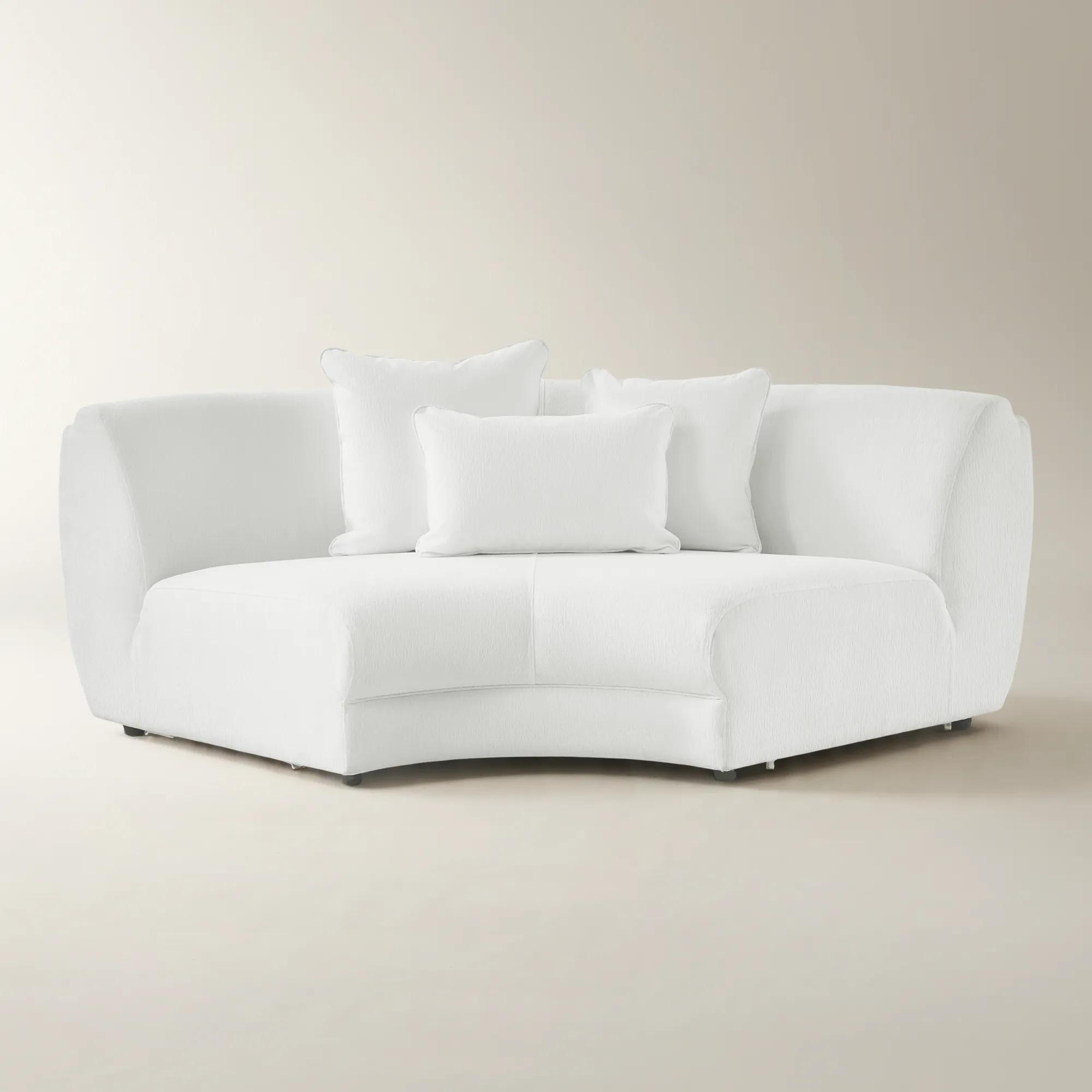
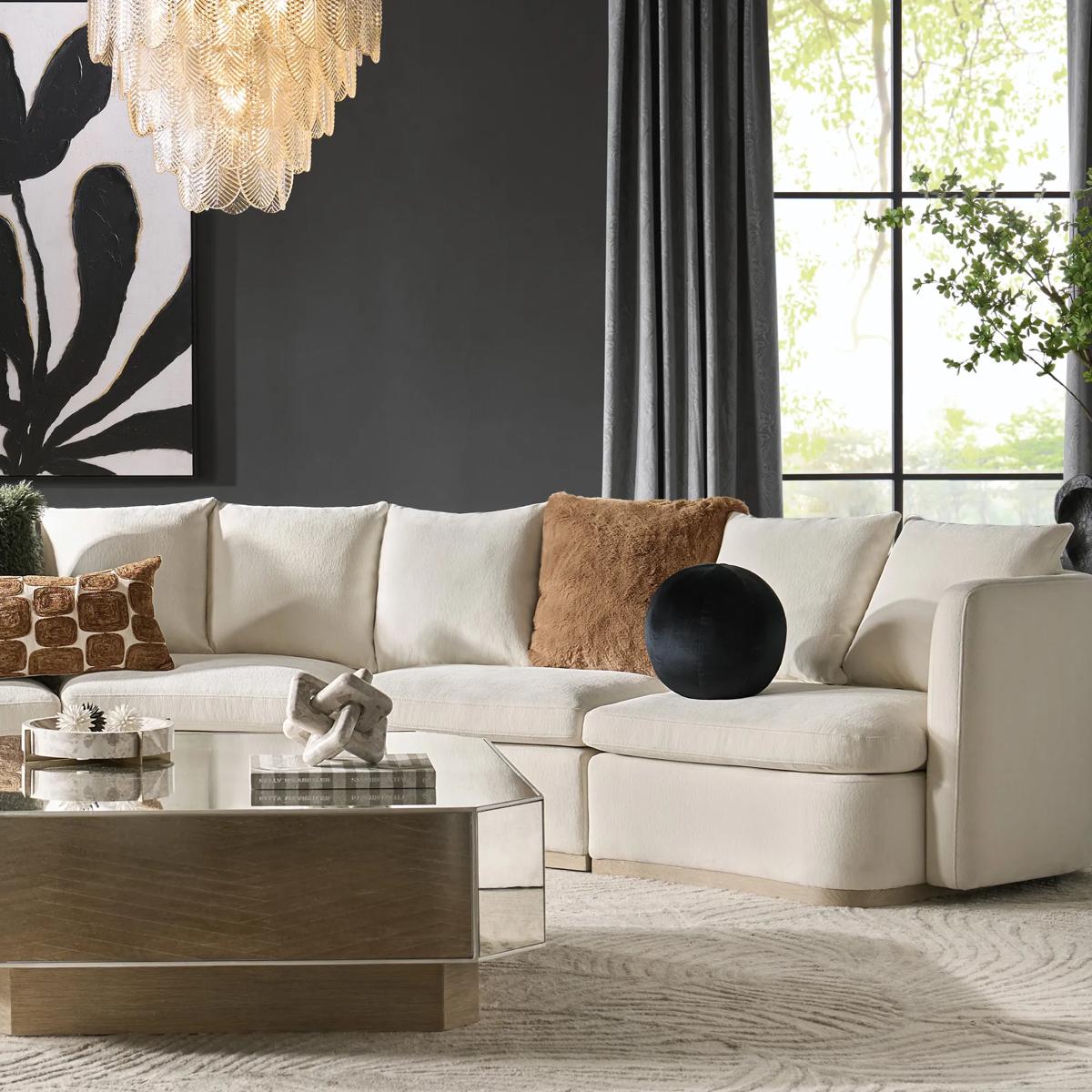 Stria 4-Piece Ivory Performance Boucle Sectional Sofa$4499
A sculptural ivory performance boucle sectional with modular connectors, kiln-dried wood construction, and layered foam-down cushioning.
Add To Cart -
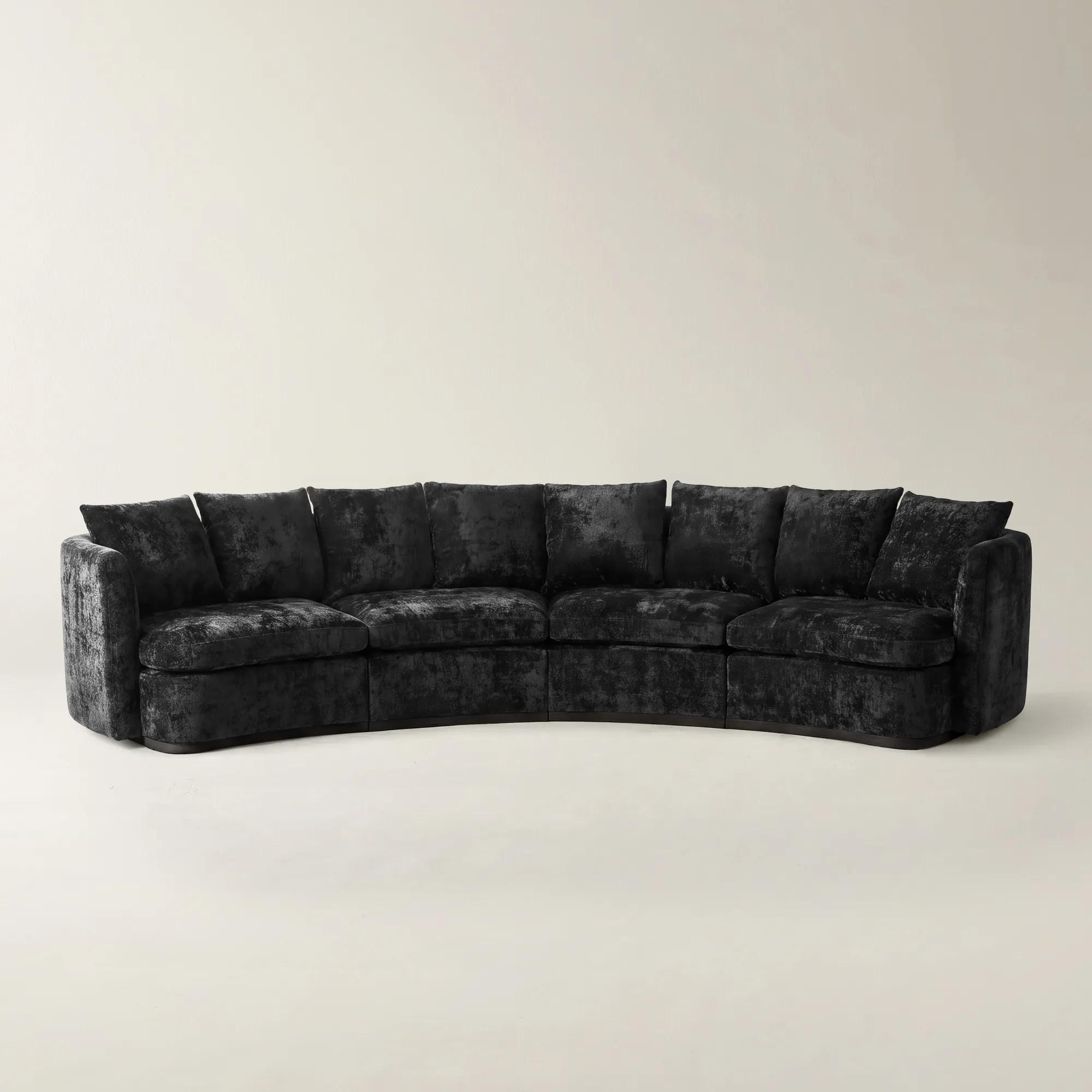 Stria 4-Piece Black Chenille Sectional Sofa$4499
A sculptural black chenille sectional featuring modular construction, curved edges, and layered foam-and-down cushioning.
Add To Cart -
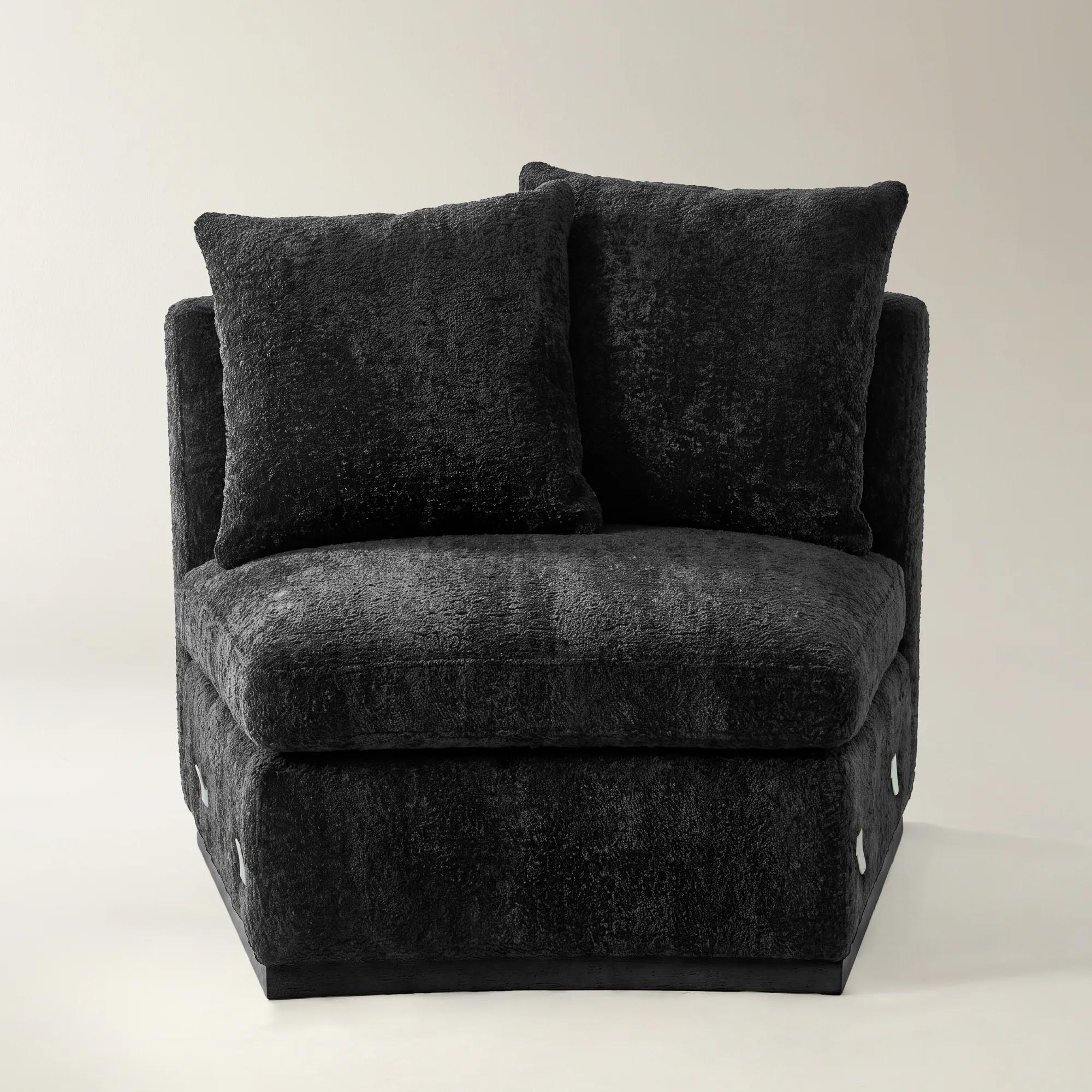
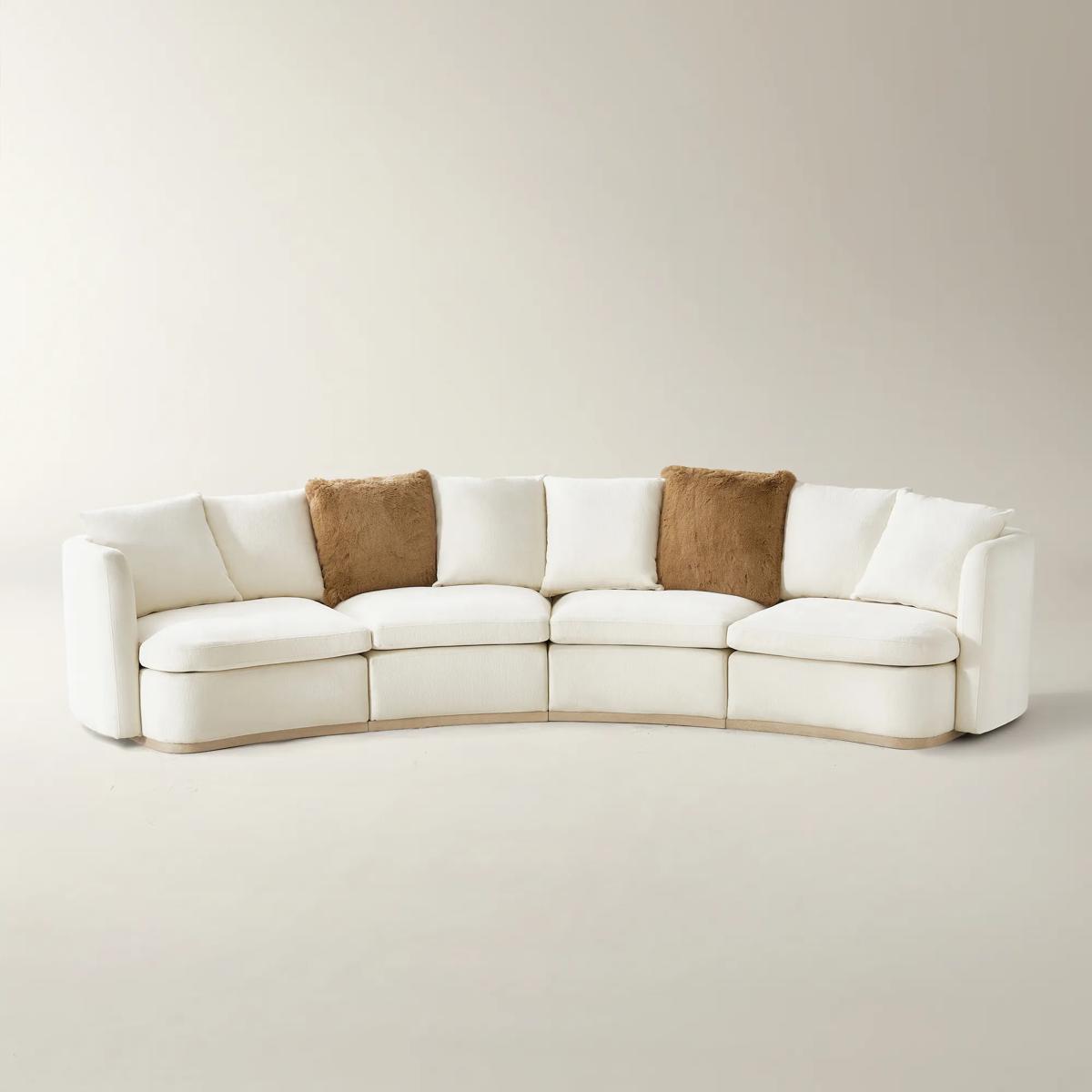 Stria Black Chenille Armless Chair$1099
A sculptural black chenille armless chair with kiln-dried wood construction, solid oak base, and layered cushioning.
Add To Cart -
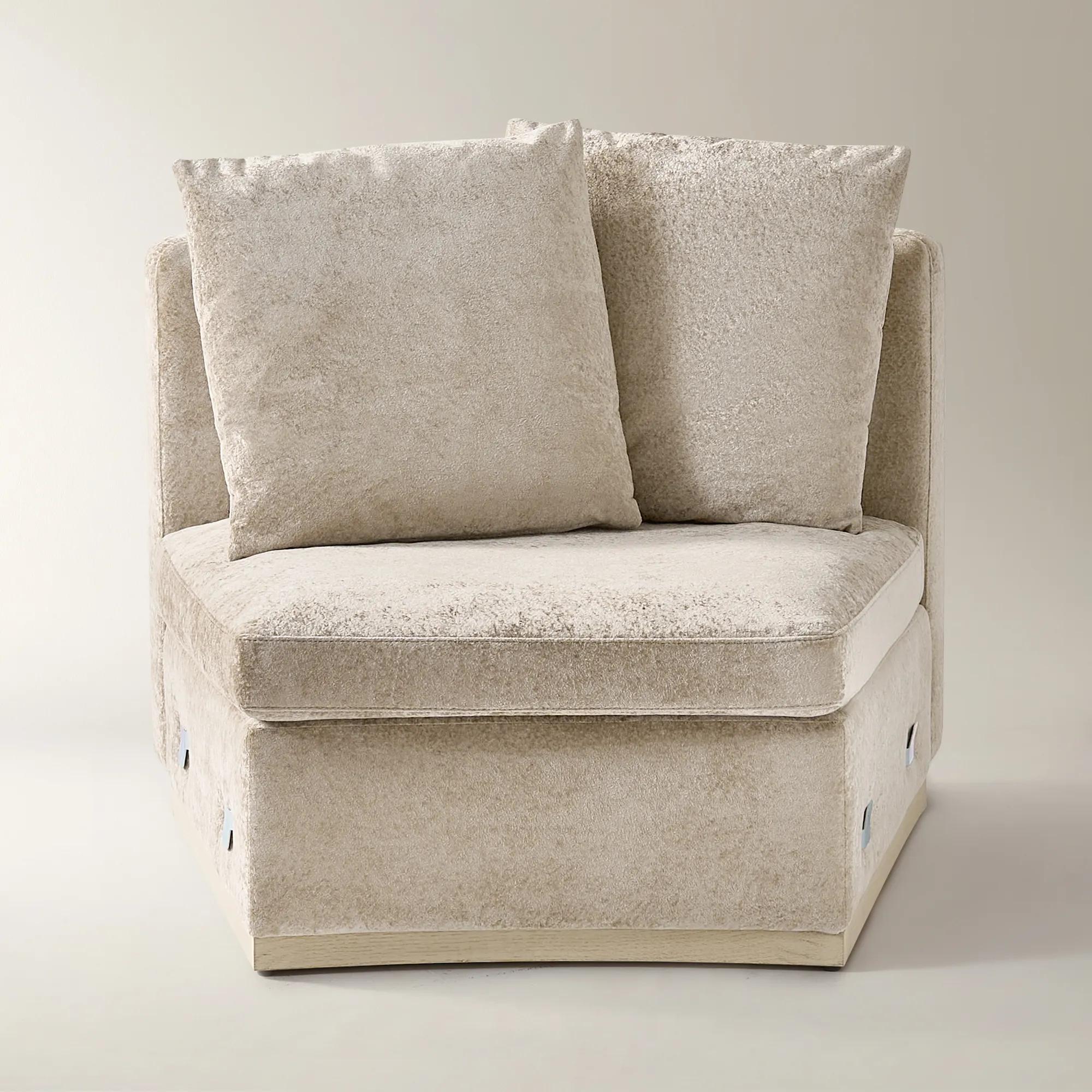 Stria Light Brown Chenille Armless Chair$1099
A light brown chenille sectional with triple-layer cushioning and a kiln-dried oak frame for lasting comfort.
Add To Cart -
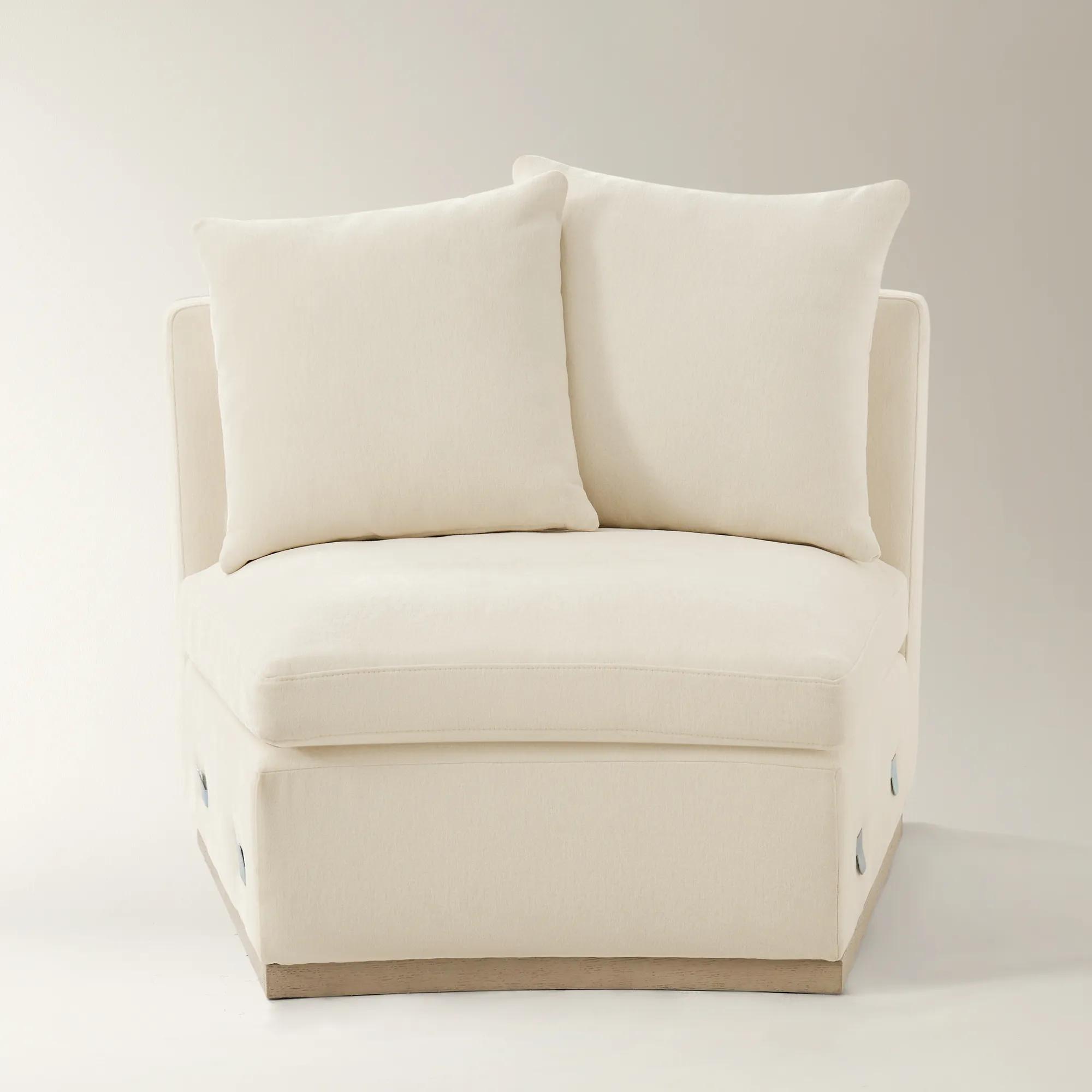 Stria Oatmeal Velvet Armless Chair$1099
A sculptural oatmeal velvet armless chair featuring layered cushioning, curved edges, and a kiln-dried wood frame.
Add To Cart -
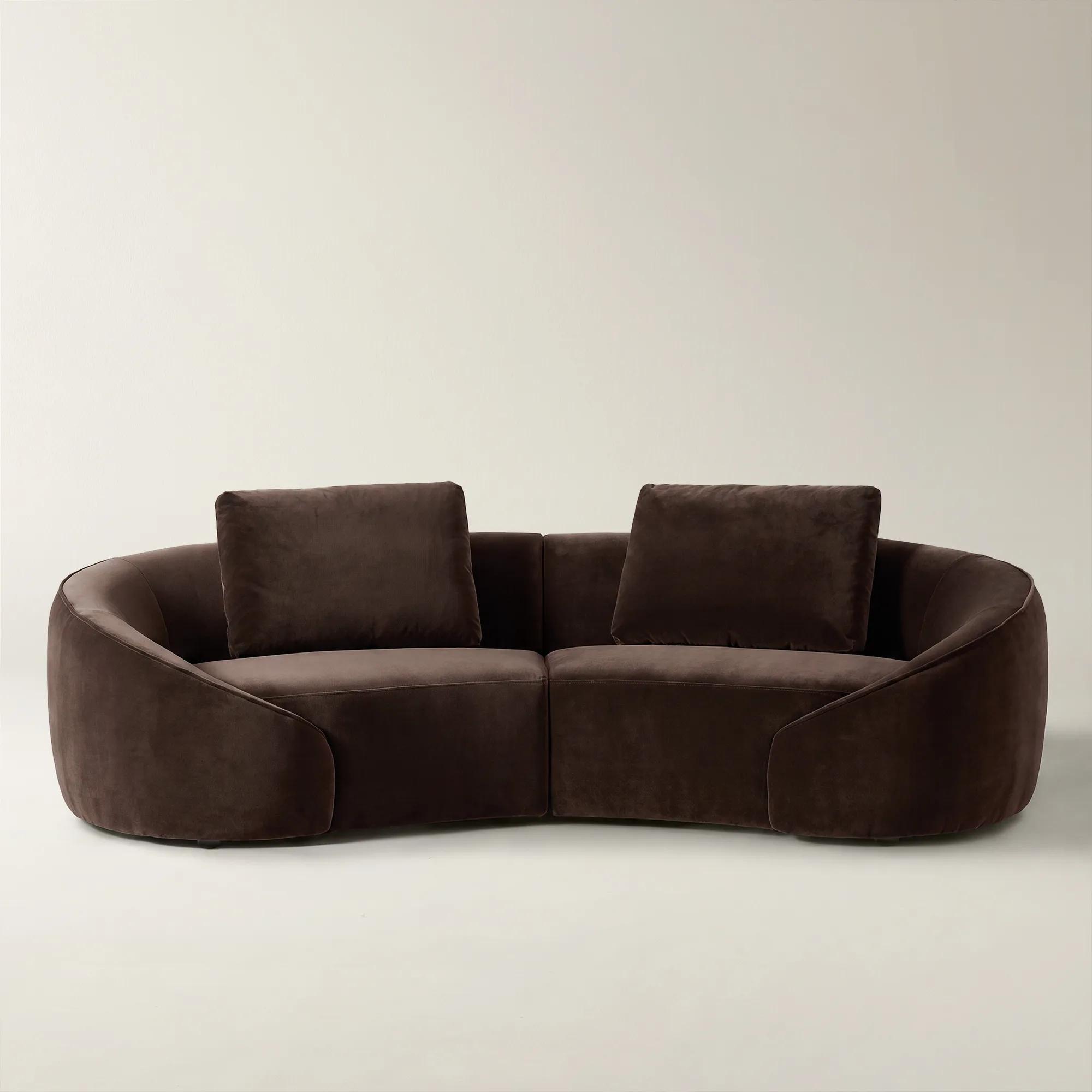
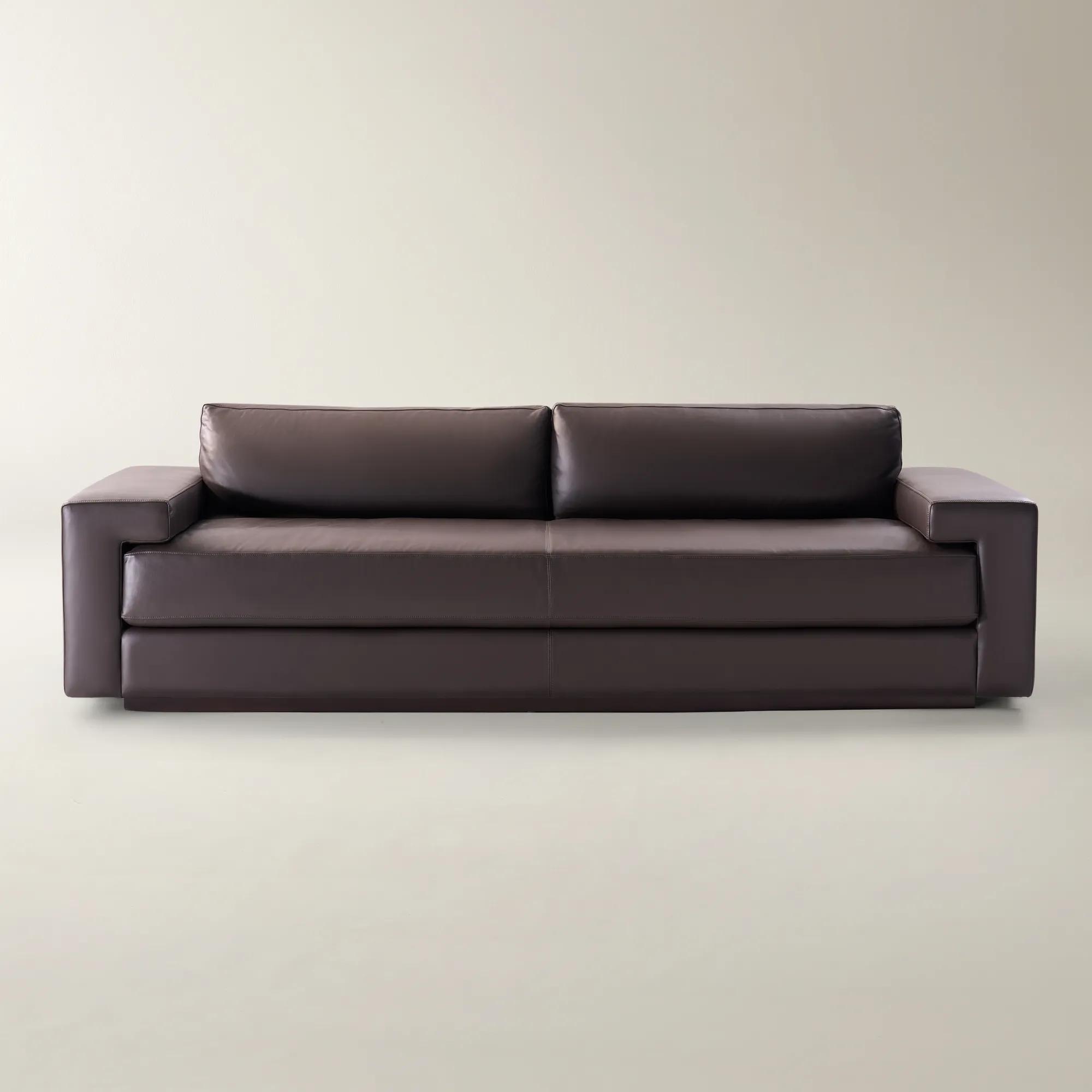
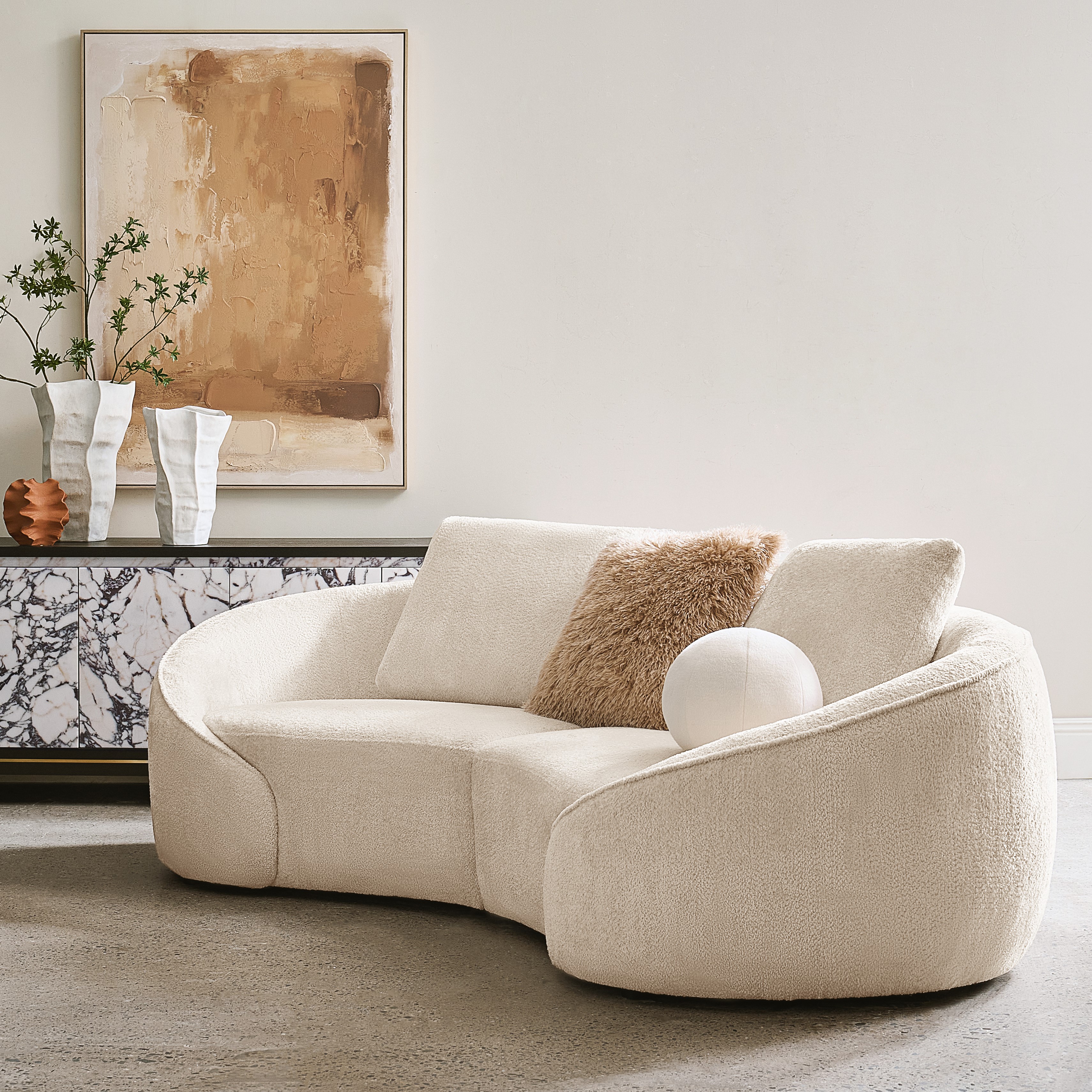 Irene 2-Piece Dark Chocolate Velvet Sectional Sofa$2699
A sculptural, hand-finished sectional in dark chocolate velvet with high-resiliency foam cushions and tailored detailing.
Add To Cart -
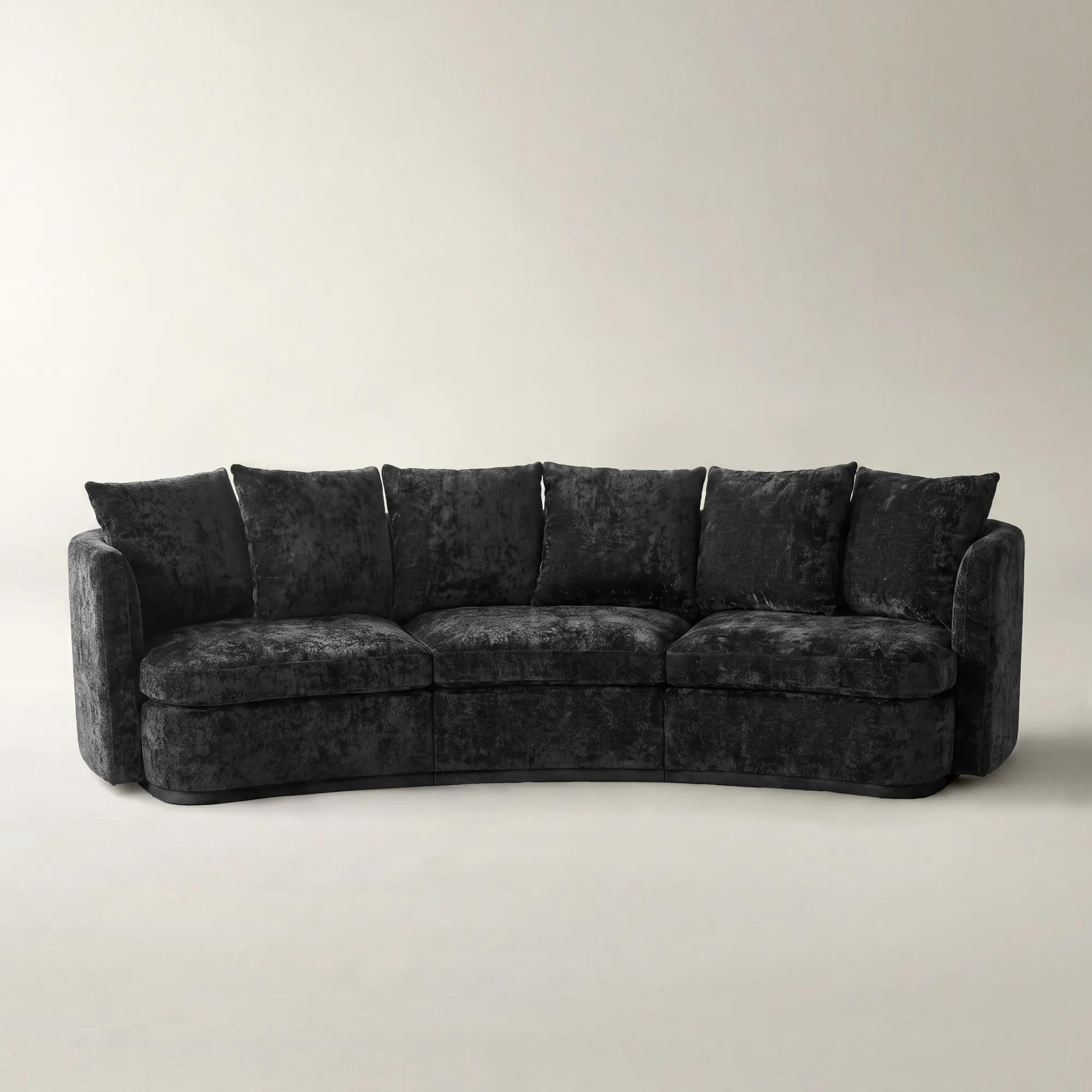 Stria 3-Piece Black Chenille Sectional Sofa$3399
A sculptural black chenille sectional with modular connectors, kiln-dried wood construction, and layered foam-down cushioning.
Add To Cart -
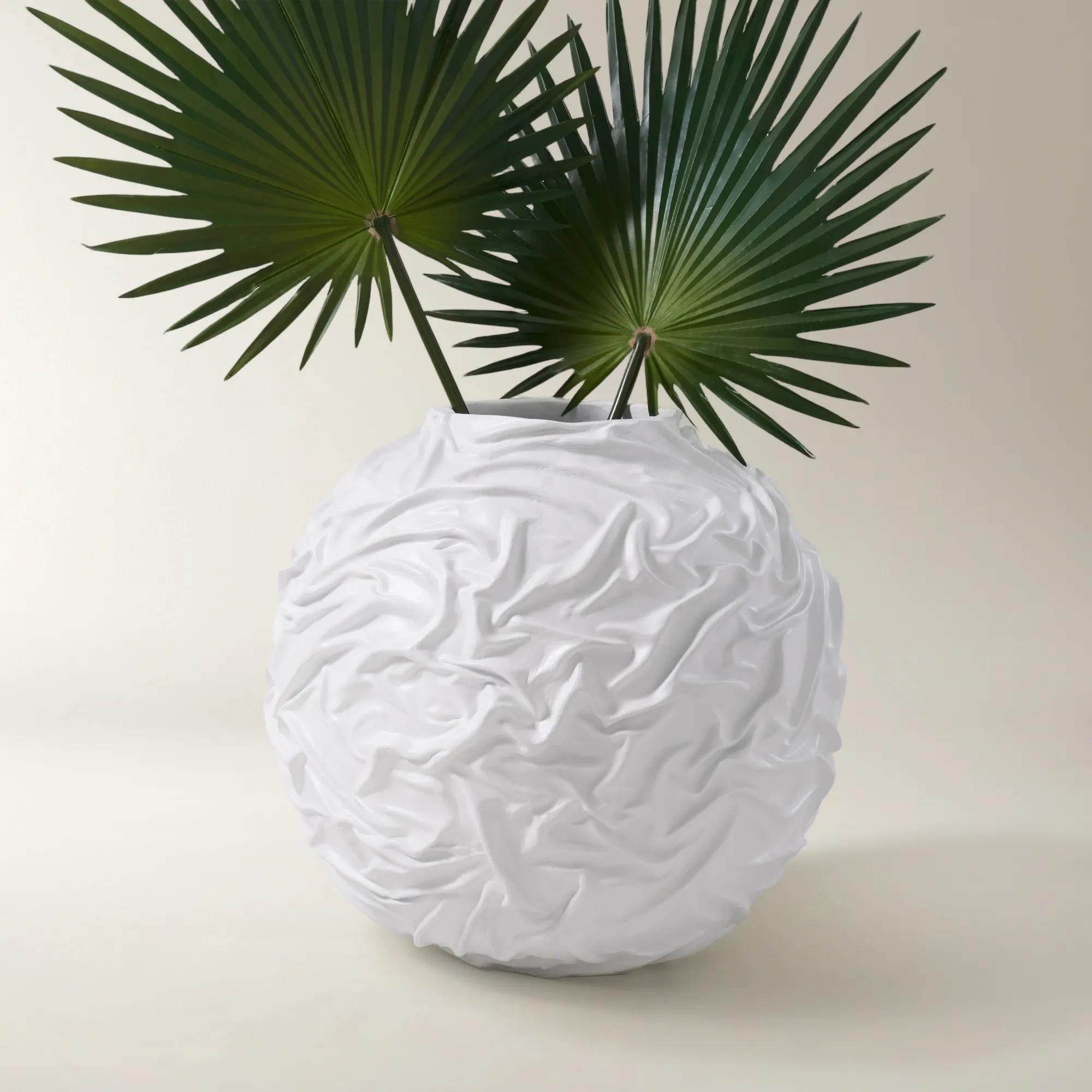 Crumple White Resin Floor Vase 18.3"$259
A sculptural resin vase with a crumpled-paper design and a sleek white finish for modern spaces.
Add To Cart -
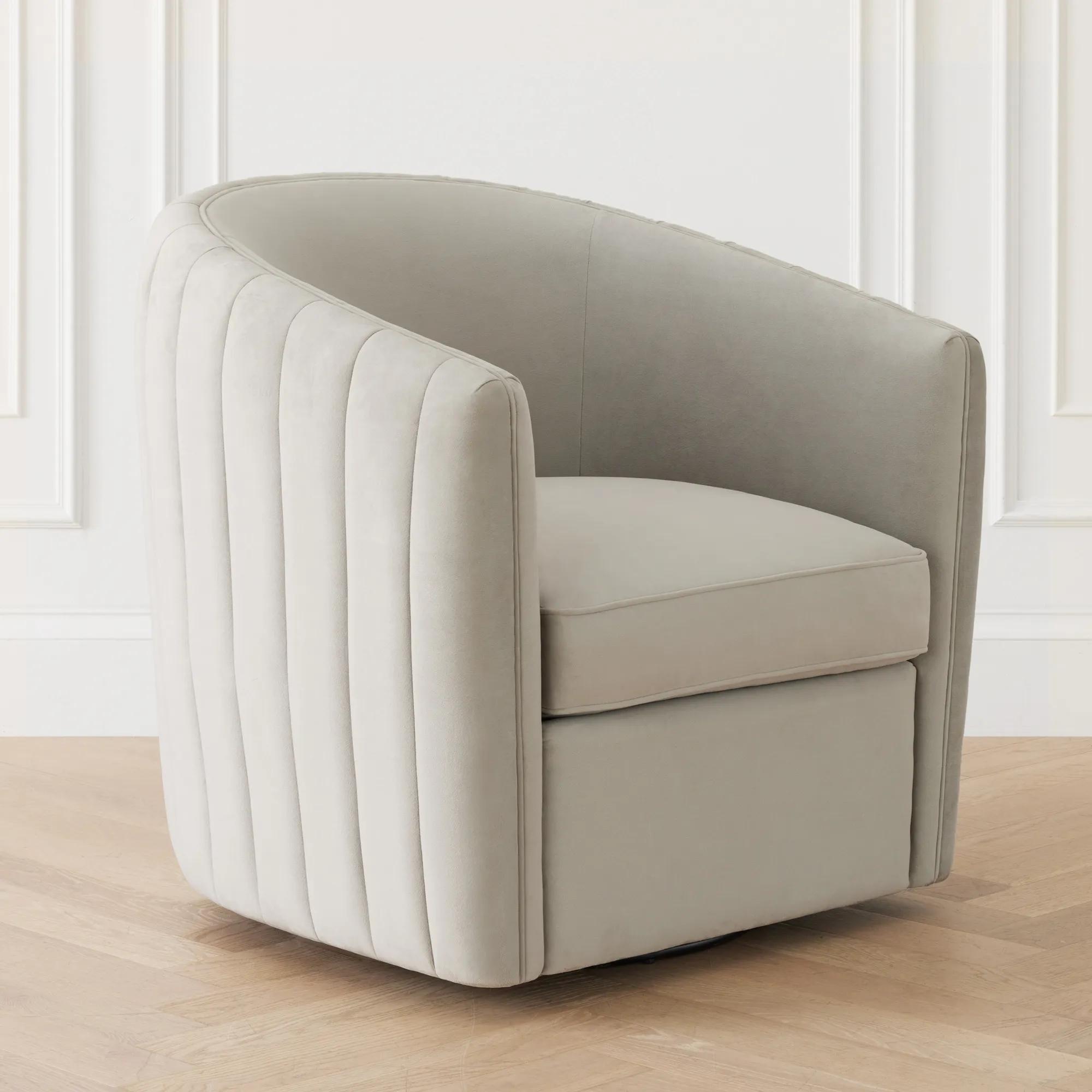
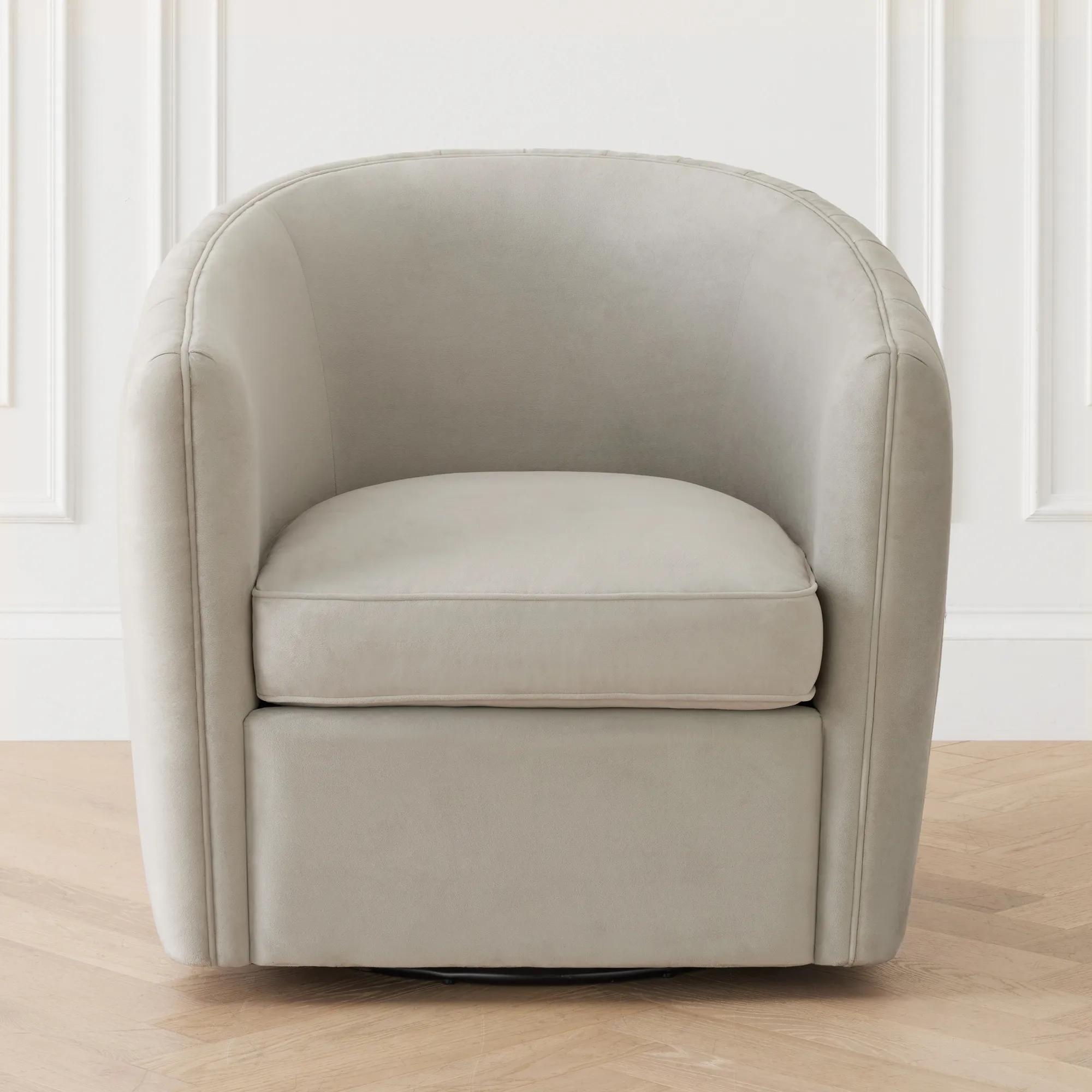 Aria Channeled Swivel Chair$1299
A modern barrel chair in kiln-dried hardwood with channeled velvet upholstery and a smooth swivel base.
Add To Cart -
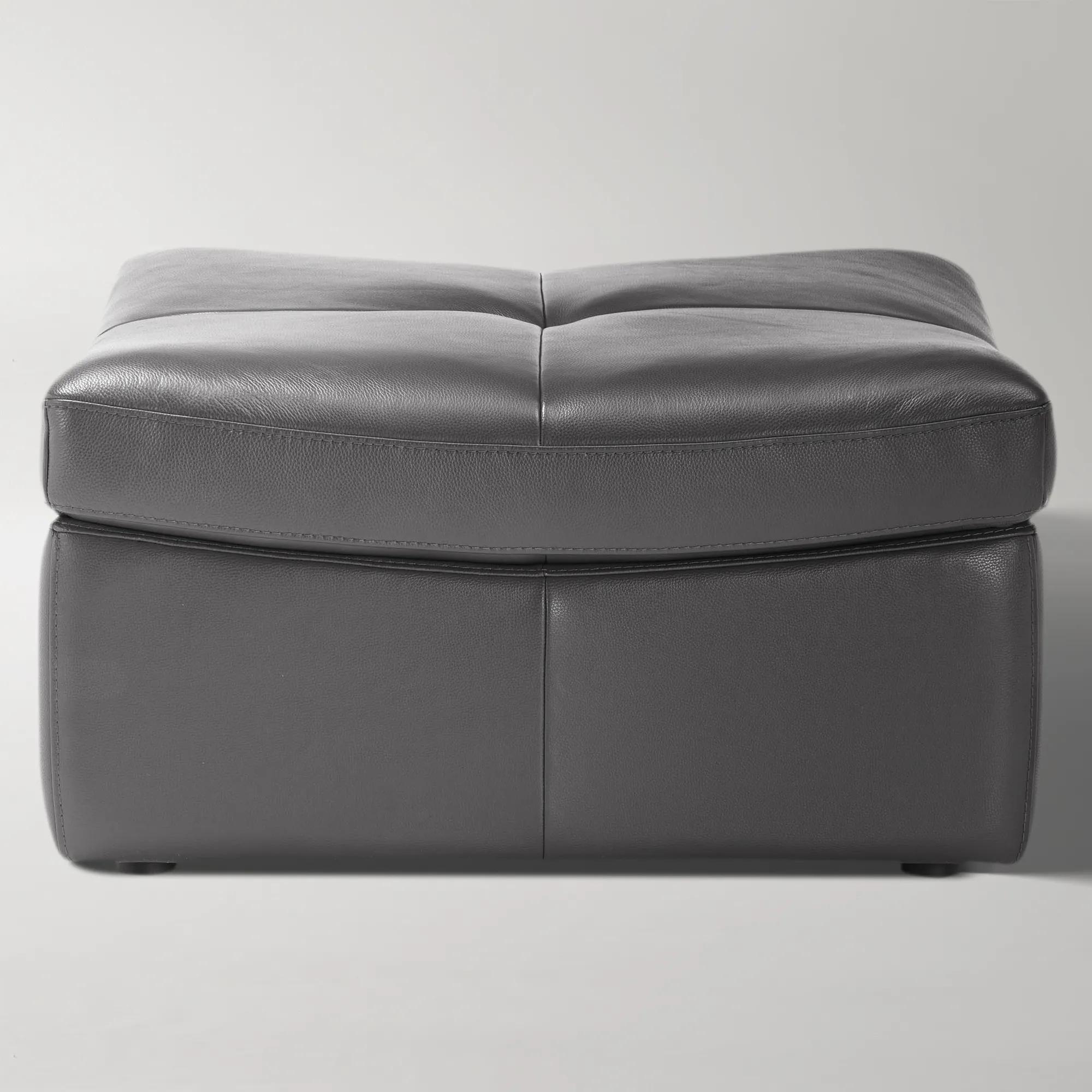 Convo Charcoal Leather Ottoman$849
A modular sectional in charcoal semi-aniline leather with kiln-dried hardwood frames and gently curved seats.
Add To Cart -
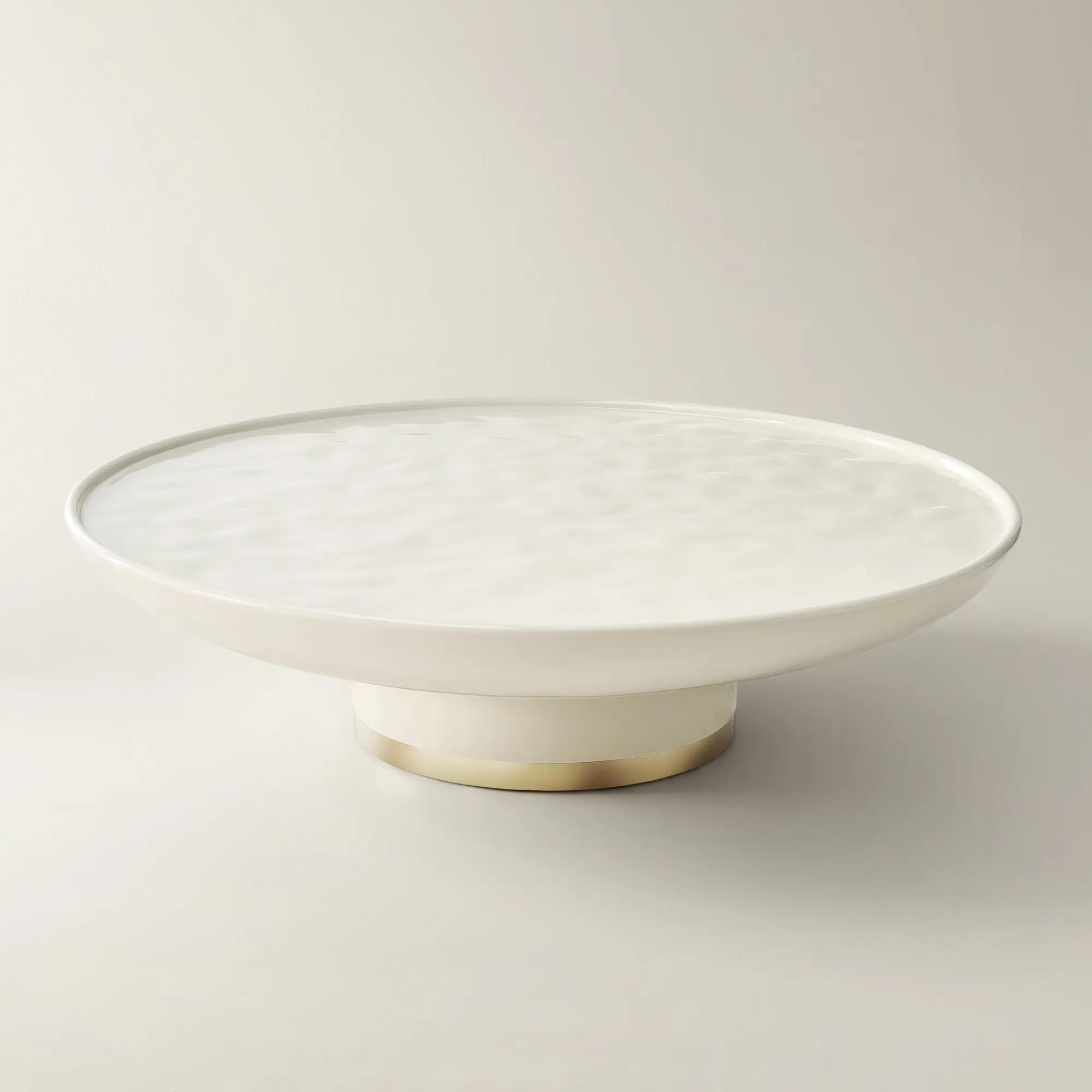
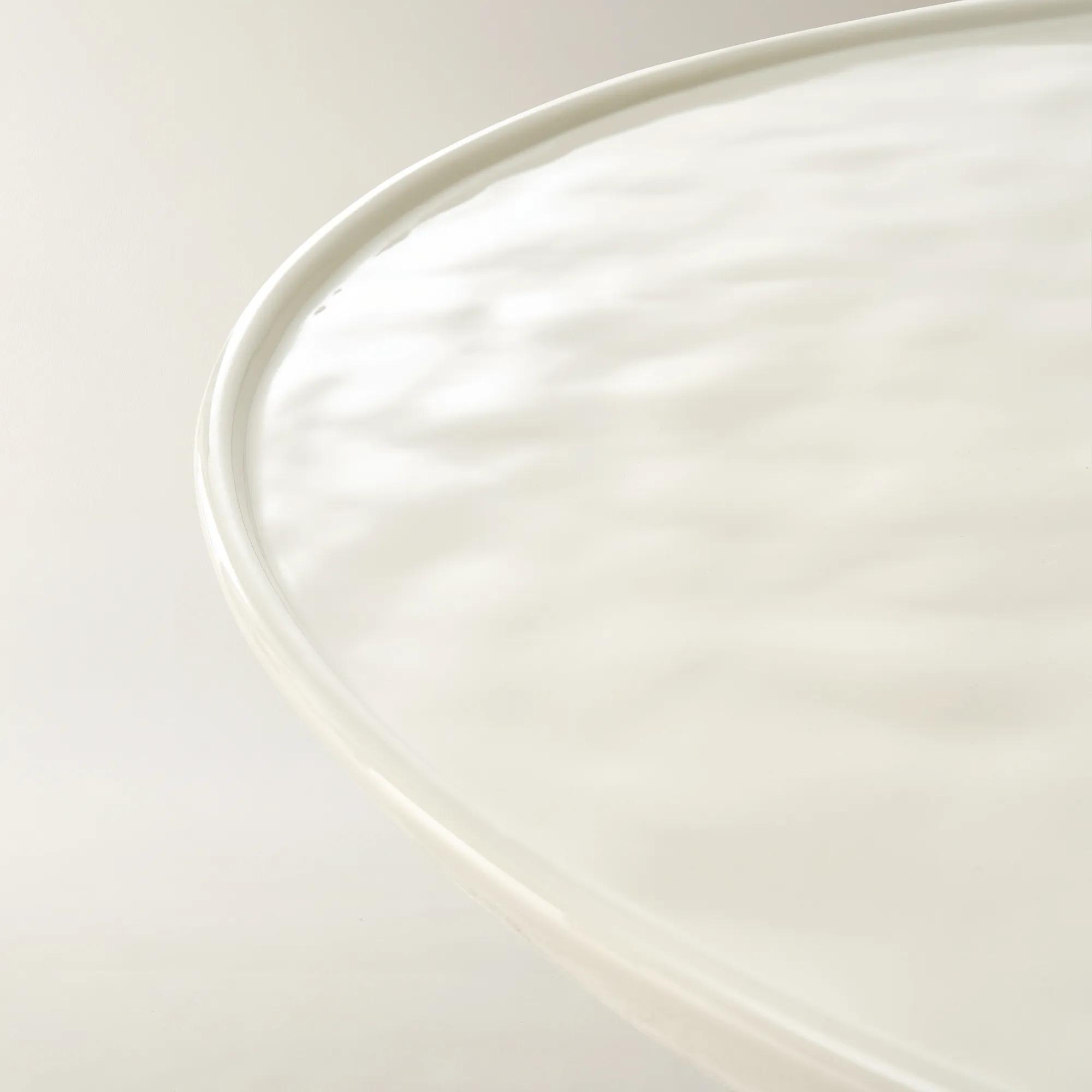 Celia Lacquered Cloud Resin Indoor/Outdoor Coffee Table (54")$1399
A sculptural one-piece resin coffee table with a high-gloss warm finish and gold stainless steel base.
Add To Cart -

 Nia Lacquered Turtle Dove Faux Fur Accent Chair$899
A sculptural accent chair featuring a high-gloss sand-toned fiberglass frame and plush turtle dove faux fur upholstery.
Add To Cart -
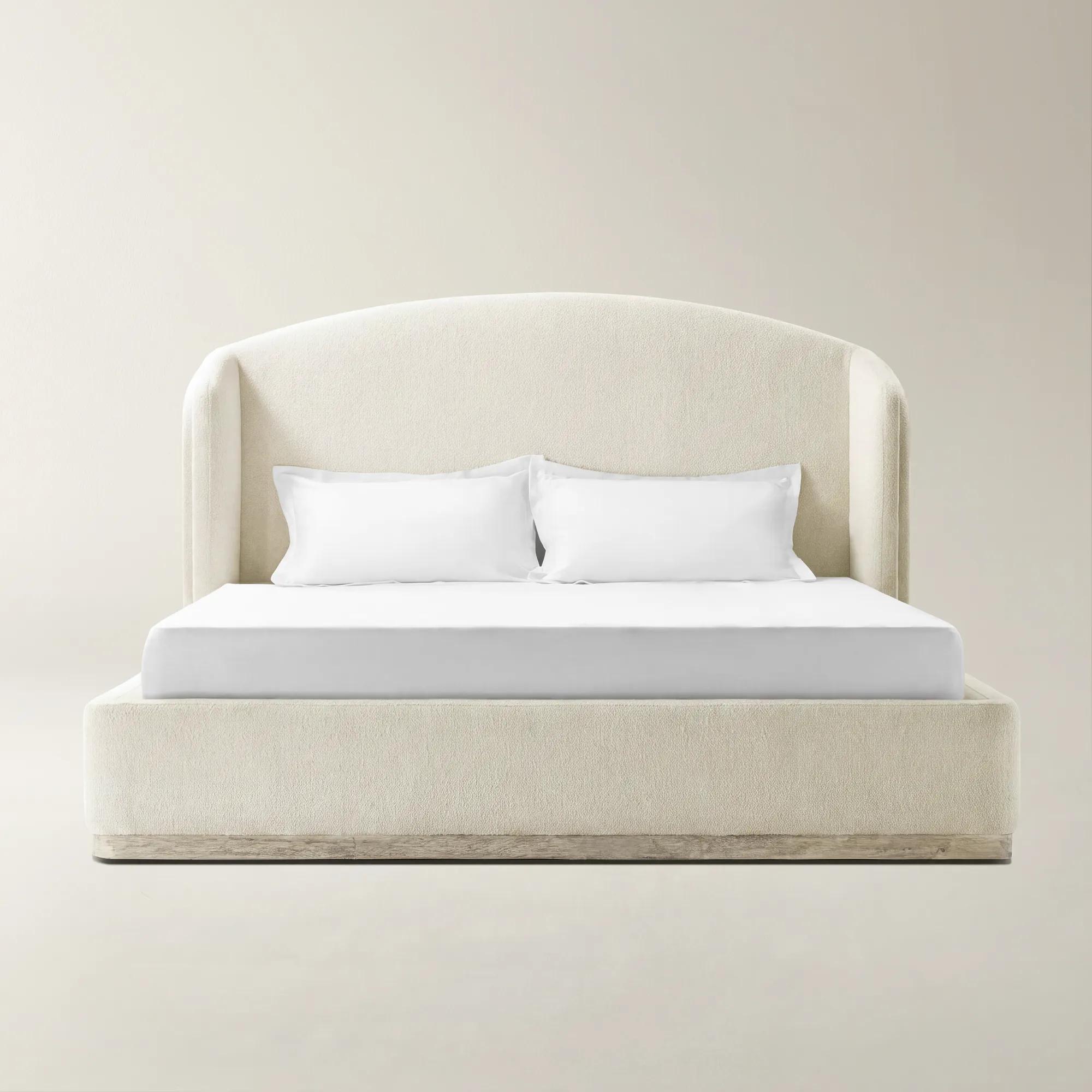
 Glimmer Ivory Performance Chenille Upholstered Queen Platform Bed$2099
An upholstered platform bed featuring ivory performance chenille, a sculpted double-layered headboard, and solid rubberwood base.
Add To Cart -
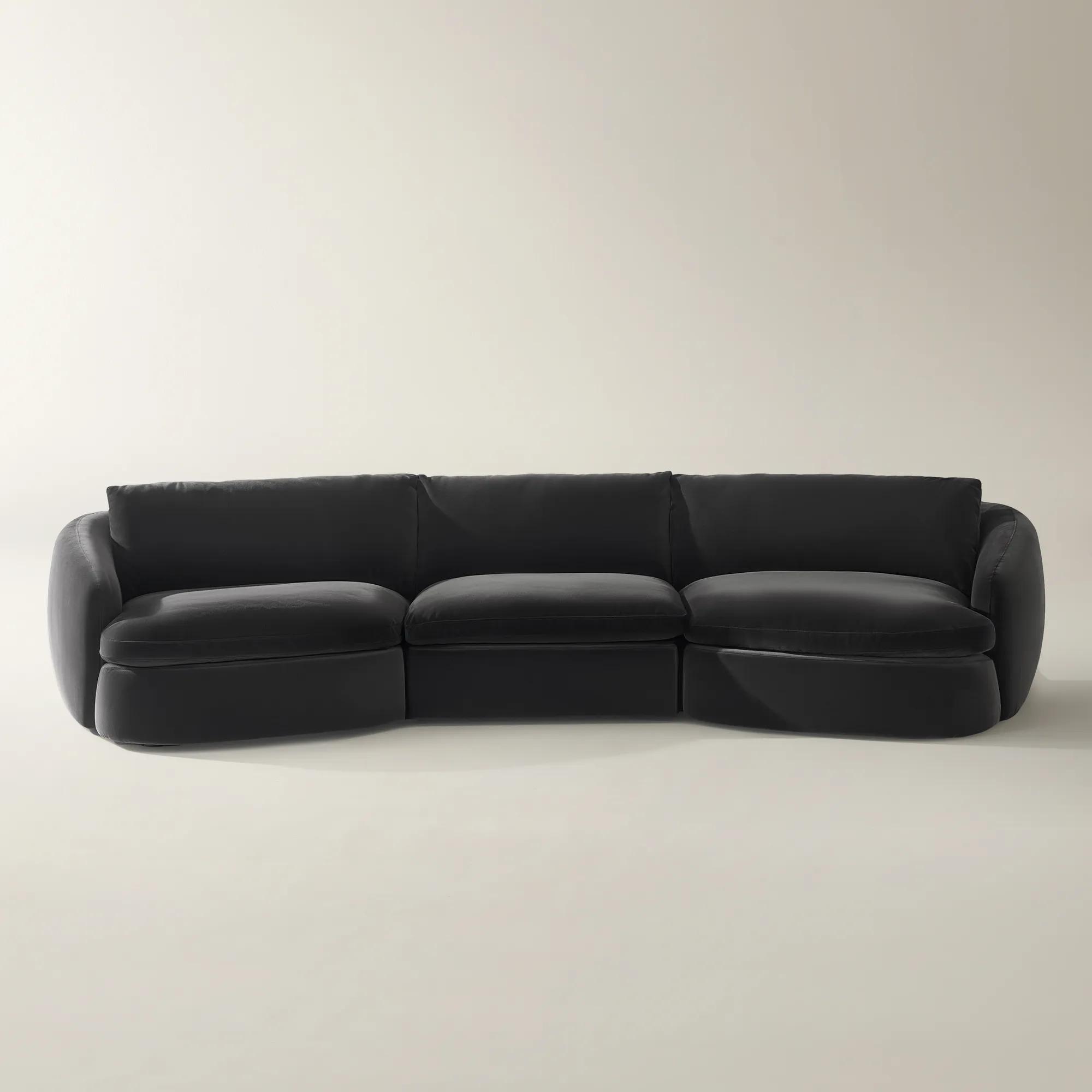 Sabrina 3-Piece Charcoal Velvet Sectional$3699
A charcoal velvet modular sofa featuring a curved silhouette, feather-blend cushions, and hand-built craftsmanship.
Add To Cart -
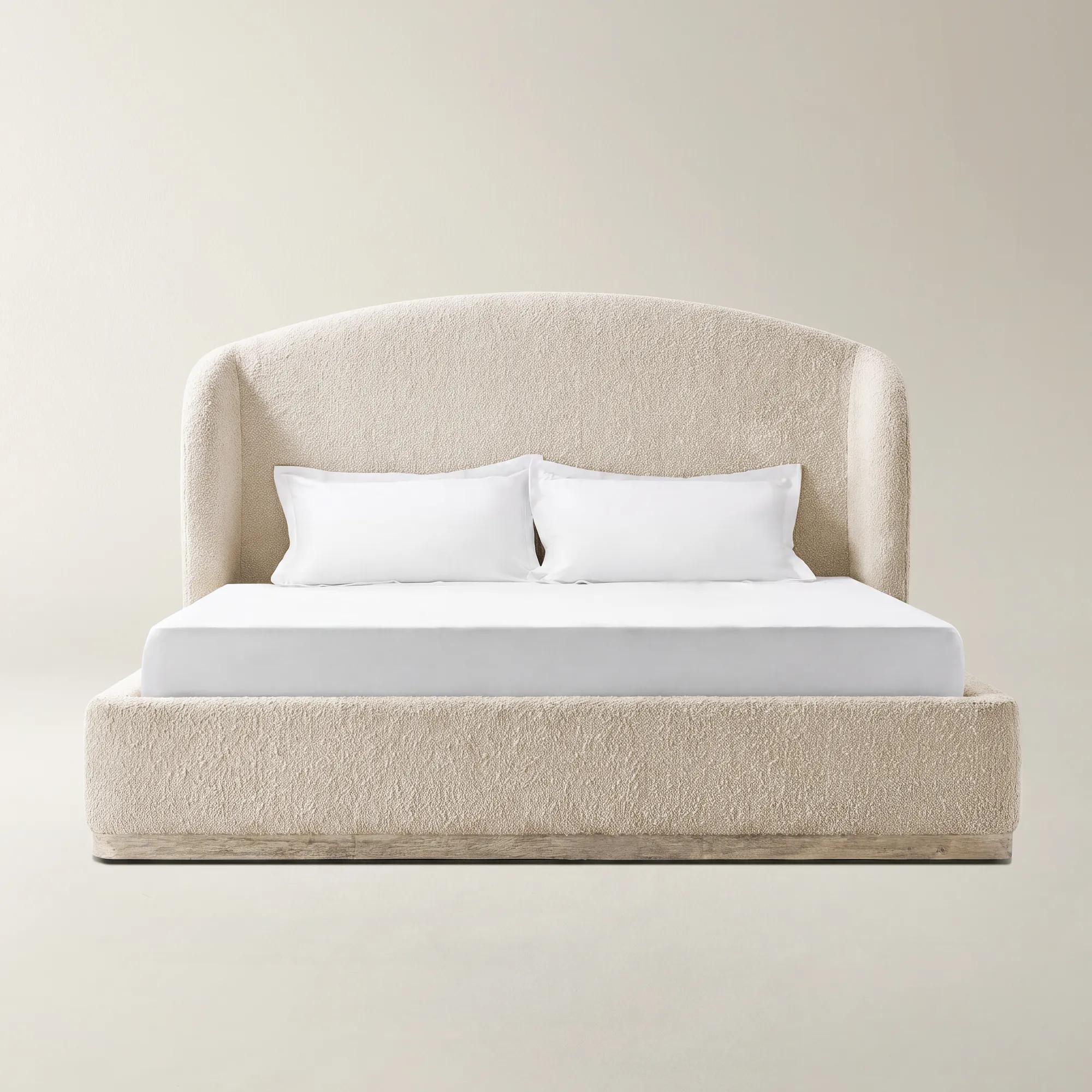 Glimmer Ivory Performance Boucle Upholstered Queen Platform Bed$2099
A white performance boucle platform bed with a sculpted double-layer headboard and solid rubberwood base.
Add To Cart

Furniture Materials, Construction, And Finish Guide
Compare furniture materials, construction, and finishes to find designs that balance expressive style with the demands of daily life. Look beyond the silhouette to consider how a piece is built, what care it needs, and how its texture and sheen will bring depth and drama to your room.
Furniture materials shape more than a silhouette; they determine how a room feels, how a surface responds to daily use, and how a piece develops character over time. A richly grained wood surface lends depth to a polished interior, while gleaming metal and clear glass introduce reflection, contrast, and a sense of openness. When comparing wood furniture, distinguish solid wood from wood veneer and engineered wood rather than treating those terms as a simple ranking of quality. Solid wood can often be repaired or refinished, depending on its construction and finish, and natural variations in grain give each surface an individual expression. Wood veneer is a thin layer of real wood bonded to a supporting core, allowing striking grain patterns across broad surfaces; its refinishing potential depends on the veneer’s thickness and condition. Engineered wood includes several different materials, and its performance depends on the type of core, edge treatment, assembly, and intended application. Metal contributes sculptural definition, but a slender profile alone does not establish strength: metal type, thickness, connections, and surface protection all matter. Glass creates visual breathing room, particularly where a substantial silhouette might otherwise dominate, although exposed edges still deserve consideration in busy households. Natural stone brings expressive veining and tonal variation, with porosity and resistance to scratching or etching varying by stone type. Upholstery adds another layer of personality. Velvet catches light with a sumptuous depth, textured weaves introduce dimension, and leather can develop a distinctive patina with use. Fabric names, however, tell only part of the story. Fiber content, weave, backing, and cleaning requirements help determine whether upholstery suits a formal sitting area, an everyday gathering space, or a home shared with pets. Performance claims should be assessed individually; stain resistance does not necessarily mean waterproof, and durability does not mean maintenance-free. The most satisfying material choice balances visual drama with an honest understanding of how the furniture will be used.
Construction is the quiet architecture behind that first impression. Well-considered furniture pairs its exterior materials with a frame, base, and connections suited to the weight and movement it must support. For wood construction, joinery such as mortise-and-tenon or dowel connections can contribute strength when properly executed, while corner blocks and other reinforcement may help stabilize areas under repeated stress. No single joint guarantees lasting quality; material thickness, adhesive application, fasteners, and overall engineering work together. A substantial appearance should not substitute for checking the details. Doors should align, drawers should travel smoothly, and bases should feel stable on an appropriately level floor. Drawer construction and glide design affect everyday ease, especially when storage will hold heavier belongings. Upholstered seating deserves the same attention beneath its tailored surface. Frame design, suspension, cushion composition, and upholstery workmanship all influence support and longevity. Foam density is not the same as firmness: density describes the amount of material within a given volume, while firmness describes resistance to compression. Feather- or fiber-filled cushions may deliver a relaxed, enveloping feel but often require regular reshaping; other cushion constructions offer a more structured appearance. Comfort also depends on proportion. A deep seat may feel luxurious for lounging yet be less suitable for someone who prefers upright support, while seat height and arm placement affect how easily a person sits down or stands up. Before choosing furniture, measure the room, doorways, hallways, stair turns, and elevator access, allowing for packaging and maneuvering where relevant. Map the footprint on the floor and leave practical routes around seating, storage, and dining areas. Dining furniture should allow chairs to pull back comfortably, and storage furniture needs clearance for doors and drawers to open fully. Follow assembly instructions, observe stated weight limits, and anchor furniture when directed. For households with children, rounded profiles and secure placement deserve particular attention. These practical decisions preserve the room’s intended elegance by making its arrangement feel effortless rather than constrained.
A furniture finish determines how color, texture, and reflected light come together, but its role extends beyond appearance. Clear finishes reveal wood grain, opaque painted finishes emphasize form, and stains alter color without necessarily providing a protective barrier on their own. Lacquer, varnish, polyurethane, and oil-based treatments differ in composition, sheen, repairability, and maintenance needs; the finish name alone is not enough to establish resistance to heat, moisture, or household chemicals. High-gloss surfaces can create a luminous focal point and may make fingerprints or fine scratches more noticeable, while matte finishes soften reflection without automatically concealing wear. Brushed metal brings a quieter gleam than a polished surface, and plated or powder-coated finishes require care appropriate to their particular coating. Deliberately distressed effects and applied patinas are aesthetic treatments, not a reason to overlook loose connections or damaged surfaces. Choose finishes in conversation with the room: a reflective accent can animate richly textured upholstery, while a restrained wood tone can give dramatic silhouettes room to command attention. Explore Furniture For Style Conscious Buyers with those relationships in mind, considering the balance of form, material, and everyday function rather than matching every surface exactly. To preserve the effect, follow the manufacturer’s care instructions for each material and finish. Dust gently with a clean, soft cloth, blot spills promptly, and avoid abrasive pads or unapproved cleaners. Use coasters, placemats, and suitable protective barriers rather than assuming a sealed surface is impervious to moisture or heat. Stone may require a material-specific cleaner and periodic sealing, but sealing does not prevent every stain or acid-related mark. For upholstery, check the cleaning code before using water or solvent-based products, and test approved treatments in an inconspicuous area. Vacuum with an appropriate attachment, rotate cushions when their design permits, and protect vulnerable surfaces from prolonged direct sunlight. Before attempting refinishing, confirm whether the surface is solid wood, veneer, laminate, or a coated material; an unsuitable sanding or stripping method can cause permanent damage. Furniture feels most luxurious when its expressive finish is supported by thoughtful construction and care that respects the material beneath it.
FAQs
Solid wood refers to components made from lumber. Wood veneer is a thin layer of real wood applied over a supporting core, while engineered wood is made by bonding wood fibers, particles, or layers together. These materials can appear within the same piece. For a richly layered interior, consider both the underlying construction and the visible grain, color, and finish.
Joinery describes how furniture components connect. Mortise-and-tenon joints fit a projecting piece into a corresponding recess, dovetail joints interlock through shaped edges, and dowel joints use cylindrical pegs to connect parts. These details reveal the construction beneath the silhouette. Exposed joinery can also become a design element, bringing an expressive, architectural quality to wood furniture.
Upholstery gives furniture its tactile personality. Velvet offers a plush surface with a light-catching pile, linen brings visible texture and a more relaxed elegance, and leather introduces distinctive grain. Fiber blends can create varied textures and finishes, so fabric names alone do not tell the whole story. Consider the listed composition alongside texture, sheen, and the mood you want to create.
Stains add color while generally allowing wood grain to remain visible. Painted finishes typically create a more opaque layer of color, while lacquer forms a smooth surface available in different sheens. Matte, satin, and high-gloss describe sheen rather than the underlying material. Choose a subdued finish for quiet depth or a reflective surface to bring a more luminous presence to the room.
Give the room a visual thread rather than matching every surface. Repeat a warm undertone, echo a metallic finish, or connect contrasting pieces through a shared color. Wood grain can bring warmth to glass and polished metal, while textured upholstery adds softness beside sleek surfaces. Let one finish lead, then layer complementary materials for a composition with depth and intention.