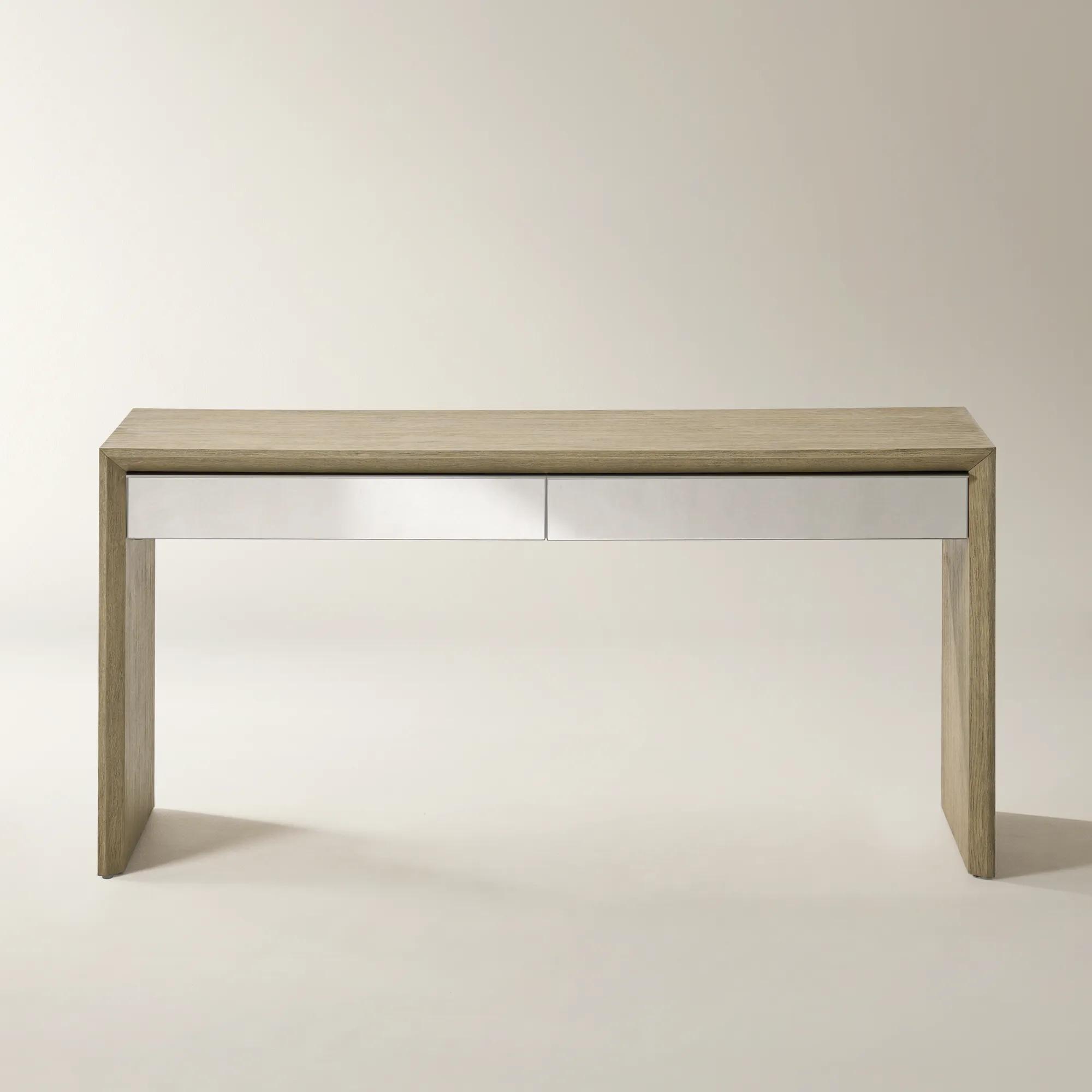
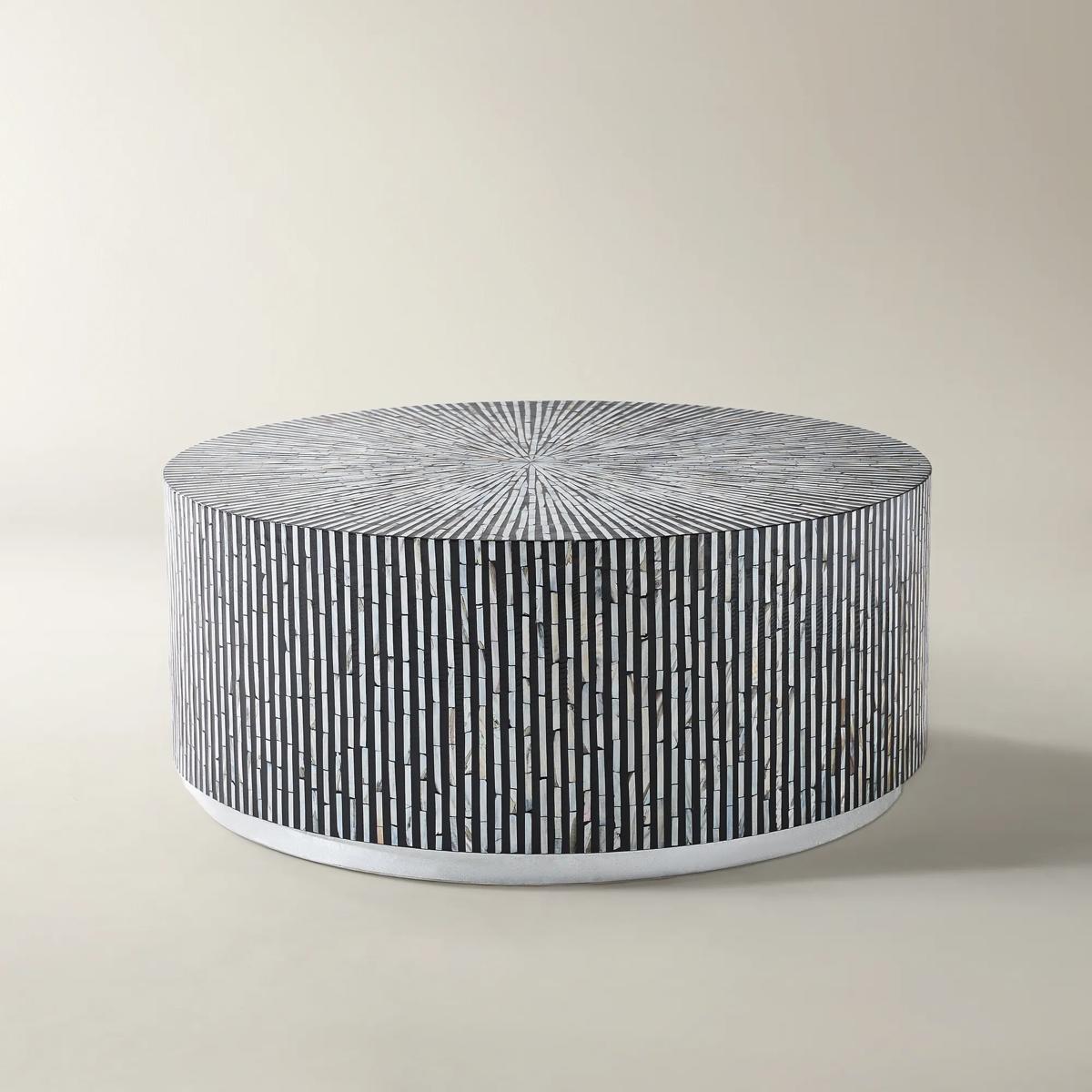
Fully Assembled Coffee Tables
Fully Assembled Coffee Tables
-
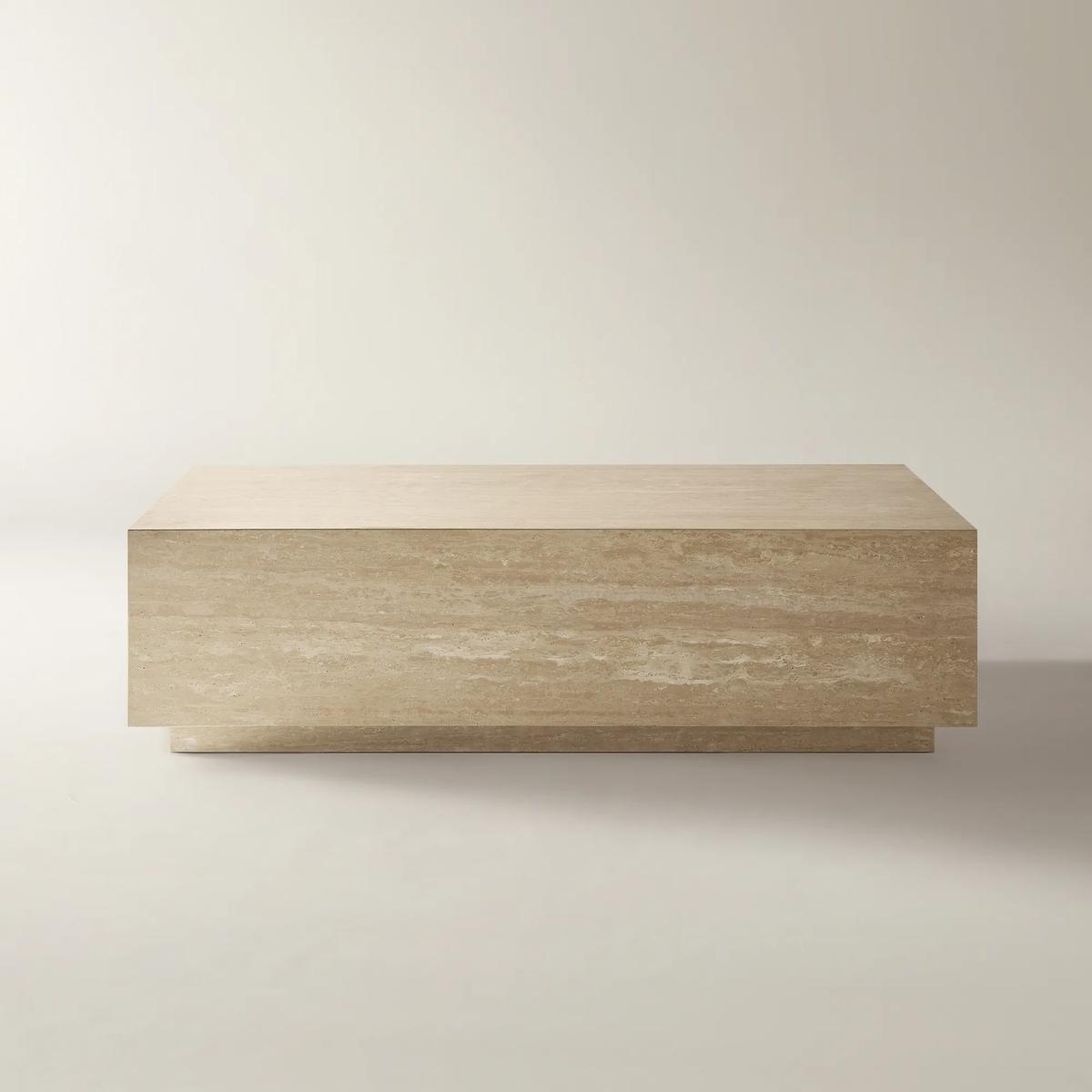
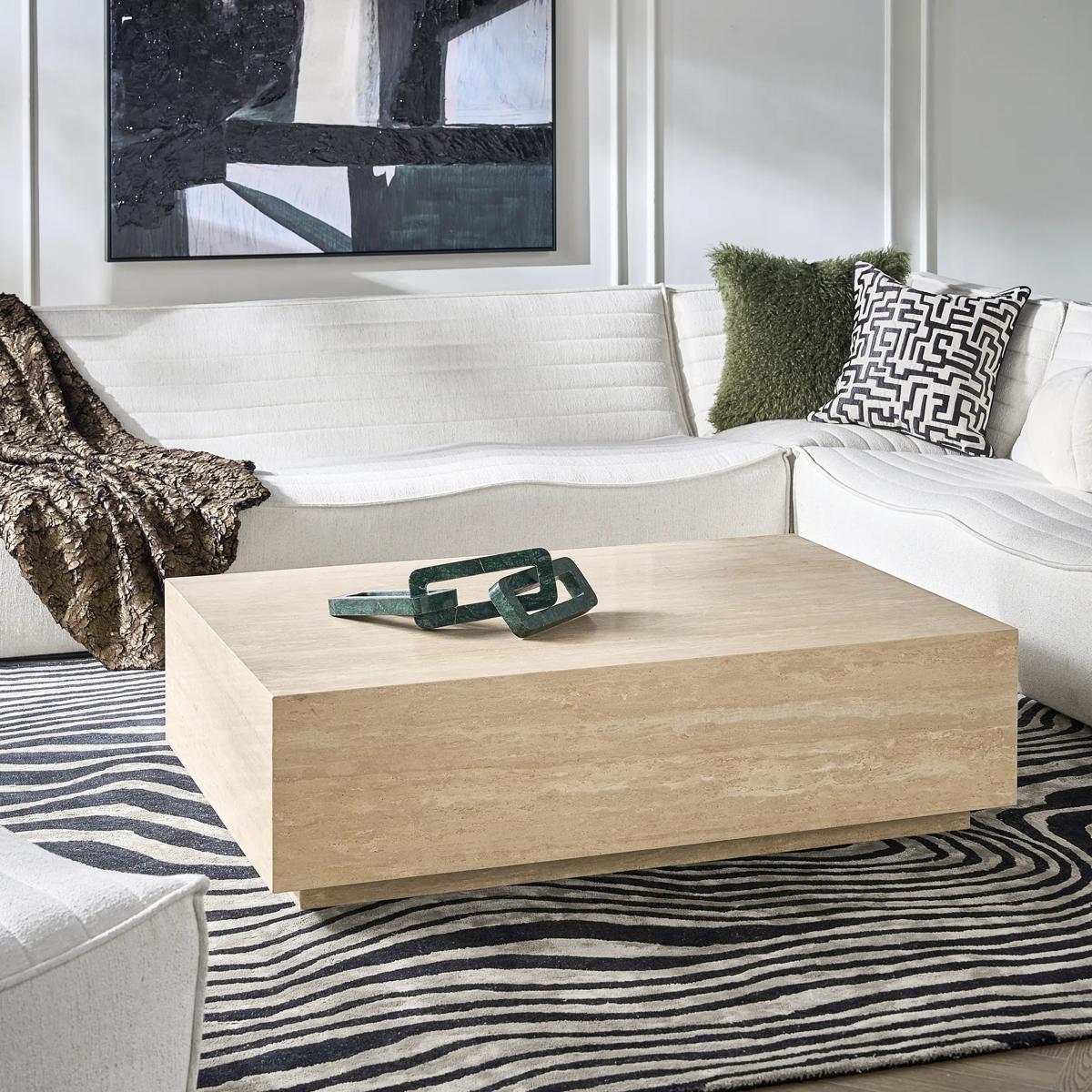 Vanta Rectangular Travertine Coffee Table (54")$2599
A sculptural travertine coffee table with an aluminum honeycomb core and recessed plinth base.
Add To Cart -
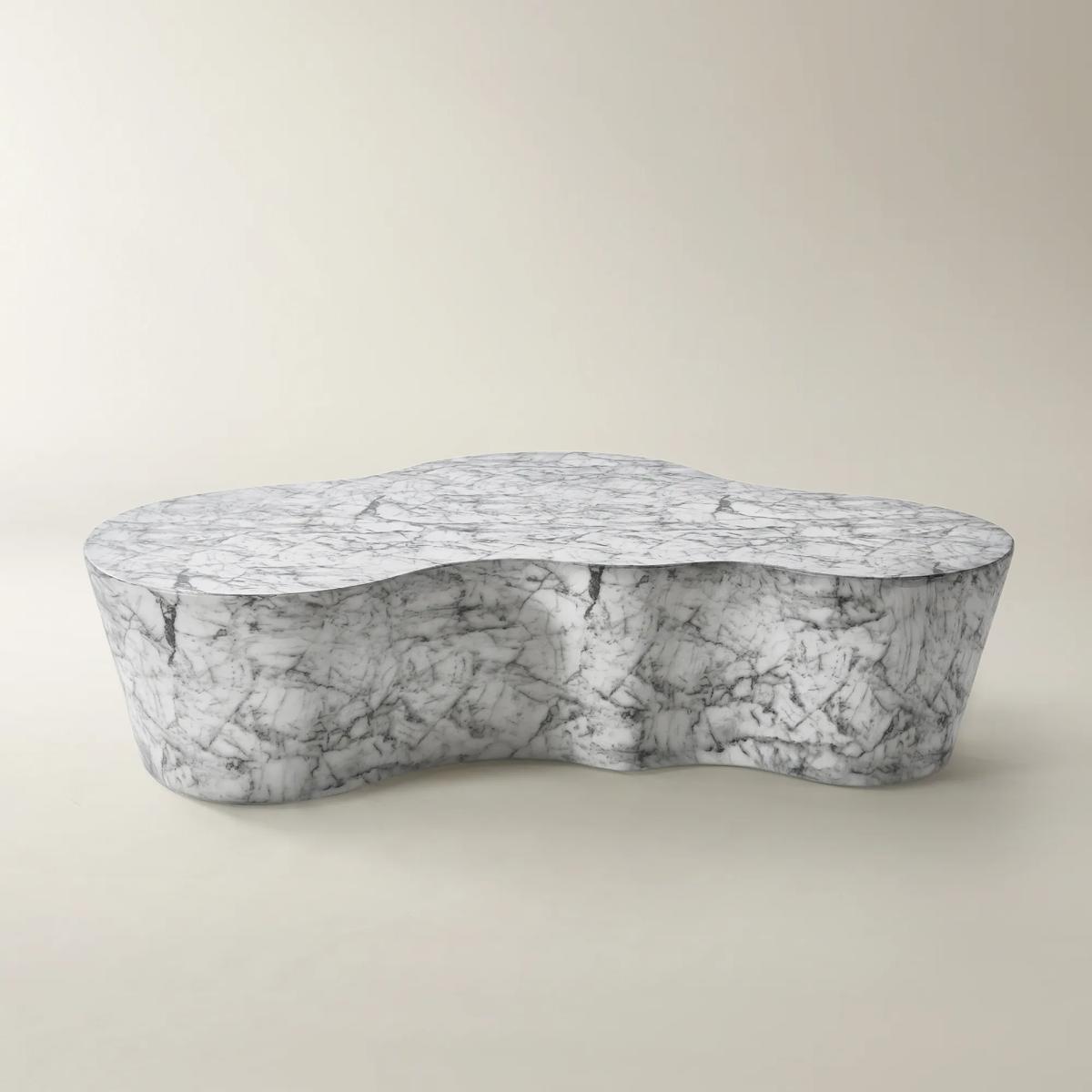
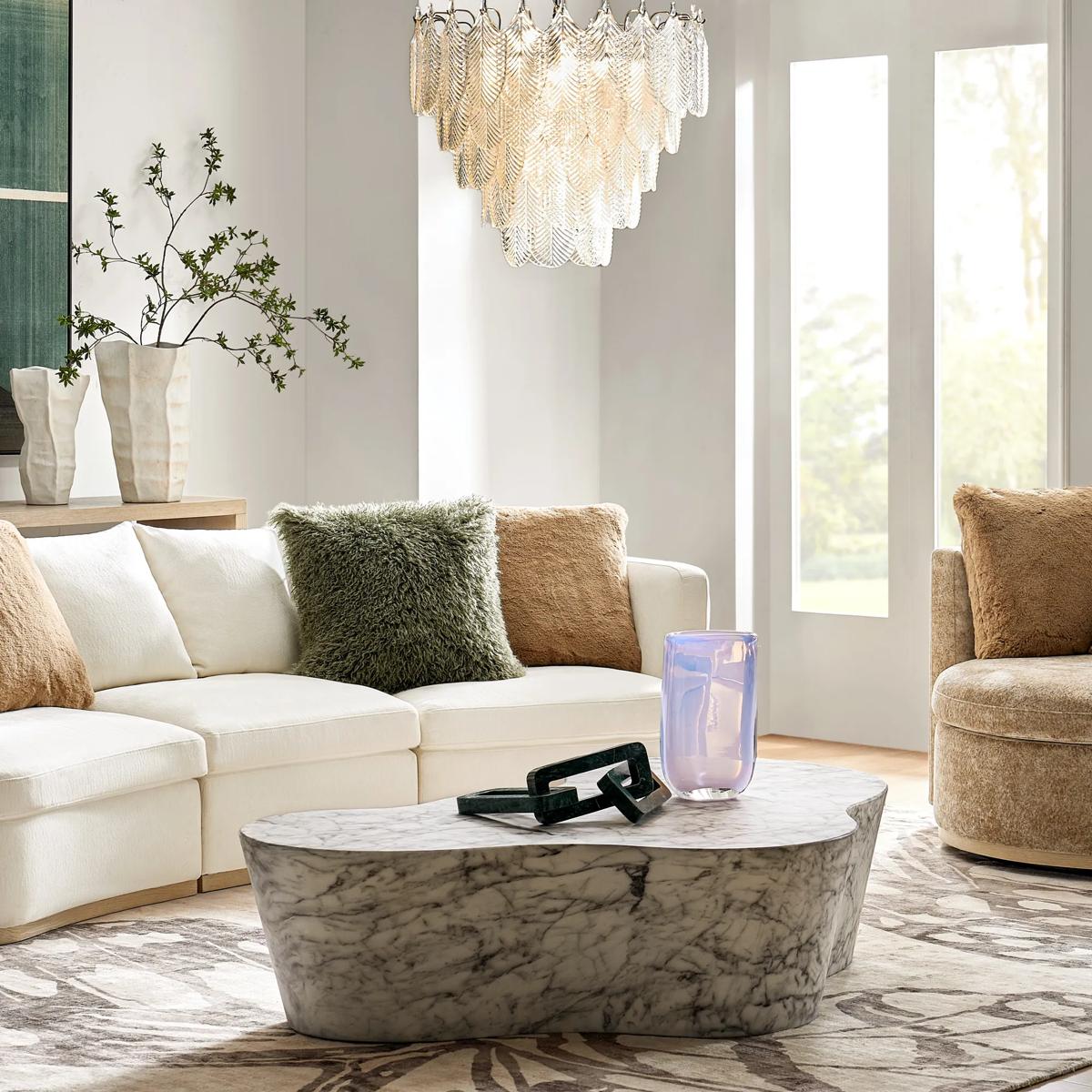 Petra White Concrete Indoor/Outdoor Coffee Table (59.4")$1099
A sculptural white concrete coffee table with cloud-like contours and marble-look veining, suitable indoors or outdoors.
Add To Cart -
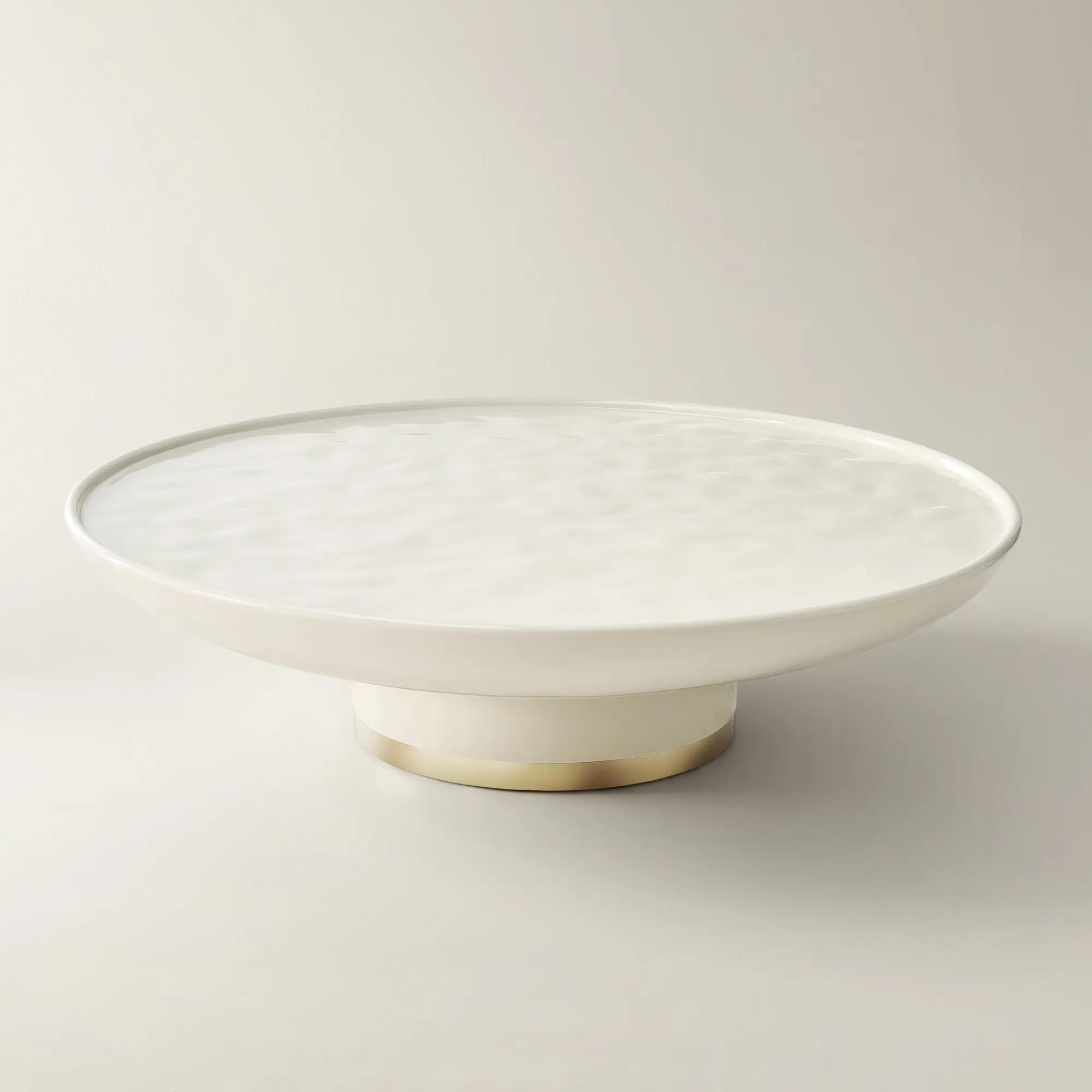
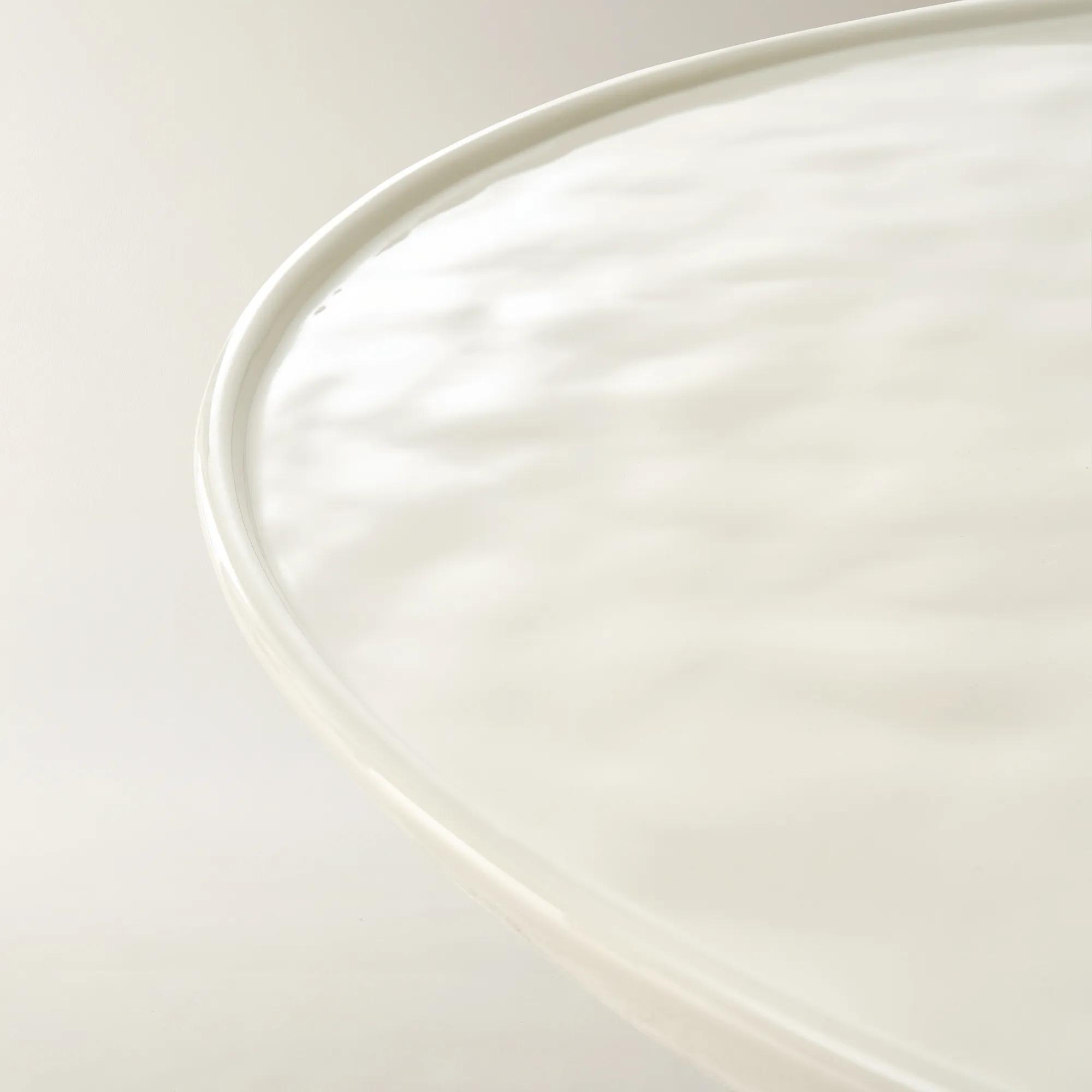 Celia Lacquered Cloud Resin Indoor/Outdoor Coffee Table (54")$1399
A sculptural one-piece resin coffee table with a high-gloss warm finish and gold stainless steel base.
Add To Cart -
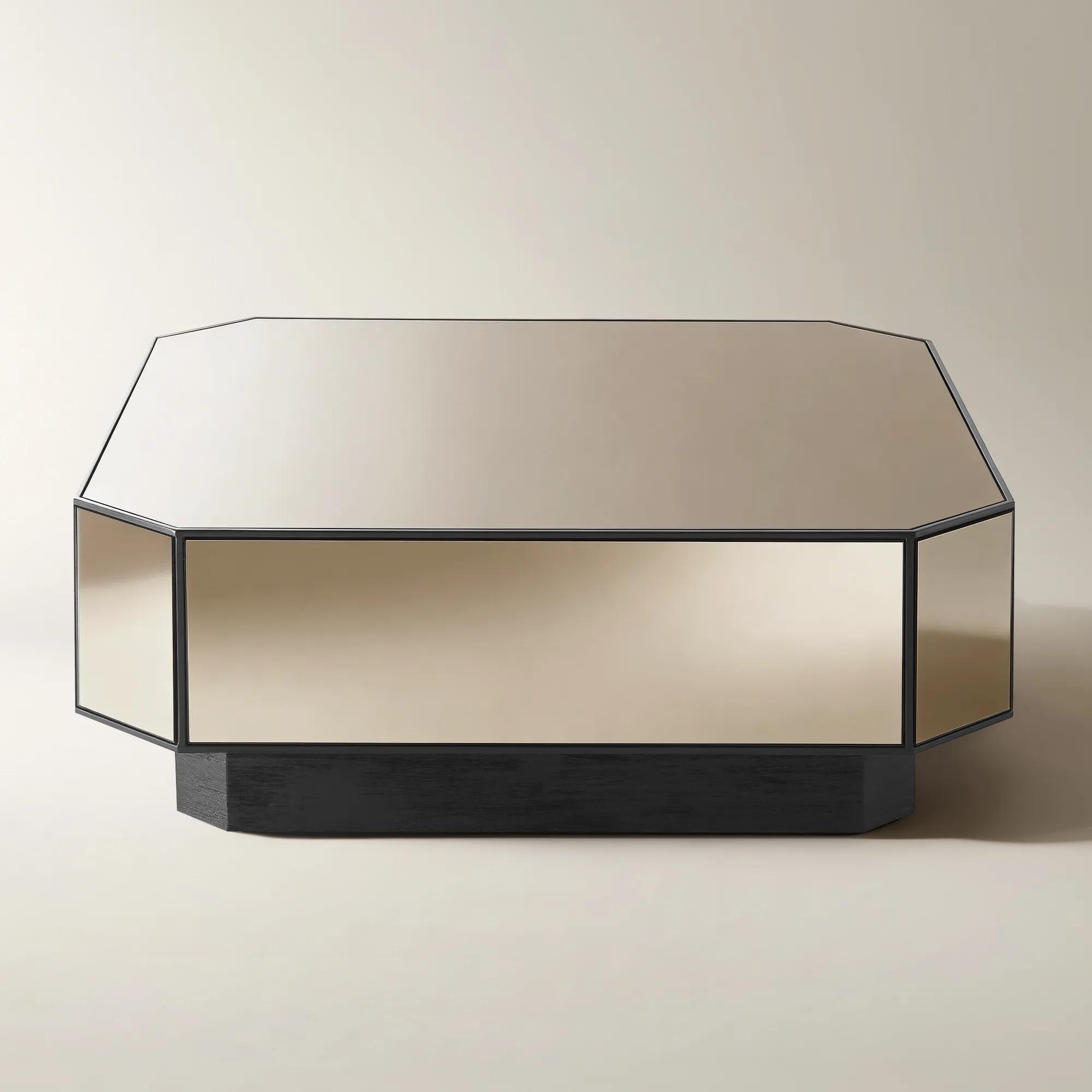 Glimmer Bronze Mirrored Coffee Table (44")$1699
A sculptural coffee table featuring bronze mirror panels and a black oak base for modern sophistication.
Add To Cart -
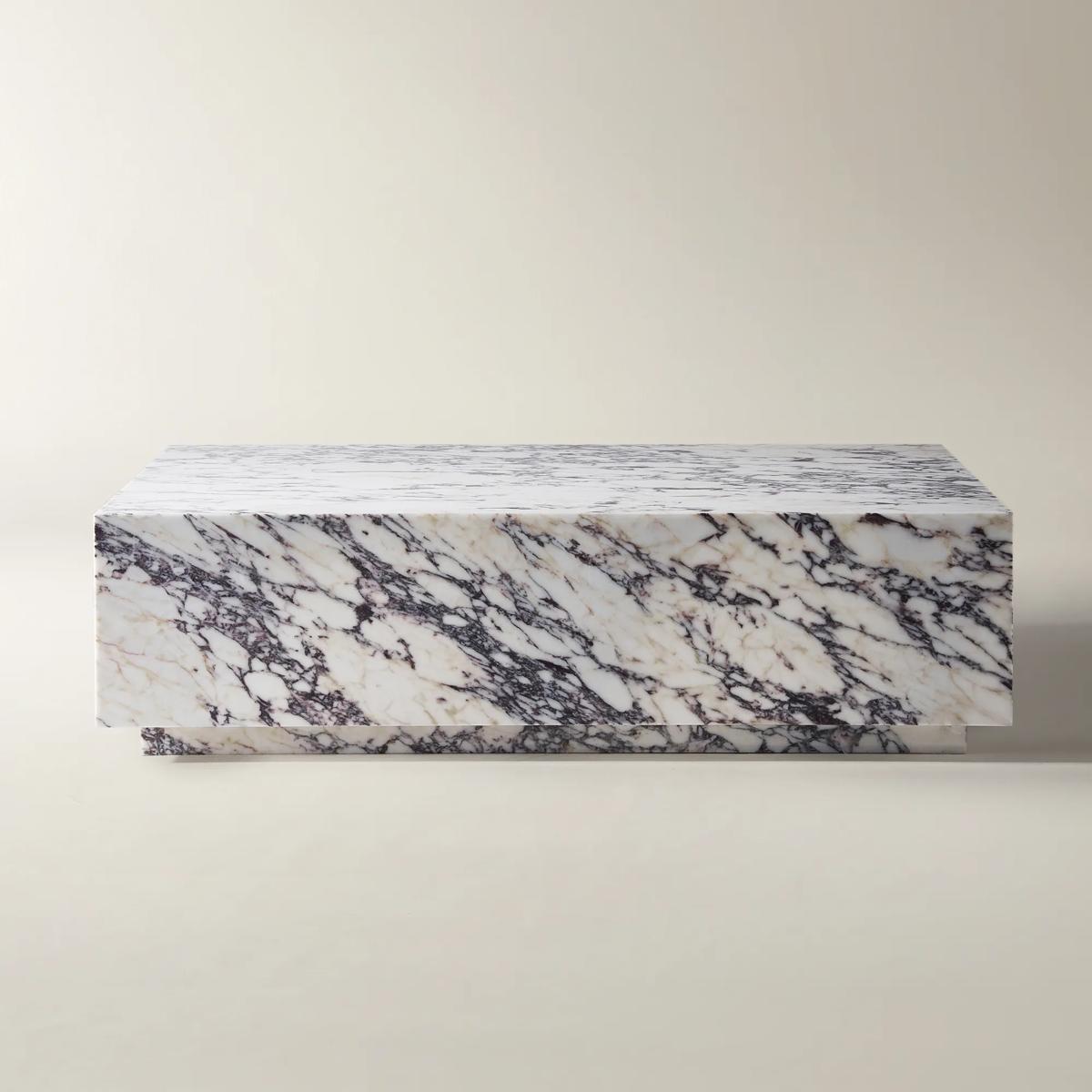
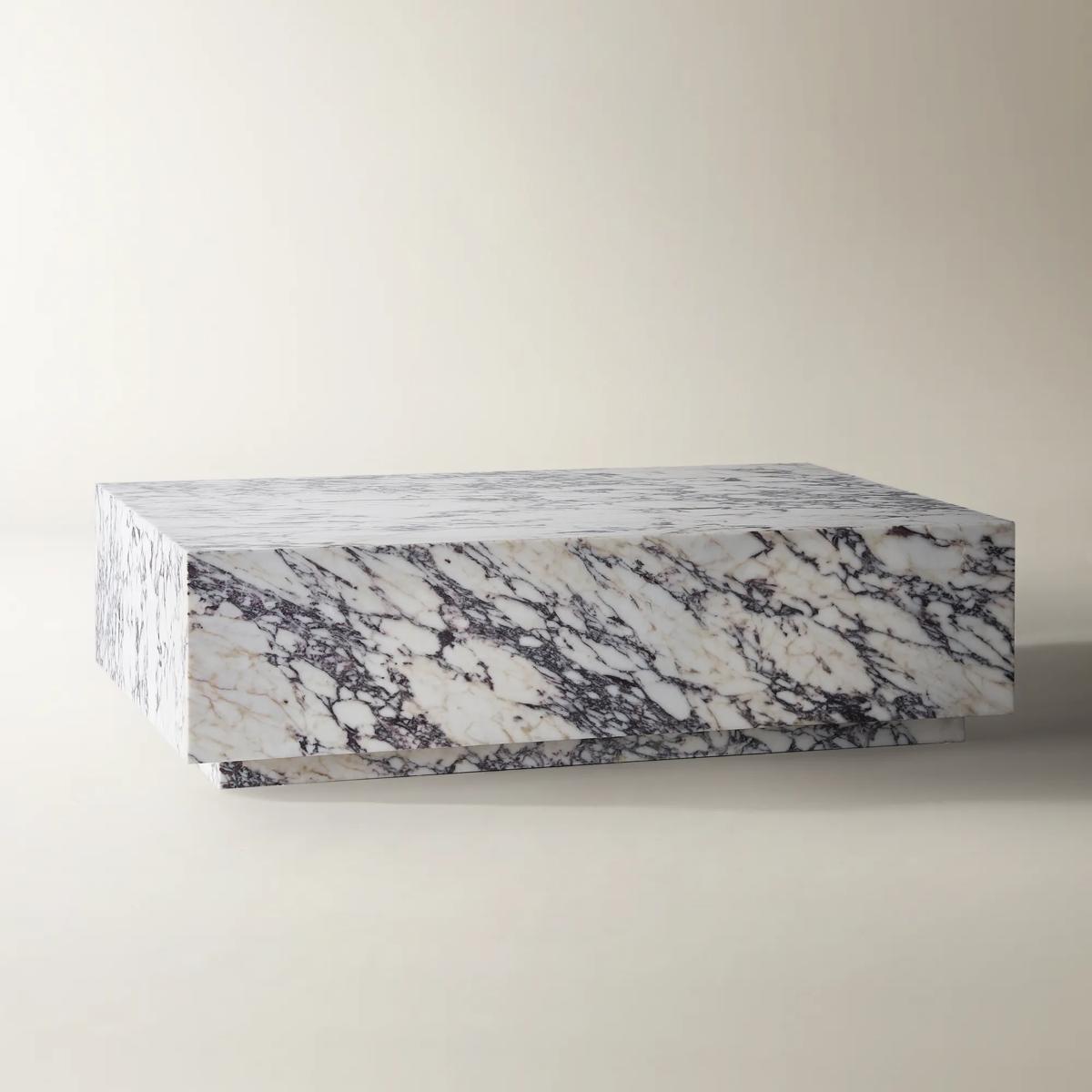 Vanta Rectangular Viola Calacatta Marble Coffee Table (54")$3699
A sculptural coffee table in Calacatta Viola marble, featuring an aluminum core and recessed plinth base.
Add To Cart -
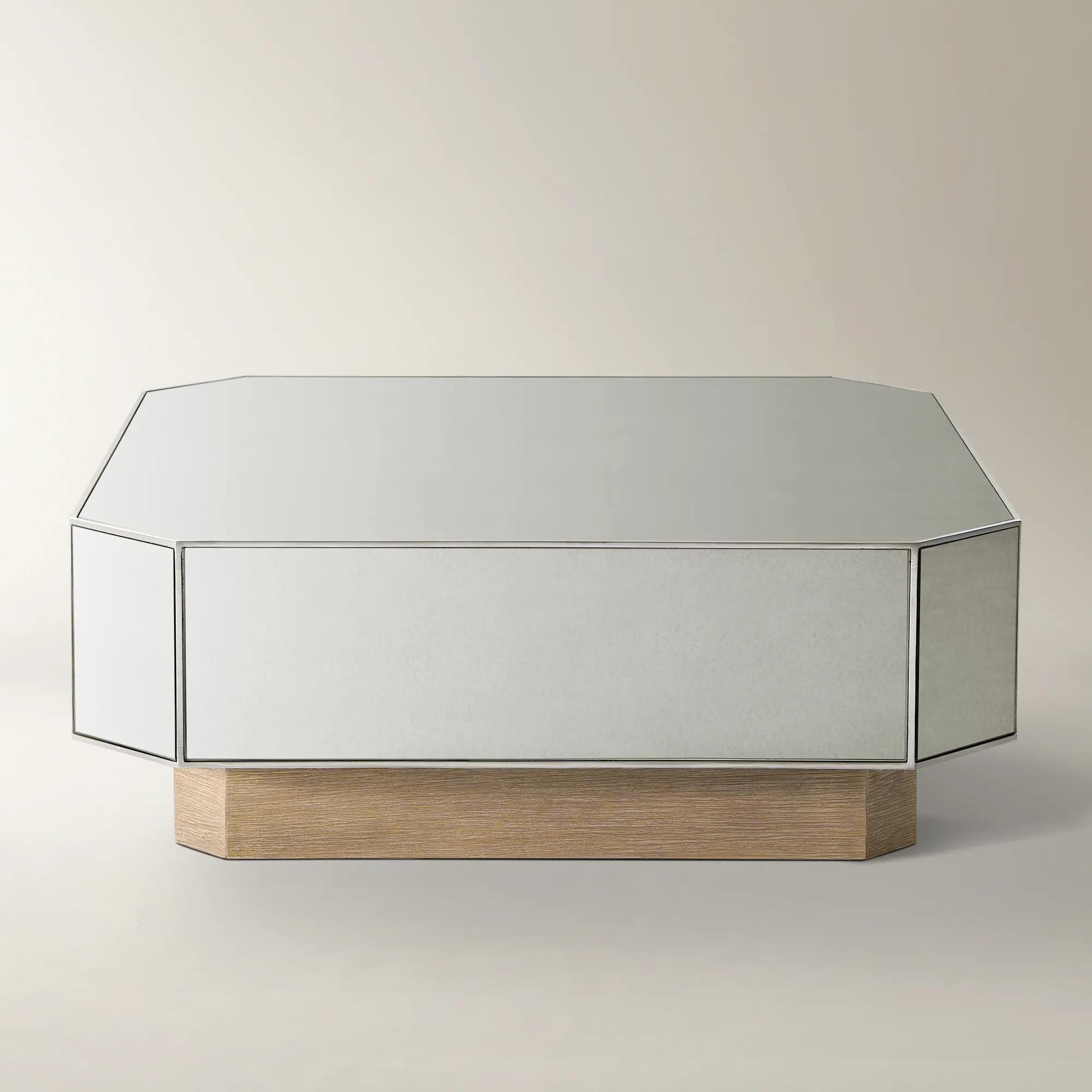 Glimmer Silver Mirrored Coffee Table (44")$1699
A luminous coffee table featuring an antique silver mirror top and warm oak veneer base with handcrafted details.
Add To Cart -
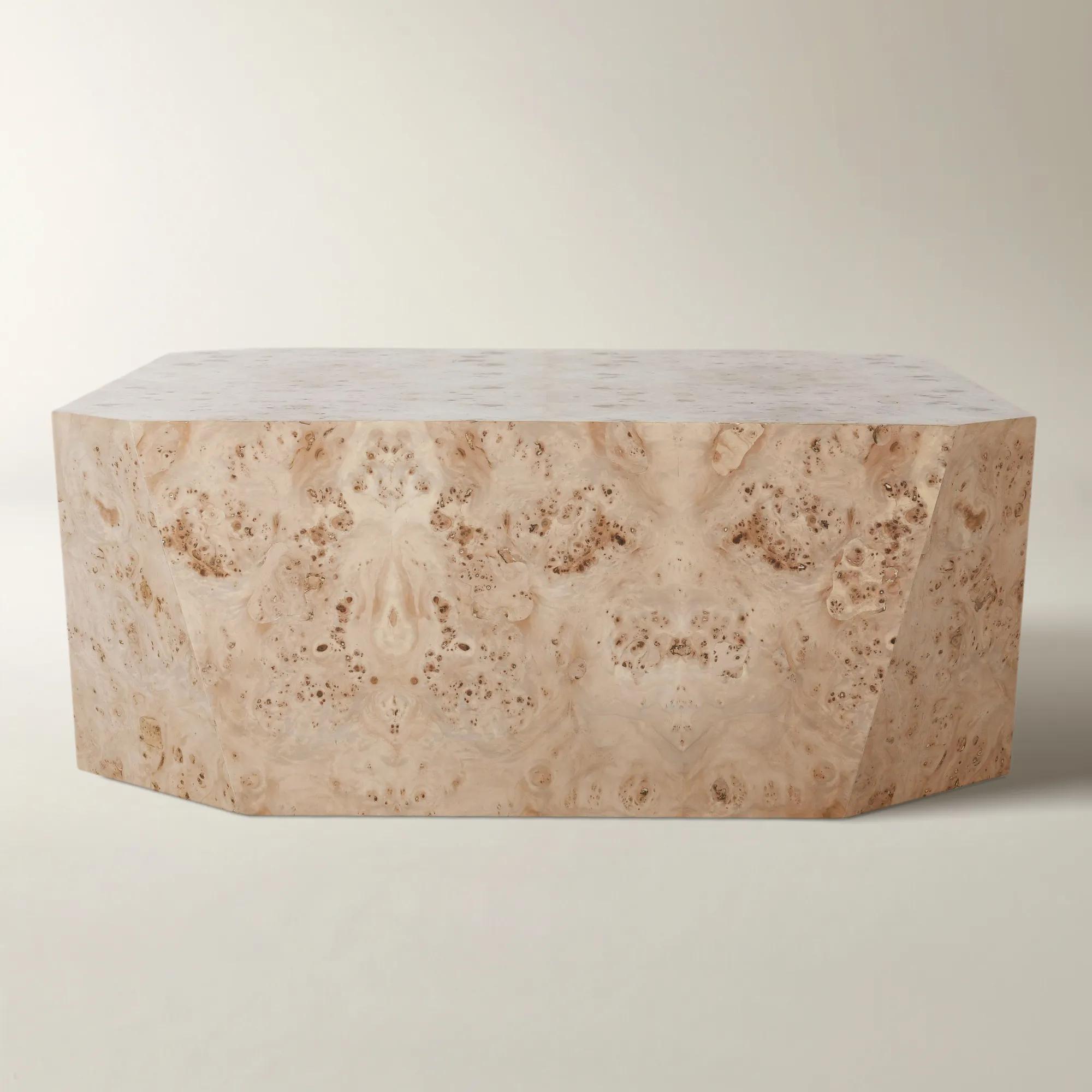
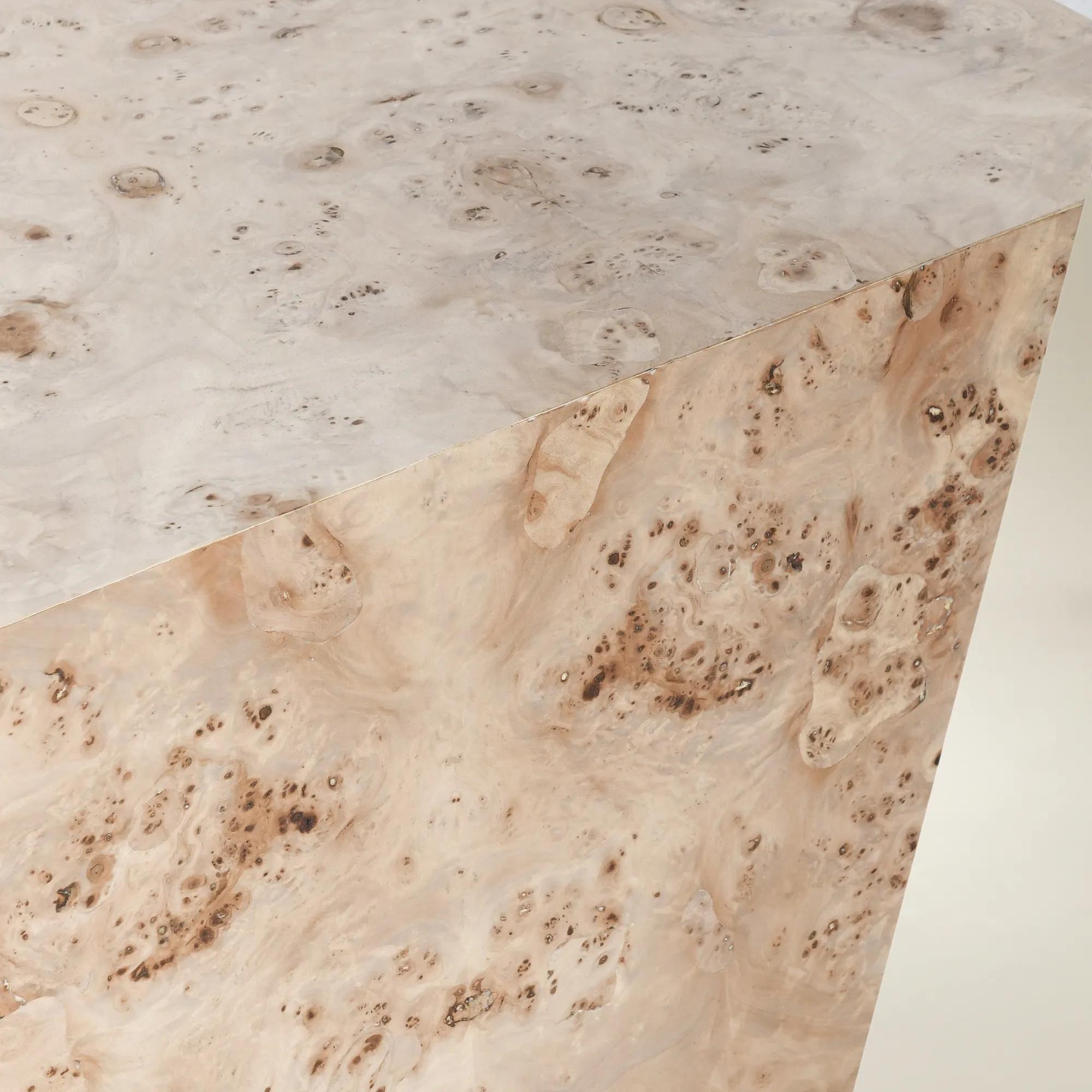 Avena Square Natural Burl Wood Coffee Table (41.75")$1399
A sculptural coffee table featuring natural burl wood veneer with unique grain patterns and a hand-applied finish.
Add To Cart -
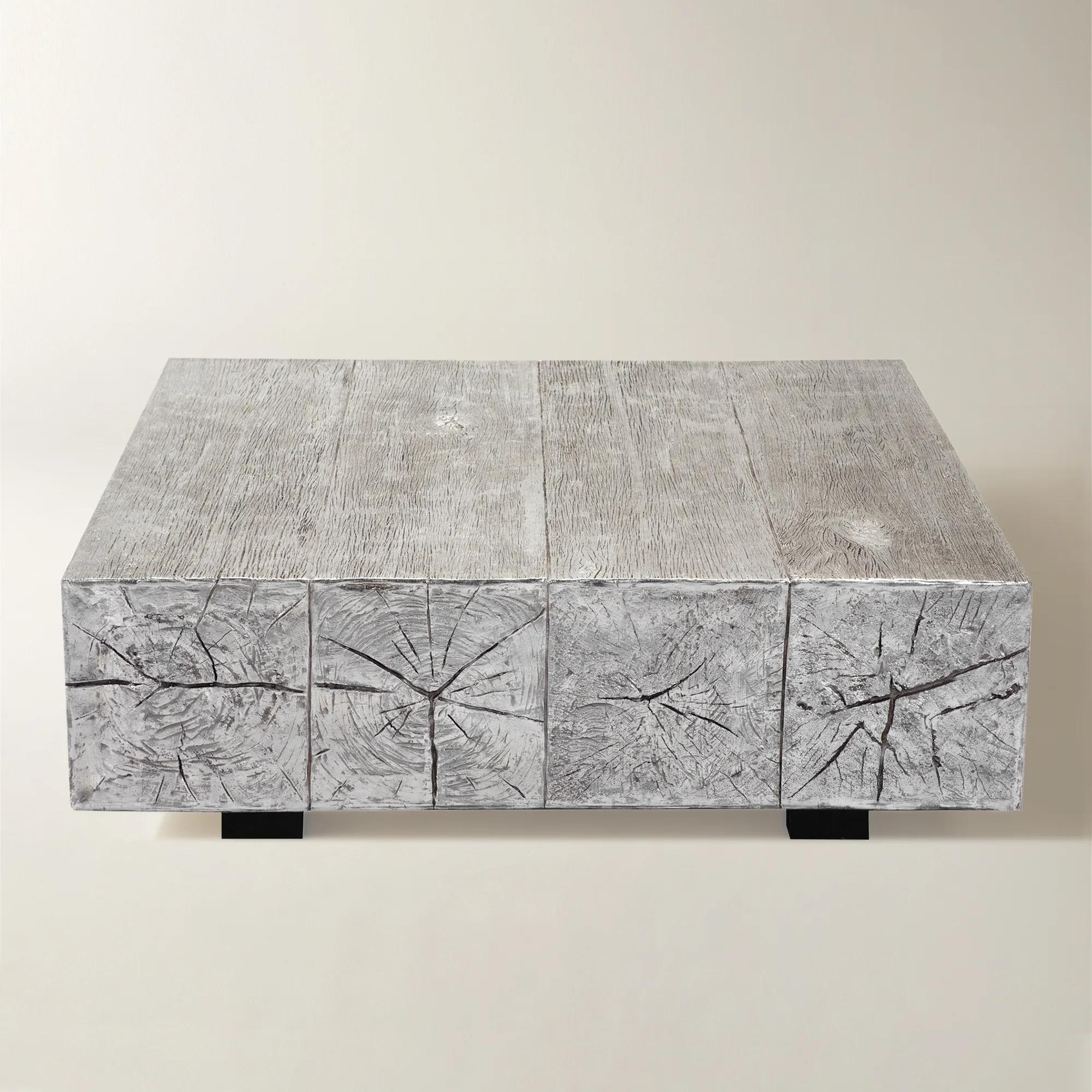
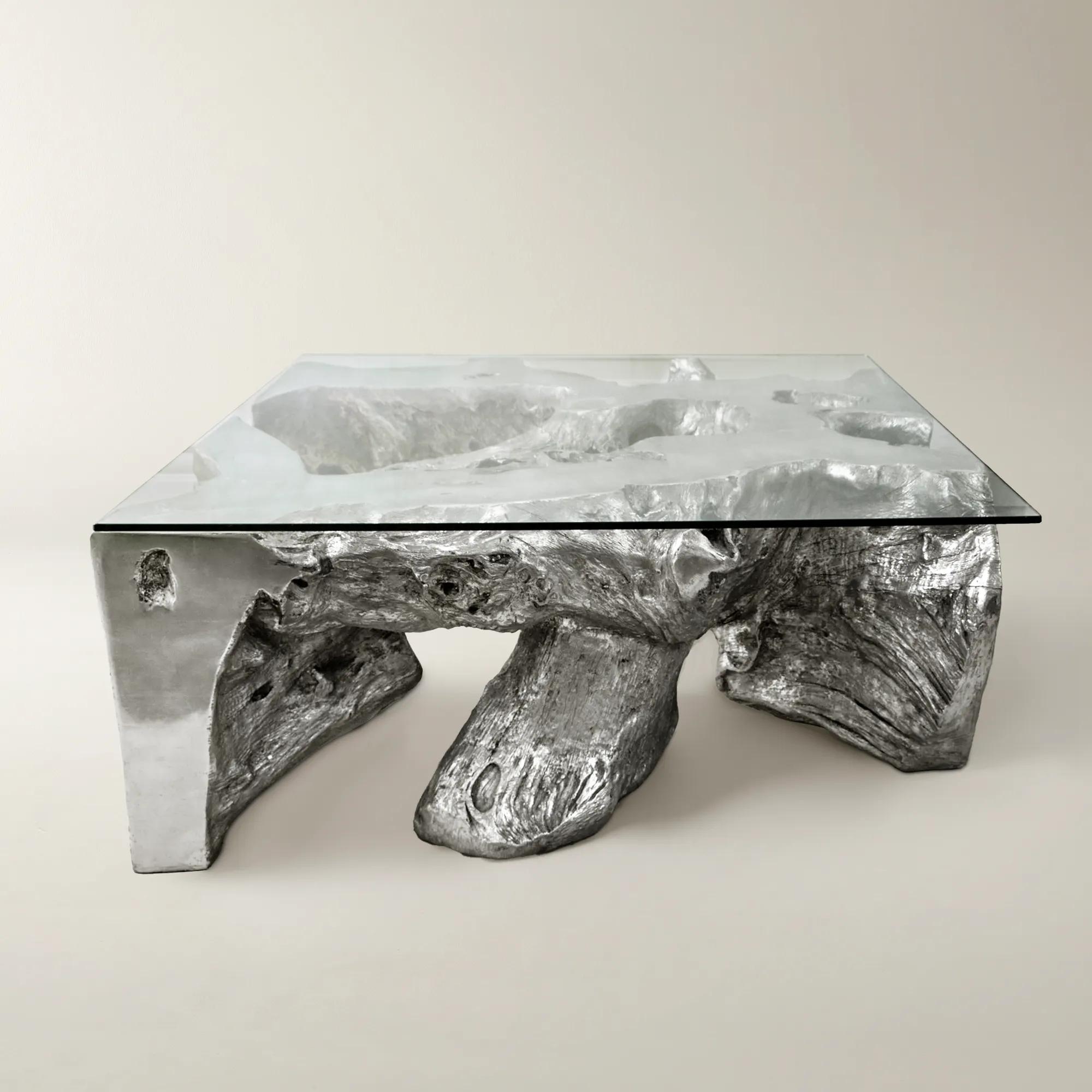
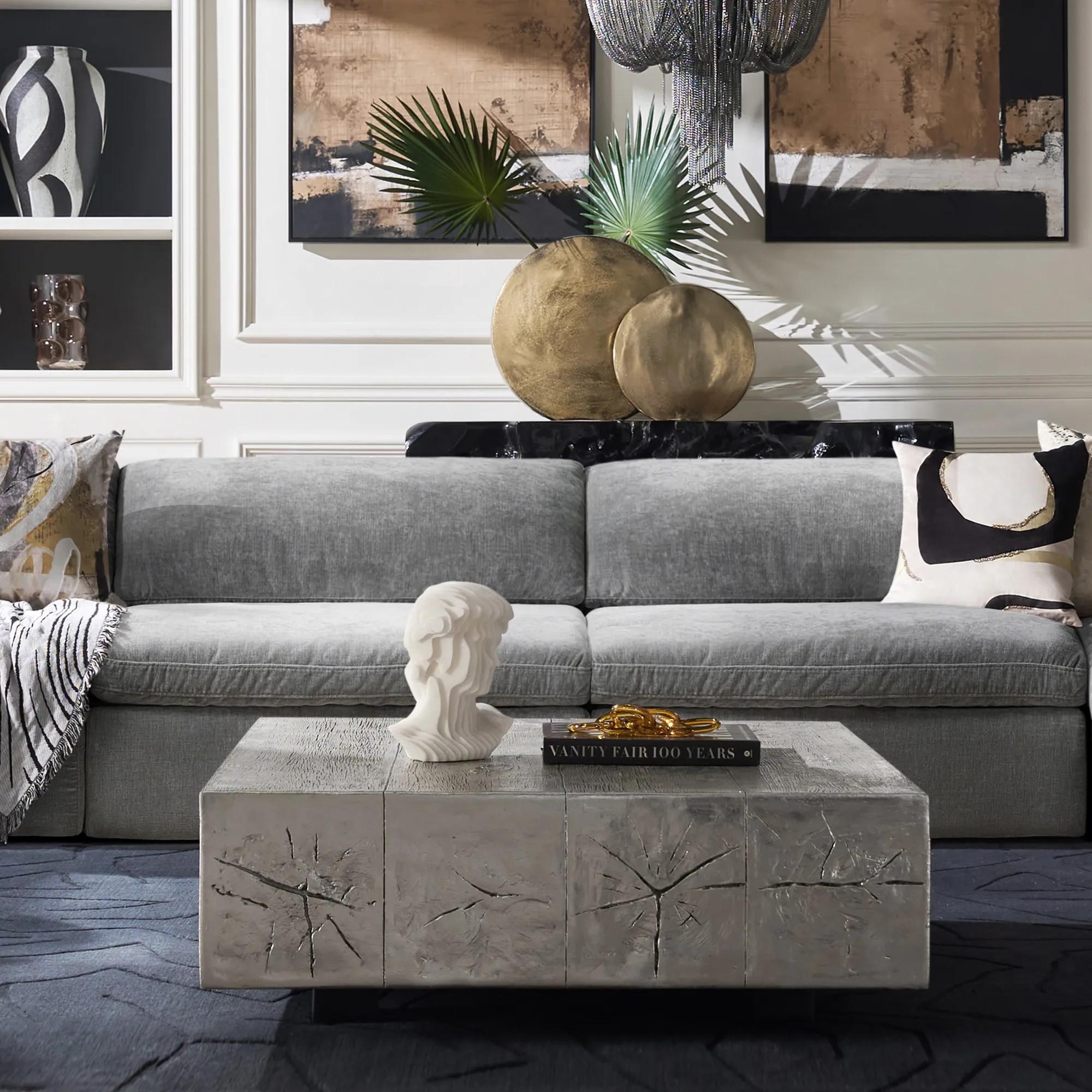 Timber Square Silver Resin Coffee Table (44")$1299
A hand-painted silver resin coffee table featuring authentic silver leaf and an antiqued, hand-rubbed oil finish.
Add To Cart -
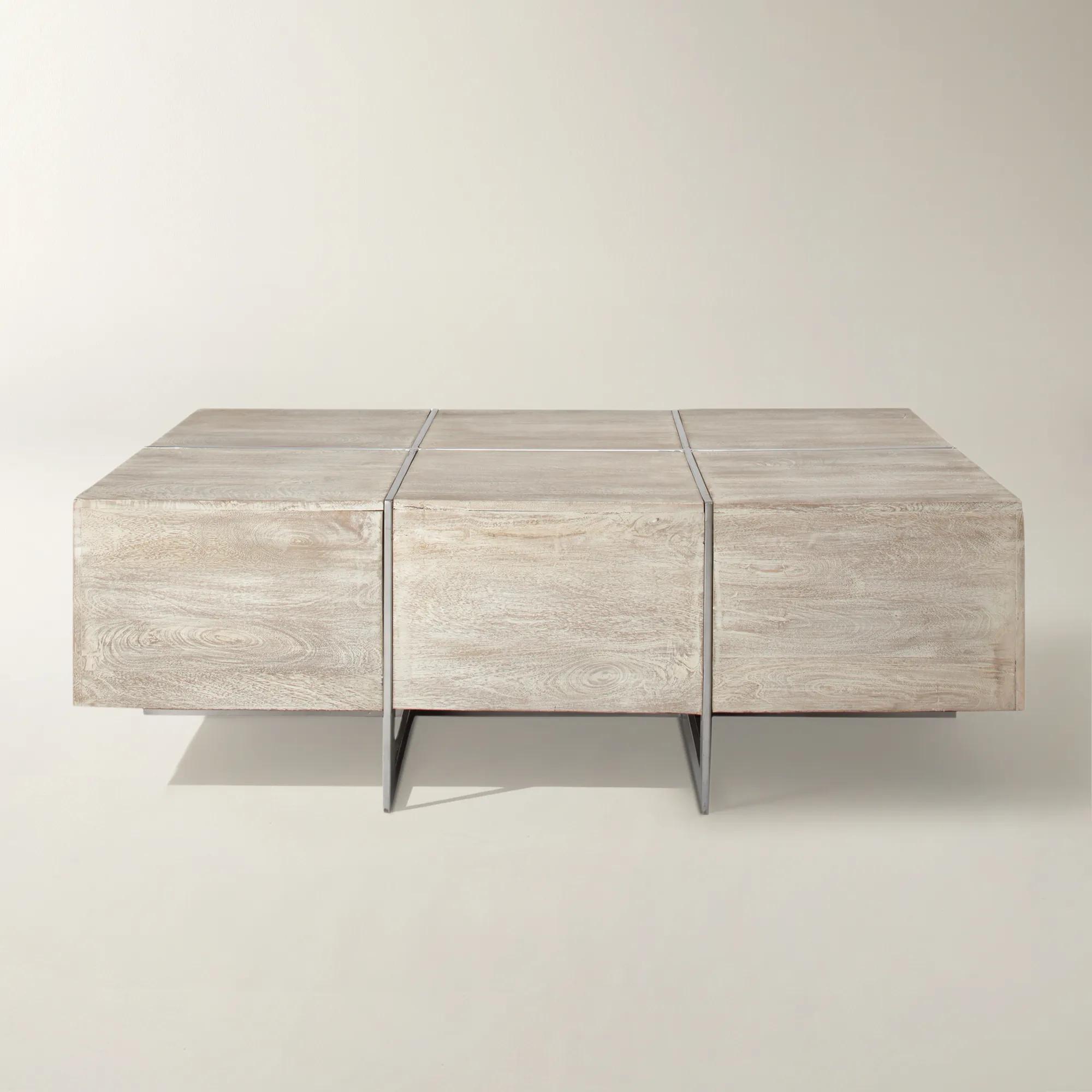
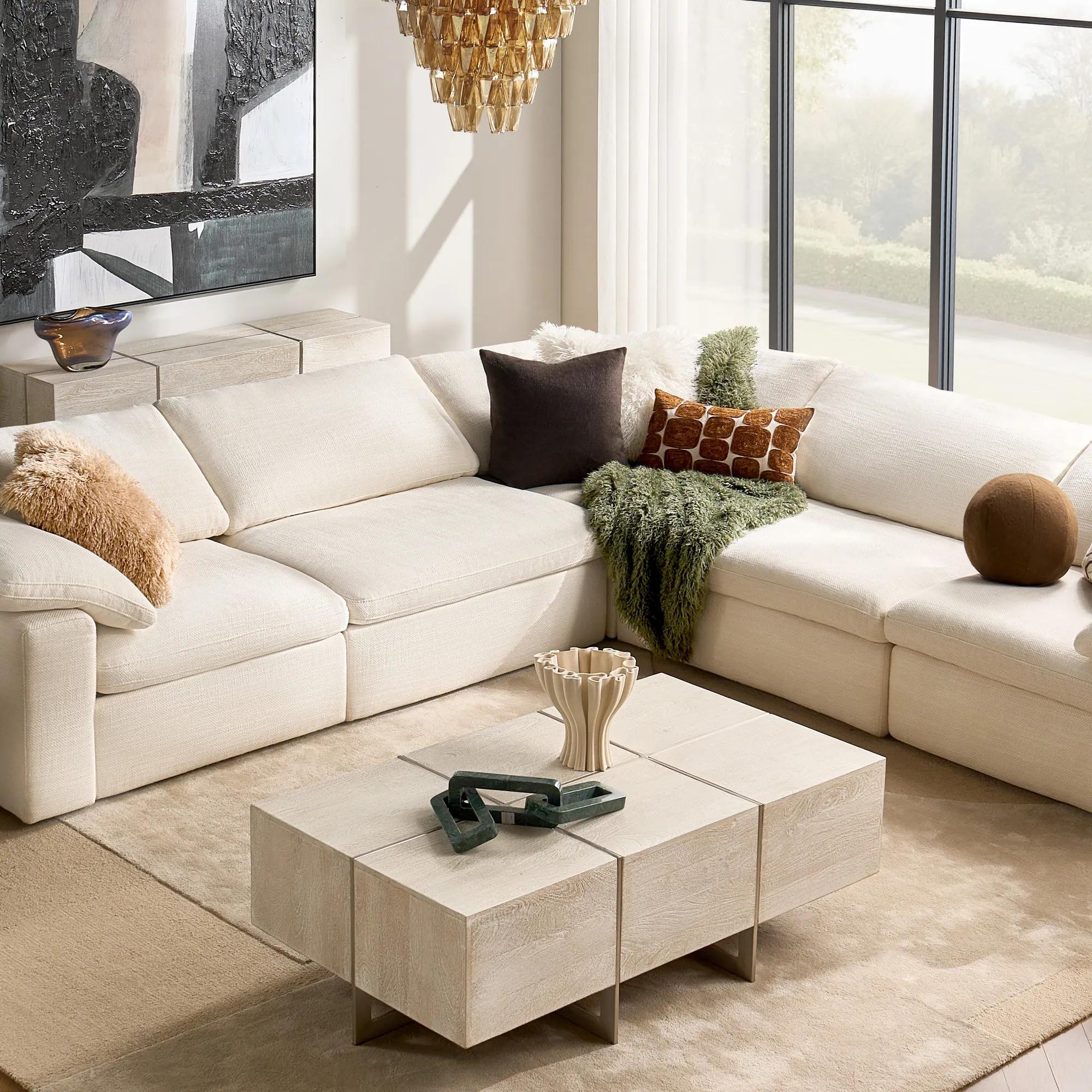 Clifton Rectangular Natural Mango Wood Coffee Table (54")$1299
A handcrafted mango wood table with a whitewashed finish and antiqued silver iron legs for organic appeal.
Add To Cart -
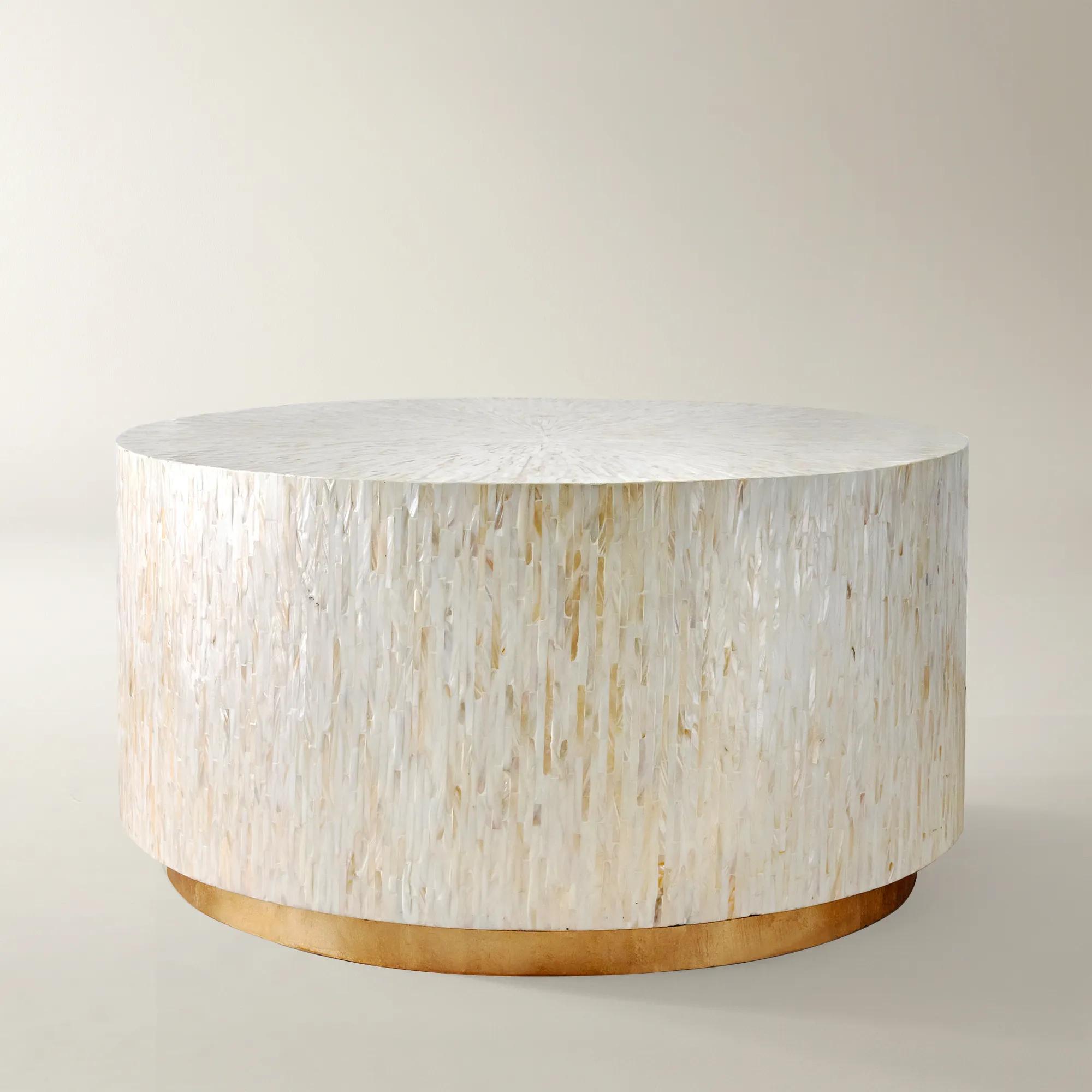
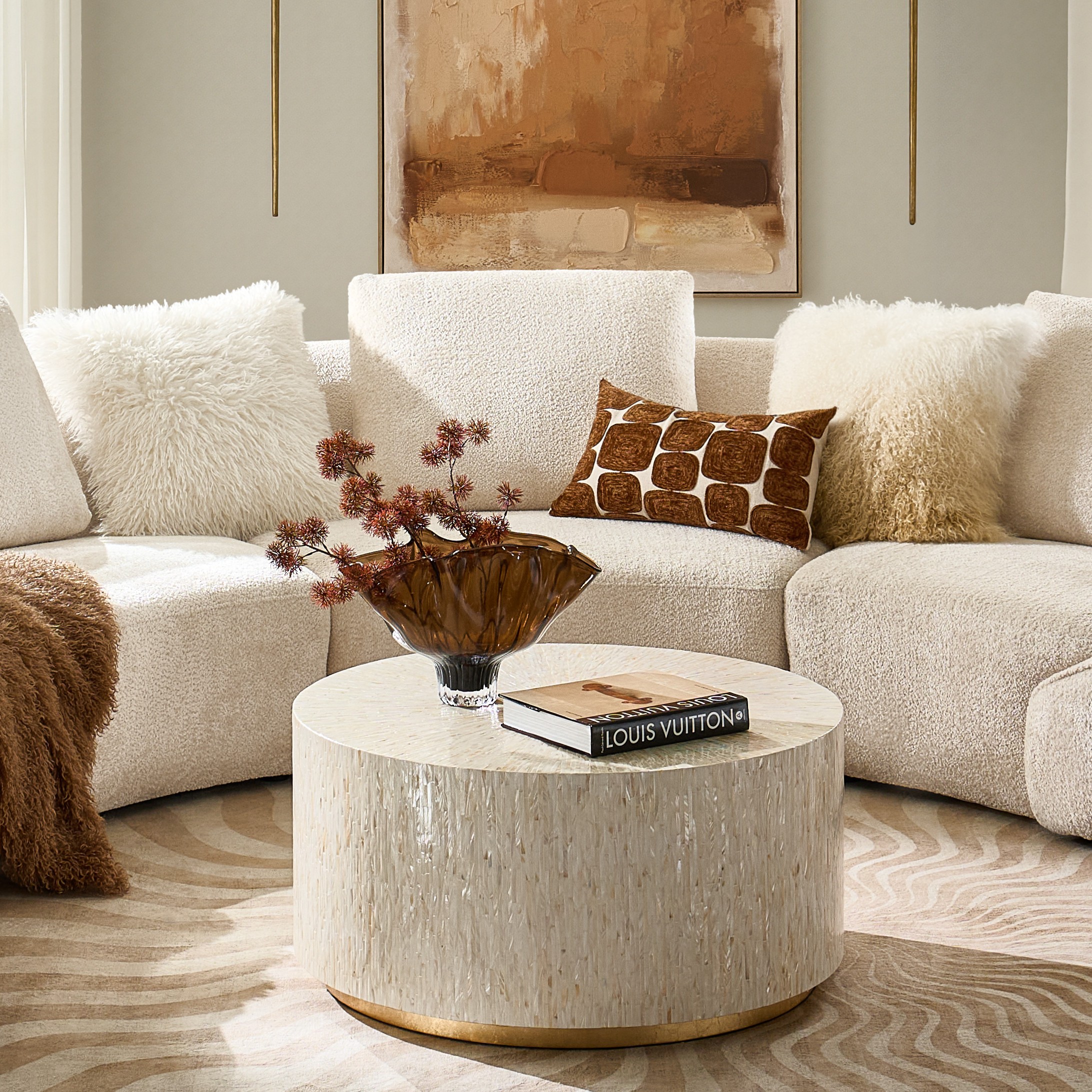 Alexandria Round Mosaic Platinum Coffee Table (36")$799
A luminous ivory coffee table featuring hand-applied mother-of-pearl mosaic and a gold leaf-accented base.
Add To Cart -
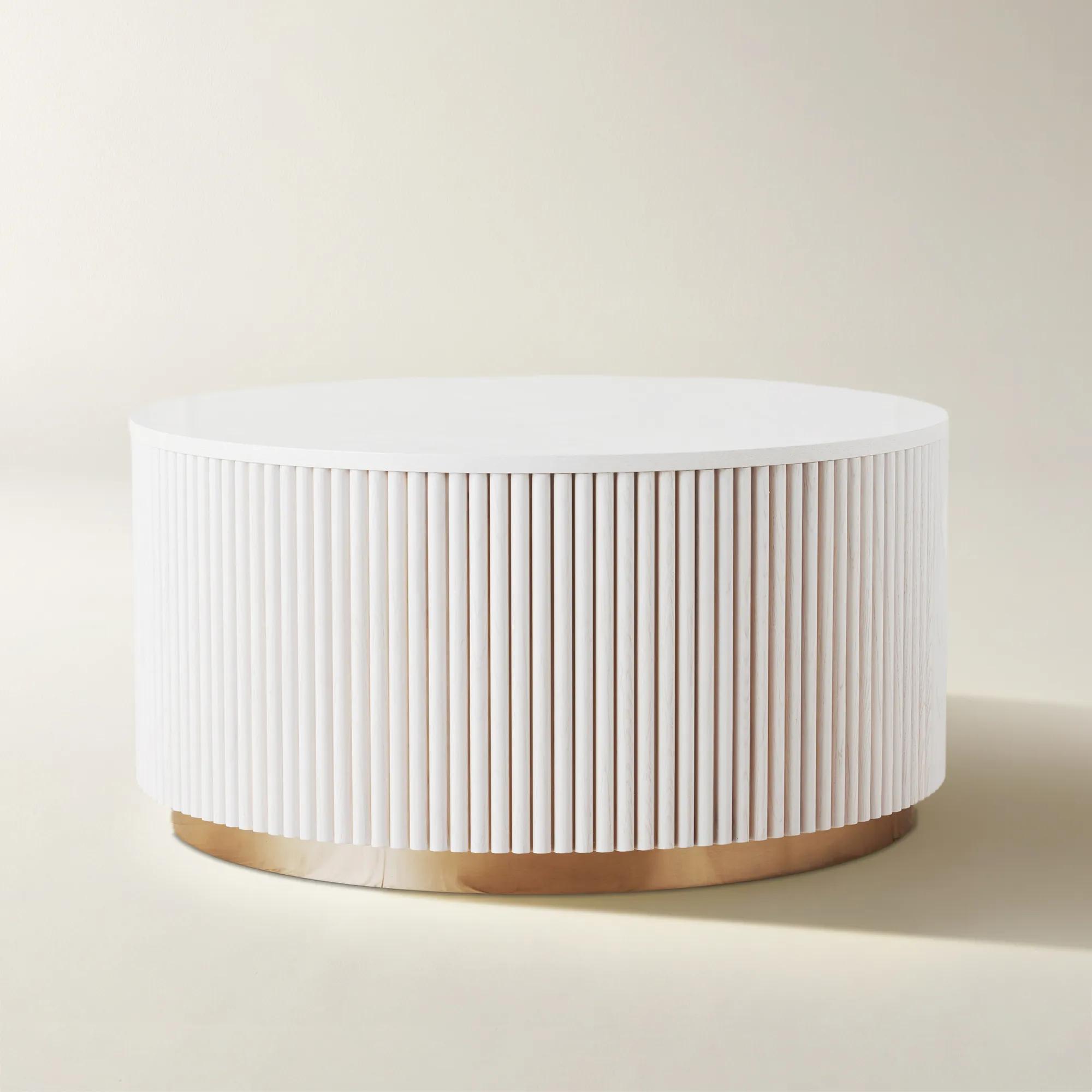
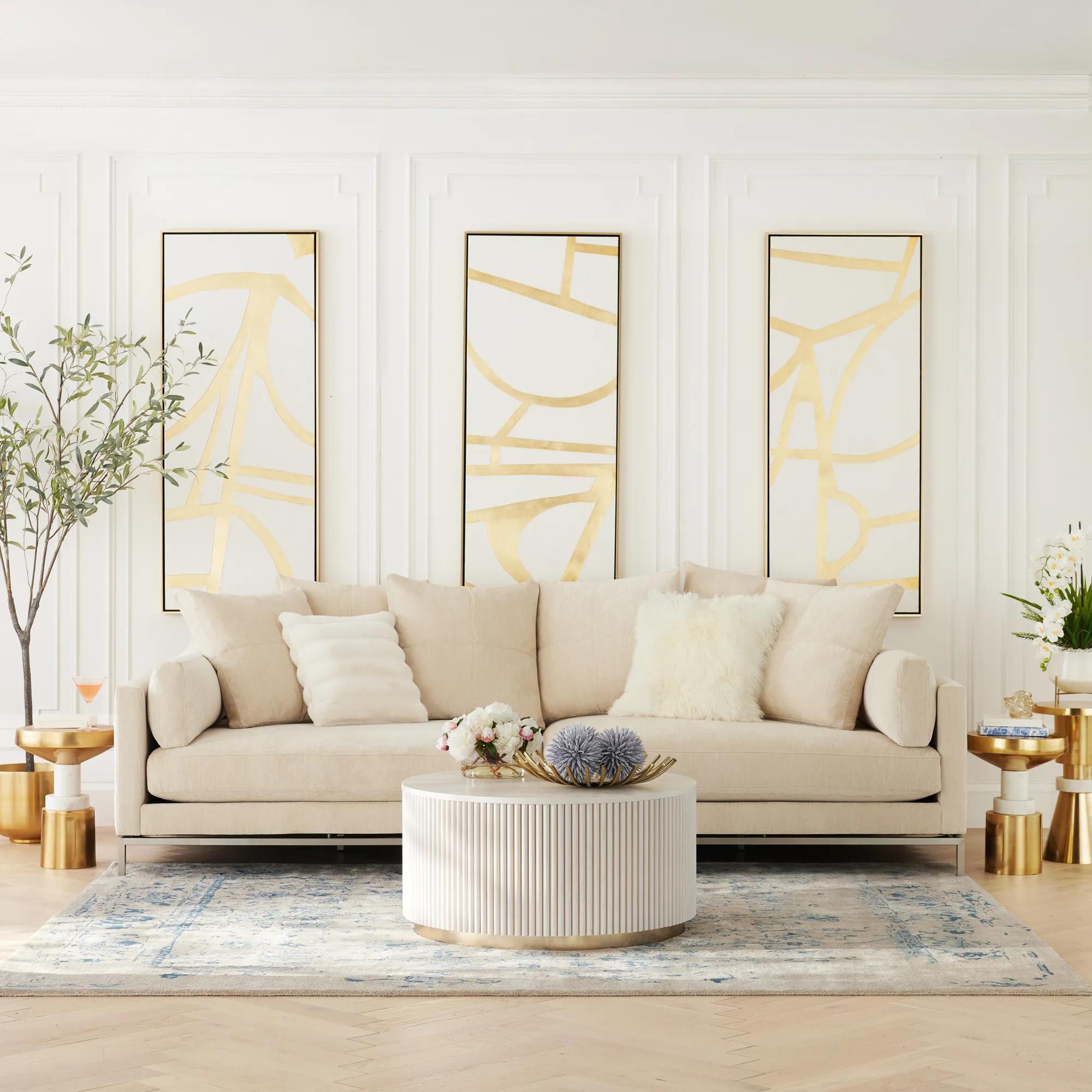 Natalia Round Reeded Whitewashed Ash Wood Coffee Table (36")$1299
A striking coffee table featuring reeded ash wood sides, a smooth top, and a whitewashed finish.
Add To Cart -
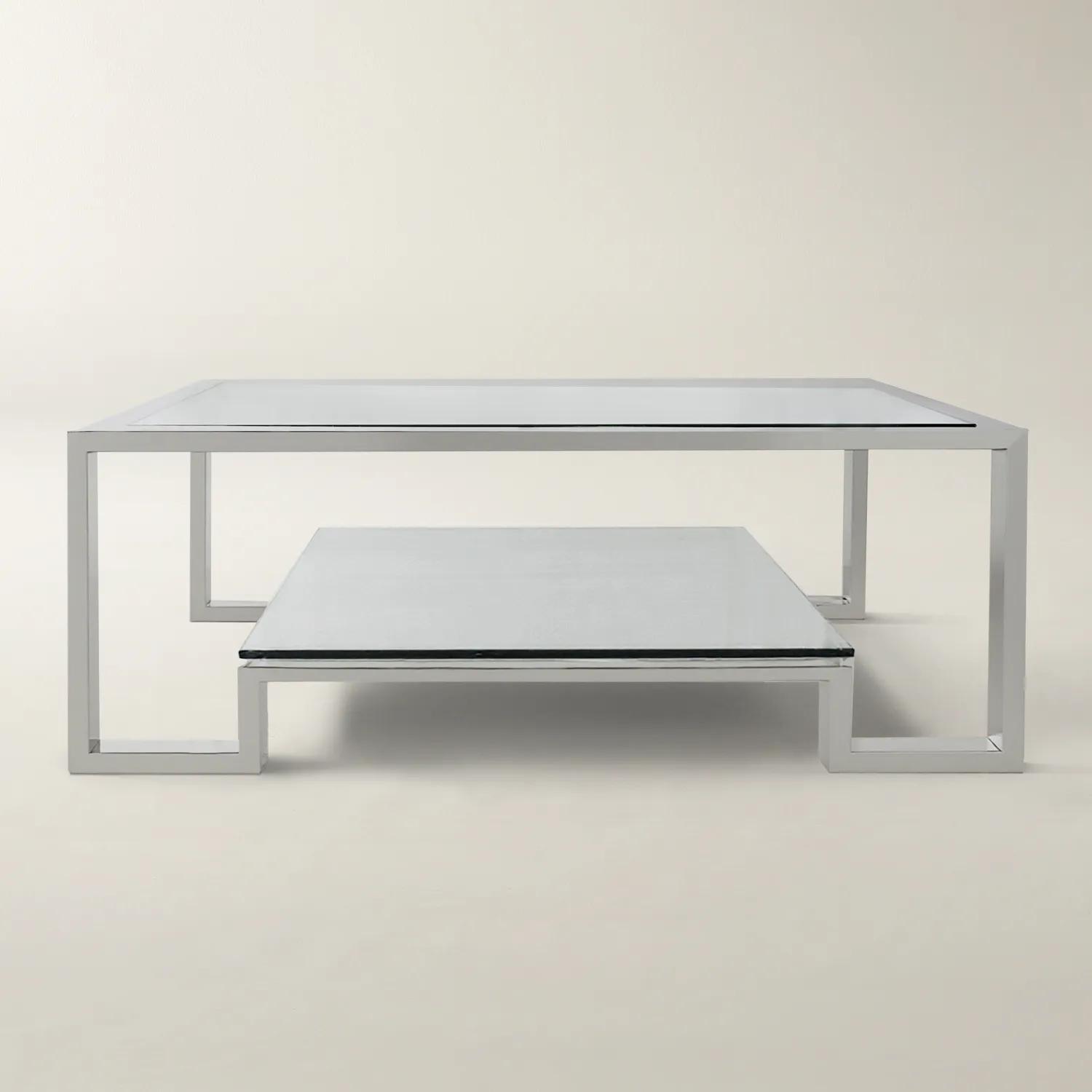
 Duplicity Rectangular Silver Stainless Steel Coffee Table With Glass Top (50")$1399
A modern coffee table featuring a stainless steel frame, tempered glass top, and floating bottom shelf.
Add To Cart -
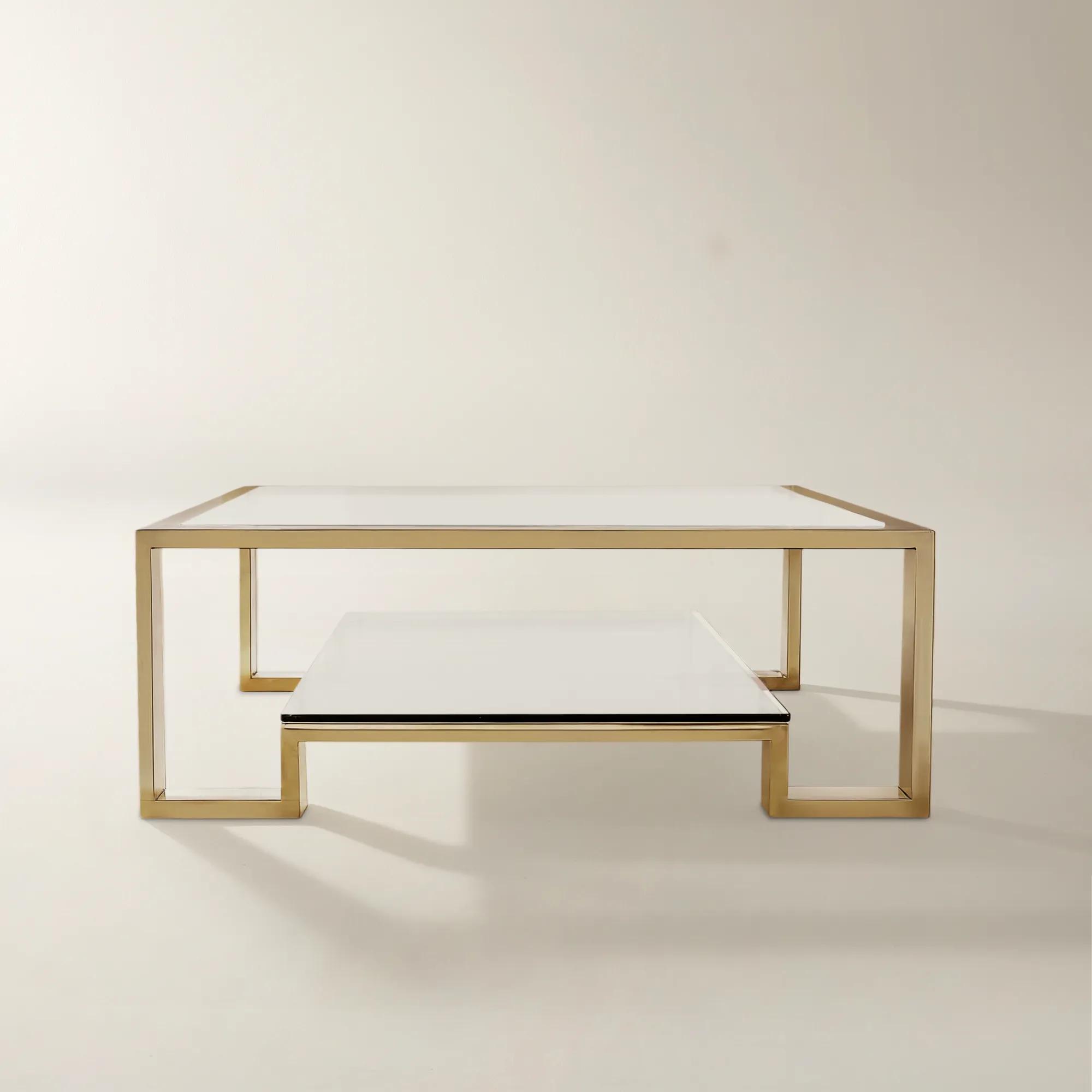 Duplicity Rectangular Gold Stainless Steel Coffee Table With Glass Top (50")$1399
A modern coffee table featuring a stainless steel frame, tempered glass top, and floating storage shelf.
Add To Cart -
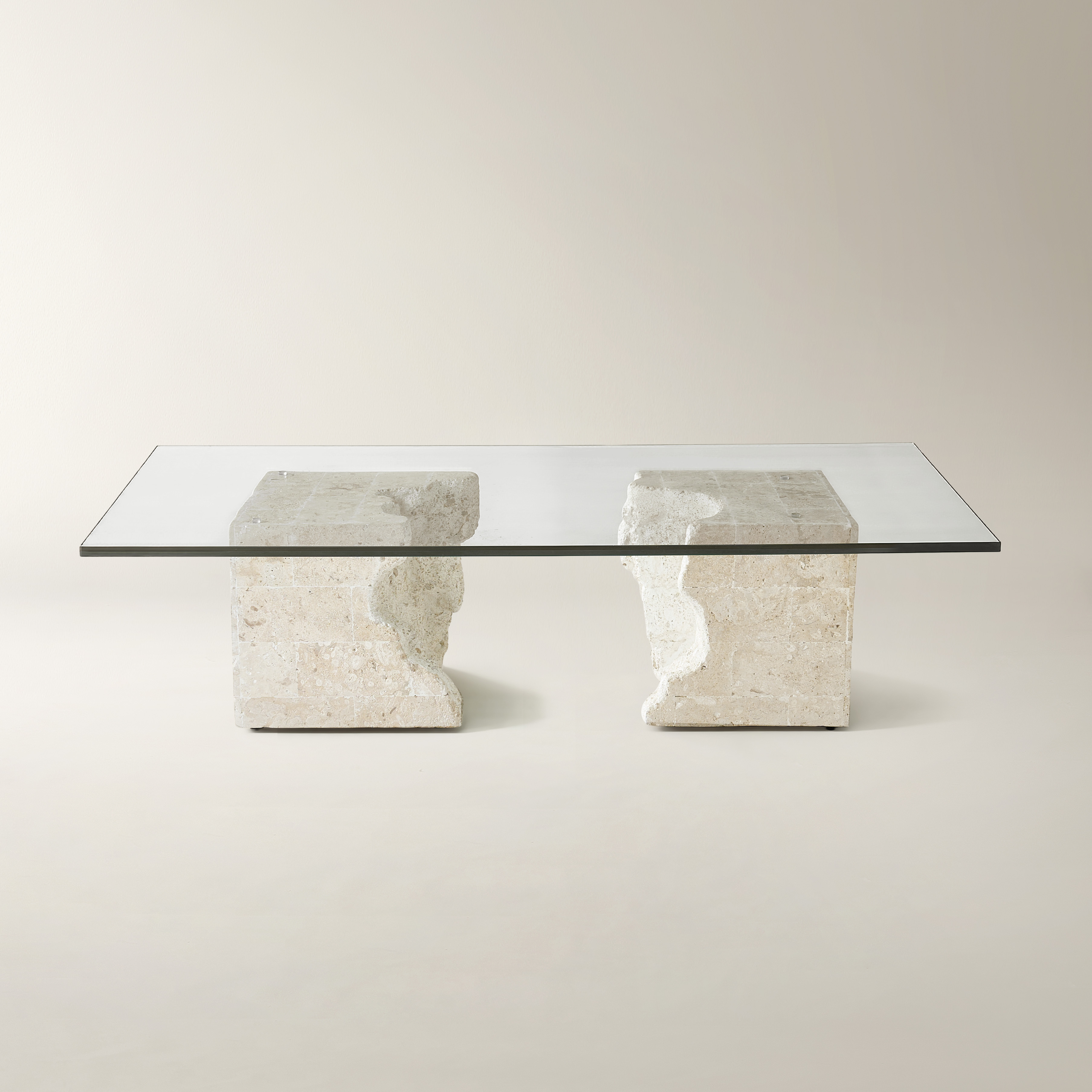 Cairo Rectangular Mactan Stone Coffee Table With Glass Top (63")$1899
A contemporary coffee table featuring a clear tempered glass top floating above hand-carved Mactan stone bases.
Add To Cart -
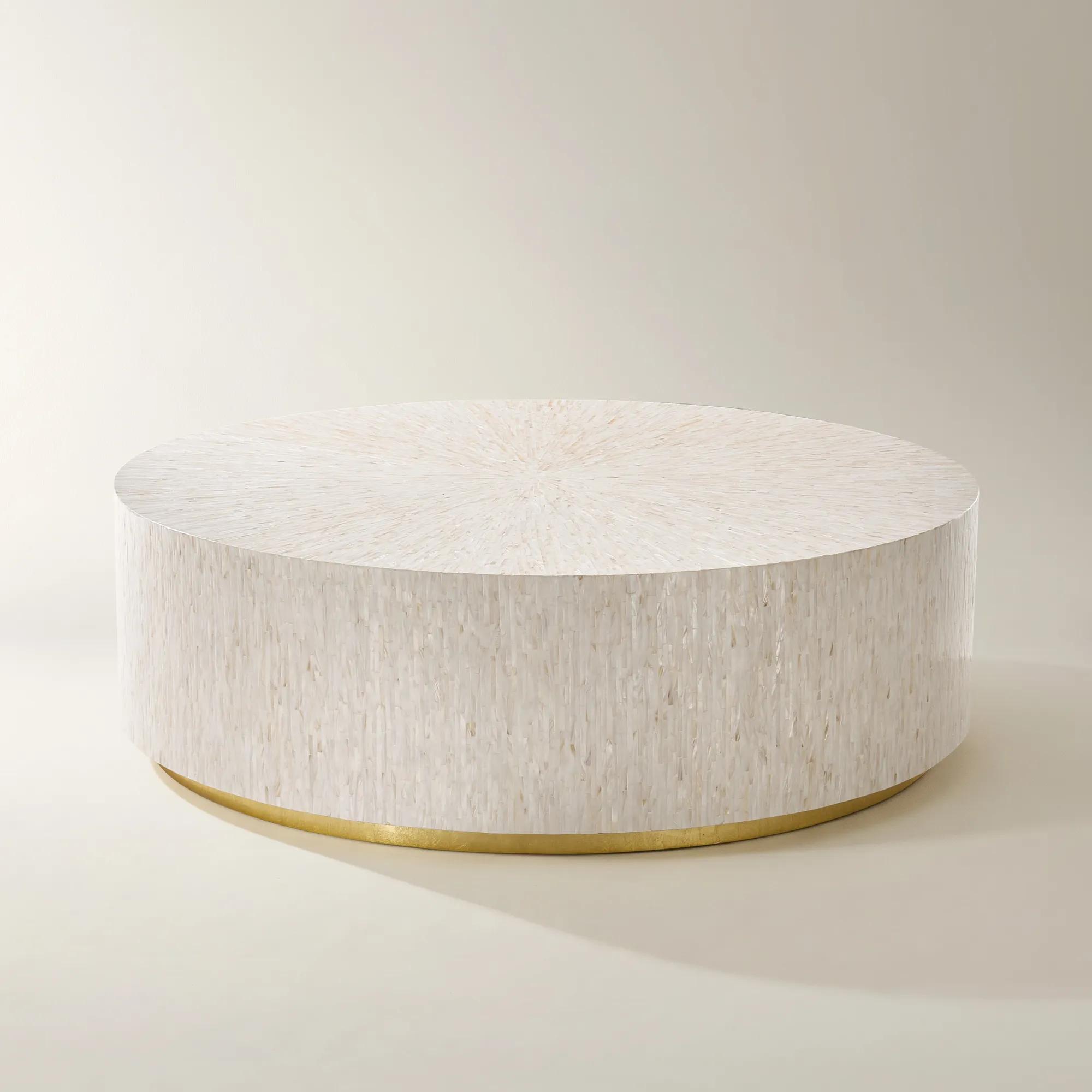 Alexandria Round Mosaic Platinum Coffee Table (52")$1399
A luminous mother-of-pearl mosaic coffee table with a sculptural round form and gold leaf–accented base.
Add To Cart -
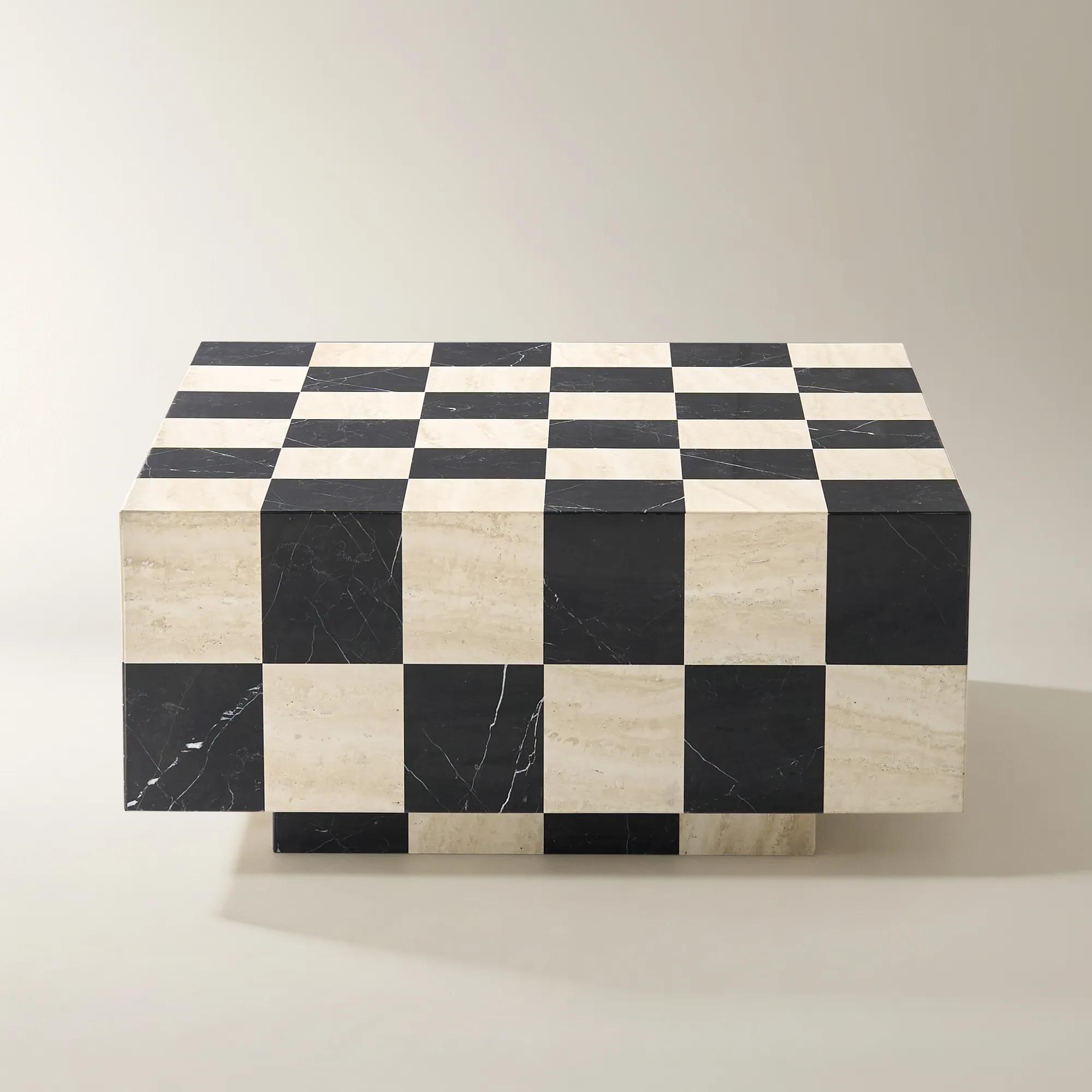
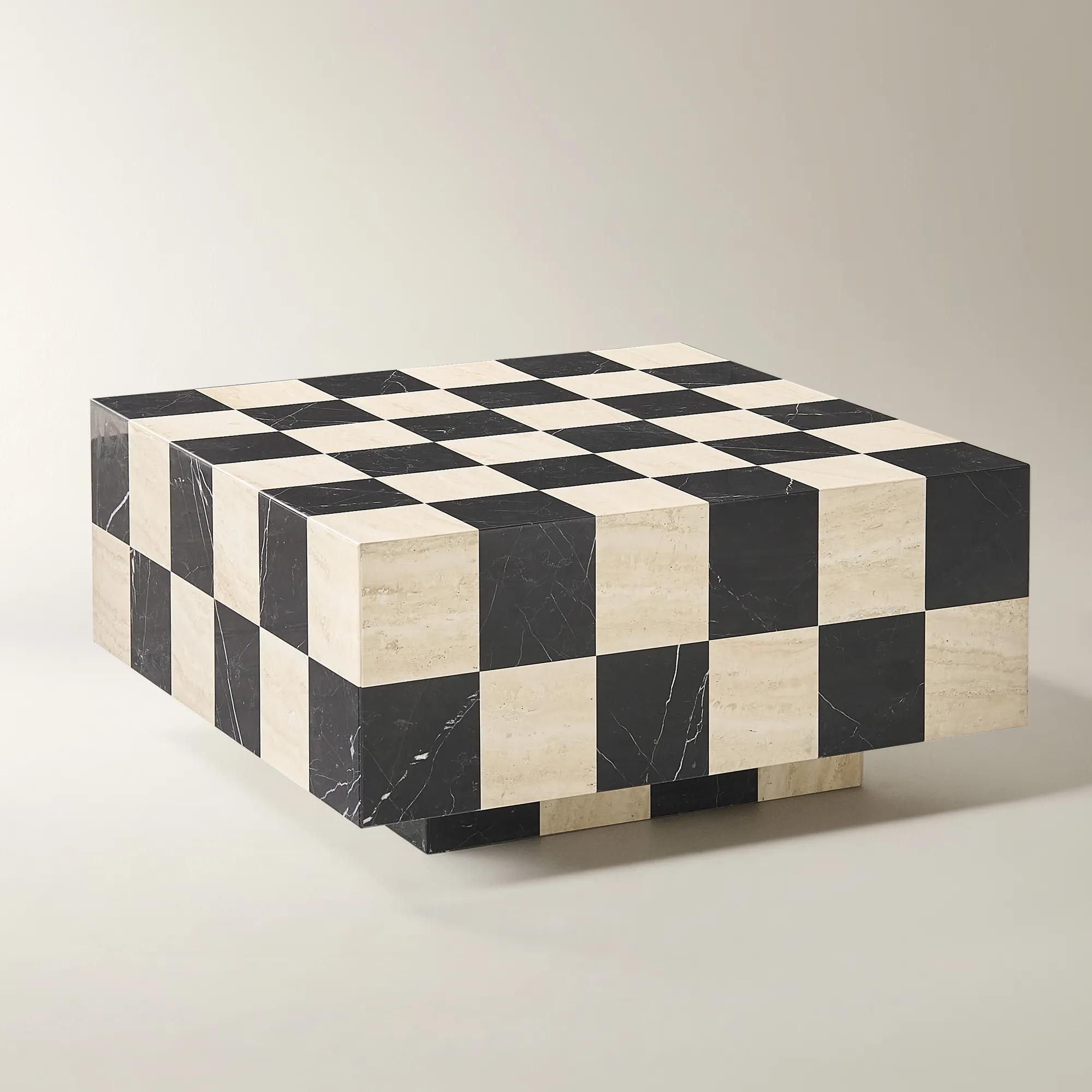 Chessa Square Chequered Marble Coffee Table (31.9")$1699
A striking coffee table featuring a dimensional black marble and travertine checkerboard mosaic with polished finish.
Add To Cart -
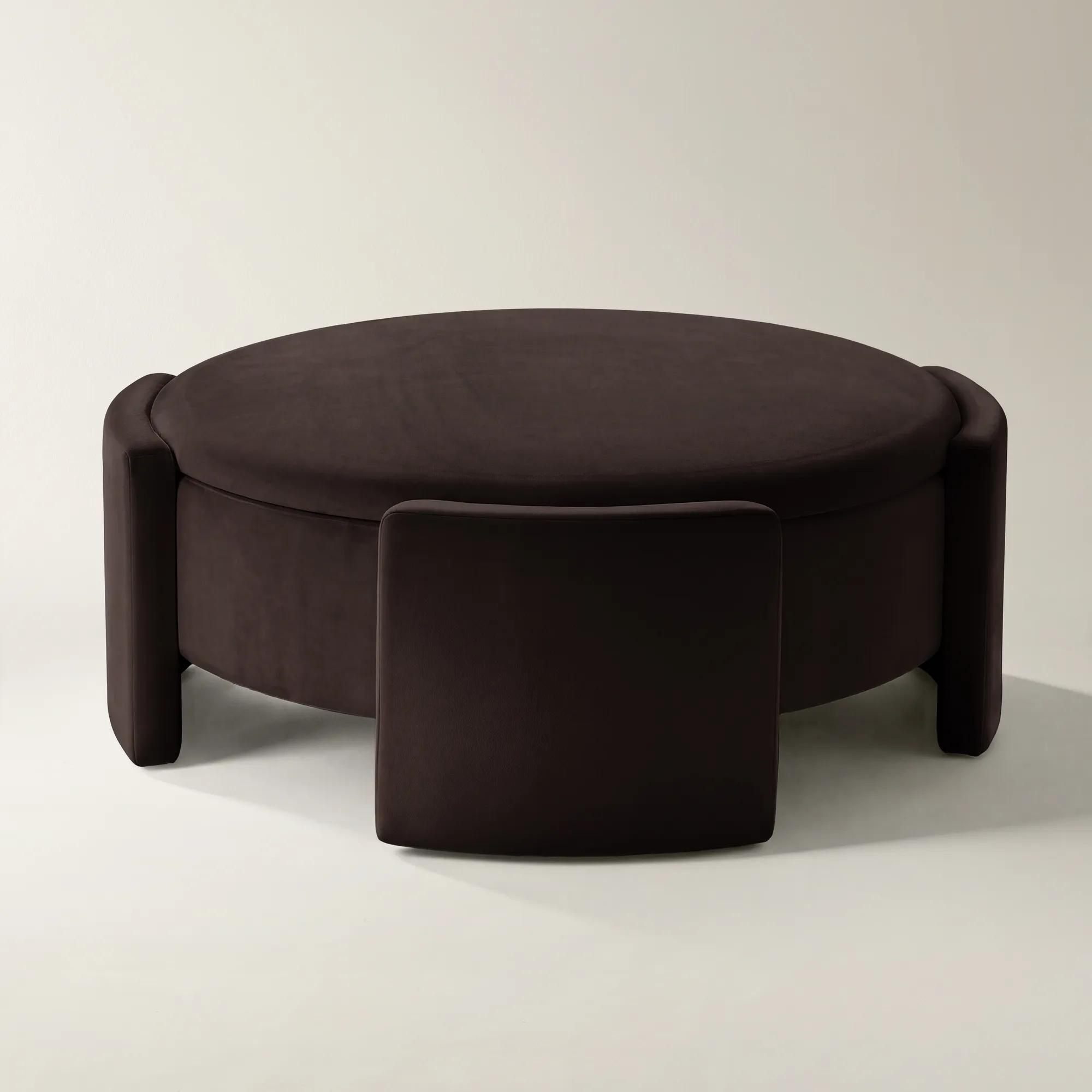
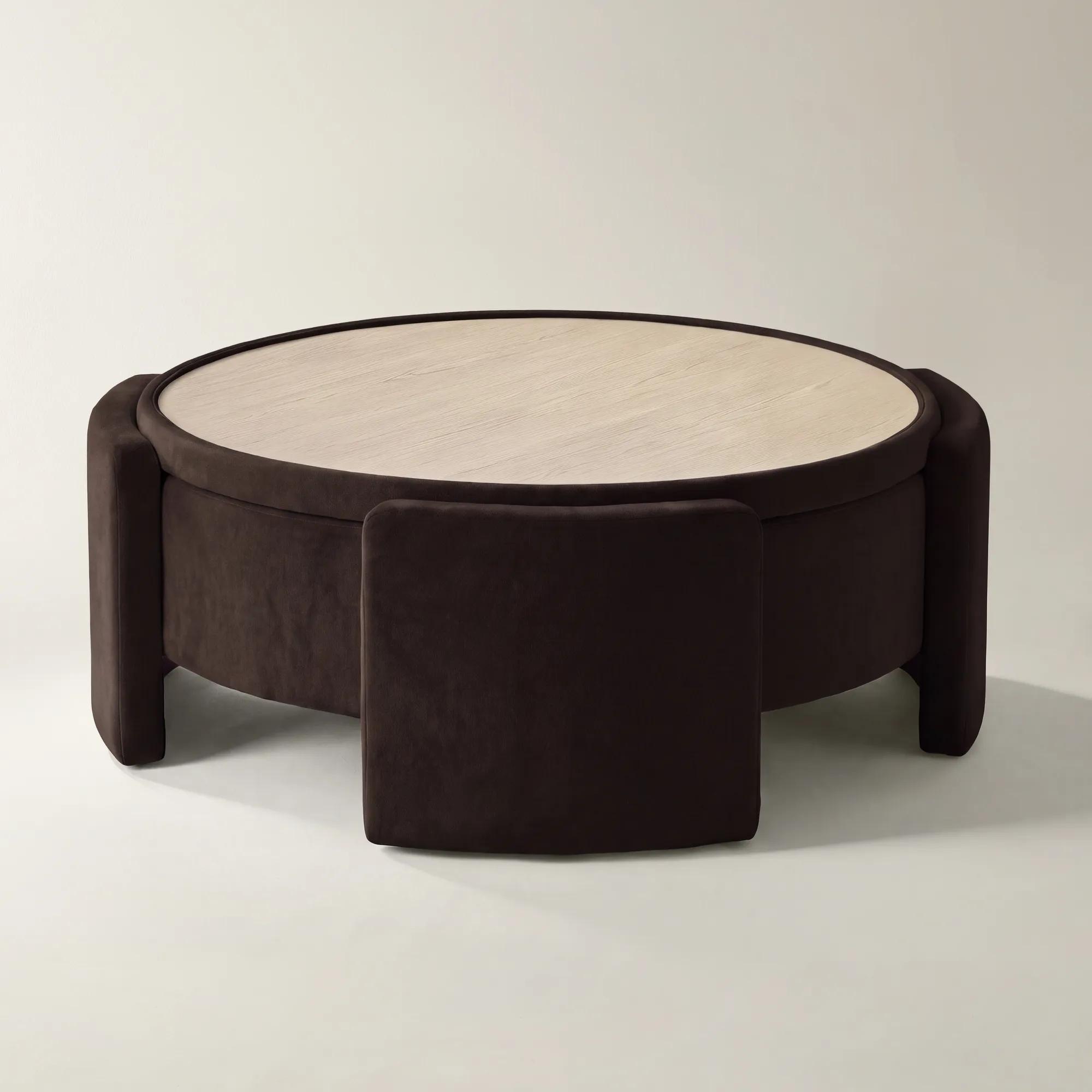 Jora Round Dark Chocolate Velvet Storage Coffee Table With Reversible Tabletop (47.7")$799
A dark chocolate velvet coffee table with hidden storage and a reversible velvet-and-rubberwood tabletop.
Add To Cart -
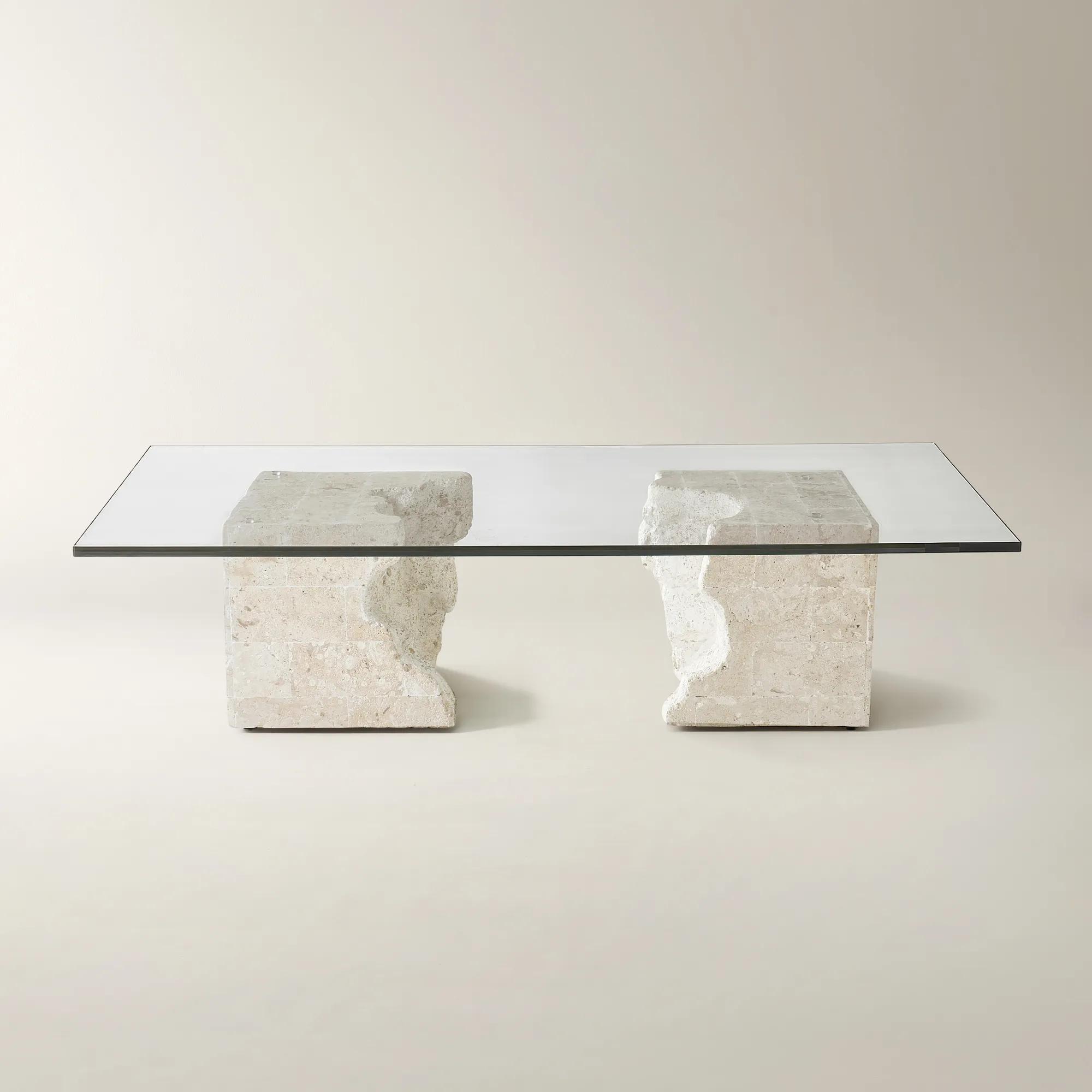 Cairo Rectangular Mactan Stone Coffee Table With Glass Top (70.87")$1999
A contemporary coffee table featuring a clear tempered glass top floating above hand-carved Mactan stone bases.
Add To Cart -
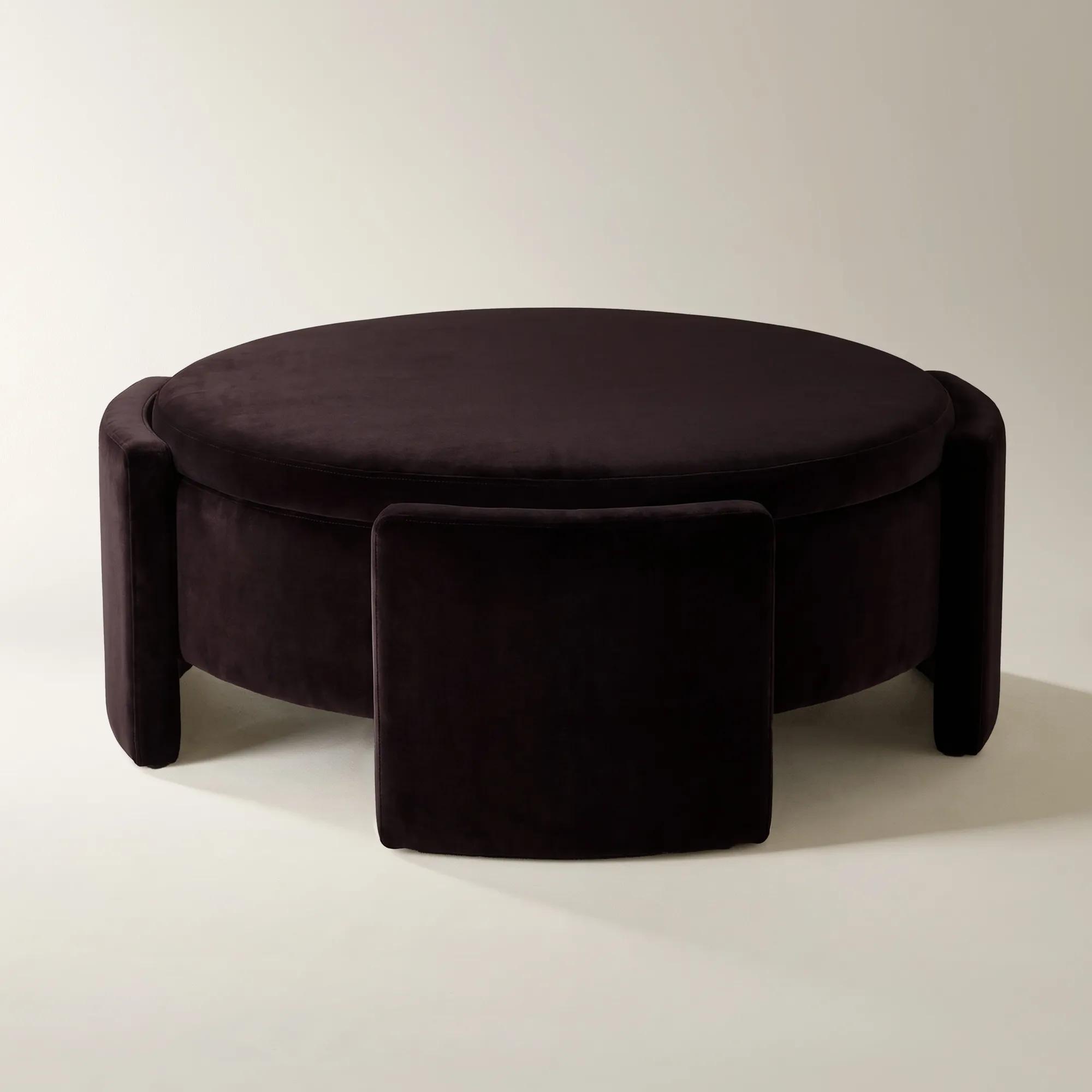
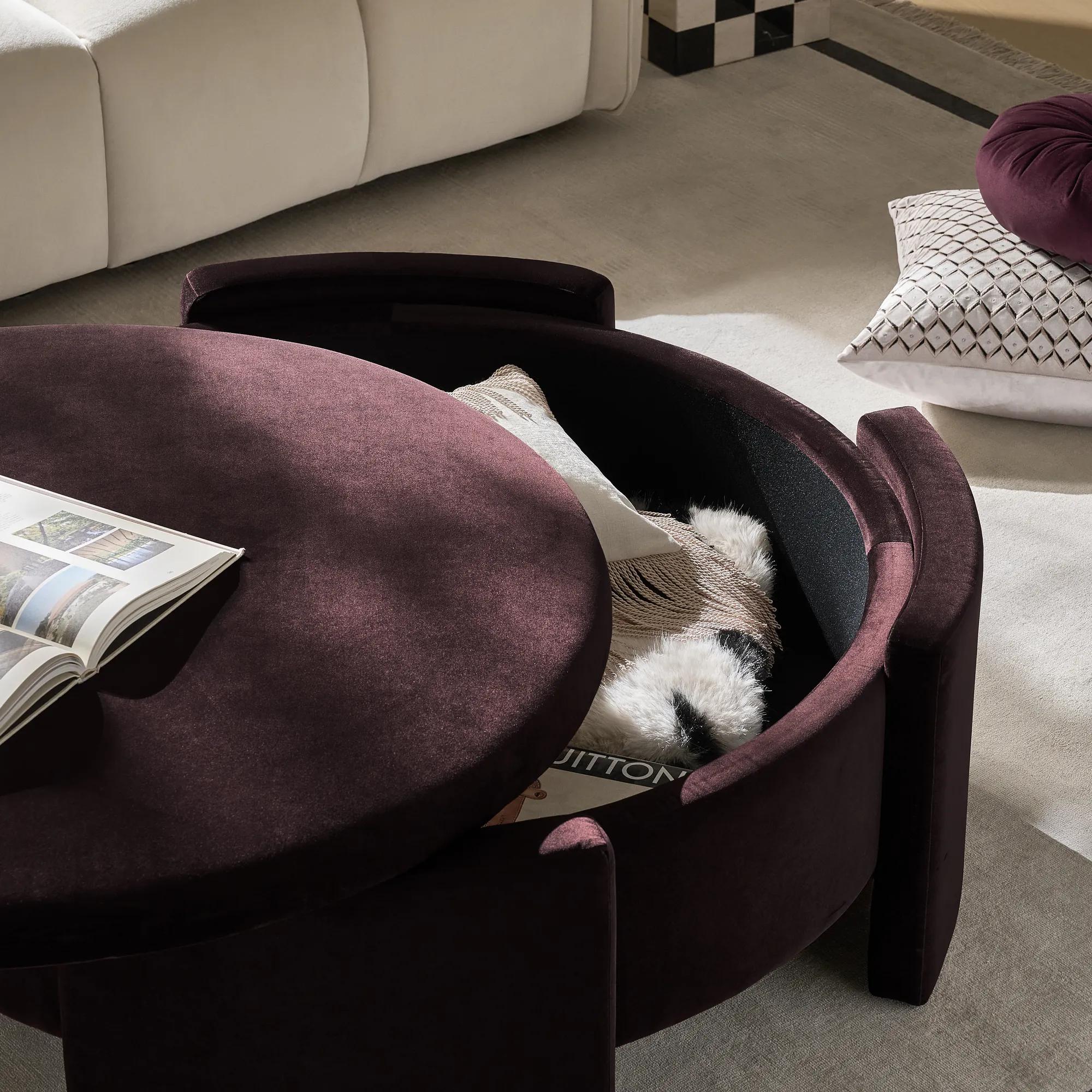 Jora Round Fig Velvet Storage Coffee Table With Reversible Tabletop (47.7")$799
A round fig velvet coffee table featuring a reversible wood tabletop and hidden interior storage.
Add To Cart -
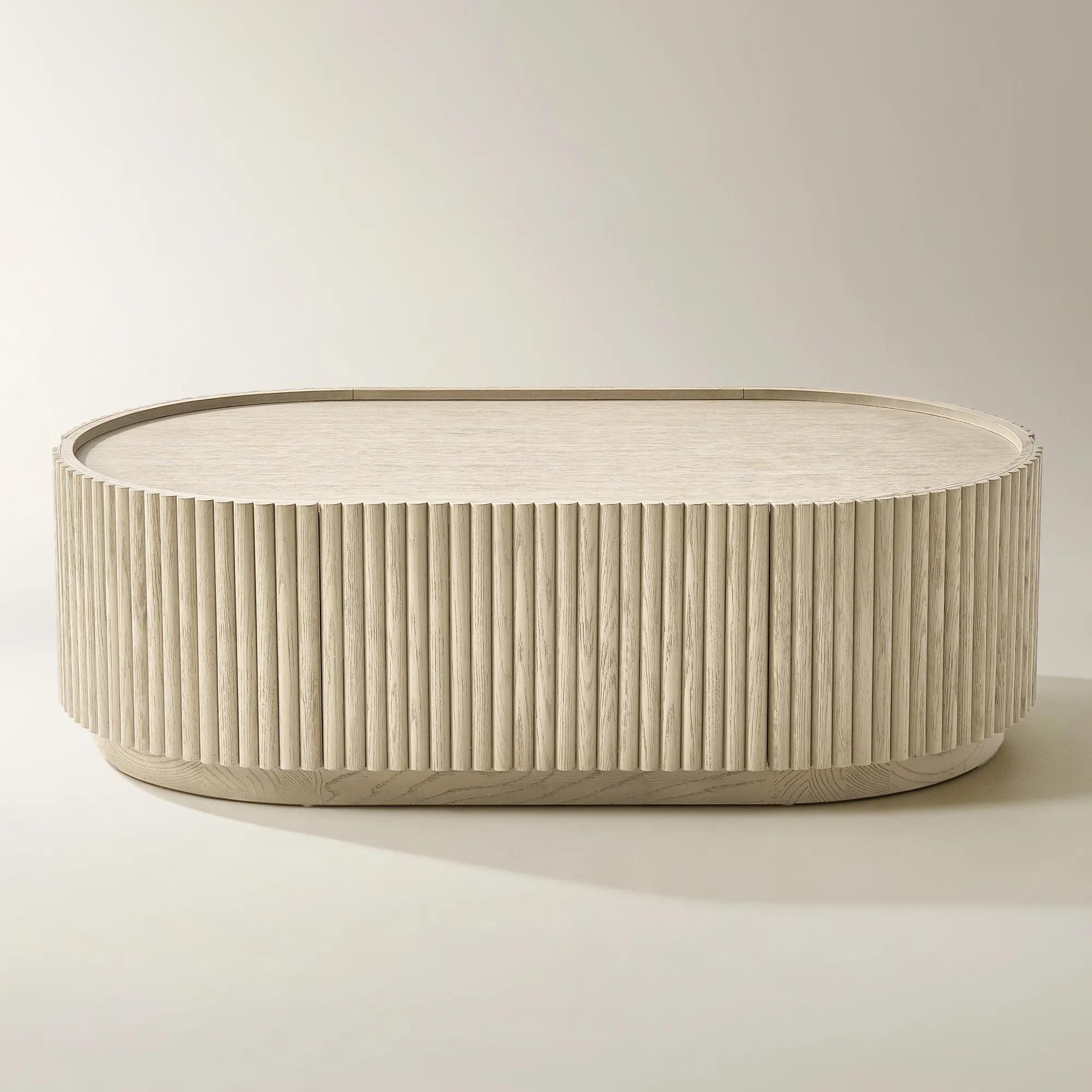
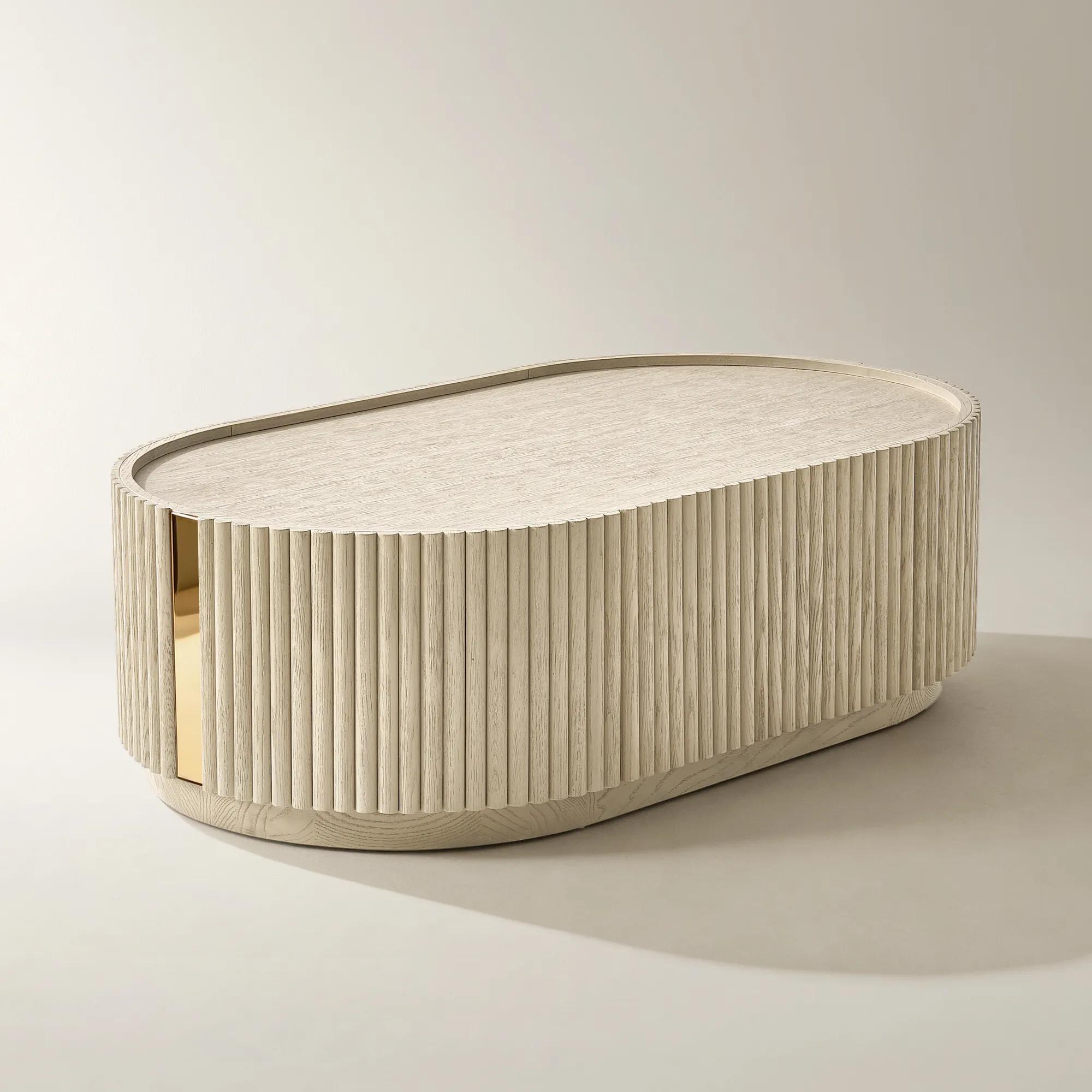 Stria Oval Reeded White Oak Coffee Table with Drawer (52")$1399
A reeded white oak coffee table with soft gold accents, recessed tabletop, and concealed soft-close drawer.
Add To Cart -
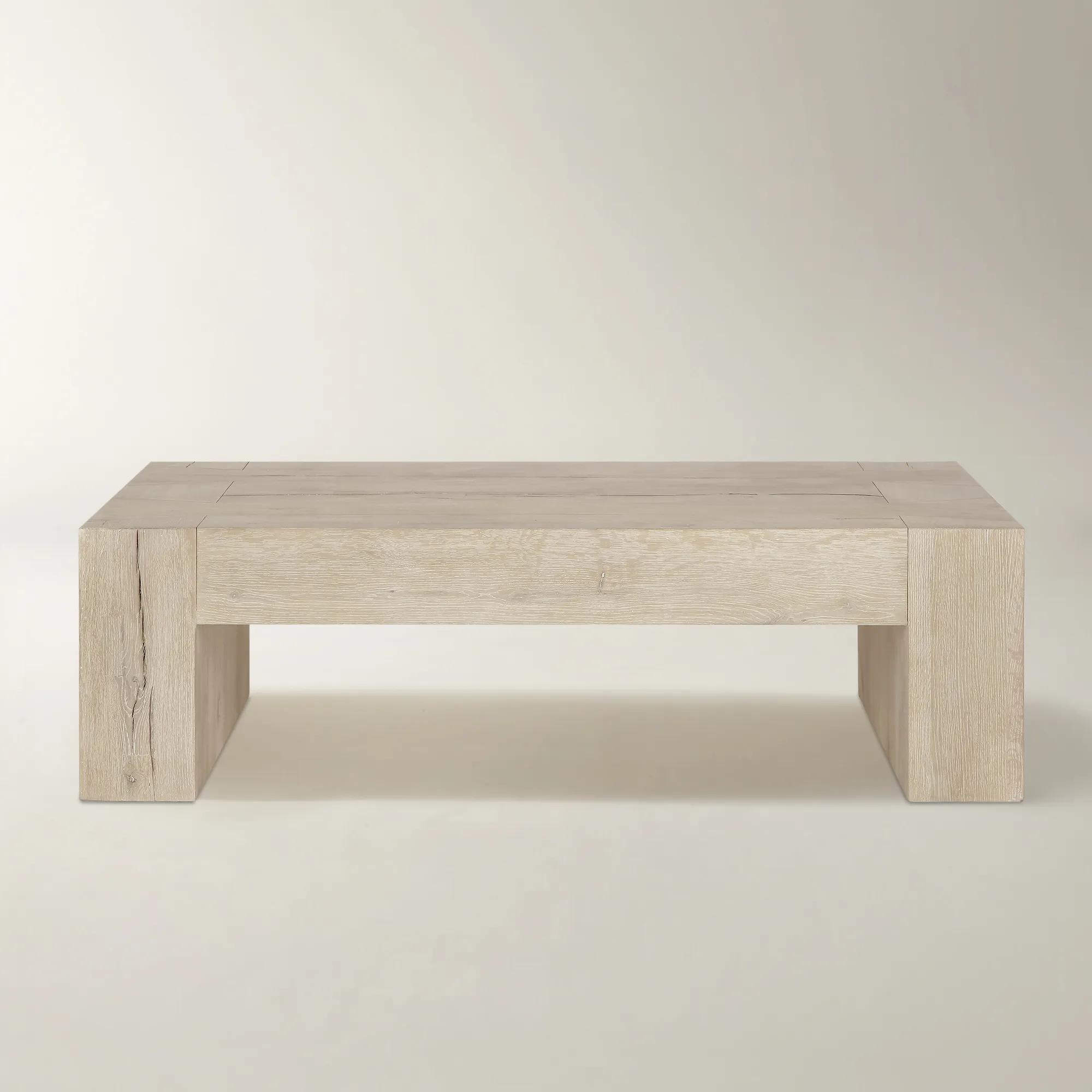 Bristol Rectangular Cream Oak Coffee Table (60")$2099
A handcrafted cream-finished coffee table featuring cracked oak details and modern dovetail accents for unique style.
Add To Cart -
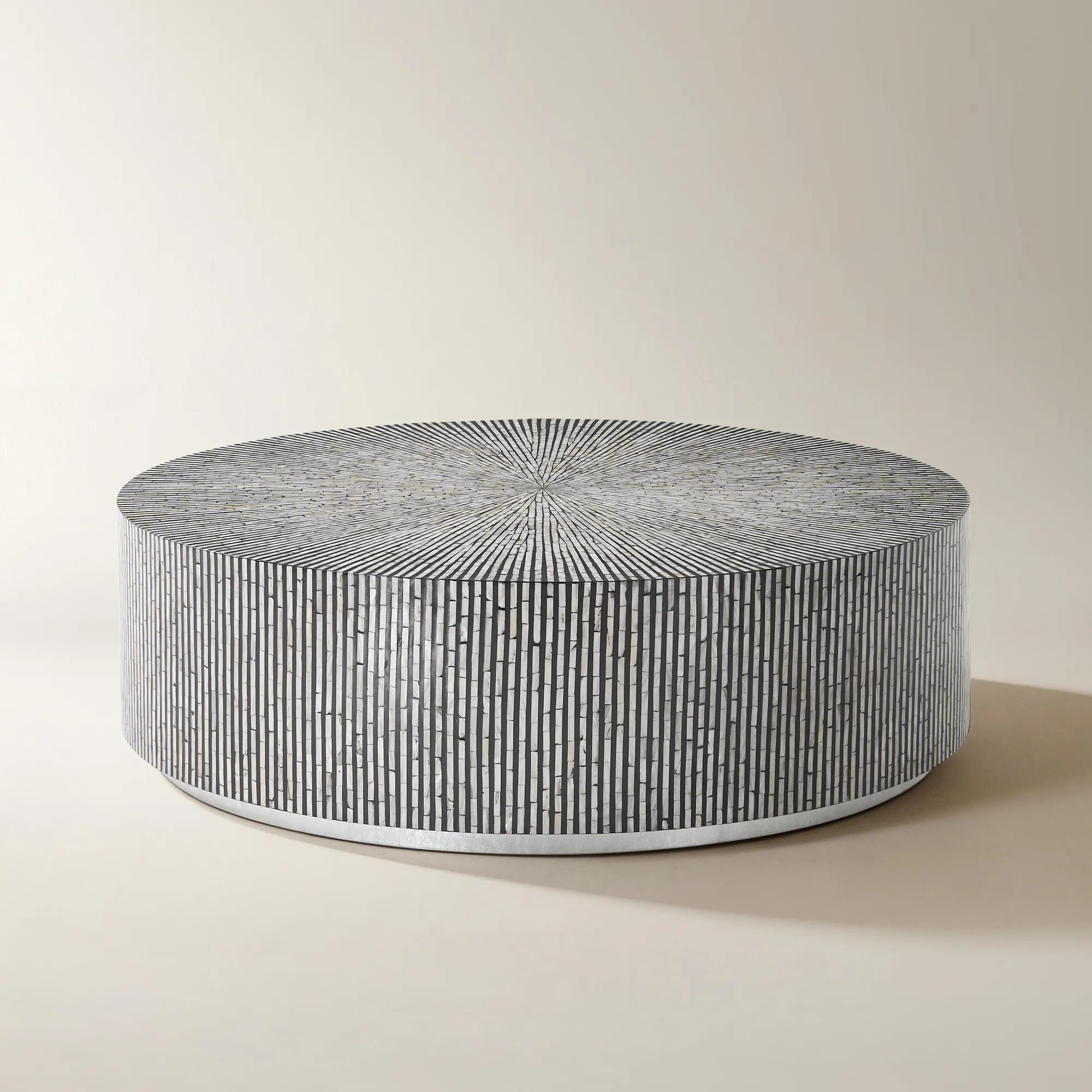
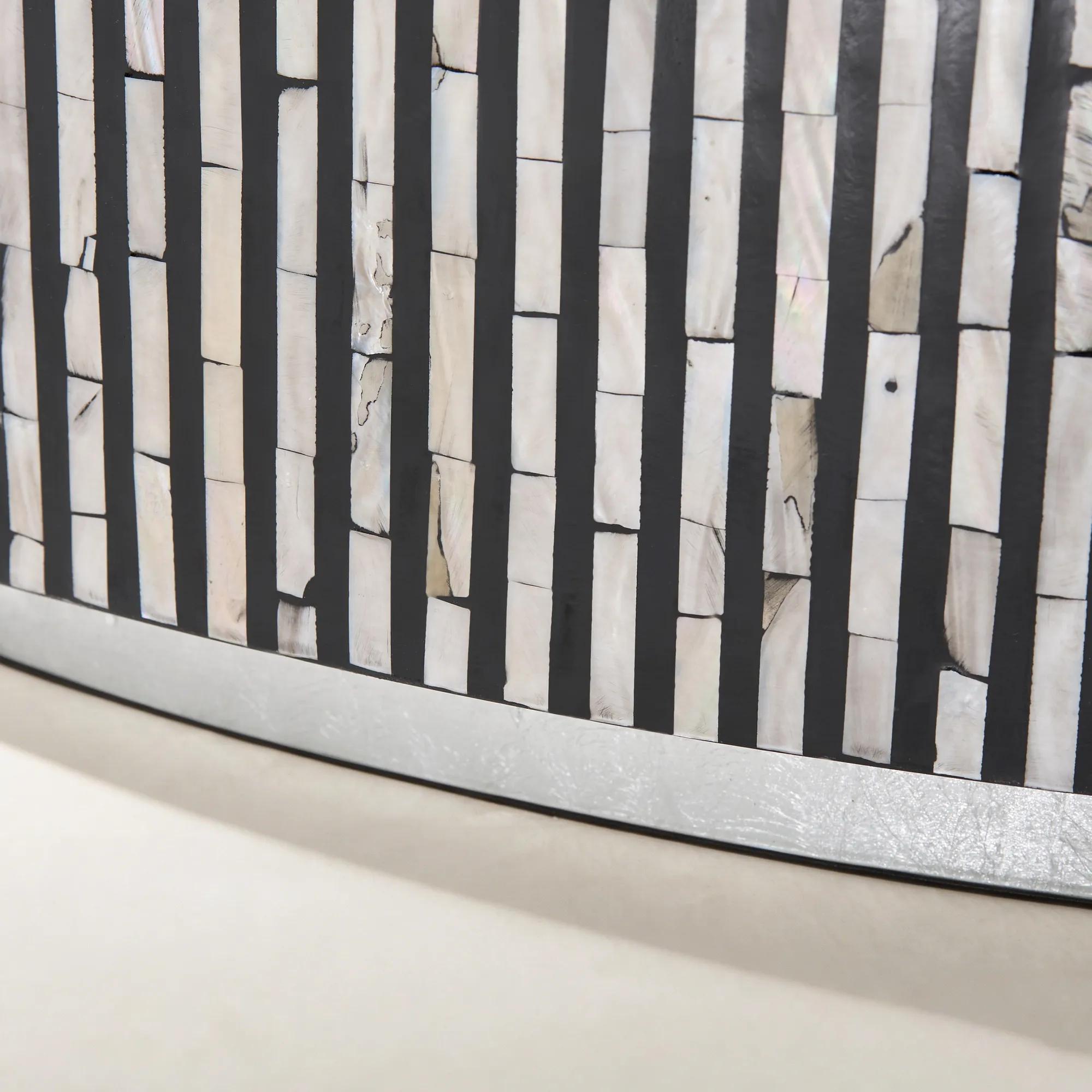 Marina Round Mosaic Black Coffee Table (52")$1399
A sculptural black coffee table featuring hand-applied mother-of-pearl mosaic and a silver leaf base.
Add To Cart -
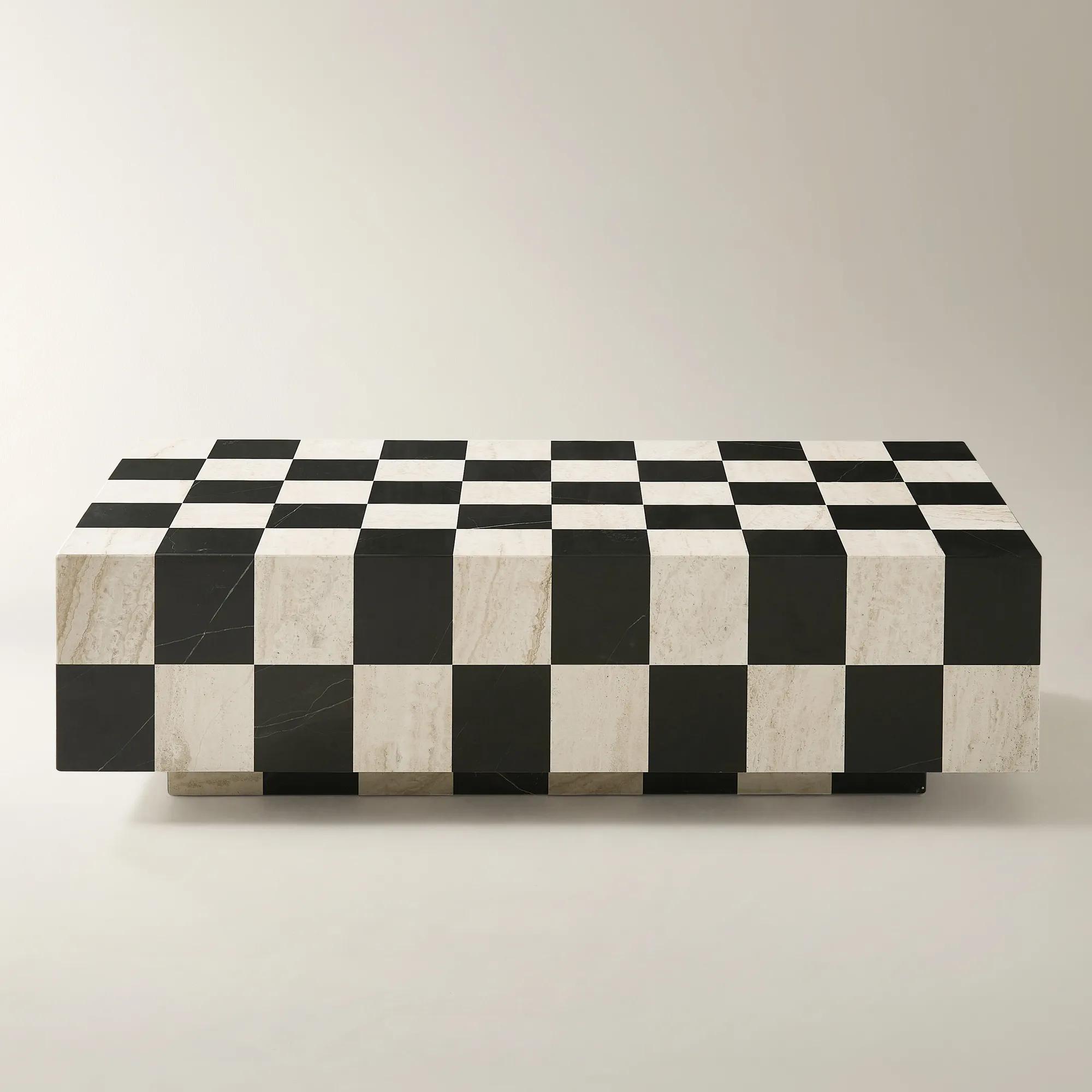 Chessa Rectangular Chequered Marble Coffee Table (53.1")$2399
A sculptural coffee table featuring polished black marble and travertine checkerboard mosaic with a monolithic silhouette.
Add To Cart -
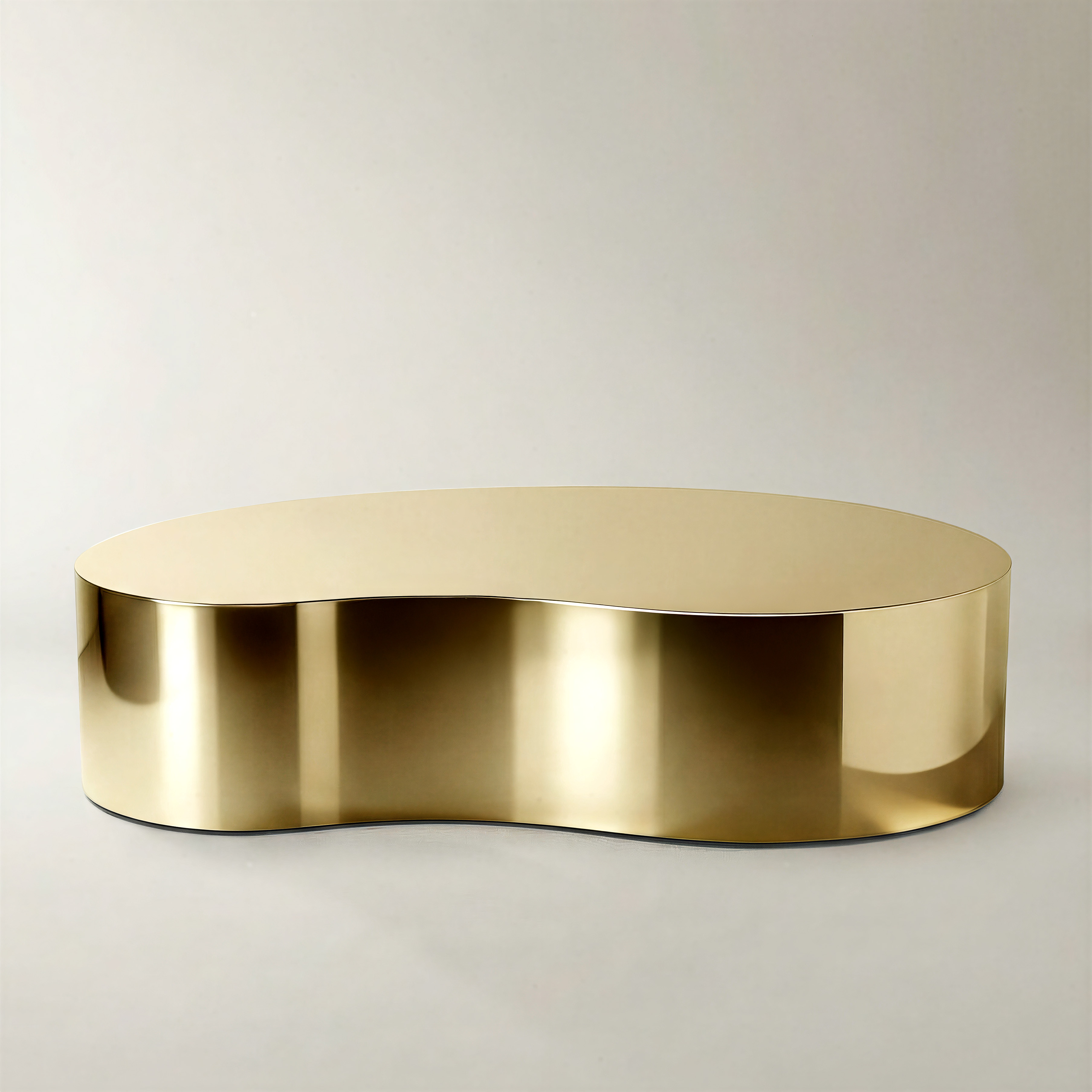
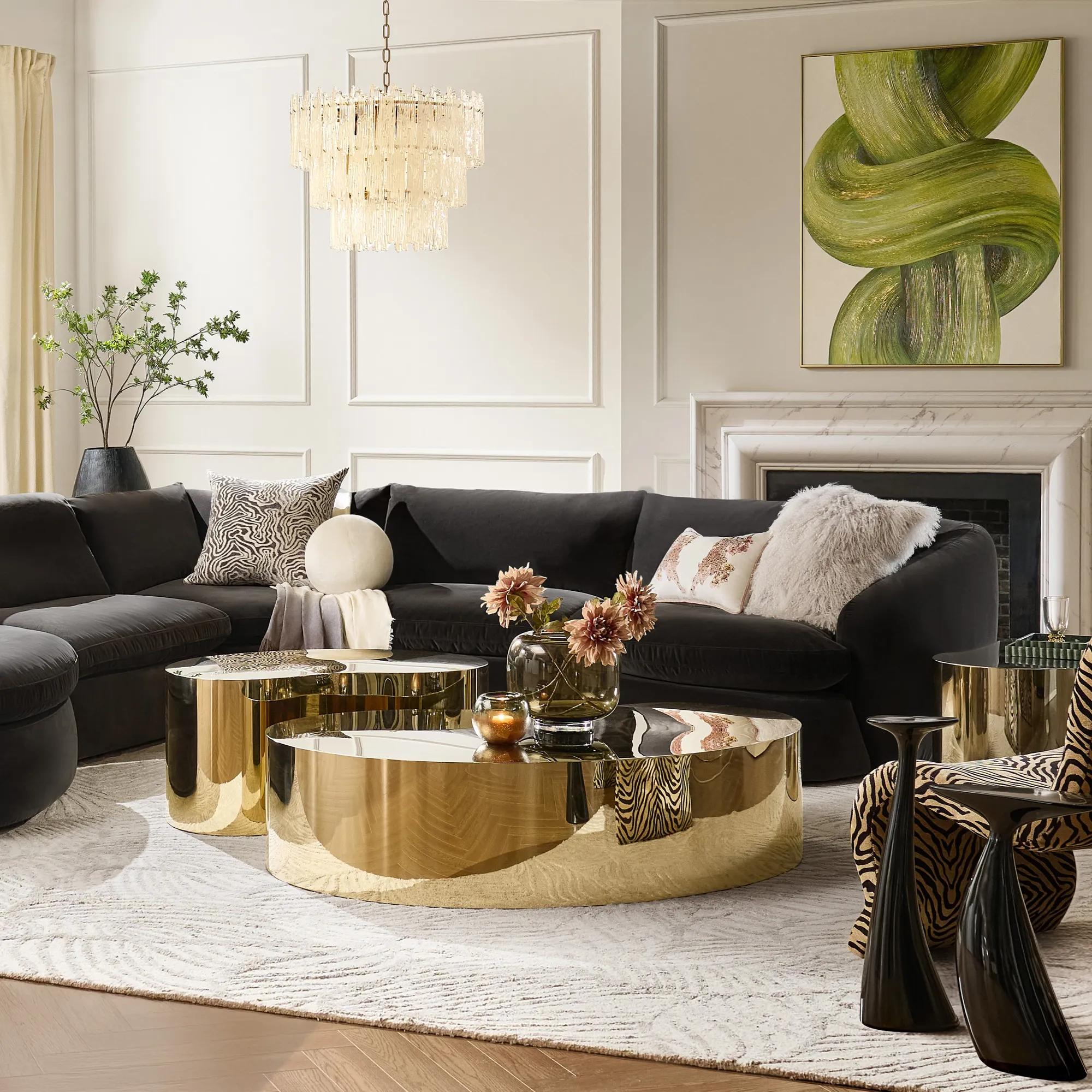 Aurea Soft Gold Coffee Table (57")$1399
A sculptural coffee table crafted from stainless steel with a high-gloss soft gold finish and rounded edges.
Add To Cart

Fully Assembled Coffee Tables
Fully assembled coffee tables bring a polished focal point to your living room without the extra assembly step. Explore modern designs with an eye for scale and silhouette, choosing a table that complements your seating and leaves room to move. The right proportions create space for artful displays and everyday essentials while giving your room a confident finishing touch.
Fully assembled coffee tables arrive with the table’s structural components already joined, so there is no need to attach legs, construct a base, or fasten a tabletop before use. Often described as ready-assembled coffee tables or coffee tables with no assembly required, these pieces bring a finished silhouette directly into the living room. Protective packaging still needs to be removed, and heavier designs may require help with placement, but the furniture itself does not depend on an afternoon of sorting hardware and following assembly diagrams. That distinction is especially appealing when furnishing a new home, completing a seating area, or replacing a table without interrupting the rhythm of an established room. Beyond convenience, a coffee table gives the space a visual center: a low, sculptural form that draws a sofa, accent chairs, and rug into one expressive composition. Material plays a defining role in that effect. Wood introduces grain, depth, and warmth, with finishes that can feel richly polished or more tactile and organic. Glass allows the rug beneath to remain part of the composition, giving an elaborate seating arrangement room to breathe. Metal can trace a slender architectural outline or create a bold, gleaming presence, while stone offers distinctive veining and substantial visual weight. Mirrored surfaces reflect surrounding colors and decorative objects, adding sparkle without requiring another accent color. Each material also carries practical considerations, from the weight of stone to the visible fingerprints that glass and polished finishes can reveal. A fully assembled design simplifies the assembly process, but material, construction, and finish still determine how the table looks and performs over time. The same appreciation for expressive form and considered detail makes Handcrafted Coffee Tables a natural point of comparison, although handcrafted construction and fully assembled delivery describe different characteristics. The strongest choice feels intentional from every angle, whether its presence comes from a sweeping curve, an intricate base, or the quiet drama of a beautifully finished surface.
Scale determines whether that presence feels commanding or crowded. Fully assembled coffee tables should relate to the seating around them, not simply fill an empty patch of floor. A useful starting point is a table approximately two-thirds the length of the sofa, with a tabletop close to the height of the seat cushions or slightly lower. These proportions are reference points rather than rigid rules; a deep sectional, a pair of facing sofas, or unusually low lounge seating may call for a different balance. Allowing about 16 to 18 inches between the table and nearby seating generally gives people room to reach a drink and move their legs comfortably, while primary walkways need more generous clearance. A rectangular table can echo the long line of a sofa and provide space for books, trays, and refreshments. A square silhouette can anchor a broad seating arrangement, while a round or oval table softens the geometry of a sectional and removes sharp corners from a busy passage. Rounded edges may be appealing in homes with children, although stability, materials, and supervision remain important. In a compact living room, an open base or transparent top can preserve a sense of spaciousness; in a larger room, a substantial pedestal or broad surface can hold its own against generous upholstery. Storage changes the table’s role as well. Designs with drawers, shelves, or concealed compartments can keep remotes, reading glasses, and everyday accessories close without leaving every object on display. Lift-top mechanisms, when present, bring a surface closer for occasional laptop use or a casual meal, but their operating clearance and weight limits deserve attention. Because assembled tables travel as complete furniture rather than separate parts, doorway widths, hallway turns, stairs, and elevator dimensions matter before delivery. The packaged dimensions may exceed the table’s final measurements. A clear route into the room is just as essential as a beautiful fit beside the sofa, particularly for heavy stone tops, broad square forms, and bases that cannot be removed.
Daily use gives a coffee table its character, but thoughtful care helps preserve the finish that made it compelling in the first place. Coasters and trays protect a surface while adding another layer to the composition: a polished tray can gather drinks neatly, and a stack of art books can give a sculptural object an elevated stage. Leaving some tabletop visible keeps distinctive grain, veining, or reflective detailing from disappearing beneath accessories. Wood generally benefits from prompt spill removal and a soft cloth, with cleaning products chosen for its particular finish; excess moisture, direct heat, and prolonged sunlight can affect its appearance. Glass calls for a nonabrasive cleaner appropriate to the surface and careful handling around edges, while mirrored finishes need gentle cleaning that avoids saturating seams. Marble and other natural stones vary in porosity and maintenance requirements. Acidic spills can etch some surfaces, and sealing should follow the manufacturer’s recommendations rather than a universal schedule. Metal finishes also differ, so harsh chemicals and abrasive pads are best avoided unless care instructions specifically permit them. Durability depends on the whole construction, including the top, base, joints, hardware, and protective finish. Factory assembly can provide controlled fitting and fastening, but the label alone does not guarantee greater strength than every table assembled at home. A stable base, sound connections, and a material suited to the household’s habits are more meaningful indicators of lasting performance. Coffee tables are intended to support the everyday rituals of a seating area, not serve as extra seating or a standing platform unless expressly designed for that purpose. For a frequent host, a generous surface makes room for a tray of refreshments without displacing the entire arrangement. For a reader, a lower shelf can keep favorite volumes within reach; for a design enthusiast, the table becomes a stage for collected objects. A fully assembled coffee table can also make a thoughtful housewarming or wedding gift when the recipient’s taste, room dimensions, and delivery access are known. Its lasting appeal lies in that balance of expressive design and everyday usefulness: furniture that contributes to the room’s atmosphere while making gathering, unwinding, and living beautifully feel effortless.
FAQs
A fully assembled coffee table has its structural components already put together, rather than requiring you to build the table yourself. It brings a finished furniture silhouette to your living room, where its shape and detailing can become part of a boldly expressive design.
Fully assembled describes how a coffee table is constructed, not its decorating style. A sculptural silhouette can lend drama to a modern interior, while graceful curves can soften a glamorous setting. Choose a design that echoes your room’s mood or introduces an artful contrast.
Compose a vignette with a stack of art books, a decorative tray, and one expressive accent. Contrast shapes and textures, then leave some of the tabletop visible so the arrangement feels intentional. A restrained palette lets dramatic objects command attention without competing.
Your coffee table does not need to match every piece to create a cohesive room. Repeat a color, finish, or curved detail from your seating or accent furniture, then introduce contrast elsewhere. This approach gives the space a collected, personal character rather than a uniform look.
A reflective finish introduces luminosity and visual drama, while a subdued finish lets the table’s silhouette take the spotlight. Tonal variation adds depth to a layered setting. Consider how the finish relates to your lighting, upholstery, and decorative accents to create a richly composed focal point.