Low Profile Coffee Tables
Low Profile Coffee Tables
-
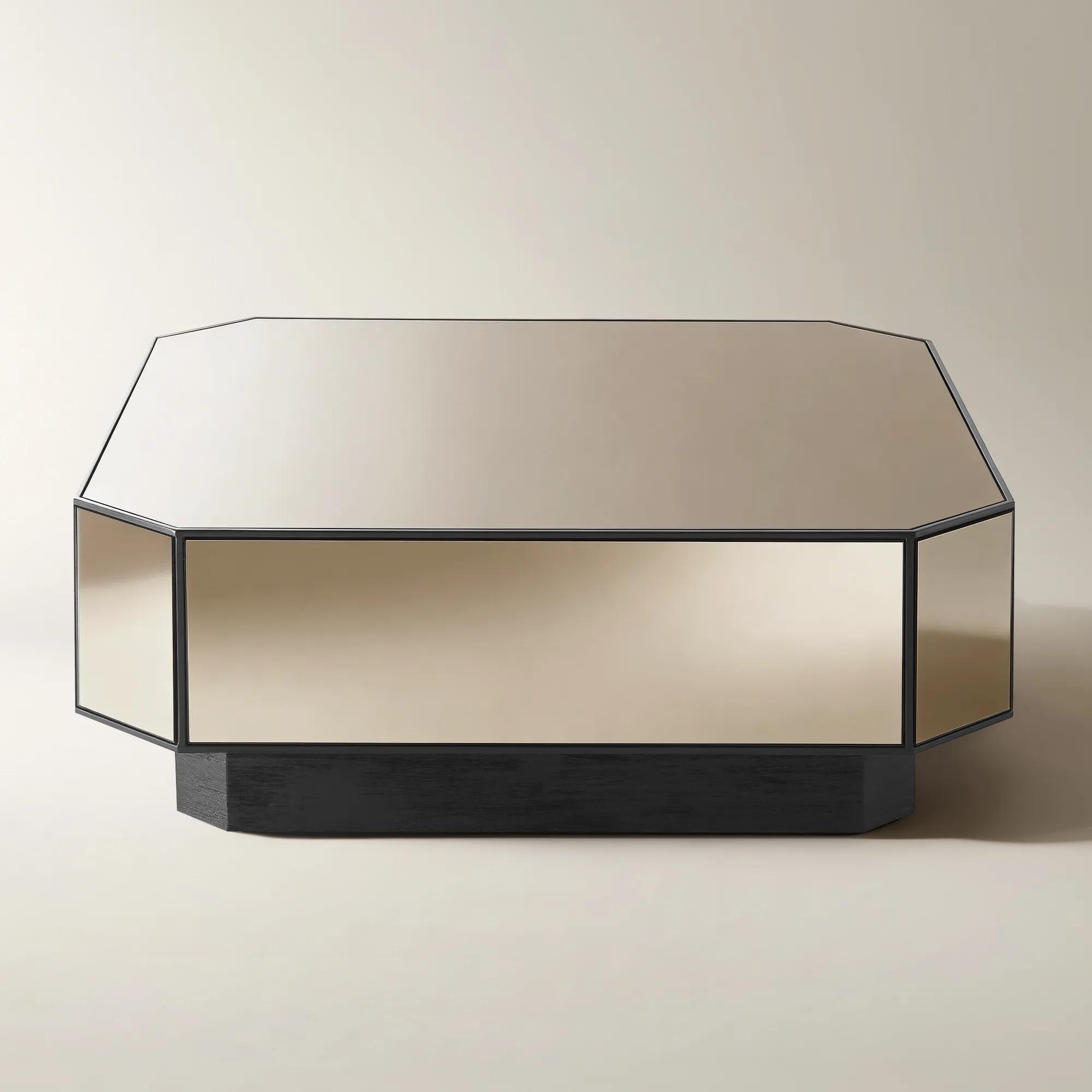 Glimmer Bronze Mirrored Coffee Table (44")$1699
A sculptural coffee table featuring bronze mirror panels and a black oak base for modern sophistication.
Add To Cart -
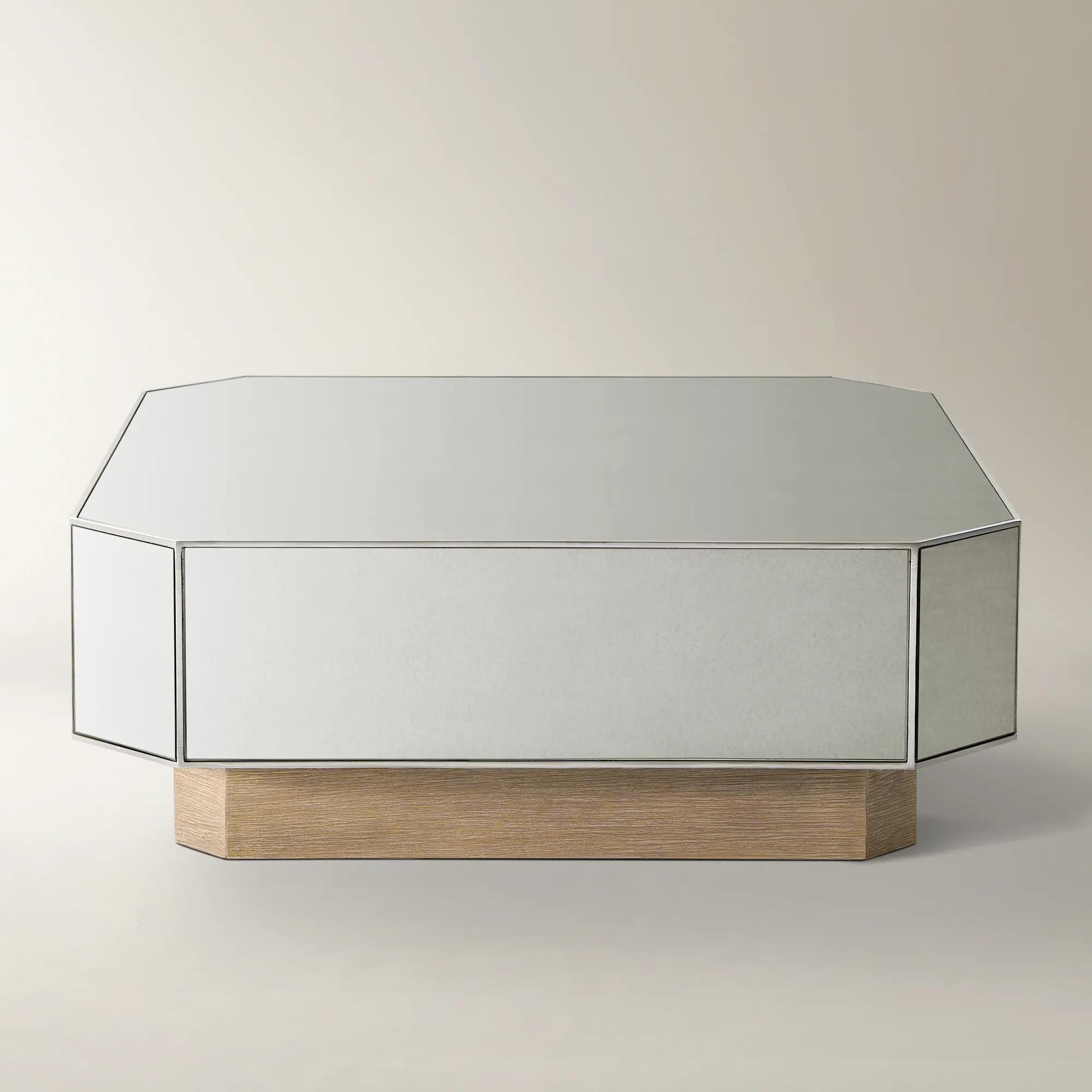 Glimmer Silver Mirrored Coffee Table (44")$1699
A luminous coffee table featuring an antique silver mirror top and warm oak veneer base with handcrafted details.
Add To Cart -
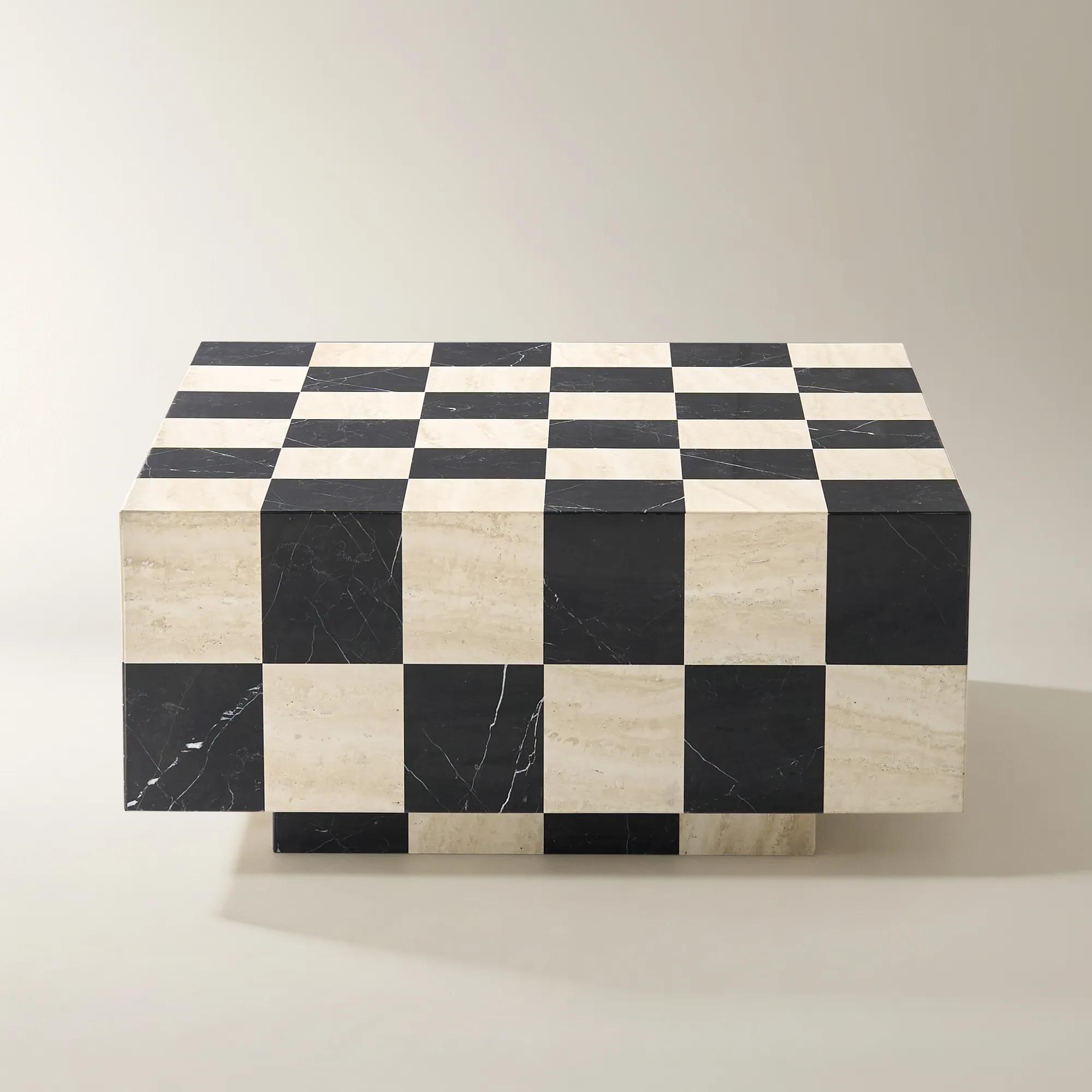
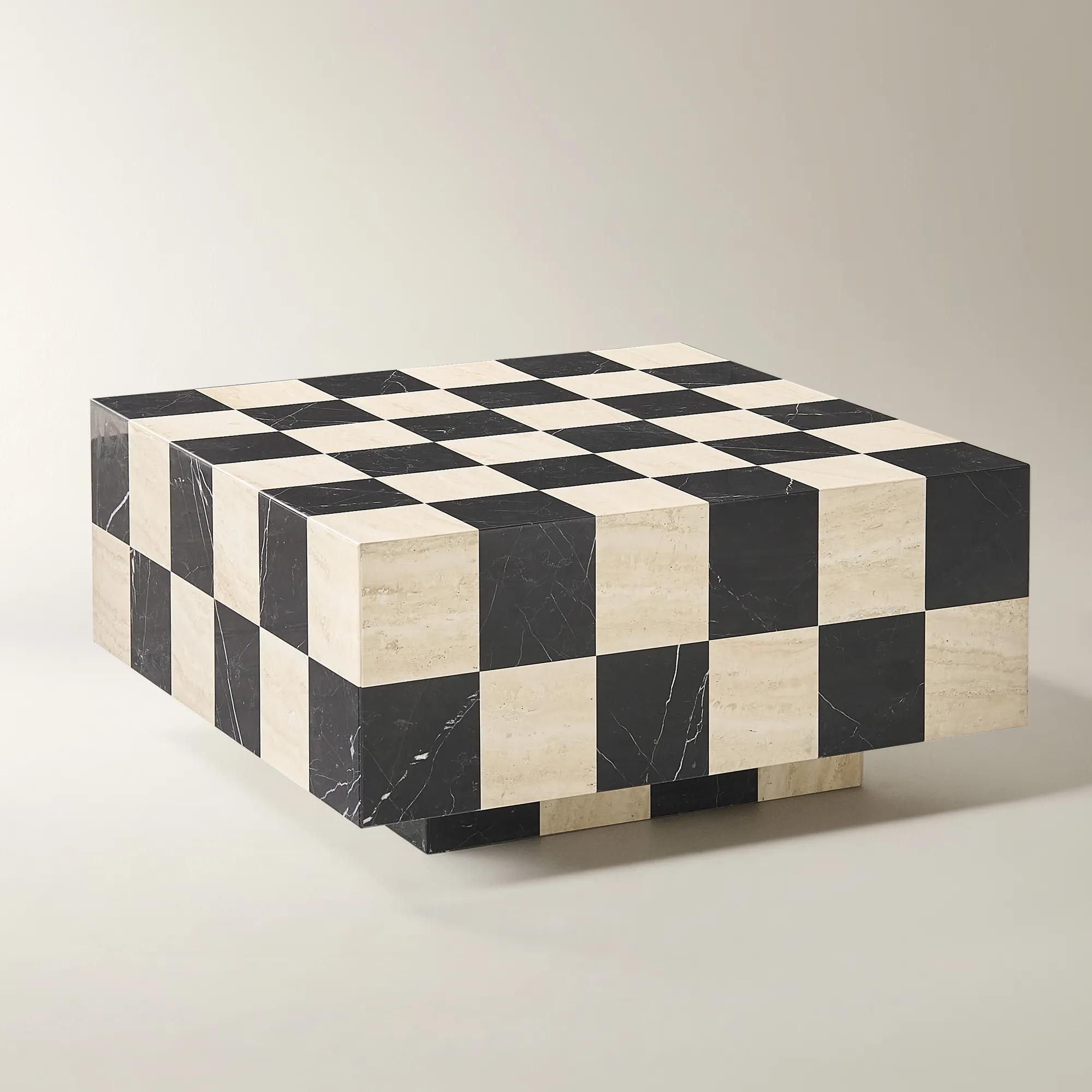 Chessa Square Chequered Marble Coffee Table (31.9")$1699
A striking coffee table featuring a dimensional black marble and travertine checkerboard mosaic with polished finish.
Add To Cart -
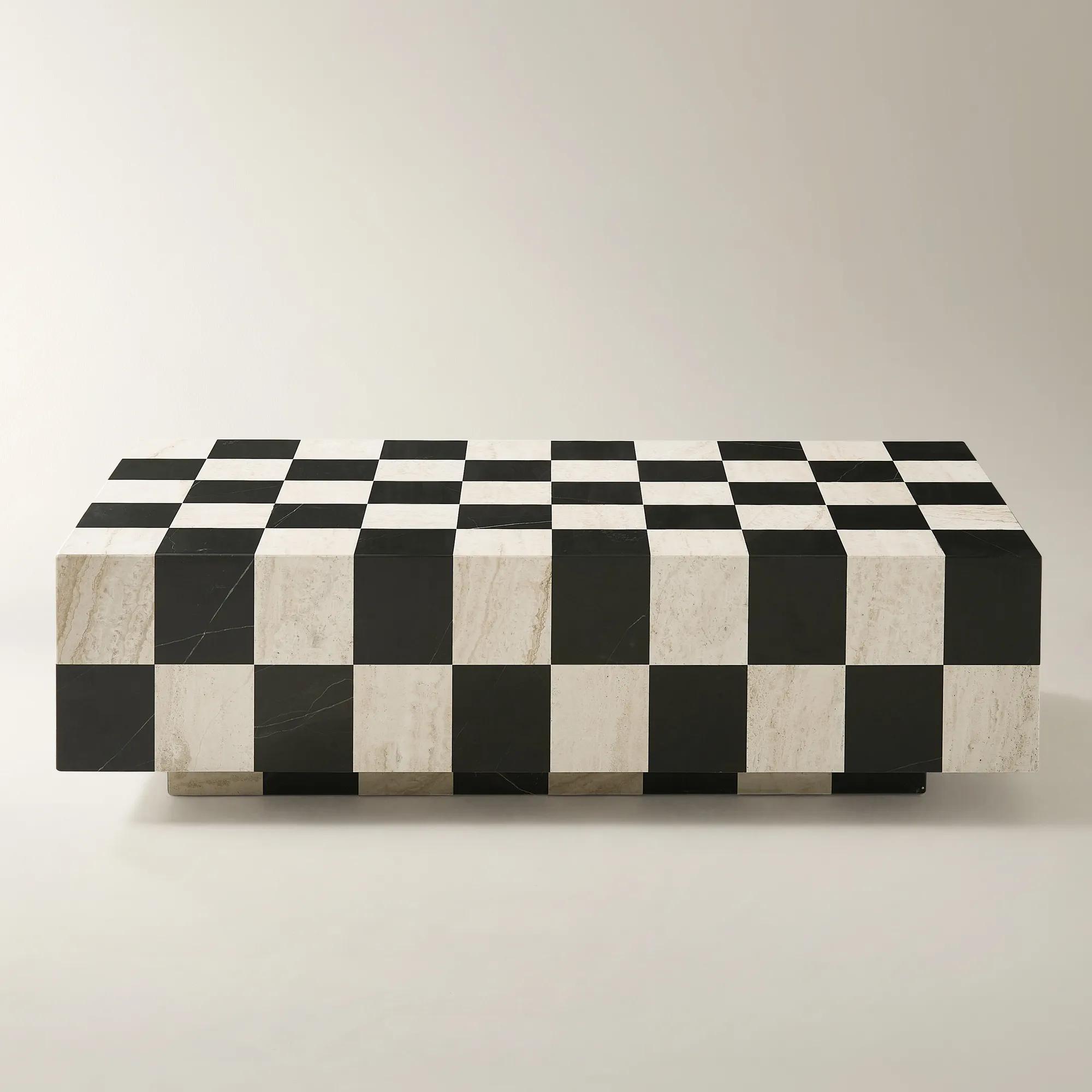 Chessa Rectangular Chequered Marble Coffee Table (53.1")$2399
A sculptural coffee table featuring polished black marble and travertine checkerboard mosaic with a monolithic silhouette.
Add To Cart -

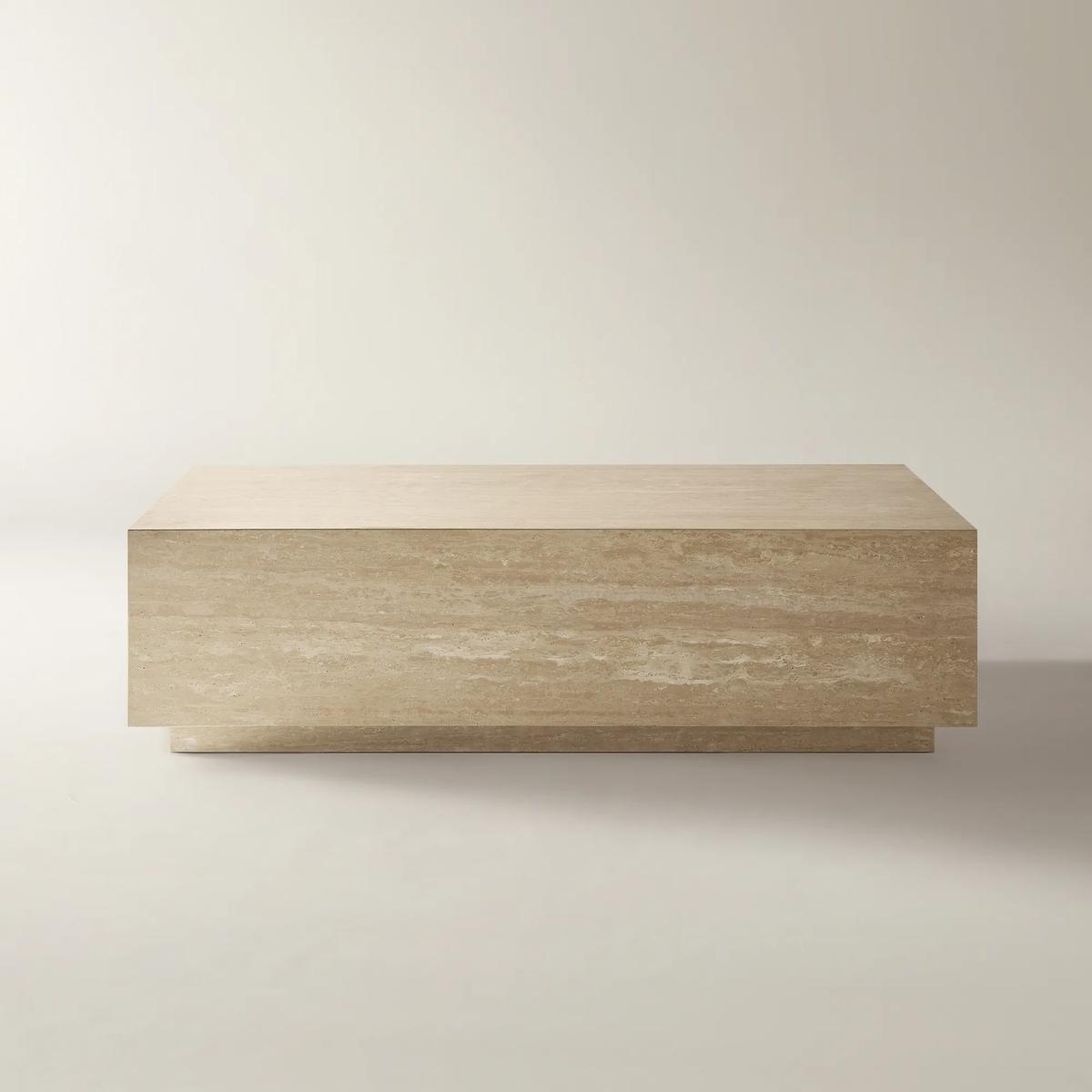
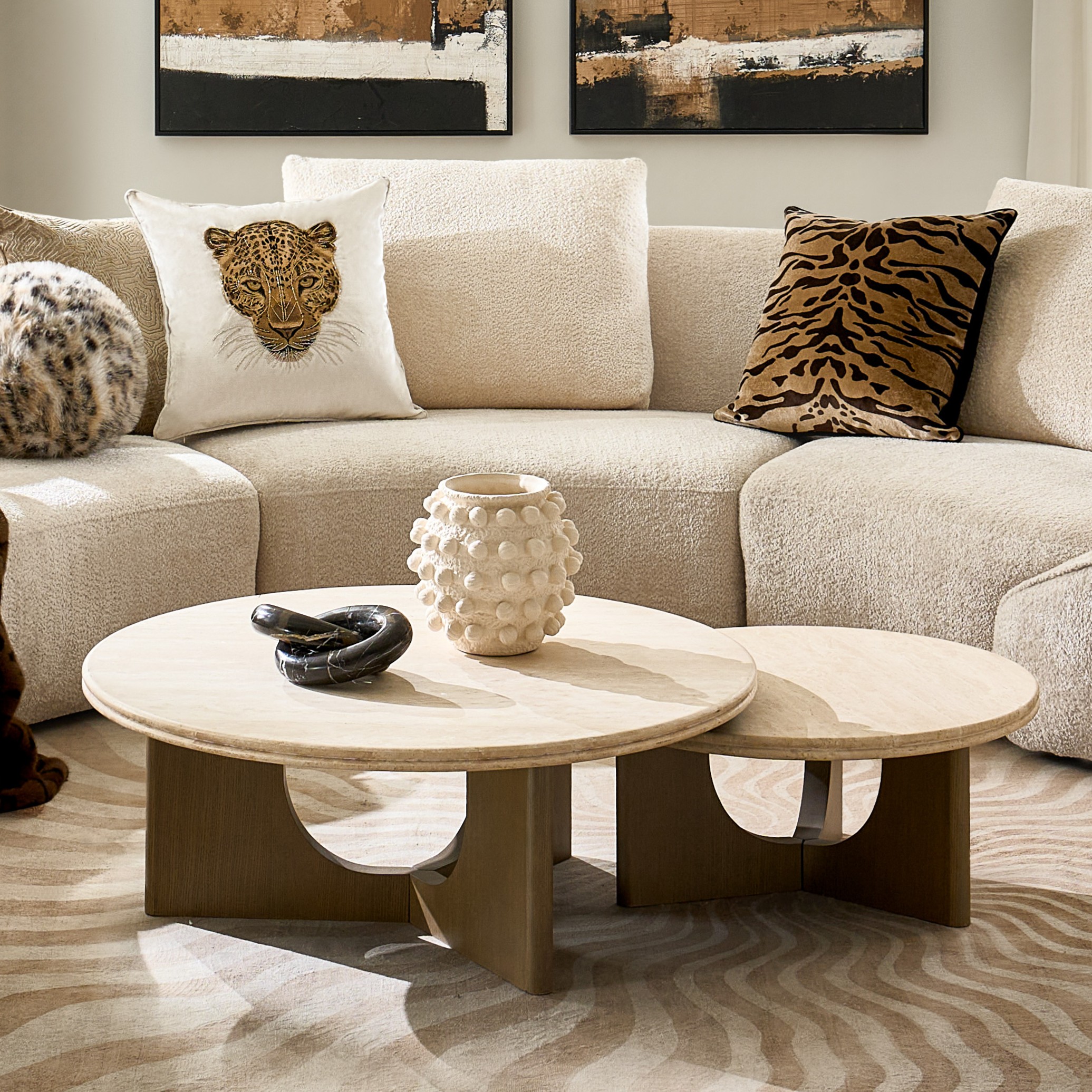 Bond Round Travertine and Wood Coffee Table (29.25")$699
A genuine travertine stone coffee table with warm ivory-gold tones atop a solid natural ash base.
Add To Cart -
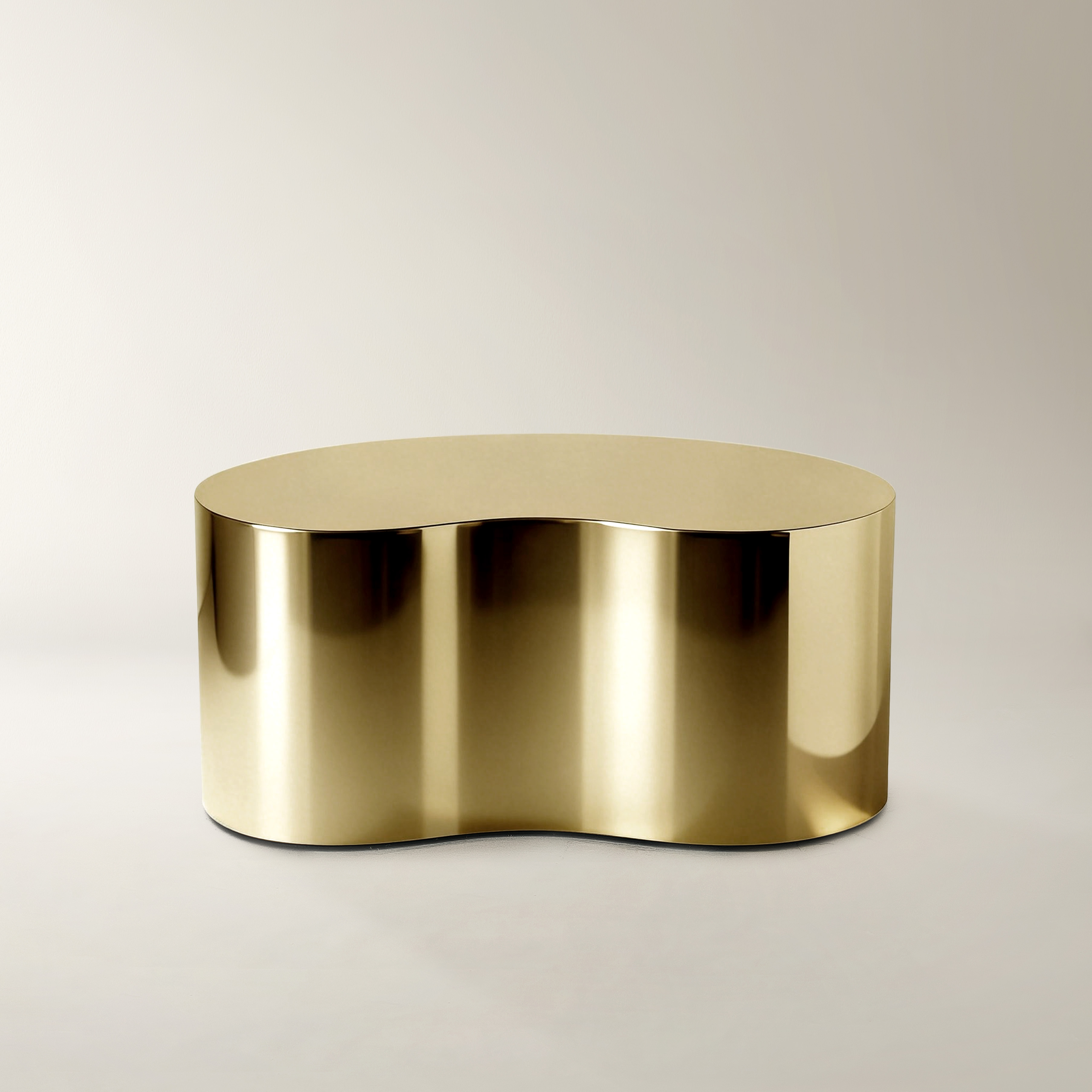
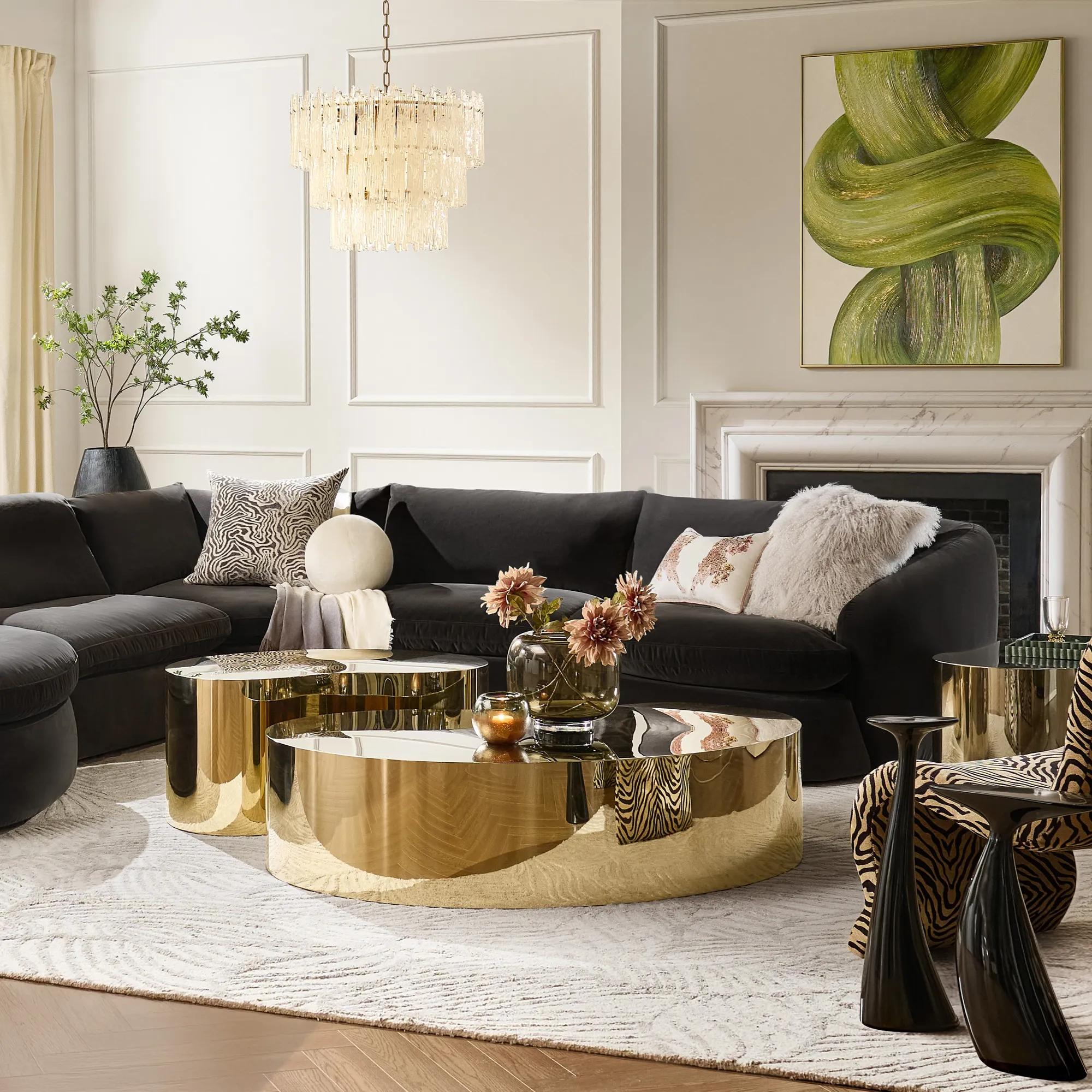 Aurea Soft Gold Coffee Table (37.5")$999
A sculptural coffee table crafted from premium stainless steel with a high-gloss soft gold mirror finish.
Add To Cart -
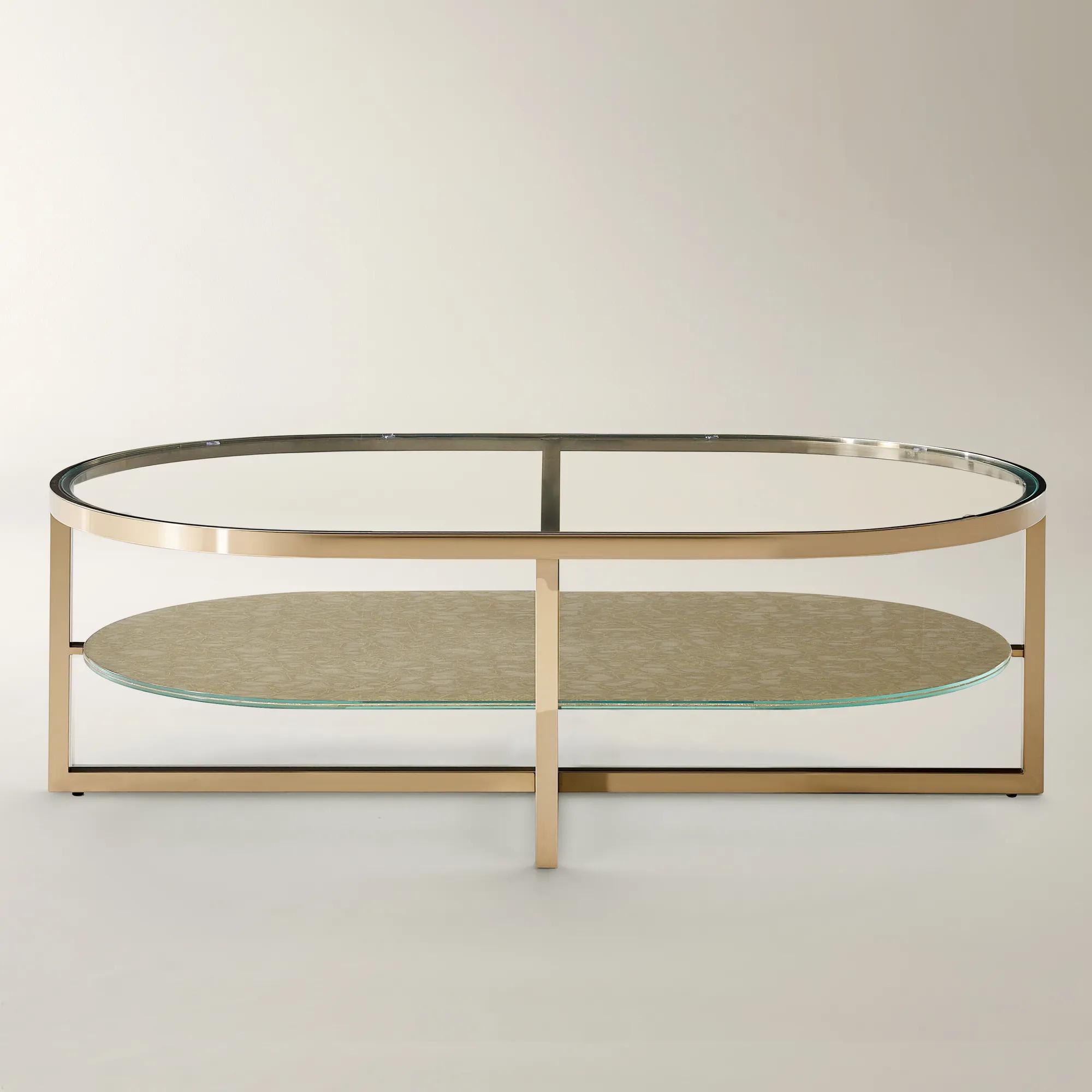
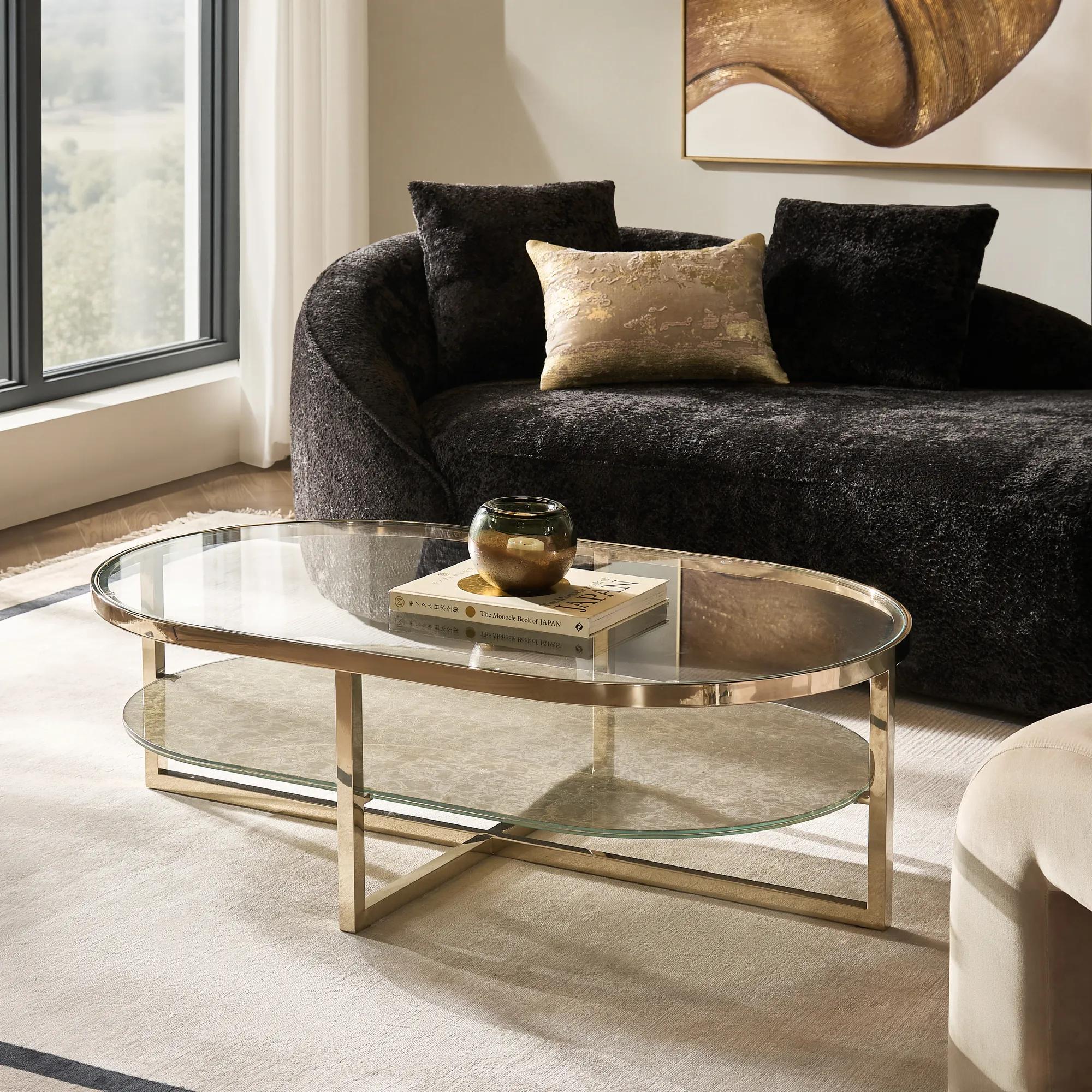 Duality Oval Fabric-Laminated Glass Coffee Table (47")$999
A modern oval coffee table featuring a tempered glass top, fabric-laminated shelf, and soft gold stainless steel frame.
Add To Cart -
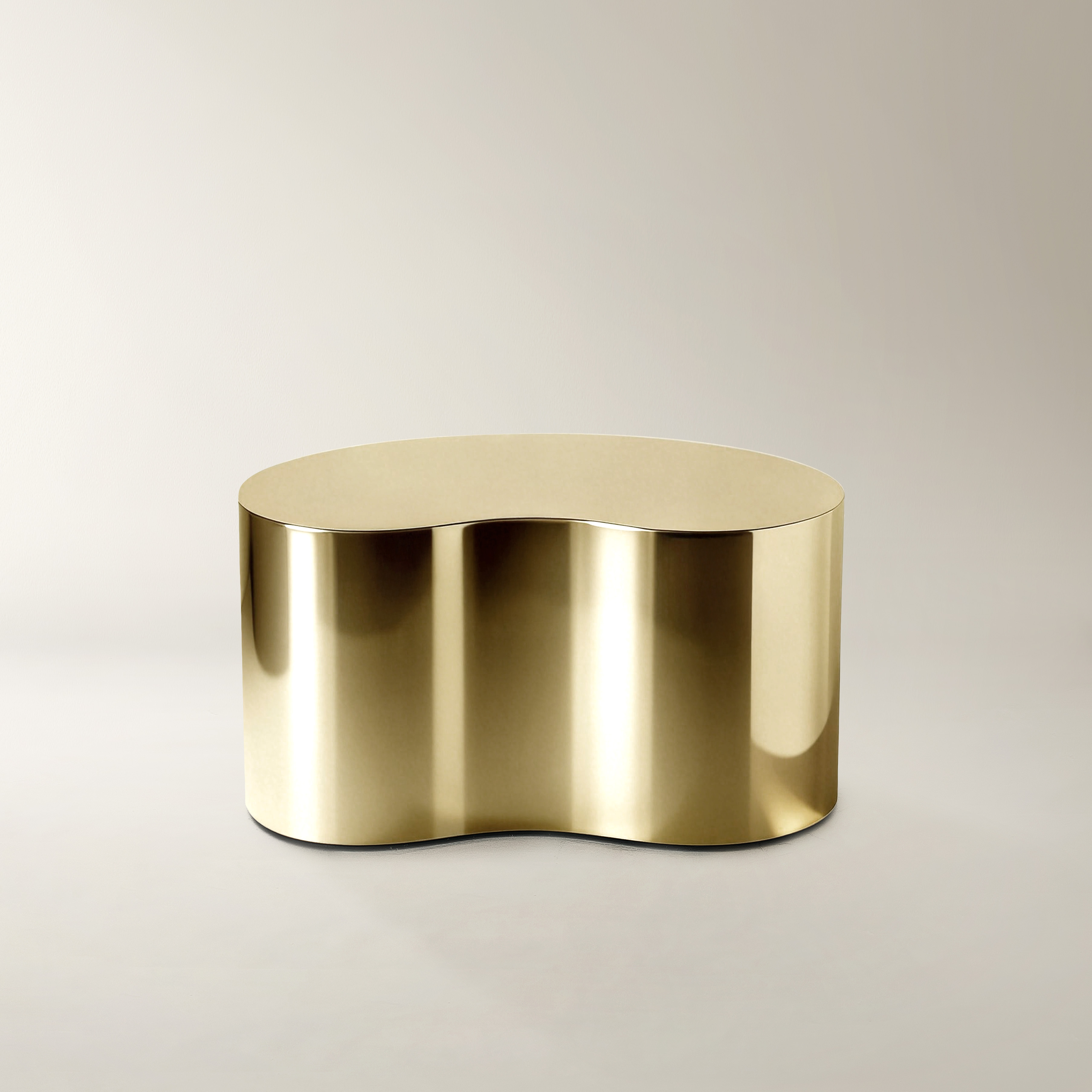 Aurea Soft Gold Coffee Table (32")$799
A sculptural coffee table crafted from premium stainless steel with a high-gloss, soft gold mirror finish.
Add To Cart -
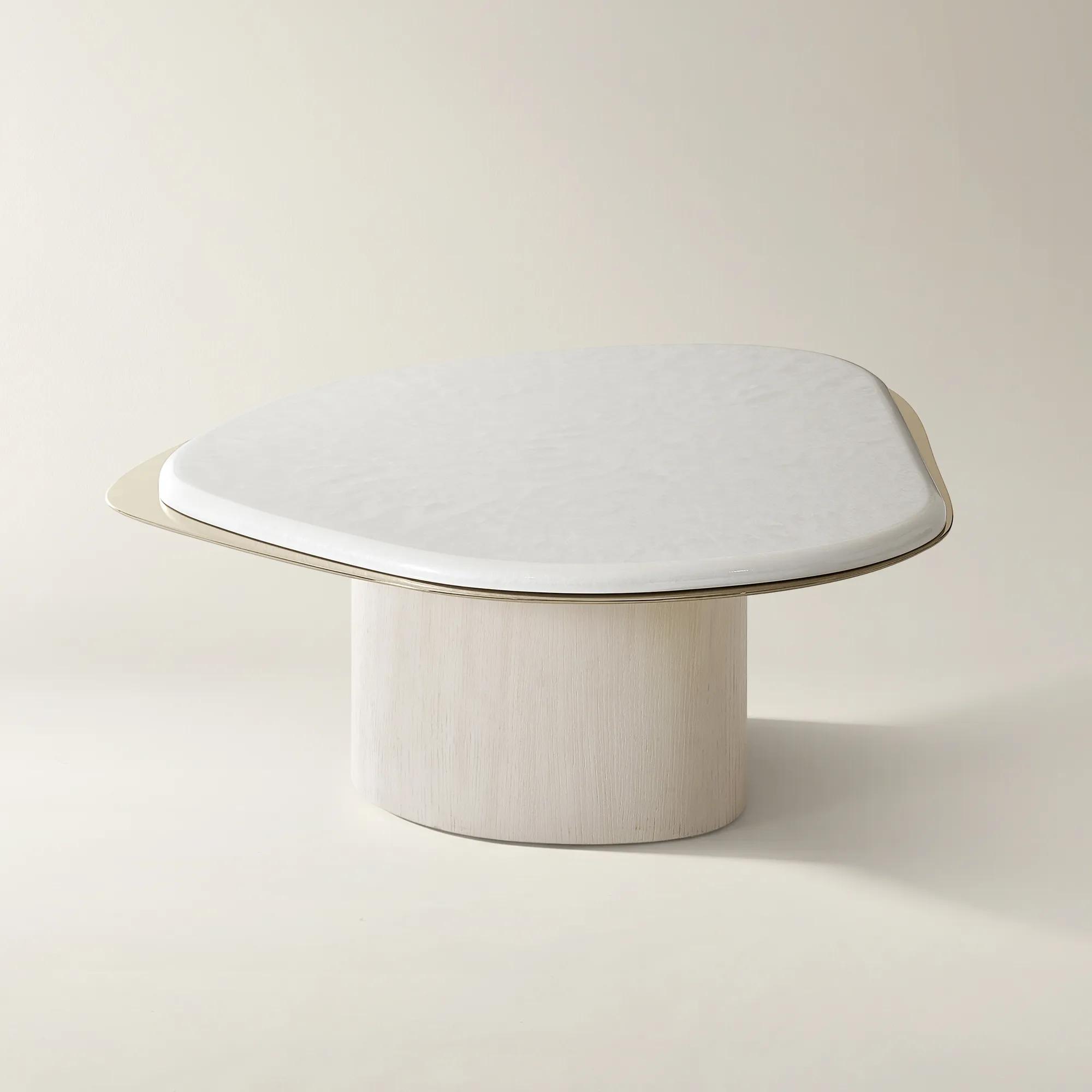
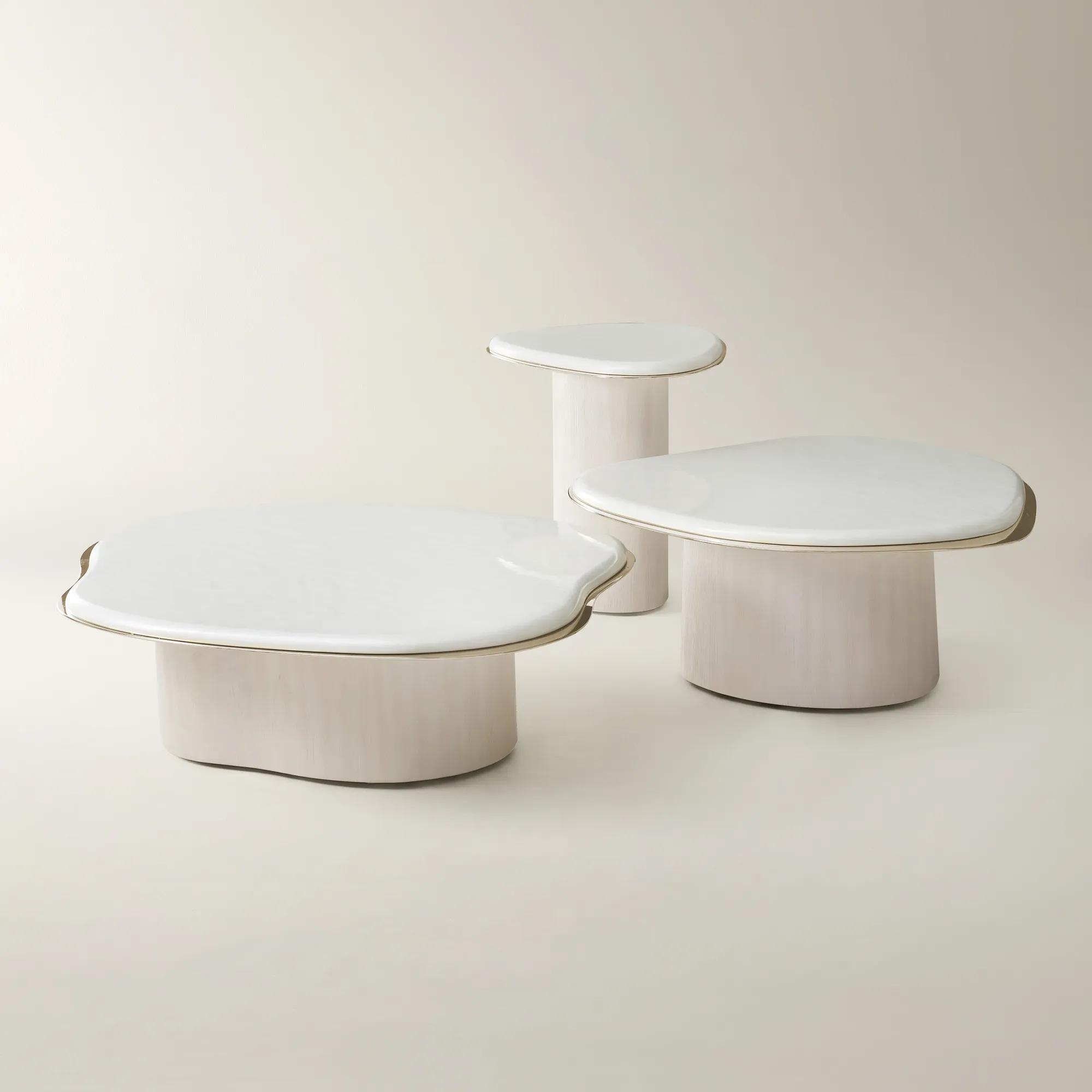
 Lumina Bleached Oak Coffee Table With Pearl Lacquered Top (32")$899
A sculptural coffee table featuring a pearl lacquered top, bleached oak base, and champagne gold trim.
Add To Cart -
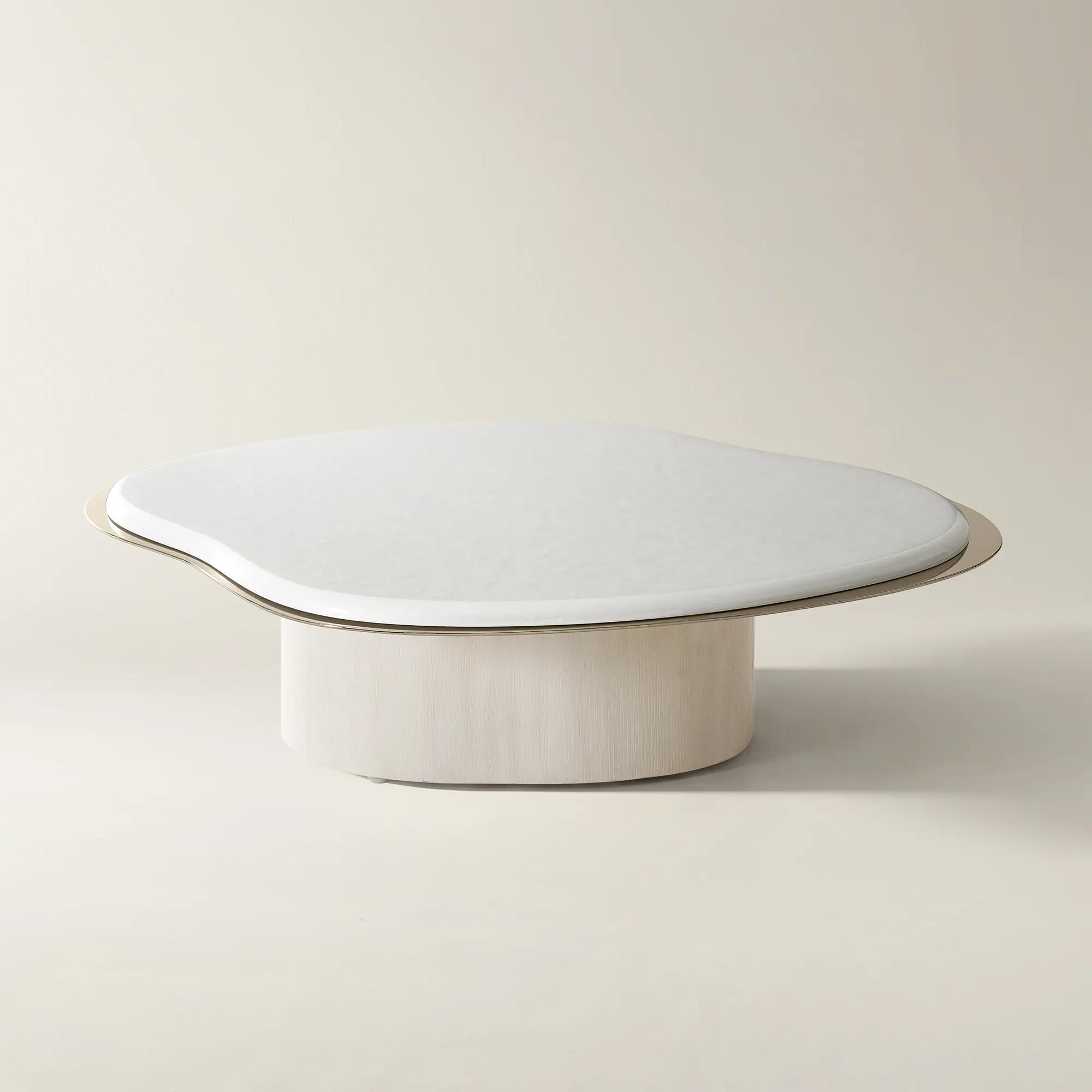
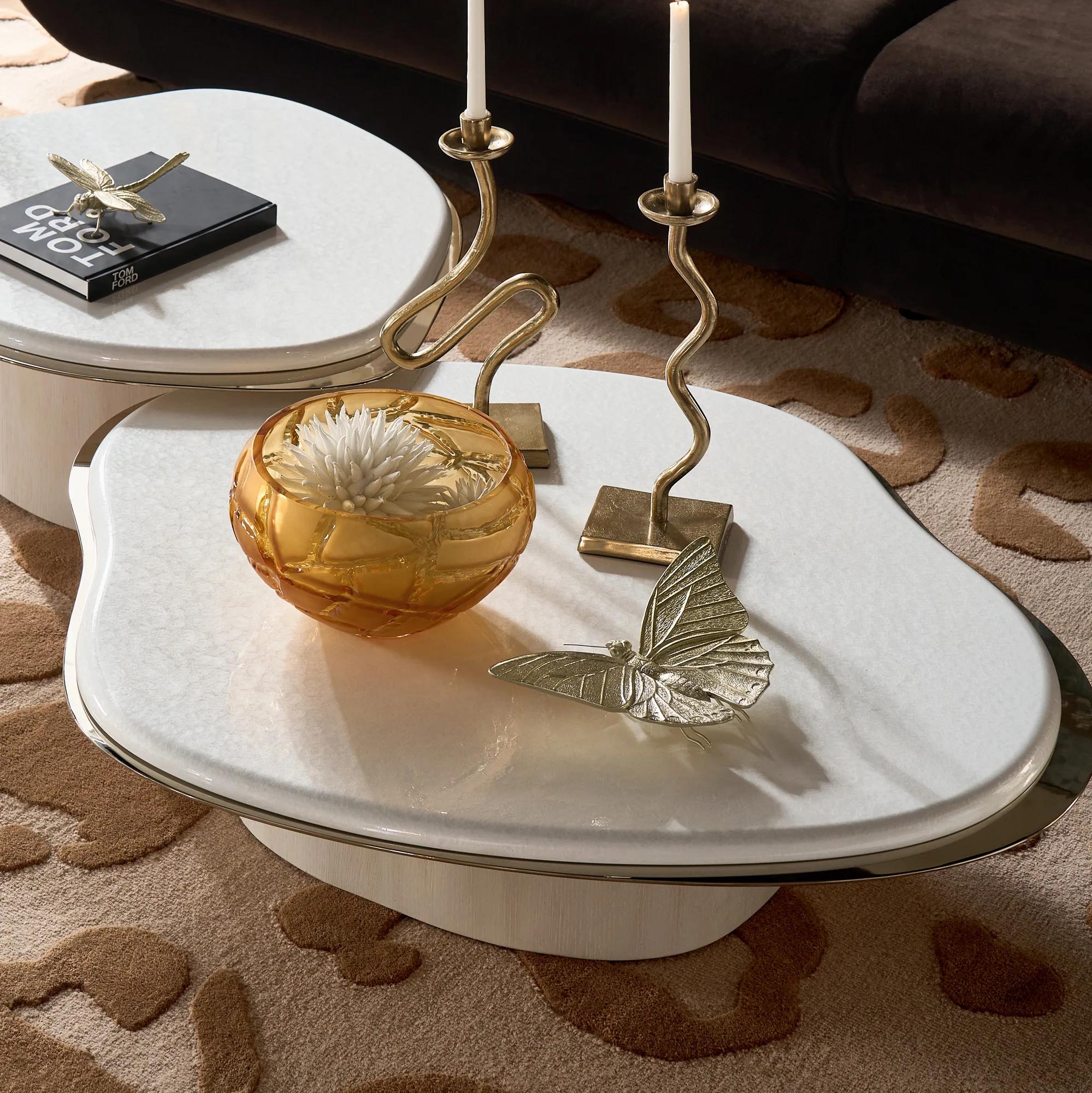 Lumina Bleached Oak Coffee Table With Pearl Lacquered Top (41")$1199
A sculptural coffee table featuring a pearl lacquered top, bleached oak base, and champagne gold trim.
Add To Cart -
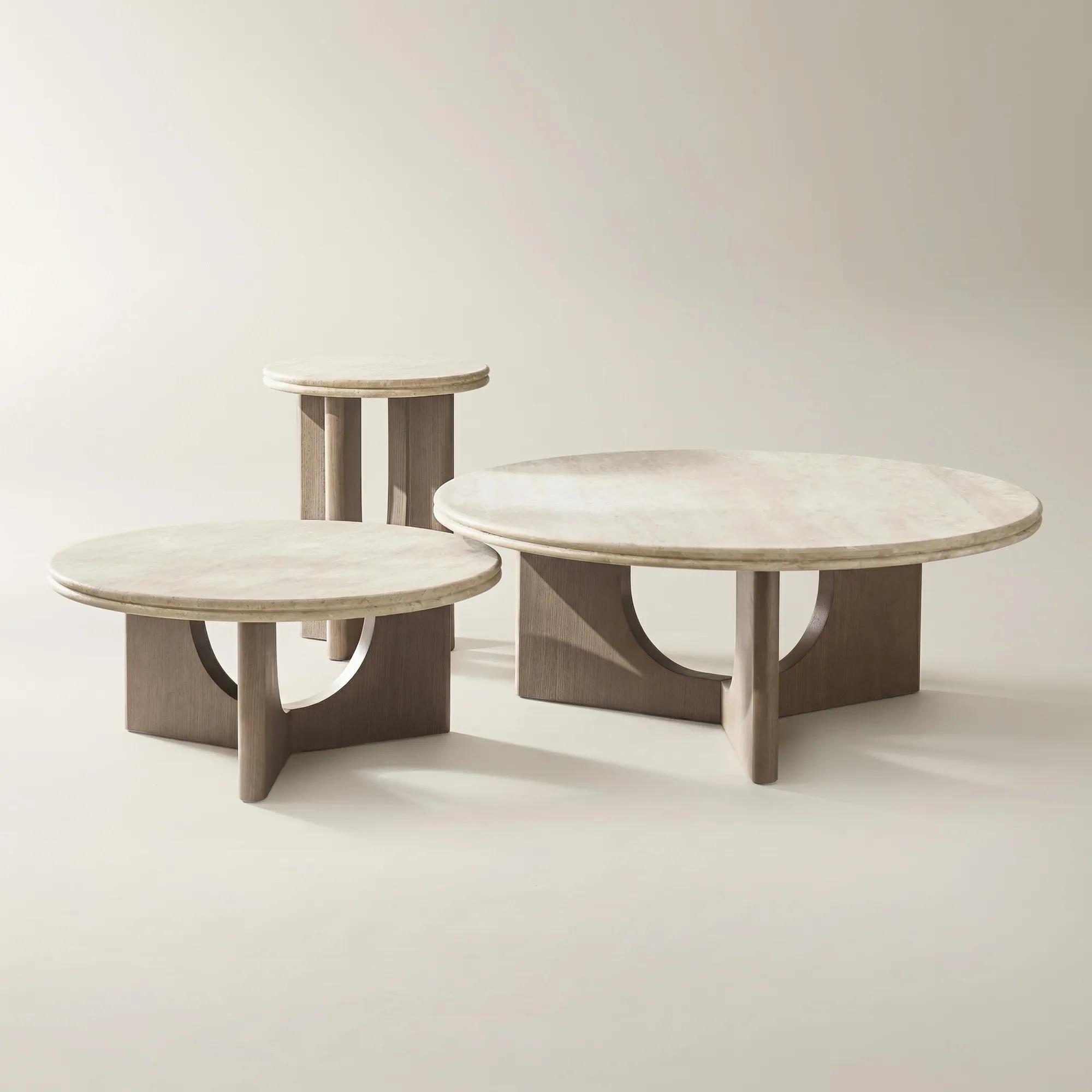
 Bond Round Travertine and Wood Coffee Table Set of 3 (17.72"-41")$2557
A natural-finish nesting coffee table set offering versatile, space-saving surfaces for modern living rooms.
Add To Cart -
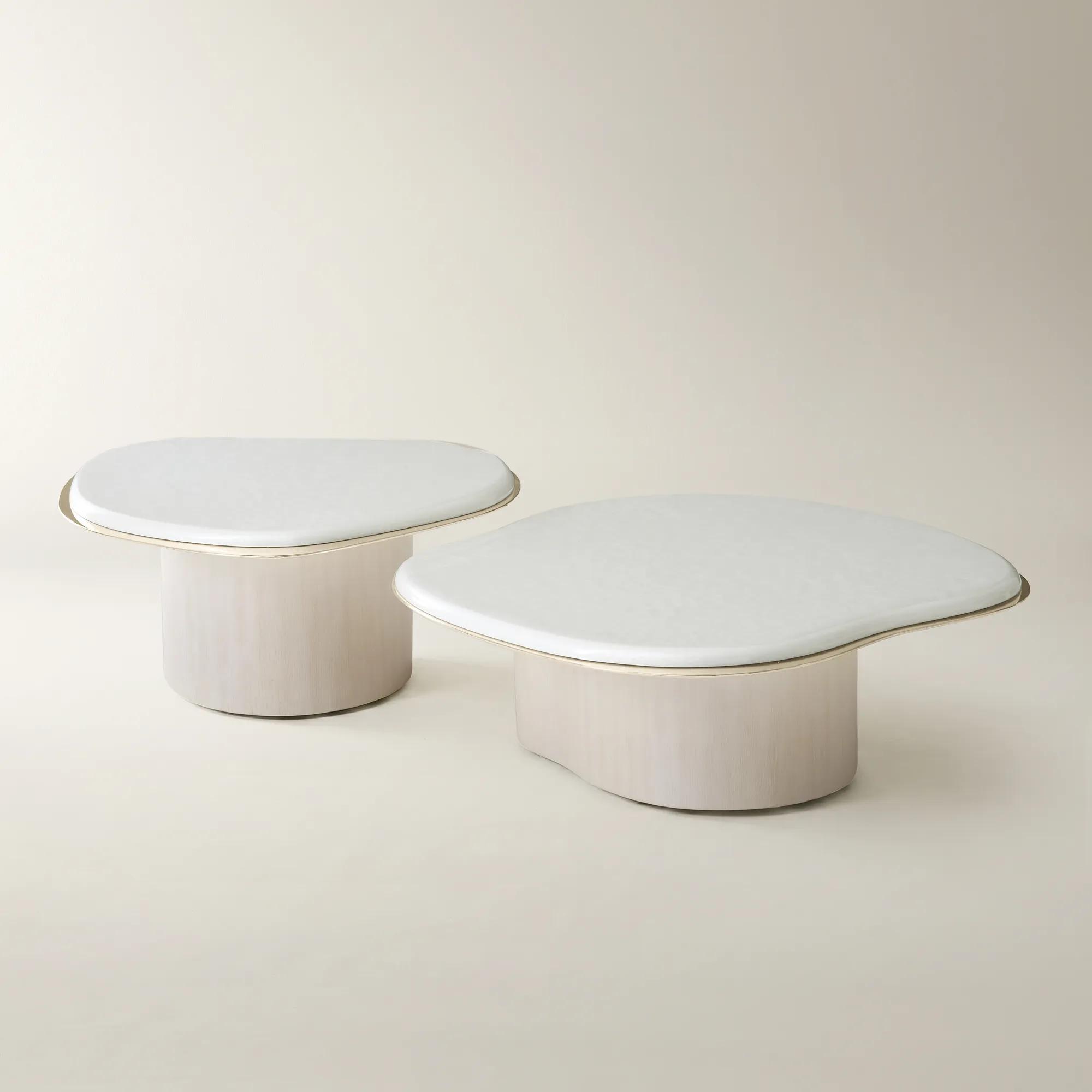 Lumina Bleached Oak Coffee Table Set Of 2$2098
A set of sculptural coffee tables featuring pearl lacquered tops, bleached oak veneer, and champagne gold trim.
Add To Cart -
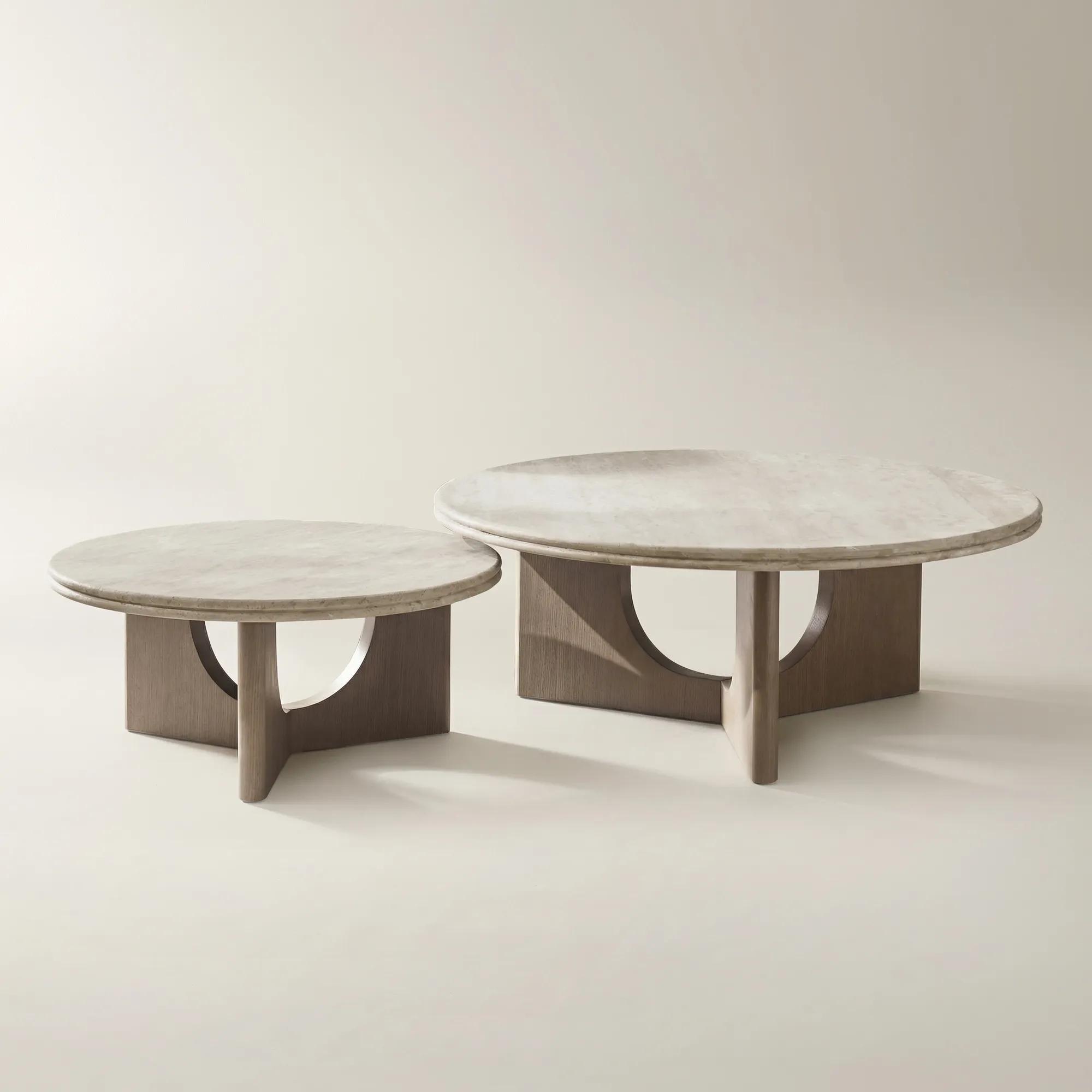
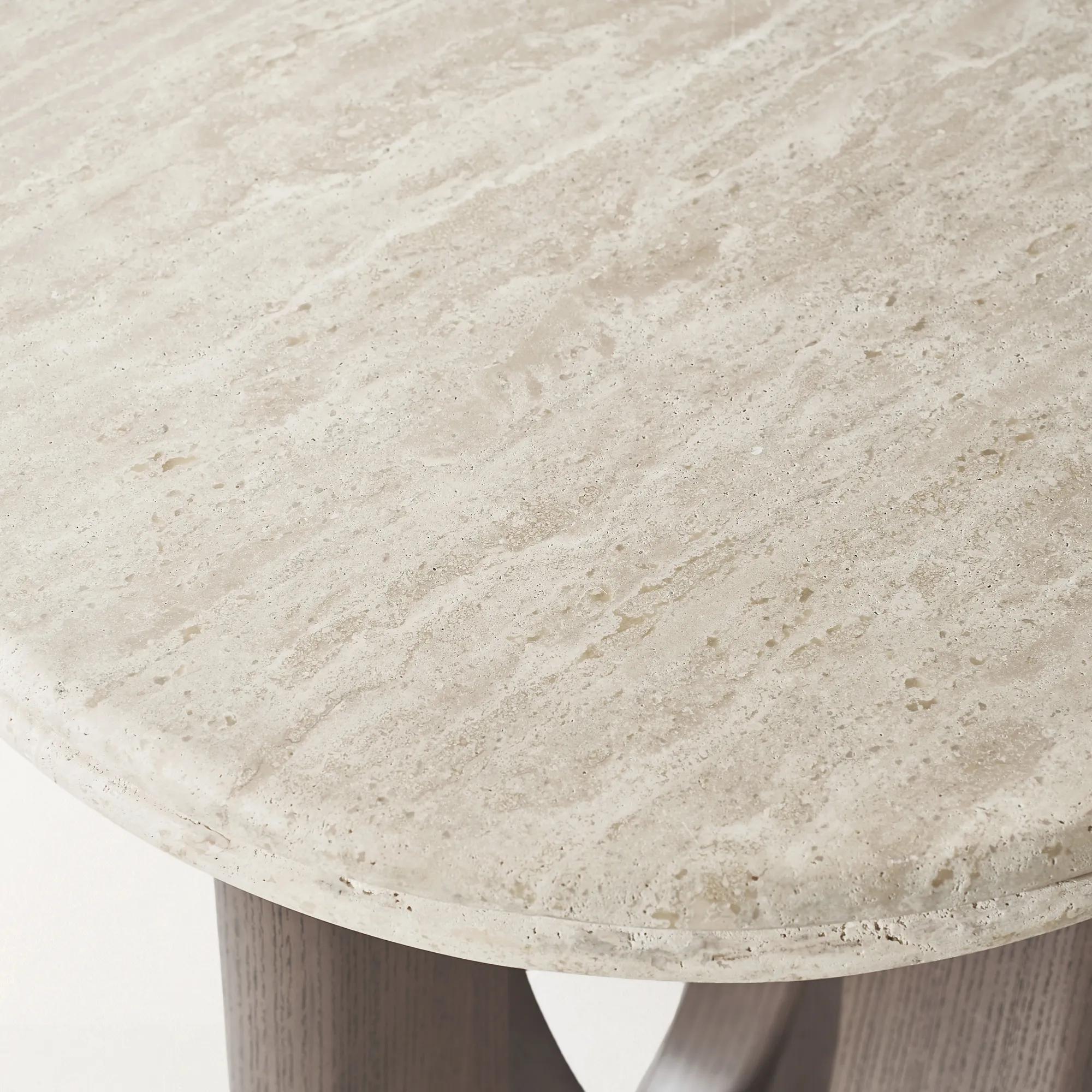 Bond Round Travertine and Wood Coffee Table Set of 2 (29.25"-41")$2098
A natural-finish nesting coffee table set offering versatile, space-saving layering for modern living rooms.
Add To Cart -
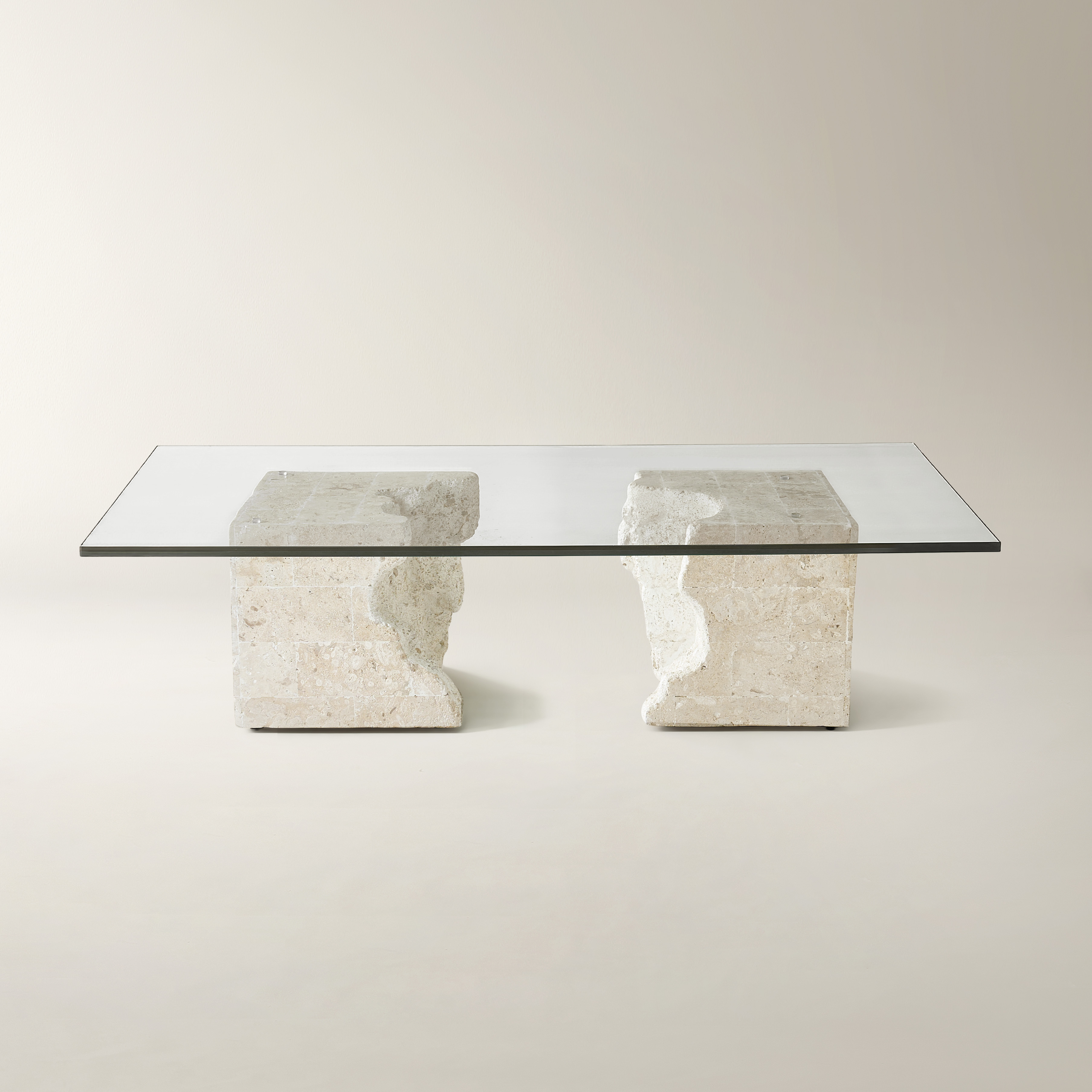 Cairo Rectangular Mactan Stone Coffee Table With Glass Top (63")$1899
A contemporary coffee table featuring a clear tempered glass top floating above hand-carved Mactan stone bases.
Add To Cart -
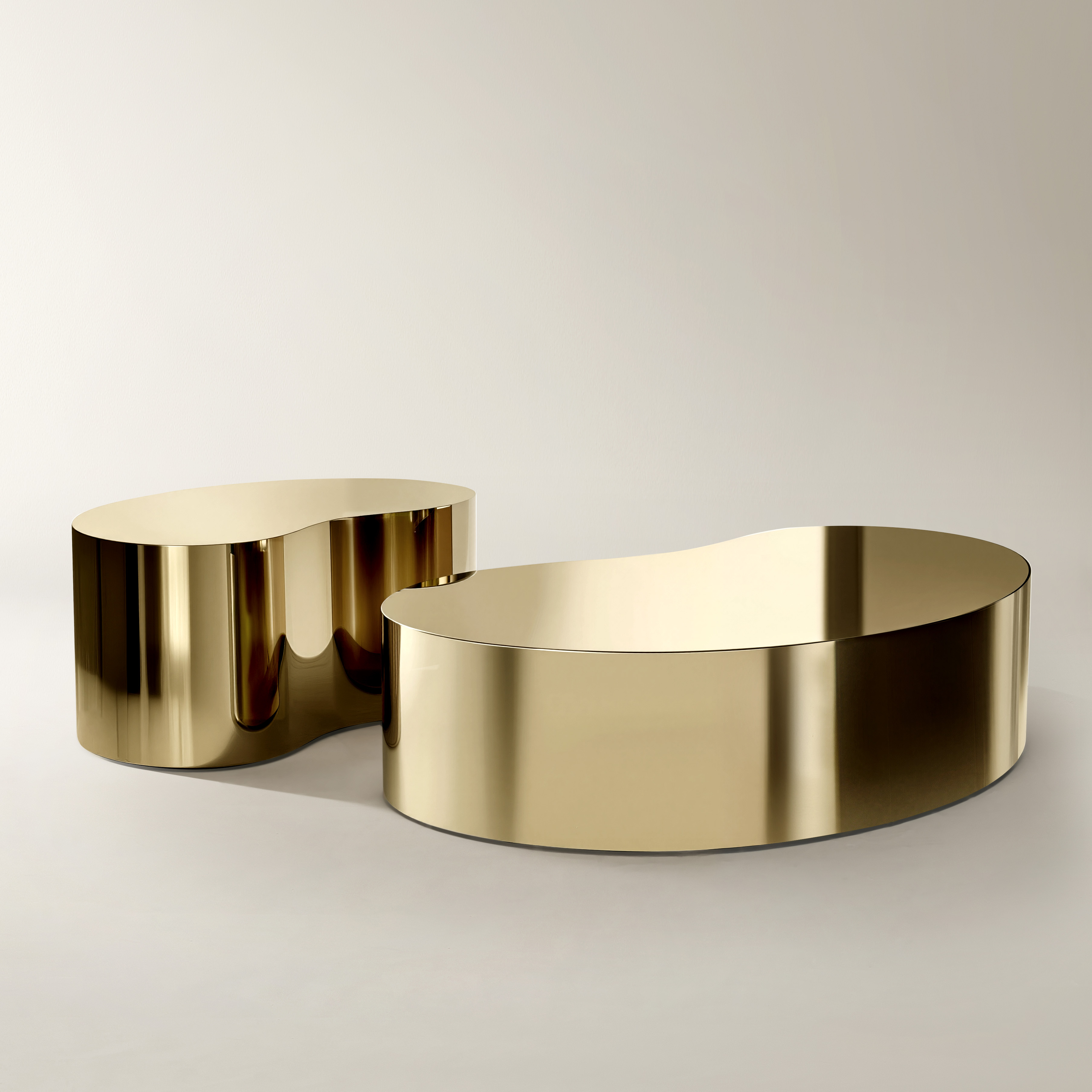 Aurea Soft Gold Coffee Table Set of 2 (37.5"-57")$2398
A sculptural coffee table crafted from premium stainless steel with a radiant, high-gloss soft gold finish.
Add To Cart -
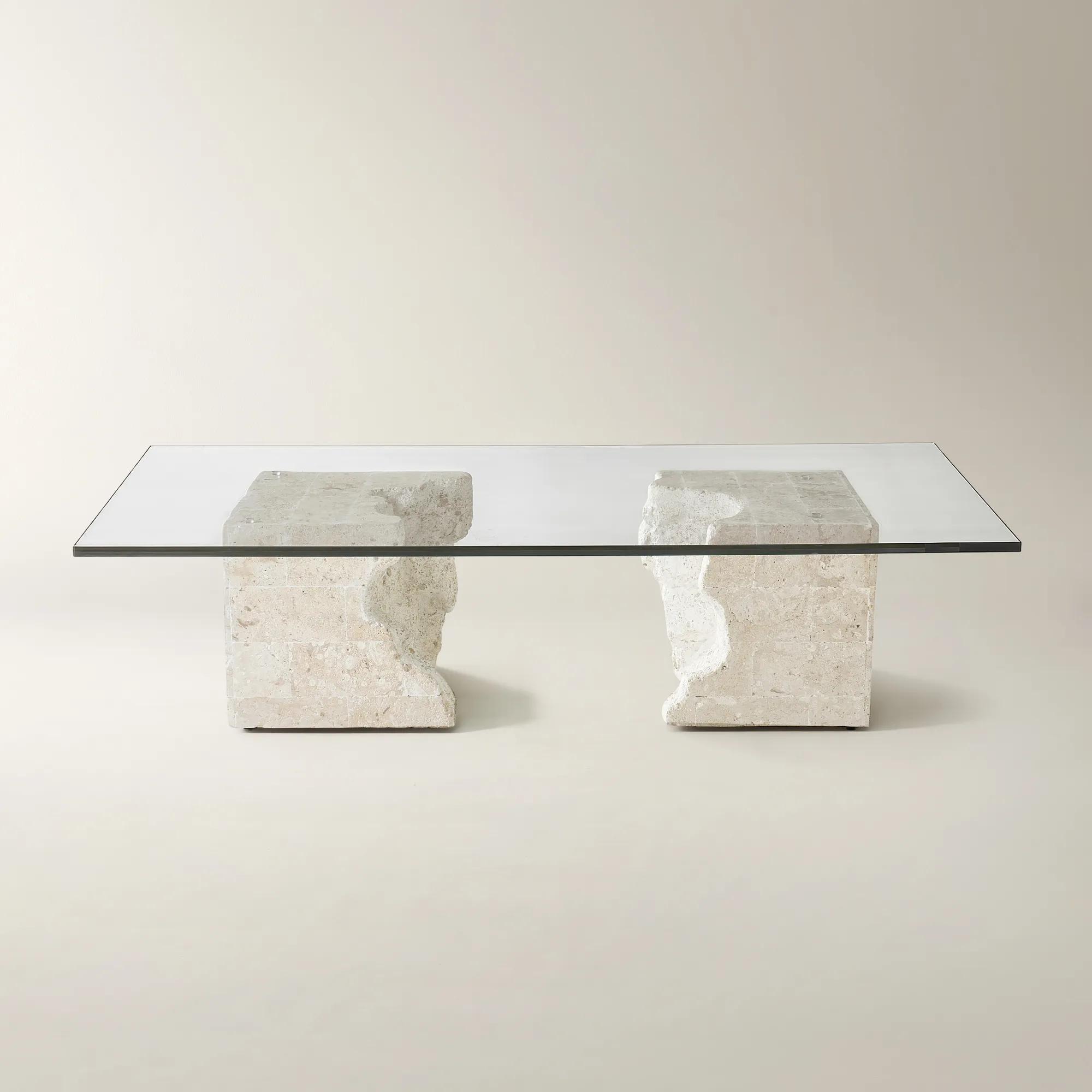 Cairo Rectangular Mactan Stone Coffee Table With Glass Top (70.87")$1999
A contemporary coffee table featuring a clear tempered glass top floating above hand-carved Mactan stone bases.
Add To Cart -
 Lumina Bleached Oak Coffee Table Set Of 3$2597
A sculptural set featuring pearl lacquered tops, bleached oak veneer bases, and champagne gold trim accents.
Add To Cart -
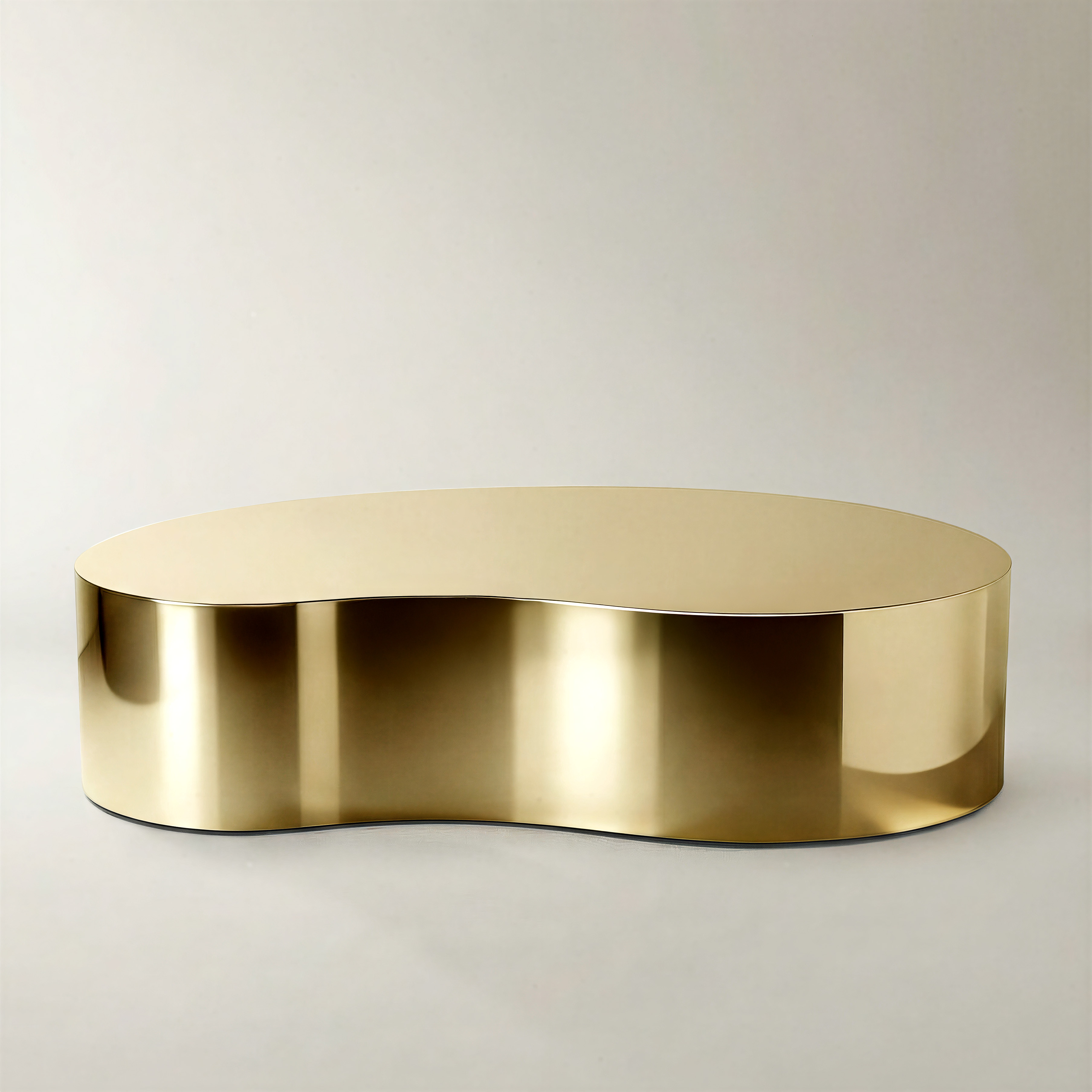 Aurea Soft Gold Coffee Table (57")$1399
A sculptural coffee table crafted from stainless steel with a high-gloss soft gold finish and rounded edges.
Add To Cart -
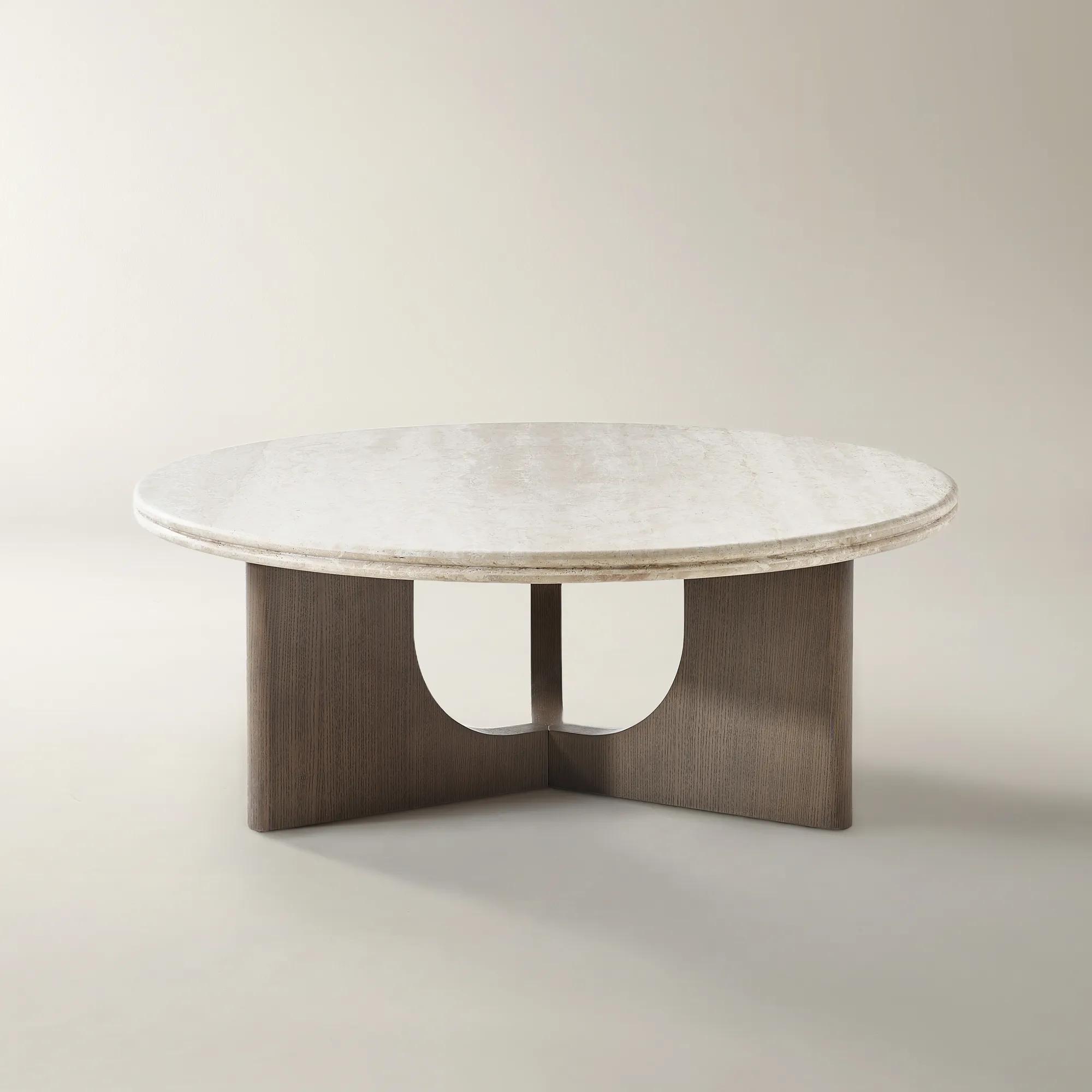 Bond Round Travertine and Wood Coffee Table (41")$1399
A round coffee table featuring a genuine travertine stone top and natural ash wood panel base with arches.
Add To Cart -
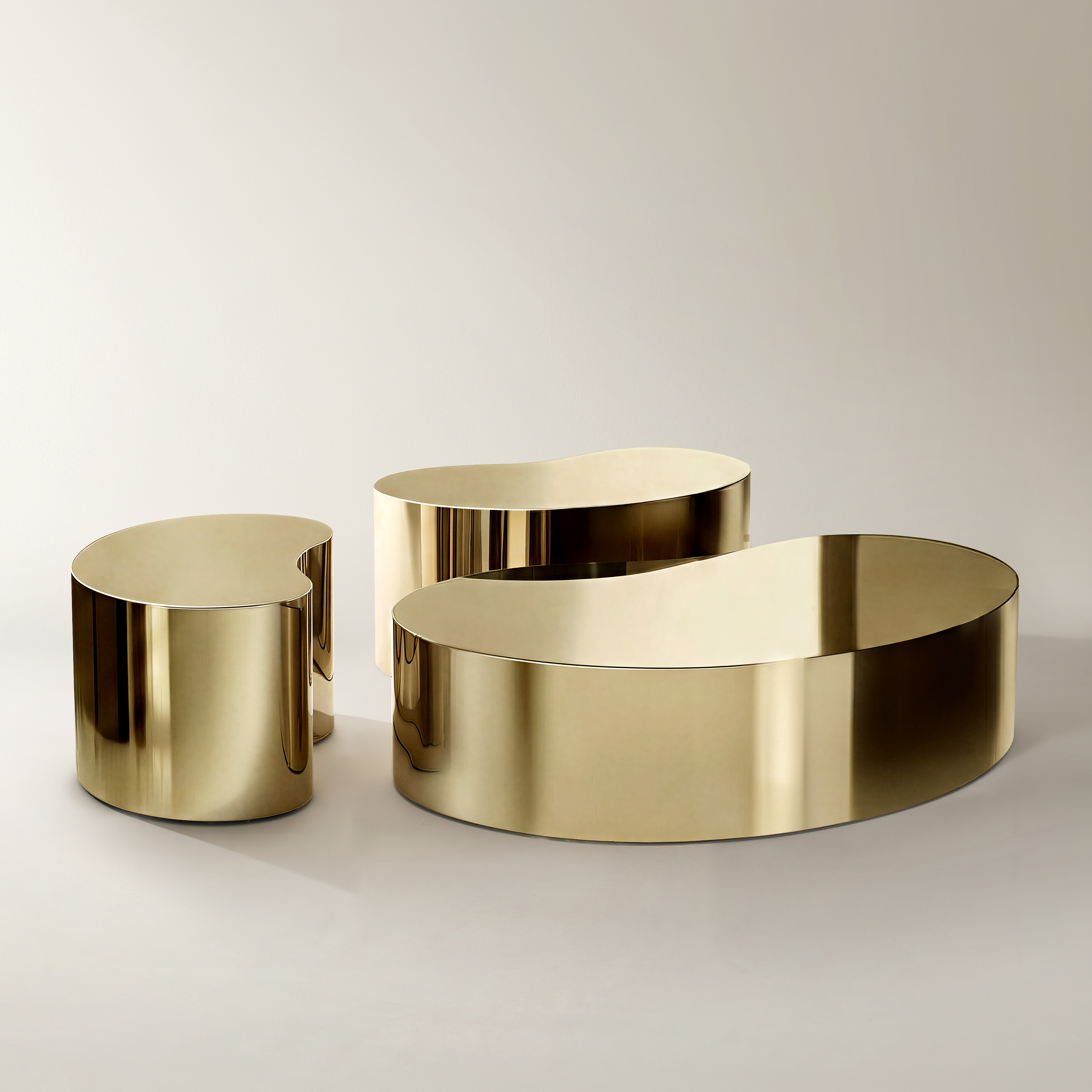 Aurea Soft Gold Coffee Table Set of 3 (32"-57")$3197
A sculptural coffee table crafted from premium stainless steel with a high-gloss, soft gold mirror finish.
Add To Cart -
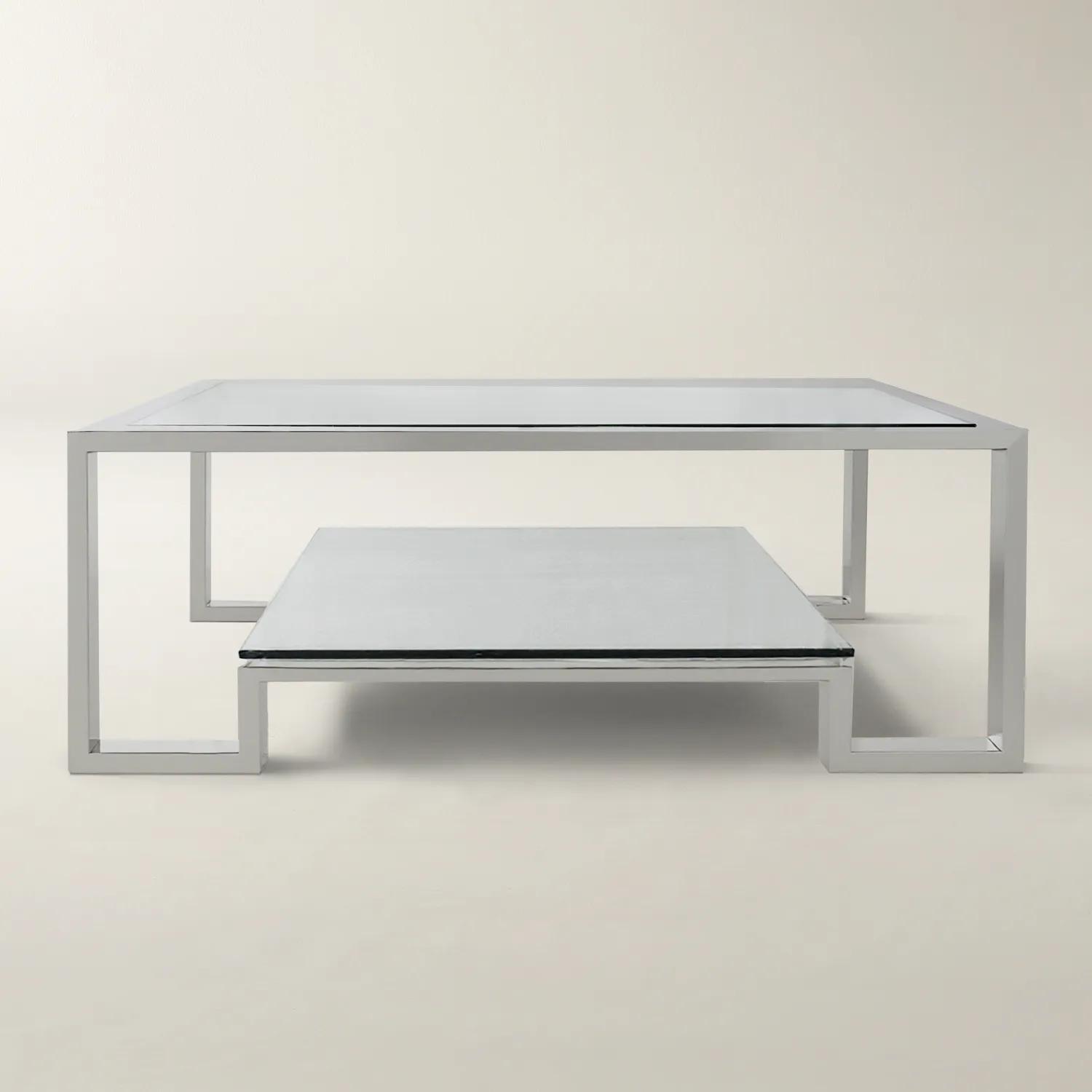
 Duplicity Rectangular Silver Stainless Steel Coffee Table With Glass Top (50")$1399
A modern coffee table featuring a stainless steel frame, tempered glass top, and floating bottom shelf.
Add To Cart -
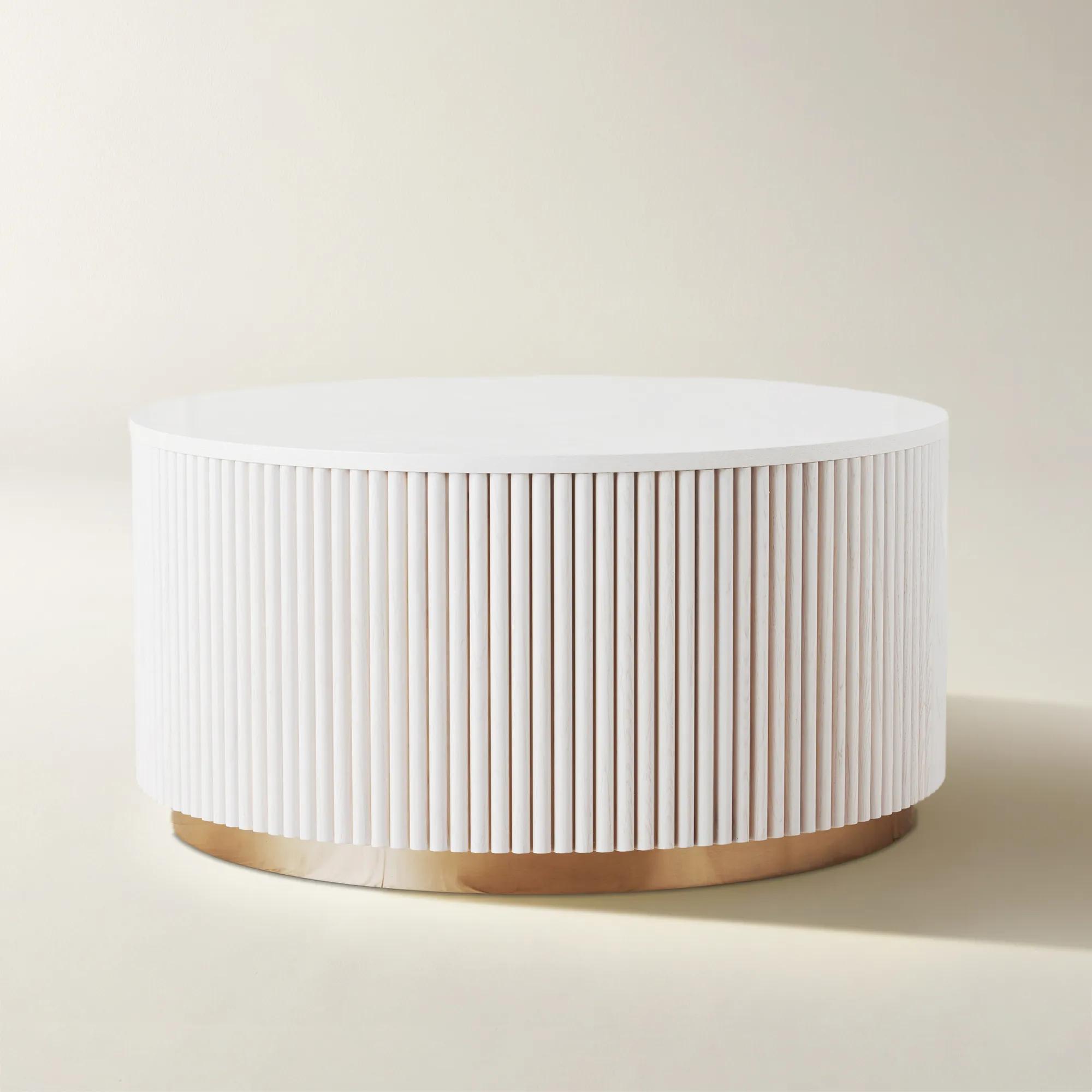
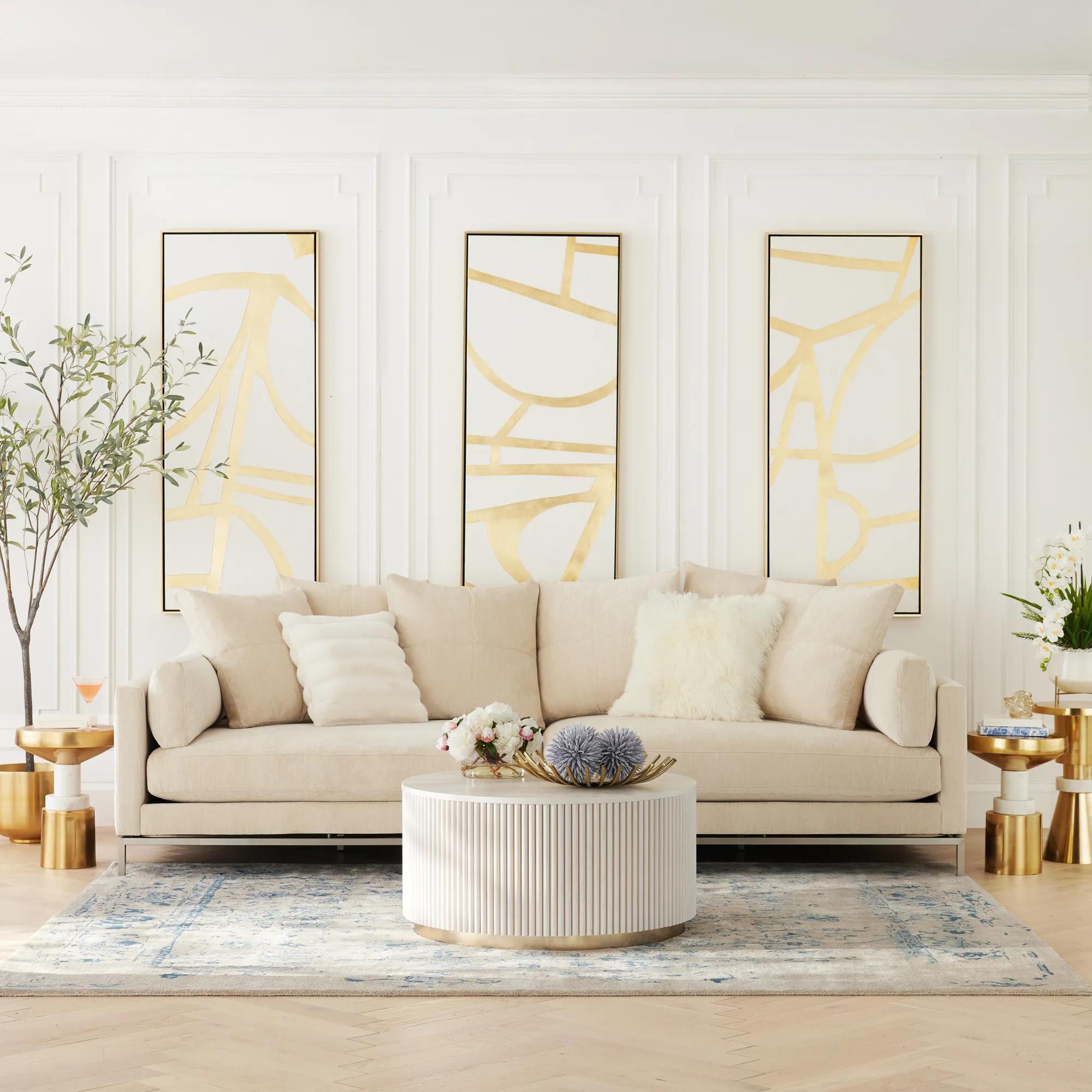 Natalia Round Reeded Whitewashed Ash Wood Coffee Table (36")$1299
A striking coffee table featuring reeded ash wood sides, a smooth top, and a whitewashed finish.
Add To Cart -
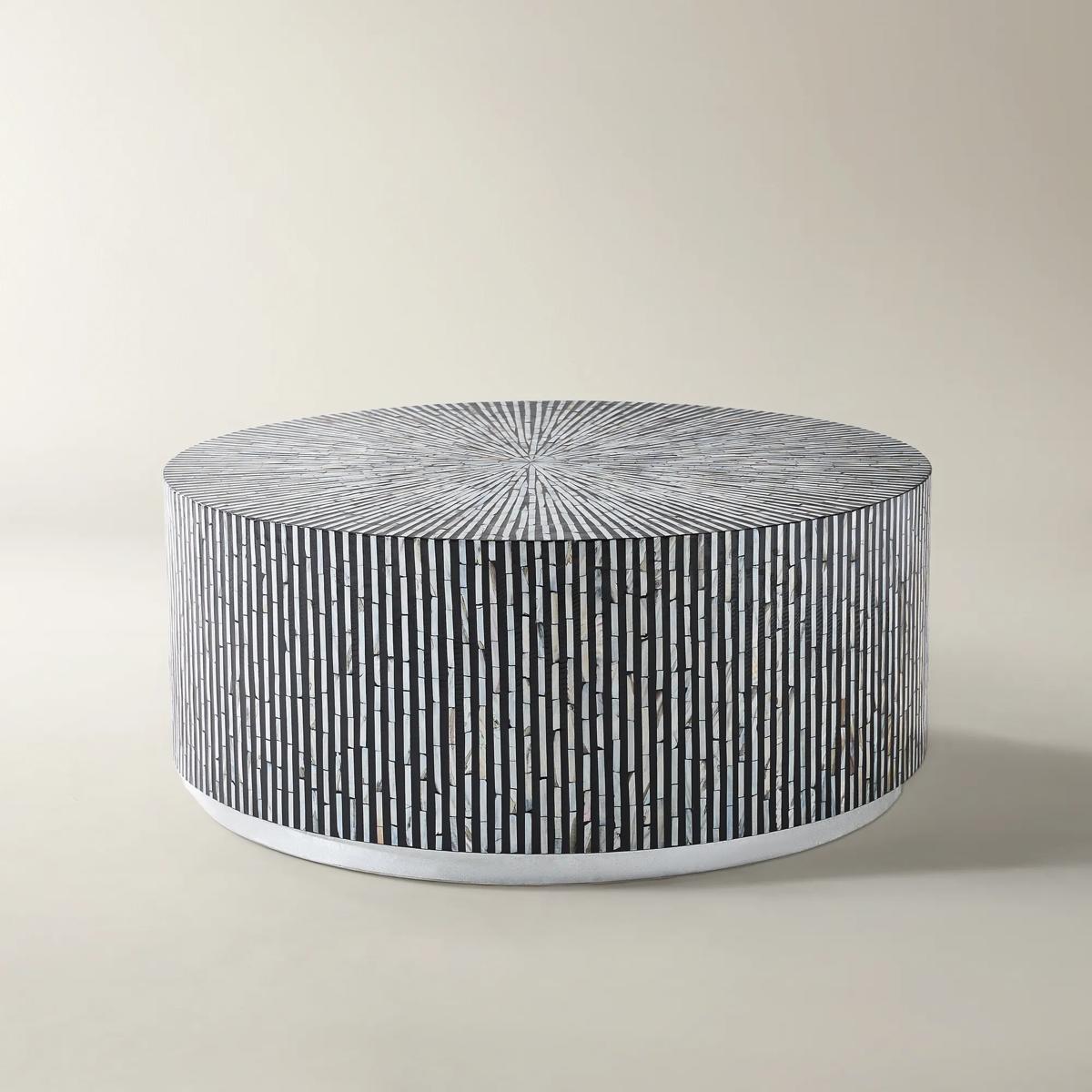
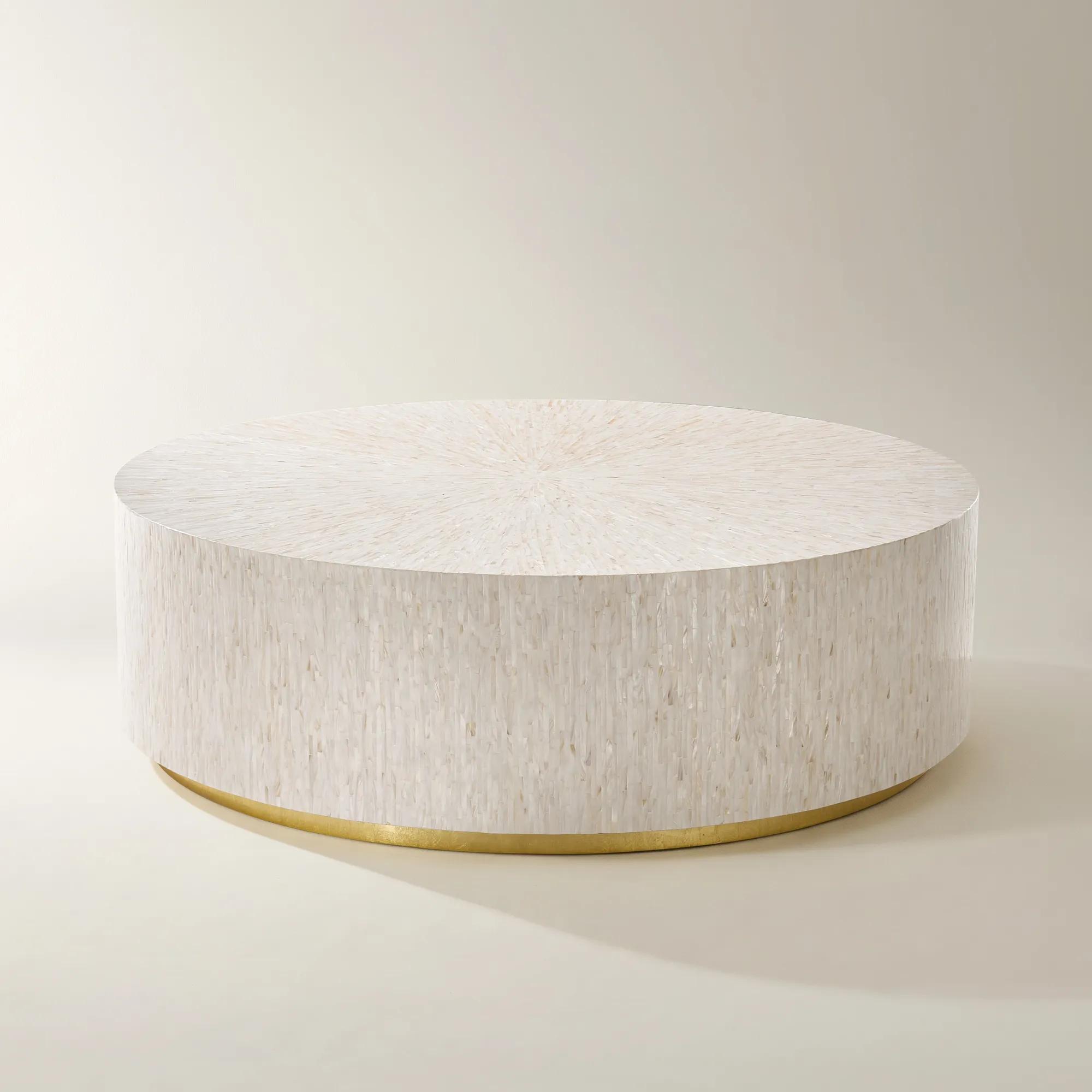
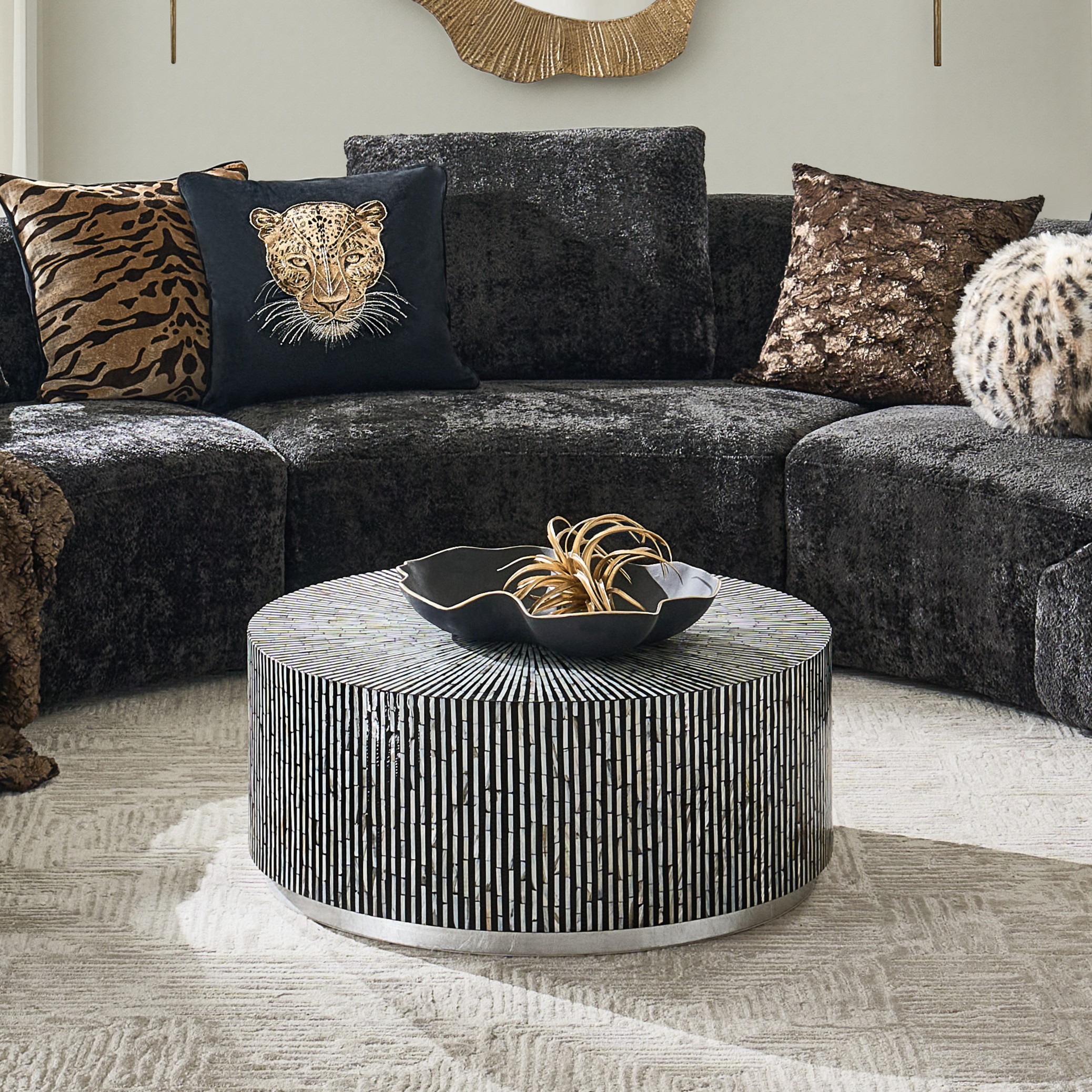 Marina Round Mosaic Black Coffee Table (35.8")$799
A handcrafted round coffee table featuring iridescent mother-of-pearl inlay and a silver leaf base.
Add To Cart -
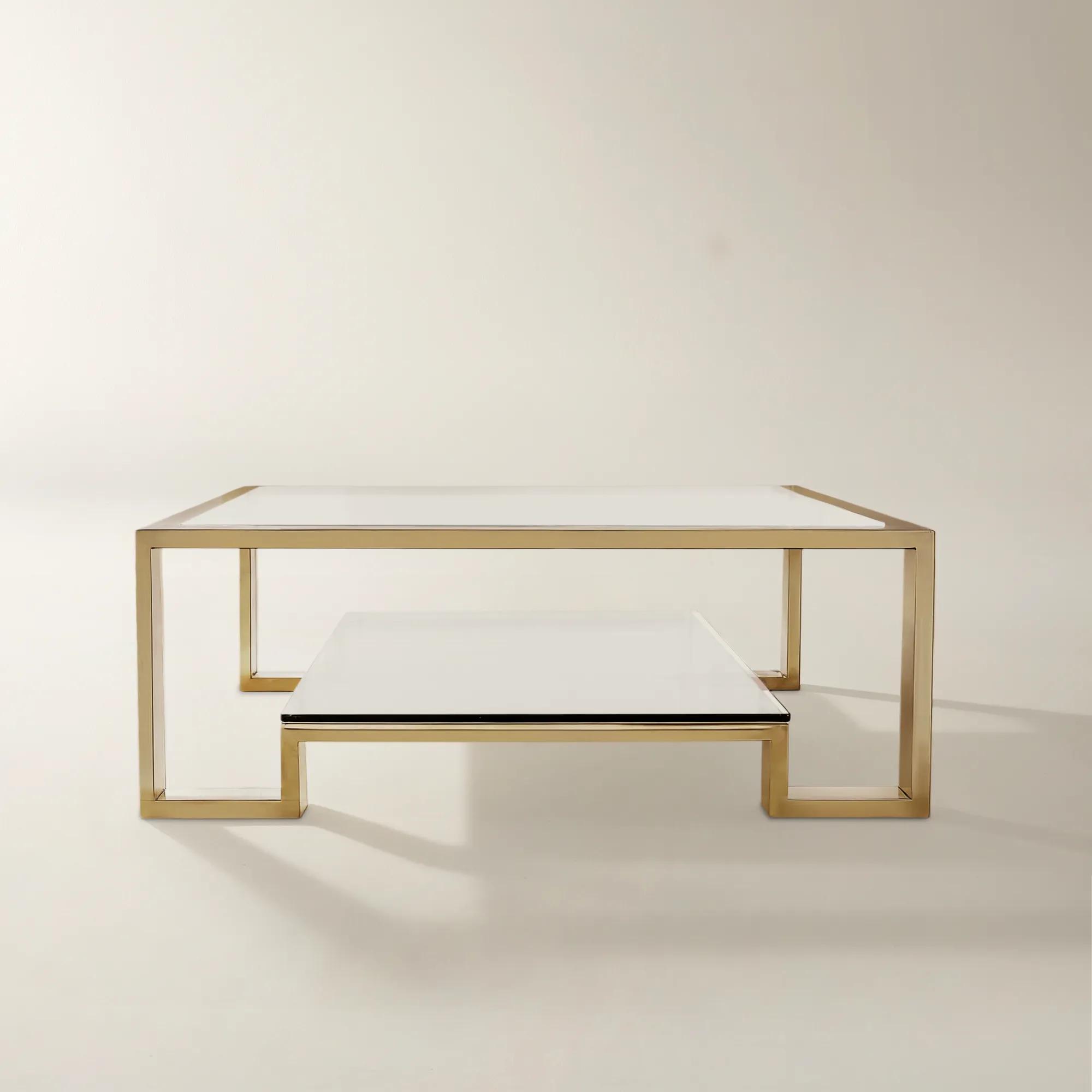 Duplicity Rectangular Gold Stainless Steel Coffee Table With Glass Top (50")$1399
A modern coffee table featuring a stainless steel frame, tempered glass top, and floating storage shelf.
Add To Cart

Low Profile Coffee Tables
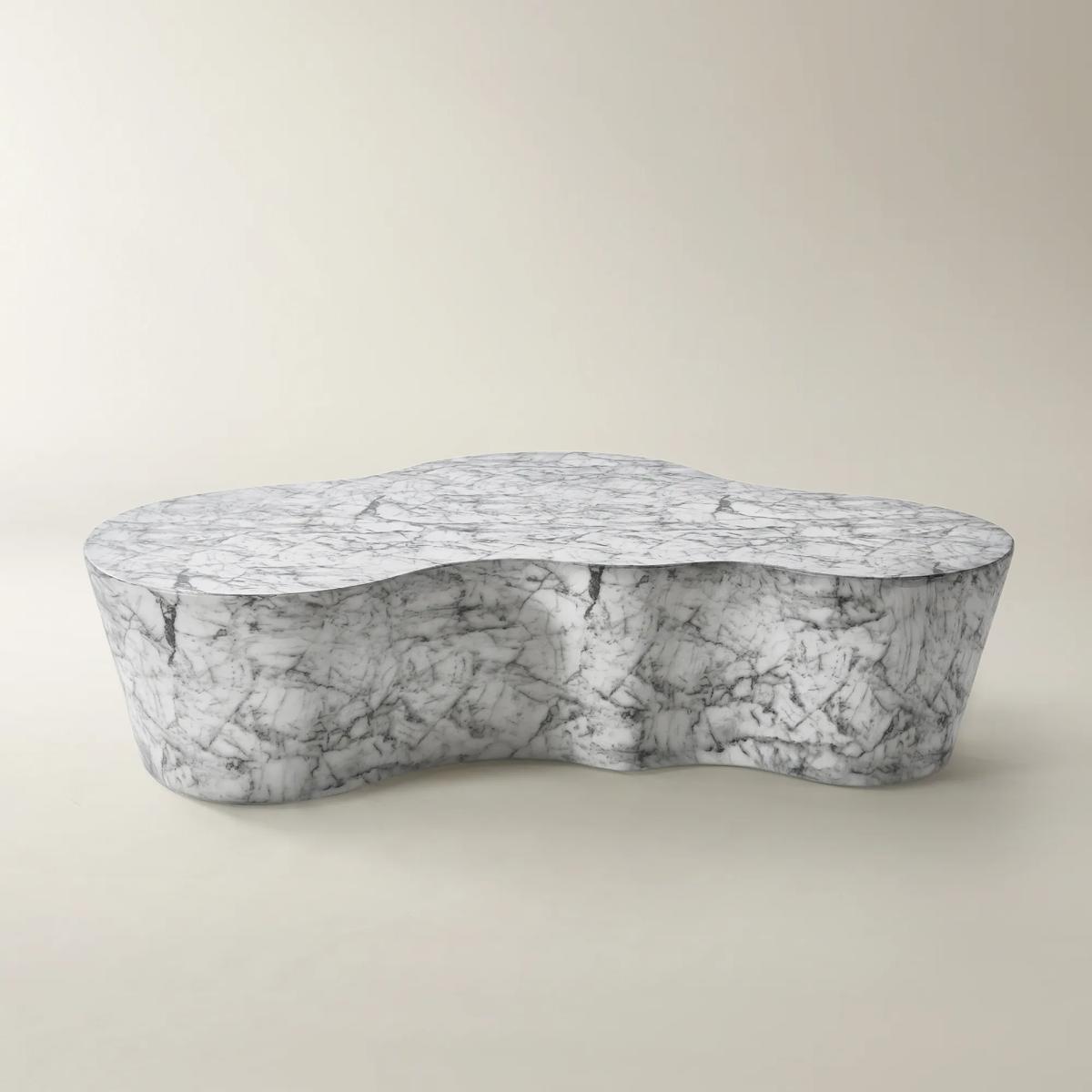
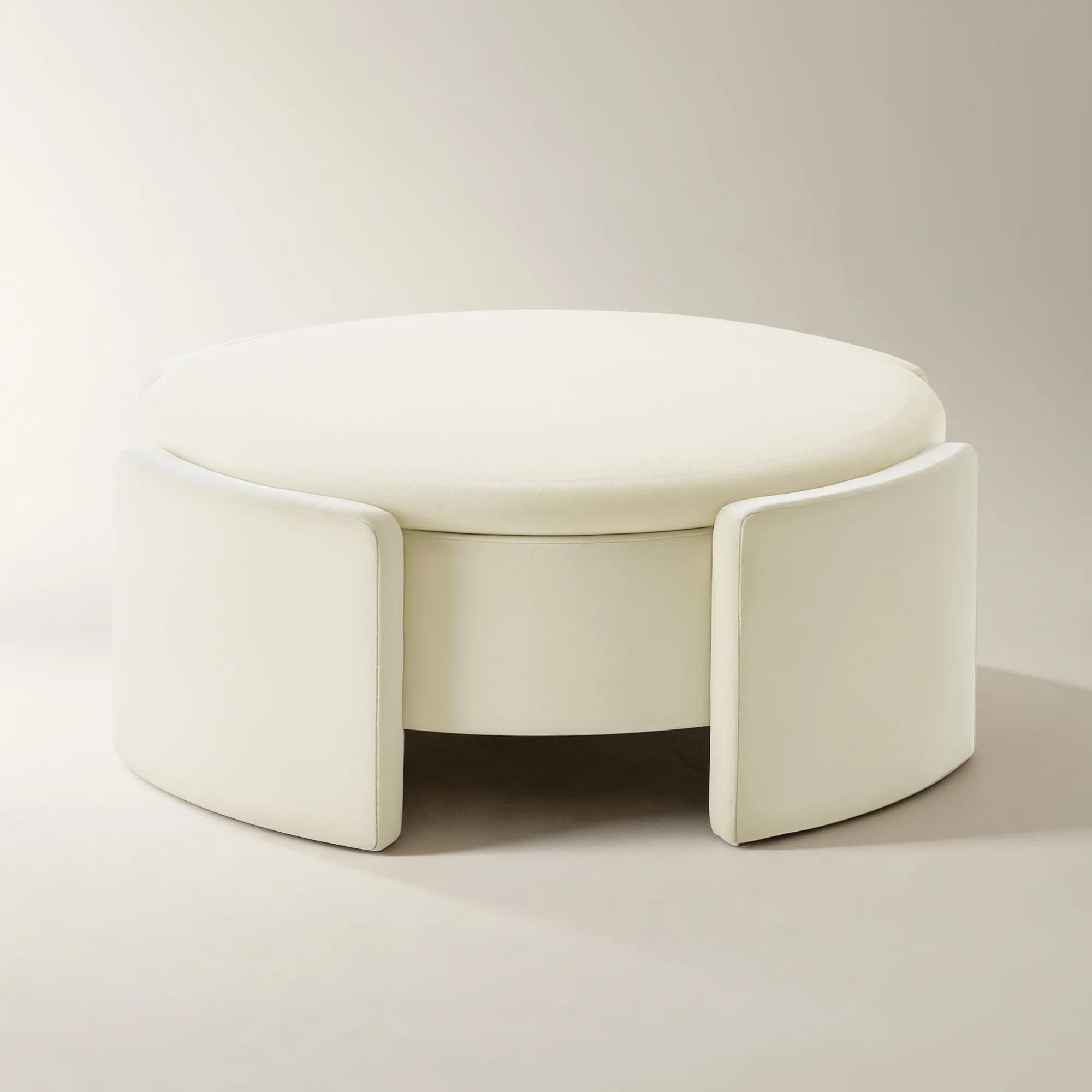
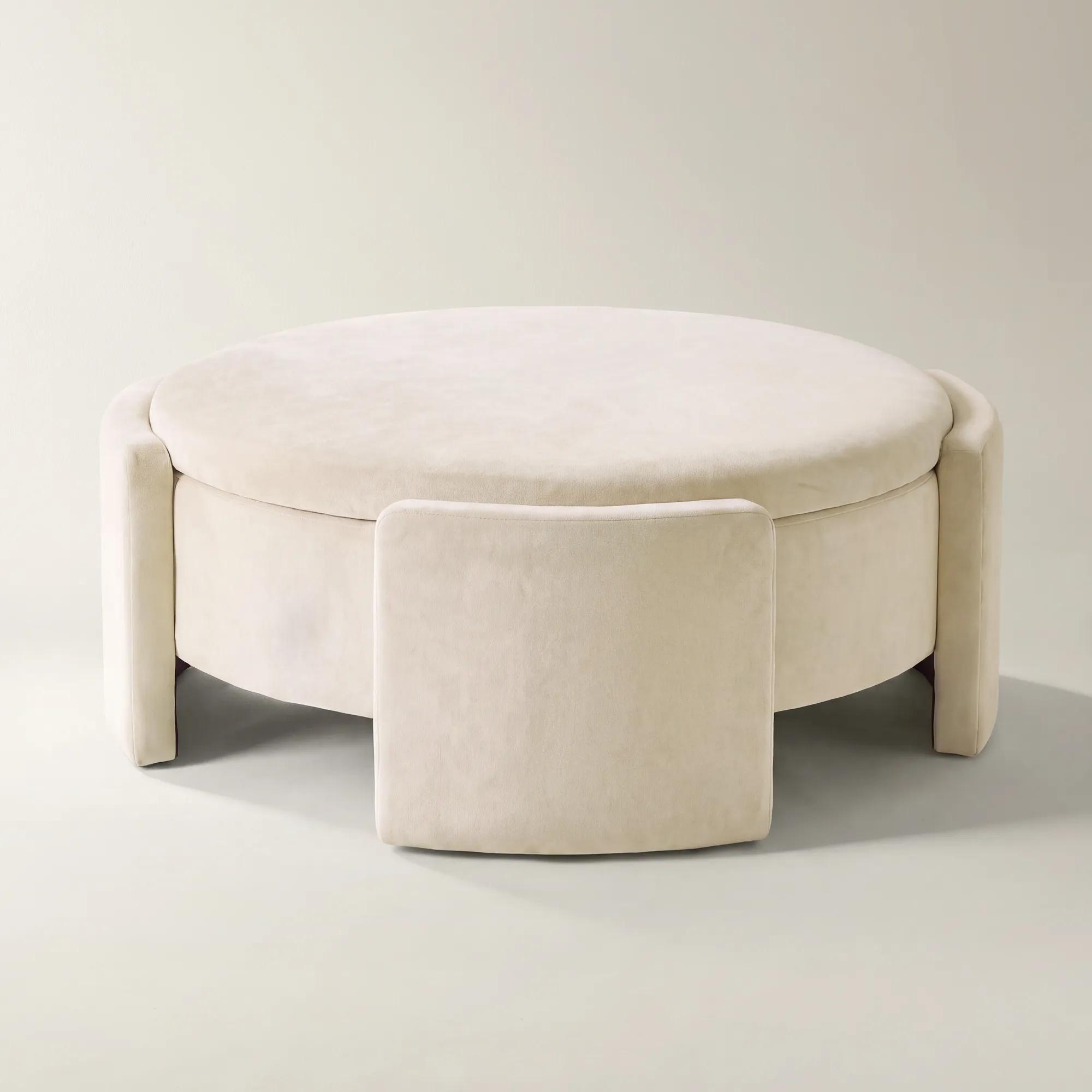
Low profile coffee tables are the epitome of understated glamour, transforming living spaces with their sleek silhouettes and modern allure. These artful foundations invite conversation and anchor your room with a sense of curated sophistication—where every inch is intentional, and every detail whispers luxury. Whether you’re drawn to sculptural lines or crave the drama of minimalist design, low profile coffee tables offer a canvas for bold styling moments, allowing your décor to shine while maintaining an air of effortless elegance. Elevate your living room into a gallery-worthy retreat, where style lives low but speaks volumes.
Low profile coffee tables bring a living room’s center of gravity closer to the floor, creating a broad, sculptural focal point without interrupting the view across the seating area. Many designs stand approximately 12 to 16 inches tall, though “low profile” describes a proportion rather than a standardized height, so individual measurements matter. Their appeal lies in that deliberate horizontal emphasis: a generous tabletop beneath a low-slung sofa, a polished surface catching the glow of a nearby lamp, a substantial silhouette that leaves artwork and upholstery fully in view. These tables feel especially at home beside deep sectionals and lounge seating, where a taller piece can compete with the relaxed lines of the furniture. The result can be richly layered rather than spare. A low rectangular coffee table surrounded by sumptuous upholstery and a dimensional rug gives the room an expansive, composed appearance; a rounded design introduces a softer note among angular furnishings. Height alone does not determine the fit, however. A tabletop roughly level with the sofa’s seat cushion, or about one to two inches lower, is a useful starting point for comfortable reach. A dramatically lower table creates a distinct lounge atmosphere but may require more bending when setting down a glass or reaching for a book. For seating with higher cushions, that trade-off deserves attention. Table length also shapes the composition: approximately two-thirds of the sofa’s length is a common starting proportion, while a sectional calls for measuring the usable space inside its seating arrangement rather than relying on overall width alone. Leaving about 14 to 18 inches between the table and surrounding seating generally provides legroom while keeping the surface accessible. Main walkways may need more clearance. These relationships give low coffee tables their quiet authority, allowing an expressive centerpiece to feel intentional rather than crowded, whether the setting is an intimate sitting room or a generous space arranged for conversation.
Materials give low profile coffee tables much of their character, particularly because a broad top places texture, veining, and finish directly in view. Wood brings depth and warmth to the composition, from richly figured grain to smooth, dark surfaces that frame decorative objects with striking contrast. Solid wood can develop character over time and may be refinishable depending on its construction and finish; wood veneer offers the beauty of natural grain over a supporting core, with care requirements that depend on the complete piece. Both benefit from protection against standing moisture, excessive heat, and prolonged direct sunlight. Stone introduces a different kind of drama. Marble and other natural stones feature variations in pattern and color that can make the tabletop feel like an artwork, but their substantial appearance should not be confused with resistance to every kind of wear. Marble is vulnerable to acidic spills and can stain, so coasters, prompt cleanup, and any recommended sealing are important. Engineered stone surfaces vary in composition and performance and should be maintained according to their care instructions. Glass lends visual lightness to a wide footprint, allowing a sculptural base or richly textured rug to remain part of the scene. It also reveals fingerprints and requires care around exposed edges. Metal can create a gleaming accent or a deep, matte counterpoint; resistance to scratches and discoloration depends on the metal and its finish. Lacquered and mirrored surfaces heighten the sense of polish, but abrasive cleaners and rough decorative bases can compromise their sheen. Across materials, a soft cloth, protective pads beneath accessories, and cleaners approved for the particular surface help preserve the finish. Durability also comes from construction: secure connections, a stable base, and a tabletop suited to everyday use matter as much as appearance. In a frequently used family room, rounded corners and balanced support may be especially valuable, although no shape makes a table childproof. A low coffee table remains furniture for drinks, books, and display—not a seat, step, or footrest unless expressly designed for that purpose.
Shape and base design determine how that material presence lives within the room. Rectangular low profile coffee tables echo the length of a sofa and provide an extended surface for serving trays, books, and a carefully chosen arrangement. Square silhouettes can anchor the open center of a large sectional, creating a substantial platform that feels proportionate to deep seating. Round and oval tables soften the geometry of the room and remove projecting corners from tighter routes, though their full footprint still needs sufficient clearance. A pedestal or plinth base creates a grounded, architectural impression, while slender legs or a recessed support can make the top appear to hover. That distinction matters in a smaller room: a low table preserves sightlines, but a broad, solid form can still feel visually substantial. Open bases reveal more of the floor and rug, lending the arrangement a different sense of depth. Everyday habits deserve equal consideration. A household that entertains often may favor enough uninterrupted surface for glasses and small plates; a dedicated reading corner may need little more than space for a substantial book and a cup. For floor seating, a very low table can create an inviting gathering place, provided the height, underside clearance, and surrounding cushions suit the intended use. Low tables are generally less comfortable for extended laptop work or meals from a conventional sofa, where a higher or adjustable surface may better support posture. For rooms that ask more of the central surface, Modern Functional Coffee Tables offer a related direction to explore, with practical considerations such as storage and adaptable use informing the selection. Styling should leave room for living: a shallow tray can gather smaller objects, a short stack of art books adds dimension, and one sculptural accent gives the eye a place to rest. Keeping taller arrangements off the central sightline preserves the conversational ease that makes a low silhouette so compelling. With thoughtful proportions and a finish that suits daily routines, the table becomes both a useful gathering point and a confident expression of the room’s personality.
FAQs
Low profile coffee tables are exceptionally versatile, making them a striking addition to a range of interiors. They shine in modern and contemporary spaces, where their streamlined silhouettes complement clean lines and open layouts. Yet, their understated elegance also pairs beautifully with eclectic, transitional, or even glam-inspired rooms, especially when crafted in luxe materials like marble, glass, or metallic finishes. For those who love to layer textures and play with scale, a low profile table can ground a maximalist vignette or soften a dramatic seating arrangement.
To create a sophisticated tablescape, layer decorative elements with intention. Start with a statement tray to anchor the arrangement, then add a curated mix of art books, sculptural objects, and a vase of fresh or dried florals. Candles in metallic holders or a set of crystal coasters can add a touch of glamour. Play with height and texture, but leave enough surface space for practical use—balancing beauty and function is key to a polished, inviting look.
A low profile coffee table makes a thoughtful and memorable gift for design enthusiasts, new homeowners, newlyweds, or anyone embarking on a fresh chapter in their living space. Its blend of artistry and practicality suits those who love to entertain, curate their interiors, or simply enjoy moments of everyday luxury. The table’s dramatic presence and versatility ensure it will be cherished for years to come.
Popular materials include lustrous metals like gold and chrome, rich woods with distinctive grain, and opulent surfaces such as marble, glass, or lacquer. Mirrored finishes add a glamorous edge, while mixed-material designs offer a bold, contemporary twist. Each material brings its own mood—choose one that complements your room’s palette and amplifies your personal sense of style.
A low profile coffee table can transform the ambiance by creating a sense of openness and flow. Its modest height draws the eye horizontally, making the room feel more expansive and inviting. Whether bathed in natural light or illuminated by a statement lamp, the table becomes a stage for artistry—showcasing curated objects, reflecting textures, and setting a mood that is both welcoming and visually captivating.