Fiber Fill Dining Chairs
Fiber Fill Dining Chairs
-
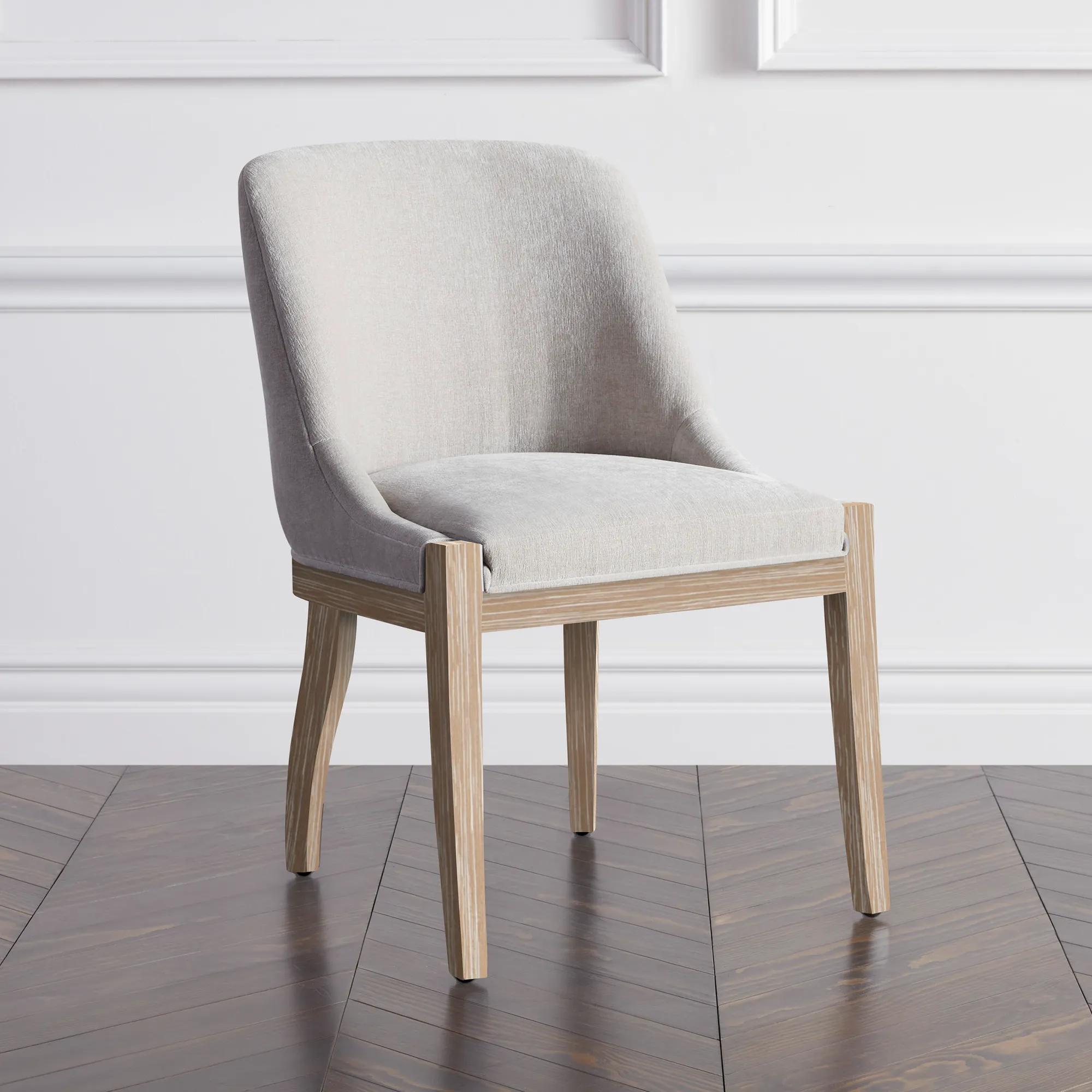
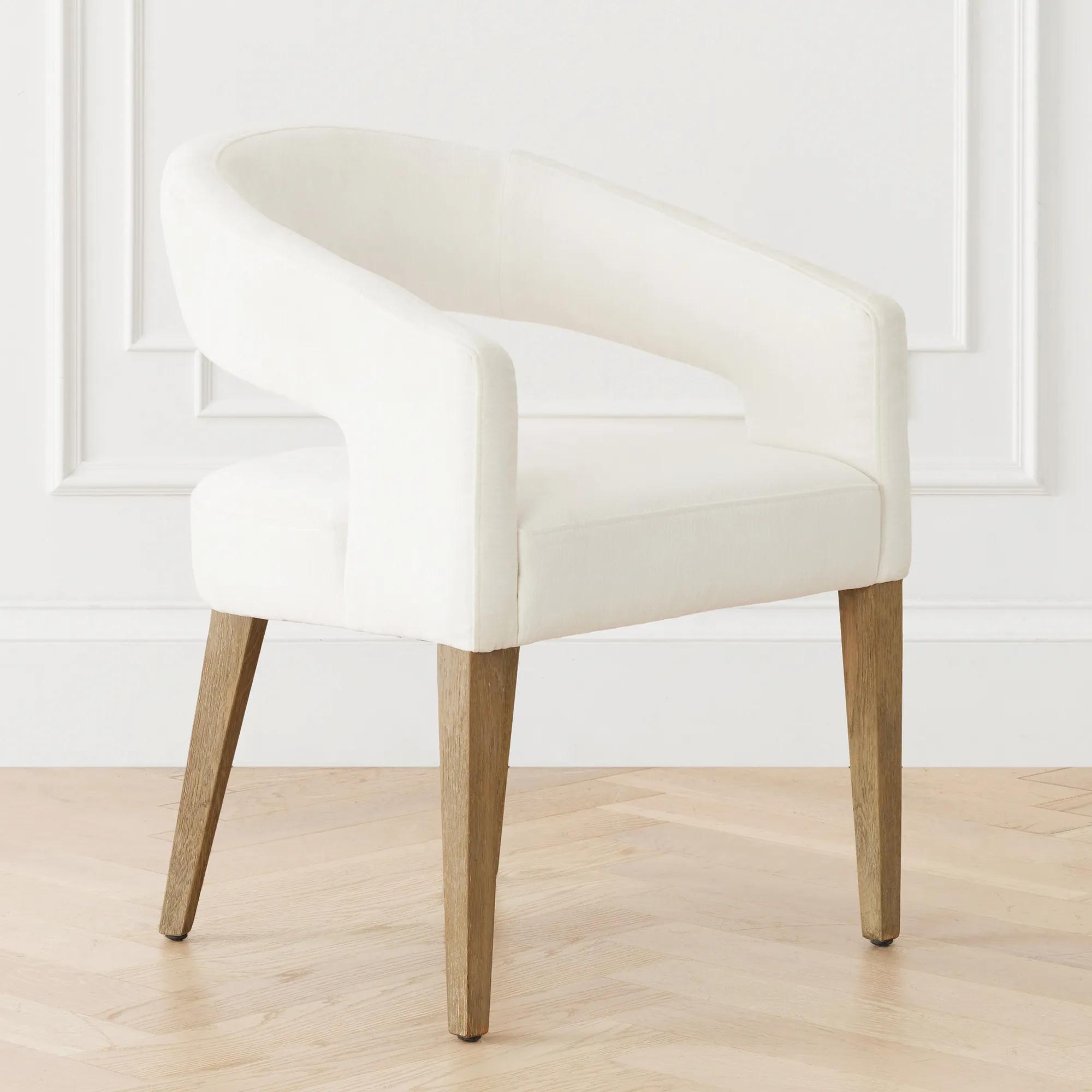
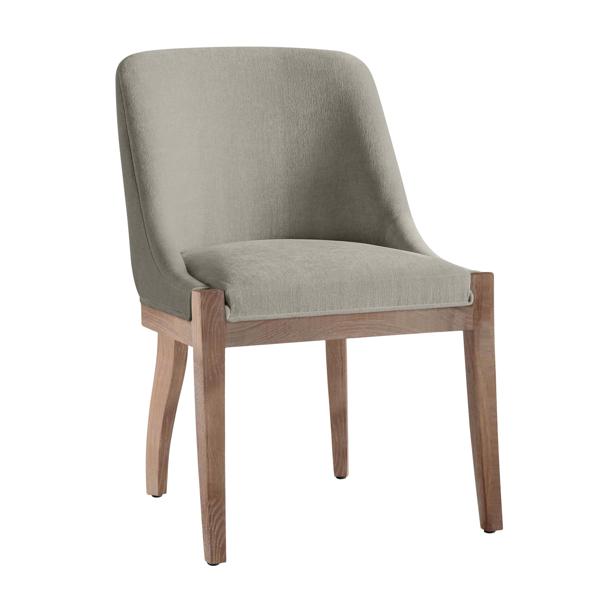 Lily Dining Chair - Wash Oak$699
A modern dining chair featuring a kiln-dried hardwood frame, wash oak legs, and tailored chenille upholstery.
Add To Cart -
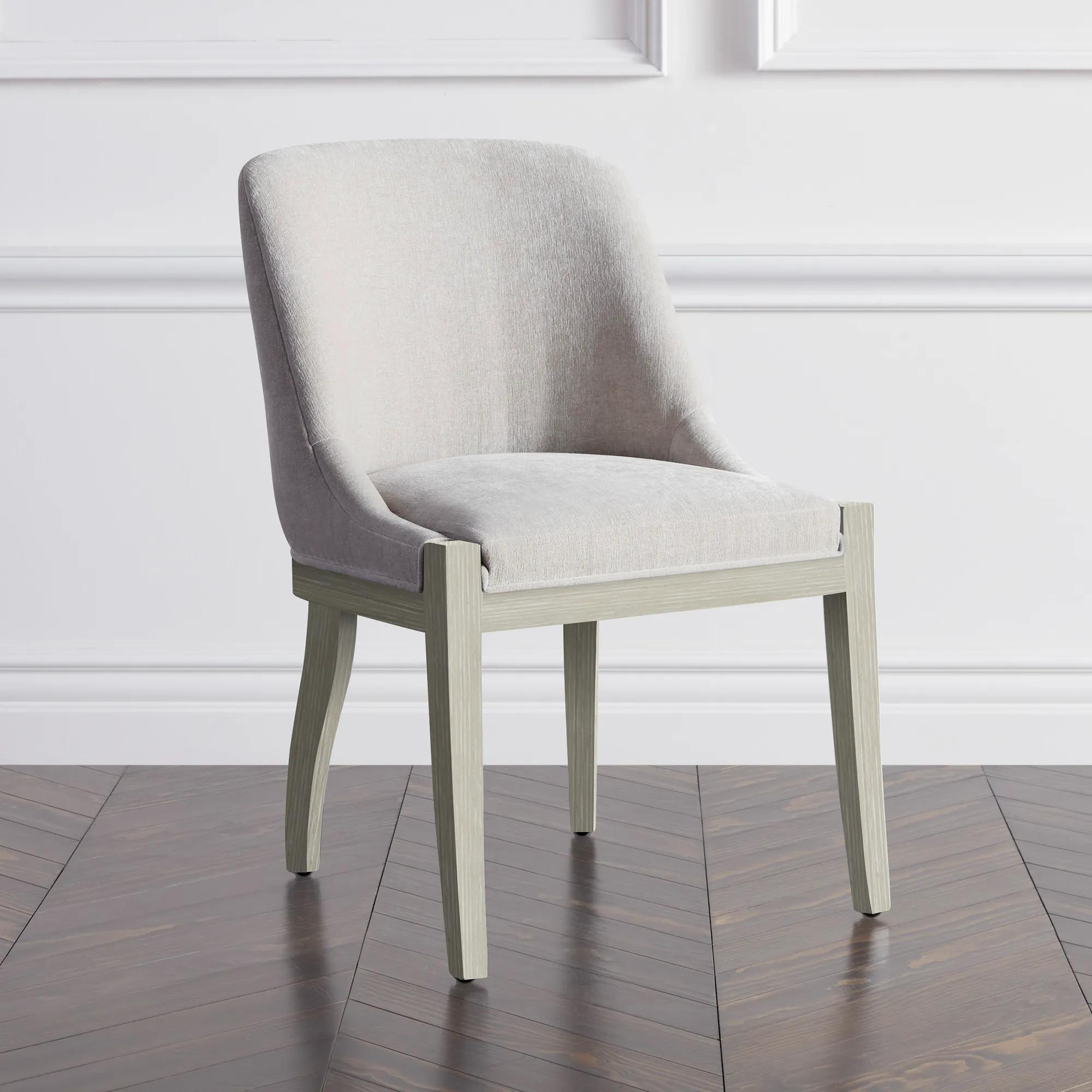 Lily Dining Chair - Natural Grey$649
A modern grey dining chair featuring kiln-dried hardwood, plush foam cushioning, and tailored chenille upholstery.
Add To Cart -
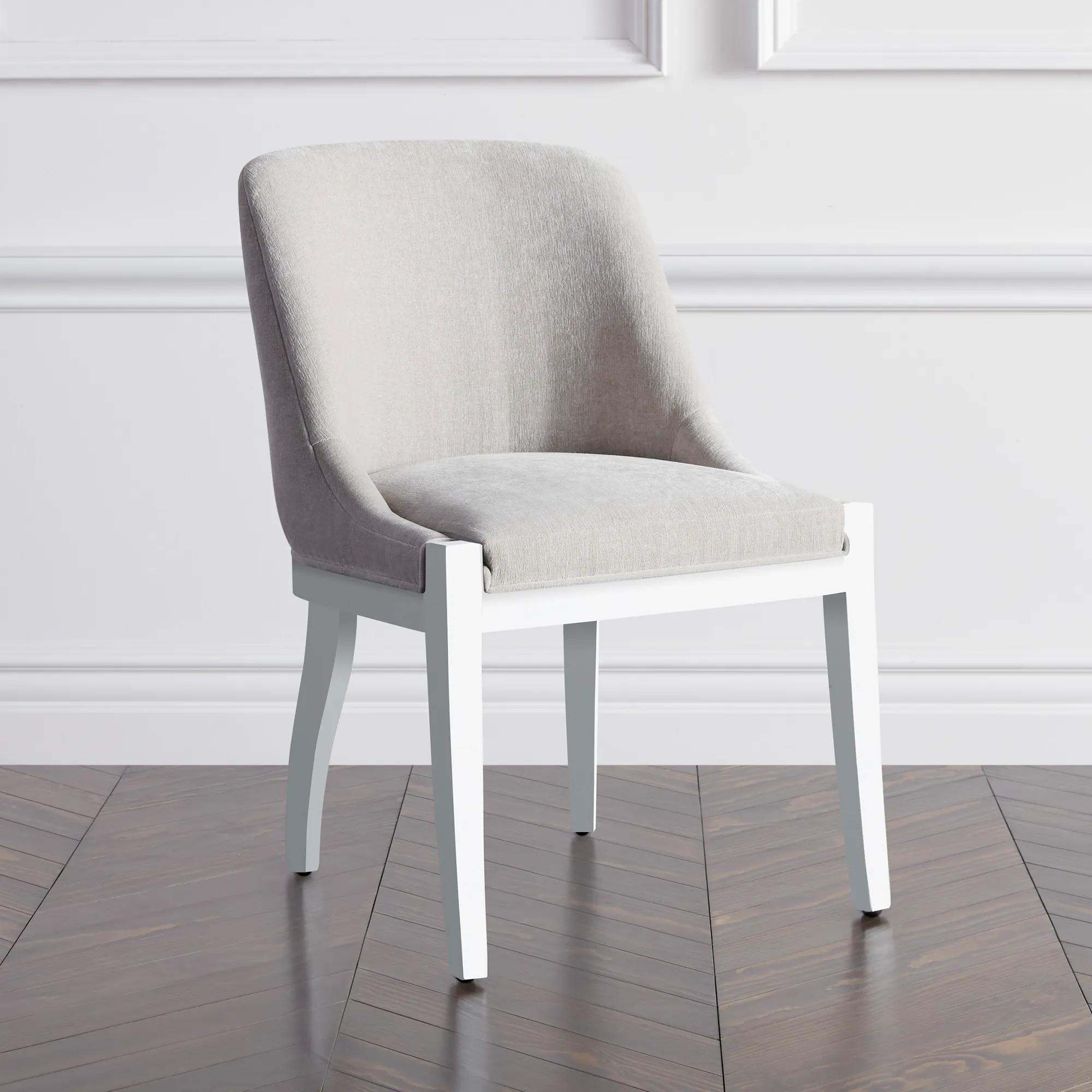
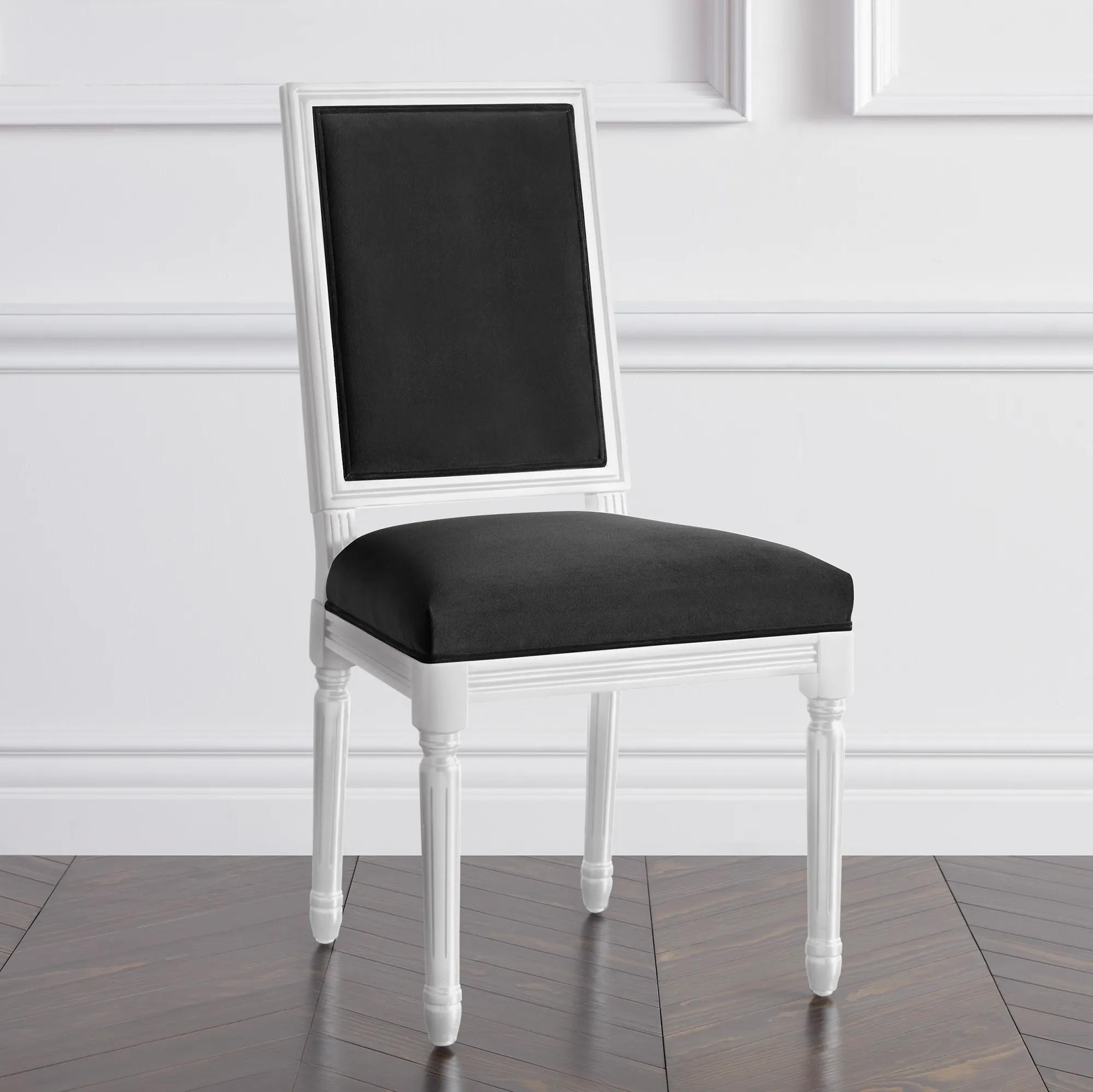
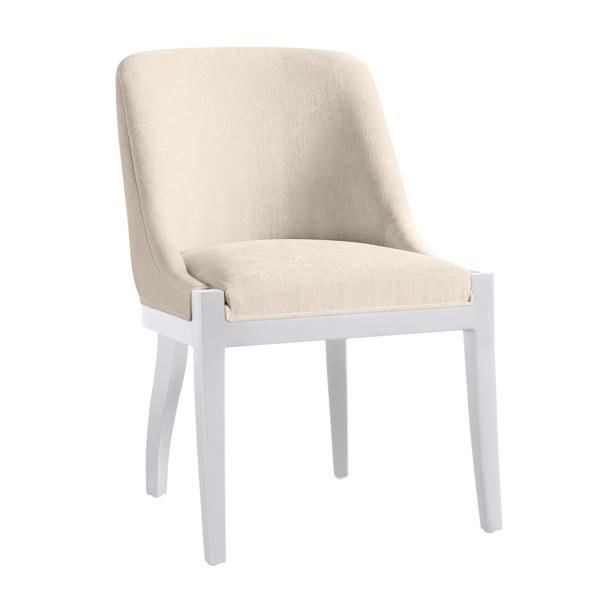 Lily Dining Chair - High Gloss White$649
A modern dining chair featuring kiln-dried hardwood, high-gloss white legs, and neatly tailored upholstery.
Add To Cart -
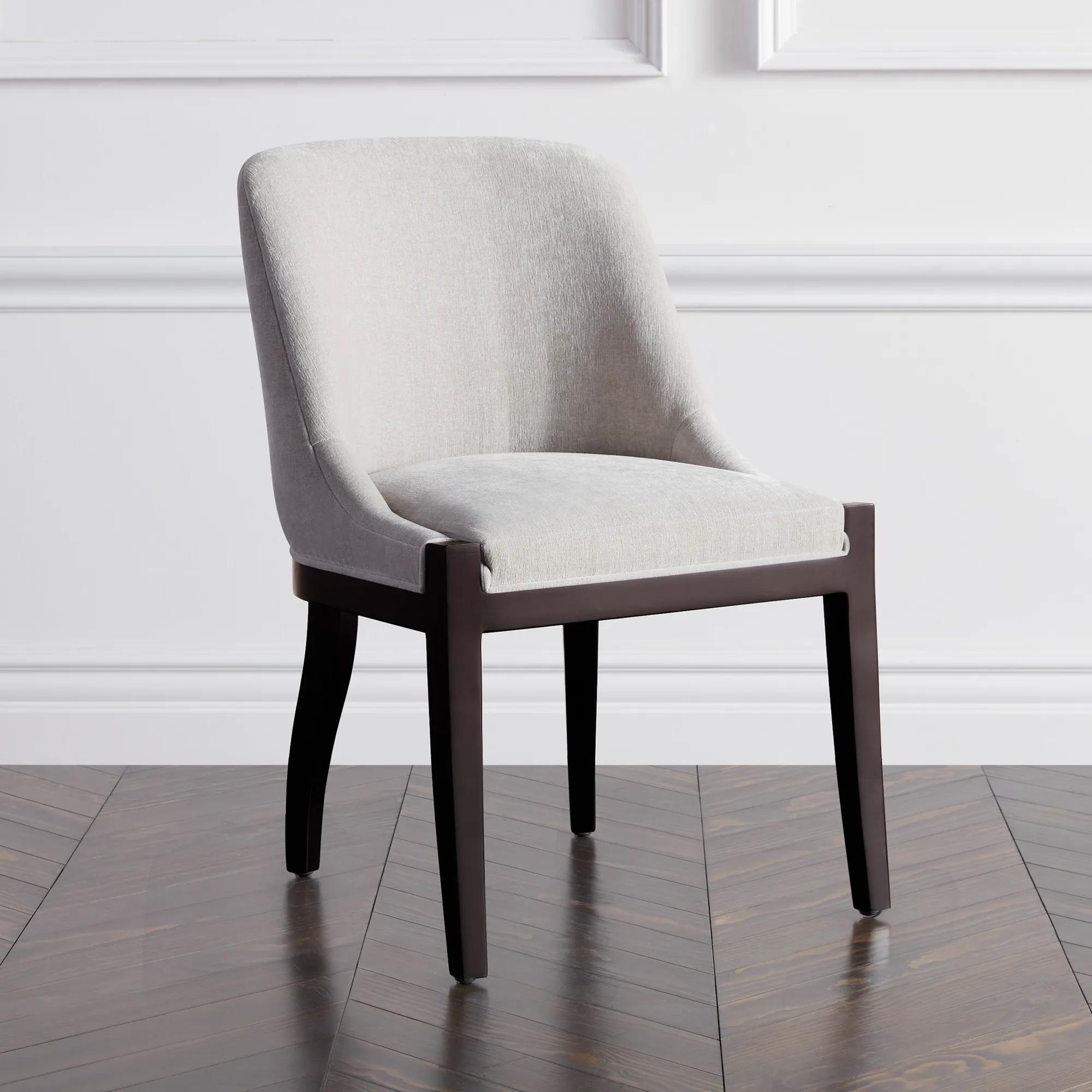
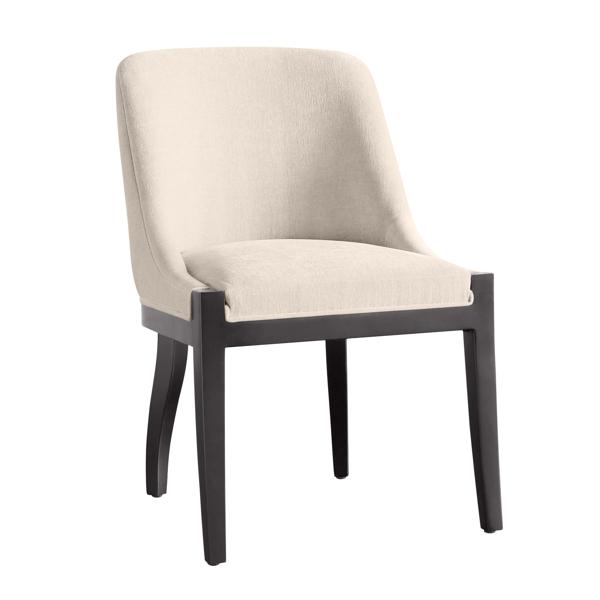 Lily Dining Chair - Espresso$599
A modern dining chair featuring espresso-finished hardwood, curvaceous silhouette, and plush, tailored upholstery.
Add To Cart -
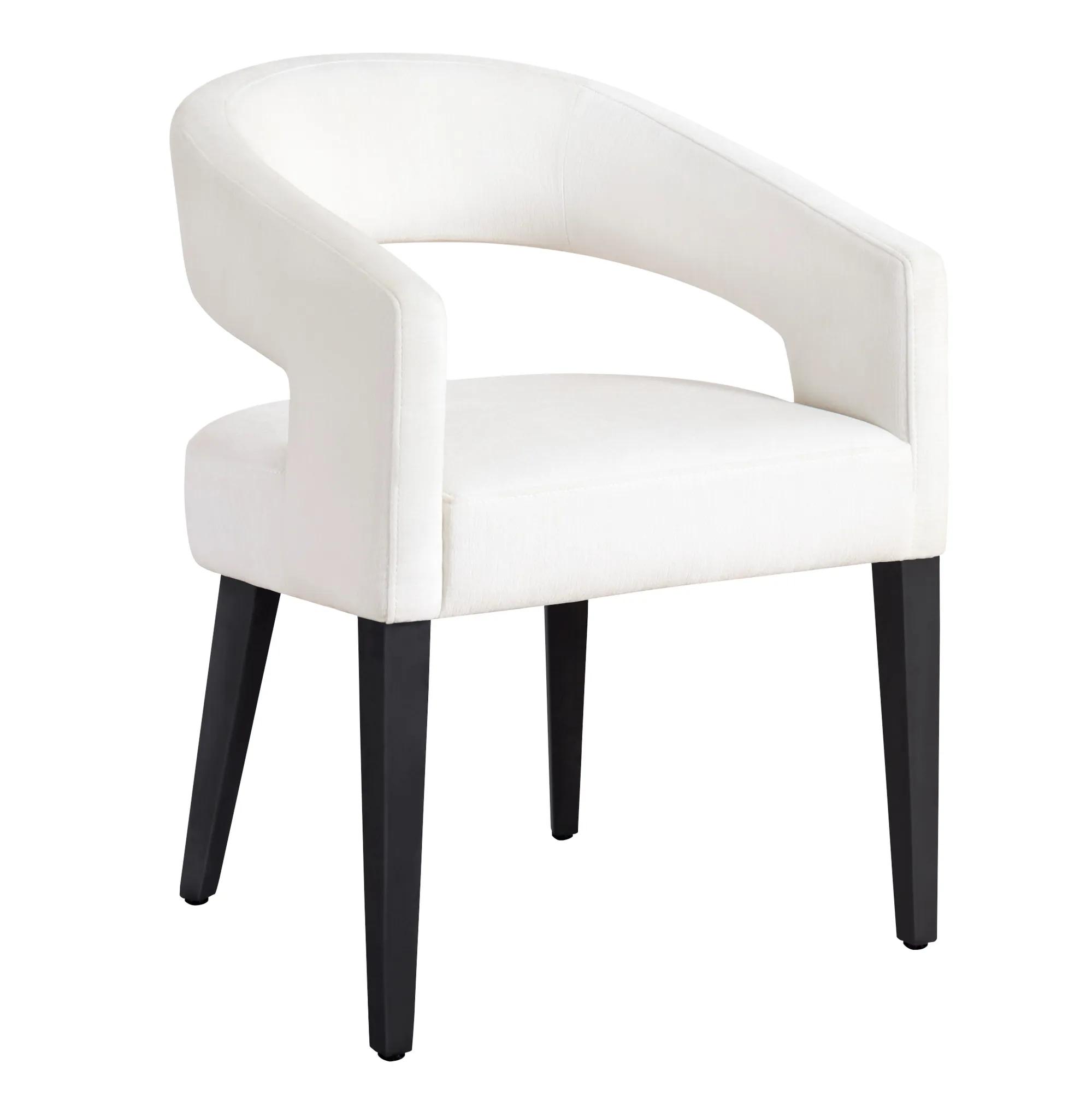
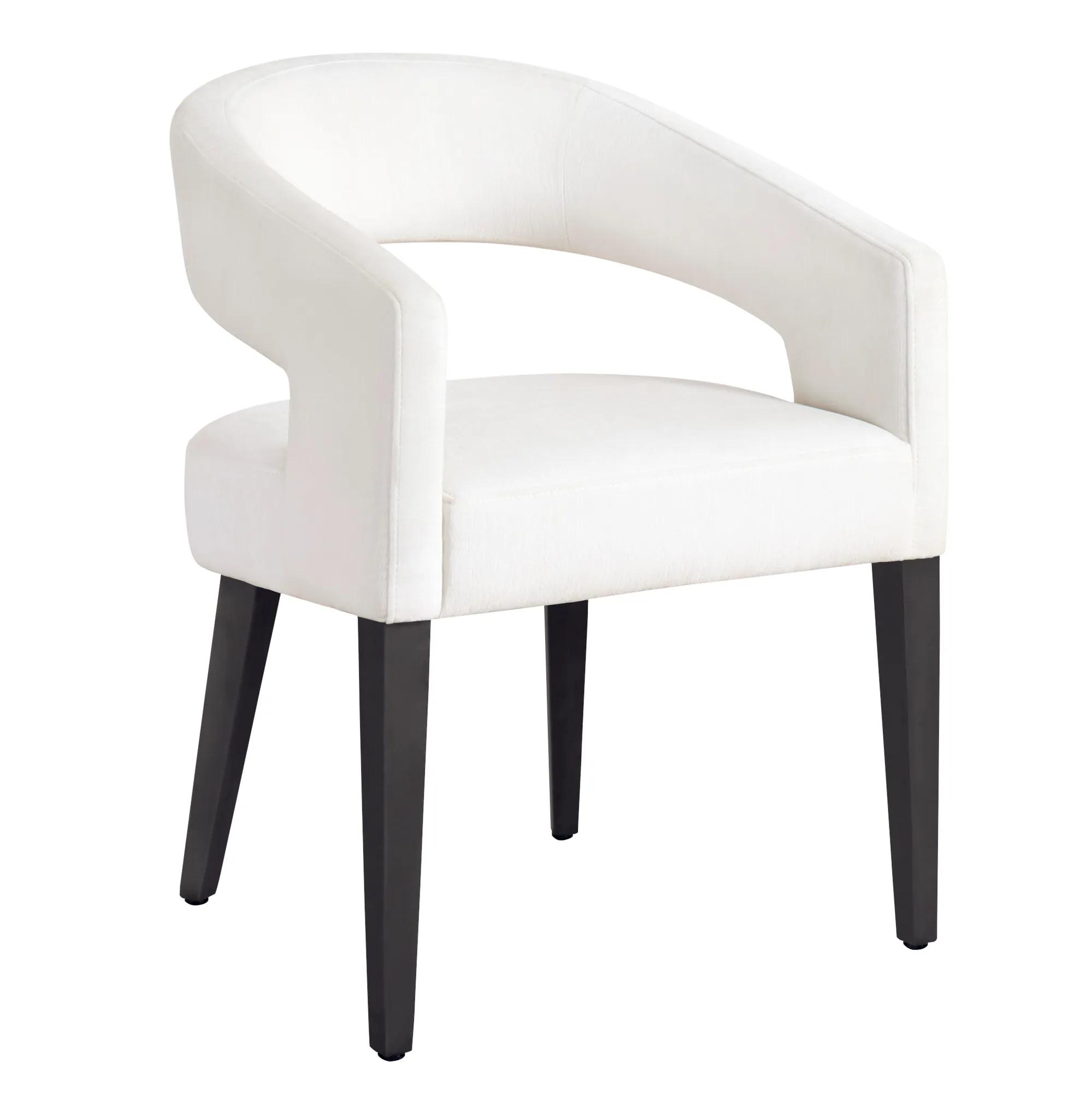
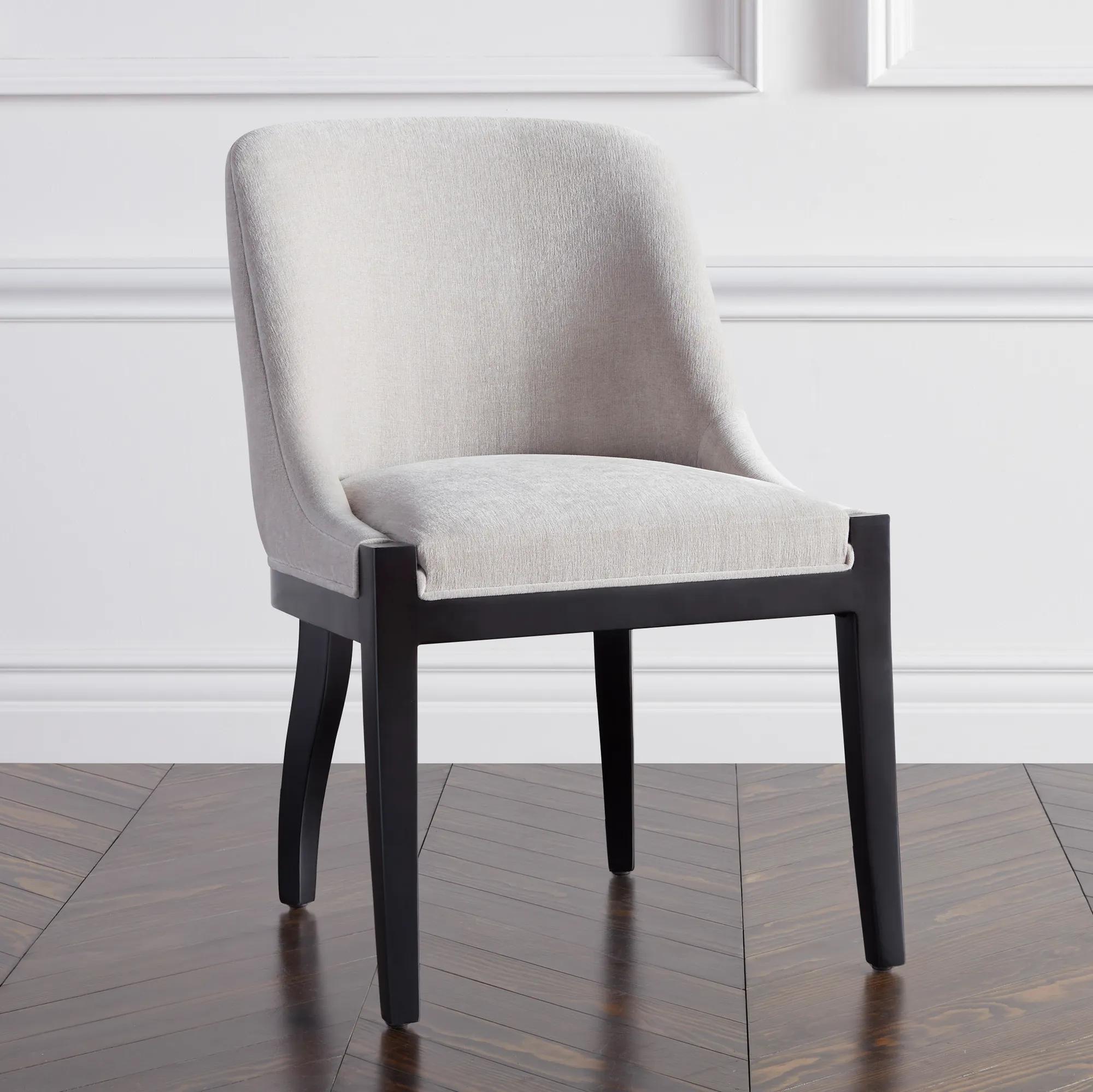 Lily Dining Chair - Matte Black$649
A modern dining chair featuring a kiln-dried hardwood frame and plush, tailored upholstery in matte black.
Add To Cart -
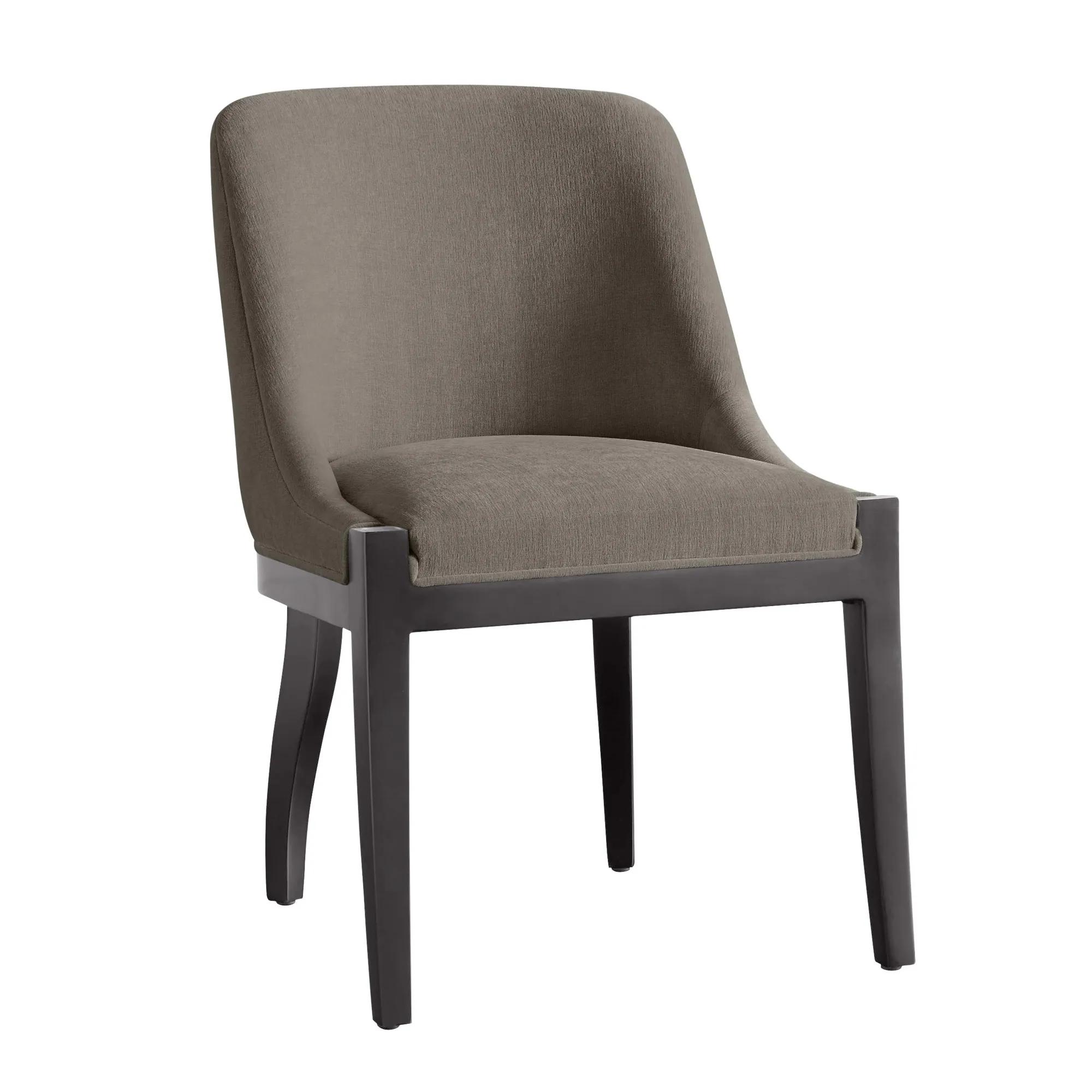 Lily Dining Chair - Espresso$649
A modern dining chair featuring espresso-finished hardwood, curvaceous silhouette, and plush tailored upholstery.
Add To Cart -
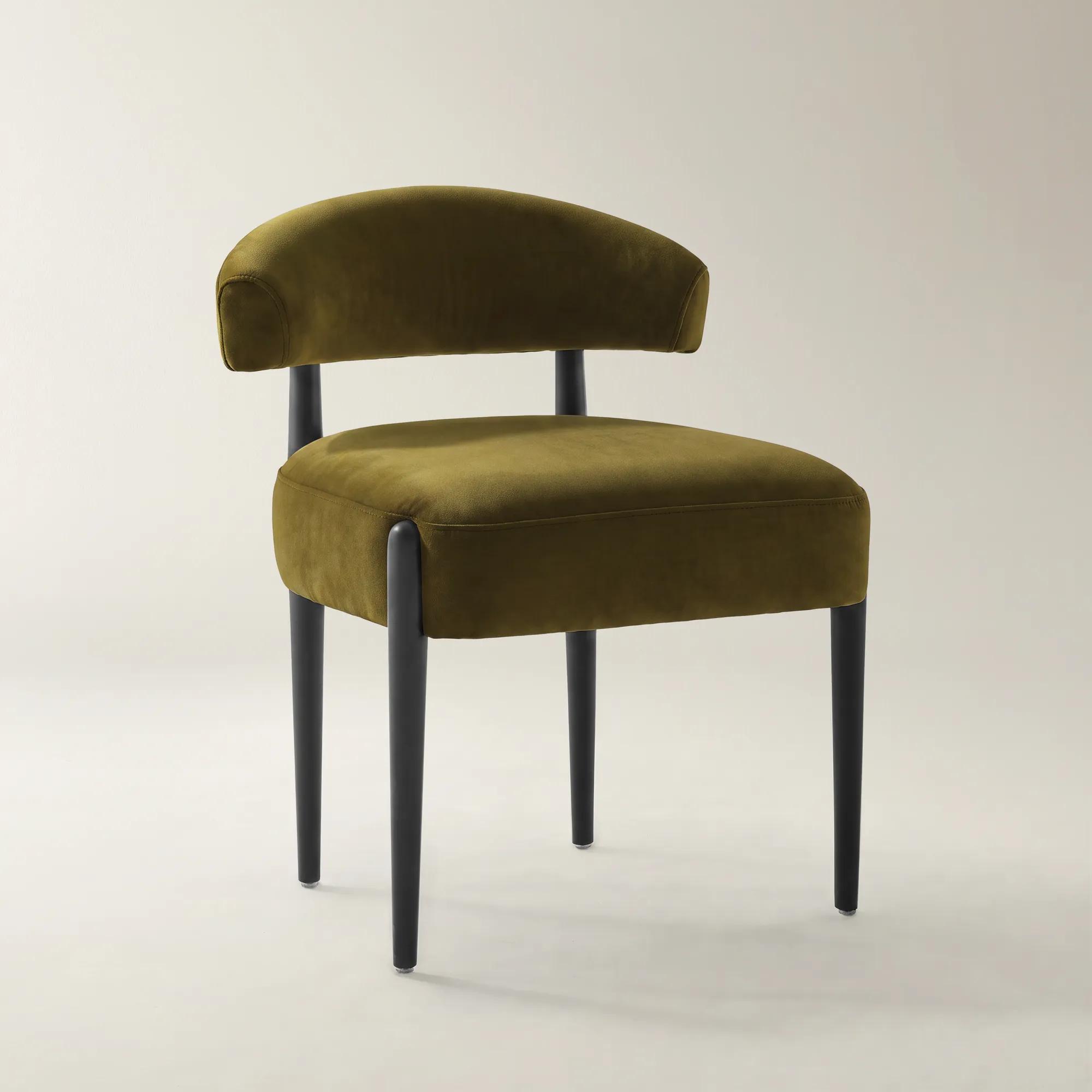
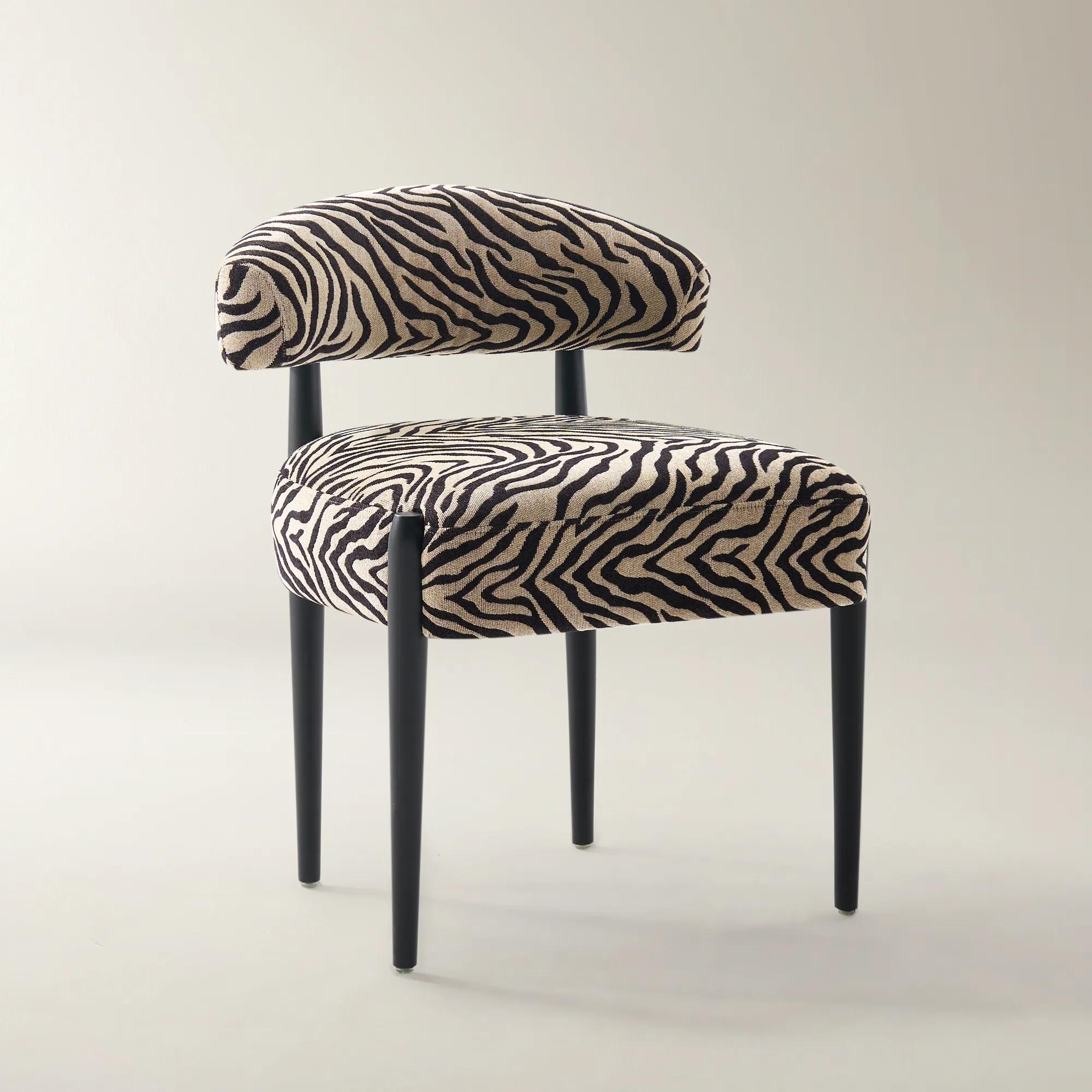 Anna Deep Olive Velvet Dining Chair Set of 2$599
A deep olive velvet dining chair with a tailored curved back, high-density cushioning, and solid rubberwood legs.
Add To Cart -
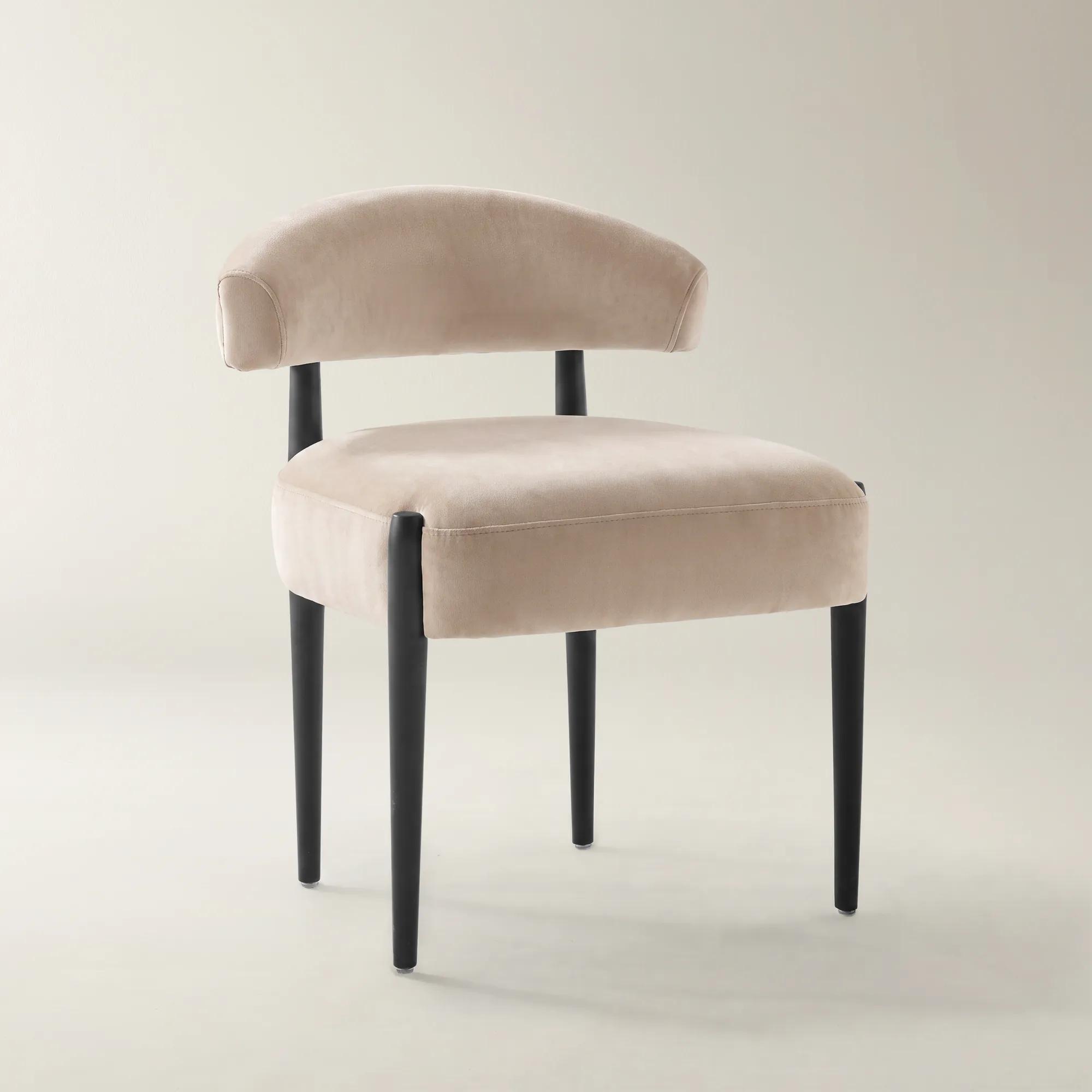 Anna Simply Taupe Velvet Dining Chair Set of 2$599
A taupe velvet dining chair featuring a tailored arched back, high-density foam cushioning, and rubberwood legs.
Add To Cart -
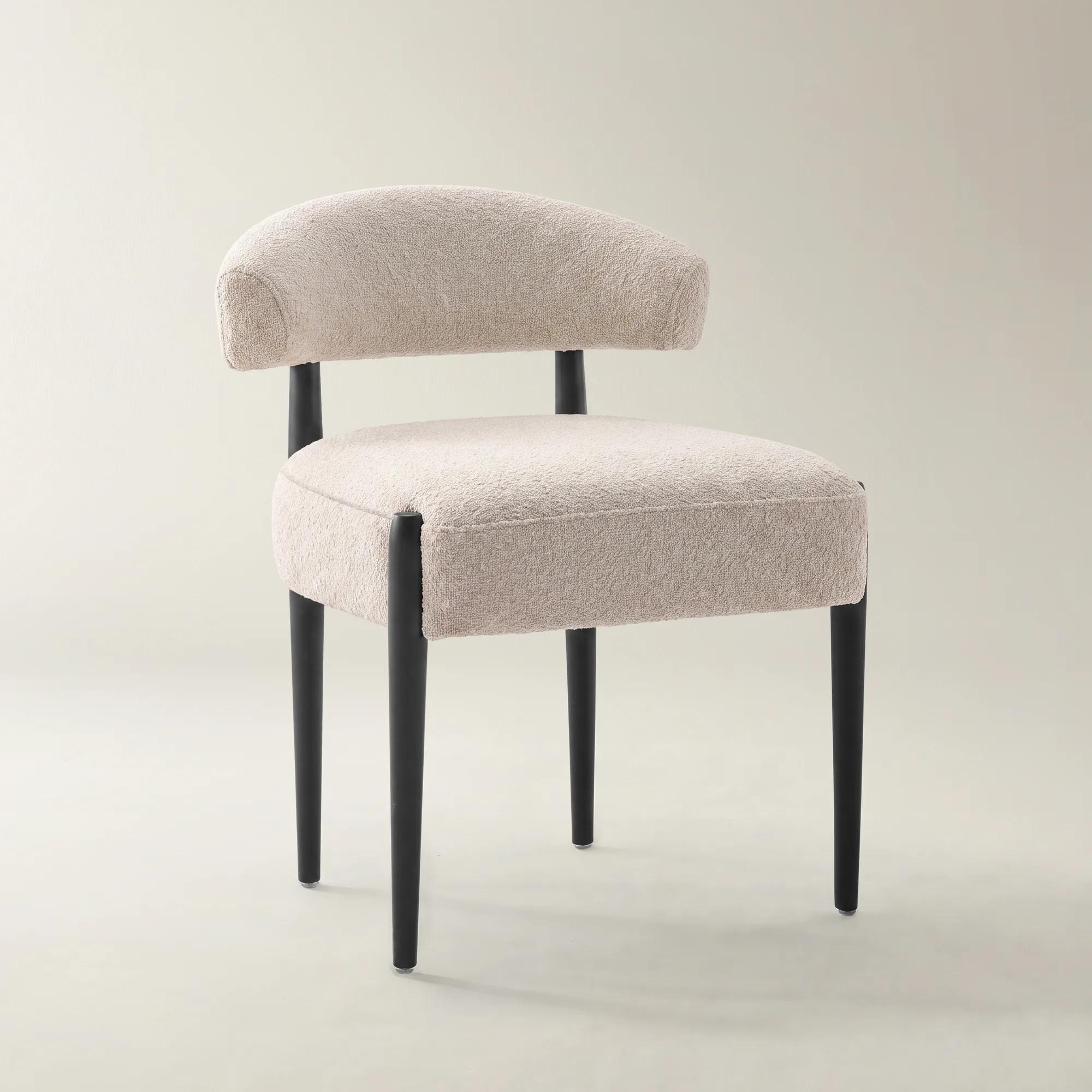 Anna Ivory Performance Boucle Dining Chair Set of 2$599
An ivory performance bouclé dining chair set with arched backs, high-density foam, and solid wood construction.
Add To Cart -
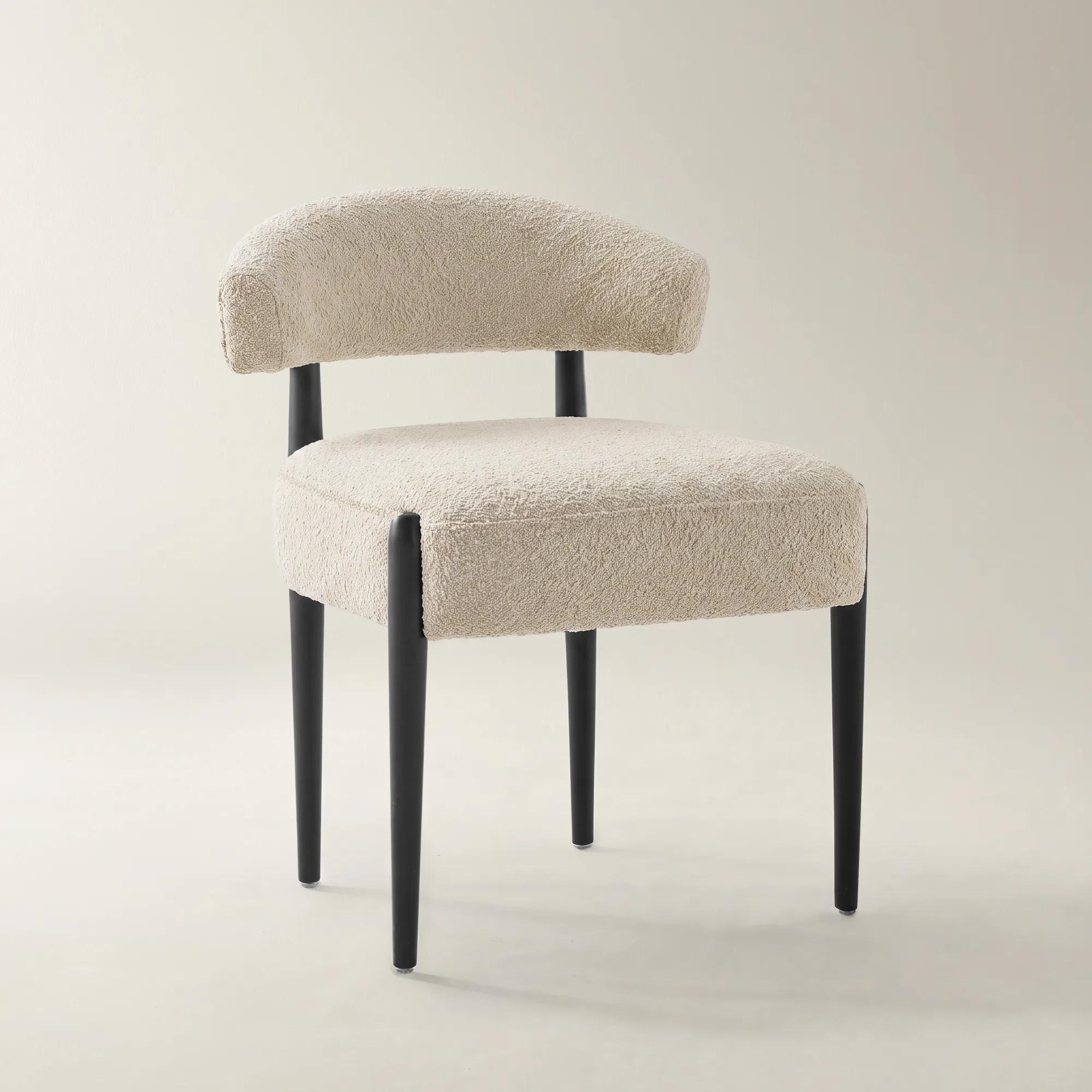 Anna Ivory Performance Boucle Dining Chair Set of 2$599
A pair of ivory performance boucle chairs with curved backs, cushioned comfort, and solid wood frames.
Add To Cart -
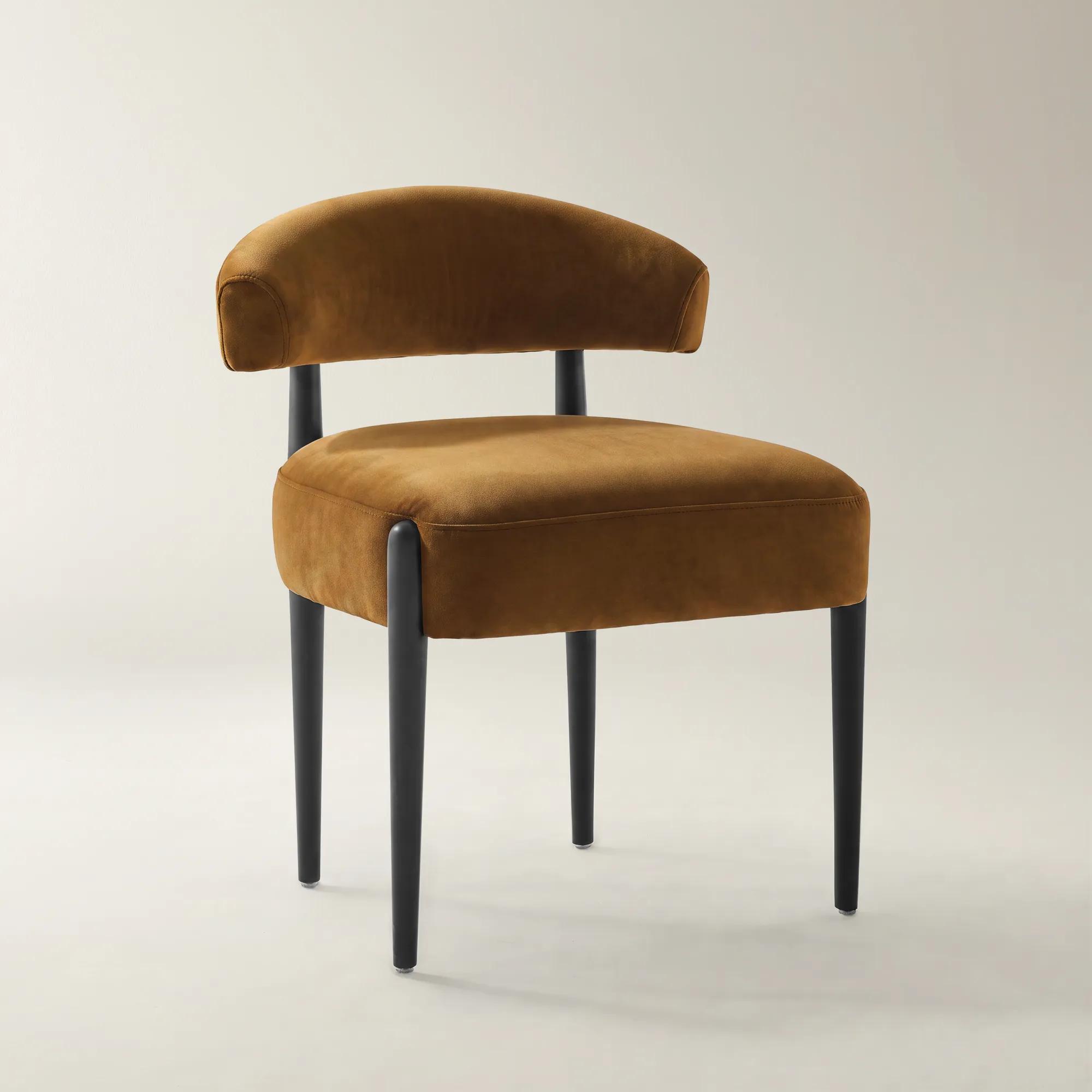 Anna Roasted Pecan Velvet Dining Chair Set of 2$599
A roasted pecan velvet dining chair set featuring a tailored curved back and high-density foam cushioning.
Add To Cart -
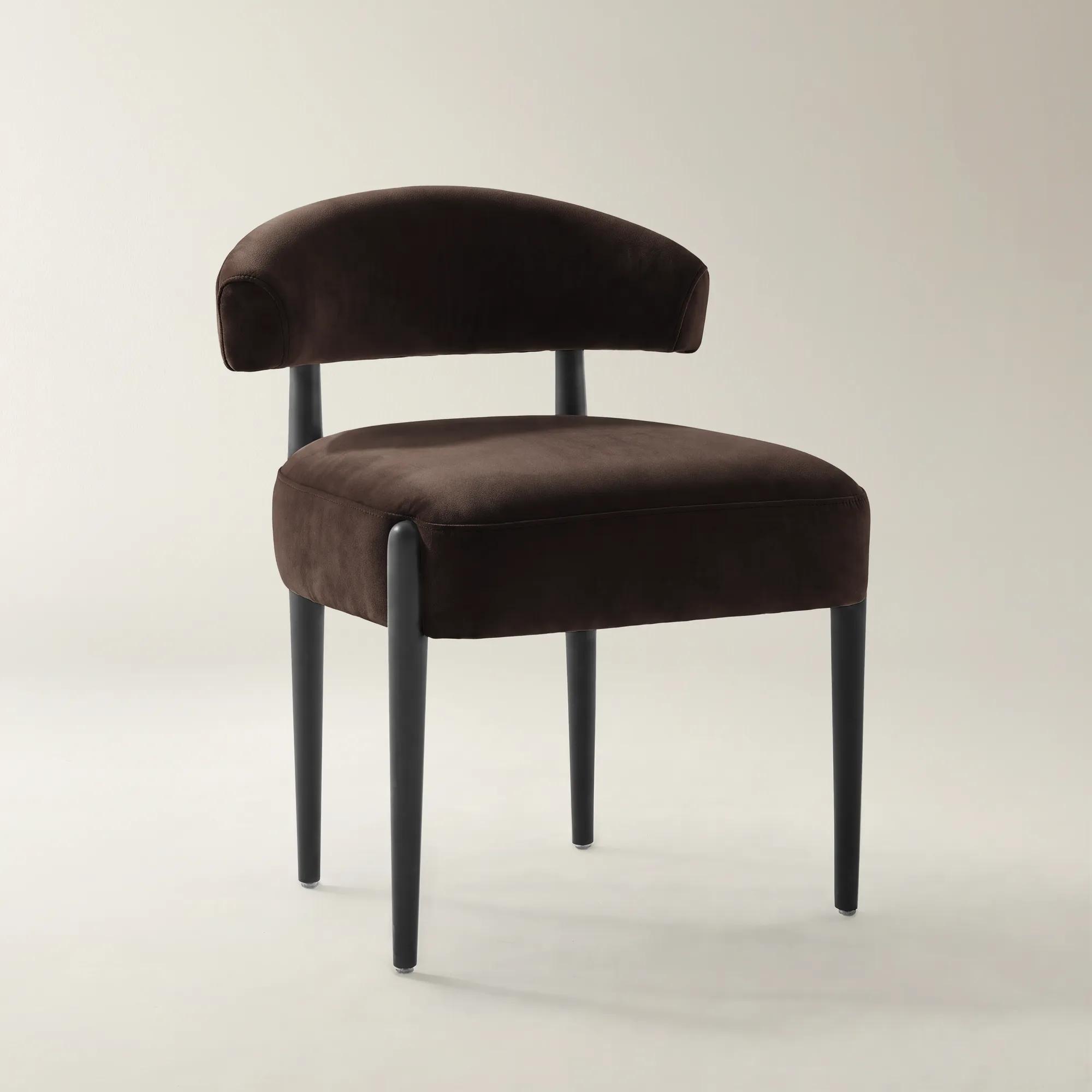 Anna Dark Chocolate Velvet Dining Chair Set of 2$599
A dark chocolate velvet dining chair set featuring an arched back, high-density foam, and solid wood construction.
Add To Cart -
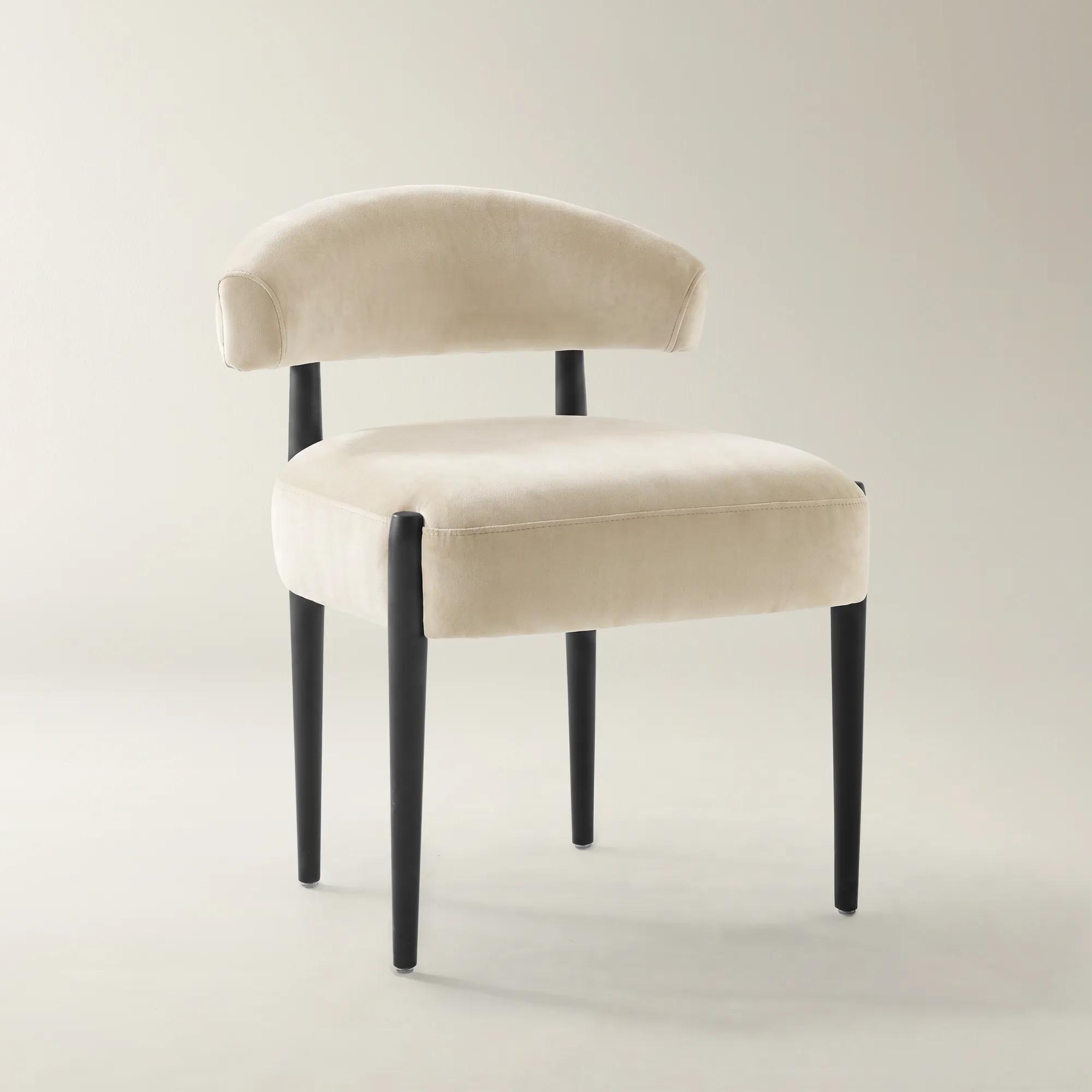 Anna Oatmeal Velvet Dining Chair Set of 2$599
A pair of oatmeal velvet dining chairs with arched backs, supportive foam cushioning, and rubberwood legs.
Add To Cart -
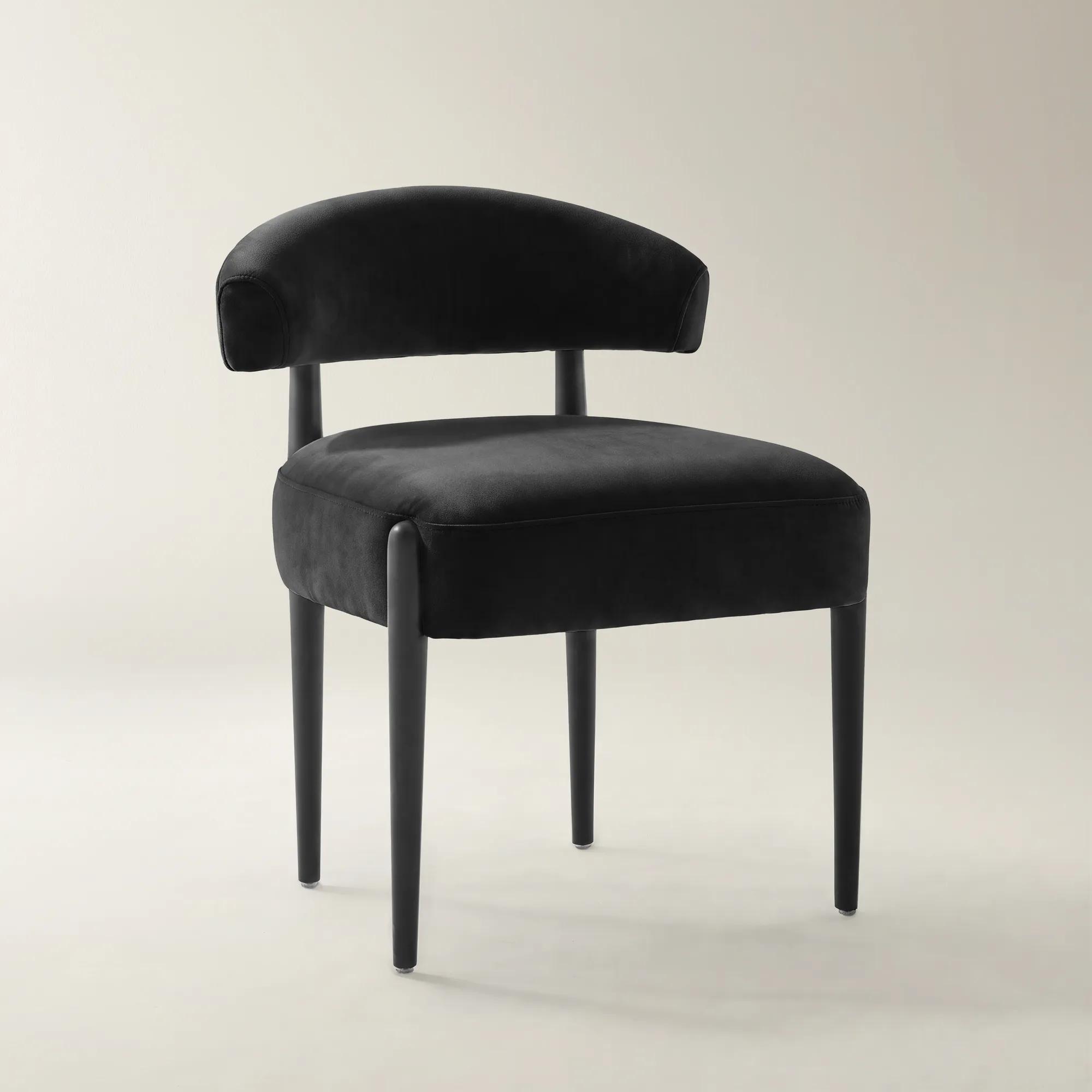 Anna Charcoal Velvet Dining Chair Set of 2$599
A charcoal velvet dining chair with an arched back, supportive foam cushioning, and solid rubberwood legs.
Add To Cart -
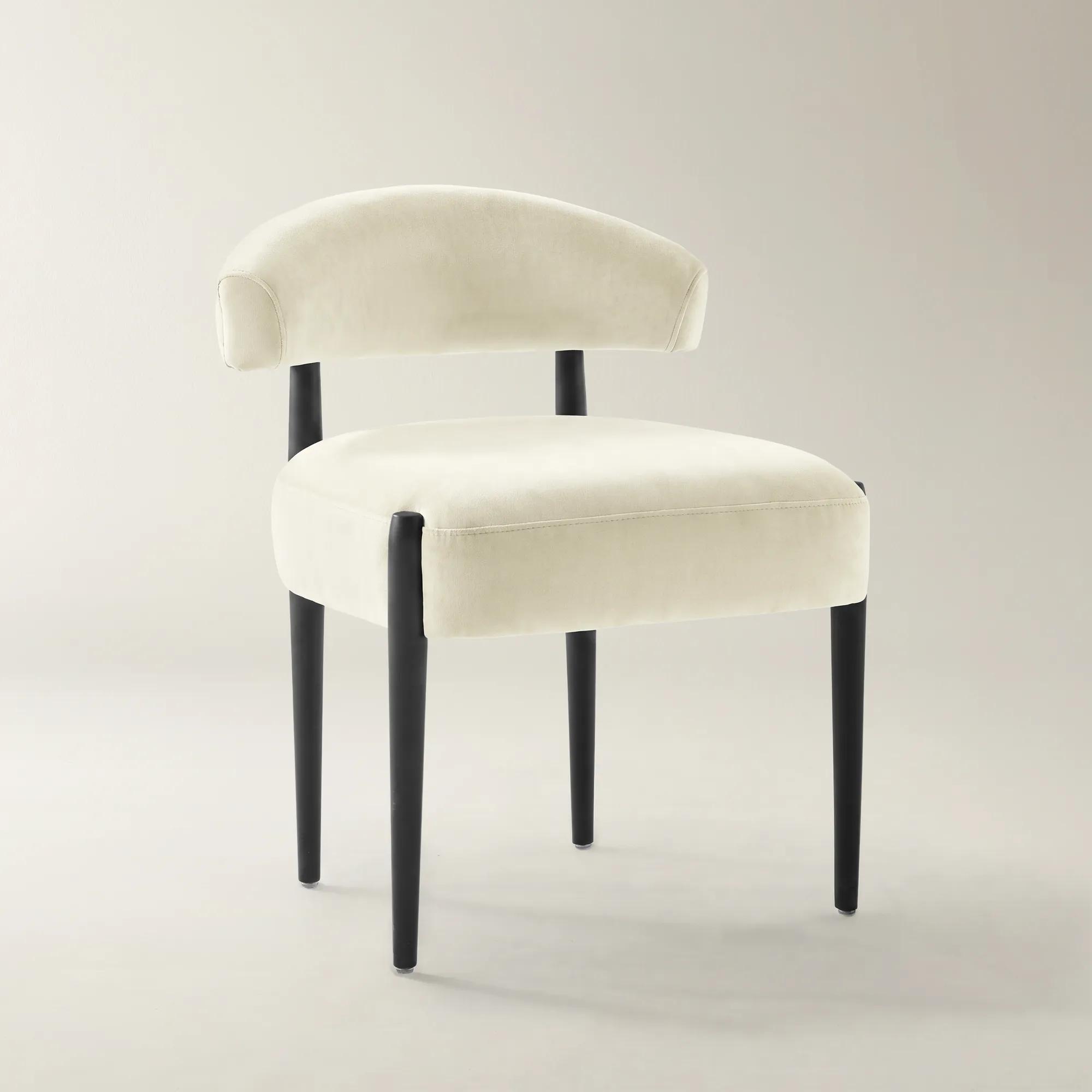 Anna Cloud Velvet Dining Chair Set of 2$599
A hand-upholstered Cloud velvet chair set featuring curved backs, high-density foam, and solid rubberwood legs.
Add To Cart -
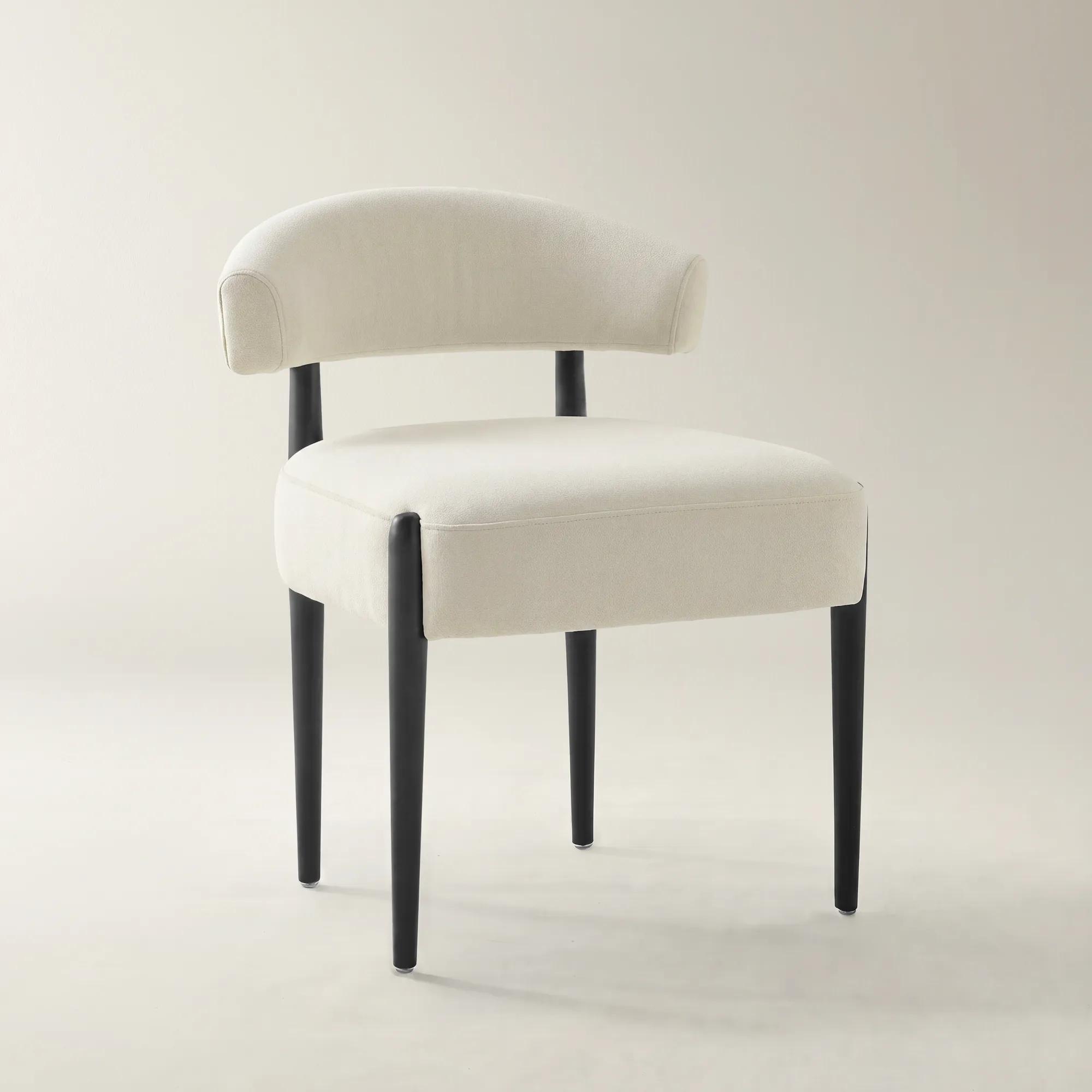 Anna Ivory Performance Chenille Dining Chair Set of 2$599
An ivory performance chenille chair pair featuring curved backs, high-density foam, and solid rubberwood legs.
Add To Cart -
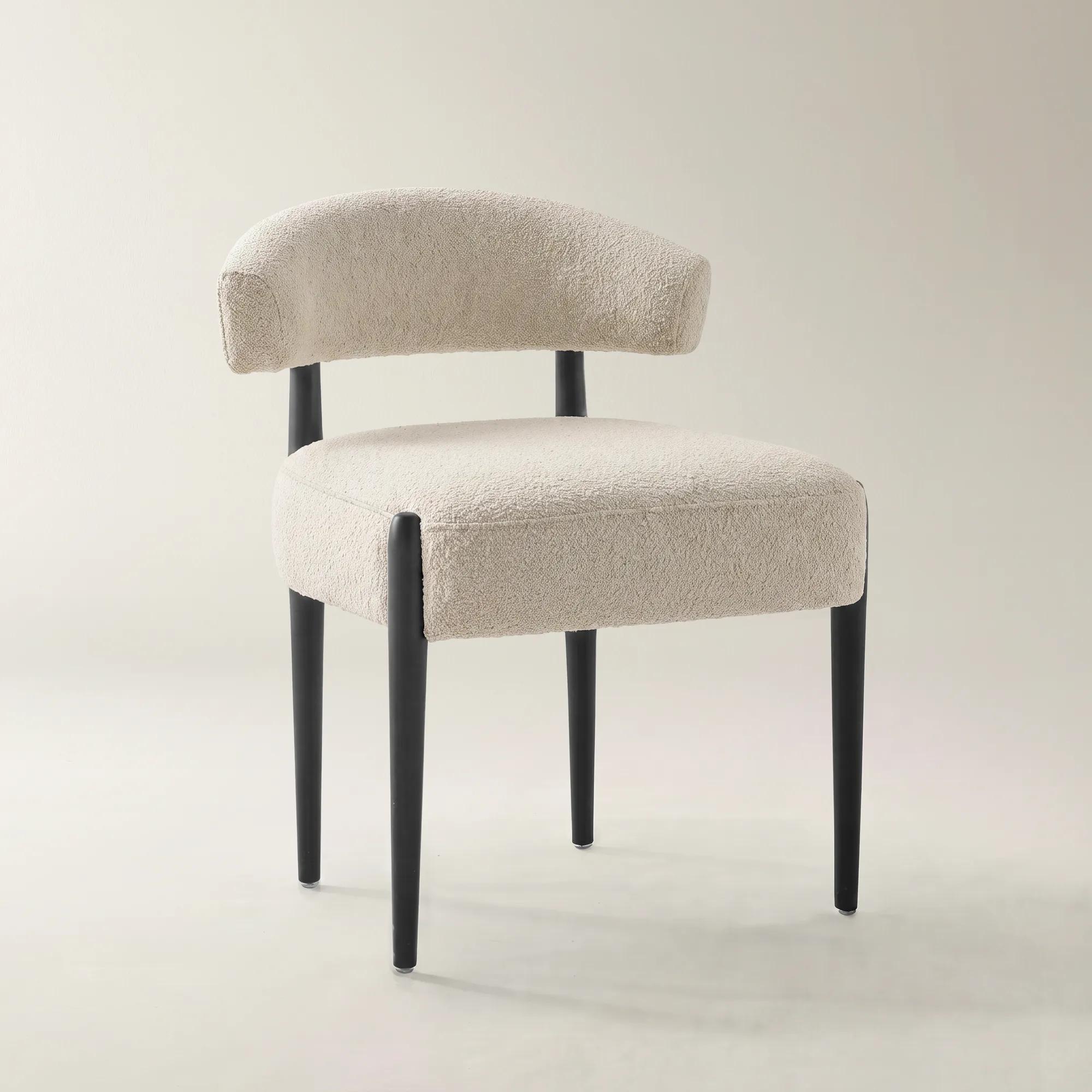 Anna Utopia Sand Chenille Dining Chair Set of 2$599
A sand chenille dining chair set featuring tailored armless curves, high-density cushioning, and solid rubberwood legs.
Add To Cart -
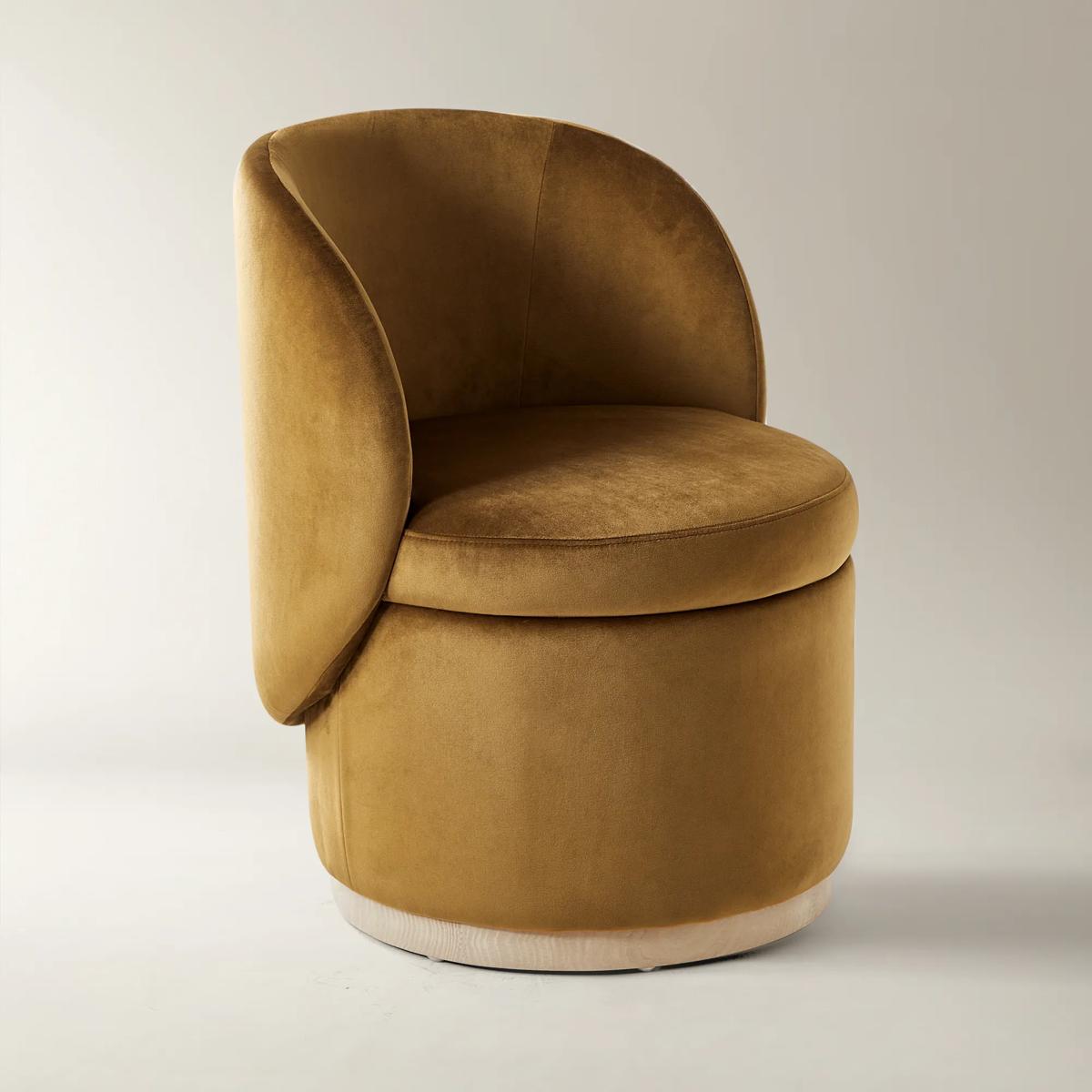
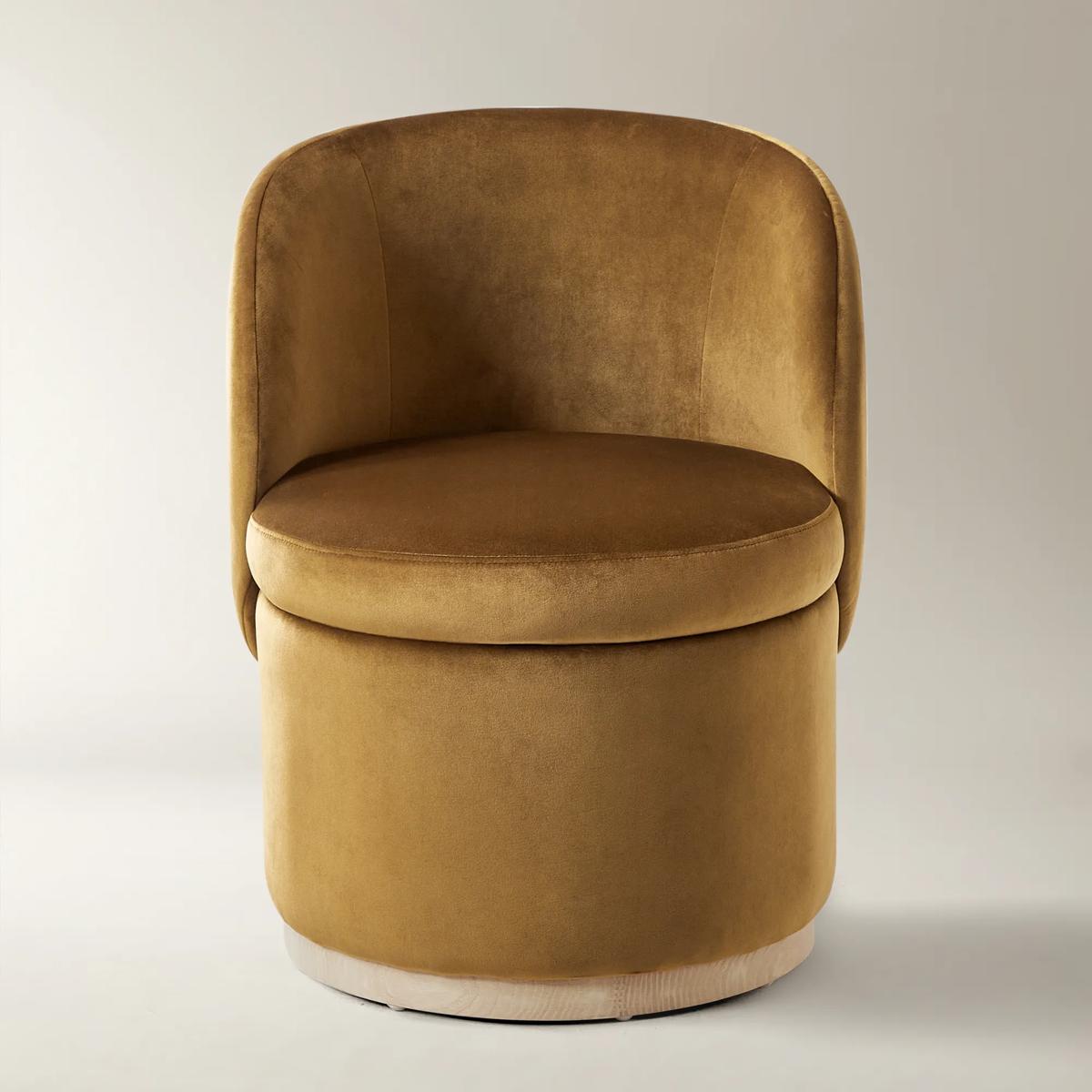 Stria Roasted Pecan Velvet Dining Chair With Oak Base$599
A khaki chenille chair featuring cozy upholstery and a handcrafted solid oak base for organic warmth.
Add To Cart -
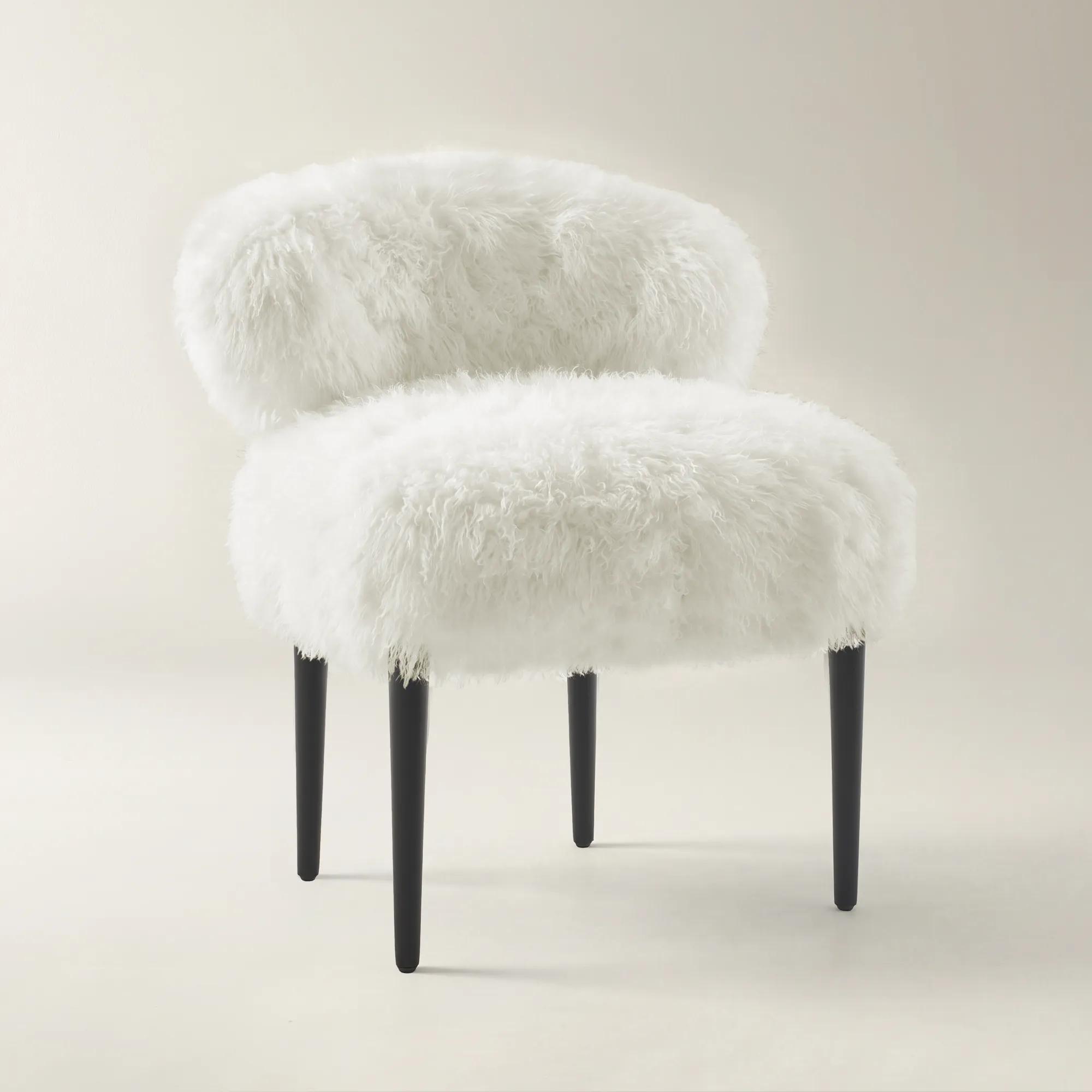 Anna Ivory Faux Fur Dining Chair Set of 2$699
A hand-upholstered ivory faux fur dining chair with a curved back, high-density foam cushioning, and rubberwood legs.
Add To Cart -
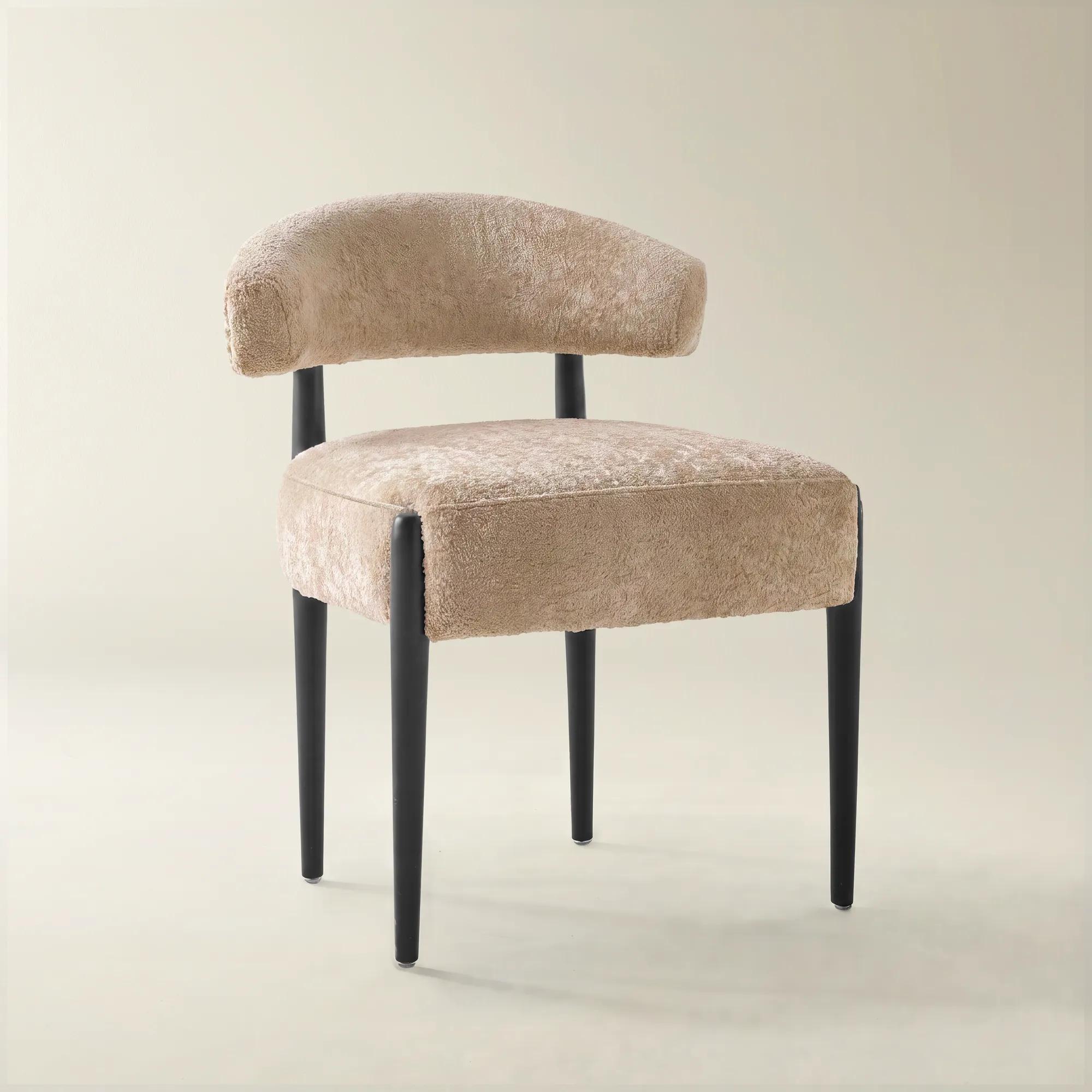 Anna Light Brown Chenille Dining Chair Set of 2$599
A light brown chenille chair set featuring arched backs, high-density foam cushioning, and solid rubberwood legs.
Add To Cart -
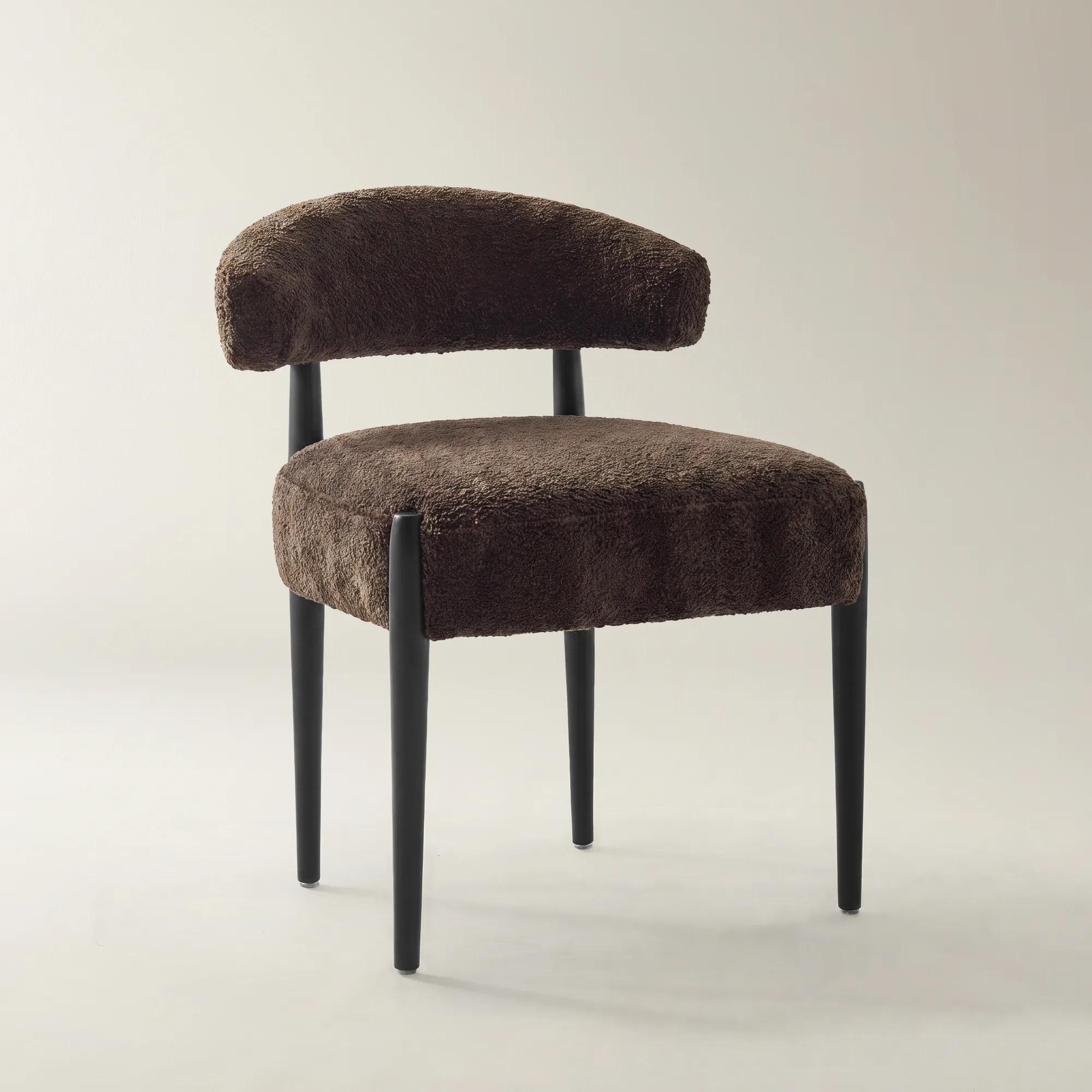 Anna Dark Chocolate Chenille Dining Chair Set of 2$599
A dark chocolate chenille chair pair featuring tailored curved backs, high-density foam, and solid rubberwood legs.
Add To Cart -

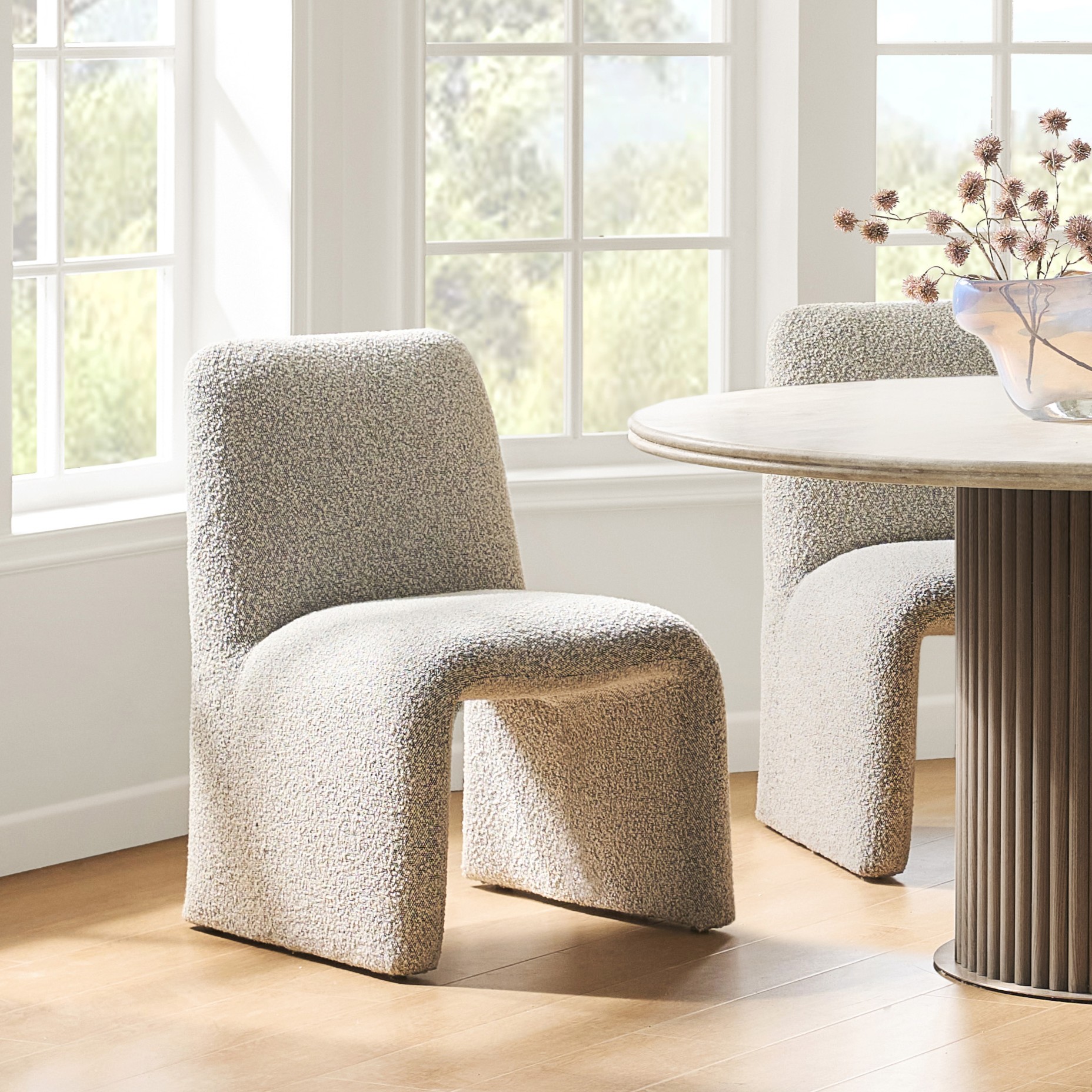 Cayenne Grey Boucle Dining Chair$399
A modern armless chair in grey boucle upholstery with a sleek metal frame and hand-crafted details.
Add To Cart -
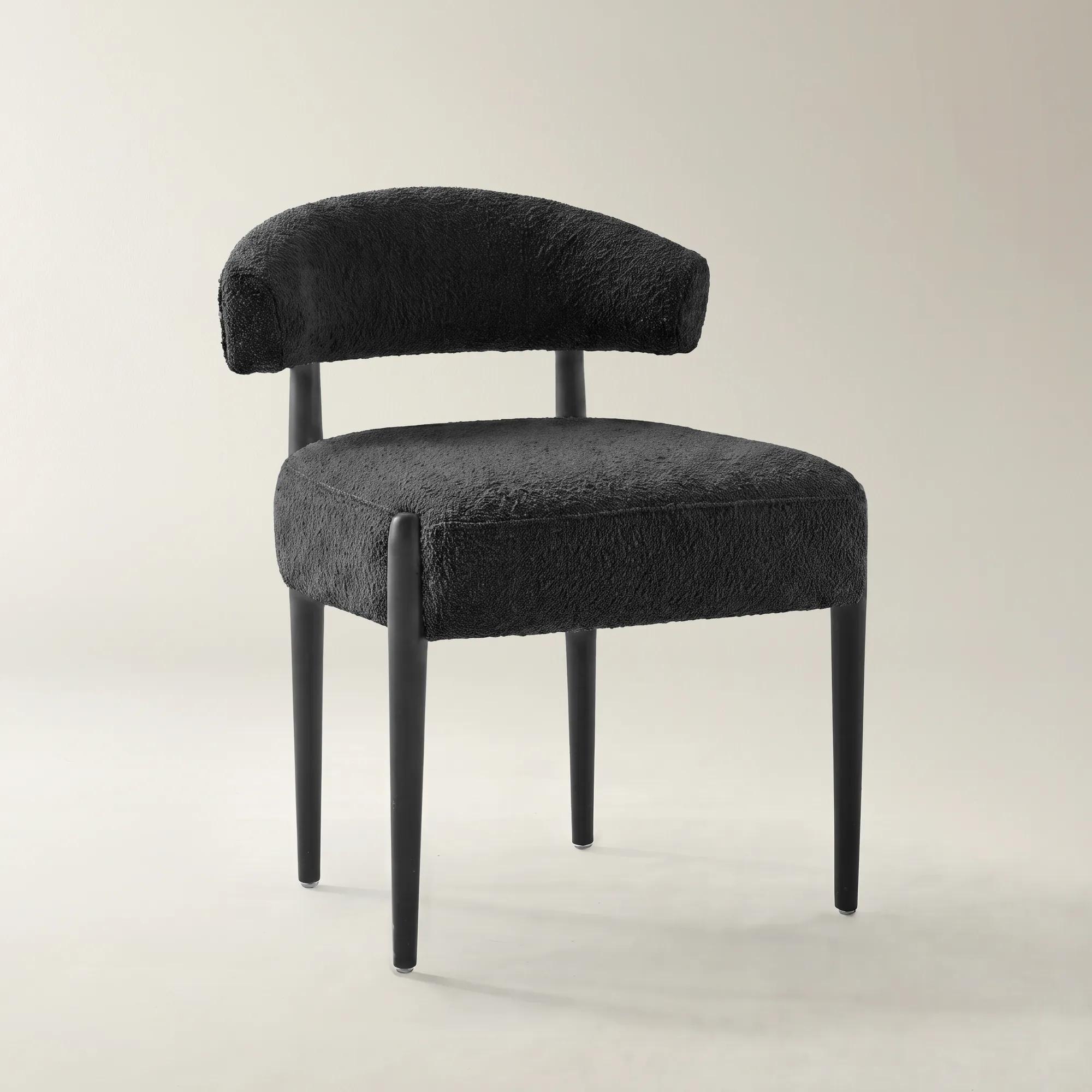 Anna Black Chenille Dining Chair Set of 2$599
A charcoal chenille dining chair set with curved backs, high-density foam cushioning, and rubberwood legs.
Add To Cart -
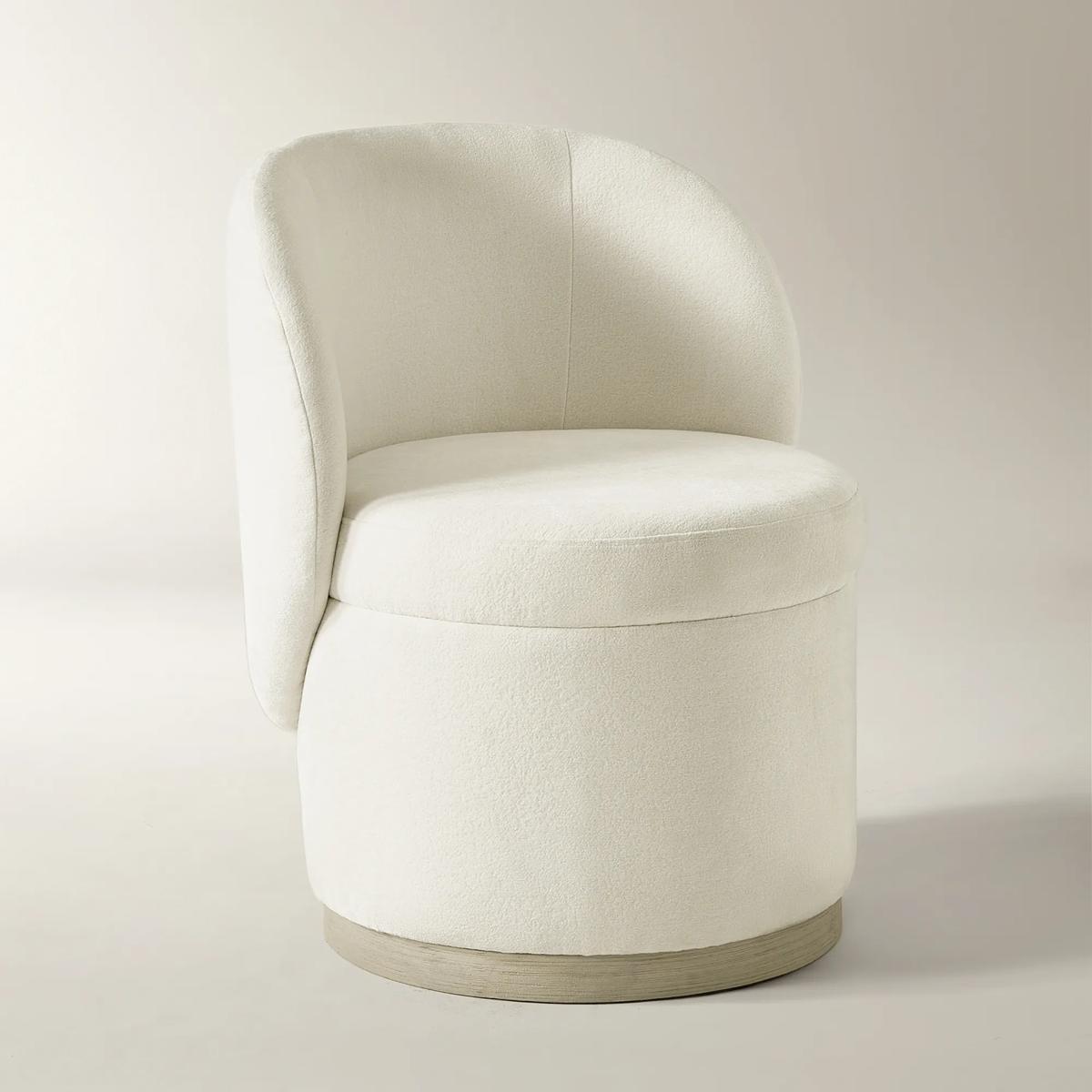 Stria Ivory Chenille Dining Chair With Oak Base$599
An ivory chenille chair featuring a plush, velvet-like finish and a handcrafted solid oak base.
Add To Cart

Fiber Fill Dining Chairs
Fiber fill dining chairs invite you to indulge in an experience where comfort meets couture. Each piece is an ode to plush sophistication, transforming the dining room into a stage for sumptuous gatherings and everyday grandeur. With silhouettes that command attention and a tactile allure that beckons you closer, fiber fill dining chairs become more than just a seat—they’re an invitation to linger, converse, and celebrate in style. Elevate your table with pieces that promise not only support but also a touch of drama, turning every meal into a moment worth savoring.
Fiber fill dining chairs bring a softly tailored presence to the table, pairing upholstered seating with cushioning that lends fullness to the seat, back, or both. Fiber fill generally refers to polyester fibers or synthetic batting used inside the upholstery, either as the primary cushioning material in a particular area or as a soft layer over a foam core. That distinction matters: a chair described as fiber filled is not necessarily cushioned with fiber alone, and its comfort depends on the complete construction. Loose fiber can create a yielding feel, while batting wrapped around foam softens the contours of a more structured seat. The result can be a dining chair with inviting curves and a polished silhouette, equally suited to an intimate dinner or a table set for a celebration. Upholstery gives that silhouette its expressive character. Velvet catches light across a curved back, richly textured woven fabric adds visual depth, and a smooth, tightly upholstered surface emphasizes sculptural lines. Fabric composition and care requirements vary, so the upholstery description deserves as much attention as the cushion filling. Pale neutrals can create a luminous arrangement around a dark wood table; saturated tones give a dining space the presence of a private salon. Beneath the upholstery, wood or metal frames establish the chair’s structure, while exposed legs introduce another layer of texture and finish. A gleaming metal base can echo the sparkle of glassware, and visible wood grain can balance a dramatic tabletop with organic character. Neither the filling nor the fabric alone determines durability. Frame construction, joints, seat support, cushion density, and upholstery quality all contribute to how a dining chair feels and wears. For shoppers drawn to plush upholstered dining chairs, fiber fill is best understood as one part of that larger composition: the element that can soften an edge, round a back cushion, or give a tailored seat a more generous touch without necessarily changing its underlying support.
The most successful dining room arrangements give this softness room to breathe. Chair proportions should complement the table visually while allowing everyone to sit, turn, and rise comfortably. Overall width affects how many chairs fit along the table, but leg placement, pedestal shape, and the sweep of a chair’s back can be just as important. A broad, enveloping chair may look magnificent at the head of a rectangular table, while narrower armless silhouettes preserve space along its sides. Seat height also deserves a close look. Many dining arrangements work well with approximately 10 to 12 inches between the seat and the underside of the tabletop, although a deep apron, thick cushion, or individual seating preference can change the fit. A soft seat may compress under weight, so listed dimensions do not always convey the exact seated experience. Arms should clear the lowest obstruction if the chair needs to tuck underneath the table. Behind each chair, allow enough room to pull it out without catching a rug edge or crowding nearby furniture; a frequently used walkway calls for more clearance than a quiet corner. These practical details protect the elegance of the arrangement. A beautifully proportioned chair should welcome someone to linger over dessert, not leave them negotiating table legs or sitting too far from their place setting. Back height and shape influence that experience, too. A gently curved upholstered back can feel embracing, while a taller silhouette introduces a more formal rhythm around the table. For those comparing cushioning types, High Density Foam Seat Dining Chairs offer a related category to explore, particularly when shape retention and structured support are priorities. High-density foam is not automatically firmer than every other cushioning material; density and firmness describe different properties. Fiber and foam can also appear together in the same chair. The useful comparison is therefore the full seat construction, not simply one fill label against another. Matching that construction to everyday dining habits creates a space that feels as considered as it looks.
Fiber fill dining chairs are especially appealing where comfort and presentation share the spotlight: an upholstered breakfast nook, a dining room designed for lingering conversation, or an open-plan space where the chairs remain visible beyond mealtimes. In a household that gathers at the table daily, resilient seat support and manageable upholstery care deserve particular attention. In a room reserved for entertaining, the sweep of the back, the fabric’s sheen, and the relationship between chair and table may carry more visual weight, though sound construction remains essential. Fiber cushioning can settle or compress with repeated use, especially when loose fill provides most of the padding. A fiber layer over a supportive foam core behaves differently, and actual longevity depends on materials, construction, frequency of use, and care. A plush appearance alone does not establish how well a chair will maintain its shape. Removable cushions may benefit from occasional redistribution of the filling when the manufacturer recommends it; fixed upholstery should not be opened or manipulated as though it were a loose pillow. Routine care begins with the chair’s cleaning instructions. Gentle vacuuming with an appropriate upholstery attachment can lift crumbs from seams and help prevent dust from collecting in textured fabric. Spills are generally best addressed promptly by blotting rather than rubbing, followed by treatment suitable for the upholstery’s cleaning code. Water, solvents, steam, and household cleaners are not interchangeable, and an unsuitable treatment can leave marks or damage the fabric. Performance upholstery may make certain spills easier to manage, but the designation does not mean stainproof or maintenance-free. Protecting chairs from prolonged direct sunlight can help preserve fabric color, while suitable floor protectors beneath the legs help limit scratches as seats move across the room. Unless specifically designated for outdoor use, upholstered dining chairs belong indoors; synthetic filling alone does not make the complete chair weather resistant. With thoughtful proportions and appropriate care, these chairs offer more than a soft place at the table. They introduce texture at eye level, frame the dining surface with expressive shapes, and make even a simple setting of linen napkins and clear glass feel deliberately composed.
FAQs
Fiber fill dining chairs are designed with plush hollow-fill fiber that gently contours to your body, creating a soft, supportive seat that invites guests to linger in comfort. The generous cushioning cradles you, making these chairs a luxurious choice for extended meals and memorable celebrations.
With their sculptural silhouettes and sumptuous upholstery, fiber fill dining chairs add a layer of tactile richness and visual drama to any dining space. Their inviting texture and elegant finishes help set a welcoming, sophisticated tone, transforming everyday meals into extraordinary experiences.
Absolutely. Many fiber fill dining chairs feature durable upholstery options like cotton blends or linen, and some offer removable or washable covers for easy upkeep. This makes them an excellent choice for lively households where both style and practicality are essential.
Fiber fill dining chairs are remarkably versatile, complementing a range of aesthetics from modern glam to classic elegance. Their plush profiles and tailored details harmonize beautifully with bold statement tables, gleaming metallic accents, or layered textiles for a curated, expressive look.
Yes, the comfort and artistry of fiber fill dining chairs make them a striking choice for accent seating in living rooms, bedrooms, or even home offices. Their inviting silhouette and luxe texture add flair and functionality wherever you desire a touch of drama and comfort.