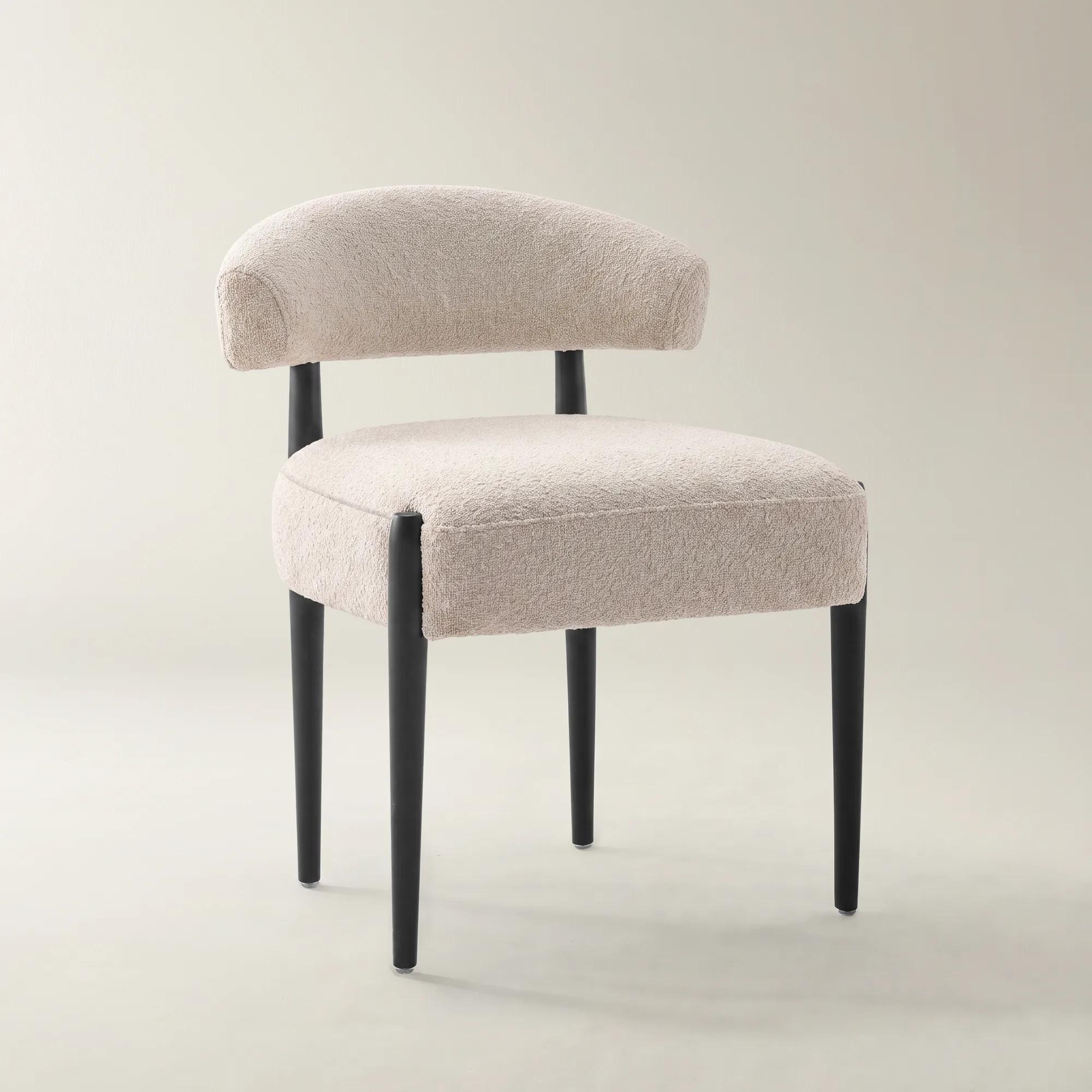
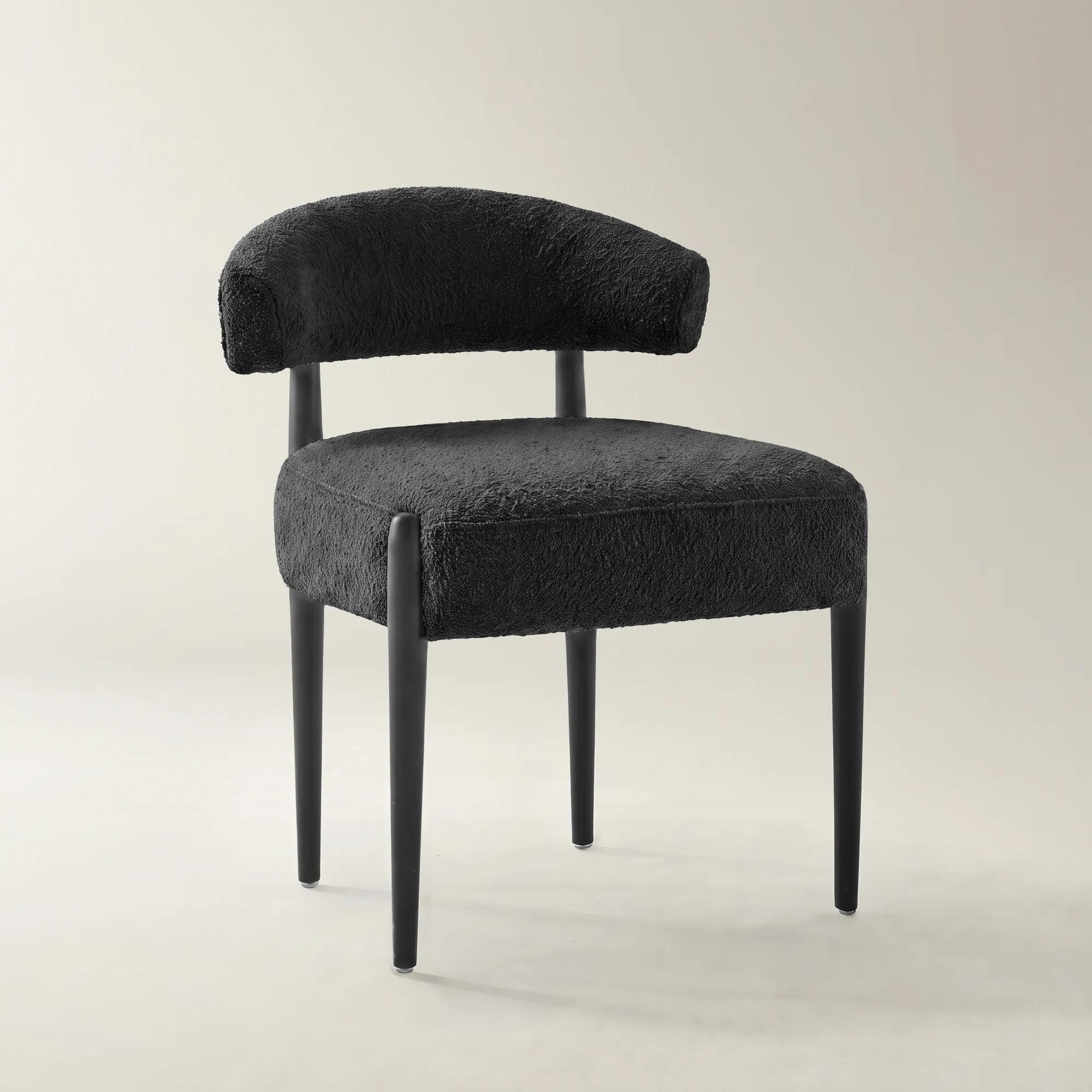
White Cushioned Dining Chairs
White Cushioned Dining Chairs
-
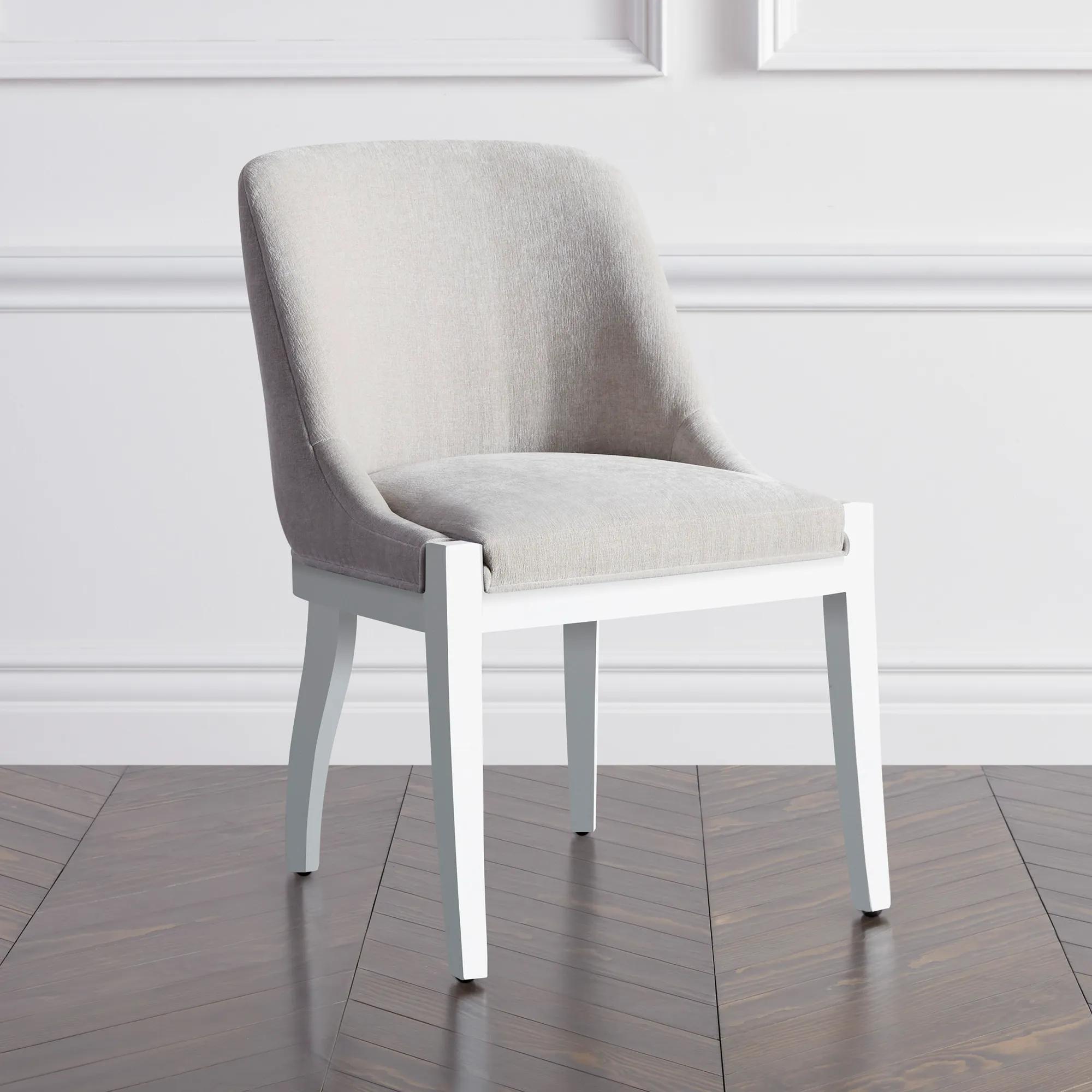
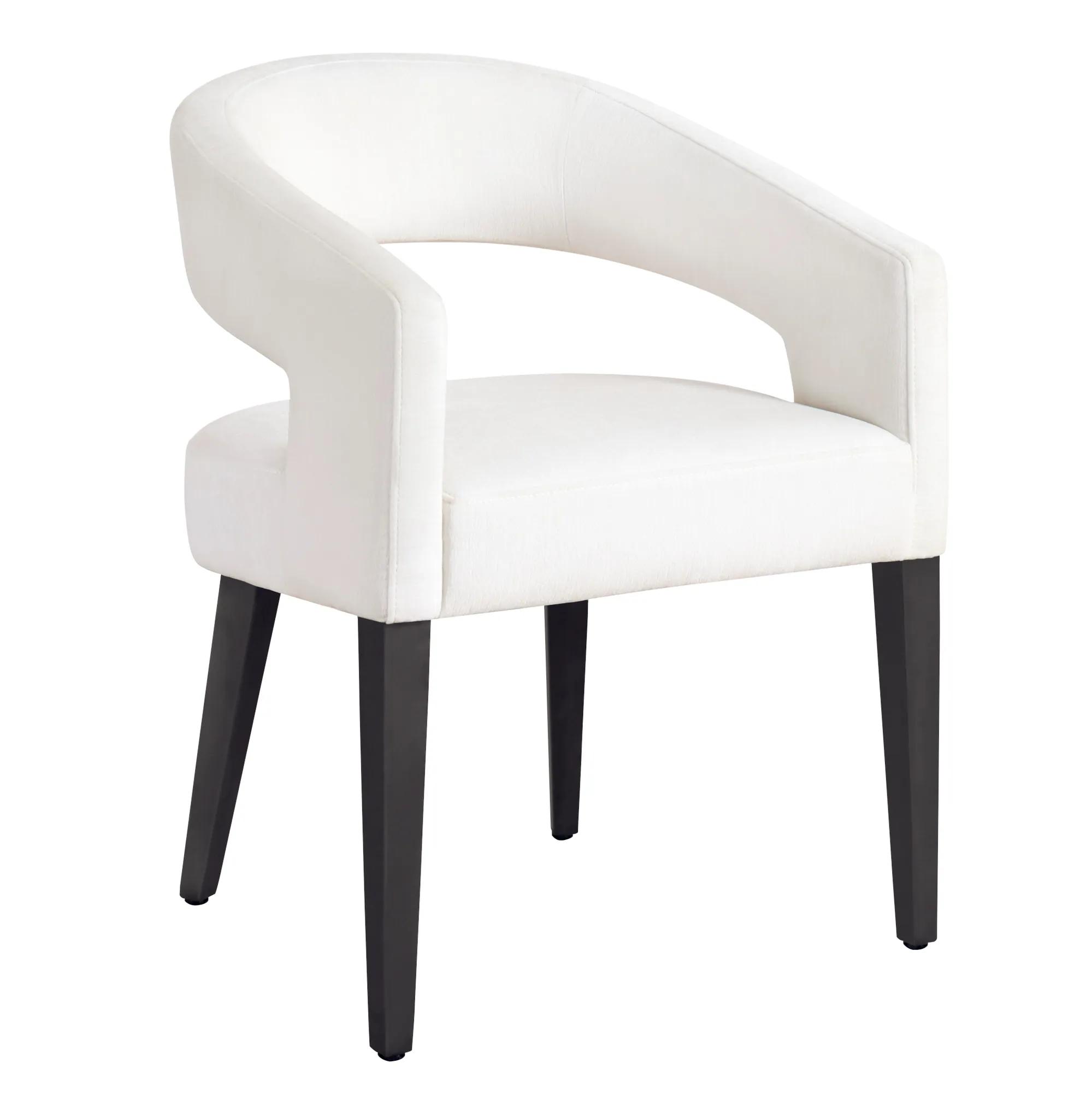
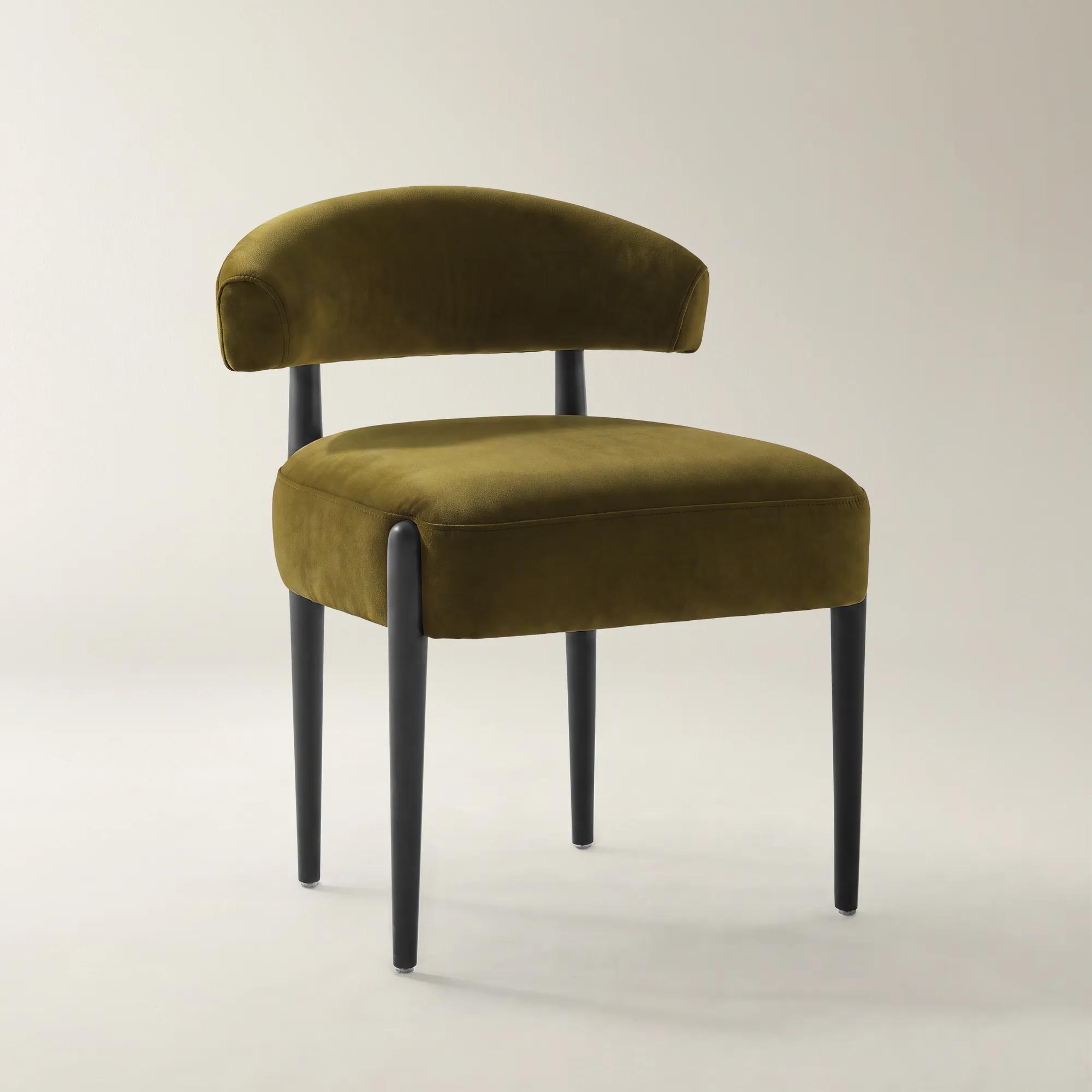
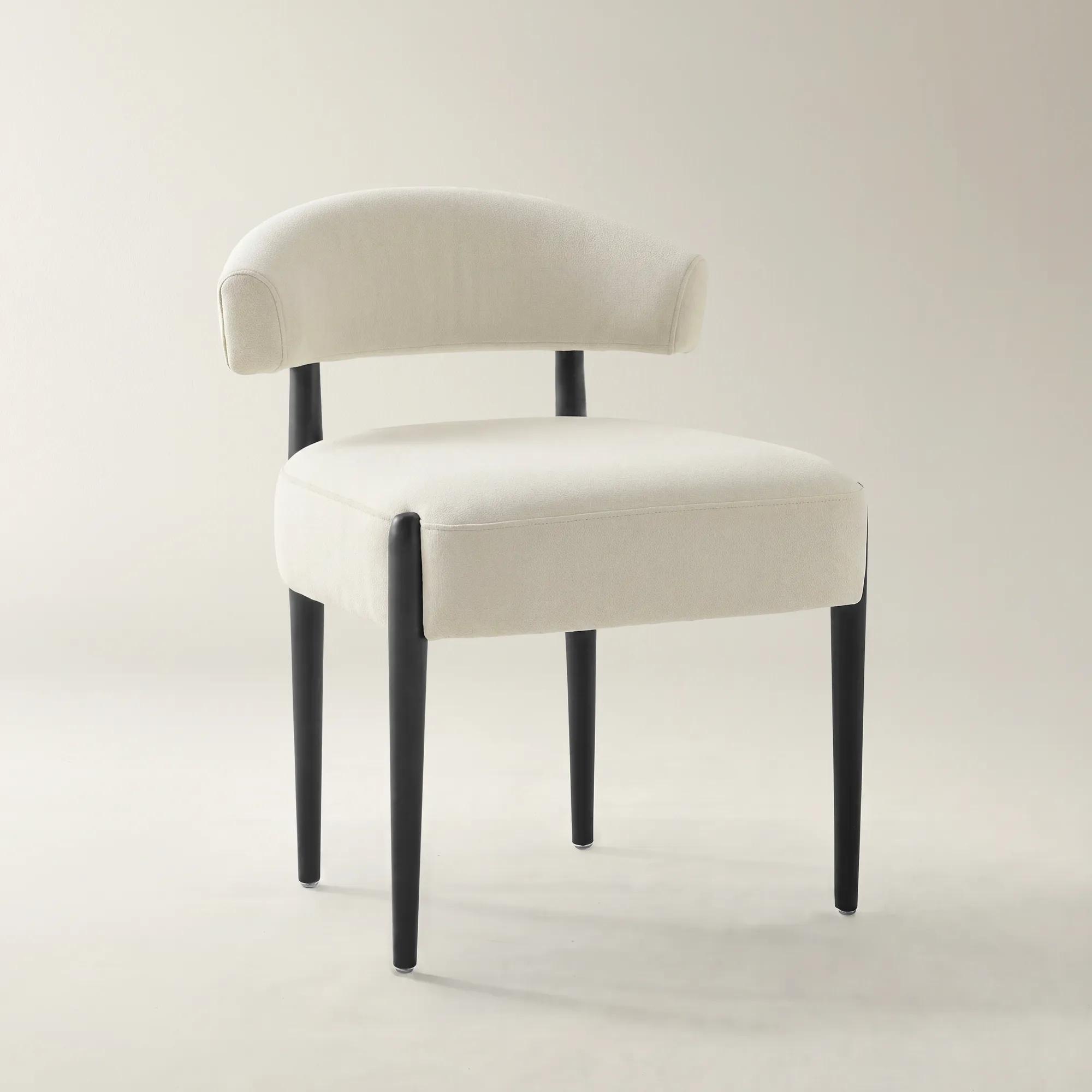
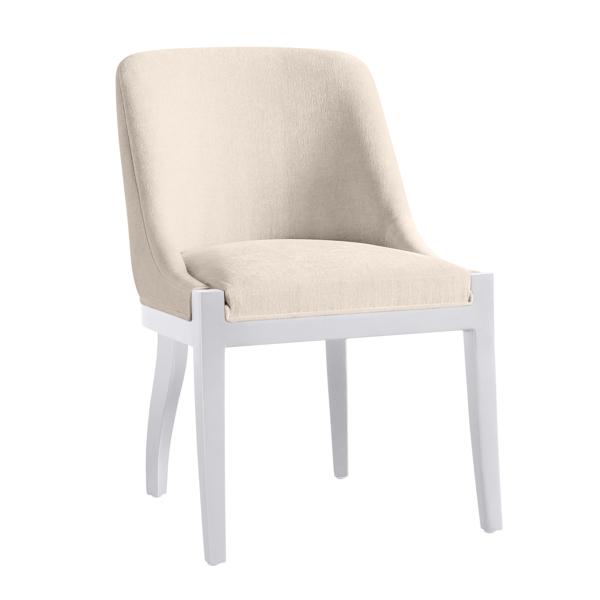 Lily Dining Chair - High Gloss White$649
A modern dining chair featuring kiln-dried hardwood, high-gloss white legs, and neatly tailored upholstery.
Add To Cart -
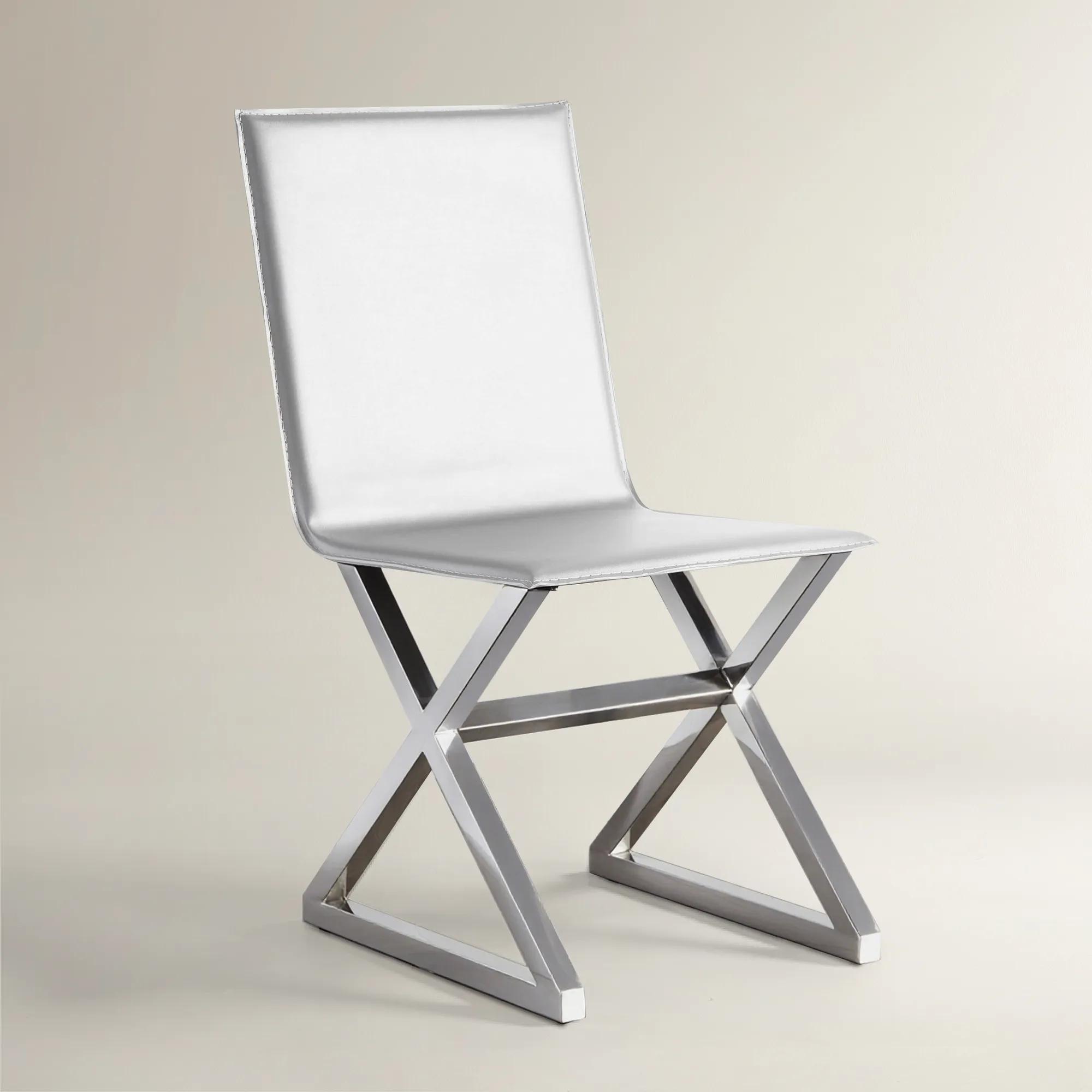
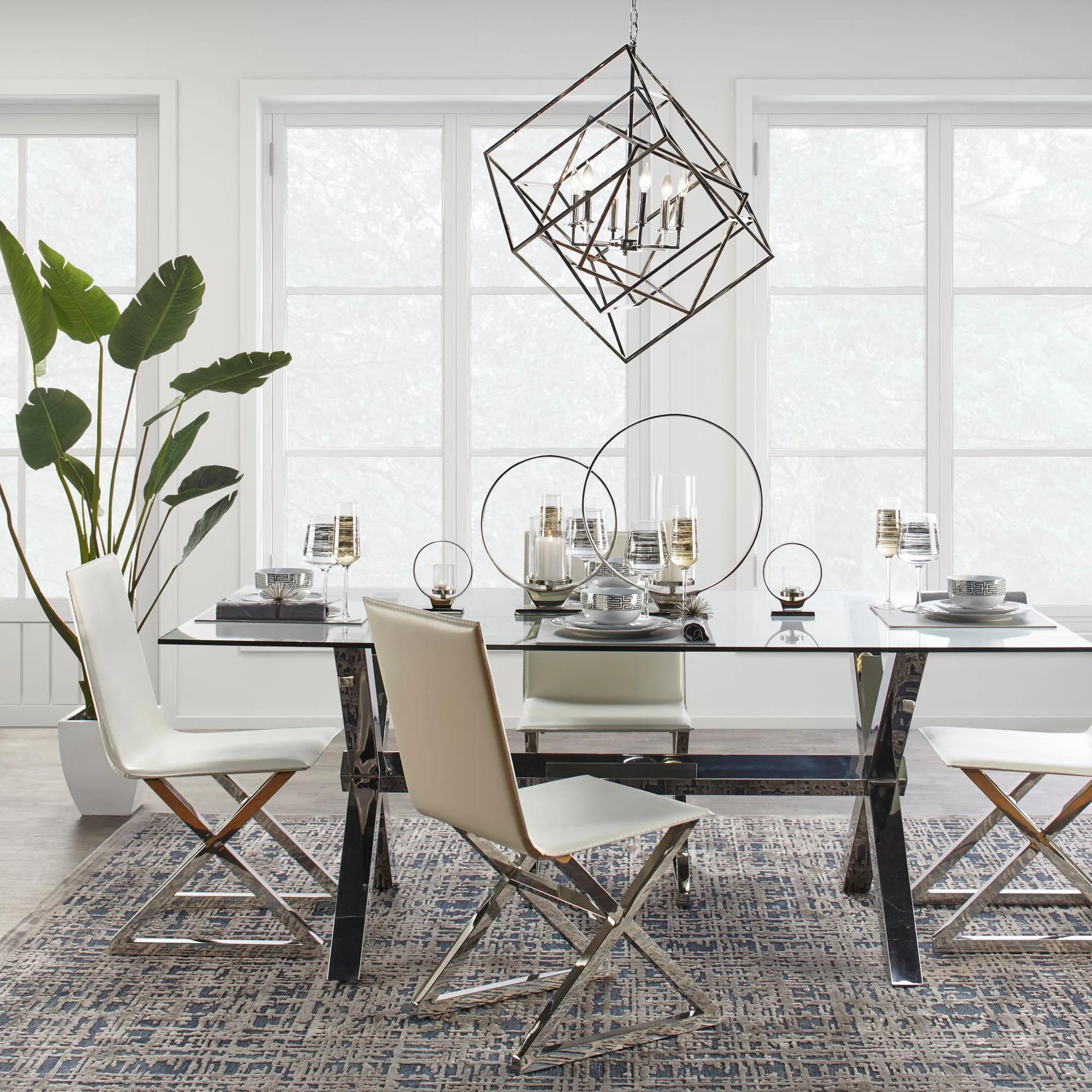 Axis Dining Chair - Set of 2$399
A contemporary chair set featuring white bonded leather upholstery and a polished stainless steel base.
Add To Cart -
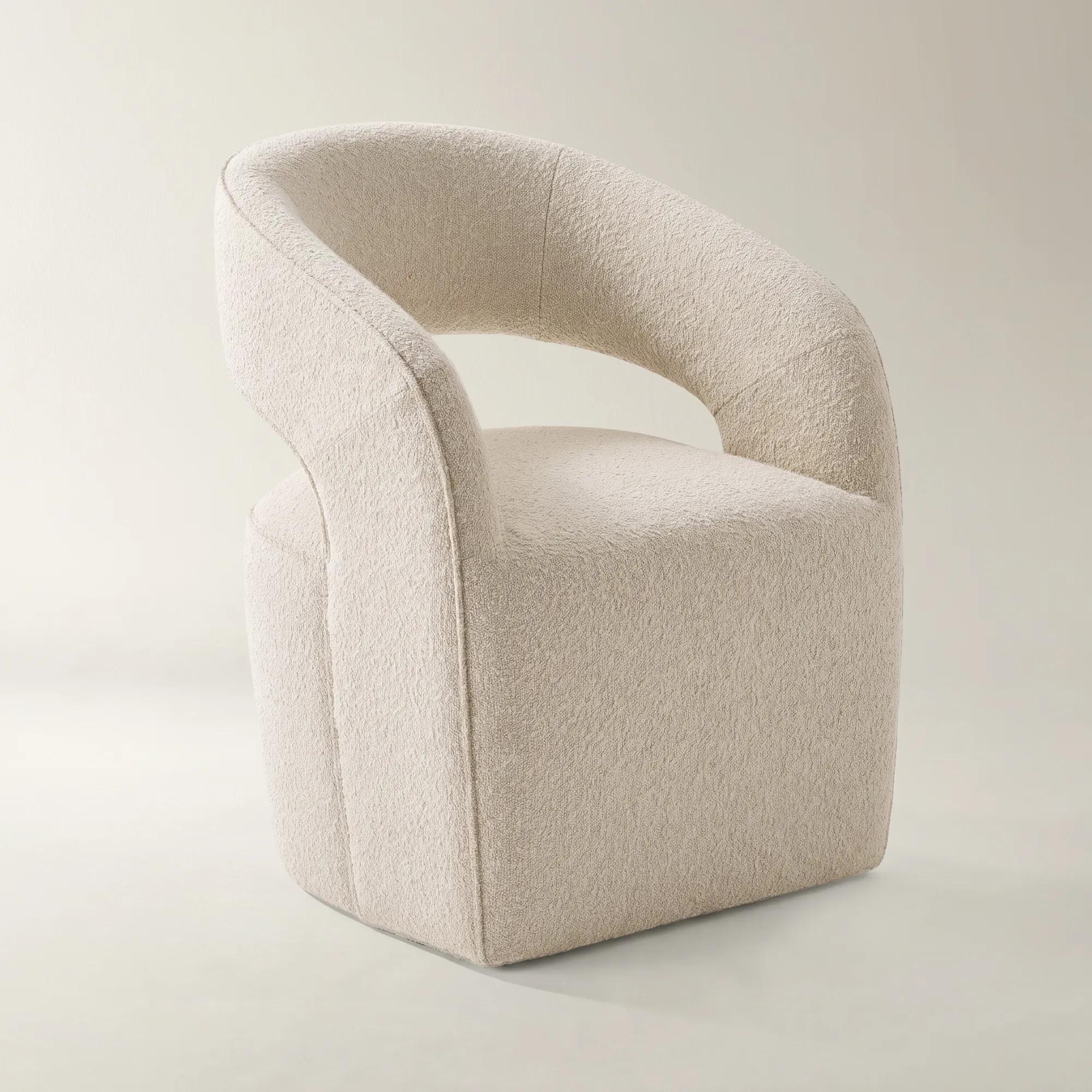
-2.jpg?w=1200&h=1200) Harrison Ivory Performance Boucle Dining Chair$449
Harrison Ivory Performance Boucle Dining Chair$449A sculptural dining chair in ivory performance boucle with a curved back, integrated arms, and feather-blend comfort.
Add To Cart -
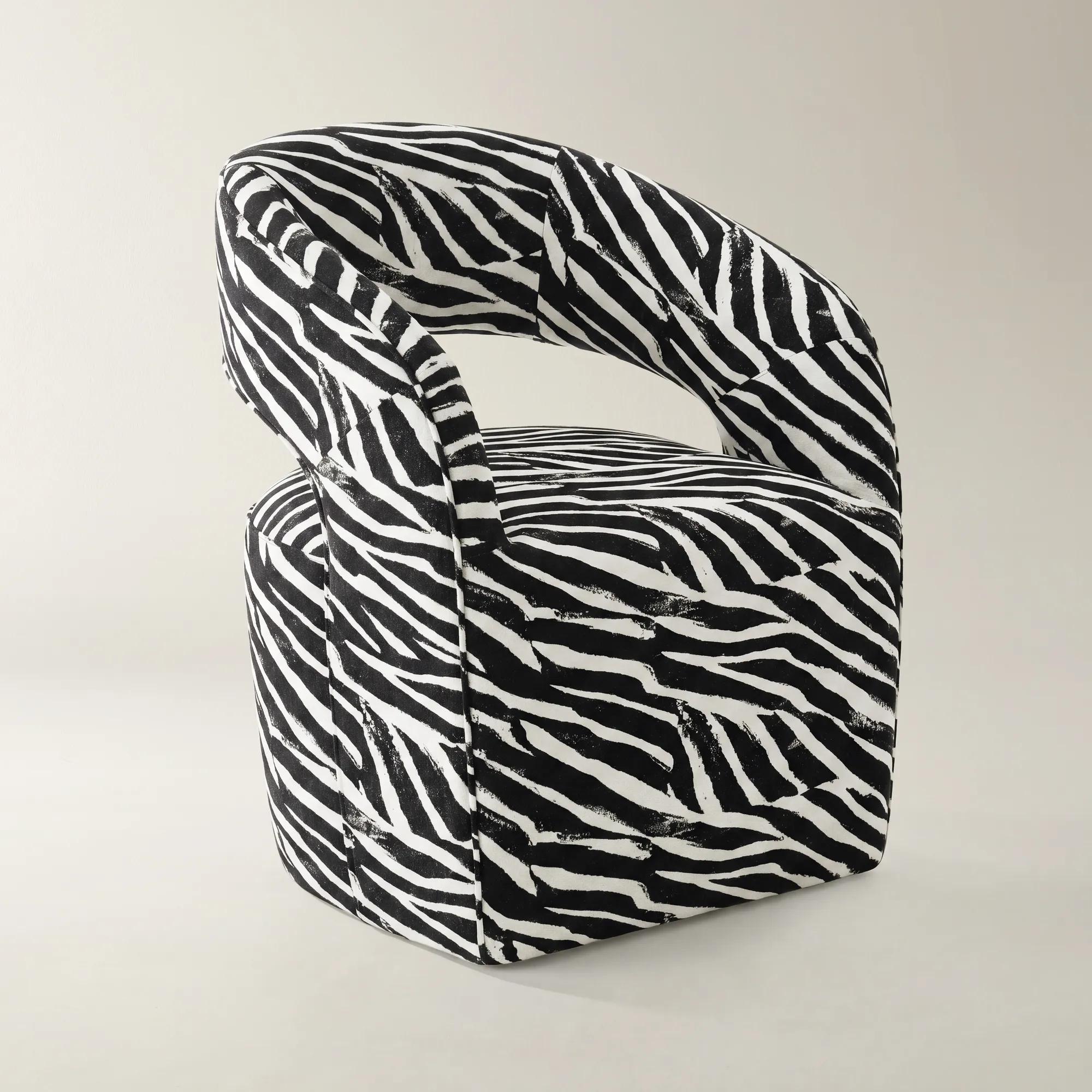 Harrison White/Black Performance Chenille Dining Chair$449
A sculptural dining chair in white and black performance chenille with plush feather-blend cushioning and curved arms.
Add To Cart -
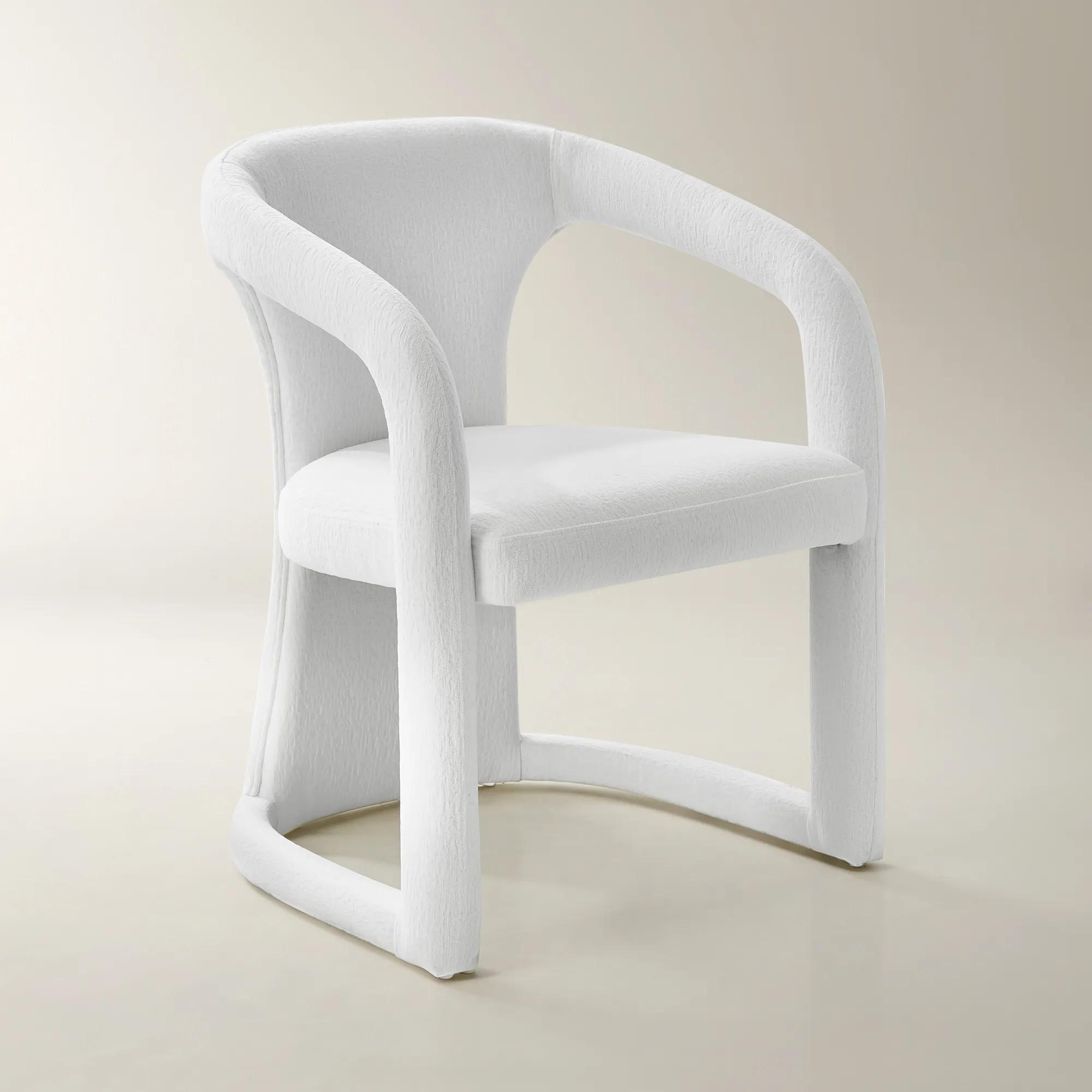
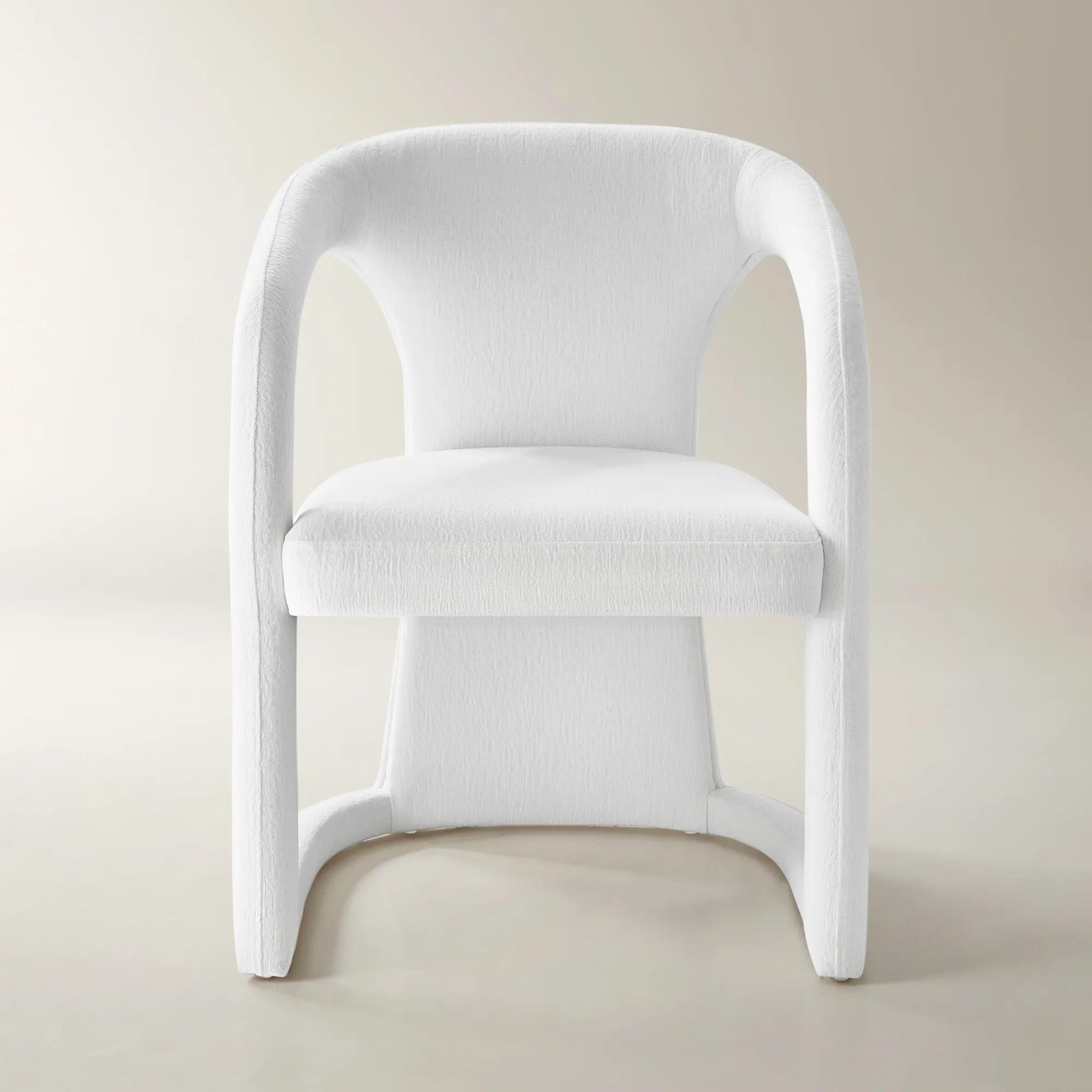 Arco White Performance Chenille Indoor/Outdoor Dining Chair$699
A sculptural white chenille dining chair with plush padding, moisture resistance, and indoor/outdoor versatility.
Add To Cart -
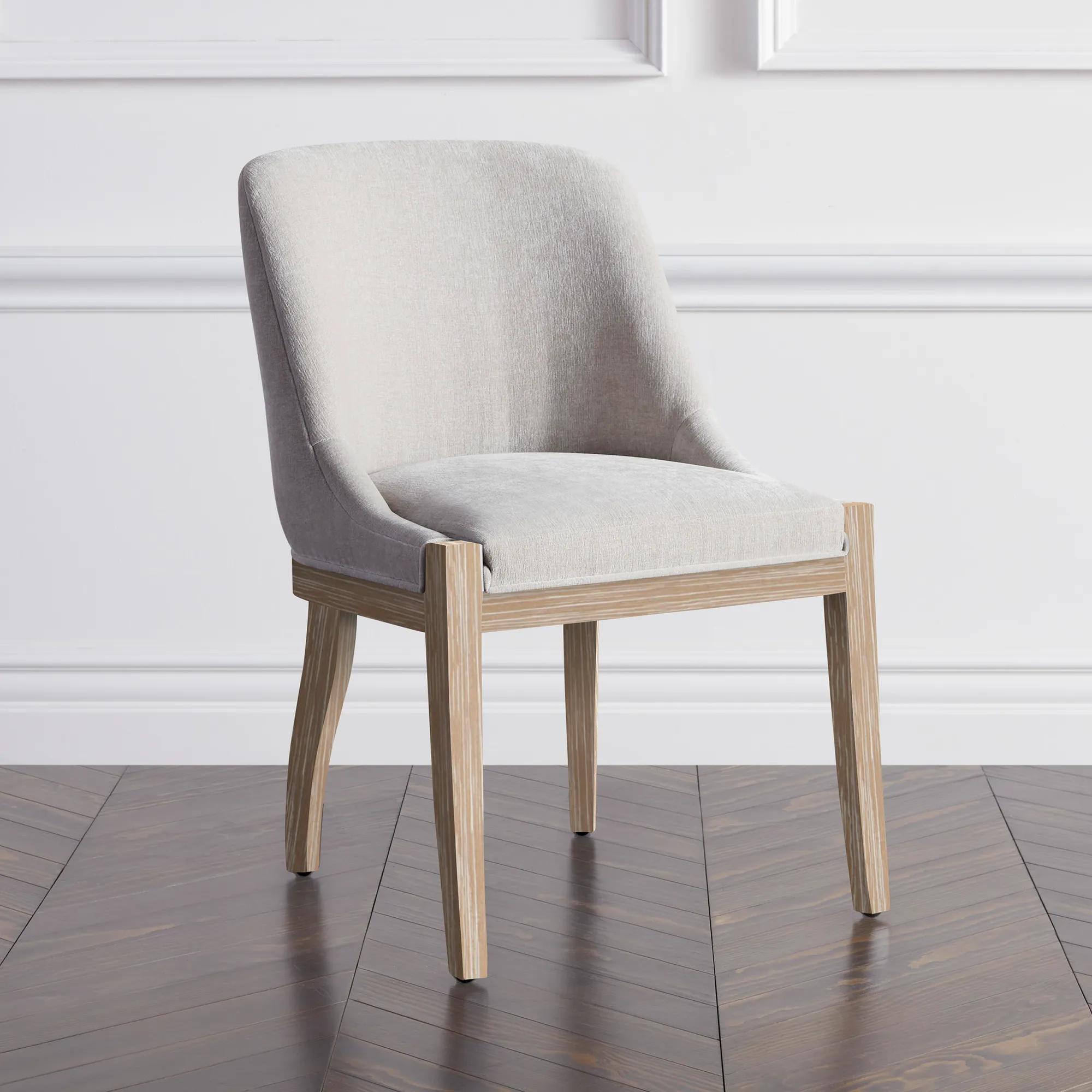
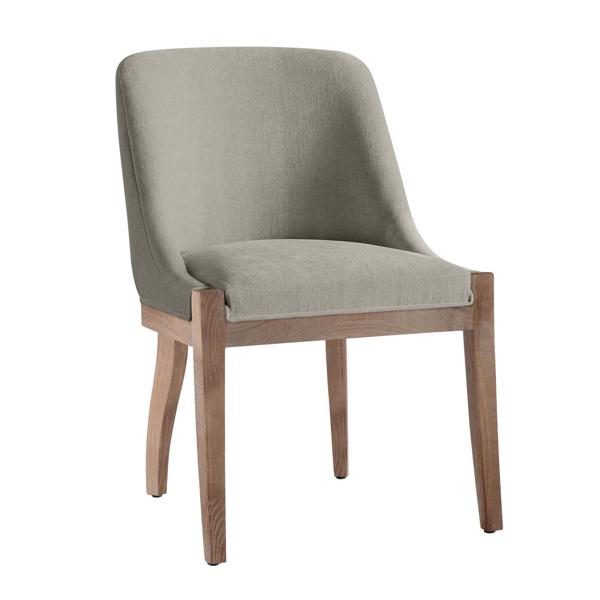 Lily Dining Chair - Wash Oak$649
A modern dining chair with a kiln-dried hardwood frame, wash oak legs, and plush tailored upholstery.
Add To Cart -
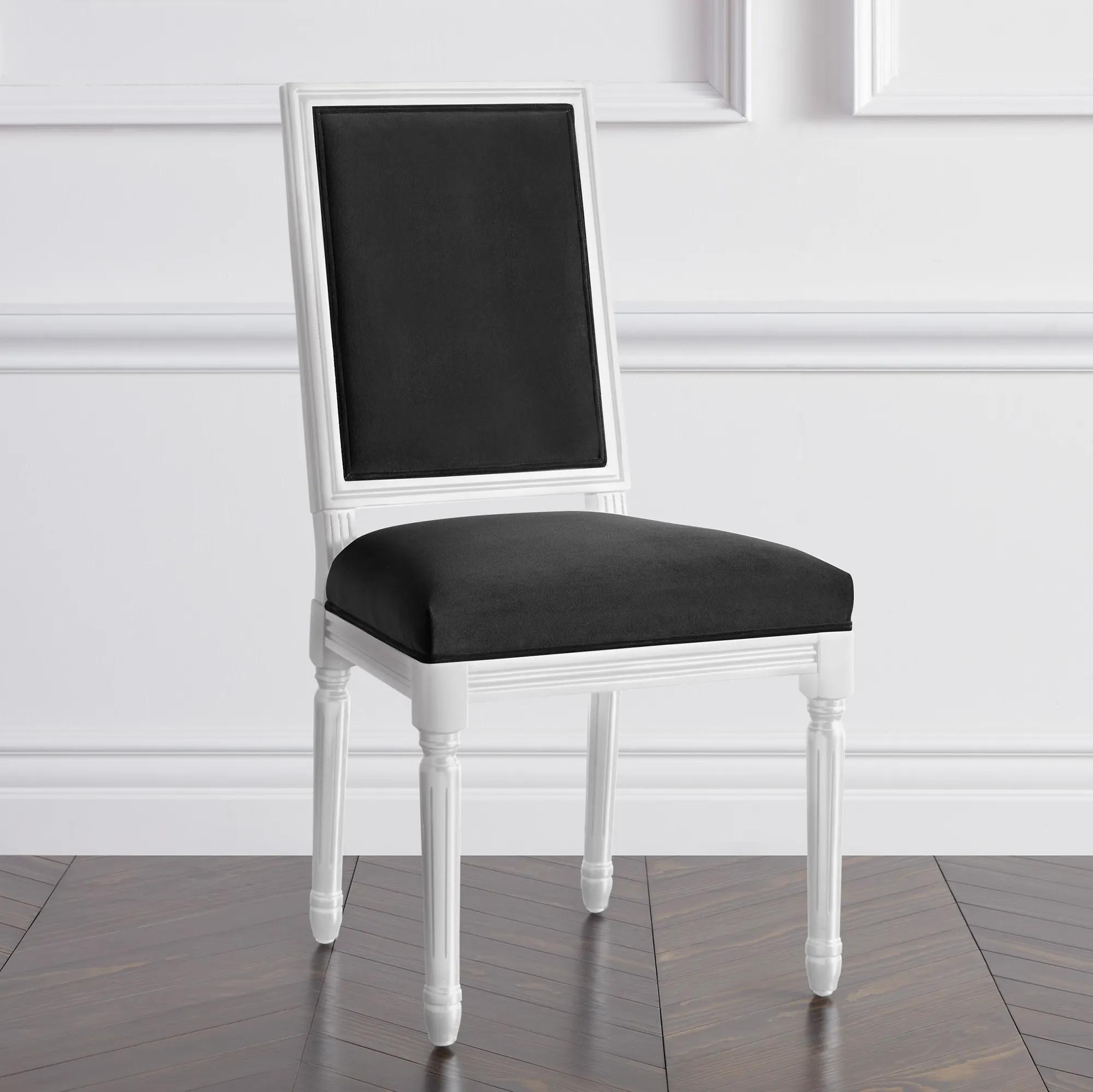
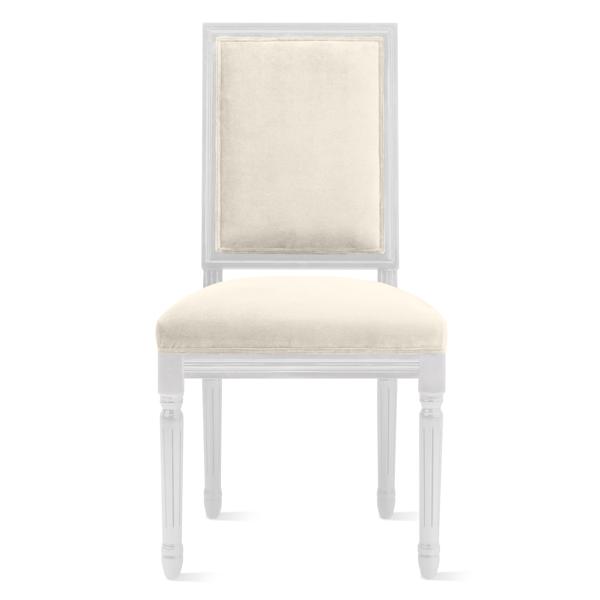 Callan Dining Chair - High Gloss White$599
A handcrafted dining chair featuring a high-gloss white finish, kiln-dried hardwood frame, and plush upholstery.
Add To Cart -
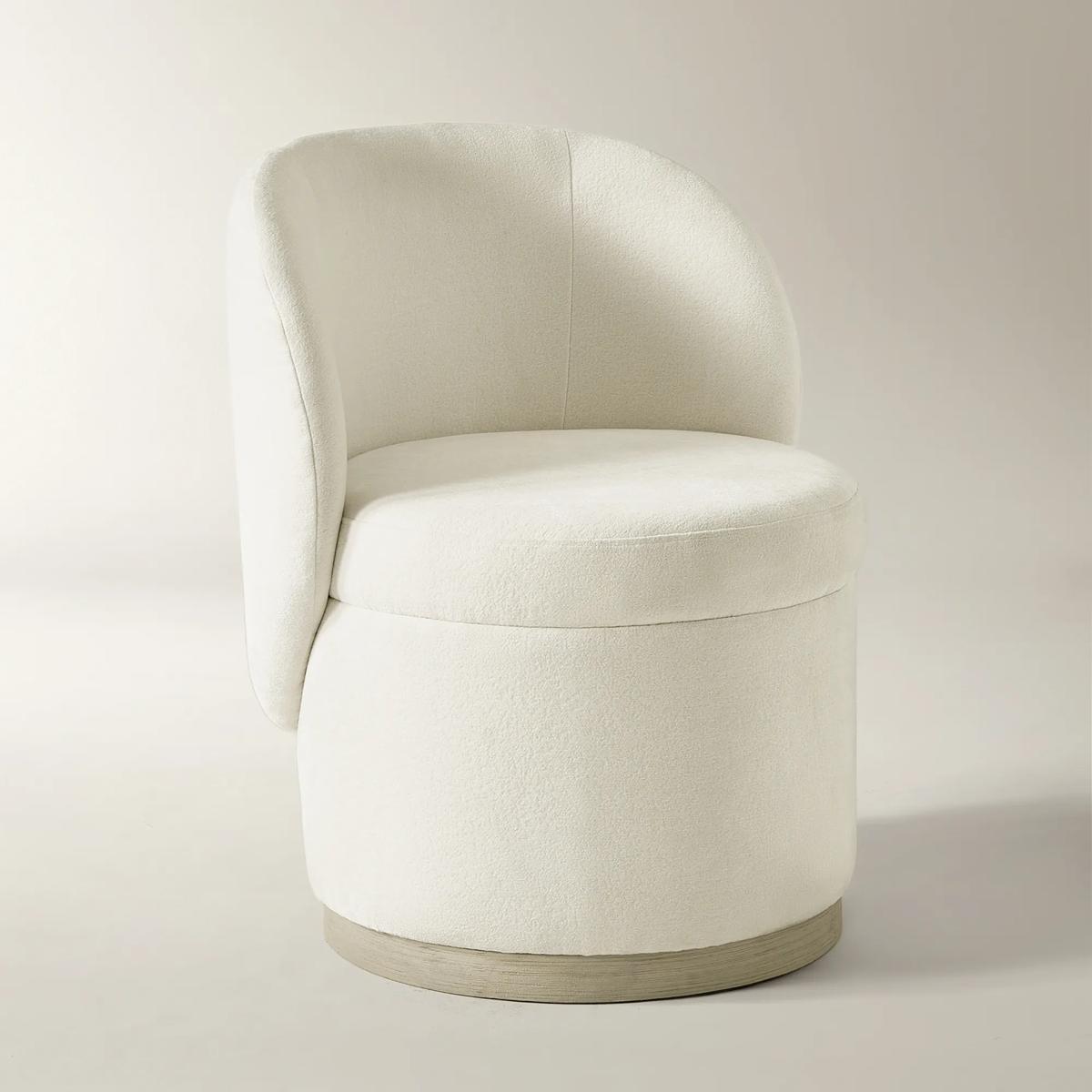 Stria Ivory Chenille Dining Chair With Oak Base$449
An ivory chenille chair featuring a plush, velvet-like finish and a handcrafted solid oak base.
Add To Cart -
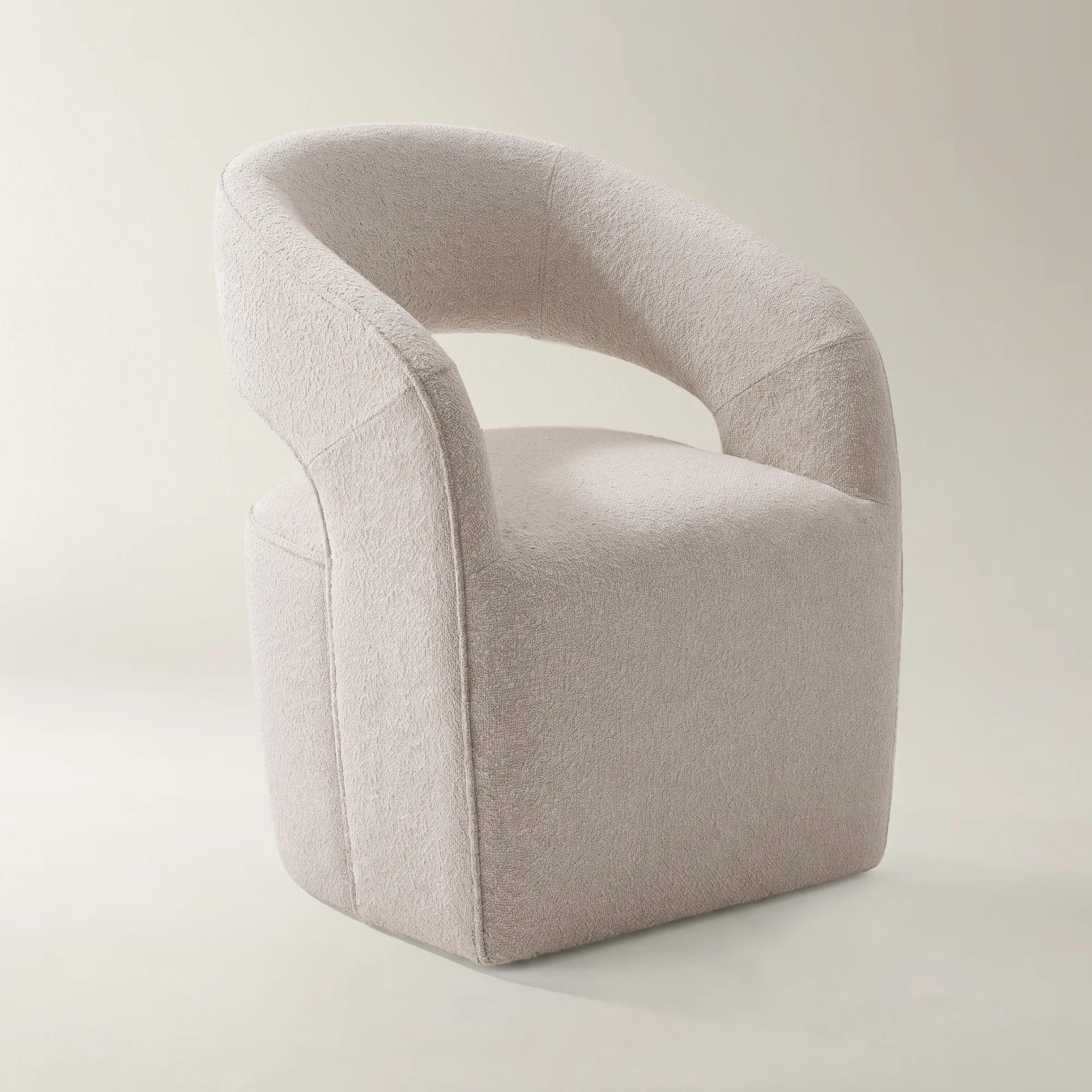 Harrison Ivory Performance Boucle Dining Chair$449
A sculptural dining chair in ivory performance boucle with a curved back, feather-blend seat, and modern elegance.
Add To Cart -
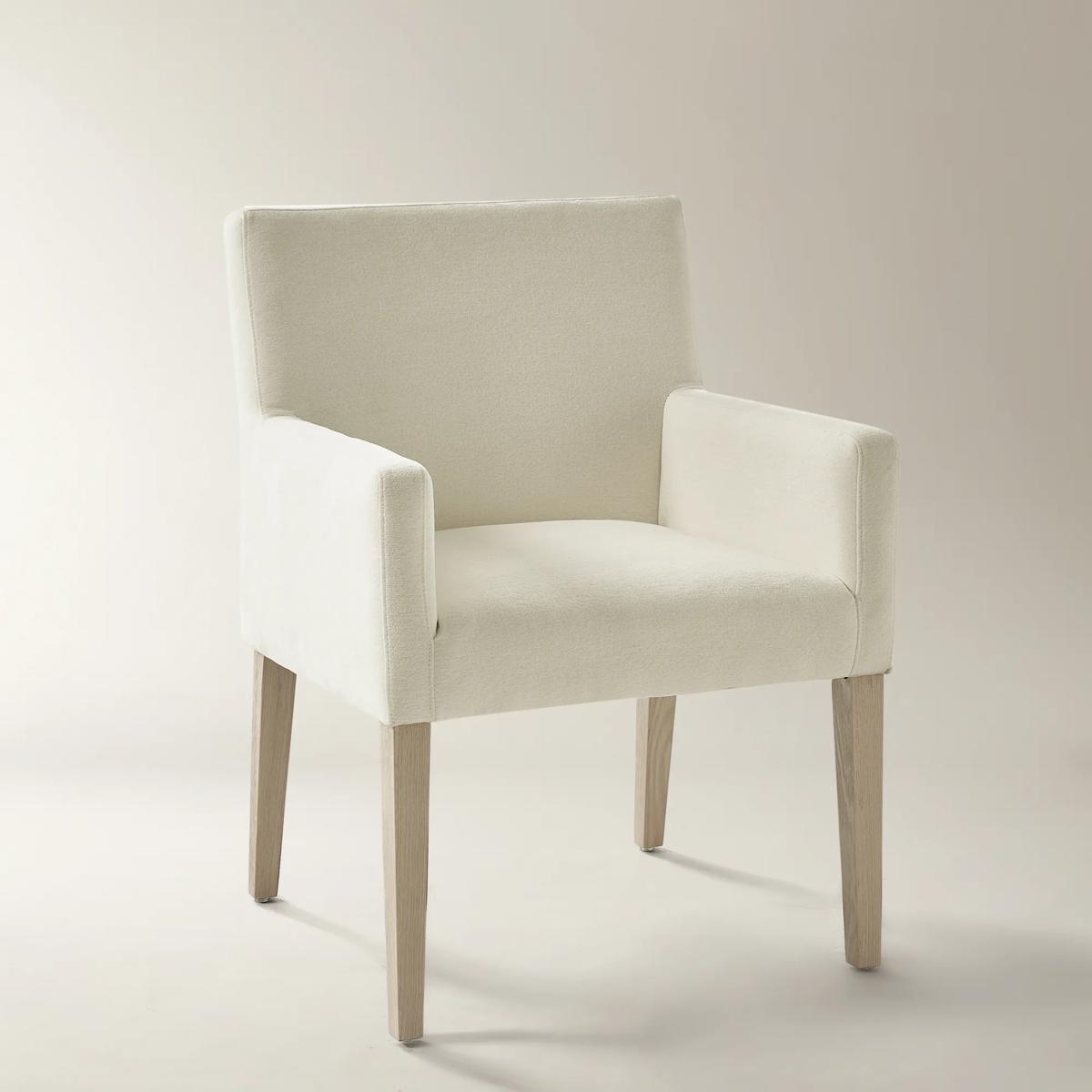
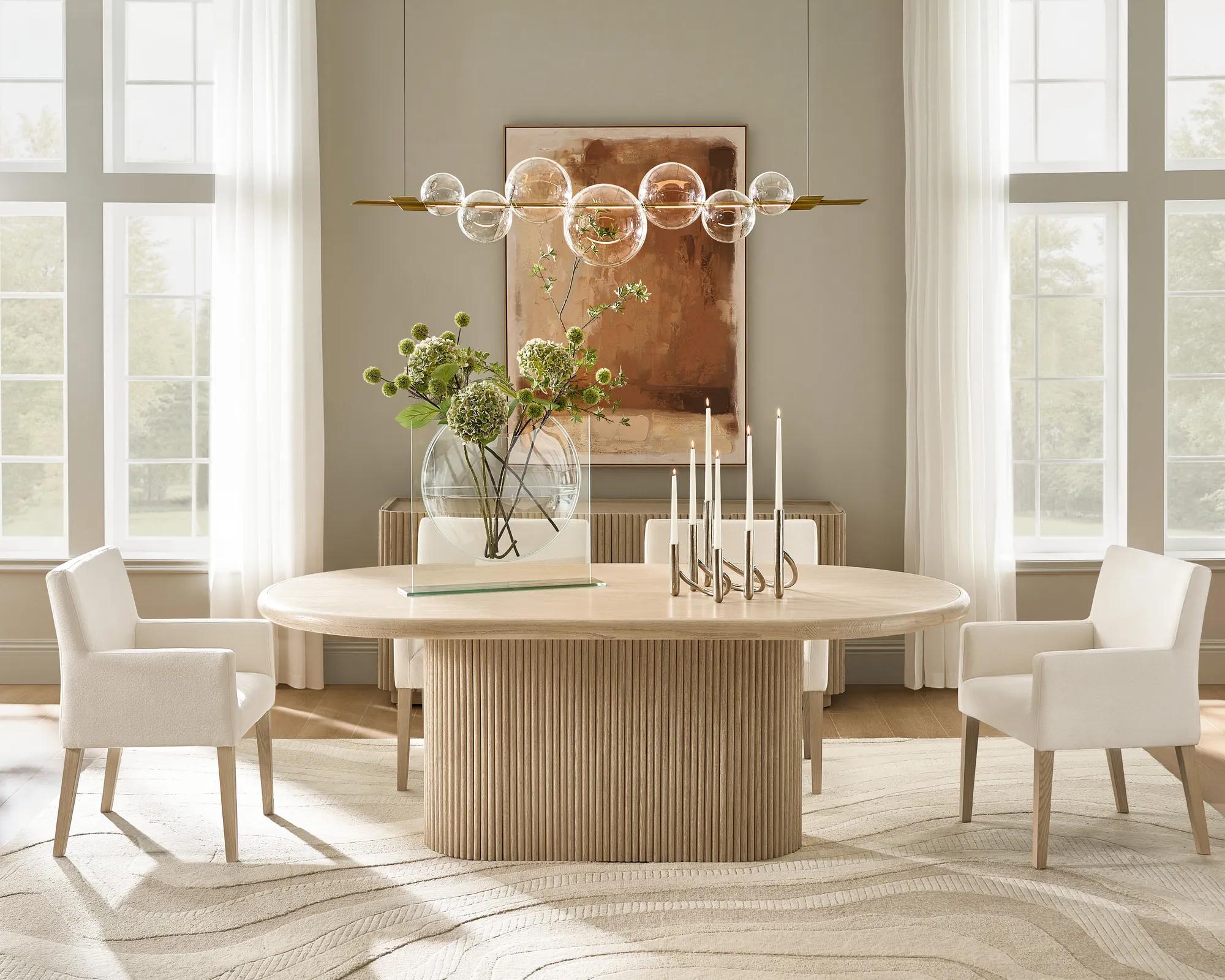 Stria Ivory Chenille Dining Chair Set Of 2$599
A pair of ivory chenille arm chairs with natural oak legs, offering plush comfort and modern elegance.
Add To Cart -
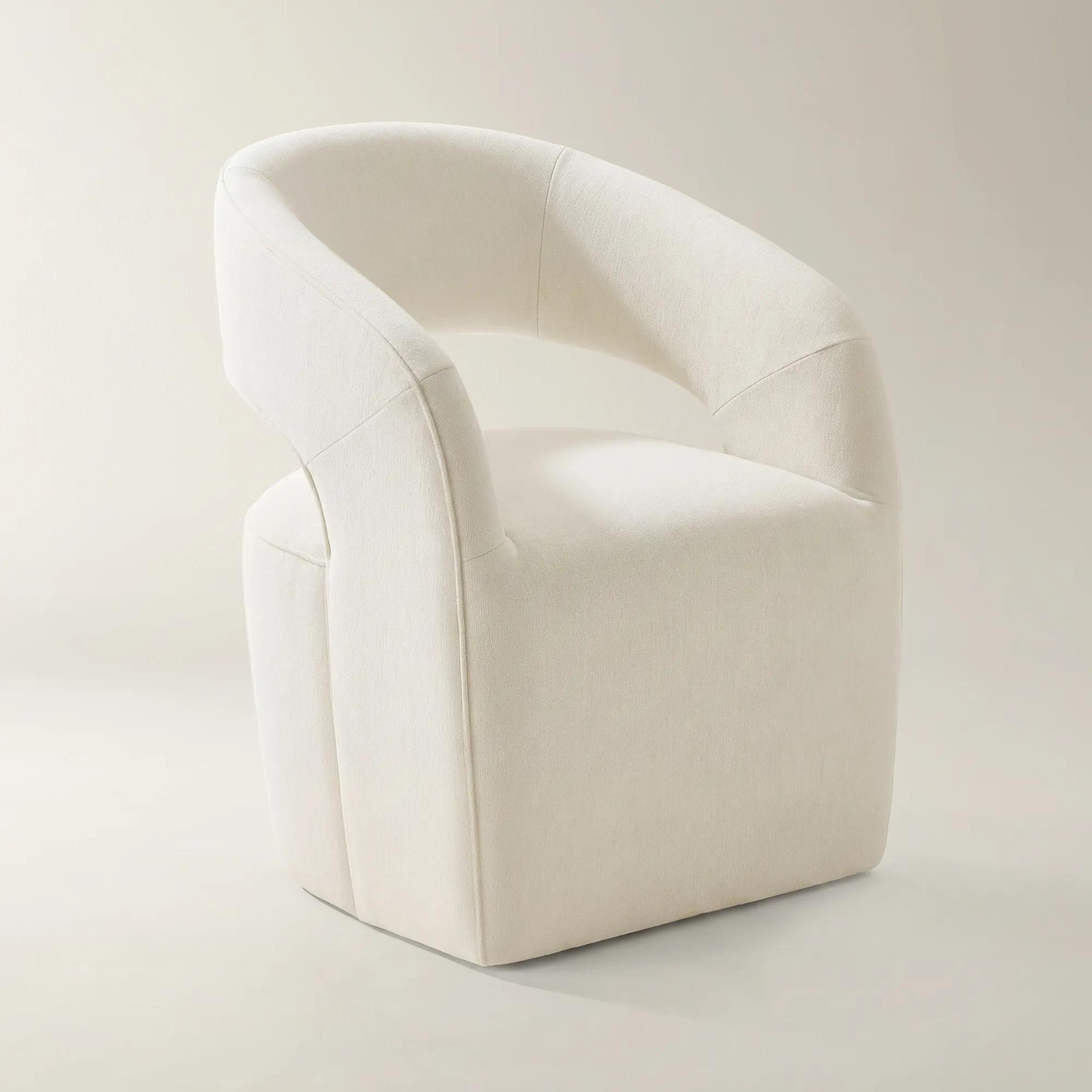 Harrison Ivory Performance Chenille Dining Chair$449
A sculptural ivory chenille chair featuring a continuous curved back, feather-blend comfort, and performance upholstery.
Add To Cart -
.jpg?w=1200&h=1200) Stria Ivory Chenille Swivel Dining Chair With Oak Base$599
Stria Ivory Chenille Swivel Dining Chair With Oak Base$599An inviting ivory chenille arm chair with a solid oak swivel base and hand-crafted details.
Add To Cart -
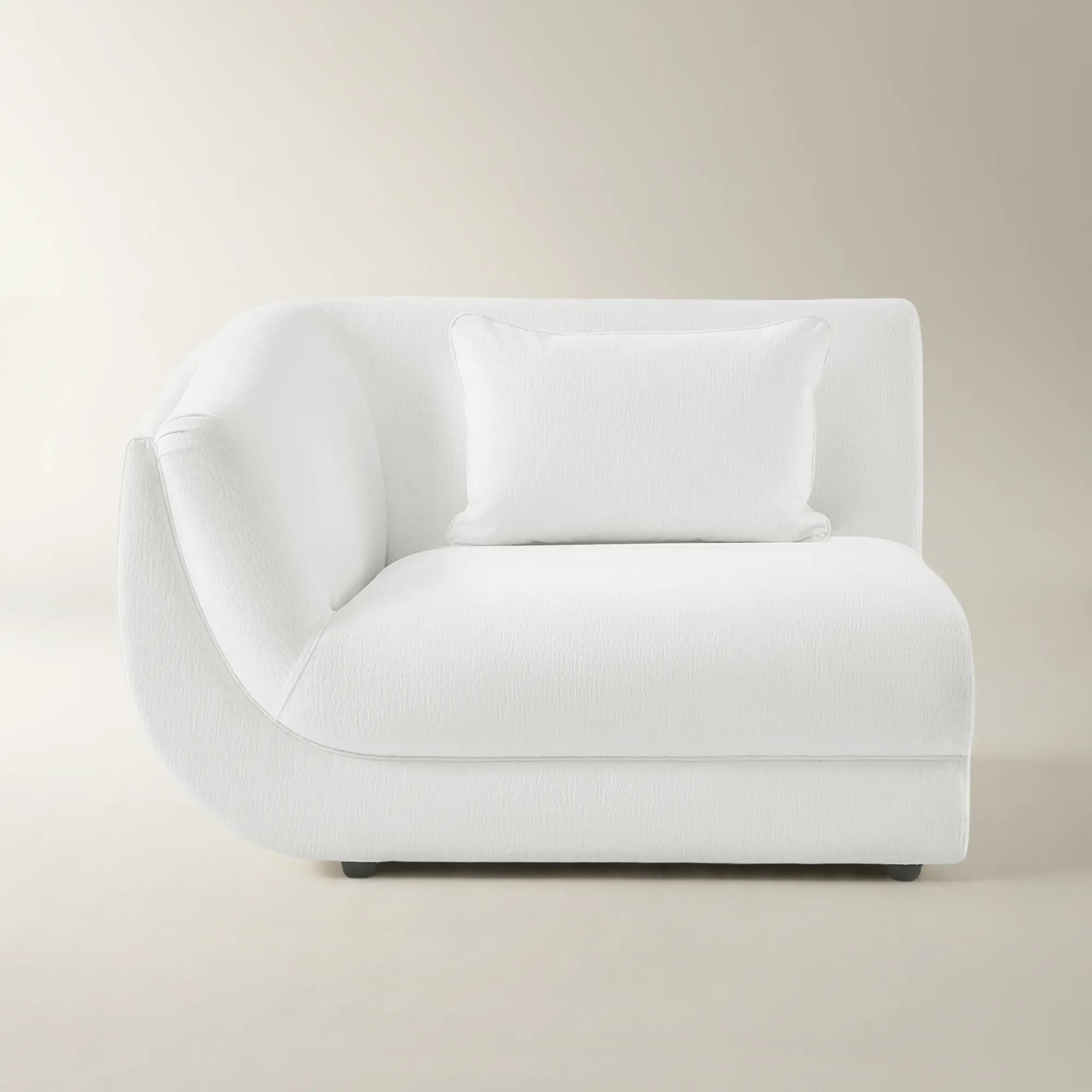 Curvia White Performance Chenille Indoor/Outdoor Left-Arm Chair$1349
A sculptural white chenille chair with plush cushioning, moisture-resistant backing, and indoor/outdoor versatility.
Add To Cart -
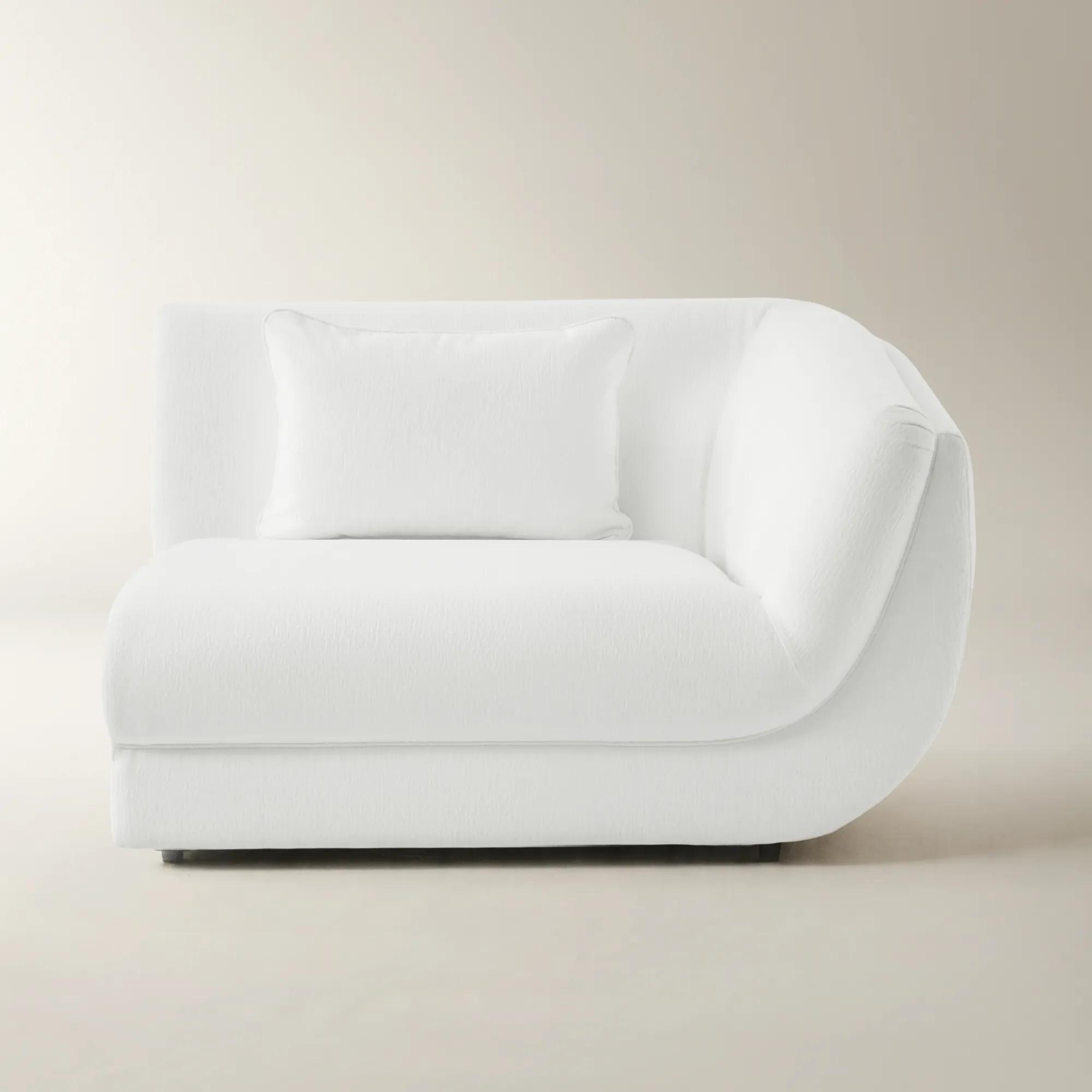 Curvia White Performance Chenille Indoor/Outdoor Right-Arm Chair$1349
A sculptural right-arm chair in white performance chenille, designed for plush comfort indoors or outdoors.
Add To Cart -
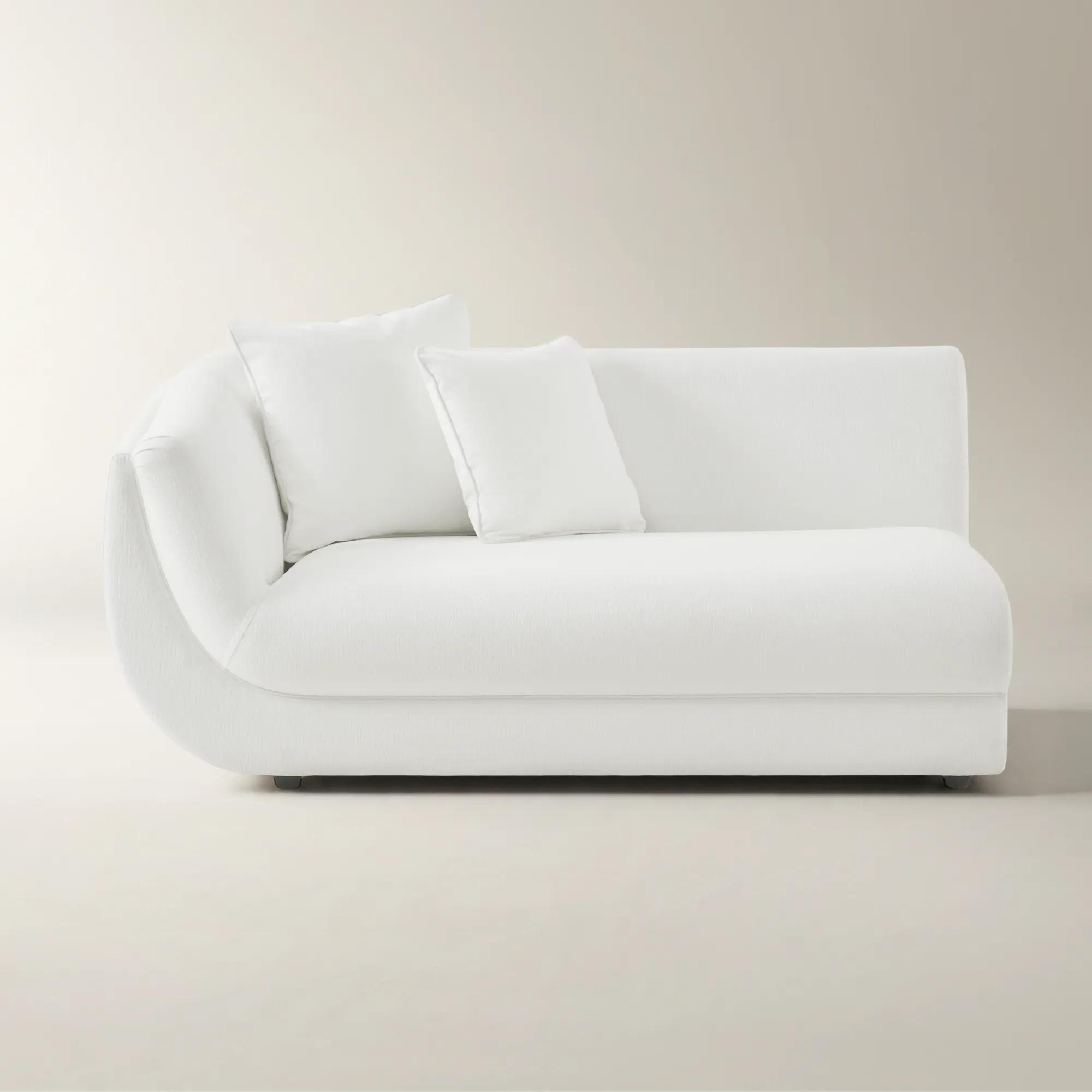
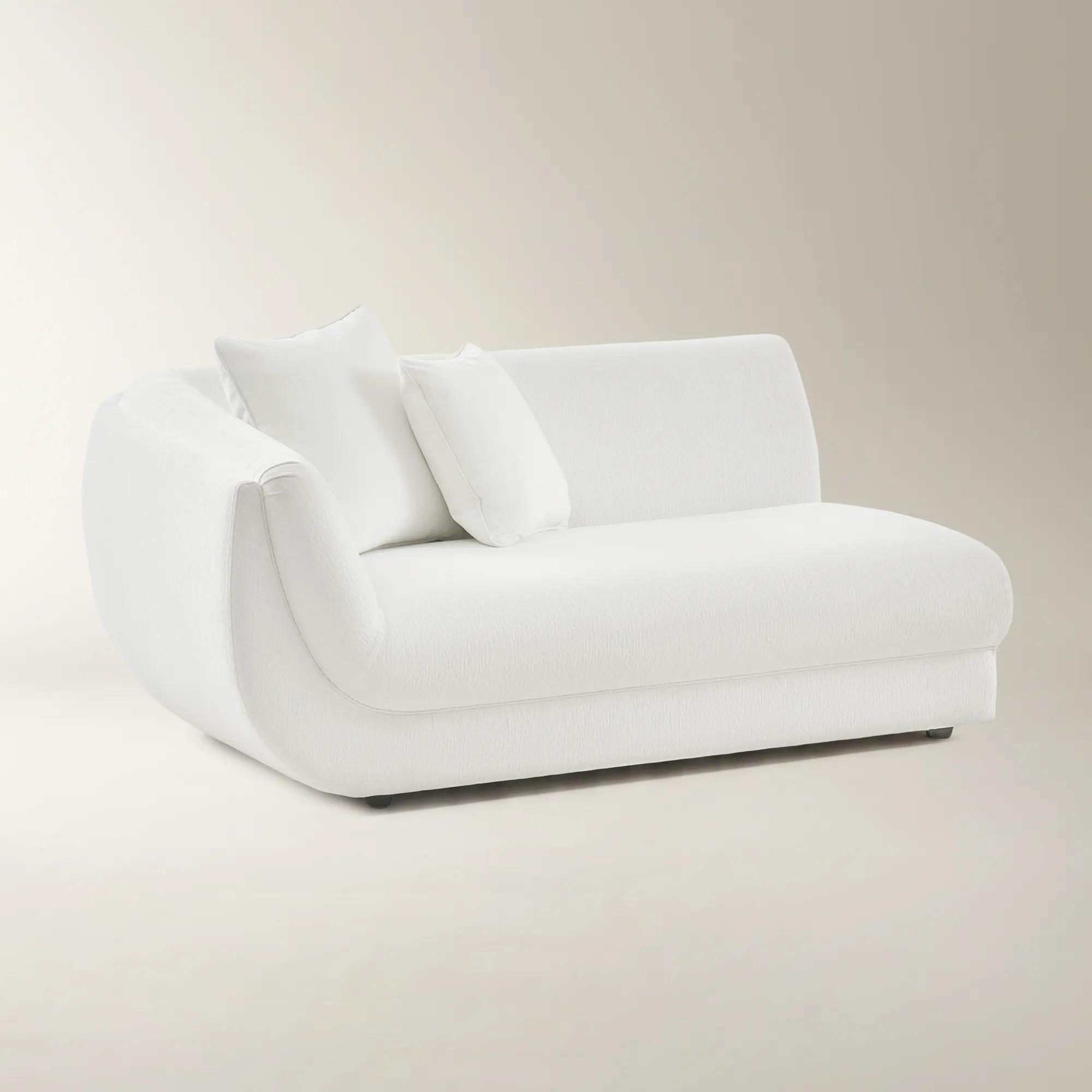 Curvia White Performance Chenille Indoor/Outdoor Grand Left-Arm Chair$1449
A sculptural left-arm chair in white performance chenille, designed for indoor or outdoor lounging comfort.
Add To Cart -
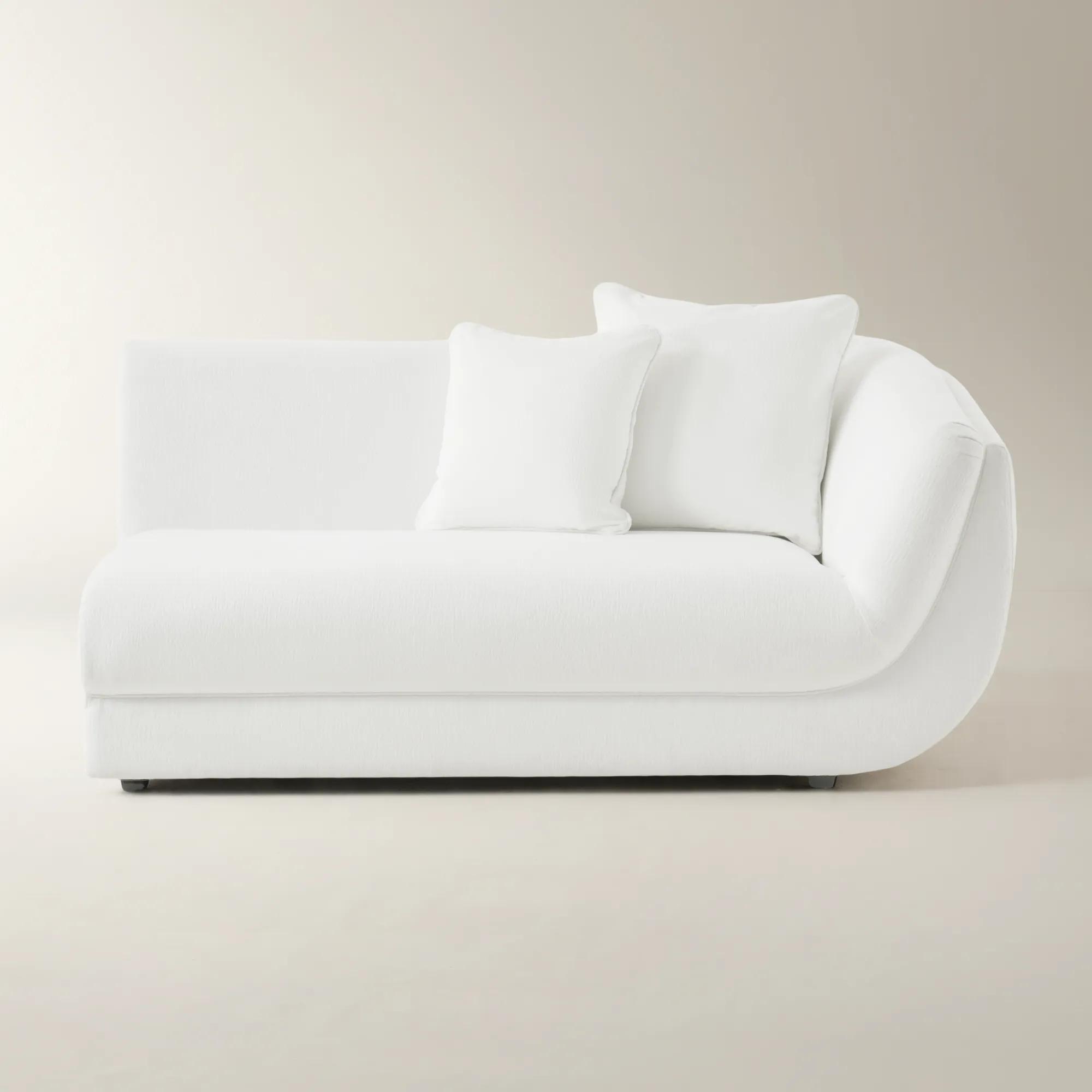 Curvia White Performance Chenille Indoor/Outdoor Grand Right-Arm Chair$1449
A sculptural white chenille chair featuring plush cushions, weather-resistant design, and indoor/outdoor versatility.
Add To Cart -
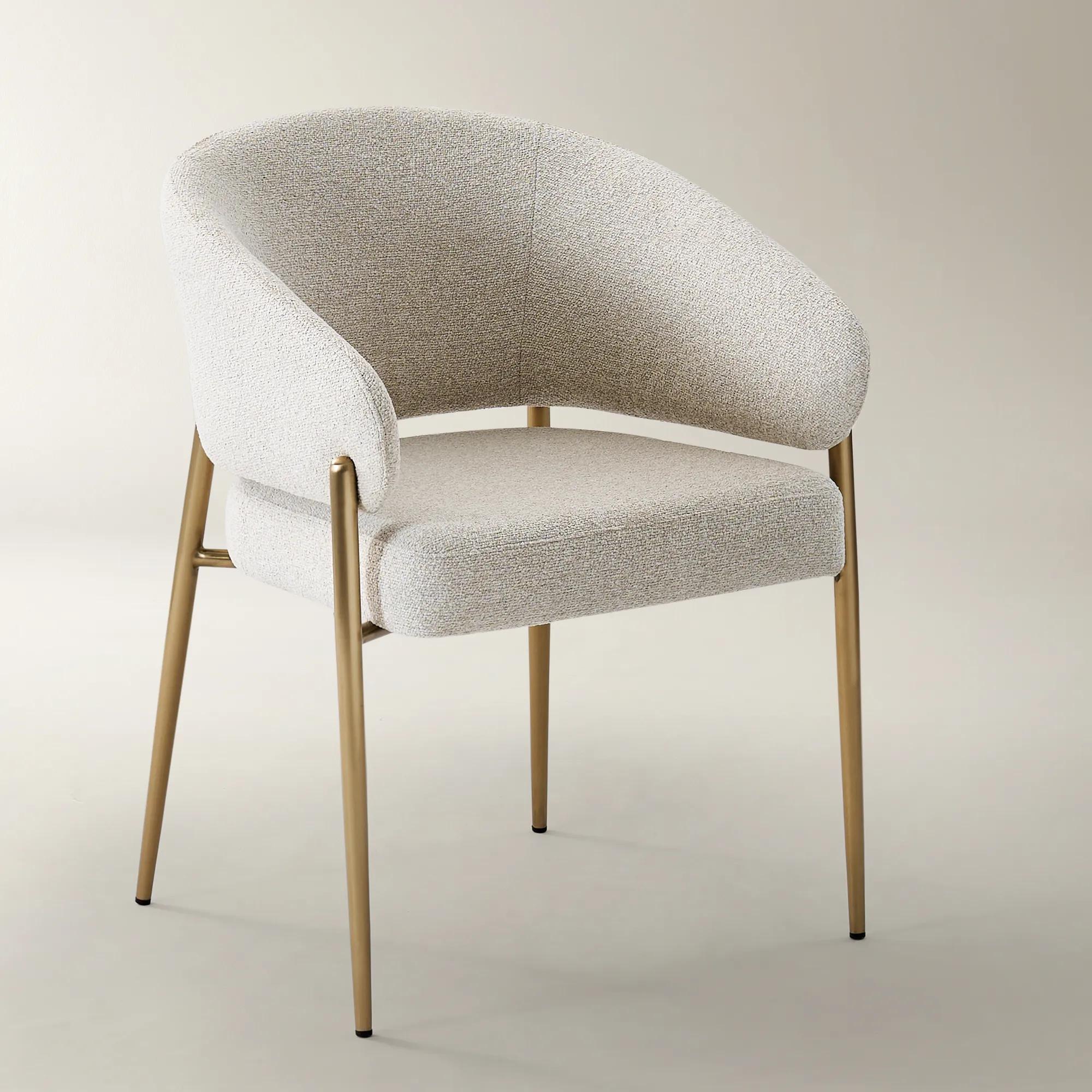
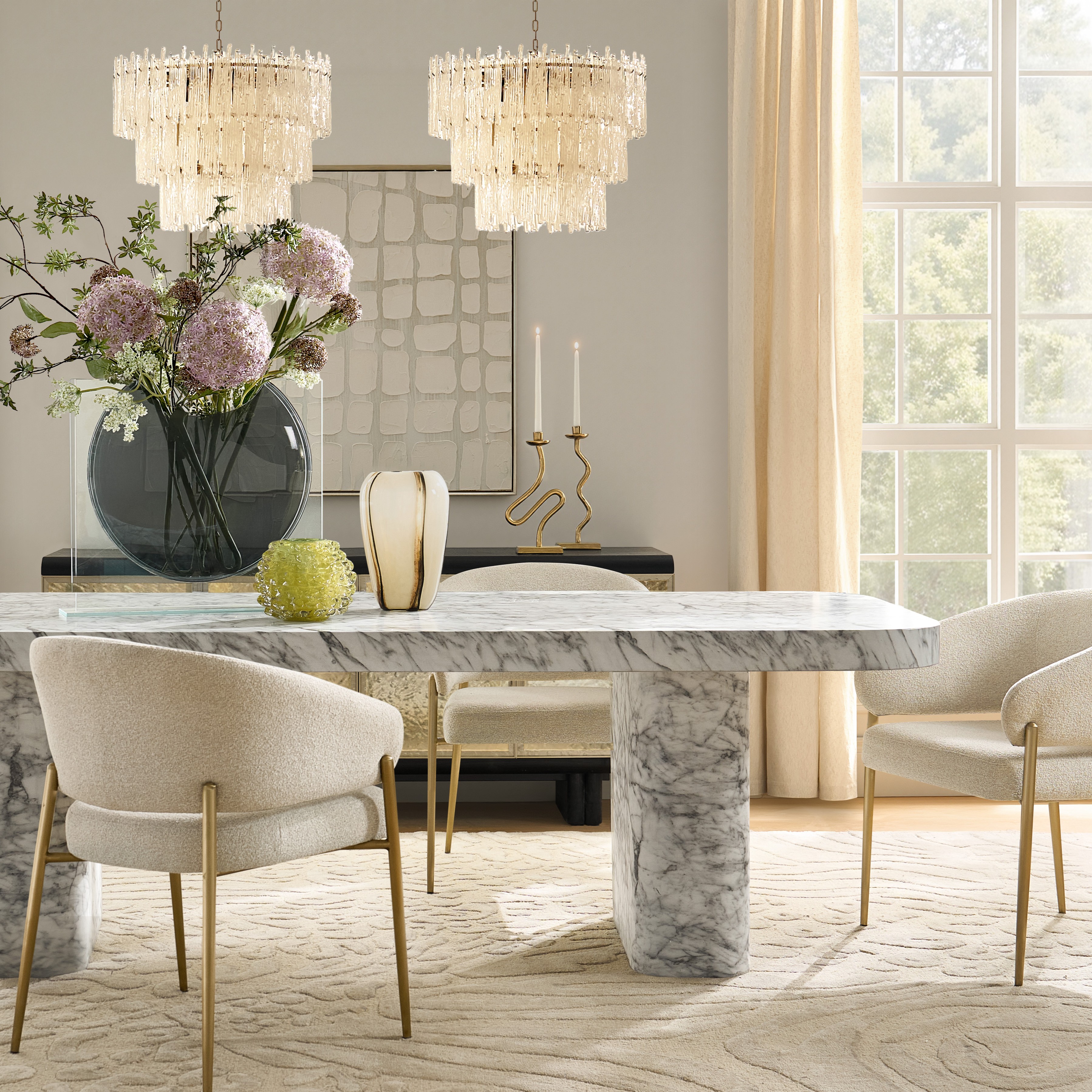 Nara Ivory Boucle Dining Chair Set Of 2$599
An ivory boucle dining chair set with a curved backrest and brushed stainless steel frame for modern elegance.
Add To Cart -
.jpg?w=1200&h=1200) Harrison Cream Chenille Dining Chair$449
Harrison Cream Chenille Dining Chair$449A fully upholstered cream chenille chair with high-density foam cushioning for exceptional comfort and contemporary style.
Add To Cart -
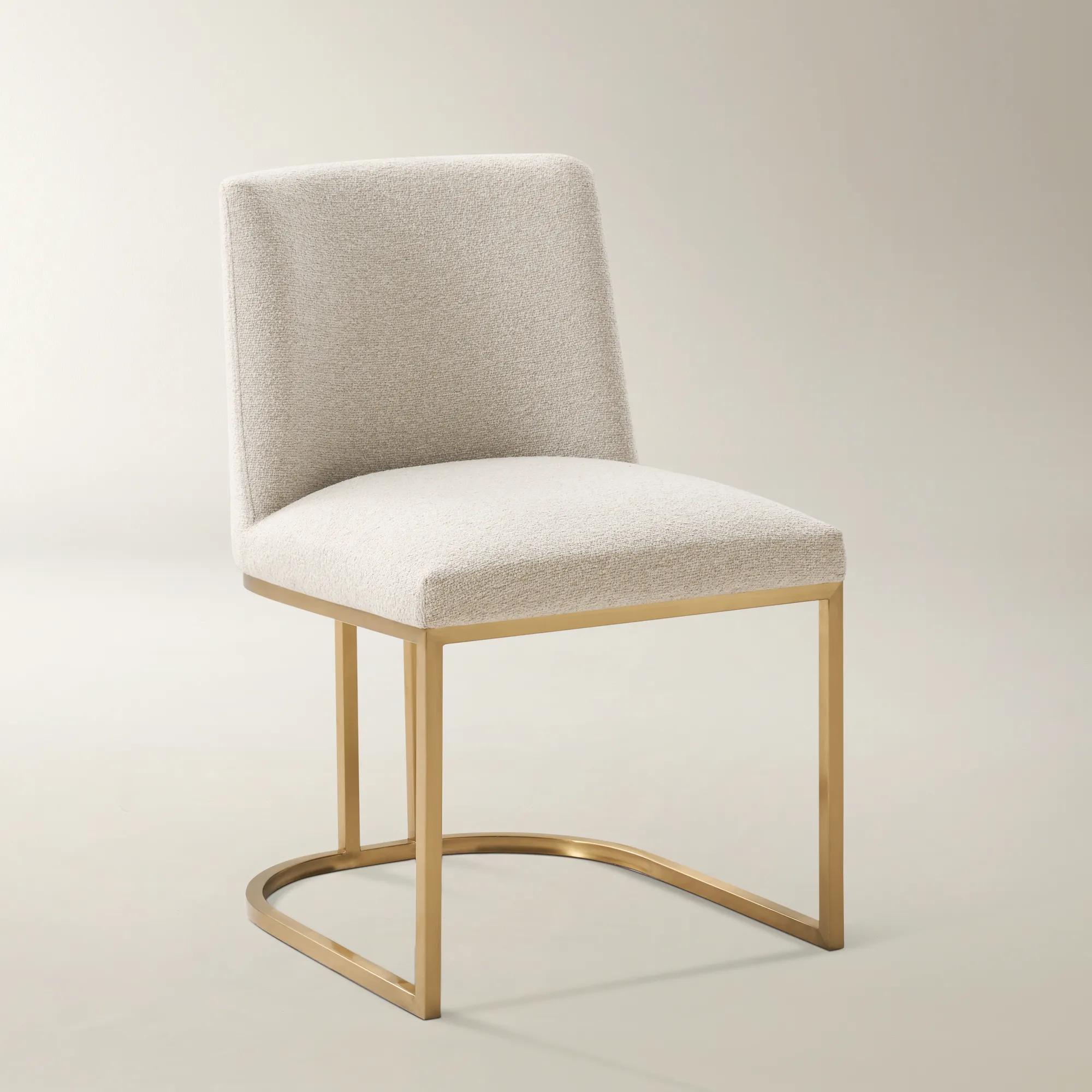 Bergen Ivory Boucle Dining Chair Set Of 2$499
An ivory boucle dining chair set featuring a curved backrest and brushed stainless steel frame for elegance.
Add To Cart -
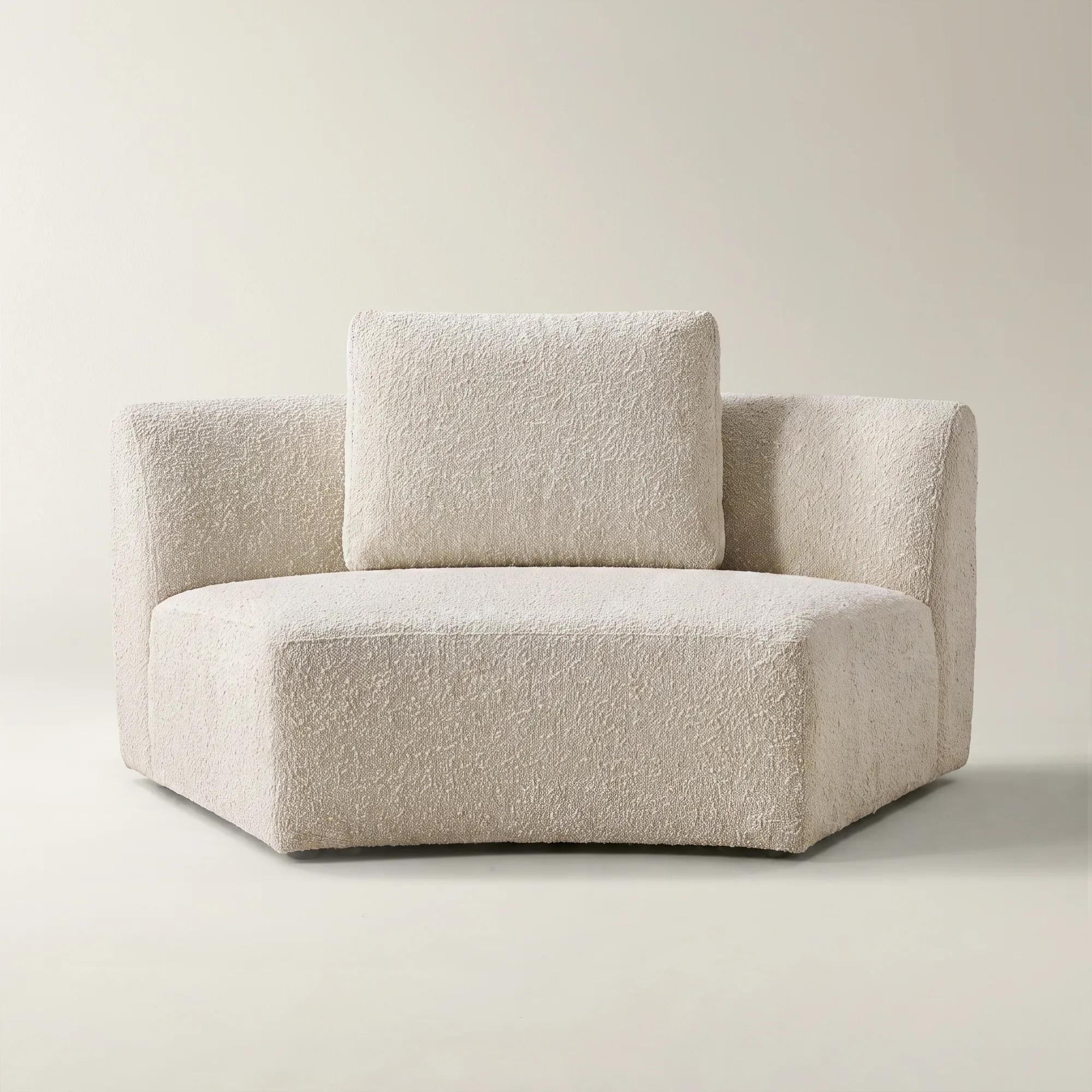
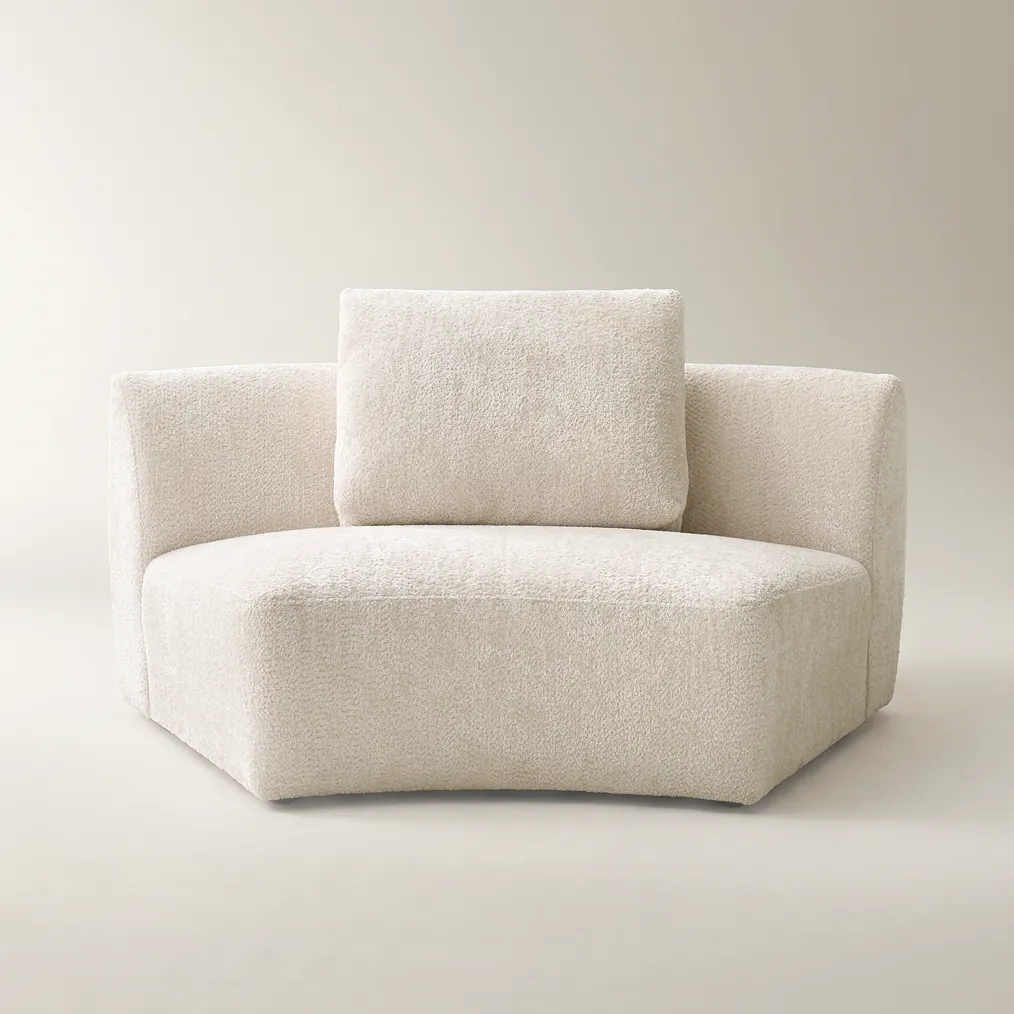 Irene Ivory Performance Boucle Armless Chair$1149
An armless chair in ivory performance boucle with sculptural curves, high-resiliency foam, and artisan detailing.
Add To Cart -
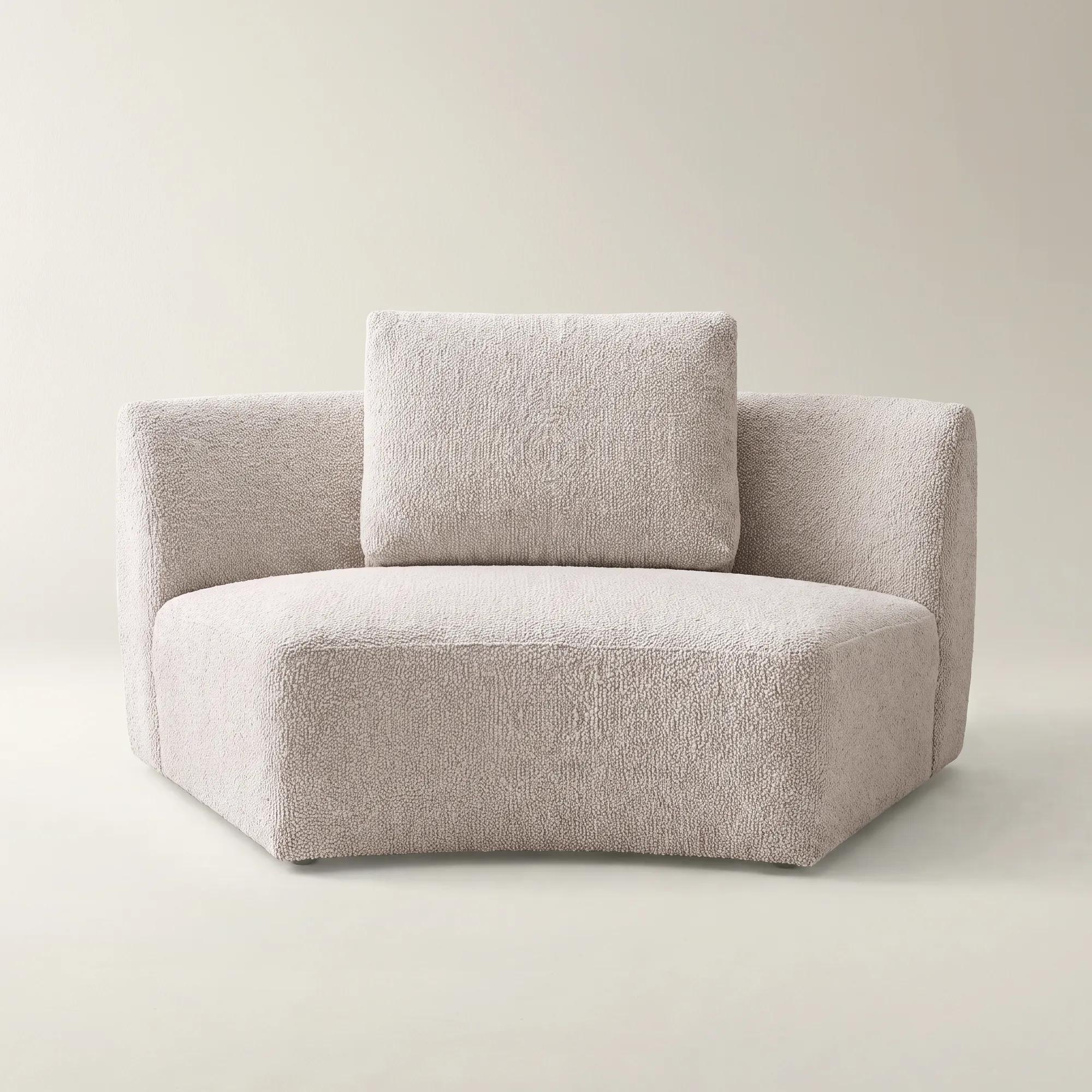 Irene Ivory Performance Boucle Armless Chair$1149
An armless chair featuring ivory performance boucle upholstery, sculptural curves, and high-resiliency foam cushions.
Add To Cart -
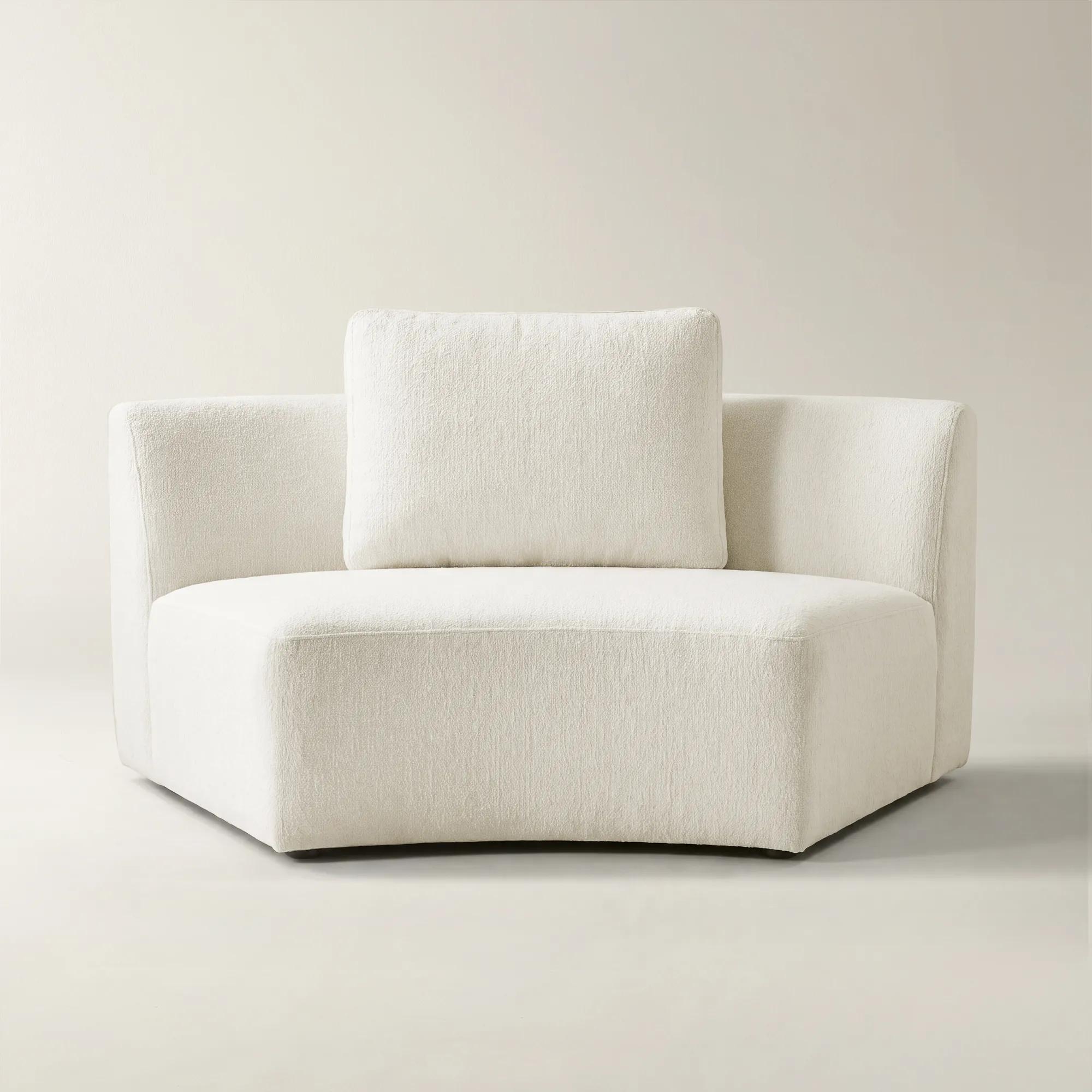 Irene Ivory Performance Chenille Armless Chair$1149
An armless chair in ivory performance chenille featuring sculptural curves, high-resiliency foam, and artisan detailing.
Add To Cart -
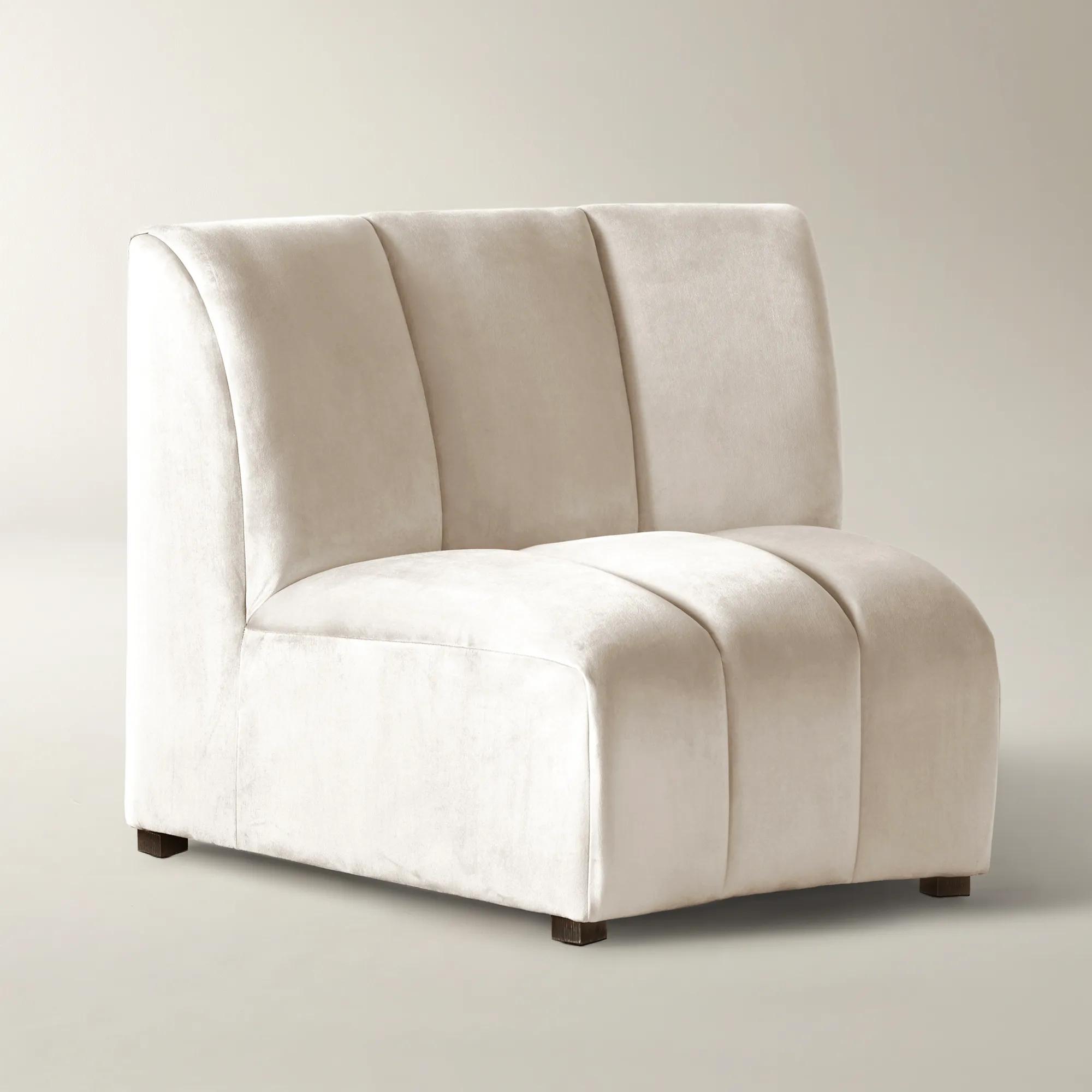 Jayce Channel-Tufted Ivory Velvet Armless Chair$949
A modern armless chair in water-repellent, stain-resistant Velvet Ivory with deep channel tufting and plush padding.
Add To Cart

White Cushioned Dining Chairs
White cushioned dining chairs invite a sense of luminous elegance to every gathering, transforming your dining space into a stage for celebration and connection. Crisp and radiant, these seating statements evoke the allure of modern sophistication—where plush comfort meets sculptural form. Whether you’re hosting an intimate soirée or savoring everyday moments, white cushioned dining chairs set the scene with an air of effortless refinement. Let each seat become a canvas for conversation, artistry, and the irresistible drama that defines a truly unforgettable dining experience.
White cushioned dining chairs bring a luminous presence to the table, balancing the polish of a beautifully composed room with the invitation to settle in and stay awhile. Their appeal lies in that contrast: a pale, tailored silhouette can look striking against dark wood, soften the geometry of a glass tabletop, or carry the quiet richness of a stone surface through the entire dining space. White is far from a single expression. Crisp shades create a graphic effect beside black accents and gleaming metal, while ivory and cream introduce a gentler note alongside warm wood and textured rugs. The undertone matters, especially when chairs sit close to white cabinetry, painted millwork, or a pale dining table; viewing upholstery samples in the room’s own lighting helps reveal whether a fabric reads warm, cool, or softly neutral. Upholstery adds another dimension. A smooth woven fabric emphasizes clean lines, a textured weave gives a simple chair depth, and velvet introduces a subtle play of light across the seat and back. Depending on the design, cushioning may be concentrated in the seat or extend across an upholstered back, shaping both the appearance and the sitting experience. A curved back can lend a sculptural quality to a round table, while a taller, more architectural profile gives a rectangular arrangement a sense of ceremony. These distinctions make white upholstered dining chairs equally compelling in a dedicated dining room, an open-plan gathering space, or a breakfast area with a more expressive point of view. For hosts who enjoy layered tablescapes, white seating offers a composed backdrop for patterned dinnerware, colored glass, and abundant flowers. For a room centered on one dramatic artwork or chandelier, it brings visual continuity without competing for attention. Even an intimate dinner for two feels more considered when the seating contributes texture, proportion, and a deliberate sense of welcome. The result is not simply a lighter palette, but a dining setting with softness and presence in equal measure.
The character of white cushioned dining chairs comes as much from their construction as from their upholstery. Wood frames can introduce warmth and visible grain, while metal bases draw a sharper line beneath a generously padded seat. A brushed finish offers a restrained gleam; a polished finish gives the same pale upholstery a more glamorous edge. Beneath the surface, frame stability, secure joints, and cushion support influence how a chair feels through everyday meals and longer evenings around the table. A deeply plush seat is not automatically the most comfortable choice: supportive cushioning that maintains a balanced sitting position can be more inviting than padding that compresses excessively. Back angle, seat depth, and the placement of arms also affect comfort, particularly for people who use the dining table for conversation, reading, or occasional work between meals. Proportion deserves just as much attention as softness. A common starting point is approximately 10 to 12 inches between the seat and the underside of the tabletop, though an apron beneath the table can reduce usable legroom. Upholstered arms need enough clearance to slide beneath that apron if the chairs are intended to tuck in fully. Around a smaller table, armless profiles can preserve elbow room and make the arrangement feel less crowded; at the ends of a longer table, armchairs can create a beautifully framed composition. Allowing roughly 24 inches of table edge per diner is a useful starting point, with additional width for broader chairs or more generous place settings. Space behind each chair matters, too: approximately 36 inches from the table edge to a wall or cabinet usually allows room to pull out a seat, while an active walkway benefits from more clearance. In a dining area opening onto a living room, the backs of the chairs become part of the larger composition. A graceful curve, neatly finished upholstery, or a distinctive frame can make that outward-facing view as compelling as the table itself.
White upholstery rewards thoughtful material choices and consistent care, especially in spaces where dining is an everyday ritual rather than an occasional event. A tightly woven fabric can offer a tailored appearance, while a more pronounced texture brings tactile richness but may require extra attention to crumbs caught in its surface. Performance fabrics may offer stain resistance or easier cleaning, but those qualities vary by material and treatment; white fabric should never be assumed to be stainproof. Leather and leather-look upholstery have their own care requirements, and cleaning methods appropriate for one surface may damage another. The upholstery care label is the best reference for choosing a cleaning approach. Regular gentle vacuuming with an appropriate upholstery attachment helps remove dust before it settles into the weave, and prompt blotting with a clean cloth can help limit the spread of a fresh spill. Rubbing, soaking, and unapproved cleaners can affect the fabric’s finish or leave visible marks. For households with children, frequent guests, or pets, practical details such as accessible seams, straightforward care instructions, and replaceable floor protectors can be as meaningful as the chair’s silhouette. Felt pads suited to the flooring help protect the surface beneath the legs, while periodic checks of accessible fasteners support continued stability where the manufacturer recommends them. Intended use also shapes the most satisfying arrangement: a breakfast table may benefit from lighter chairs that move easily, while a formal dining room can accommodate more substantial, enveloping forms. White seating need not be identical all around the table to feel cohesive. Repeating a frame finish, back shape, or upholstery texture creates a visual connection, and introducing black cushioned dining chairs can add a deliberate contrast without abandoning the comfort of upholstered seating. Pale chairs against a dark table create definition; pale chairs beside a pale table draw attention to texture and silhouette. With thoughtful proportions and materials suited to daily life, white cushioned dining chairs give the room a lasting sense of occasion, making space for both beautifully set dinners and the unhurried conversations that follow.
FAQs
White cushioned dining chairs are remarkably versatile, complementing a range of design aesthetics. They bring fresh sophistication to modern and contemporary spaces, add a sense of airy elegance to traditional or transitional rooms, and create striking contrast in eclectic or maximalist interiors. Their luminous upholstery serves as a blank canvas, allowing you to experiment with bold tablescapes, metallic accents, or vibrant artwork.
Absolutely. Many white cushioned dining chairs are upholstered in performance fabrics or easy-clean materials, making them both practical and luxurious for busy households. Their resilient surfaces resist spills and stains, allowing you to enjoy everyday glamour without worry—even in the presence of little hands or furry friends.
White cushioned dining chairs are the ultimate chameleons. For formal gatherings, pair them with a gleaming chandelier and metallic tableware to create an atmosphere of opulence. For casual meals, layer on textured throws or patterned cushions for a cozy, inviting look. Seasonal centerpieces—like winter greenery or spring florals—will pop against the crisp white backdrop.
Cushioning often features high-density foam for lasting comfort, enveloped in luxe fabrics such as velvet, linen, or vegan leather. Frames may be crafted from polished metals, lacquered or natural woods, or even acrylic for a modern edge. Each material choice offers its own unique mood, from glamorous and reflective to warm and organic.
Definitely. White cushioned dining chairs create a stunning visual contrast when paired with darker finishes, such as black or deep wood tones. They also harmonize beautifully with metallics, glass, and bold color palettes. For a curated and dynamic dining space, consider mixing white chairs with pieces from the <a href="https://zgallerie.com/o/black-dining-chairs-with-cushion">Black Dining Chairs With Cushion</a> collection for a look that’s both timeless and daring.