Extra Seating For Guests
Extra Seating For Guests
-
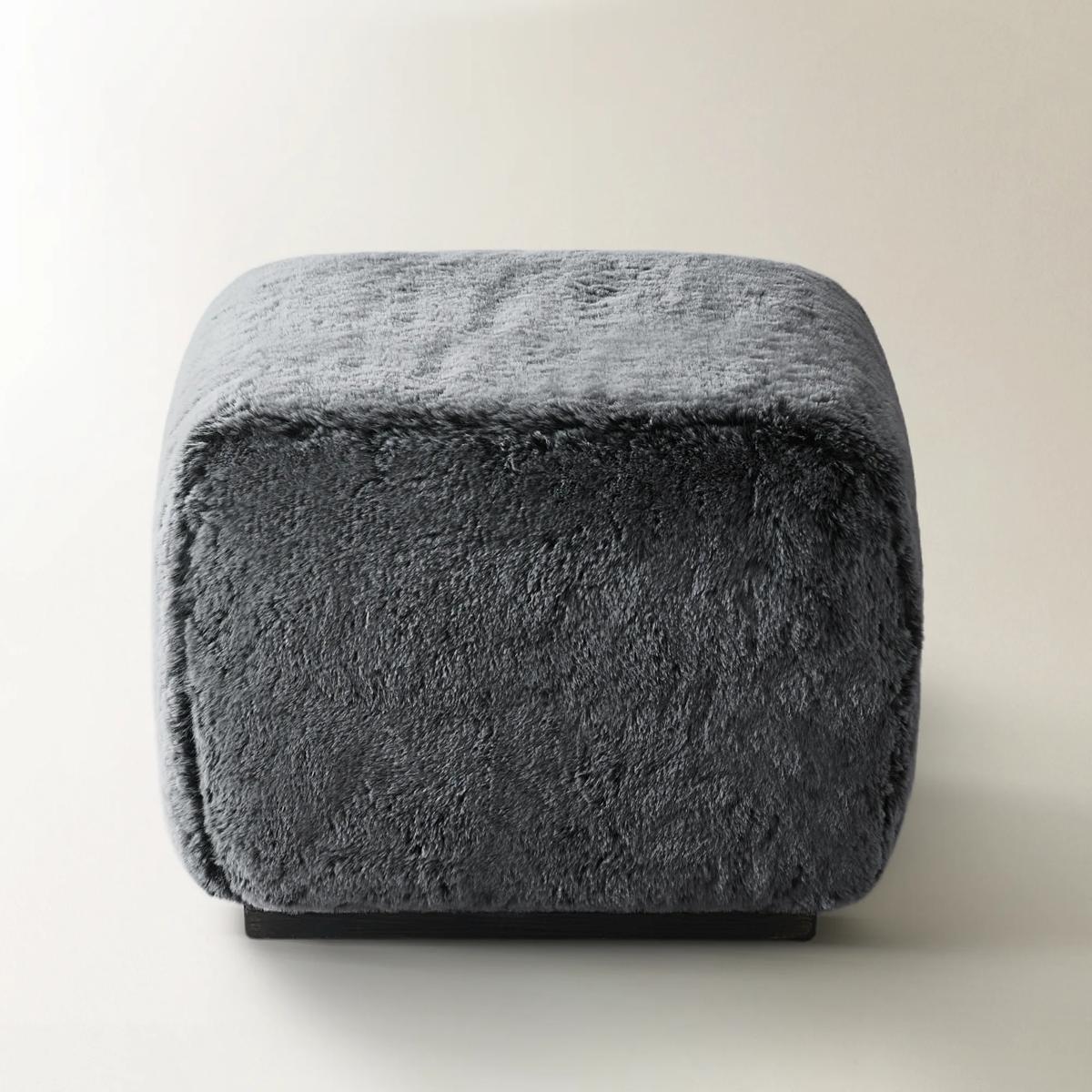
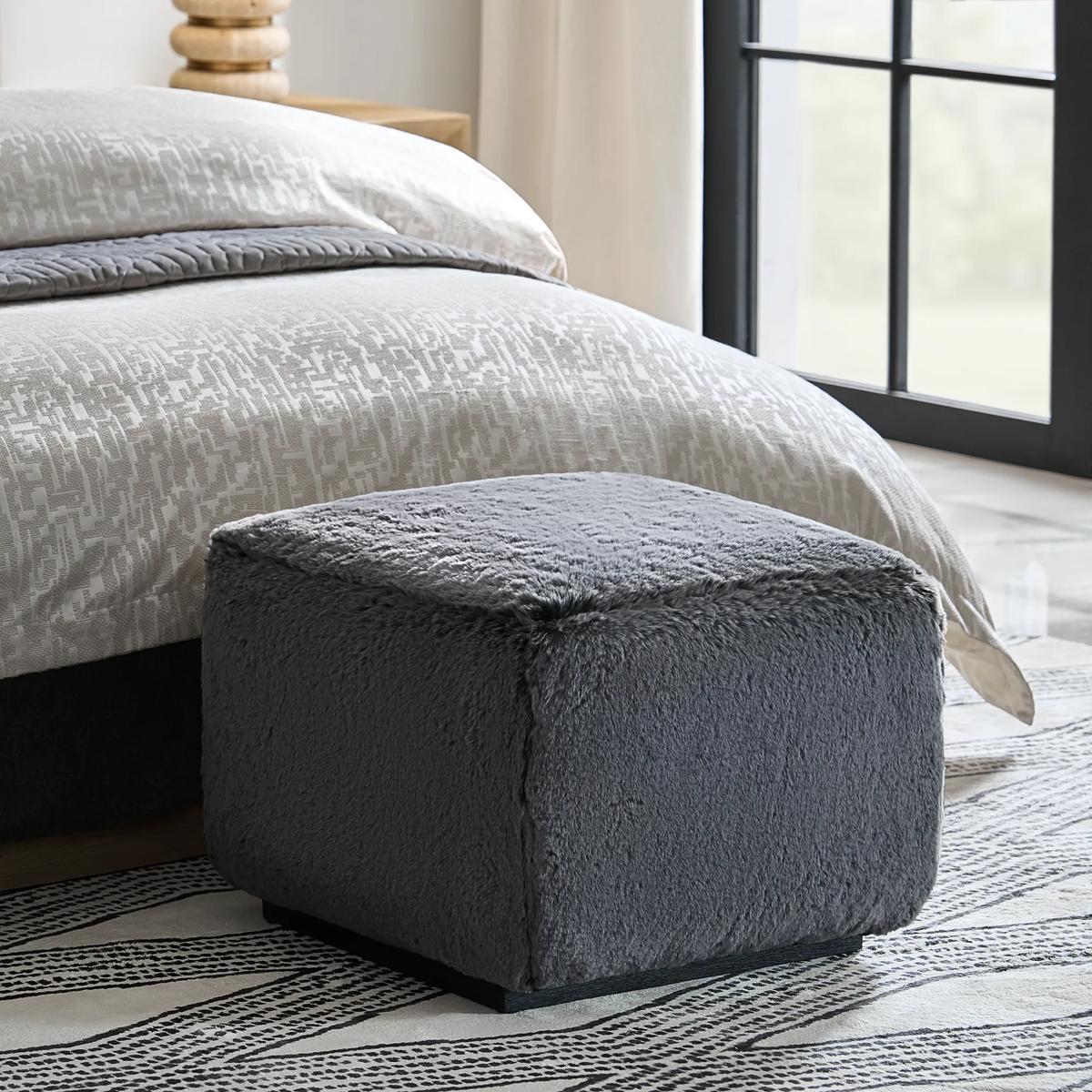 Lris Grey Faux Fur Stool (21")$299
A charcoal grey faux fur pouf with high-density foam and a sturdy rubberwood base for modern comfort.
Add To Cart -
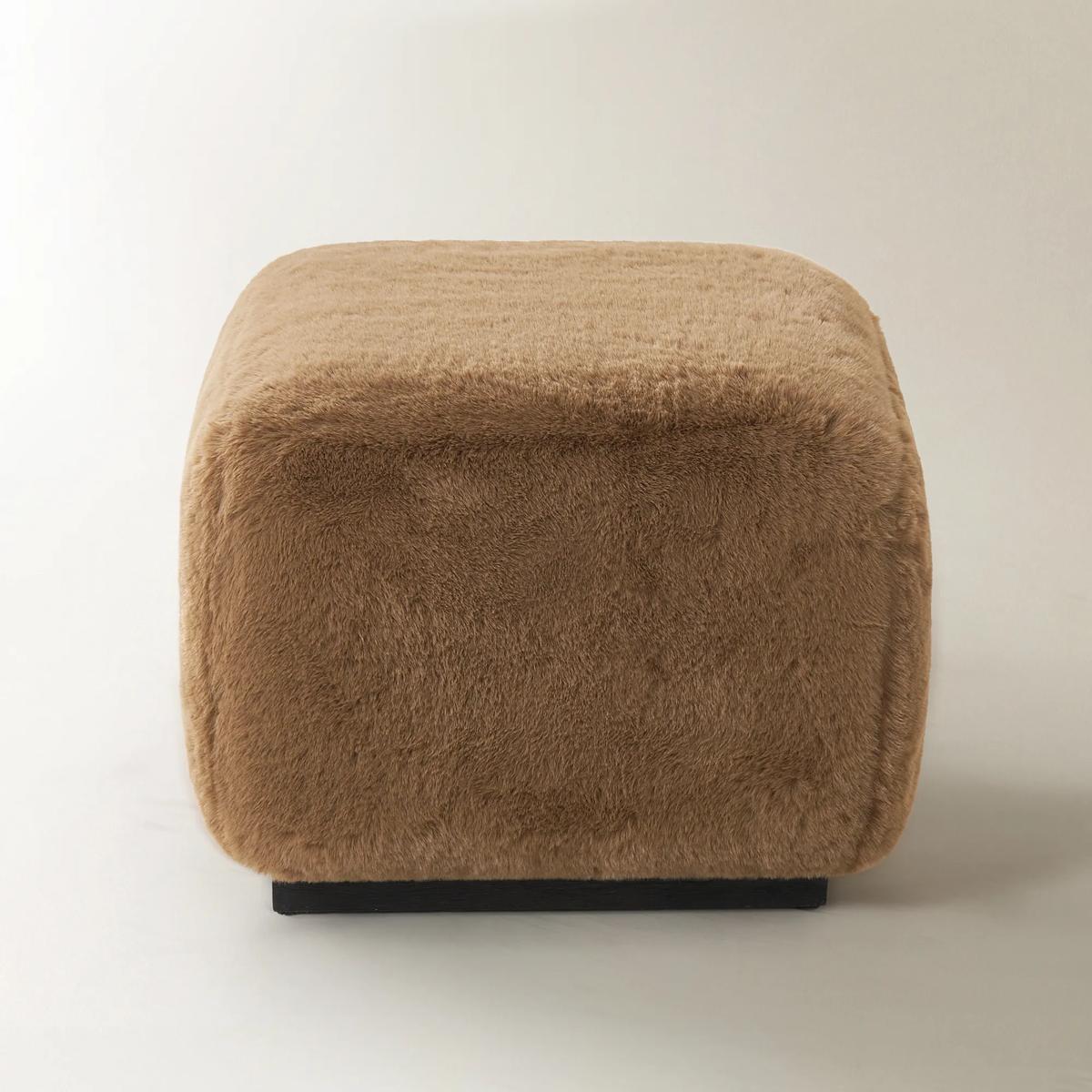
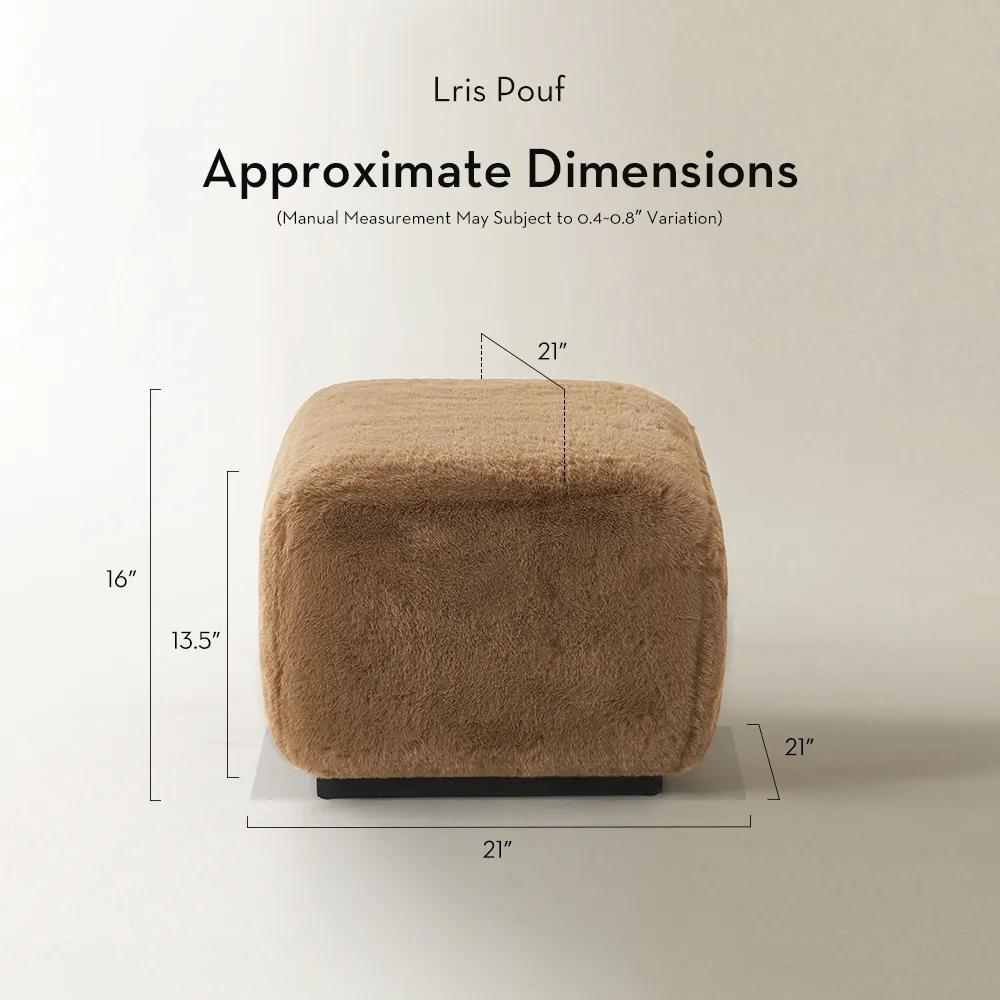 Lris Camel Faux Fur Stool (21")$299
A camel faux fur pouf with a solid rubberwood base, offering cozy warmth and modern sophistication.
Add To Cart -
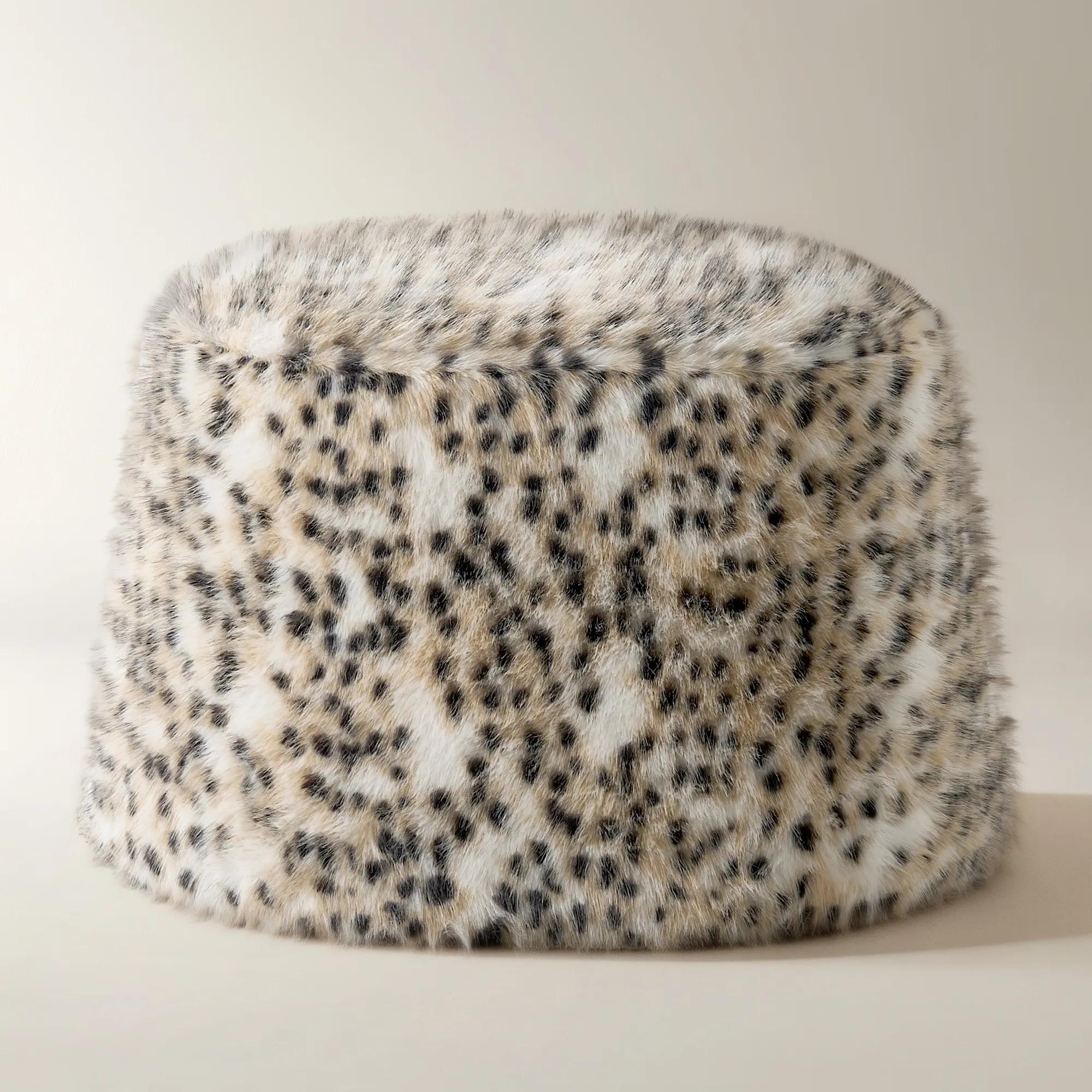
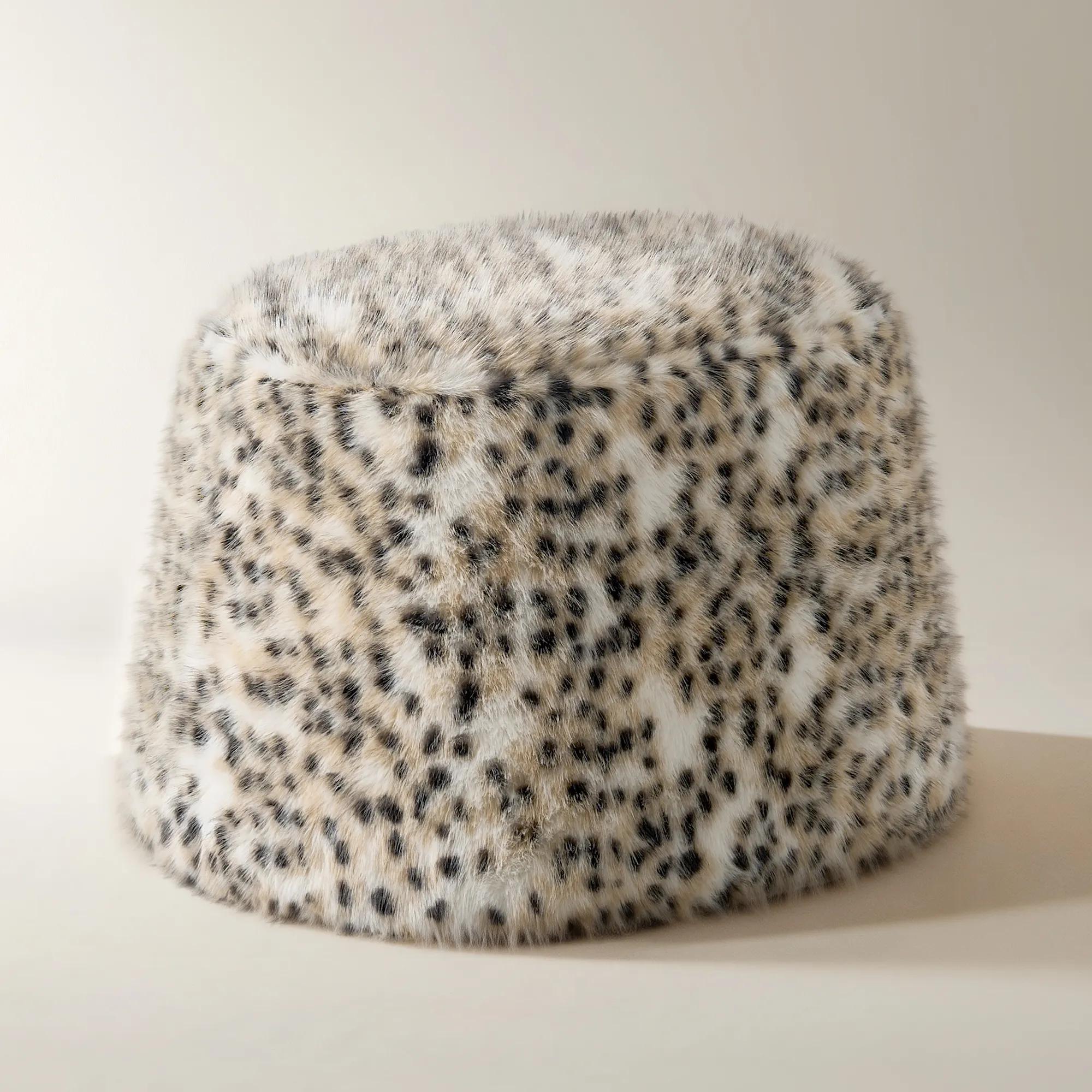 Avery Spotted Faux Fur Stool$399
A sculpted drum stool wrapped in plush spotted faux fur for bold, modern accent seating.
Add To Cart -
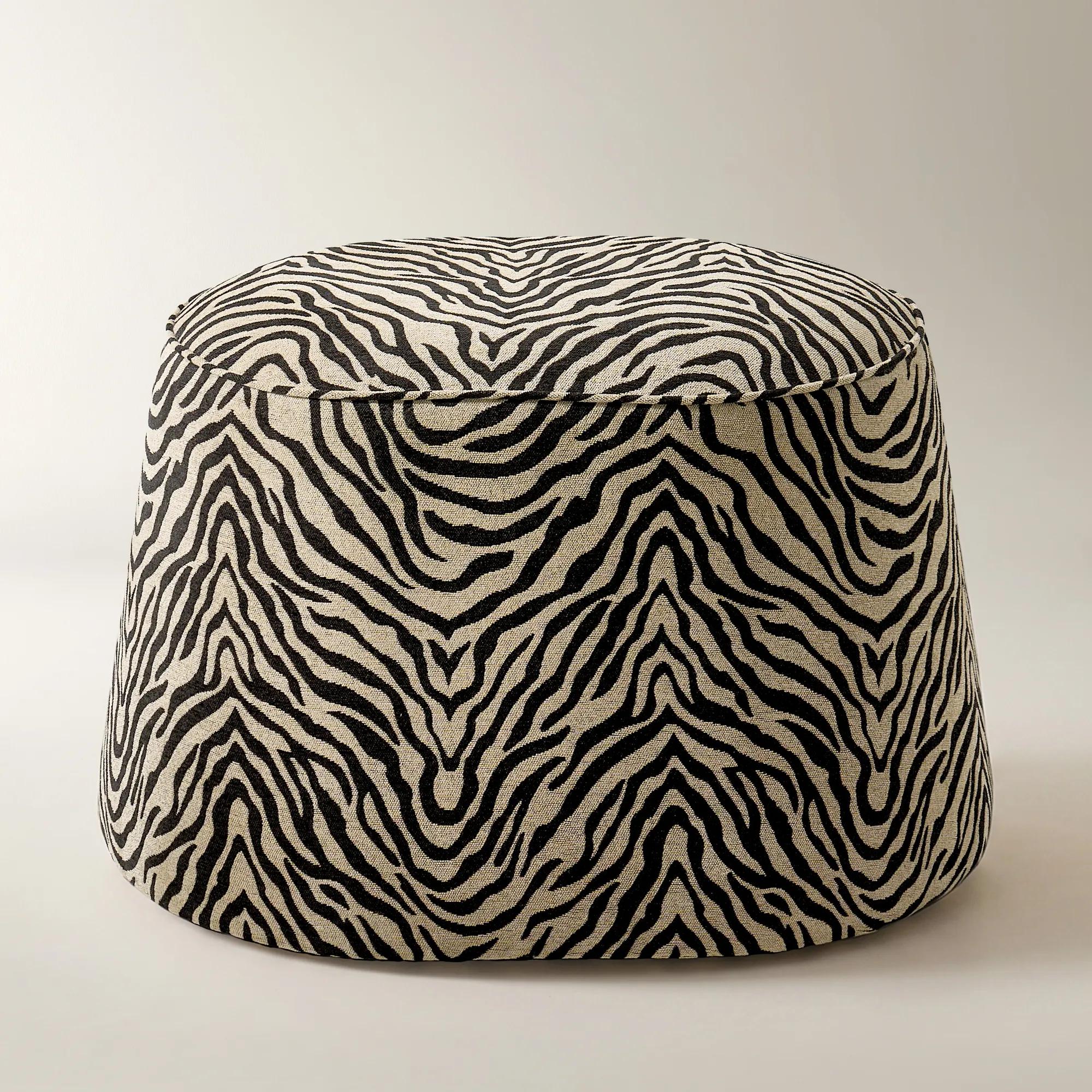 Avery Zebra Performance Chenille Stool$399
A sculpted drum-shaped accent stool upholstered in zebra-patterned performance chenille for bold, modern style.
Add To Cart -
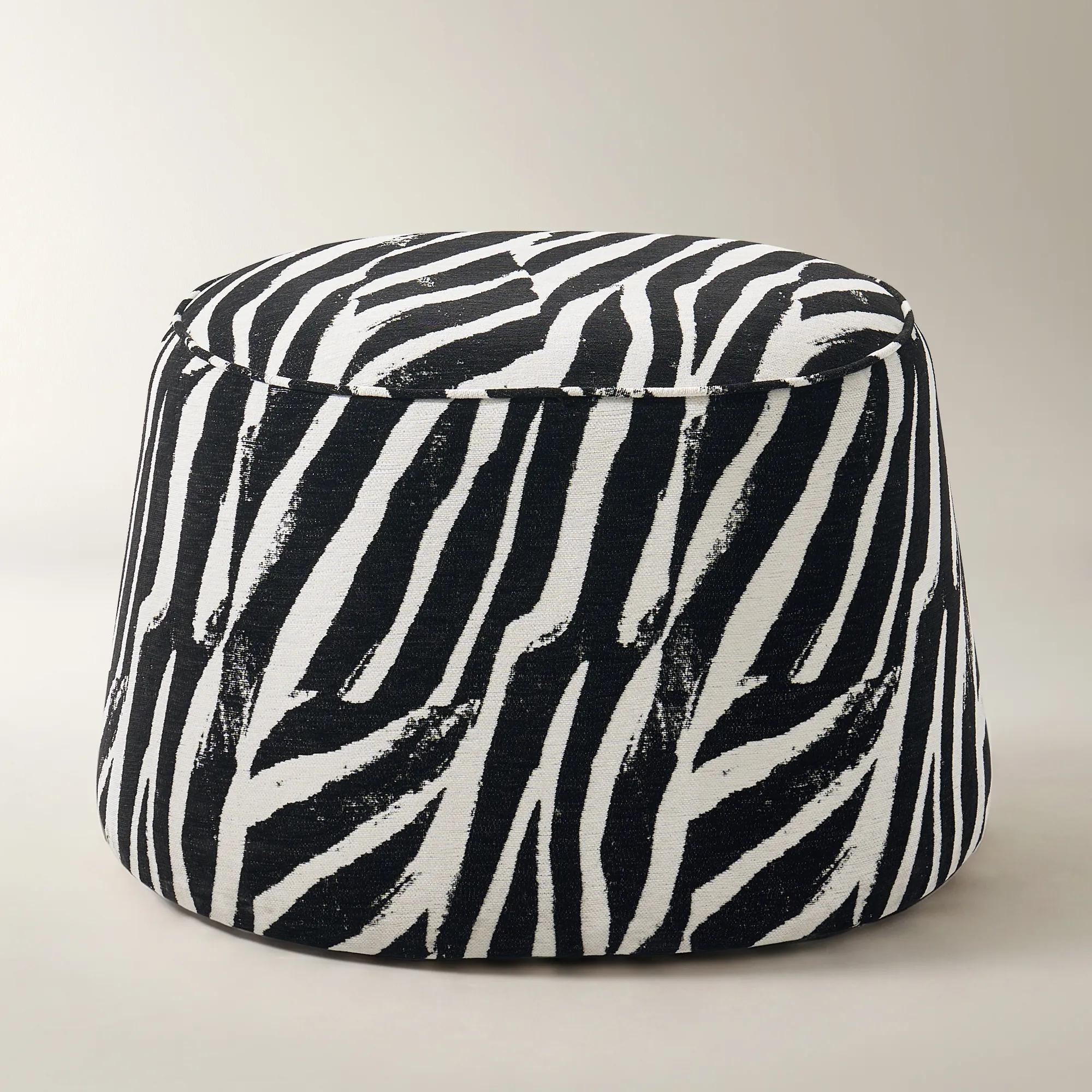 Avery White/Black Performance Chenille Stool$399
A sculpted drum accent stool in black and white performance chenille with an animal-inspired pattern.
Add To Cart -

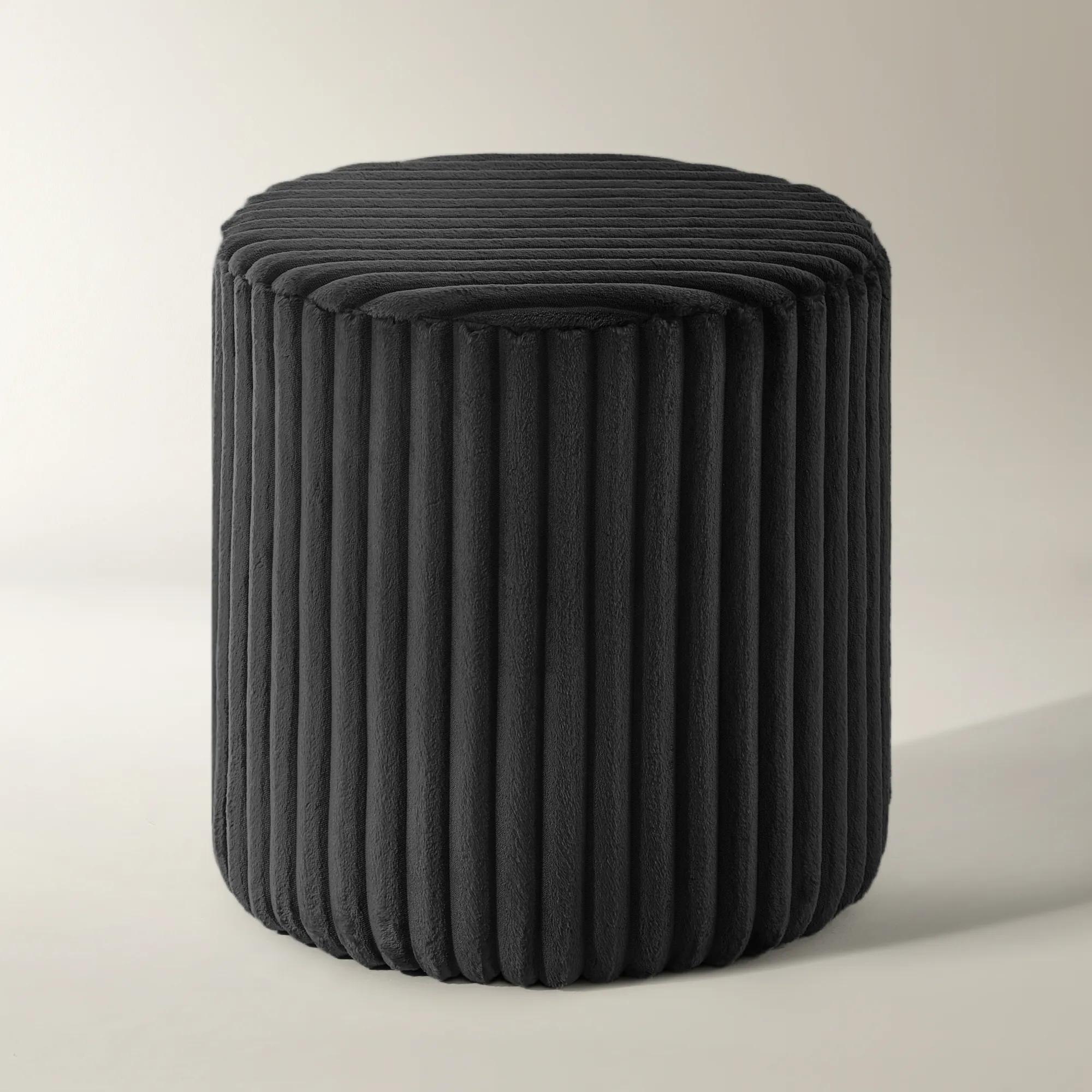 Fleece Fluted Black Velvet Stool (15.55'')$229
A plush black ribbed velvet stool offering versatile seating and cozy texture for any modern space.
Add To Cart -
 Fleece Fluted Gray Velvet Stool (15.55'')$229
A plush grey velvet stool with a unique ribbed texture, perfect for versatile, cozy seating or decor.
Add To Cart -

 Livia Taupe Outdoor Ottoman$1999
A taupe outdoor ottoman offering versatile comfort and contemporary style for relaxed lounging.
Add To Cart -

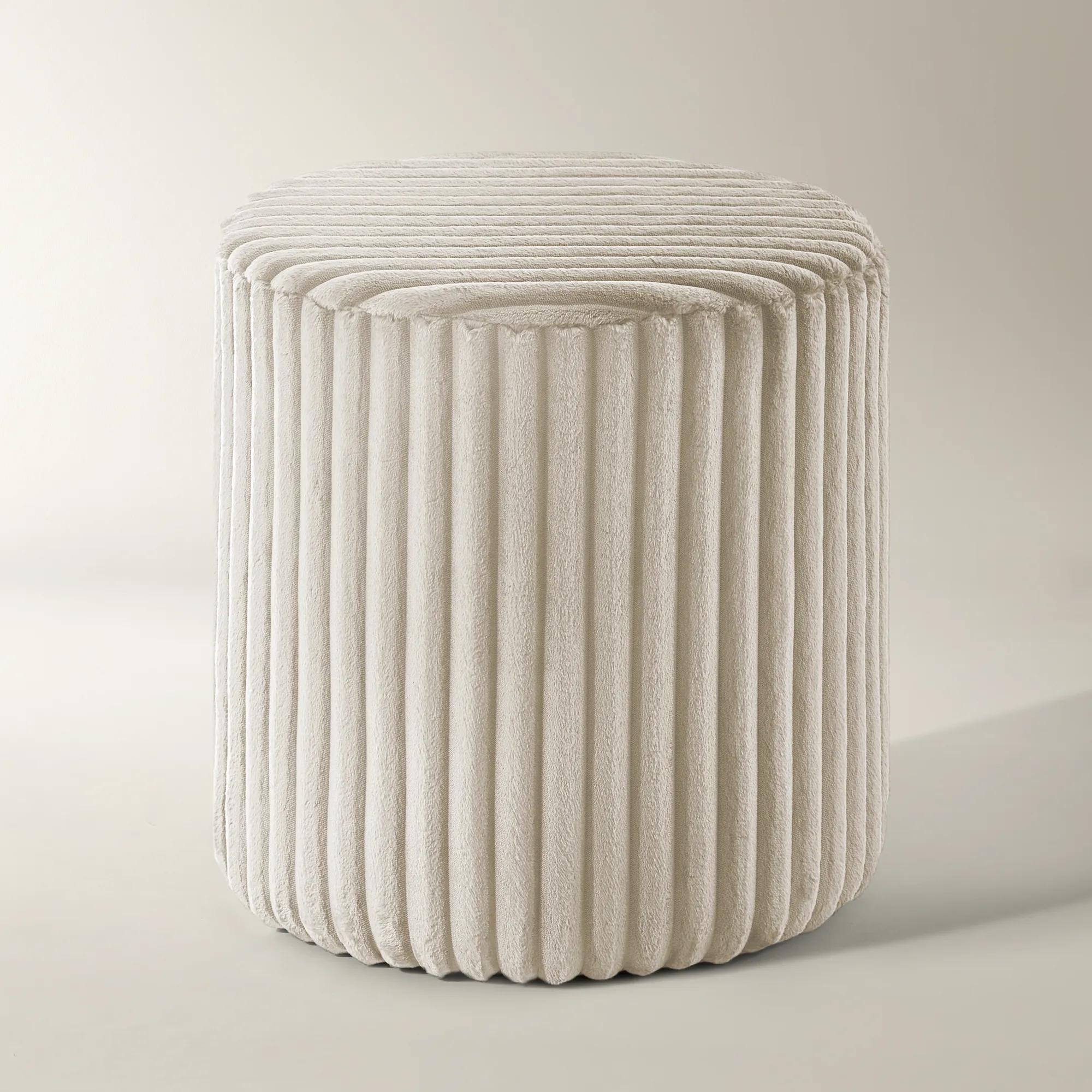 Fleece Fluted Ivory Velvet Stool (15.55'')$229
An ivory ribbed velvet stool offering cozy softness and versatile use as seating, footrest, or accent table.
Add To Cart -
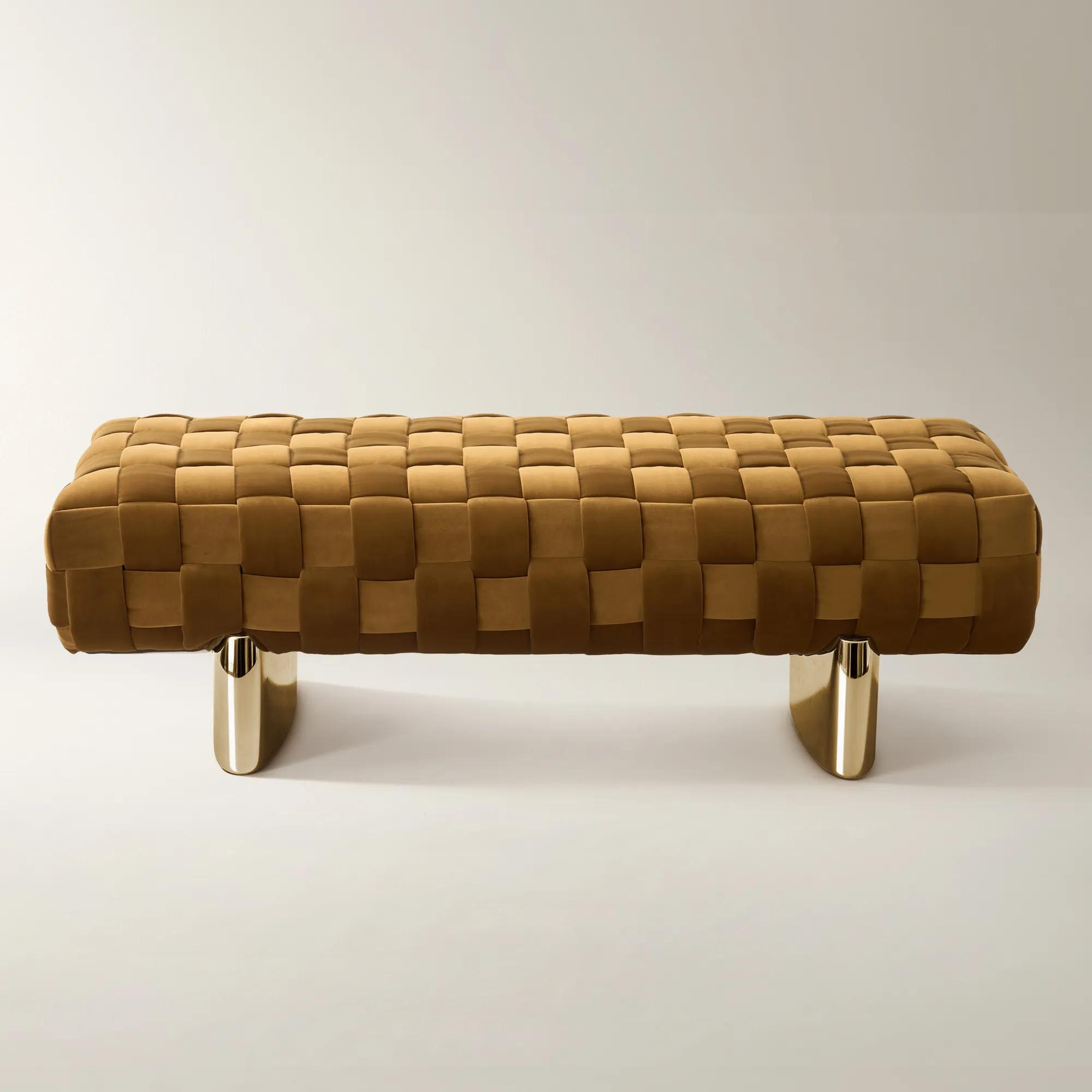
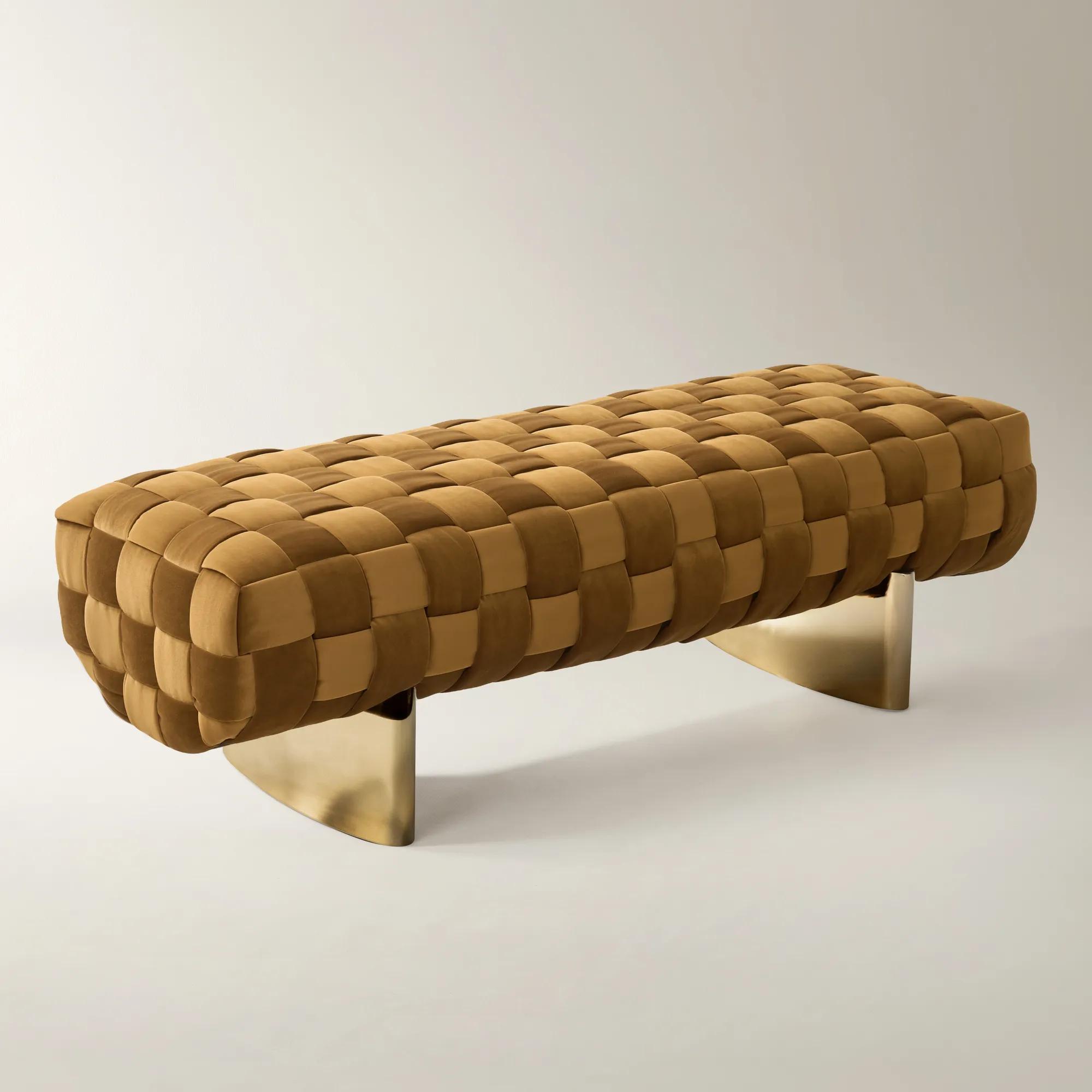 Dexter Woven Roasted Pecan Velvet Bench (64.2")$999
A woven roasted pecan velvet bench featuring plush upholstery and polished gold stainless steel legs for modern elegance.
Add To Cart -
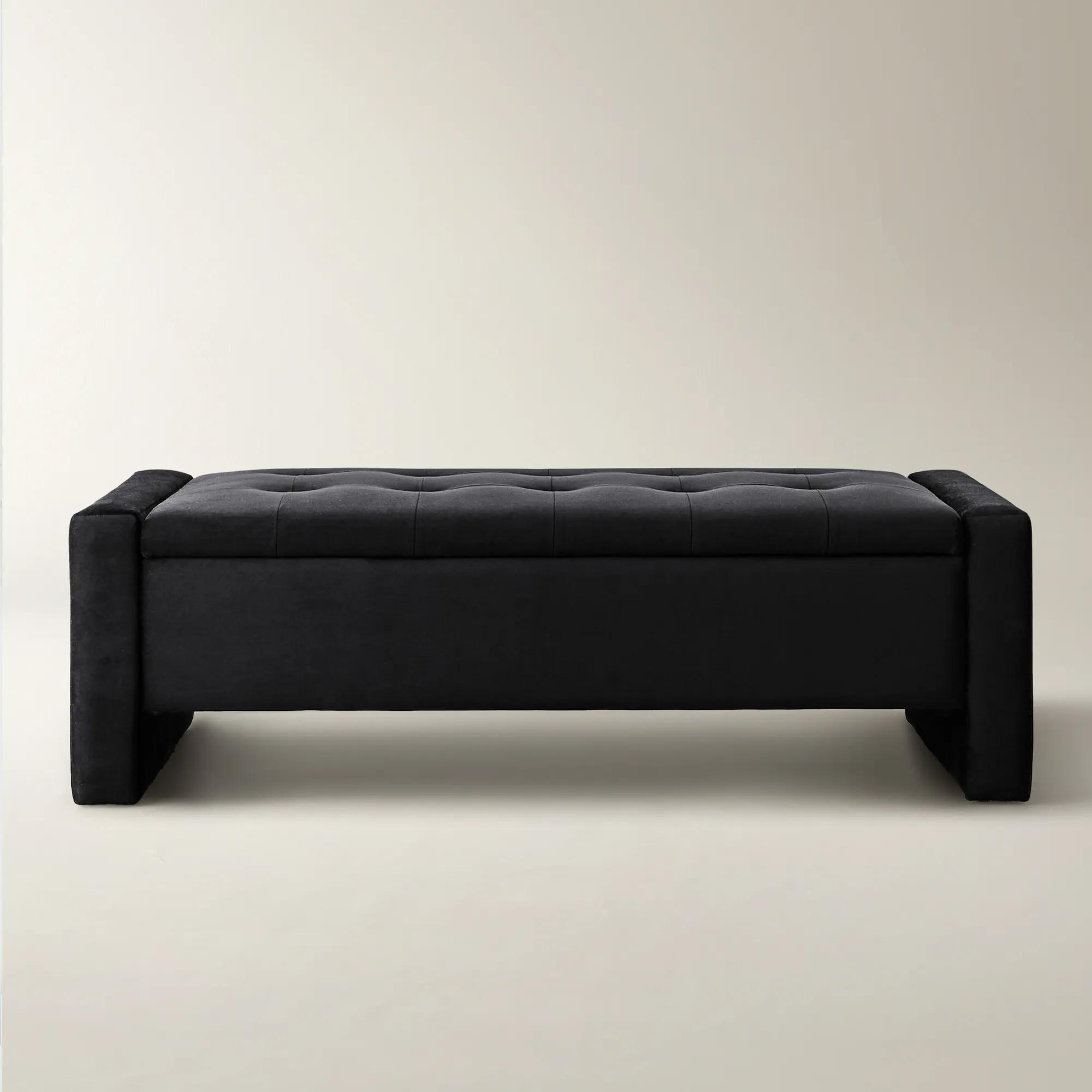
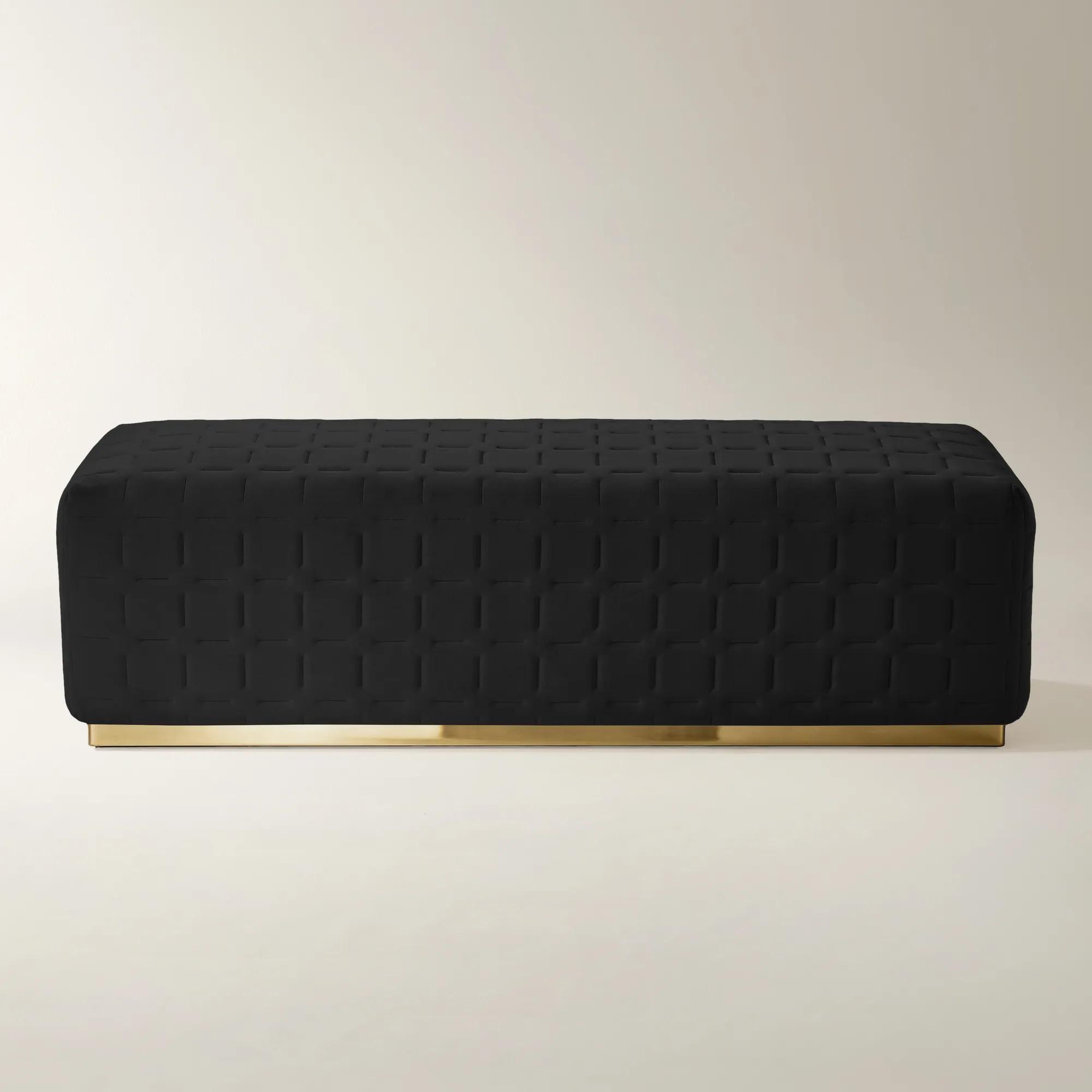 Vanta Quilted Charcoal Velvet Bench (64.6")$899
A charcoal velvet bench featuring checker quilted tufting and a gold stainless steel base for modern elegance.
Add To Cart -
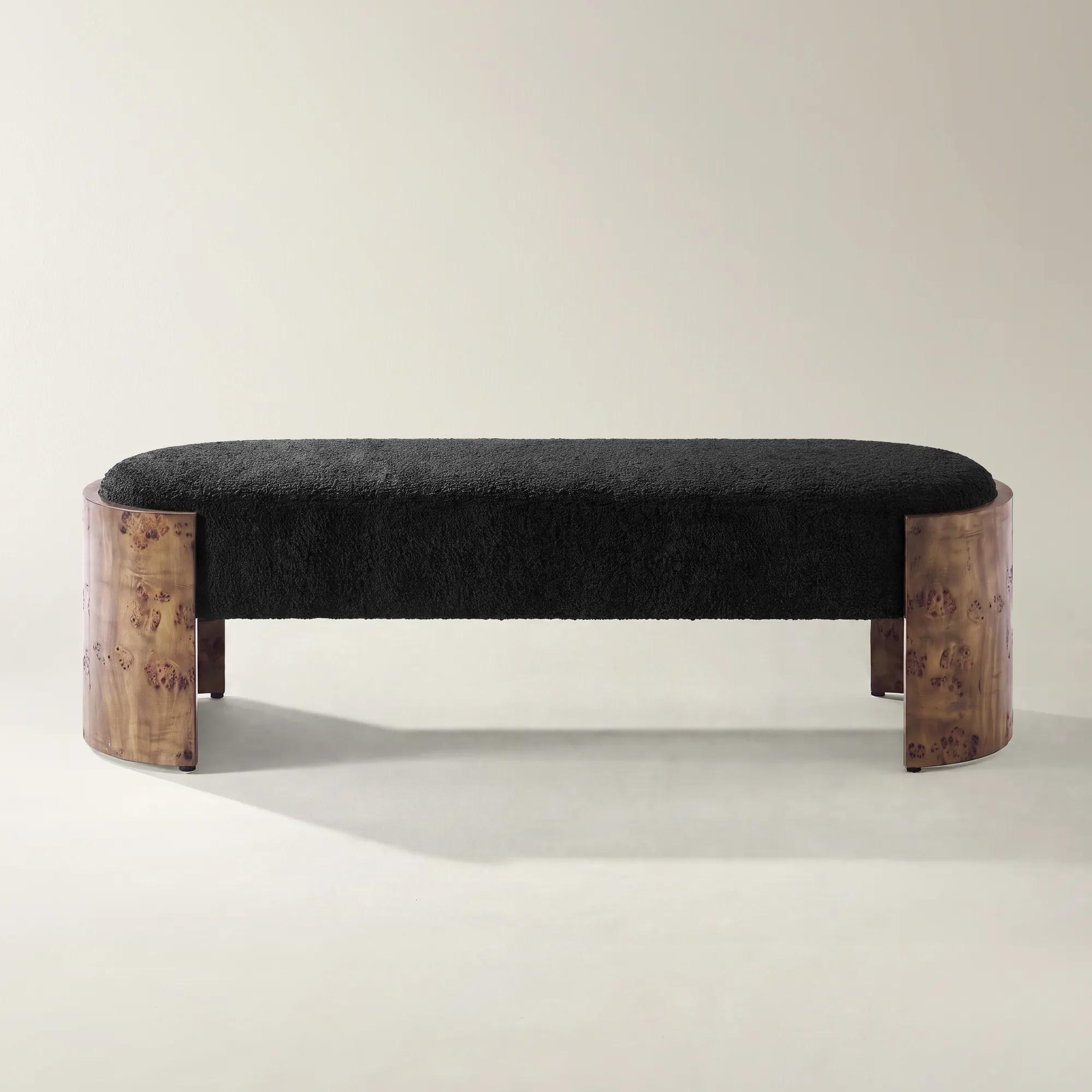 Cora Black Chenille With Ash Wood Bench (60.6")$999
A sculpted charcoal chenille bench featuring curved bookmatched ash burl panels and supportive foam cushioning.
Add To Cart -
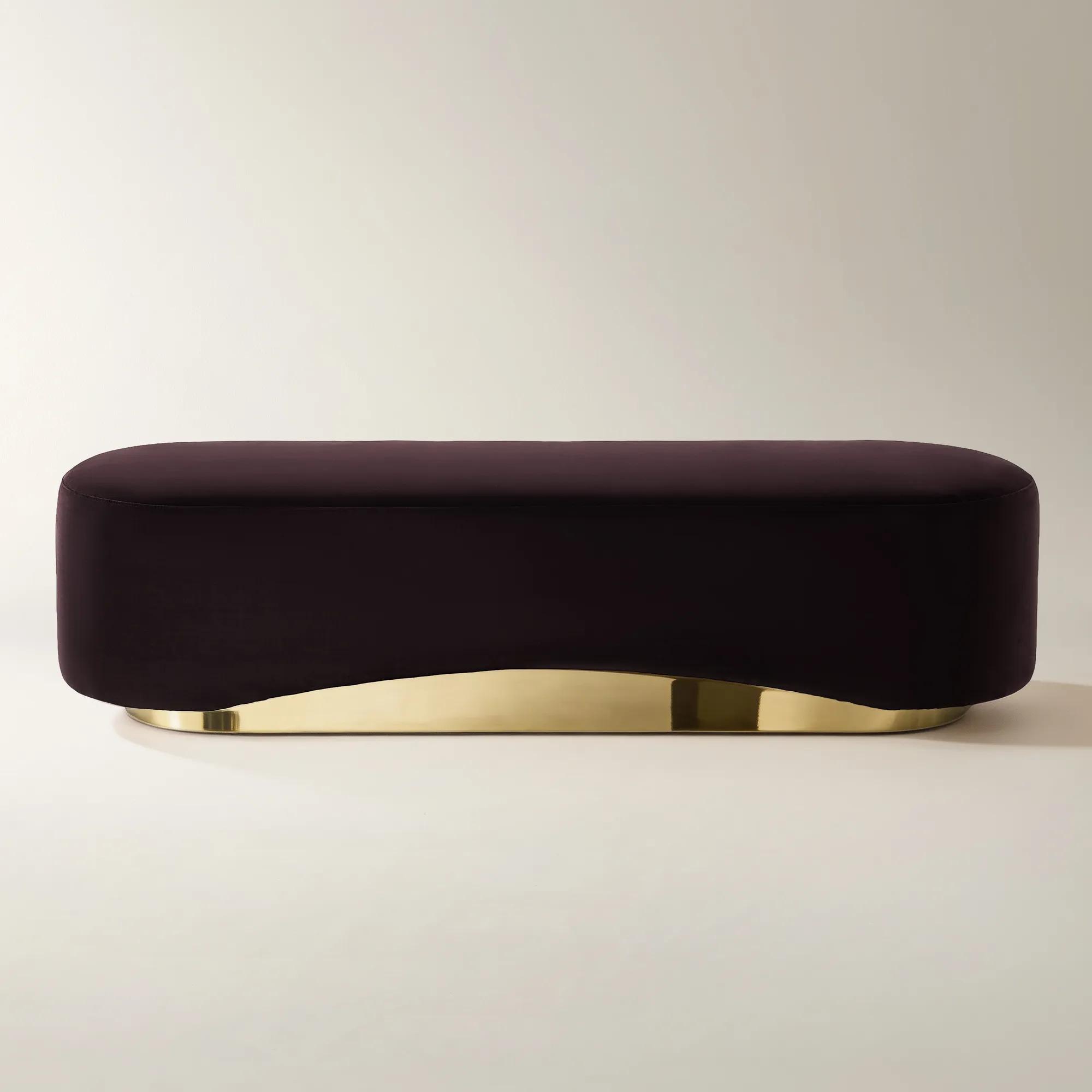 Kendra Fig Velvet Bench (70.47")$799
A plush fig velvet bench with an elongated oval silhouette and a polished gold stainless steel base.
Add To Cart -
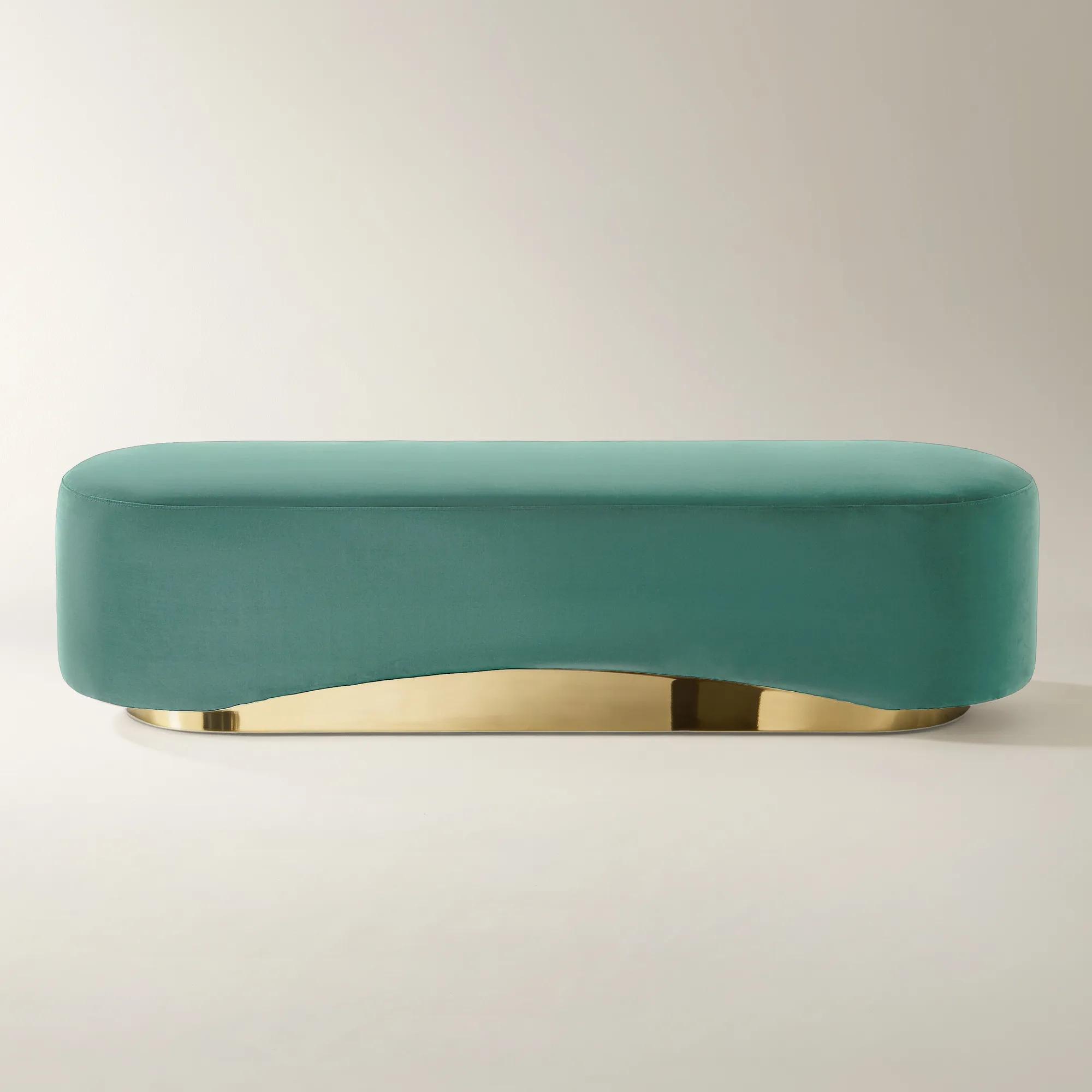 Kendra Ocean Teal Velvet Bench (70.47")$799
An elongated oval bench in ocean teal velvet with a plush seat and polished gold stainless steel base.
Add To Cart -
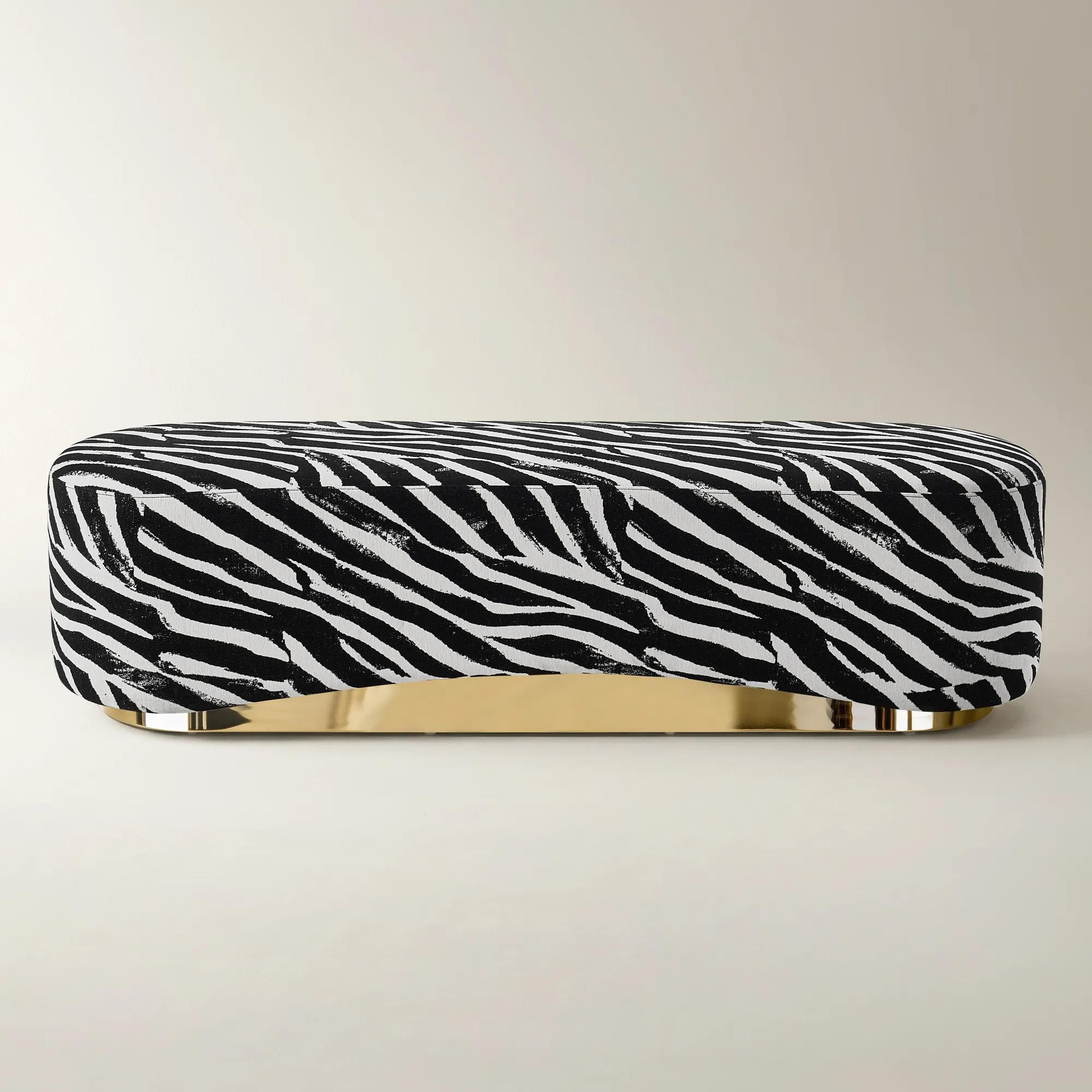
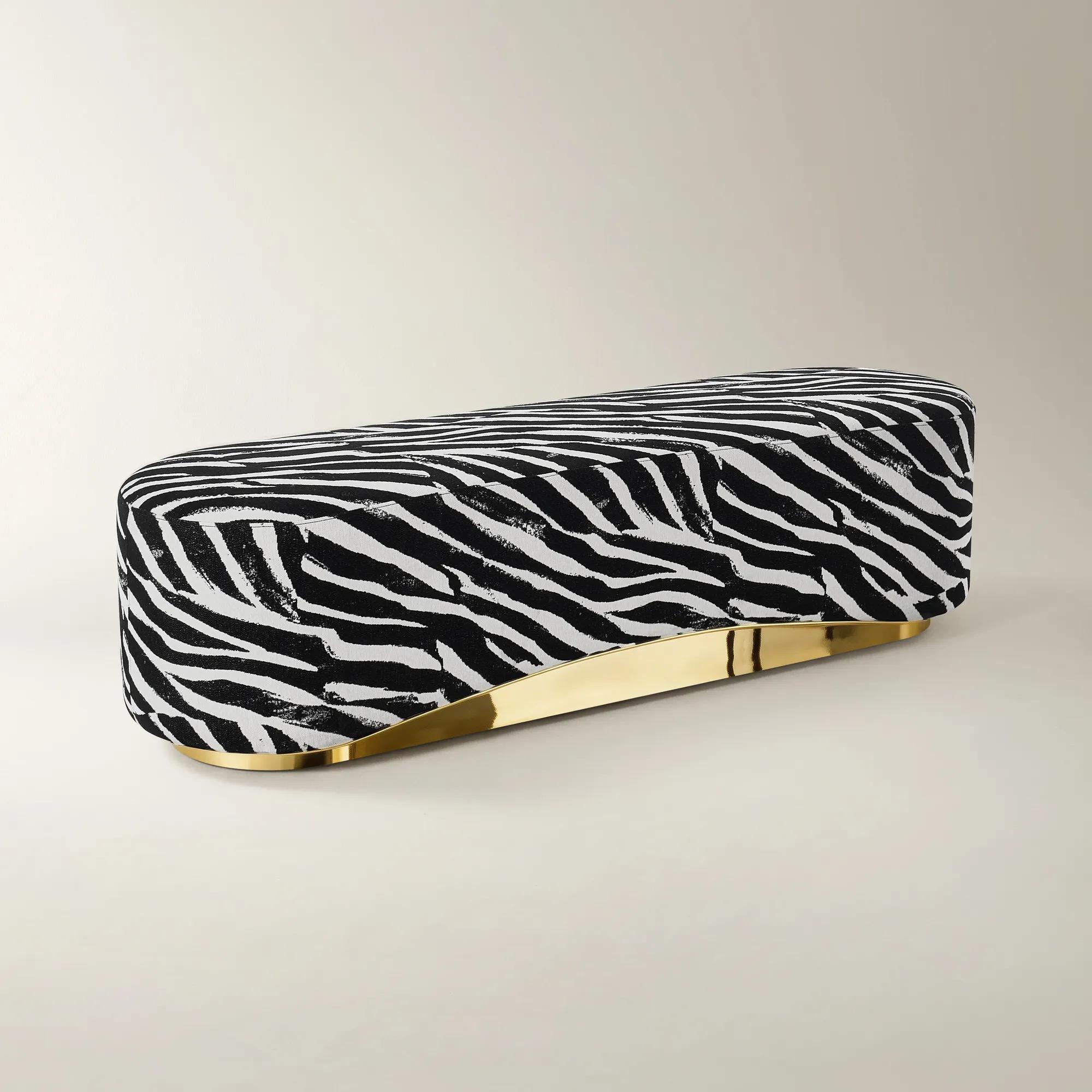 Kendra White/Black Performance Chenille Bench (70.47")$799
An elongated oval bench upholstered in white and black performance chenille with a polished gold stainless steel base.
Add To Cart -
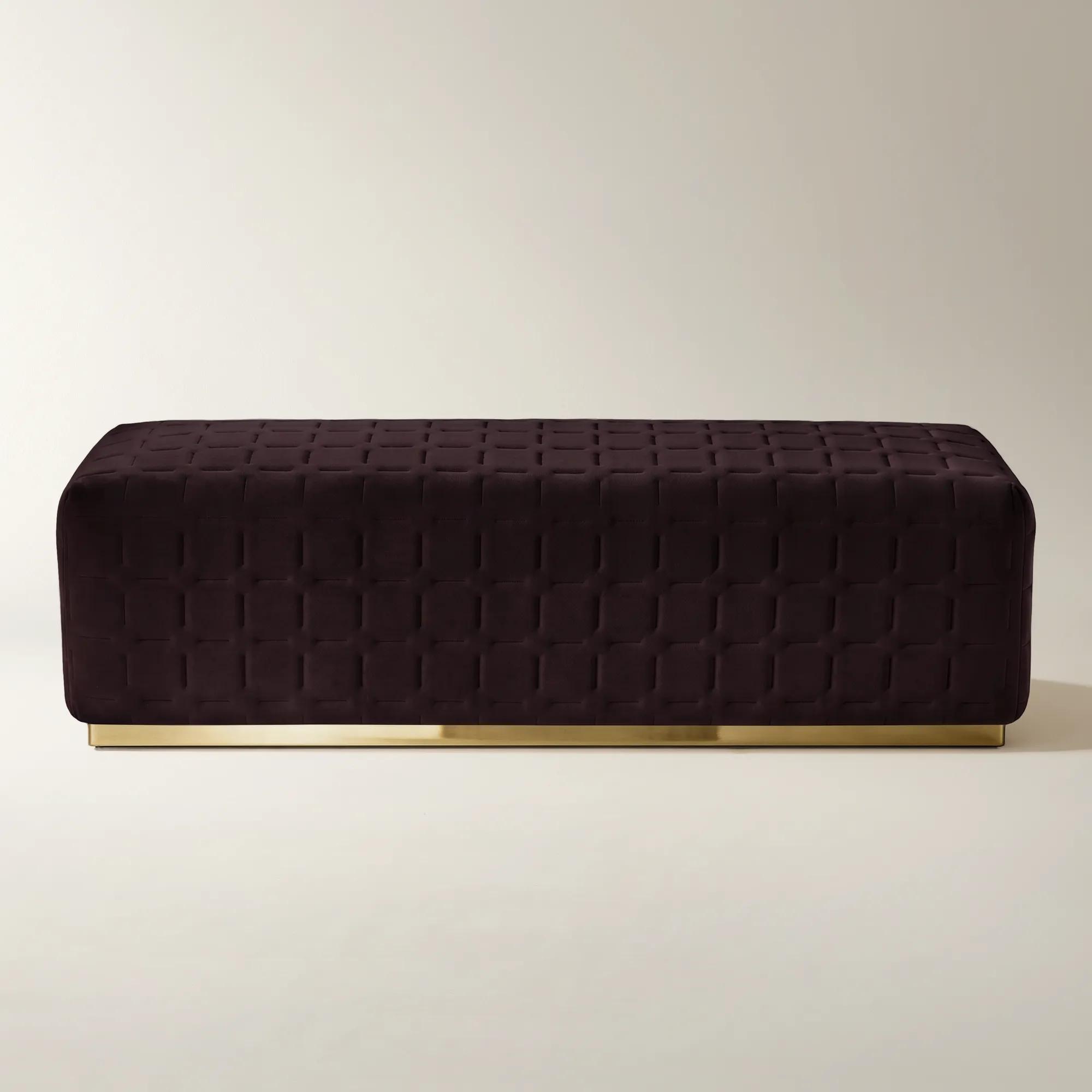
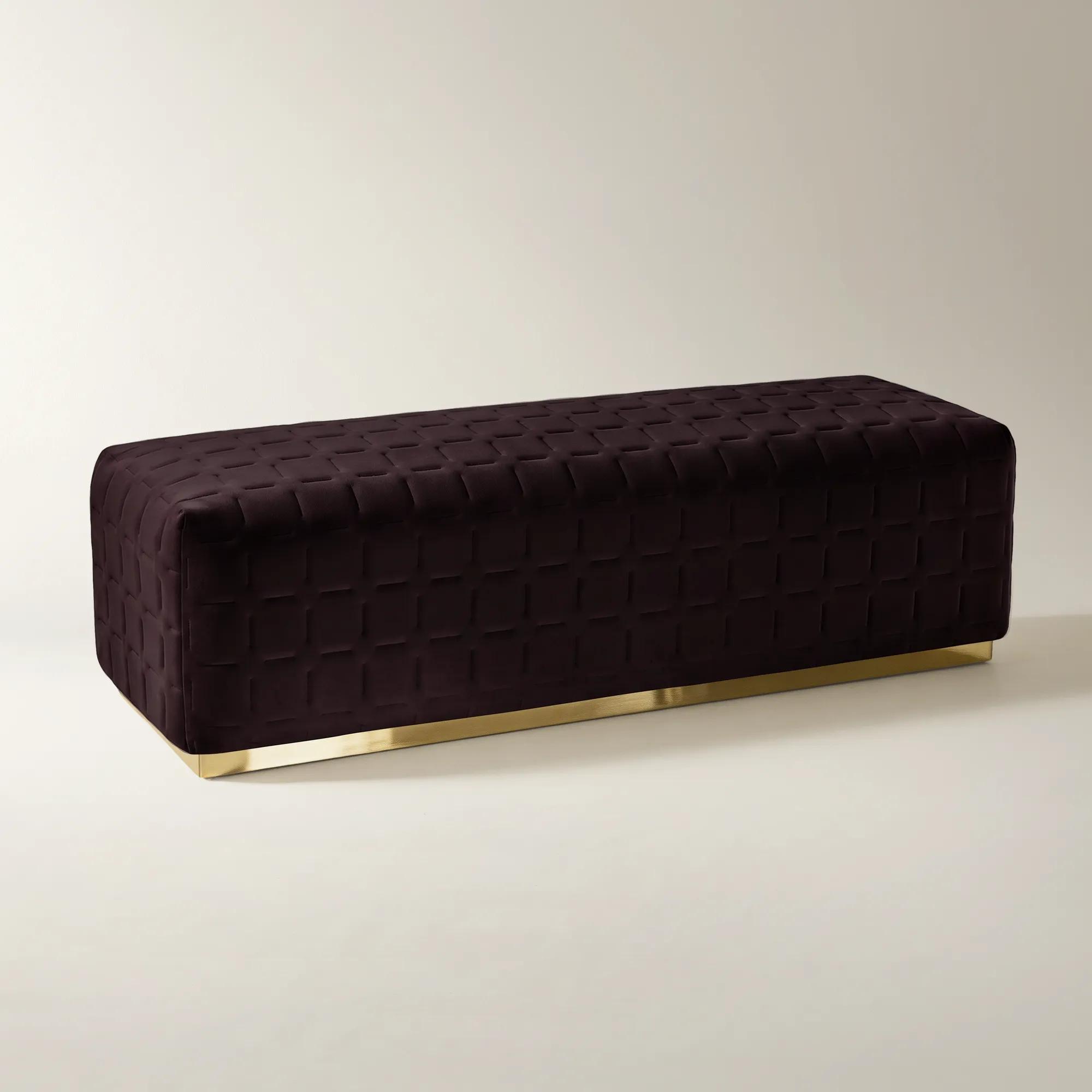 Vanta Quilted Fig Velvet Bench (64.6")$899
A plush fig velvet bench featuring checker quilted tufting and a sleek gold stainless steel base.
Add To Cart -
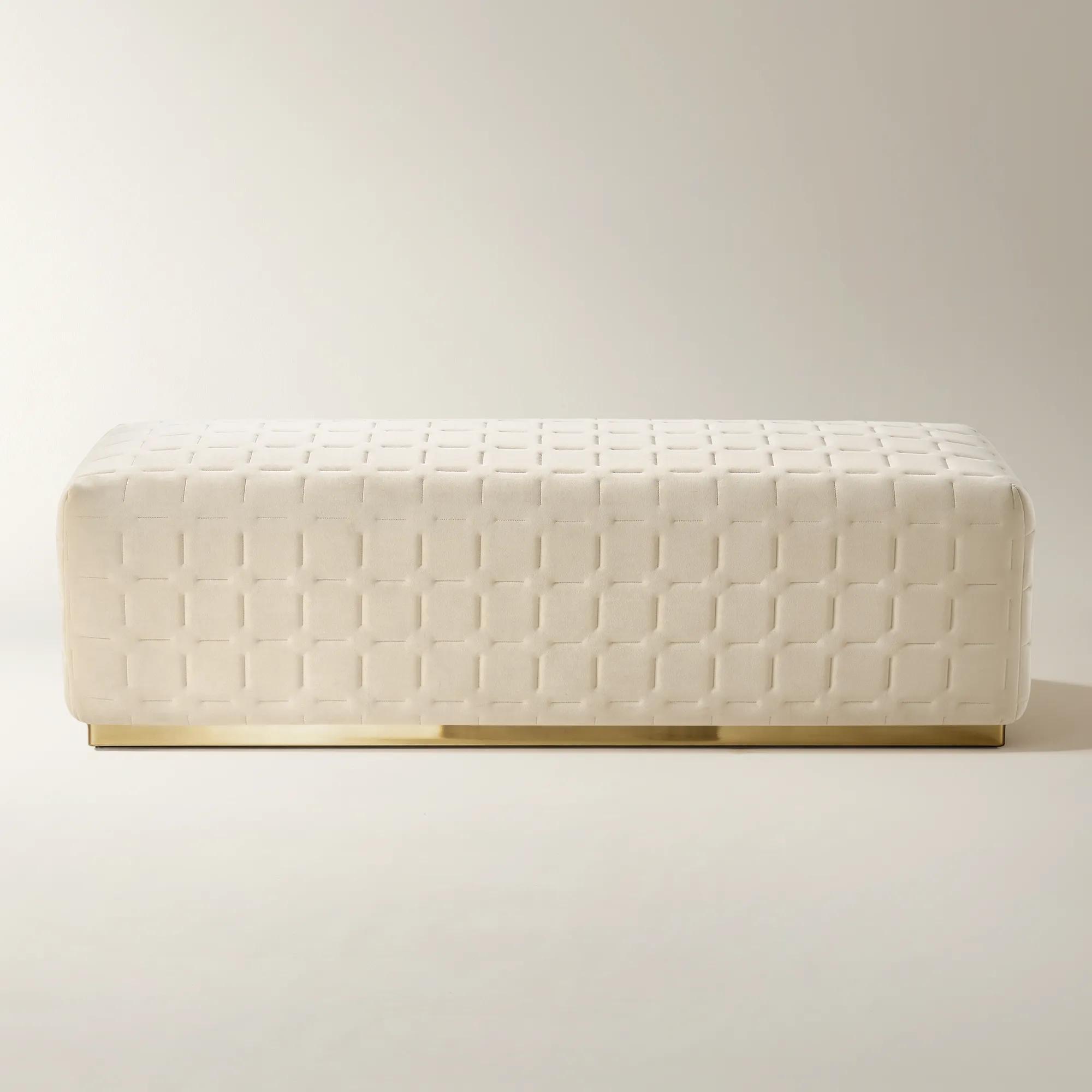
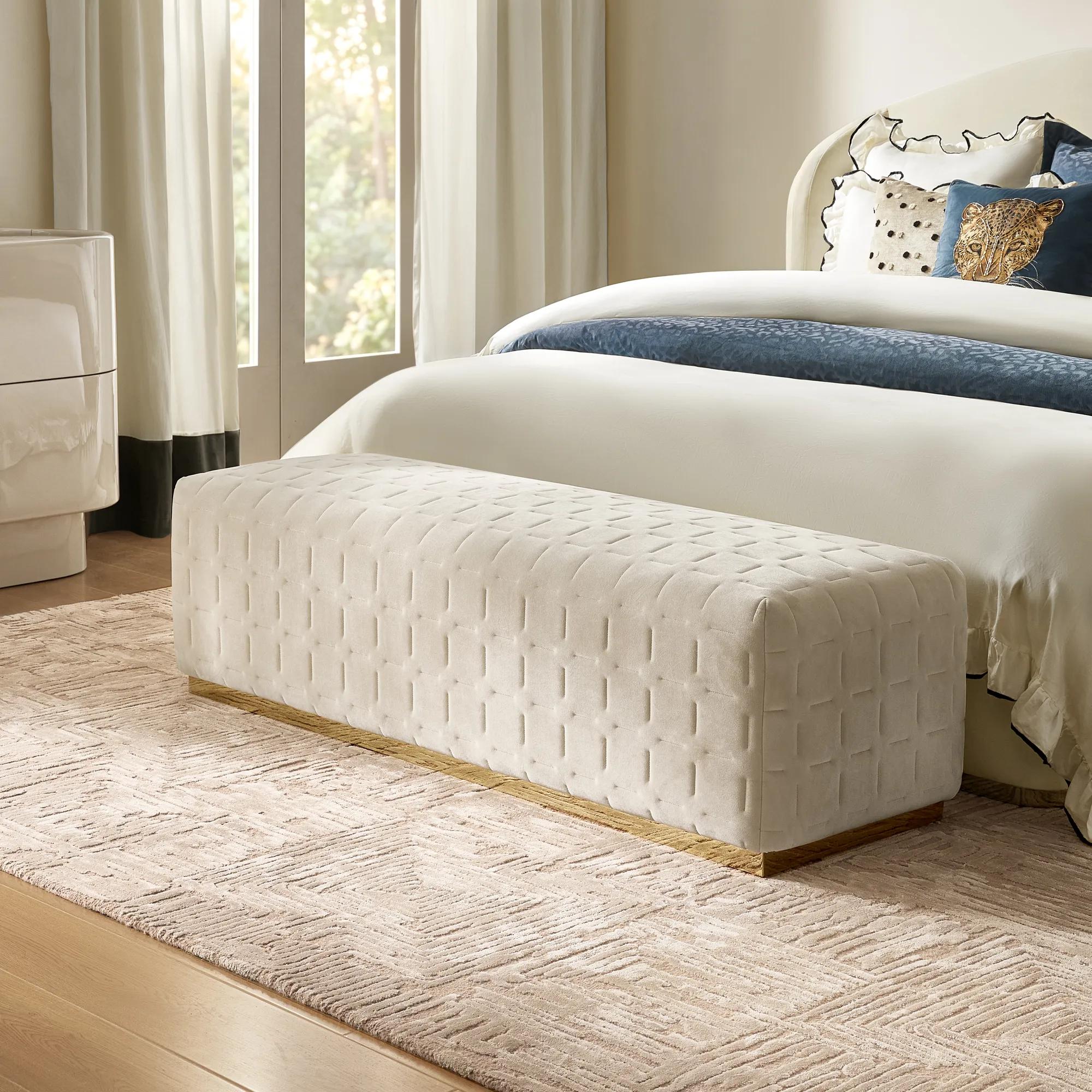 Vanta Quilted Oatmeal Velvet Bench (64.6")$899
A plush oatmeal velvet bench featuring checker quilted tufting and a sleek gold stainless steel base.
Add To Cart -
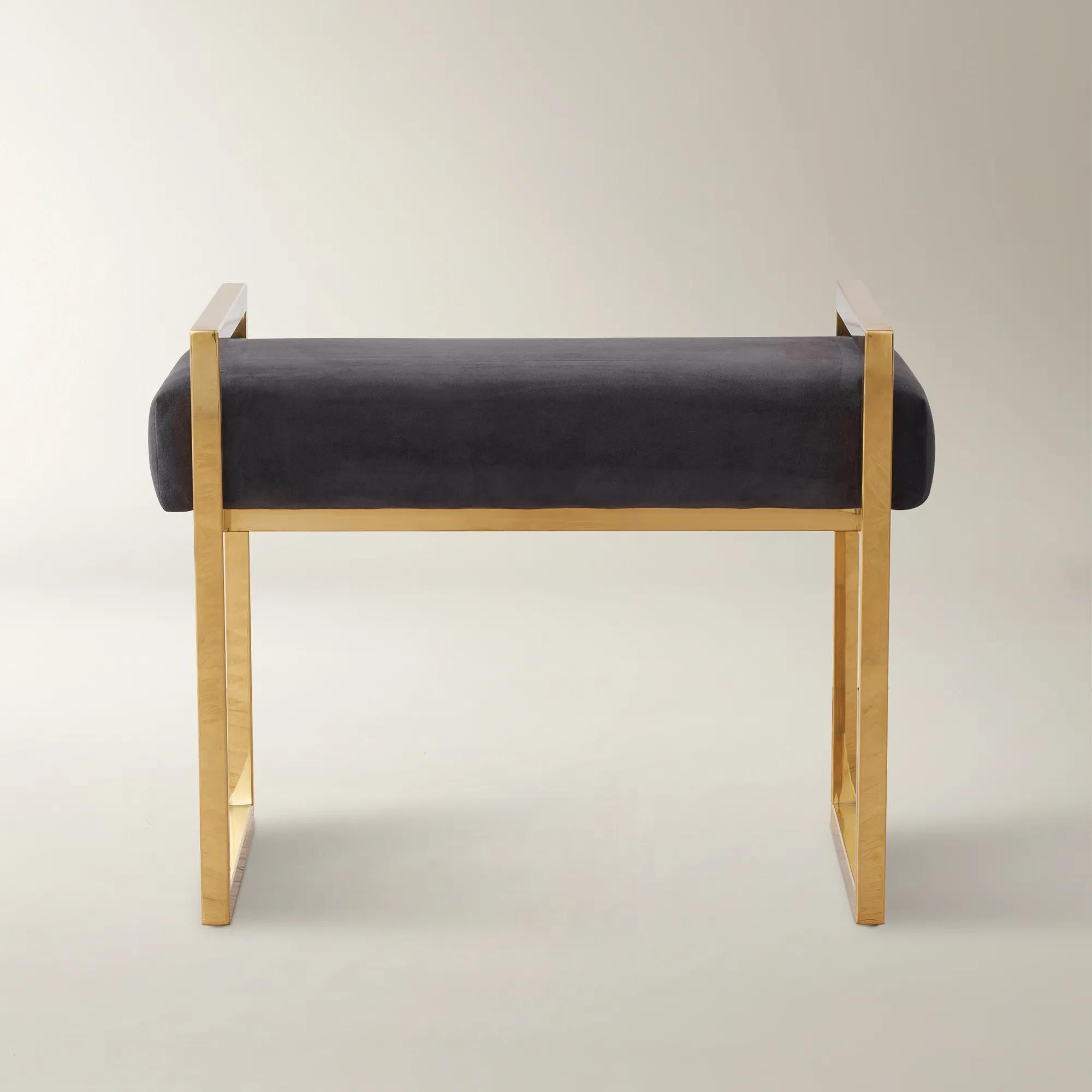
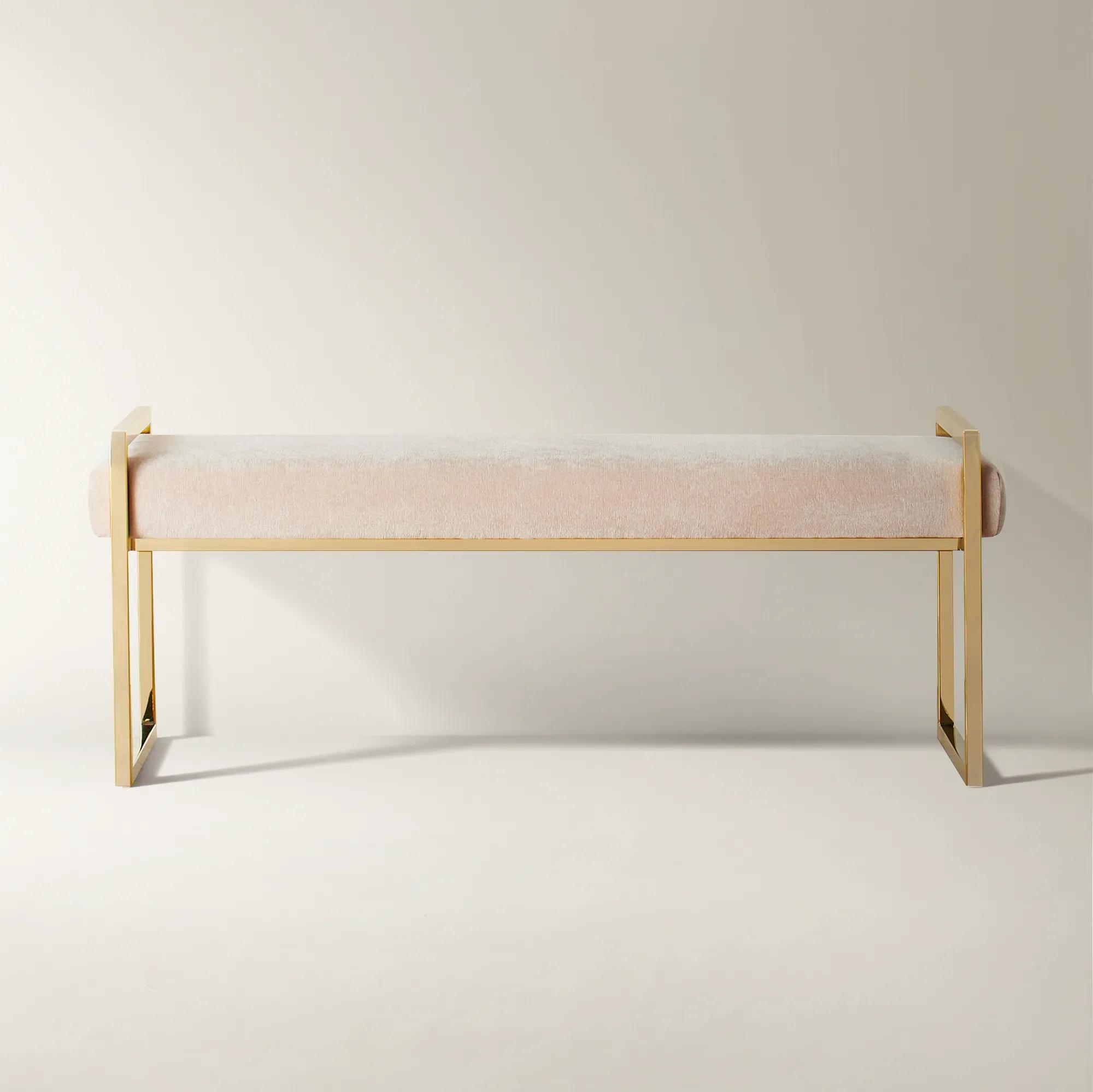 Clara Bench$699
A chic bench featuring a plush chenille seat and polished gold metal legs for modern elegance.
Add To Cart -
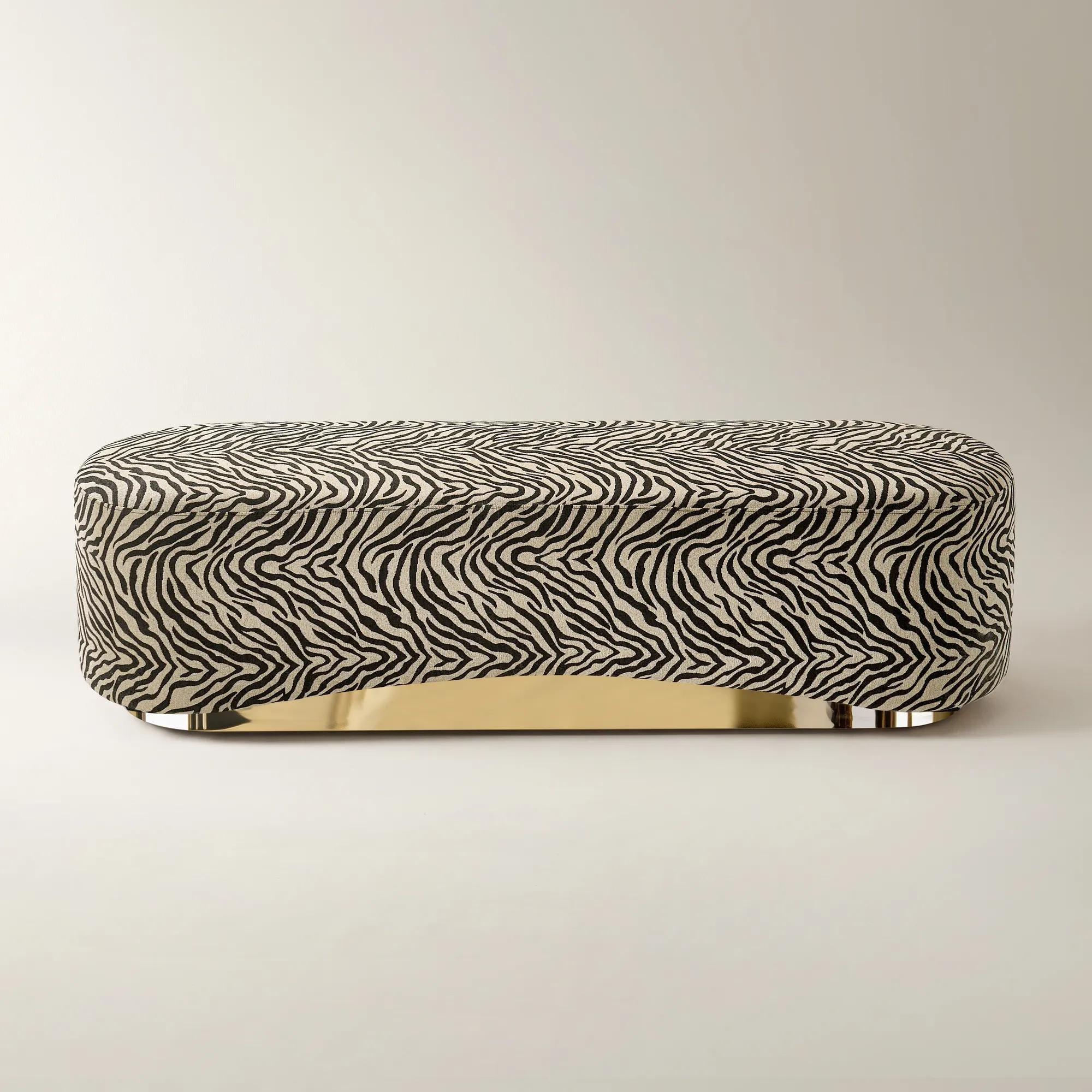
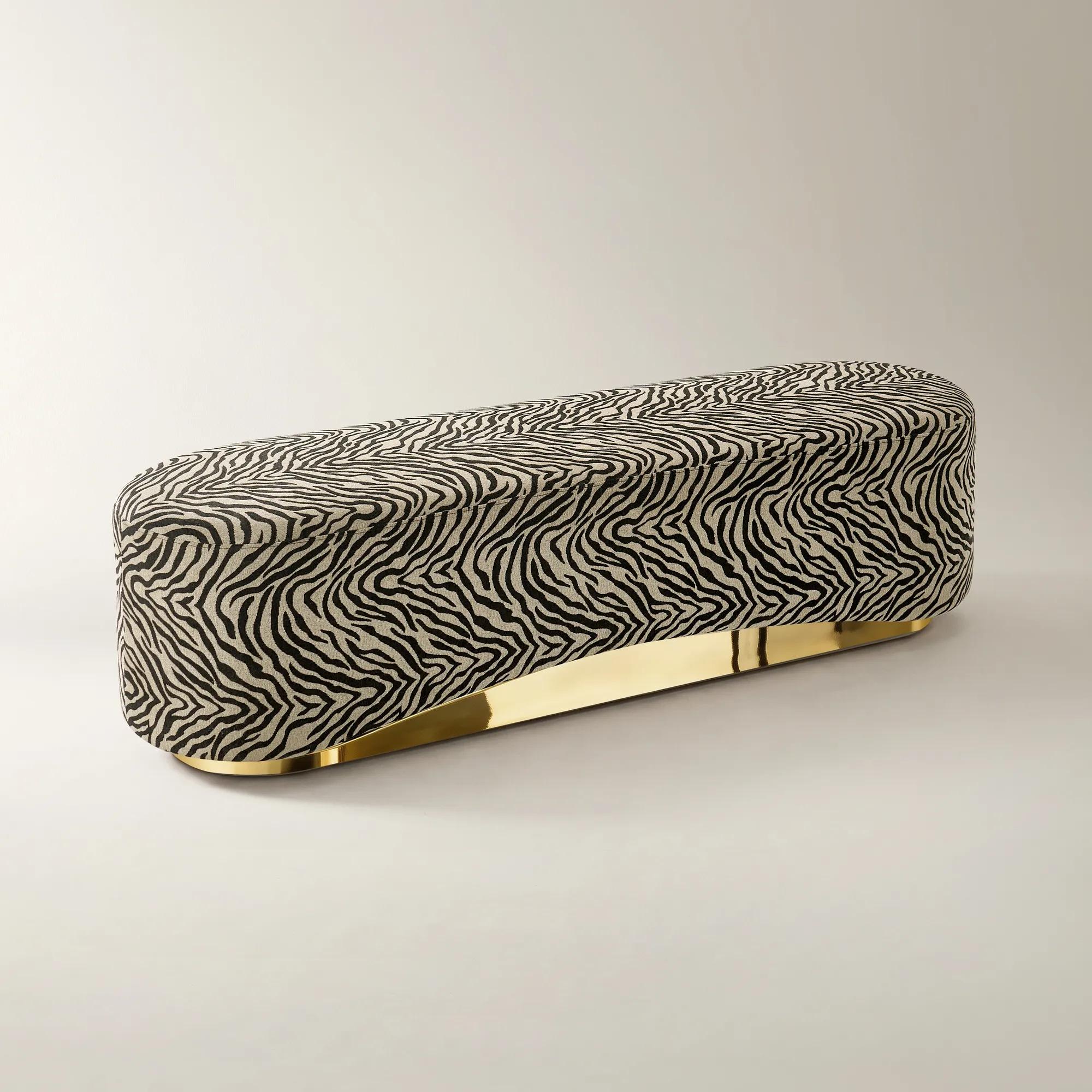 Kendra Zebra Performance Chenille Bench (70.47")$799
An elongated oval bench upholstered in textured zebra-pattern chenille with a polished gold stainless steel base.
Add To Cart -
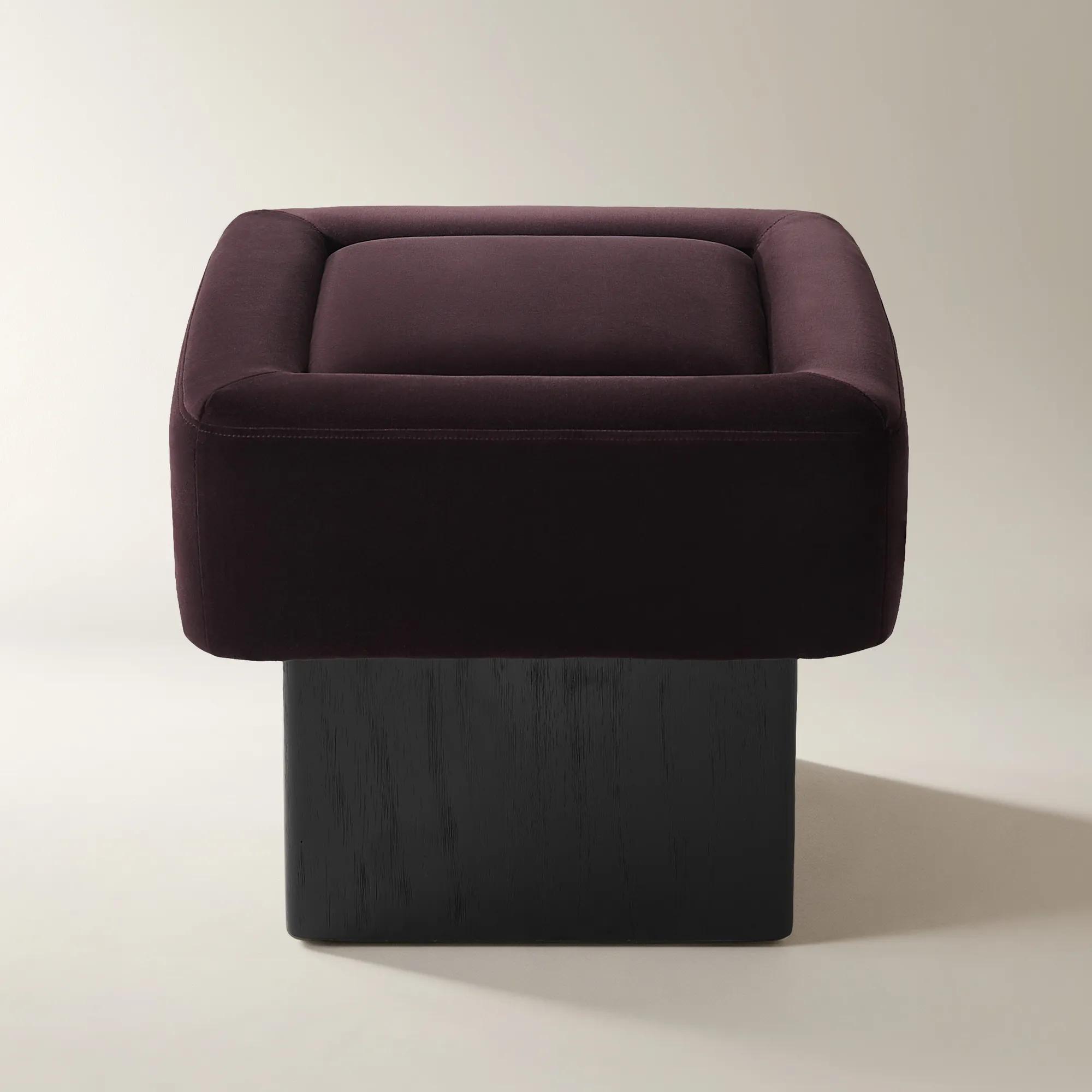 Reims Fig Velvet Stool$399
A plush fig-colored velvet stool featuring a sculpted cushion and a solid rubberwood base for modern contrast.
Add To Cart -
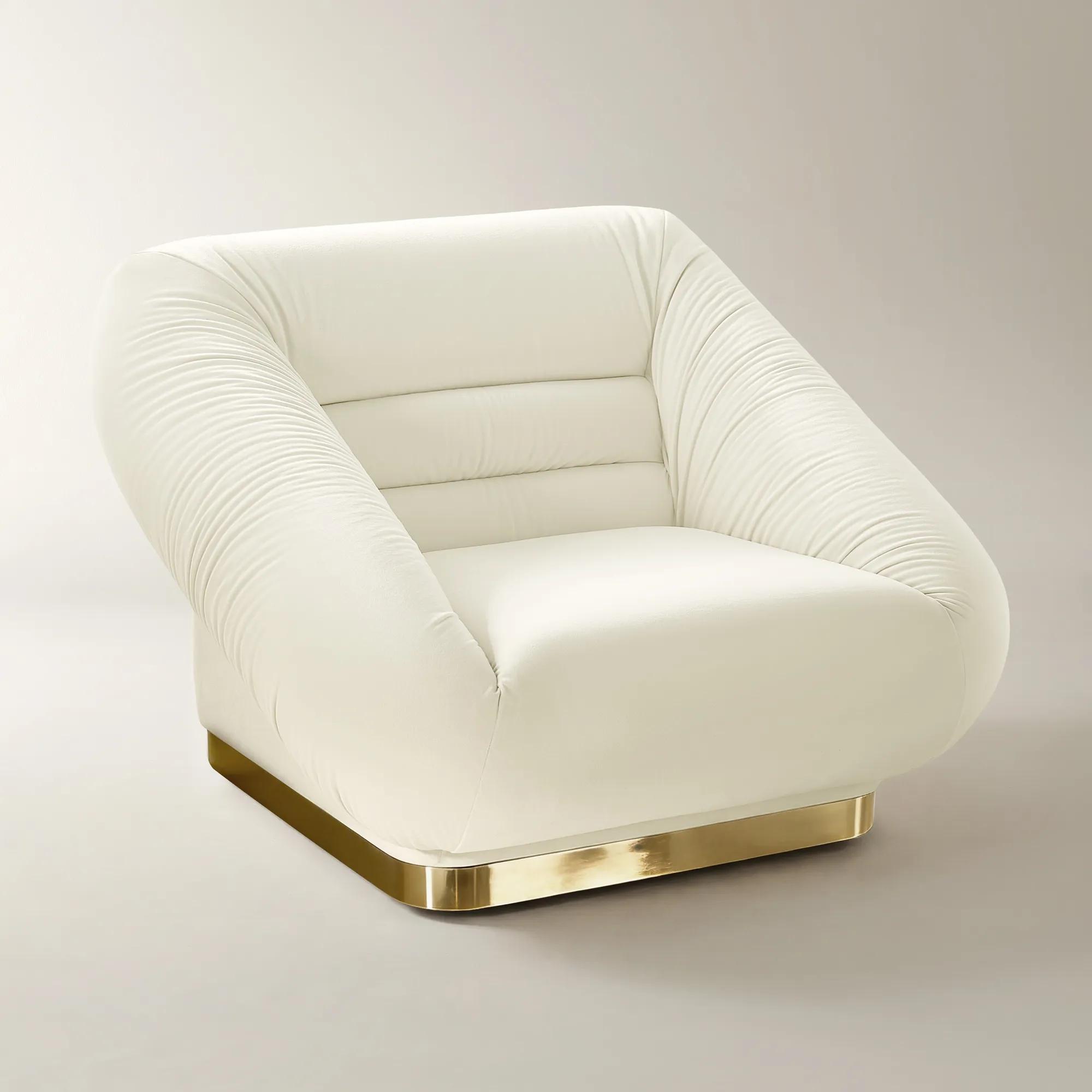 Dover Cloud Velvet Swivel Accent Chair$1299
A sculptural accent chair in cloud velvet with a gold-trimmed base and smooth 360° swivel function.
Add To Cart -
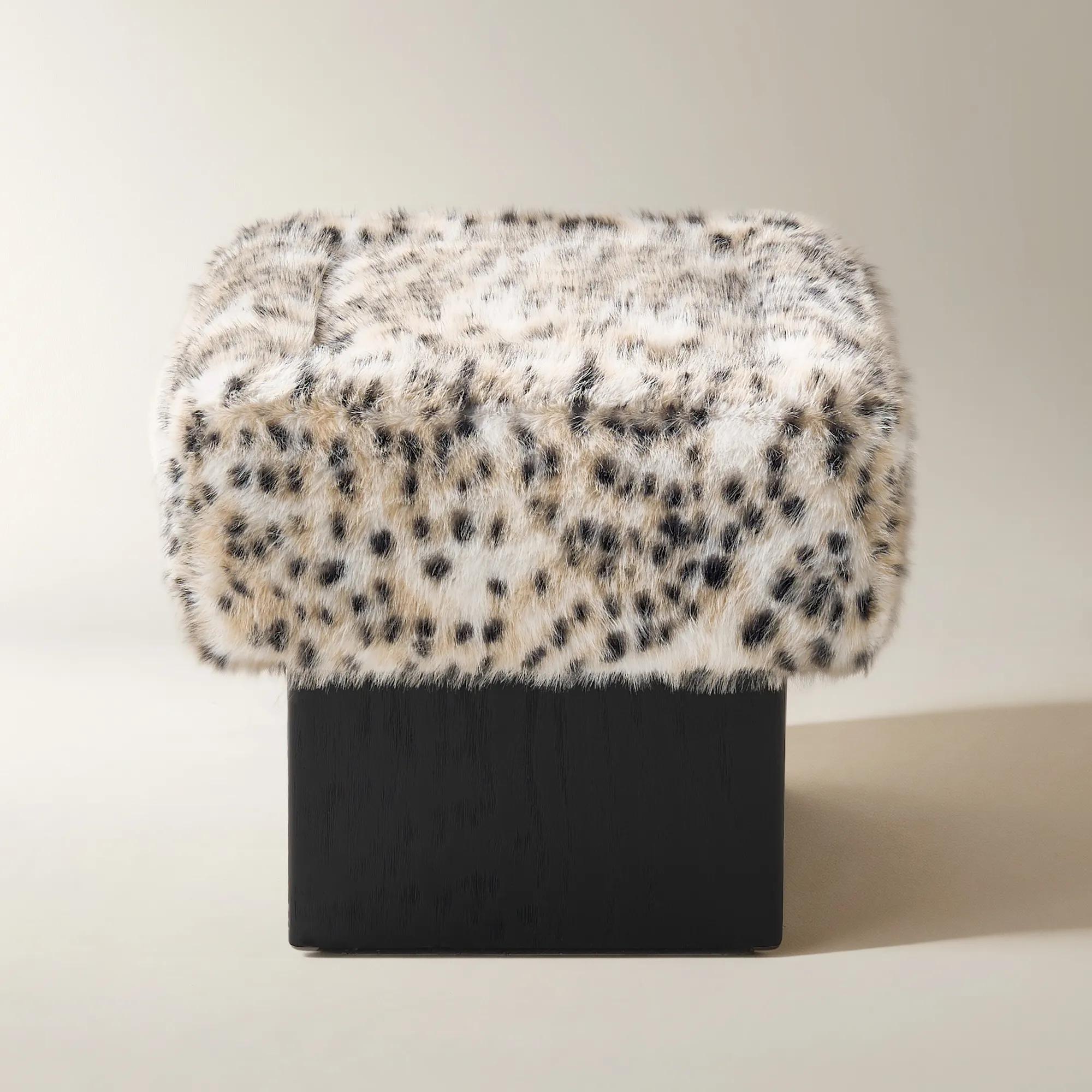 Reims Spotted Faux Fur Stool$399
A plush spotted faux fur stool with a sculpted cushion and solid rubberwood base for modern contrast.
Add To Cart -
 Collins Sand Outdoor Accent Chair$1299
A sand-hued outdoor accent chair with a sleek, modern silhouette.
Add To Cart -
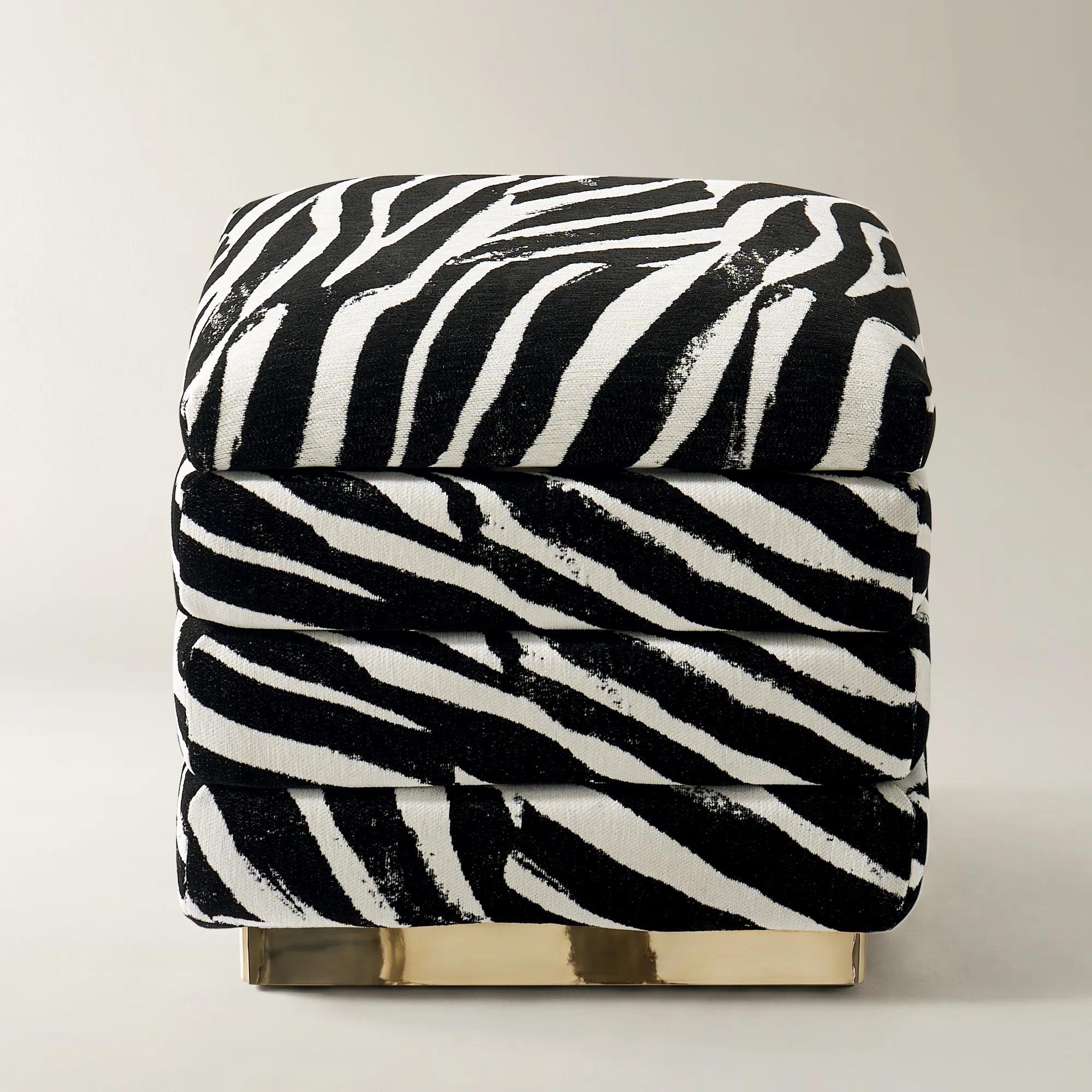
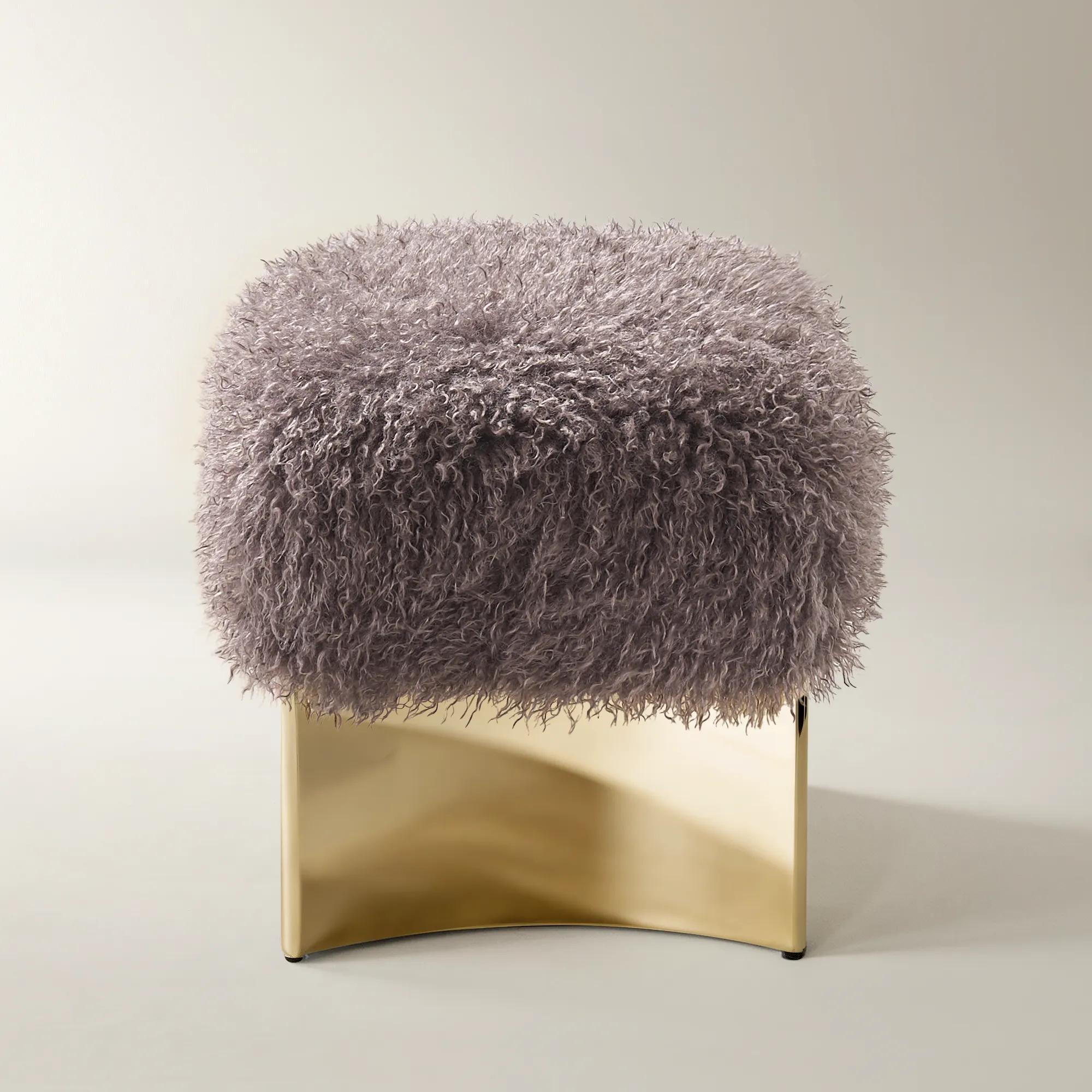
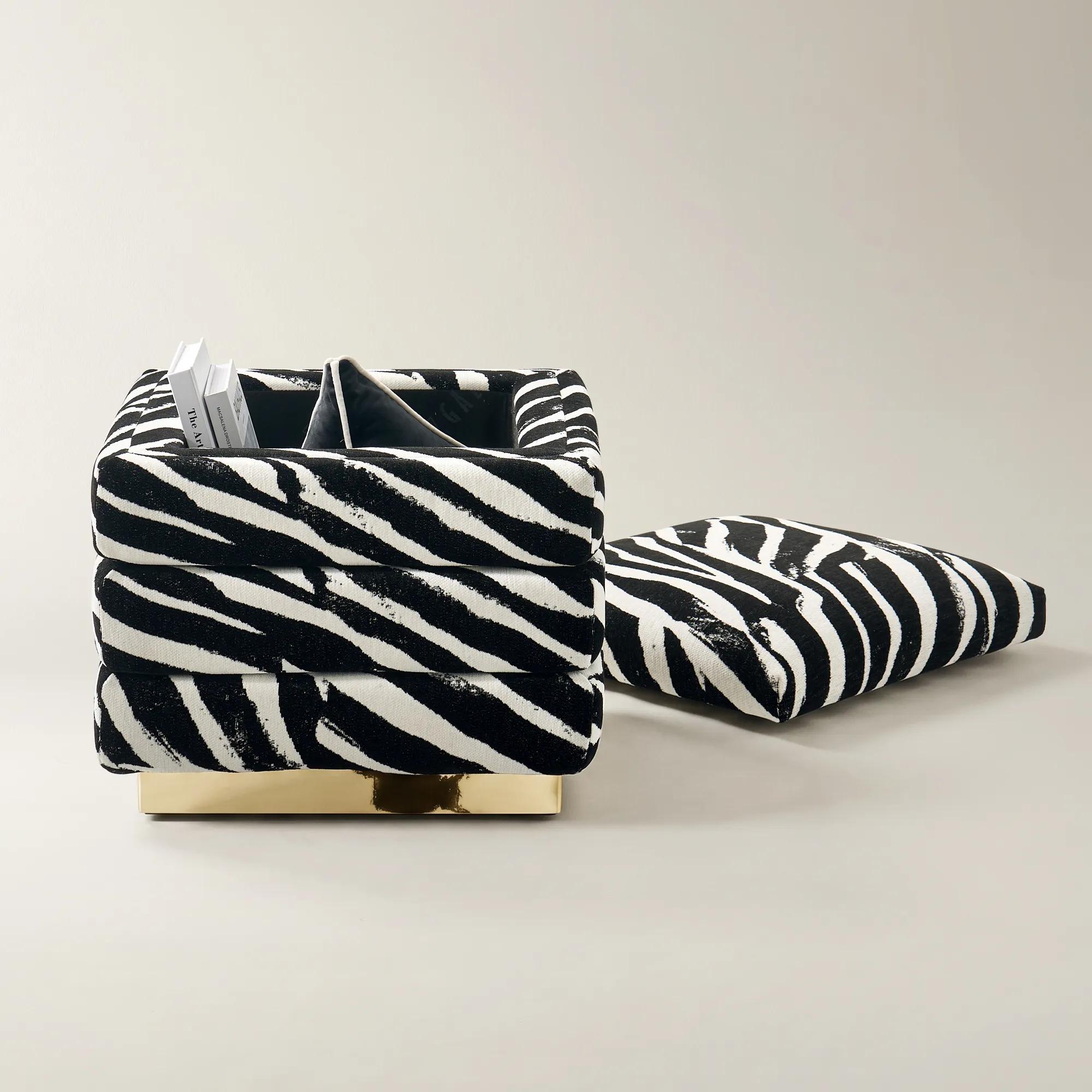 Gable White/Black Performance Chenille Stool$399
A plush white and black chenille stool with hidden storage and a polished gold stainless steel base.
Add To Cart

Extra Seating For Guests
Transform every gathering into an unforgettable affair with extra seating for guests that exudes both style and sophistication. Elevate your entertaining game with pieces that invite conversation, encourage connection, and infuse your space with an air of effortless hospitality. Whether you’re hosting a lavish soirée or an intimate dinner party, discover seating options that turn every occasion into a showcase of comfort and artistry—proving that when it comes to welcoming guests, more is always more.
Extra seating for guests brings more people into the conversation without asking a room to surrender its sense of style. Accent chairs, upholstered benches, ottomans, poufs, and compact stools can expand seating capacity while adding shape, texture, and personality to an interior. The most versatile choices have a purpose between gatherings: a sculptural chair creates a reading corner, a bench gives an entryway a polished landing place, and an upholstered ottoman offers a comfortable perch beside the living room’s main seating. When friends arrive, those supporting pieces become part of a more generous arrangement. For smaller spaces, lightweight designs that move easily between rooms can be more useful than a single oversized chair, while nesting, folding, or stackable seating can reduce the footprint when not in use. These features depend on the design, so dimensions and intended use matter as much as appearance. A slender silhouette is not necessarily compact once its arms and angled legs are considered, and a generous seat may need more floor space than its photograph suggests. Extra seating should feel connected to the room rather than borrowed from somewhere else. Repeating one element—a curved profile, a warm metallic finish, or an upholstery tone—can unite pieces that differ in shape. A velvet stool beside a tailored sofa introduces a soft contrast; a long bench beneath artwork creates a composed vignette that can become conversational seating when needed. In an open living area, a pair of movable chairs can turn toward the sofa for conversation or toward a neighboring dining space as the gathering changes. This flexibility is especially valuable in apartments, multipurpose rooms, and homes where entertaining takes different forms. The goal is not to fill every open corner, but to give each seat a place in everyday life and a clear role when the guest list grows.
Materials give occasional seating its visual character, but they also influence comfort, care, and how confidently a piece handles repeated use. Velvet lends upholstery a luminous depth, with a pile that catches light differently as someone moves across the room. Its surface can show pressure marks or changes in shading, making the fabric’s care instructions important to its lasting appearance. Textured woven upholstery brings dimension to a quieter palette, while tightly woven fabrics can be practical where seating moves frequently between a bedroom, entryway, and living area. Performance treatments vary; a performance label should be considered alongside the stated resistance to stains, abrasion, or fading rather than treated as a promise that every spill will disappear. Leather offers another distinct expression, with finishes that range from more uniform surfaces to natural variations that become part of the material’s character. Wood and metal frames can lend either warmth or a crisp architectural line, but construction, joinery, and the manufacturer’s weight rating are more useful measures of suitability than appearance alone. A bench intended for multiple people needs an appropriate seating capacity, and a decorative accent should never be assumed to support a seated guest. Cushioning matters just as much: a softly padded pouf may suit a brief conversation, while a supportive chair with a back is better suited to a long evening. Care should follow the upholstery code and finish-specific directions, with spills blotted promptly rather than rubbed into the surface. Gentle vacuuming with an appropriate attachment can help remove dust from seams and textured fabric, while protected feet can reduce scuffing as seating moves across hard floors. Sun exposure, frequent handling, and the demands of children or pets also deserve consideration. Thoughtfully chosen materials allow extra seating to feel indulgent without becoming too delicate for the way a household actually gathers.
The right fit begins with the people using the seating and the activities bringing them together. A low ottoman can draw guests into a relaxed living room arrangement, but it is not a substitute for a dining chair when its seat sits too far below the table. Dining use calls for a comfortable relationship between seat height, tabletop, and any apron beneath it, with enough room for knees and space to move the chair back. Arms should clear the table when necessary, and the full width of each chair should leave neighboring guests comfortable rather than crowded. For conversation, occasional seats work best close enough to the main arrangement that guests can speak naturally, without blocking the route through the room. An open path matters more than squeezing in one additional perch, especially near doorways and frequently used passages. Guests who benefit from more support may find a firm, higher seat with arms easier to use than a deep, low pouf. A generous bench can welcome several people, but separate chairs provide individual back support and more freedom to shift position. These differences make a mix of seating particularly effective: an accent chair for lingering, a compact stool for a shorter visit, and a versatile bench that moves into the gathering when needed. Pieces intended for sitting can sometimes serve additional purposes, but a tray does not turn every ottoman into a stable serving surface, and a decorative table should not become an improvised seat. Storage seating adds another useful function when its compartment can hold throws or other lightweight essentials, provided the lid and hinges are used as directed. Even the practical details can contribute to the room’s composition, from a neatly tailored cushion to the gleam of a slender metal base. For celebrations with a more occasion-focused mood, explore Stylish Seating For Holiday Guests. Whether accommodating an intimate dinner or a lively evening of conversation, well-considered extra seating makes hospitality visible: every guest has a comfortable place, and every piece contributes to a room with presence.
FAQs
For larger gatherings, opt for versatile pieces like stackable chairs, sculptural benches, and plush ottomans that can be easily moved and arranged to suit your space. These options blend seamlessly with modern interiors while offering flexibility and comfort for every guest.
Choose seating that complements your color palette and design aesthetic—think velvet poufs in coordinating tones, lucite stools for a touch of glamour, or neutral benches that anchor a room. Many pieces double as statement décor, adding style even when not in use.
Absolutely. Ottomans and poufs often serve as both extra seating and chic coffee tables, while garden stools and accent chairs can function as side tables or sculptural focal points. These pieces enhance your space with both beauty and versatility.
Consider tucking benches under console tables, stacking stools in a corner, or sliding floor cushions into a decorative basket. Foldable or nesting chairs can be stored in closets or behind drapery, ensuring your space remains uncluttered and ready for impromptu entertaining.
Extra seating makes a thoughtful gift for new homeowners, newlyweds, apartment dwellers, or anyone who loves to entertain. Stylish poufs, accent chairs, or benches add both function and flair, making them memorable gifts for those who value expressive interiors.