Elevated Living Room Ideas
Elevated Living Room Ideas
-
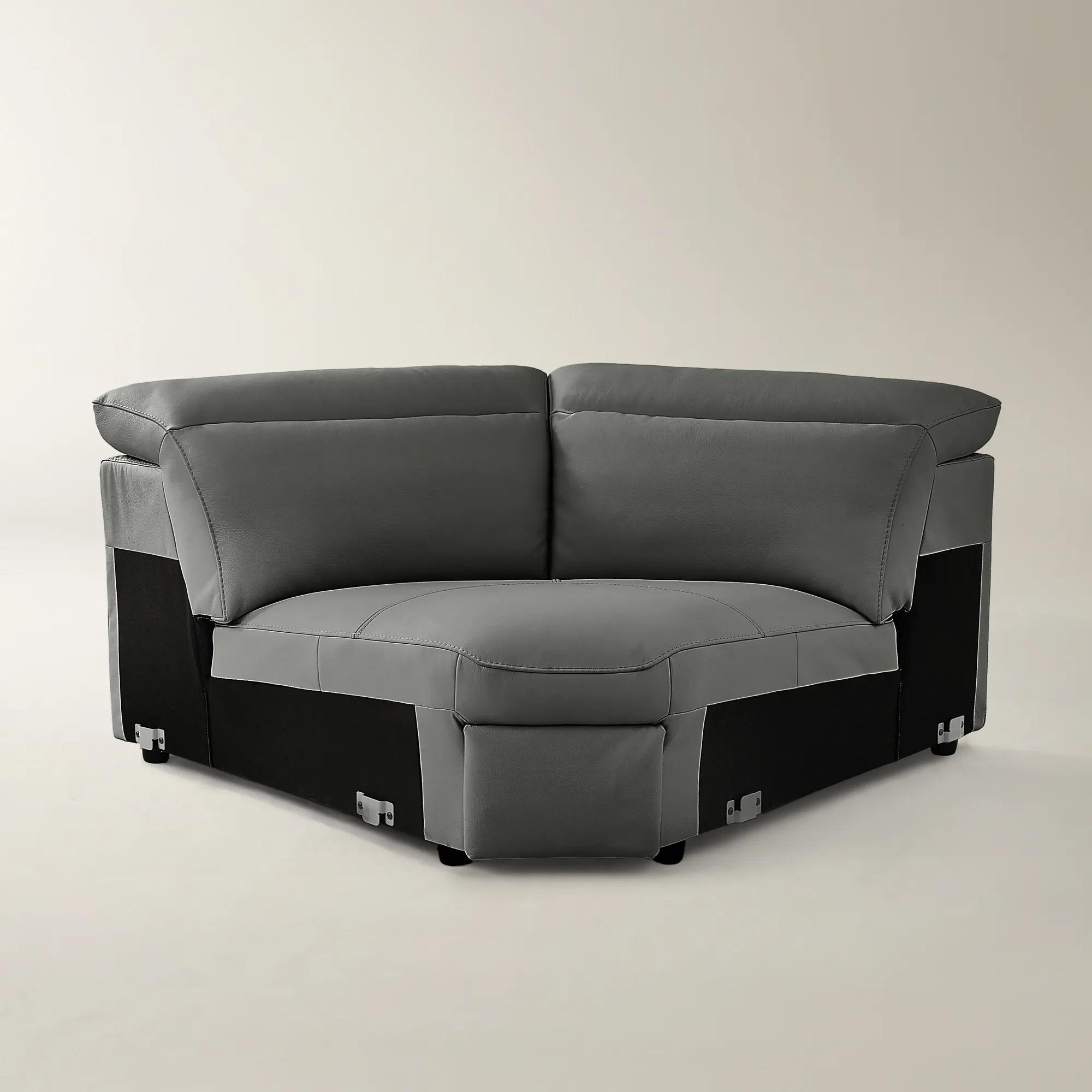
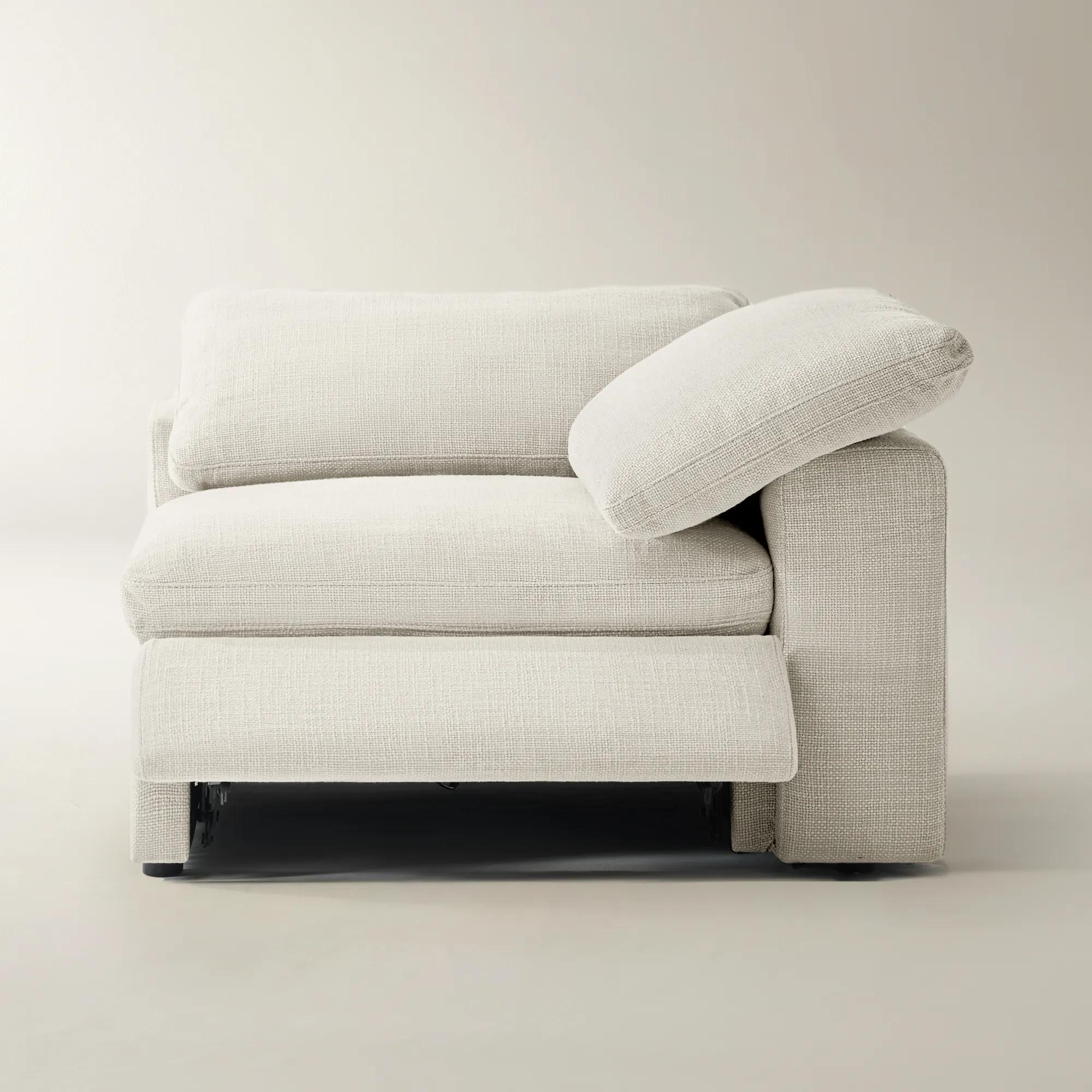
 Convo White Leather Armless Chair$1199
A modular sectional in charcoal semi-aniline leather with kiln-dried hardwood frames and gently curved seats.
Add To Cart -
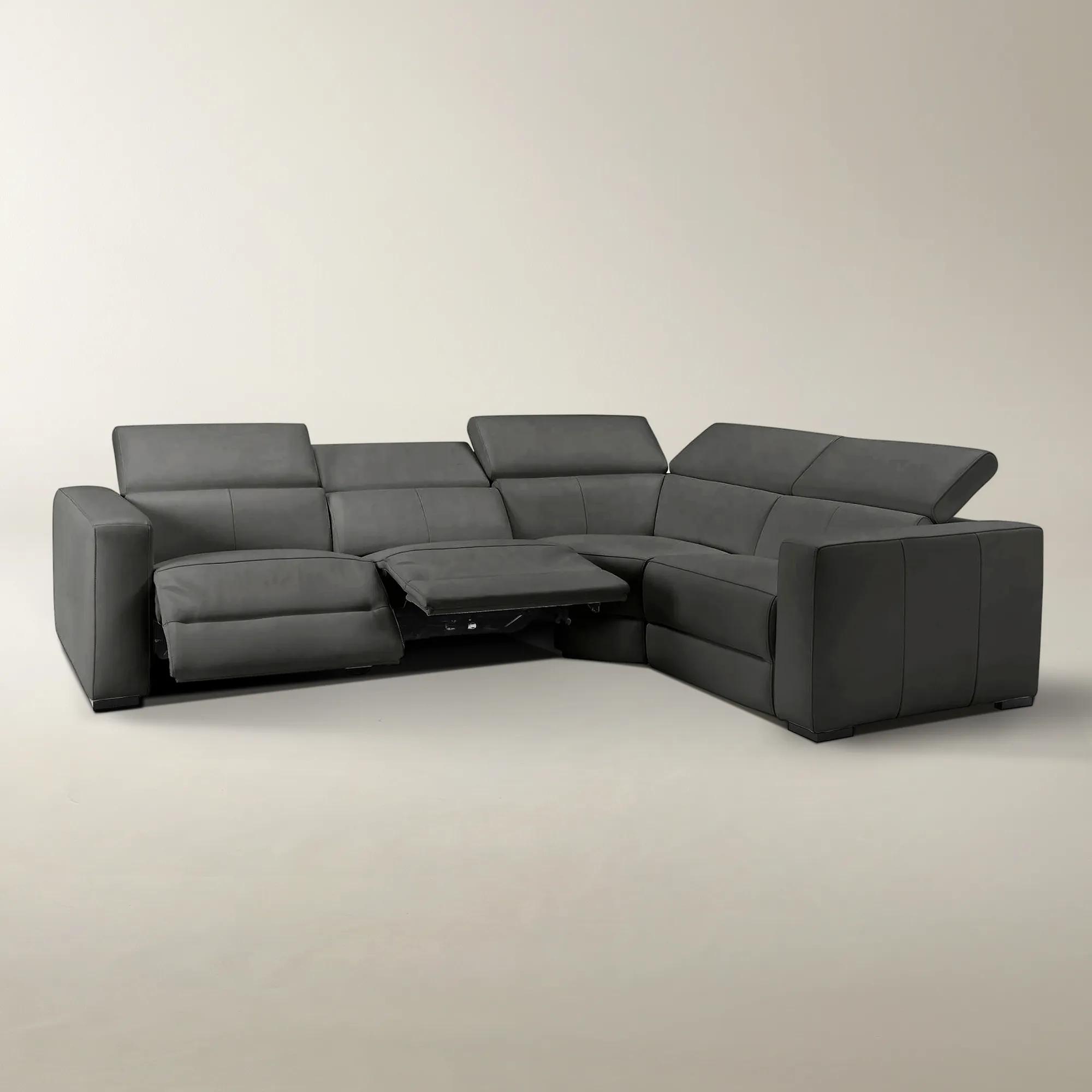
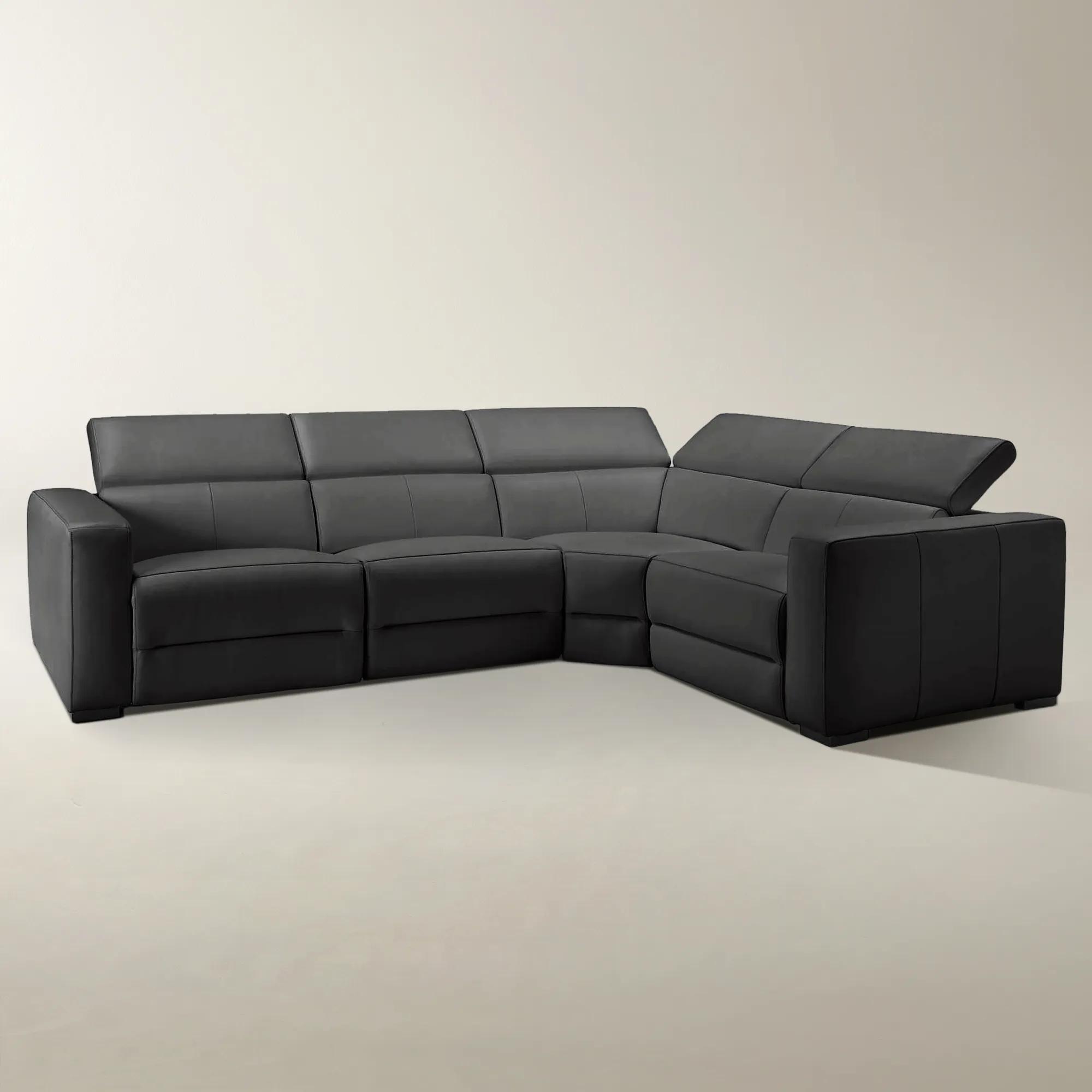 Verona 4-Piece L-Shaped Reclining Charcoal Leather Sectional Sofa With Right-Arm$5899
A charcoal semi-aniline leather sectional featuring adjustable headrests, power-reclining seats, and kiln-dried hardwood frame.
Add To Cart -
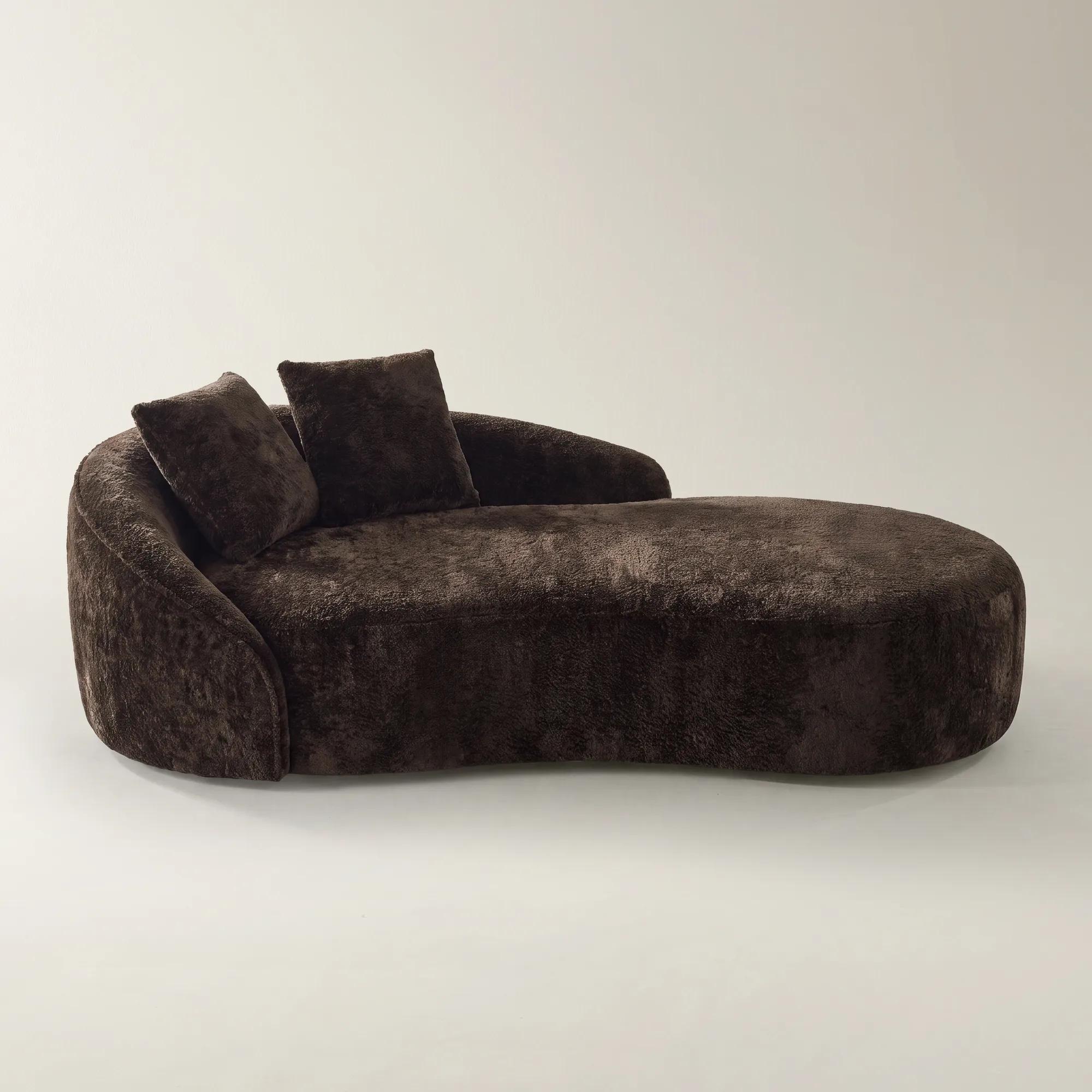
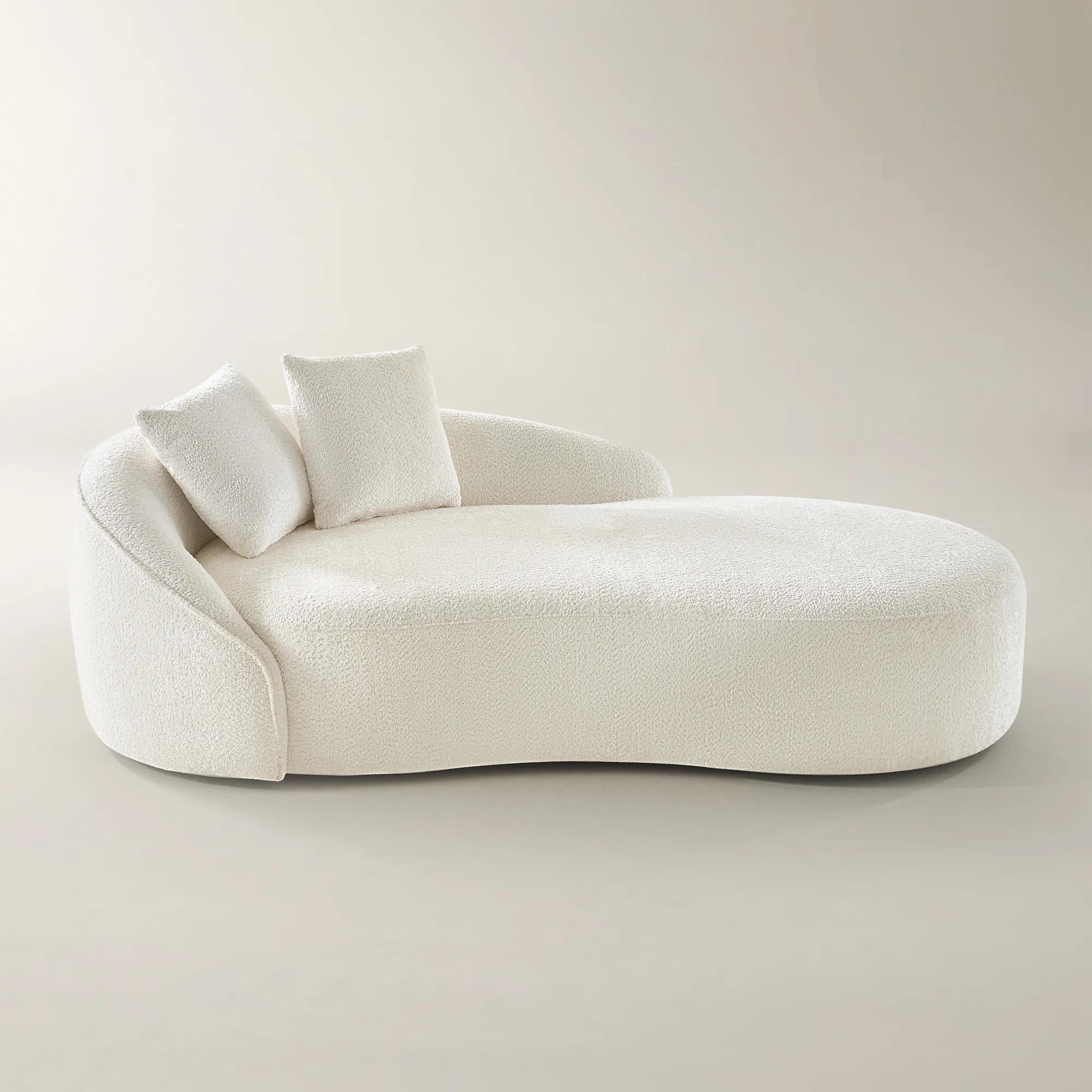 Irene Dark Chocolate Chenille Chaise$1899
A sculptural chaise in dark chocolate chenille with high-resiliency foam cushions and artisan hand-finished upholstery.
Add To Cart -
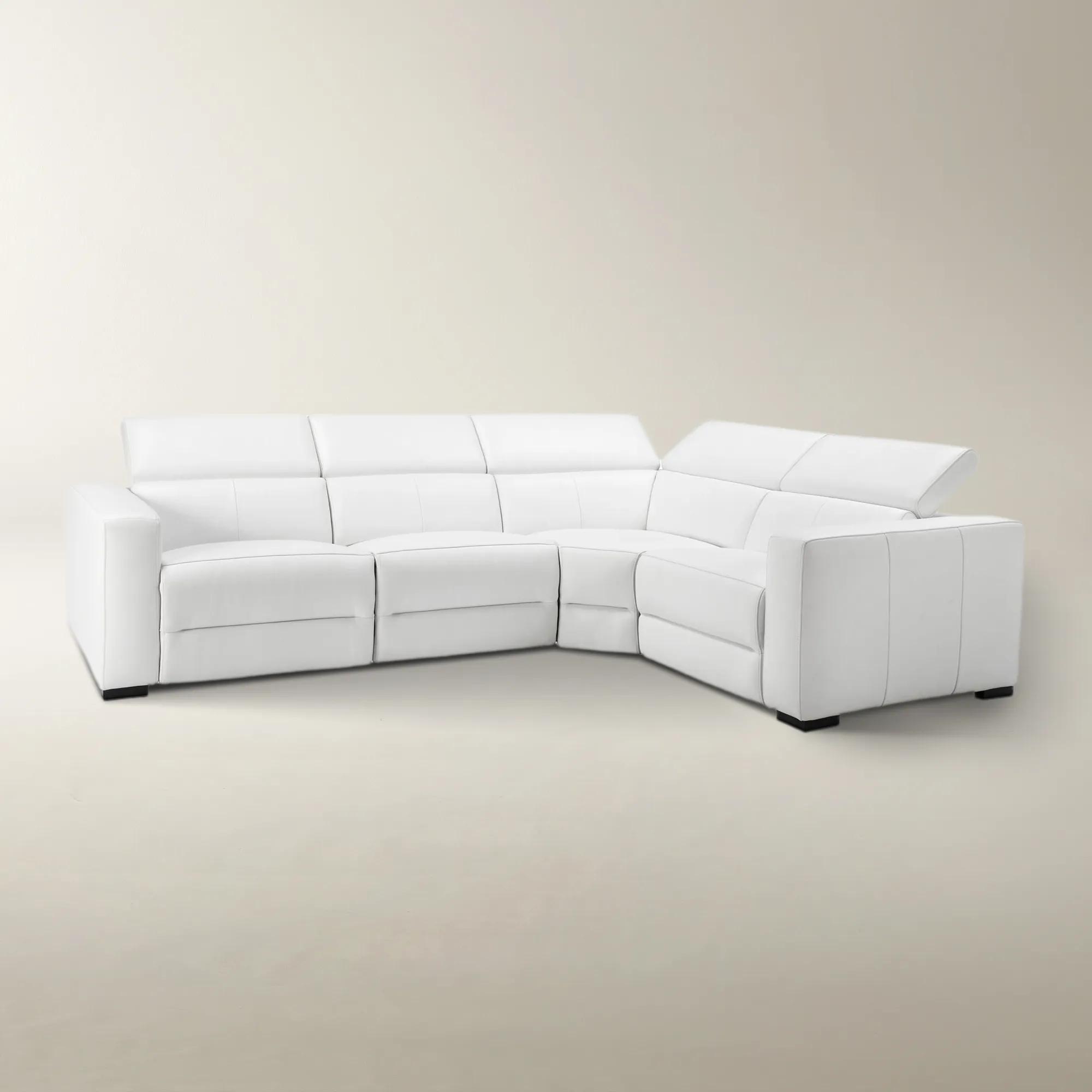
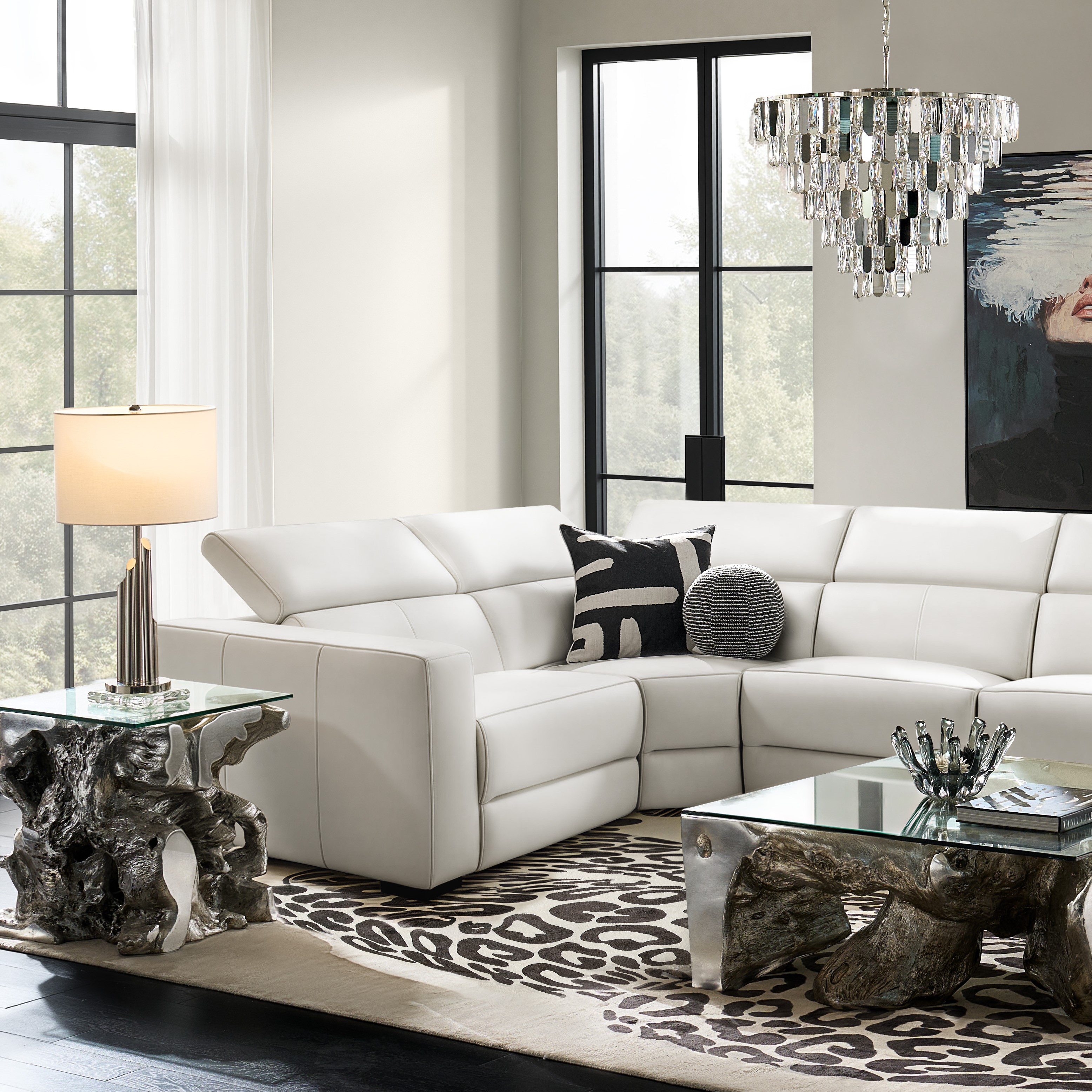 Verona 4-Piece L-Shaped Reclining White Leather Sectional Sofa With Right-Arm$5899
A modern sectional upholstered in supple white semi-aniline leather with adjustable headrests and power-reclining seats.
Add To Cart -
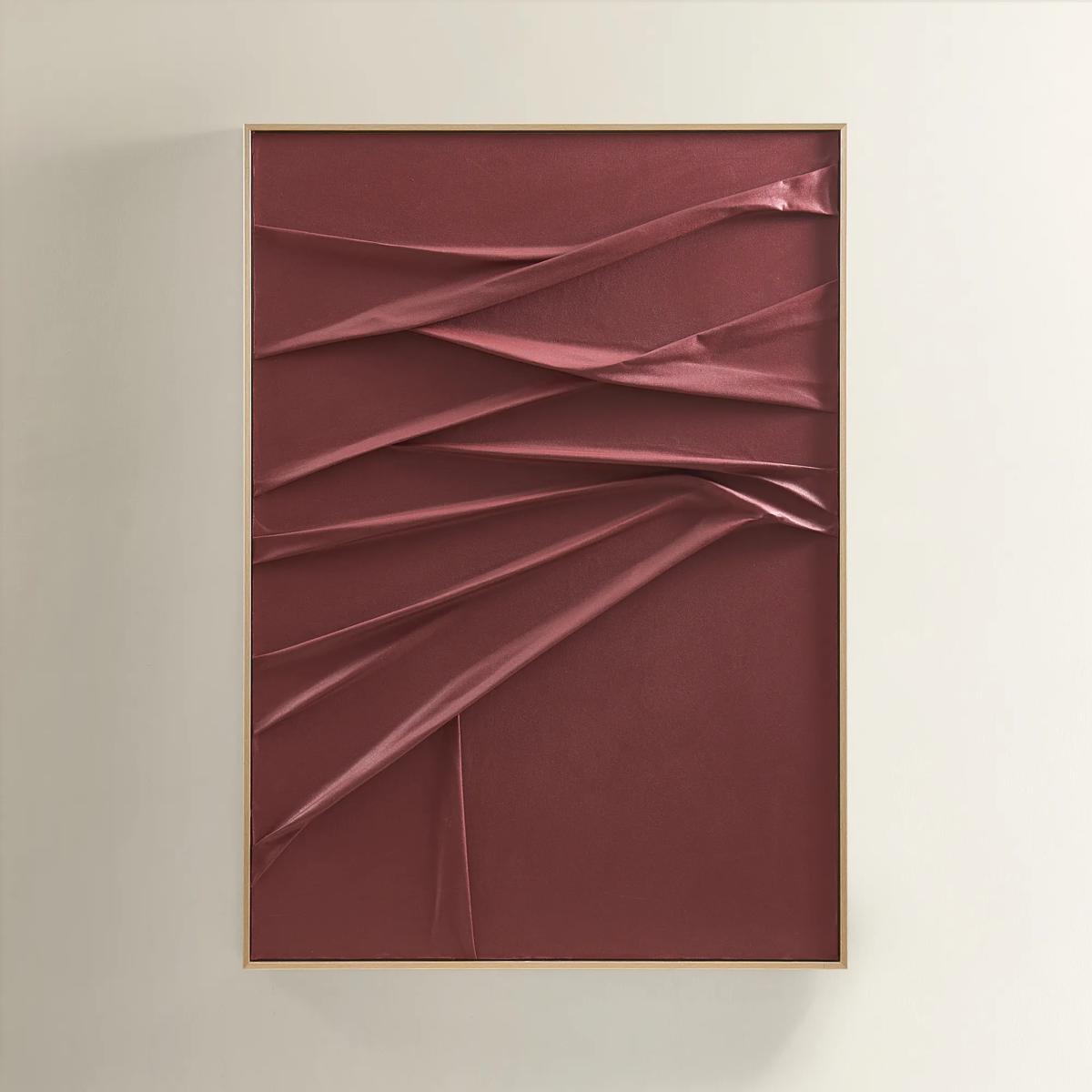
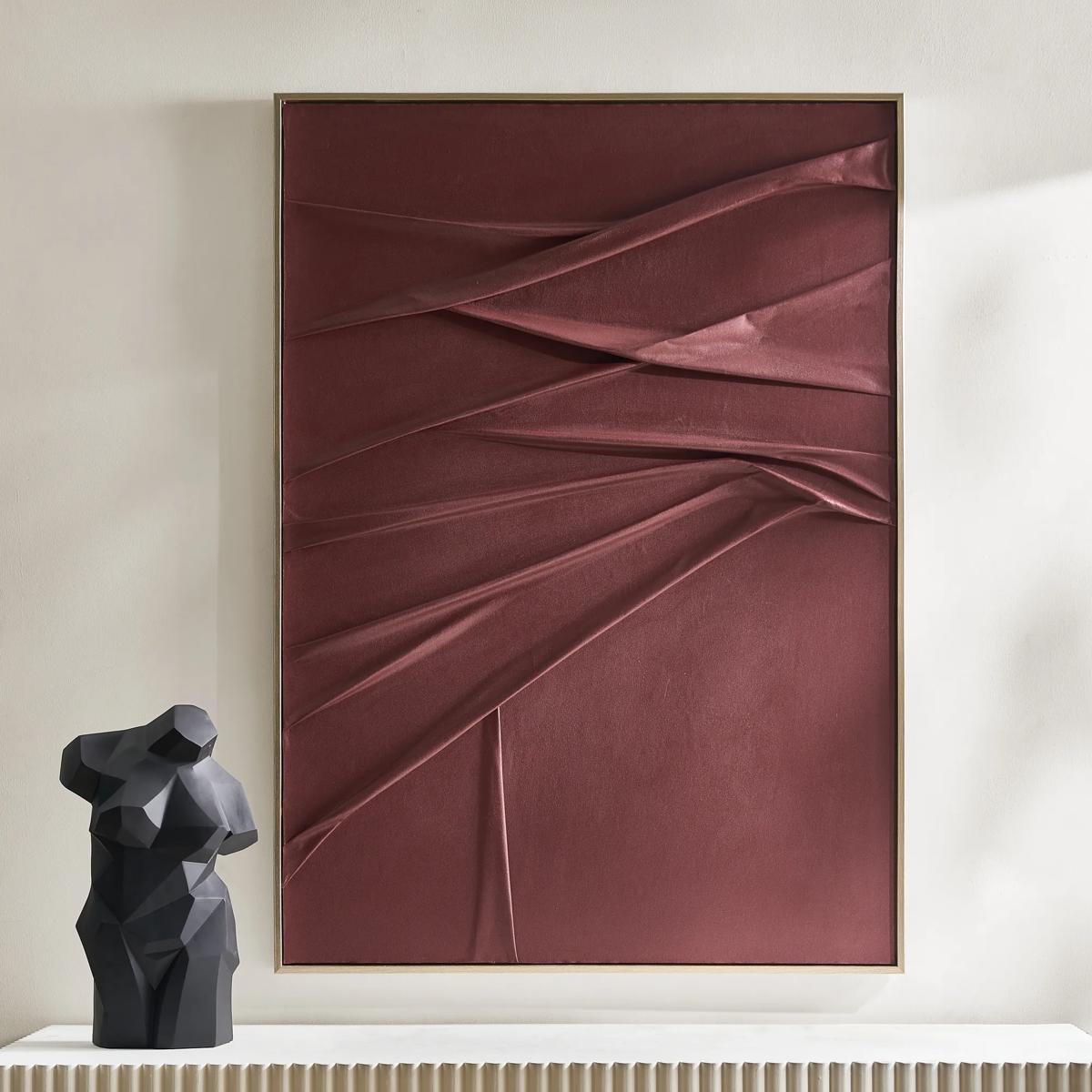 Crimson Painting$599
A handcrafted burgundy canvas artwork with sculptural folds, framed in champagne for a dramatic, textured effect.
Add To Cart -
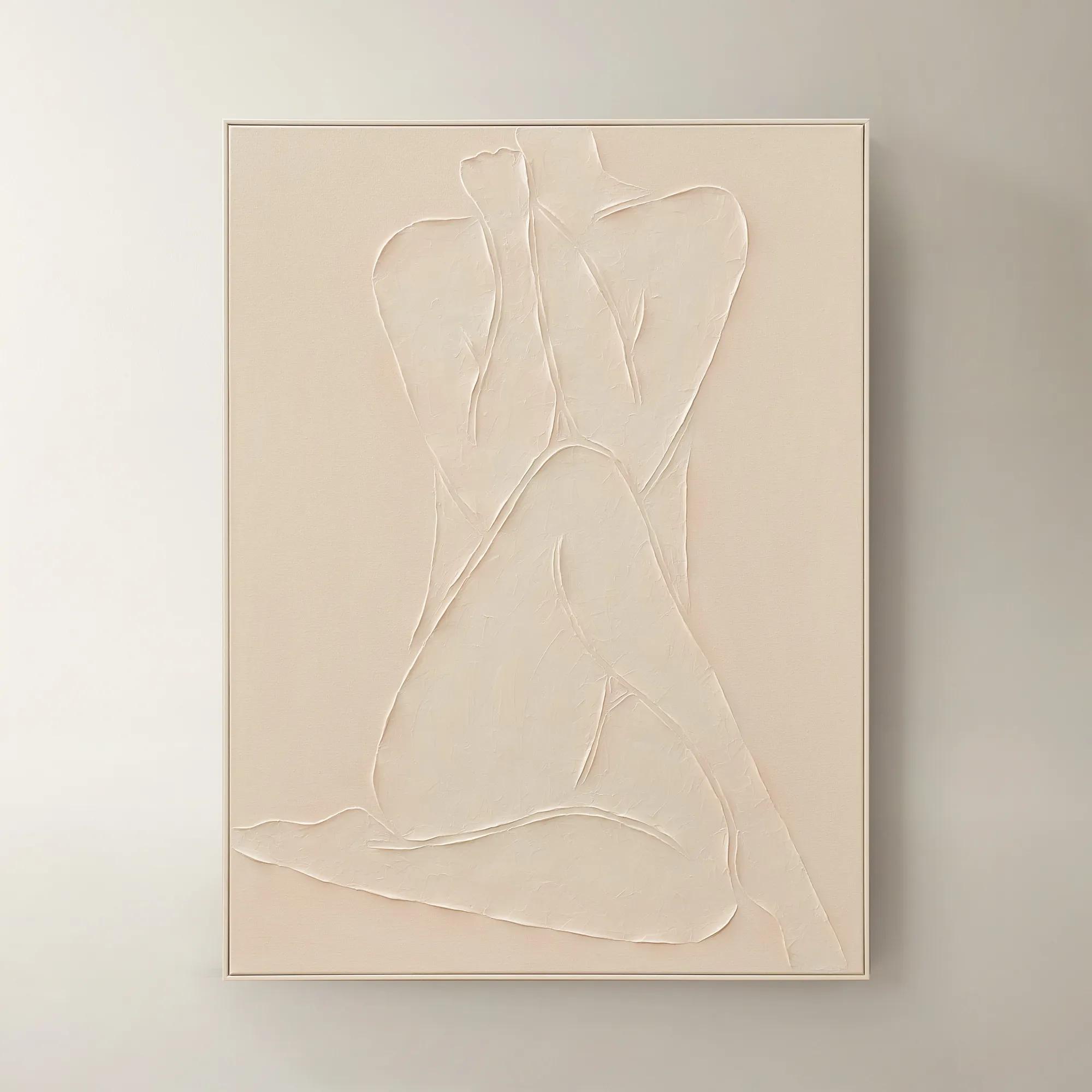
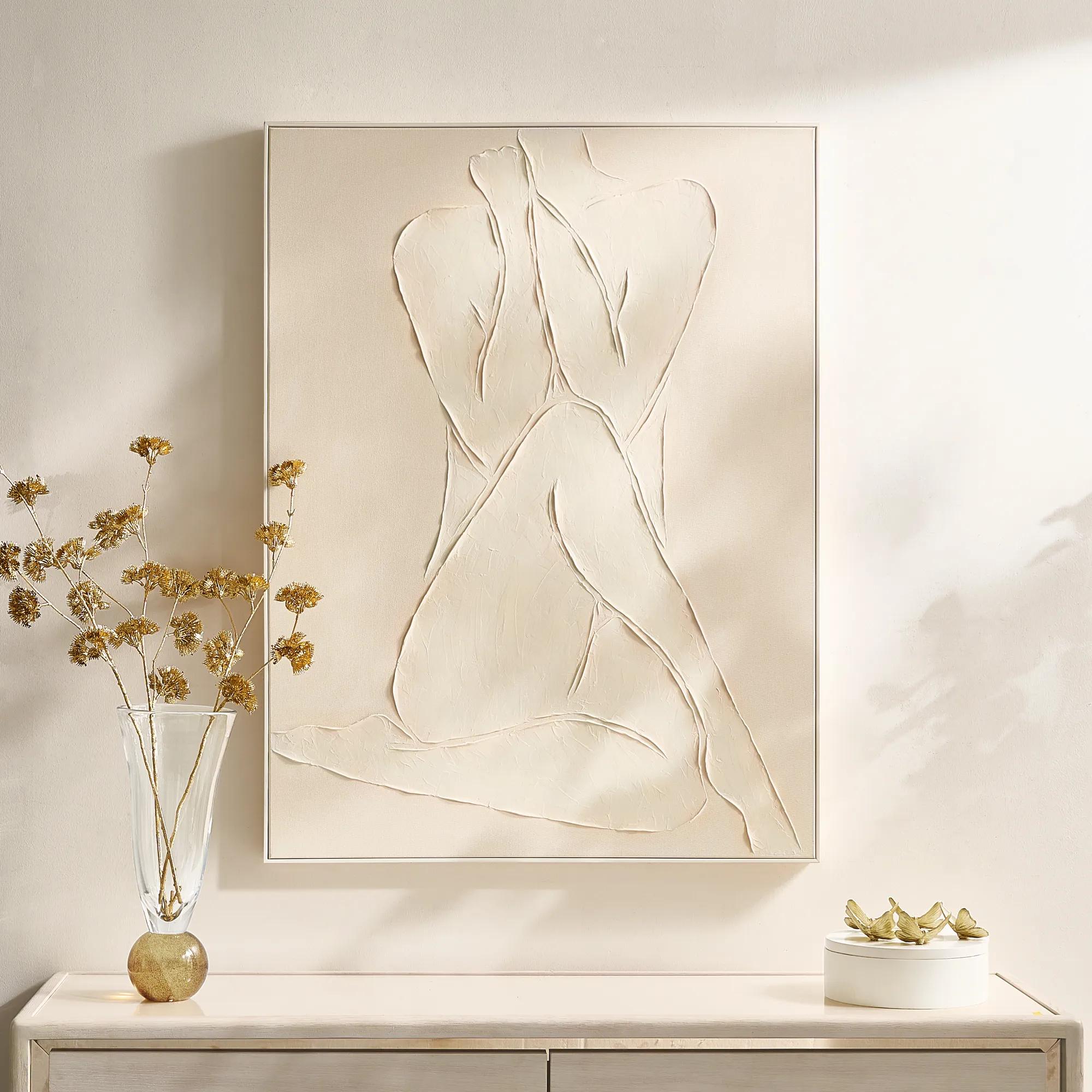 Modern Elegance Nude Ivory Framed Painted Wall Art 35.5" x 47.25"$599
A hand-painted ivory canvas in a white frame brings serene, modern artistry to any space.
Add To Cart -
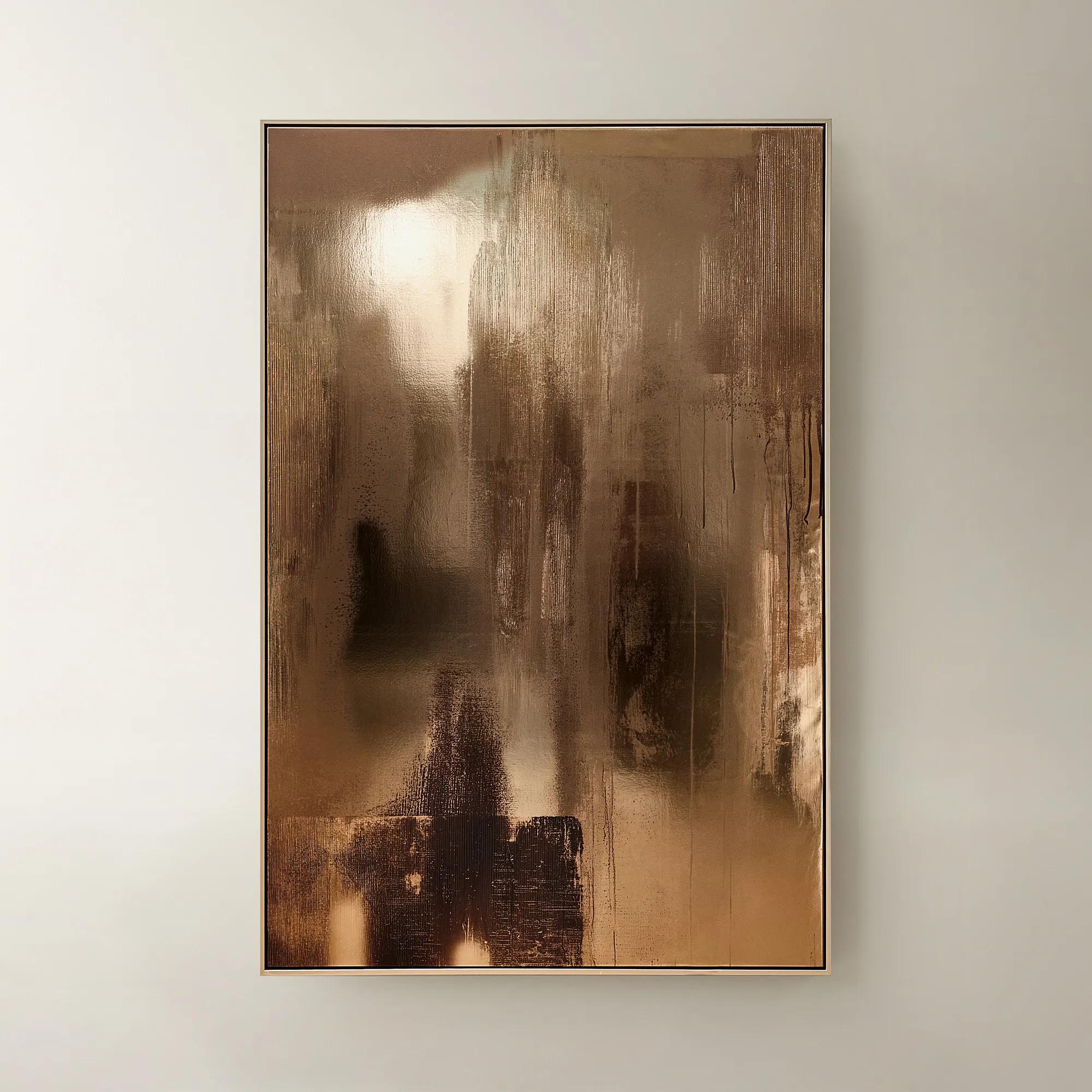
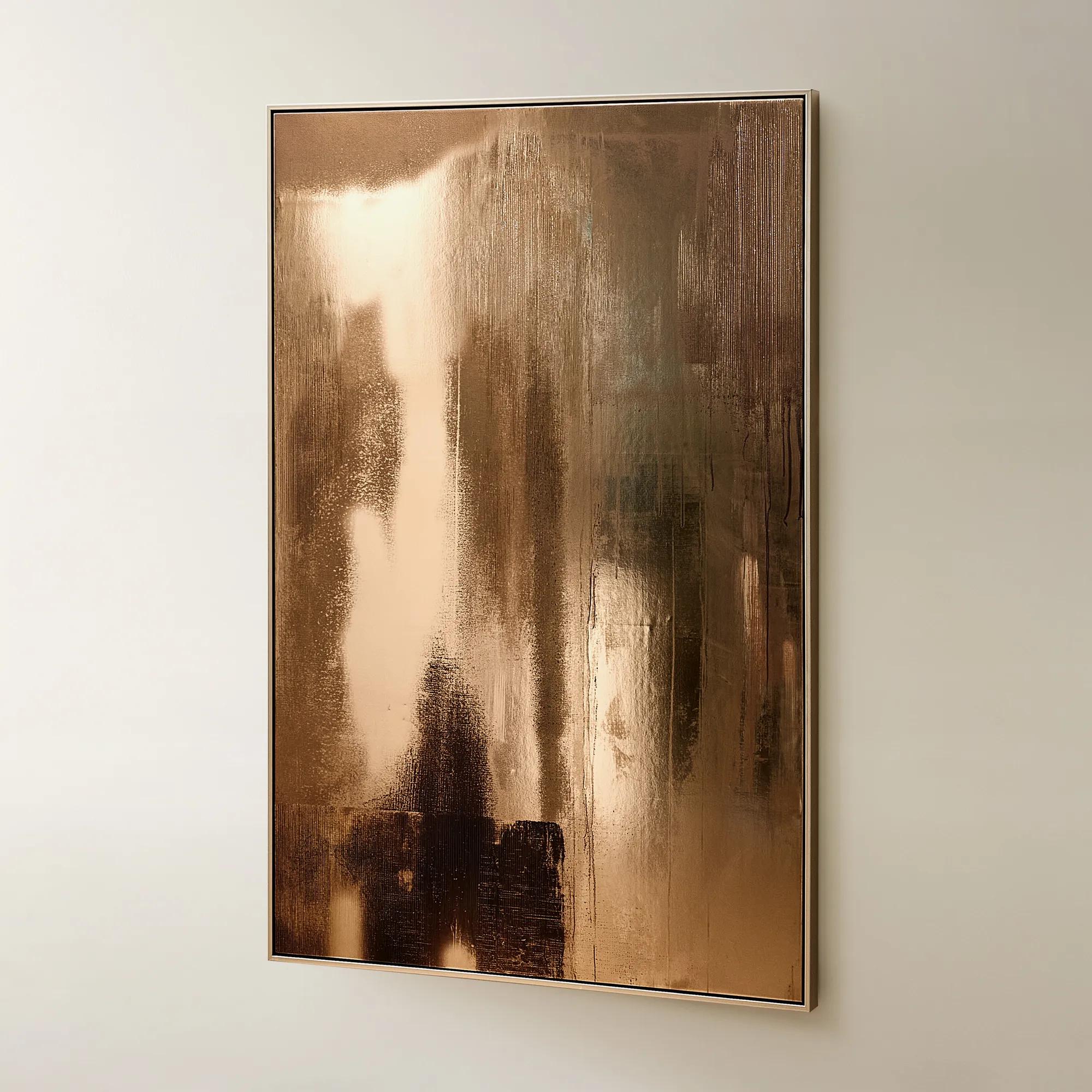 Bronze Reflective Framed Leather Painted Wall Art 40" x 60"$799
A hand-painted abstract wall art featuring reflective bronze faux leather and a warm champagne metallic frame.
Add To Cart -
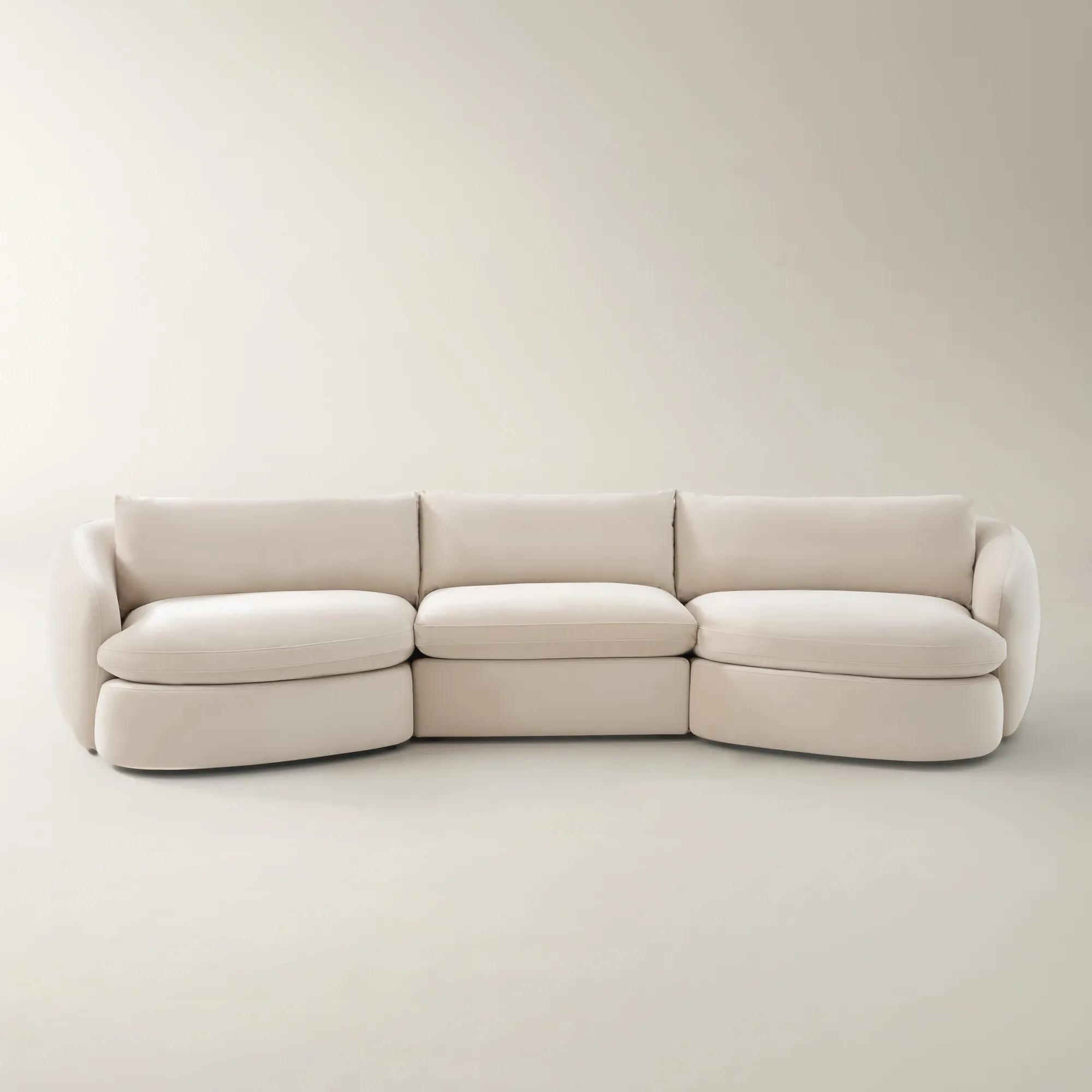 Sabrina 3-Piece Oatmeal Velvet Sectional$3699
A curved oatmeal velvet sofa featuring plush feather-blend cushions and modular design for customizable comfort.
Add To Cart -
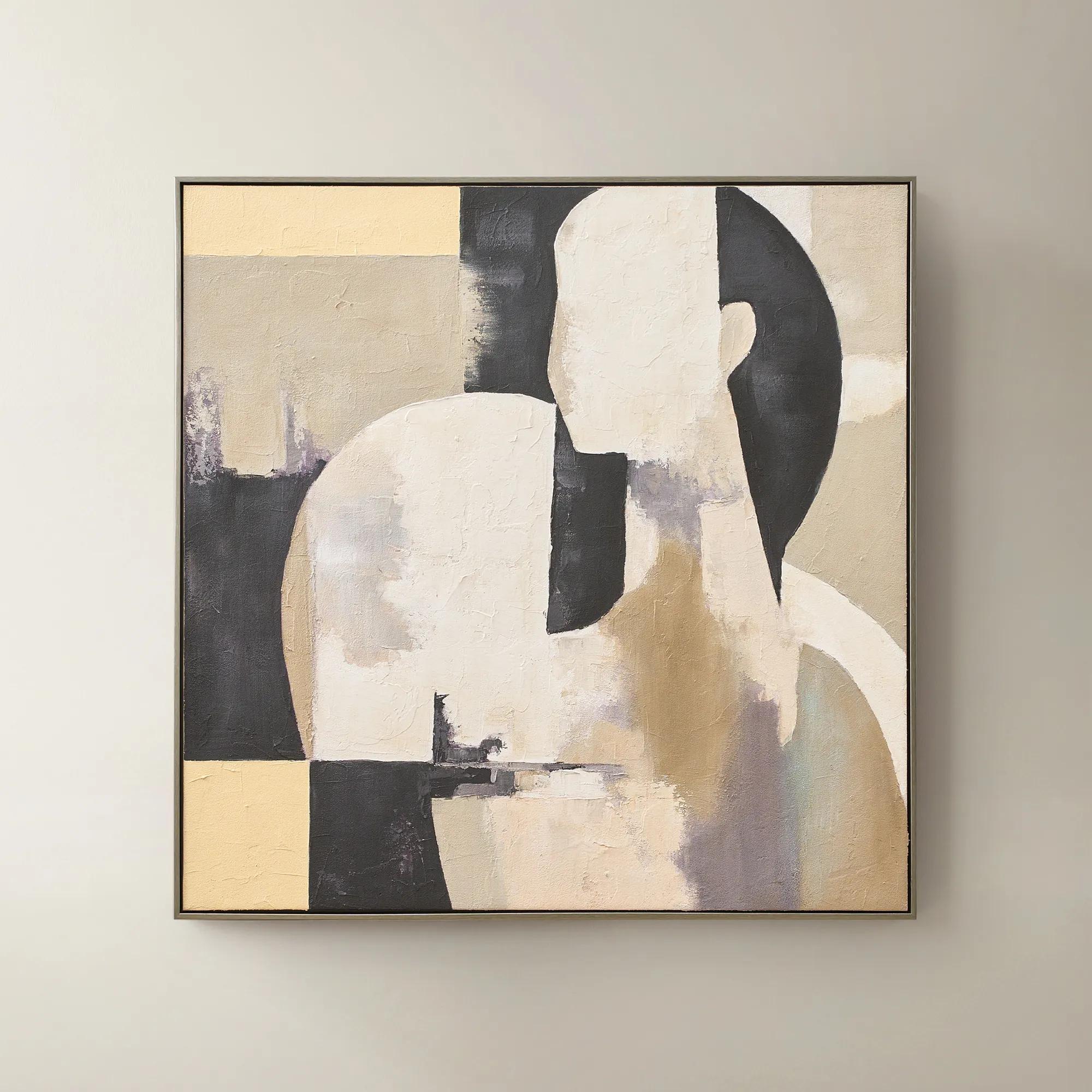 Afternoon Rest Framed Painted Wall Art 40" x 40"$399
A hand-painted abstract figure in buttercream, turtledove, and black hues framed in dark grey.
Add To Cart -
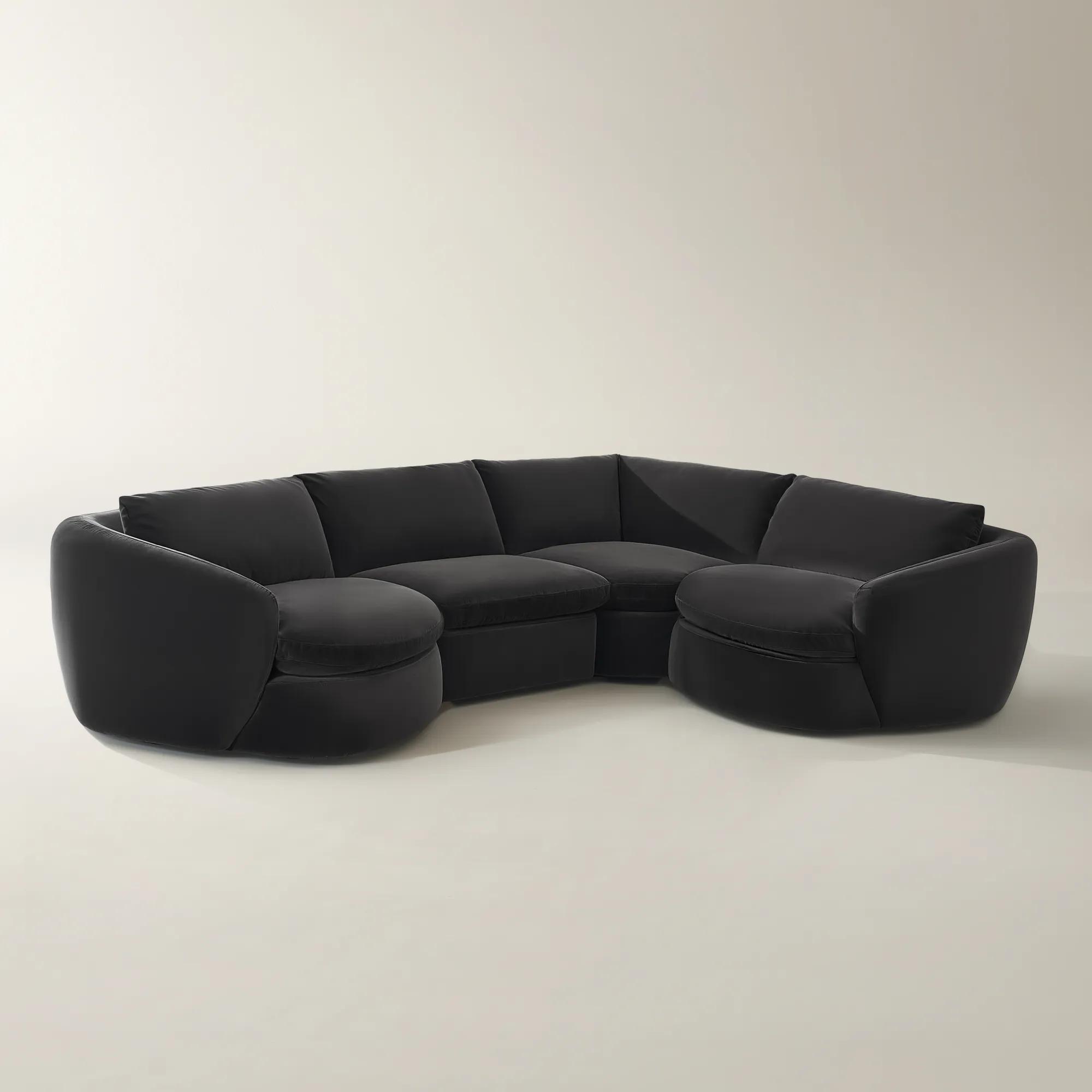
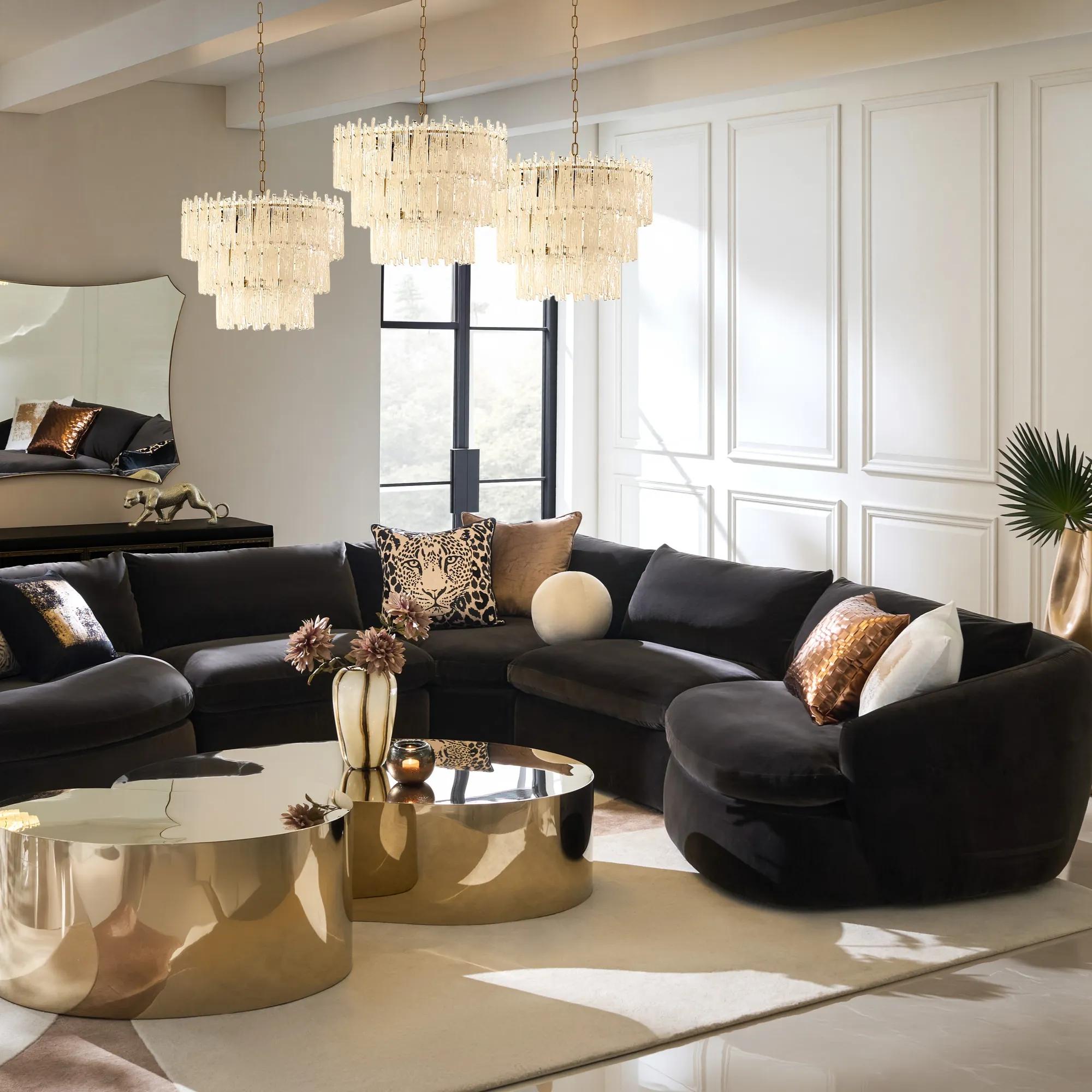 Sabrina 4-Piece Charcoal Velvet Sectional With Right-Arm Chair$4999
A modular charcoal velvet sectional with plush feather-blend cushions and a softly curved, modern silhouette.
Add To Cart -
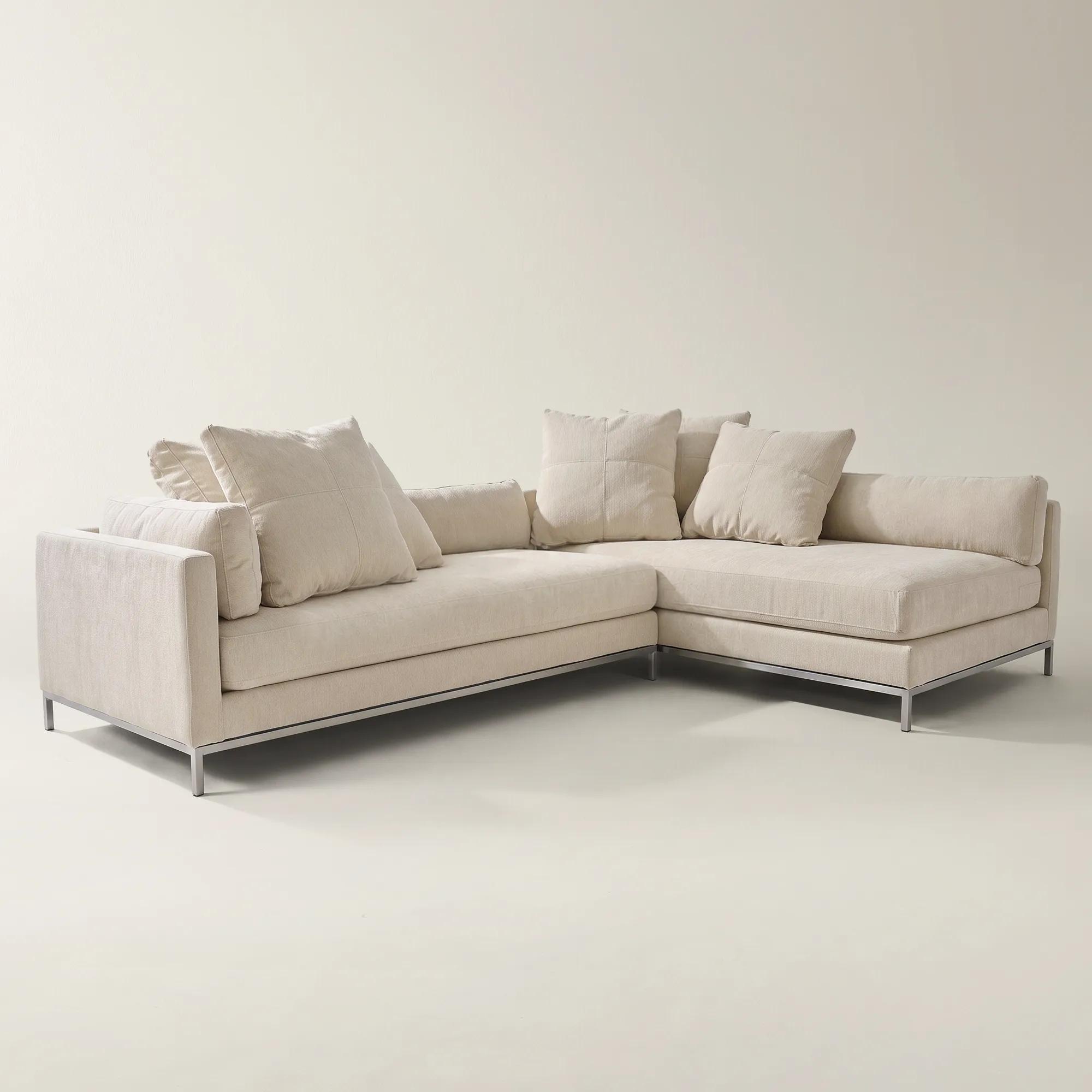
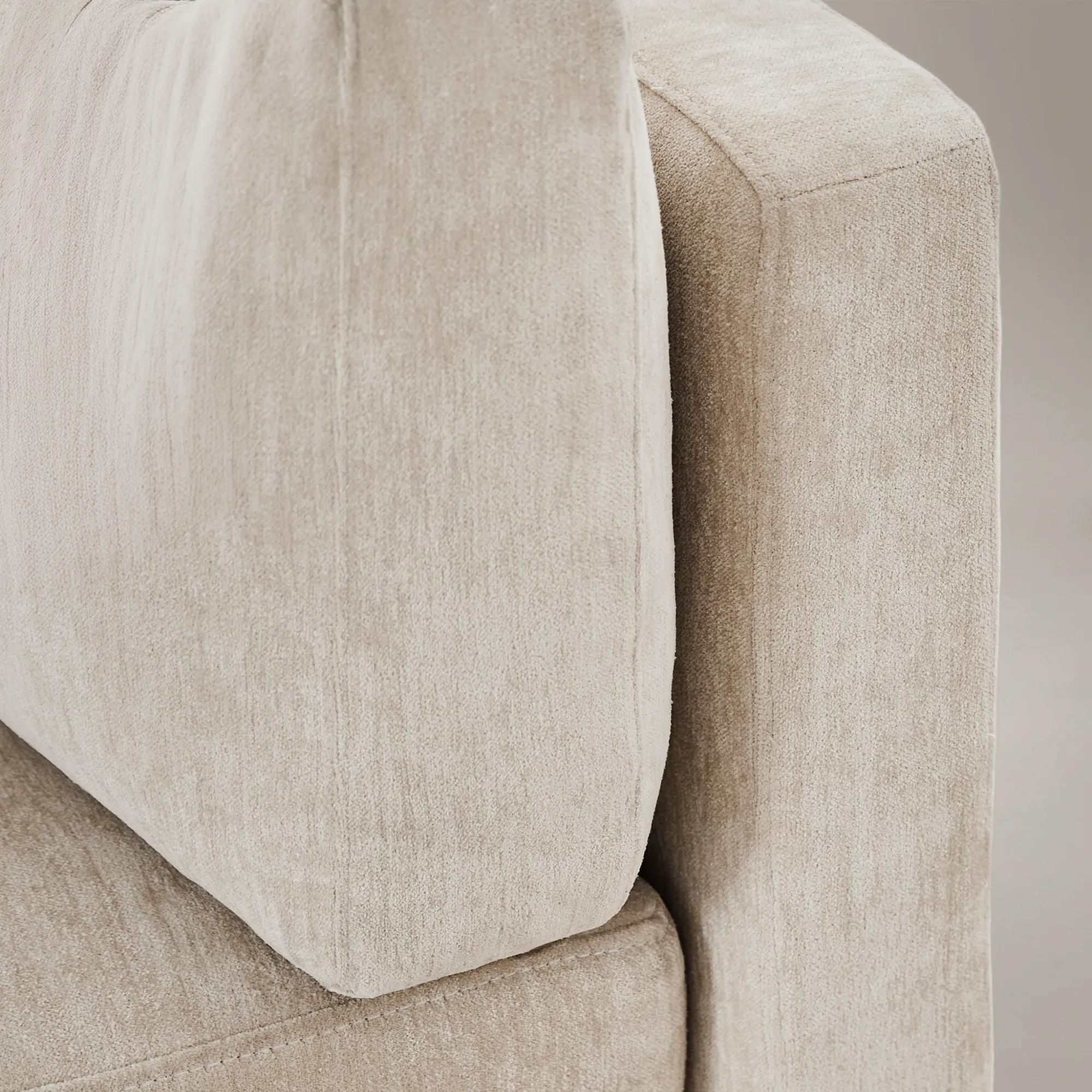 Ventura 2-Piece L-Shaped Snow Chenille Sectional Sofa With Left-Arm Chair$4099
A modern Snow chenille sectional with plush feather-filled pillows, supportive cushioning, and a stainless-steel base.
Add To Cart -
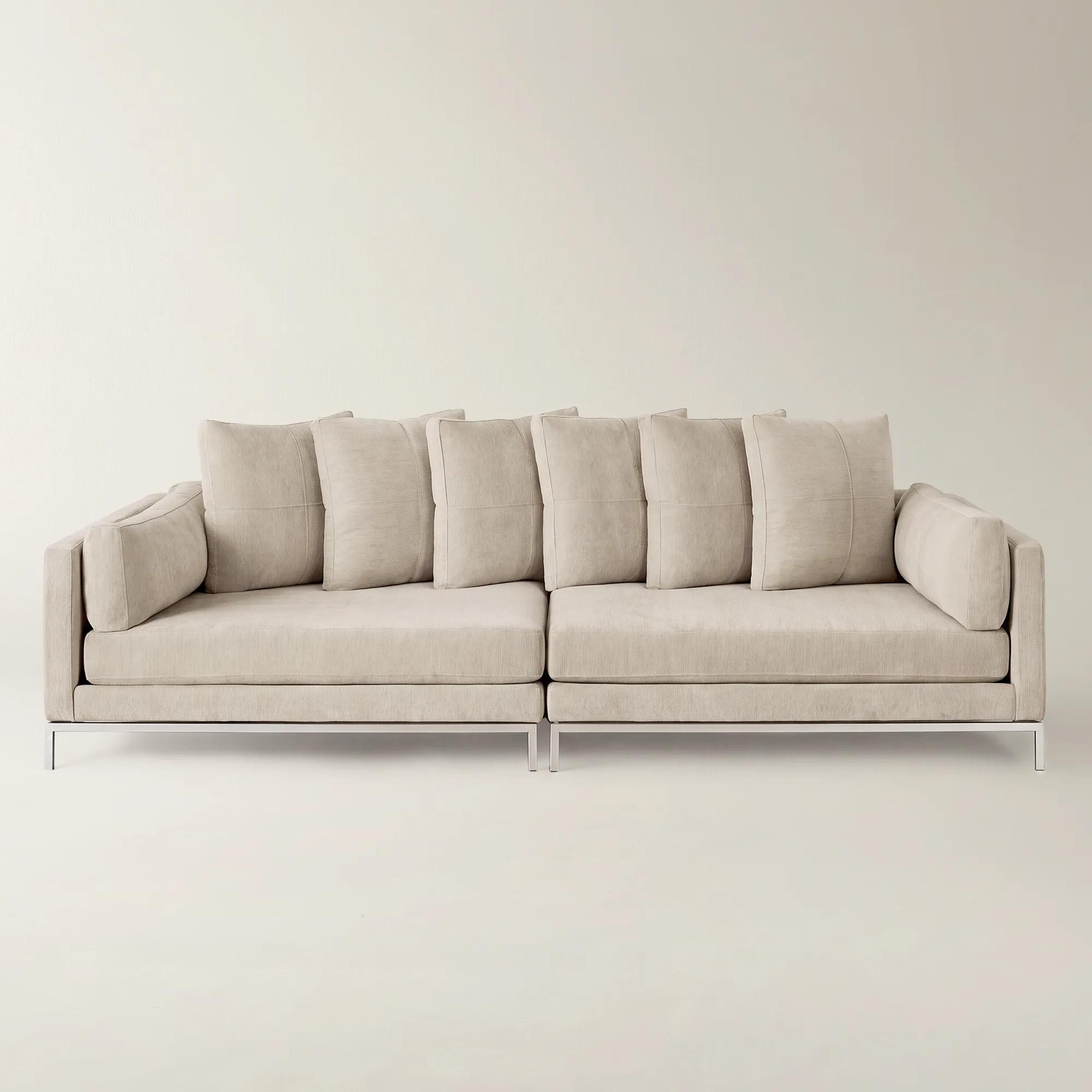
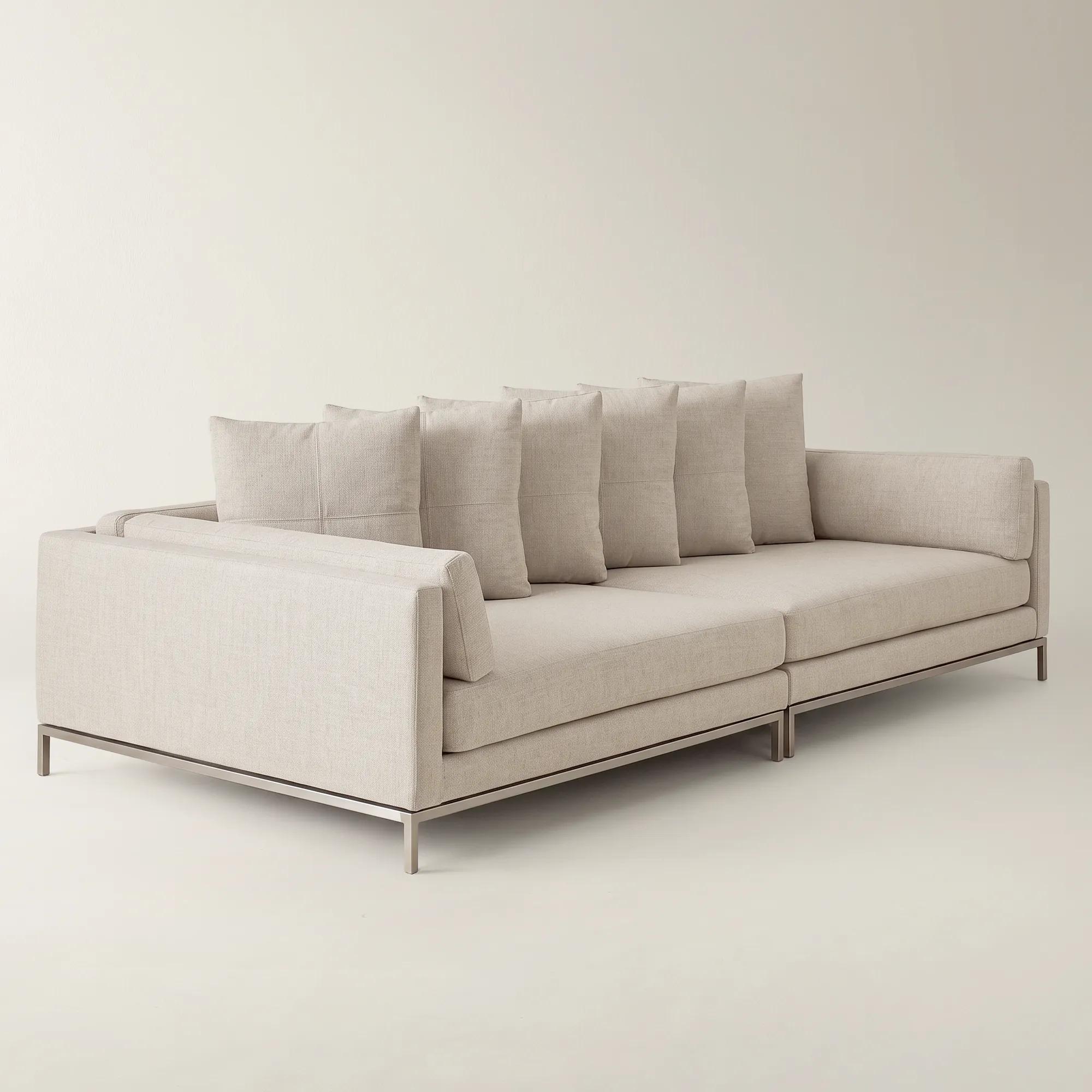 Ventura 2-Piece Square Snow Chenille Sectional Sofa$4299
A modern snow chenille sectional with a floating stainless-steel base, plush feather-filled pillows, and versatile configurations.
Add To Cart -
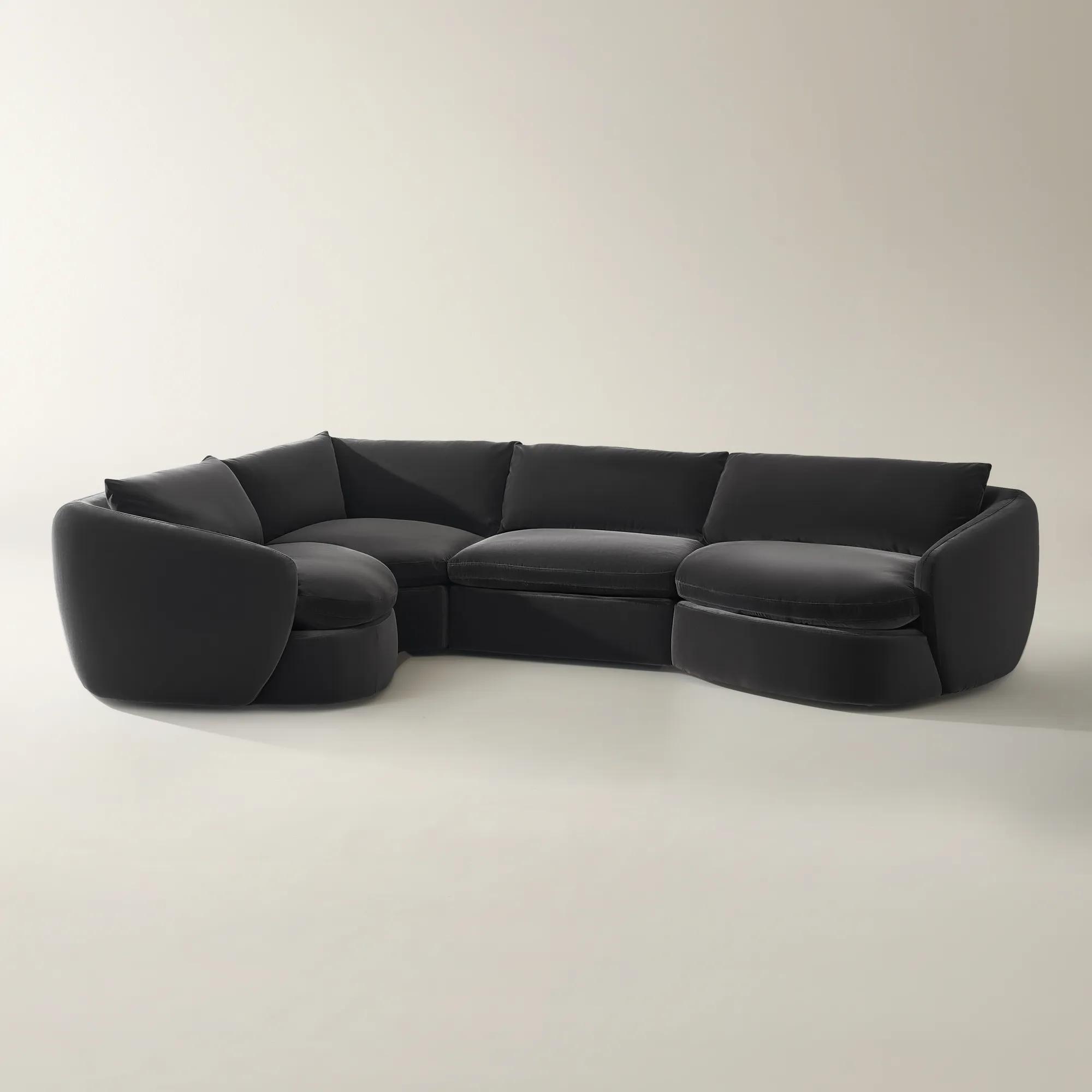 Sabrina 4-Piece Charcoal Velvet Sectional With Left-Arm Chair$4999
A modular charcoal velvet sectional with plush feather-blend cushions and a softly curved, modern silhouette.
Add To Cart -
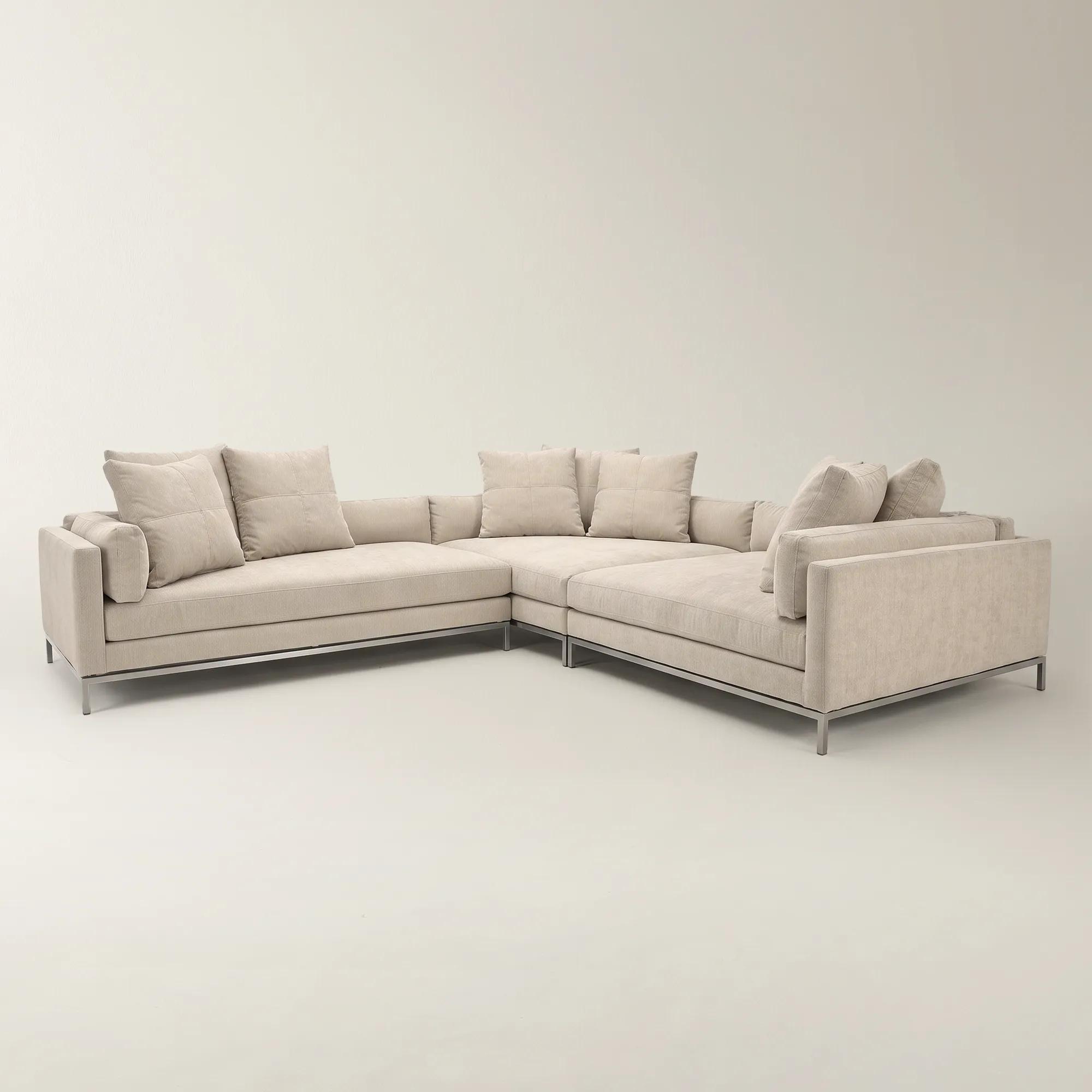 Ventura 3-Piece L-Shaped Snow Chenille Sectional Sofa With Left-Arm Chair$5999
A modern Snow chenille sectional with a stainless-steel base, plush feather pillows, and deep-seated comfort.
Add To Cart -

 Sabrina 5-Piece Oatmeal Velvet Sectional$5999
An inviting L-shaped sectional in soft oatmeal velvet with plush feather-blend cushions and modular design.
Add To Cart -
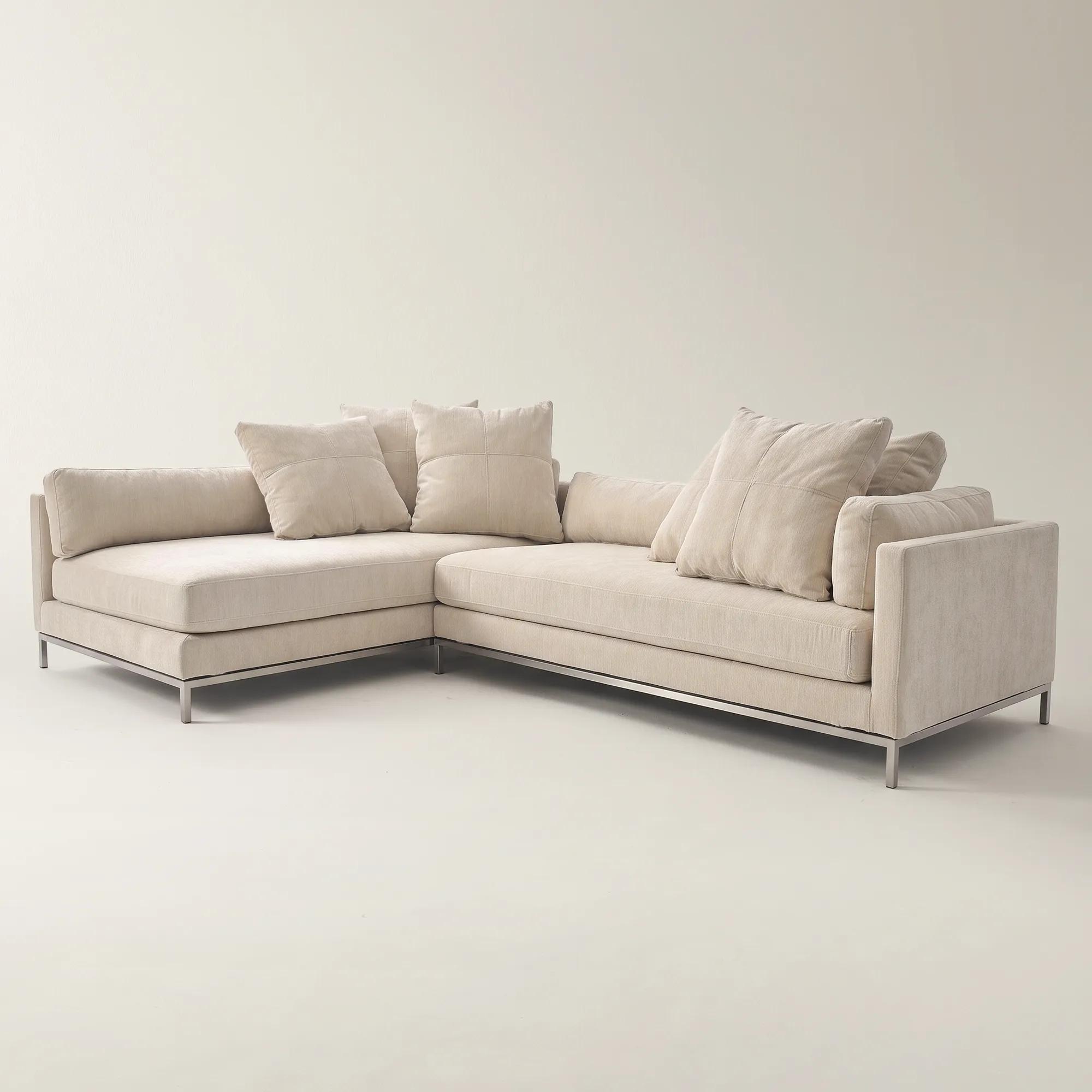 Ventura 2-Piece L-Shaped Snow Chenille Sectional Sofa With Right-Arm Chair$4099
A modern Snow chenille sectional with plush feather-filled cushions, streamlined metal base, and versatile L-shaped comfort.
Add To Cart -
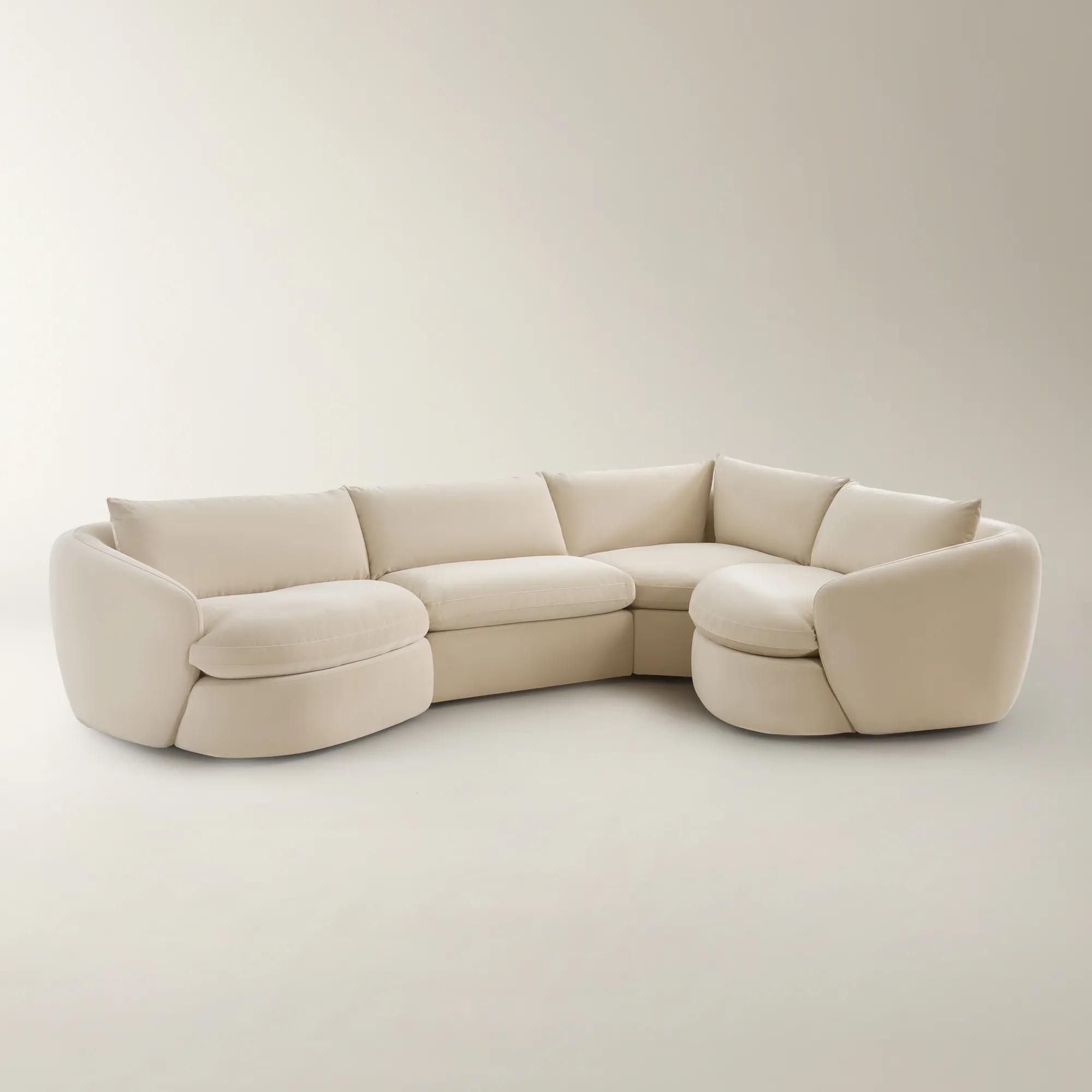 Sabrina 4-Piece Oatmeal Velvet Sectional With Right-Arm Chair$4999
An inviting L-shaped sectional in soft oatmeal velvet with plush feather-blend cushions and modular design.
Add To Cart -
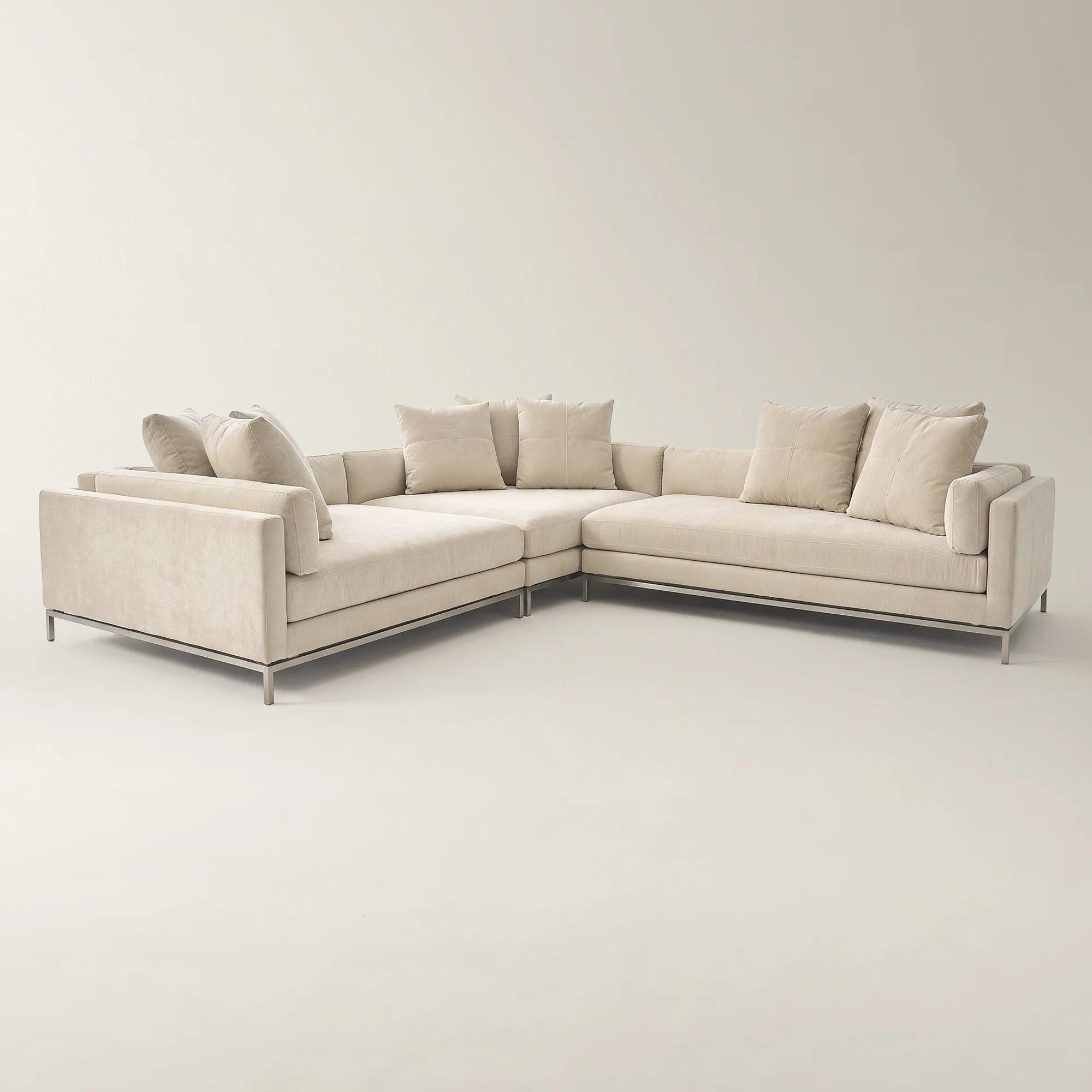 Ventura 3-Piece L-Shaped Snow Chenille Sectional Sofa With Right-Arm Chair$5999
A snow chenille sectional with a streamlined floating silhouette, plush feather-filled cushions, and versatile L-shaped seating.
Add To Cart -
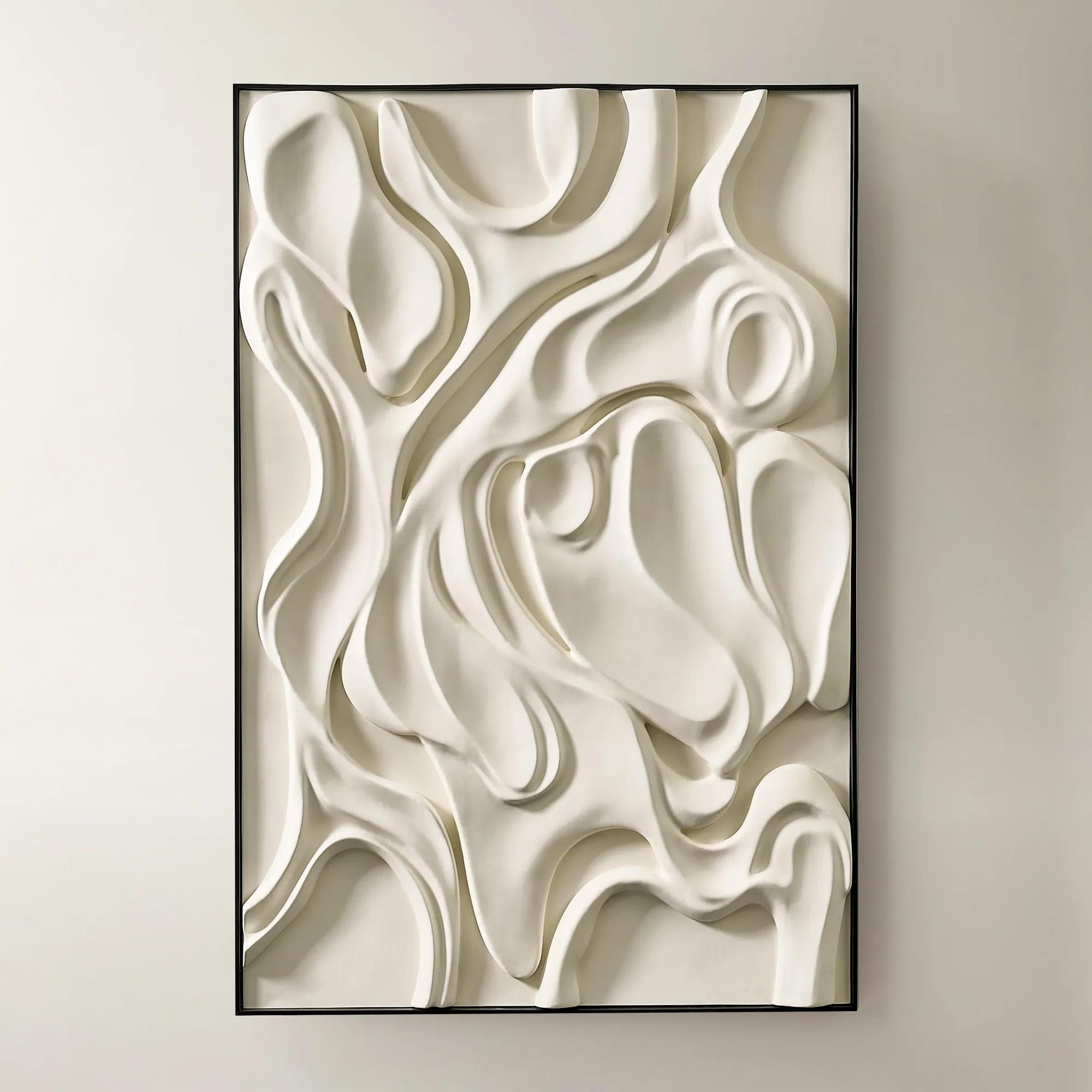 Overflow Alabaster Sculpted Resin Wall Panel 40" x 60"$699
An alabaster fiberglass resin wall panel with sculptural texture and a versatile black frame for modern spaces.
Add To Cart -
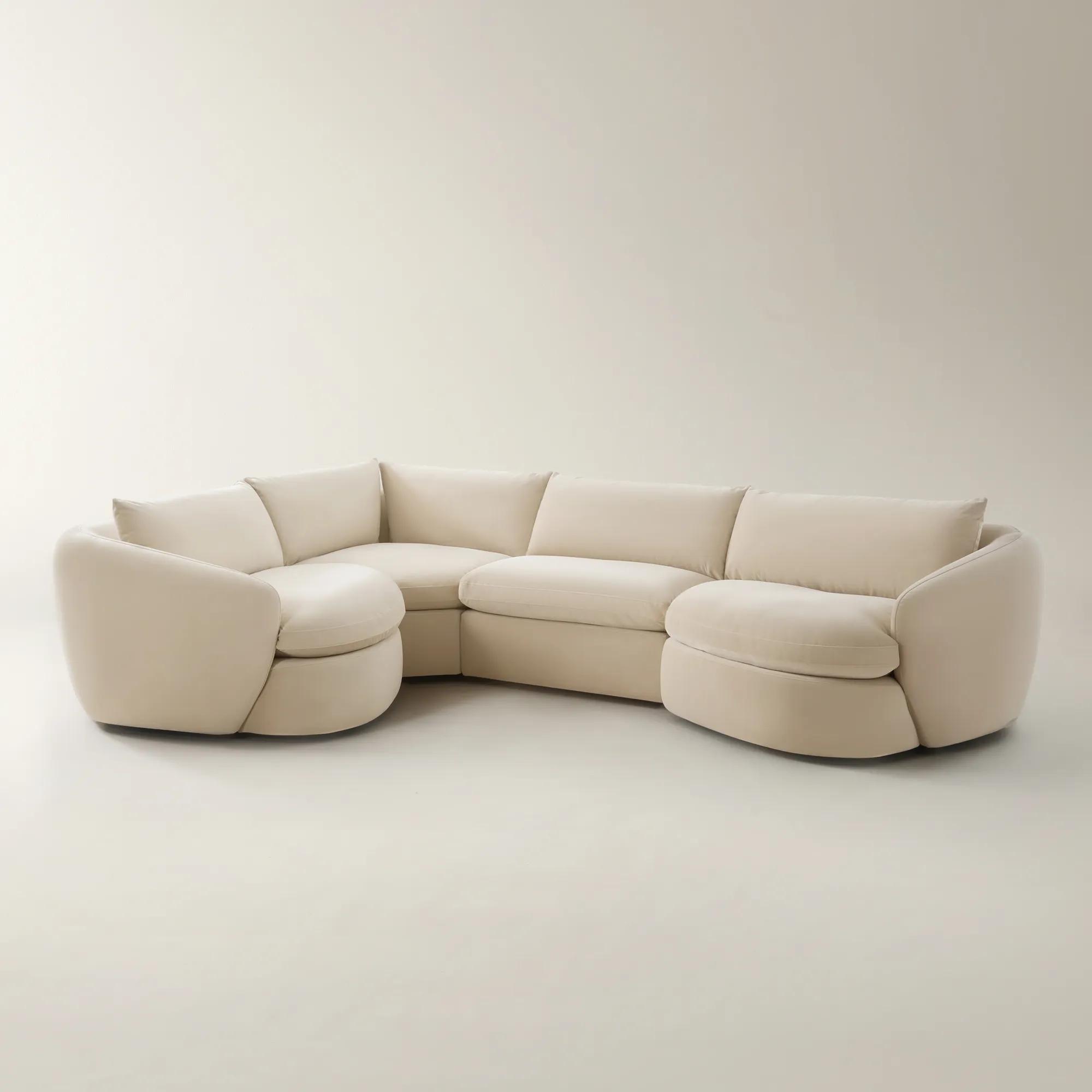 Sabrina 4-Piece Oatmeal Velvet Sectional With Left-Arm Chair$4999
An inviting L-shaped sectional in soft oatmeal velvet with feather-blend cushions and a modular, curved silhouette.
Add To Cart -
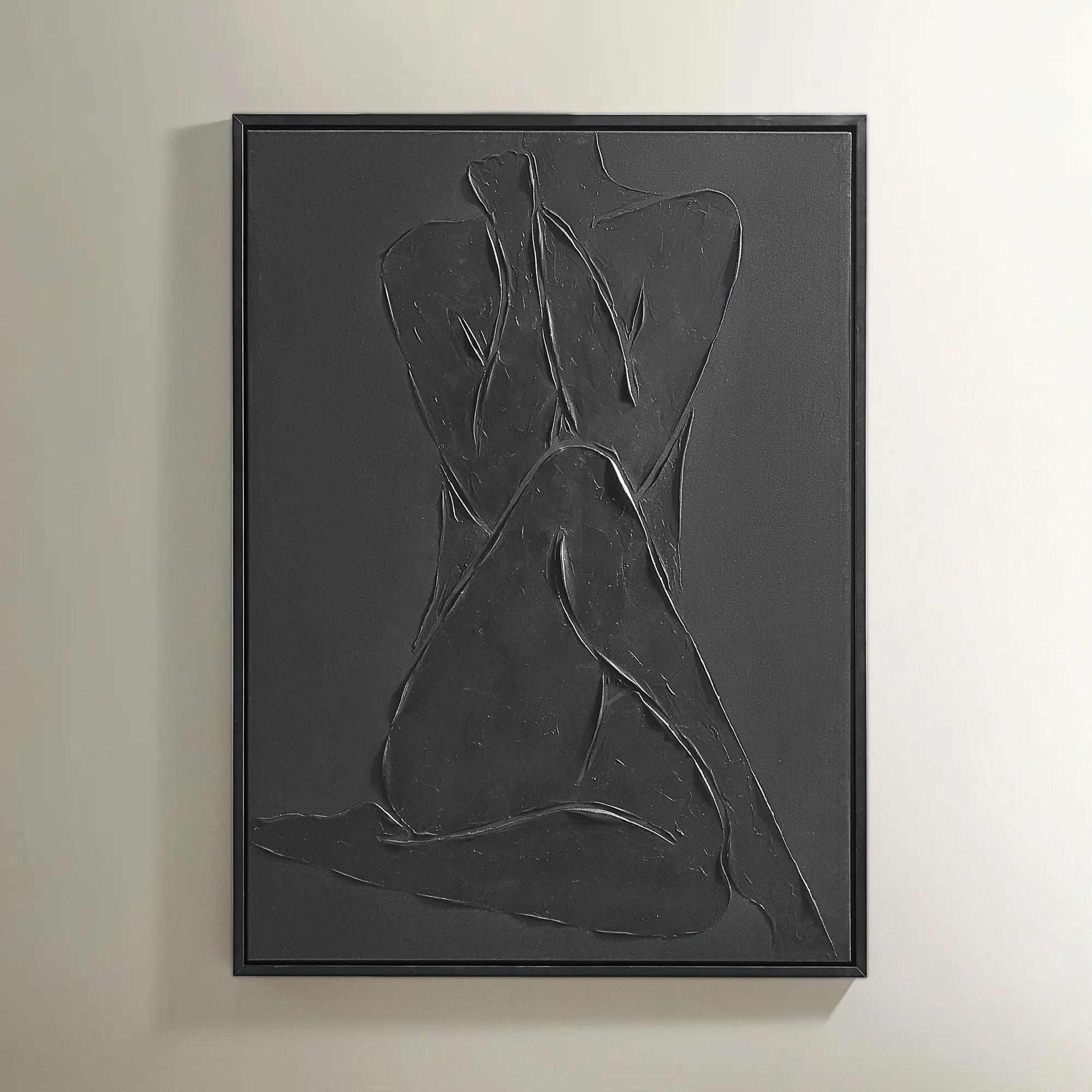 Modern Elegance Nude Black Framed Painted Wall Art 35.5" x 47.25"$599
A hand-embellished canvas artwork featuring textured strokes and vibrant hues in a black and gold Art Deco frame.
Add To Cart -
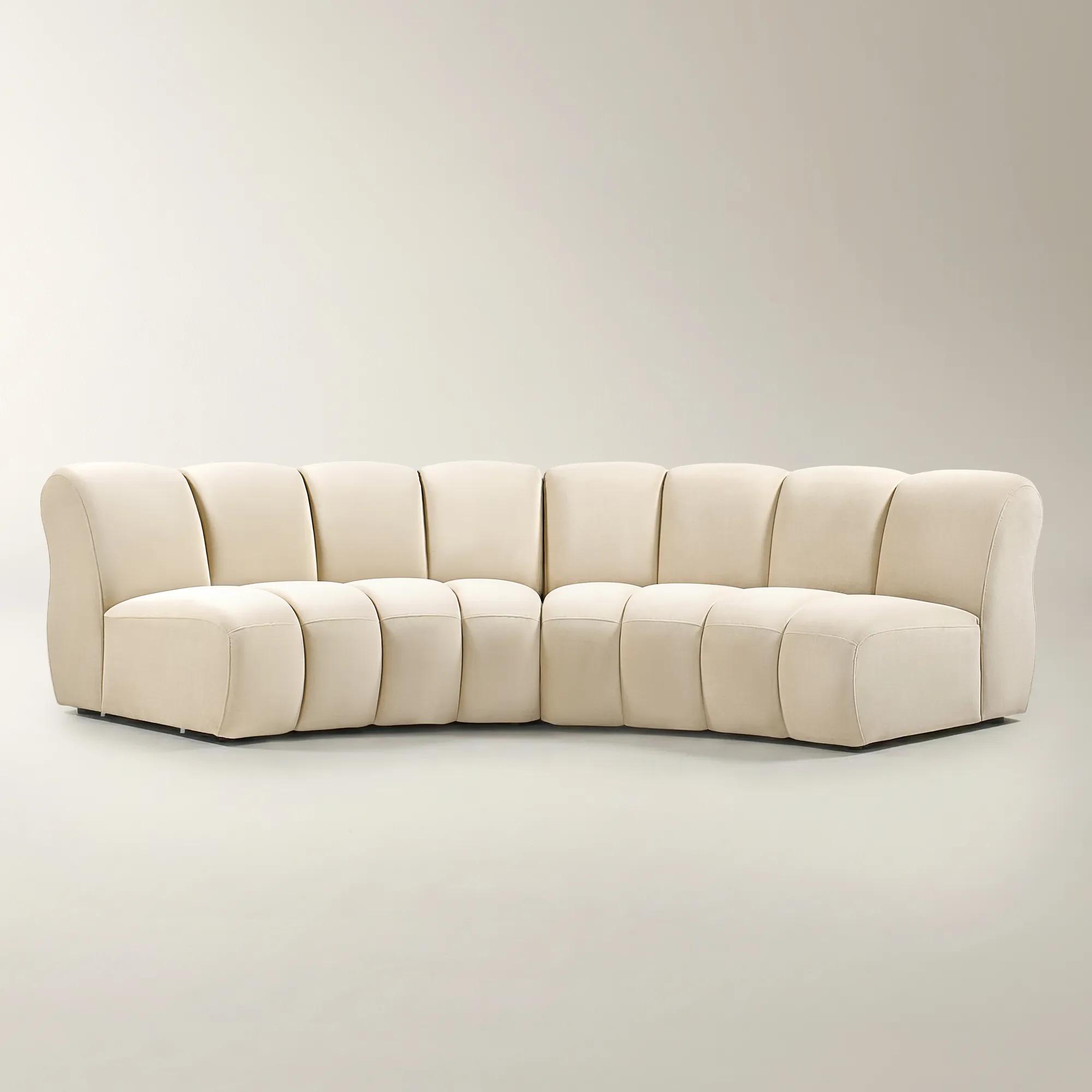
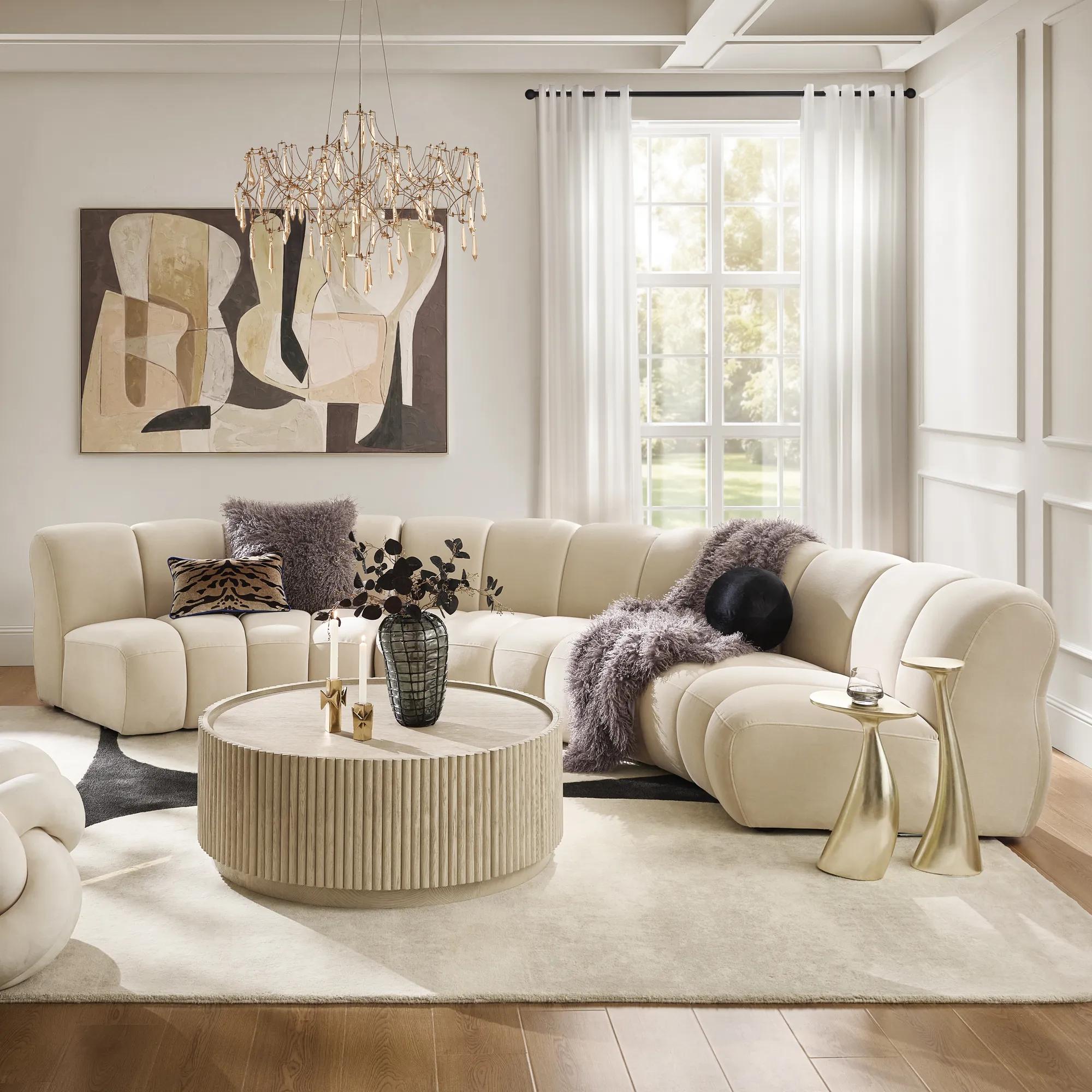 Jocelyn 2-Piece Channel-Tufted Oatmeal Velvet Sectional Sofa$2699
A sculptural oatmeal velvet sectional with deep channel tufting, curved silhouette, and modular, conversation-friendly design.
Add To Cart -
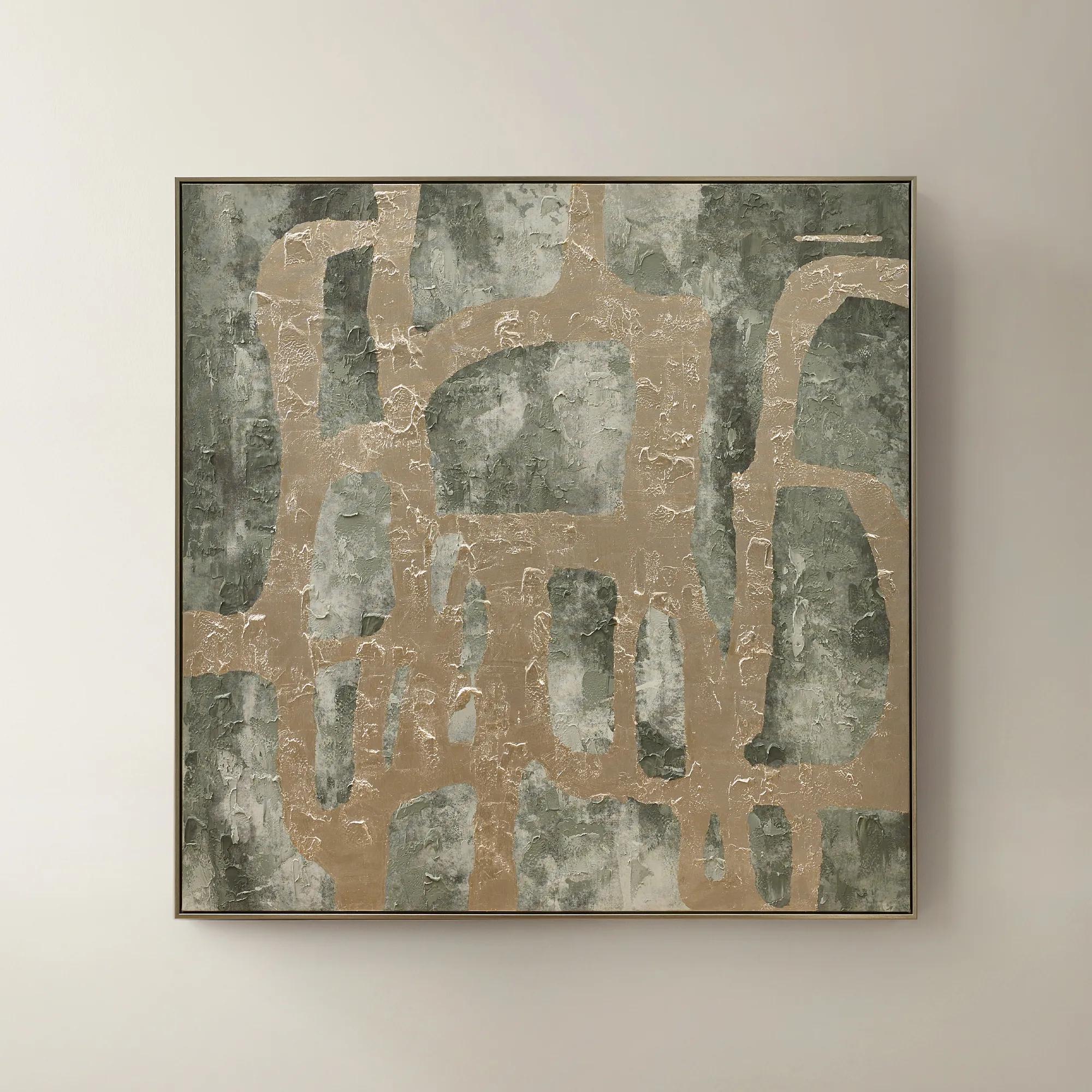 Illusions Framed Painted Wall Art 50" x 50"$599
A hand-painted canvas in sage and champagne tones with textural embellishments for modern, artful depth.
Add To Cart -
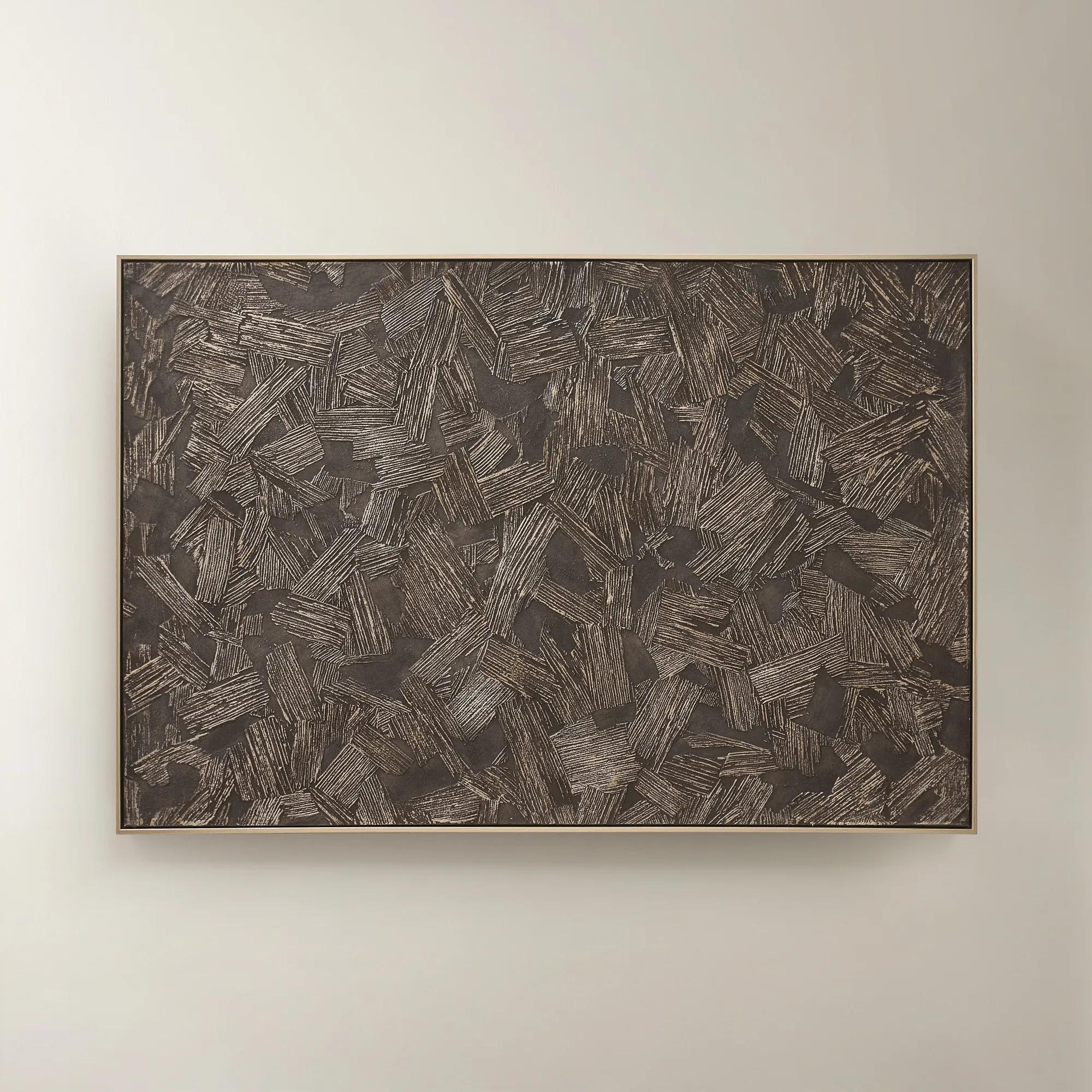
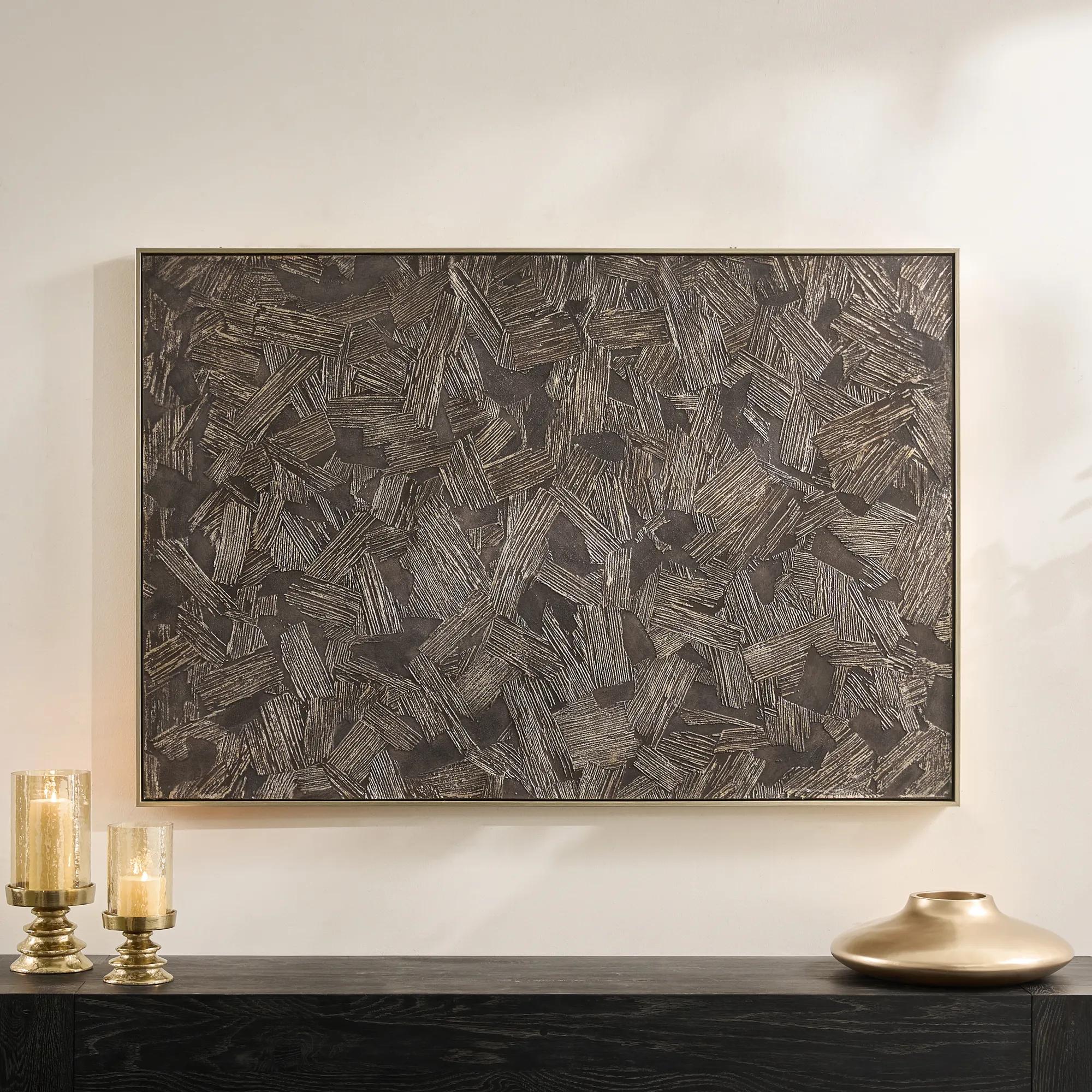 Etched in Darkness Dark Chocolate Wall Panel 53.5" x 36"$329
A hand-painted wrapped canvas features moody dark chocolate hues with champagne accents and a layered, textural finish.
Add To Cart

Elevated Living Room Ideas
Explore elevated living room ideas with furniture and decor that bring definition and drama to your space. Build around a statement focal point, choose silhouettes that suit your room’s scale, and layer decorative accents with intention for a cohesive look that expresses your personal style.
Elevated living room ideas combine well-proportioned furniture, layered lighting, tactile materials, and a clear focal point to create a space that feels polished, expressive, and comfortable. The distinction comes from how the pieces relate: a generously upholstered sofa beside a sculptural table, a luminous accent against matte fabric, or a richly textured rug beneath clean-lined seating. Living room furniture and decor set the atmosphere for everything from intimate conversation to a full evening of entertaining, so visual impact and everyday comfort deserve equal attention. Deep seating lends itself to lounging, while a more upright profile can suit a room centered on conversation. Seat height, cushion support, arm shape, and back height all influence how a sofa or accent chair feels beyond its silhouette. Velvet brings a dimensional sheen that changes with the light; woven upholstery introduces quieter texture and can create a beautiful counterpoint to gleaming metal or glass. For frequently used rooms, fabric specifications matter as much as color. Performance treatments, cleaning codes, and abrasion information, when provided, help clarify whether an upholstery choice suits children, pets, or regular hosting. No fabric is entirely immune to wear, and textured or plush surfaces may show impressions, shading, or pulls differently. Proportion gives these material choices their presence. A substantial sofa can anchor an open living area, while chairs with visible legs or open frames preserve sightlines in a more compact room. Measuring the intended footprint, doorways, hallways, and delivery turns helps ensure that an impressive silhouette also belongs comfortably in the space. Enough clearance to pass between furnishings keeps a gathering from feeling crowded, even when every seat is occupied. In a shared living and dining area, a rug can define the seating arrangement without interrupting the room’s flow. A layout that leaves tables within easy reach and allows guests to face one another feels considered rather than staged. That balance gives expressive furniture room to be admired while making the living room genuinely inviting to the people who use it.
Coffee tables, side tables, consoles, and storage pieces contribute more than a finishing layer; their materials establish much of a living room’s character. Glass can keep a bold table shape visually light, polished metal introduces crisp reflections, and wood adds grain and warmth to an otherwise luminous composition. Stone brings distinctive veining and visual weight, though natural variation means its appearance can differ from piece to piece. Marble and other sensitive stone surfaces benefit from coasters, prompt attention to spills, and cleaners appropriate to the material, since acidic liquids can etch certain finishes. Wood and veneer surfaces also deserve protection from standing moisture, heat, and abrasive objects. A beautiful finish is not necessarily a carefree one, and care instructions should guide where a piece is placed and how it is maintained. Rounded table edges may be worth considering in busy family spaces, while a broad tabletop offers useful room for refreshments without forcing decorative objects to compete for every inch. Storage changes the mood just as effectively as ornament. Closed compartments can conceal remotes, cables, and everyday necessities, leaving a console’s surface free for a more deliberate arrangement. Rugs add another essential layer of comfort, color, and proportion. A larger rug that accommodates the front legs of the main seating often creates a more unified composition than a small rug floating beneath the coffee table. The right pile height depends on use: lower profiles generally allow easier movement around furniture, while deeper textures offer a more sumptuous underfoot experience and may require different maintenance. Fiber content, construction, and the manufacturer’s cleaning recommendations are useful considerations for high-traffic areas. A compatible rug pad can improve stability and cushioning while helping protect the floor beneath. Upholstery benefits from routine care, too, including vacuuming with a suitable attachment and treating spills according to the specified cleaning method. Following those details preserves the intended texture and finish, allowing an artful room to remain welcoming through daily life rather than becoming a setting reserved only for special occasions.
Lighting, artwork, mirrors, and decorative accents give elevated living room furniture its full expression. Layered lighting combines ambient illumination for the room, task lighting for reading, and accent light that draws attention to art or architectural detail. A sculptural floor lamp beside a chair can create an intimate reading setting, while table lamps at different points in the room soften the contrast between bright and shadowed areas. Shade material and bulb selection influence the effect: diffused light can flatter rich upholstery, while a more directed beam emphasizes texture and form. Fixture dimensions, stable placement, accessible outlets, and compatible bulb requirements are practical details worth considering alongside a striking profile. On the walls, scale carries particular authority. An expansive artwork can give a sofa a compelling backdrop, and a thoughtfully positioned mirror can reflect a beautiful view or an illuminated corner. Reflections deserve attention, since a mirror will repeat whatever sits opposite it, including an unfinished arrangement or a distracting screen. For rooms that need a stronger architectural backdrop, Living Room Accent Wall Ideas offers a related direction for connecting furniture, artwork, and wall treatments within one expressive composition. Decorative objects then bring the room into sharper focus. A substantial vessel, an abstract sculpture, or a tray with a gleaming finish can carry more presence than a crowded assortment of small accessories. Repeated colors or finishes create continuity without requiring every surface to match. An ink-toned cushion might echo a detail in the artwork, while a metallic accent picks up the edge of a nearby table. Throws and pillows introduce softness where the room needs it, with removable covers offering a practical consideration for frequently used seating. For a housewarming gift, decorative accents are most thoughtful when their scale, palette, and care requirements suit the recipient’s home. The most compelling living rooms reveal personality through these choices: confident in their contrasts, generous in their comfort, and detailed enough to reward a closer look.
FAQs
Create an elevated living room by giving the space a distinct point of view. Pair furniture with expressive silhouettes, introduce richly textured accents, and use art to establish a mood. A cohesive palette brings the composition together, while one unexpected detail—a sculptural table or a luminous decorative object—makes the room feel distinctly yours.
Warm ivory, charcoal, and gleaming metallic accents create a polished foundation with depth. For a more dramatic living room, explore jewel tones balanced with softer neutrals. Repeat your chosen hues through upholstery, artwork, and decorative accents so the room feels connected without becoming overly matched.
Build contrast between plush, smooth, reflective, and richly textured surfaces. Pair inviting upholstery with a sleek accent table, then introduce pillows and a rug for tactile depth. Let one finish lead and use others as accents, creating a layered composition that feels expressive rather than competing for attention.
Choose the feature that best expresses your style: a striking piece of art, a sculptural sofa, or a dramatic lighting fixture. Give that focal point a supporting cast of quieter shapes and complementary colors. This balance lets your statement piece command attention while keeping the room composed and inviting.
Style living room decor as a personal collection, not a checklist. Arrange art books with a sculptural object on a coffee table, or pair a distinctive vase with a decorative tray on a console. Vary shapes and textures, leaving open space around each arrangement so every detail has room to be appreciated.