Living Room Accent Wall Ideas
Living Room Accent Wall Ideas
-
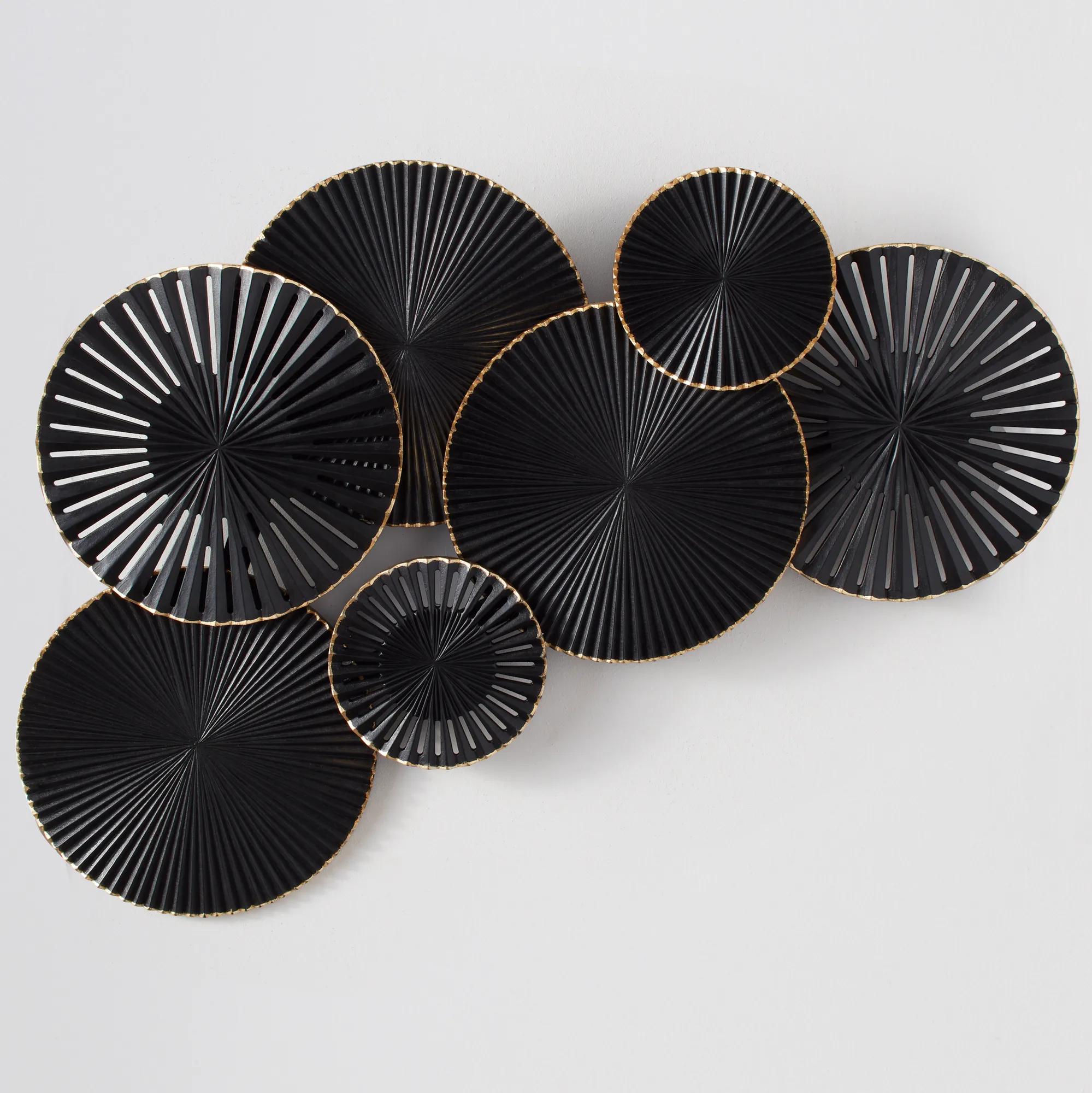
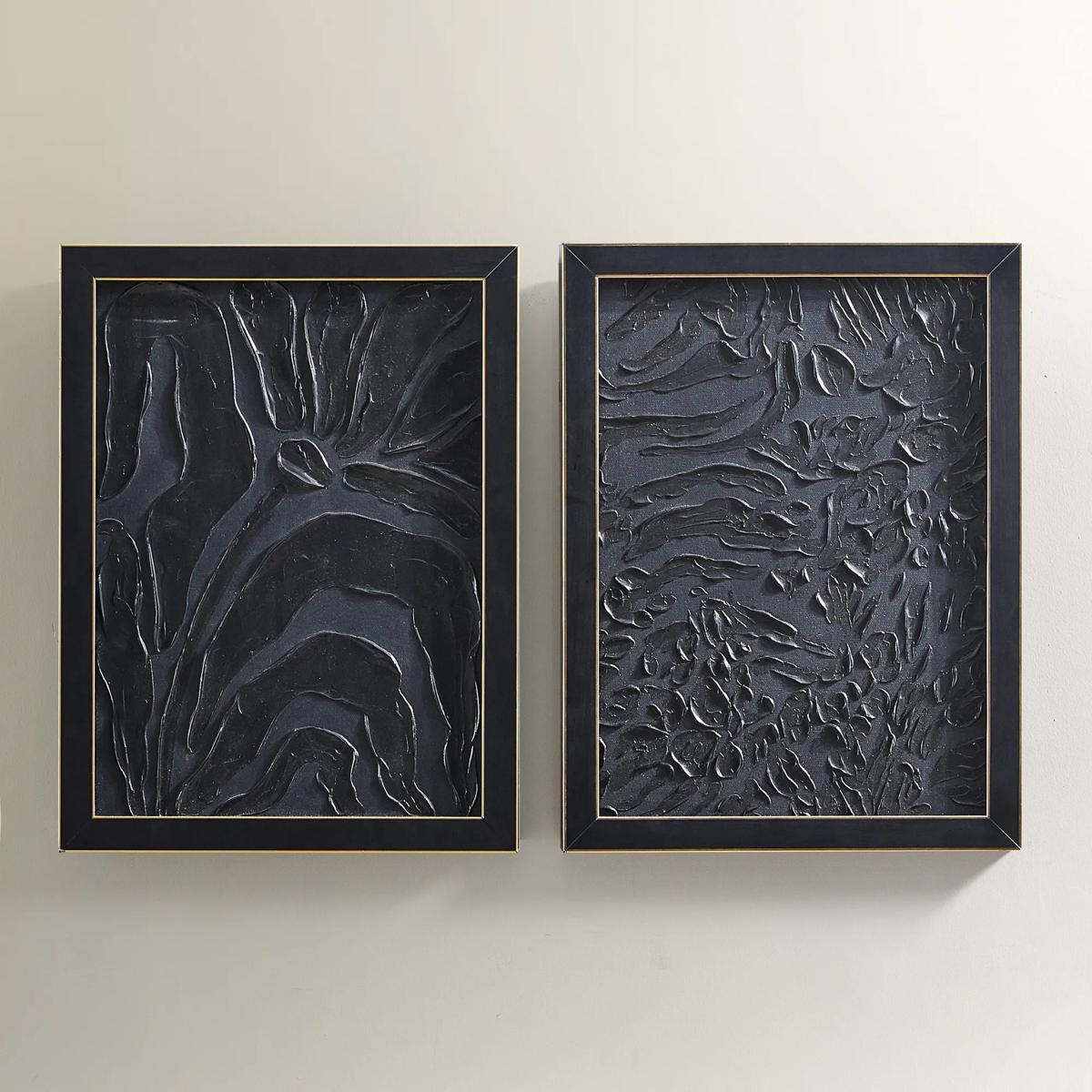
 Circa Black Carved Wood Dimensional Wall Panel 47.25" x 27.5"$499
A carved wood wall art panel in black and gold that adds abstract intrigue to any room.
Add To Cart -

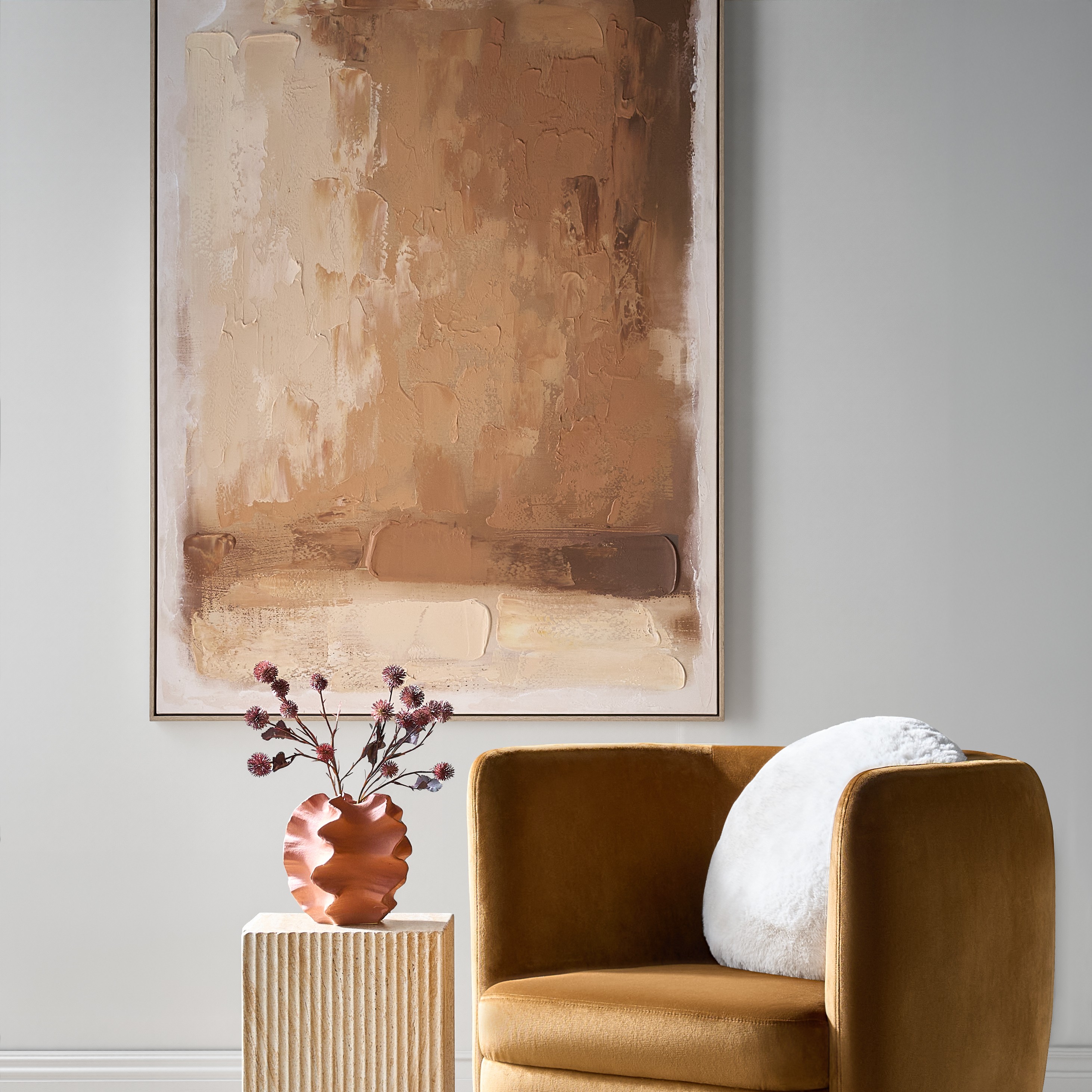 Ember Glow Framed Painted Wall Art 39.25" x 55"$499
A hand-painted abstract canvas blending ochre, terracotta, and golden clay hues in a light natural frame.
Add To Cart -
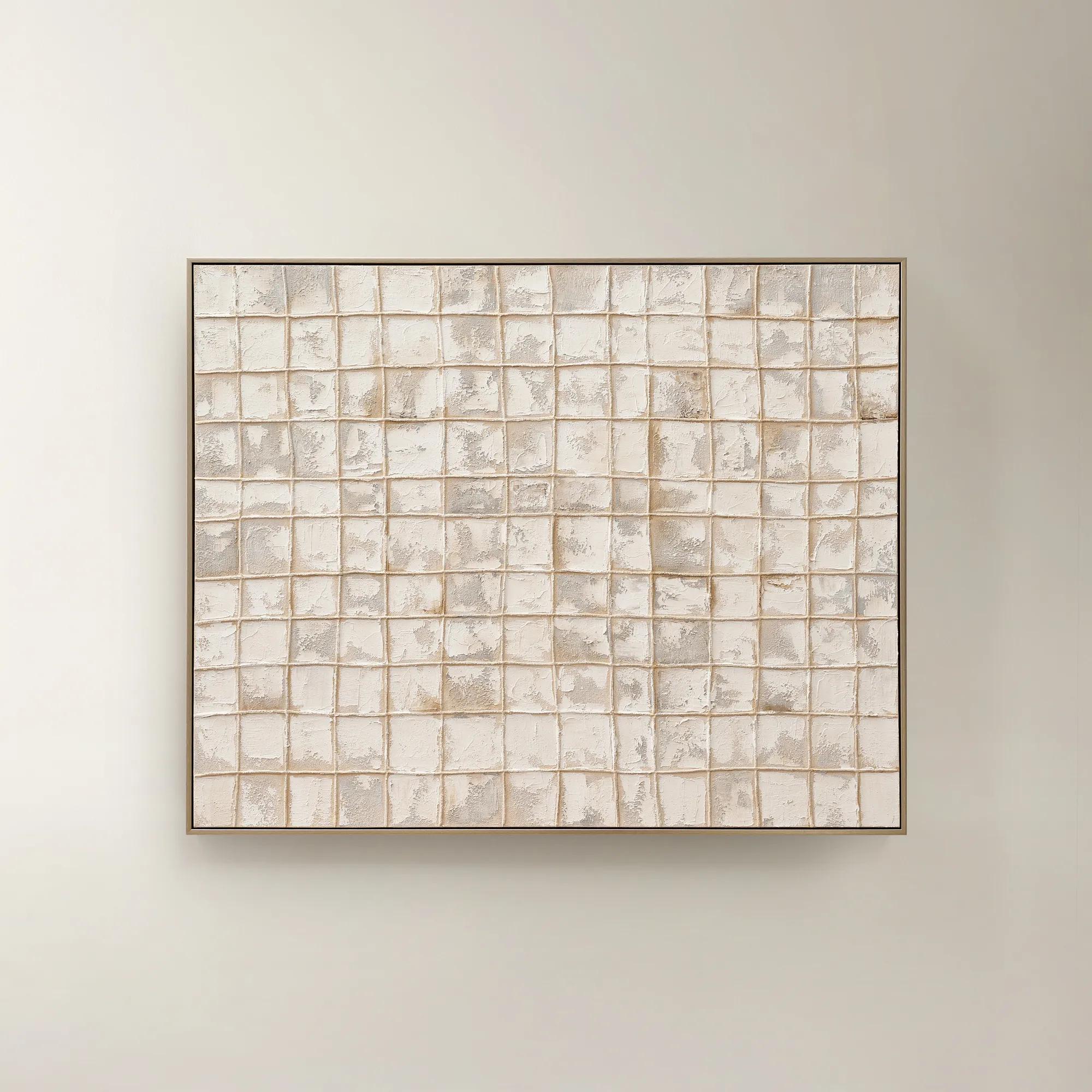 Painted Echos Framed Gold Leaf Wall Art 60" x 48"$699
A hand-painted abstract canvas with gold leaf accents and a champagne frame for modern, versatile display.
Add To Cart -
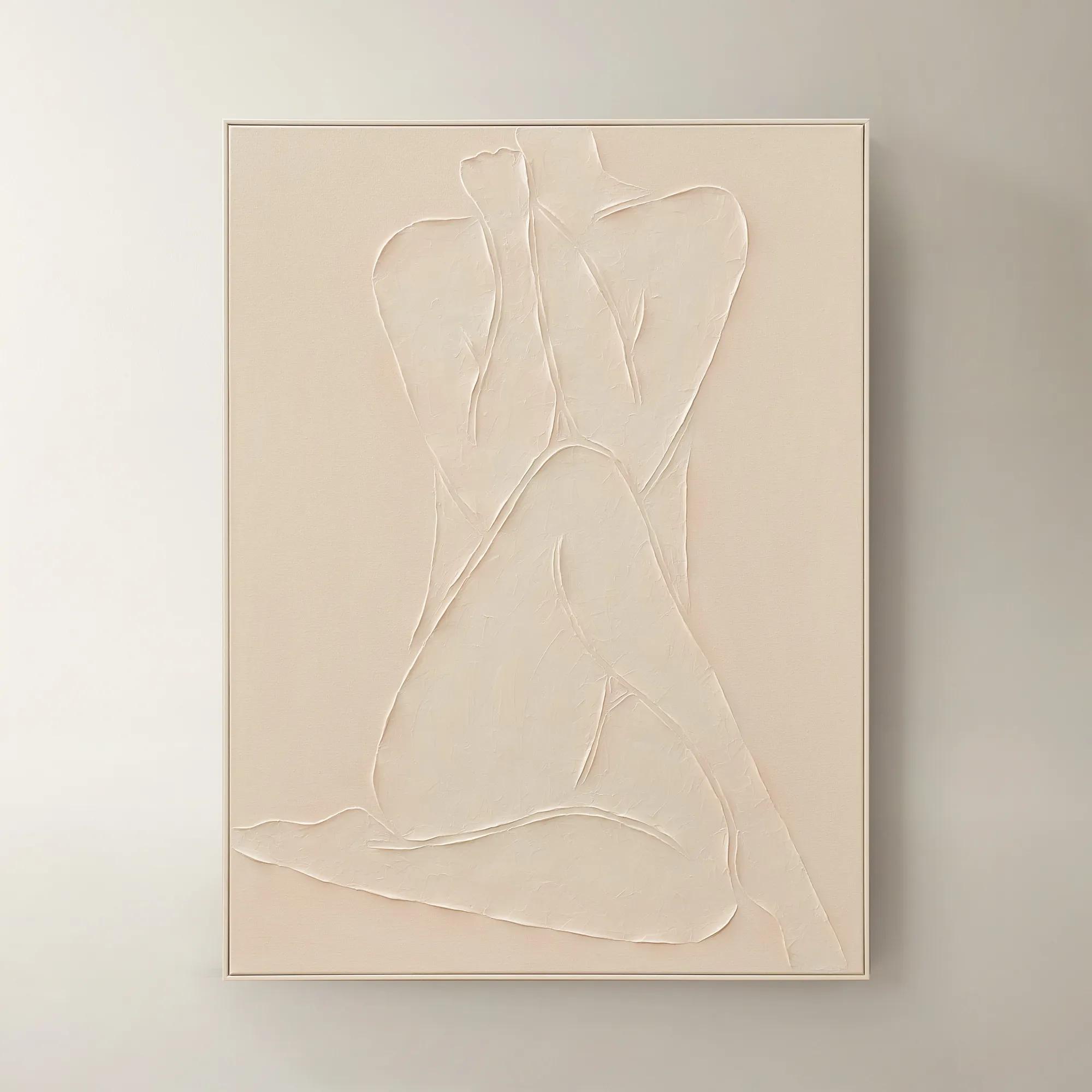
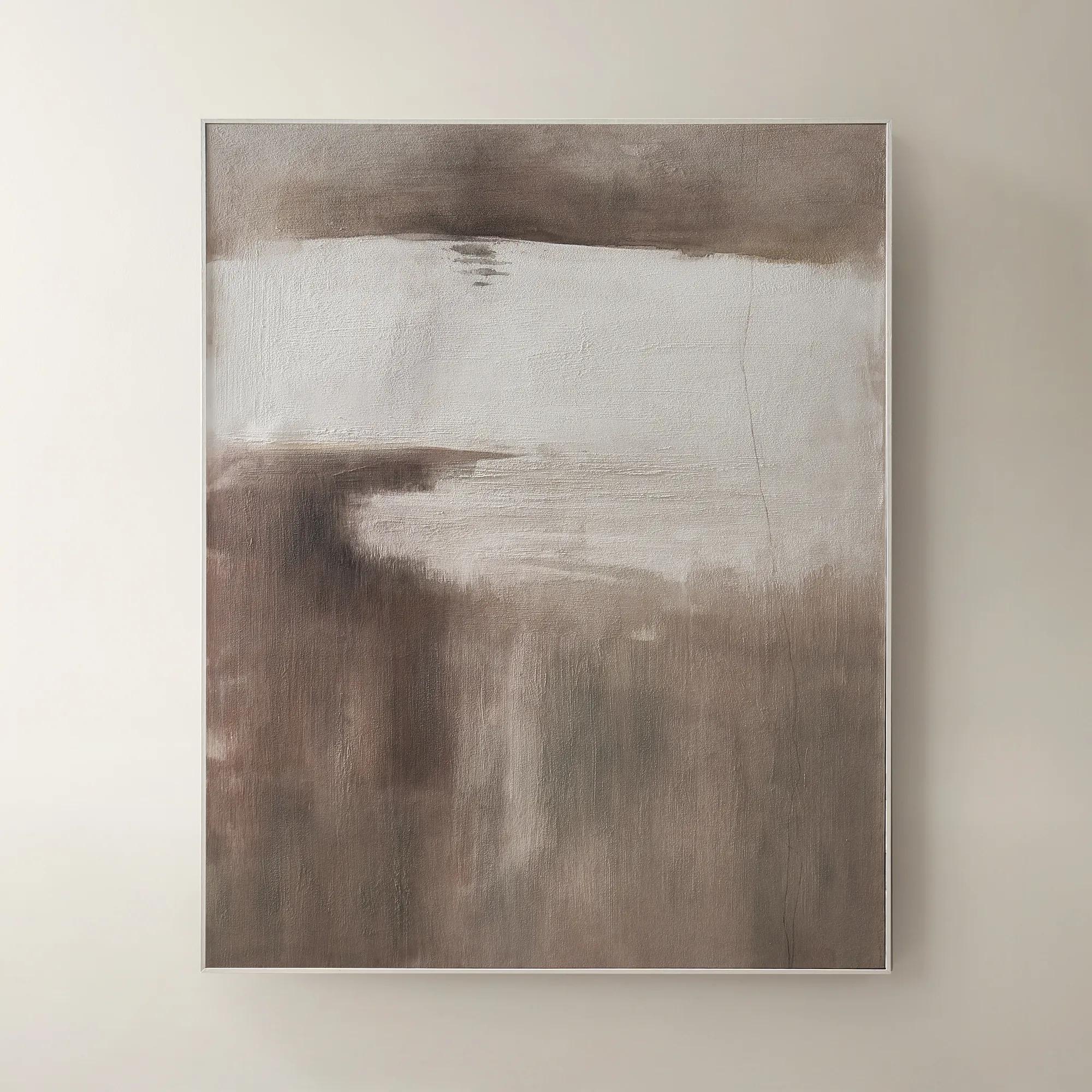
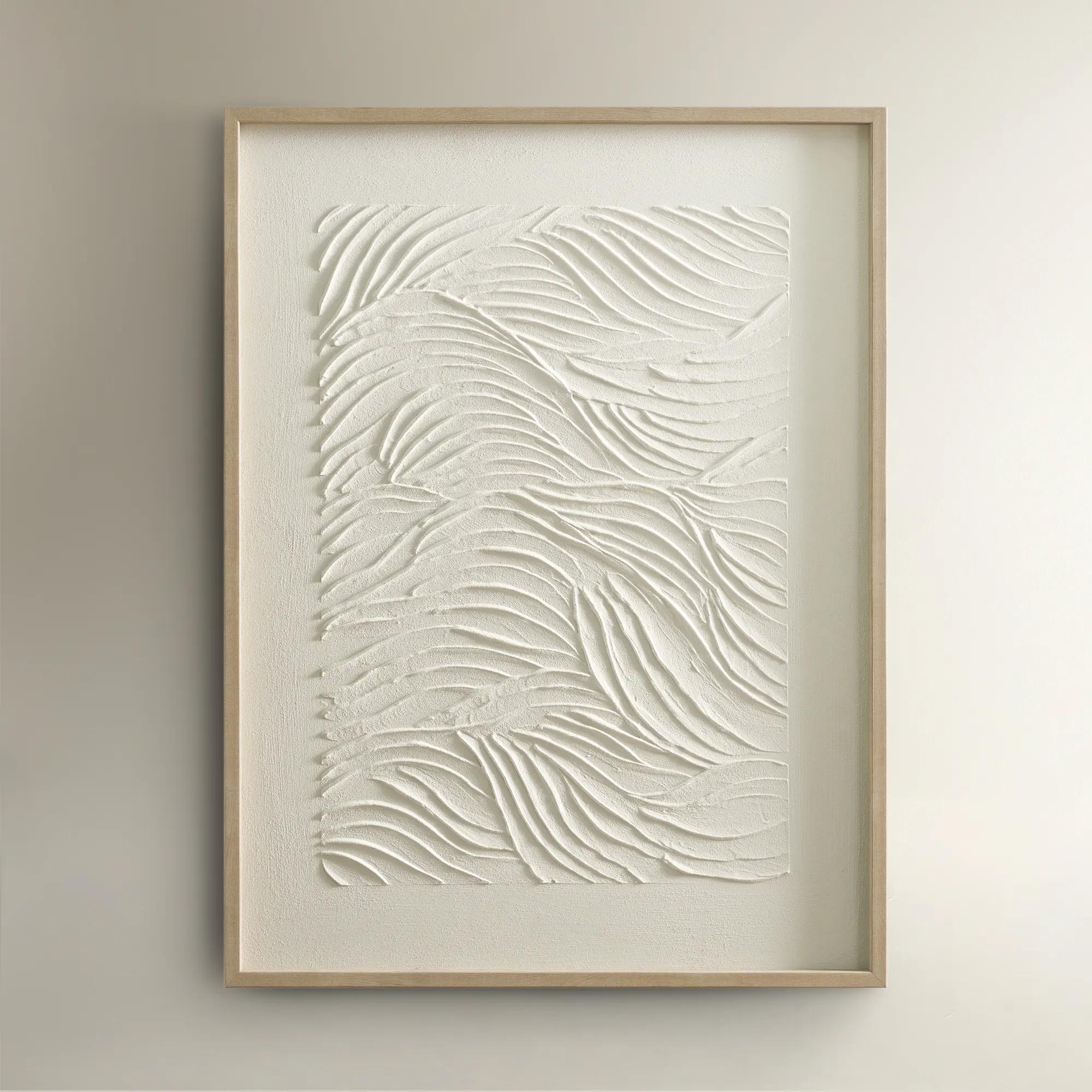
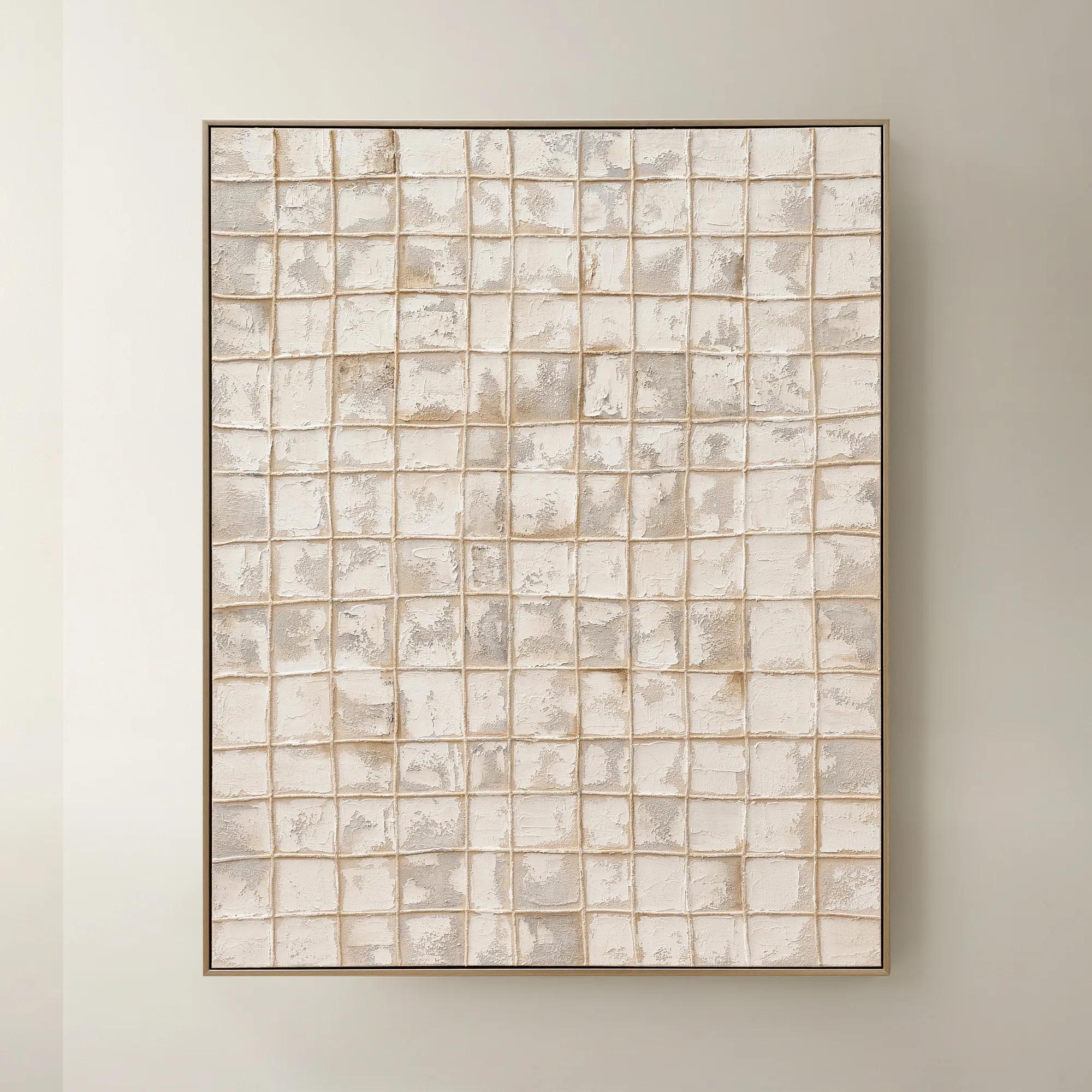
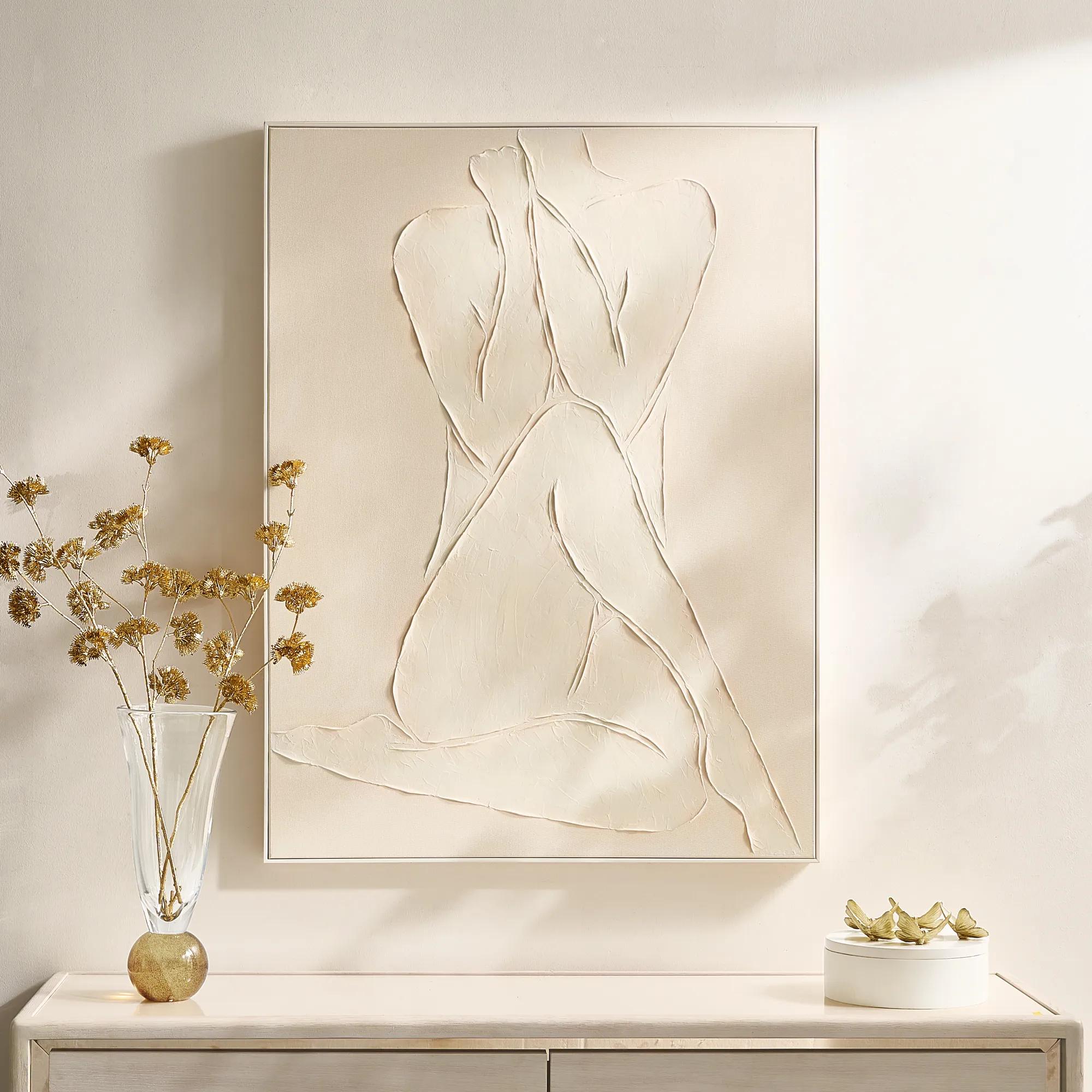 Modern Elegance Nude Ivory Framed Painted Wall Art 35.5" x 47.25"$599
A hand-painted ivory canvas in a white frame brings serene, modern artistry to any space.
Add To Cart -
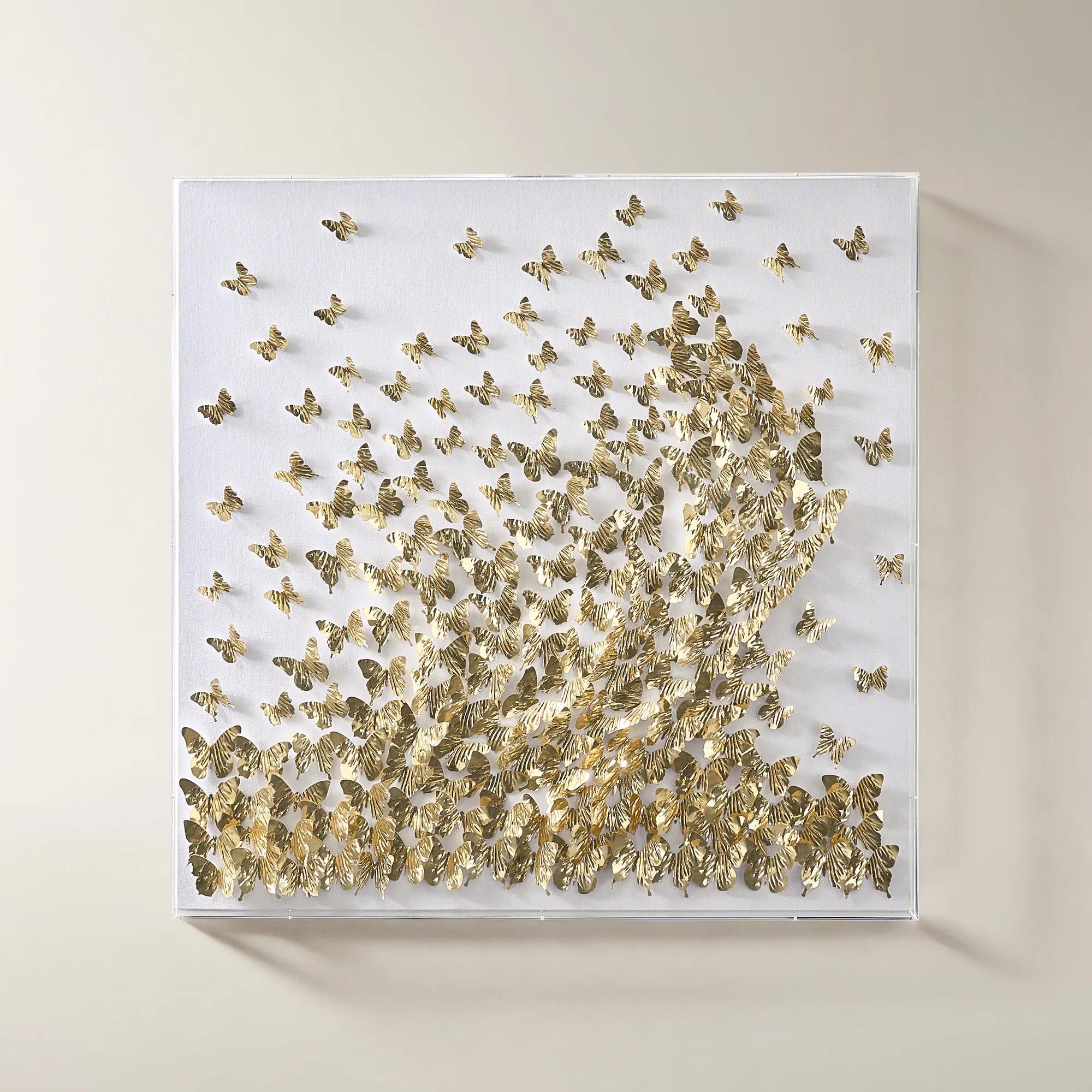
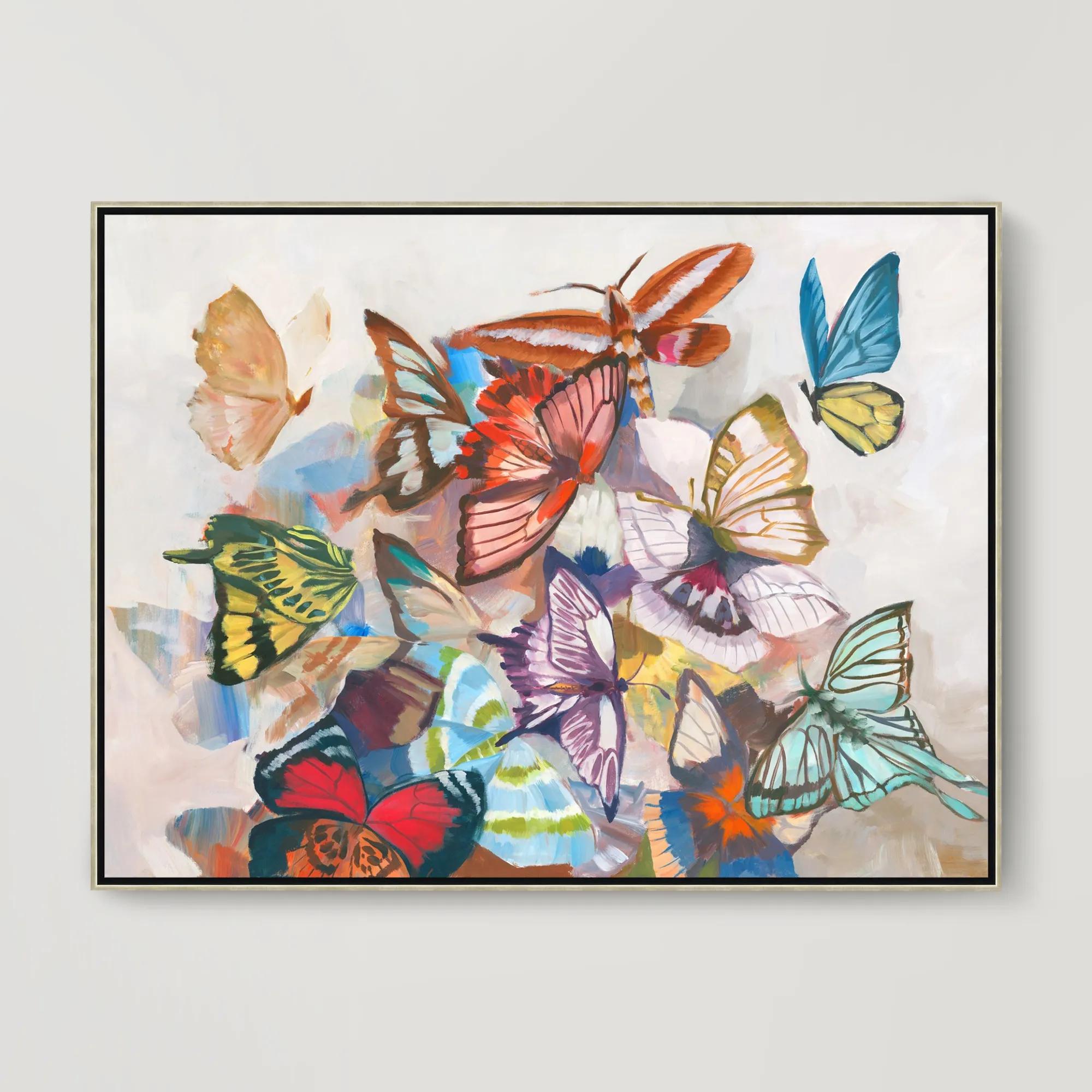
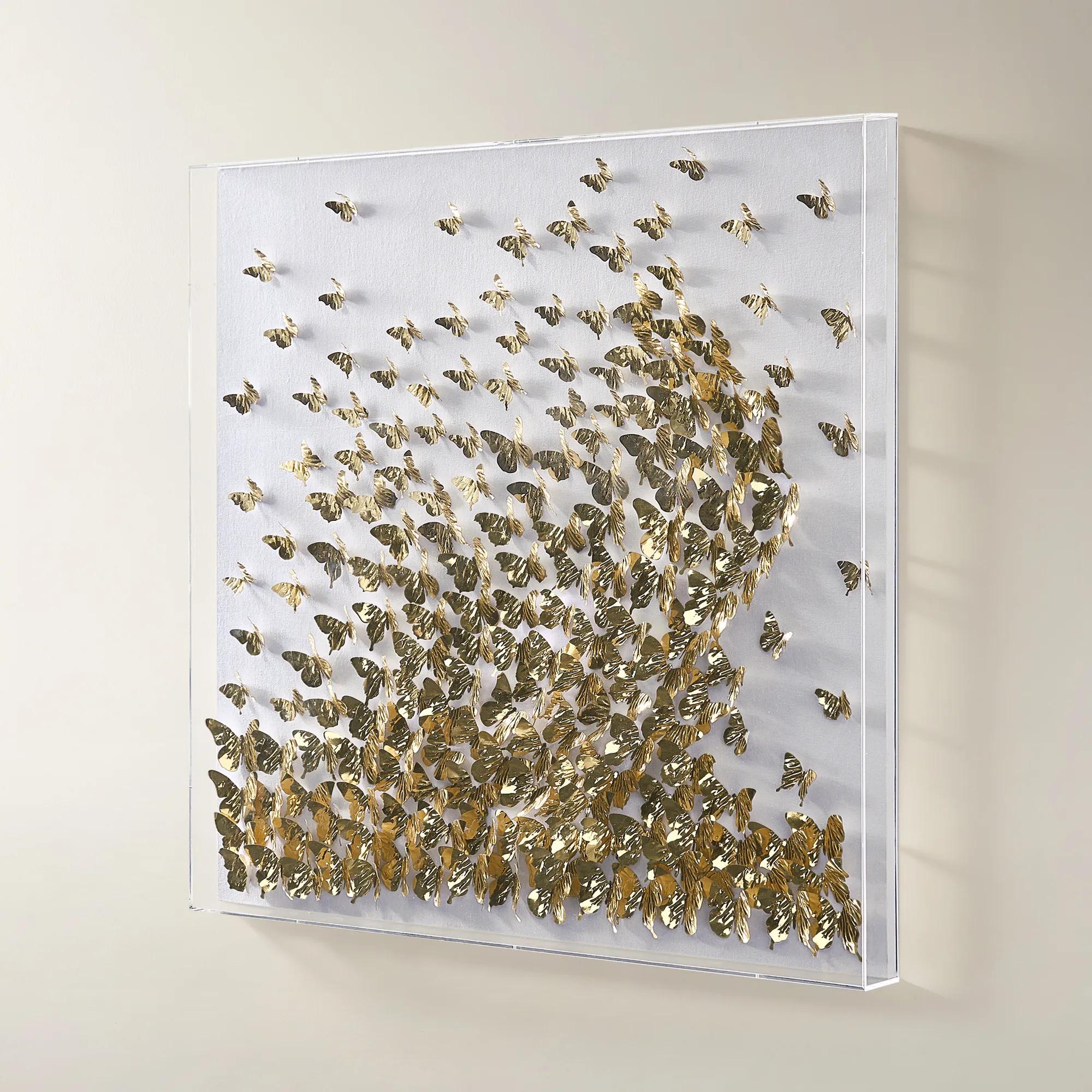 Butterfly Mist Handmade Gold Foil Wall Decor in Acrylic 39.25" x 39.25"$799
A sculptural wall art piece featuring handmade gold foil paper butterflies on linen, encased in a clear acrylic box.
Add To Cart -
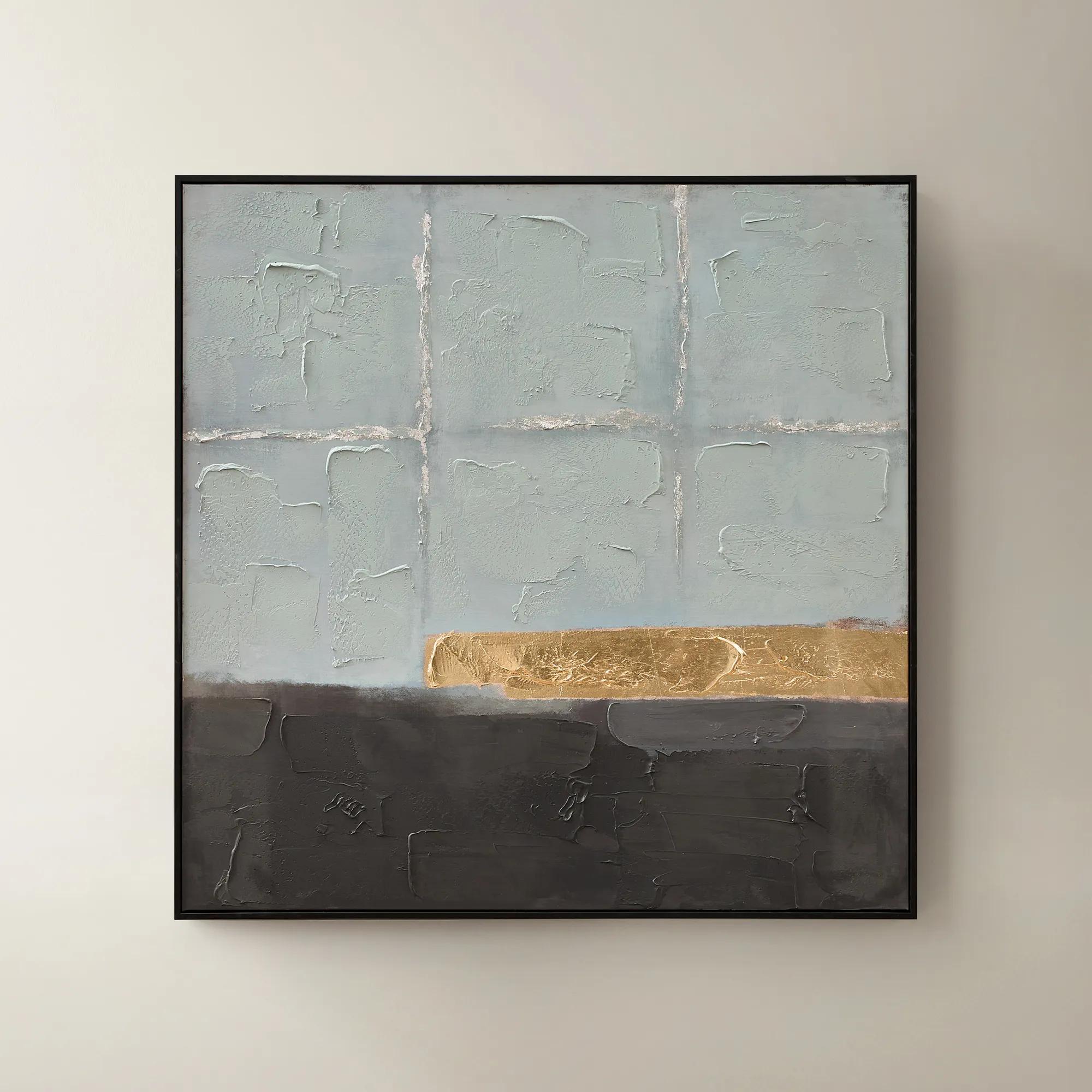
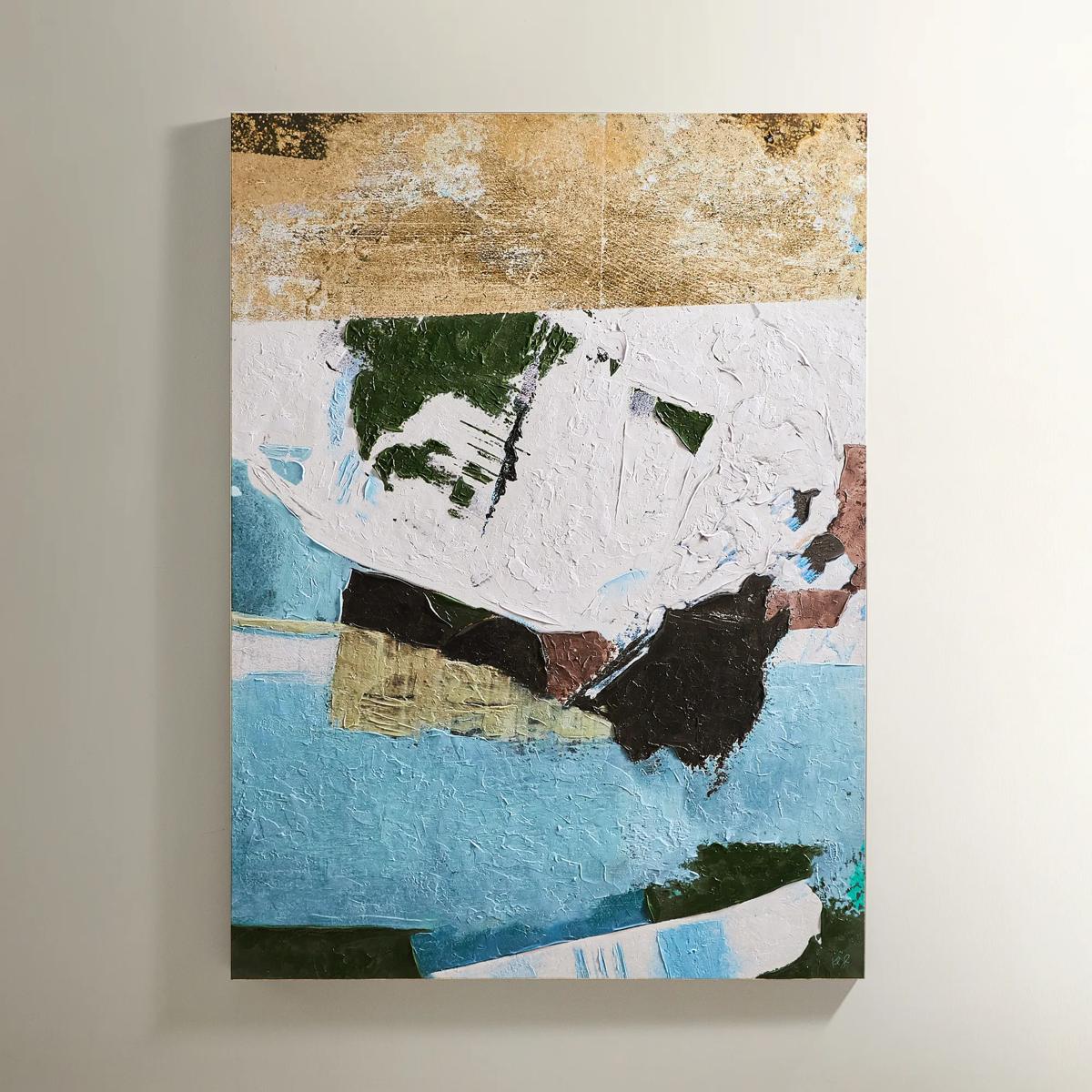
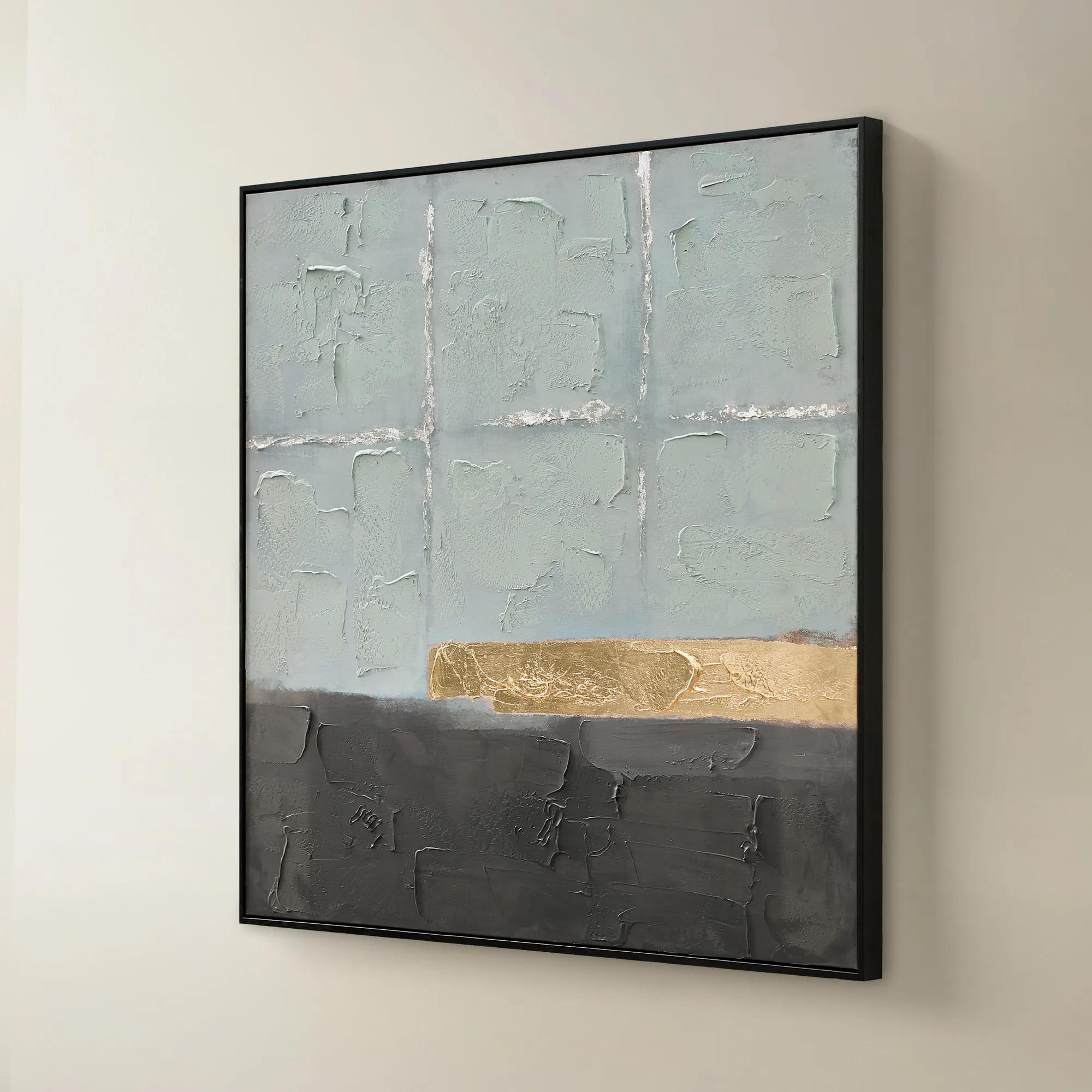 Jules Framed Gold Leaf Painted Wall Art 40" x 40"$299
A hand-painted canvas in mineral blue with gold leaf accents and a sleek black frame for modern appeal.
Add To Cart -
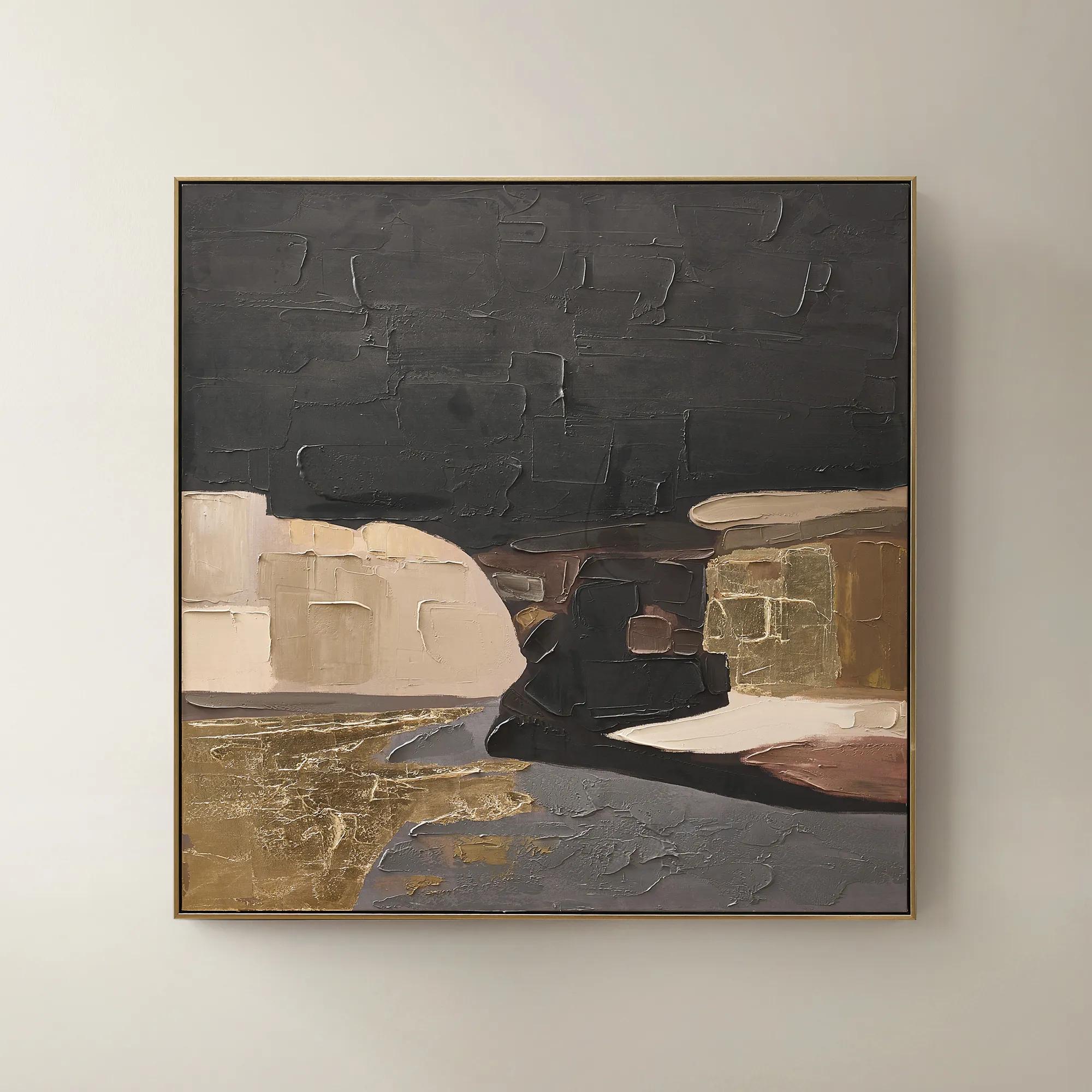 Obscured Light Framed Gold Leaf Painted Wall Art 48" x 48"$499
A hand-painted canvas with gold leaf accents and a black-gold frame in dramatic neutral tones.
Add To Cart -
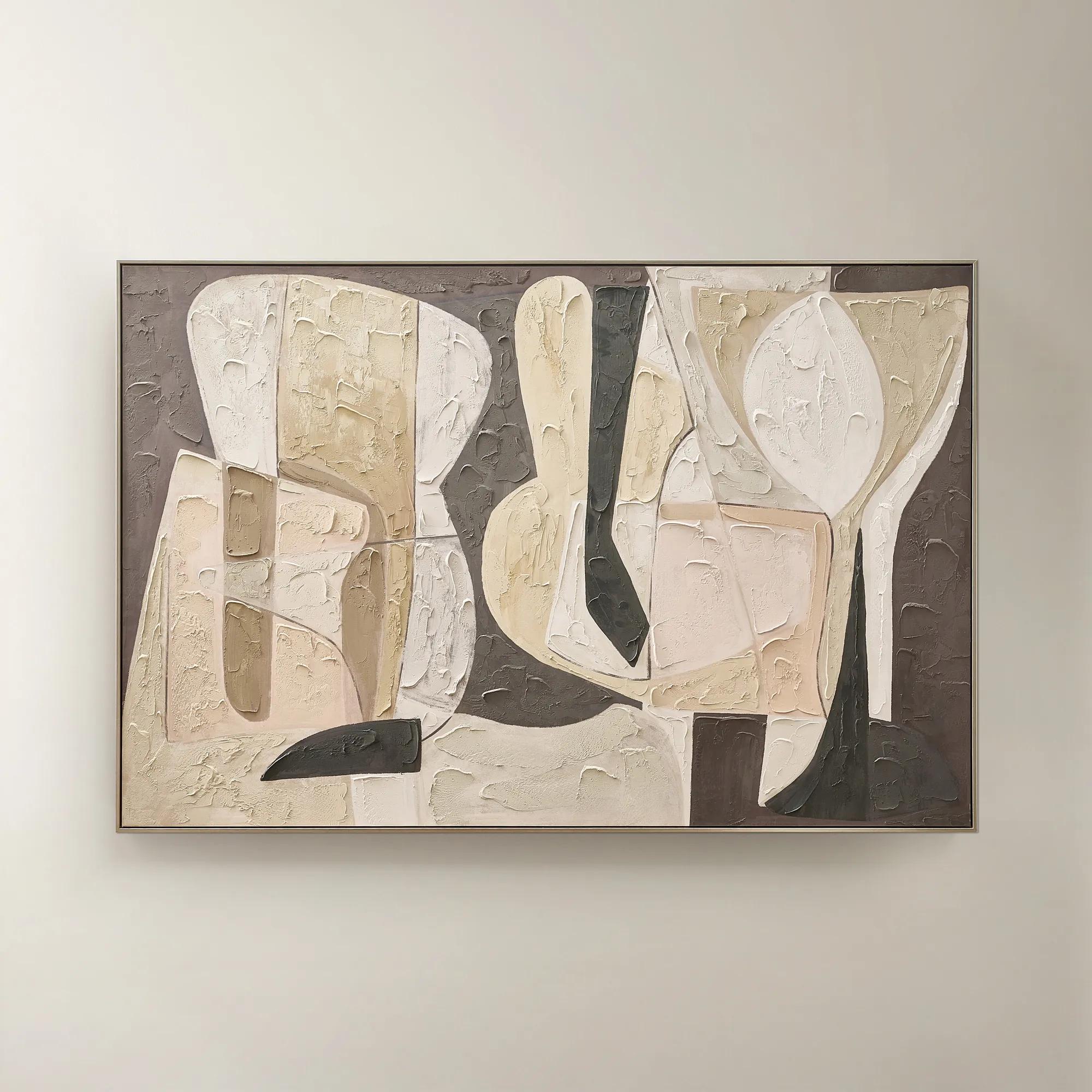 Wishful Thinking Framed Painted Wall Art 72" x 48"$599
A hand-painted abstract canvas featuring bold geometric forms and warm smoked plum, apricot, and tawny hues.
Add To Cart -
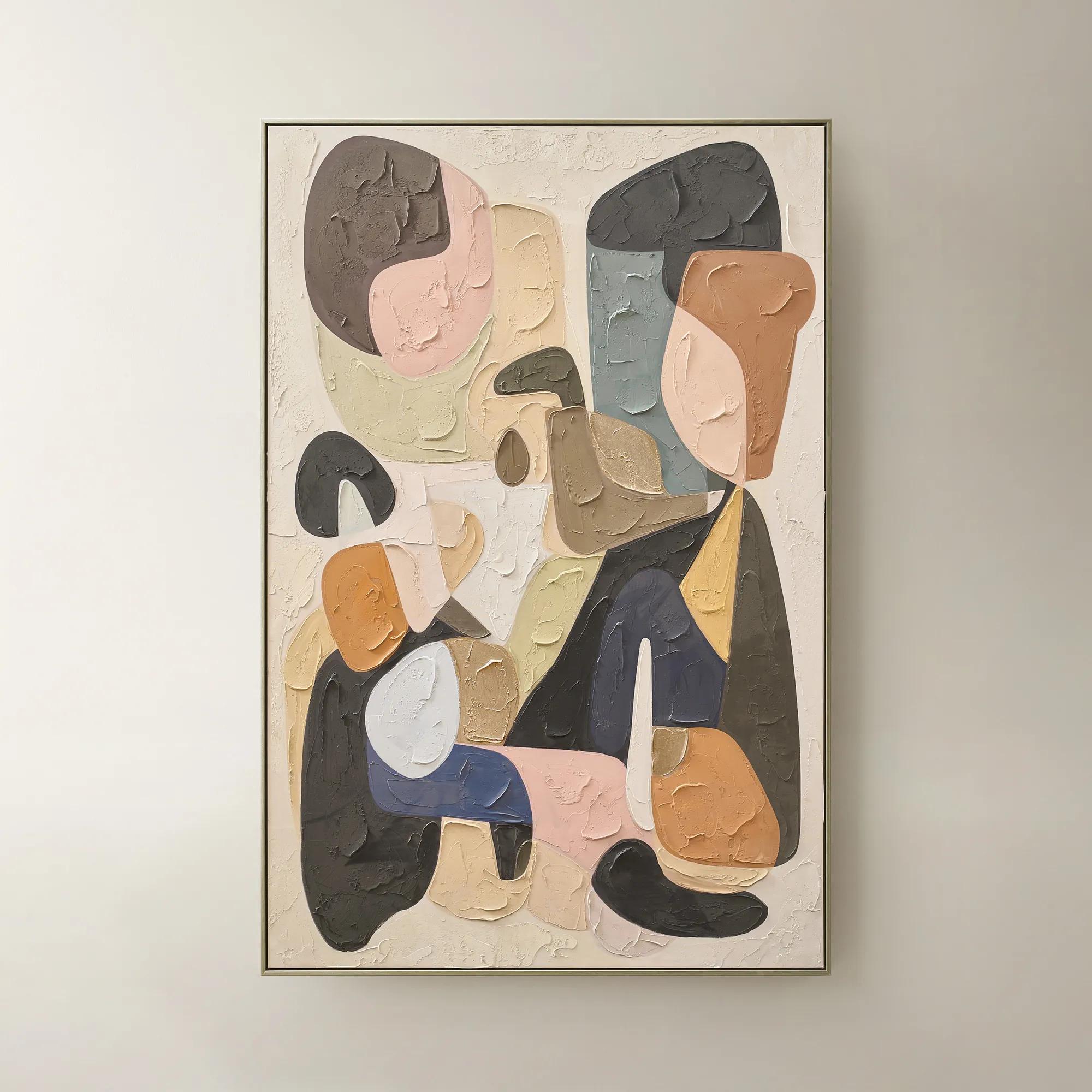 Chromatic Bloom Framed Painted Wall Art 40" x 60"$519
A hand-painted abstract canvas featuring a vibrant multi-color palette and shimmering champagne detailing.
Add To Cart -
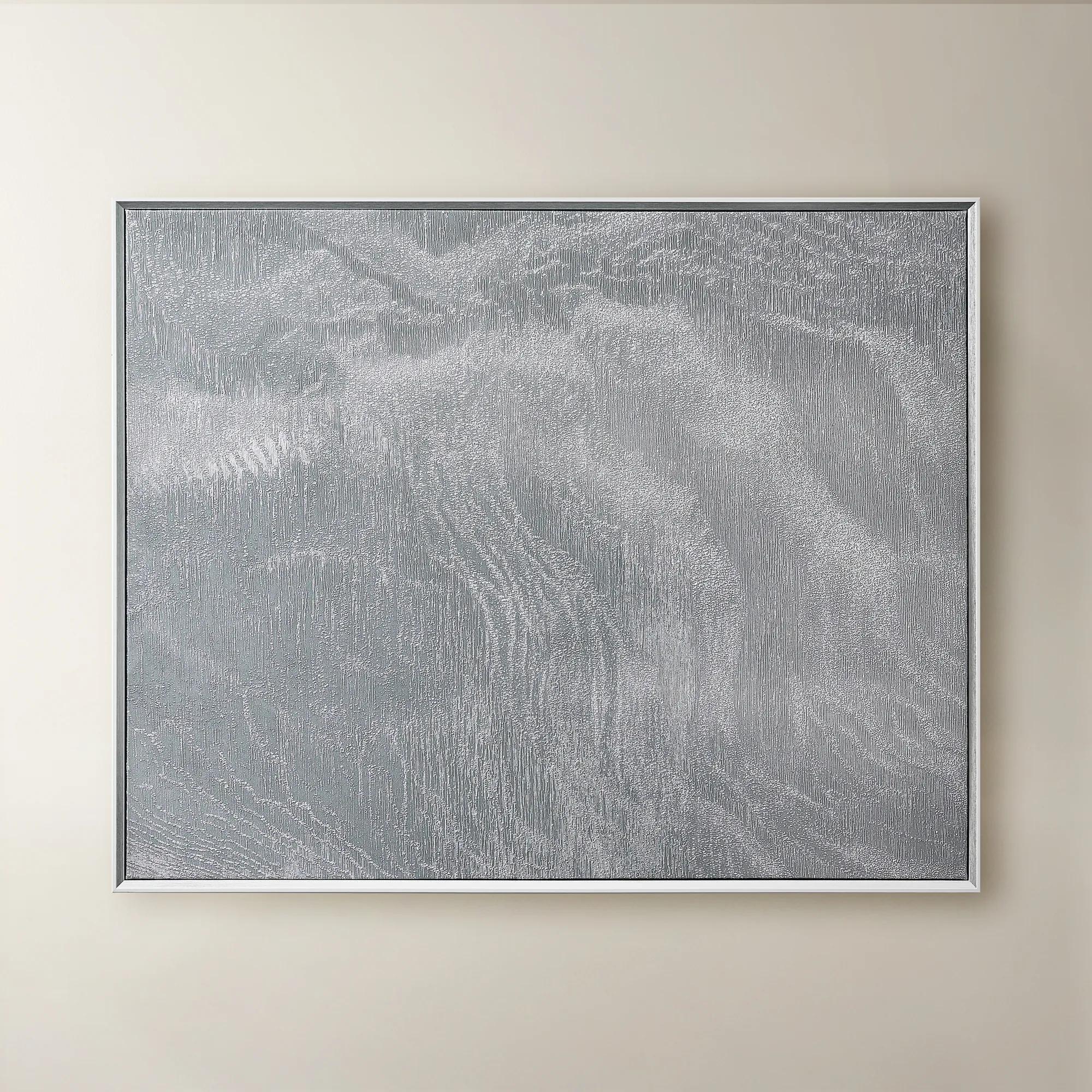 Slow Blue Morning Framed Silver Foil Wall Art 48" x 60"$599
A serene powder blue abstract canvas with silver foil accents, framed in silver and white for modern elegance.
Add To Cart -
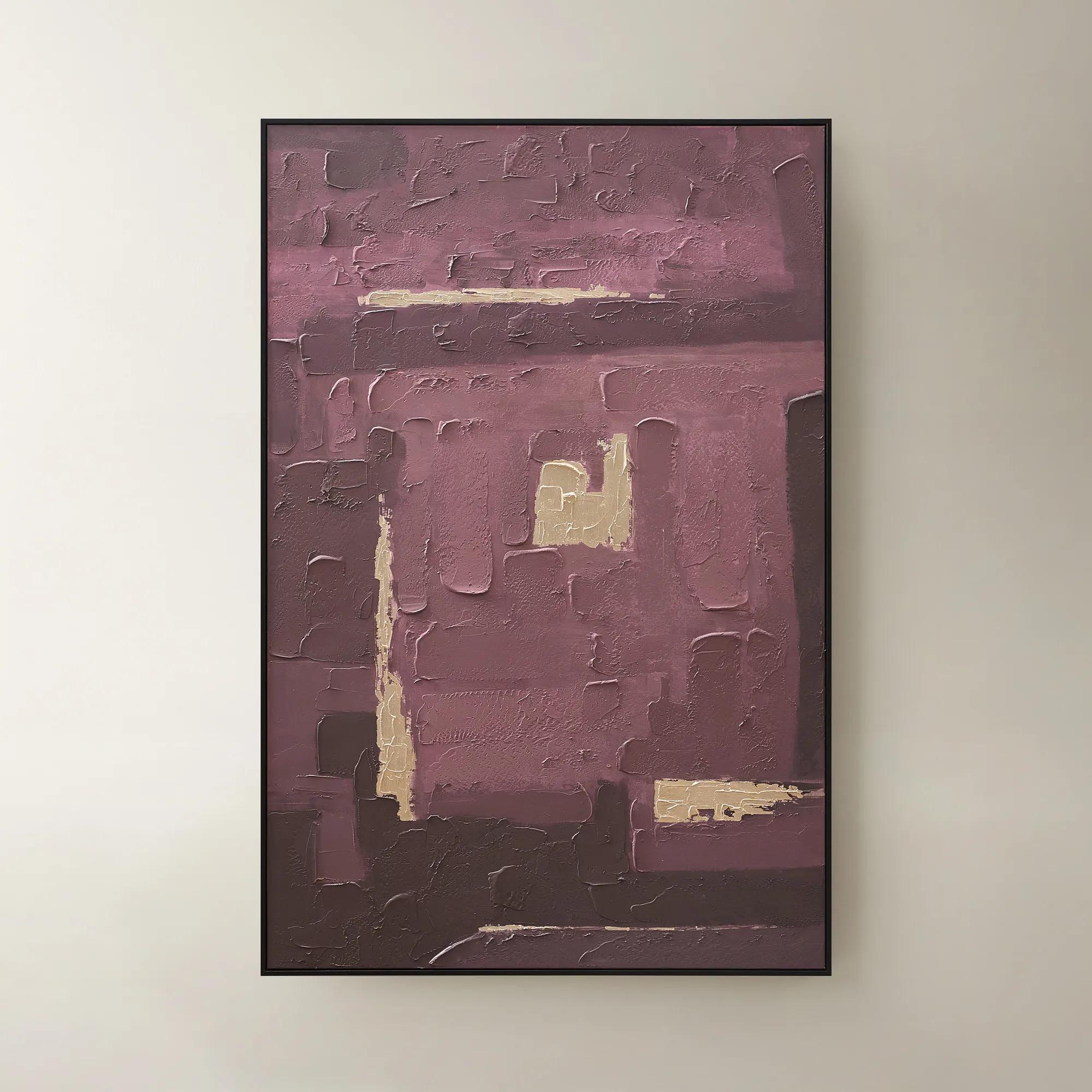
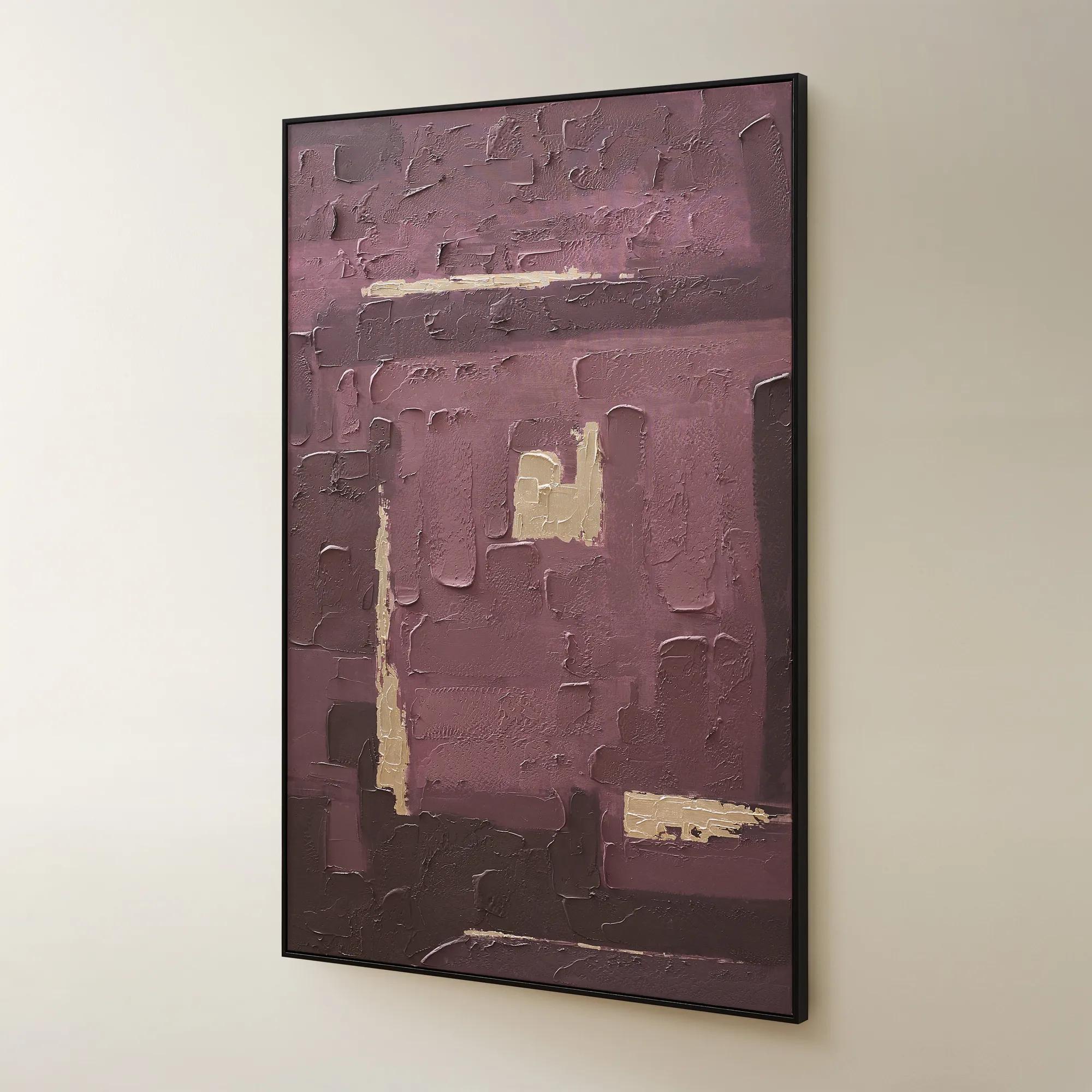 Fallback Framed Painted Wall Art 60" x 40"$499
A hand-painted abstract canvas in rich fig hues with champagne accents, set in a sleek black frame.
Add To Cart -
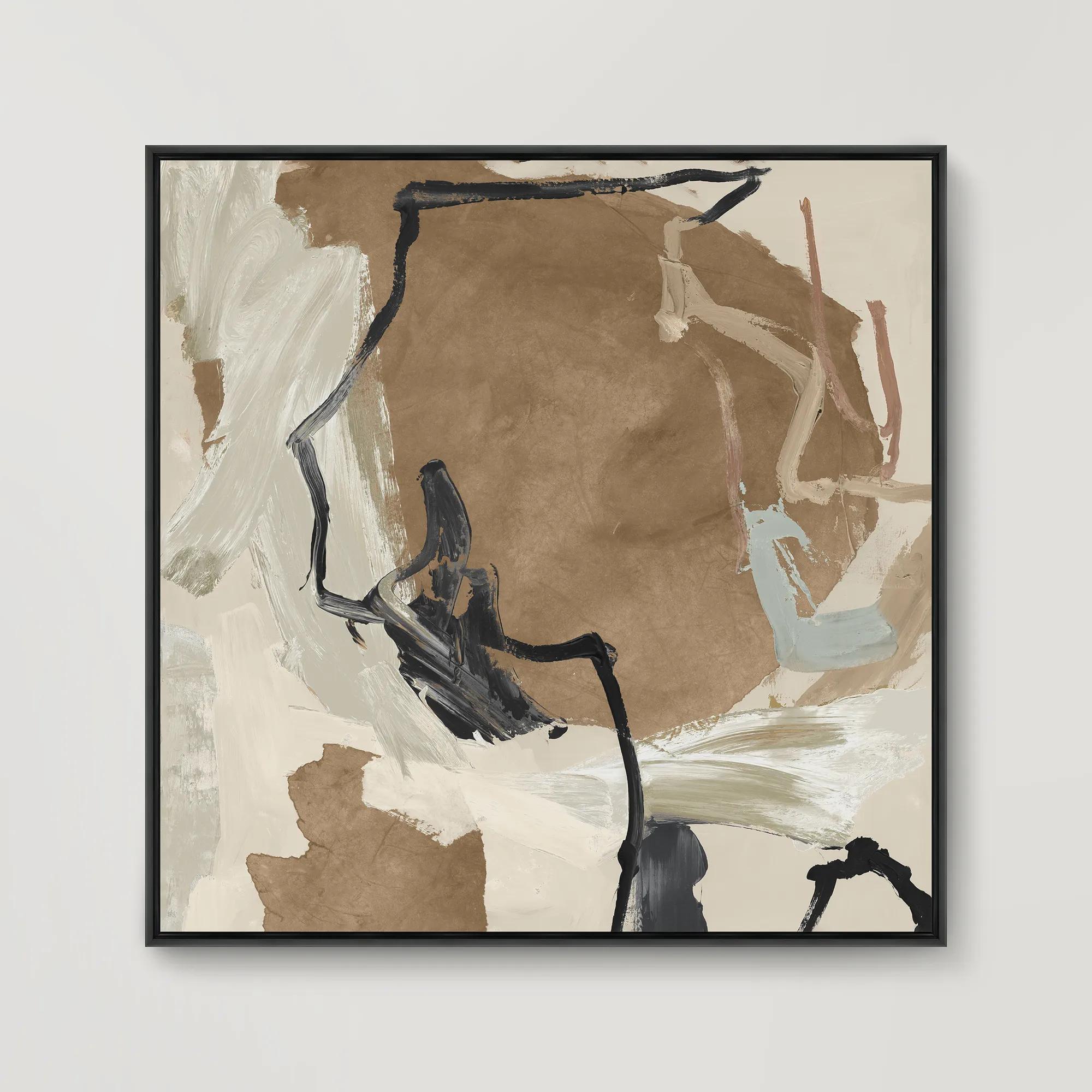
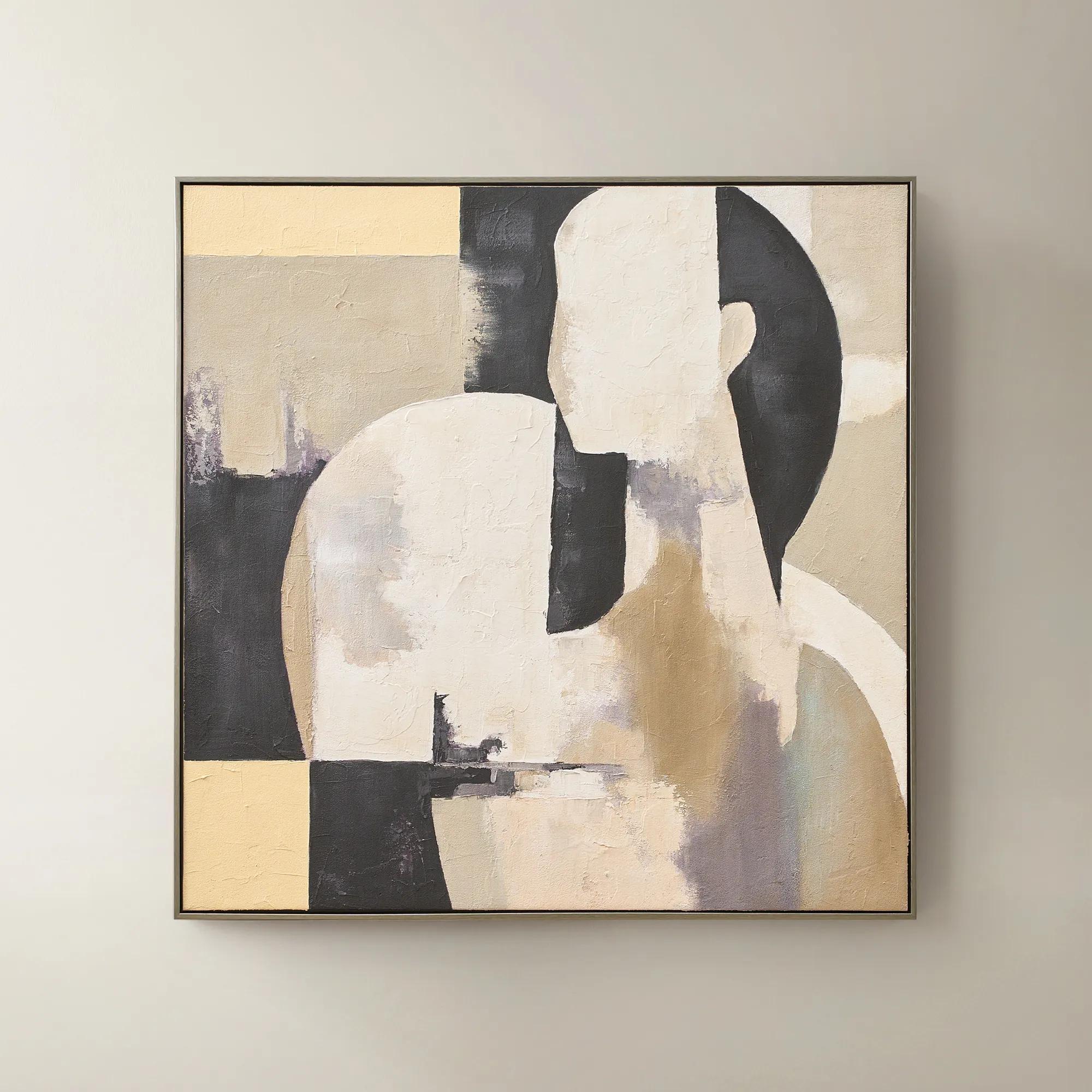 Afternoon Rest Framed Painted Wall Art 40" x 40"$399
A hand-painted abstract figure in buttercream, turtledove, and black hues framed in dark grey.
Add To Cart -
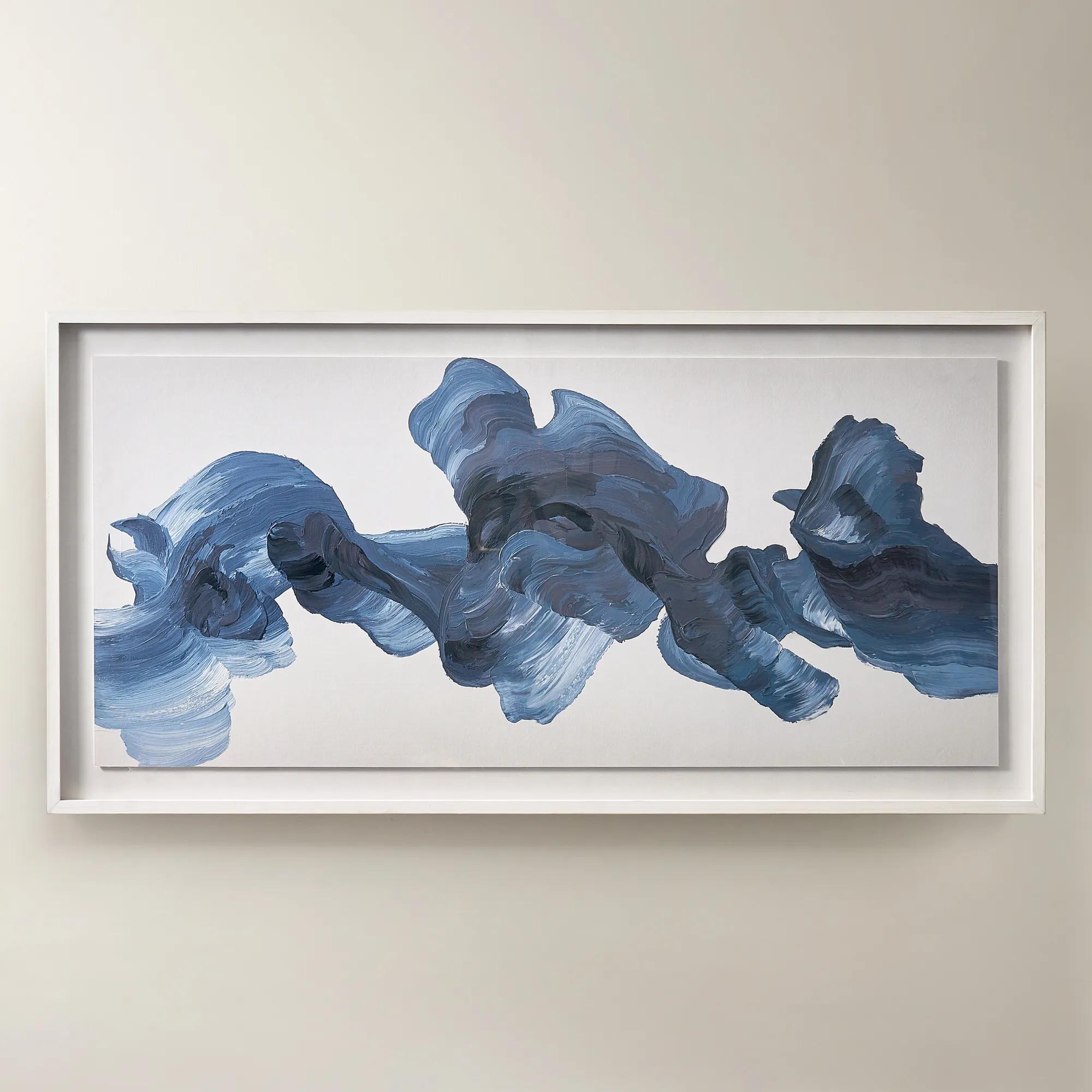
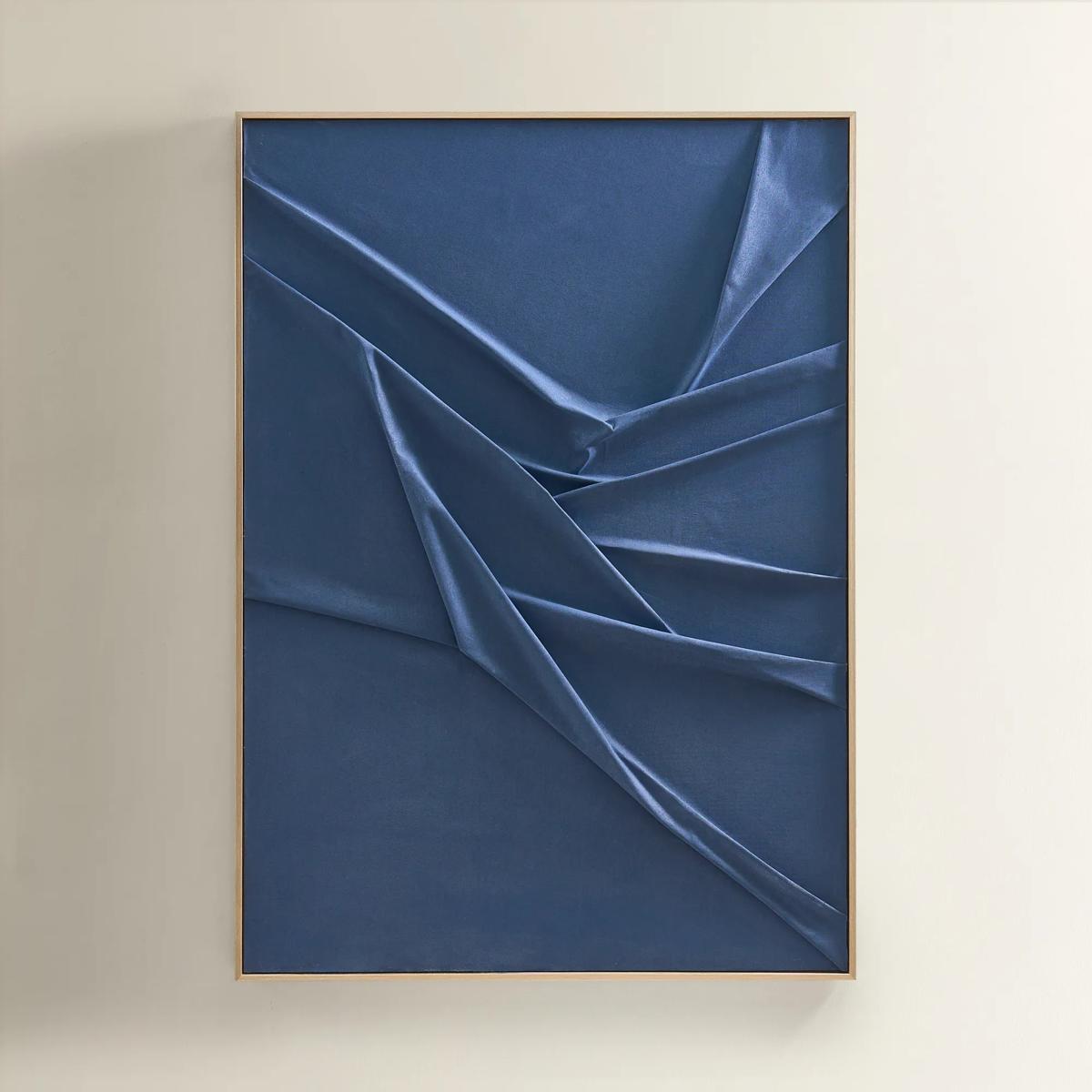
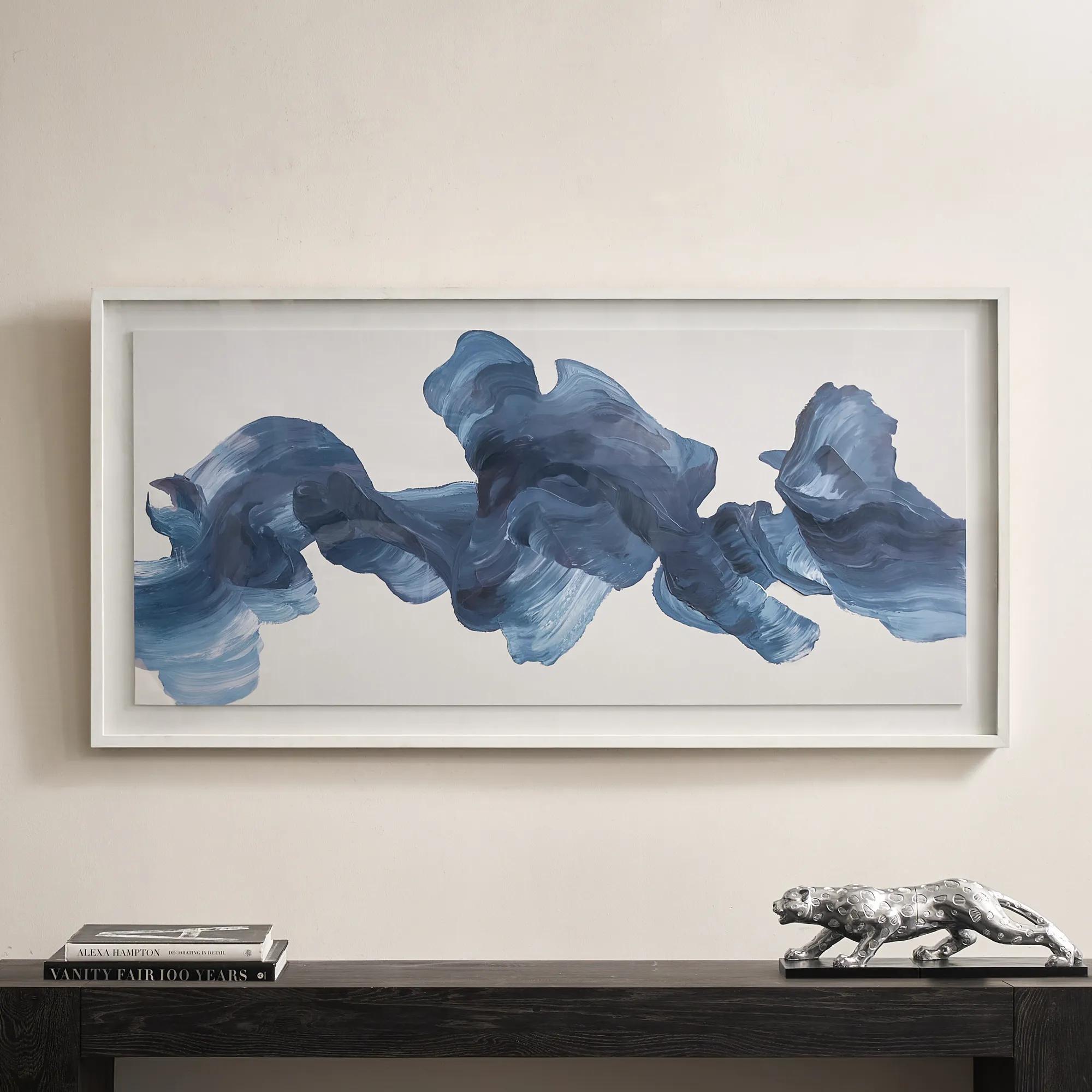 Blue Theory Framed Painted Wall Art in Acrylic 60" x 30"$499
A hand-painted canvas in deep ink blue, framed under acrylic with a whitewashed wood frame.
Add To Cart -
 Gilt Collage Gold Hand Crafted Wood Dimensional Wall Panel 30" x 60"$799
A glamorous gilt-finished collage wall panel bringing sculptural dimension and contemporary elegance to your decor.
Add To Cart -

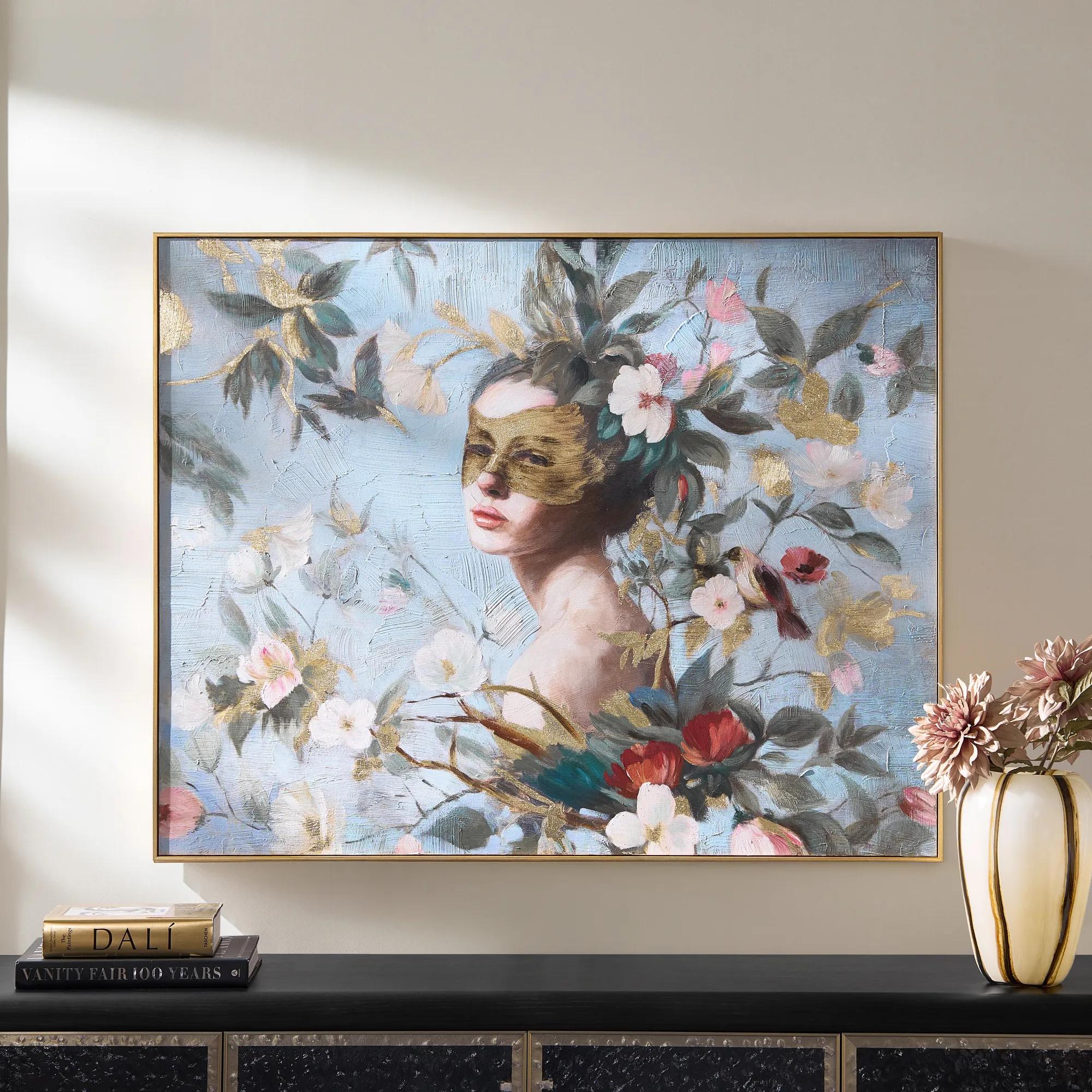 Garden Party Framed Gold Leaf Painted Wall Art 50" x 40"$399
A gold leaf painted canvas artwork in a framed presentation, bringing artistic sophistication to modern interiors.
Add To Cart -
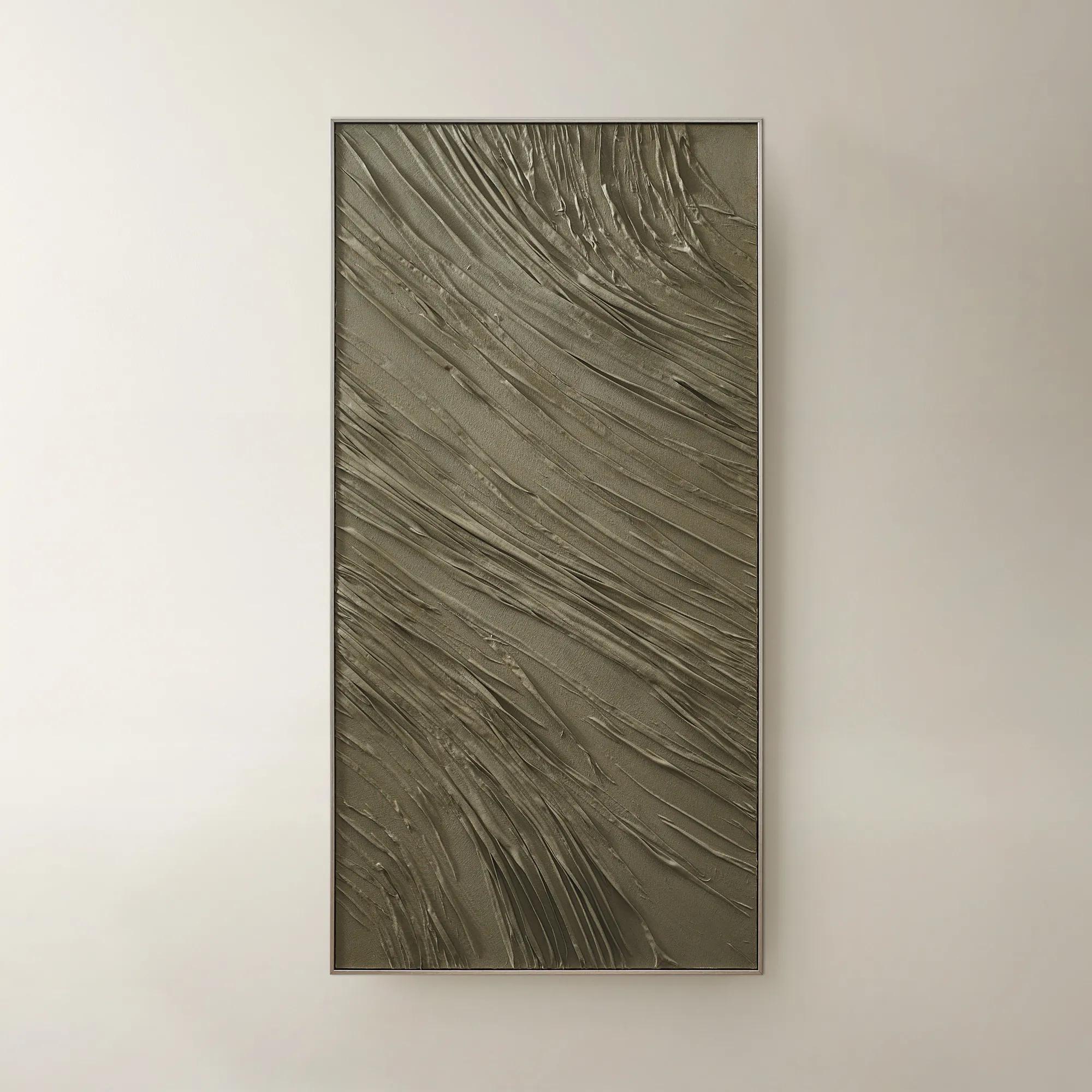
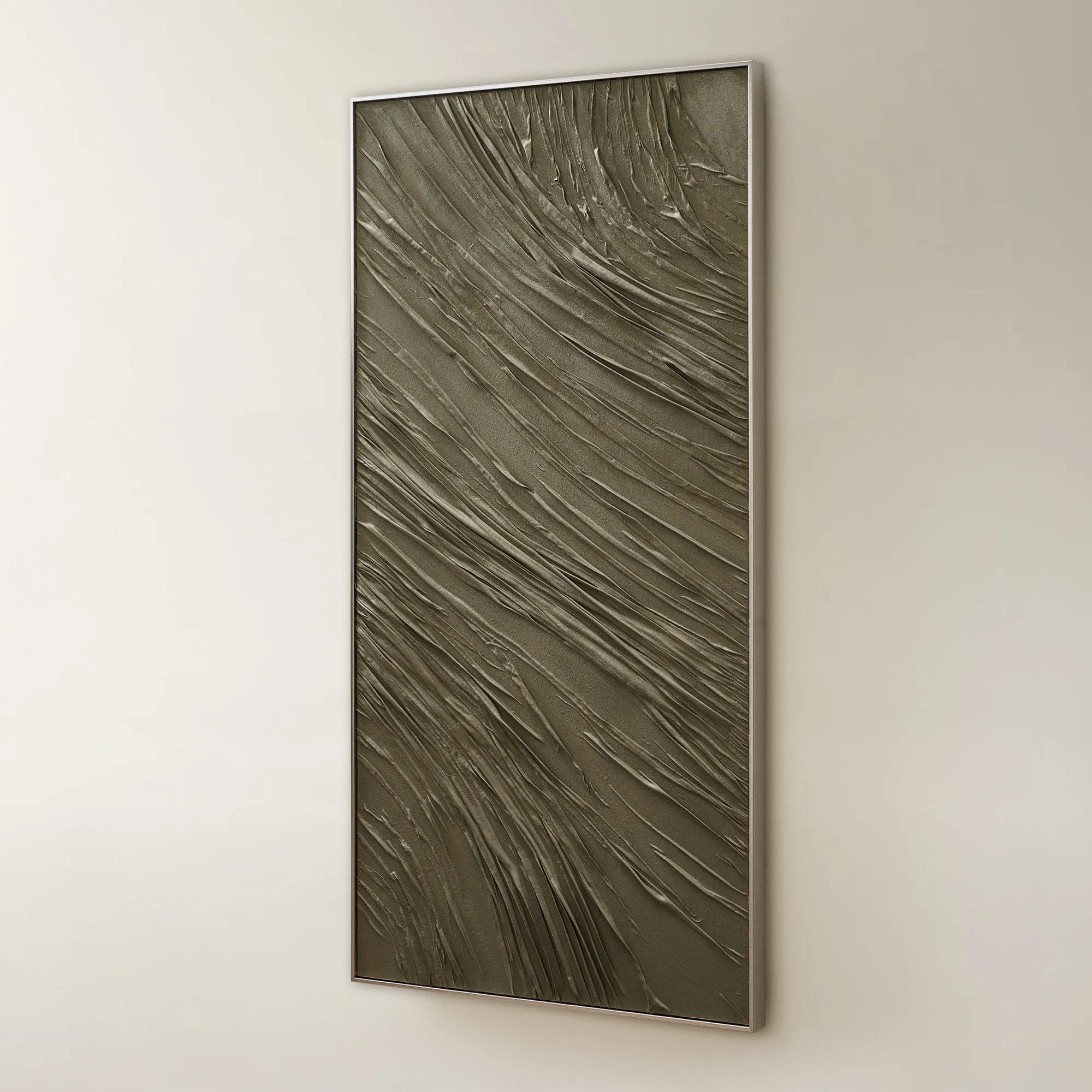 Grove Framed Hand-crafted Folded Fabric Wall Art 60" x 30"$349
A hand-crafted folded canvas in deep olive with a champagne frame for sculptural, modern wall art.
Add To Cart -
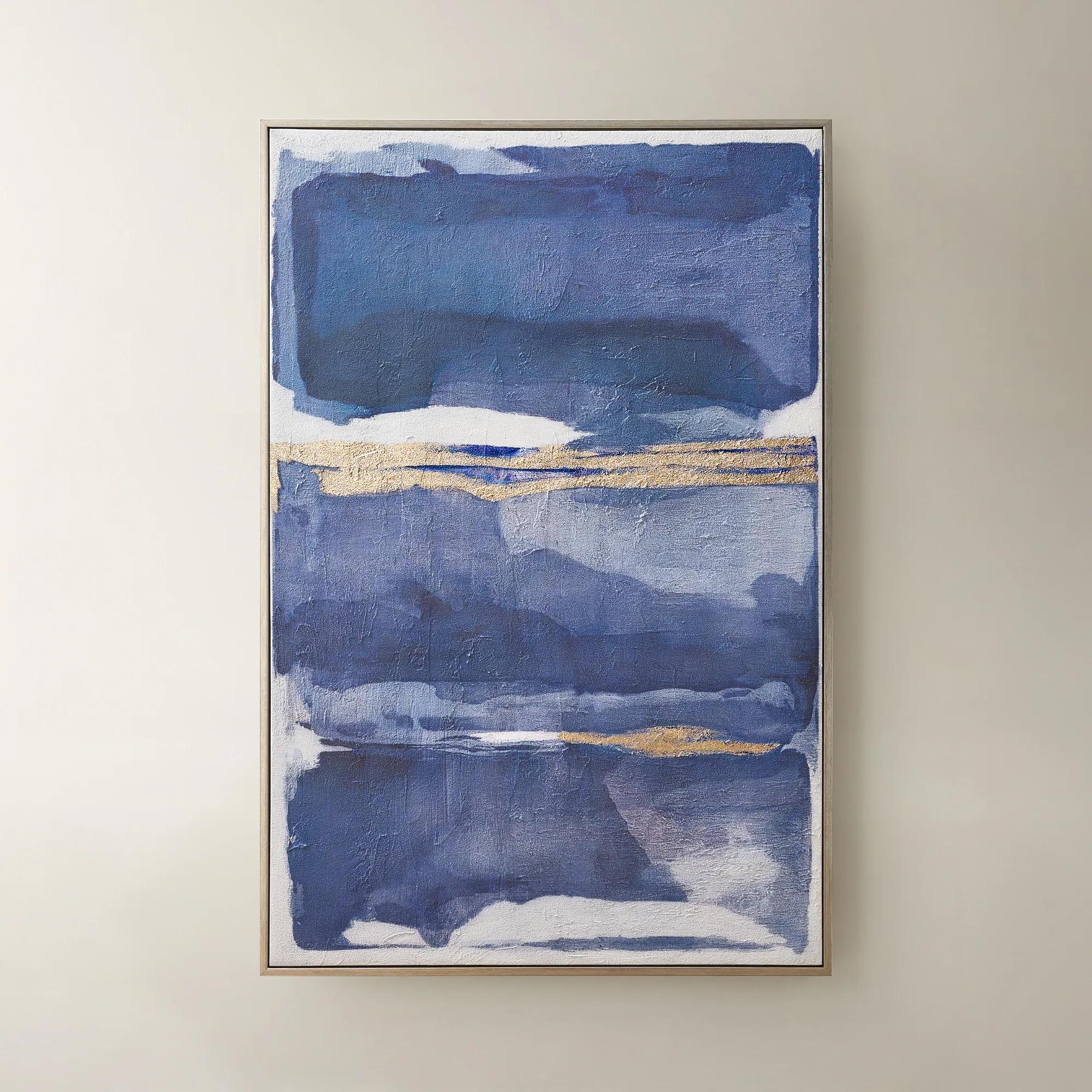
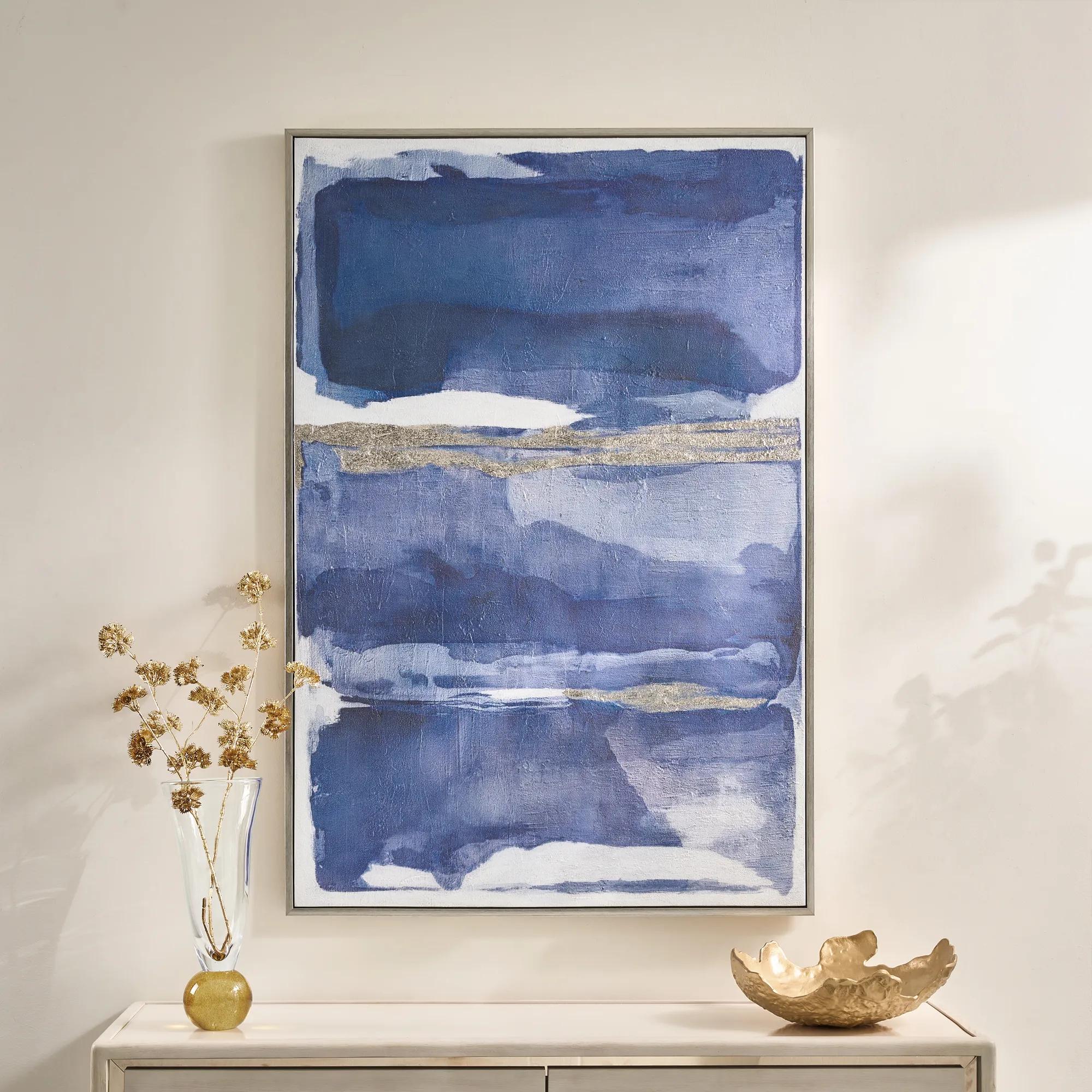 Memories in Blue Framed Painted Wall Art 40" x 60"$499
A hand-painted canvas in deep ink blue with champagne leafing for a sophisticated, gallery-inspired look.
Add To Cart -
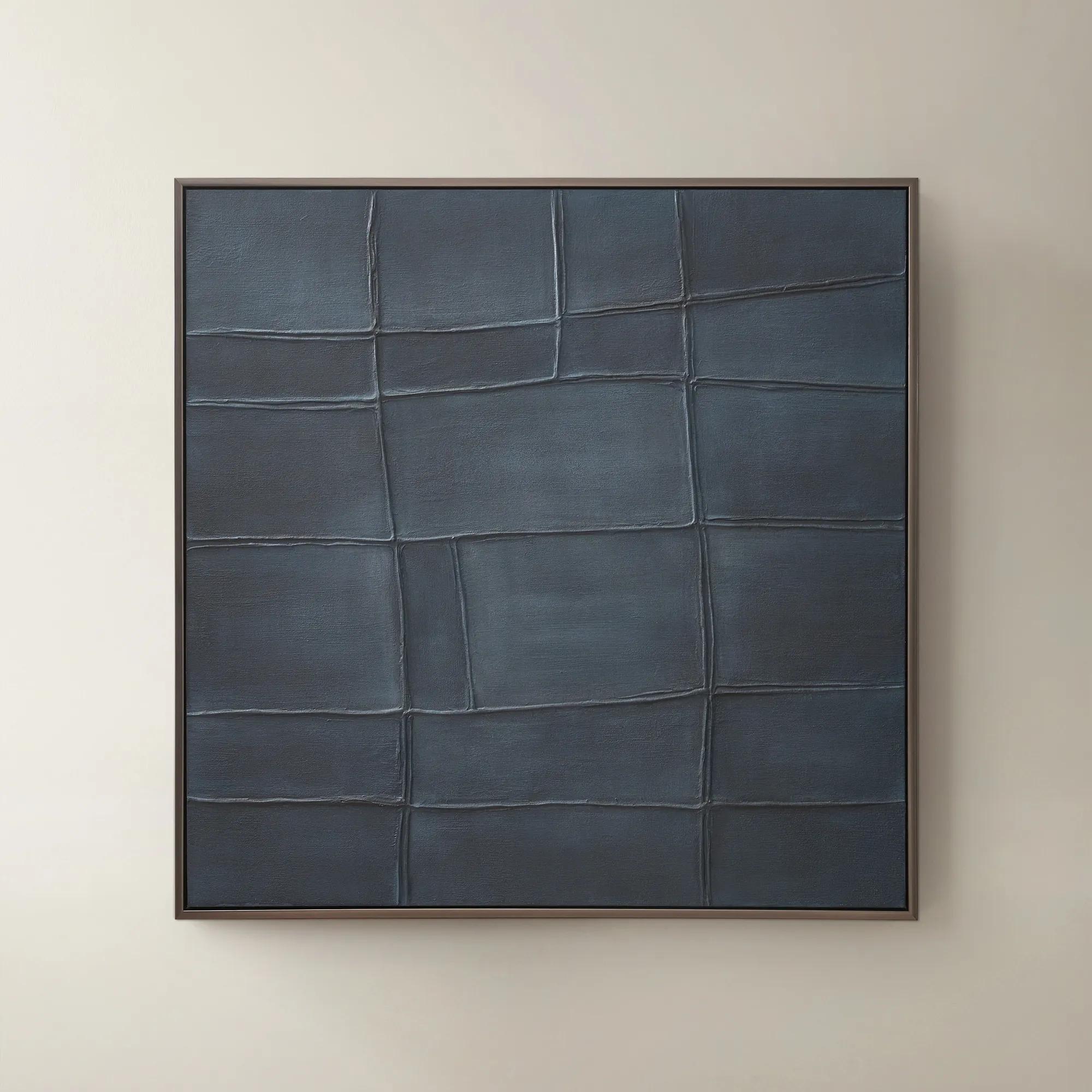
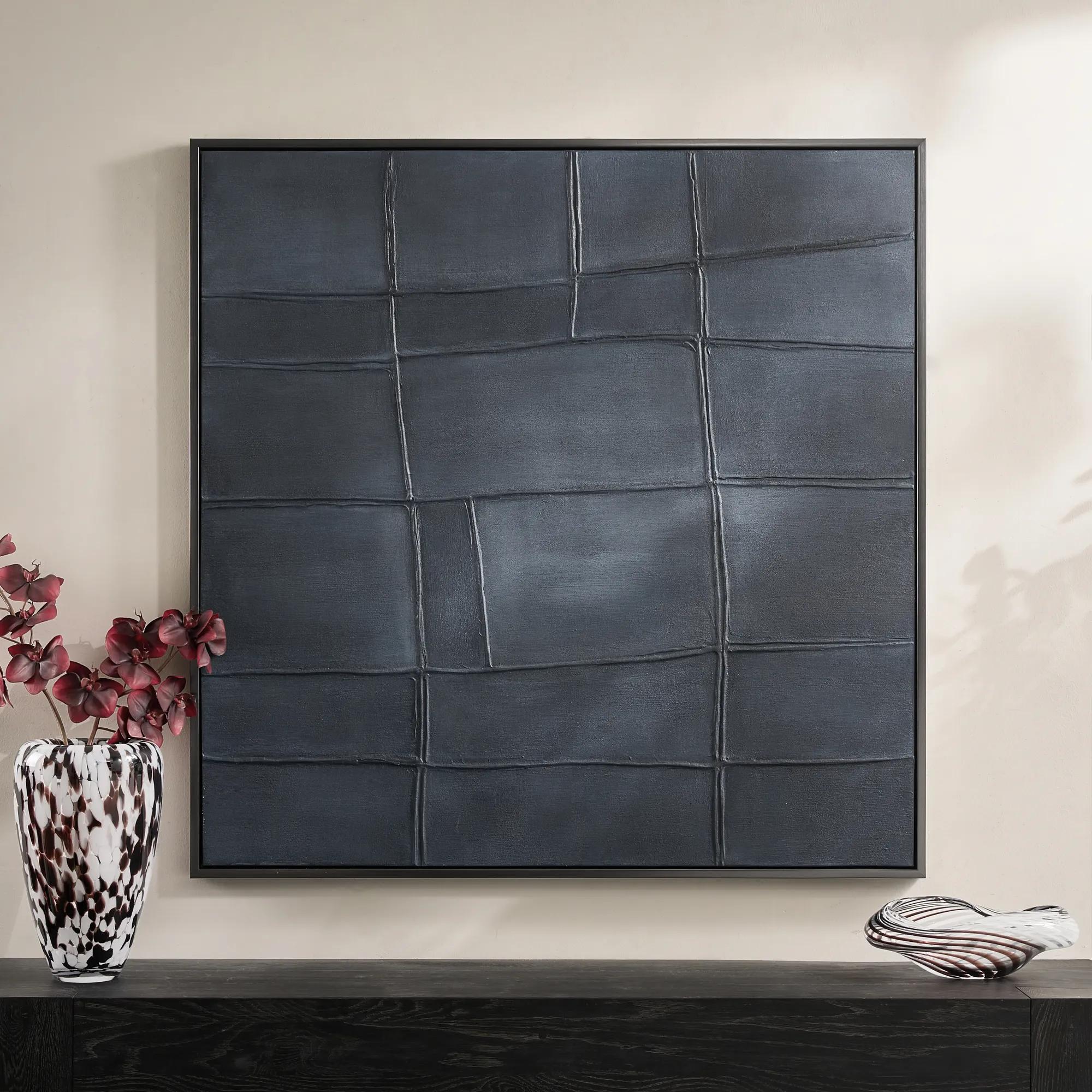 Ink Blue Interval Framed Painted Wall Art 48" x 48"$599
A hand-painted abstract canvas in deep ink blue, finished with a sleek gunmetal frame for modern appeal.
Add To Cart -
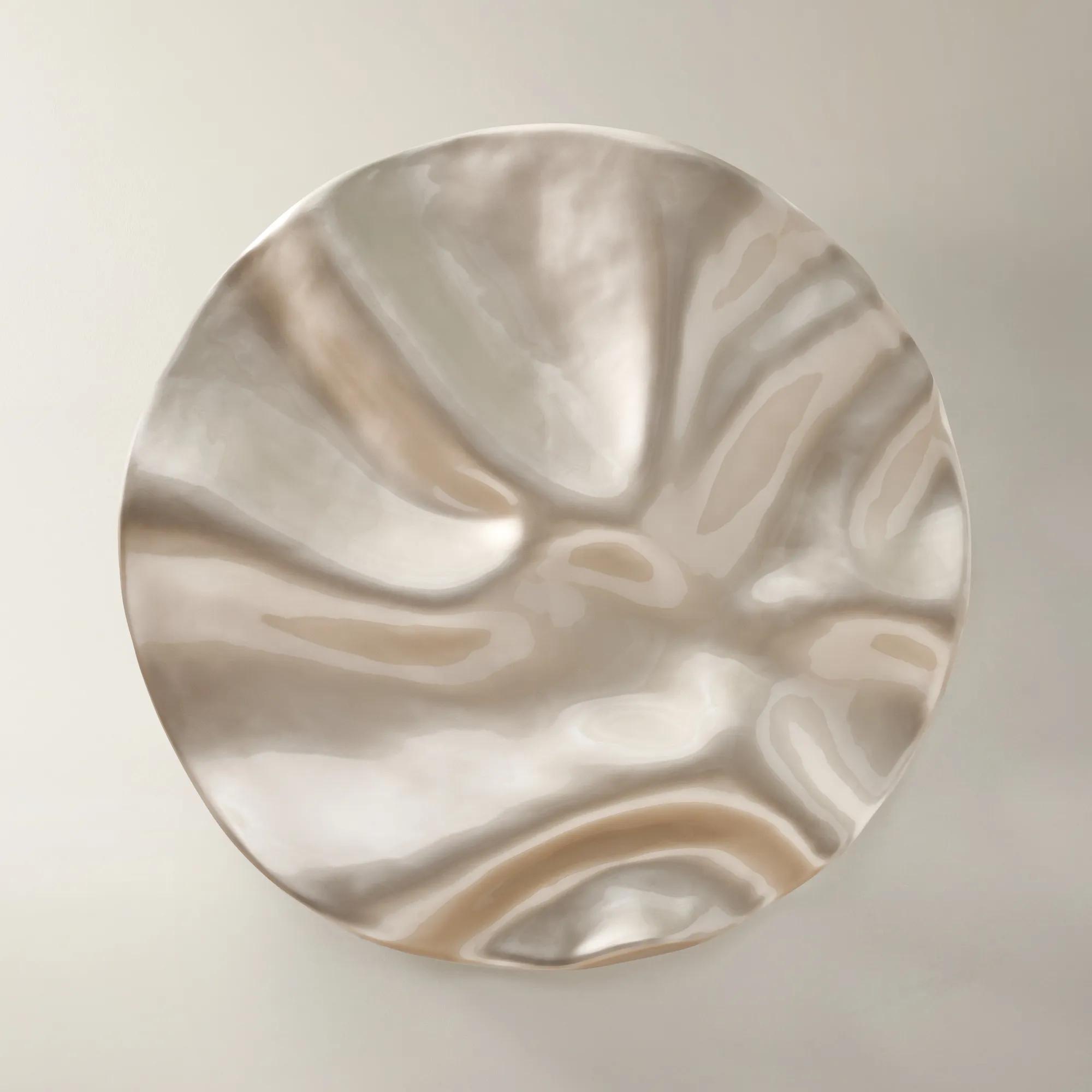
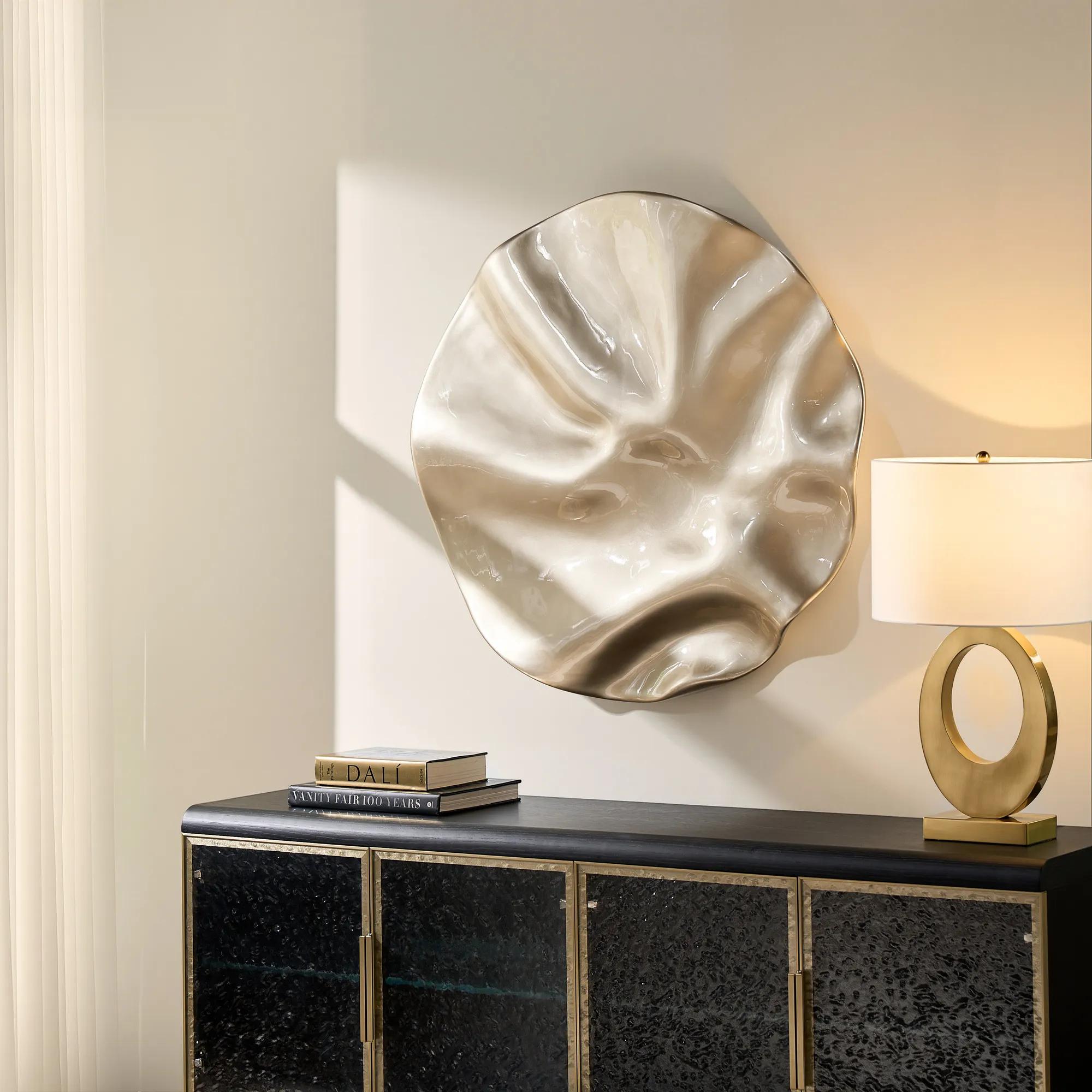 Moonlight Champagne Resin Round Wall Panel 39.75"$499
A luminous champagne-toned resin wall panel with a round silhouette and sculptural modern appeal.
Add To Cart -
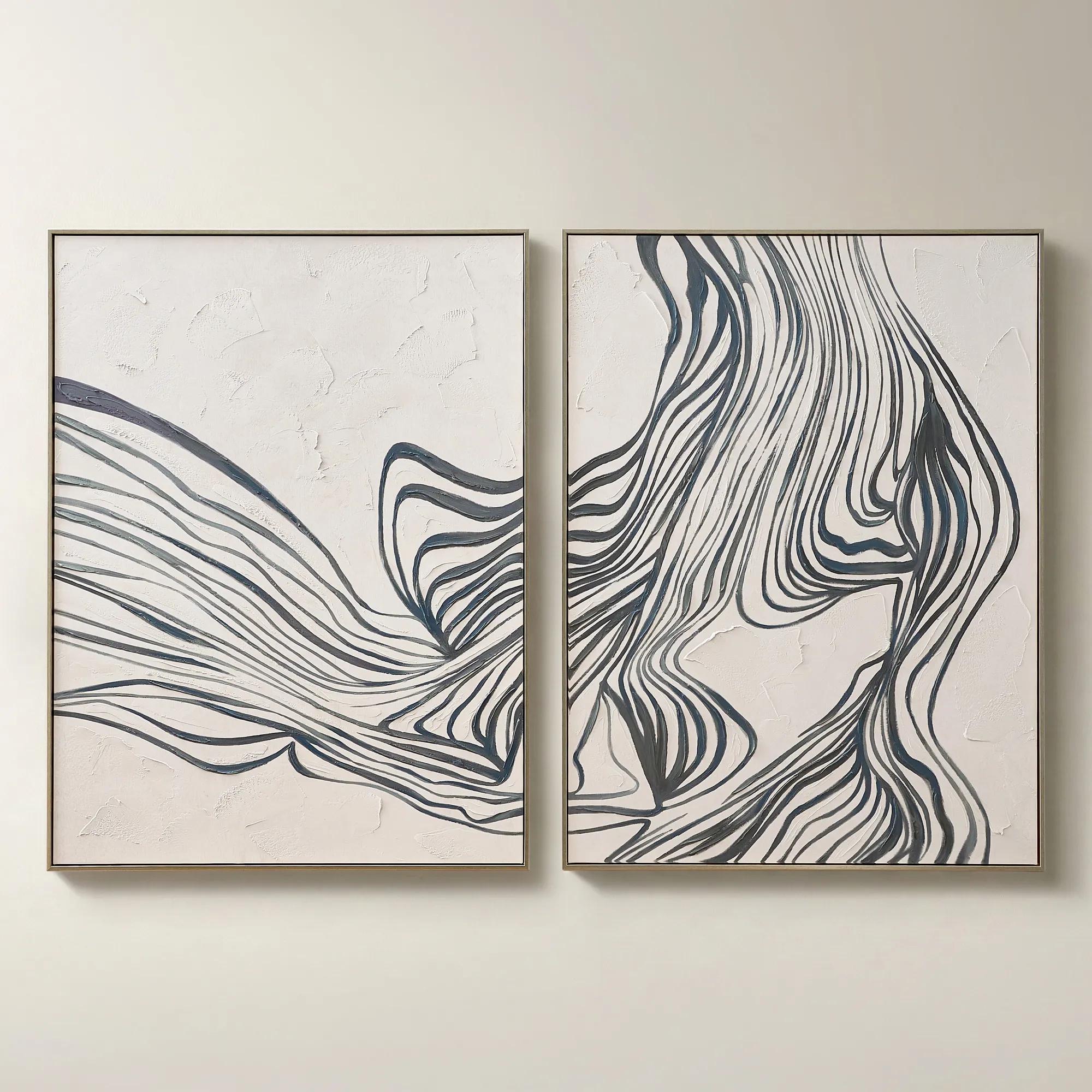
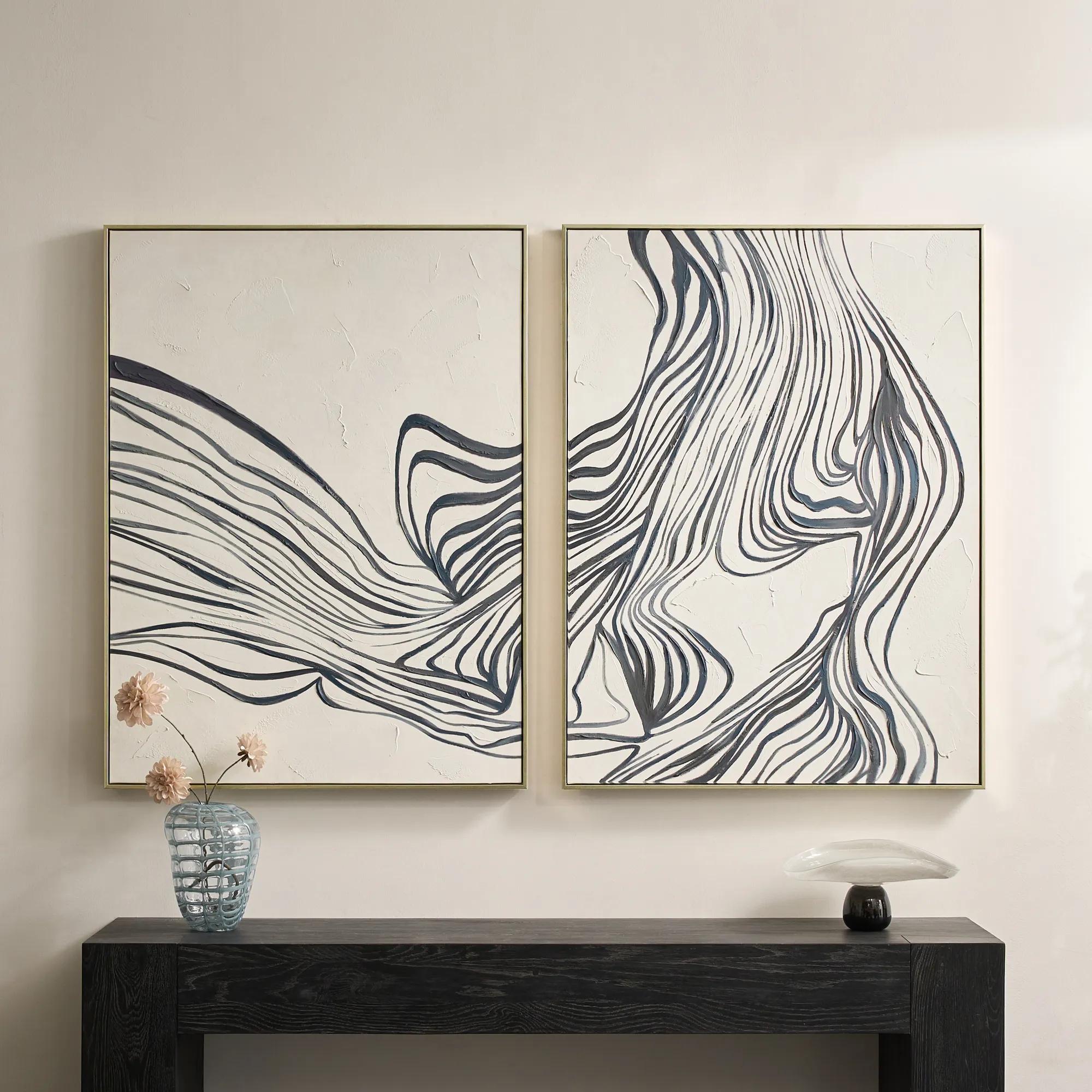 Rhythmic Framed Painted Wall Art 36" x 48" Set of 2$599
A hand-painted diptych featuring bold abstract stripes in dark slate and dusty blue with champagne frames.
Add To Cart -
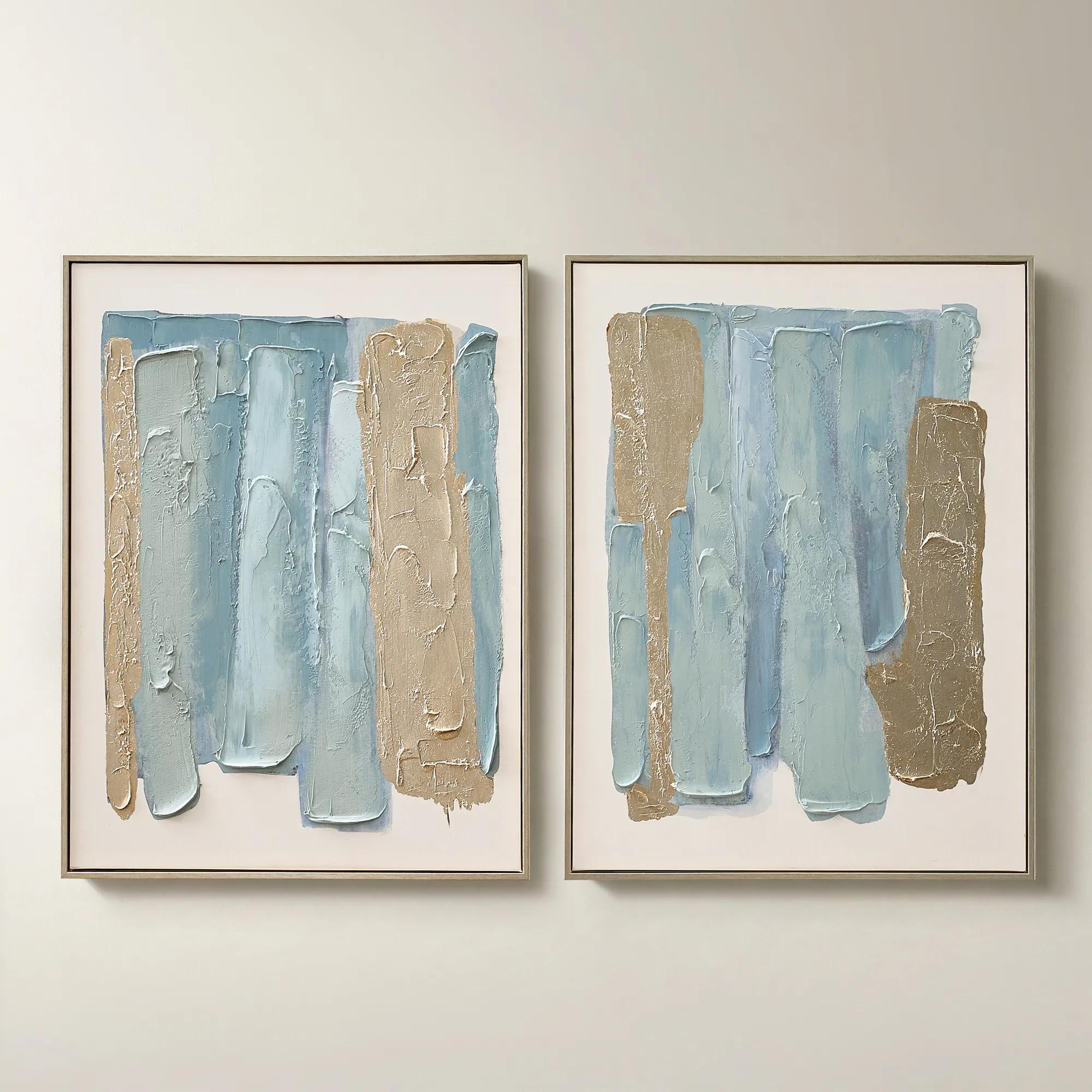
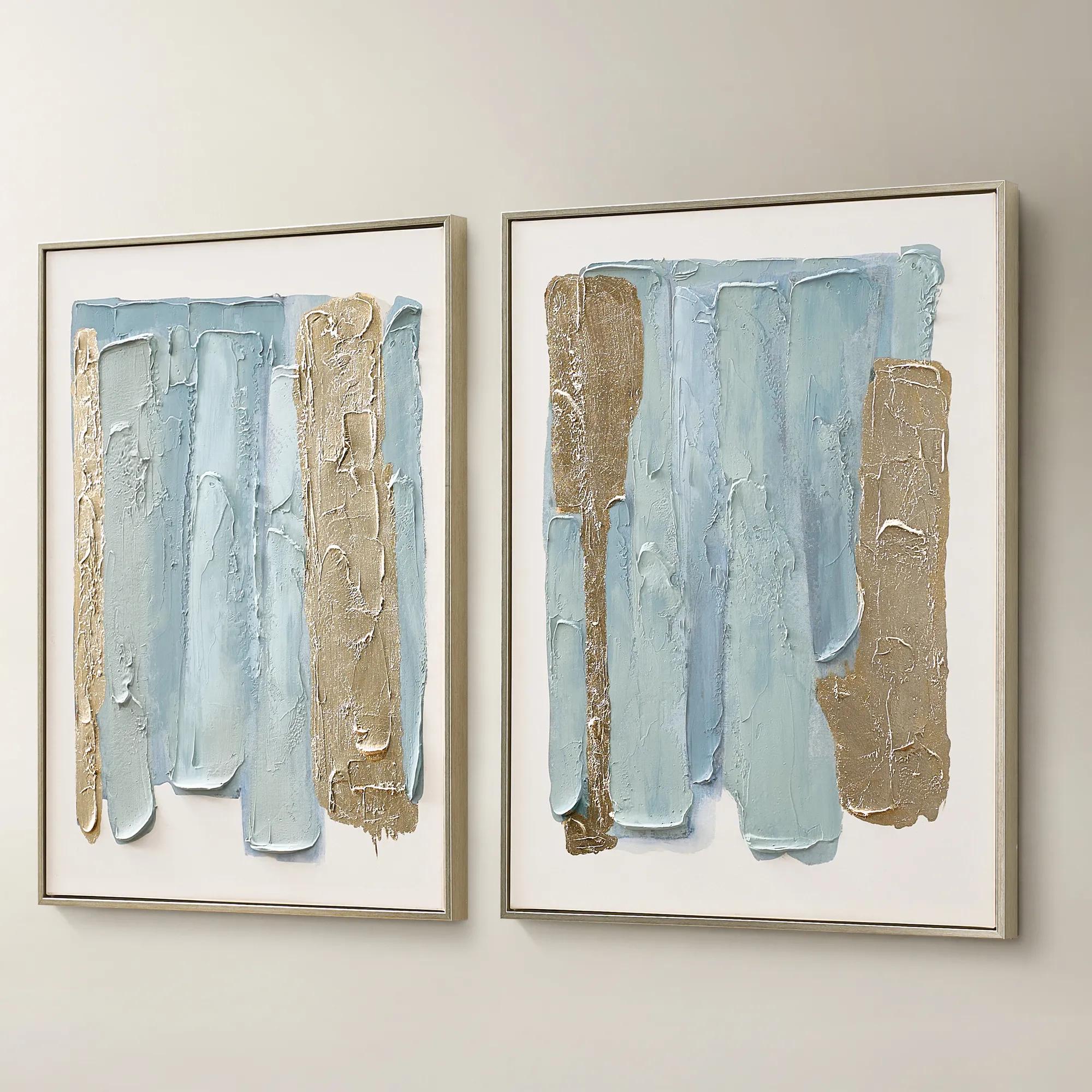 Blue Drift Framed Champagne Painted Wall Art 24" x 32" Set of 2$199
A set of two hand-painted canvases in dusty blue with champagne leafing and modern abstract movement.
Add To Cart -
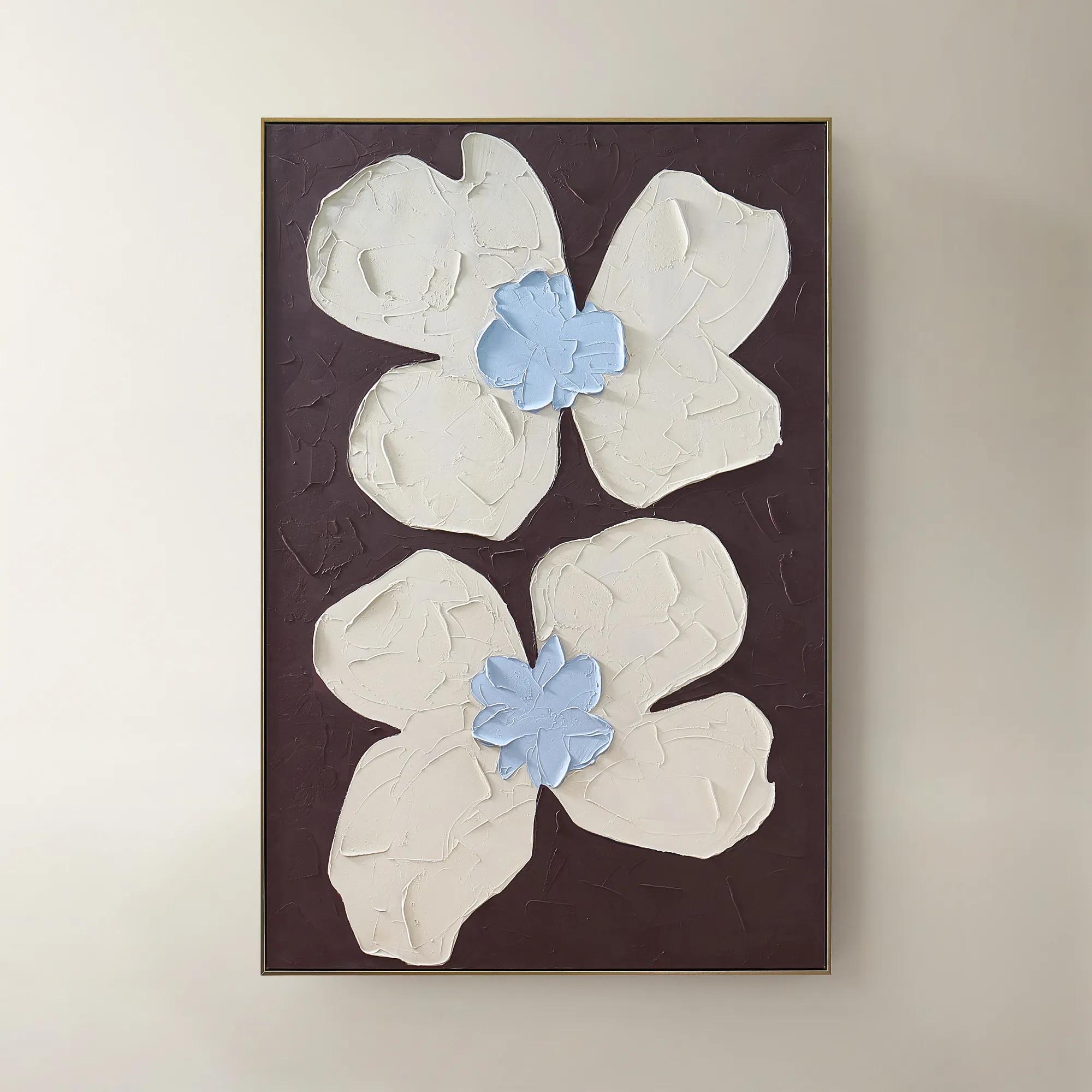
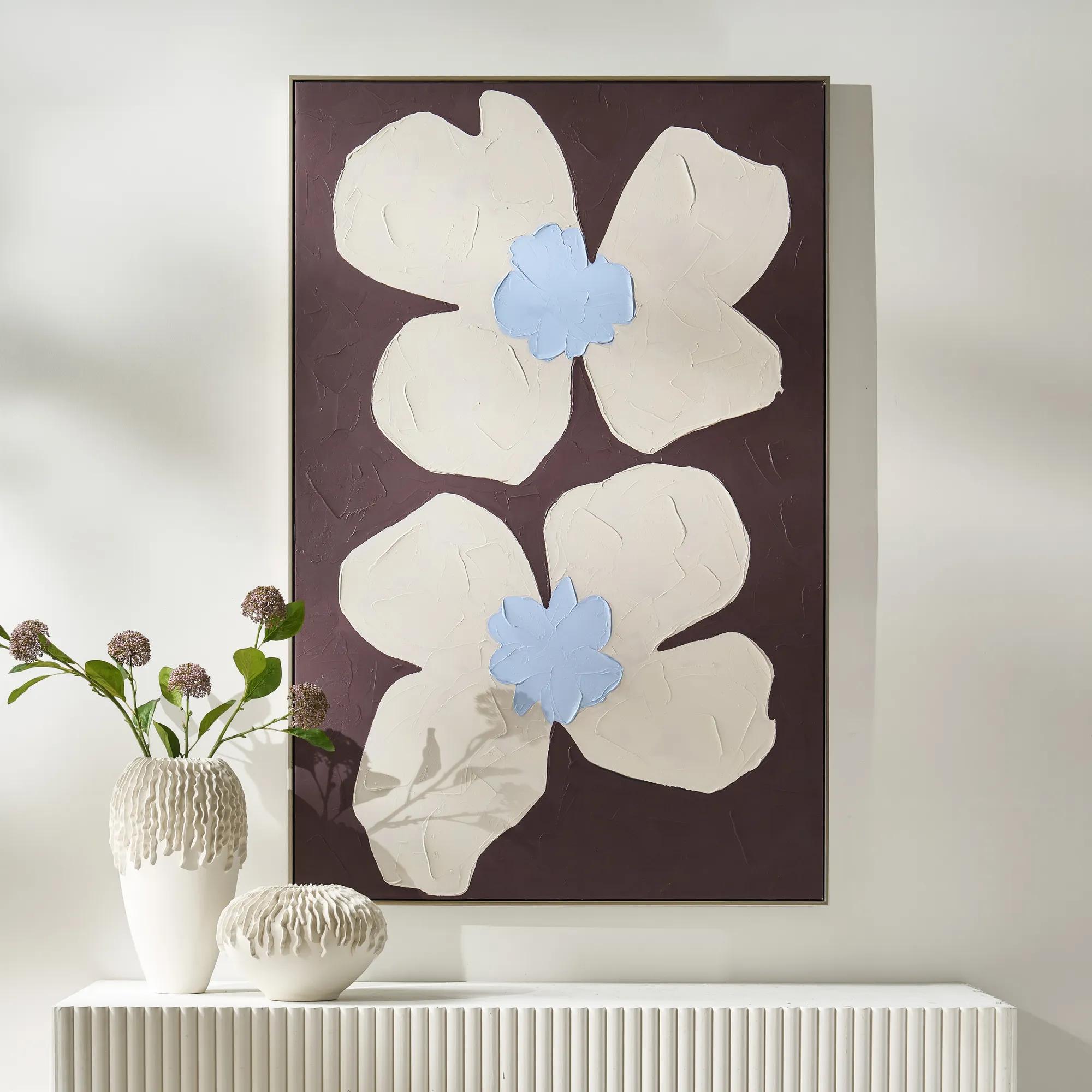 Cosmic Blooms Framed Painted Wall Art 40" x 60"$399
A framed painted canvas artwork featuring a cosmic floral composition in rich blue and purple hues.
Add To Cart -
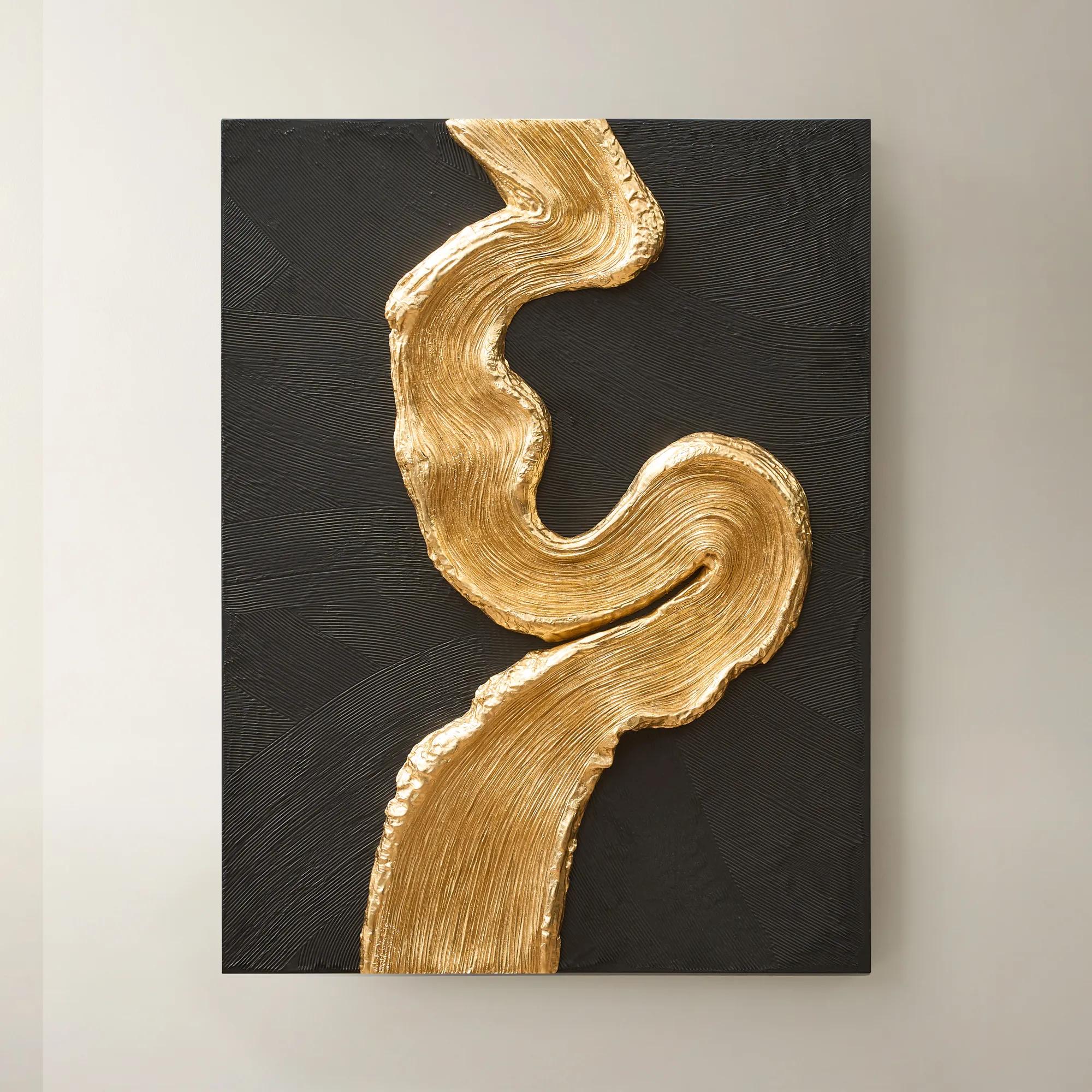
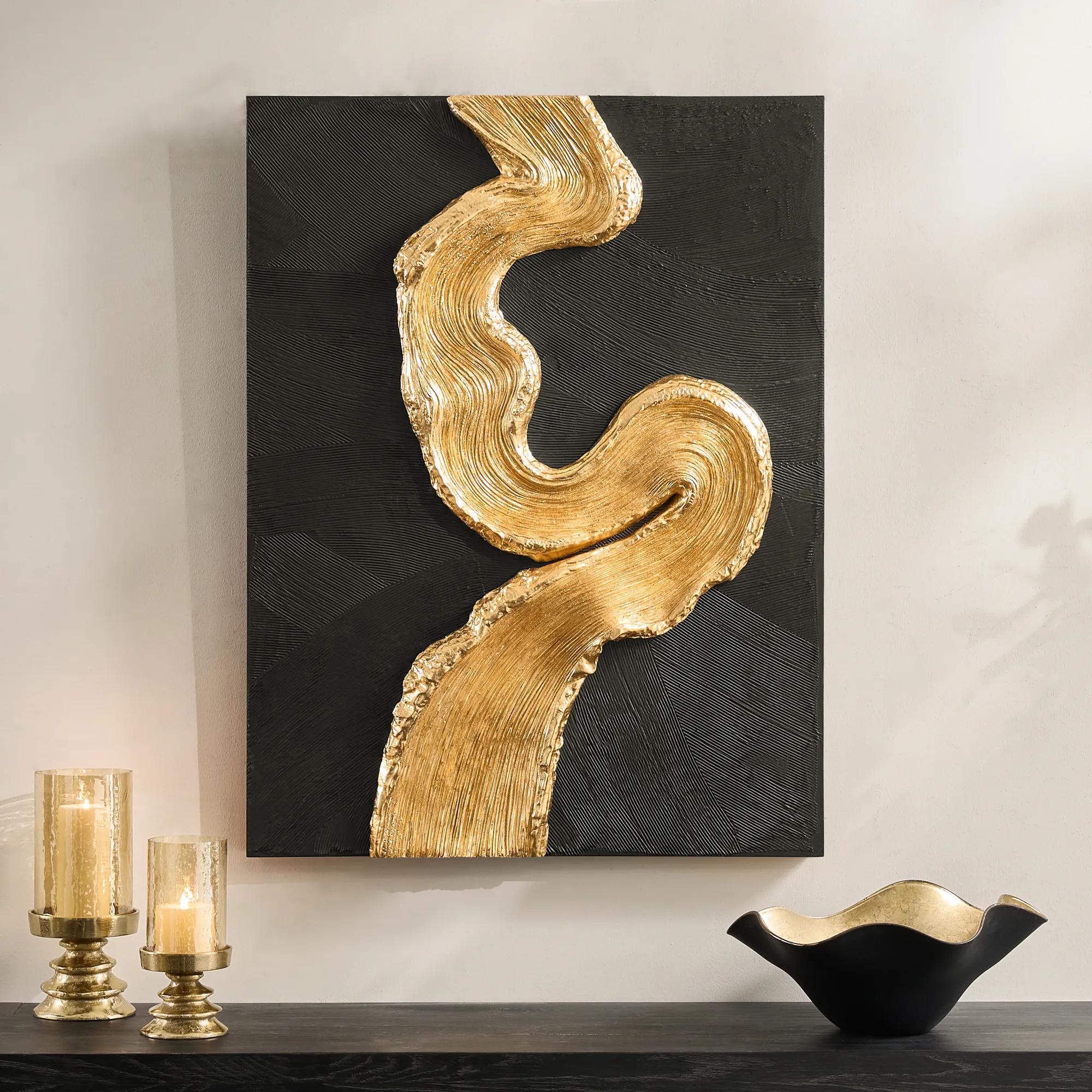 Gold Impasto Sculpted Resin Wall Panel 30" x 40"$499
A sculpted fiberglass resin wall panel featuring gold leaf detail and bold impasto texture on a black backdrop.
Add To Cart -
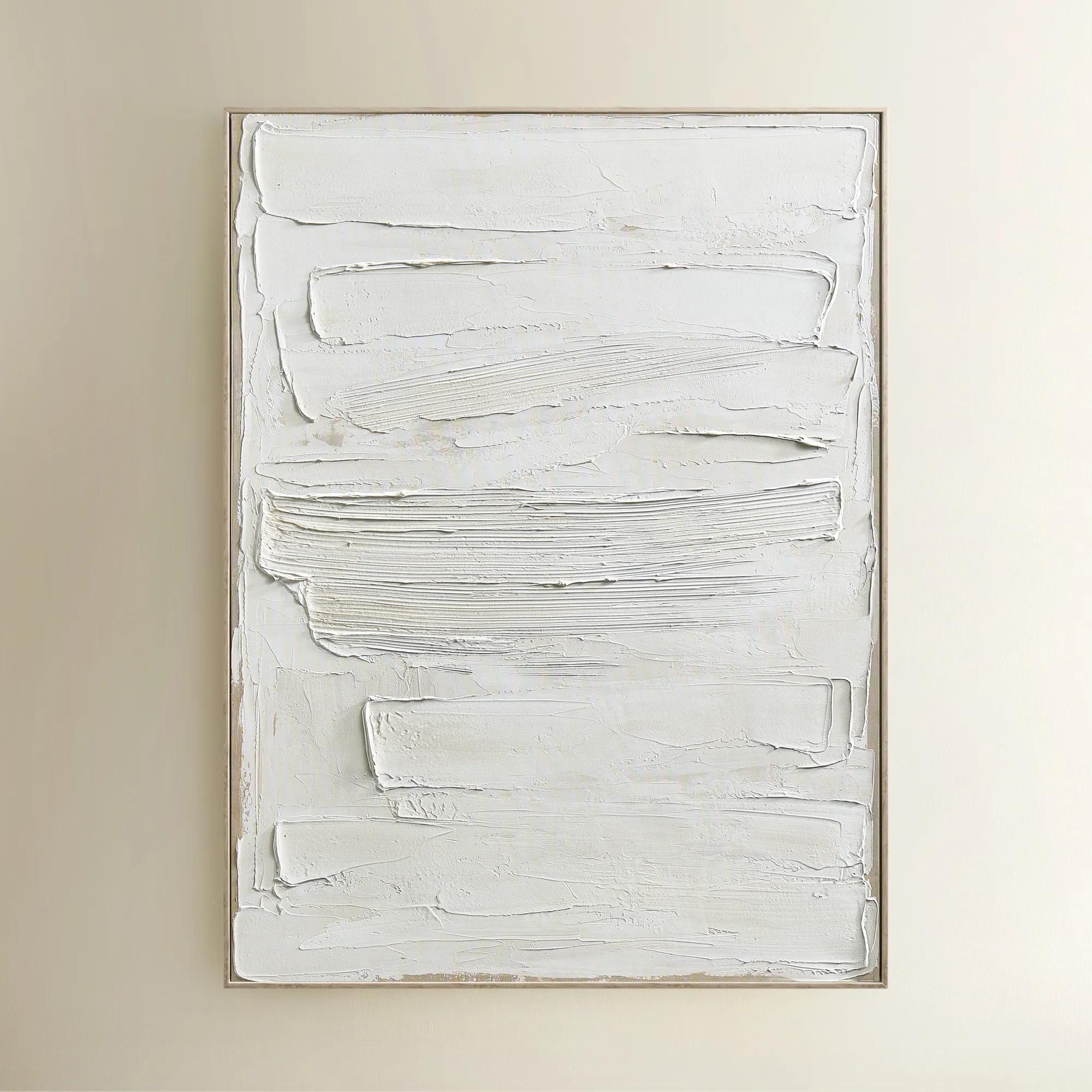
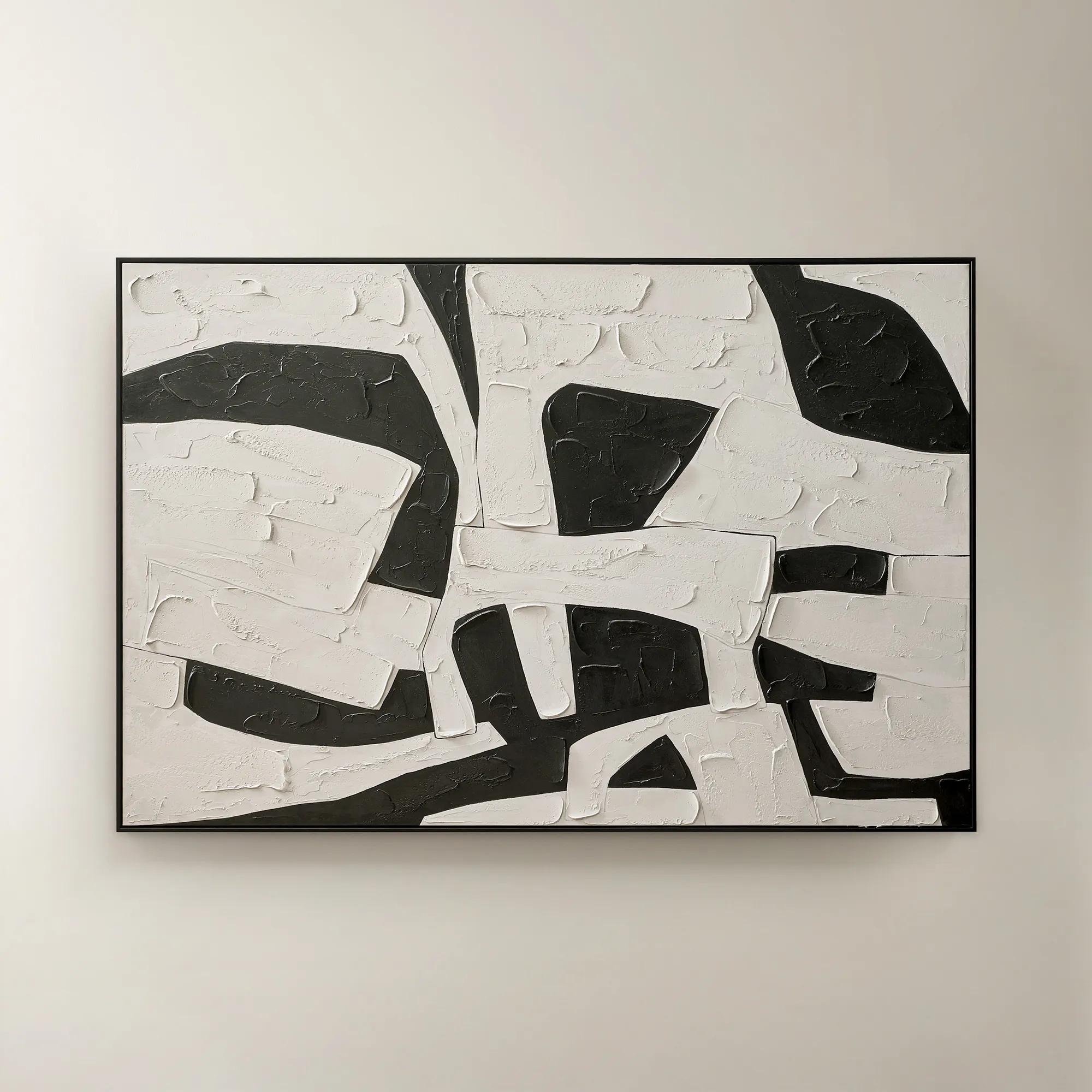 Space Between Shadows Framed Painted Wall Art 72" x 48"$799
A hand-painted abstract canvas featuring bold alabaster and black geometric forms in a sleek black frame.
Add To Cart

Living Room Accent Wall Ideas
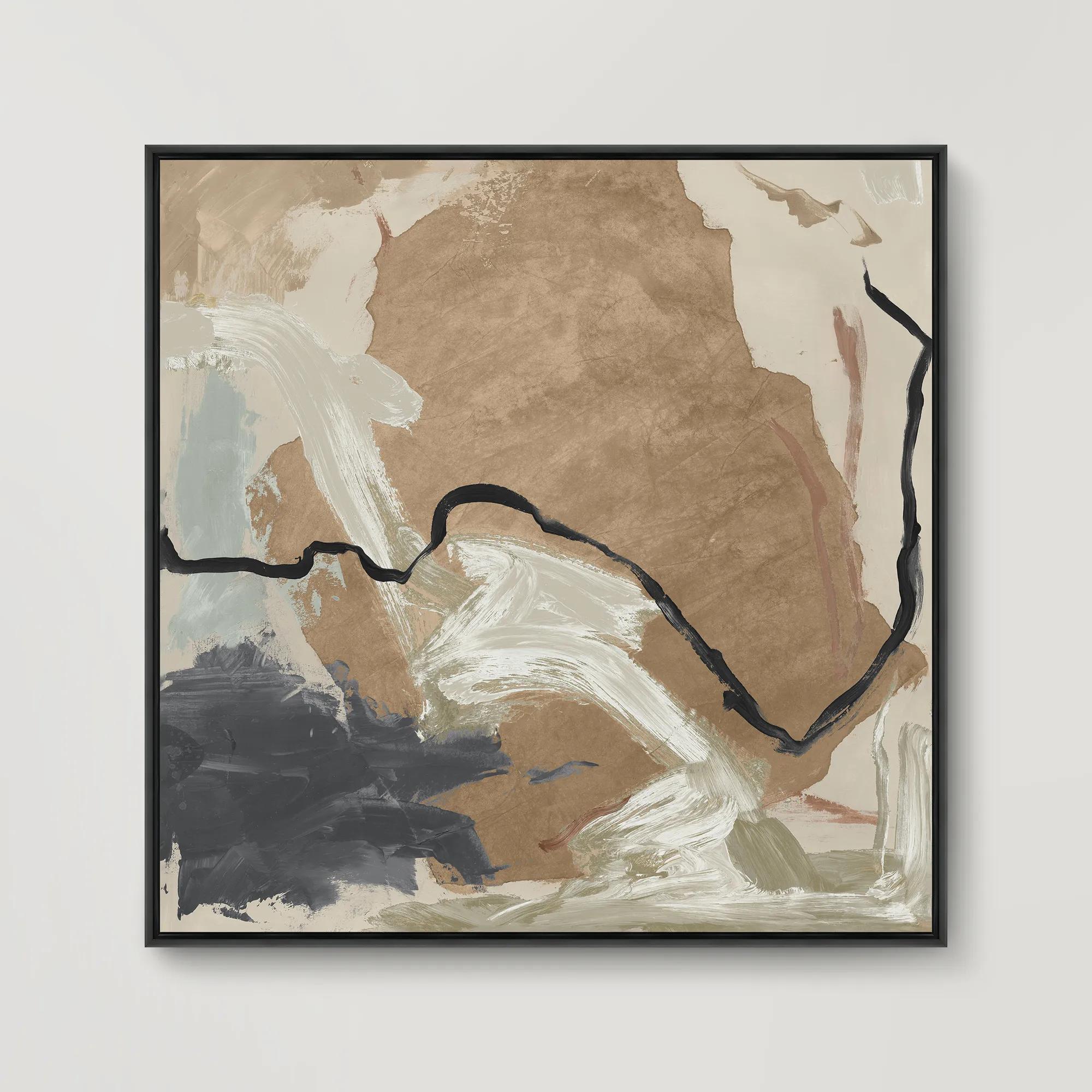
Explore living room accent wall ideas with expressive wall decor that turns an overlooked wall into an artful focal point. Consider scale, color, and visual texture alongside your seating arrangement and existing palette to choose accents that bring drama to the room without overwhelming it.
A living room accent wall gives the space a point of view: expressive, composed, and unmistakably personal. Art, mirrors, and sculptural wall decor turn an architectural surface into a focal point, drawing together the colors, textures, and silhouettes of the room. Behind a sofa, a generous abstract composition can establish a palette of smoky charcoal, luminous ivory, and metallic gold. Above a console, a dimensional arrangement introduces shadow and movement, giving even a restrained backdrop an artful presence. These living room accent wall ideas are about more than filling an empty expanse. They create a setting for conversation, frame a favorite place to unwind, and give treasured furnishings a richer context. Large wall art offers a confident visual anchor, while a grouping of smaller works allows for a more collected expression. Mirrors bring another kind of dimension, reflecting architectural details and available light without introducing another painted image. A sculptural frame can feel as expressive as the artwork beside it, especially when its curves contrast with clean-lined seating. The relationship between wall decor and furniture matters as much as the individual accents. A composition that feels generous above a long sofa may overwhelm a narrow seating nook, while an undersized arrangement can appear disconnected from substantial upholstery. Visual weight also plays a role: a dark frame, dense pattern, or richly textured surface carries more presence than a pale, open composition of similar dimensions. For an open-plan living area, a distinctive accent wall can give the seating arrangement its own identity without interrupting the flow into adjoining spaces. In a more intimate room, a single commanding piece may offer all the drama needed. The strongest compositions leave enough breathing room for each shape and finish to register, allowing the eye to settle on deliberate details rather than compete with a crowded surface.
Materials give accent wall decor its character, shaping both the atmosphere of the room and the experience of living with it. Canvas lends artwork a tactile surface that softens bold color and expansive gestures, while framed prints offer a defined edge that can echo the geometry of nearby furniture. Glass-fronted framing introduces a polished finish, though reflections deserve consideration on a wall opposite windows or bright light sources. Metal wall decor brings crisp contours and the possibility of changing shadows; brushed finishes feel subtly luminous, while highly polished surfaces make light part of the composition. Wood frames contribute grain and warmth, balancing the sleekness of glass, lacquer, or metallic accents elsewhere in the room. Mirrored surfaces can create a sense of depth, but their placement determines what becomes part of the scene. A reflection of artwork, an attractive ceiling detail, or a thoughtfully arranged seating area adds another layer to the room; a direct reflection of a television or an exposed light source can be less flattering. Texture is especially valuable when the wall and furnishings share a similar palette. Raised forms, visible brushwork, and dimensional frames distinguish ivory from cream or silver from gray without relying on strong color contrast. Construction and care deserve the same attention as appearance. Frame joints, backing, hanging hardware, and the weight of the material all influence how an accent sits on the wall and how it should be installed. Substantial mirrors and dimensional decor require hardware appropriate to both their weight and the wall construction, with installation following the manufacturer’s directions. Routine care varies by material: soft dusting may suit some surfaces, while glass and mirror cleaning should follow the stated instructions, with moisture kept away from frame edges and backing. Abrasive cleaners can compromise delicate finishes, and prolonged direct sunlight may affect certain artworks or materials. In busy living rooms, secure placement away from frequent contact helps preserve the finish and keeps the arrangement comfortable for everyday use. Beauty has greater staying power when the material, location, and maintenance needs suit the household.
The mood of a living room accent wall comes into focus through the way its finishes interact with everything around it. A pale upholstered sofa beneath black-and-white artwork creates a tailored foundation, with a gleaming frame adding a precise note of glamor. Jewel-toned seating can support more saturated art, particularly when a secondary color appears again in a pillow, rug, or decorative accent. A wall of tonal neutrals can feel equally expressive when sculptural relief and contrasting finishes provide the depth. Repetition creates cohesion, but an exact match is rarely necessary. A warm metallic detail in the artwork may relate to a table base across the room without requiring every frame and decorative surface to share the same finish. Lighting adds another dimension to these relationships. Gentle illumination can reveal the contours of dimensional decor or bring subtle texture forward, while poorly placed light can flatten an image or create distracting glare. Complementary inspiration from Living Room Wall Sconce Ideas connects the decorative statement with illumination that feels considered from across the room and inviting from a favorite chair. Where wall lighting is part of the arrangement, its projection, placement, and installation requirements belong in the overall plan, particularly near framed art or a frequently used walkway. The result should feel equally resolved during a lively gathering and a quiet evening spent reading. For apartment dwellers, the scale and mounting requirements of wall decor are especially important, along with any restrictions on installation. For established homes, an accent wall offers a way to introduce a different artistic direction while preserving beloved furniture. Wall art can also make a thoughtful housewarming or wedding gift when the recipient’s taste, available wall space, and preferred palette are familiar. Whether the expression is graphic, luminous, or richly dimensional, a living room accent wall gives everyday surroundings a distinctive presence—one that reflects the people who gather there and rewards a closer look.
FAQs
Give your living room a dramatic focal point with saturated paint, expressive wallpaper, or a curated arrangement of wall art. For a glamorous direction, pair an inky backdrop with metallic accents; for a softer statement, layer tonal patterns with sculptural wall decor. Let one visual theme lead so the composition feels intentional.
Deep navy, charcoal, and jewel tones create a sumptuous backdrop, while warm ivory and taupe invite a quieter kind of glamour. Take inspiration from a color already present in your rug, artwork, or upholstery. Repeat that hue through a few decorative accents to give the room a cohesive, collected character.
Look for a wall that already draws the eye, such as the one behind your sofa or around a fireplace. Emphasizing an existing focal point gives the room a clear visual story. Consider the view from the entryway, and choose a wall that lets your furniture and architectural details share the spotlight.
Build your accent wall around an expressive artwork, a sculptural mirror, or a gallery-style arrangement. Give the composition a unifying thread through a shared palette, frame finish, or artistic mood. A mirror can introduce a gleaming counterpoint to richly colored art, while a dedicated art wall brings your personal point of view into focus.
Let the accent wall establish the mood, then echo its colors or motifs in pillows, decorative objects, and lighting. Pair a richly patterned wall with more restrained upholstery, or give a painted backdrop depth through layered textures. Keep surrounding walls quieter so your statement wall remains the room’s defining gesture.