Modern Home Accent Ideas
Modern Home Accent Ideas
-
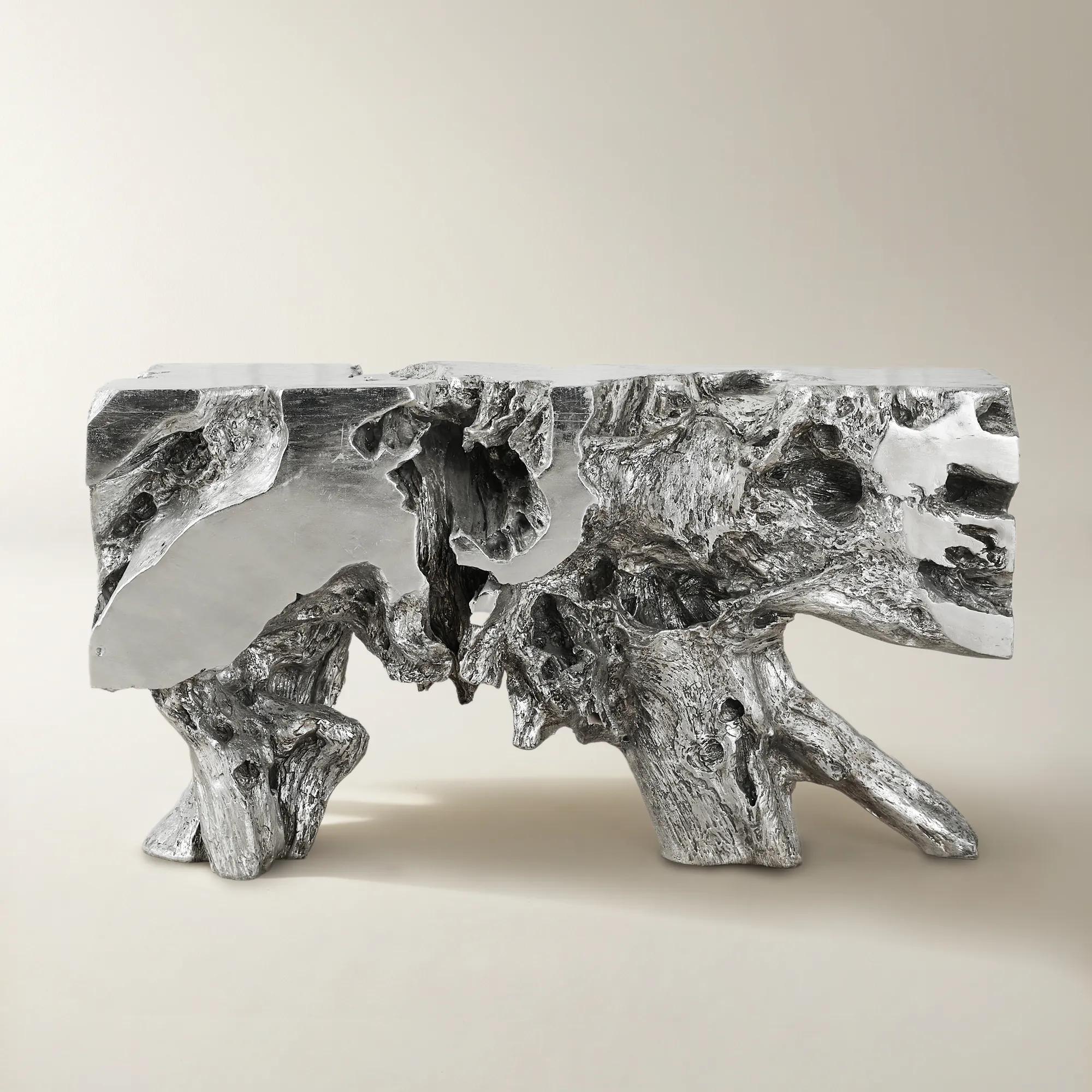
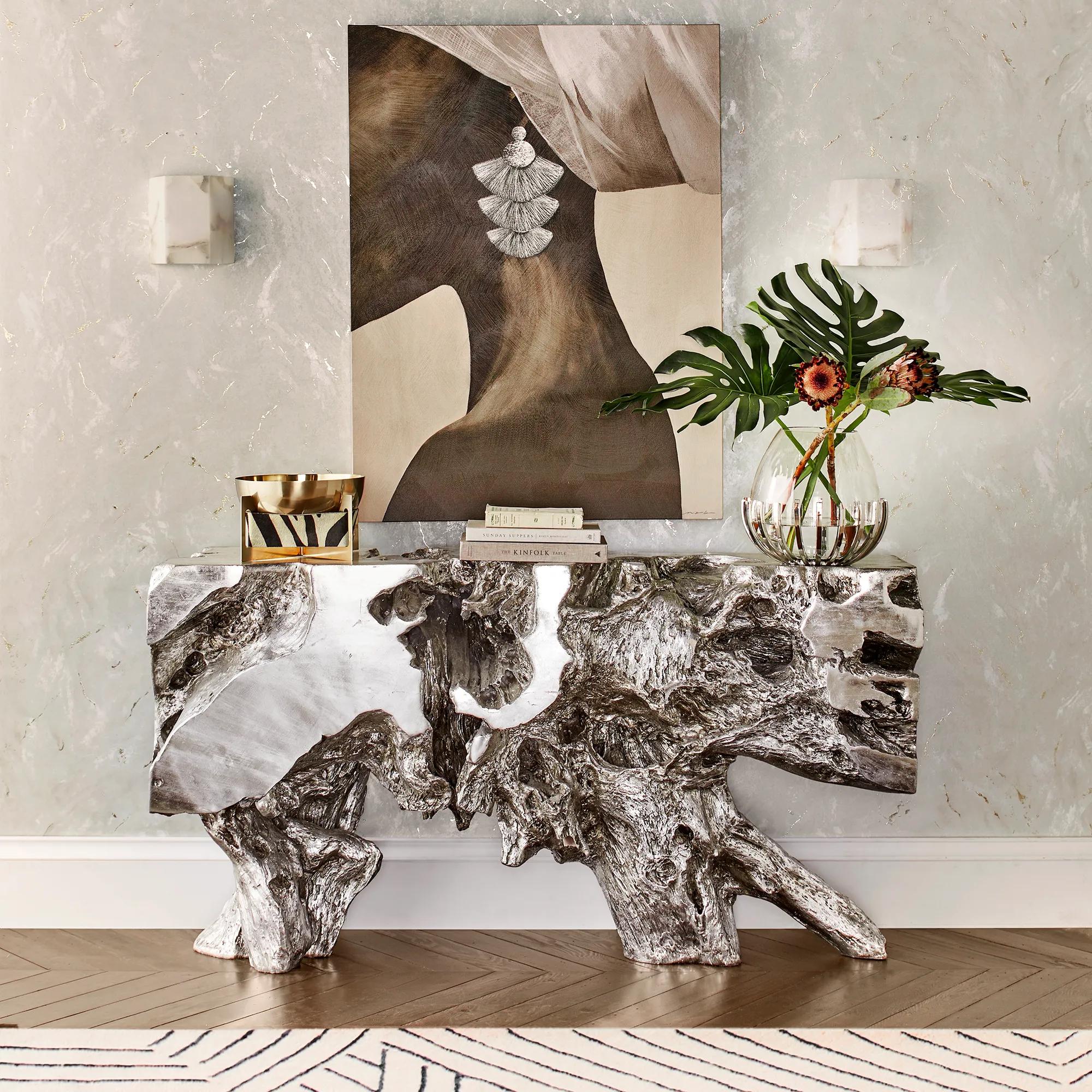 Sequoia Silver Resin Console Table (58")$1999
A sculptural console table featuring hand-applied silver leaf over resin and fiberglass with an iron core.
Add To Cart -
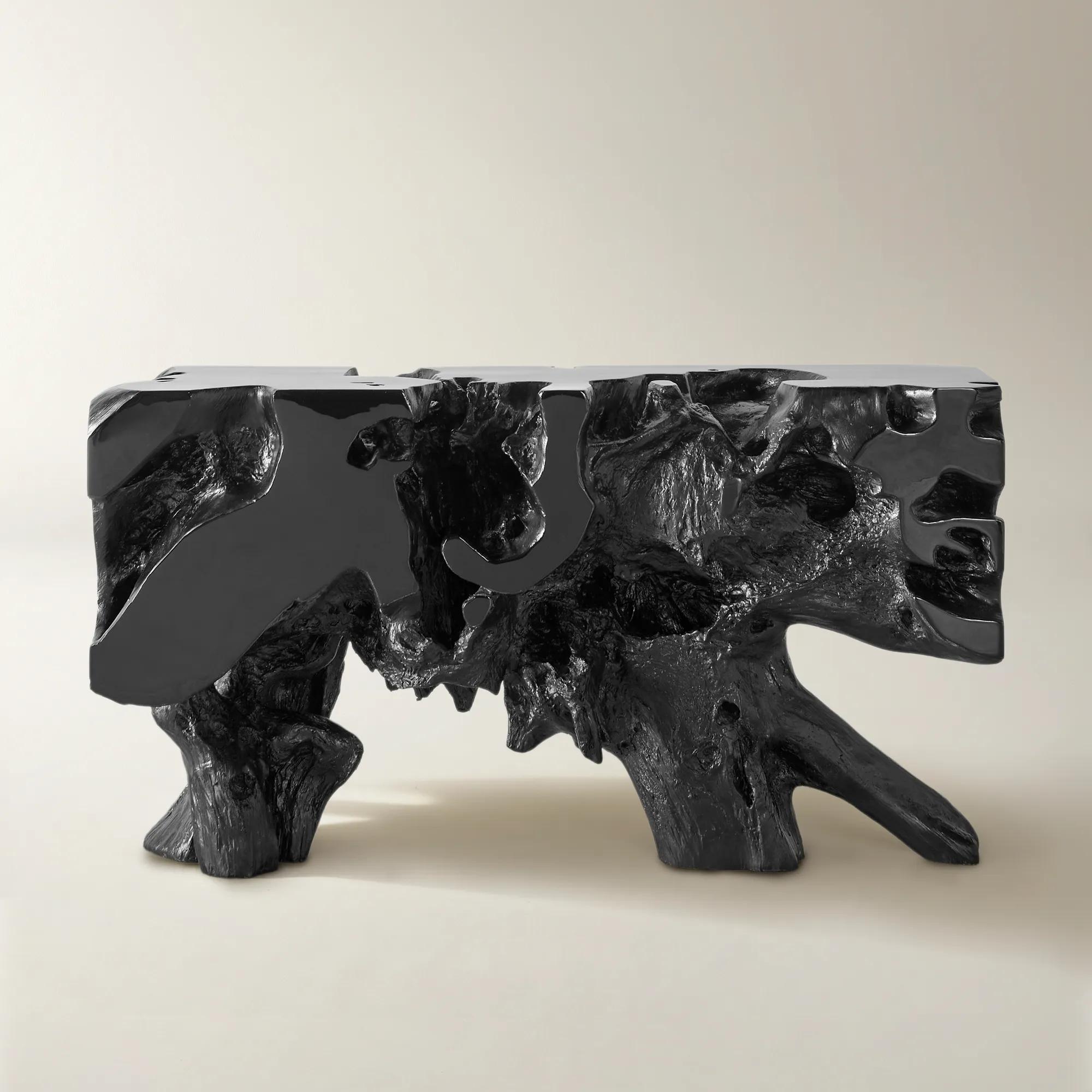 Sequoia Black Resin Console Table (58")$1999
A sculptural black console table crafted from resin, fiberglass, and polished stone for indoor or outdoor use.
Add To Cart -
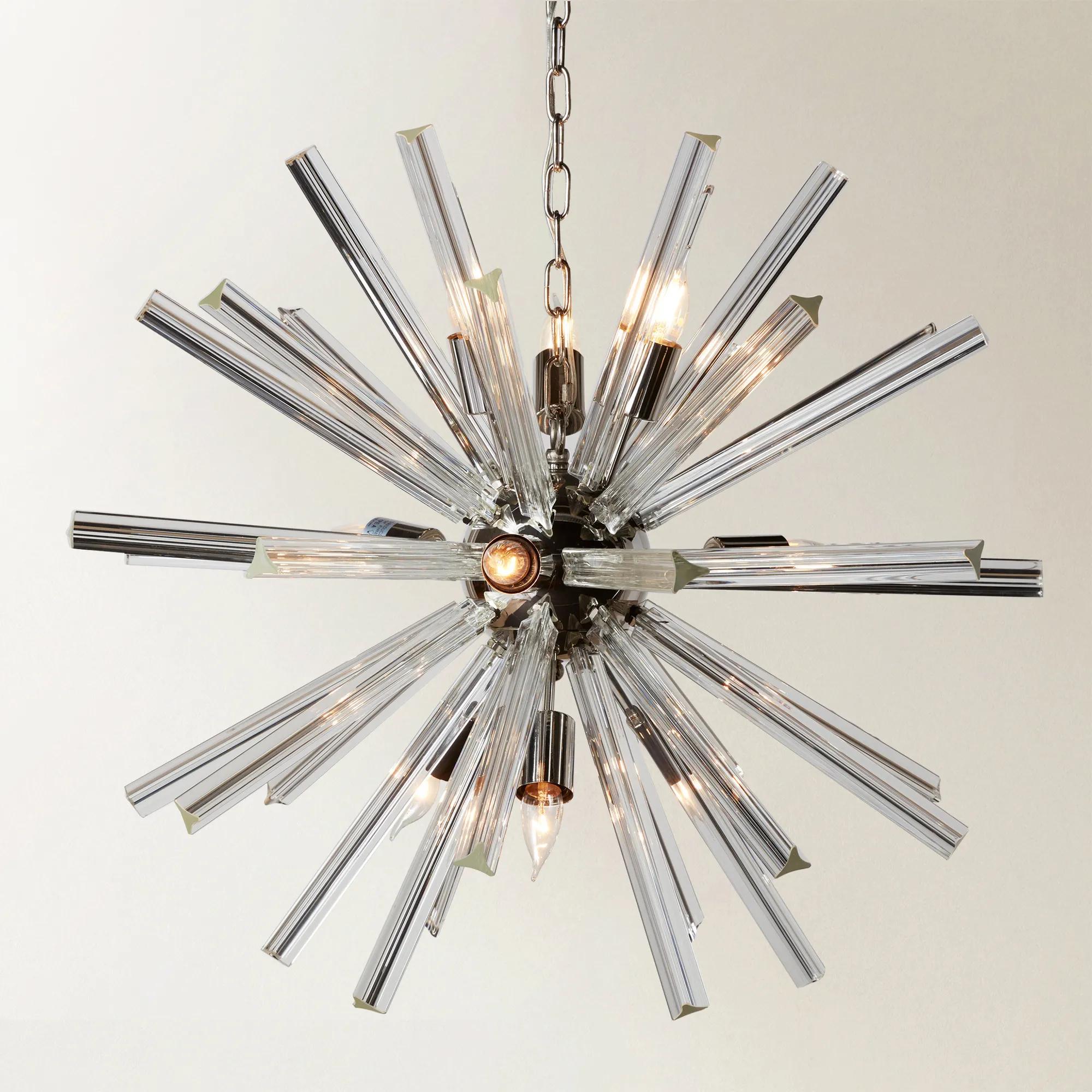
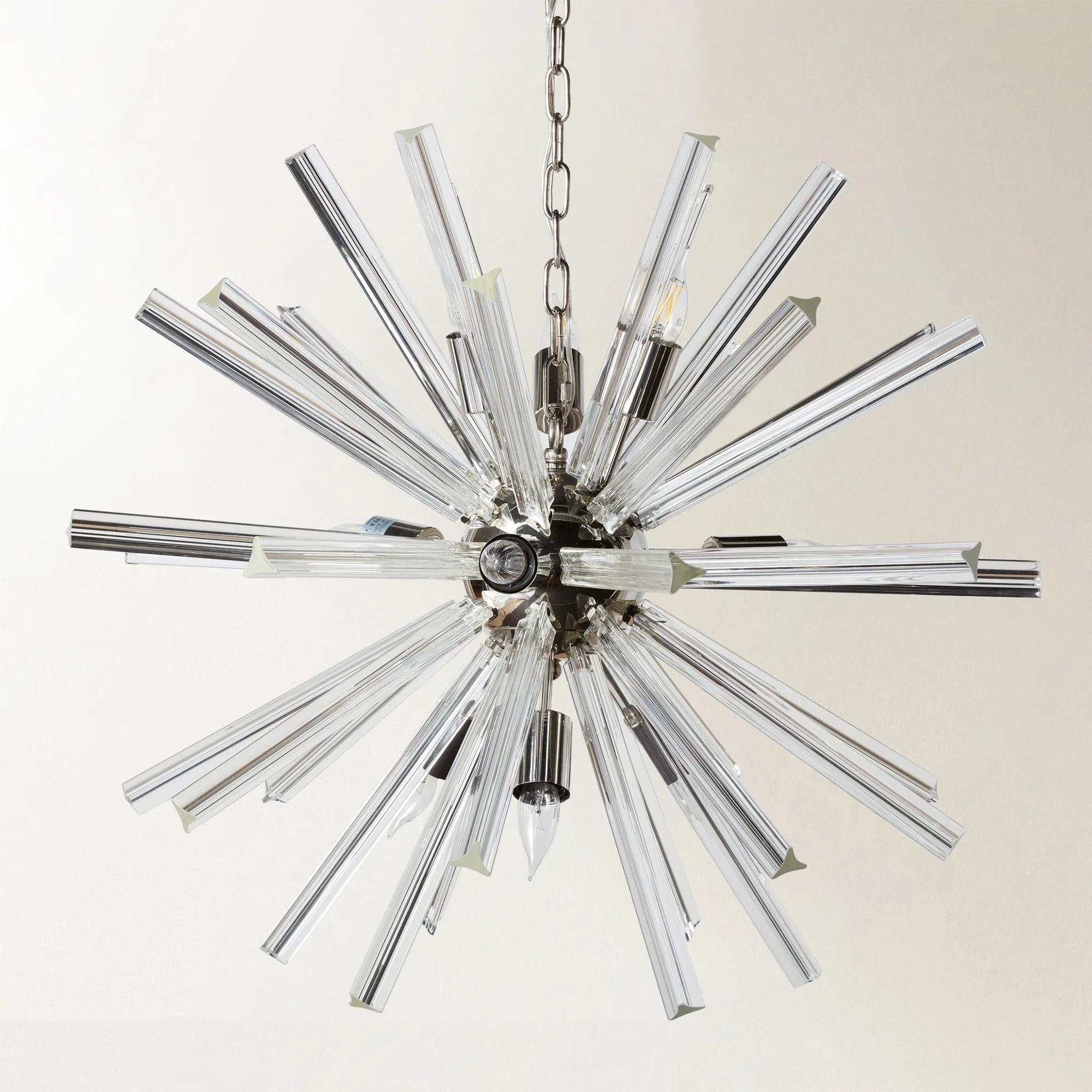 Axis Sputnik Clear Faceted Glass Chandelier 29.5"D$599
A modern chandelier featuring solid triangular glass spokes and iron accents for striking light reflection.
Add To Cart -
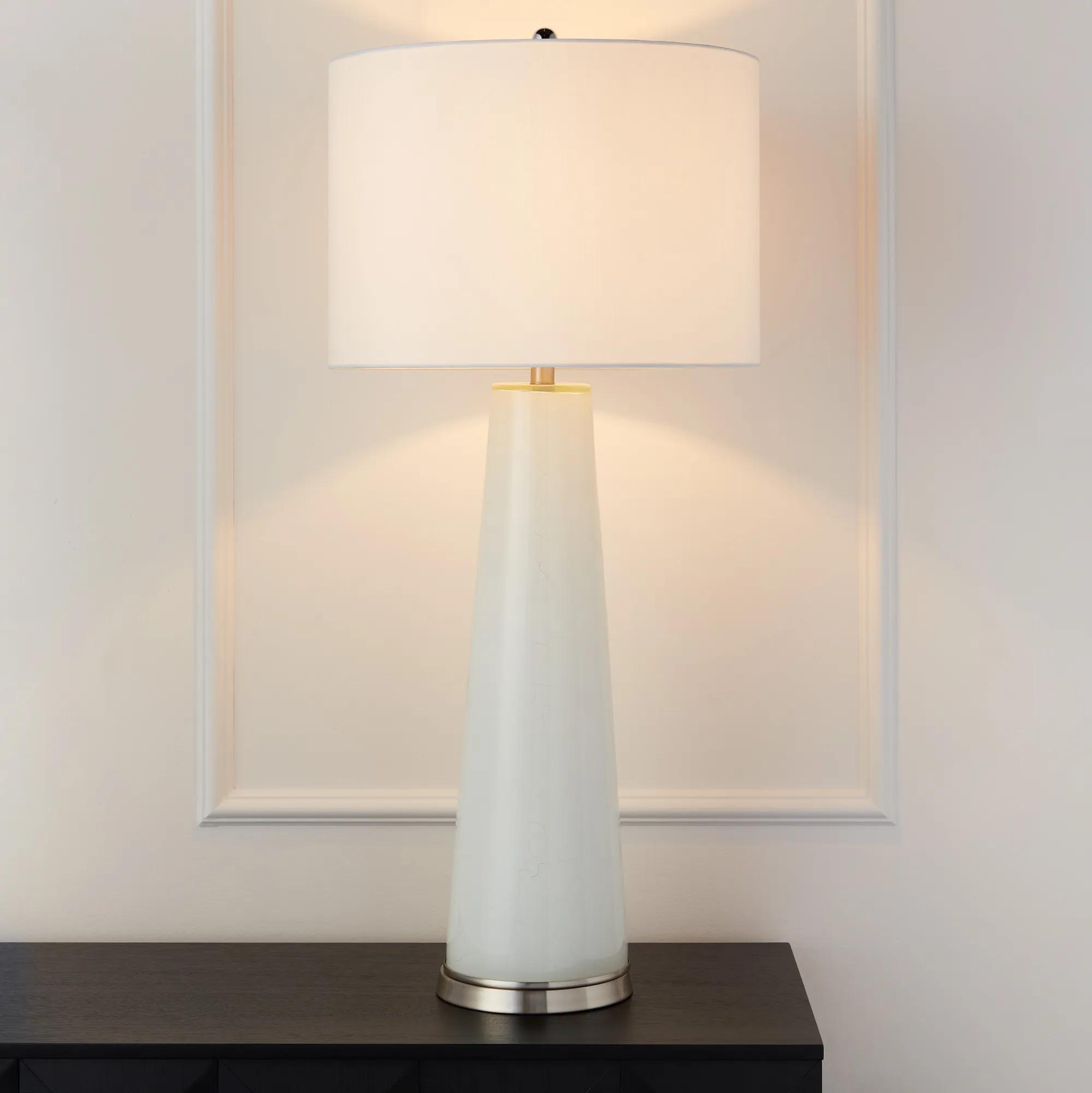 Century White Glass High Gloss Table Lamp 40"$299
A modern glass lamp with a high-gloss white interior and a crisp white drum shade.
Add To Cart -
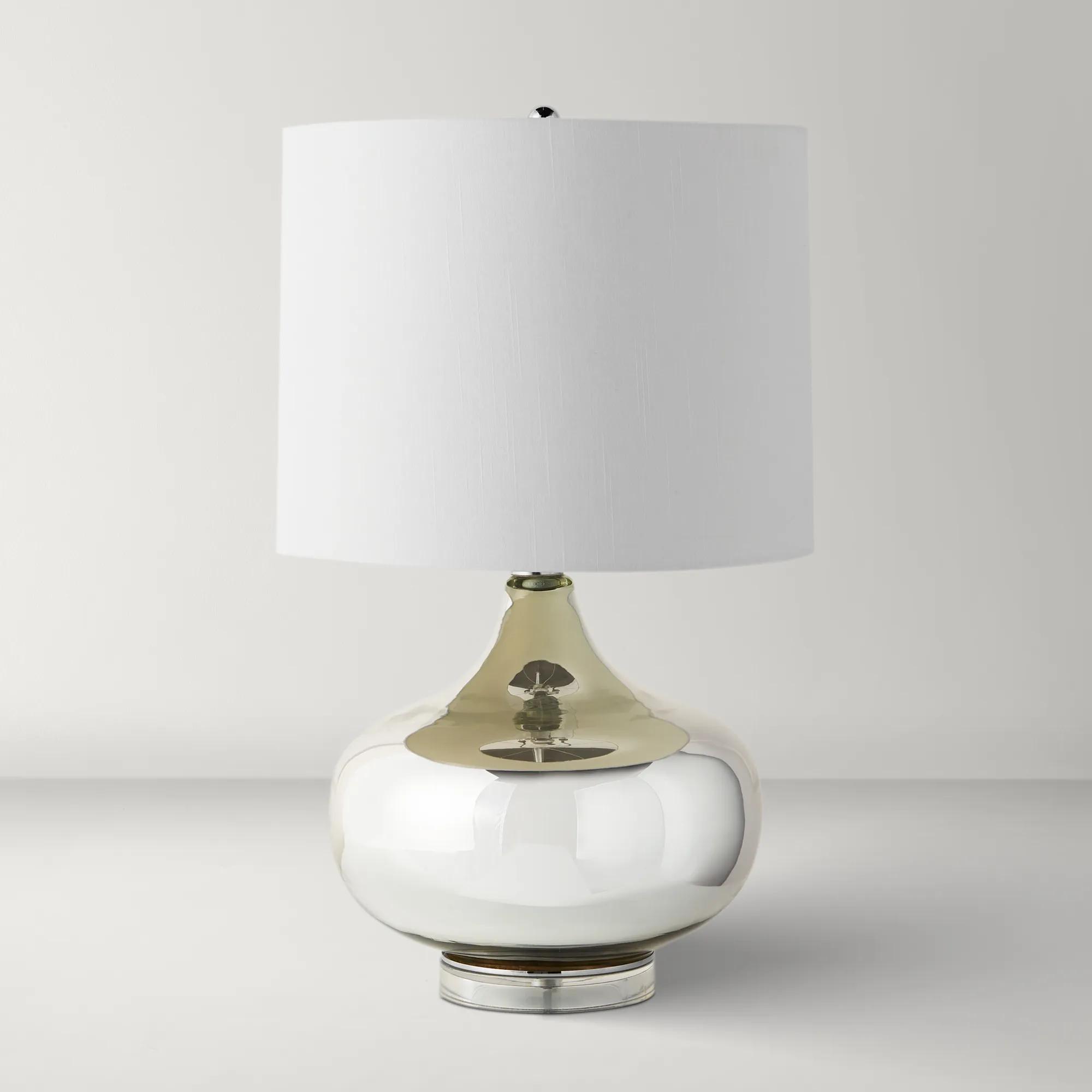 Sabrina Mirrored Silver Glass Table Lamp 27.5"$199
A contemporary lamp featuring a silver mirrored glass base, clear acrylic accents, and a white fabric shade.
Add To Cart -
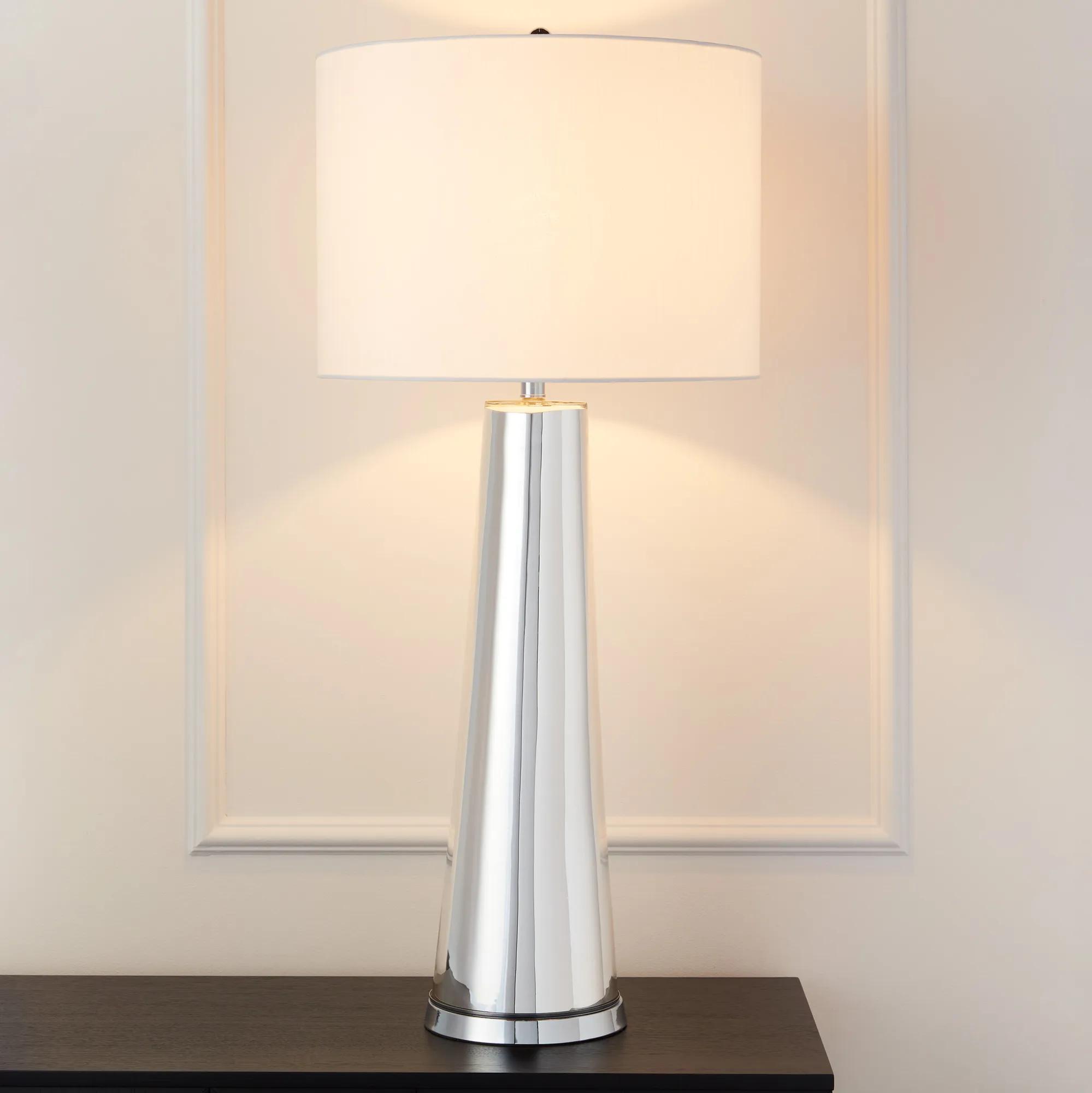 Century Silver Mirrored Glass Table Lamp 40"$299
A modern table lamp featuring a mirrored glass base and white drum shade with brushed chrome accents.
Add To Cart -
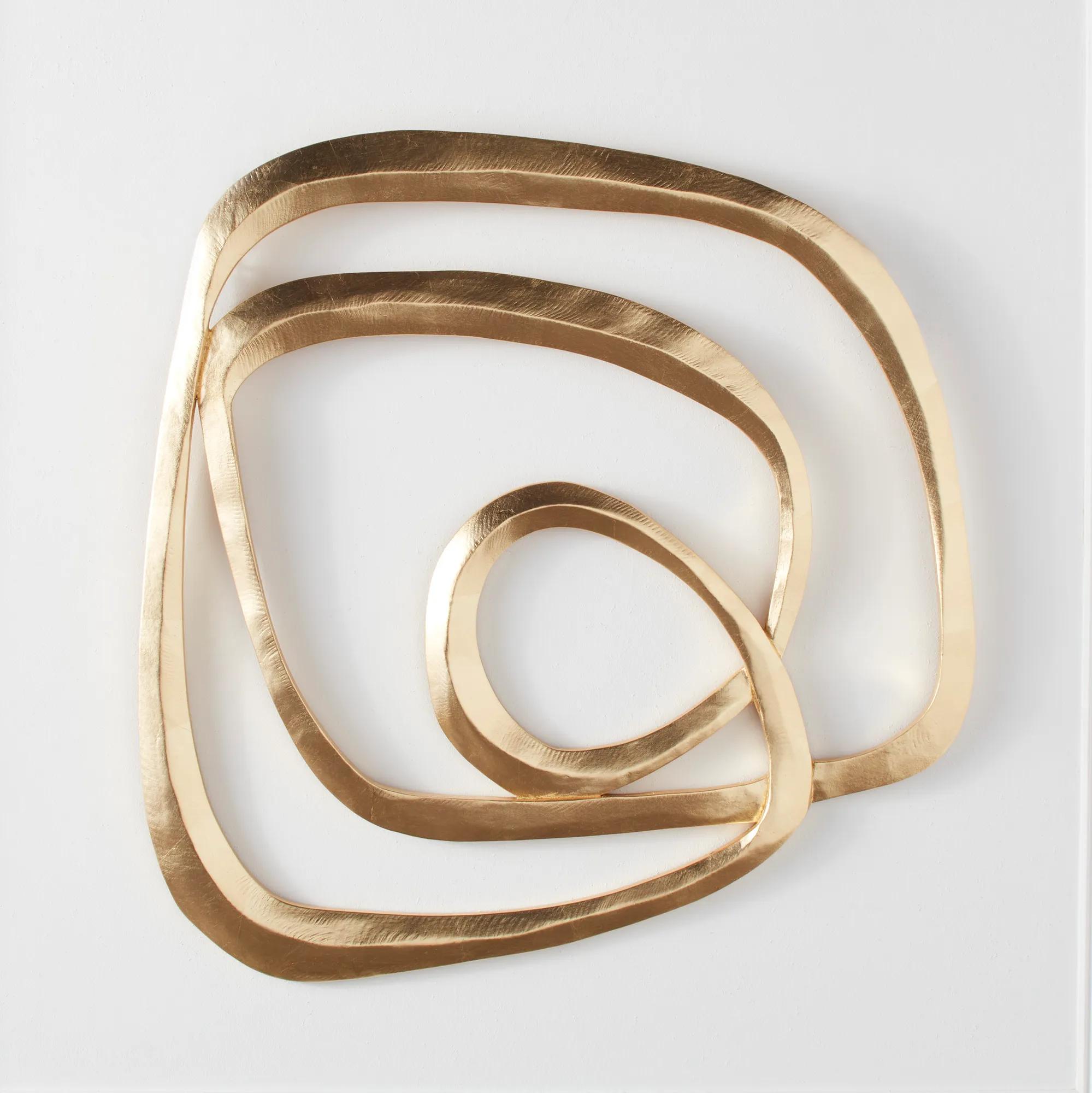 Infinity Gold Leaf Wood Wall Decor I 31.5" x 31.5"$299
A swirling wooden wall sculpture featuring a striking metallic gold finish for a bold decorative statement.
Add To Cart -
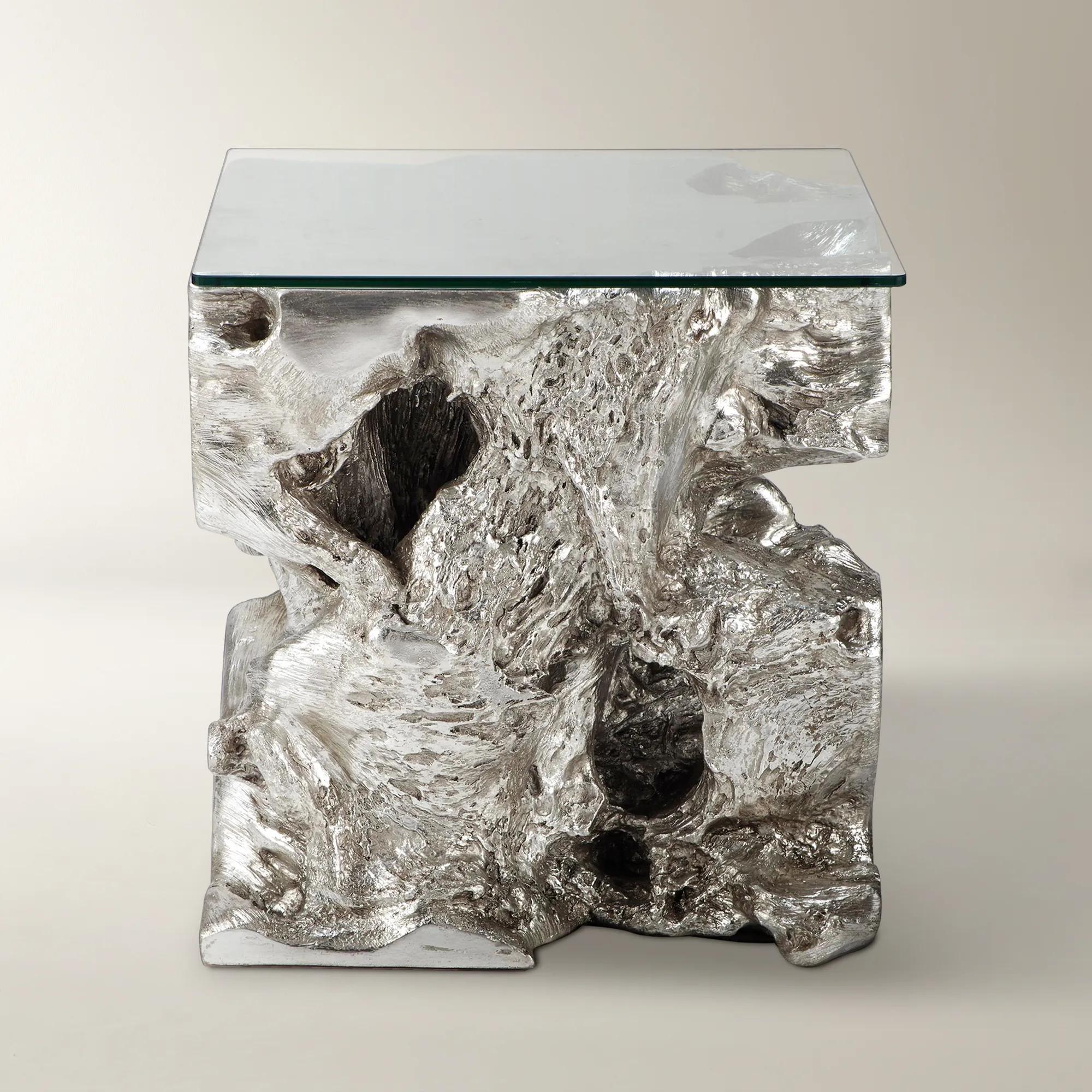 Sequoia Silver Resin End Table With Glass Top (22")$999
A sculptural end table featuring a silver leaf resin base and tempered glass top for modern elegance.
Add To Cart -
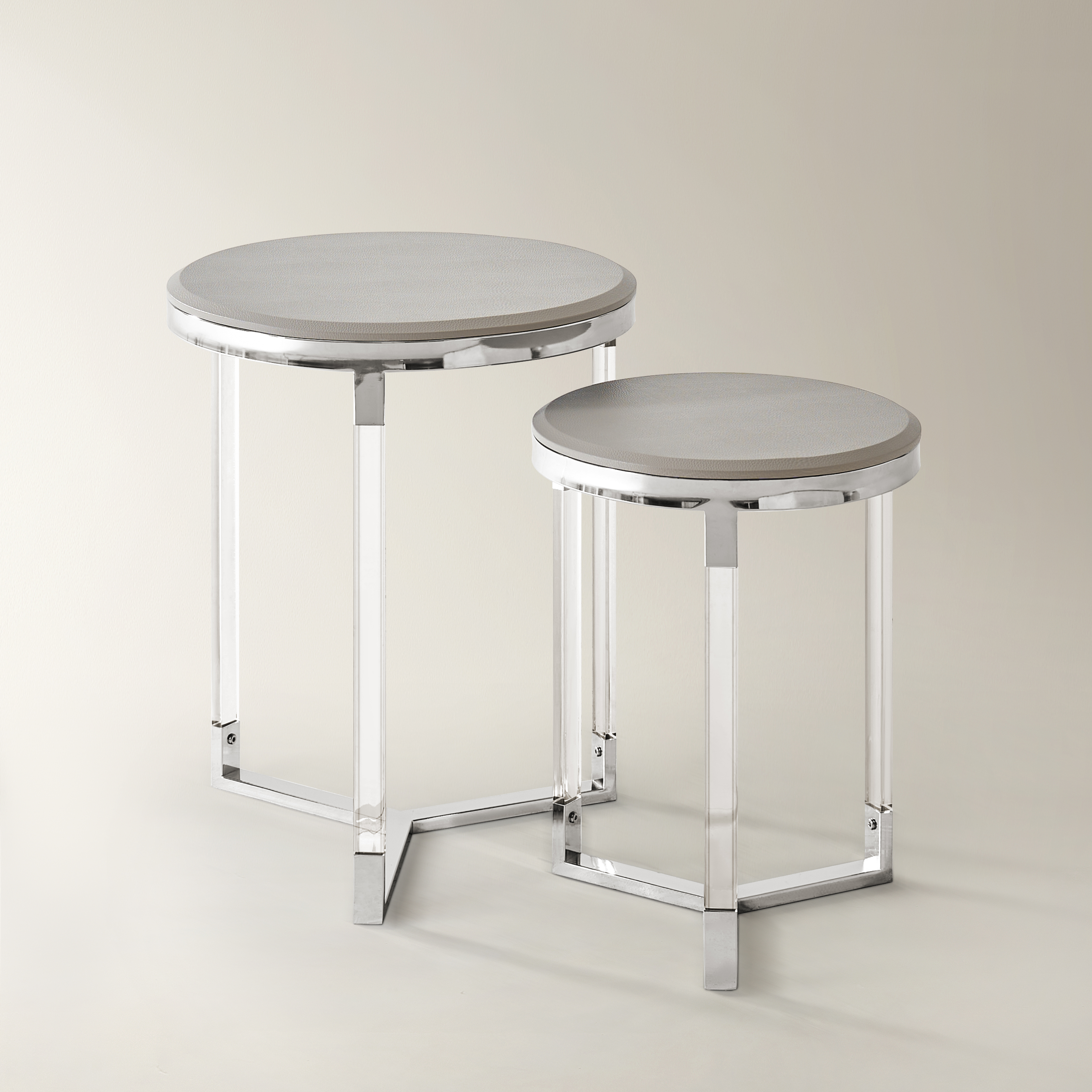
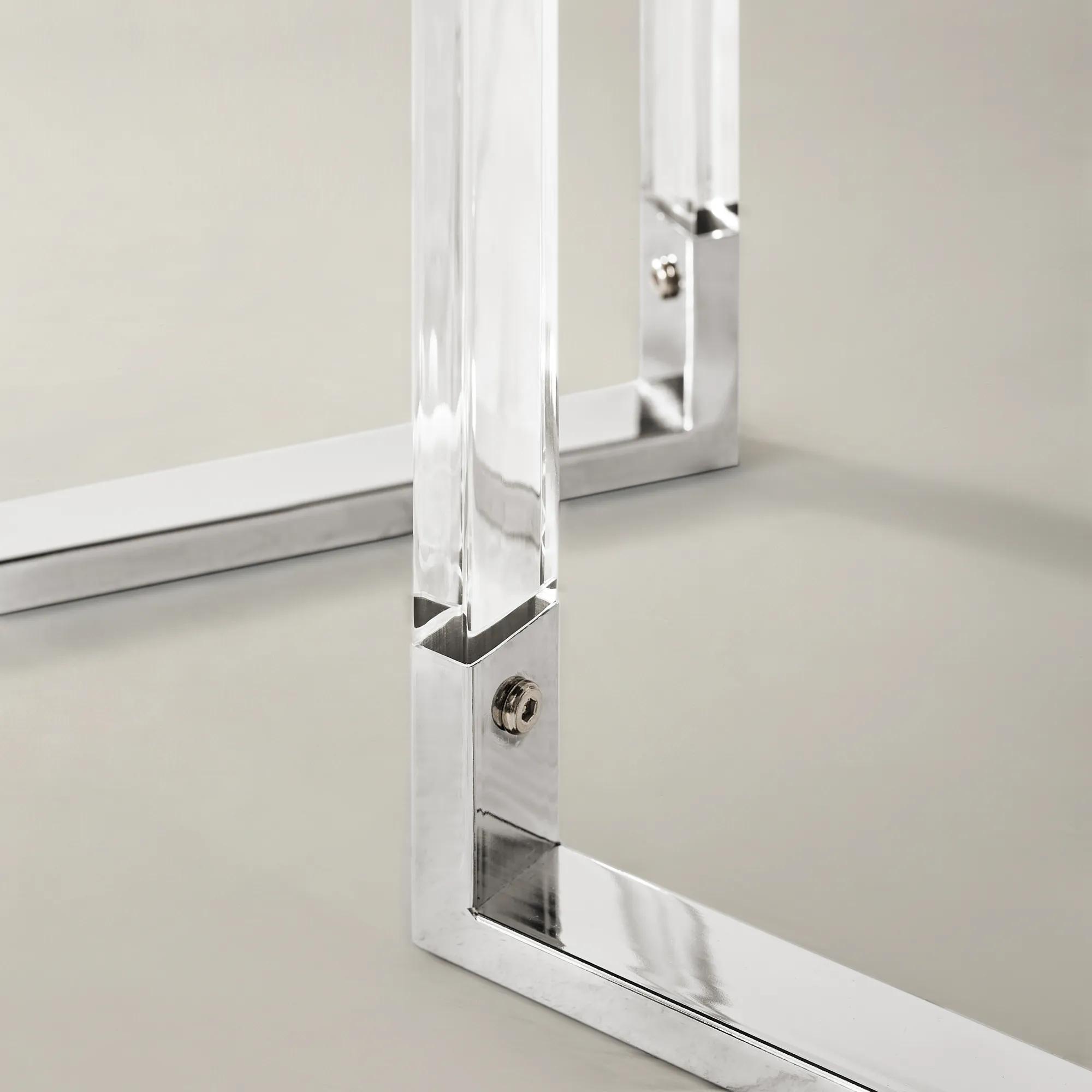 Murano Round Grey Accent Table With Faux Leather Top Set Of 2 (14.5"-18.5")$399
A bold set of two accent tables featuring mixed woods, acrylic legs, and faux leather tops.
Add To Cart -
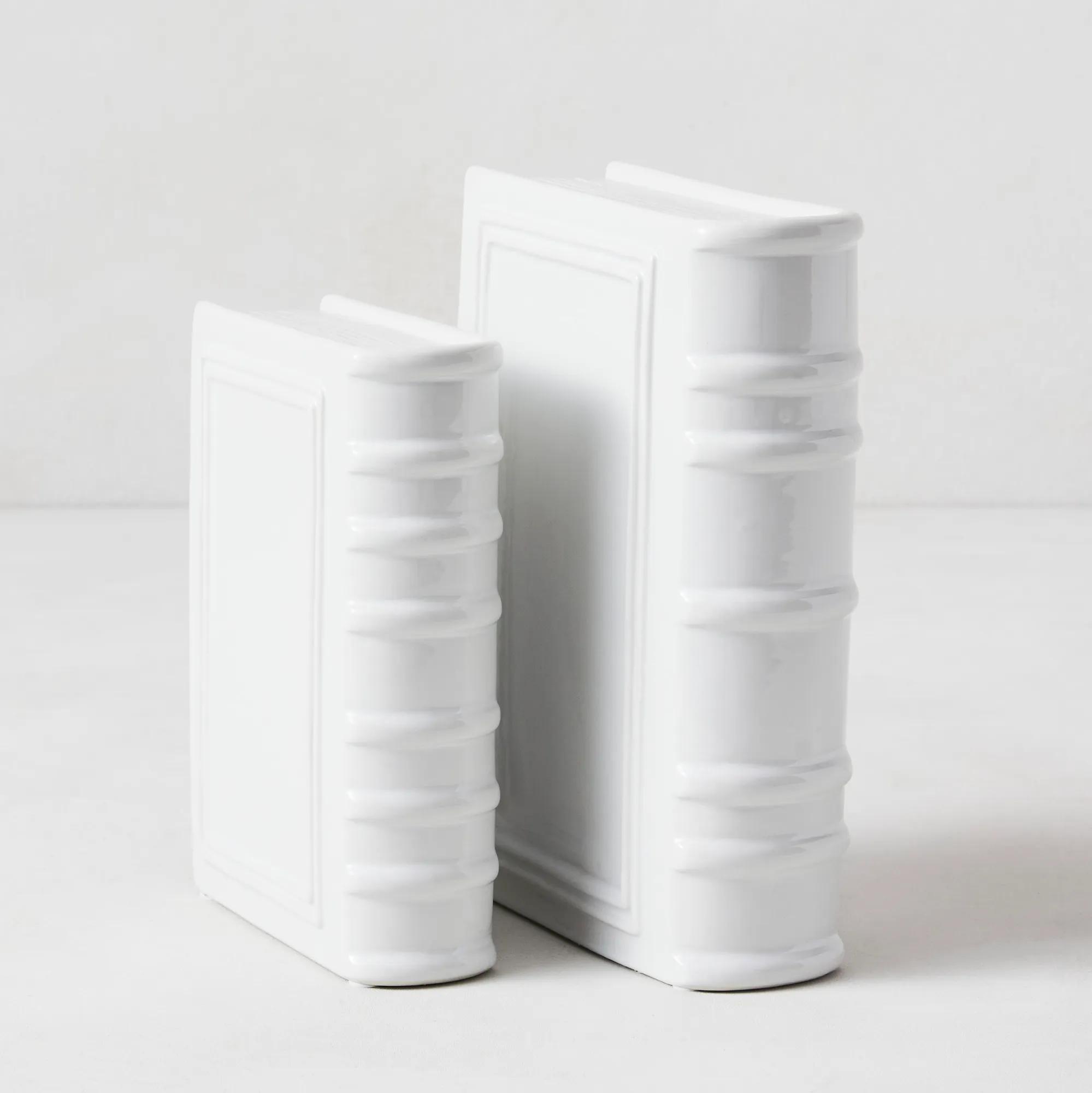
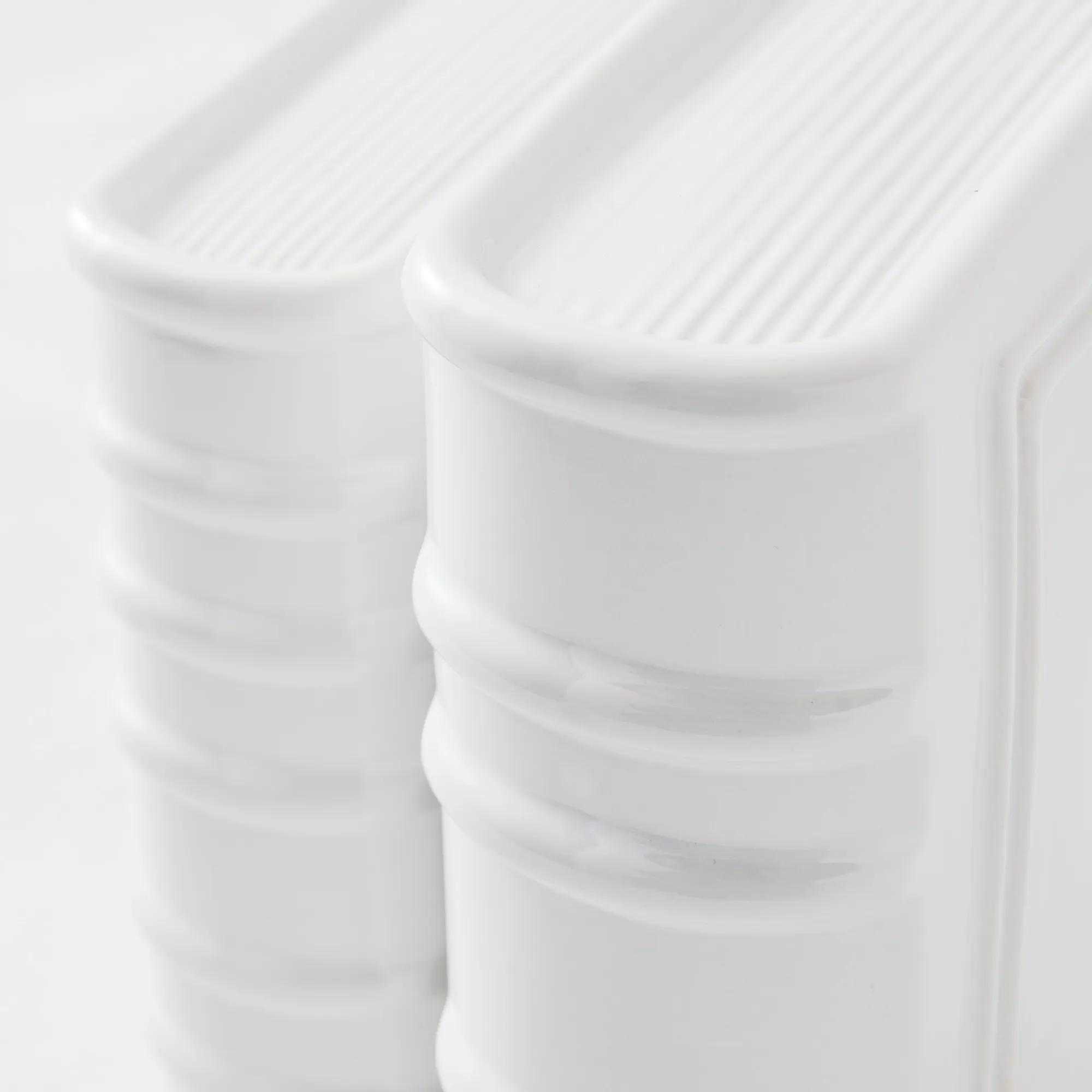 Ceramic Bookends - White$49
A pair of cream ceramic book accents that double as minimalist bookends or decorative console pieces.
Add To Cart -
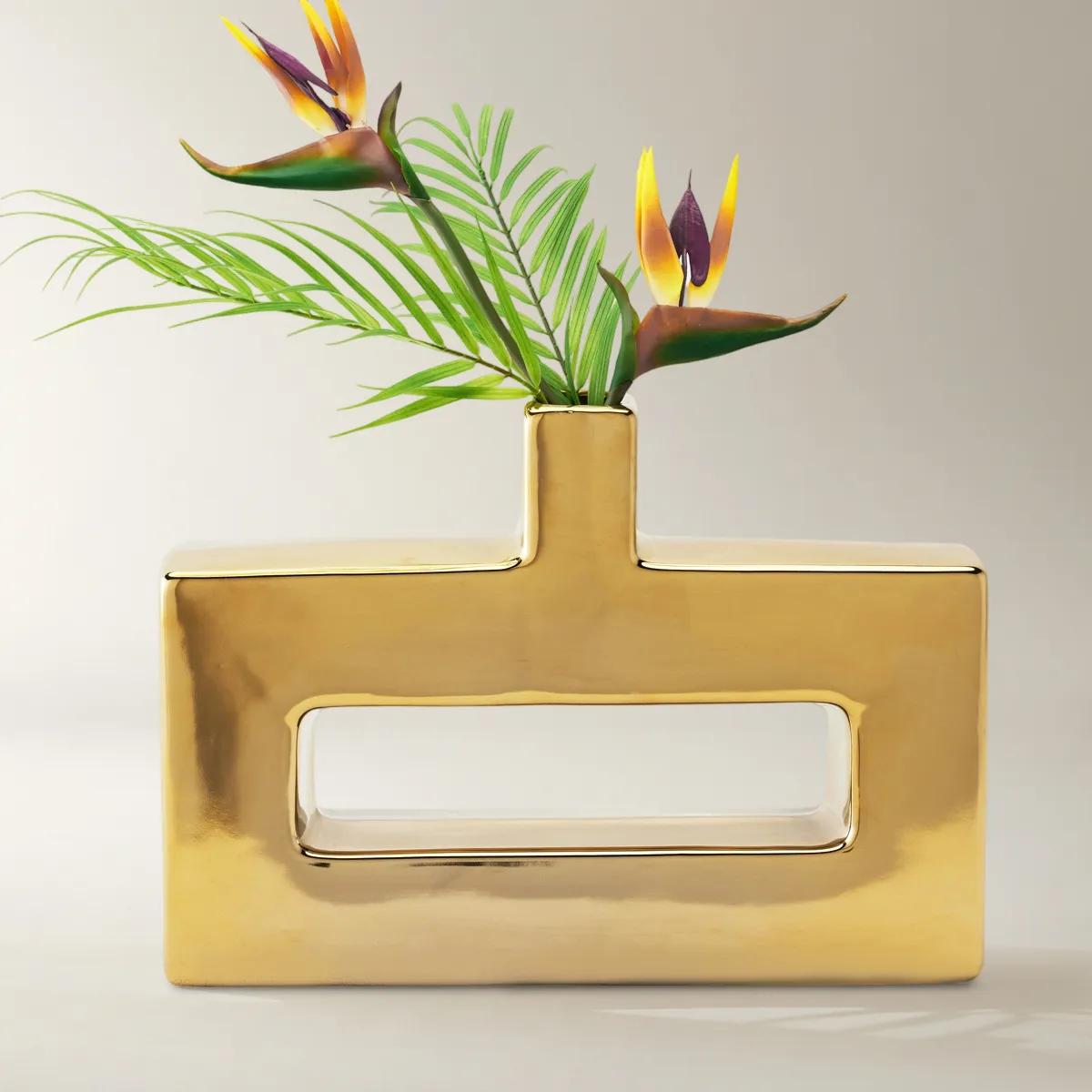 Miami Gold Ceramic High Gloss Vase 11.75"$69
A contemporary gold ceramic vase designed for decorative use as a sculptural accent or with foliage.
Add To Cart -
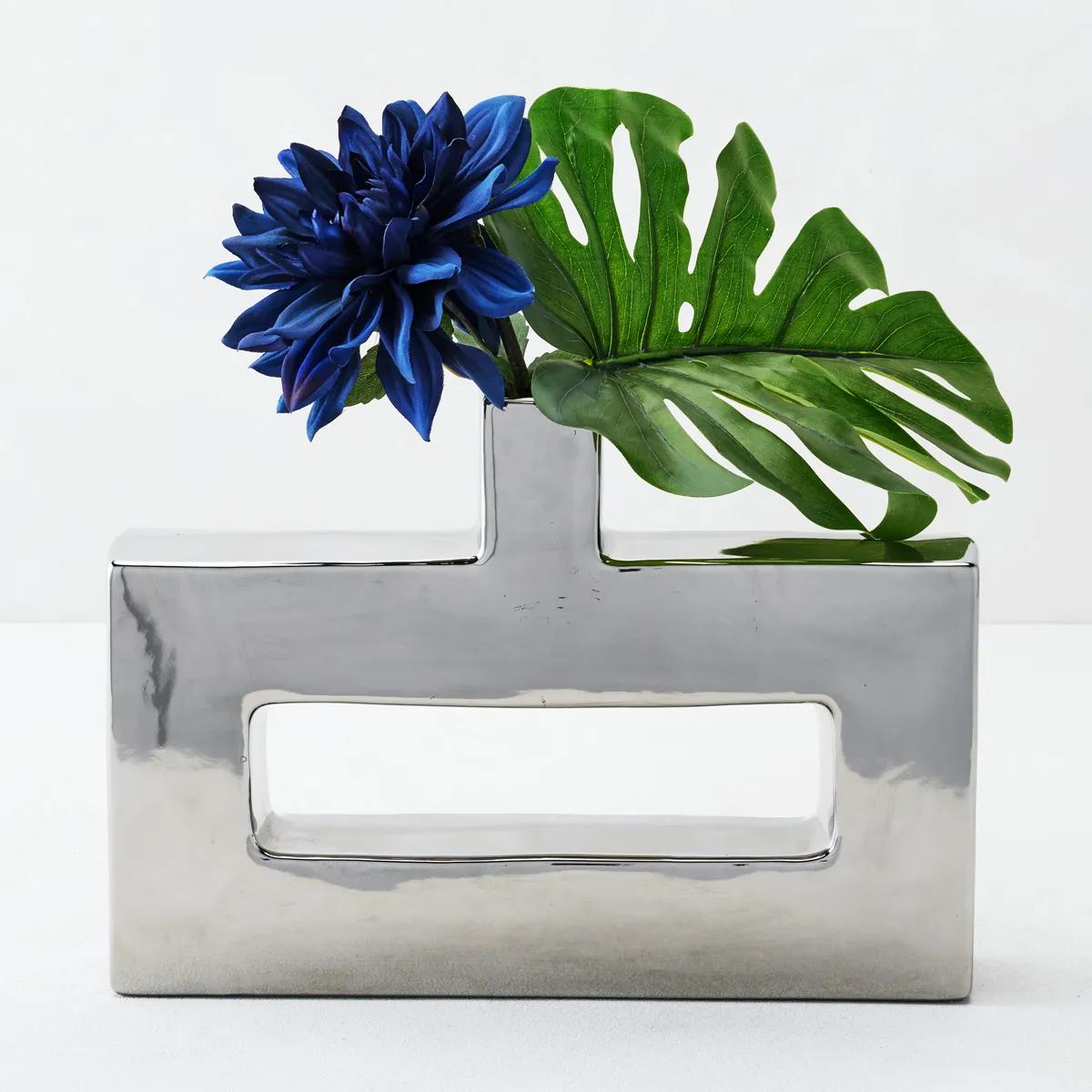 Miami Silver Ceramic High Gloss Vase 11.75"$69
A contemporary silver ceramic vase with a stylish gold glaze, perfect for decorative foliage or display.
Add To Cart -
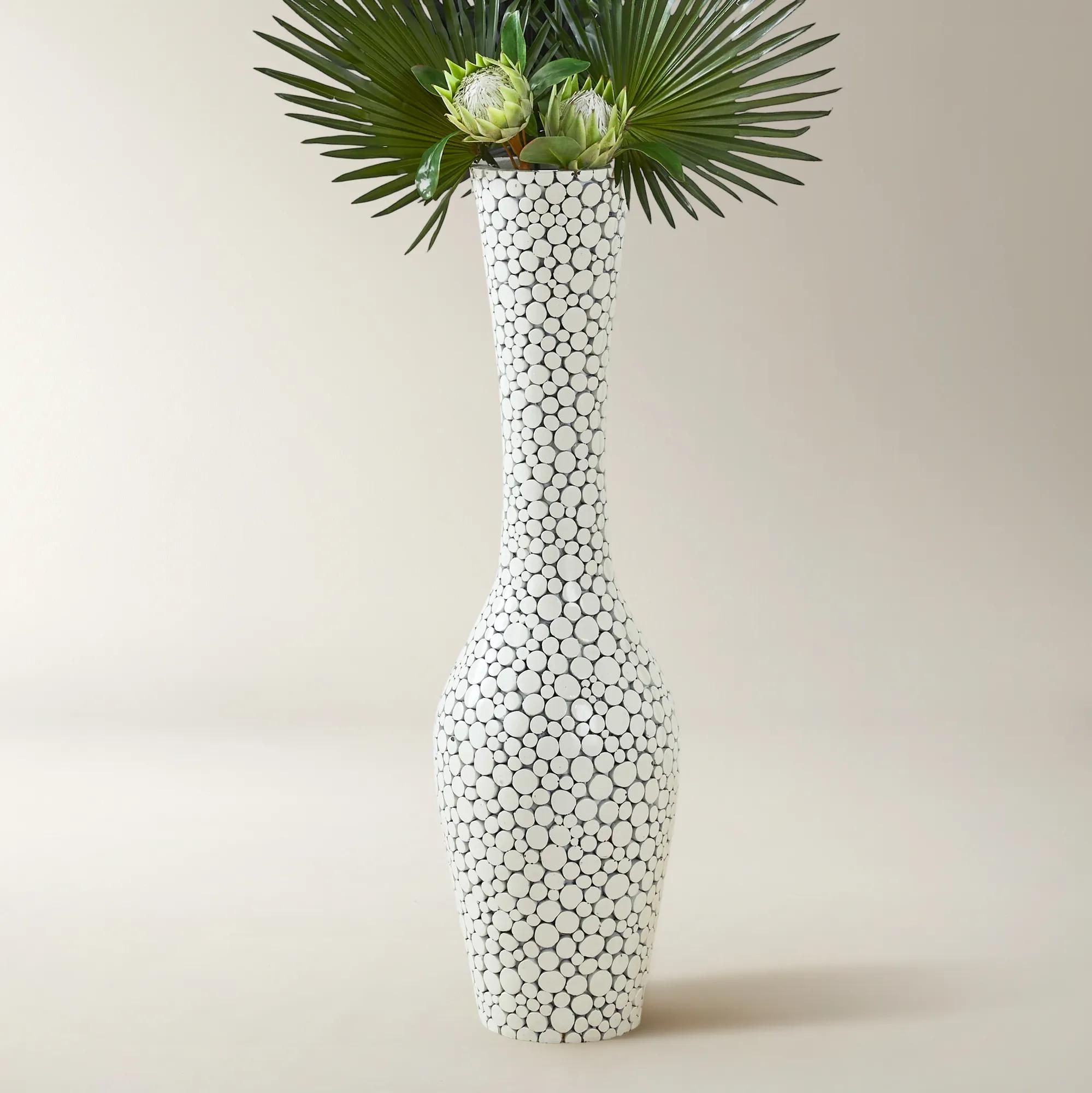 Oslo Floor Vase$299
A contemporary floor vase featuring hand-applied wood accents and a glossy white fiberglass base.
Add To Cart -
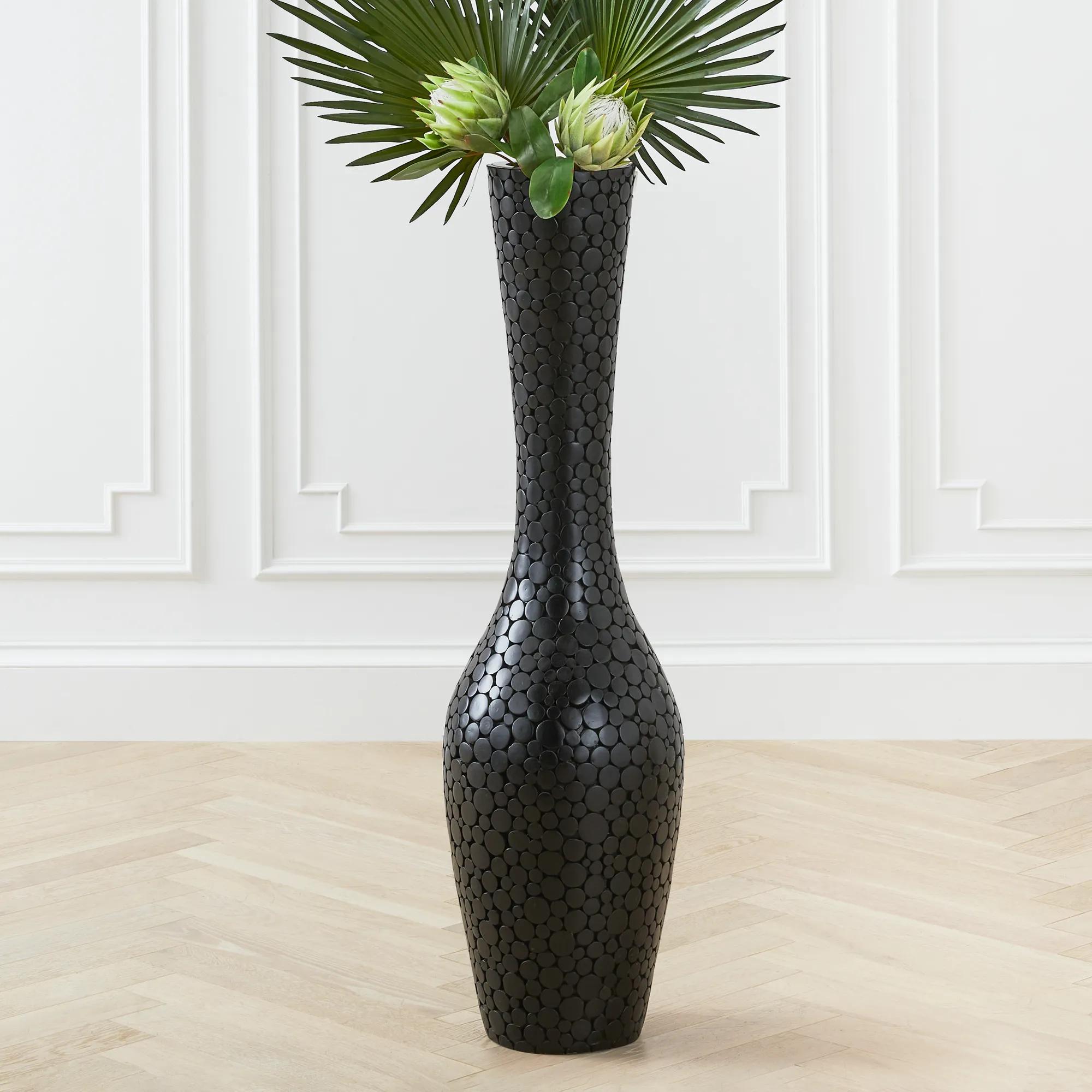
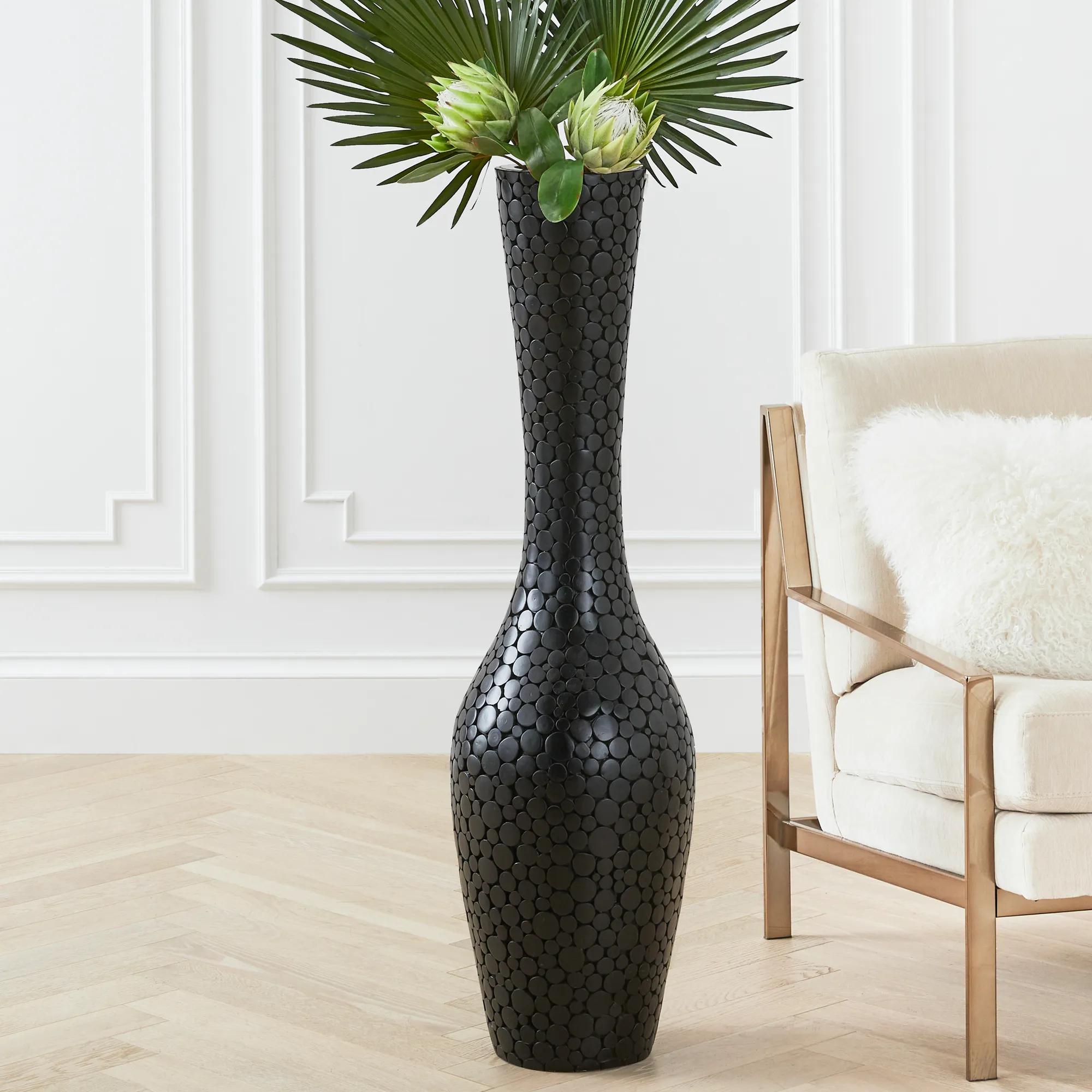 Oslo Black Wood Floor Vase 45"$299
A contemporary floor vase featuring hand-applied wood accents and a glossy black fiberglass base.
Add To Cart -
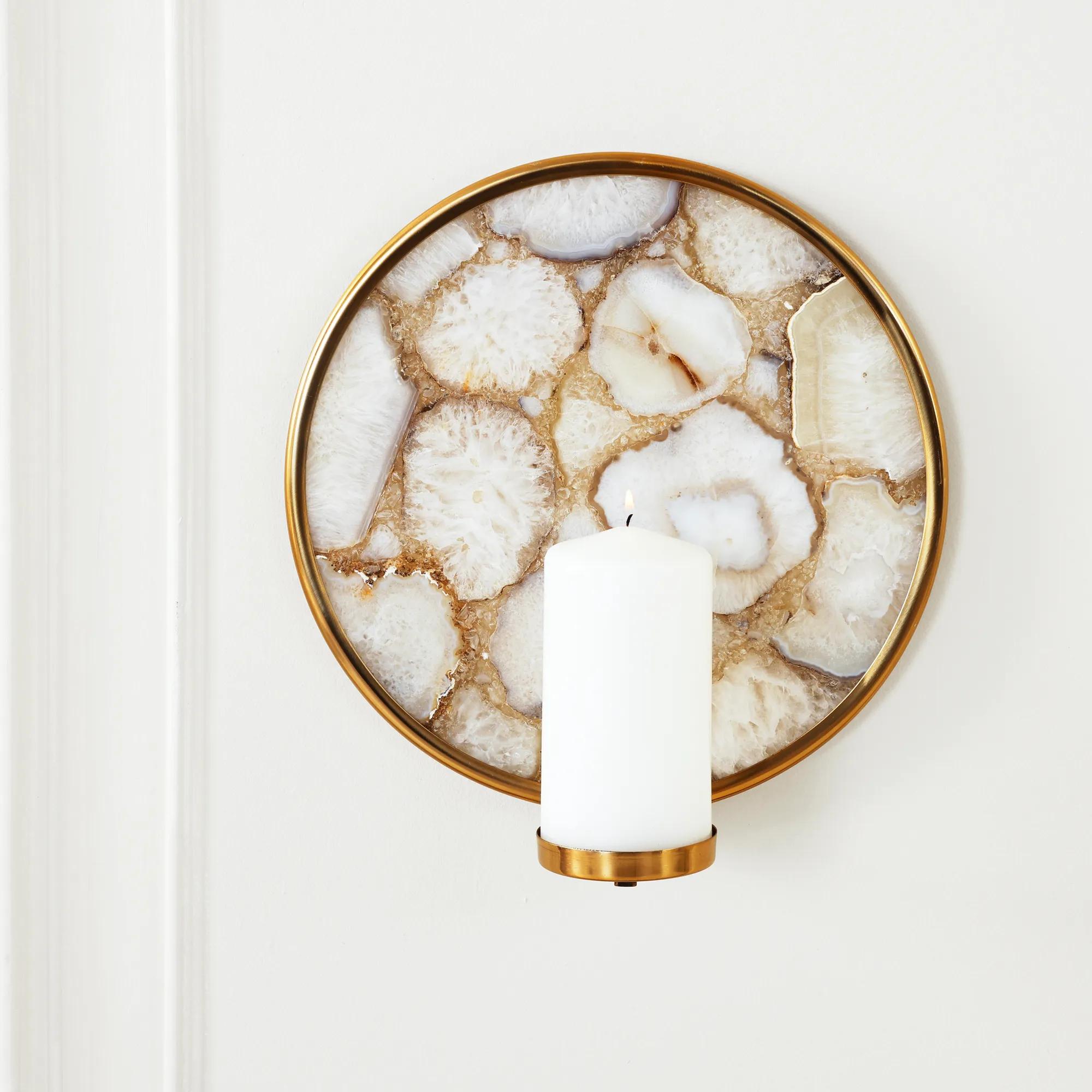 Diego Sconce$179
A neutral-toned agate sconce framed in gold, blending artistic elegance with functional lighting.
Add To Cart -
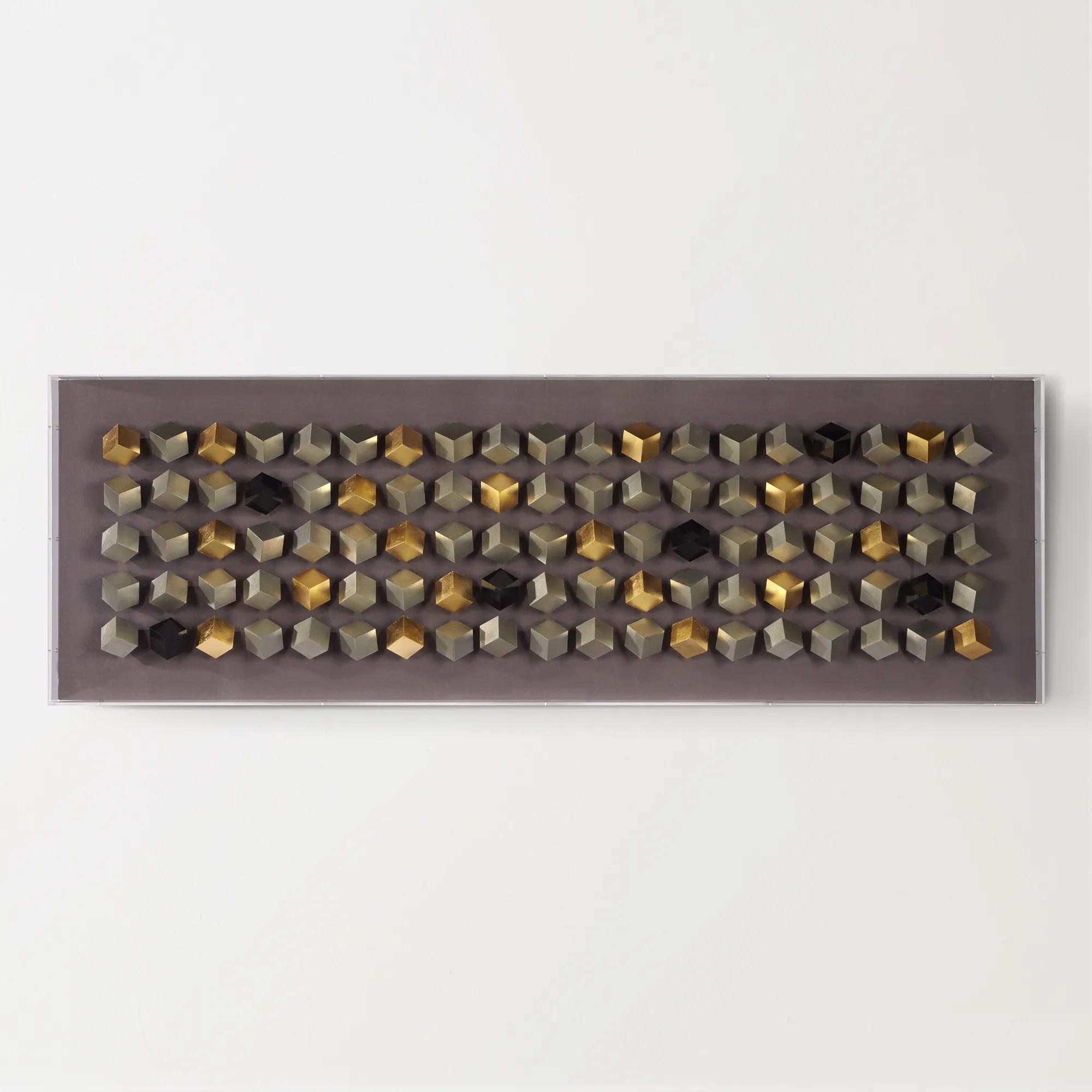
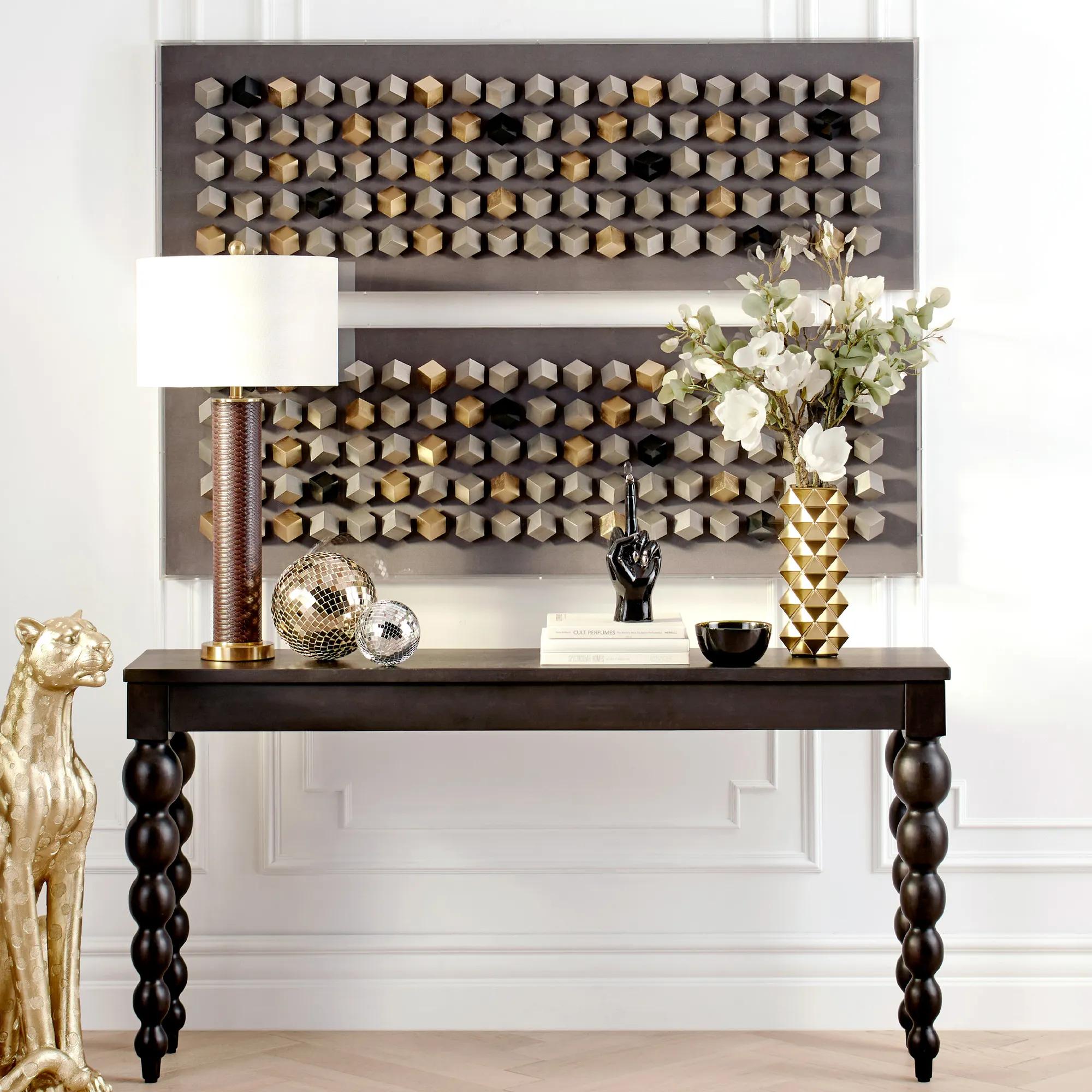 Cubic Array Dimensional Wall Decor in Acrylic 59" x 19.75"$599
A striking shadowbox wall art featuring a cubic, dimensional design with a tri-tone metallic finish.
Add To Cart -
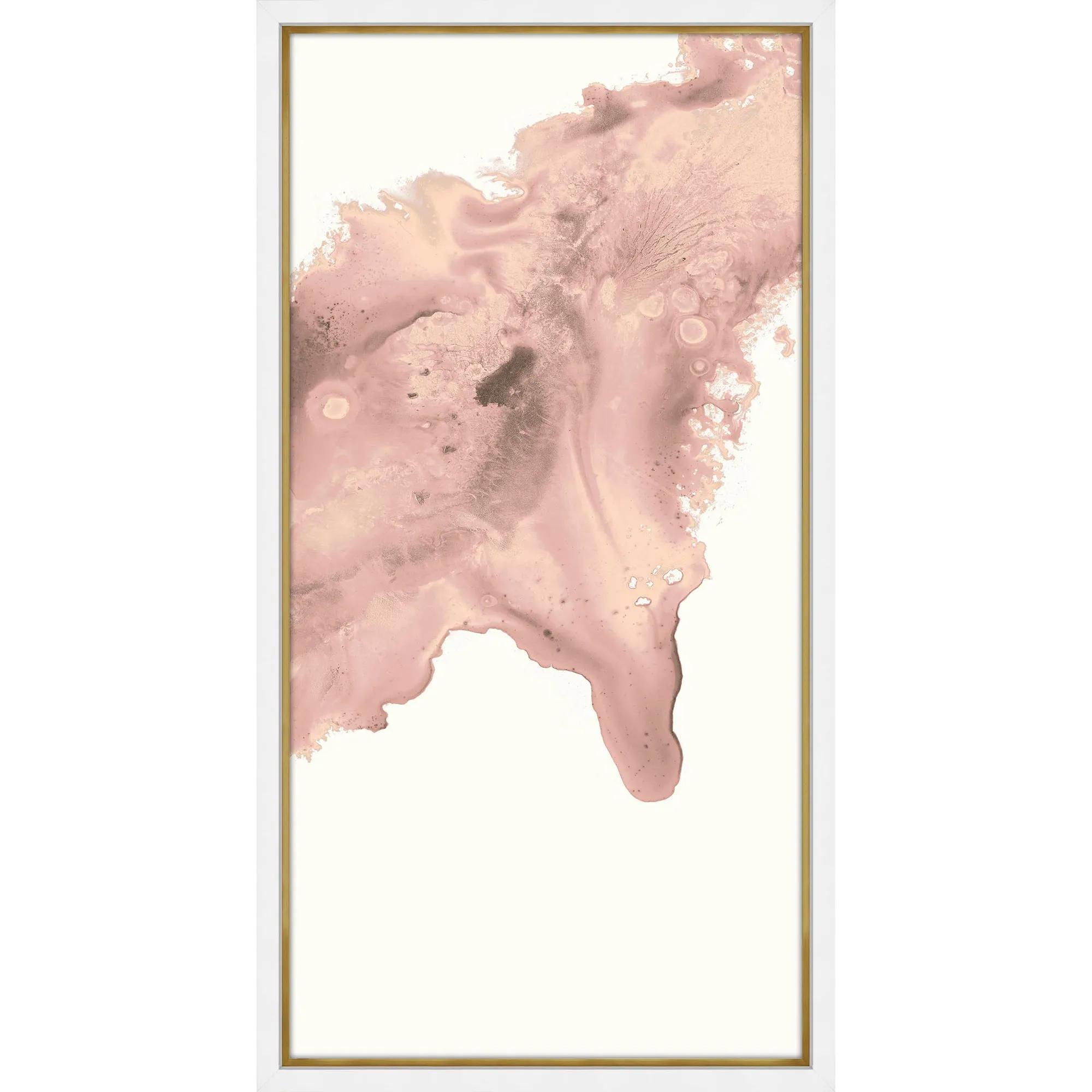
 Blush Conduit 2 Framed Wall Art 24" x 48"$849
A striking abstract print on pearl paper, elegantly framed in gold and matte white for modern appeal.
Add To Cart -
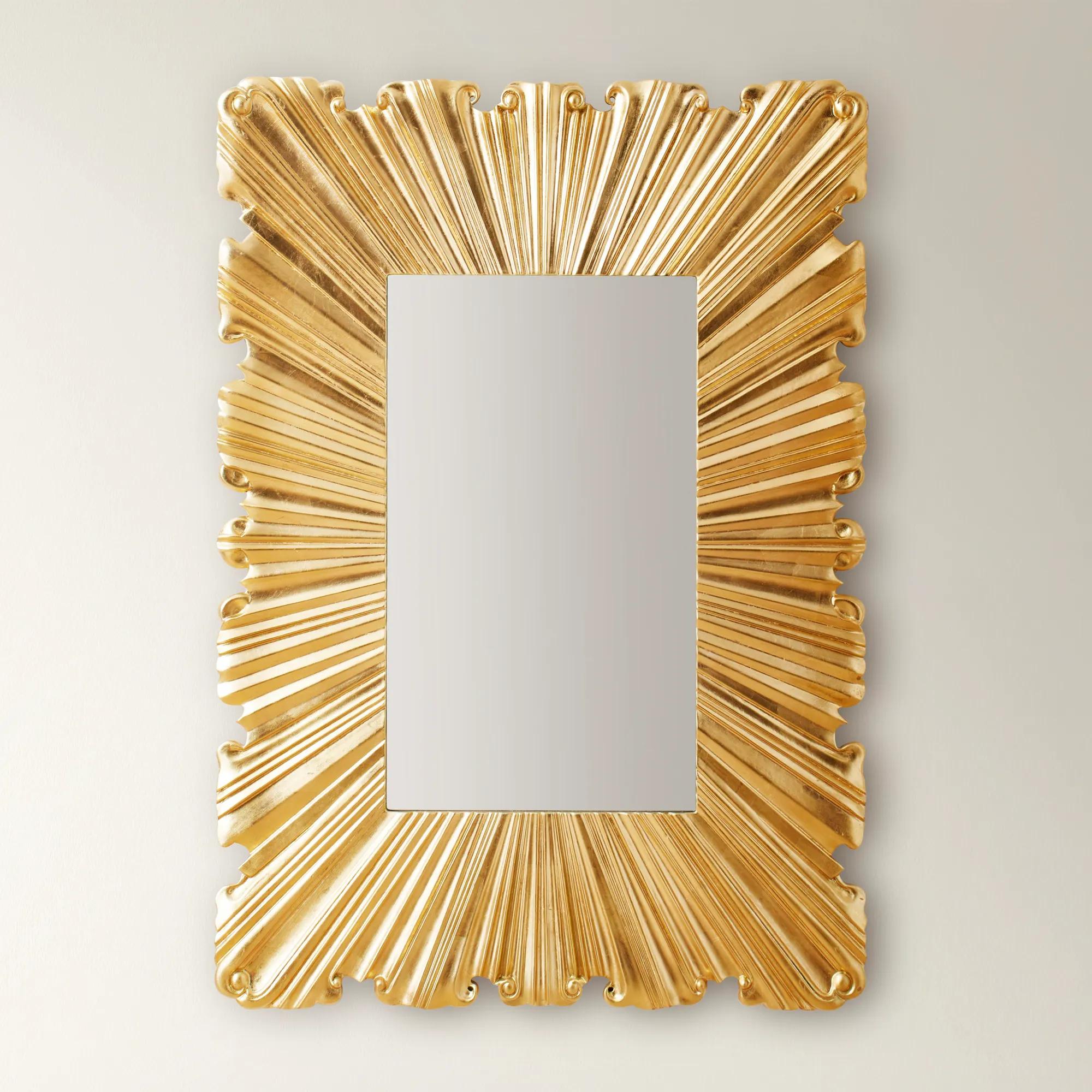 Metropolitan Gold Leaf Resin Rectangular Wall Mirror 27.5" x 39.5"$459
A sculptural wall mirror featuring a gold-finished polyurethane frame for a modern, elegant accent.
Add To Cart -
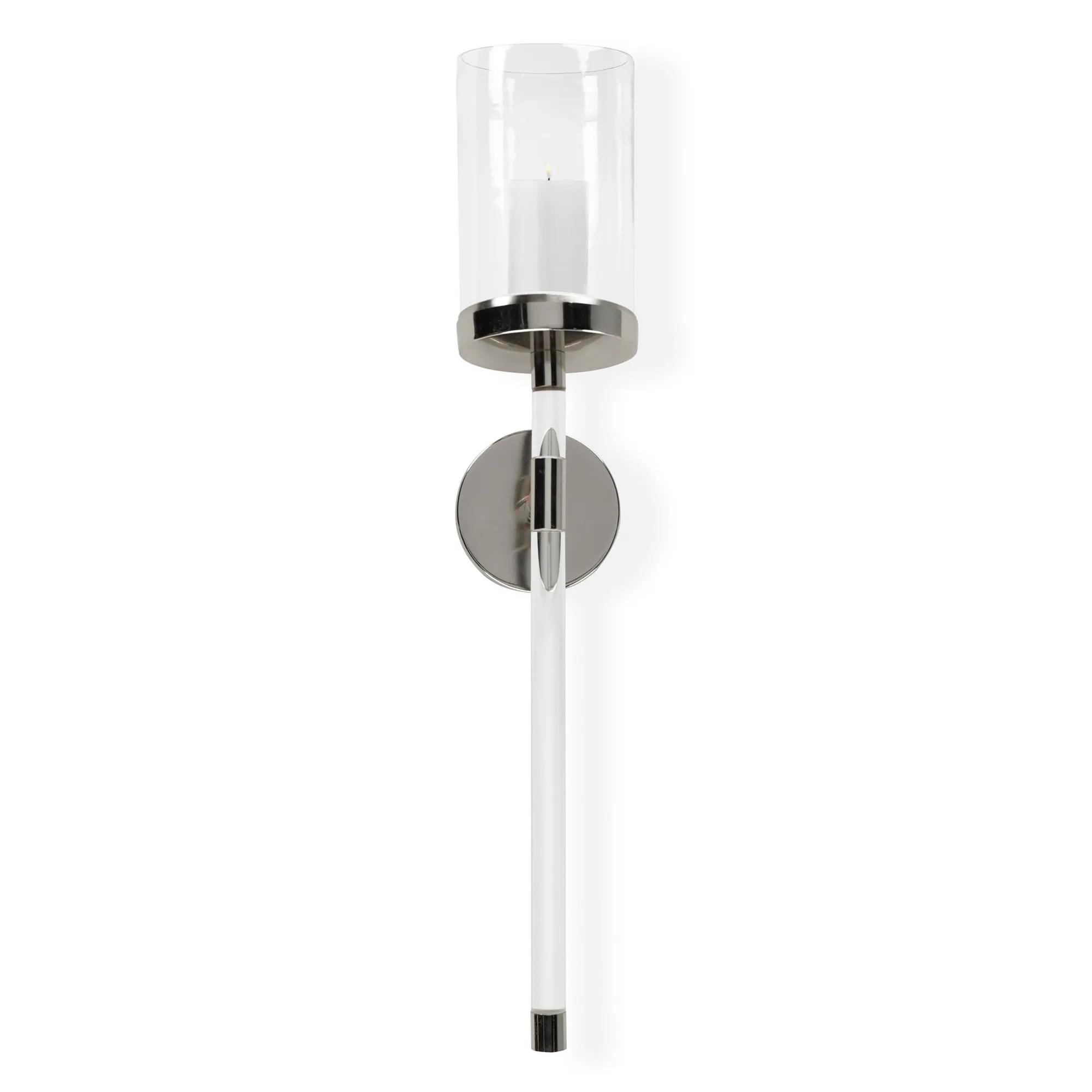
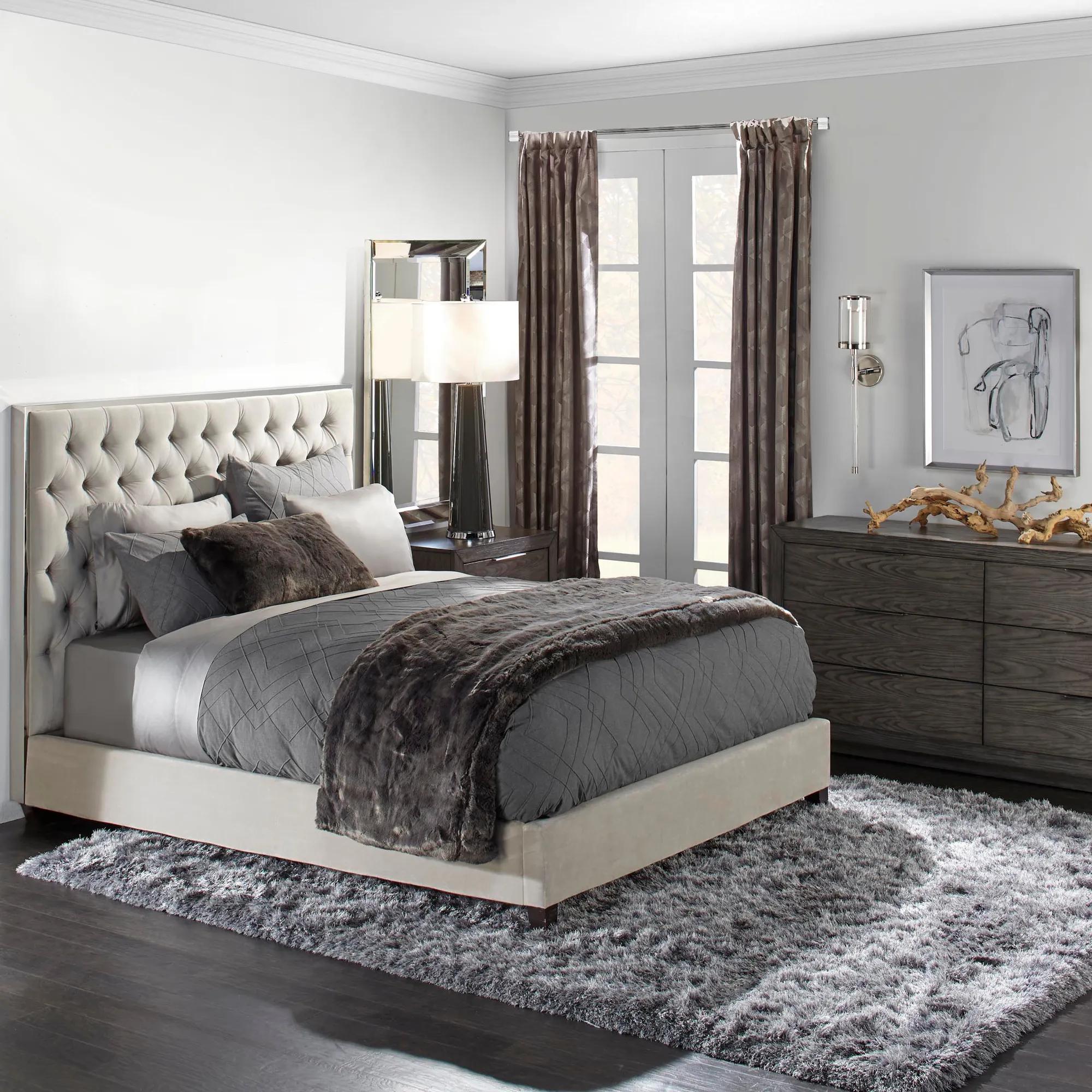 Ethan Sconce$99
A modern sconce featuring a clear glass shade, acrylic stem, and metallic aluminum base for contemporary flair.
Add To Cart -
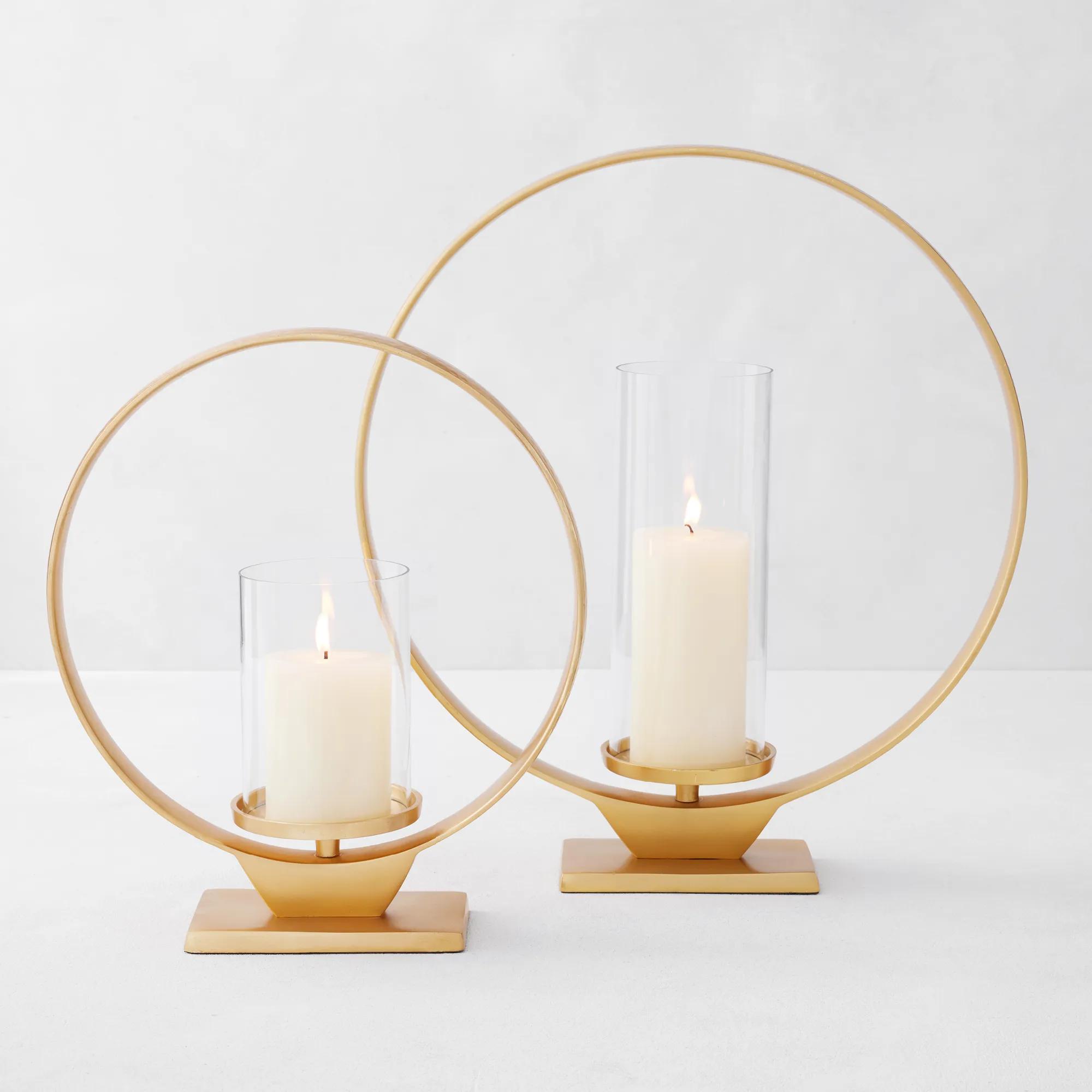
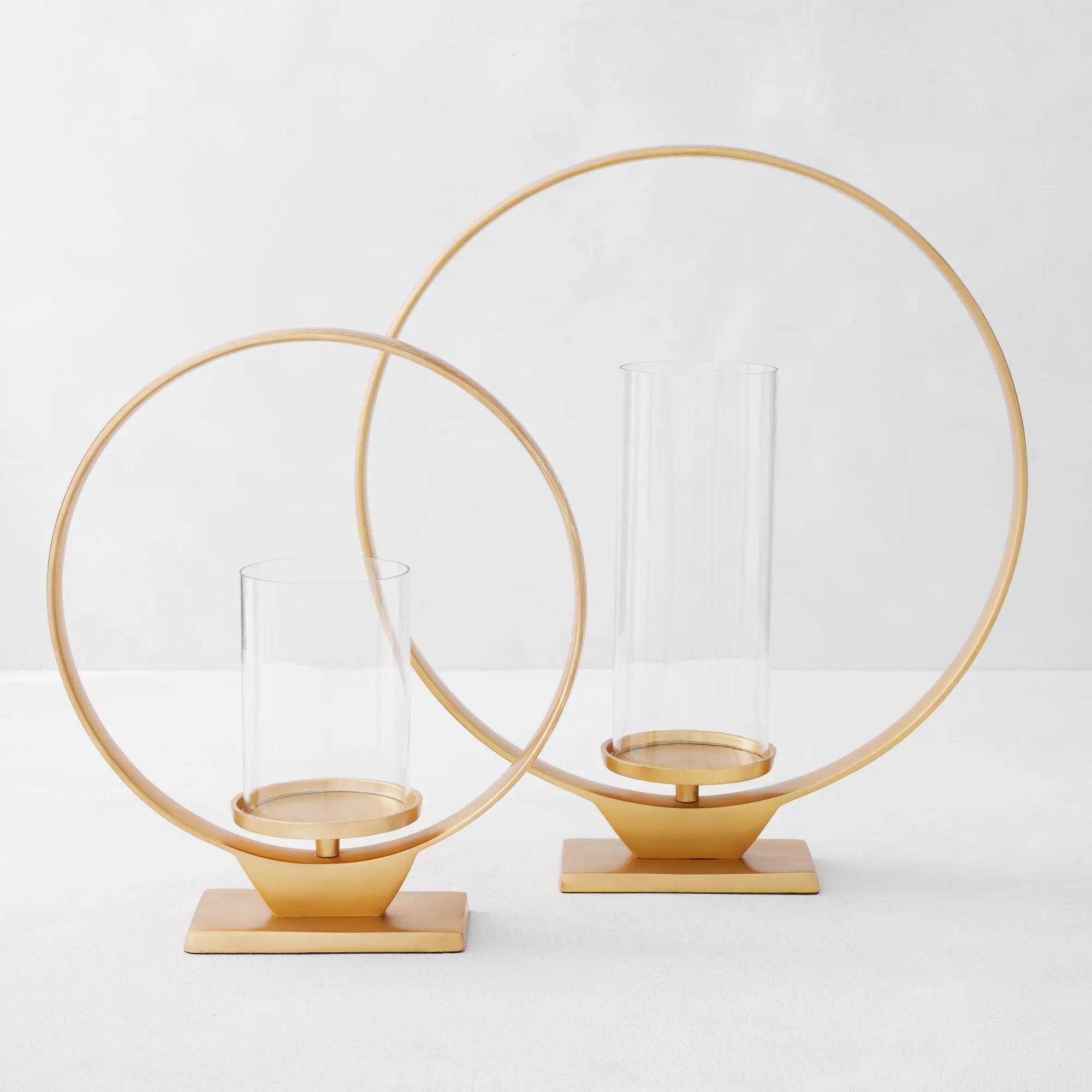 Cirque Pillar Holder$99
A polished gold aluminum pillar holder featuring a hammered metal band and protective glass sleeve for candles.
Add To Cart -
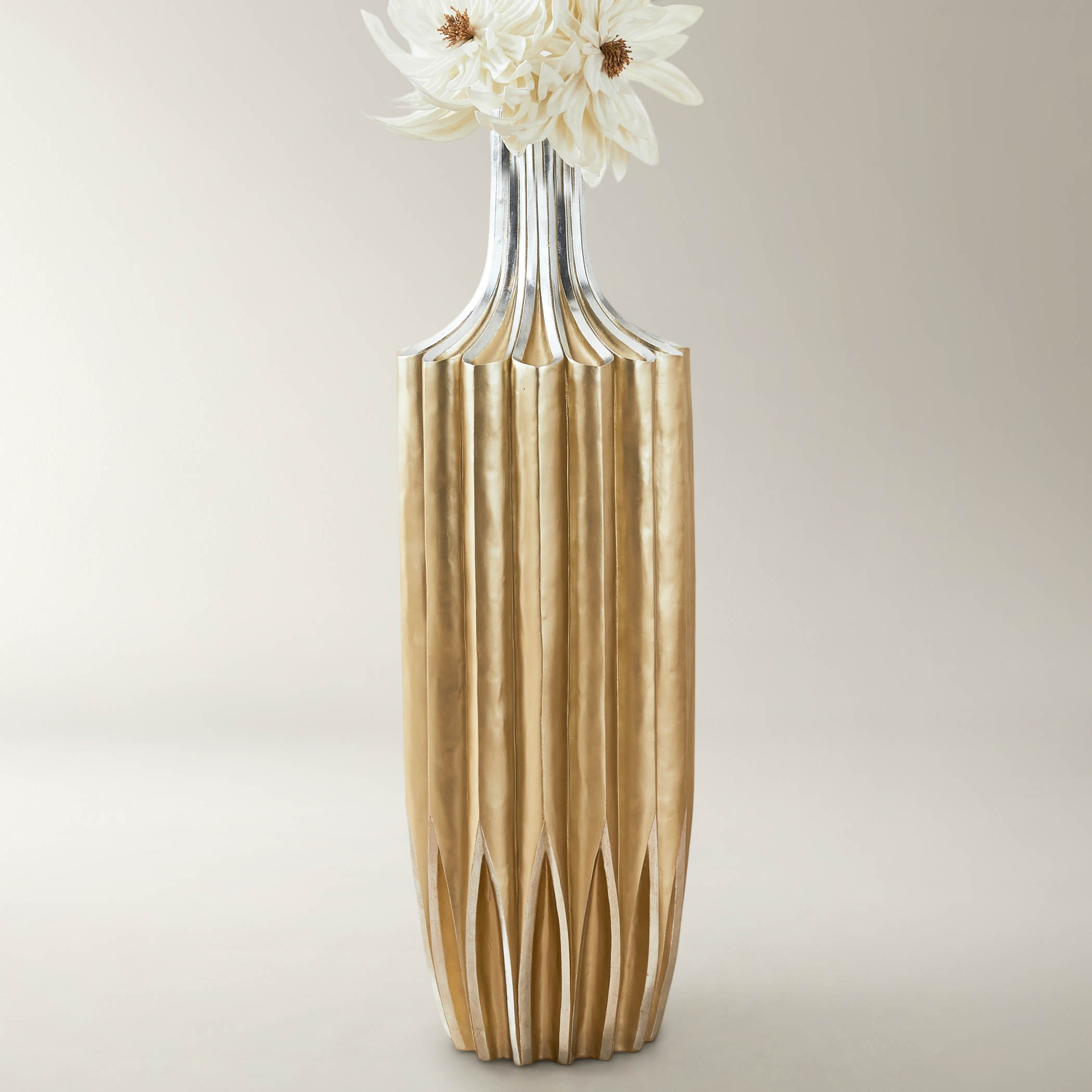
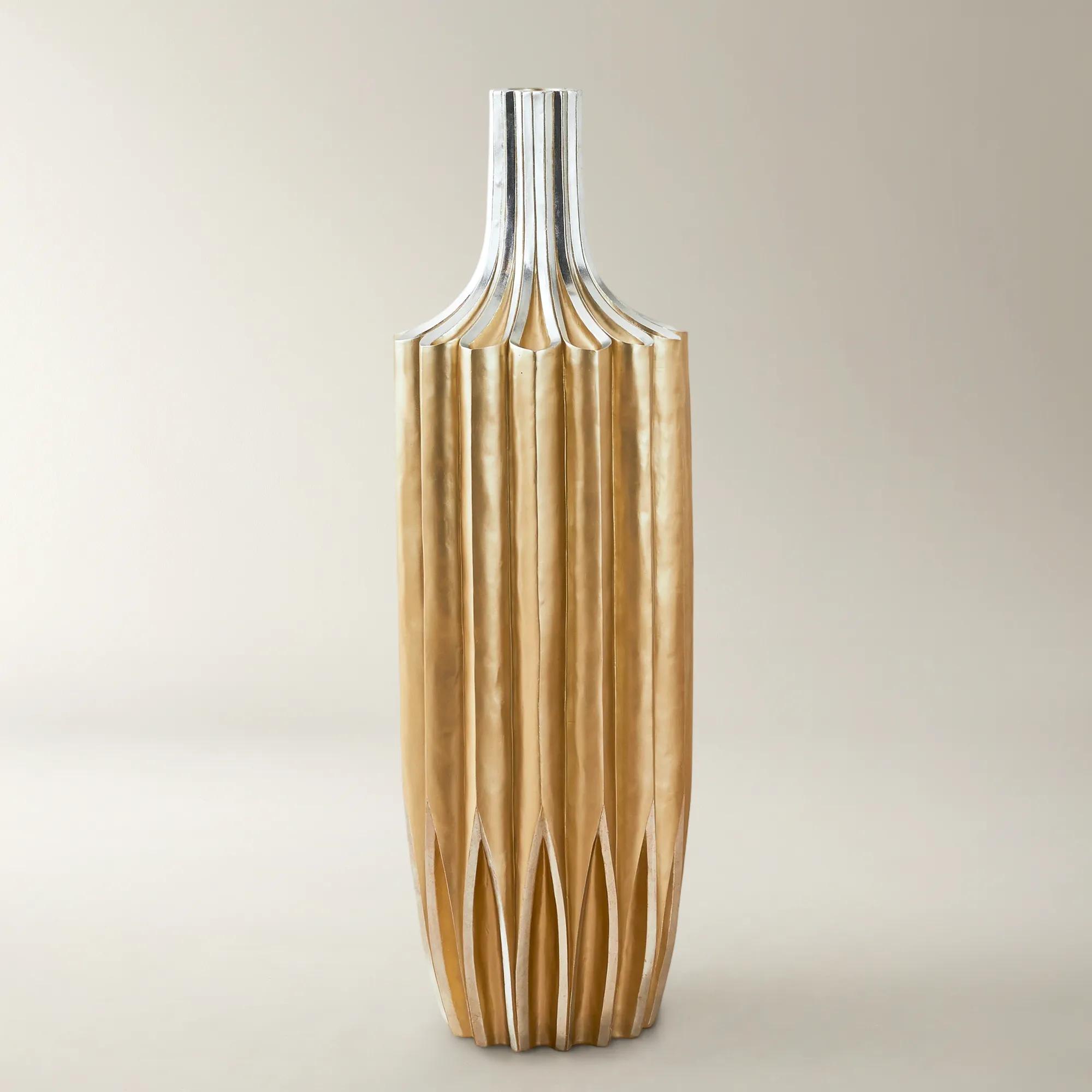 Savannah Gold Resin Floor Vase 48.75"$509
A sophisticated polyresin vase featuring sleek vertical curves for a modern decorative accent.
Add To Cart -
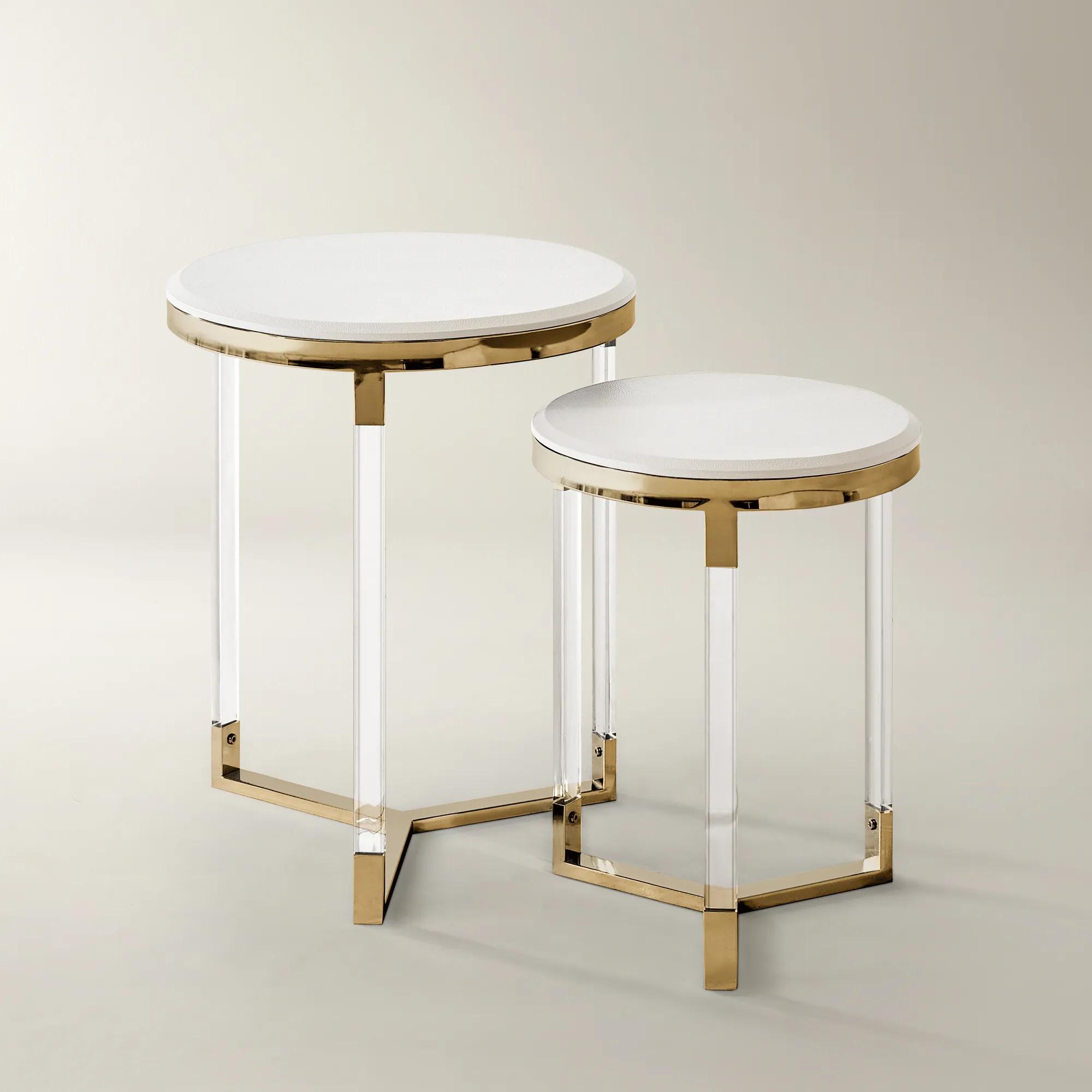
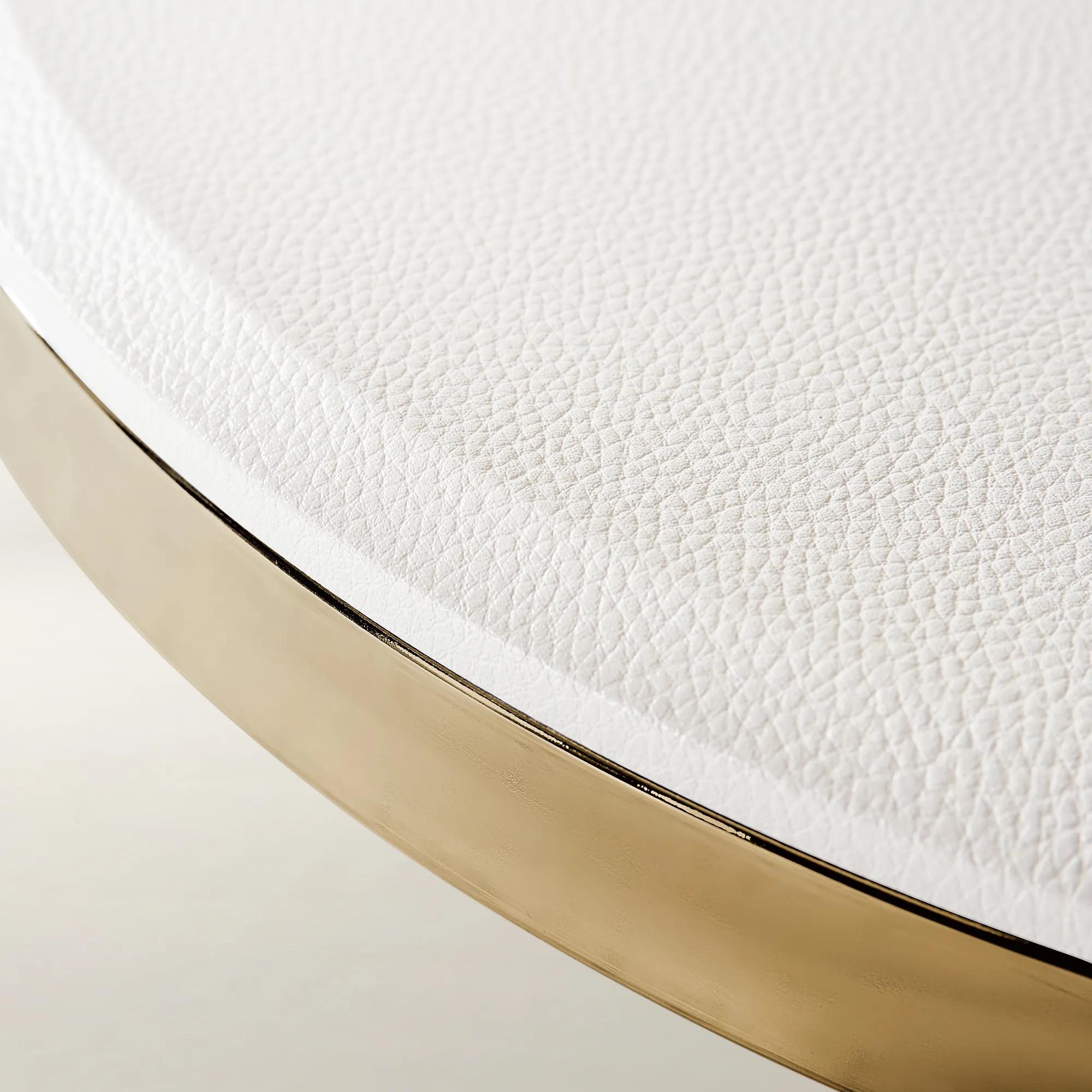 Murano Round White Accent Table With Faux Leather Top Set Of 2 (14.5"-18.5")$399
A set of two accent tables featuring mixed woods, faux leather tops, and acrylic legs with metallic finishes.
Add To Cart -
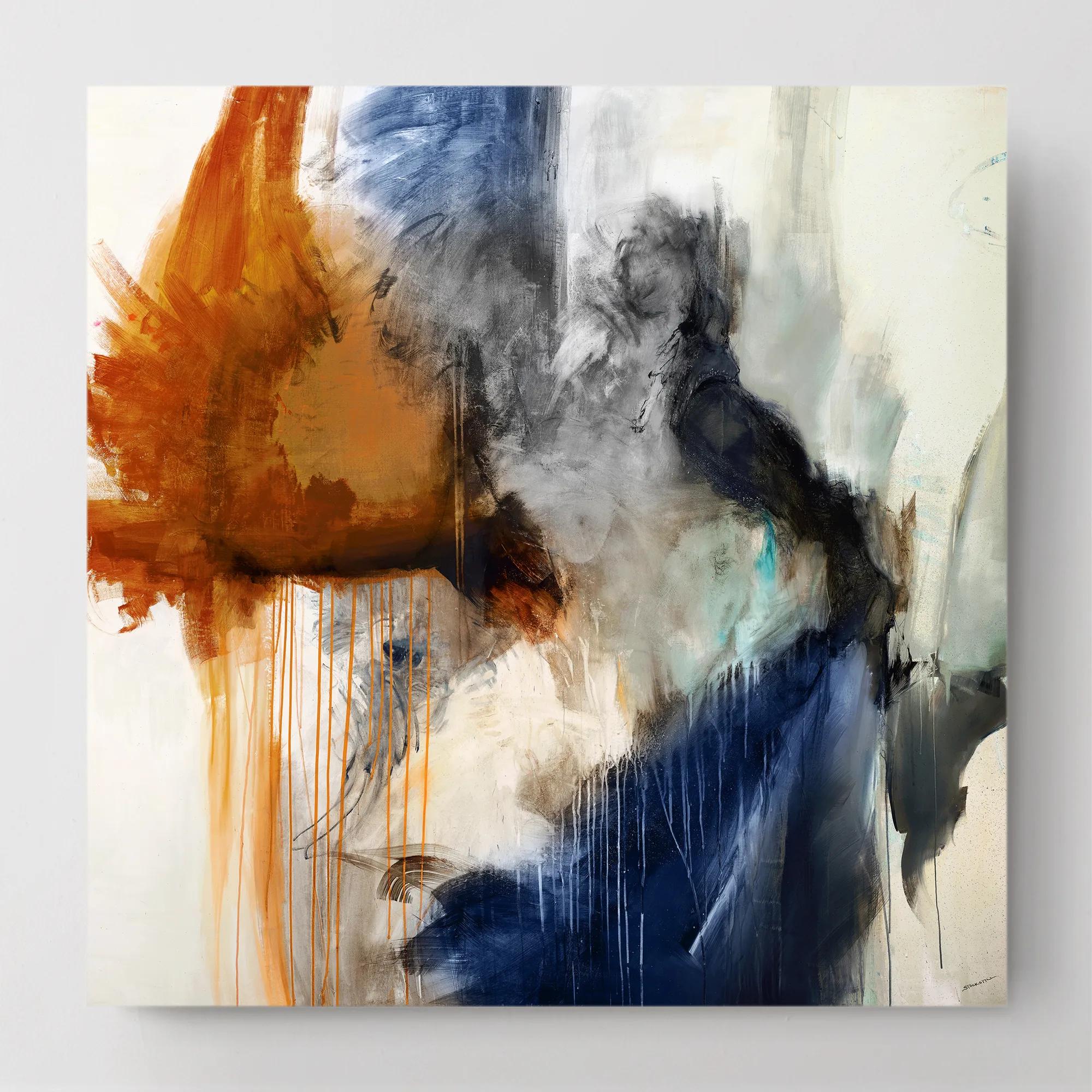
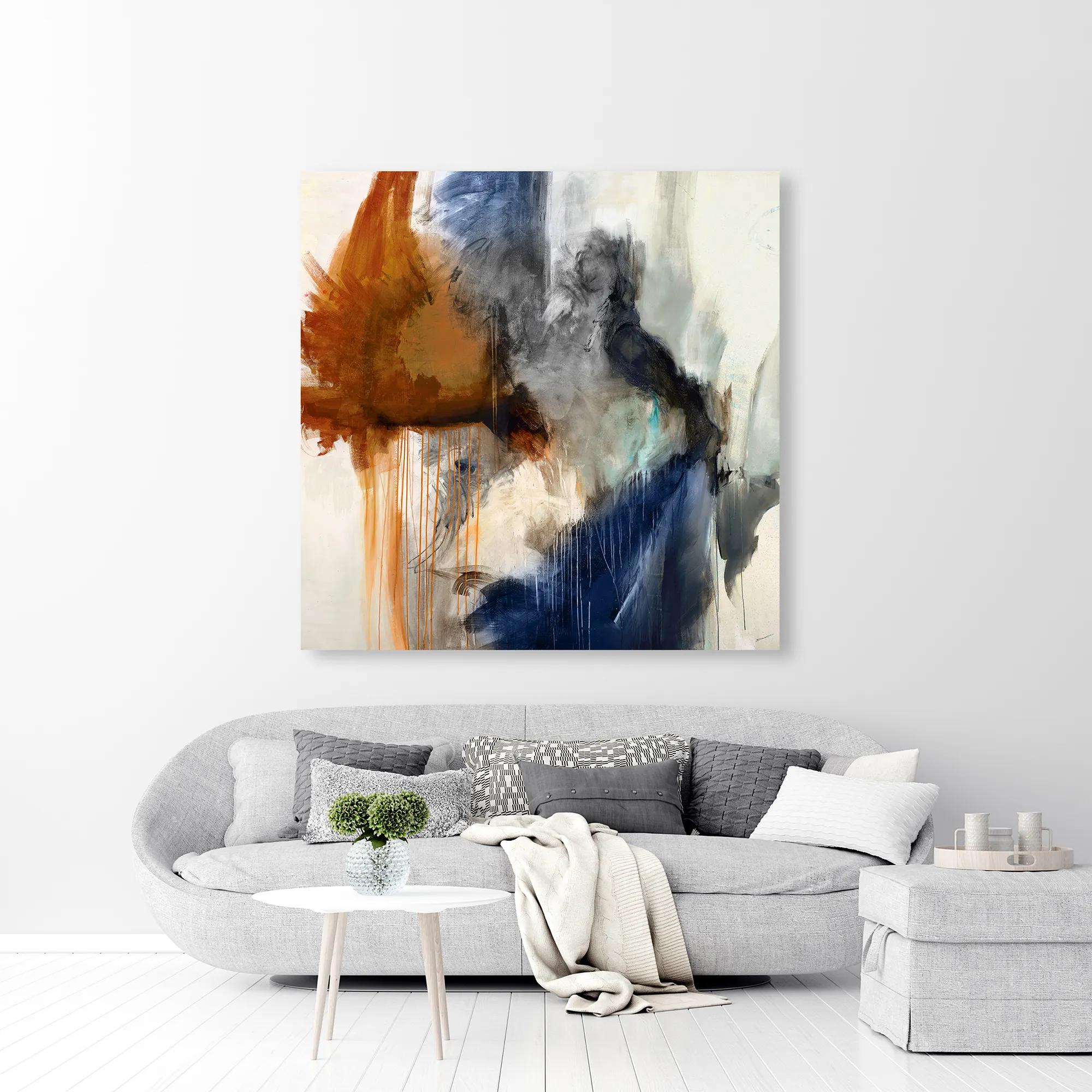 Swoon 6 Wall Art 54" x 54"$899
A gallery-wrapped canvas featuring a hand-applied image brush gel finish for a textured, artistic look.
Add To Cart -
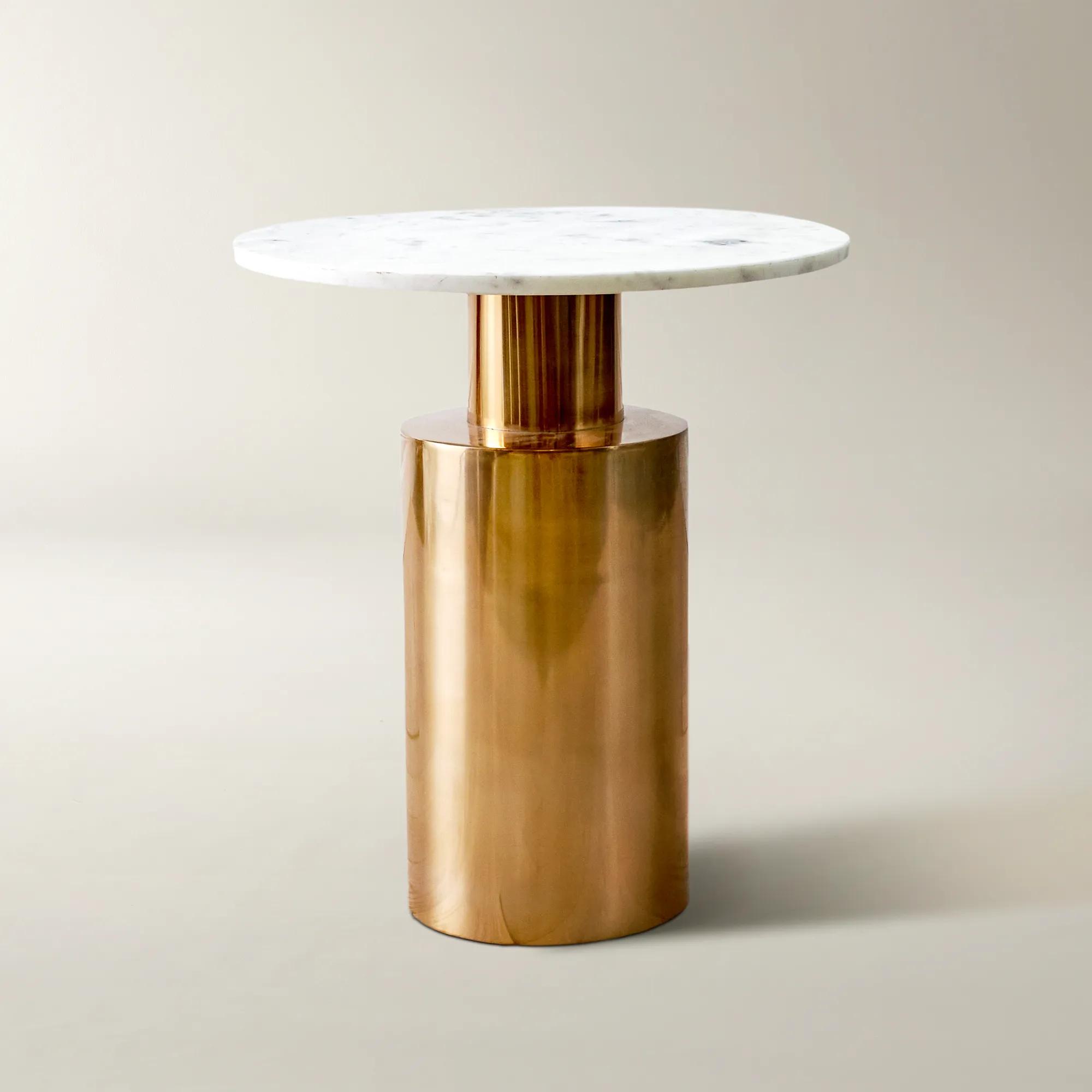 Capri Round White Marble Accent Table (16")$299
A striking accent table featuring a white marble top and gold-finished stainless steel base.
Add To Cart

Modern Home Accent Ideas
Modern Home Accent Ideas ignite a world where artistry meets everyday living—where each detail is an invitation to express your boldest self. Imagine sculptural silhouettes casting captivating shadows, metallic finishes shimmering beneath the evening light, and plush textures that beckon you closer. Here, décor is more than mere ornamentation; it’s a declaration of style, a celebration of individuality, and the secret ingredient that transforms ordinary spaces into extraordinary moments. Let your home become a gallery of modern expression—curated, daring, and utterly unforgettable.
Modern home accents bring sculptural shape, expressive texture, and considered color to the spaces where everyday life unfolds. Defined by clean lines, geometric or organic forms, and distinctive materials, these decorative elements give a room its personality without requiring a change to its larger furnishings. Modern home accent ideas can range from a luminous glass vase on an entry console to an abstract wall composition that gives a living room an unmistakable focal point. A restrained palette is one possibility, not a requirement: ivory, charcoal, and stone tones create a sophisticated foundation, while saturated color, gleaming metal, and dramatic contrasts make the setting more expressive. Materials establish much of that atmosphere. Marble introduces substantial weight and natural veining; glazed ceramic lends depth through its finish; clear acrylic offers a crisp, light-catching presence; and polished or brushed metal adds a distinctly architectural note. Interlocking stone forms and abstract sculptures draw attention to shape and shadow, especially when displayed against a quieter background. Textured pottery brings a different rhythm, with surfaces that invite a closer look beside sleek furniture. In a living room, a low decorative bowl can anchor a coffee table without interrupting conversation, while a taller sculptural object gives a sideboard greater presence. An entryway benefits from an accent that feels intentional from the first glance, such as an expressive vase paired with a framed composition above the console. On open shelving, alternating solid forms with transparent glass creates depth without making every shelf equally dense. Repeating one finish or color across a few accents helps connect the arrangement, while differences in height and silhouette keep it from feeling overly matched. A home office can carry the same sense of artistry through a compact sculpture or a richly textured accent pillow. The effect is personal rather than prescribed: modern decor can feel gallery-like, sumptuous, or boldly theatrical, depending on the balance of form, finish, and color.
Scale and placement give modern decorative accents their impact. A substantial object can command a generous console, but the same piece may crowd a narrow bedside table or compete with a lamp. Dimensions matter beyond the width of the surface: taller accents need clearance beneath shelving, and decorative trays need enough space around them to remain accessible. Groupings feel more deliberate when their silhouettes vary, with a broad, low form balancing something slender or vertical. Wall art and mirrors extend that composition beyond the tabletop. Abstract artwork introduces movement and color, while geometric metal or acrylic wall decor adds dimension through overlapping shapes and changing shadows. A mirror can bring reflected light and visual depth to a room, though its placement also determines whether it captures an appealing view, a busy passageway, or glare from a fixture. The width of the furniture beneath a wall arrangement provides a useful reference for proportion, and appropriate mounting hardware is essential for the wall surface and the weight of the piece. Accent lighting contributes both sculpture and atmosphere. An asymmetric ceramic base feels expressive even when unlit, while a fabric shade softens the glow around seating or a bedside vignette. Shade size, outlet placement, cord routing, and the fixture’s specified bulb requirements all influence how comfortably a lamp fits its intended setting. Textiles bring another dimension to modern interiors. Velvet pillows introduce sumptuous color beside smooth upholstery, while woven textures provide contrast against polished surfaces. An abstract or geometric rug can establish the visual rhythm of a seating area; its dimensions should relate to the furniture arrangement, with enough coverage to connect the pieces rather than appear isolated beneath the coffee table. Pile height, door clearance, and a suitable rug pad also affect everyday use. Together, lighting, wall decor, tabletop objects, and textiles create a layered setting in which each accent has room to be appreciated.
Material quality and thoughtful care help decorative accents retain their character through daily use. Natural stone varies in veining and coloration, making each surface visually distinctive, but it can also be porous or sensitive to acidic cleaners. Ceramic finishes differ as well: a glossy glaze and an unglazed, textured surface may require different cleaning methods. Manufacturer care directions should guide maintenance, with gentle dusting and prompt attention to spills providing a sensible starting point for many decorative pieces. Soft cloths help protect glass, acrylic, mirrored finishes, and polished metal from abrasion; harsh cleaners or rough scrubbing can damage surfaces that depend on their clarity or sheen. Substantial stone and metal accents benefit from protective pads beneath their bases, particularly on delicate wood or lacquered furniture. For pillows, throws, and rugs, fiber content and construction influence durability, texture, and cleaning needs. Removable covers can make maintenance more convenient when their care instructions permit washing, while some decorative fabrics require professional cleaning. Sunlight exposure may affect certain textiles and finishes, making placement another part of long-term care. Intended use deserves equal attention: a decorative bowl is not necessarily food-safe, and a vase should only hold water if its construction allows it. In homes with children or pets, the stability of freestanding objects and the placement of fragile glass deserve consideration alongside their visual appeal. These details also make home accents thoughtful gifts. For housewarmings, weddings, or a host with a distinctive eye, modern home accent gifts offer an opportunity to acknowledge someone’s taste without choosing a large furnishing for them. Compact proportions and a finish that complements the recipient’s existing rooms can make an accent easier to incorporate. A sculptural form may suit the art enthusiast, while a tactile textile appeals to someone drawn to richly layered interiors. Chosen with attention to both beauty and daily life, modern accents make familiar spaces feel more expressive, giving ordinary surfaces a sense of occasion and a character all their own.
FAQs
Selecting modern home accents begins with observing the colors, textures, and overall mood of your current space. Look for pieces that echo or elevate your palette—think metallic finishes for a touch of glamour, or sculptural ceramics for an artistic edge. Layering contrasting materials, such as velvet with glass or wood with brushed metal, adds depth and visual intrigue. Ultimately, choose accents that reflect your personality and create a harmonious, expressive environment.
Modern accent décor shines when arranged in thoughtful vignettes—try grouping objects in odd numbers on a console, or layering a bold geometric rug beneath a statement coffee table. Display a curated collection of vases on open shelving, or use a dramatic mirror to amplify natural light. Don’t be afraid to mix shapes and finishes; the interplay of curves, angles, and reflective surfaces brings energy and sophistication to every room.
Absolutely—modern home accents make memorable gifts for housewarmings, weddings, anniversaries, and more. They offer a personal touch that blends artistry with function, allowing the recipient to infuse their space with style and sentiment. Consider gifting a striking decorative object, a luxurious throw, or a unique piece of wall art to mark the occasion and leave a lasting impression.
To breathe new life into your living room, introduce accents that reflect the season’s mood—think plush textiles in rich hues for winter, or metallic elements that catch the golden light. Swap in sculptural vases filled with fresh greenery, or add a statement lamp to create a cozy ambiance. Small changes, like layering new pillows or displaying bold decorative trays, can dramatically shift the atmosphere without a complete redesign.
When mixing modern accents, balance is key. Use the 70/30 rule to ensure a cohesive look—anchor the space with neutral tones, then introduce bold accents for drama. Vary textures and finishes to create depth, and arrange pieces in groups of odd numbers for visual interest. Above all, let your selections tell a story that feels authentic to your style and the mood you wish to evoke.