
Durable Patio Side Tables
Durable Patio Side Tables
-
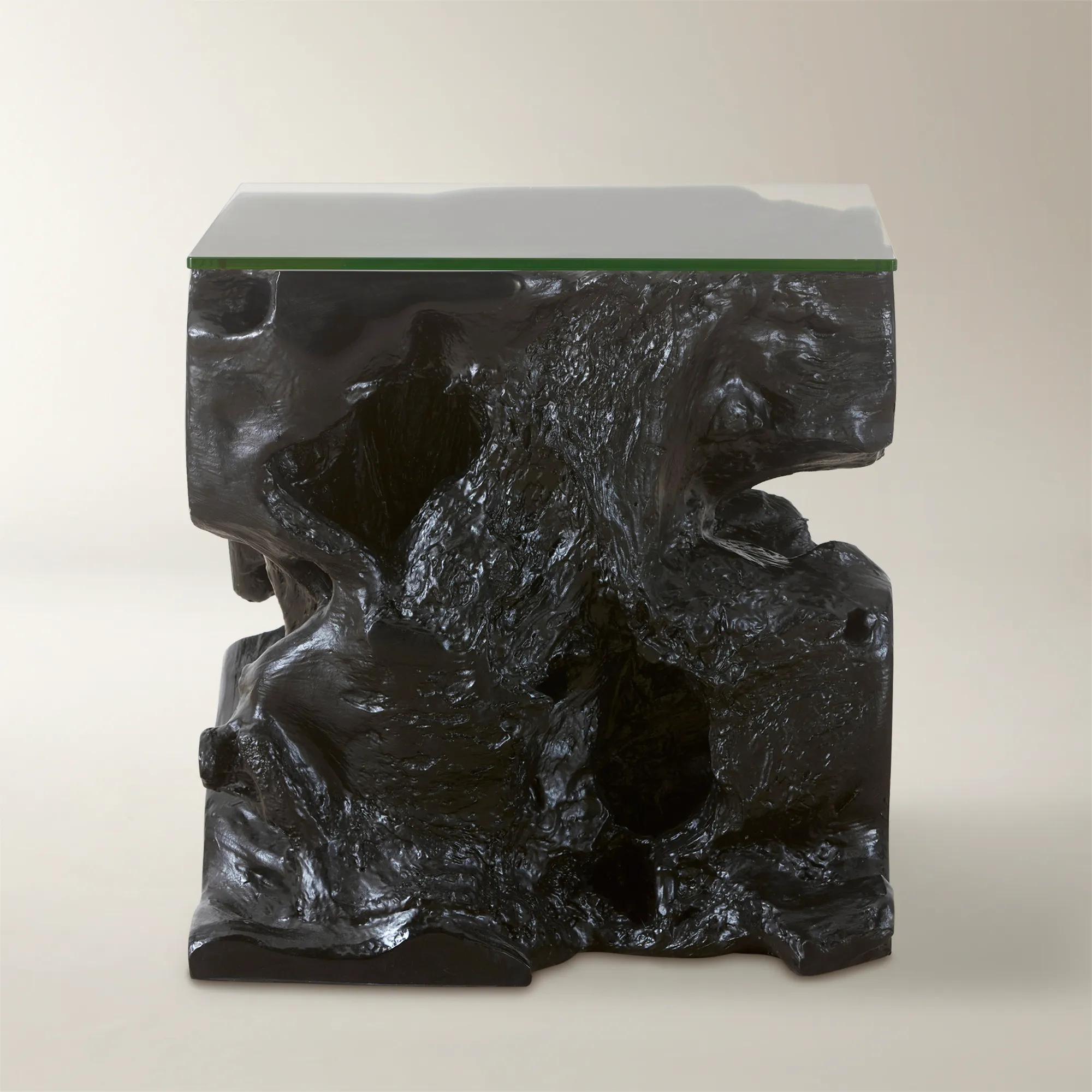 Sequoia Black Resin End Table With Glass Top (22")$999
A sculptural black resin and stone end table inspired by Acacia roots, suitable for indoor or outdoor use.
Add To Cart -
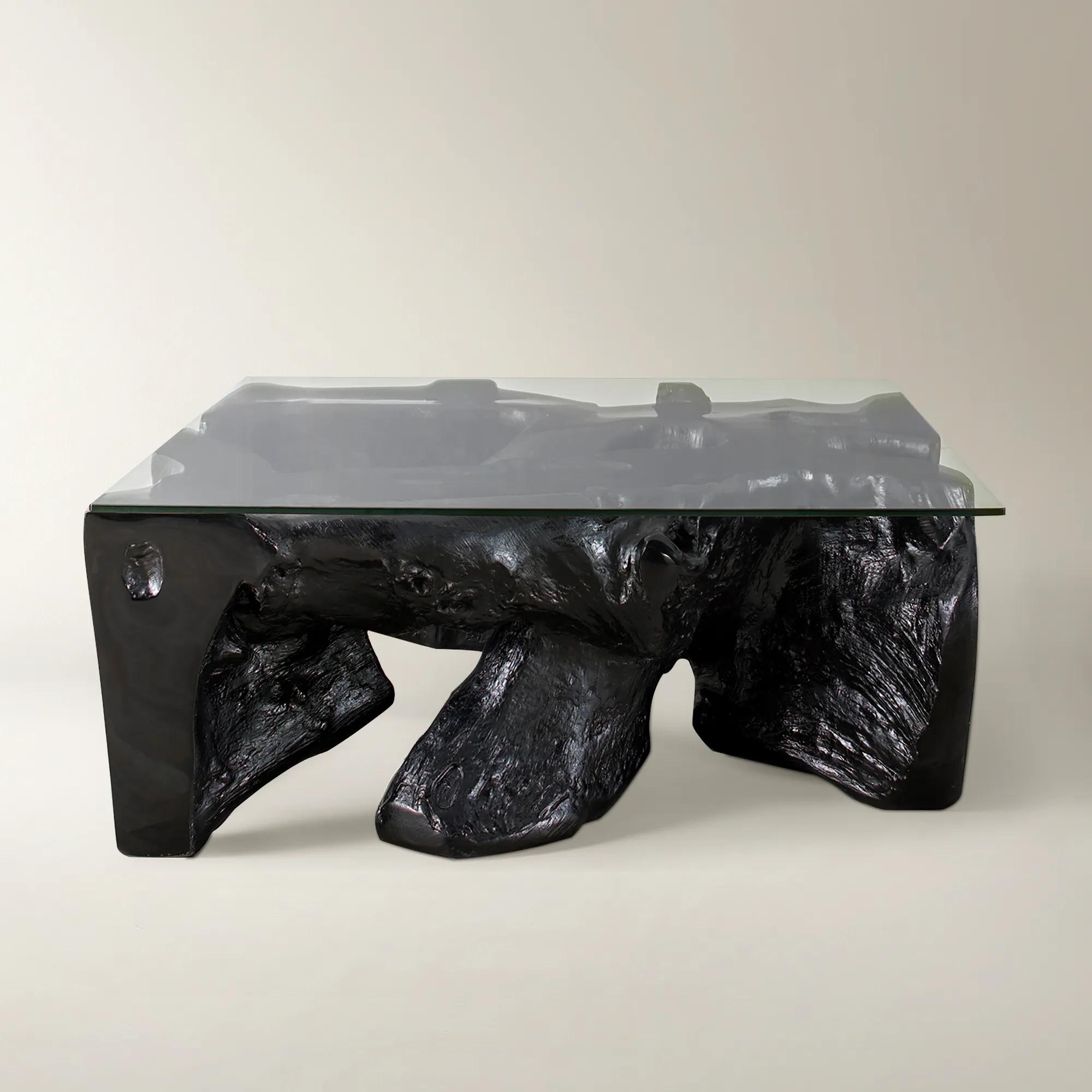
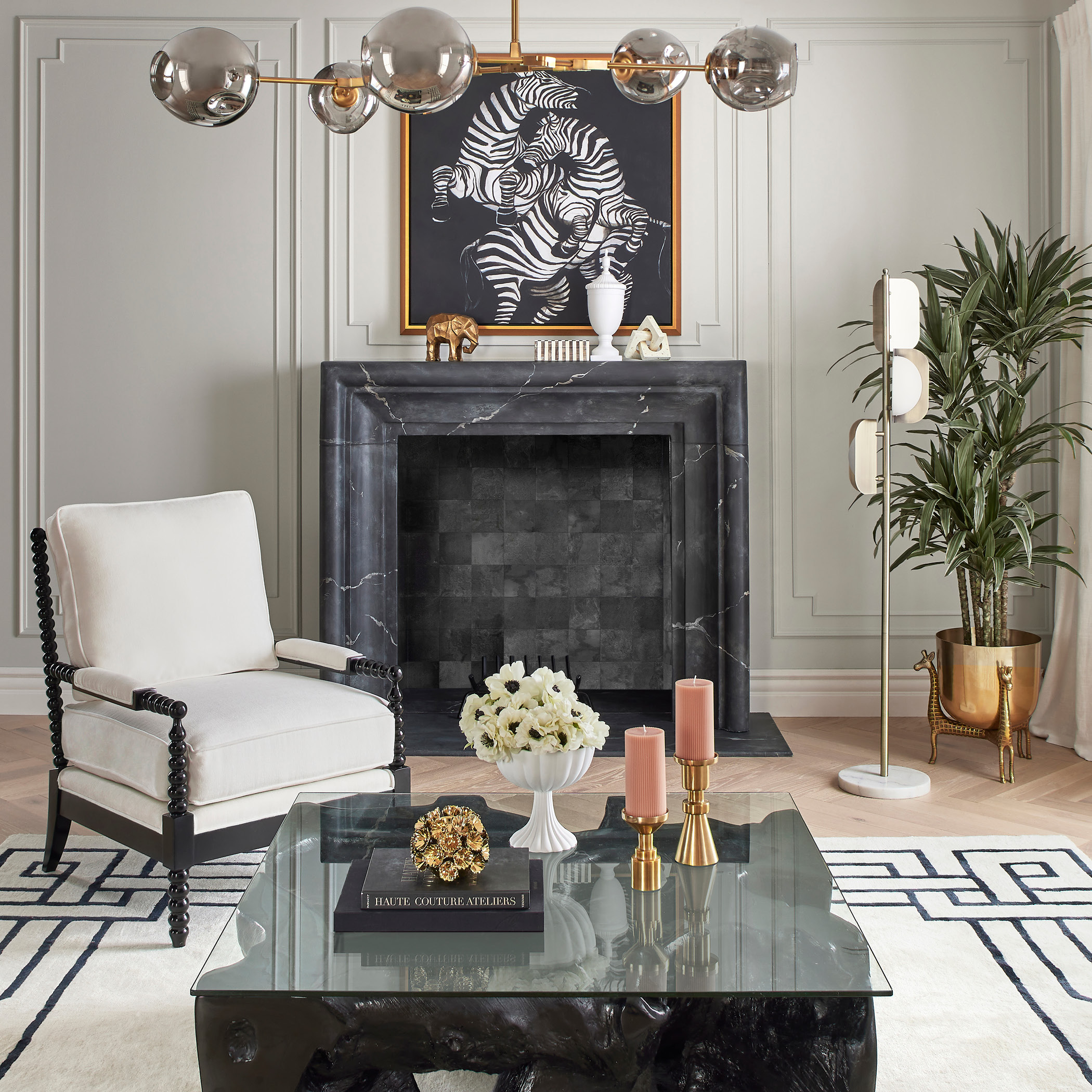 Sequoia Black Resin Coffee Table With Glass Top (44")$2299
A sculptural black coffee table crafted from resin and polished stone fragments for indoor or outdoor use.
Add To Cart -
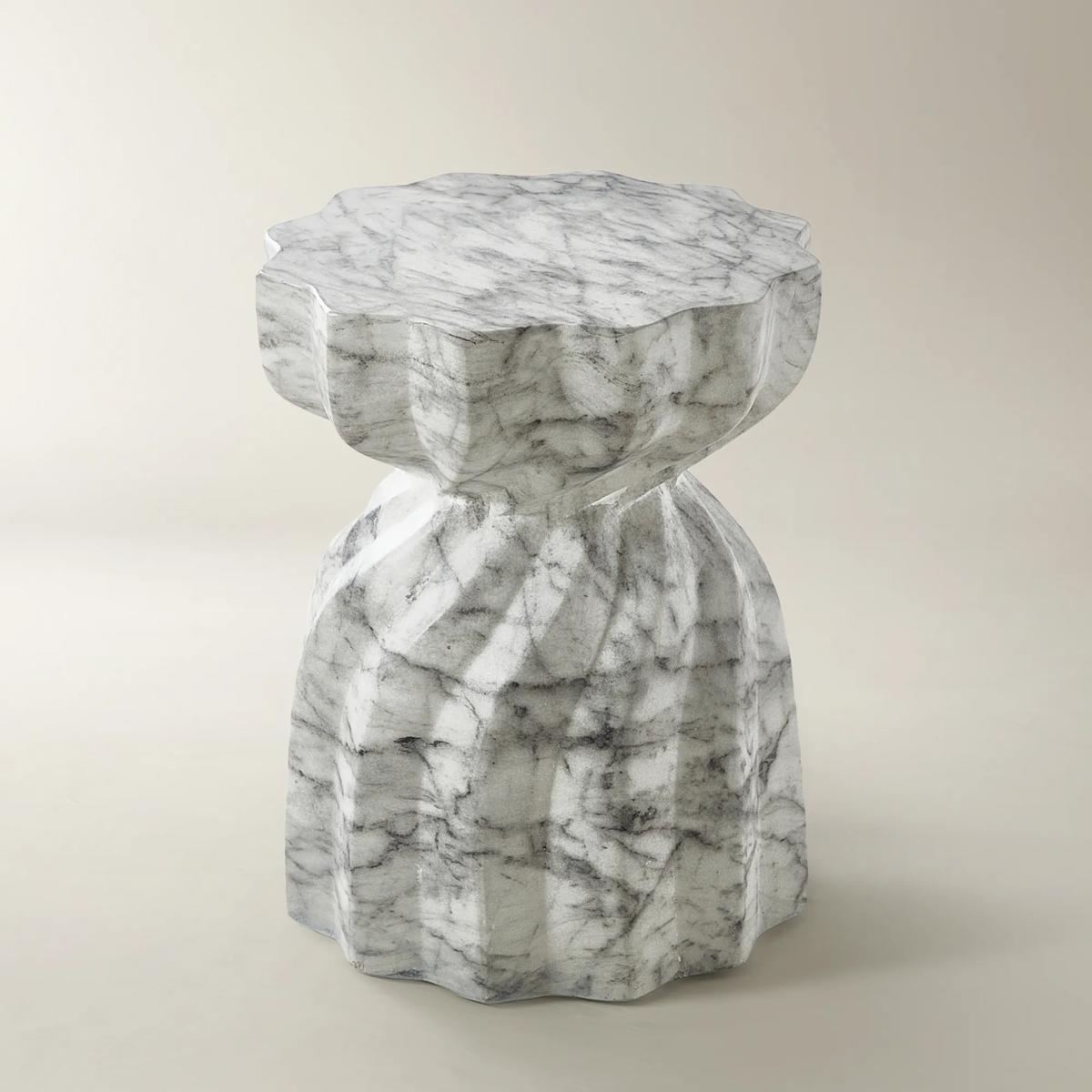
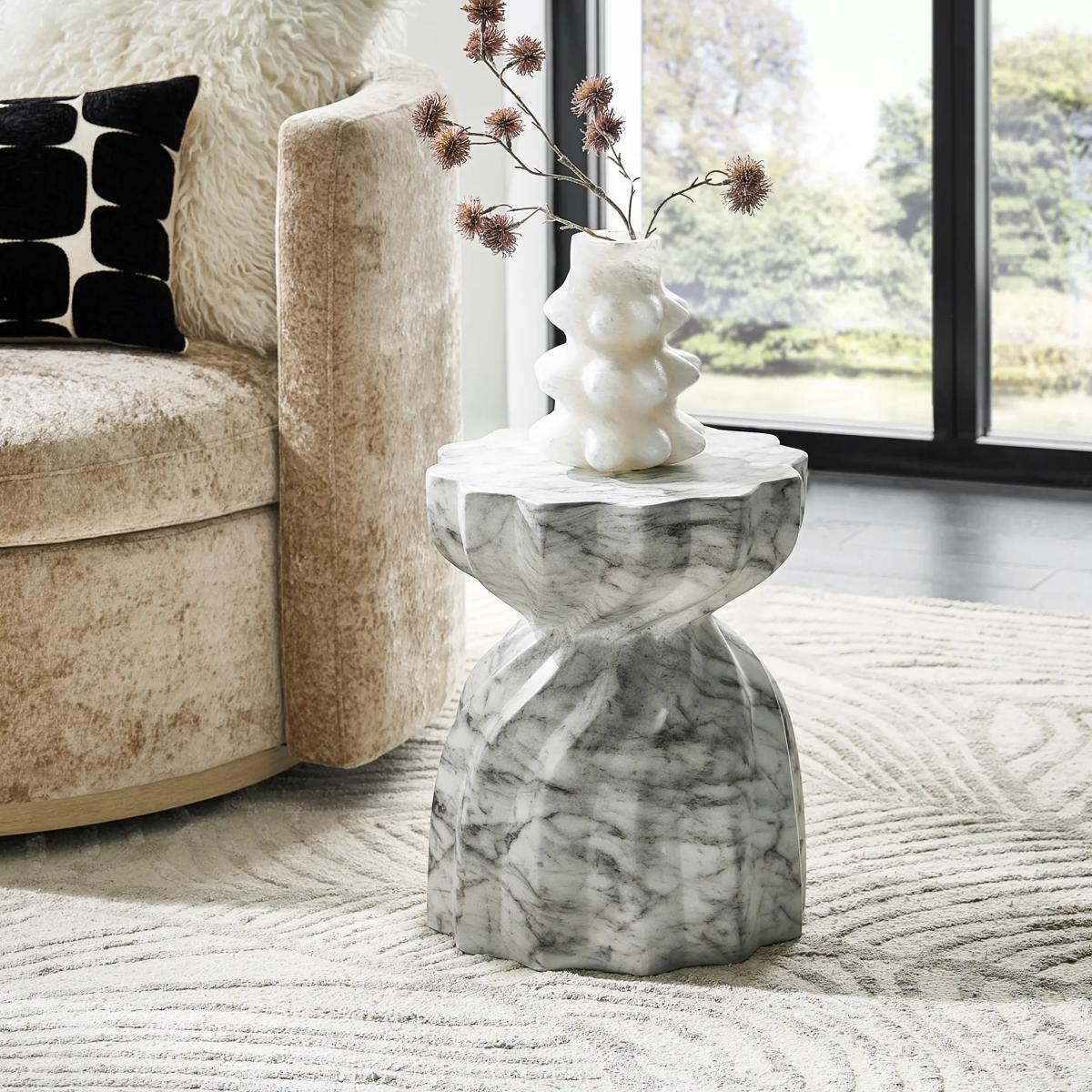 Lithia Scalloped White Concrete Side Table (15")$299
A sculptural white marble-look side table crafted from durable, lightweight fiber concrete for indoor or outdoor use.
Add To Cart -
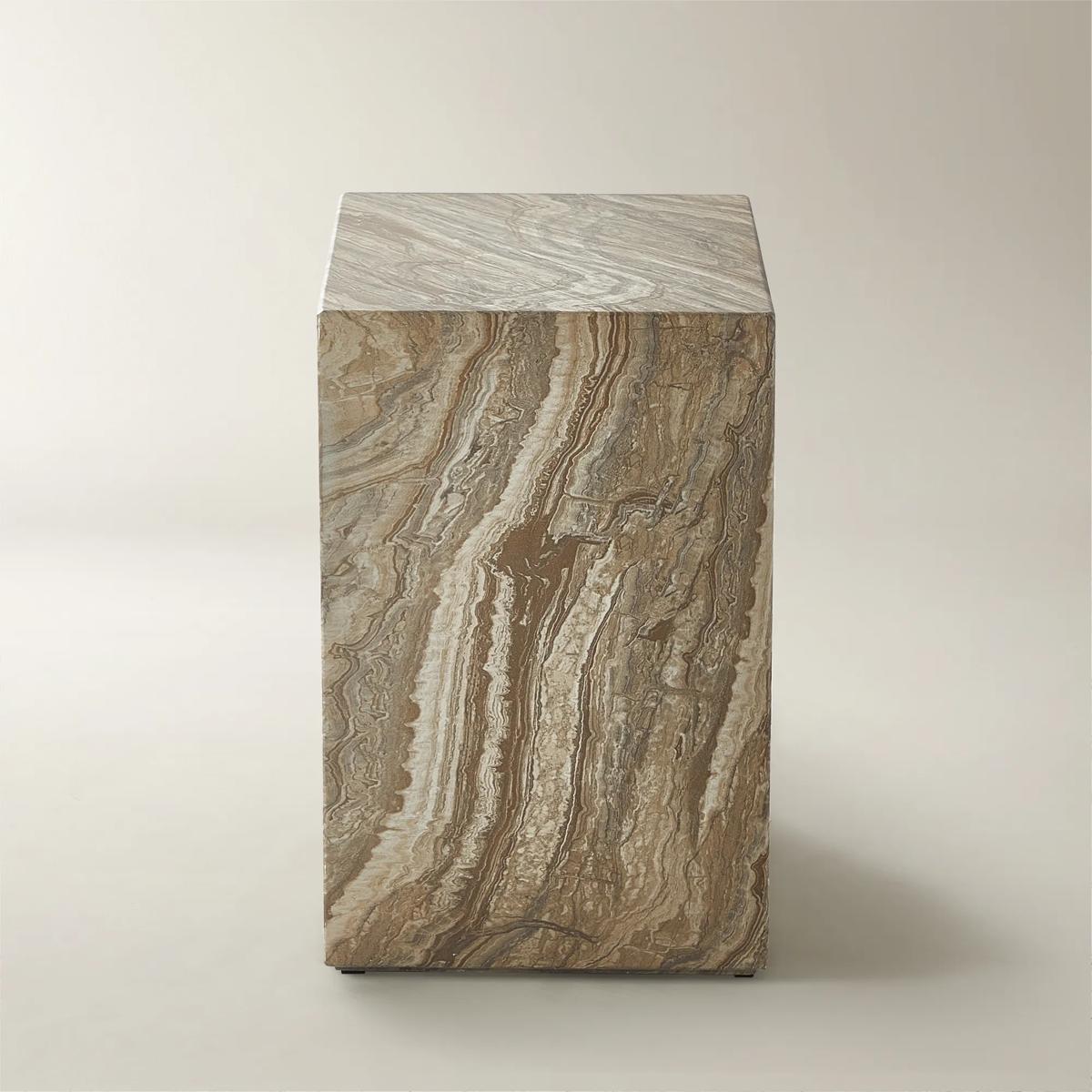
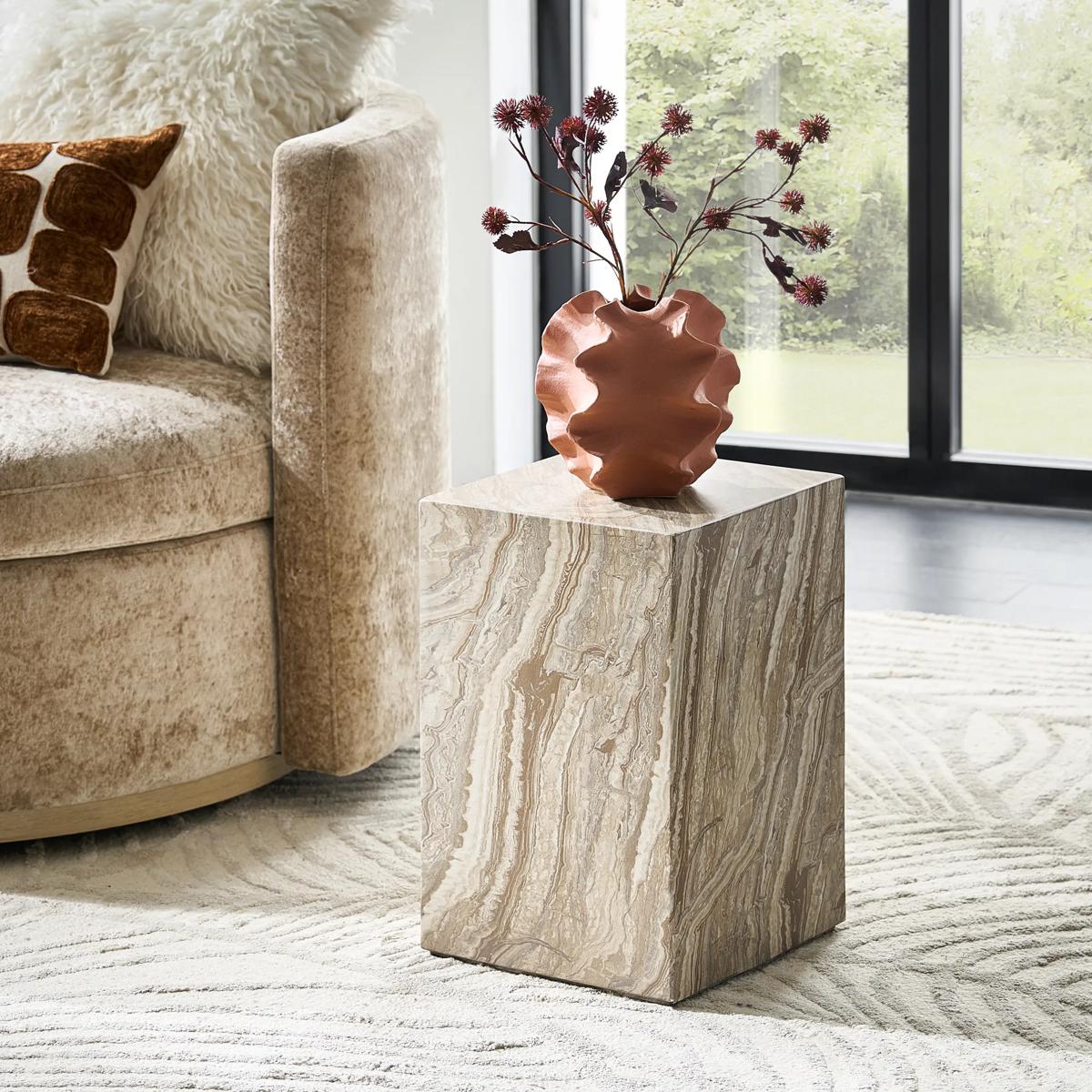 Strata Square Brown Concrete Side Table (11.8")$259
A lightweight fiber concrete side table featuring realistic brown marble veining and sealed for indoor or outdoor use.
Add To Cart -
.jpeg?w=1200&h=1200)
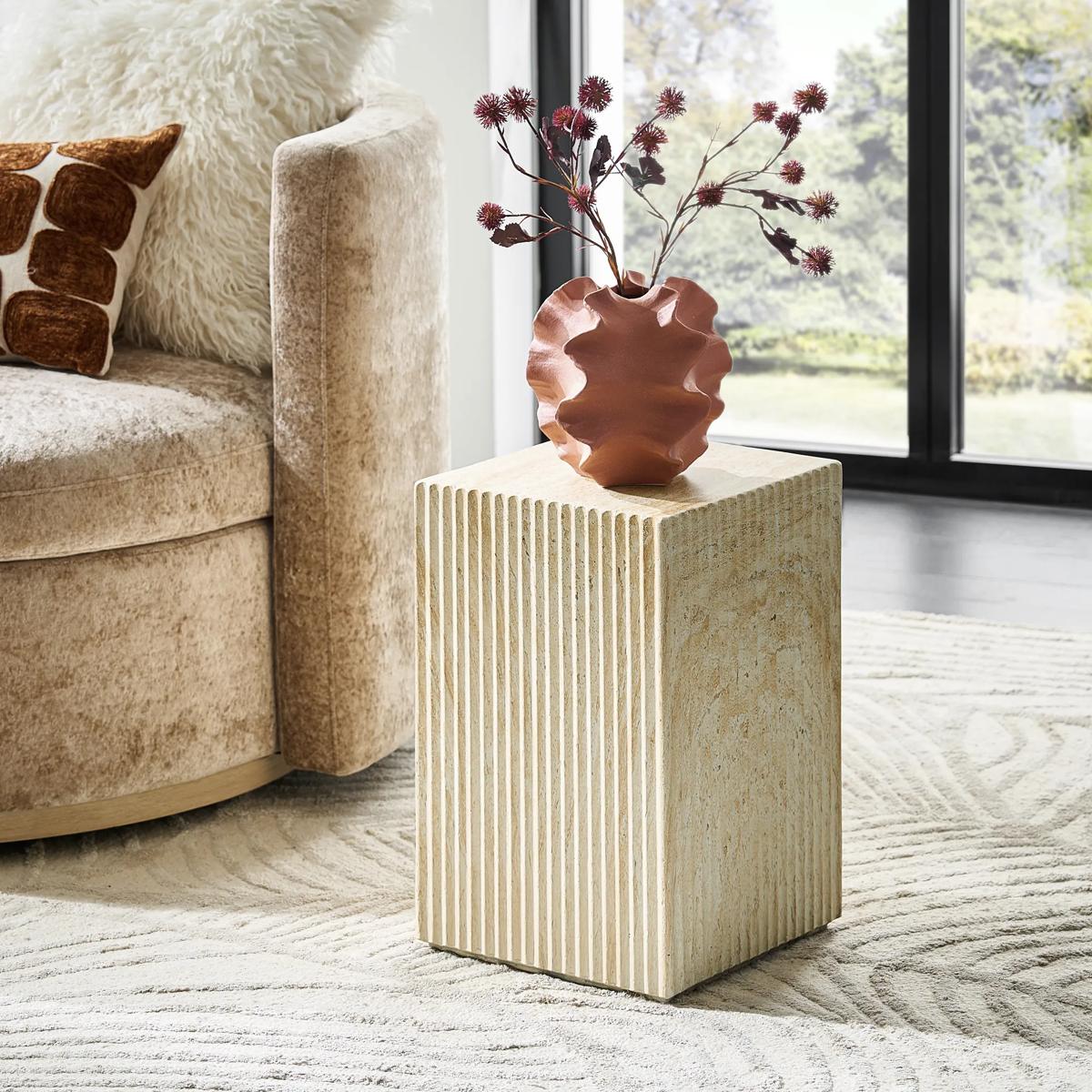 Strata Square Travertine Concrete Side Table (11.8")$259
A travertine-look fiber concrete side table with grooved panels, offering lightweight durability for indoor or outdoor use.
Add To Cart -
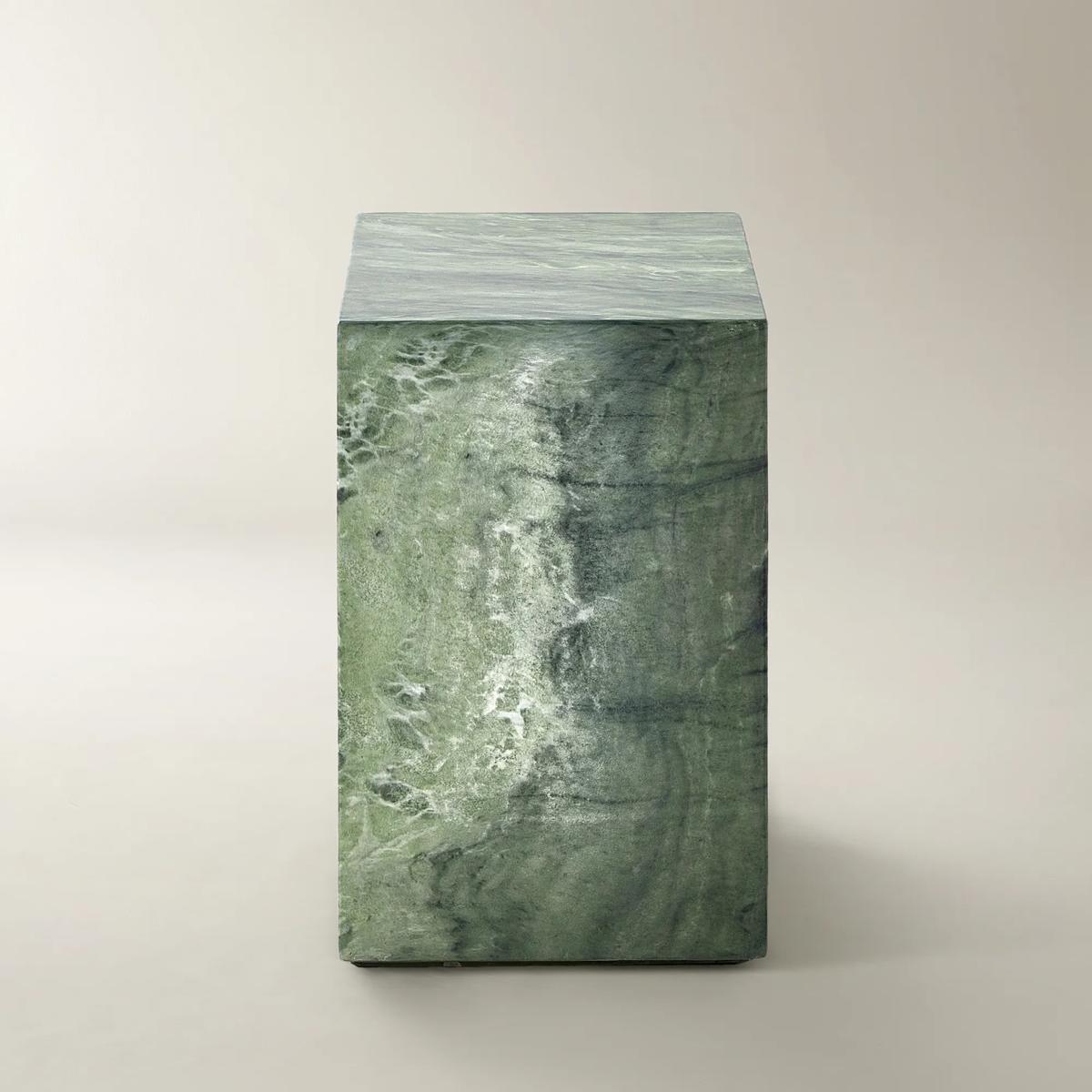
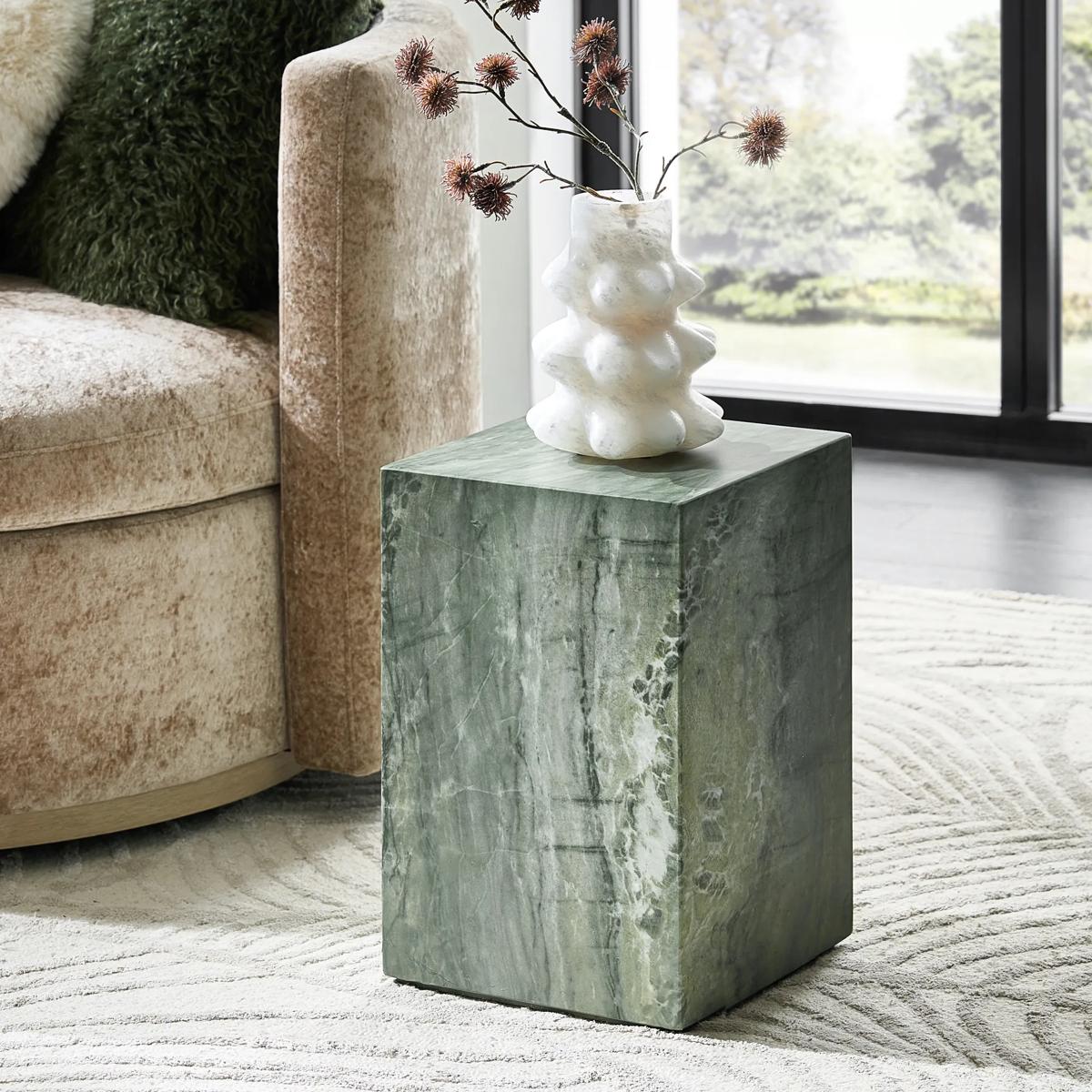 Strata Square Green Concrete Side Table (11.8")$259
A sculptural green marble-look side table crafted from lightweight, durable fiber concrete for indoor or outdoor use.
Add To Cart -
-0.jpeg?w=1200&h=1200) Strata Round Green Concrete Side Table (15")$299
Strata Round Green Concrete Side Table (15")$299A sculptural green marble-look side table crafted from lightweight, durable, and weather-resistant fiber concrete.
Add To Cart -
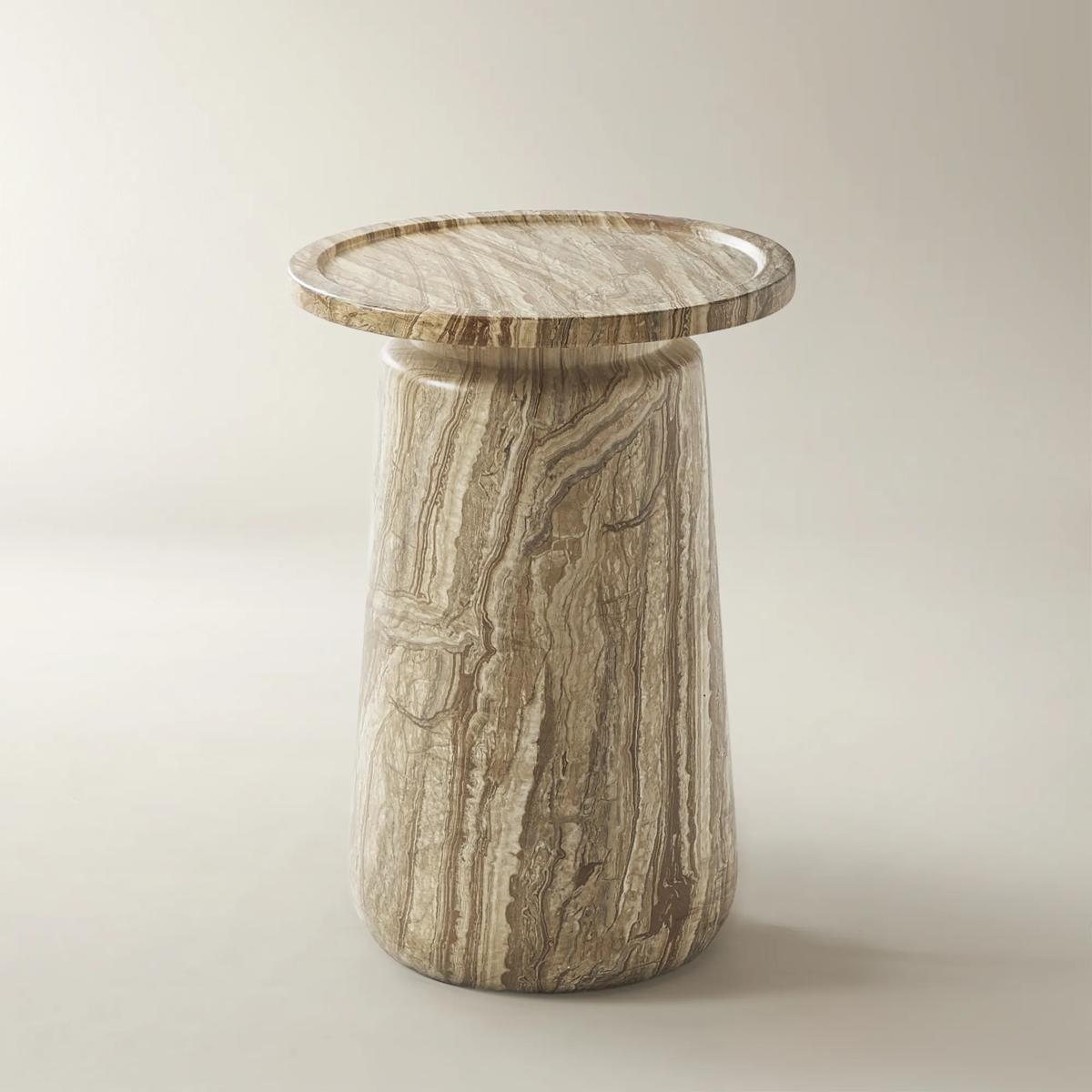 Strata Round Brown Concrete Side Table (15")$299
A sculptural side table featuring a brown marble finish and durable, weather-resistant fiber concrete construction.
Add To Cart -
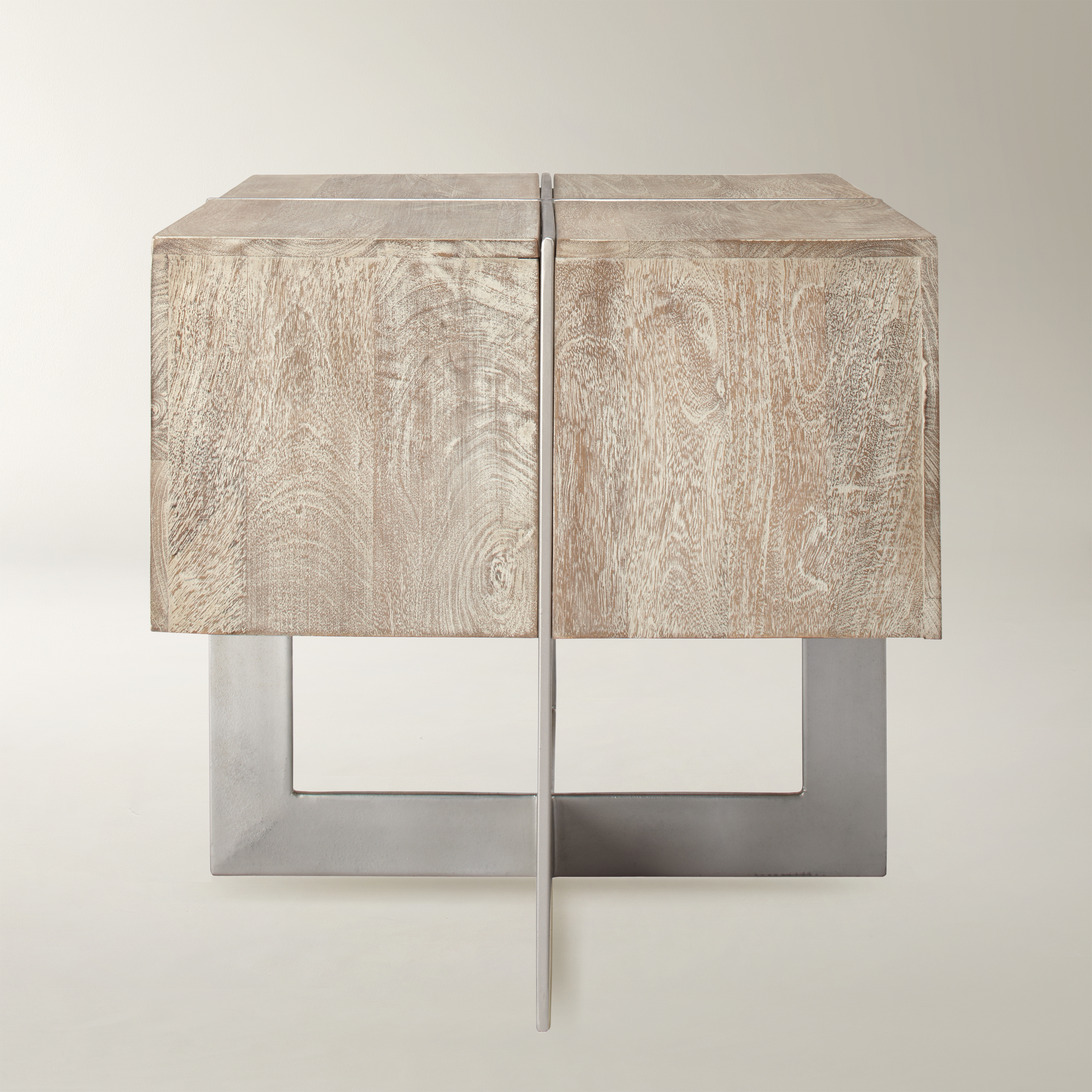
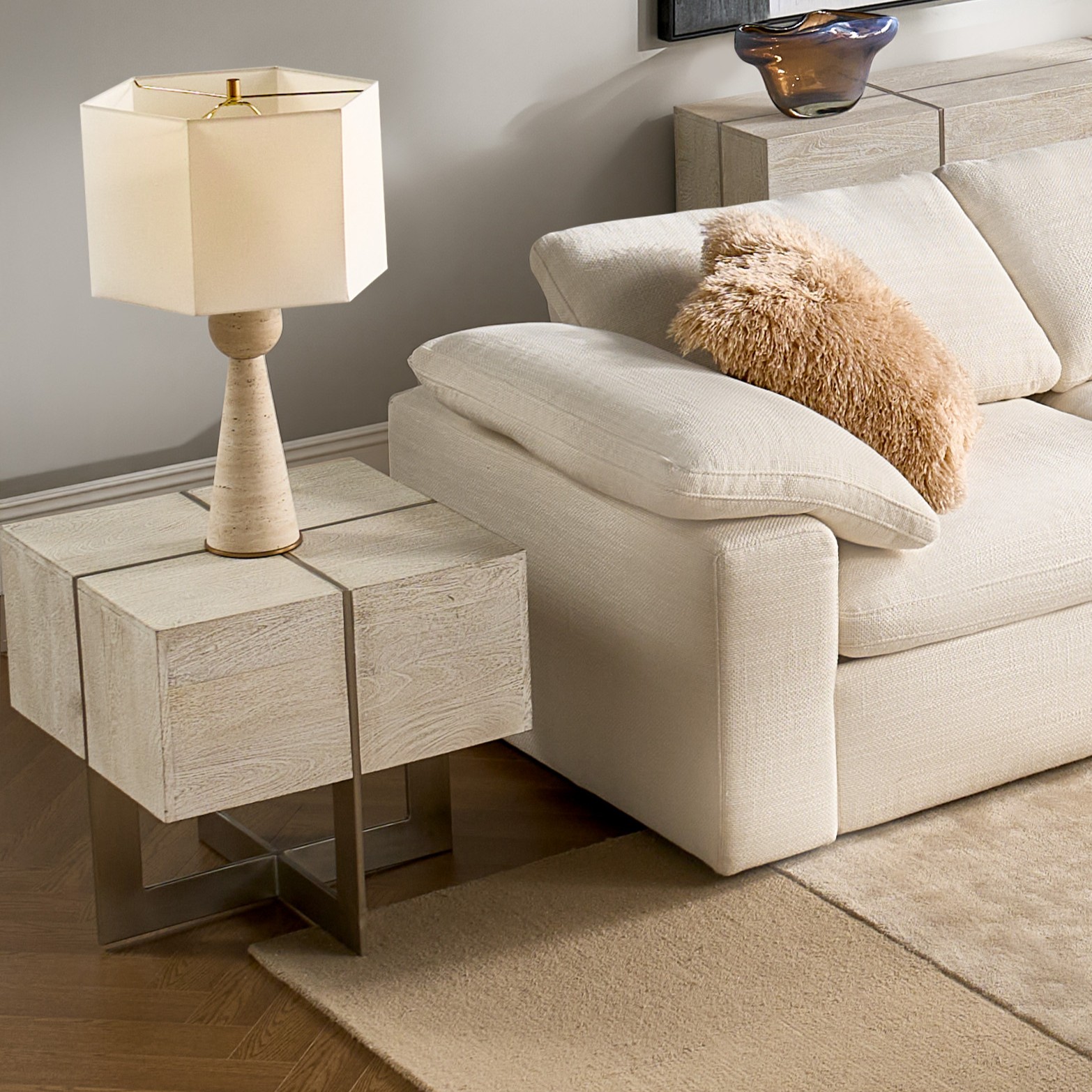 Clifton Square Natural Mango Wood End Table (24")$599
A handcrafted mango wood end table with a whitewashed finish and antiqued silver iron legs.
Add To Cart -
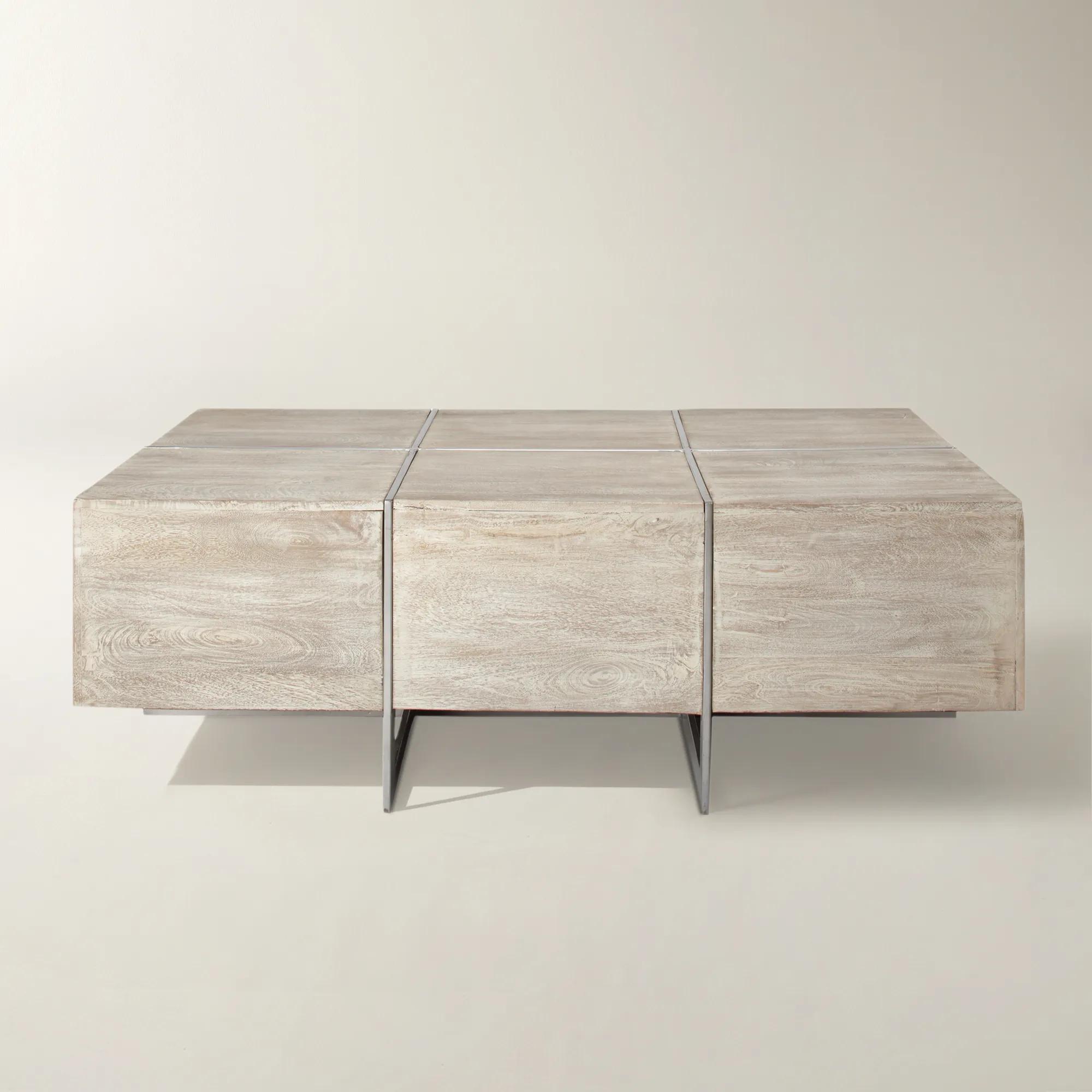
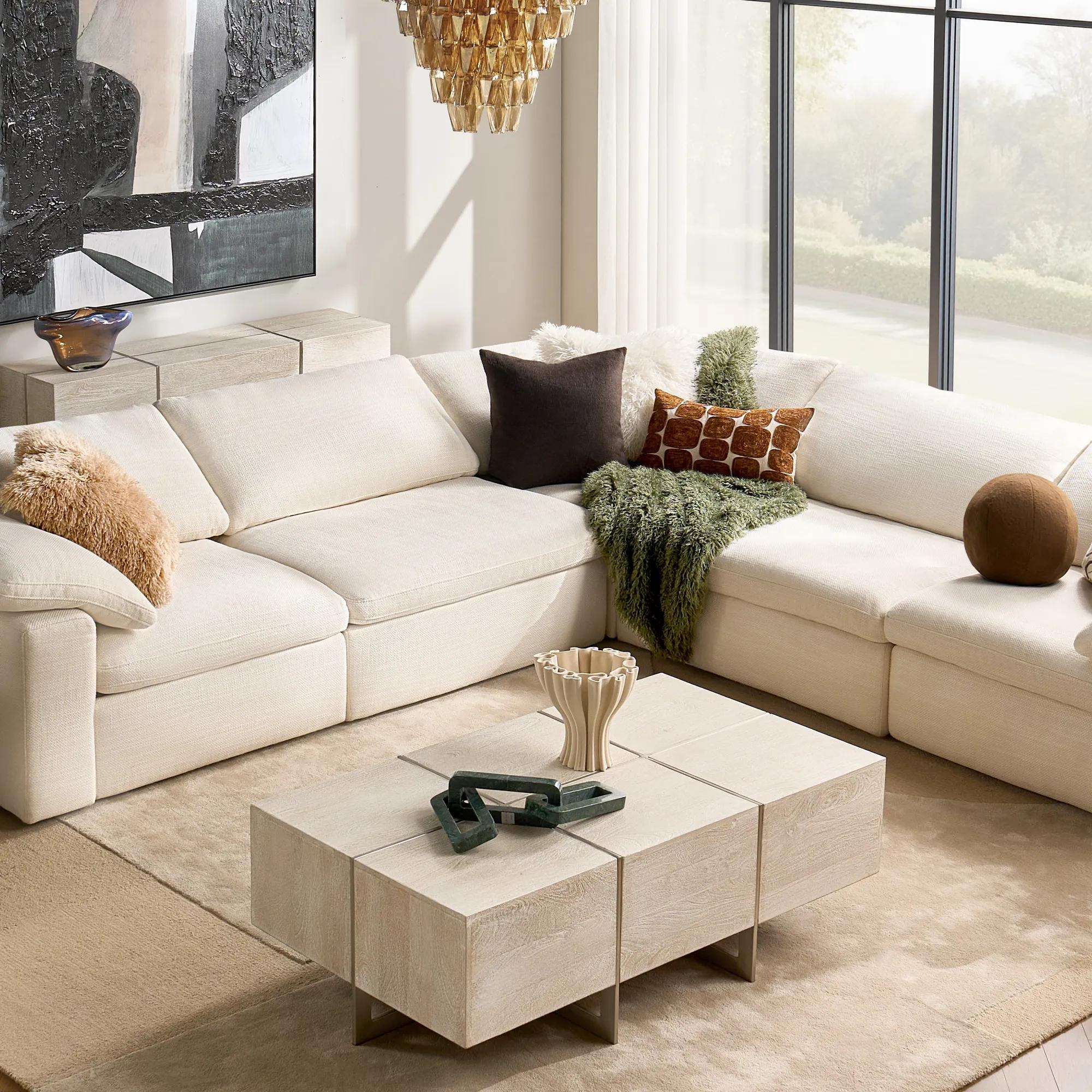 Clifton Rectangular Natural Mango Wood Coffee Table (54")$1299
A handcrafted mango wood table with a whitewashed finish and antiqued silver iron legs for organic appeal.
Add To Cart -
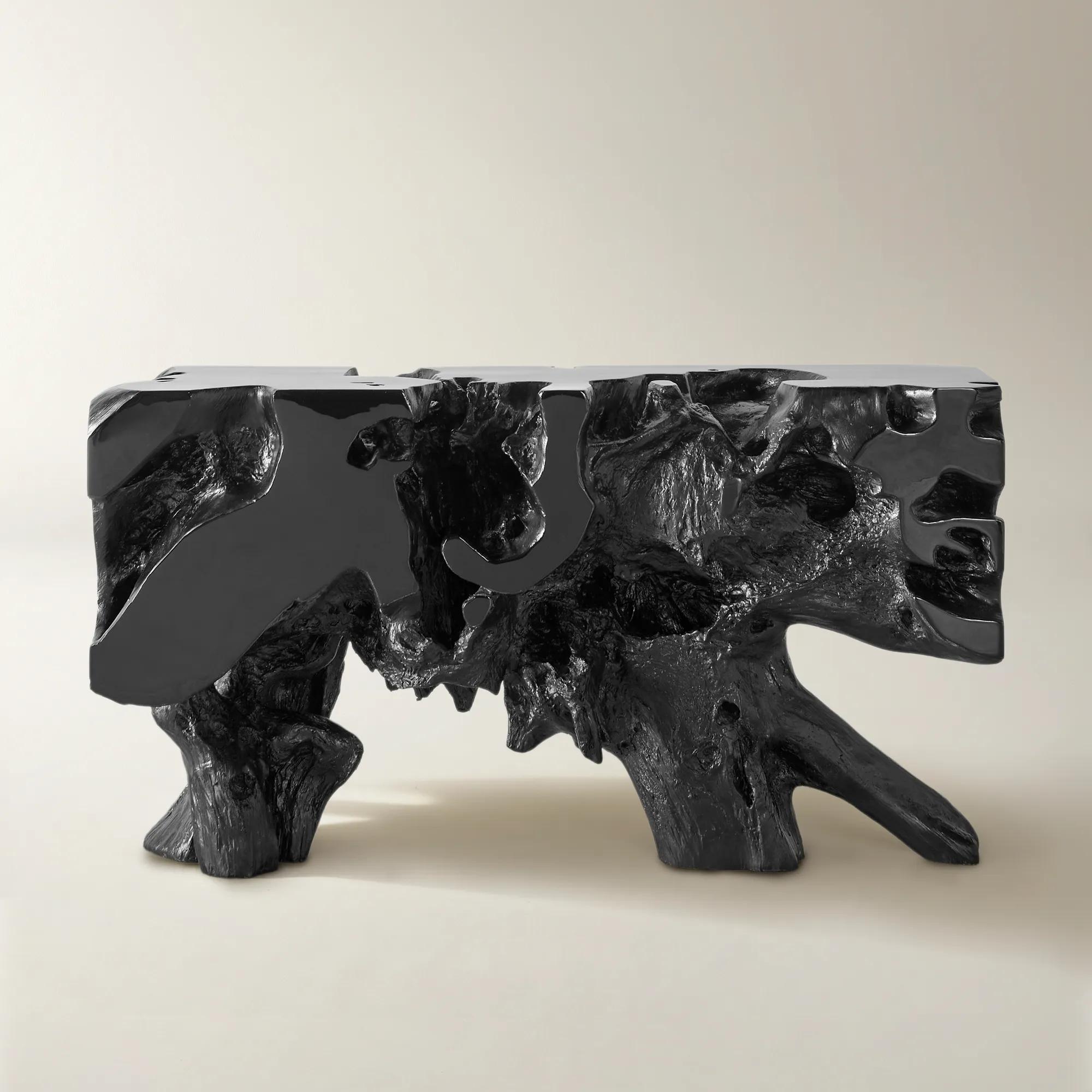 Sequoia Black Resin Console Table (58")$1999
A sculptural black console table crafted from resin, fiberglass, and polished stone for indoor or outdoor use.
Add To Cart -
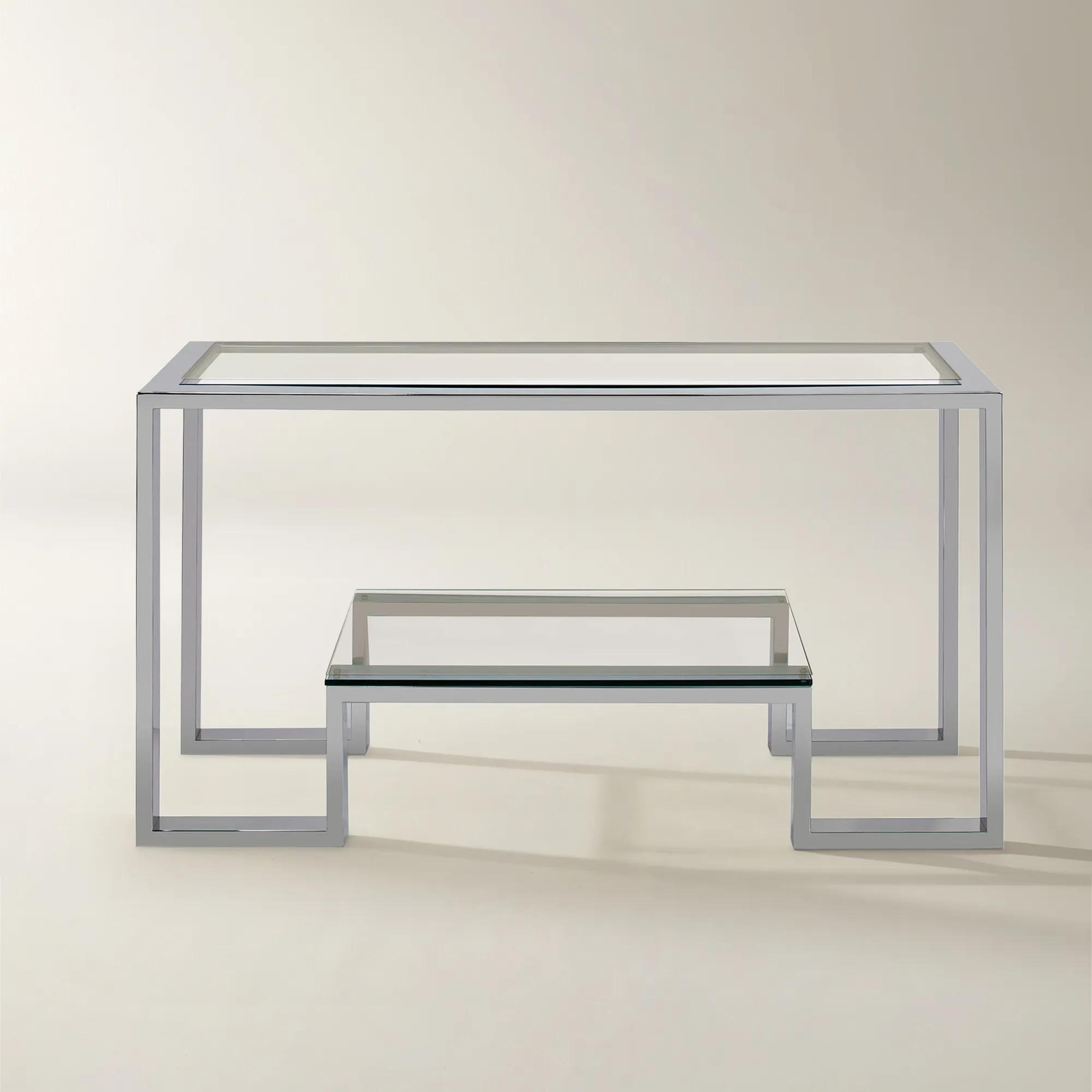
 Duplicity Rectangular Silver Stainless Steel Console Table With Glass Top (59")$1399
A modern console table crafted from stainless steel and tempered glass with a floating bottom shelf.
Add To Cart -
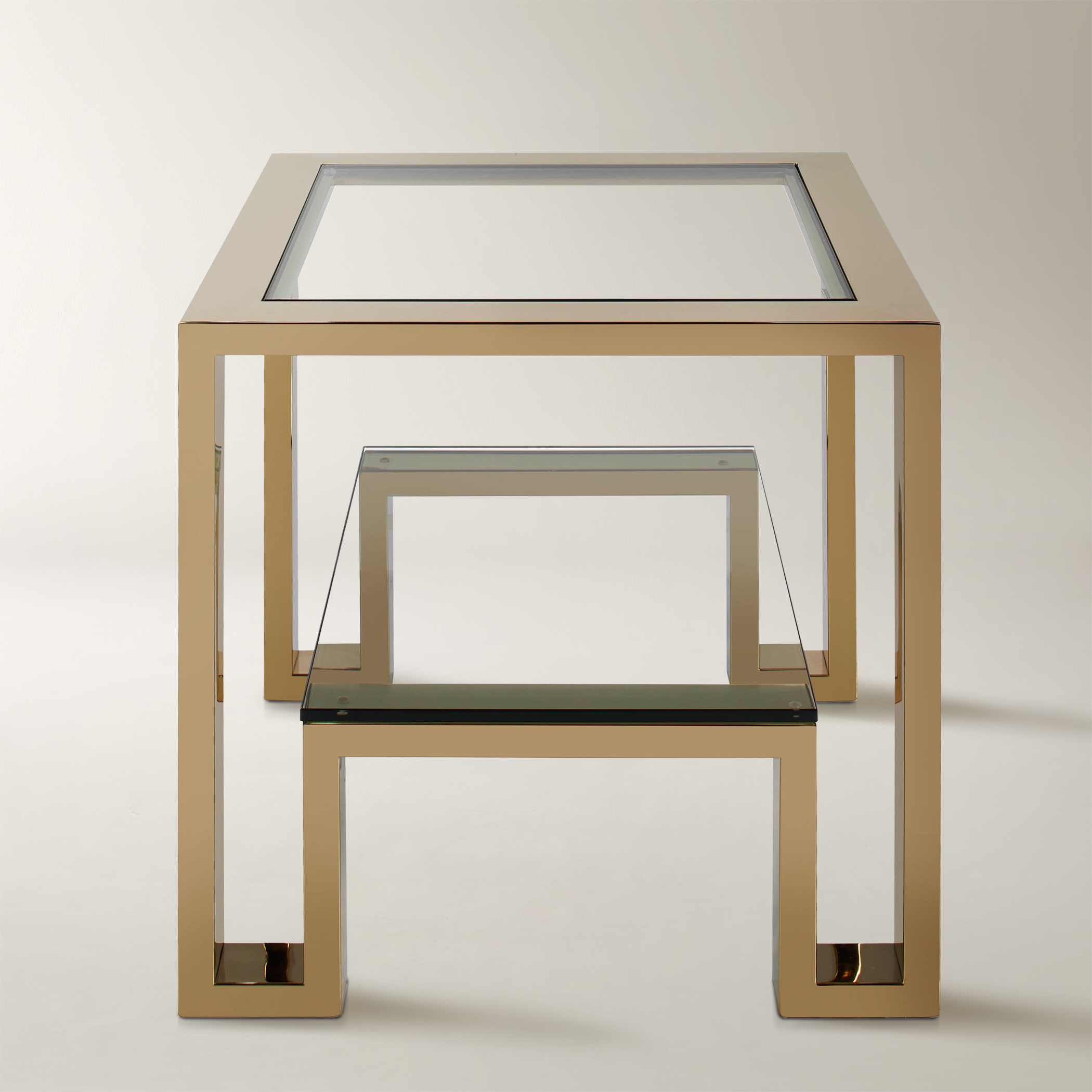 Duplicity Square Gold Stainless Steel End Table With Glass Top (24")$749
A modern end table crafted from stainless steel and tempered glass with a floating bottom shelf.
Add To Cart -
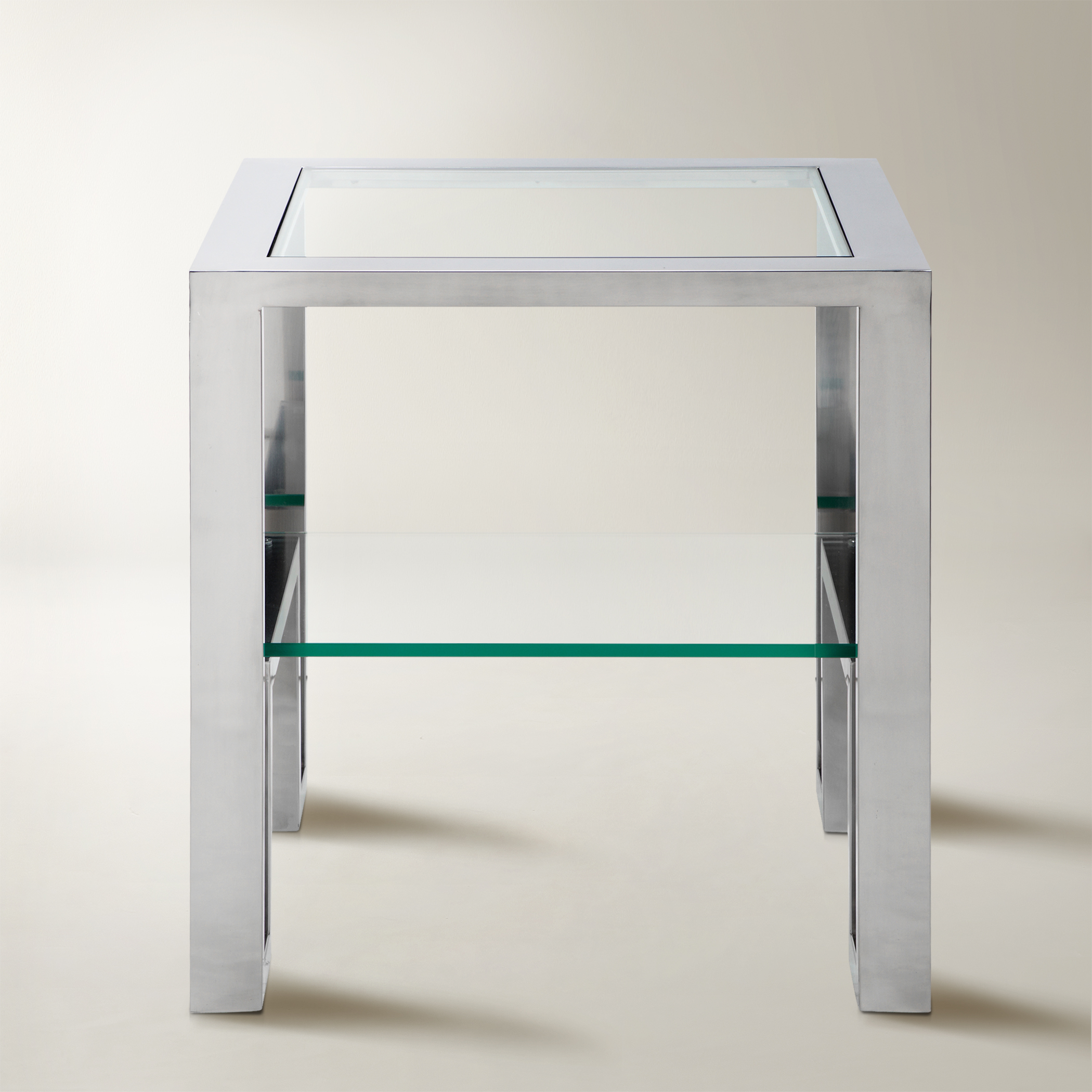
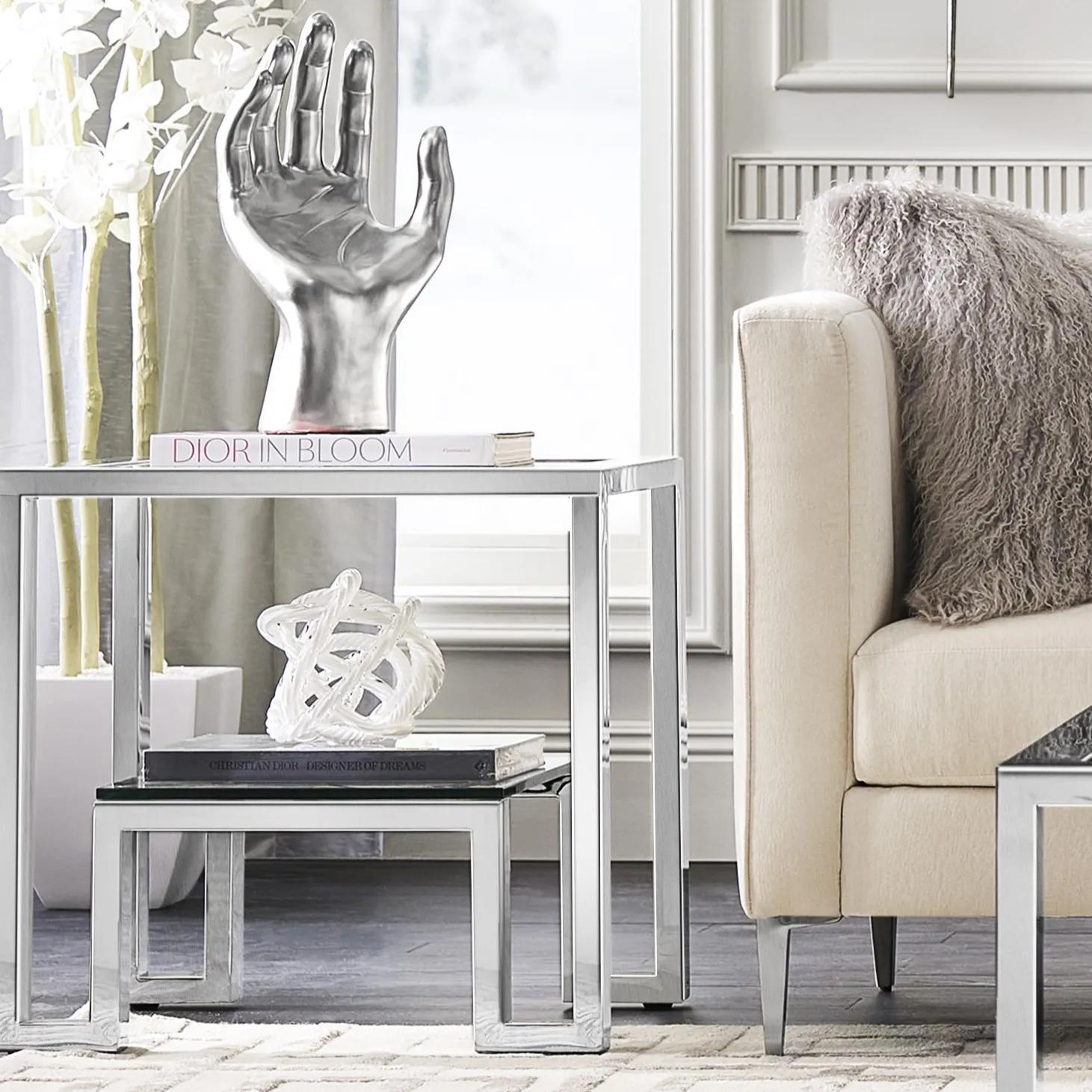 Duplicity Square Silver Stainless Steel End Table With Glass Top (24")$749
A modern end table featuring a stainless steel frame, tempered glass top, and floating bottom shelf.
Add To Cart -
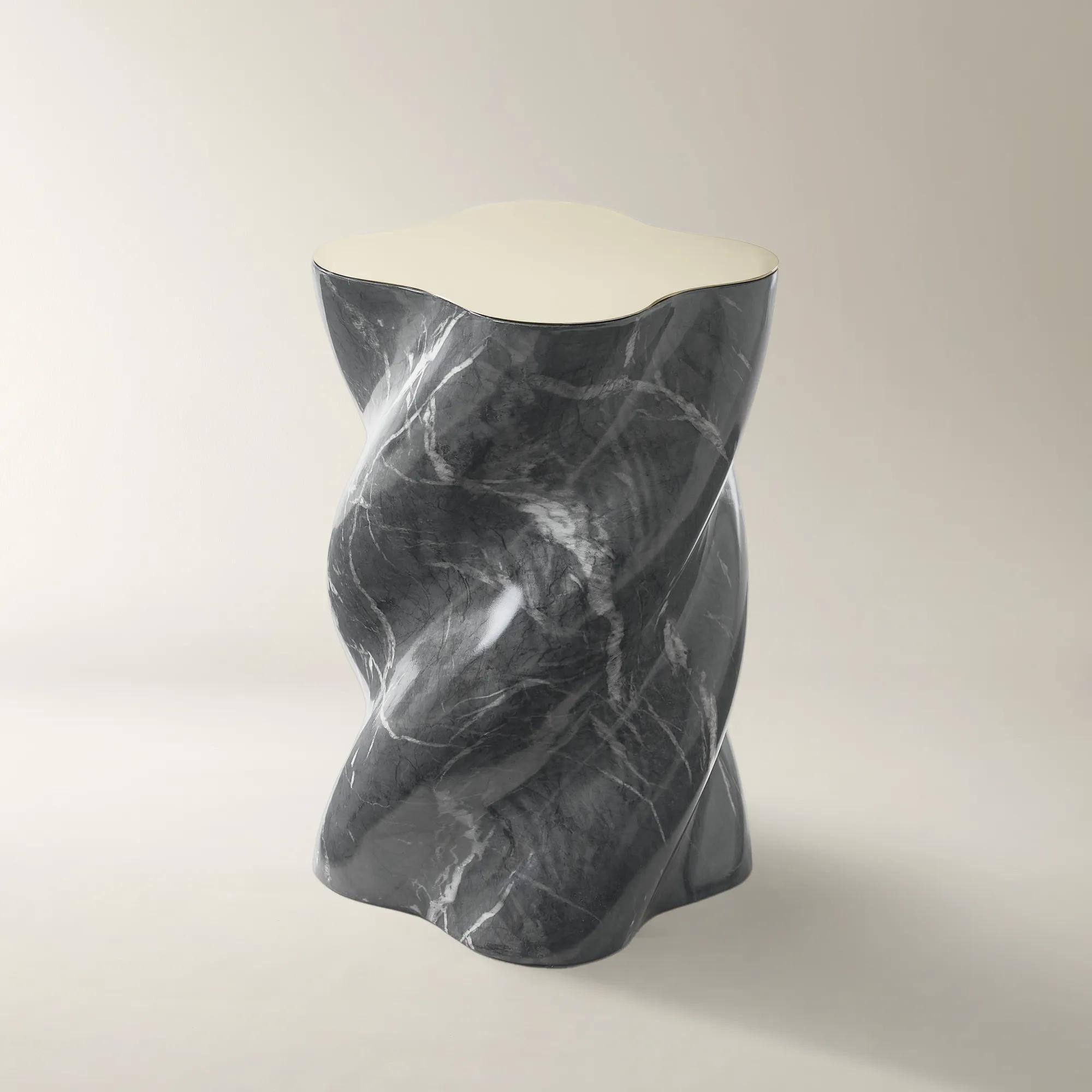 Vega Bvlgary Black Concrete Side Table With Stainless Steel Top (13.8")$459
A sculptural black side table featuring a marble-inspired fiber-concrete base and removable stainless steel top.
Add To Cart -
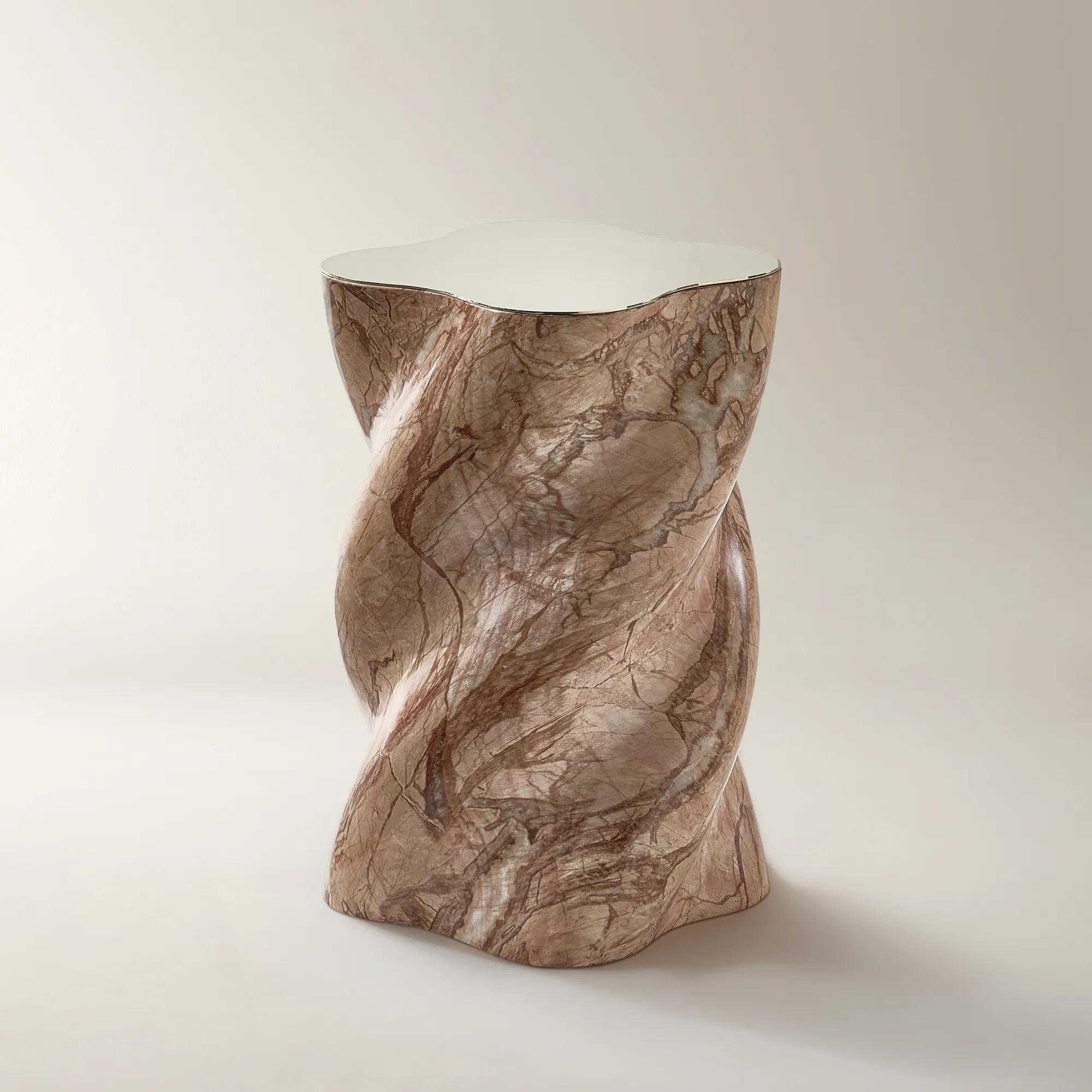
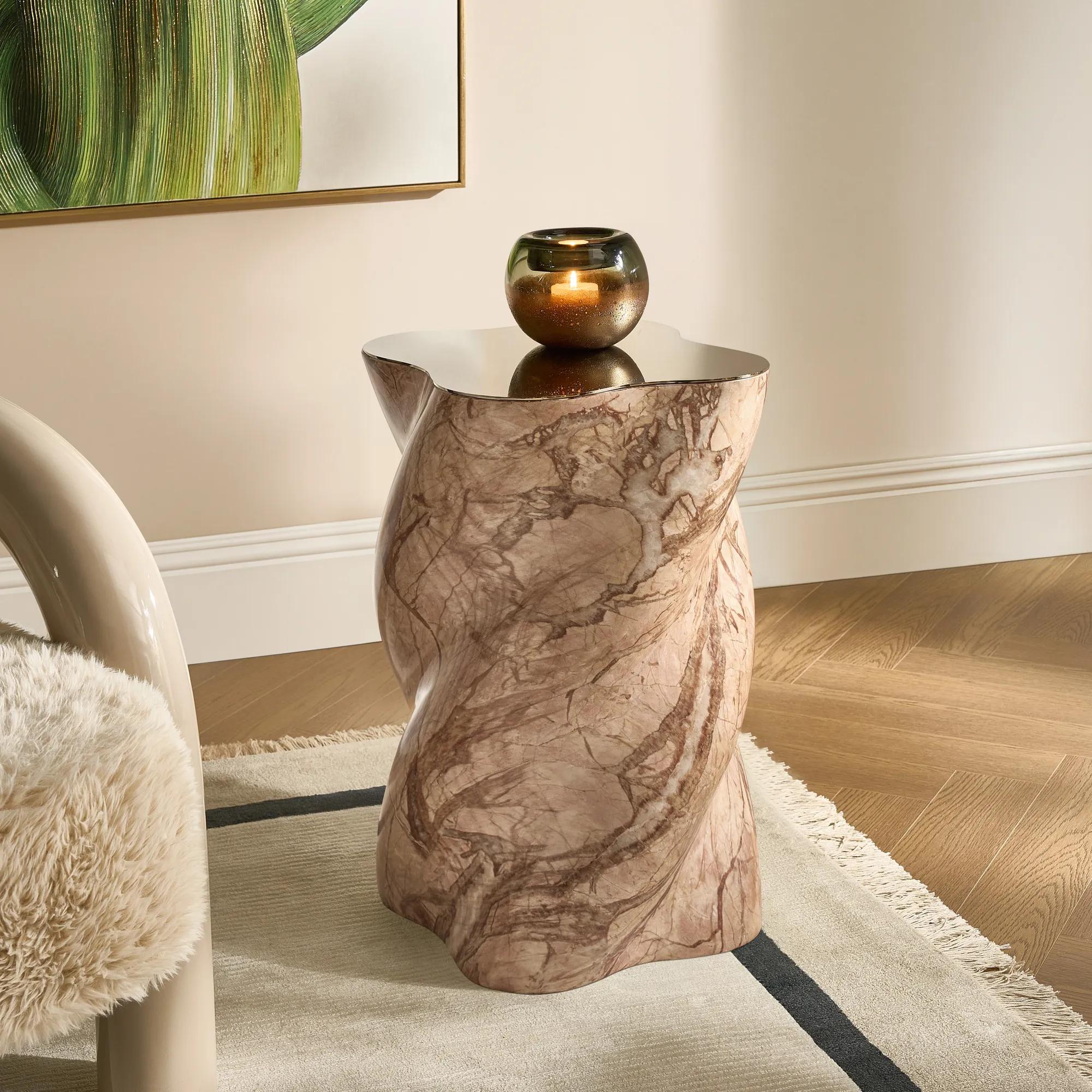 Vega Concrete Side Table With Stainless Steel Top (13.8")$459
A sculptural side table featuring a hand-cast fiber-concrete base and sunset marble-inspired stainless steel top.
Add To Cart -
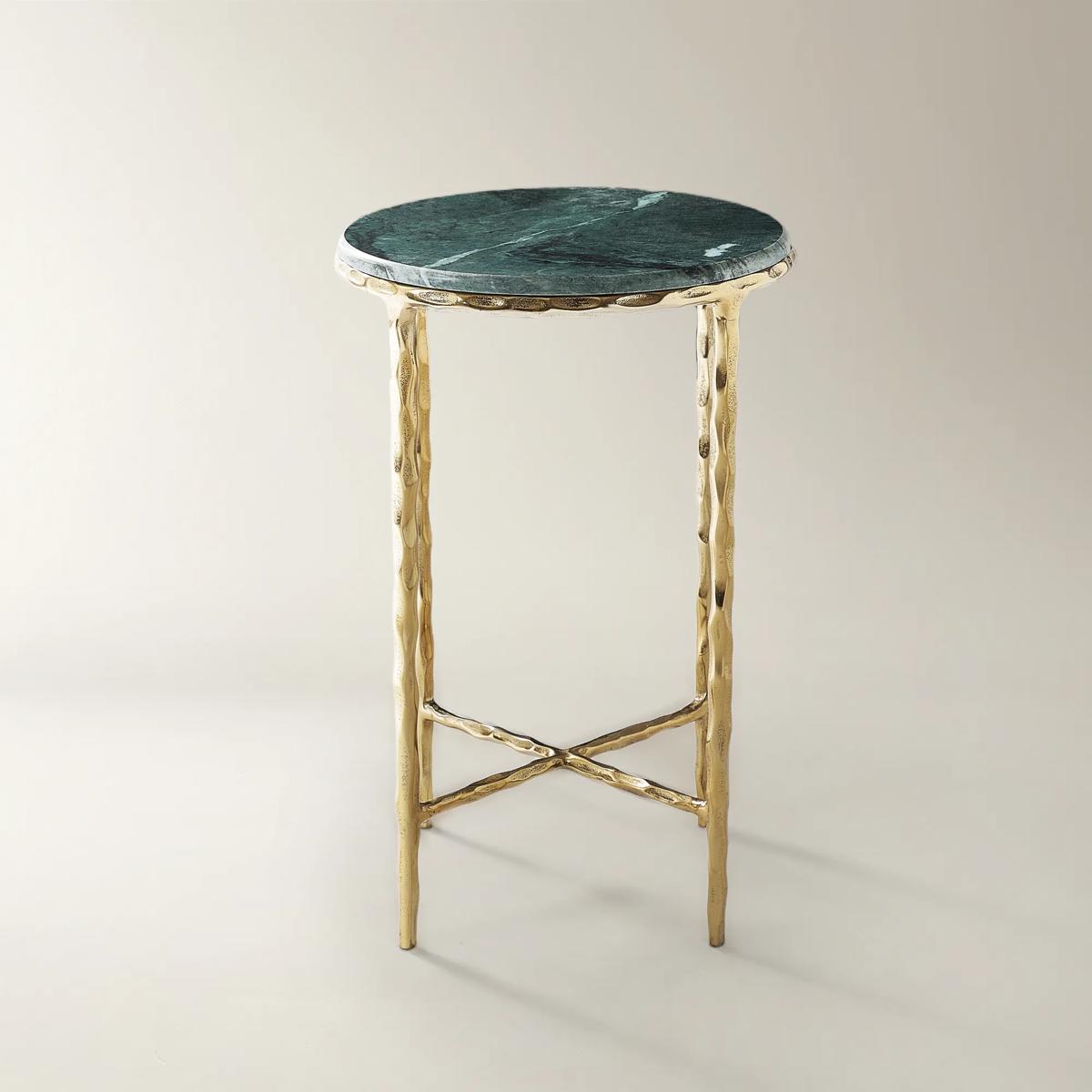
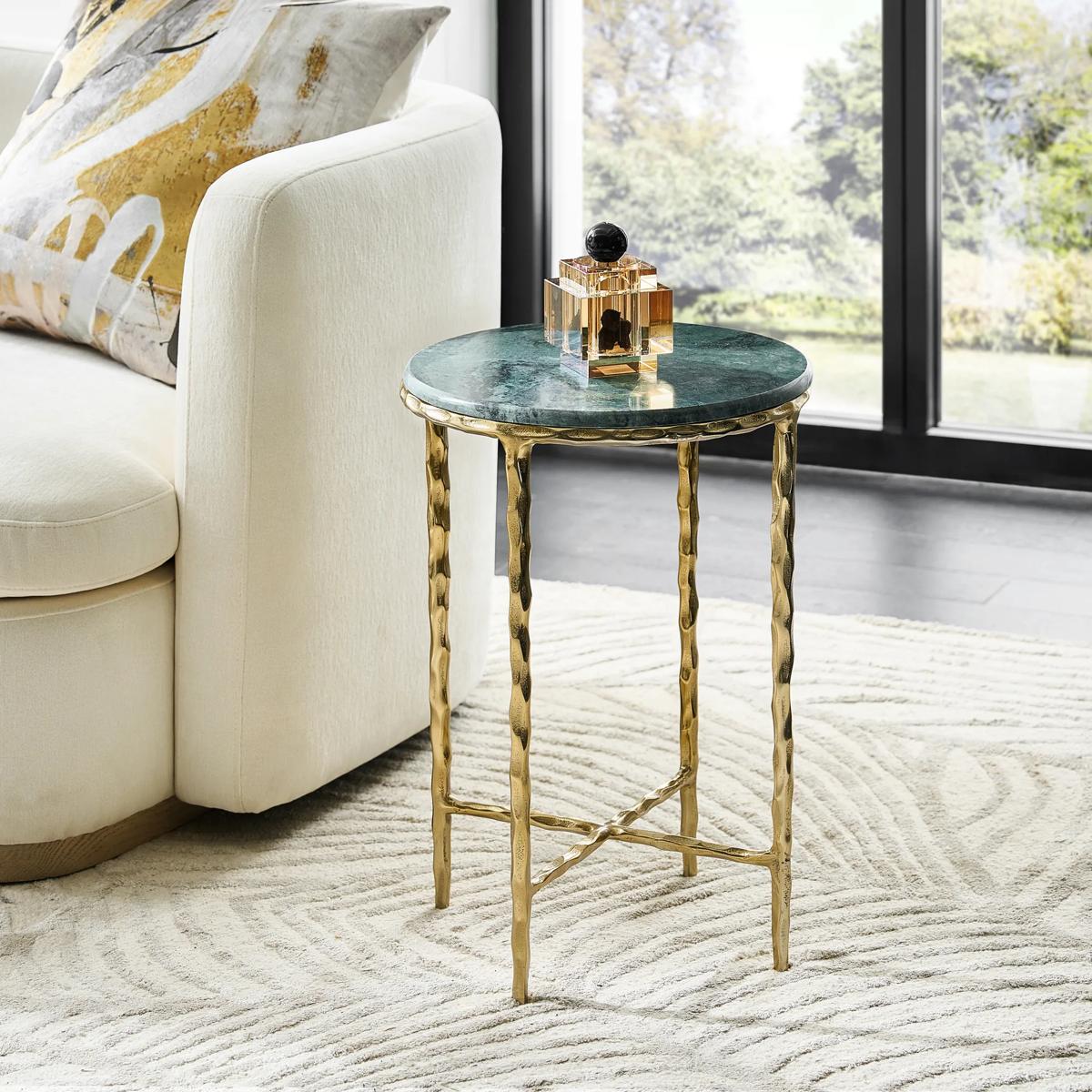 Juliet Round Green Marble Side Table (15")$269
A striking side table featuring a deep green Indian marble top and a hand-hammered metal base.
Add To Cart -
.jpg?w=1200&h=1200)
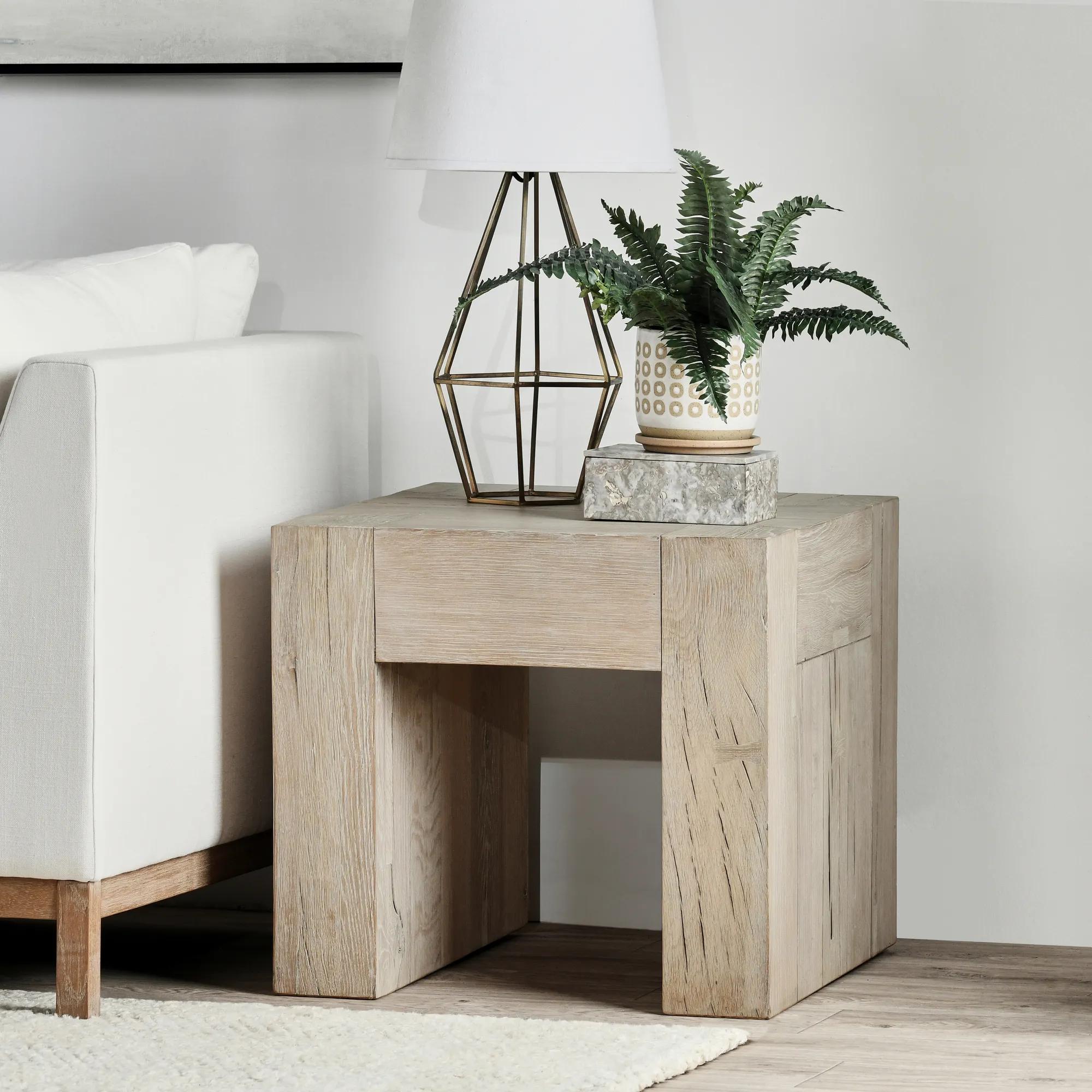 Bristol Square Cream Oak End Table (24")$999
A handcrafted end table featuring cracked reclaimed oak in an aged cream finish with modern dovetail detailing.
Add To Cart -
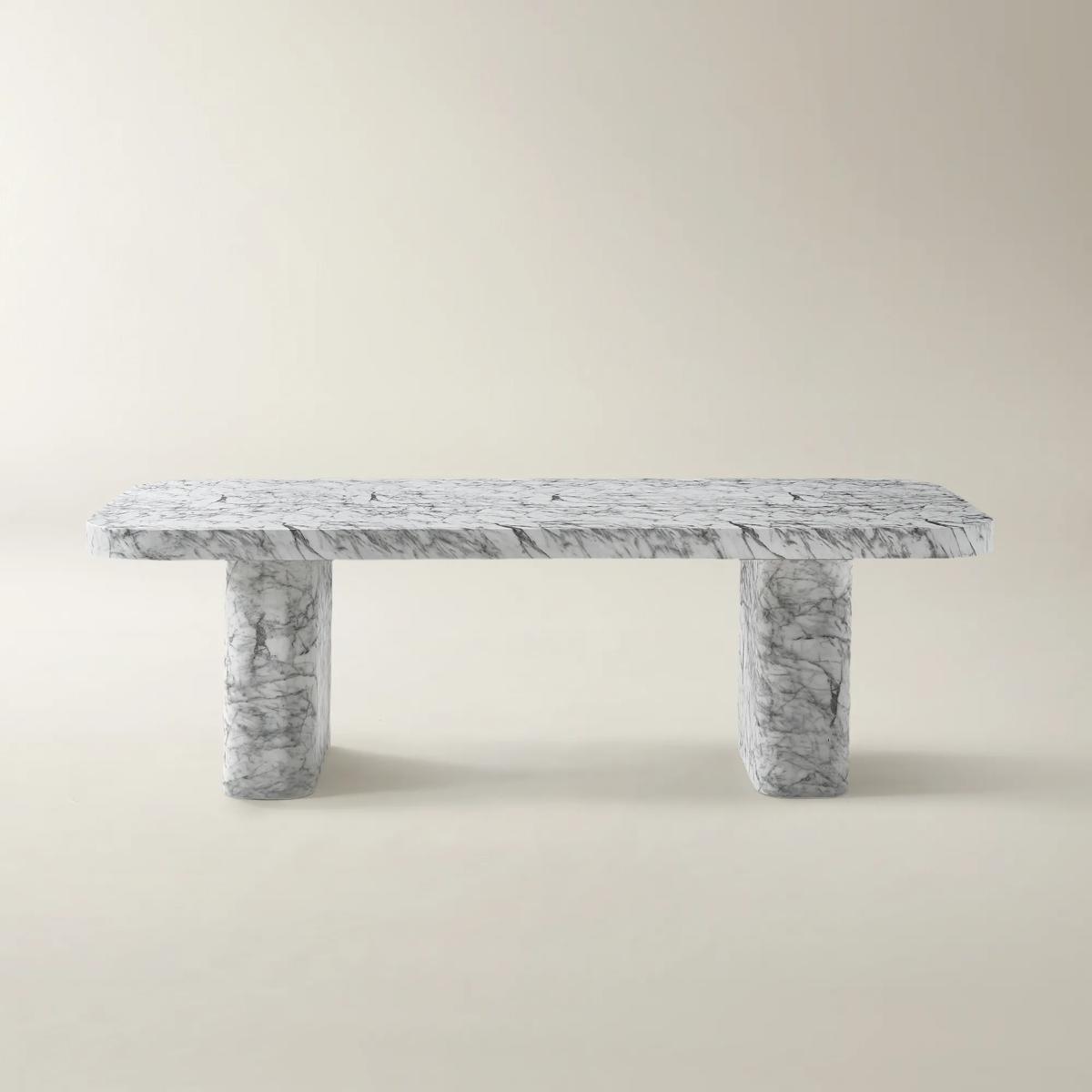
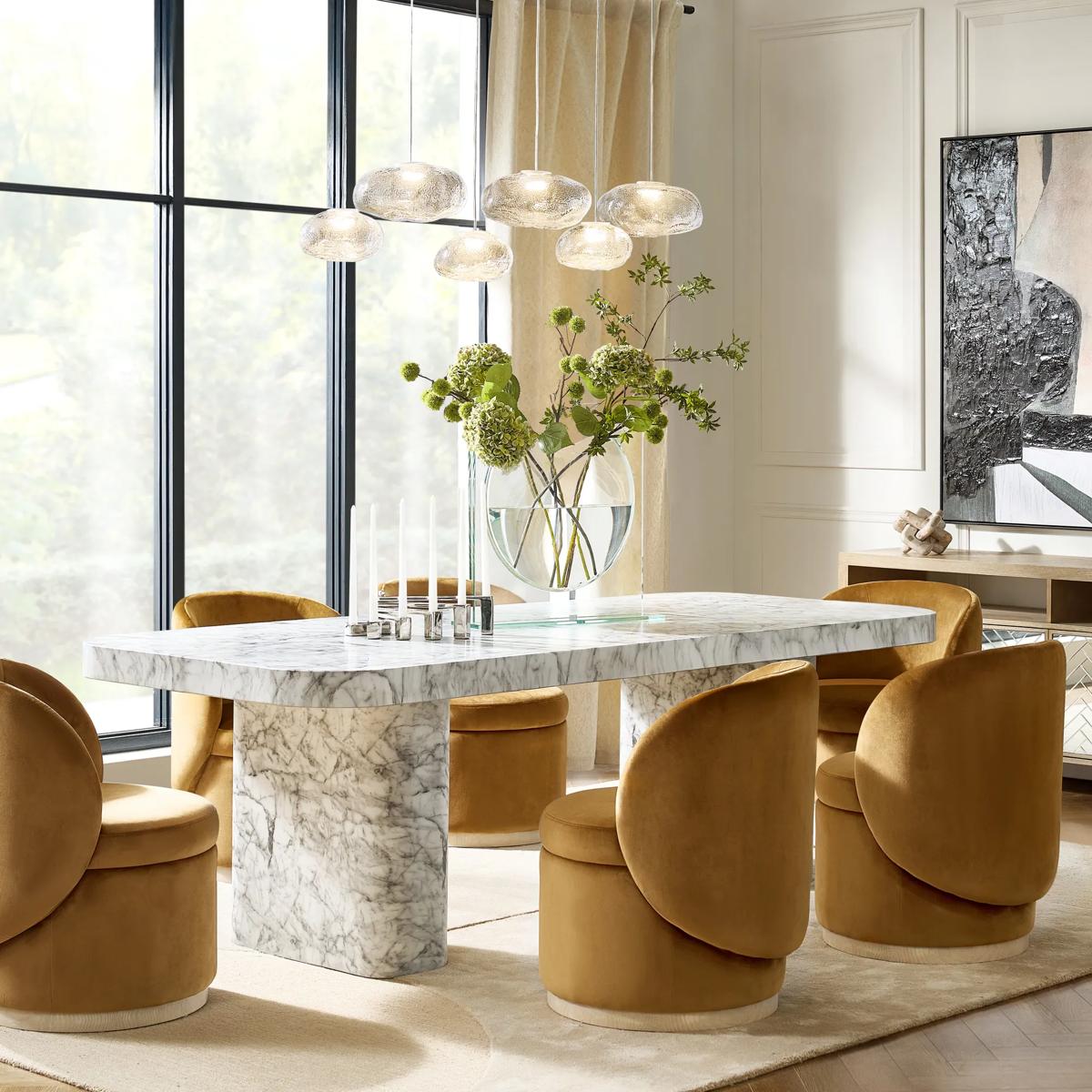 Silex Rectangular White Concrete Indoor/Out Door Dining Table (94.5")$1999
A white marble-look dining table crafted from ultra-rigid, lightweight fiber concrete for indoor or outdoor use.
Add To Cart -
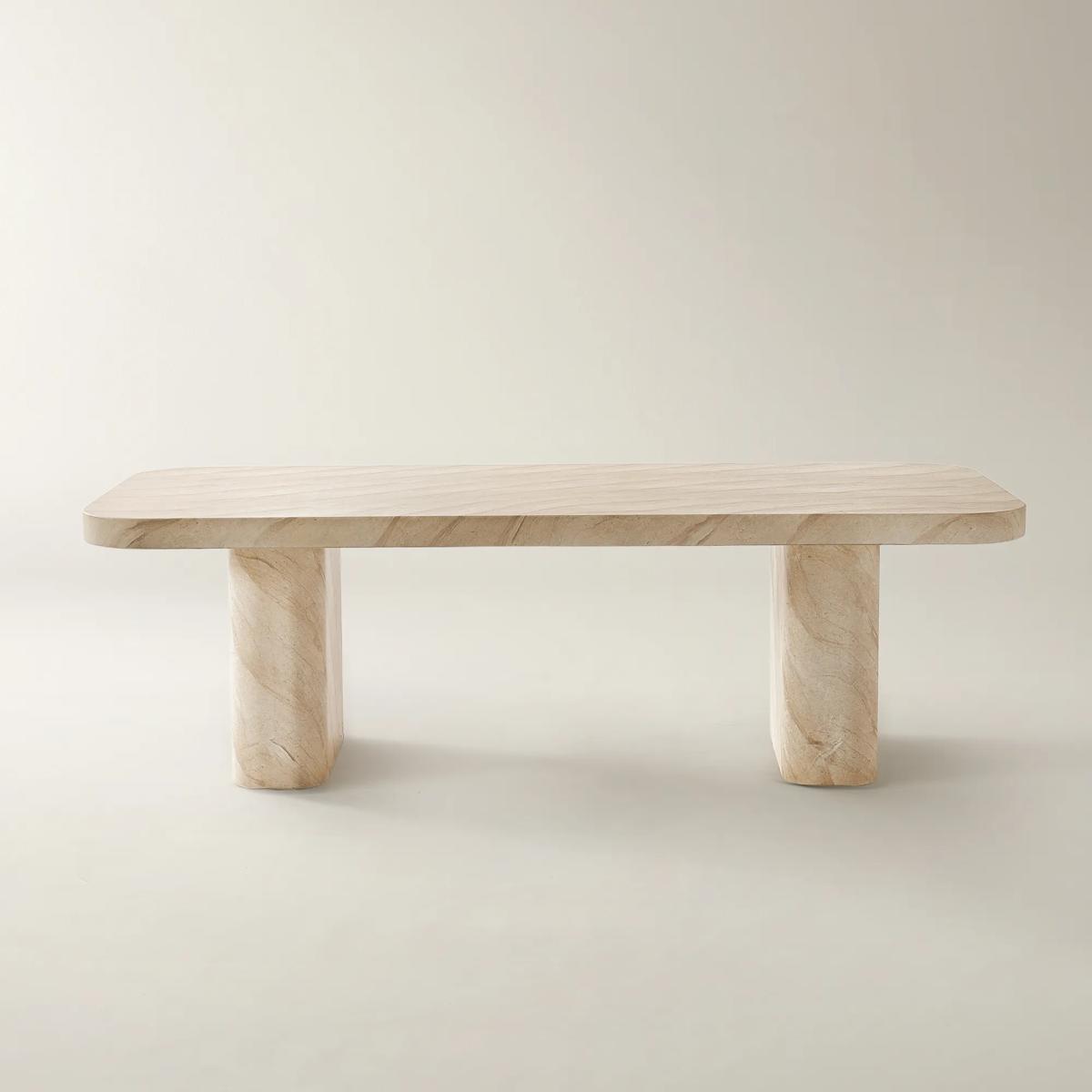 Silex Rectangular Travertine Concrete Indoor/Out Door Dining Table (94.5")$1999
A seamless travertine-look dining table crafted from ultra-rigid, water-resistant fiber concrete for indoor or outdoor use.
Add To Cart

Durable Patio Side Tables
Durable Patio Side Tables invite you to elevate your outdoor sanctuary with pieces that balance resilience and refined artistry. Each table is a testament to enduring style—crafted for those who believe alfresco moments deserve just as much glamour as the indoors. Whether anchoring a sun-drenched lounge or accenting a moonlit terrace, these side tables transform open-air living into a curated experience. Discover sculptural silhouettes and sophisticated finishes designed to weather the elements while setting the stage for unforgettable gatherings under the sky.
Durable patio side tables bring a finishing layer of polish to outdoor living, giving every lounge chair, sofa, and chaise a surface that feels considered rather than incidental. The most enduring designs pair outdoor-rated materials with stable construction, protective finishes, and proportions suited to the seating around them. Weather-resistant aluminum, high-density polyethylene, and teak are common choices, each offering a different balance of strength, maintenance, weight, and visual character. Yet durability is only part of the appeal. A sculptural pedestal beside a generously cushioned chair creates an intimate destination for morning coffee; a broad, low silhouette between two loungers brings symmetry to a poolside arrangement. Deep charcoal finishes lend definition to pale upholstery, while warm wood grain introduces richness against stone paving and woven textures. These small surfaces give an outdoor room its rhythm, creating places for a glass, a book, or a luminous decorative accent without interrupting the composition. Fit matters as much as finish: a tabletop close to the height of the adjacent seat’s arm generally feels comfortable to reach, while an armless chaise often calls for a lower companion. The ideal diameter or width leaves enough room for everyday essentials without crowding chair legs or narrowing a walking route. On a compact balcony, a slender profile can preserve openness; on an expansive terrace, a more substantial silhouette holds its own beside deep seating. Round patio end tables soften angular arrangements and eliminate projecting corners, while square forms bring crisp alignment to modular seating. A shared table between two chairs needs enough surface area for both occupants, not simply enough space to look balanced. Table bases deserve equal attention, particularly on pavers or decking, where a narrow foot can catch in a joint. Thoughtful proportions and a steady footprint make the difference between an outdoor accent that merely photographs beautifully and one that feels equally graceful in daily use.
Material choice shapes both the atmosphere and the long-term performance of outdoor side tables. Powder-coated aluminum offers a refined combination of manageable weight and corrosion resistance, making it appealing for seating arrangements that move from intimate conversation to larger gatherings. Aluminum does not rust like iron or steel, although its finish and underlying metal can still deteriorate under harsh exposure, especially near saltwater. Steel offers strength and often a more grounded feel, but it depends on an intact protective coating to resist rust; scratches, exposed seams, and hardware merit particular attention. Neither a powder-coated finish nor a weather-resistant label makes a table impervious to the elements. High-density polyethylene, often abbreviated as HDPE, is a dense plastic valued for moisture resistance and freedom from wood rot. Outdoor-rated formulations with UV stabilizers can also help limit fading and brittleness, though performance varies by construction and exposure. Some versions incorporate recycled material, but recycled content should be verified rather than assumed. Teak brings a different kind of luxury: expressive grain, a substantial hand, and natural oils that contribute to its resistance to moisture and decay. Left unfinished outdoors, its golden-brown color typically develops a silvery patina, a visual evolution rather than an automatic sign of failure. Maintaining the original tone may involve manufacturer-recommended cleaning and treatment. Concrete and stone introduce architectural presence, but their outdoor suitability depends on the specific composition, sealing requirements, and resistance to freezing conditions; a dramatic mineral finish alone does not establish weather resistance. Across materials, durability also comes from sound joinery, corrosion-resistant fasteners, secure connections, and a base that supports the tabletop without wobbling. Slatted or thoughtfully drained surfaces help reduce standing water, while smooth edges and well-finished undersides reveal attention beyond the most visible details. Weight presents its own trade-off: a lighter table is easier to reposition, while a heavier design may feel more settled in an exposed setting, although no freestanding piece should be assumed windproof. The strongest choice is the one whose material, finish, and construction suit the actual patio, whether that means a sheltered courtyard, a frequently splashed pool deck, or an open terrace.
The lasting beauty of durable patio side tables depends on care that respects the material without turning outdoor living into a demanding routine. For many surfaces, a soft cloth, mild soap, and a thorough rinse are appropriate starting points, followed by drying where recommended; the manufacturer’s instructions take precedence over general cleaning advice. Abrasive pads, harsh chemicals, and pressure washing can damage coatings, fibers, or seals even when a table appears exceptionally sturdy. Wiping away spills promptly helps protect the finish from coffee, wine, sunscreen, and other everyday substances, while coasters provide a discreet buffer against rings and heat. Outdoor-rated does not necessarily mean waterproof or suitable for permanent exposure in every climate. A properly fitted, breathable cover can reduce accumulated dirt and exposure when the table is not in use, provided the surface is dry before covering and air can circulate. Storage requirements become especially important for materials vulnerable to trapped moisture or freeze-thaw damage. Occasional checks of fasteners, leveling feet, and protective glides help preserve stability and prevent unnecessary wear on the surface below. These practical details support the pleasure of using the table: a reading corner with room for a cup and glasses, a conversation grouping where every guest has somewhere to set a drink, or a poolside lounge with a dependable resting place for small essentials. Lower shelves can add useful capacity, though anything stored there remains exposed unless separately protected. Side tables are intended to support objects within their stated weight limits, not to serve as impromptu seats or steps. For spaces that connect an interior sitting room with a covered patio, Durable Indoor Outdoor Tables offer a related direction for a cohesive arrangement, with each design’s placement requirements still worth checking. A well-chosen patio side table can also make a thoughtful housewarming gift when the recipient’s space and care preferences are known. With the right scale, resilient materials, and an expressive silhouette, this modestly sized furnishing gives outdoor living a distinctly personal finish.
FAQs
Durable patio side tables are often crafted from materials like powder-coated aluminum, teak wood, HDPE (high-density polyethylene), and wrought iron. These materials are celebrated for their resistance to rust, fading, and moisture, ensuring longevity and style through every season.
To create a cohesive look, consider the finishes, textures, and overall aesthetic of your current z gallerie outdoor furniture. Choose side tables that echo similar tones, metallic accents, or design motifs for a harmonious ensemble, or opt for bold contrasts to make a dramatic statement.
Yes, many durable patio side tables are designed with thoughtful storage solutions such as lower shelves or discreet drawers. These features are perfect for keeping essentials like books, sunglasses, or outdoor entertaining accessories within easy reach while maintaining a polished appearance.
Absolutely. Many patio side tables are versatile enough to transition seamlessly from outdoor patios to indoor living spaces. Their durable construction and stylish design make them ideal for use as accent tables, plant stands, or even bedside companions, adding flair wherever they are placed.
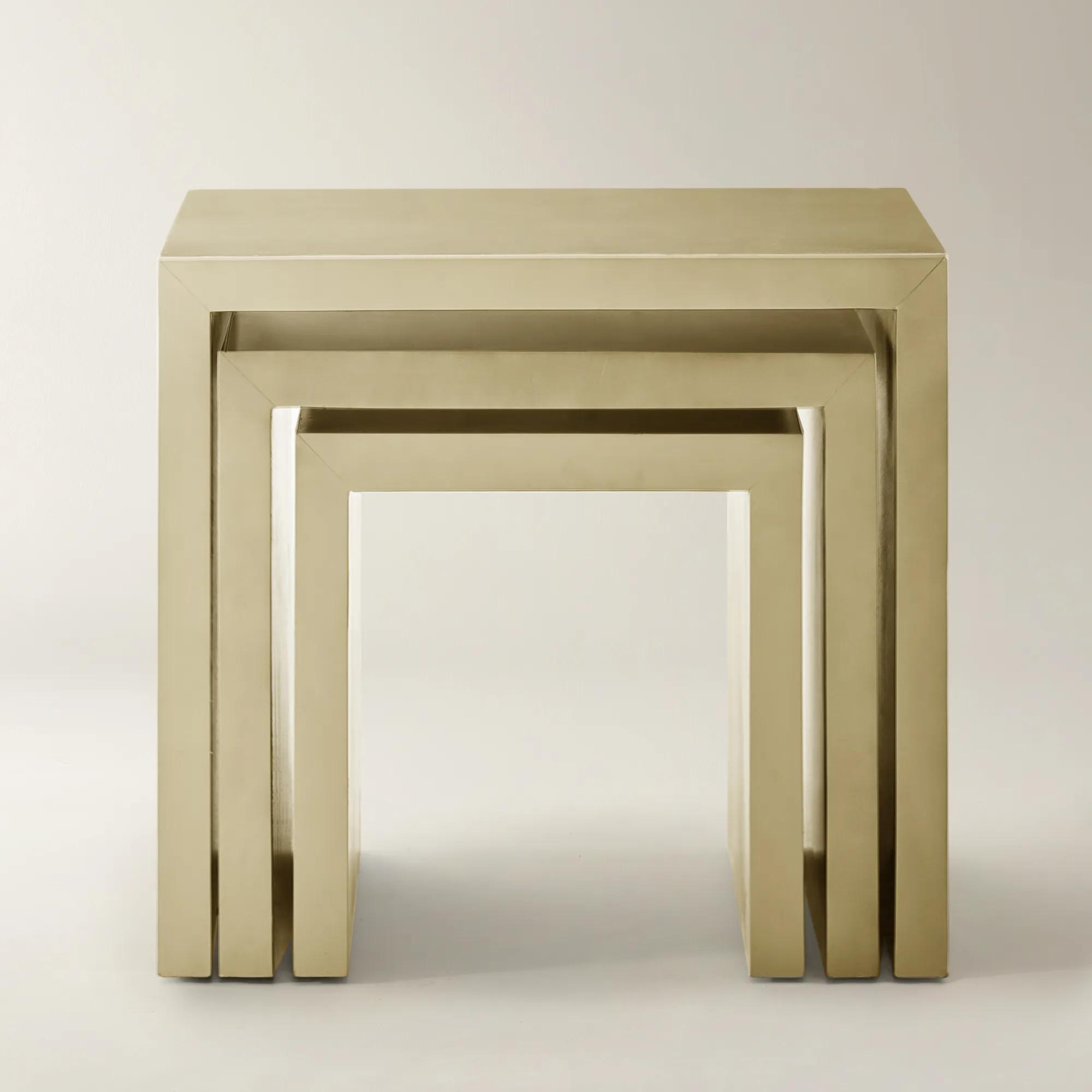
Nesting patio side tables offer exceptional flexibility and visual interest. They can be layered together for a sculptural effect or separated to provide extra surfaces for drinks and décor. Their space-saving design makes them especially suited to both expansive patios and cozy balconies.
-0.jpeg?w=3936&h=3936)
.jpeg?w=4043&h=4043)


