
Indoor Outdoor Side Tables
Indoor Outdoor Side Tables
-
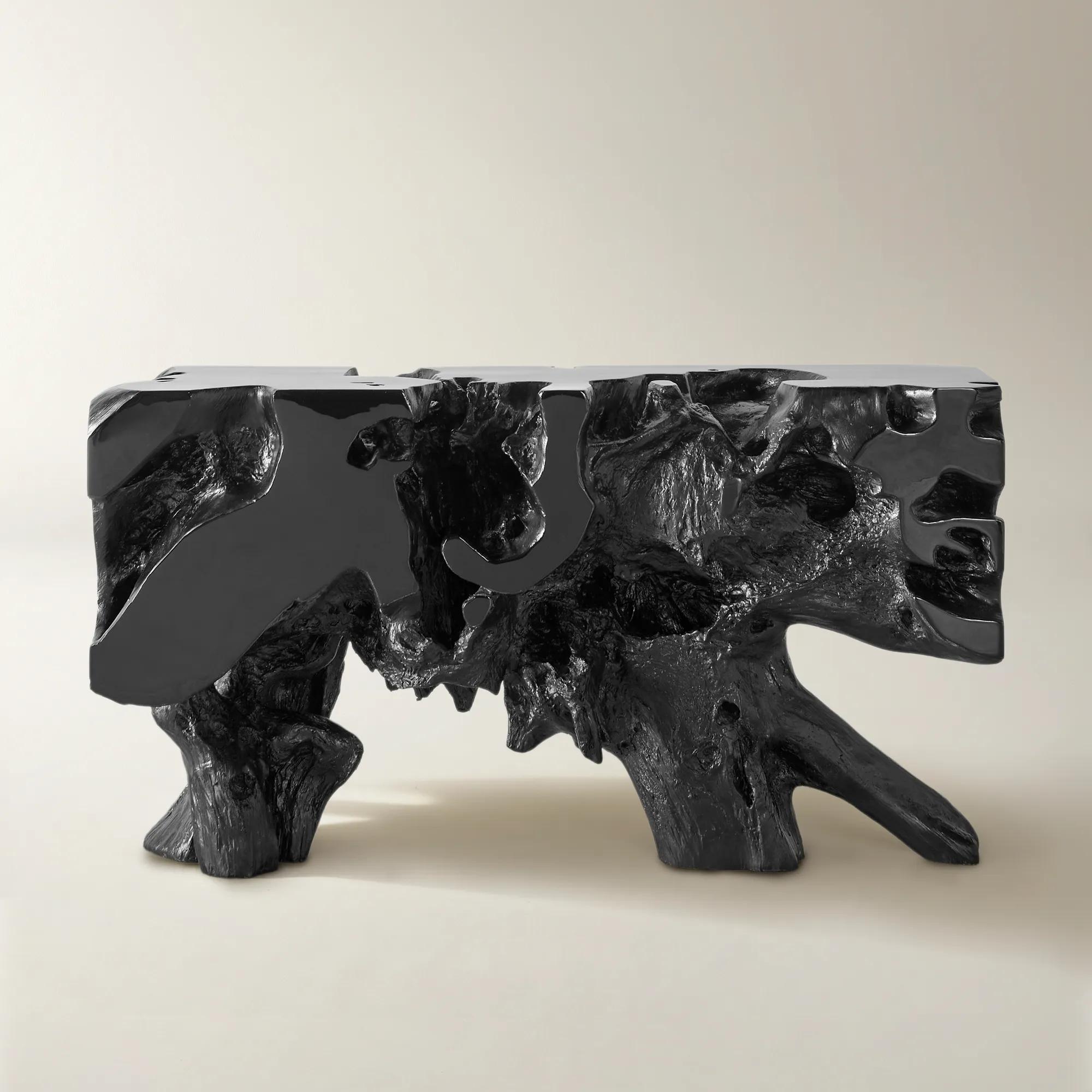 Sequoia Black Resin Console Table (58")$1999
A sculptural black console table crafted from resin, fiberglass, and polished stone for indoor or outdoor use.
Add To Cart -
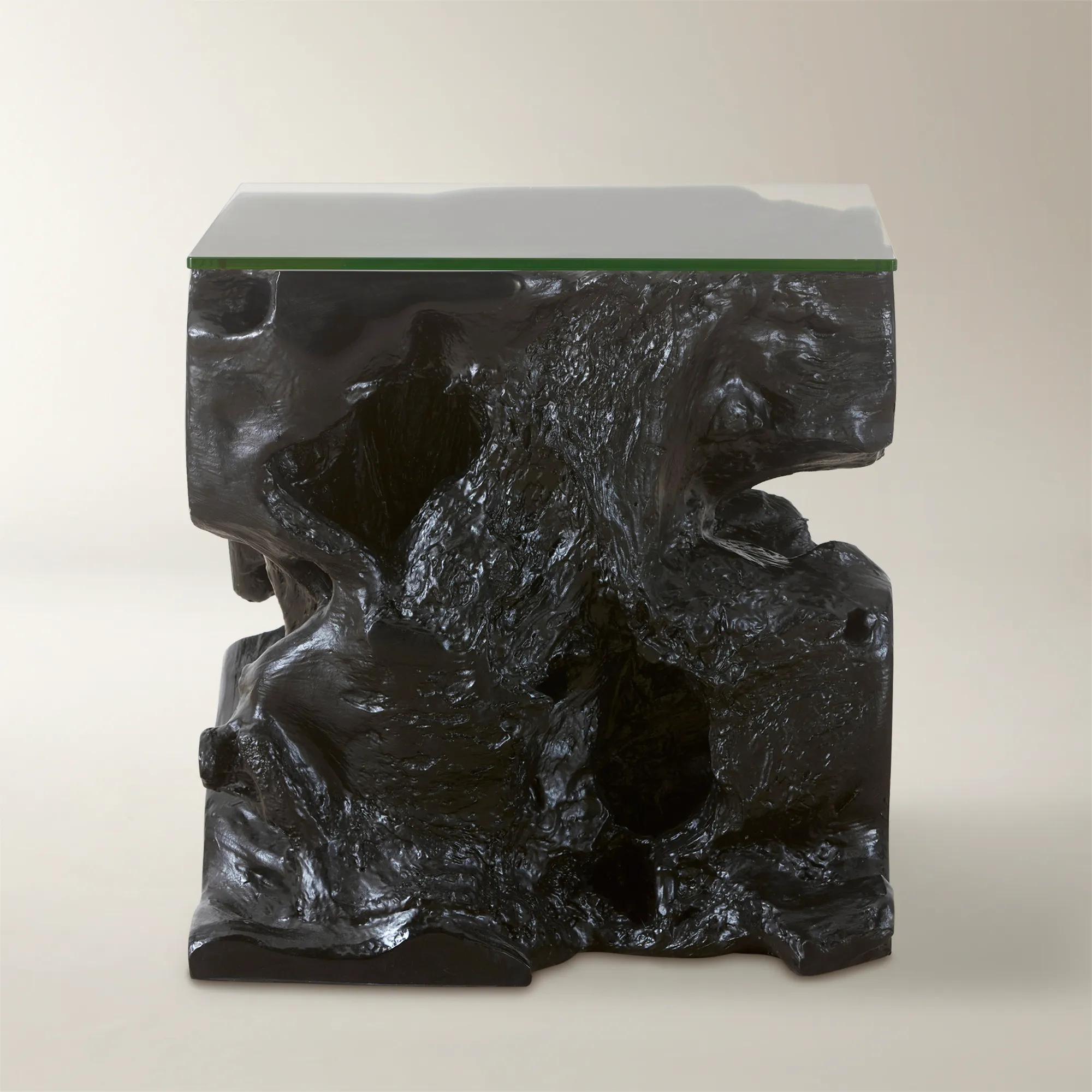 Sequoia Black Resin End Table With Glass Top (22")$999
A sculptural black resin and stone end table inspired by Acacia roots, suitable for indoor or outdoor use.
Add To Cart -
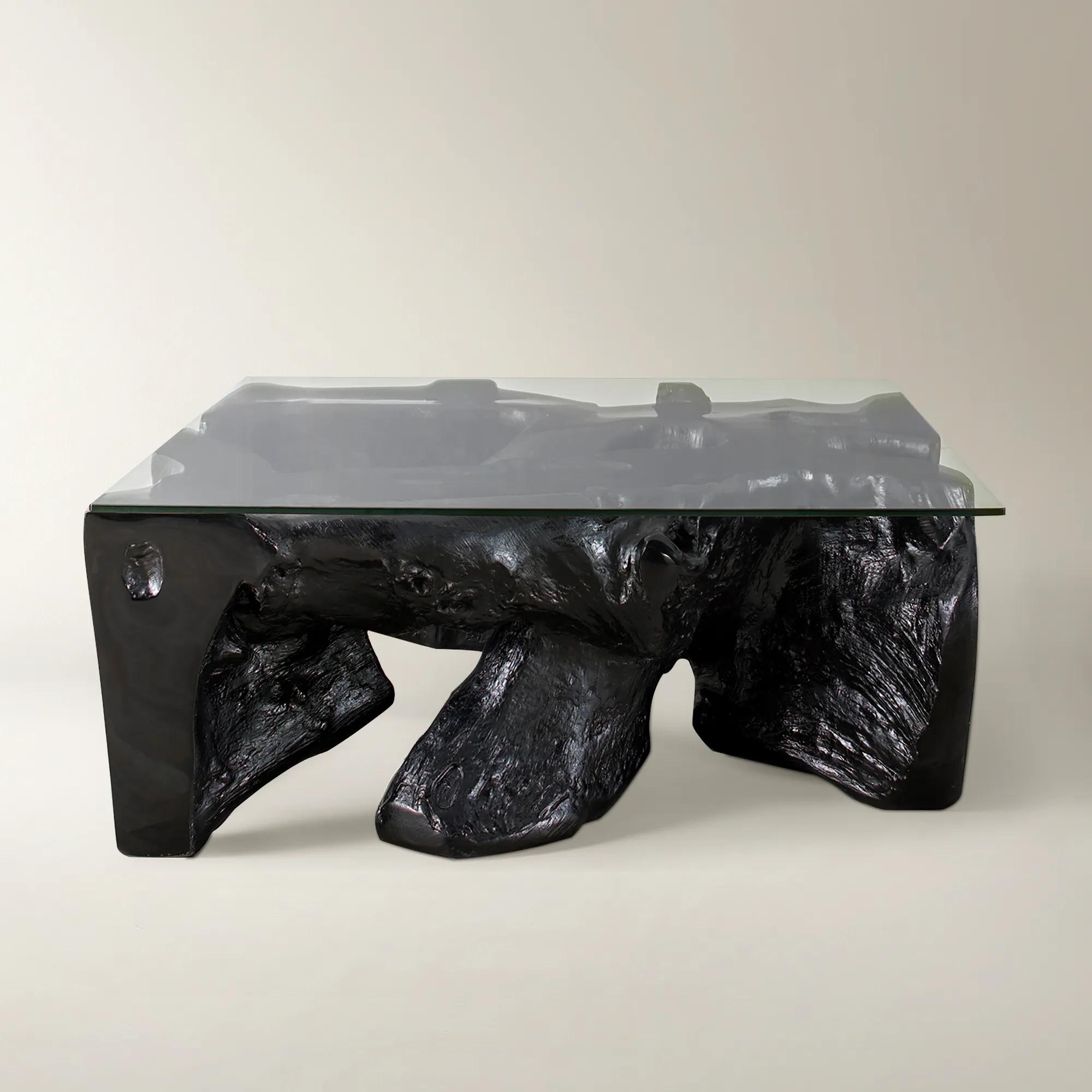
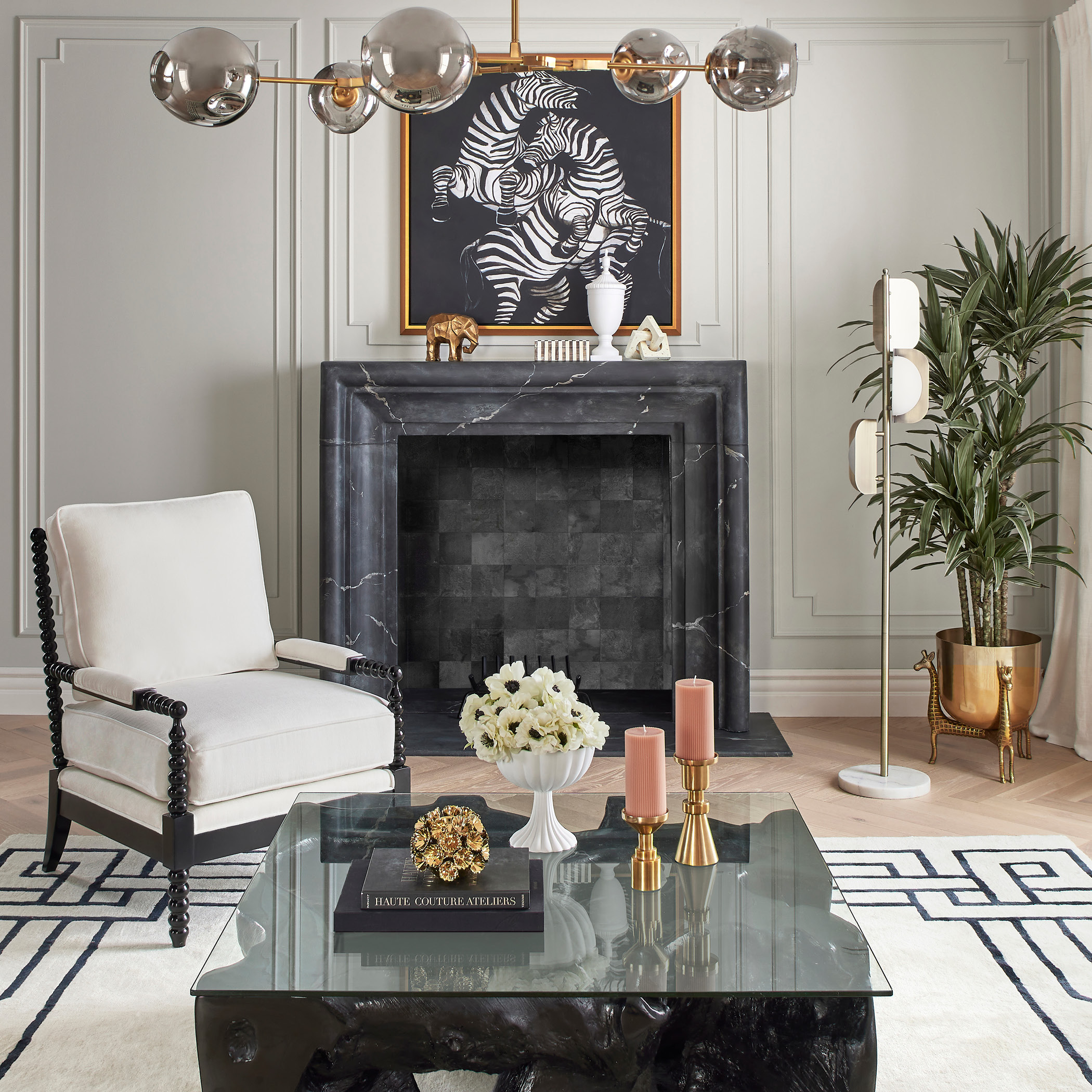 Sequoia Black Resin Coffee Table With Glass Top (44")$2299
A sculptural black coffee table crafted from resin and polished stone fragments for indoor or outdoor use.
Add To Cart -
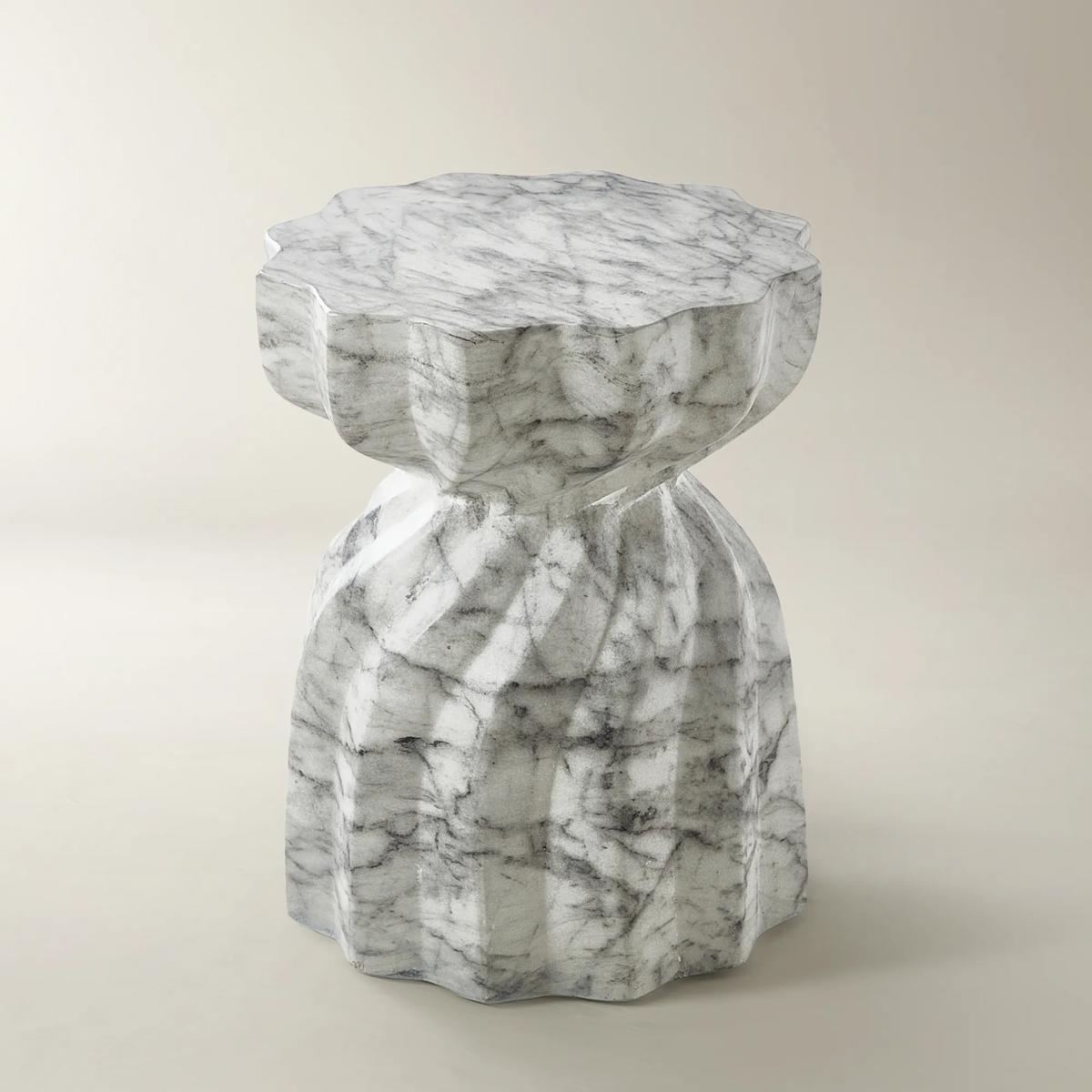
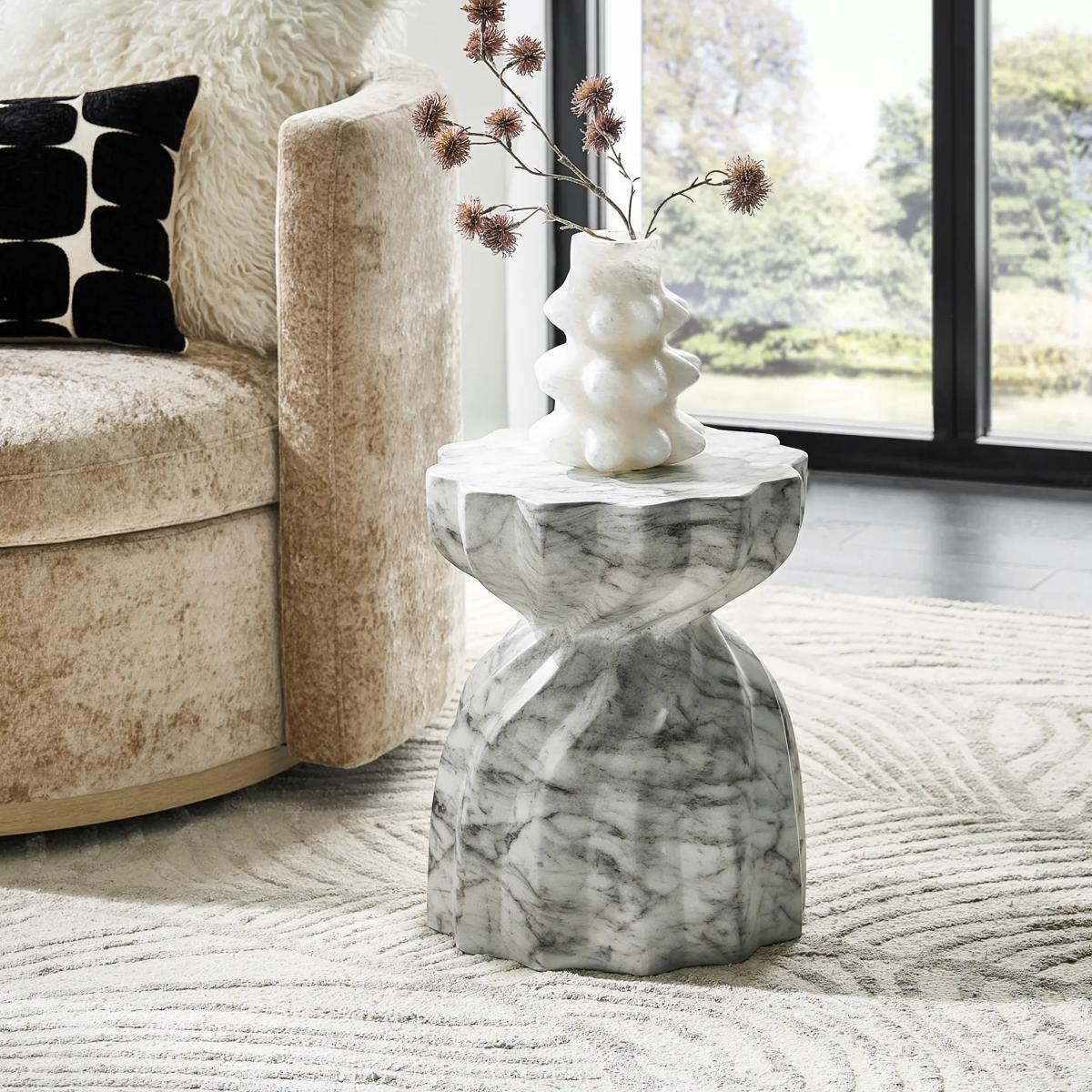 Lithia Scalloped White Concrete Side Table (15")$299
A sculptural white marble-look side table crafted from durable, lightweight fiber concrete for indoor or outdoor use.
Add To Cart -
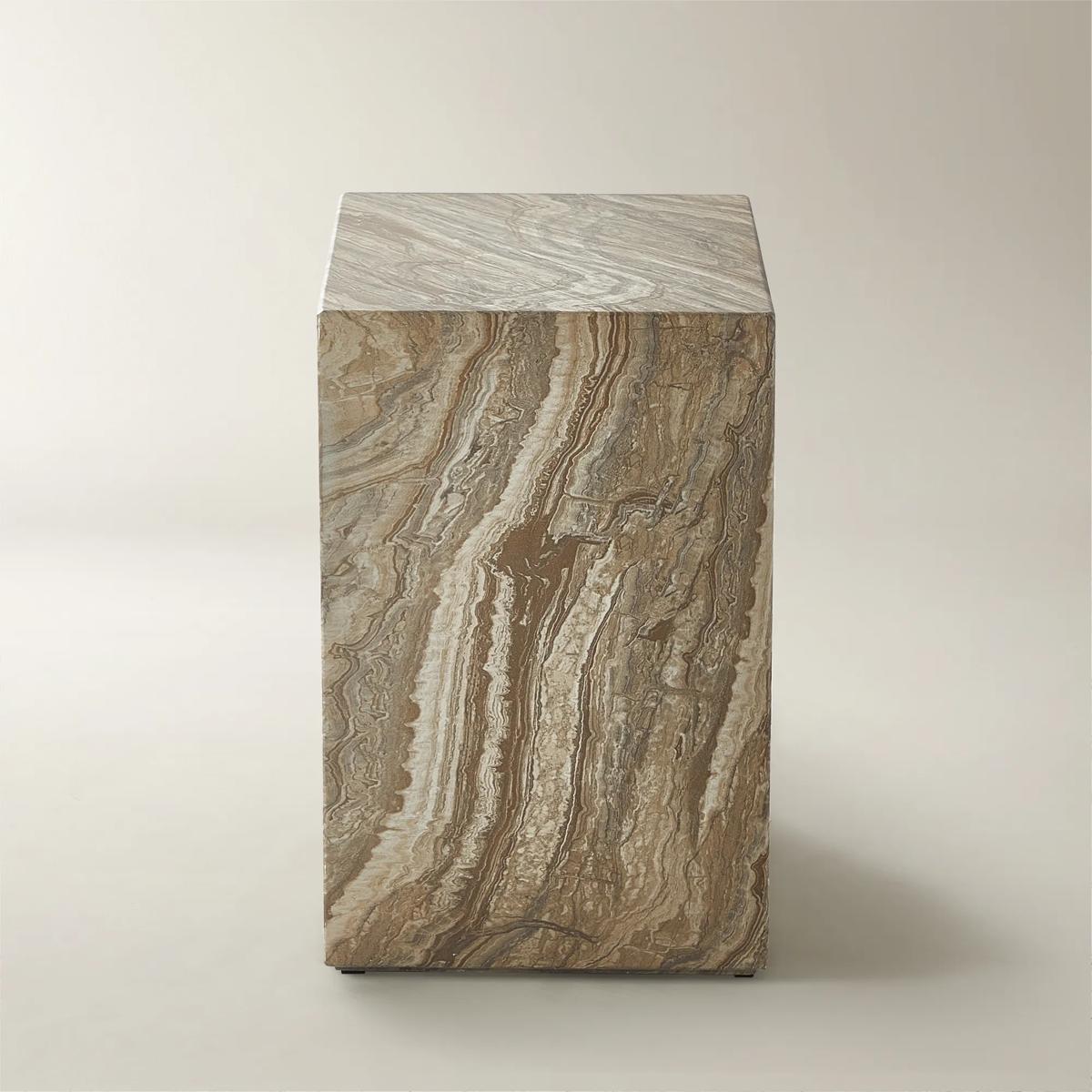
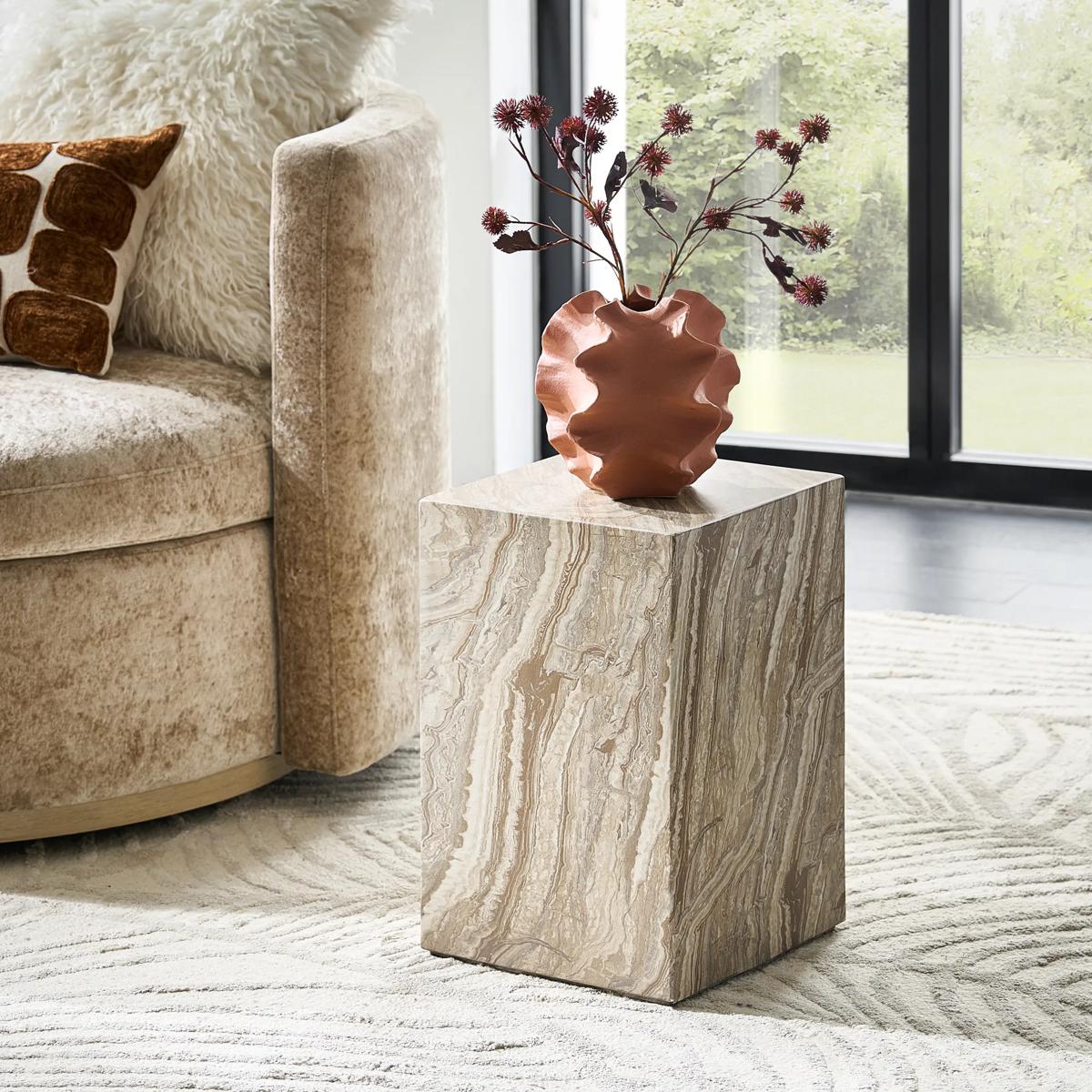 Strata Square Brown Concrete Side Table (11.8")$259
A lightweight fiber concrete side table featuring realistic brown marble veining and sealed for indoor or outdoor use.
Add To Cart -
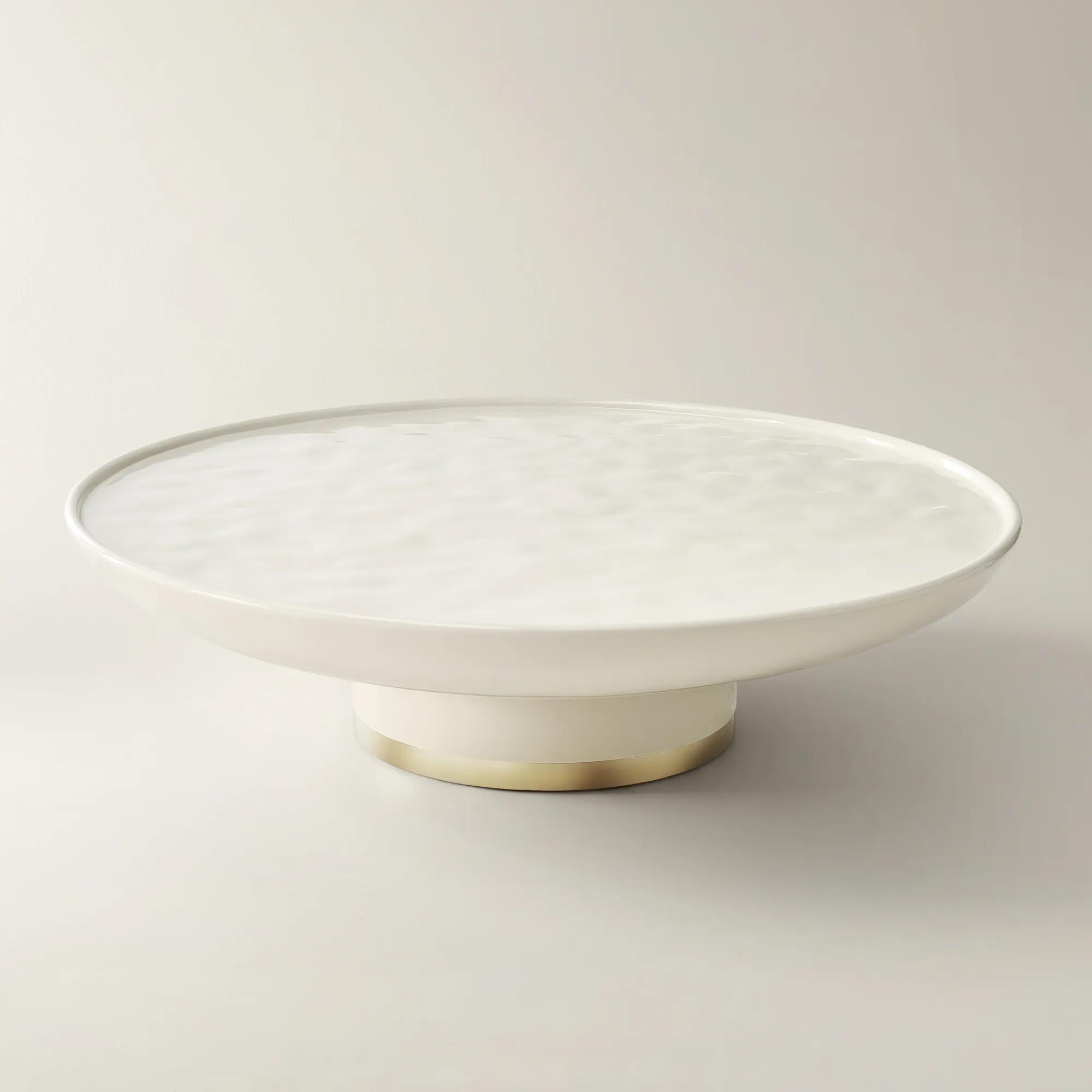
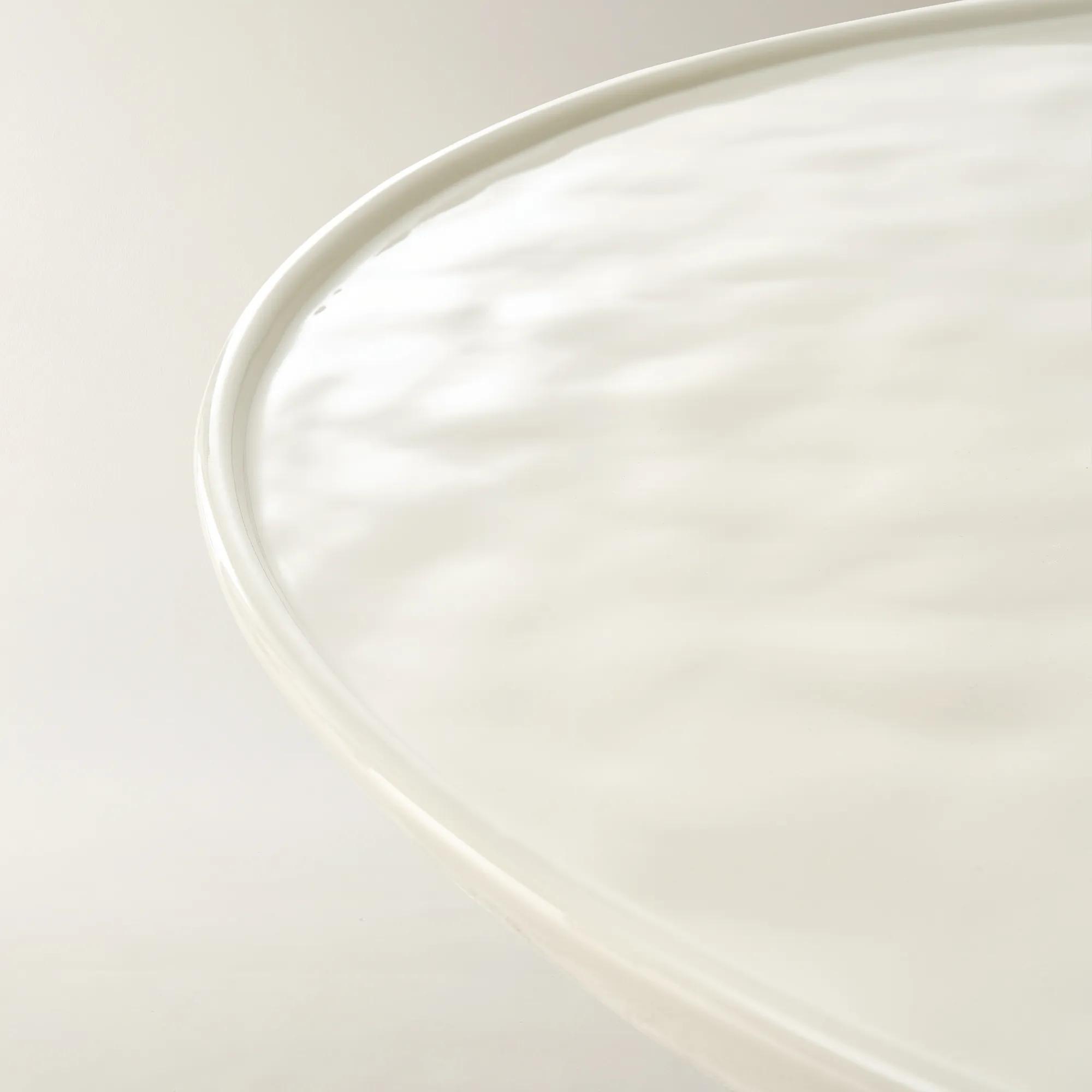 Celia Lacquered Cloud Resin Indoor/Outdoor Coffee Table (54")$1399
A sculptural one-piece resin coffee table with a high-gloss warm finish and gold stainless steel base.
Add To Cart -
.jpeg?w=1200&h=1200)
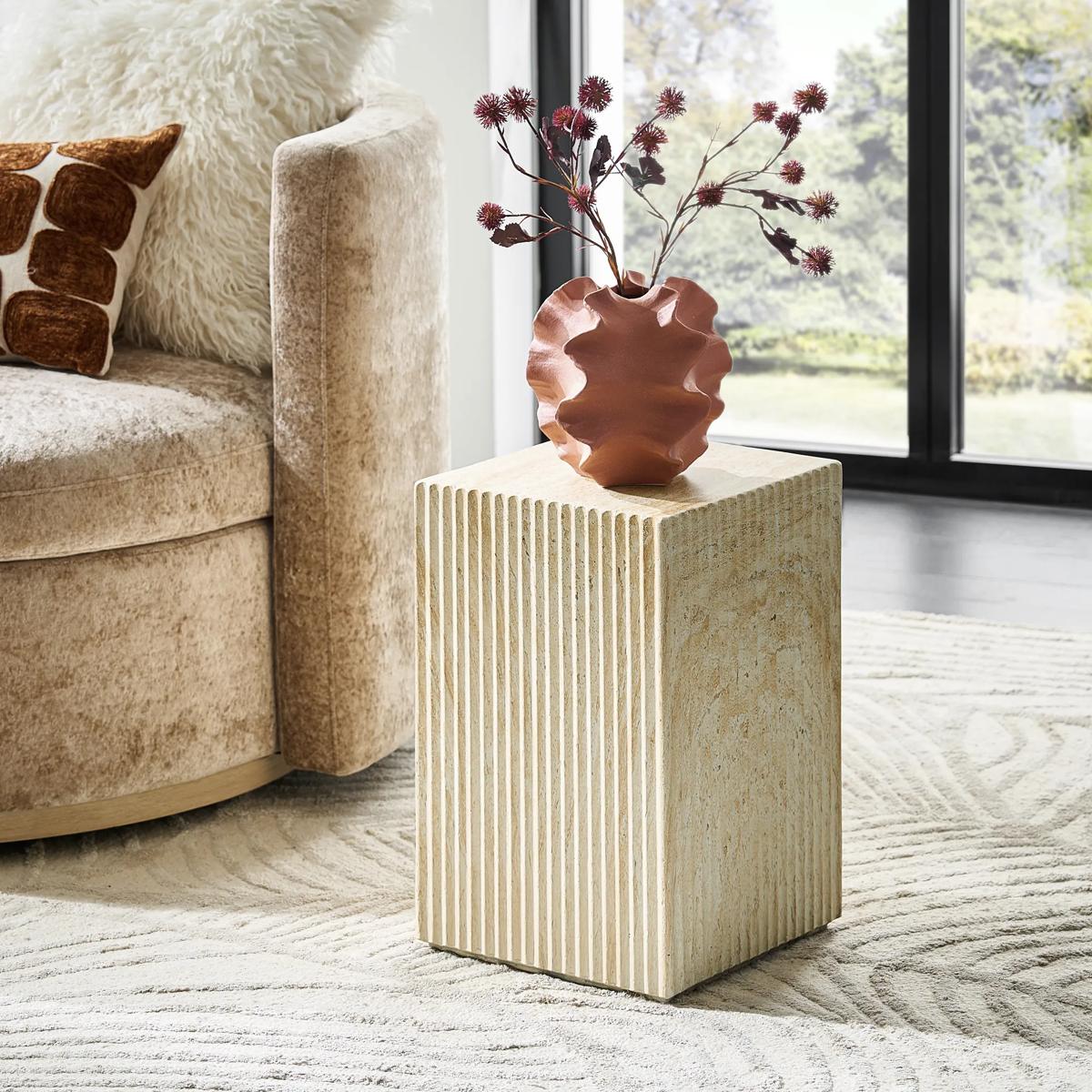 Strata Square Travertine Concrete Side Table (11.8")$259
A travertine-look fiber concrete side table with grooved panels, offering lightweight durability for indoor or outdoor use.
Add To Cart -
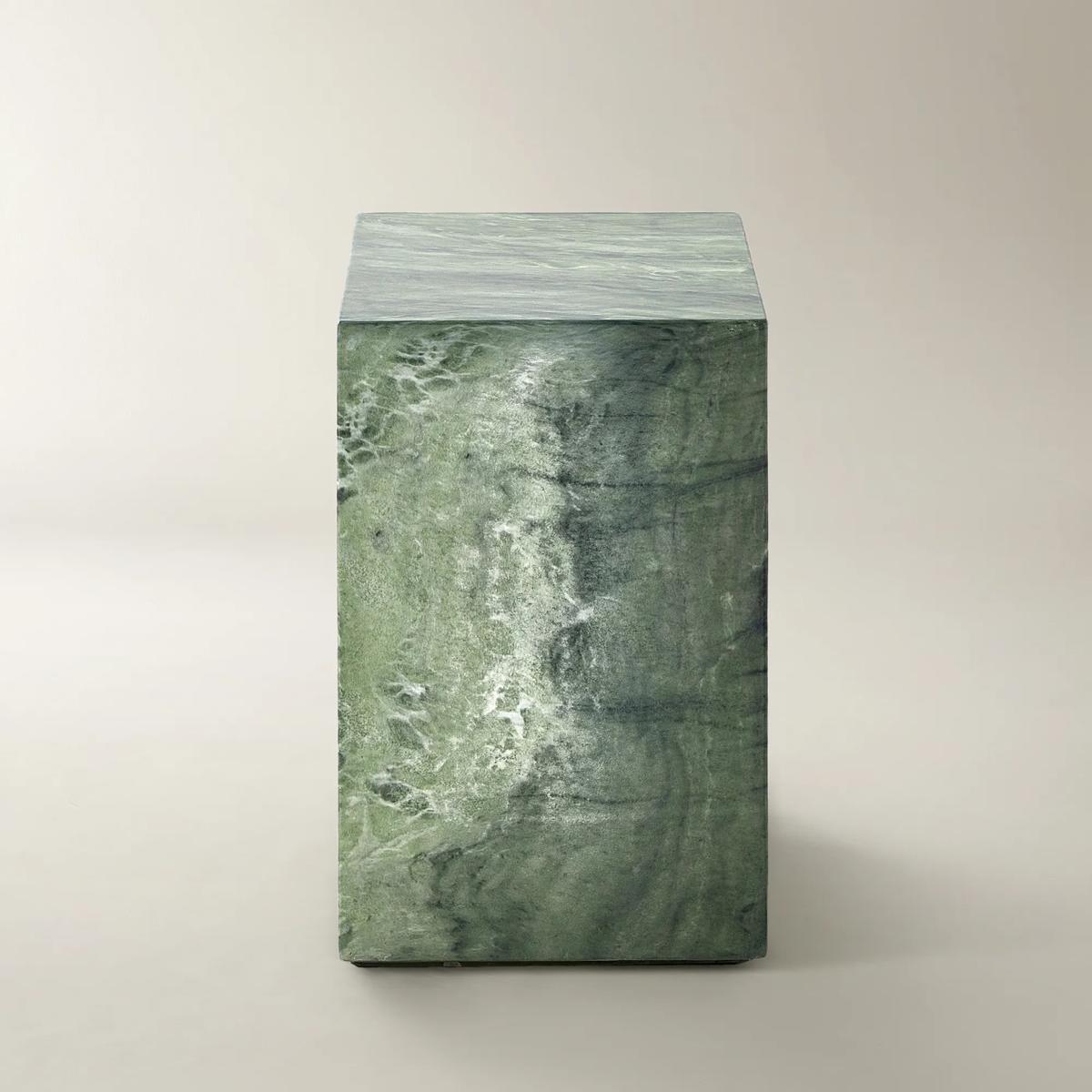
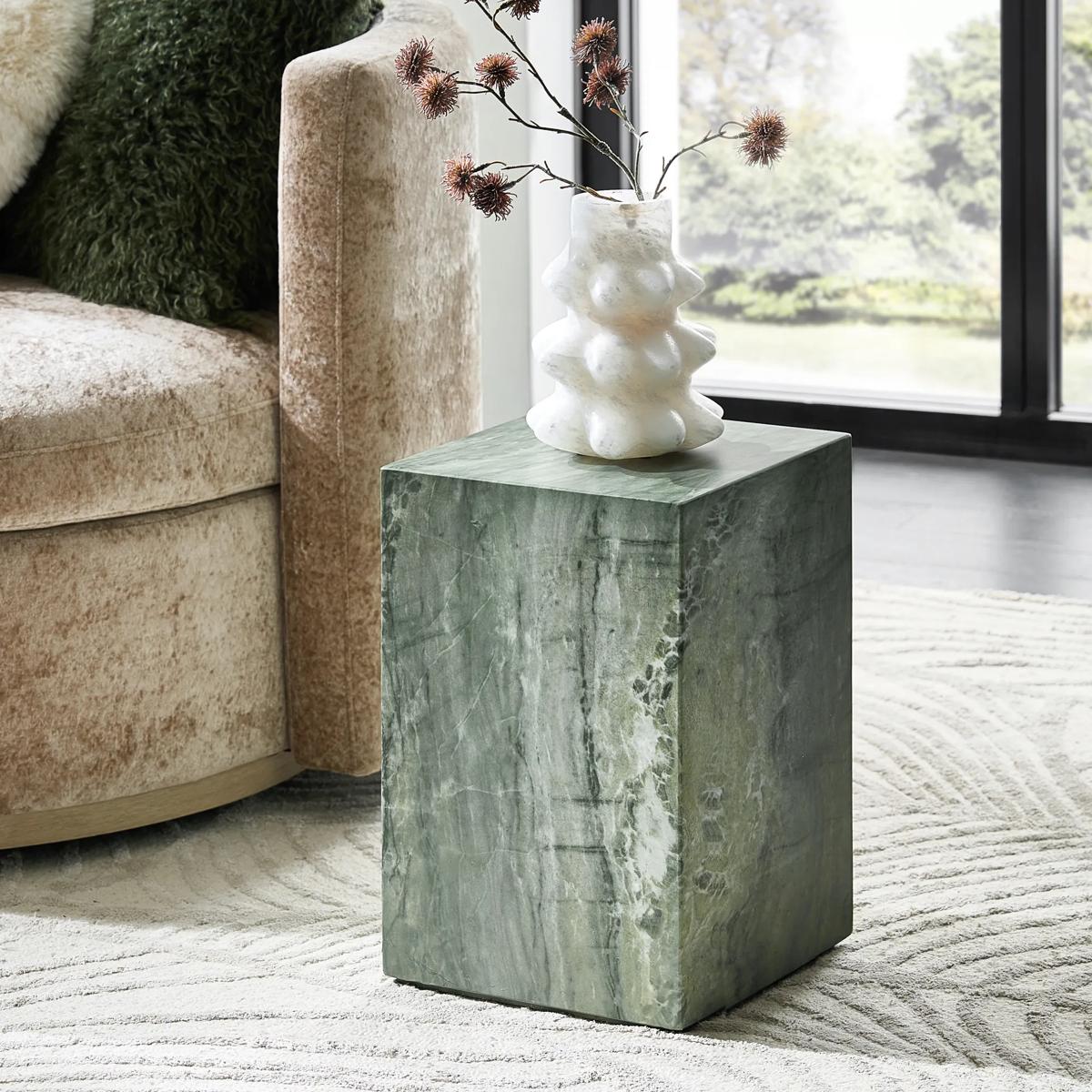 Strata Square Green Concrete Side Table (11.8")$259
A sculptural green marble-look side table crafted from lightweight, durable fiber concrete for indoor or outdoor use.
Add To Cart -
-0.jpeg?w=1200&h=1200) Strata Round Green Concrete Side Table (15")$299
Strata Round Green Concrete Side Table (15")$299A sculptural green marble-look side table crafted from lightweight, durable, and weather-resistant fiber concrete.
Add To Cart -
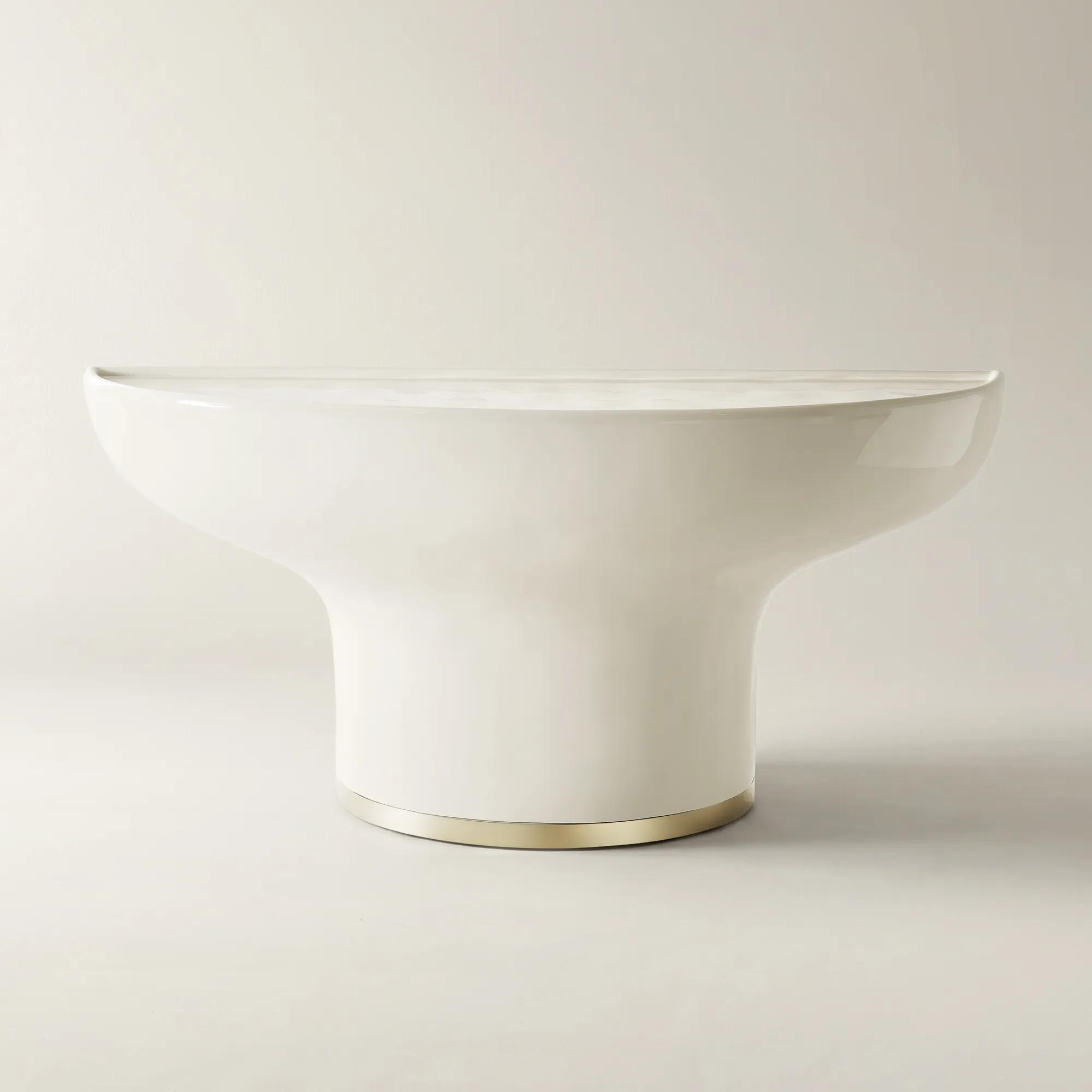 Celia Lacquered Cloud Resin Indoor/Outdoor Console Table (63")$1499
A sculptural one-piece resin console table with a warm high-gloss finish and gold stainless steel base.
Add To Cart -
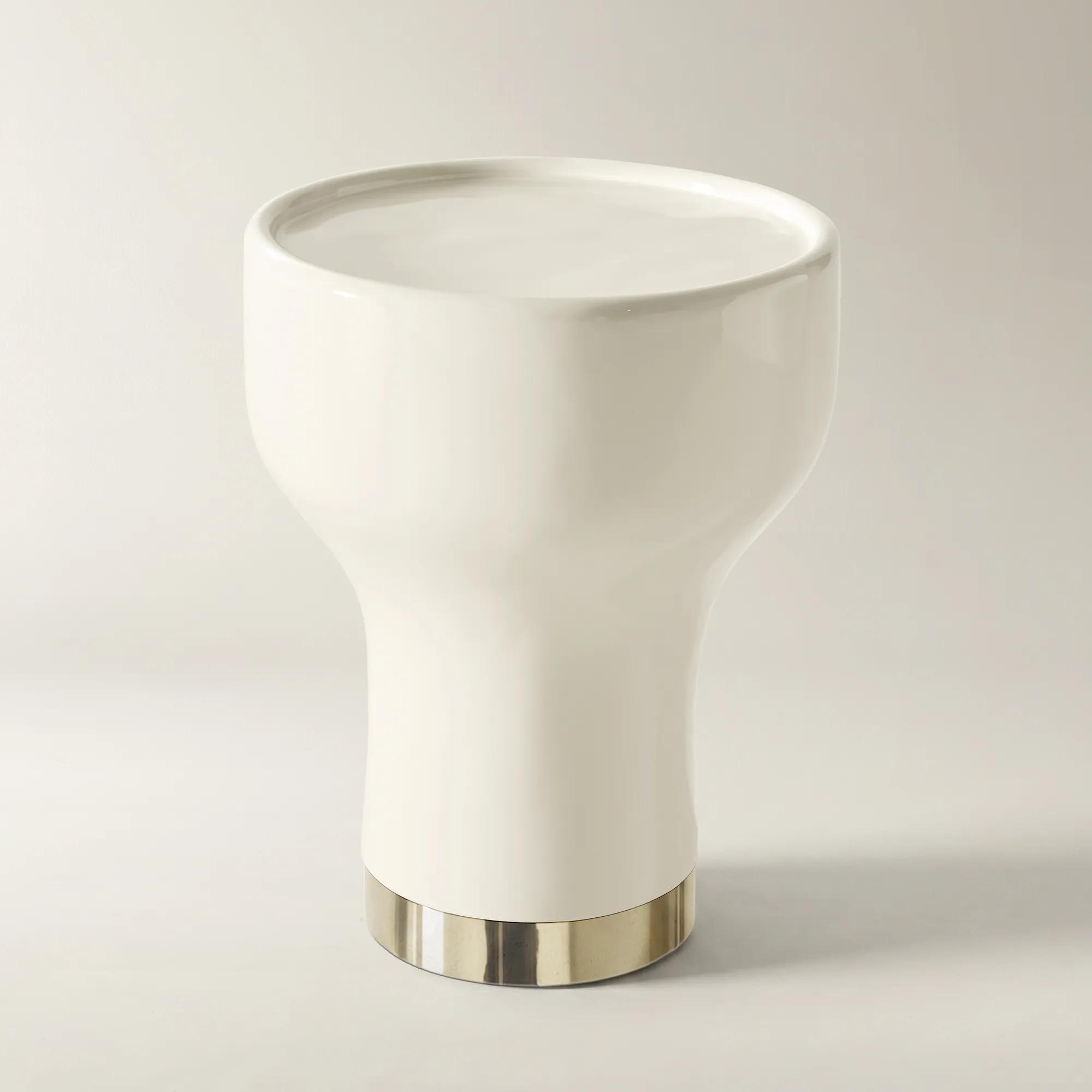
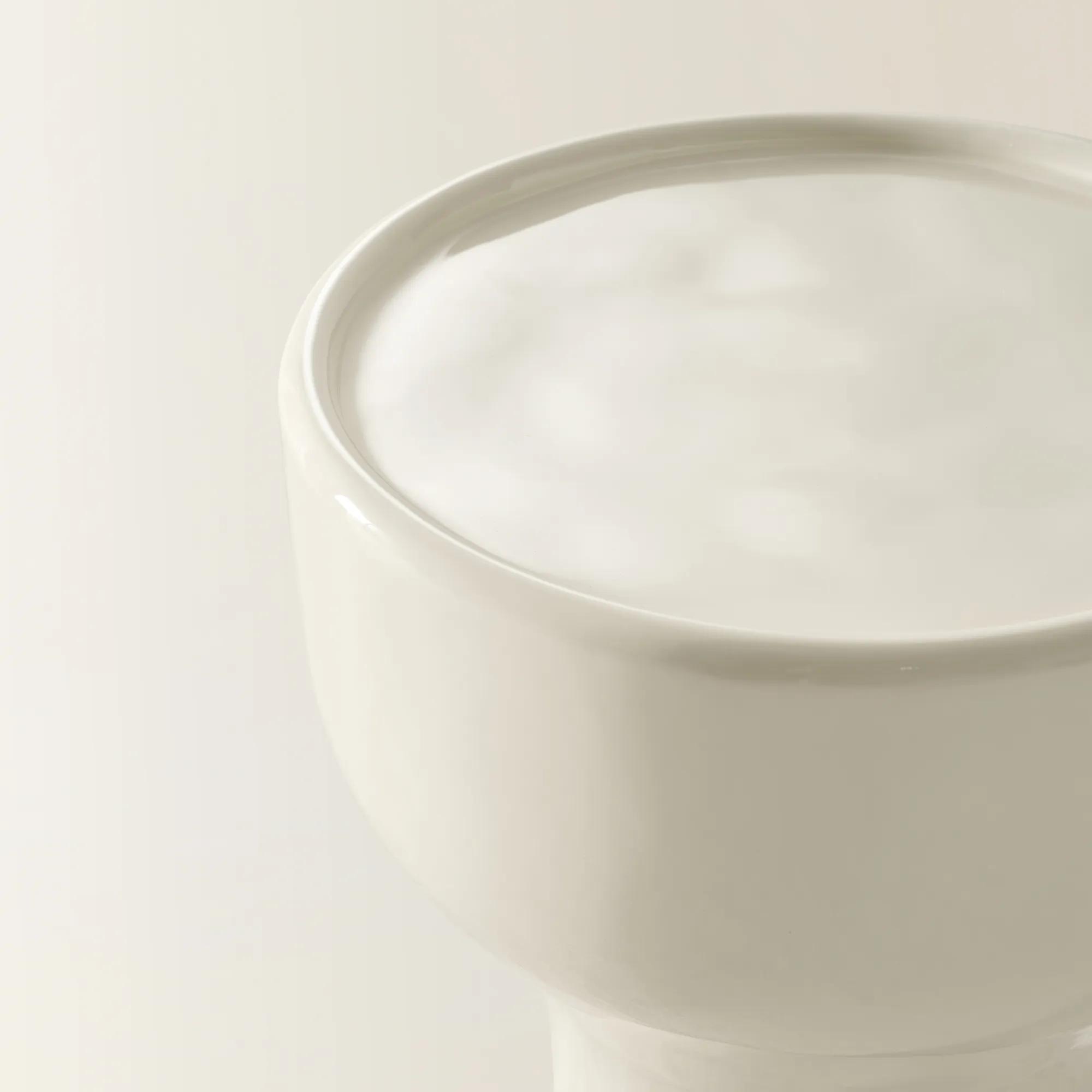 Celia Lacquered Cloud Resin Indoor/Outdoor End Table (16")$399
A sculptural one-piece resin end table with a warm high-gloss finish and gold stainless steel base.
Add To Cart -
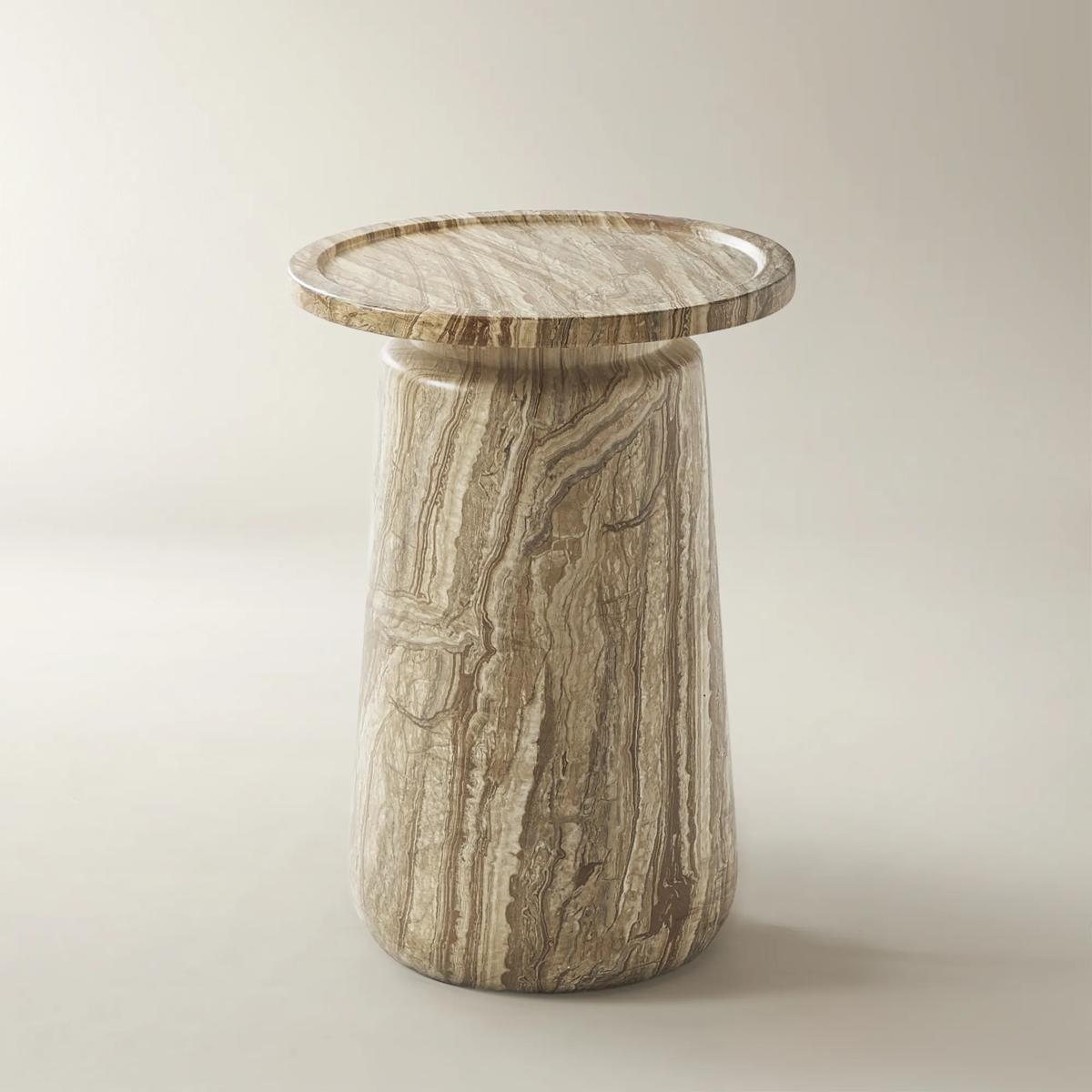 Strata Round Brown Concrete Side Table (15")$299
A sculptural side table featuring a brown marble finish and durable, weather-resistant fiber concrete construction.
Add To Cart -
-compressed.jpg?w=1200&h=1200) Thalia Glossy Black Side Table Set Of 2 (8"-12.5")$499
Thalia Glossy Black Side Table Set Of 2 (8"-12.5")$499A sculptural duo of glossy black fiberglass tables with fluid lines and mirror-like lacquered finish.
Add To Cart -
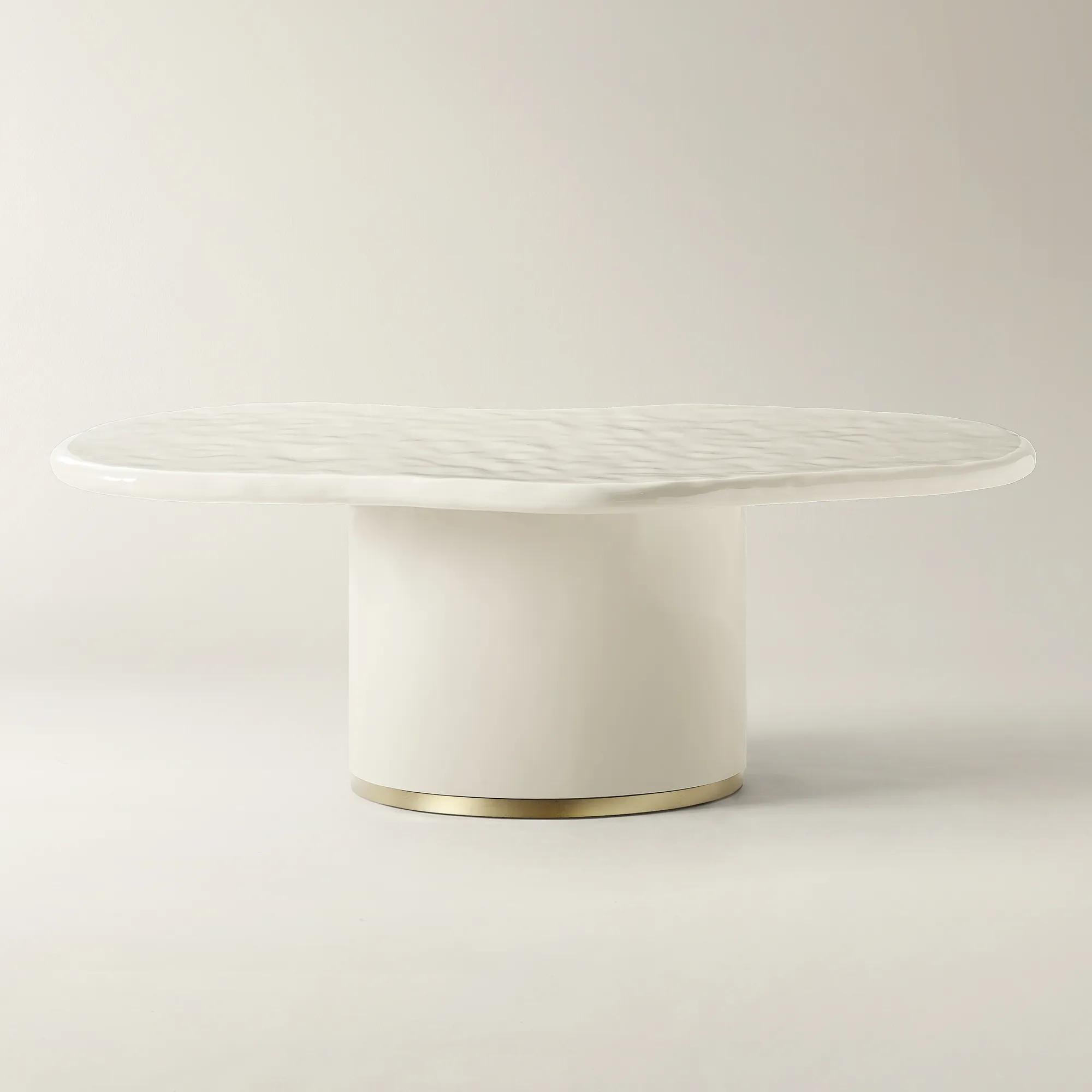 Celia Lacquered Cloud Resin Indoor/Outdoor Dining Table (84")$1999
A sculptural, high-gloss resin dining table with gold stainless steel accents for indoor or covered outdoor use.
Add To Cart -
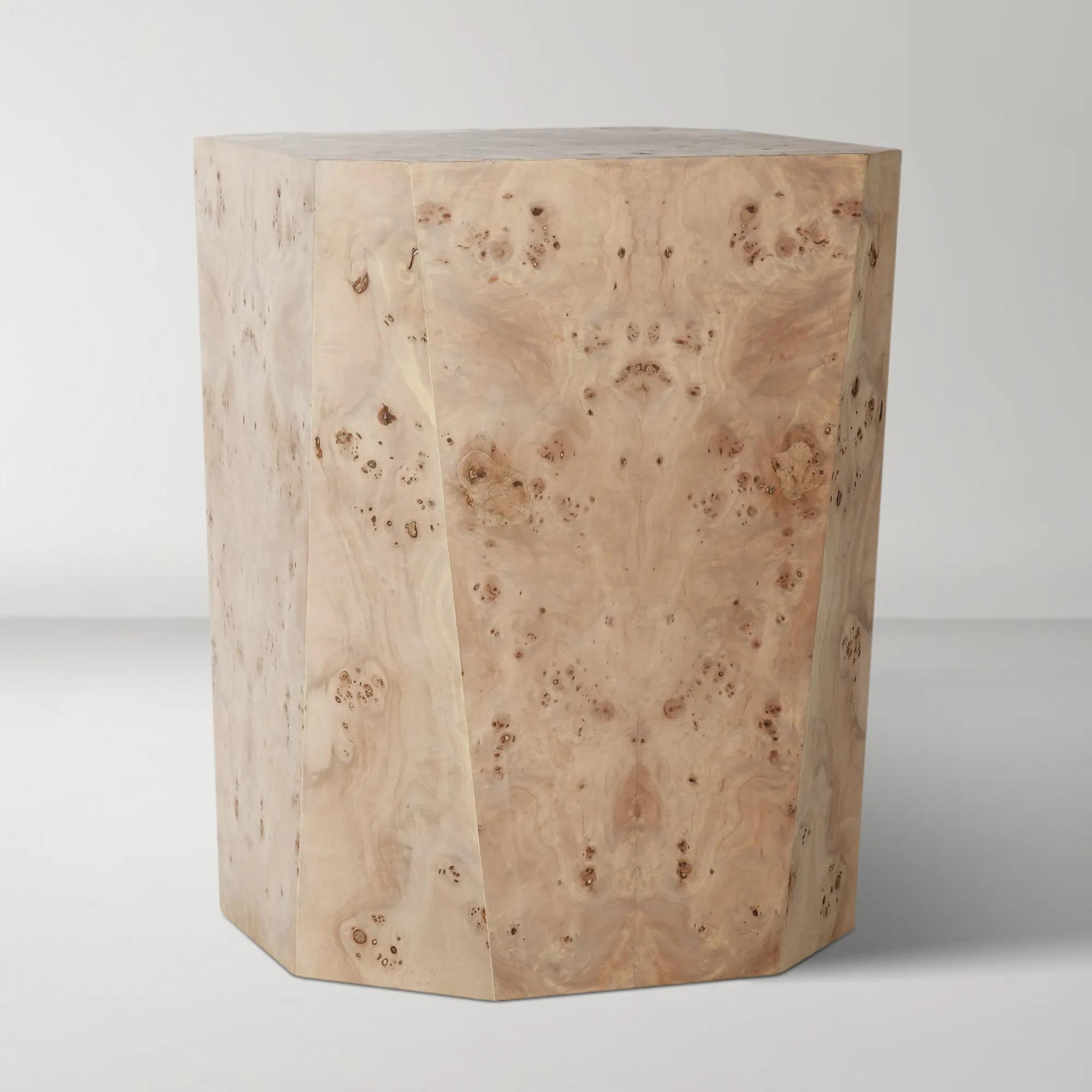
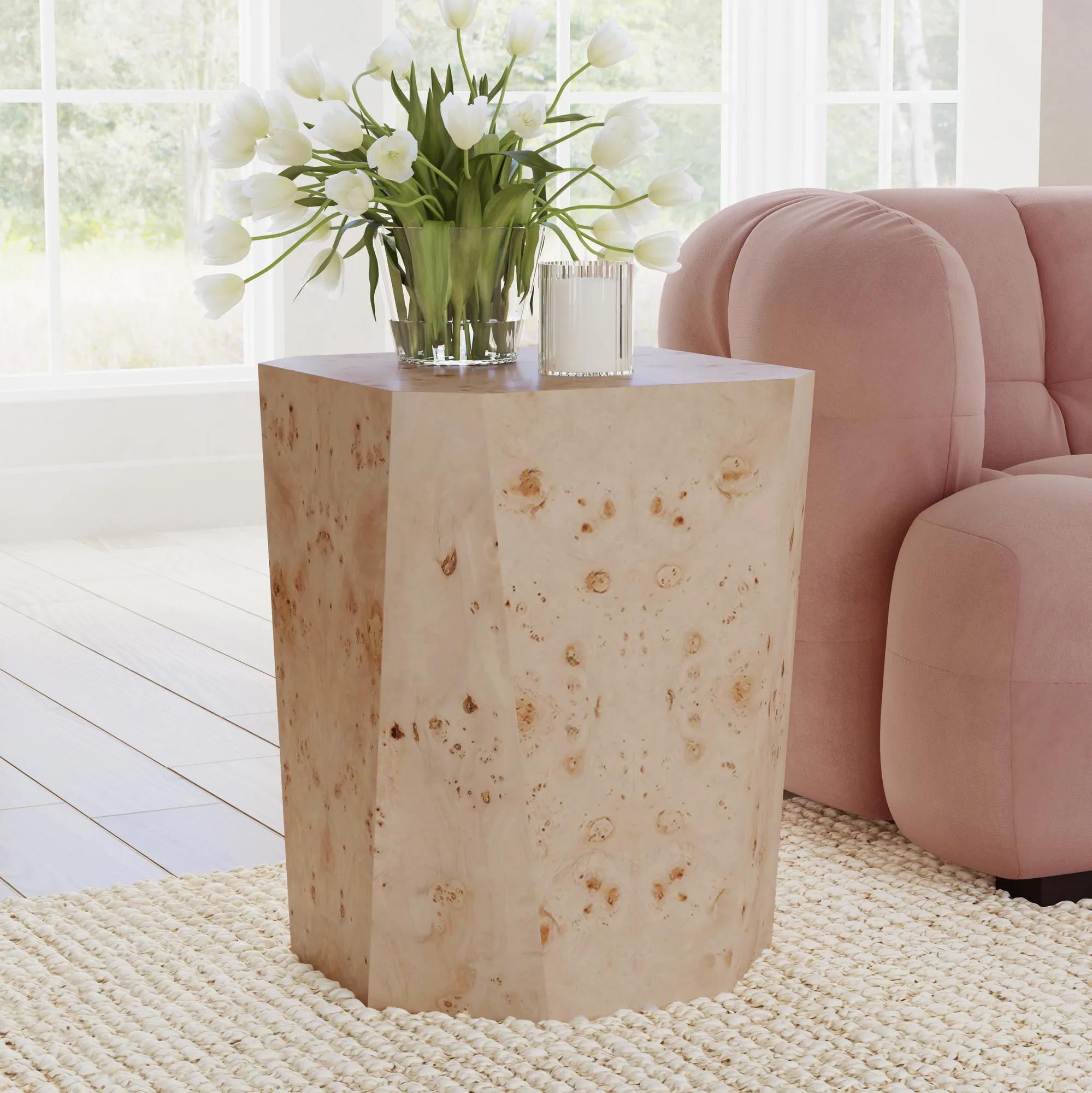 Avena Square Natural Burl Wood End Table (17.75")$699
A striking end table featuring natural burl wood veneer with unique swirling grain and warm, organic tones.
Add To Cart -
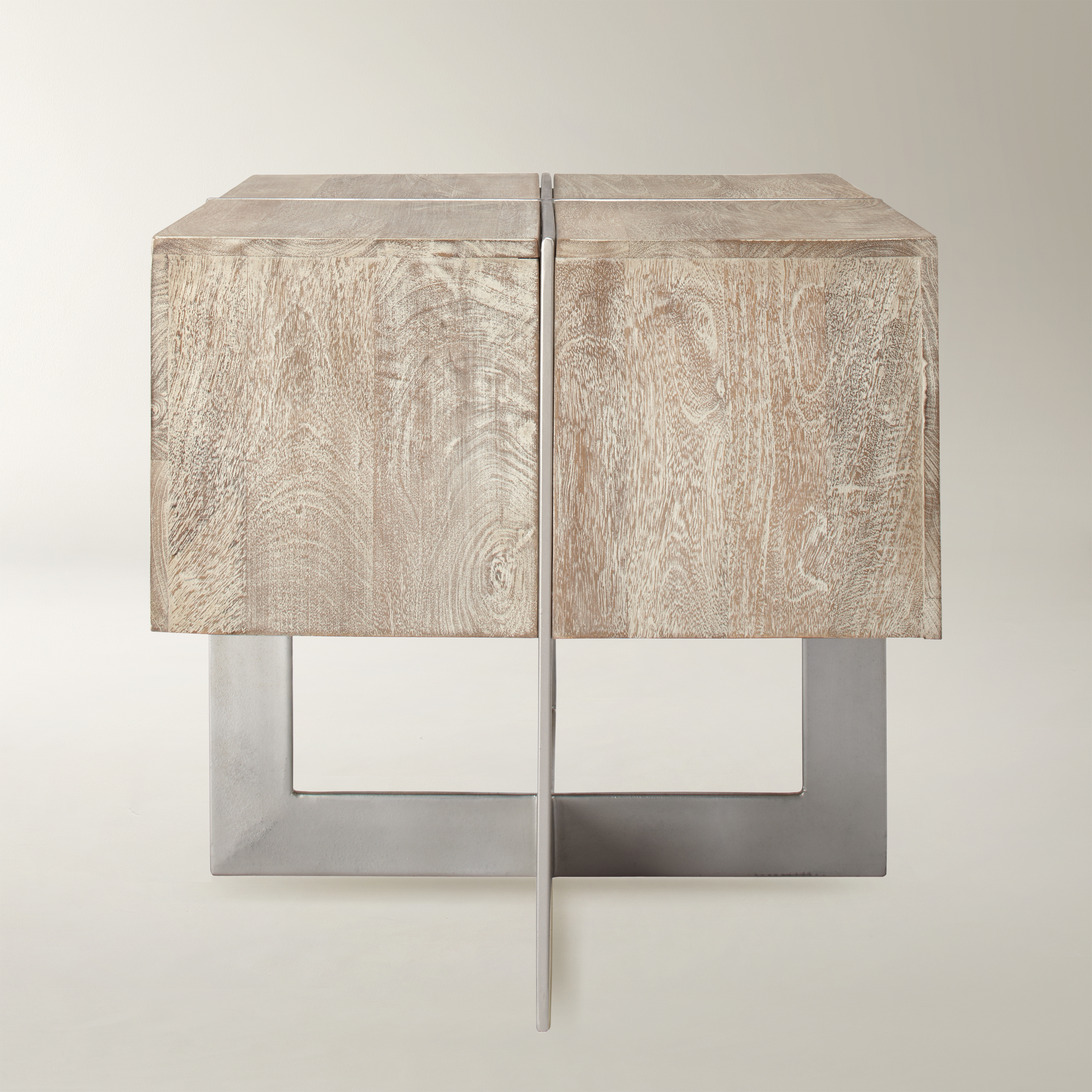
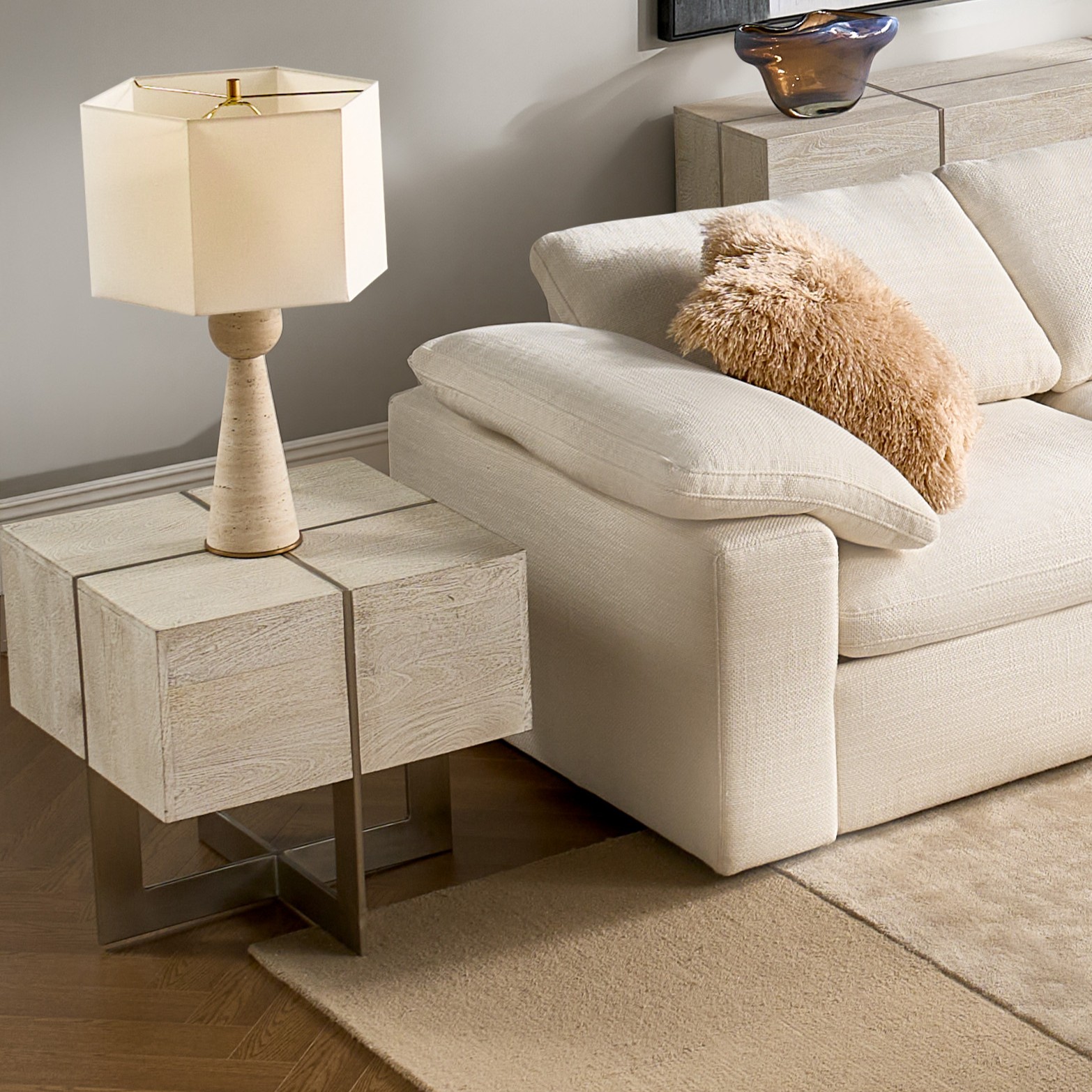 Clifton Square Natural Mango Wood End Table (24")$599
A handcrafted mango wood end table with a whitewashed finish and antiqued silver iron legs.
Add To Cart -
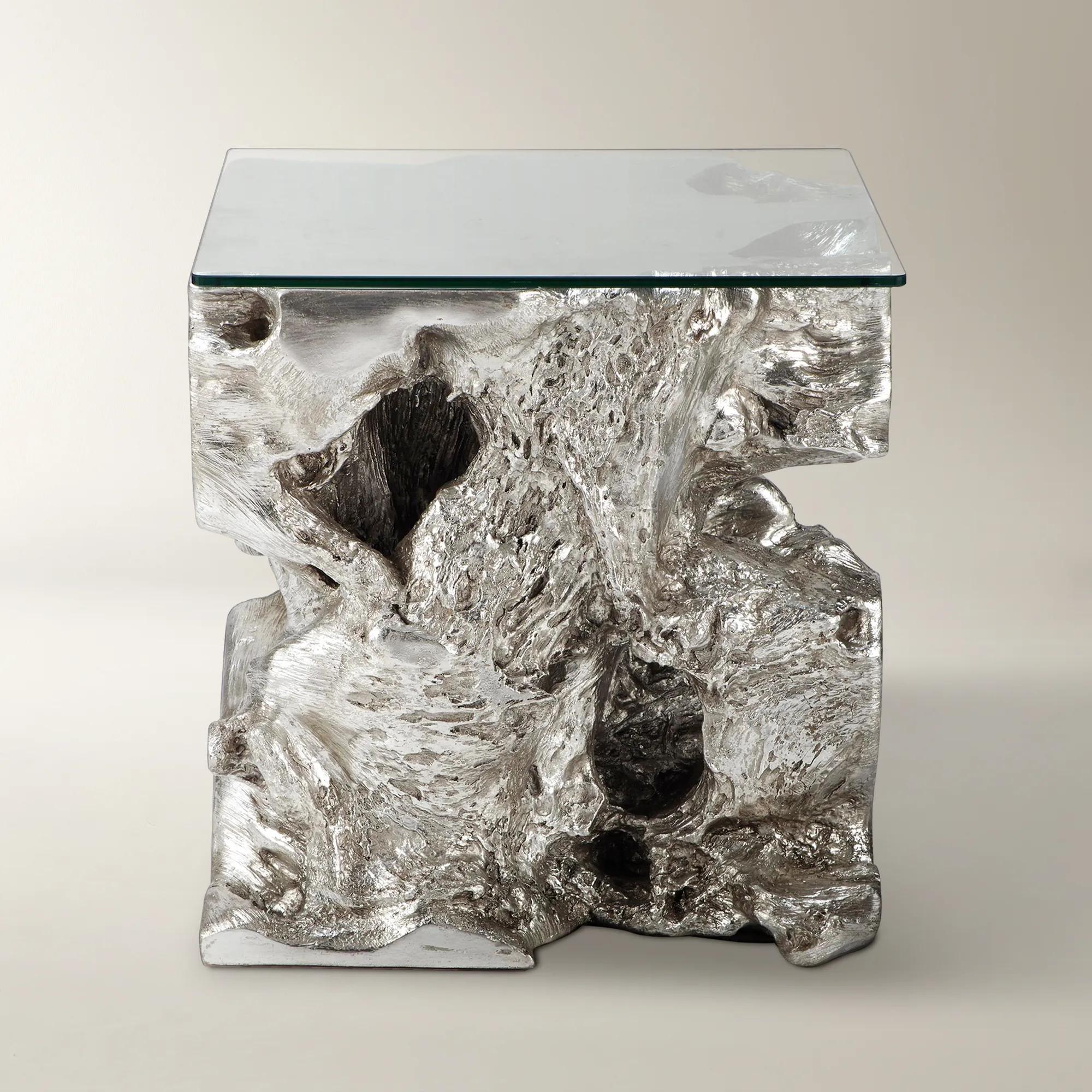 Sequoia Silver Resin End Table With Glass Top (22")$999
A sculptural end table featuring a silver leaf resin base and tempered glass top for modern elegance.
Add To Cart -
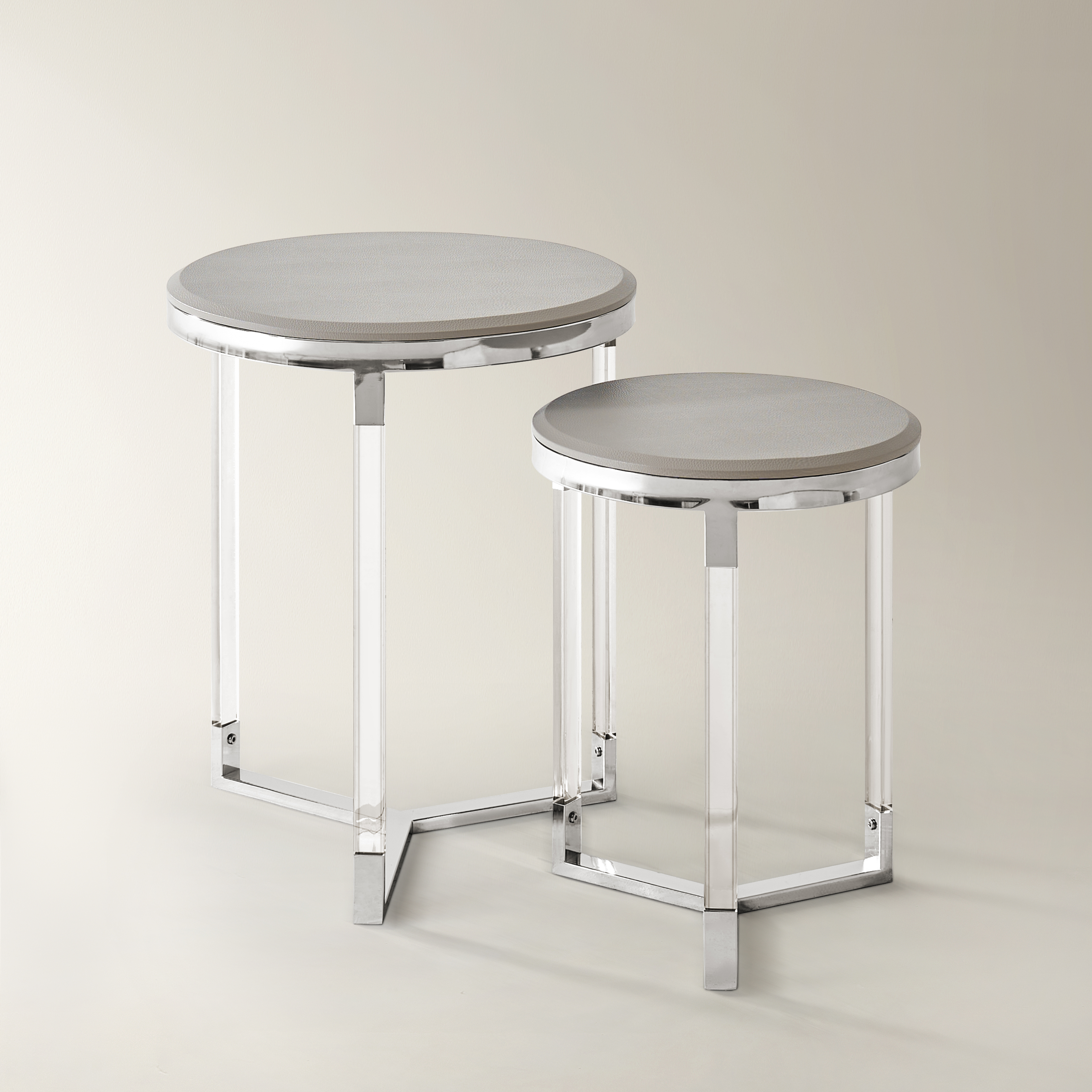
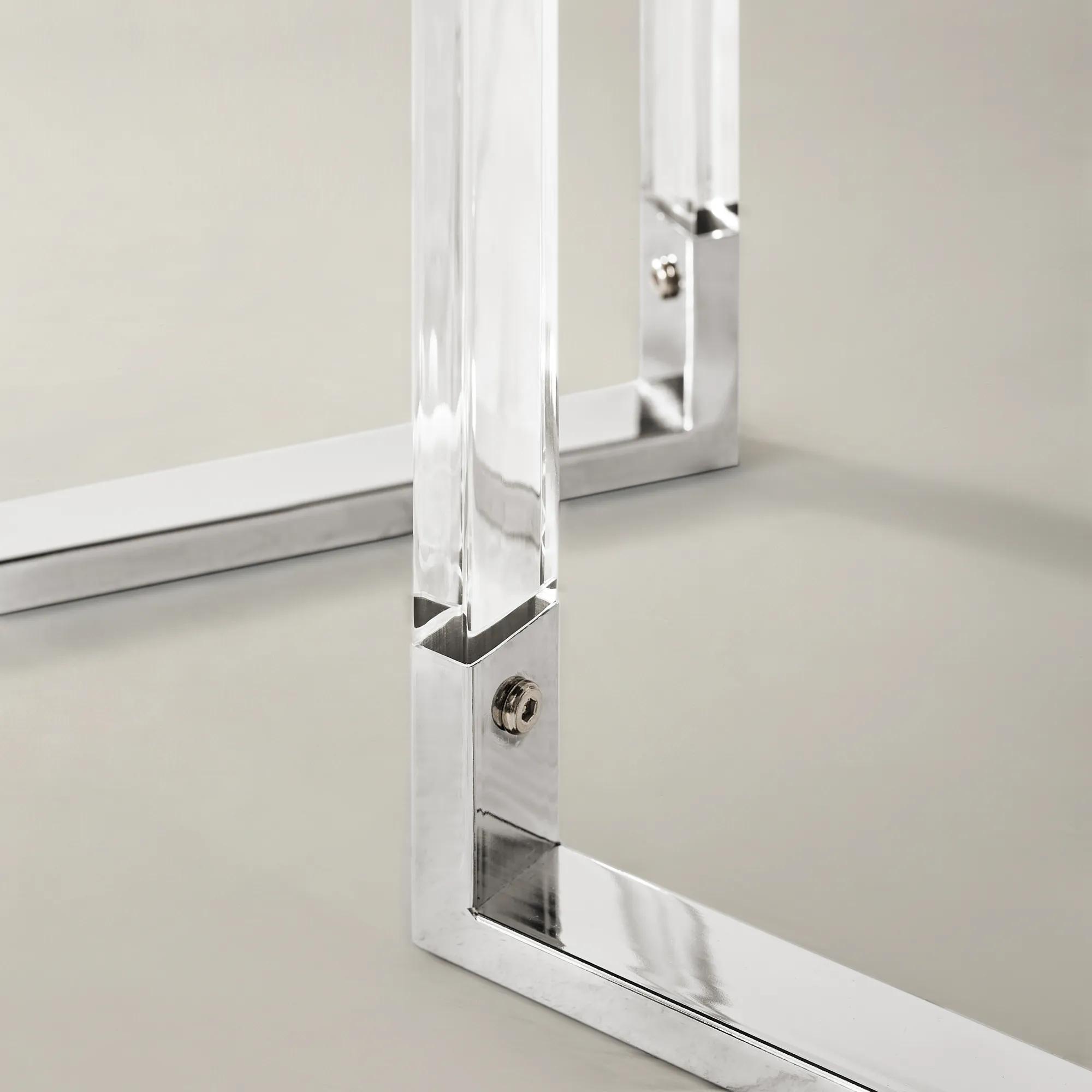 Murano Round Grey Accent Table With Faux Leather Top Set Of 2 (14.5"-18.5")$399
A bold set of two accent tables featuring mixed woods, acrylic legs, and faux leather tops.
Add To Cart -
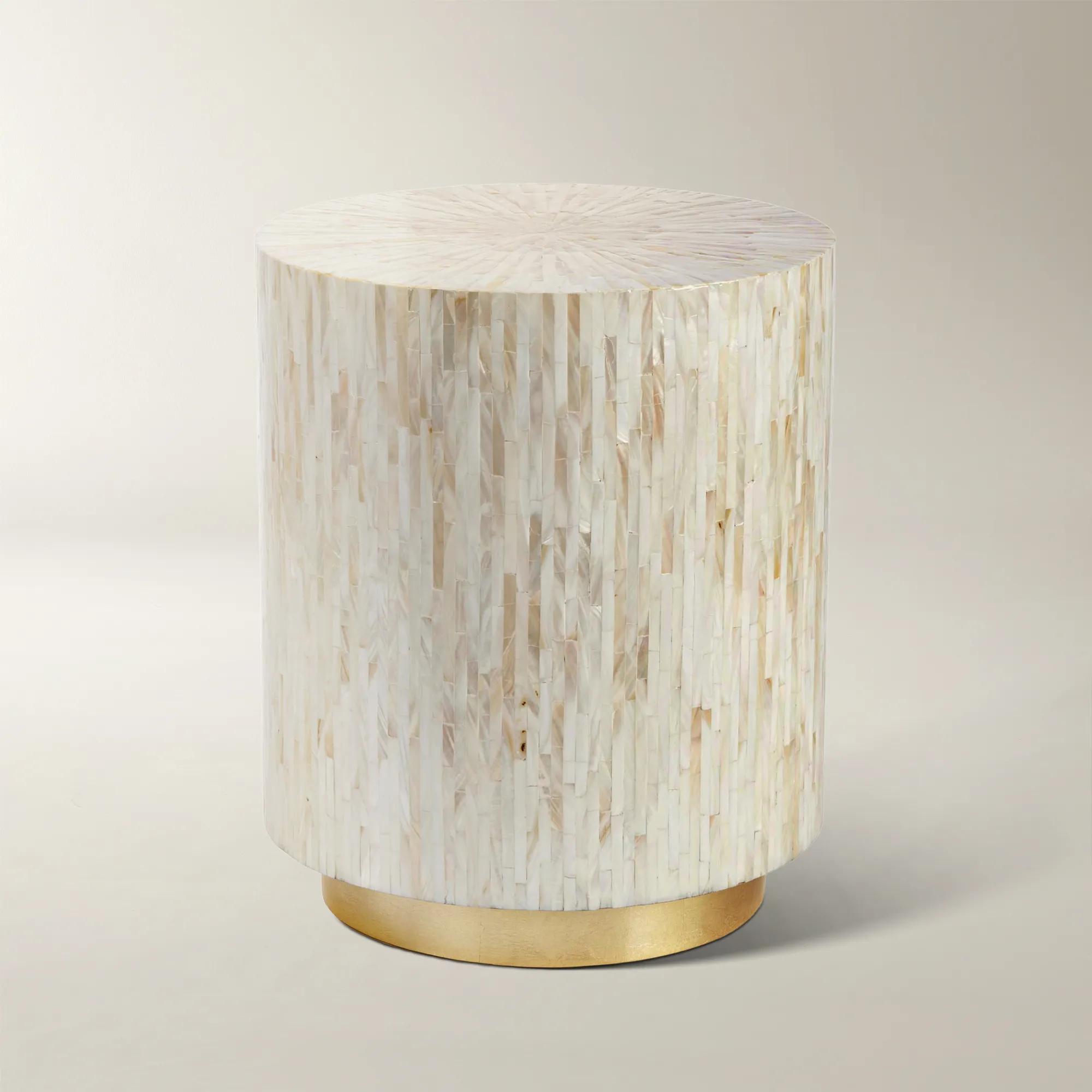 Alexandria Round Mosaic Platinum End Table (13.75")$299
A glamorous accent table featuring hand-applied mother-of-pearl mosaic and a gold leaf-accented base.
Add To Cart -
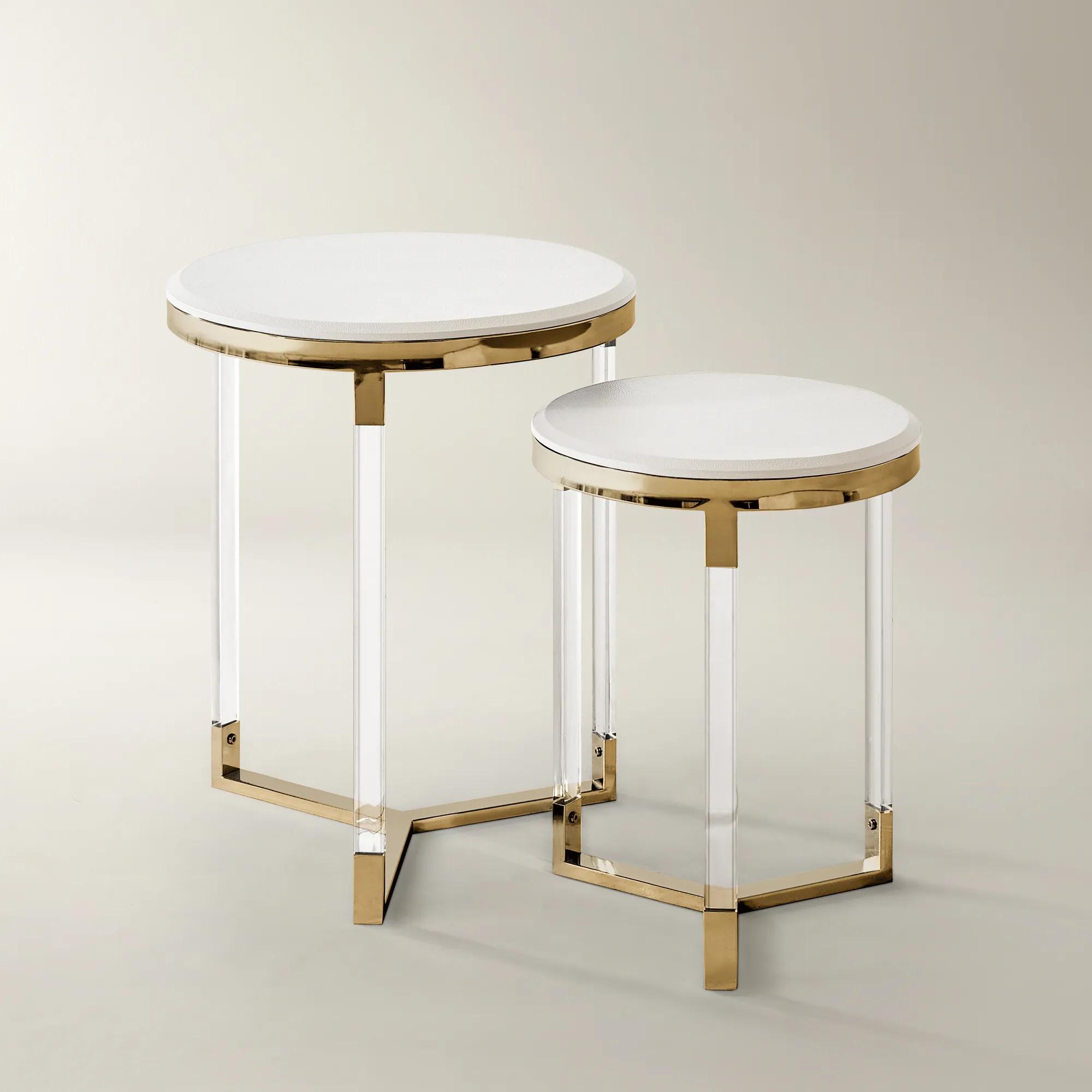
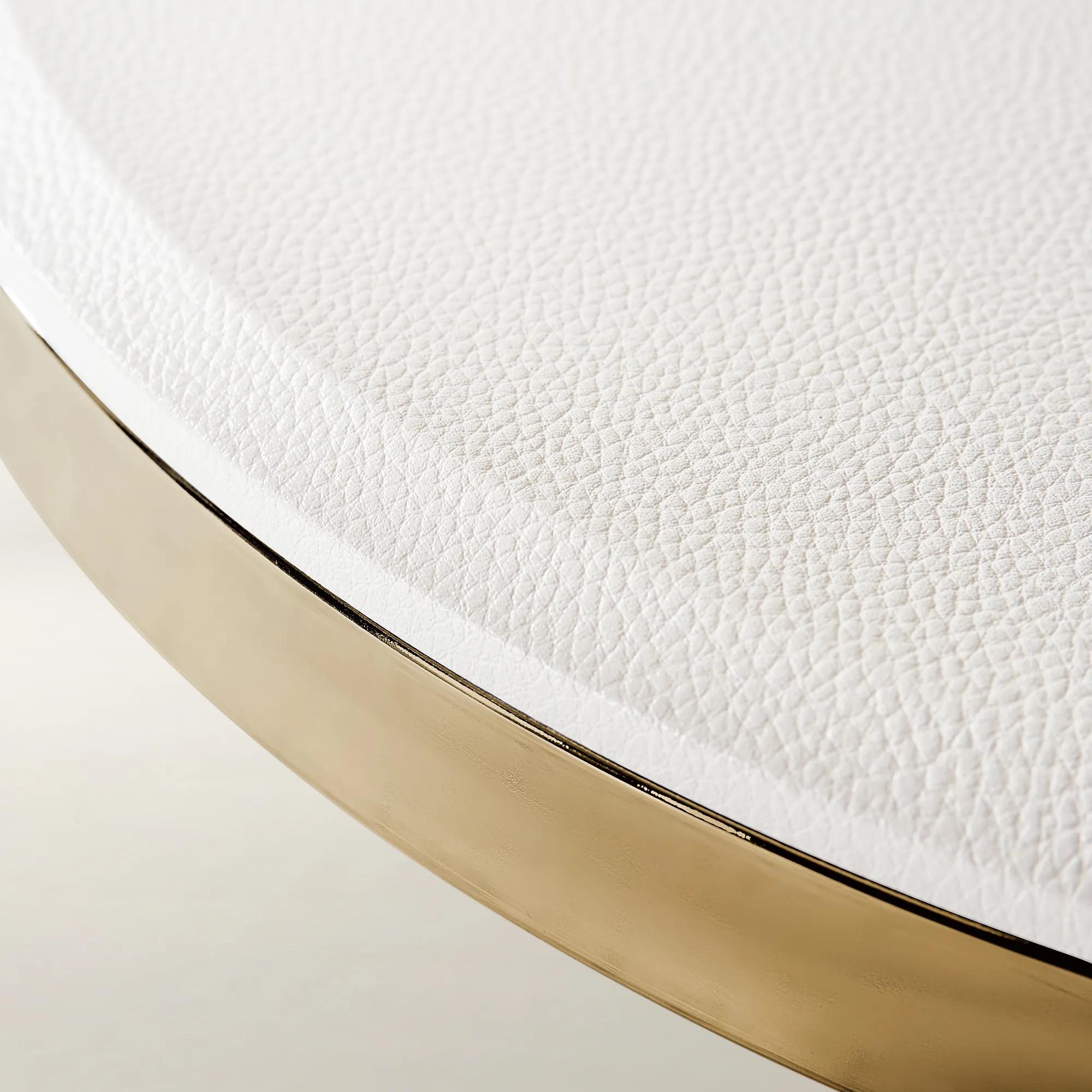 Murano Round White Accent Table With Faux Leather Top Set Of 2 (14.5"-18.5")$399
A set of two accent tables featuring mixed woods, faux leather tops, and acrylic legs with metallic finishes.
Add To Cart -
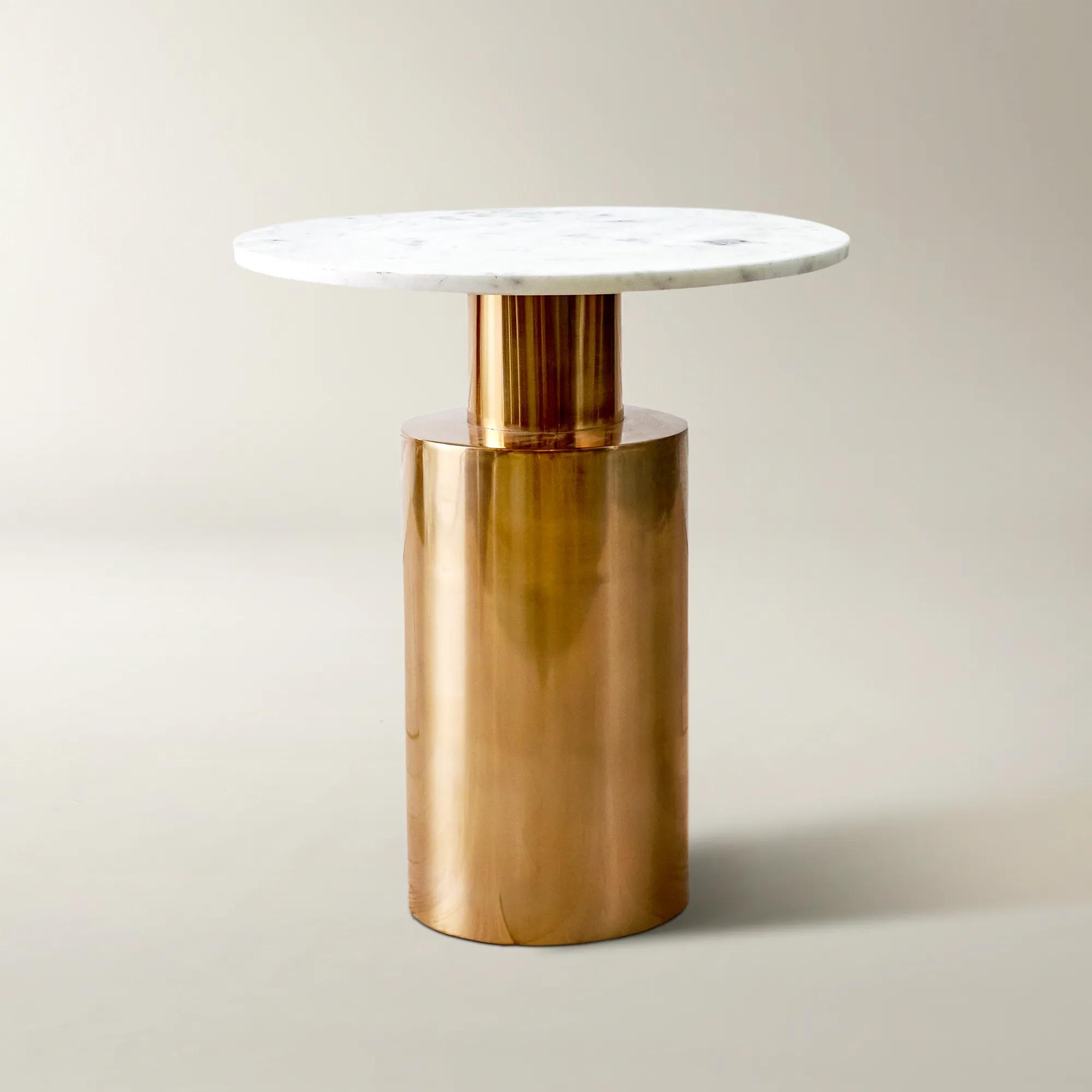
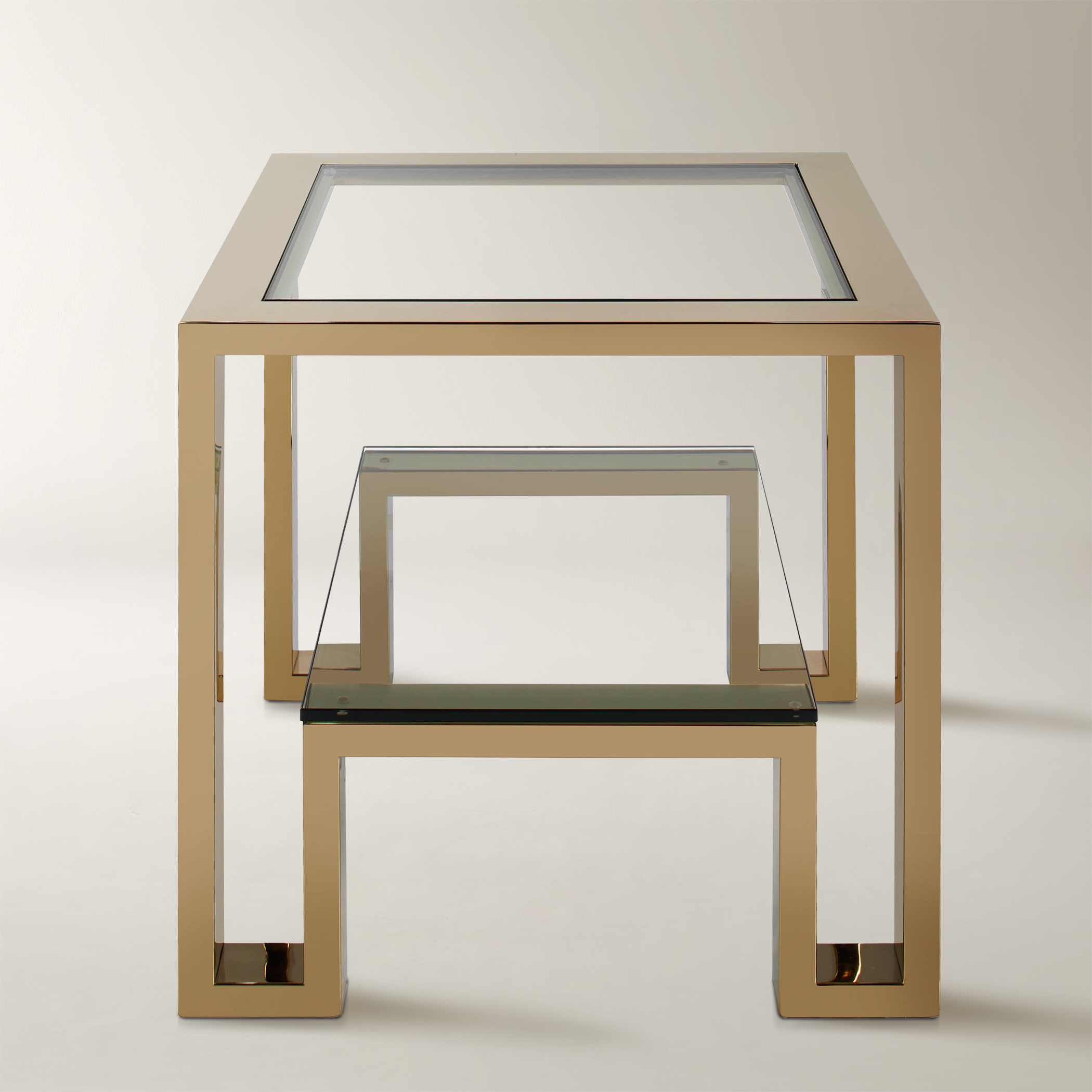 Duplicity Square Gold Stainless Steel End Table With Glass Top (24")$749
A modern end table crafted from stainless steel and tempered glass with a floating bottom shelf.
Add To Cart -
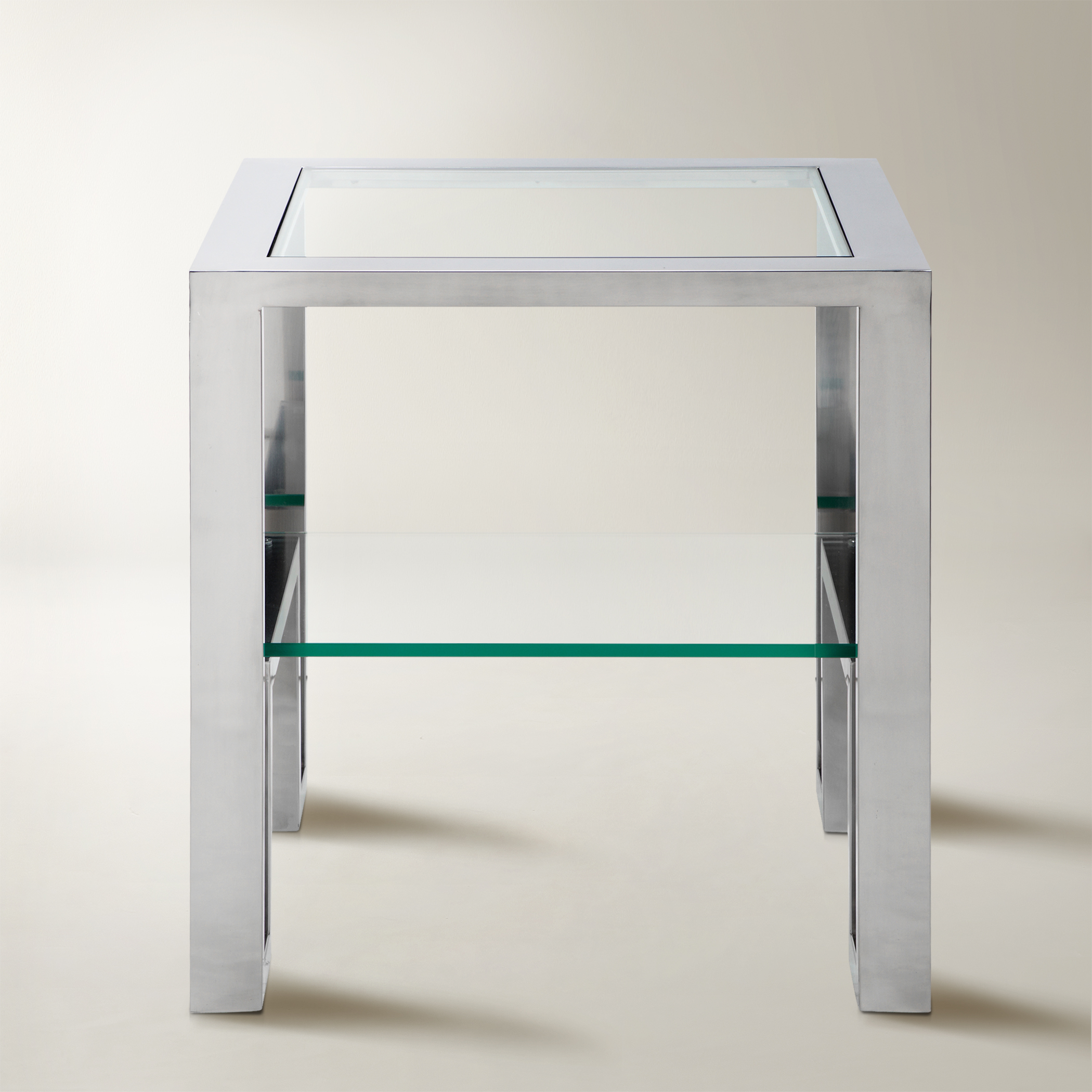
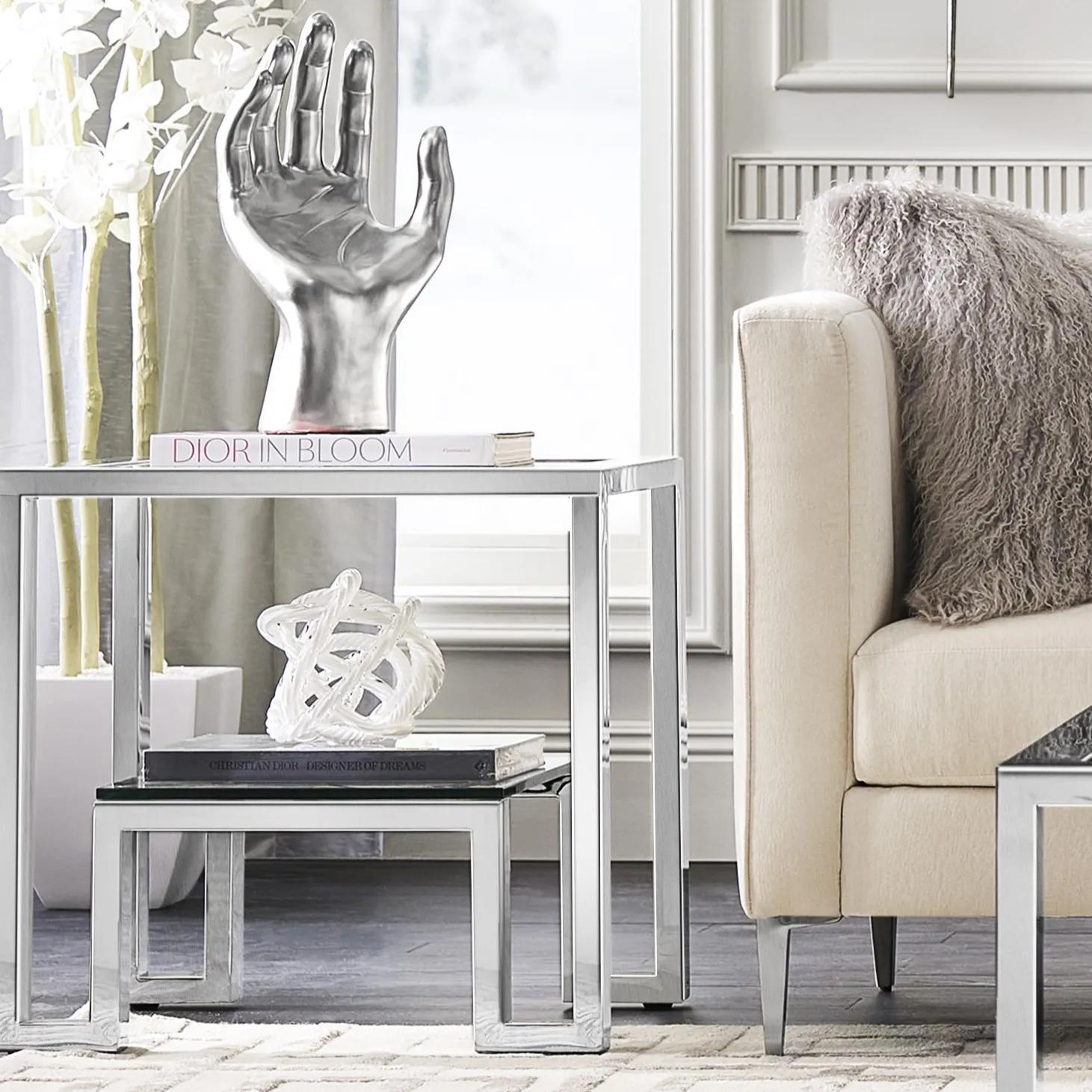 Duplicity Square Silver Stainless Steel End Table With Glass Top (24")$749
A modern end table featuring a stainless steel frame, tempered glass top, and floating bottom shelf.
Add To Cart -
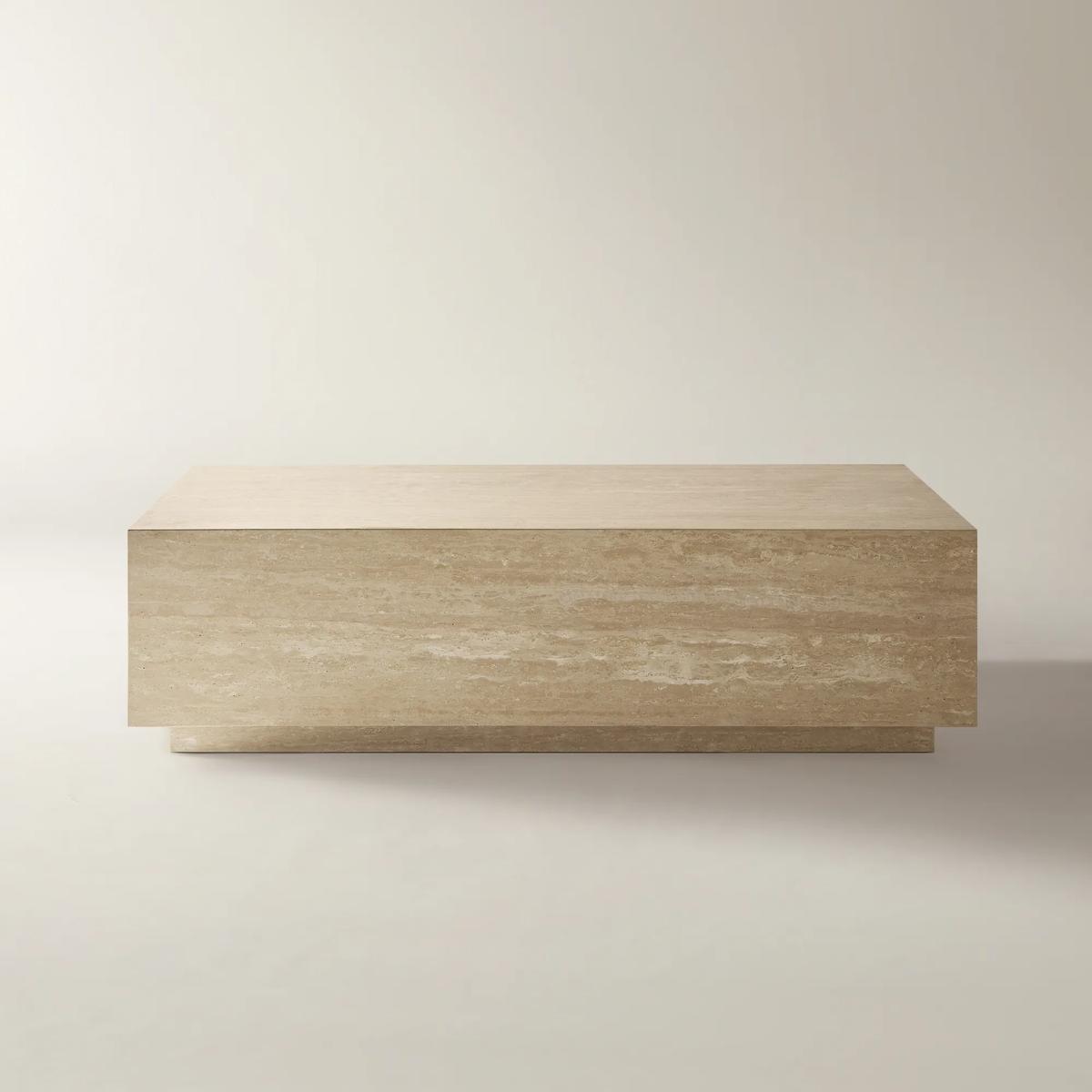
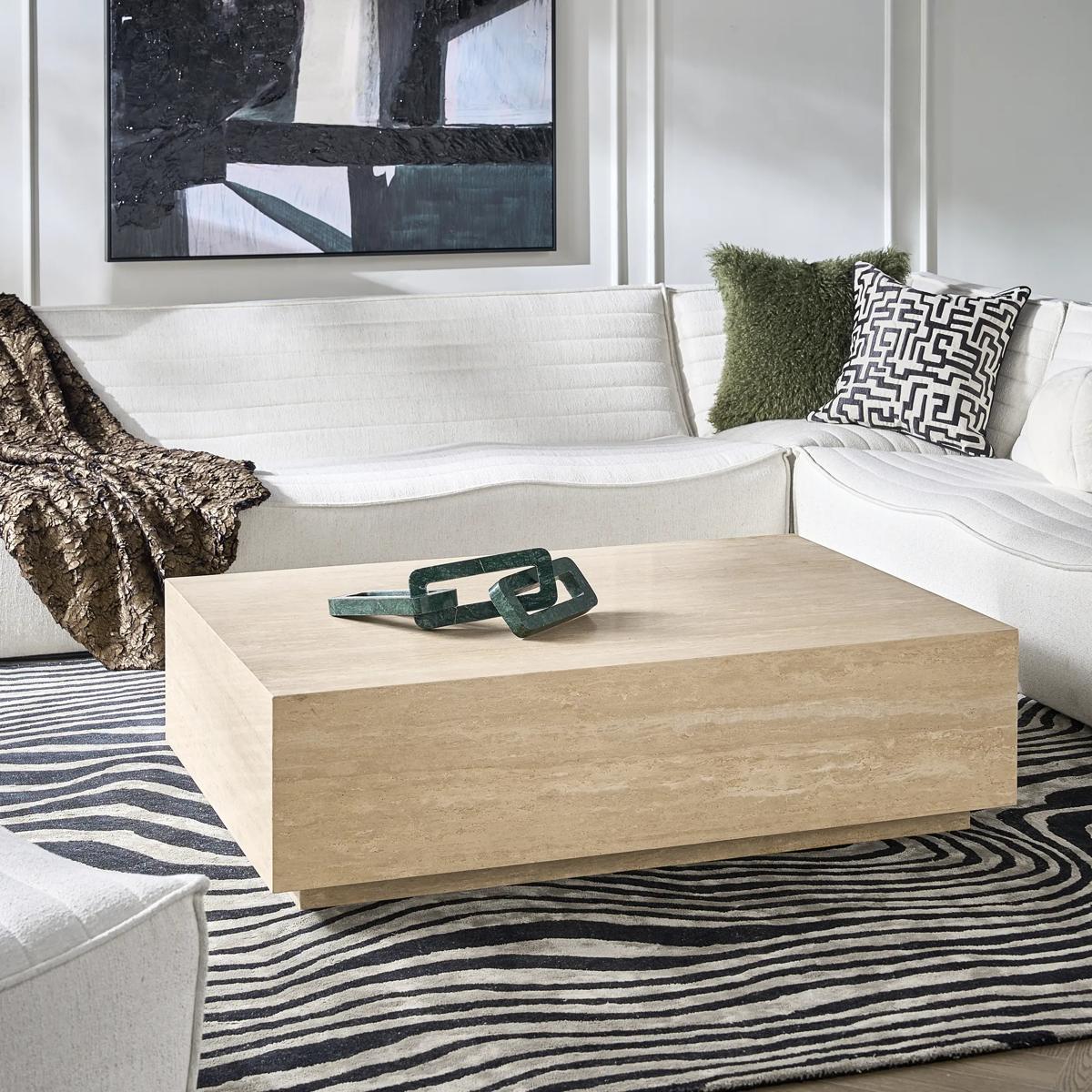 Vanta Rectangular Travertine Coffee Table (54")$2599
A seamless genuine travertine coffee table featuring ivory-gold tones and an ultra-light aluminum honeycomb core.
Add To Cart -
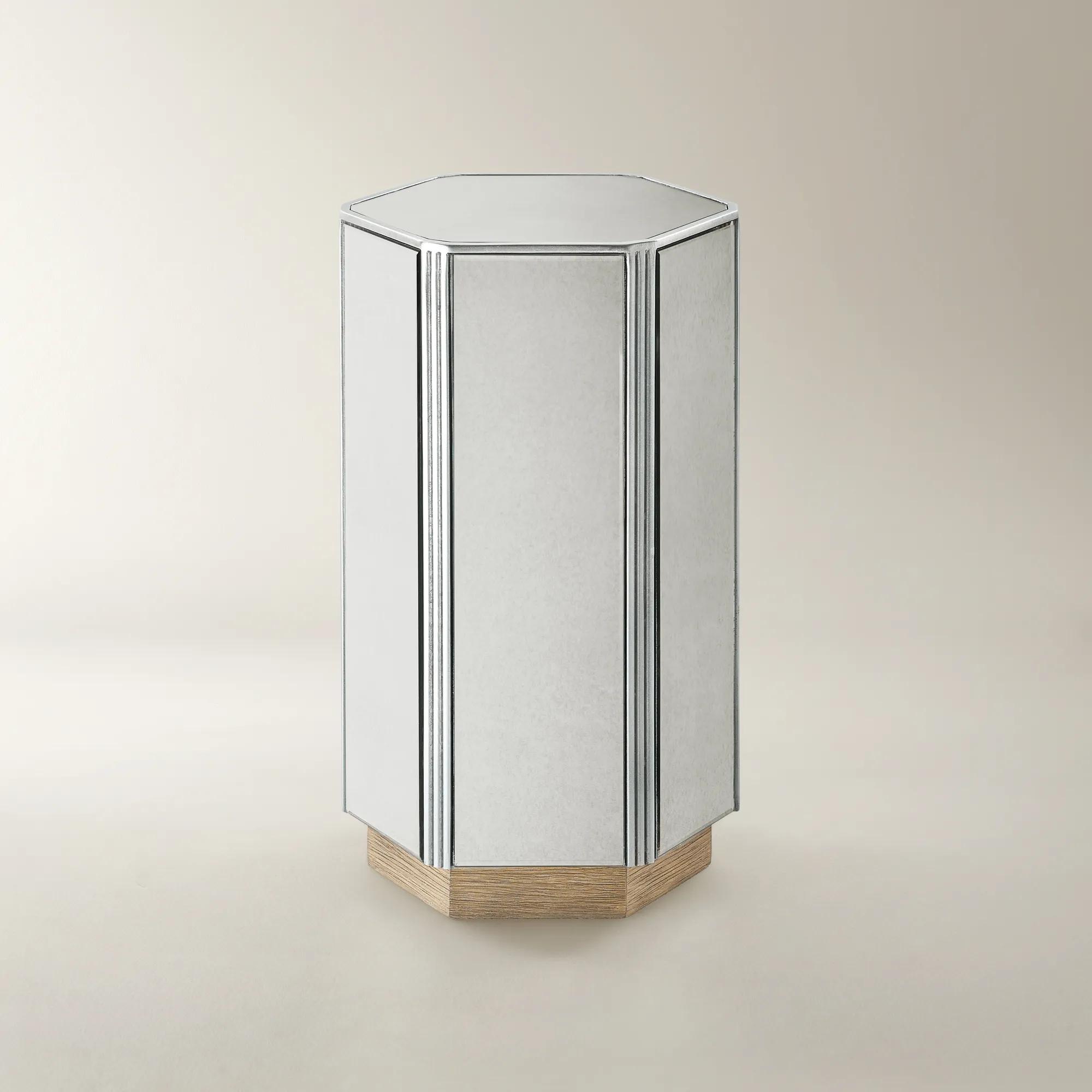 Glimmer Silver Mirrored End Table (12")$399
A chic side table featuring an antique silver mirror top and warm oak veneer base with handcrafted details.
Add To Cart

Indoor Outdoor Side Tables
Indoor Outdoor Side Tables are the ultimate expression of versatility and style, effortlessly bridging the gap between your sanctuary within and the vibrant world beyond. Imagine sculptural silhouettes catching the sunlight on a terrace, or gleaming surfaces casting reflections in a living room aglow with evening ambiance. Each piece is thoughtfully designed to invite conversation, anchor your favorite vignette, and lend an air of curated sophistication—whether nestled beside a lounge chair or poised as a chic accent on the patio. With Indoor Outdoor Side Tables, every corner becomes an opportunity to celebrate artistry, elevate comfort, and compose a living space that feels uniquely yours.
Indoor outdoor side tables bring the finishing touch of a beautifully composed room beyond its walls, giving a terrace, covered porch, or intimate balcony the same expressive character as a living space. Small in footprint but rich in visual impact, these versatile furnishings create a place for a glass, a book, or a sculptural object while shaping the mood around them. A rounded silhouette softens the geometry of a tailored sofa; a faceted base introduces an architectural note beside a deep lounge chair. On a sheltered patio, a richly textured table can echo the grain of nearby planters, while a smooth, luminous finish offers contrast against woven seating and lush foliage. The appeal lies in that balance of purpose and presence: a surface close at hand, a distinctive form within the larger composition. For homes where entertaining moves between the living room and the open air, tables designed for both settings help connect the spaces without making every piece match. A shared color, complementary curve, or repeated texture can carry the eye through an open doorway, creating continuity while allowing each setting its own personality. These tables also suit smaller homes, where furniture may need to serve more than one arrangement. A compact pedestal beside a reading chair can become a drinks surface near the balcony seating, provided its weight and dimensions make moving it practical. Related Indoor Outdoor Accent Tables offer another way to explore decorative surfaces that bring character to these transitional spaces. Whether the atmosphere is serene and tonal or layered with dramatic contrasts, the strongest choice feels intentional from every angle. Consider the view from inside as well as the experience outdoors: a striking table framed by glass doors becomes part of the interior’s visual landscape, even during the cooler months when the terrace is enjoyed more often from within.
Material and finish determine how an indoor outdoor side table looks, feels, and responds to its surroundings, so beauty deserves to be considered alongside the conditions it will encounter. Powder-coated aluminum can provide a relatively lightweight option with corrosion resistance, although scratches and damaged coatings still warrant attention according to the manufacturer’s instructions. Steel brings a different sense of substance and may require greater protection against moisture, especially where its finish has been compromised. Concrete and stone introduce mineral texture and sculptural weight, but their care requirements vary: some surfaces are porous, some need sealing, and some are vulnerable to acidic spills or freezing conditions. Cast composites can capture a substantial, stone-like appearance with different handling characteristics, making the listed material and product weight more useful than appearance alone. Glazed ceramic may offer beautiful depth of color, yet outdoor suitability and resistance to frost should never be assumed. Wood lends warmth against upholstery and metal, with performance shaped by the species, construction, finish, and maintenance it receives. Natural changes in tone may be part of its appeal, but prolonged dampness and standing water can still create problems. An indoor outdoor designation is not a promise that every table can remain exposed to every climate throughout the year. Check the stated recommendations for direct sun, rain, covered placement, and seasonal storage, particularly for coastal settings or regions with freezing temperatures. Routine care is often straightforward when it follows the finish-specific instructions: remove loose debris gently, address spills promptly, and avoid abrasive pads or harsh cleaners unless expressly recommended. Coasters and suitable protective pads can help guard against rings, scratches, and heat damage. During extended periods of disuse, appropriate covers or dry, sheltered storage may help preserve the surface. Indoors, floor-safe glides or pads are equally important beneath substantial bases, especially on wood and other scratch-sensitive flooring. Attention to these details protects the table’s decorative impact without expecting a delicate finish to behave like an indestructible one.
Scale is where a side table becomes truly comfortable to live with. A tabletop near the height of a chair or sofa arm generally makes a drink easier to reach, but the right relationship depends on the seat’s depth, arm shape, and the way the space is used. Beside a low lounge chair, an overly tall table can feel imposing; next to a generous outdoor sofa, a very small surface may look disconnected and leave little room for anything beyond one glass. Measure the intended position with the surrounding furniture in place, allowing enough clearance for people to pass without turning sideways or brushing against the edge. A round top can ease movement through a compact arrangement, while a square or rectangular profile may sit neatly alongside a straight sofa arm. Neither shape replaces the need for adequate space. Think about the base as carefully as the top: a broad, stable form can feel reassuring in an exposed setting, while projecting legs may compete with feet or catch on nearby furnishings. Uneven pavers, deck-board gaps, and thick rugs can affect stability, so the table should rest securely on its intended surface. For a pair of lounge chairs, a shared table needs enough usable area for two drinks and perhaps a small serving dish; for a solitary reading corner, a narrower top may be sufficient. If a tray is part of the arrangement, confirm that it sits fully supported rather than balancing over a curved edge. Styling can remain restrained without losing drama. A single substantial vessel lets an expressive base command attention, while a modest grouping of objects gives a simpler silhouette depth. Outdoors, choose accessories suited to the setting and avoid fragile arrangements where wind or passing guests could disturb them. A side table can also make a considered housewarming or wedding gift when the recipient’s dimensions, style, and outdoor conditions are known. Its lasting appeal comes from being both personal and useful: the quiet convenience of a place to set something down, delivered through a form that gives the entire seating area greater definition.
FAQs
An indoor outdoor side table is designed with versatility and durability in mind, allowing it to seamlessly transition between interiors and exteriors. These tables often feature weather-resistant materials and finishes that withstand the elements while maintaining a sophisticated, gallery-worthy appearance. Their adaptable style means they can elevate a living room, sunroom, patio, or covered terrace with equal flair.
For autumn gatherings, adorn your side table with metallic candle holders, a sculptural vase filled with foraged branches, or a tray of artisanal treats. As the season changes, swap in fresh blooms, textured linens, or gleaming decorative objects to reflect the mood. The beauty of these tables lies in their ability to act as a stage for your ever-evolving aesthetic.
Absolutely. An indoor outdoor side table is a thoughtful gift for design lovers, new homeowners, or anyone who enjoys hosting. Its versatility ensures it will become a cherished accent, moving gracefully from room to patio and adapting to the recipient’s unique sense of style.
Premium indoor outdoor side tables often feature powder-coated metals, hand-cast ceramics, treated woods, or tempered glass. These materials are chosen for their ability to resist moisture, fading, and temperature changes, all while offering a luxurious, tactile finish that elevates any space.
Think of your side table as a piece of functional art. Use it to anchor a seating area, display curated décor, or create a layered vignette with lighting and books. The right table can introduce a new texture, silhouette, or color story, helping you craft a living space that feels intentional, expressive, and utterly unique.
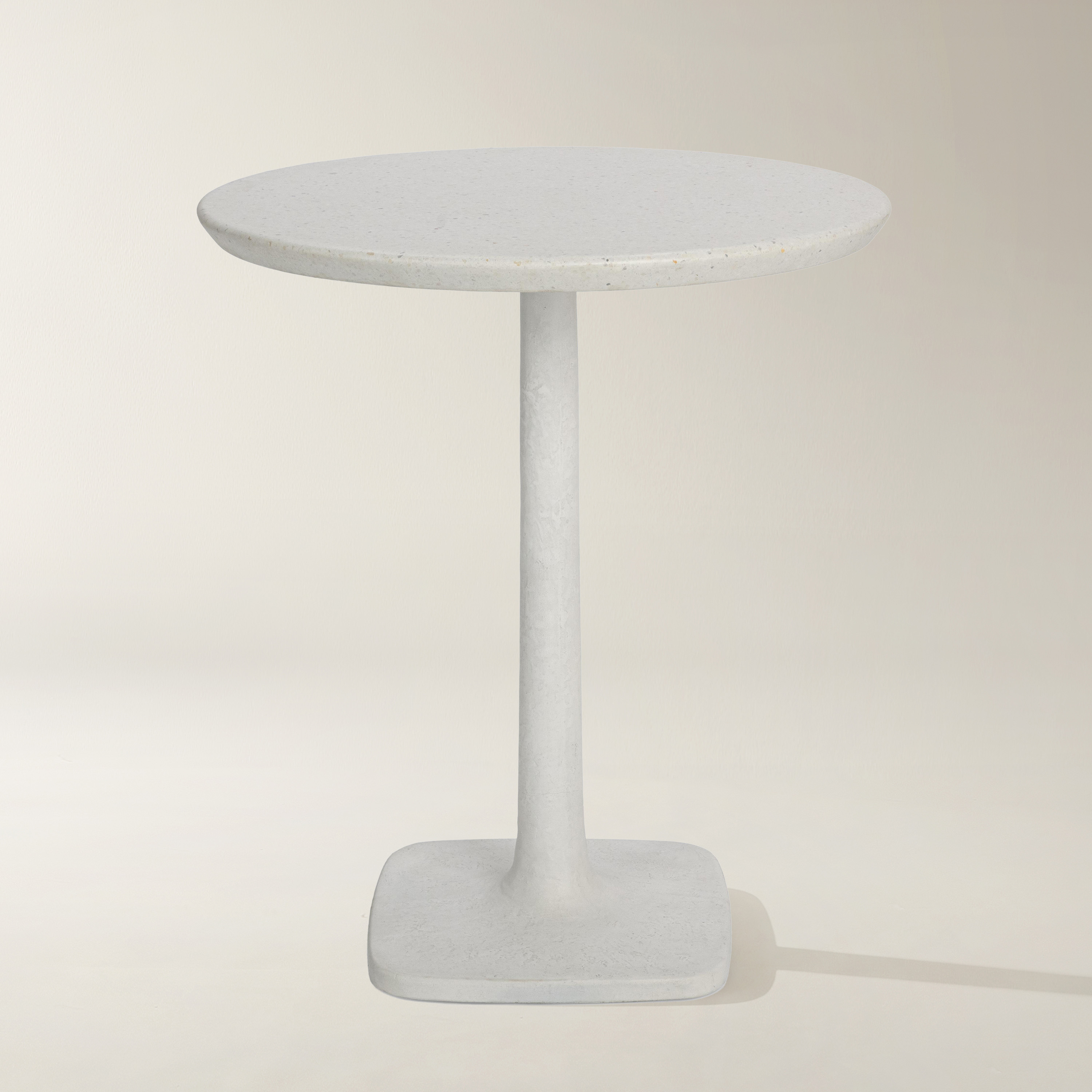
-0.jpeg?w=3936&h=3936)
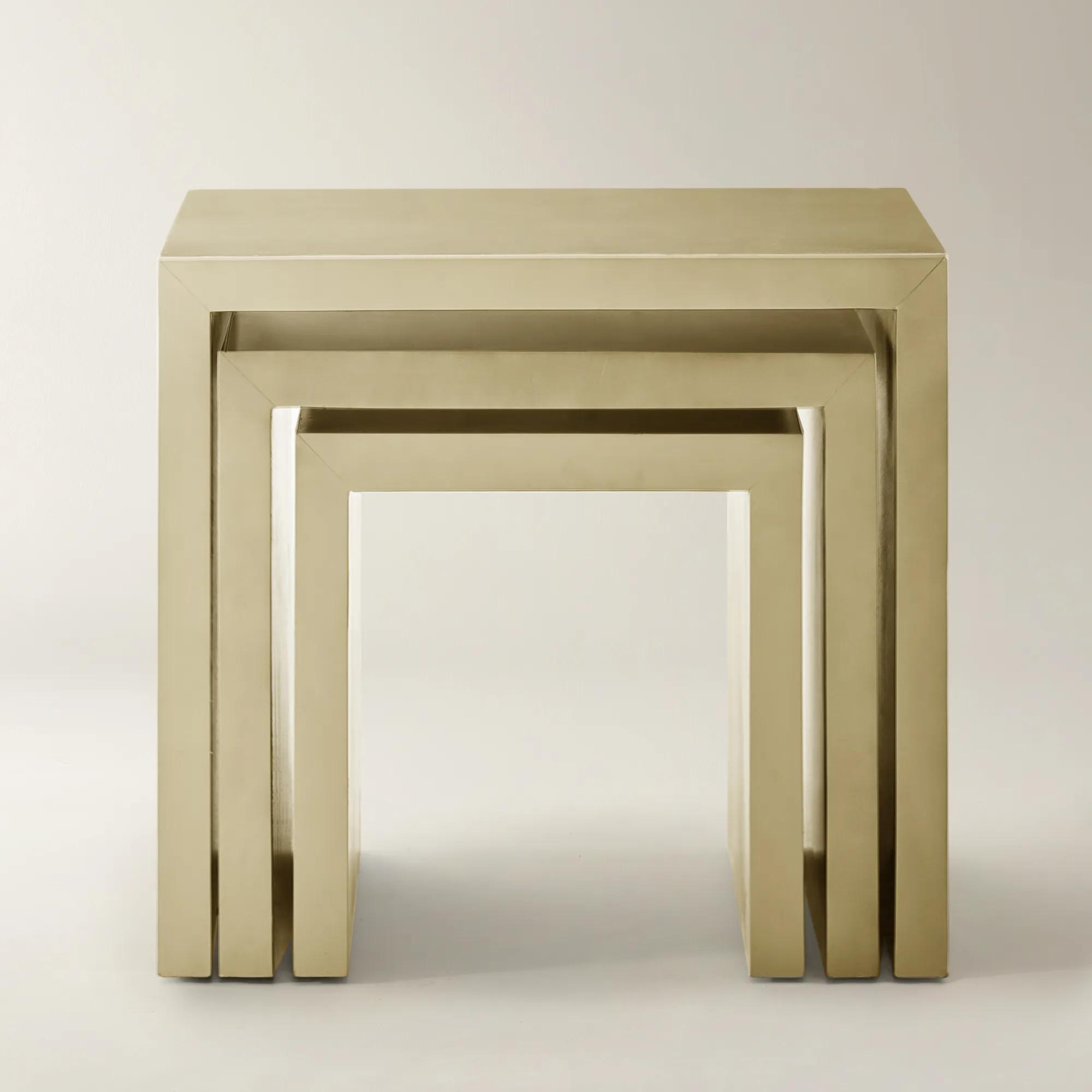
.jpeg?w=4043&h=4043)


