Outdoor Lounge Side Tables
Outdoor Lounge Side Tables
-
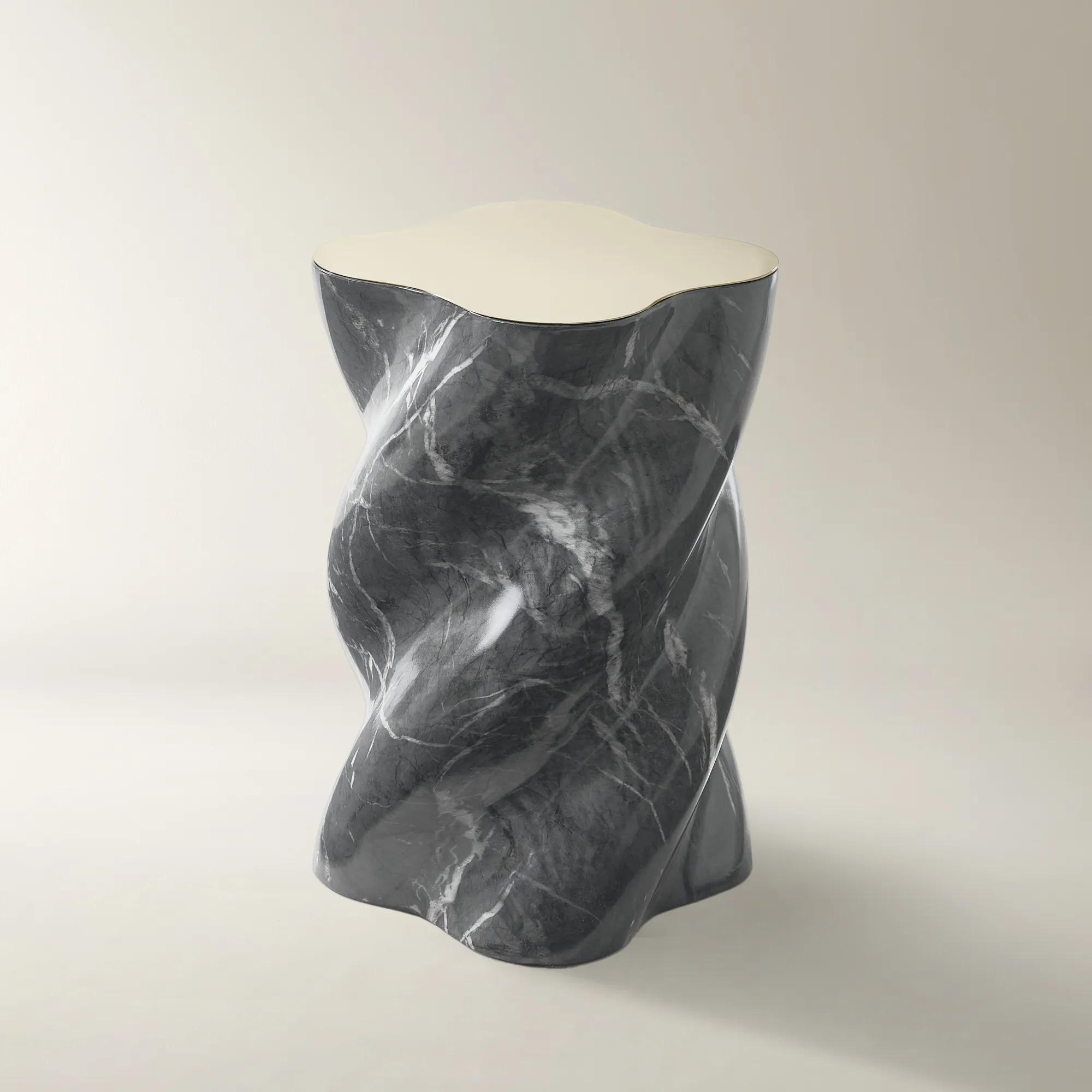 Vega Bvlgary Black Concrete Indoor/Outdoor Side Table With Stainless Steel Top (13.8")$459
A black concrete side table with a sculptural pedestal, removable stainless-steel top, and marble-inspired finish.
Add To Cart -
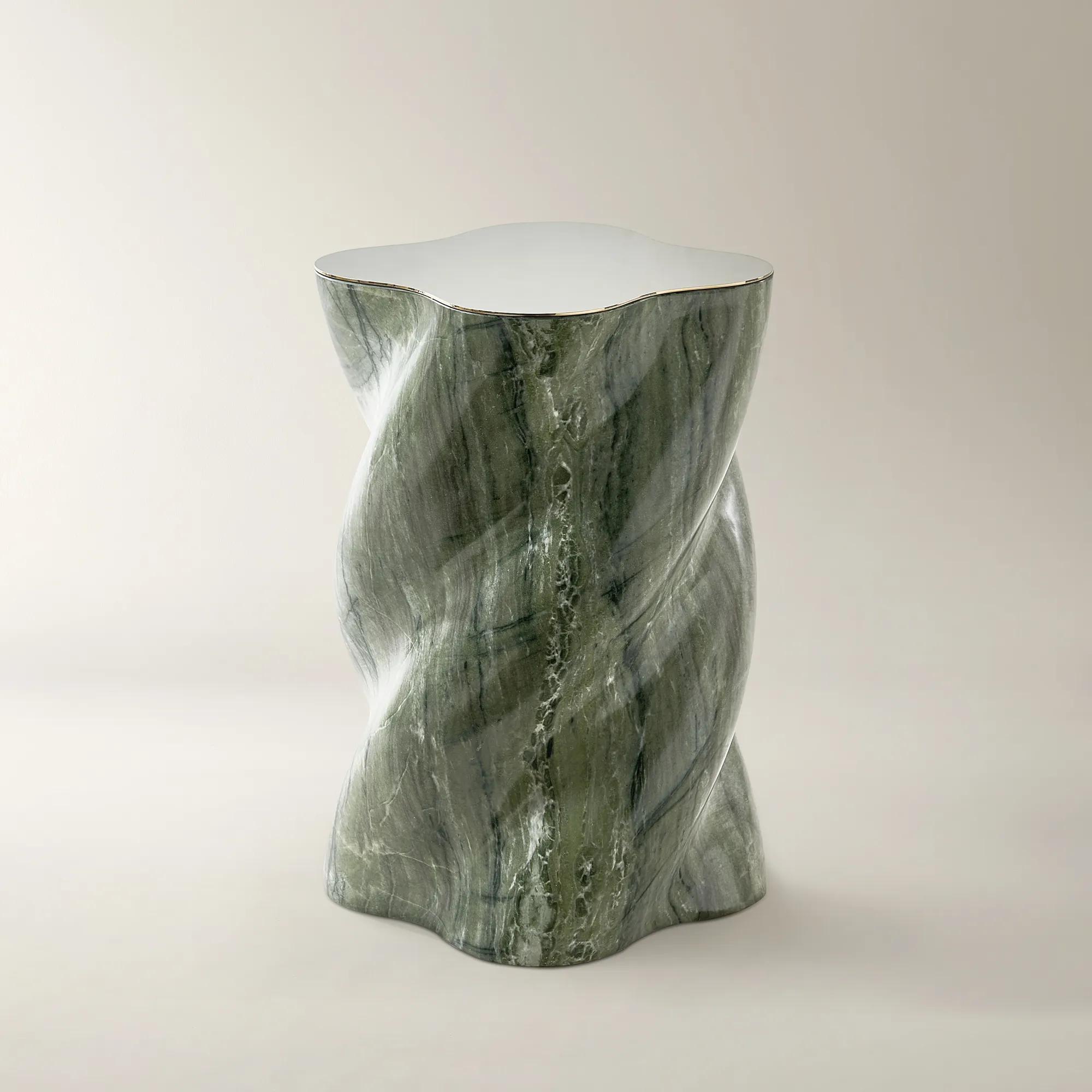 Vega Malachite Green Concrete Indoor/Outdoor Side Table With Stainless Steel Top (13.8")$459
A green concrete side table with a sculptural pedestal, marble-inspired finish, and removable stainless-steel top.
Add To Cart -
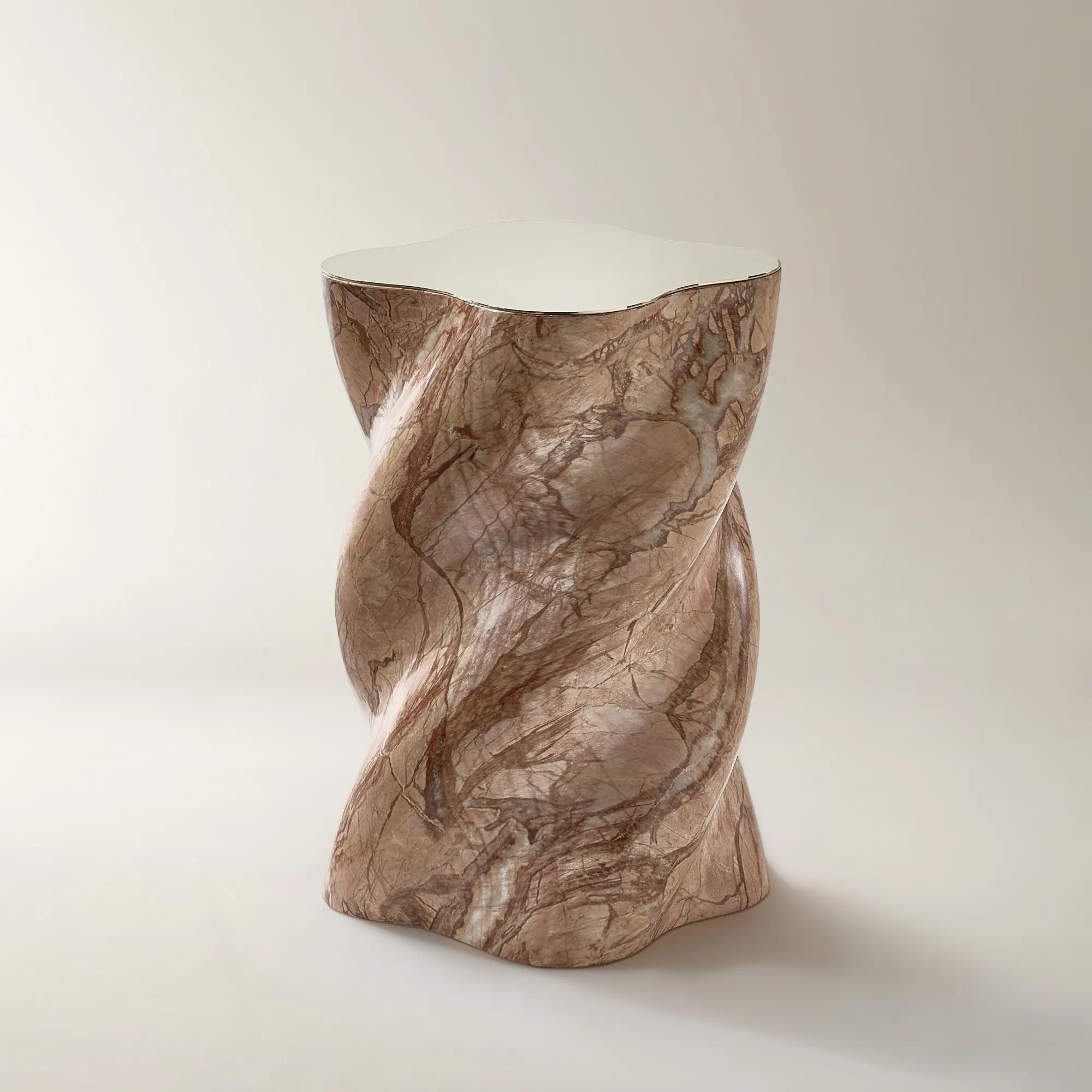
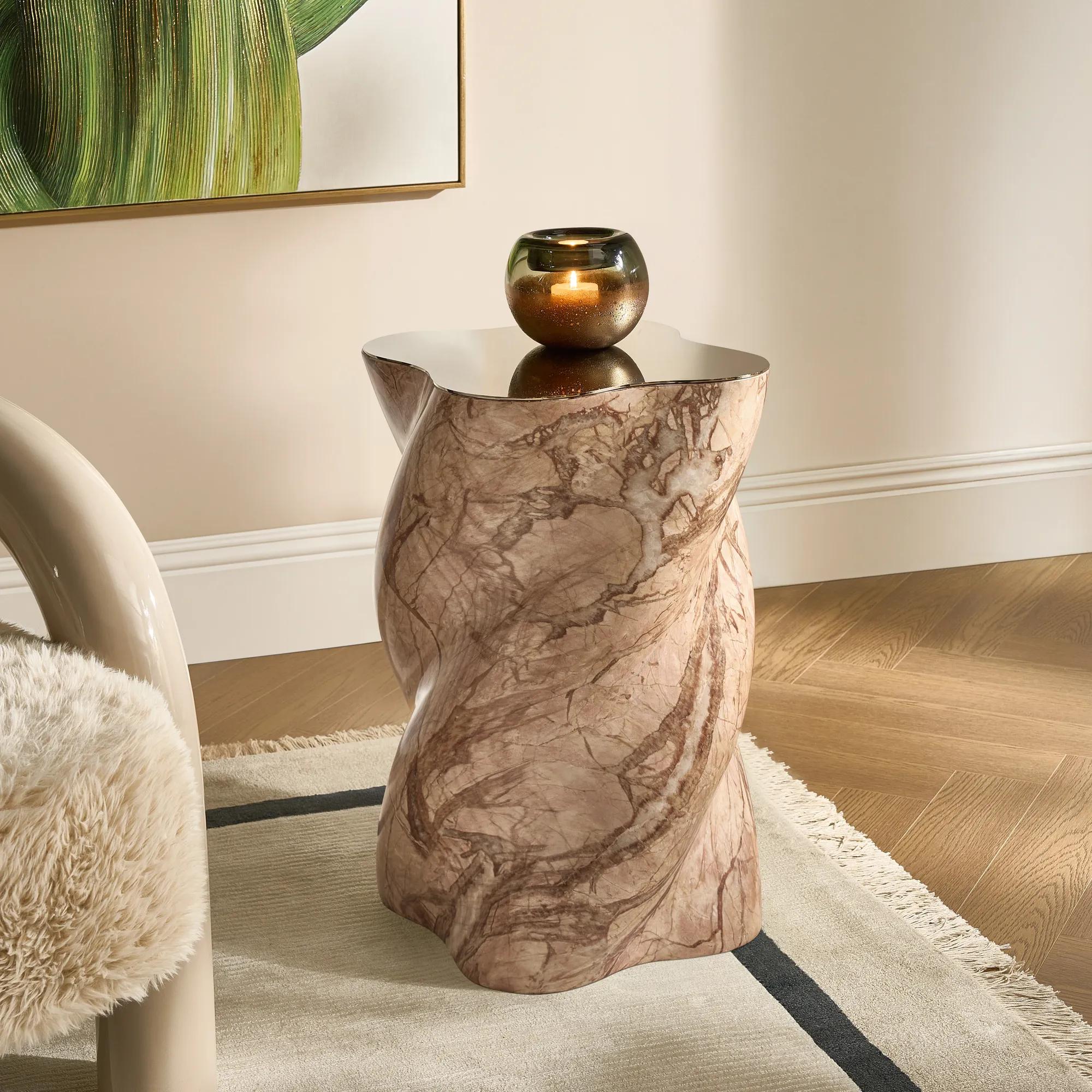 Vega Concrete Indoor/Outdoor Side Table With Stainless Steel Top (13.8")$459
A black, orange, or green concrete side table with removable stainless-steel top and marble-inspired veining.
Add To Cart -
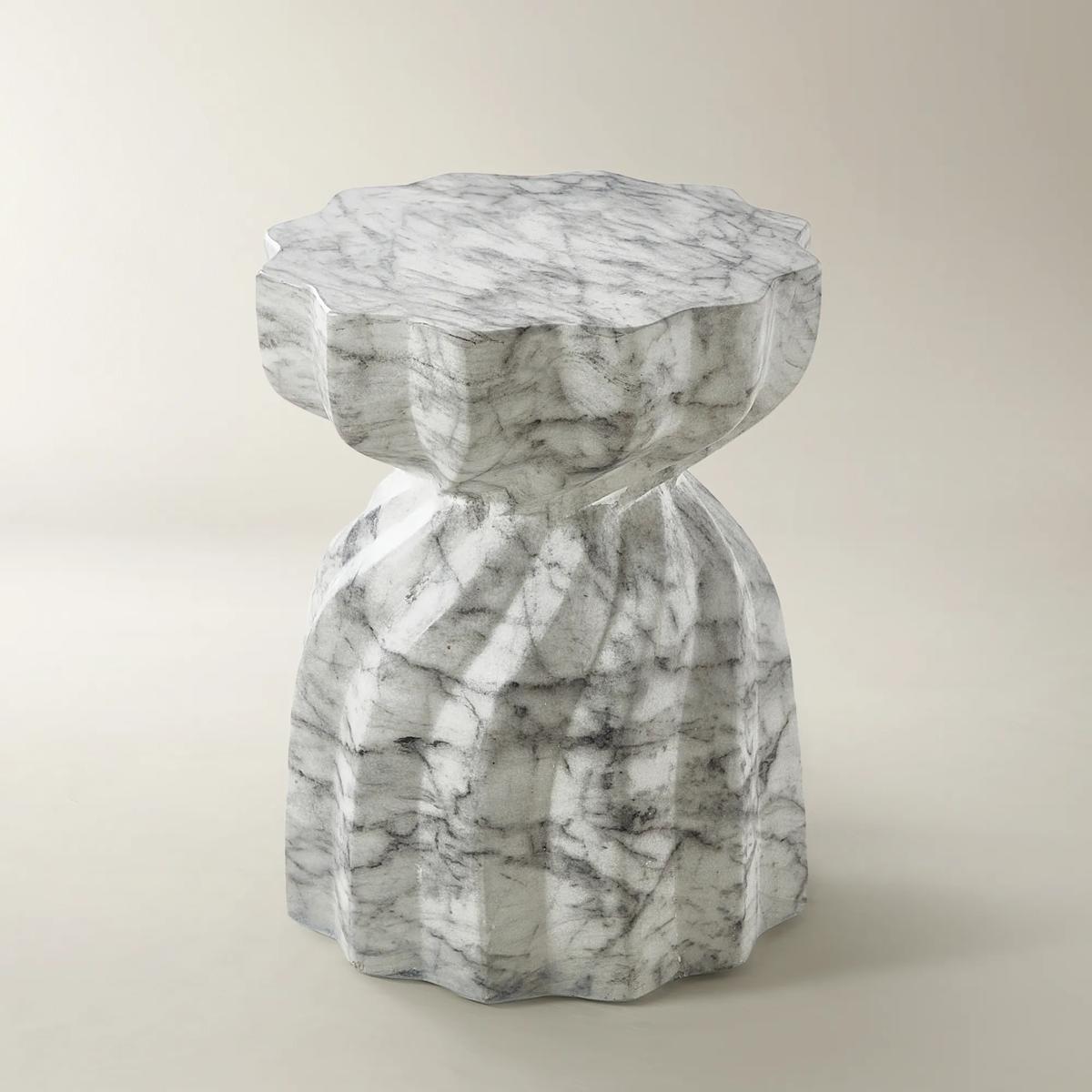
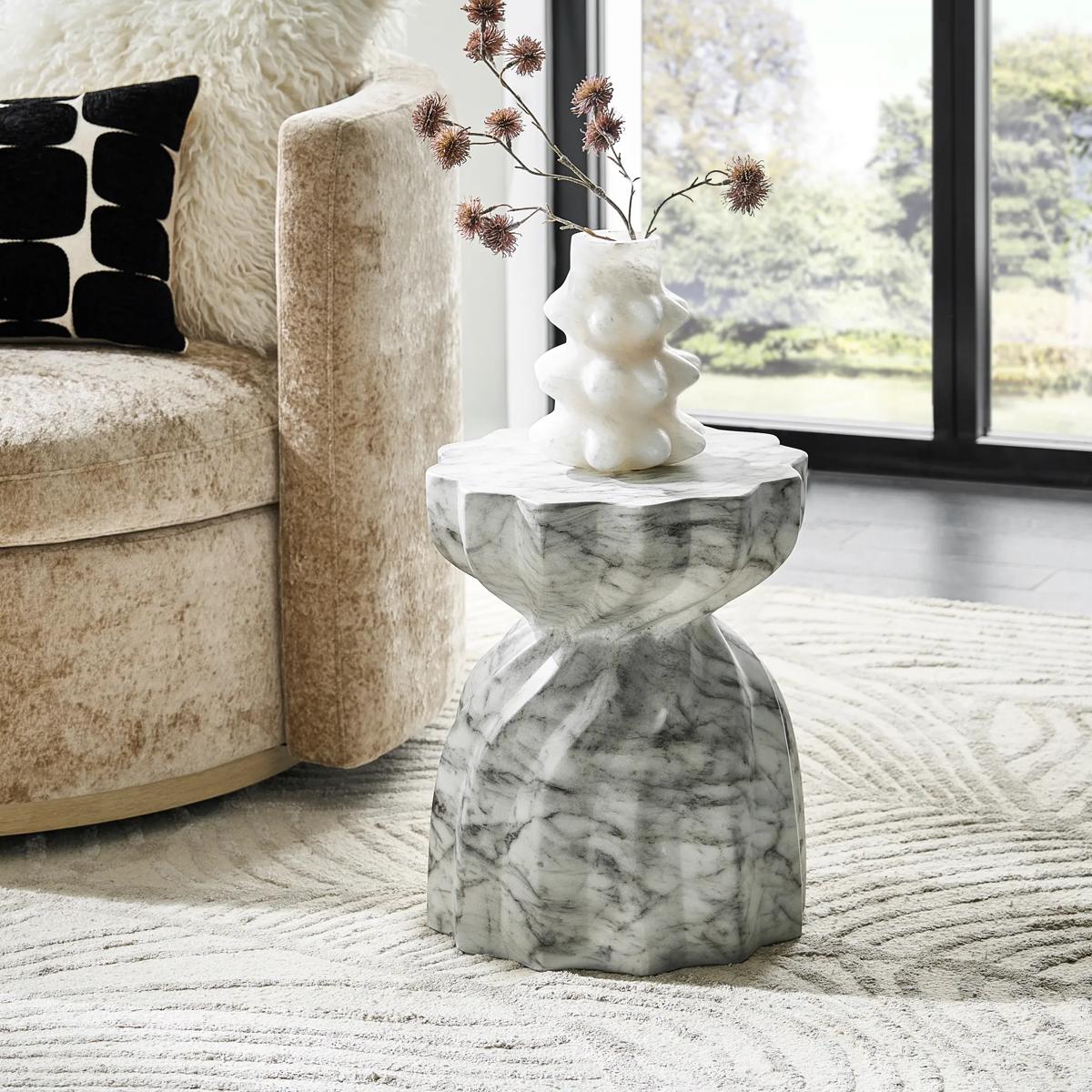 Lithia Scalloped White Concrete Indoor/Outdoor Side Table (15")$349
A white concrete side table with a scalloped silhouette and marble-look finish for indoor-outdoor living.
Add To Cart -

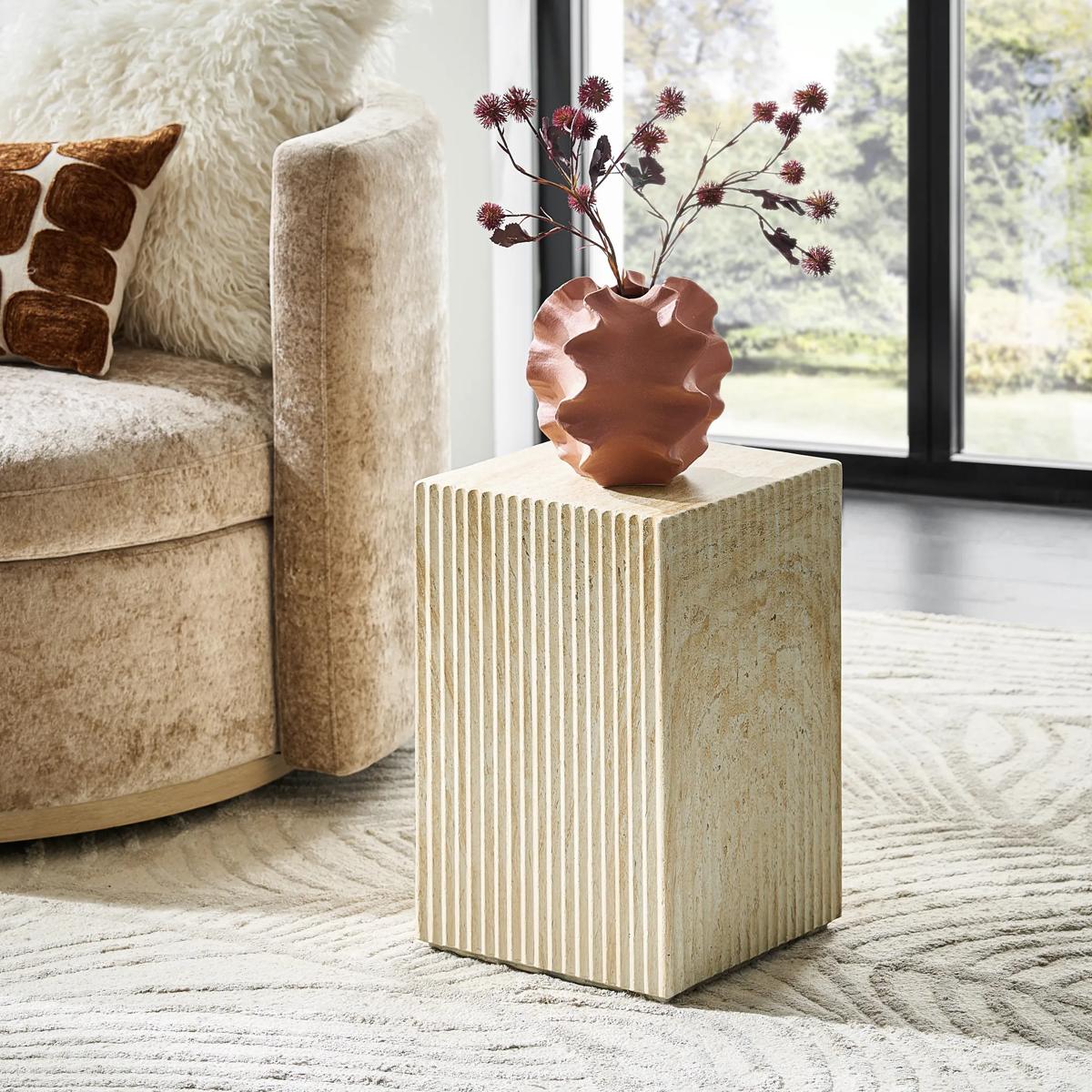 Strata Square Travertine Concrete Indoor/Outdoor Side Table (11.8")$299
A natural travertine-look concrete side table with sculptural cuboid geometry for indoor or covered outdoor spaces.
Add To Cart -
 Strata Round Green Concrete Indoor/Outdoor Side Table (15")$349
A green concrete side table with rounded geometry and a marble-look finish for indoor-outdoor use.
Add To Cart -
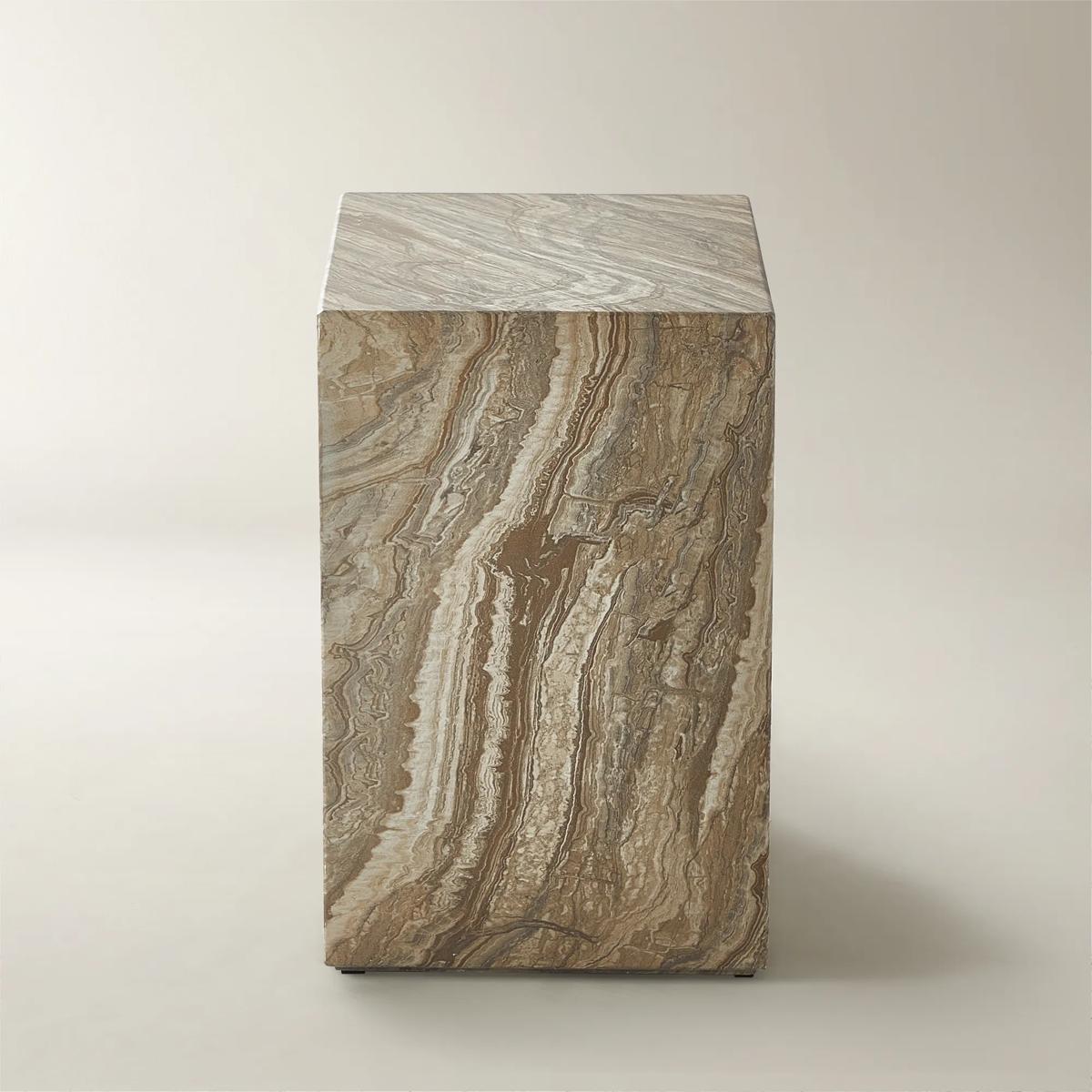
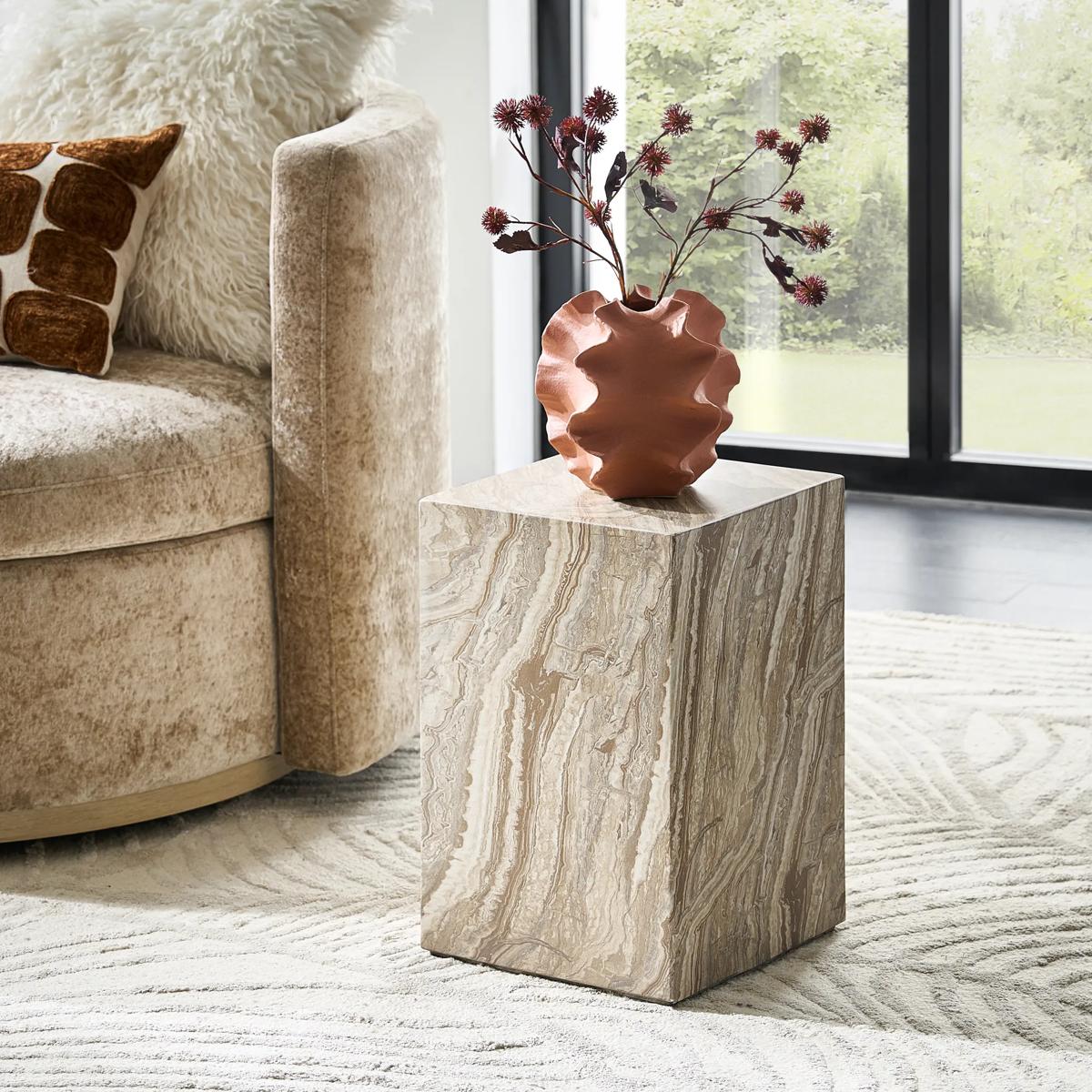 Strata Square Brown Concrete Indoor/Outdoor Side Table (11.8")$299
A brown concrete side table with a sculptural cuboid profile and marble-look finish, indoors or outdoors.
Add To Cart -
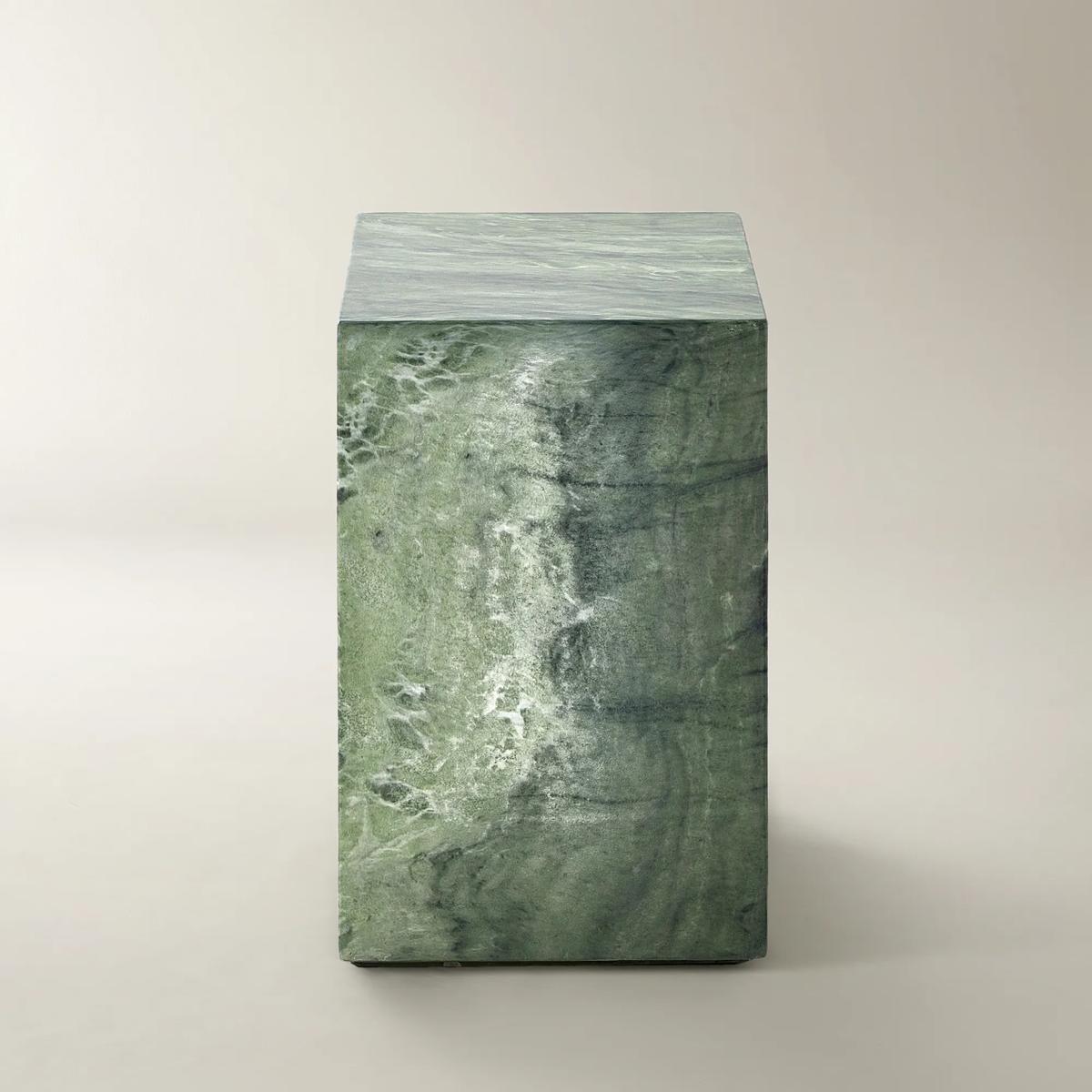
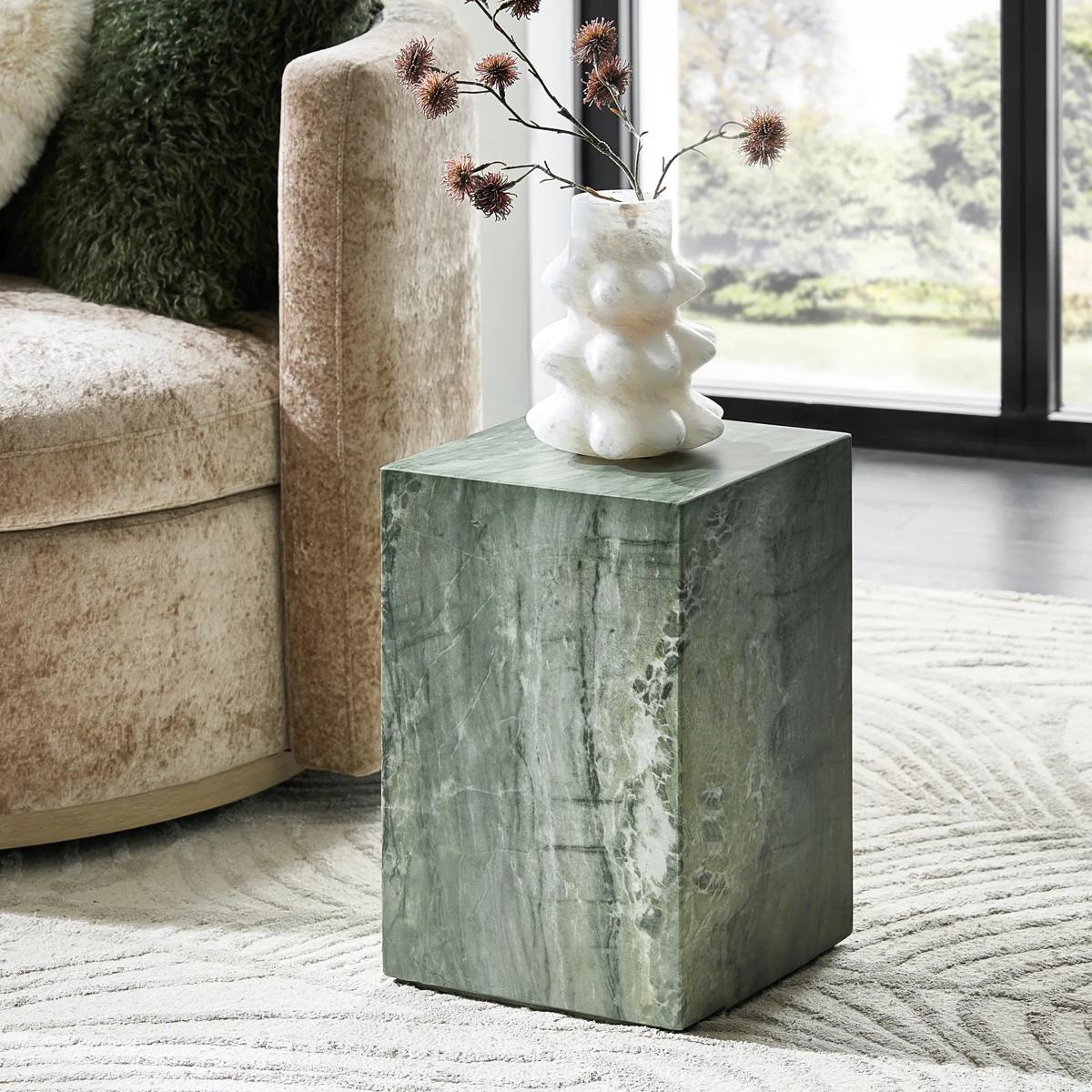 Strata Square Green Concrete Indoor/Outdoor Side Table (11.8")$299
A green concrete side table with marble-look veining and a sculptural cuboid form for indoor use.
Add To Cart -
 Paulina Round White Outdoor Table (31”)$999
A white outdoor round counter table offering stylish functionality for elevated alfresco dining.
Add To Cart -
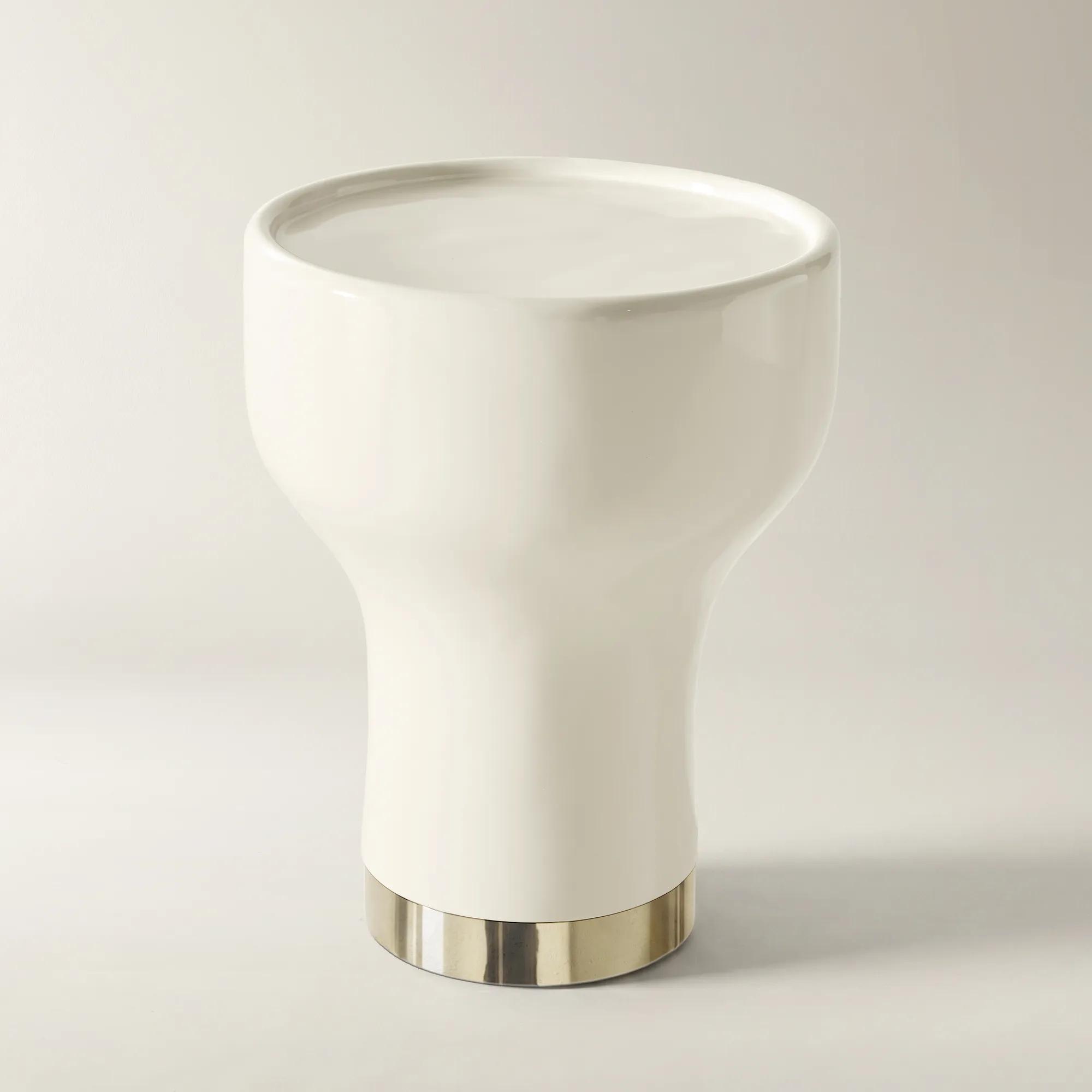
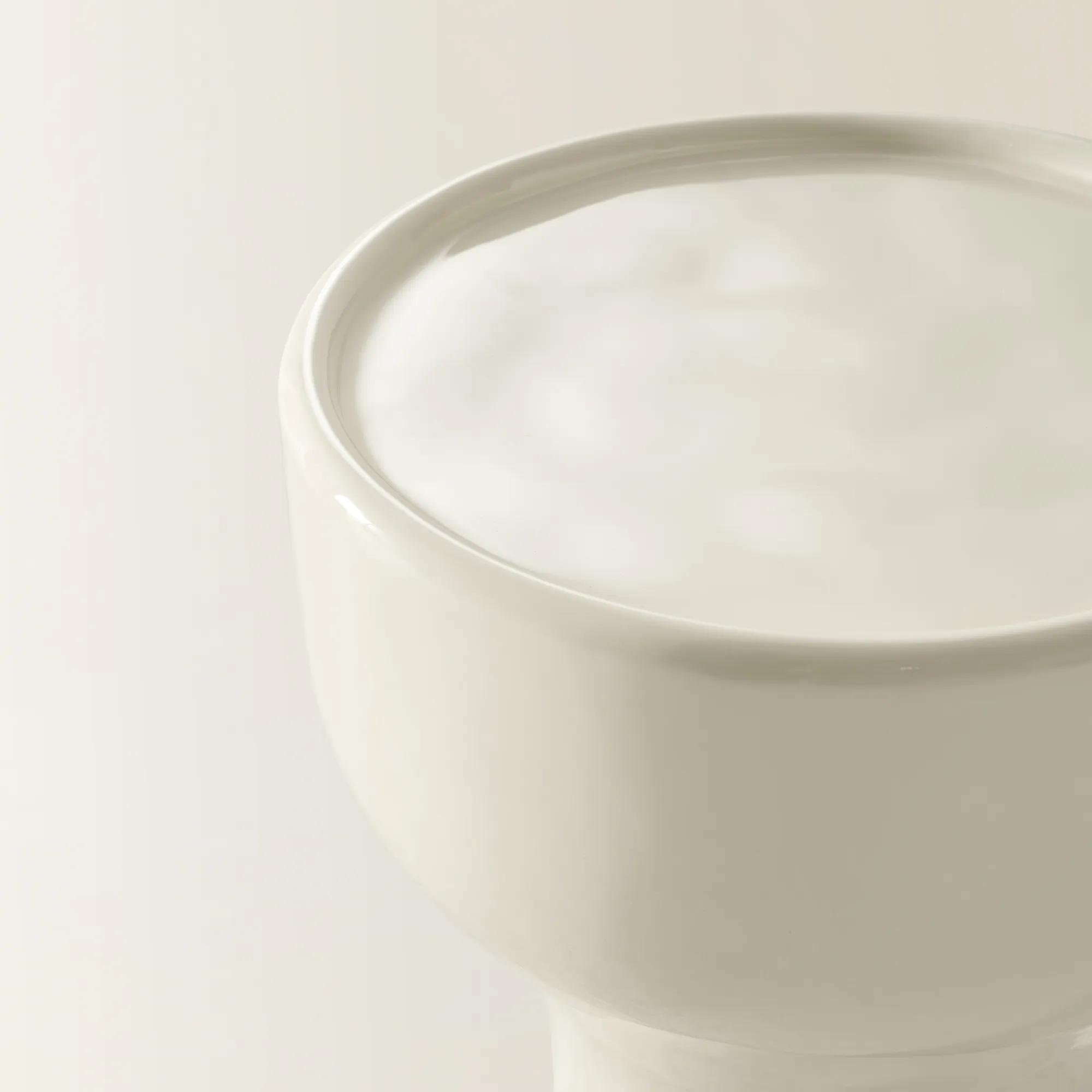 Celia Lacquered Cloud Resin Indoor/Outdoor End Table (16")$399
A sculptural one-piece resin end table with a warm high-gloss finish and gold stainless steel base.
Add To Cart -
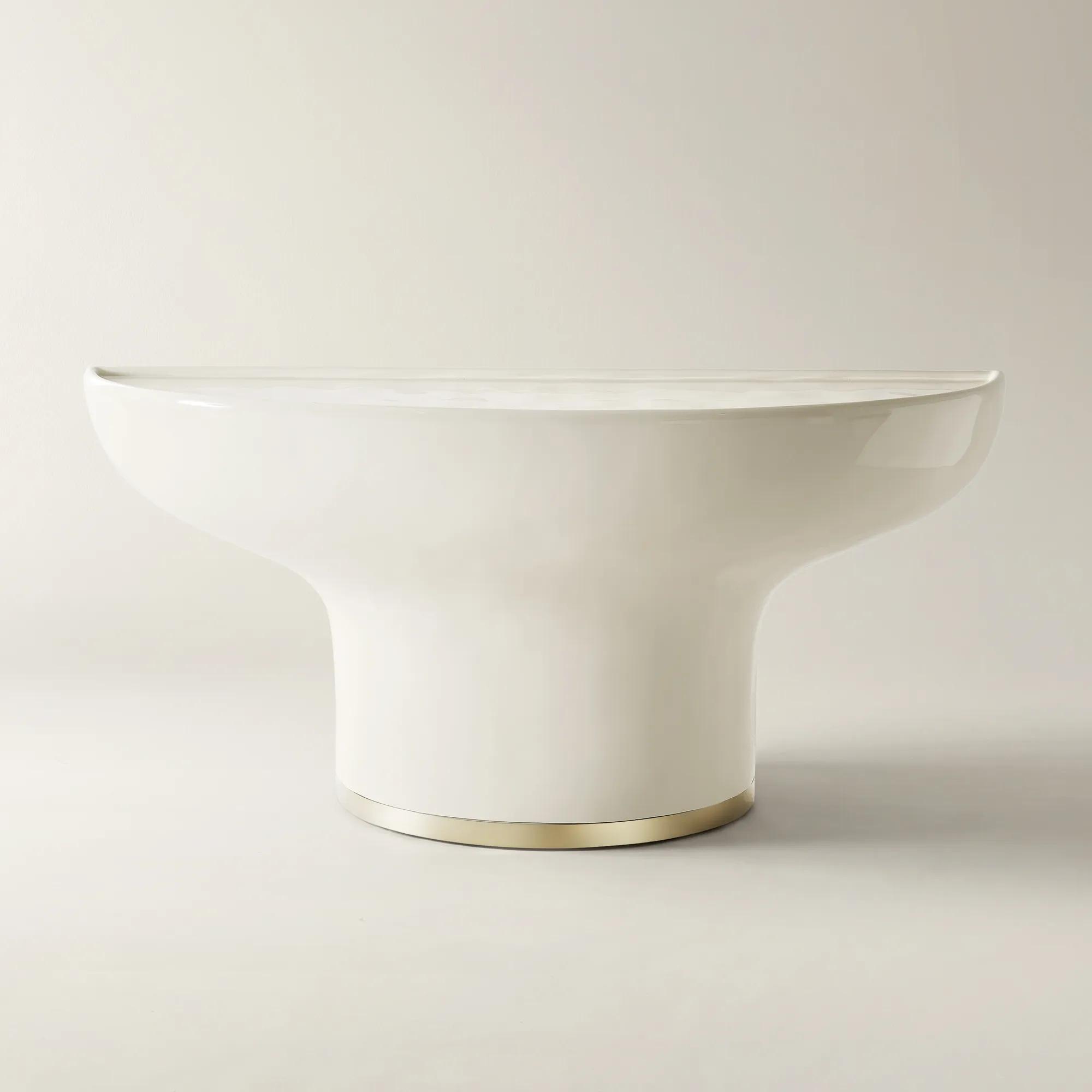 Celia Lacquered Cloud Resin Indoor/Outdoor Console Table (63")$1499
A sculptural one-piece resin console table with a warm high-gloss finish and gold stainless steel base.
Add To Cart

Outdoor Lounge Side Tables
Outdoor Lounge Side Tables are the secret ingredient for transforming open-air spaces into scenes of effortless sophistication. Imagine a sun-drenched terrace where sculptural silhouettes and gleaming finishes invite you to linger, setting drinks and dreams within arm’s reach. Each piece is designed to punctuate your alfresco retreat with a touch of artistry, grounding your lounge with both purpose and panache. Let every moment outdoors become an expression of bold living, where even the smallest table elevates the entire tableau.
Outdoor lounge side tables give an open-air seating arrangement its finishing gesture: a sculptural silhouette beside a deep lounge chair, a gleaming accent against textured upholstery, a place for a drink that feels as considered as the seating itself. More intimate than a dining table and more flexible than a central coffee table, these smaller surfaces bring comfort within easy reach without interrupting the generous proportions of a lounge setting. Their presence can be subtle or theatrical. A slender pedestal lets an expressive chair command attention, while a substantial drum shape creates a confident counterpoint to an airy woven frame. Rounded tops soften angular furniture; square profiles echo architectural lines and sit neatly beside a sofa. Texture adds another layer of expression, whether the effect is smooth and refined, softly weathered, or boldly dimensional. The most successful relationship is both visual and practical: a table should look balanced beside its companion seat and offer a convenient landing place from a relaxed position. A top near the height of the chair arm often feels comfortable, while lower lounge seating may call for a lower surface. On an armless chair, the seat height and natural reach become more useful reference points. Surface area matters just as much as height. A small drink table can hold a glass and a compact accessory, while a broader top accommodates refreshments for two without making the arrangement feel crowded. Around a sectional, separate side tables can serve different seats and create a more personal rhythm than one distant surface. On a narrow balcony, a compact footprint preserves valuable room for movement. Beside an expansive terrace sofa, a more substantial form gives the composition the visual weight it needs. The result is an outdoor living space that feels composed down to the smallest gesture, with useful surfaces placed where conversation and relaxation naturally happen.
Material gives outdoor lounge side tables much of their character, but appearance is only part of the story. Exposure, construction, finish, and care requirements all influence how a piece performs in its intended setting. Powder-coated aluminum can offer a crisp, tailored look with relatively manageable weight, making it appealing where furniture is occasionally rearranged. Steel can bring a more substantial presence, though the condition of its protective finish matters because exposed areas may become vulnerable to corrosion. A luminous metallic appearance should never be mistaken for outdoor suitability on its own; the underlying material and designated use are essential details. Teak and other woods specified for outdoor furniture introduce warmth alongside upholstered seating, with grain that lends individuality to even a simple silhouette. Depending on the wood and finish, natural color changes may be part of the material’s character, while retaining an original tone can require additional maintenance. Stone and concrete create a grounded, architectural effect, although porosity, sealing needs, weight, and resistance to freezing conditions vary by material and construction. Some surfaces can stain from oils or react to acidic spills, making prompt cleanup especially worthwhile. Tempered glass offers visual lightness, but the complete table, including its base and hardware, still needs to be designed for outdoor use. Thoughtful construction extends to stable feet, secure connections, and a base suited to the surface beneath it. An uneven paver patio presents different demands from a level covered porch, and lightweight furniture may need protected placement where wind is a concern. Everyday care generally begins with removing debris and wiping spills promptly, followed by the cleaning method recommended for the particular finish. Abrasive pads and harsh cleaners can damage decorative surfaces, even when those surfaces are made for exterior spaces. Breathable protective covers, appropriate storage, and attention to drainage help preserve the finish without assuming that outdoor furniture is maintenance-free.
The appeal of outdoor lounge side tables is especially clear in the small rituals they support. A morning espresso beside a cushioned chair, a pitcher placed between two guests, or a reading spot with room for a book all benefit from a surface that belongs precisely where it sits. For spaces defined by crisp architecture and sculptural seating, contemporary outdoor side tables extend that design language through streamlined shapes and deliberate proportions. A matching pair can lend a sense of symmetry to a sofa, while contrasting forms create a more collected composition when they share a finish, tone, or curve. Repeating a dark metal detail from a chair frame can make the setting feel cohesive; introducing a pale stone effect can brighten the visual balance without adding another upholstery color. Strong contrasts work best when each piece has room to be appreciated. A richly textured table beside heavily patterned cushions may need a quieter accessory on top, while a restrained silhouette can support a more expressive arrangement. Function remains part of that composition. A broad, steady top is useful for entertaining, and an open base may preserve a sense of space on a compact patio. A solid pedestal can offer visual substance, though its footprint still needs to leave comfortable clearance around the seating. Tables intended for drinks and decorative accents should not be treated as spare seating unless expressly designed for that purpose. For households with children or pets, rounded edges, stable construction, and a location outside the main path of movement deserve particular attention. An outdoor side table can also make a thoughtful housewarming gift when the recipient’s space, style, and care preferences are well understood. Whether completing a secluded balcony retreat or adding definition to a generous lounge arrangement, the right proportions and finish turn a modest footprint into an expressive detail, bringing the same sense of intention to an outdoor setting as to a beautifully furnished room.
FAQs
Outdoor lounge side tables are often crafted from materials that balance durability with design, such as powder-coated metals, all-weather wicker, teak, and stone. These materials are chosen not only for their resilience against the elements but also for their ability to bring texture and visual interest to your outdoor space, creating a seamless bridge between nature and artistry.
Layering is key—start with a statement tray or decorative bowl, then add seasonal touches like sculptural candles in winter or fresh florals in spring. Incorporate a mix of textures, such as a woven placemat or a ceramic vase, to evoke a sense of curated luxury. The goal is to create a vignette that feels both personal and inviting, no matter the season.
An outdoor lounge side table makes a thoughtful gift for anyone who loves to entertain, enjoys relaxing outdoors, or takes pride in their home’s ambiance. It’s especially cherished by new homeowners, newlyweds, or anyone celebrating a milestone—a gesture that elevates their outdoor living experience and adds a touch of everyday luxury.
Consider echoing the materials or finishes found in your current furniture for a harmonious look, or introduce a contrasting element to create visual intrigue. Look for tables with sculptural lines or unique textures that amplify your space’s personality, ensuring the piece feels like an intentional addition rather than an afterthought.
Absolutely—many outdoor lounge side tables are designed with versatility in mind, featuring elegant silhouettes and luxe finishes that look just as striking in a sunroom or living area. Their adaptability allows you to effortlessly blur the boundaries between indoor and outdoor living, creating a cohesive and elevated atmosphere throughout your home.