
Drapery Panels For Rental Properties
Drapery Panels For Rental Properties
-
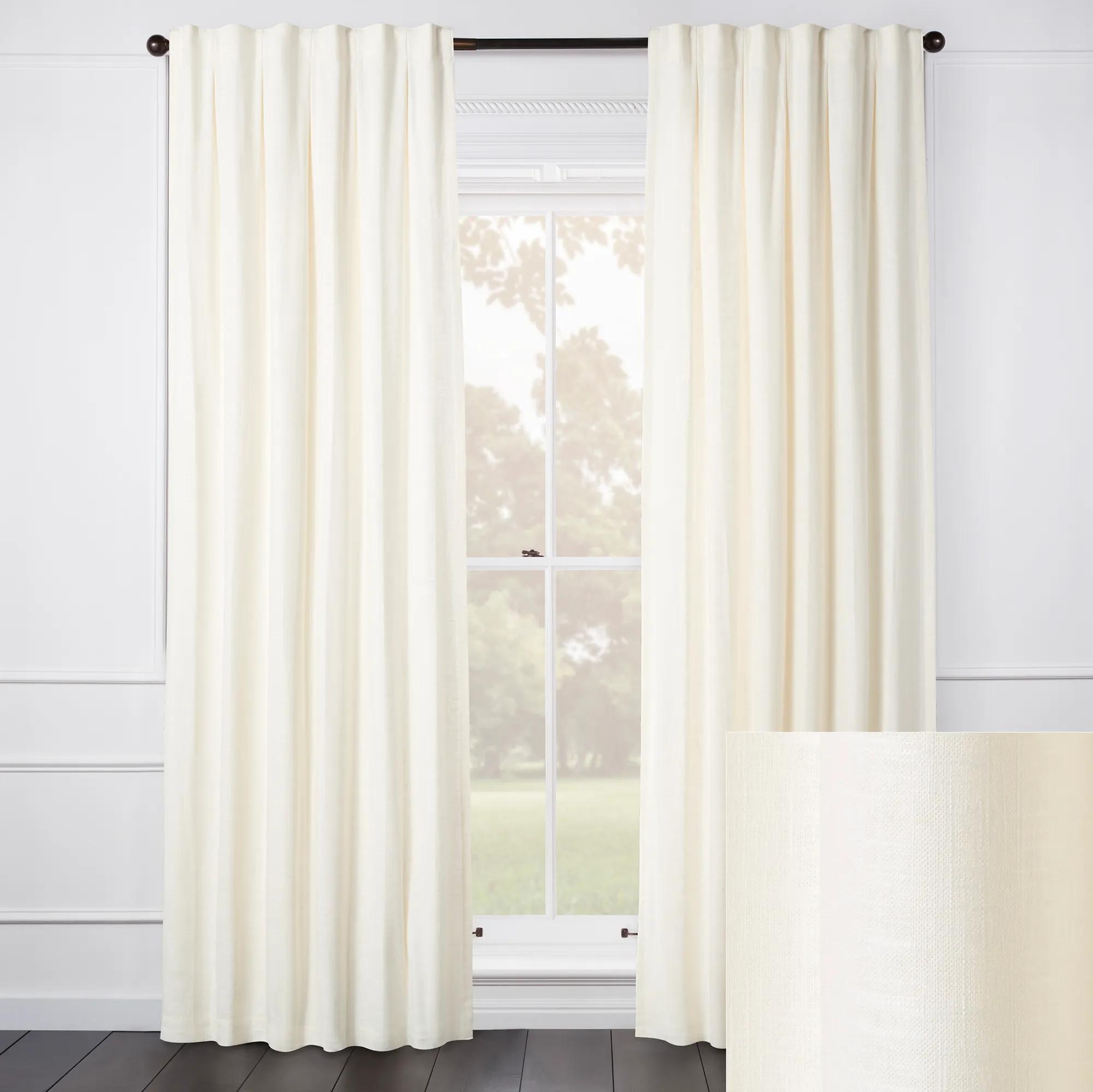
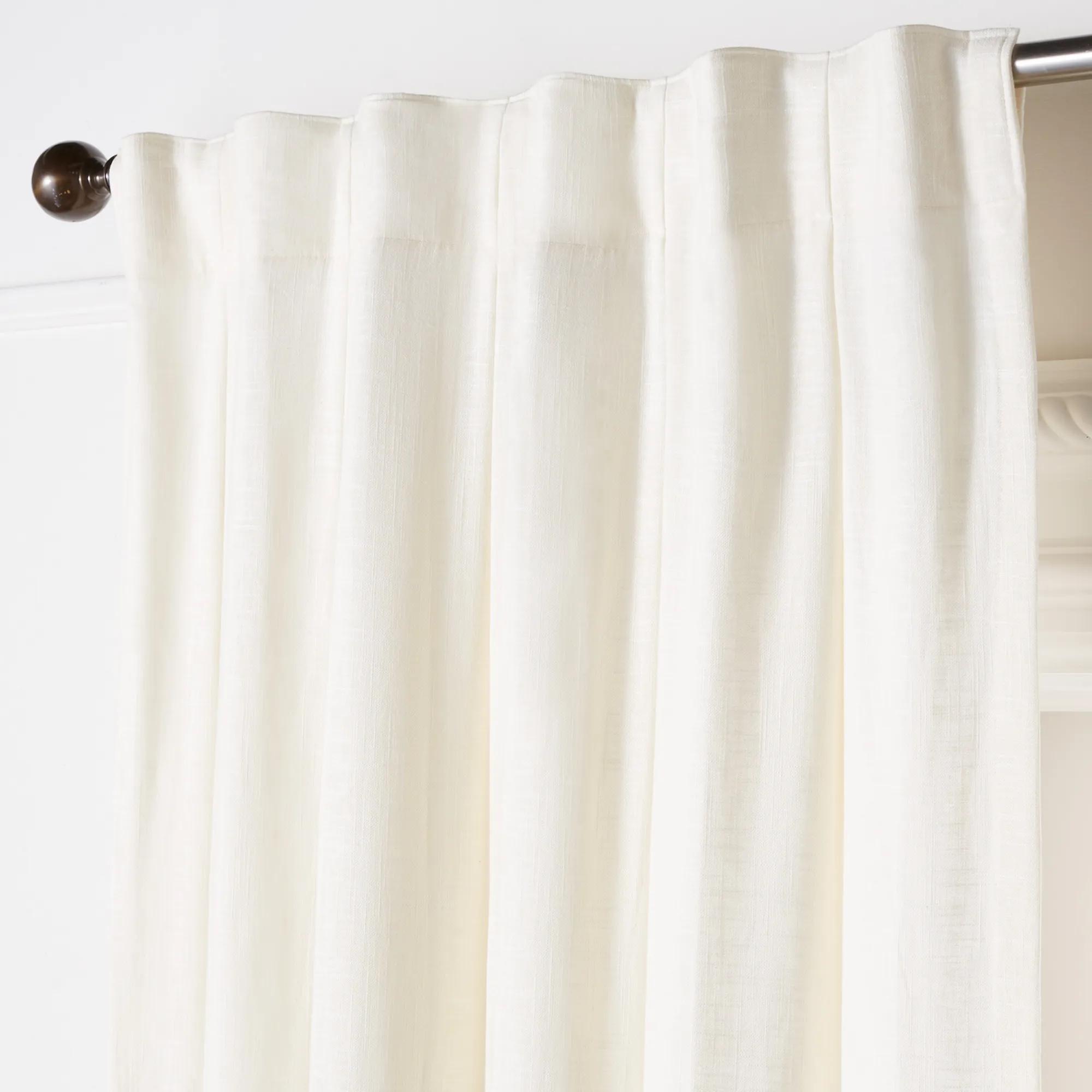 Audrey Linen Ivory Curtain - Custom$269
An ivory linen-blend curtain panel with lining, offering customizable lengths and two elegant header styles.
Add To Cart -
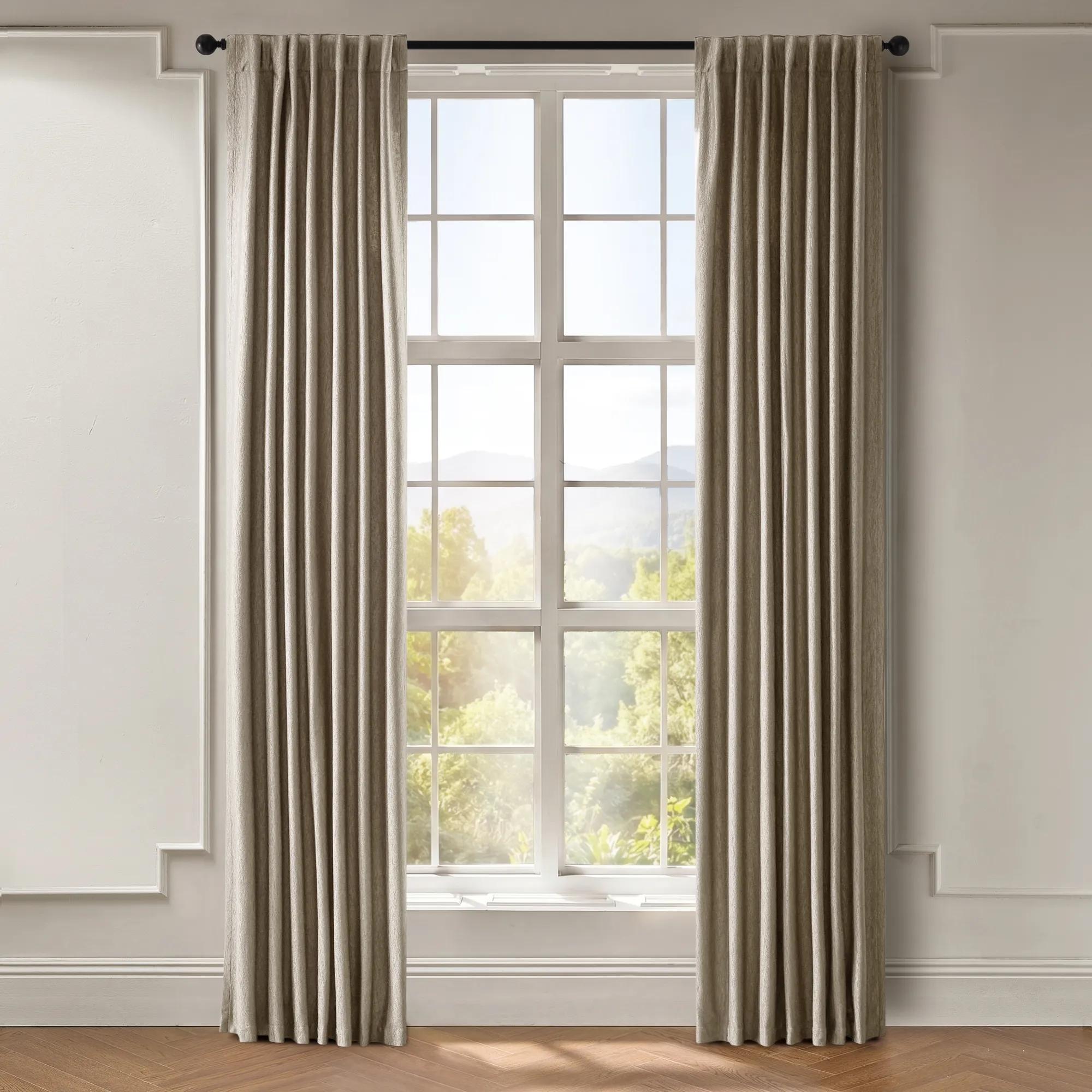
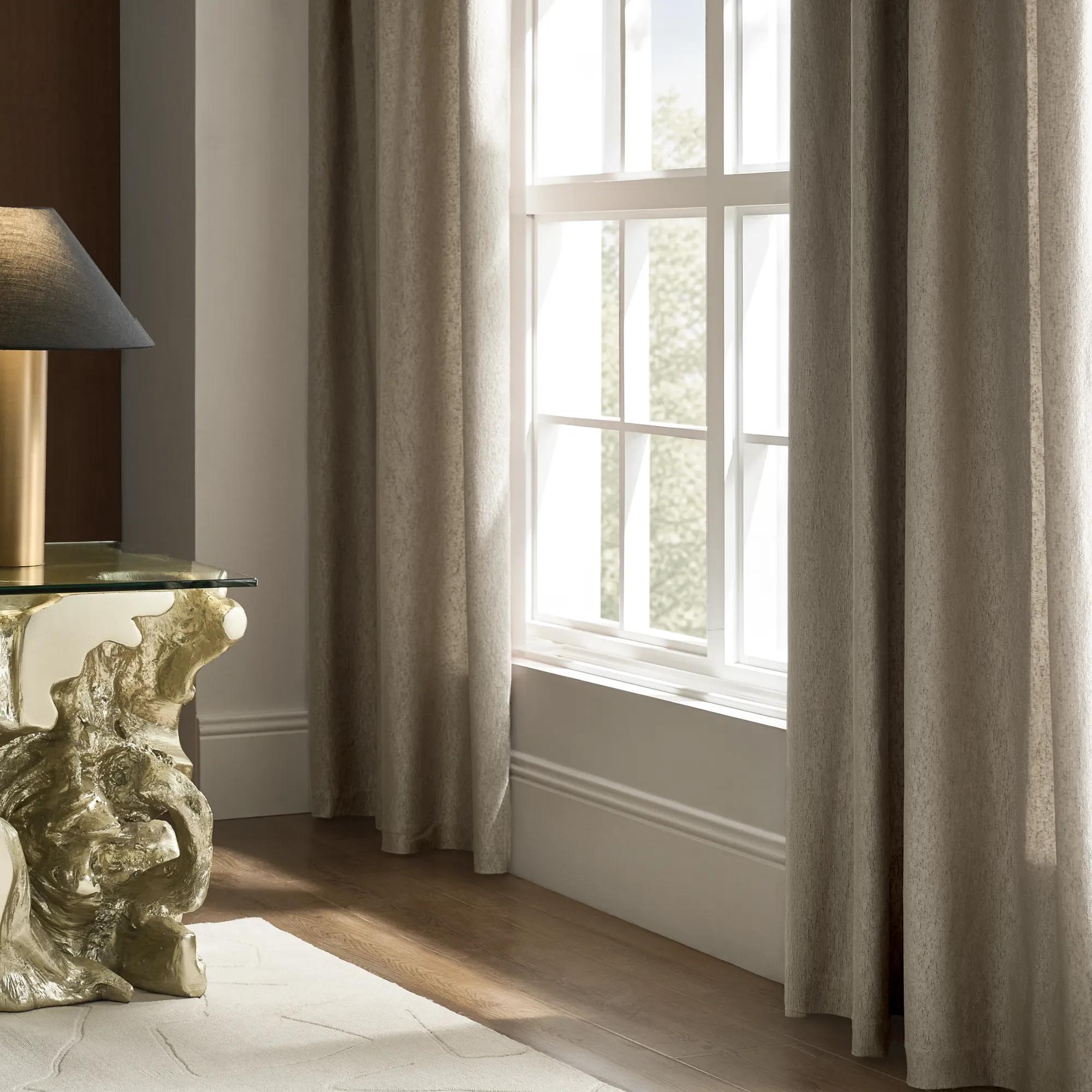 Anson Taupe Textured Window Curtain Panel$109
A taupe curtain panel featuring a crushed sheen texture and room-darkening, dual hanging design in 100% polyester.
Add To Cart -
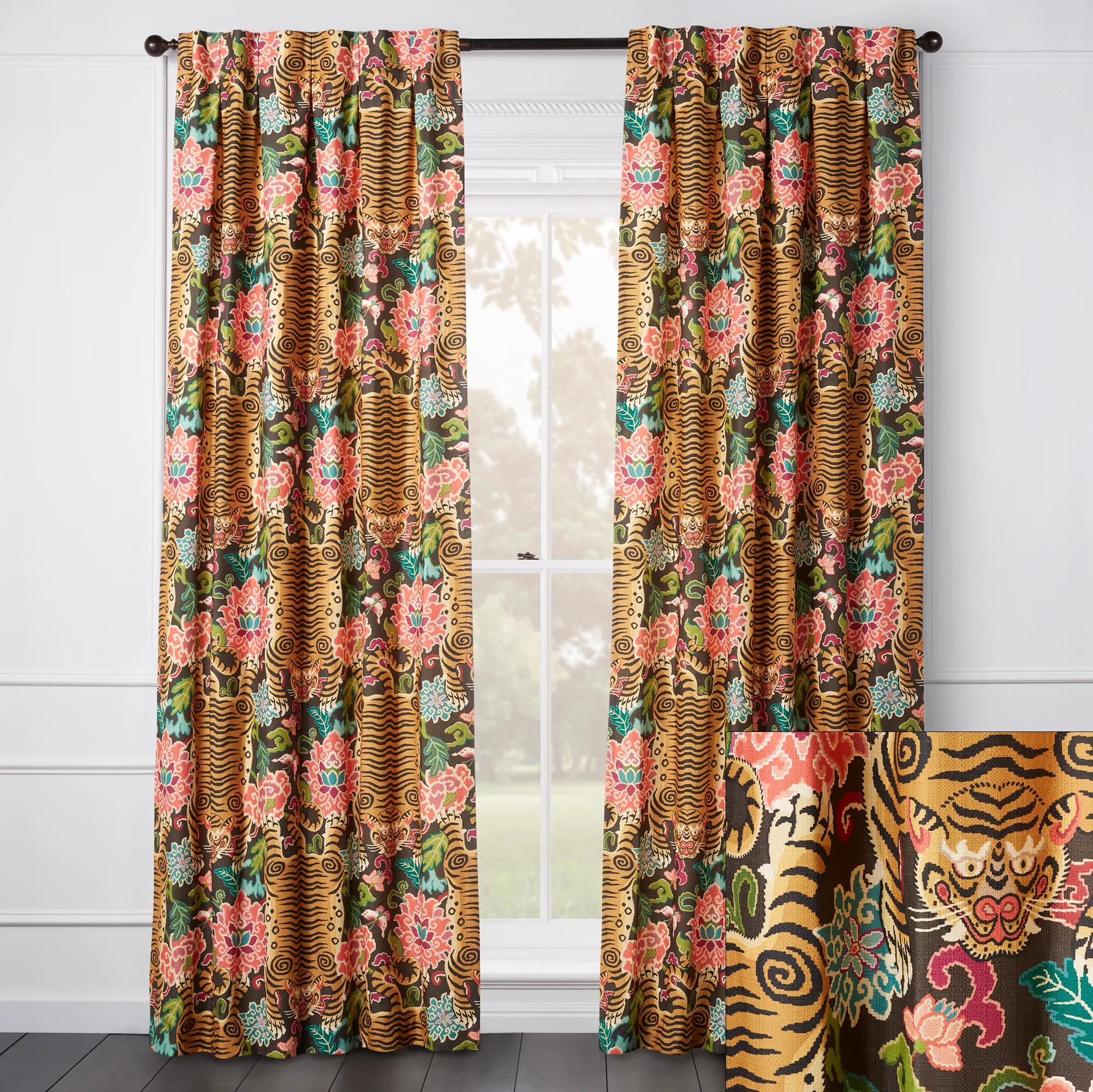
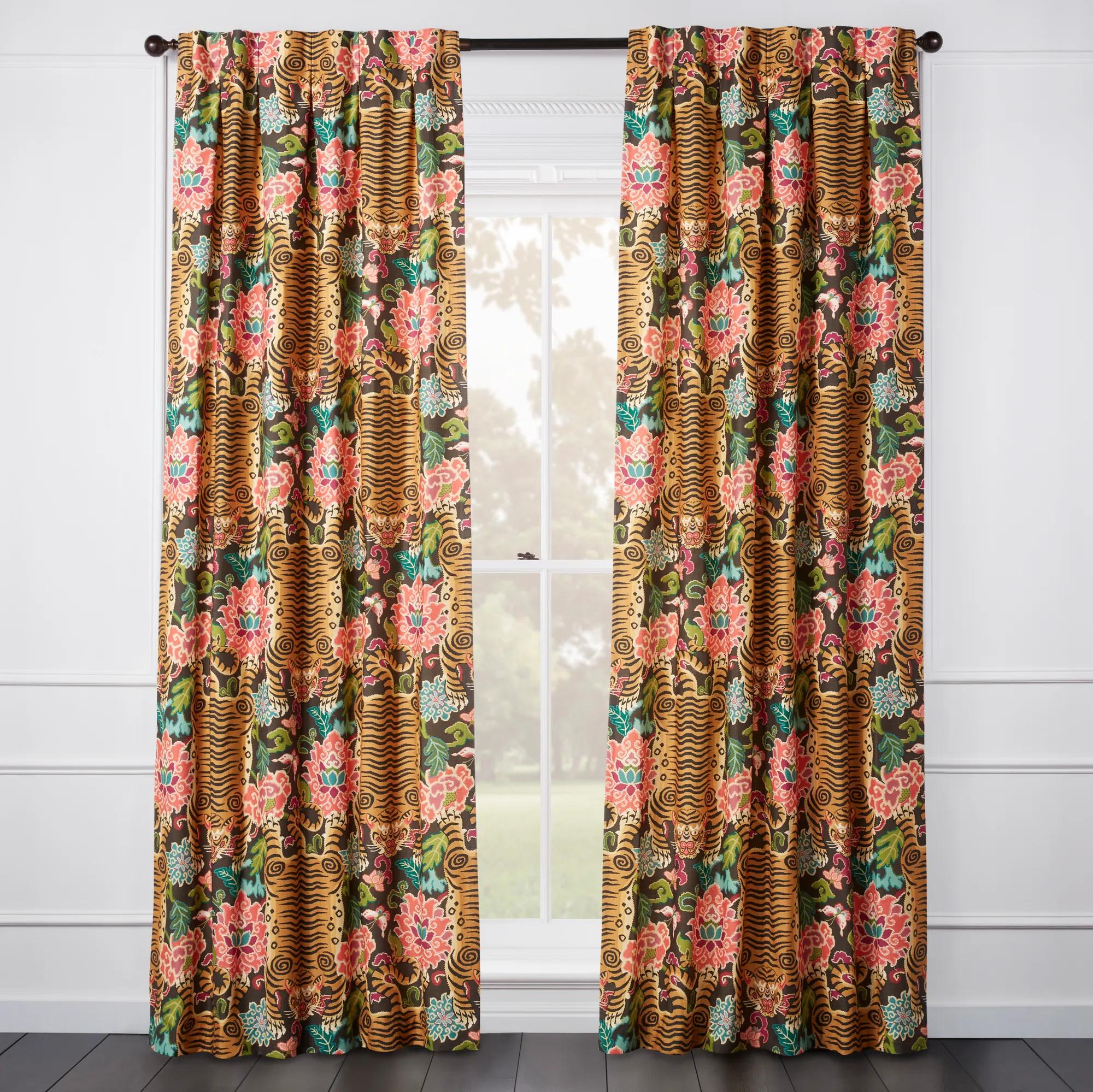 Nimer Gold/Multi Printed Slubbed Cotton Window Curtain Panel$349
A lively gold and multi-colored cotton curtain panel featuring a bold tiger print and customizable options.
Add To Cart -
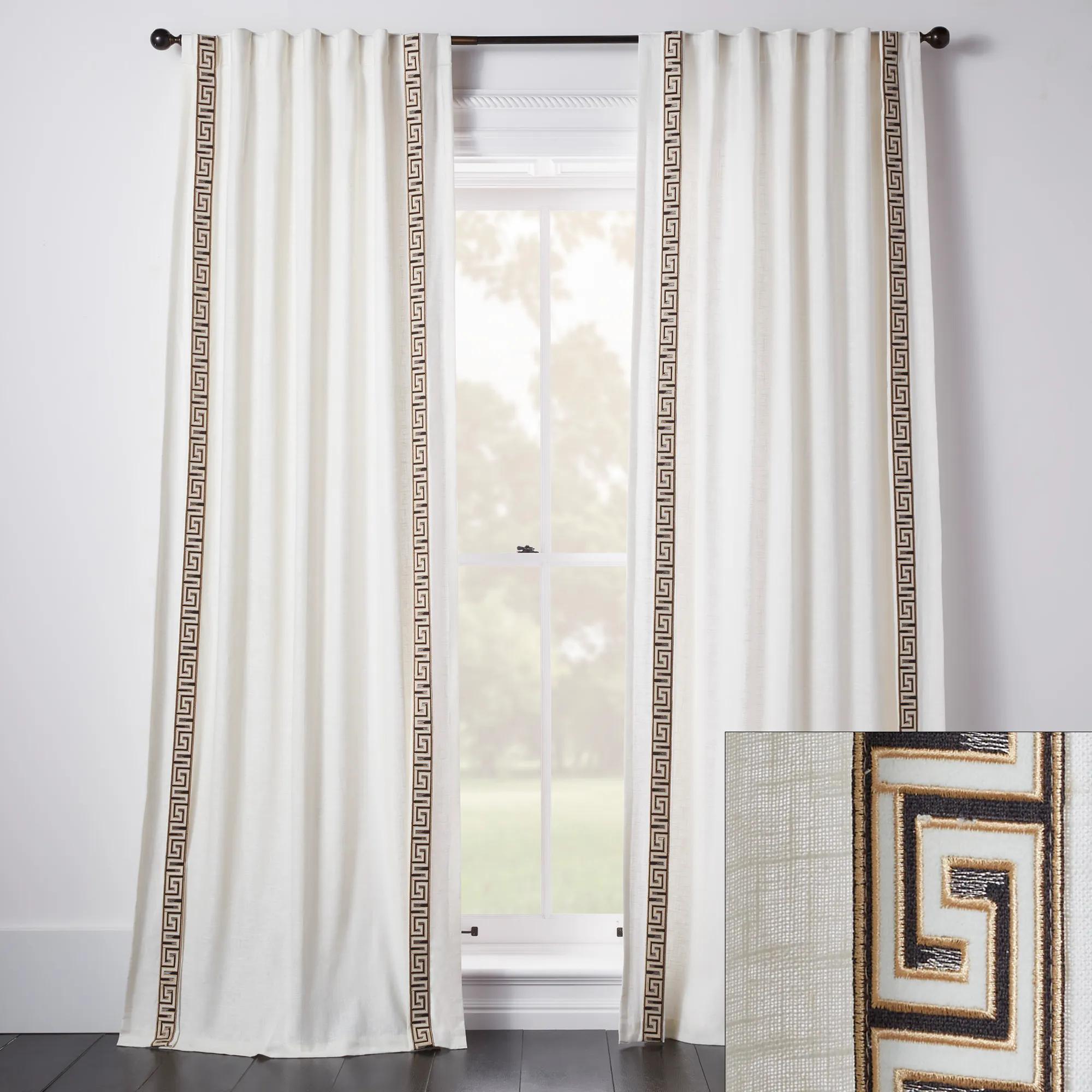 Chole Greek Key Border Velvet Widow Curtain Panels Custom$439
A white linen-blend curtain panel featuring a black and gold velvet Greek key border and customizable options.
Add To Cart -
 Anson Mocha Rose Textured Window Curtain Panel$99
A light mocha rose curtain panel with crushed sheen texture and room-darkening, dual hanging design.
Add To Cart -
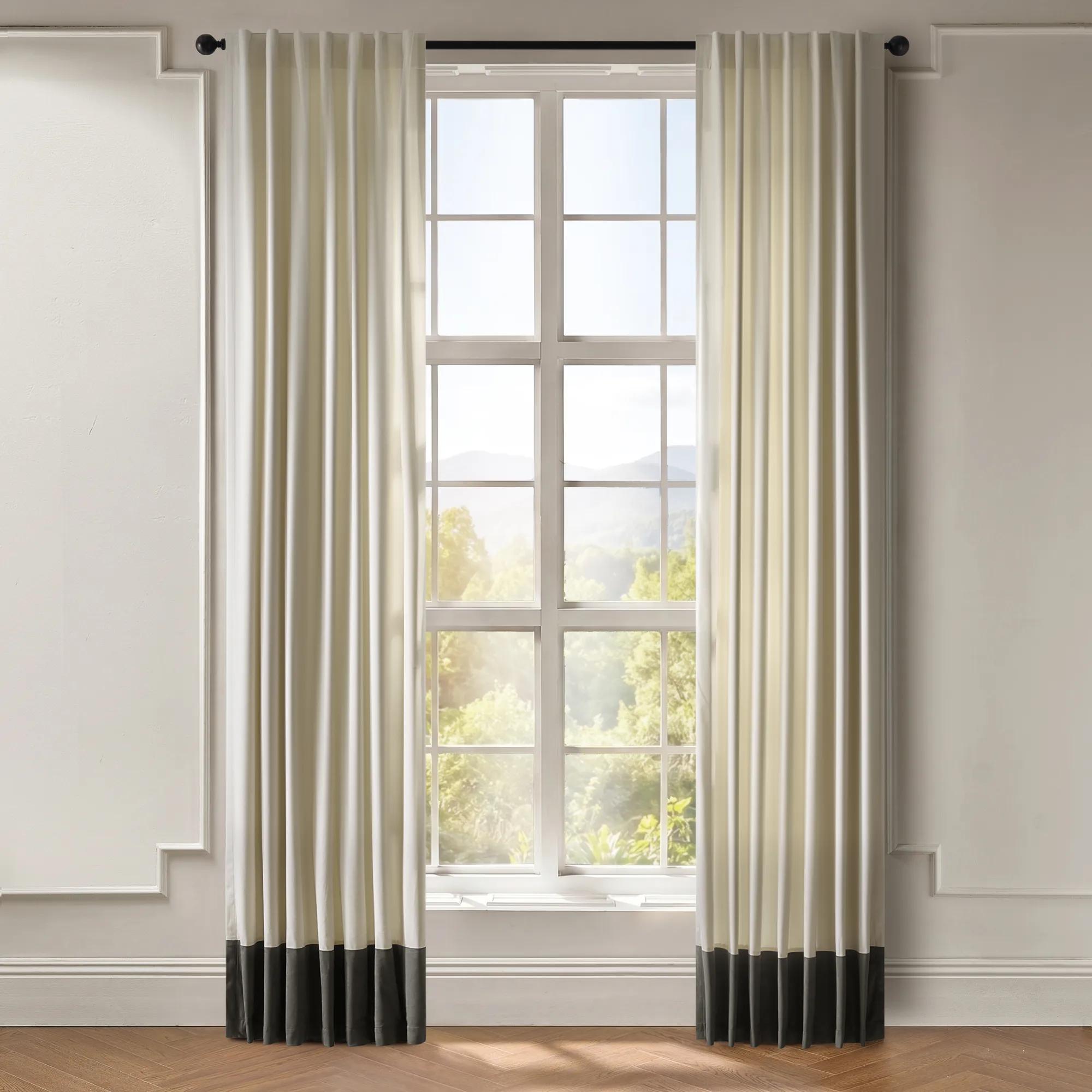
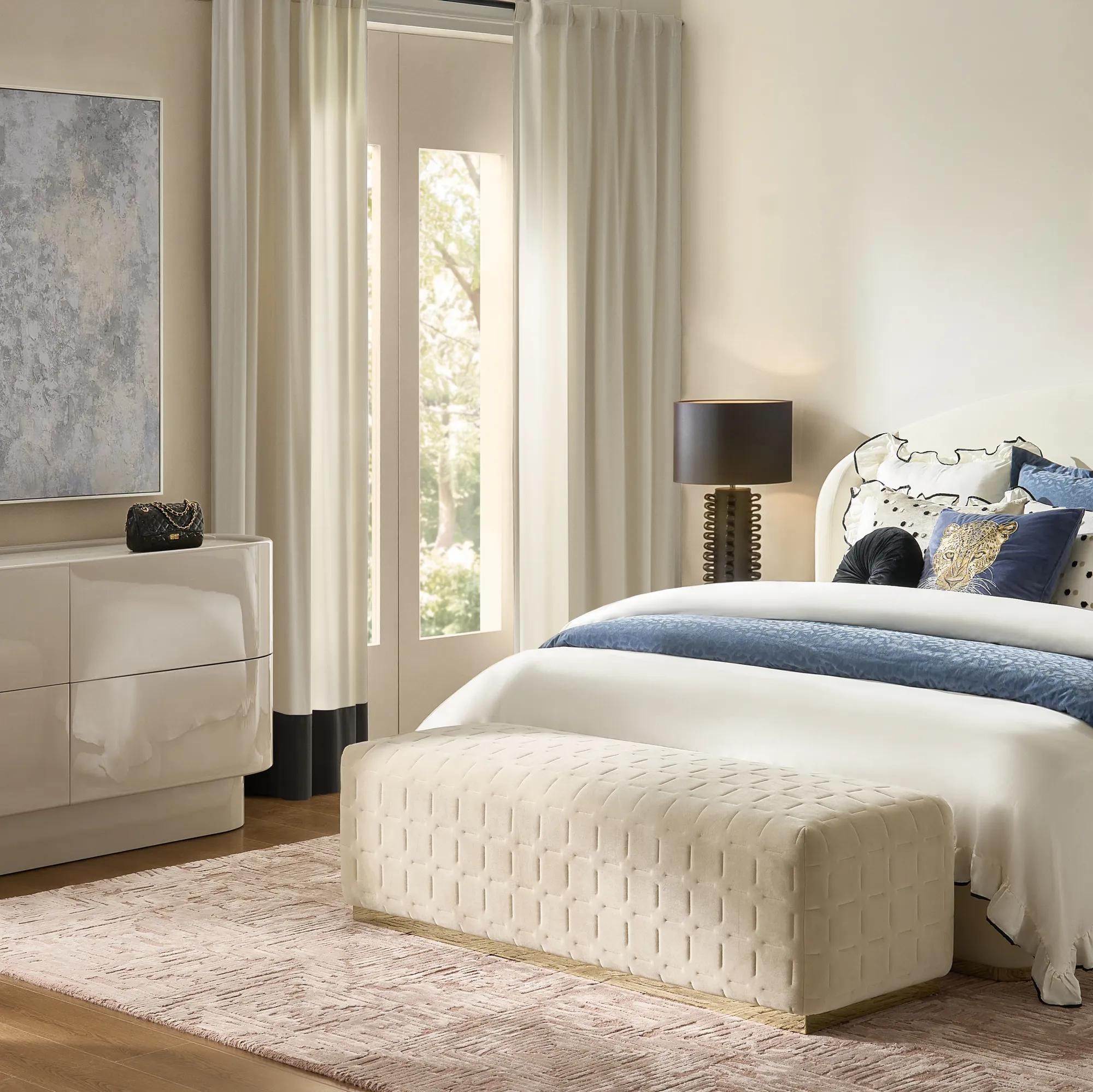 Bastien Ivory/Graphite Velvet Border Window Curtain Panel$109
A two-tone ivory and graphite velvet curtain panel with a Deco-inspired border and room-darkening design.
Add To Cart -
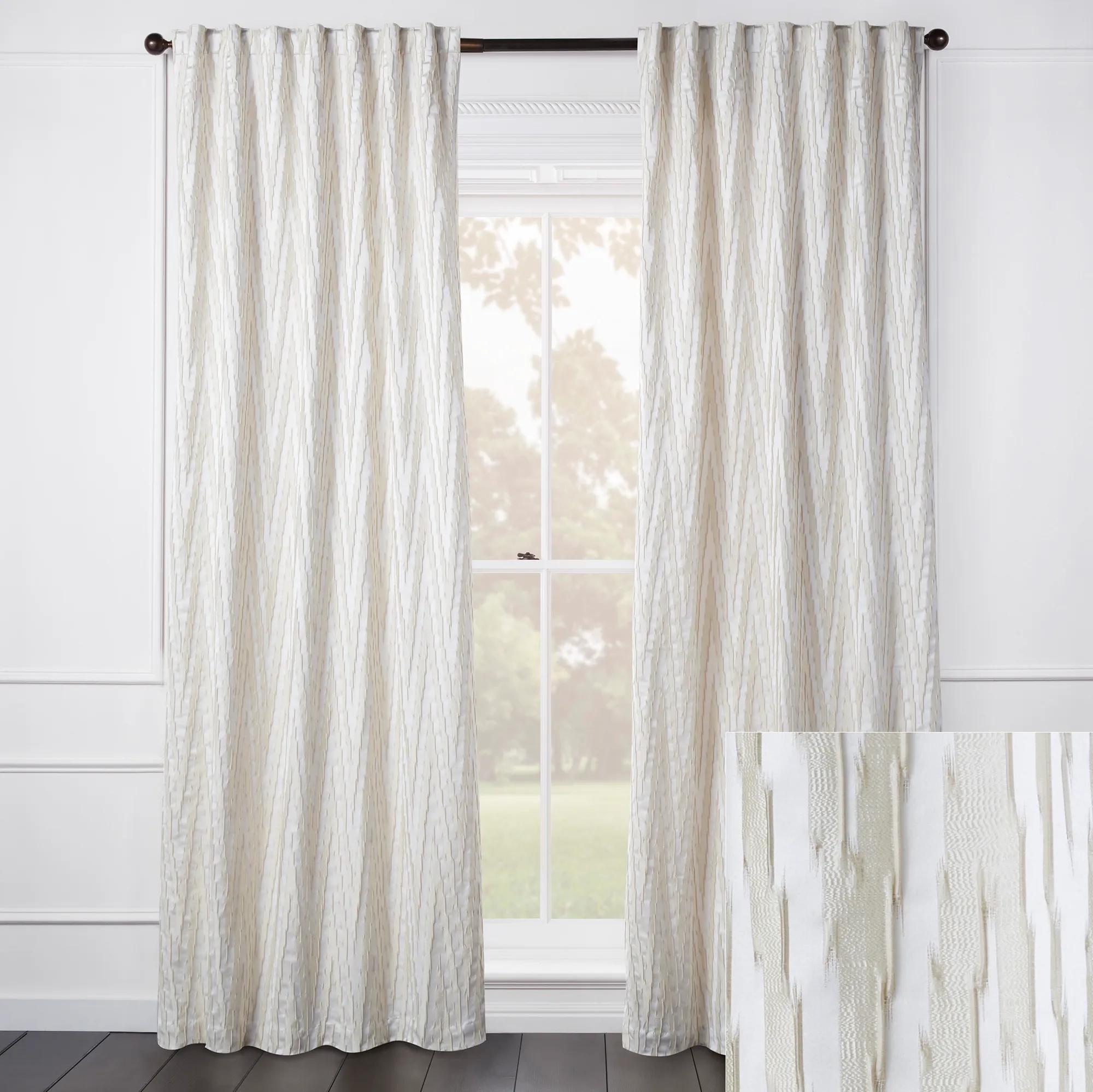
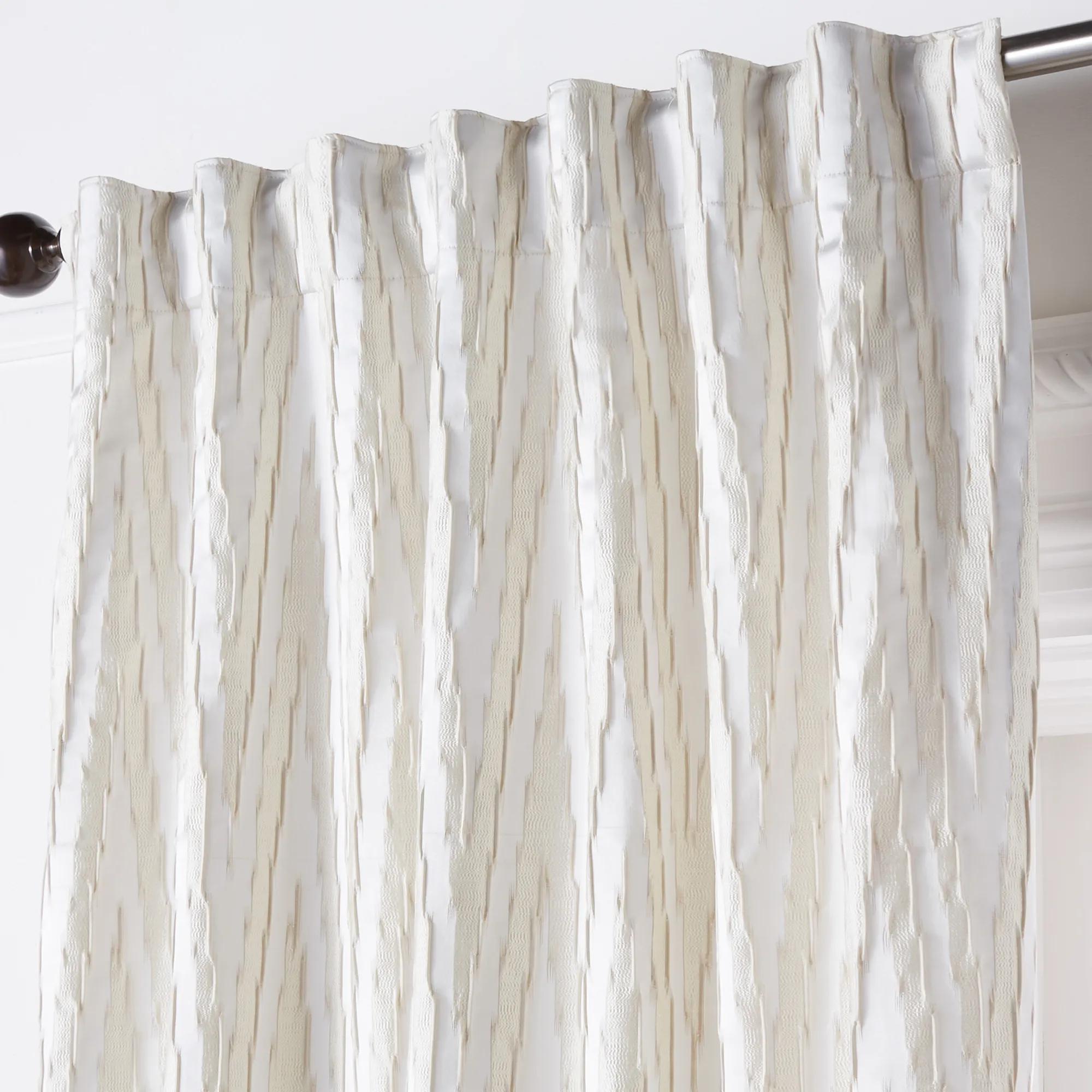 Minka Jacquard Pearl Window Curtain Panel Custom$259
A highly textured chevron curtain panel in pearl polyester, customizable with multiple header and color options.
Add To Cart -
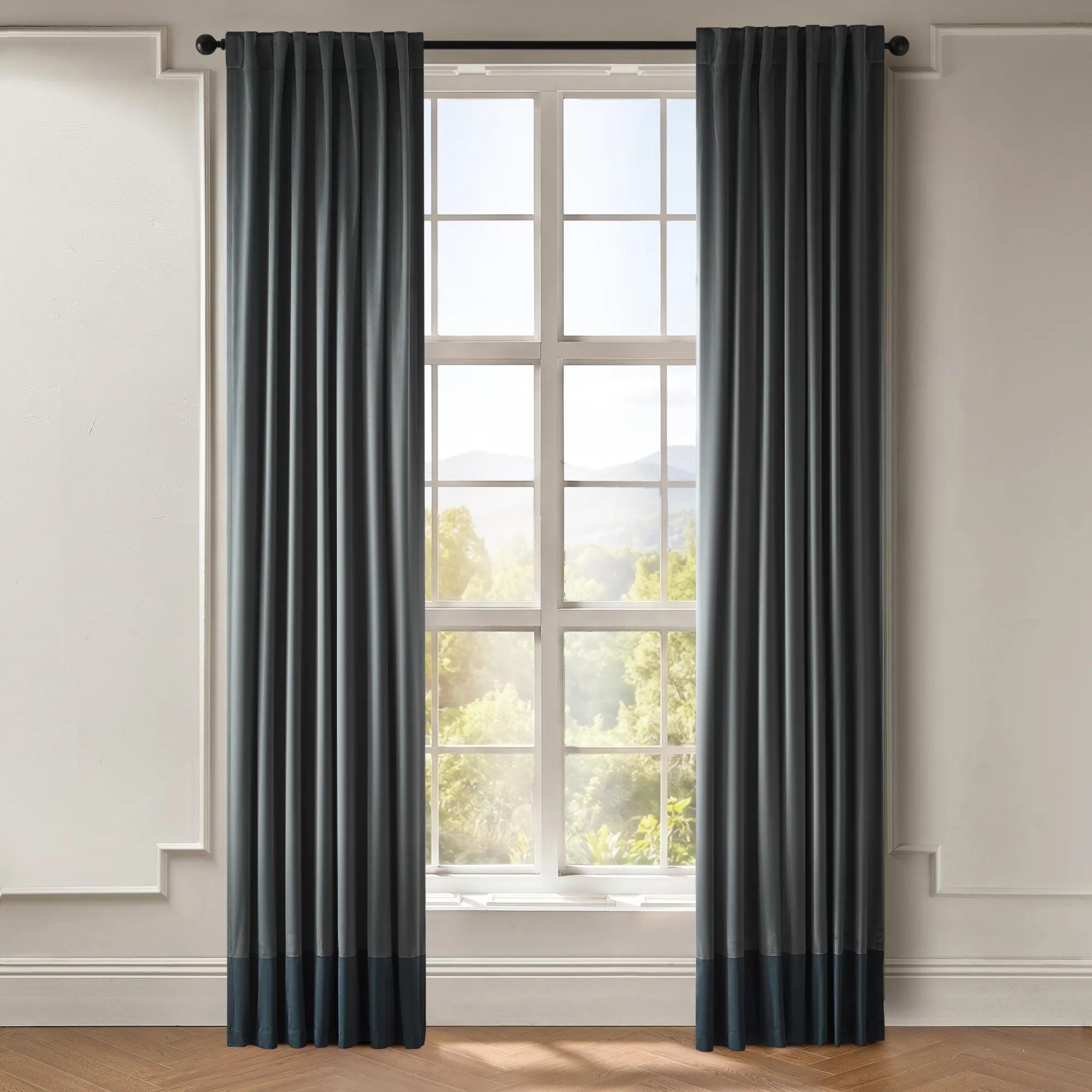
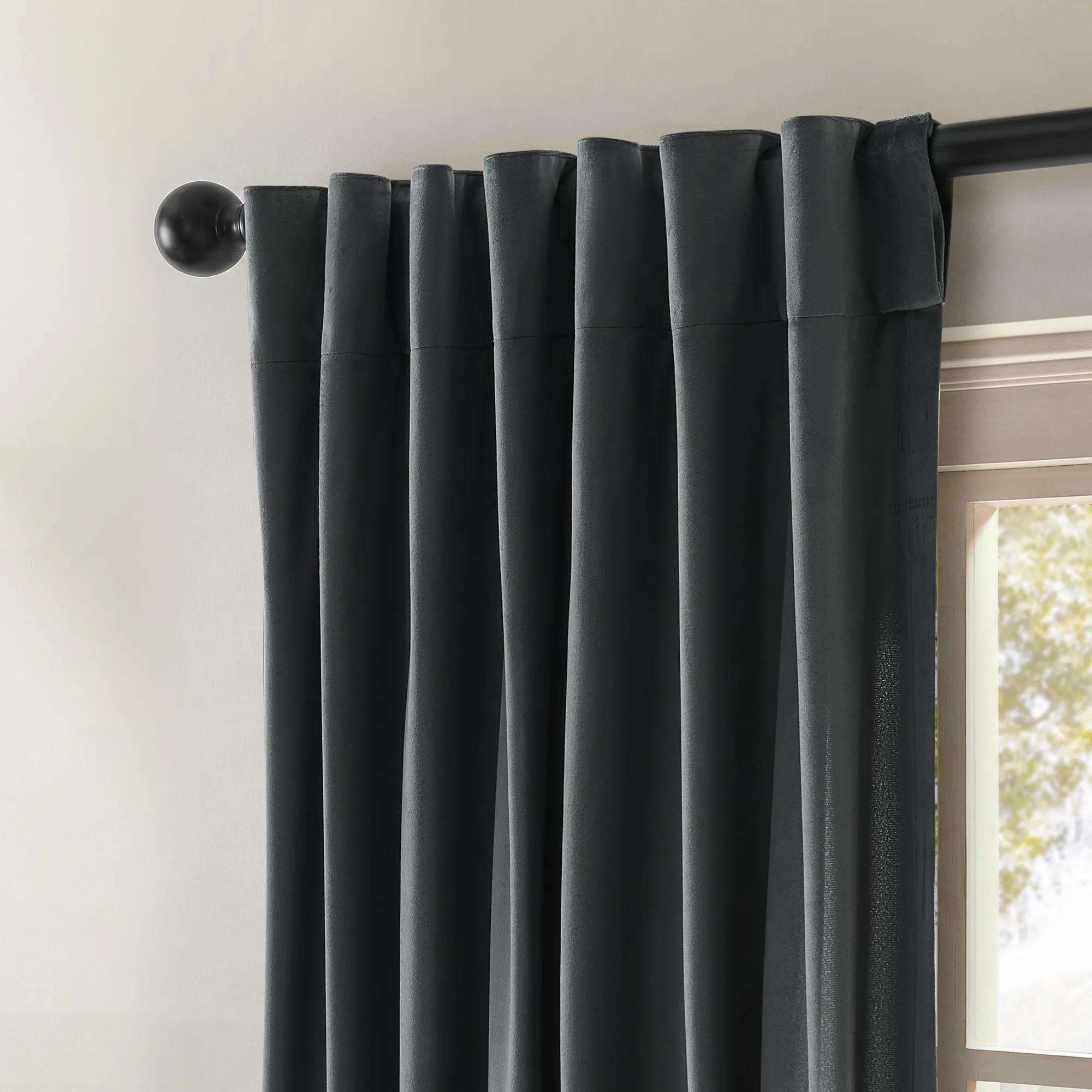 Bastien Blue/Midnight Velvet Border Window Curtain Panel$109
A two-tone dusty blue and midnight blue velvet curtain panel with room-darkening design and dual hanging options.
Add To Cart -
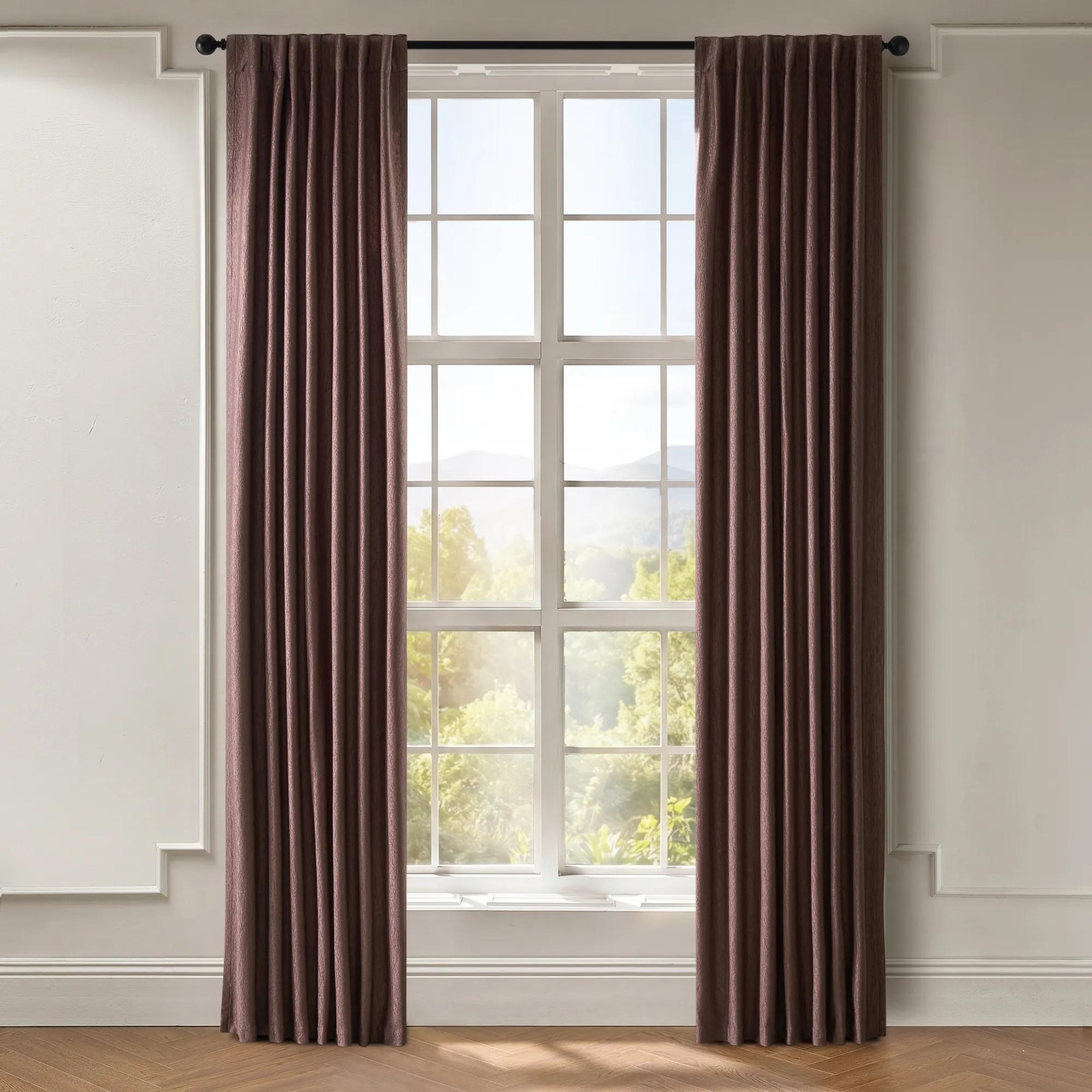
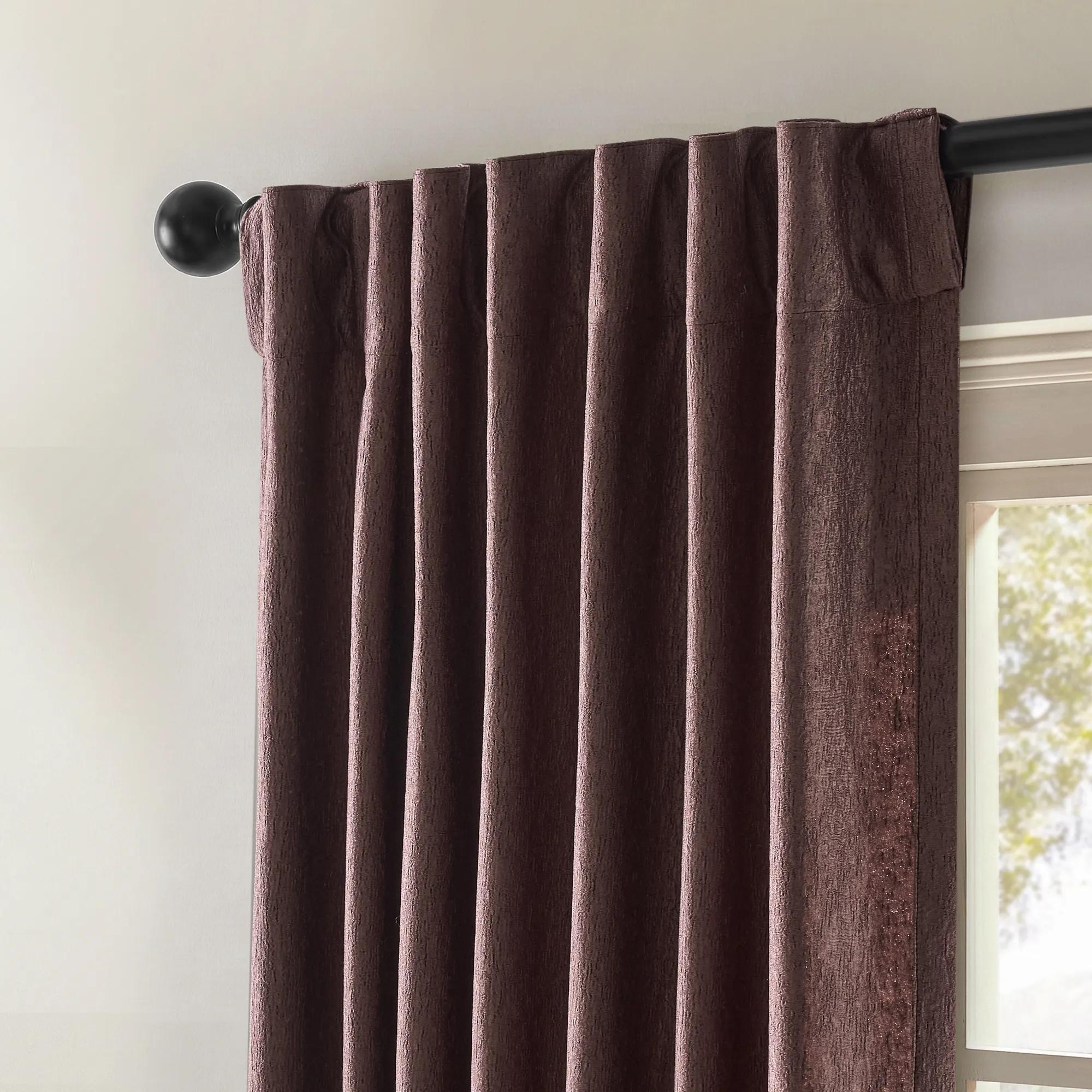 Anson Fig Textured Window Curtain Panel$109
A room-darkening fig curtain panel with a crushed sheen texture and versatile dual hanging options.
Add To Cart -
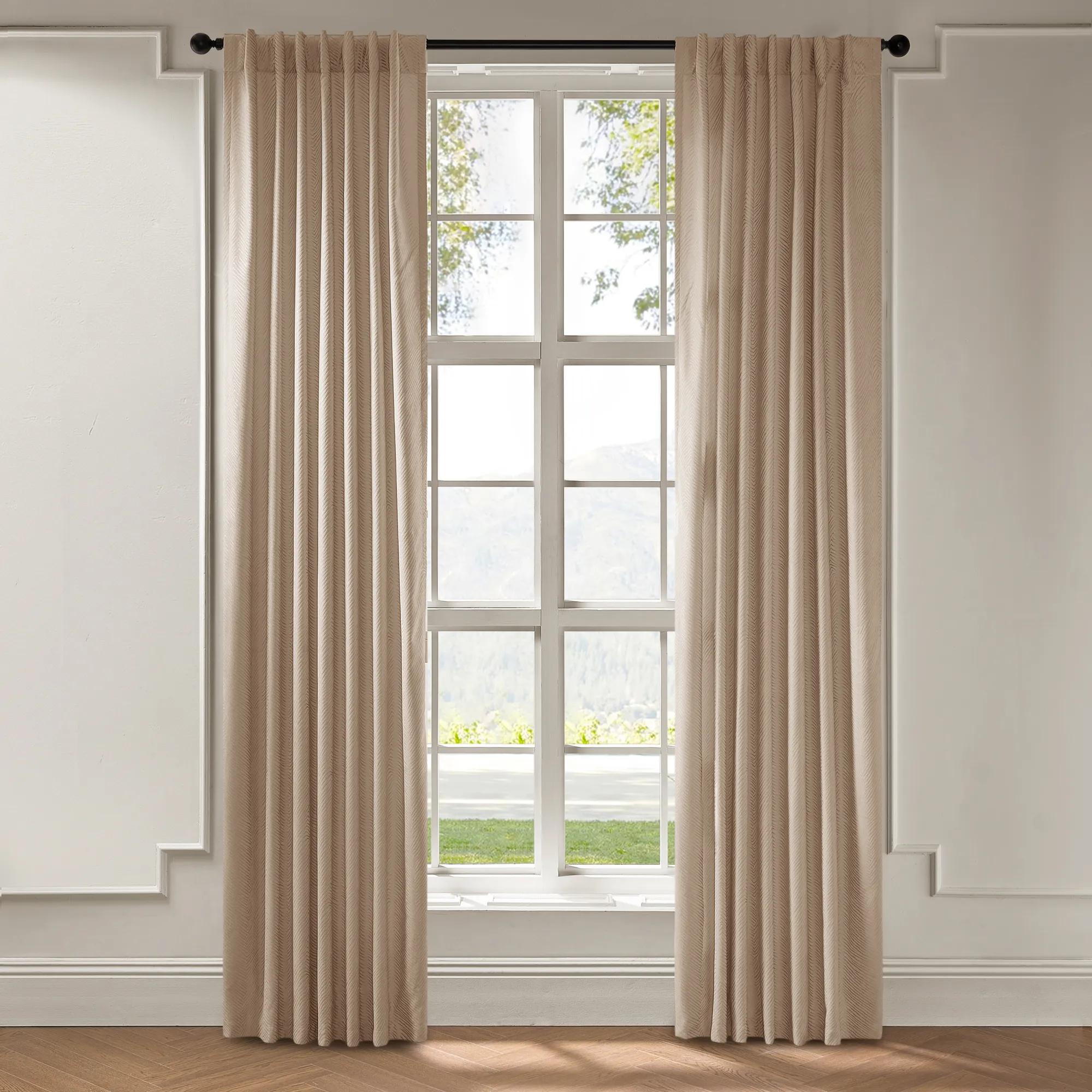 Kenzo Jacquard Beige Chenille Window Curtain Panel$119
A warm beige chenille jacquard curtain with a subtle sheen and versatile rod pocket or back tab hanging.
Add To Cart -
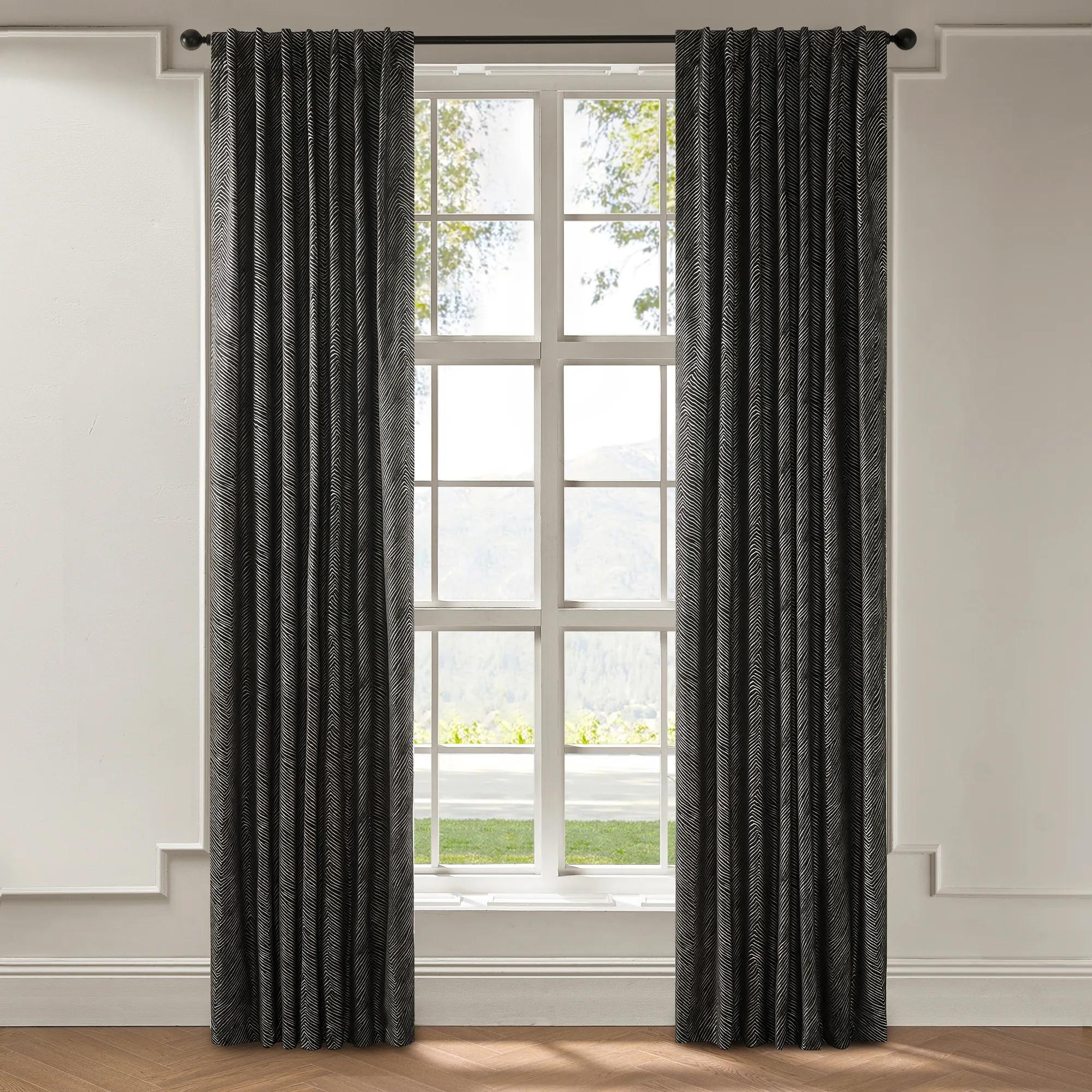
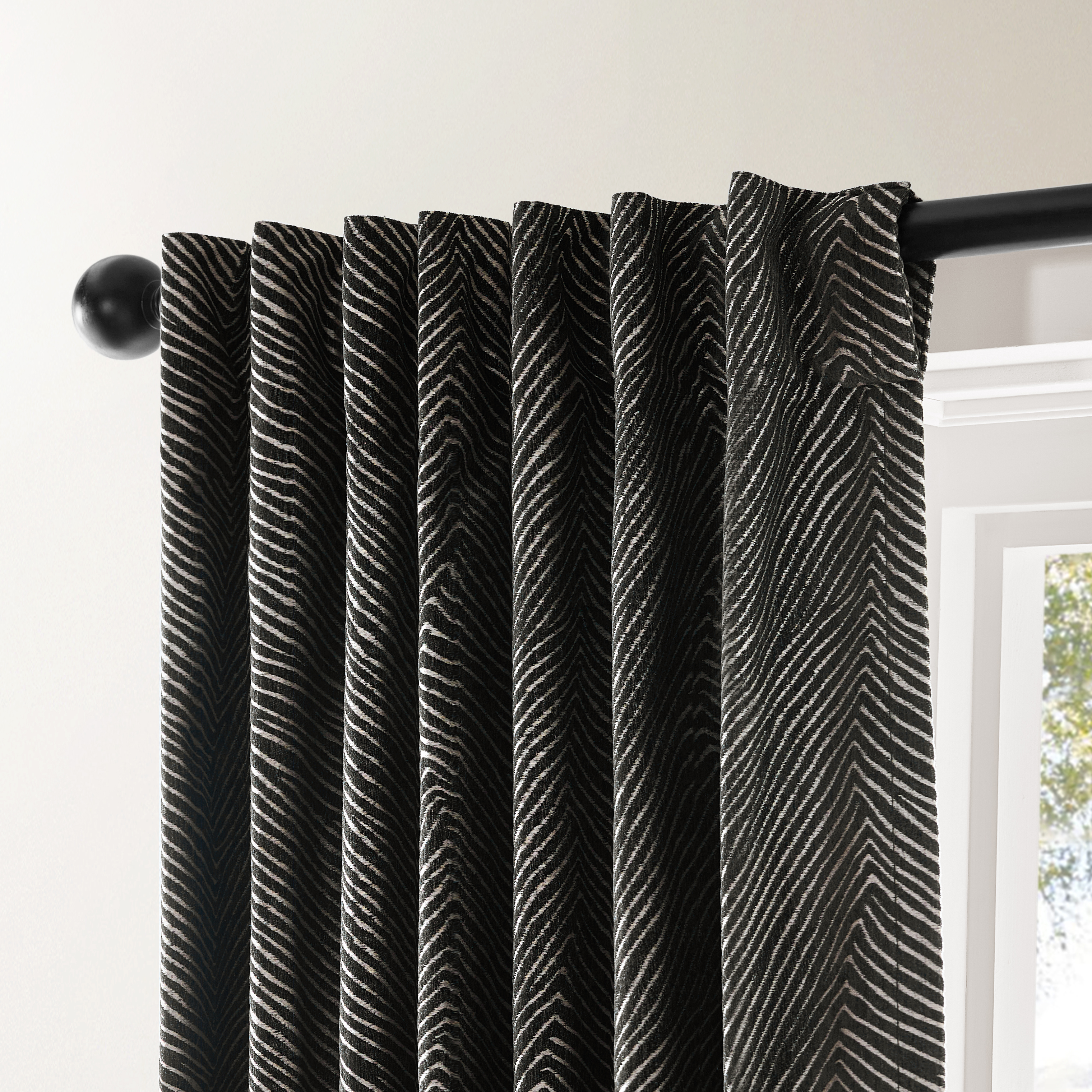 Kenzo Black Chenille Window Curtain Panel$129
A black chenille jacquard curtain with a luxe sheen and versatile dual hanging options.
Add To Cart -
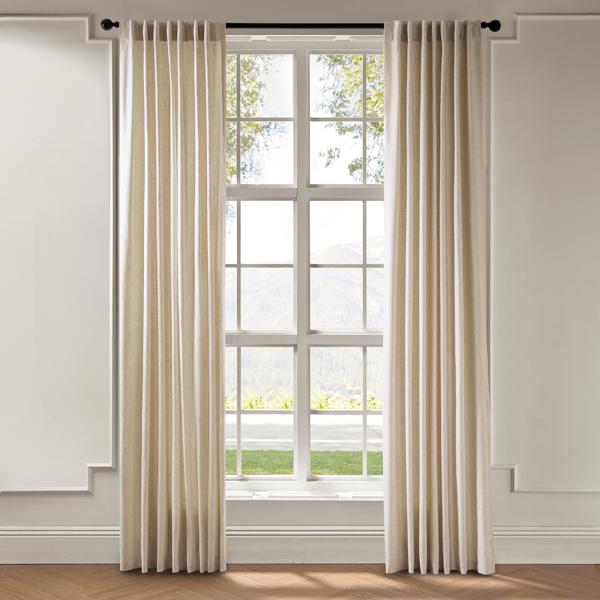
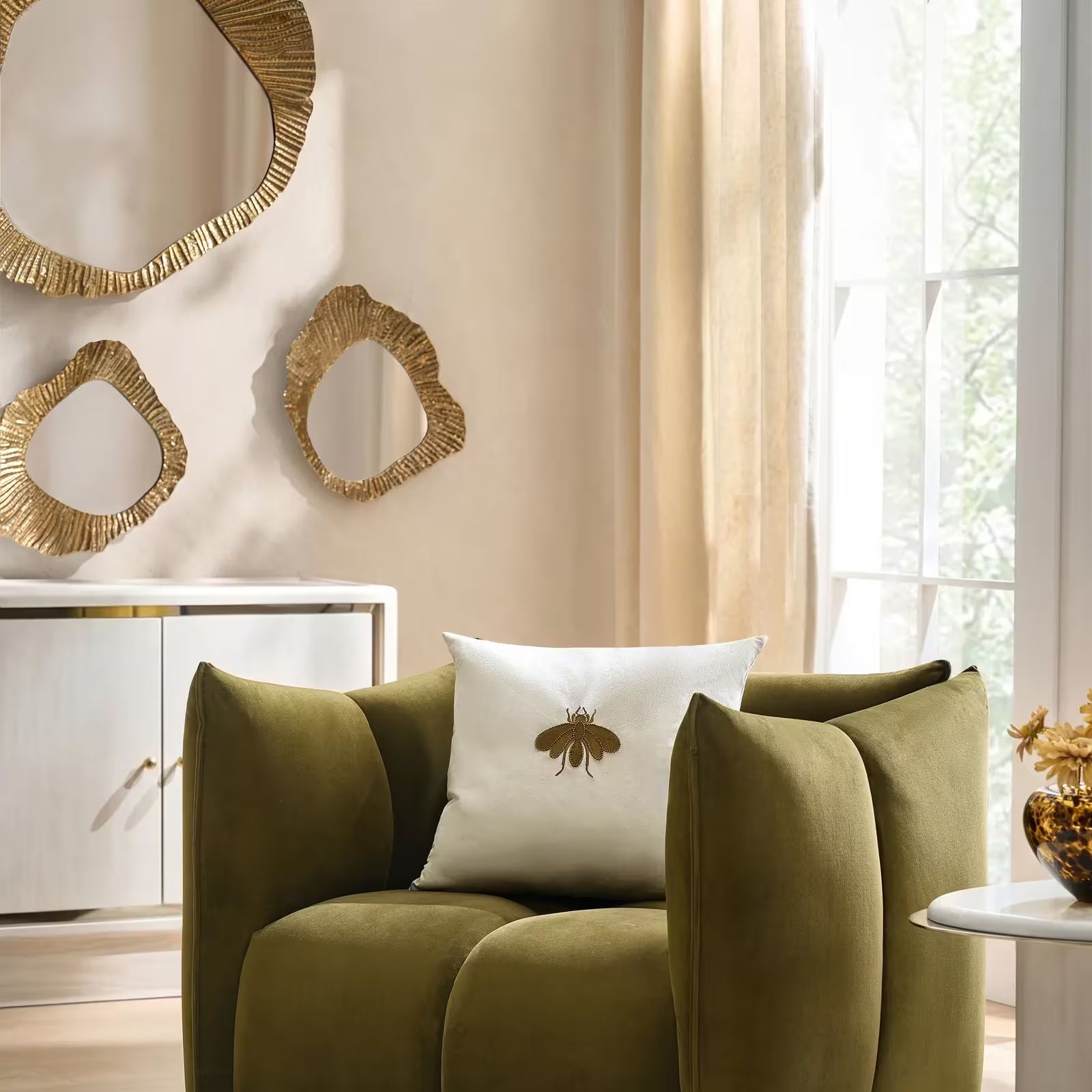 Anson Ivory Textured Window Curtain Panel$99
An elegant ivory curtain panel with a crushed, light-reflective texture for subtle shine and room darkening.
Add To Cart -

 Mabel Natural Velvet Swirl Window Curtain Panel$109
A warm neutral velvet curtain with a tonal swirl pattern and room-darkening, dual hanging options.
Add To Cart -

 Adair Sand Solid Velvet Window Curtain Panel$79
A room-darkening sand velvet curtain with dual hanging options for a soft, tailored finish.
Add To Cart -
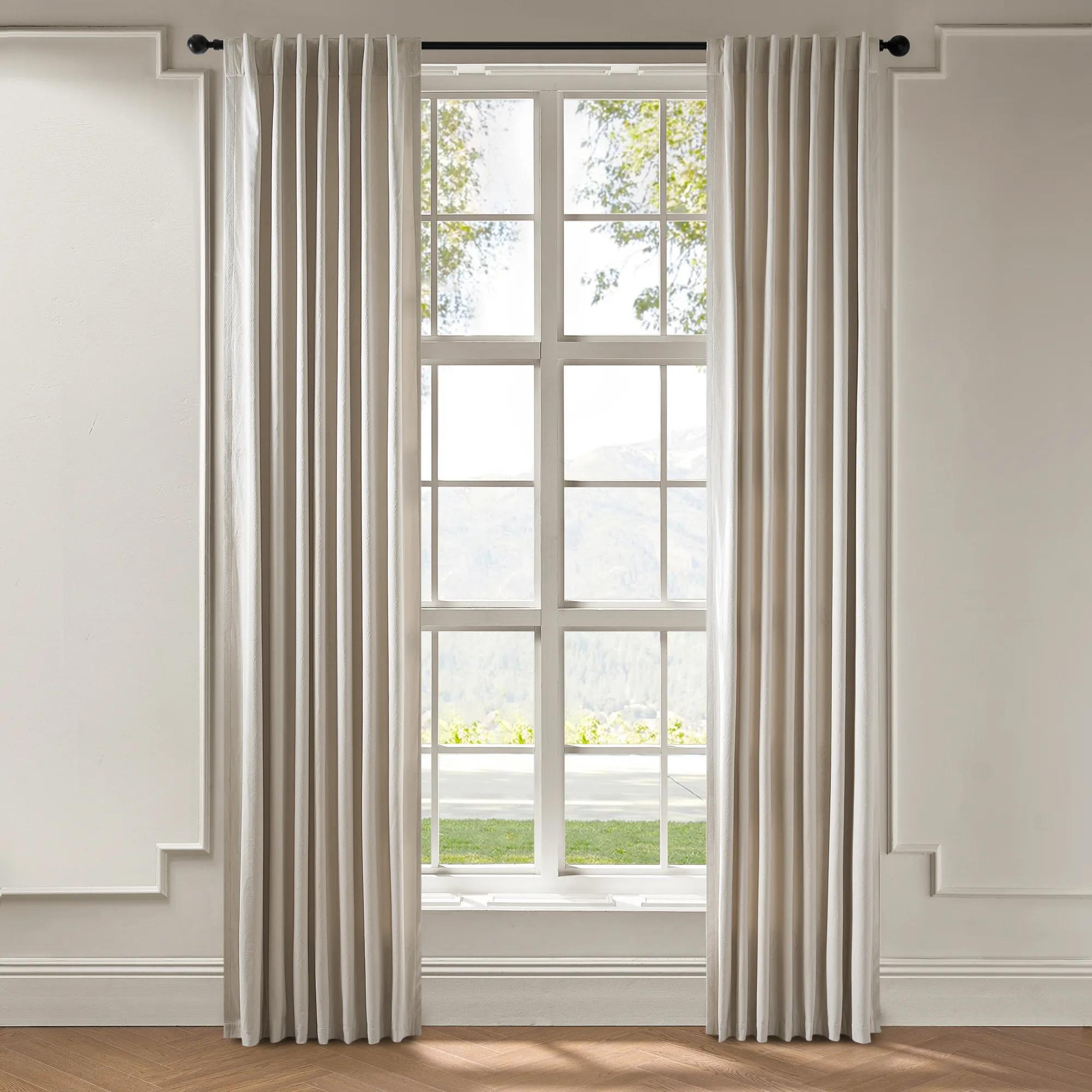
 Mabel White Velvet Swirl Window Curtain Panel$89
A crisp white velvet curtain featuring a tonal swirl texture and versatile dual hanging options.
Add To Cart -
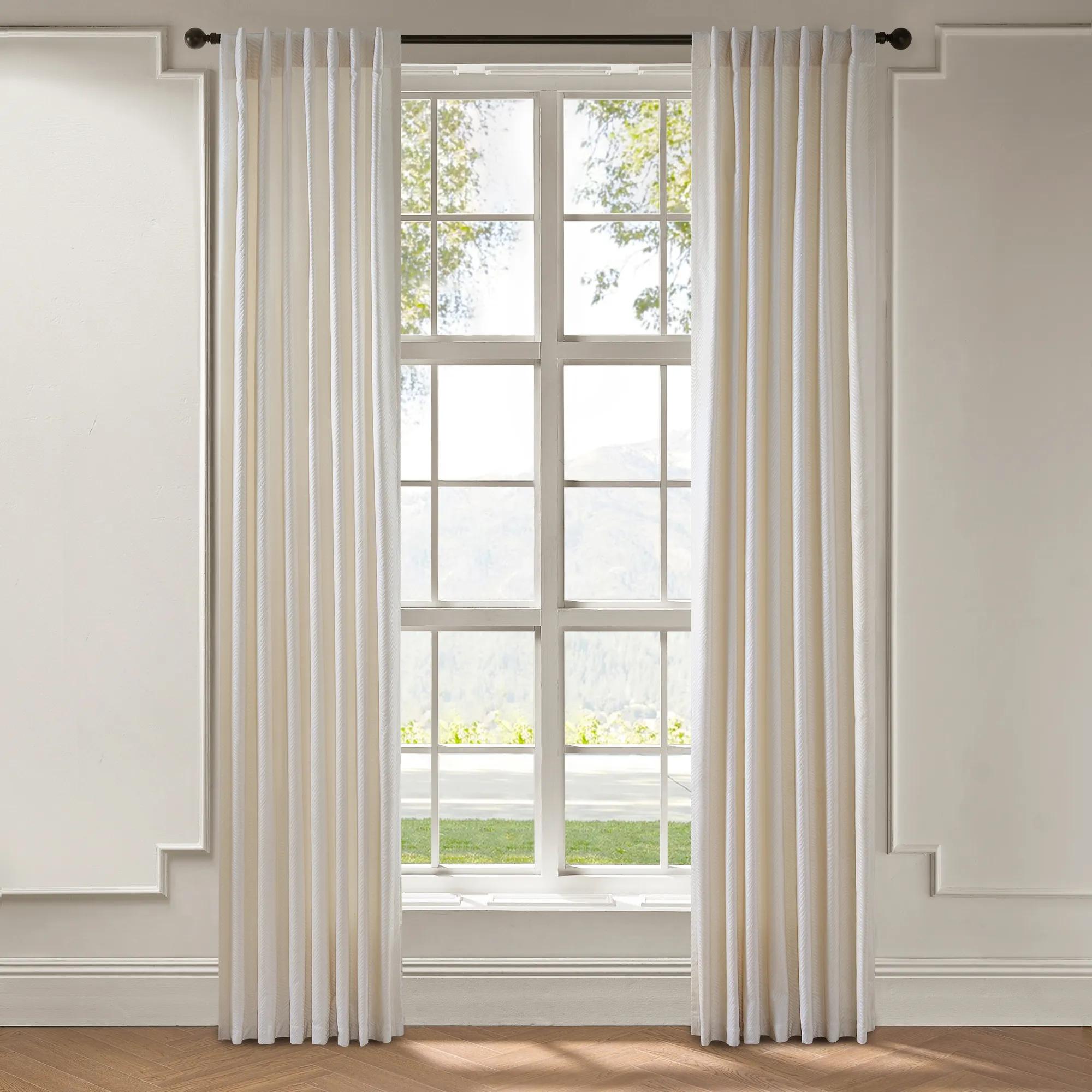
 Kenzo Chenille Curtain - White$139
A luxe white chenille jacquard curtain featuring a subtle high-contrast pattern and versatile dual construction.
Add To Cart -

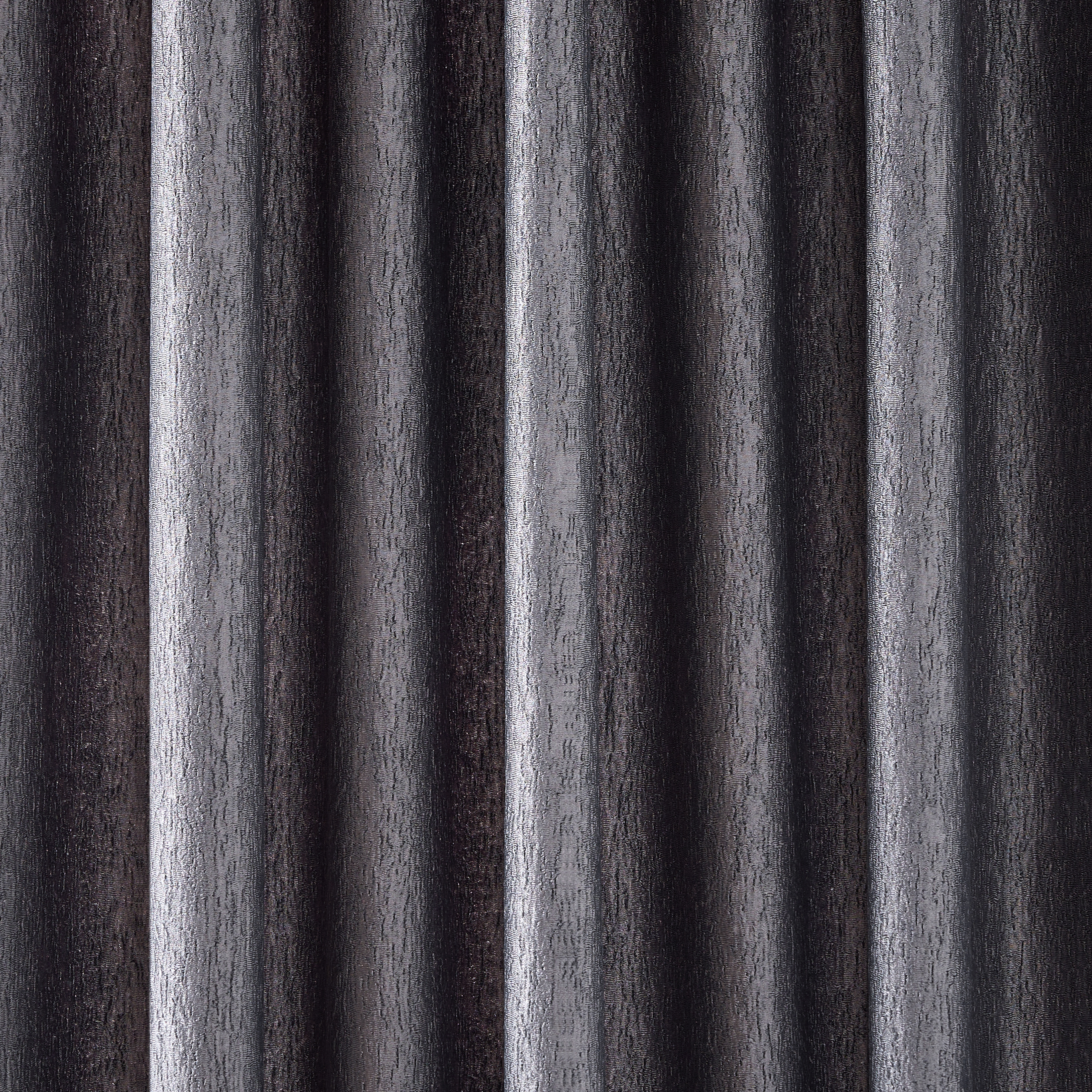 Anson Charcoal Textured Window Curtain Panel$89
A moody charcoal curtain with crushed polyester texture and subtle sheen for stylish, room-darkening appeal.
Add To Cart -

 Adair Midnight Blue Solid Velvet Window Curtain Panel$89
A sumptuous midnight blue velvet curtain that adds elegance, depth, and room-darkening style to any space.
Add To Cart -

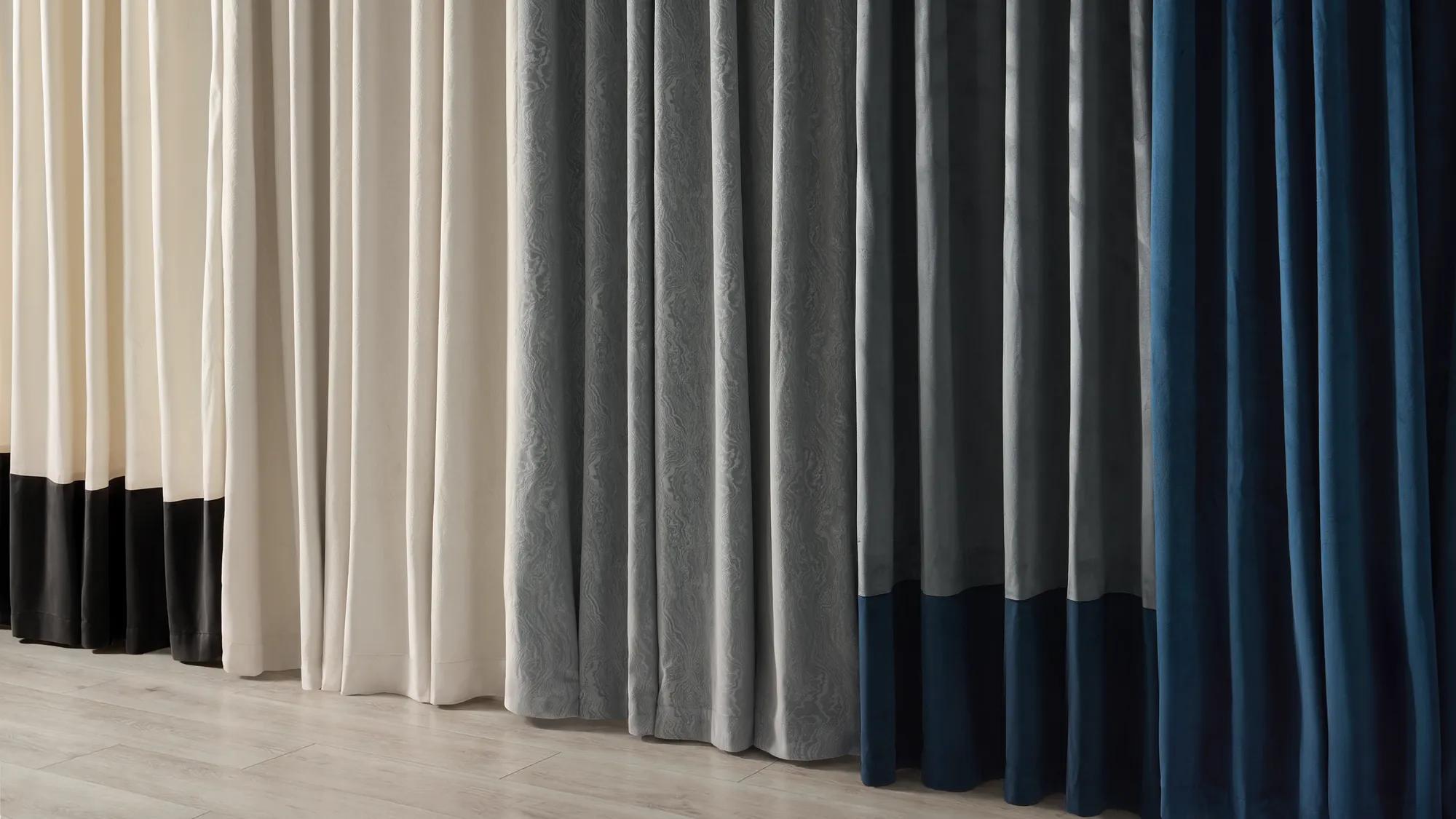 Mabel Velvet Swirl Curtain - Grey Blue$89
A grey blue velvet curtain featuring a tonal swirl pattern and versatile dual hanging options.
Add To Cart

Drapery Panels For Rental Properties
Drapery panels for rental properties are more than just window coverings—they are the transformative flourish that turns a temporary space into a statement of style. With the right drapes, every rental becomes a canvas for elegance, inviting light to dance across sumptuous textures and framing each room with an air of curated sophistication. Whether you’re staging for new tenants or elevating your own investment property, discover how thoughtfully chosen drapery panels can infuse each space with drama, warmth, and undeniable allure—proof that even a rental can be unforgettable.
Drapery panels bring a sense of permanence to a rental, framing windows with texture, softening hard architectural lines, and giving even a simply furnished room a more composed silhouette. The most practical drapery panels for rental properties combine durable fabric, manageable care, versatile color, and a hanging style compatible with the window and approved hardware. For property owners furnishing an apartment or vacation rental, those qualities help create an inviting backdrop for different occupants. For renters personalizing a long-term home, they offer expressive detail that can move along when the lease ends. Fabric sets the mood as much as the color: a linen-look weave introduces airy texture, a smooth woven panel creates a tailored finish, and velvet lends depth to a bedroom or living space with its light-catching pile. Polyester and sturdy synthetic blends can be practical options for frequently used rooms, although resistance to fading, shrinking, and wear depends on the fabric’s construction and finish. Natural fibers and blends offer distinctive texture but may require more careful cleaning or pressing. Machine-washable panels are especially useful where laundering between occupants is a priority; the care label, rather than fiber content alone, determines whether a fabric suits that routine. A palette of ivory, oatmeal, warm gray, or taupe gives changing furniture arrangements a cohesive foundation without leaving the room visually flat. Subtle slub textures, tonal patterns, or a quiet sheen add dimension that feels intentional rather than anonymous. Deeper neutrals can create a more dramatic frame around a view, particularly when echoed in artwork or upholstery. The appeal lies in balance: enough character to make the interior memorable, enough versatility to welcome someone else’s furnishings. A softly textured neutral can sit comfortably beside a sculptural accent chair, a richly patterned rug, or an understated sofa, allowing the window treatment to connect the room rather than compete with it. That flexibility makes drapery especially valuable in spaces expected to accommodate different tastes over time.
Fit gives rental-friendly drapery its architectural presence. Panels that skim just above the floor create a graceful line while keeping hems away from routine foot traffic and cleaning equipment. A generous puddle may suit a decorative setting, but it is less practical beside a frequently opened patio door or in a furnished rental with regular occupant turnover. Shorter lengths can accommodate particular window arrangements, although any nearby heater, vent, or appliance requires the clearance specified by its manufacturer. Accurate dimensions account for the full rod width, the intended hanging position, and the distance from the attachment point to the finished hem—not simply the window glass. Combined panel widths of roughly one and a half to two times the rod width often provide gentle fullness, while deeper folds or certain pleated headings may require more fabric. The appropriate proportion also depends on whether the panels will close every evening or remain open as decorative framing. Generous folds give a simple fabric sculptural depth; stretched-flat panels tend to lose that softness. Heading style contributes another layer of distinction. Grommets form broad, regular folds, rod pockets create a gathered effect, and back tabs can conceal the rod for a cleaner upper edge. Pleated panels offer crisp structure when paired with compatible rings, hooks, or tracks. Panels opened daily benefit from attachments that glide easily, while decorative side panels have different demands. Existing rods can simplify installation, provided their dimensions, mounting, and weight capacity suit the chosen fabric. Heavier lined or velvet panels require particular attention to support. No-drill hardware is not universally suitable: its rated load and mounting requirements still matter, and lease restrictions remain relevant even when a fixture appears removable. Drapery also needs enough space to stack beside the window without obstructing door handles or frequently used controls. These proportions and clearances let the fabric look expansive while preserving the everyday function of a compact apartment, a spacious rental home, or a furnished guest suite.
Light control and privacy determine how well drapery serves the people living with it. Sheer panels diffuse daylight and lend a luminous finish to living areas, but they generally offer limited privacy after dark when interior lights are on. Light-filtering fabrics soften brightness without creating the same darkness as blackout constructions. For rental bedrooms, blackout panels can support a darker sleeping environment for guests, shift workers, or anyone sensitive to early light, though illumination may still enter around the edges. A lining can add body and help shield the decorative face fabric from direct exposure to light; its presence alone does not establish blackout performance. Layered sheers and opaque panels offer greater flexibility when the hardware and available space accommodate both. In a living room that also serves as a workspace, adjustable coverage can soften screen glare while preserving a pleasing backdrop for video calls. Related drapery panels for home offices offer another perspective on balancing daylight, visual privacy, and a polished working environment. Care requirements remain just as important as appearance, especially in furnished properties where panels may need attention between stays. Washable construction can simplify upkeep, but water temperature, cycle, drying method, and ironing limits should follow the manufacturer’s instructions. Dry-clean-only fabrics may suit a more decorative room, yet they require a different maintenance routine. Regular gentle dust removal, where permitted by the care label, helps keep folds fresh; prompt attention to spills can help prevent lasting marks. Dense ornamentation, delicate trims, and floor-trailing hems may demand more attention than a clean-edged woven panel. In households with children or pets, secure mounting and hems clear of the floor deserve particular consideration. Durable drapery is not simply the heaviest fabric: it is fabric, construction, hardware, and care working together for the intended setting. With those elements aligned, rental windows gain more than coverage. They become a defining feature of the interior, bringing softness, privacy, and confident visual rhythm to a home that feels fully considered.
FAQs
Drapery panels offer an elegant, non-permanent solution for transforming rental spaces. Their versatility allows both tenants and landlords to instantly elevate a room’s ambiance, add privacy, and control natural light without making permanent alterations to walls or window frames. With options in durable, easy-care fabrics, drapery panels blend style with practicality, making them ideal for the ever-evolving nature of rental living.
Drapery panels have the power to set the mood within any space. Whether you prefer the soft diffusion of light through sheer linen or the dramatic impact of blackout velvet, the right panel can evoke tranquility, sophistication, or vibrant energy. Layering textures and colors allows residents to express their personality and create a sense of comfort and luxury, even in a temporary setting.
Absolutely. Tension rods, adhesive hooks, and curtain wire systems provide damage-free installation methods that require no drilling or permanent fixtures. These solutions are perfect for renters who want to personalize their space while ensuring the walls and window frames remain pristine for future move-outs.
For spaces that see frequent use or turnover, durable materials such as polyester, linen blends, and cotton blends are highly recommended. These fabrics are resilient, resist fading, and are easy to clean—qualities that ensure the drapery maintains its beauty and function through multiple tenancies and changing seasons.
Drapery panels are a superb gift for anyone embarking on a new rental journey. They offer an immediate sense of luxury and personalization, allowing the recipient to transform their space with minimal effort. Whether chosen for their dramatic flair or subtle elegance, drapery panels deliver both utility and artistry—making them a memorable and meaningful housewarming gesture.


