
Window Panels For Professional Home Stagers
Window Panels For Professional Home Stagers
-
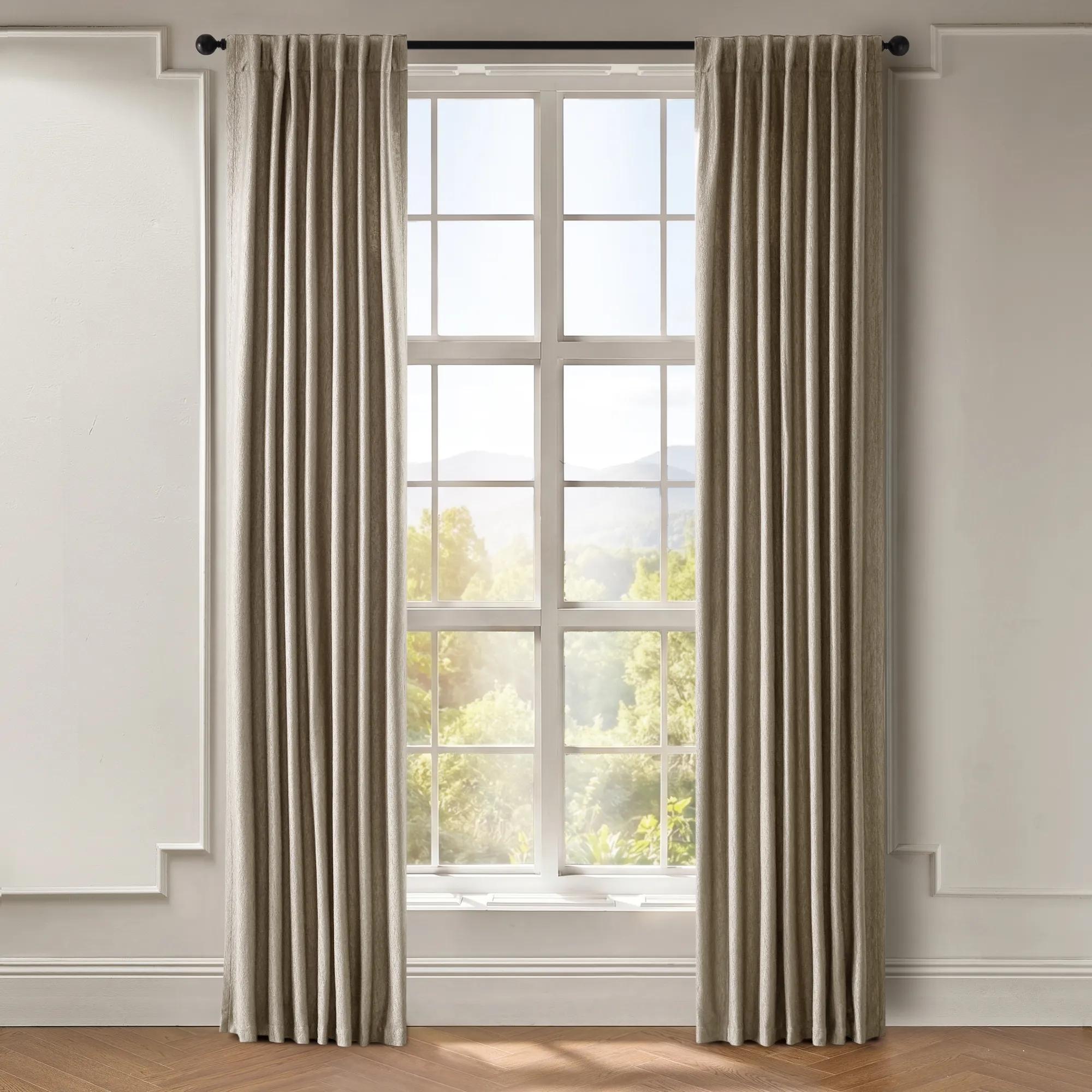
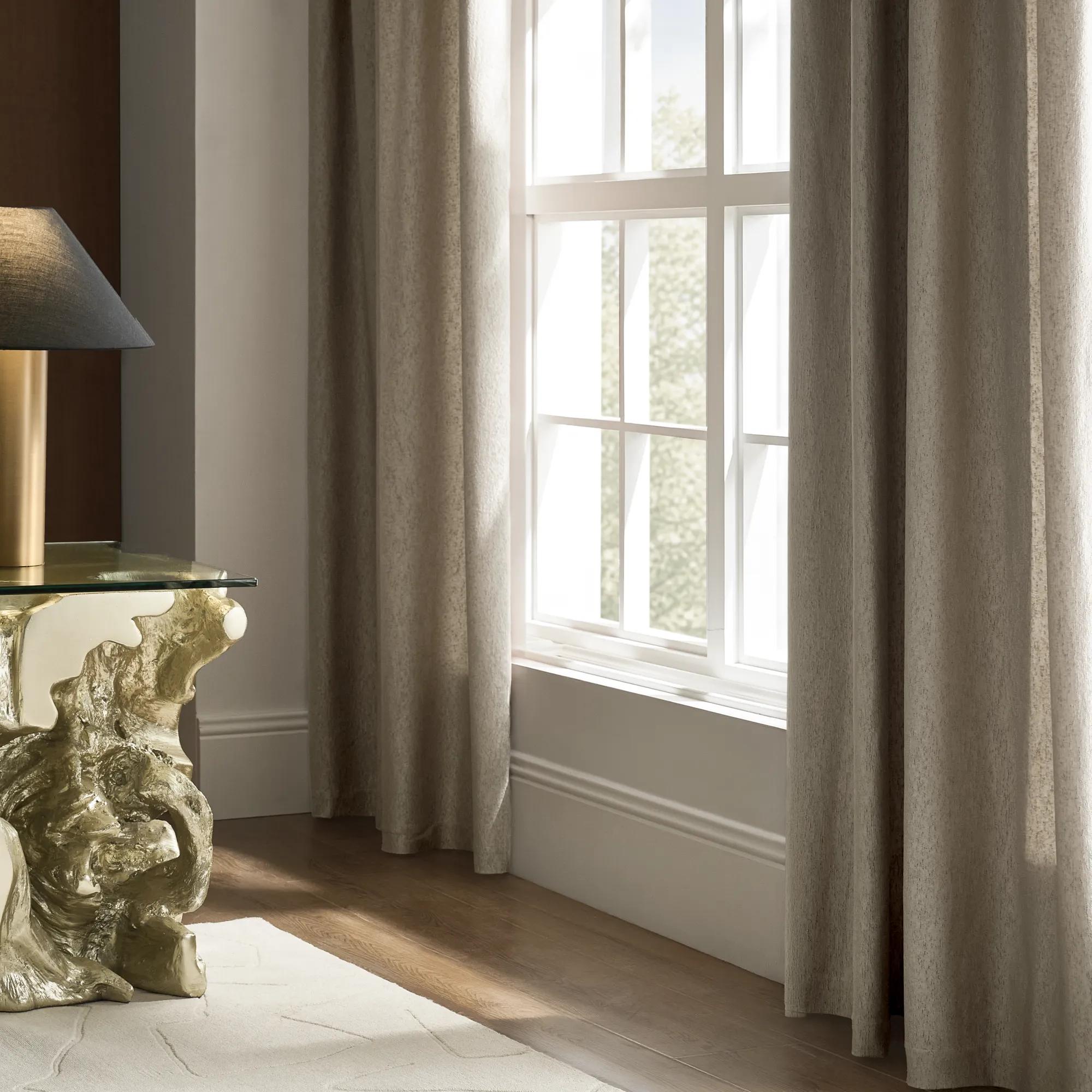 Anson Taupe Textured Window Curtain Panel$99
A taupe polyester curtain panel featuring a crushed sheen texture and versatile room-darkening design.
Add To Cart -
.jpeg?w=1200&h=1200)
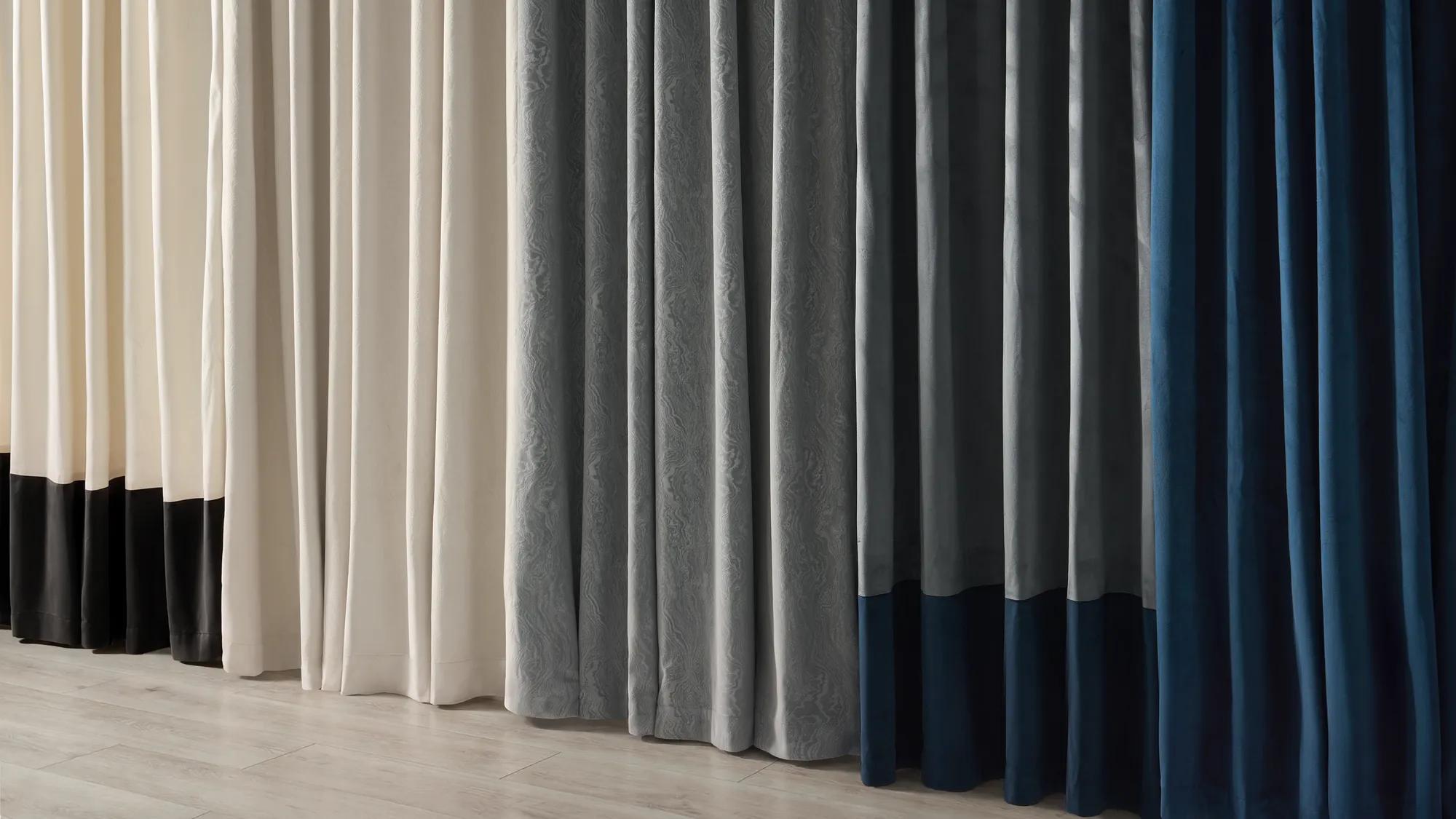 Mabel Velvet Swirl Curtain - Grey Blue$99
A grey blue velvet curtain featuring a tonal swirl pattern and versatile dual hanging options.
Add To Cart -
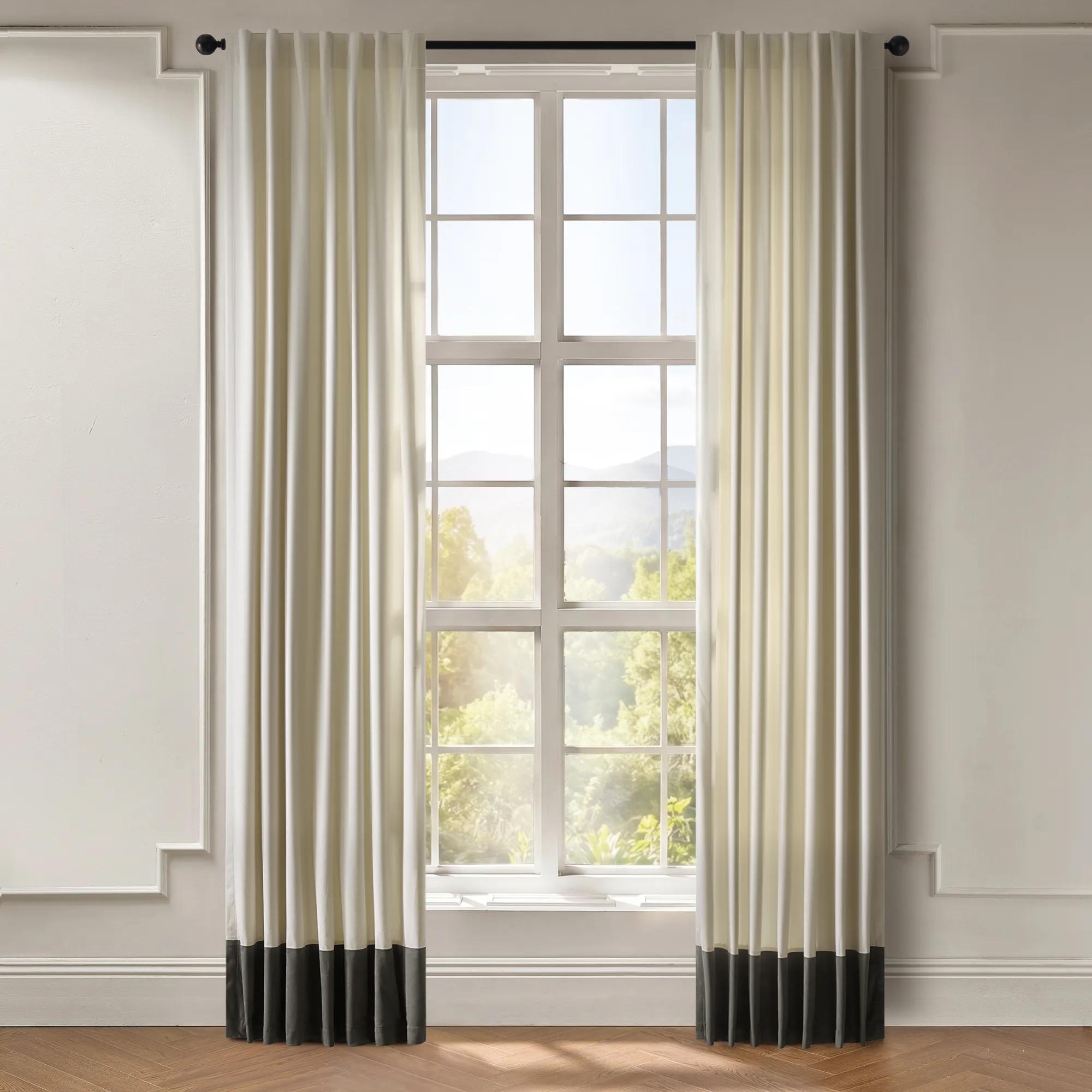
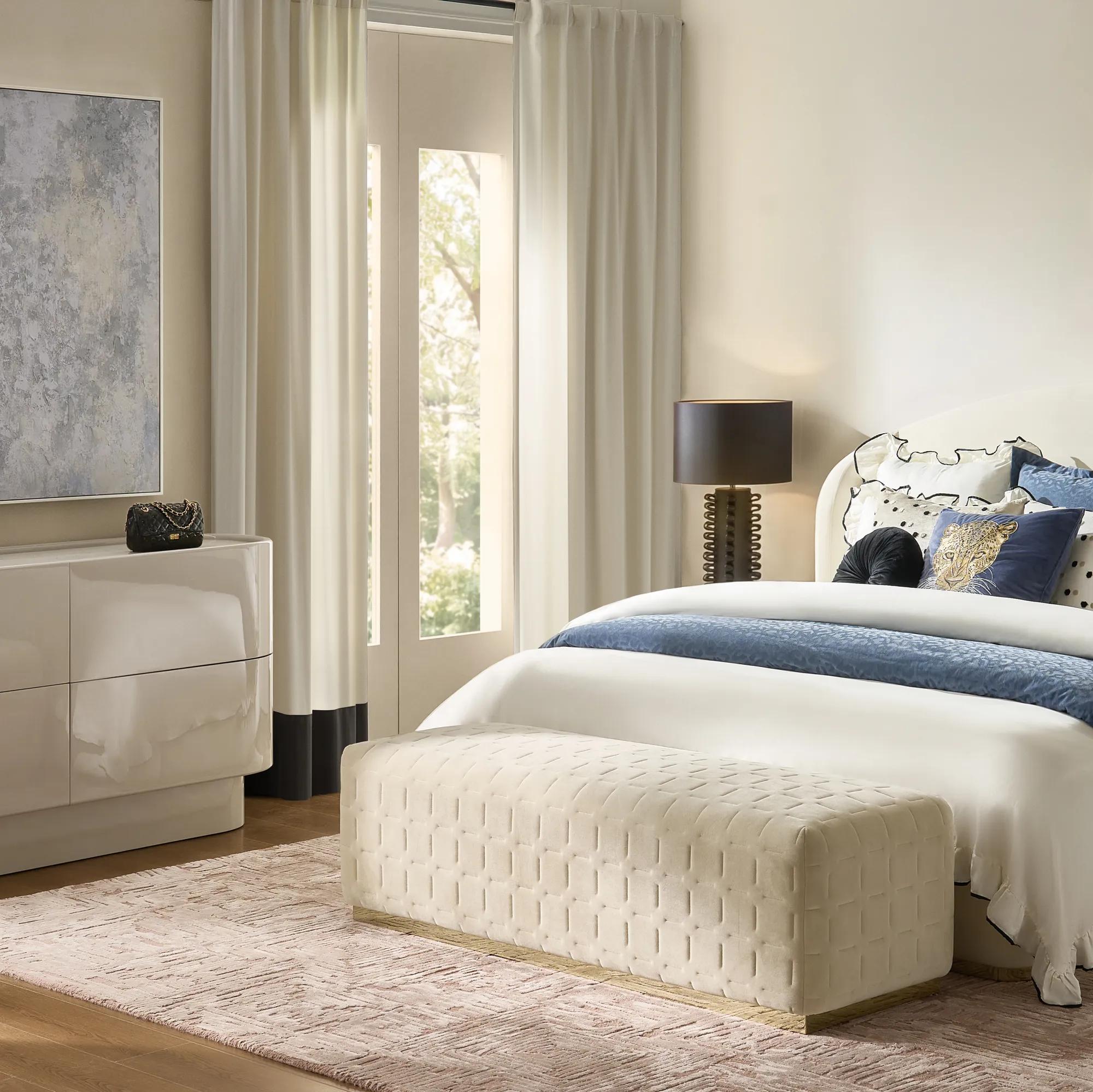 Bastien Ivory/Graphite Velvet Border Window Curtain Panel$109
A two-tone ivory and graphite velvet curtain panel with a Deco-inspired border and room-darkening design.
Add To Cart -
.jpeg?w=1200&h=1200)
 Adair Midnight Blue Solid Velvet Window Curtain Panel$69
Adair Midnight Blue Solid Velvet Window Curtain Panel$69A sumptuous midnight blue velvet curtain that adds elegance, depth, and room-darkening style to any space.
Add To Cart -
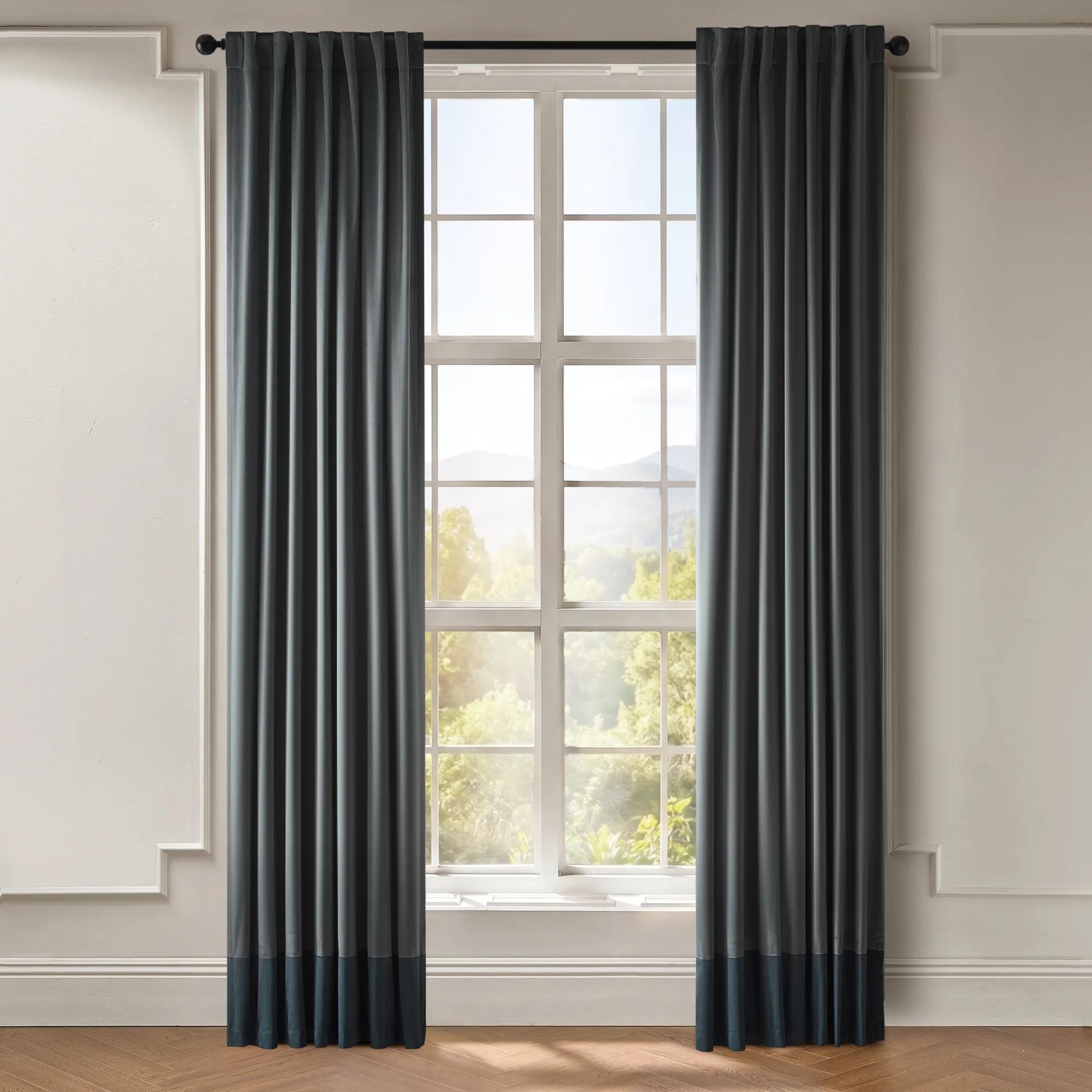
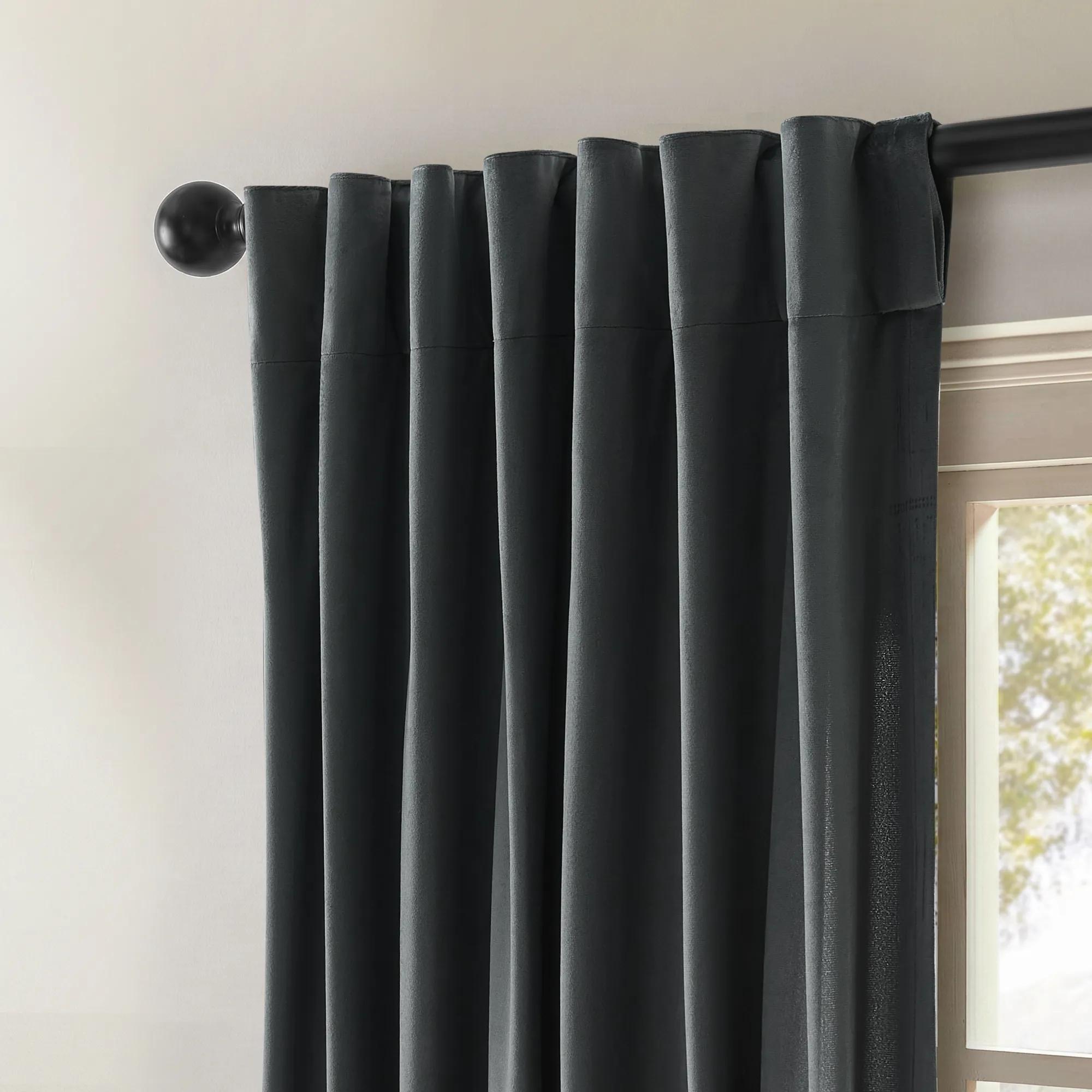 Bastien Blue/Midnight Velvet Border Window Curtain Panel$89
A two-tone dusty and midnight blue velvet curtain panel with a Deco-inspired border and room-darkening design.
Add To Cart -
.jpeg?w=1200&h=1200)
 Adair Sand Solid Velvet Window Curtain Panel$79
Adair Sand Solid Velvet Window Curtain Panel$79A room-darkening sand velvet curtain with dual hanging options for a soft, tailored finish.
Add To Cart -
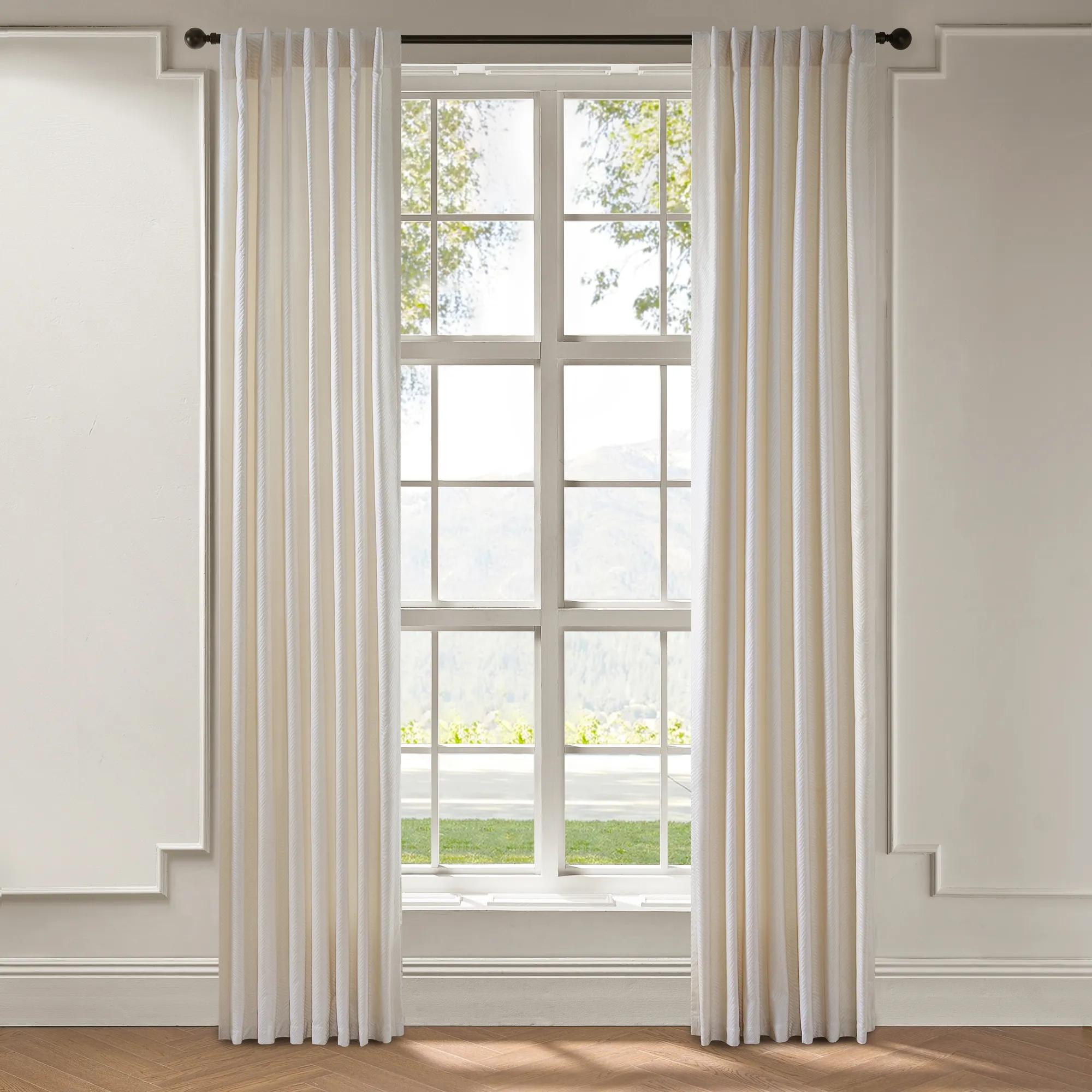
.jpeg?w=1200&h=1200) Kenzo Chenille Curtain - White$139
Kenzo Chenille Curtain - White$139A luxe white chenille jacquard curtain featuring a subtle high-contrast pattern and versatile dual construction.
Add To Cart -
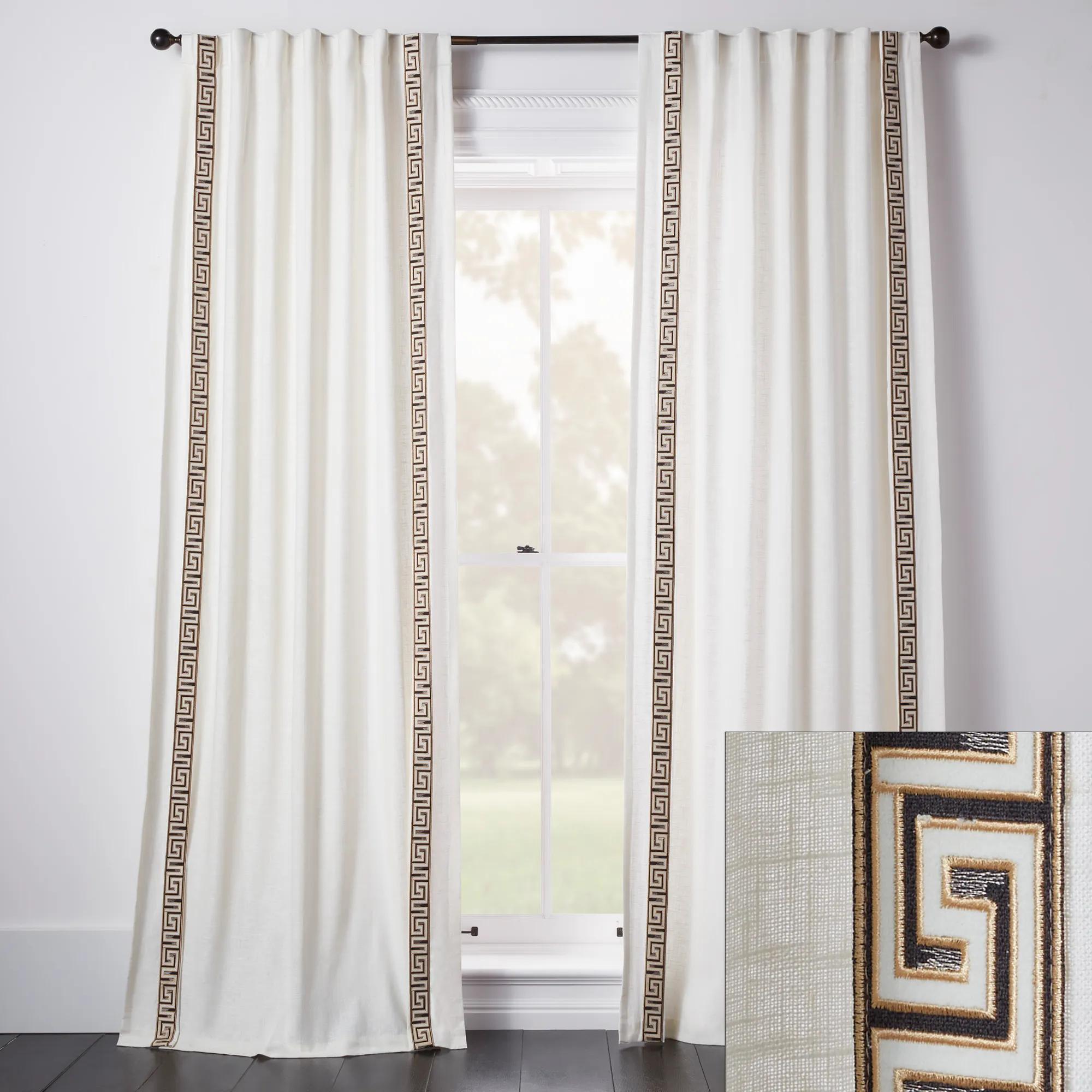 Chole Greek Key Border Velvet Widow Curtain Panels Custom$379
A linen-blend curtain panel with black and gold velvet Greek key border and customizable hanging options.
Add To Cart -
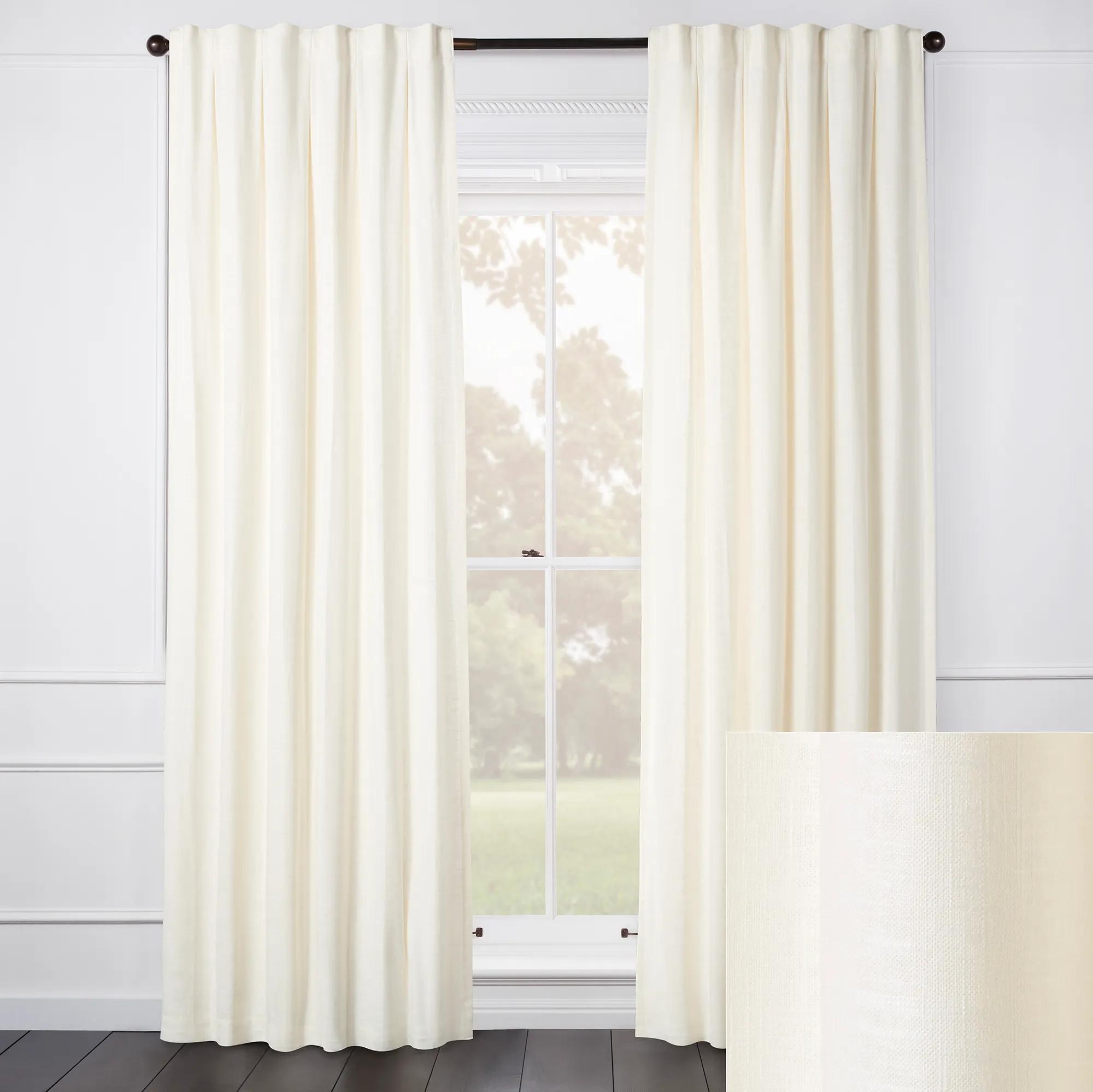
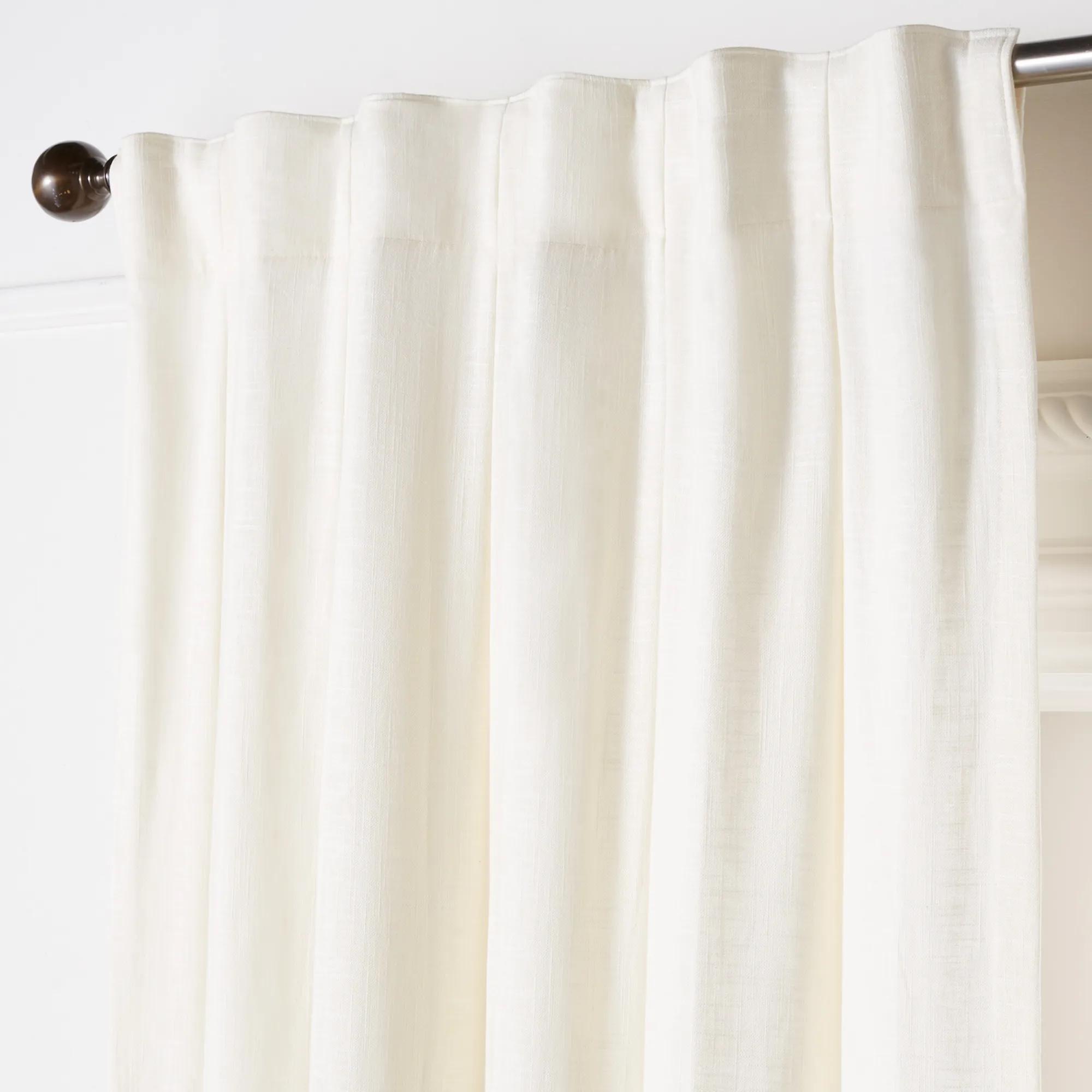 Audrey Linen Ivory Curtain - Custom$269
An ivory linen-blend curtain panel with lining, offering customizable lengths and two elegant header styles.
Add To Cart -
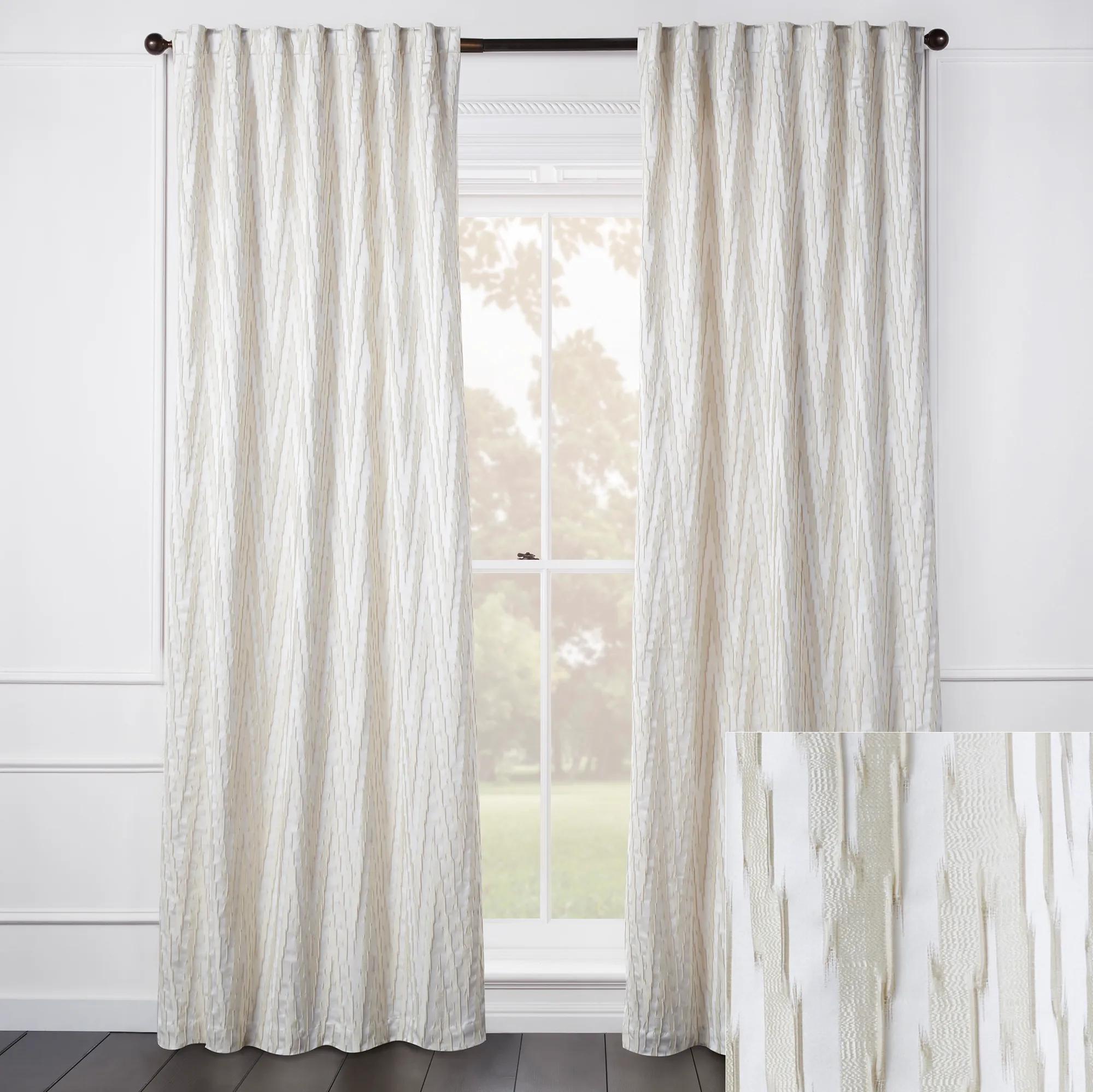
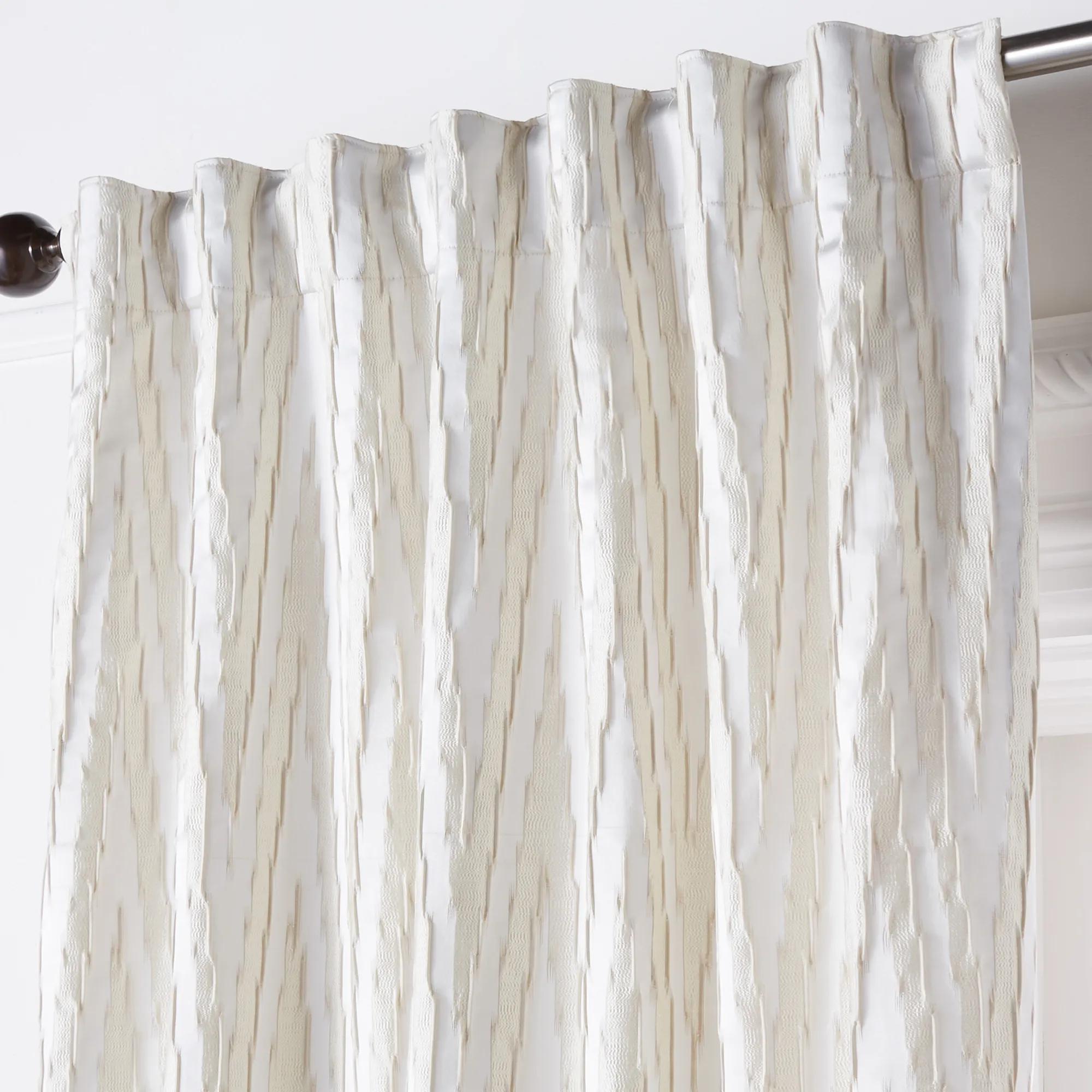 Minka Jacquard Pearl Window Curtain Panel Custom$289
A highly textured chevron curtain panel in pearl, grey, or natural polyester with customizable hanging options.
Add To Cart -
.jpeg?w=1200&h=1200)
 Mabel Natural Velvet Swirl Window Curtain Panel$99
Mabel Natural Velvet Swirl Window Curtain Panel$99A warm neutral velvet curtain with a tonal swirl pattern, offering room-darkening privacy and versatile hanging options.
Add To Cart -
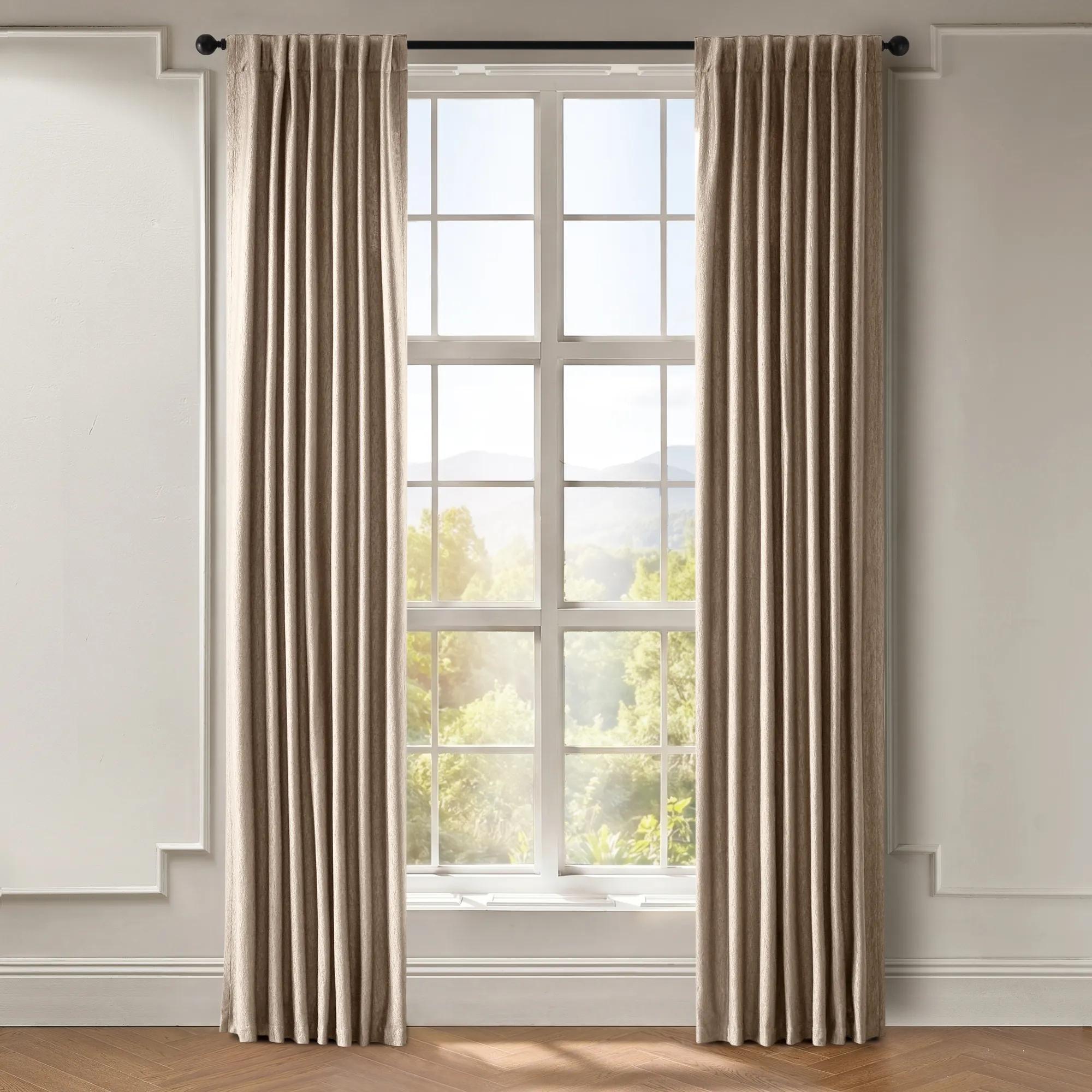 Anson Mocha Rose Textured Window Curtain Panel$89
A light mocha rose curtain panel with crushed sheen texture and room-darkening, dual hanging design.
Add To Cart -
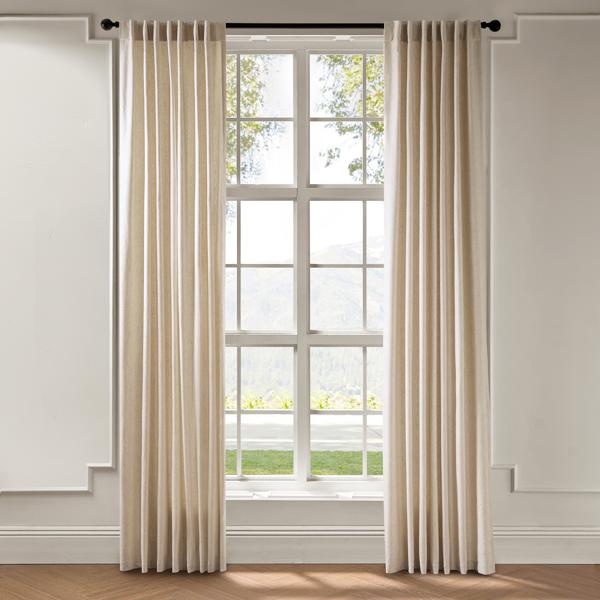
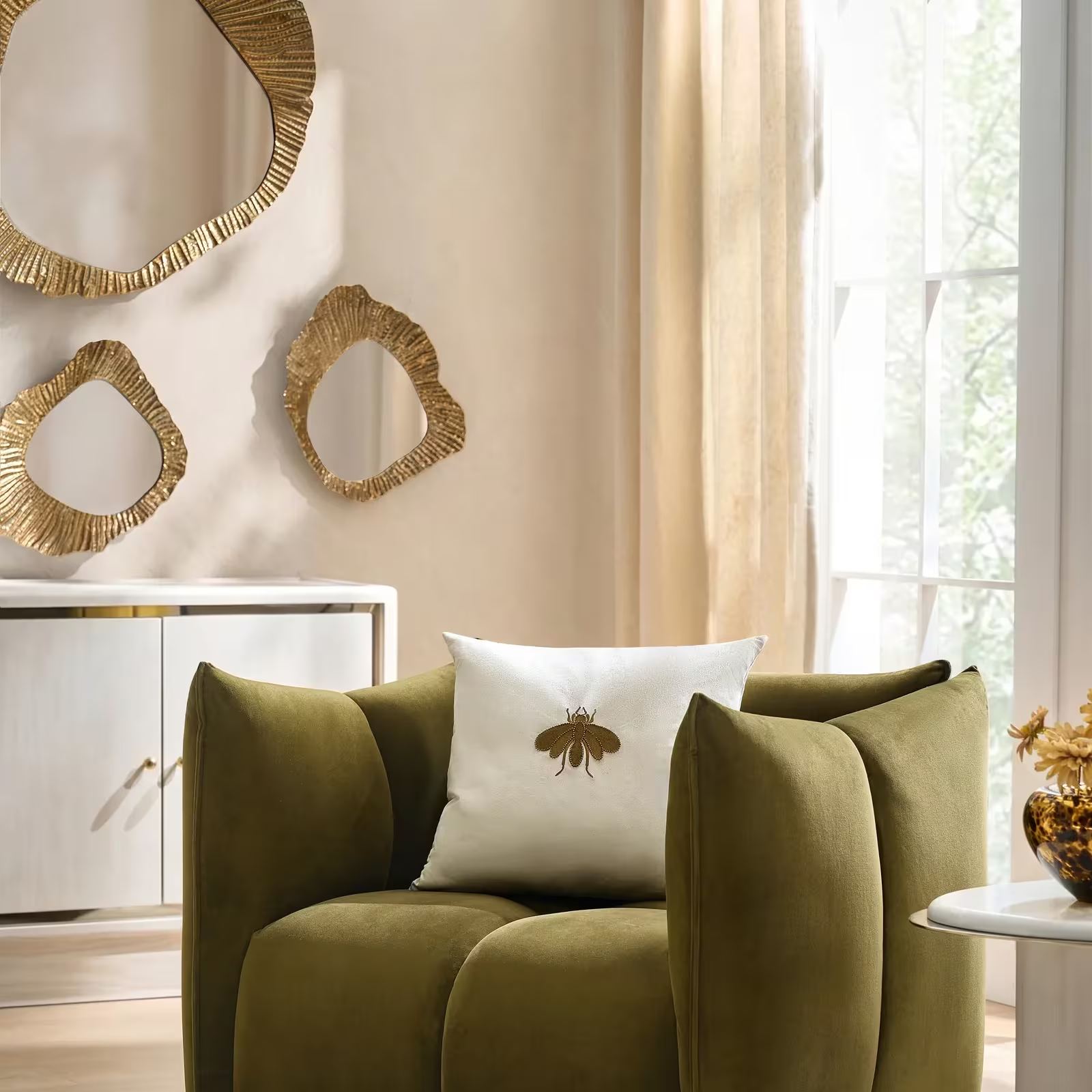 Anson Ivory Textured Window Curtain Panel$89
An ivory polyester curtain with a crushed, light-reflective texture for elegant, room-darkening style.
Add To Cart -
.jpeg?w=1200&h=1200)
 Anson Charcoal Textured Window Curtain Panel$89
Anson Charcoal Textured Window Curtain Panel$89A moody charcoal curtain with crushed polyester texture and subtle sheen for stylish, room-darkening appeal.
Add To Cart -
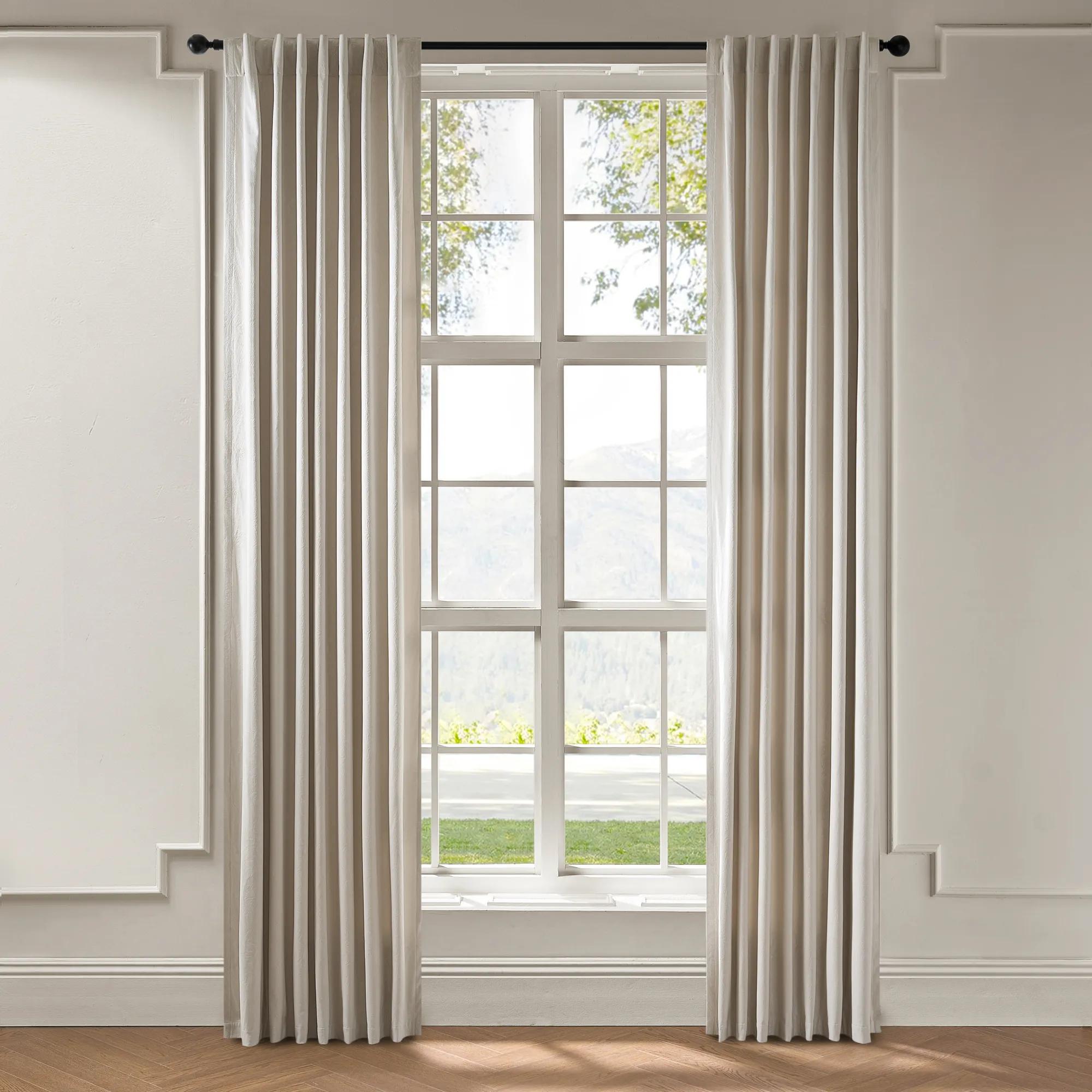
.jpeg?w=1200&h=1200) Mabel White Velvet Swirl Window Curtain Panel$99
Mabel White Velvet Swirl Window Curtain Panel$99A crisp white velvet curtain featuring a tonal swirl texture and versatile dual hanging options.
Add To Cart -
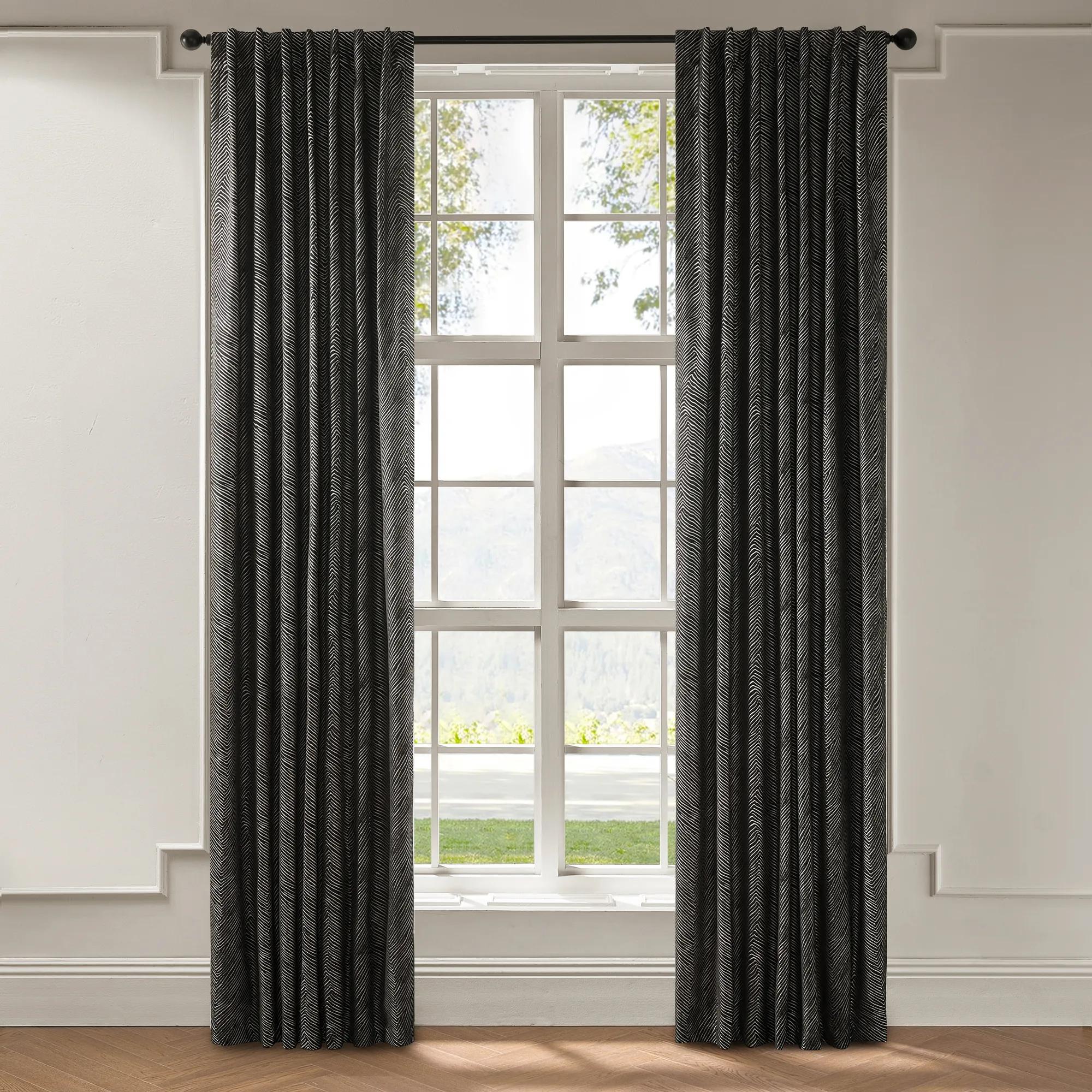
.jpeg?w=1200&h=1200) Kenzo Black Chenille Window Curtain Panel$139
Kenzo Black Chenille Window Curtain Panel$139A black chenille jacquard curtain with a room-darkening finish and versatile dual hanging options.
Add To Cart -
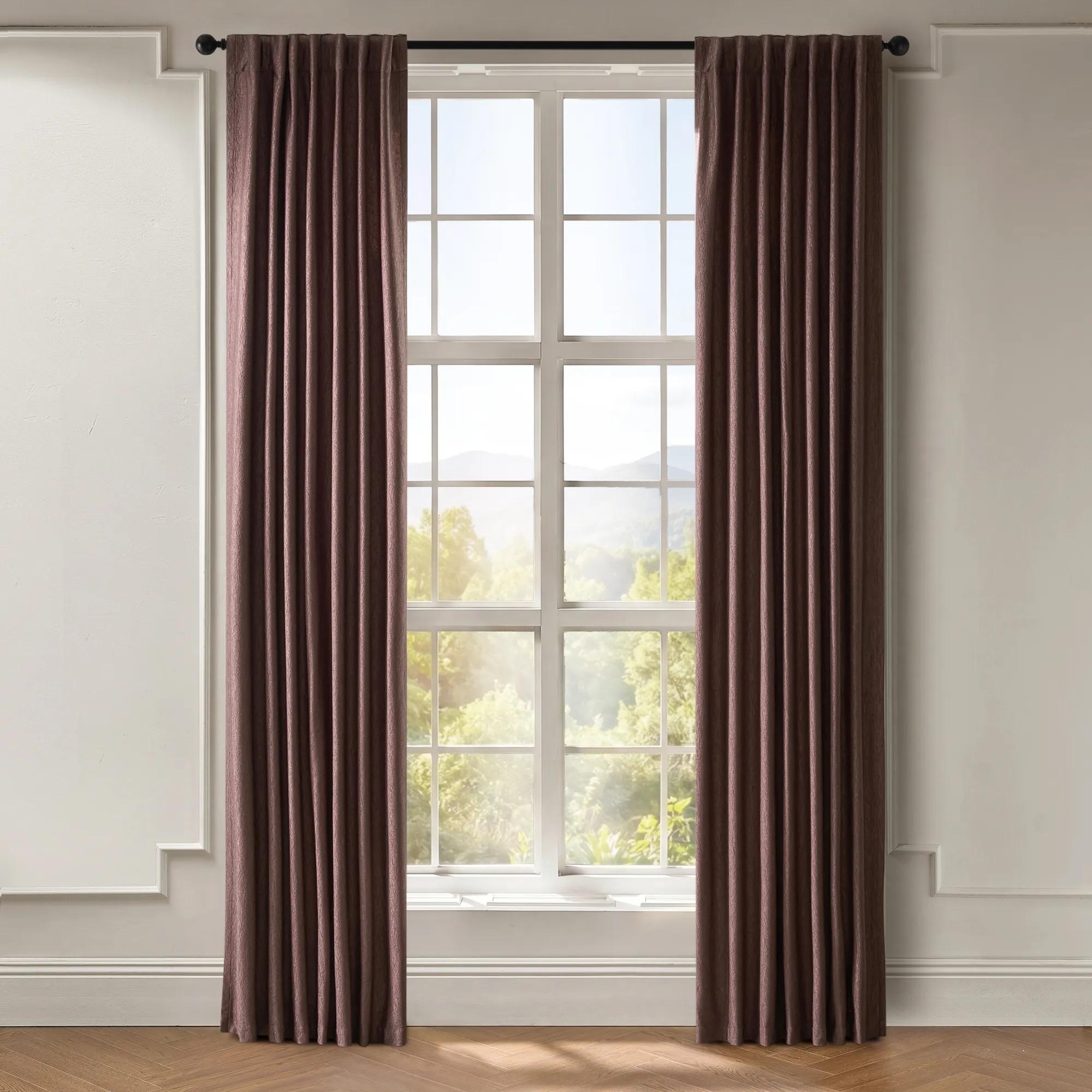
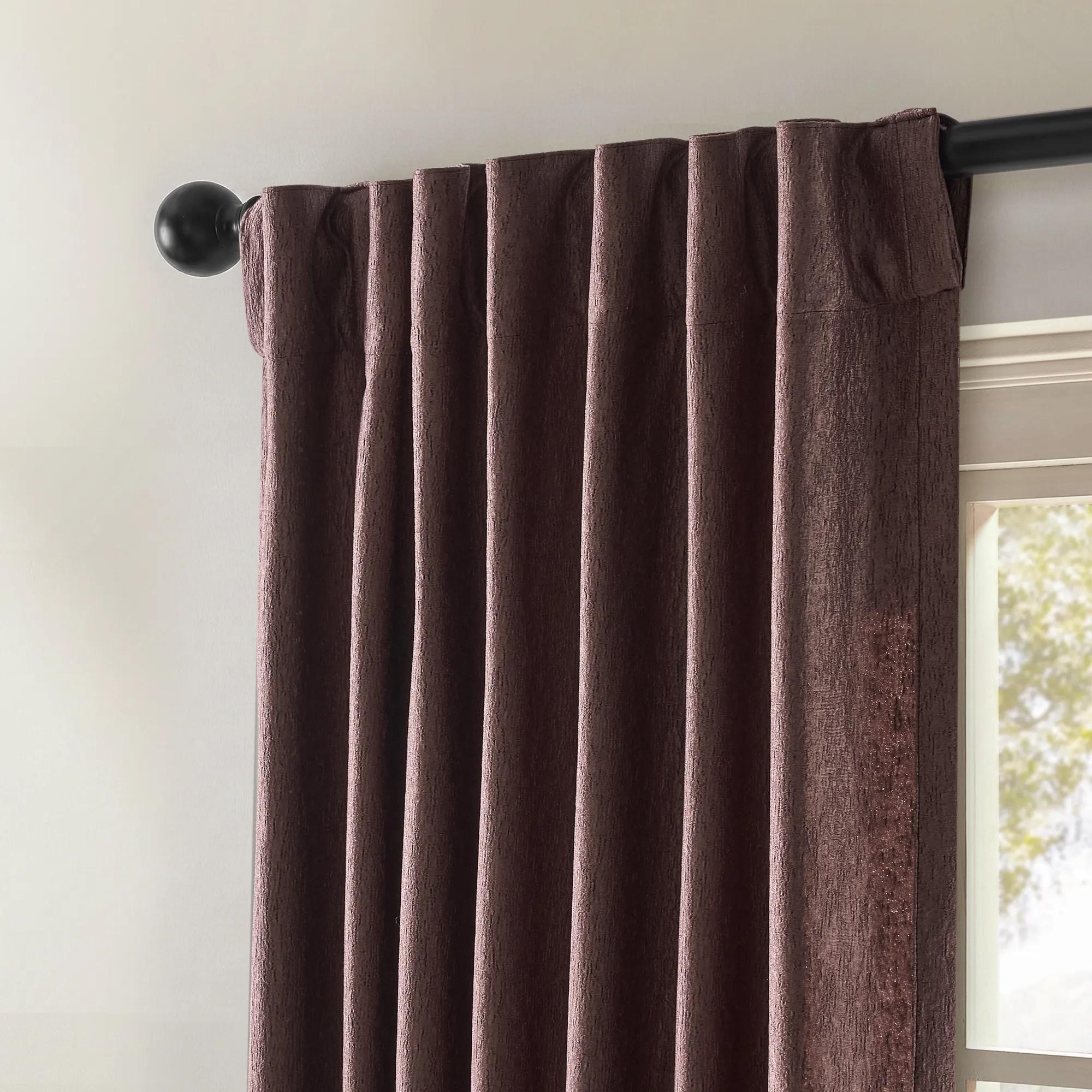 Anson Fig Textured Window Curtain Panel$99
A deep fig curtain panel in crushed, subtly sheened polyester with room-darkening and dual hanging options.
Add To Cart -
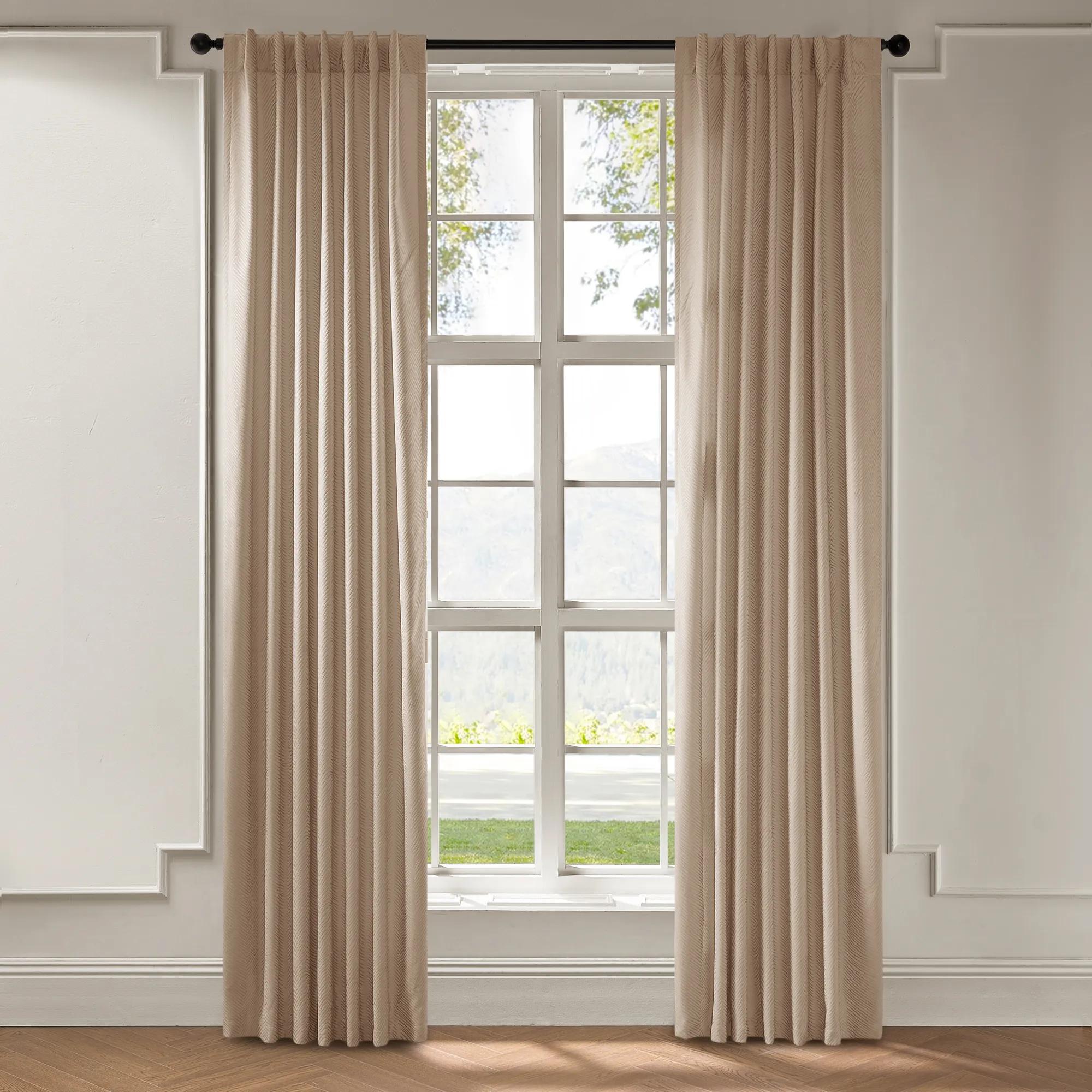 Kenzo Jacquard Beige Chenille Window Curtain Panel$119
A warm beige chenille jacquard curtain with a subtle sheen and versatile rod pocket or back tab hanging.
Add To Cart -
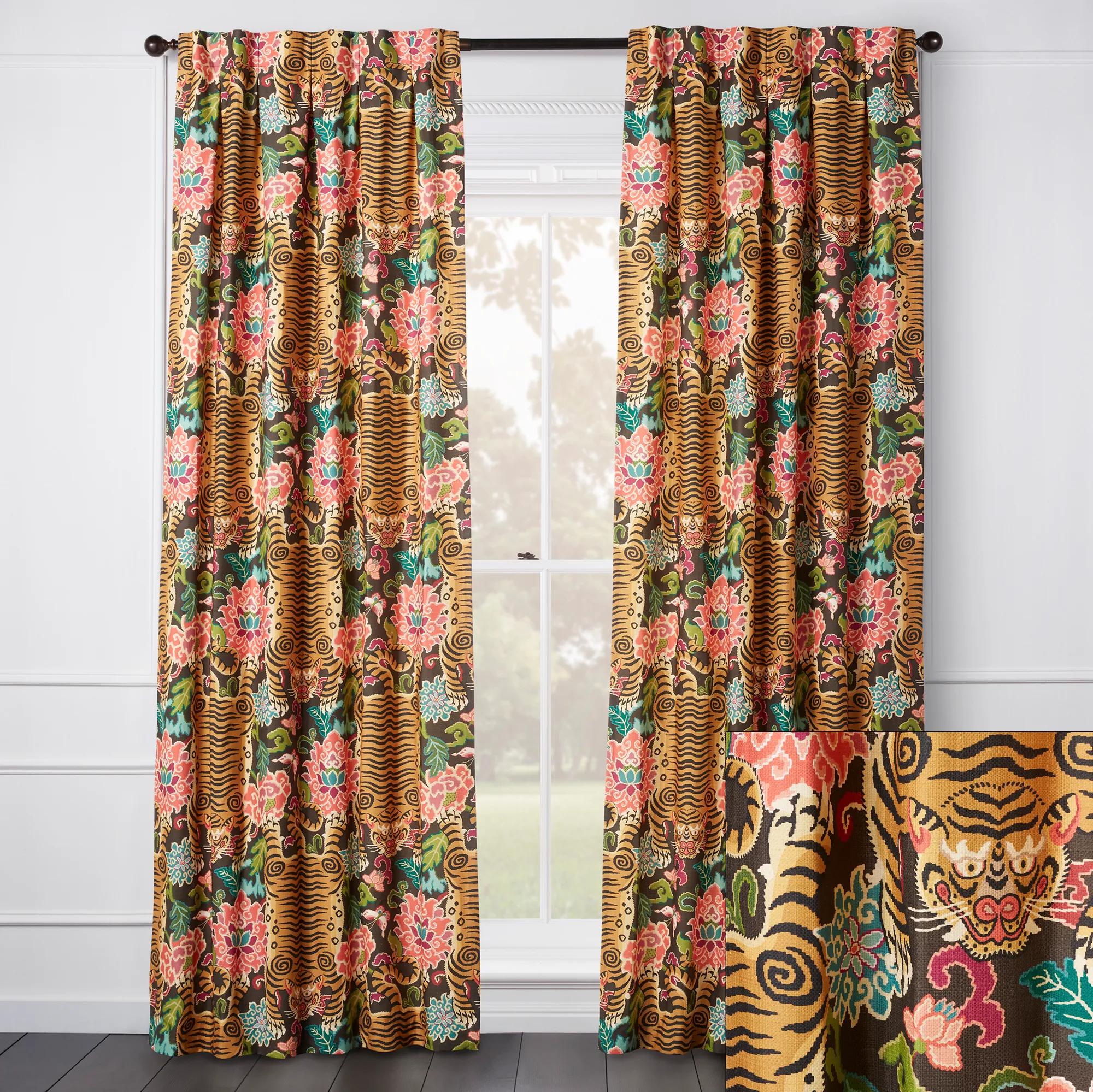
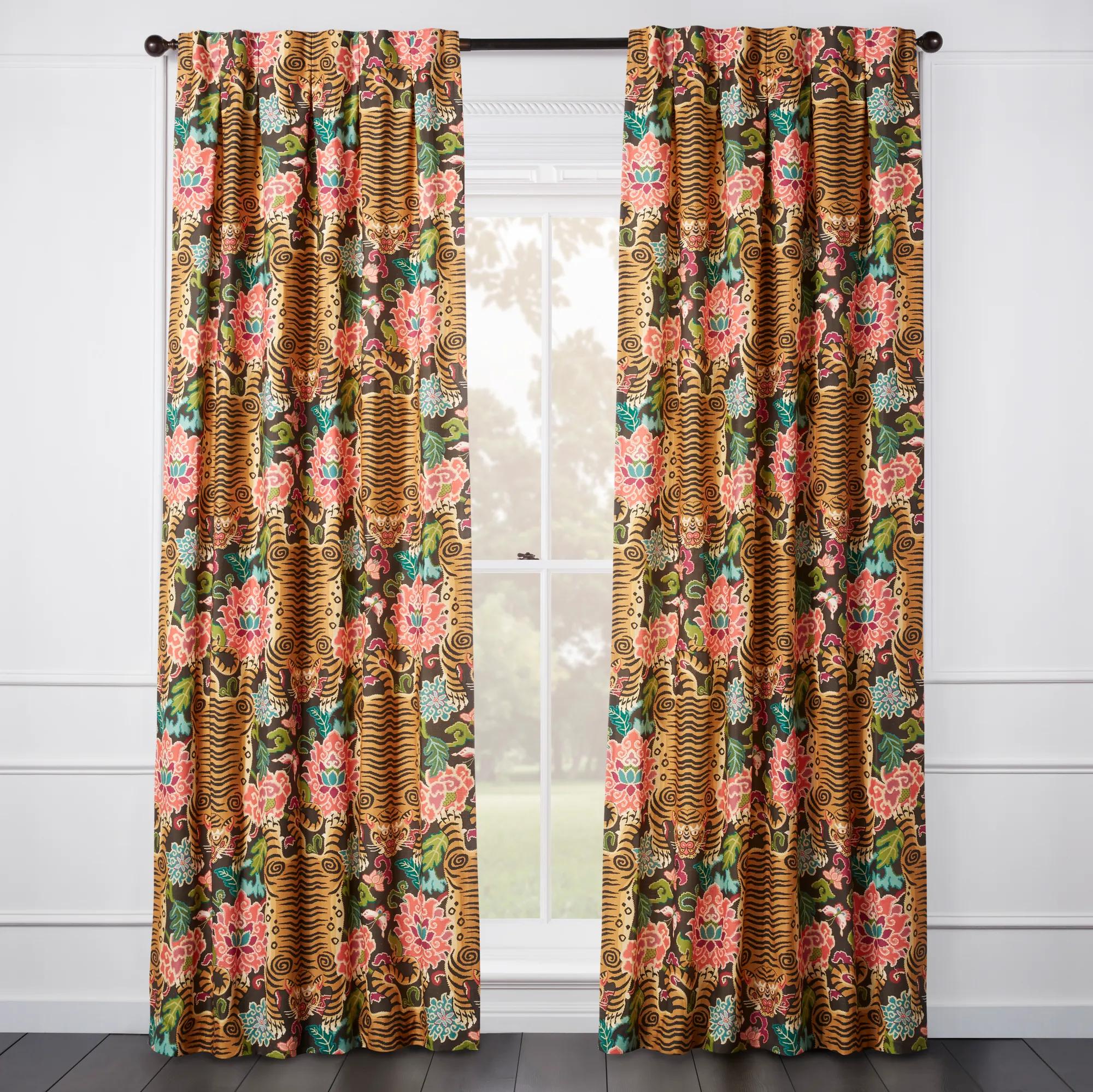 Nimer Gold/Multi Printed Slubbed Cotton Window Curtain Panel$349
A lively gold and multi-colored cotton curtain panel featuring a bold tiger print and customizable options.
Add To Cart

Window Panels For Professional Home Stagers
Window Panels For Professional Home Stagers are the secret to transforming ordinary rooms into unforgettable showcases. With every sweep of sumptuous fabric and every glint of light filtered through artfully draped textiles, these panels set the stage for spaces brimming with possibility. Designed to evoke emotion and inspire imagination, they lend an air of curated luxury that captures attention and elevates every detail. For those who orchestrate interiors with a masterful eye, window panels become the finishing touch—framing each room in sophistication, drama, and undeniable allure.
Window panels are among the most quietly transformative elements in a staged interior. They soften hard architectural lines, frame the view, and give a room the polished finish buyers often associate with thoughtful design. For professional home stagers, the most versatile choices are typically lightweight, floor-length panels in adaptable neutrals such as luminous white, warm ivory, soft cream, or refined light gray. These tones complement a wide range of temporary furnishings, from sculptural contemporary silhouettes to warm wood pieces, while allowing the architecture of the property to remain the star. Soft linen, faux-linen, cotton, and semi-sheer polyester fabrics are especially useful because they filter daylight with an airy, elevated effect rather than absorbing it. During a daytime showing, natural light should feel abundant and effortless; a sheer or lightly woven panel can diffuse the glare while preserving the bright, welcoming atmosphere that helps a living room, bedroom, dining area, or home office feel spacious. In a home with limited sunlight, pale panels can create a gentle veil at the window without making the space appear enclosed. In a sun-filled property, they lend the glass a graceful softness and keep the room from feeling stark. Browse Modern Home Window Panels for a versatile foundation to a staging inventory, particularly when the goal is to create a cohesive visual language from one property to the next. Since these panels may be moved between homes with different proportions and finishes, prioritize neutral color, easy coordination, and a fabric with enough drape to fall elegantly rather than appearing stiff or overly formal. A panel that catches the light with a subtle woven texture can make an unfurnished room feel considered, while a smooth, softly luminous finish brings a more tailored note to a formal sitting room or primary suite.
Scale and installation have an outsized influence on the result. Before purchasing, measure both the window and the full wall area around it, noting ceiling height, baseboards, radiators, built-ins, and any furniture that may sit beneath the glass. Floor-length panels generally create the most polished impression for staging, with 84-, 96-, or 108-inch lengths offering flexibility across common residential proportions. The ideal hem should meet the floor with a clean “kiss” or a nearly imperceptible break; fabric pooling can appear romantic in a permanent home, but it may collect dust, catch beneath furniture, or photograph as untidy in a property prepared for sale. When possible, mount the rod approximately 4 to 6 inches above the window frame, or closer to the ceiling when the architecture allows, and extend it about 3 to 6 inches beyond each side of the window. This placement draws the eye upward and outward, making the window feel broader and the ceiling feel more generous. It also allows the panels to be pulled fully away from the glass during showings, preserving every available beam of daylight. For a rich, high-end appearance, plan on generous fullness rather than a flat span of fabric; a standard window often benefits from at least two panels on each side when the wall width and hardware support that arrangement. Always confirm the finished panel dimensions and rod capacity before ordering, especially for wide windows, sliding glass doors, or rooms with unusually tall ceilings. A professional staging kit benefits from a thoughtful range of lengths and a few adaptable mounting solutions, but consistency matters just as much as variety. Panels that share a restrained palette and similar visual weight can travel from a bright condominium to a traditional residence without making the furnishings feel mismatched. Keep additional considerations in view as well, including machine-washable care, wrinkle resistance, opacity, panel width, and the ease of transporting or storing the fabric between installations.
The best window panels for home staging support the story a property is already telling. In a living room, softly gathered neutral fabric can frame a seating arrangement and make the windows feel like an architectural focal point rather than an afterthought. In a bedroom, floor-length panels introduce a note of serenity and height, especially when paired with layered bedding and warm, sculptural lighting. In a dining room, a fine weave can temper reflective surfaces and create a more intimate setting without competing with artwork, a dramatic table, or an elegant chandelier. For a home office, lightly filtering panels lend privacy while maintaining the clear, energized feeling that buyers respond to in a well-lit workspace. Keep patterns restrained when the panels are intended for repeated staging use. Bold prints, very dark colors, and heavy, stiff fabrics can visually shrink a room, overpower neutral furniture, or limit the number of properties where the panels feel at home. That does not mean the room must feel bare or predictable; understated texture, a gleaming rod, and carefully considered fullness can deliver plenty of drama while remaining broadly appealing. During warmer stretches, panels can temper bright afternoon light and give interiors a cooler, calmer appearance; during the cooler months, their soft vertical lines add warmth and finish to rooms that might otherwise feel exposed. They are a practical investment for staging professionals, real estate teams, developers, photographers, and homeowners preparing a property for market, and they can also be a thoughtful housewarming gift for a design-minded recipient who is refining a new space. The most successful choices are those that photograph beautifully, function reliably, and disappear into the larger composition when they should—then reveal their artistry in the way they frame a view, lengthen a wall, and turn ordinary daylight into part of the room’s atmosphere.
FAQs
In professional home staging, luxurious materials like velvet, linen, silk, and high-quality sheers are favored for their ability to create visual depth and tactile interest. These fabrics not only enhance the overall ambiance but also reflect light in ways that add dimension and warmth to any space.
Window panels have a transformative effect on a room’s mood by diffusing natural light, softening architectural lines, and introducing color or texture that complements the overall design. The right panel can evoke serenity, grandeur, or modern sophistication, depending on its fabric, hue, and style.
Absolutely. Layering window panels—such as pairing a sheer underlayer with a heavier drape—adds depth, drama, and versatility. This technique allows stagers to play with opacity, color, and texture, tailoring the visual effect to suit each room’s unique character and lighting.
Window panels make an elegant and thoughtful gift for new homeowners, recent graduates setting up their first space, or anyone passionate about interior design. They serve as both a practical addition and a creative canvas for personal expression.
Professional stagers often select window panel colors that harmonize with the room’s palette and style. Neutral tones in rich fabrics lend timeless elegance, while bold or metallic accents can add a contemporary edge. The chosen color should enhance the room’s atmosphere without overpowering the overall design.
.jpeg?w=4130&h=4130)


