
Long Length Custom Window Panels
Long Length Custom Window Panels
-
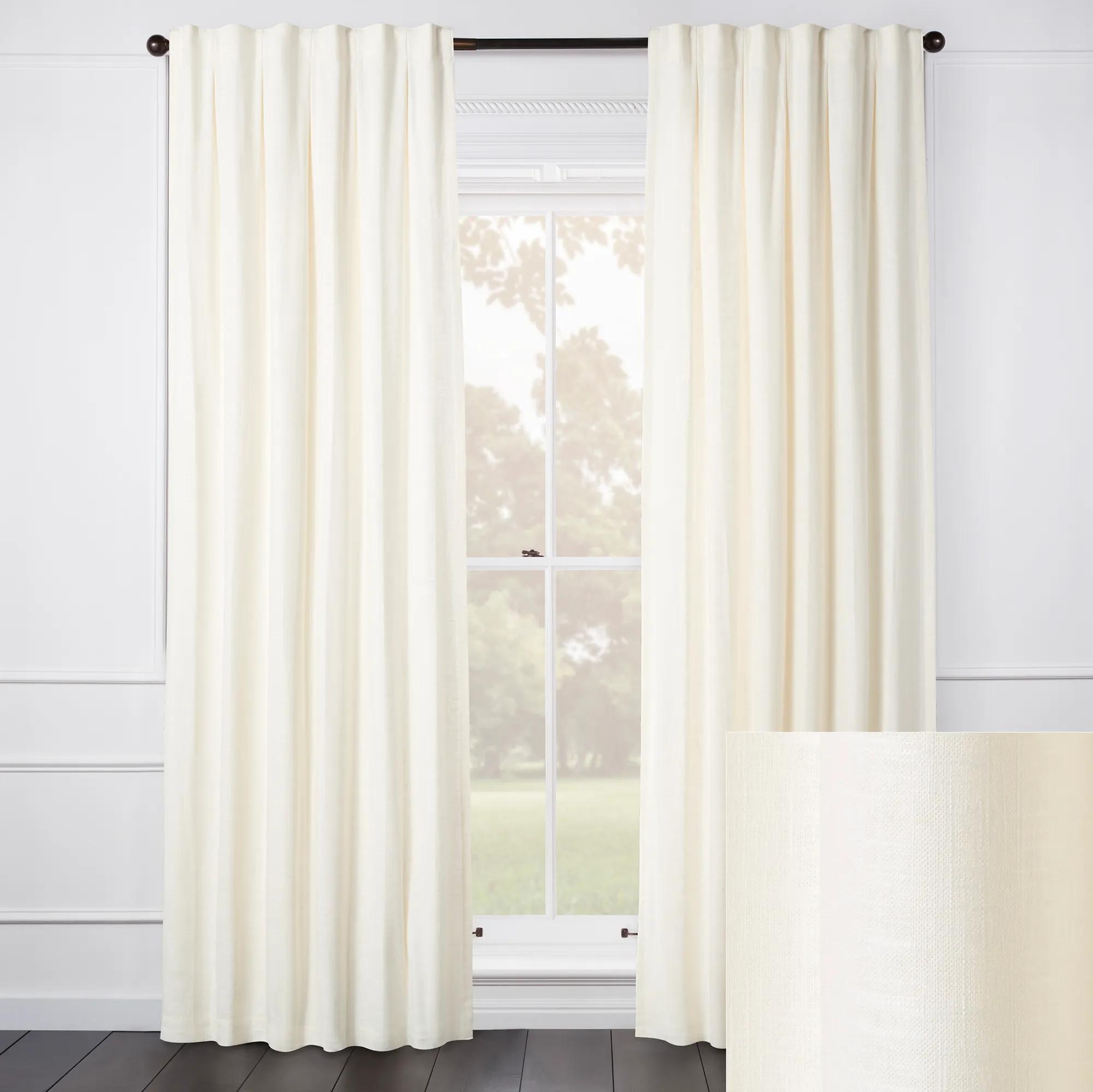
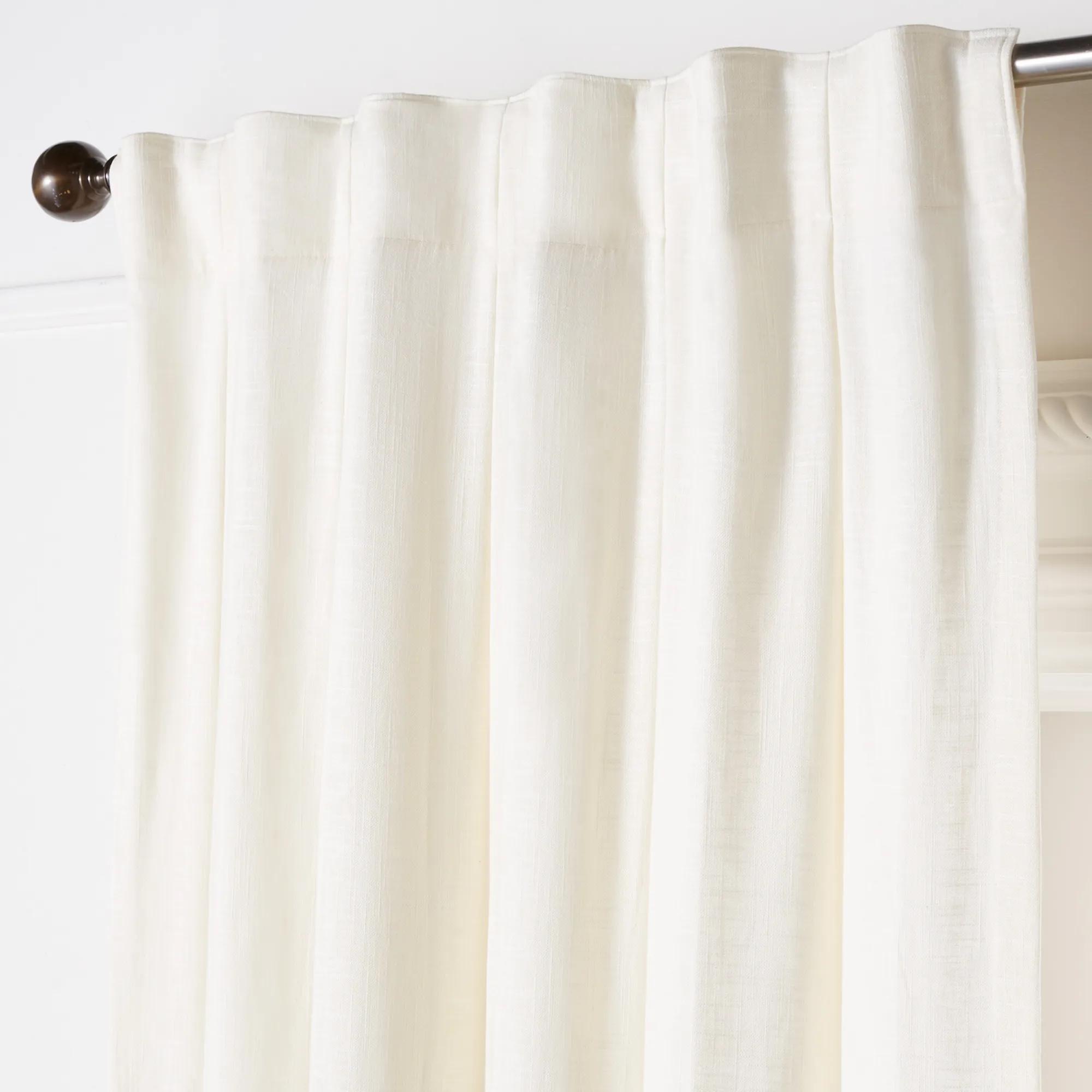 Audrey Linen Ivory Curtain - Custom$269
An ivory linen-blend curtain panel with lining, offering customizable lengths and two elegant header styles.
Add To Cart -
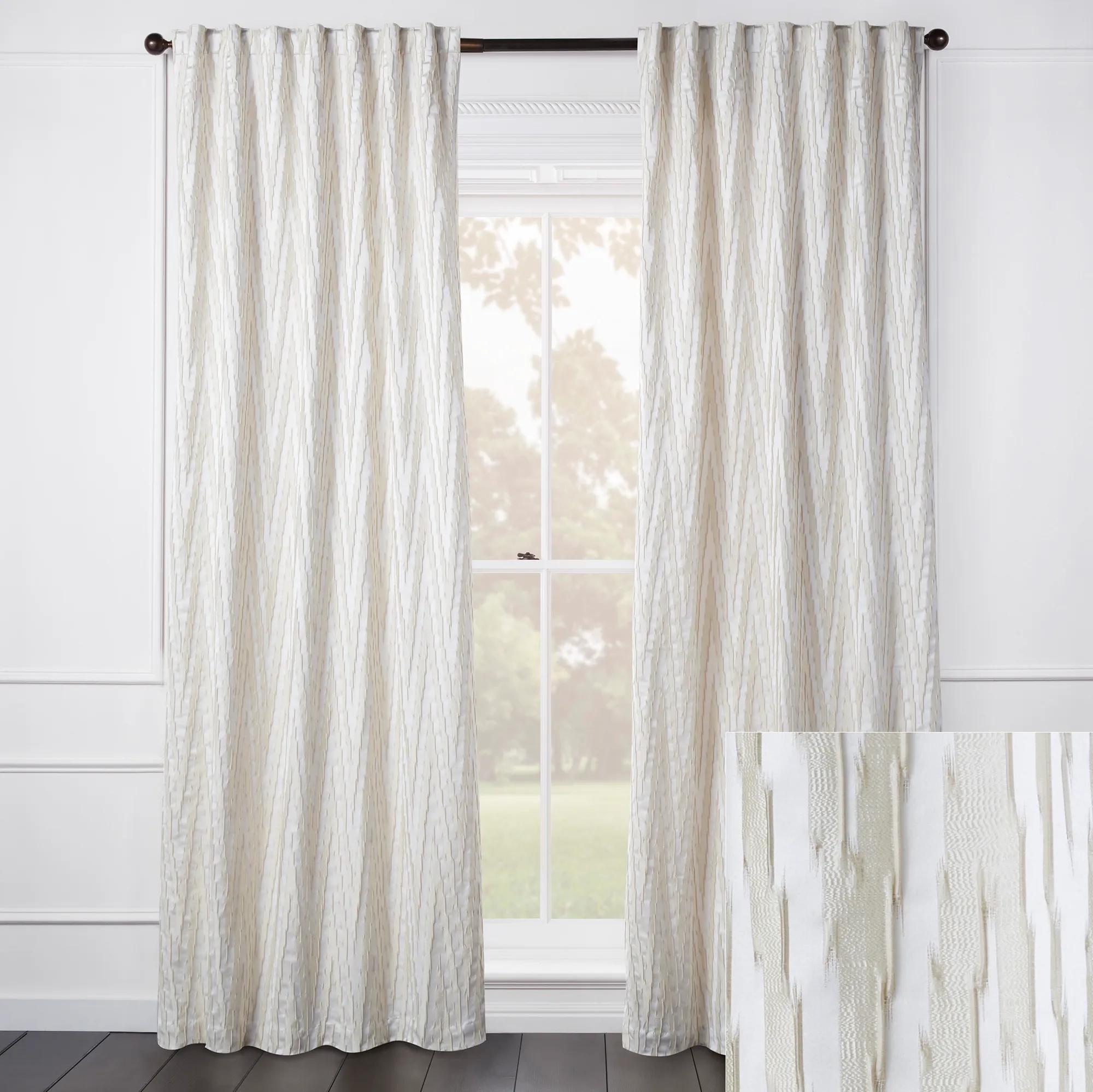
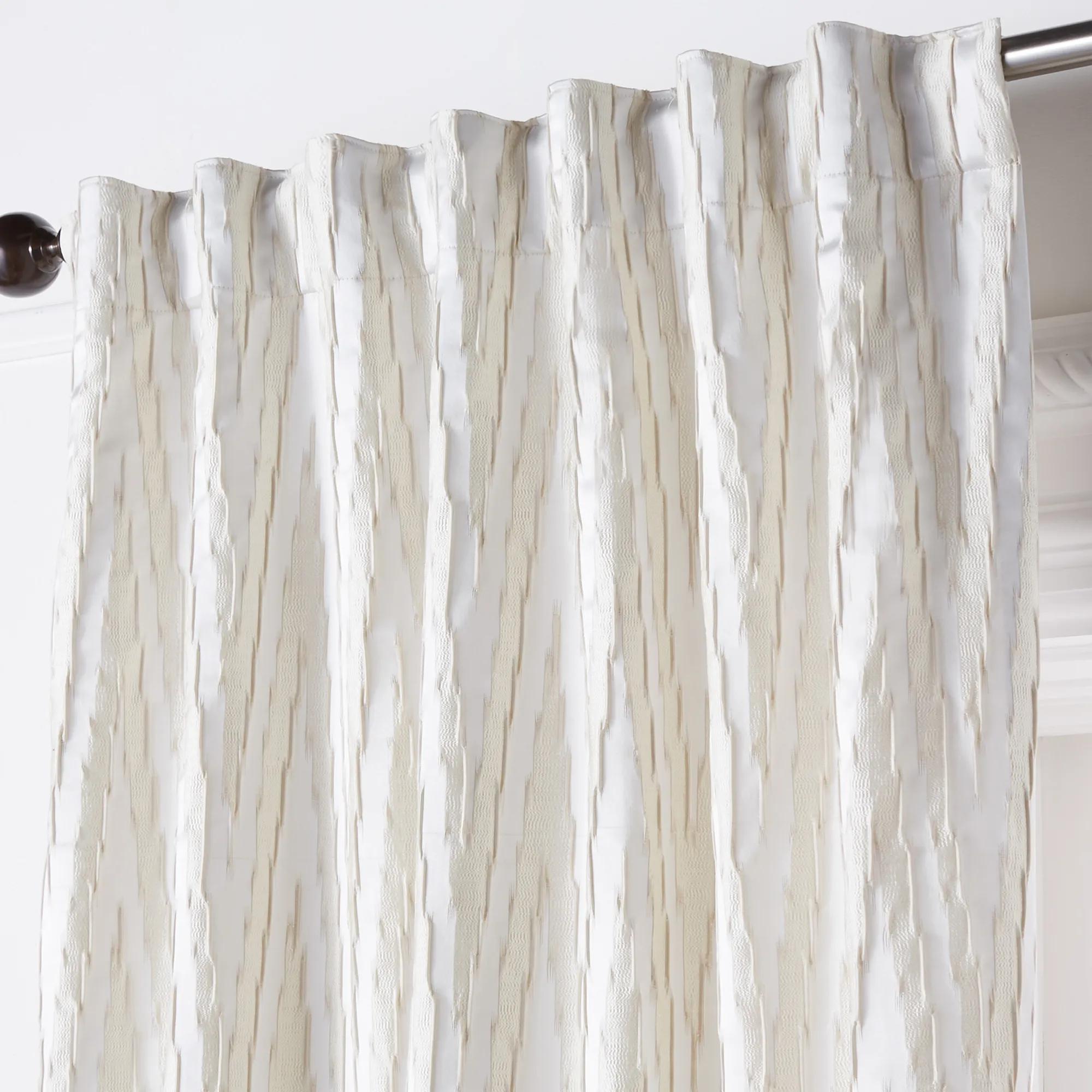 Minka Jacquard Pearl Window Curtain Panel Custom$289
A highly textured chevron curtain panel in pearl, grey, or natural polyester with customizable hanging options.
Add To Cart -
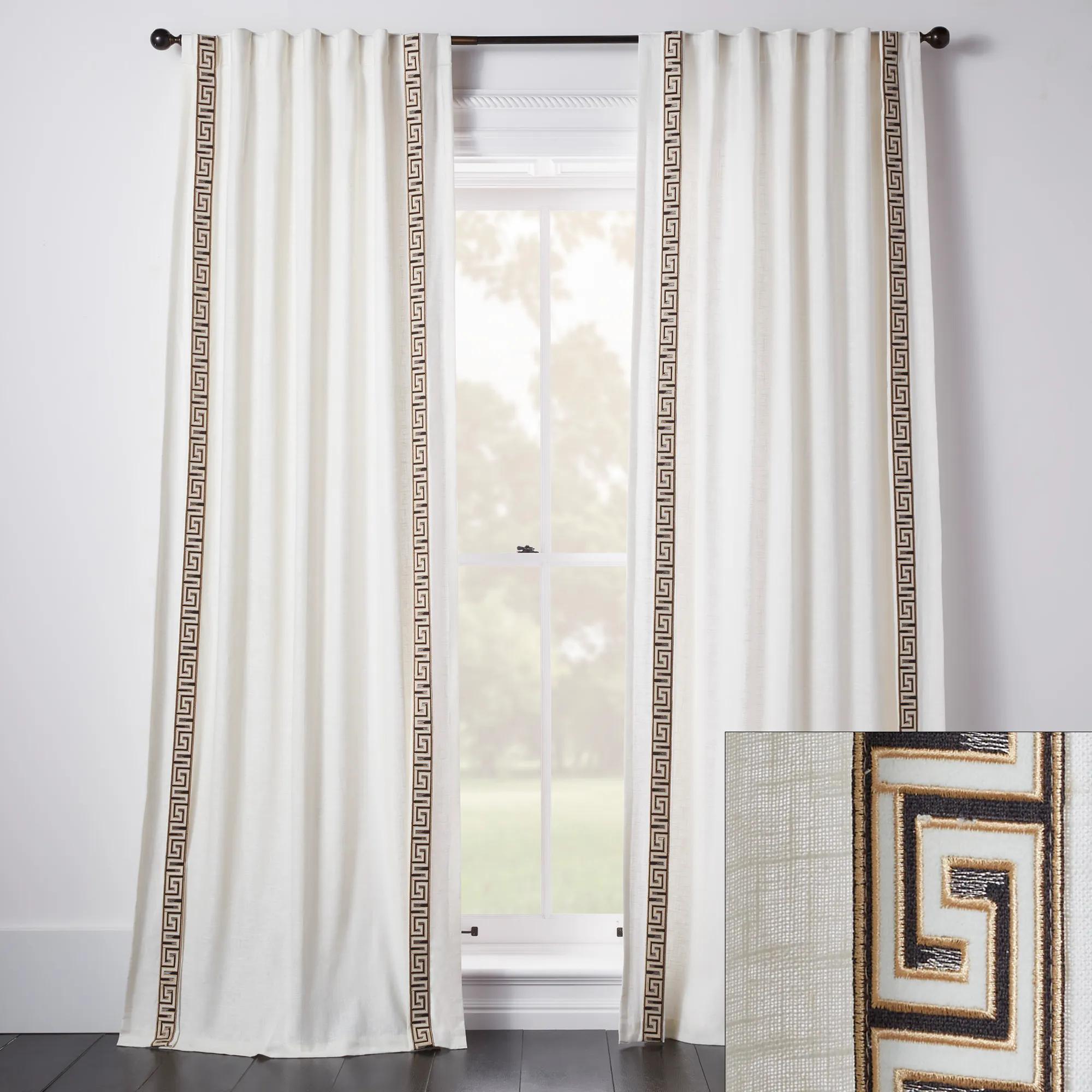 Chole Greek Key Border Velvet Widow Curtain Panels Custom$439
A white linen-blend curtain panel featuring a black and gold velvet Greek key border and customizable options.
Add To Cart -
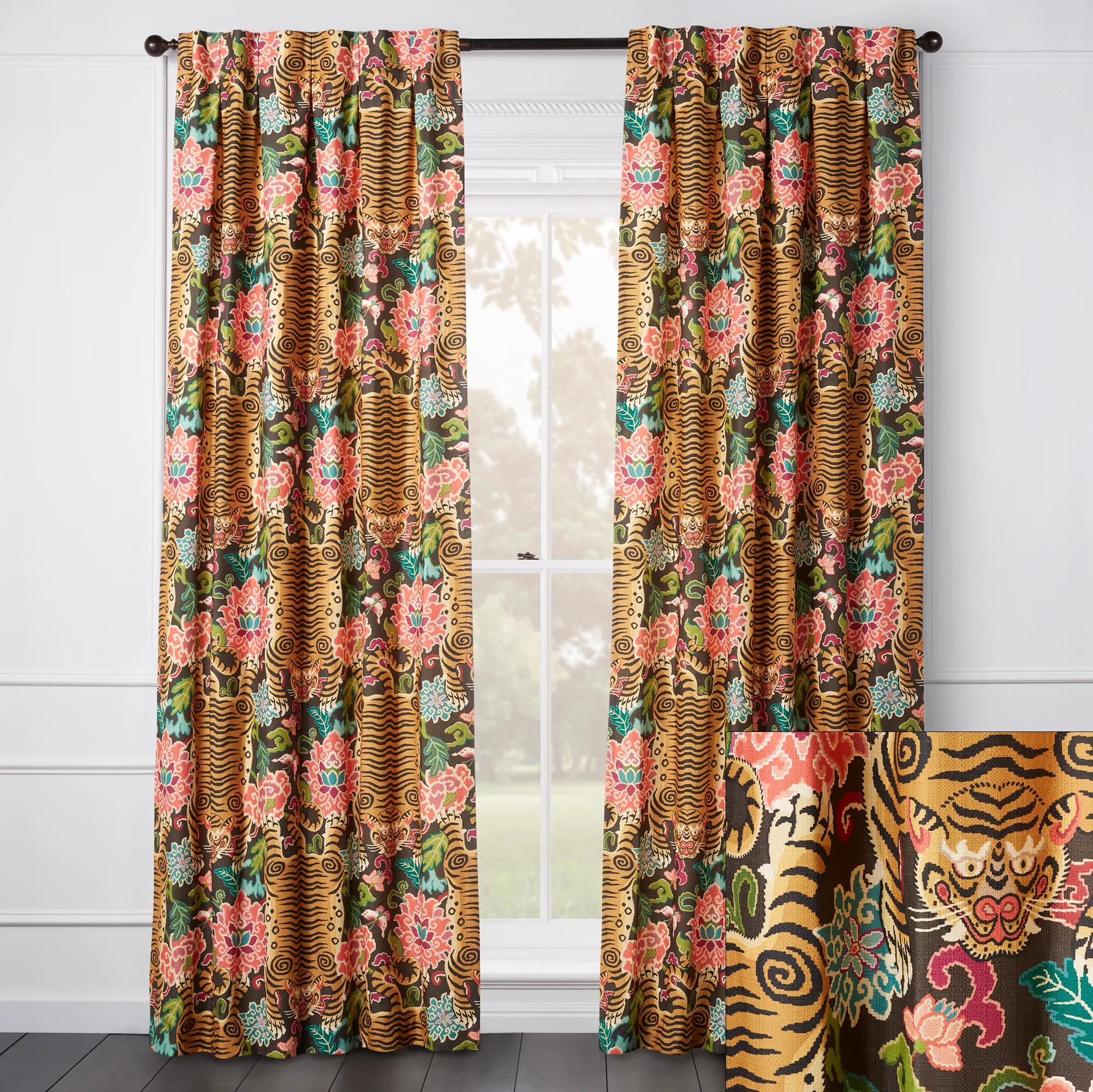
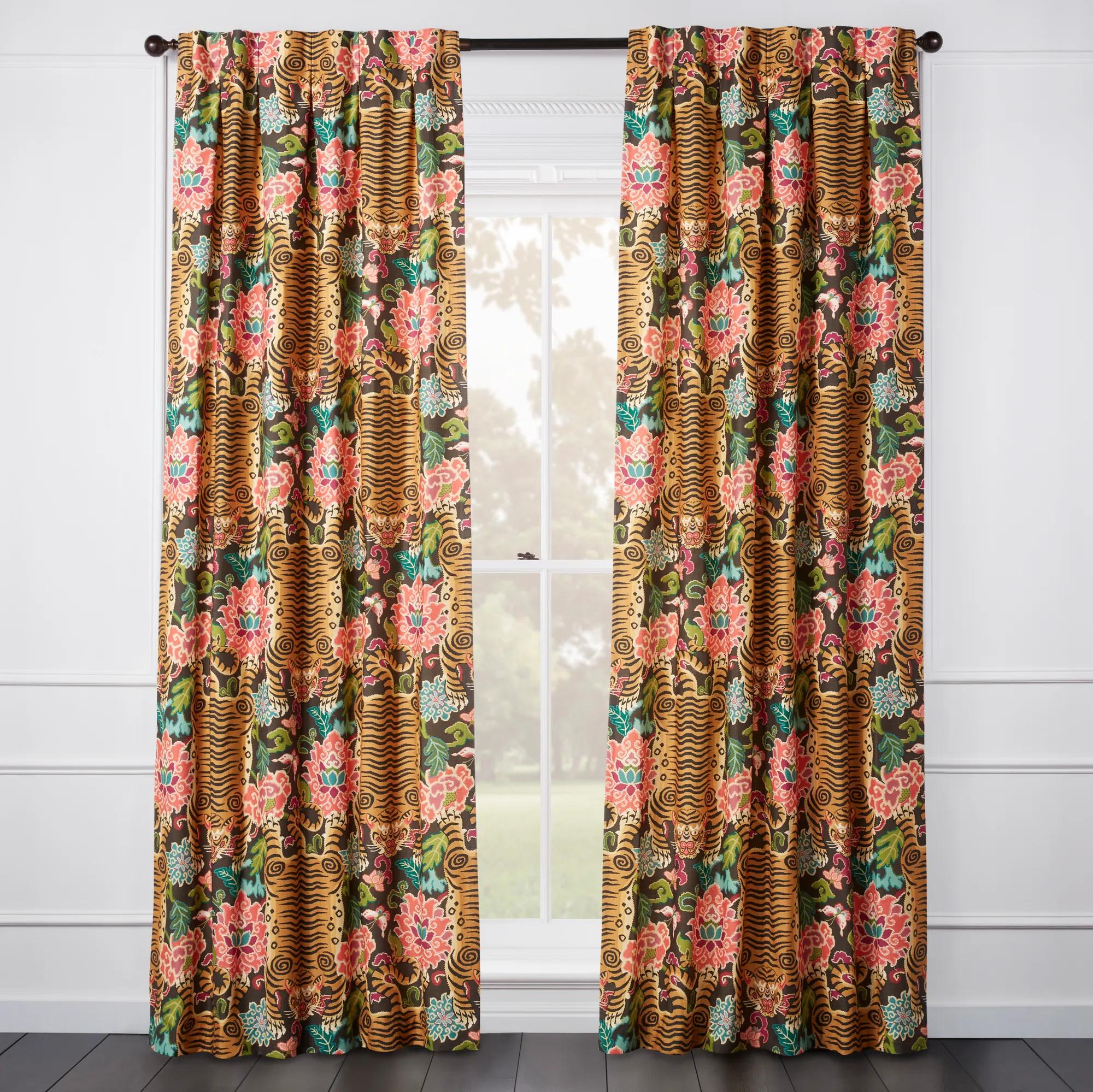 Nimer Gold/Multi Printed Slubbed Cotton Window Curtain Panel$349
A lively gold and multi-colored cotton curtain panel featuring a bold tiger print and customizable options.
Add To Cart -
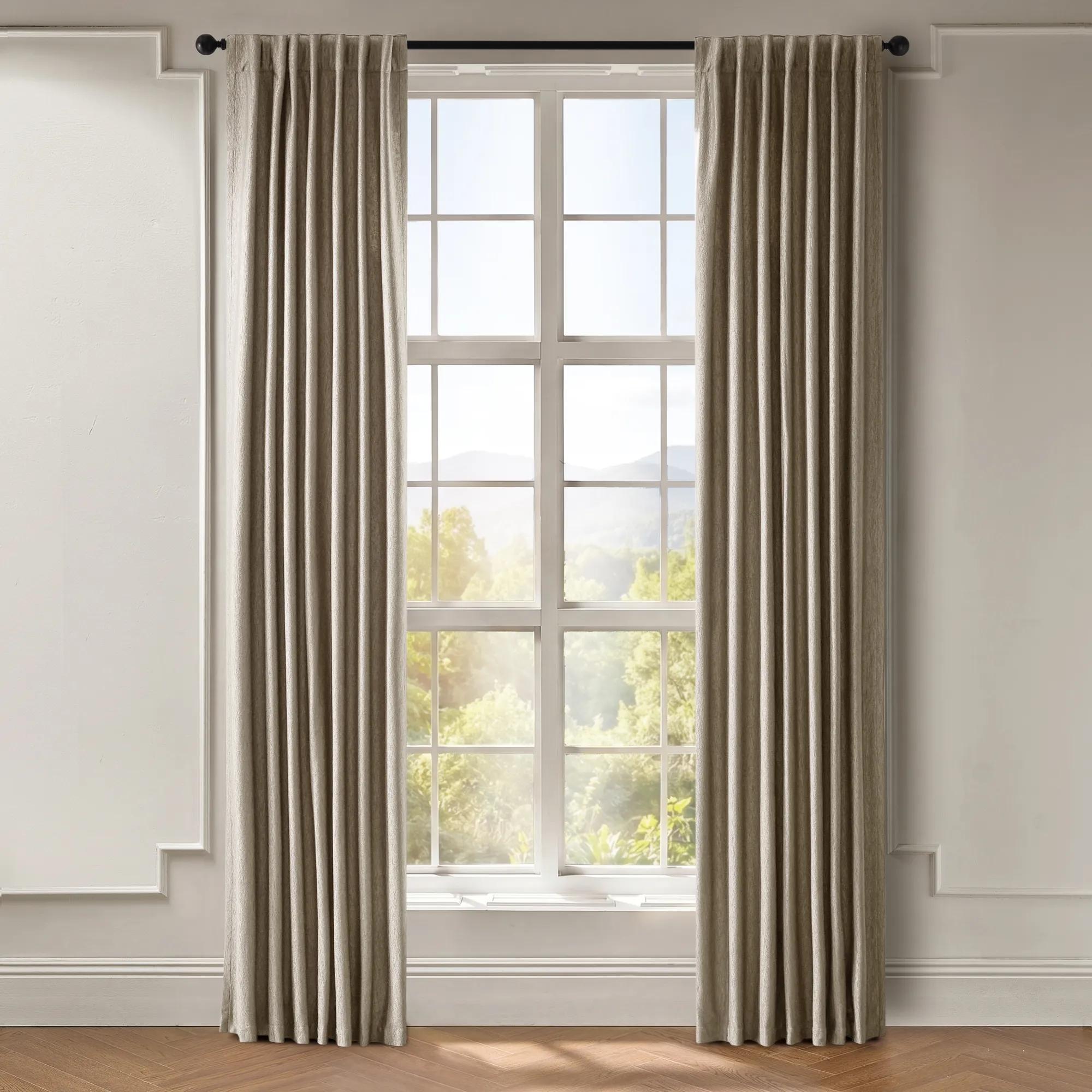
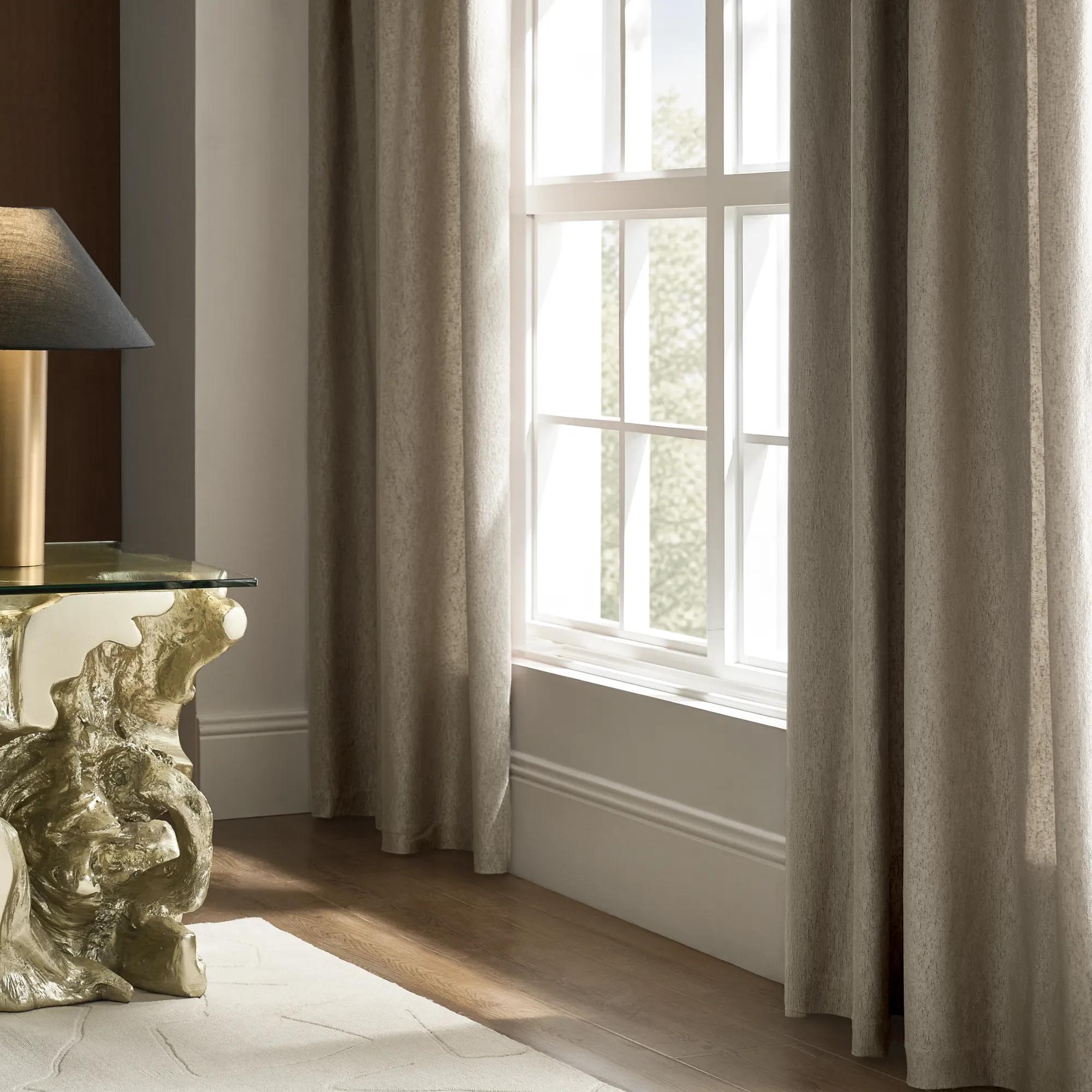 Anson Taupe Textured Window Curtain Panel$89
A taupe polyester curtain panel featuring a crushed sheen texture and room-darkening, dual hanging design.
Add To Cart -
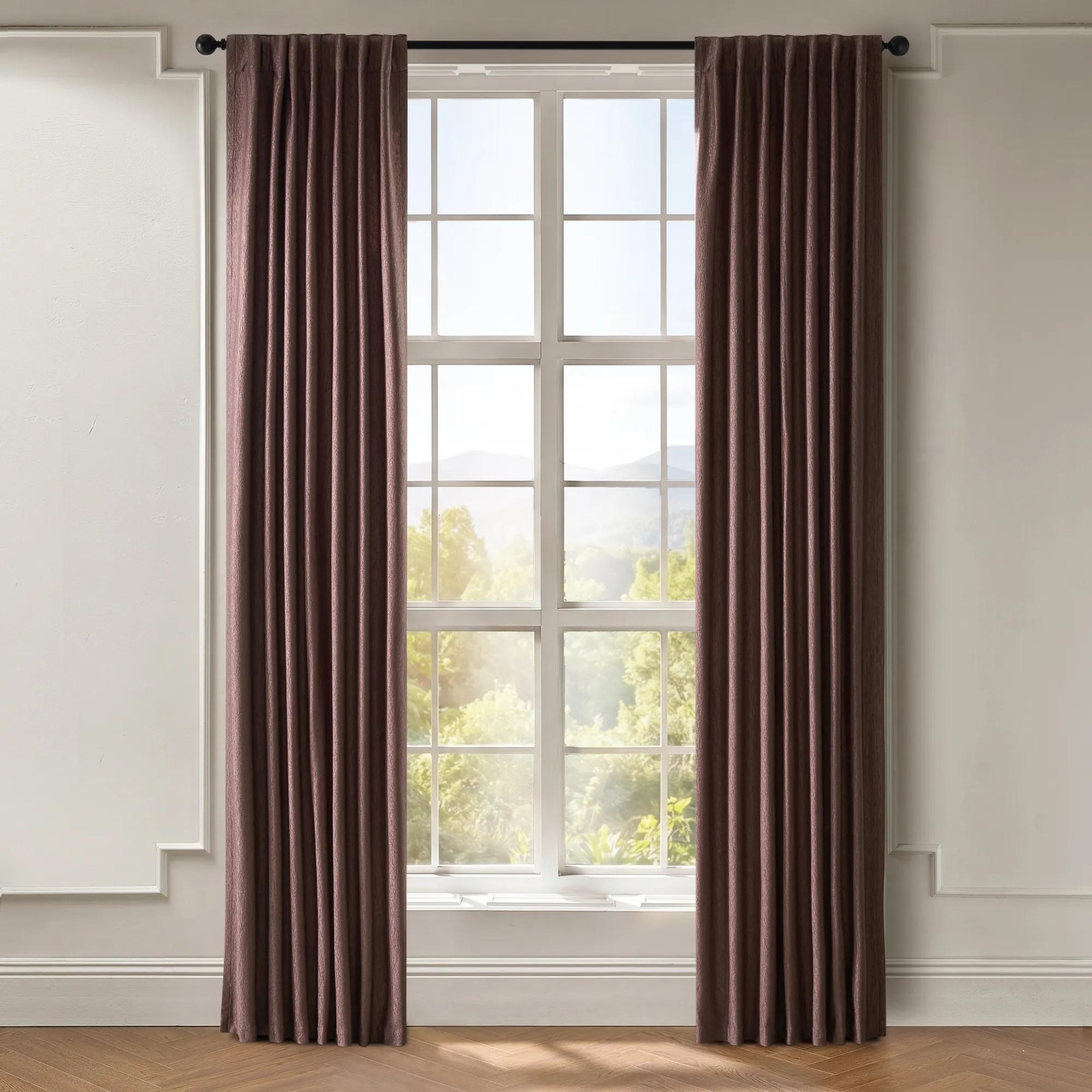
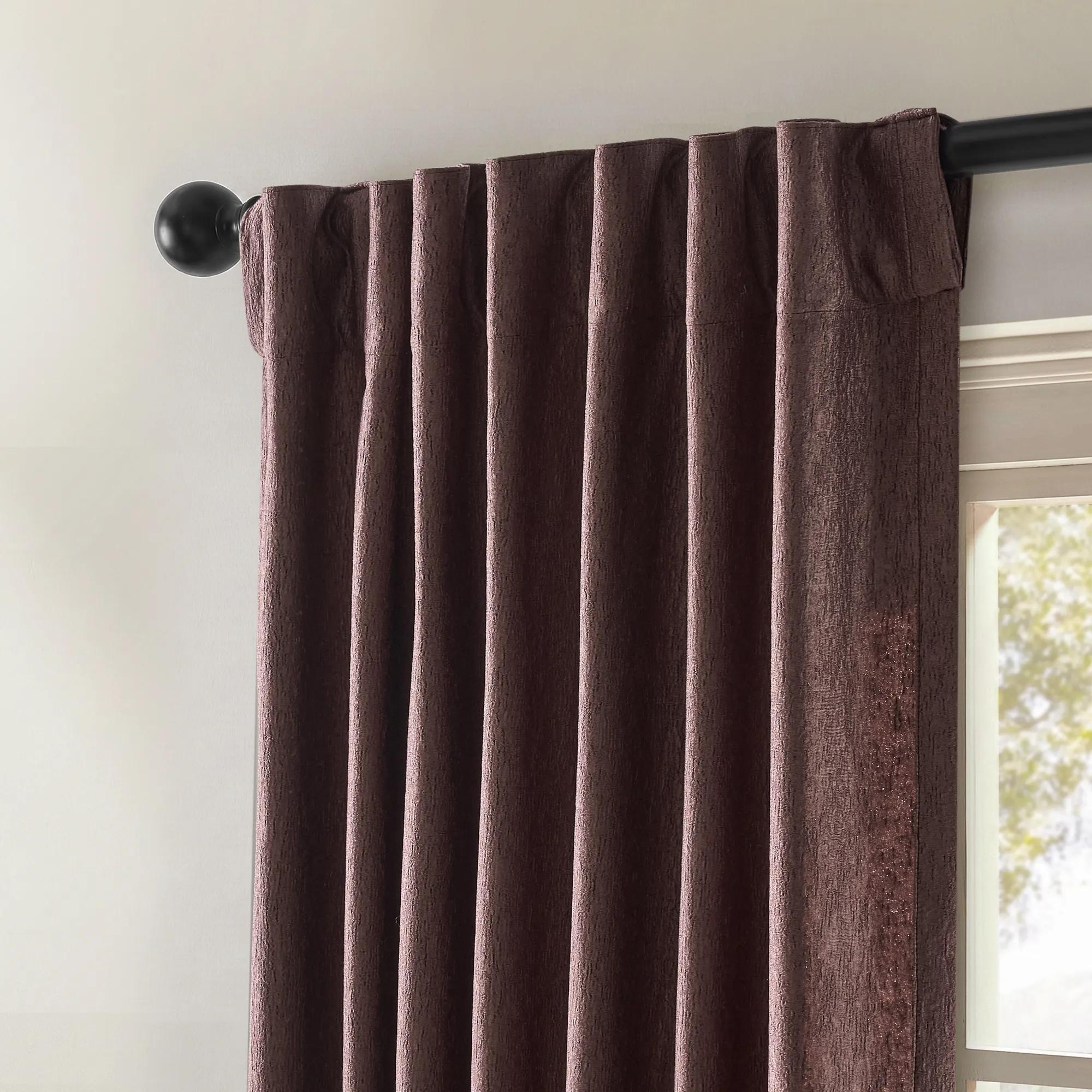 Anson Fig Textured Window Curtain Panel$89
A deep fig curtain panel with crushed sheen texture and room-darkening, dual hanging design in polyester.
Add To Cart -
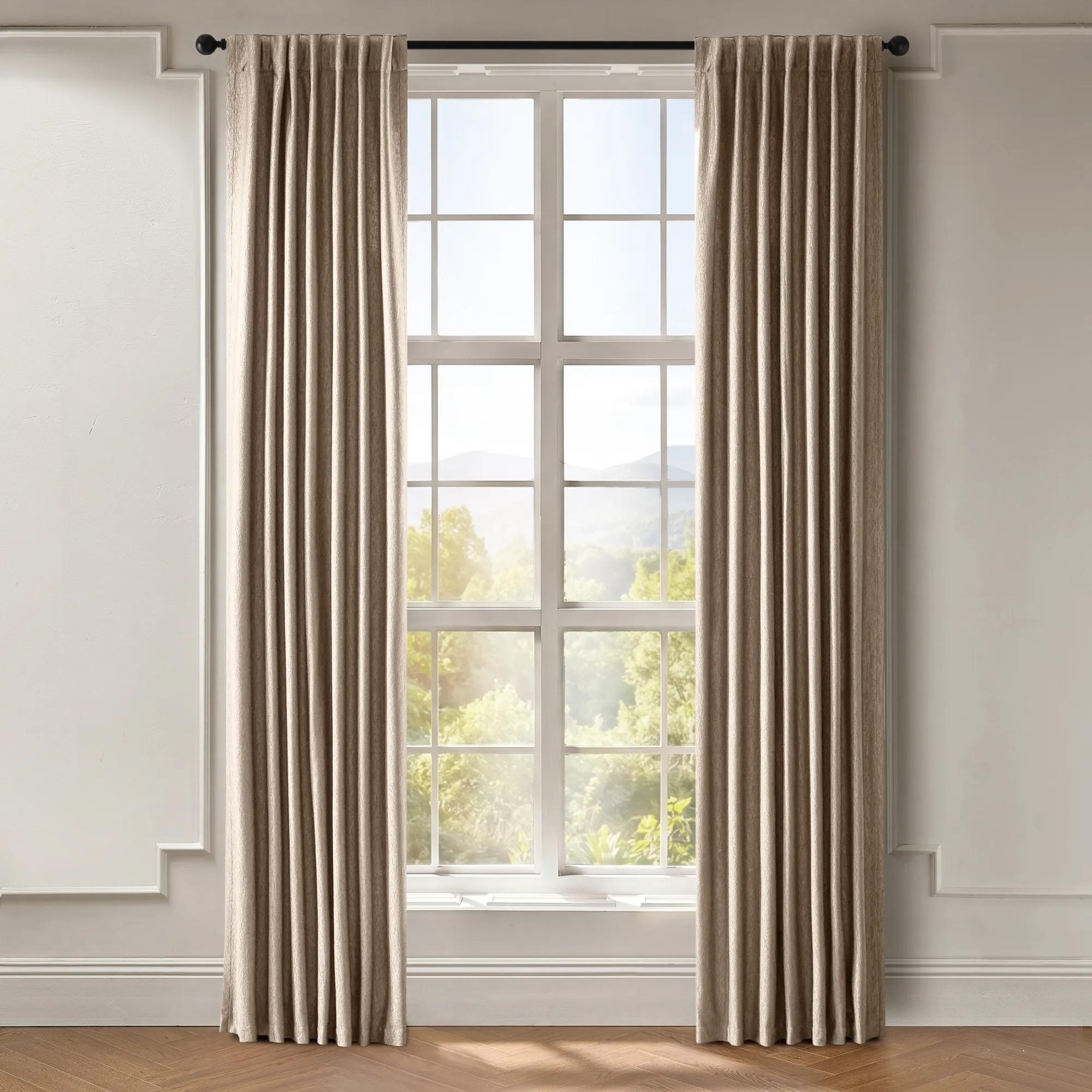 Anson Mocha Rose Textured Window Curtain Panel$109
A light mocha rose curtain panel with crushed sheen texture and room-darkening, dual hanging design.
Add To Cart -
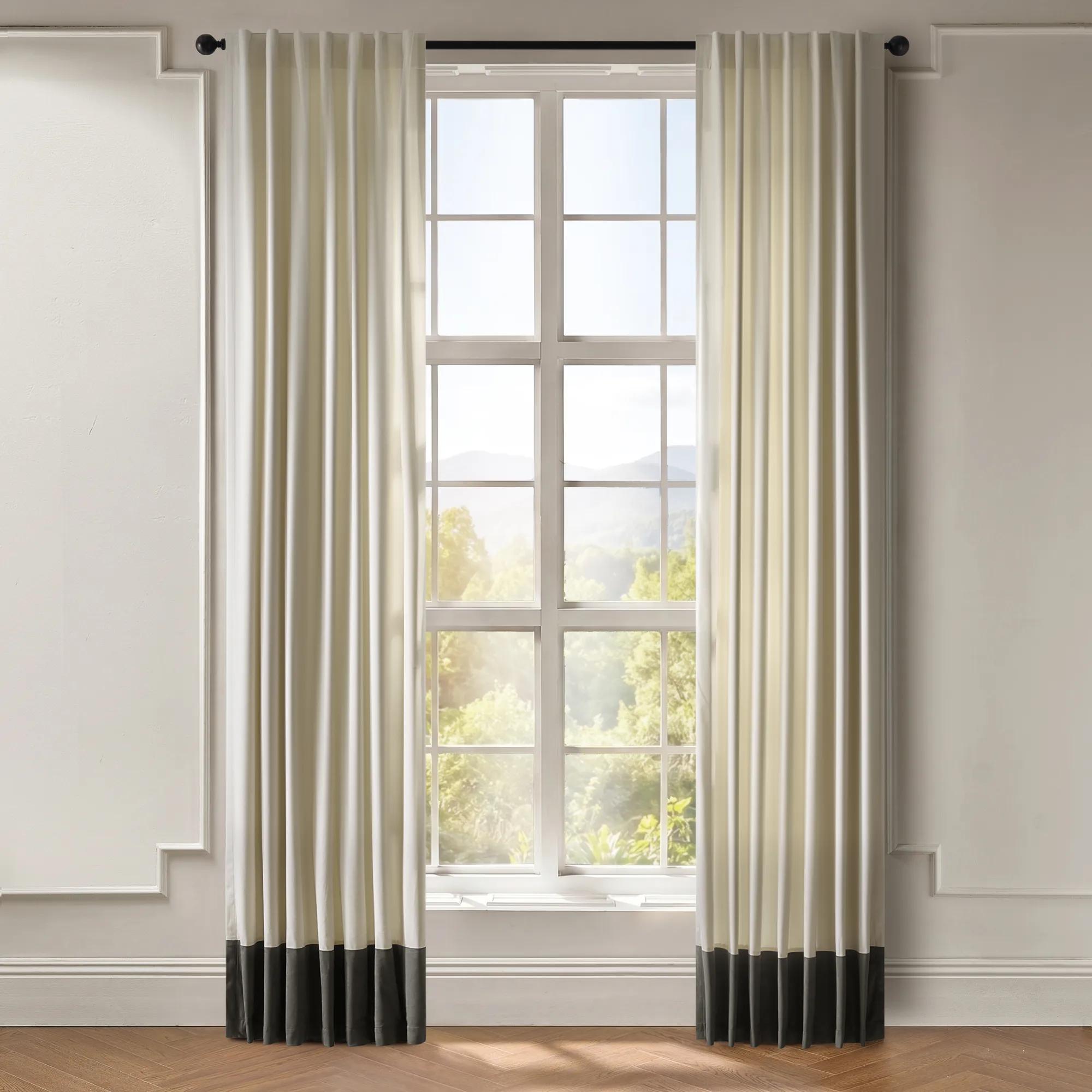
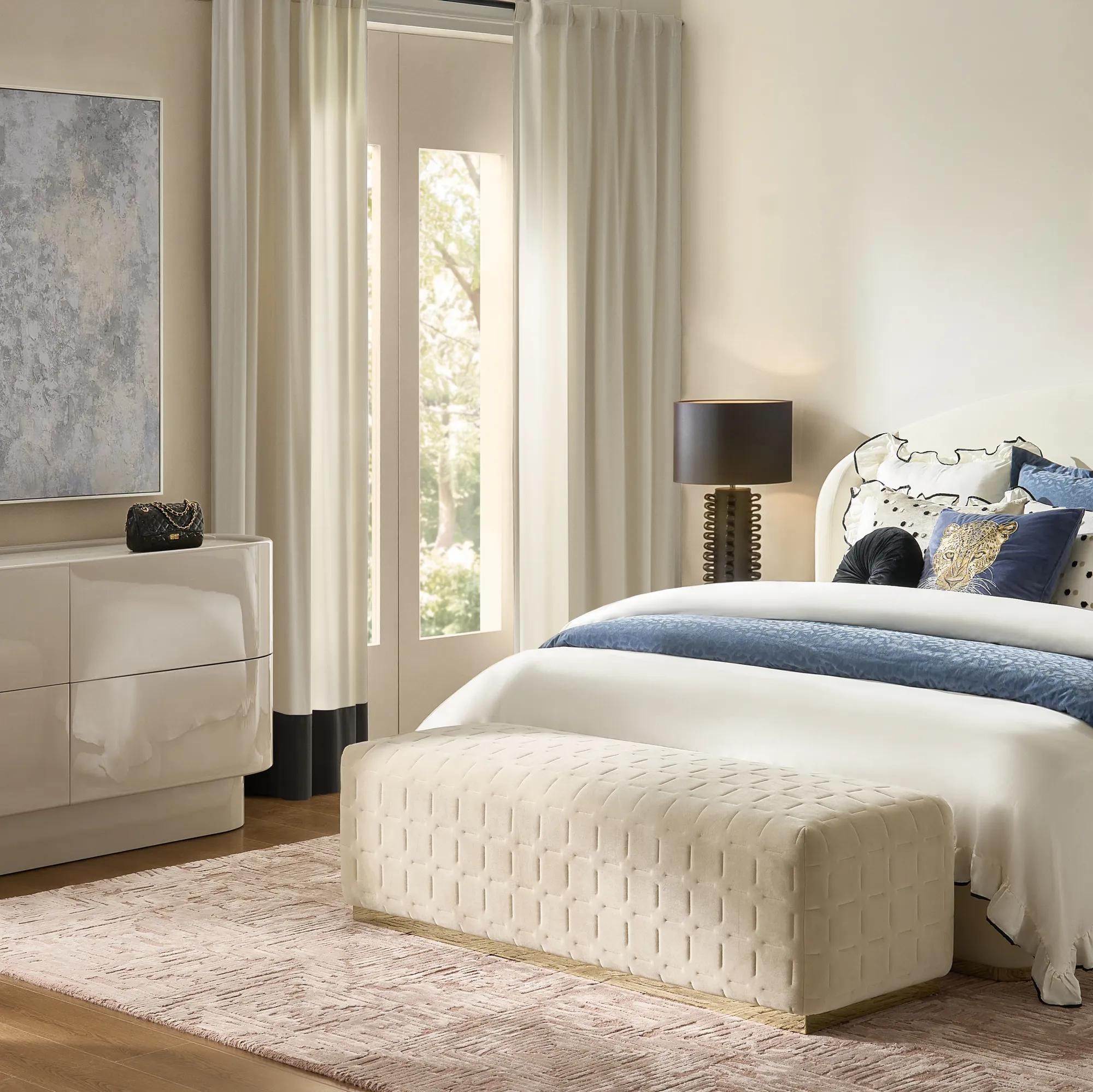 Bastien Ivory/Graphite Velvet Border Window Curtain Panel$99
A two-tone ivory and graphite velvet curtain panel with room-darkening design and versatile hanging options.
Add To Cart -
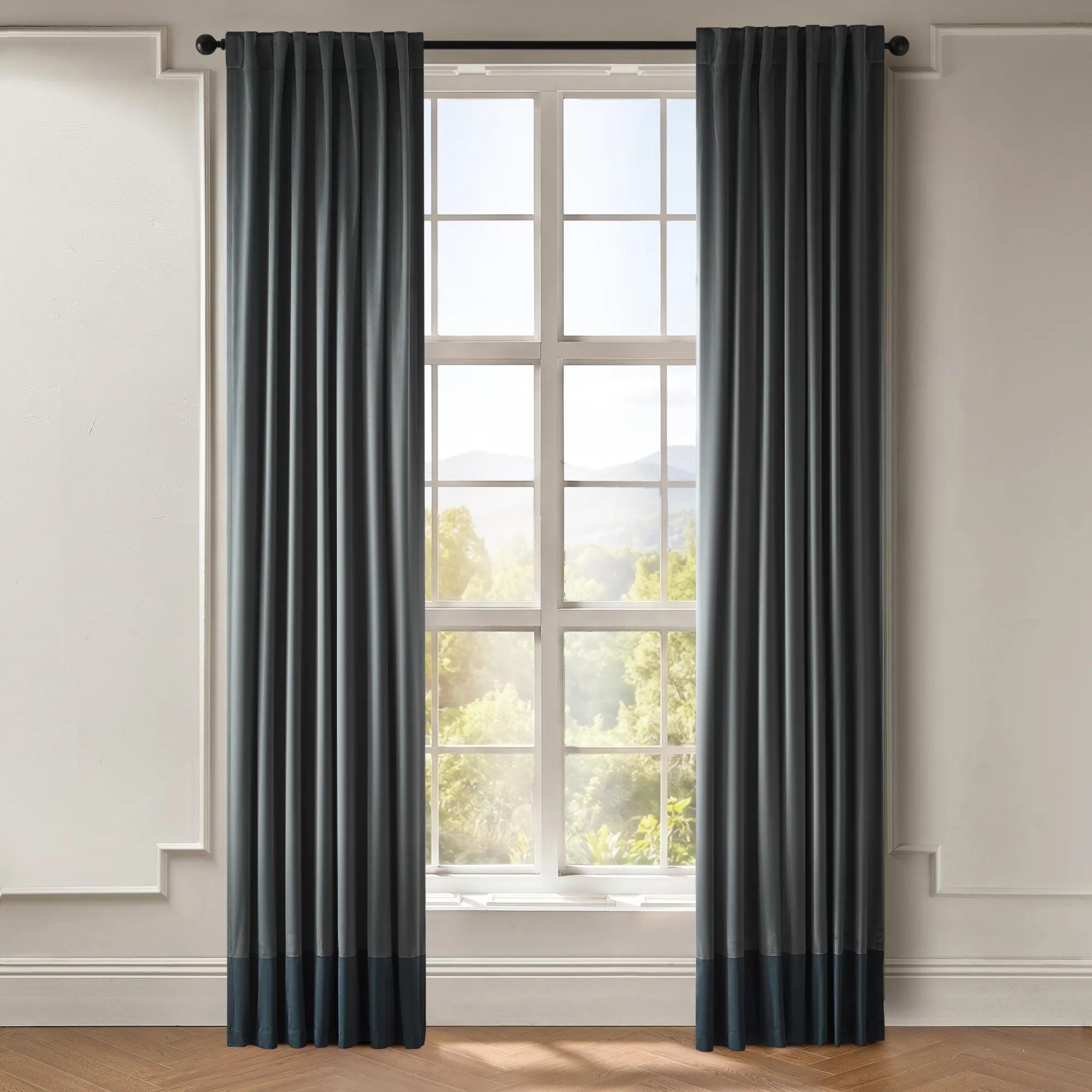
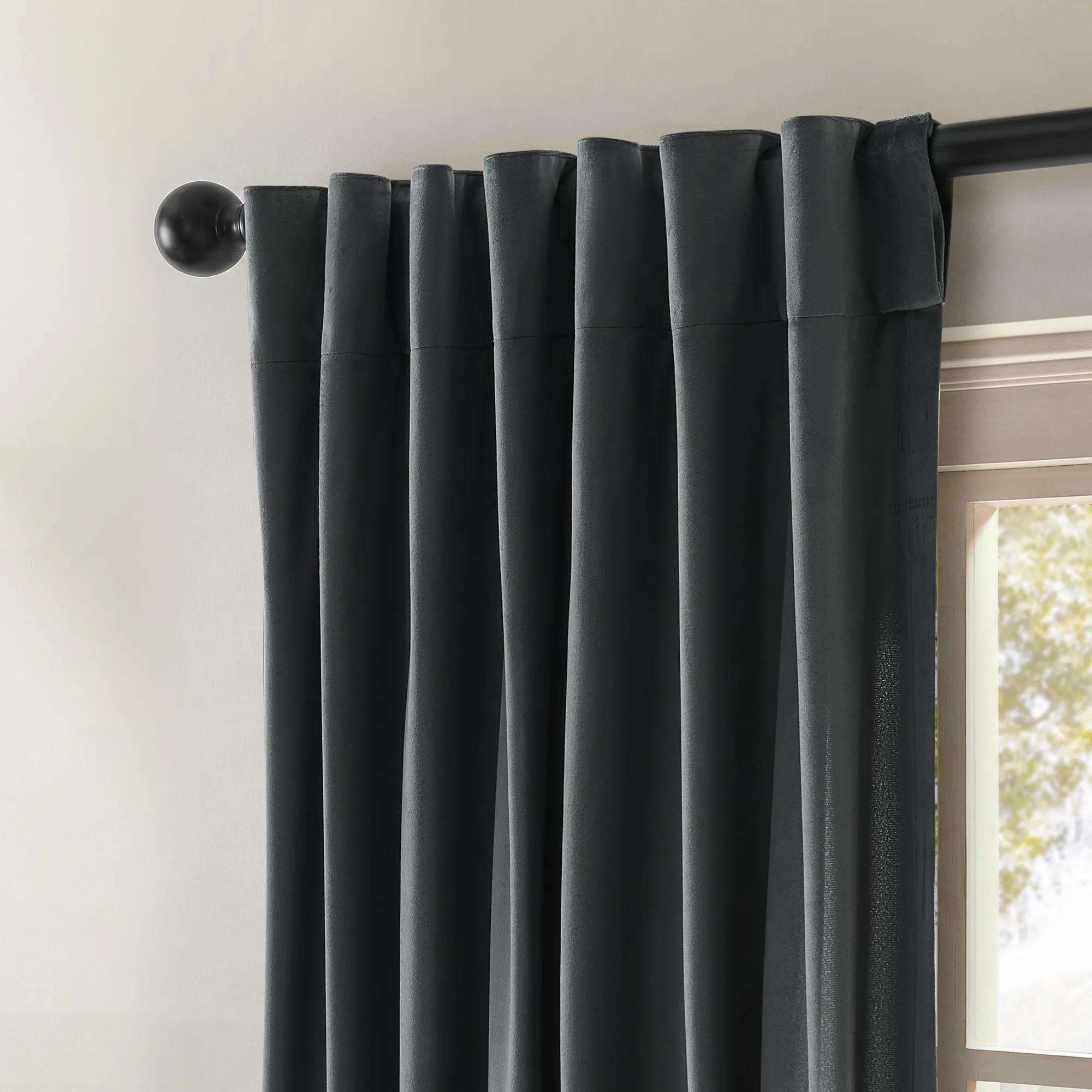 Bastien Blue/Midnight Velvet Border Window Curtain Panel$89
A two-tone dusty and midnight blue velvet curtain panel with a Deco-inspired border and room-darkening design.
Add To Cart -
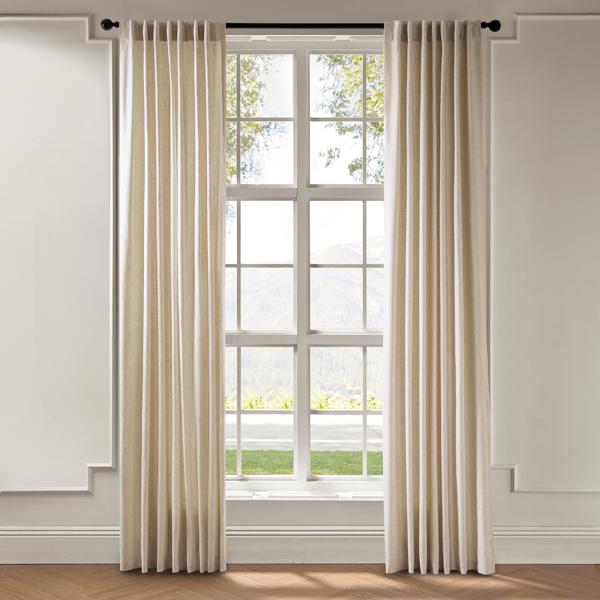
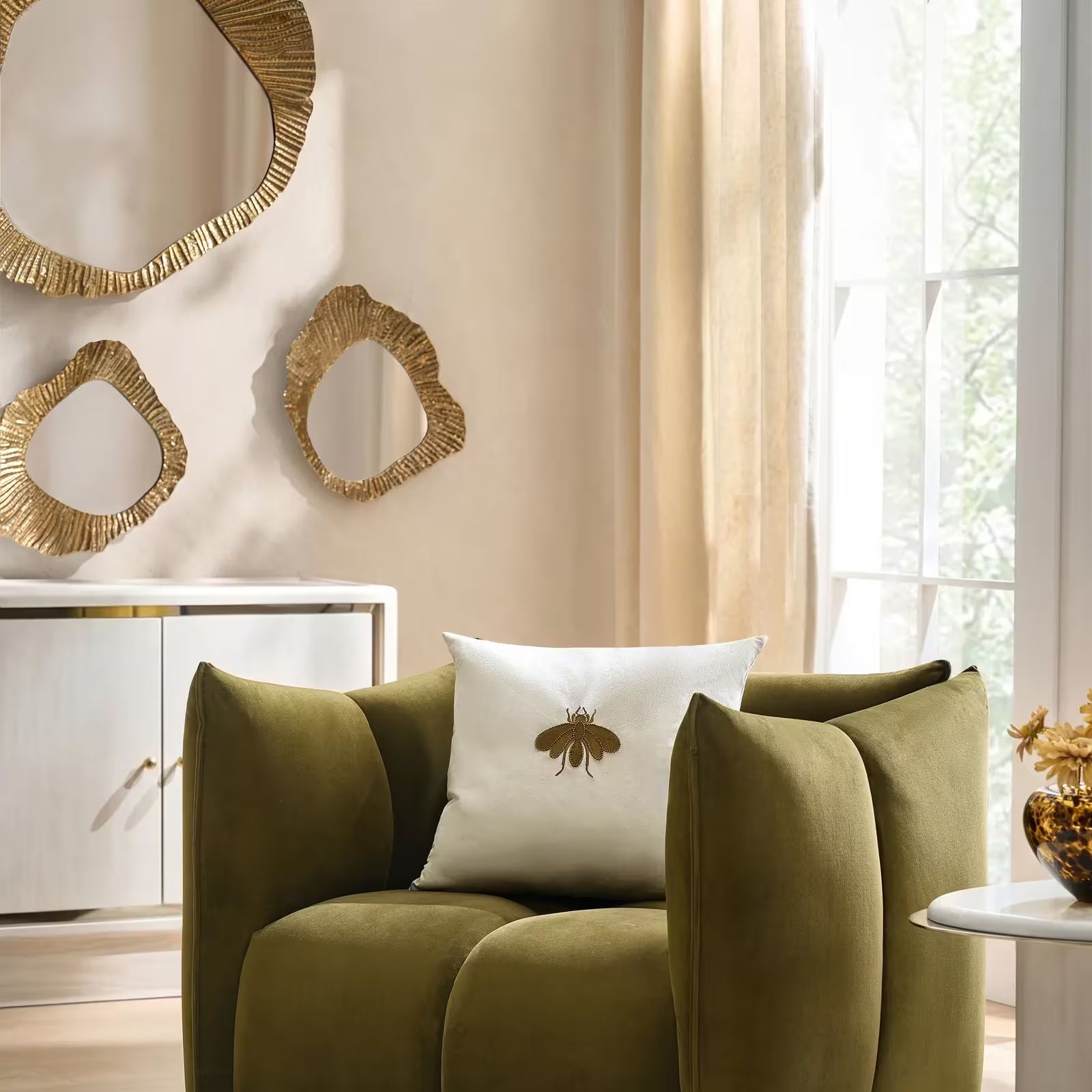 Anson Ivory Textured Window Curtain Panel$99
An elegant ivory curtain panel with a crushed, light-reflective texture for subtle shine and room darkening.
Add To Cart -
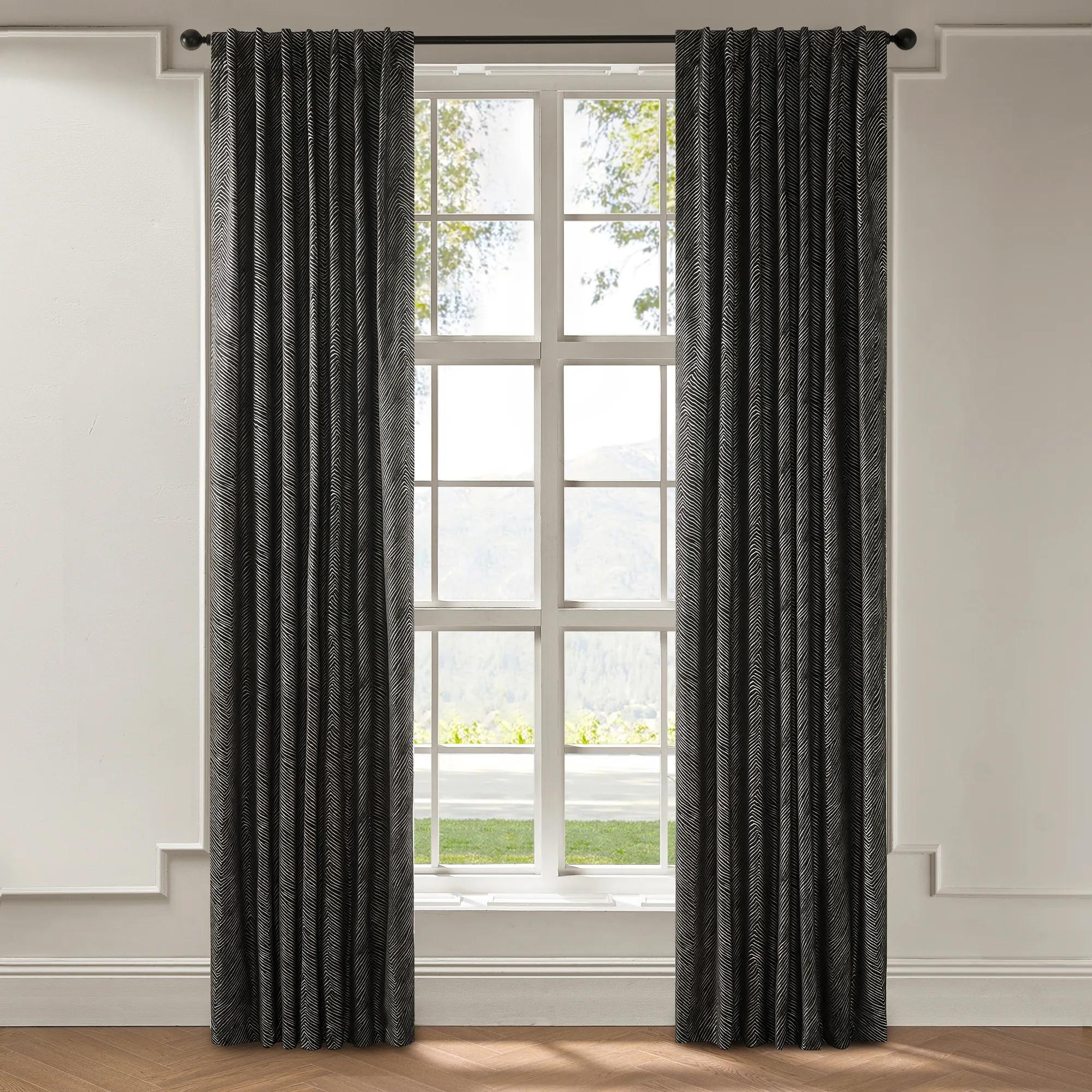
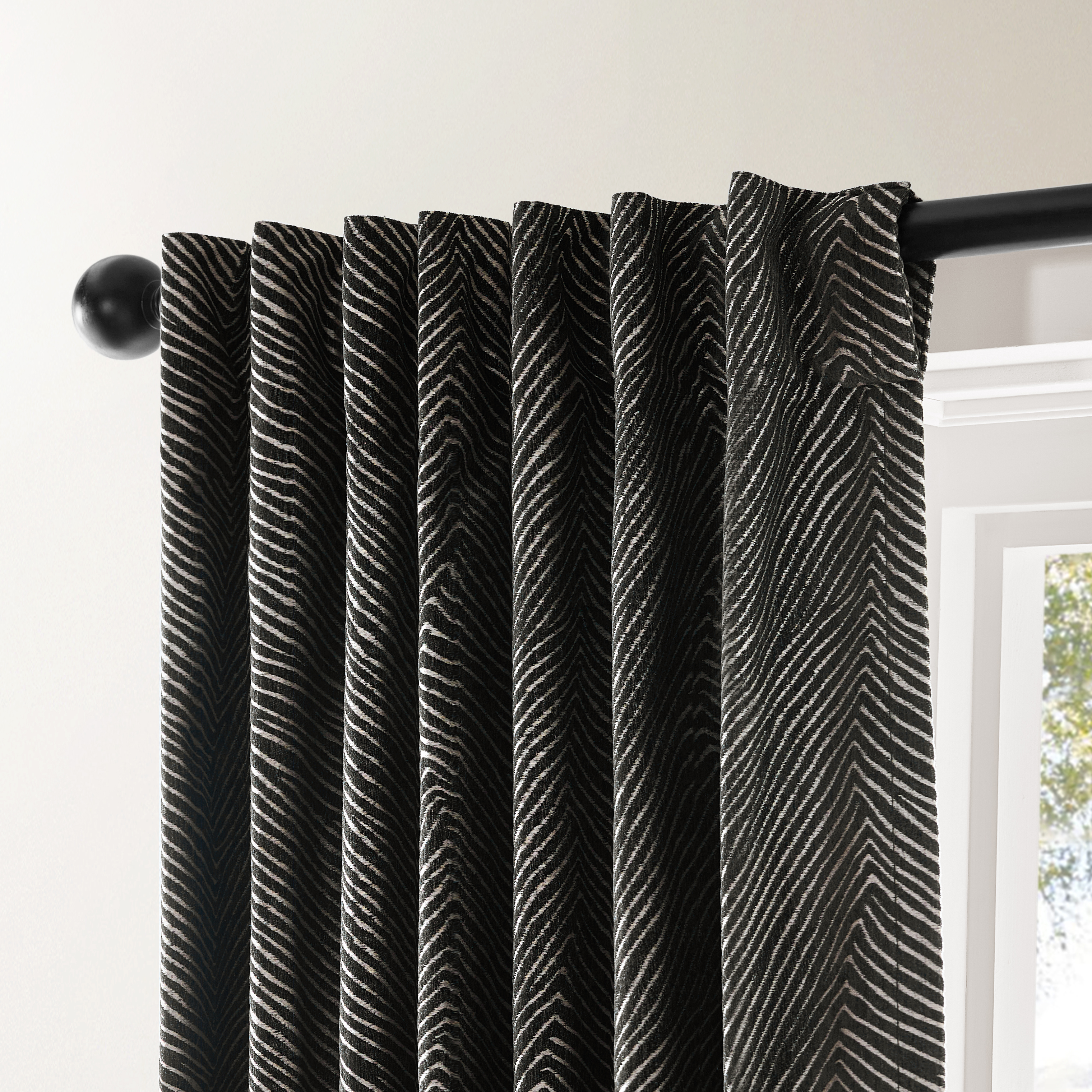 Kenzo Black Chenille Window Curtain Panel$129
A black chenille jacquard curtain with a luxe sheen and versatile dual hanging options.
Add To Cart -

 Adair Sand Solid Velvet Window Curtain Panel$69
A sand-colored velvet curtain offering room-darkening privacy and versatile hanging options for refined interiors.
Add To Cart -

 Adair Midnight Blue Solid Velvet Window Curtain Panel$69
A sumptuous midnight blue velvet curtain that adds elegance, depth, and room-darkening style to any space.
Add To Cart -

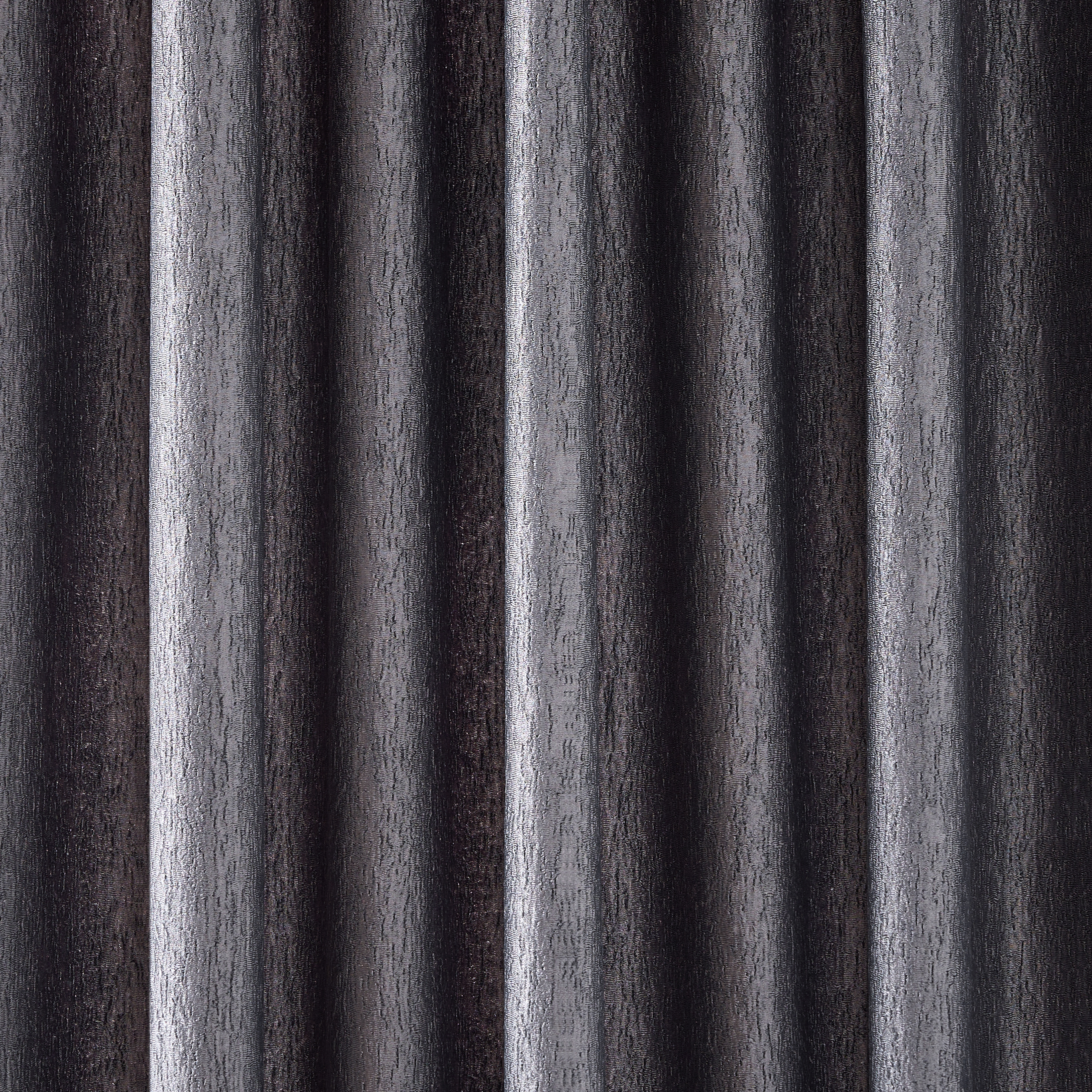 Anson Charcoal Textured Window Curtain Panel$89
A moody charcoal curtain with crushed polyester texture and subtle sheen for stylish, room-darkening appeal.
Add To Cart -

 Mabel Natural Velvet Swirl Window Curtain Panel$109
A warm neutral velvet curtain with a tonal swirl pattern and room-darkening, dual hanging options.
Add To Cart -
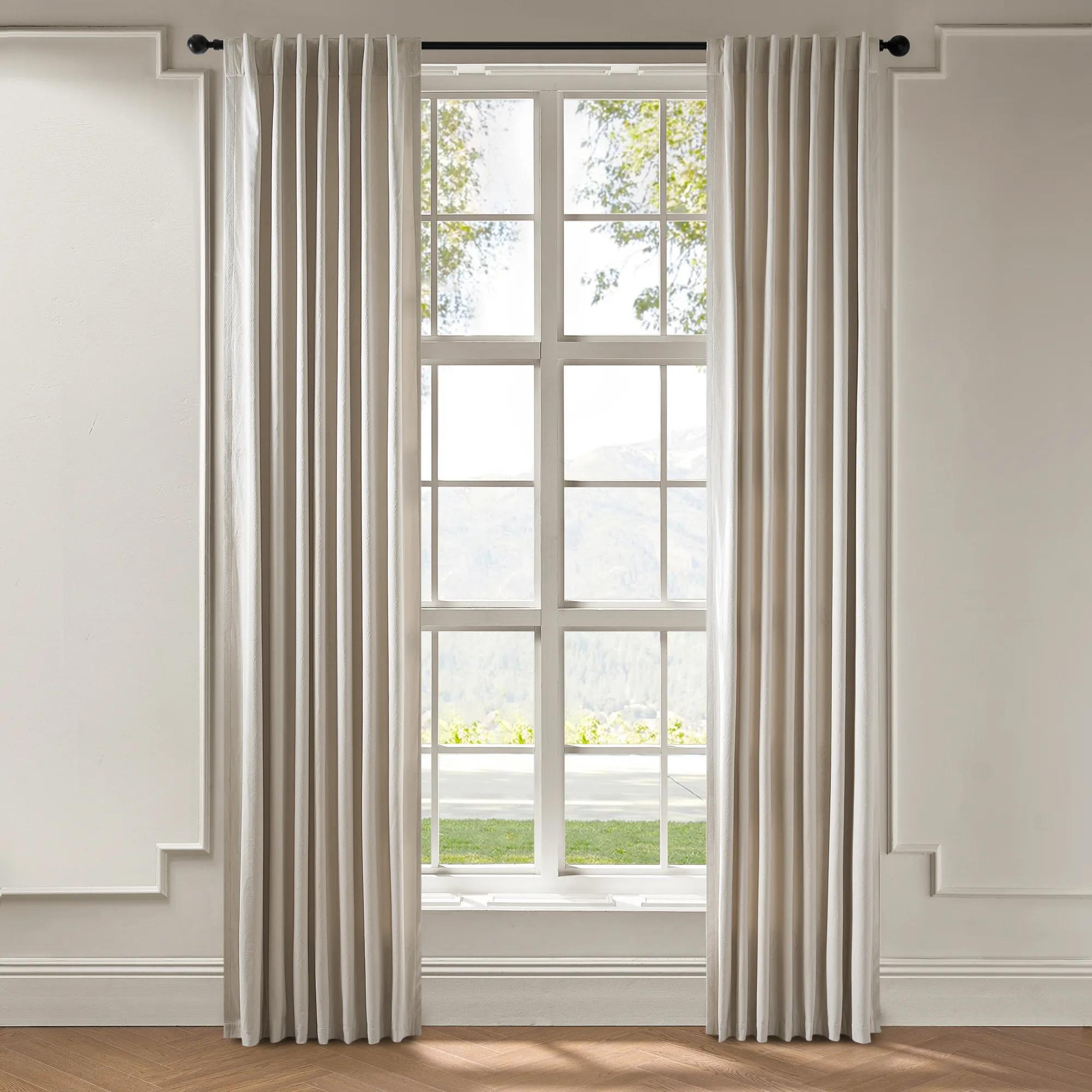
 Mabel White Velvet Swirl Window Curtain Panel$99
A crisp white velvet curtain featuring a tonal swirl texture and versatile dual hanging options.
Add To Cart -

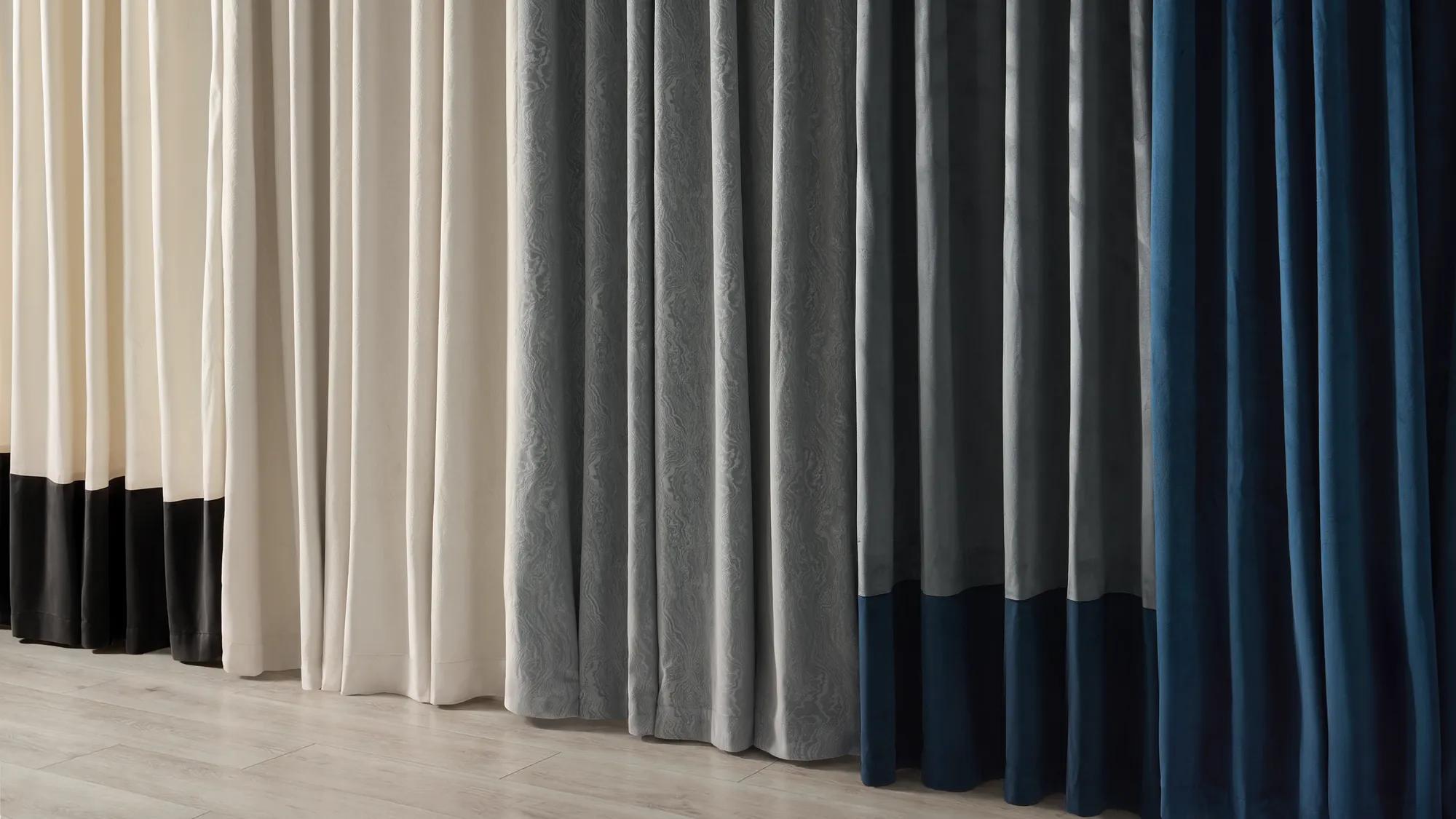 Mabel Velvet Swirl Curtain - Grey Blue$89
A grey blue velvet curtain featuring a tonal swirl pattern and versatile dual hanging options.
Add To Cart -
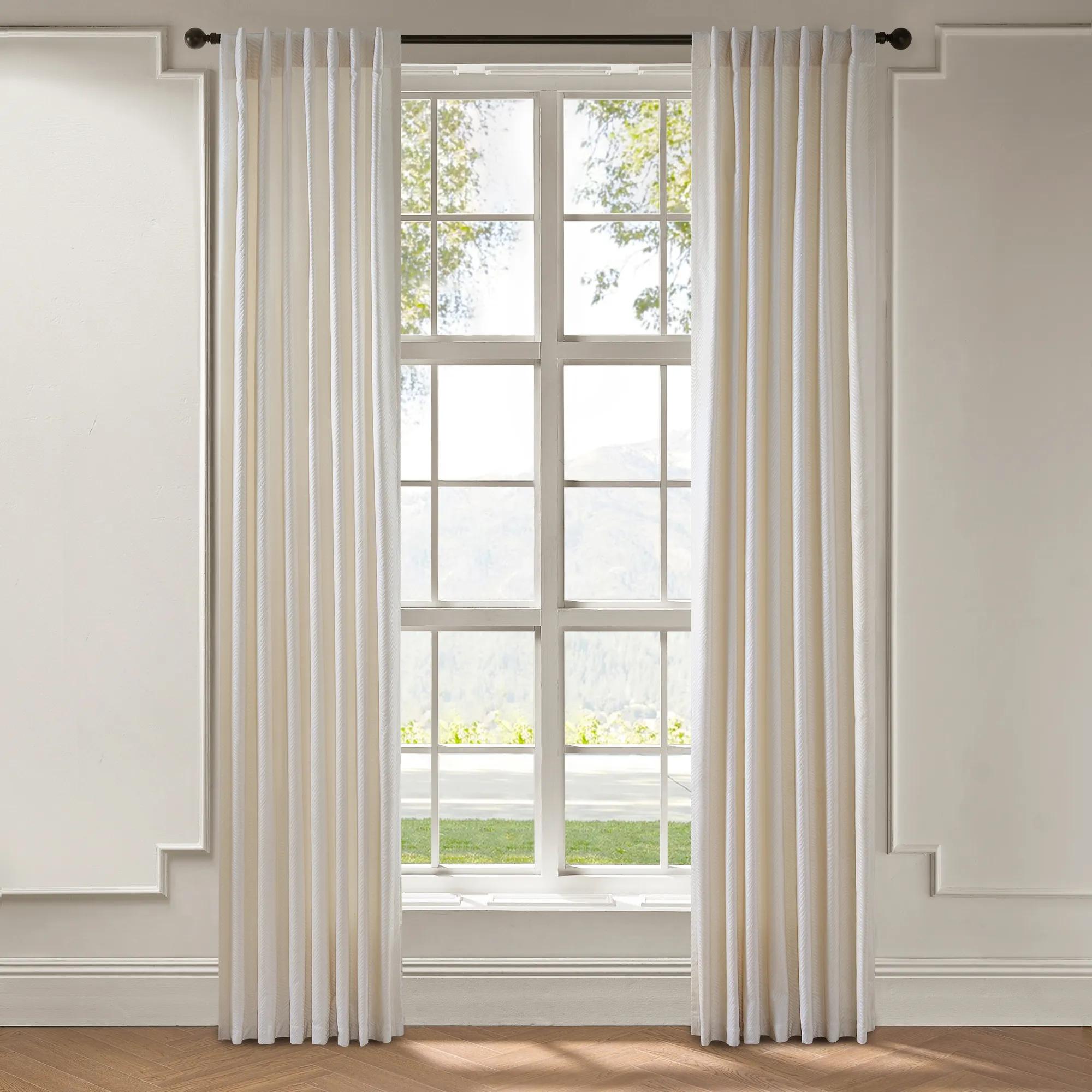
 Kenzo Chenille Curtain - White$129
A luxe white chenille jacquard curtain featuring a subtle high-contrast pattern and versatile dual construction.
Add To Cart -
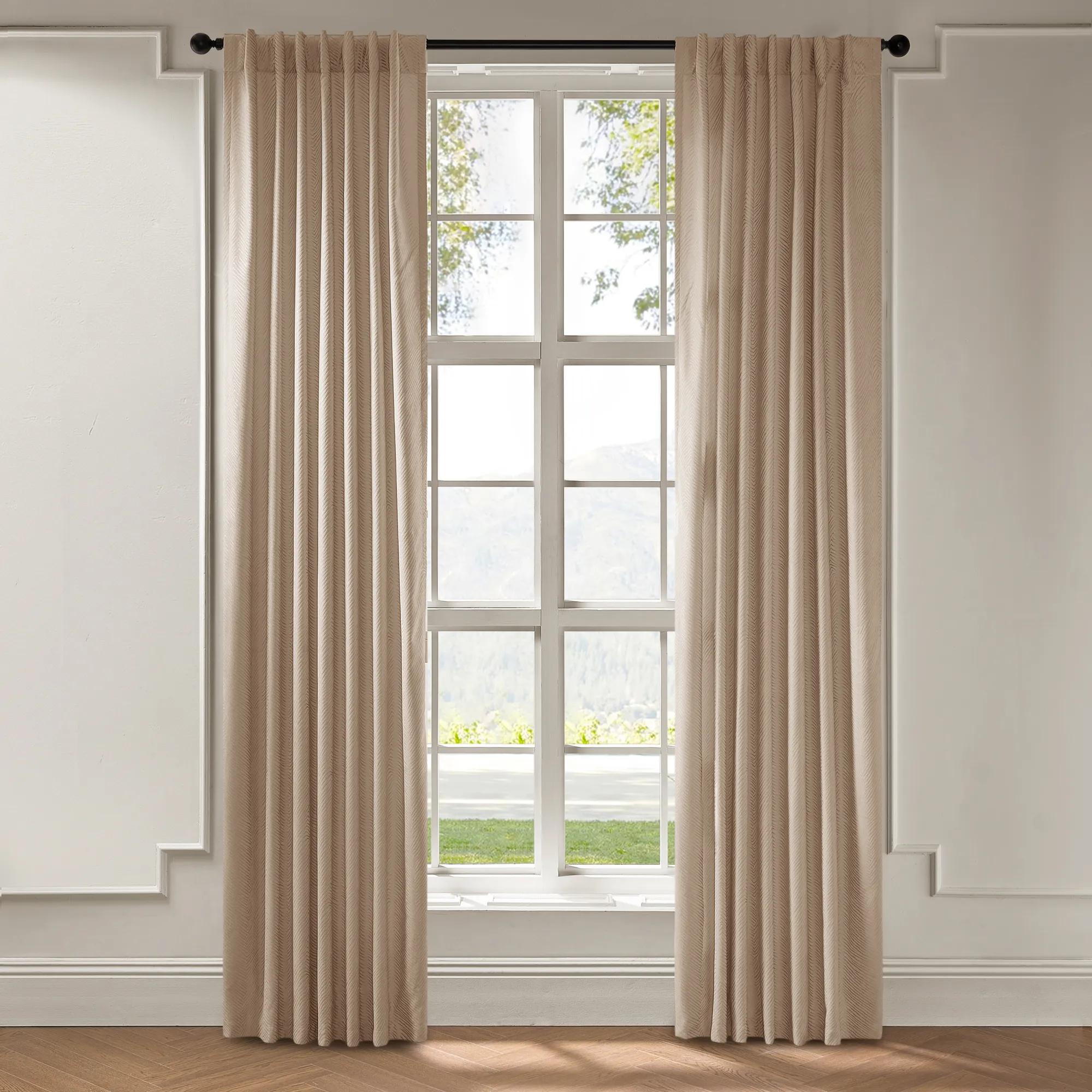 Kenzo Jacquard Beige Chenille Window Curtain Panel$129
A warm beige chenille jacquard curtain with a subtle sheen and versatile rod pocket or back tab hanging.
Add To Cart

Long Length Custom Window Panels
Long length custom window panels are the ultimate invitation to drama—transforming ordinary windows into soaring statements of style. With their sweeping silhouettes and tailored elegance, these panels frame your view with a sense of grandeur, elongating walls and bathing your space in a cascade of soft, luminous texture. Whether you’re curating a penthouse-worthy living room or adding a touch of theater to the bedroom, long length custom window panels offer an artful way to express your unique vision, capturing light, movement, and mood in every luxurious fold. Paint your home boldly—let every window become a masterpiece.
Long length custom window panels are drapery panels sized to suit tall windows, high ceilings, and architectural openings where standard lengths can interrupt the room’s proportions. Their appeal is both visual and practical: a continuous sweep of fabric frames the view, brings softness to expansive glass, and gives a lofty room a more intimate atmosphere. In a double-height living room, generously scaled panels can draw the eye upward without leaving the furnishings below feeling disconnected. Beside tall bedroom windows, they create a sumptuous backdrop that makes an upholstered headboard or sculptural bedside table feel beautifully composed. Custom sizing is especially useful when windows sit at different heights, ceiling lines vary, or a wall calls for a precise floor-length finish. Fabric establishes the mood before a panel is ever drawn. Velvet lends depth and a plush, light-catching surface, while linen offers visible texture and a relaxed drape that balances polished finishes. Cotton can create a crisp, tailored impression, and woven blends may offer dimensional stability or easier maintenance, depending on their composition. Sheer fabrics diffuse the view with an airy veil; denser weaves create a more substantial frame around the glass. On a long panel, even a quiet texture becomes expressive because there is so much uninterrupted surface for light to travel across. Color deserves the same consideration. Ivory and soft neutral tones can merge gracefully with pale walls, while charcoal, jewel tones, and saturated hues give windows a deliberate architectural presence. A subtle sheen catches the changing angle of interior lighting; a matte weave lets the folds themselves carry the drama. Pattern also takes on greater presence at this scale, making repeat size and alignment important to the finished composition. The most compelling choice connects the window treatment to the room’s larger story, whether that means echoing the curves of a statement sofa, tempering a mirrored console, or introducing a rich textile against smooth stone and metal.
Beautiful proportions depend on finished length, usable width, and the relationship between the fabric and its hardware. The measurement that matters is the distance from the panel’s actual attachment point to the intended hem position, not simply the height of the window frame. Rings, hooks, rod pockets, back tabs, and grommets position fabric differently, so a change in header can alter where the finished panel lands. Mounting hardware above the window can emphasize height, while extending it beyond the sides can give open panels room to stack without covering as much glass. A hem that just clears the floor offers a tailored appearance and easier daily movement; fabric that gently touches the floor feels softer and more formal. A deliberate puddle introduces lavish volume but also occupies floor space and collects more dust, making it better suited to decorative panels than to frequently used doors. For similarly precise proportions, Custom Length Curtain Panels offer a tailored approach to windows that do not suit standard dimensions. Width is equally consequential. As a general planning reference, flat panels often use a combined fabric width around one and a half to two and a half times the span being covered, with the appropriate fullness determined by fabric weight, header style, and the desired folds. Sewn-in pleated panels require particular attention because their stated finished width may already account for fabric gathered into pleats. Decorative stationary panels need enough body to frame the opening convincingly, while working drapery needs sufficient coverage to close comfortably. Extra-wide panels may incorporate vertical seams because fabric is woven in finite widths; panel length alone does not determine whether seams are necessary. On patterned textiles, thoughtful seam placement and matched repeats help preserve the sweep of the design. These details are especially noticeable across a broad glass wall, where balanced panel widths and consistent hems make the installation feel intentional rather than merely oversized.
Long drapery should also support the way a room is lived in. In a bedroom, lining can add opacity and body, helping folds fall with a fuller silhouette while supporting privacy. Light-filtering, room-darkening, and blackout constructions serve different purposes, and blackout fabric does not eliminate light entering around the top, sides, or center opening. A media room may benefit from greater light control, while a living room overlooking a private garden may call for a gentler filter that preserves a luminous atmosphere. Layering sheers beneath more substantial panels allows the room to move between those moods without changing its visual identity. Privacy depends on fabric density, lining, and lighting conditions; a sheer that obscures the view by day may reveal silhouettes when interior lights are on. Heavy textiles can help soften reverberation in rooms with hard surfaces, but decorative panels are not a substitute for dedicated soundproofing. At considerable lengths, fabric and lining also place greater demands on rods, brackets, tracks, and mounting surfaces. Properly rated hardware and secure installation are essential, particularly above wide openings or in double-height spaces where adjustment is difficult. Durability begins with choosing a construction suited to frequent handling, sunlight exposure, and the movement required around furniture or doors. Panels beside an often-used patio entrance should clear the walking path and operate without dragging. In homes with children or pets, accessible fabric, loose cords, and floor-level pooling deserve particular consideration. Care requirements vary by fiber, finish, lining, and construction, so the care label should govern cleaning rather than a general assumption that every curtain can be machine washed. Gentle dust removal with an appropriate vacuum attachment can help maintain the folds between cleanings when permitted, while professional cleaning may be necessary for delicate or heavily lined textiles. Well-considered proportions, dependable support, and suitable care allow long window panels to retain their elegance as part of everyday life: sweeping enough to command attention, yet thoughtfully finished for the room they frame.
FAQs
Long length custom window panels come to life in a variety of luxurious fabrics, from the understated elegance of linen and textured cotton to the decadent drama of velvet or silk. Each fabric creates a distinct mood—linen offers breezy sophistication, velvet exudes warmth and opulence, and silk reflects light for a luminous effect. The choice of fabric should complement your room’s palette and desired ambiance, turning your windows into a true focal point.
Selecting a header style is an opportunity to express your personal aesthetic. Pinch pleat headers evoke timeless refinement, perfect for formal dining rooms and grand living spaces. Grommet tops lend a modern edge and effortless glide, while back tab and rod pocket styles create a clean, tailored look. Consider the overall design of your space and the statement you wish to make—each header brings its own unique character to your windows.
Absolutely. Long length custom window panels have the power to transform a room’s atmosphere by adding height, softness, and visual drama. Floor-to-ceiling panels draw the eye upward, making ceilings appear taller and spaces more expansive. The right fabric and color choice can introduce warmth, depth, or a sense of grandeur, enveloping the room in a curated, gallery-inspired ambiance.
Custom window panels are an ideal solution for windows that defy standard dimensions or feature unique architectural details. Whether you’re working with arched windows, angled ceilings, or extra-wide expanses, custom panels can be tailored to fit perfectly, ensuring a seamless and intentional look that enhances the room’s design rather than compromising it.
During the winter months, long length custom window panels can cocoon a room in warmth and elegance. Opt for heavier fabrics like velvet or lined panels to add insulation and a sense of comfort. Rich hues and layered textures create a cozy, inviting retreat from the chill outside, while the dramatic sweep of fabric adds a sense of celebration and grandeur to your interiors, turning every window into a work of art.


