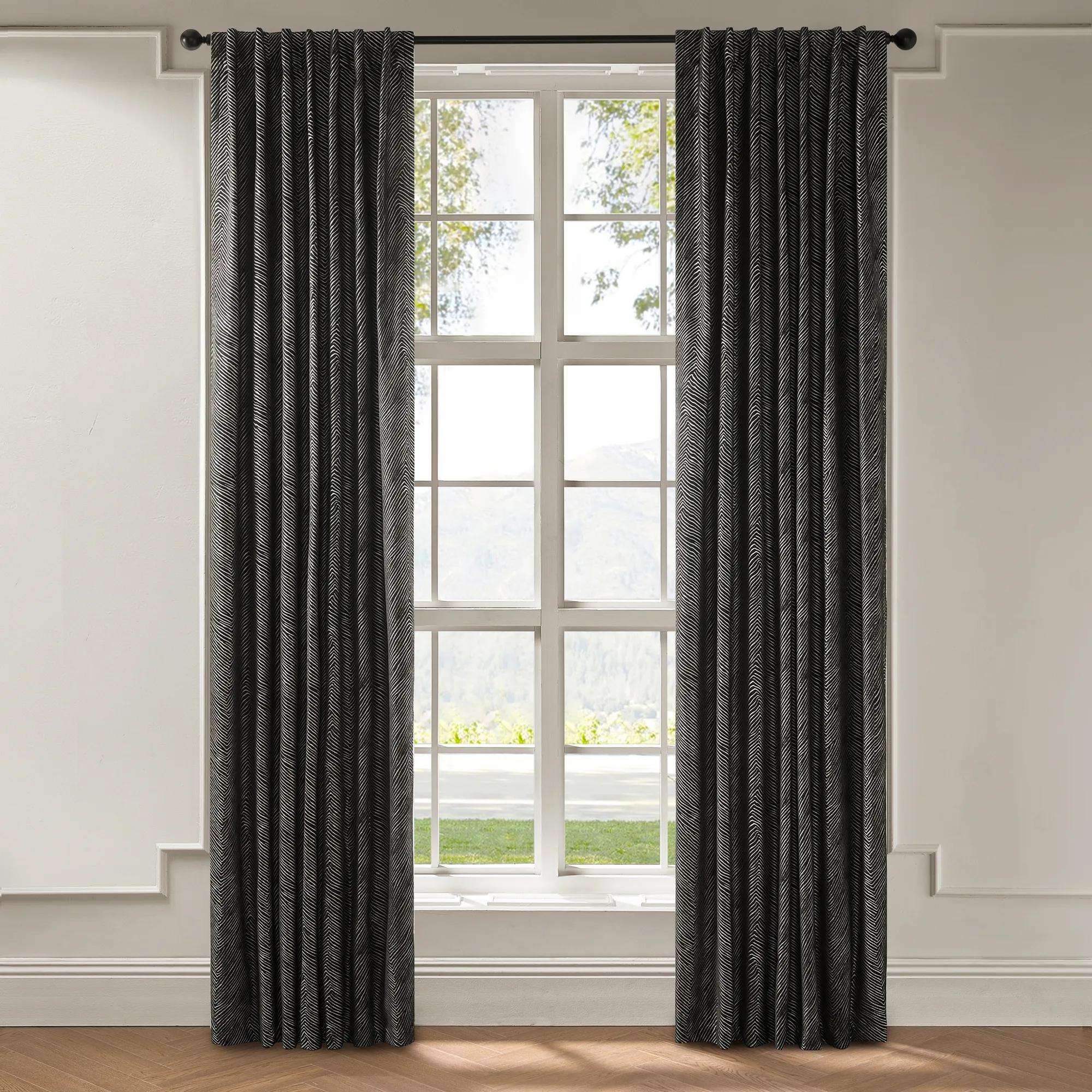
White Floor Length Window Panels
White Floor Length Window Panels
-
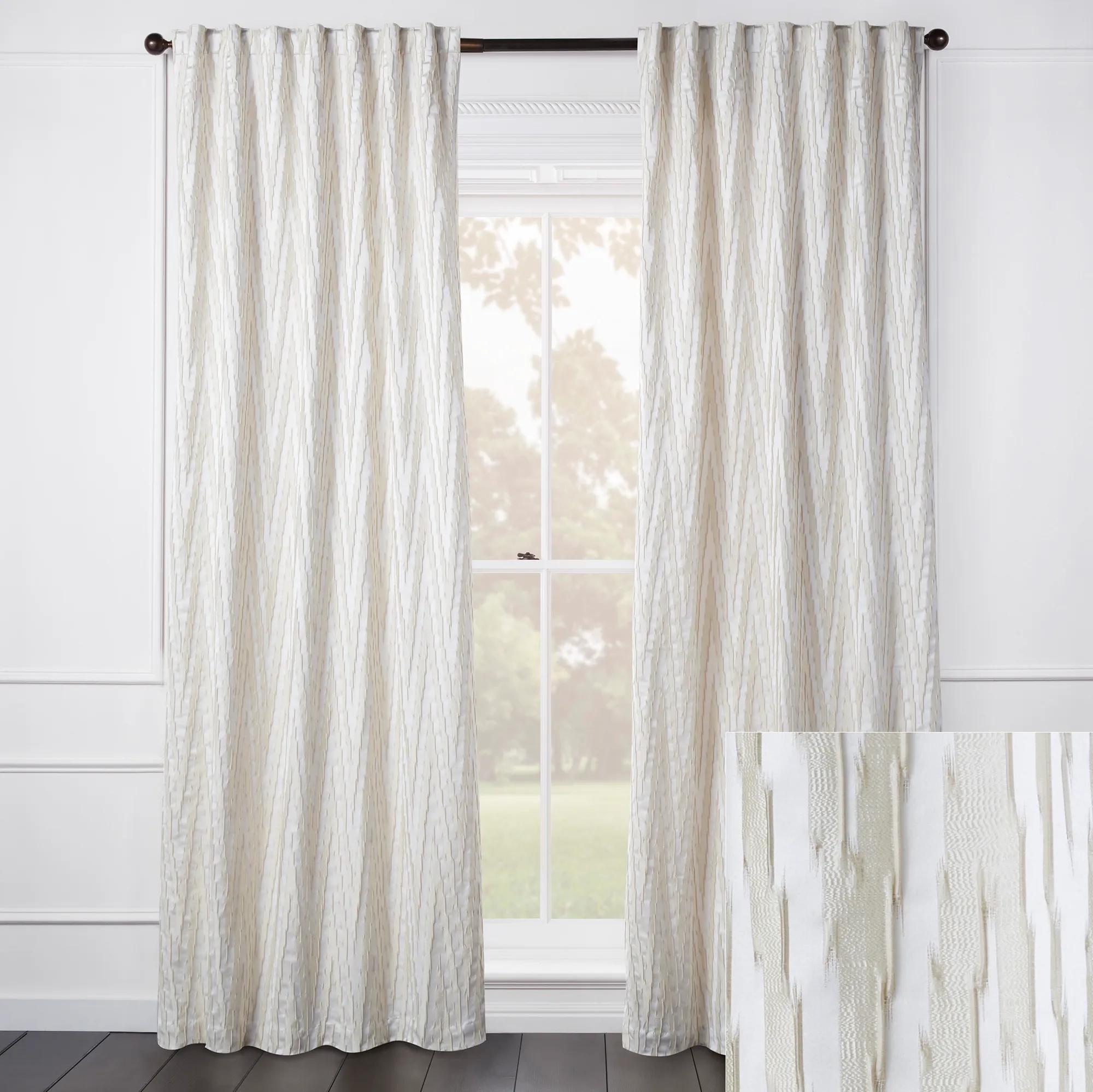
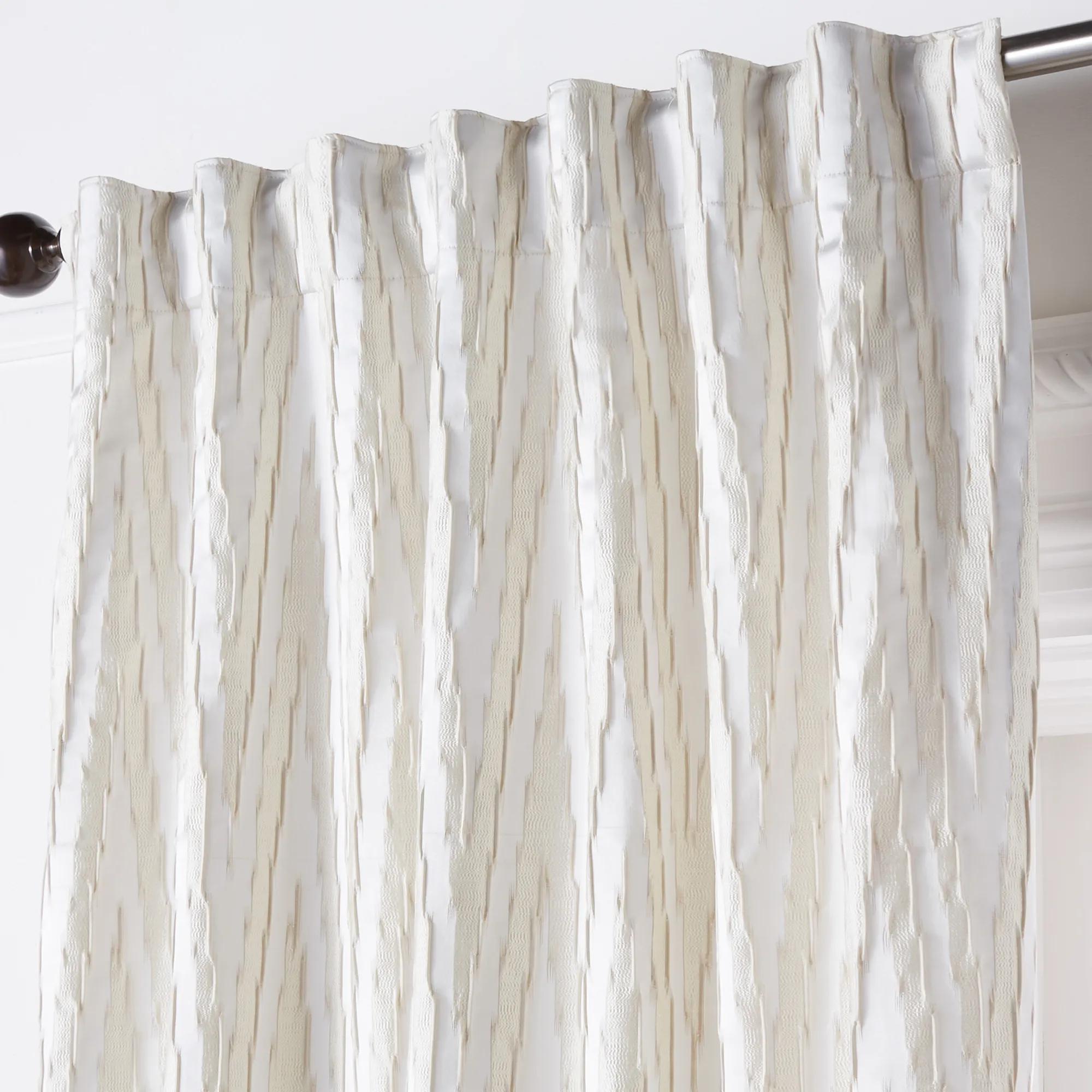 Minka Jacquard Pearl Window Curtain Panel Custom$319
A highly textured chevron curtain panel in pearl, grey, or natural polyester with customizable hanging options.
Add To Cart -
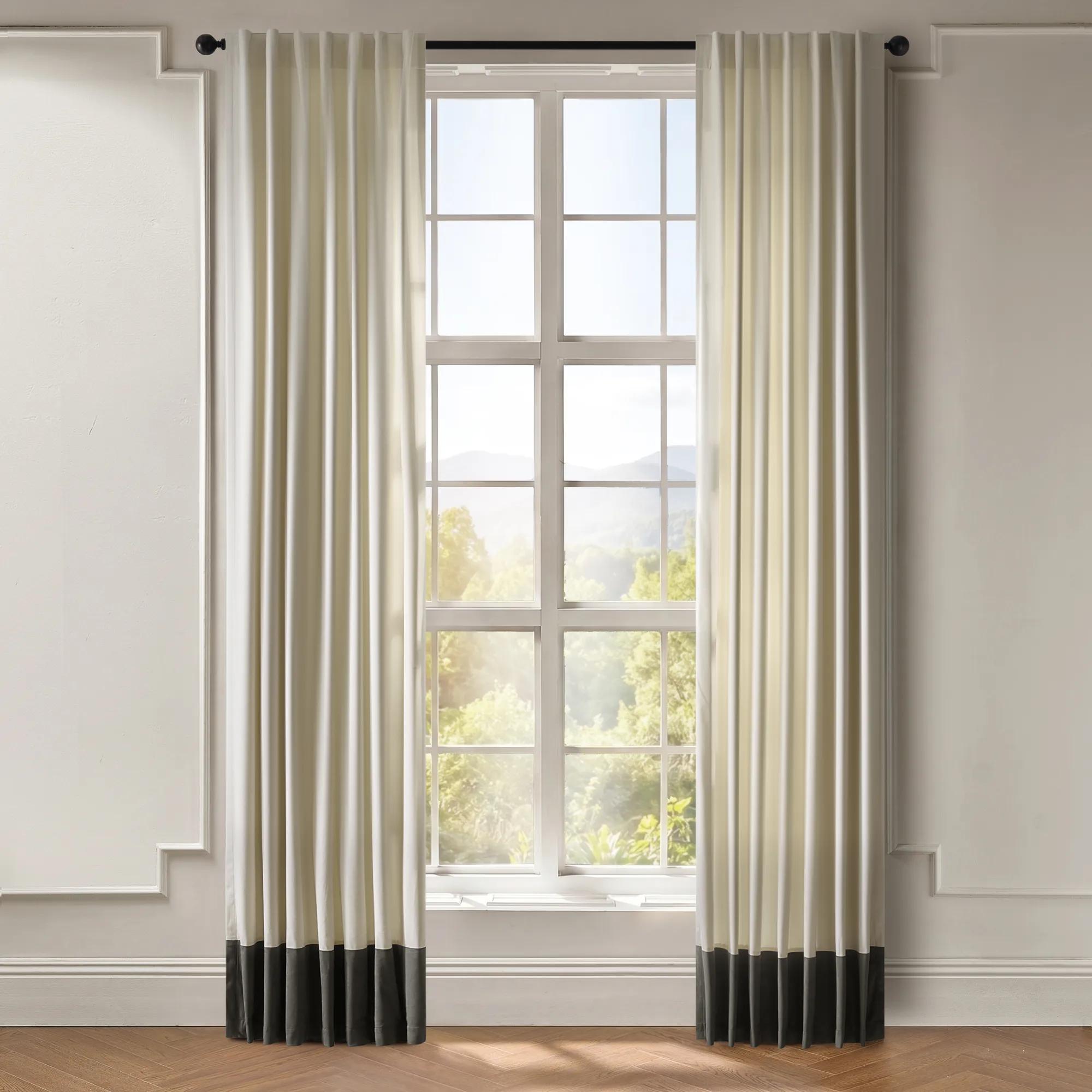
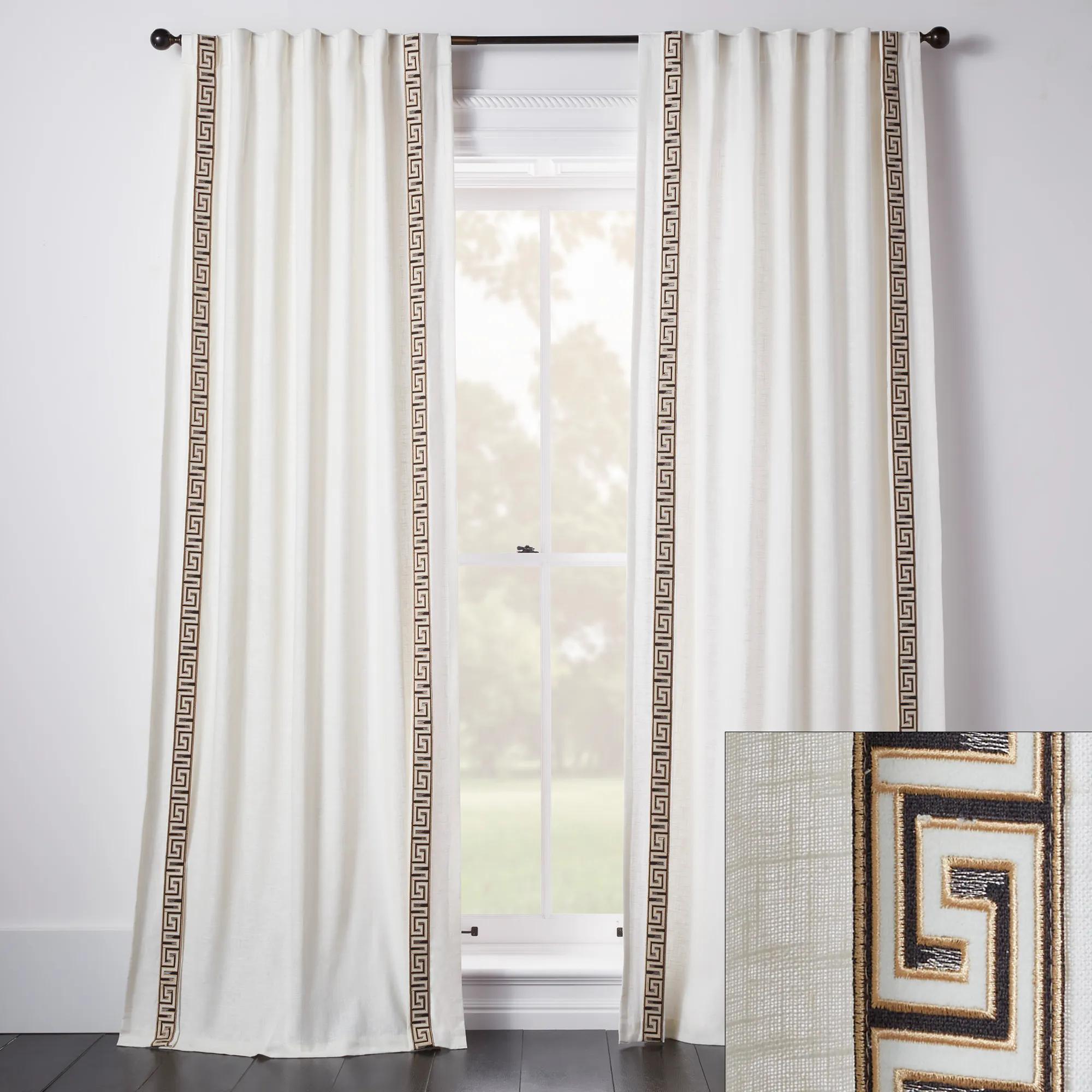 Chole Greek Key Border Velvet Widow Curtain Panels Custom$299
A white linen-blend curtain panel featuring a black and gold embroidered velvet Greek key border.
Add To Cart -
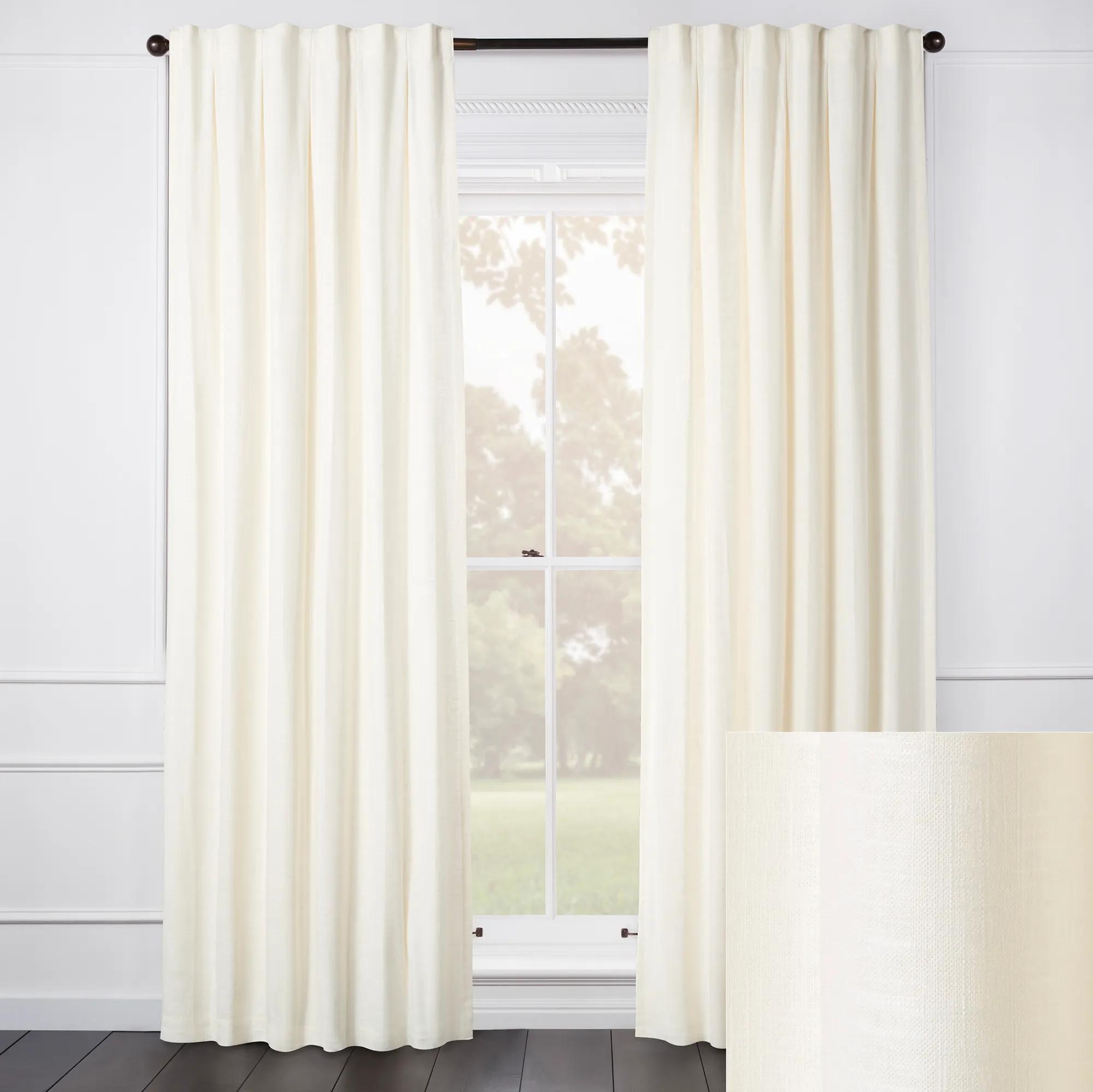
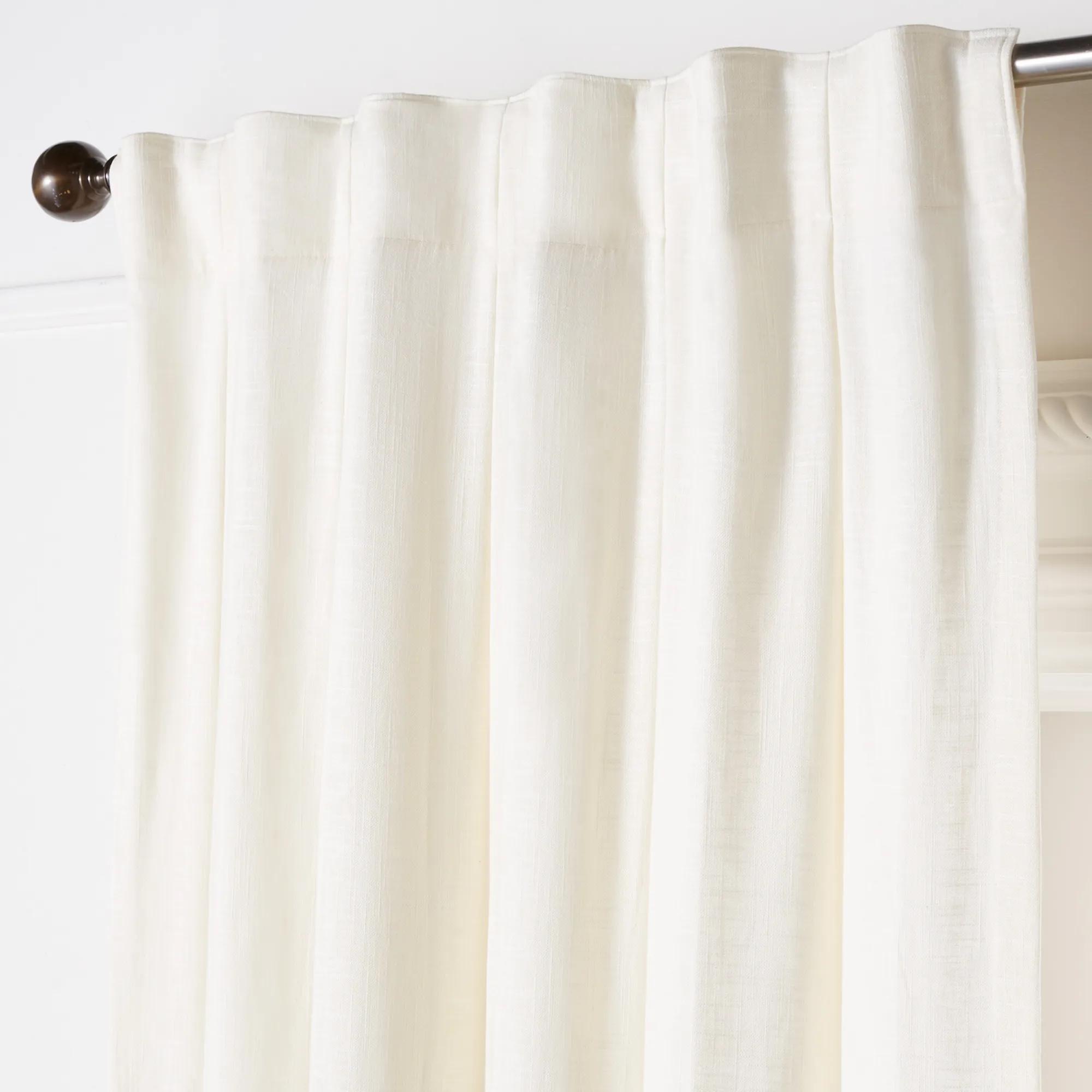 Audrey Linen Ivory Curtain - Custom$269
An ivory linen-blend curtain panel with lining, offering customizable lengths and two elegant header styles.
Add To Cart -
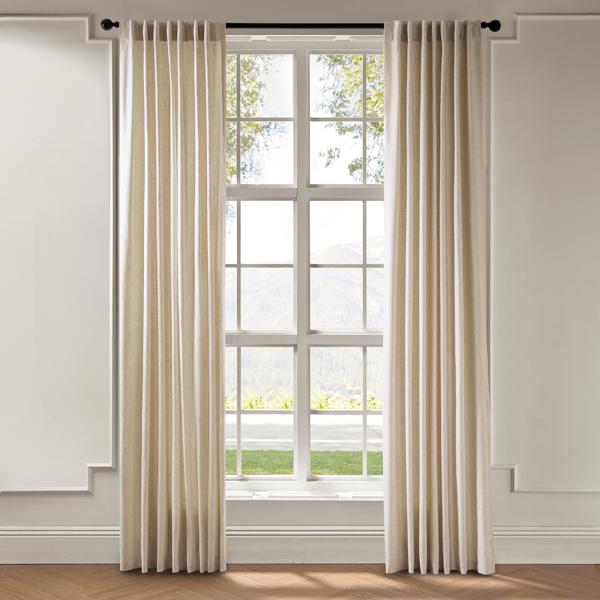
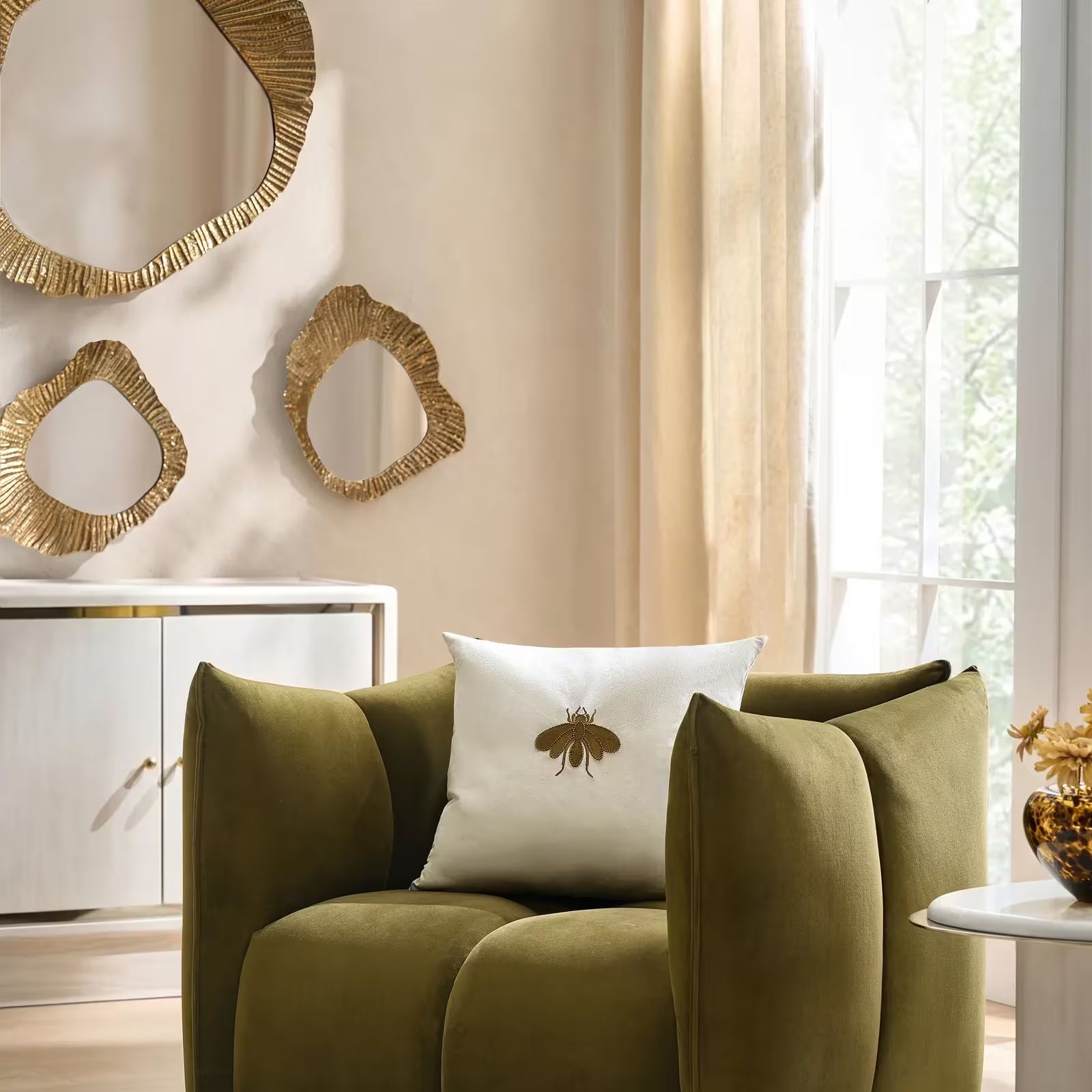 Anson Ivory Textured Window Curtain Panel$89
An ivory polyester curtain with a crushed, light-reflective texture for elegant, room-darkening style.
Add To Cart -
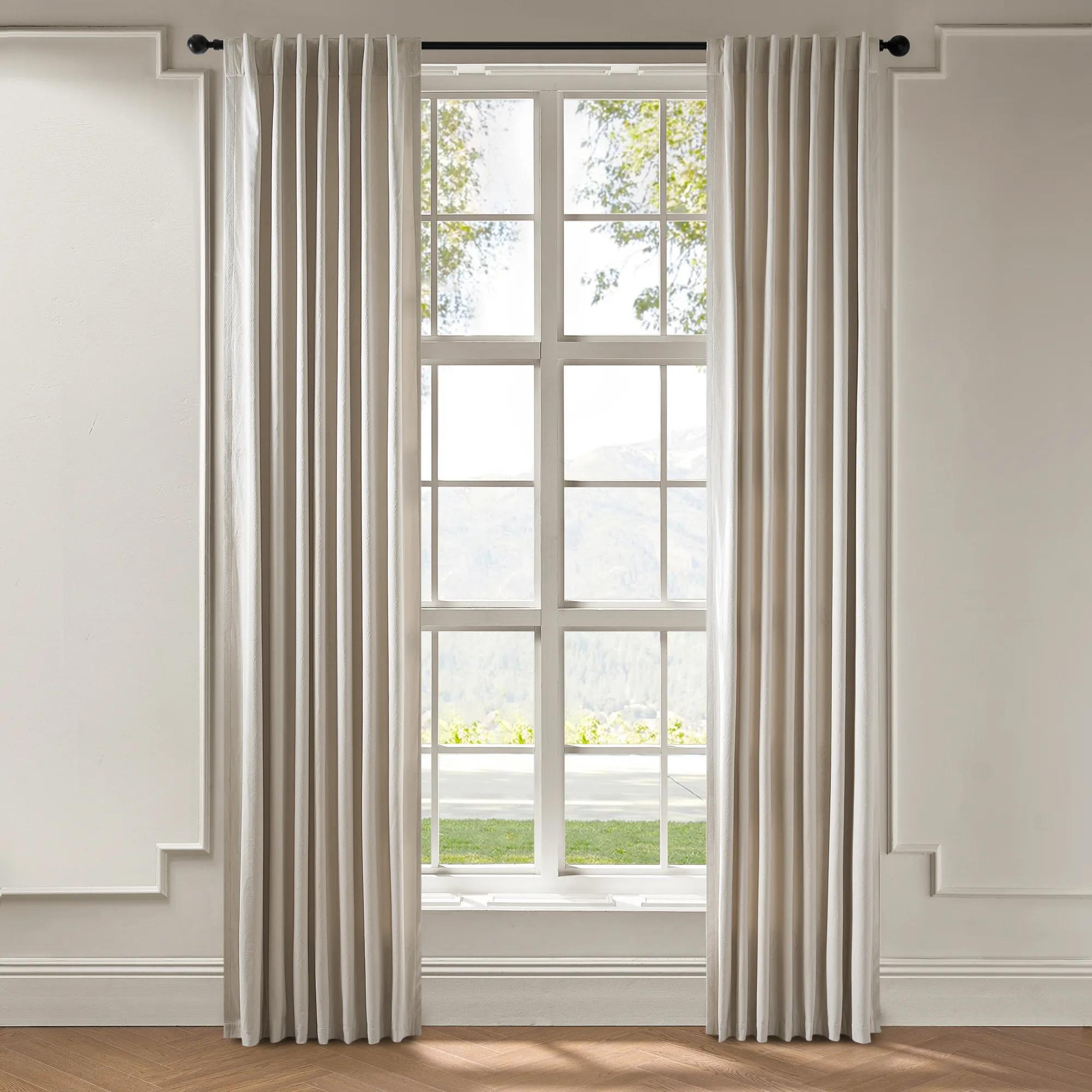
 Mabel White Velvet Swirl Window Curtain Panel$89
A crisp white velvet curtain featuring a tonal swirl texture and versatile dual hanging options.
Add To Cart -
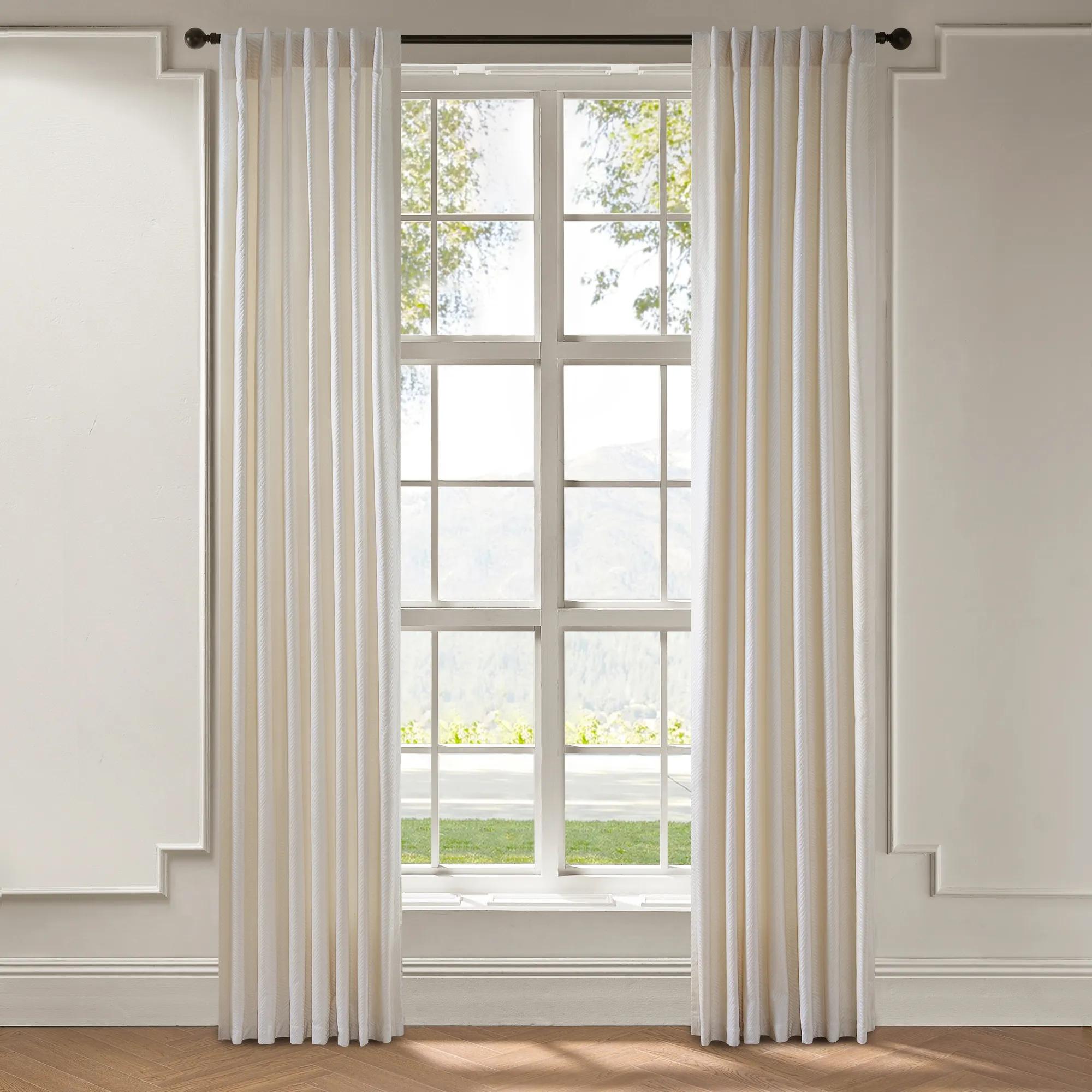
 Kenzo Chenille Curtain - White$139
A luxe white chenille jacquard curtain featuring a subtle high-contrast pattern and versatile dual construction.
Add To Cart

White Floor Length Window Panels
White Floor Length Window Panels are the ultimate expression of effortless elegance, transforming every window into a dramatic statement. Their sweeping silhouette elongates the room, drawing the eye upward and enveloping your space in a luminous, gallery-worthy glow. Whether framing sunlight or setting a serene backdrop for bold furnishings, these panels infuse interiors with a sense of airiness and refined tranquility. Let each fold and drape become part of your home’s artistry—a canvas where light and luxury intertwine.
White floor-length window panels frame a room with luminous color and a long, uninterrupted sweep of fabric, bringing architectural presence to even a simple window. Their appeal lies in that balance: white feels composed, while generous folds and floor-skimming proportions introduce unmistakable drama. Against a dark wall, they create a striking vertical contrast; beside pale upholstery, they build a layered setting where texture becomes the focal point. The category spans sheer, light-filtering, lined, and room-darkening curtains, with each construction shaping light and privacy differently. Sheer voile and chiffon diffuse daylight into a soft wash, allowing the window to remain visually open without the weight of an opaque treatment. They offer limited privacy, however, particularly at night when interior lights are on. Linen and linen blends bring visible weave and subtle irregularity, lending white fabric a tactile richness that complements sculptural furniture, polished stone, and gleaming metal. Cotton can deliver a crisp or gently relaxed finish depending on its weave, while polyester and blended fabrics often offer greater wrinkle resistance and consistent draping. Faux silk introduces a reflective surface that catches light along the folds, creating a more dressed, formal impression. Heavier woven fabrics and lined panels have greater visual substance, making them especially compelling around tall windows or alongside substantial seating. White itself also has dimension: a bright, clean white reads differently from a creamy white, and either can appear warmer or cooler beside paint, flooring, and upholstery. Viewing fabric samples in the intended room, when possible, helps reveal those undertones before a full expanse of material changes the composition. For a living area centered on conversation and expressive design, White Living Room Window Panels offer a closely related perspective on framing the space. Whether the surrounding furnishings are jewel-toned, monochromatic, or richly patterned, long white panels provide a poised backdrop without asking the room to surrender its personality.
Fit gives white floor-length curtains their authority. Common ready-made lengths include 84, 96, 108, and 120 inches, although dimensions vary by construction and manufacturer; the right length depends on the installed hardware rather than window height alone. The relevant measurement runs from the point where the fabric will hang to the floor, accounting for rings, hooks, rod pockets, or grommets. Rings can lower the panel beneath the rod, while grommet styles typically extend some fabric above it, so the stated panel length needs to be considered alongside the header design. A hem that floats approximately half an inch above the floor creates a precise silhouette and keeps the fabric from brushing the surface during daily opening and closing. A floor-kissing finish feels more tailored, while an additional one to two inches can create a slight break with a softer, more decorative effect. A substantial puddle introduces theatrical volume but also collects more dust and can interfere with movement, making it better suited to stationary panels away from busy paths. Uneven floors deserve attention, too: measuring at both sides and the center of a window can prevent one panel from hovering while another drags. Width is equally important to the finished effect. Many individual panels measure roughly 50 to 54 inches wide, but sizes differ, and packaging may contain either one panel or a pair. For curtains intended to close, a combined flat fabric width of approximately one and a half to two times the rod span is a common starting point for generous folds; sheers and certain pleated constructions may require greater fullness. Header specifications take precedence, particularly when pleats are already formed. Rods extending beyond the window frame can provide room for the fabric to gather at the sides, exposing more glass when open and creating a broader visual frame. In a seating area with a narrow window, that extra width can make the arrangement feel more balanced behind a sofa or accent chair. Properly anchored hardware rated for the fabric’s weight preserves both the graceful line and reliable everyday operation.
The intended use of a room determines which white curtain panels will feel as satisfying in daily life as they look in a finished setting. In a dining room, softly reflective fabric can echo the gleam of glassware and a statement chandelier, while textured white panels bring depth to a bedroom layered with upholstered furniture and dimensional bedding. A home office may benefit from light-filtering fabric that softens brightness, although screen placement and the direction of incoming light still matter. Bedrooms and media spaces often call for more substantial light control: white fabric is not inherently blackout, and opacity depends on the weave, lining, backing, and overall construction. Room-darkening panels reduce incoming light, whereas products labeled blackout are designed for stronger light blocking; gaps around the edges and above the rod can still admit light. Layering sheers with opaque drapery on separate rods allows the room to move between a luminous, softly screened atmosphere and greater privacy without losing its composed appearance. Care and durability also influence the choice. A washable fabric can be useful in frequently used rooms, but laundering instructions should always govern water temperature, drying, and ironing. Some linen blends, embellished fabrics, and lined constructions require professional cleaning, and different materials within a panel may respond differently to moisture. Gentle dust removal with a suitable vacuum attachment helps keep pale fabric fresh between cleanings, while keeping hems clear of the floor reduces contact with household debris. Seams, header reinforcement, and secure attachments matter particularly on panels that are drawn every day. In homes with children or pets, a floating hem and uncomplicated operating hardware can be more suitable than pooled fabric or dangling cords; any cords should remain inaccessible to children. These considerations support the visual pleasure rather than diminish it. Well-proportioned white window panels give bold furnishings room to command attention, soften the hard edges of architecture, and turn the window into an intentional part of the room’s design. Their luxury comes through in the fall of the fabric, the quality of the finish, and the way every fold belongs to the space.
FAQs
White floor length window panels bring an airy elegance to virtually any room, but they are especially transformative in spaces where you want to maximize natural light and create a sense of height—think grand living rooms, serene bedrooms, chic dining areas, and even home offices. Their luminous simplicity complements both minimalist and maximalist décor, making them a versatile choice for anyone seeking to elevate their interiors.
These panels act as a canvas for light, diffusing sunshine into a soft, flattering glow that instantly brightens and expands a room. The result is a tranquil, uplifting atmosphere that feels both sophisticated and welcoming. Whether you’re aiming for crisp modernity or classic romance, white floor length panels set a tone of understated luxury and timeless beauty.
Absolutely—white panels are the perfect foundation for creative layering. Pair them with textured Roman shades, dramatic valances, or richly colored drapes to create depth and dimension. Layering not only enhances visual interest but also allows you to tailor privacy and light control to your exact preference, all while maintaining a cohesive, curated look.
White floor length panels are a chameleon in the world of design. They complement a wide range of styles, from Hollywood Regency and modern glam to coastal chic and contemporary minimalism. Their clean lines and luminous presence make them a staple in both bold, expressive rooms and serene, monochromatic spaces.
Yes, gifting white floor length window panels is both inspired and practical. Their timeless appeal suits a variety of tastes and spaces, making them ideal for housewarmings, weddings, or milestone celebrations. They offer the recipient a touch of everyday luxury—an elegant gesture that transforms any room into a sanctuary of light and style.