
Drapery For Minimalist Interiors
Drapery For Minimalist Interiors
-
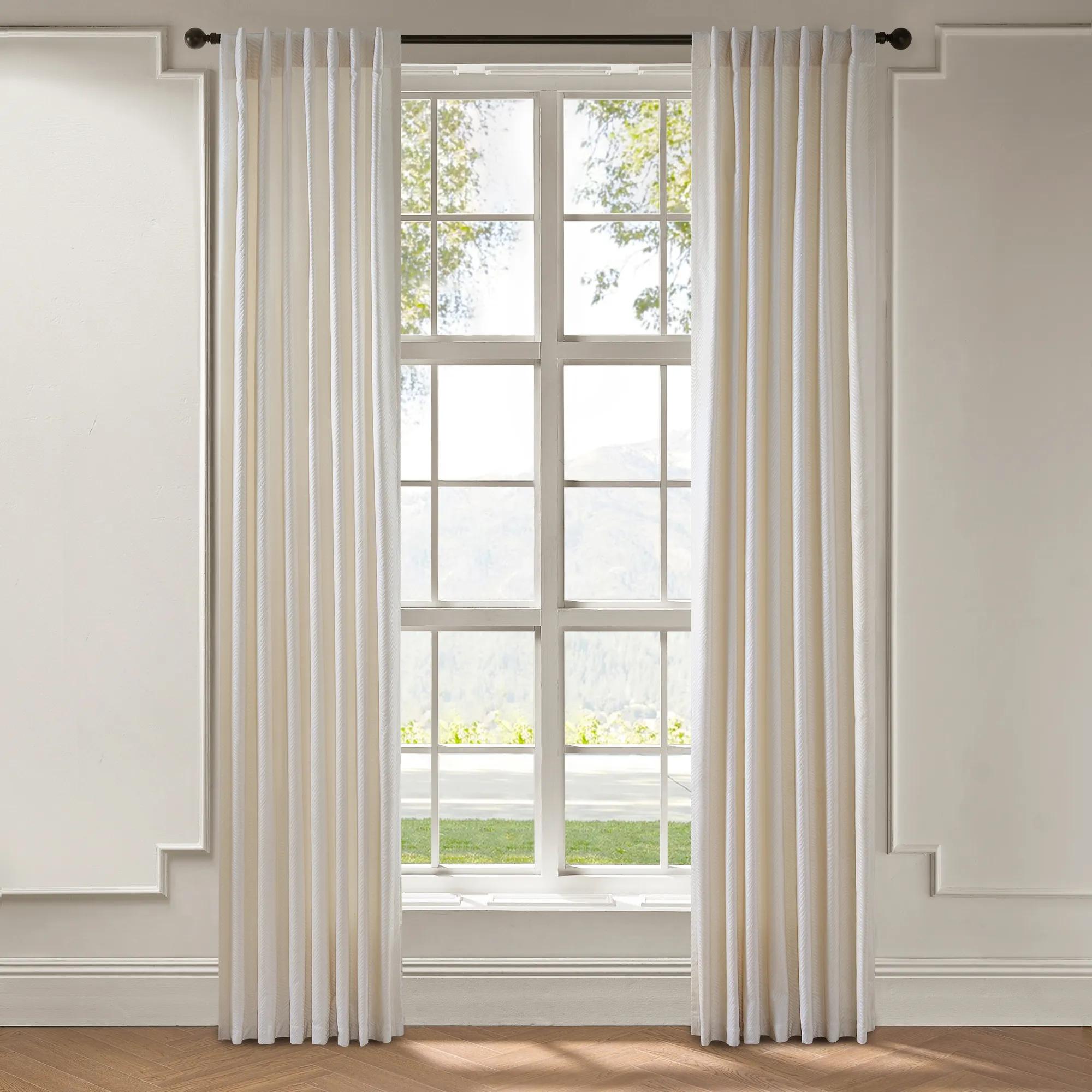
 Kenzo Chenille Curtain - White$119
A white chenille jacquard curtain featuring a subtle high-contrast pattern and soft, room-darkening texture.
Add To Cart -
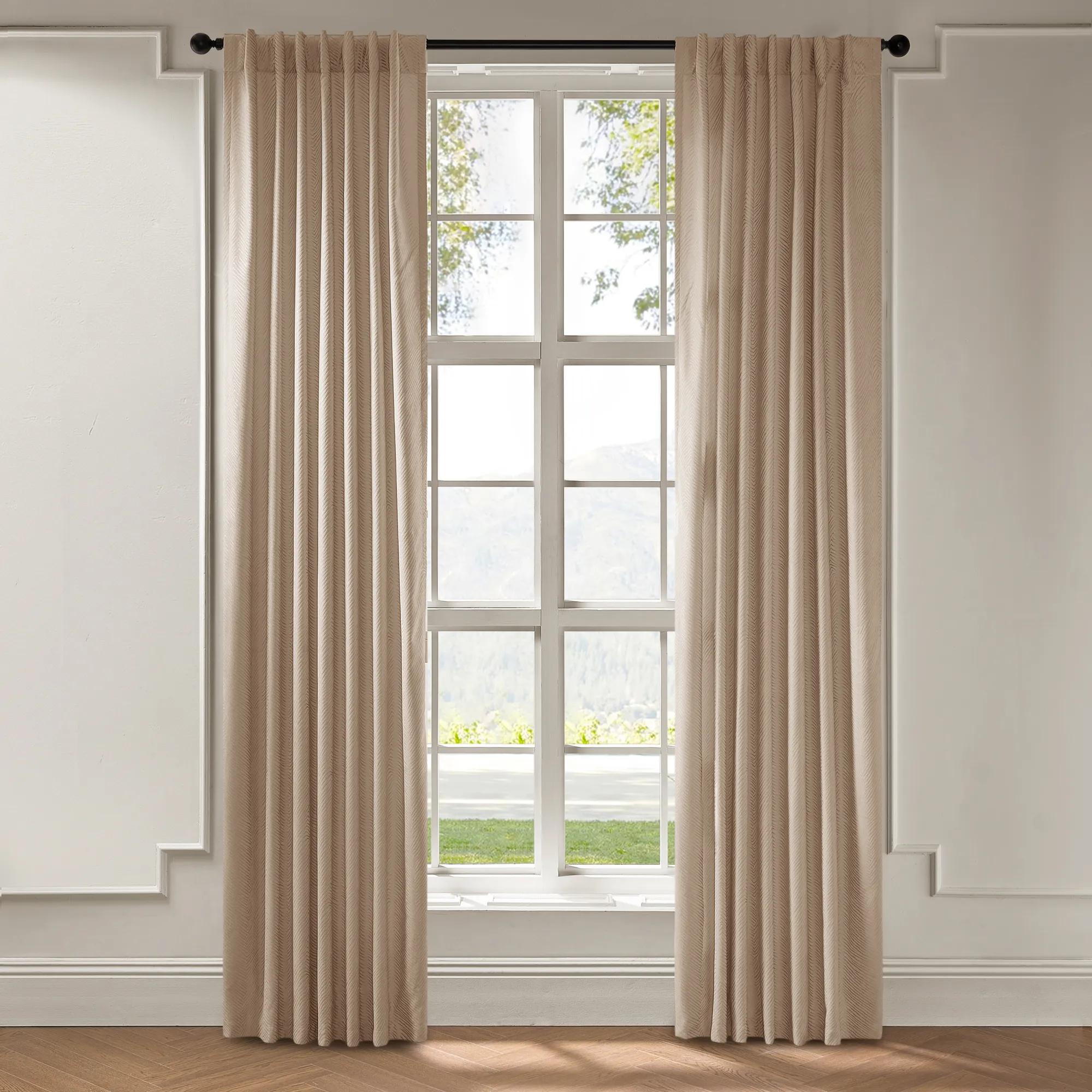 Kenzo Jacquard Beige Chenille Window Curtain Panel$119
A warm beige chenille jacquard curtain with a subtle sheen and versatile rod pocket or back tab hanging.
Add To Cart -
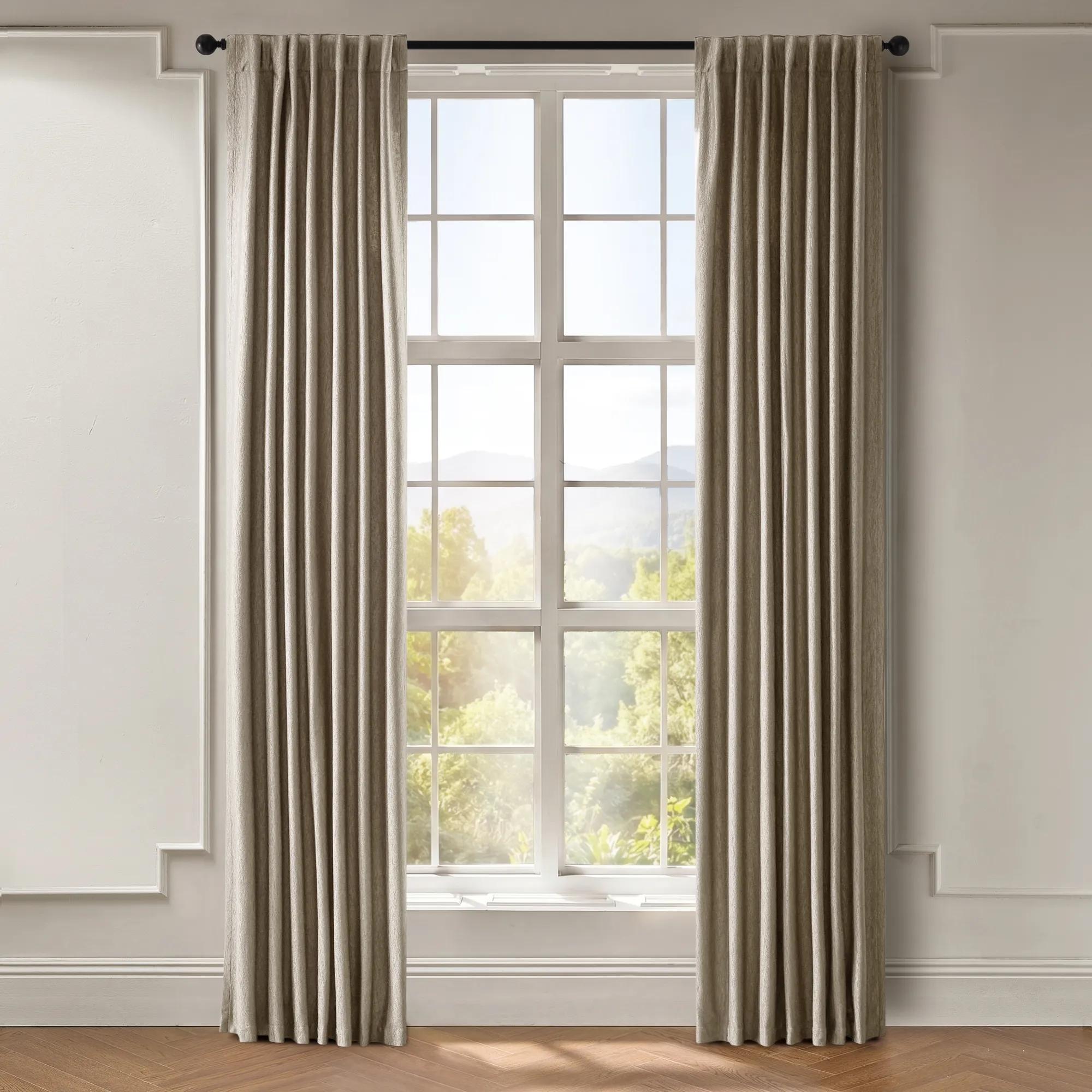
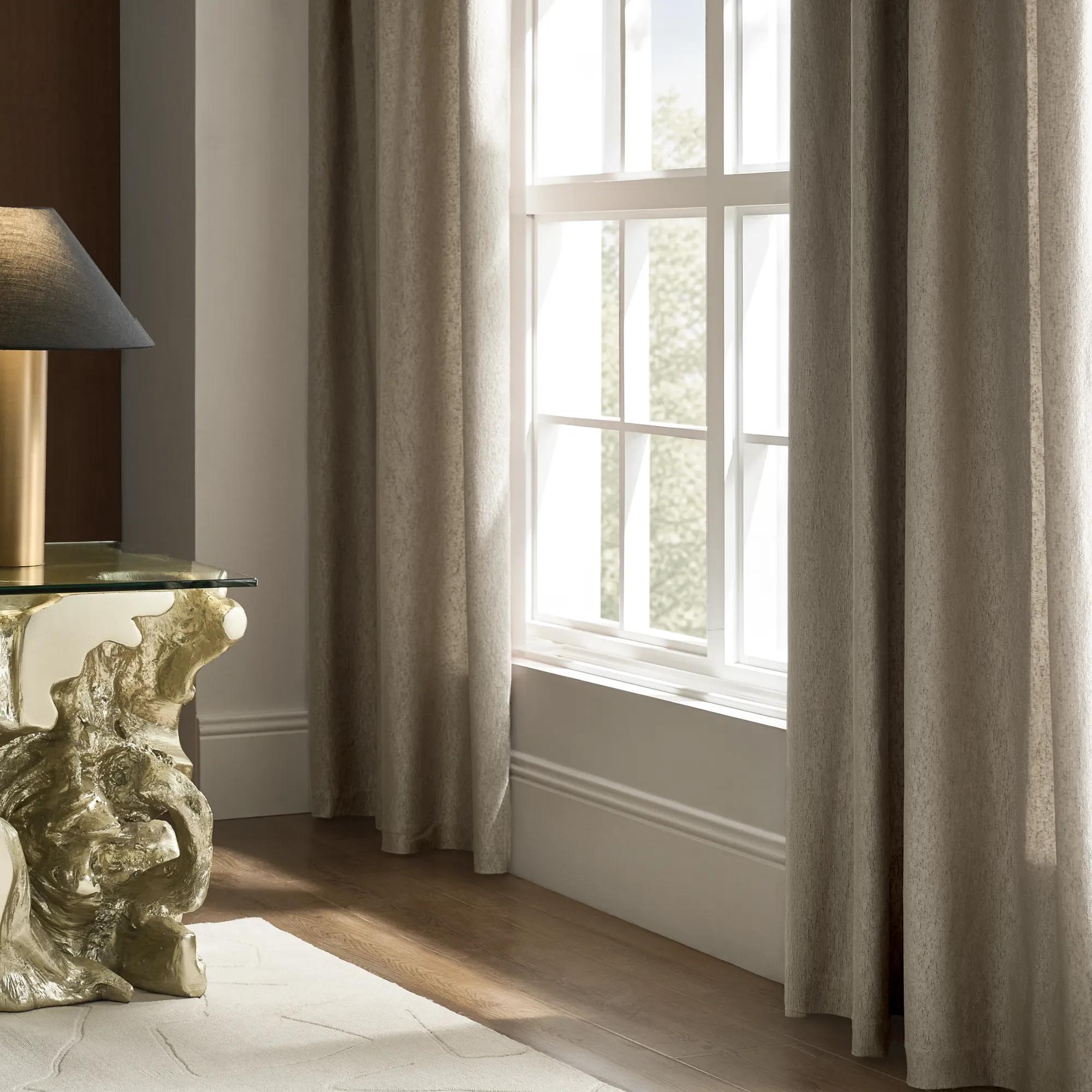 Anson Taupe Textured Window Curtain Panel$89
A taupe polyester curtain panel featuring a crushed sheen texture and room-darkening, dual hanging design.
Add To Cart -

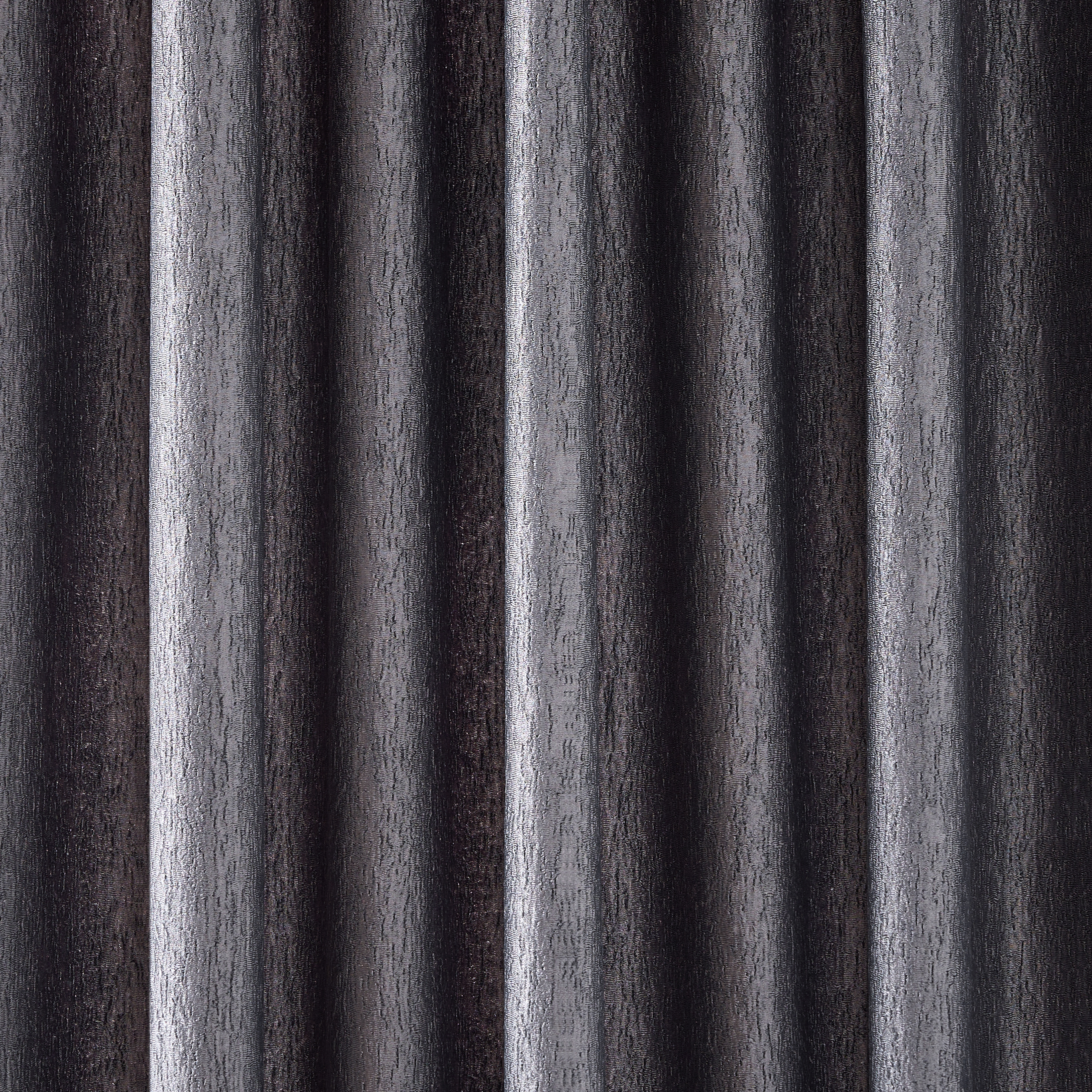 Anson Charcoal Textured Window Curtain Panel$89
A moody charcoal curtain with crushed polyester texture and subtle sheen for stylish, room-darkening appeal.
Add To Cart -
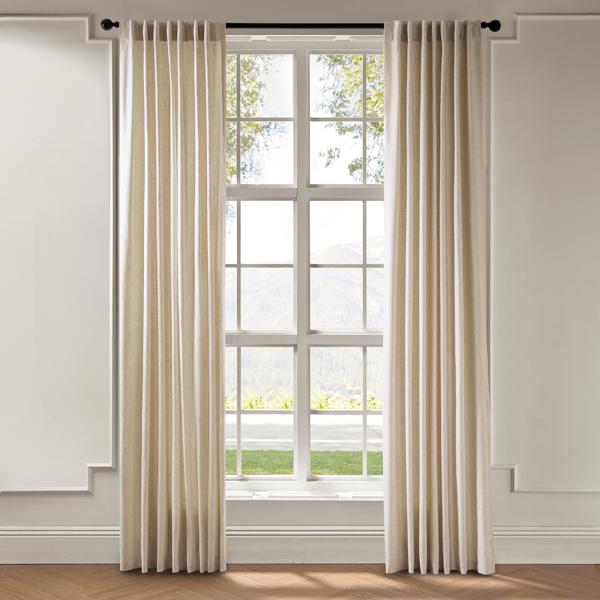
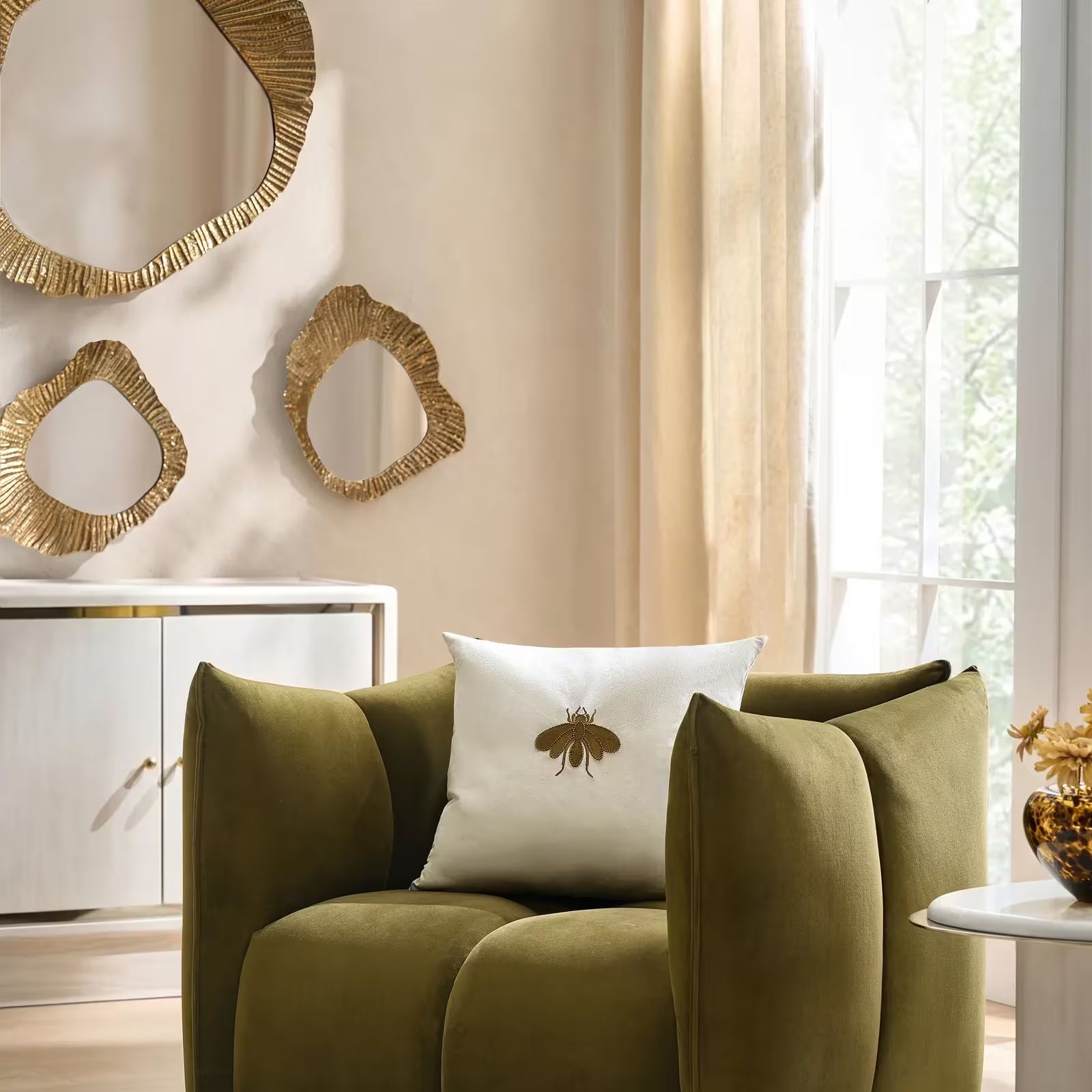 Anson Ivory Textured Window Curtain Panel$99
An elegant ivory curtain panel with a crushed, light-reflective texture for subtle shine and room darkening.
Add To Cart -
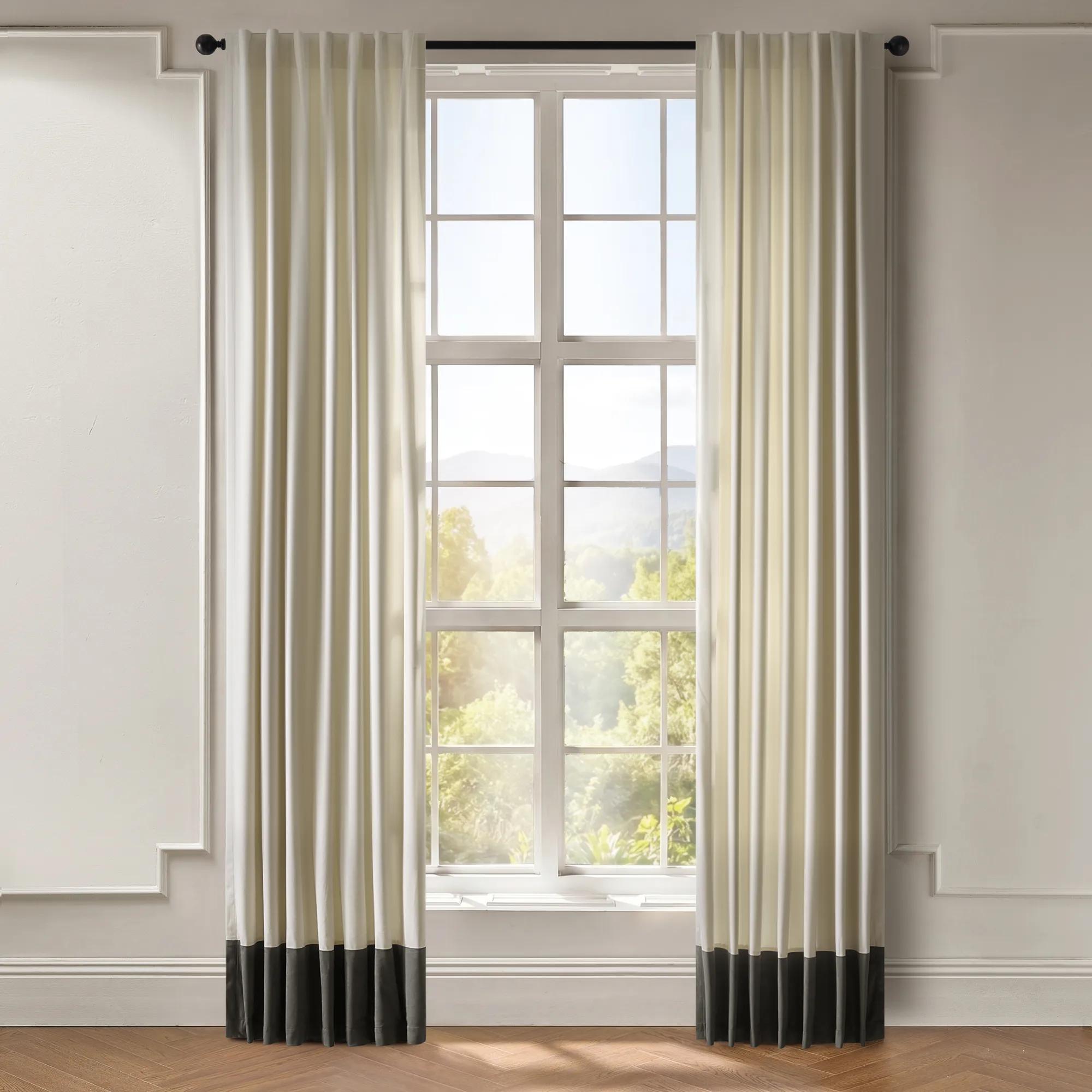
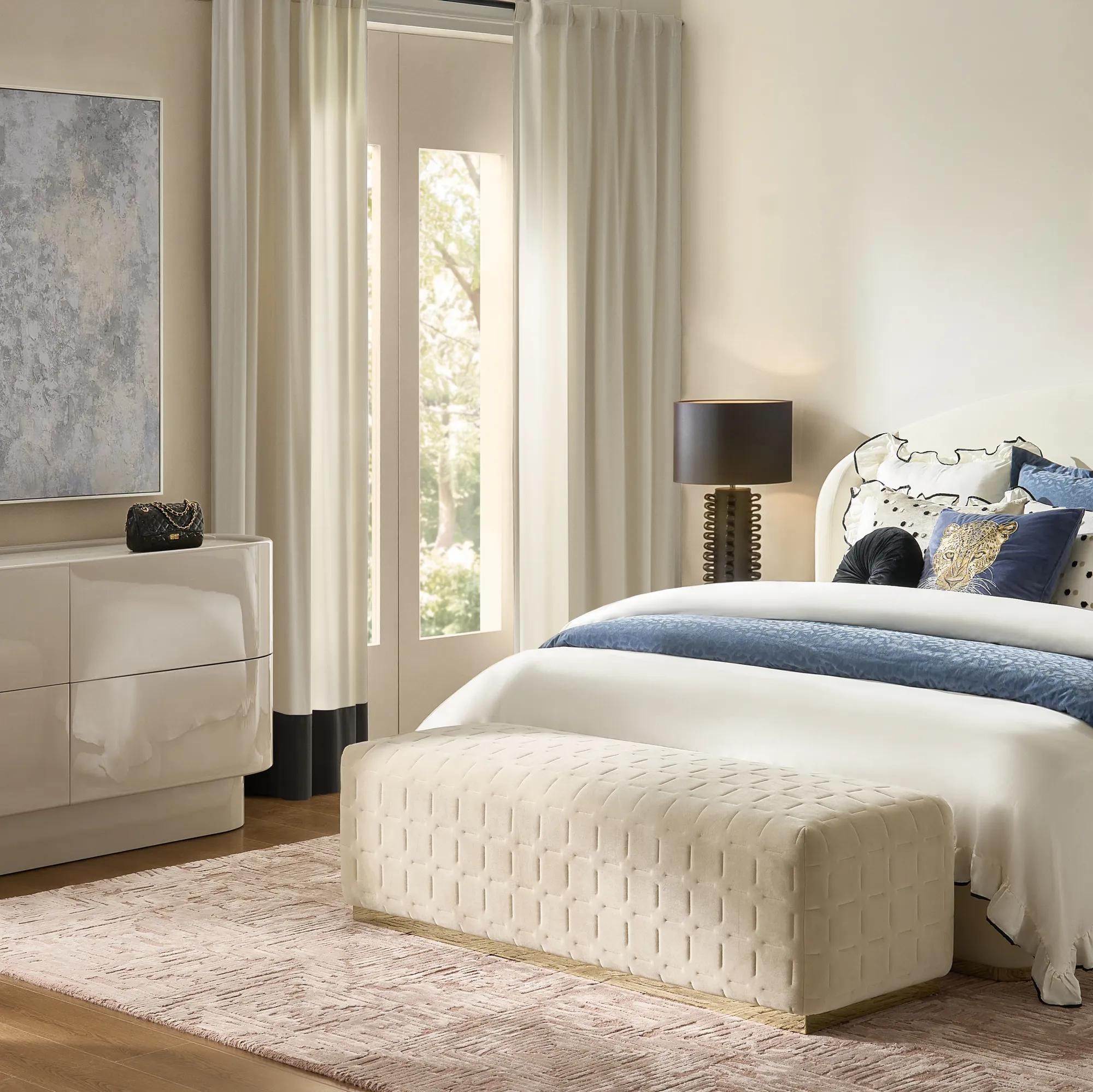 Bastien Ivory/Graphite Velvet Border Window Curtain Panel$109
A two-tone ivory and graphite velvet curtain panel with a Deco-inspired border and room-darkening design.
Add To Cart -
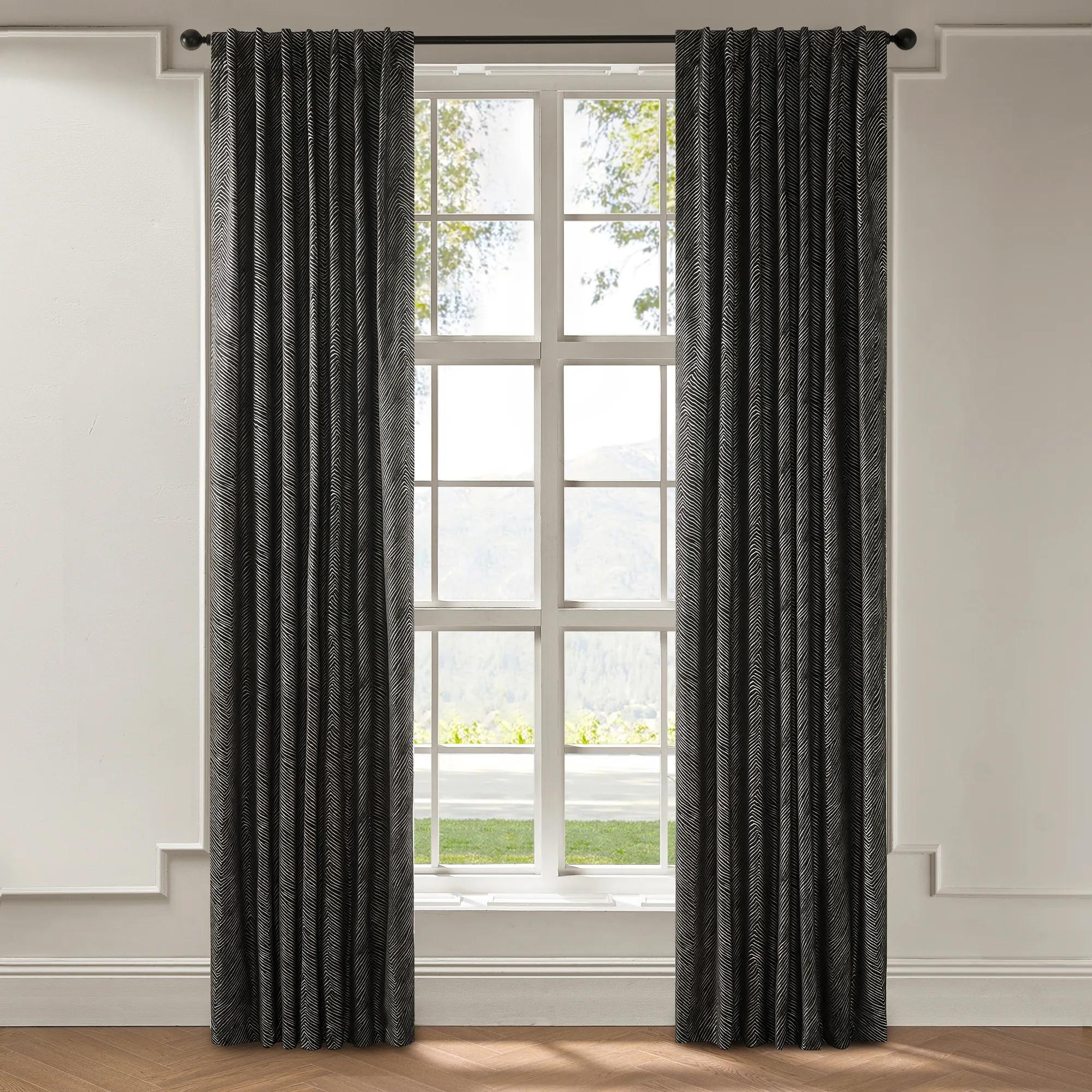
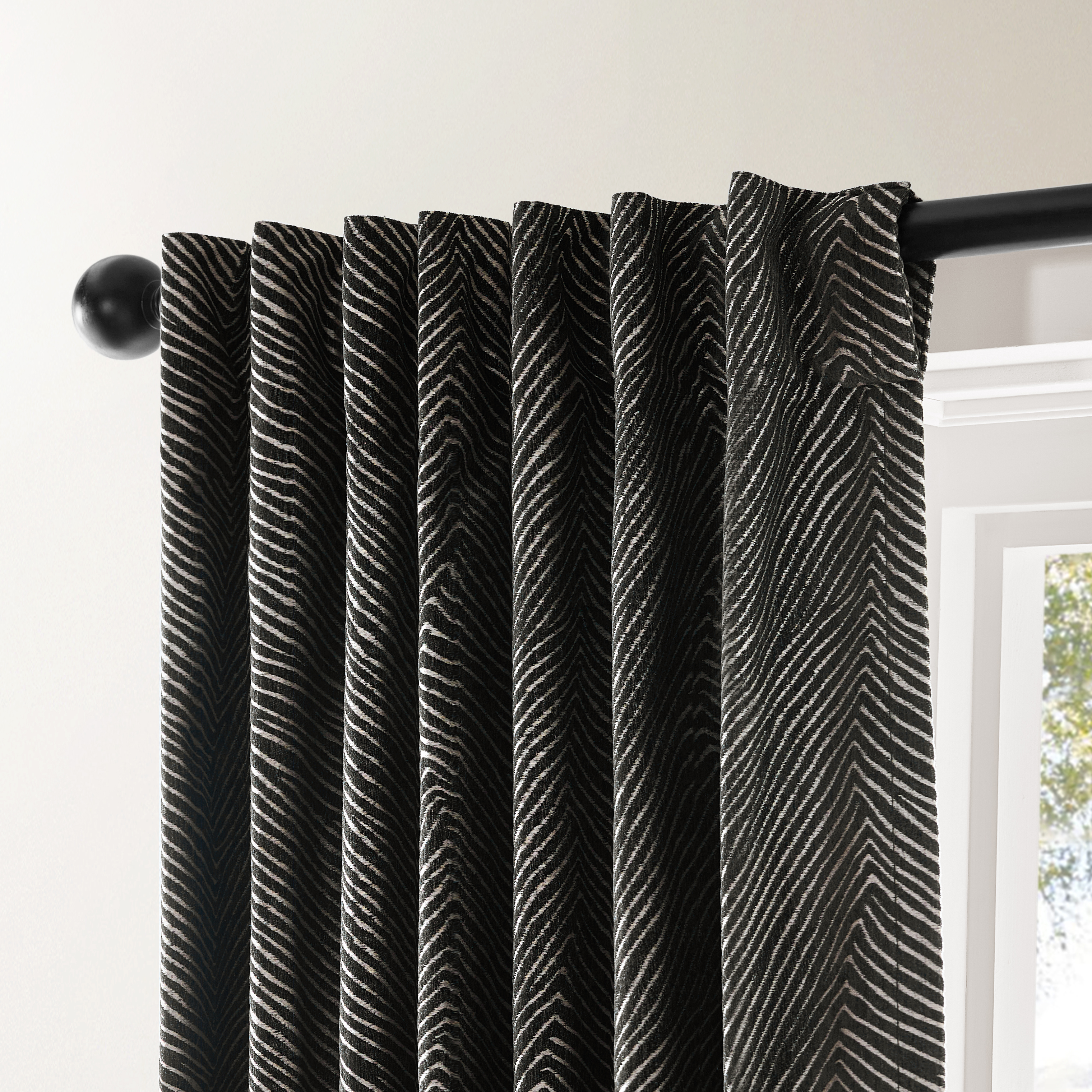 Kenzo Black Chenille Window Curtain Panel$129
A black chenille jacquard curtain with a luxe sheen and versatile dual hanging options.
Add To Cart -
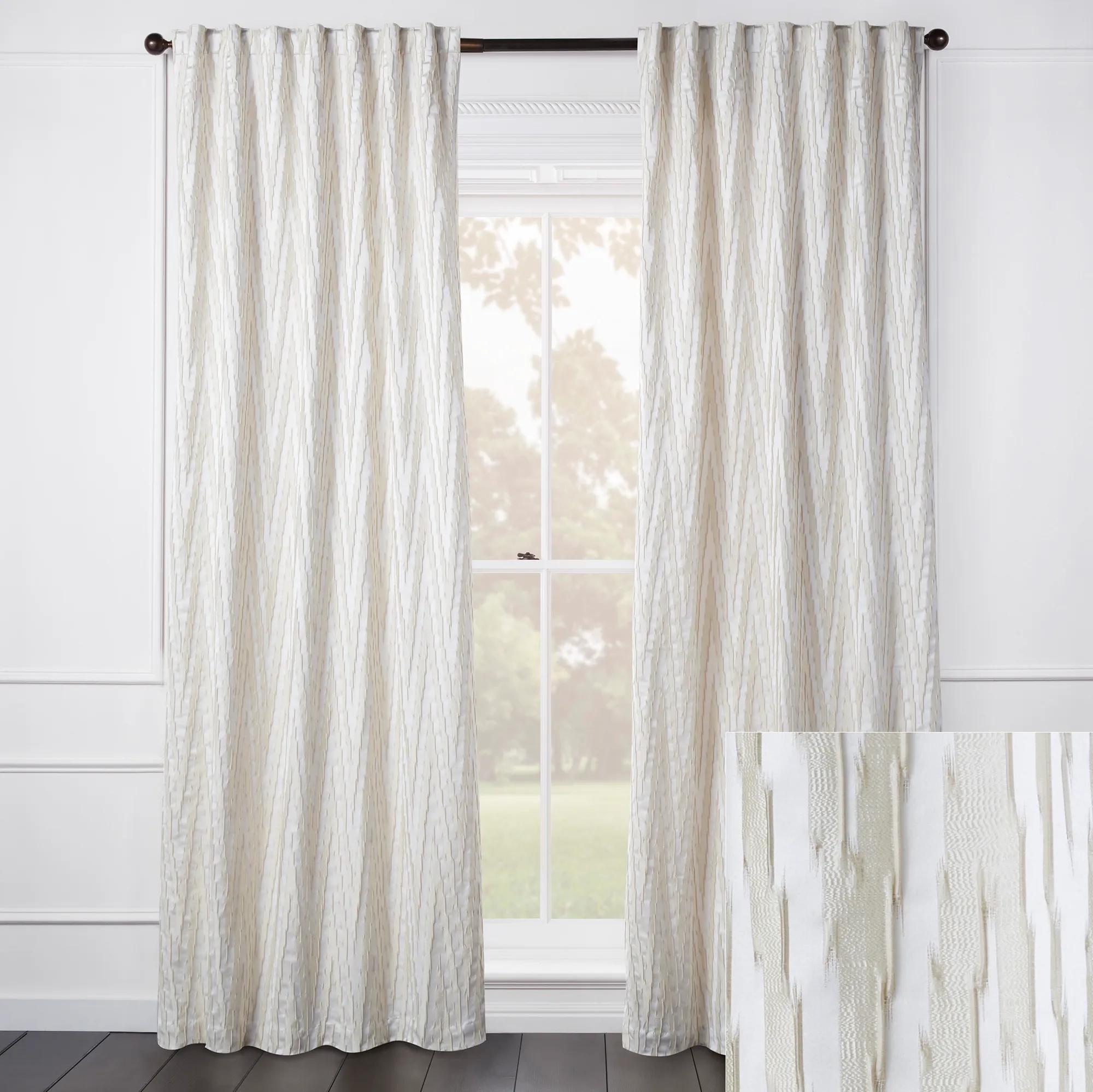
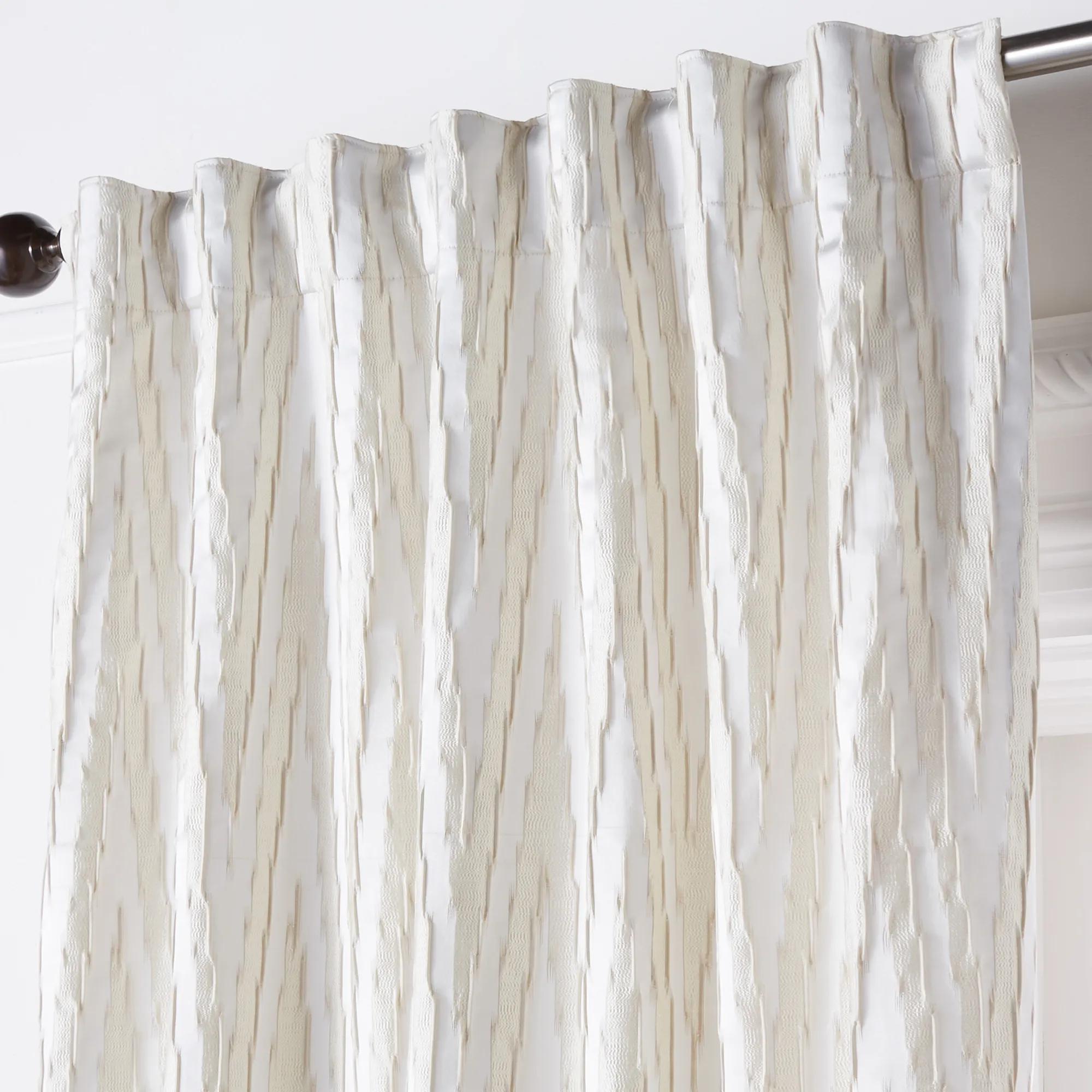 Minka Jacquard Pearl Window Curtain Panel Custom$249
A highly textured chevron curtain panel in pearl, grey, or natural polyester with customizable hanging options.
Add To Cart -
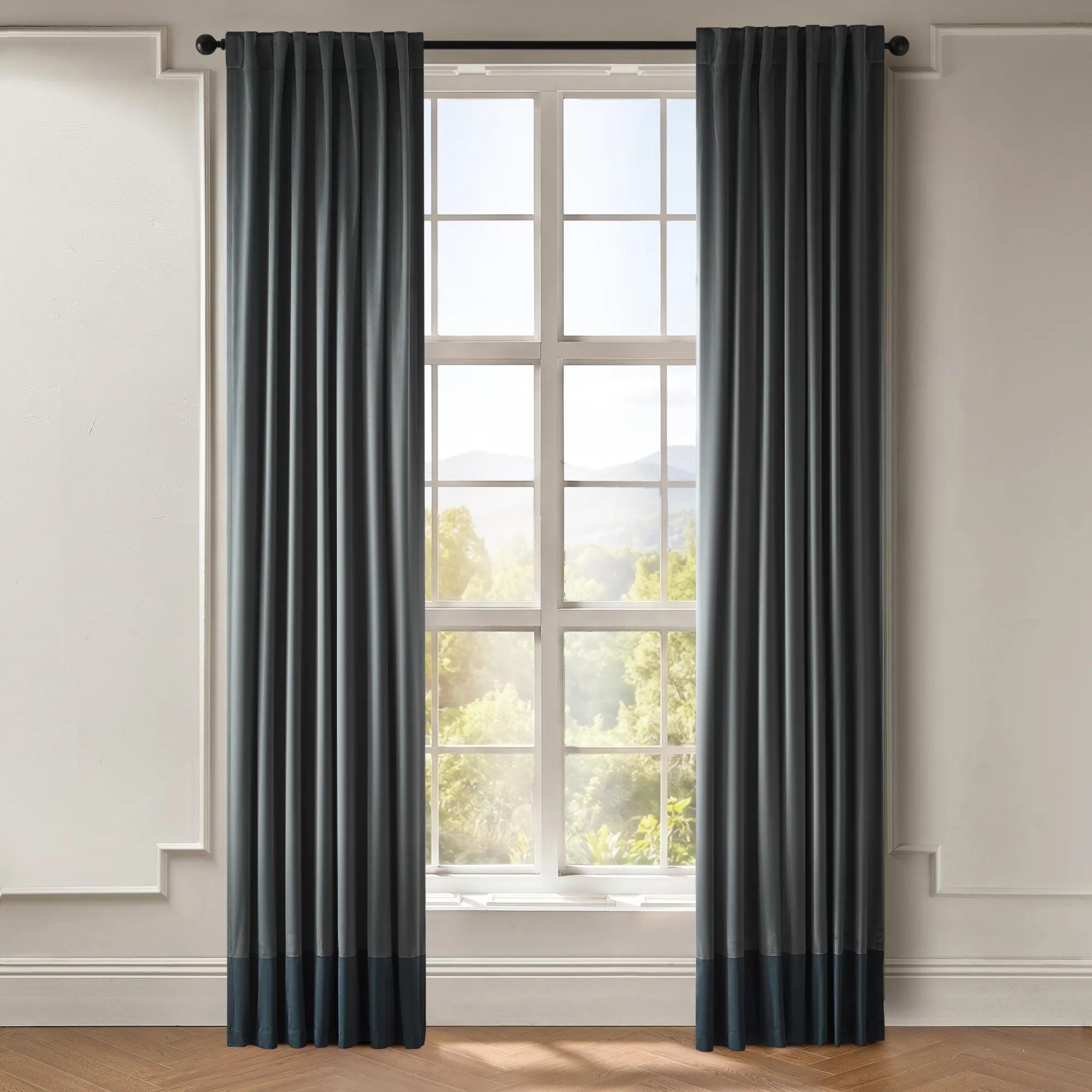
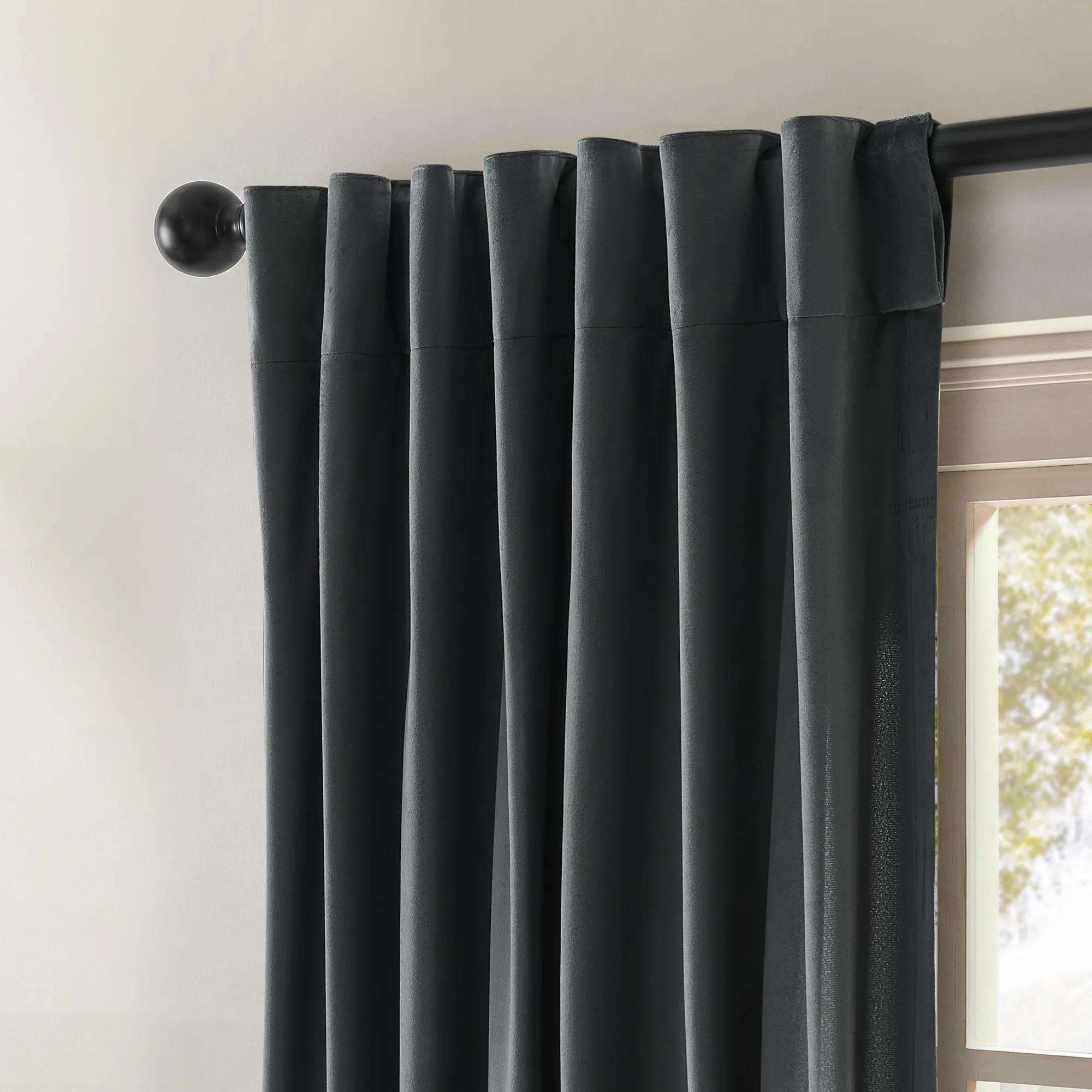 Bastien Blue/Midnight Velvet Border Window Curtain Panel$99
A two-tone dusty and midnight blue velvet curtain panel with a Deco-inspired border and room-darkening design.
Add To Cart -

 Mabel Natural Velvet Swirl Window Curtain Panel$99
A warm neutral velvet curtain with a tonal swirl pattern, offering room-darkening privacy and versatile hanging options.
Add To Cart -
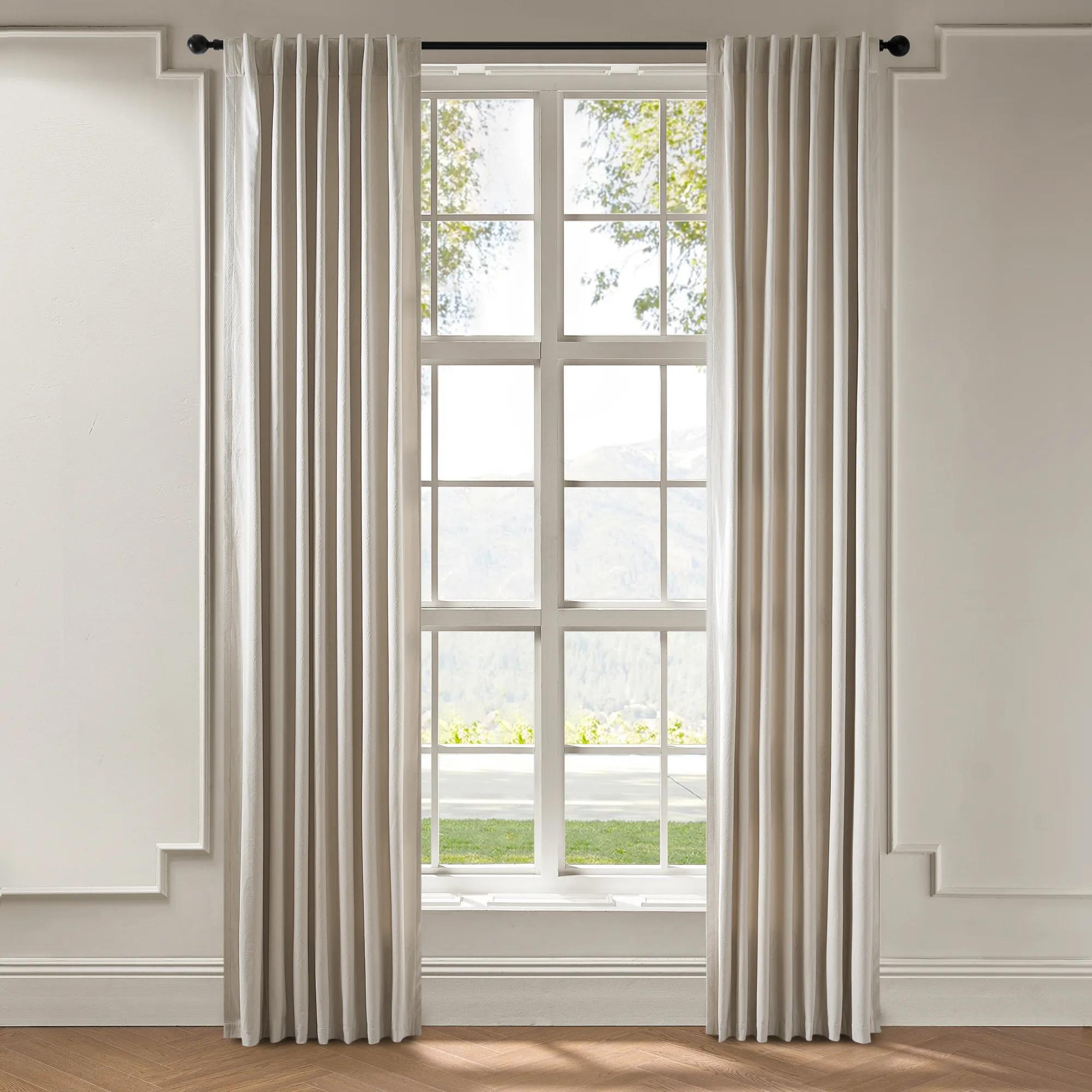
 Mabel White Velvet Swirl Window Curtain Panel$89
A crisp white velvet curtain featuring a tonal swirl texture and versatile dual hanging options.
Add To Cart -
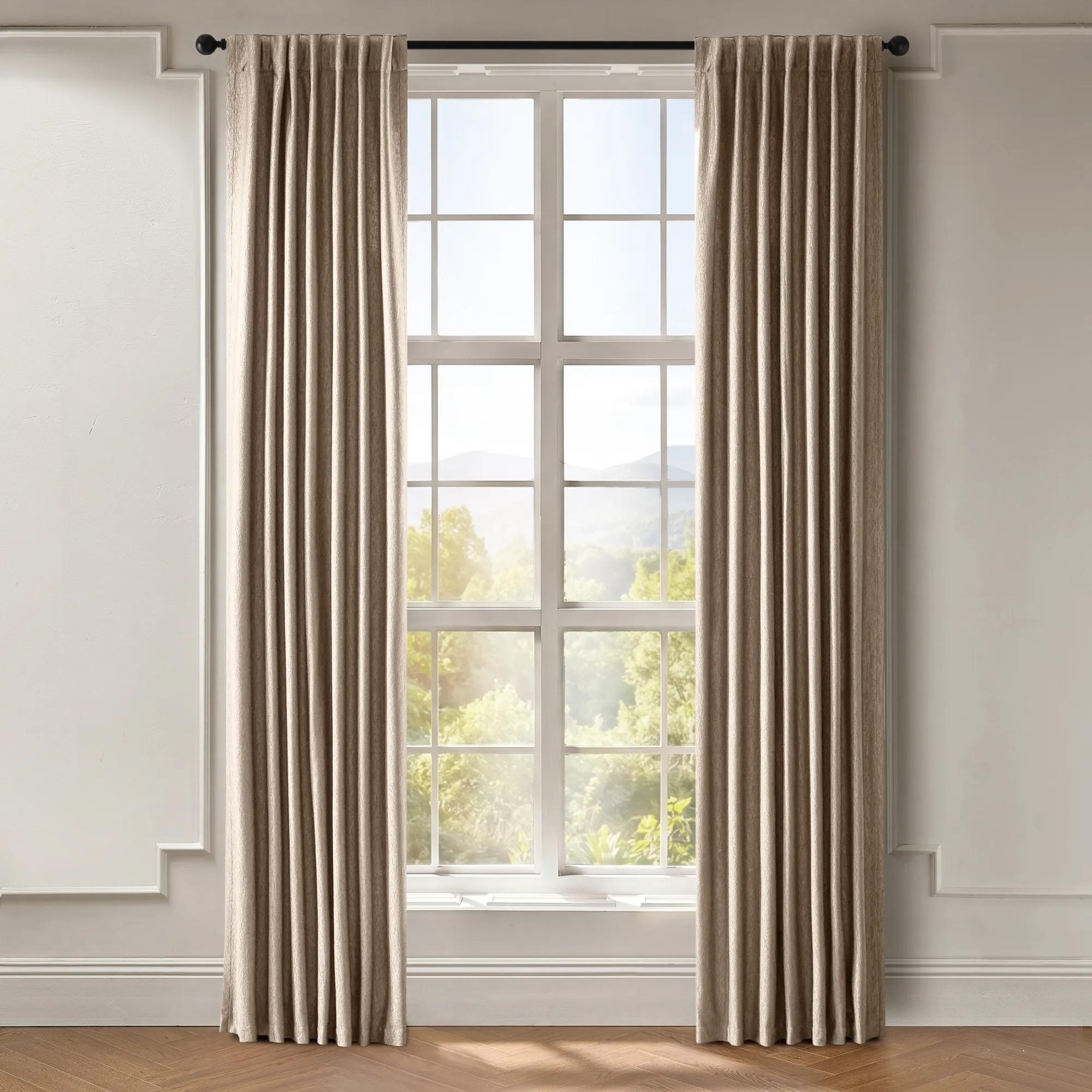 Anson Mocha Rose Textured Window Curtain Panel$109
A light mocha rose curtain panel with crushed sheen texture and room-darkening, dual hanging design.
Add To Cart -
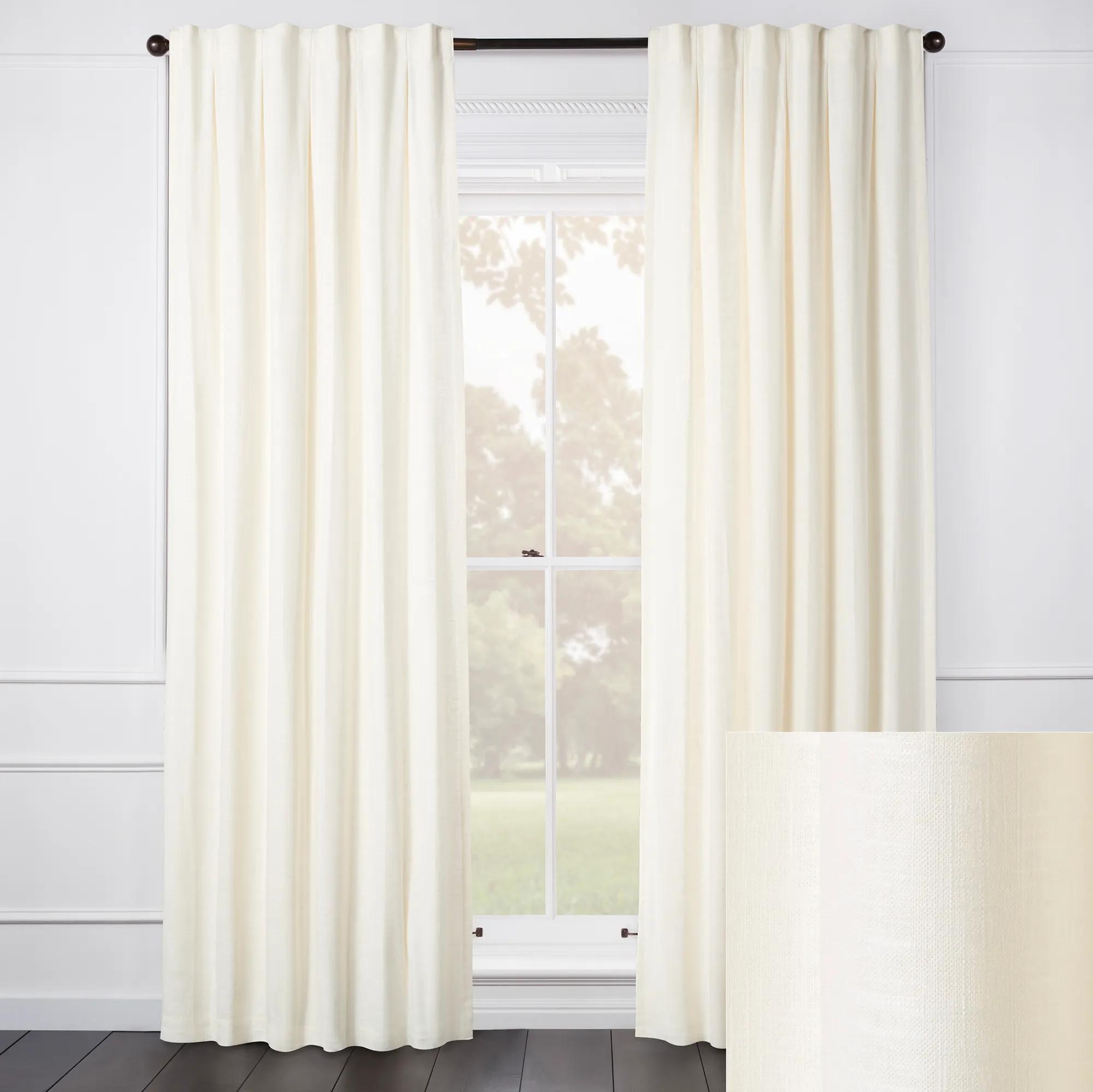
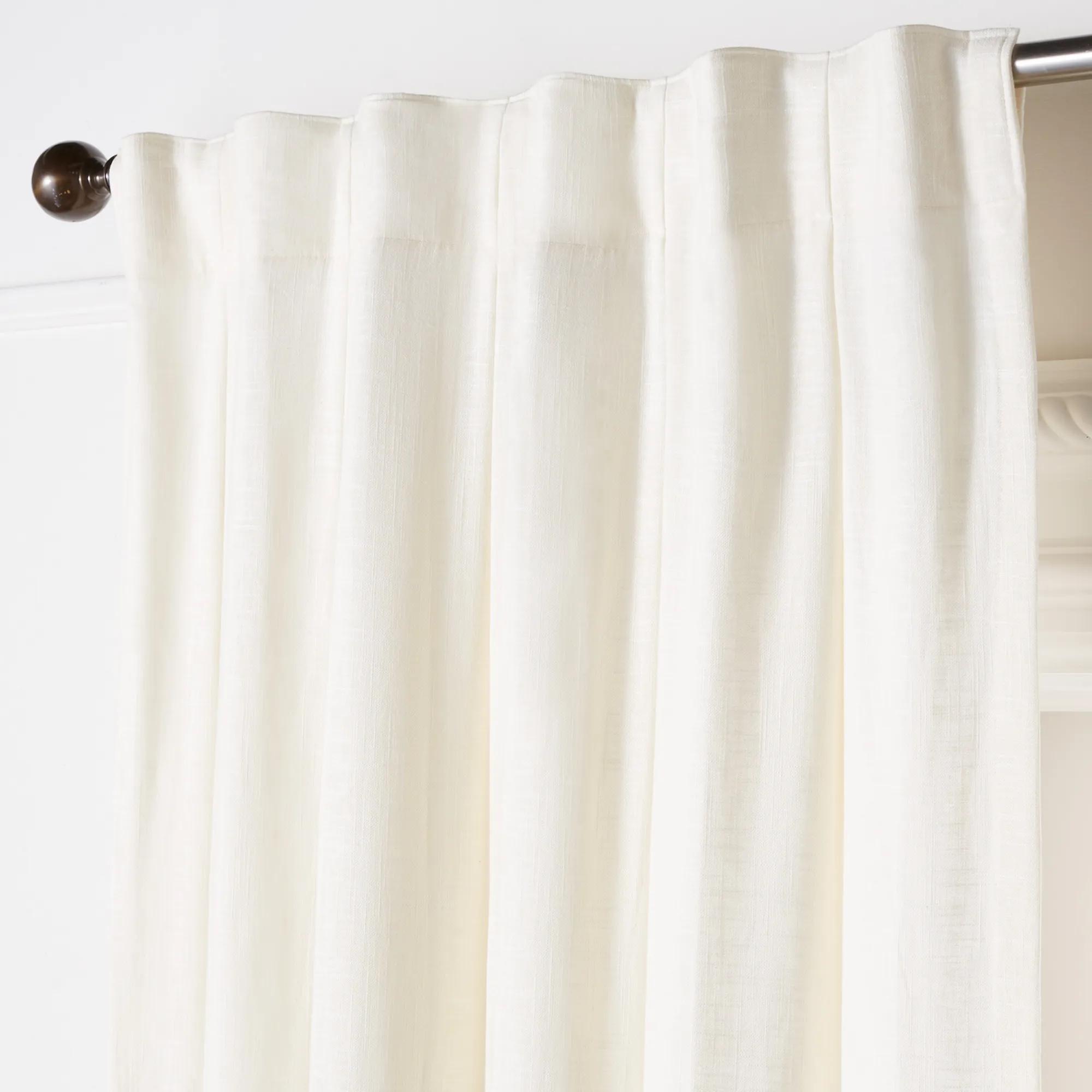 Audrey Linen Ivory Curtain - Custom$269
An ivory linen-blend curtain panel with lining, offering customizable lengths and two elegant header styles.
Add To Cart -
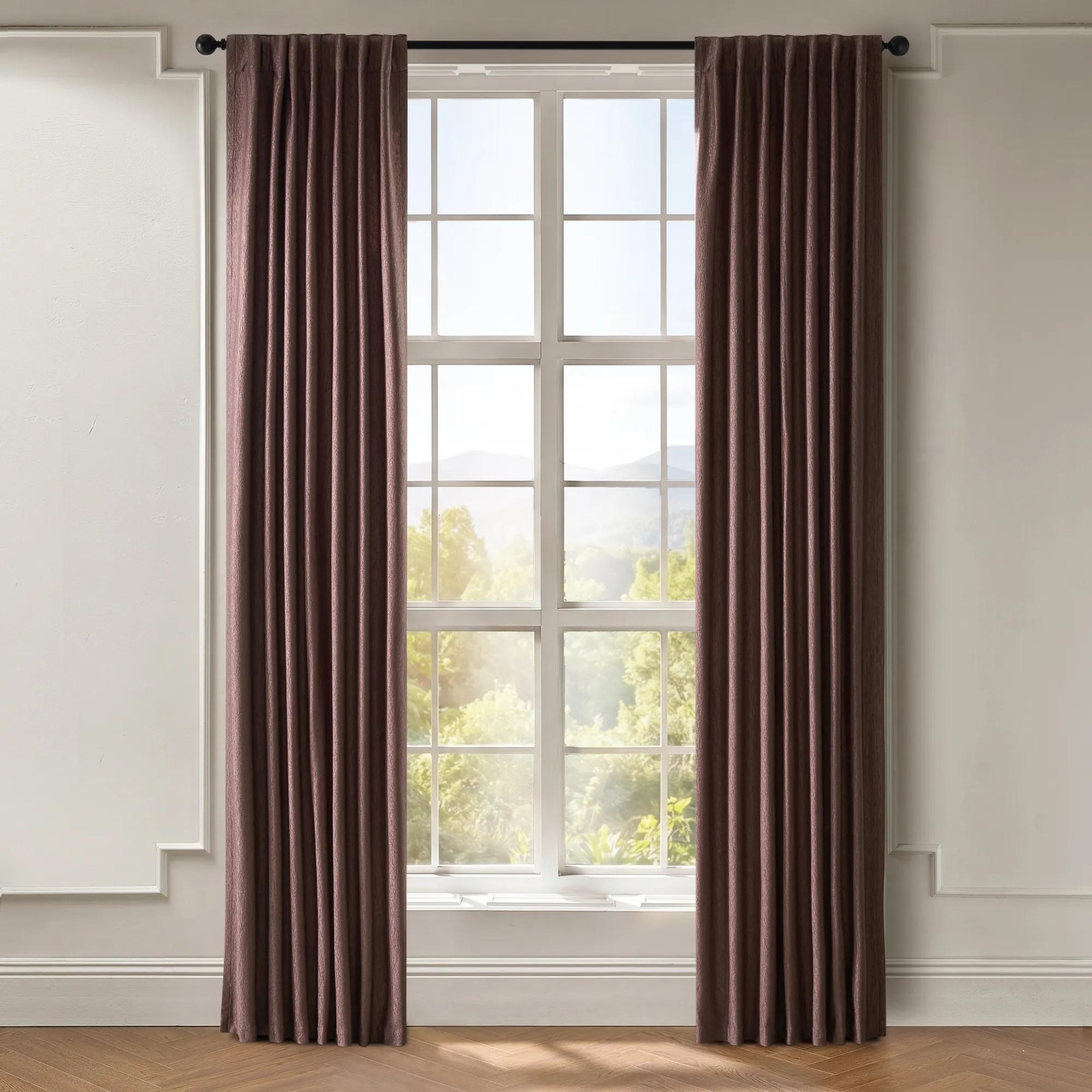
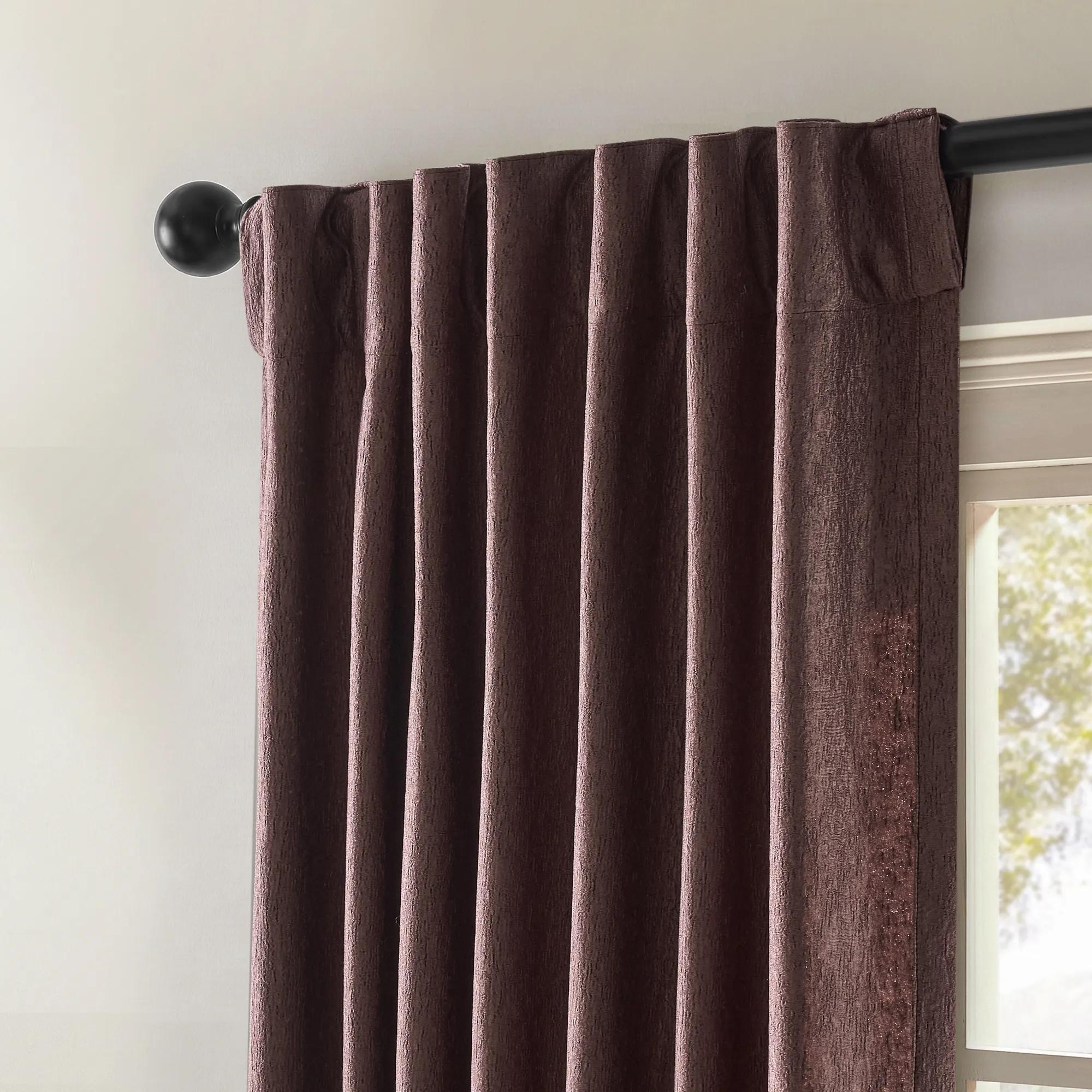 Anson Fig Textured Window Curtain Panel$109
A room-darkening fig curtain panel with a crushed sheen texture and versatile dual hanging options.
Add To Cart -
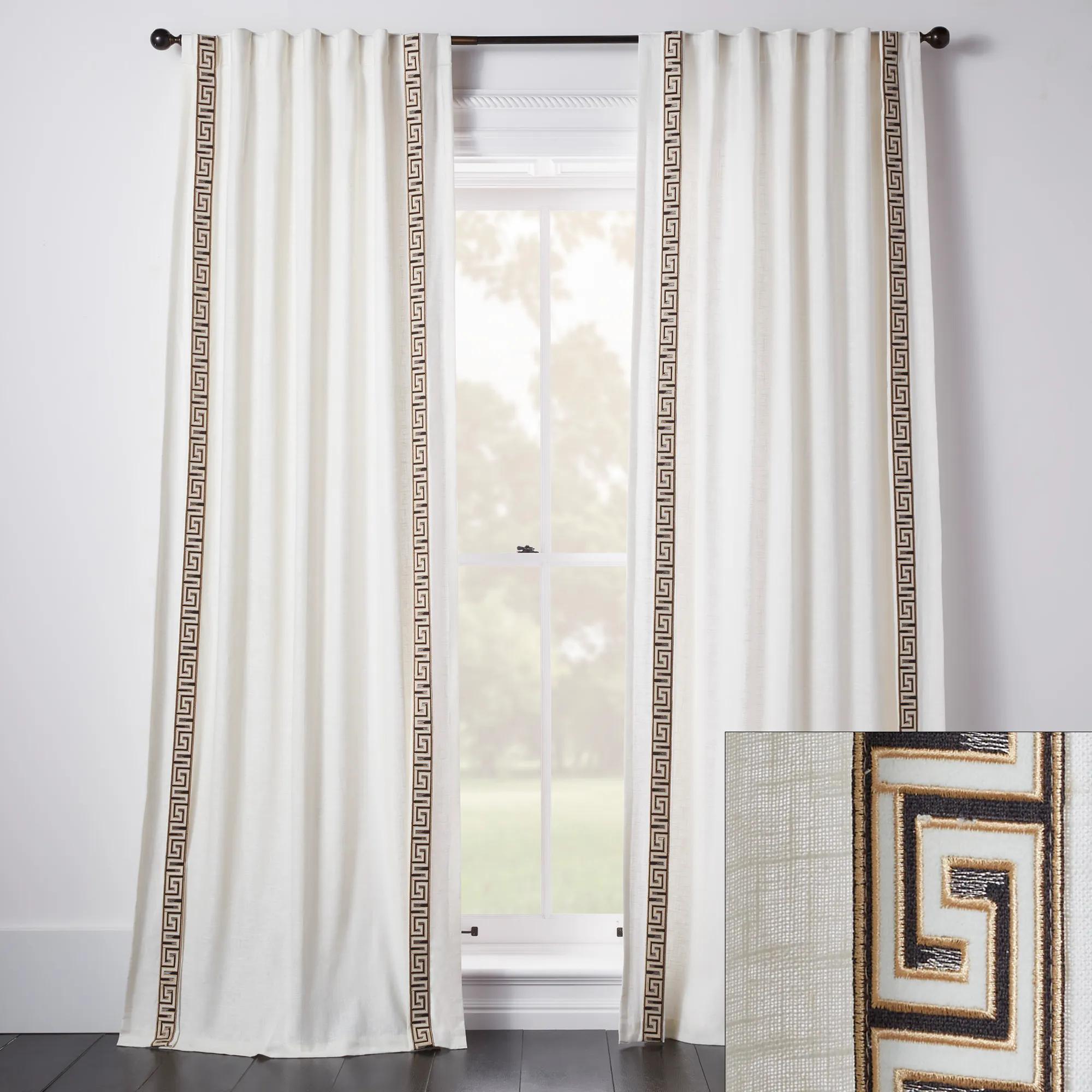 Chole Greek Key Border Velvet Widow Curtain Panels Custom$349
A white linen-blend curtain with black and gold velvet Greek key border and customizable hanging options.
Add To Cart -

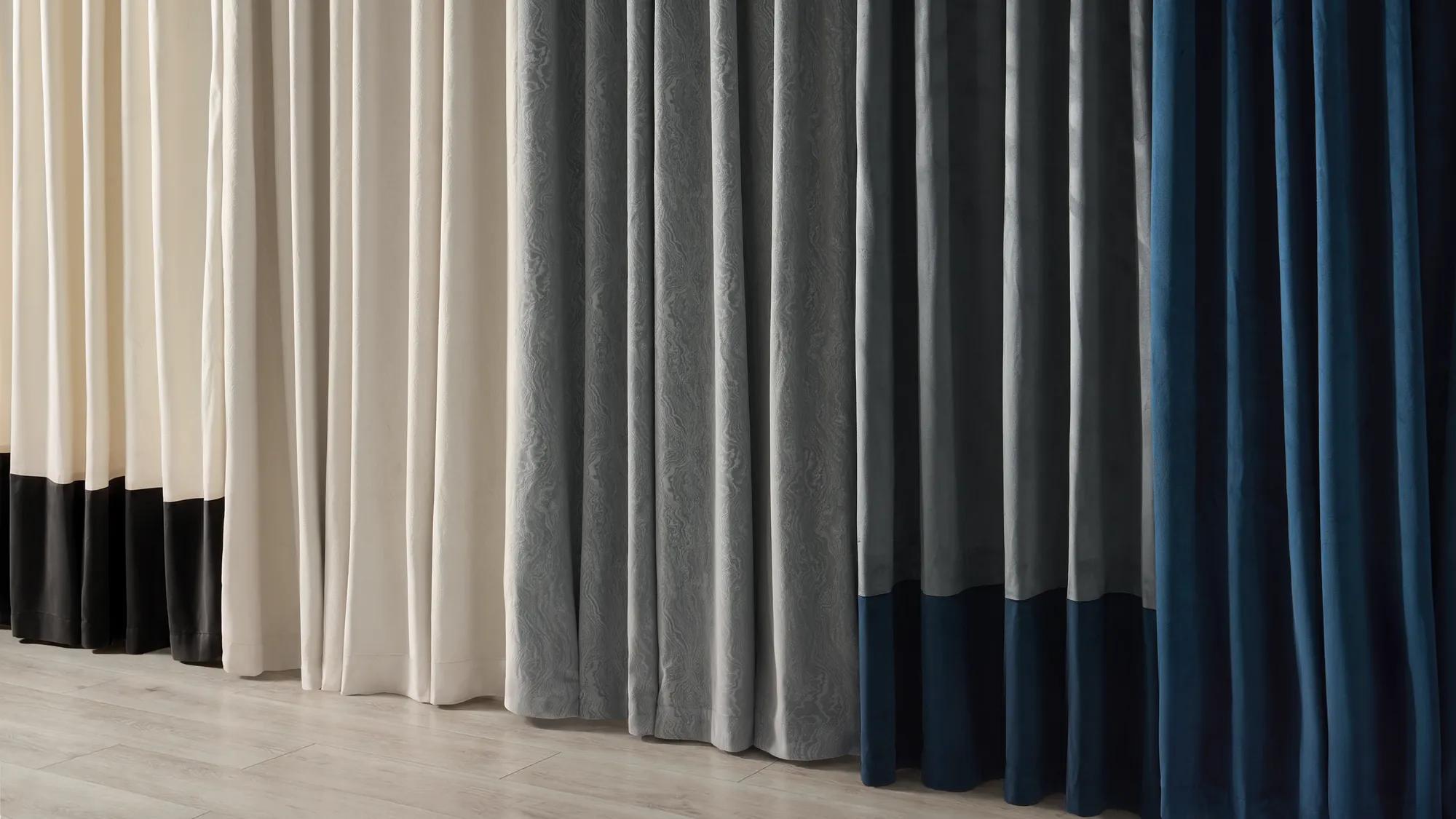 Mabel Velvet Swirl Curtain - Grey Blue$99
A grey blue velvet curtain featuring a tonal swirl pattern and versatile dual hanging options.
Add To Cart -

 Adair Midnight Blue Solid Velvet Window Curtain Panel$89
A sumptuous midnight blue velvet curtain that adds elegance, depth, and room-darkening style to any space.
Add To Cart -
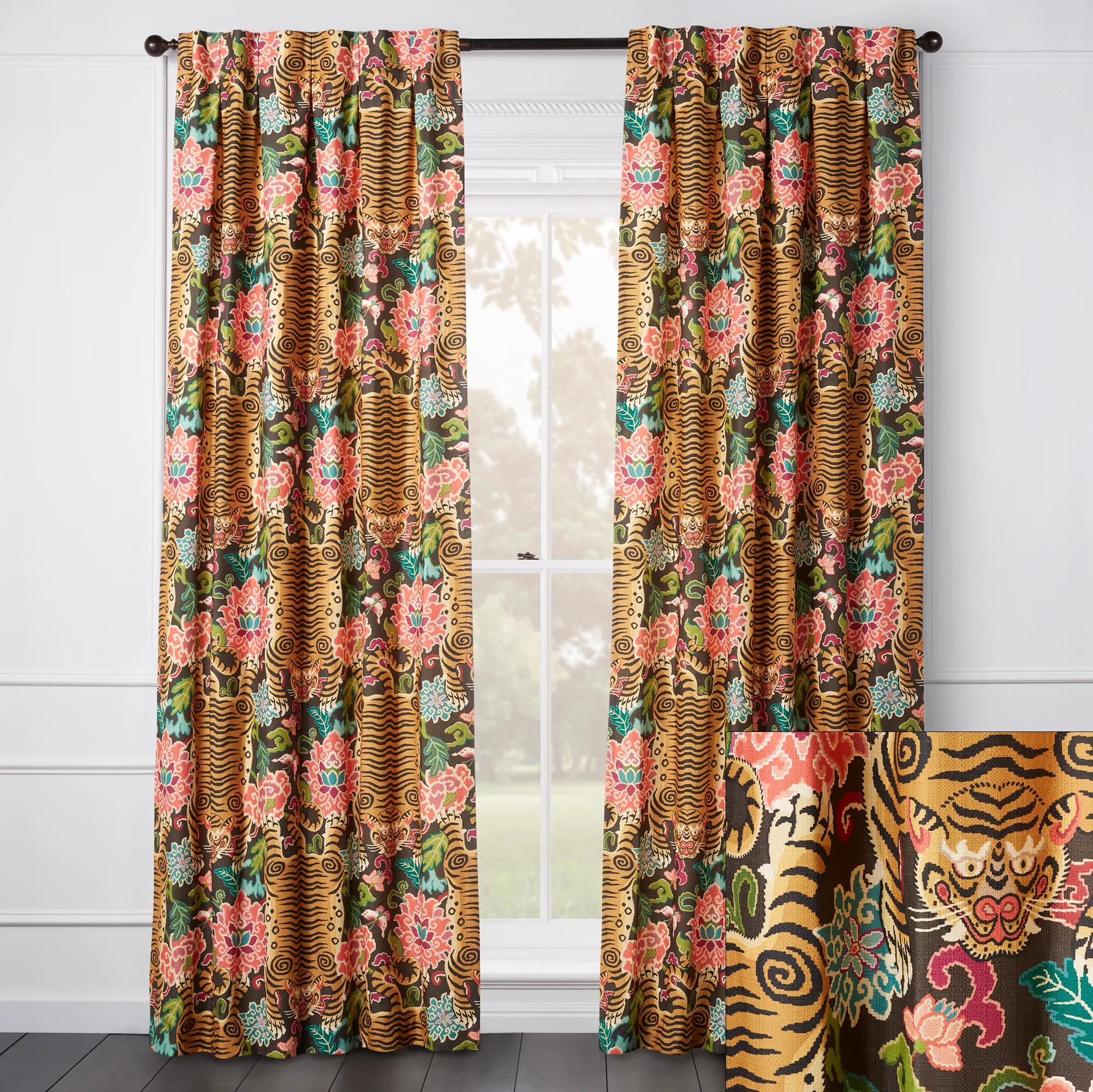
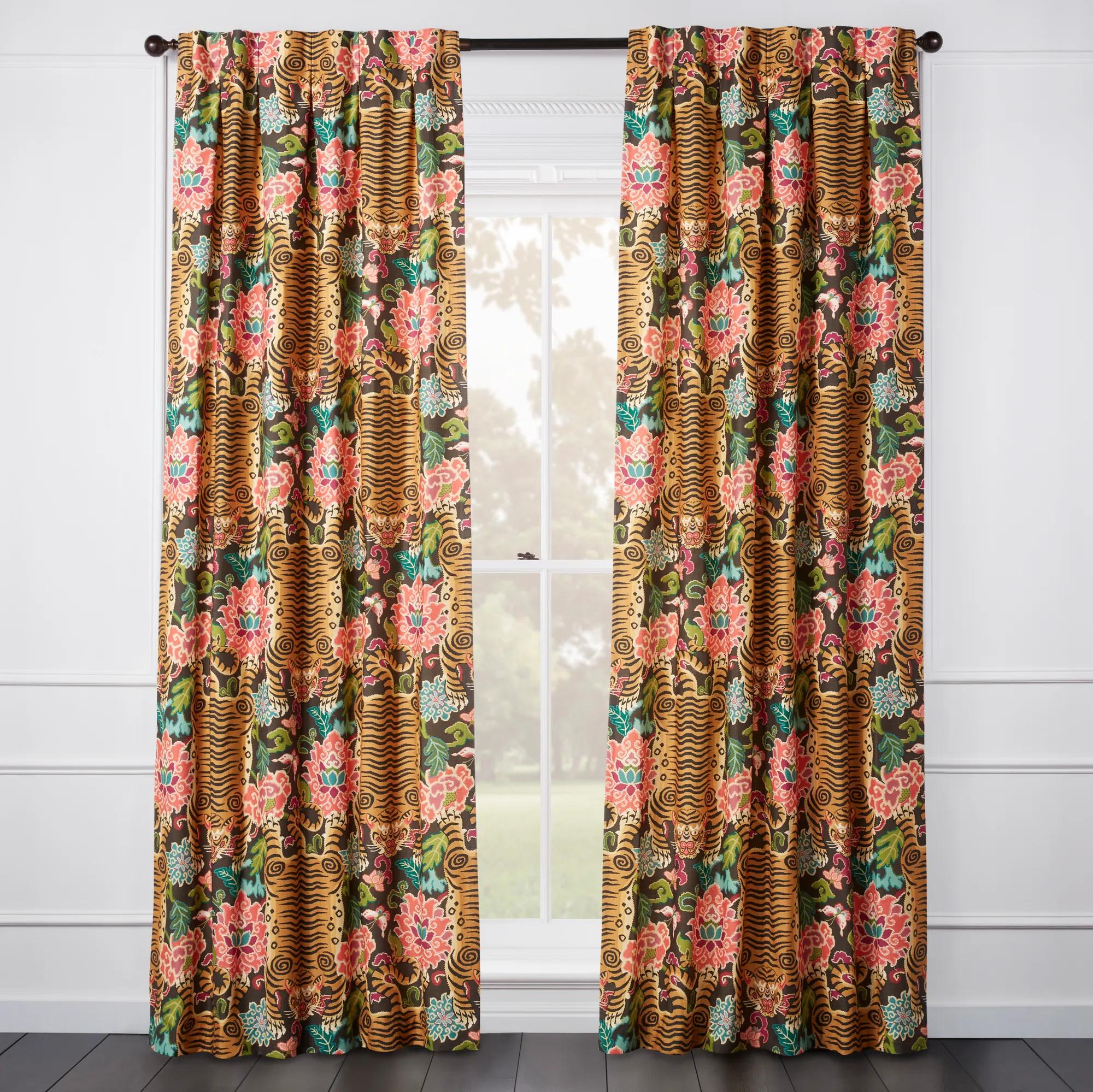 Nimer Gold/Multi Printed Slubbed Cotton Window Curtain Panel$299
A lively gold and multi-colored cotton curtain featuring a bold tiger print and customizable hanging options.
Add To Cart -

 Adair Sand Solid Velvet Window Curtain Panel$89
A sand-colored velvet curtain offering room-darkening privacy and versatile hanging options for refined interiors.
Add To Cart

Drapery For Minimalist Interiors
Drapery for minimalist interiors is more than a backdrop—it’s the artful whisper that defines a room’s soul. In spaces where every detail is intentional, drapery becomes the silent architect of light and shadow, infusing serenity with subtle drama. Picture flowing panels that soften stark lines, sheer textures that invite daylight to dance across polished floors, and elegant simplicity that frames your world with quiet sophistication. For those who believe less is truly more, these curated textiles transform restraint into an act of pure style, turning every window into a study in refined understatement.
Drapery for minimalist interiors brings depth to a room through fabric, proportion, and the quiet drama of a beautifully framed window. Rather than relying on elaborate trim or assertive pattern, these window treatments draw attention to long, uninterrupted folds, nuanced neutrals, and textures that reveal themselves in the light. Linen, cotton, and sheer blends are natural starting points for this aesthetic, offering distinct ways to soften architectural lines without obscuring them. Linen has an expressive surface and a relaxed fall, with subtle irregularities that lend character to otherwise precise surroundings. Cotton can feel smoother and more tailored, while blended fabrics may offer added resilience or a more consistent drape, depending on their construction. Airy sheers diffuse daylight into a luminous veil; denser woven panels create a more substantial frame around glass. In a living room with sculptural seating and a single oversized artwork, ivory drapery introduces softness without competing for attention. Against pale stone or warm wood, oatmeal and taupe bring gentle definition, while gray can echo brushed metal, charcoal upholstery, or the veining of marble. The most compelling neutral palettes are not necessarily identical from surface to surface. A slight shift between wall color and fabric gives the window dimension while preserving the room’s visual continuity. Undertones matter here: a creamy white can feel richly inviting beside warm finishes, whereas a cooler gray may sit more comfortably with crisp white walls and silver-toned accents. Viewed across a broad expanse of fabric, a small color difference becomes part of the architecture. For a more tonal expression, Grey Window Panels For Modern Interiors offers a related direction for spaces built around mist, pewter, and charcoal. Whether the setting is an airy apartment or a generously scaled living room, restrained drapery allows carefully chosen furnishings to hold their own while giving the entire composition a polished, intentional finish. Its presence is measured, but never incidental.
The distinction between a sheer, light-filtering, and blackout panel is especially important in rooms where beauty must coexist with daily routines. Sheer drapery softens the view and lends atmosphere, but it generally does not provide dependable privacy after dark when interior lights are on. Light-filtering fabric moderates brightness while allowing some daylight through; its privacy depends on the weave, color, and lighting conditions. Blackout drapery is constructed to block light through the fabric, although gaps at the top, sides, or center can still admit light. For a bedroom facing exterior lighting, a lined panel with generous coverage may be more appropriate than an unlined sheer. In a living room where the view is part of the appeal, translucent fabric can preserve a sense of openness, with a separate privacy layer when needed. A home office may benefit from light-filtering panels that temper screen glare without making the room feel enclosed. These choices need not interrupt a minimalist composition: layered treatments can remain visually disciplined when their colors are closely related and their hardware is thoughtfully integrated. Fit contributes just as much as fabric. Drapery mounted near the ceiling can emphasize vertical lines, while a rod or track extending beyond the window frame gives open panels somewhere to gather without covering as much glass. The appropriate extension depends on wall space, panel bulk, and nearby furnishings. Panel width should account for the full span being covered and the desired fullness, not simply the width of the glass. Too little fabric can look strained when closed; excessive volume can overwhelm a narrow room. Finished length is equally expressive. A hem that just clears the floor offers a crisp silhouette and practical movement, particularly near frequently used doors. A light floor touch feels more tailored than a deep puddle and avoids unnecessary fabric underfoot. Accurate measurements taken from the intended hanging point help preserve that deliberate line, especially where floors are not perfectly level. In these interiors, proportion supplies the ornament.
Hardware and construction bring the final degree of refinement to minimalist window treatments. Low-profile rods, discreet brackets, back-tab headings, and compatible ceiling-mounted tracks each create a different rhythm across the window. Back tabs can conceal much of the rod behind the fabric for a quieter appearance, while ripple-fold or S-fold systems produce a repeating wave when paired with the correct track and heading components. A slender matte finish can recede against surrounding surfaces; a restrained metallic finish can introduce a gleaming accent that relates to lighting or furniture details. Neither approach needs to feel austere. The luxury lies in the coherence of the whole arrangement, from the spacing of the folds to the way the hem meets the floor. Heading style also affects how readily panels move, an important consideration for drapery opened and closed every day. The supporting hardware must suit the fabric’s weight, and brackets or tracks need secure installation appropriate to the wall or ceiling. Closely woven fabrics, sound seams, and well-finished hems are useful construction details to assess, especially in busy households. Linen’s natural creasing may be part of its appeal, while shoppers who prefer a smoother appearance may favor fabrics described as wrinkle-resistant, with care requirements checked before purchase. Maintenance should always follow the attached label: some panels are washable, others require professional cleaning, and linings or decorative finishes can change the recommended method. Gentle dust removal with an appropriate vacuum attachment, when permitted, helps keep folds fresh between deeper cleanings. Test any permitted steaming on an inconspicuous area, and avoid assuming that every fabric tolerates direct heat or moisture. Long exposure to strong sunlight can affect color and fibers, so the window’s orientation deserves consideration alongside texture and opacity. For homes with children or pets, floor clearance and securely installed, appropriately selected operating systems deserve particular attention. These practical details protect the visual effect rather than diminish it. Drapery that moves gracefully, suits the room’s privacy needs, and receives appropriate care gives minimalist interiors their most persuasive kind of richness: texture that rewards a closer look, light shaped with intention, and an architectural finish that lets every surrounding detail resonate.
FAQs
For minimalist interiors, natural fabrics like linen, cotton, and linen-blends are highly sought after for their graceful drape and tactile appeal. These materials bring a sense of organic texture without overwhelming the space, while silk and velvet can add a subtle layer of luxury. Choosing high-quality, well-crafted panels ensures the curtains hang beautifully and contribute to the serene, sophisticated atmosphere that defines minimalist design.
Drapery in a minimalist living room serves as both a functional and artistic element, softening architectural lines and diffusing natural light to create a tranquil, inviting environment. Floor-to-ceiling panels in neutral hues can visually heighten the space, while the interplay of sheer and opaque layers allows you to tailor the mood from luminous openness to intimate seclusion. The result is a living space that feels curated, calm, and effortlessly elegant.
Sleek S-fold or wave-fold panels, relaxed pleats, and simple flat panels are all excellent choices for minimalist interiors. These styles emphasize clean lines and fluid movement, avoiding fussy details or heavy embellishments. Paired with minimal hardware—such as concealed tracks or slim rods—the overall effect is one of harmonious simplicity and refined drama.
Minimalist curtains make a sophisticated and practical gift for anyone moving into a new home, especially those who appreciate design-forward simplicity. Their timeless appeal and versatility allow them to complement a wide range of interior styles, making them a cherished addition to any space. Gifting high-quality drapery communicates both care and an eye for detail, setting the stage for a beautifully curated home.
In minimalist spaces, color palettes are typically restrained—think whites, creams, soft grays, and taupes—allowing texture to become the star. Opt for fabrics with subtle weaves or gentle luster to add depth and interest without visual clutter. The interplay of matte and sheen, crispness and softness, transforms simple panels into a statement of quiet luxury and personal style.


