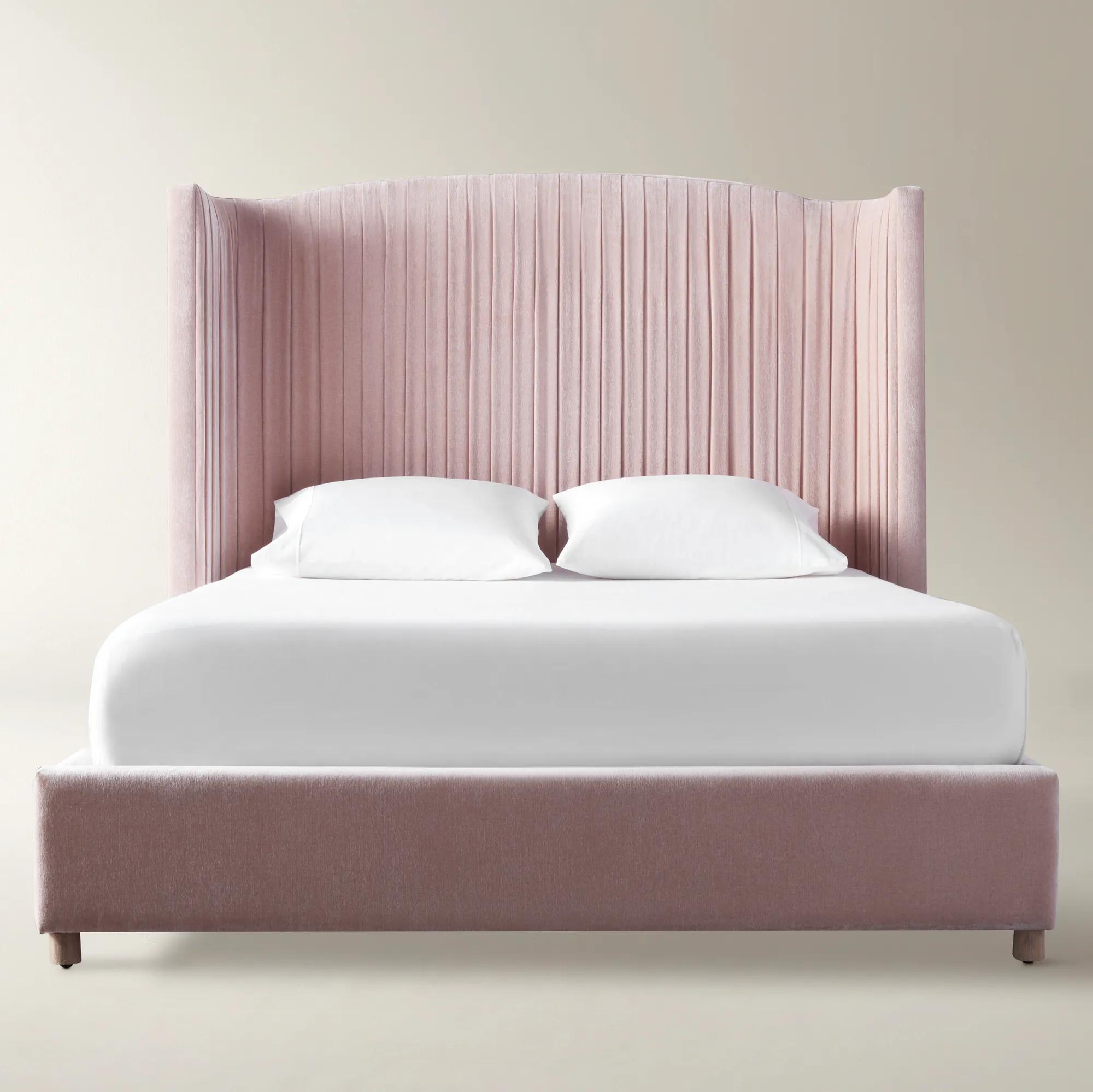
Velvet Bedding For Minimalist Decor
Velvet Bedding For Minimalist Decor
-
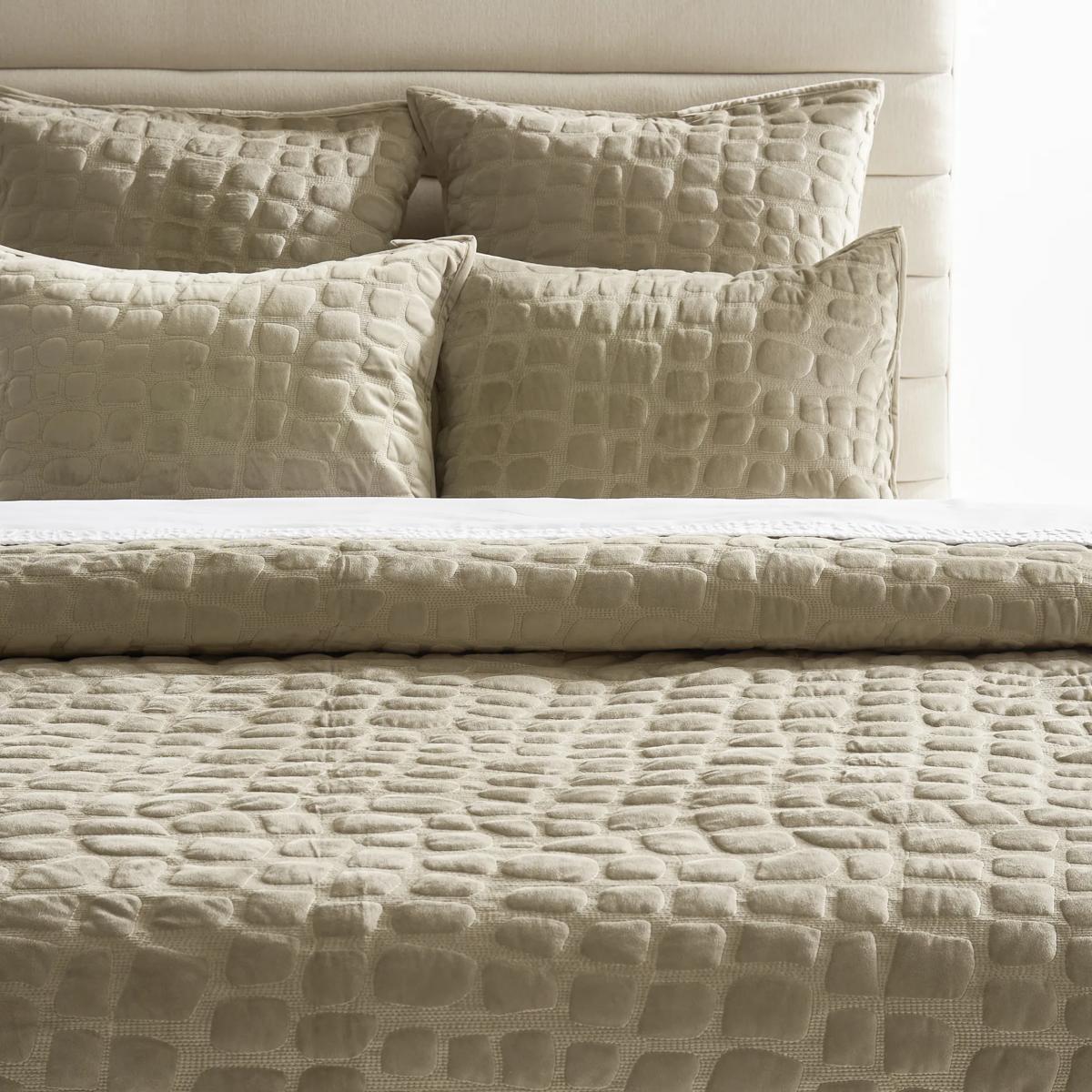
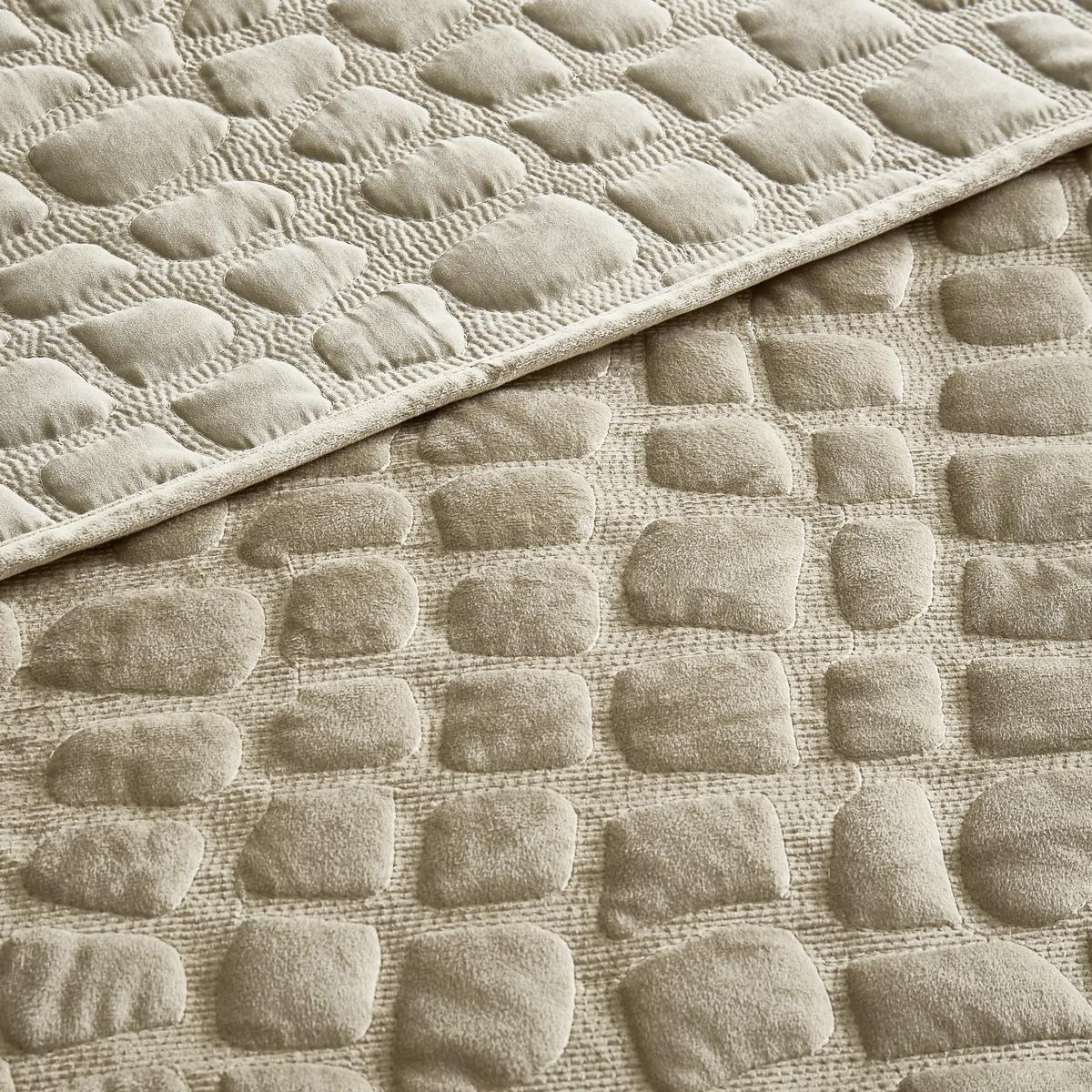 Valen Velvet Quilt Set - Sand$229
A plush sand velvet quilt set featuring a croc-embossed pattern and tailored piped edges.
Add To Cart -
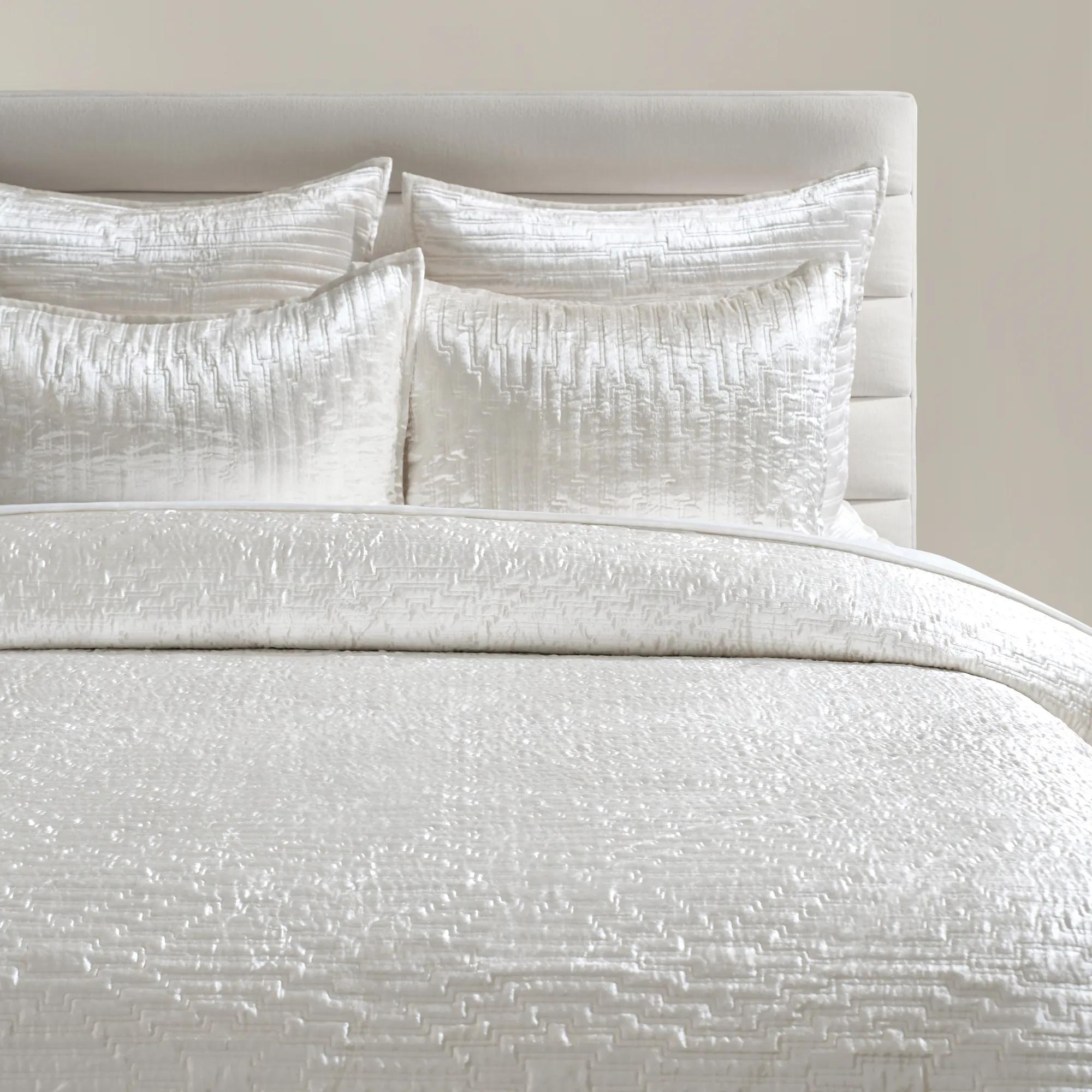
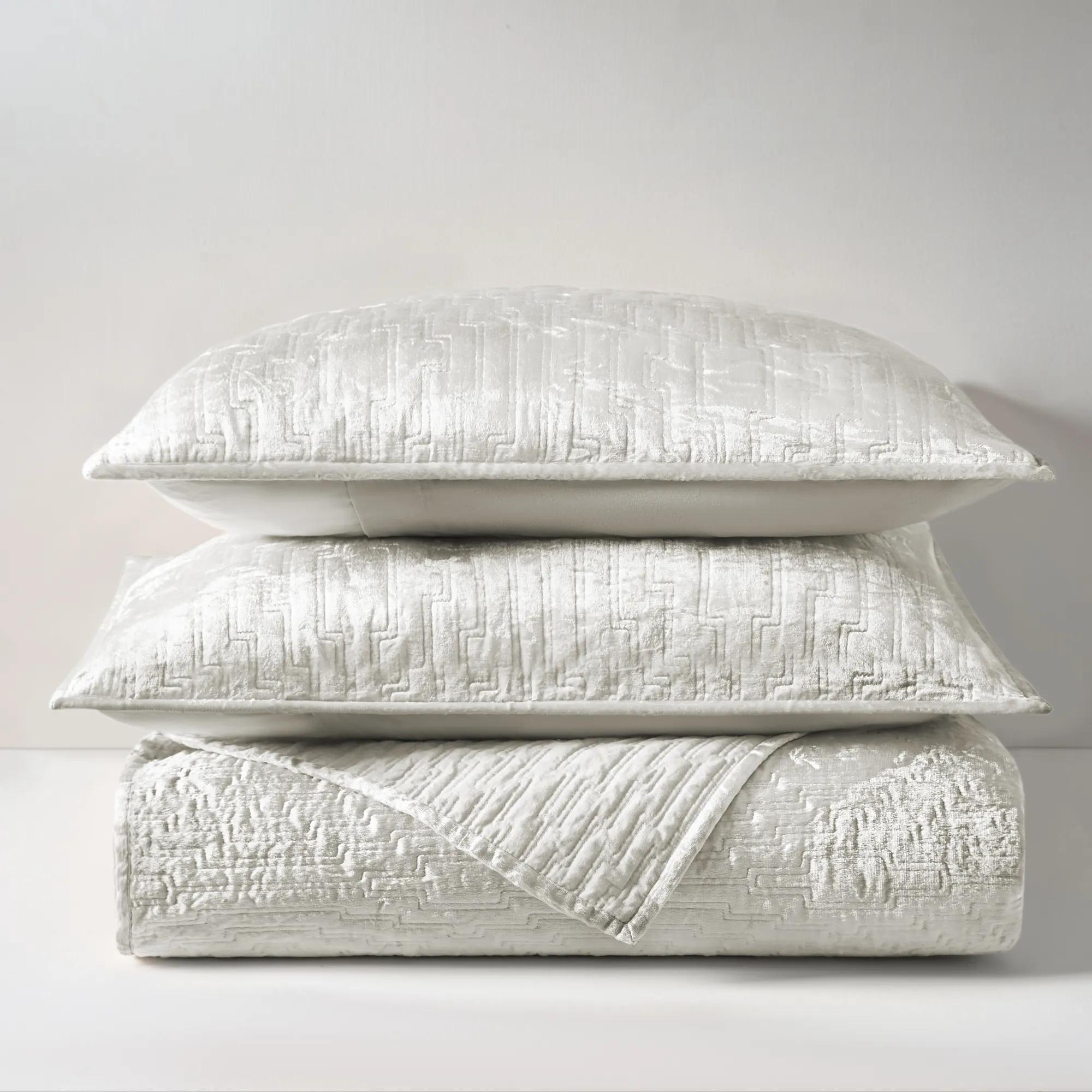 Glam Cloud White Shiny Viscose Velvet Quilt Bedding Set$499
A lustrous cloud-colored velvet quilt with modern geometric stitching and refined piped edges for sophisticated comfort.
Add To Cart -
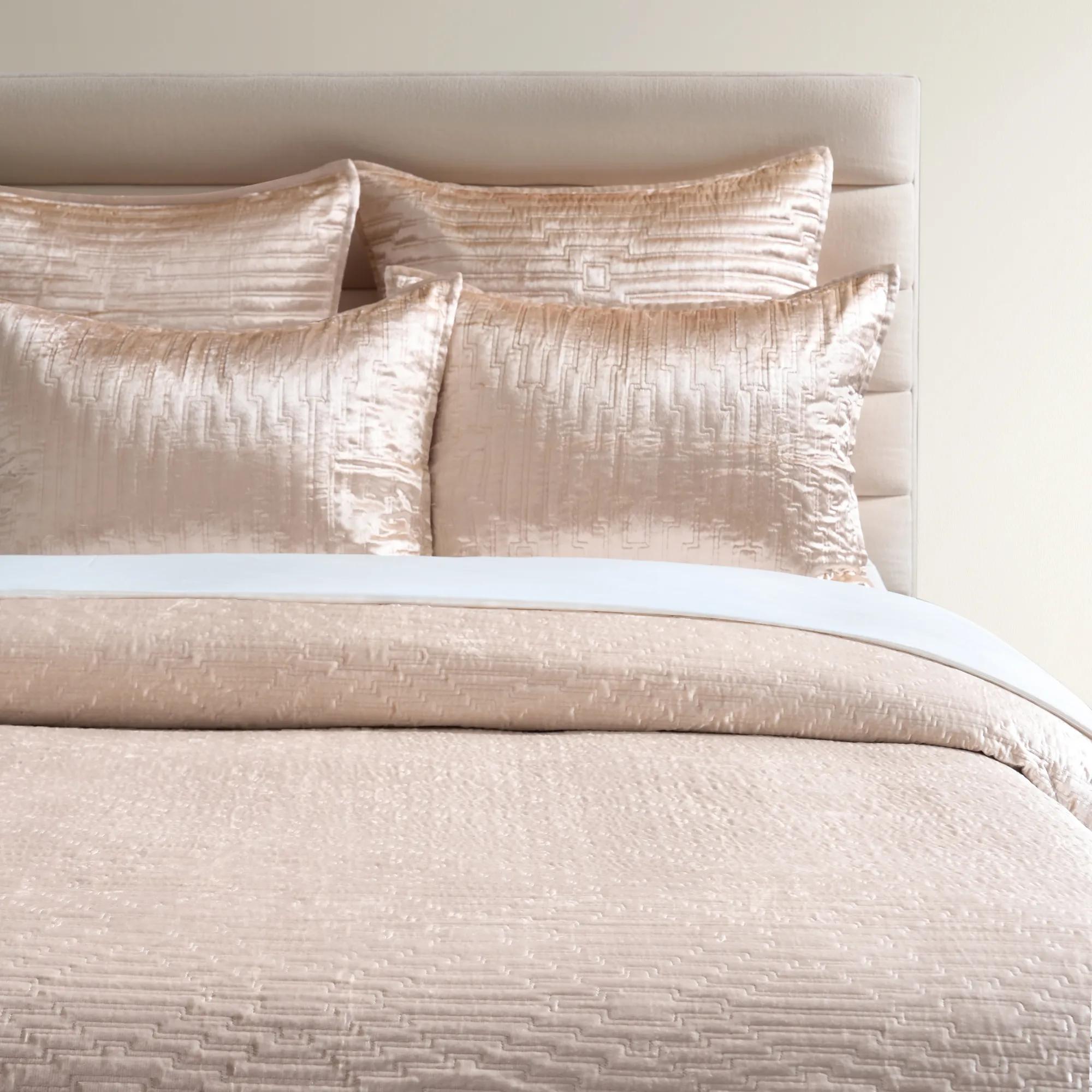
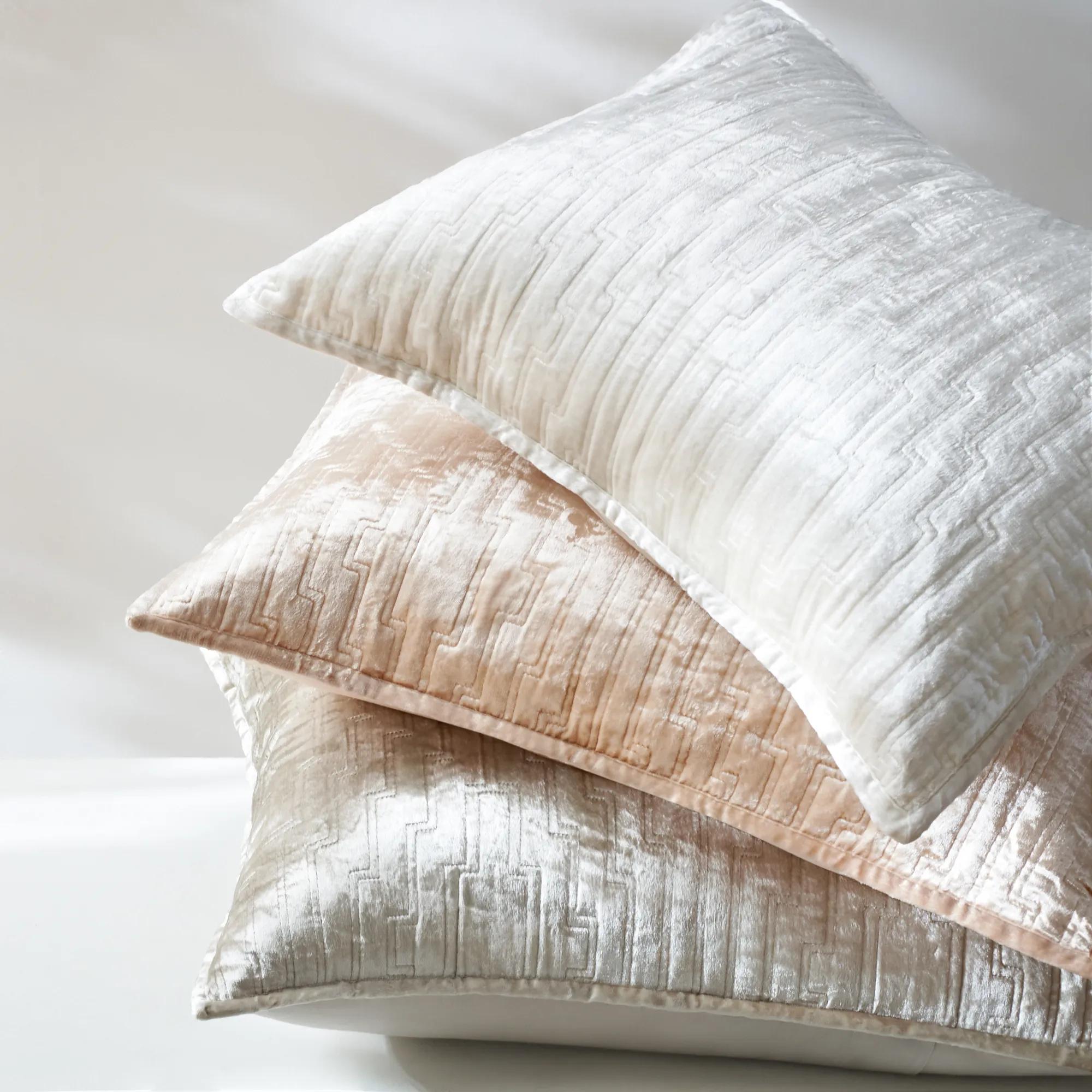 Glam Velvet Bedding - Blush$99
A blush pink quilted bedding set crafted from shiny viscose velvet with cotton backing and piped edges.
Add To Cart -
.jpeg?w=1200&h=1200) Glam Grey Shiny Viscose Velvet Quilt Bedding Set$99
Glam Grey Shiny Viscose Velvet Quilt Bedding Set$99A lustrous grey velvet bedding collection featuring modern quilted stitching and refined piped edges.
Add To Cart -
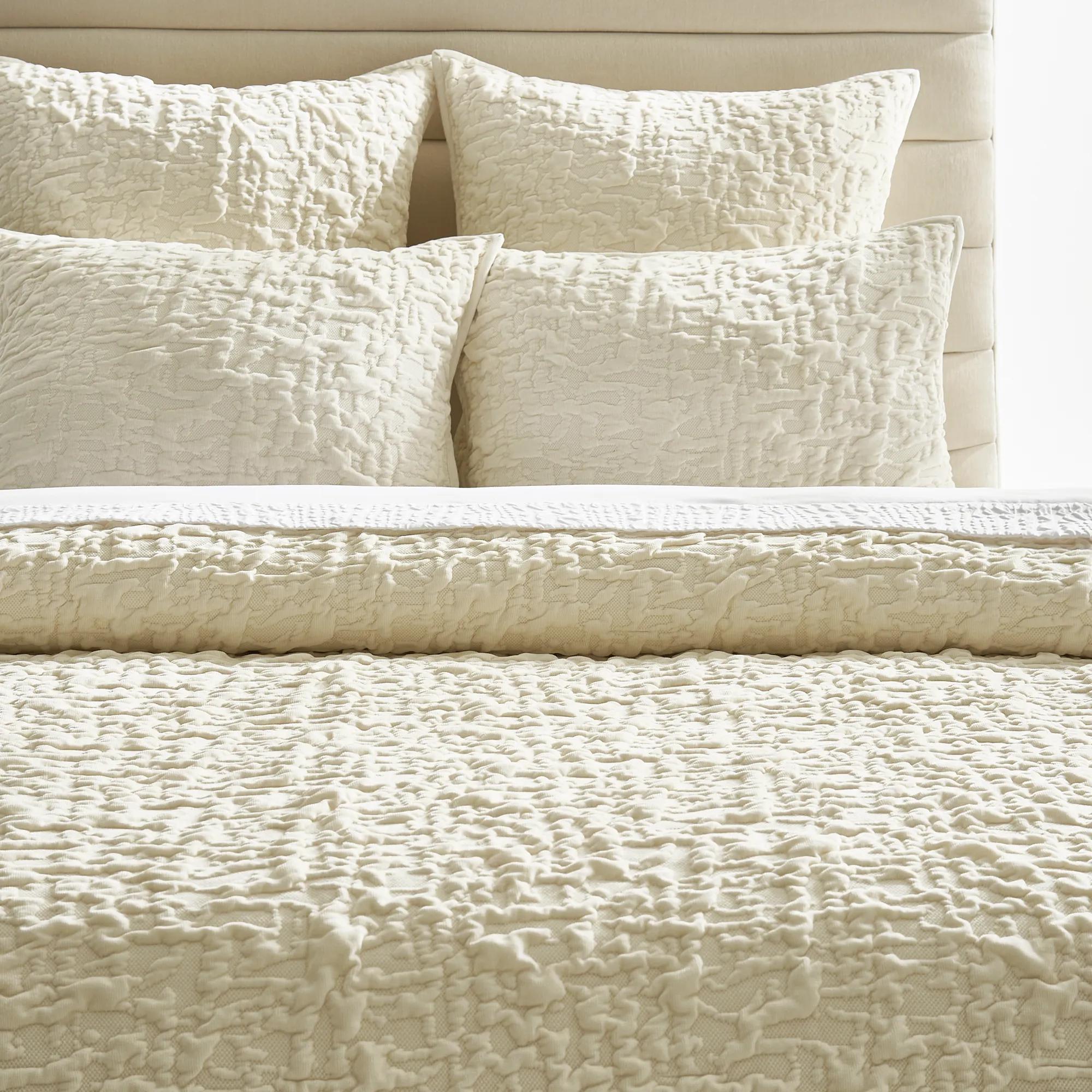
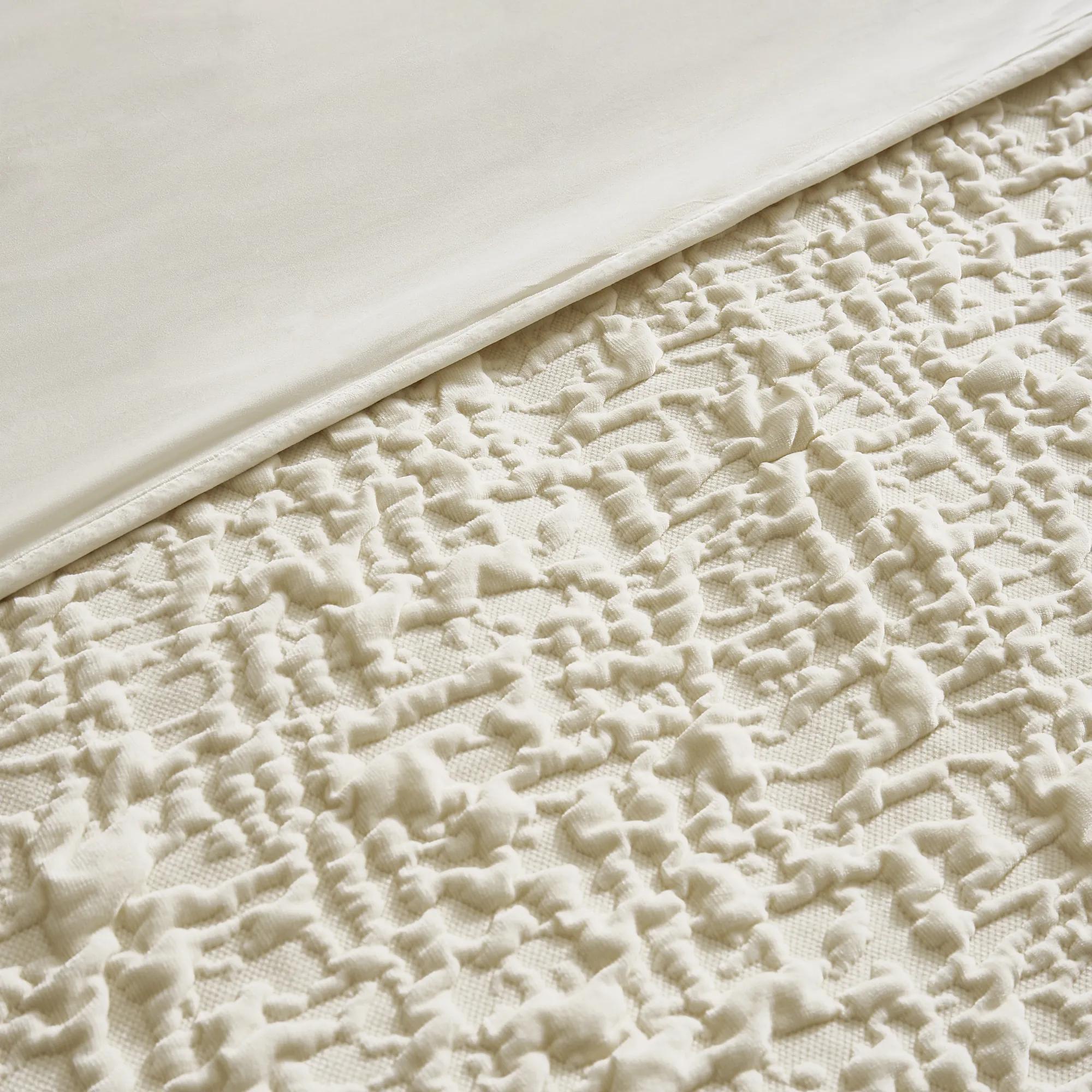 Madera Ivory Textured Velvet Bedding Set$249
A plush ivory velvet coverlet set with crushed embroidered texture and breathable cotton backing for serene style.
Add To Cart -
GRY.jpeg?w=1200&h=1200)
 Fan Velvet Quilt Set - Smoke Grey$69
A luxurious smoke grey velvet quilt set featuring a sculptural fan pattern and polished piped edges.
Add To Cart -
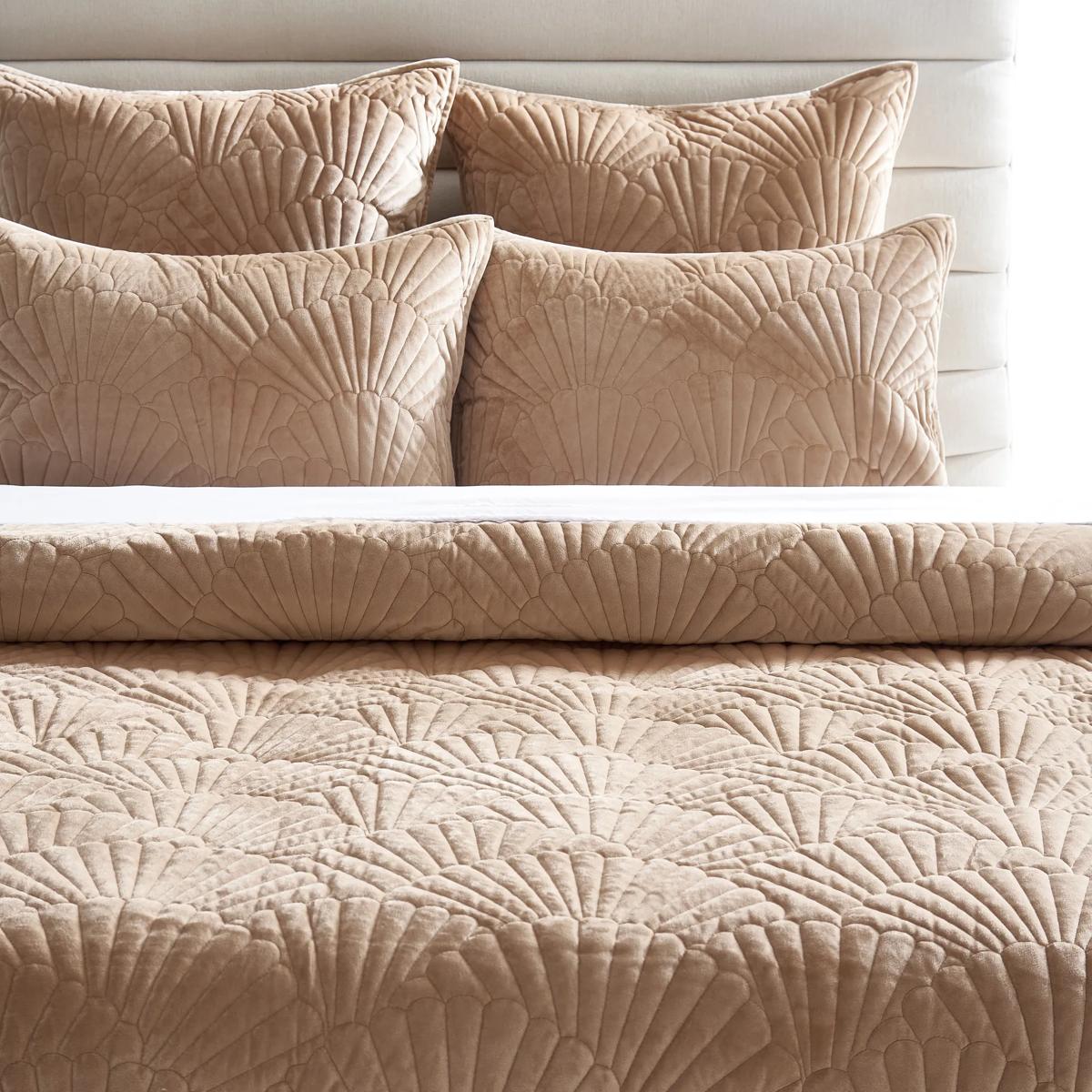 Fan Velvet Quilt Set - Muted Coral$199
A plush muted coral velvet quilt set featuring a sculptural fan motif and piped edges for modern elegance.
Add To Cart -
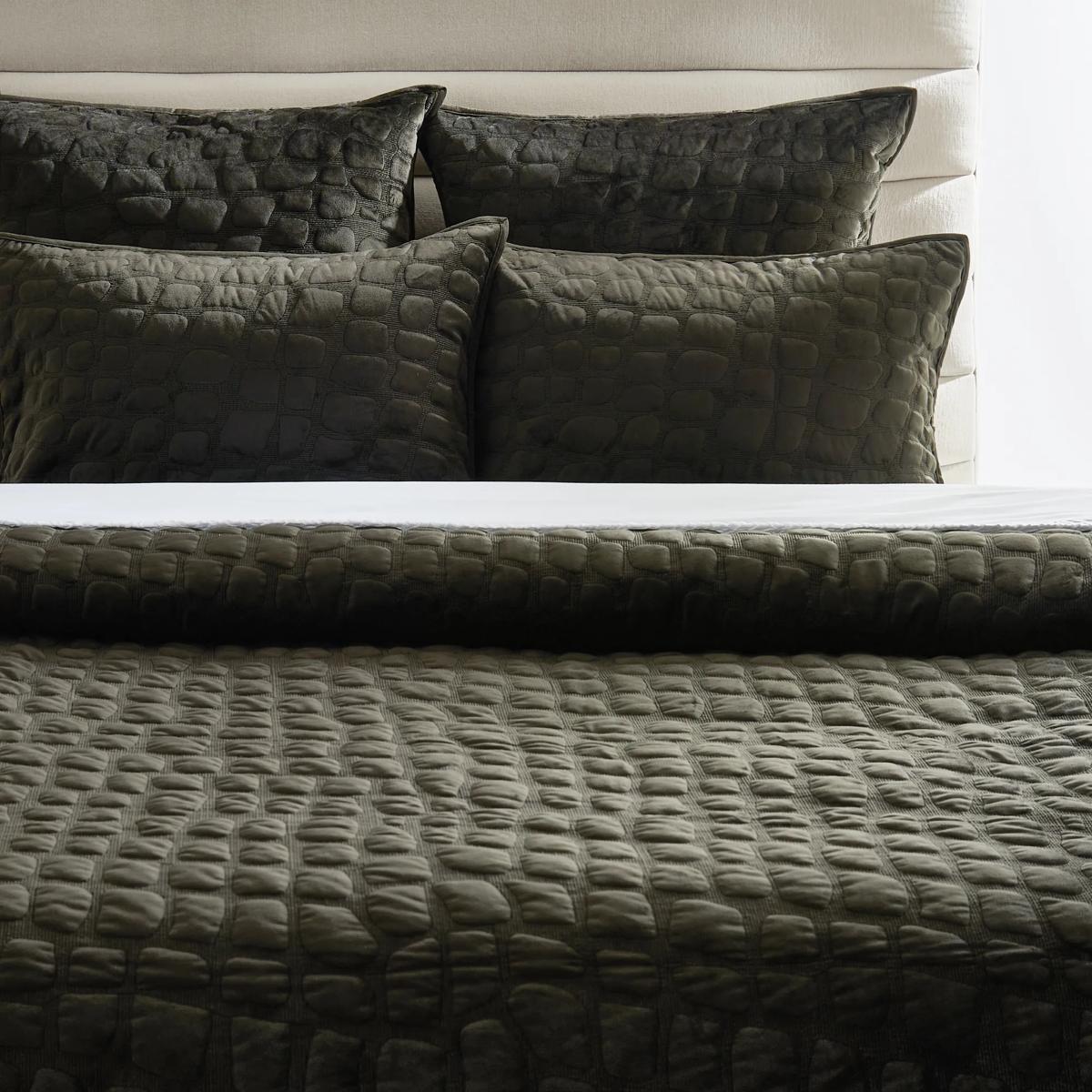
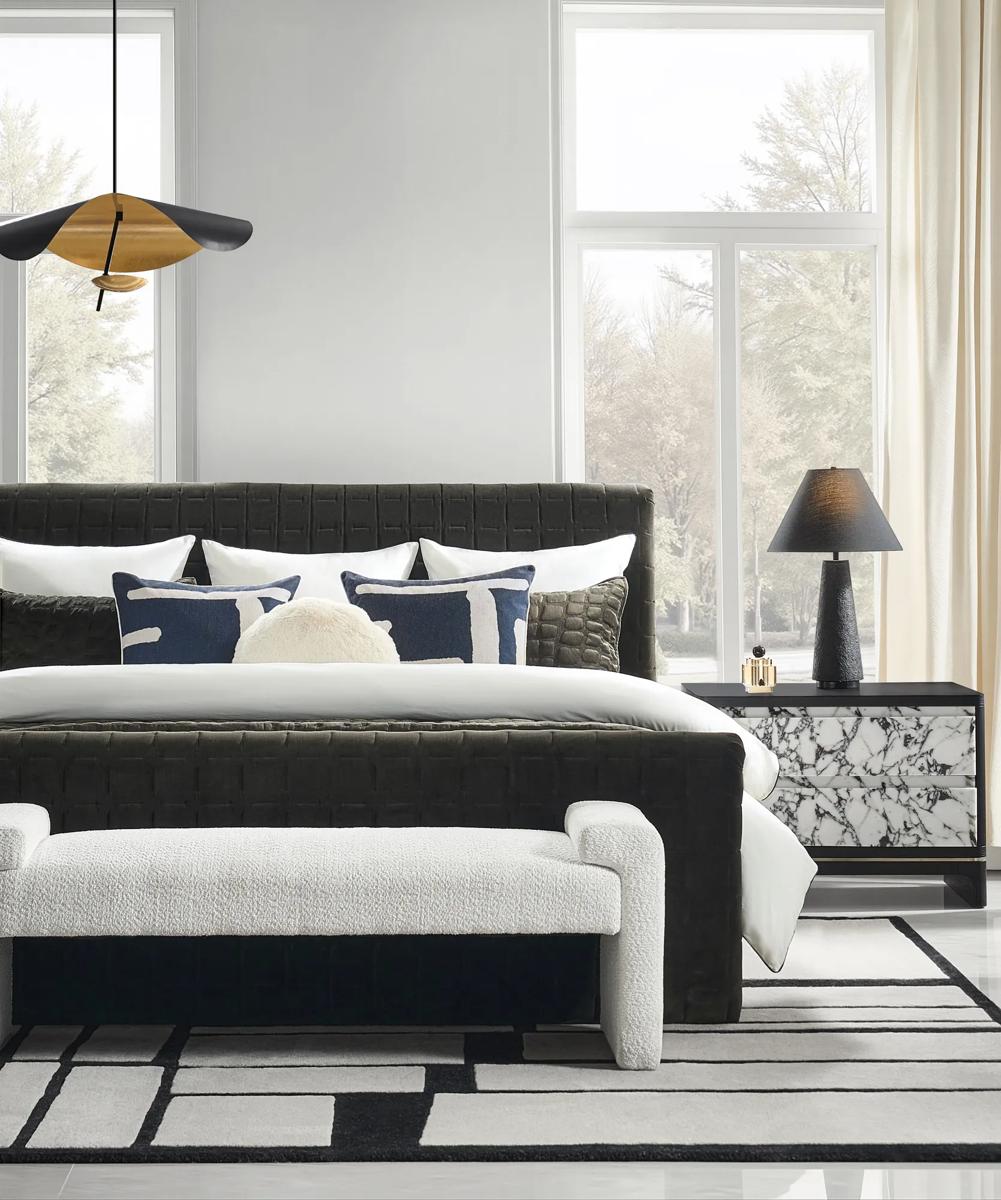 Valen Velvet Quilt Set - Black$199
A bold quilt set in luxe black velvet with a quilted croc pattern and tailored piped edges.
Add To Cart -
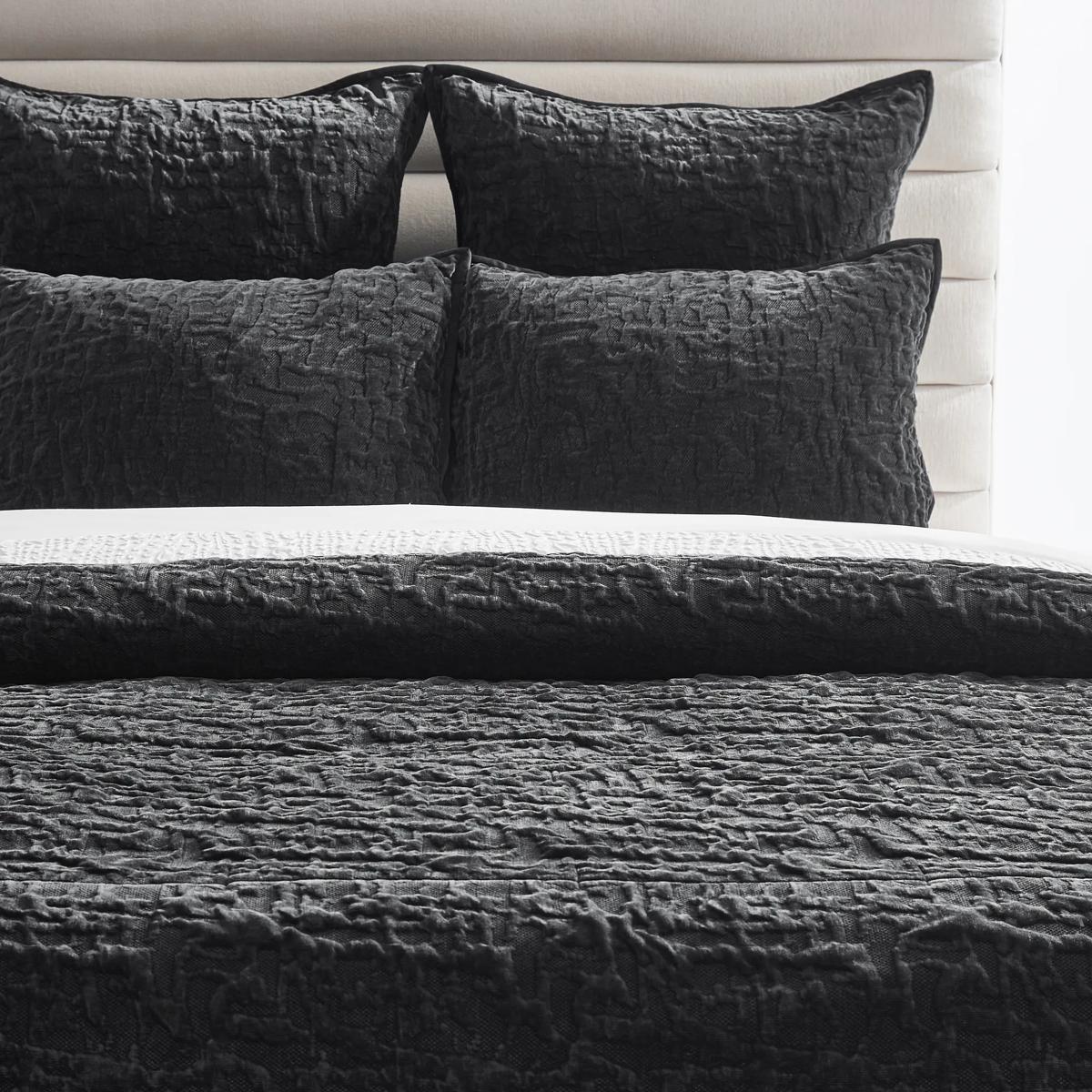
 Madera Black Textured Velvet Bedding Set$299
A sophisticated black crushed velvet coverlet set with tonal embroidery and breathable cotton backing for year-round luxury.
Add To Cart -
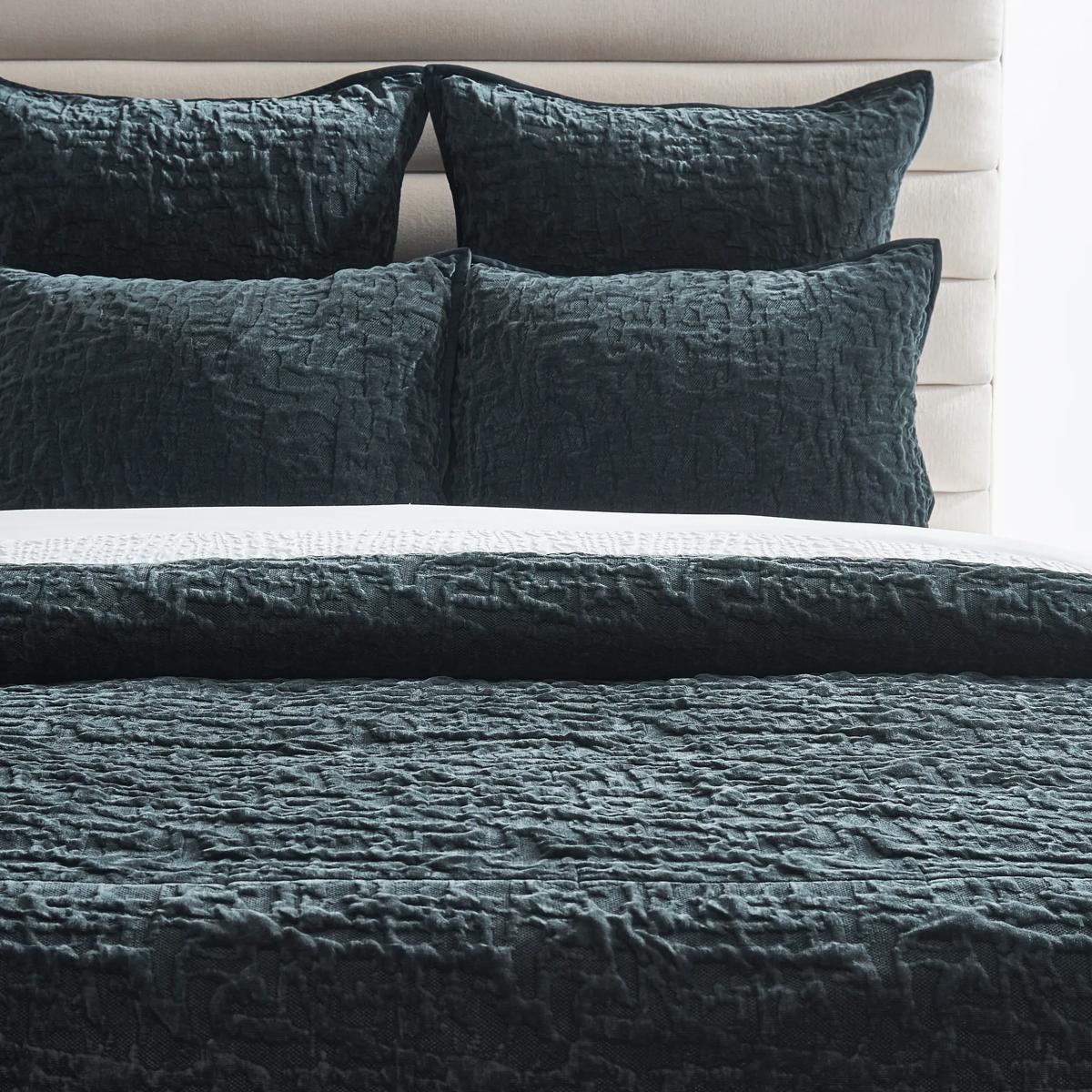
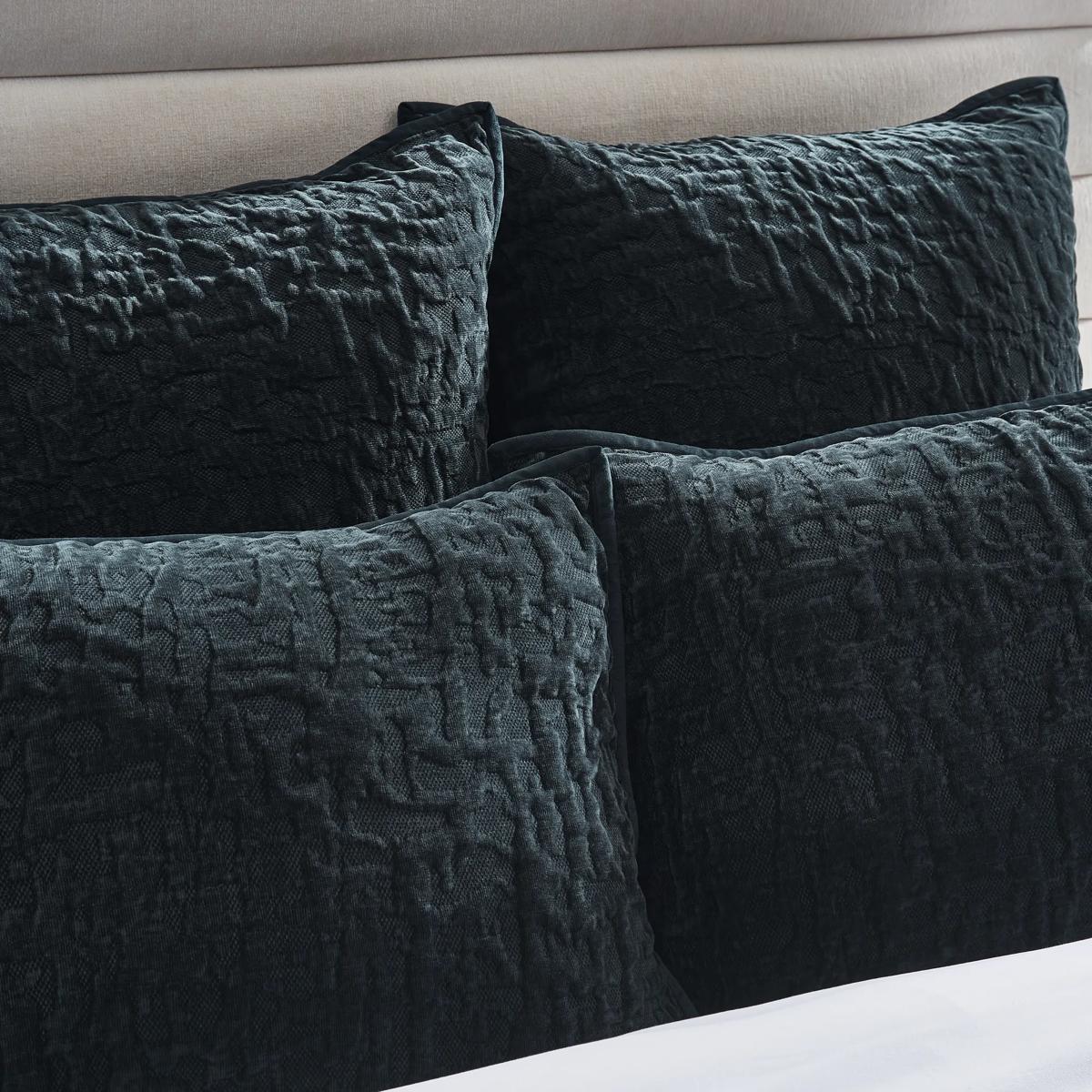 Madera Velvet Coverlet Set - Midnight Blue$69
A midnight blue crushed velvet coverlet set with embroidered detailing and a soft cotton backing.
Add To Cart -
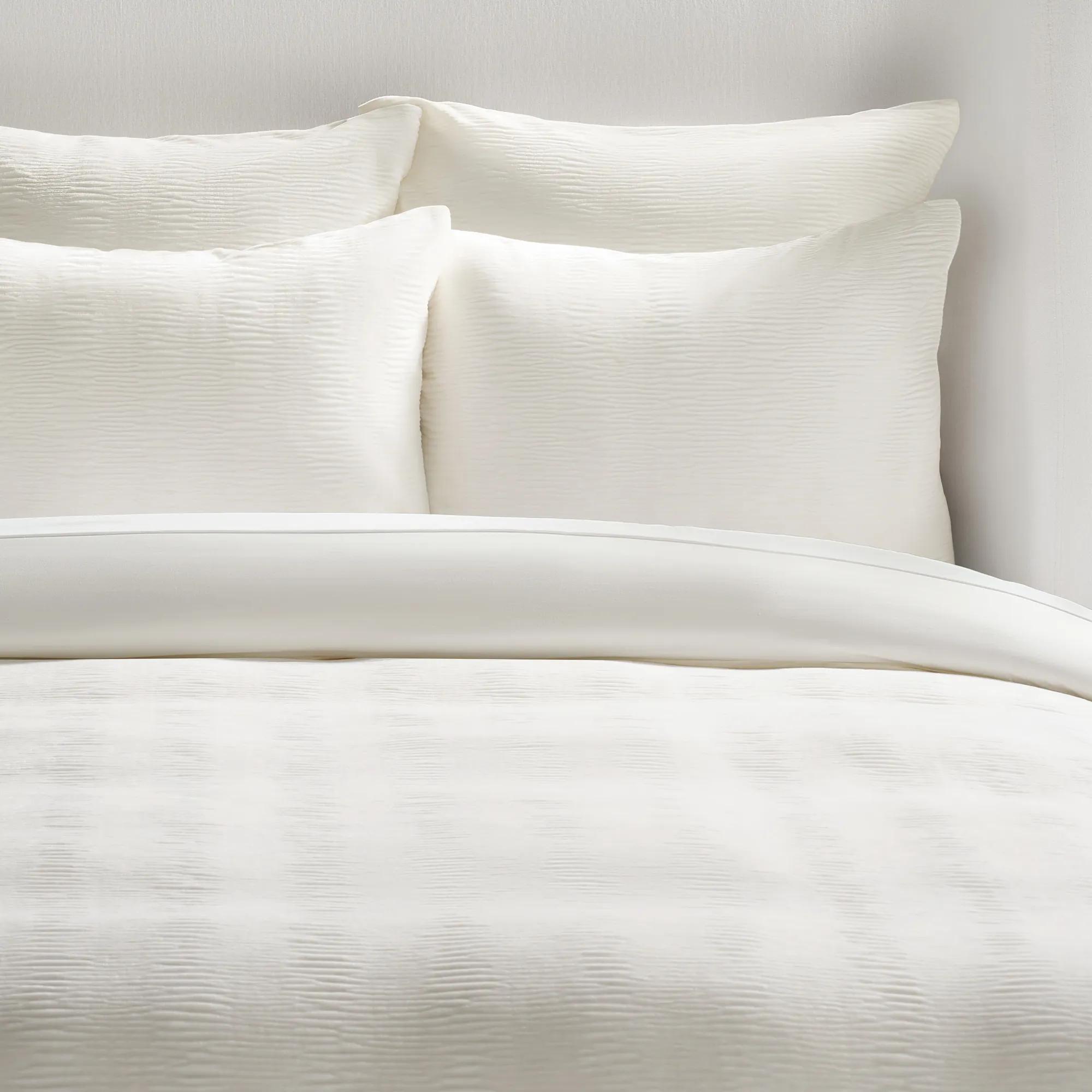 Vera Cloud White Soft Pleated Velvet Bedding Set$229
A cloud-white bedding set crafted from soft pleated velvet for luxurious, textured comfort.
Add To Cart -
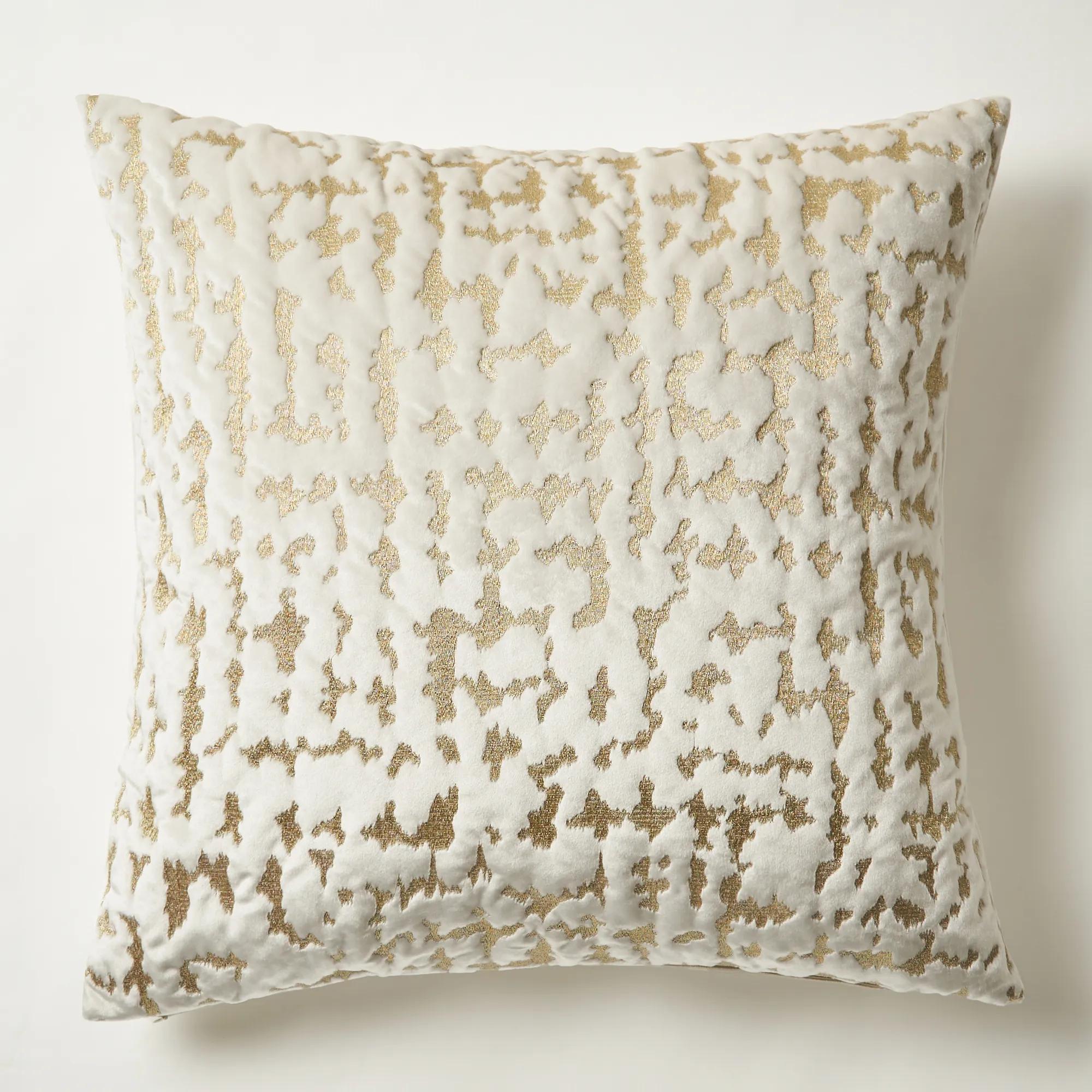
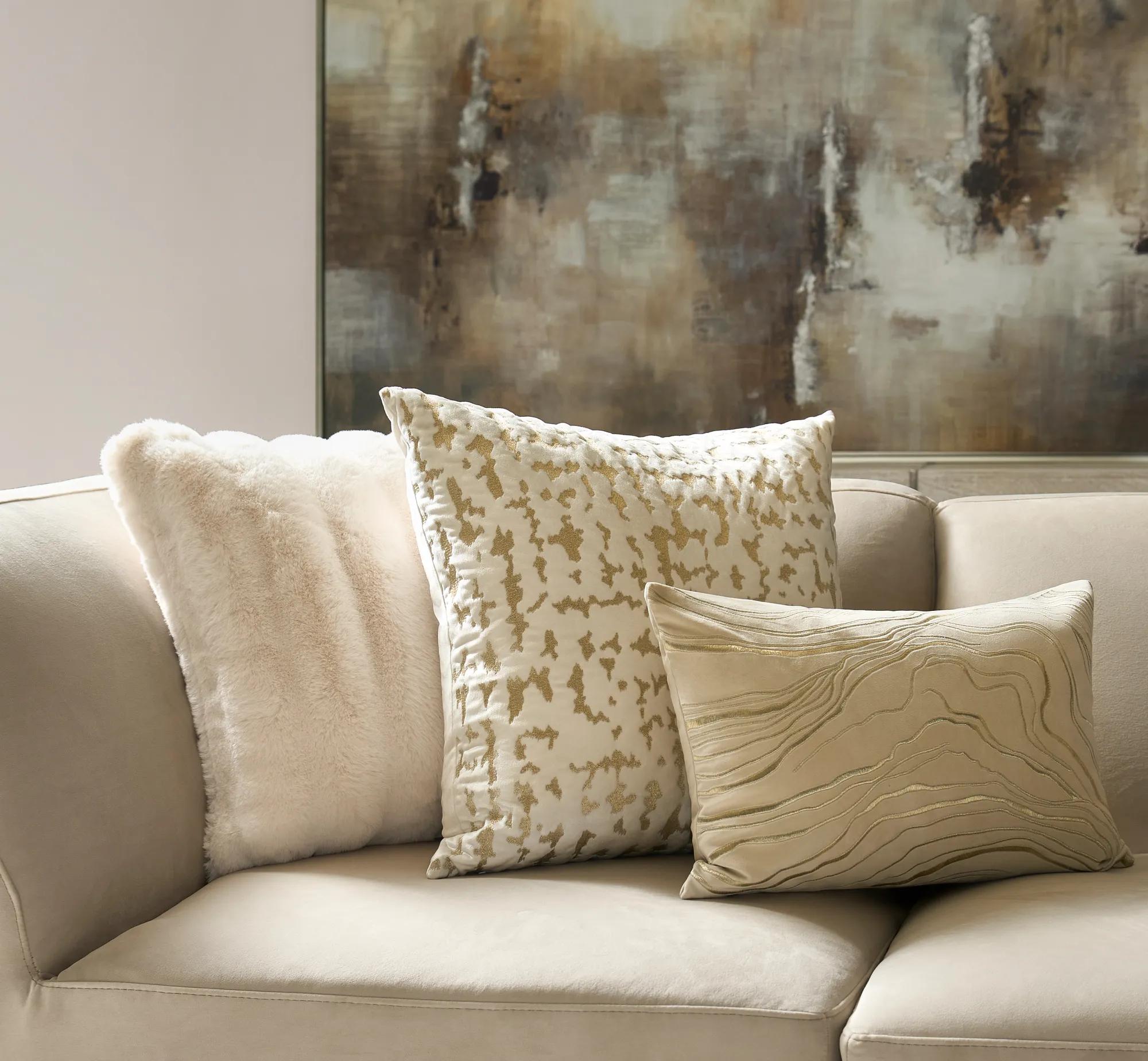 Solenne Embroidered Gold/Ivory Velvet Pillow 22" x 22"$89
An ivory velvet pillow with gold metallic 3D quilting and a plush feather down insert.
Add To Cart -
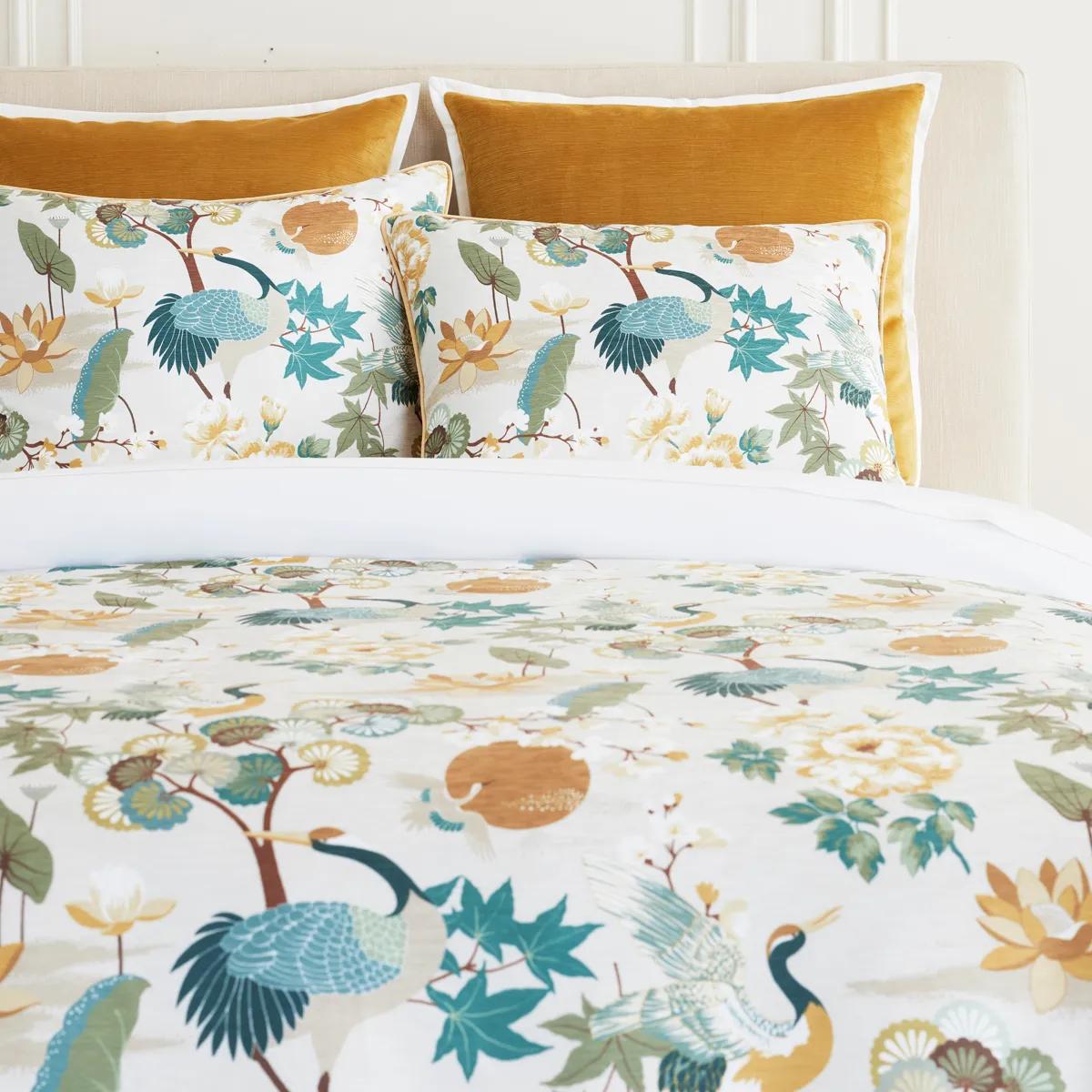
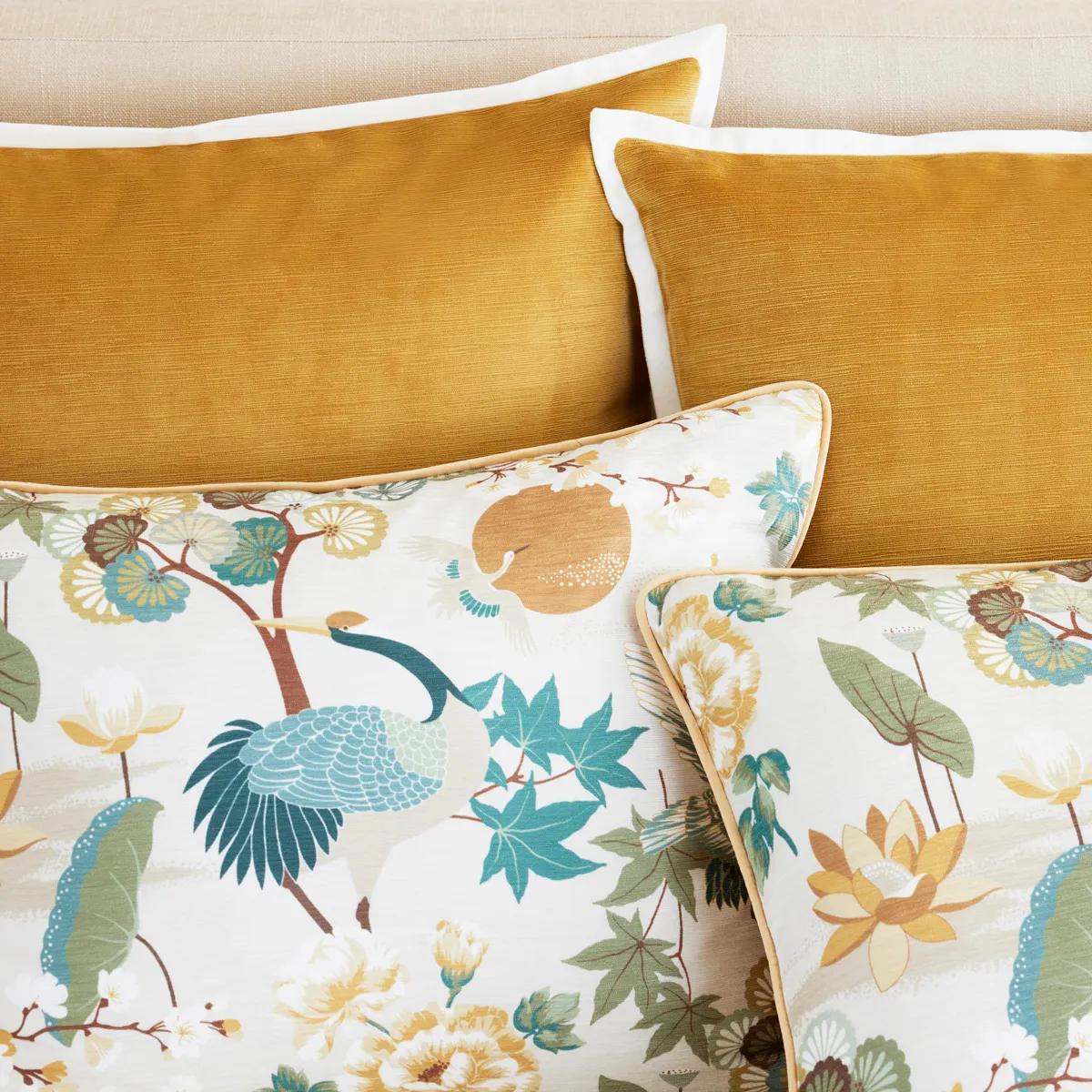 Sandhill Ivory/Multi Color Printed Bedding Set$639
An ivory bedding collection featuring earthy tones, gold velvet accents, and a soft cotton-polyester blend.
Add To Cart -
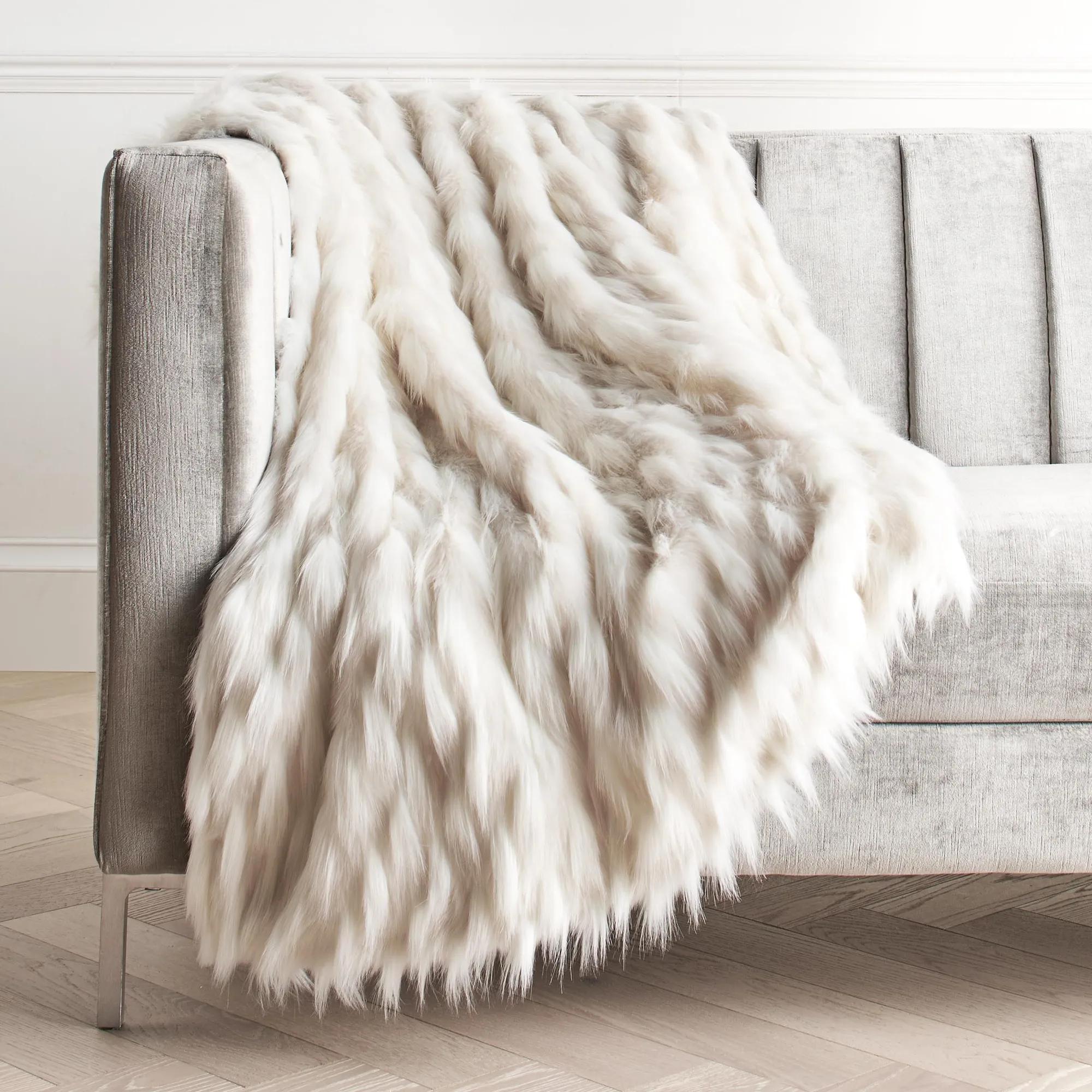 Corseca Throw - Ivory$129.95
An ultra-soft ivory faux-fur throw with silky acrylic front and luxurious velvet reverse for cozy warmth.
Add To Cart -
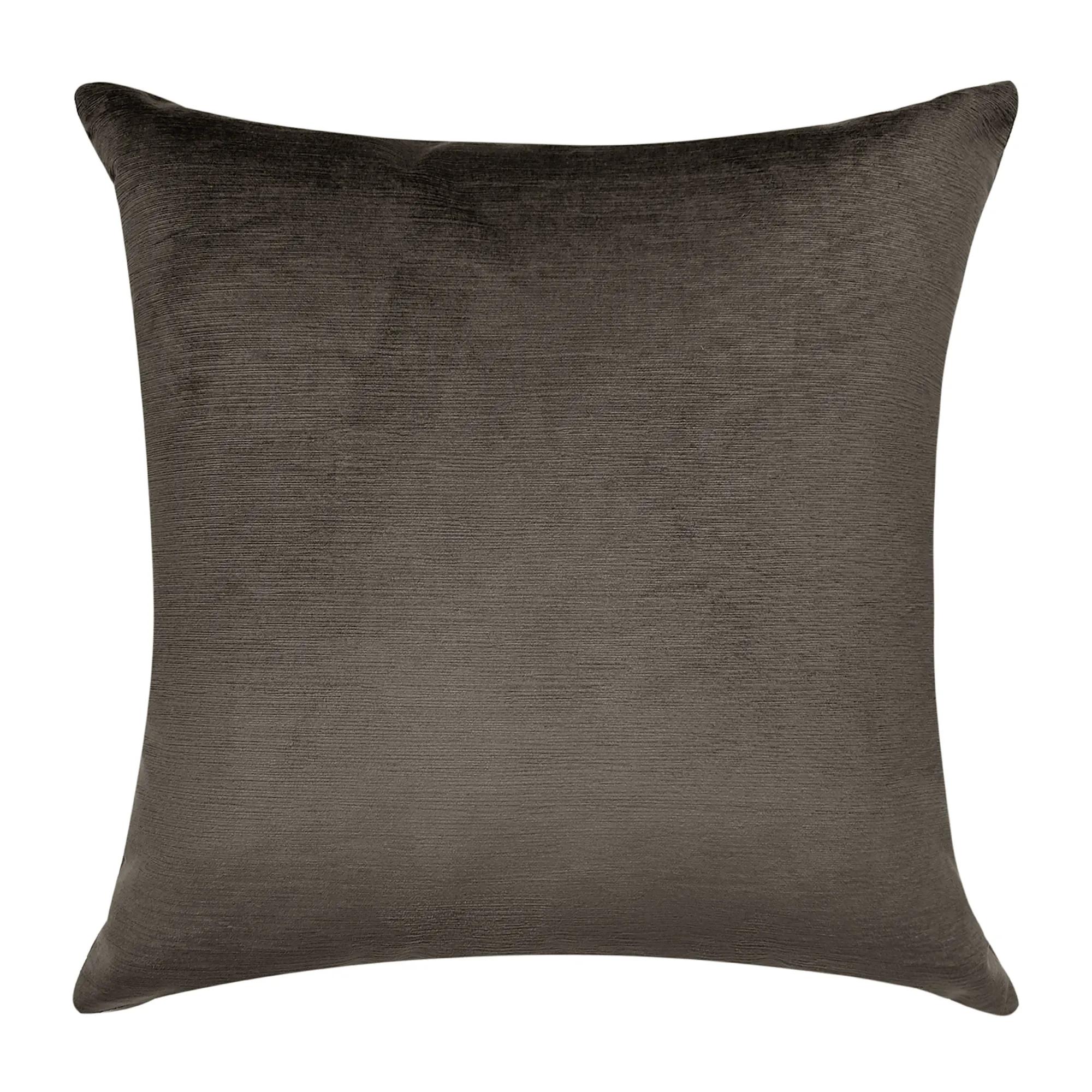
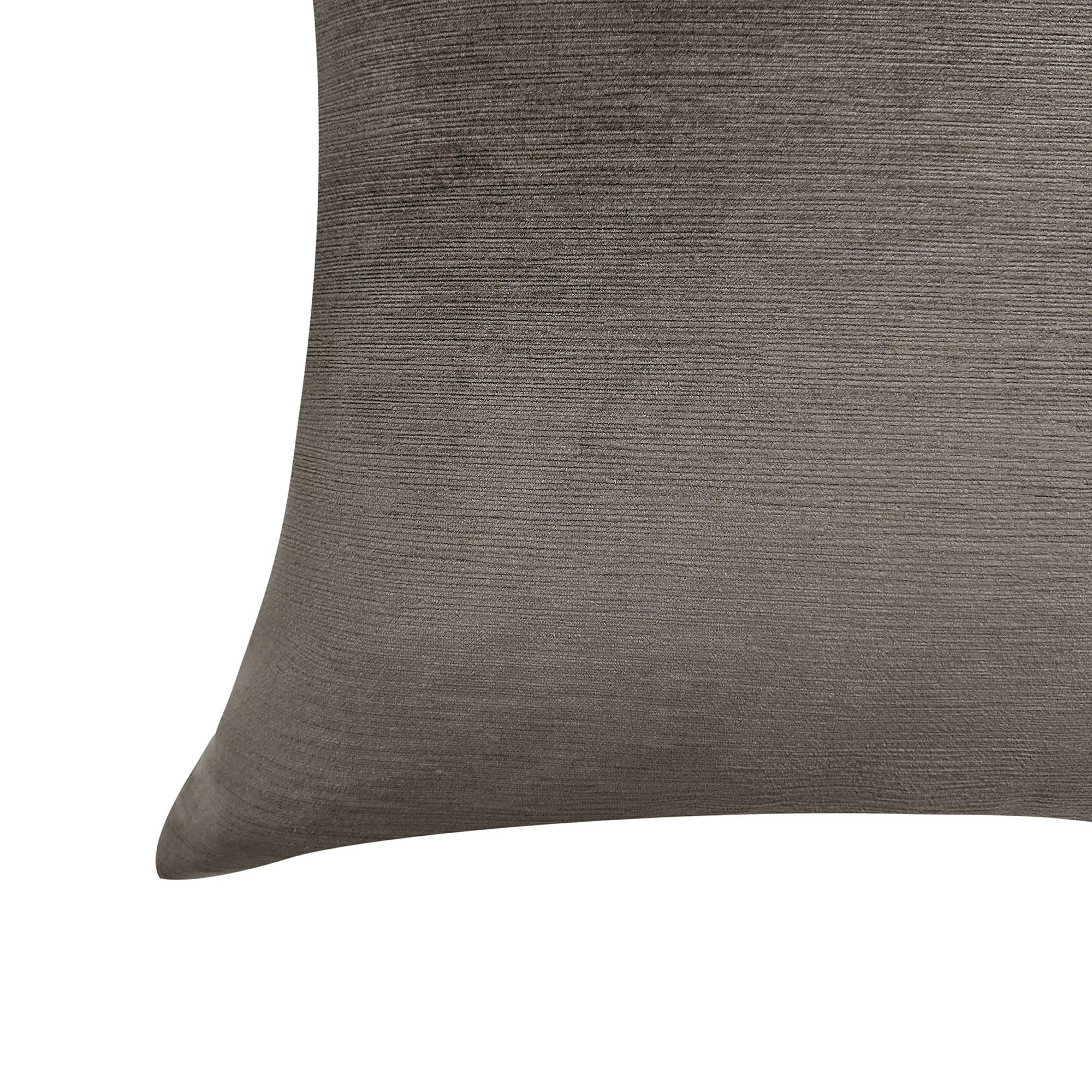 Solid Otter Grey Velvet Pillow 20" x 20"$79
A plush feather-down pillow in otter grey striated velvet with a removable, textured polyester cover.
Add To Cart -
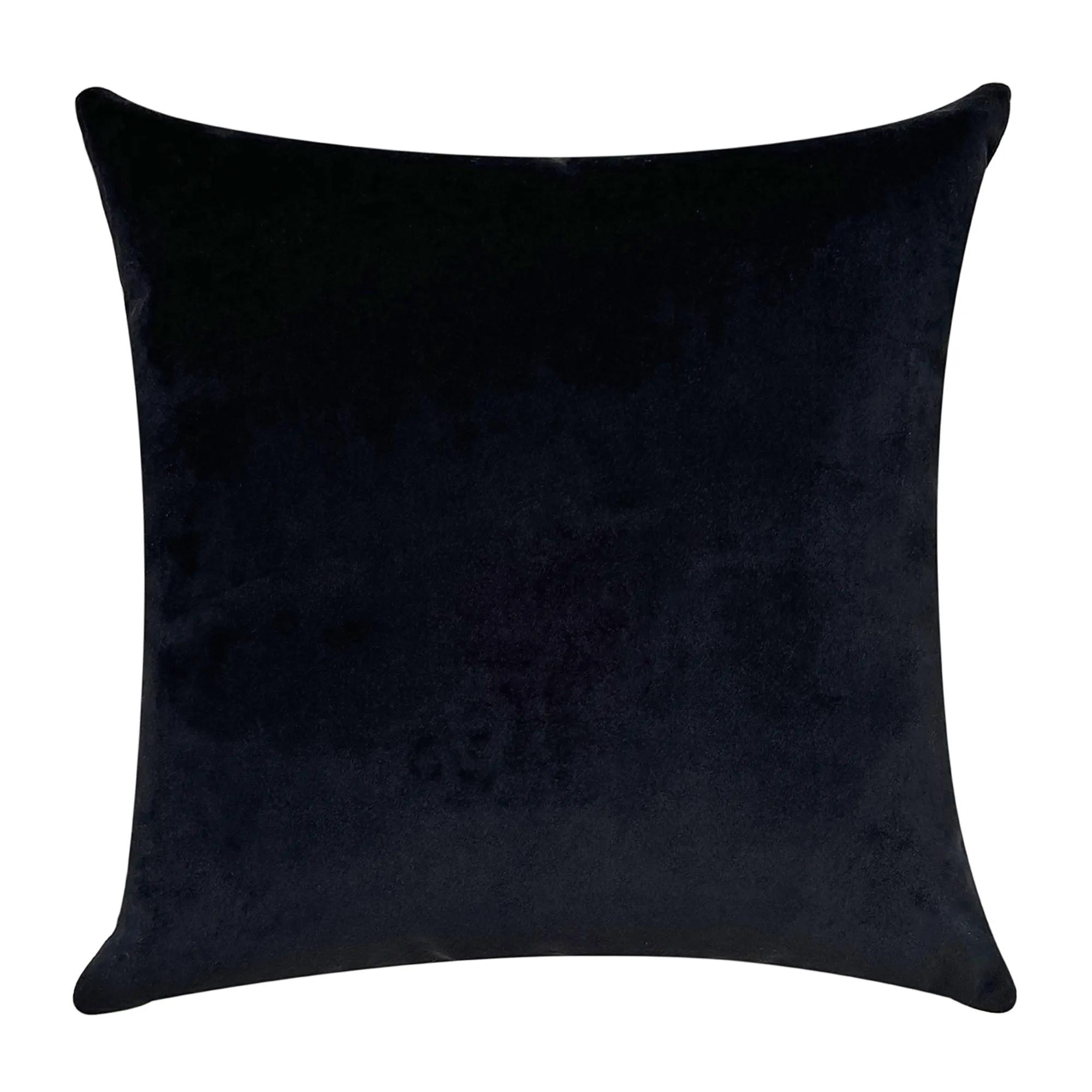 Solid Caviar Black Velvet Pillow 20" x 20"$79
A plush feather-down pillow with striated caviar velvet and a removable, textured polyester cover.
Add To Cart -
.jpg?w=1200&h=1200)
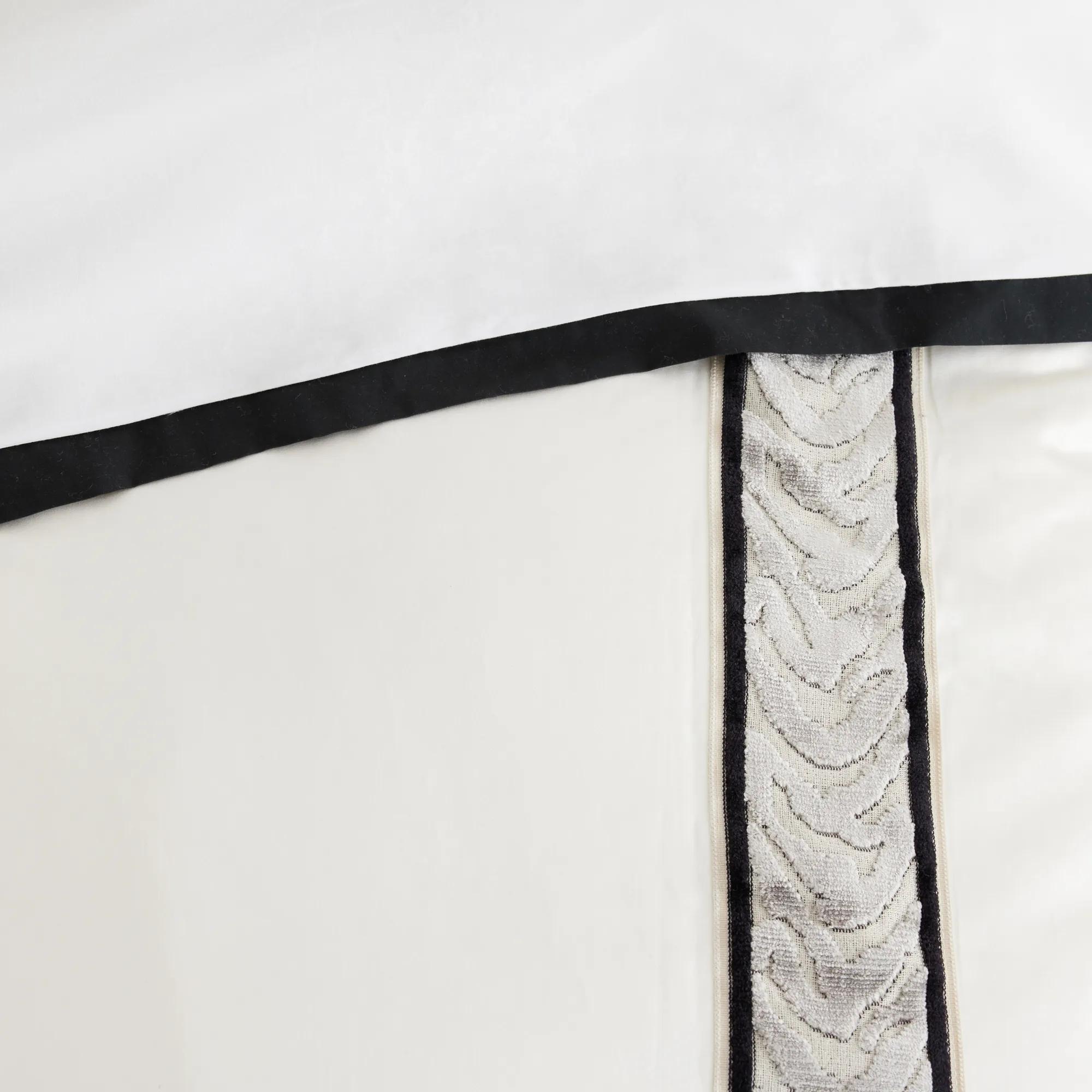 Gianna Grey/Black/White Animal Print Cut Velvet Appliqué Border Bedding Set$199
A luxurious grey and black bedding collection featuring a cut velvet tiger-stripe appliqué border for bold elegance.
Add To Cart -
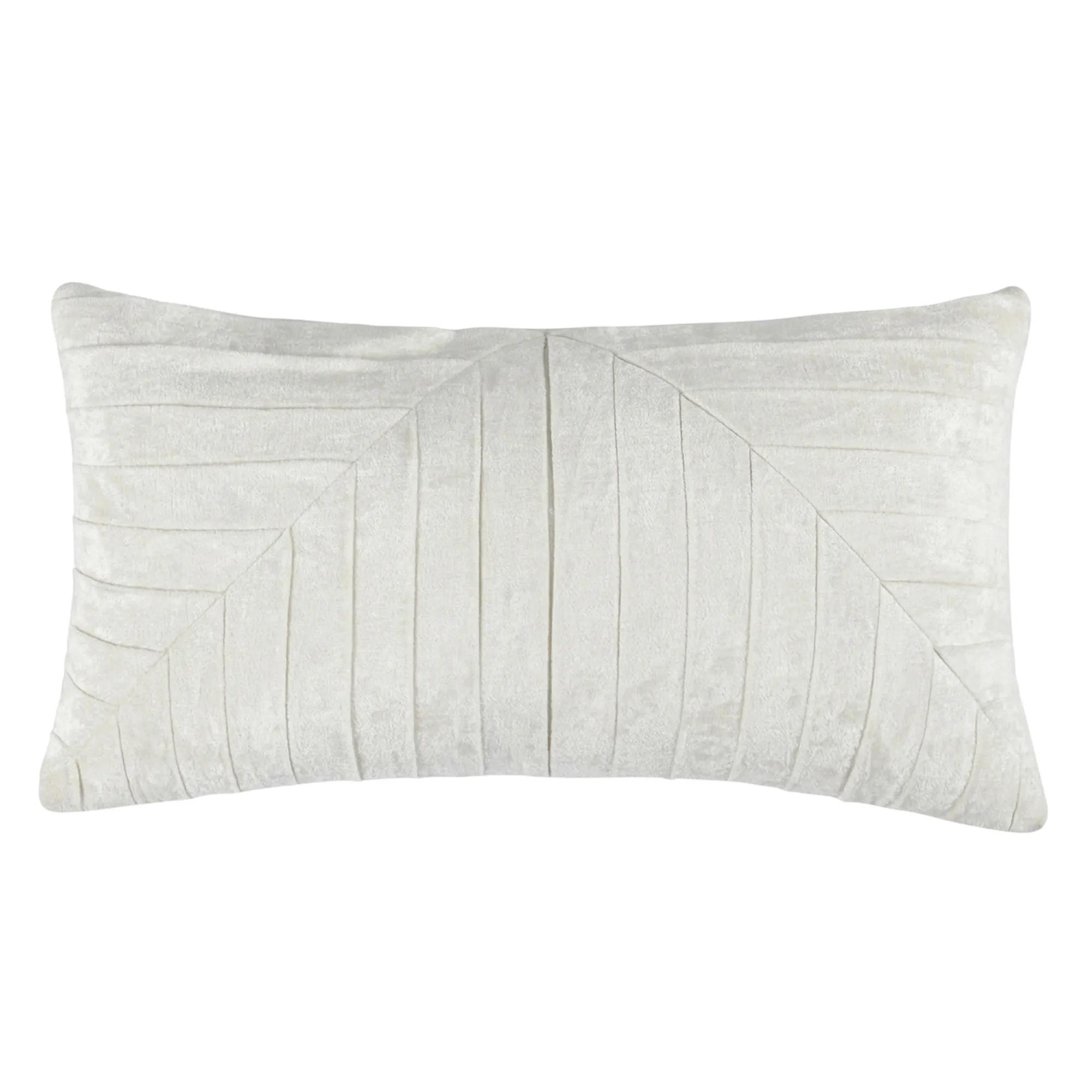
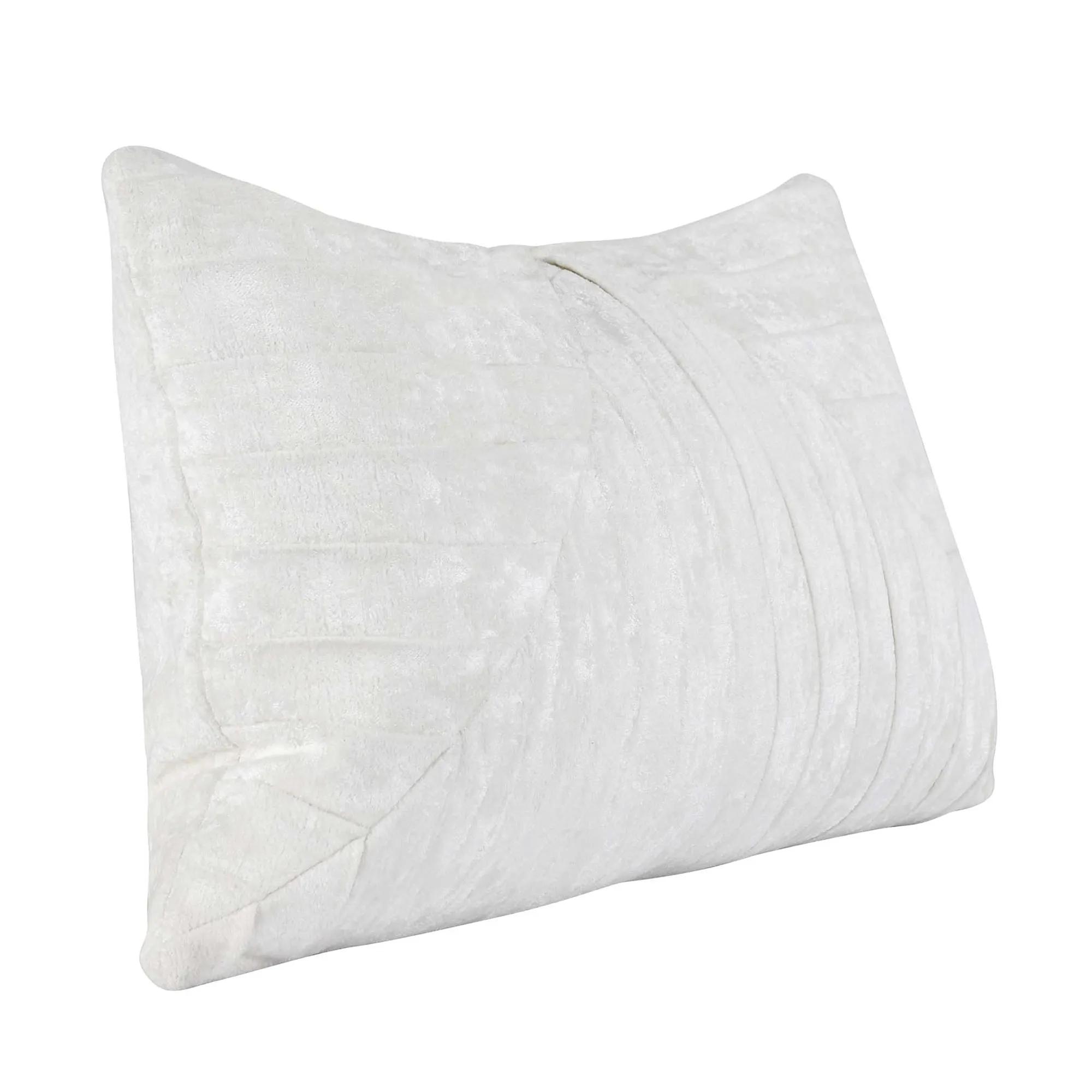 Addie Ivory Pleated Velvet Lumbar Pillow 14" x 26"$139
An ivory hand-pleated velvet lumbar pillow with a removable feather-down insert and hidden zipper.
Add To Cart -
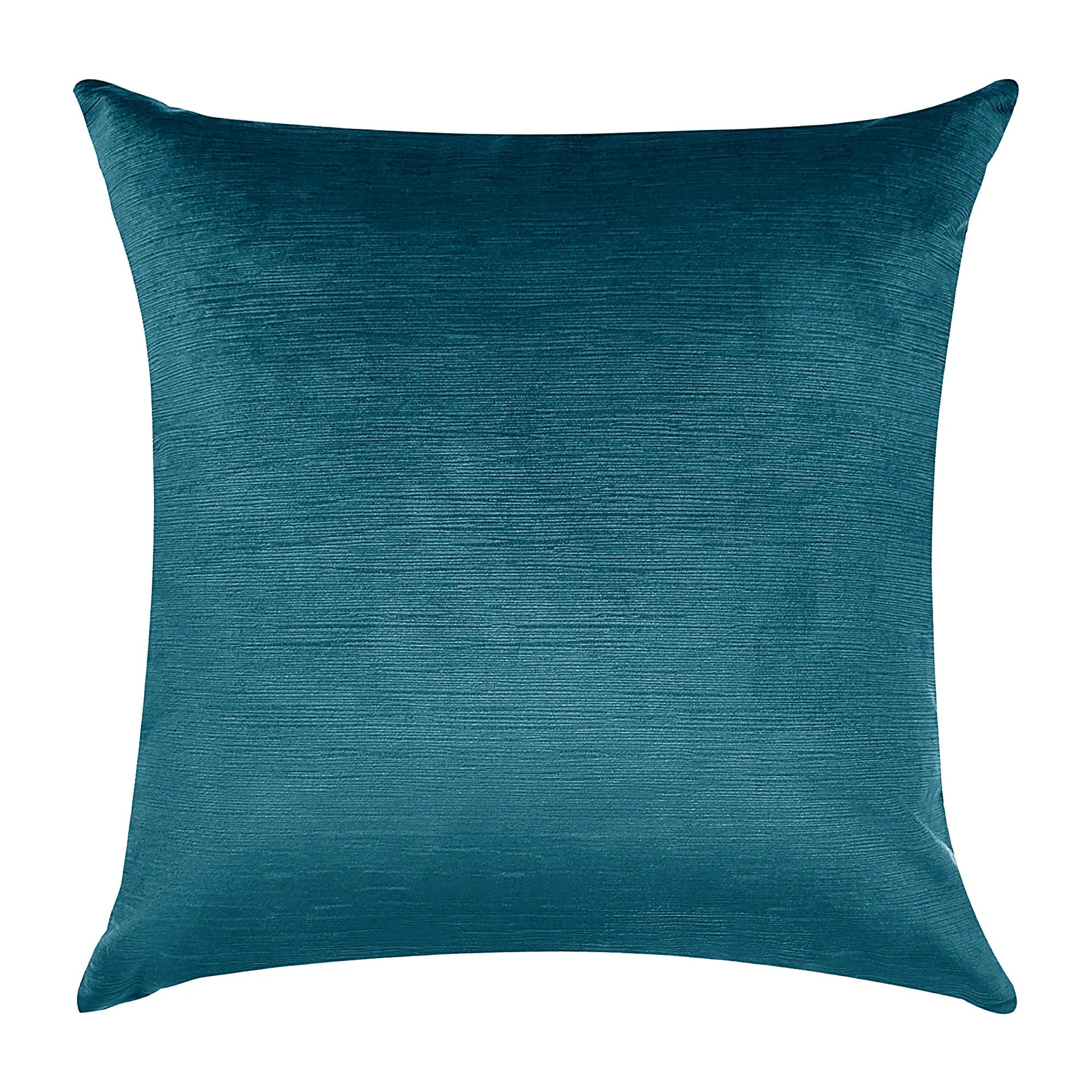
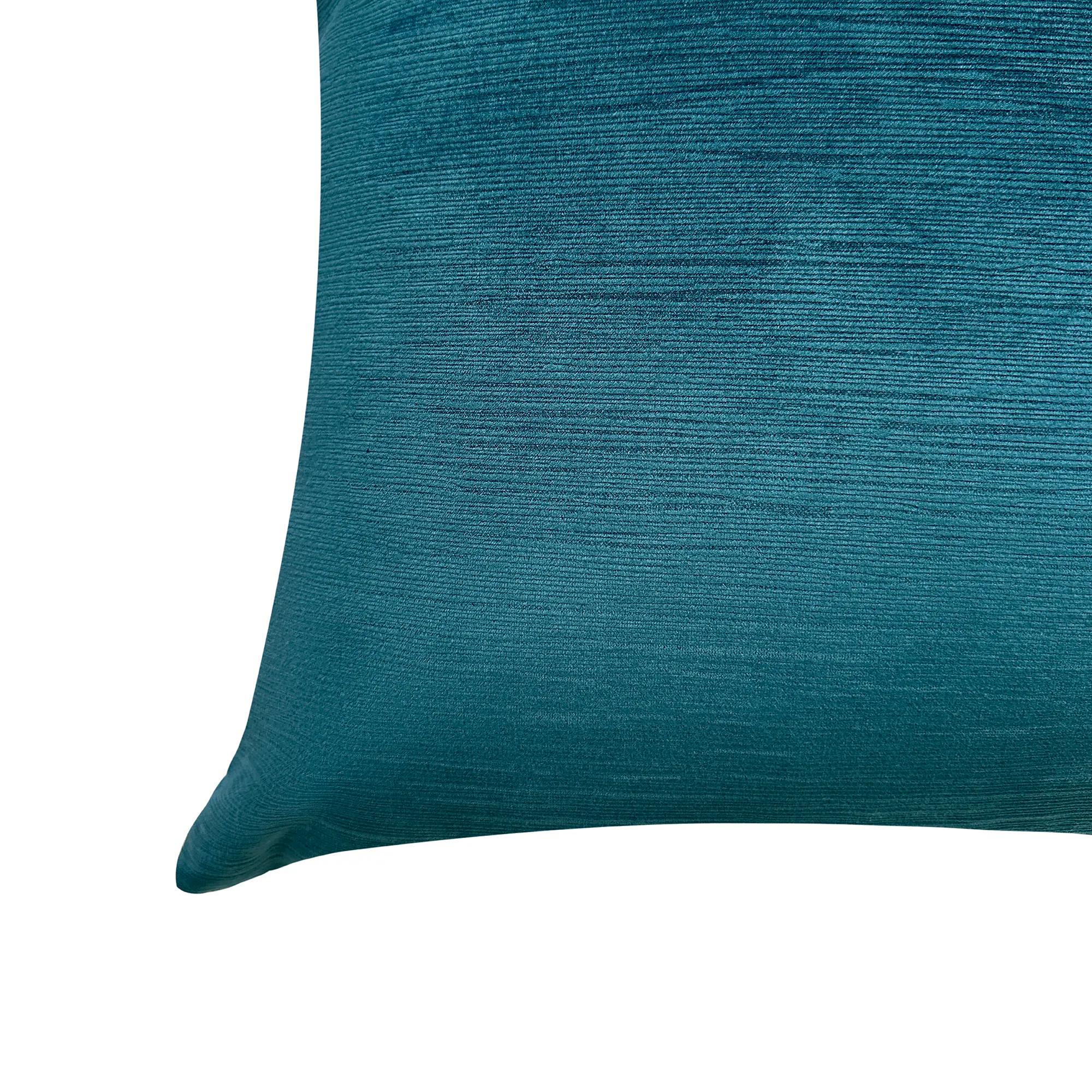 Solid Teal Velvet Pillow 20" x 20"$79
A plush teal velvet pillow with a striated texture, removable cover, and feather down insert.
Add To Cart -
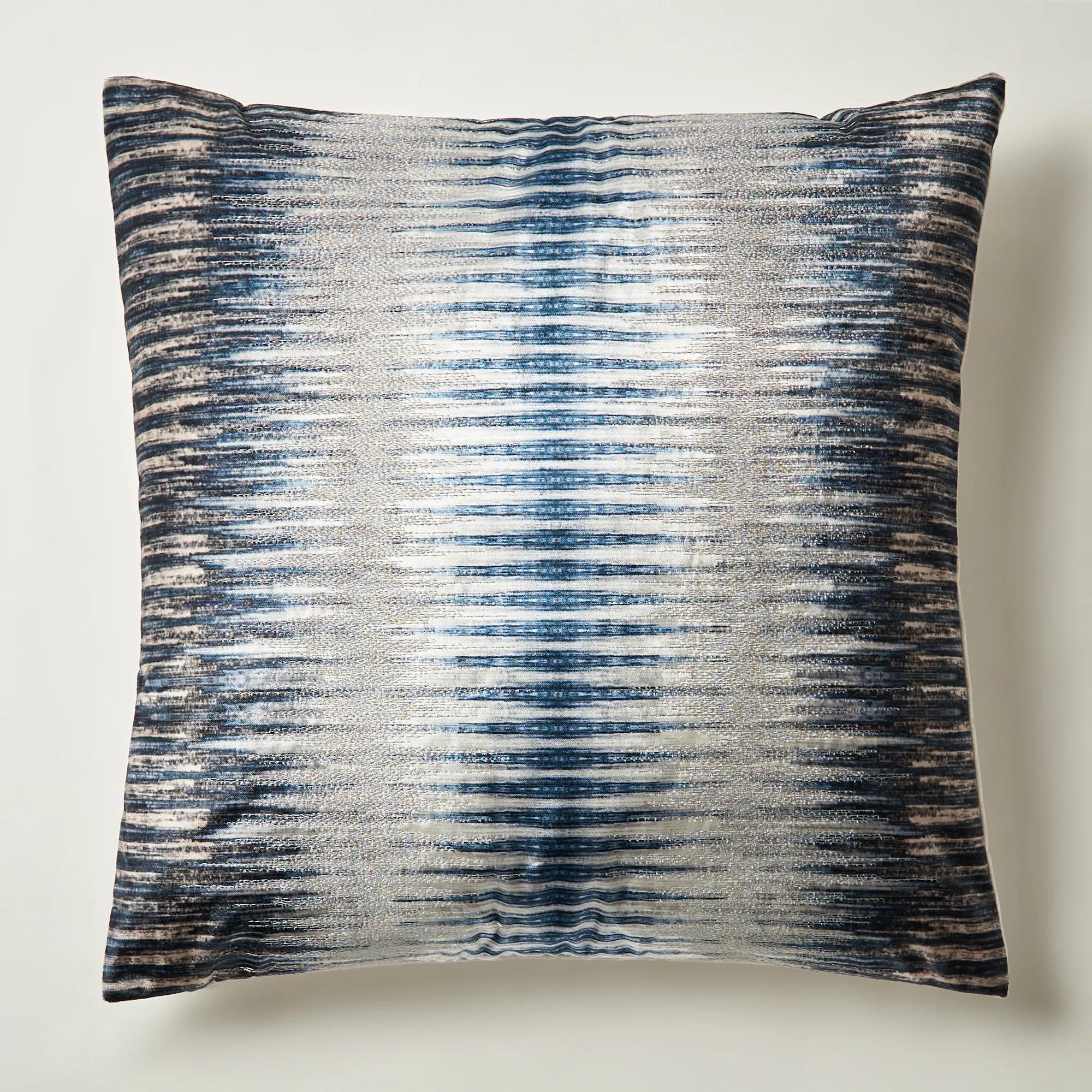 Zaid Embroidered Metallic Blue Velvet Pillow 22" x 22"$89
A plush velvet pillow in grey, blue, and silver with gradient metallic embroidery and feather-down insert.
Add To Cart -
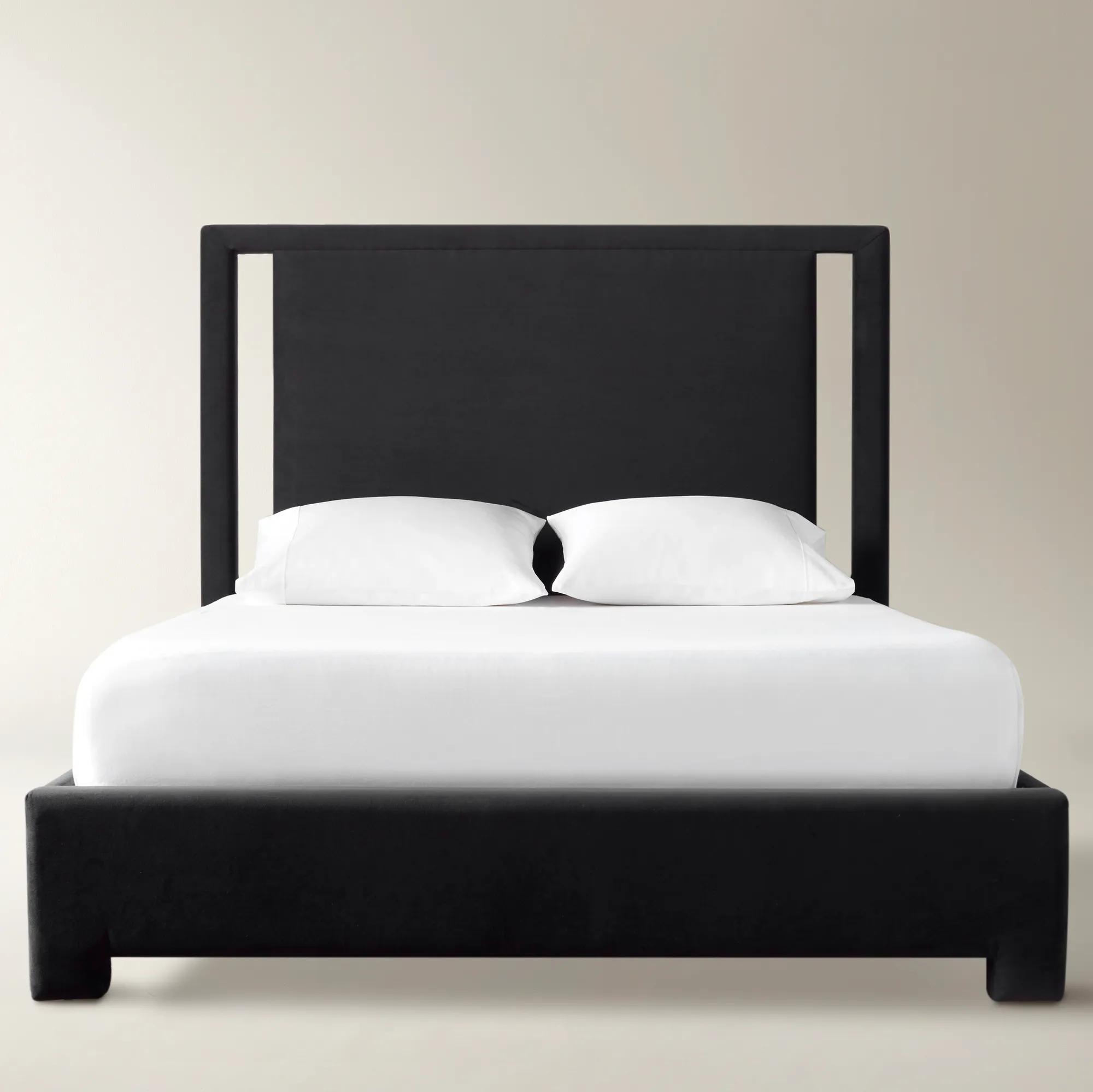
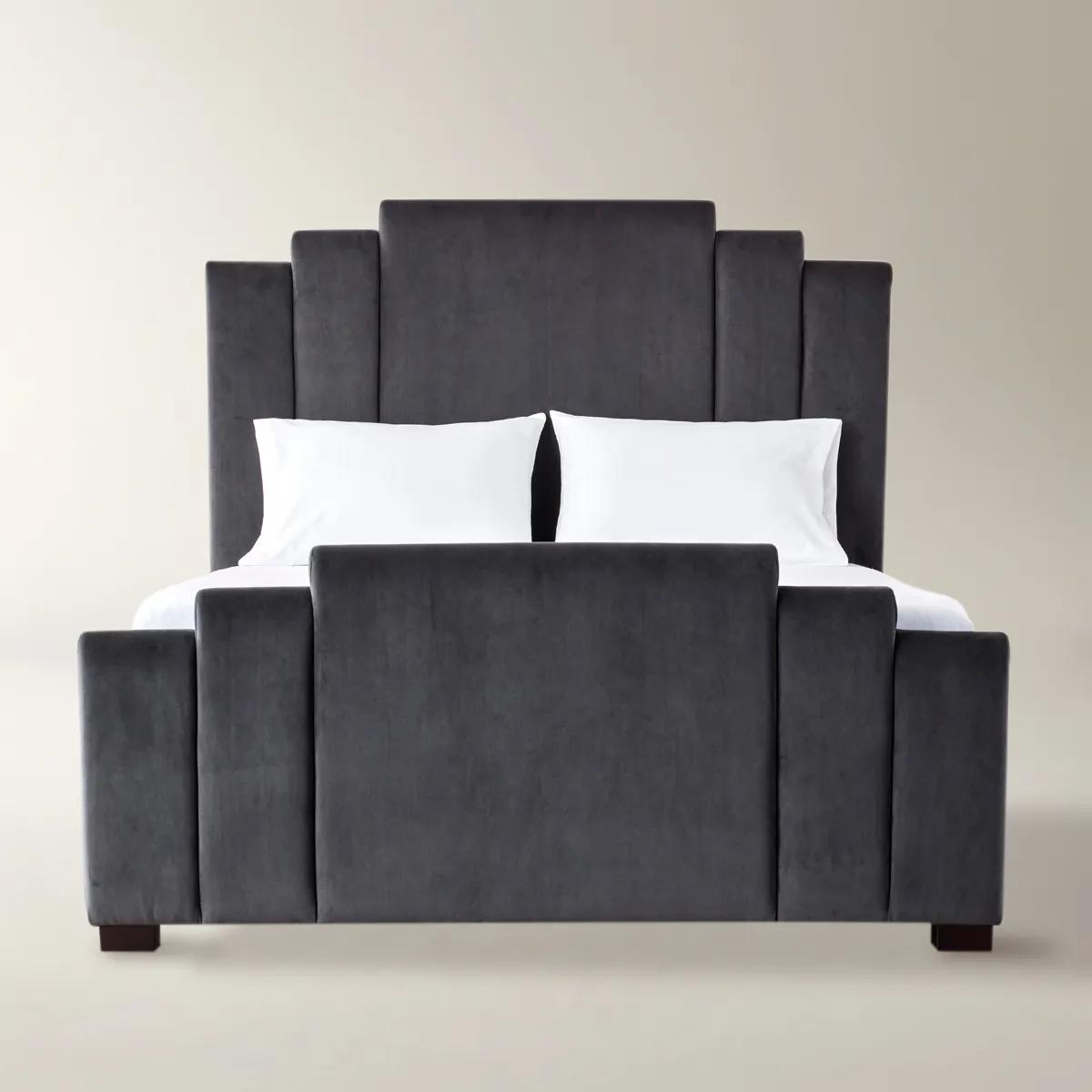
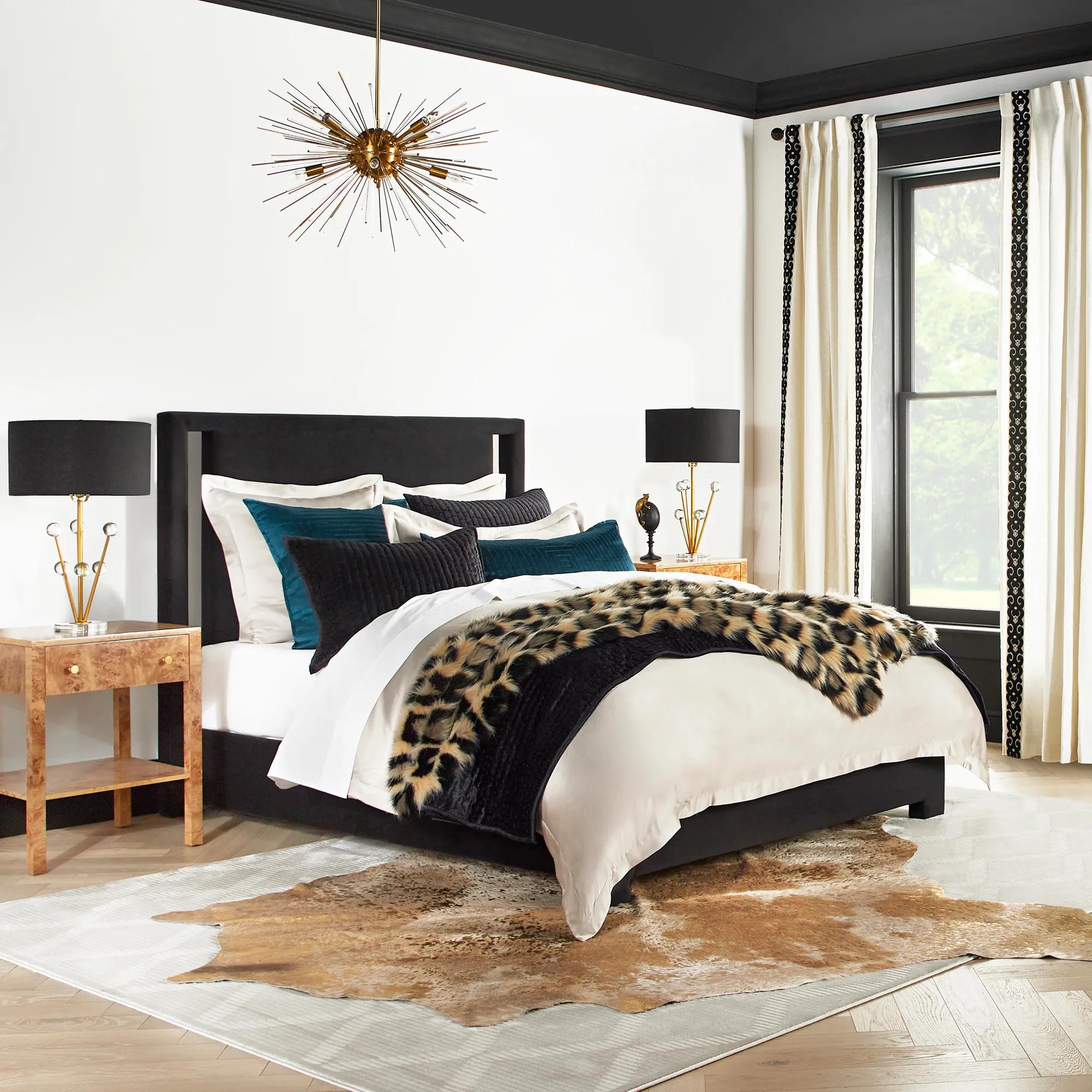 Roya Platform Bed$1949
An elegant platform bed with kiln-dried hardwood frame, hand-upholstered in plush Bella Velvet Black fabric.
Add To Cart -
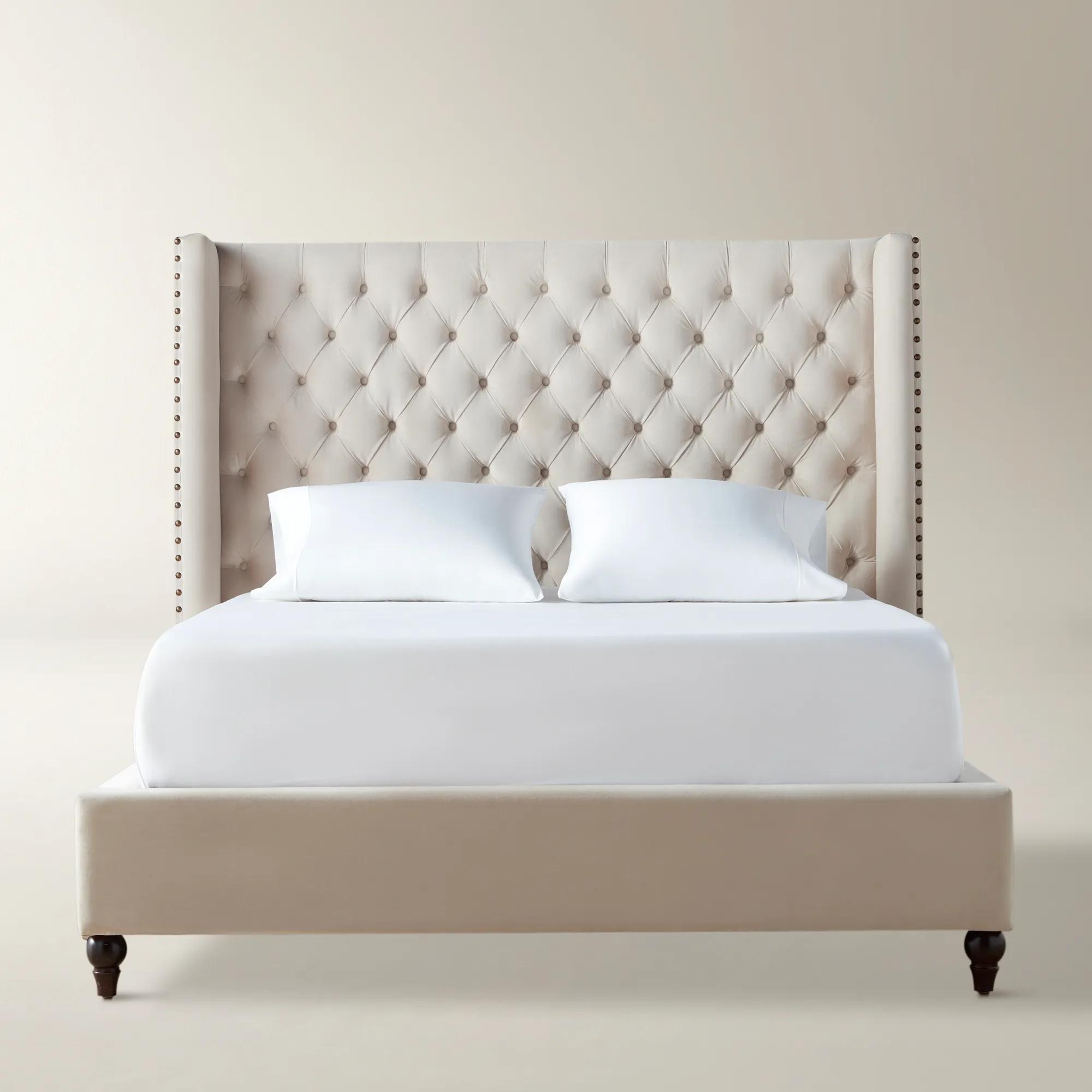
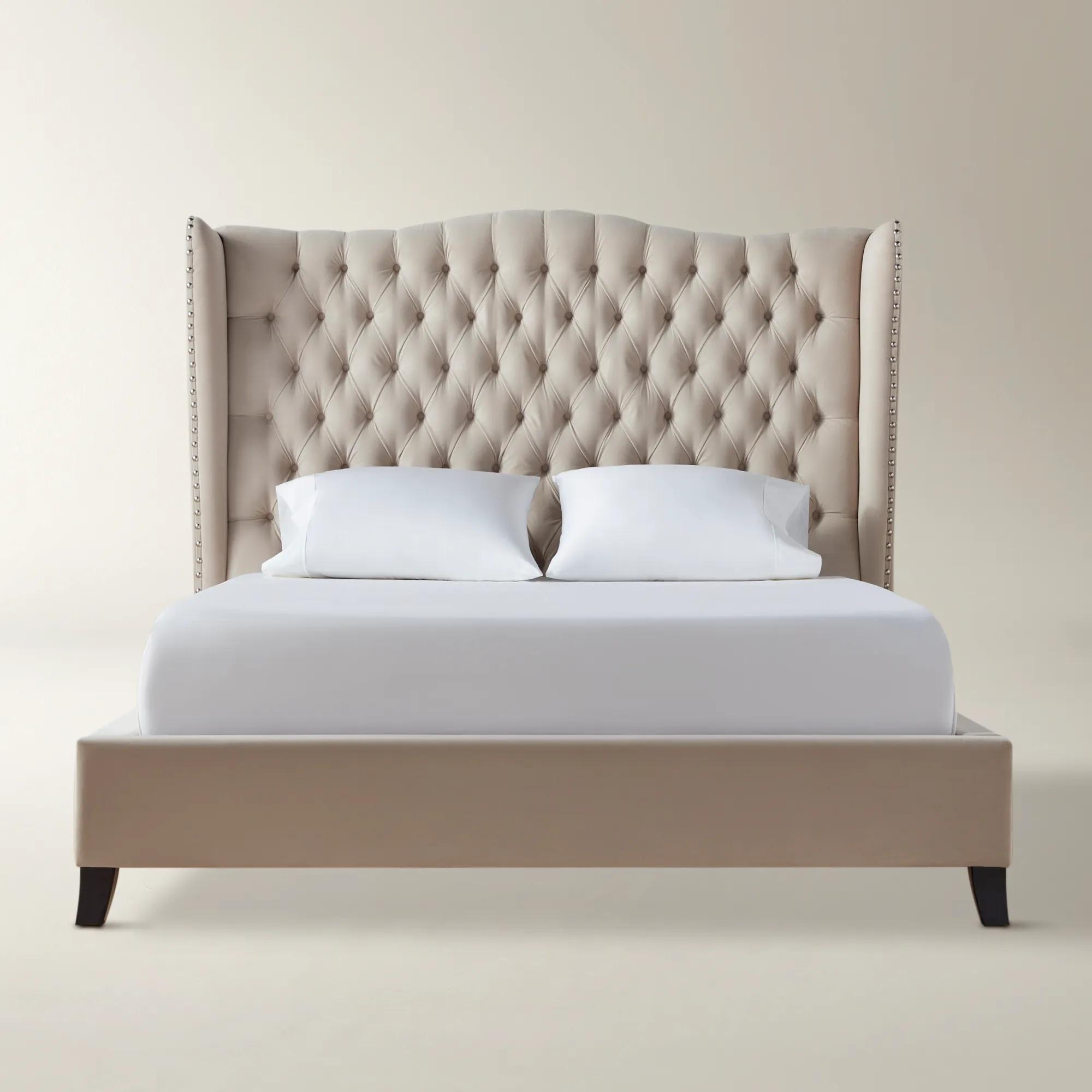
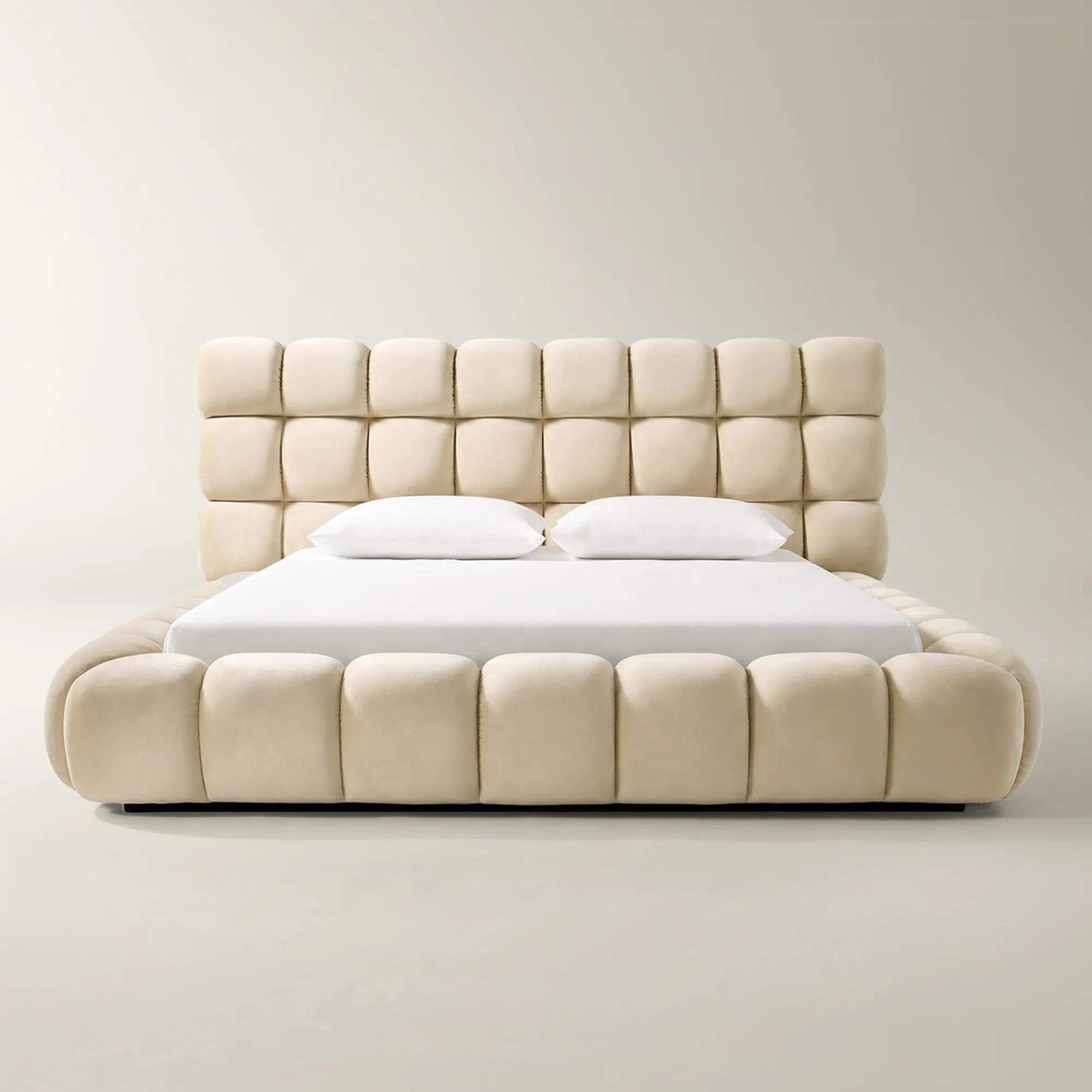 Paloma Tufted Oatmeal Velvet Upholstered Queen Platform Bed$2399
A sculptural platform bed upholstered in plush oatmeal velvet with oversized tufted blocks and solid wood frame.
Add To Cart -
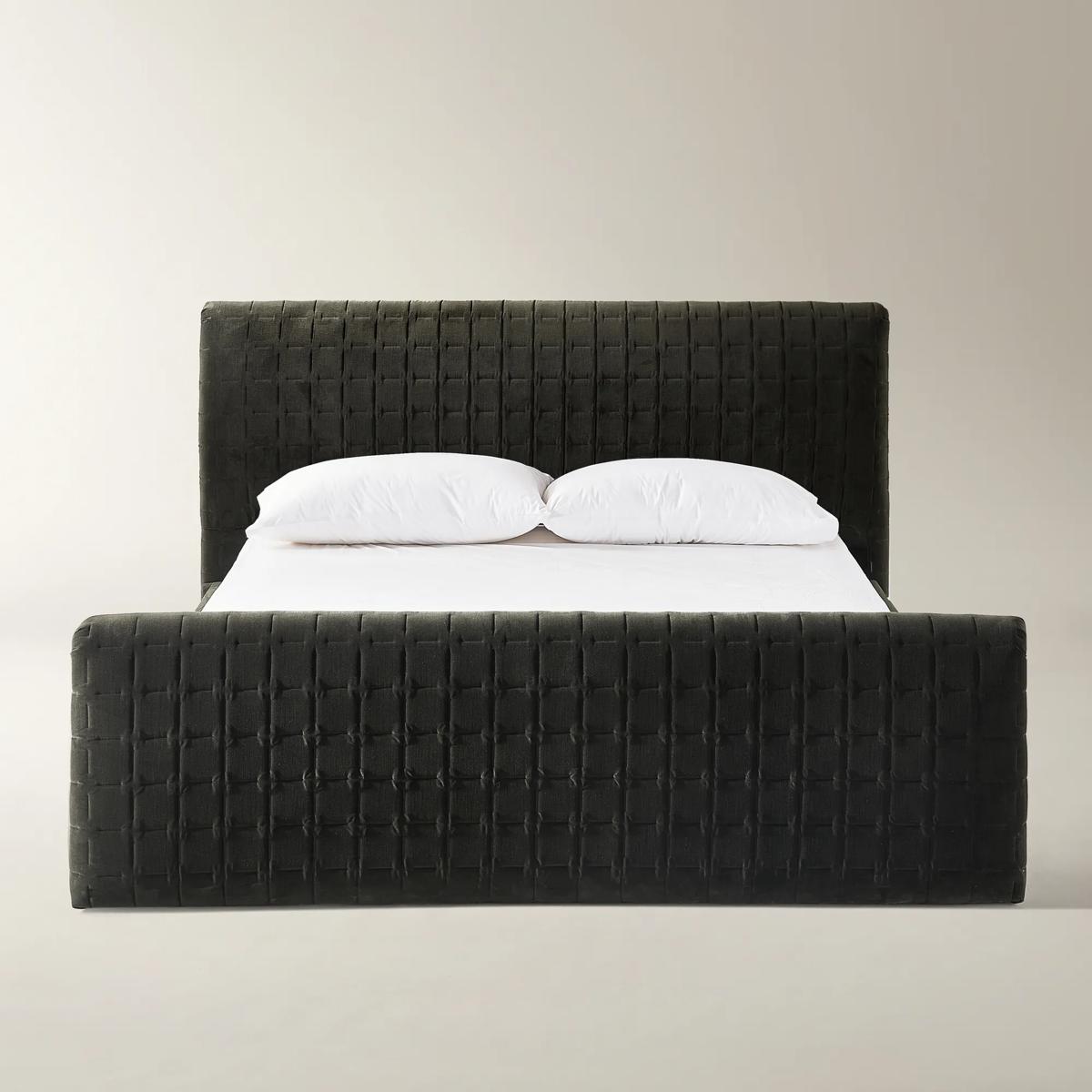 Vanta Charcoal Velvet Upholstered Queen Platform Bed$2199
A sculptural bed featuring charcoal velvet upholstery, three-dimensional checker quilting, and sleek stainless steel inlays.
Add To Cart -
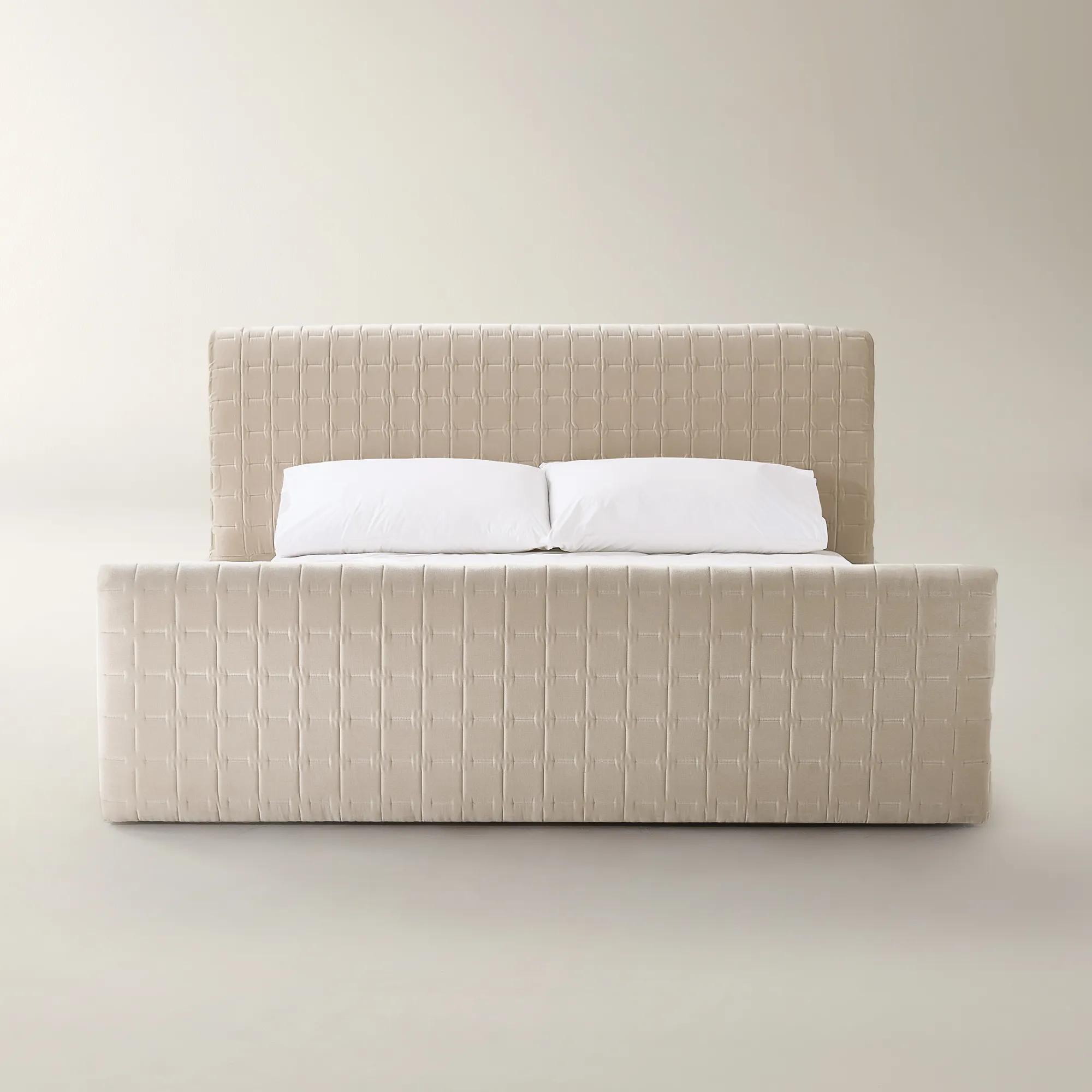
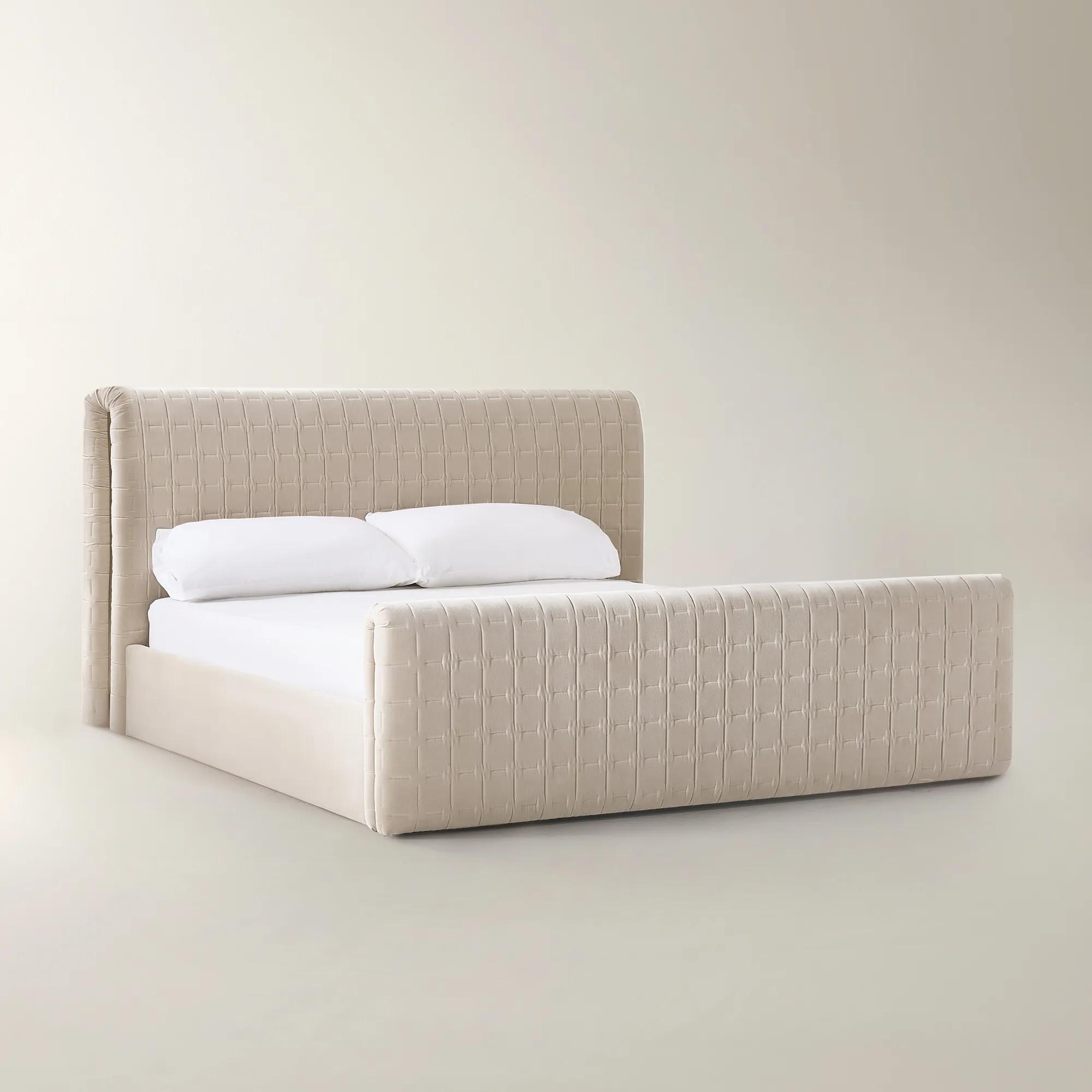 Vanta Oatmeal Velvet Upholstered King Platform Bed$2399
An oatmeal velvet-upholstered bed featuring a checker-quilted headboard and elegant gold-toned metal inlays.
Add To Cart

Velvet Bedding For Minimalist Decor
Velvet Bedding for Minimalist Decor is where serene simplicity meets sumptuous allure. Imagine a tranquil retreat, where every line is intentional and every surface whispers luxury—here, velvet’s plush elegance transforms restraint into radiance. The rich texture of velvet bedding introduces a subtle drama to minimalist spaces, layering softness and depth without overwhelming the calm. Let your sanctuary speak in hushed tones of opulence, as curated details and tactile beauty elevate the art of understatement. In this world, less isn’t just more—it’s magnificent.
Velvet bedding for minimalist decor brings tactile richness to a bedroom without relying on elaborate patterns or an abundance of accessories. Its appeal lies in the balance: a restrained palette keeps the room composed, while a plush surface gives the bed depth, softness, and a quietly glamorous presence. Warm ivory, taupe, camel, and charcoal are especially versatile choices, creating a calm foundation that works with clean-lined furniture and carefully chosen decorative accents. Ivory velvet can soften the geometry of a dark bed frame; camel introduces warmth against pale walls; charcoal creates a dramatic focal point without adding visual clutter. The fabric’s short, dense pile catches light differently as its surface changes direction, giving even a single-color bed a nuanced appearance. For a more understated effect, look for an even pile and a gentle luster rather than a highly reflective or crushed finish. Channel quilting, narrow vertical pleats, and subtle linear stitching can reinforce the architecture of the room, adding definition without the visual activity of ornate embroidery. That distinction matters in a bedroom where the bed is the largest uninterrupted surface: texture can carry the design so that fewer decorative pieces are needed. Picture an ivory velvet coverlet beneath a broad upholstered headboard, with crisp cotton visible at the fold and a single sculptural lamp nearby. The scene feels complete because each material has a distinct role, not because every surface has been filled. This makes velvet particularly appealing for anyone who loves a pared-back room but finds smooth, unvaried bedding a little austere. It offers a way to preserve open space and deliberate simplicity while giving the bedroom a more enveloping mood. During the cooler months, that tactile quality feels especially inviting, though the right construction and layering choices can make velvet a lasting part of the room rather than a strictly seasonal addition.
Choosing velvet bedding begins with how you want the bed to feel, not just how you want it to photograph. Velvet describes a fabric construction, not a single fiber, so check the fiber content, backing, fill, and care instructions before purchasing. Cotton velvet and synthetic velvet can differ in weight, sheen, and maintenance, and the reverse fabric may matter as much as the plush face when bedding rests against your skin. Warmth depends on the complete construction, including any fill and the layers underneath; velvet’s appearance alone does not tell you how insulating a piece will be. A duvet cover allows you to choose an insert suited to your sleep preferences, while a quilt or coverlet offers a different approach to weight, drape, and layering. For someone who sleeps warm, a lighter velvet layer folded across the lower portion of the bed may provide the desired texture without covering the entire sleeping surface. Someone who prefers a more cocooning bed may favor fuller coverage, paired with sheets that feel comfortable against the body. Crisp cotton percale creates a tailored contrast, while linen introduces a relaxed, gently rumpled texture that tempers velvet’s polished character. Before selecting a size, compare the actual bedding dimensions with your mattress width, length, and depth, accounting for any topper and the amount of side coverage you prefer. Size labels alone do not guarantee the same drape across different constructions. A generous drop can feel sumptuous, but excessive fabric pooling around a low platform bed may interrupt its precise silhouette. Color deserves similar attention. If swatches are available, view them beside your sheets and headboard in daylight and lamplight; an ivory with a yellow undertone can look quite different next to a cooler white. Read set descriptions carefully, too, since included components vary. Investing in the layers you will actually use keeps the purchase intentional and the finished bed beautifully resolved.
The most convincing minimalist bedrooms often reveal their richness gradually: the shadow along a stitched channel, the soft edge of a folded quilt, the contrast between velvet and a smooth wooden nightstand. Velvet bedding supports that approach when the surrounding palette is closely edited. Tonal combinations such as ivory with oatmeal or charcoal with soft gray allow texture to remain the focal point, while a single deeper shade can anchor an otherwise pale room. Matching every surface exactly is not necessary; compatible undertones and a deliberate balance of light and dark usually create a more natural result. Keep pillow arrangements proportionate to the bed and to your daily routine. A pair of substantial shams may provide all the structure a smaller bed needs, while a wider bed can accommodate another restrained layer without becoming crowded. The familiar evening ritual of removing a tower of decorative pillows is worth considering before buying a large assortment. Bedding should feel as rewarding to live with as it does to arrange. Velvet can be especially well suited to a primary bedroom that needs warmth without additional furniture, an apartment where the bed carries much of the decorative expression, or a guest room intended to feel thoughtfully prepared. It can also make a considered housewarming or wedding gift when the recipient’s mattress size, preferred colors, and care habits are known. For households with pets, factor in the visibility of shed hair and the fabric’s care requirements rather than assuming every velvet will perform alike. Follow the manufacturer’s cleaning directions, confirm whether home laundering is appropriate, and consider whether the bedding will fit comfortably in your machine. Some constructions require professional care, an important part of the long-term cost. If your room combines streamlined forms with more traditional details, Velvet Bedding for Transitional Decor offers a related direction for that balance of softness and structure. In a minimalist setting, the lasting attraction remains velvet’s ability to make a restrained room feel expressive: a bed with presence, a palette with depth, and a surface that invites you to settle in.
FAQs
Velvet bedding introduces a rich, tactile element to minimalist decor, offering subtle depth and dimension without overwhelming the space. Its gentle sheen and plush texture create a sense of warmth and sophistication, transforming a simple room into a serene sanctuary that feels both curated and inviting.
For minimalist spaces, opt for velvet bedding in muted, neutral tones such as soft grays, creamy ivories, taupes, or deep midnight blues. These shades complement a pared-back palette, allowing the luxurious texture of velvet to stand out while maintaining a sense of calm and cohesion.
Yes, many modern velvet bedding options are designed with breathable, midweight fabrics that provide comfort throughout the seasons. In cooler months, velvet offers cozy warmth, while in warmer weather, it adds a touch of luxury without feeling overly heavy when paired with lighter layers.
Velvet bedding makes a memorable gift for anyone who values refined style and comfort—design enthusiasts, new homeowners, or anyone seeking to elevate their bedroom sanctuary. Its timeless appeal and tactile luxury are sure to delight recipients who appreciate both artistry and everyday indulgence.
Pair velvet bedding with clean-lined furniture, sculptural lighting, and minimal accessories. Layer in natural textures—such as linen, wood, or stone—to balance the plushness of velvet and maintain a fresh, uncluttered look. Let the bedding serve as a focal point, allowing its subtle drama to shine within the simplicity of the space.