Bedding For Minimalist Style
Bedding For Minimalist Style
-
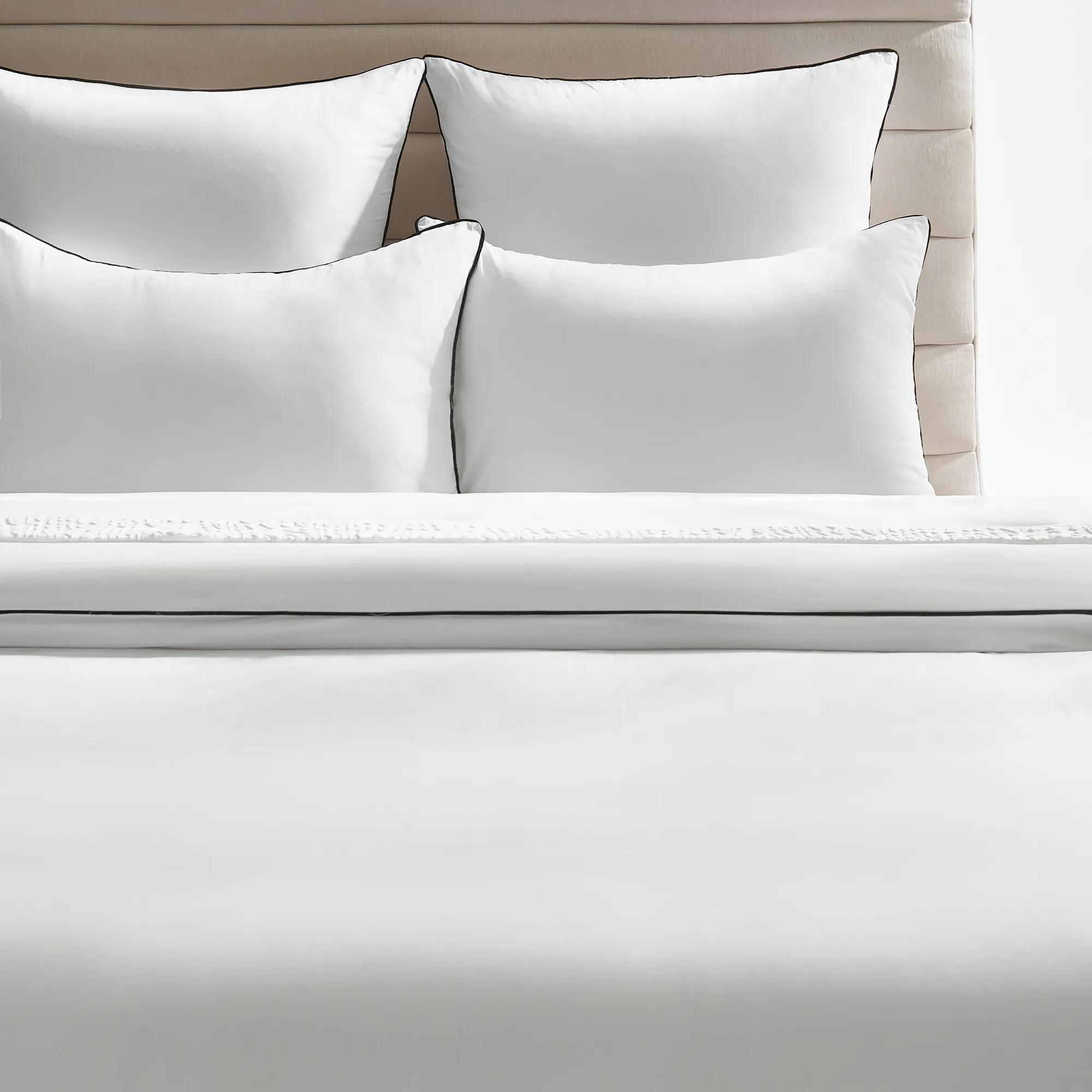 Sarla Contrast Cotton Percale Bedding Set - White/Black$199
A crisp white cotton percale bedding set featuring modern black piping for a refined, graphic contrast.
Add To Cart -
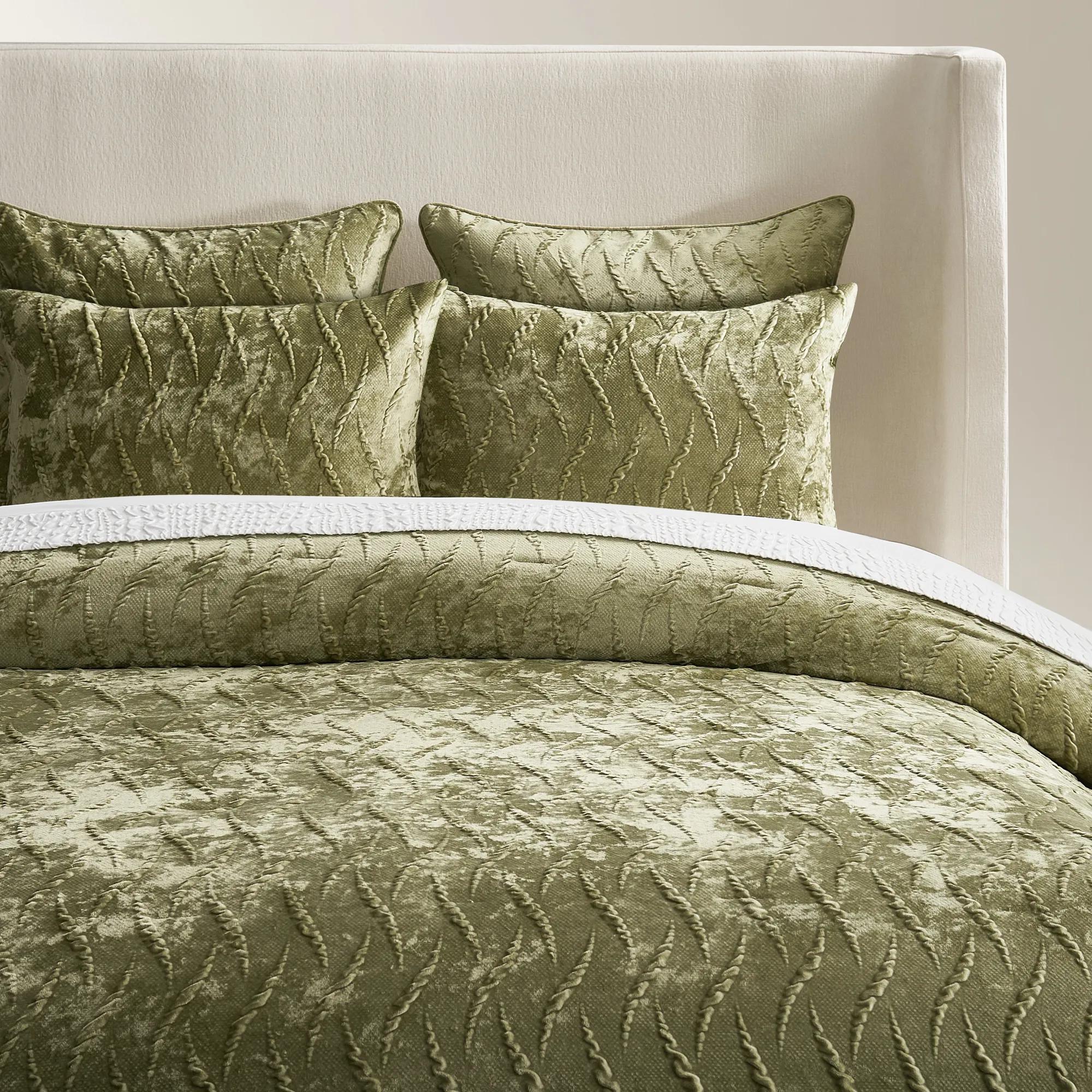
 Eve Pistachio Green Textured Velvet Quilt Set$69
A green textured velvet bedding set with coordinating duvet and sham covers for polished comfort.
Add To Cart -
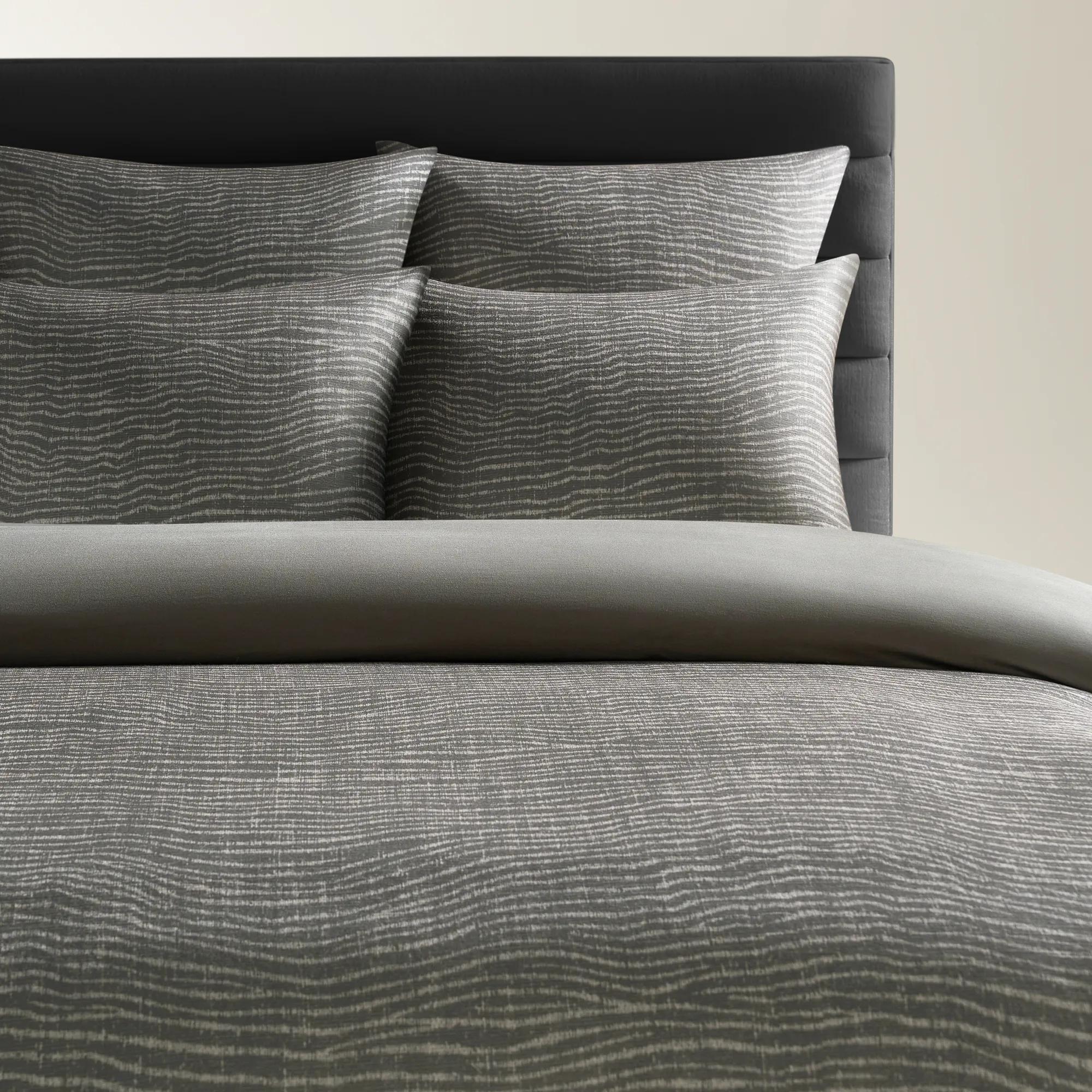 Sahara Bedding Set - Charcoal$59
A soft jacquard bedding set in calming charcoal with a subtle wave-inspired zebra print and refined details.
Add To Cart -

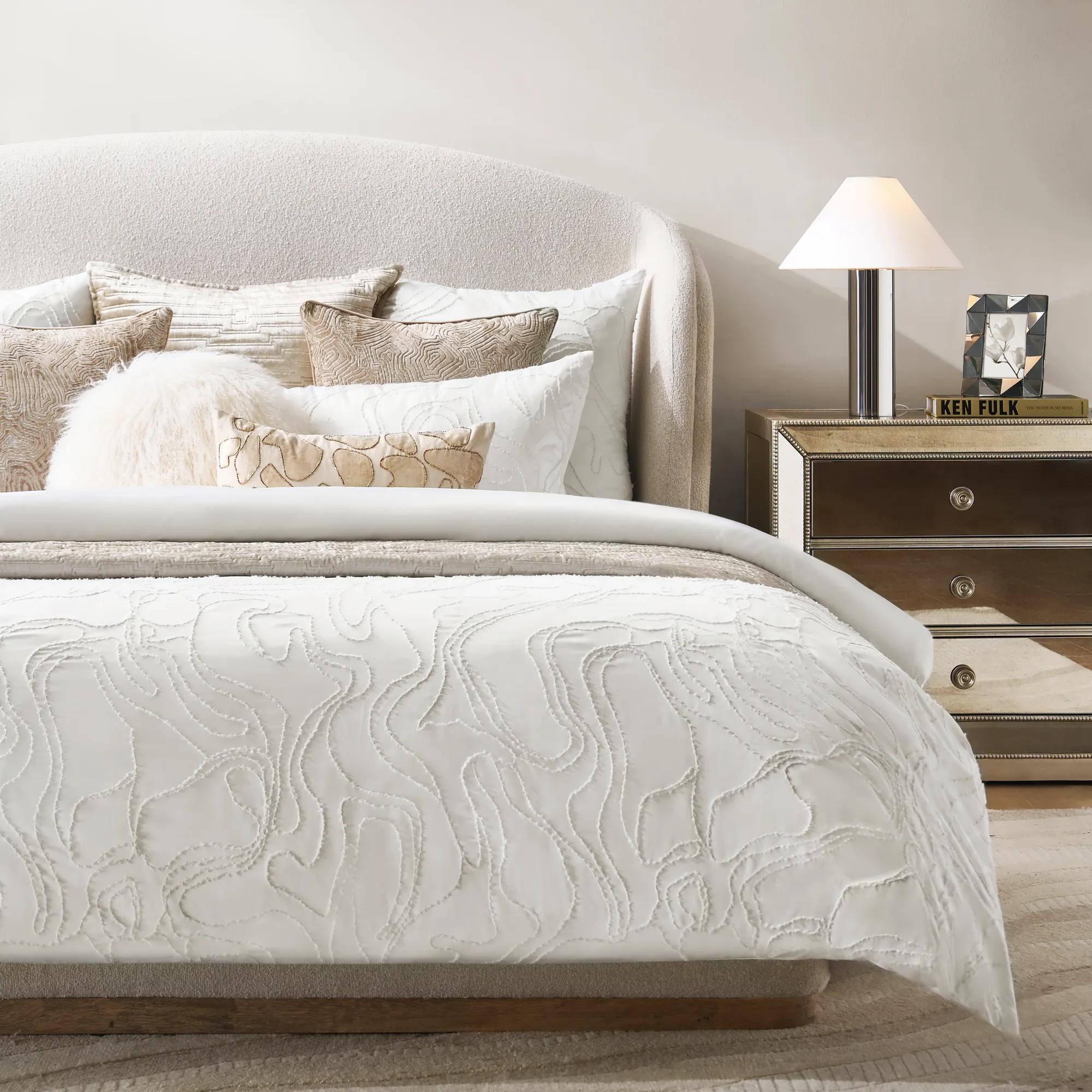 Noa Embroidered Pearl White Bedding Set$229
A luminous pearl satin bedding set featuring an embroidered swirl pattern for a touch of sophisticated elegance.
Add To Cart -
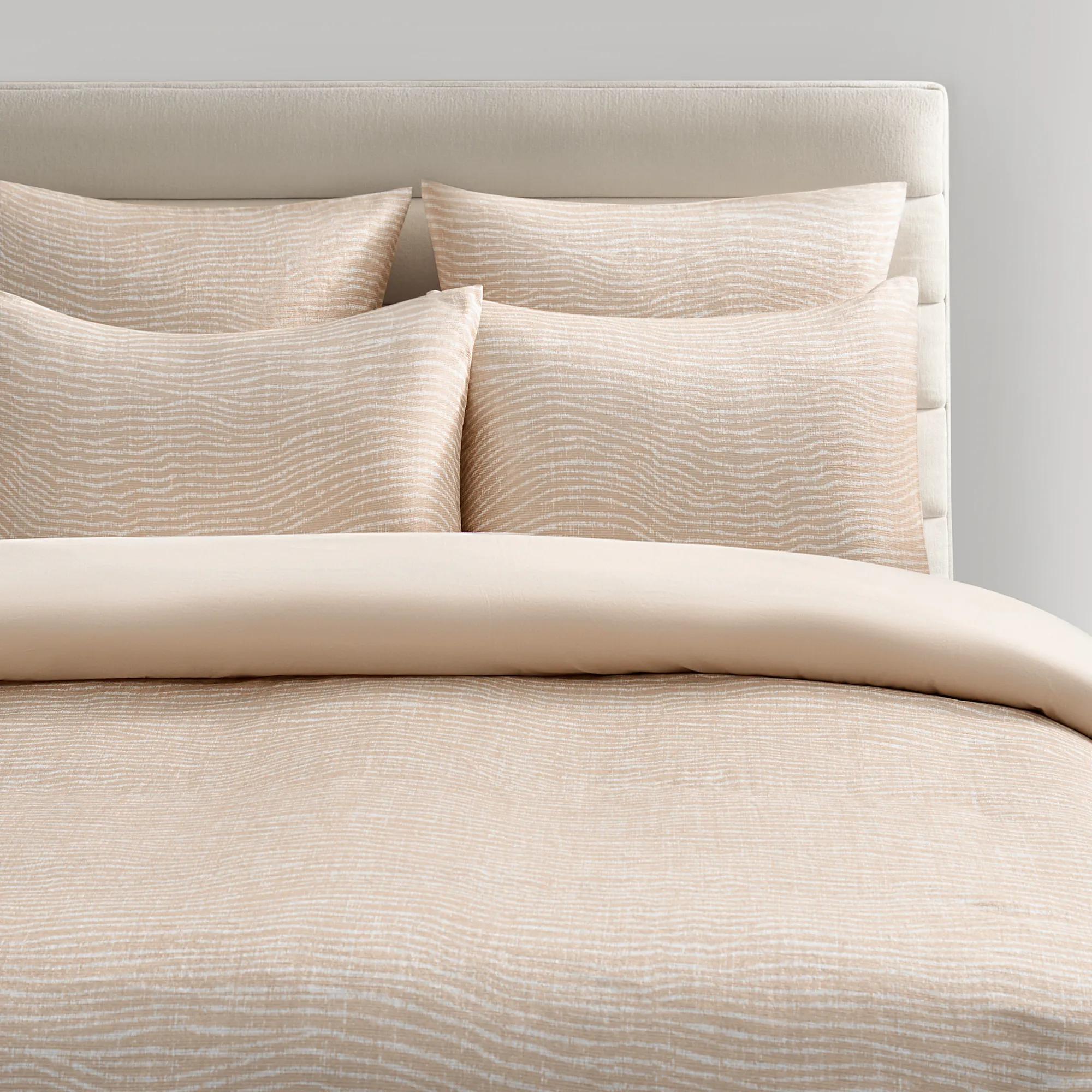 Sahara Bedding Set - Tan/Cream$199
A soft jacquard bedding set in tan and cream with a subtle wave-inspired zebra print and button closure.
Add To Cart -
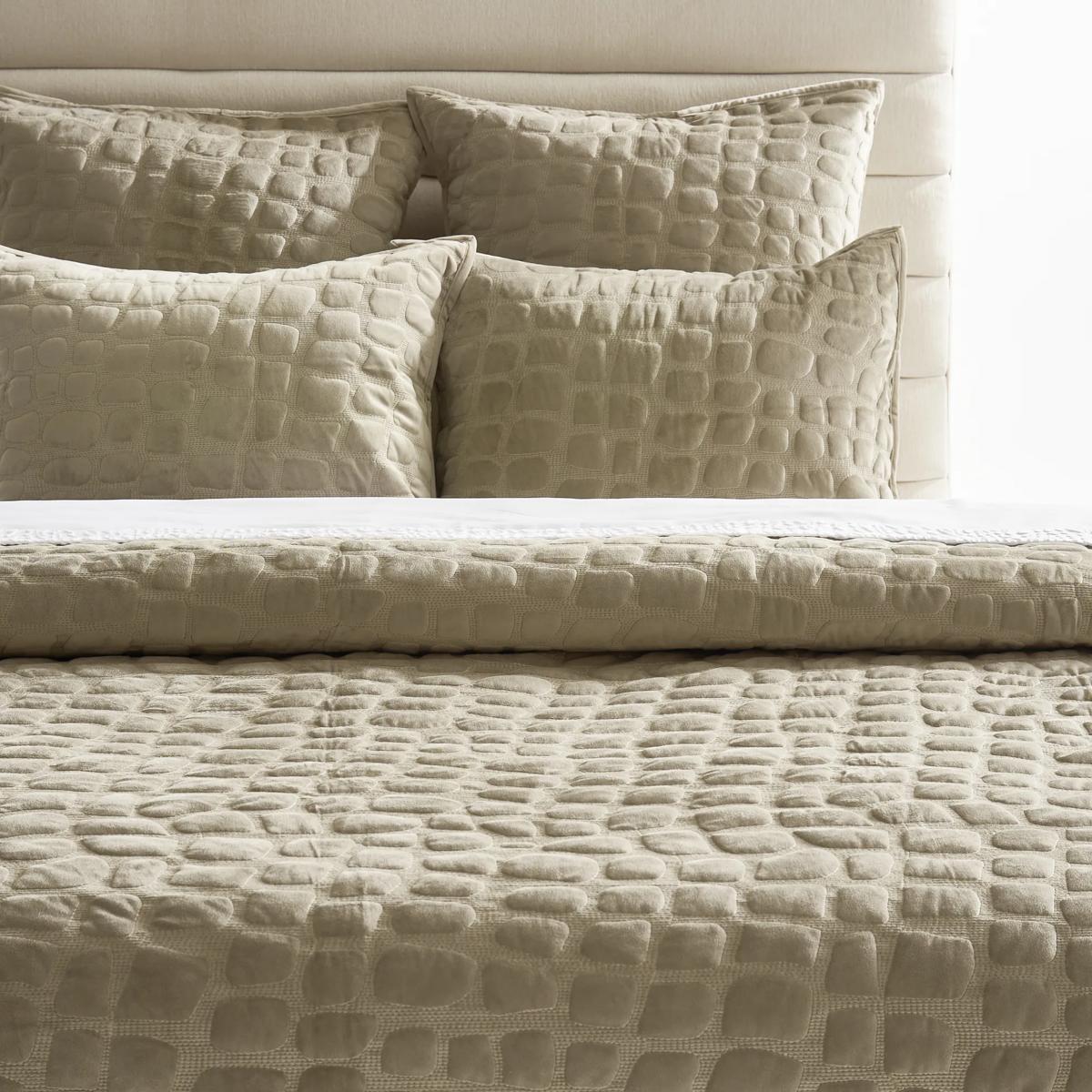
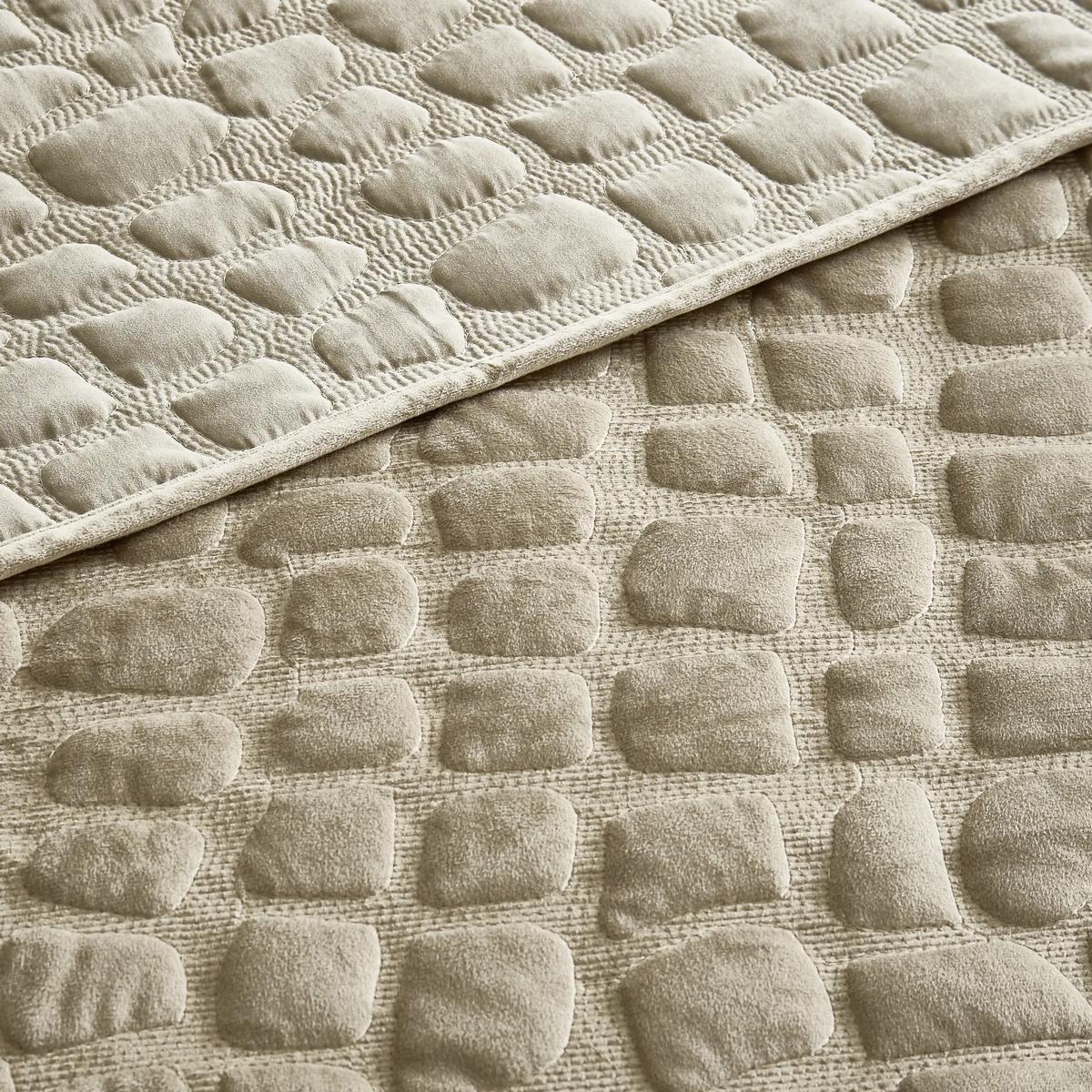 Valen Velvet Quilt Set - Sand$199
A plush sand velvet quilt set featuring a croc-inspired pattern and refined piped edges.
Add To Cart -
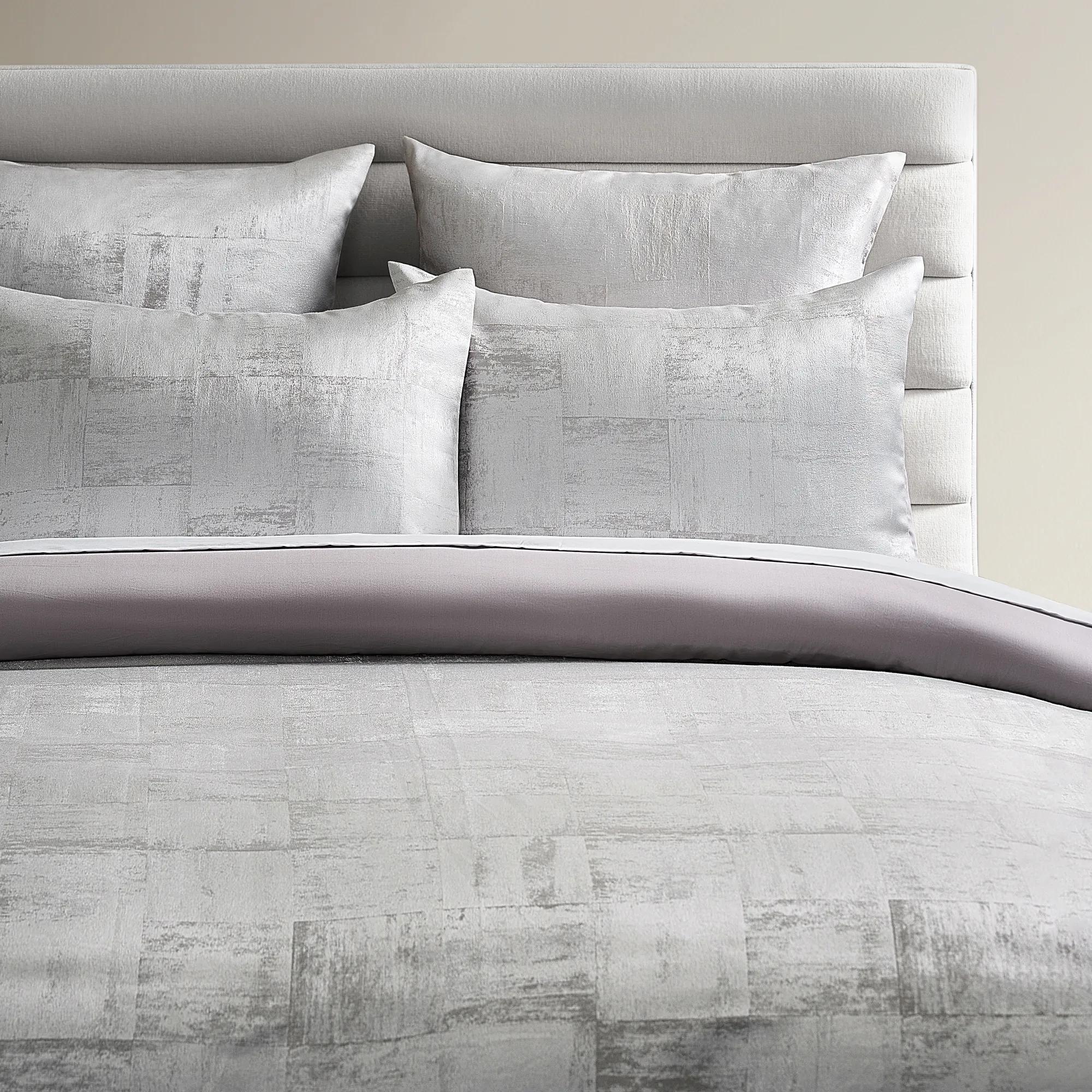 Auden Bedding Set - Platinum$229
A platinum jacquard bedding set featuring a subtle block pattern, knife-edge detail, and polished button closures.
Add To Cart -

 Fan Velvet Quilt Set - Smoke Grey$69
A luxurious smoke grey velvet quilt set featuring a sculptural fan pattern and polished piped edges.
Add To Cart -
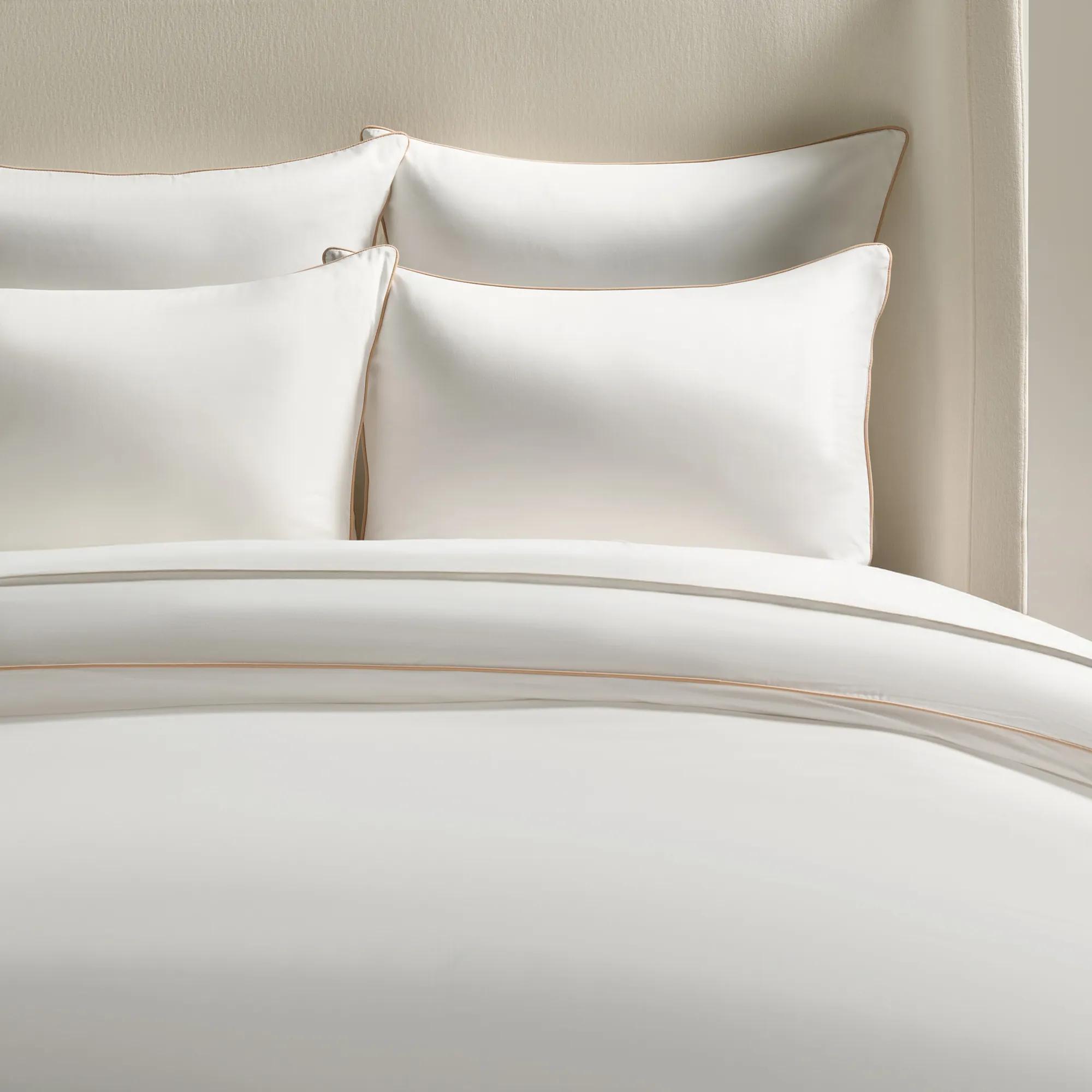
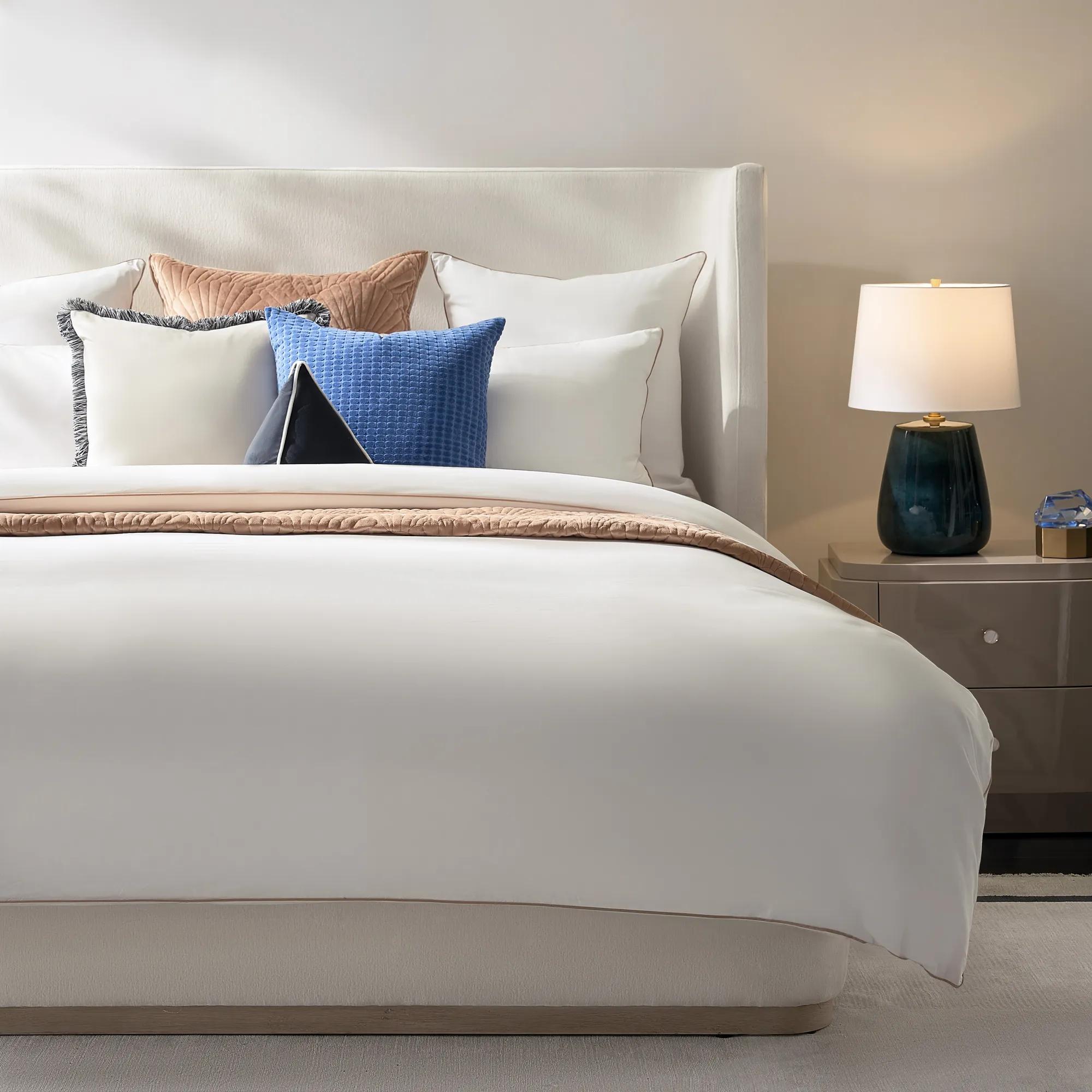 Sarla Contrast Cotton Percale Bedding Set - White/Tan$59
A crisp cotton percale bedding set featuring a refined white-and-tan contrast design.
Add To Cart -
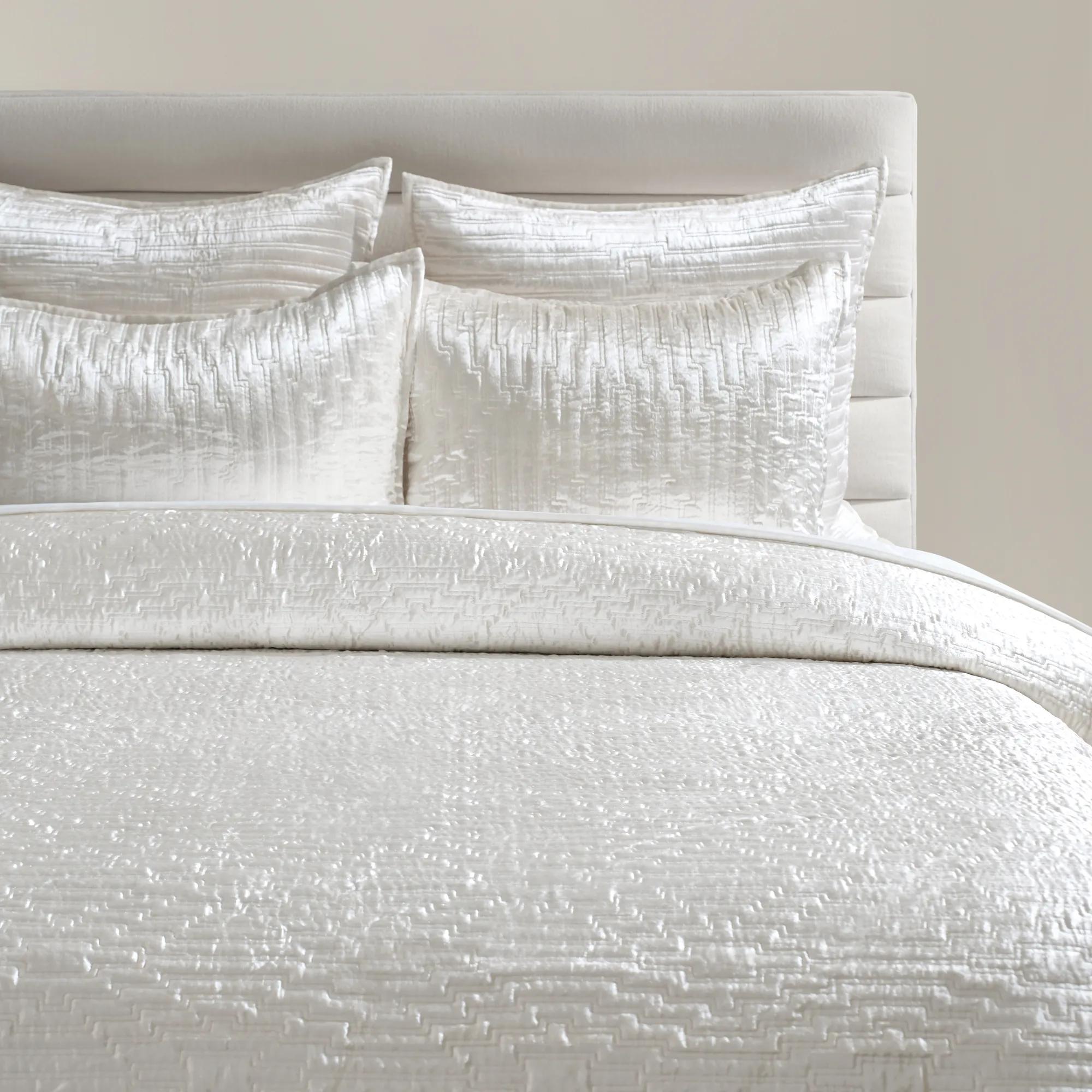
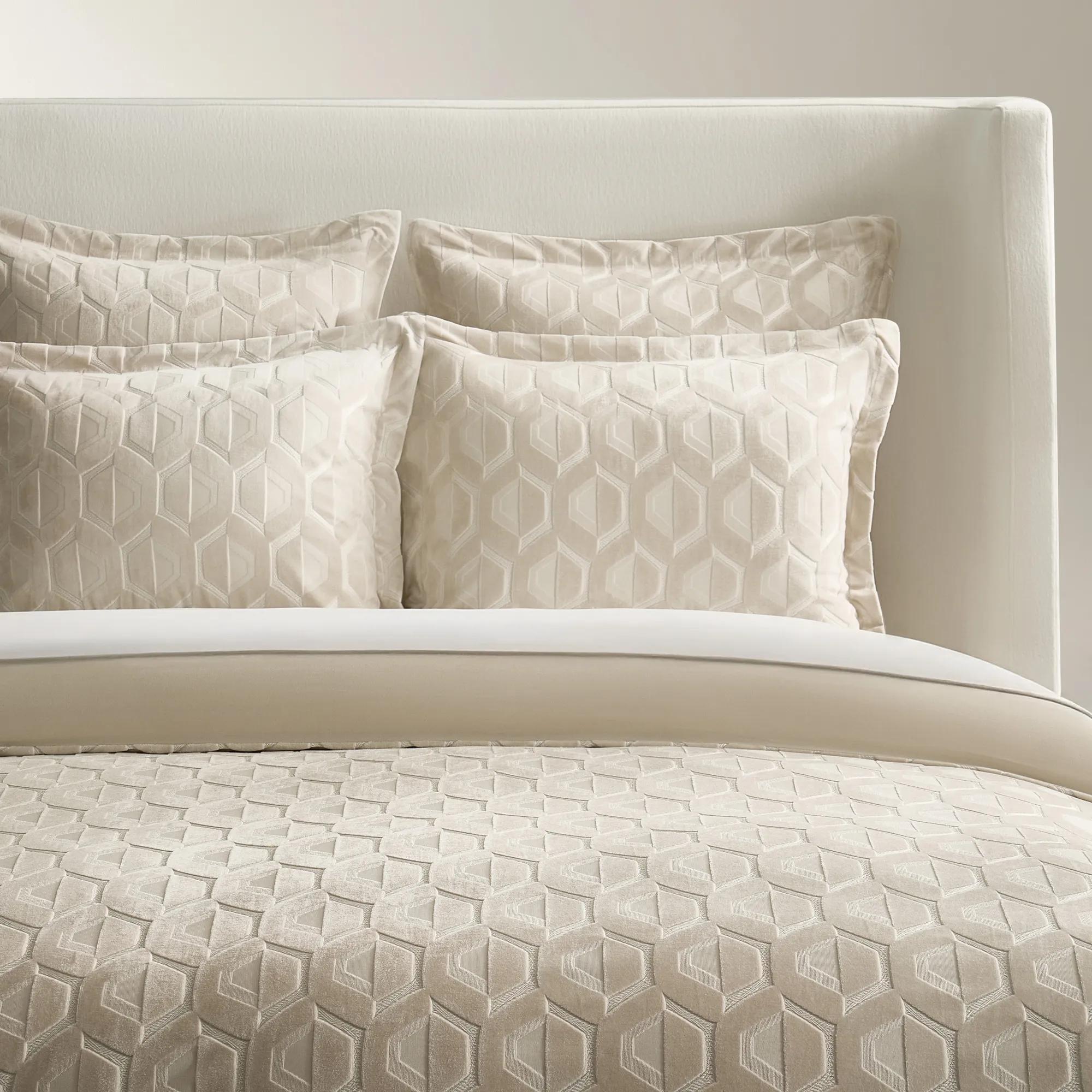 Cielo Alabaster White Geometric Cut Velvet Bedding Set$229
A luxurious alabaster-white bedding set featuring geometric cut velvet texture for sophisticated, layered styling.
Add To Cart -
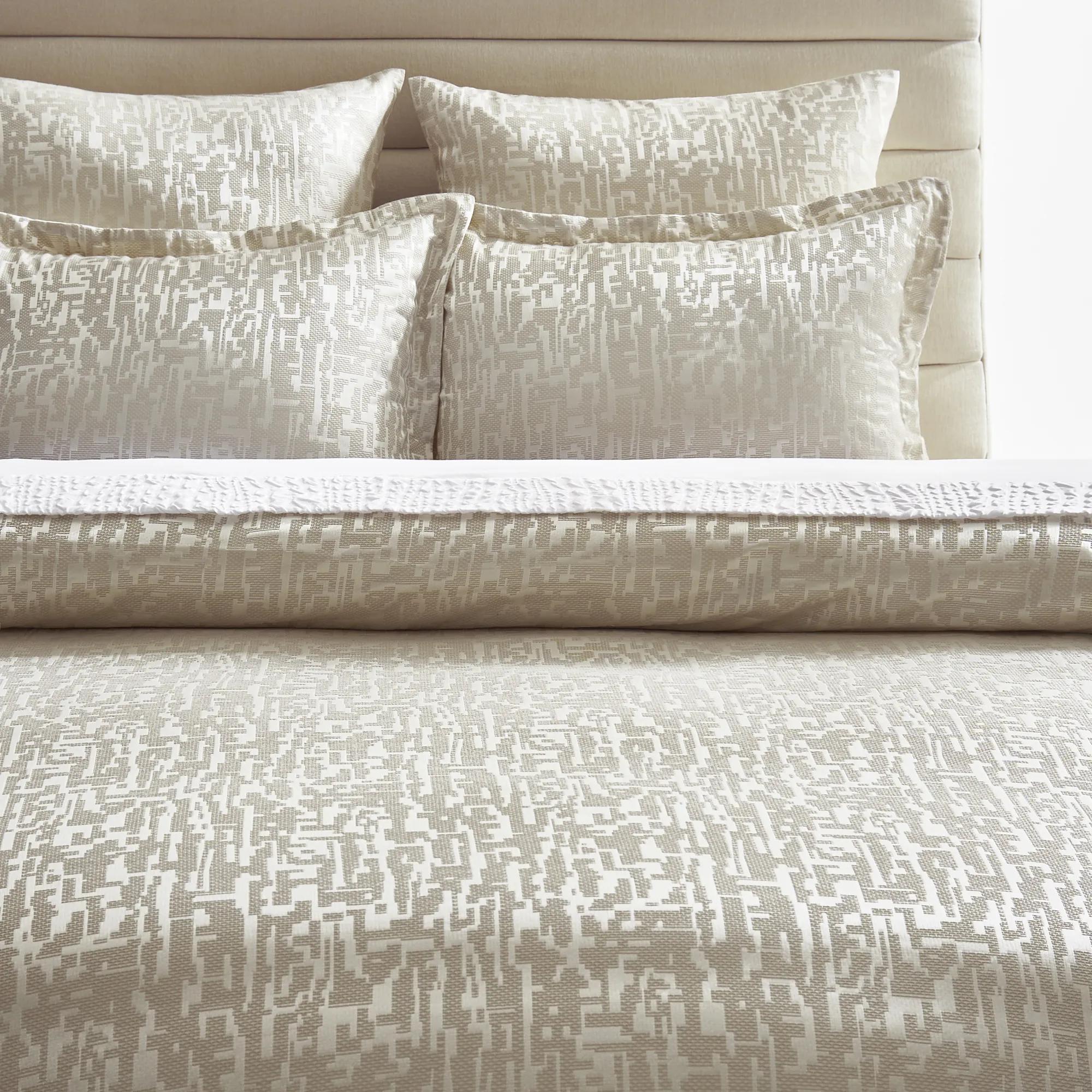
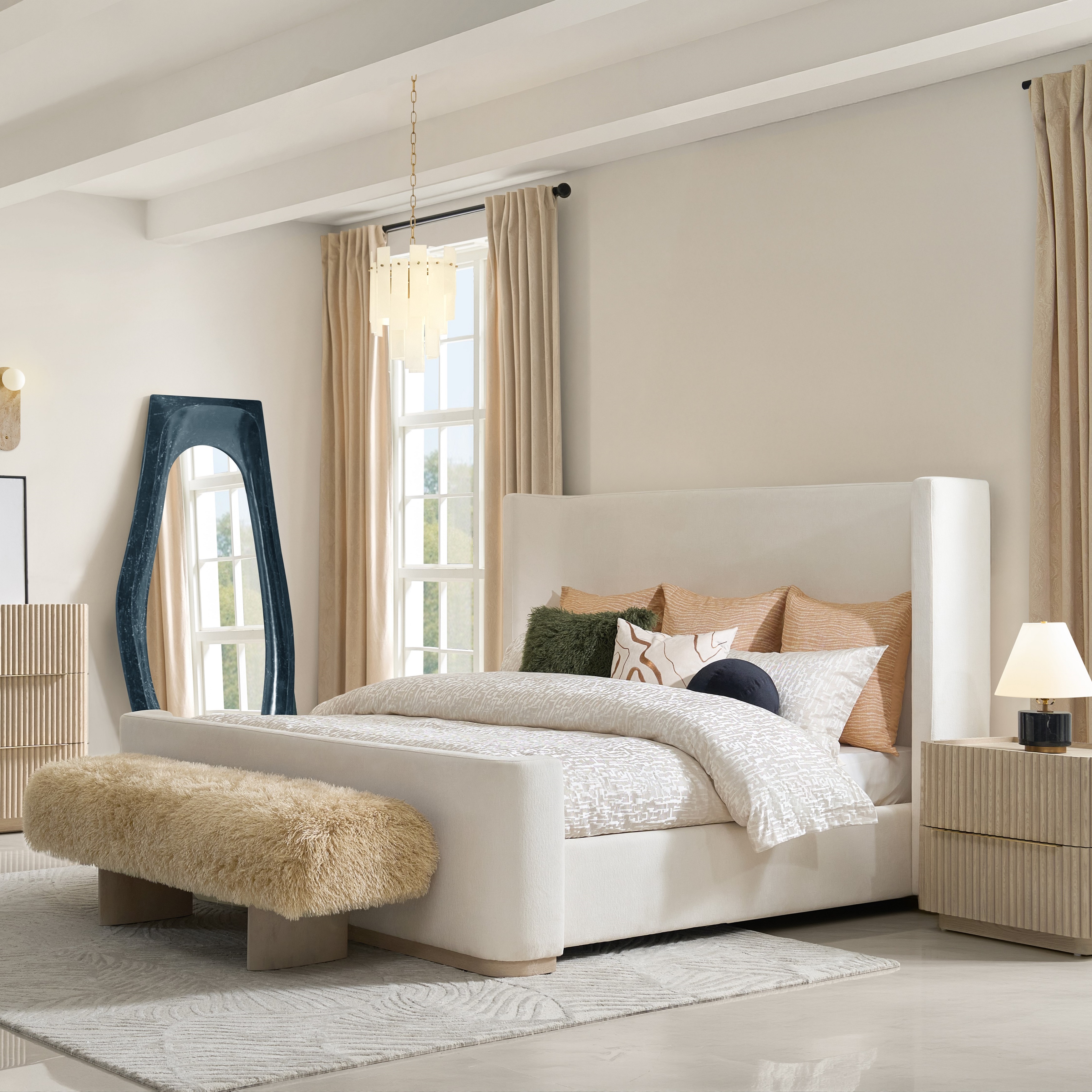 Podva Embroidered Pearl/Ivory Bedding Set$69
A satin and cotton bedding set in pearl and ivory with modern embroidery and crisp flange edges.
Add To Cart -
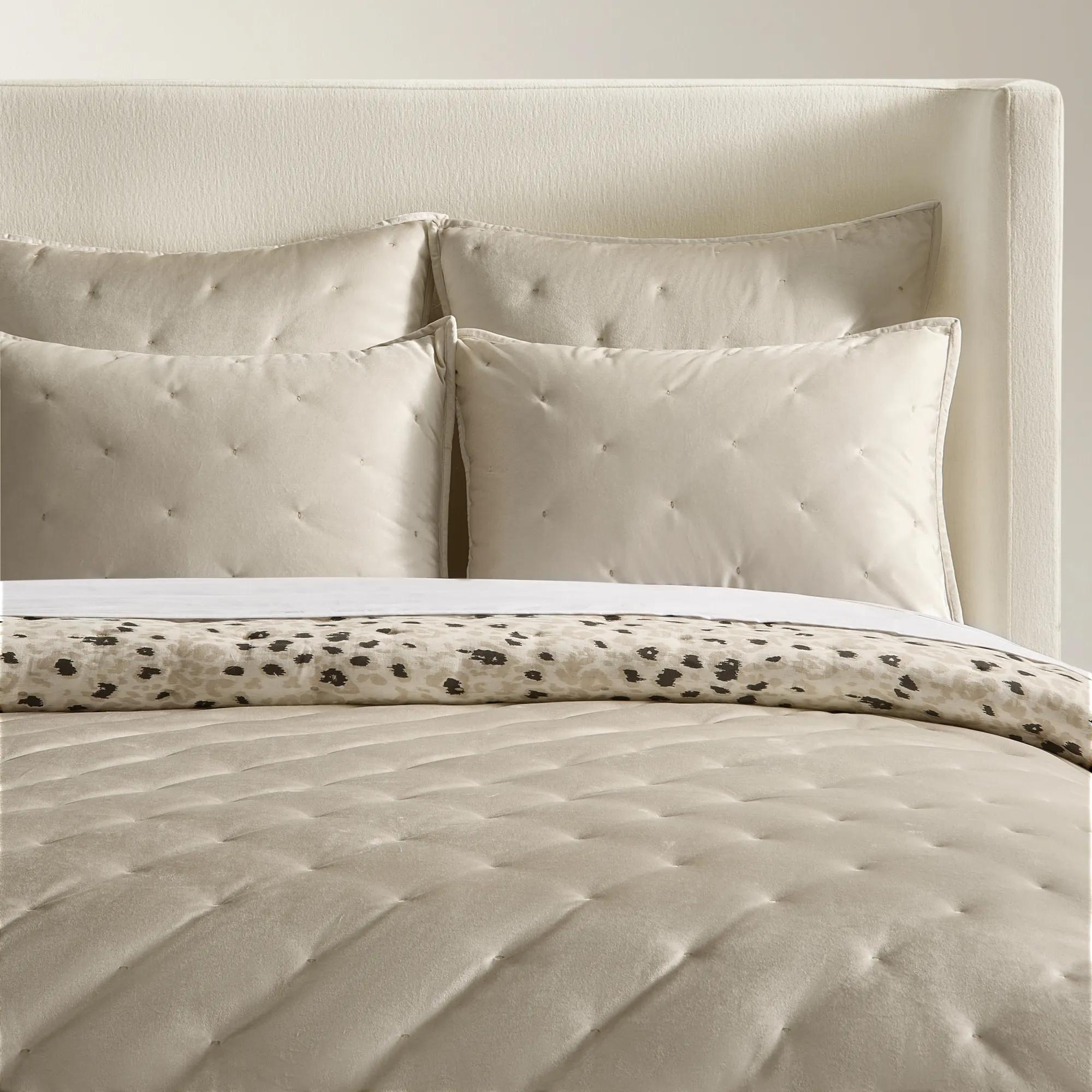 Nemera Alabaster/Leopard Reversible Velvet & Cotton Linen Quilt Set$89
A reversible quilt set featuring plush alabaster velvet on one side and bold leopard print cotton-linen on the other.
Add To Cart -
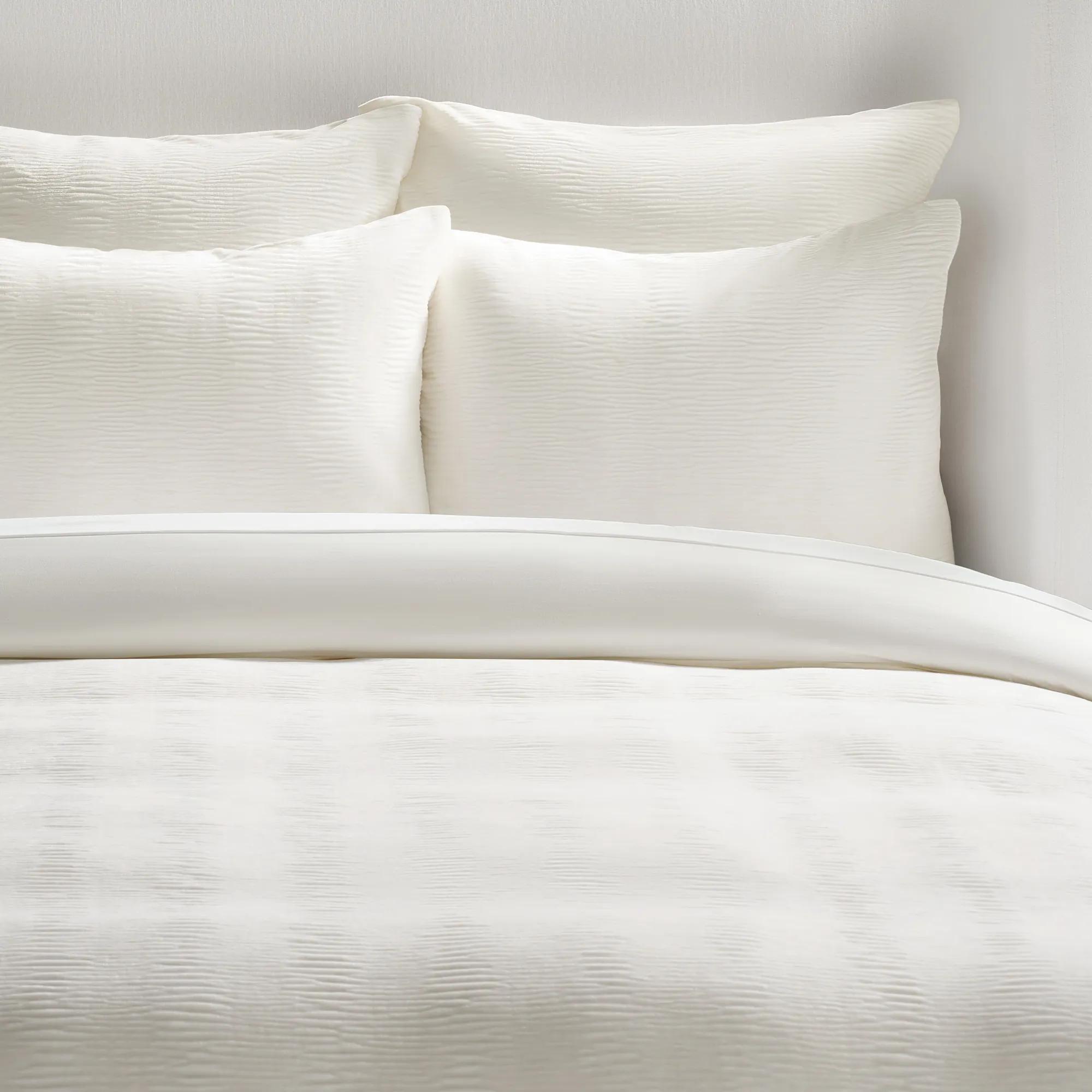 Vera Cloud White Soft Pleated Velvet Bedding Set$69
A cloud-white velvet bedding set featuring soft pleating for an elegant, textured bedroom finish.
Add To Cart -
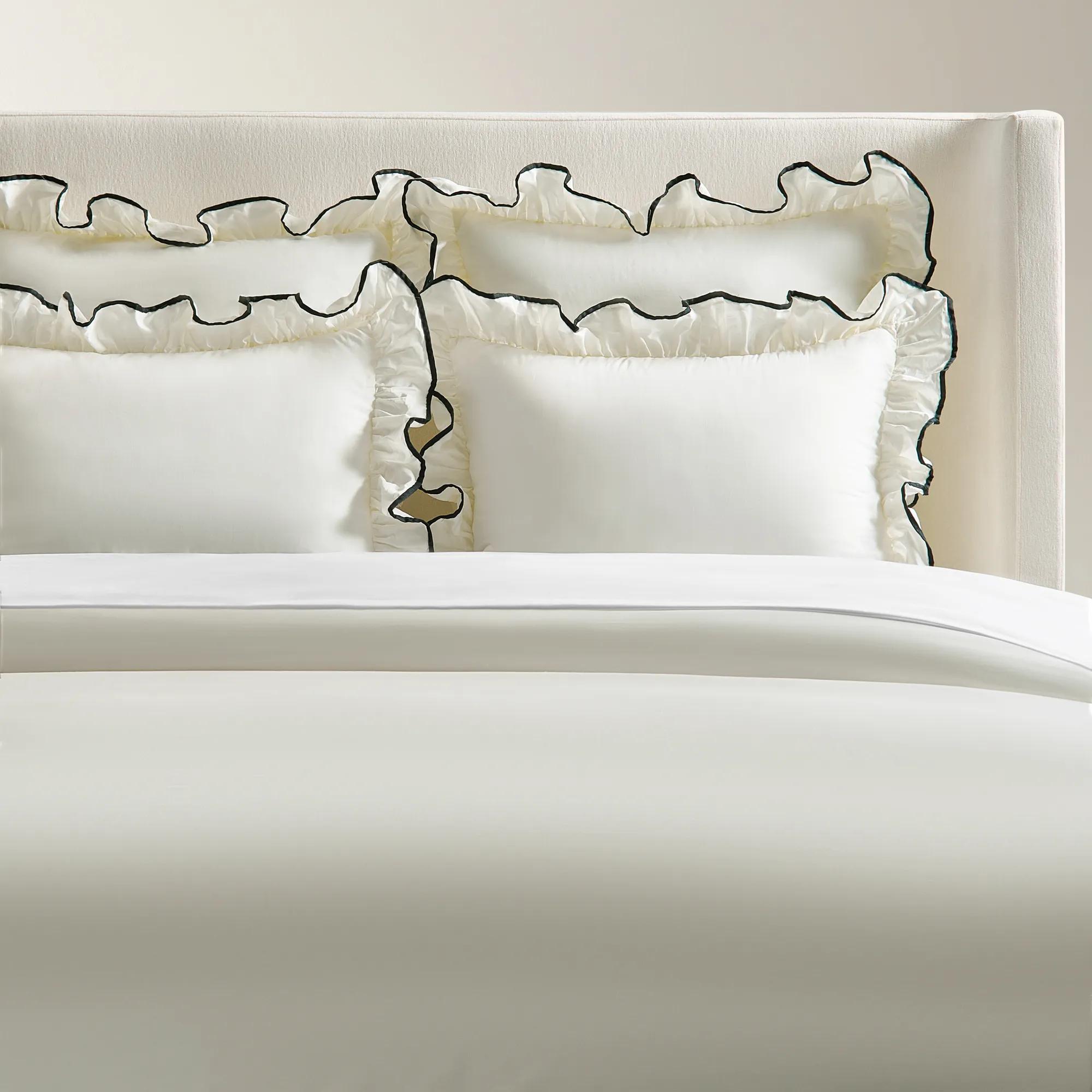
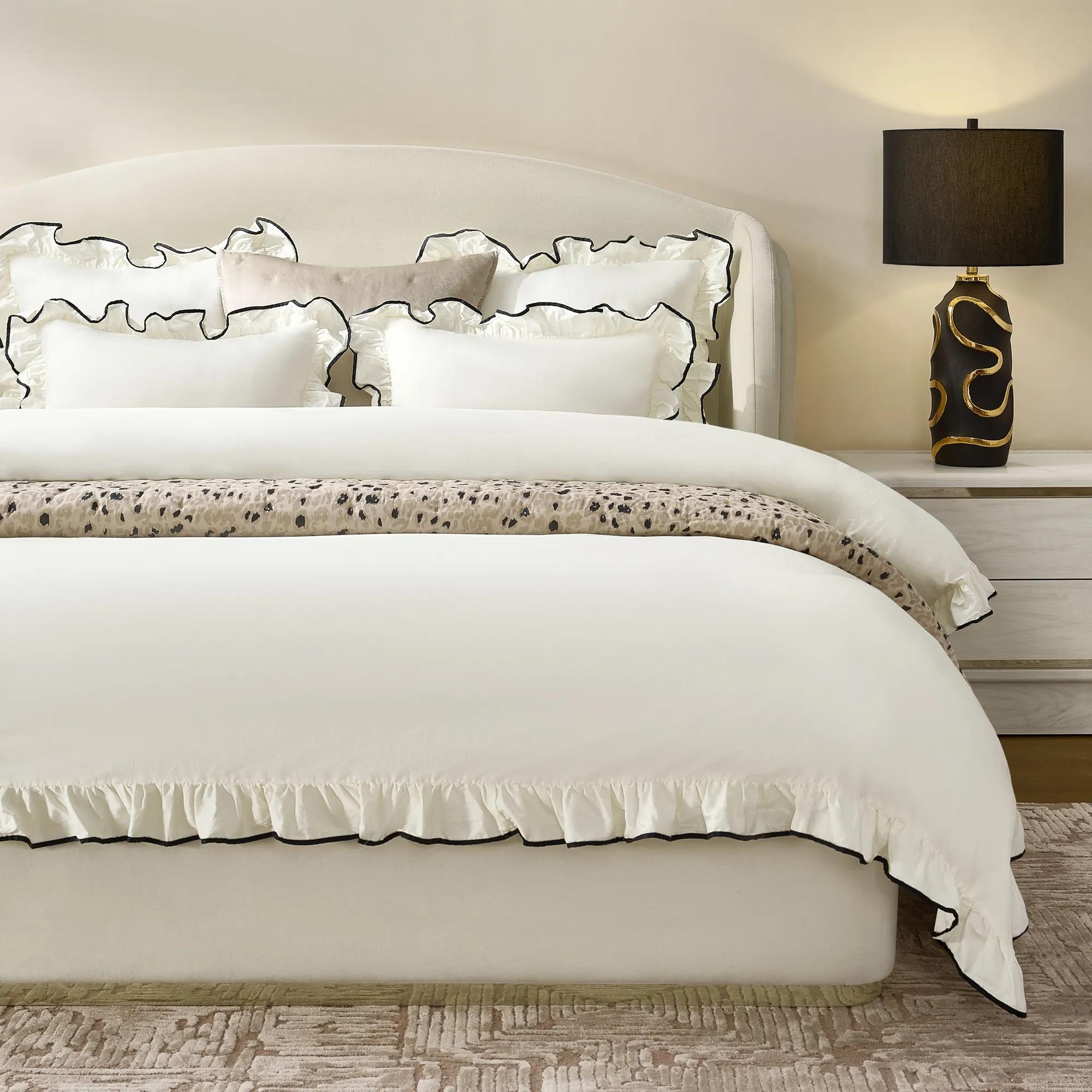 Vittoria Ivory/Black Cotton Percale Ruffle Bedding Set$79
An ivory cotton percale bedding set with dramatic black ruffle trim for a crisp, Deco-inspired look.
Add To Cart -
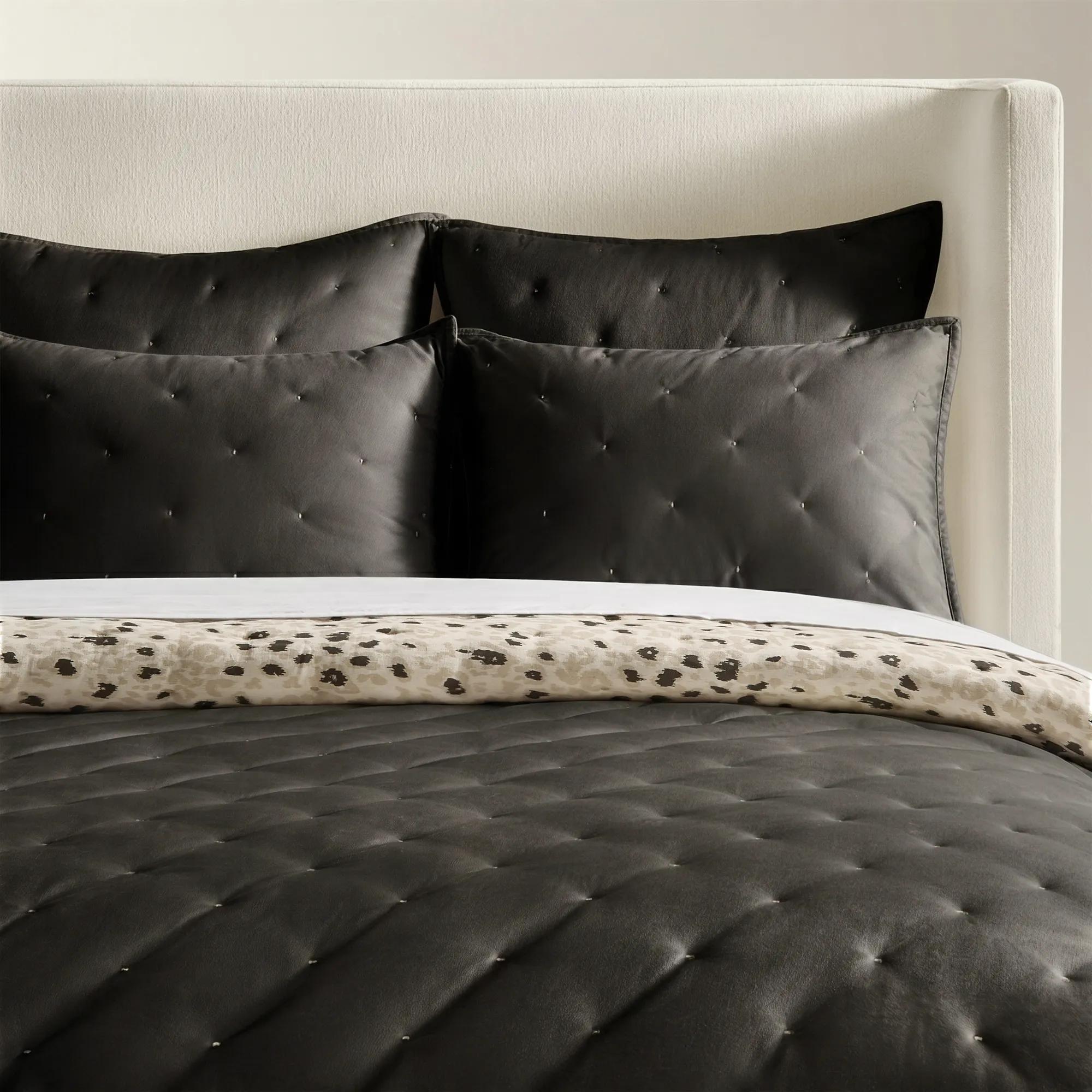
 Nemera Graphite/Leopard Reversible Velvet & Cotton Linen Quilt Set$299
A reversible quilt set featuring plush graphite velvet on one side and bold leopard print cotton-linen on the other.
Add To Cart -
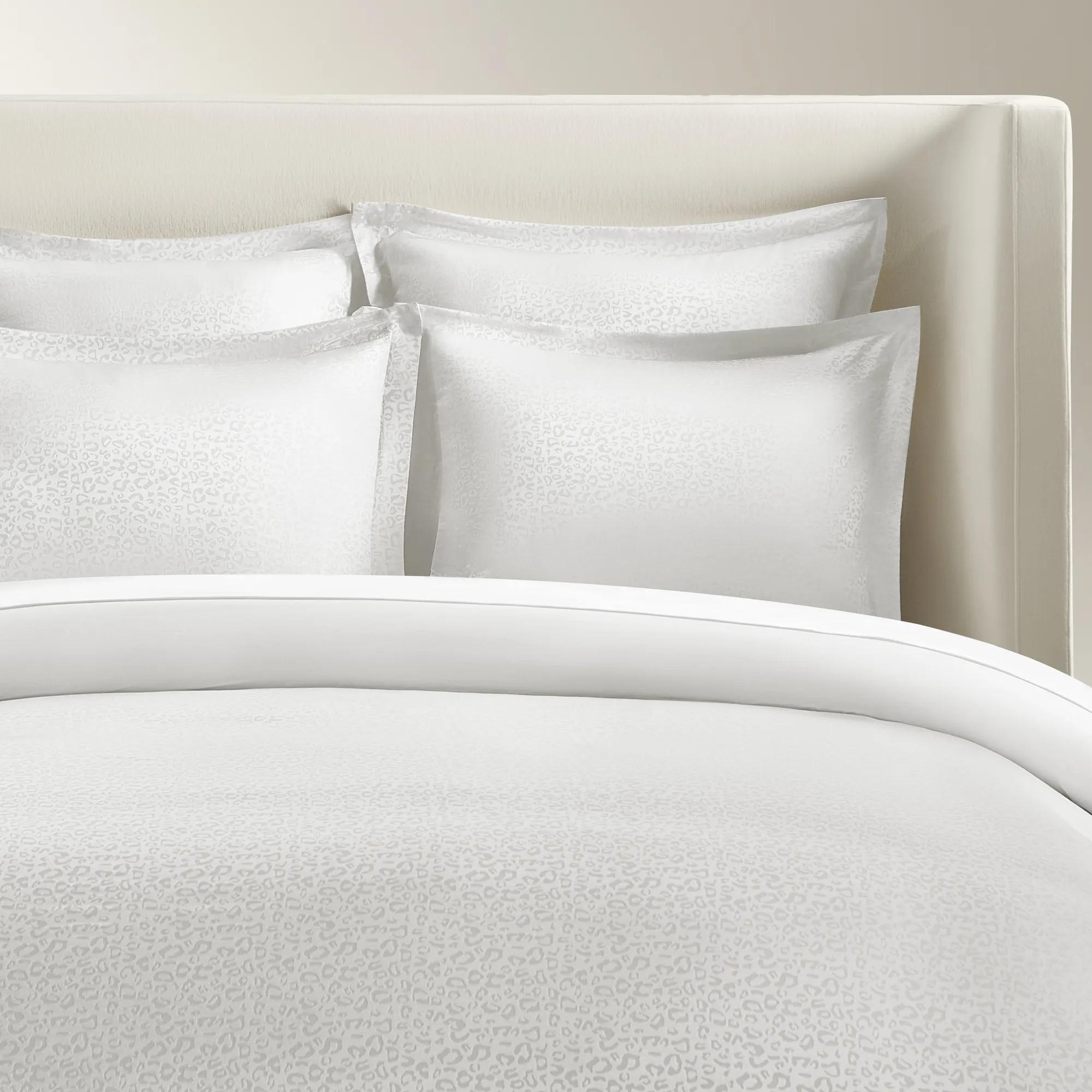
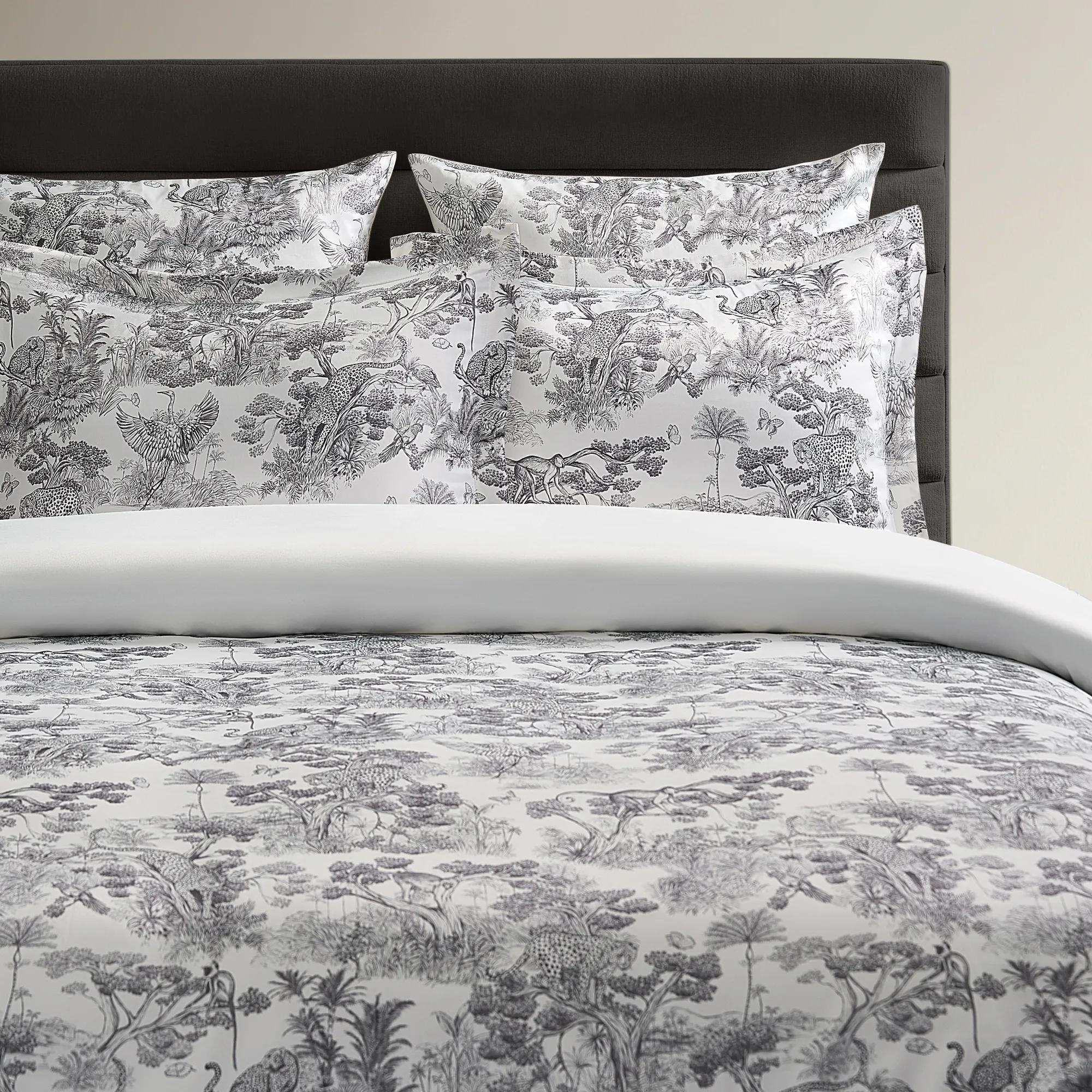
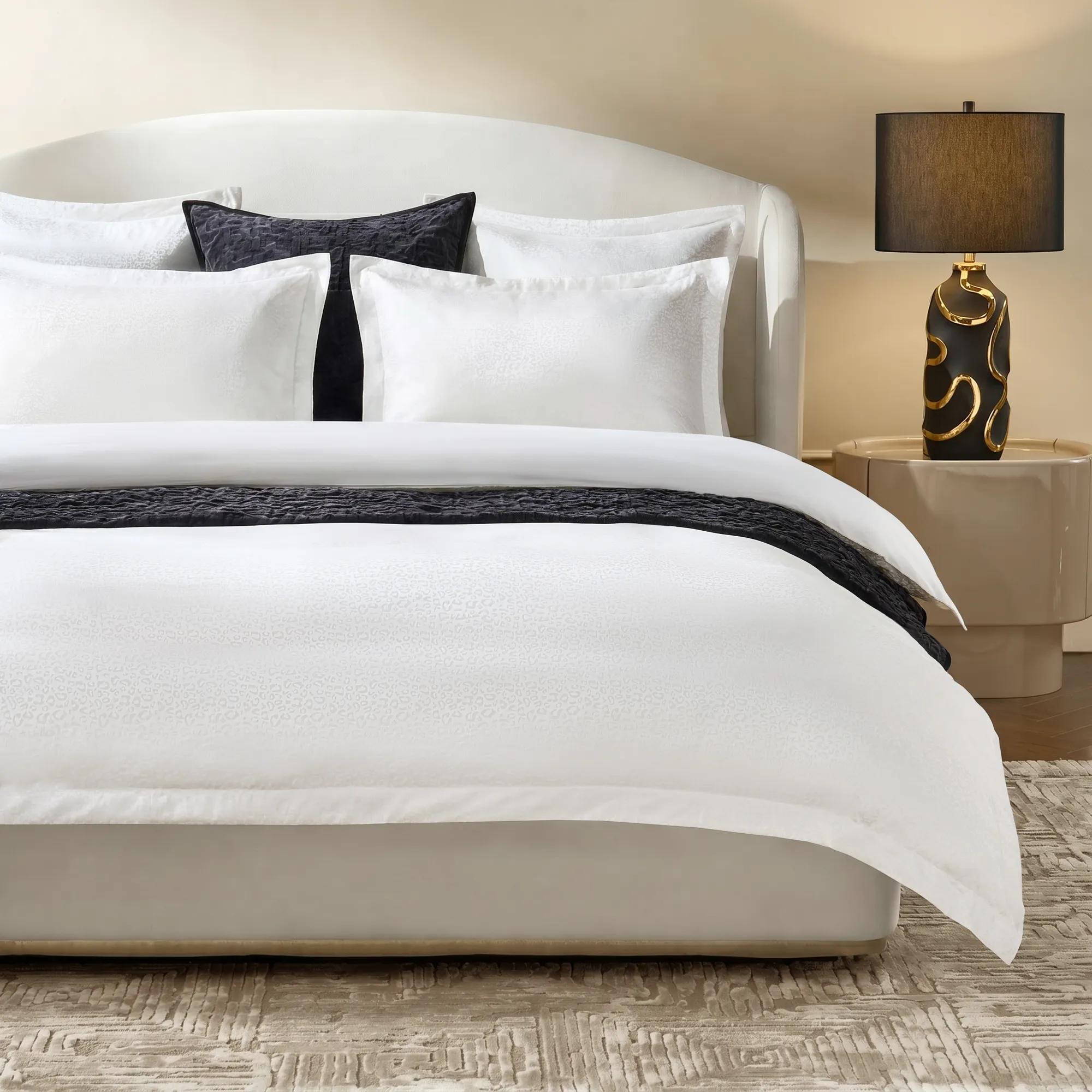 Abi Leopard Cloud White Tencel Bedding Set$79
A cloud white bedding set featuring a tonal leopard print in a smooth Tencel blend with cotton reverse.
Add To Cart -
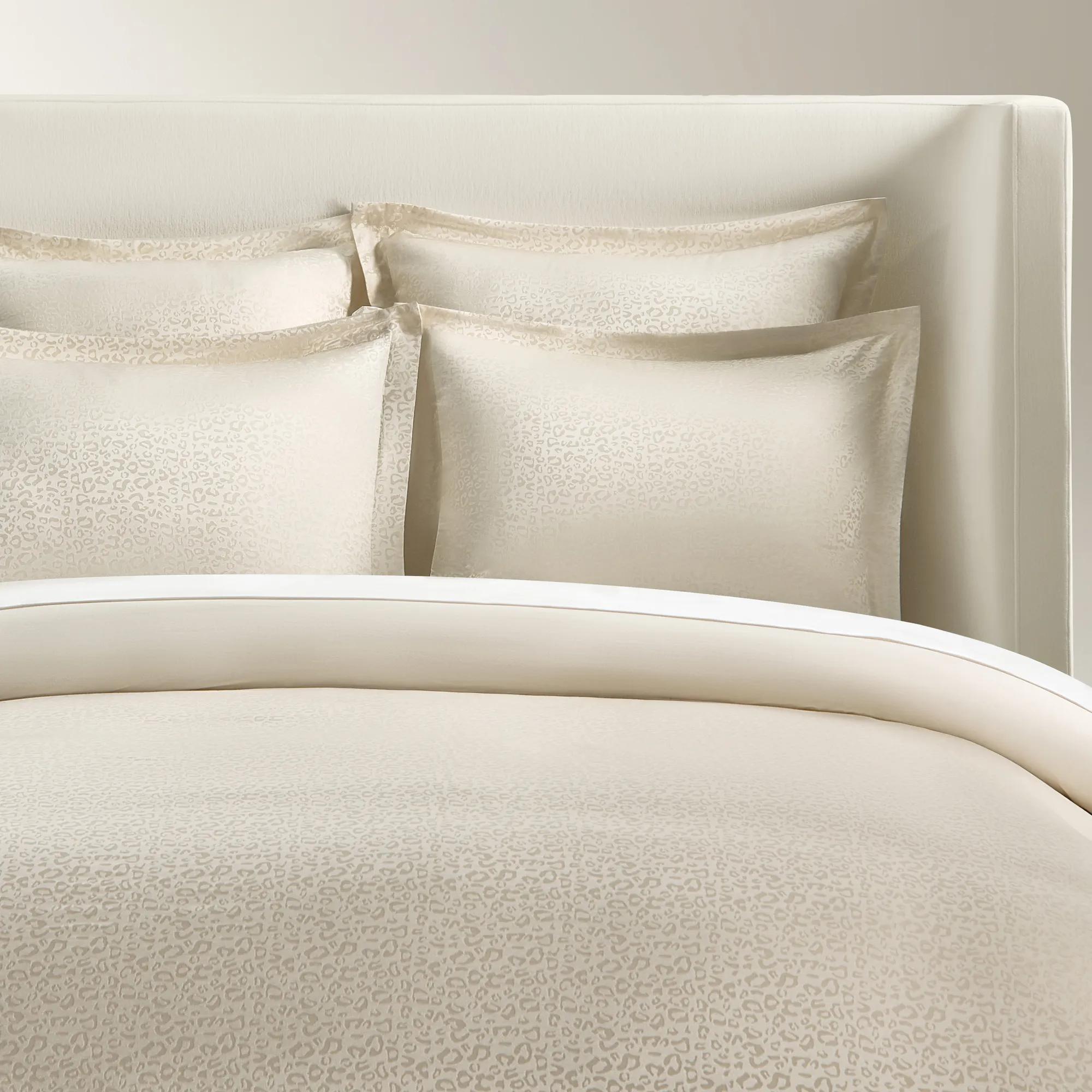 Abi Leopard Soft Nude Tencel Bedding Set$299
A soft nude bedding set featuring a tonal leopard print in a smooth Tencel blend with cotton reverse.
Add To Cart -
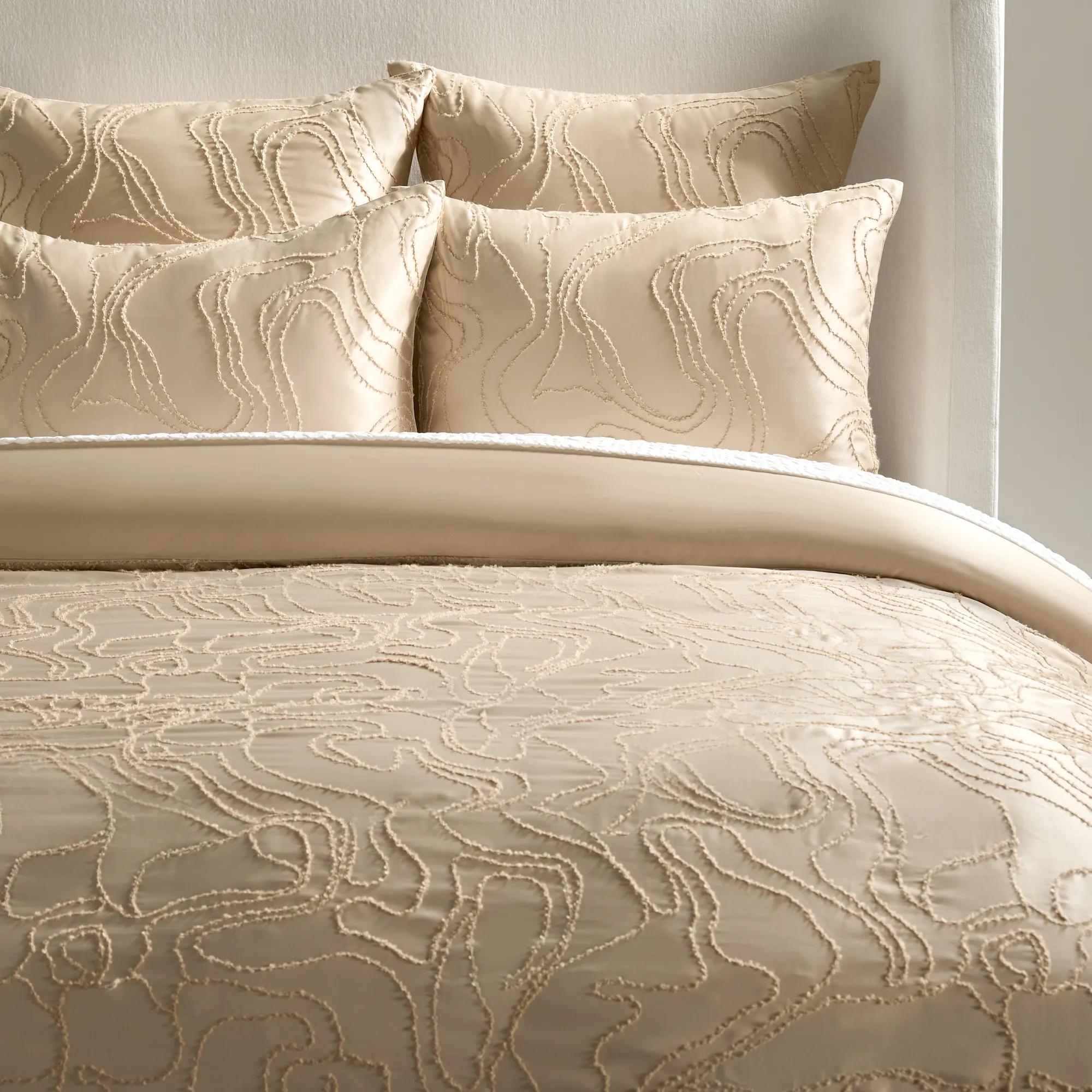 Noa Embroidered Champagne Beige Bedding Set$249
A champagne beige bedding set featuring elegant embroidered detailing for a refined bedroom aesthetic.
Add To Cart -
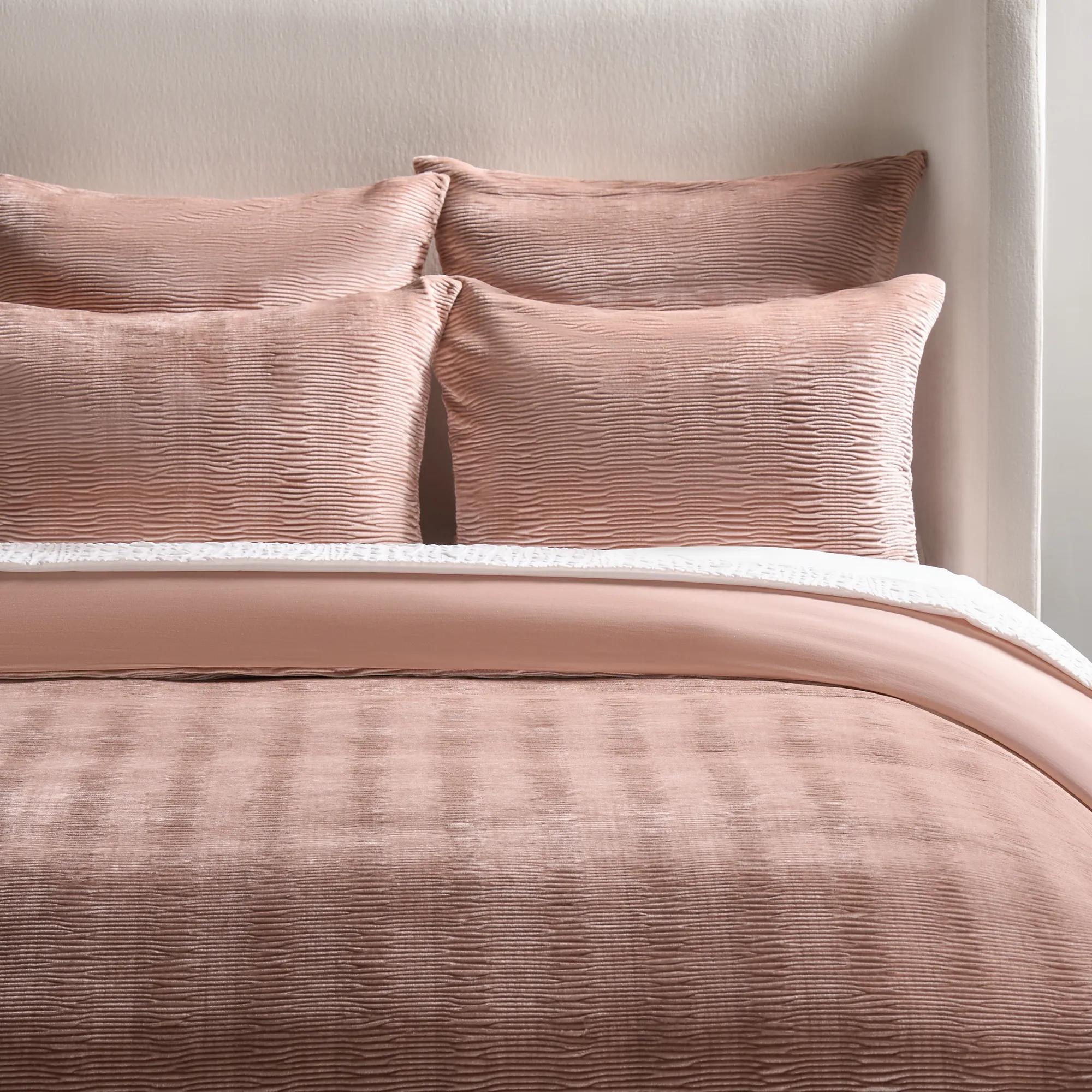
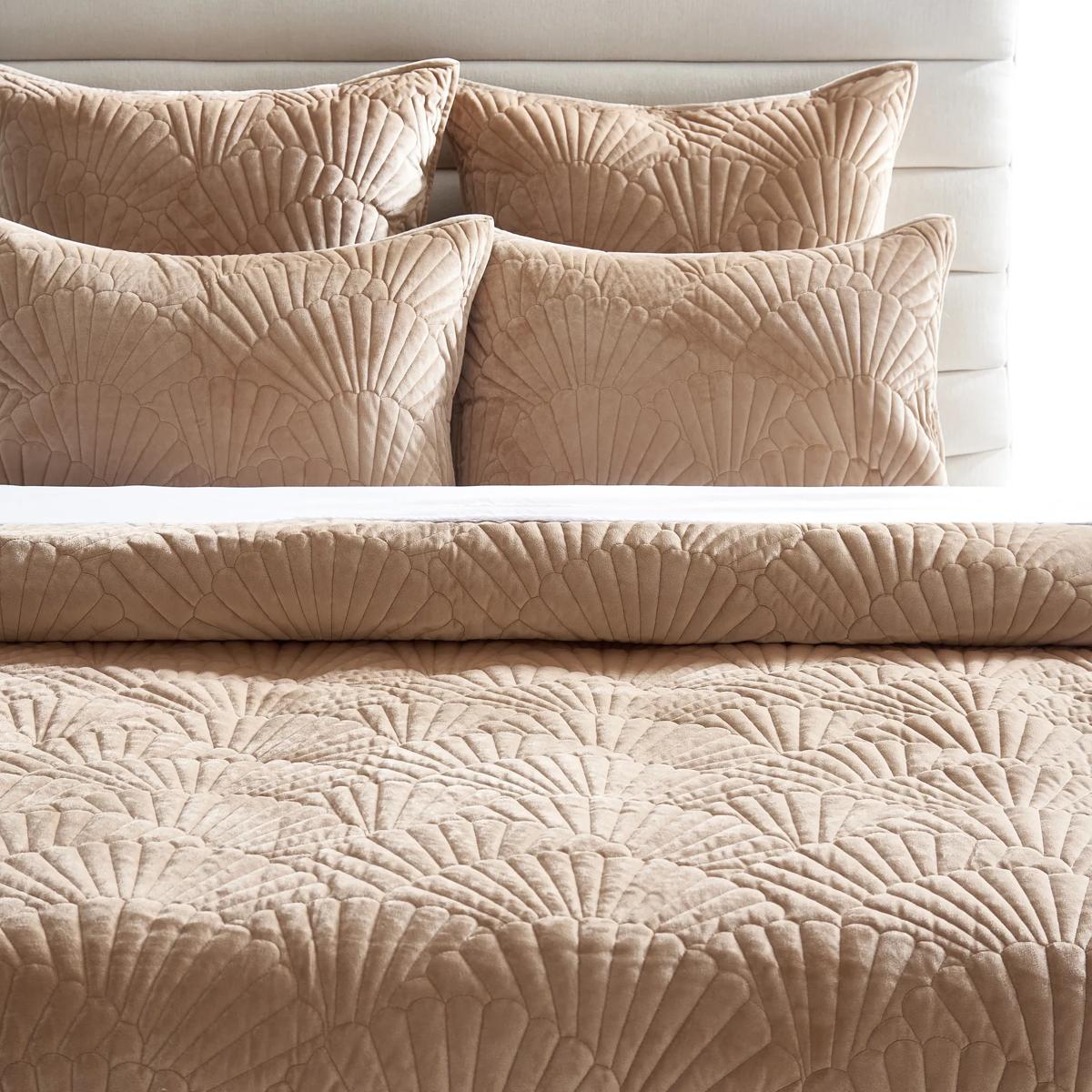 Fan Velvet Quilt Set - Muted Coral$199
A plush muted coral velvet quilt set featuring a sculptural fan motif and piped edges for modern elegance.
Add To Cart -
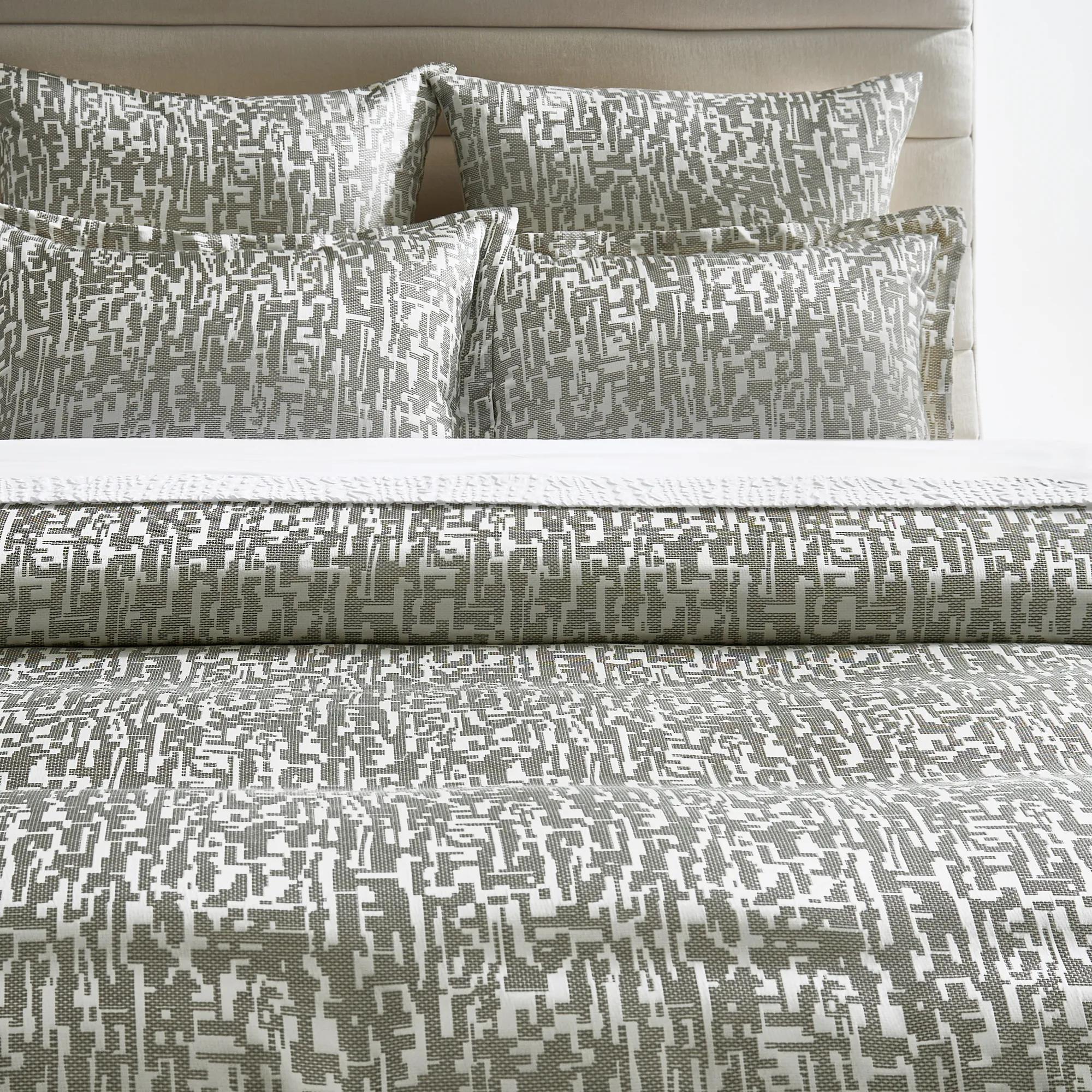
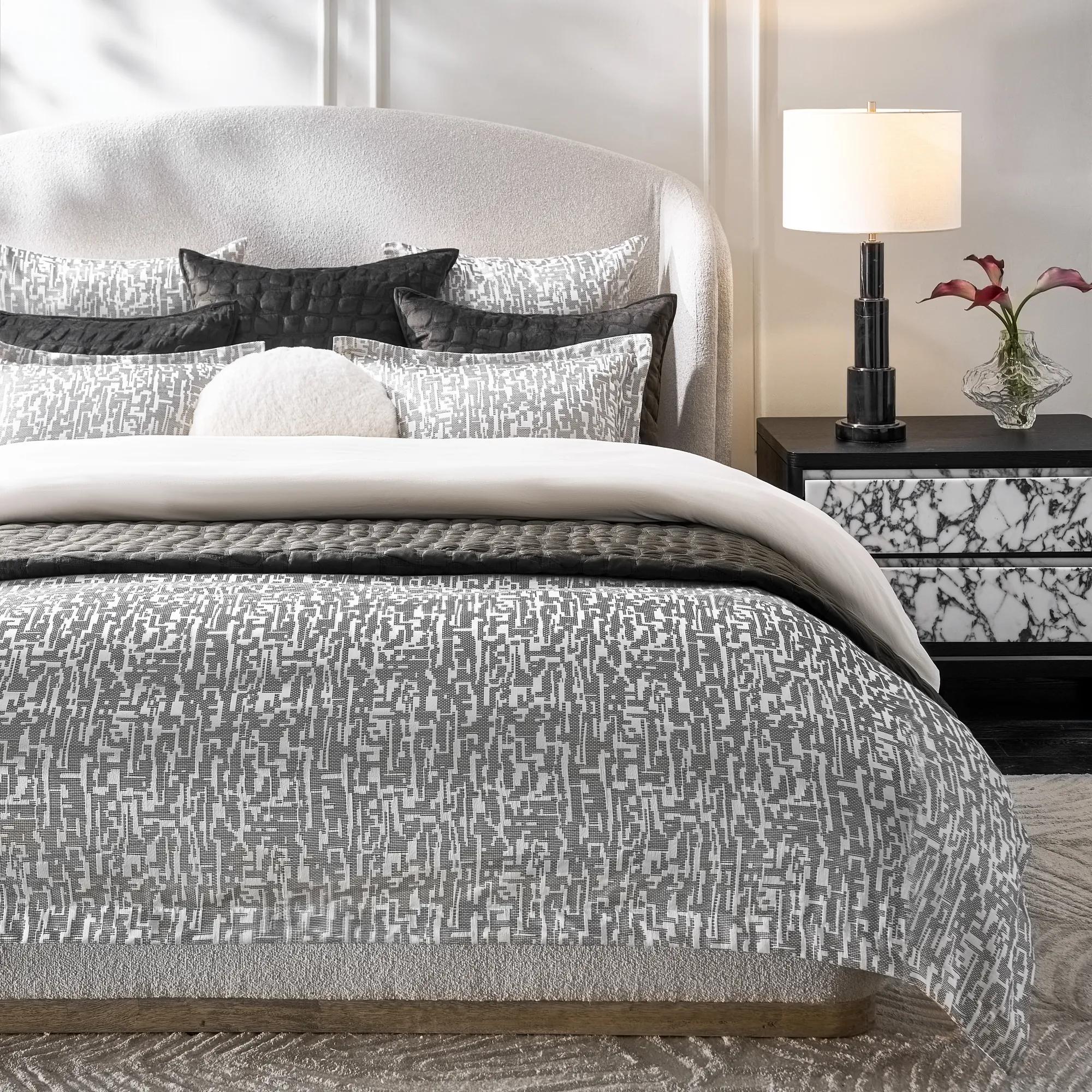 Podva Embroidered Bedding Set - Pearl/ Charcoal$69
A smooth satin bedding set in pearl and charcoal, featuring abstract embroidery and a polished flange edge.
Add To Cart -
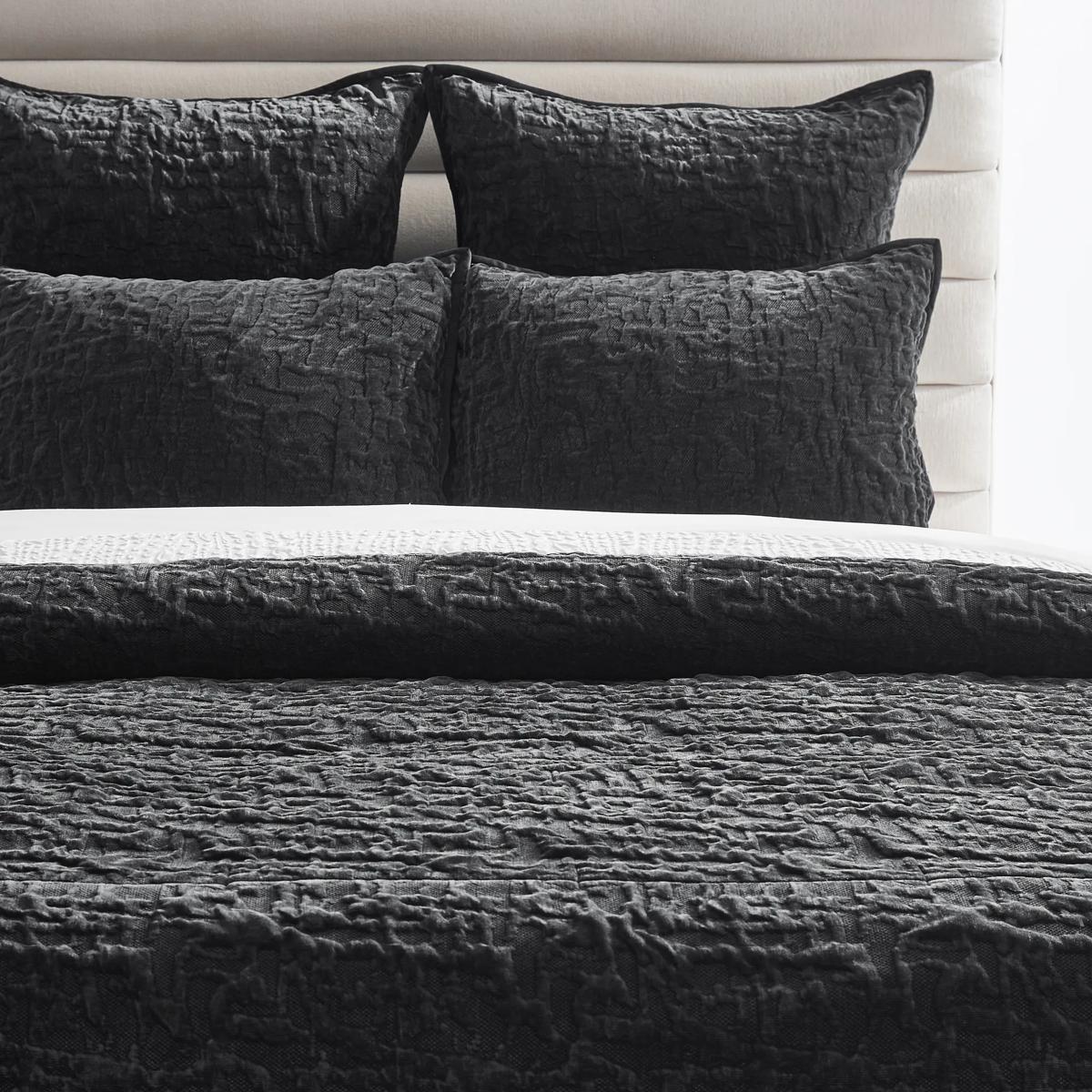
 Madera Black Textured Velvet Bedding Set$69
A sophisticated black crushed velvet coverlet set with tonal embroidery and a breathable cotton backing.
Add To Cart -
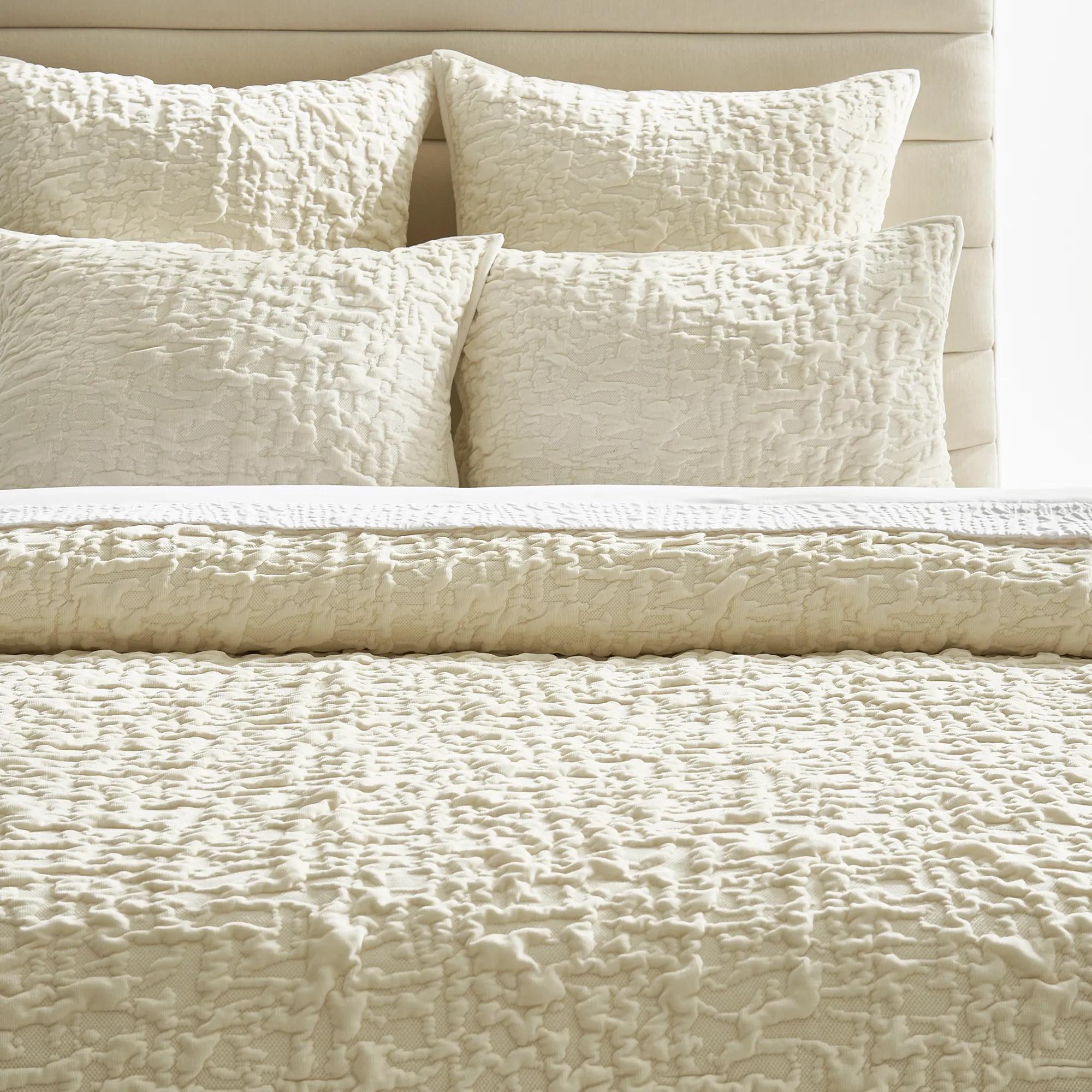
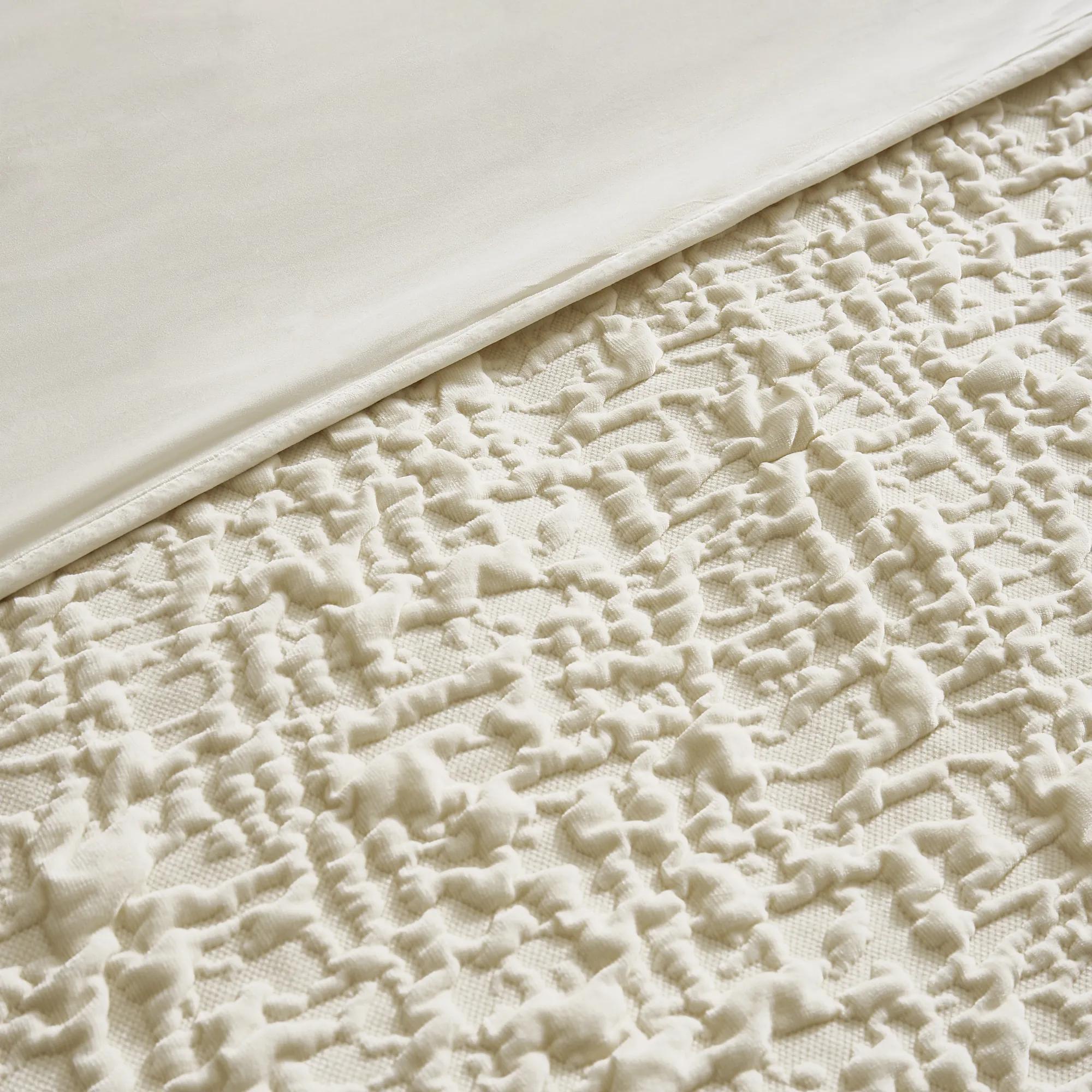 Madera Ivory Textured Velvet Bedding Set$69
A plush ivory velvet coverlet set with crushed embroidered texture and breathable cotton backing for serene style.
Add To Cart -
 Glam Grey Shiny Viscose Velvet Quilt Bedding Set$89
A lustrous grey velvet bedding collection featuring modern quilted stitching and refined piped edges.
Add To Cart -
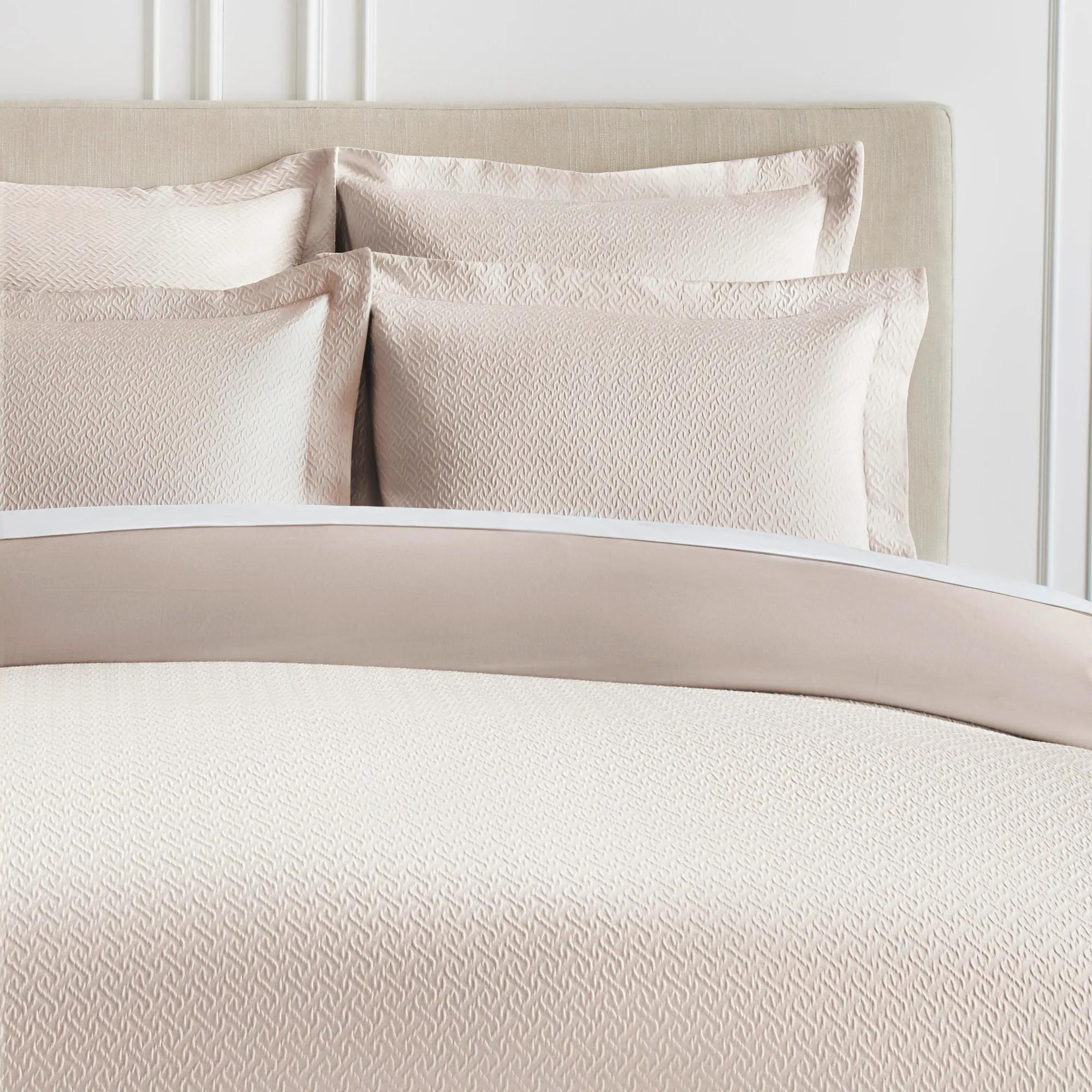
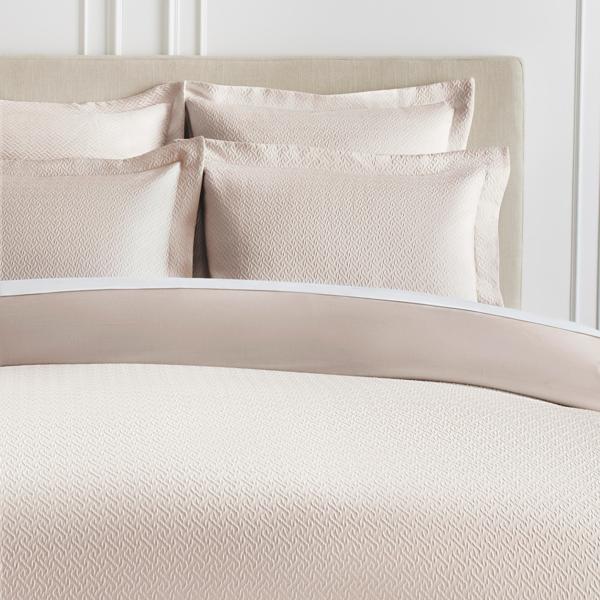 Marlowe Jacquard Blush Bedding Set$129
A blush jacquard bedding collection offering subtle texture and year-round comfort with a soft cotton blend.
Add To Cart

Bedding For Minimalist Style
Bedding for minimalist style is an ode to the art of restraint—a celebration of serenity, balance, and refined simplicity. Imagine a sanctuary where every fold and layer whispers tranquility, where crisp lines and subtle textures invite a sense of calm sophistication. Here, less becomes truly luxe: each piece is thoughtfully chosen to create an atmosphere that feels both effortless and elevated. Let your bedroom breathe with bedding that transforms quiet into captivating, offering a canvas for mindful elegance and understated glamour.
Bedding for minimalist style brings a bedroom into focus through a restrained palette, considered proportions, and fabrics with a distinctive feel. The effect is not an empty room, but a beautifully composed one: ivory sheets beneath a softly textured cover, tailored shams against an upholstered headboard, and a single folded layer that gives the bed dimension. White, cream, oatmeal, taupe, and soft gray create a harmonious foundation, while charcoal or muted earth tones lend depth without demanding elaborate pattern. Subtle differences matter within these palettes. An ivory duvet cover with a faint luster feels different from chalk-white cotton with a matte finish, even when both share the same uncluttered silhouette. Bedding in closely related shades allows texture to become the ornament, with fine ribbing, tonal stitching, or a delicate woven motif adding interest without visual noise. Cotton percale offers a crisp, matte surface and a light, breathable feel; cotton sateen has a smoother drape and a gentle sheen that brings understated glamour to a pared-back bed. Linen contributes visible texture and a naturally relaxed appearance, making its characteristic creases part of the composition rather than something to conceal. Cotton-linen blends can balance that tactile character with the softness and familiarity of cotton, depending on the fabric’s construction and finish. Fiber content, weave, and finishing all influence the experience, so thread count alone does not establish softness or quality. Longer cotton fibers can contribute to a smoother yarn, while an even weave and neatly finished edges speak to the attention given to construction. For a bedroom with sculptural lighting or expressive artwork, solid bedding gives those details room to command attention. In a more restrained setting, a subtle jacquard or lustrous surface can supply the artistry itself. The strongest minimalist bedding feels deliberate at every distance: serene across the room, richly detailed up close, and inviting when the covers turn back.
An edited bed can still offer generous comfort, with each layer serving a distinct purpose. Sheets establish the surface closest to the skin, while a duvet and cover, comforter, quilt, or coverlet shapes the bed’s overall presence. A duvet cover acts as a removable outer layer for a separate insert; a comforter combines its outer fabric and fill in one piece. Quilts typically use stitching to hold their layers together, bringing subtle geometry to the surface, while coverlets often provide a lighter decorative finish with less loft. These distinctions affect both the silhouette and the care routine, making them especially relevant when choosing bedding for everyday use. A duvet with ample loft creates a sumptuous outline beneath an otherwise restrained cover; a flatter quilt or coverlet emphasizes the bed’s architecture and keeps a tailored profile. Fill composition and weight influence loft, drape, and comfort, so a lofty appearance need not be the only measure of suitability. One pair of shams can frame sleeping pillows without creating an elaborate arrangement, and a single textured throw adds contrast when its color belongs to the same tonal family. Fit is just as important as fabric in achieving this composed look. Mattress size provides the starting point, but fitted-sheet pocket depth should accommodate the full height of the mattress, including any topper. Generous mattress profiles may need deeper pockets, while excess fabric on a shallower mattress can gather instead of lying smoothly. Duvet-cover and insert dimensions should be compared directly, since sizing can vary between manufacturers even when the size names match. Interior ties, when included, help secure a compatible insert, and button or zipper closures keep the opening discreet. The dimensions of quilts, comforters, and coverlets also determine how much fabric falls along the sides. A lower platform bed may suit a more controlled drop, while a taller mattress may need additional width for a balanced finish. Pillowcase and sham measurements deserve the same attention, particularly when mixing standard, king, and square decorative pillows.
Bedding with a restrained aesthetic earns its place through repeated use, not appearance alone. For a primary bedroom, soft sheets and a washable outer layer can make a beautifully dressed bed feel effortless to live with. In a guest room, coordinated bedding creates a welcoming focal point without relying on an abundance of accessories, and straightforward closures make the bed easier to refresh between visits. Households with children or pets may appreciate fabrics with secure stitching and fewer delicate embellishments, though no material is entirely resistant to snags, stains, or wear. Smooth cotton, textured linen, and woven blends each have their own care requirements; the sewn-in label remains the best reference for washing, drying, ironing, and professional cleaning. Gentle laundering when recommended, avoiding overloaded machines, and using appropriate detergents can help preserve fabric texture and seam integrity. Bedding should be thoroughly dry before it is folded or stored, and rotating between sheet sets distributes everyday wear. Decorative trims, raised weaves, and lustrous finishes may require more attentive handling than unembellished fabrics, an important consideration for anyone who prefers a simple laundry routine. Color also shapes how bedding lives over time: pale neutrals reveal marks readily, while deeper shades may show lint or gradual fading. Neither excludes a minimalist setting; the better choice reflects the household and the desired finish. Coordinated bedding can also make a thoughtful housewarming or wedding gift when the recipient’s bed dimensions, fabric preferences, and care habits are known. For interiors that carry this polished restraint beyond the bedroom, Bedding For Chic Home Styling offers a related perspective on a thoughtfully dressed space. Within a minimalist bedroom, the lasting appeal lies in the relationship between touch and proportion: a smooth sheet edge, an elegant fall of fabric, and a tonal surface that catches the light. With fewer competing details, those qualities become more expressive, giving the bed an assured presence without overwhelming the room.
FAQs
For a truly serene and luxurious minimalist bedroom, opt for natural, high-quality materials such as pure linen, organic cotton, or Tencel. These fabrics offer breathability, exceptional softness, and a subtle texture that elevates the look and feel of your bedding without overwhelming the space.
Introduce visual intrigue through subtle variations in texture rather than bold patterns or excessive layers. A single waffle-knit throw, a quilt with a refined weave, or pillowcases in a matte sateen can provide dimension and tactile richness while preserving the clean lines and restful atmosphere of minimalist design.
Absolutely. Minimalist bedding can be effortlessly adapted for every season. In winter, layer a breathable duvet or quilt with a lightweight coverlet at the foot of the bed for added warmth and depth, all while maintaining the uncluttered aesthetic that defines minimalist style.
Minimalist bedding makes an exceptional gift for those who appreciate refined simplicity—new homeowners, newlyweds, or anyone seeking to create a restful sanctuary. Its timeless appeal and versatility ensure it complements a wide range of personal tastes and interior styles.
Minimalist bedding establishes a foundation of calm and clarity, transforming the bedroom into a peaceful retreat. The restrained palette and pared-down layers create an atmosphere that feels both intentional and inviting, encouraging relaxation and a sense of everyday luxury.