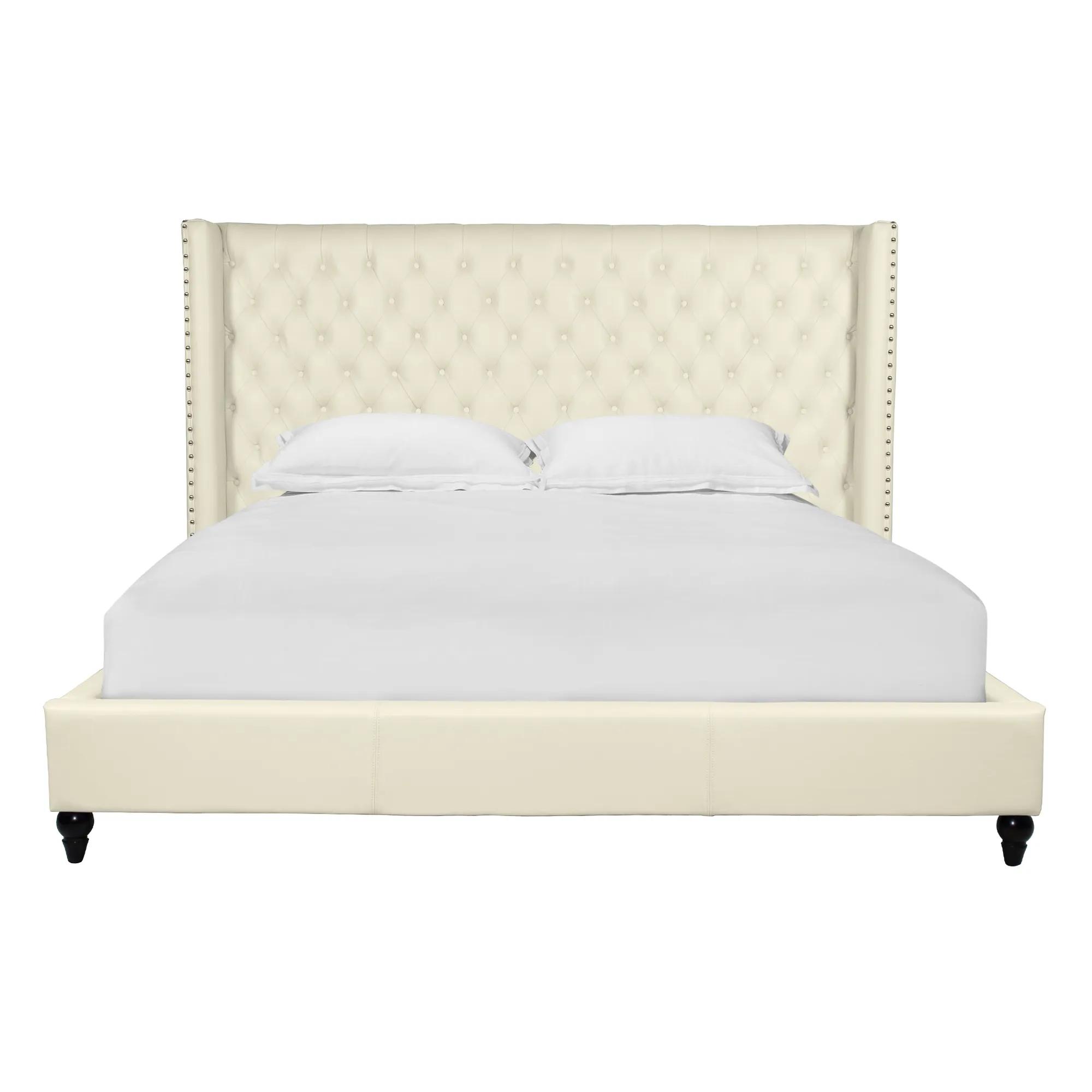
Bedding For Modern Bedrooms
Bedding For Modern Bedrooms
-
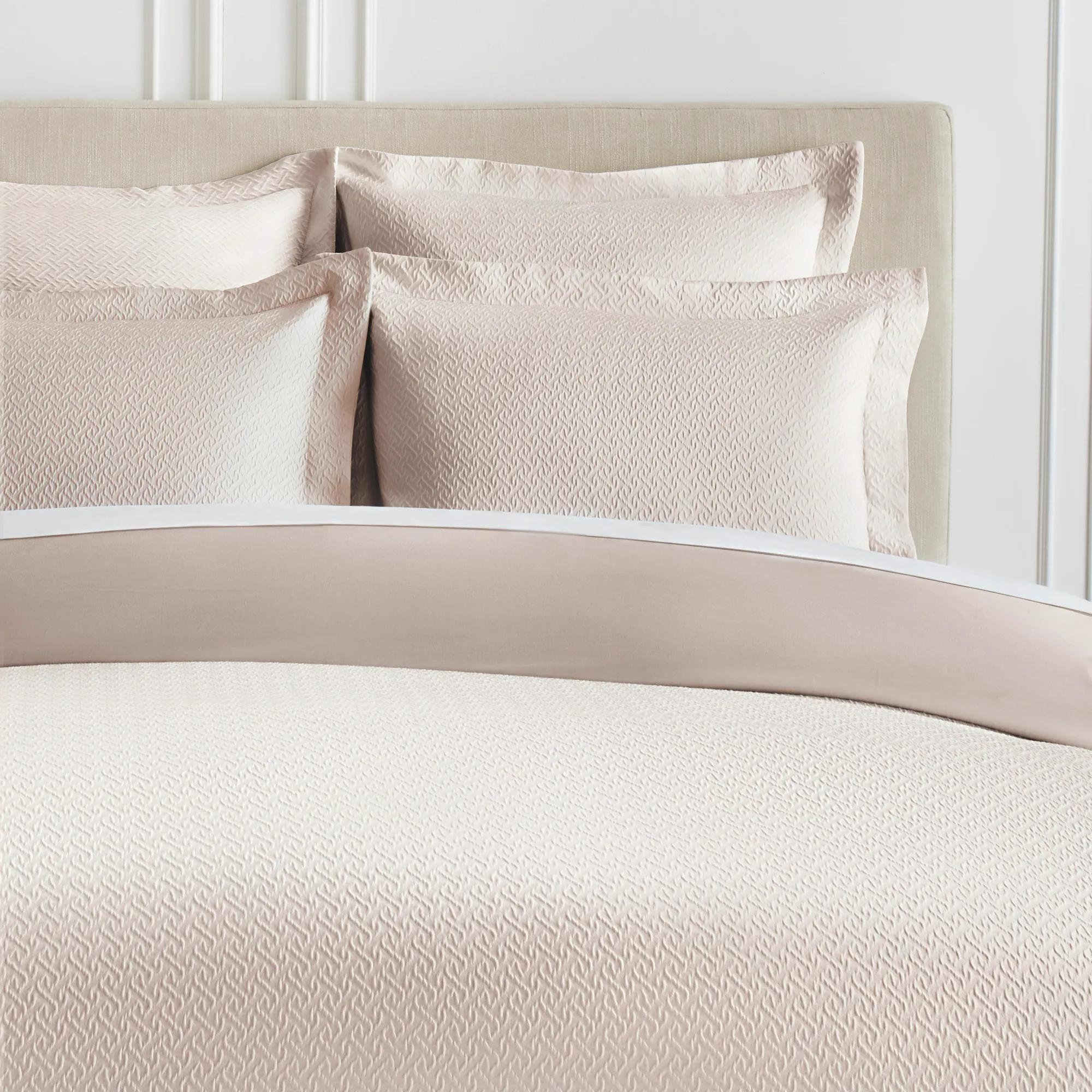
 Marlowe Jacquard Blush Bedding Set$199
A blush jacquard bedding collection offering subtle texture and year-round comfort with a soft cotton blend.
Add To Cart -
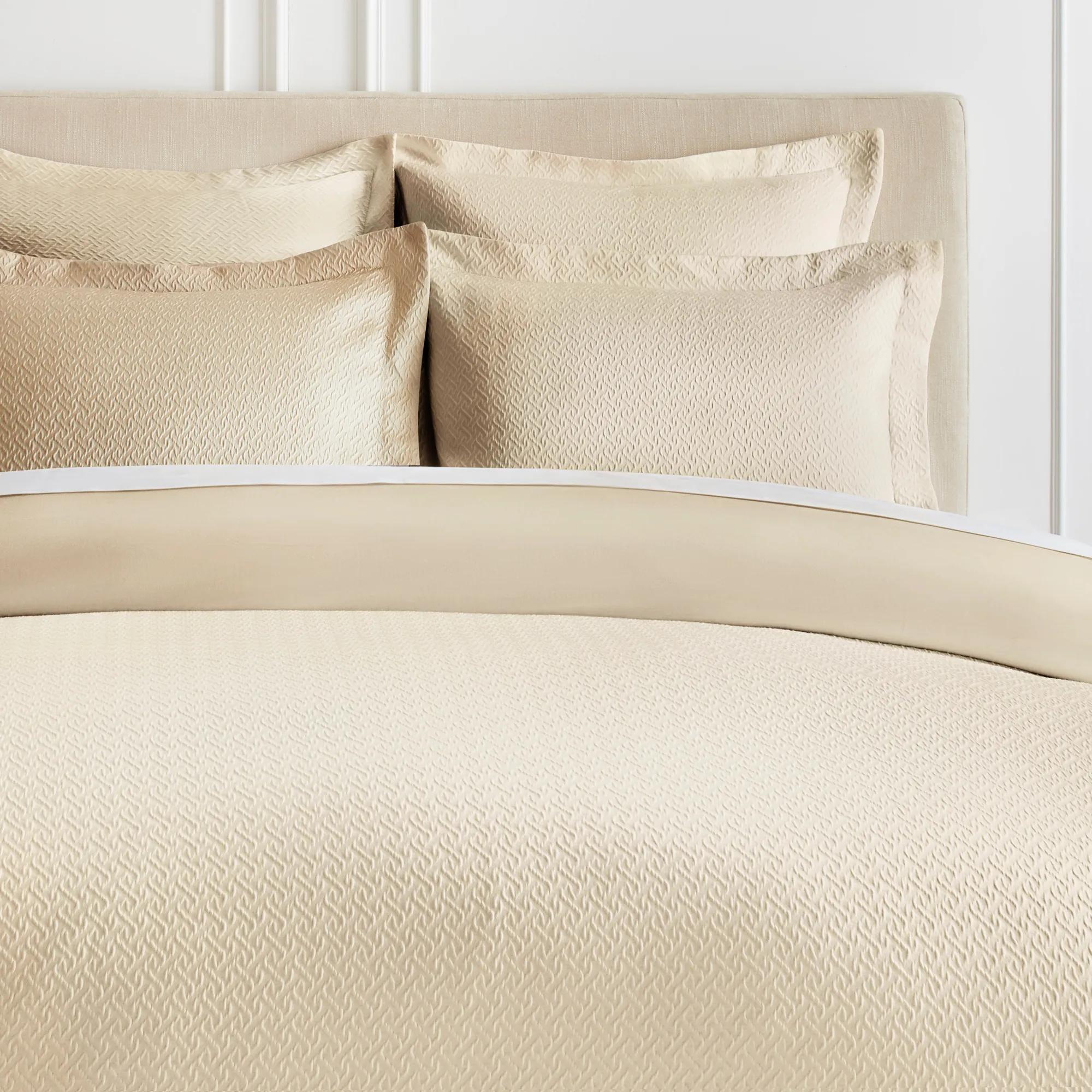
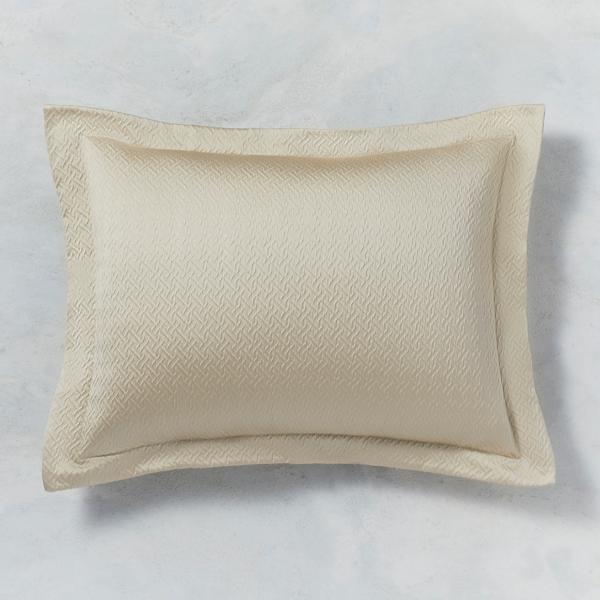 Marlowe Jacquard Gold Bedding Set$169
A jacquard-woven bedding collection in gold, offering subtle texture and year-round comfort.
Add To Cart -
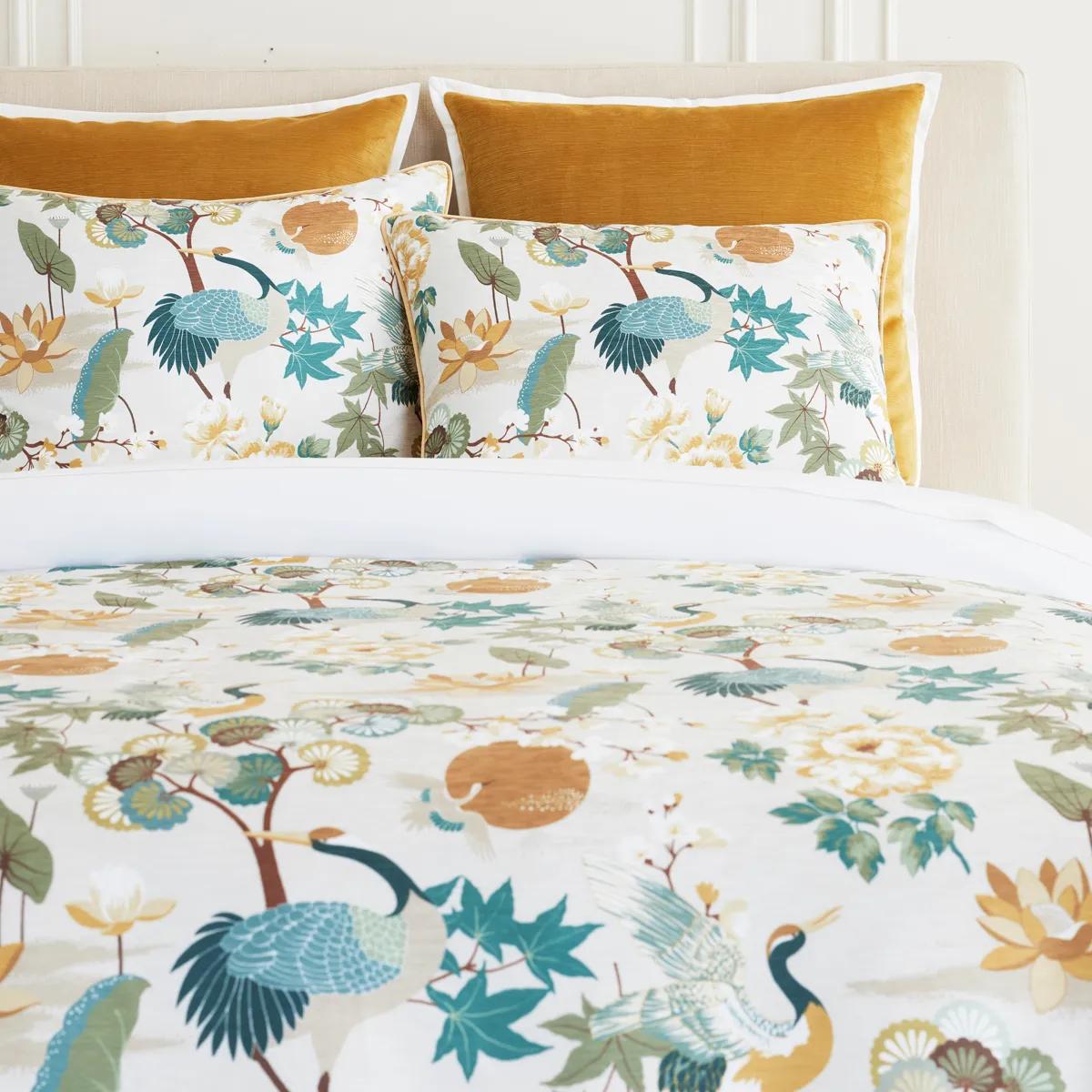
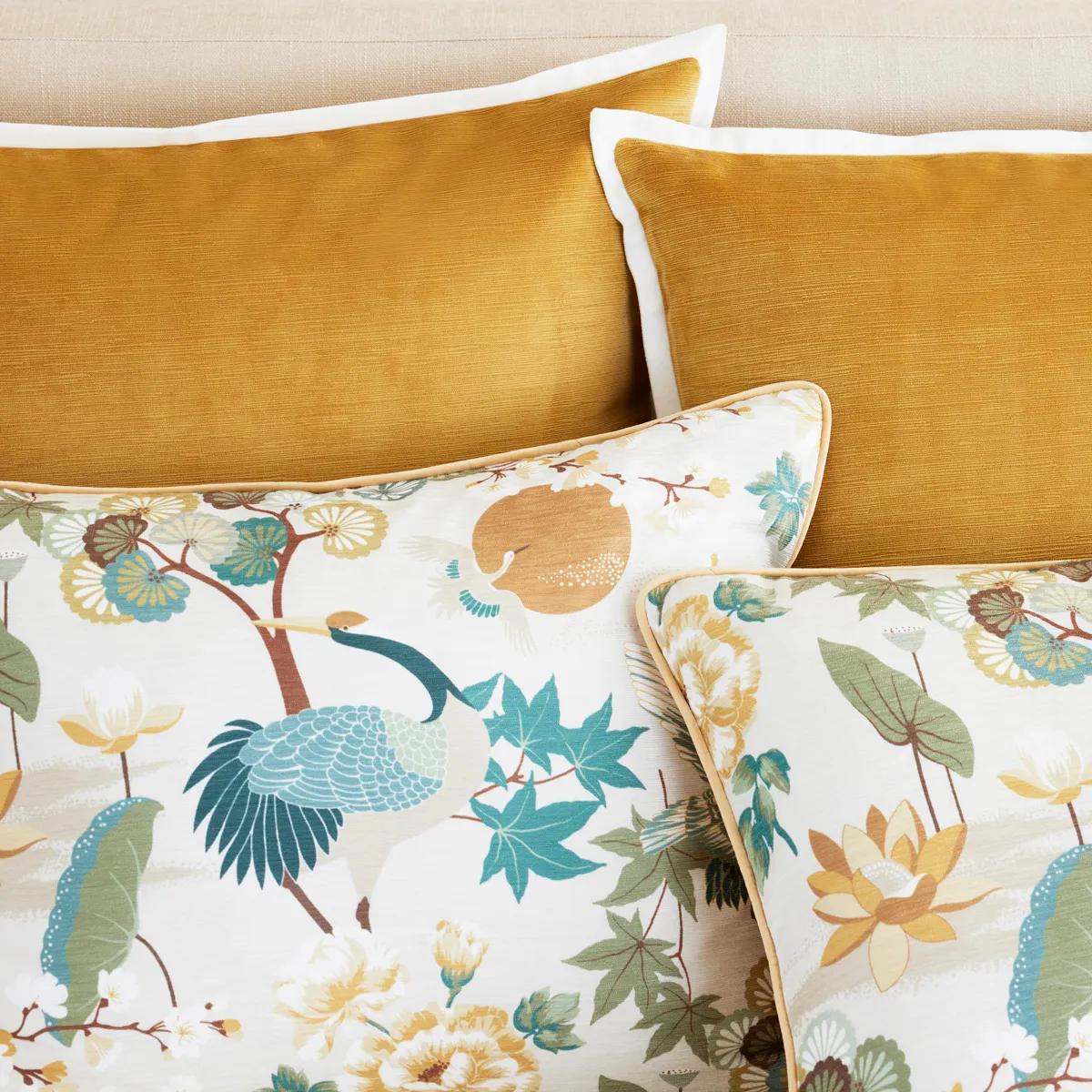 Sandhill Ivory/Multi Color Printed Bedding Set$639
An ivory bedding collection featuring earthy tones, gold velvet accents, and a soft cotton-polyester blend.
Add To Cart -
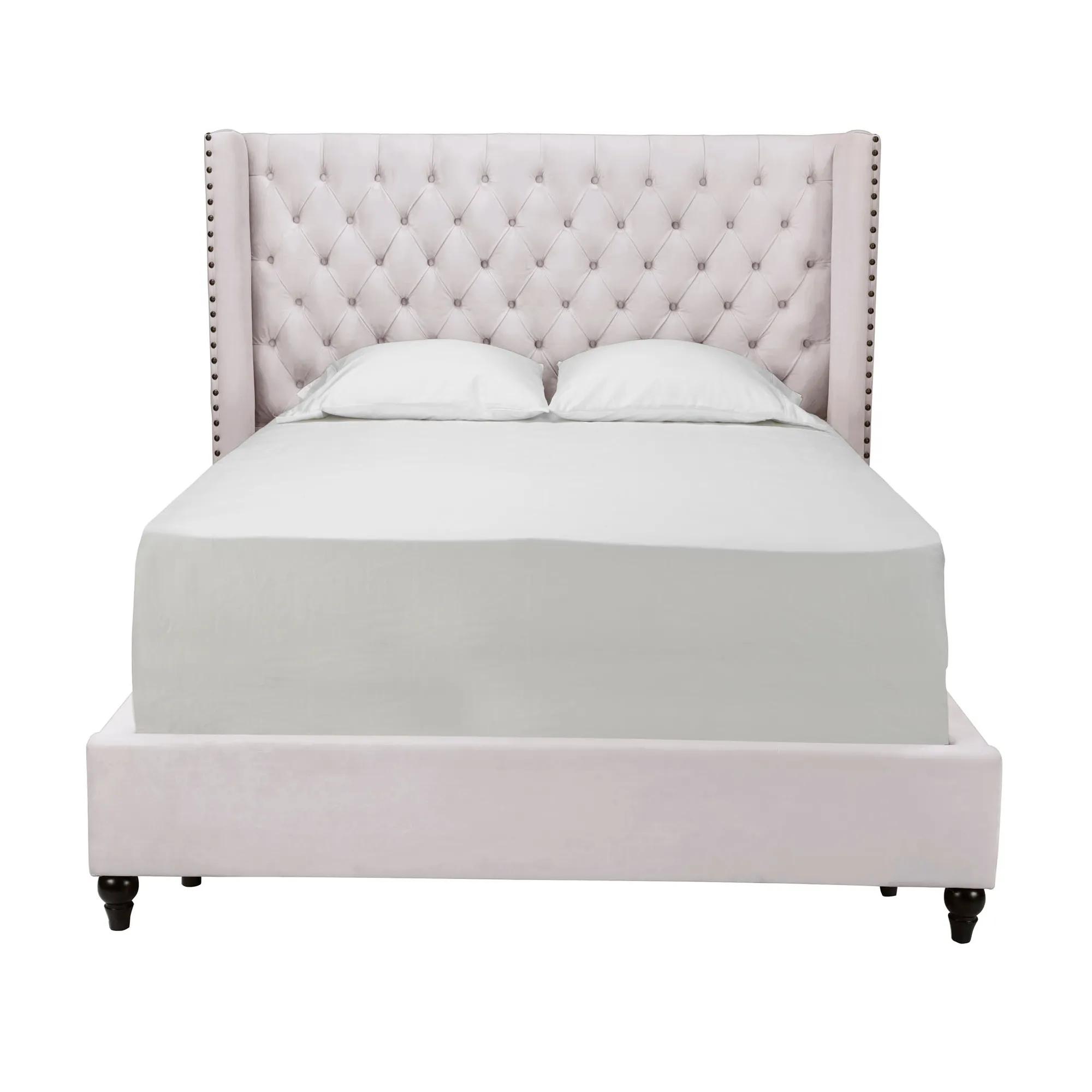
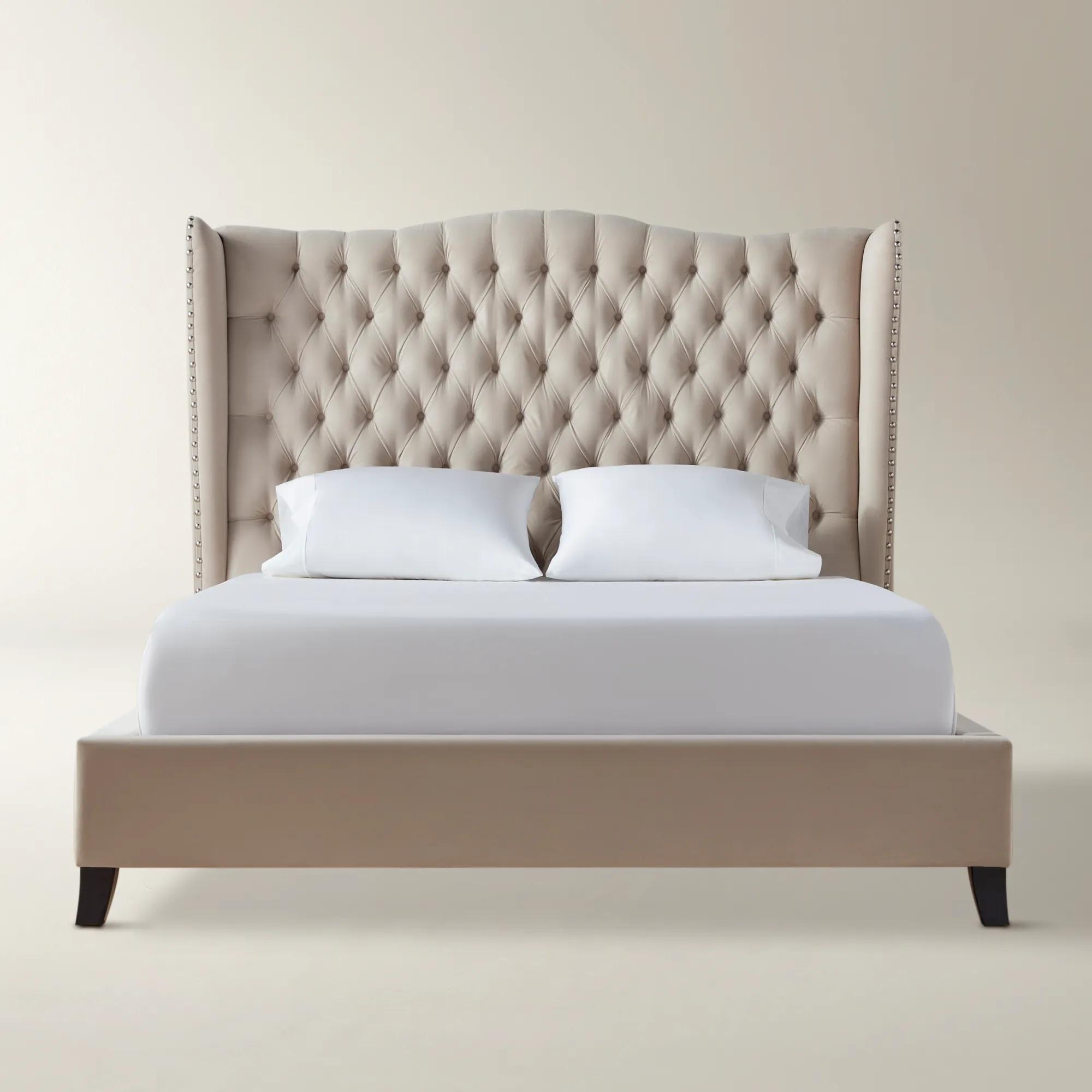
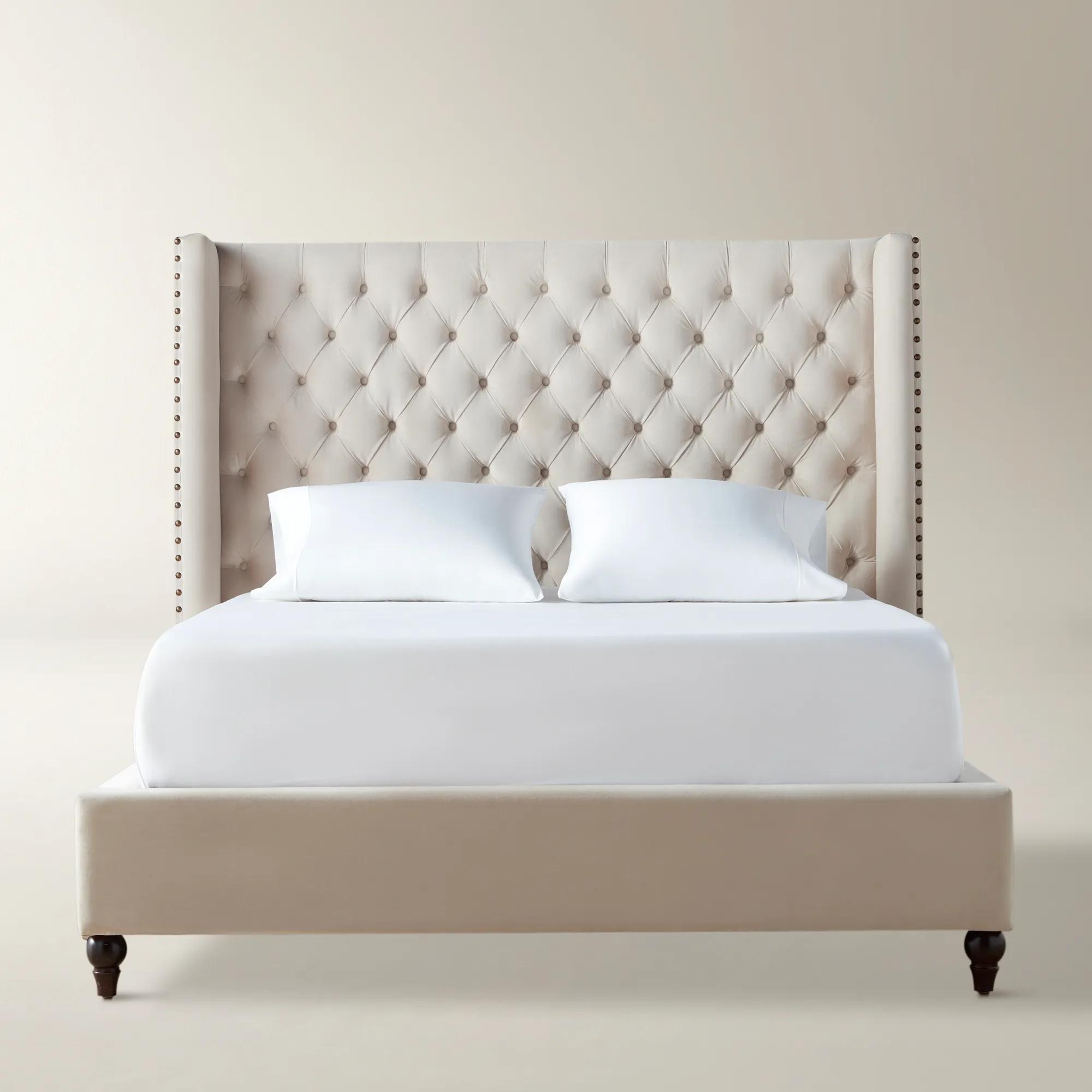
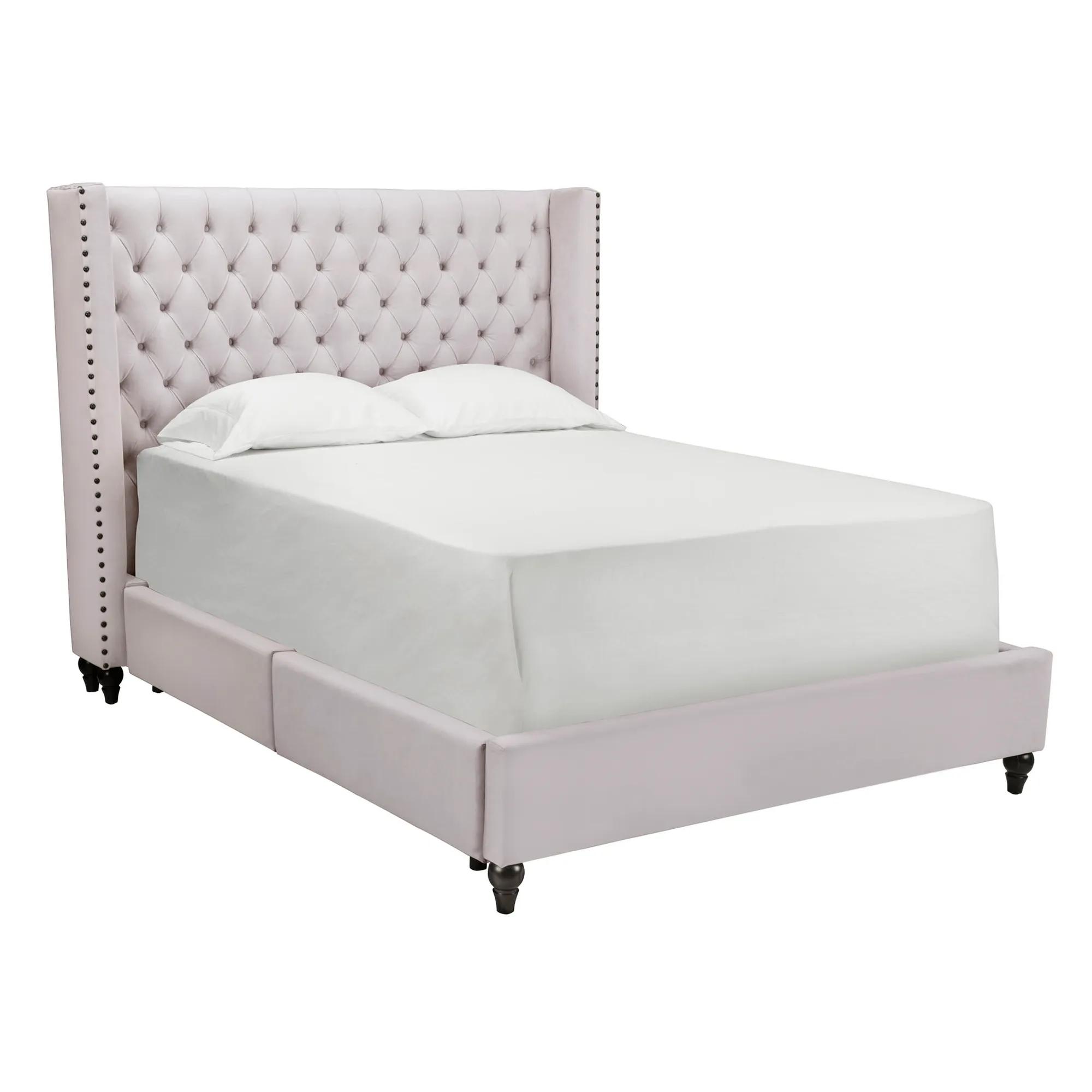 Roberto Storage Bed$4099
A handcrafted velvet-upholstered storage bed featuring diamond tufting, antique brass nailheads, and kiln-dried hardwood construction.
Add To Cart -
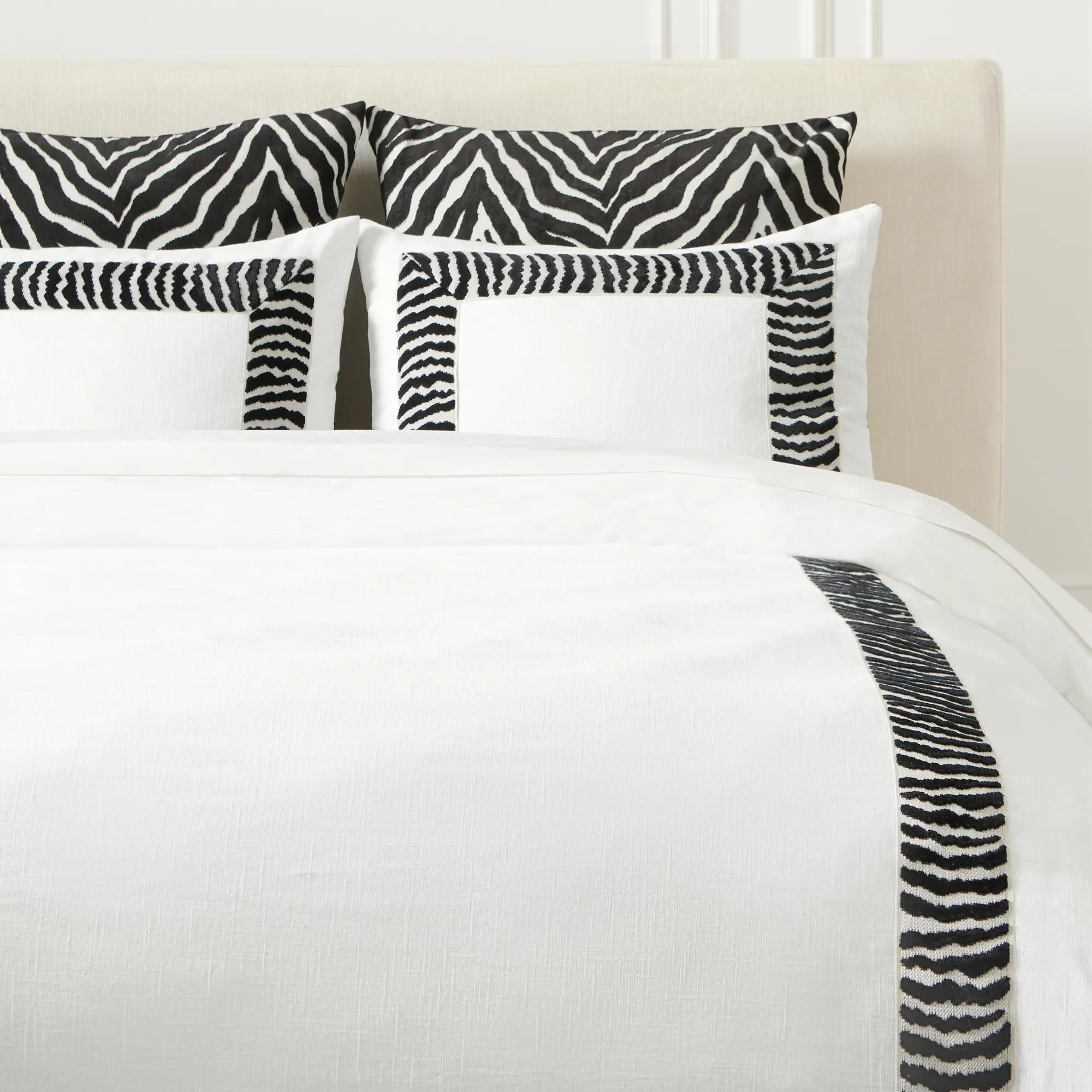
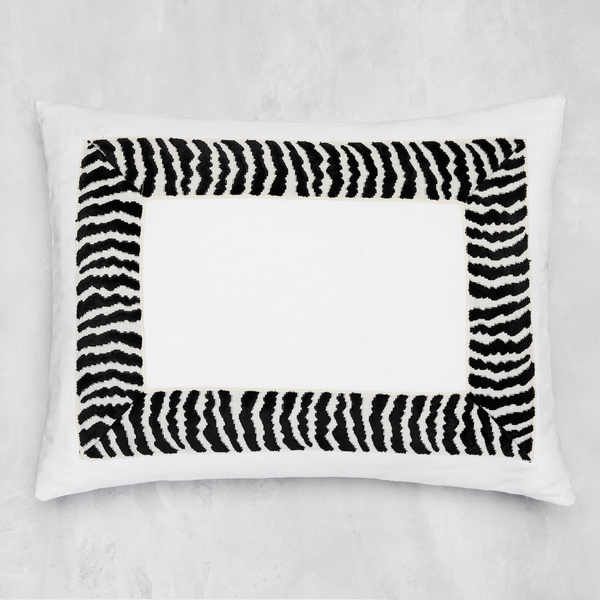 Nikki Chu Hasina Animal Print Black/White Velvet Appliqué Border Bedding Set$159
A striking black animal print bedding set featuring textured slubbed linen and soft cotton blends.
Add To Cart -
.jpg?w=1200&h=1200)
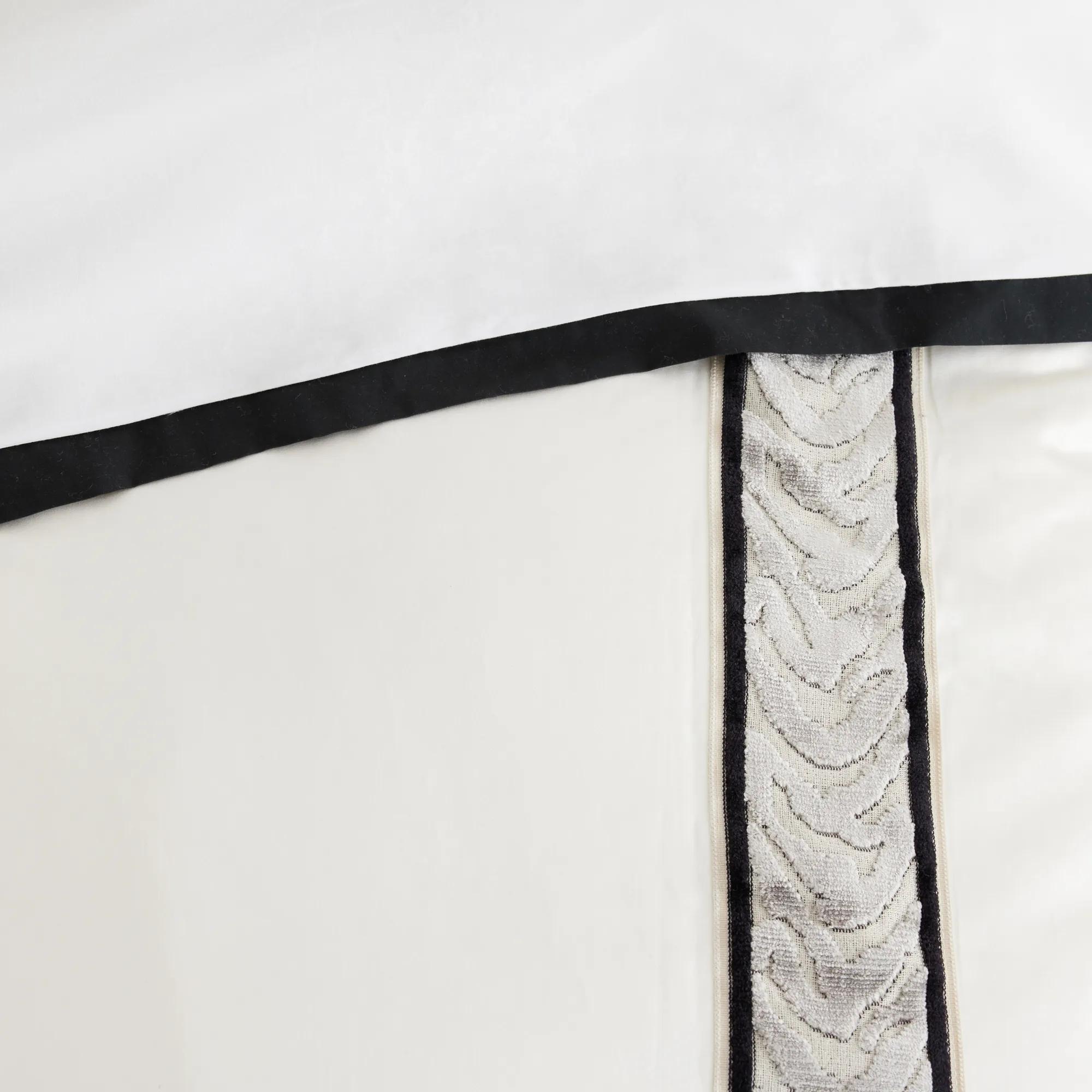 Gianna Grey/Black/White Animal Print Cut Velvet Appliqué Border Bedding Set$199
A luxurious grey and black bedding collection featuring a cut velvet tiger-stripe appliqué border for bold elegance.
Add To Cart -
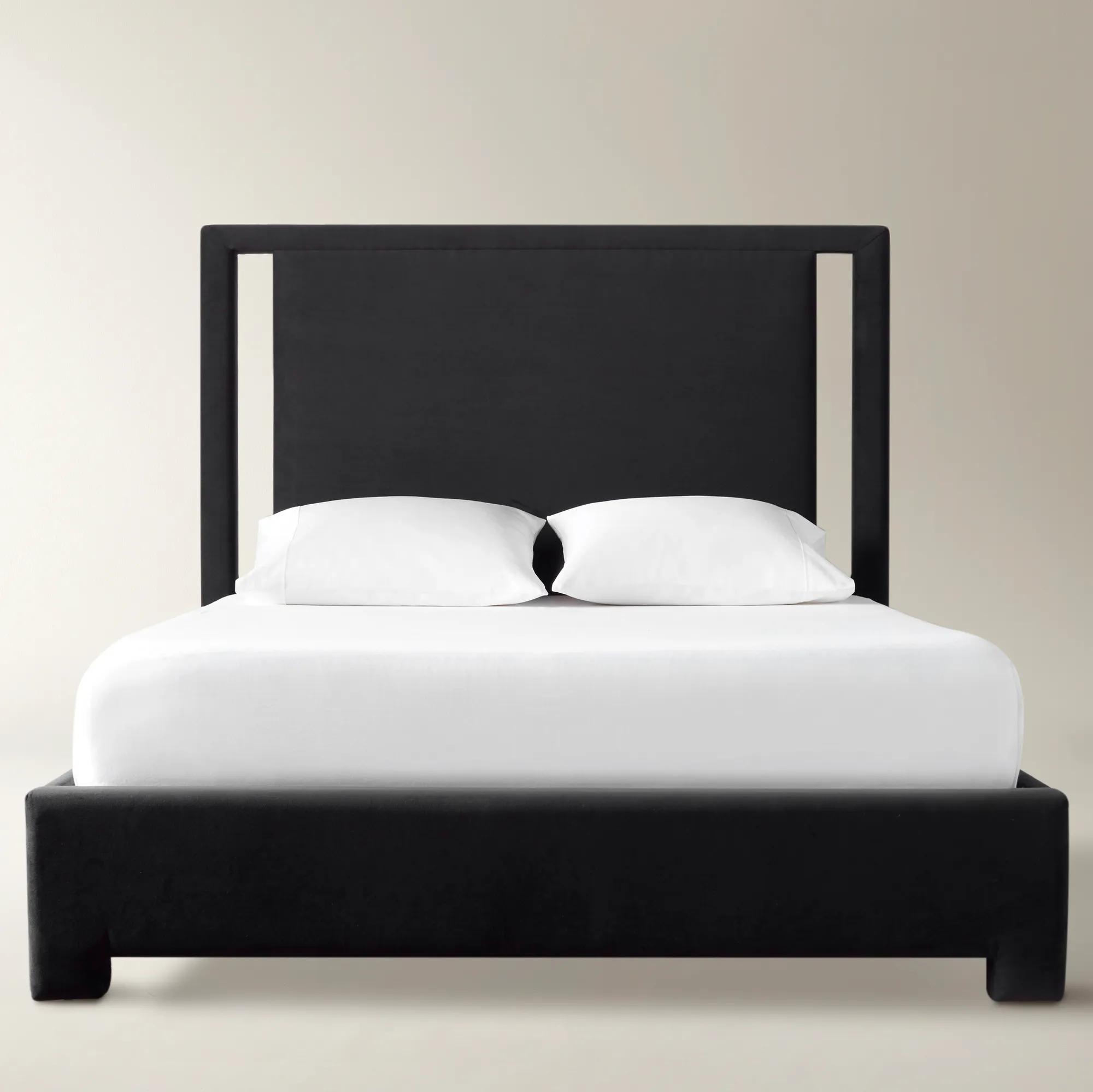
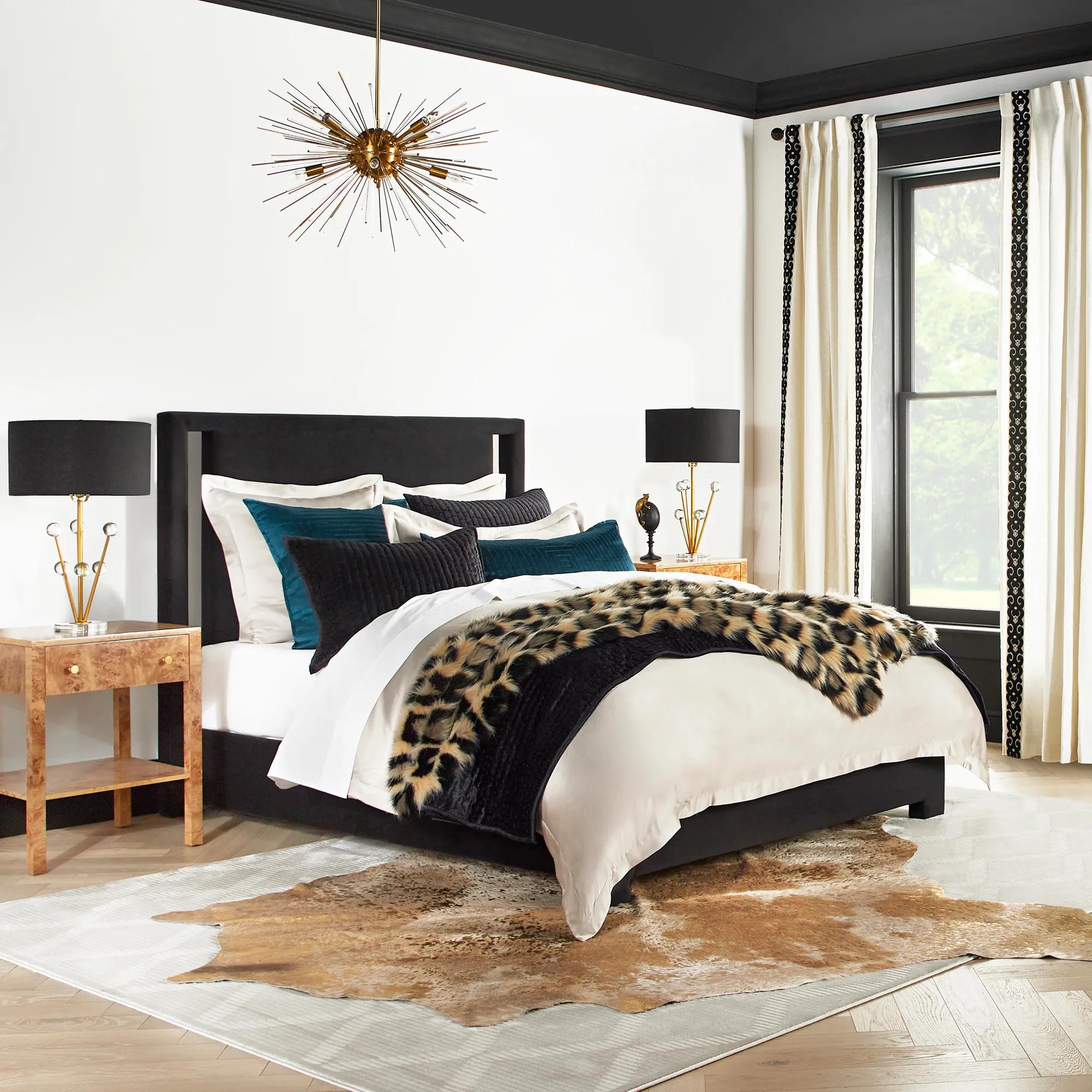 Roya Platform Bed$2099
An elegant platform bed featuring kiln-dried hardwood, hand-tailored velvet upholstery, and dramatic headboard cutouts.
Add To Cart -
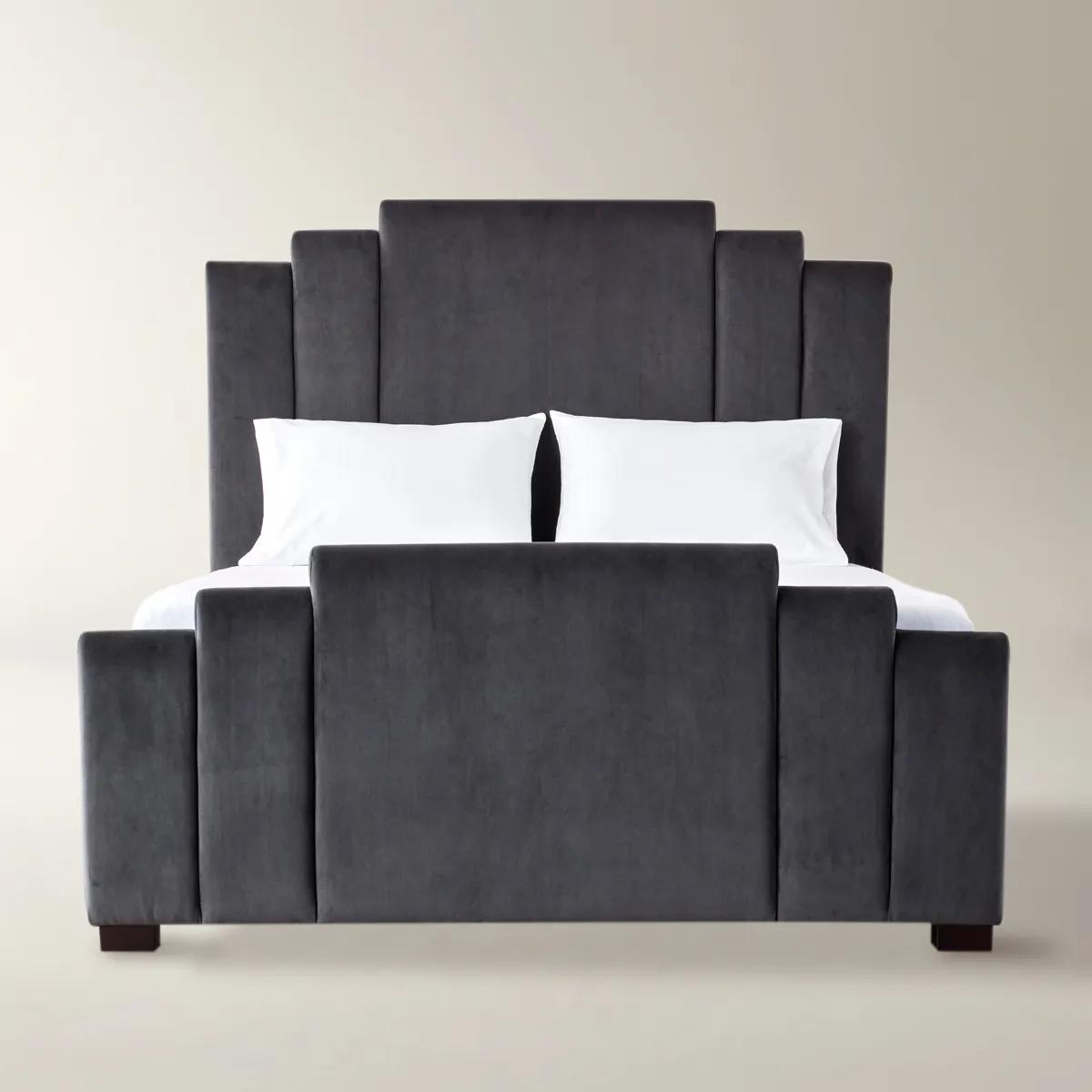 Marlow Bed$2549
A dramatic bed handcrafted from kiln-dried hardwood and plush gunmetal velvet with dimensional channel detailing.
Add To Cart -
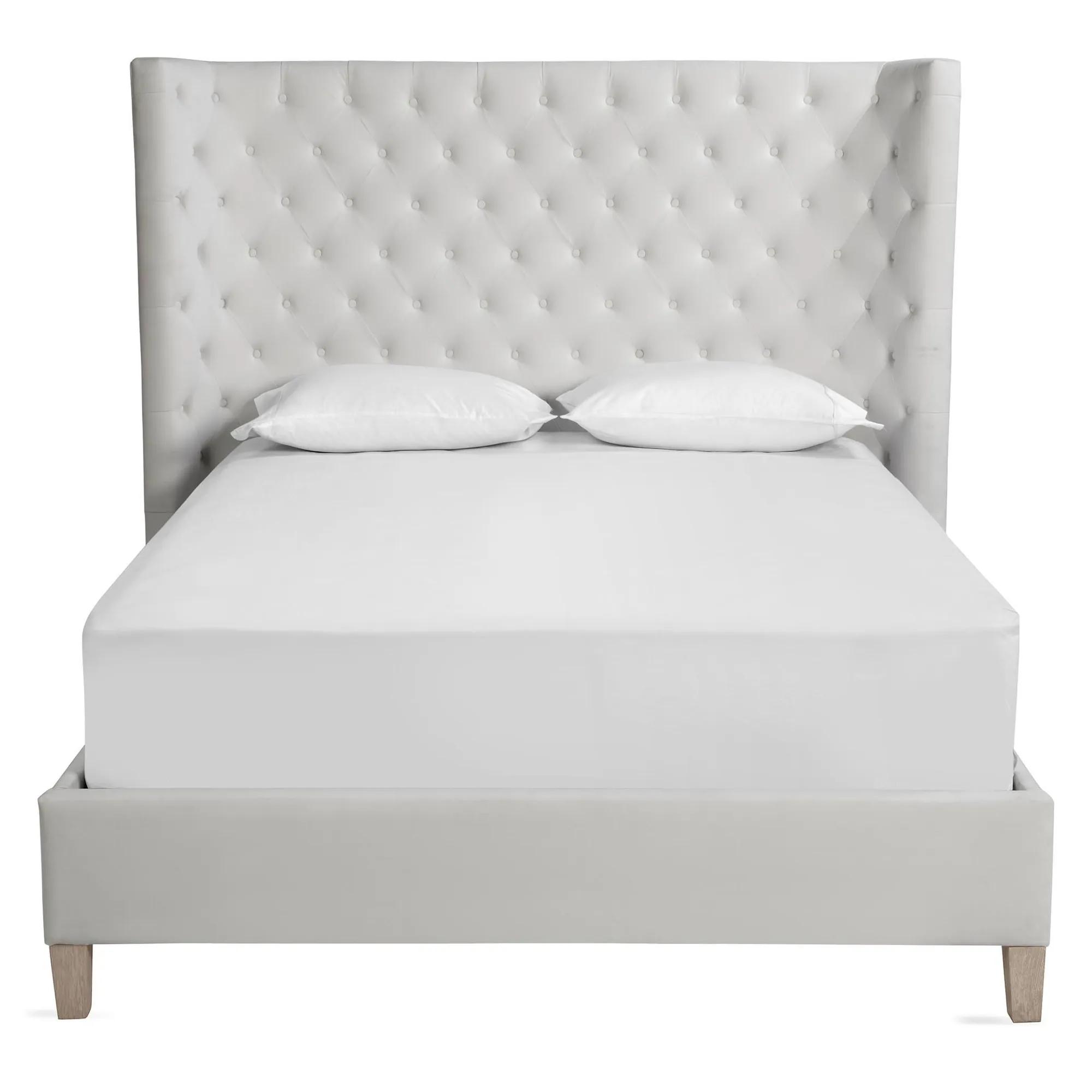
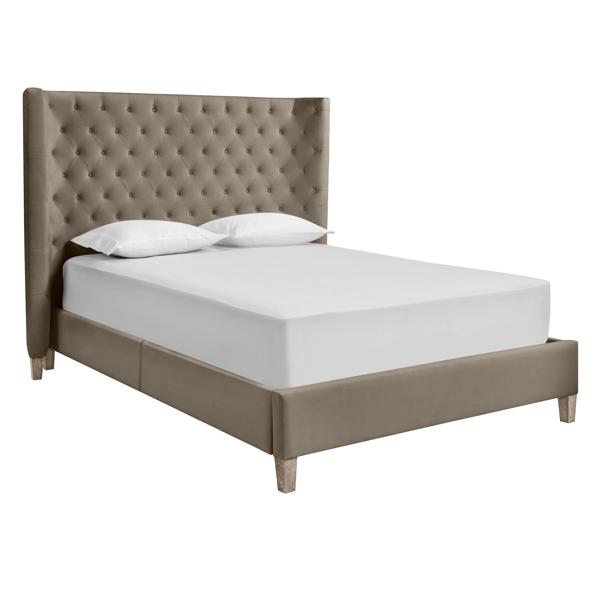 Jen Storage Bed$3699
A glamorous platform bed with hand-tufted velvet upholstery, wingback headboard, and four fully upholstered storage drawers.
Add To Cart -
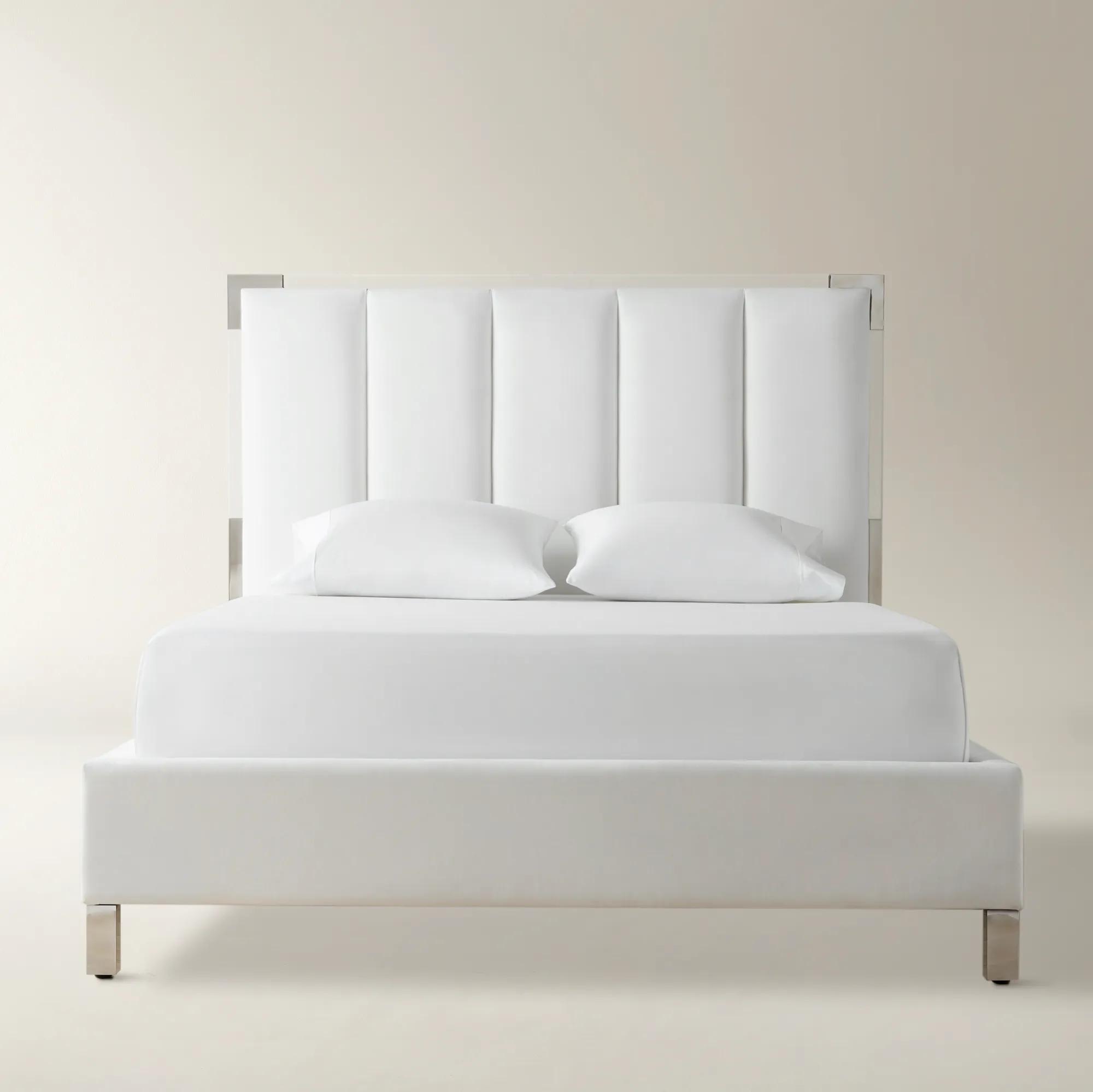 Emory Bed$3349
A modern bed featuring channel tufting, an acrylic frame, and stainless steel accents in plush velvet upholstery.
Add To Cart -
.jpg?w=1200&h=1200)
 Tenley Bed$2299
Tenley Bed$2299A modern bed with a kiln-dried hardwood frame and plush, high-density foam headboard in oyster linen.
Add To Cart -
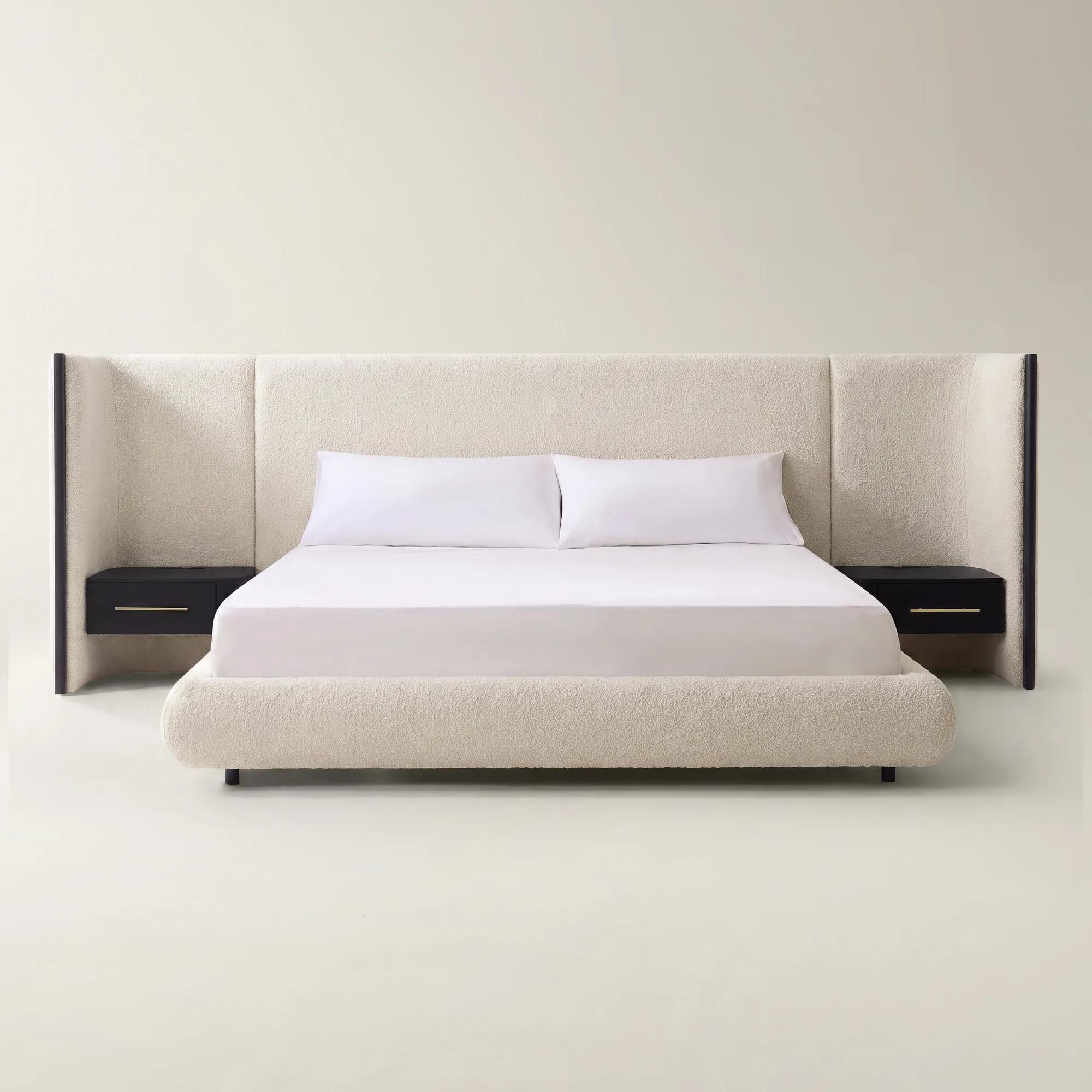 Sierra Utopia Sand Chenille Upholstered King Bed With Nightstands$2899
A sand chenille upholstered platform bed featuring an extended headboard with floating nightstands and black wood trim.
Add To Cart -
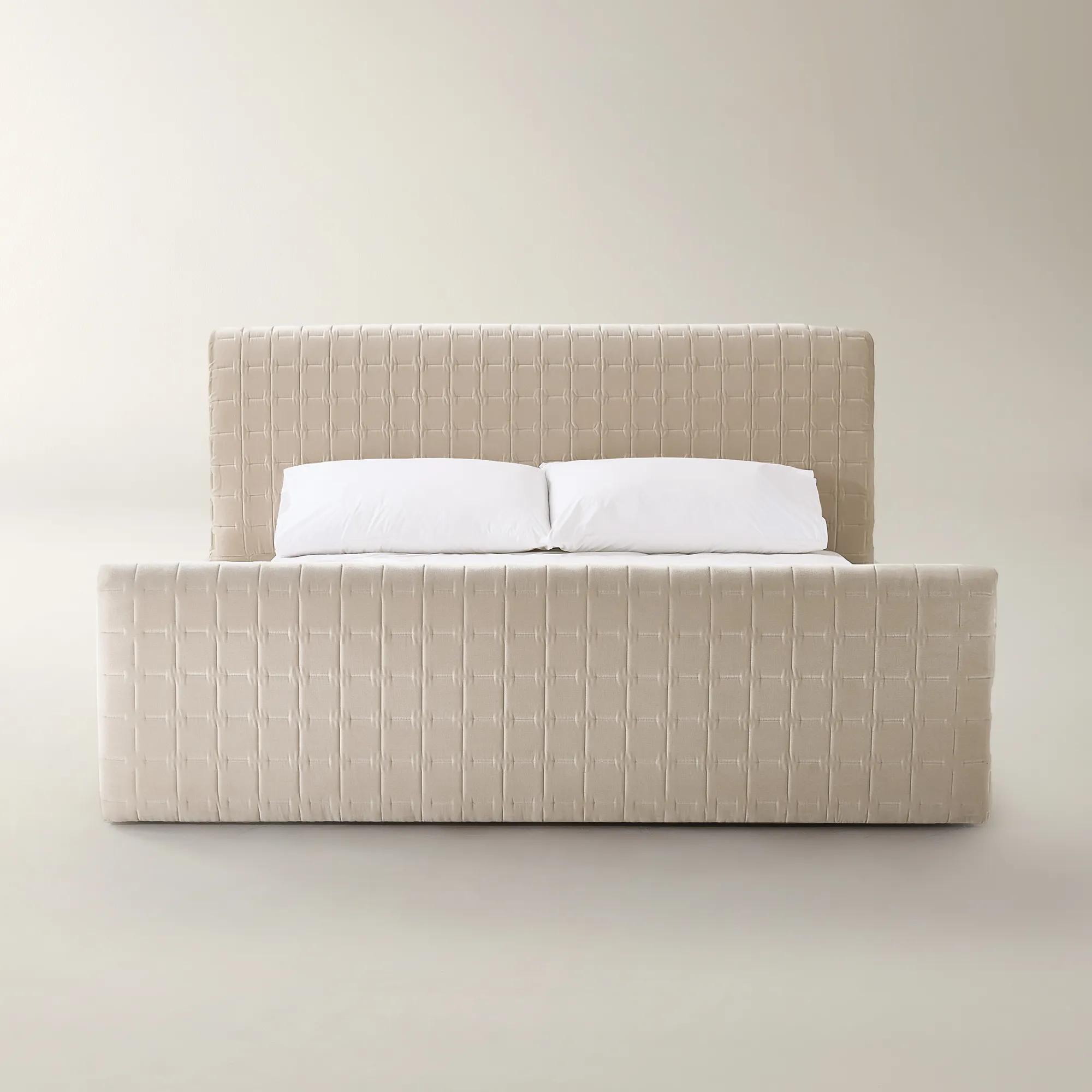
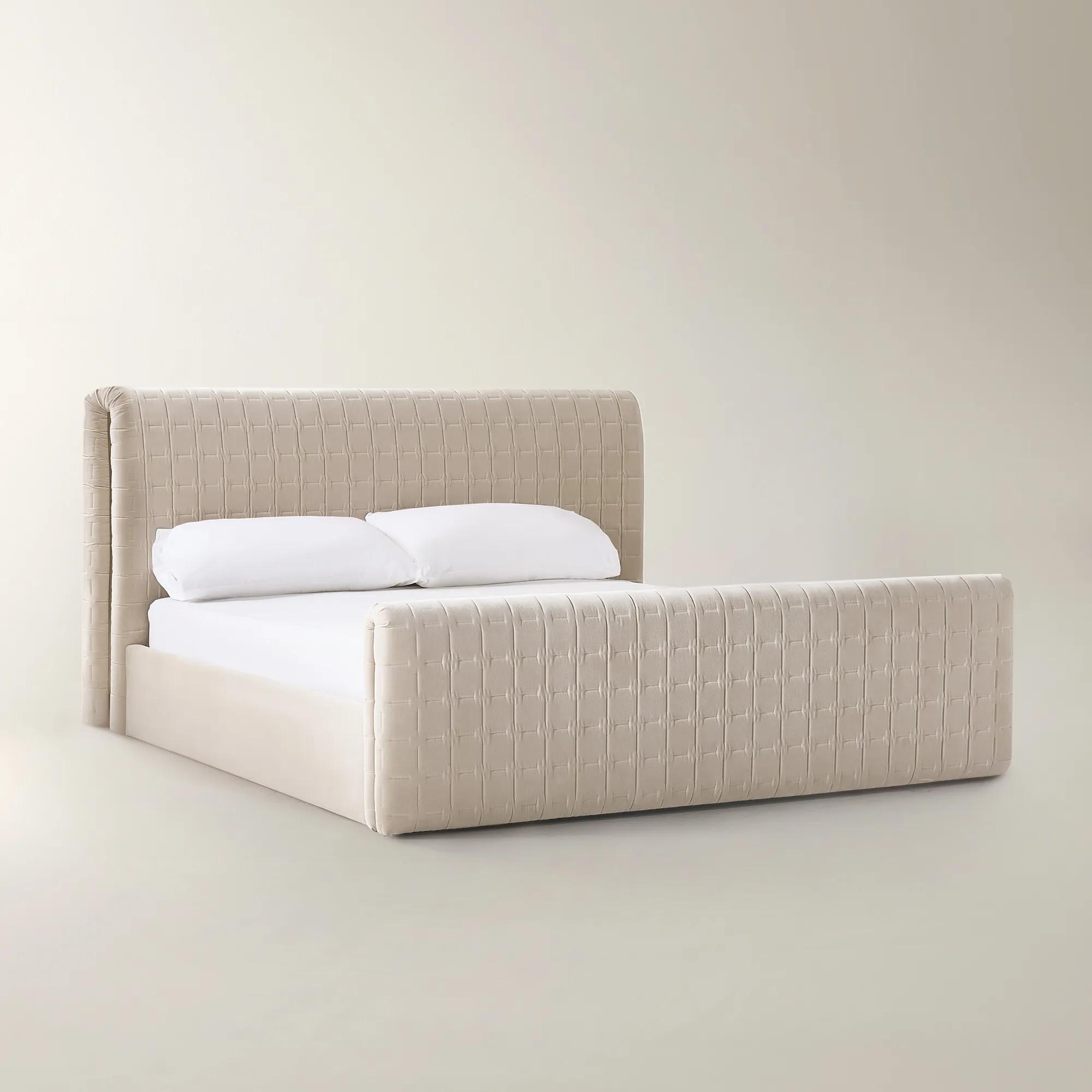 Vanta Oatmeal Velvet Upholstered King Platform Bed$2399
An oatmeal velvet-upholstered bed featuring a checker-quilted headboard and elegant gold-toned metal inlays.
Add To Cart -
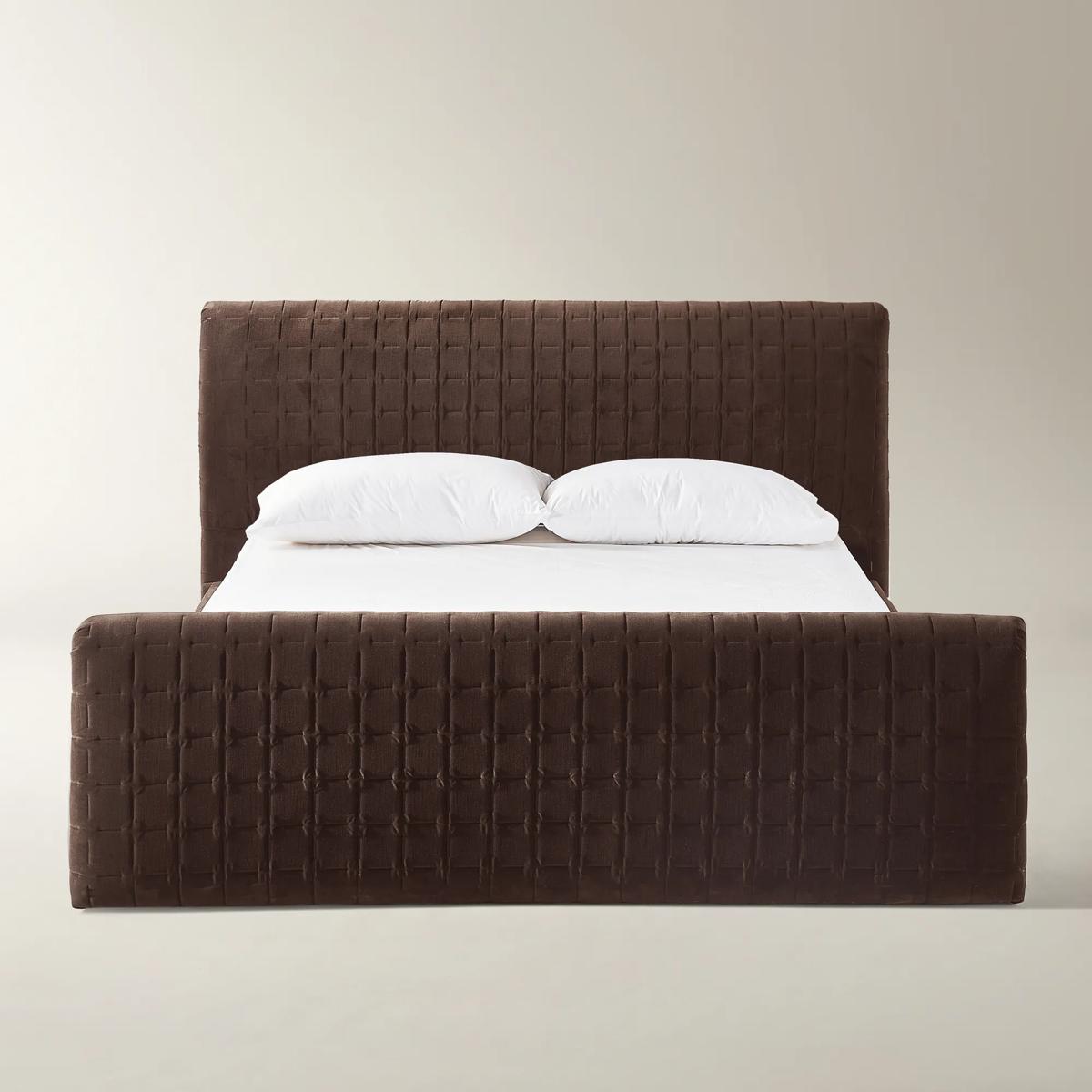
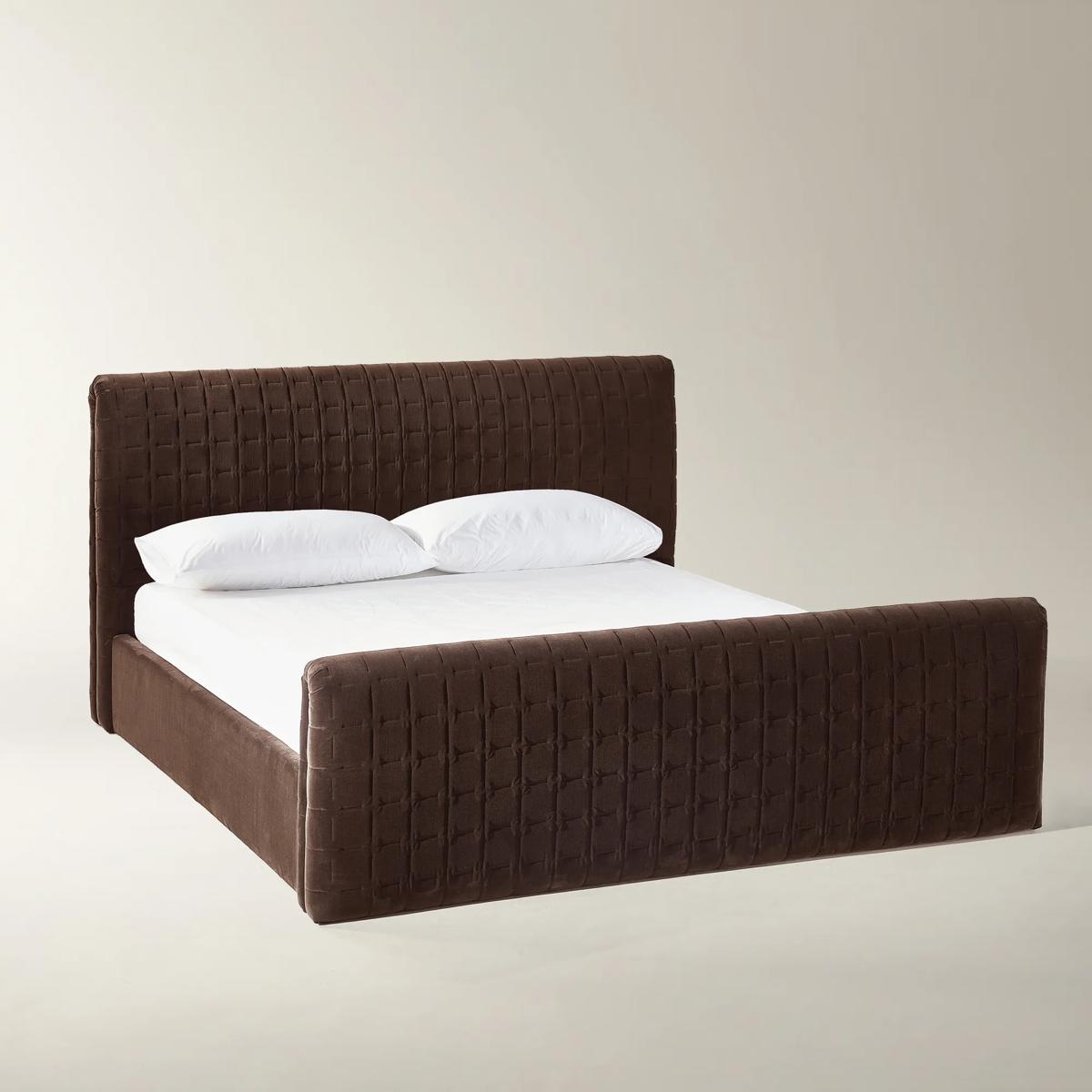 Vanta Burnt Umber Velvet Upholstered California King Platform Bed$2399
A chocolate velvet bed with hand-tufted checker quilting and brushed stainless steel inlays for modern elegance.
Add To Cart -
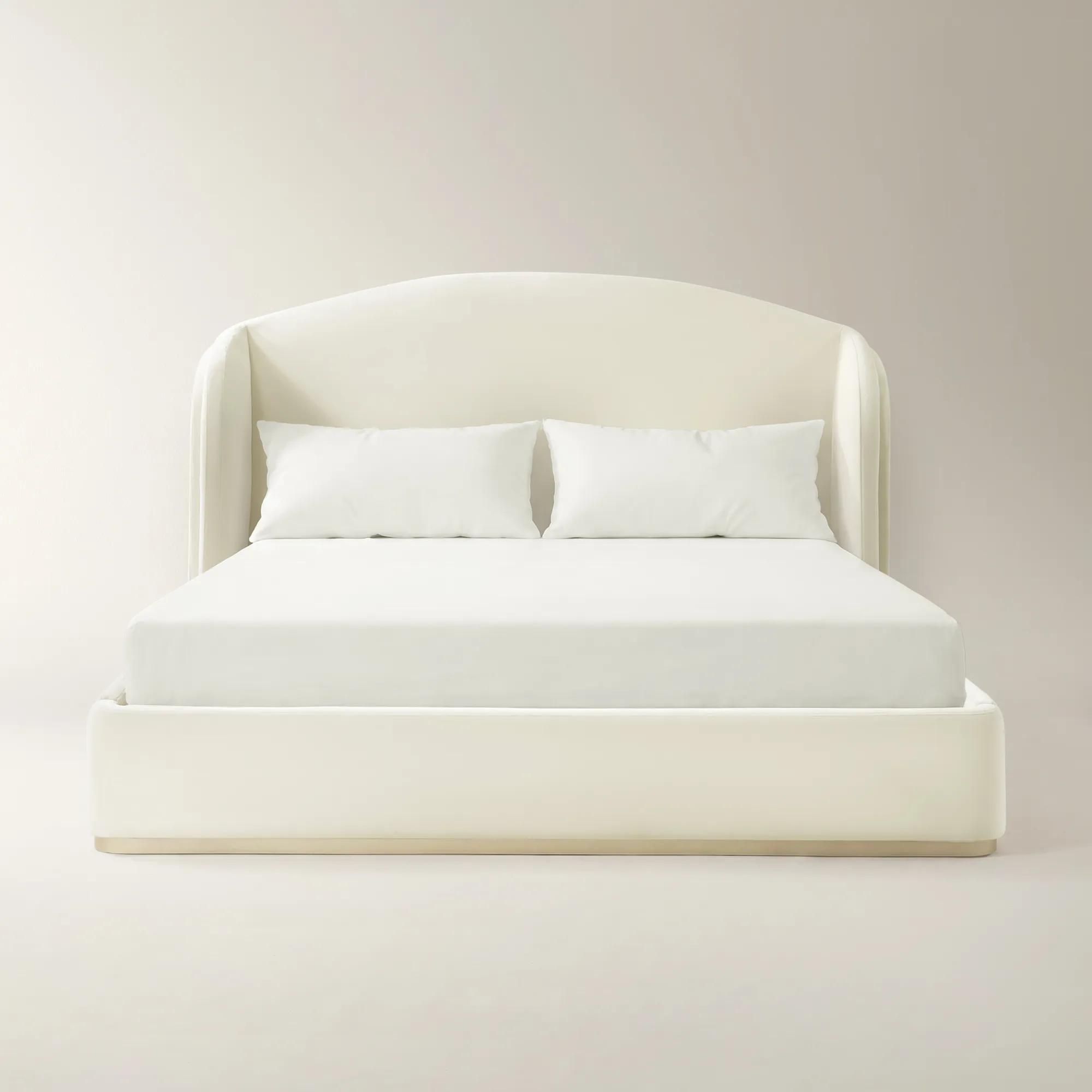 Glimmer Cloud Velvet Upholstered Queen Platform Bed$1999
A sculptural queen platform bed hand-upholstered in soft cloud velvet with a gold-toned metallic base.
Add To Cart -
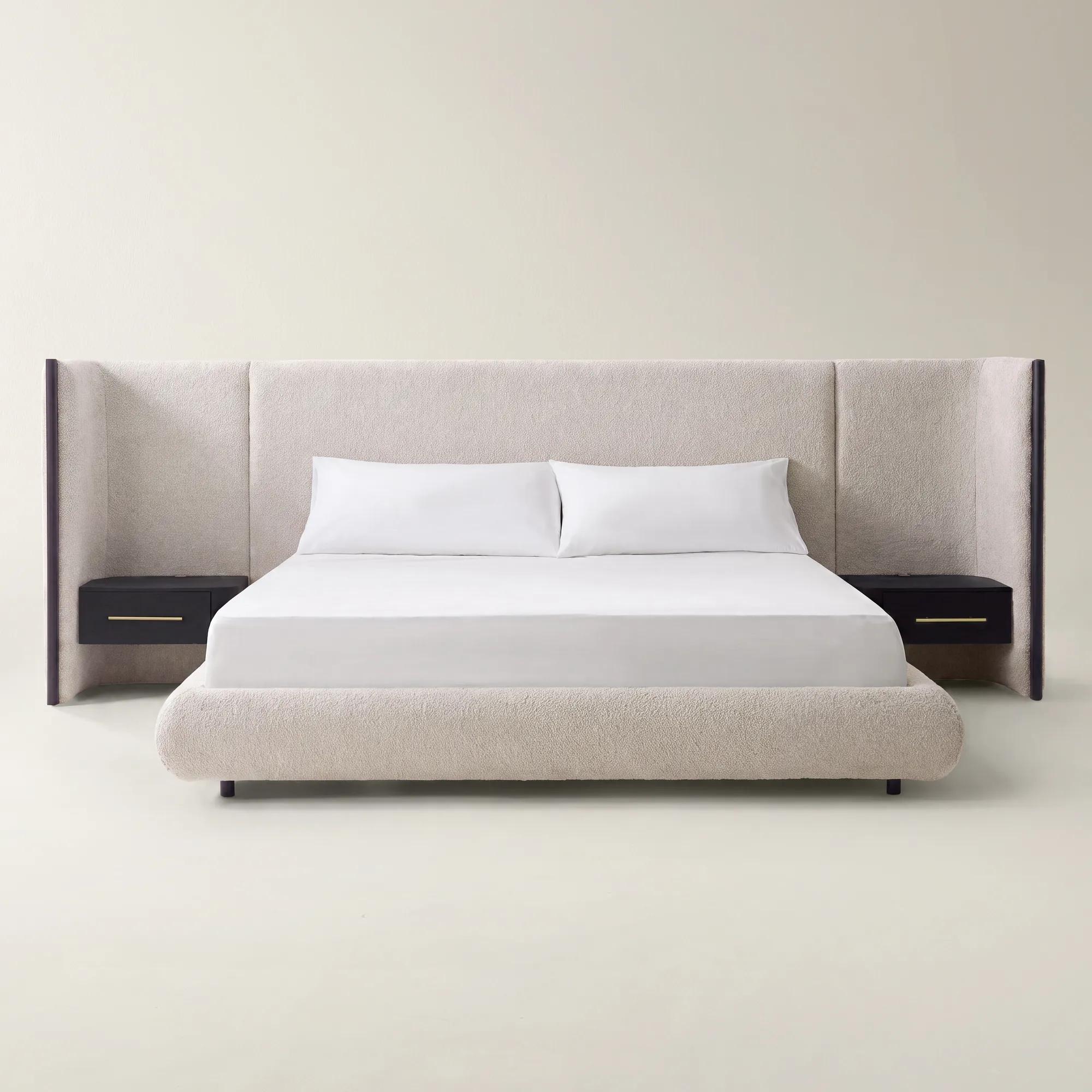
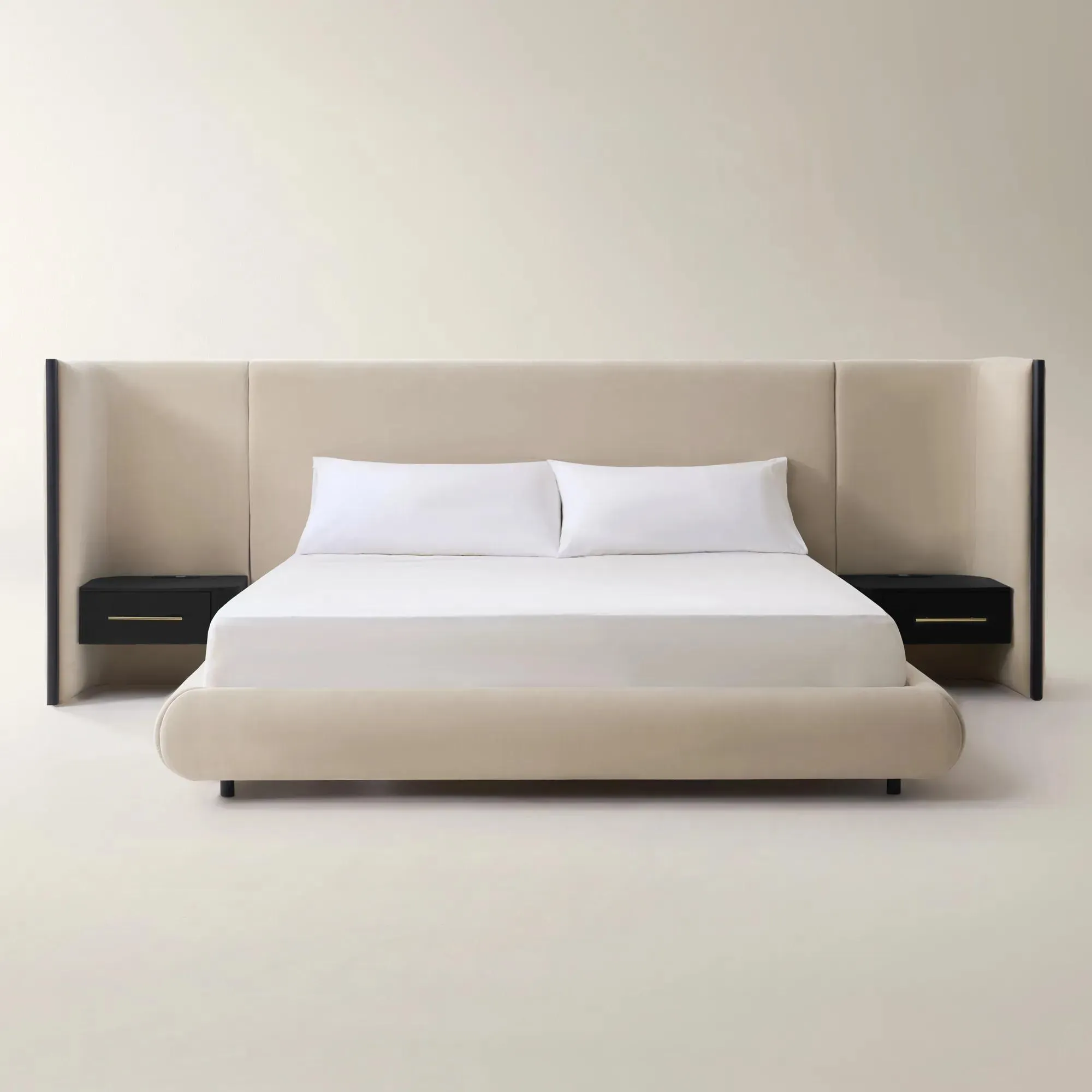
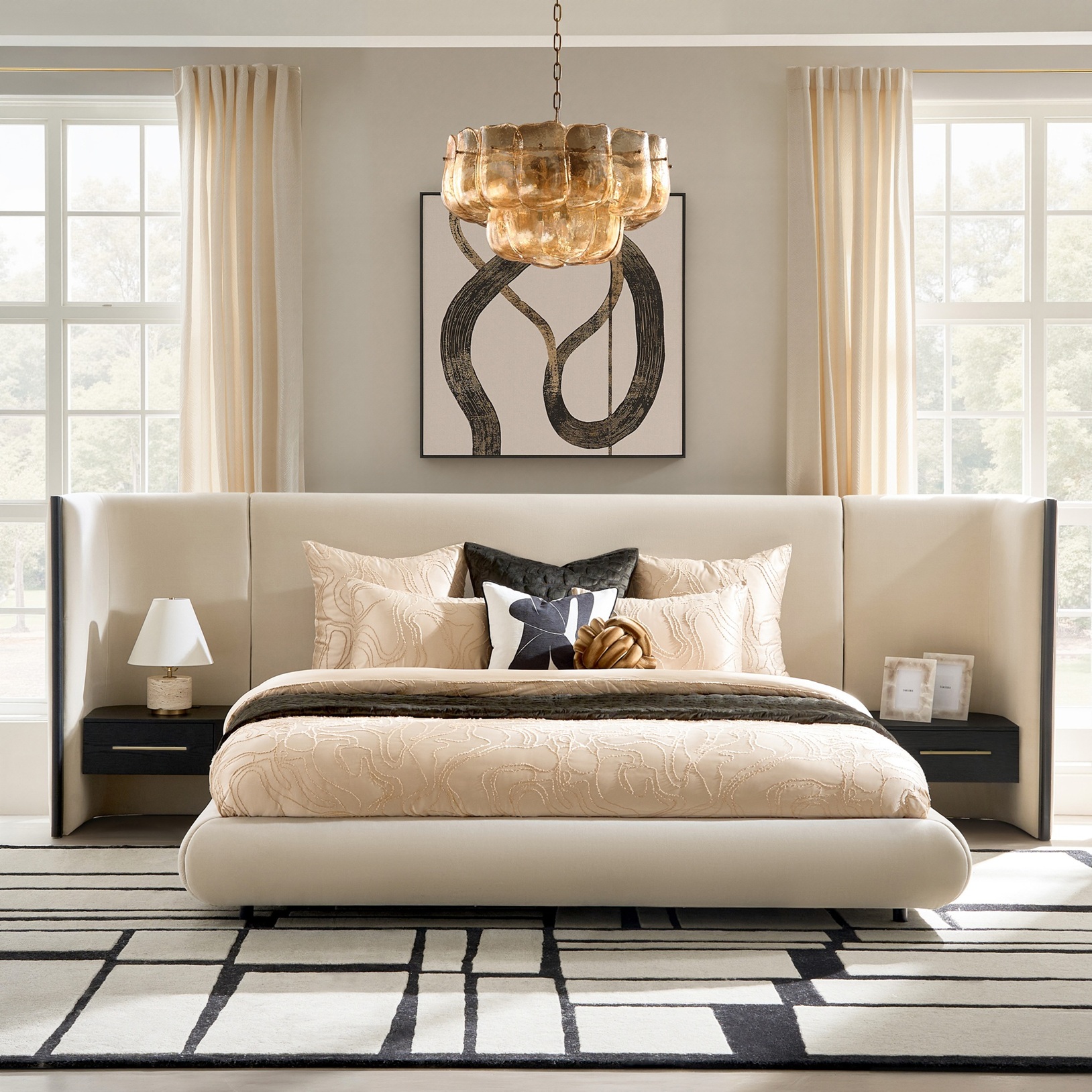 Sierra Ivory Performance Boucle Upholstered Bed With Nightstands$2899
An ivory performance boucle upholstered platform bed featuring an extended headboard, floating nightstands, and built-in power access.
Add To Cart -
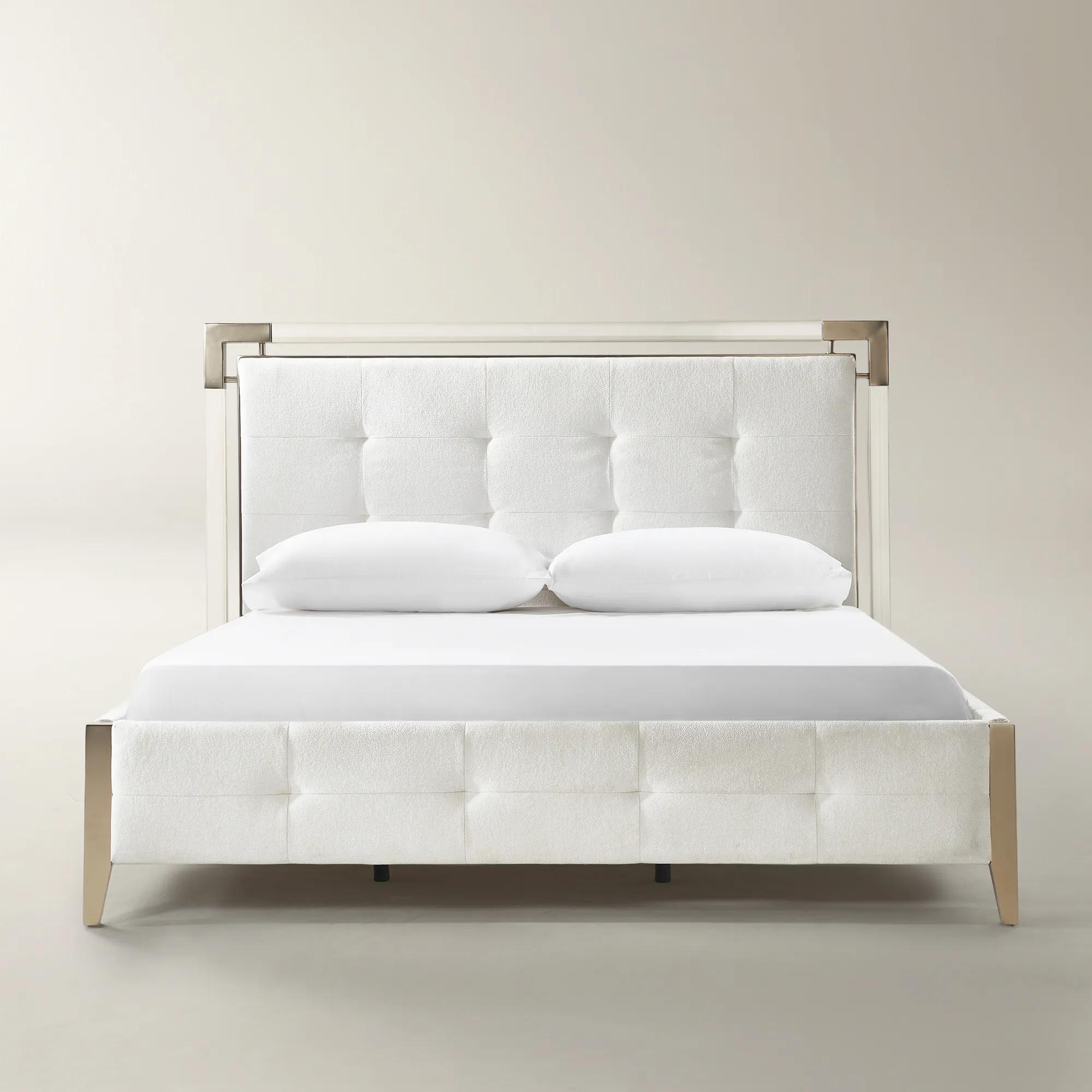
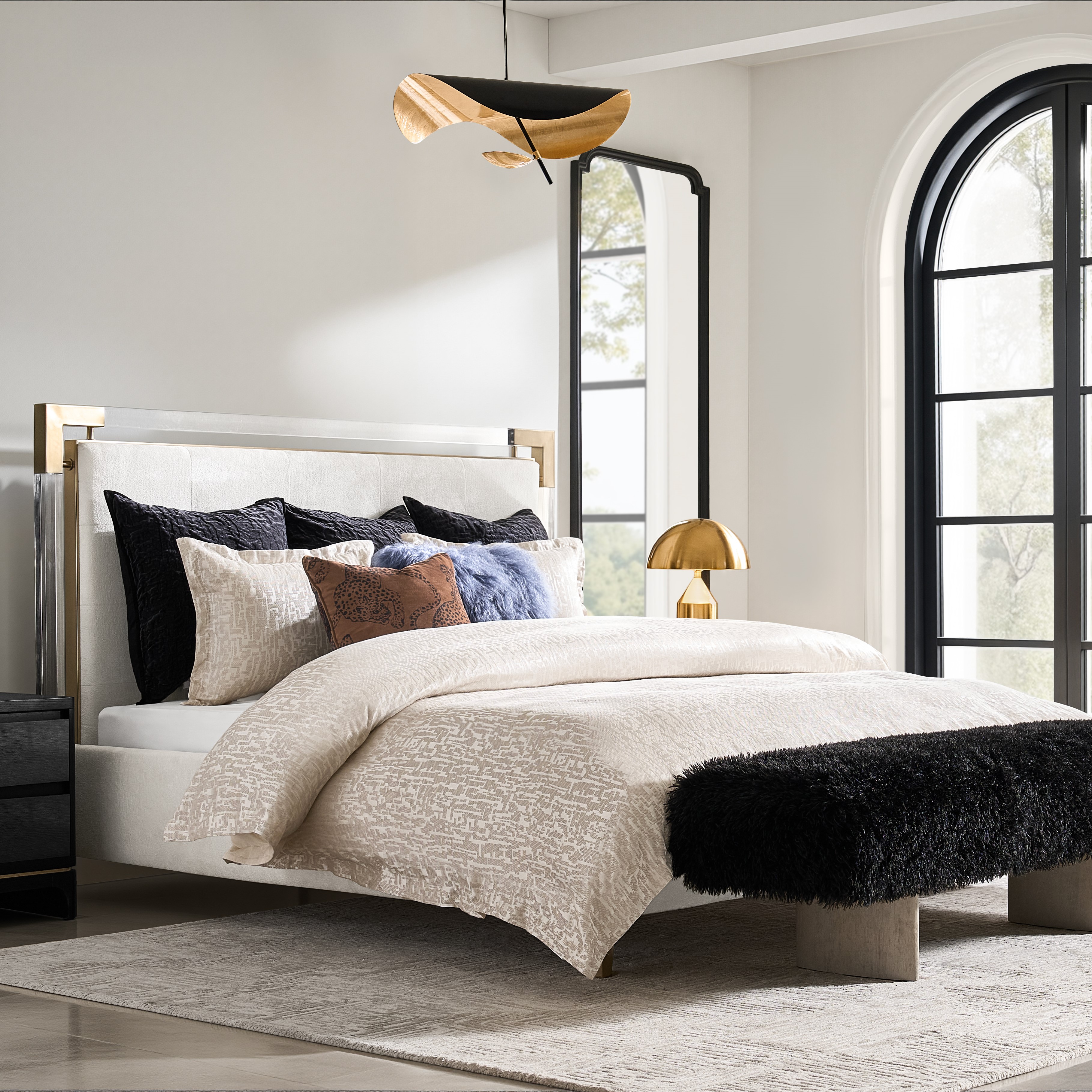 Vitrina Box-Tufted Ivory Velvet Upholstered Queen Platform Bed$2599
An ivory velvet upholstered bed with grid-tufted headboard, acrylic accents, and champagne-finished stainless steel details.
Add To Cart -
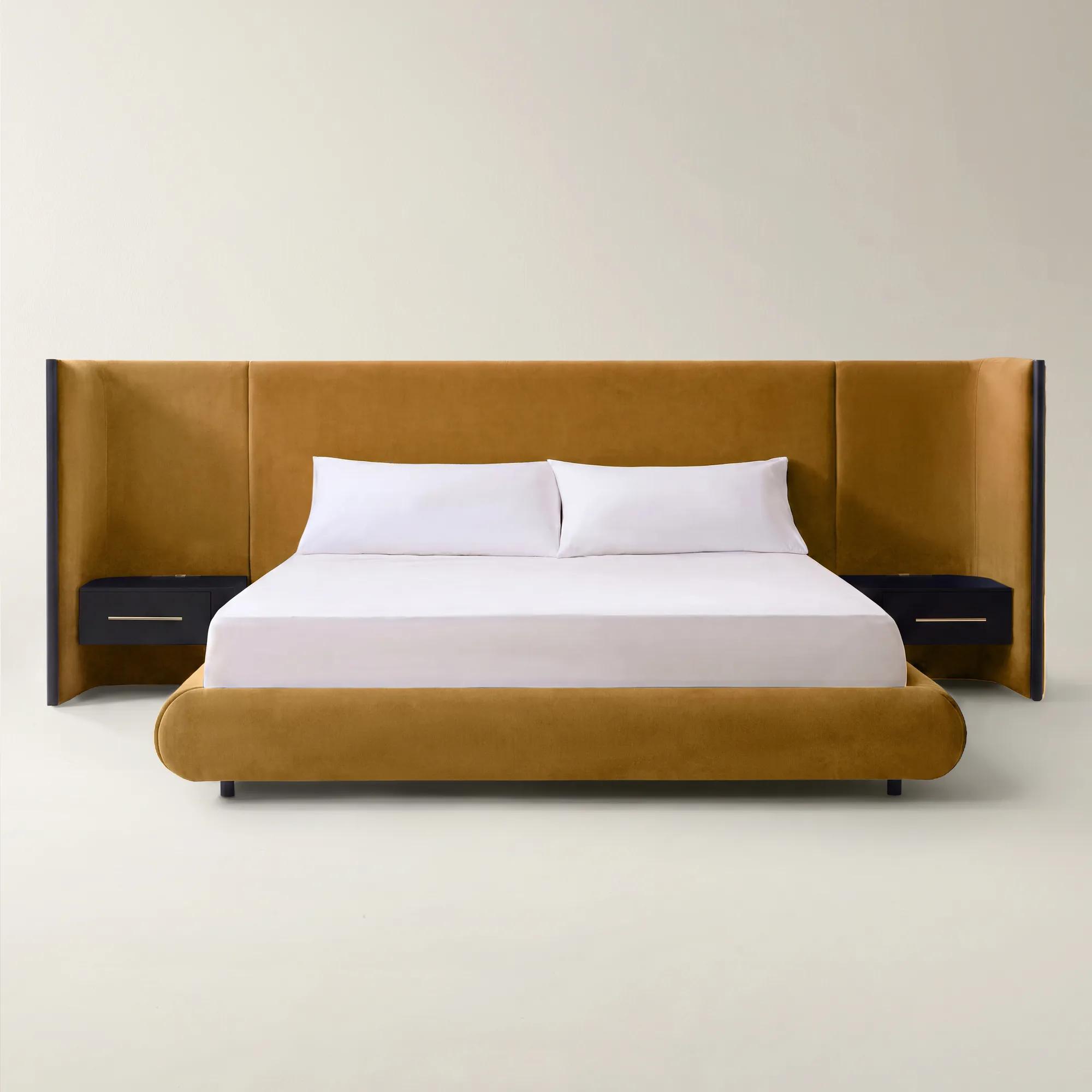
 Sierra Roasted Pecan Velvet Upholstered King Bed With Nightstands$2799
A modern king platform bed in roasted pecan velvet with an extended headboard and floating nightstands.
Add To Cart -
Vitrina Box-Tufted Ivory Velvet Upholstered King Platform Bed$2799
An ivory velvet upholstered bed featuring grid-tufted details, acrylic accents, and champagne-finished stainless steel trim.
Add To Cart -
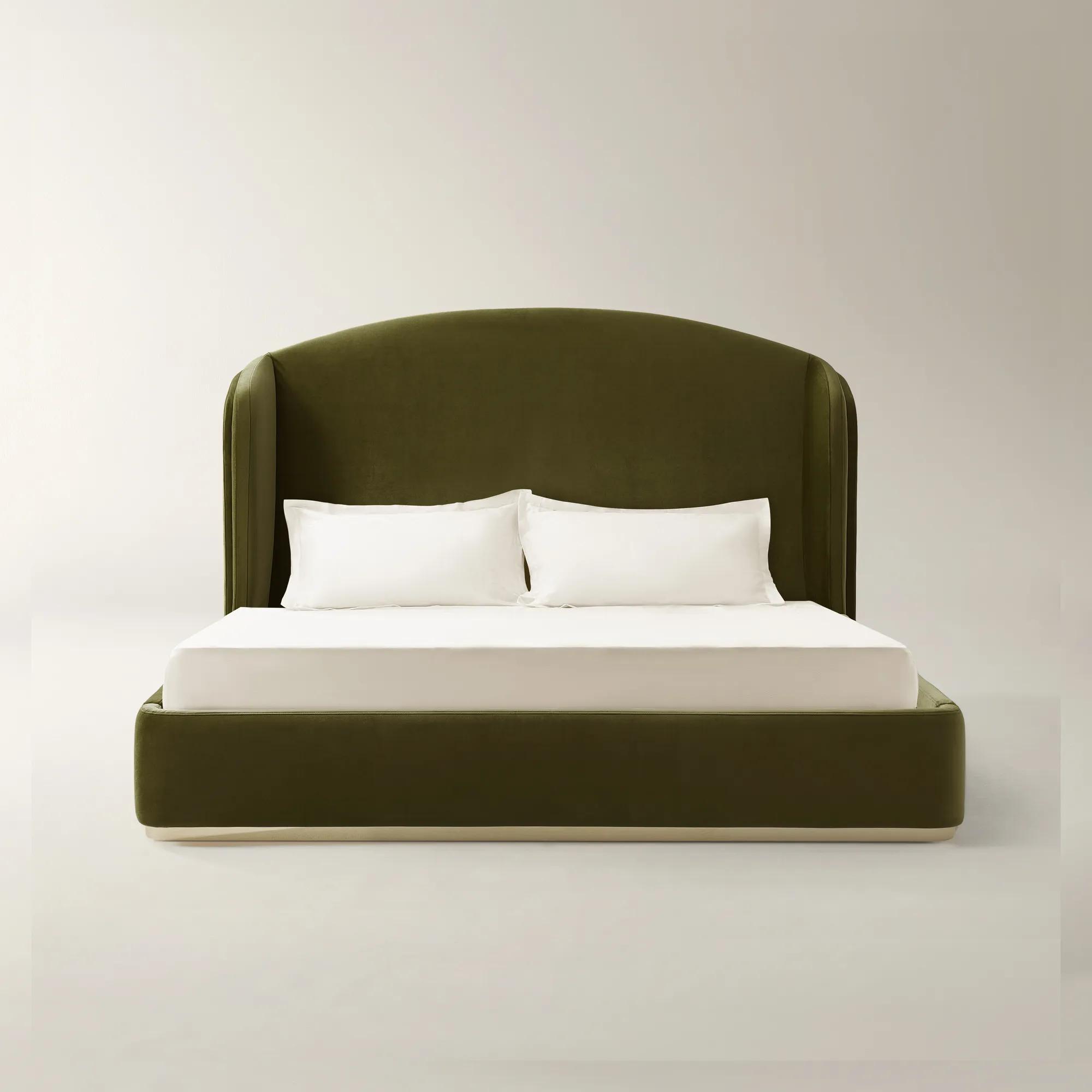
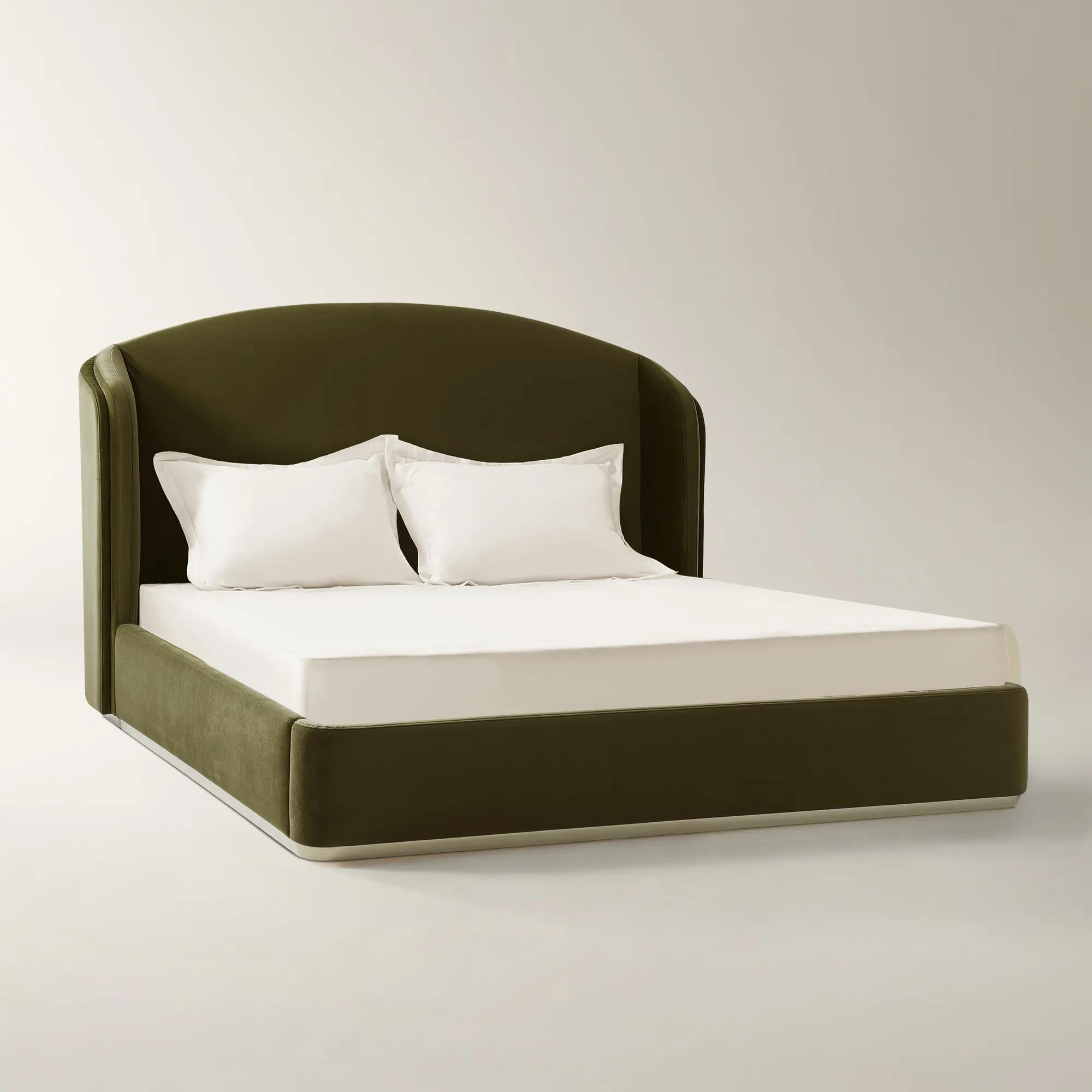 Glimmer Deep Olive Velvet Upholstered Queen Platform Bed$1999
A deep olive velvet platform bed featuring a sculpted headboard and gold-toned metallic base for modern elegance.
Add To Cart -
.jpg?w=1200&h=1200) Stria Ivory Performance Chenille Upholstered Queen Platform Bed$2099
Stria Ivory Performance Chenille Upholstered Queen Platform Bed$2099An ivory chenille wingback bed with plush upholstery and a hand-finished solid oak base for modern comfort.
Add To Cart -
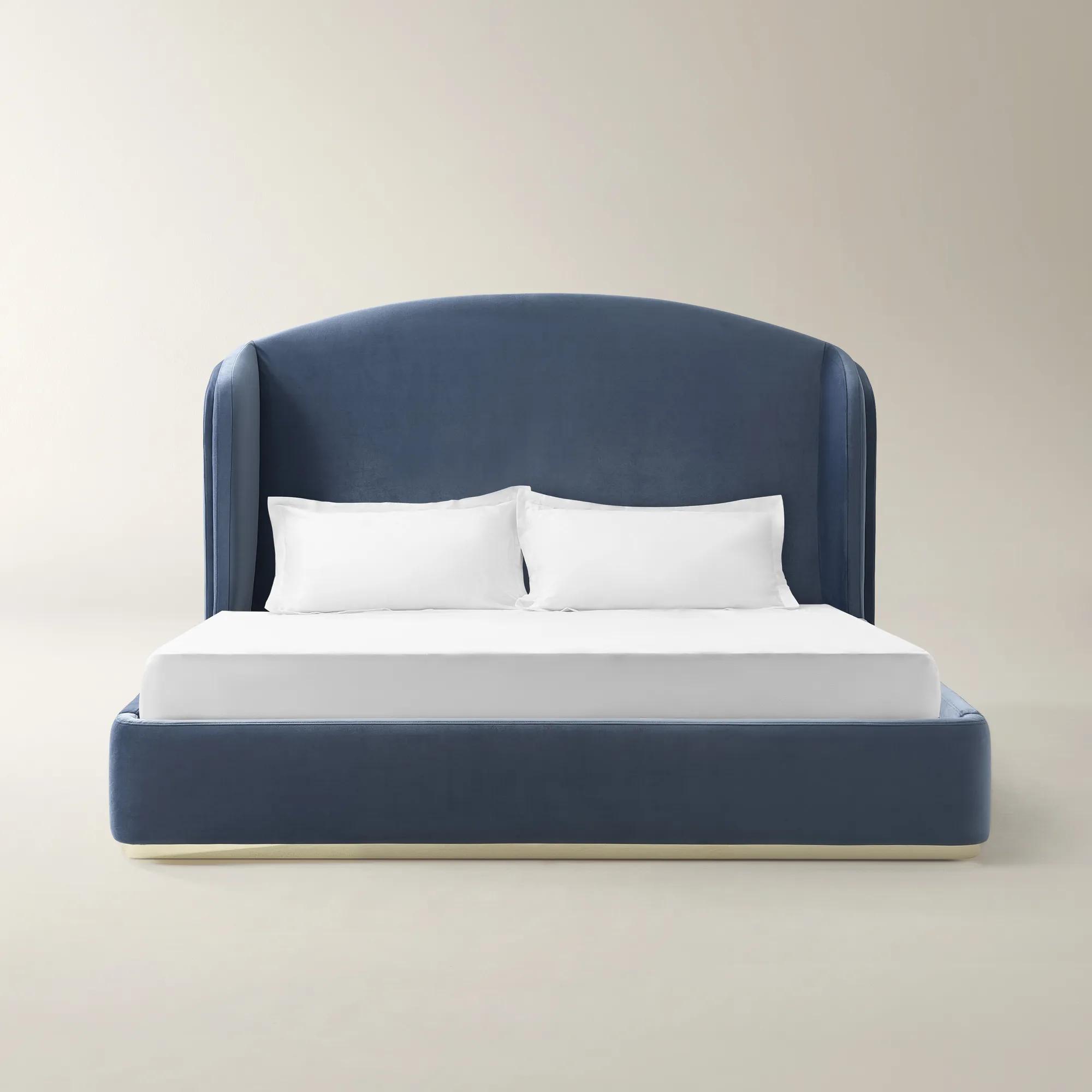
 Glimmer Dusty Blue Velvet Upholstered Queen Platform Bed$1999
A sculpted double-layer headboard and gold-finished base elevate this hand-upholstered dusty blue velvet bed.
Add To Cart -
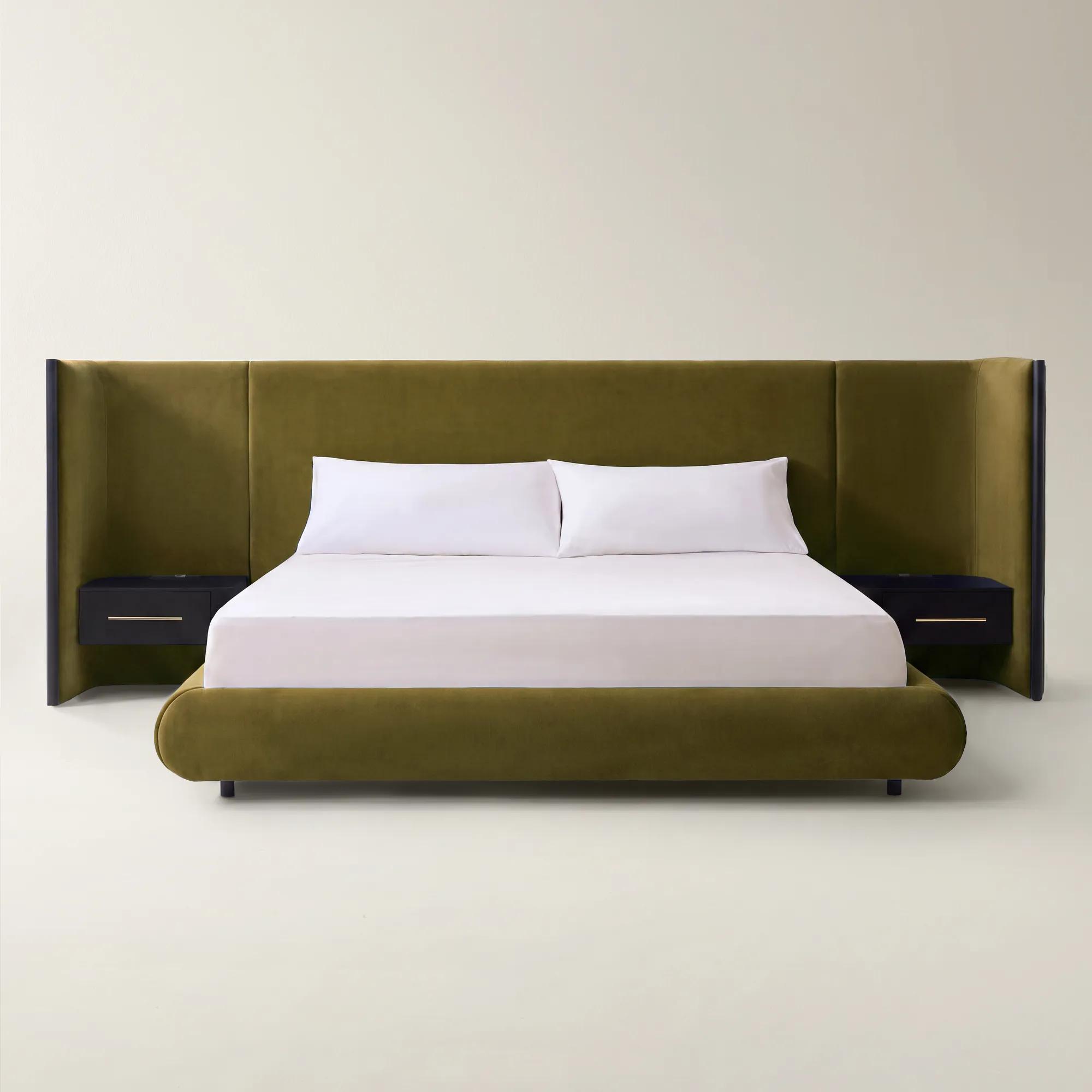 Sierra Deep Olive Velvet Upholstered King Bed With Nightstands$2799
A deep olive velvet platform bed featuring an extended headboard, floating nightstands, and built-in power access.
Add To Cart -
Stria Ivory Performance Chenille Upholstered King Platform Bed$2299
An ivory chenille wingback bed with plush upholstery and a hand-finished solid oak base for modern comfort.
Add To Cart

Bedding For Modern Bedrooms
Bedding for modern bedrooms is more than a finishing touch—it’s an invitation to indulge in artistry and comfort every night. Imagine layers of sumptuous fabrics and sculptural silhouettes transforming your space into a sanctuary of style, where every detail is curated for drama and delight. With bedding that balances striking design with irresistible softness, your bedroom becomes a gallery of self-expression, each piece chosen to reflect your boldest dreams. Elevate the everyday, and let your retreat shimmer with the confident allure that defines modern luxury.
Bedding for modern bedrooms brings together refined color, expressive texture, and a considered mix of layers to make the bed the room’s defining composition. Sheets establish the foundation, a duvet or comforter creates volume, and a quilt, coverlet, or arrangement of shams gives the surface dimension. The result can be serene and architectural or richly dramatic; modern design leaves room for both. Ivory, warm white, oatmeal, and taupe create a luminous backdrop that lets the character of each fabric emerge. A tonal palette becomes especially compelling when smooth cotton meets dimensional quilting or a finely woven coverlet. Deeper hues, including charcoal, forest green, and midnight blue, introduce depth against an upholstered headboard, while touches of clay or sage soften a room with sculptural furniture and gleaming accents. Pattern adds another expressive layer. Oversized geometry makes a confident statement across a broad bed, while narrow stripes, tonal jacquards, and small-scale motifs reward a closer look without competing with artwork. In a room anchored by a striking headboard, quieter bedding allows its silhouette to remain visible; against a simpler frame, a richly textured duvet can take the lead. The balance is less about limiting detail than giving each detail a purpose. A neatly folded coverlet reveals a contrasting reverse or a beautifully finished edge, and a pair of generous shams brings structure to soft layers. Even a predominantly white bed can feel opulent when the composition includes subtle sheen, raised stitching, and deliberate proportions. For those drawn to a more expressive setting, a saturated top layer framed by pale sheets creates a tailored contrast with unmistakable presence. Modern bedroom bedding is both a visual anchor and an intimate surface used every day, so its appeal depends on how convincingly beauty and comfort meet. It should complement the room’s furnishings while giving the person who sleeps there a setting that feels distinctly their own.
Material and construction shape that experience as much as color. Cotton remains a versatile bedding fiber because of its softness, absorbency, and suitability for frequent use, although the weave gives different cotton fabrics noticeably different personalities. Percale uses a plain weave to create a crisp, matte surface with a light, airy feel; sateen has a weave that exposes longer sections of yarn on the surface, producing a smoother hand and a gentle luster. Both can suit a polished modern bedroom, with percale lending definition to a sharply folded sheet and sateen catching the light across a generous duvet. Linen has a more pronounced natural texture and a relaxed drape, and it generally softens with laundering. Its subtle irregularities create an artful counterpoint to lacquered furniture, polished metal, or a precisely upholstered bed. Cotton-linen blends offer another interpretation of that textured look, with the final feel depending on the fiber proportions and construction. Other blends may emphasize wrinkle resistance or easier maintenance, making fiber labels more useful than assumptions based on appearance alone. Thread count is only one detail: yarn quality, weave, finishing, and stitching all contribute to comfort and durability, and a higher number does not automatically mean better bedding. Surface treatments deserve equal attention. Channel stitching draws long, architectural lines across a quilt, waffle weave creates a rhythmic play of light and shadow, and jacquard integrates pattern into the fabric itself. Raised embellishments and decorative trims can bring extraordinary dimension to an upper layer, while smoother fabrics are often preferable where bedding rests directly against the skin. The distinction between a duvet and a comforter also matters. A duvet cover is a removable shell for a separate insert, whereas a comforter combines its outer fabric and fill in one finished layer. Quilts and coverlets typically offer a flatter profile, whether displayed alone or folded across a loftier bed. These differences influence the bed’s silhouette, its weight, and the steps involved in keeping it beautifully maintained.
A well-proportioned bed begins with accurate measurements rather than the size name alone. Twin, full, queen, king, and California king bedding correspond to different mattress formats, but finished dimensions can vary, particularly for top layers. Mattress depth matters for fitted sheets: pocket depth should accommodate the mattress and any topper without corners pulling loose or excess fabric gathering beneath the sleeper. For a duvet, comforter, or coverlet, the desired side drop depends on mattress height, frame design, and how much of the bed base should remain visible. A deep upholstered frame may benefit from a more controlled drape, while a taller mattress may need additional width to achieve a generous fall. King and California king measurements are not interchangeable, so comparing actual dimensions helps preserve the intended proportions. Duvet covers and inserts should also be closely matched; interior ties or other attachment points, when included, can help reduce shifting. Pillowcases and shams deserve the same attention, since an undersized insert can leave decorative corners looking unfilled, while an oversized one may strain the closure. Beyond fit, lasting beauty depends on care that suits the fabric and finish. The sewn-in care label takes precedence, especially for embellished surfaces, delicate trims, or filled bedding. When machine washing is permitted, appropriate load size gives fabric room to move, and thorough drying is particularly important for filled layers. Excessive heat can contribute to shrinkage or damage certain fibers and decorative details. Strong seams, secure closures, and even stitching are useful construction details to consider alongside the surface’s visual appeal. An additional sheet set allows laundering without leaving the bed unfinished, and washable layers can simplify upkeep in frequently used guest rooms. For a primary bedroom, the right combination may be a smooth sleeping surface beneath a more expressive top layer; for a guest suite, straightforward care and thoughtfully matched dimensions can be especially valuable. Those considering a broader range of grown-up bedroom settings can explore Bedding For Adult Bedrooms for a related perspective. Bedding can also make a meaningful housewarming or wedding gift when mattress size, fabric preferences, and care expectations are known. With those practical details resolved, texture, color, and scale have room to create something personal: a bed with sculptural presence, inviting softness, and a beautifully composed finish.
FAQs
Modern bedding often features luxurious materials such as silky sateen, crisp percale, sumptuous velvet, and soft linen. These fabrics not only provide tactile comfort but also add visual drama and texture to the bedroom, creating a sophisticated and inviting atmosphere.
Start with a foundation of high-quality sheets, then add a statement duvet or comforter in a bold color or pattern. Finish the look with a mix of decorative pillows in varying sizes and textures, and drape a plush throw or quilt at the foot of the bed for added dimension and warmth. Layering allows you to create depth and showcase your personal style.
Absolutely. Modern bedding makes a thoughtful and luxurious gift for housewarmings, weddings, anniversaries, or even as a gesture of self-care. Its blend of comfort and artistry ensures it will be cherished by anyone who appreciates elevated home decor.
Opt for bold, sophisticated hues like deep emerald, sapphire, or metallics, and consider graphic patterns or subtle textures that add visual interest without overwhelming the space. Modern bedding often balances statement pieces with neutral foundations, allowing you to express your unique style while maintaining harmony in the room.
Z Gallerie bedding is curated for those who embrace expressive design and crave detail. Each piece is crafted to evoke a sense of luxury and artistry, transforming the bedroom into a personal retreat that reflects your bold, creative spirit.