Neutral Decor For Minimalist Homes
Neutral Decor For Minimalist Homes
-
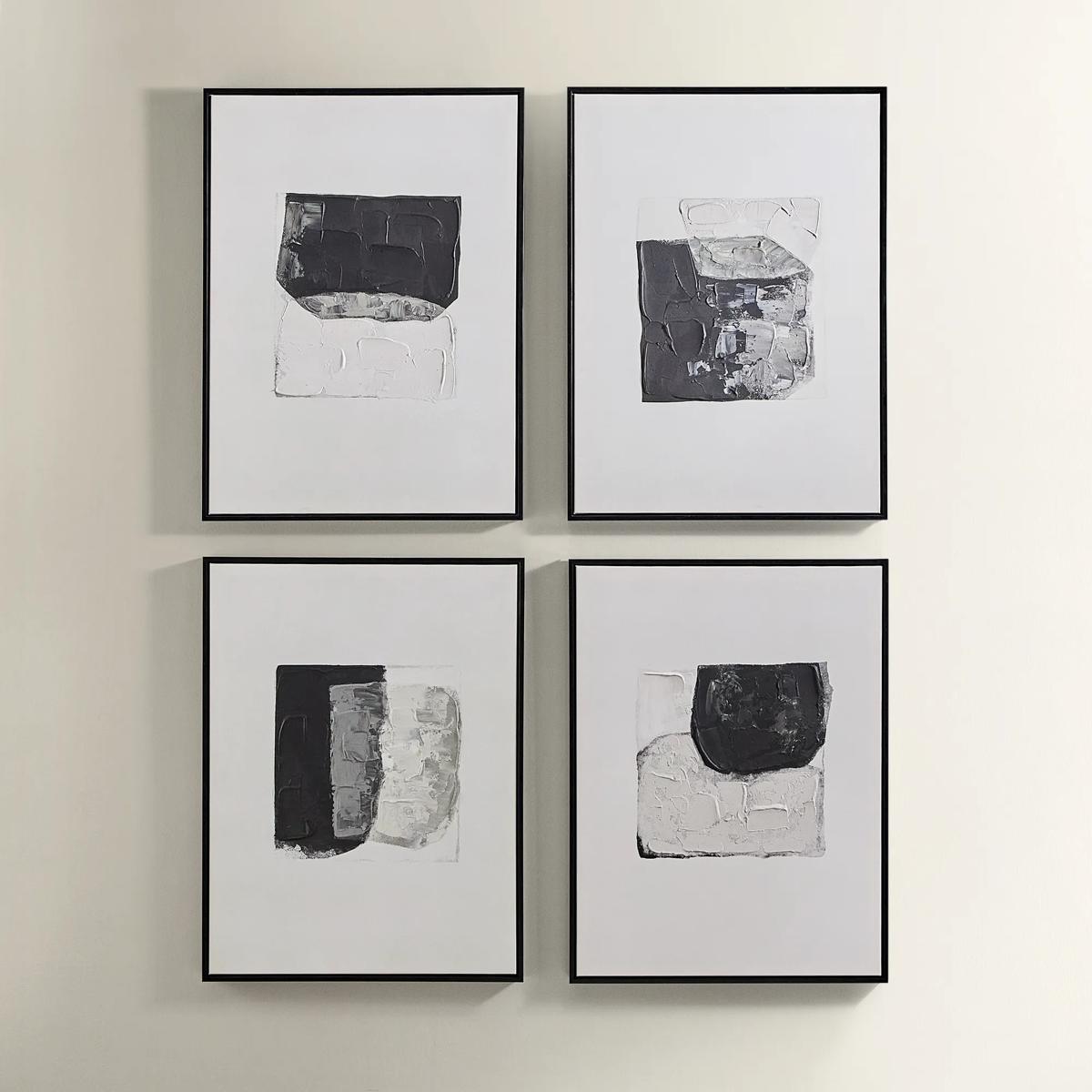
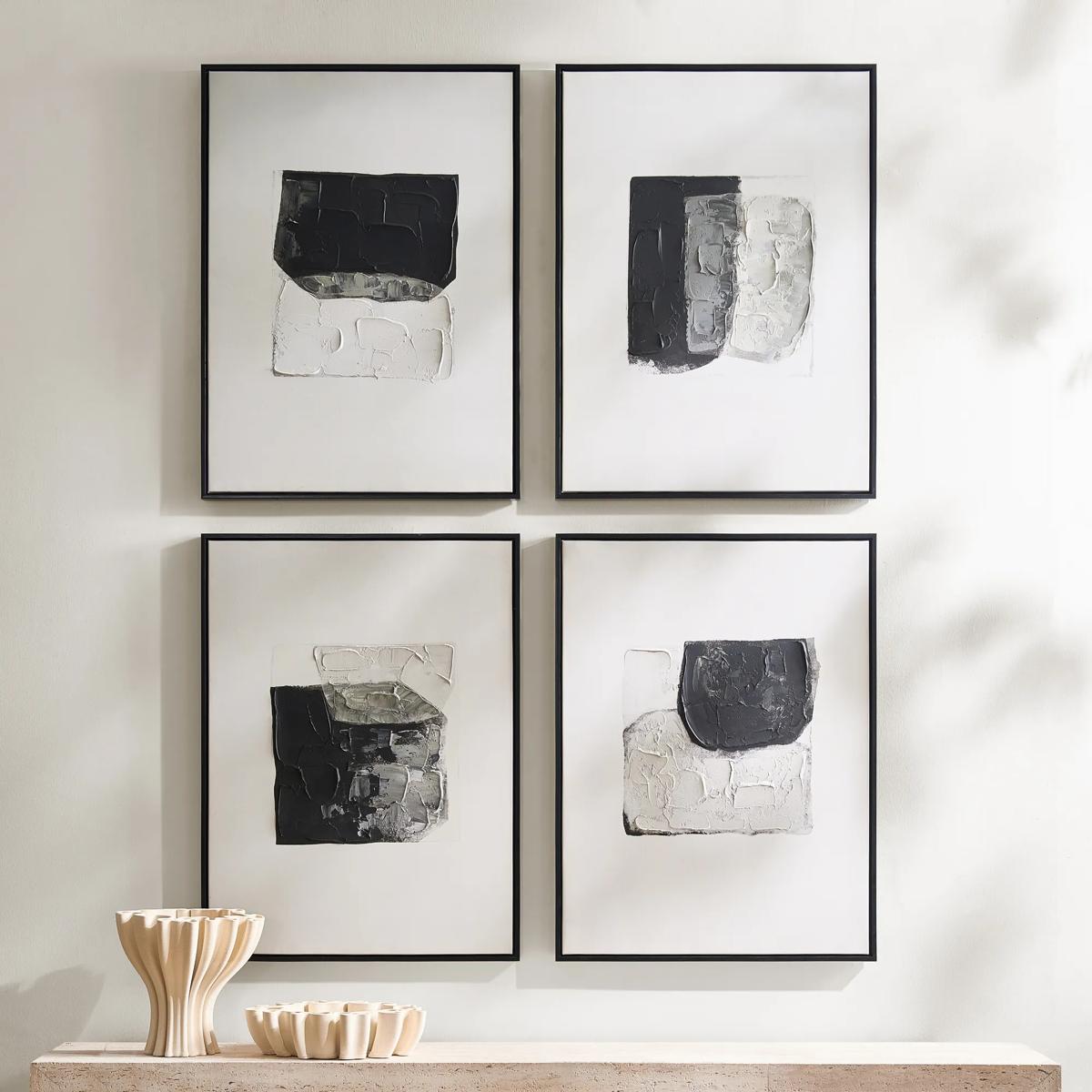 Shadows Framed Painted Wall Art Set of 4$299
A set of four hand-painted abstract canvases featuring black, white, and gold accents in black frames.
Add To Cart -
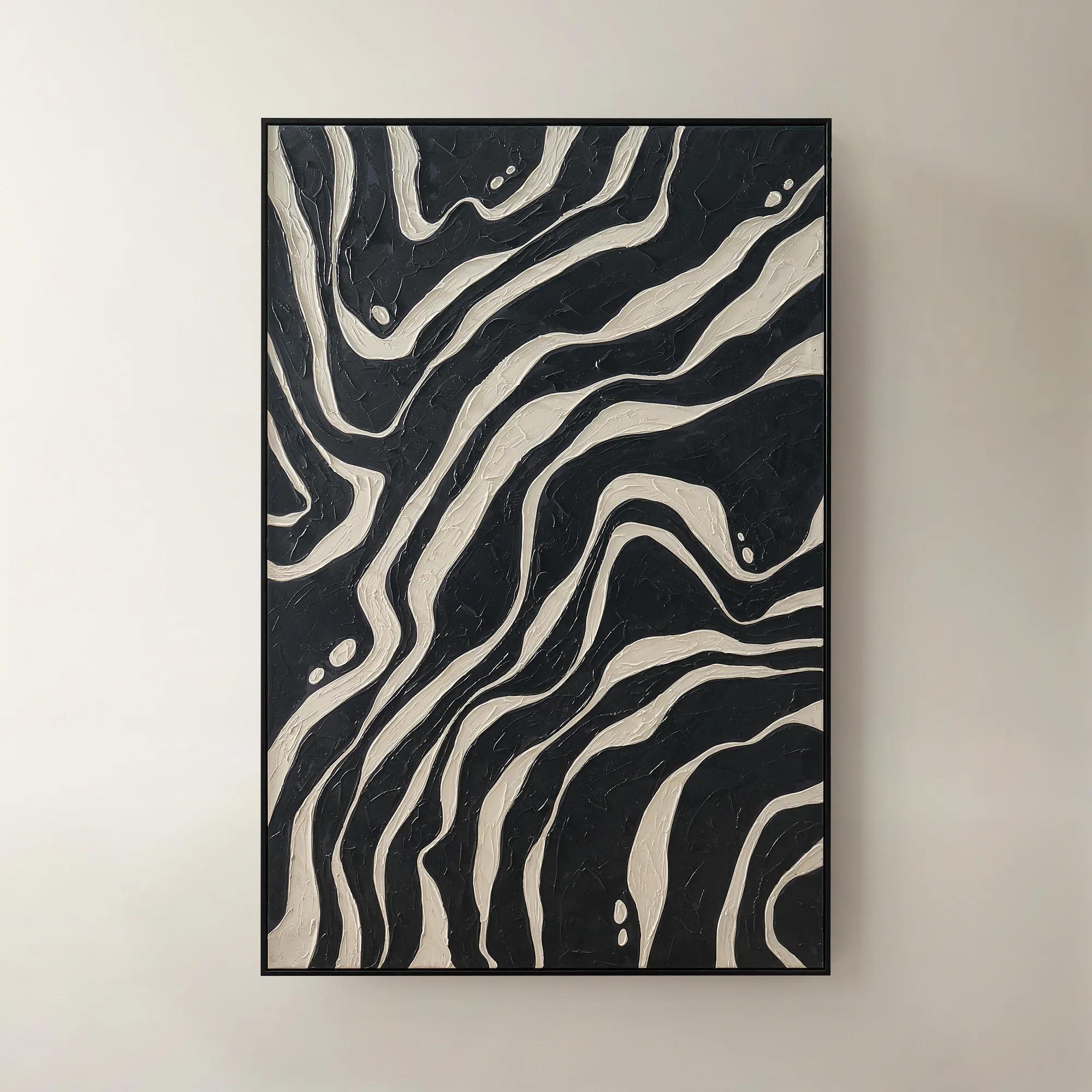
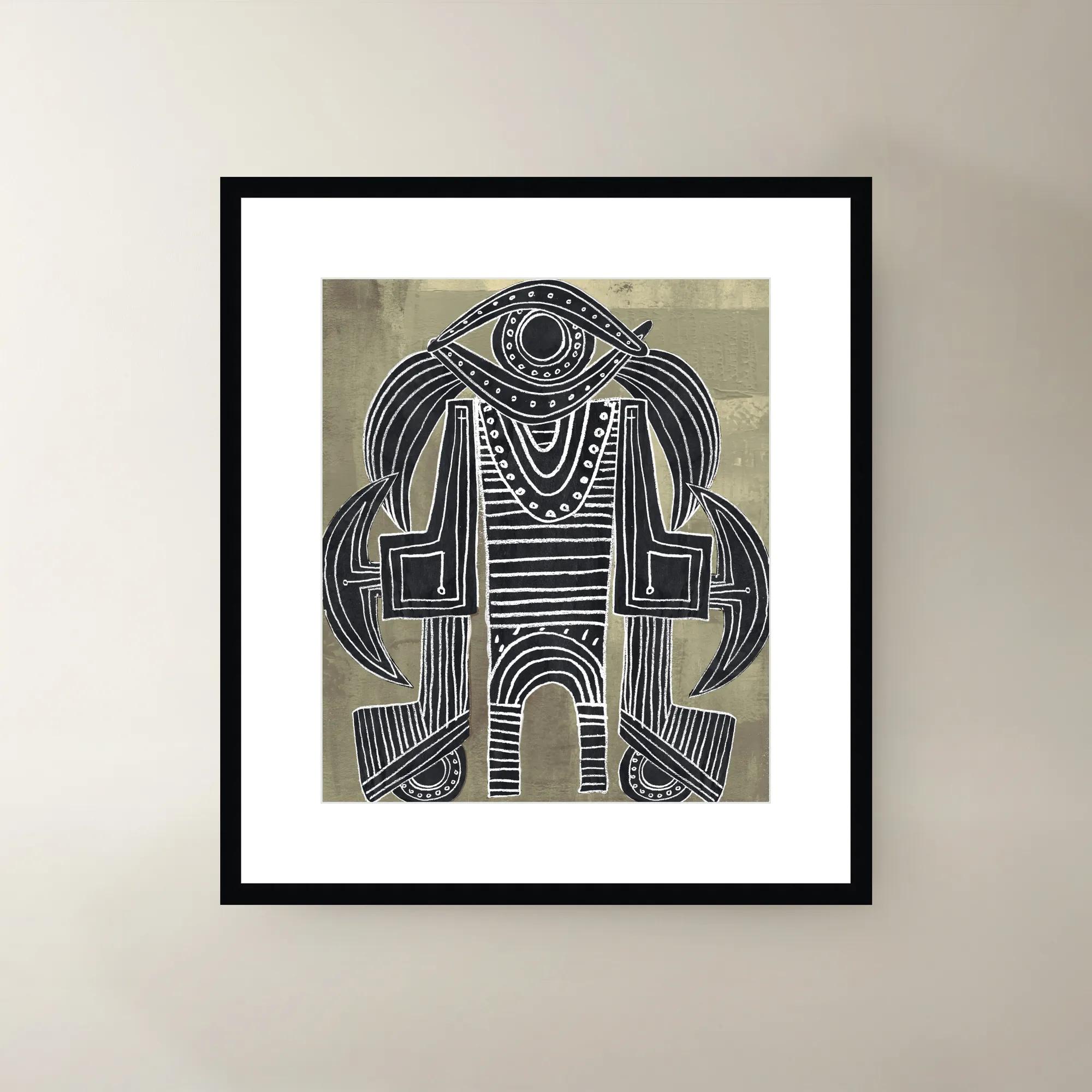
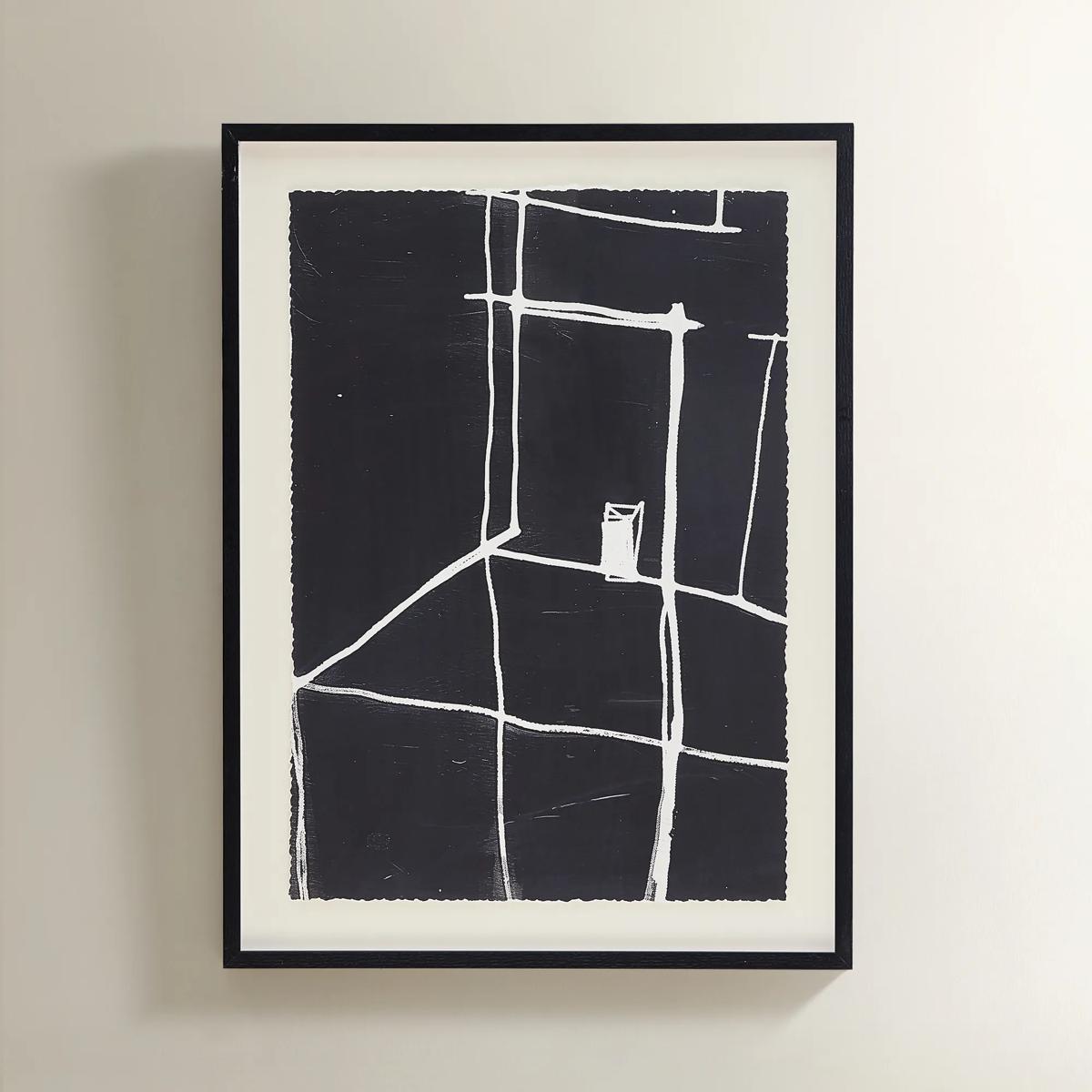 Solitude Art$269
A minimalist black-and-white abstract print featuring bold white lines in a sleek black polyresin frame.
Add To Cart -
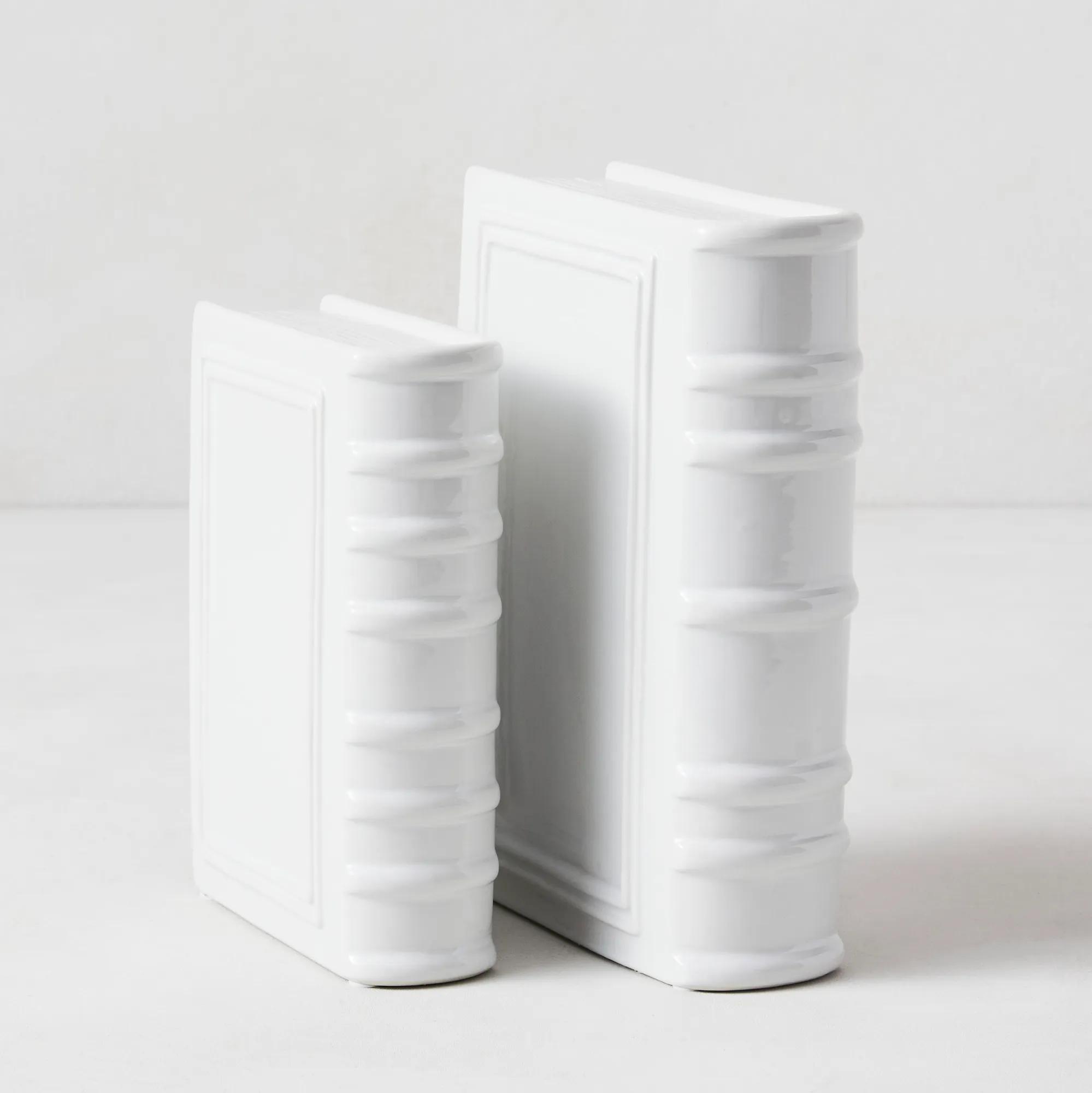
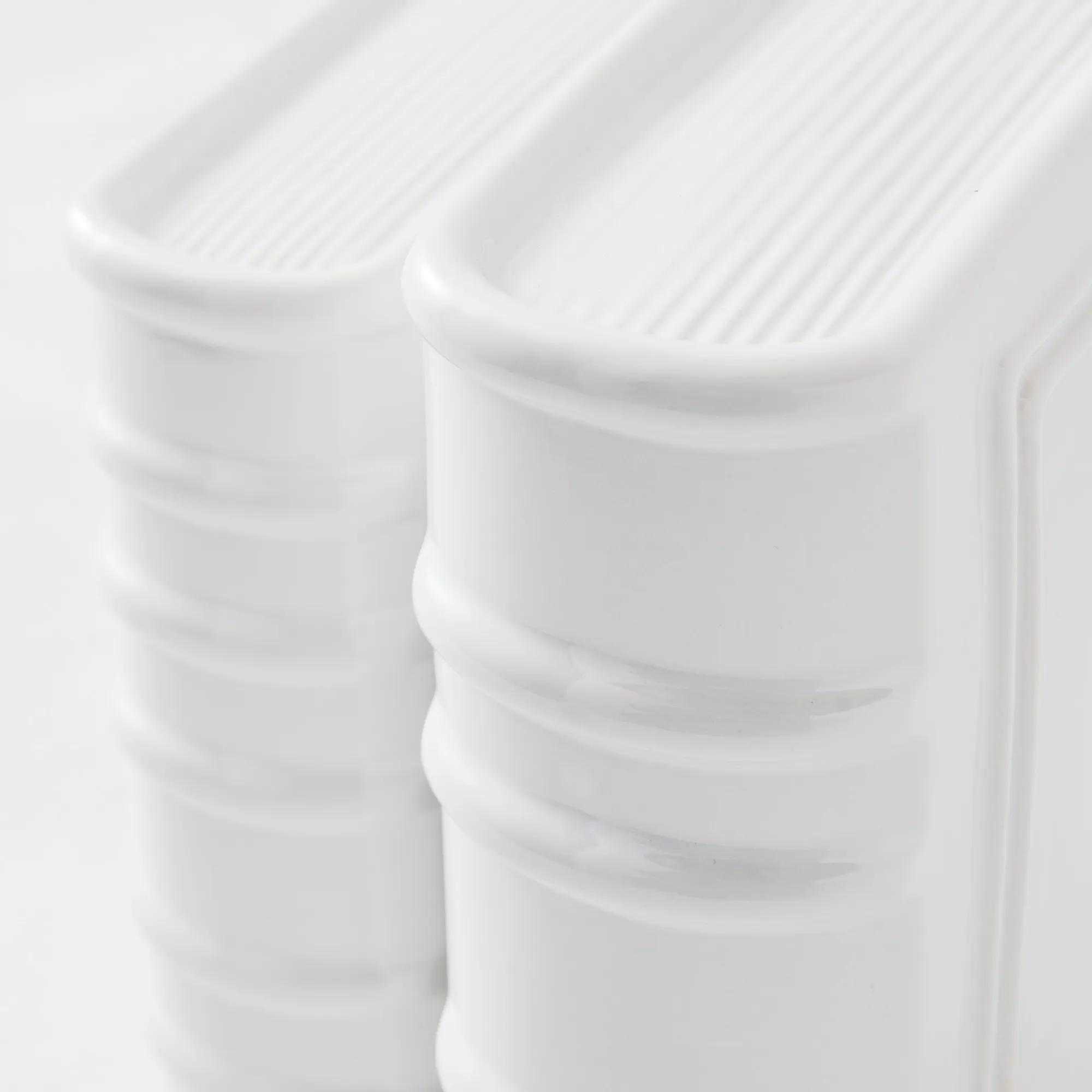 Ceramic Bookends - White$49
A pair of cream ceramic book accents that double as minimalist bookends or decorative console pieces.
Add To Cart -
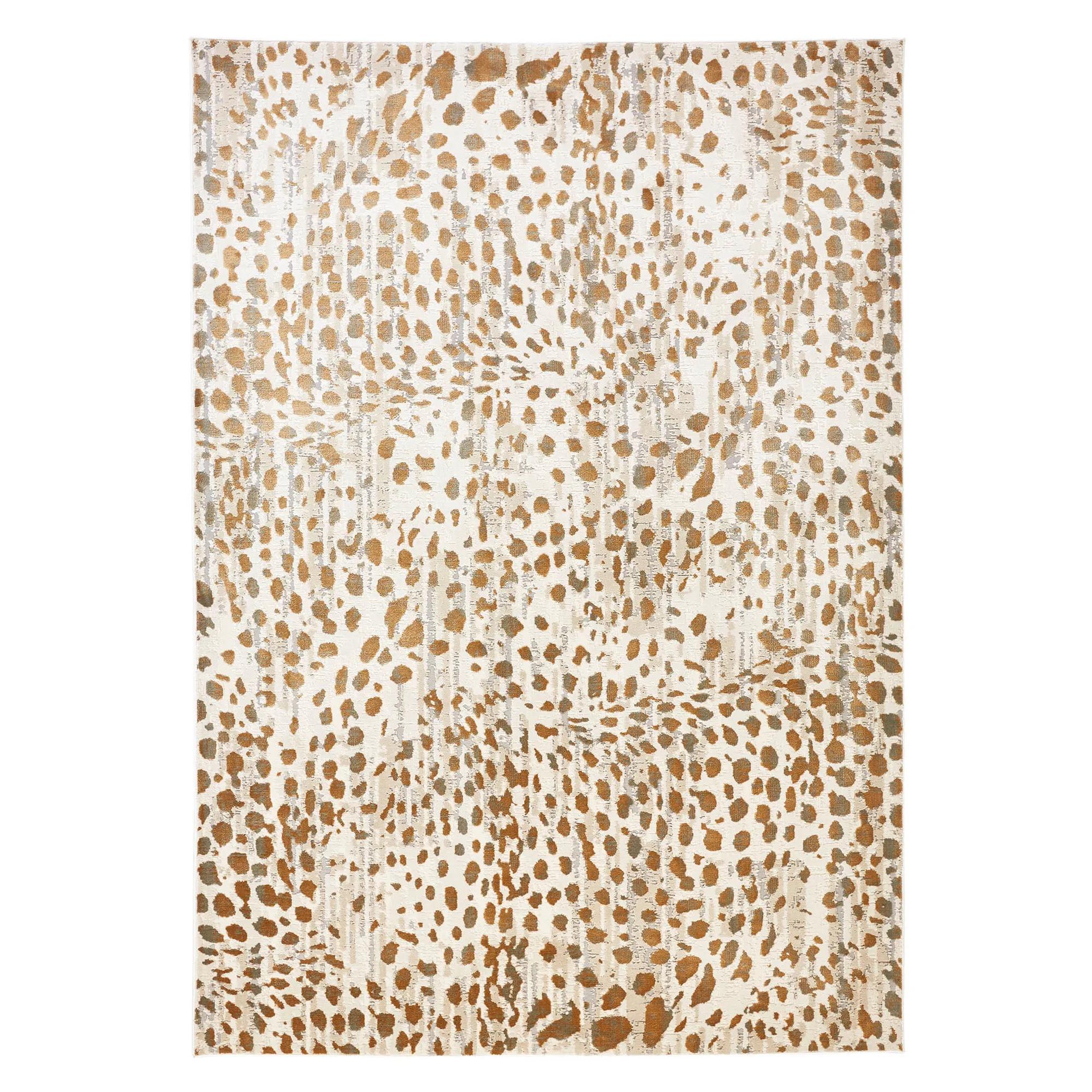
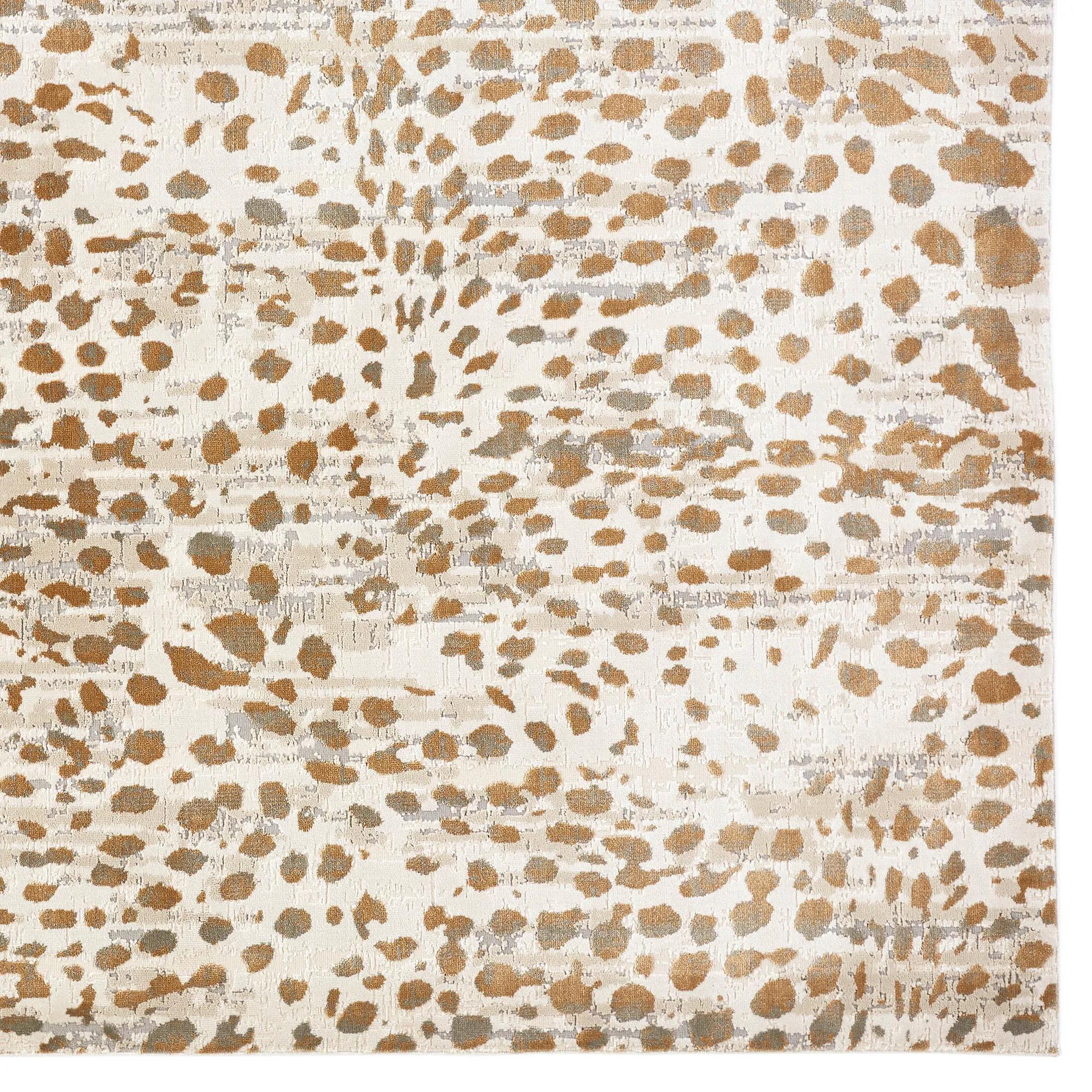 Amur Ivory/Natural Animal Print Power-Loomed Rug$399
A hand-tufted wool and viscose rug featuring a gold chain link design on neutral grey.
Add To Cart -
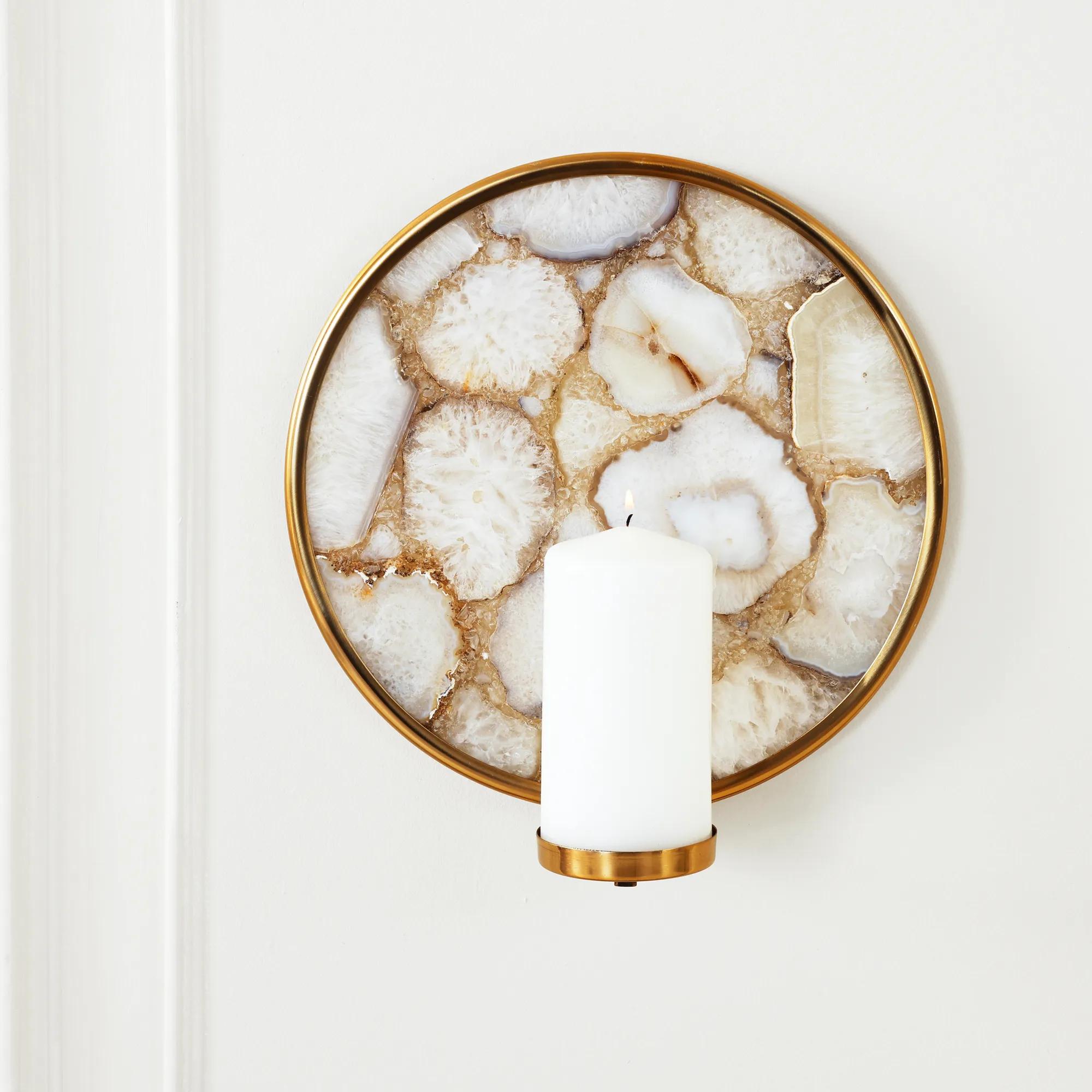 Diego Sconce$179
A neutral-toned agate sconce framed in gold, blending artistic elegance with functional lighting.
Add To Cart -
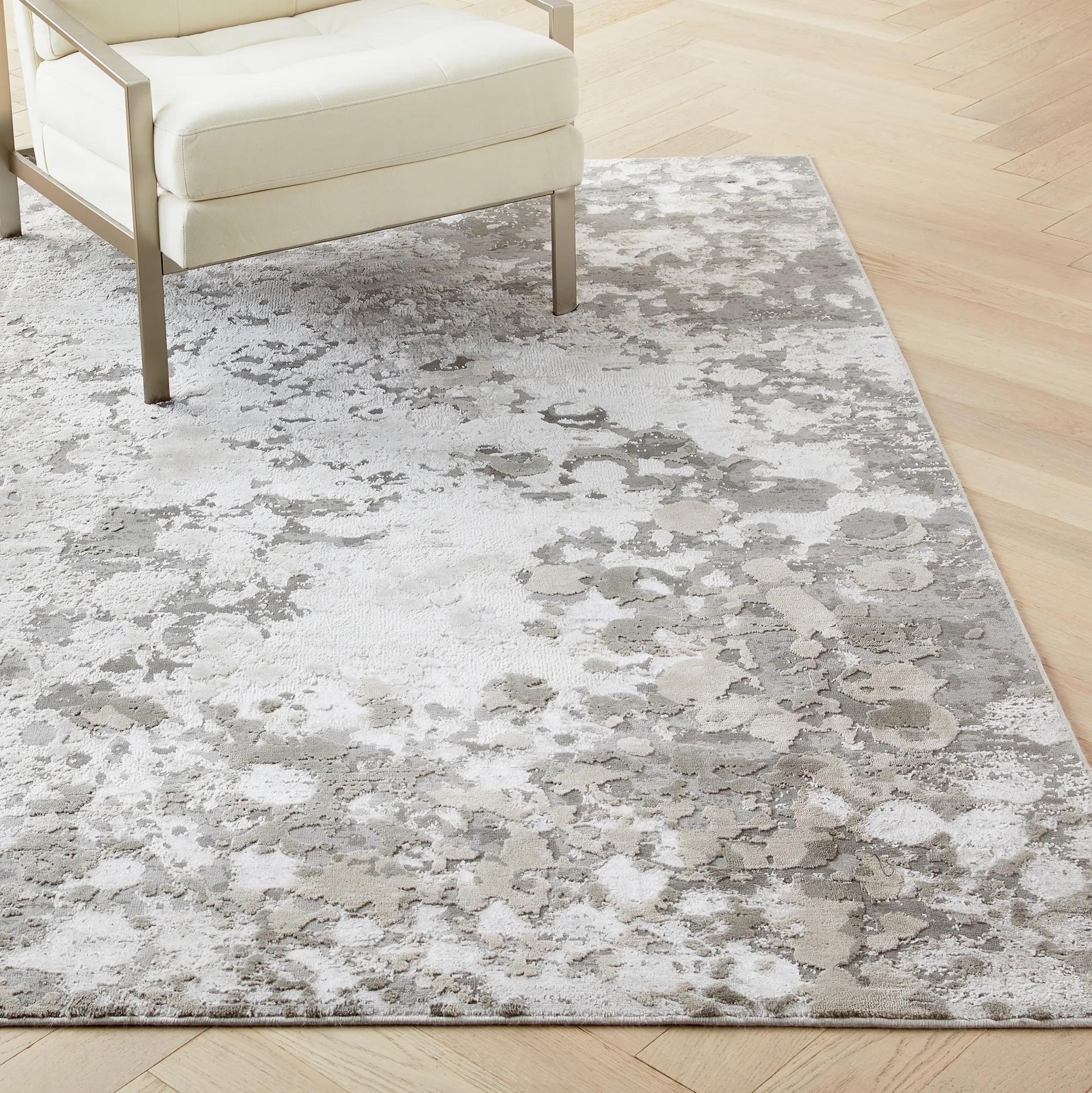 Mercury Power-Loomed Silver/Grey/Beige Rug$249
A neutral floor covering featuring a silver, grey, and beige palette with a textured polyester blend.
Add To Cart -
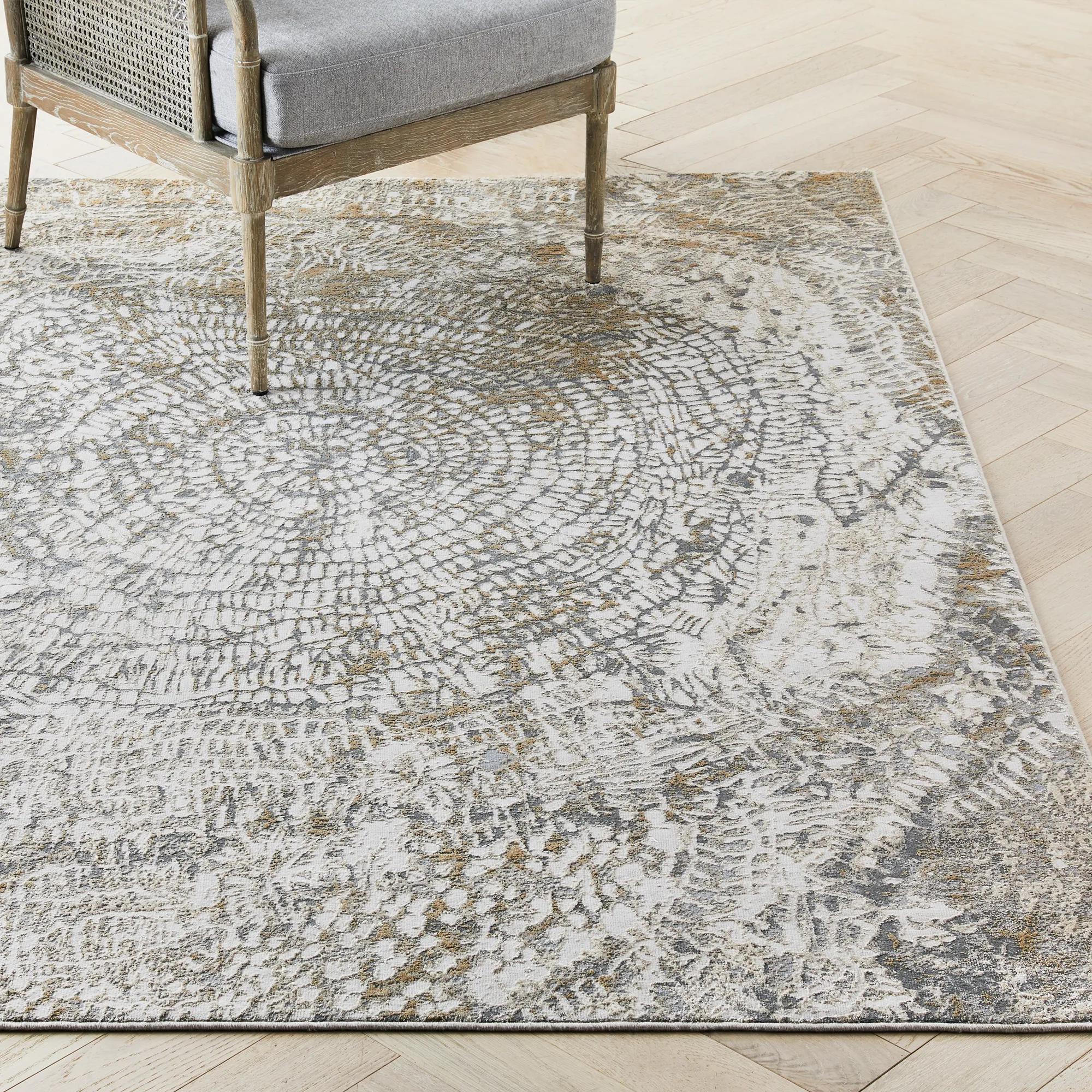 Nautilus Power-Loomed Silver/Grey/Natural Rug$999
A machine-woven ivory rug featuring subtle tonal variations and a durable polypropylene blend construction.
Add To Cart -
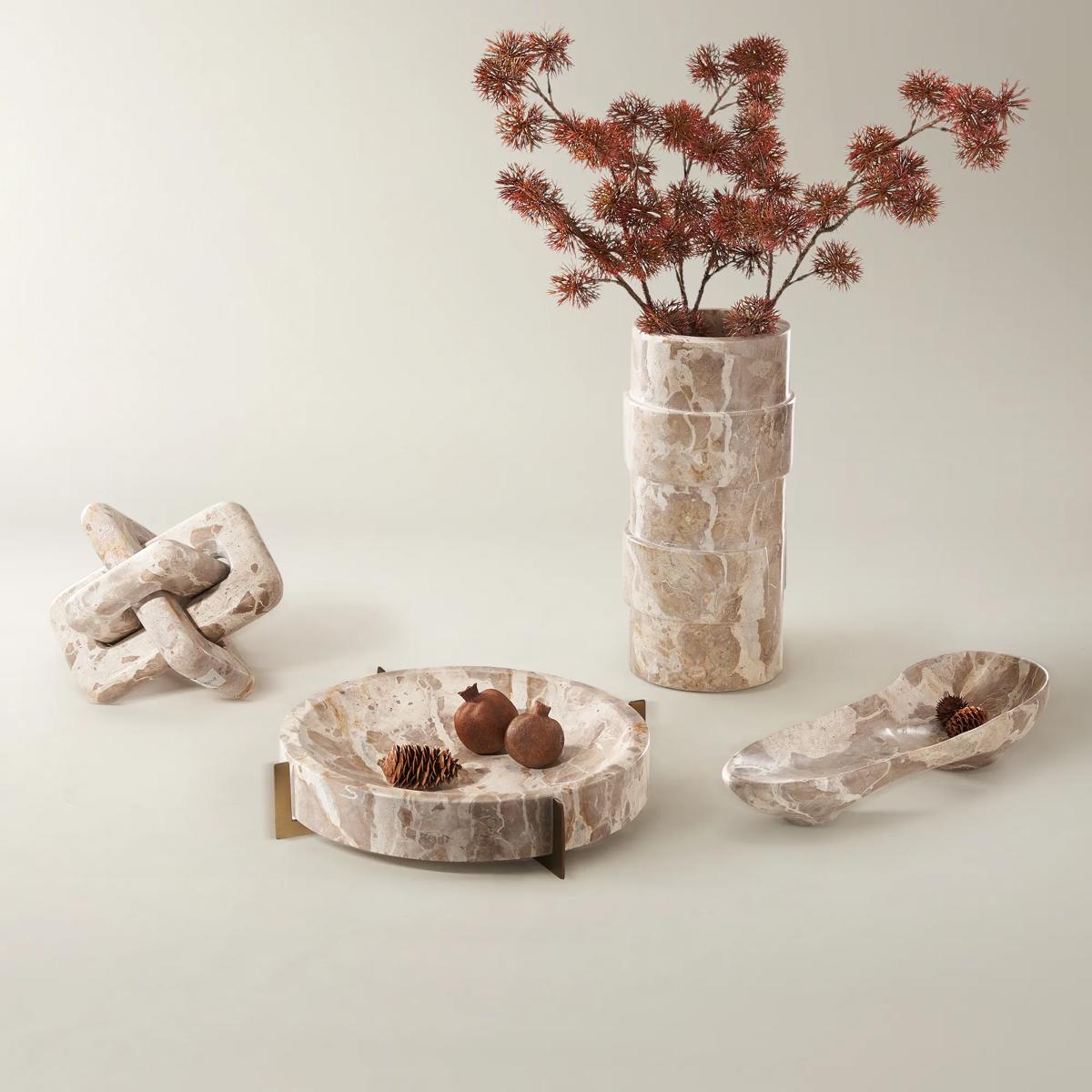
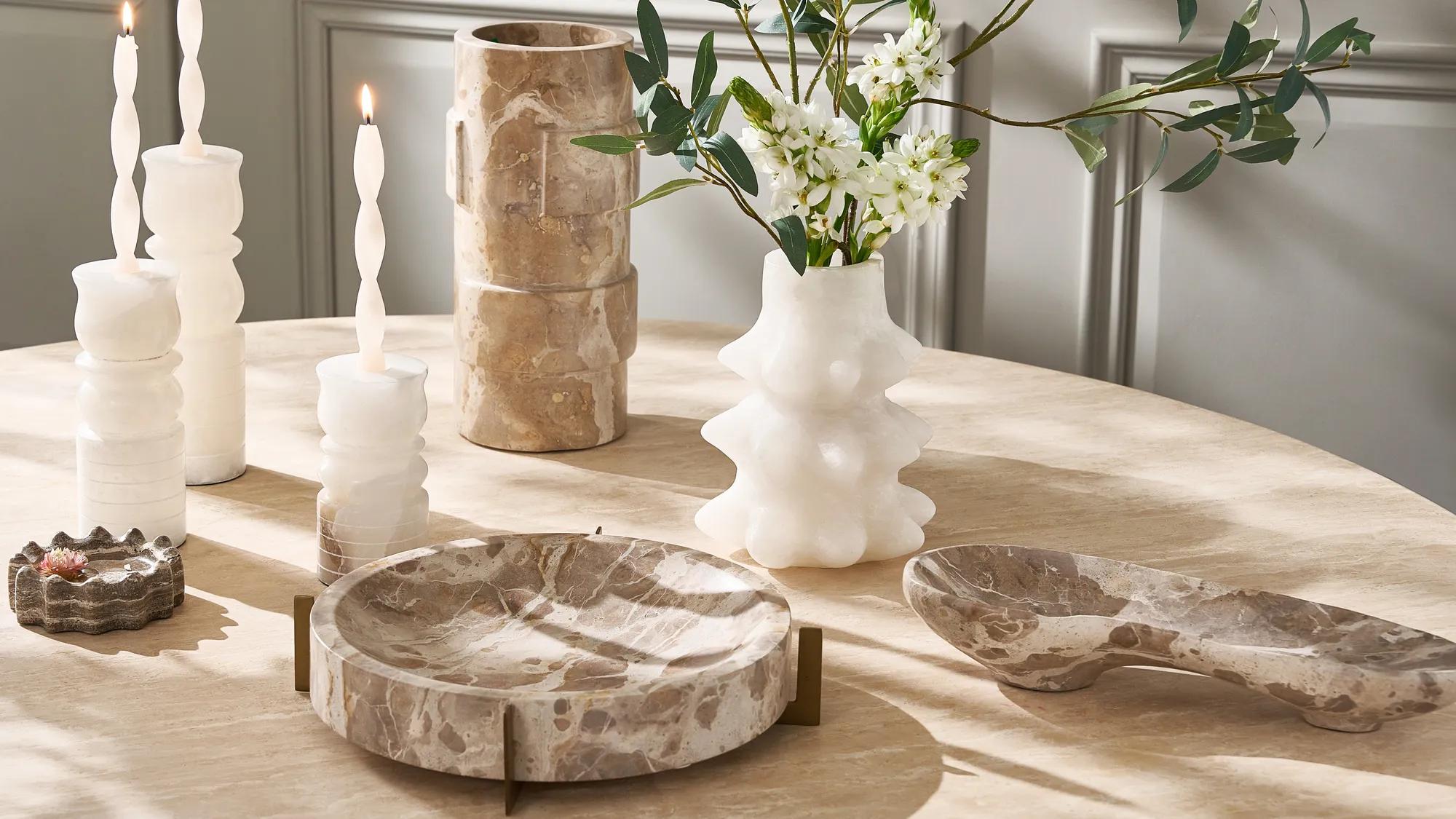 Neutral Marble Collection$109
A handcrafted marble decor collection featuring unique veining, natural neutral tones, and elegant metal accents.
Add To Cart -
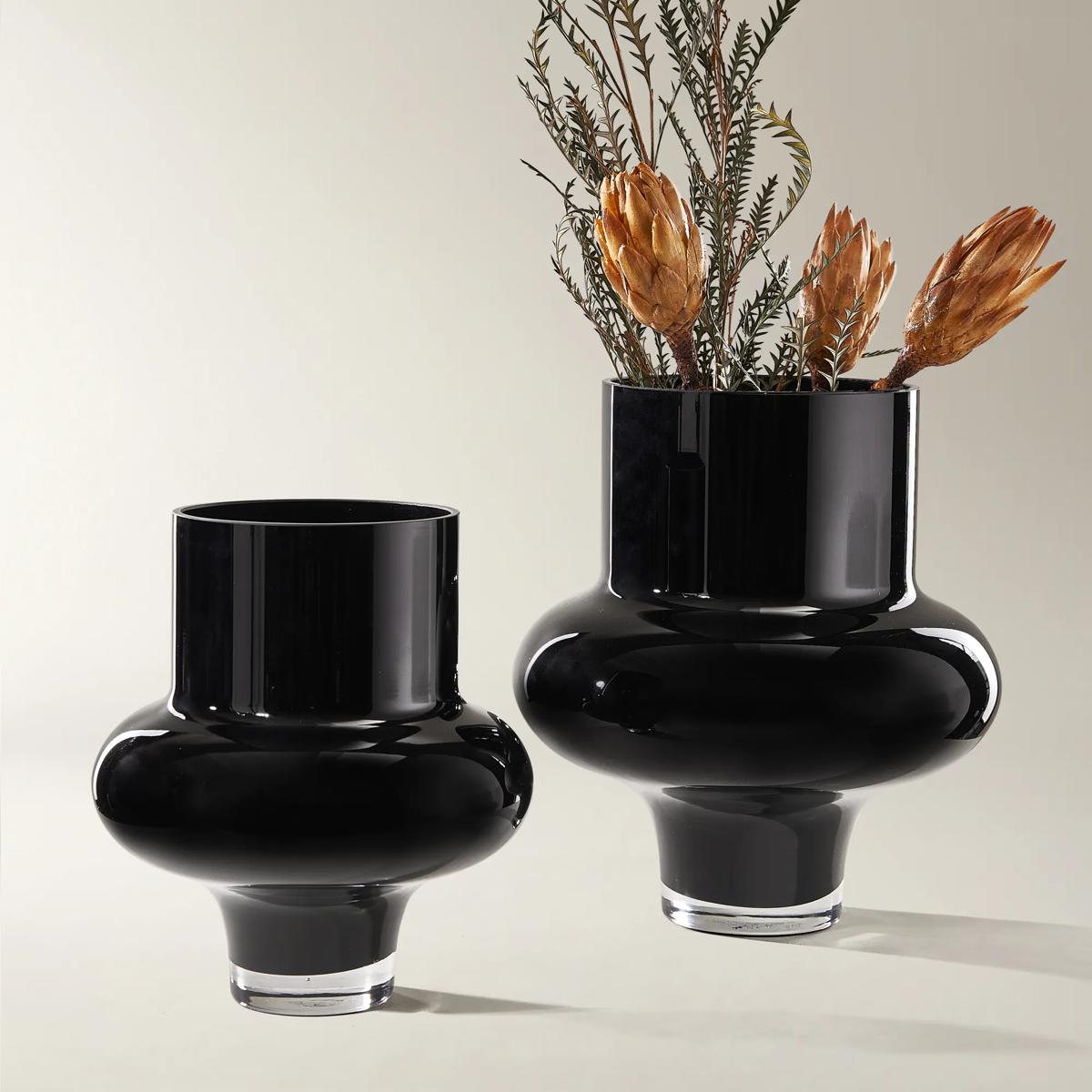
 Kors Glass Vase$69
A sculptural hand-blown black glass vase with a high-gloss finish and bold, curvaceous silhouette.
Add To Cart -
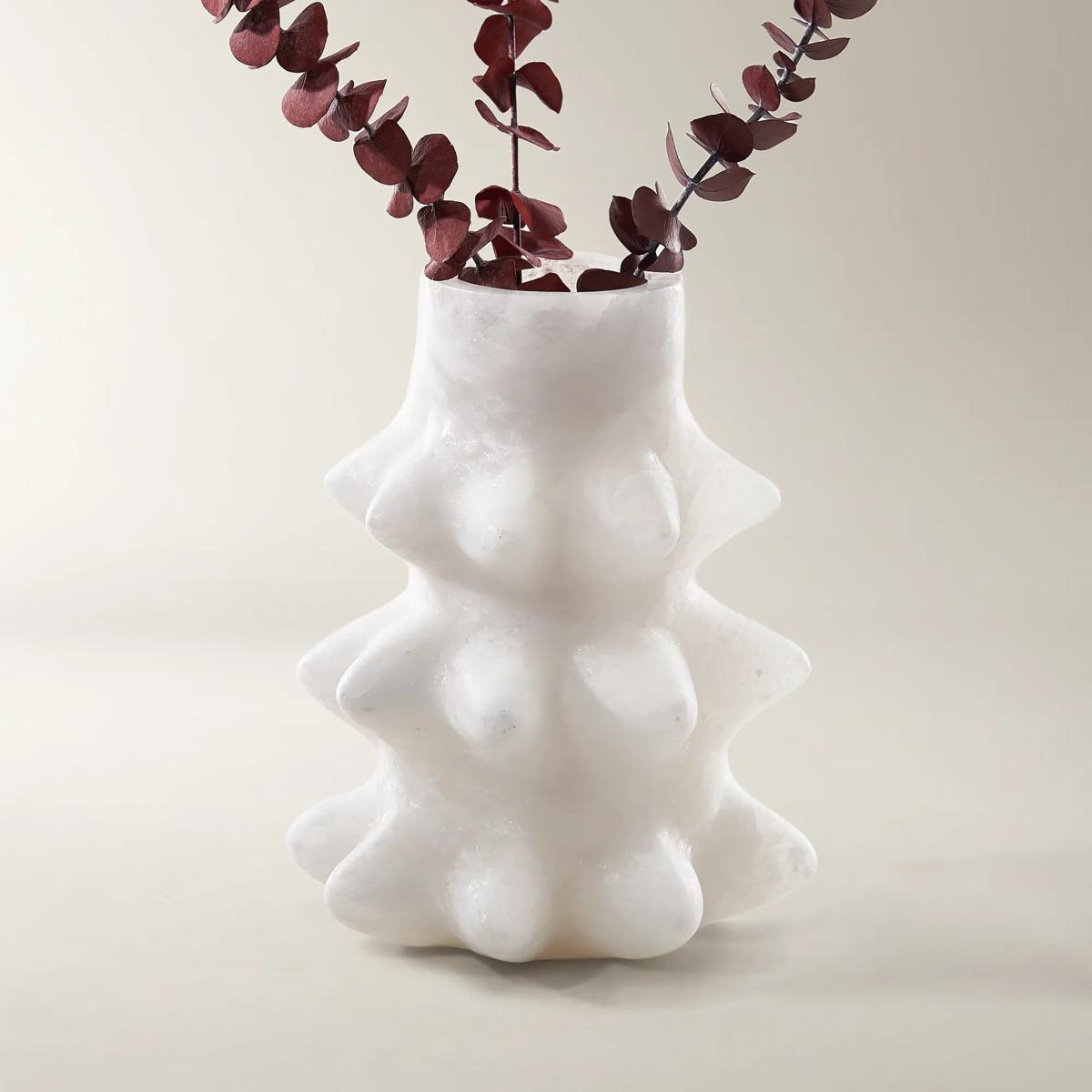 Alabaster Spike Vase$239
A sculptural white alabaster vase with bold spiked contours and naturally radiant veining.
Add To Cart -
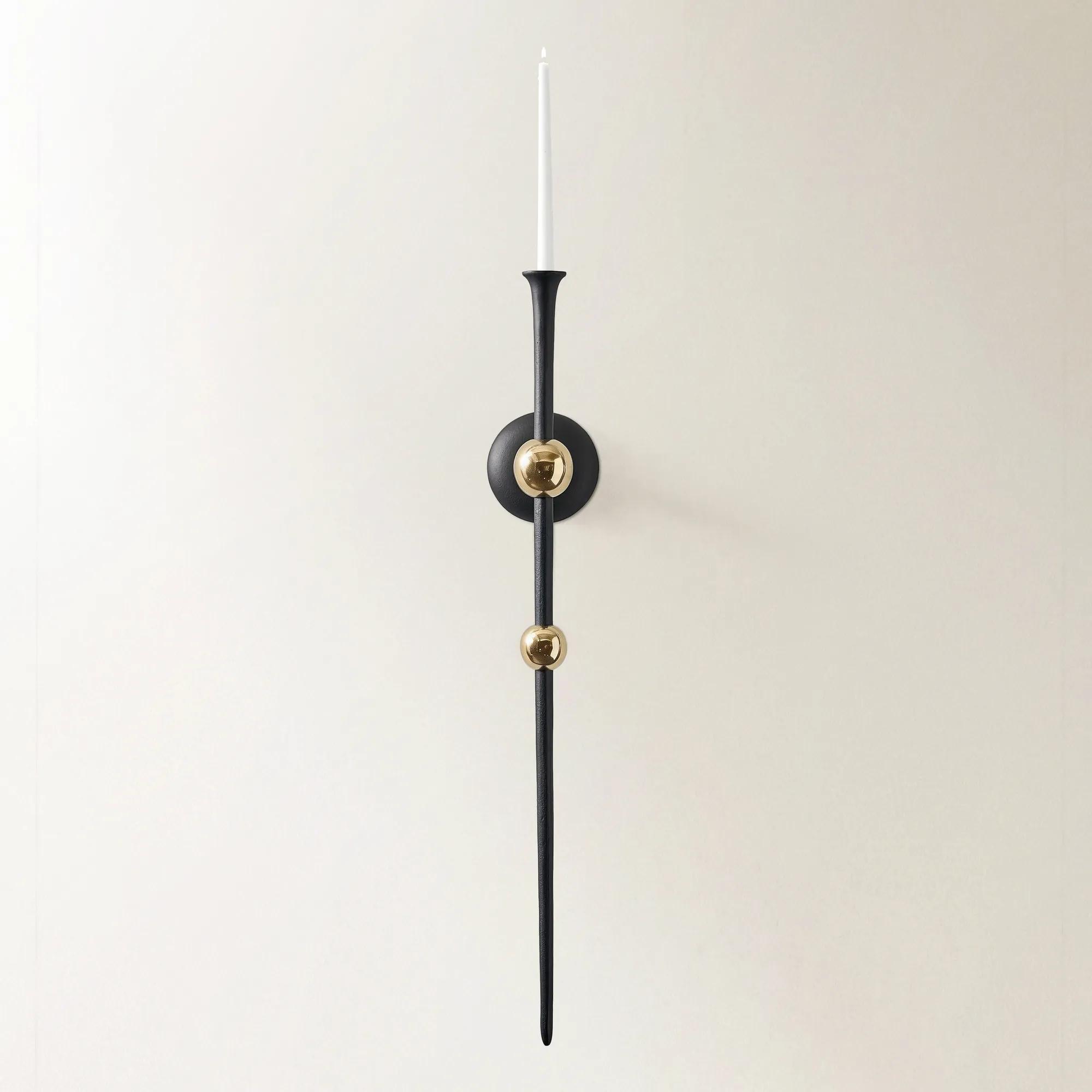 Aspar Soft Gold Bauble and Black Aluminum Candle Wall Sconce Large 33"$79
A sculptural aluminum wall sconce featuring a striking black finish with a soft gold bauble accent.
Add To Cart -
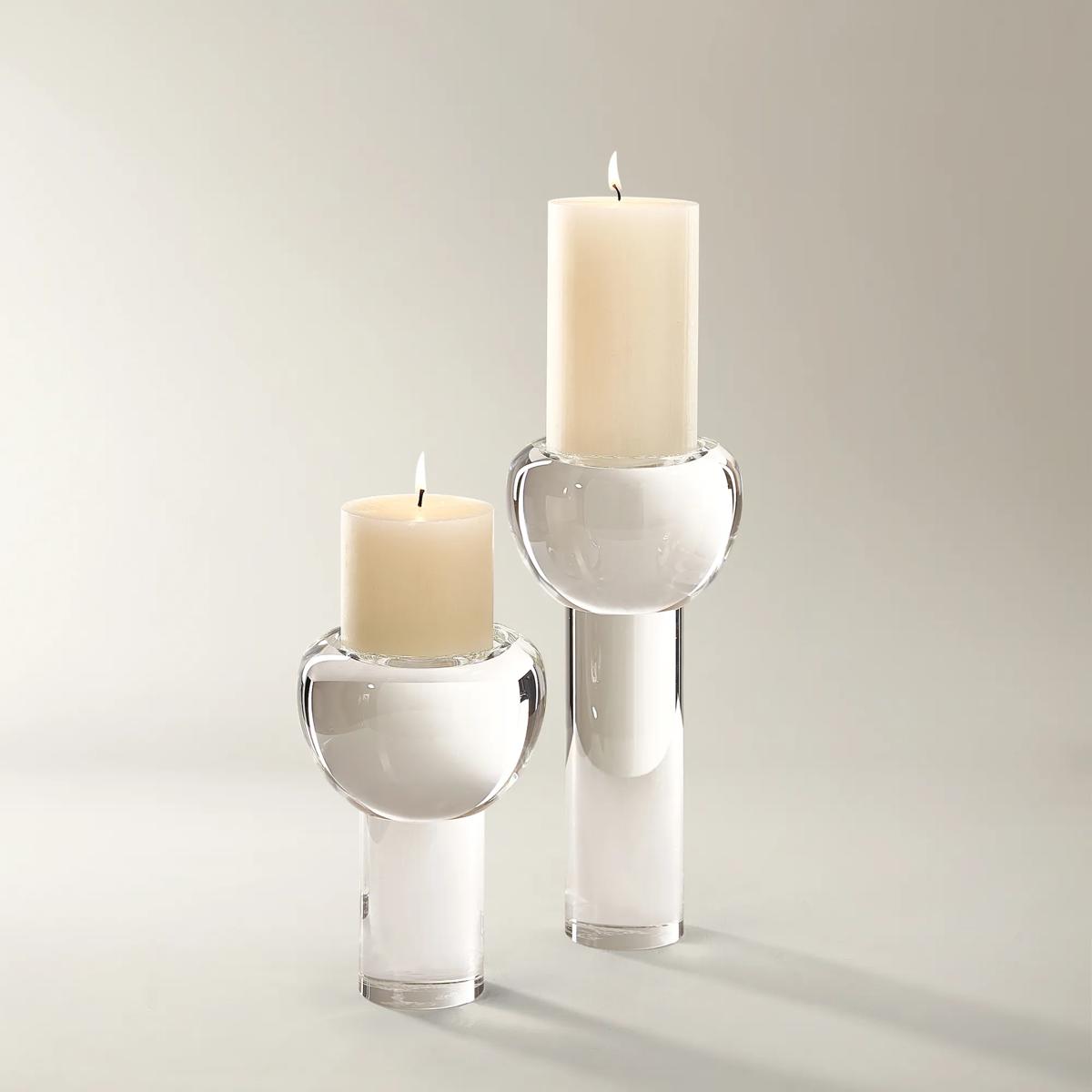
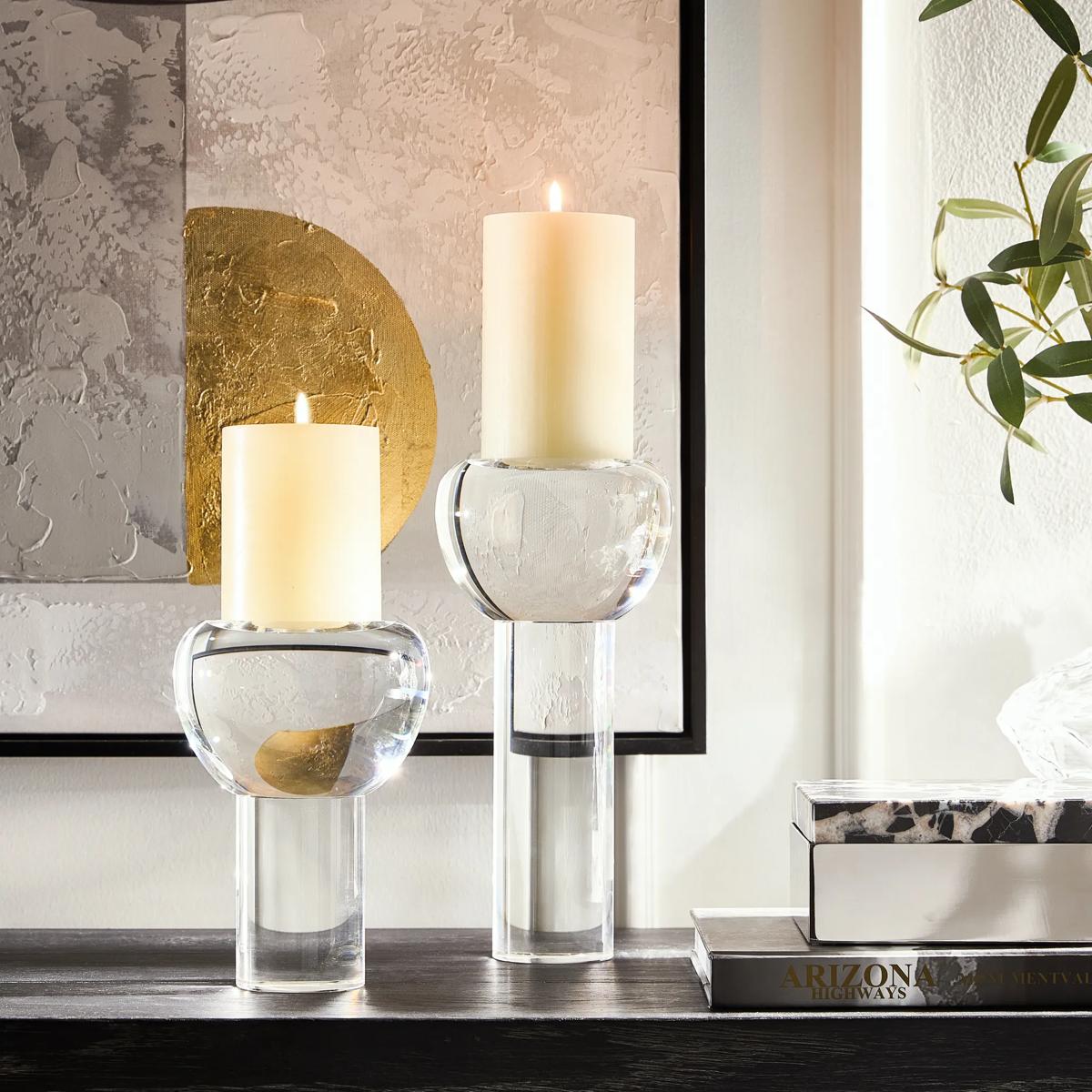 Serene Pillar Holder$99
A clear crystal glass holder that brings modern, sculptural elegance to your candlelight display.
Add To Cart -
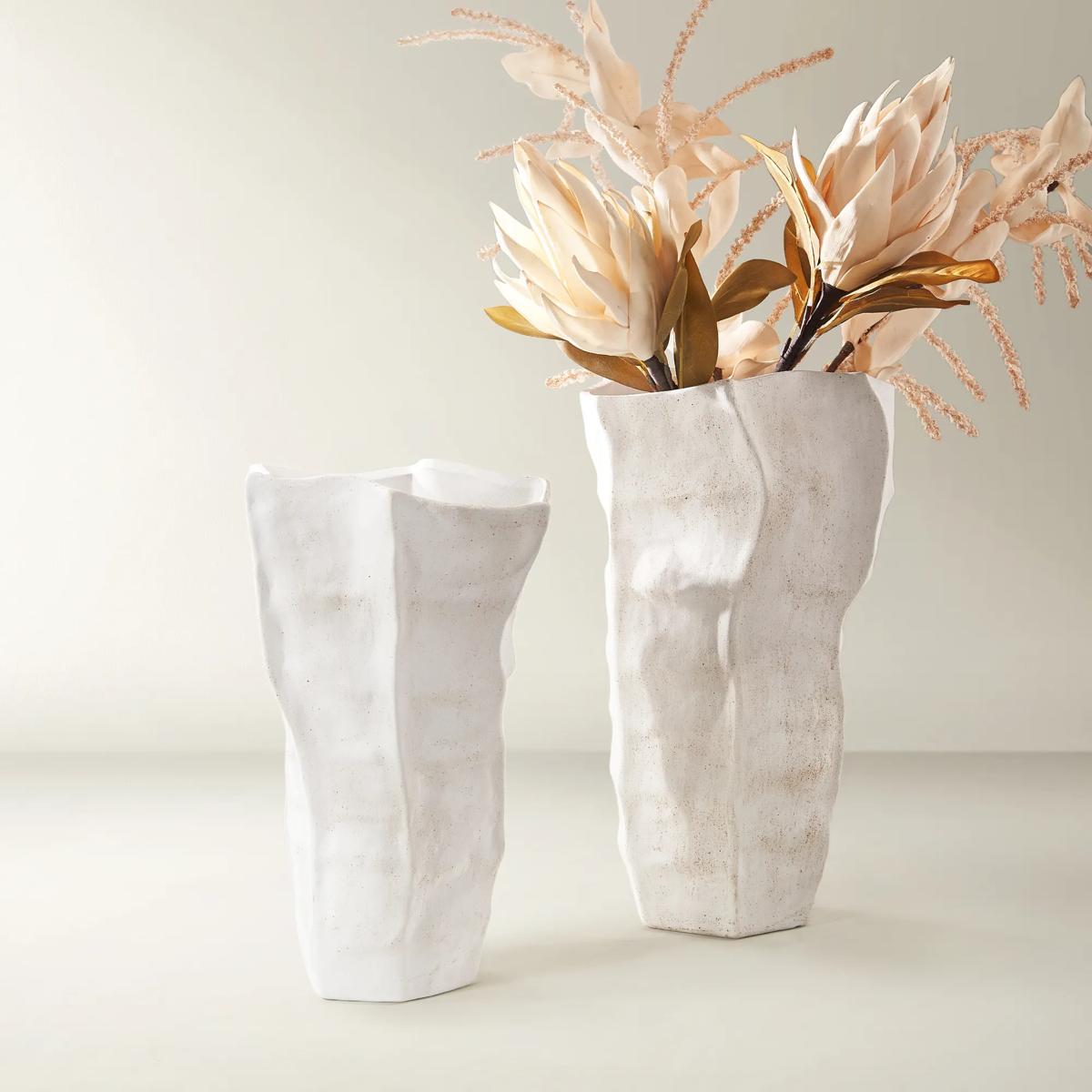 Kira Porcelain Vase$139
A sculptural matte white porcelain vase with fluid, faceted curves and a soft, textured finish.
Add To Cart -
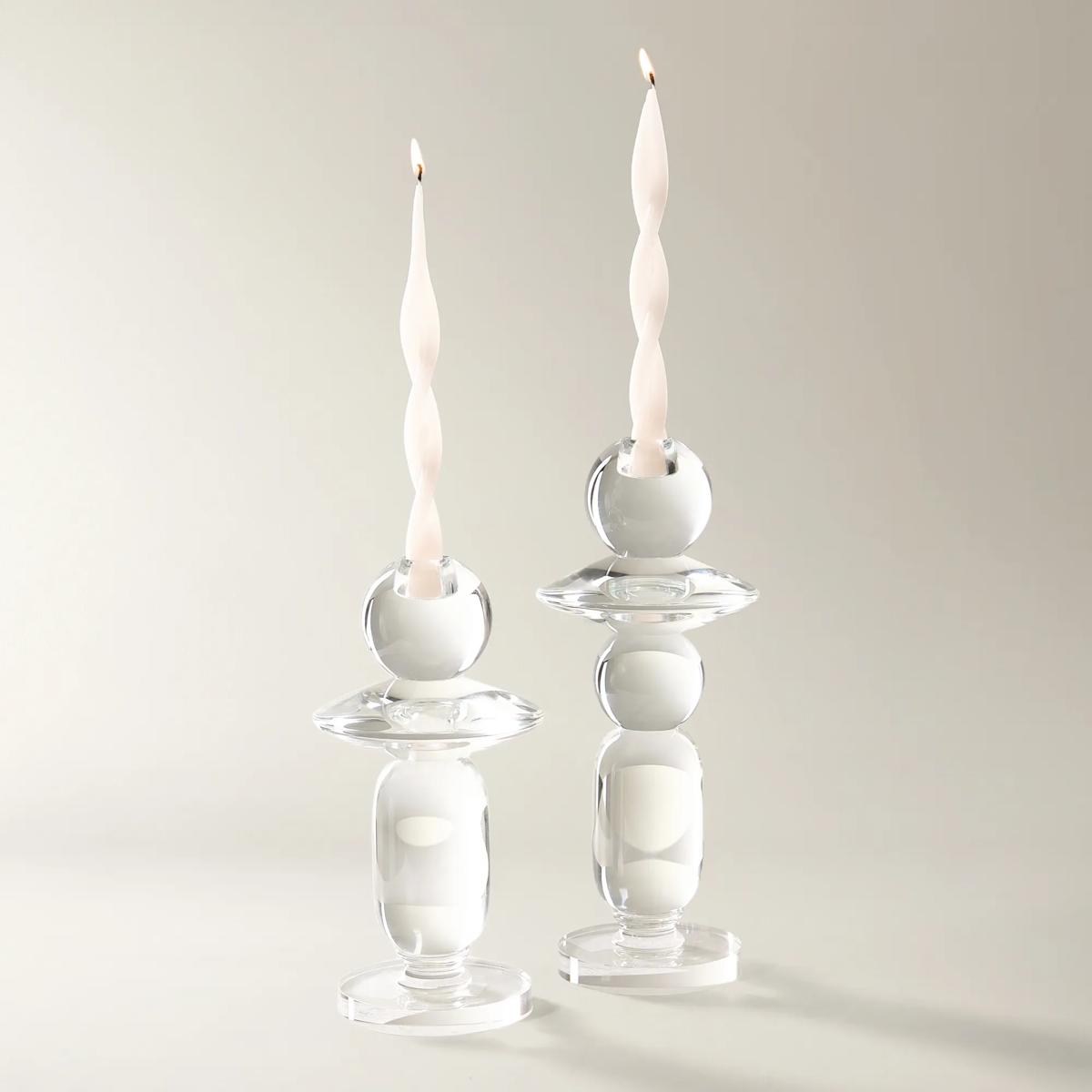
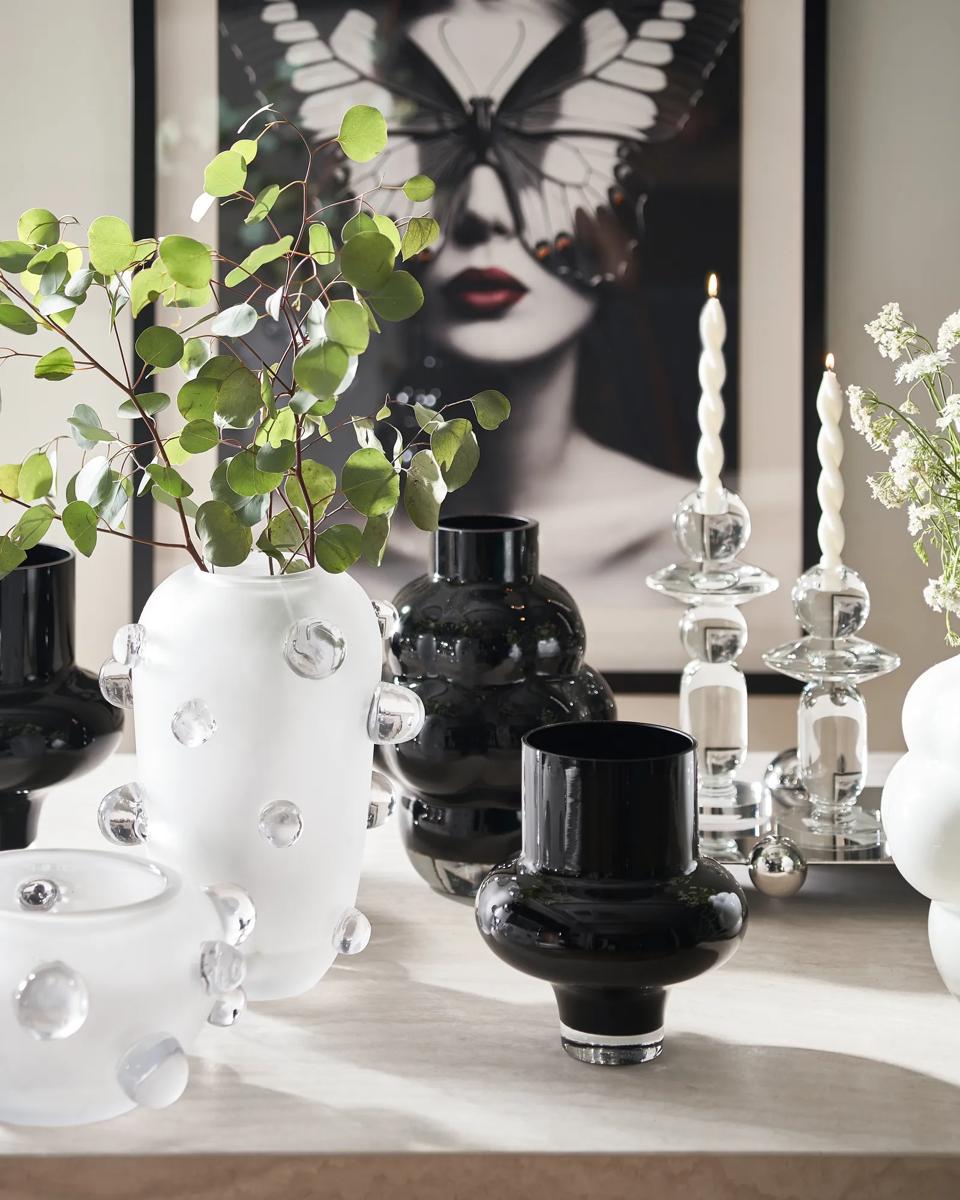 Pela Taper Holder$99
A sculptural taper holder crafted from clear crystal glass, adding luminous modern elegance to any décor.
Add To Cart -
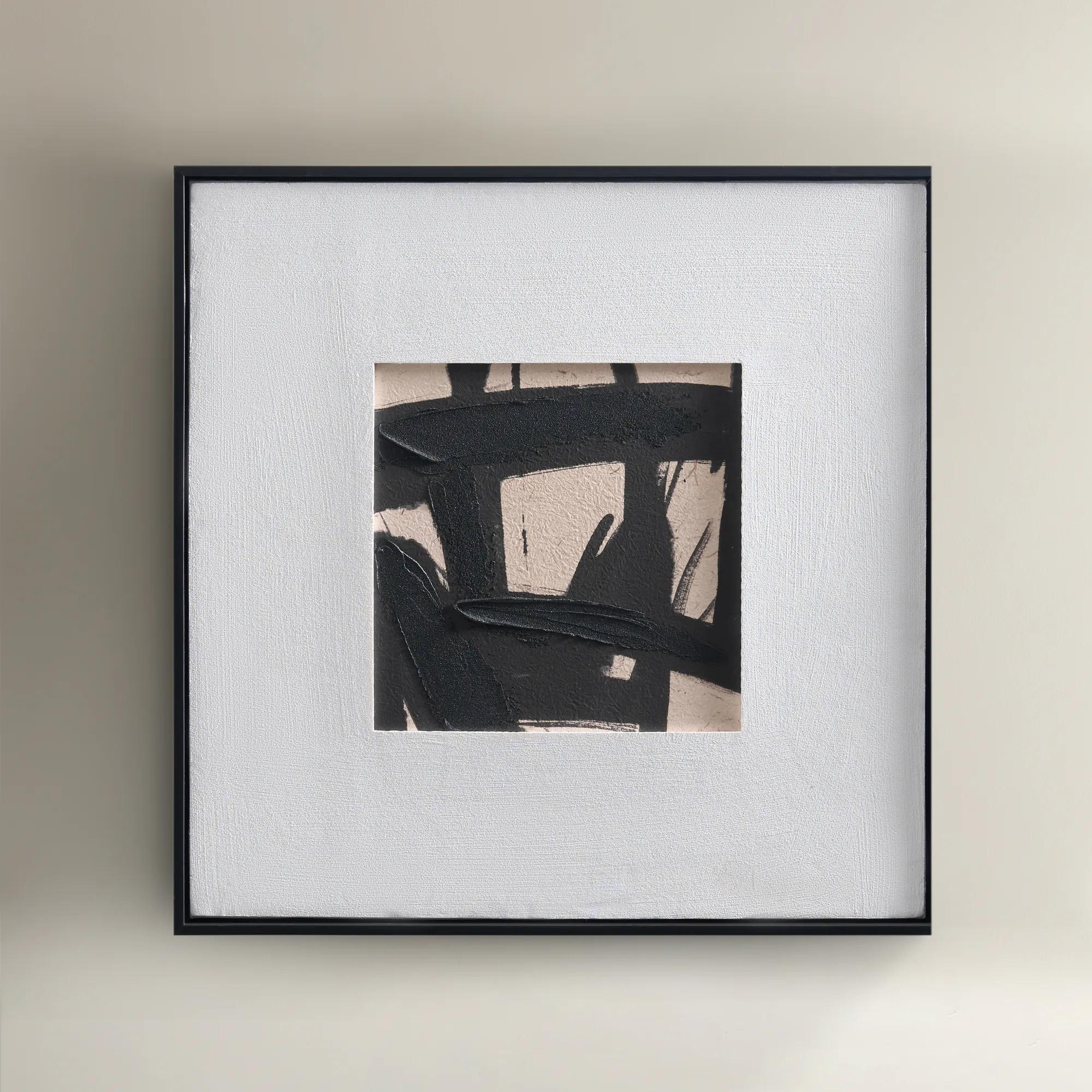
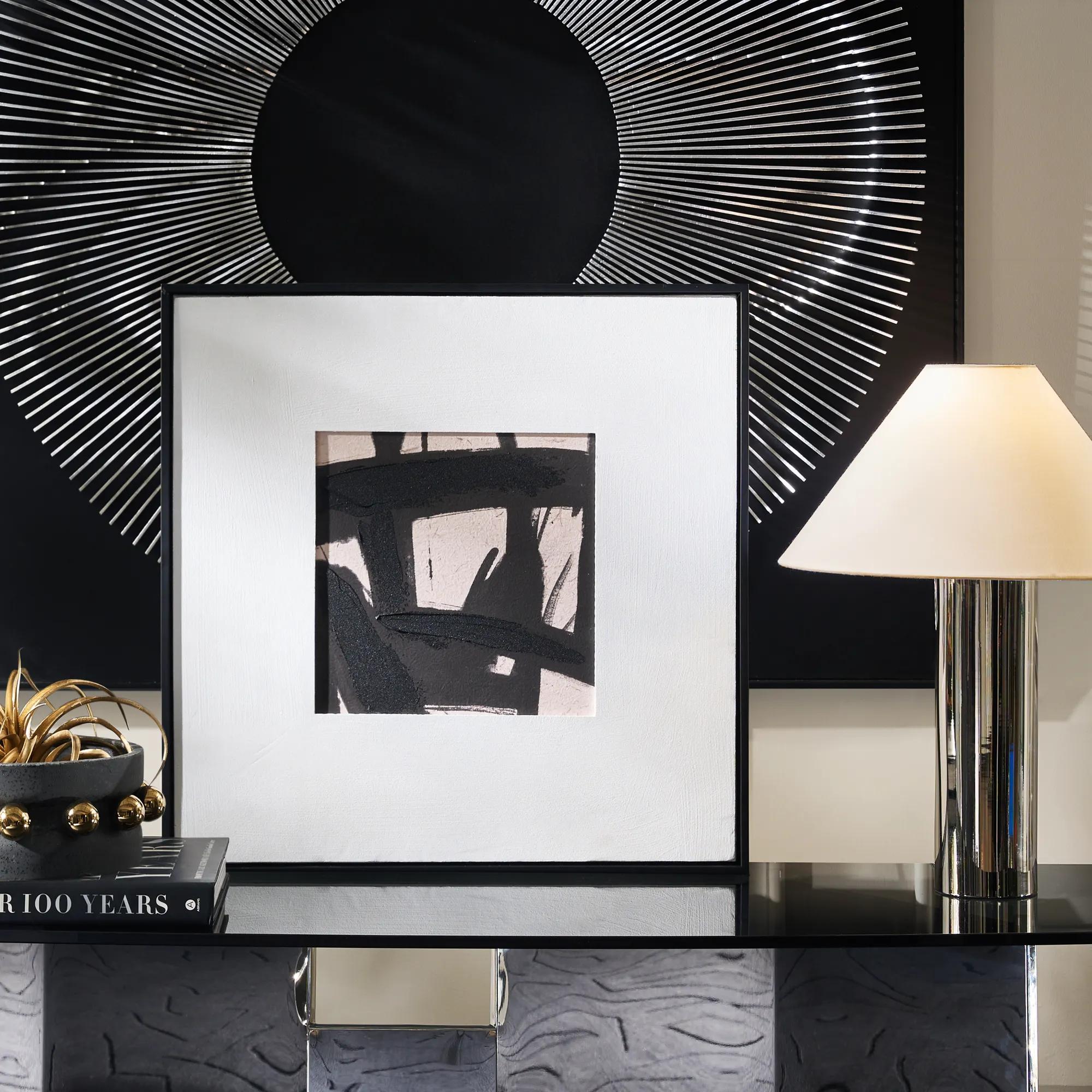 Ink Maze Painting$89
A hand-painted canvas featuring bold black and beige contrasts, set in a sleek black floater frame.
Add To Cart -
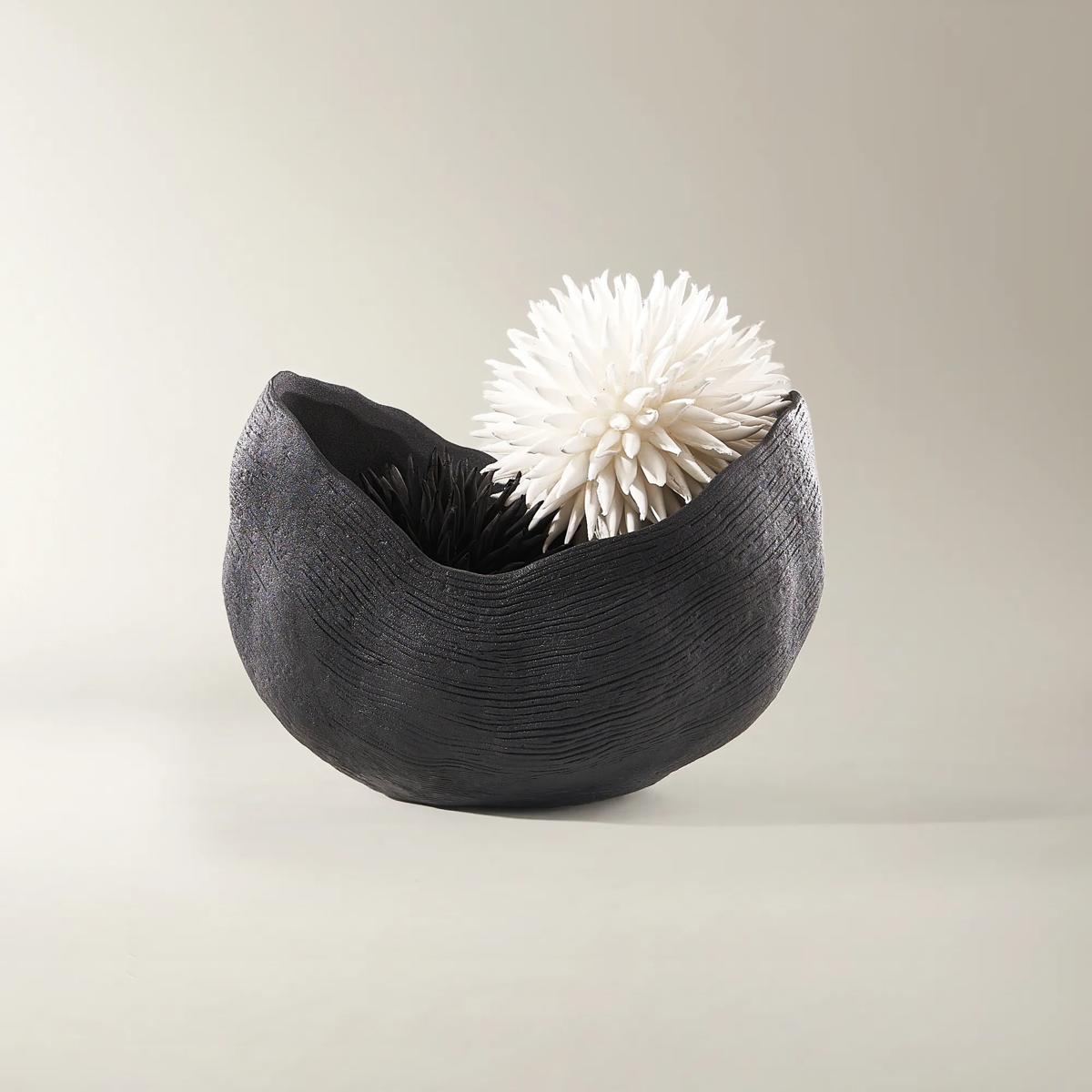 Baz Bowl - Black$119
A sculptural black porcelain bowl with a matte, ridged texture for bold, modern decor accents.
Add To Cart -
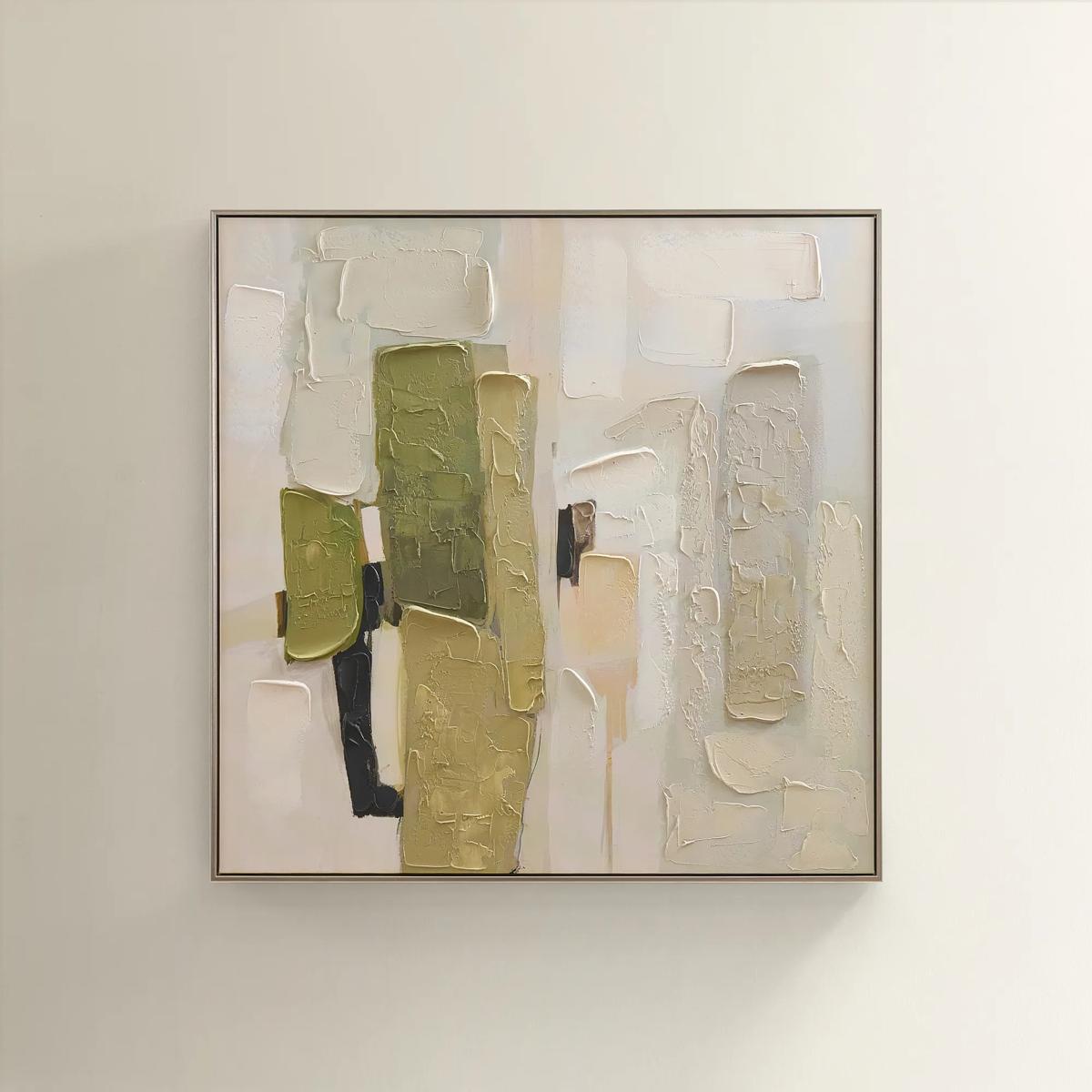 Verde Crush Framed Painted Wall Art 39.25" x 39.25"$349
A hand-painted abstract canvas featuring rich green tones, layered neutrals, and a champagne floater frame.
Add To Cart -
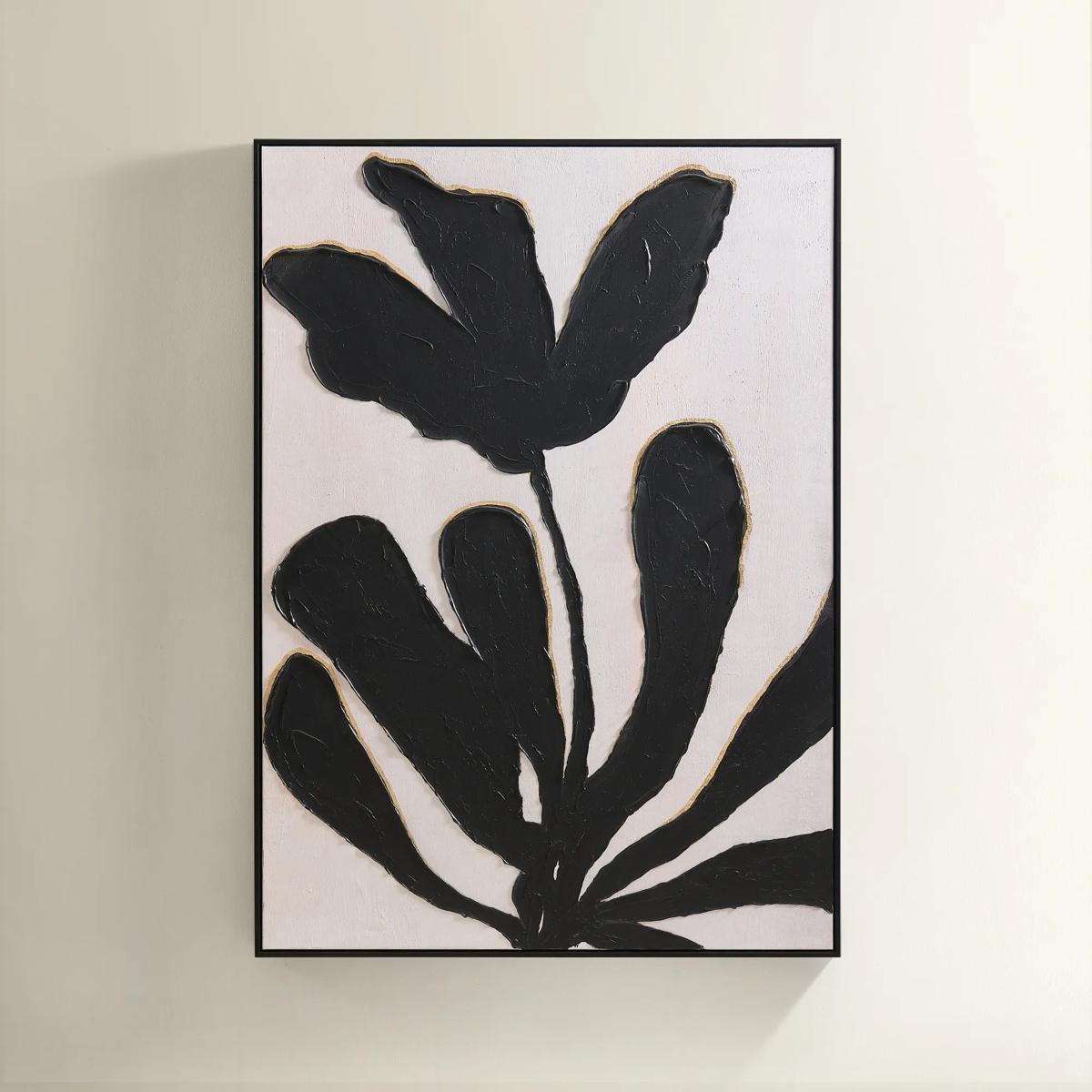
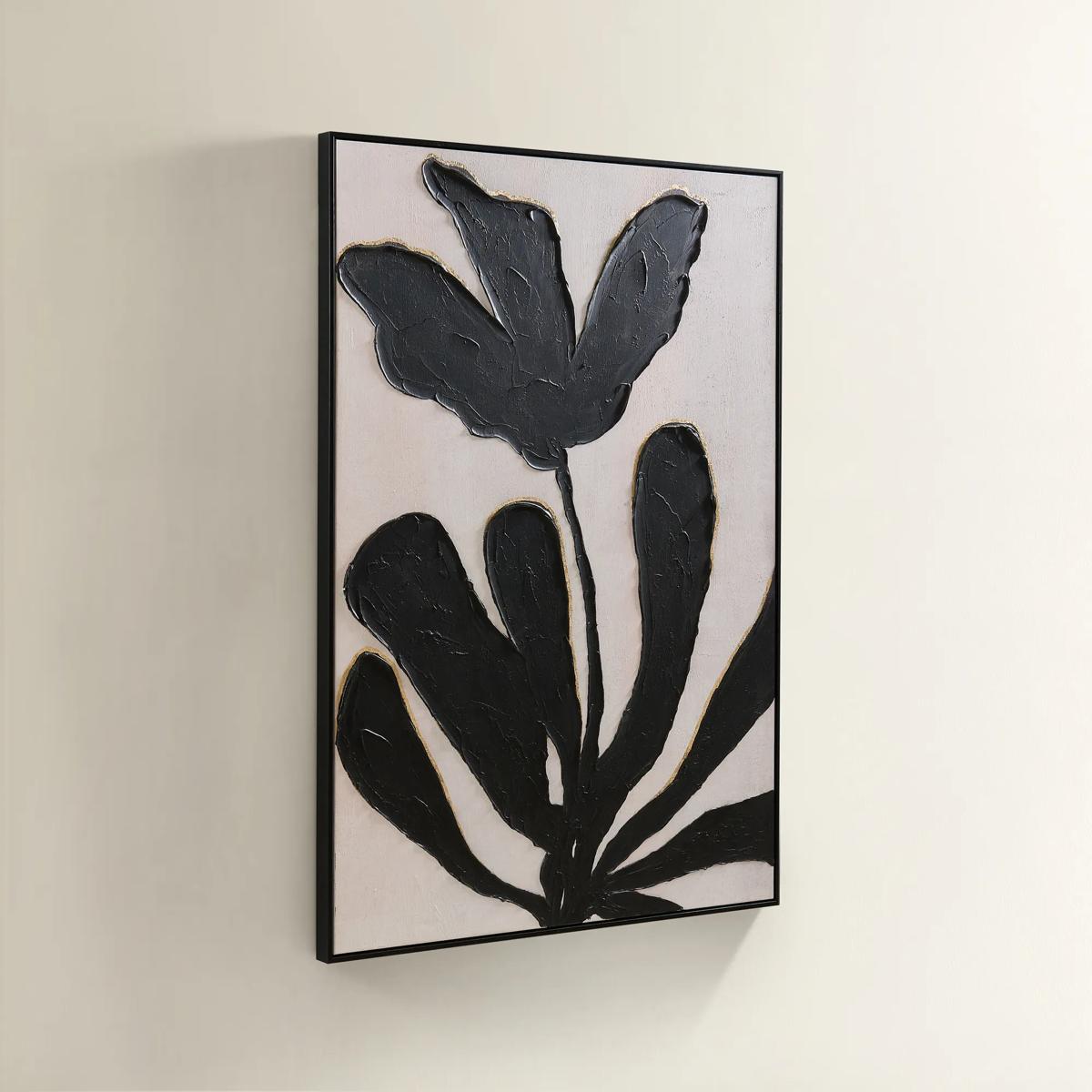 First Bloom Framed Painted Wall Art 39.25" x 55"$499
A hand-painted canvas featuring black abstract leaves and gold leafing on an ivory background in a black frame.
Add To Cart -
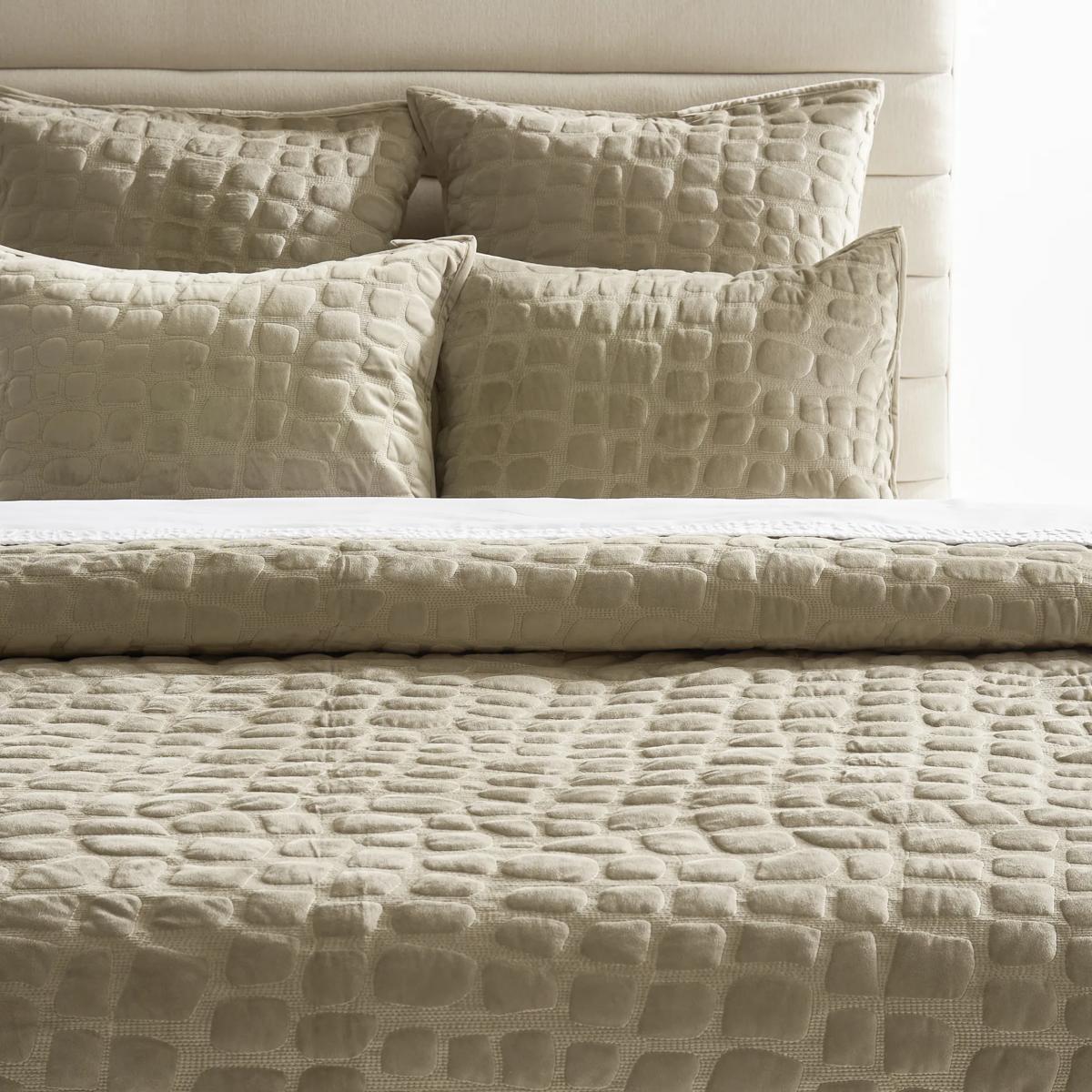
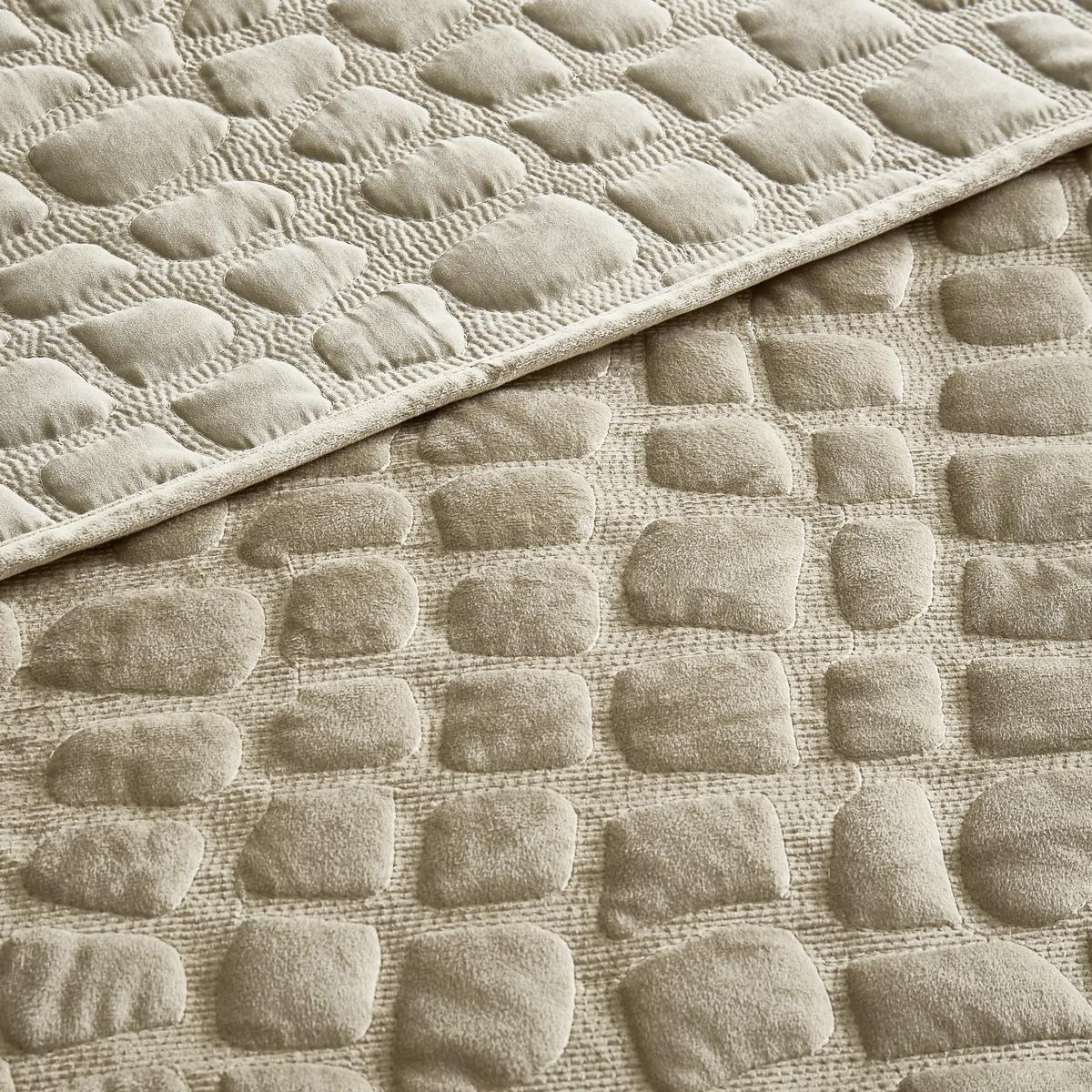 Valen Velvet Quilt Set - Sand$229
A plush sand velvet quilt set featuring a croc-embossed pattern and tailored piped edges.
Add To Cart -
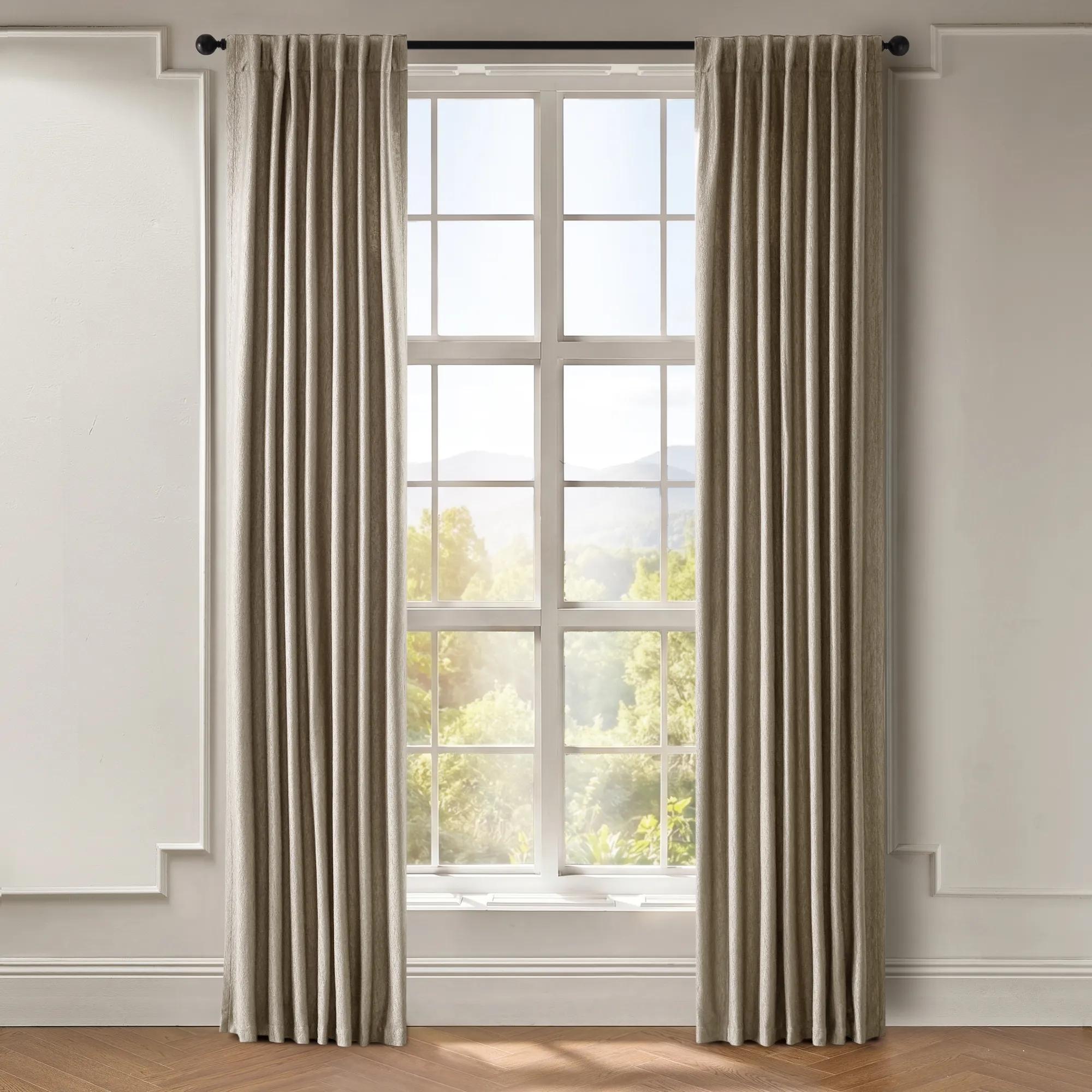
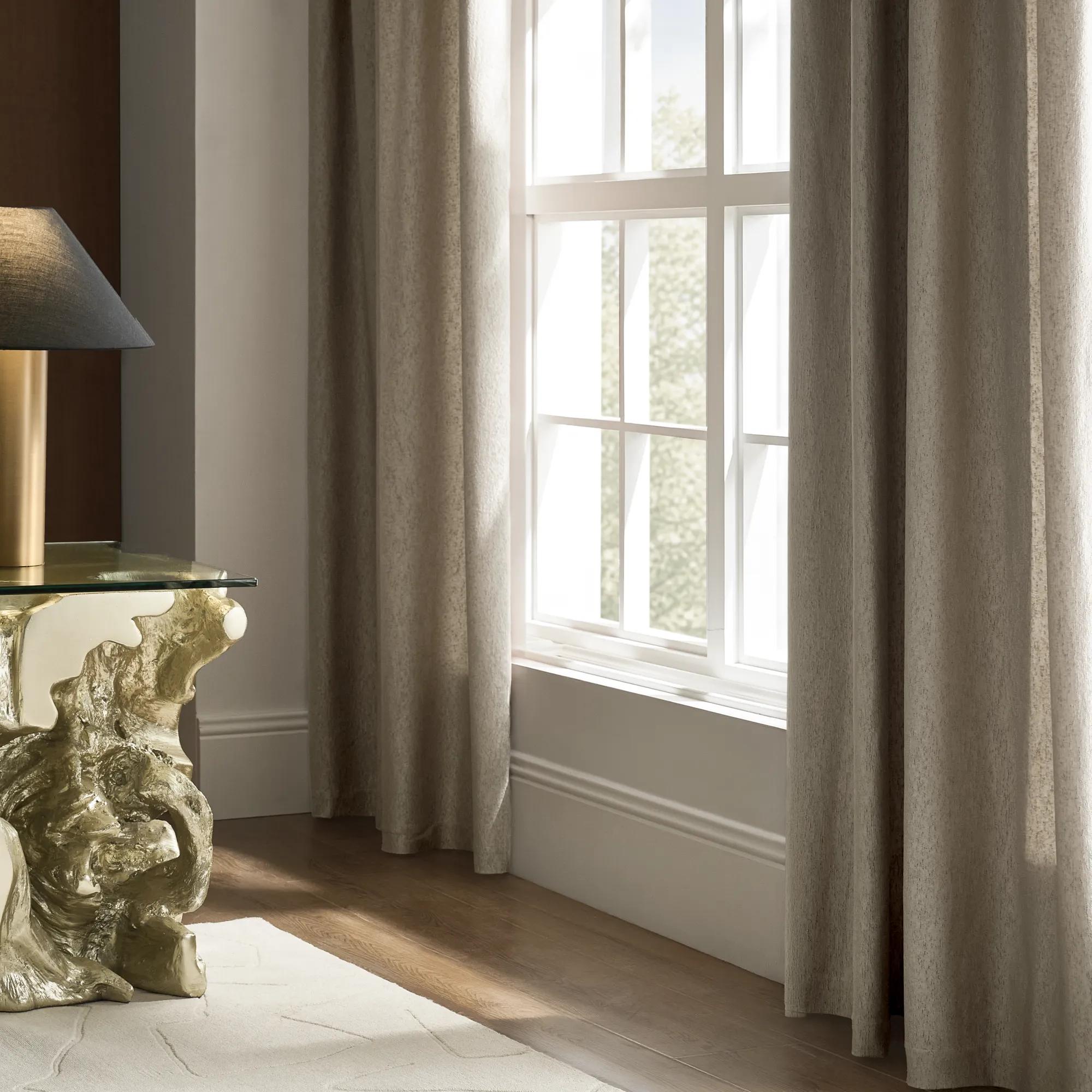 Anson Taupe Textured Window Curtain Panel$99
A taupe polyester curtain panel featuring a crushed sheen texture and versatile room-darkening design.
Add To Cart -
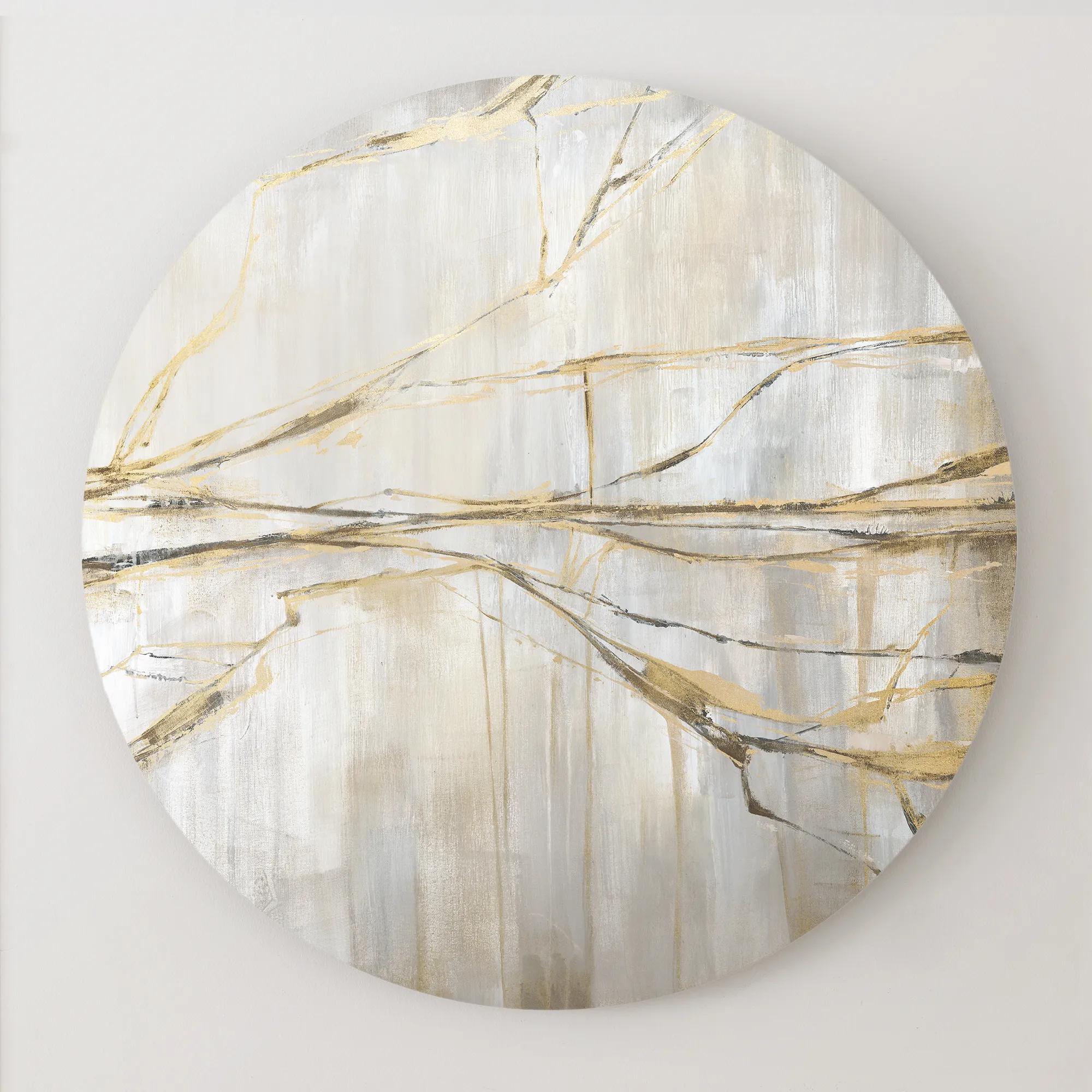
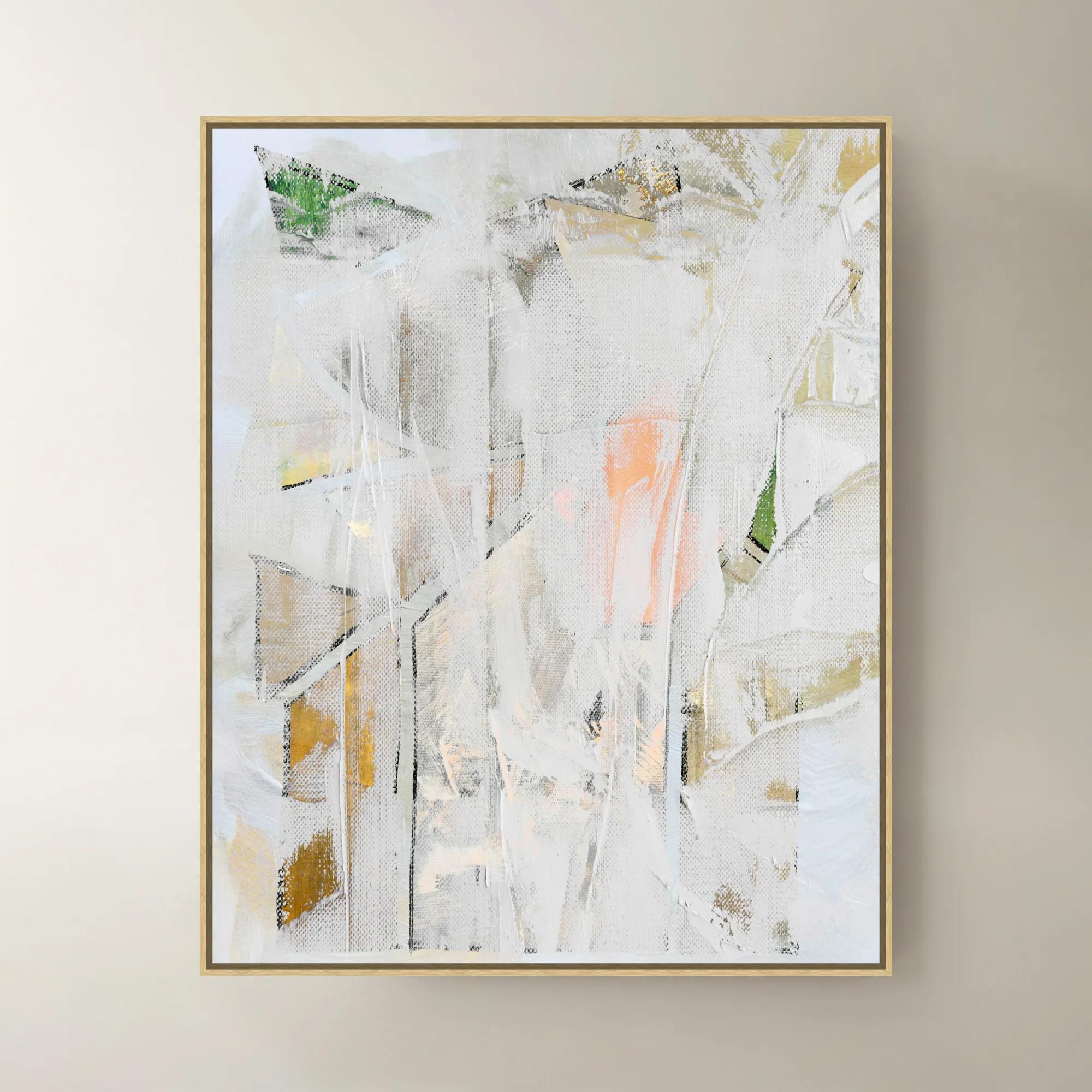
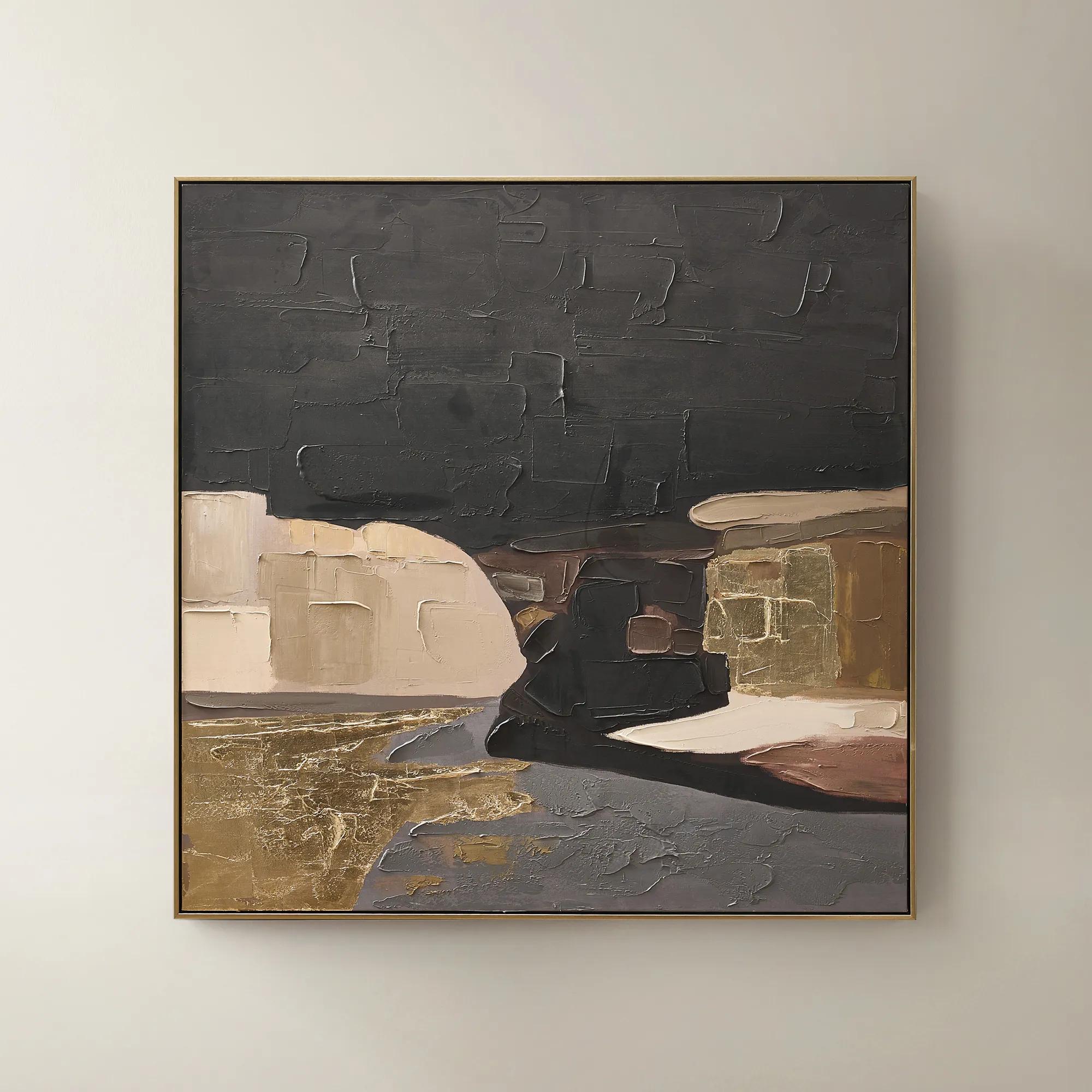 Obscured Light Framed Gold Leaf Painted Wall Art 48" x 48"$499
A hand-painted canvas with gold leaf accents and a black-gold frame in dramatic neutral tones.
Add To Cart -
.jpeg?w=1200&h=1200)
 Mabel Natural Velvet Swirl Window Curtain Panel$99
Mabel Natural Velvet Swirl Window Curtain Panel$99A warm neutral velvet curtain with a tonal swirl pattern, offering room-darkening privacy and versatile hanging options.
Add To Cart -
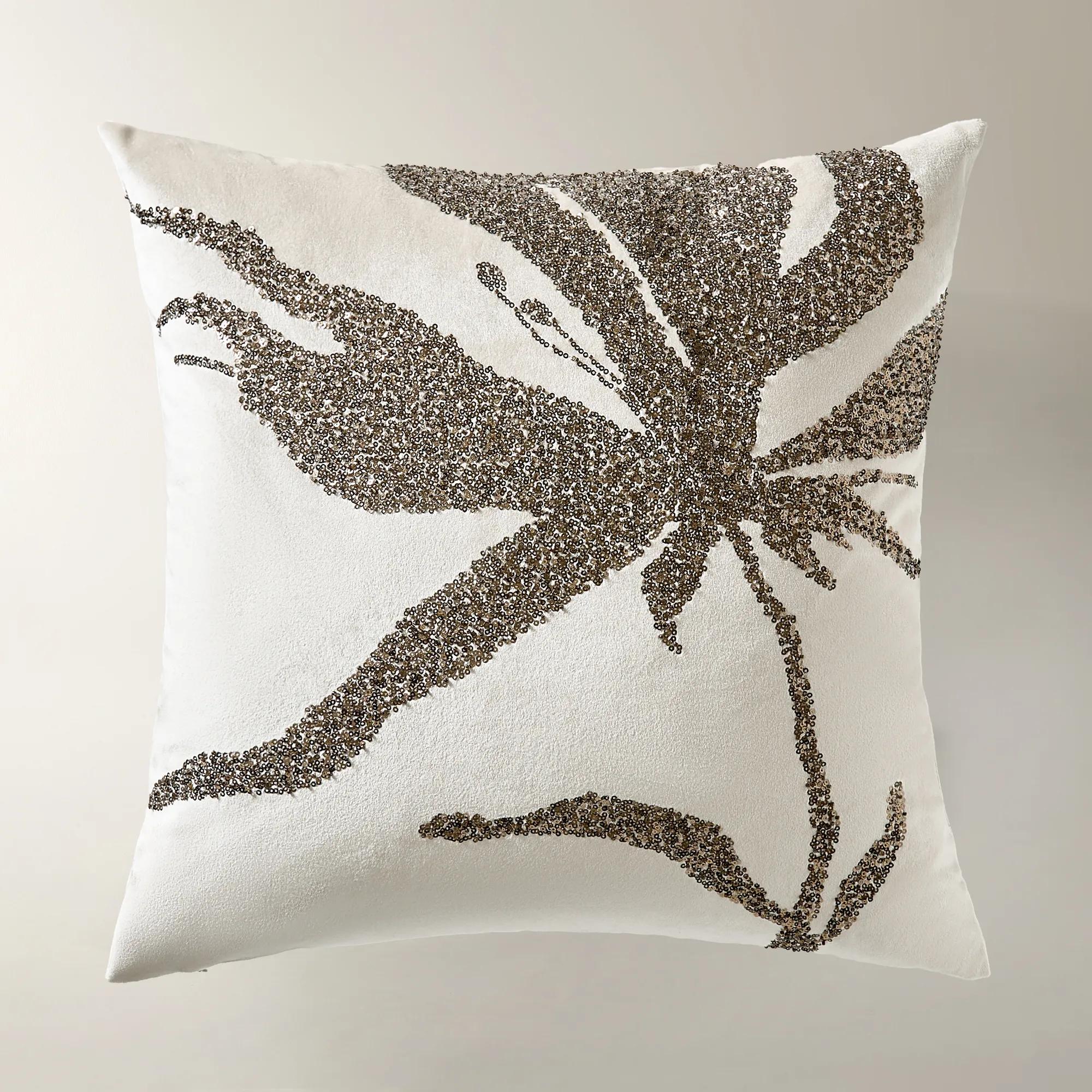
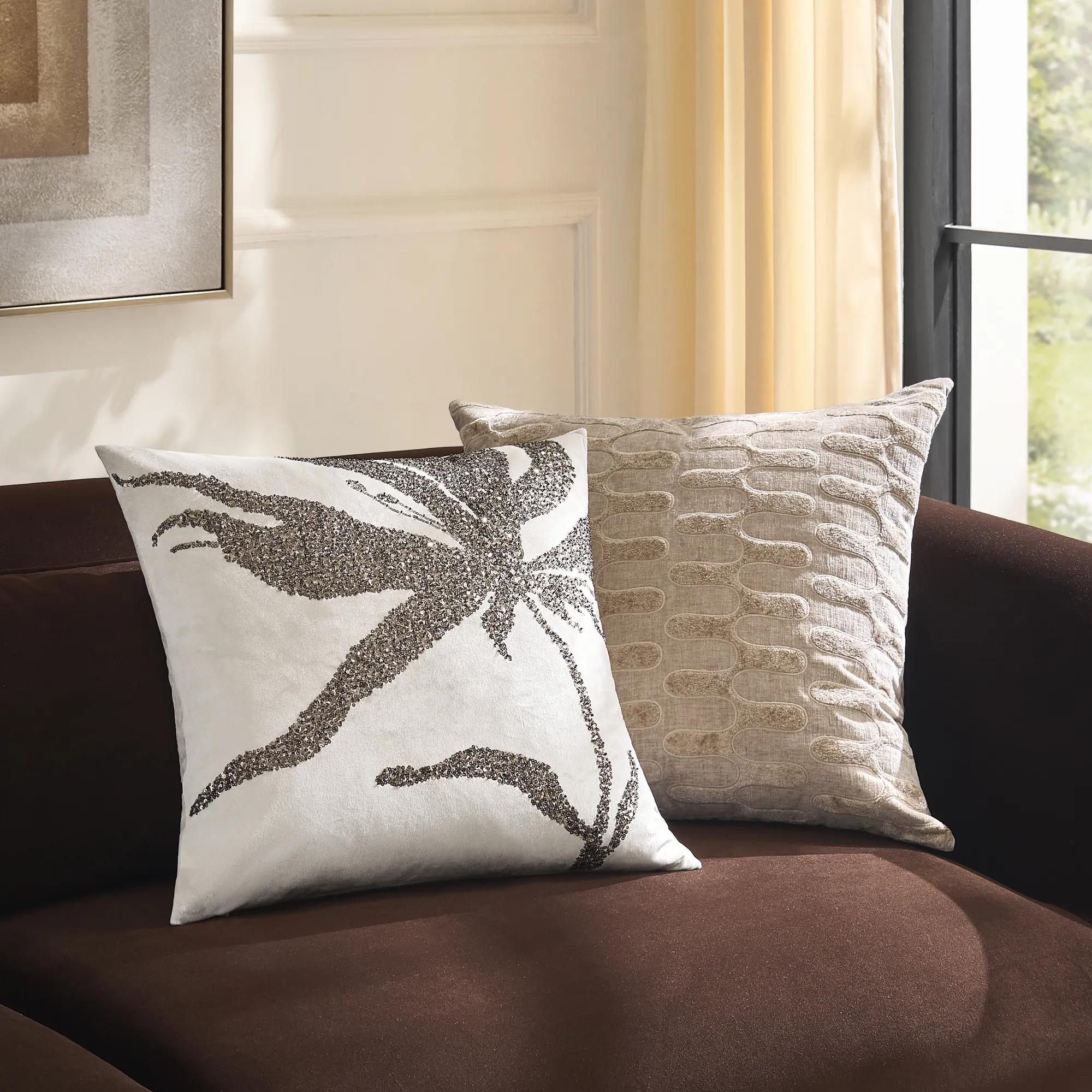 Leita Embellished Bronze/Cloud White Velvet Pillow 20" x 20"$129
A cloud velvet pillow featuring bronze sequin and bead floral embroidery with a feather-down insert.
Add To Cart -
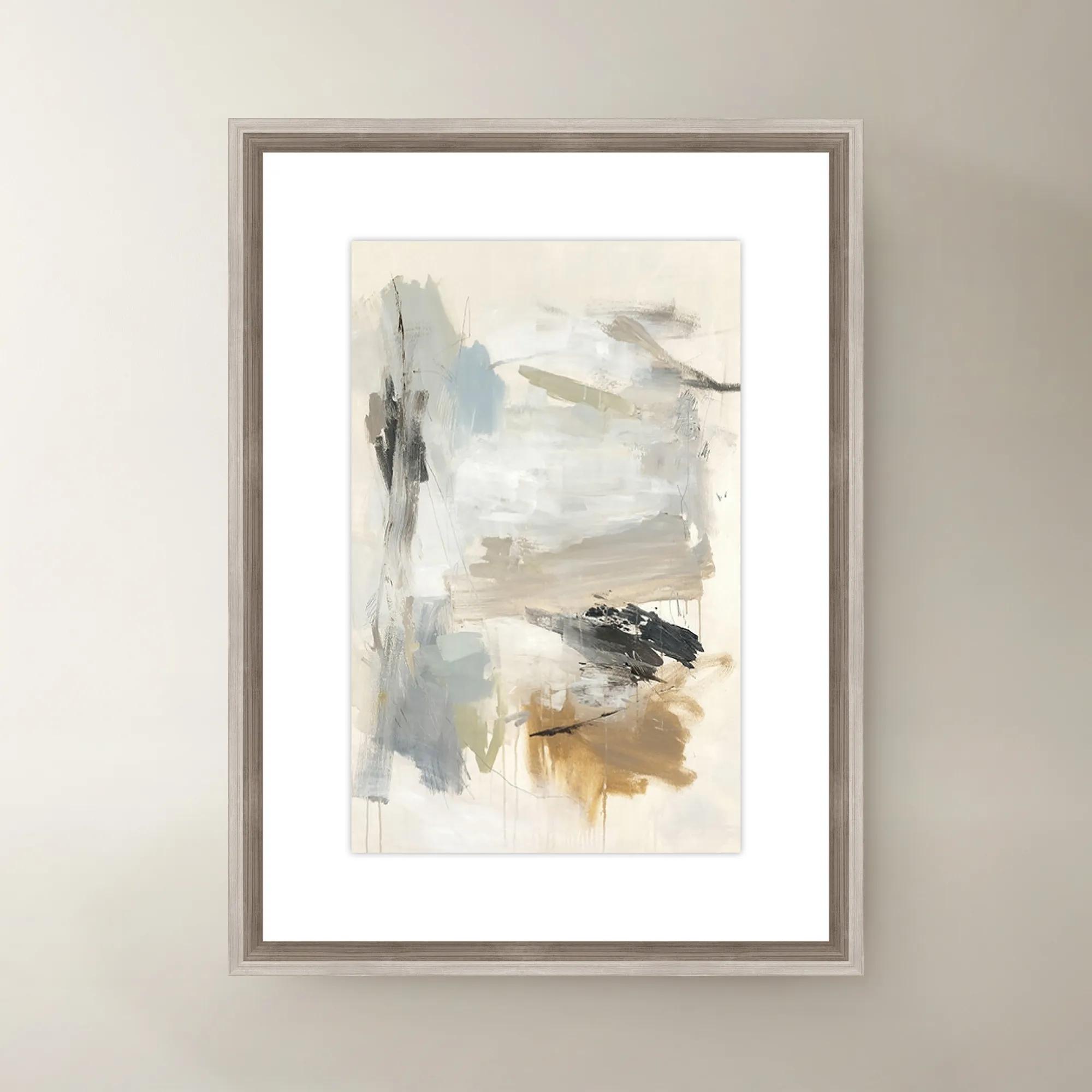
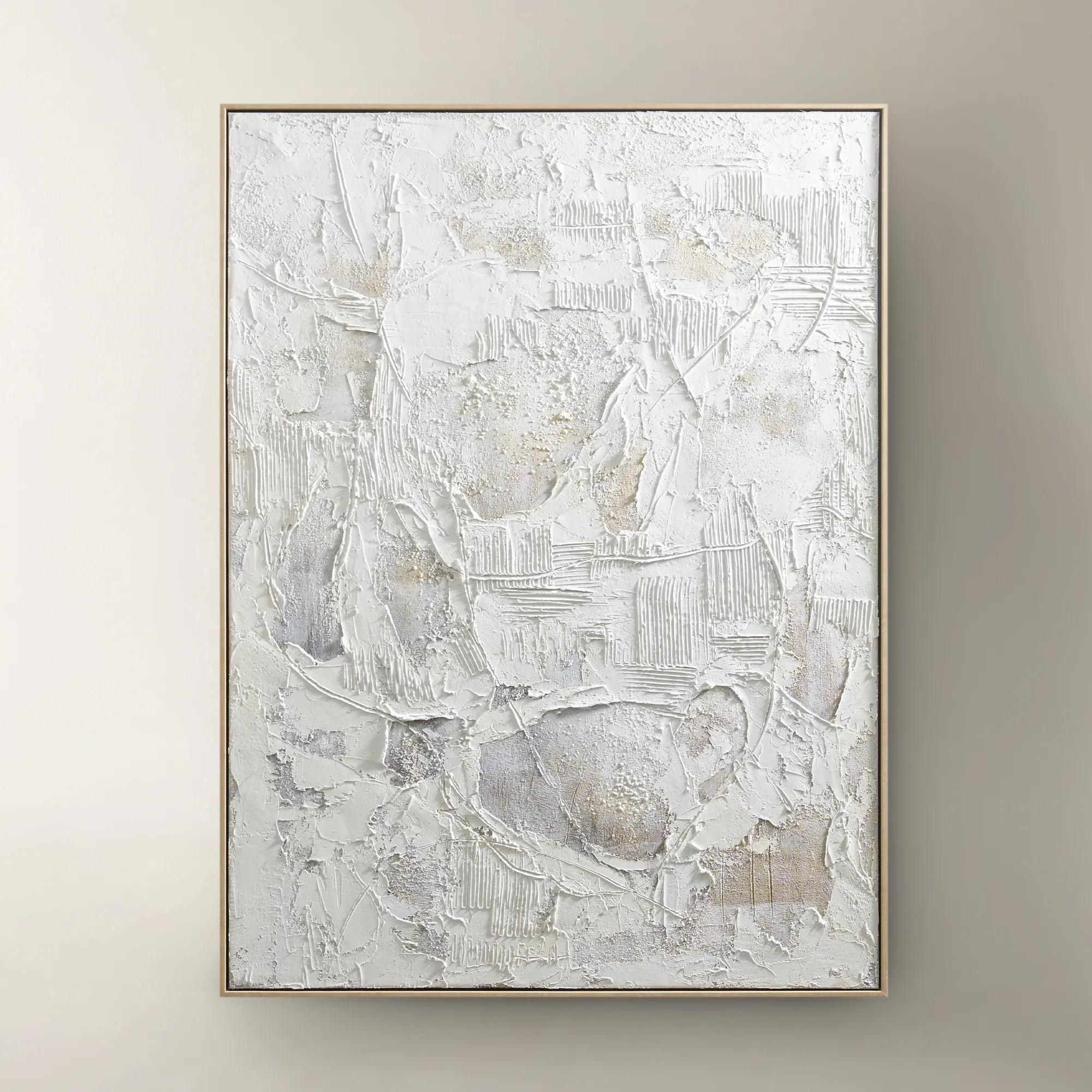
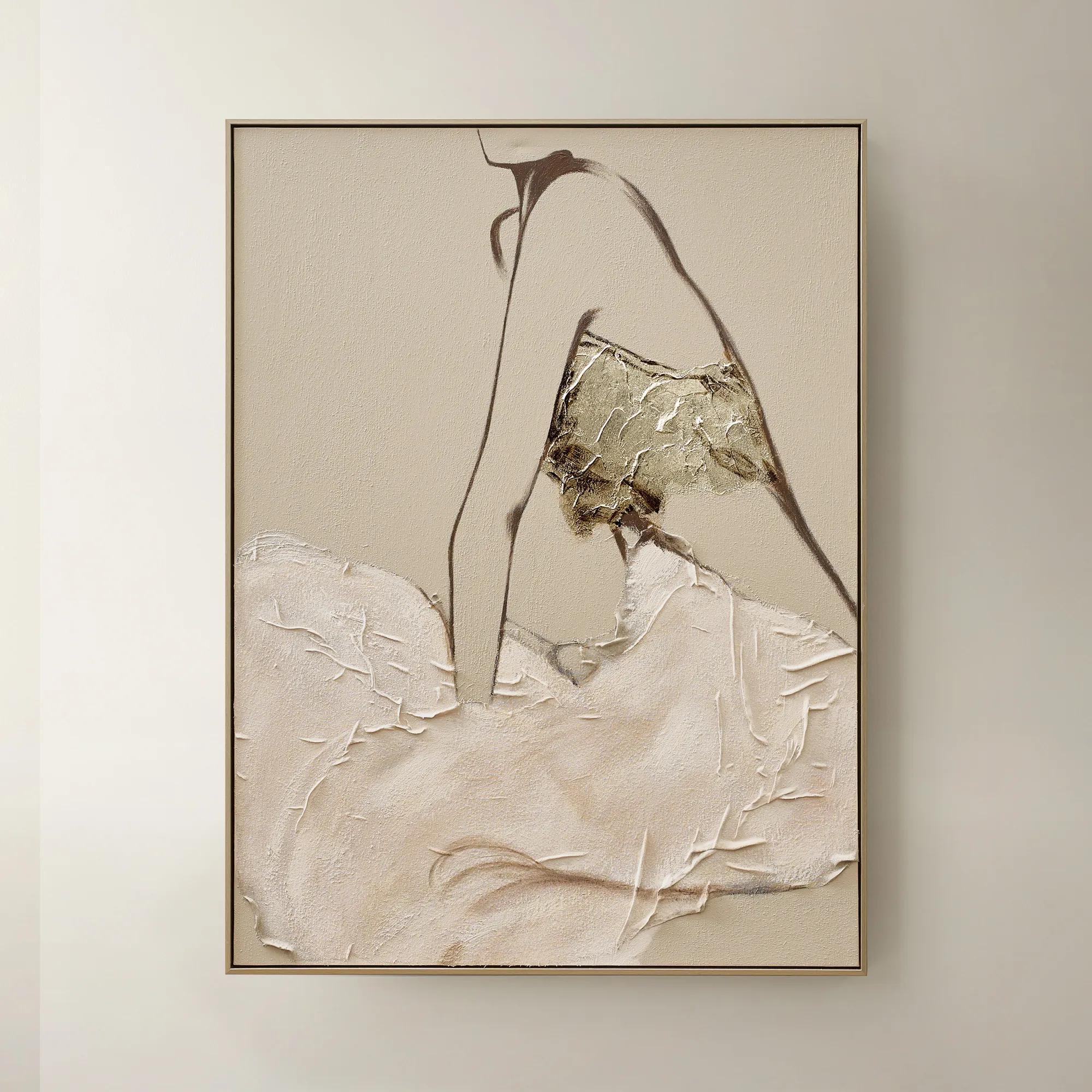 Quiet Pose Framed Painted Wall Art 36" x 48"$499
A hand-painted canvas in taupe and champagne tones features textural details and shimmering champagne leafing.
Add To Cart

Neutral Decor For Minimalist Homes
Neutral decor for minimalist homes is an invitation to curate serenity—where every detail whispers elegance and restraint. Here, subtle palettes and sculptural forms create a canvas of calm, letting quiet textures and luminous finishes take center stage. Designed for those who covet clarity and sophistication, neutral accents transform ordinary spaces into tranquil sanctuaries, elevating the art of understatement with a touch of refined drama. Discover how minimalism becomes mesmerizing when simplicity meets exquisite design.
Neutral decor for minimalist homes brings together a restrained palette, expressive silhouettes, and layered textures to create rooms that feel serene without losing their sense of drama. Creamy ivory, soft sand, oatmeal, taupe, and warm gray establish a luminous foundation, allowing the shape of a vessel, the grain of wood, or the raised surface of a textile to become the focal point. The effect is less about leaving a room bare than giving beautiful details room to register. A generous ceramic form on a console can have more presence than a collection of small ornaments; an oversized abstract canvas can lend a living room definition without introducing a competing palette. For those drawn to glamorous interiors with a quieter composition, neutral home accents offer a distinctive balance: sculptural curves, plush fabrics, and restrained metallic touches deliver richness while preserving visual calm. Undertones make an important difference. Ivory and honey-toned wood tend to feel harmonious together, while gray-beige textiles can bridge warmer upholstery and cooler stone. Matching every surface exactly is rarely necessary; subtle variations keep a monochromatic room from appearing flat. Matte ceramics absorb light, clear glass preserves an airy impression, and a brushed metallic finish introduces a delicate gleam. Used selectively, those contrasts give minimalist home decor its depth. A pale room with strong architectural lines may benefit from rounded forms and softly textured fabrics, while a space filled with curved upholstery can gain definition from a rectangular mirror or a clean-lined frame. Muted clay, dusty blue, or desaturated olive can also sit comfortably within a neutral scheme when used sparingly. The most compelling compositions hold these elements in balance, with enough continuity to feel composed and enough contrast to feel personal. Neutral decorative accents suit living rooms, bedrooms, dining spaces, and entryways alike, particularly where an open layout calls for a consistent visual language across several areas. Their quiet color makes texture and proportion more noticeable, turning even a modest surface into a deliberate part of the room.
Materials give neutral decor much of its character, and their practical qualities matter as much as their appearance. Linen often has a relaxed, visibly woven surface, while cotton can provide a softer, smoother counterpoint depending on its construction. Wool brings tactile depth to rugs and throws, and velvet offers a shifting sheen that makes a single shade look dimensional as light moves across it. These differences allow neutral textiles to feel sumptuous without relying on pattern or strong color. A nubby cushion against smooth upholstery, for example, creates a distinct layer even when both pieces fall within the same ivory family. For seating areas and bedrooms, Neutral Throws for Home Decor introduce another opportunity to balance softness, scale, and everyday comfort. A throw intended for an armchair should drape without overwhelming the seat, while one placed across the foot of a bed needs sufficient width to look intentional. Rugs similarly need to relate to the furniture arrangement rather than float between it; in many living rooms, a size that accommodates the front legs of the main seating pieces creates a more unified composition. Pile height, edge construction, and any rug-pad requirements deserve attention in doorways and frequently traveled areas. For decorative objects, wood grain and natural stone veining provide variation that can distinguish one piece from another, while glazed ceramic and glass offer a more polished surface. Material alone does not determine durability: finish, construction, placement, and use all influence how well an accent holds up. Porous stone and unsealed ceramics may absorb moisture, so a decorative vessel should only hold water if its specifications permit it. Protective pads can help prevent a substantial object from scratching a console. Textile care also varies; removable covers are not necessarily machine washable, and some woven fabrics require professional cleaning. Following each piece’s care instructions, addressing spills promptly as directed, and keeping delicate finishes away from abrasive cleaners helps preserve the nuanced surfaces that make a neutral room feel richly considered.
Scale and intended use distinguish a beautifully edited interior from one that simply contains fewer things. On an entry console, a sculptural accent needs enough surrounding space to show its outline, with room left for the everyday act of setting down keys or a bag. A dining-table centerpiece should relate to the table’s width and allow conversation across it; a low arrangement often provides presence without blocking sightlines. In a bedroom, soft neutral accents can frame the bed as the central composition, while a restrained piece of wall art adds movement above a dresser without competing with the textiles. Mirrors bring their own considerations: dimensions, weight, mounting hardware, and the surface they reflect all affect their suitability. A generously scaled mirror can amplify available light, but its placement is most successful when the reflection contributes to the room rather than repeating a crowded corner. Lighting shapes the palette as well. Diffused illumination softens the transitions between ivory, beige, and taupe, while a concentrated beam can reveal the relief of a textured canvas or the contours of a ceramic form. Shade opacity and compatible bulb specifications help determine that effect, making lighting both a practical necessity and part of the decorative composition. For households with children or pets, stable bases, secure wall mounting, and textiles suited to the expected level of use may take priority over fragile surfaces or loosely looped weaves. In compact homes, a few substantial accents can provide definition without consuming every usable surface. Neutral decor also makes a thoughtful housewarming or wedding gift when chosen with the recipient’s space and habits in mind. A soft textile in a familiar palette may be easier to integrate than a large decorative object that requires a dedicated display area. Whether furnishing a first apartment or refining an established home, the appeal remains the same: a measured palette allows individual forms and finishes to command attention. The result is an interior with clarity, comfort, and unmistakable presence, where restraint gives every expressive detail greater impact.
FAQs
Neutral decor embodies the essence of minimalist design by emphasizing simplicity, balance, and harmony. Soft, muted tones create a serene backdrop that allows architectural details and carefully chosen accents to shine. This approach fosters a calming environment, making the home feel more spacious and inviting while encouraging mindful curation of every piece.
Visual interest in a neutral space is best achieved through a thoughtful mix of textures and finishes. Combine plush textiles, sculptural ceramics, matte and glossy surfaces, and natural materials like wood or stone. Layering these elements adds depth and dimension, ensuring the room feels rich and dynamic even within a restrained palette.
Absolutely. Neutral decor pieces are universally appealing and blend seamlessly into a variety of interior styles, making them thoughtful gifts for housewarmings, weddings, or special occasions. Their timeless elegance ensures that they will be cherished and used for years to come, regardless of changing trends or personal tastes.
To avoid a sterile atmosphere, focus on incorporating layers of warmth through tactile fabrics, soft lighting, and organic shapes. Elements like cozy throws, woven rugs, and ambient candles infuse the space with comfort and personality, transforming it into a welcoming retreat that feels both sophisticated and inviting.
Neutral decor can absolutely thrive in homes with children or pets. Opt for durable, easy-to-clean materials and select pieces with subtle patterns or textures that can help camouflage everyday wear. The calming palette provides a peaceful backdrop for busy households, while versatile accessories can be easily refreshed as needed.