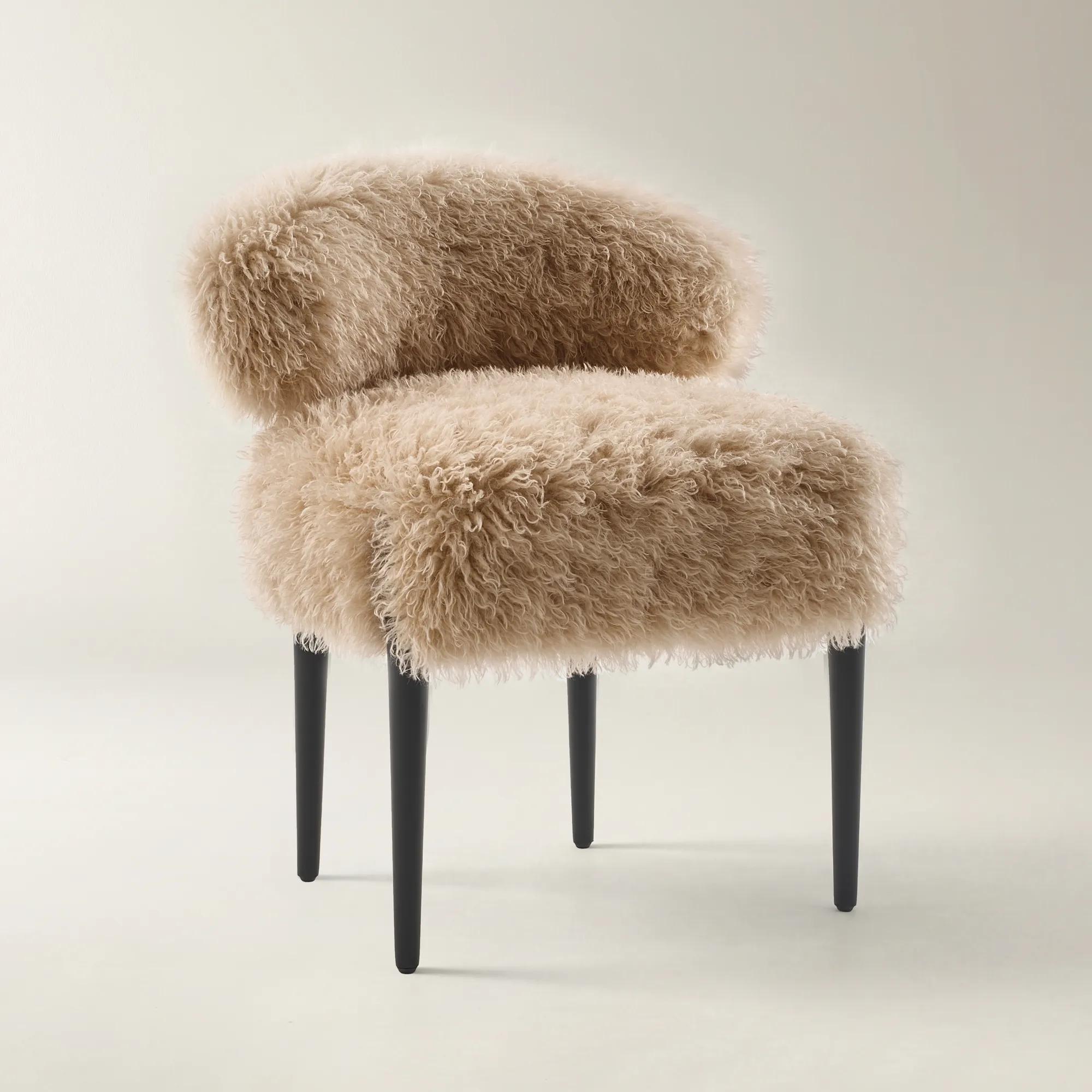
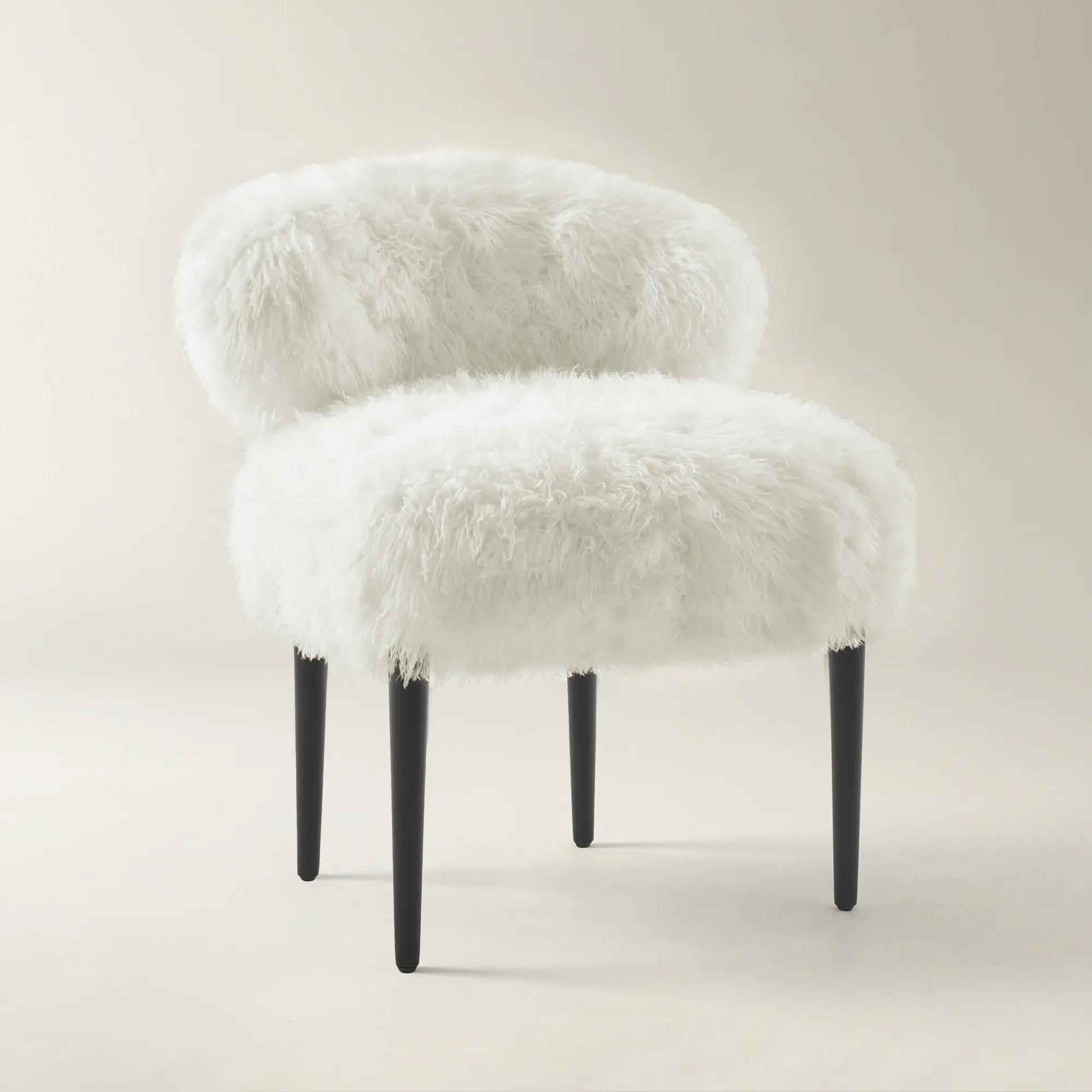
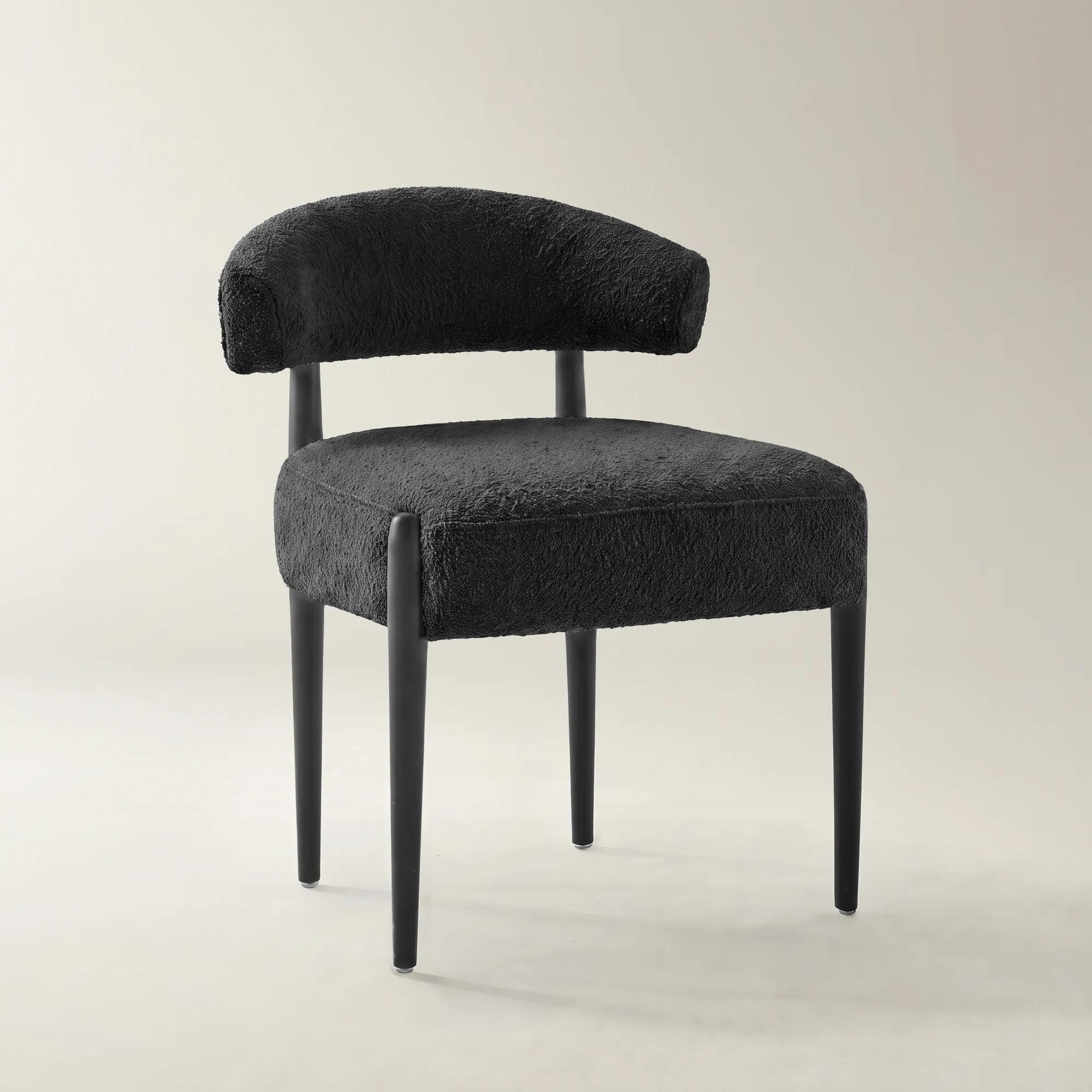
Dining Chairs With Sturdy Construction
Dining Chairs With Sturdy Construction
-
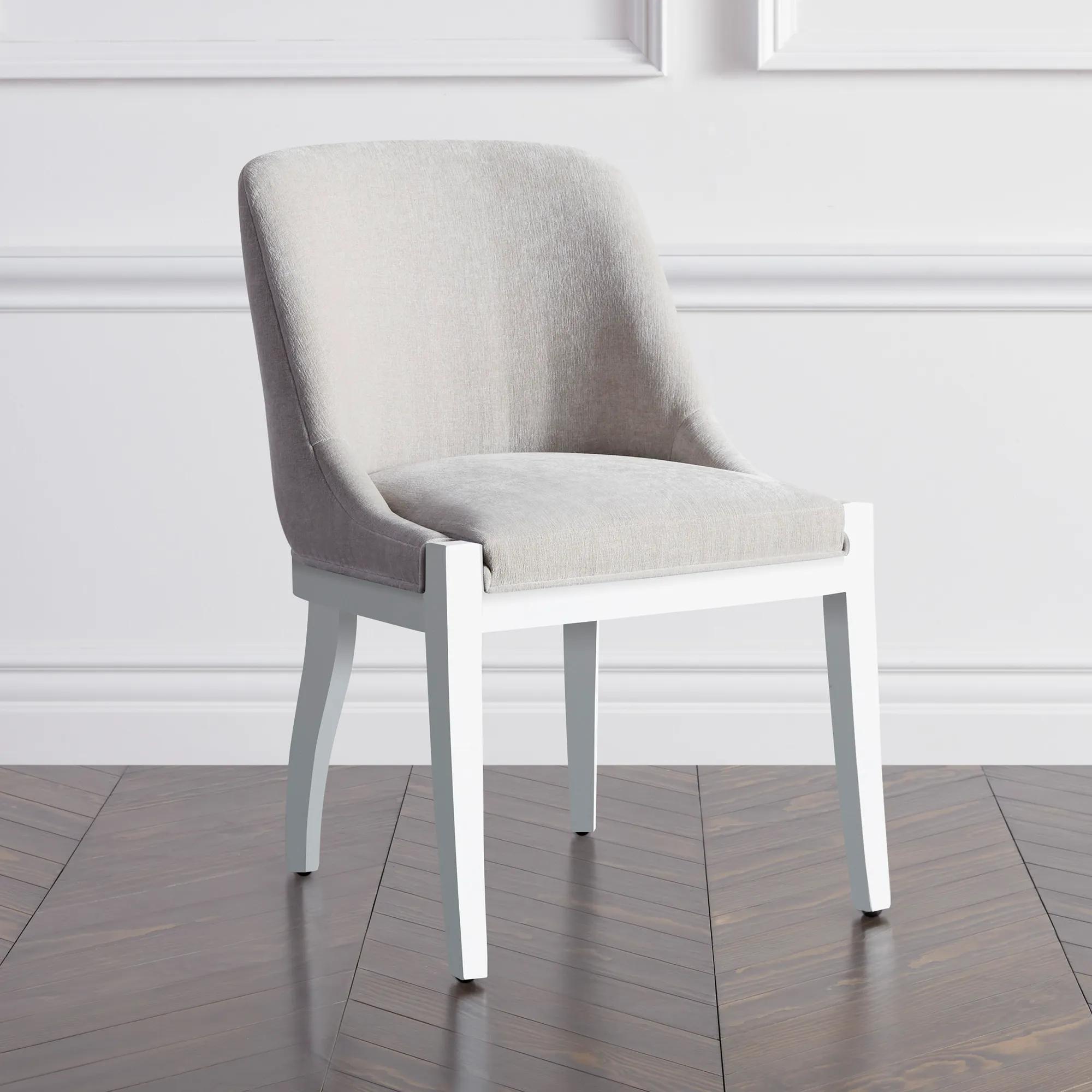
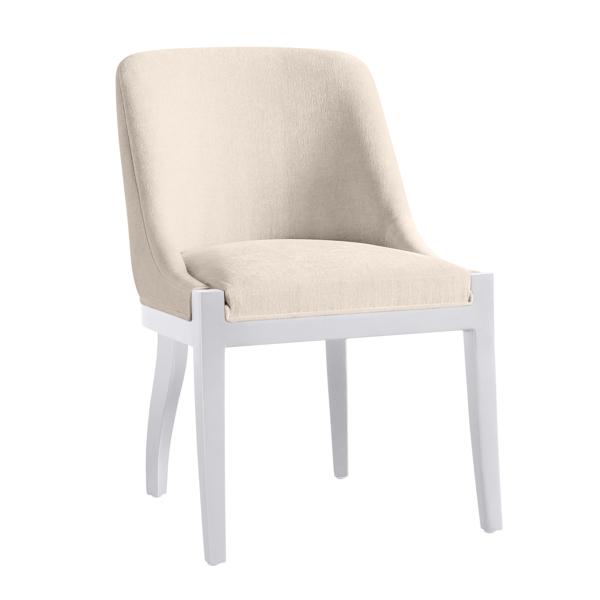 Lily Dining Chair - High Gloss White$649
A modern dining chair featuring kiln-dried hardwood, high-gloss white legs, and neatly tailored upholstery.
Add To Cart -
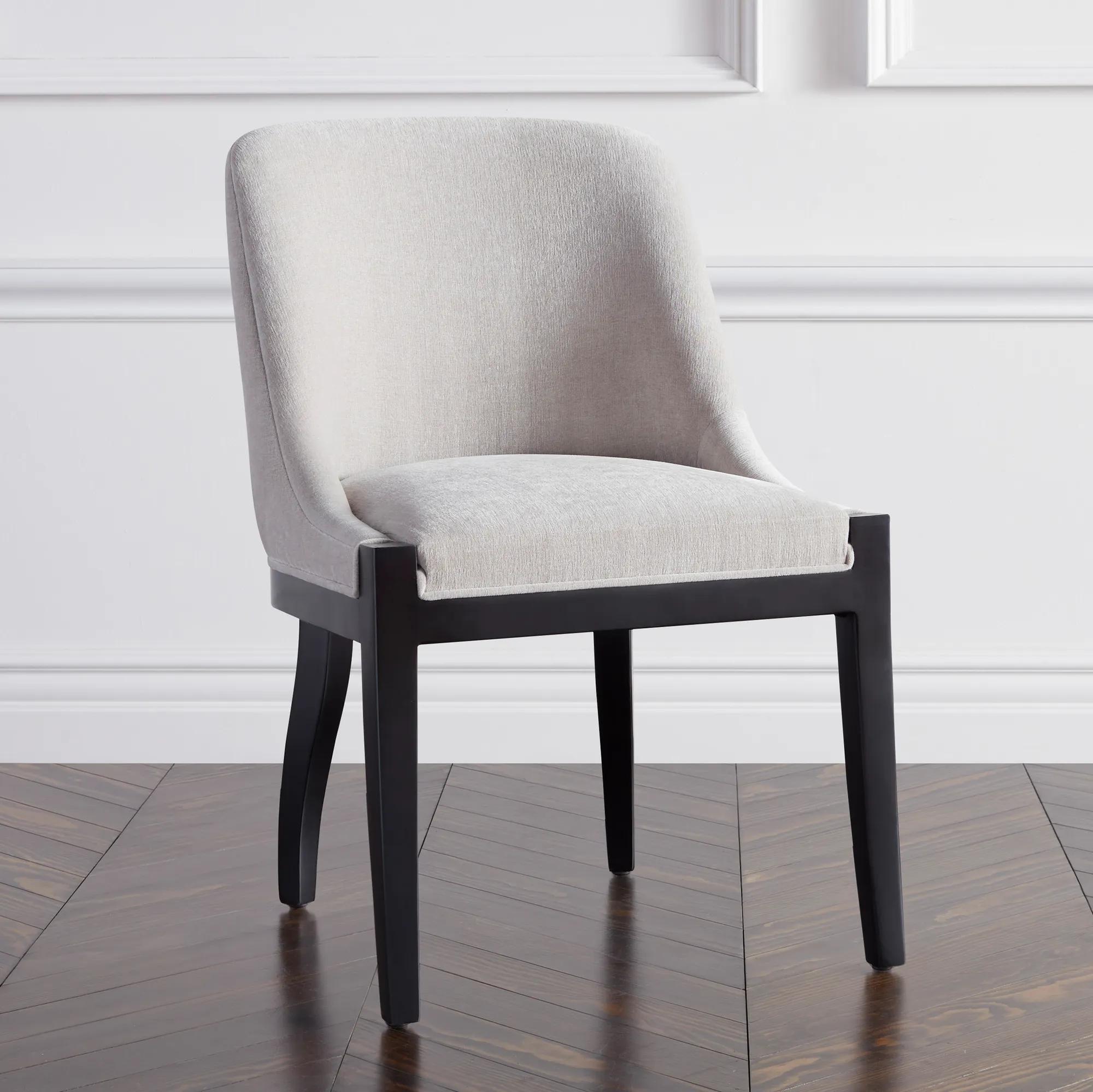 Lily Dining Chair - Matte Black$649
A modern dining chair featuring a kiln-dried hardwood frame and matte black legs with tailored upholstery.
Add To Cart -
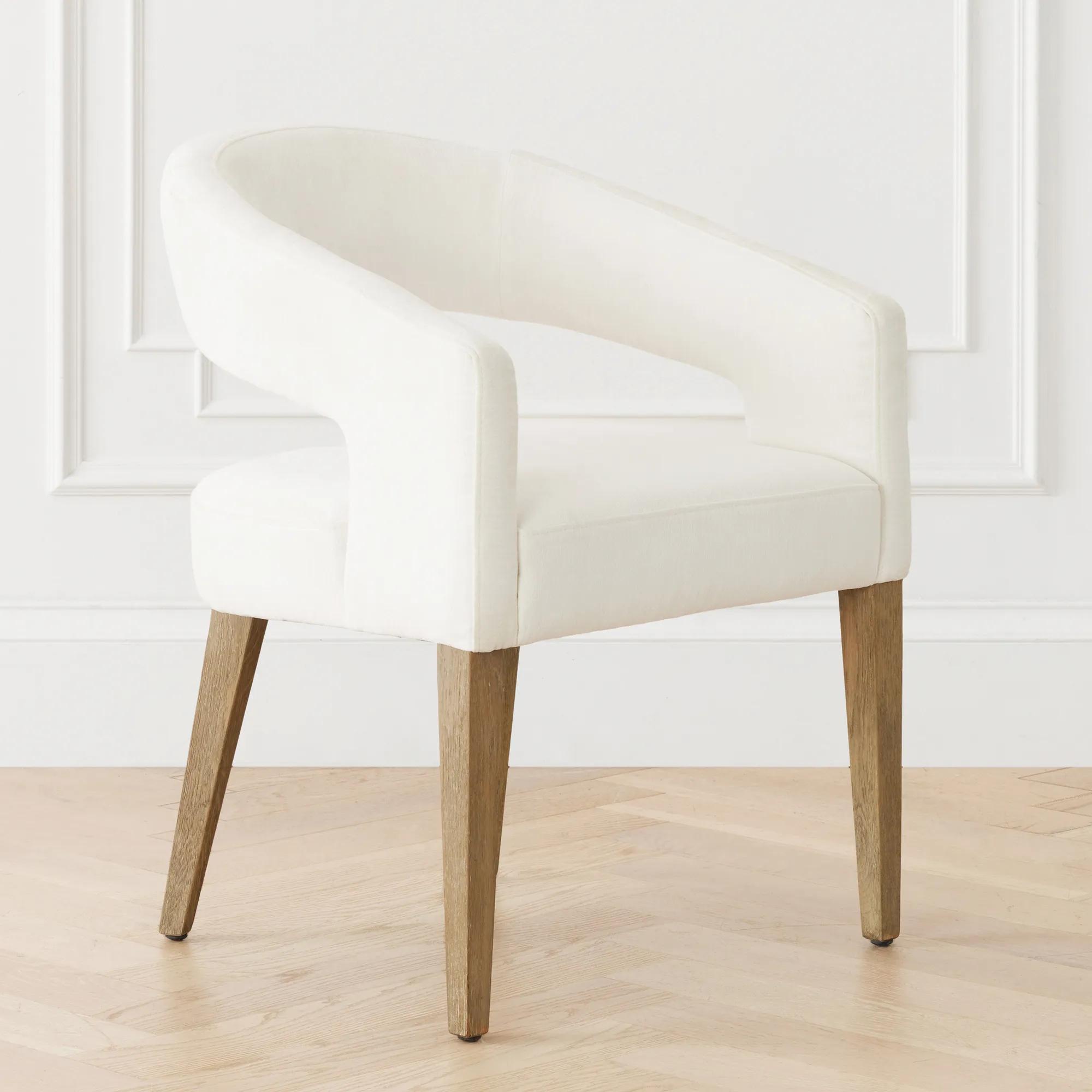 Philippa Dining Chair - Natural Grey$845
A modern dining chair featuring a curved silhouette, grey upholstery, and a kiln-dried hardwood frame.
Add To Cart -
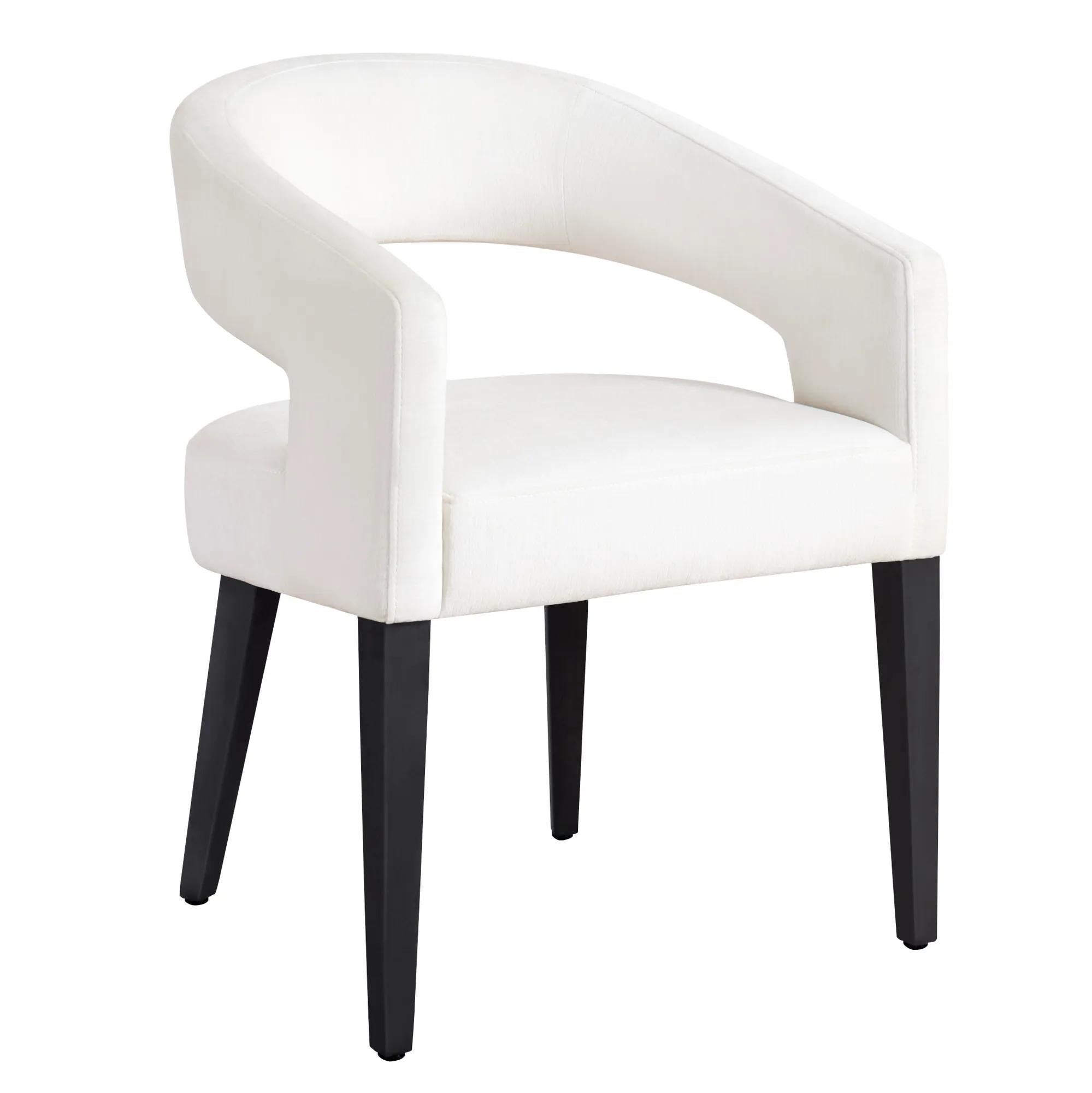
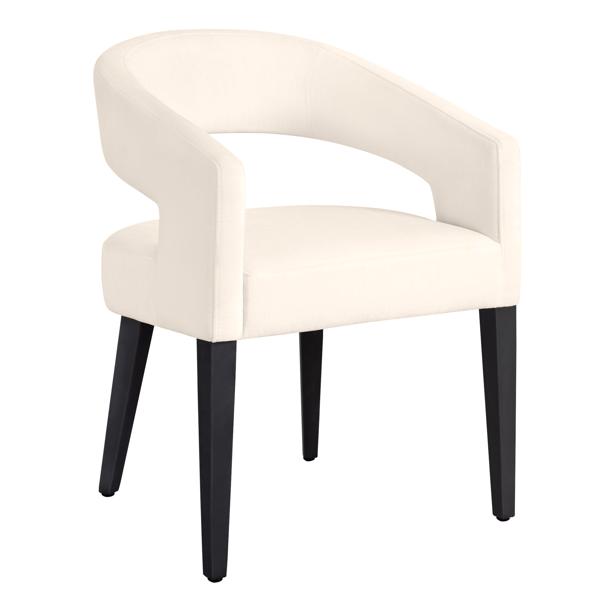 Philippa Dining Chair - Matte Black$599
A modern dining chair featuring a curved silhouette, matte black legs, and neatly tailored upholstery.
Add To Cart -
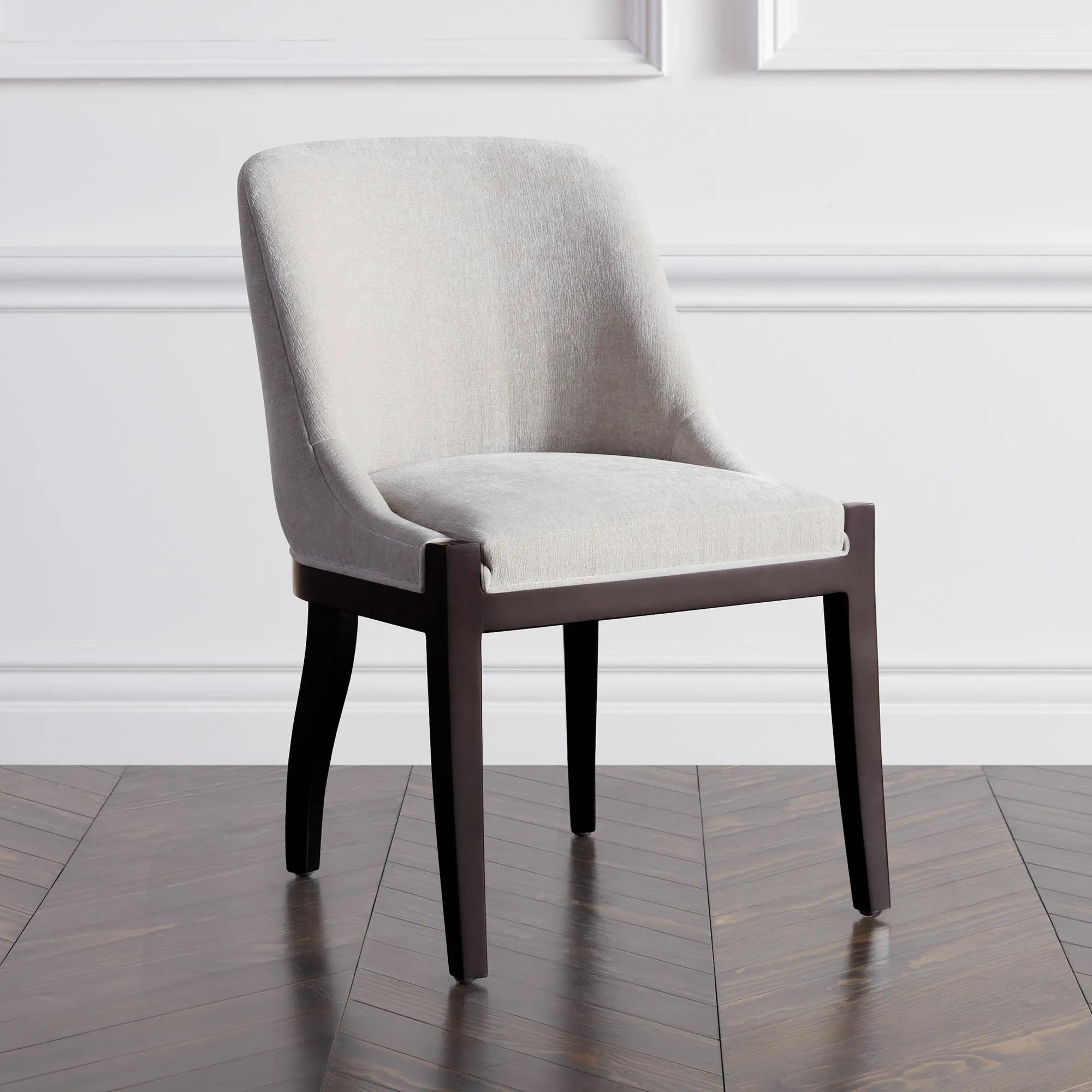
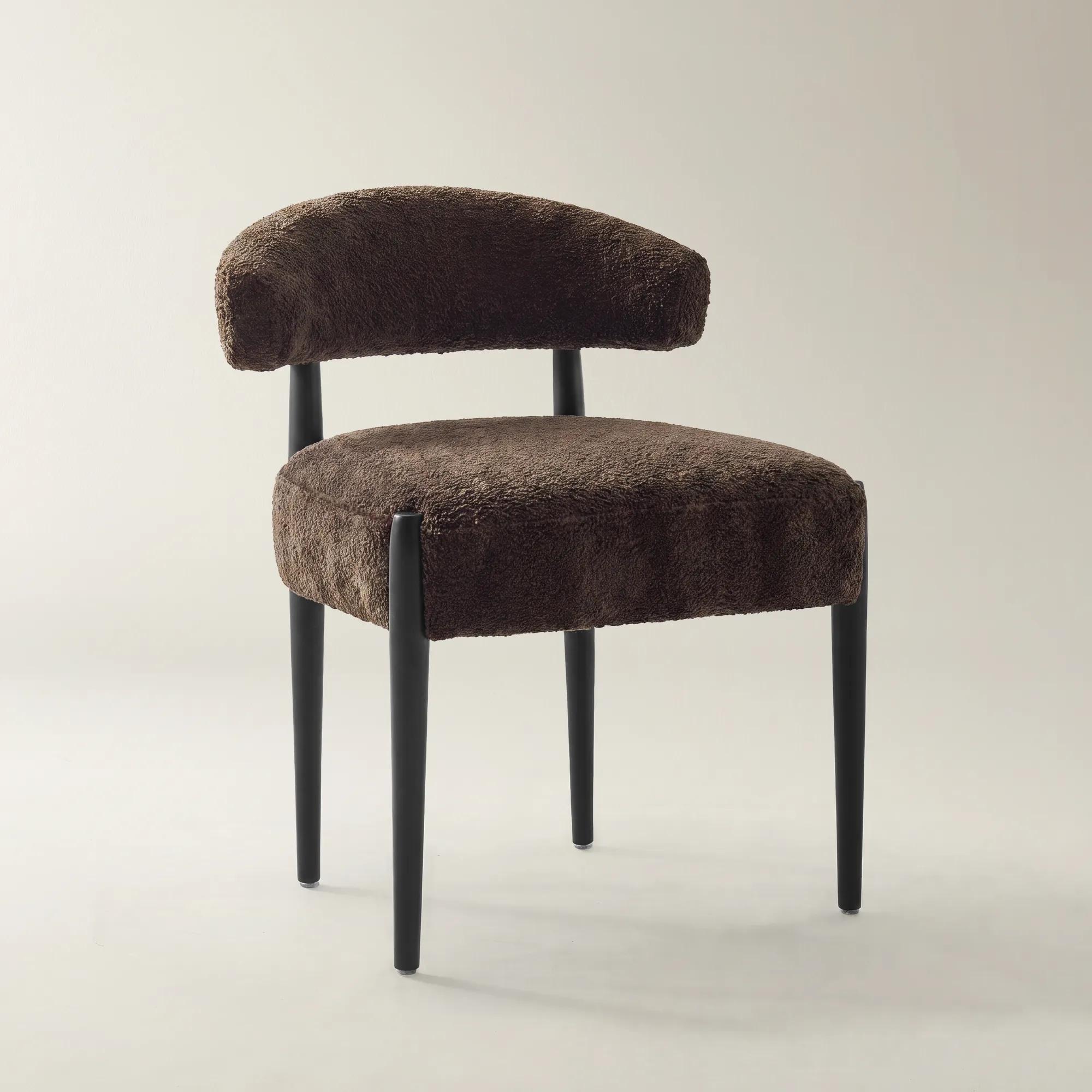
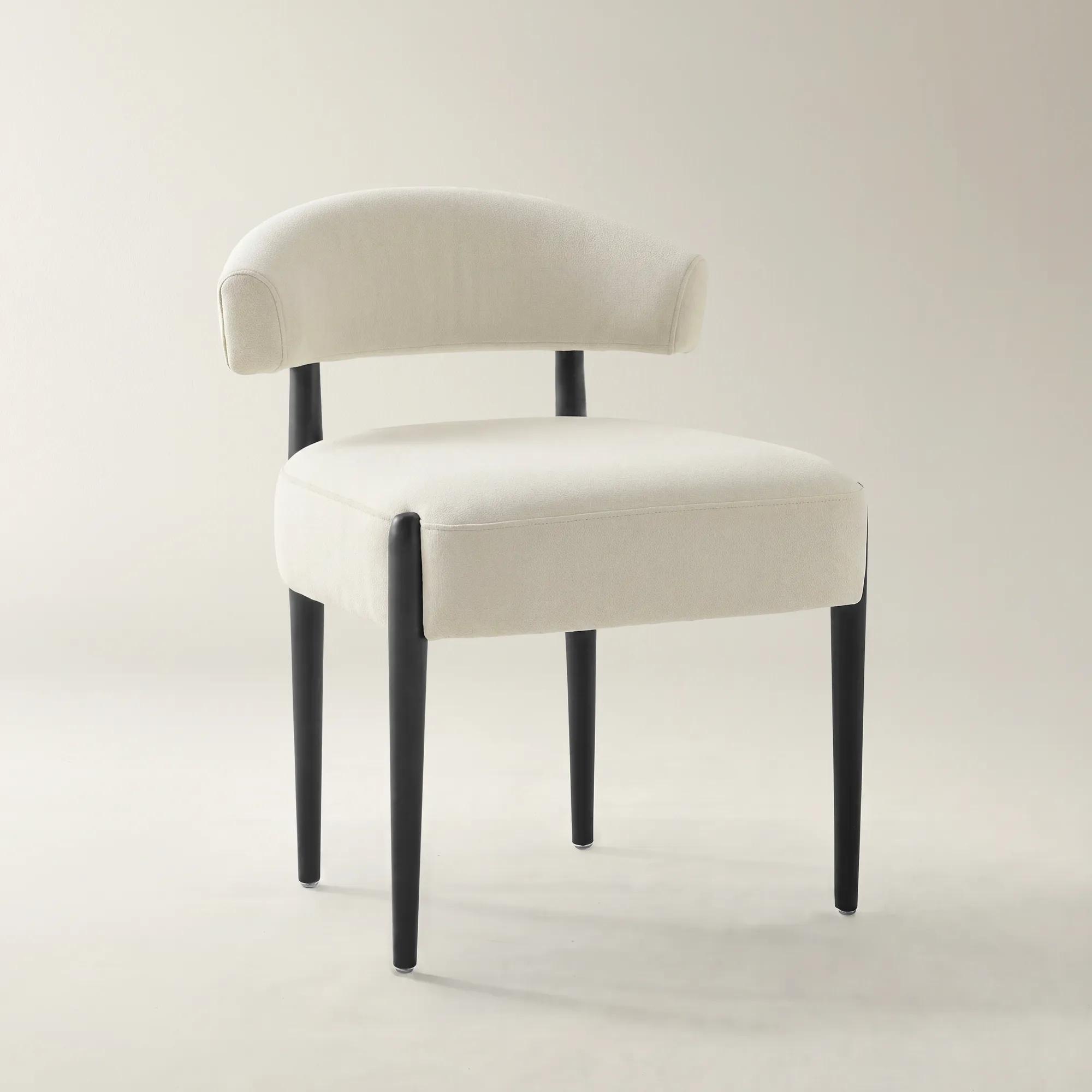
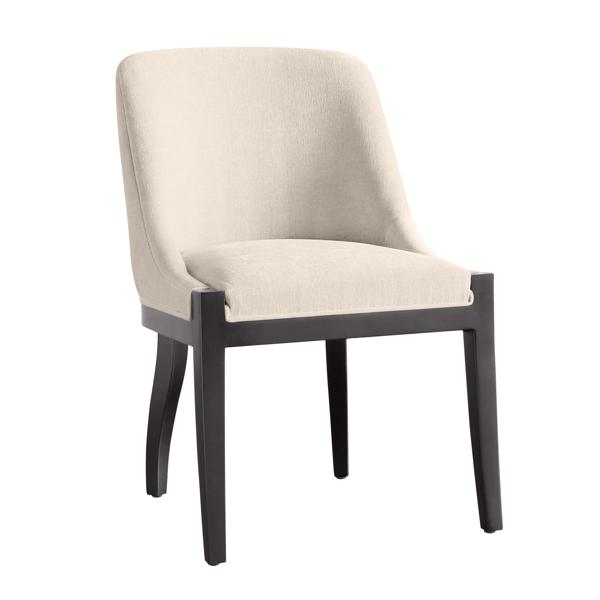 Lily Dining Chair - Espresso$599
A modern dining chair featuring espresso-finished hardwood, curvaceous silhouette, and plush, tailored upholstery.
Add To Cart -
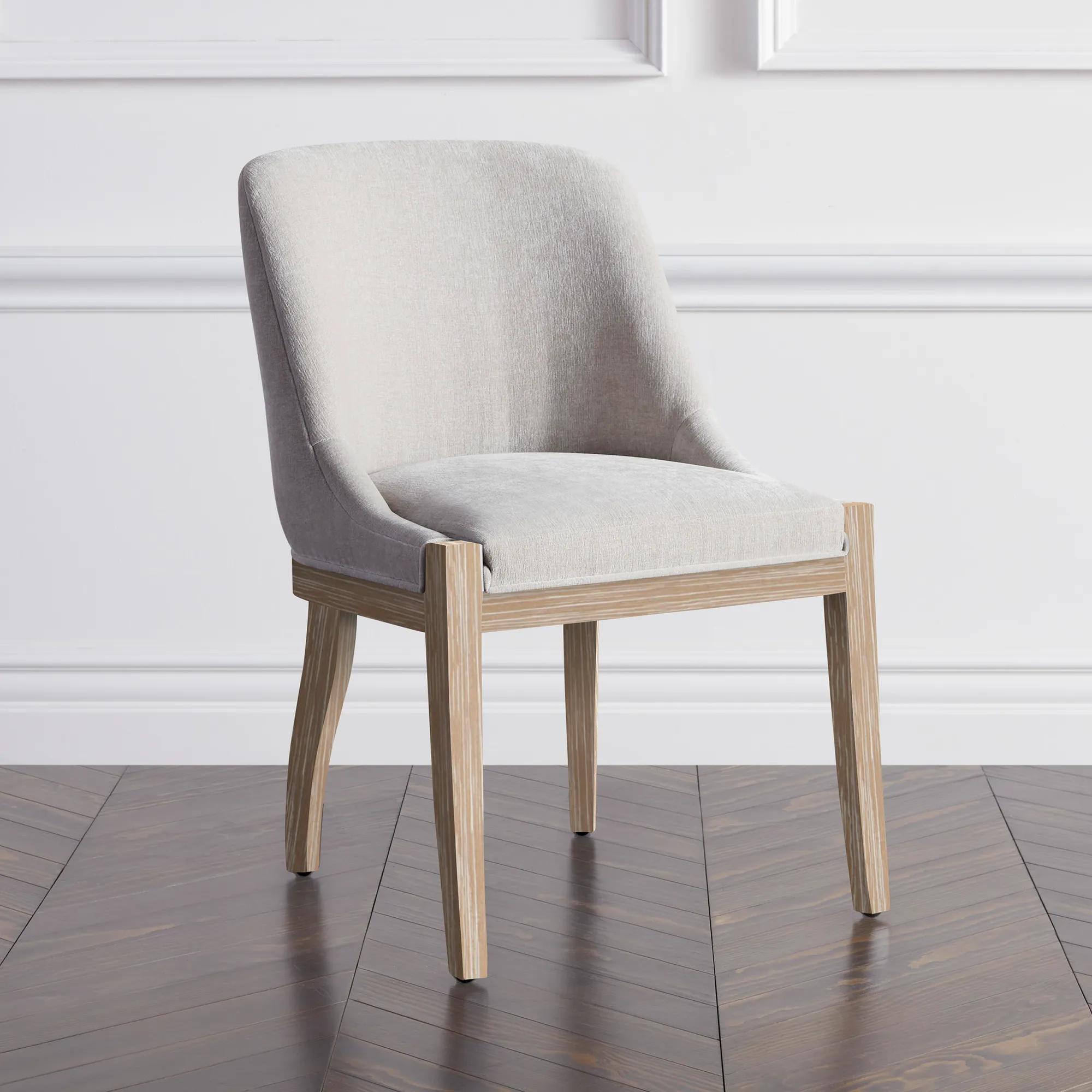
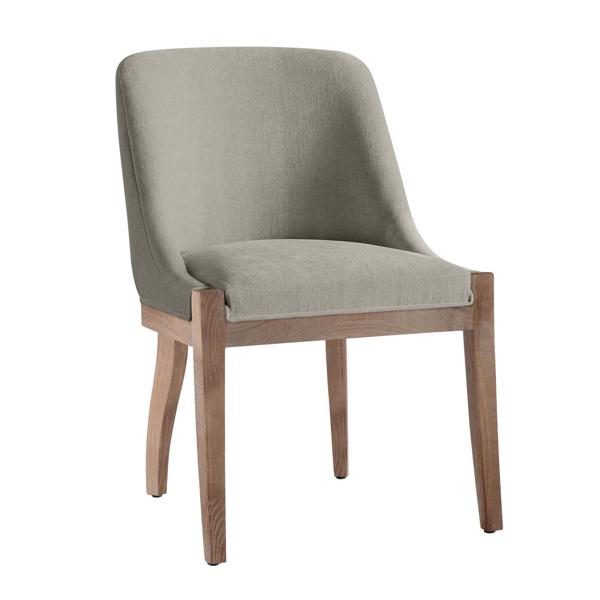 Lily Dining Chair - Wash Oak$649
A modern dining chair featuring a kiln-dried hardwood frame, wash oak legs, and tailored chenille upholstery.
Add To Cart -
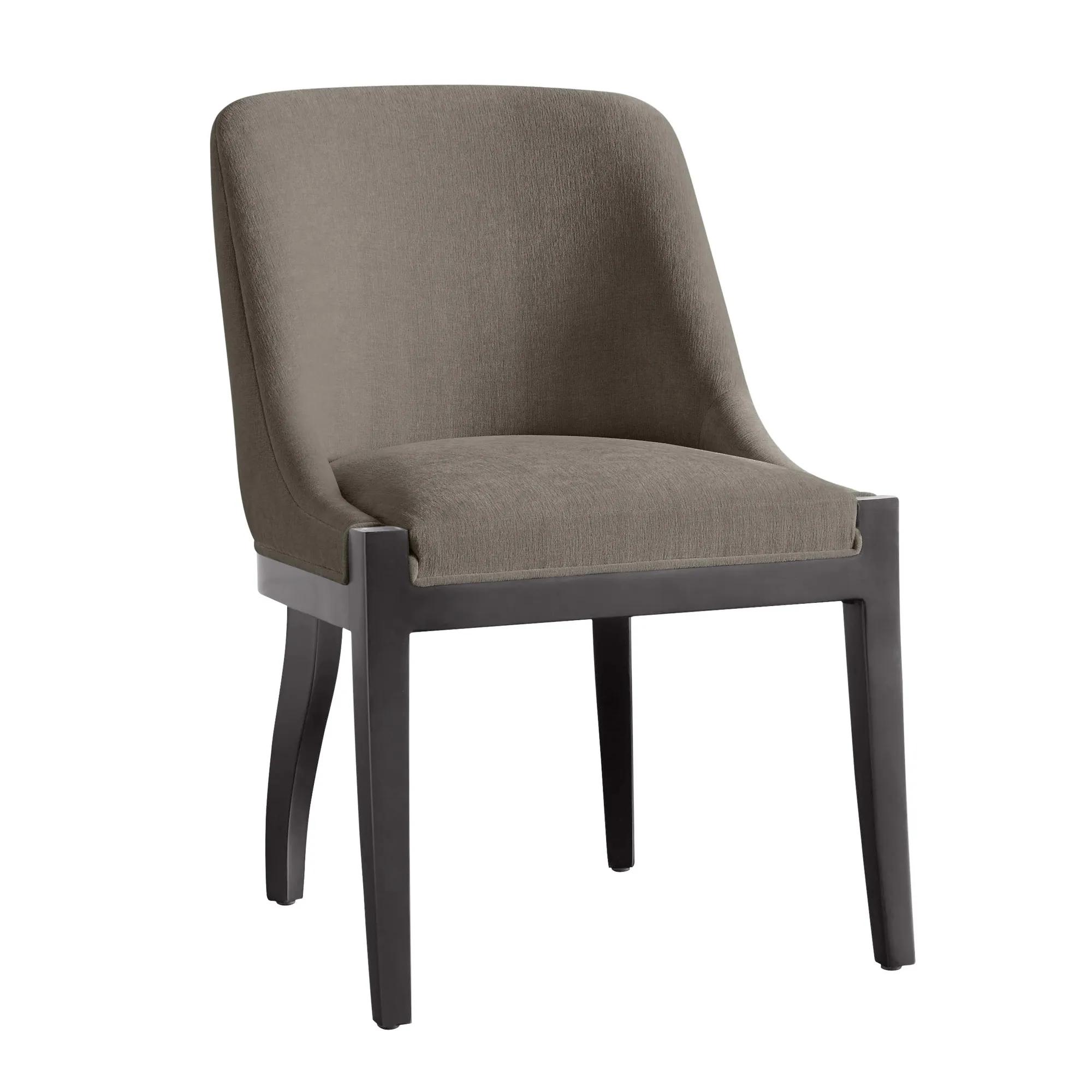 Lily Dining Chair - Espresso$649
A modern dining chair featuring espresso-finished hardwood, curvaceous silhouette, and plush tailored upholstery.
Add To Cart -
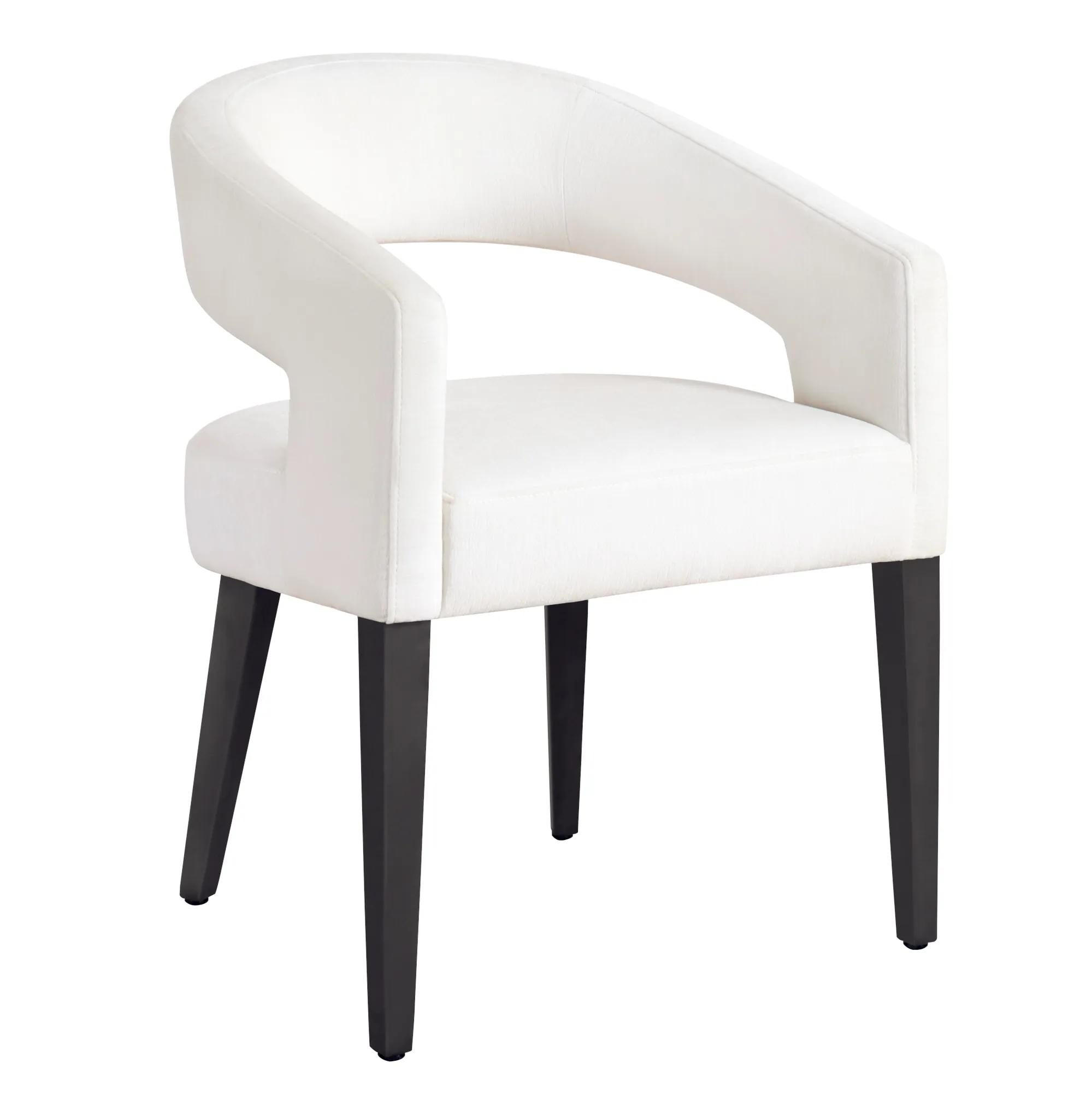
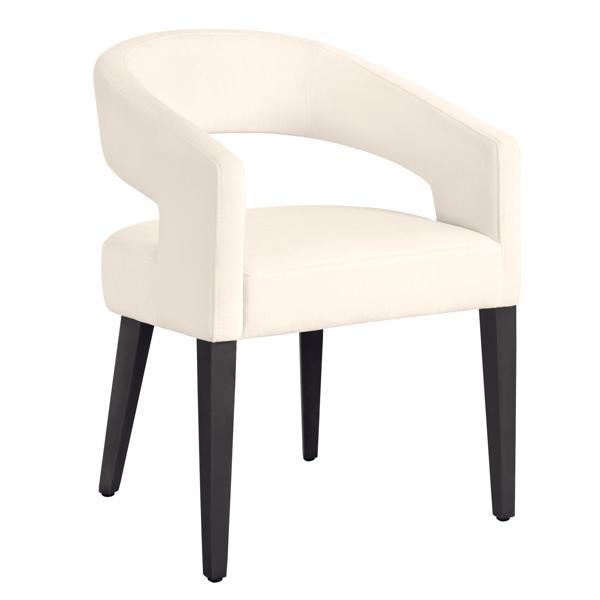 Philippa Dining Chair - Espresso$649
A modern dining chair featuring a curved silhouette, espresso legs, and neatly tailored chenille upholstery.
Add To Cart -
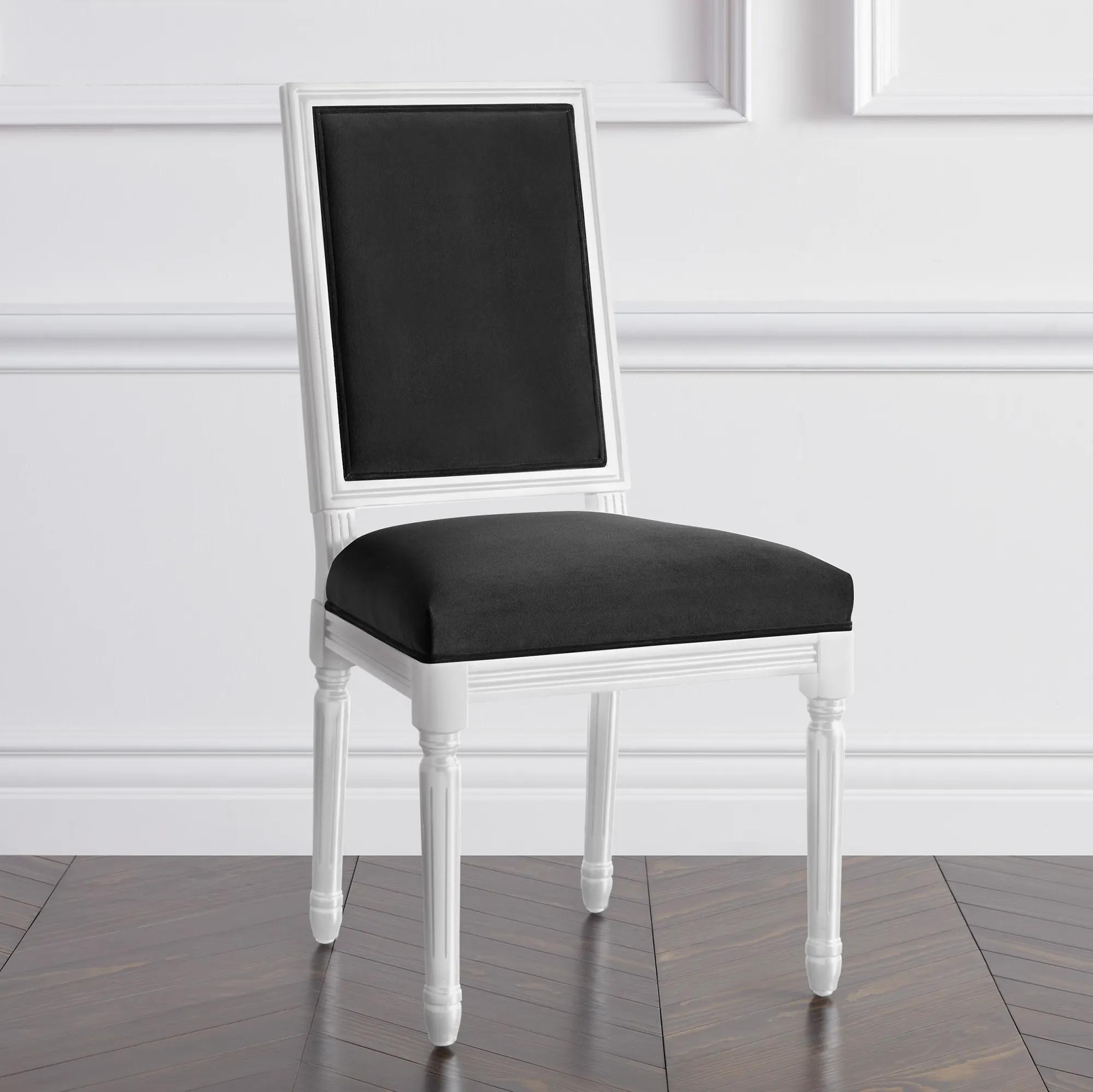
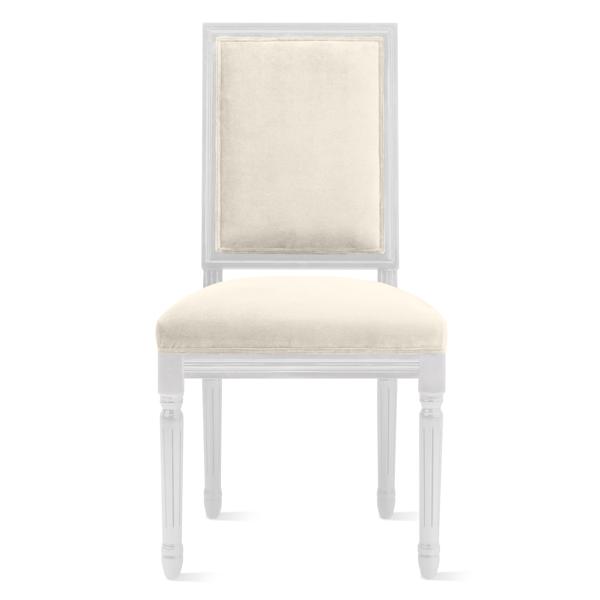 Callan Dining Chair - High Gloss White$699
A handcrafted dining chair featuring high-gloss white finish, kiln-dried hardwood frame, and plush velvet upholstery.
Add To Cart -
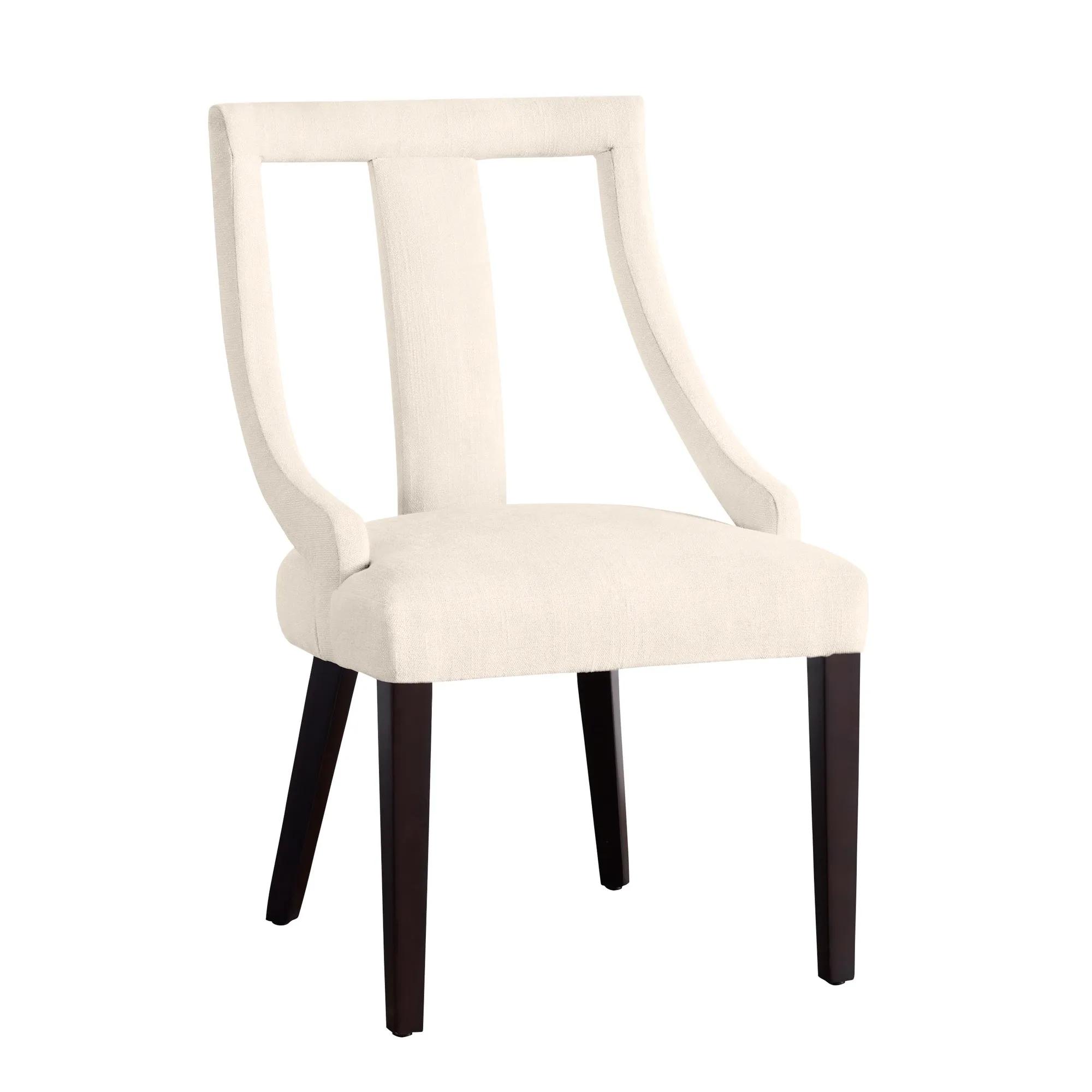
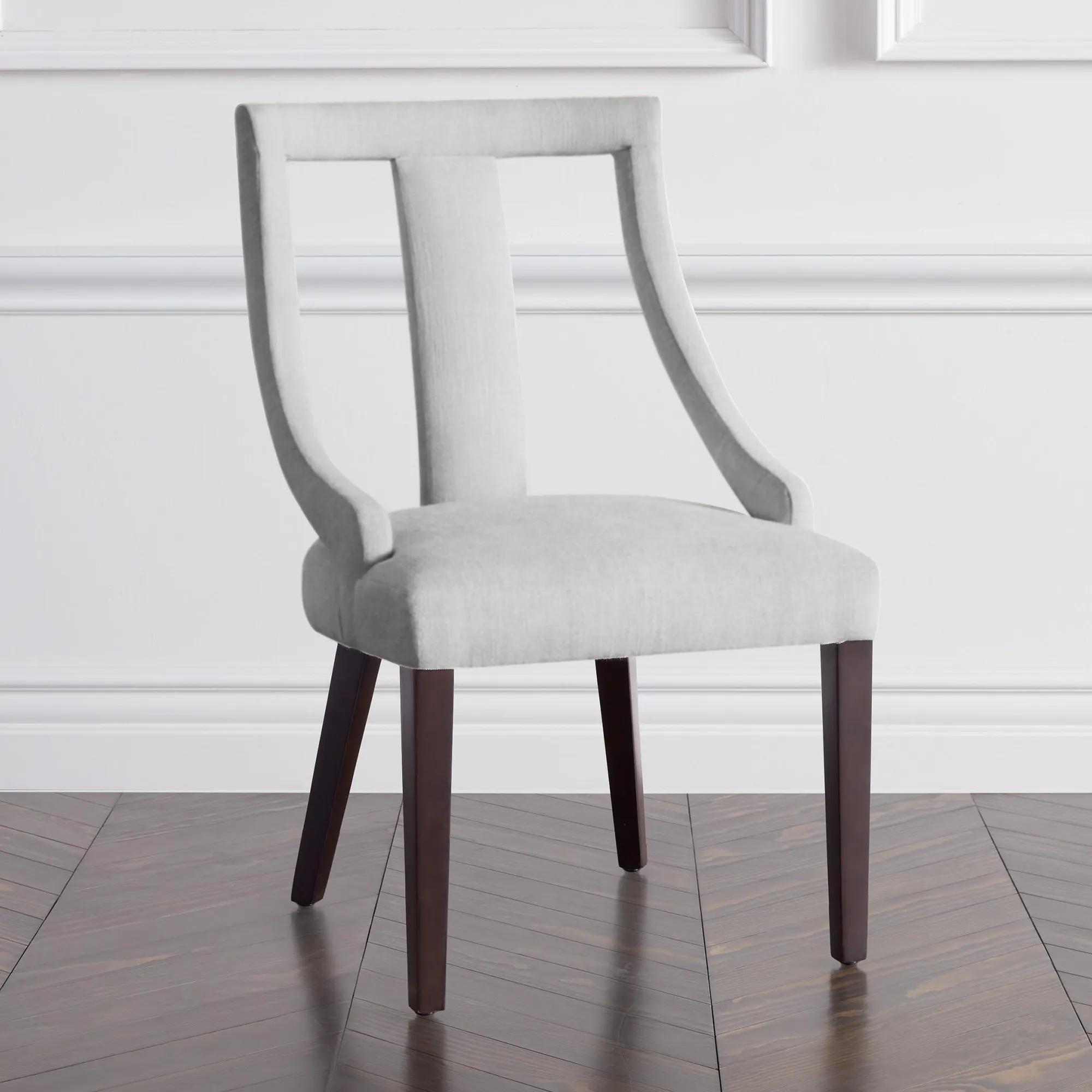 Jade Dining Chair - Espresso$649
A modern dining chair featuring a cutout back, espresso legs, and plush velvet upholstery for lasting comfort.
Add To Cart -
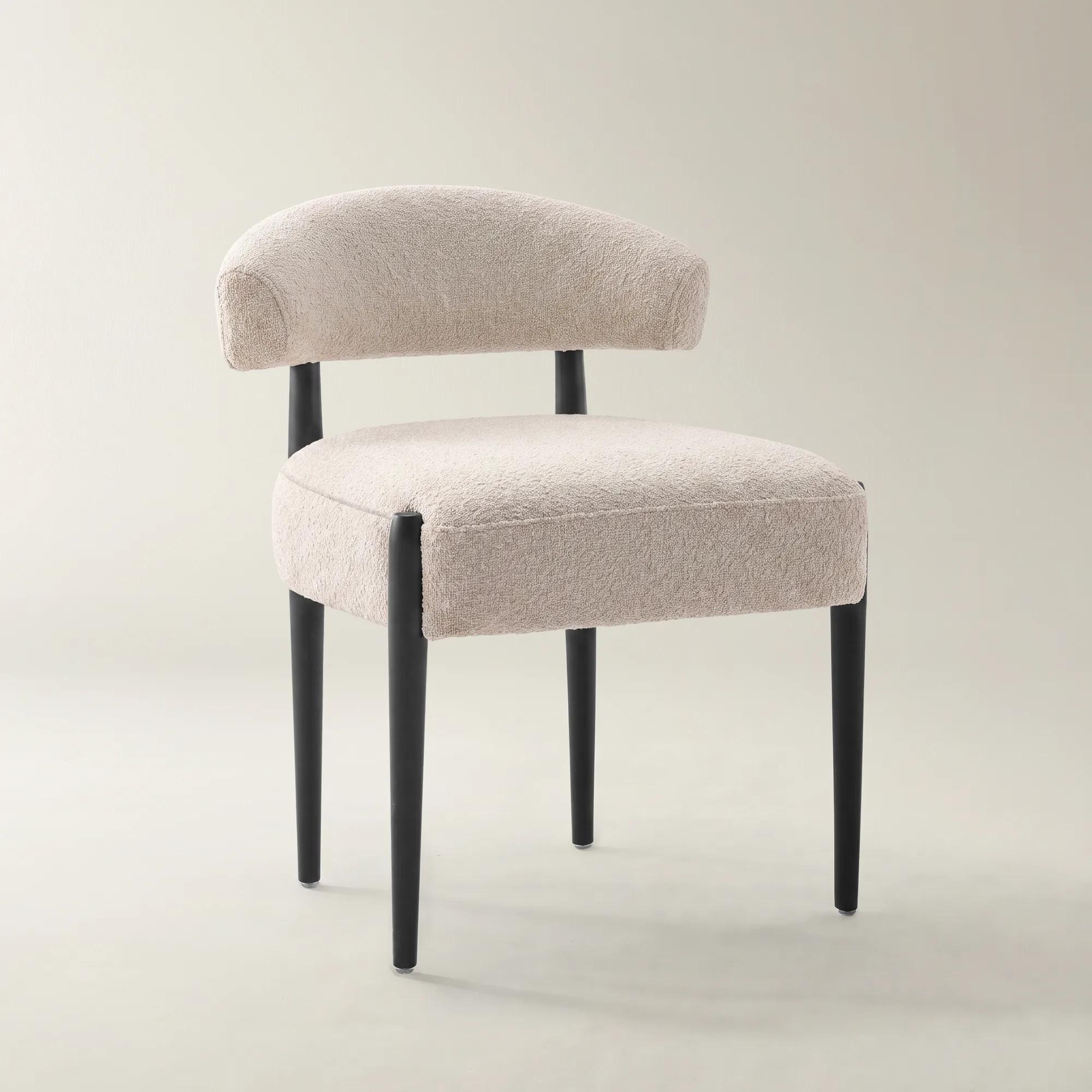
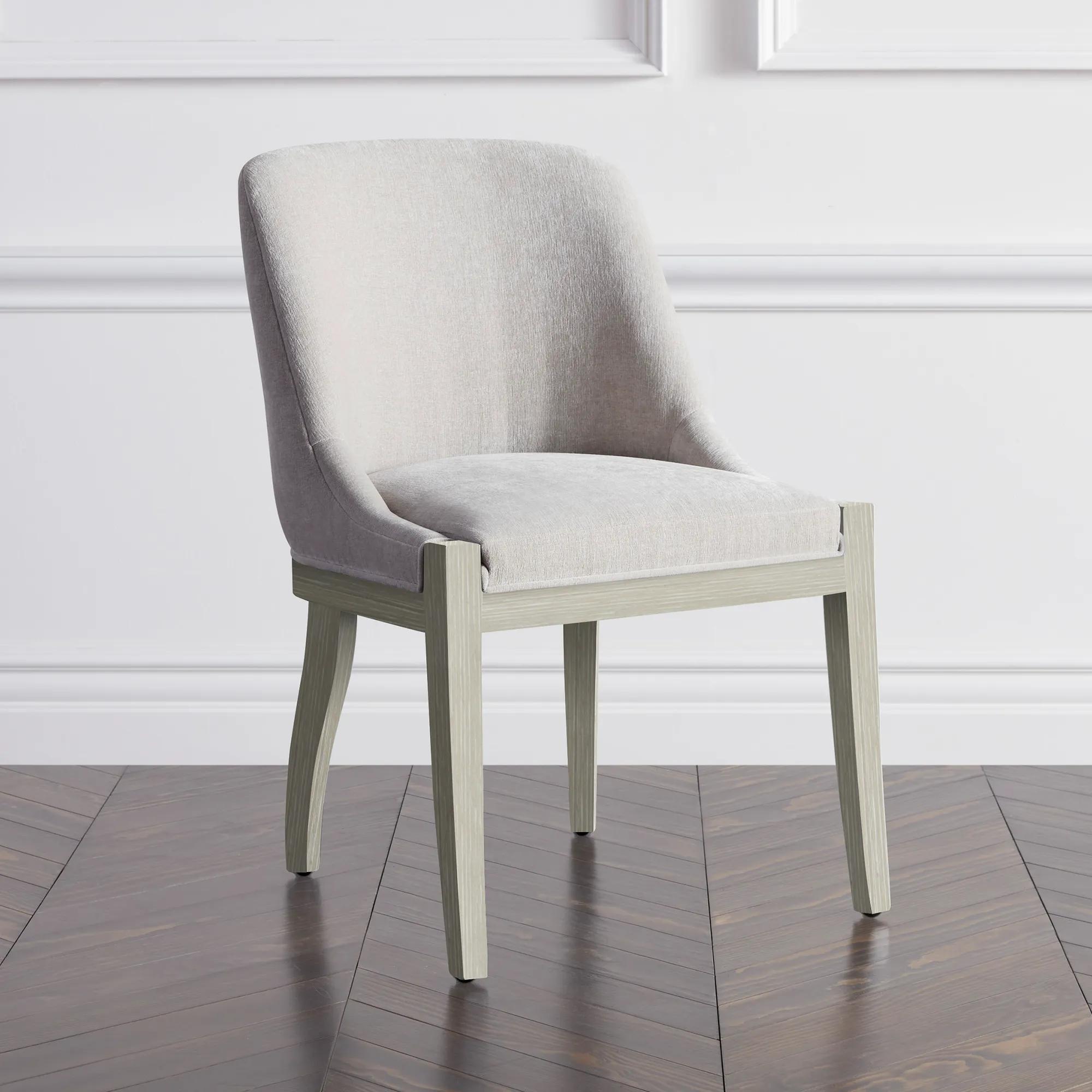 Lily Dining Chair - Natural Grey$649
A modern grey dining chair featuring kiln-dried hardwood, plush foam cushioning, and tailored chenille upholstery.
Add To Cart -
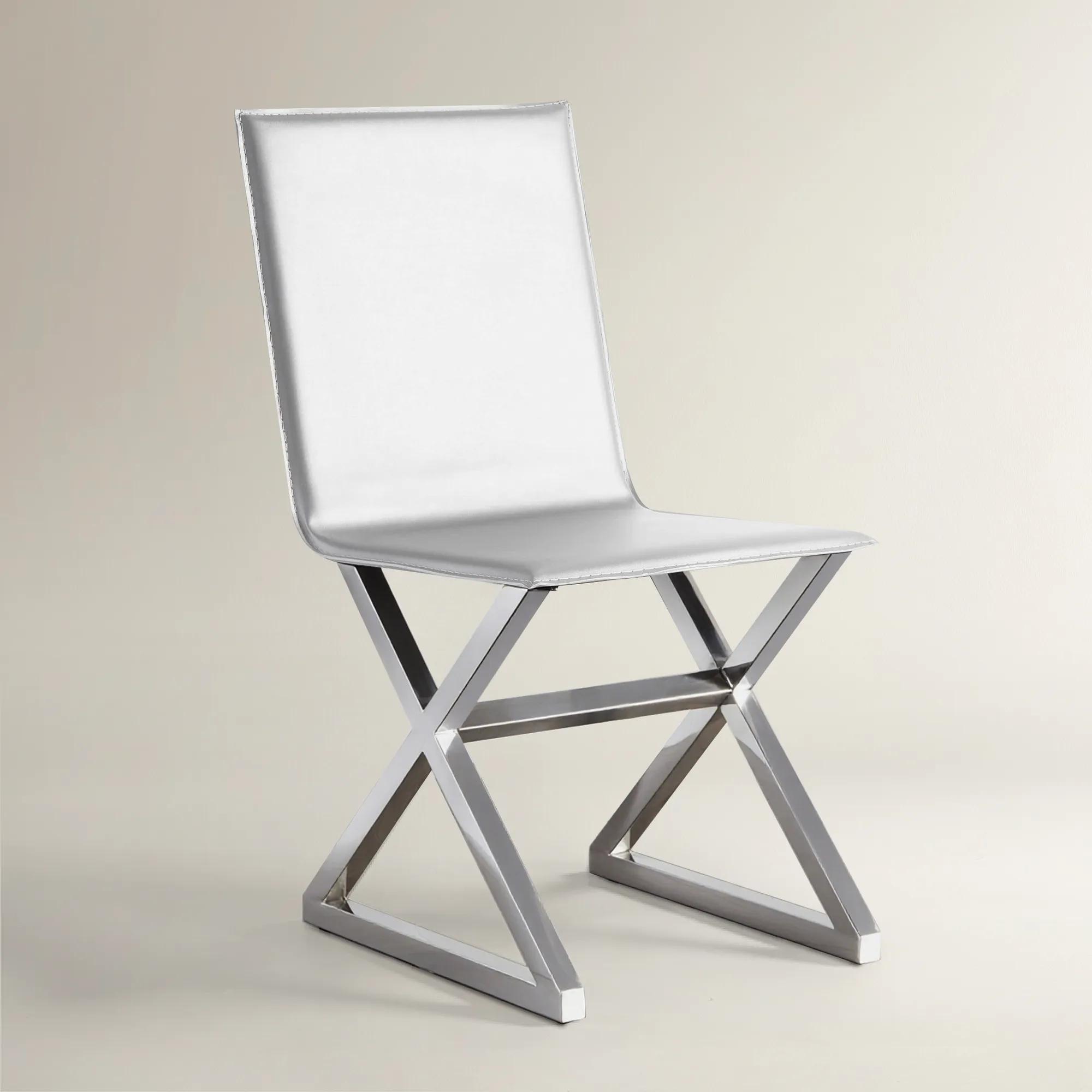
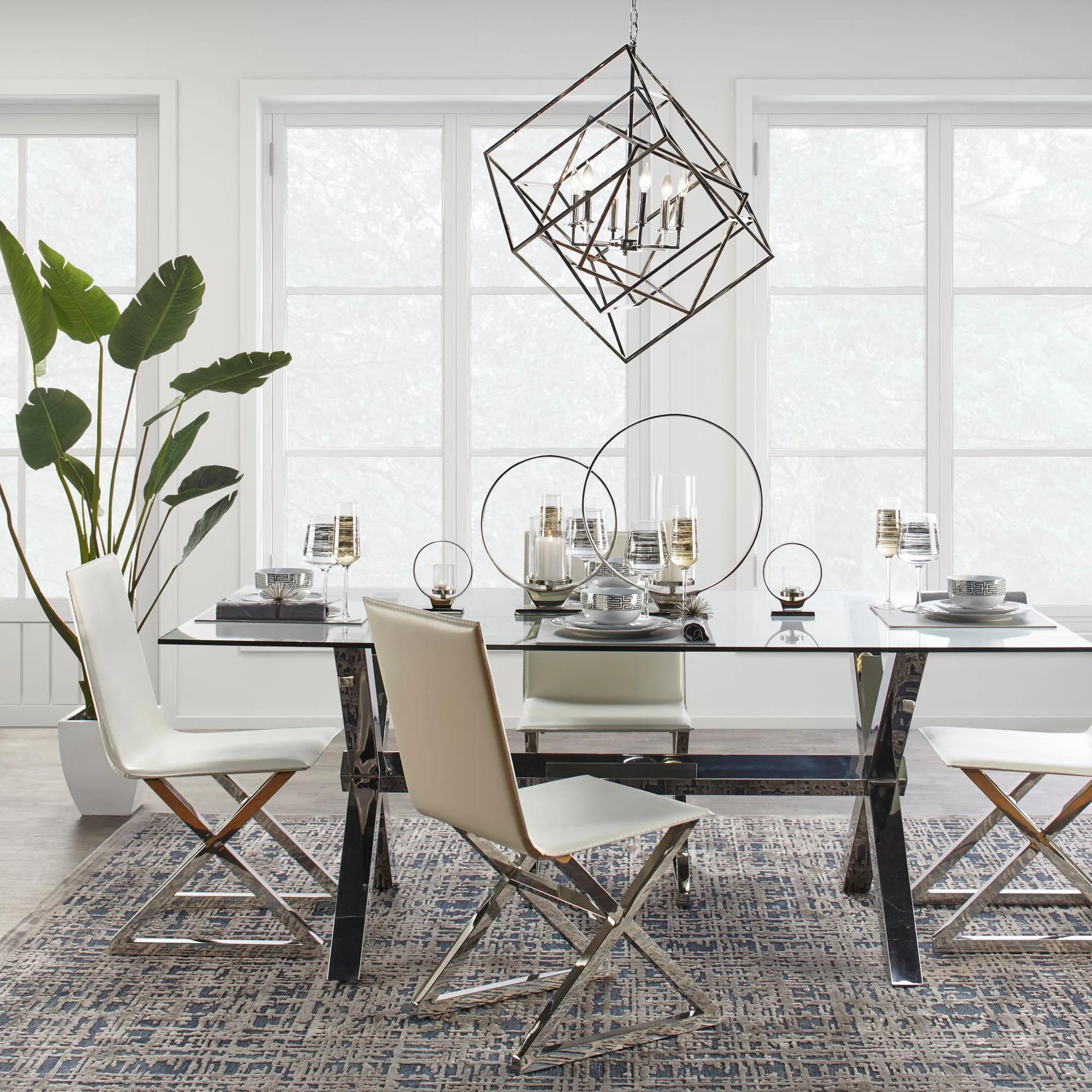 Axis Dining Chair - Set of 2$399
A contemporary chair set featuring white bonded leather upholstery and a polished stainless steel base.
Add To Cart -
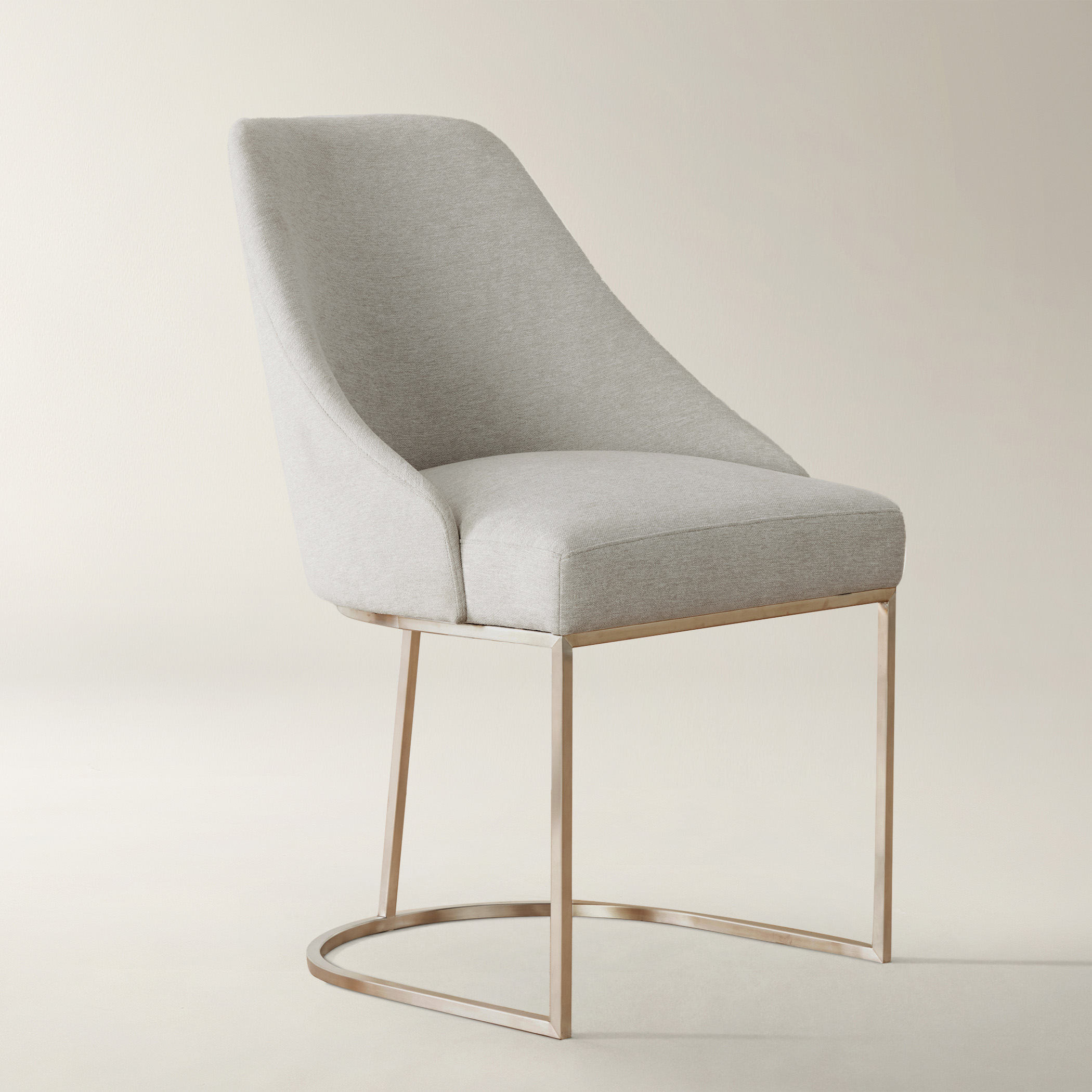
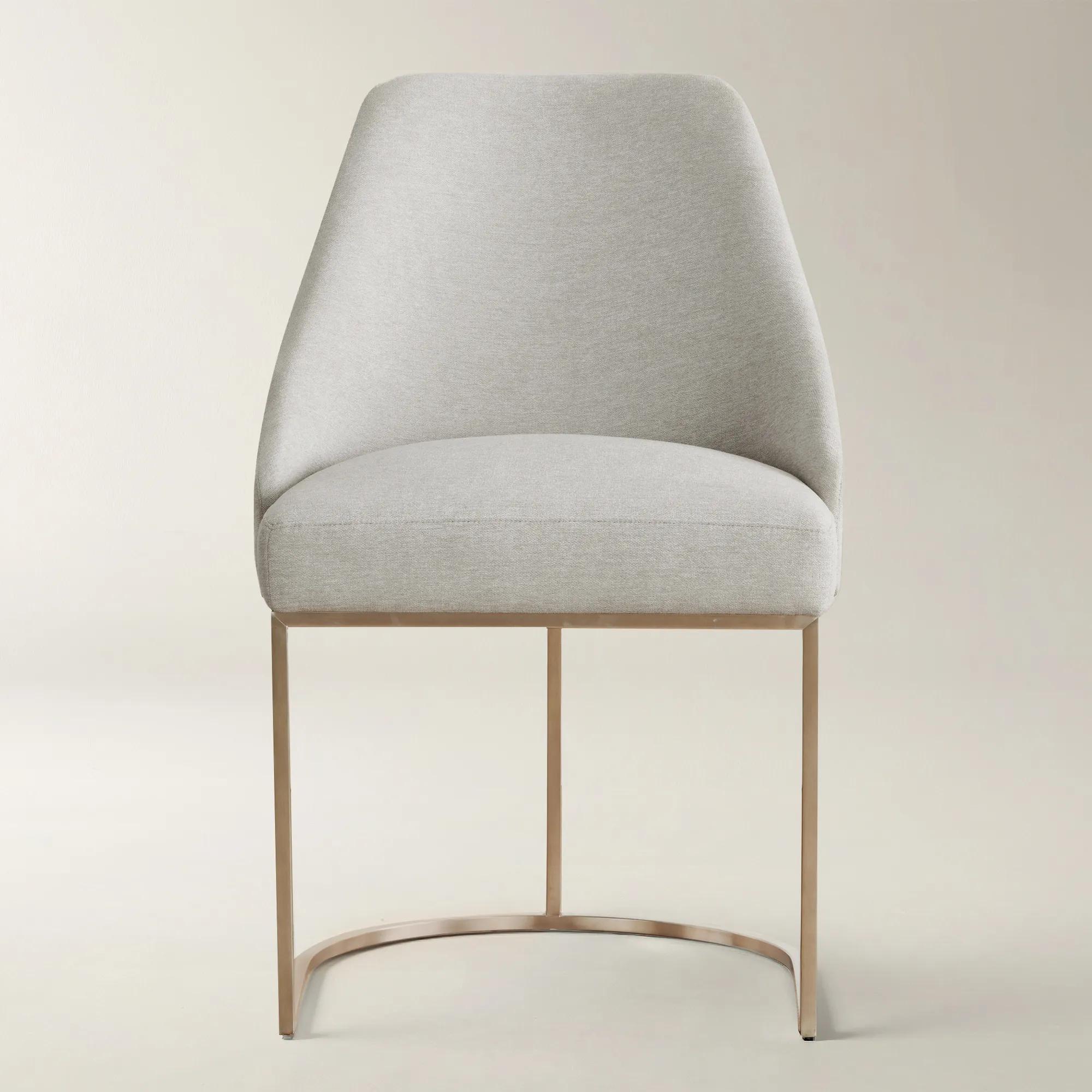 Rowan Ivory Fabric Dining Chair$599
A modern chair featuring brushed stainless steel legs and stain-resistant, water-repellent Roxboro Frost fabric.
Add To Cart -
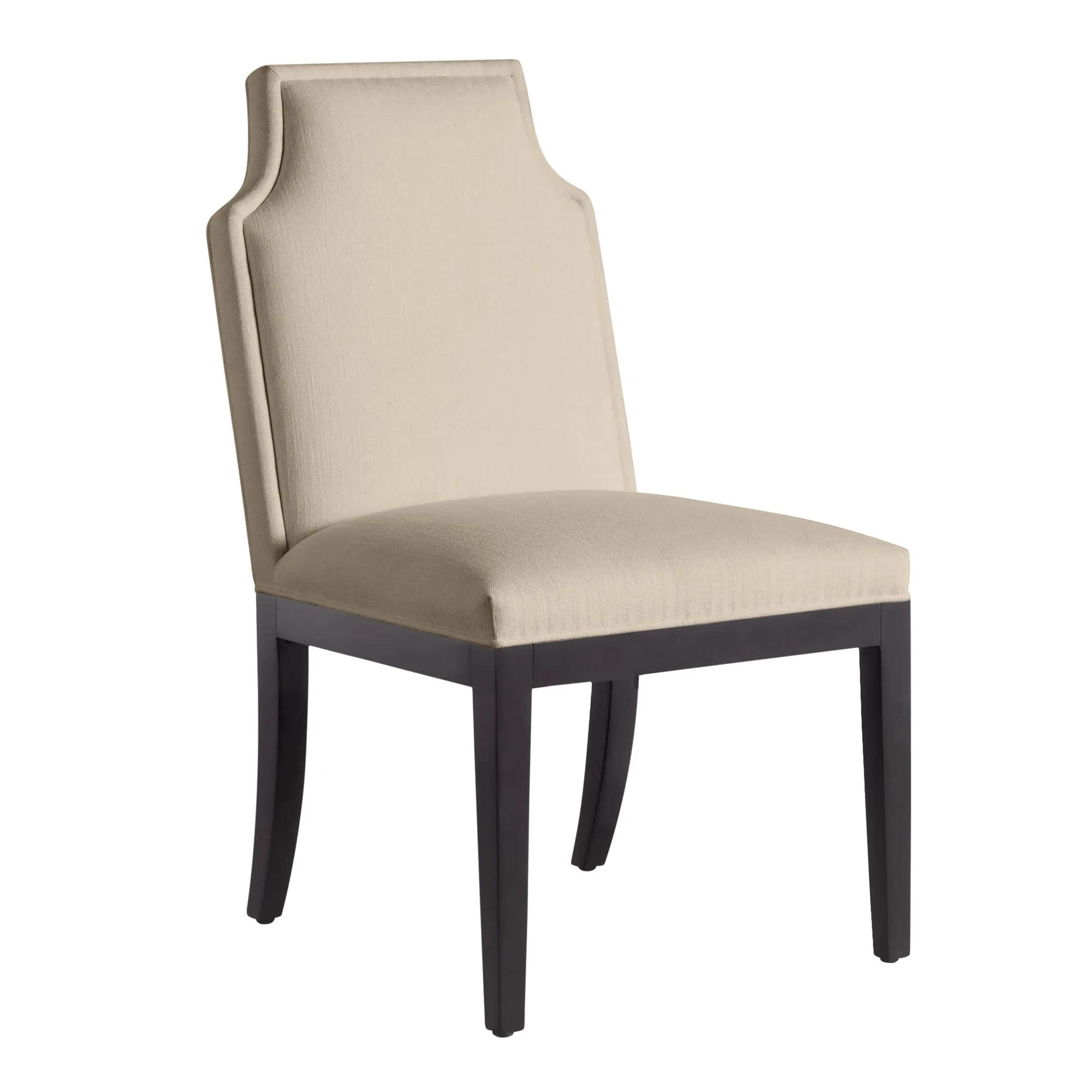
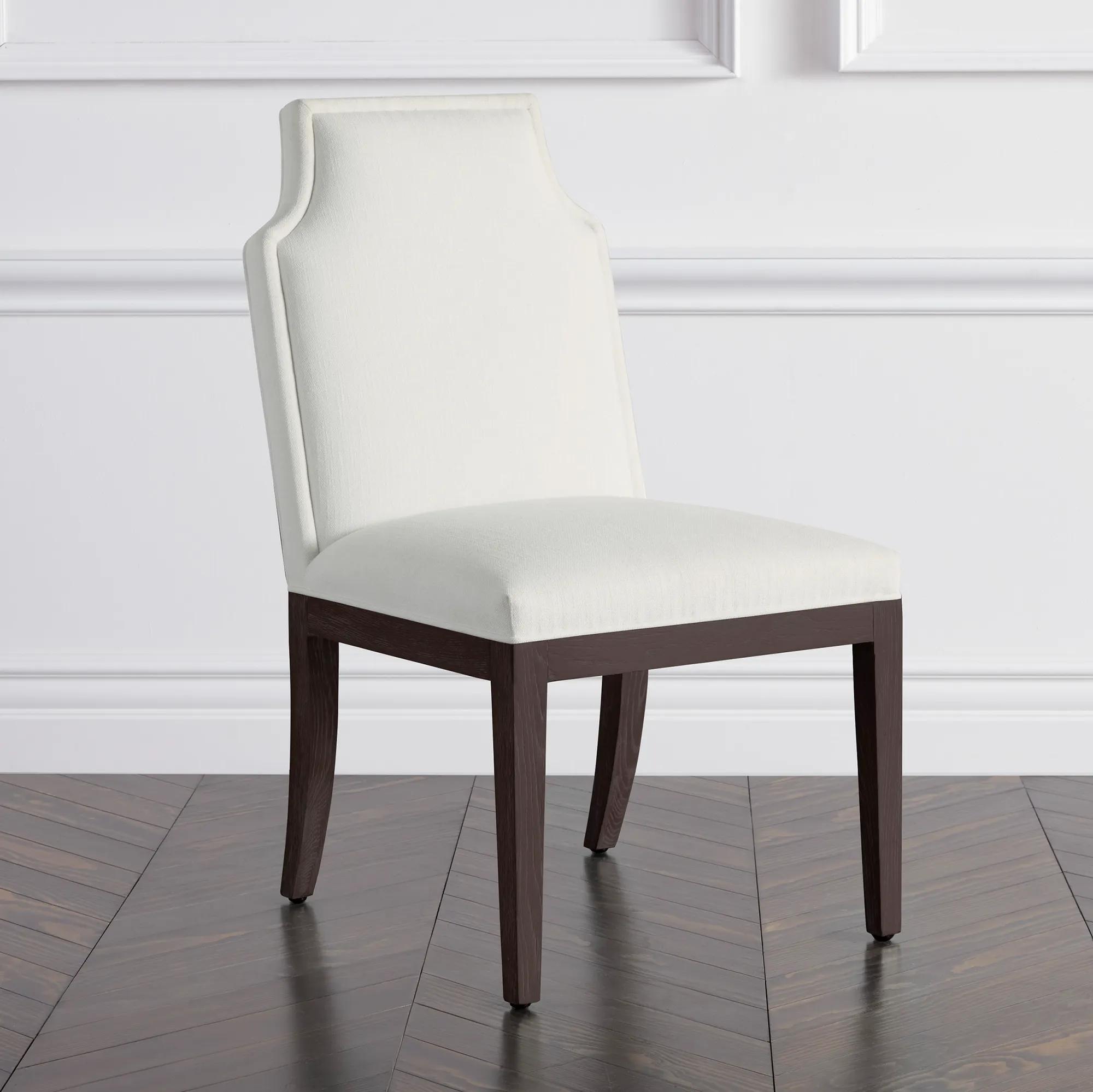 Jasmine Dining Chair - Espresso$649
A chic dining chair featuring a notched back, espresso legs, and plush upholstery for lasting comfort.
Add To Cart -
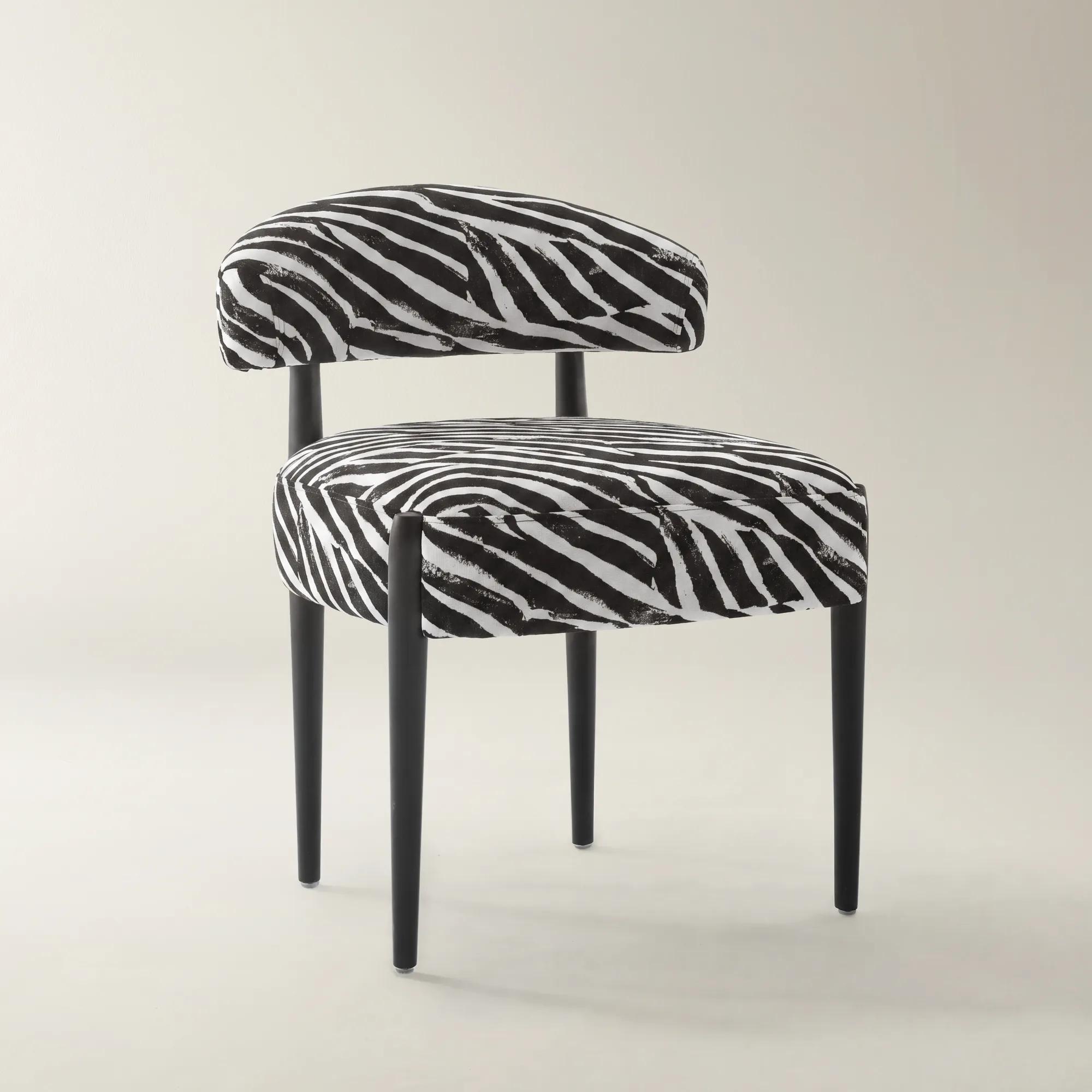
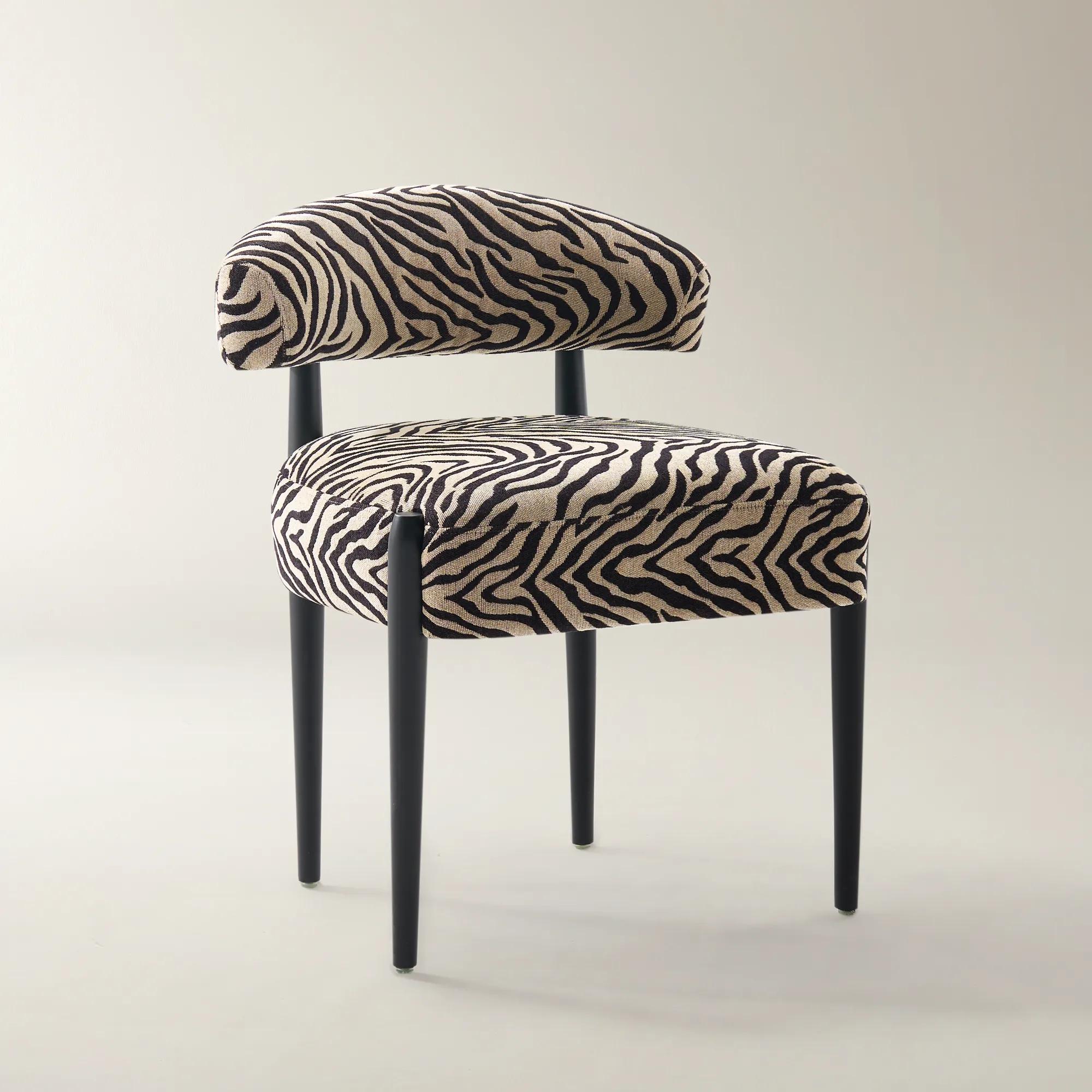 Anna Zebra Chenille Dining Chair Set Of 2$599
A set of zebra-print chenille dining chairs with high-density foam cushions and sturdy rubberwood legs.
Add To Cart -
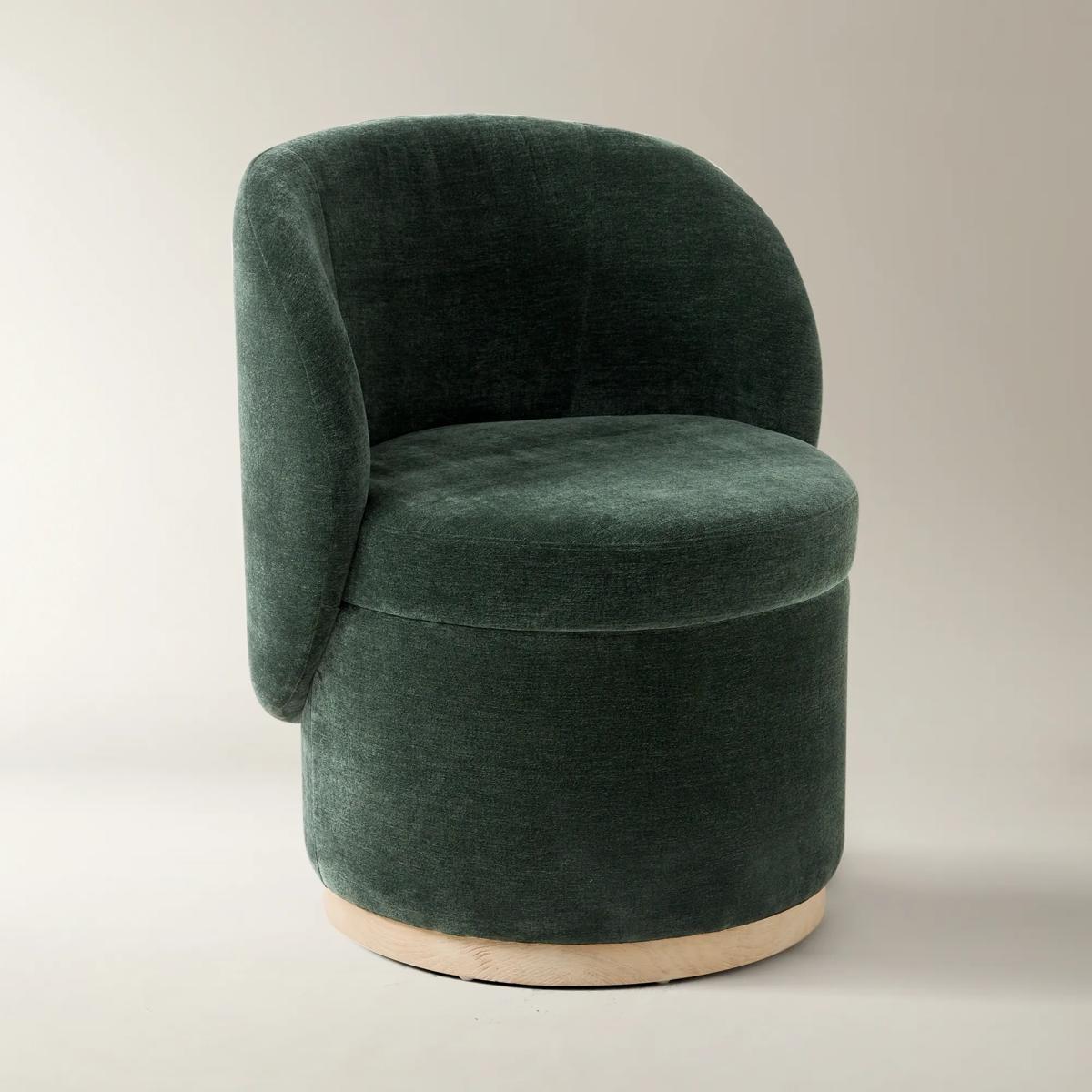
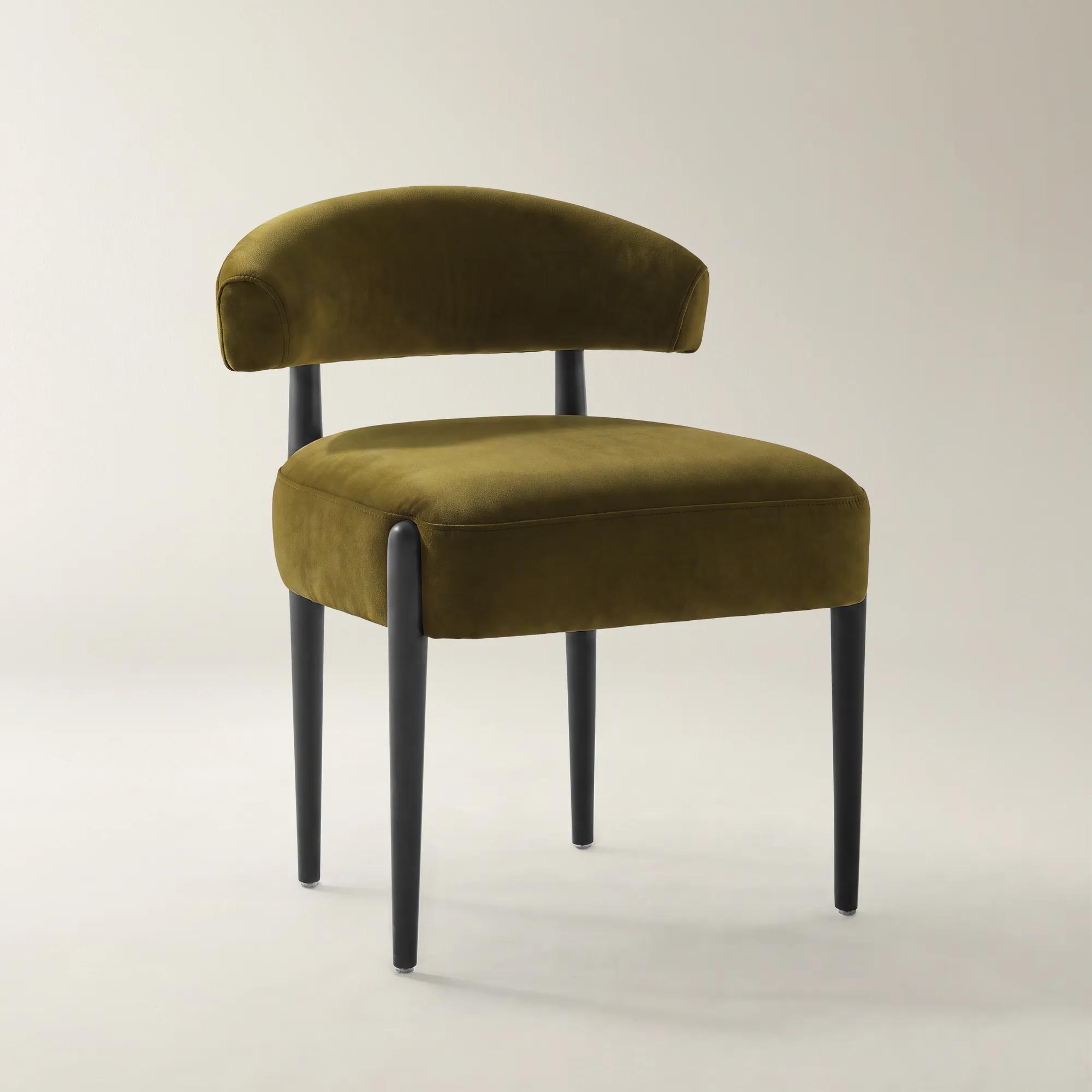
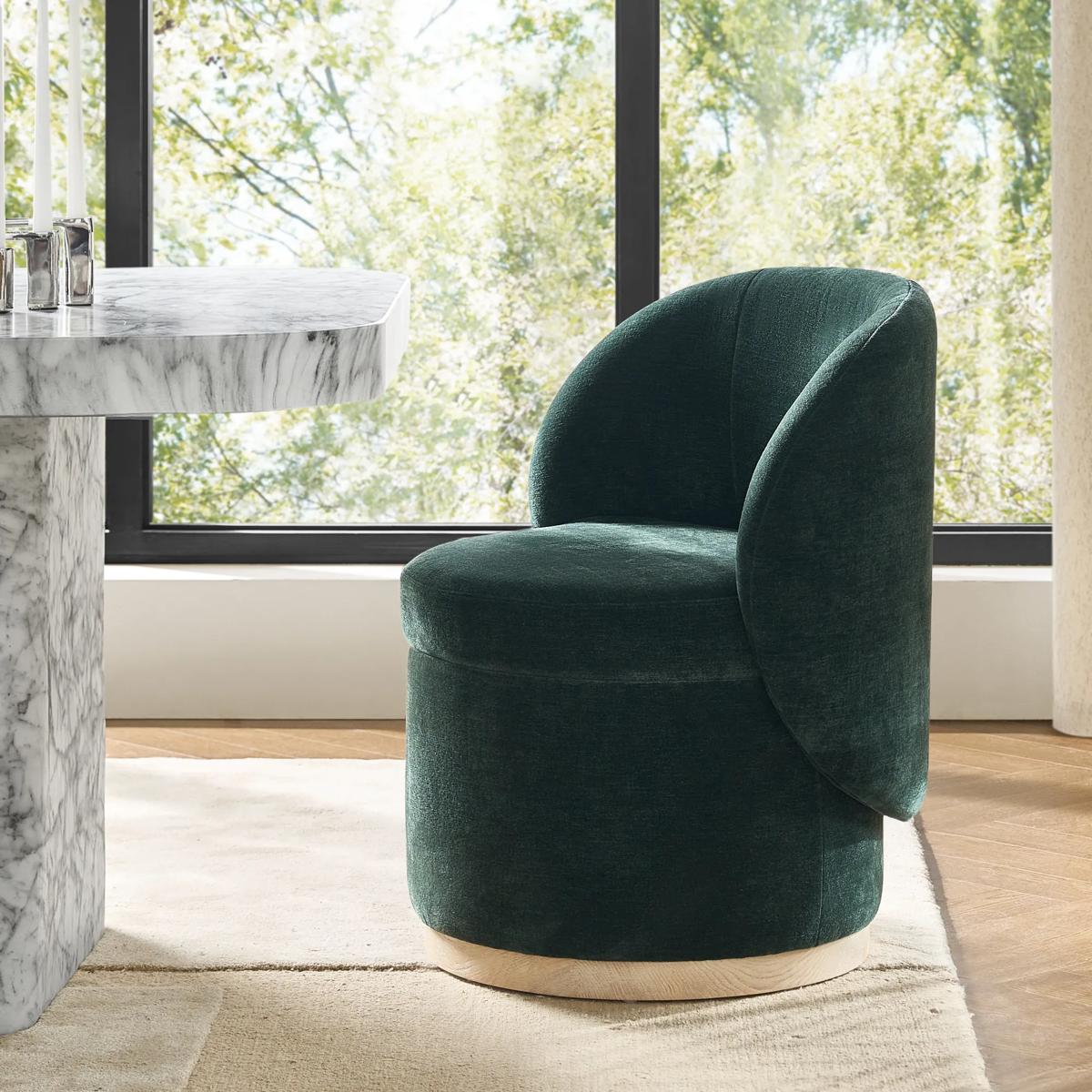 Stria Green Chenille Dining Chair With Oak Base$449
A green chenille dining chair with a handcrafted solid oak base and inviting, softly curved silhouette.
Add To Cart -
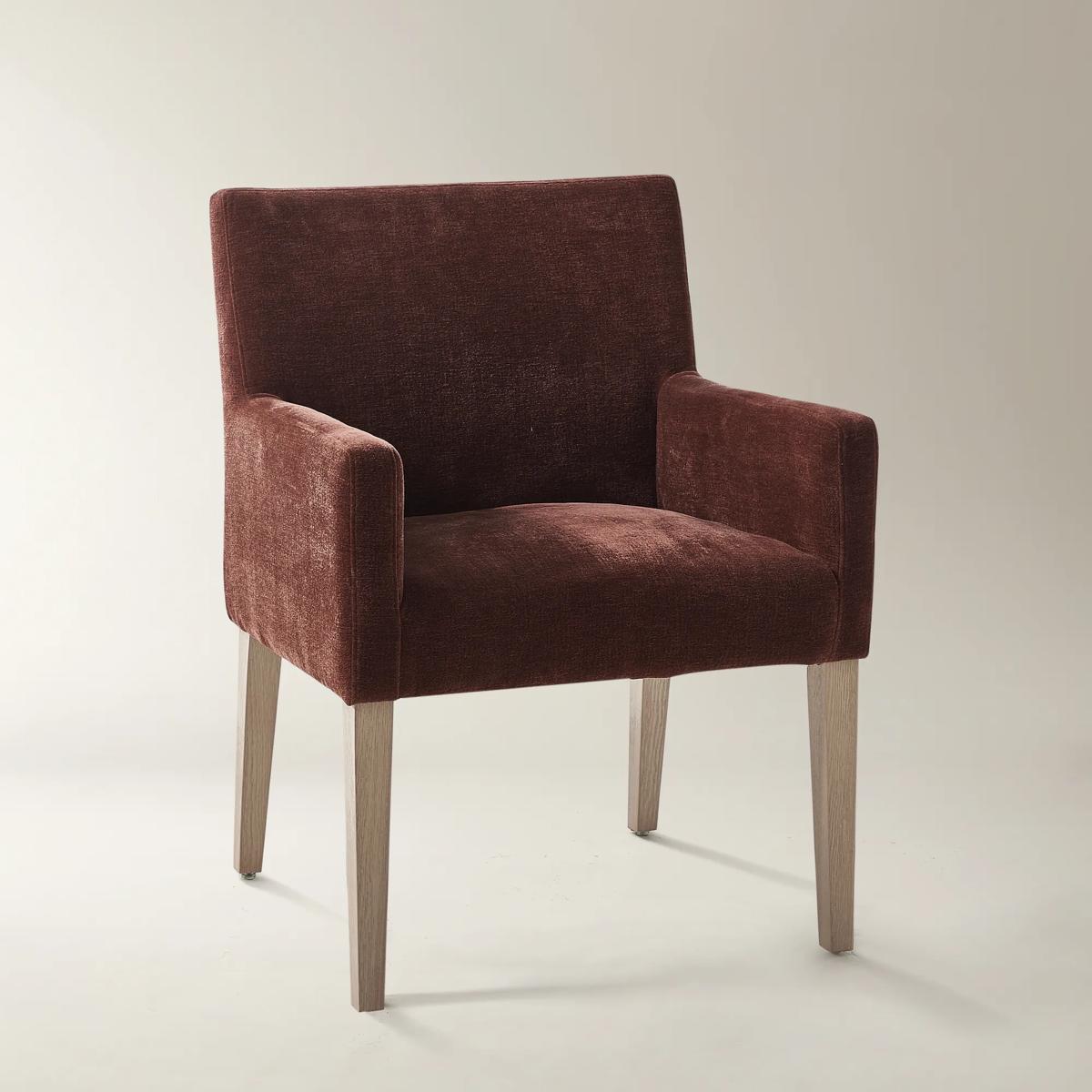
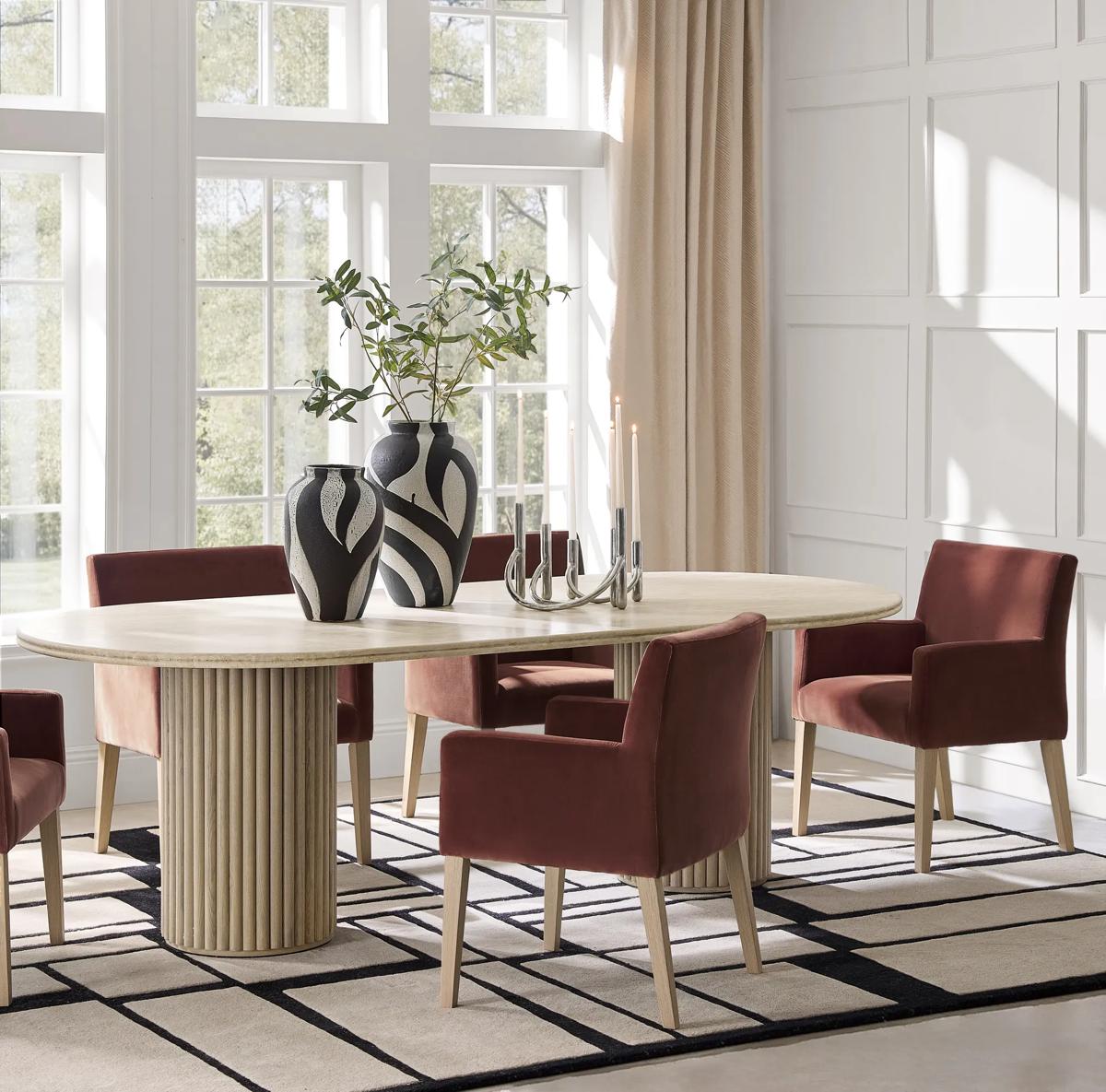 Stria Rust Velvet Dining Chair Set Of 2$599
A set of two arm chairs featuring cognac chenille upholstery and handcrafted solid oak legs for timeless style.
Add To Cart -
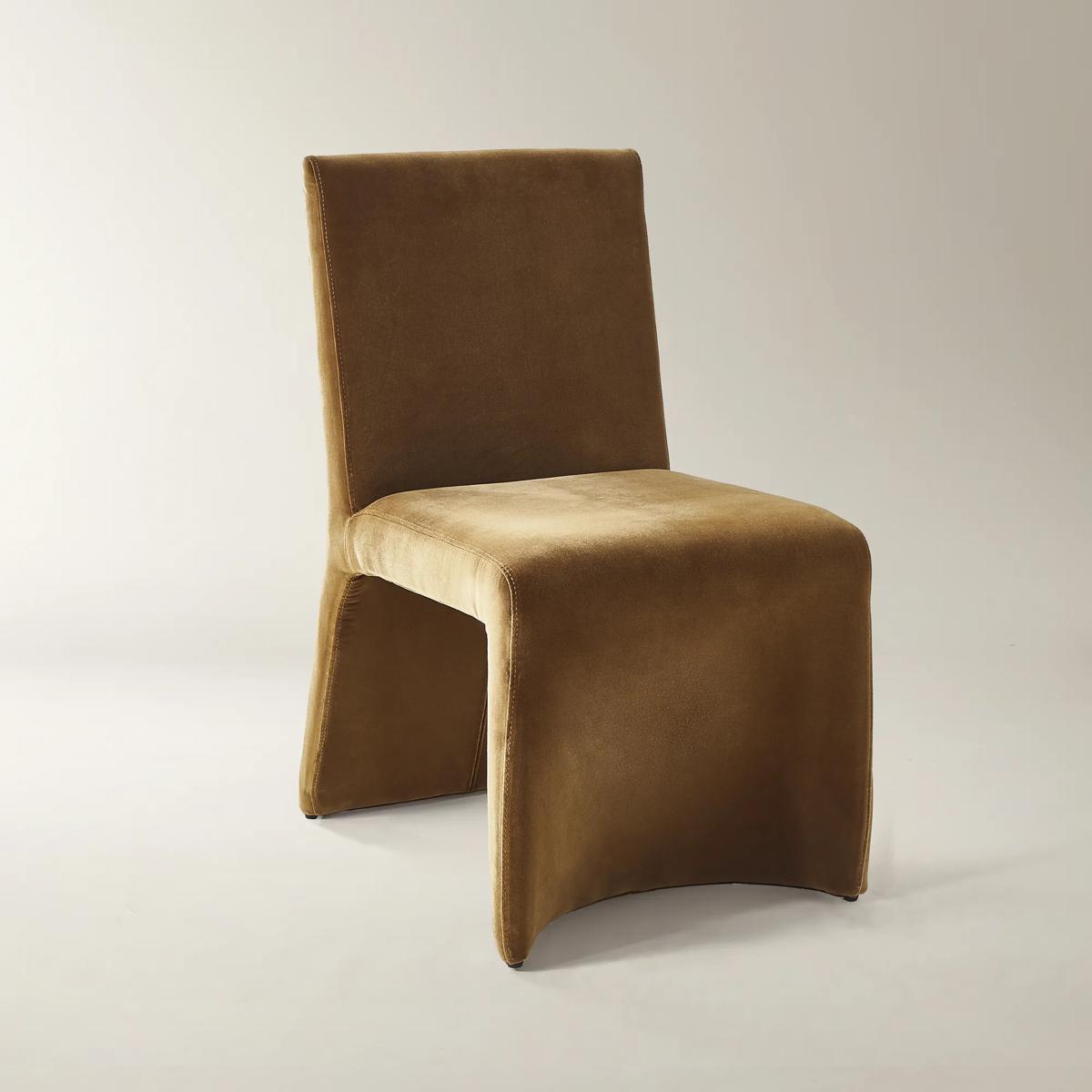 Elara Roasted Pecan Velvet Dining Chair Set Of 2$699
A pair of mustard velvet dining chairs featuring curved ergonomic silhouettes and hand-upholstered, reinforced construction.
Add To Cart -
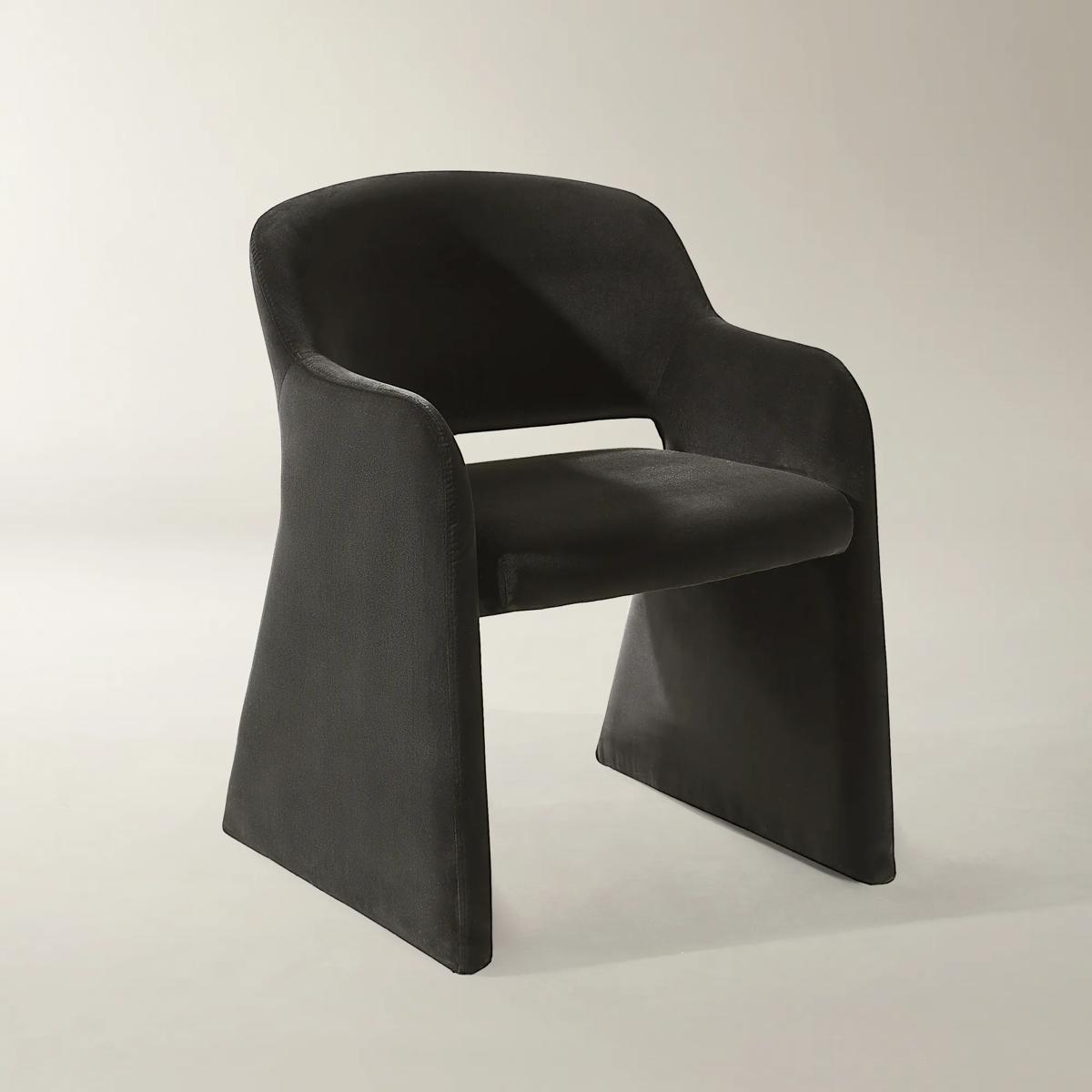 Elara Charcoal Velvet Dining Chair$399
A charcoal velvet armchair with sinuous curves, supportive embrace, and hand-crafted, reinforced construction.
Add To Cart -
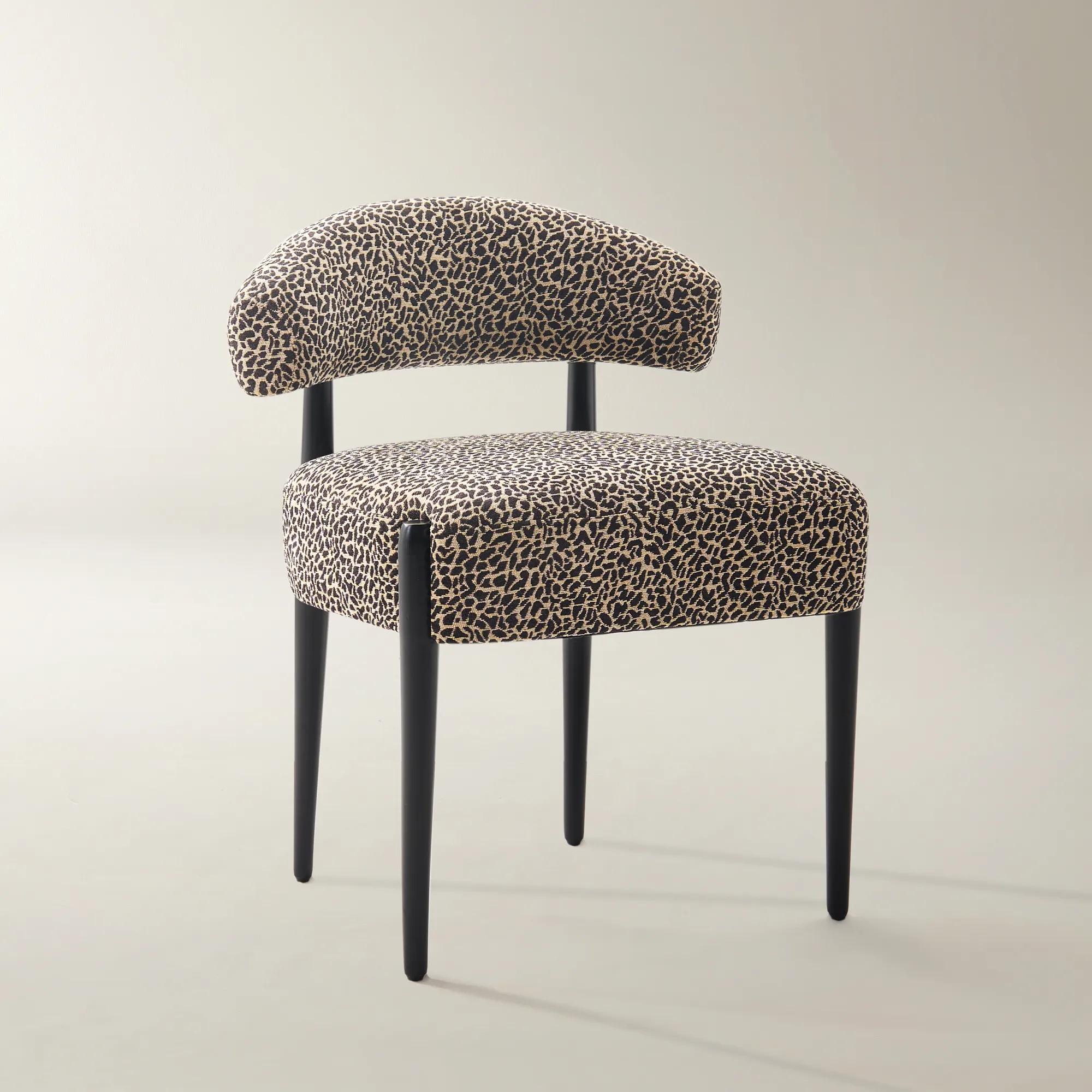
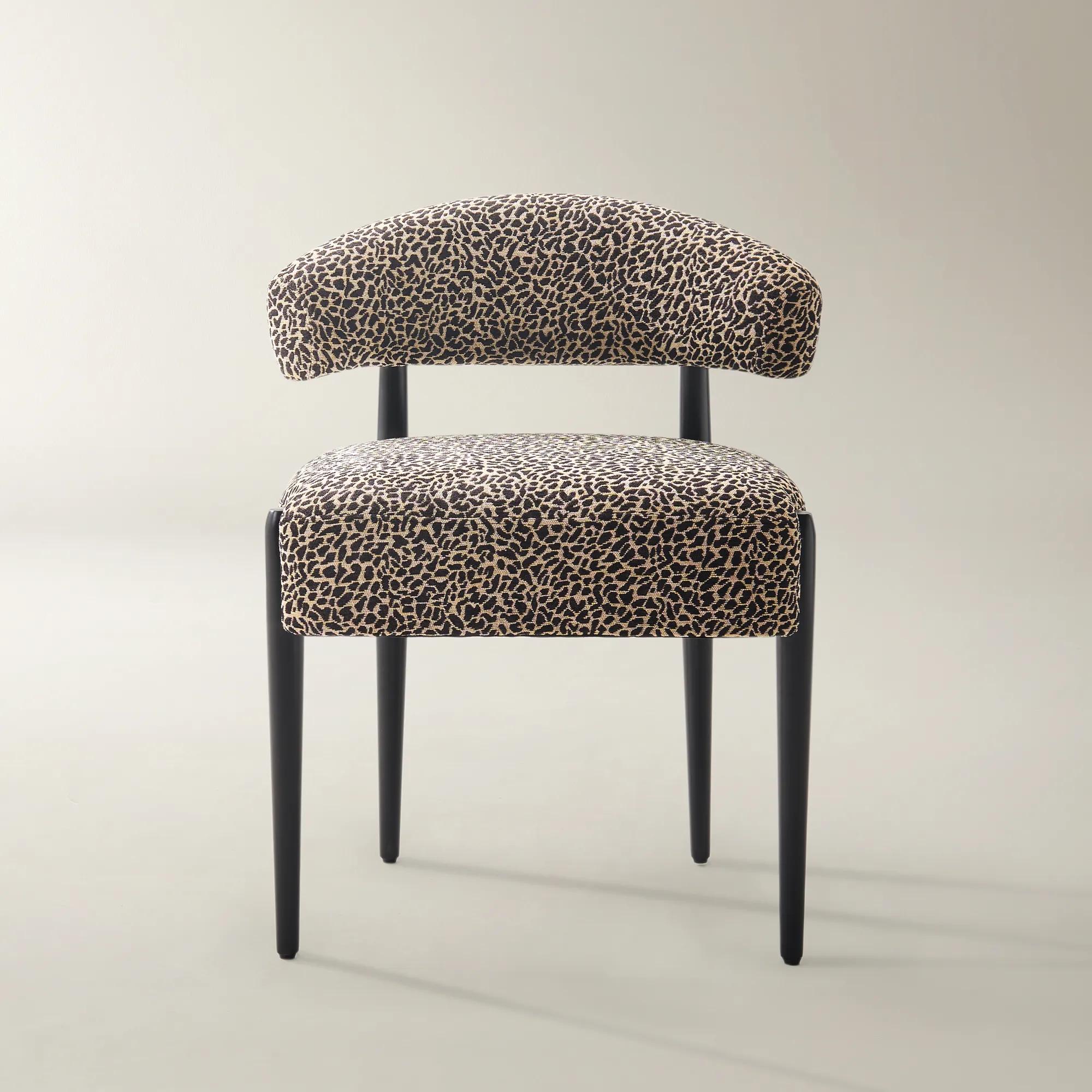 Anna Leopard Chenille Dining Chair Set Of 2$599
A pair of leopard-print chenille chairs with solid rubberwood legs and high-density foam for lasting comfort.
Add To Cart -
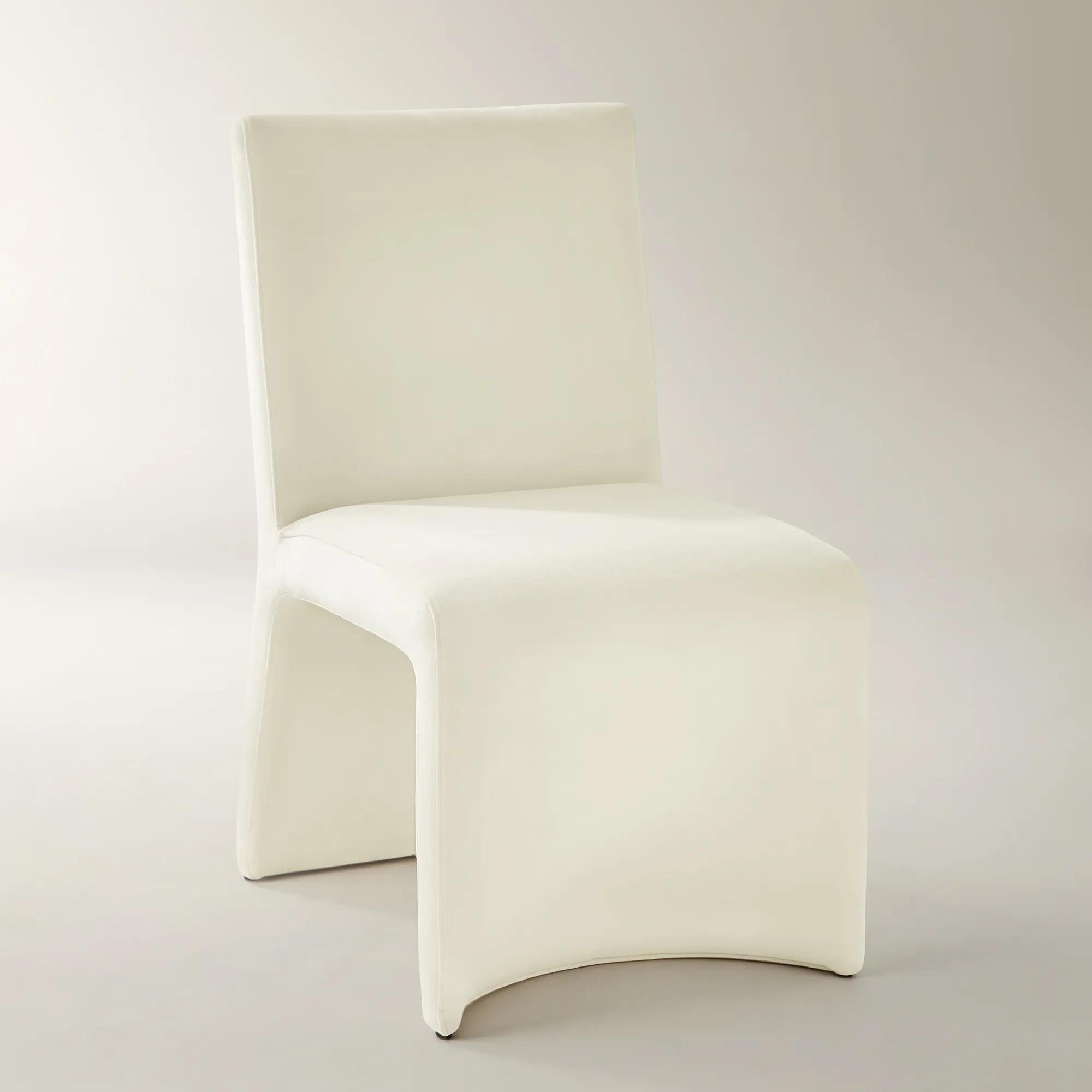 Elara Cloud Velvet Dining Chair Set Of 2$649
A set of two dining chairs featuring plush velvet upholstery, a seamless curved silhouette, and a sturdy steel frame.
Add To Cart -
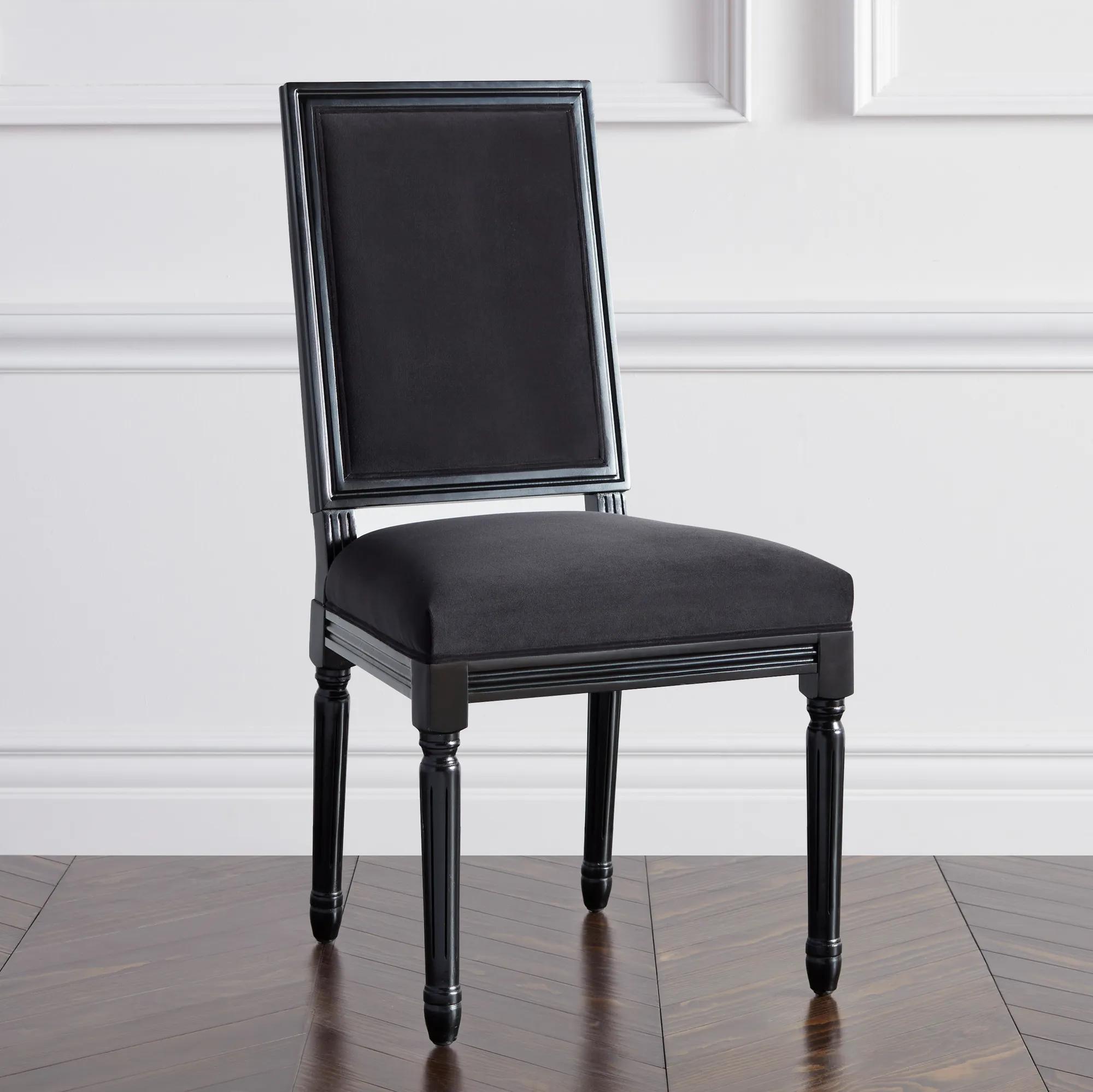
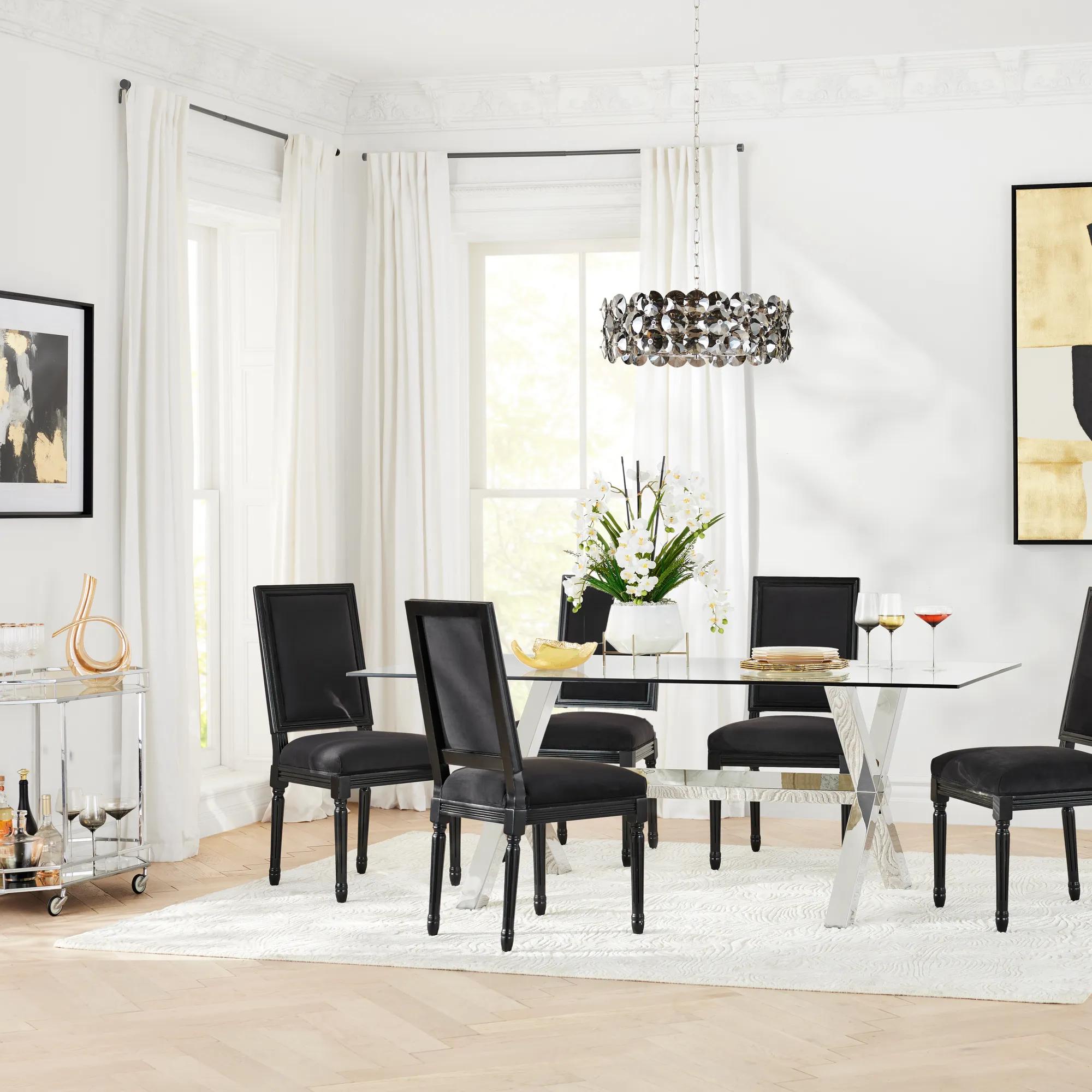 Callan Dining Chair - High Gloss Black$599
A handcrafted dining chair featuring high-gloss black Bella Velvet upholstery, fluted legs, and a squared back.
Add To Cart -
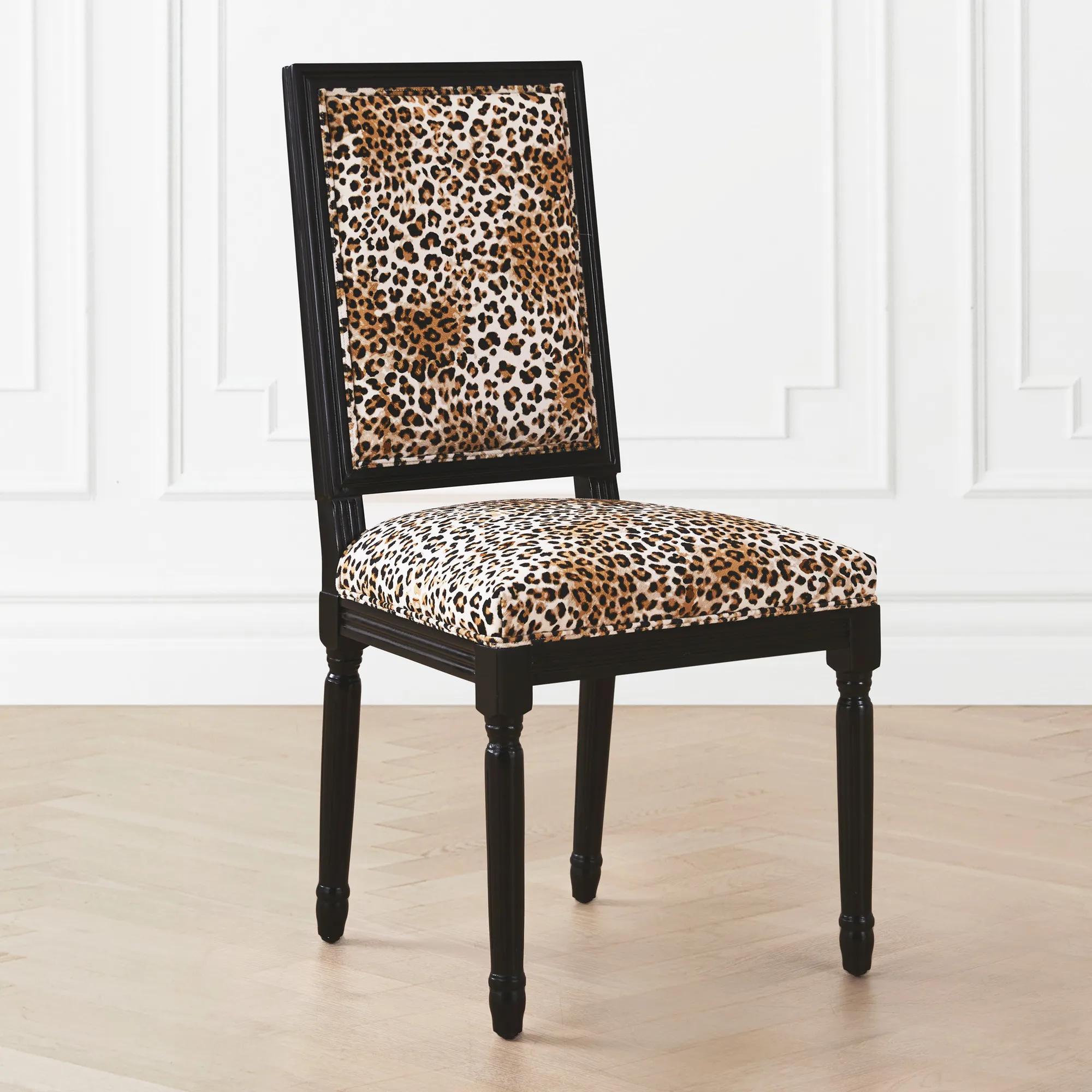
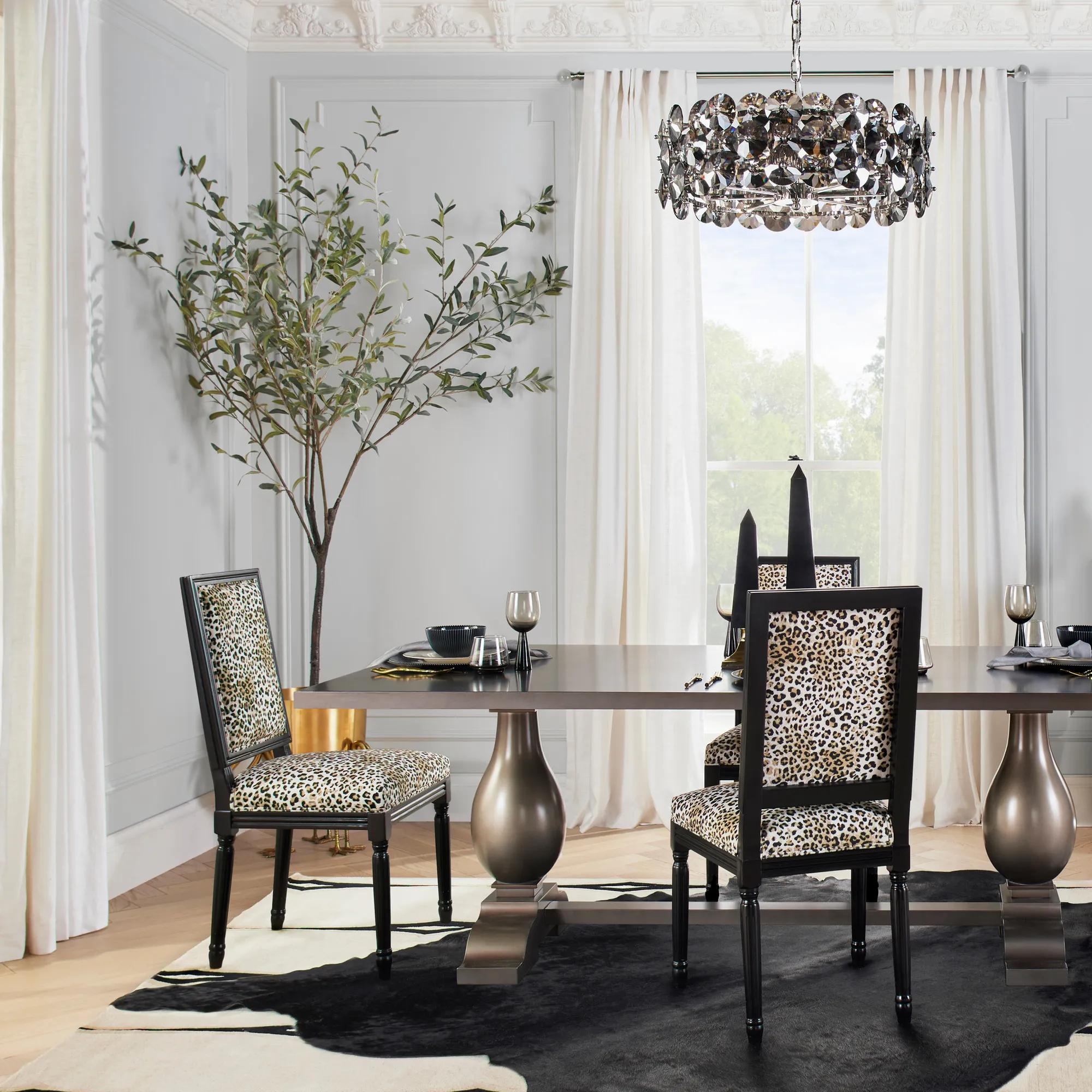 Callan Dining Chair$599
A handcrafted modern chair featuring classic upholstery, squared back, fluted legs, and high-gloss finish.
Add To Cart -
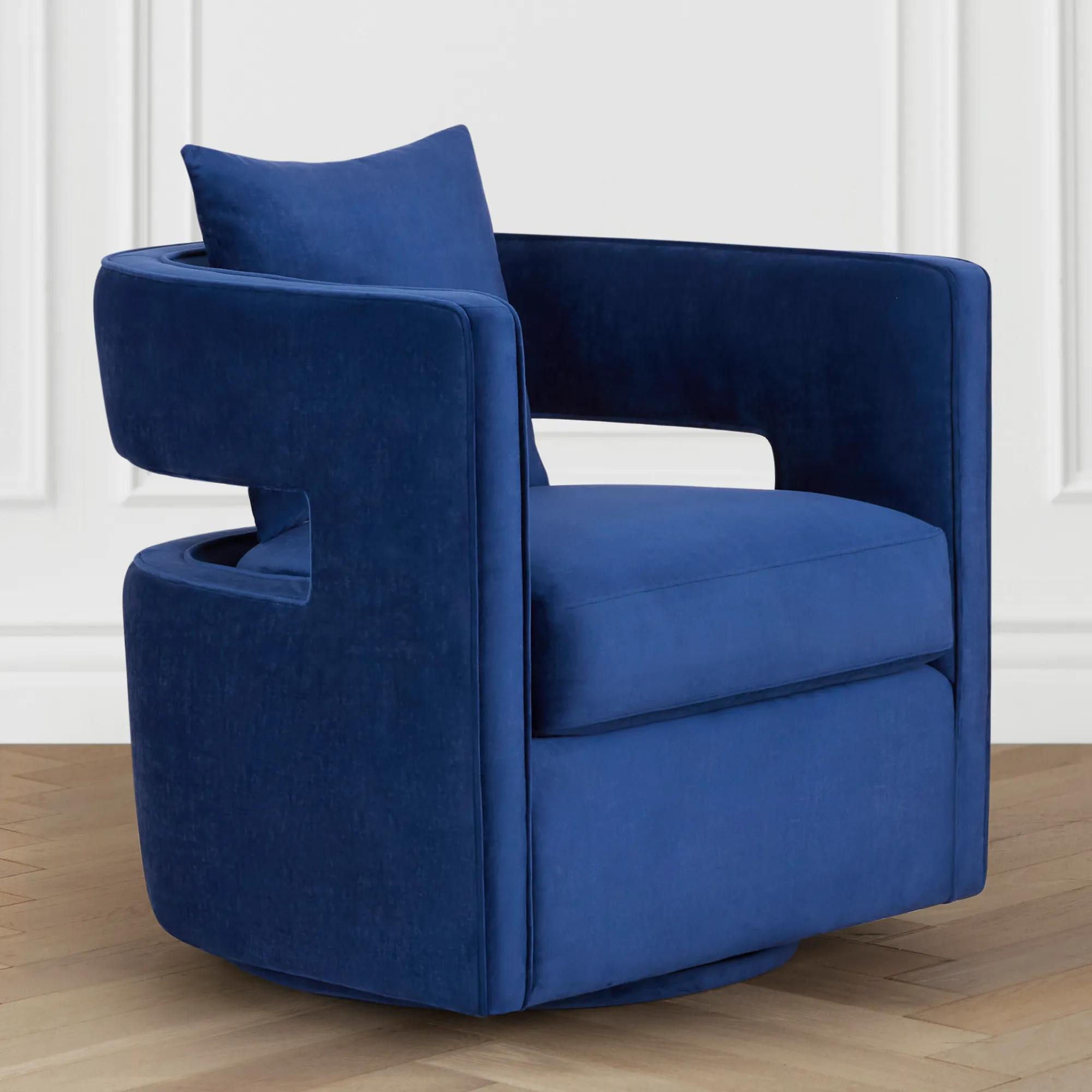
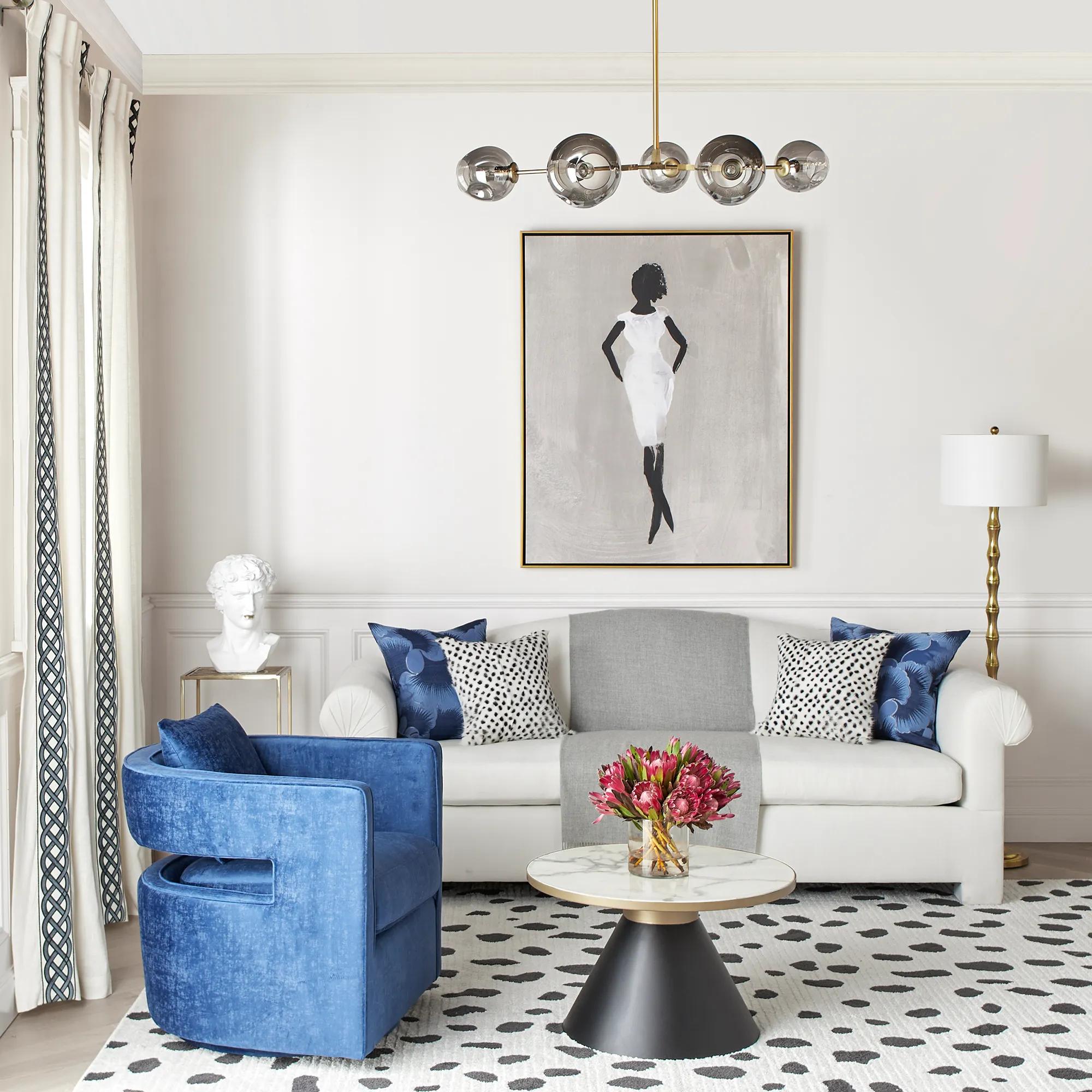 Lottie Navy Velvet Swivel Accent Chair$999
A glamorous navy velvet swivel chair featuring a barrel back, cutout arms, and plush foam cushioning.
Add To Cart

Dining Chairs With Sturdy Construction
Elevate your dining experience with dining chairs with sturdy construction, where artful design meets enduring strength. Each piece is a testament to craftsmanship, transforming everyday meals into grand occasions and anchoring your space with confidence and poise. Whether you’re curating a dramatic tablescape or hosting lavish soirées, these chairs promise not just support, but a statement—inviting you to savor both comfort and style in equal measure. Let your dining room become a gallery of sophistication, where every seat tells a story of resilience and refined taste.
Dining chairs with sturdy construction bring substance to a beautifully composed room, pairing a supportive seat with the confidence of a well-built frame. Their durability depends on more than a stated weight capacity: frame materials, secure joints, bracing, and the connection between the seat and base all influence how a chair handles repeated use. A weight rating is useful when provided by the manufacturer, but it does not tell the entire story of long-term performance. Everyday dining creates movement in several directions as guests settle in, turn toward a conversation, and pull their chairs closer to the table. Well-executed mortise-and-tenon joints, doweled connections, or glued-and-screwed corner blocks can help wooden frames resist the loosening that repeated movement may cause. In metal frames, sound welds or properly secured mechanical connections contribute to stability, while the quality of the finish affects how well the surface stands up to ordinary contact. Neither solid wood nor metal alone guarantees lasting strength; thoughtful engineering and careful assembly matter just as much as the material itself. Substantial construction also need not look heavy. A sculptural back, slender braced legs, or a tailored upholstered silhouette can introduce visual grace without sacrificing support when the underlying structure is well designed. Wood lends warmth and dimensional grain to a dining space, while a polished or brushed metal base can echo the gleam of a chandelier or the edge of a mirrored console. Upholstery softens that architectural foundation, creating an inviting contrast against stone, glass, or richly finished wood tables. For households that gather around the table every day and hosts who favor dinners that unfold over several courses, this balance of strength and expressive design has particular appeal. The result is seating that belongs in the composition of the room while remaining grounded in its purpose: supporting meals, conversation, and the pleasure of lingering.
Proportion makes that strength feel comfortable rather than cumbersome. A sturdy dining chair should suit both the people using it and the table it accompanies, with seat height, usable seat width, back support, and arm placement considered together. For many standard dining tables, approximately 10 to 12 inches between the top of the seat and the underside of the tabletop provides a useful starting point, though a deep apron can reduce actual legroom. Upholstered seats may compress when occupied, so listed dimensions and cushion firmness both affect the seated experience. Armchairs create a grand presence at the ends of a rectangular table, but their arms need enough clearance to slide beneath the tabletop or apron if a tucked-in arrangement is desired. Armless chairs often allow easier entry along the sides, especially where the dining area shares space with a living room. Roughly 24 inches of table edge per person is another planning reference, not a guarantee of comfort; broader chairs, generous arms, and closely positioned table legs can call for more room. Space behind each chair matters as well. About 36 inches from the table edge to a wall or furnishing can allow room to pull out a chair, while an active walkway may require more. These relationships become especially apparent when a dining table doubles as a place for homework, correspondence, or an unhurried breakfast. A shaped back and supportive padding can make longer seated moments more comfortable, while a manageable chair weight helps with daily repositioning. For an open kitchen where seating moves frequently between quick meals and a fully dressed table, Durable Kitchen Dining Chairs offer a related direction to explore. Across either setting, generous scale should be deliberate: a high back can frame the table with drama, while a lower silhouette leaves sightlines open to artwork, lighting, and the rooms beyond.
Lasting beauty also rests on the surfaces touched every day. Upholstered dining chairs introduce depth through texture, from the light-catching pile of velvet to the subtle dimension of a woven fabric, but fiber content, weave, backing, and cleaning requirements deserve as much attention as color. Performance upholstery may offer added stain resistance or easier maintenance, depending on its specifications; the term does not mean every spill can be removed or that every cleaning method is safe. In a household with children, frequent guests, or a dining area used throughout the day, an upholstery option with clearly documented care instructions can make ownership more practical without diminishing the room’s polish. Smooth wood and metal surfaces may be simpler to wipe down than textured upholstery, although protective finishes still need gentle treatment. Blotting a spill promptly rather than rubbing helps limit its spread, and the manufacturer’s care directions should determine whether water-based products, solvent-based products, or professional cleaning are appropriate. A soft brush attachment can lift dust and crumbs from upholstery seams; wood and metal generally benefit from a soft cloth and a finish-compatible cleaner. Abrasive pads and harsh chemicals can dull a gleaming surface or damage a protective coating. Construction needs occasional attention, too. On chairs designed with assembly hardware, checking fasteners according to the manufacturer’s instructions can help prevent minor loosening from developing into noticeable movement. Overtightening can damage threads or surrounding material, so more force is not necessarily better. Suitable floor protectors help reduce scratches, and lifting chairs instead of dragging them limits unnecessary strain on legs and joints. Indoor dining chairs should remain in their intended setting unless specifically rated for outdoor use. With materials matched to the household, proportions matched to the table, and care matched to the finish, sturdy seating can retain both its utility and its visual presence. A deeply upholstered back, a graceful curve, or a luminous base then becomes more than an ornamental gesture: it is part of a dining space designed to be enjoyed, occupied, and unmistakably expressive.
FAQs
Sturdy dining chairs are often crafted from solid hardwoods such as oak, birch, or rubberwood, as well as reinforced metal frames. These materials are chosen for their strength, durability, and timeless appeal, ensuring each chair remains a reliable centerpiece in your dining space for years to come.
When selecting dining chairs, consider the overall mood and palette of your dining room. For a modern, dramatic look, opt for chairs with sculptural lines or metallic finishes. If your space exudes warmth and tradition, upholstered or spindle-back chairs in rich wood tones can add a touch of inviting luxury. Mixing textures and finishes can also create a curated, designer-inspired effect.
Absolutely. Durable dining chairs are designed to transcend occasions, offering both refined elegance for formal gatherings and the resilience needed for everyday family meals. Their blend of style and substance ensures they seamlessly adapt to any setting, elevating the experience whether it’s a holiday feast or a relaxed brunch.
Sturdy dining chairs are often upholstered in high-quality fabrics such as chenille, velvet, linen, or premium faux leather. These materials not only enhance comfort but also add a layer of visual interest, from the soft sheen of velvet to the tailored sophistication of leather. Many options are chosen for their resistance to wear and ease of maintenance.
Yes, the versatility of sturdy dining chairs makes them ideal as accent seating throughout the home. Place one in a bedroom corner for a reading nook, use a pair to flank a console in the entryway, or add extra seating in a living room vignette. Their robust construction and expressive design ensure they make a statement wherever they’re placed.