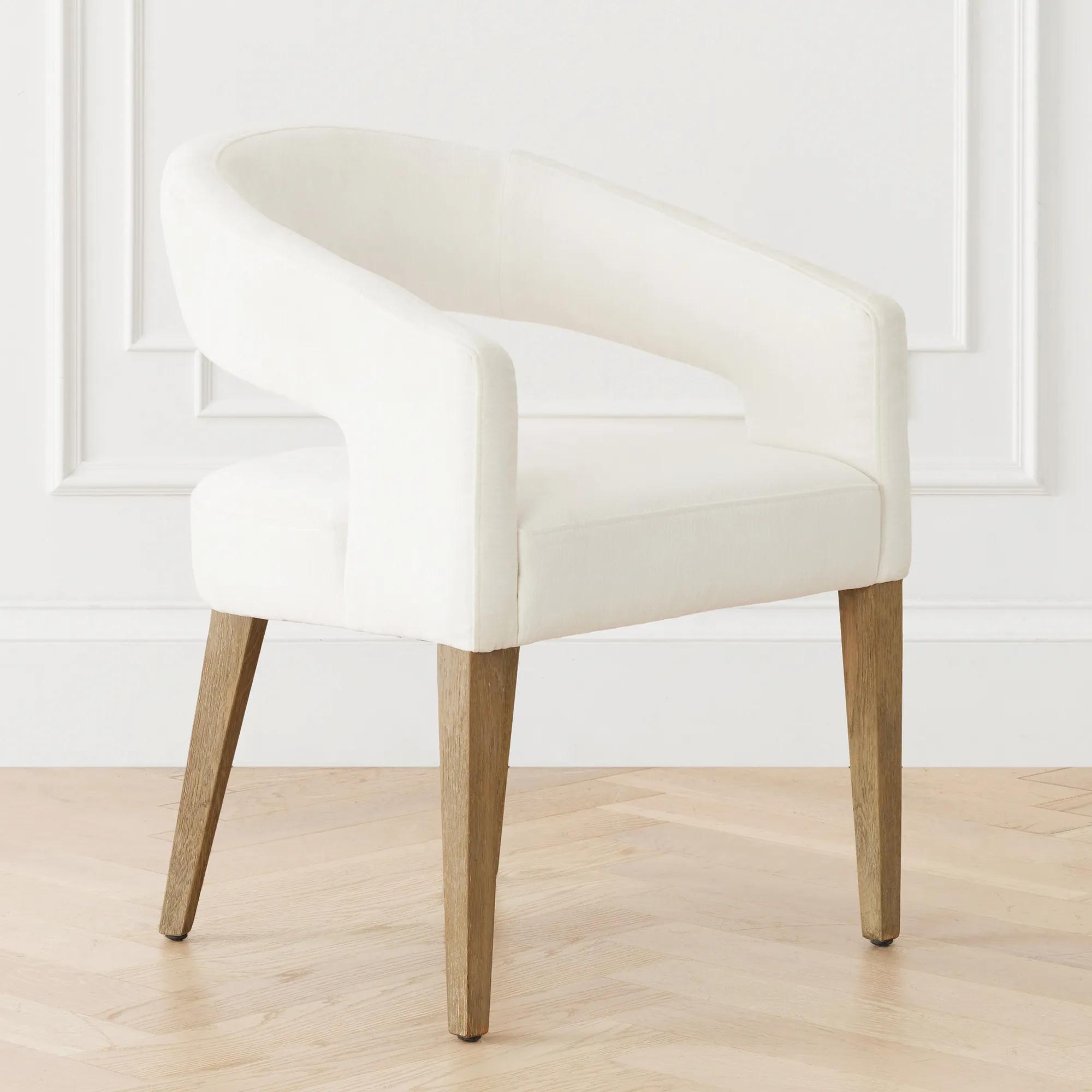
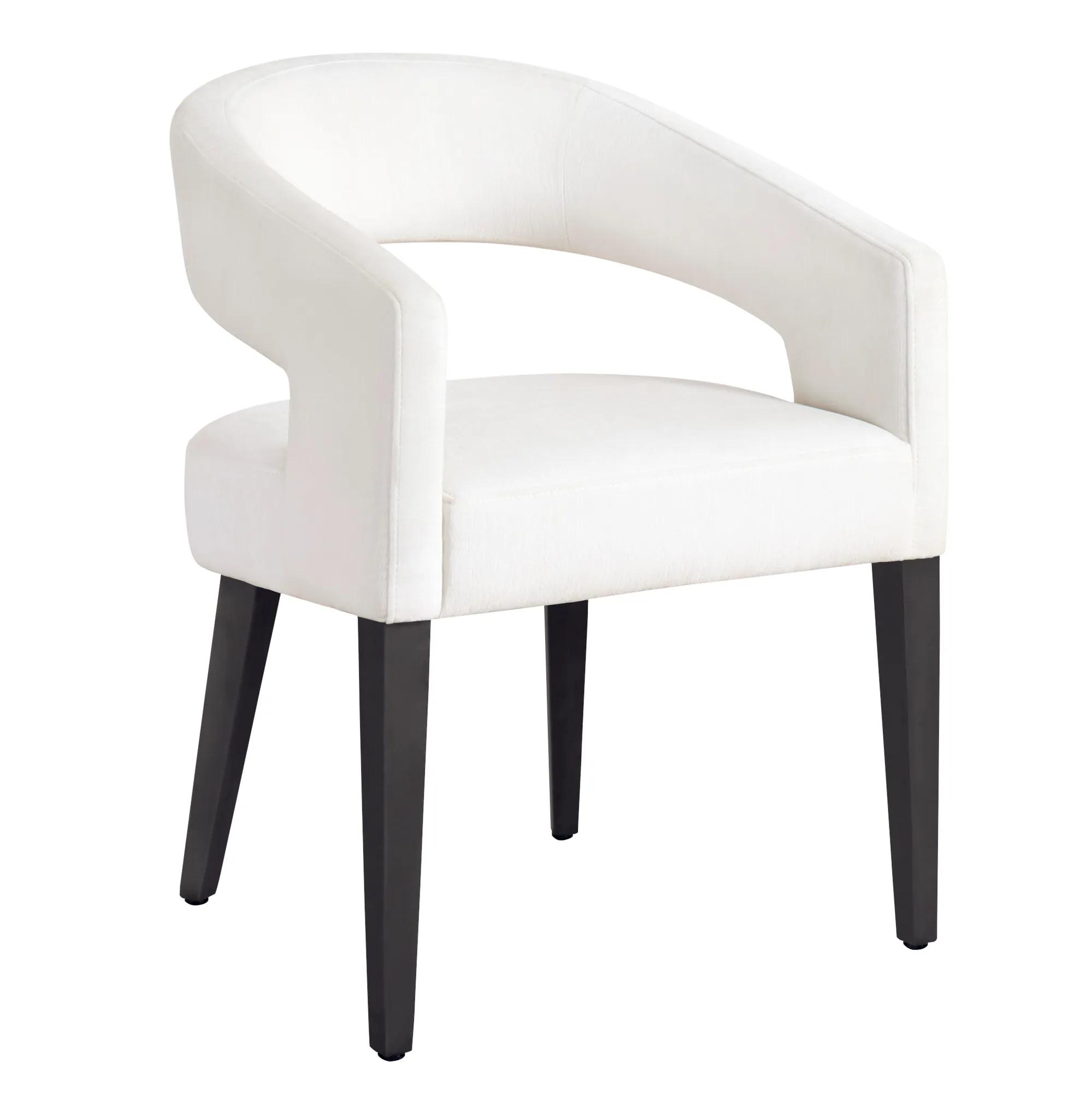
Dining Chairs For Classic Dining Rooms
Dining Chairs For Classic Dining Rooms
-
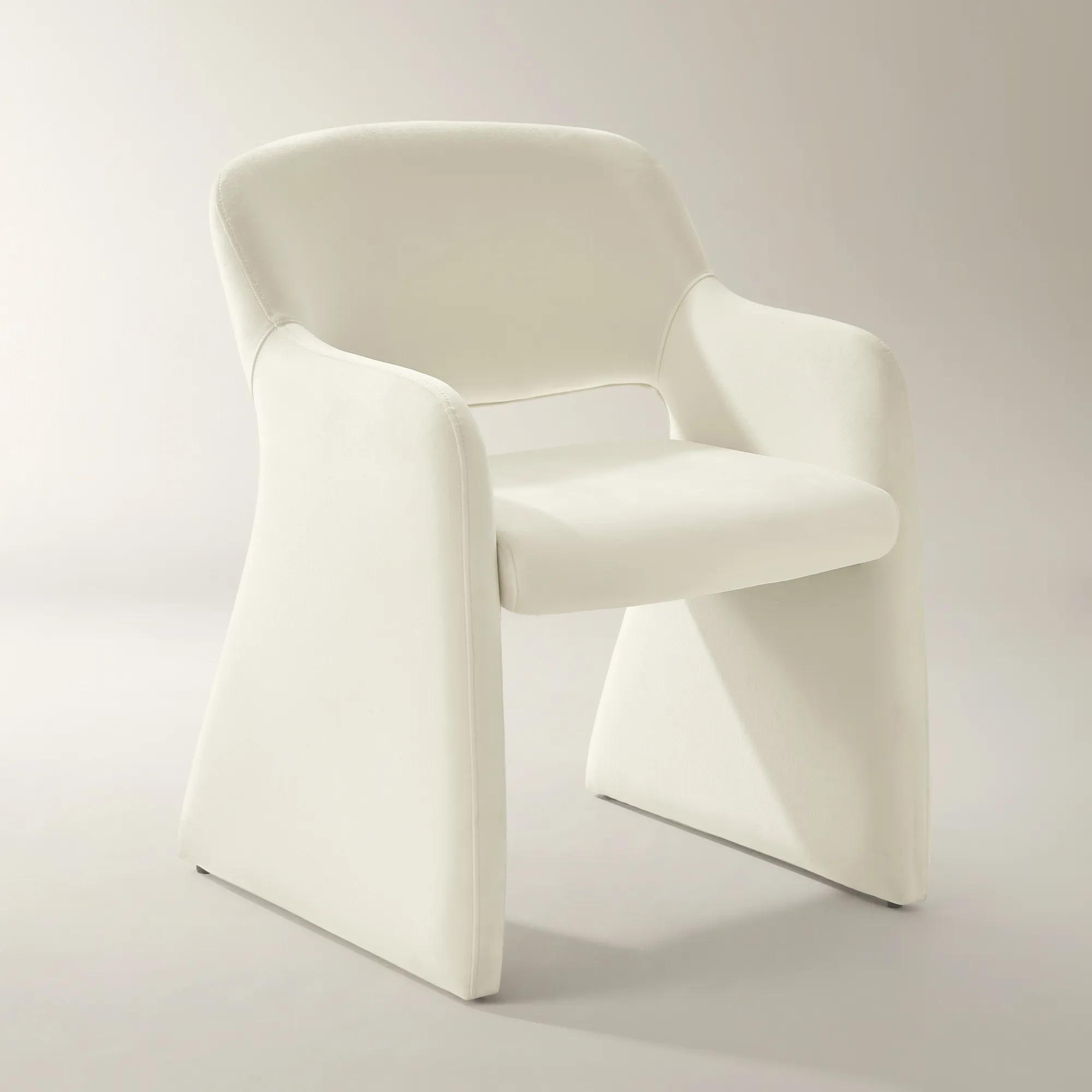 Elara Cloud Velvet Dining Chair$449
A plush velvet dining chair featuring a seamless wraparound silhouette and supportive carbon steel frame.
Add To Cart -
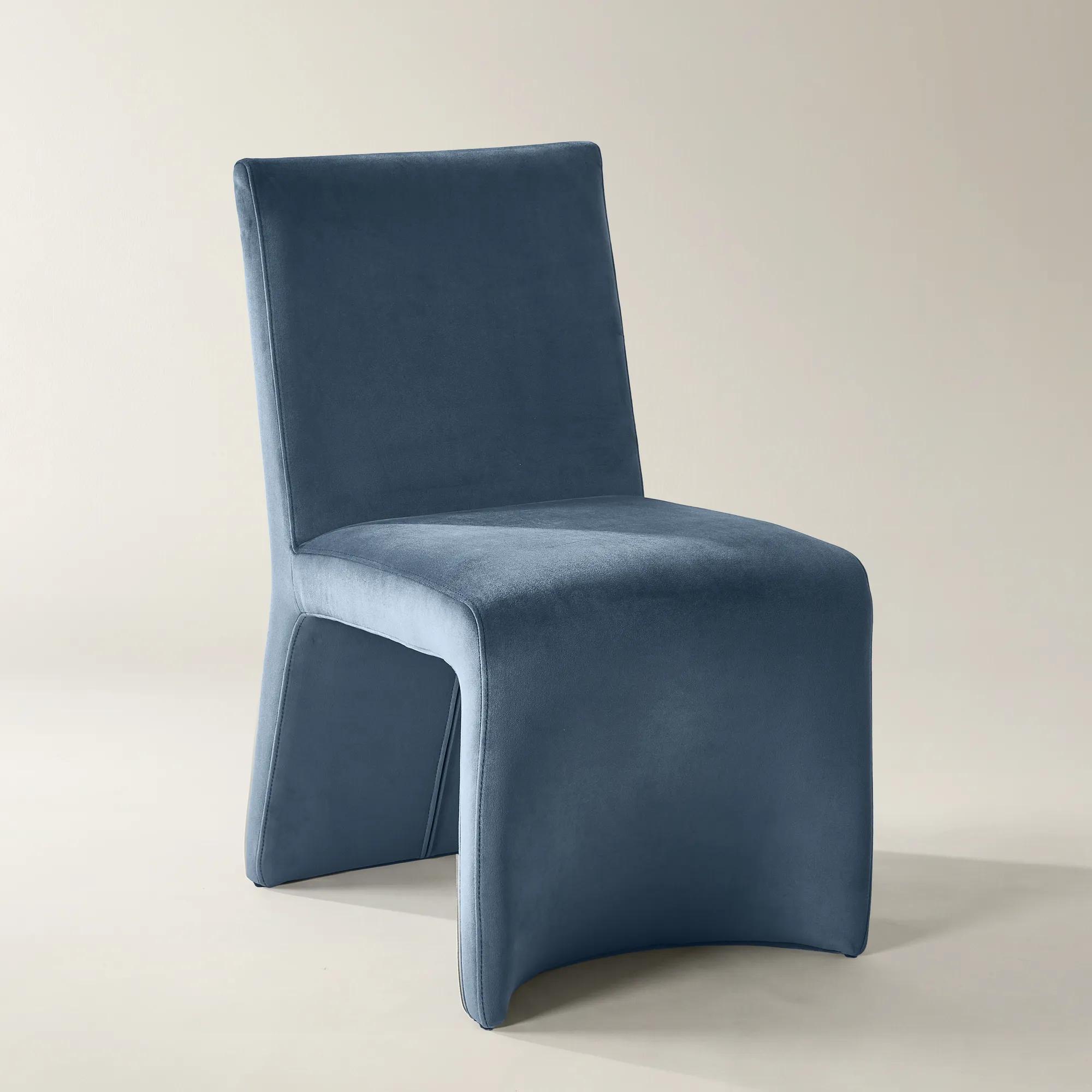 Elara Dusty Blue Velvet Dining Chair Set Of 2$799
A set of two dining chairs featuring plush dusty blue velvet upholstery and a seamless, artful silhouette.
Add To Cart -
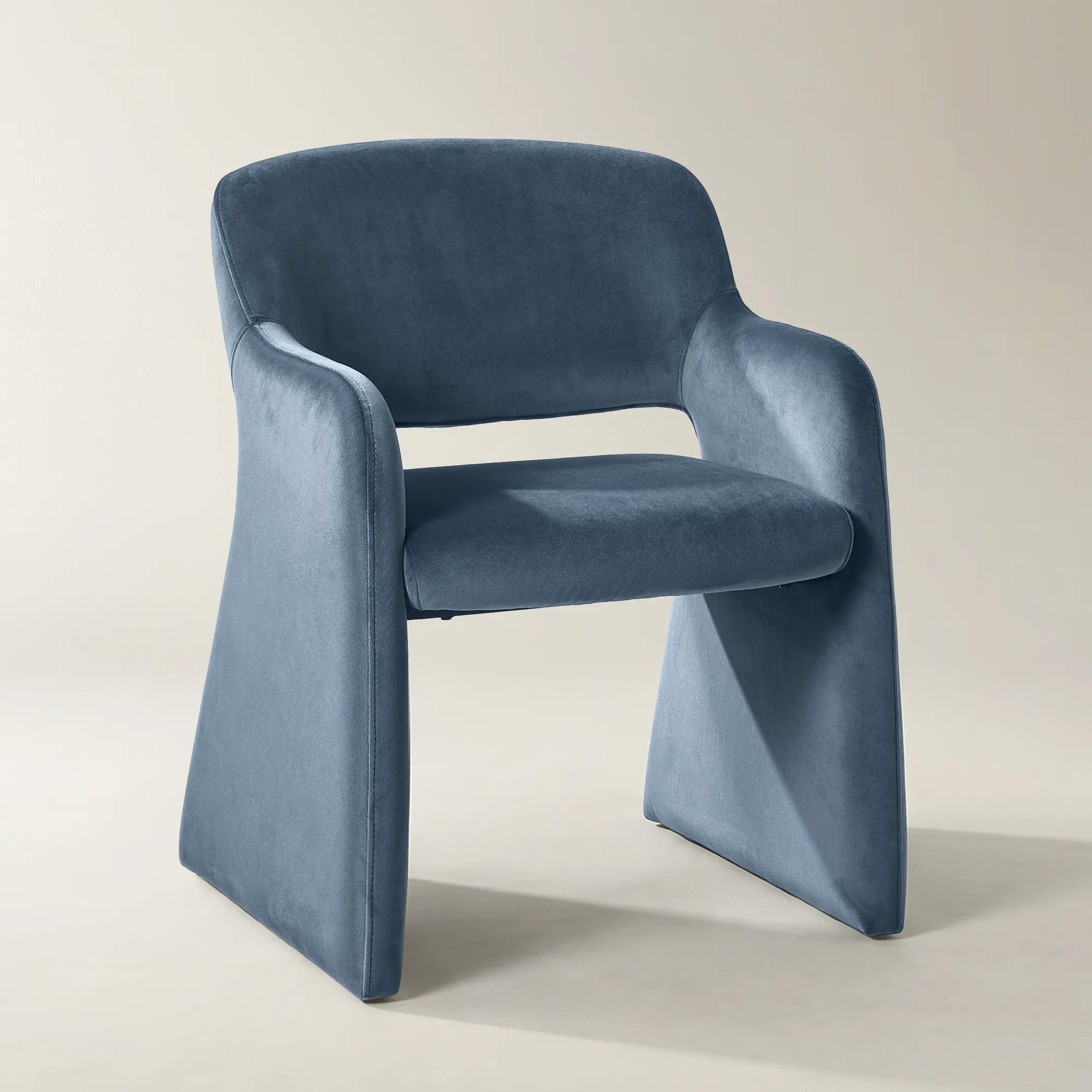 Elara Dusty Blue Velvet Dining Chair$449
A graceful dining chair featuring dusty blue velvet upholstery, integrated arms, and a seamless cantilevered silhouette.
Add To Cart -
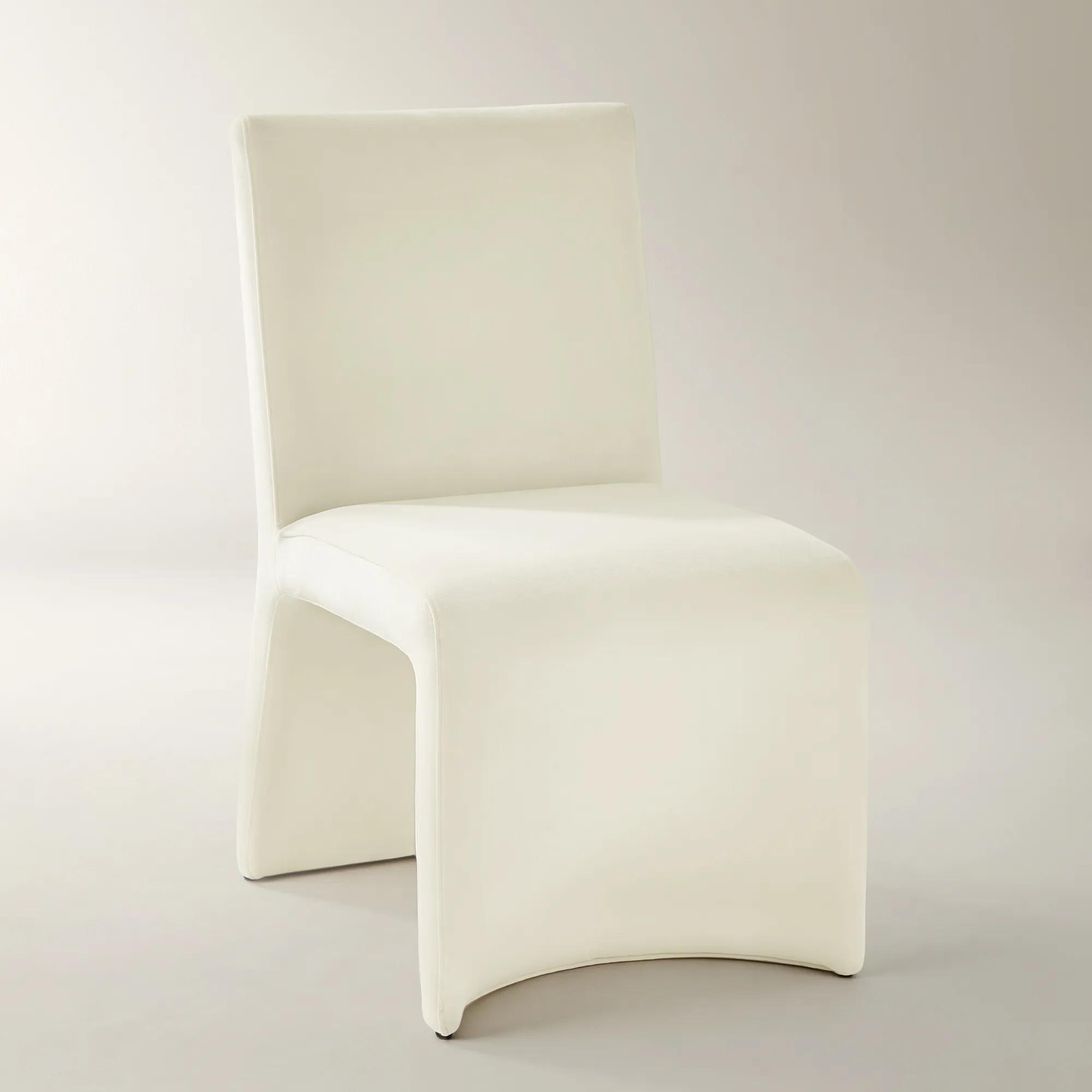 Elara Cloud Velvet Dining Chair Set Of 2$799
A set of two dining chairs featuring plush velvet upholstery, a seamless curved silhouette, and a sturdy steel frame.
Add To Cart -
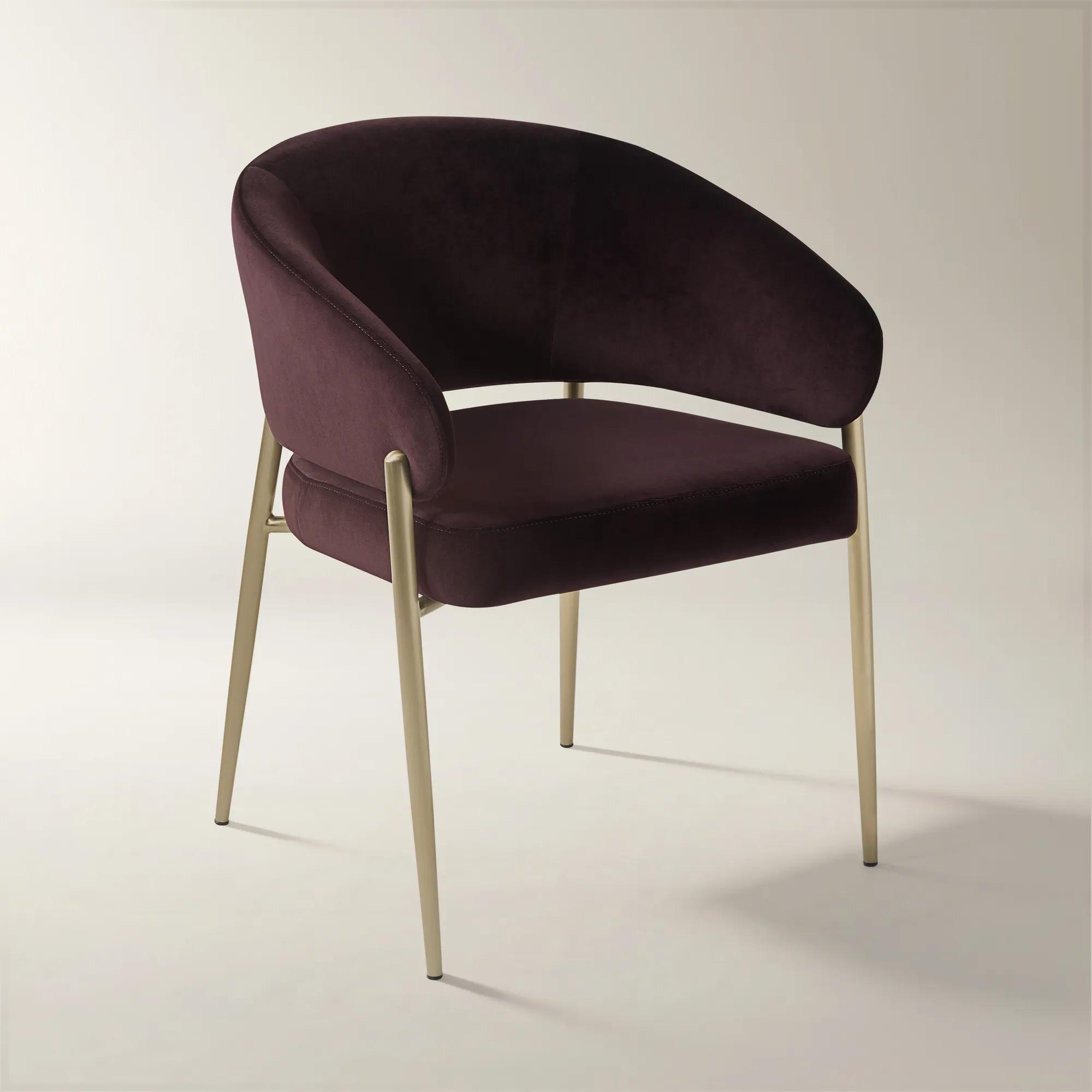
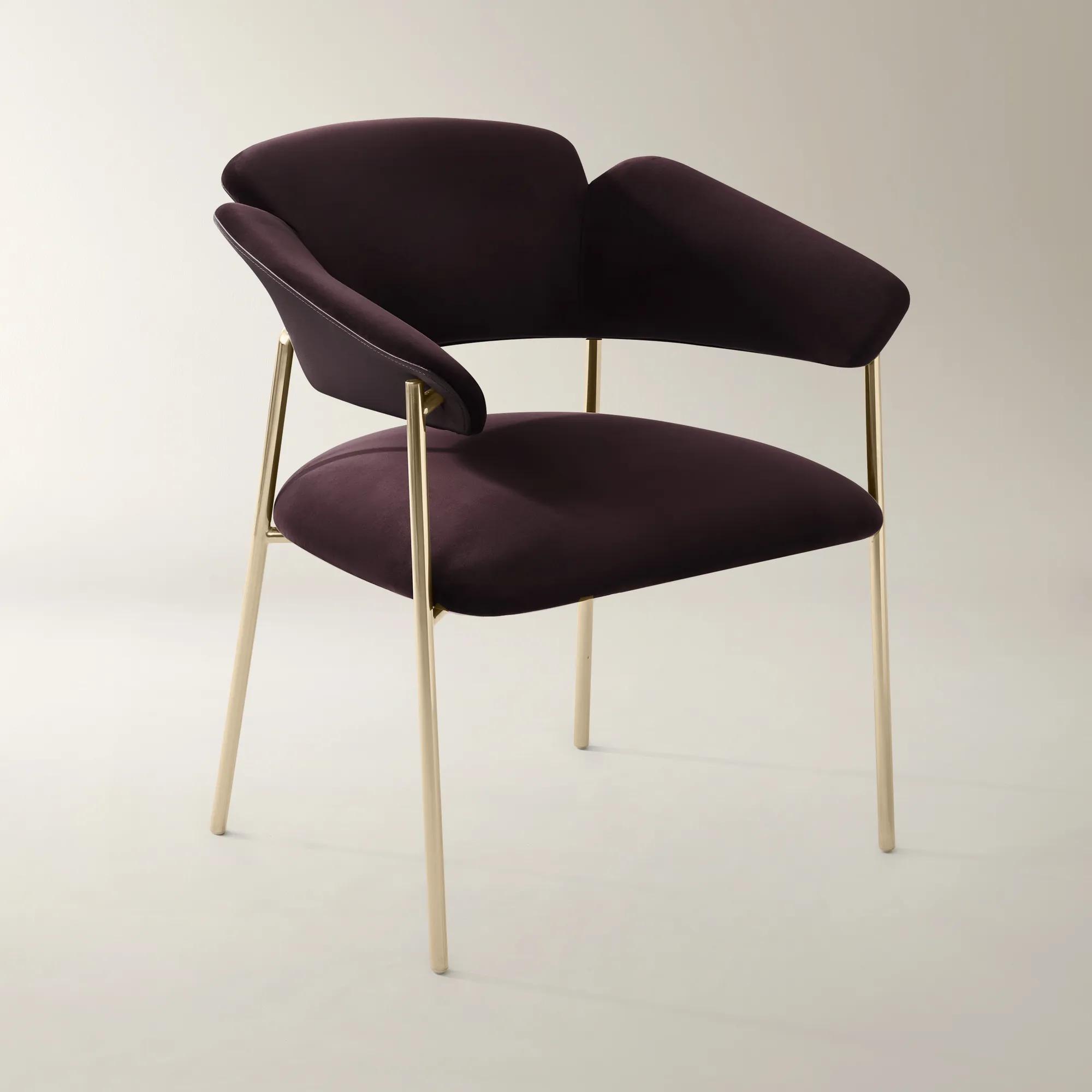 Odette Fig Velvet Dining Chair$499
A sculptural dining chair featuring fig velvet, tonal faux leather accents, and slender gold-finished metal legs.
Add To Cart -
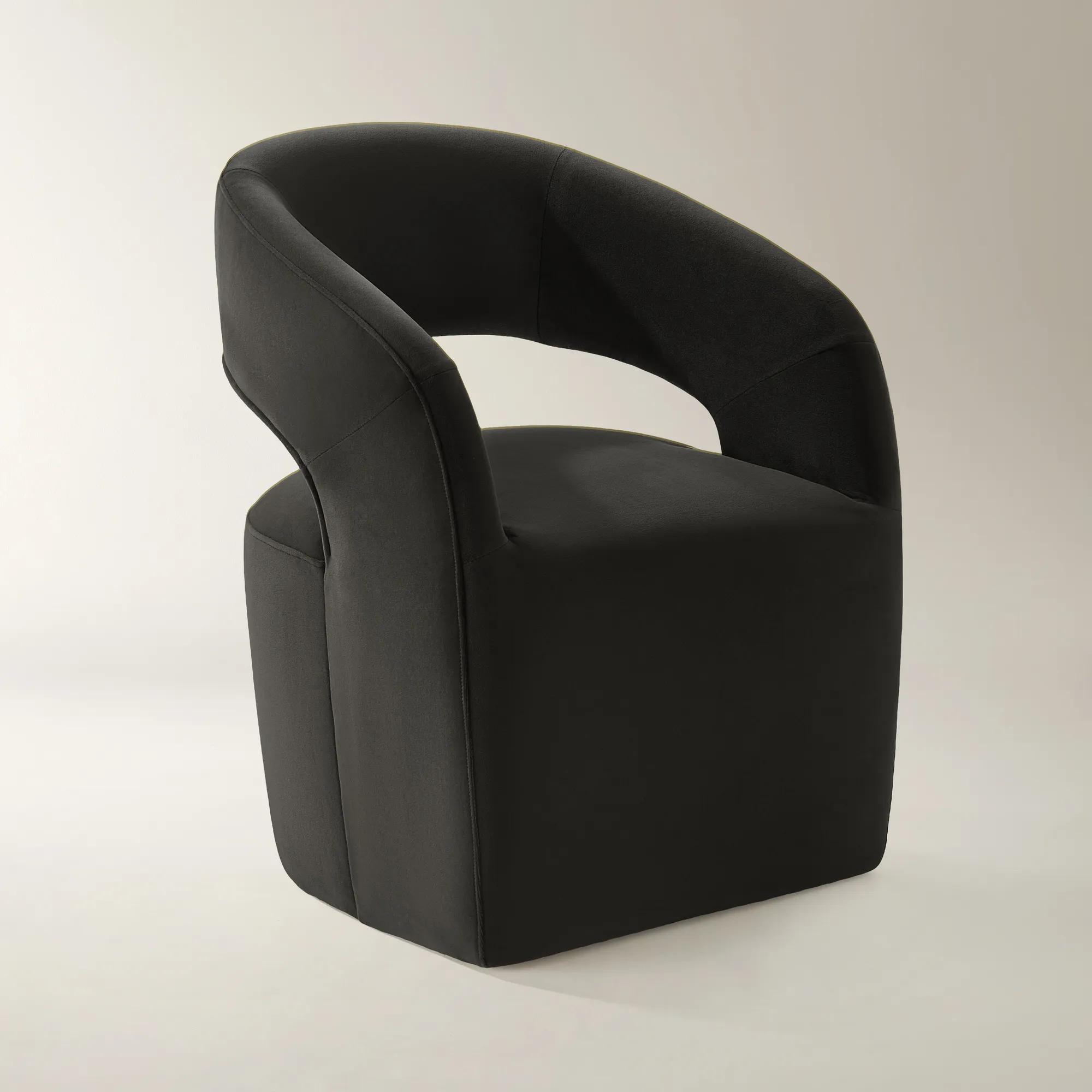
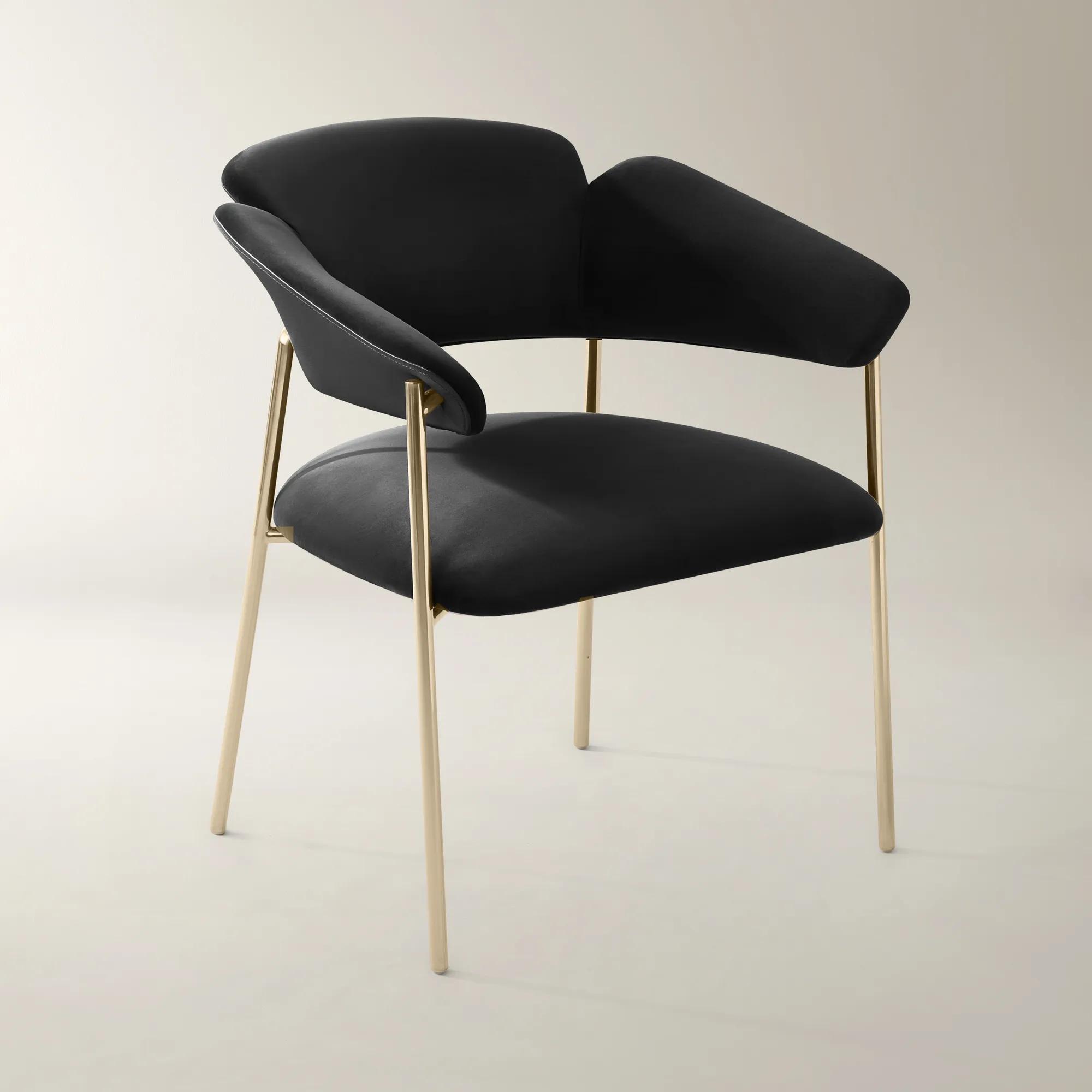 Odette Charcoal Velvet Dining Chair$499
A charcoal velvet chair featuring a wraparound open-back design, tonal faux leather accents, and gold metal legs.
Add To Cart -
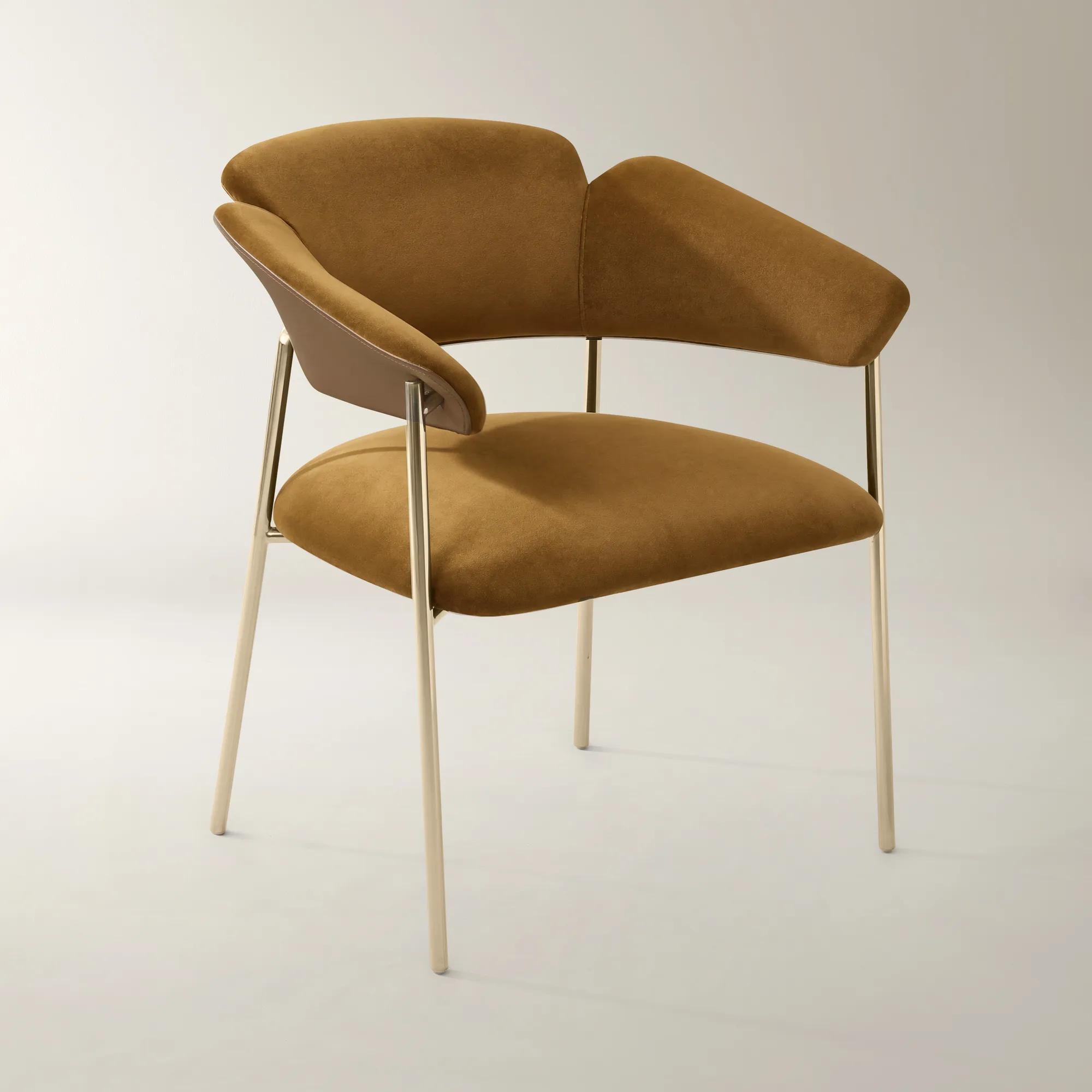 Odette Roasted Pecan Velvet Dining Chair$499
A sculptural dining chair featuring roasted pecan velvet, tonal faux leather accents, and gold stainless steel legs.
Add To Cart -
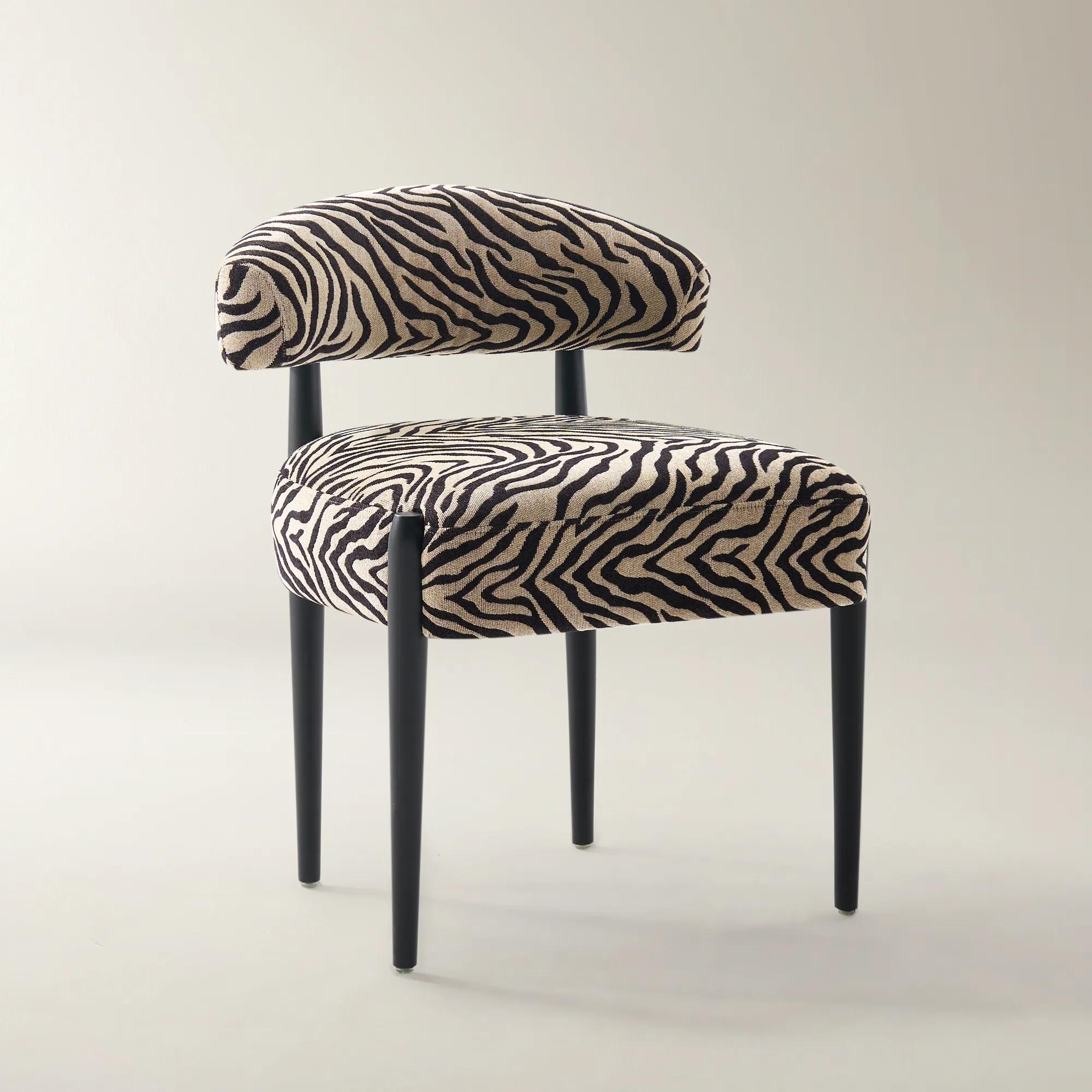 Anna Zebra Chenille Dining Chair Set Of 2$699
A set of zebra-print chenille dining chairs with high-density foam cushions and sturdy rubberwood legs.
Add To Cart -
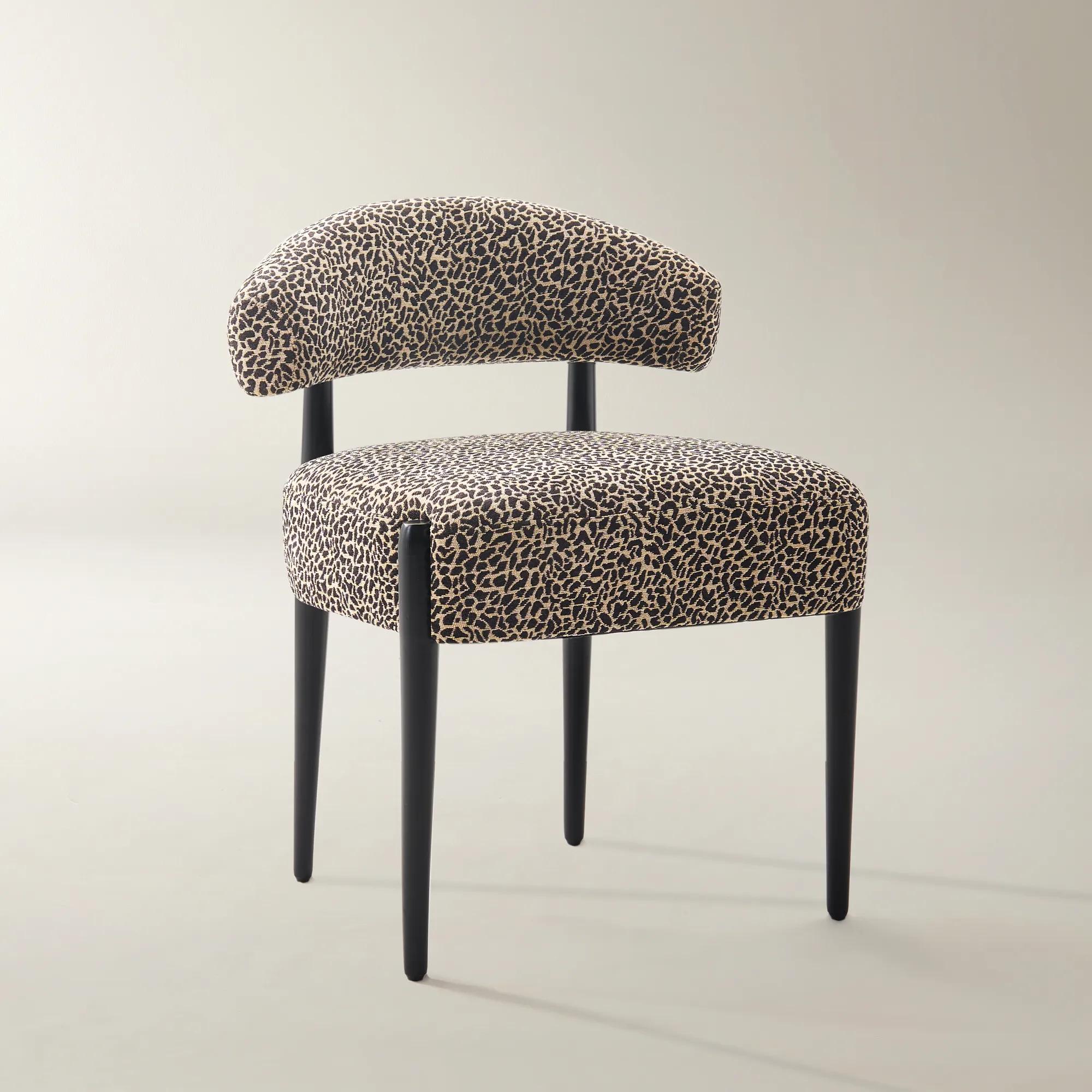
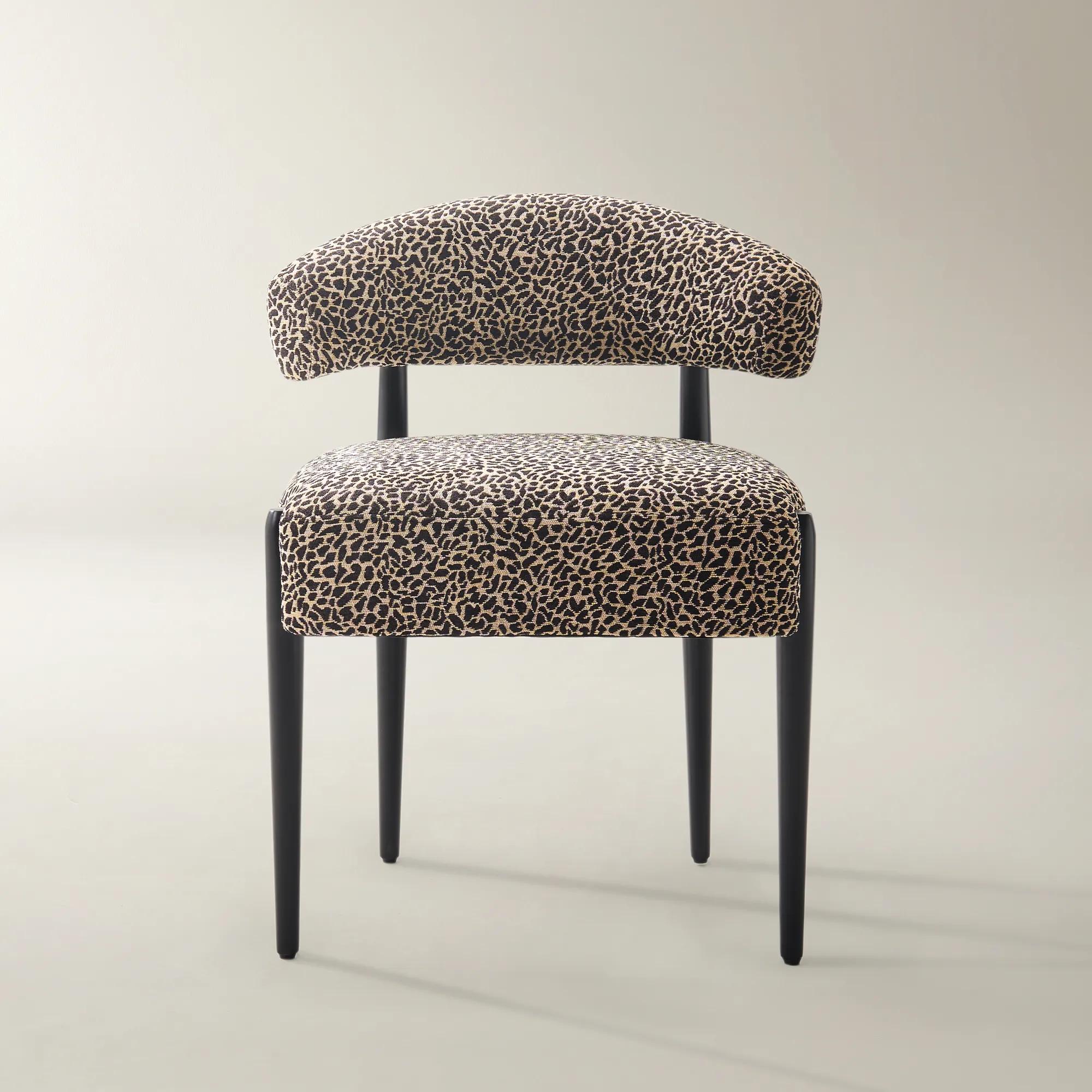 Anna Leopard Chenille Dining Chair Set Of 2$699
A pair of leopard-print chenille chairs with solid rubberwood legs and high-density foam for lasting comfort.
Add To Cart -
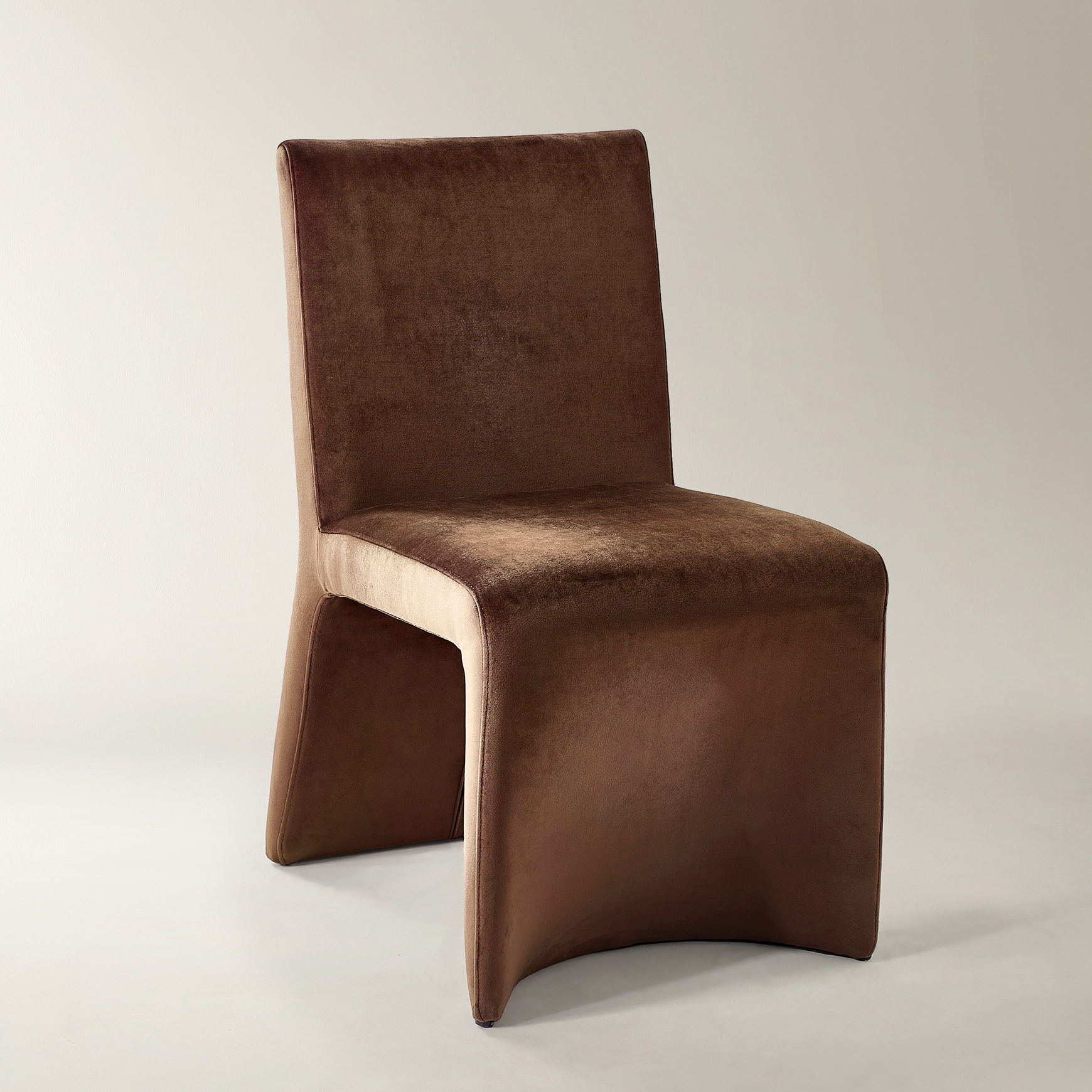 Elara Burnt Umber Velvet Dining Chair Set Of 2$799
A pair of brown velvet chairs with sinuous curves, ergonomic support, and hand-crafted, sculptural design.
Add To Cart -
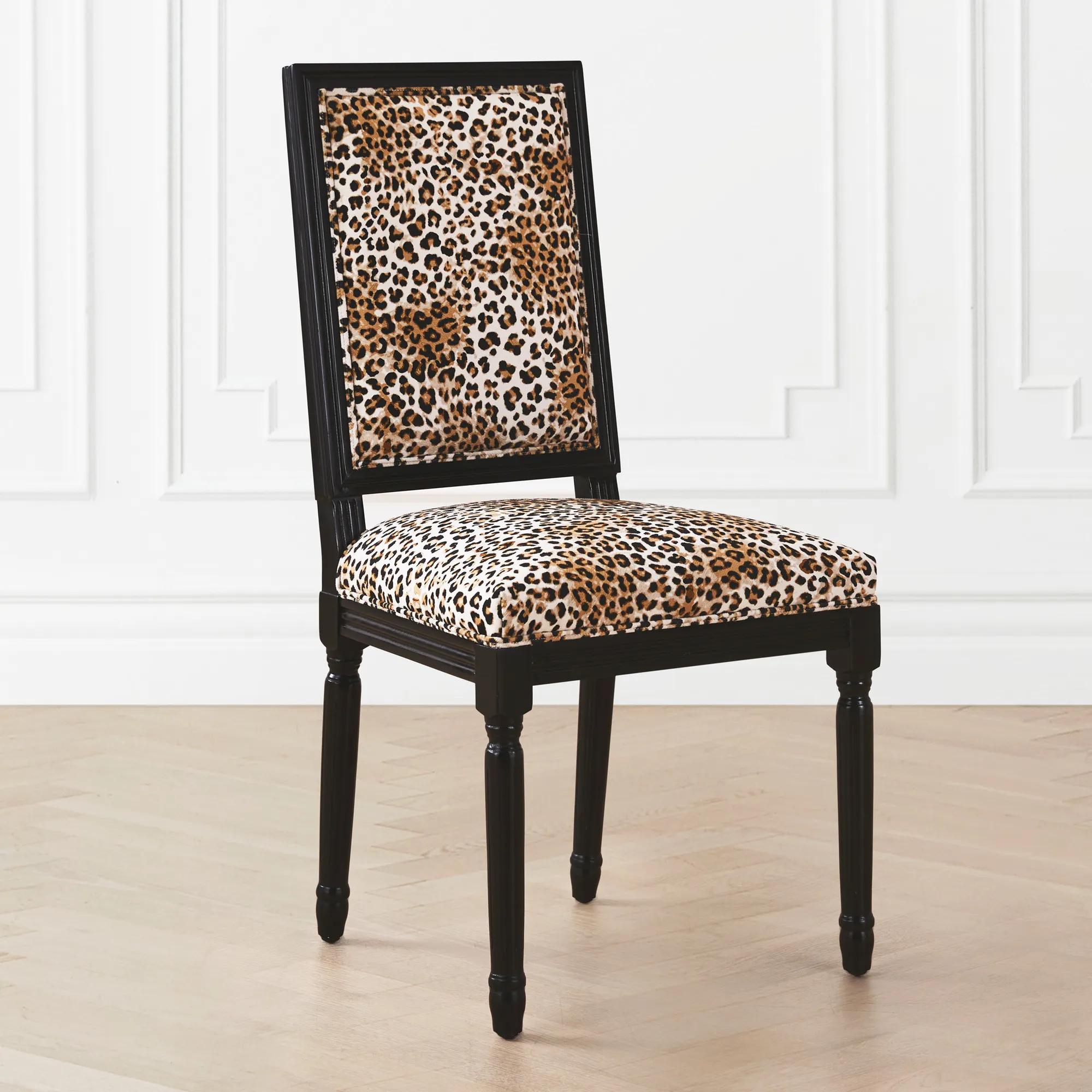
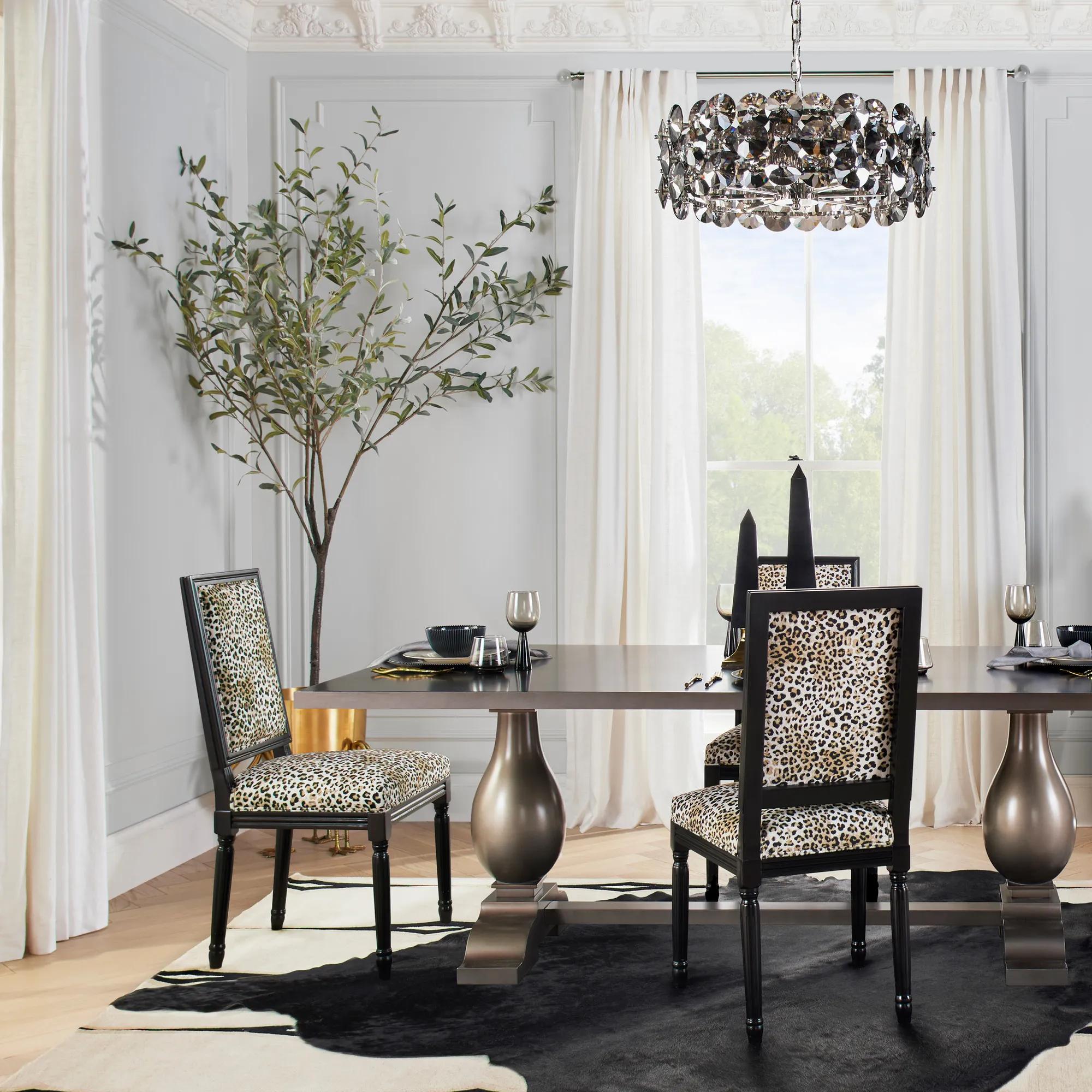 Callan Dining Chair$599
A handcrafted modern chair featuring classic upholstery, squared back, fluted legs, and high-gloss finish.
Add To Cart -
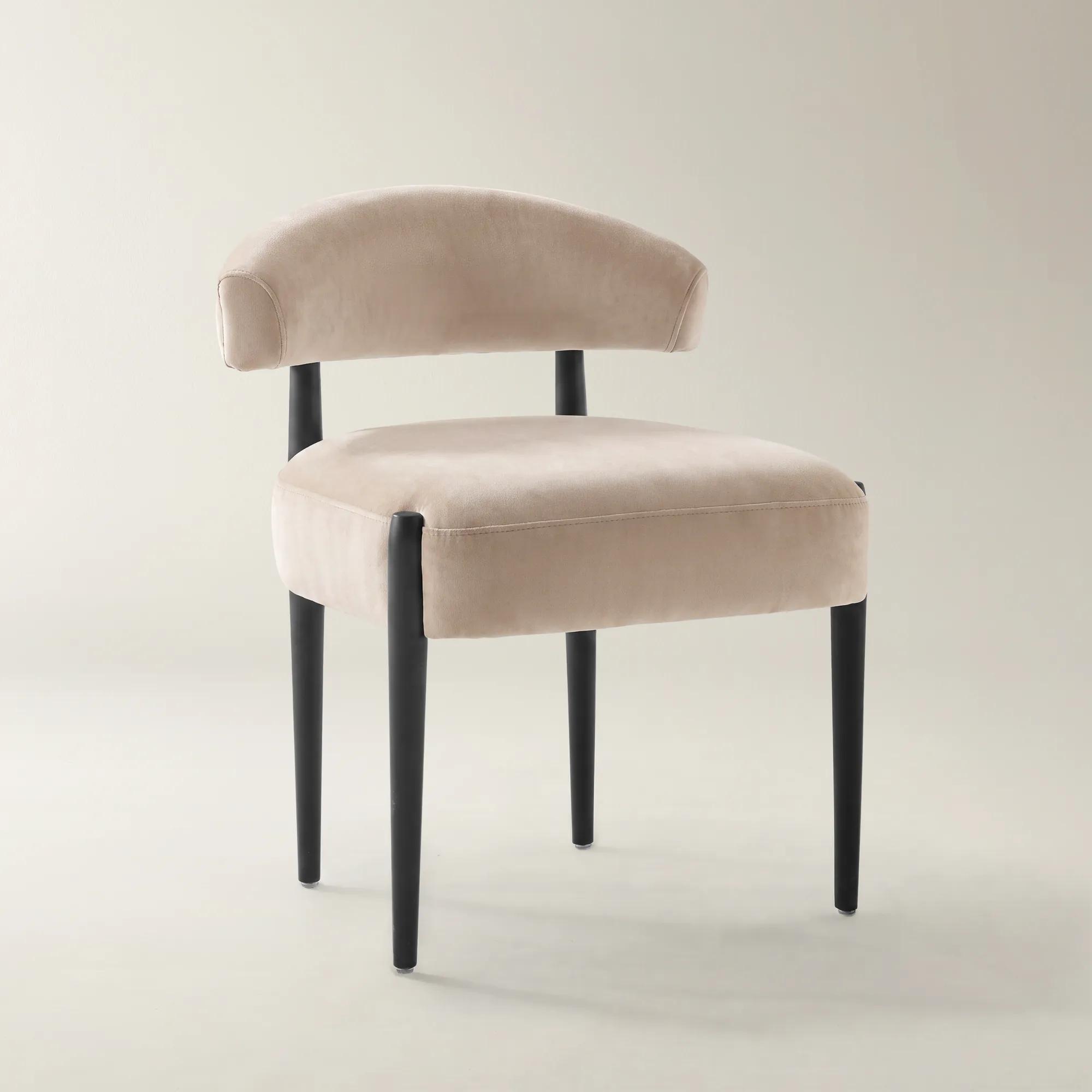 Anna Simply Taupe Velvet Dining Chair Set of 2$699
A taupe velvet dining chair featuring a tailored arched back, high-density foam cushioning, and rubberwood legs.
Add To Cart -
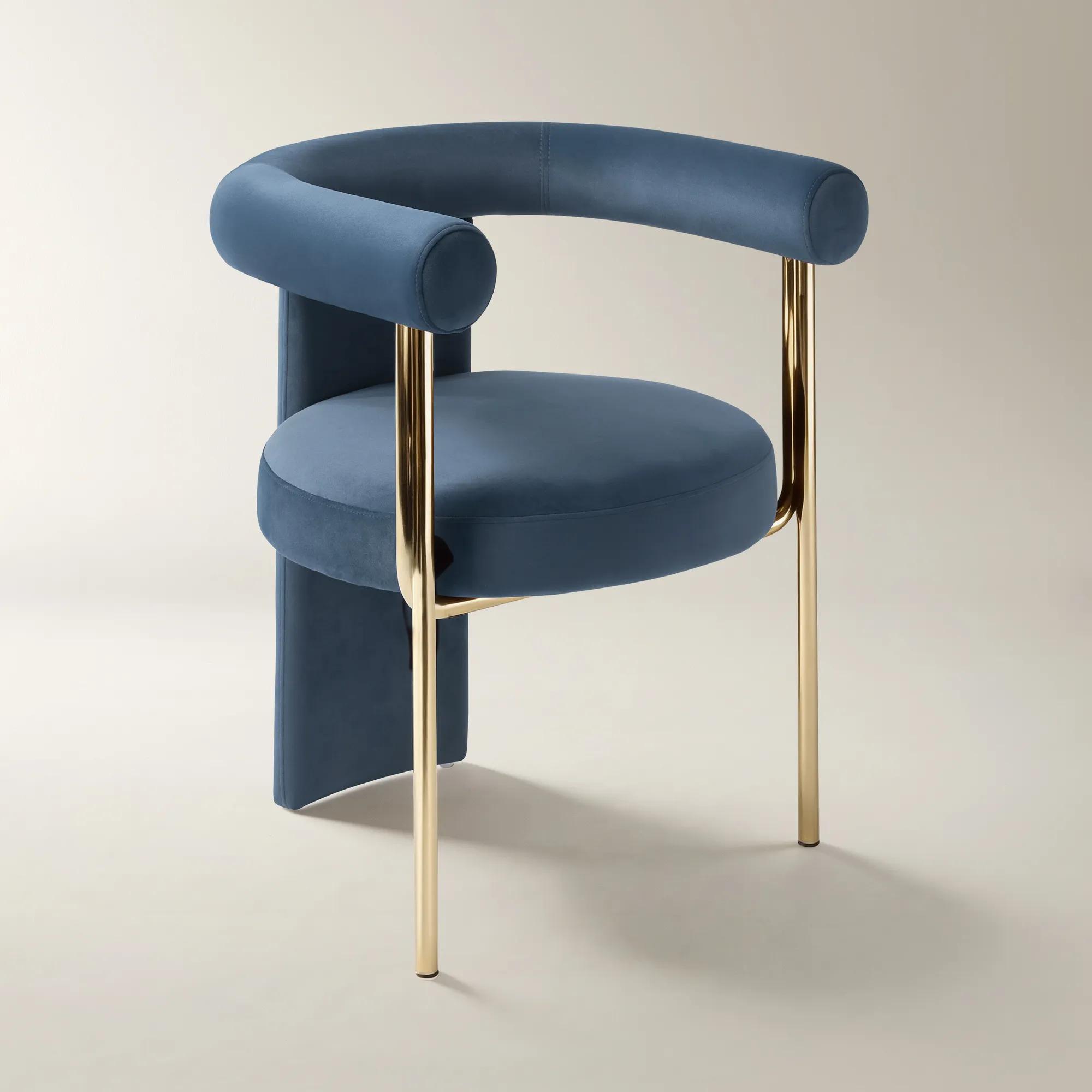 Davina Dusty Blue Velvet Dining Chair Set Of 2$899
A set of two dining chairs featuring dusty blue velvet upholstery and a polished gold metal frame.
Add To Cart -
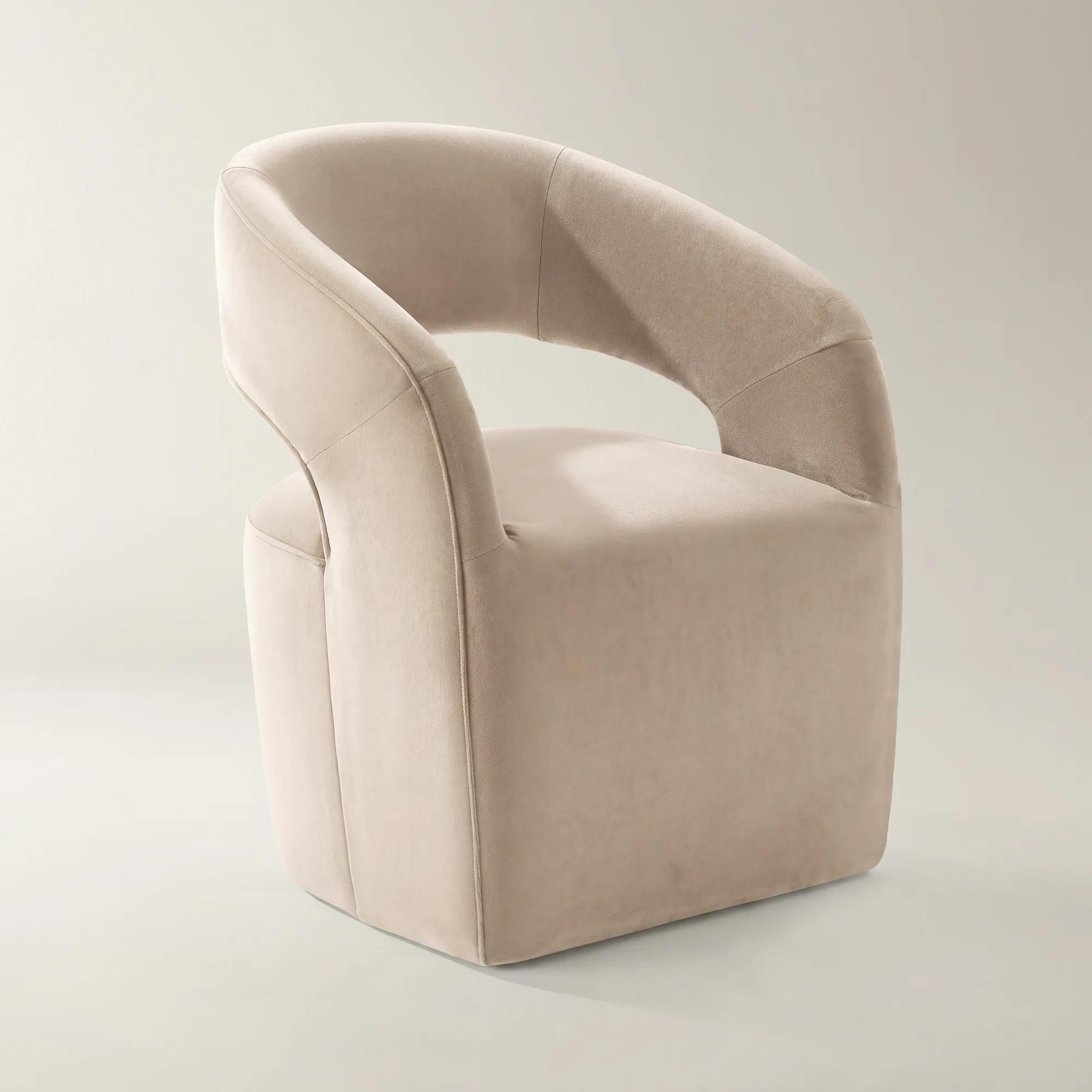
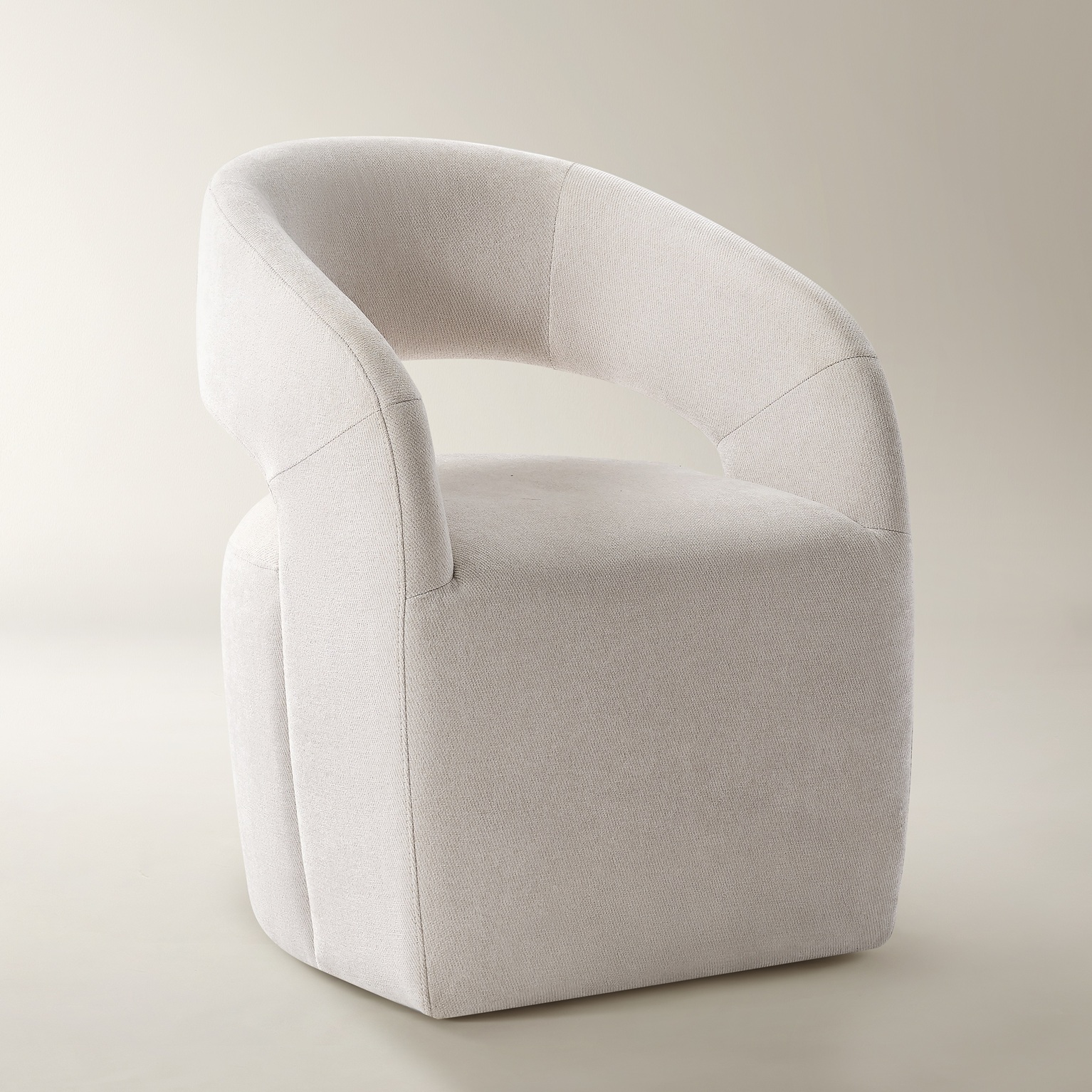 Harrison Simply Taupe Velvet Dining Chair$499
A sculptural dining chair in simply taupe velvet with a curved back, feather-blend seat, and modern elegance.
Add To Cart -
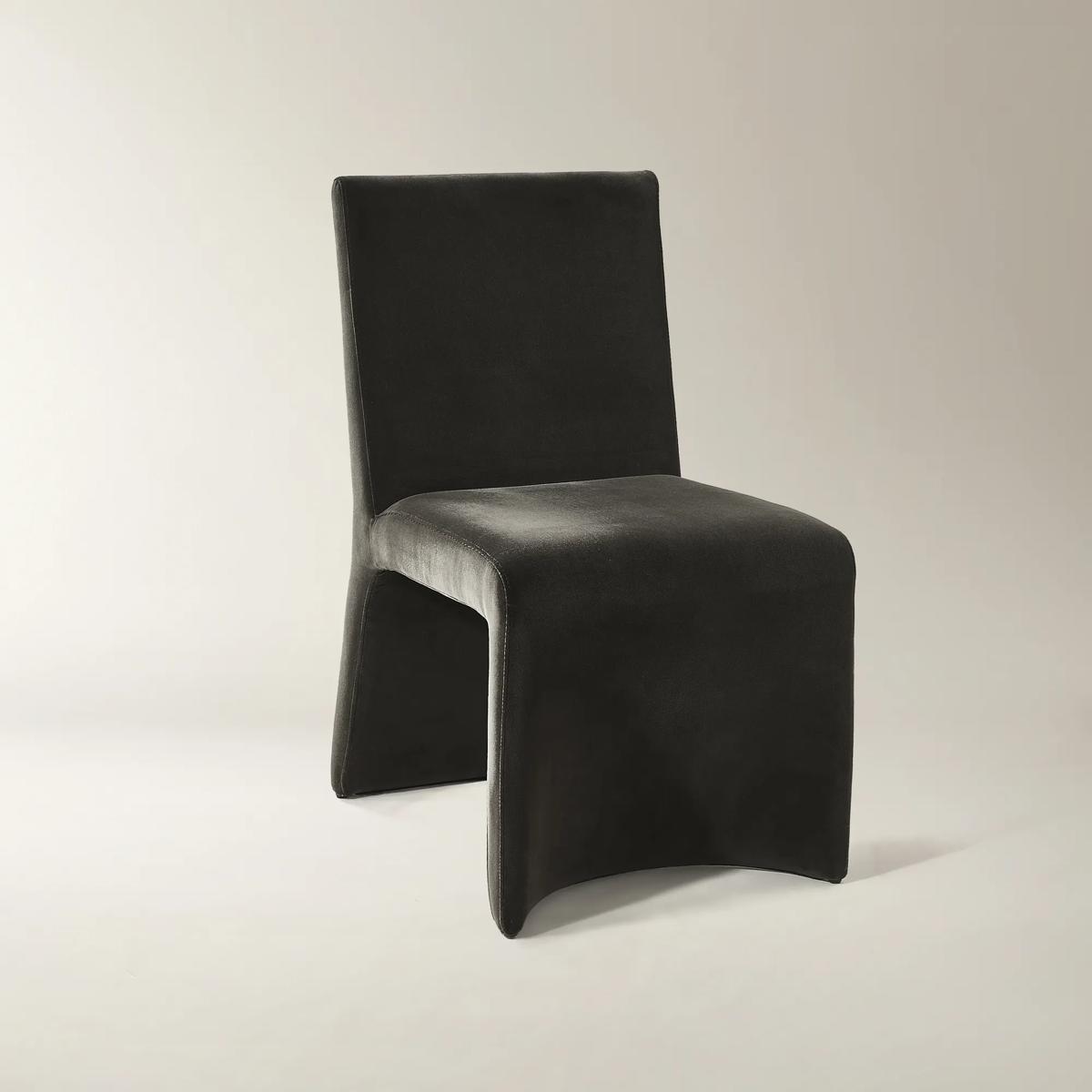
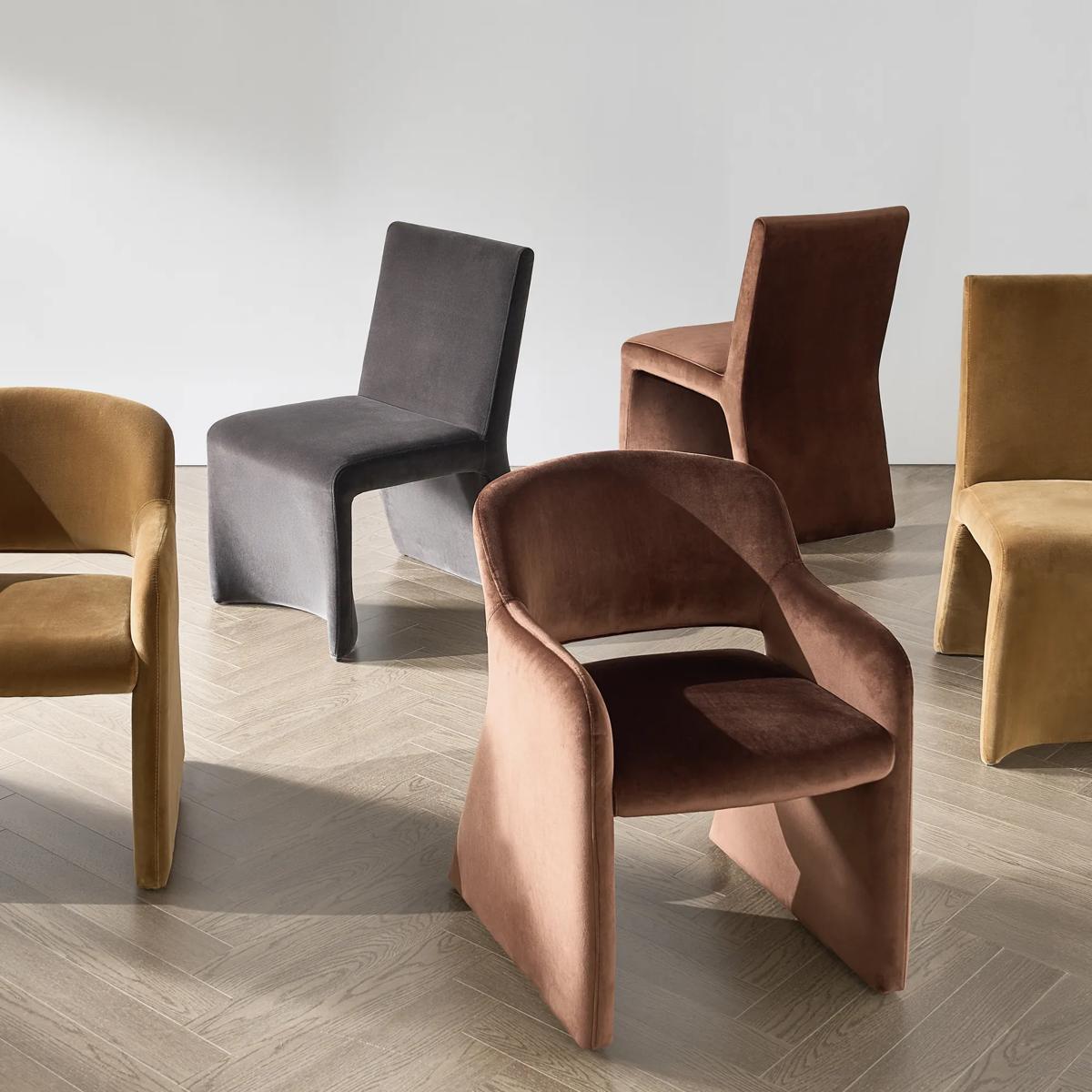 Elara Charcoal Velvet Dining Chair Set Of 2$799
A pair of charcoal velvet dining chairs featuring curved ergonomic silhouettes, plush upholstery, and hand-crafted details.
Add To Cart -
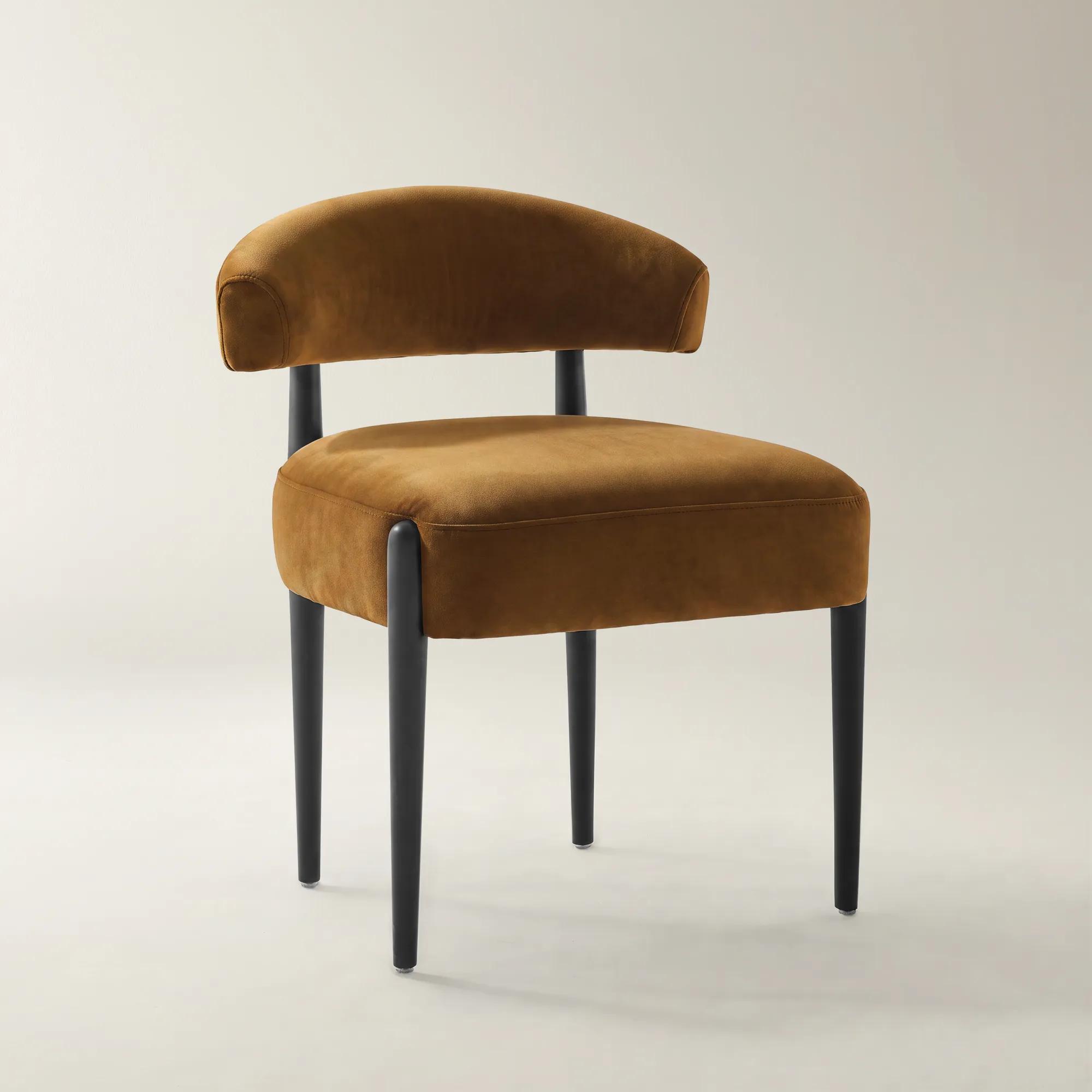 Anna Roasted Pecan Velvet Dining Chair Set of 2$699
A roasted pecan velvet dining chair set featuring a tailored curved back and high-density foam cushioning.
Add To Cart -
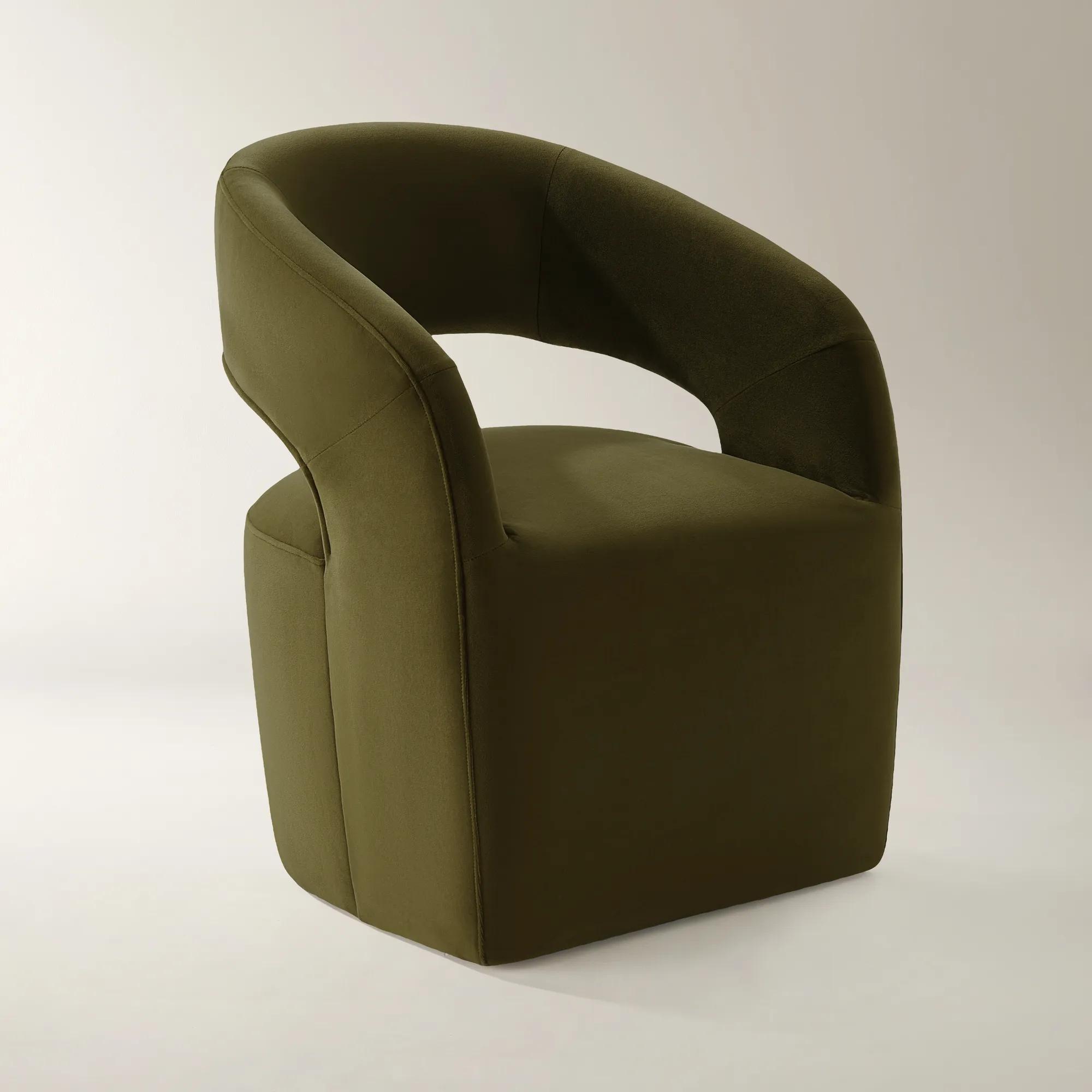
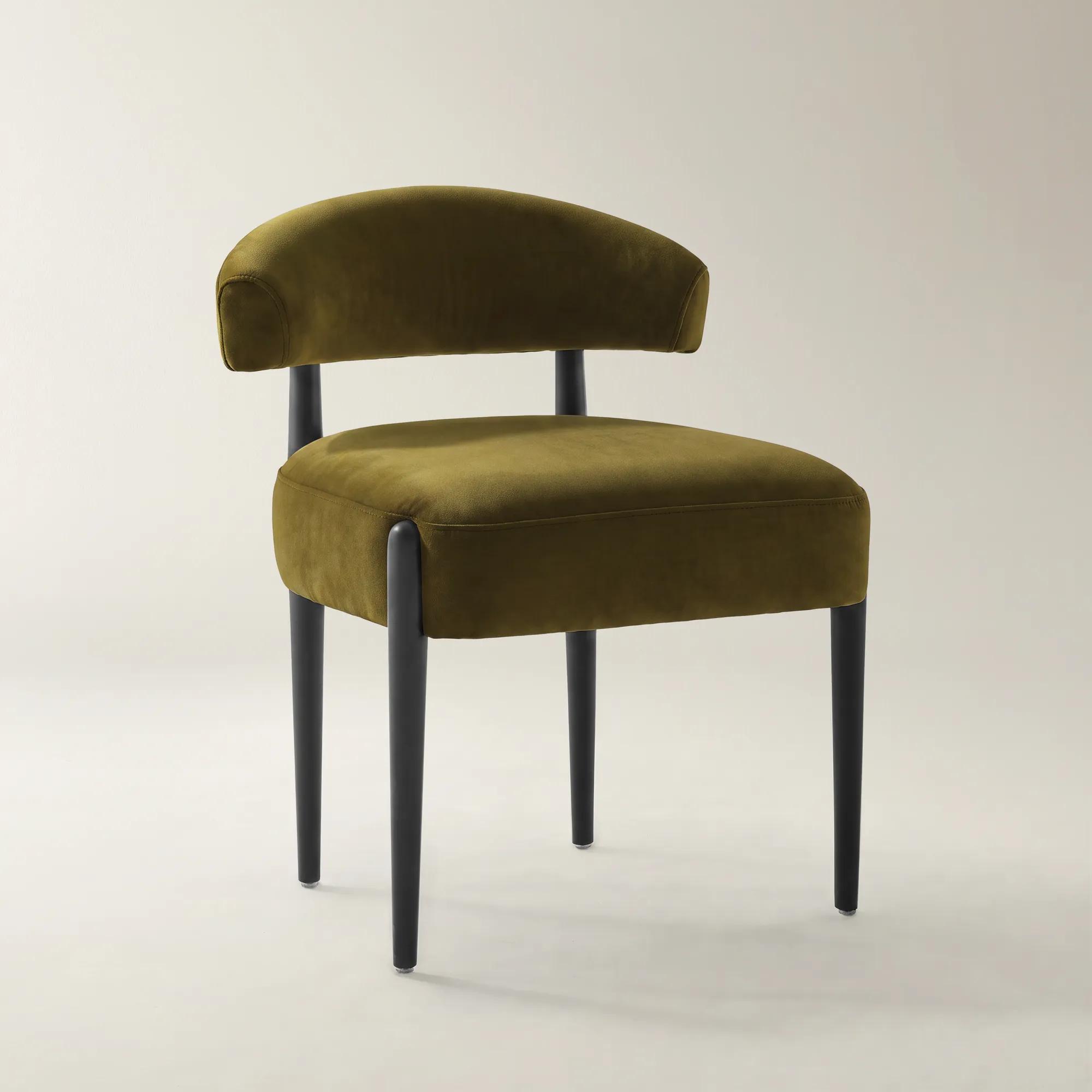 Anna Deep Olive Velvet Dining Chair Set of 2$699
A deep olive velvet dining chair with a tailored curved back, high-density cushioning, and solid rubberwood legs.
Add To Cart -
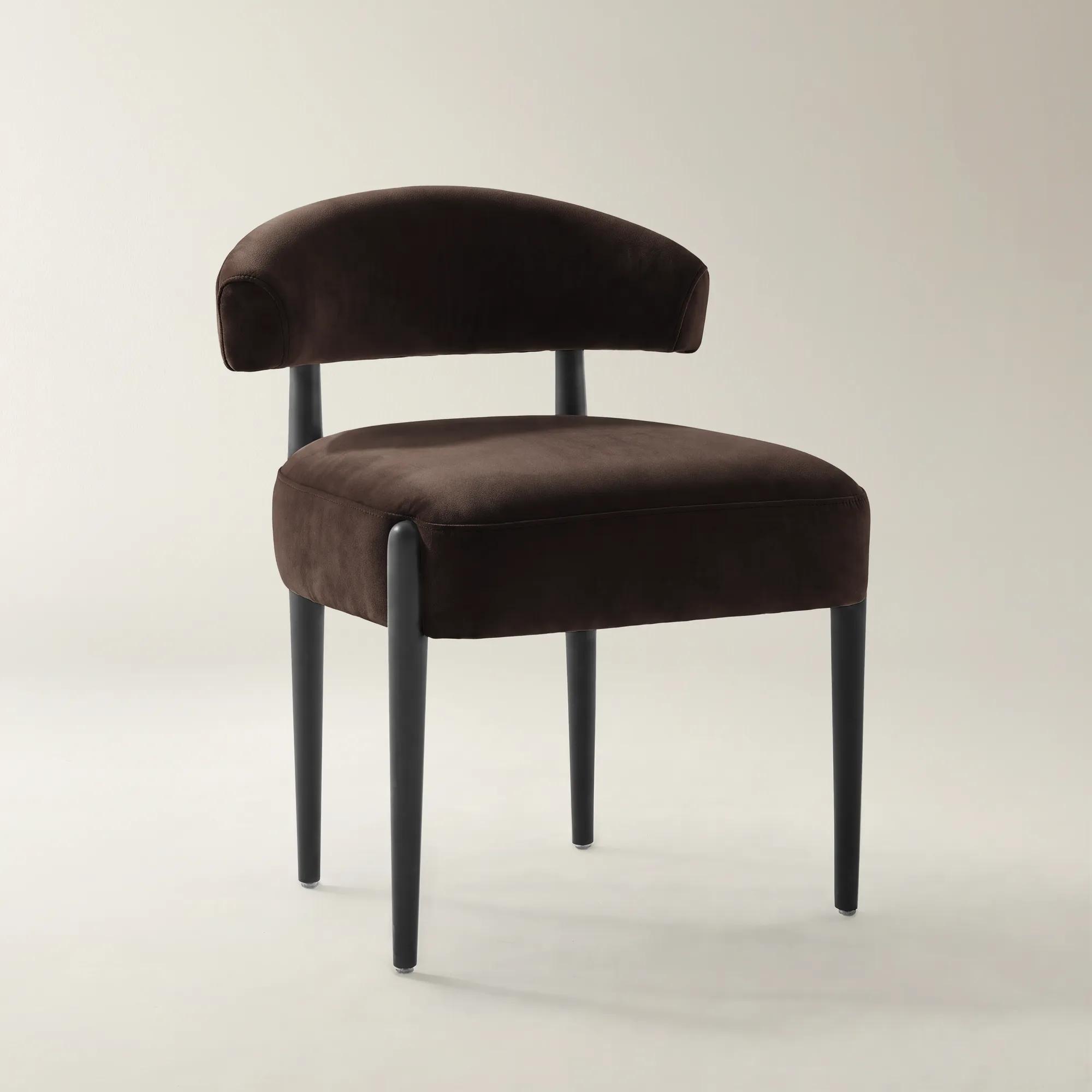 Anna Dark Chocolate Velvet Dining Chair Set of 2$699
A dark chocolate velvet dining chair set featuring an arched back, high-density foam, and solid wood construction.
Add To Cart -
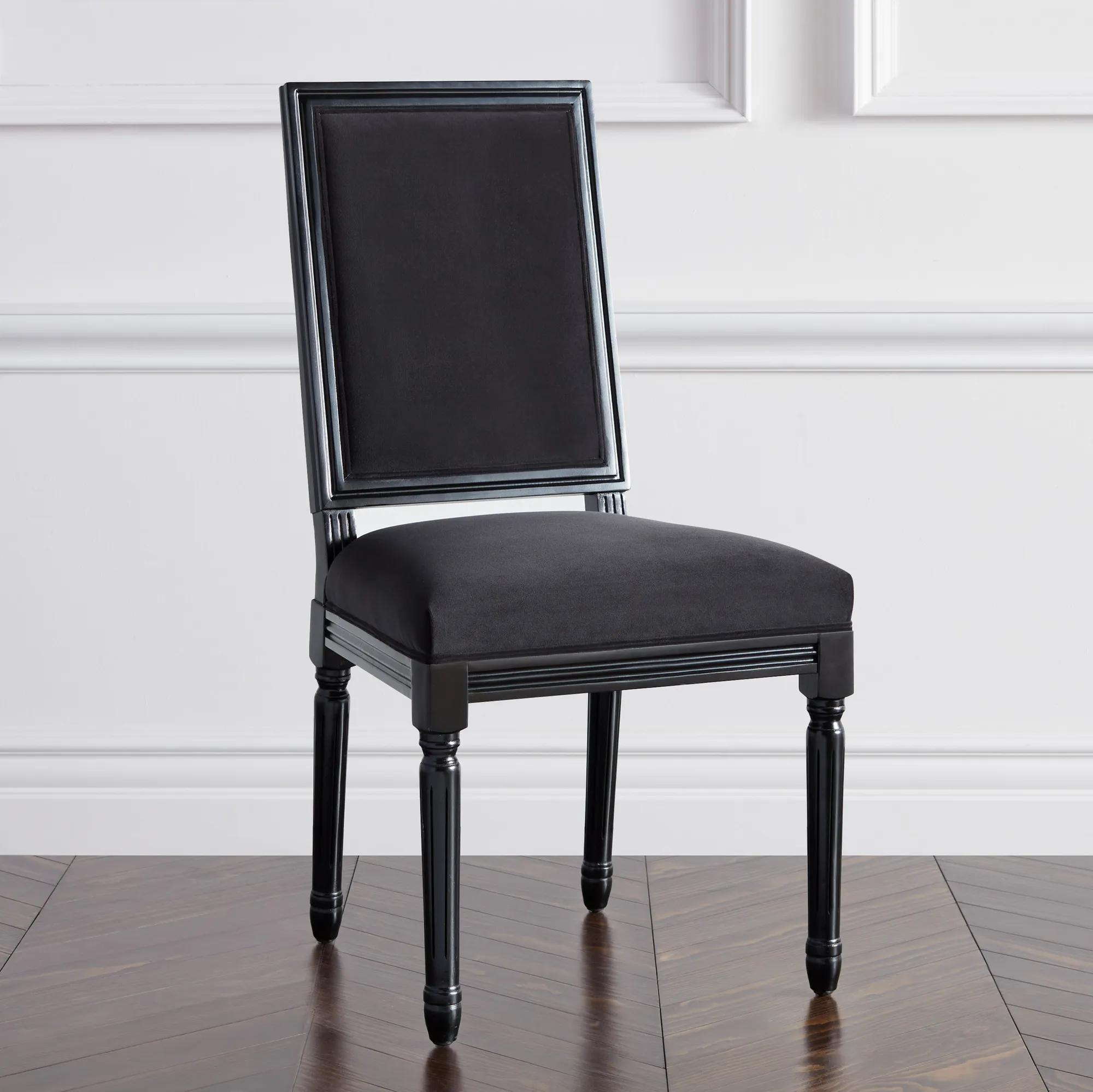
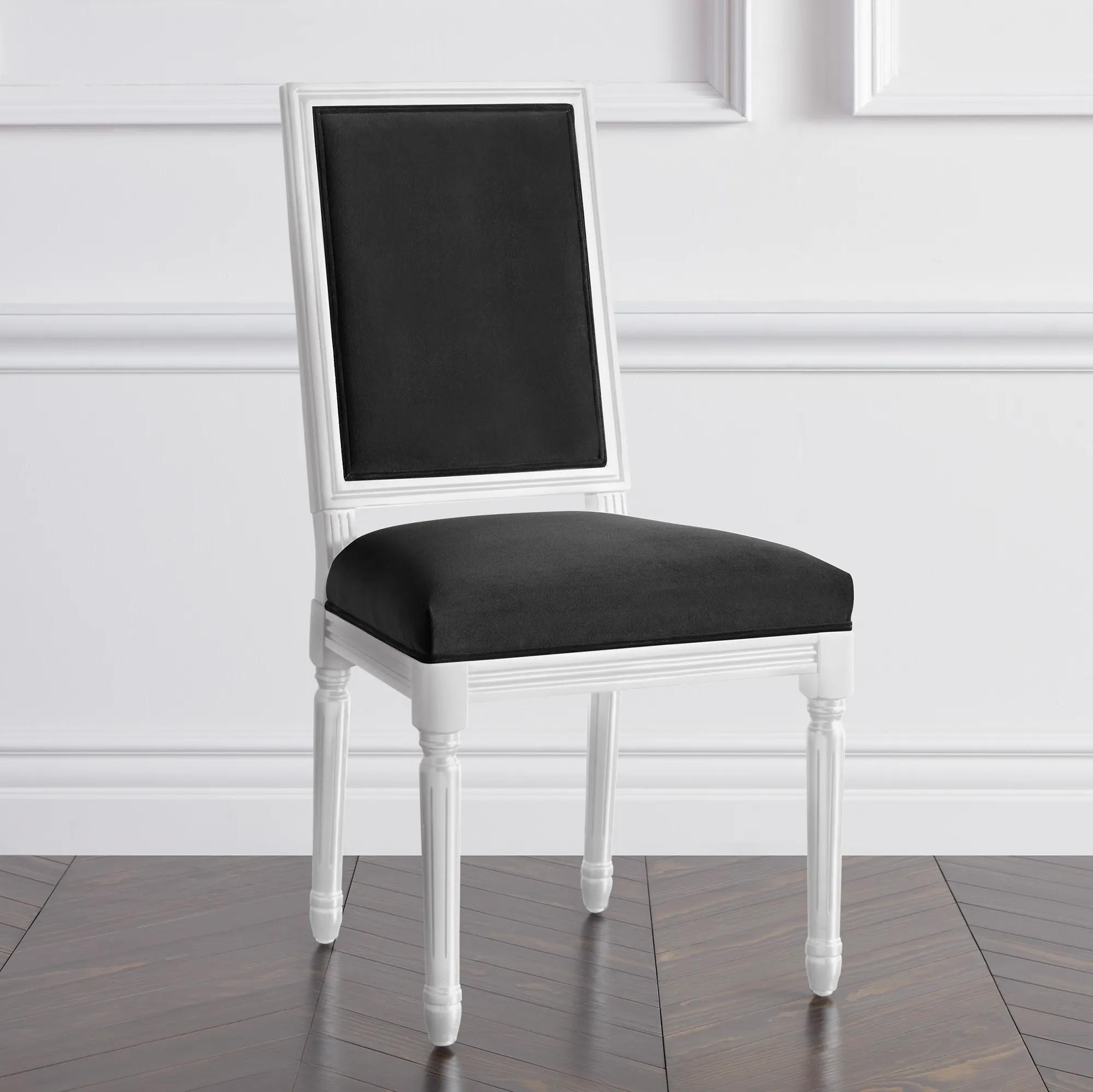
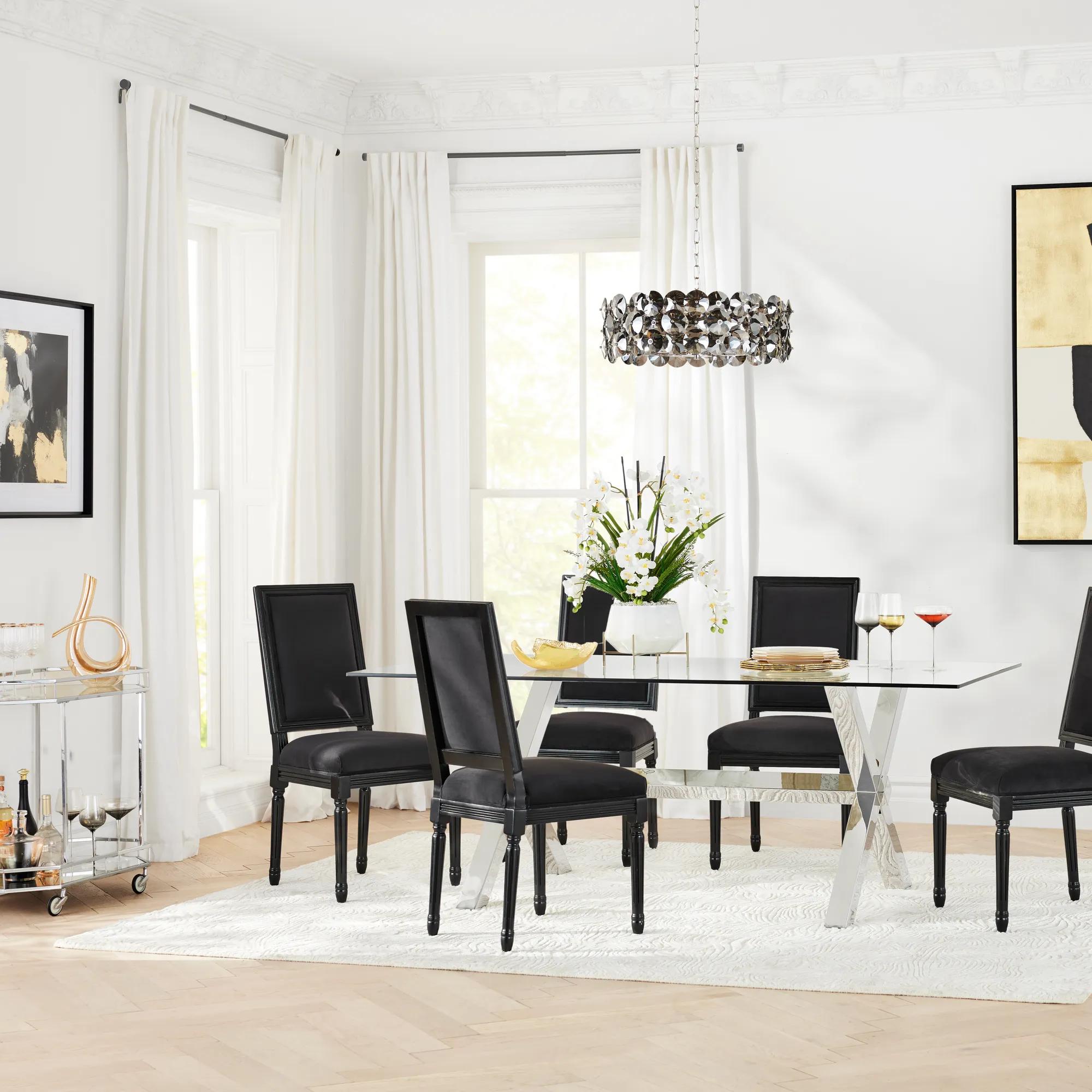 Callan Dining Chair - High Gloss Black$699
A handcrafted dining chair featuring high-gloss black Bella Velvet upholstery, fluted legs, and a squared back.
Add To Cart -
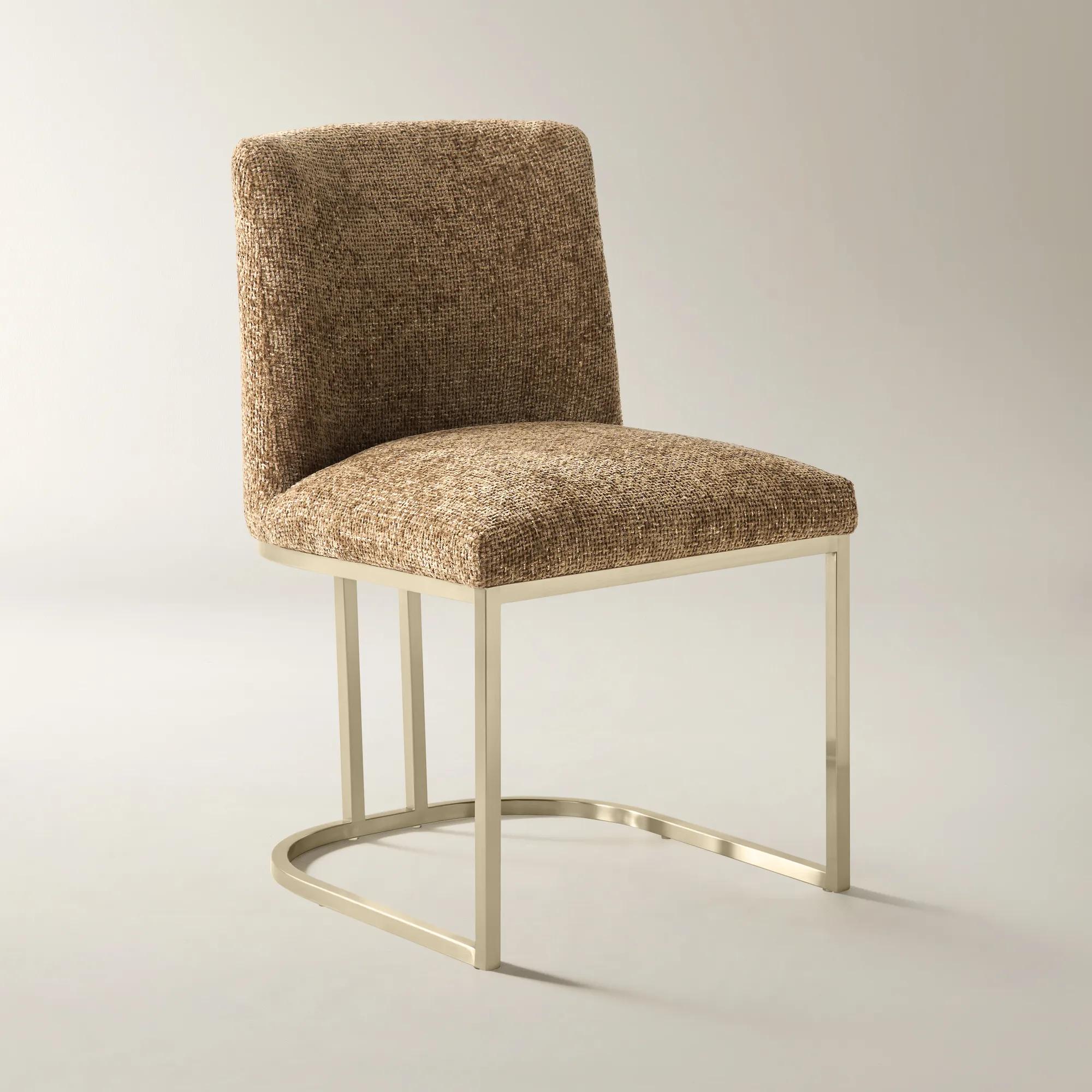 Bergen Bronze Chenille Dining Chair Set Of 2$549
A set of two dining chairs featuring bronze chenille upholstery and a sculptural brushed gold metal base.
Add To Cart -
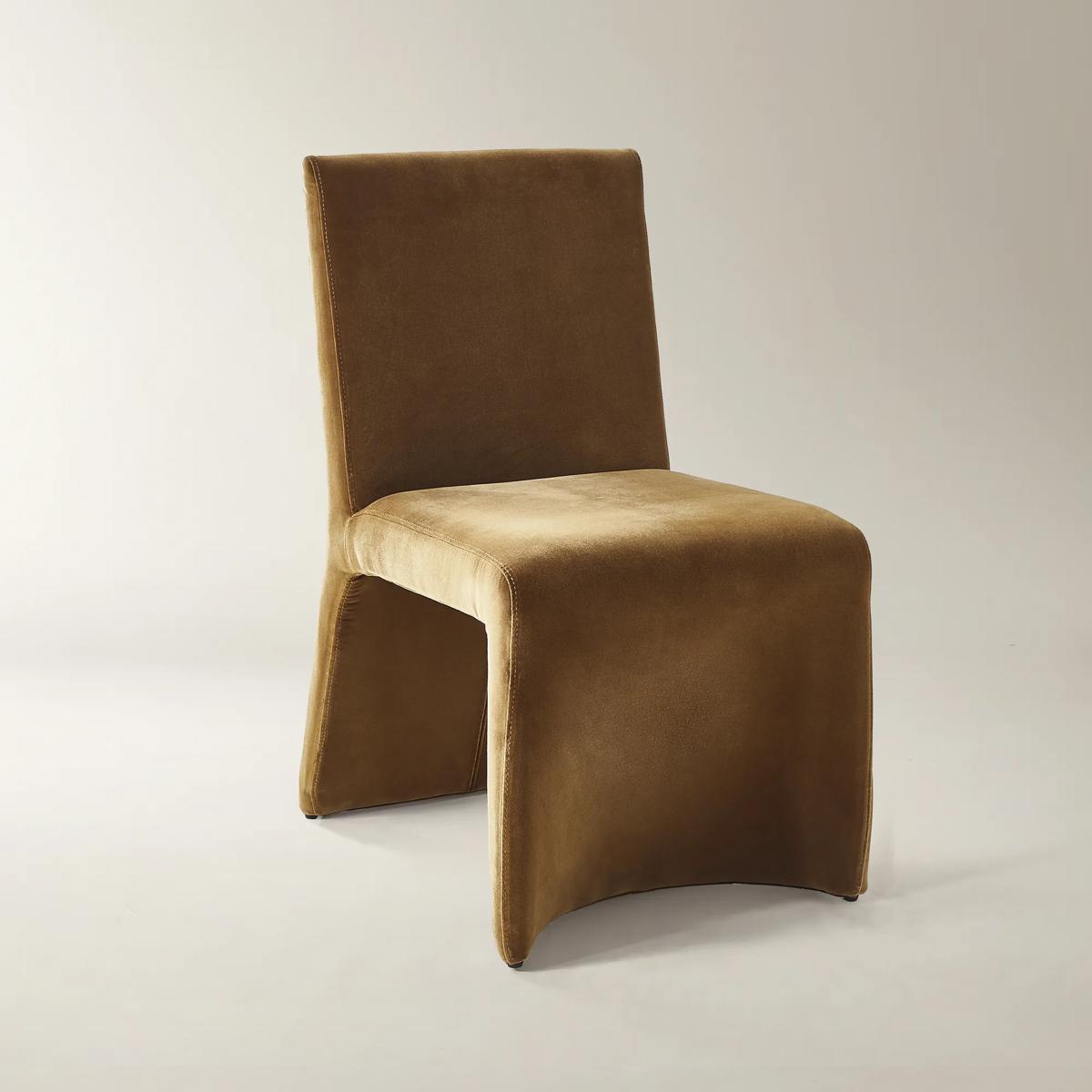 Elara Roasted Pecan Velvet Dining Chair Set Of 2$799
A pair of mustard velvet dining chairs featuring curved ergonomic silhouettes and hand-upholstered, reinforced construction.
Add To Cart -
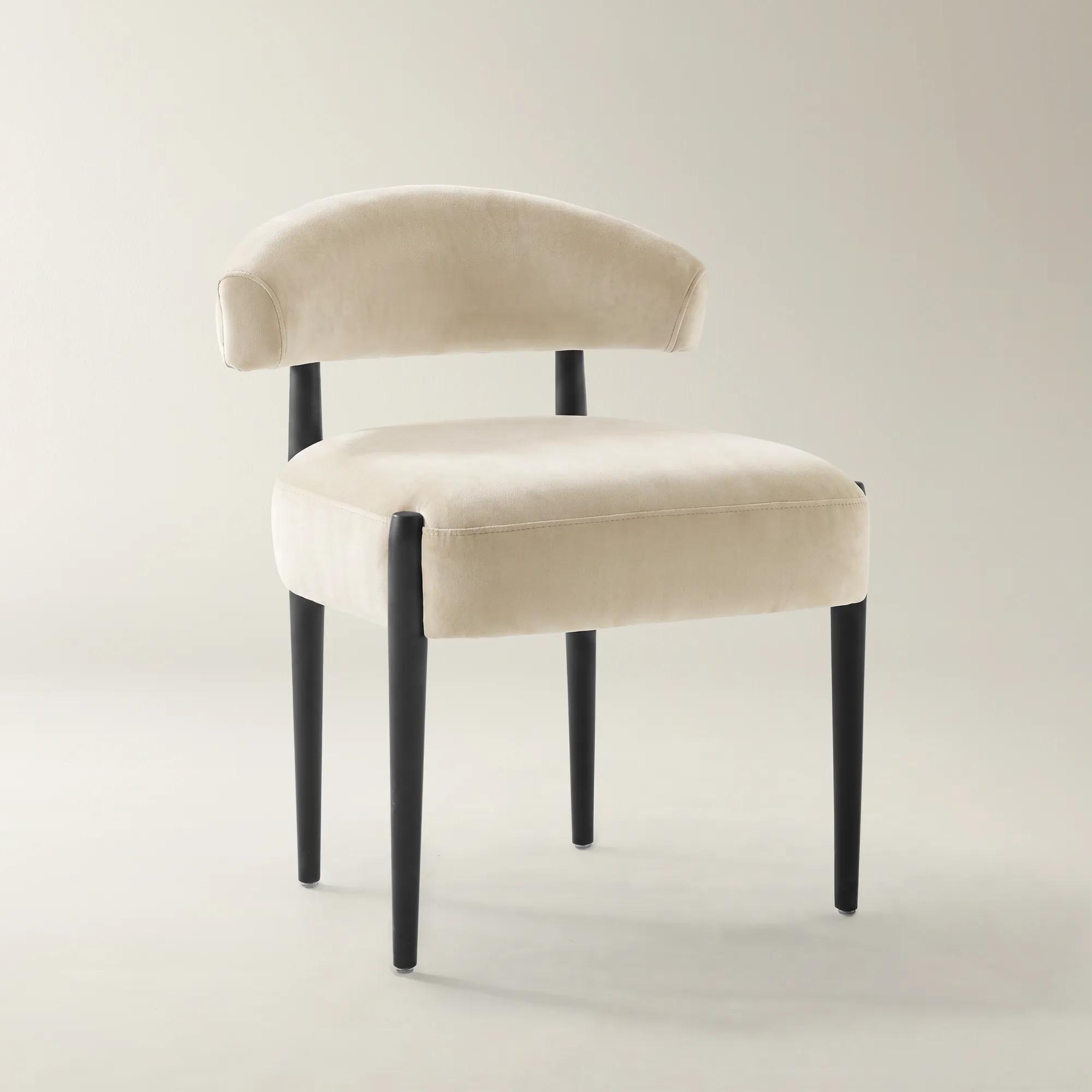 Anna Oatmeal Velvet Dining Chair Set of 2$699
A pair of oatmeal velvet dining chairs with arched backs, supportive foam cushioning, and rubberwood legs.
Add To Cart -
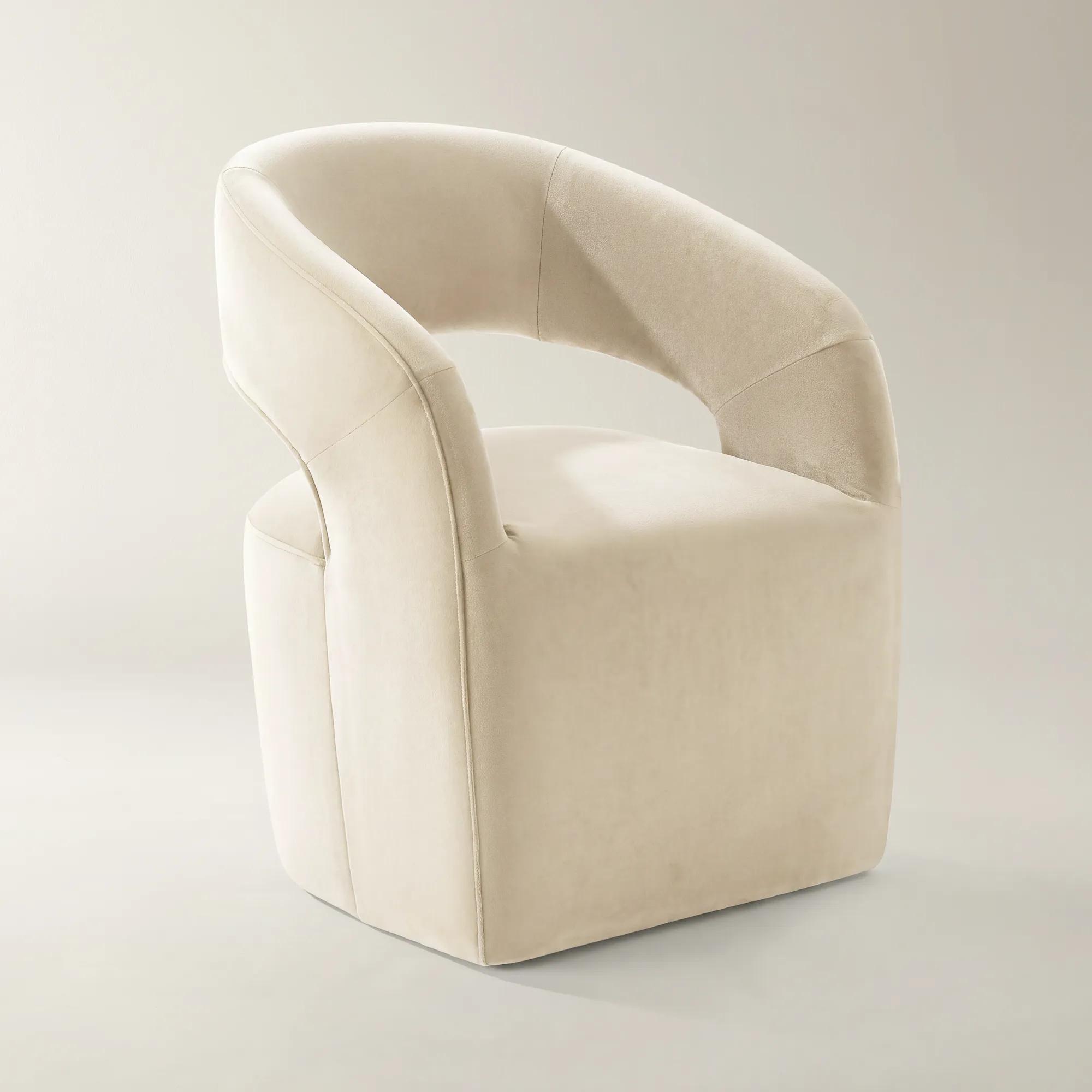 Harrison Oatmeal Velvet Dining Chair$499
A sculptural dining chair upholstered in oatmeal velvet with a curved back, feather-blend seat, and integrated arms.
Add To Cart -
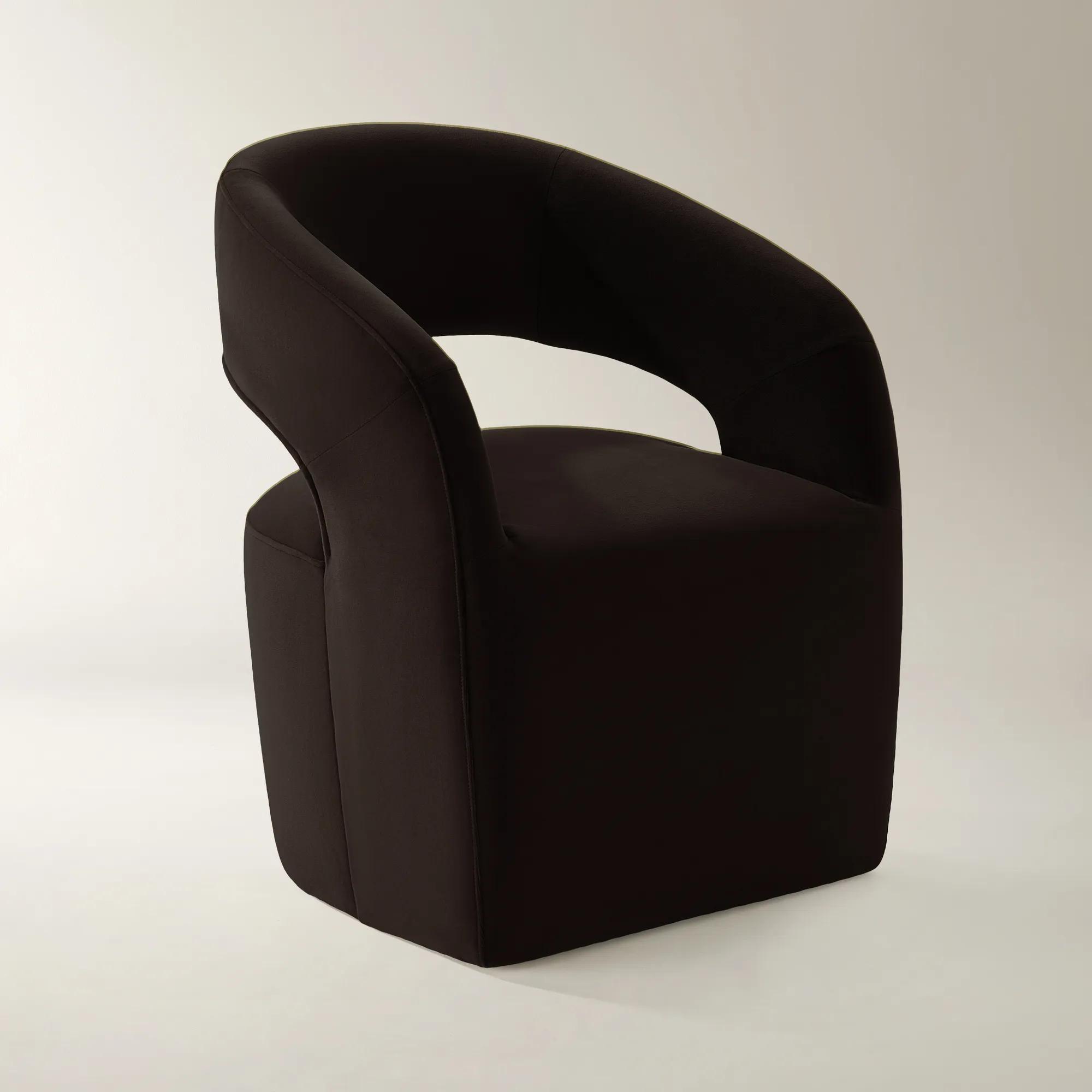 Harrison Dark Chocolate Velvet Dining Chair$499
A sculptural dining chair upholstered in dark chocolate velvet with a plush feather-blend seat and curved back.
Add To Cart

Dining Chairs For Classic Dining Rooms
Dining chairs for classic dining rooms are the unsung heroes of unforgettable gatherings—where sumptuous meals and sparkling conversation unfold in an atmosphere of timeless elegance. Each chair is more than a seat; it’s a statement, meticulously designed to evoke the grandeur of bygone eras while embracing modern comfort. Imagine richly upholstered silhouettes, sculpted frames, and refined finishes that transform every meal into a moment worthy of celebration. For those who believe a dining room should be as captivating as the company it keeps, these pieces invite you to dine amidst artistry and tradition—where every detail whispers sophistication.
Dining chairs for classic dining rooms lend presence to the table long before the first place setting is arranged. A graceful back, a beautifully upholstered seat, or the gleam of a slender leg can establish the entire room’s character, bringing warmth and distinction to an otherwise formal setting. Classic style draws its strength from proportion, symmetry, and details that reward a closer look, yet it need not feel reserved or predictable. A curved silhouette softens the geometry of a rectangular table, while a tailored, high-backed chair creates a stately rhythm around a round or oval surface. Upholstery adds another layer of expression: velvet catches the light with a rich, shifting depth; linen and linen-blend fabrics introduce visible texture; leather offers a smooth surface that develops character according to its finish and care. Cream, taupe, charcoal, and deep jewel tones each tell a different story, especially against dark wood, pale stone, or reflective accents. Button tufting, piping, and nailhead details can emphasize a chair’s contours, while an unembellished back allows its shape and fabric to command attention. The most compelling combinations give each element room to be appreciated rather than repeating every decorative feature across the room. A table with an ornate pedestal, for example, gains balance from chairs with quieter legs and tailored upholstery. A simpler table can support more expressive seating, including sculpted backs or contrasting materials. Matching chairs create a composed, ceremonial effect; distinctive armchairs at the ends of a table introduce hierarchy and a more collected appearance. For interiors that pair traditional architectural details with a cleaner silhouette, Classic Modern Dining Chairs offer a complementary direction. In either expression, the goal is a dining room that feels intentional and welcoming, with enough visual richness for an intimate celebration and enough ease for an ordinary evening meal. Even when the table is bare, the chairs remain a defining part of the composition, framing its surface and giving the room a sense of occasion.
Beautiful proportions also depend on how a chair relates to the table and the people seated around it. Upholstered dining chairs can make lingering over dinner more inviting, particularly when the seat offers supportive cushioning and the back provides a comfortable resting angle. A broad seat may feel generous, but its full width, including any arms or flared edges, needs to suit the spacing between table legs. As a general starting point, a seat approximately 10 to 12 inches below the tabletop provides a comfortable relationship for many adults, though a deep table apron can reduce usable legroom. Armchairs require particular attention because their arms may not tuck beneath the apron even when the seat height is appropriate. Allowing roughly 24 inches of table edge per diner is another useful starting point, with wider chairs and expansive place settings calling for additional space. These proportions matter just as much in a compact dining area as in a grand formal room: guests should be able to settle into their seats without negotiating neighboring chair arms or the table base. Approximately 36 inches between the table edge and a wall can accommodate pulling chairs out, while a walkway behind occupied seats generally benefits from more room. Within that footprint, materials and construction influence daily performance. Wood frames bring grain, warmth, and a grounded appearance; metal frames can create a more slender outline with a gleaming or softly brushed finish. Secure joinery, stable legs, supportive seat construction, and upholstery suited to the intended frequency of use all deserve consideration alongside decorative appeal. A dining room used for family meals, occasional homework, and frequent entertaining places different demands on seating than a room reserved for formal dinners. Performance upholstery may offer helpful resistance to certain spills or stains, but its capabilities vary by fabric and treatment. Removable seat cushions, seams, and decorative trim also affect how easily crumbs can be cleared away. The most satisfying choice brings visual drama to the room without asking its occupants to sit cautiously.
Thoughtful care preserves the details that give classic dining chairs their allure. Upholstered surfaces generally benefit from regular vacuuming with an appropriate upholstery attachment, paying attention to seams and tufting where dust and crumbs can settle. Spills are best addressed promptly according to the fabric’s care instructions; rubbing or applying an unsuitable cleaner can spread a mark or alter the surface. Velvet deserves particular care because its pile can show changes in direction, pressure marks, and variations in sheen that are part of its distinctive appearance. Leather care depends on the finish, so cleaning and conditioning products should be chosen only when recommended for that upholstery. On wood and metal frames, a soft cloth and finish-appropriate cleaning help maintain the surface without the abrasion of harsh pads or aggressive chemicals. Direct sunlight can affect some fabrics and finishes over time, making window placement worth considering in a light-filled dining room. Floor protection matters, too: suitable glides can help reduce scuffing, although they need to match the flooring and remain free of trapped grit. These small habits support furniture that is meant to participate in daily life, not merely stand behind a closed door. For frequent hosts, comfortably padded chairs invite conversation to continue after dessert. For households that use the dining table as a gathering place throughout the day, easy-to-maintain upholstery and a manageable chair weight can make the room more accommodating. Visual continuity contributes its own sense of comfort. Repeating a warm metal tone from a chandelier, echoing the curve of a sideboard, or drawing a subtle color from artwork helps seating belong to the larger setting without requiring an exact match. A textured rug can anchor the arrangement, provided it extends far enough for chair legs to remain supported when seats are pulled back. With considered scale, expressive materials, and attentive care, classic dining room chairs give the table a lasting sense of distinction: elegant enough to frame a beautifully set dinner, comfortable enough to make guests feel genuinely at home.
FAQs
Classic dining chair styles are characterized by timeless elegance, refined craftsmanship, and enduring materials. Look for features such as solid wood construction, intricate backrest designs like ladder-back or splat-back, and luxurious upholstery in fabrics like velvet or linen. These chairs often showcase graceful curves, hand-carved details, and rich finishes that evoke a sense of heritage and sophistication.
Mixing and matching classic dining room chairs is an artful way to express your personal style while maintaining harmony in your space. Pair armchairs at the ends of your table with coordinating side chairs, or blend different wood stains and upholstery textures within a complementary color palette. The key is to balance unifying elements—such as similar silhouettes or finishes—while allowing subtle contrasts to add visual interest.
Absolutely. Classic dining chairs make an exceptional gift for housewarmings, weddings, anniversaries, or milestone celebrations. They offer not just functionality, but also the promise of future gatherings and shared memories. Gifting a beautifully crafted chair is a gesture of lasting warmth and hospitality.
Traditional dining room chairs are often crafted from solid hardwoods such as oak, maple, cherry, or walnut. These materials provide strength and a rich, enduring finish. Upholstery is typically done in plush fabrics like velvet, linen, or leather, sometimes accented with tufting or nailhead trim to enhance the chair’s luxurious appeal.
Classic dining chairs set the tone for the entire dining experience. Their elegant lines, sumptuous materials, and meticulous detailing create an atmosphere of warmth and sophistication. Whether you’re hosting a formal dinner or a cozy family meal, these chairs invite guests to relax, linger, and savor the moment, elevating every gathering into a memorable occasion.