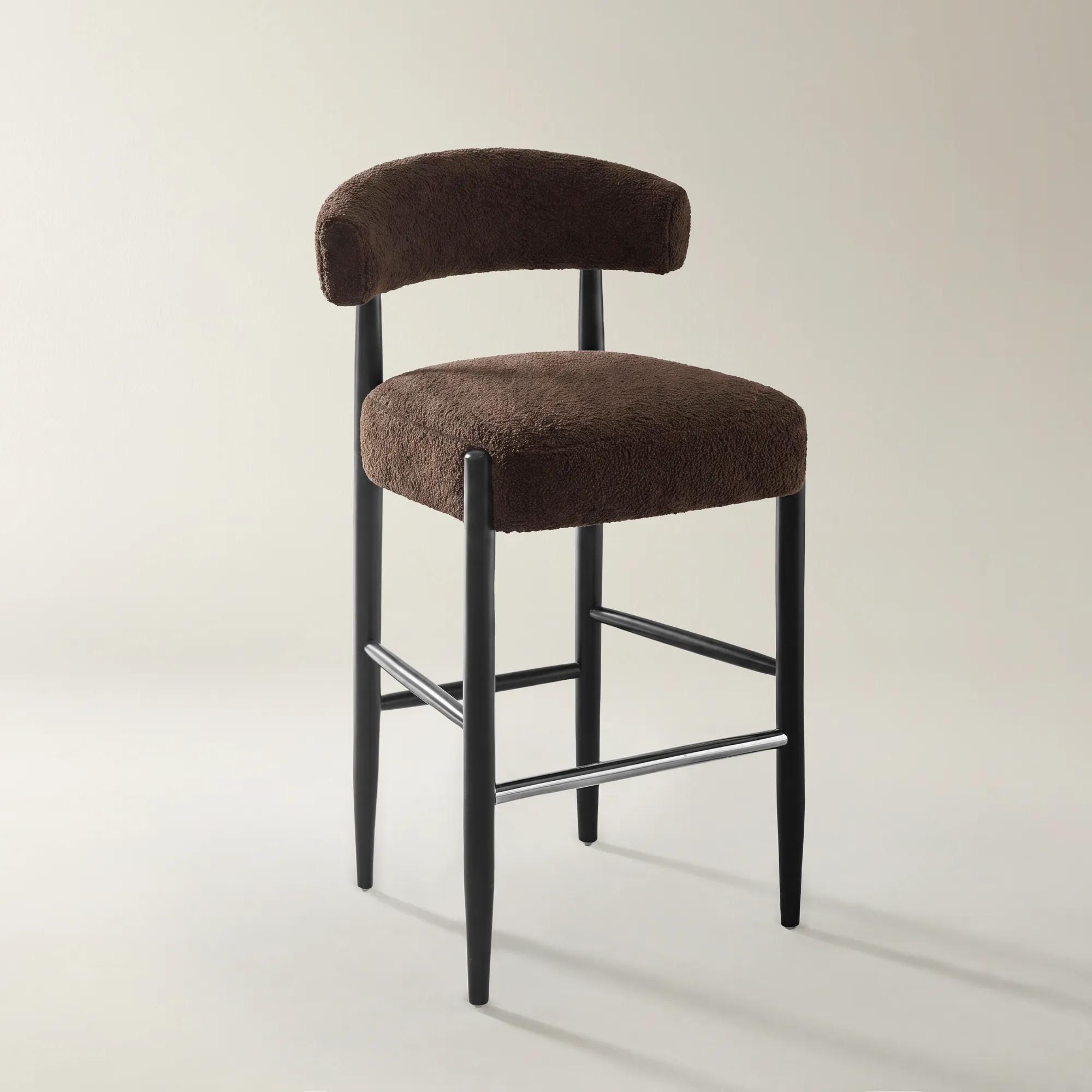
Designer Velvet Counter Stools
Designer Velvet Counter Stools
-
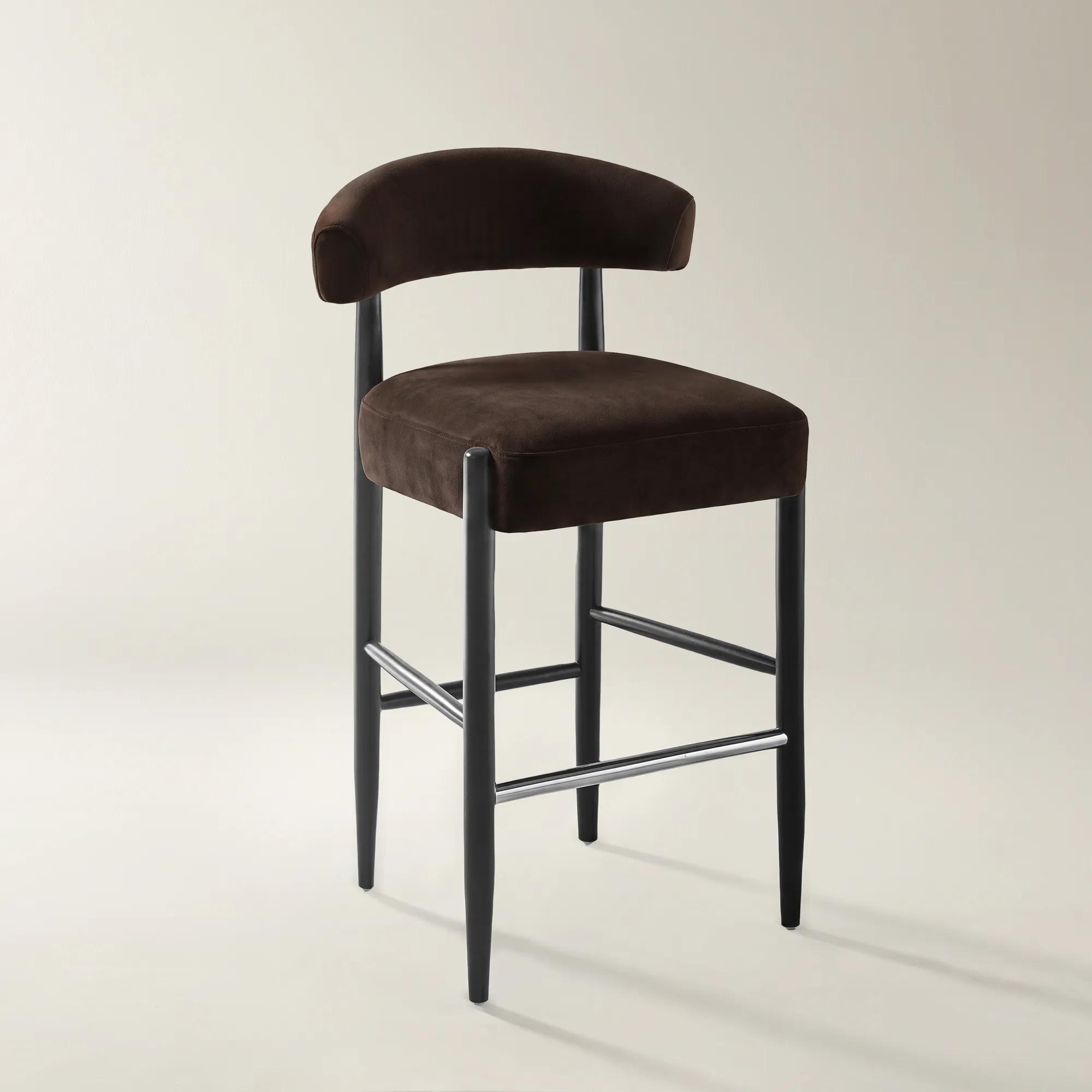 Anna Dark Chocolate Velvet Bar/Counter Stool$449
A dark chocolate velvet counter stool with a sculpted back, padded seat, and tapered solid-rubberwood legs.
Add To Cart -
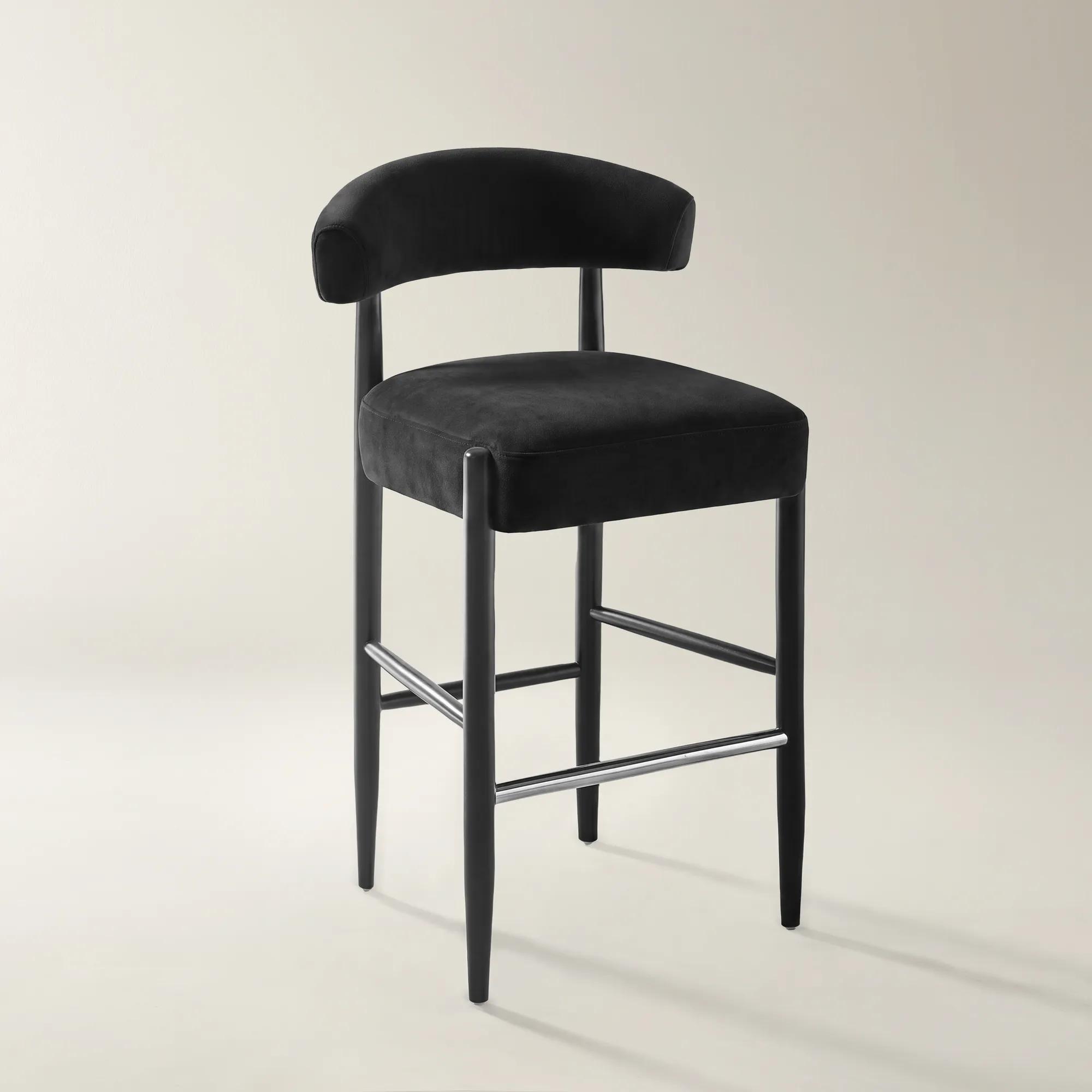 Anna Charcoal Velvet Bar/Counter Stool$449
A charcoal velvet bar stool with a sculpted padded seat and solid rubberwood legs.
Add To Cart -
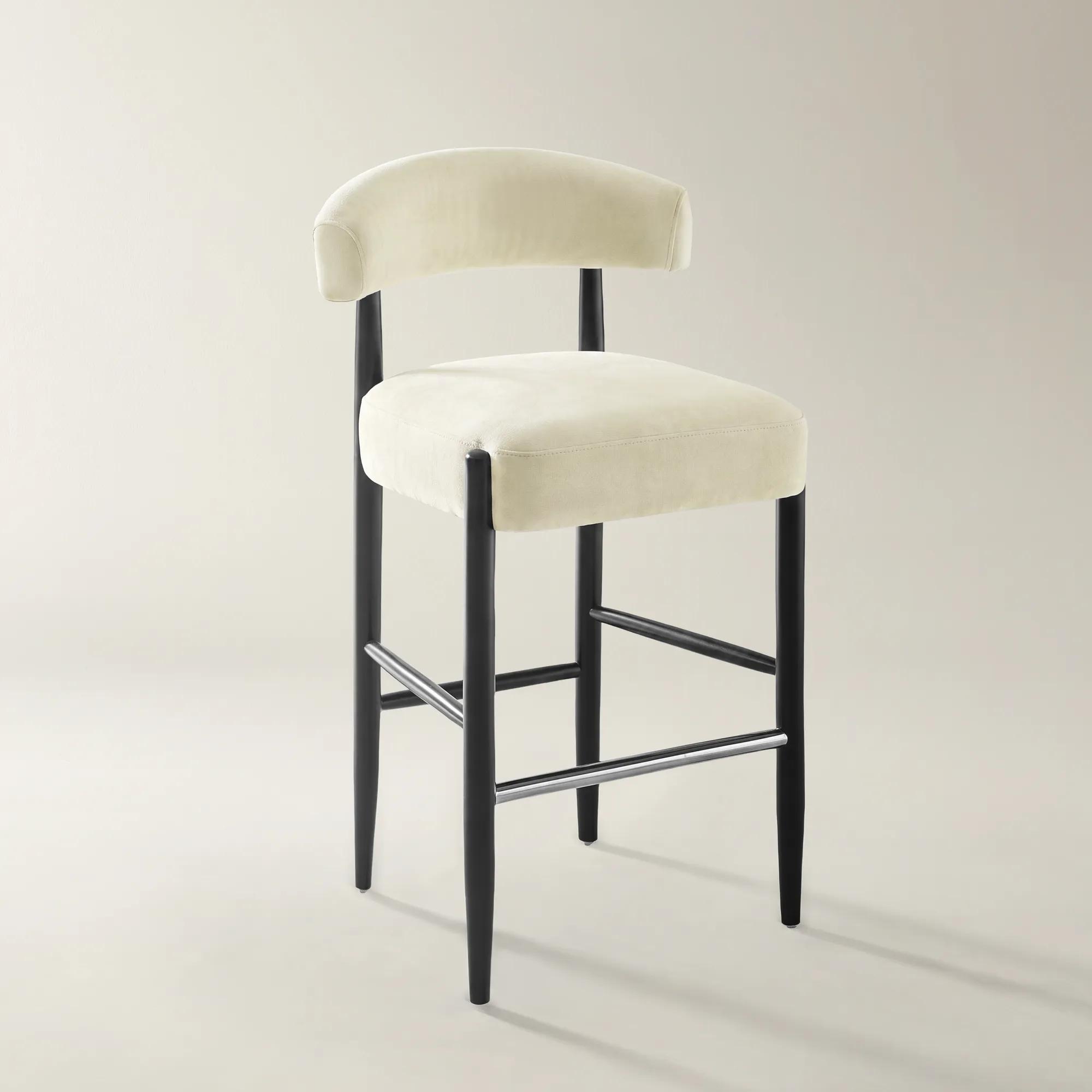 Anna Cloud Velvet Bar/Counter Stool$449
A cloud velvet counter stool with sculpted padded support and tapered solid-rubberwood legs.
Add To Cart -
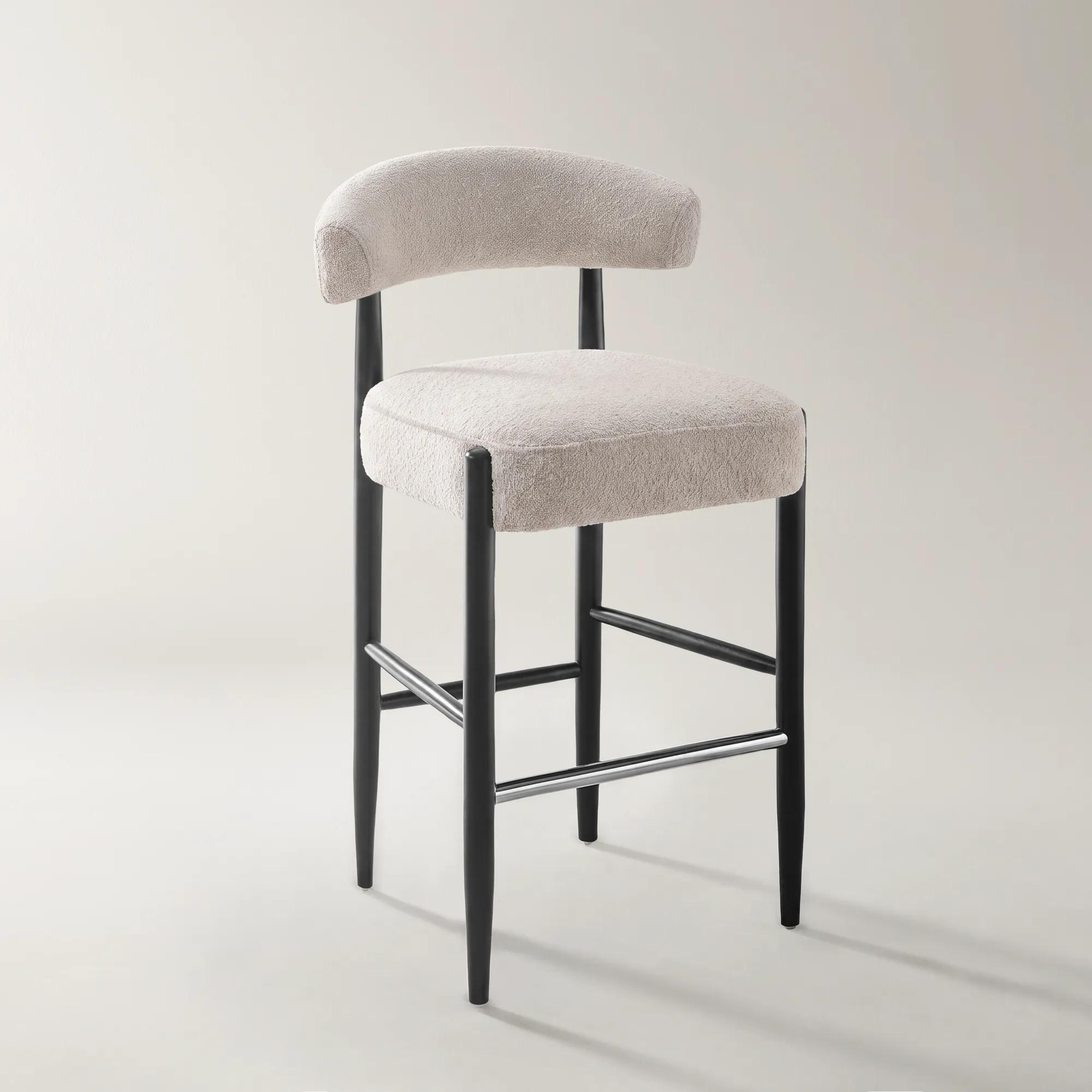
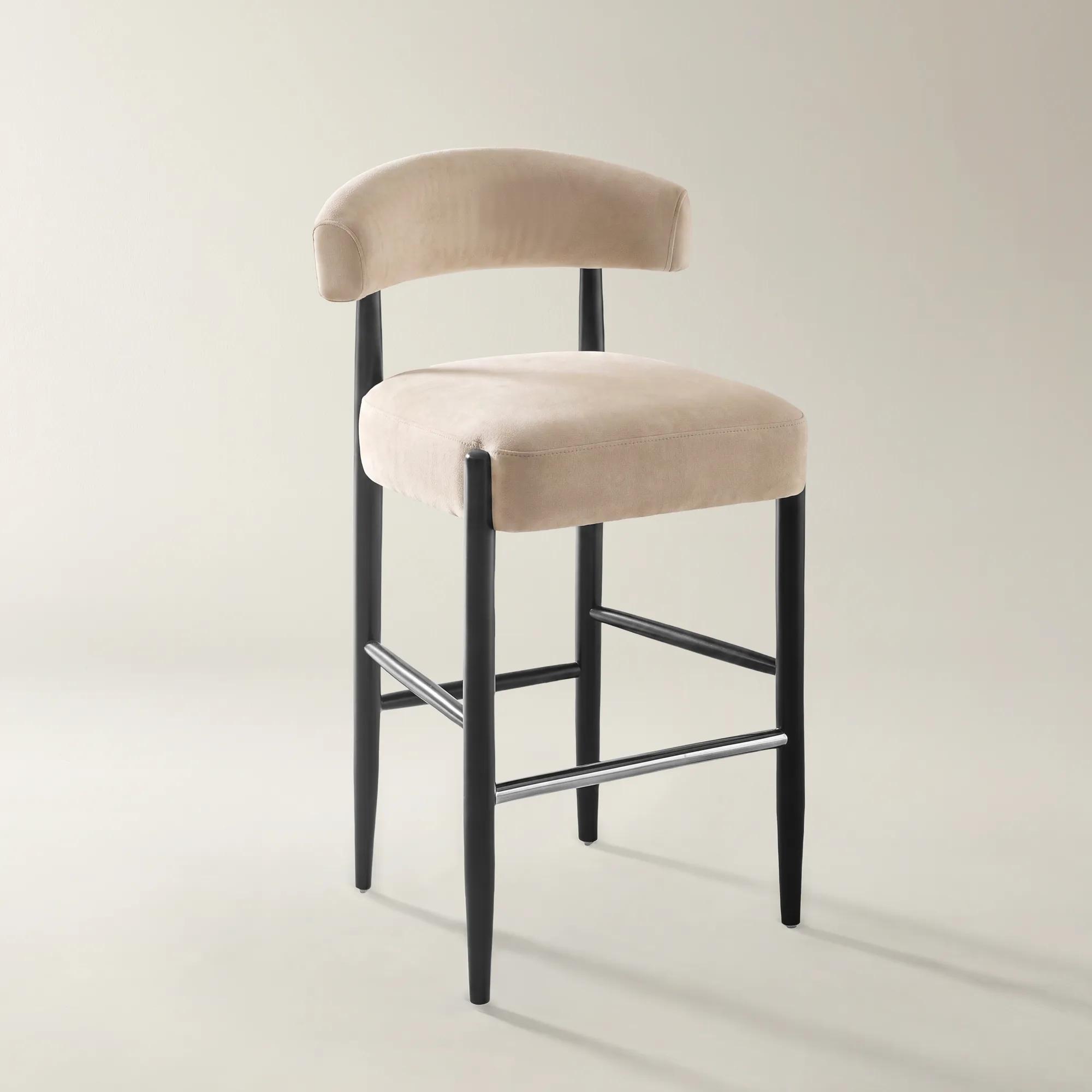 Anna Simply Taupe Velvet Bar/Counter Stool$449
A taupe velvet counter stool with a sculpted back, padded seat, and tapered solid-rubberwood base.
Add To Cart -
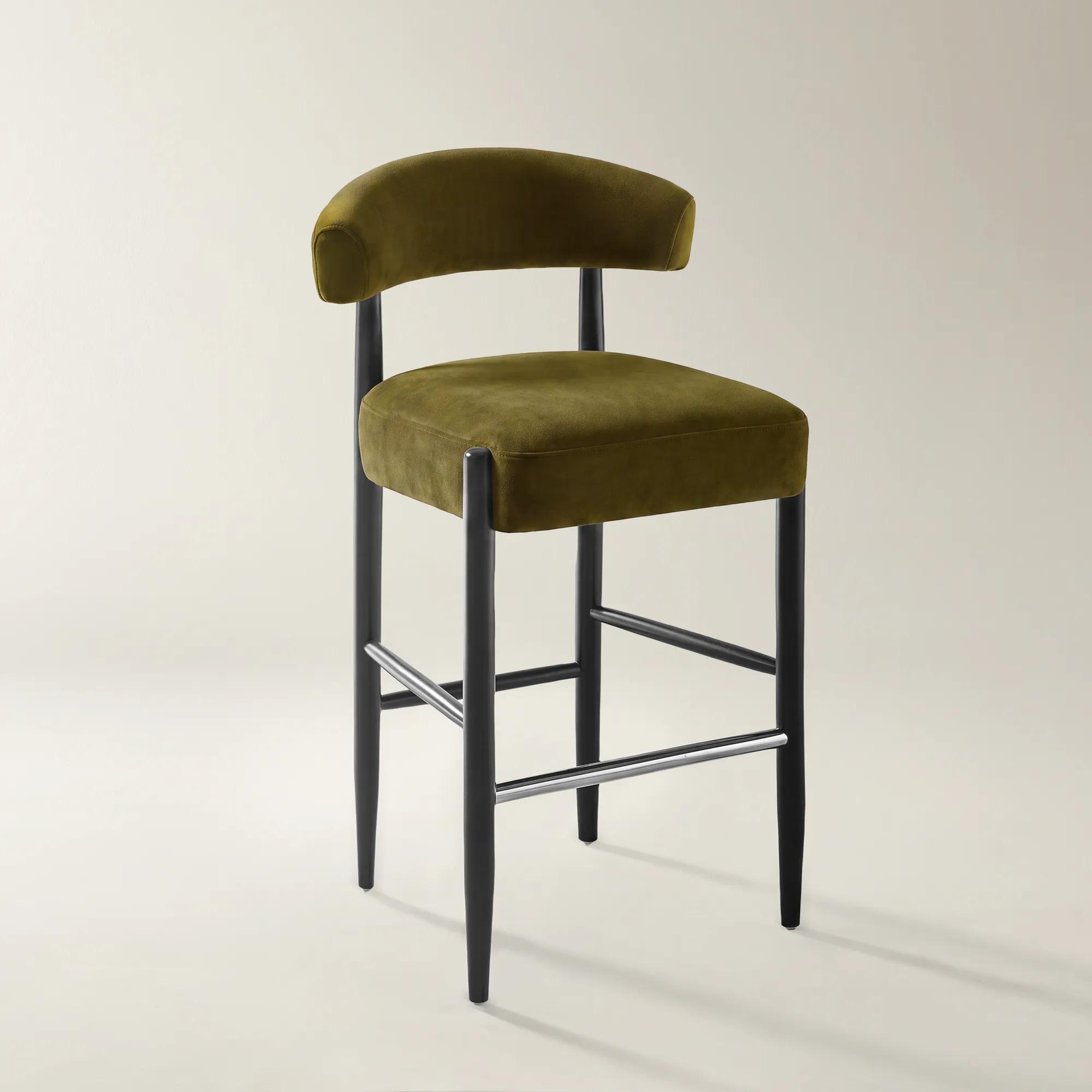 Anna Deep Olive Velvet Bar/Counter Stool$449
A green velvet bar stool with a sculpted padded seat, tailored upholstery, and tapered solid-rubberwood legs.
Add To Cart -
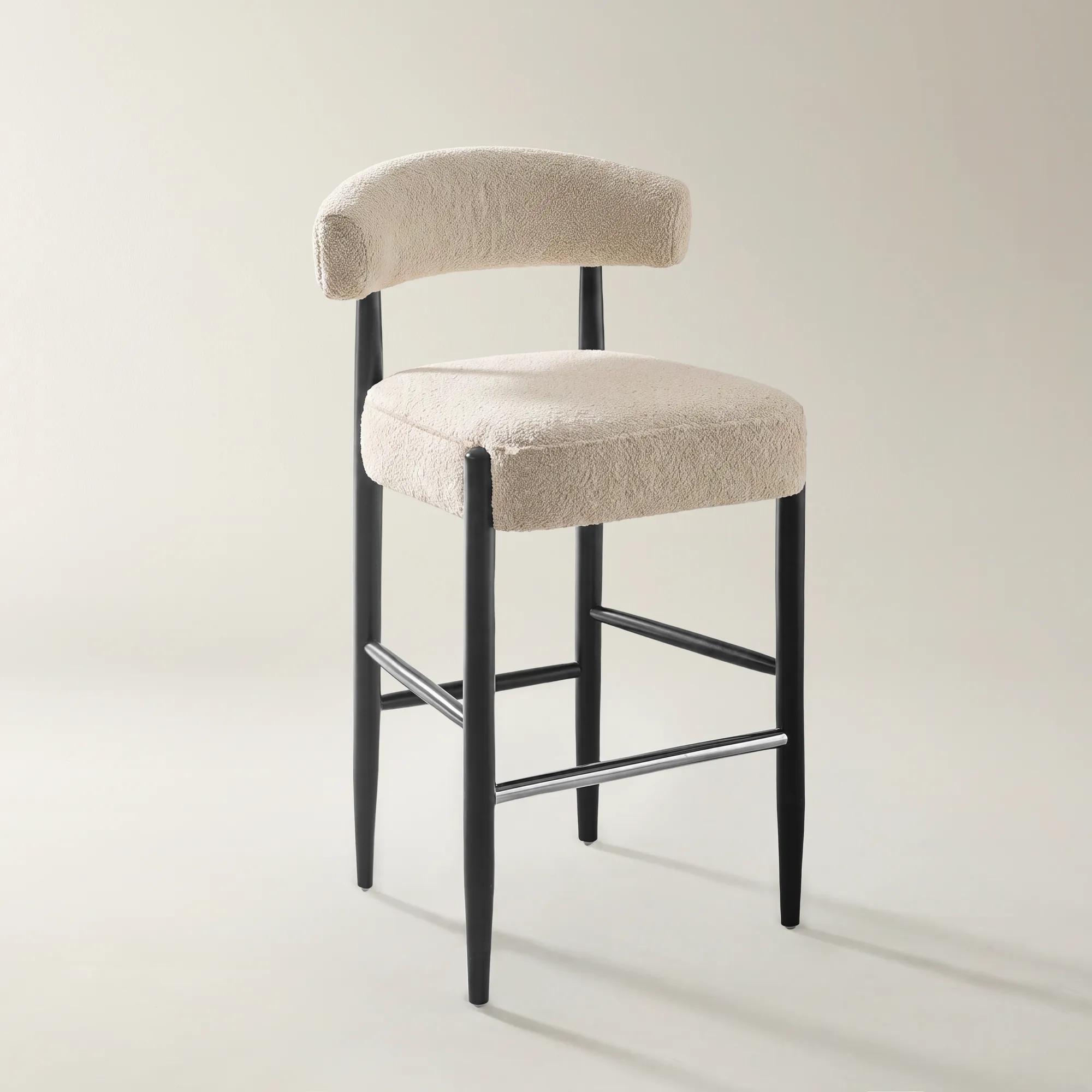
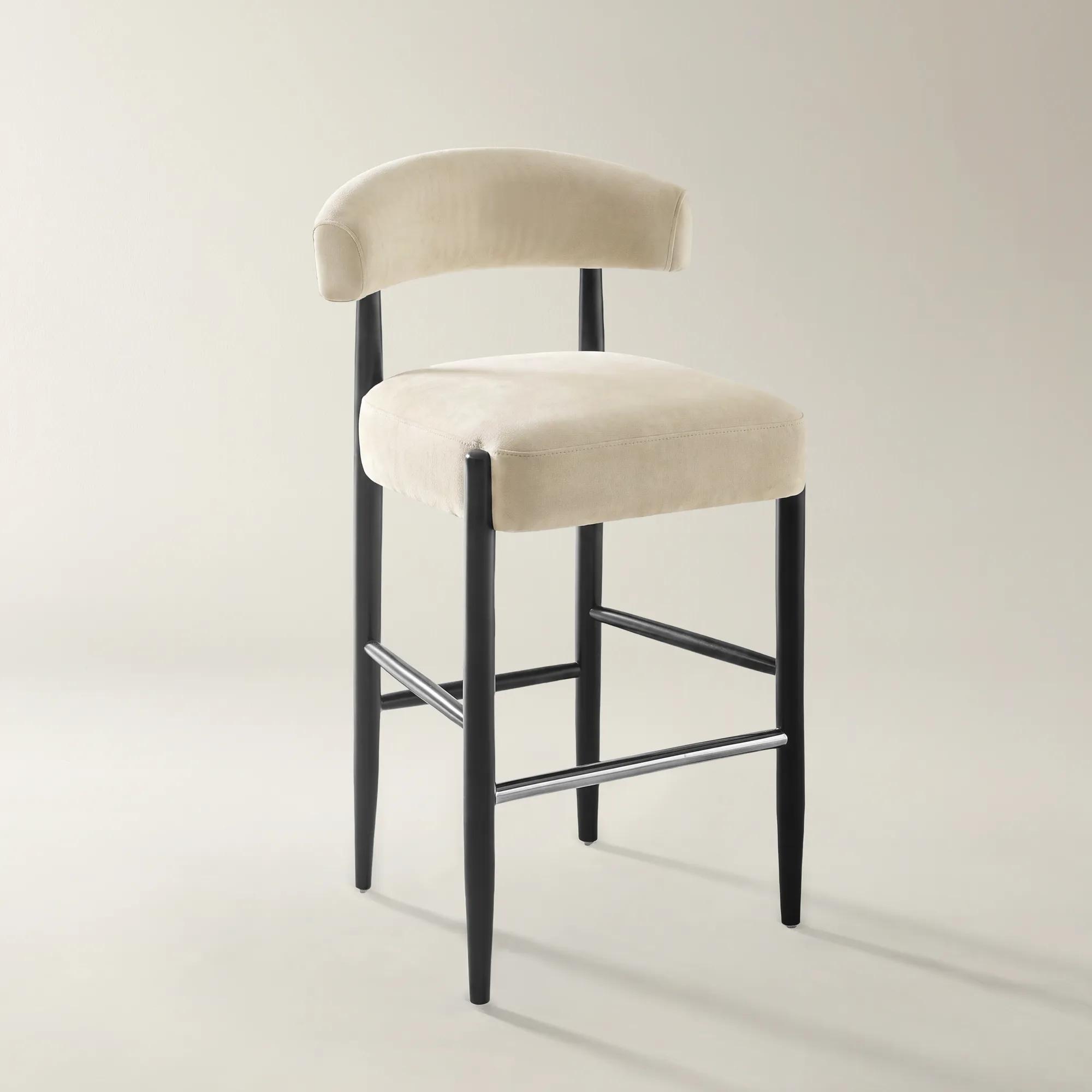 Anna Oatmeal Velvet Bar/Counter Stool$449
A counter stool with oatmeal velvet upholstery, sculpted back, padded seat, and solid rubberwood legs.
Add To Cart -
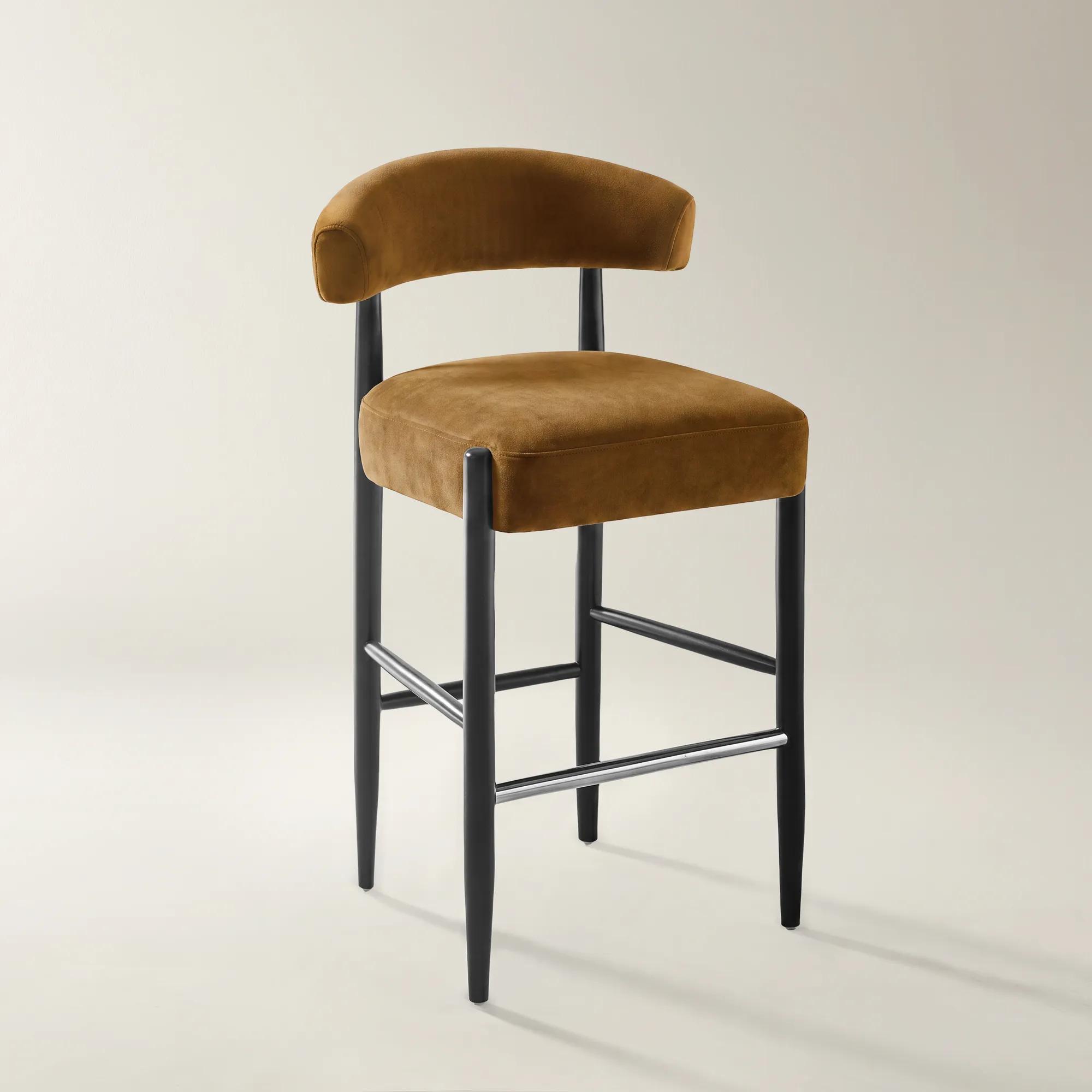 Anna Roasted Pecan Velvet Bar/Counter Stool$449
A roasted pecan velvet bar stool with a sculpted padded back, custom upholstery, and tapered solid-rubberwood legs.
Add To Cart -
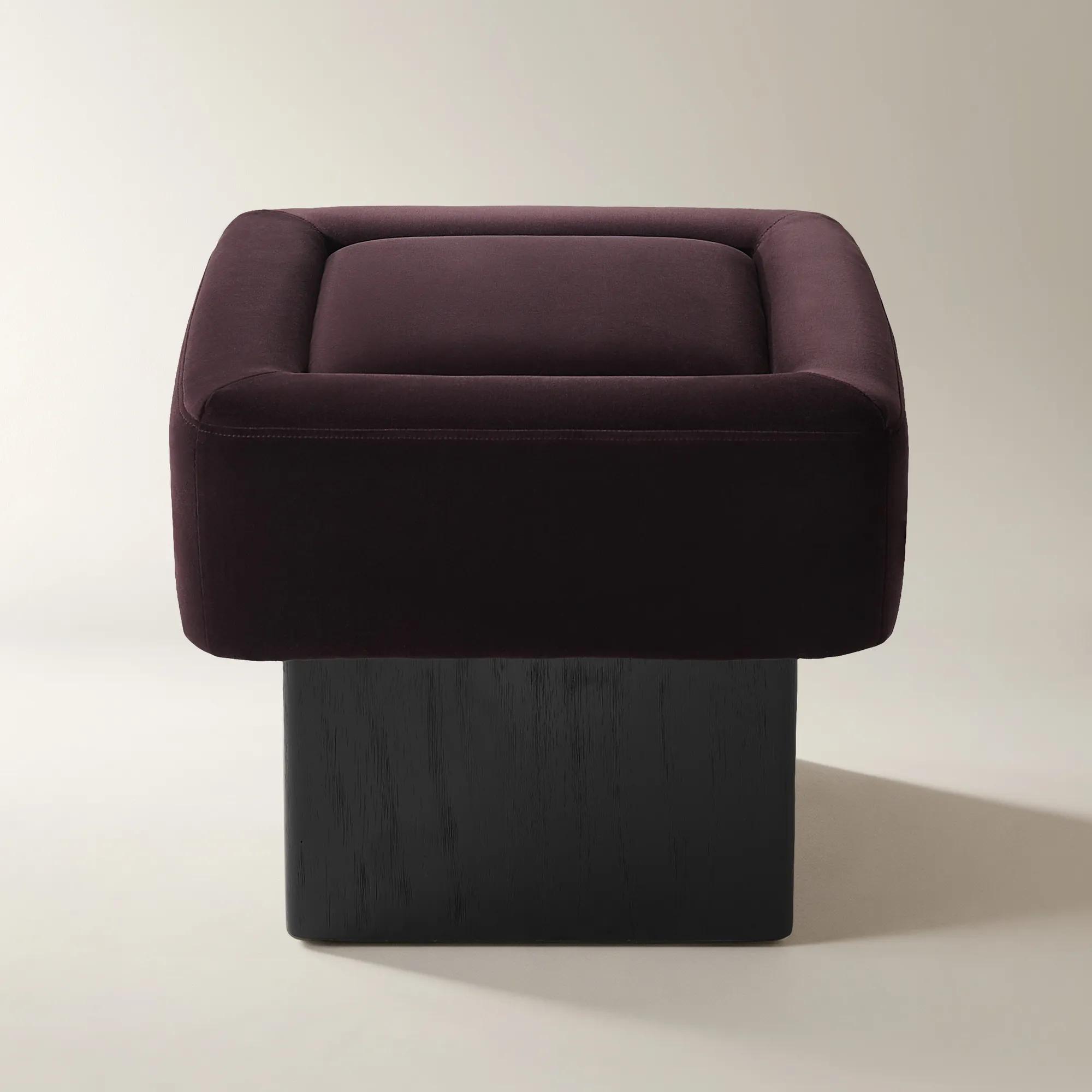 Reims Fig Velvet Stool$399
A plush fig-colored velvet stool featuring a sculpted cushion and a solid rubberwood base for modern contrast.
Add To Cart -
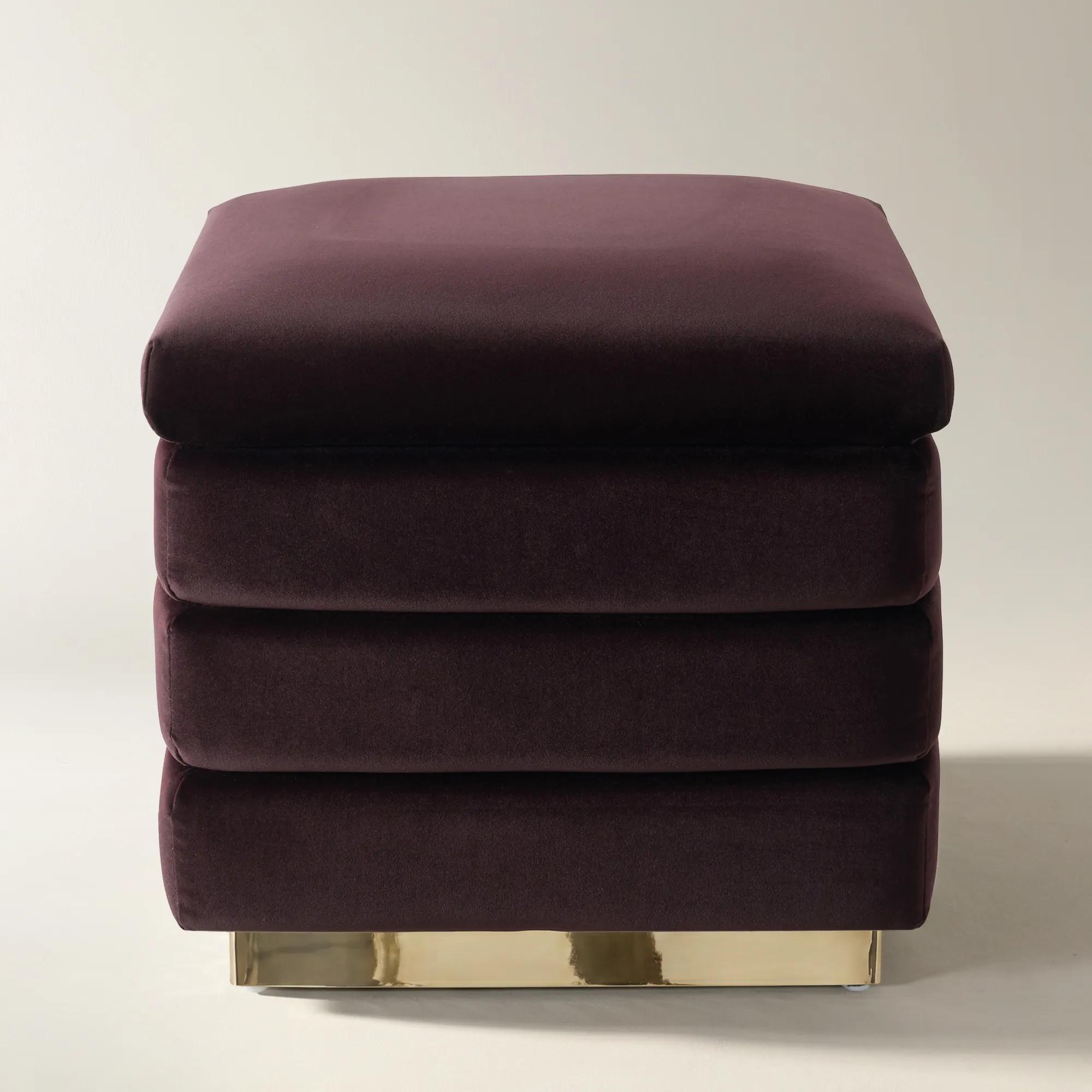
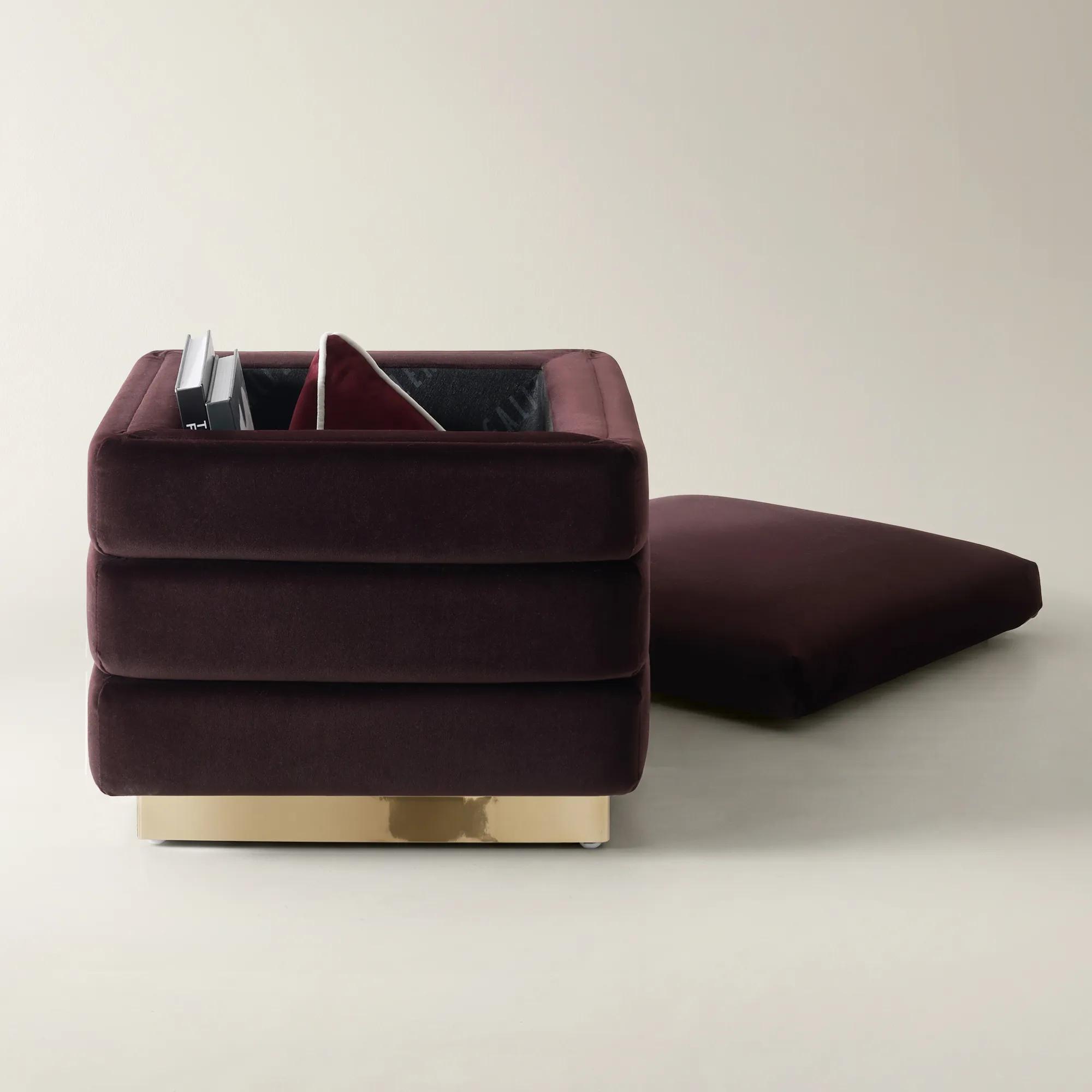 Gable Fig Chenille Storage Stool$399
A plush fig chenille stool with hidden storage, velvet upholstery, and a polished gold stainless steel base.
Add To Cart -
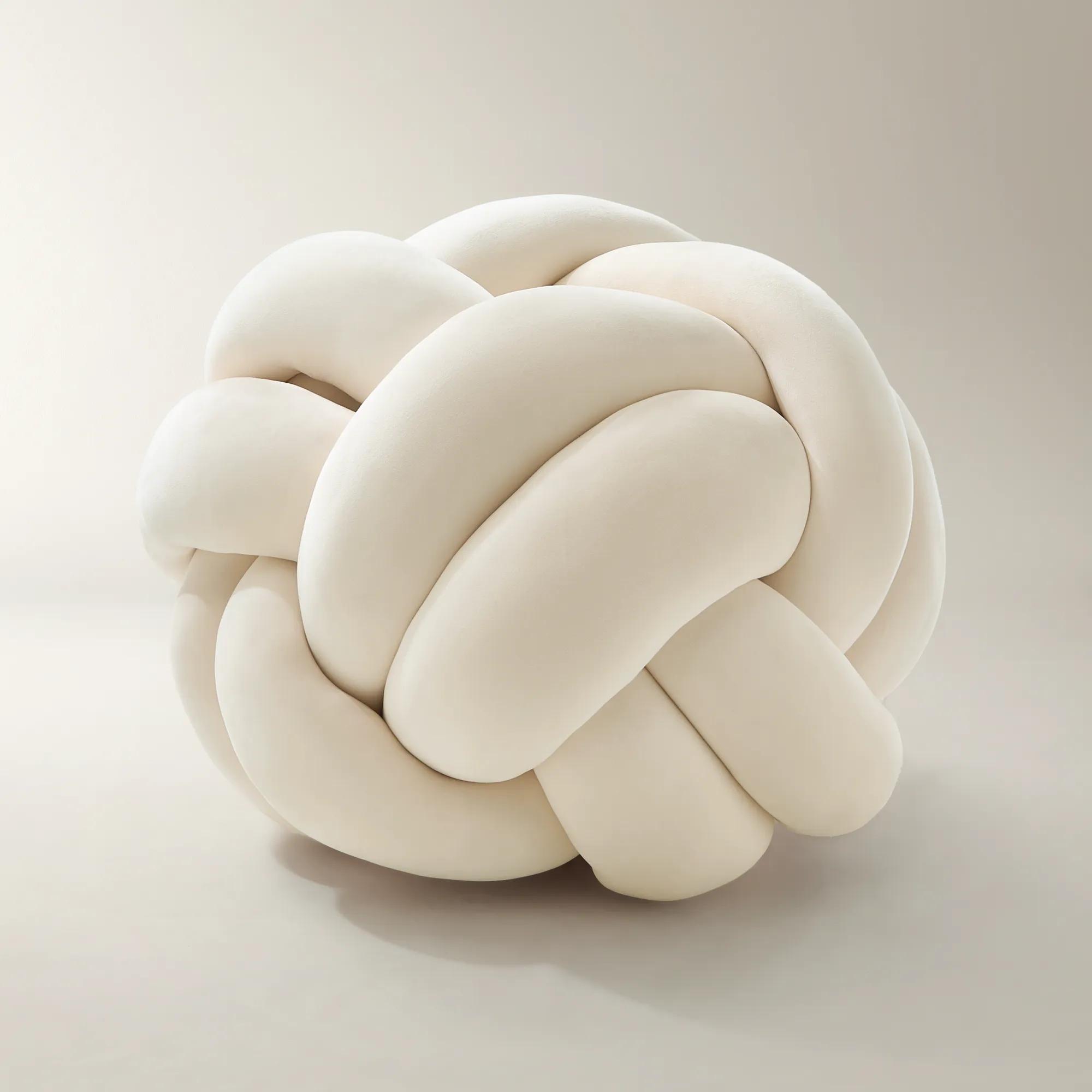 Loopie Oatmeal Velvet Stool (34.5")$399
An oversized oatmeal velvet stool featuring a sculptural knotted silhouette and plush, hand-upholstered finish.
Add To Cart -
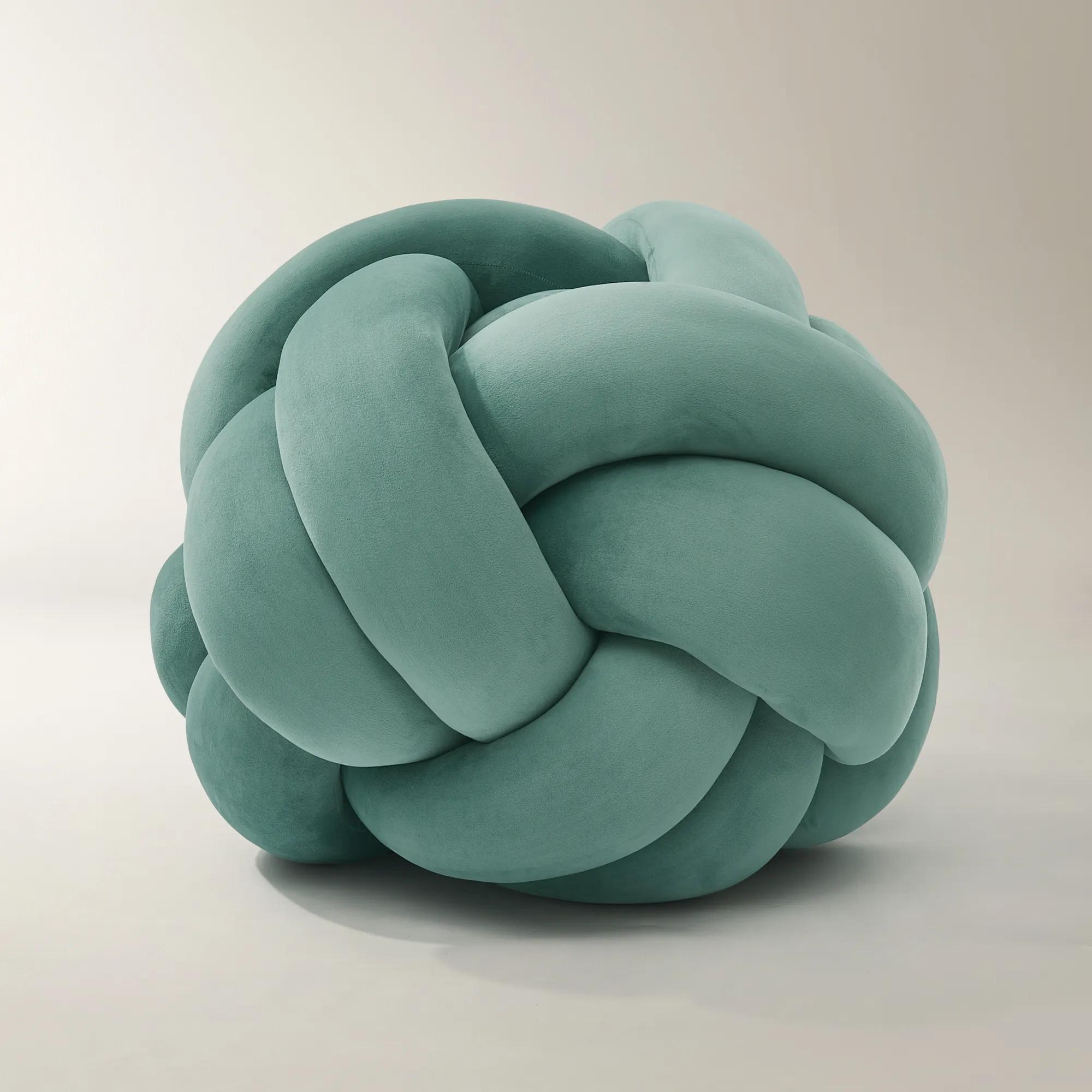 Loopie Ocean Teal Velvet Stool (34.5")$399
A bold sculptural stool featuring plush ocean teal velvet upholstery and an oversized knotted silhouette.
Add To Cart -
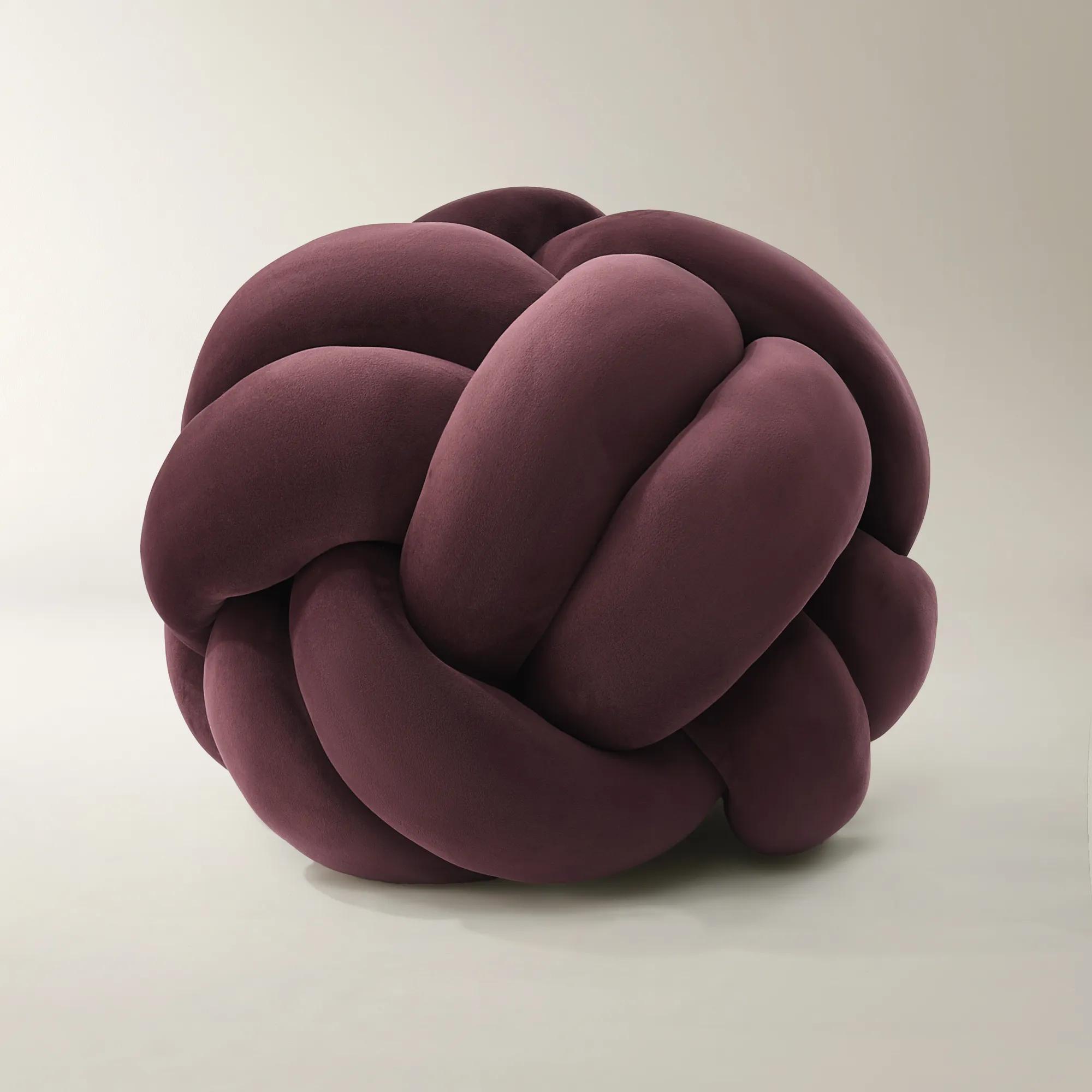
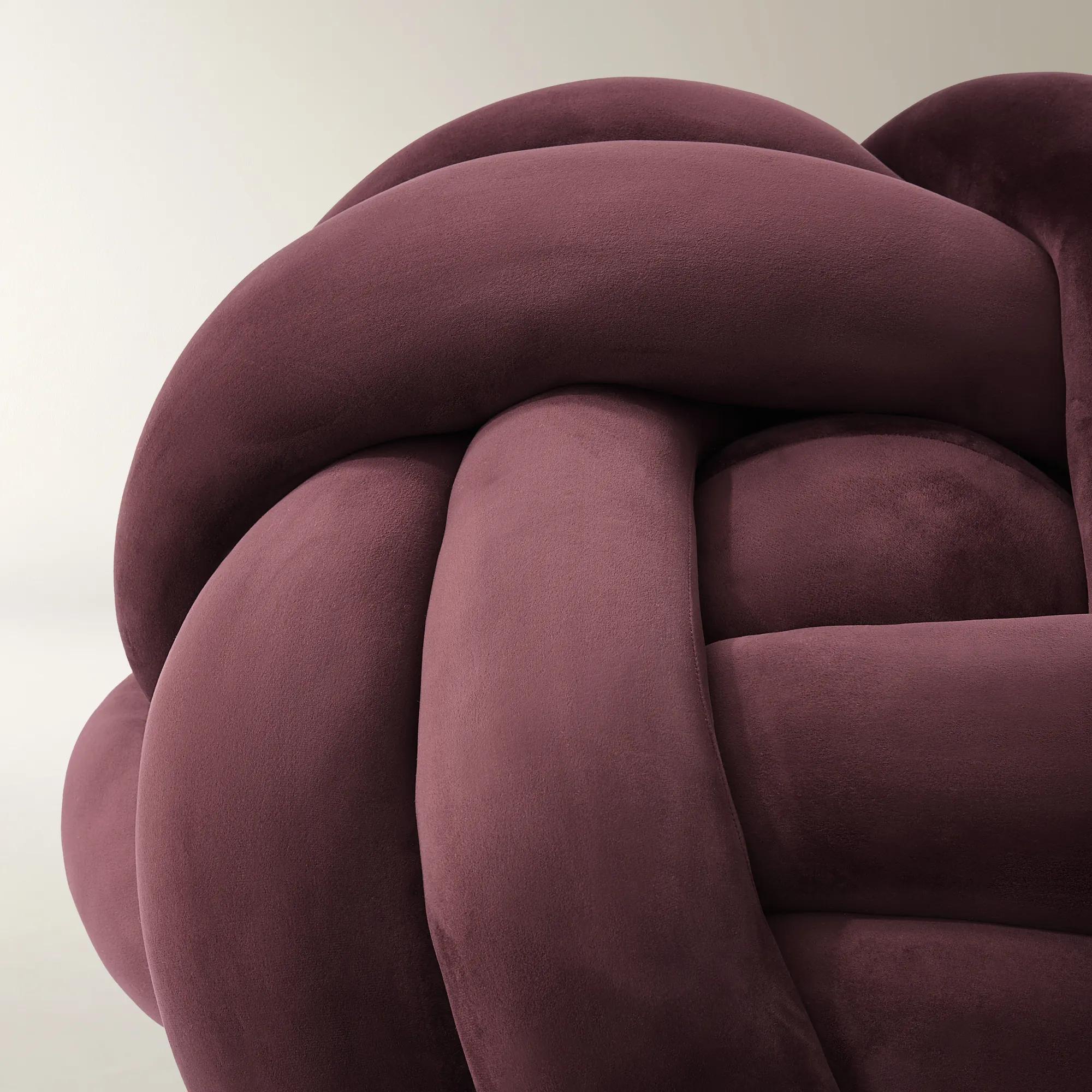 Loopie Fig Velvet Stool (34.5")$399
An oversized, knot-inspired stool hand-upholstered in plush fig velvet for bold sculptural appeal.
Add To Cart -
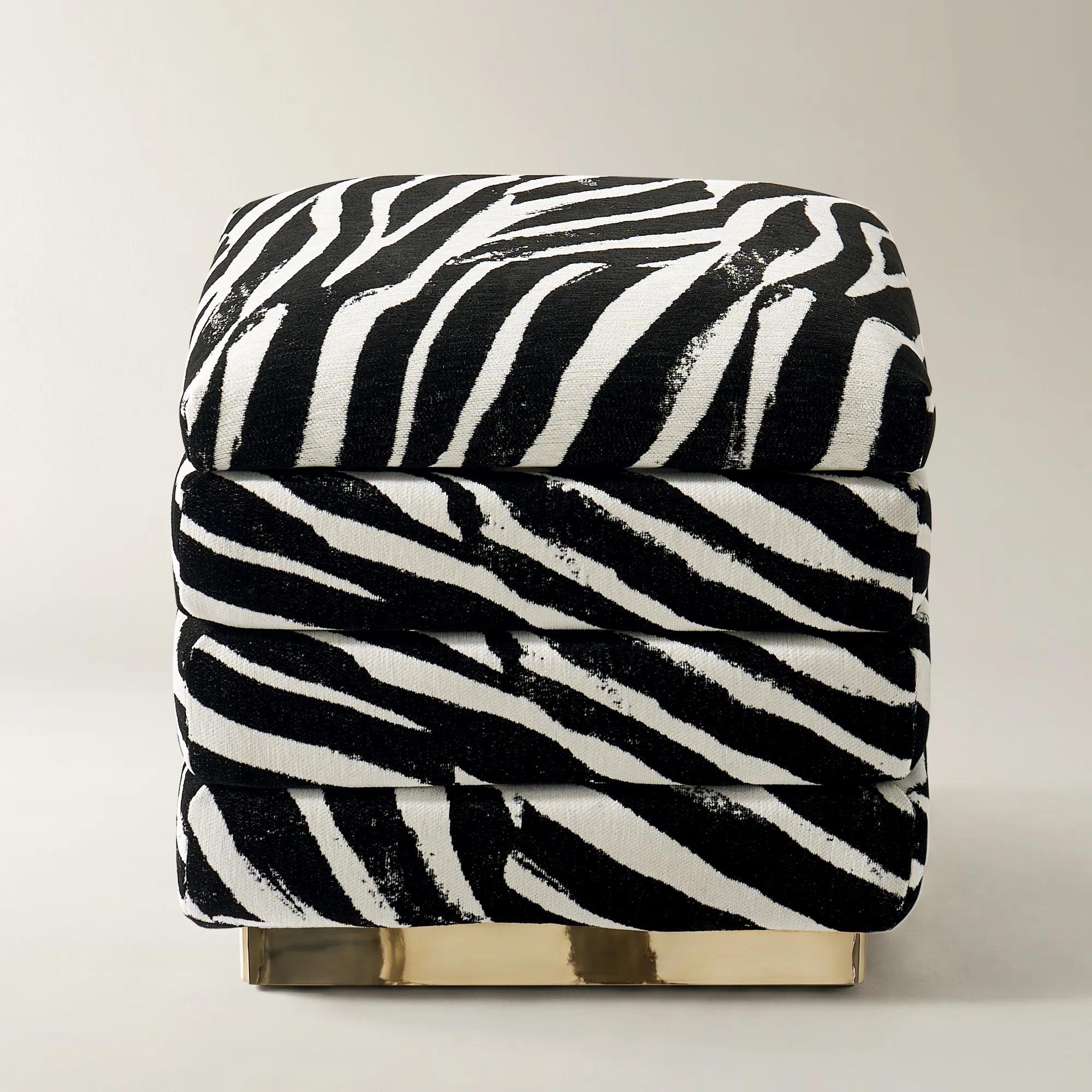
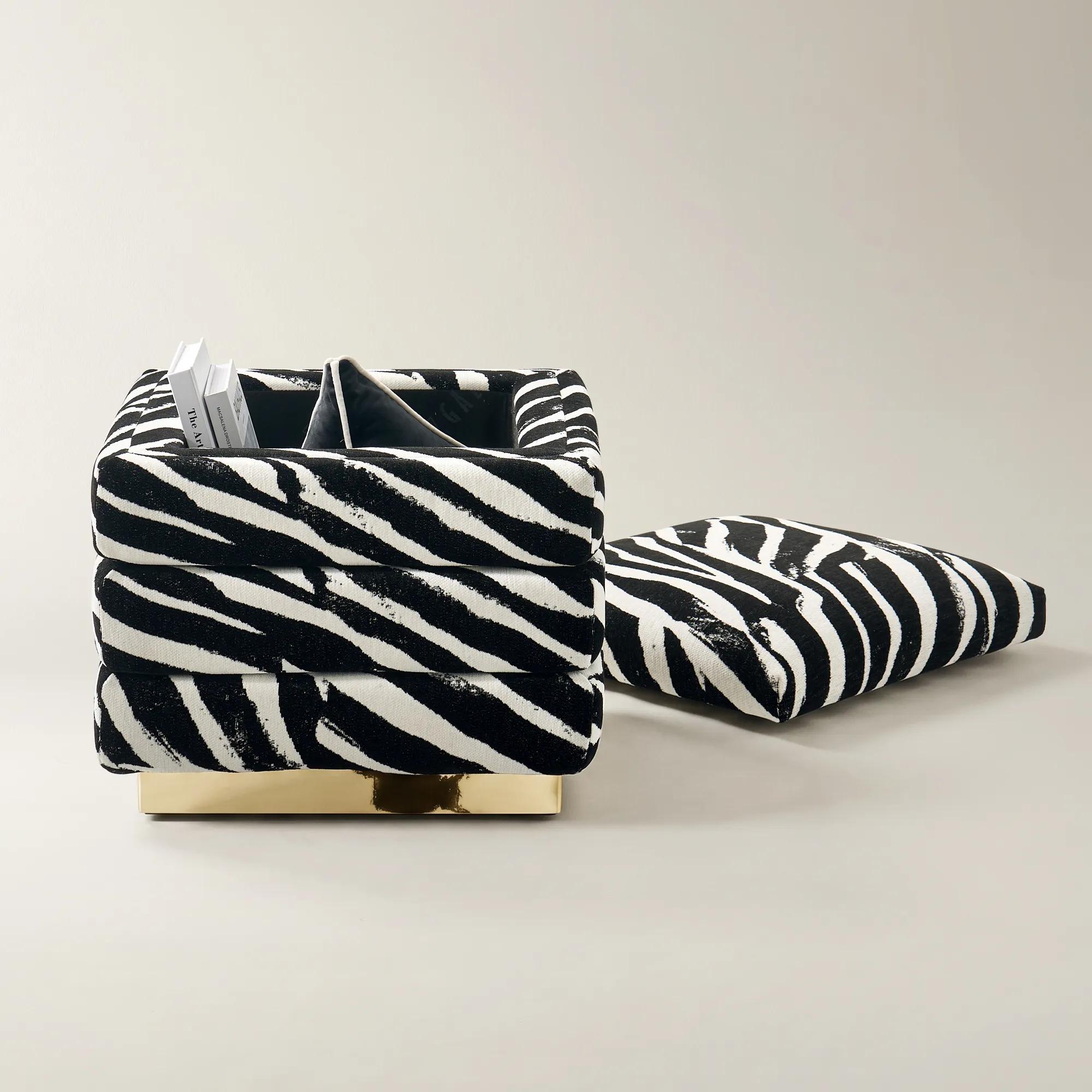 Gable White/Black Performance Chenille Stool$399
A plush white and black chenille stool with hidden storage and a polished gold stainless steel base.
Add To Cart -
 Fleece Fluted Gray Velvet Stool (15.55'')$229
A plush grey velvet stool with a unique ribbed texture, perfect for versatile, cozy seating or decor.
Add To Cart -

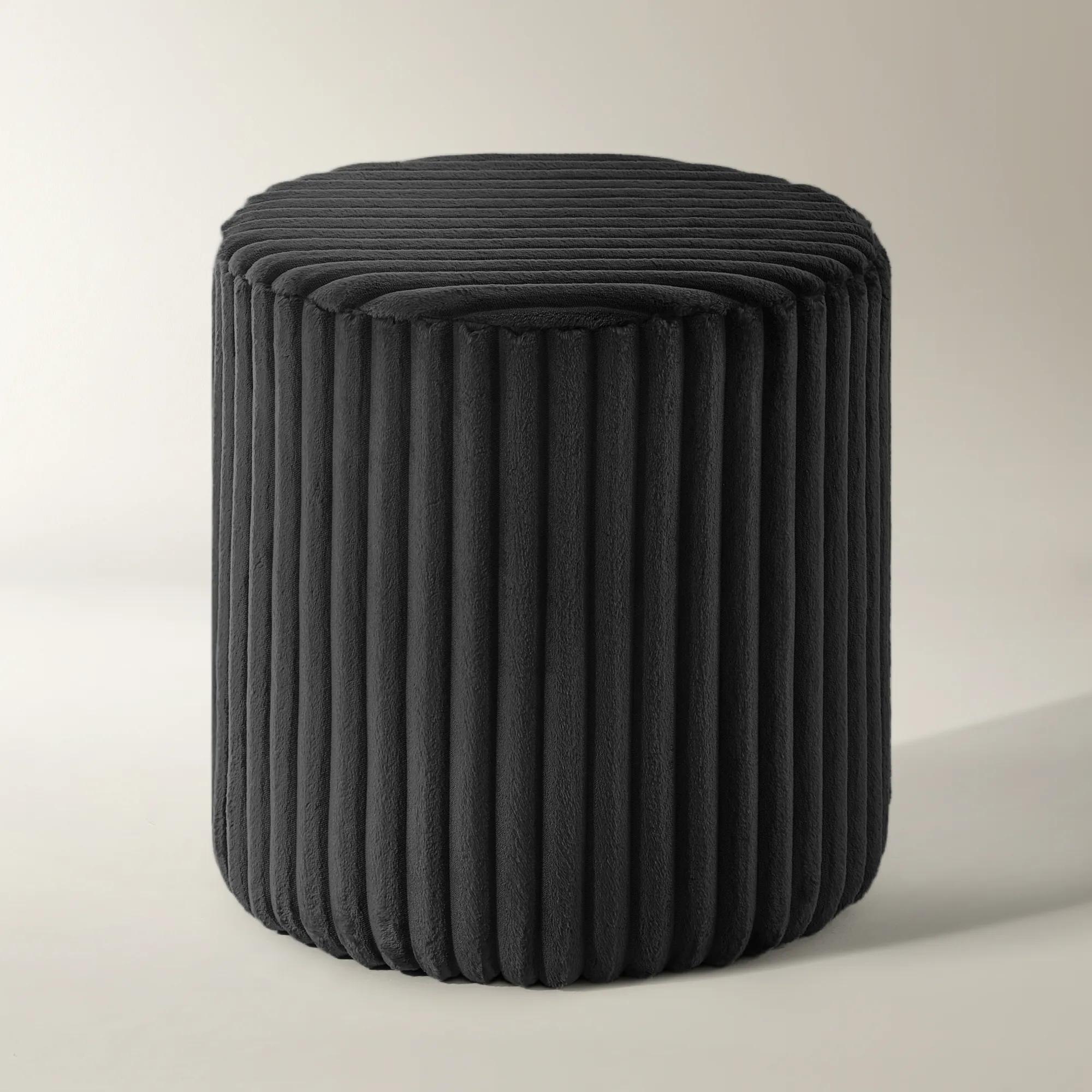 Fleece Fluted Black Velvet Stool (15.55'')$229
A plush black ribbed velvet stool offering versatile seating and cozy texture for any modern space.
Add To Cart -
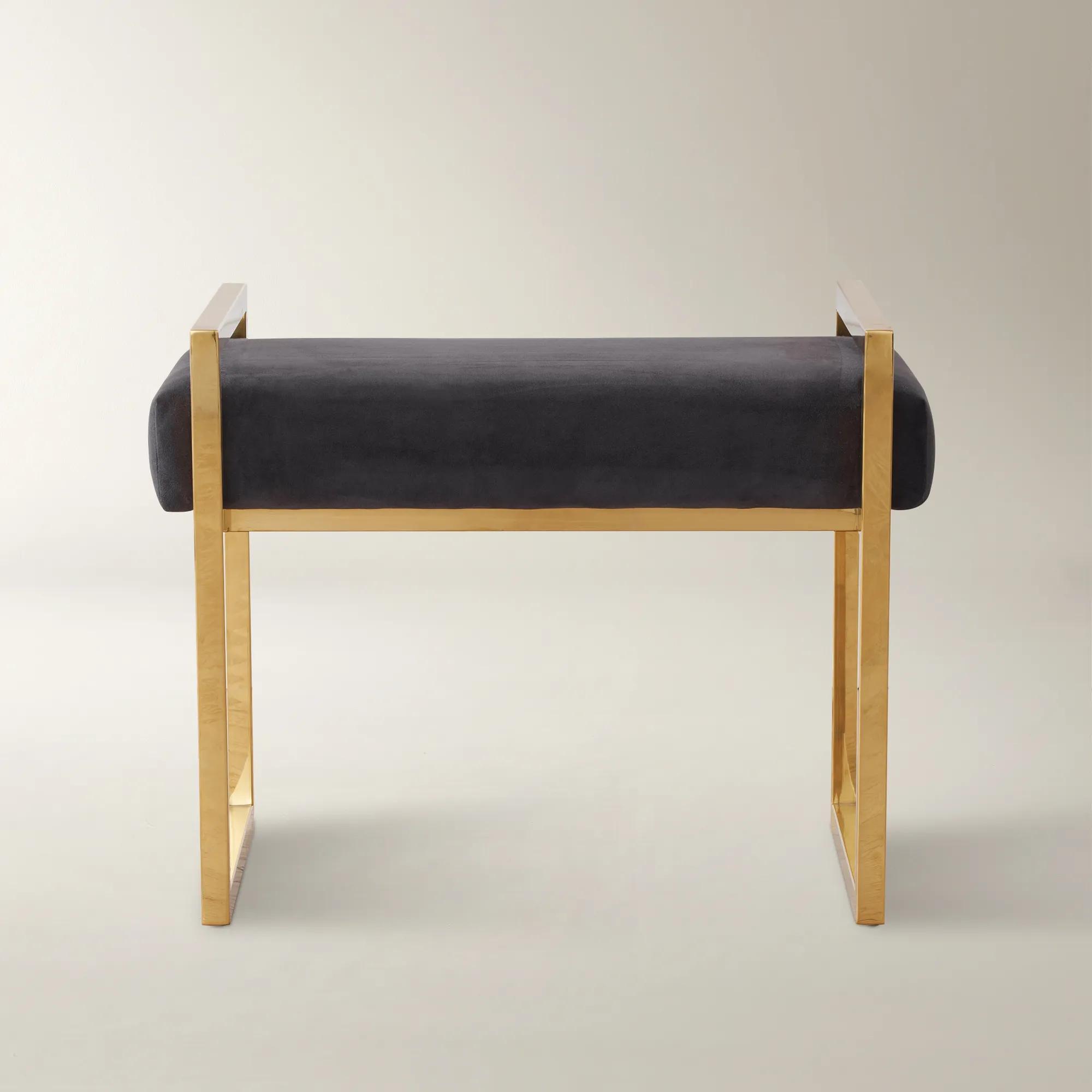
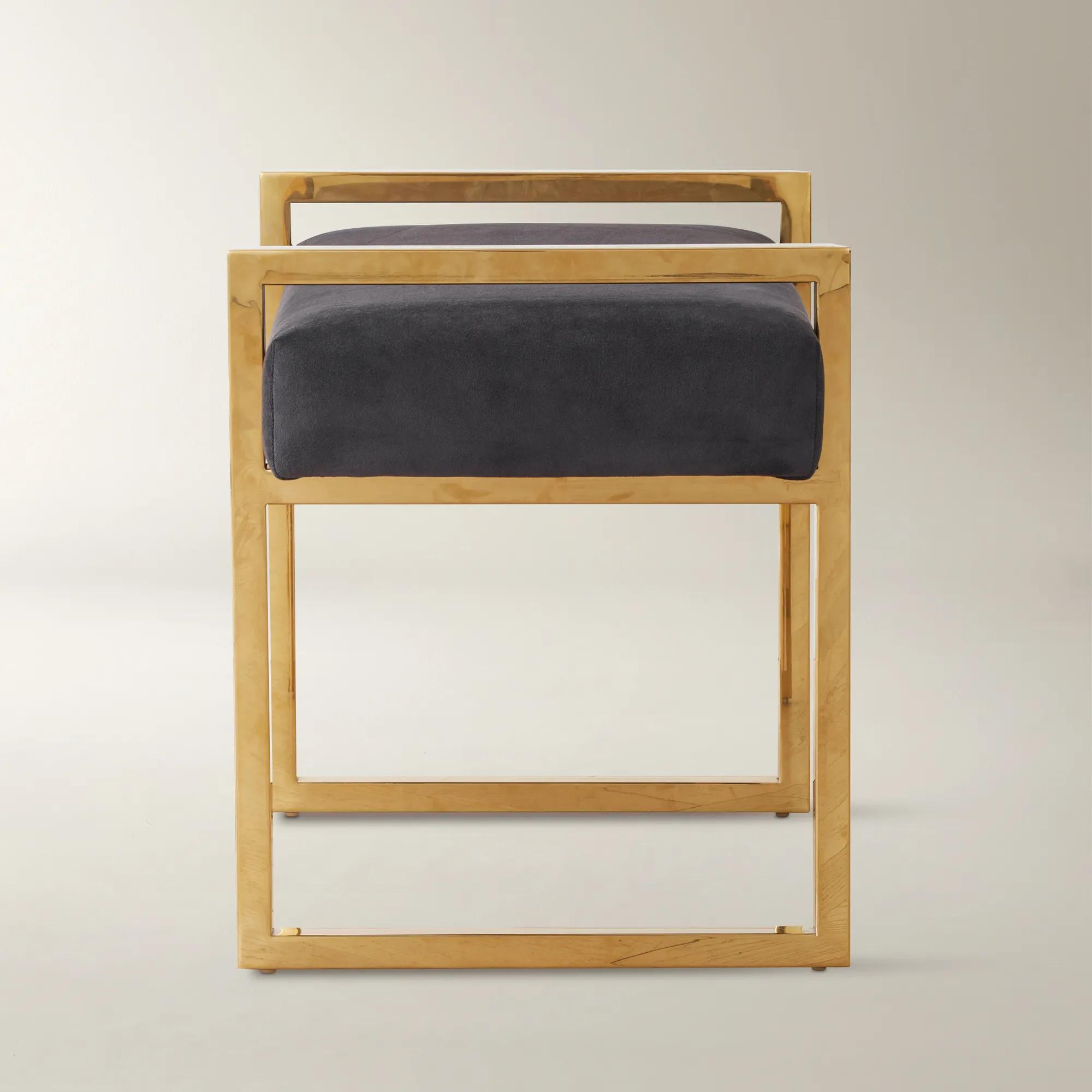 Clara Accent Stool$499
A plush black velvet stool with a high-density foam seat and polished gold metal legs.
Add To Cart -

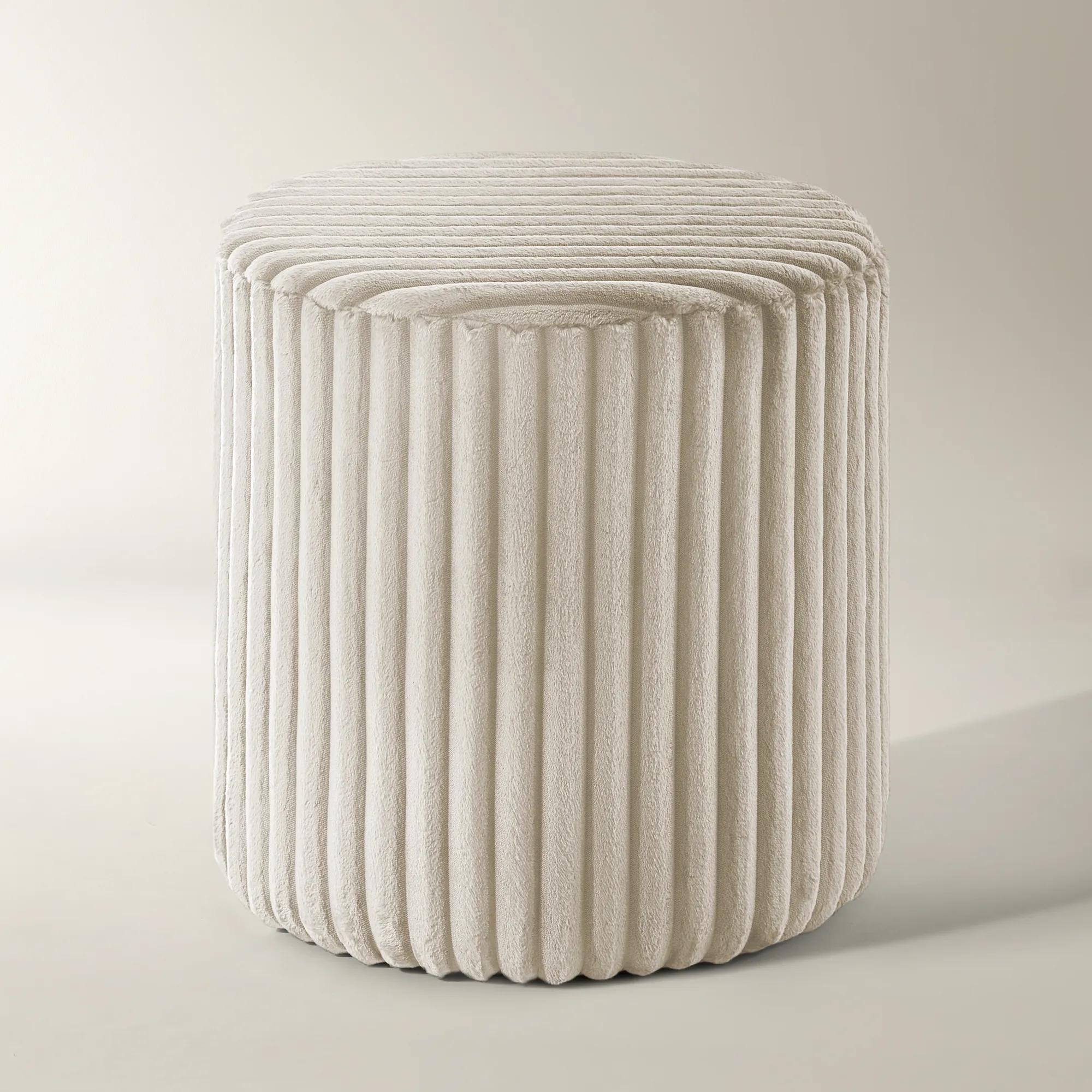 Fleece Fluted Ivory Velvet Stool (15.55'')$229
An ivory ribbed velvet stool offering cozy softness and versatile use as seating, footrest, or accent table.
Add To Cart -
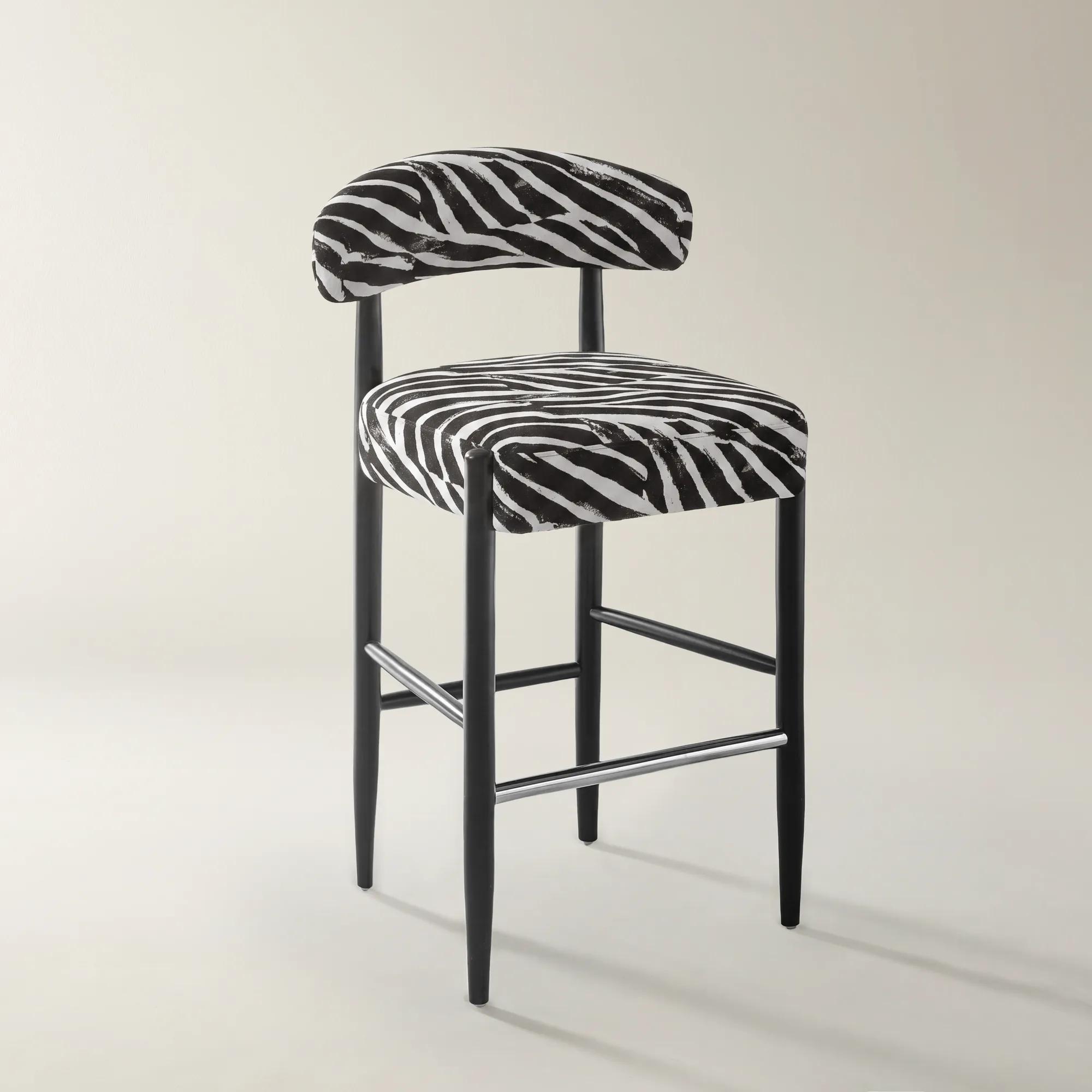
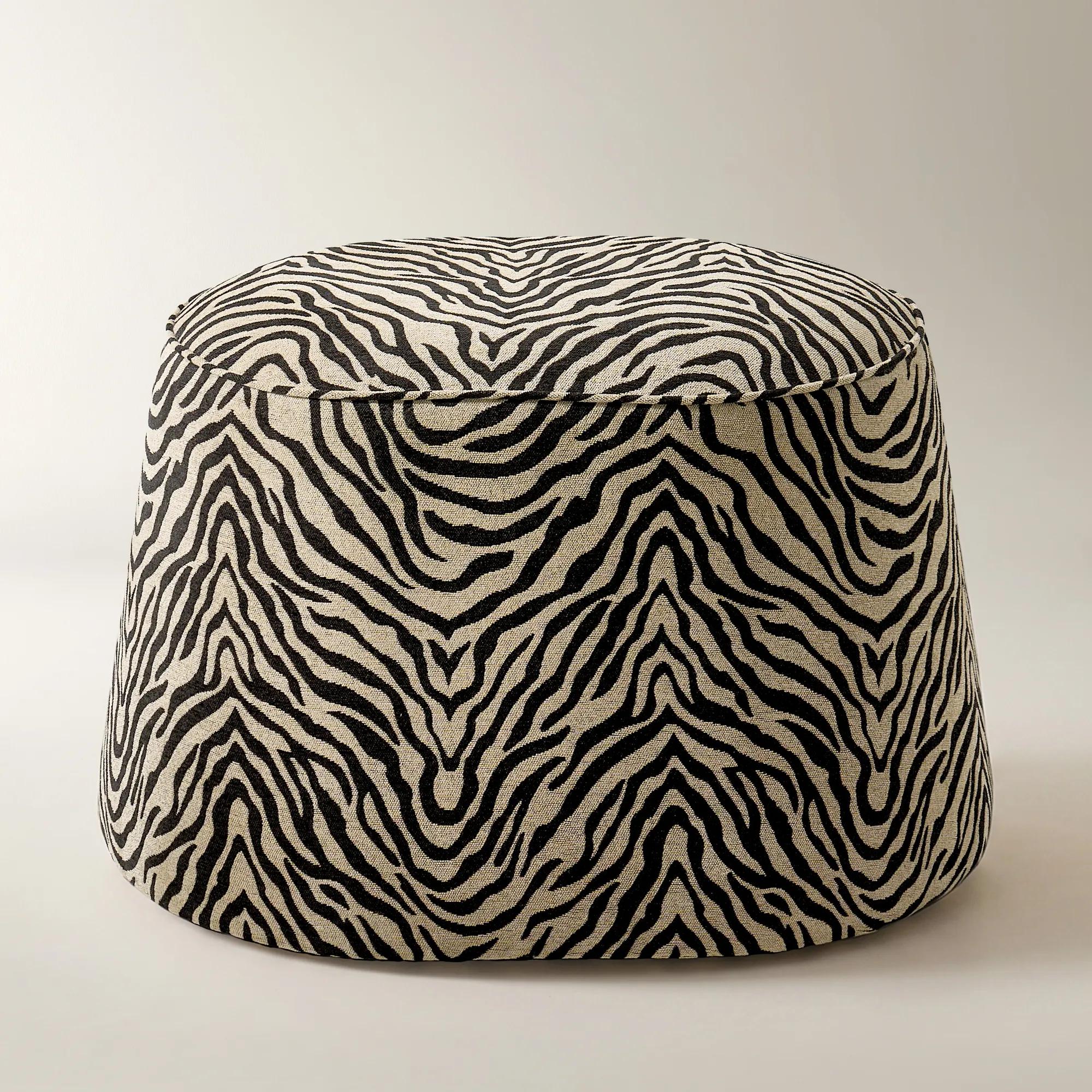 Avery Zebra Performance Chenille Stool$399
A sculpted drum-shaped accent stool upholstered in zebra-patterned performance chenille for bold, modern style.
Add To Cart -
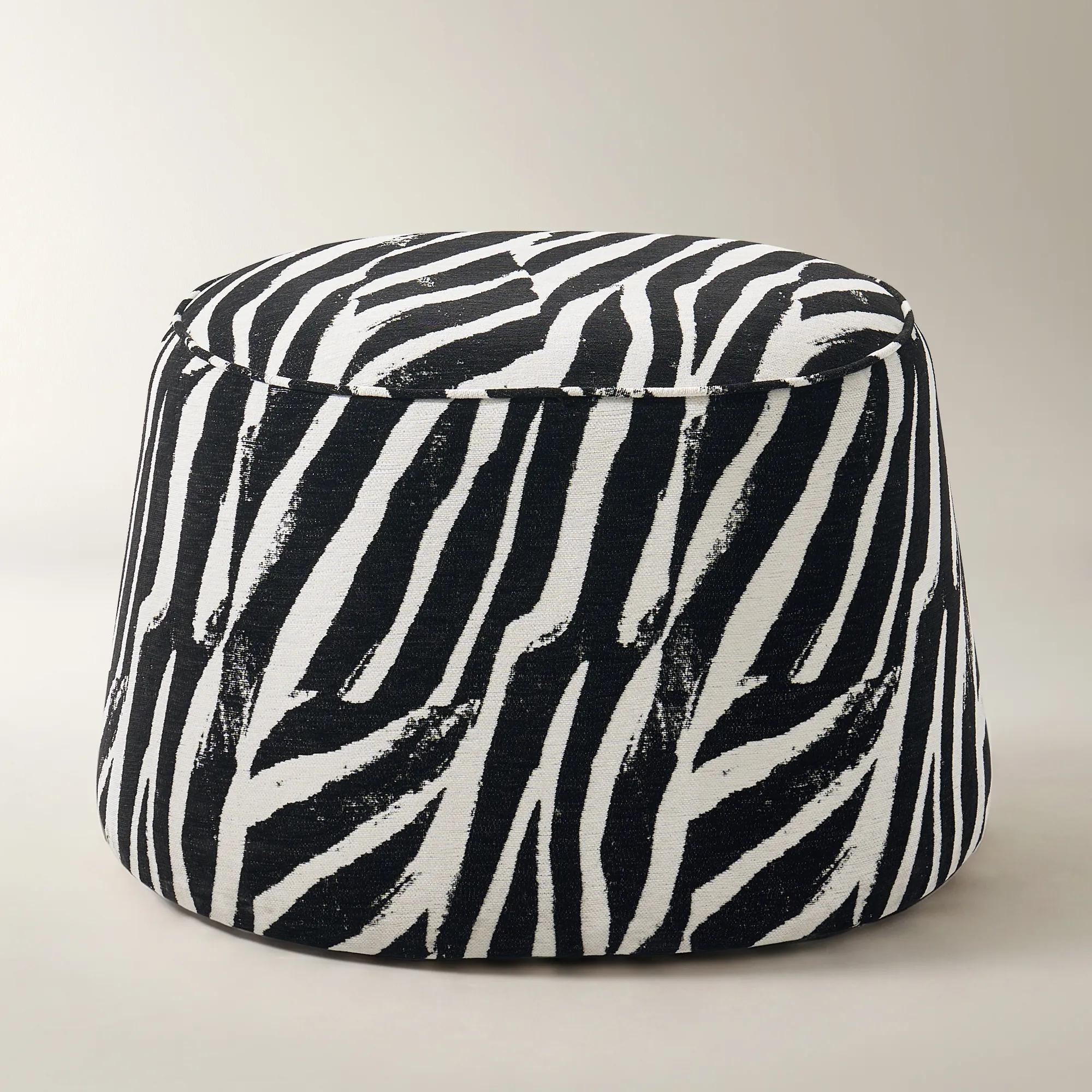 Avery White/Black Performance Chenille Stool$399
A sculpted drum accent stool in black and white performance chenille with an animal-inspired pattern.
Add To Cart -
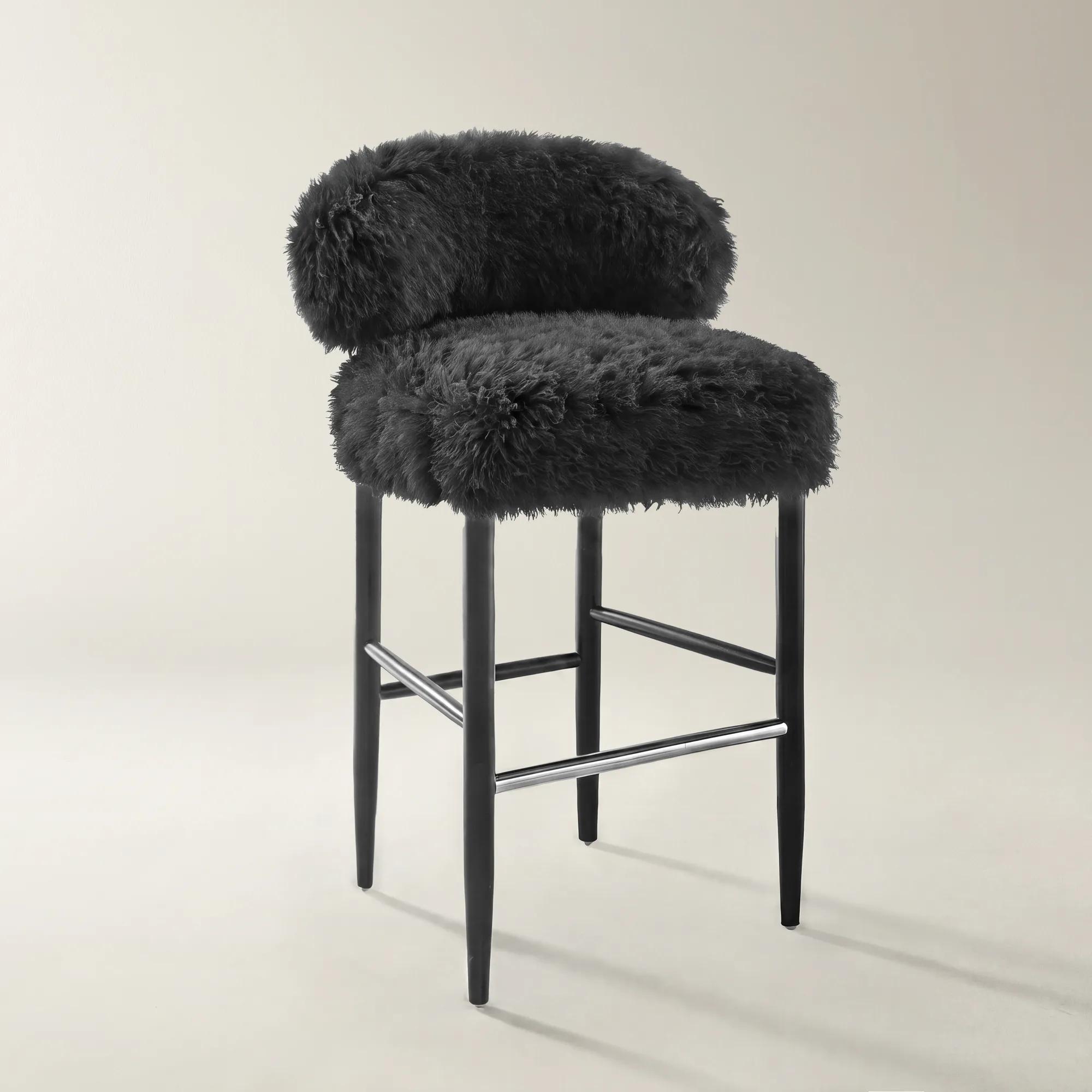 Anna Black Faux Fur Bar/Counter Stool$549
A black faux-fur bar stool with a sculpted back, padded seat, and solid rubberwood legs.
Add To Cart -
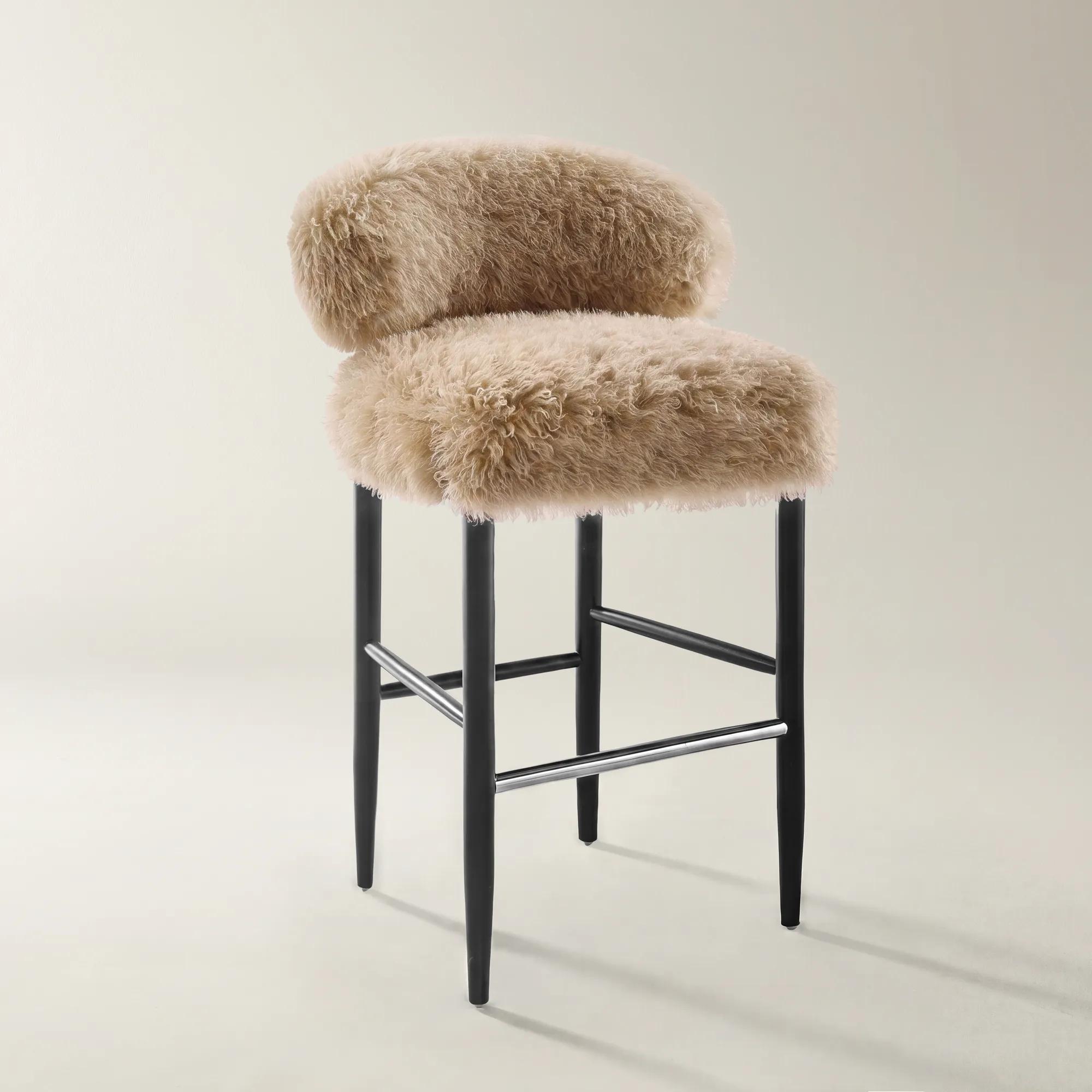 Anna Tan Faux Fur Bar/Counter Stool$549
A tan faux-fur bar stool with a sculpted padded seat and tapered solid-rubberwood legs.
Add To Cart -
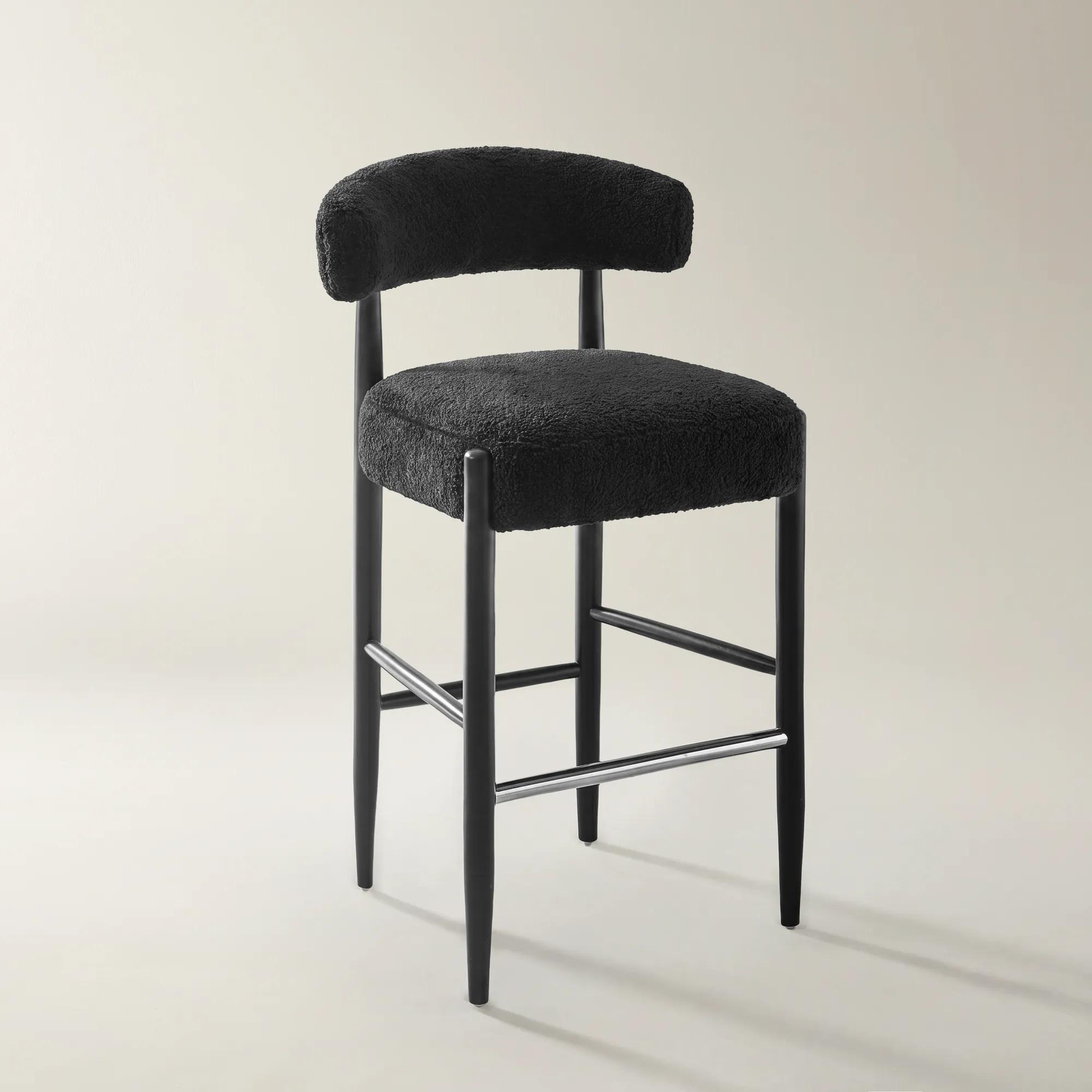 Anna Black Chenille Bar/Counter Stool$449
A black chenille counter stool with a sculpted padded seat and solid rubberwood legs.
Add To Cart -
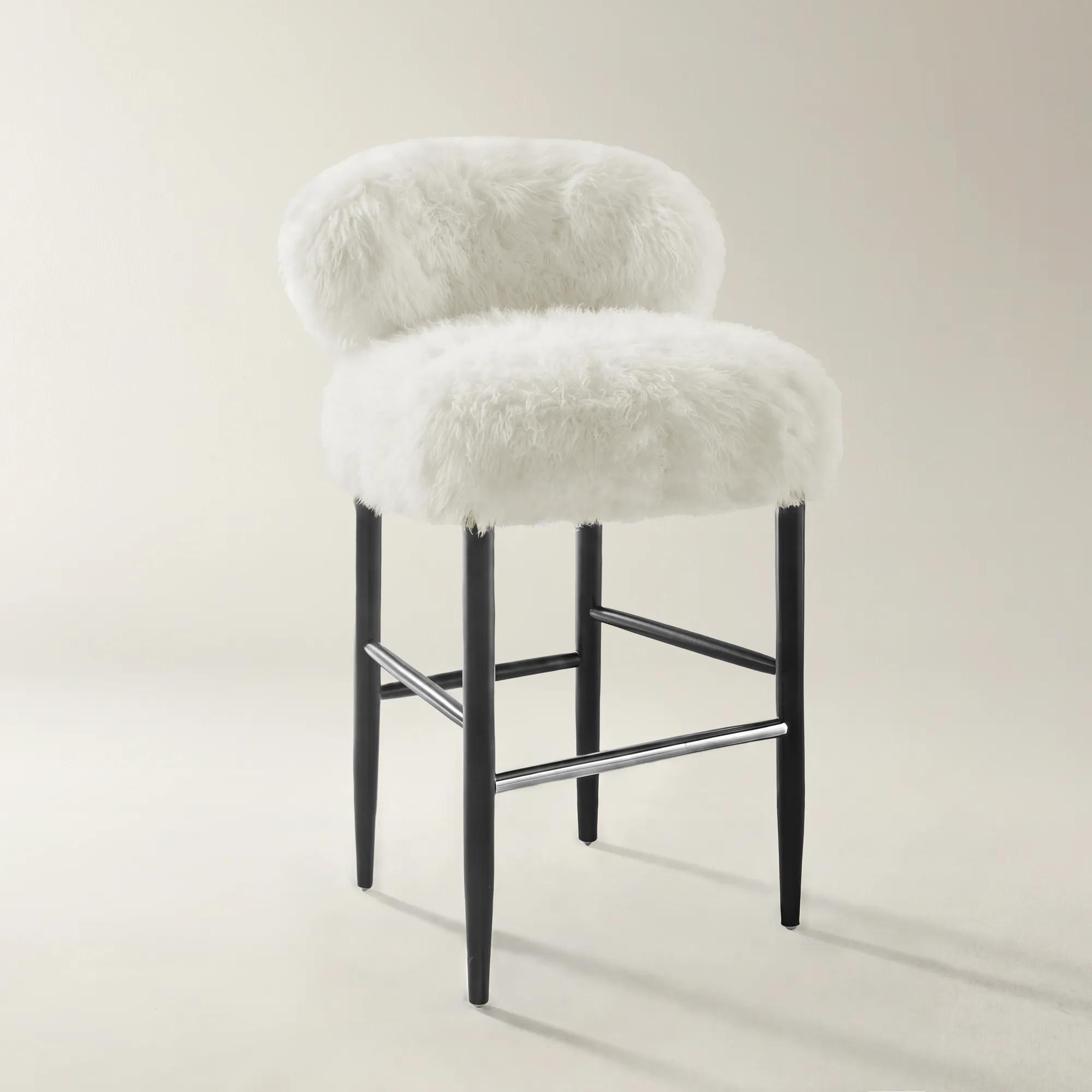 Anna Ivory Faux Fur Bar/Counter Stool$549
An ivory faux-fur counter stool with sculpted support, padded seating, and tapered solid-rubberwood legs.
Add To Cart -
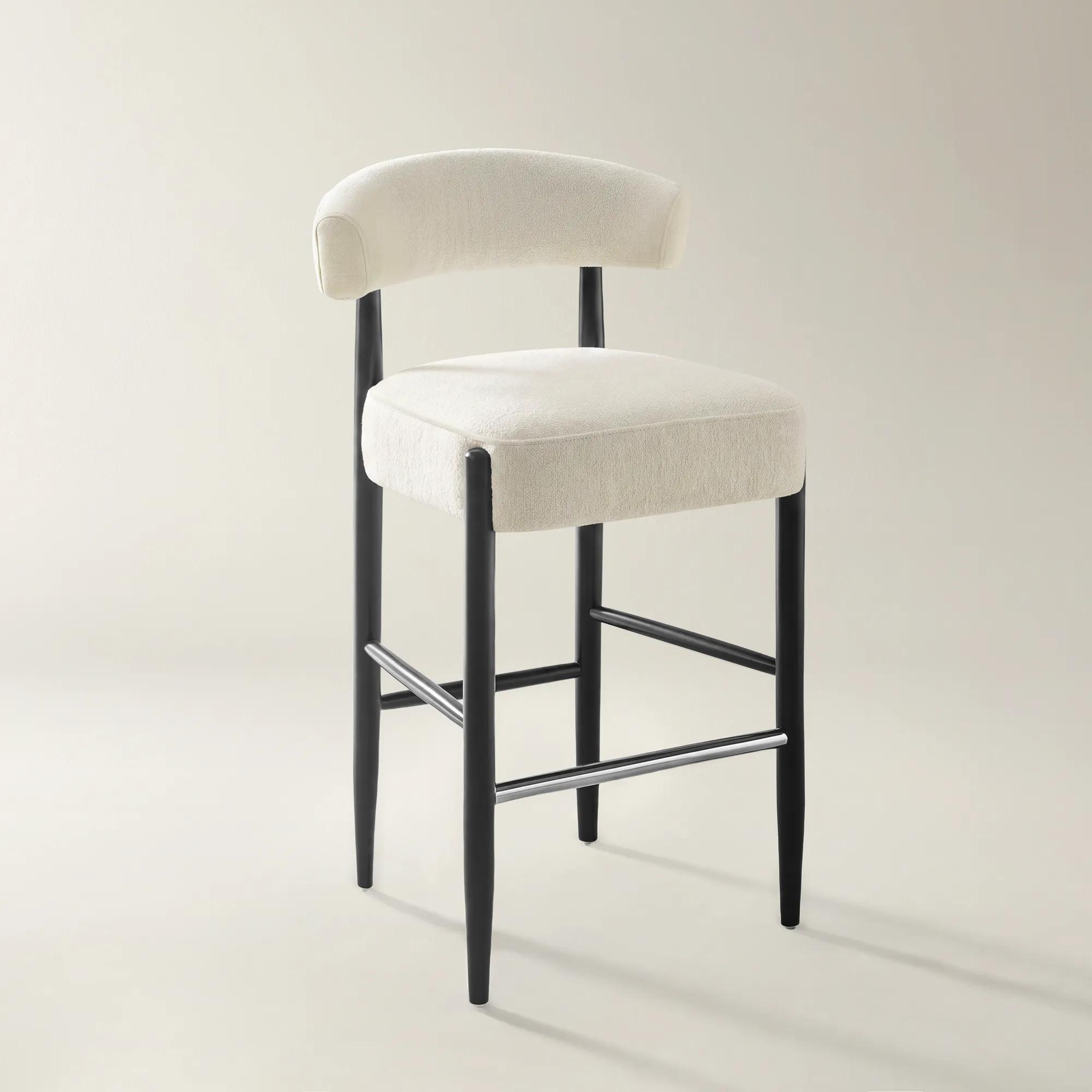
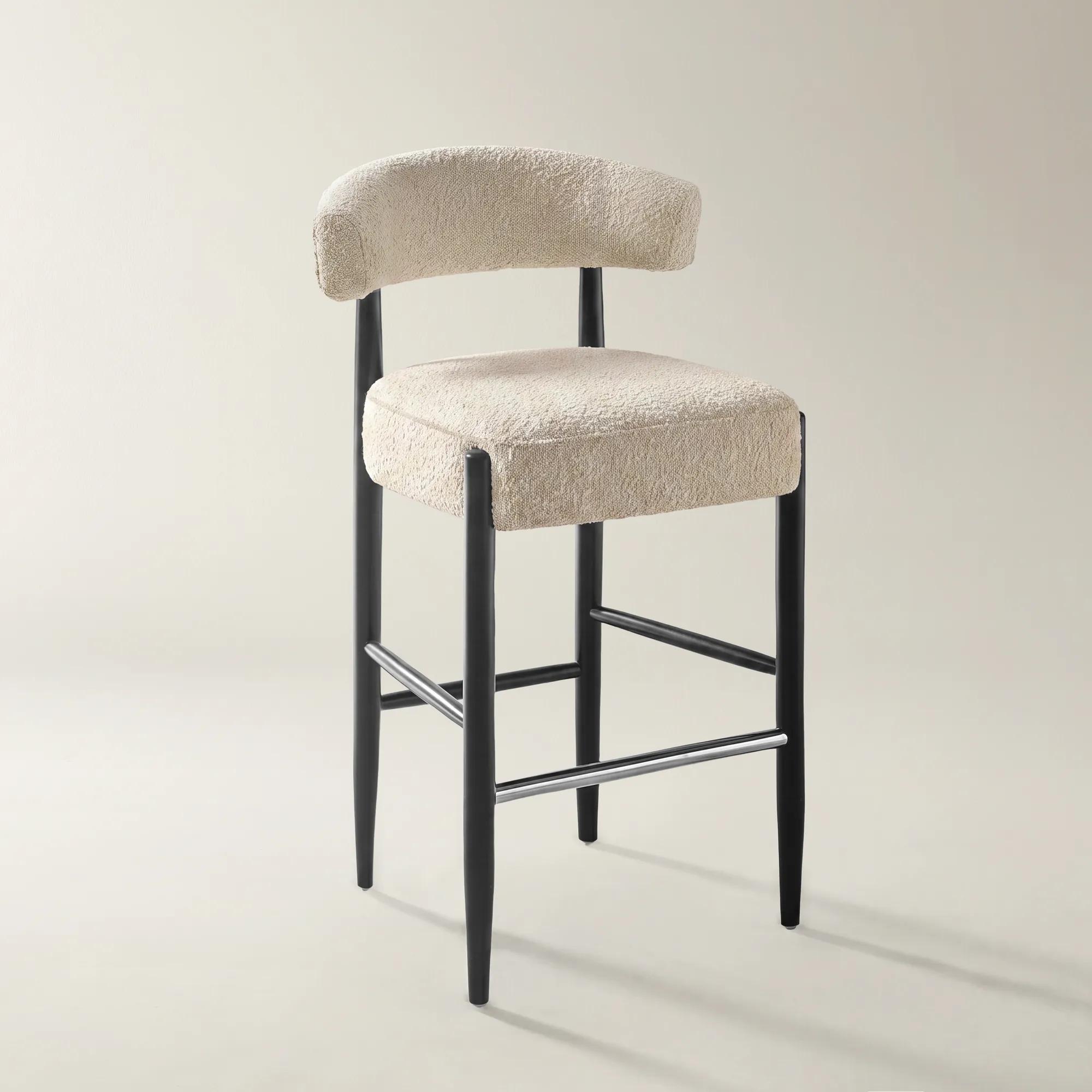 Anna Ivory Performance Boucle Bar/Counter Stool$449
A counter stool with ivory performance boucle upholstery, sculpted support, and tapered solid rubberwood legs.
Add To Cart

Designer Velvet Counter Stools
Designer velvet counter stools are the very definition of elevated indulgence—where sumptuous texture meets sculptural form, and every seat becomes a statement. Imagine the allure: plush velvet catching the light, inviting you to linger longer and luxuriate in style. These stools don’t simply complement a kitchen or bar—they transform it, infusing each moment with a sense of artistry and drama. Whether you crave a touch of Old Hollywood glamour or a bold pop of contemporary color, designer velvet counter stools promise to turn everyday gatherings into extraordinary experiences, making your home as unforgettable as you are.
Designer velvet counter stools bring plush upholstery, sculptural silhouettes, and expressive color to kitchen islands and counter-height dining spaces. Typically designed with seat heights around 24 to 27 inches, these stools suit counters approximately 35 to 37 inches high, although the right fit depends on the actual measurements of both pieces. Their defining appeal is the contrast between velvet’s soft, light-catching surface and the architecture of the frame beneath it. A slender metal base can lend the seat a jewel-like presence, while a substantial wood frame introduces warmth and visual depth. Velvet is a pile fabric rather than a single fiber type; its composition may include polyester, cotton, viscose, or blends, each with different care requirements and performance characteristics. As the pile catches light from different directions, a single color can reveal subtle shifts in tone, giving upholstery dimension that flat fabrics rarely achieve. Deep blue or emerald can create a rich focal point against pale cabinetry, while ivory, taupe, and silver-gray bring a quieter opulence to richly veined stone. Black velvet creates a particularly striking outline beside reflective accents or warm wood. Channel stitching emphasizes height and rhythm, tufting adds tailored depth, and a smooth upholstered back allows the silhouette itself to command attention. These details become especially important in an open kitchen, where the backs of counter stools are often visible from the living or dining area. Repeating a curved profile or a metallic finish elsewhere in the room makes the arrangement feel intentional without requiring every element to match. For a connected approach to island seating, the Designer Velvet Kitchen Stools collection belongs within the same conversation of texture, proportion, and expressive design. The result is seating that contributes to the room even when nobody is sitting in it: an upholstered accent with the presence of furniture, not merely an accessory tucked beneath a countertop.
The most compelling velvet counter seating balances that visual drama with proportions suited to everyday life. Counter stools and bar stools are not interchangeable: bar-height seats are generally taller and intended for surfaces around 40 to 42 inches high. For a counter-height arrangement, measuring from the floor to the underside of the surface reveals the usable legroom, particularly when a thick countertop, apron, or concealed support reduces clearance. Approximately 9 to 12 inches between the seat and the underside of the counter is a useful starting point, with the final fit shaped by the sitter and the stool’s construction. Width matters just as much as height. Roughly 24 to 30 inches of counter frontage per seat often provides comfortable spacing, but broad seats, arms, and swivel mechanisms may require more room. A pair of generous upholstered stools can feel more gracious than three crowded tightly together, especially where guests linger over appetizers or conversation. In a narrow kitchen, an armless profile can tuck closer to the island, provided the back and seat dimensions allow it. A taller back offers a more enveloping feel, while a low back preserves sightlines across an open floor plan. Arms bring lounge-like comfort but need clearance beneath the countertop; swivel seats make turning toward a conversation easier, yet require space to rotate without striking cabinetry or adjacent seating. A footrest supports a more relaxed posture at an elevated seat, and its placement deserves consideration alongside cushion firmness and seat depth. Durable construction also extends beyond the upholstery. A stable frame, secure joints, appropriate weight capacity, and floor-compatible glides all contribute to lasting use. Metal and wood frames can both perform beautifully when well constructed, while protective feet help reduce friction against finished floors. For households that use the island for breakfast, homework, and evening meals, supportive cushioning and easy-to-follow maintenance requirements deserve as much attention as an elegant back profile. Seating earns its place when the experience feels as considered as the appearance.
Velvet’s luxurious character does not mean every velvet counter stool requires the same level of upkeep. Fiber content, backing, construction, and any documented performance treatment determine how the upholstery responds to spills, abrasion, and repeated use. Performance velvet may offer enhanced stain resistance or cleanability, but the term does not make a fabric spillproof, scratchproof, or suitable for every cleaning method. The manufacturer’s care instructions remain the best reference, particularly for pale upholstery and fabrics containing moisture-sensitive fibers. Gentle vacuuming with an appropriate upholstery attachment can help remove crumbs and surface dust before they settle into the pile. Spills call for prompt blotting with a clean, absorbent cloth rather than rubbing, which can spread liquid or distort the surface; water, cleaning solutions, and brushing should be used only as the care instructions permit. A discreet test area is important whenever an approved cleaner is introduced. Velvet can develop shading or pressure marks where the pile changes direction, and those variations are not necessarily stains or signs of structural wear. Positioning upholstered seating away from prolonged direct sunlight can help limit fading, while using footrests rather than upholstered edges as a foothold helps protect the fabric. These considerations make the intended setting especially relevant. A frequently used family island calls for upholstery with clearly stated care guidance and construction suited to regular activity, while a counter used mainly for entertaining may place greater emphasis on a dramatic silhouette or richly saturated color. Homes with pets benefit from realistic expectations about claws, loose hair, and the maintenance a particular fabric requires. For hosts, velvet seating can soften the hard surfaces of stone, tile, and glass, lending the kitchen the welcoming richness usually associated with a dining room. For apartment dwellers, a thoughtfully proportioned stool can give a compact dining counter a distinct identity without overwhelming the surrounding space. Paired with considered lighting and a few deliberate accents, designer velvet counter stools turn an everyday gathering place into a composition of softness, sheen, and confident form.
FAQs
Designer velvet counter stools effortlessly complement a range of interiors, from glamorous Art Deco apartments to modern minimalist lofts. Their rich texture and bold silhouettes make them ideal for spaces that celebrate drama and artistry, such as chic open-concept kitchens, elegant cocktail lounges, or eclectic dining nooks. Pair them with marble, brass, or glass accents to emphasize their opulent appeal, or mix with natural wood and rattan for a more eclectic, layered look.
Velvet counter stools are perfect for elevating the atmosphere of your entertaining spaces. Place them around a kitchen island or home bar to create an inviting spot for guests to gather, sip, and socialize. Their plush comfort encourages lingering conversations, while their striking design sets a sophisticated tone for any gathering, from intimate brunches to festive soirées.
Absolutely—designer velvet counter stools make a memorable and luxurious gift for housewarmings, weddings, or milestone celebrations. They offer both beauty and function, providing the recipient with a touch of everyday luxury and a statement piece to anchor their home. Gifting velvet stools is a way to share a sense of style and comfort that will be cherished for years.
Look for details that signal craftsmanship and artistry, such as hand-applied tufting, sculptural frames, and thoughtfully chosen finishes like polished gold or matte black. The quality of the velvet itself—its softness, sheen, and depth of color—plays a significant role in the overall effect. Accents like nailhead trim, decorative stitching, or elegantly tapered legs can elevate the stool from simply functional to truly extraordinary.
To achieve a curated, designer-inspired look, consider mixing different velvet hues or combining stools with varying base finishes, such as gold, chrome, or natural wood. You can also blend styles—pairing a tufted wingback design with a sleek barrel shape—to create visual interest and a sense of collected charm. Layering textures and tones adds depth and personality to your space, making it uniquely your own.