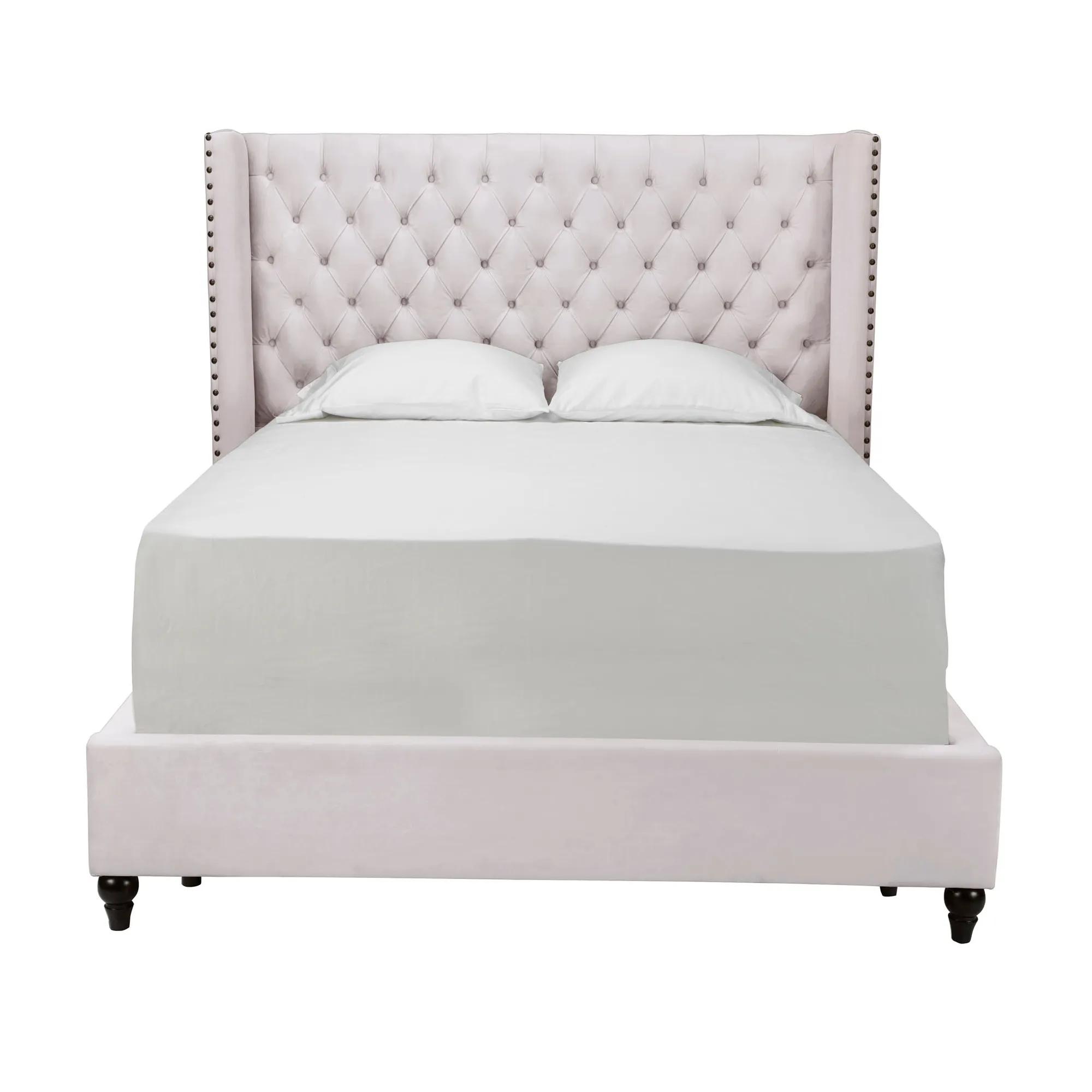
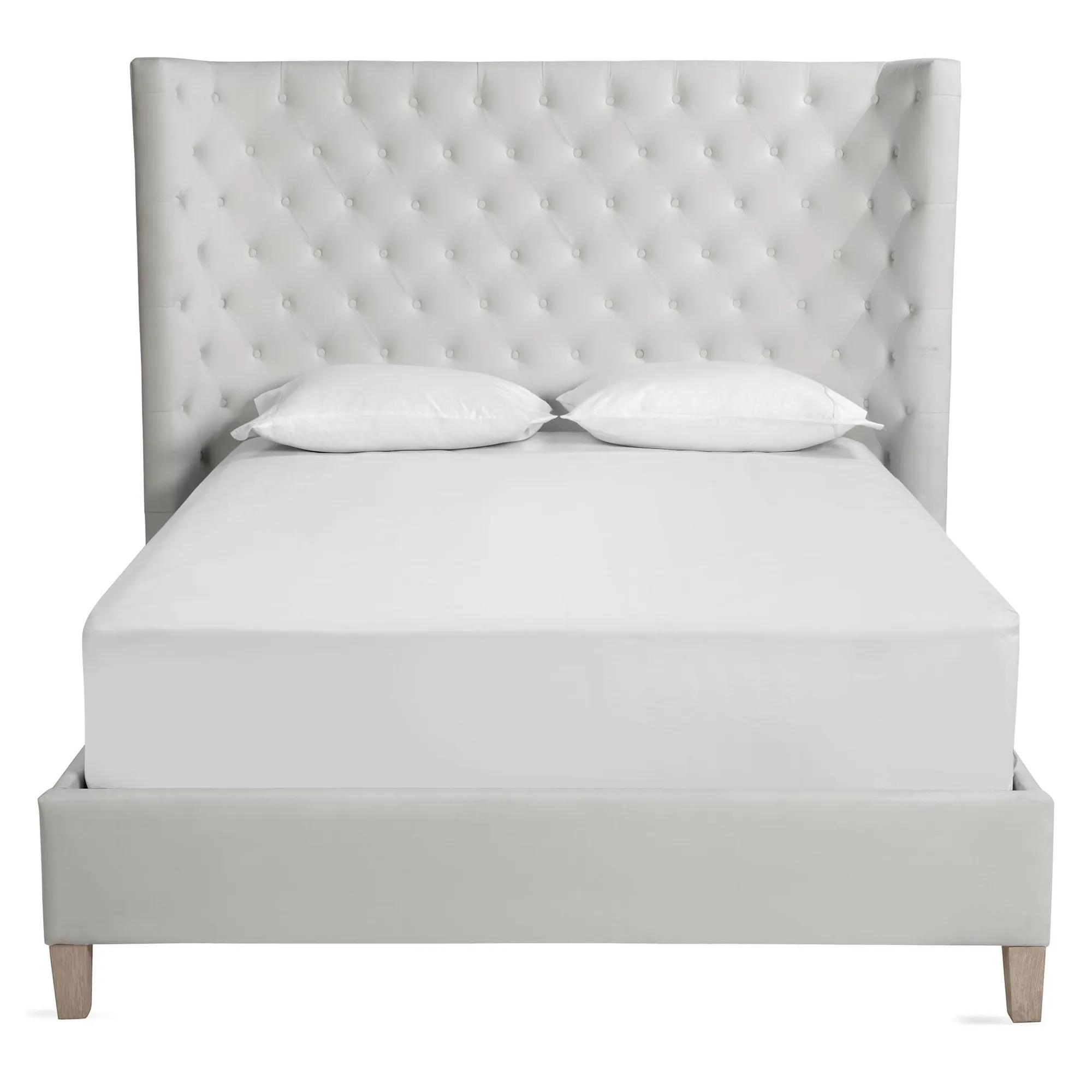
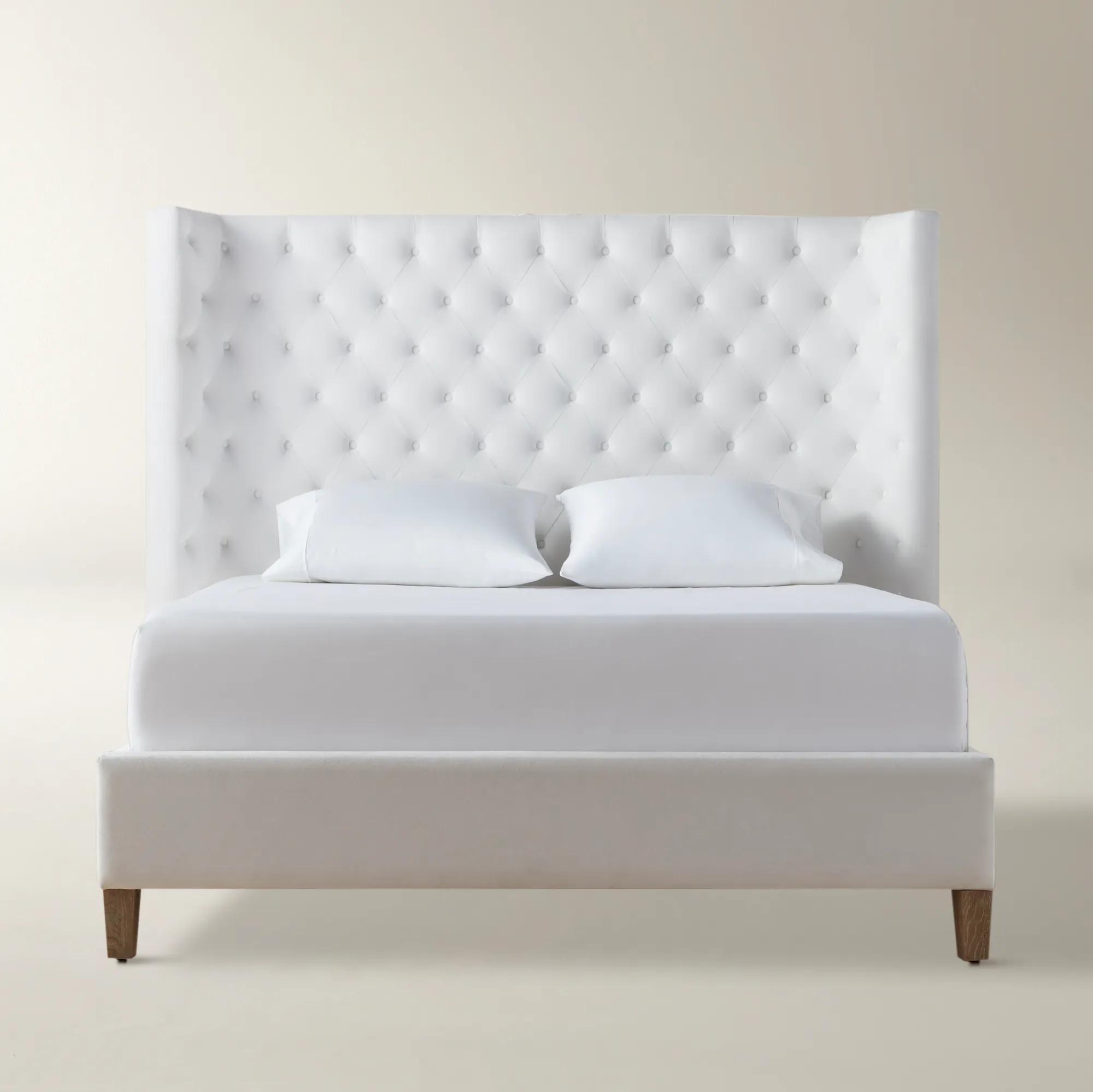
Designer Fabric Beds
Designer Fabric Beds
-
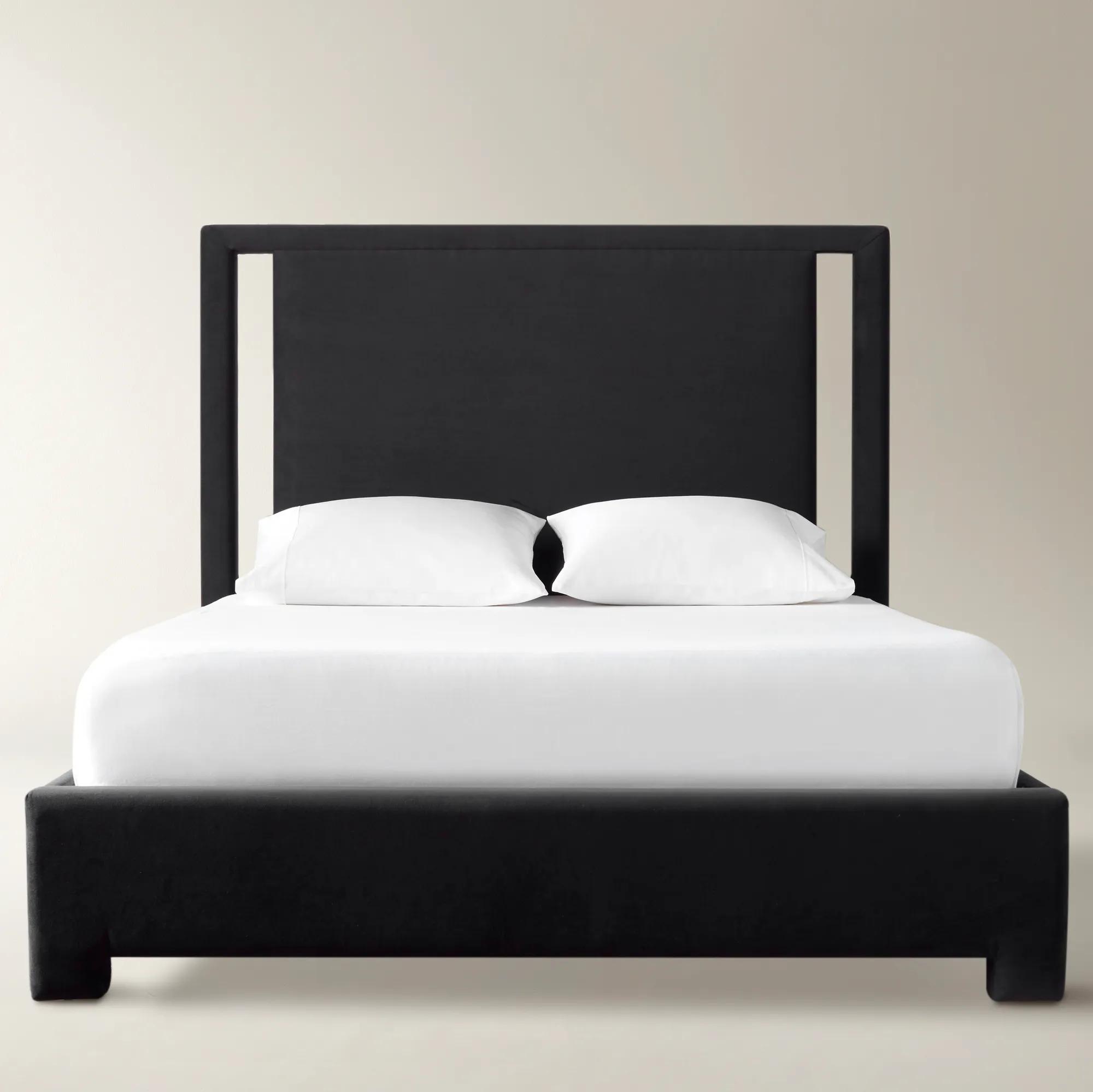
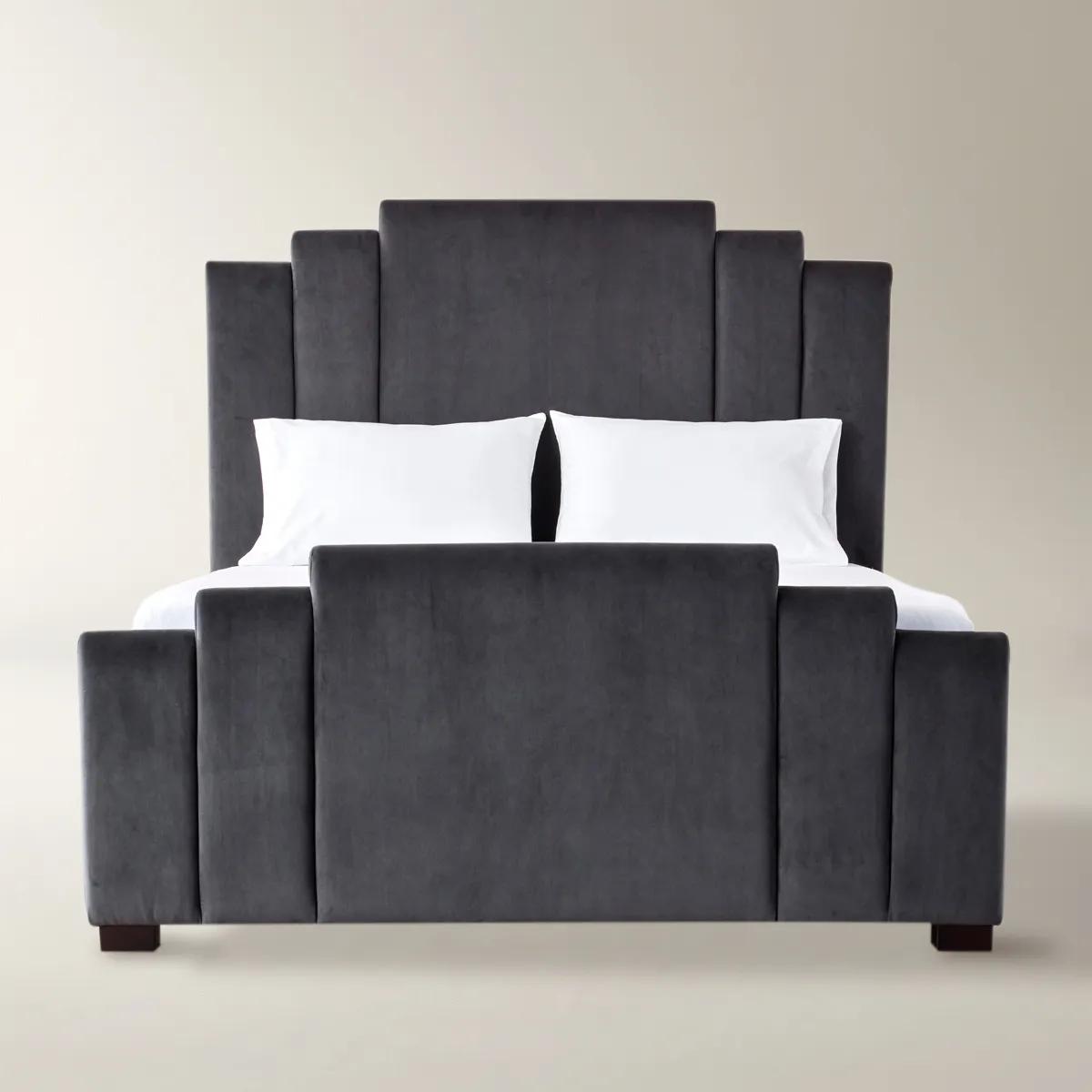 Marlow Bed$2349
A dramatic bed handcrafted from kiln-dried hardwood and plush gunmetal velvet with striking channel detailing.
Add To Cart -
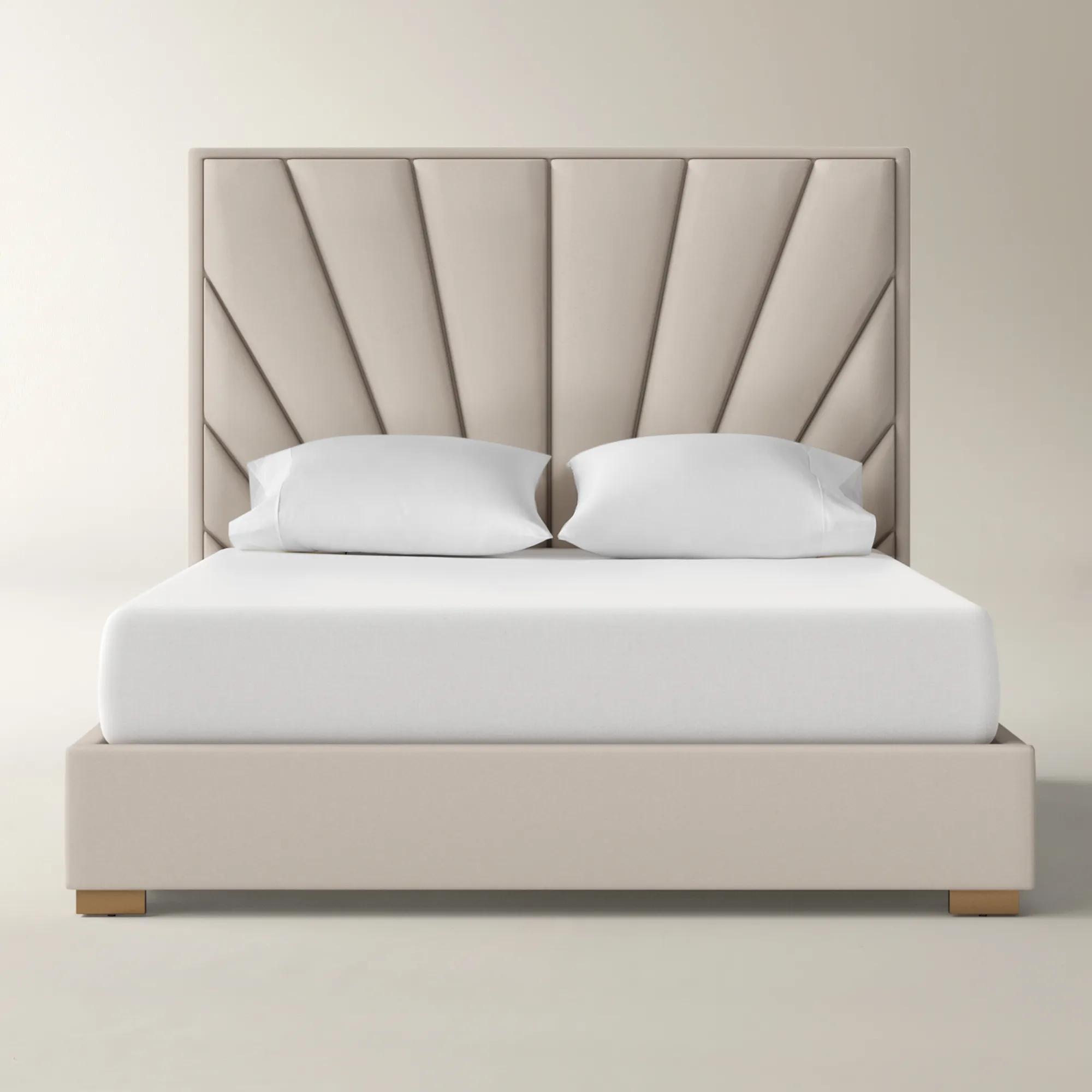 Adriana Platform Bed - 68"H$2899
A hand-crafted platform bed featuring a fan-patterned, upholstered headboard in plush velvet or chenille fabric.
Add To Cart -
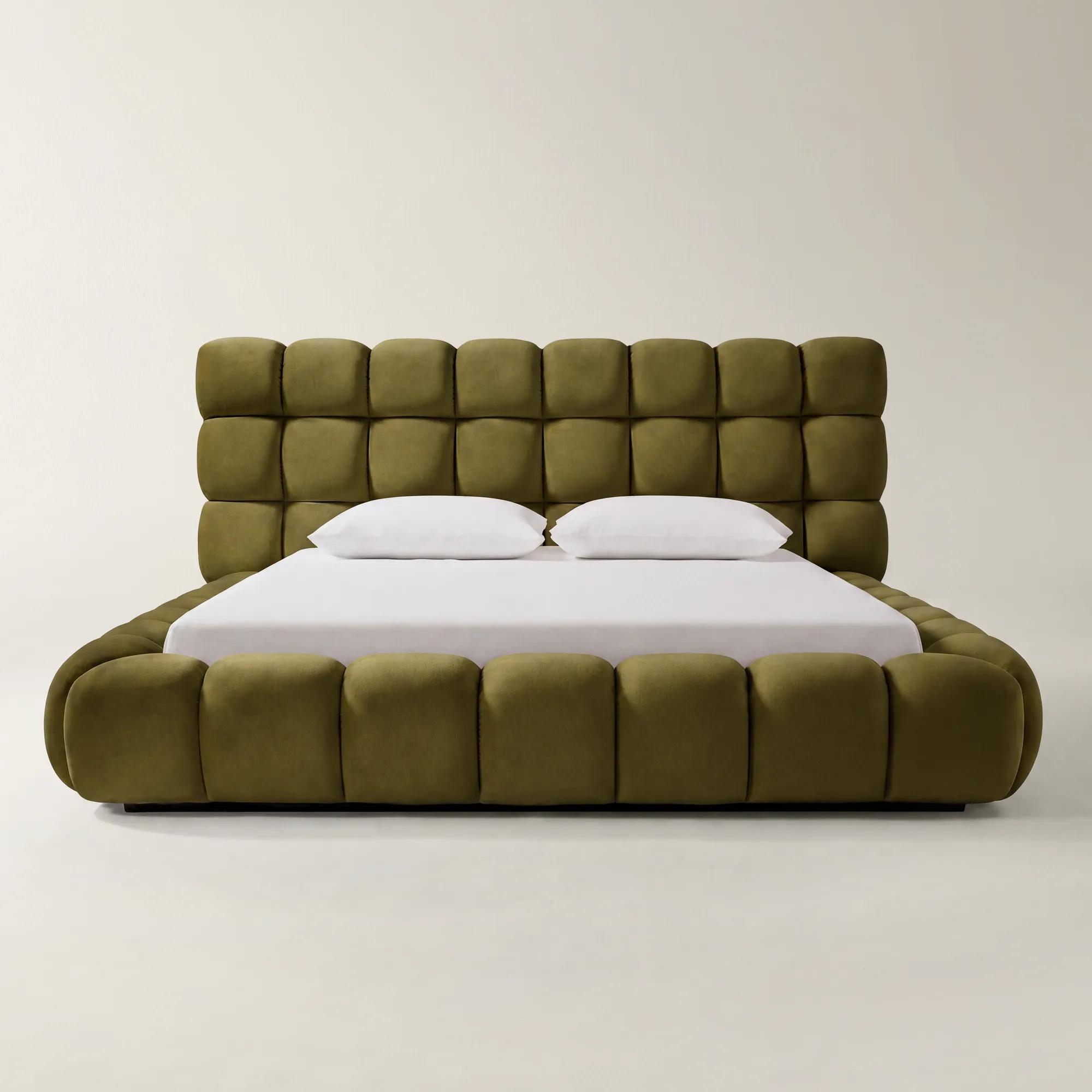
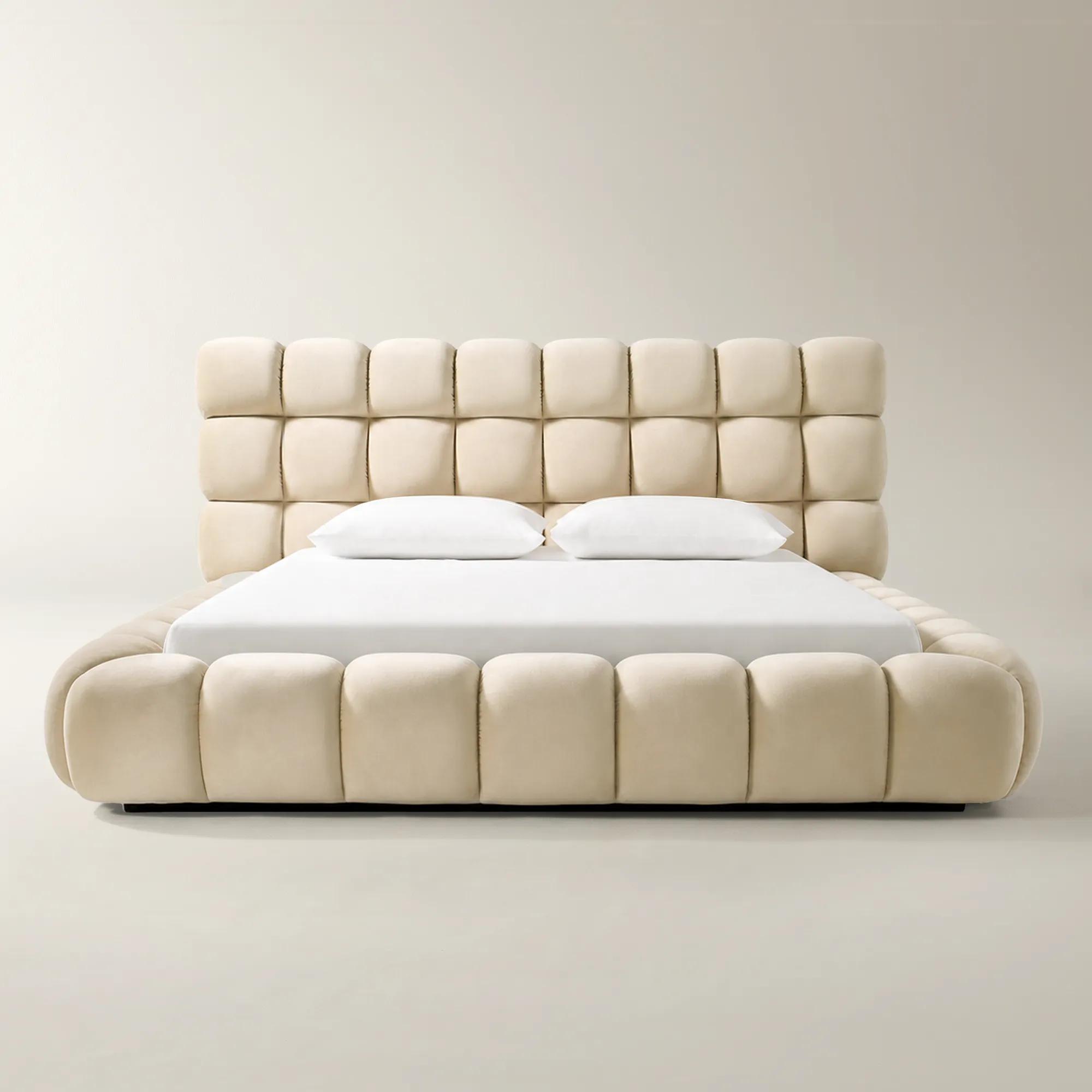 Paloma Tufted Deep Olive Velvet Upholstered Queen Platform Bed$2399
A deep olive velvet platform bed with sculpted upholstered blocks and plush, fully wrapped cushioning.
Add To Cart -
Paloma Tufted Deep Olive Velvet Upholstered King Platform Bed$2599
A deep olive velvet platform bed with sculpted blocks and plush, fully wrapped upholstery.
Add To Cart -
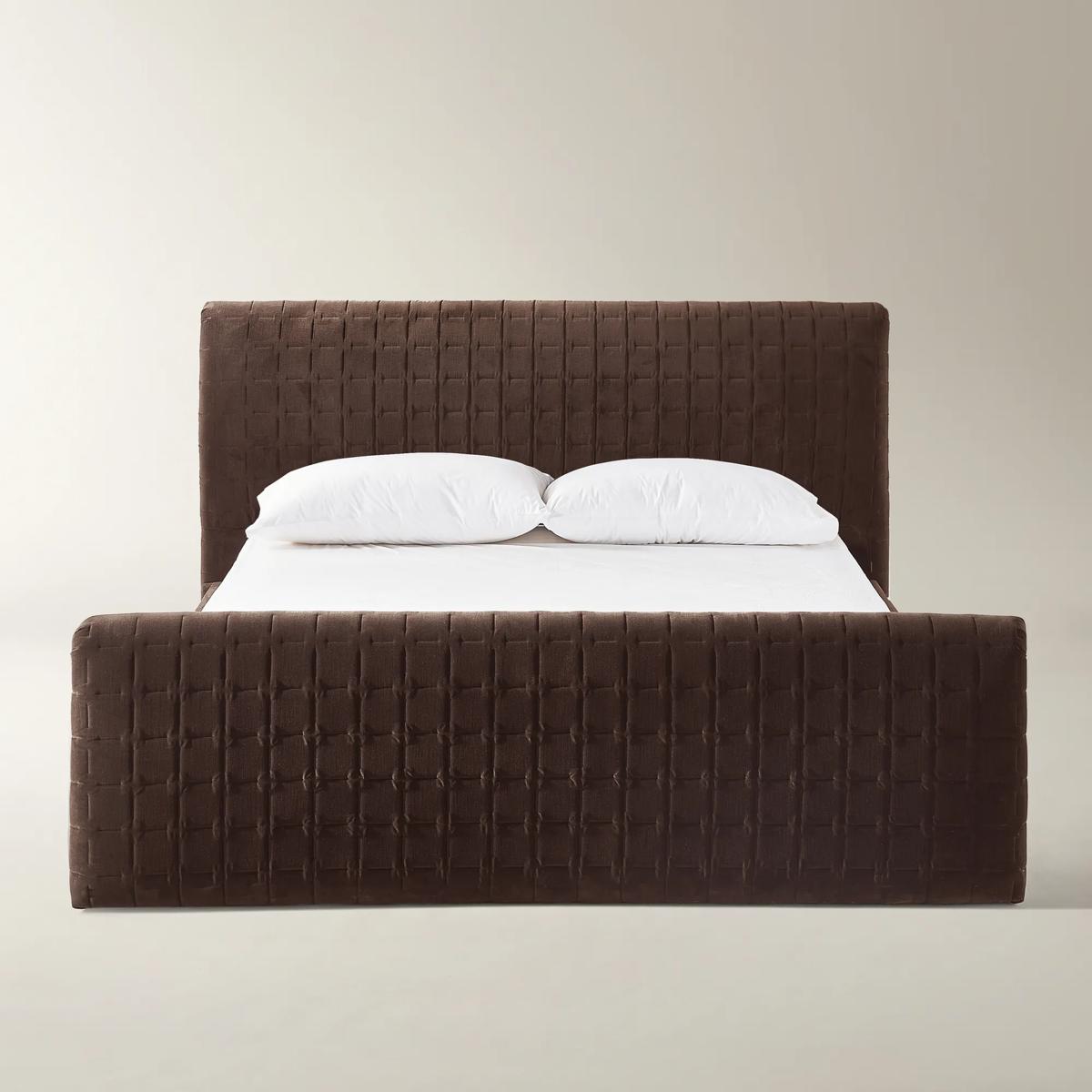
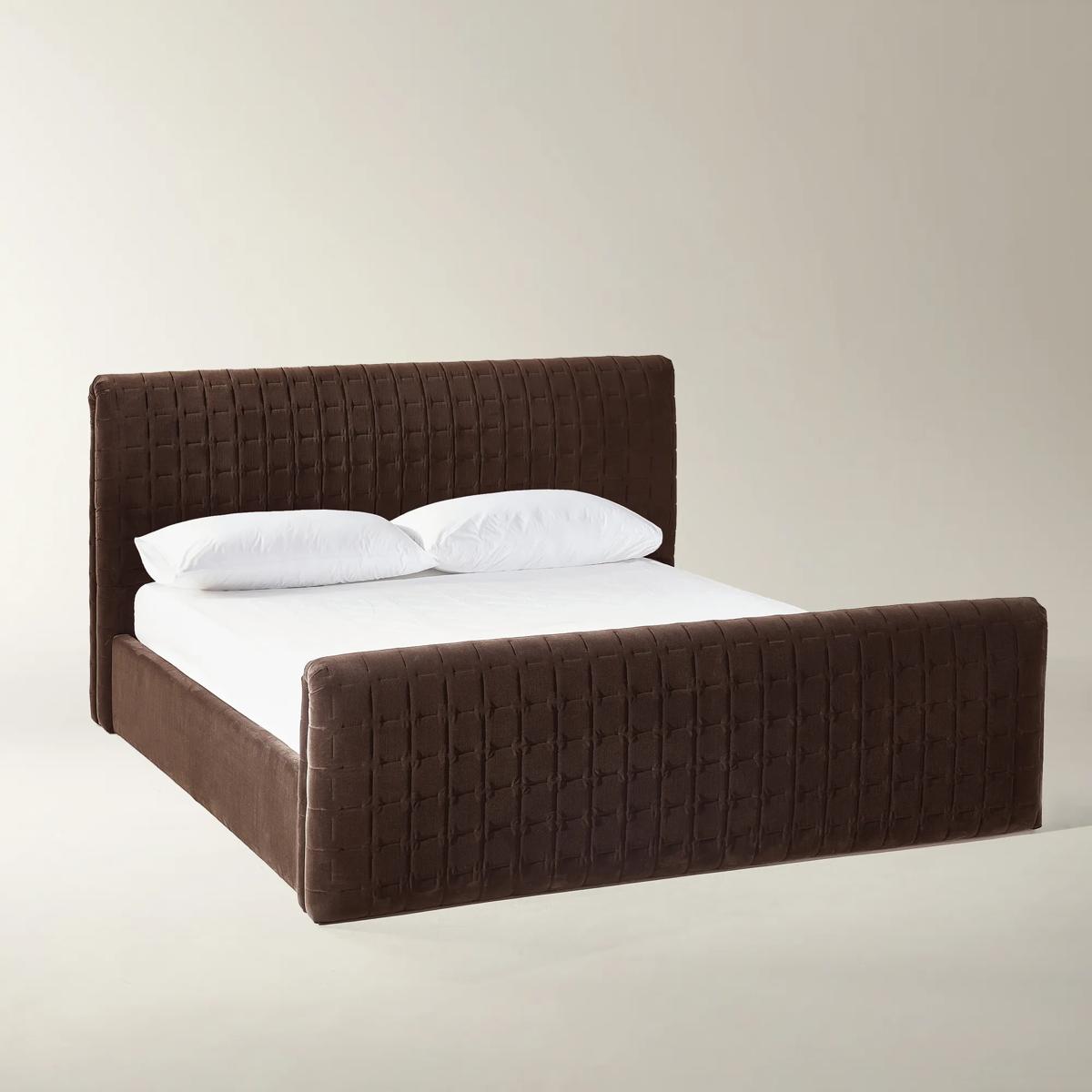 Vanta Burnt Umber Velvet Upholstered California King Platform Bed$2499
A California King platform bed in burnt umber velvet with checker-quilted upholstery and elegant gold-toned inlays.
Add To Cart -
Paloma Tufted Oatmeal Velvet Upholstered King Platform Bed$2599
A beige velvet platform bed with a sculpted block silhouette, plush padding, and fully wrapped design.
Add To Cart -
Vanta Burnt Umber Velvet Upholstered King Platform Bed$2499
A burnt umber velvet platform bed with a checker-quilted headboard and elegant gold-finished metal inlays.
Add To Cart -
Paloma Tufted Oatmeal Velvet Upholstered Queen Platform Bed$2399
A beige velvet platform bed with oversized sculpted blocks, plush padding, and a fully wrapped modern silhouette.
Add To Cart -
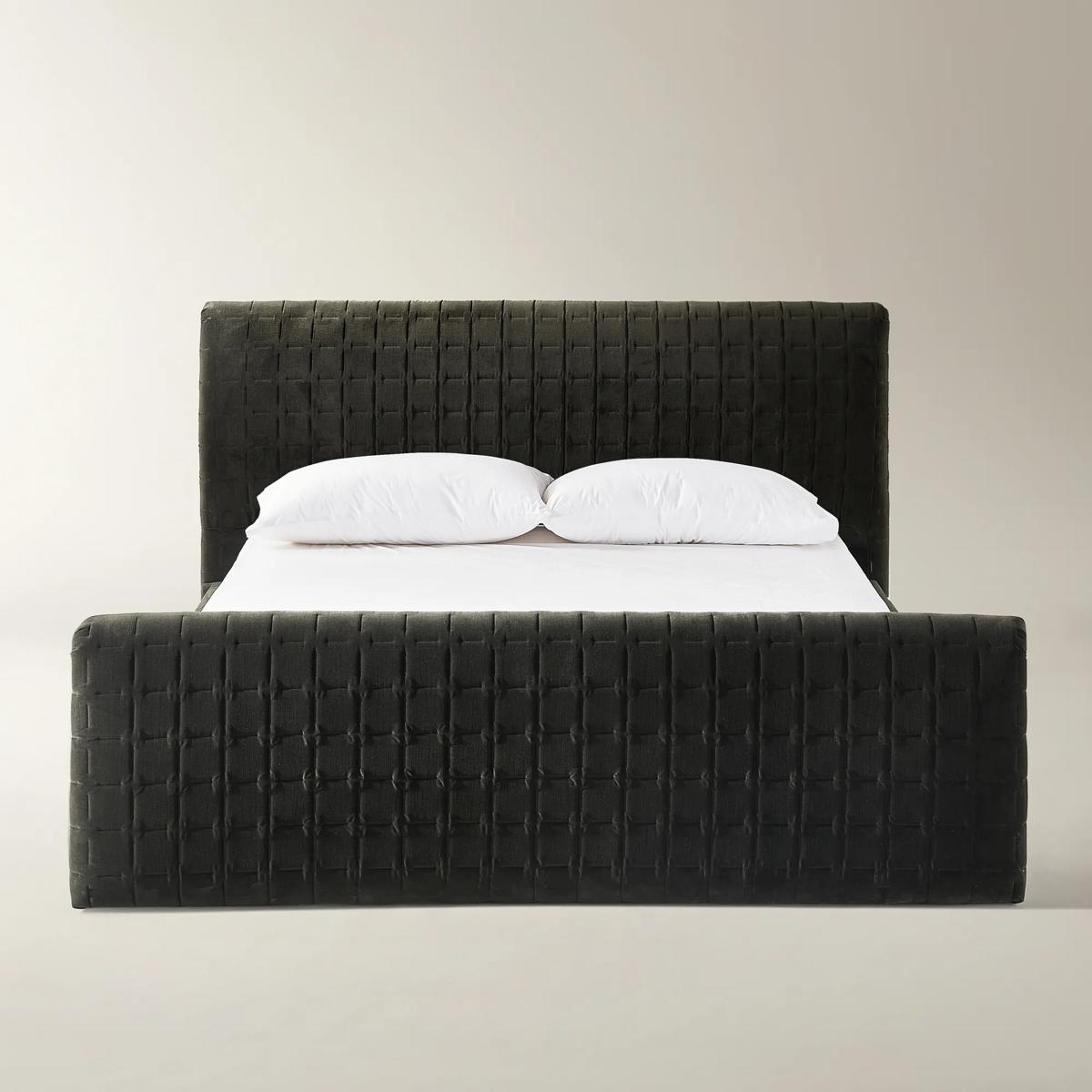 Vanta Charcoal Velvet Upholstered King Platform Bed$2499
A charcoal velvet platform bed with a checker-quilted extended headboard and refined gold metal inlays.
Add To Cart -
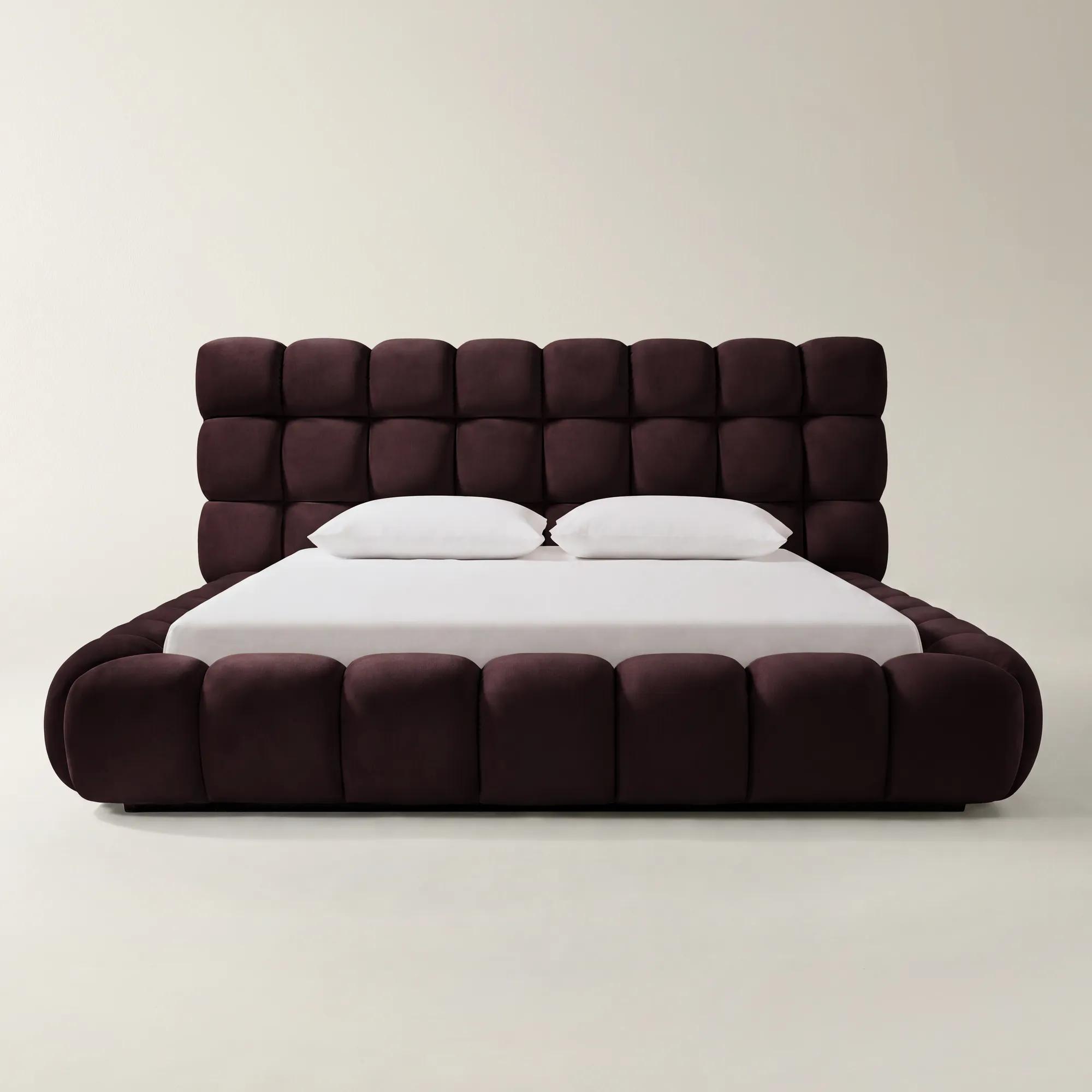 Paloma Tufted Fig Velvet Upholstered Queen Platform Bed$2399
A red velvet platform bed with sculpted block upholstery, plush padding, and a fully wrapped silhouette.
Add To Cart -
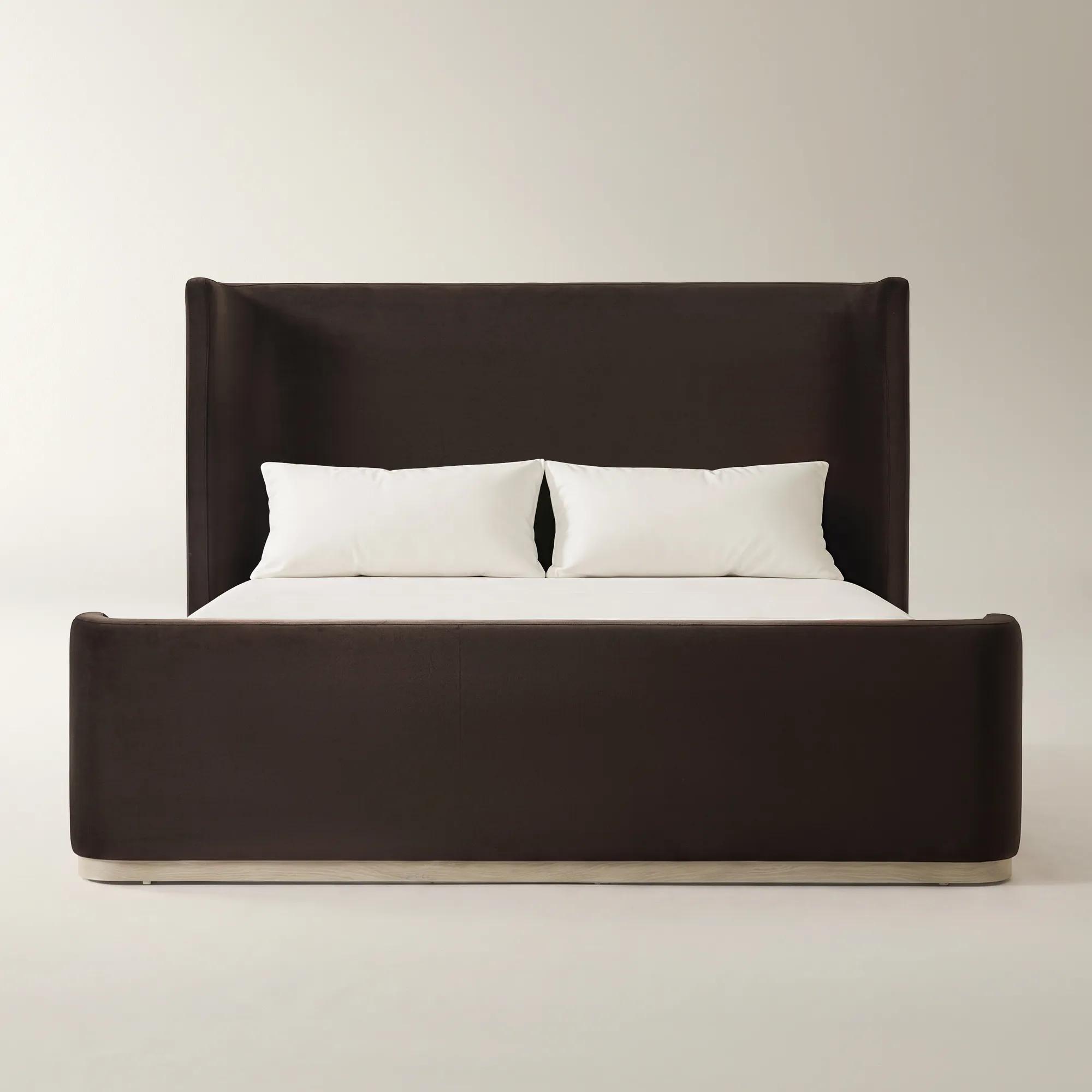 Stria Dark Chocolate Velvet Upholstered King Platform Bed$2499
A velvet platform bed with a tall wingback headboard and FSC-certified oak base in dark chocolate.
Add To Cart -
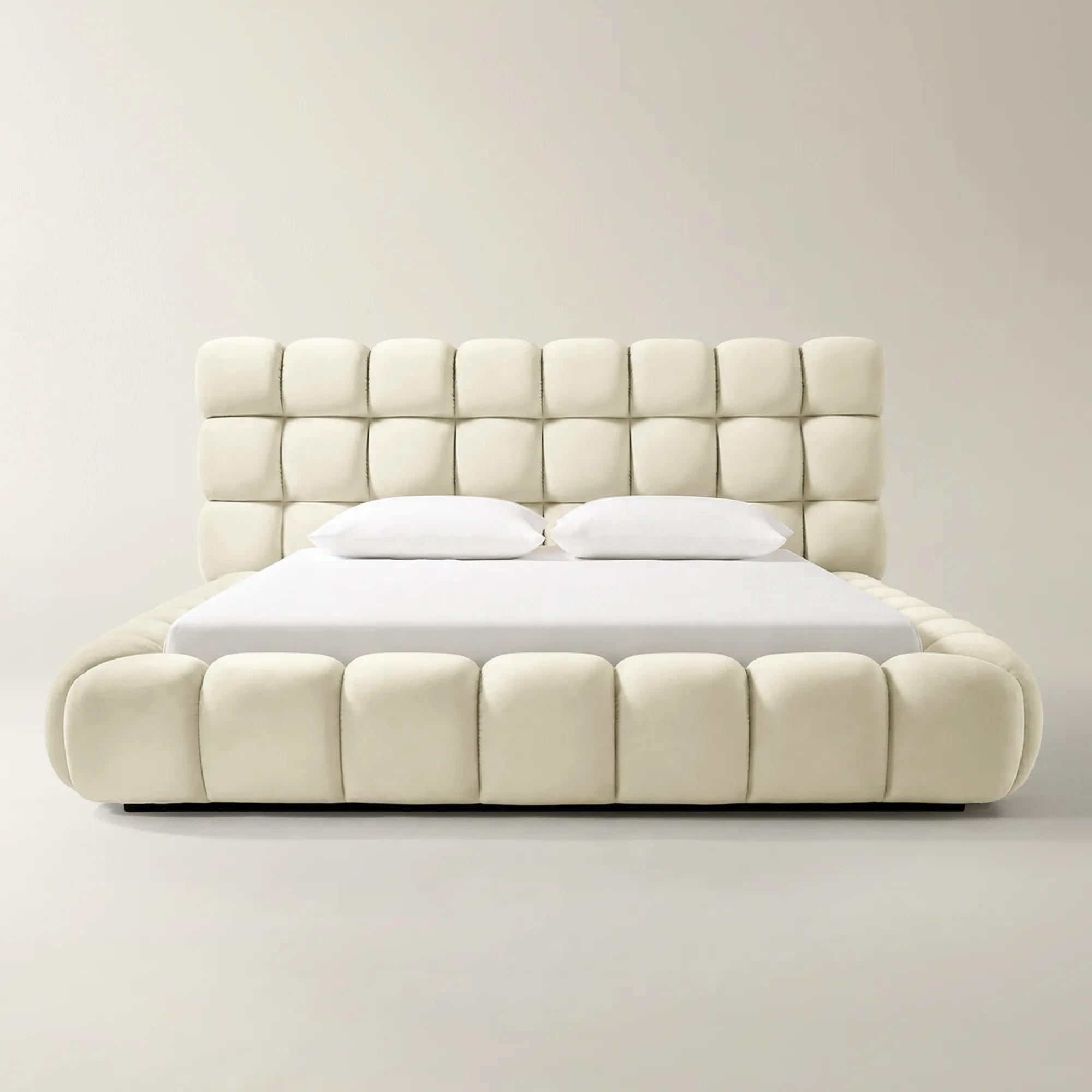 Paloma Tufted Cloud Velvet Upholstered Queen Platform Bed$2399
A white velvet platform bed with sculpted upholstered blocks, plush padding, and a dramatic modern silhouette.
Add To Cart -
Vanta Charcoal Velvet Upholstered Queen Platform Bed$2299
A charcoal velvet platform bed featuring a checker-quilted headboard and elegant gold-finished metal inlays.
Add To Cart -
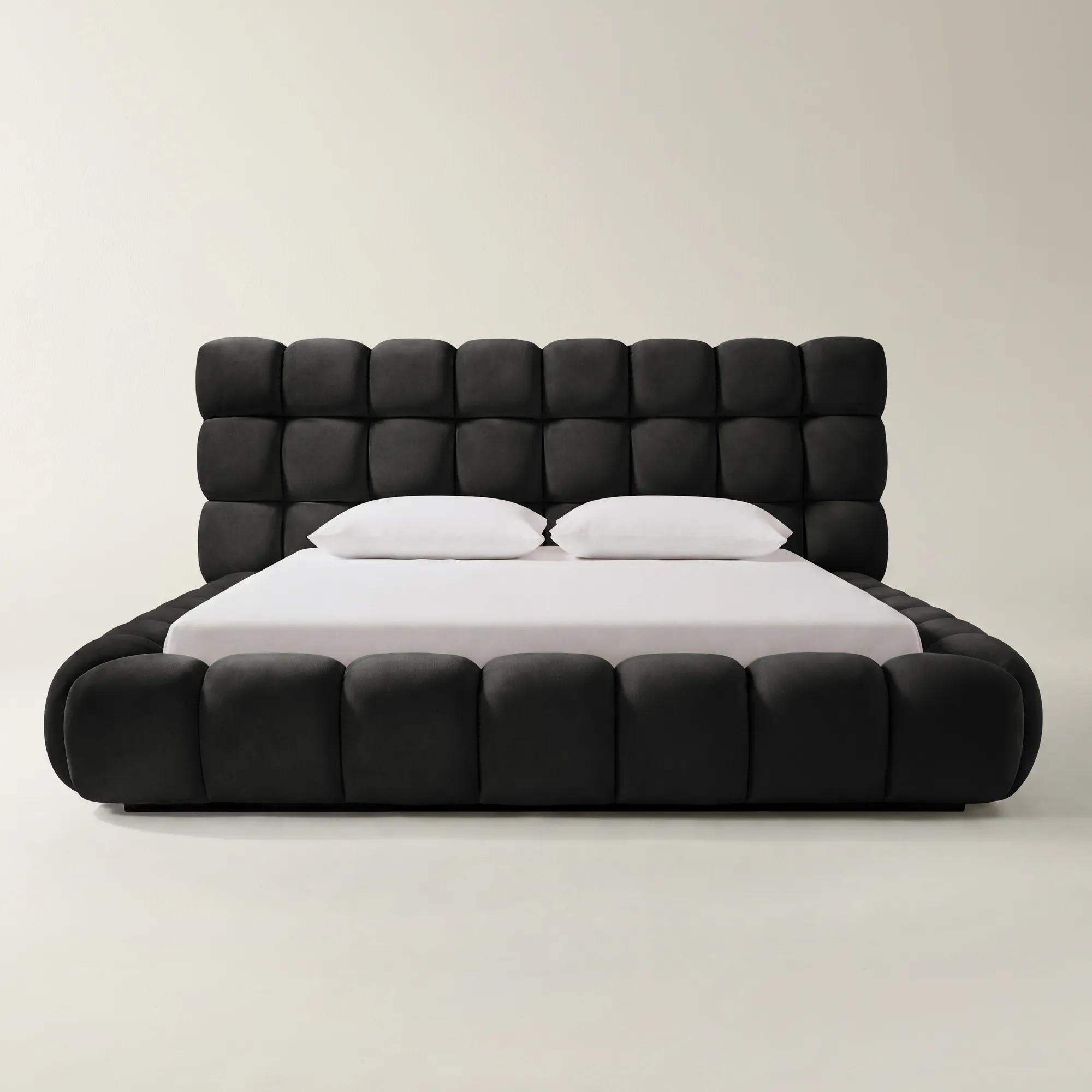 Paloma Tufted Charcoal Velvet Upholstered King Platform Bed$2599
A charcoal velvet platform bed with sculpted block upholstery, plush cushioning, and a fully wrapped silhouette.
Add To Cart -
Vanta Burnt Umber Velvet Upholstered Queen Platform Bed$2299
A brown velvet platform bed with checker-quilted headboard, extended panels, and gold-toned metal inlays.
Add To Cart -
Vanta Charcoal Velvet Upholstered California King Platform Bed$2499
A charcoal velvet platform bed with a checker-quilted headboard, extended side panels, and elegant gold metal inlays.
Add To Cart -
Paloma Tufted Fig Velvet Upholstered King Platform Bed$2599
A red velvet platform bed with sculpted blocks, plush padding, and a fully wrapped modern silhouette.
Add To Cart -
Paloma Tufted Charcoal Velvet Upholstered Queen Platform Bed$2399
A platform bed with sculpted block silhouette, fully wrapped charcoal velvet upholstery, and plush supportive padding.
Add To Cart -
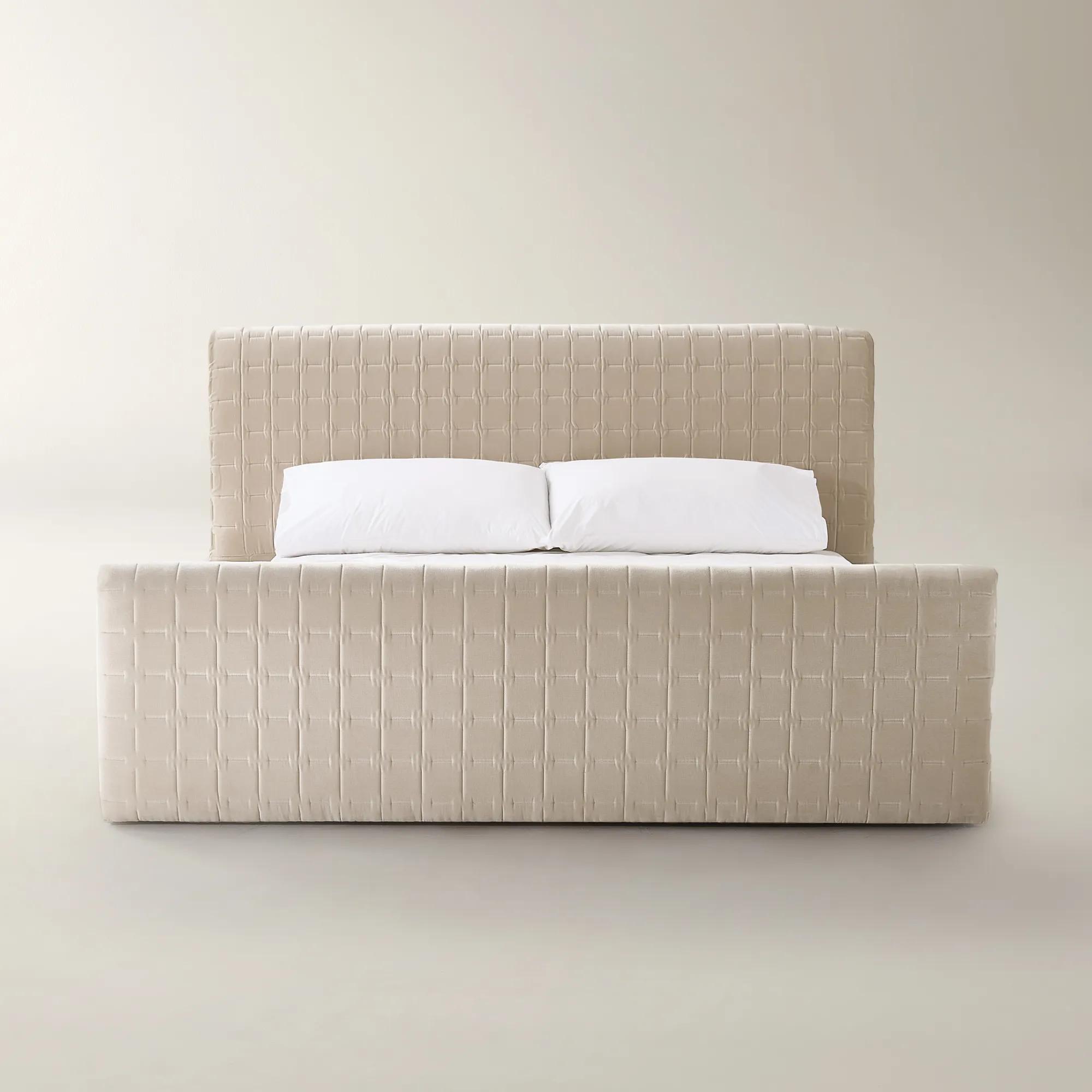
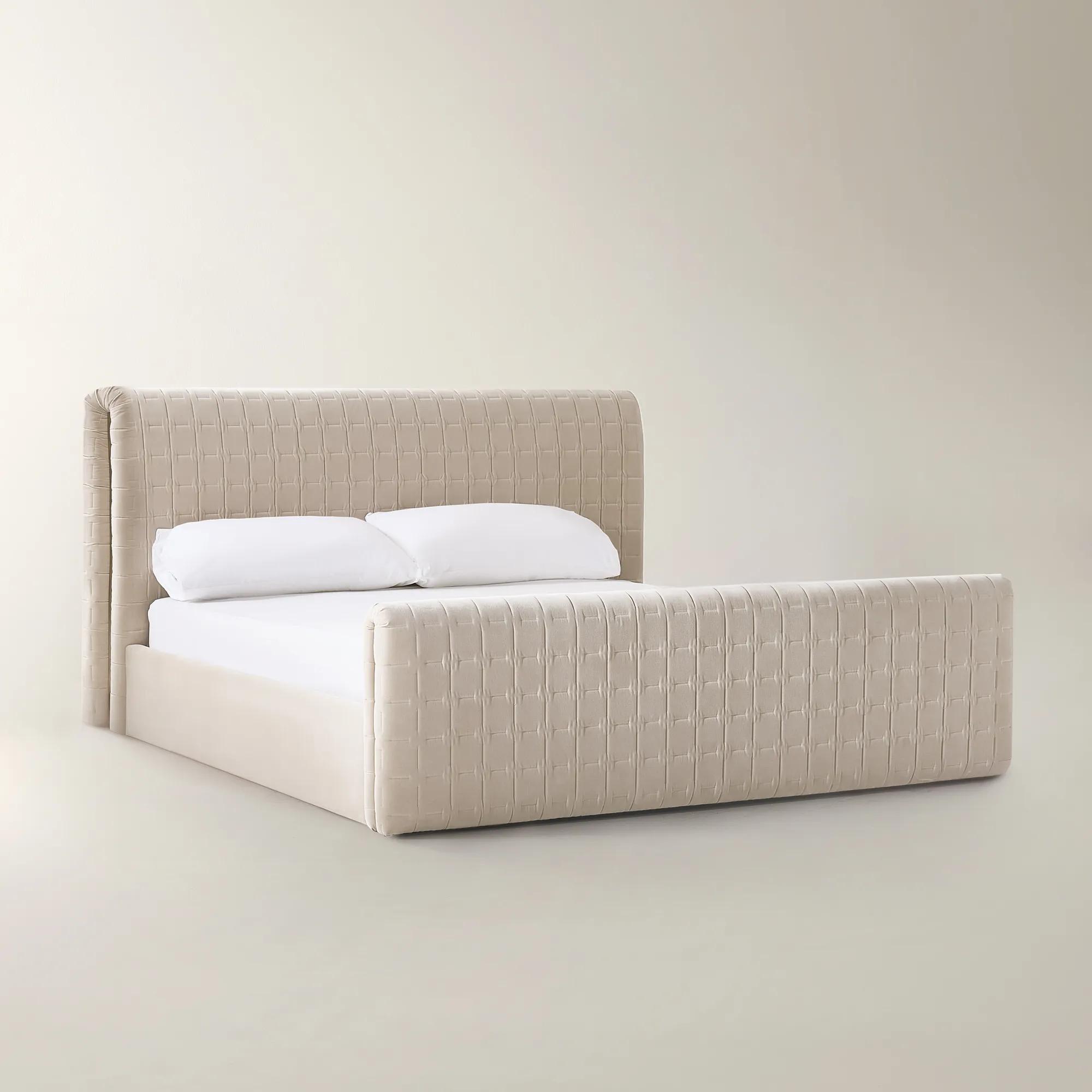 Vanta Oatmeal Velvet Upholstered King Platform Bed$2499
An oatmeal velvet-upholstered bed featuring a checker-quilted headboard and elegant gold-toned metal inlays.
Add To Cart -
Paloma Tufted Cloud Velvet Upholstered King Platform Bed$2599
A white velvet platform bed featuring a fully wrapped sculpted block silhouette and plush, supportive cushioning.
Add To Cart -
Stria Dark Chocolate Velvet Upholstered Queen Platform Bed$2299
A dark chocolate velvet platform bed with a tall wingback headboard and FSC-certified solid oak base.
Add To Cart -
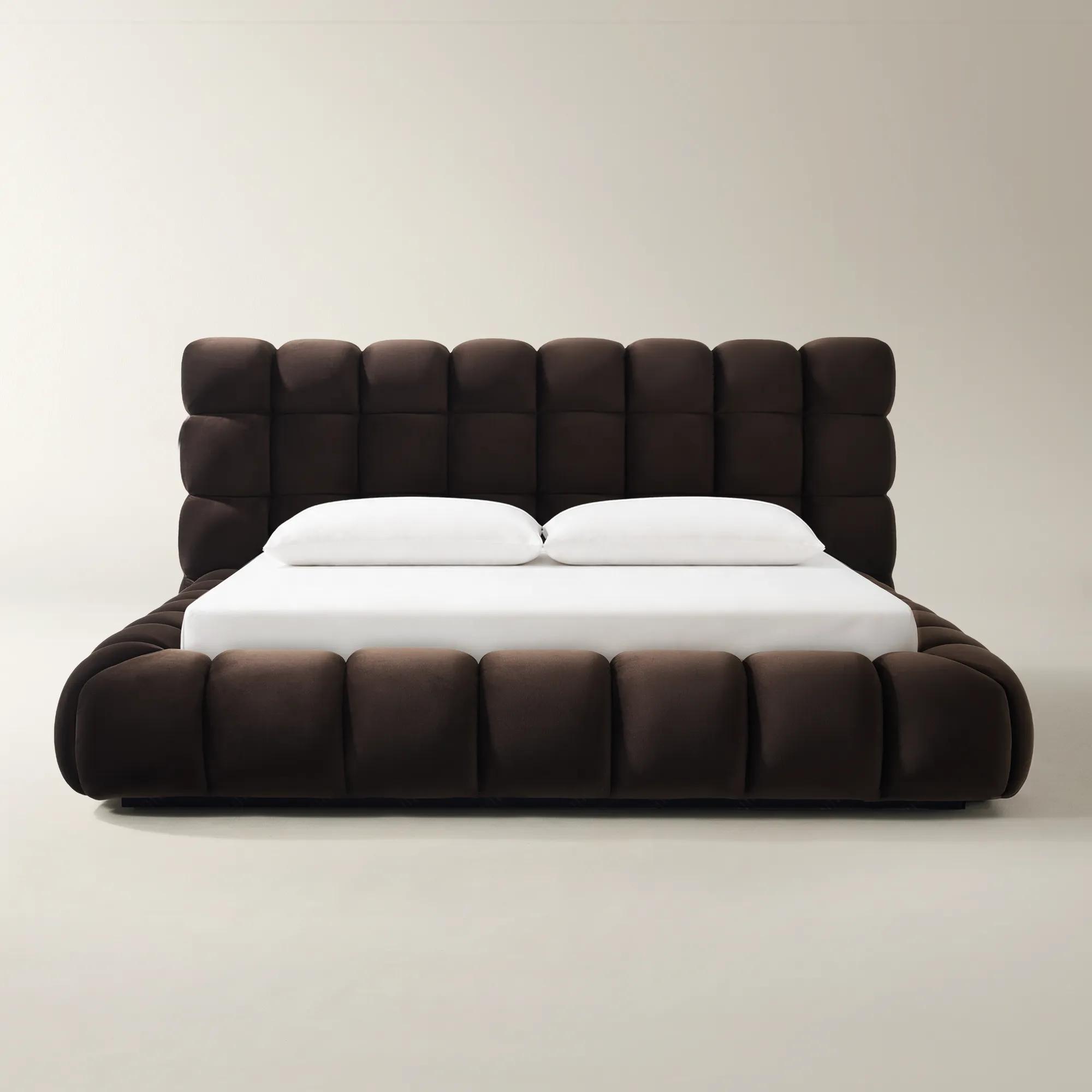 Paloma Tufted Dark Chocolate Velvet Upholstered Queen Platform Bed$2399
A dark chocolate velvet platform bed with sculpted blocks, plush padding, and a fully wrapped design.
Add To Cart -
Paloma Tufted Dark Chocolate Velvet Upholstered King Platform Bed$2599
A king platform bed in dark chocolate velvet with sculpted blocks, plush padding, and wrapped upholstery.
Add To Cart -

 Glimmer Black Chenille Upholstered King Platform Bed$2299
A black chenille platform bed with a sculpted double-layered headboard and solid rubberwood base.
Add To Cart

Designer Fabric Beds
Designer Fabric Beds transform the ordinary bedroom into an atelier of indulgence—where every evening is draped in decadence and every morning begins with a flourish. These masterfully upholstered beds invite you to revel in texture, color, and artistry, turning rest into a ritual of style. Whether you crave the subtle allure of soft neutrals or the bold drama of jewel tones, Designer Fabric Beds set the stage for a sanctuary that is as expressive as it is inviting. Let your bedroom become a canvas, painted with sumptuous fabrics and sculptural silhouettes that promise both comfort and spectacle.
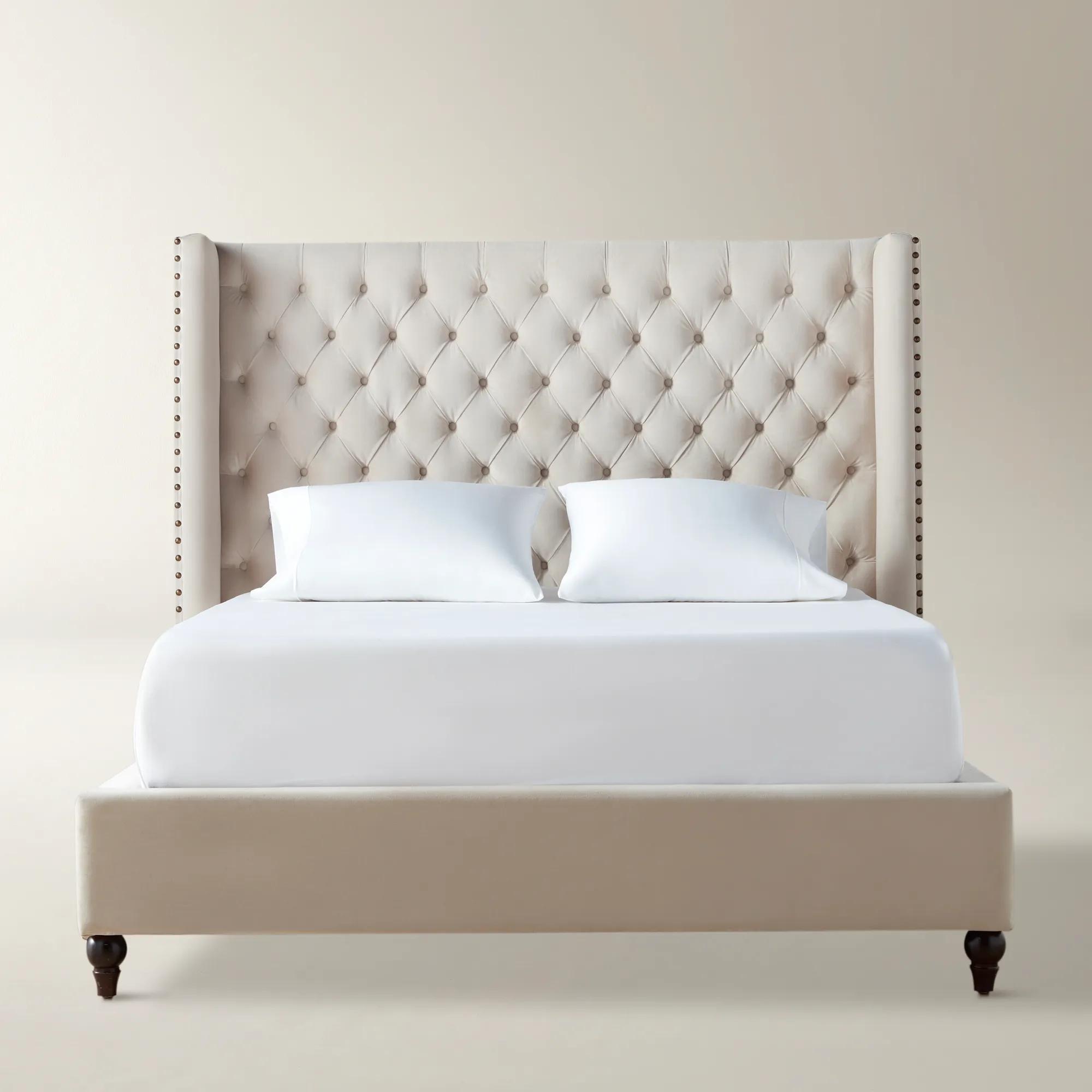
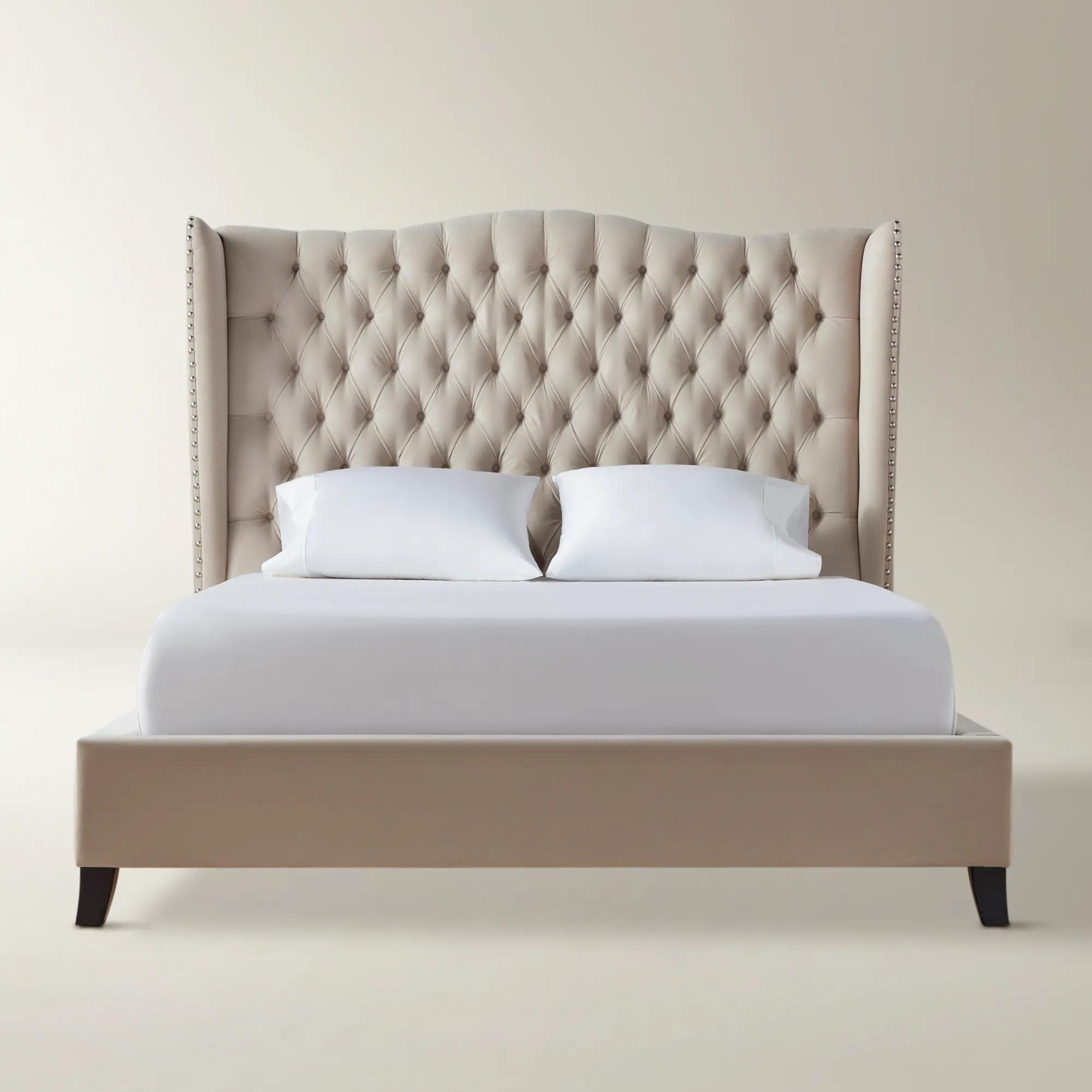
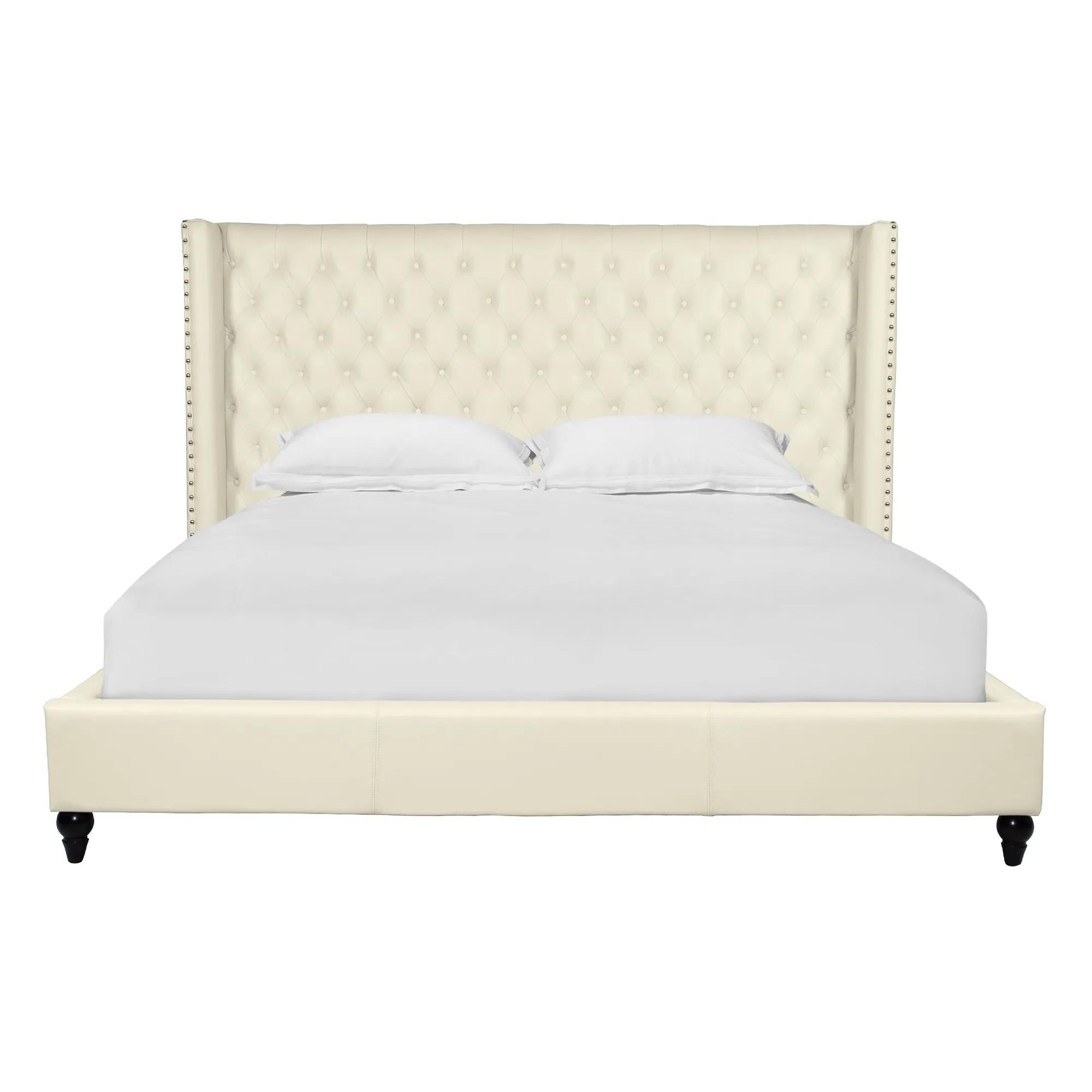
Designer fabric beds pair upholstered surfaces with a structured frame, bringing softness, dimension, and architectural presence to the bedroom. Unlike a bare wood or metal bed, a fabric-covered design introduces texture across the headboard and, depending on its construction, the side rails and footboard. That generous sweep of upholstery can make the bed feel like the room’s defining furnishing rather than simply a place for a mattress. A tall wingback headboard creates a sheltered, intimate backdrop; broad vertical channels draw the eye upward; deep button tufting adds a more ornate rhythm of shadow and light. Smooth, tailored panels offer a quieter expression of luxury, allowing an exceptional fabric or sculptural outline to carry the composition. Curved headboards soften rooms with angular dressers and squared nightstands, while a low-profile upholstered frame can preserve an open sightline beneath large artwork. The fabric itself shapes both the mood and the daily experience. Velvet has a luminous pile that changes appearance with the direction of the nap, lending rich color a sense of movement. Linen and linen-blend upholstery bring visible weave and subtle variation, while bouclé introduces a looped, tactile surface with pronounced depth. Basketweaves offer another approach to texture, with interlaced yarns that read differently at close range and across the room. Fiber content, weave density, and backing all influence how a fabric wears, so appearance alone does not establish durability. Performance upholstery may offer resistance to stains or easier cleaning, but those qualities depend on the specific textile and its stated care requirements. In a bedroom shared with pets, a tightly woven surface may be more practical than an open loop that can catch a claw. For someone who reads before sleep, a padded headboard provides a softer surface behind pillows, although its comfort depends on the padding, angle, and height. The most compelling upholstered beds balance that everyday intimacy with a silhouette strong enough to anchor the entire room.
Proportion gives designer fabric beds their poise, and the right fit involves more than the mattress size printed on a specification sheet. Upholstered rails, outward-curving wings, and substantial footboards can extend well beyond the sleeping surface, making overall width and length essential measurements. A standard queen mattress measures approximately 60 by 80 inches, while a standard king measures approximately 76 by 80 inches; the finished bed frame will generally occupy additional space. For a primary bedroom that needs generous sleeping room without overwhelming adjacent furnishings, designer fabric queen beds offer a useful balance of scale and presence. A king-size frame creates a broader visual anchor, but its proportions work best when there is comfortable passage beside the bed and room to open nearby drawers and doors. Headboard height deserves equal attention. A dramatic upholstered panel may beautifully fill a tall wall, yet compete with a low window or disappear behind an unusually deep mattress and stacked pillows. The relationship between the frame, mattress, and foundation also affects the finished seat height, an important detail for anyone who prefers an easier transition into and out of bed. Platform designs may support a mattress directly on slats, while other frames require a separate foundation or box spring. Mattress compatibility, slat spacing, center support, and weight limits should follow the bed and mattress manufacturers’ requirements rather than assumptions based on appearance. Beneath the upholstery, durable construction depends on the frame materials, secure connections, and appropriate support; fabric alone cannot reveal the strength of the structure. Beds with integrated storage introduce another consideration: drawers need clearance to extend, while lift mechanisms require appropriate operating space. Delivery access matters as well, particularly for oversized headboards traveling through narrow stairways or around tight landings. When these practical details align, even an expansive, deeply upholstered design can feel composed rather than crowded, with space for a bedside lamp, a favorite book, and an unhurried morning routine.
Color and texture give an upholstered bed its emotional character, while thoughtful care helps preserve the effect. Ivory, oatmeal, and warm gray fabrics can establish a luminous foundation for layered bedding, especially when their weave adds enough variation to keep the palette from feeling flat. Charcoal or saturated jewel tones create a more enveloping composition, giving crisp sheets and reflective accents greater definition. A velvet headboard beside a mirror-finish nightstand brings together two very different expressions of light; a textured woven frame with lustrous bedding creates contrast through touch as much as appearance. There is no need for every upholstered piece in the room to match. A bed with pronounced channels can sit beautifully against a smooth wall, while a plain, tailored headboard allows patterned pillows or large-scale art to command attention. For a guest bedroom, an upholstered frame can establish a welcoming focal point without requiring elaborate decoration. In a primary suite, a more sculptural silhouette can express a distinctly personal sense of glamour. Maintaining that presence starts with the textile’s care label. Regular, gentle vacuuming with an upholstery attachment, when permitted, helps remove dust from seams, tufting, and channels before it settles into the fabric. Spills are best addressed promptly according to the manufacturer’s directions, with blotting rather than vigorous rubbing; an unsuitable cleaner or excessive moisture can leave marks or affect the upholstery beneath the surface. Removable fabric sections should not be assumed machine washable unless explicitly labeled that way. Velvet may show shading or pressure marks as its pile changes direction, while textured fabrics can develop surface wear where bedding, clothing, or pets repeatedly brush against them. Direct sunlight can also alter fabric color over time, making window treatments part of a considered room arrangement. With suitable materials, sound support, and care matched to the upholstery, a fabric bed offers lasting versatility: bedding and accents can evolve around it while its tailored form continues to give the bedroom depth, comfort, and a distinctive point of view.
FAQs
Designer fabric beds are often crafted with luxurious materials such as velvet, linen, bouclé, chenille, and performance textiles. Each fabric offers a distinct look and feel—velvet exudes opulence and depth, while linen brings a breezy, tailored elegance. Performance fabrics are popular for their durability and easy maintenance, making them ideal for households that value both style and practicality.
Fabric beds introduce layers of texture, color, and softness that instantly elevate a bedroom’s ambiance. An upholstered headboard can soften acoustics, create a cozy retreat, and serve as a dramatic focal point. The interplay of fabric and form allows you to set the mood—whether you desire a glamorous, boutique-inspired suite or a serene, restful haven.
A designer fabric bed makes a memorable gift for individuals celebrating a new chapter, such as newlyweds, first-time homeowners, or anyone embarking on a personal transformation. It’s especially meaningful for those who cherish artistry, comfort, and the ritual of creating a beautiful home environment.
To preserve the beauty of your fabric bed, regularly vacuum the upholstery with a soft brush attachment to remove dust and debris. Promptly address spills with a clean, damp cloth, and avoid harsh chemicals. Many designer beds feature removable covers or spot-cleanable fabrics for added convenience. Rotating bedding and pillows also helps maintain the fabric’s texture and appearance.
Fabric beds are remarkably versatile, complementing a wide range of design aesthetics. They can anchor a maximalist space with bold colors and metallic accents, or bring understated sophistication to minimalist or transitional settings. Whether your style leans toward modern glam, classic elegance, or eclectic artistry, a fabric bed serves as a stunning centerpiece that invites creative expression.