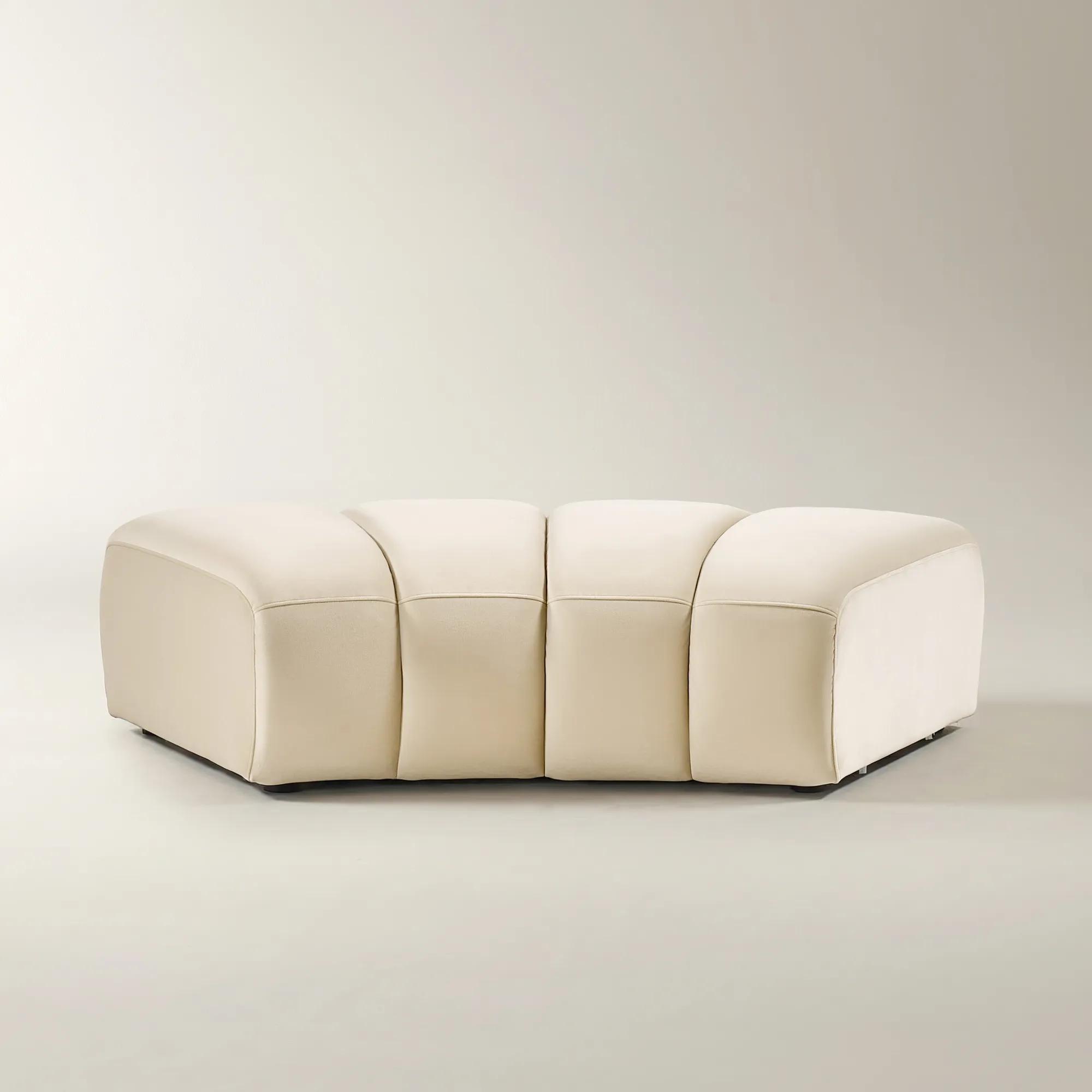
Designer Benches For Home Offices
Designer Benches For Home Offices
-
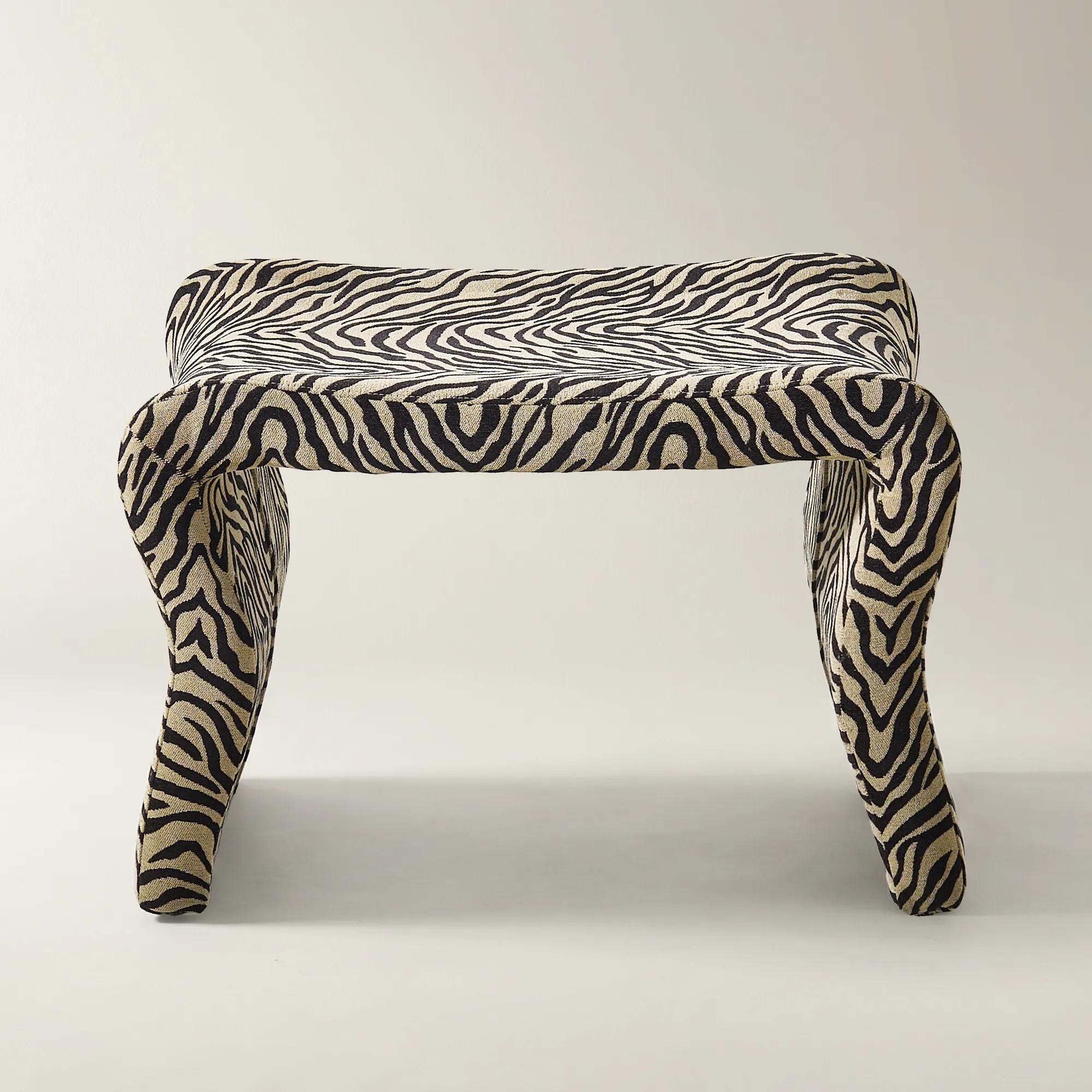
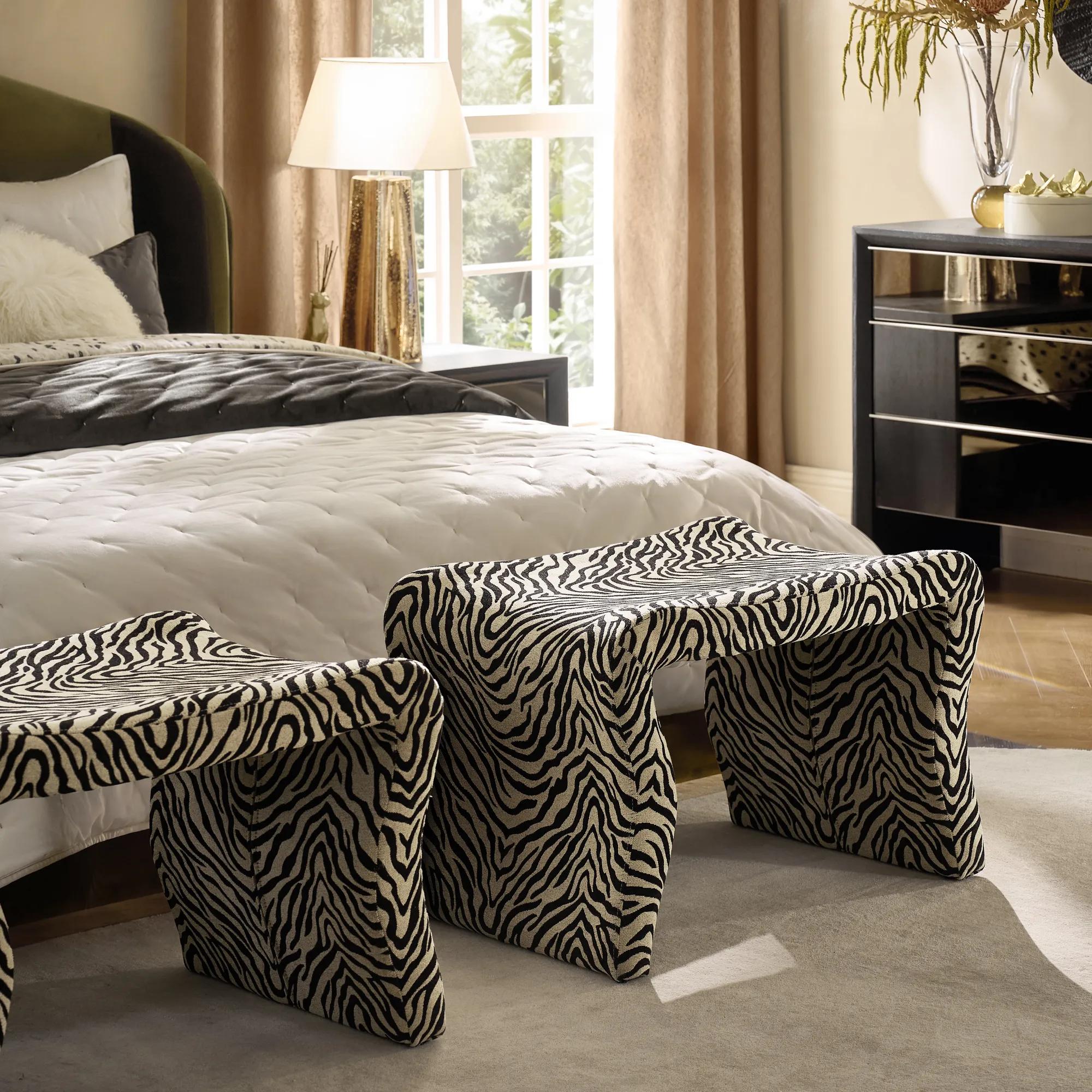 Romy Zebra Performance Chenille Bench (30.75")$499
A sculptural bench wrapped in zebra-patterned performance chenille with a wave-like silhouette and full foam construction.
Add To Cart -
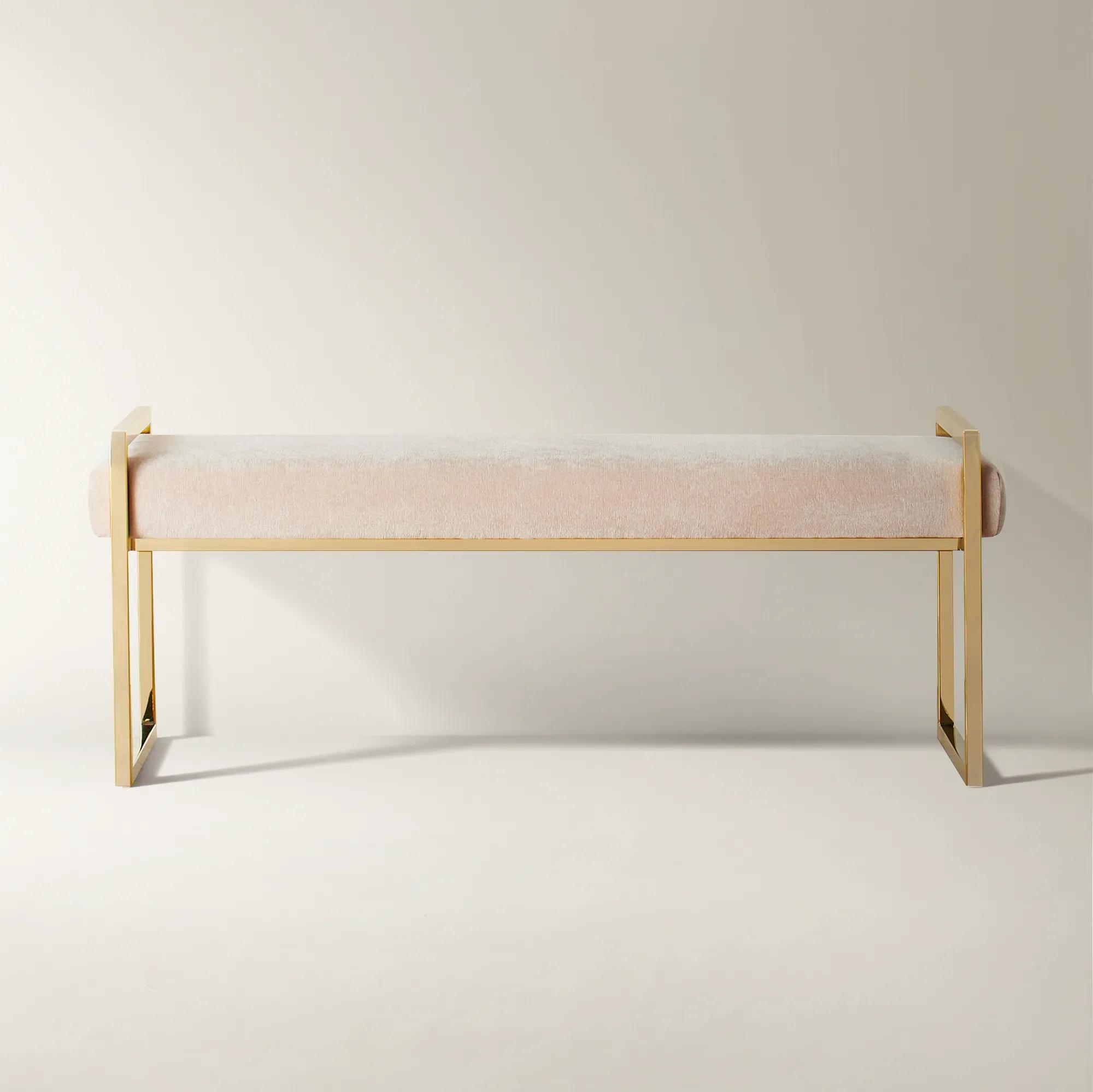 Clara Bench$699
A plush upholstered bench with a high-density foam cushion and polished gold metal legs for modern elegance.
Add To Cart -
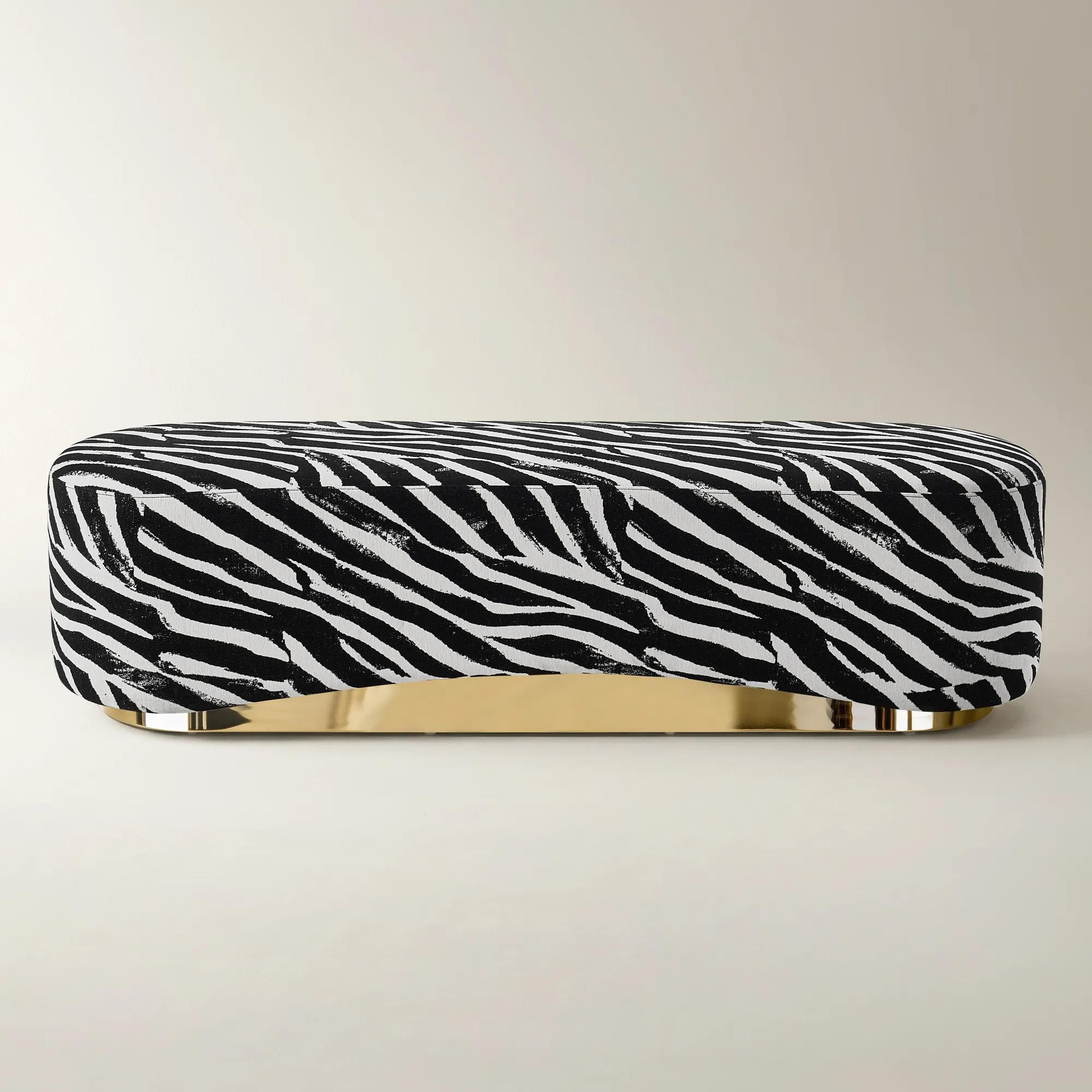
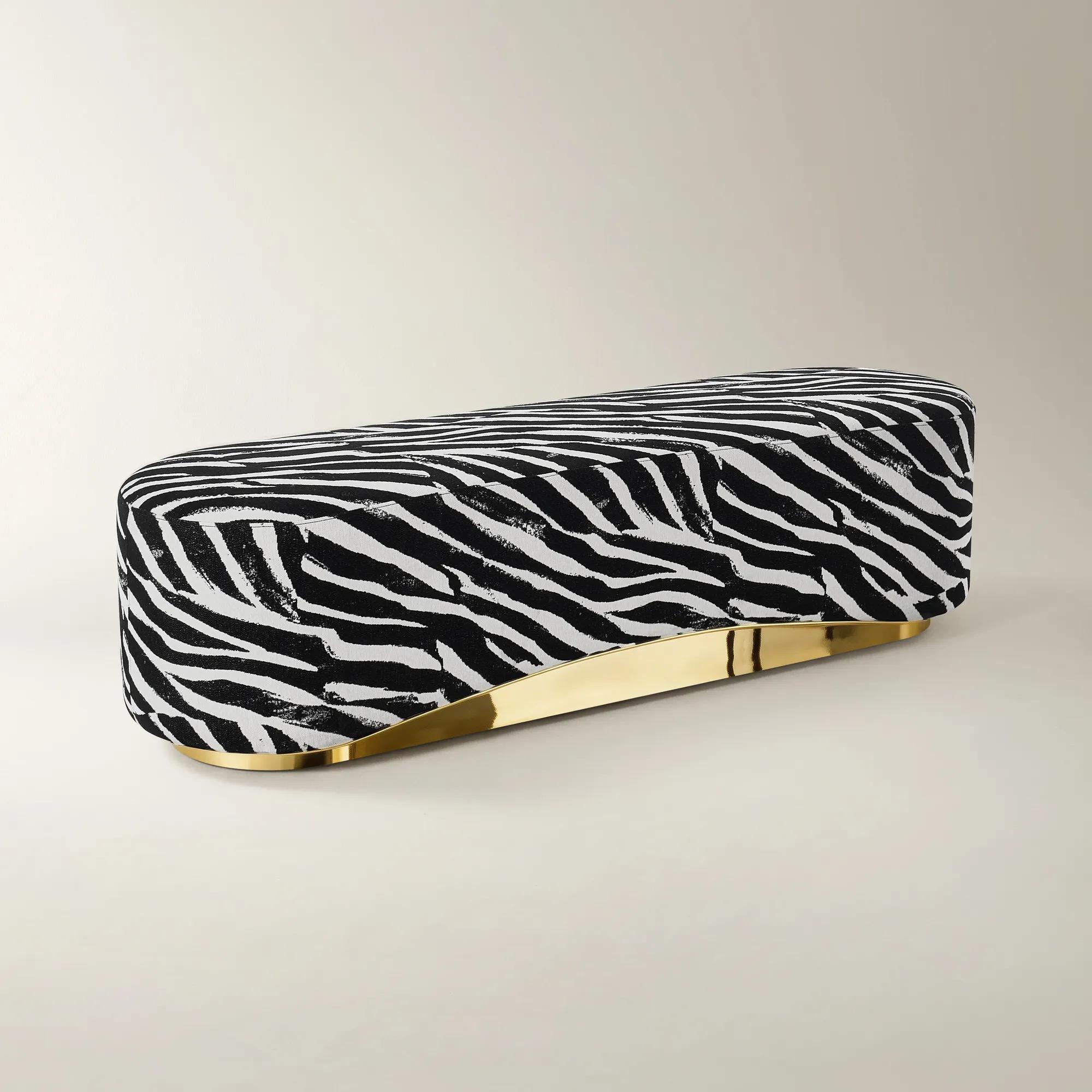 Kendra White/Black Performance Chenille Bench (70.47")$799
An elongated oval bench upholstered in white and black performance chenille with a polished gold stainless steel base.
Add To Cart -
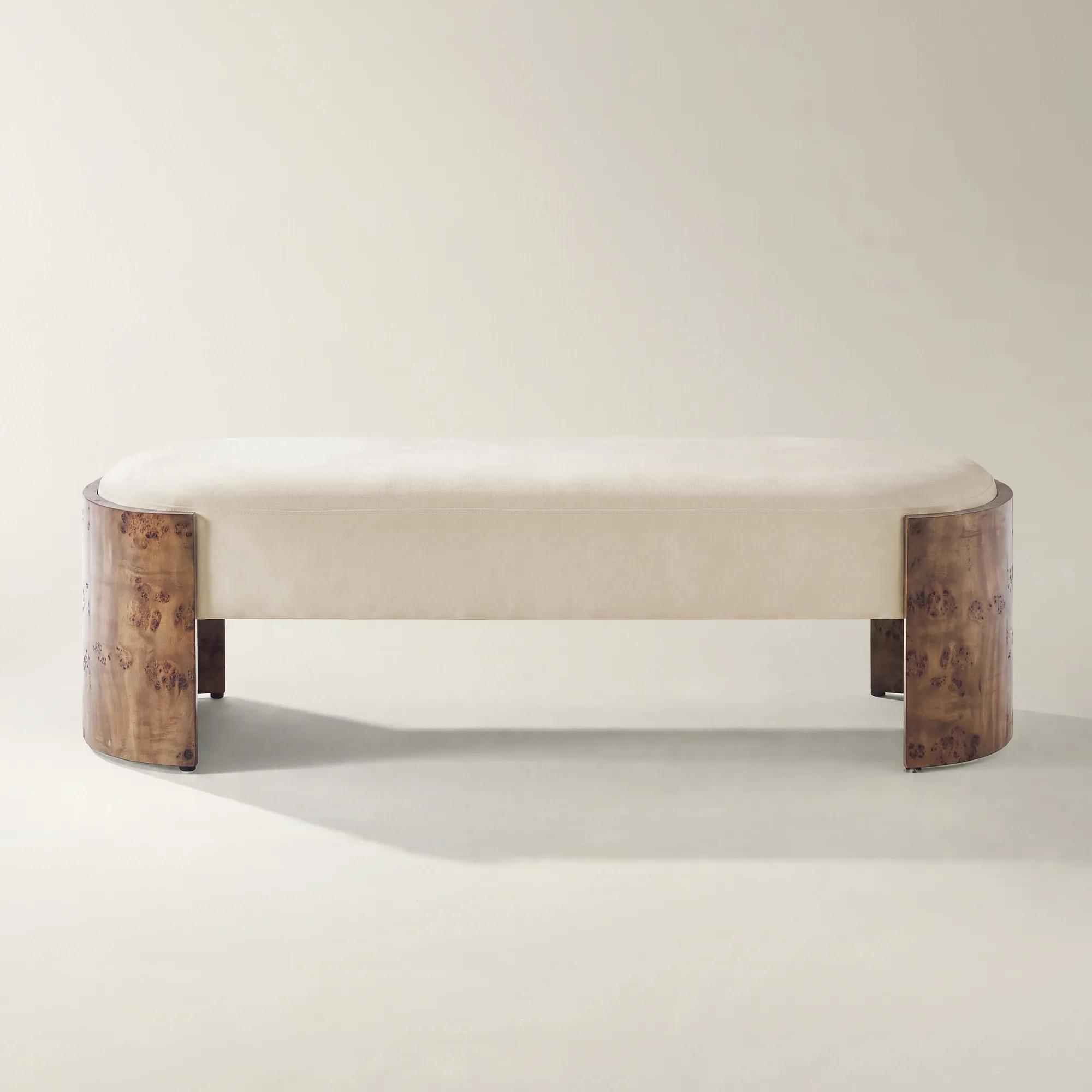
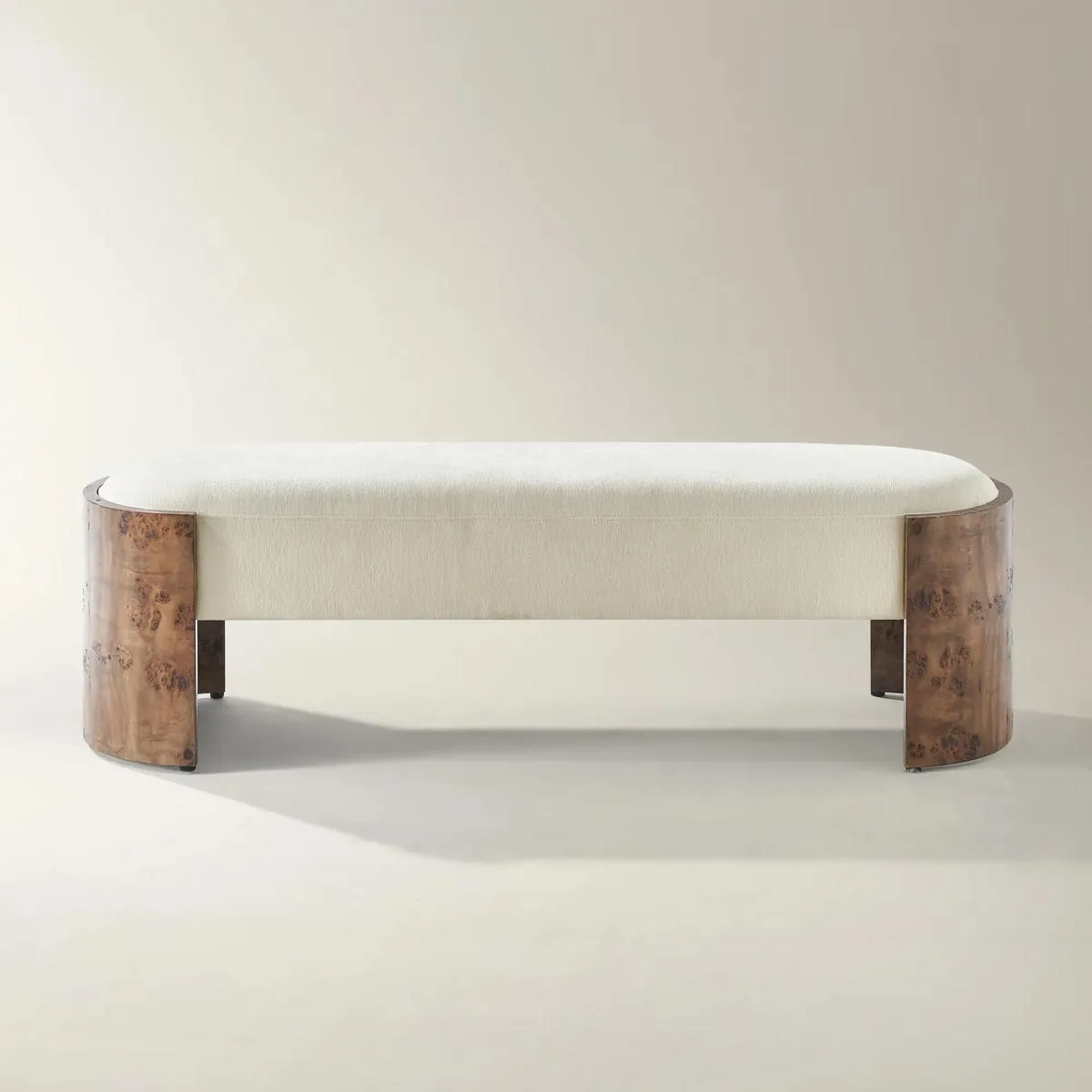 Cora Oatmeal Velvet With Ash Wood Bench (60.6")$999
A sculptural oatmeal velvet bench with curved ash burl wood panels and supportive foam cushioning.
Add To Cart -
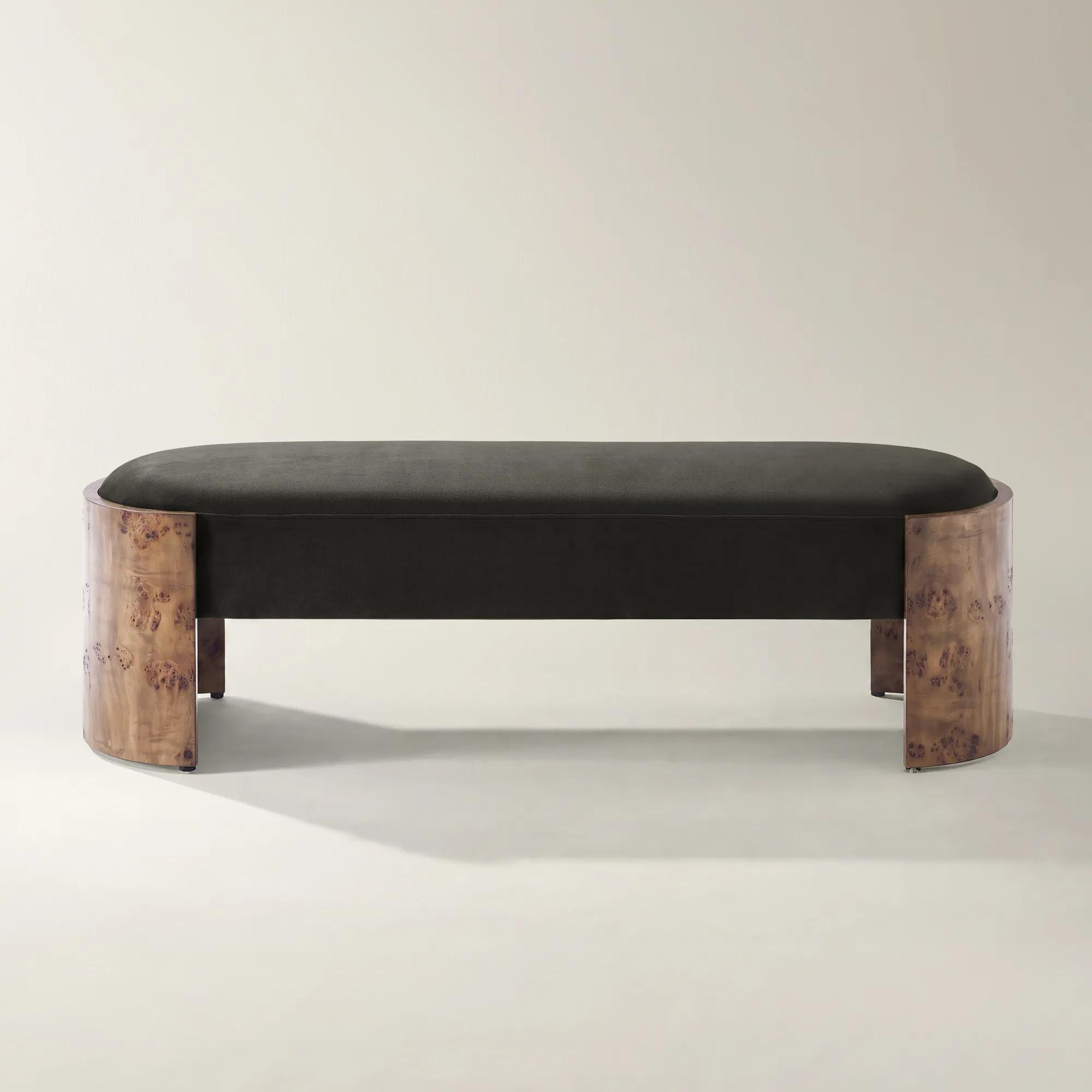 Cora Charcoal Velvet With Ash Wood Bench (60.6")$999
A sculpted charcoal velvet bench with curved bookmatched ash burl panels and supportive foam cushioning.
Add To Cart -
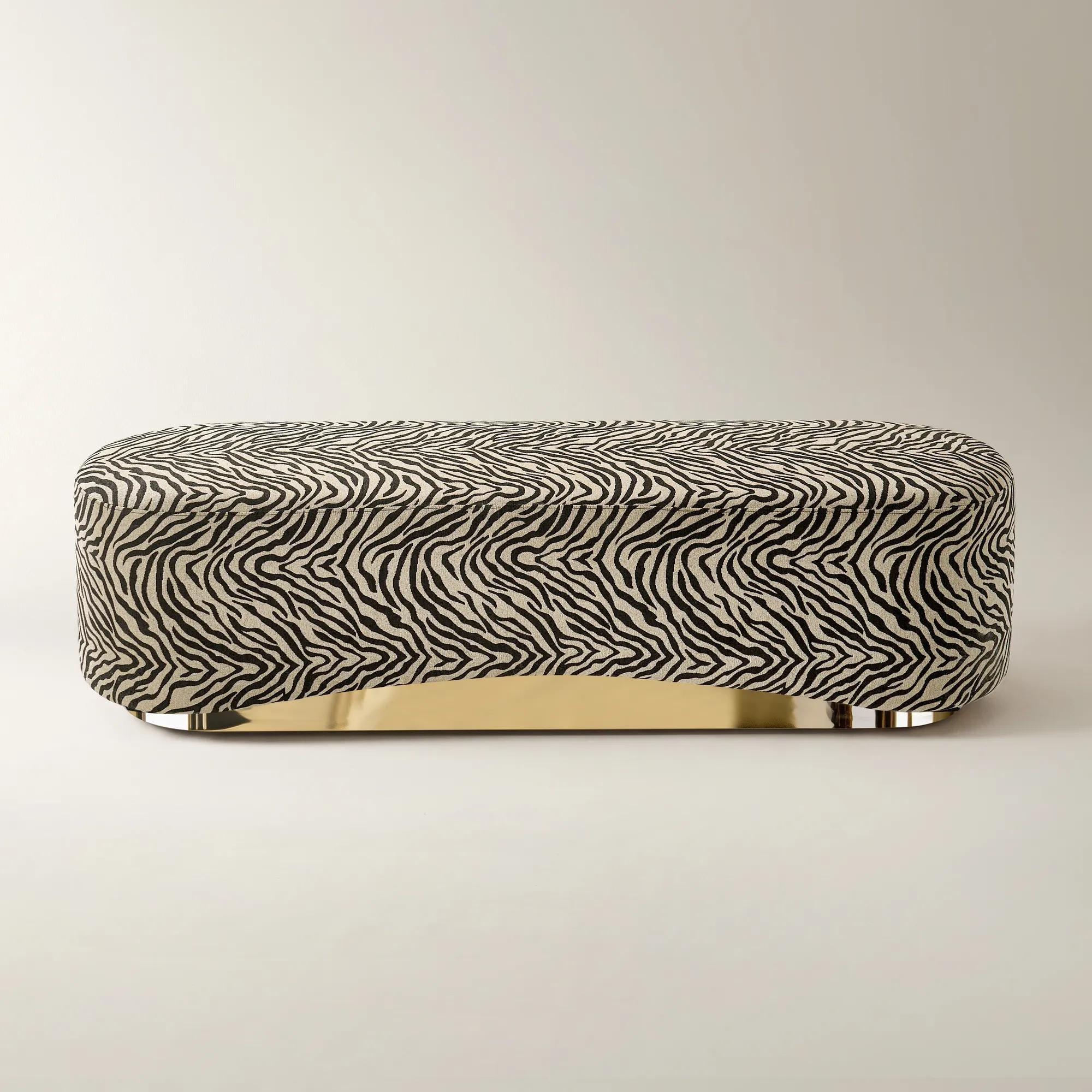
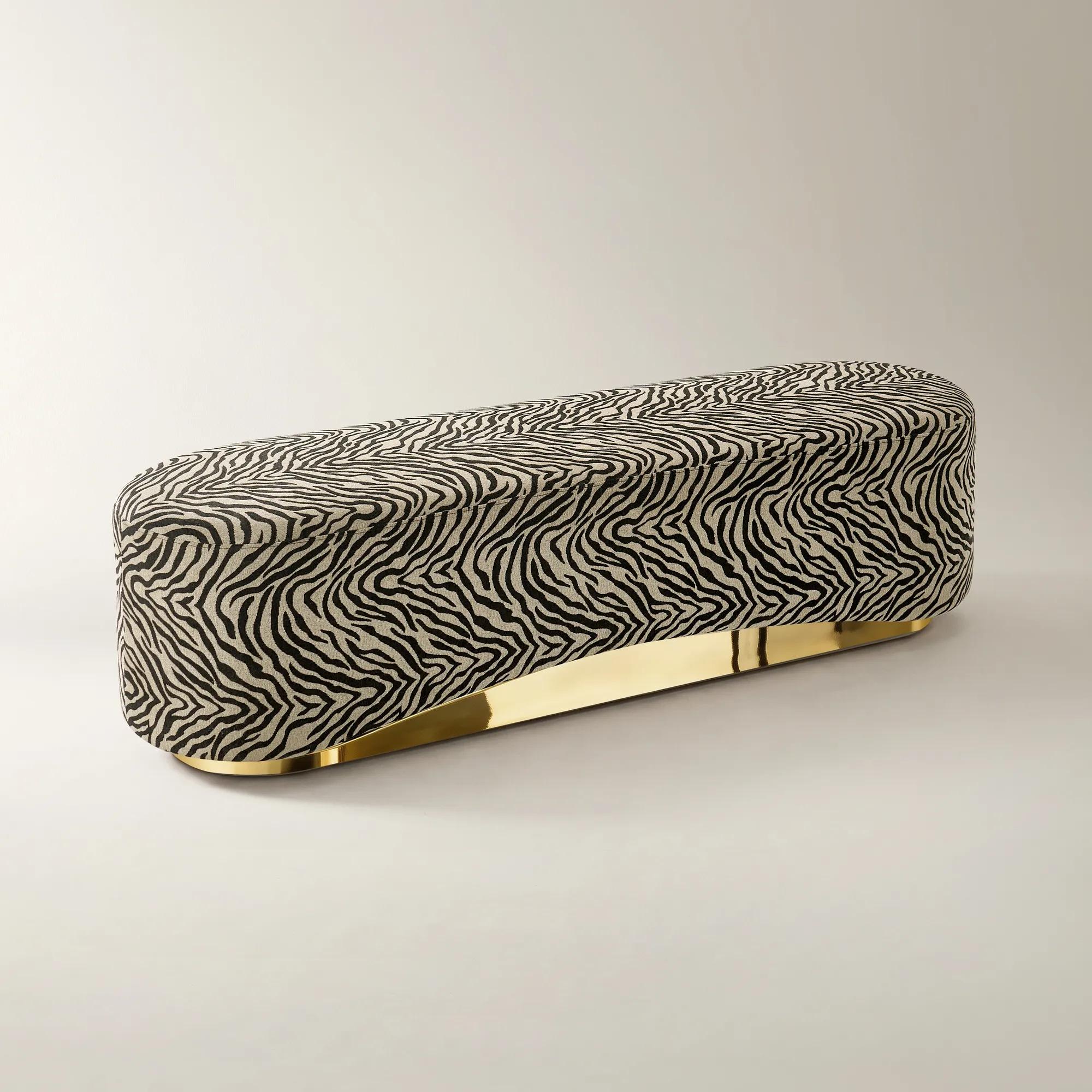 Kendra Zebra Performance Chenille Bench (70.47")$799
An elongated oval bench upholstered in textured zebra-pattern chenille with a polished gold stainless steel base.
Add To Cart -
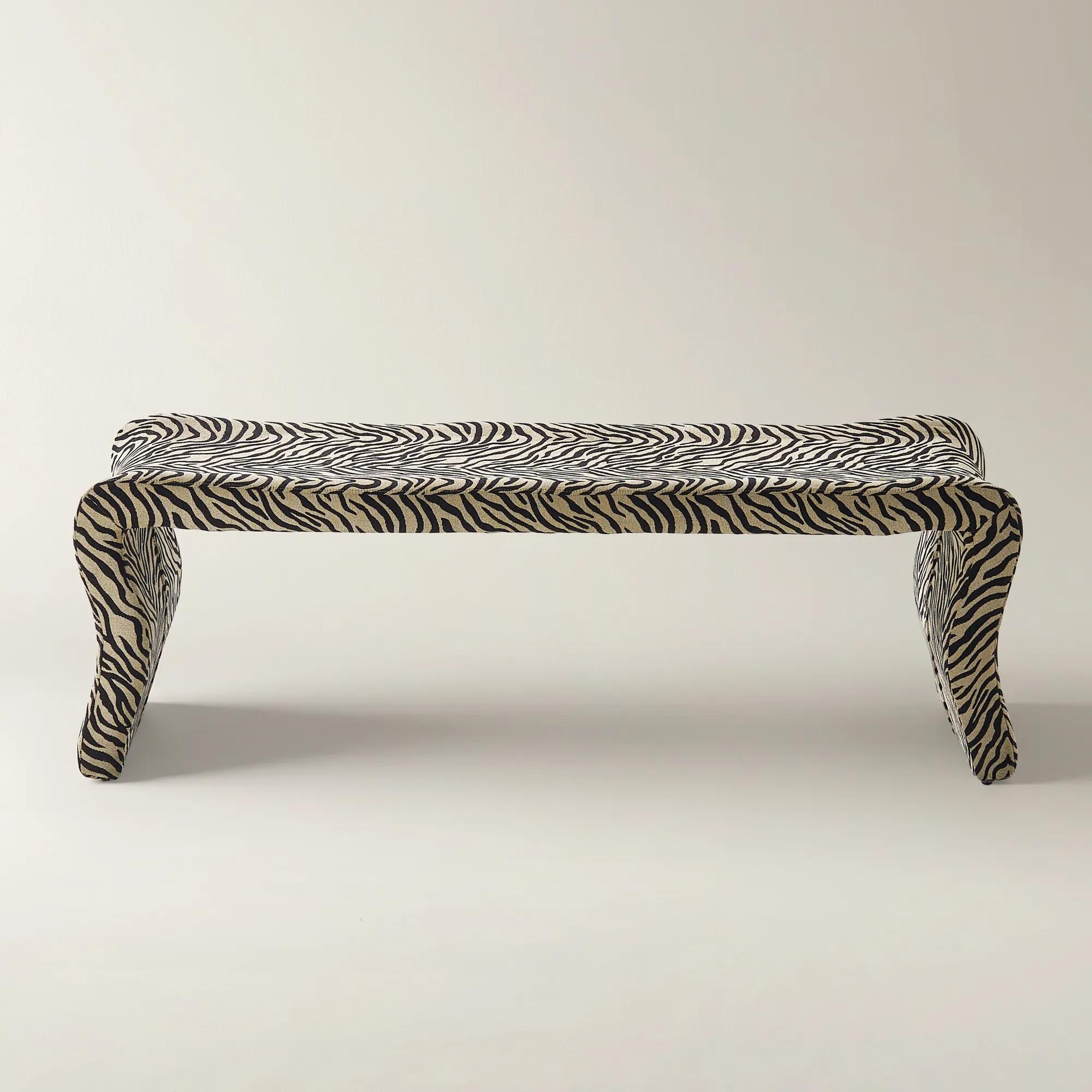 Romy Zebra Performance Chenille Bench (61.5")$899
A sculptural bench wrapped in zebra-patterned performance chenille with a wave-like silhouette and full foam construction.
Add To Cart -
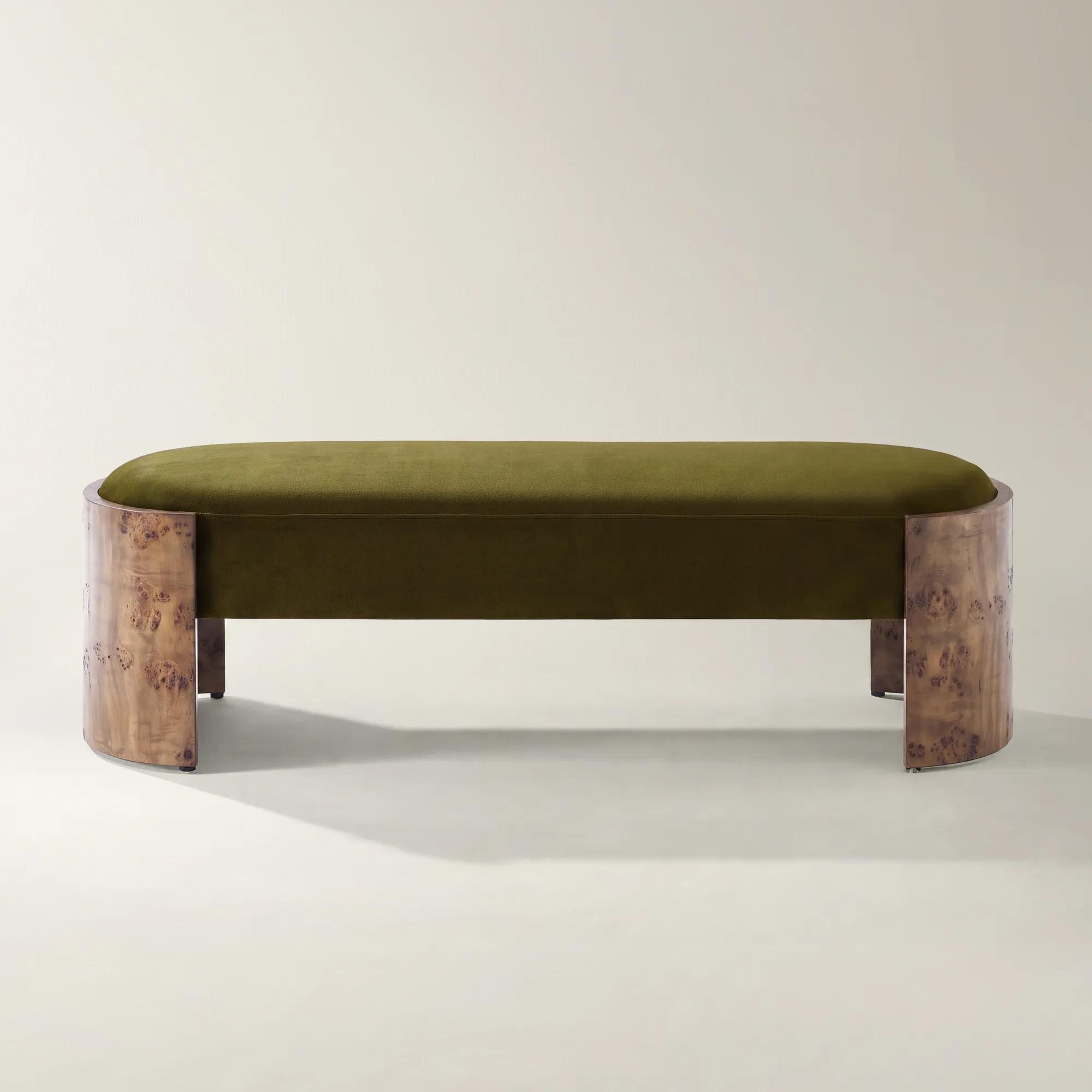 Cora Deep Olive Velvet With Ash Wood Bench (60.6")$999
A sculpted deep olive velvet bench featuring curved ash burl end panels and supportive foam cushioning.
Add To Cart -
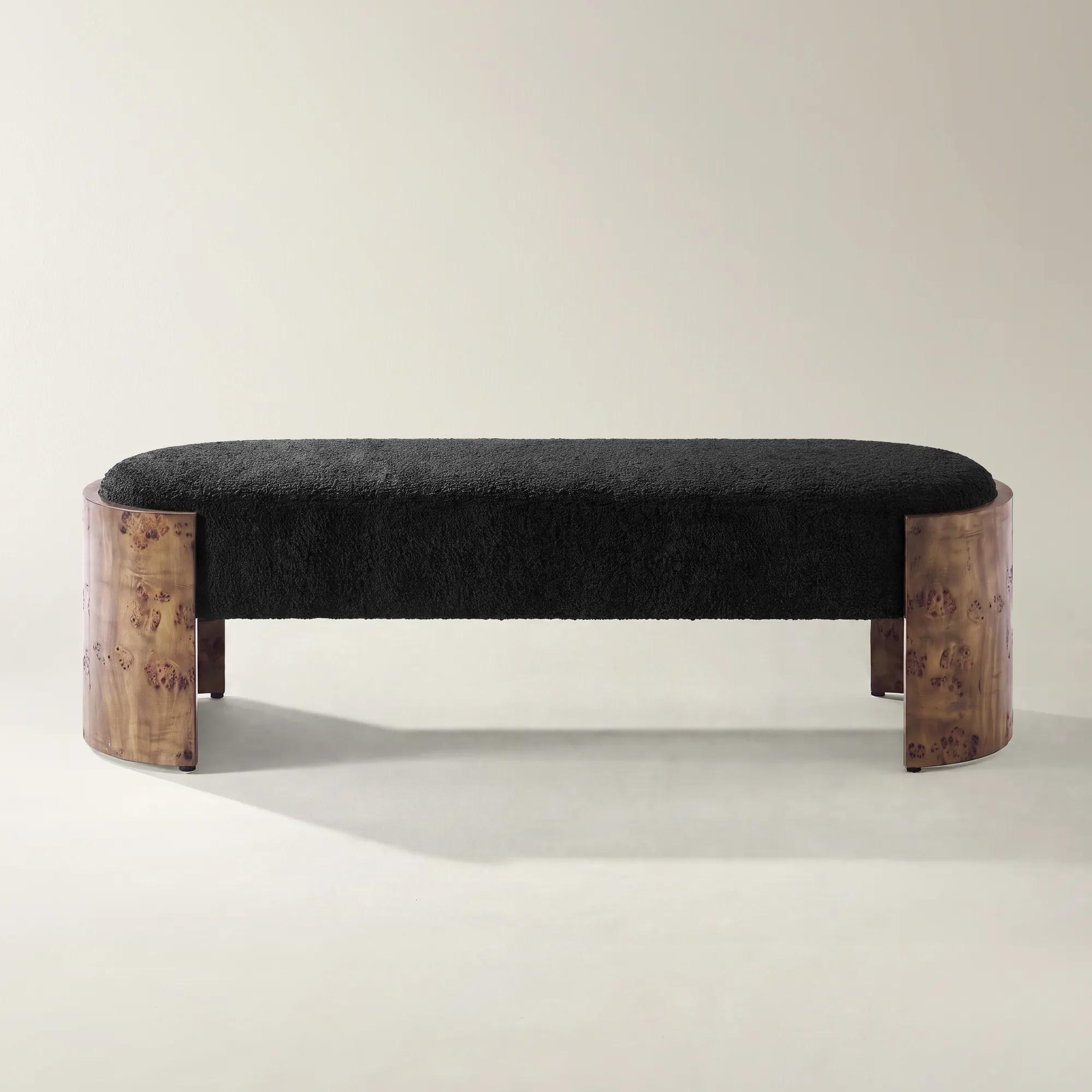 Cora Black Chenille With Ash Wood Bench (60.6")$999
A sculpted charcoal chenille bench featuring curved bookmatched ash burl panels and supportive foam cushioning.
Add To Cart -
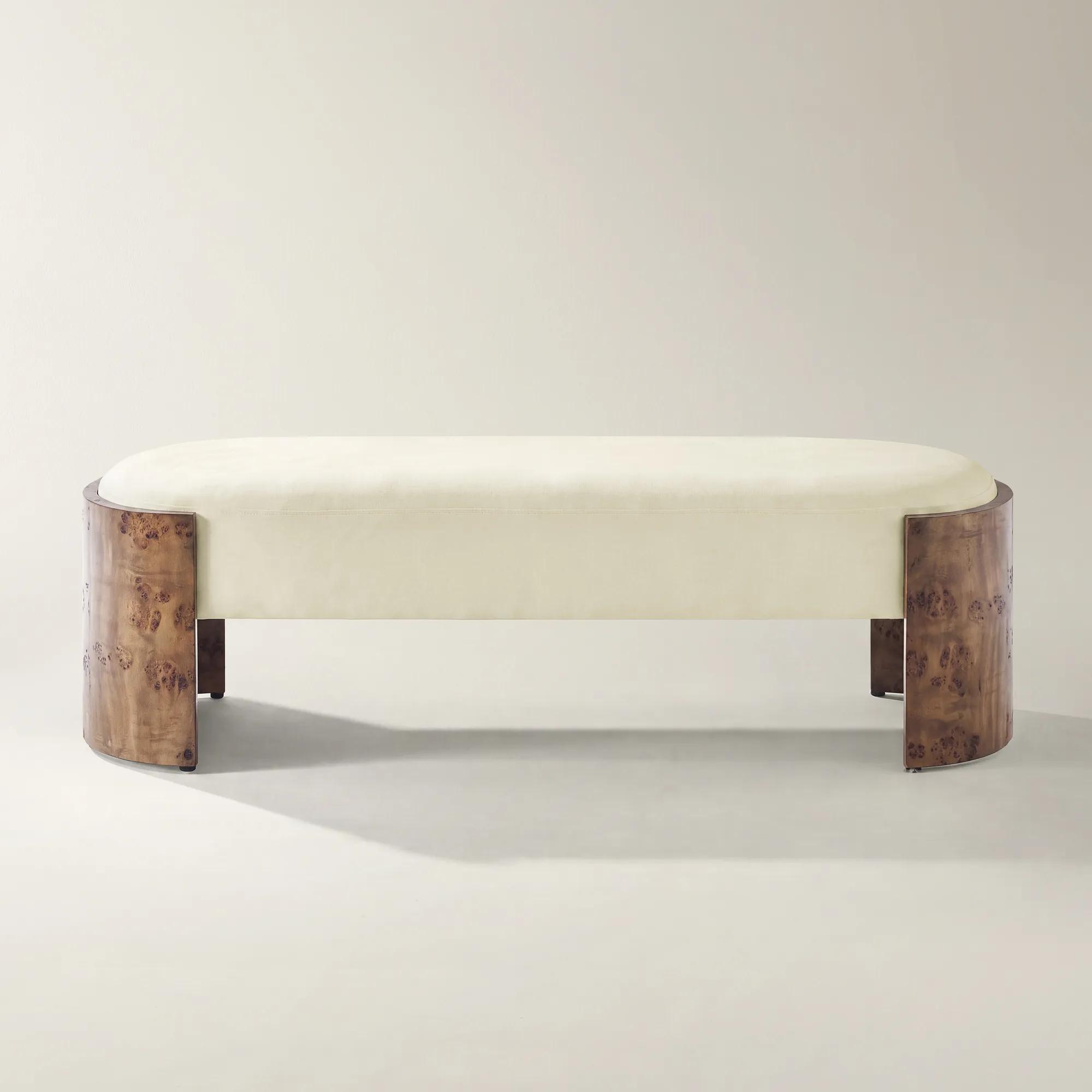 Cora Cloud Velvet With Ash Wood Bench (60.6")$999
A cloud velvet bench with bookmatched ash burl panels and supportive foam cushioning.
Add To Cart -
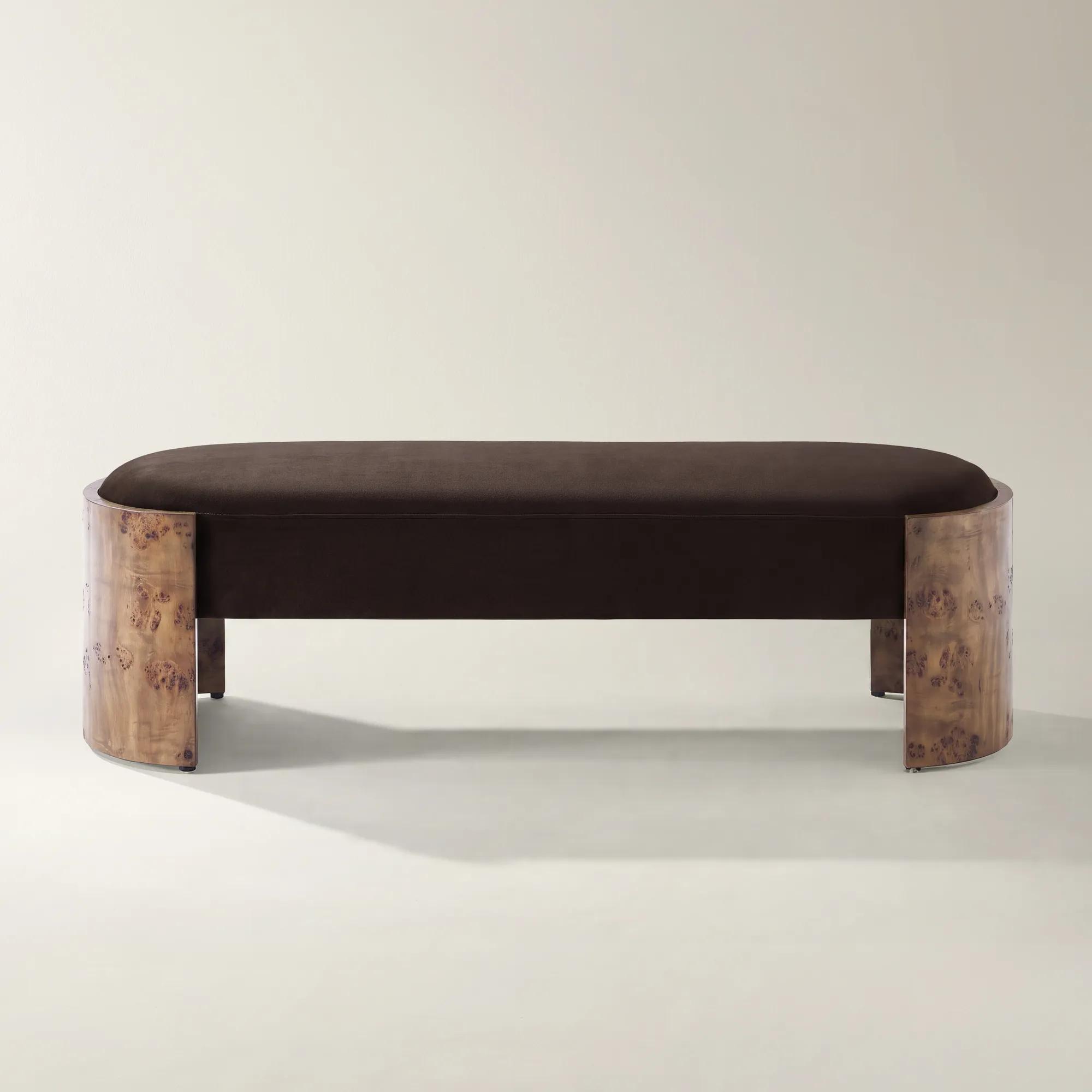 Cora Dark Chocolate Velvet With Ash Wood Bench (60.6")$999
A dark chocolate velvet bench with sculpted bookmatched ash burl end panels and high-resiliency foam cushioning.
Add To Cart -
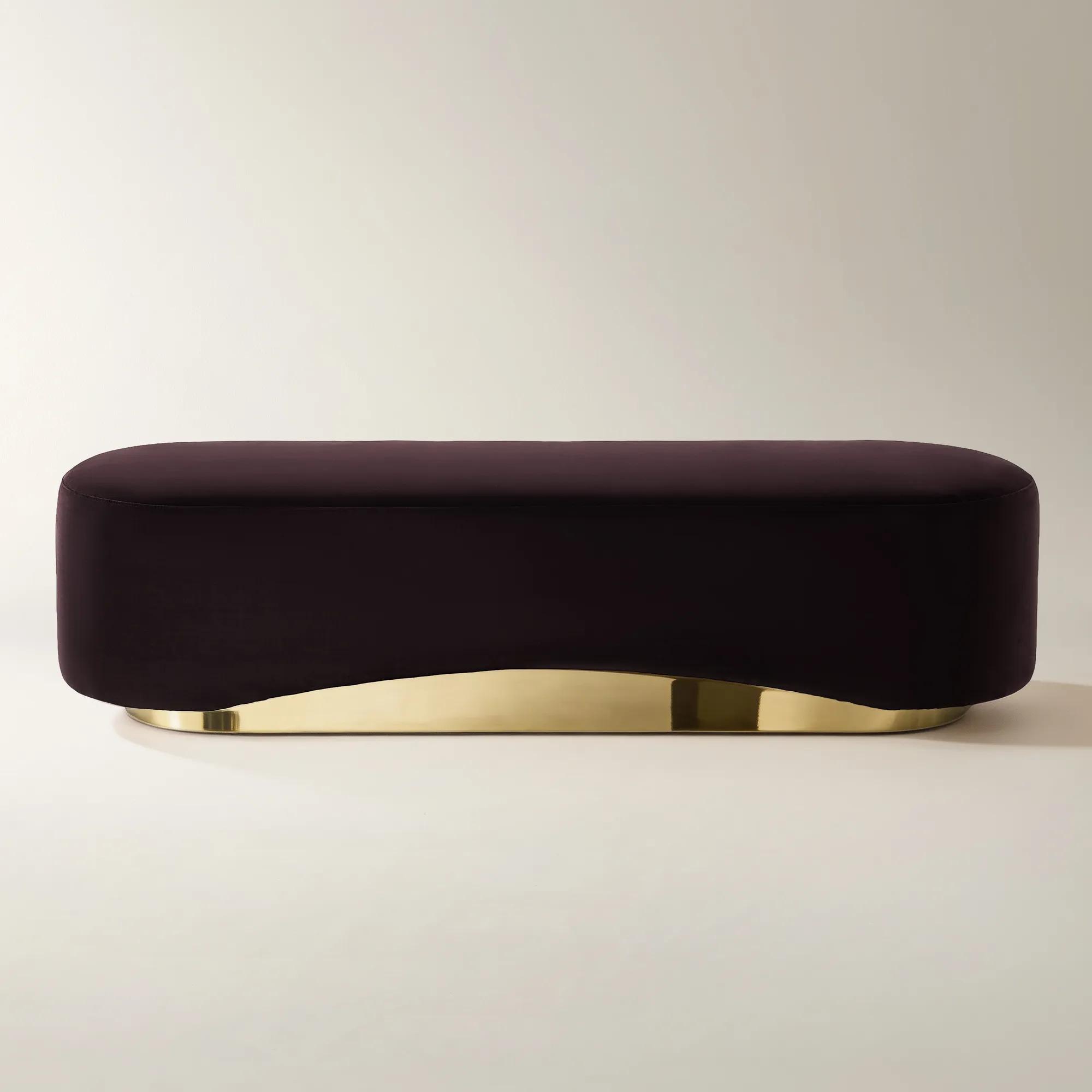 Kendra Fig Velvet Bench (70.47")$799
A plush fig velvet bench with an elongated oval silhouette and a polished gold stainless steel base.
Add To Cart -
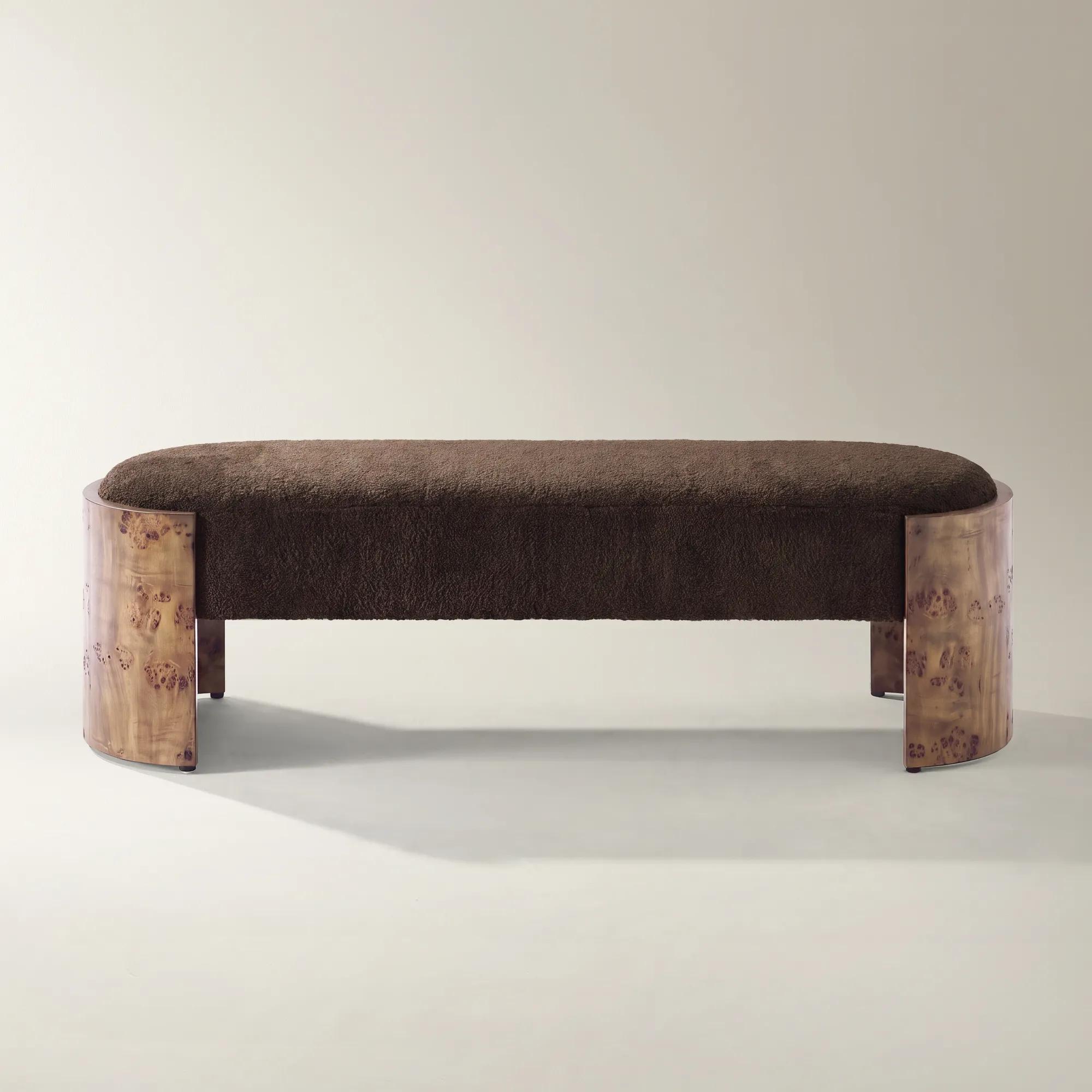 Cora Dark Chocolate Chenille With Ash Wood Bench (60.6")$999
A sculpted dark chocolate chenille bench with curved ash burl end panels and supportive foam cushioning.
Add To Cart -
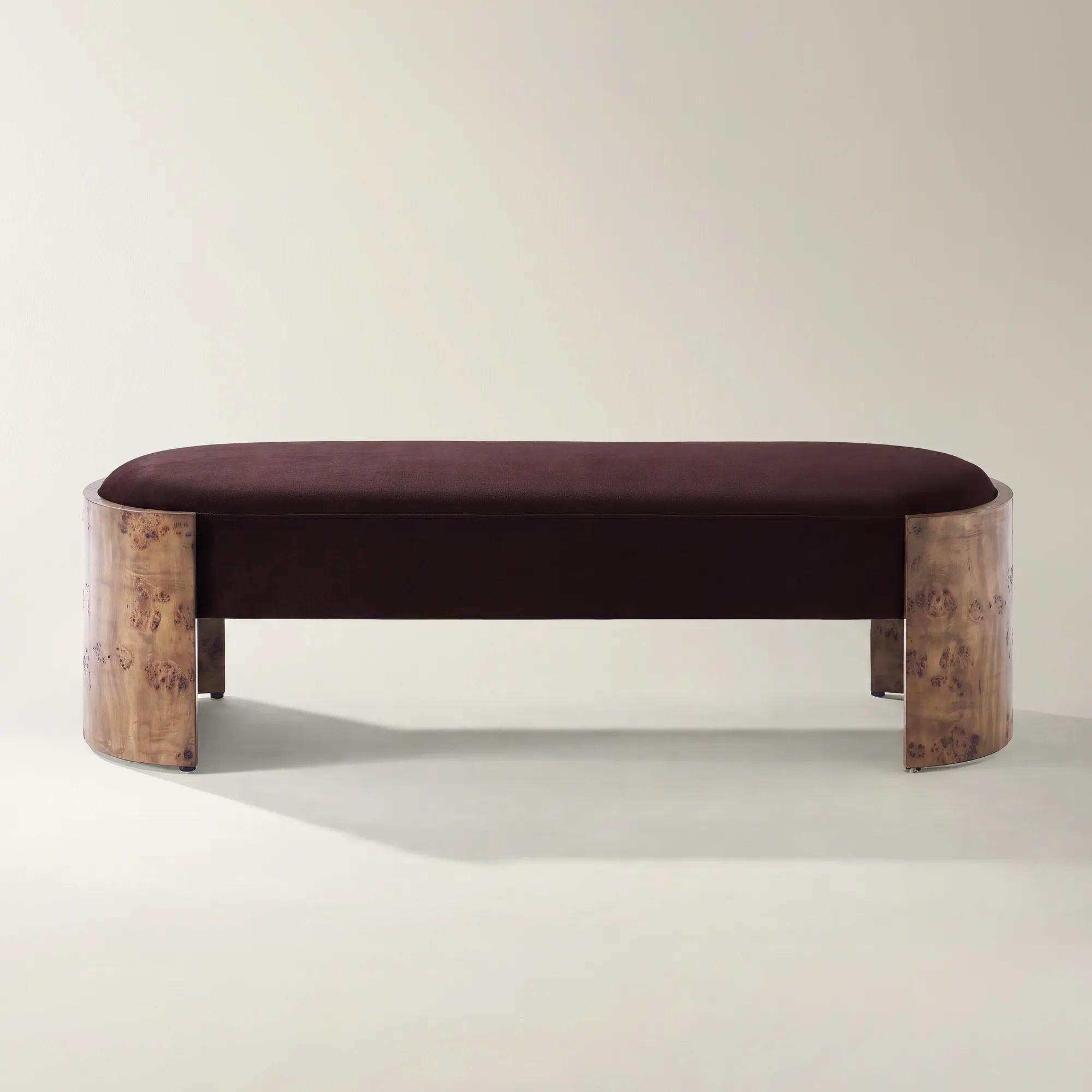 Cora Fig Velvet With Ash Wood Bench (60.6")$999
A sculptural bench with fig velvet upholstery, bookmatched ash burl panels, and supportive high-resiliency foam cushioning.
Add To Cart -
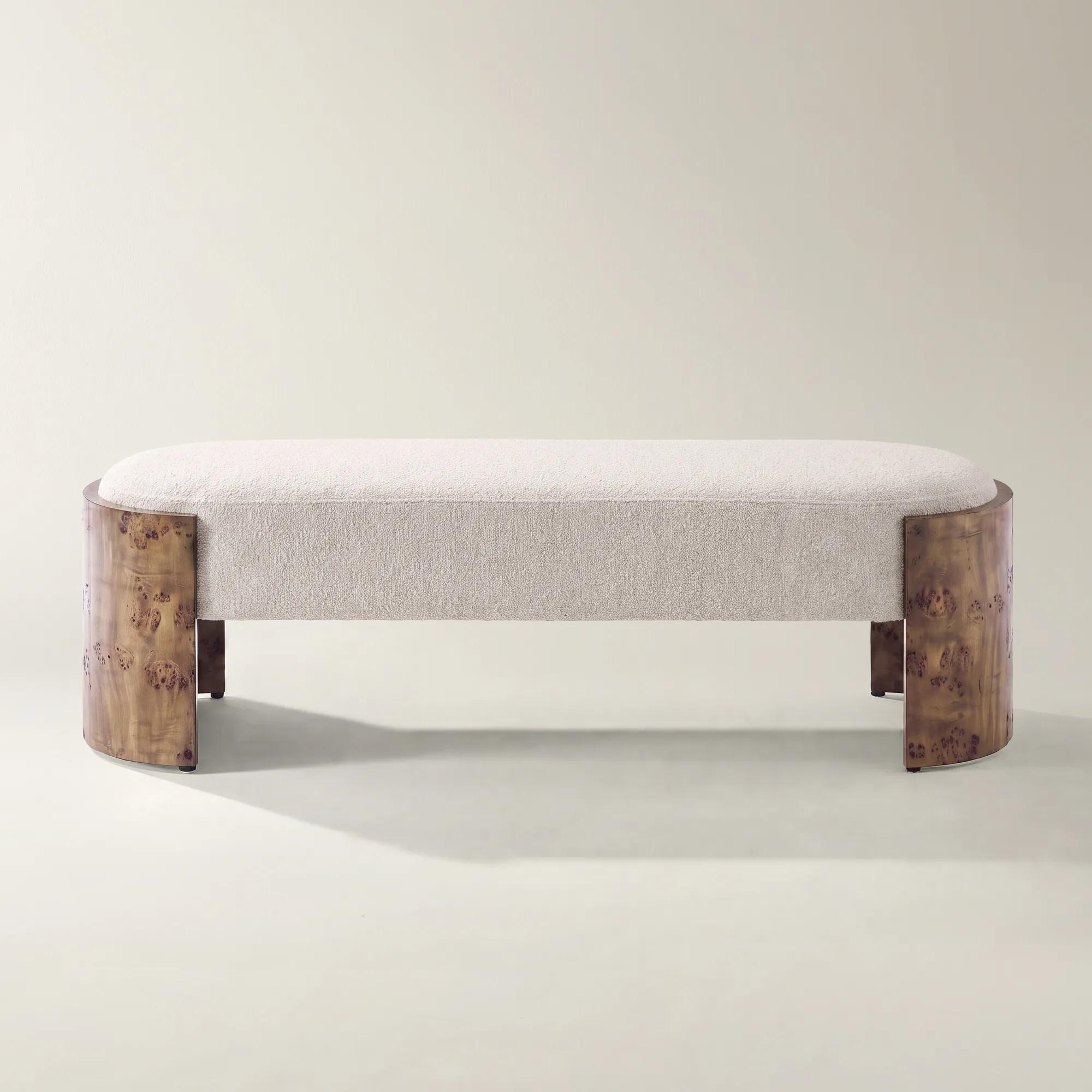 Cora Ivory Performance Boucle With Ash Wood Bench (60.6")$999
A sculpted ivory performance bouclé bench with curved bookmatched ash burl panels and supportive foam cushioning.
Add To Cart -
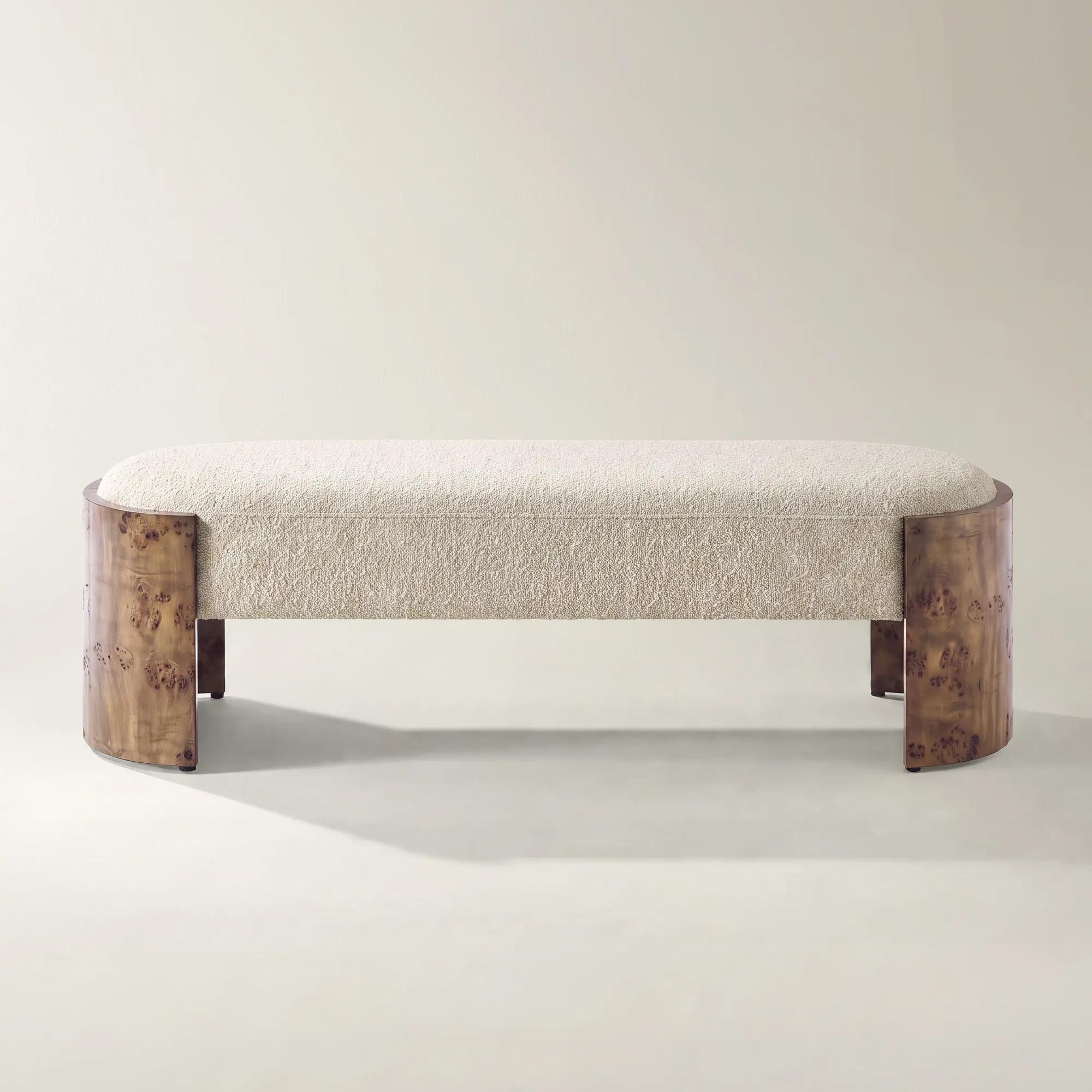 Cora Ivory Performance Boucle With Ash Wood Bench (60.6")$999
An ivory performance boucle bench with curved bookmatched ash burl panels and supportive foam cushioning.
Add To Cart -
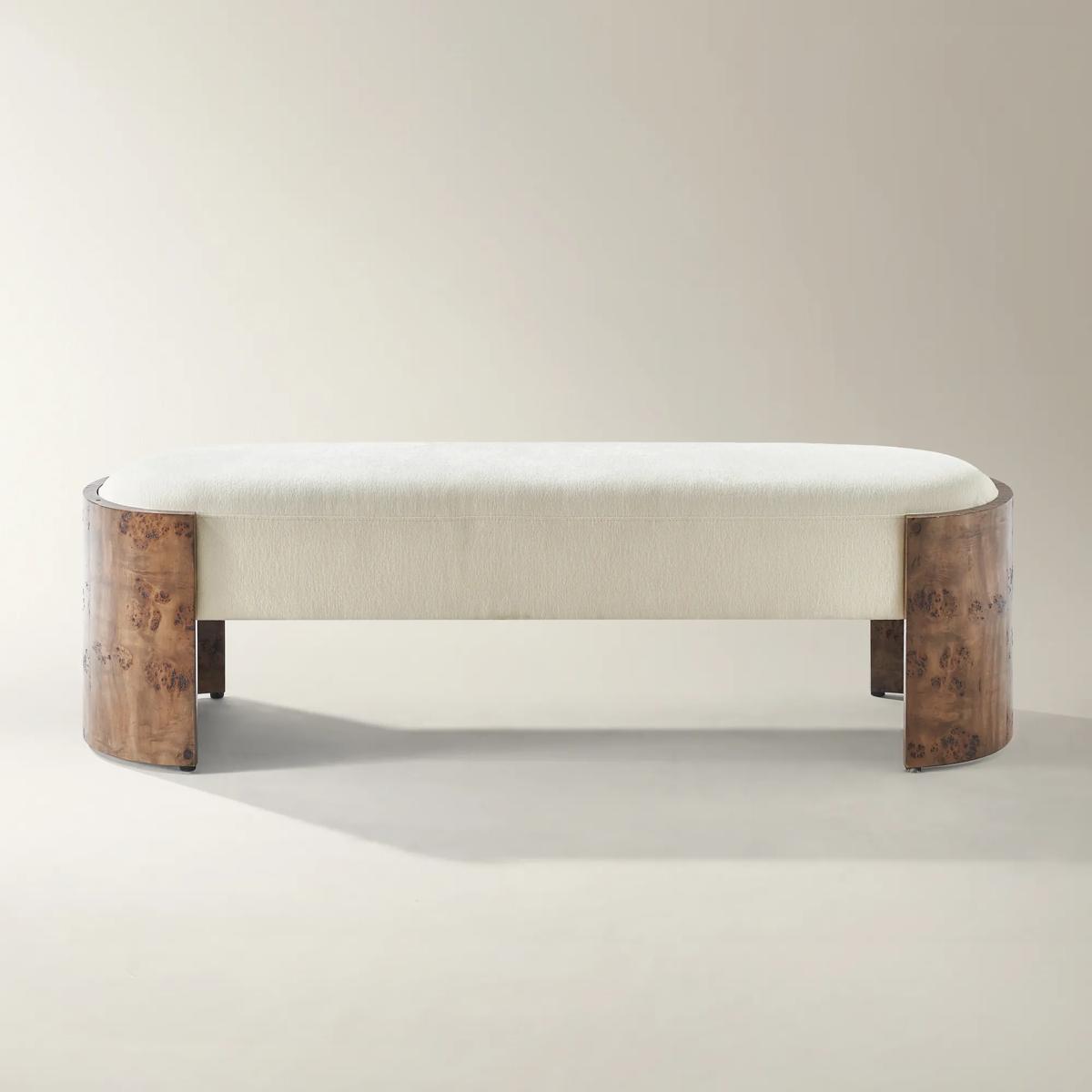 Cora Ivory Chenille With Ash Wood Bench (60.6")$999
An ivory chenille bench with curved ash burl veneer panels, blending plush comfort with striking wood artistry.
Add To Cart -
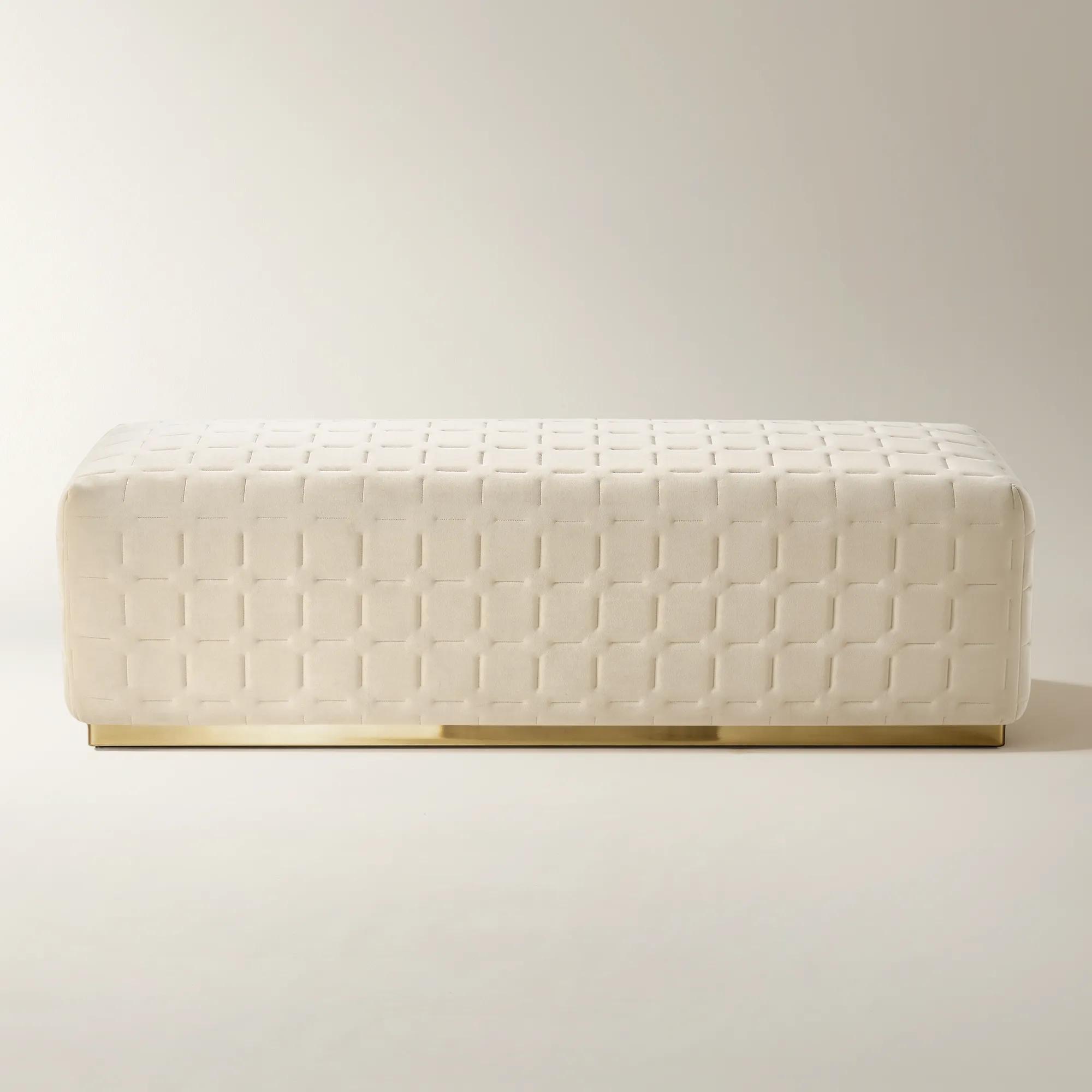
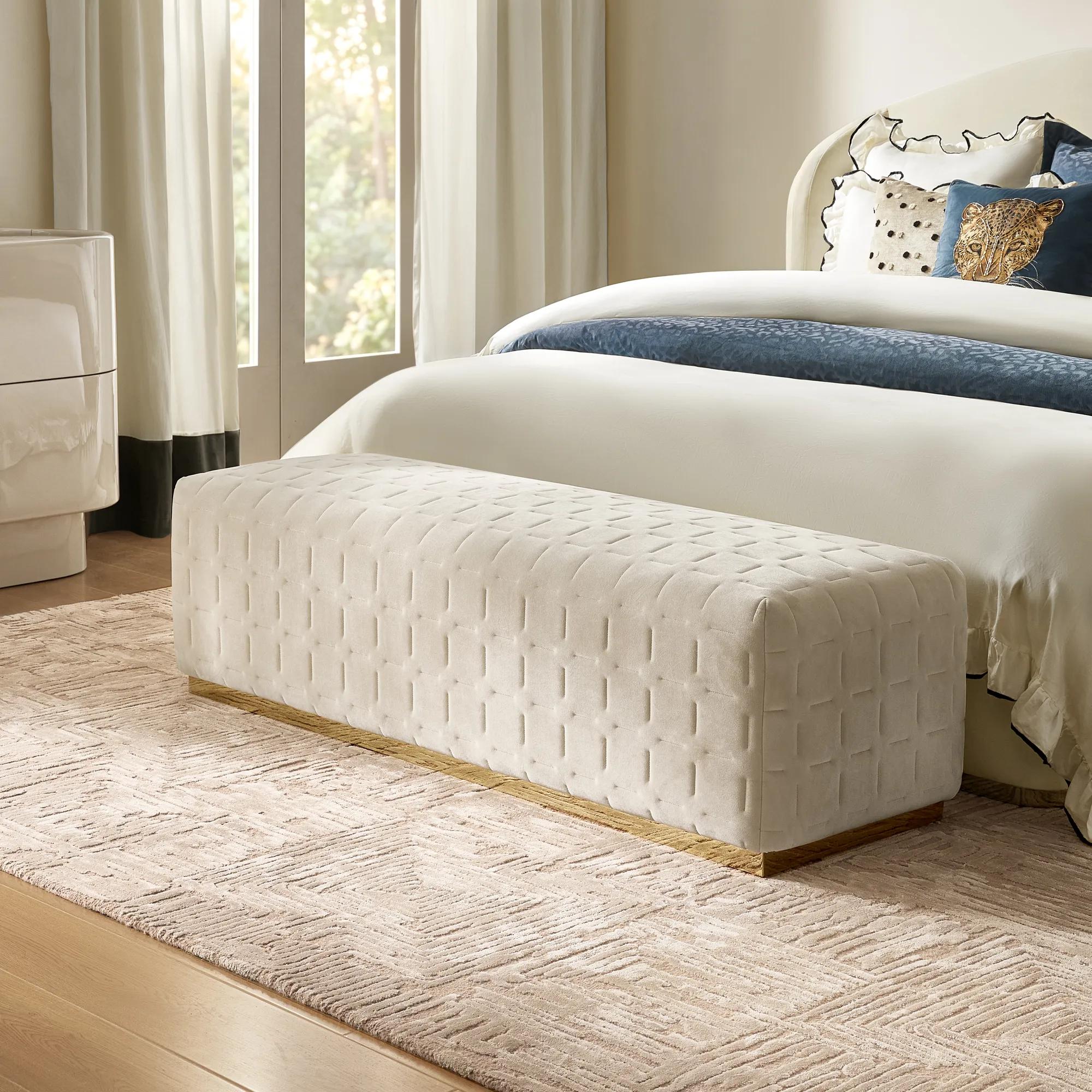 Vanta Quilted Oatmeal Velvet Bench (64.6")$899
A plush oatmeal velvet bench featuring checker quilted tufting and a sleek gold stainless steel base.
Add To Cart -
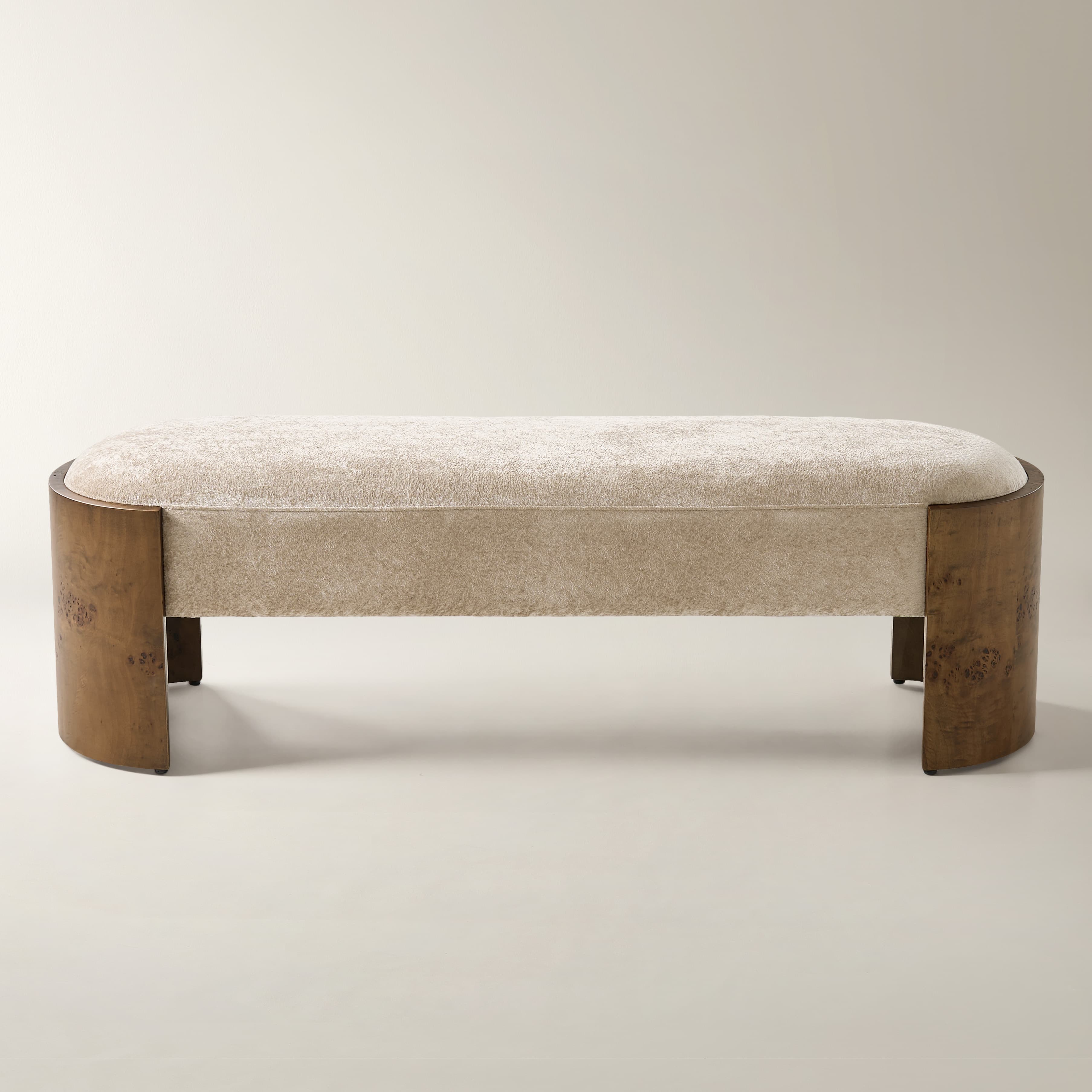 Cora Light Brown Chenille With Ash Wood Bench (60.6")$999
A light brown chenille bench with curved ash burl veneer panels, blending plush comfort and organic artistry.
Add To Cart -
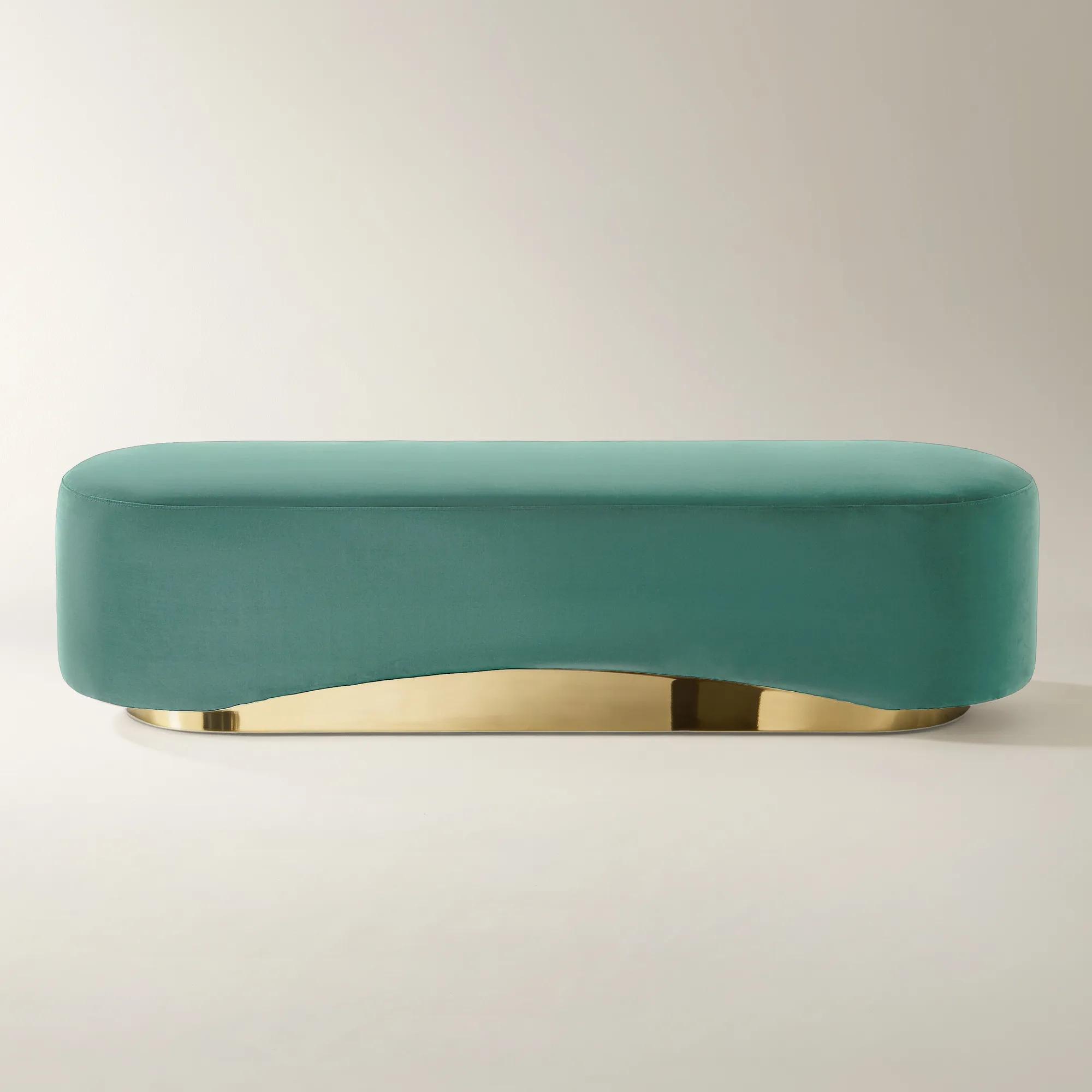 Kendra Ocean Teal Velvet Bench (70.47")$799
An elongated oval bench in ocean teal velvet with a plush seat and polished gold stainless steel base.
Add To Cart -
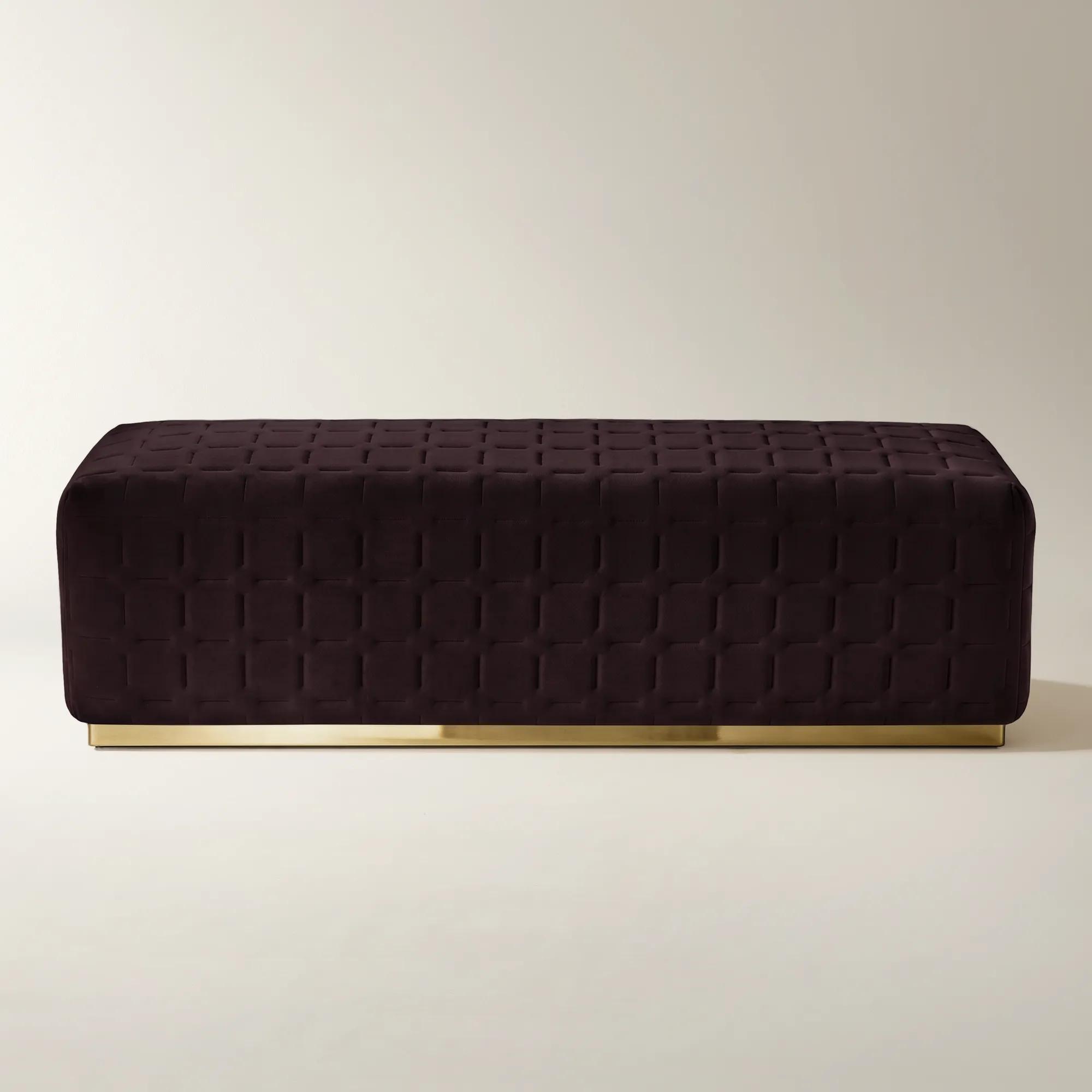
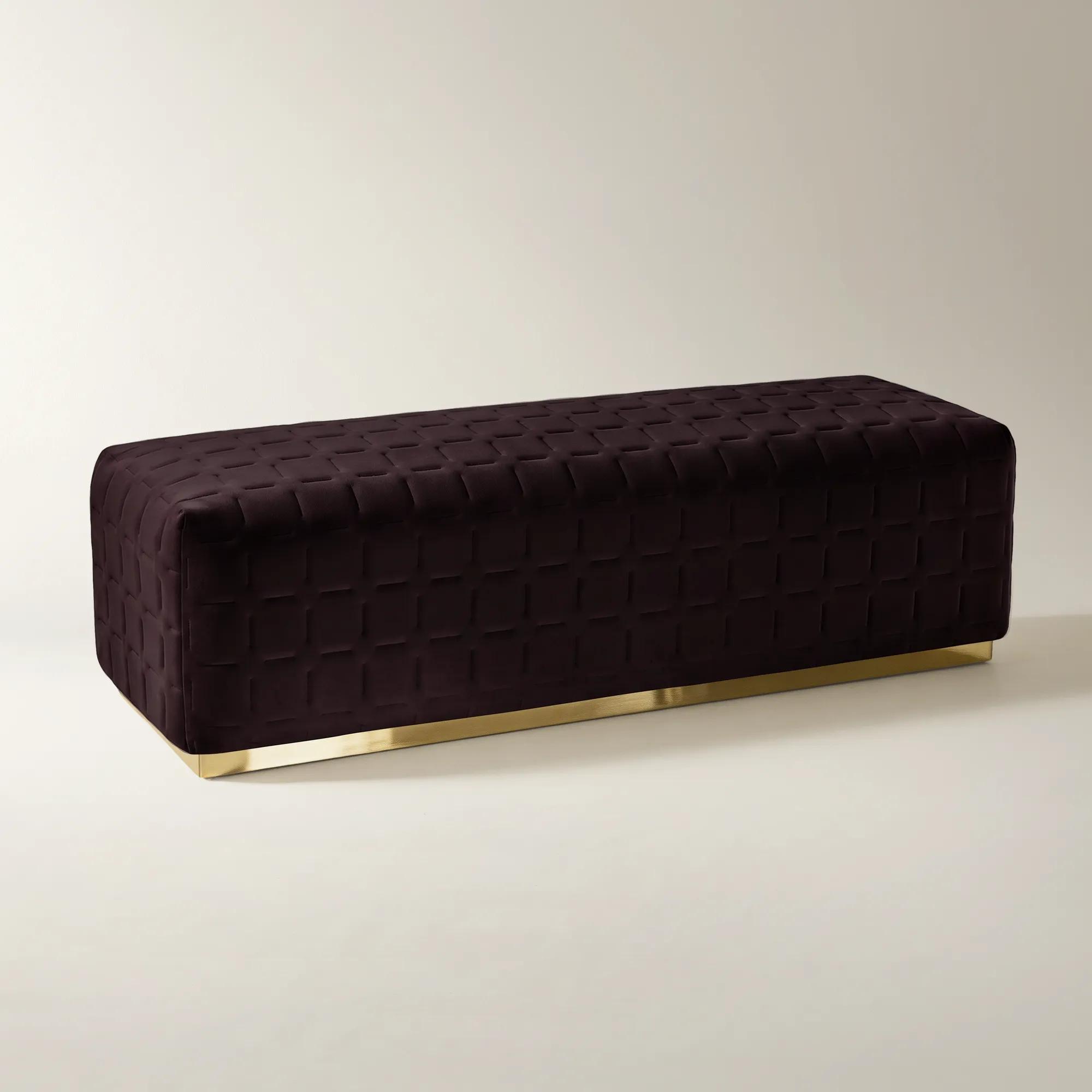 Vanta Quilted Fig Velvet Bench (64.6")$899
A plush fig velvet bench featuring checker quilted tufting and a sleek gold stainless steel base.
Add To Cart -
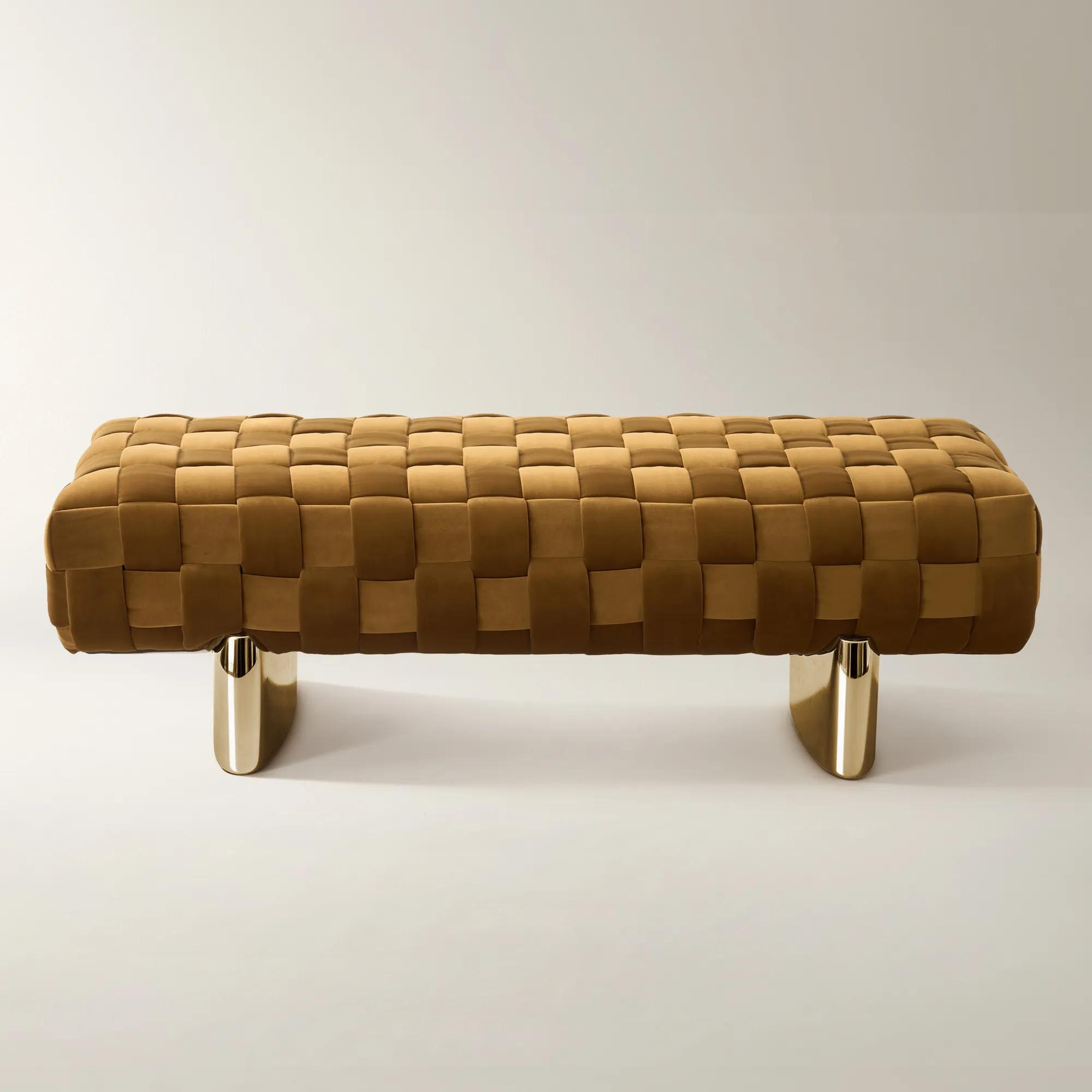
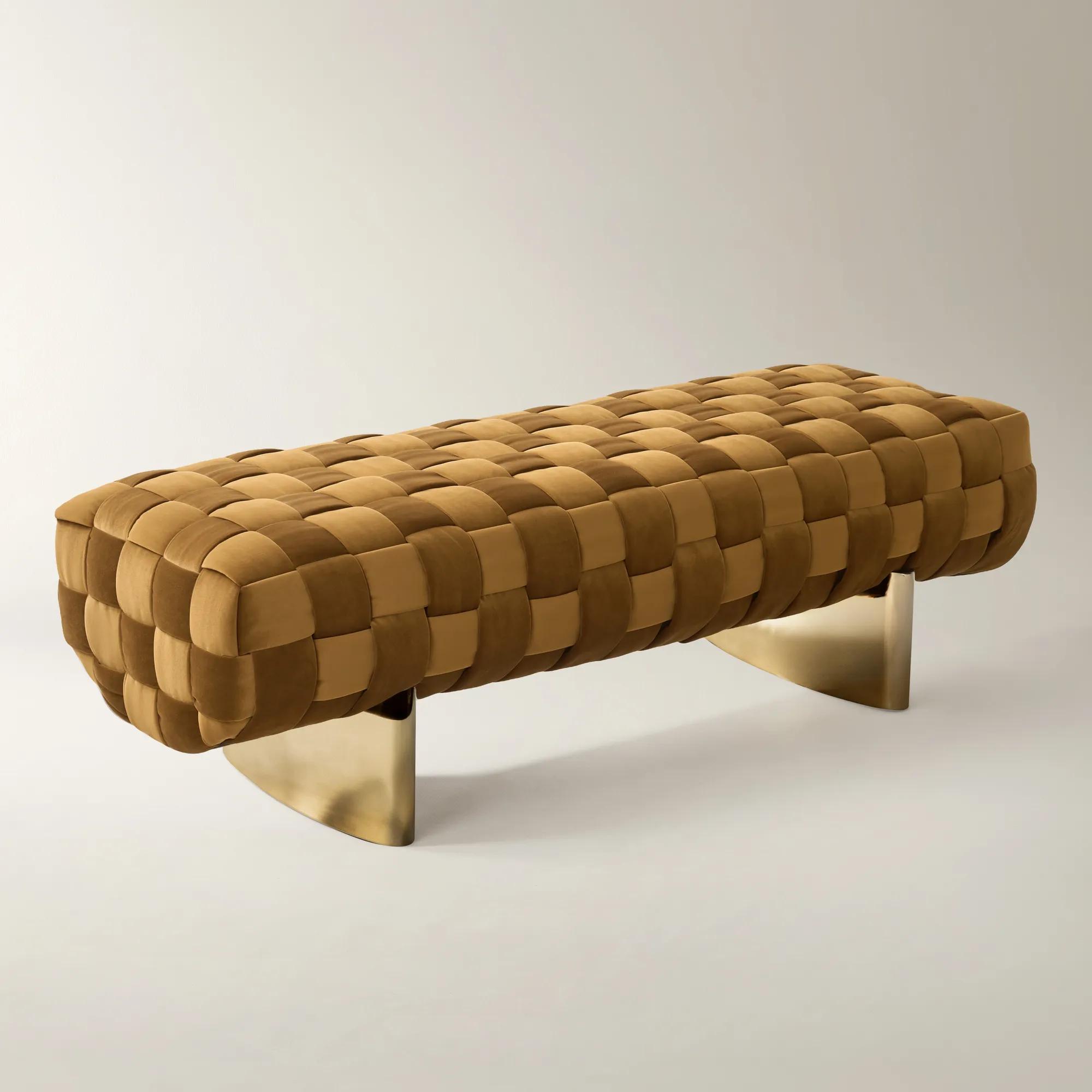 Dexter Woven Roasted Pecan Velvet Bench (64.2")$999
A woven roasted pecan velvet bench featuring plush upholstery and polished gold stainless steel legs for modern elegance.
Add To Cart -
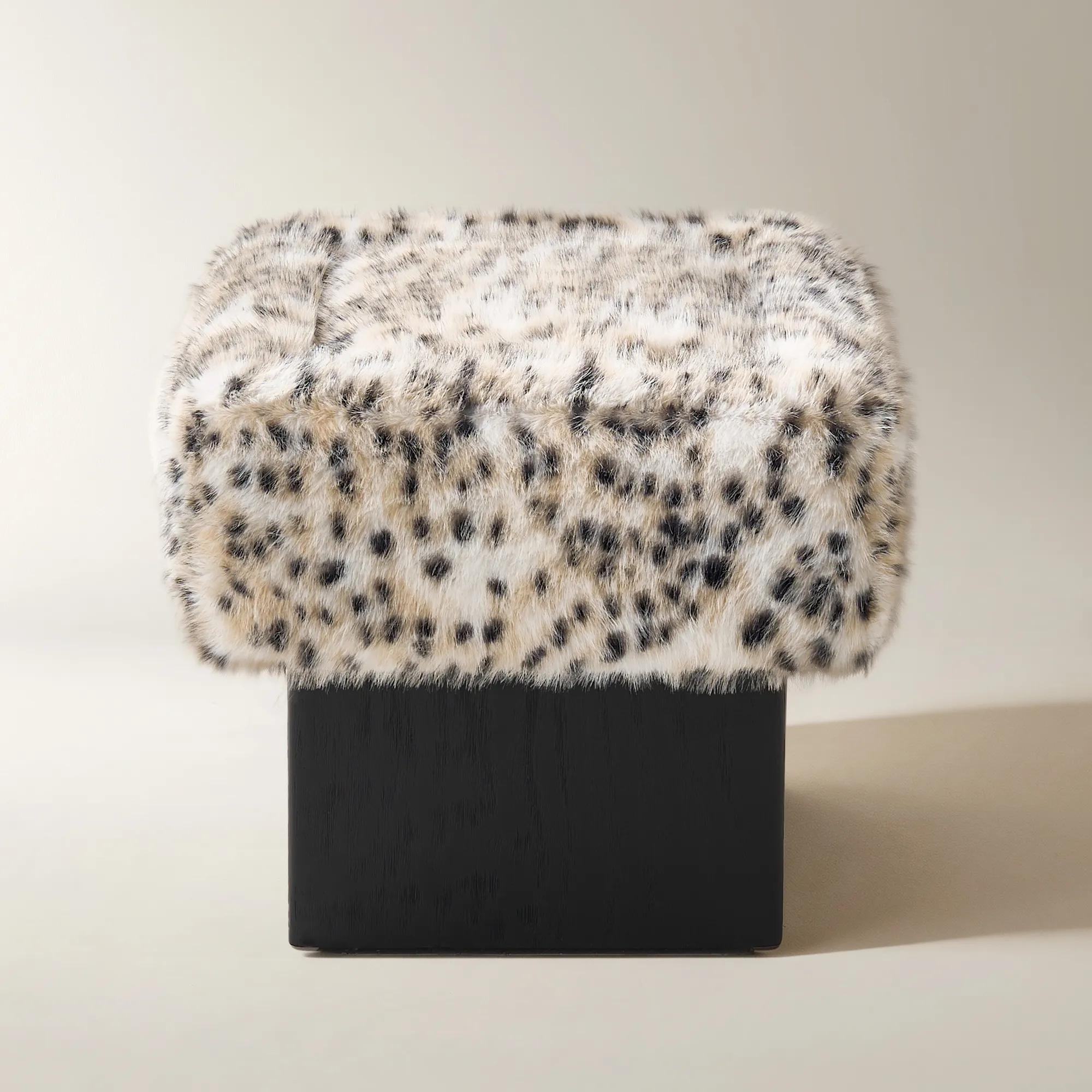
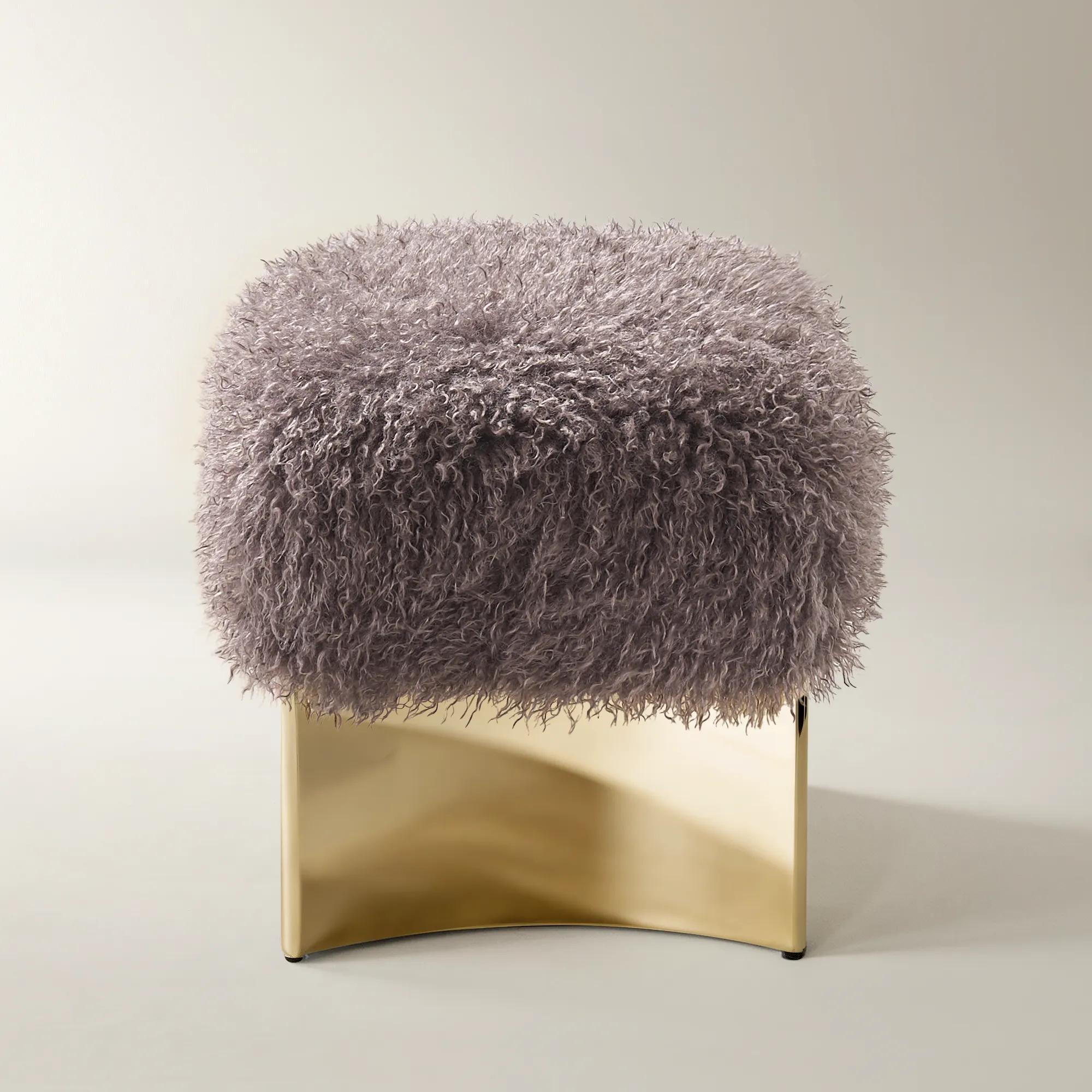
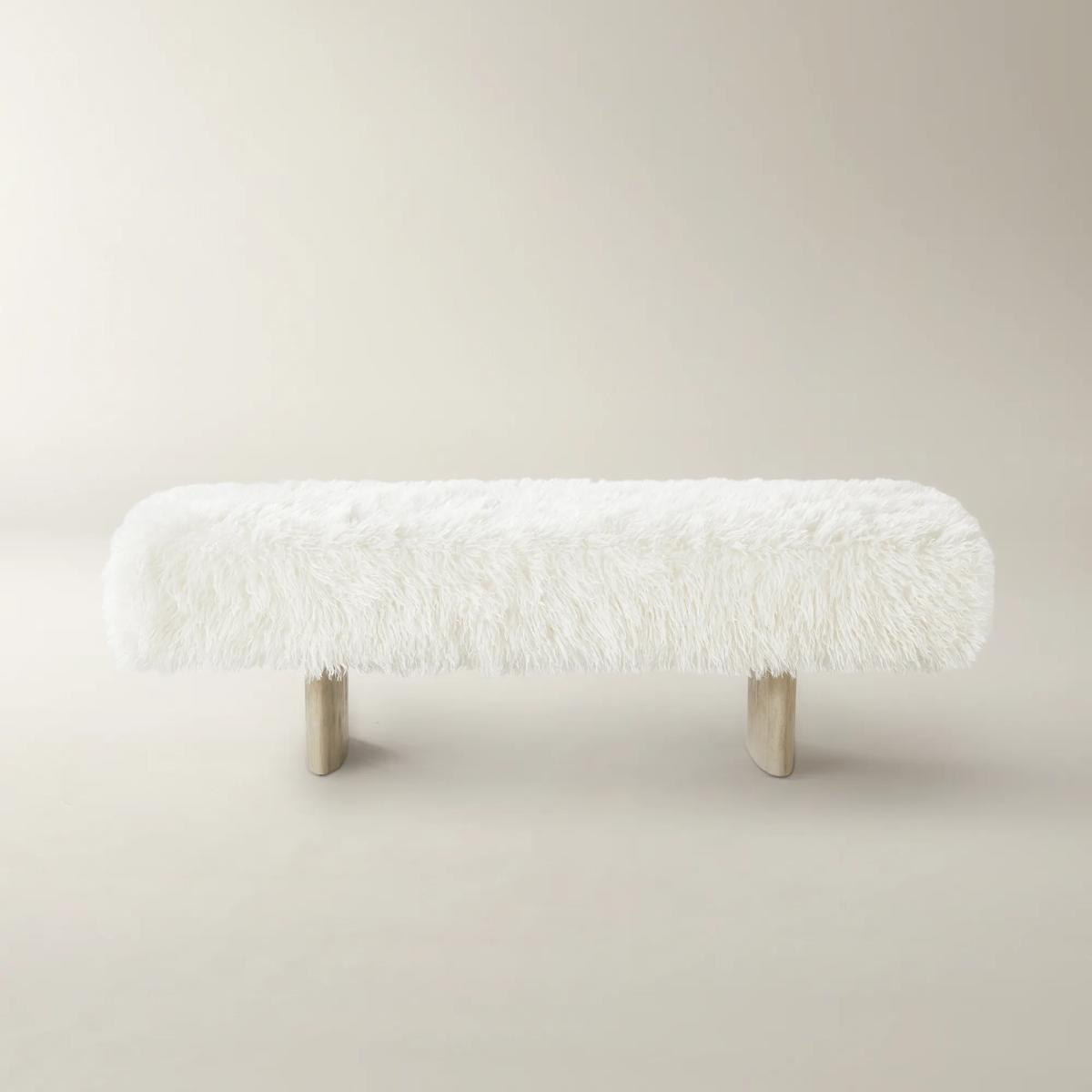 Micah Ivory Mongolian Faux Fur Bench With Rubberwood Legs (62.6")$699
An ivory faux Mongolian fur bench with high-density foam and sculptural solid rubberwood base for modern coziness.
Add To Cart -
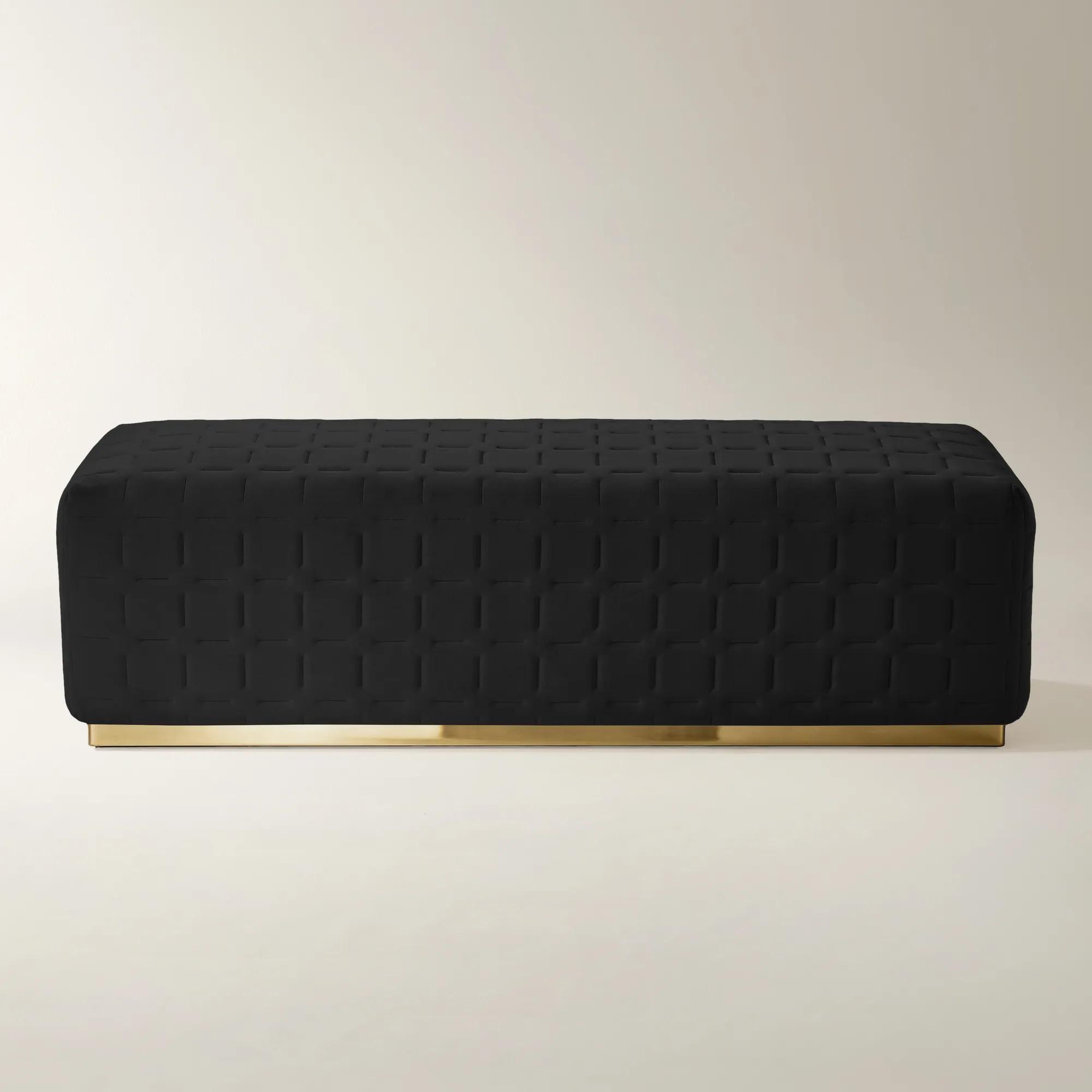 Vanta Quilted Charcoal Velvet Bench (64.6")$899
A charcoal velvet bench featuring checker quilted tufting and a gold stainless steel base for modern elegance.
Add To Cart

Designer Benches For Home Offices
Designer benches for home offices transform the everyday workspace into a gallery of inspiration and poise. Each piece is a statement—inviting both function and flair to coexist in perfect harmony. Imagine seating that doesn’t just serve a purpose, but elevates your office with sculptural lines, sumptuous materials, and an undeniable air of sophistication. Whether anchoring a reading nook or punctuating a windowed alcove, these benches are crafted for those who see their work environment as a canvas for personal expression. With designer benches for home offices, every task becomes an occasion, and every corner radiates with artistry and intent.
Designer benches for home offices combine sculptural style with practical versatility, offering occasional seating, a place to pause between tasks, and, in some designs, concealed storage. Unlike a task chair, a bench is intended for shorter stretches of sitting: a conversation with a colleague, a moment spent reviewing fabric samples, or a comfortable perch while organizing a presentation. Its elongated silhouette can bring balance to a room dominated by a desk, shelving, and upright cabinetry, introducing a horizontal line that feels composed rather than purely functional. An upholstered bench beneath a window creates an inviting destination away from the screen, while a streamlined design against an open wall gives an otherwise overlooked stretch of the office a deliberate purpose. For a creative professional, a generously proportioned seat can become a place to spread out inspiration during a brief review; for someone whose workspace doubles as a guest room or personal library, it provides additional seating without the visual bulk of another armchair. The aesthetic possibilities are equally expressive. Deep tufting lends dimension to a tailored room, channel detailing brings a rhythmic, architectural quality, and a smooth upholstered profile lets an exceptional fabric or dramatic base command attention. Jewel-toned upholstery can punctuate pale walls with saturated color, while ivory, charcoal, and warm neutral tones allow shape and texture to lead. A gleaming metal base introduces a flash of light beneath sumptuous upholstery; a richly finished wood frame gives the same arrangement a more grounded presence. The most compelling home office bench does more than occupy an empty wall. It connects the room’s working elements with its personal character, making space for art, conversation, and the small rituals surrounding a productive day. Even in a compact office, a carefully scaled bench can establish that distinction: a dedicated place to step away from the desk without leaving the atmosphere of the room.
Proportion gives that visual statement its ease. The relationship between a bench and Designer Home Office Desks is especially important when both share the same sightline: complementary finishes create continuity, while contrasting shapes keep the setting from feeling overly matched. A curved bench can soften a desk with crisp corners, and an open metal base can bring a sense of lightness beside substantial wood furniture. Width, depth, and seat height all influence how naturally a piece fits into everyday routines. A shallow profile may suit a passage along a wall, while a deeper upholstered seat asks for more floor space but offers a more generous place to settle briefly. Overall measurements matter as much as the seating surface, particularly with rolled arms, projecting legs, or curved ends that extend beyond the cushion. Placement should preserve the desk chair’s full movement, allow doors and drawers to open, and leave a comfortable route through the room. A bench that looks exquisite tucked near a desk can still feel intrusive if it interrupts the daily path to a bookcase or filing cabinet. Materials contribute just as much to the experience. Velvet offers a luminous surface whose shading changes with the direction of its pile, giving even a restrained silhouette depth and drama. Textured woven upholstery introduces a more tactile, layered effect, while leather and leather-look coverings bring distinct surface characteristics and care requirements that should be considered individually. Solid wood, engineered wood, and metal may appear in different parts of a bench’s construction; frame design, secure joinery, and the intended weight capacity are more useful indicators of suitability than appearance alone. For frequent use, supportive cushioning and a stable base deserve particular attention. A bench intended for two people should be evaluated by its stated capacity, not simply by whether two people appear to fit. Backless designs offer flexible access and an uninterrupted profile, while benches with arms or a back create a more defined seat. Neither replaces the adjustability and sustained support of an ergonomic office chair, but each can add a gracious secondary seating option.
Thoughtful details make a designer office bench easier to live with long after its first impression. In a shared workspace, durable upholstery and a finish suited to regular contact help the piece retain its polish through frequent use. Fabric performance varies, so cleaning codes, abrasion information when provided, and the manufacturer’s care instructions deserve attention, particularly in homes with children or pets. Regular vacuuming with an appropriate upholstery attachment can remove dust from seams and tufting before it settles deeply, while spills are generally best addressed promptly by blotting rather than rubbing, with any treatment following the specified care guidance. Velvet may show pressure marks or changes in nap, and direct sunlight can affect the color of some textiles and finishes over time. Wood and metal surfaces also call for material-appropriate cleaning rather than a single all-purpose treatment; soft cloths and recommended products help protect their character. Felt pads or suitable floor protectors can reduce scuffing where a bench meets wood or tile, provided they are compatible with both the legs and the flooring. Practical features should support the way the office actually functions. A storage bench can keep spare throws, presentation materials, or other suitable belongings out of view, but its lid needs room to open, and its hinge design and operating instructions matter in a household with children. A firm, level bench surface may also hold a tray or a few books when it is not being used for seating, provided the intended use and load limits allow it; a deeply cushioned seat is better reserved for sitting. Styling benefits from similar restraint. One substantial cushion can echo the color of nearby artwork, while leaving most of the seat clear preserves its purpose. The result is a home office with presence and poise: a workspace where sculptural furniture, considered materials, and everyday comfort belong to the same expressive composition.
FAQs
A designer bench for home offices combines elevated aesthetics with practical versatility, offering both a sophisticated visual statement and functional seating. Thoughtful materials, artful silhouettes, and refined details ensure the bench enhances the workspace, providing a comfortable spot for guests, a place to display books or accessories, or a luxe perch for moments of reflection.
A designer bench introduces a layer of artistry and texture to your home office, instantly elevating the overall mood. Whether upholstered in sumptuous fabrics or crafted from gleaming metals, these benches serve as both focal points and grounding elements, bringing a sense of curated luxury to your daily routine.
Absolutely—a designer bench is a thoughtful and unexpected gift for professionals, entrepreneurs, or creatives who appreciate expressive design. It’s a versatile piece that signals both style and intention, making it ideal for celebrating milestones like promotions, new jobs, or the opening of a personal studio.
A bench can be styled with plush accent pillows, draped throws, or art books to create a welcoming vignette. Place it under a window for a sunlit reading nook, pair it with a statement desk, or use it to anchor a gallery wall—each arrangement brings its own dramatic flourish and personal touch to the workspace.
Designer benches offer an opportunity to showcase your individuality through material choices, color palettes, and unique design elements. Whether you gravitate toward bold, sculptural forms or understated elegance, the right bench acts as a signature piece that tells your story and enhances the expressive spirit of your office.