Decorative Wall Mirrors
Decorative Wall Mirrors
-
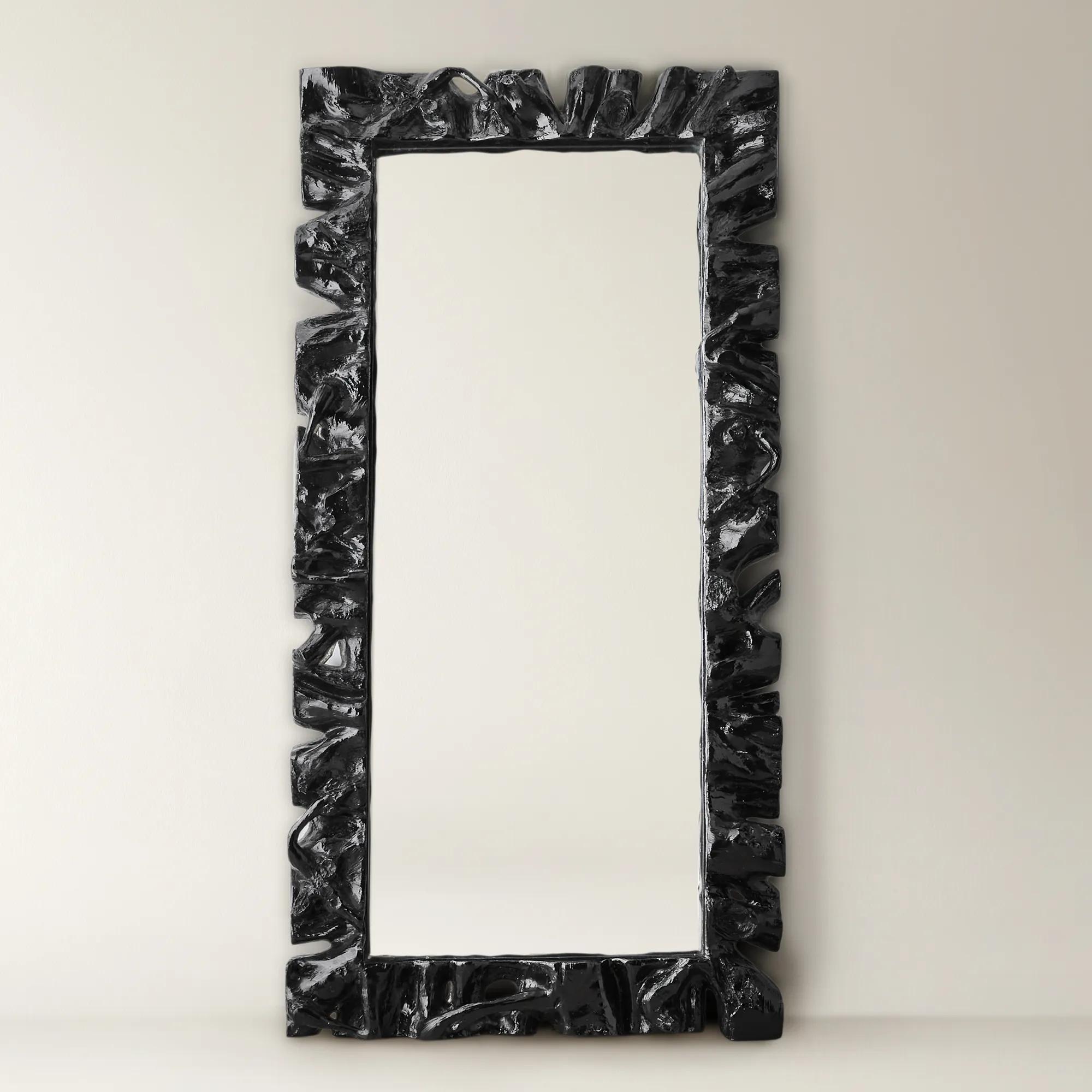
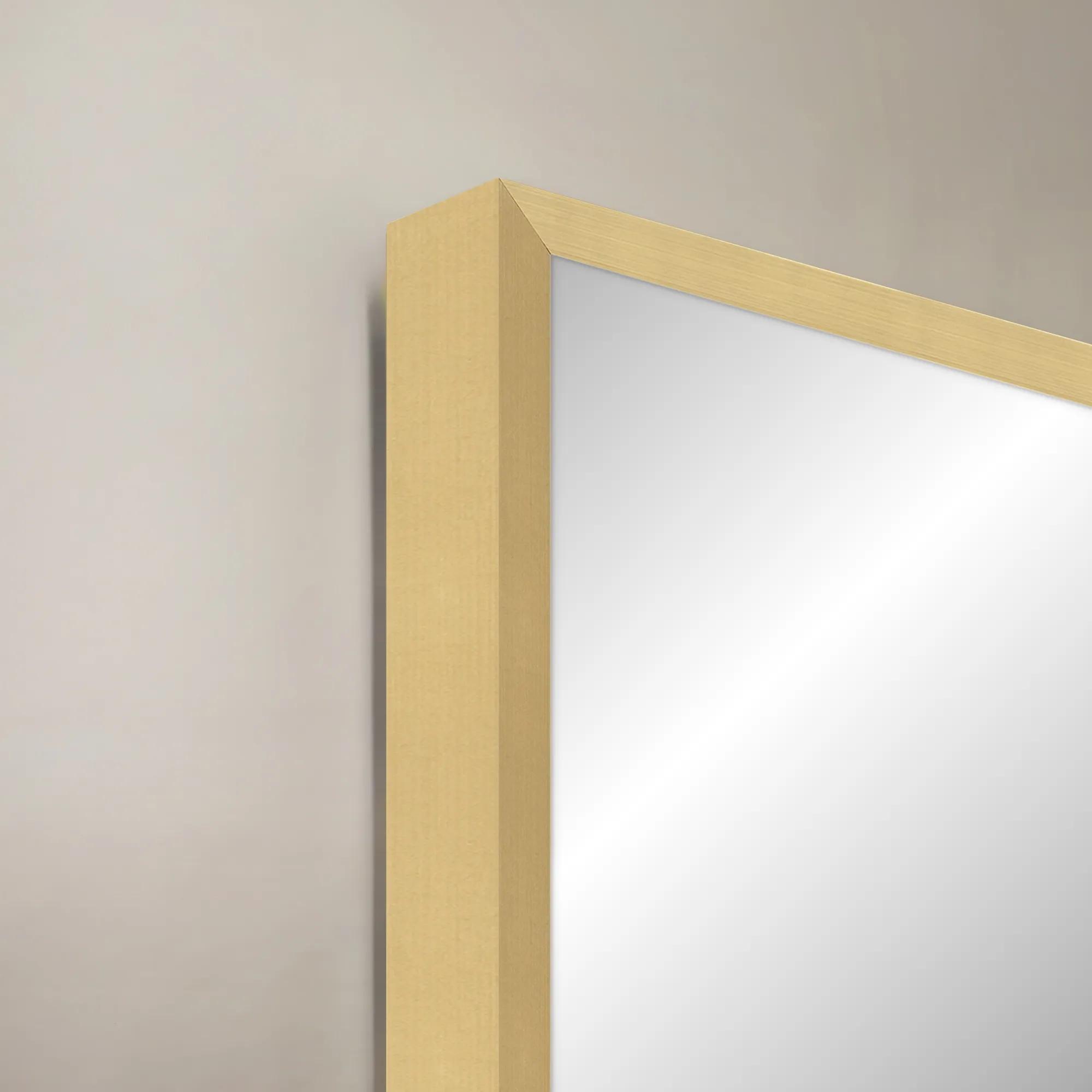
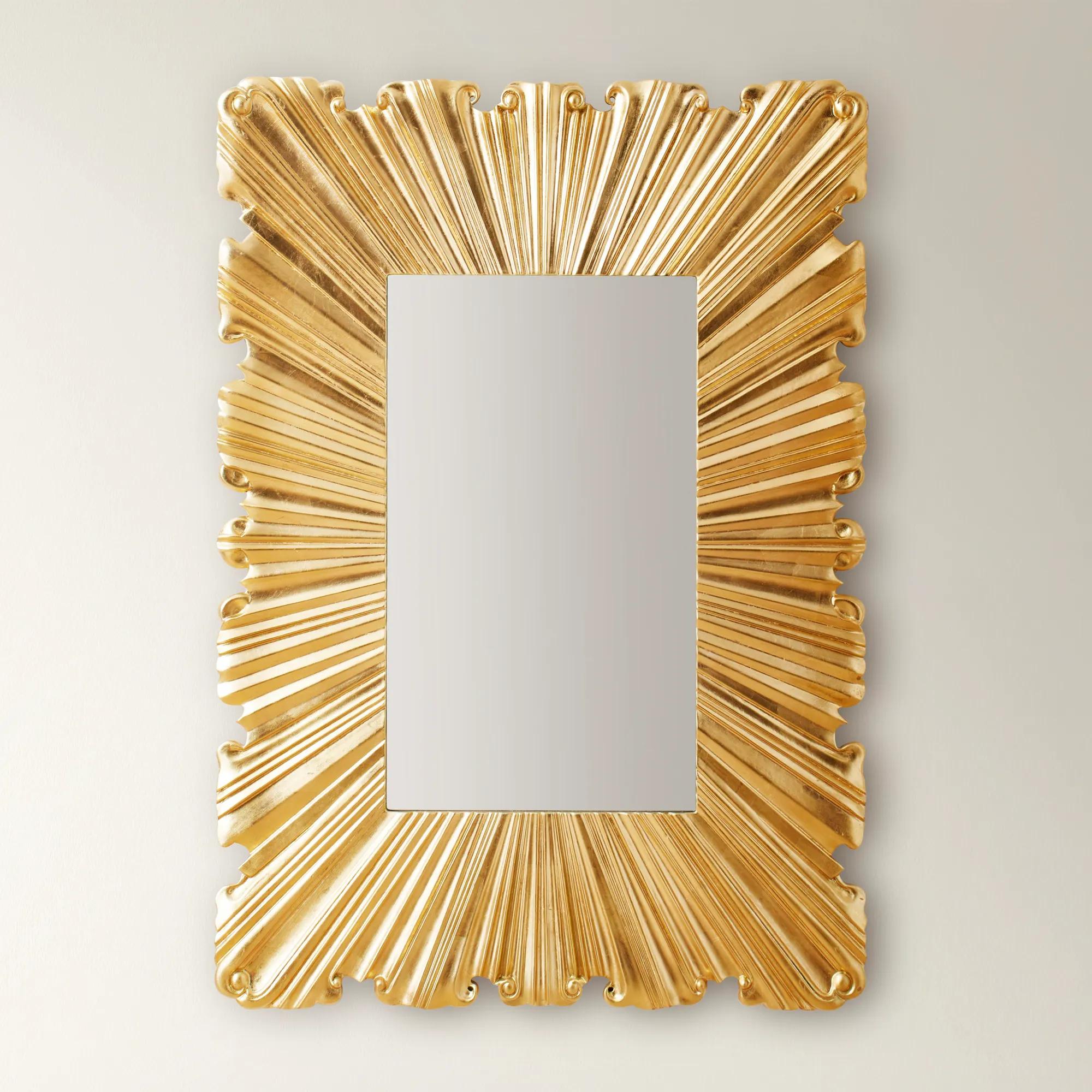 Metropolitan Gold Leaf Resin Rectangular Wall Mirror 27.5" x 39.5"$459
A sculptural wall mirror featuring a gold-finished polyurethane frame for a modern, elegant accent.
Add To Cart -
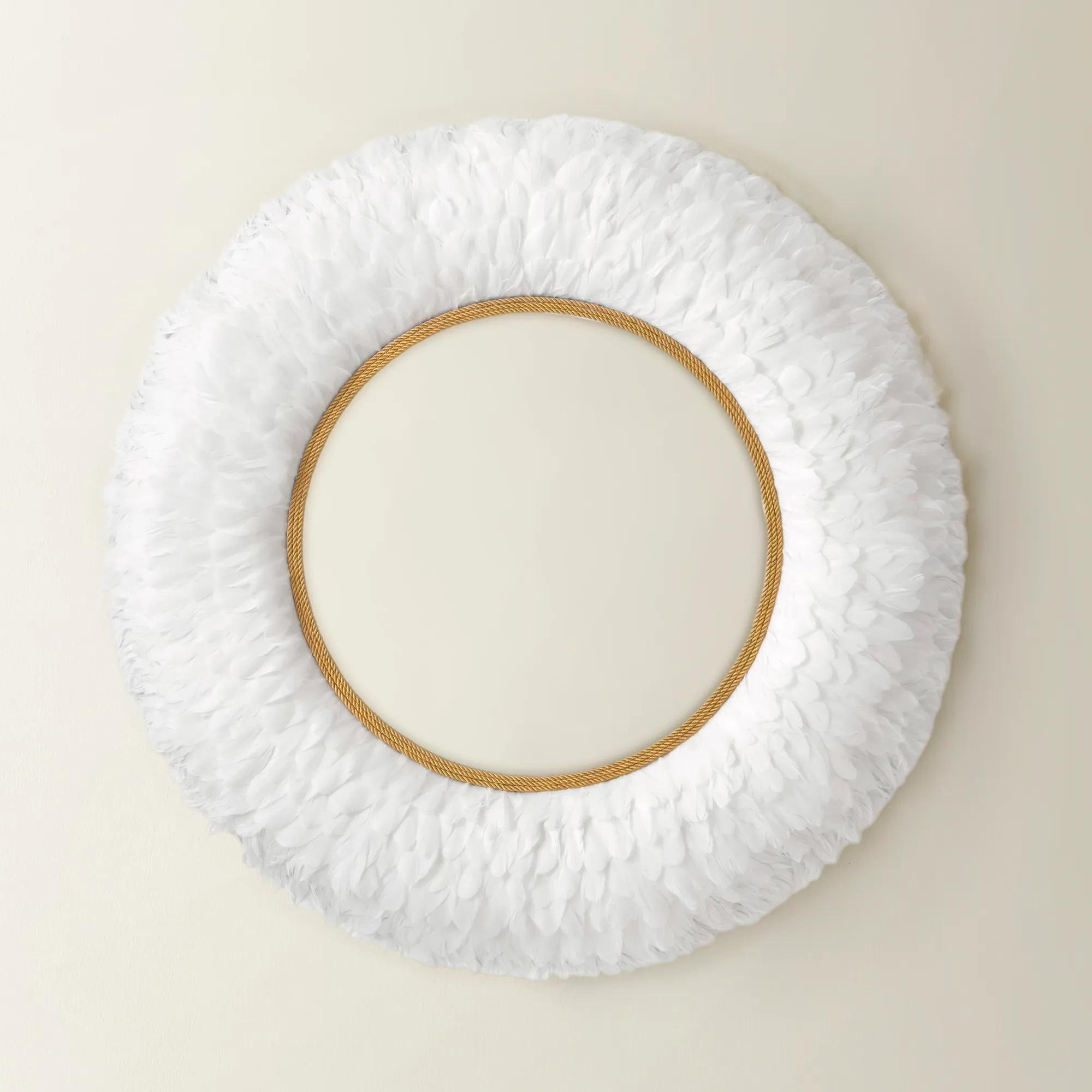
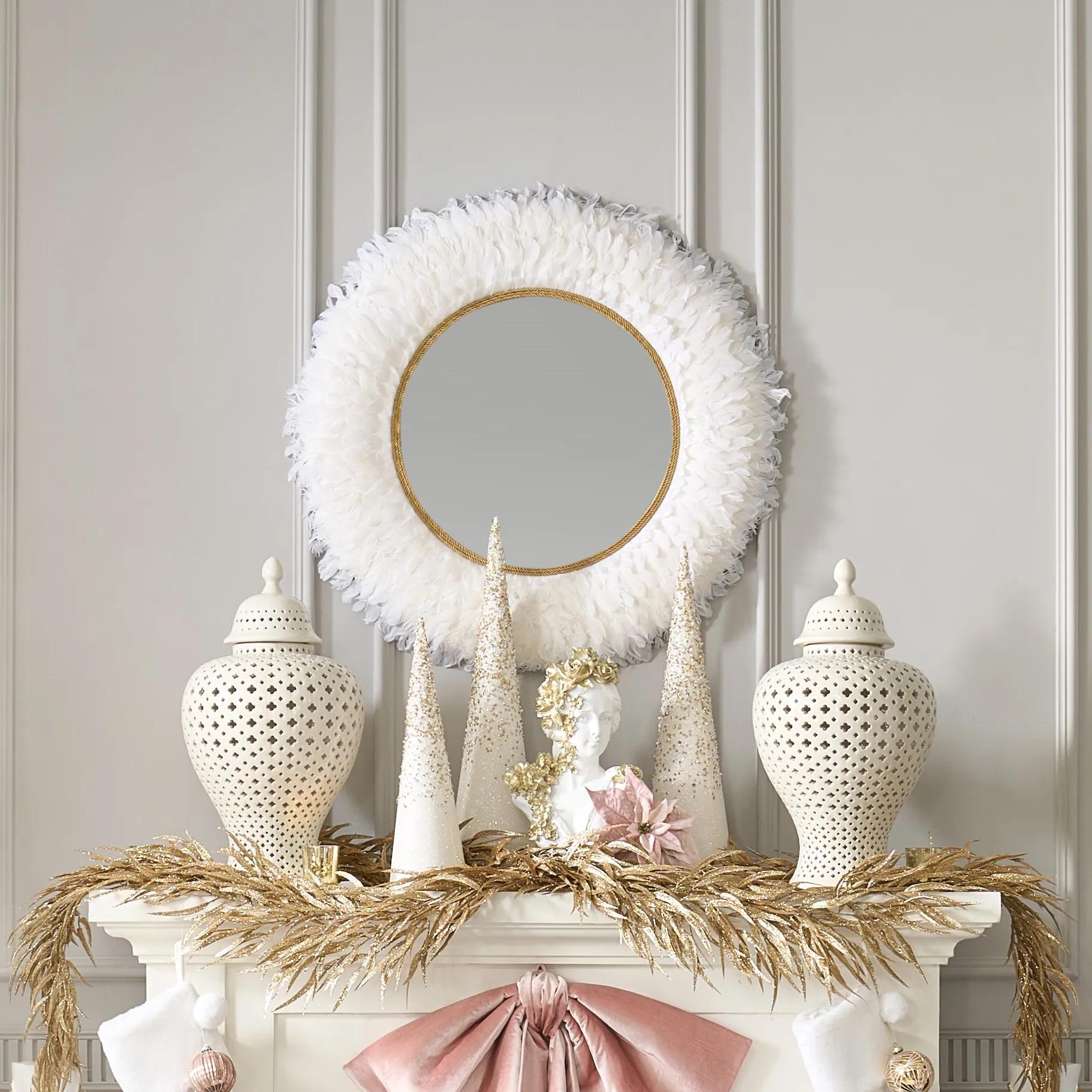 Nikki Chu - Daybreak Feather Mirror$499
A dramatic white feather-framed mirror accented with a gleaming gold inner border for added texture.
Add To Cart -
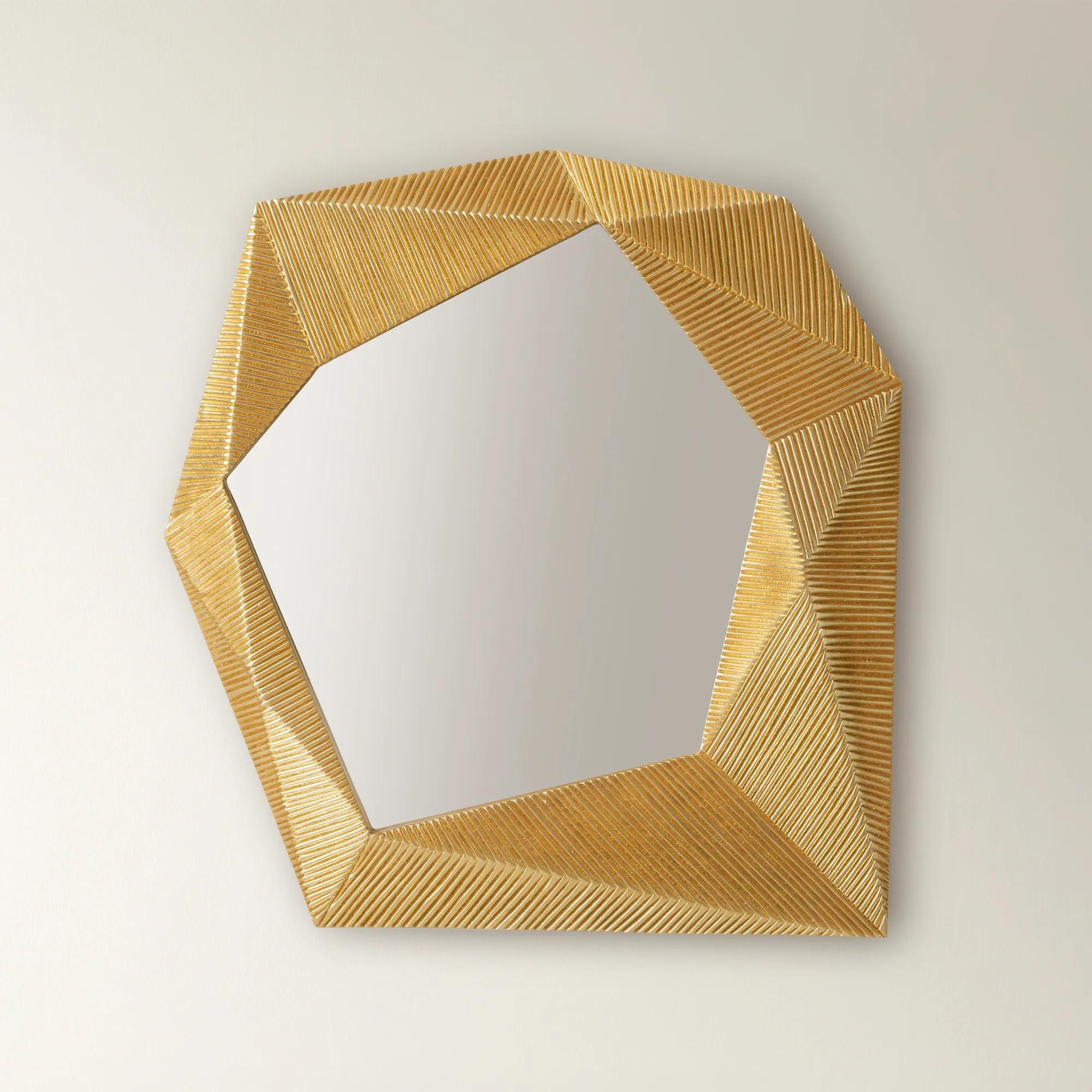
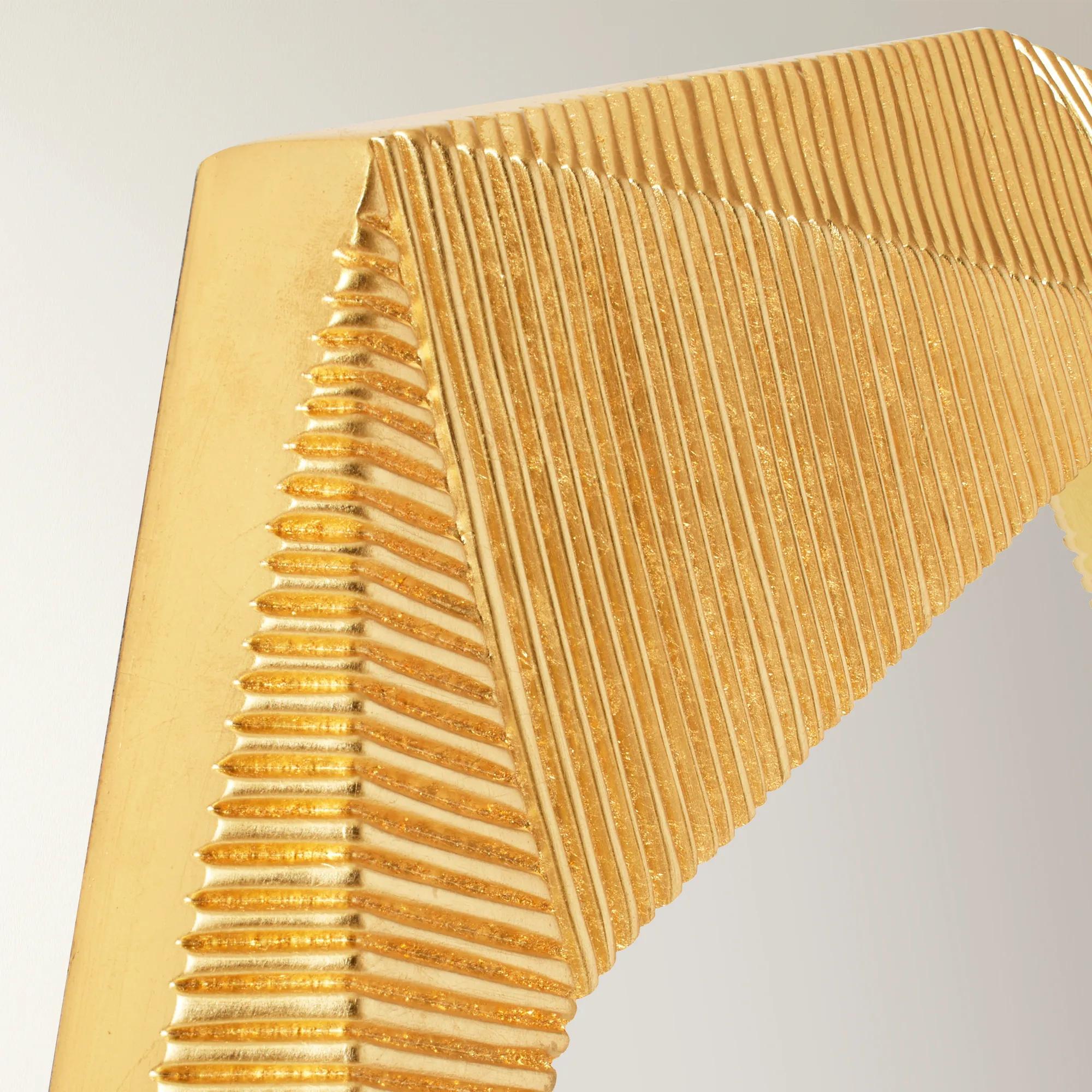 Nikki Chu Gold Steel Faceted Wall Mirror 31.5" x 35.5"$349
A modern mirror featuring a textured, faceted steel frame in a striking metallic gold finish.
Add To Cart -
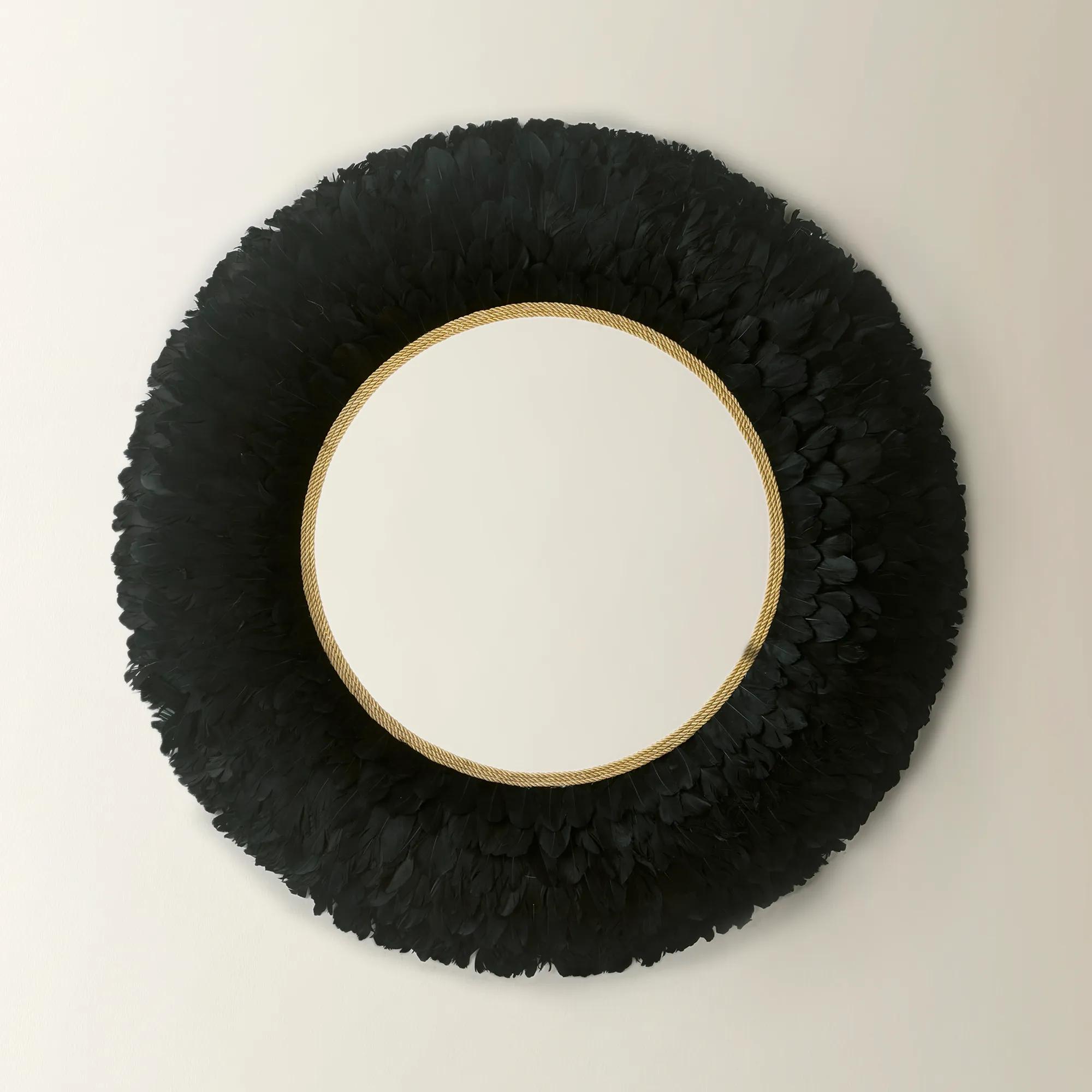
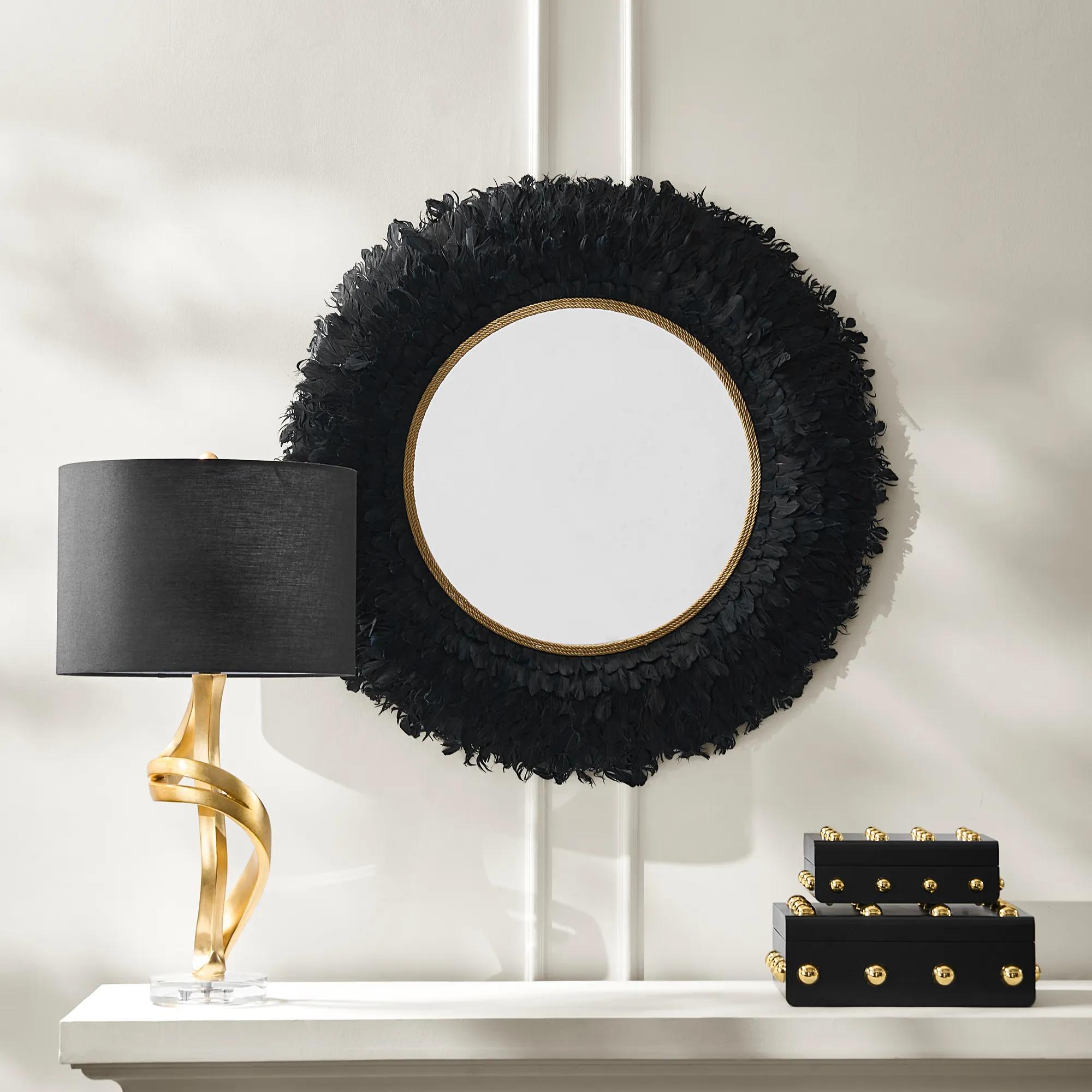 Nikki Chu Midnight Black Feather Round Wall Mirror 35.5"$499
A dramatic black feather-framed mirror accented with a gleaming gold inner border for striking wall texture.
Add To Cart -
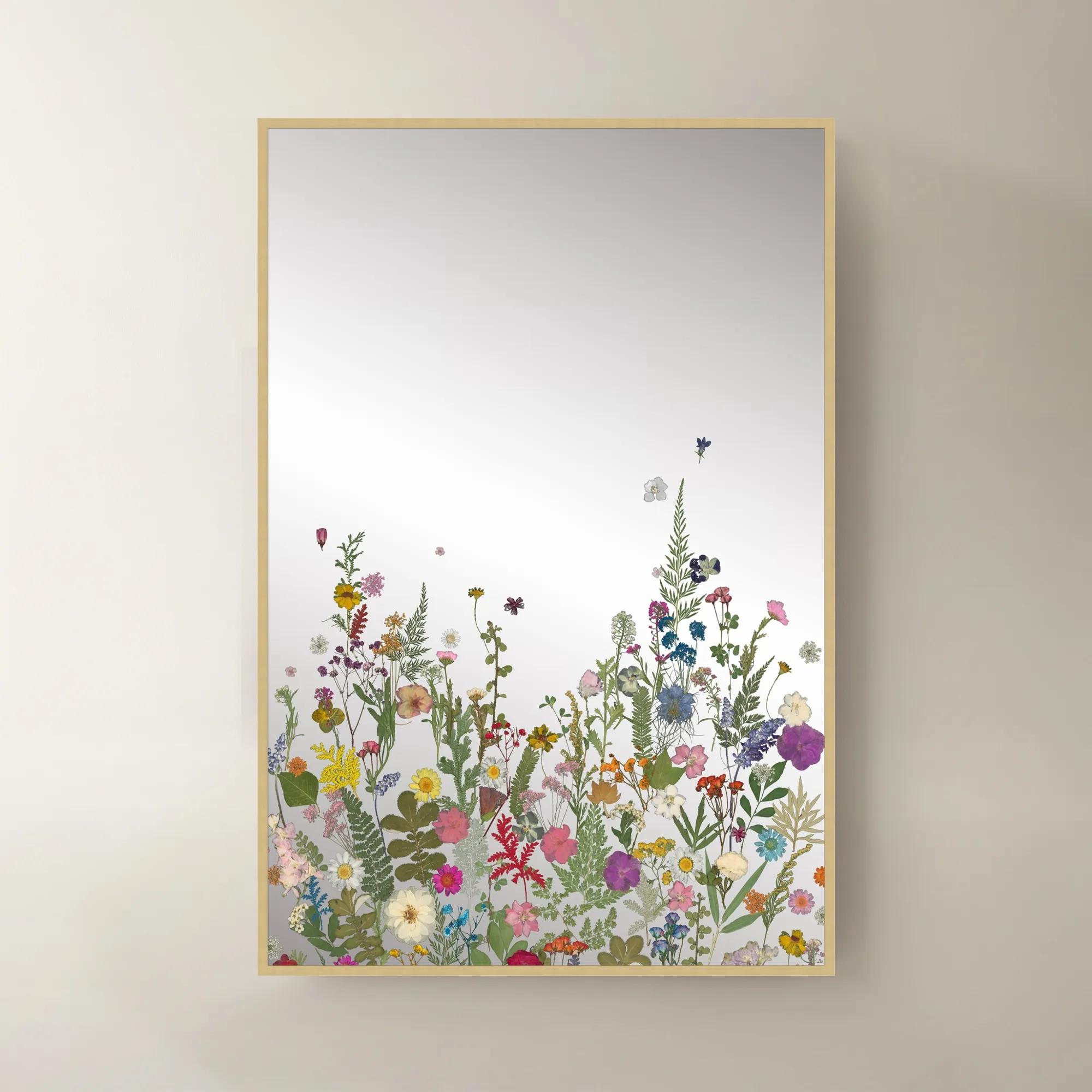
 Night Scent III Framed Printed Wall Mirror 40" x 60"$1499
A framed printed wall mirror offering artistic dimension and contemporary style.
Add To Cart -
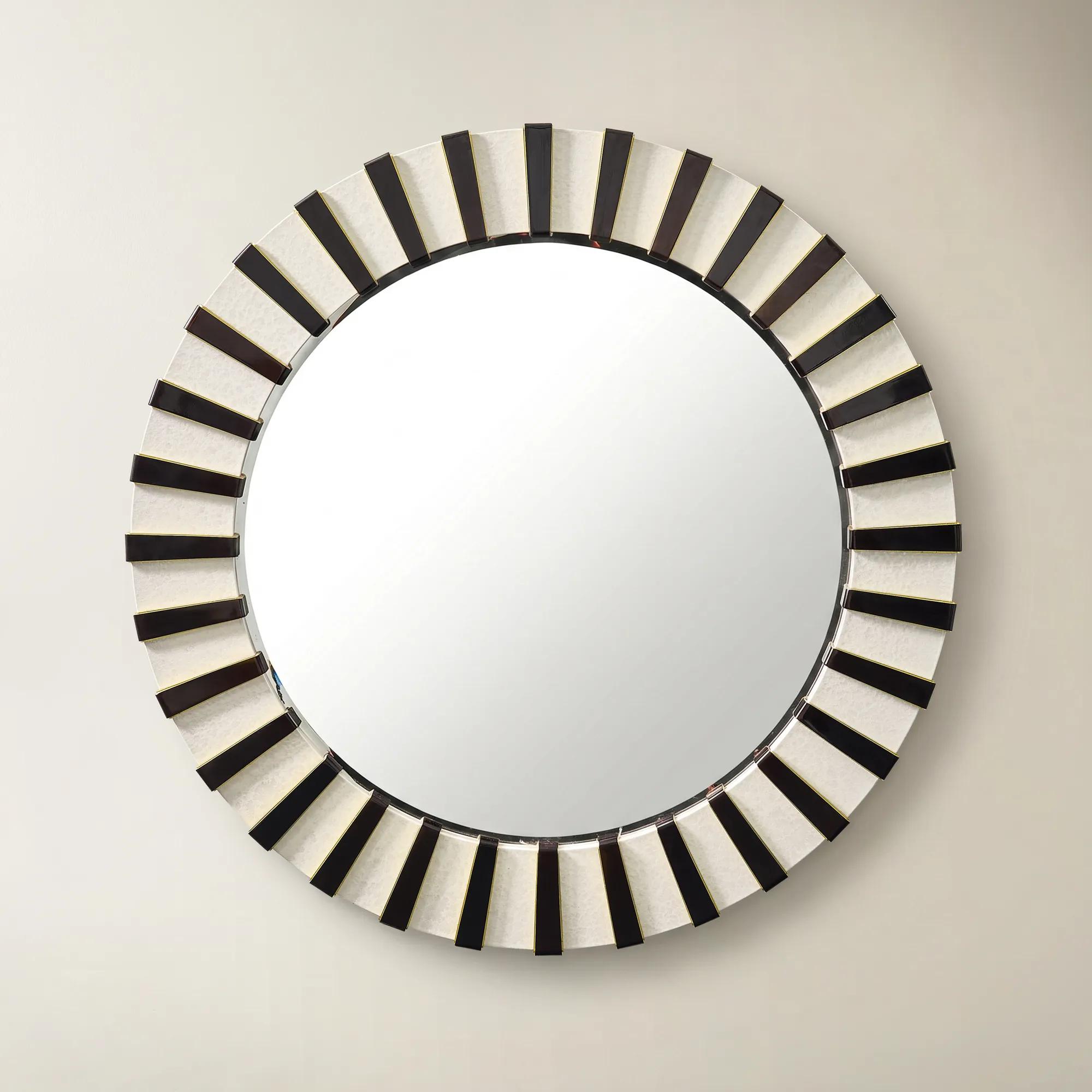 Regatta Opaline Pearl Black Gold Dimensional Round Wall Mirror 45"$849
A luminous wall mirror featuring an opaline pearl lacquered wood frame with black, gold, and raised resin accents.
Add To Cart -
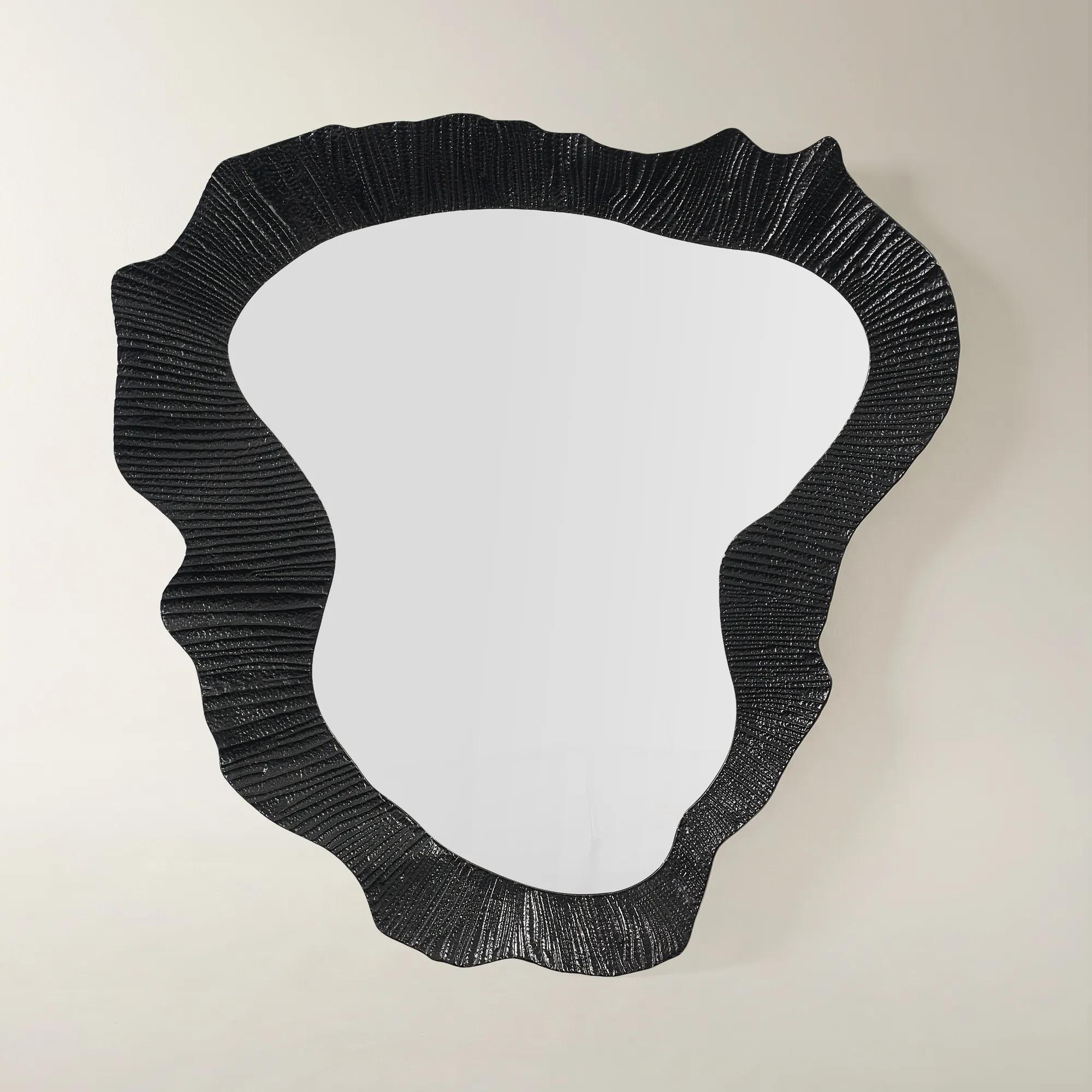 Cara Black Hand-Forged Iron Organic Shaped Wall Mirror 52.5" x 53"$1199
A hand-forged black iron frame and organic silhouette create a bold, sculptural statement for any room.
Add To Cart -
.jpeg?w=1200&h=1200)
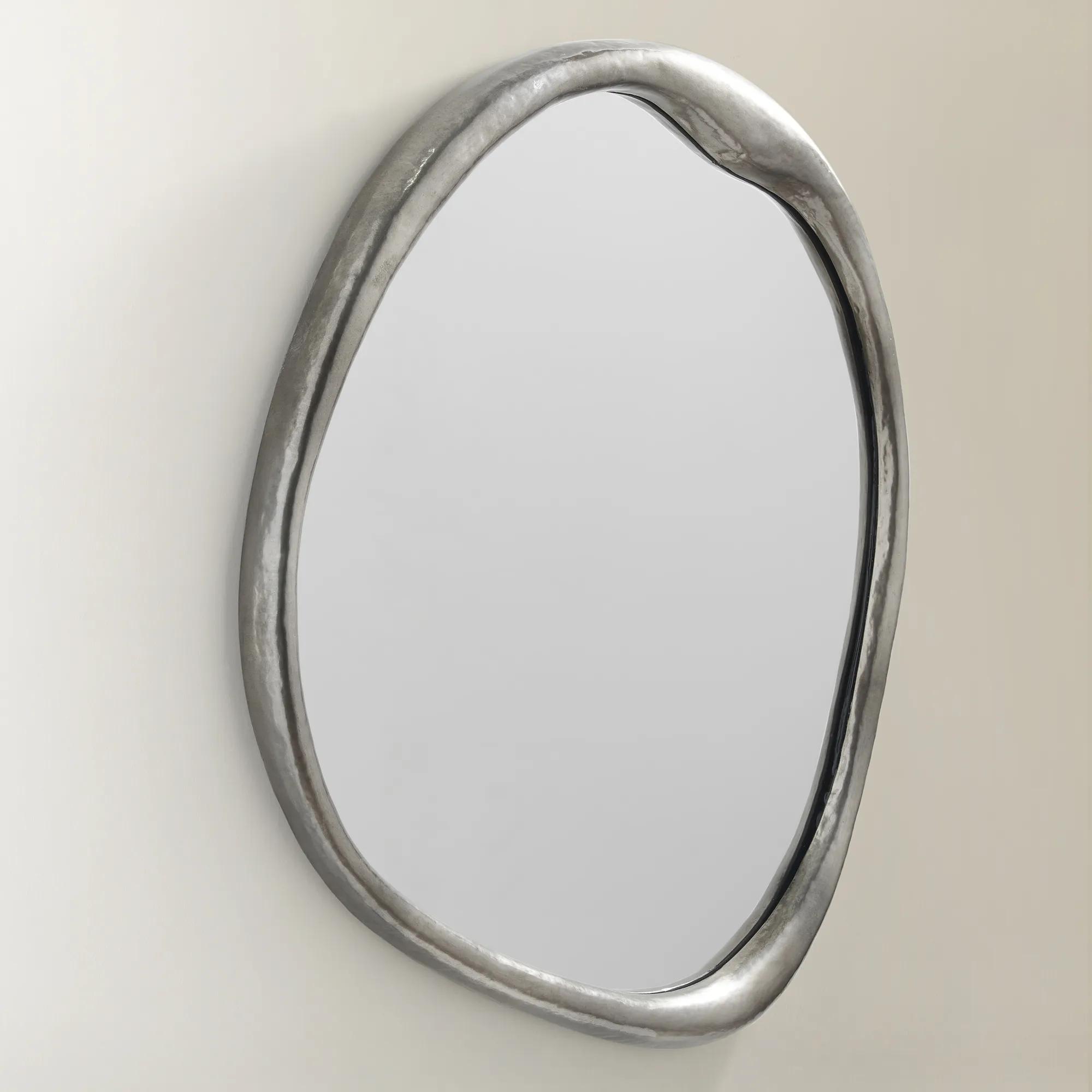 Organa Wall Mirror$599
An irregular silver iron-framed mirror that brings modern organic style and reflective depth to any room.
Add To Cart -
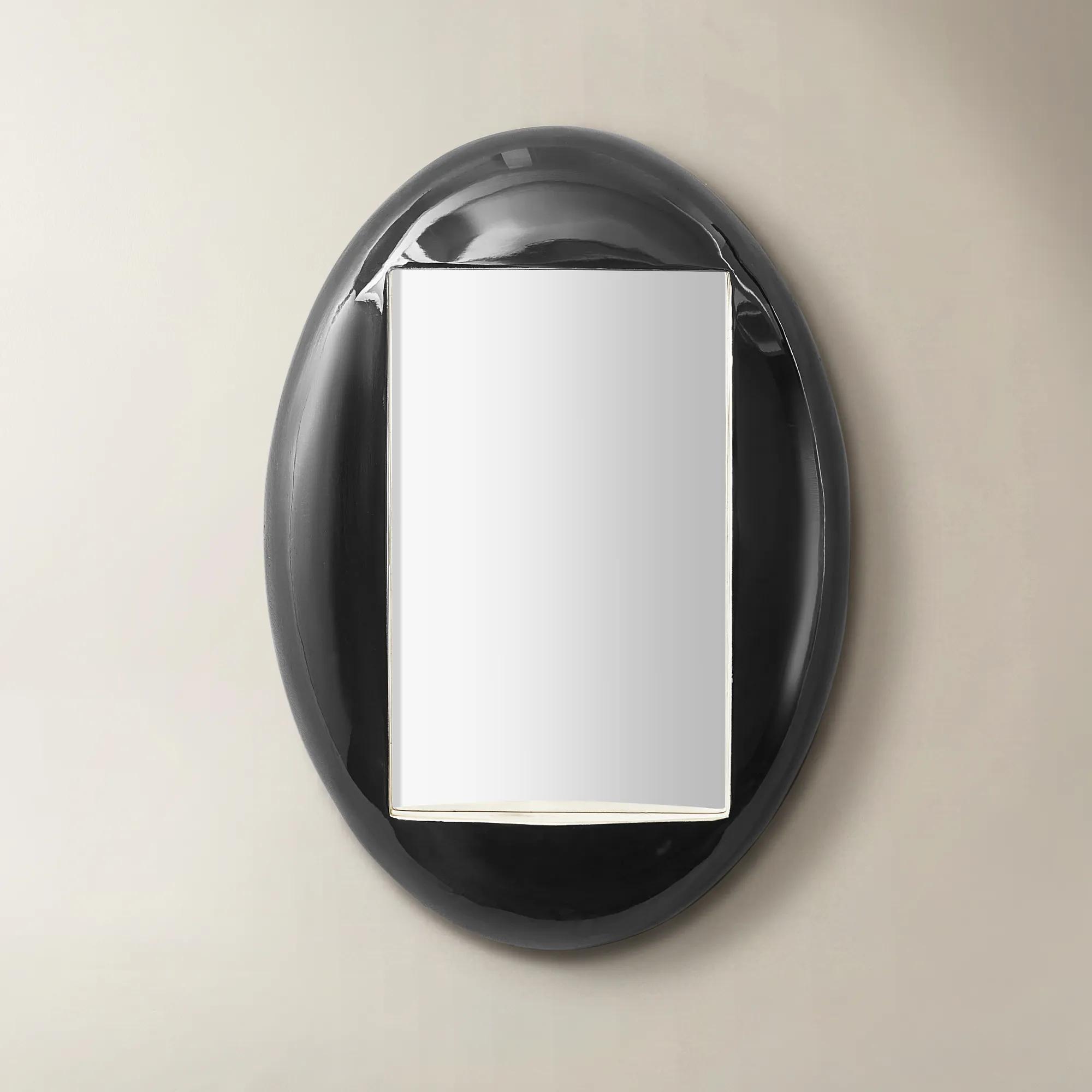 Tuxedo Black And Champagne High Gloss Resin Geometric Wall Mirror 28" x 20"$299
A geometric wall mirror with a black and champagne resin frame for bold, modern sophistication.
Add To Cart -
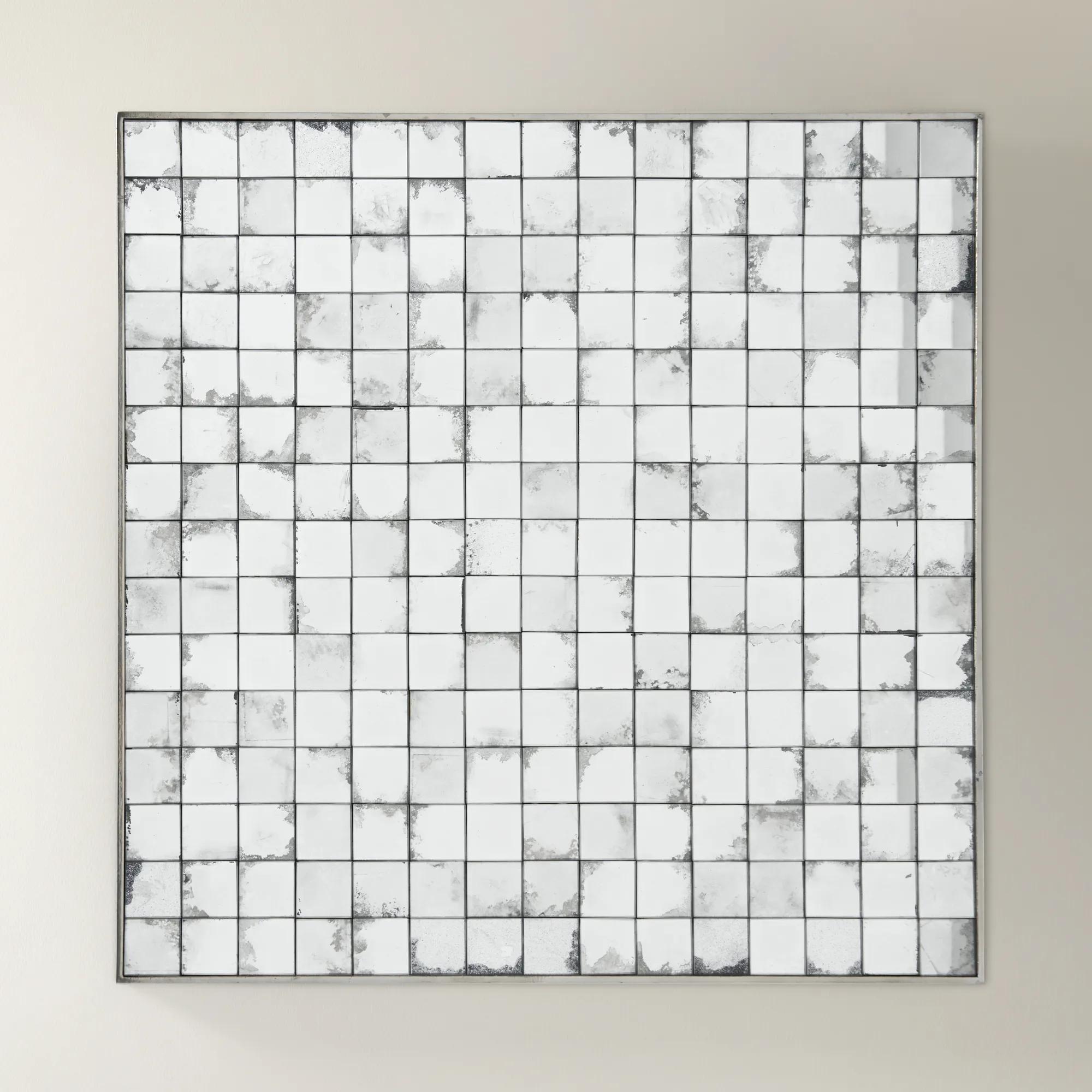
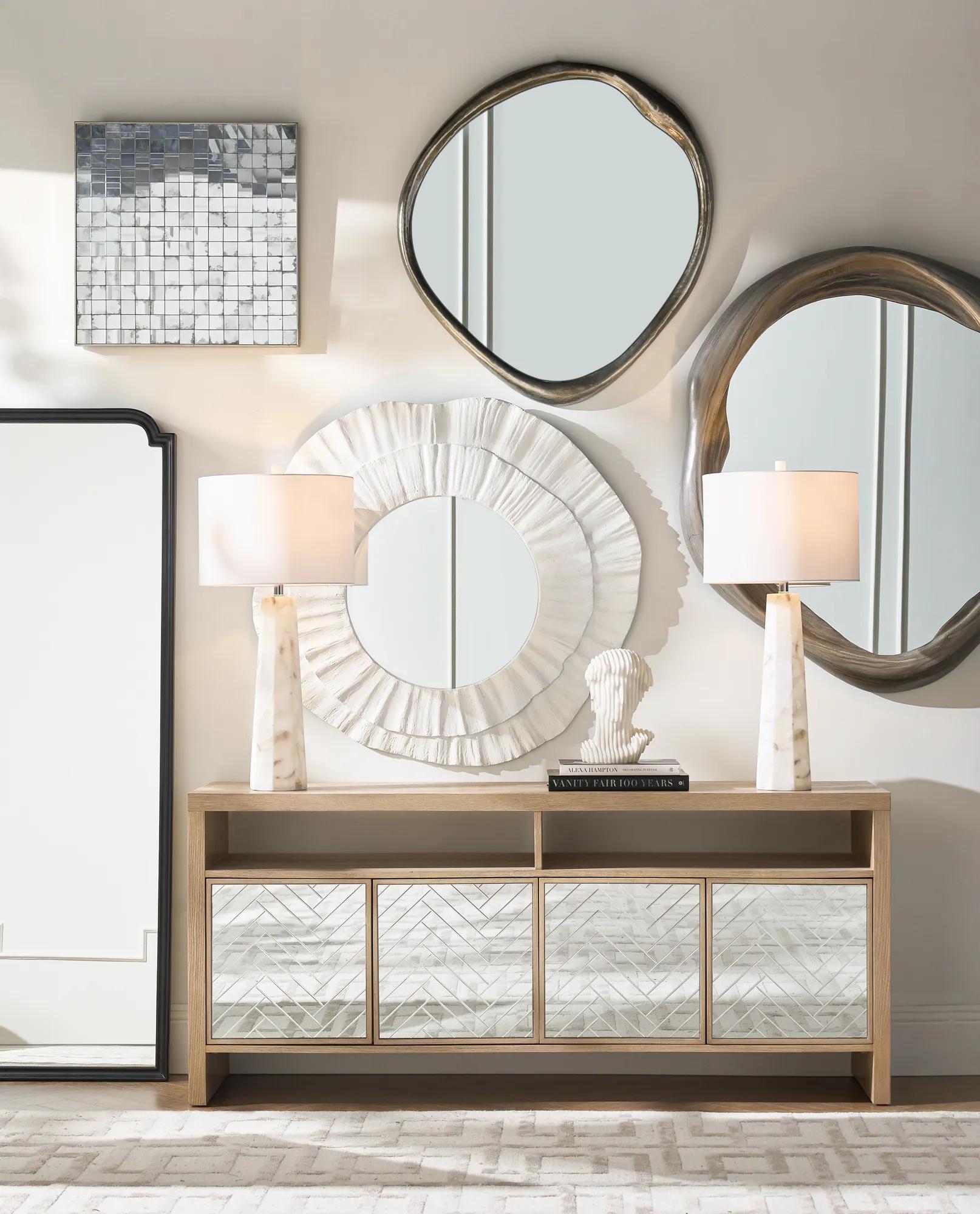 Futuro Wall Mirror$499
An antiqued silver mirror featuring aged glass tiles for a striking blend of vintage and modern style.
Add To Cart -
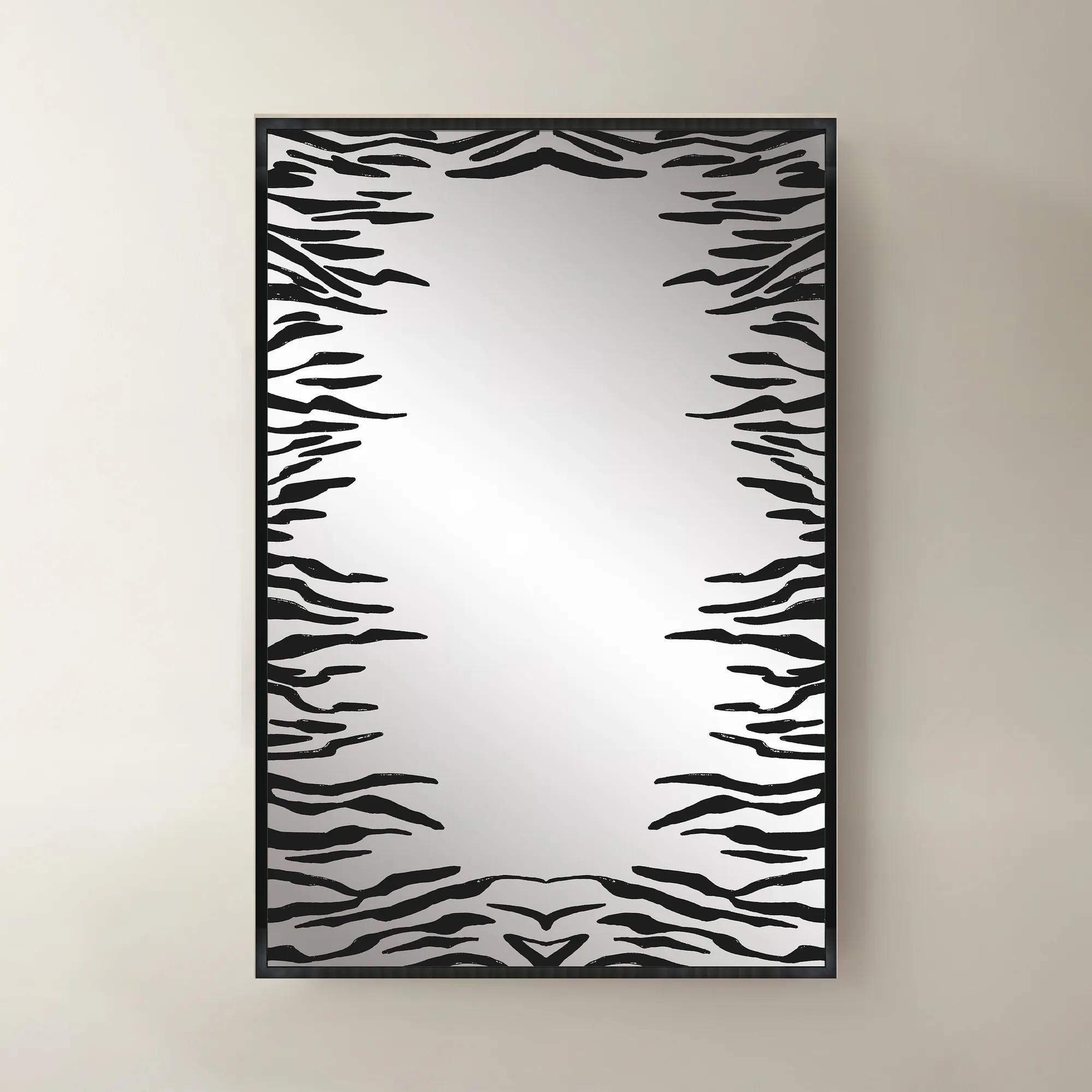
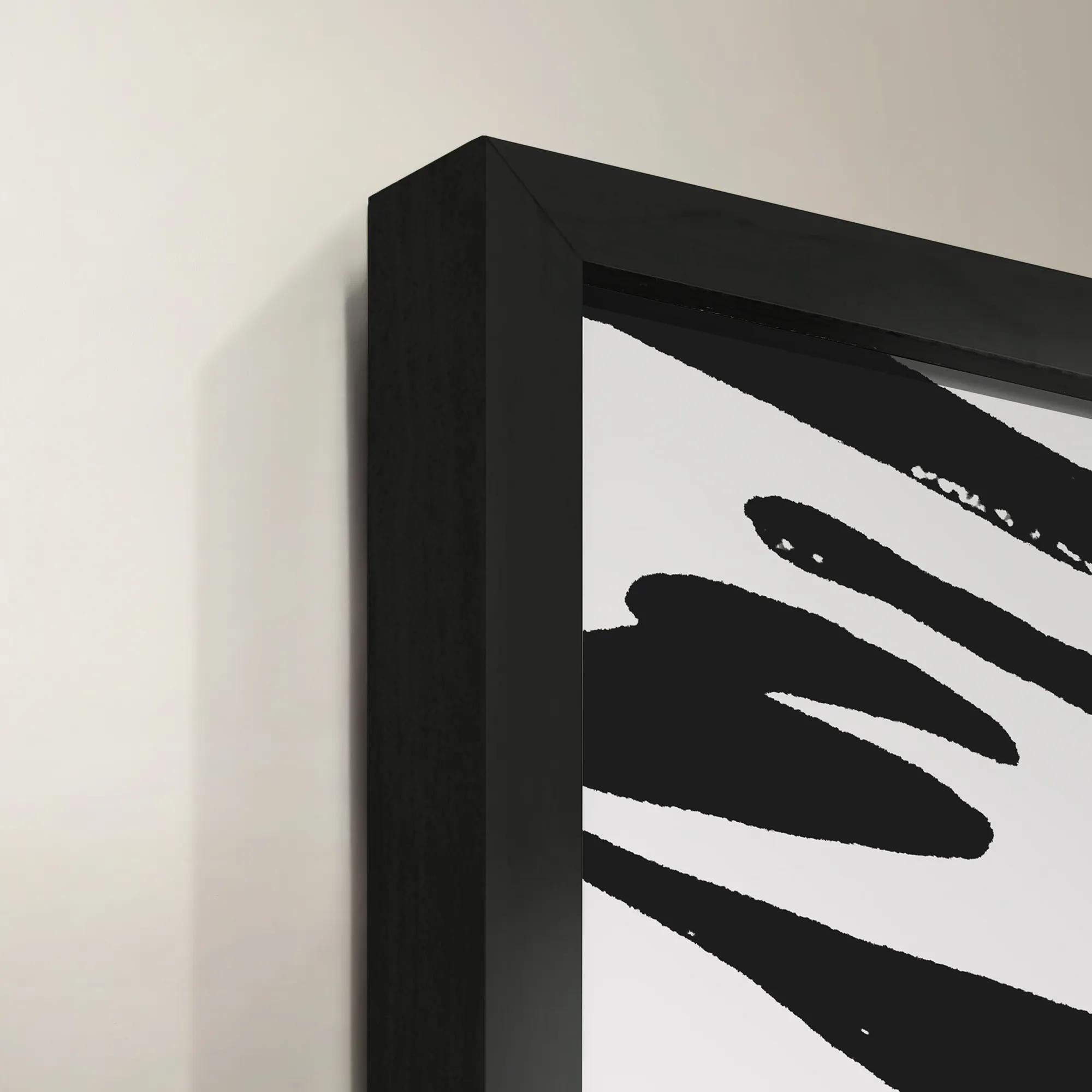 Savanna Veil Framed Printed Wall Mirror 40" x 60"$1499
A black framed printed wall mirror offering artistic dimension and modern sophistication.
Add To Cart -
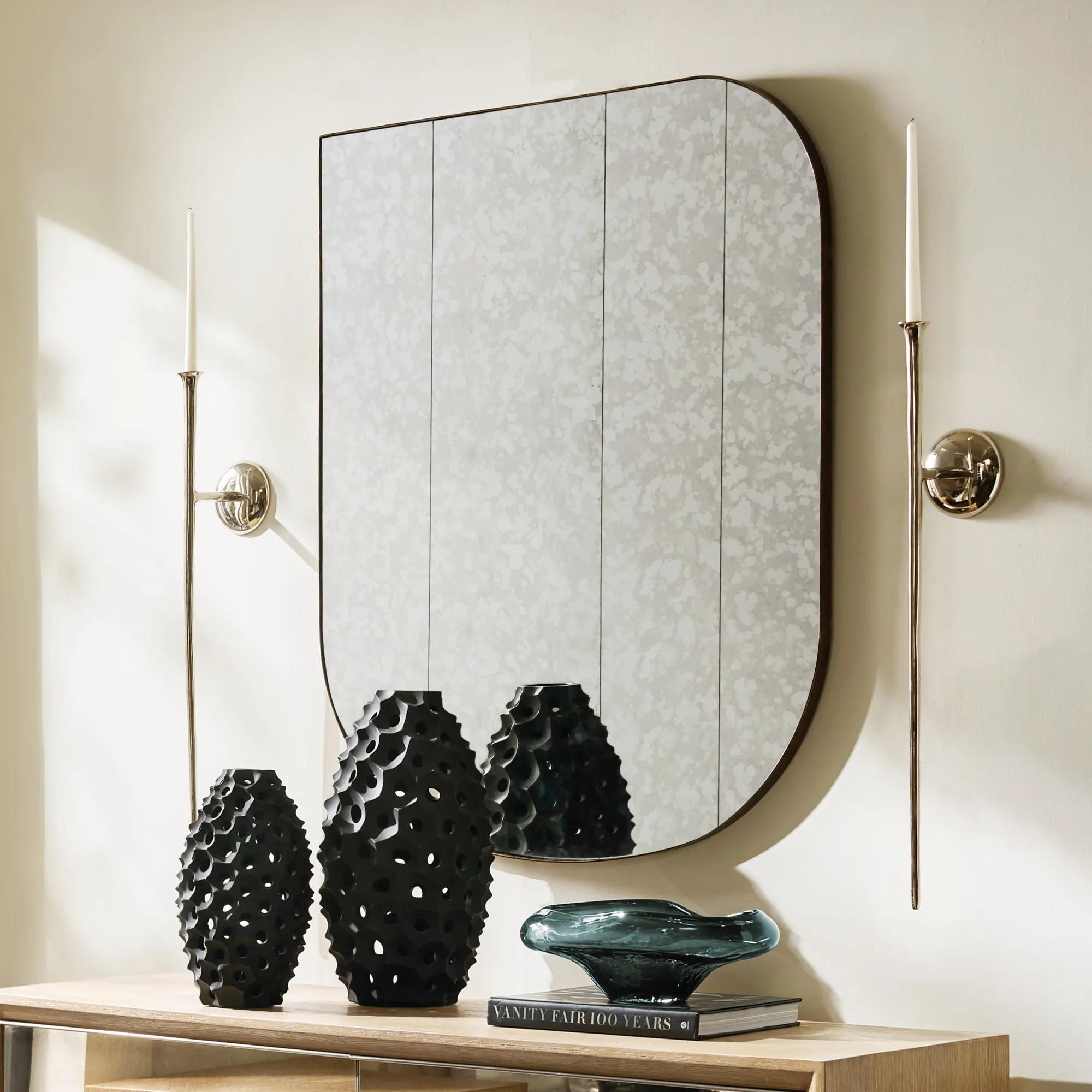
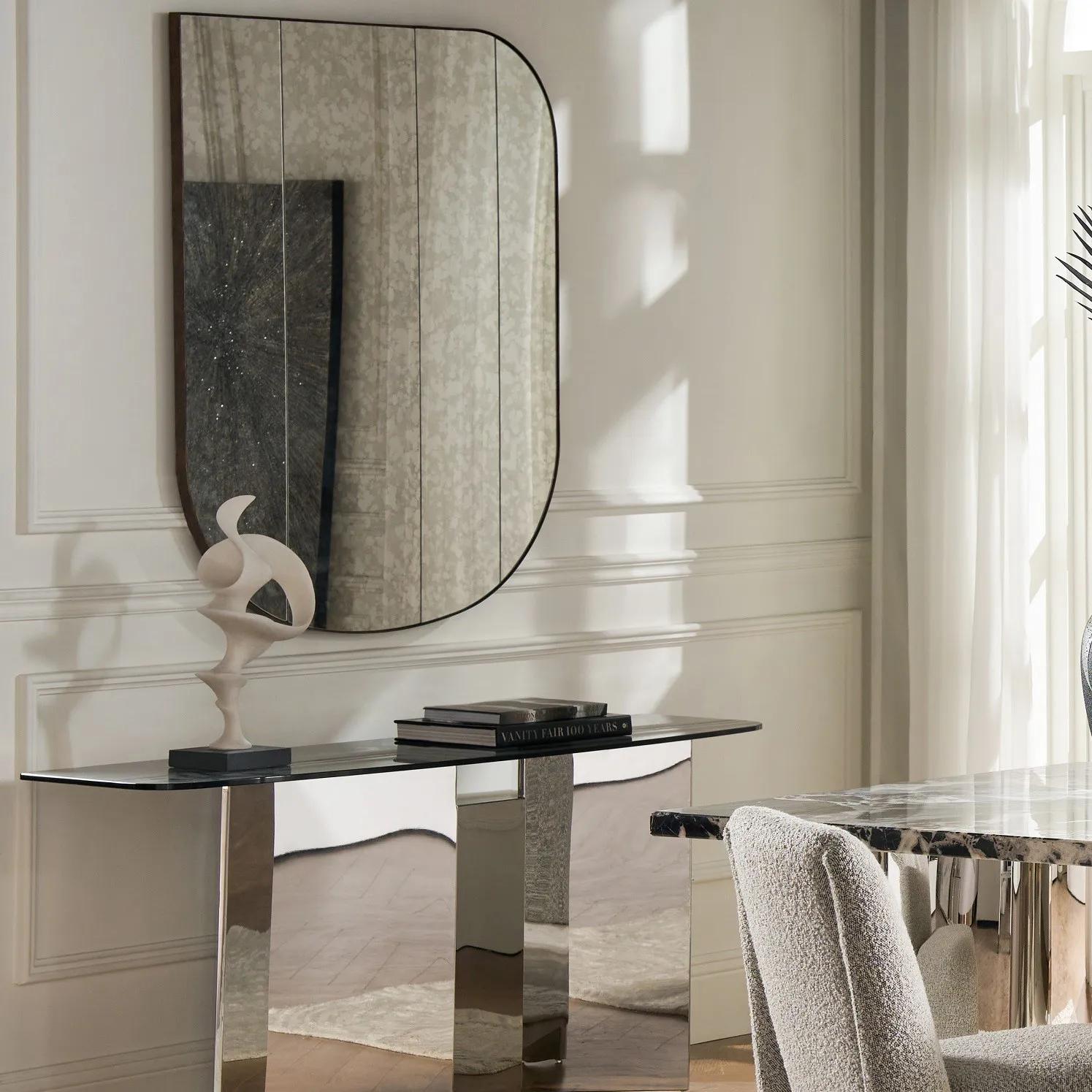 Angolo Wall Mirror$799
An antique-inspired wall mirror featuring a softly irregular shape and shimmering patina on iron and MDF.
Add To Cart -
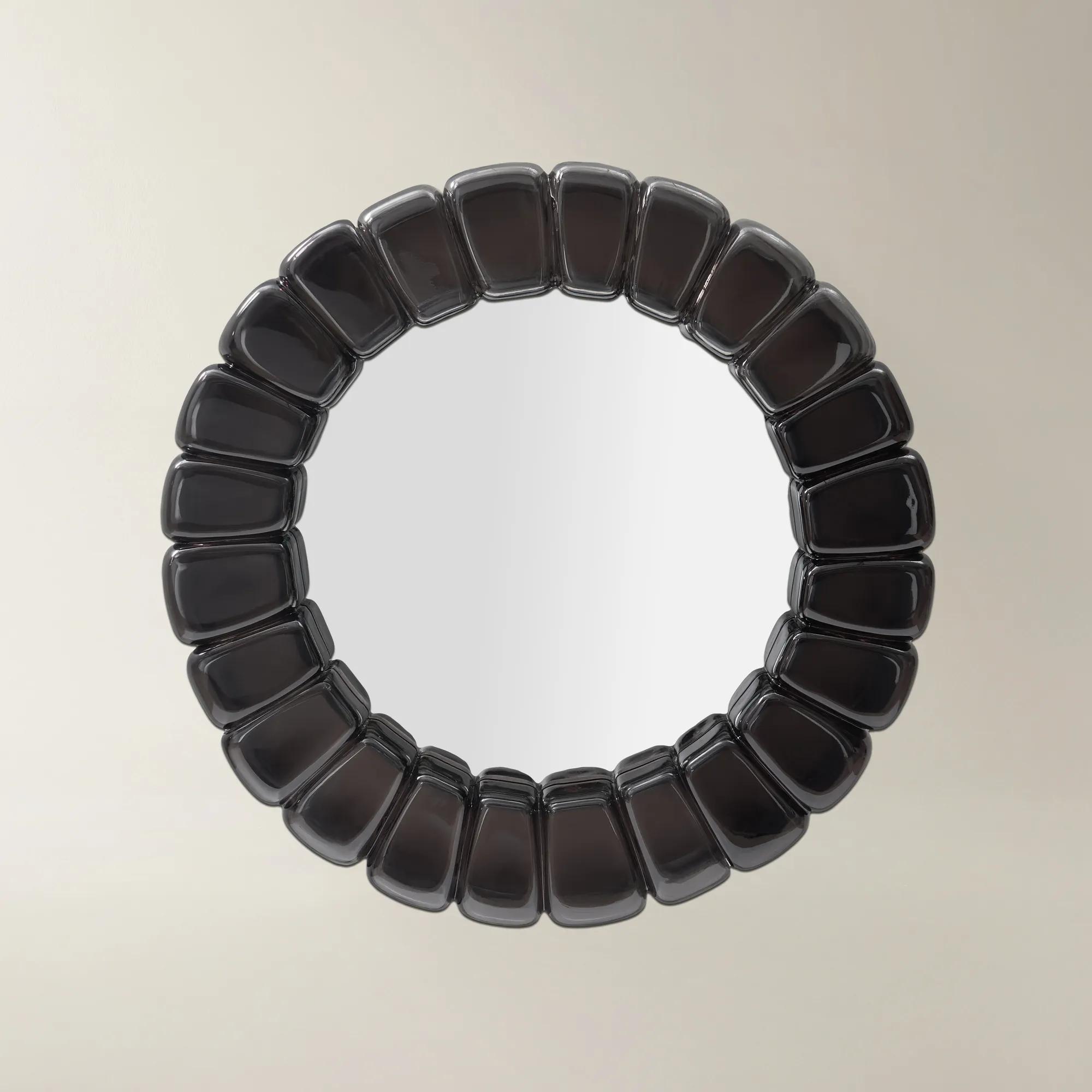
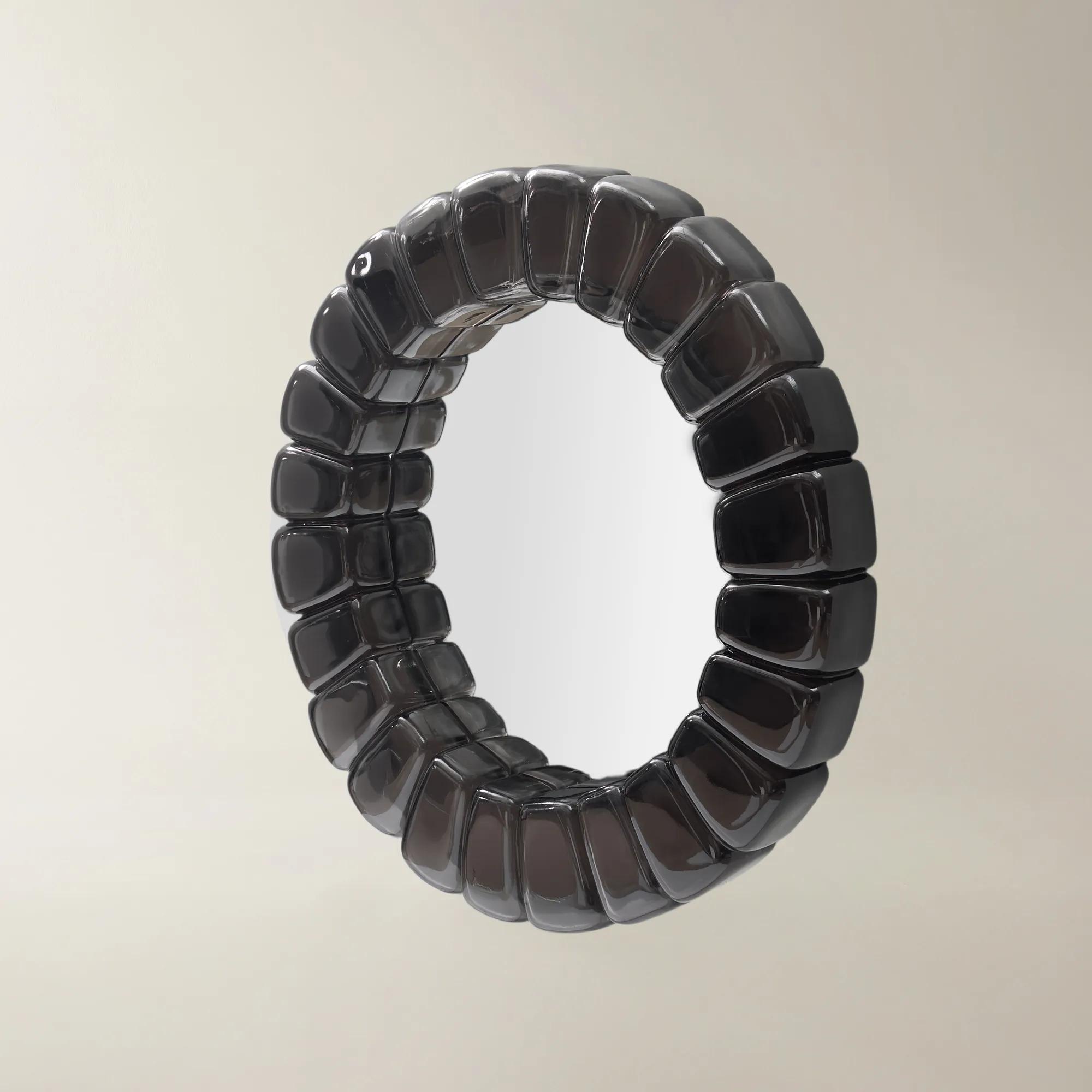 Lumino Graphite Resin Round Wall Mirror 38.5"$899
A sleek wall mirror adding modern style and reflective dimension to your space.
Add To Cart -
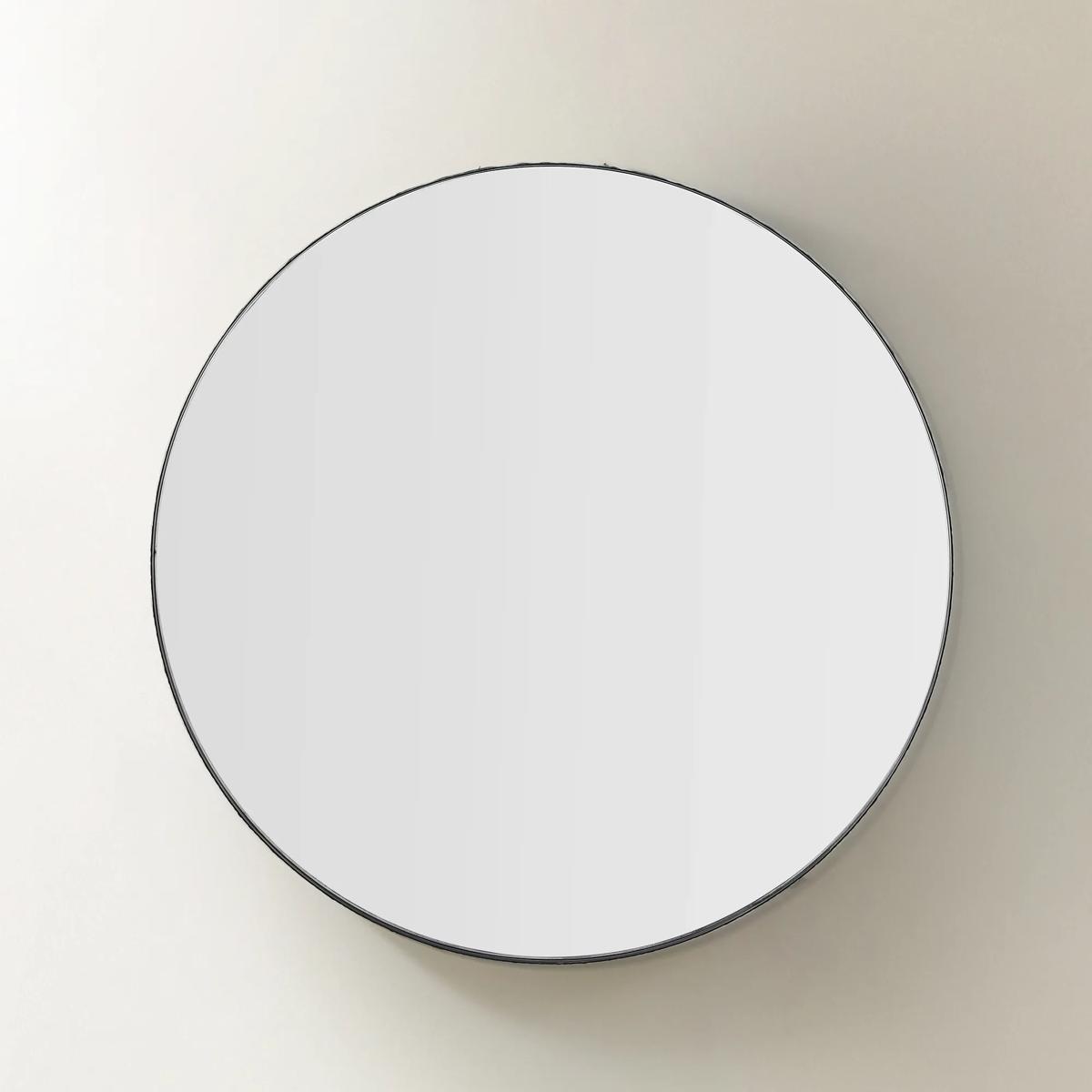
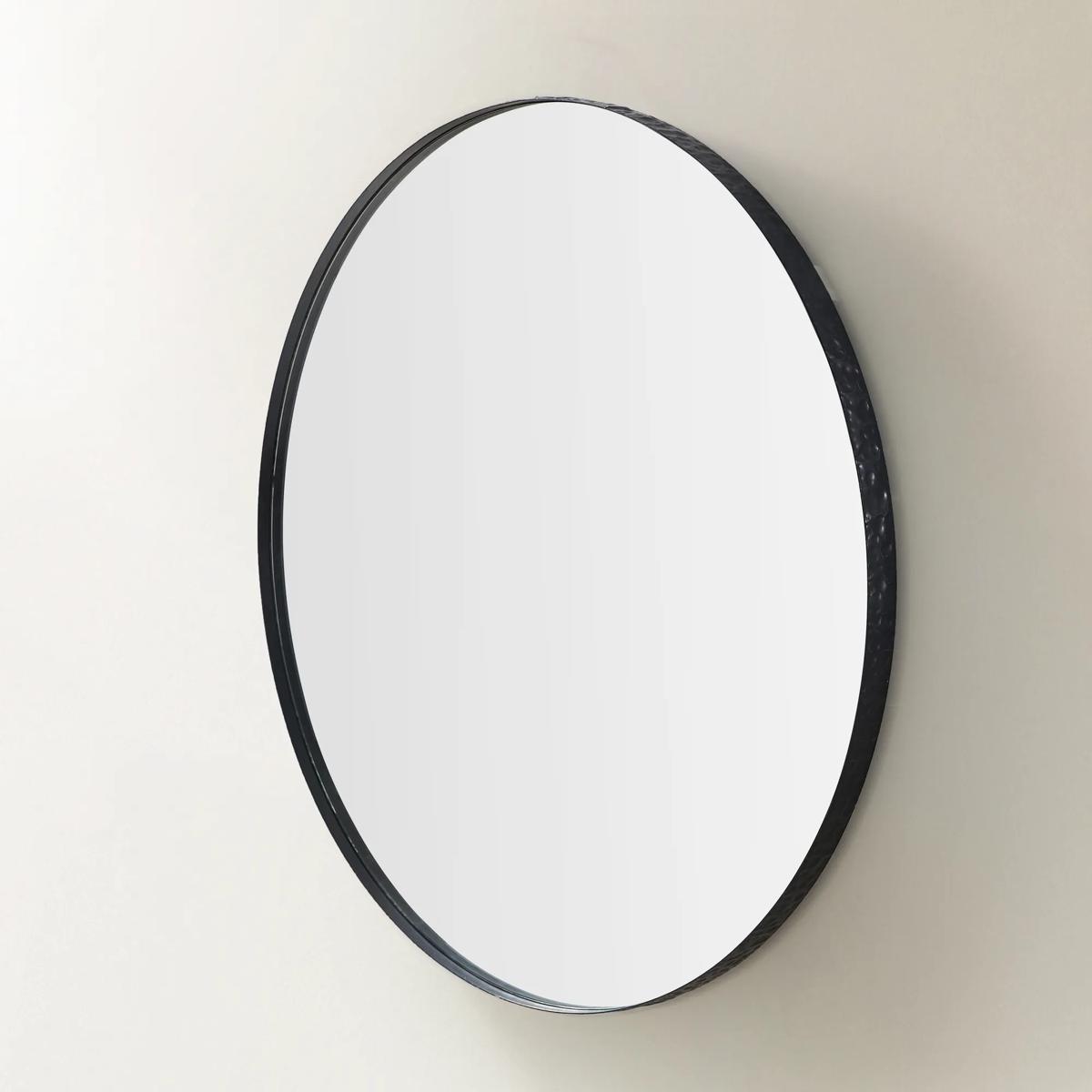 Cade Wall Mirror - Black$699
A round wall mirror featuring a hand-hammered black iron frame for a sleek, modern accent.
Add To Cart -
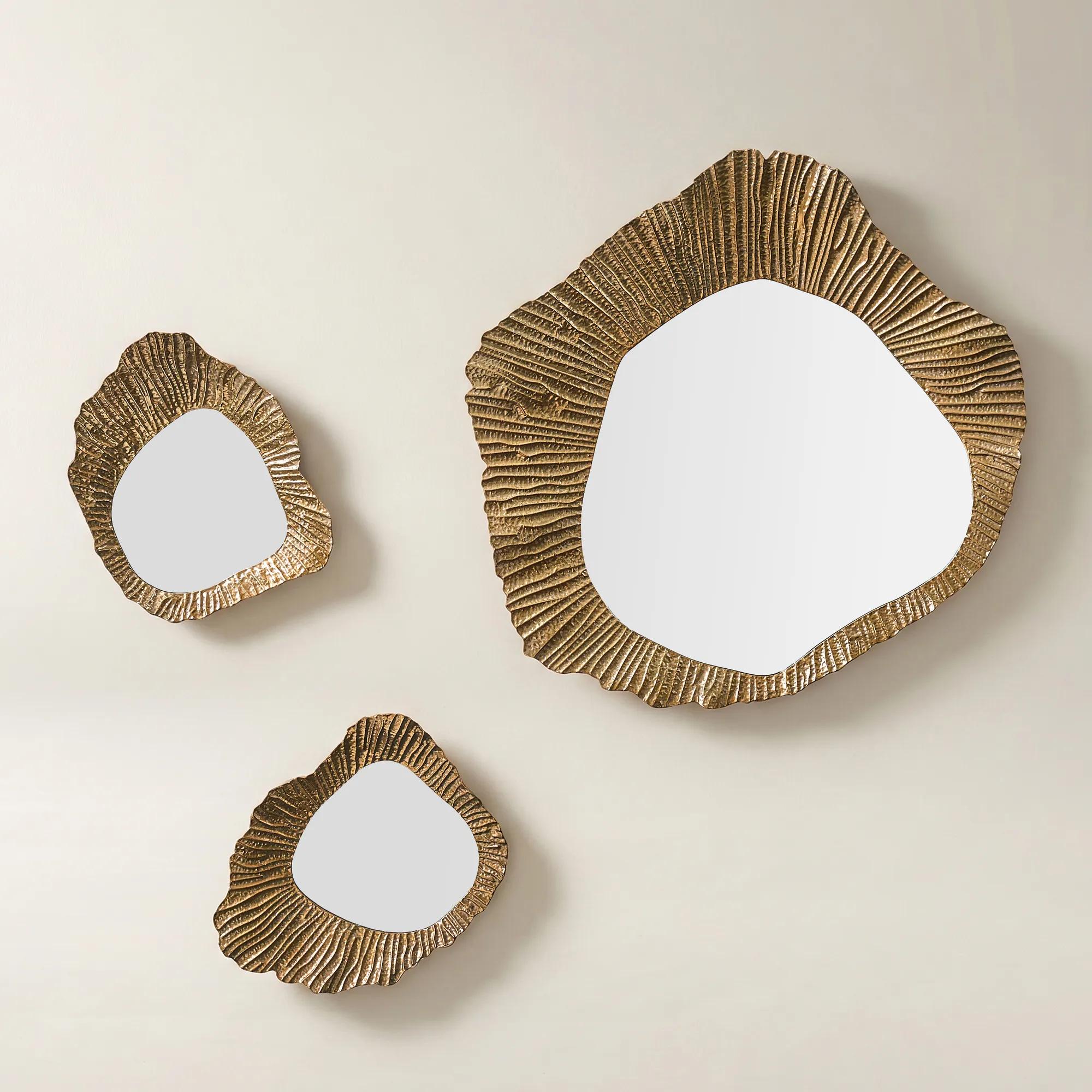 Cara Antique Gold Hand-Forged Iron Organic Shaped Wall Mirror Cluster Trio$1099
A set of three hand-forged iron mirrors in antiqued gold, featuring an organic, sculptural cluster design.
Add To Cart -
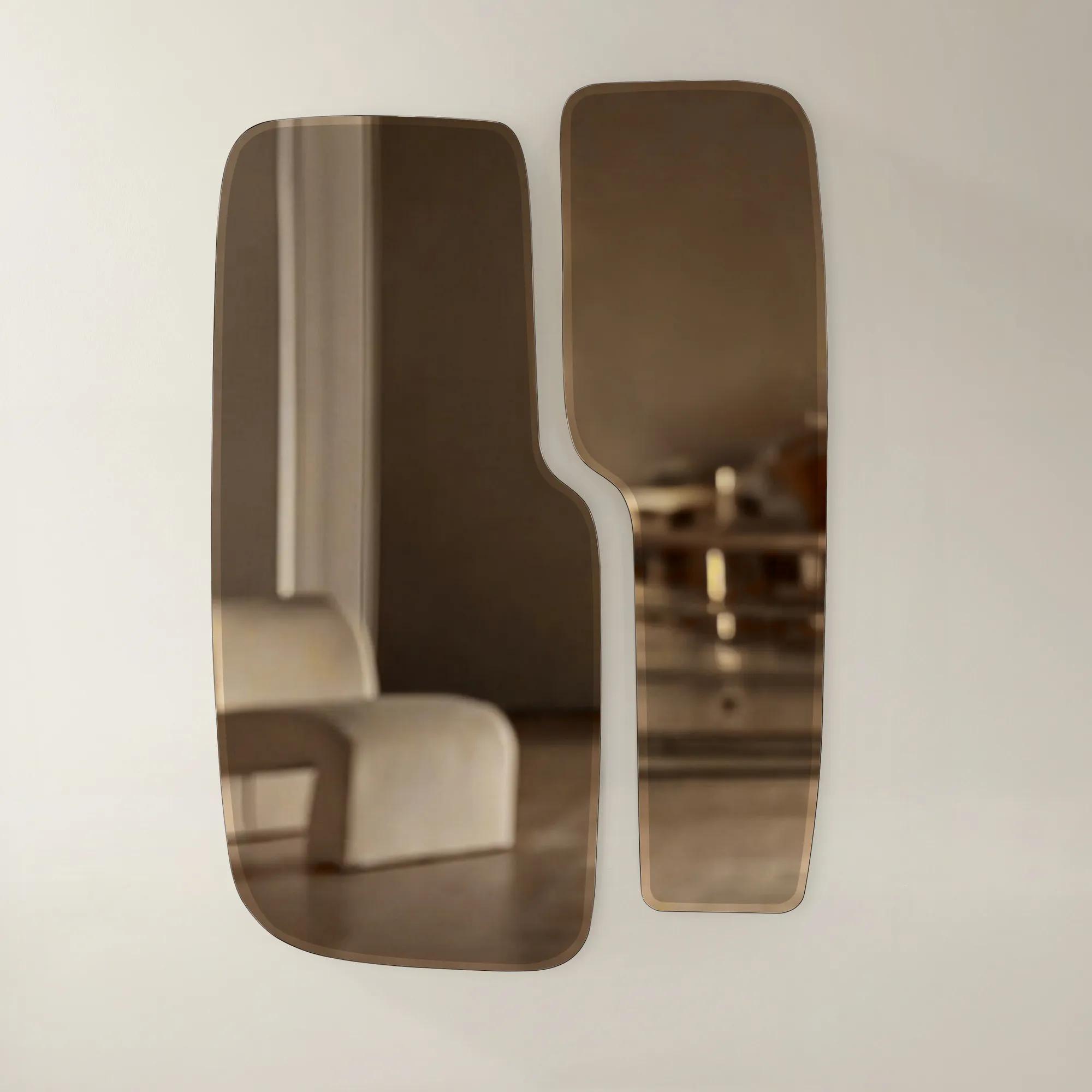 Puzzle 2-Piece Bronze Organic Shaped Wall Mirror 30" x 45"$499
A two-piece bronze wall mirror set featuring organic shapes for an artful, sculptural accent.
Add To Cart -
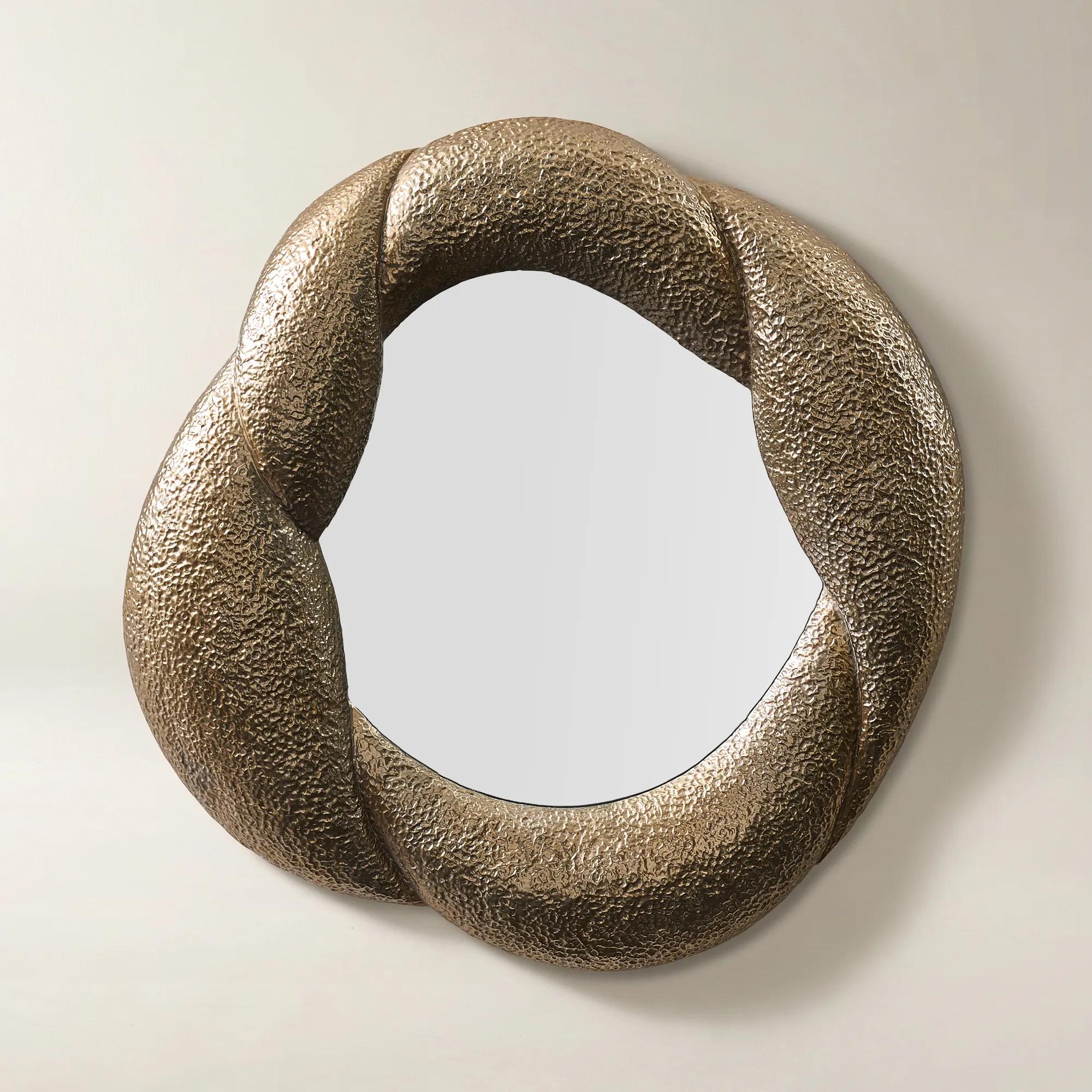 Bronze Age Hammered Texture Resin Organic Round Wall Mirror 34"$599
A round wall mirror featuring a chunky resin frame with hammered bronze texture for sculptural, modern appeal.
Add To Cart -
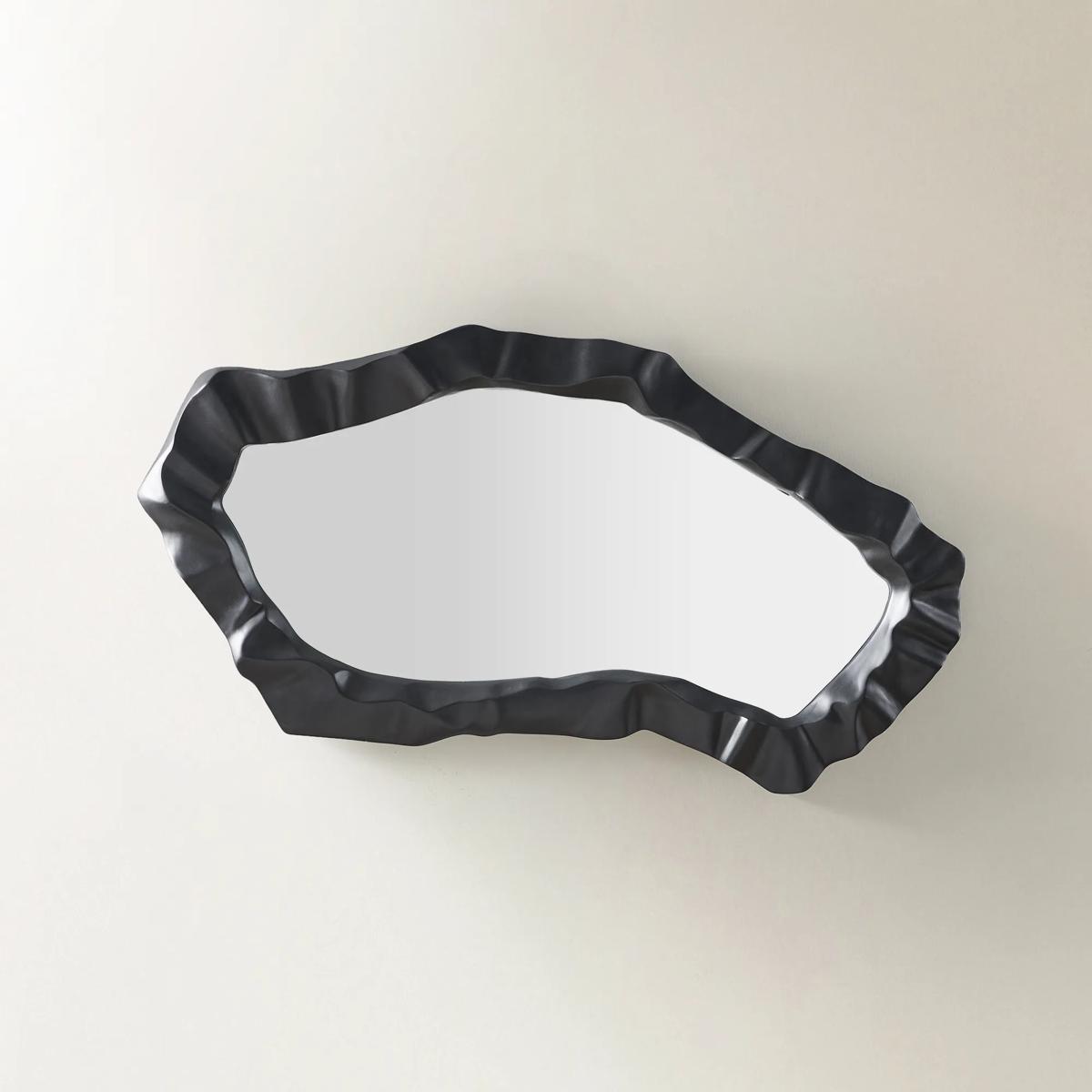
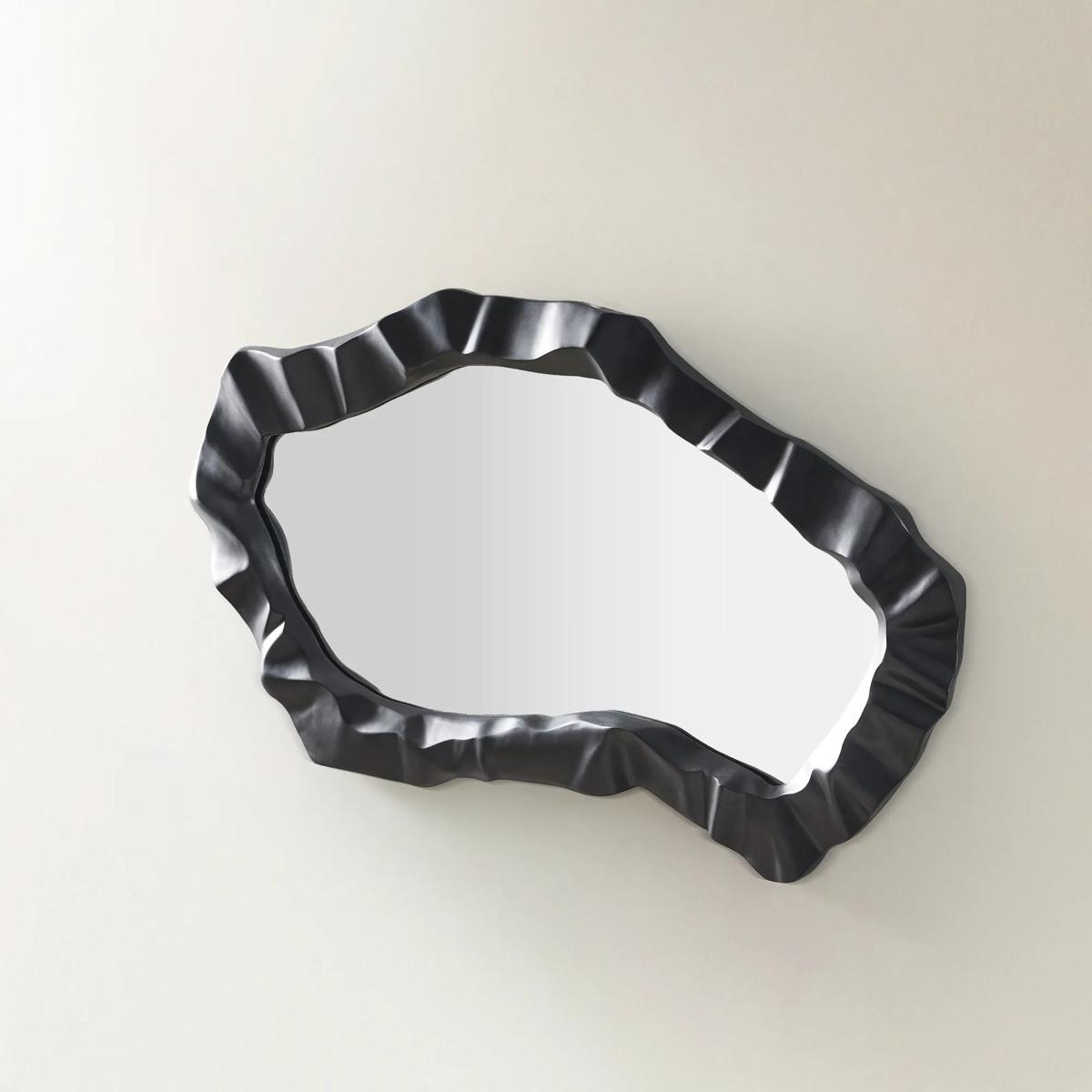 Islay Black Resin Organic Shaped Wall Mirror 44.75" x 23.75"$599
A sculptural black resin mirror featuring bold, asymmetrical curves and versatile vertical or horizontal hanging.
Add To Cart -
.jpeg?w=1200&h=1200)
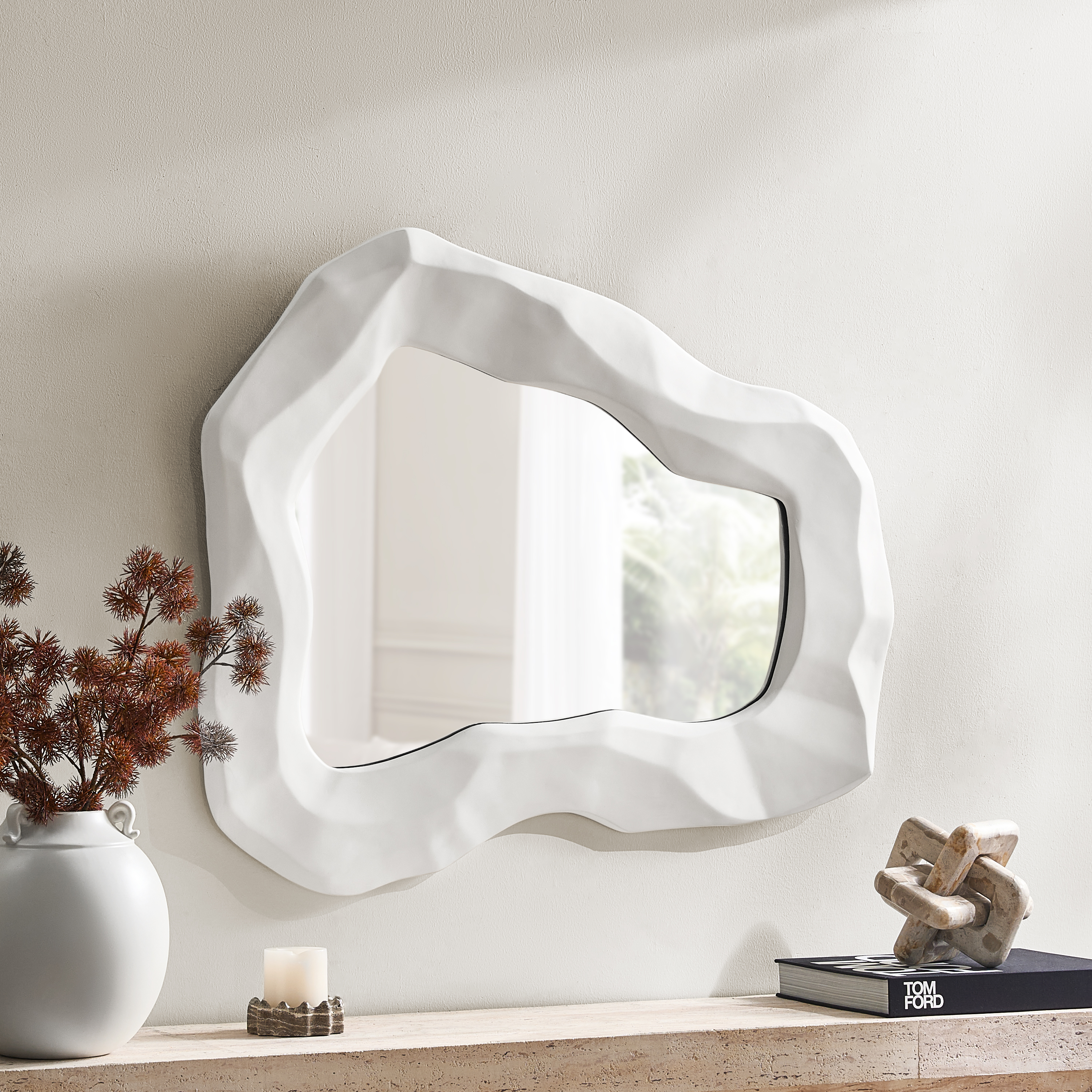 Islay Wall Mirror - White$549
A sculpted resin-framed mirror in matte white with an organic, asymmetrical silhouette for modern interiors.
Add To Cart -
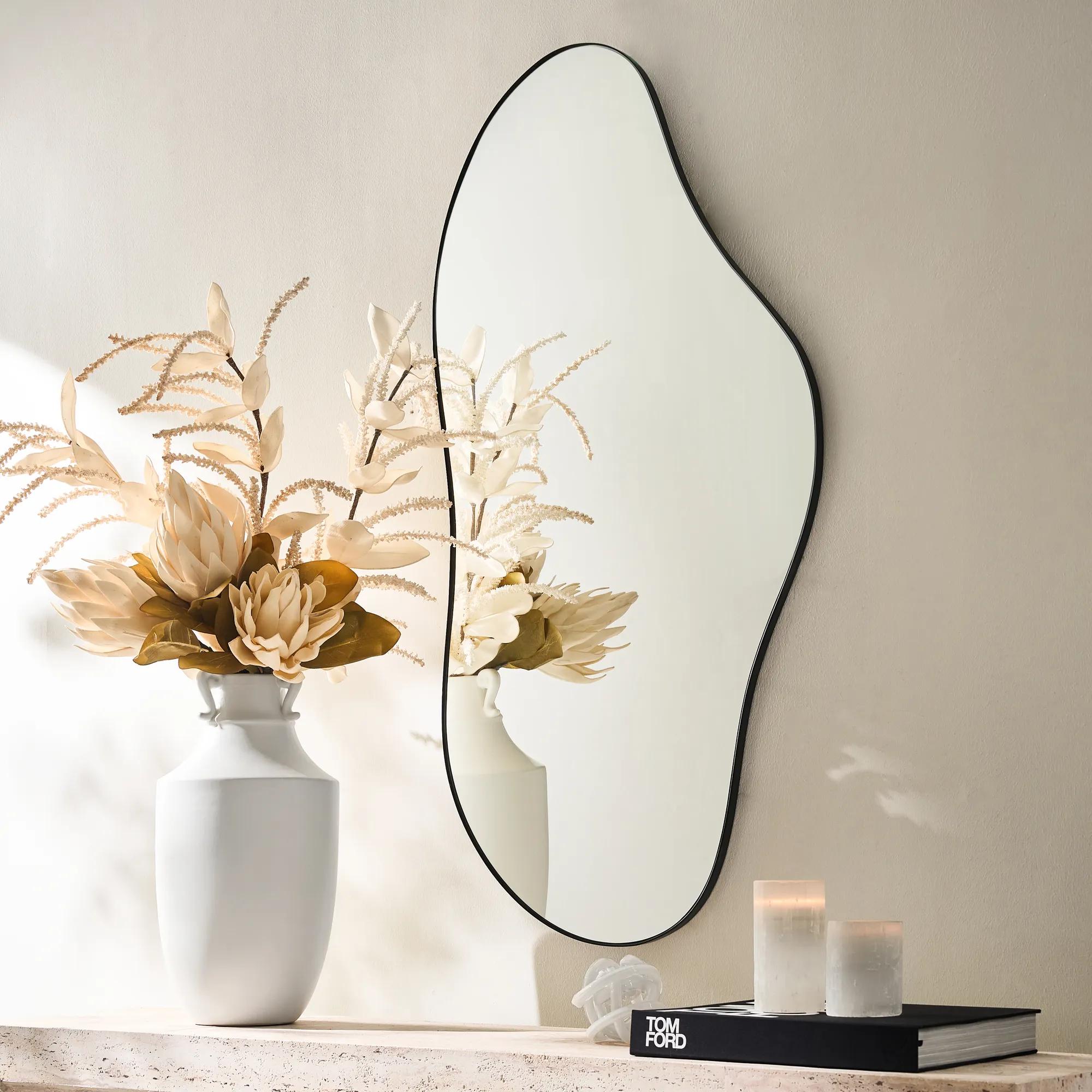
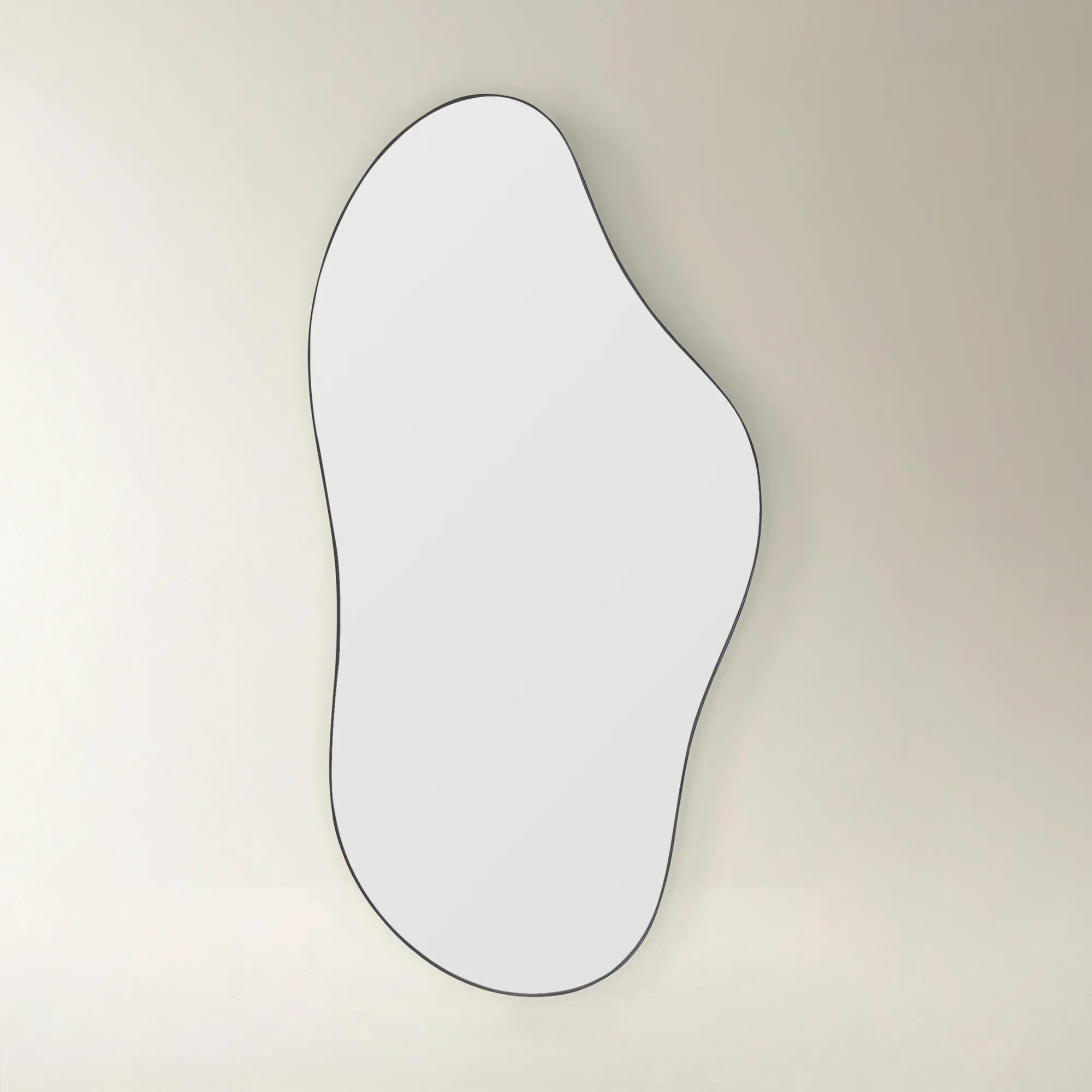 Puddle Wall Mirror$299
A freeform glass mirror with a black frame that adds playful sophistication to modern interiors.
Add To Cart -
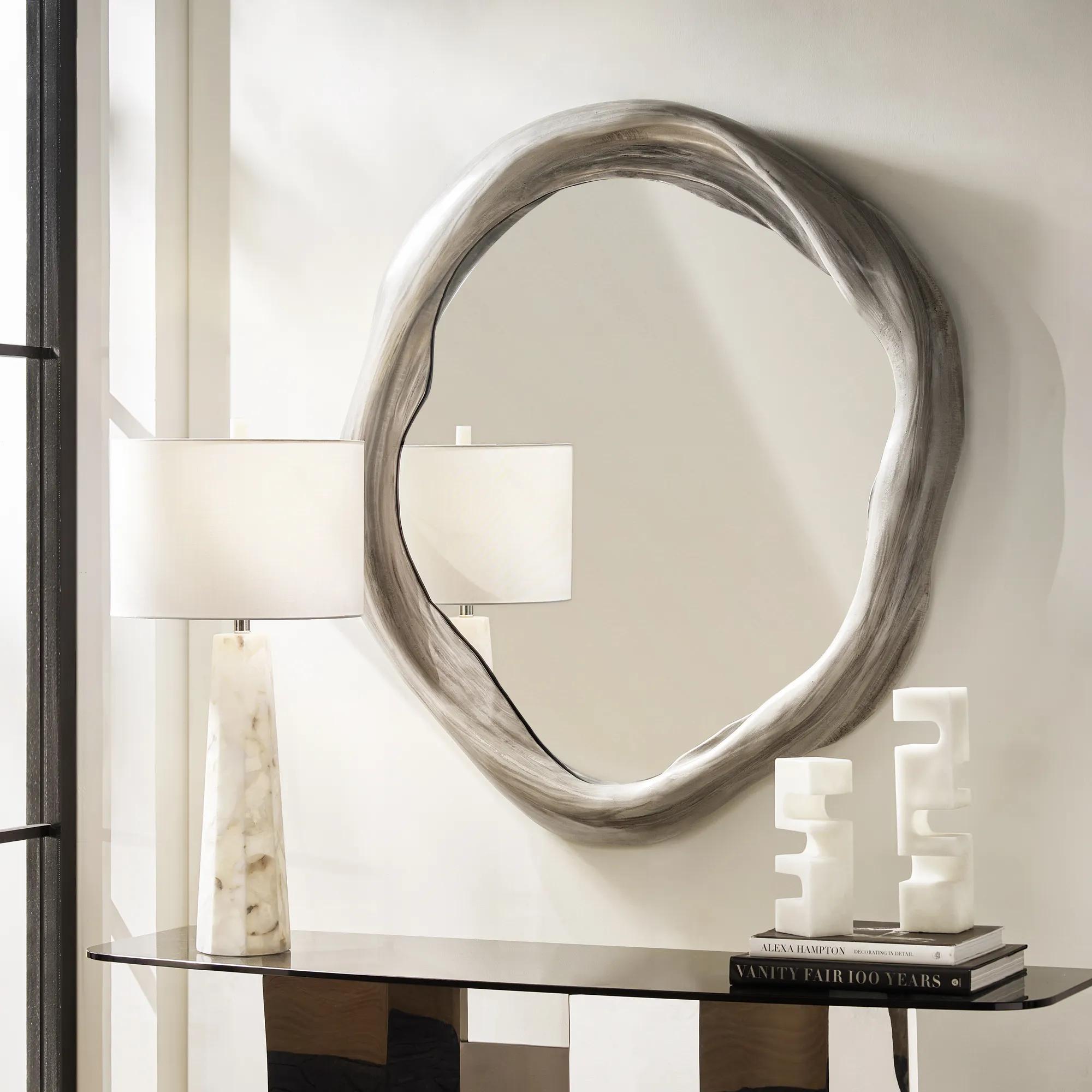
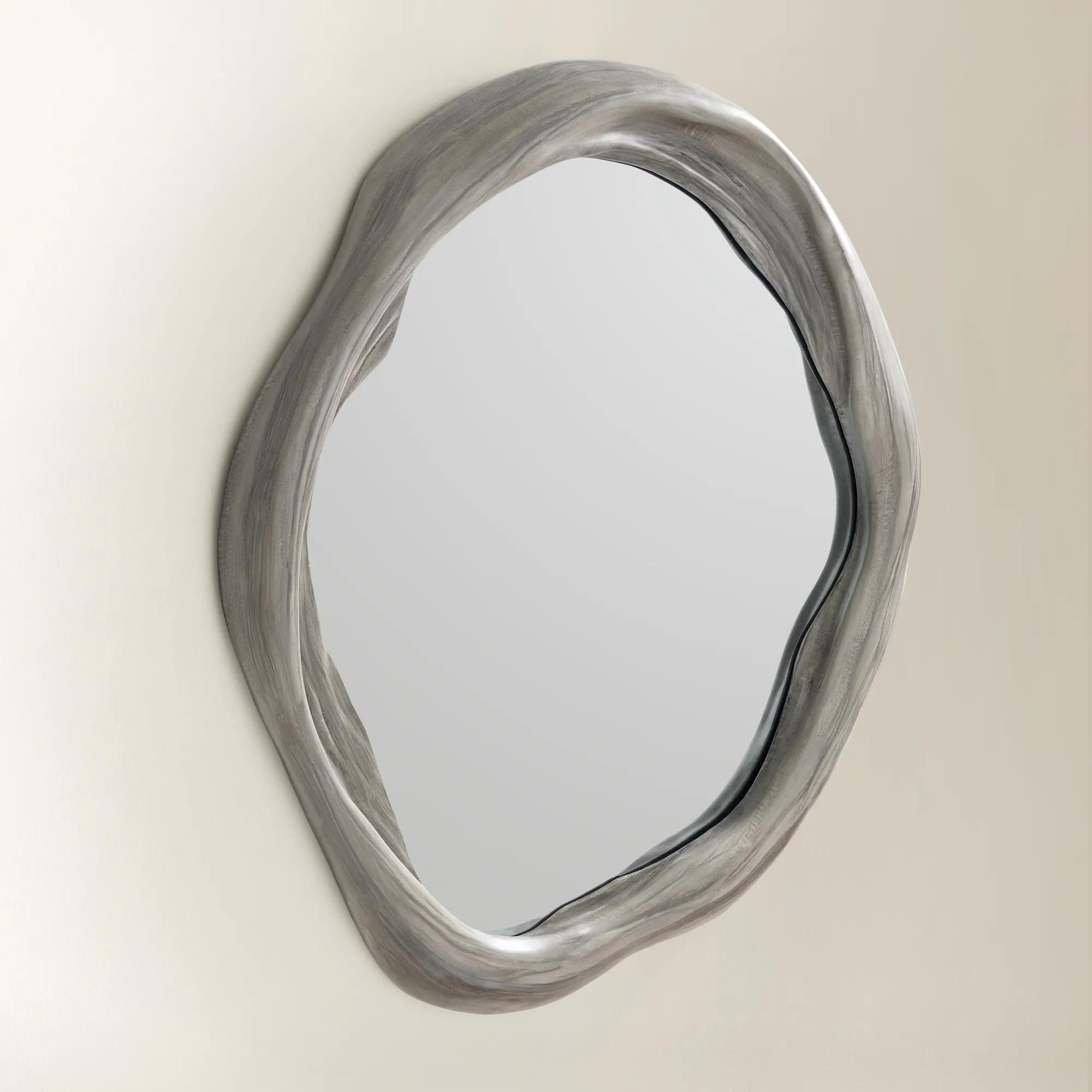 Dunes Wall Mirror$899
An organically shaped wall mirror with an artfully irregular gray frame, perfect for modern or minimalist spaces.
Add To Cart -
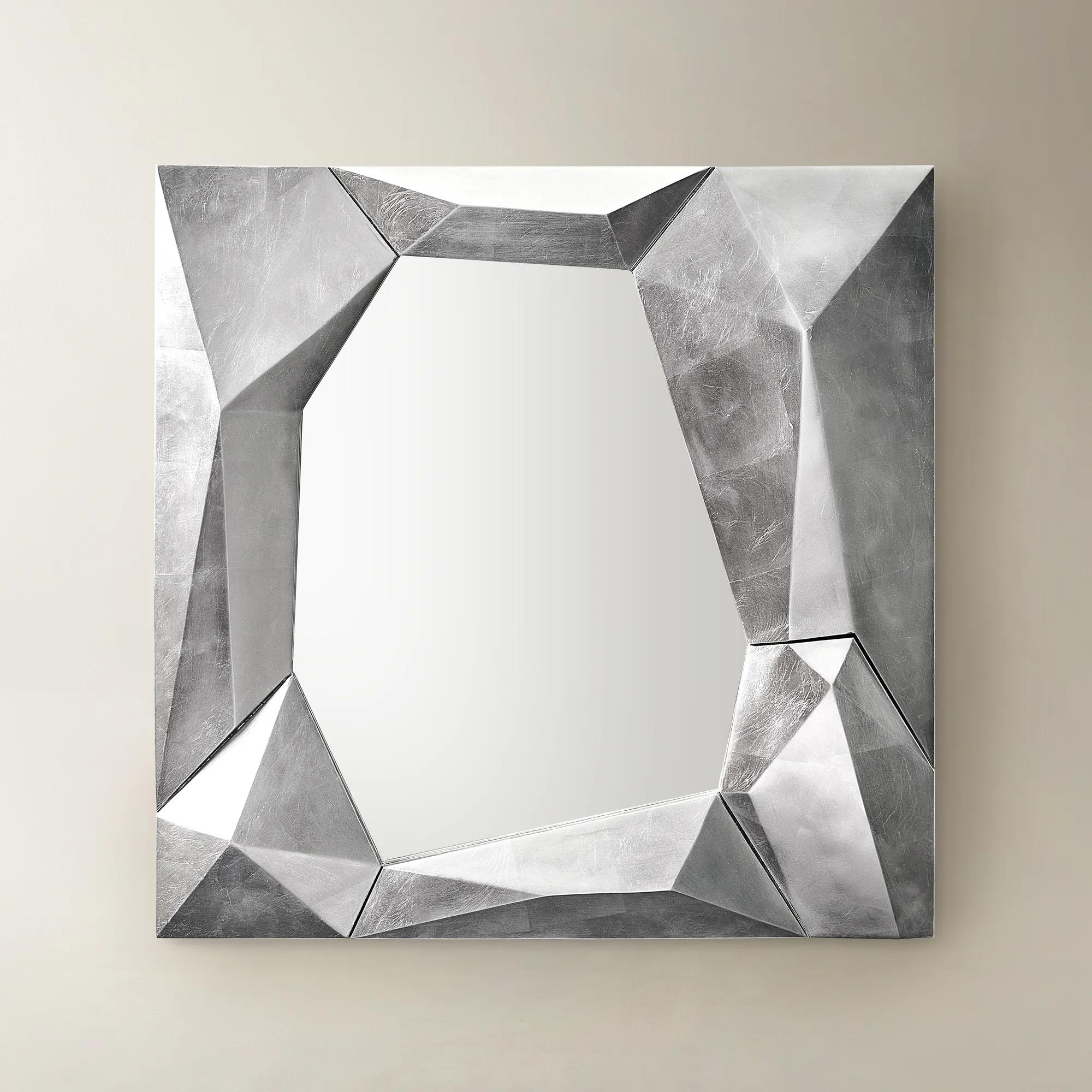 Aeris Satin Silver Faceted Resin Square Wall Mirror 35" x 35"$499
A satin silver fiberglass resin frame and faceted silhouette create a modern, sculptural wall mirror.
Add To Cart -
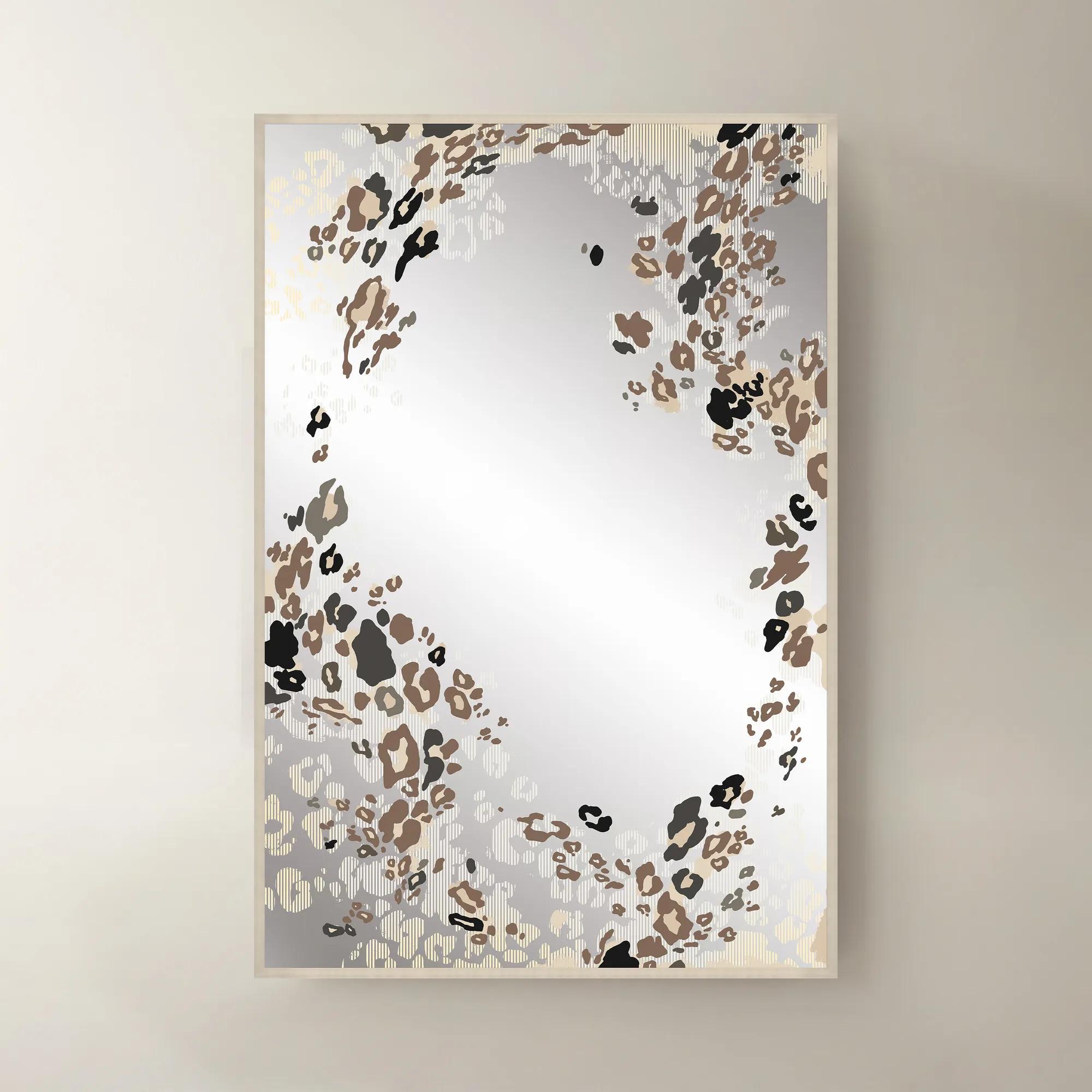
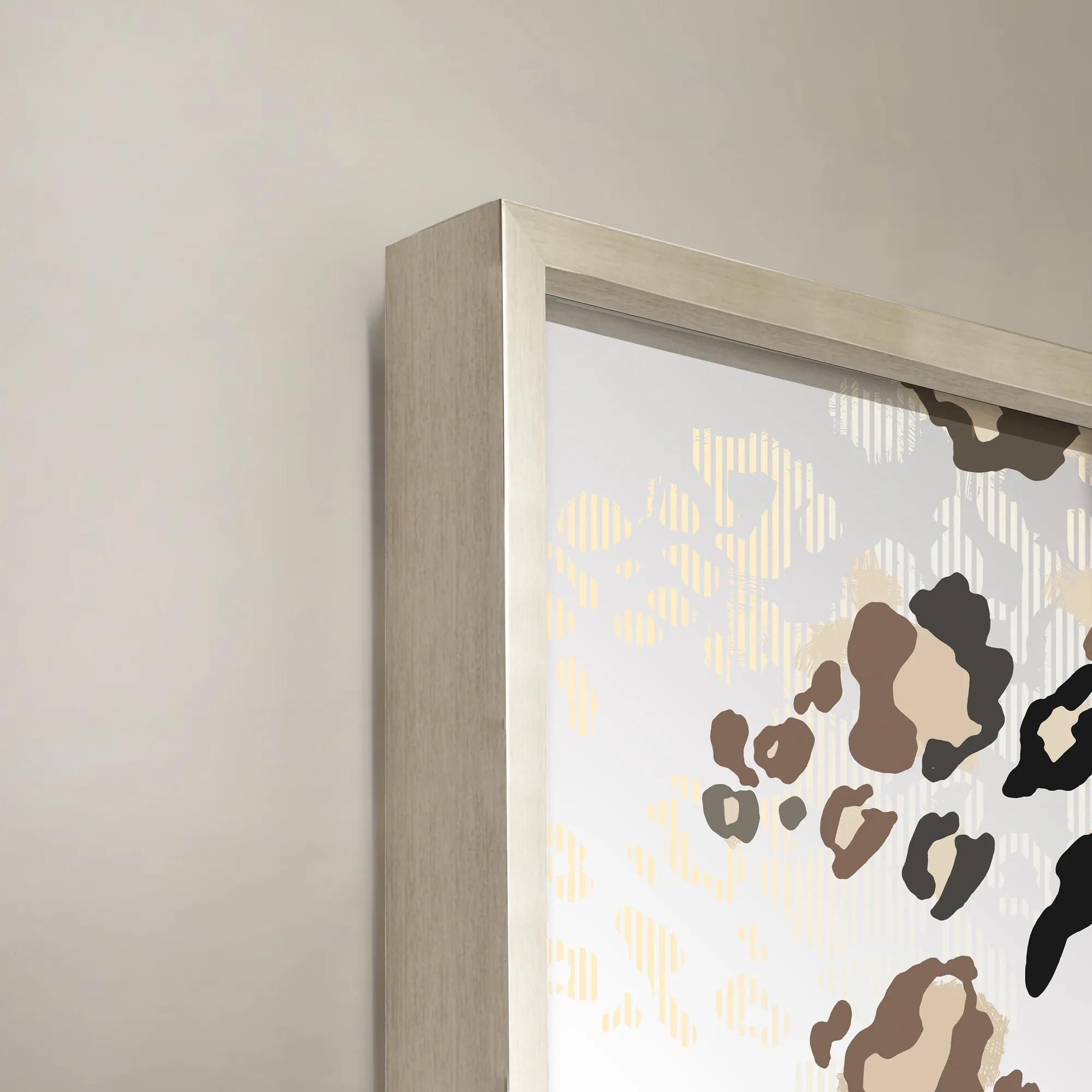 Leopard Luxe Framed Printed Wall Mirror 40" x 60"$1499
A printed mirror featuring Art Deco-inspired leopard artwork, set in a wood silver frame with brown and black tones.
Add To Cart -
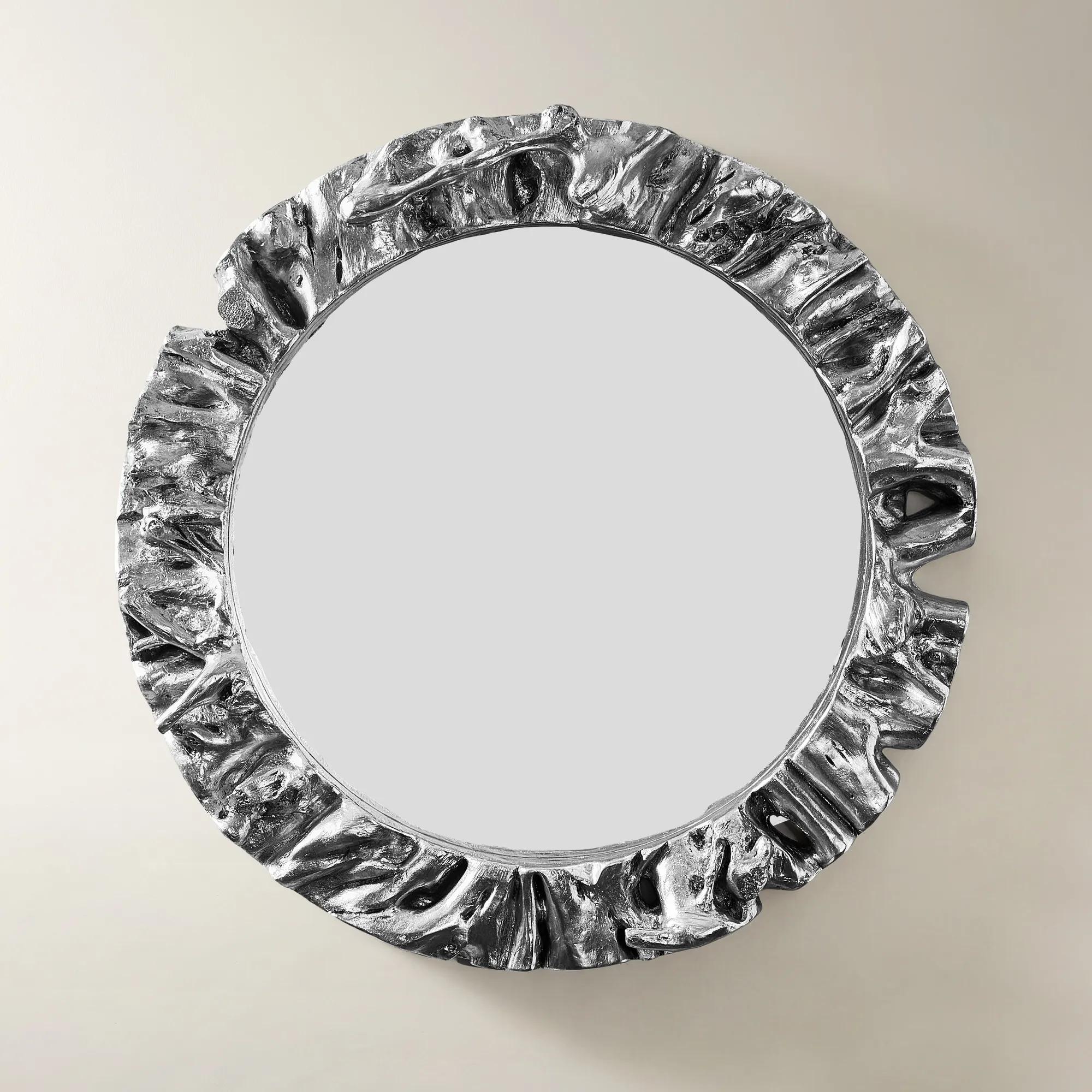
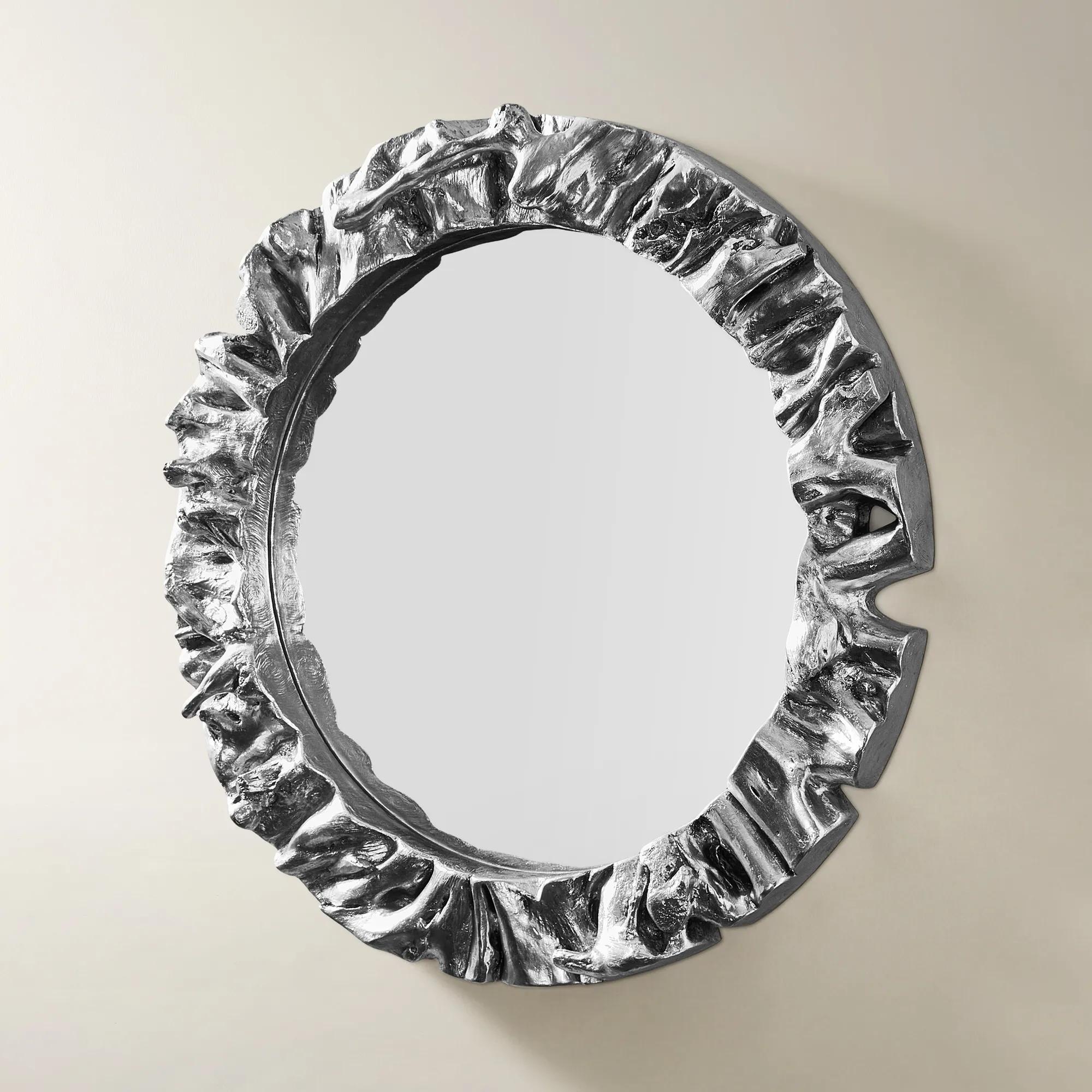 Sequoia Silver Resin Round Wall Mirror 48.25"$1199
A sculptural silver fiberglass resin frame mirror that adds modern polish and reflective brightness to any room.
Add To Cart

Decorative Wall Mirrors
Explore decorative wall mirrors that bring light, depth, and a striking focal point to your space. Find a statement piece to anchor an entryway, complement a living room vignette, or add dimension above a console. Consider scale, silhouette, and frame design to choose a mirror that balances your furnishings while expressing your personal style.
Decorative wall mirrors bring an architectural presence to a room, pairing the beauty of a considered frame with the movement of reflected light. More than a finishing touch, they can become the visual center of an entryway, lend depth to a dining room, or give a living room wall the same expressive energy as a work of art. Their appeal lies in that interplay: a sculptural silhouette remains constant while its reflection changes with the room, capturing the glow of a chandelier, the curve of an accent chair, or the rich color of an upholstered sofa. A large wall mirror above a console creates a generous focal point without introducing another strong color, while a smaller, elaborately framed design brings concentrated drama to a narrow wall. Round mirrors soften arrangements dominated by rectangular furniture, and elongated shapes emphasize height in spaces that benefit from a more vertical composition. Arched wall mirrors suggest architectural detail, even where the surrounding walls are simple. For interiors with a more expressive point of view, angular outlines, radiating frames, and layered borders turn reflection into ornament. The effect can be glamorous without feeling crowded when the surrounding pieces have room to breathe. In an entryway, a mirror offers a convenient place for a final glance before leaving while establishing the home’s mood from the first step inside. Above a dining room sideboard, it can reflect a beautifully set table and the glow of nearby lighting. In a bedroom, it brings dimension to the wall above a dresser, balancing storage with a more personal, decorative gesture. Reflections deserve as much consideration as frames: a view of artwork, an architectural feature, or a thoughtfully arranged seating area creates a richer composition than a reflection of cords or a busy passageway. Positioning near natural light can make a room feel brighter, although direct reflections of strong sunlight or exposed bulbs may create uncomfortable glare. The most compelling decorative mirrors feel connected to the space around them, enhancing its character rather than simply occupying an empty wall.
Materials and finishes give decorative wall mirrors their distinct personalities, from the luminous restraint of a slim metal border to the sumptuous detail of a carved frame. Gold-toned finishes introduce warmth and pair beautifully with jewel-toned upholstery, dark wood, and richly textured textiles. Silver-toned metal offers a cooler gleam that complements glass, polished accents, and crisp contrasts. Black frames create a decisive outline, making the shape of the mirror especially visible against pale walls, while wood brings grain and warmth to rooms layered with tactile materials. Painted and composite frames can support intricate profiles, dimensional patterns, and sculptural forms; their character depends on the quality of the finish and the construction beneath it. Mirrored borders extend the reflective surface into the frame itself, producing a jewel-like effect that becomes particularly striking beneath ambient lighting. A beveled edge adds a subtle transition around the glass, catching light without requiring elaborate ornament. For a softer interpretation of statement decor, decorative white wall mirrors offer definition through shape and texture, allowing carved details or raised patterns to emerge without a pronounced color contrast. Against a white wall, that approach creates a quiet dimensional effect; against a deeper paint color, the same frame takes on a more graphic presence. Scale is equally important to the finished composition. A mirror above a console, dresser, or sideboard generally feels balanced when its overall width relates to the furniture beneath it and leaves visible space at either side. The outside frame dimensions matter here, not just the reflective area, especially with wide ornamental borders. A substantial frame can occupy considerable wall space while providing a relatively modest reflection. Taller mirrors suit walls where vertical emphasis is desirable, while broader designs can echo the horizontal line of a sofa or dining room cabinet. Nearby sconces, artwork, door trim, and ceiling height all influence how much presence a mirror should have. Thoughtful spacing allows the silhouette to read clearly, whether the mirror stands alone as a dramatic focal point or joins a composed arrangement of decorative accents.
A beautifully framed mirror should also suit the practical demands of its setting. In a hallway, a shallow profile preserves clearance and reduces the chance of contact along a frequently traveled route. Over furniture, enough separation between the frame and objects below keeps the arrangement from feeling compressed and makes everyday cleaning easier. In bathrooms or other moisture-prone spaces, suitability depends on the materials and the manufacturer’s intended use; a decorative mirror designed for a dry living area should not automatically be treated as a bathroom fixture. Durability comes from the complete construction, including secure frame joints, a sound backing, protected glass edges, and attachment points appropriate to the mirror’s weight. Metal finishes can scratch, painted surfaces can chip, and wood or composite components may respond poorly to prolonged moisture, so placement and handling influence how well a piece retains its appearance. Secure installation is especially important for larger decorative wall mirrors. Hardware must be compatible with both the mirror’s full weight and the wall construction, and the specified mounting points should be used rather than decorative frame elements. Heavy or oversized designs may warrant professional installation, particularly above seating or in homes with children and pets. Care can remain simple without sacrificing the finish: a soft microfiber cloth removes everyday dust, while glass cleaner applied to the cloth rather than sprayed directly onto the mirror helps limit liquid reaching the frame, edges, or backing. Abrasive pads and harsh cleaners can damage reflective surfaces and decorative finishes; material-specific care instructions take precedence. Ornate frames benefit from gentle dusting that reaches recessed details without scraping their surfaces. For design enthusiasts furnishing a new home, refreshing a favorite room, or celebrating a housewarming, a decorative mirror can be an especially personal gift when its scale, finish, and mounting needs suit the recipient’s space. It offers lasting function alongside a distinct aesthetic point of view. Whether the room calls for a sweeping reflective surface or an intricately framed accent, the right wall mirror brings light, proportion, and artistry into a single composition, giving everyday surroundings a more expressive sense of occasion.
FAQs
Sculptural, geometric, and Art Deco–inspired wall mirrors bring an expressive edge to modern interiors. Choose a clean-lined frame for tailored glamour, or embrace a sunburst silhouette for a composition rich in movement and drama.
Gold, silver, black, and mirrored frames offer distinct decorative moods. Gold feels warm and opulent, silver introduces polished elegance, and black lends graphic definition. Mirrored frames create a luminous, jewel-like border.
Round and oval wall mirrors introduce fluid curves, while rectangular designs evoke architectural precision. Arched mirrors suggest classical elegance, and asymmetrical silhouettes bring an artful, unexpected note. Let the shape echo your furnishings or create a deliberate contrast.
Decorative wall mirrors make a distinctive addition to a gallery wall, placing reflective surfaces in conversation with paintings, photography, and dimensional art. Repeat a frame finish or design motif for cohesion, then vary the silhouettes for a collected, expressive composition.
Treat the mirror as the centerpiece of a layered vignette, with sculptural vases, art objects, or elegant candleholders arranged below. Pair an ornate frame with a restrained collection of accents, or surround a streamlined mirror with richly textured ceramics and gleaming metallic details.
.jpeg?w=1080&h=1080)