Decorative Round Wall Mirrors
Decorative Round Wall Mirrors
-

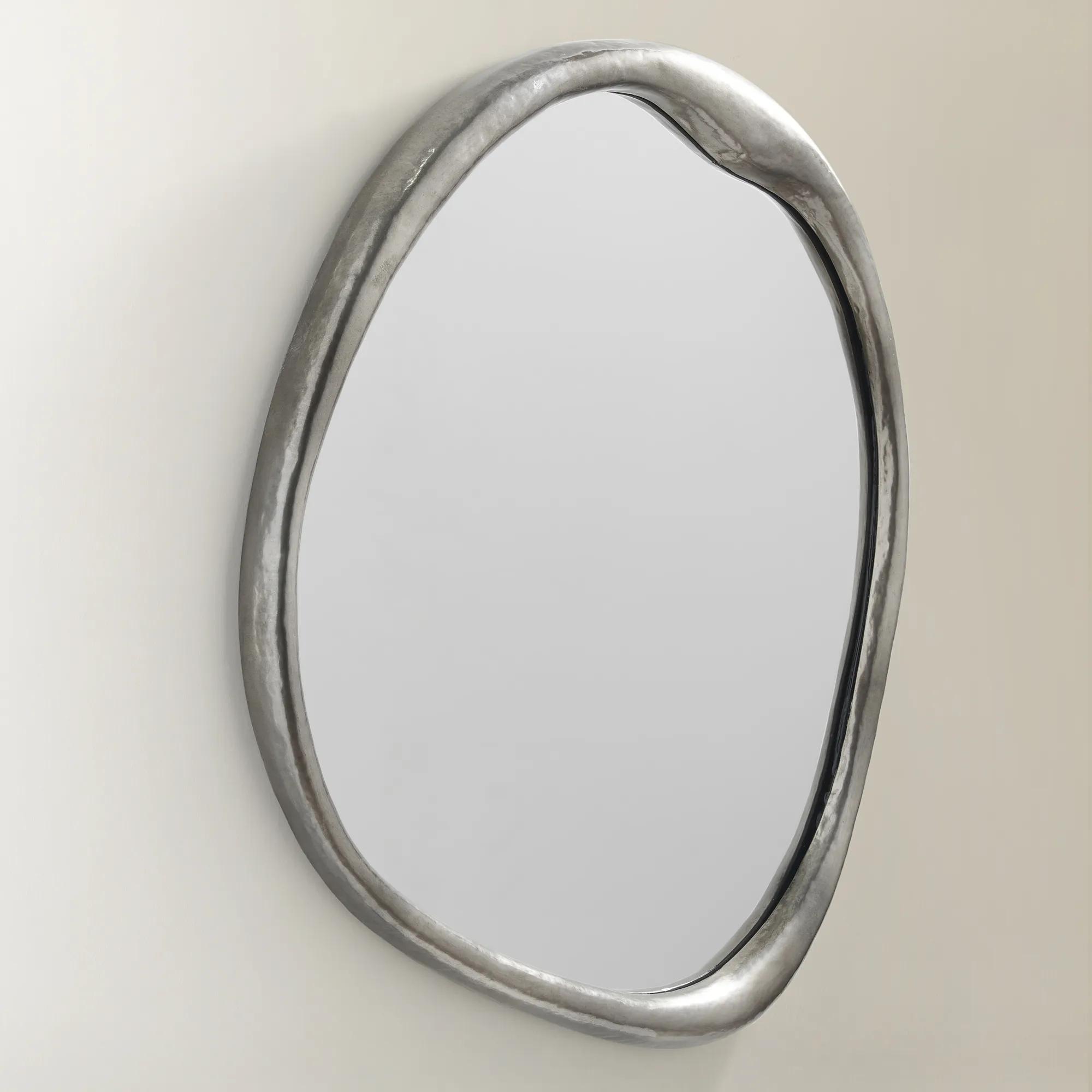 Organa Wall Mirror$599
An irregular silver iron-framed mirror that brings modern organic style and reflective depth to any room.
Add To Cart -
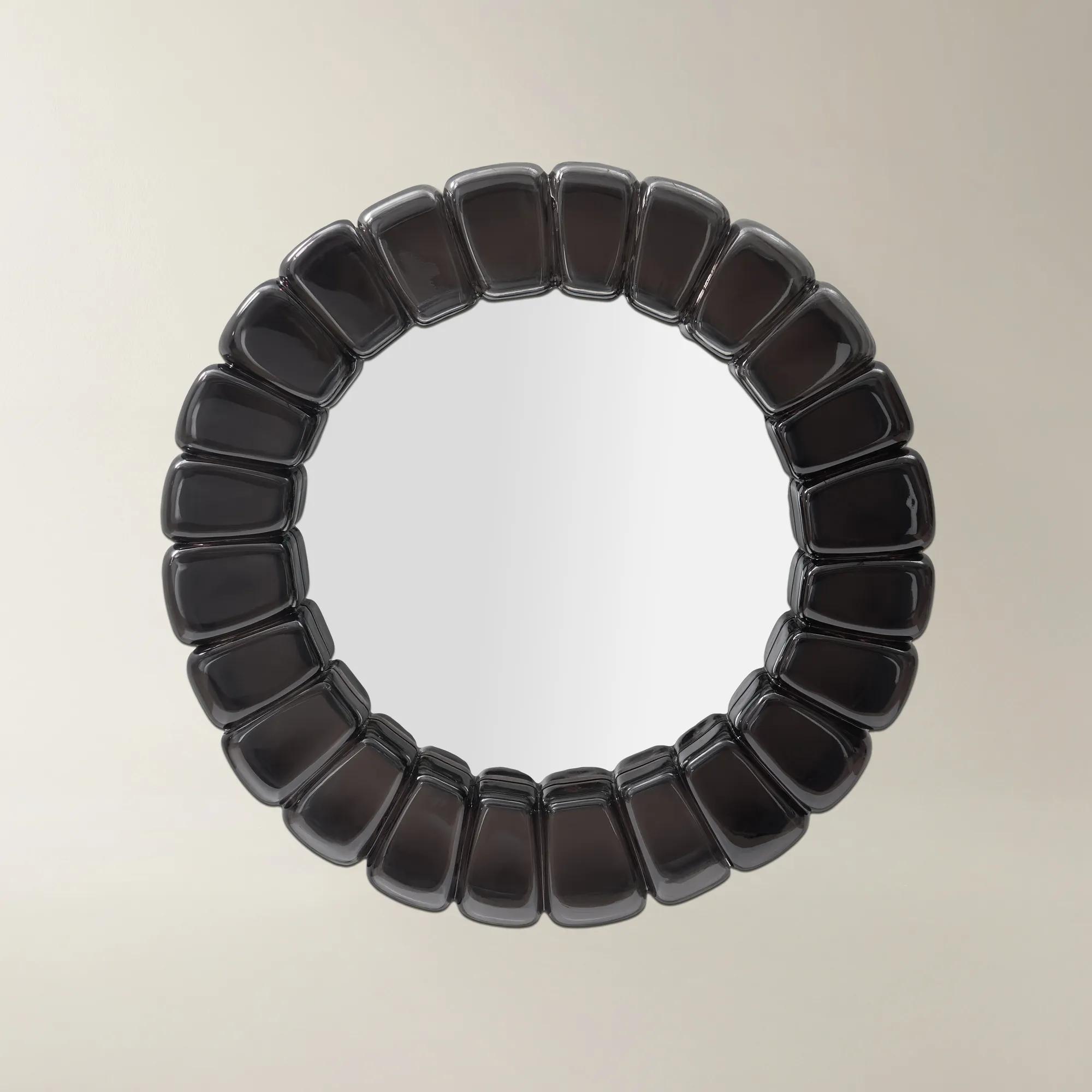
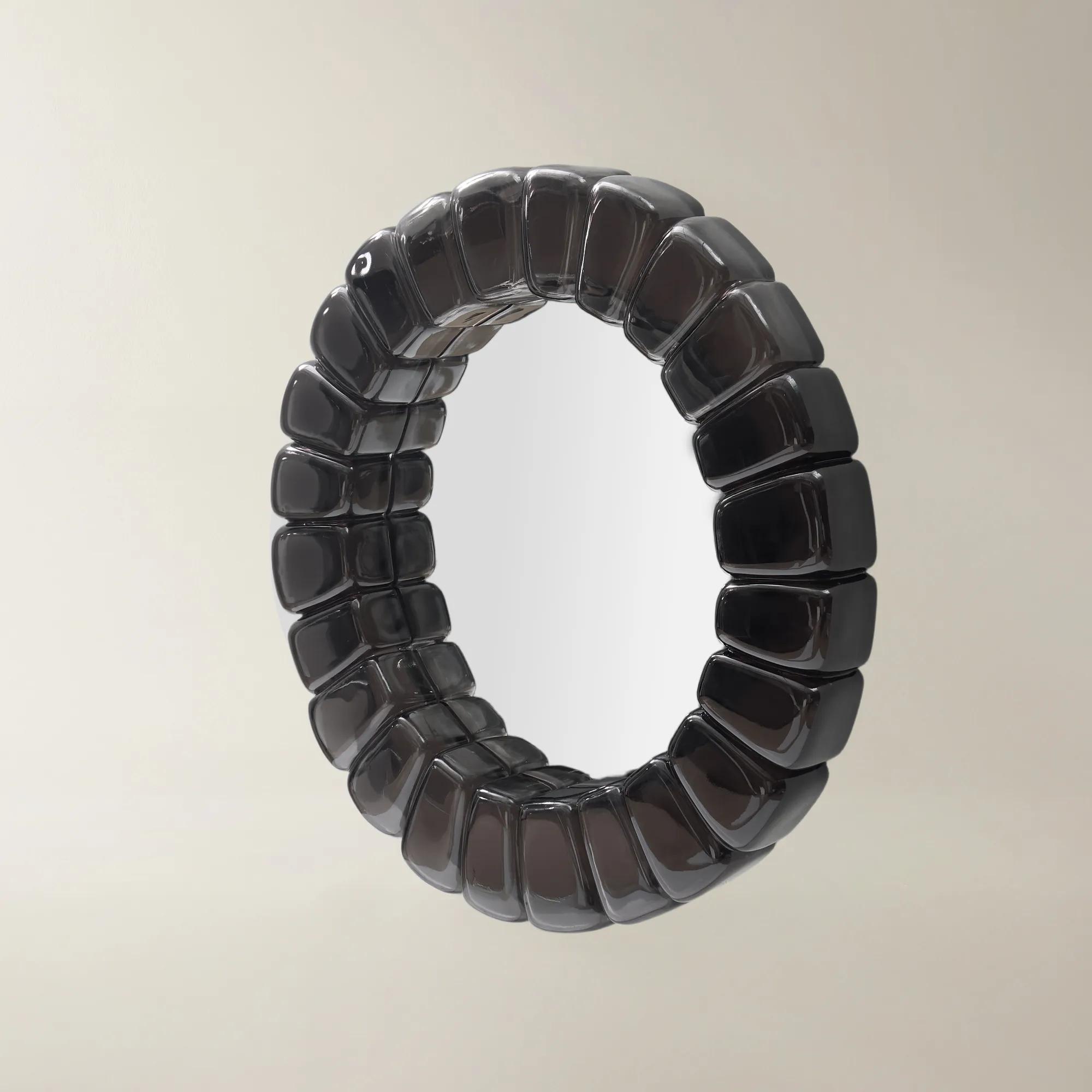 Lumino Graphite Resin Round Wall Mirror 38.5"$899
A sleek wall mirror adding modern style and reflective dimension to your space.
Add To Cart -
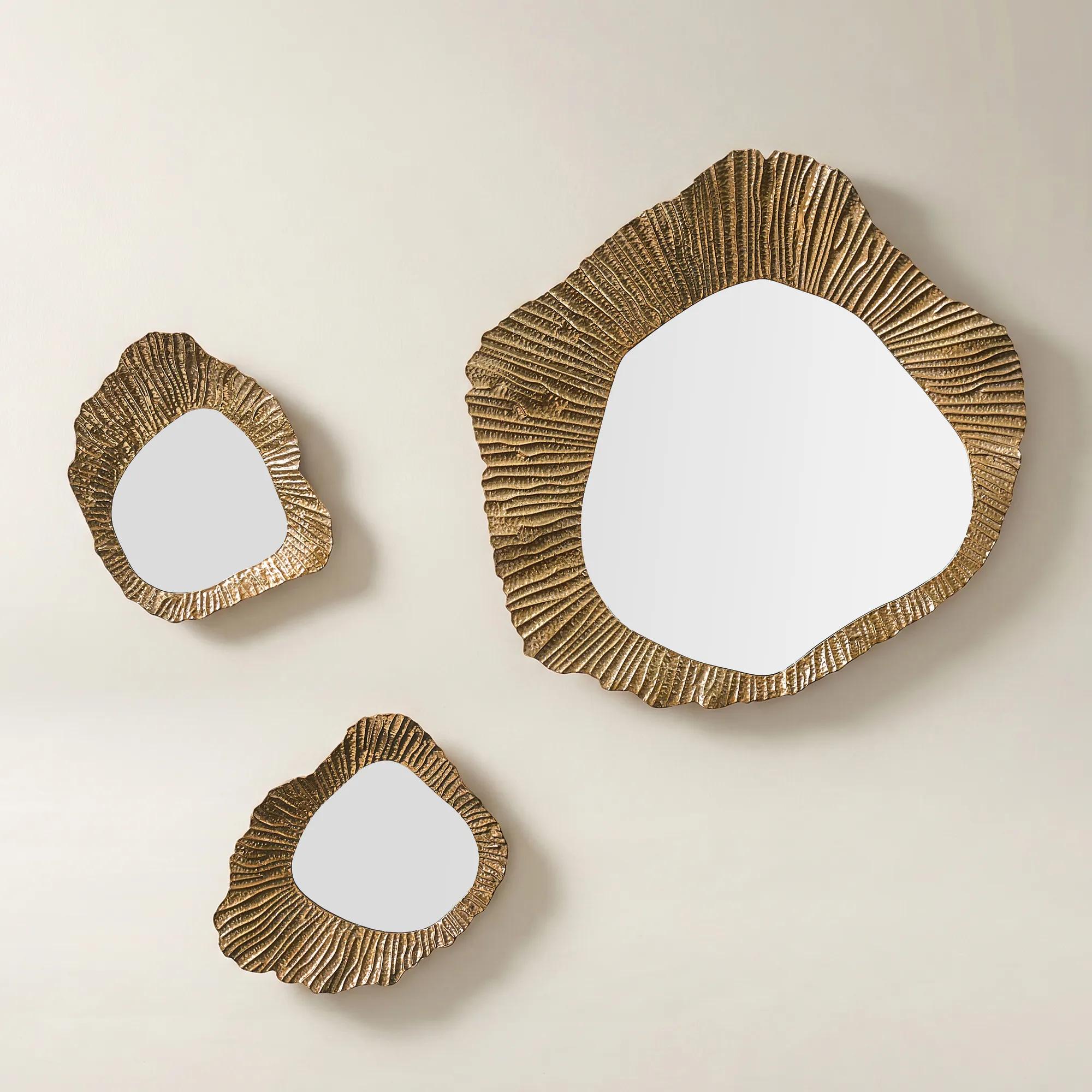 Cara Antique Gold Hand-Forged Iron Organic Shaped Wall Mirror Cluster Trio$1099
A set of three hand-forged iron mirrors in antiqued gold, featuring an organic, sculptural cluster design.
Add To Cart -

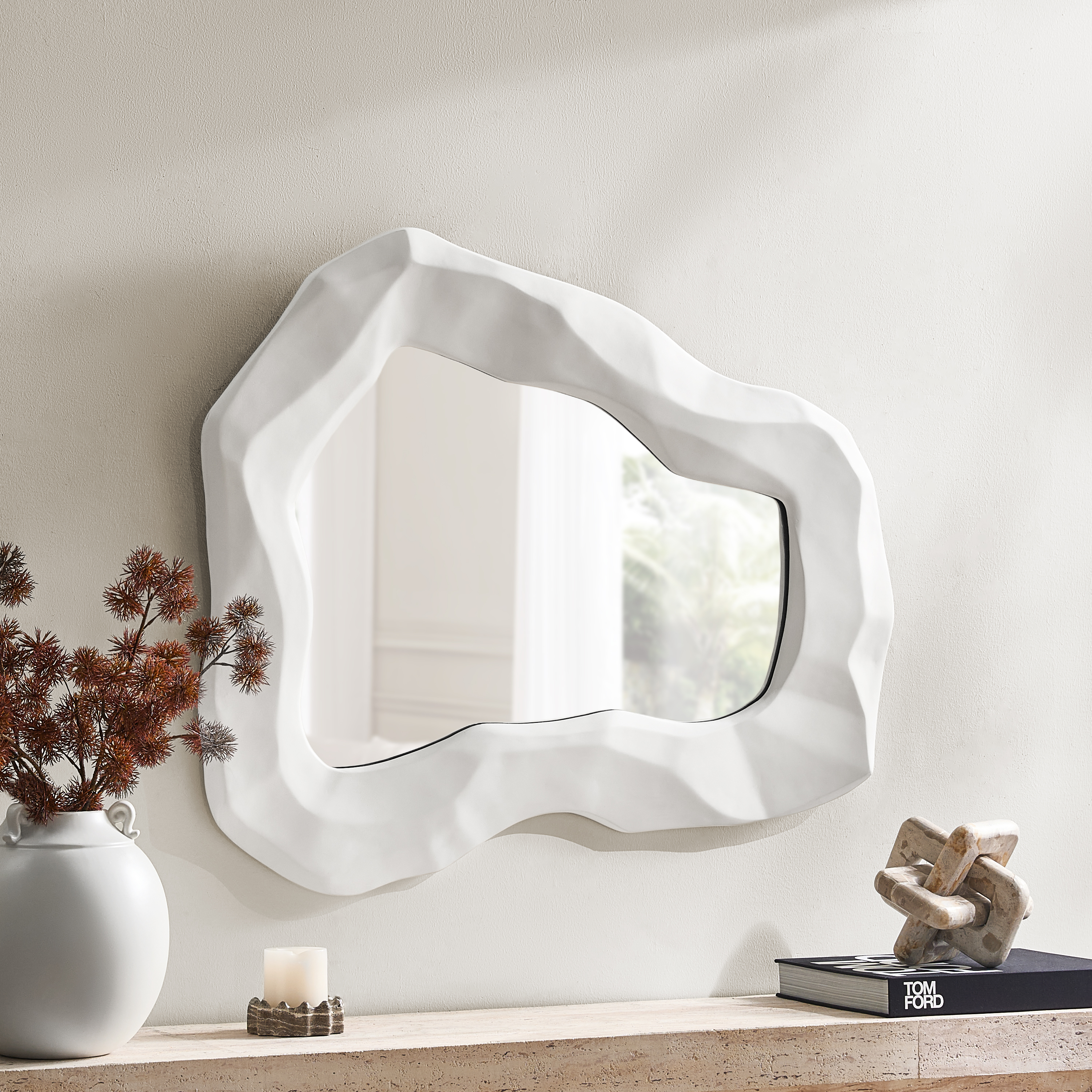 Islay Wall Mirror - White$549
A sculpted resin-framed mirror in matte white with an organic, asymmetrical silhouette for modern interiors.
Add To Cart -

 Cade Gold Hand-Hammered Iron Round Wall Mirror 46.25"$699
A round wall mirror featuring a hand-hammered iron frame with a warm gold finish for elegant appeal.
Add To Cart -
 Duran Black And Silver Stainless Steel Spheres Wall Mirror 20" x 44"$399
A sculptural wall mirror featuring a black and silver steel frame adorned with polished spheres.
Add To Cart -
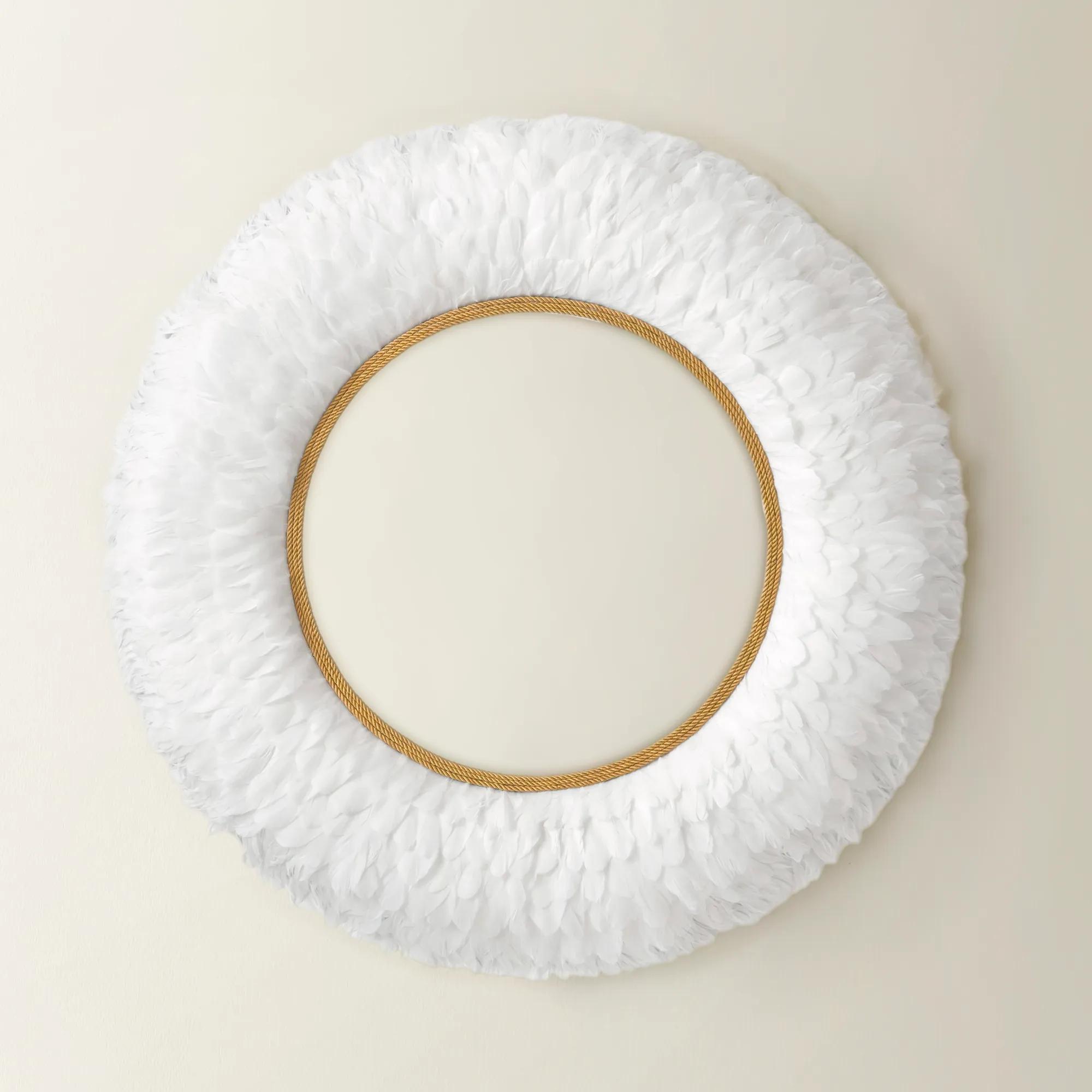
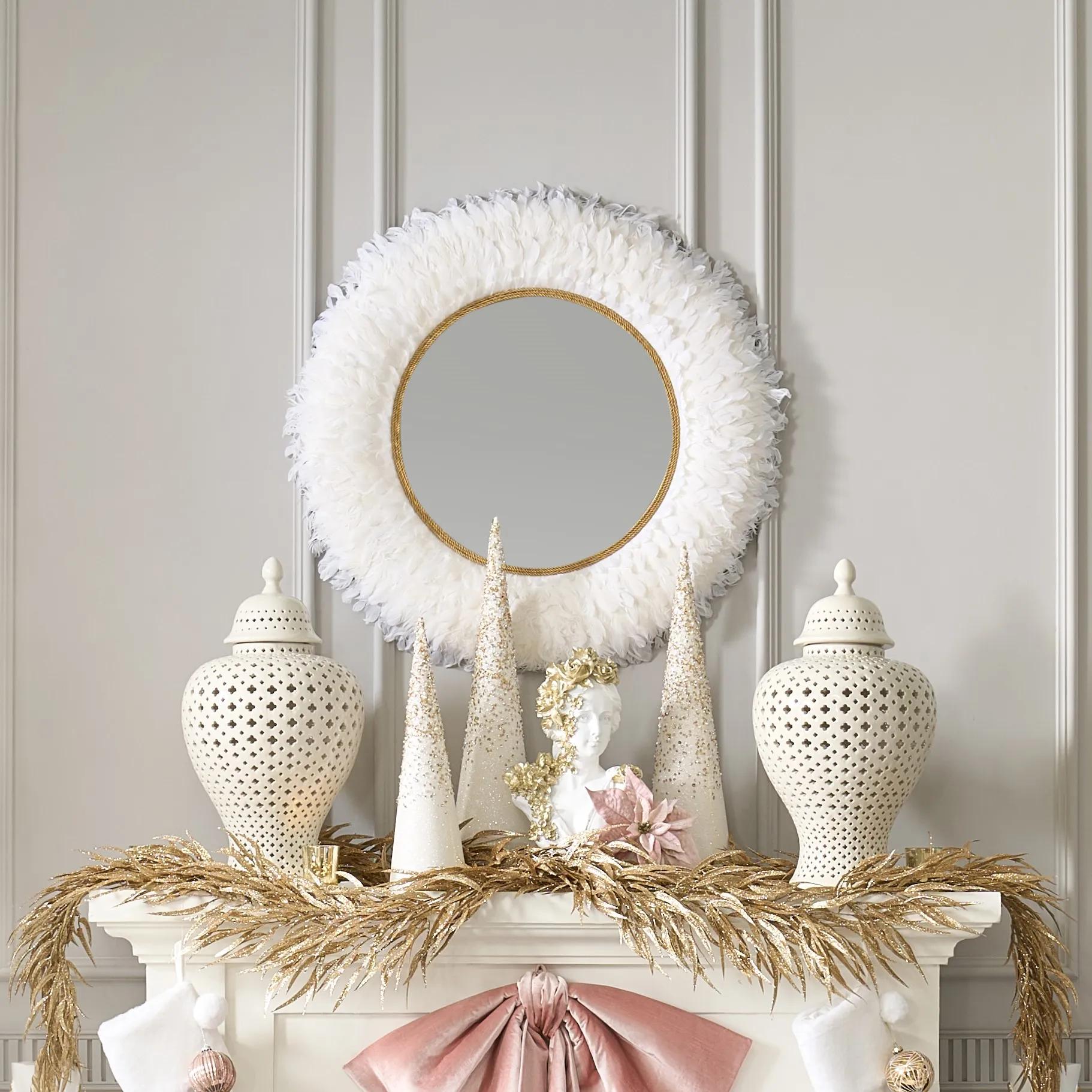 Nikki Chu - Daybreak Feather Mirror$499
A dramatic white feather-framed mirror accented with a gleaming gold inner border for added texture.
Add To Cart -
 Oceano White Resin Round Wall Mirror 42.7" x 40.2"$699
A white wall mirror featuring an organic shape and sandy texture for a serene, coastal-inspired accent.
Add To Cart -
 Ever Translucent Amber Resin Round Wall Mirror 40"$699
A sculptural amber resin mirror with gold accents and playful bauble-inspired forms for modern glamour.
Add To Cart -
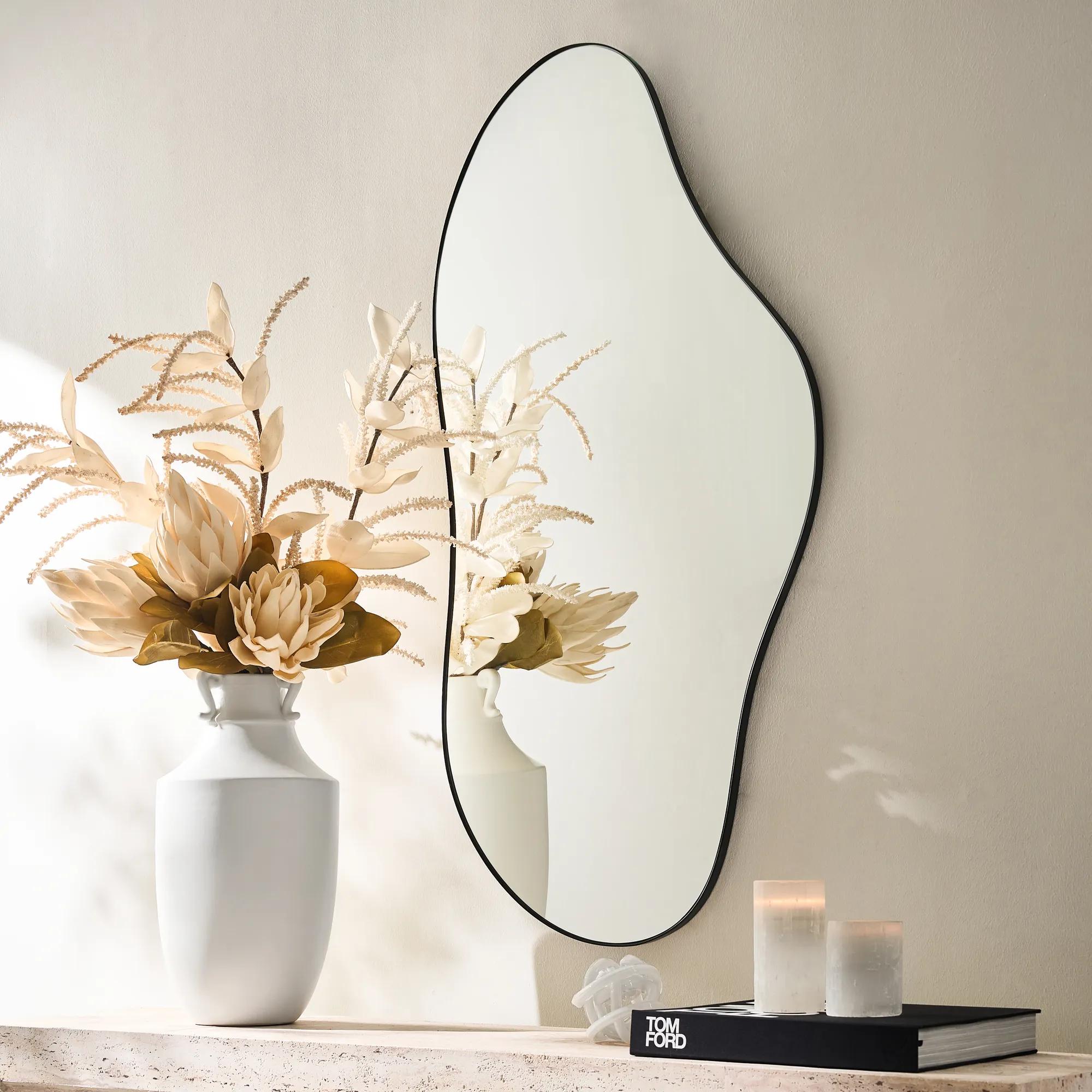
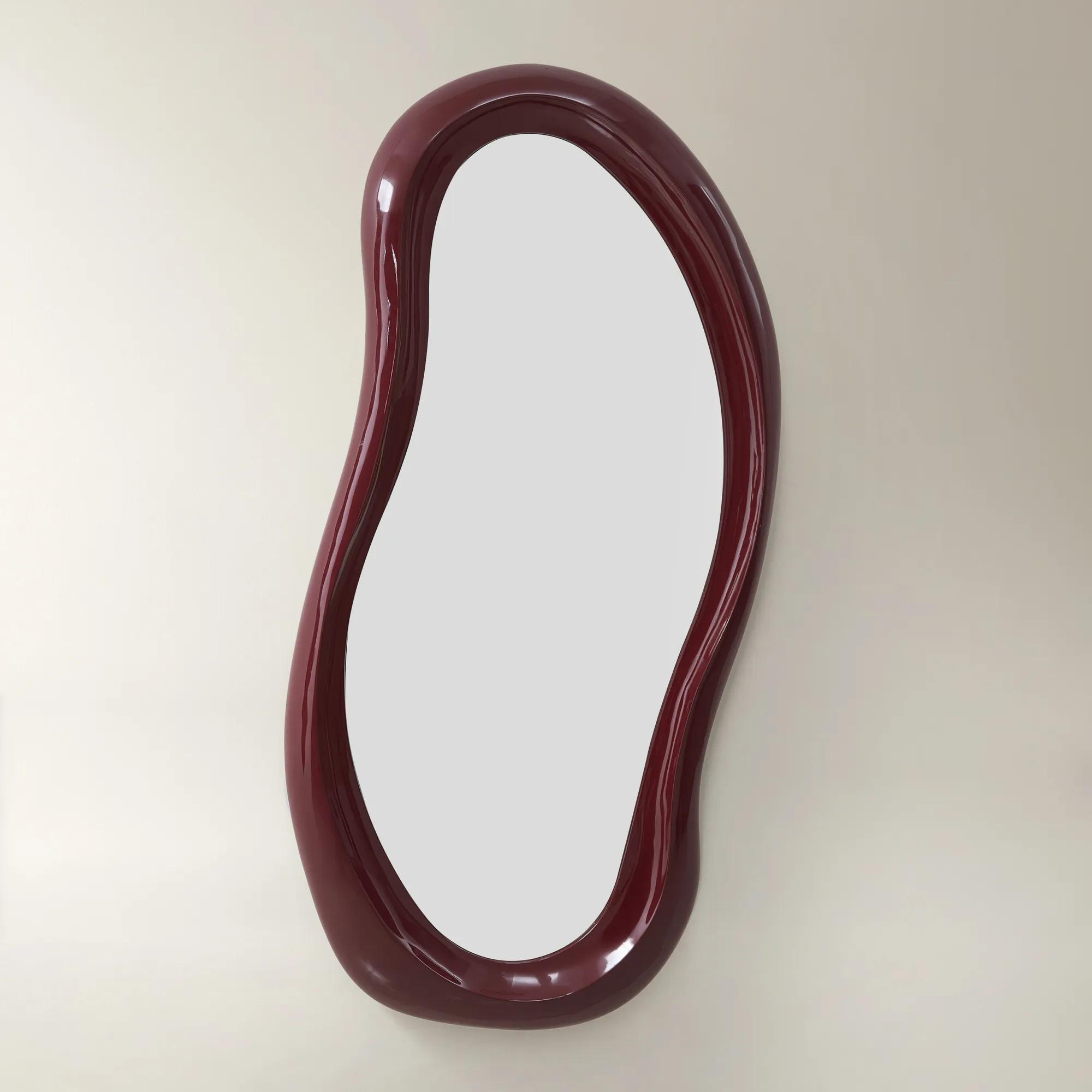
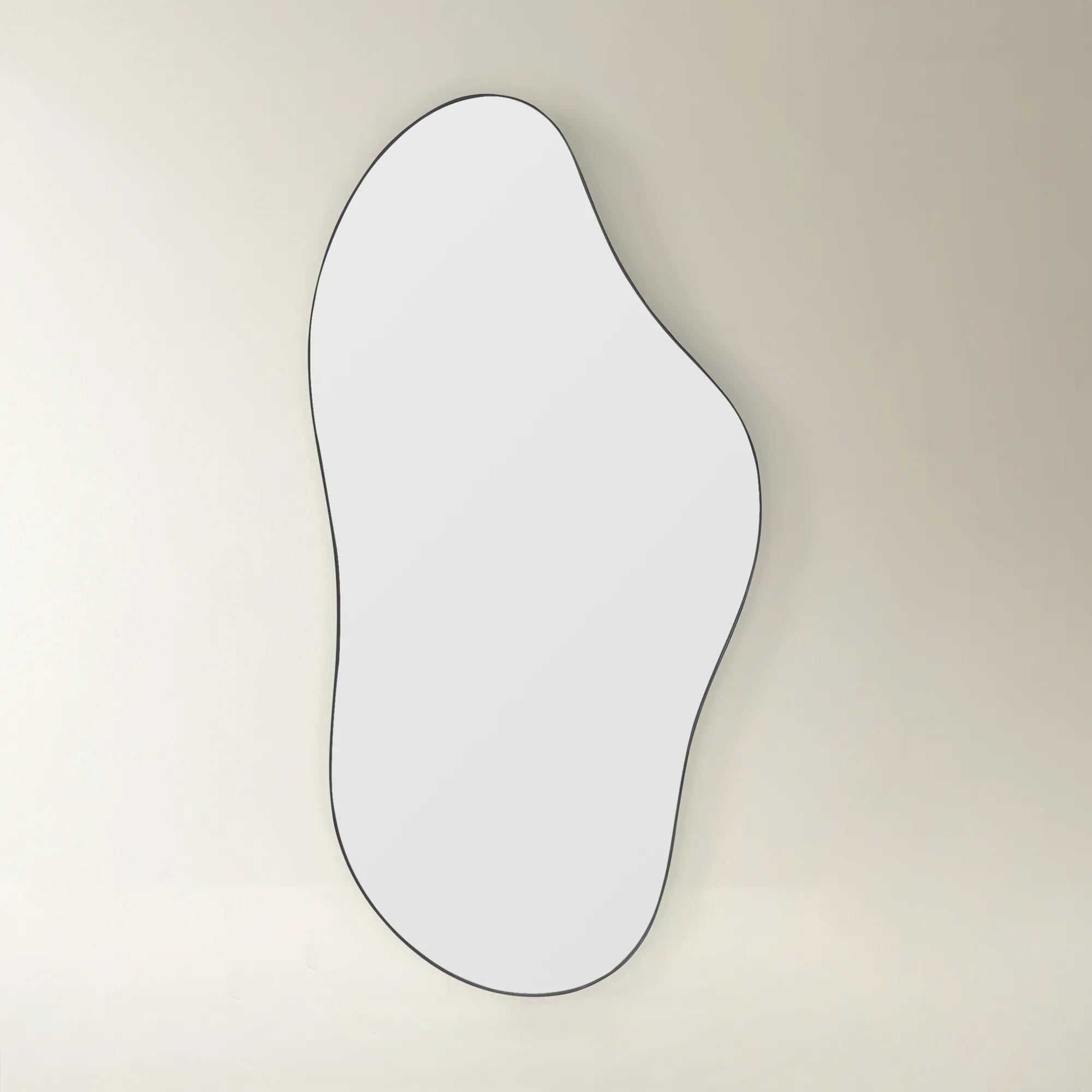 Puddle Wall Mirror$299
A freeform glass mirror with a black frame that adds playful sophistication to modern interiors.
Add To Cart -
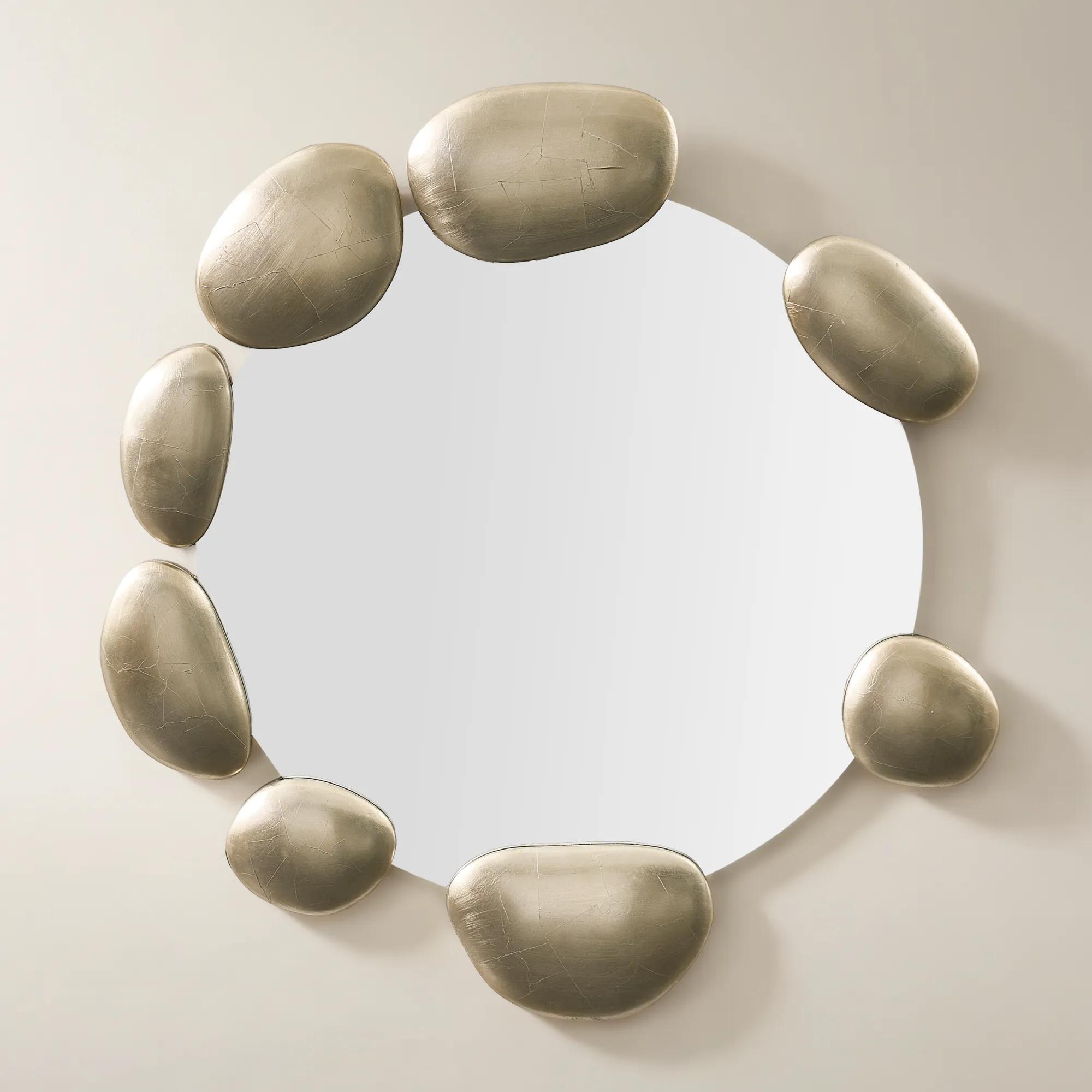 Pebbled Champagne Leaf Resin Round Wall Mirror 40"$599
A round wall mirror featuring a sculptural resin frame with champagne leafing and playful pebbled accents.
Add To Cart -
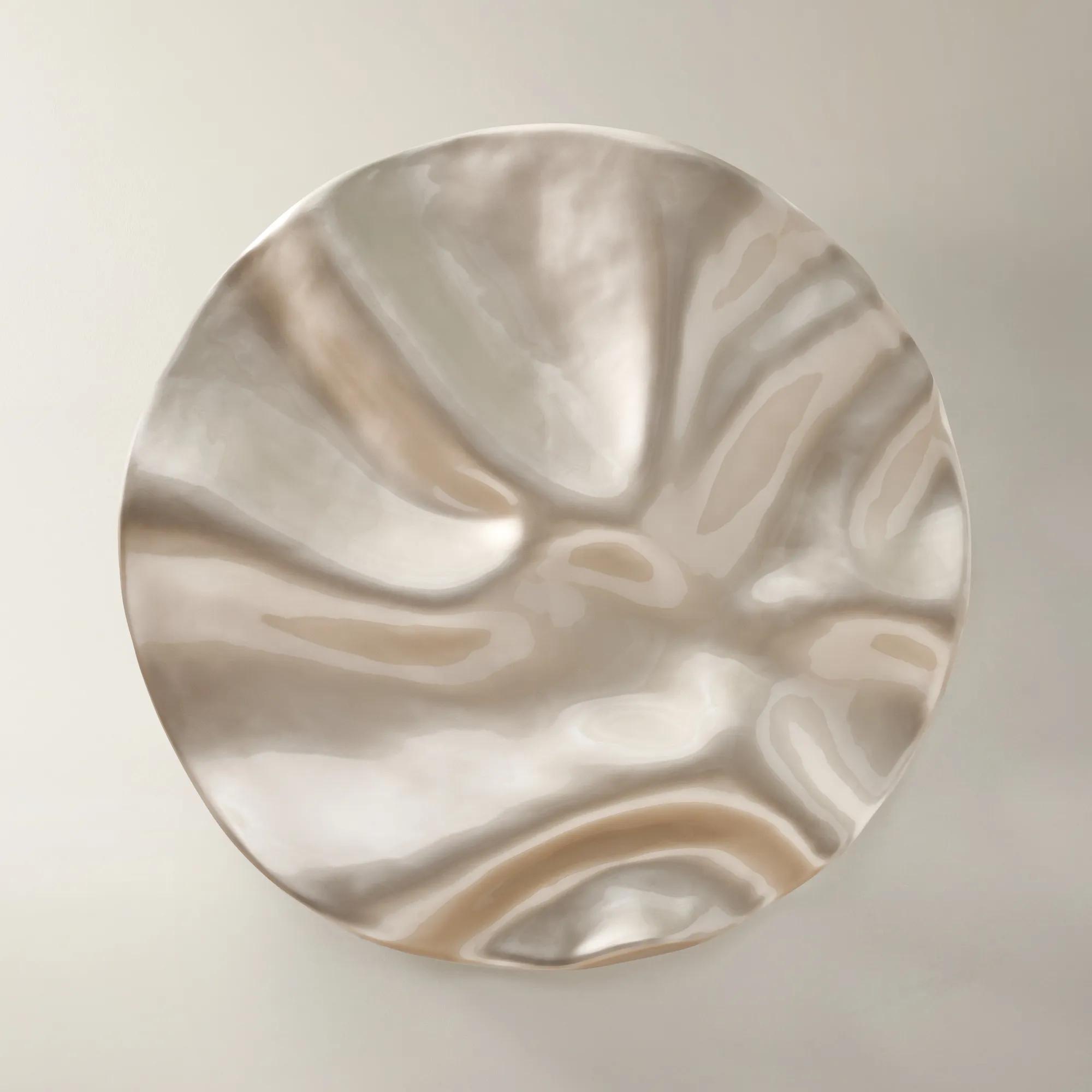
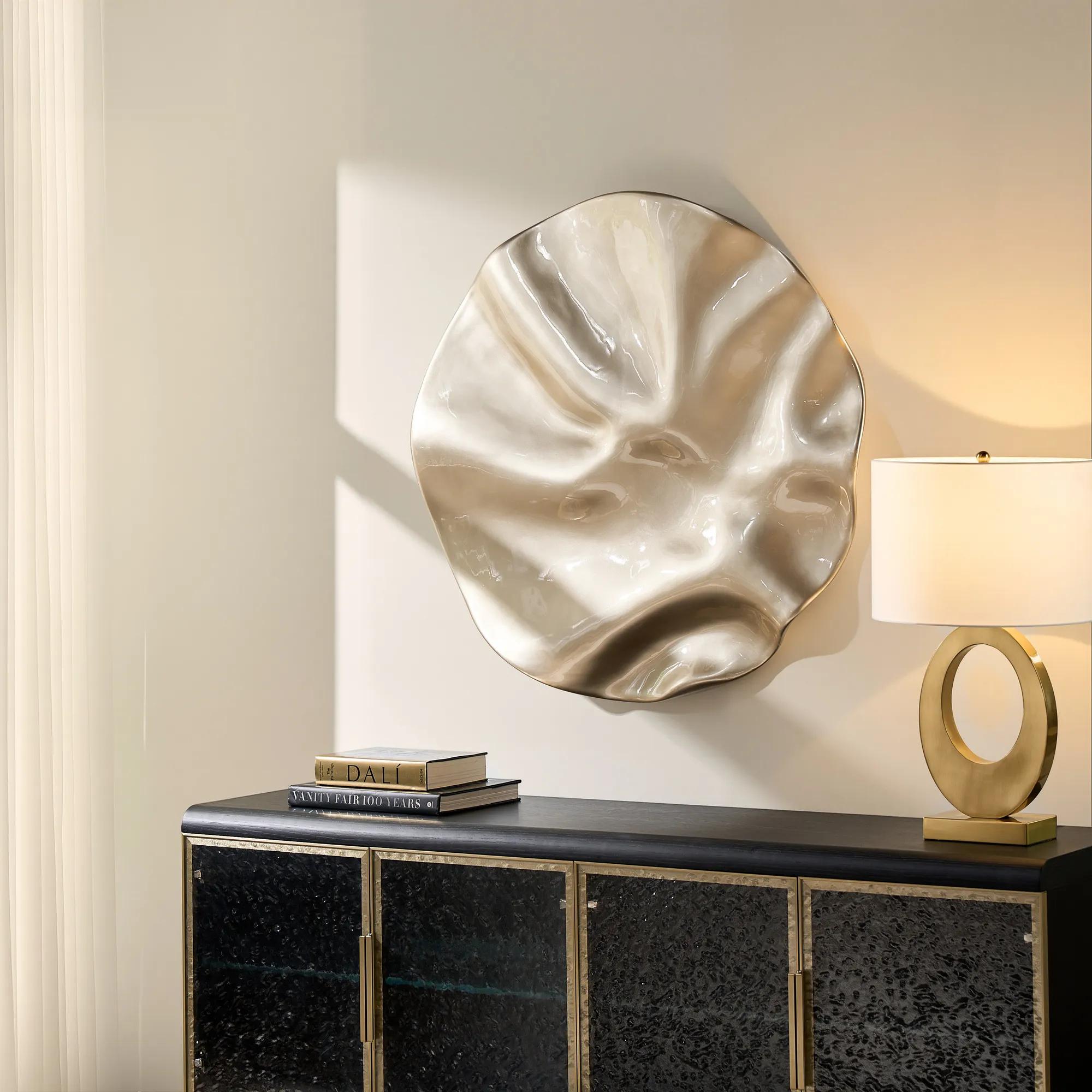 Moonlight Champagne Resin Round Wall Panel 39.75"$499
A luminous champagne-toned resin wall panel with a round silhouette and sculptural modern appeal.
Add To Cart -
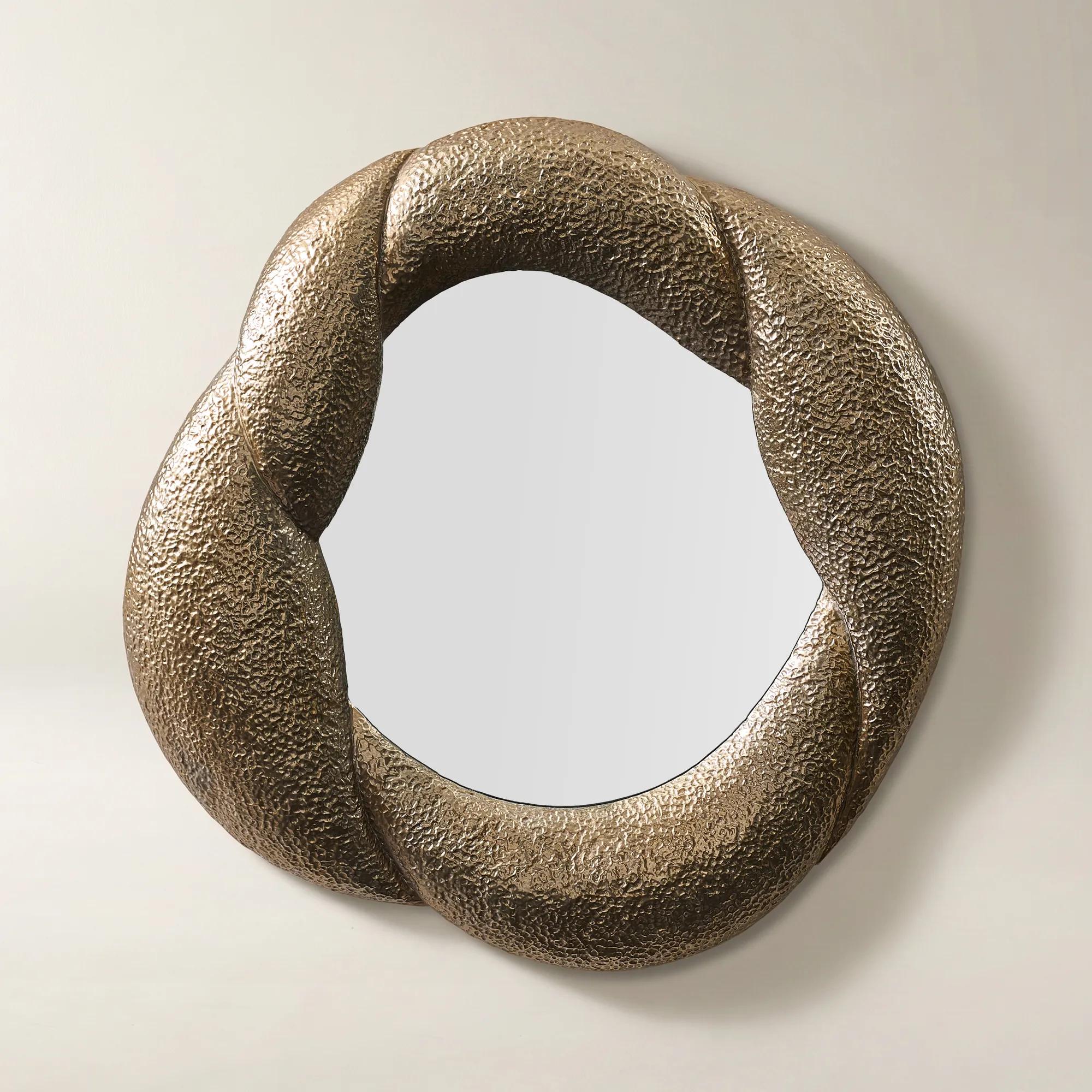 Bronze Age Hammered Texture Resin Organic Round Wall Mirror 34"$599
A round wall mirror featuring a chunky resin frame with hammered bronze texture for sculptural, modern appeal.
Add To Cart -
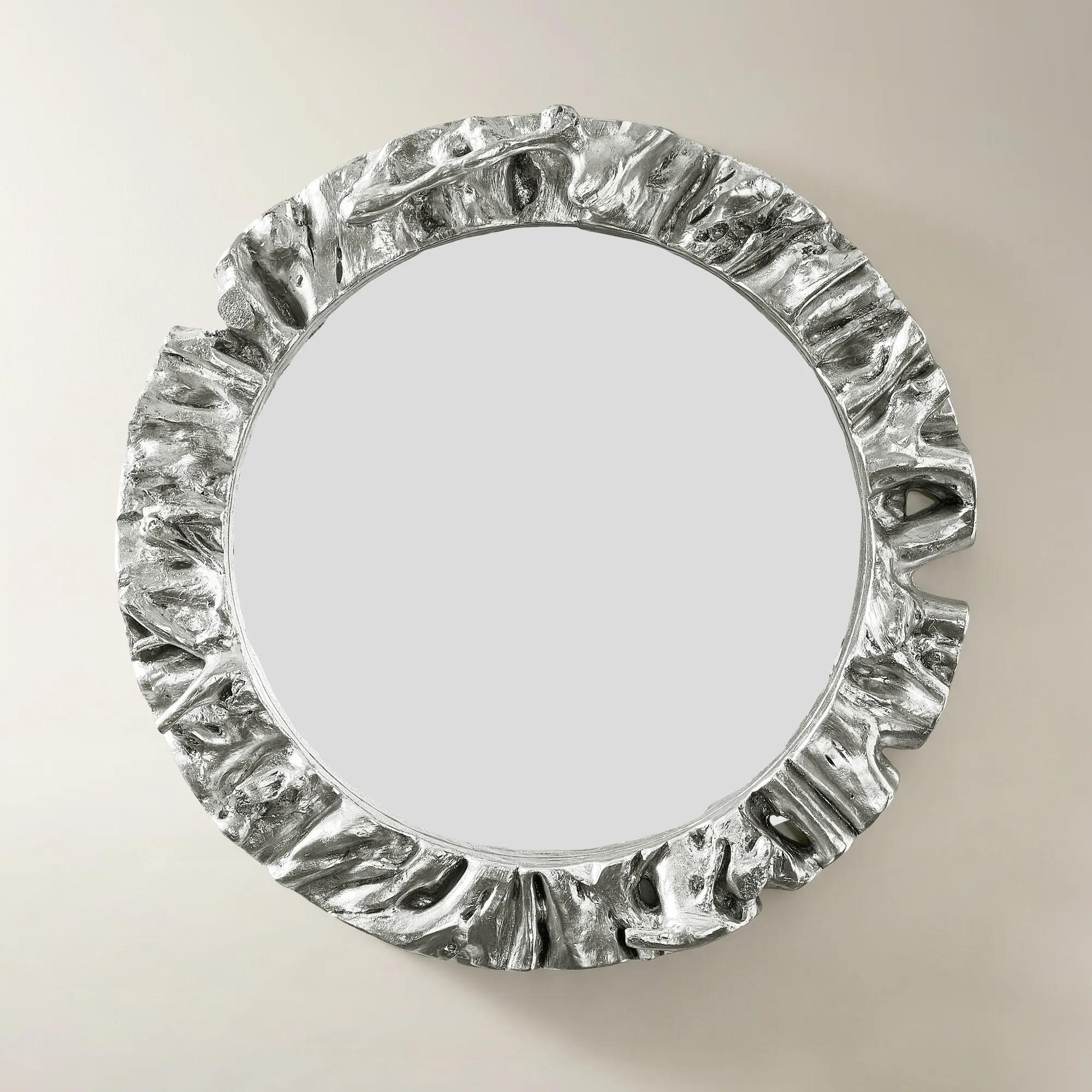
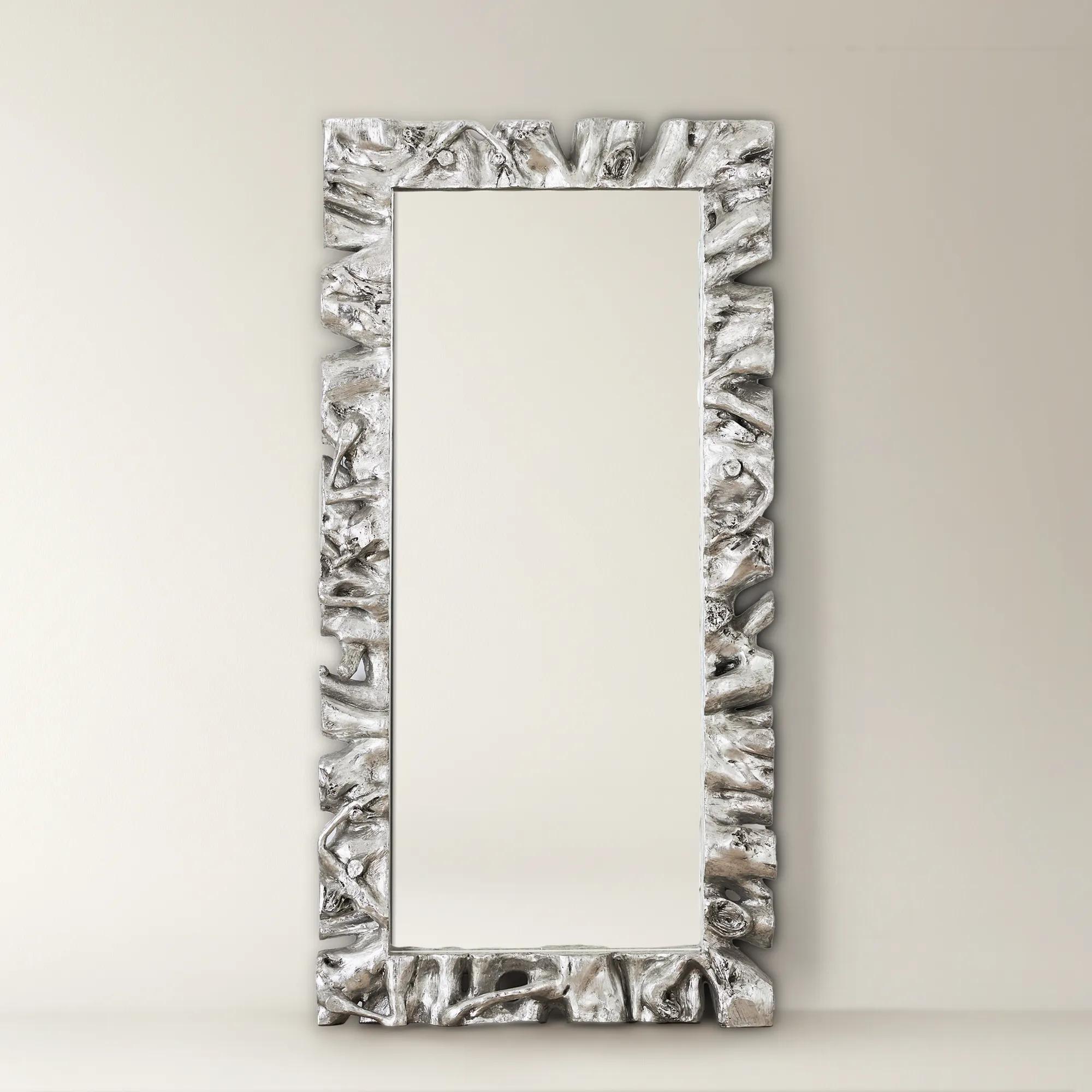
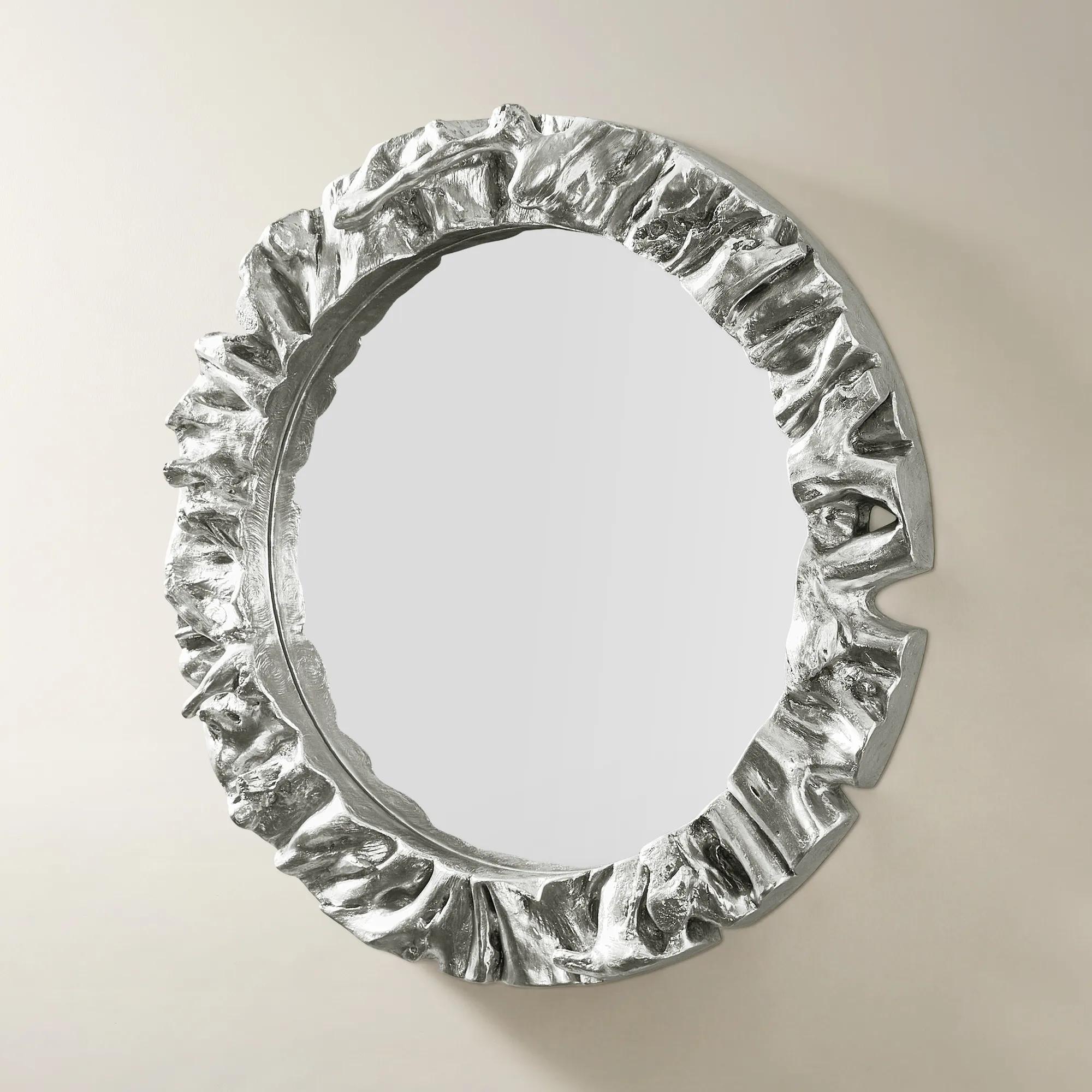 Sequoia Silver Resin Round Wall Mirror 48.25"$1199
A sculptural silver fiberglass resin frame mirror that adds modern polish and reflective brightness to any room.
Add To Cart -
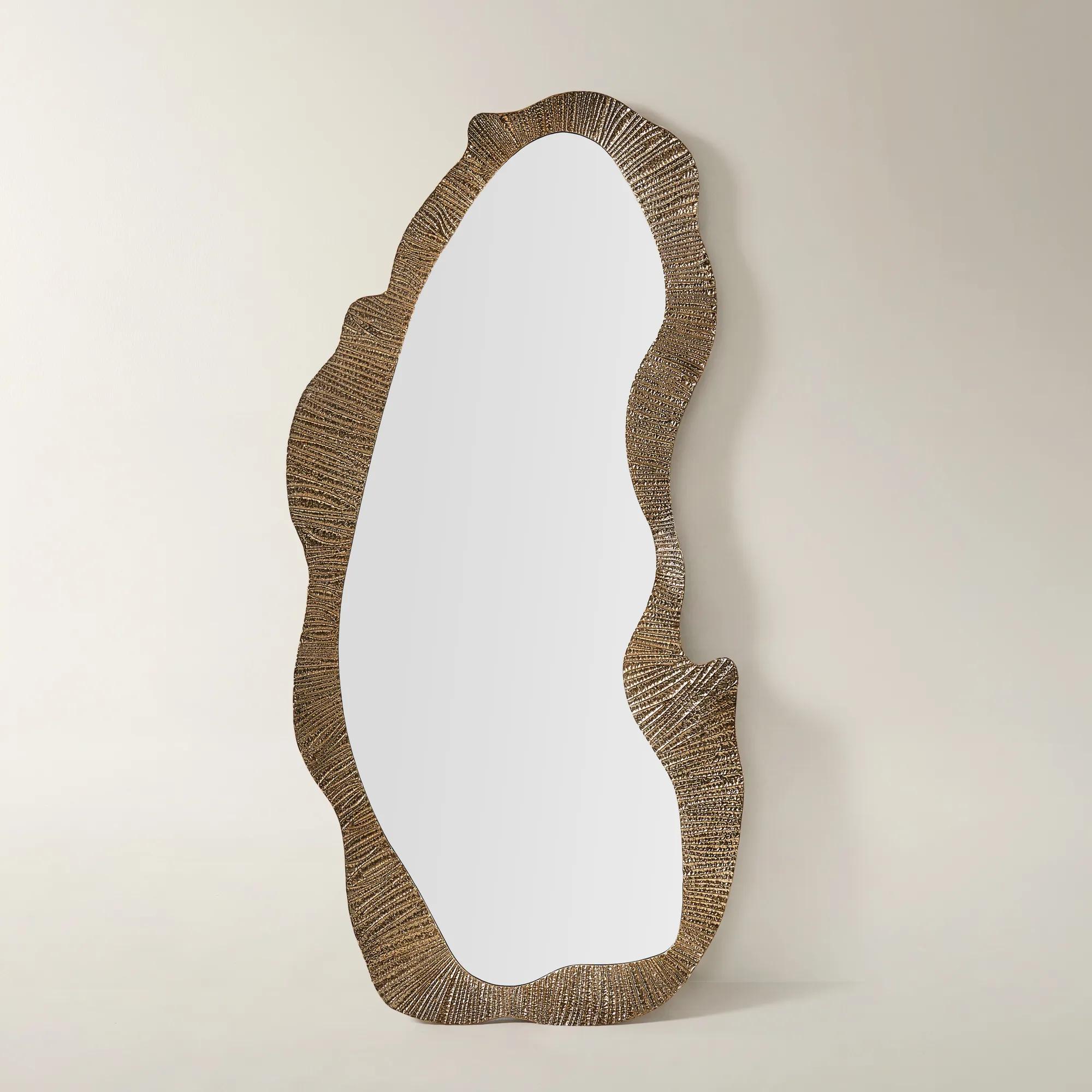
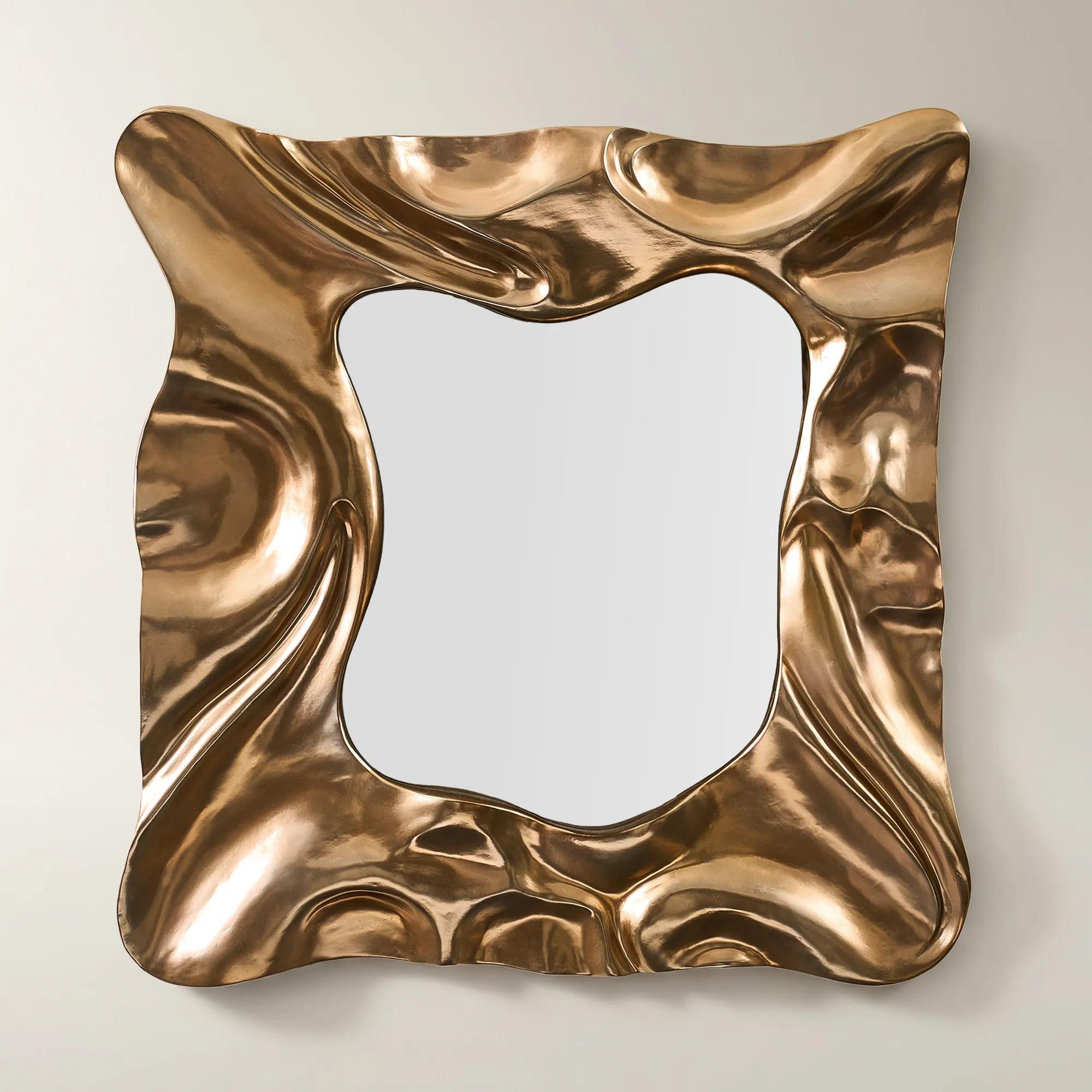 Surface Bronze Resin Organic Shaped Wall Mirror 40" x 40"$699
A sculptural bronze resin frame and organic silhouette create a striking, artful focal point for any room.
Add To Cart -

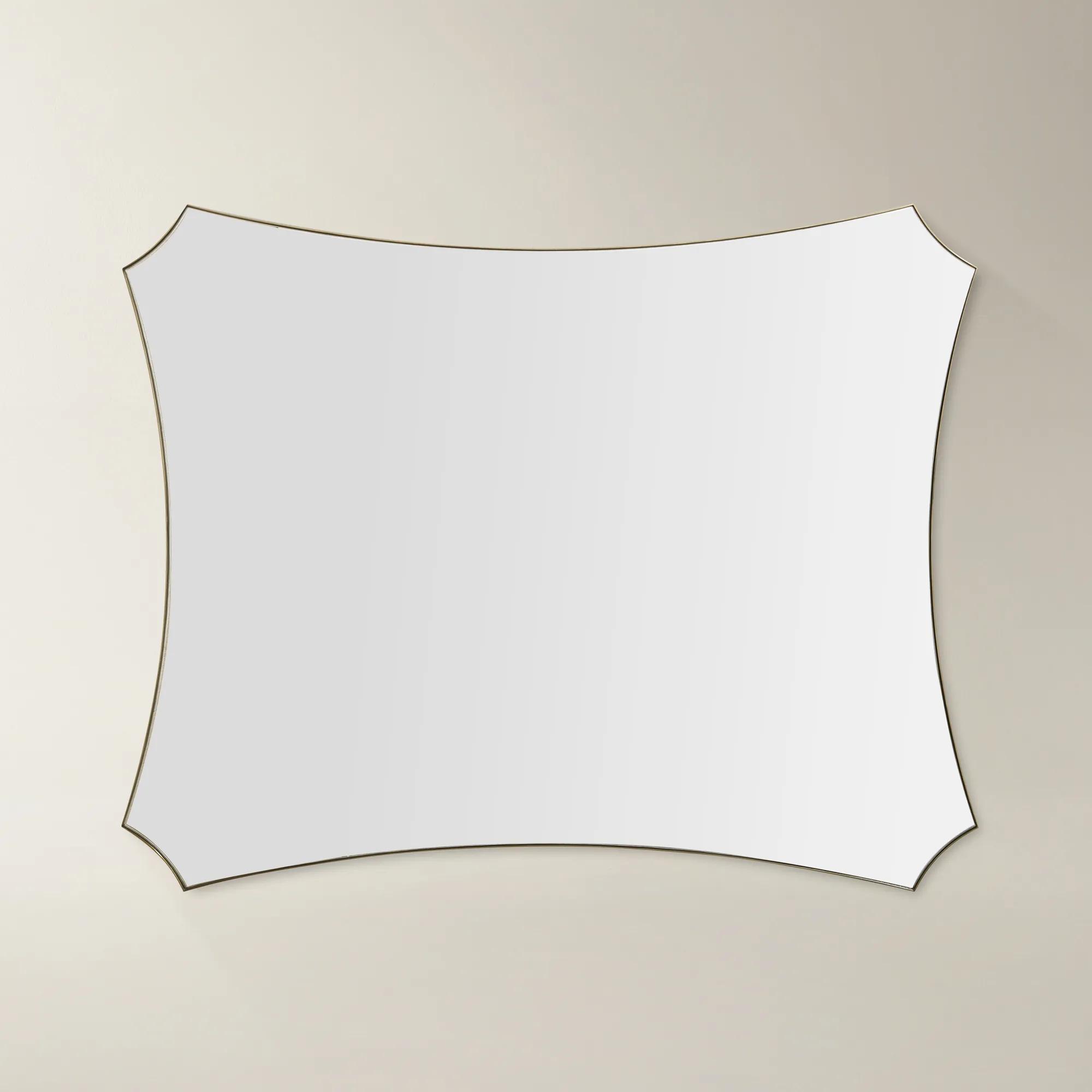 Ava Gold Stainless Steel Wall Mirror 40" x 50"$499
A contemporary wall mirror adding reflective style and sophistication to modern interiors.
Add To Cart -
 Celine White And Gold Resin Round Wall Mirror 46.5" x 38.5"$699
A curvaceous wall mirror featuring a white and gold frame for a touch of modern glamour.
Add To Cart -
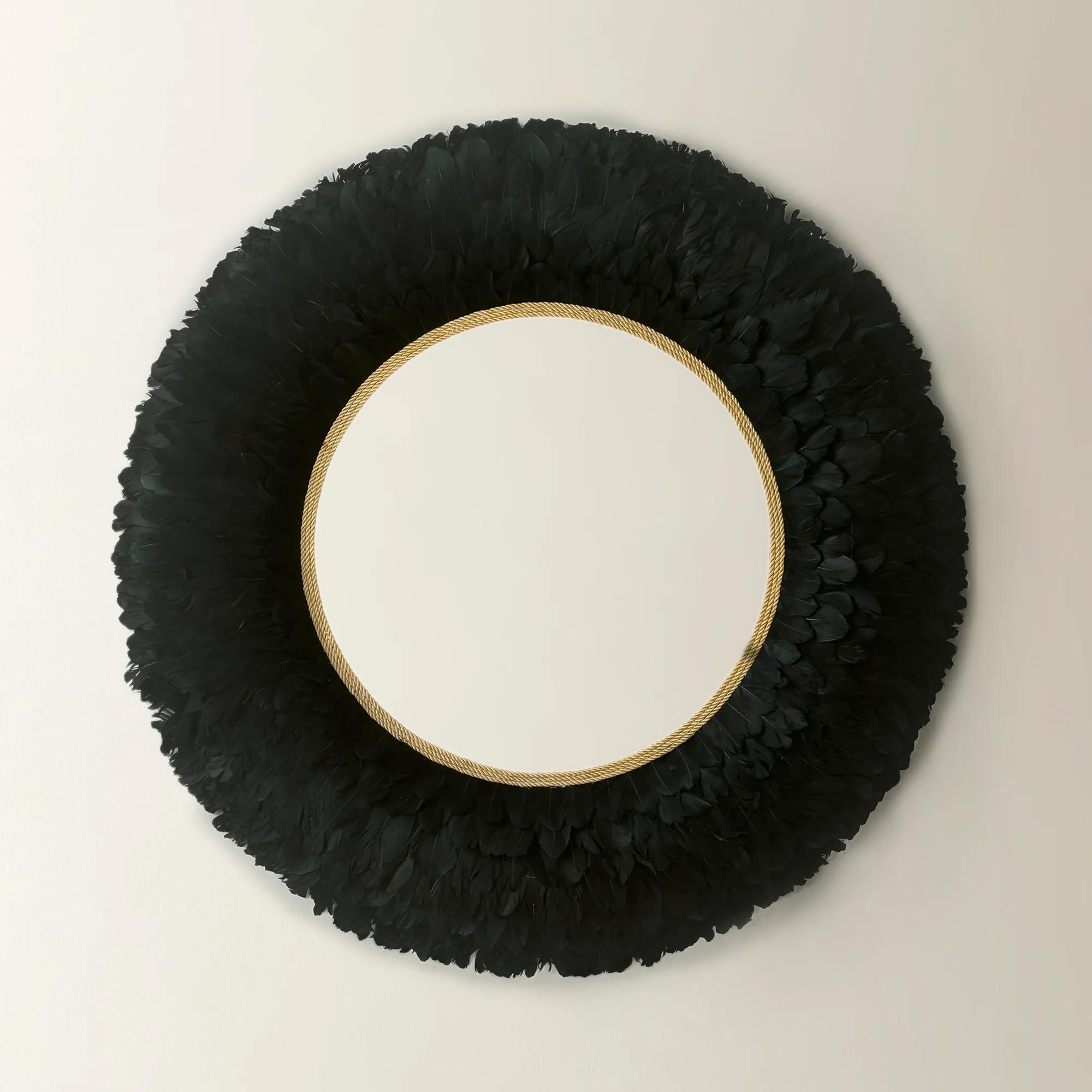
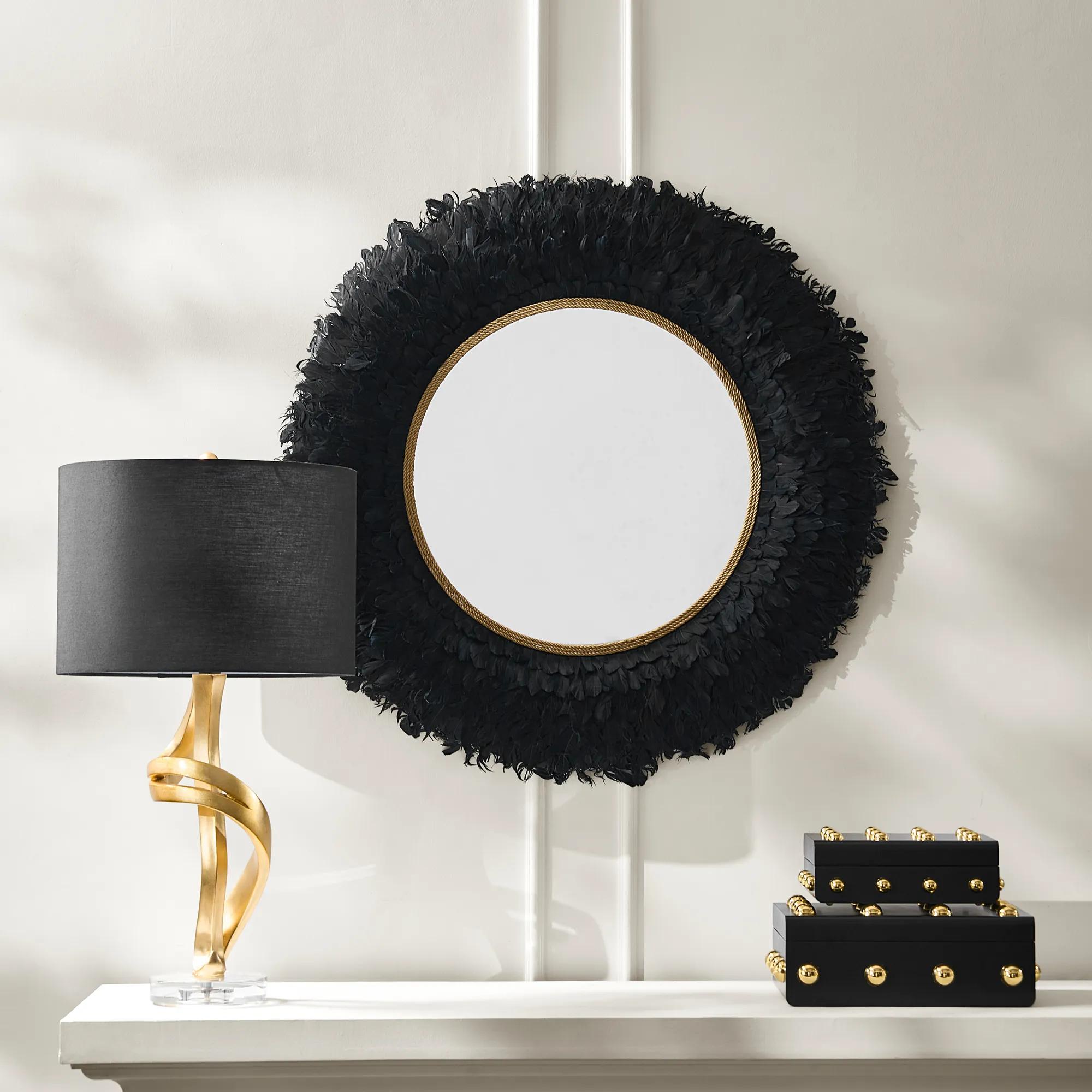 Nikki Chu Midnight Black Feather Round Wall Mirror 35.5"$499
A dramatic black feather-framed mirror accented with a gleaming gold inner border for striking wall texture.
Add To Cart -
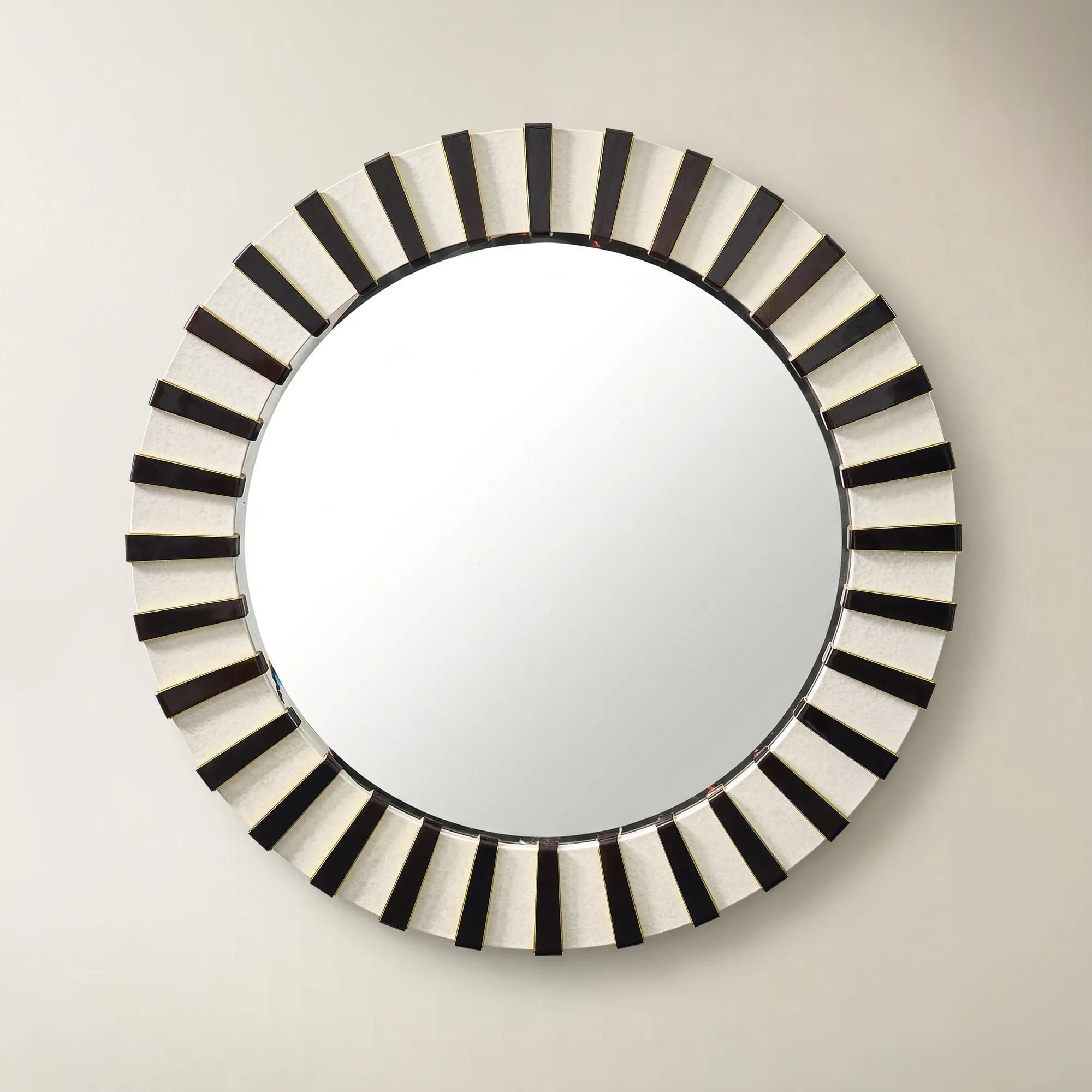 Regatta Opaline Pearl Black Gold Dimensional Round Wall Mirror 45"$849
A luminous wall mirror featuring an opaline pearl lacquered wood frame with black, gold, and raised resin accents.
Add To Cart -
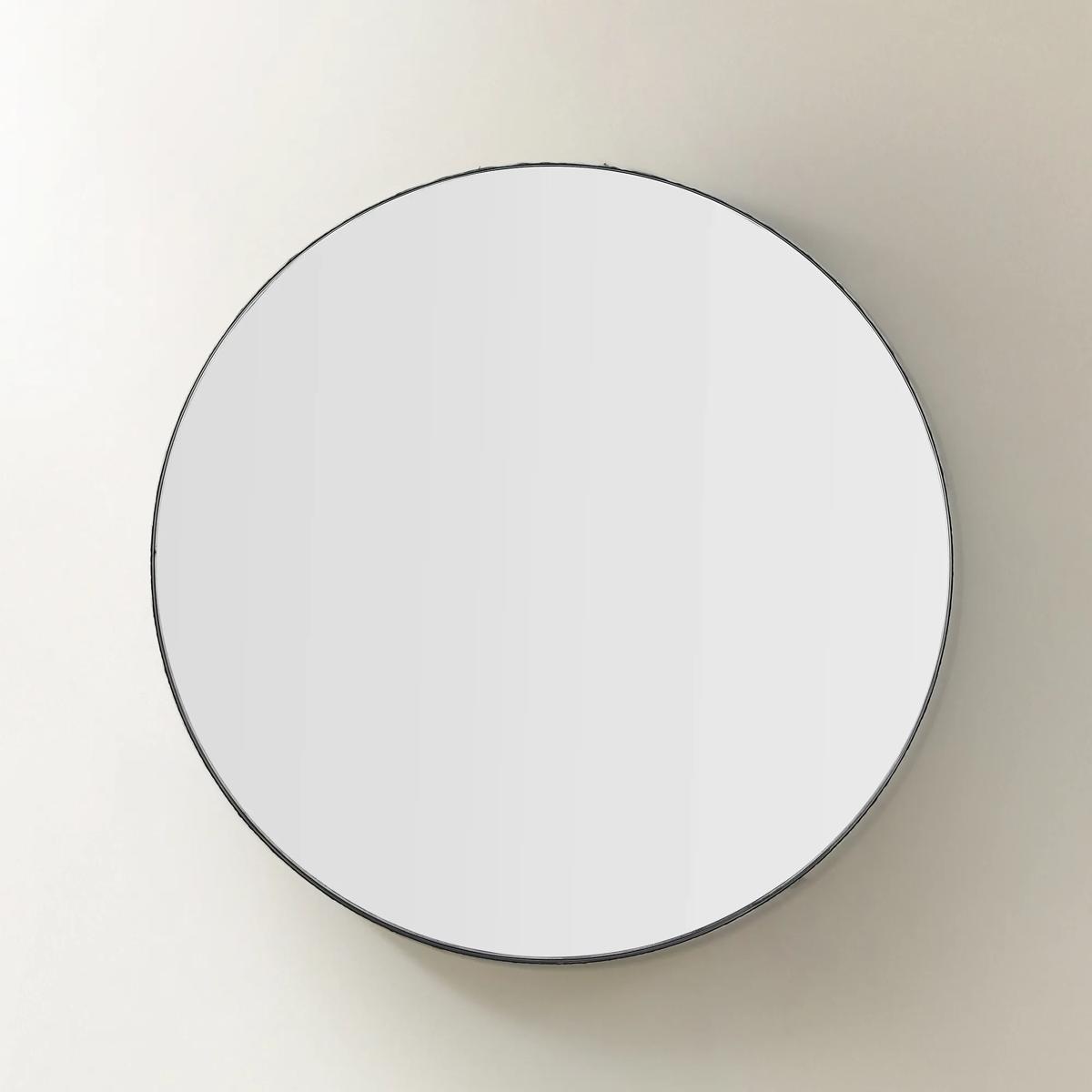
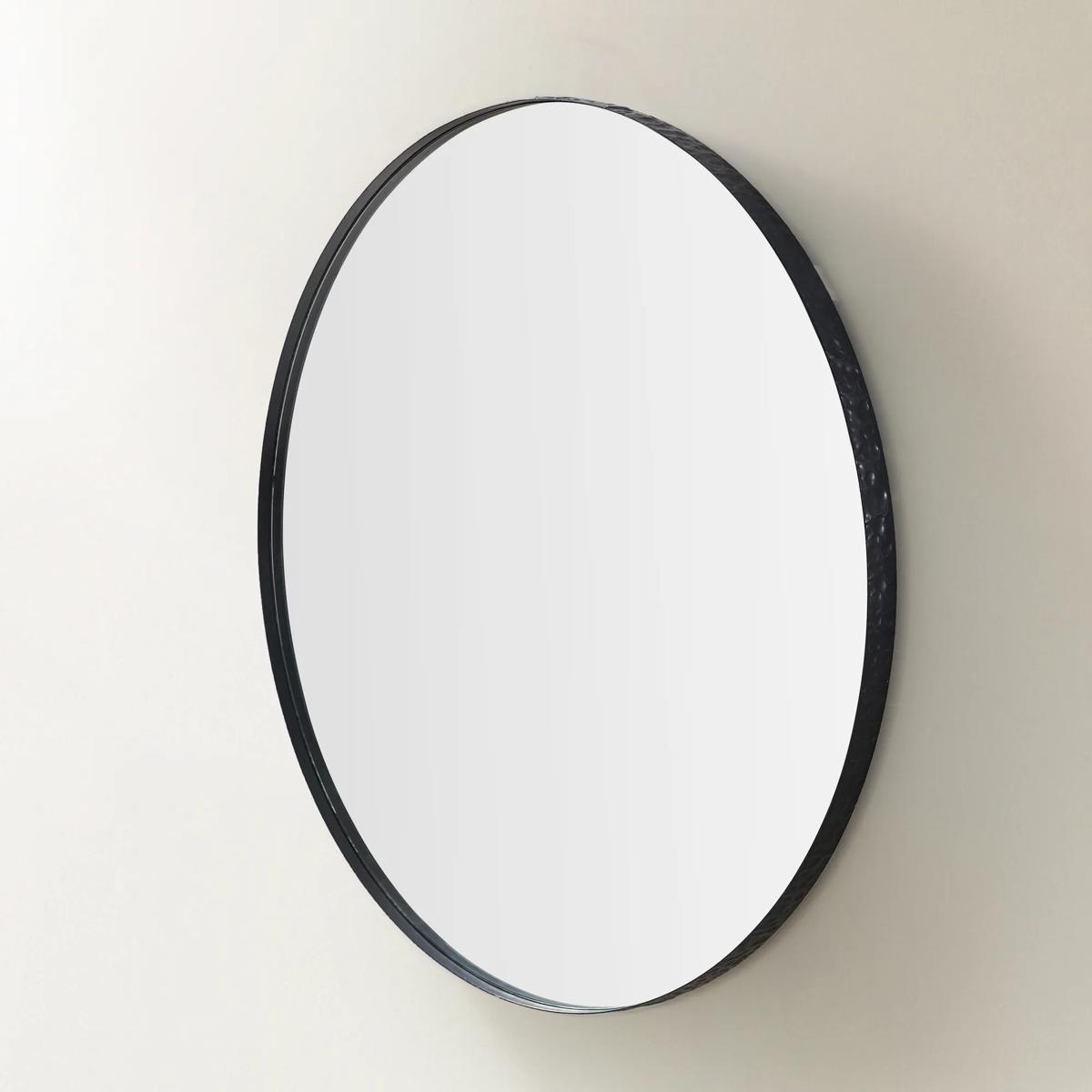 Cade Wall Mirror - Black$699
A round wall mirror featuring a hand-hammered black iron frame for a sleek, modern accent.
Add To Cart -

 In a New Light II Framed Printed Wall Mirror 60" x 40"$1499
A contemporary framed printed wall mirror adding artistic dimension and reflective style to modern interiors.
Add To Cart -
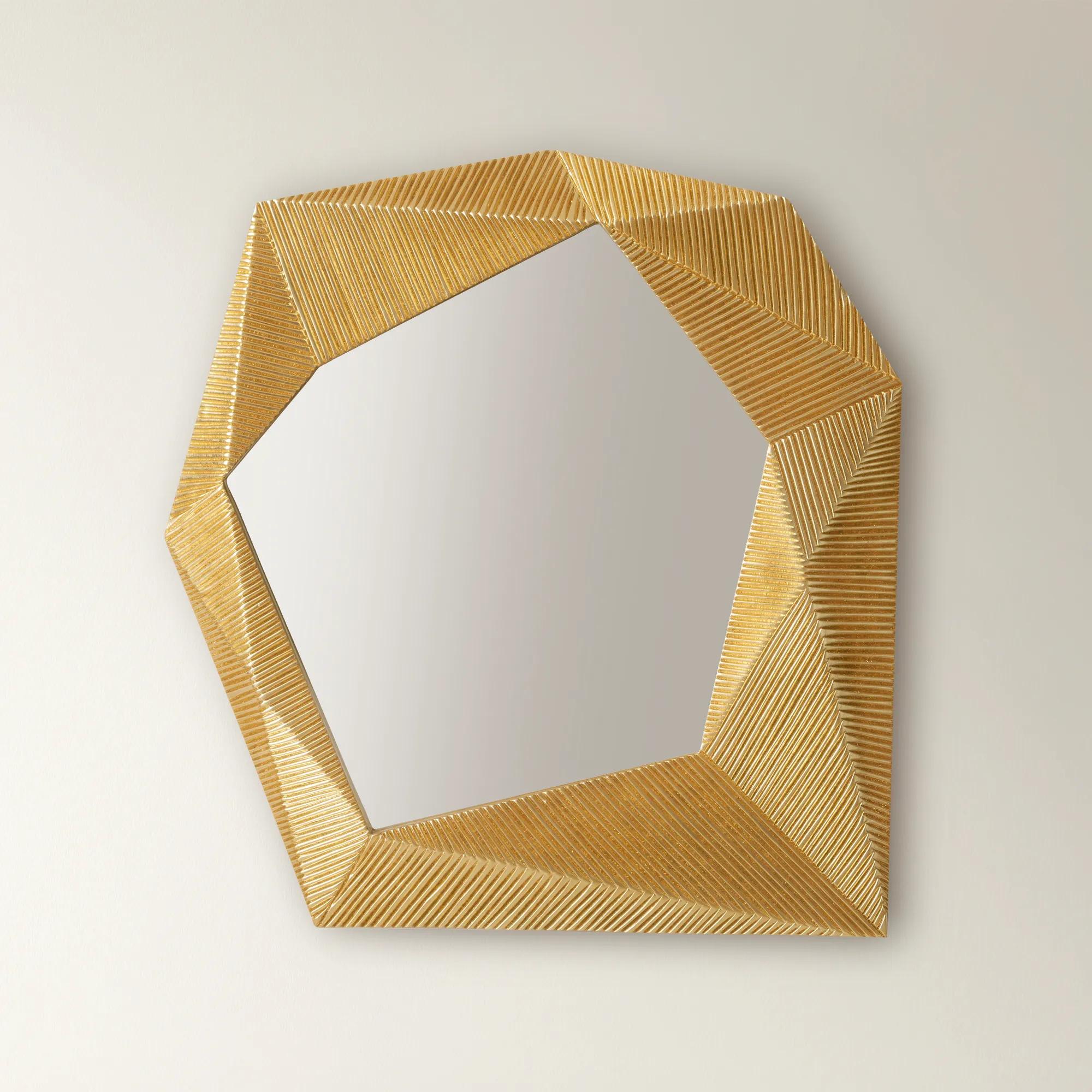
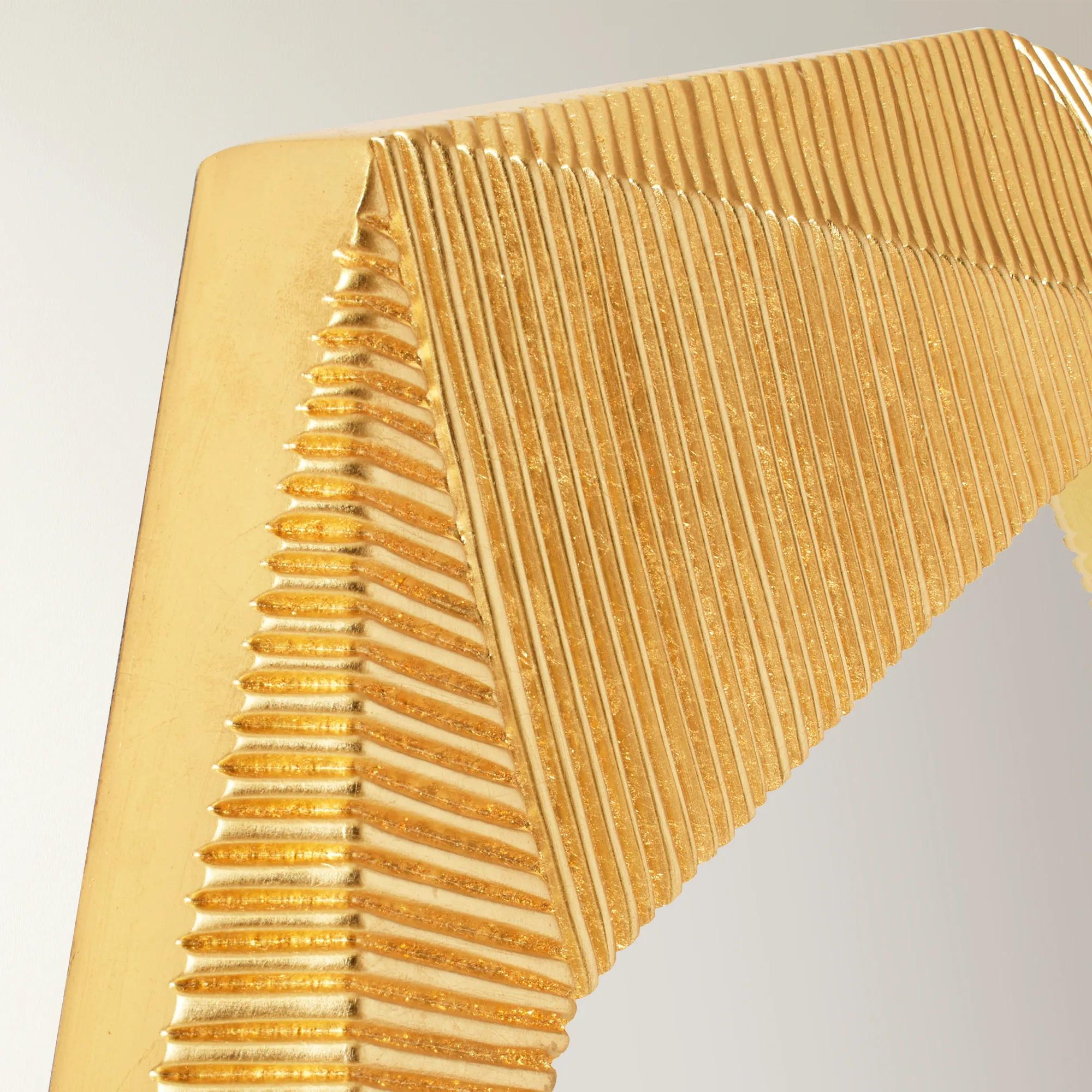 Nikki Chu Gold Steel Faceted Wall Mirror 31.5" x 35.5"$349
A modern mirror featuring a textured, faceted steel frame in a striking metallic gold finish.
Add To Cart -
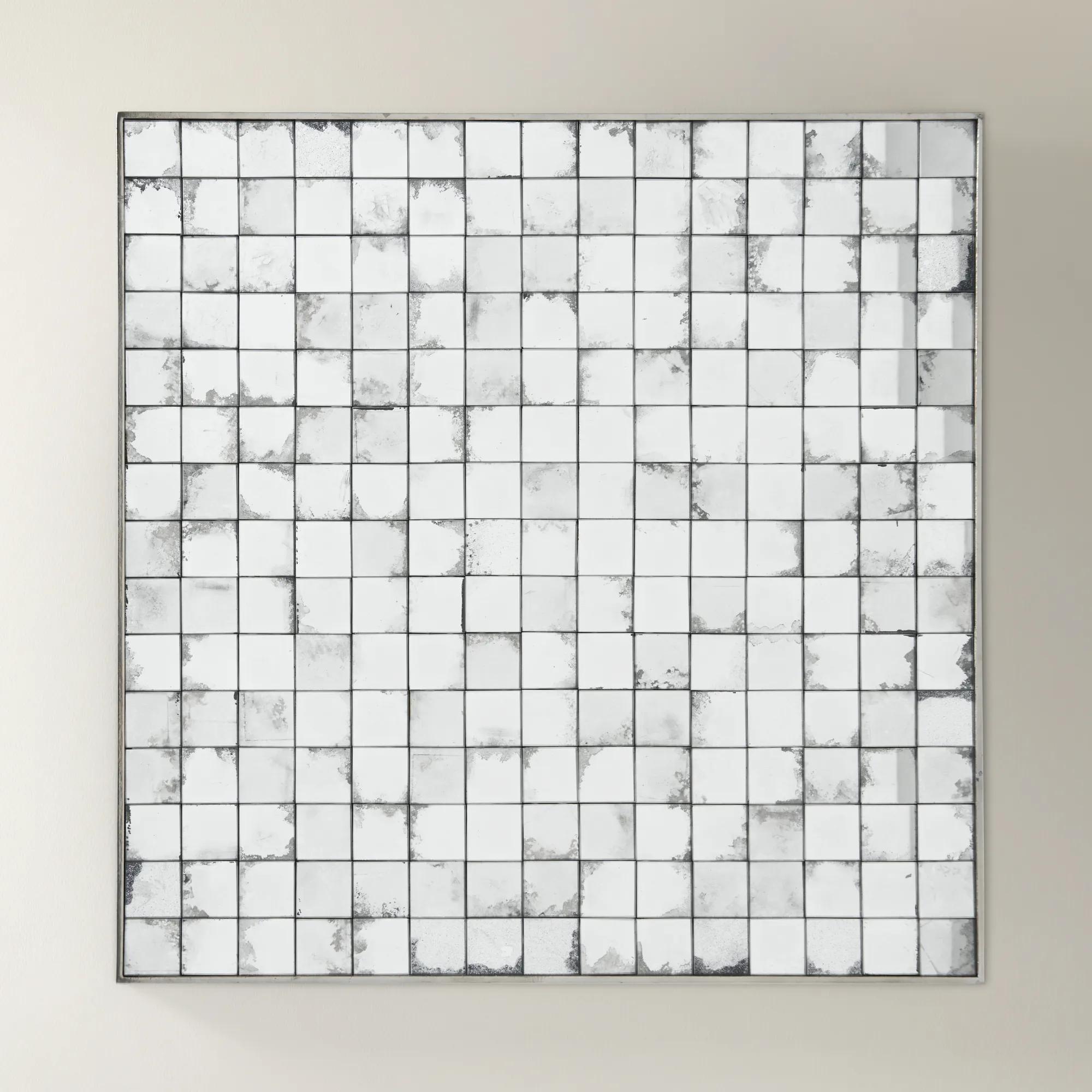
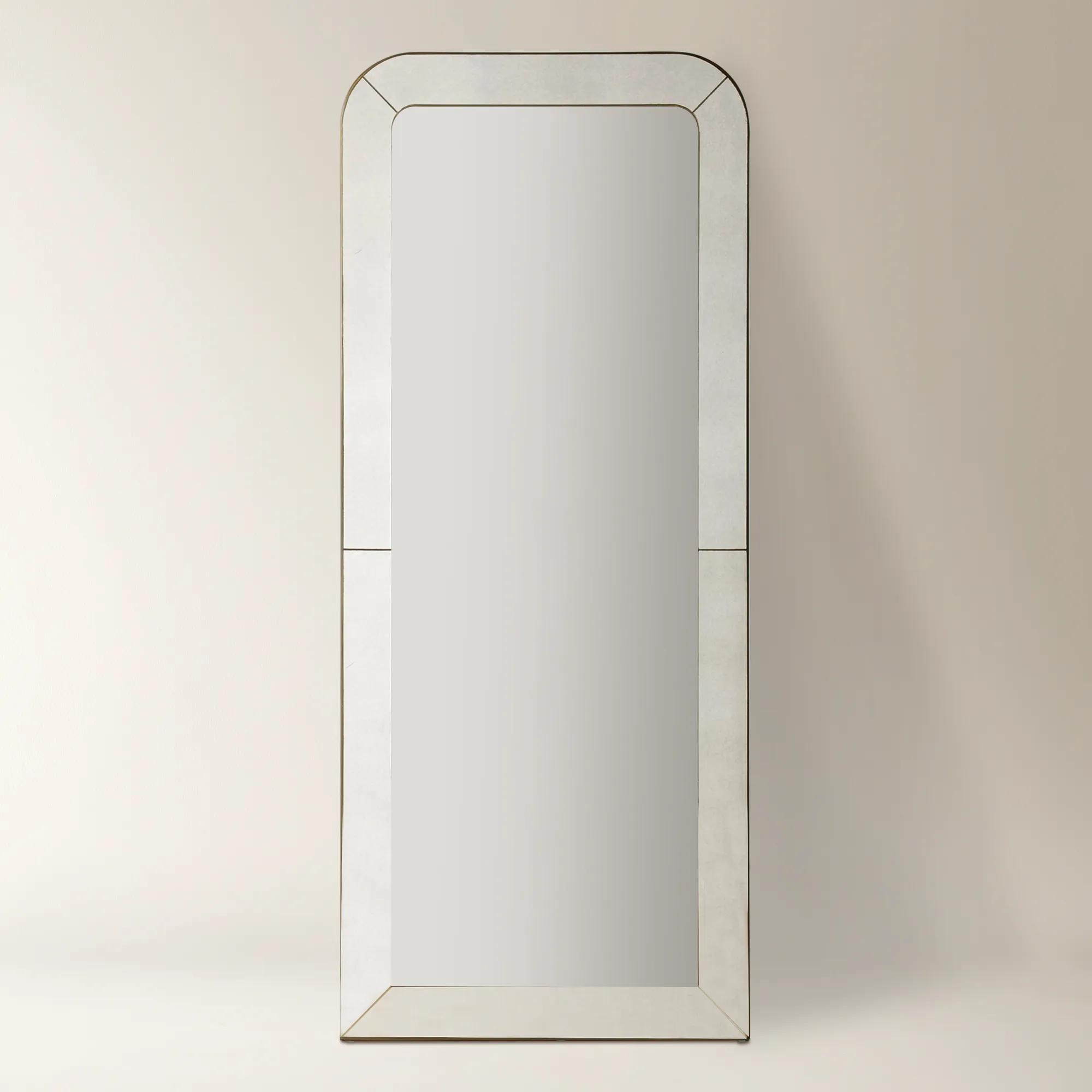
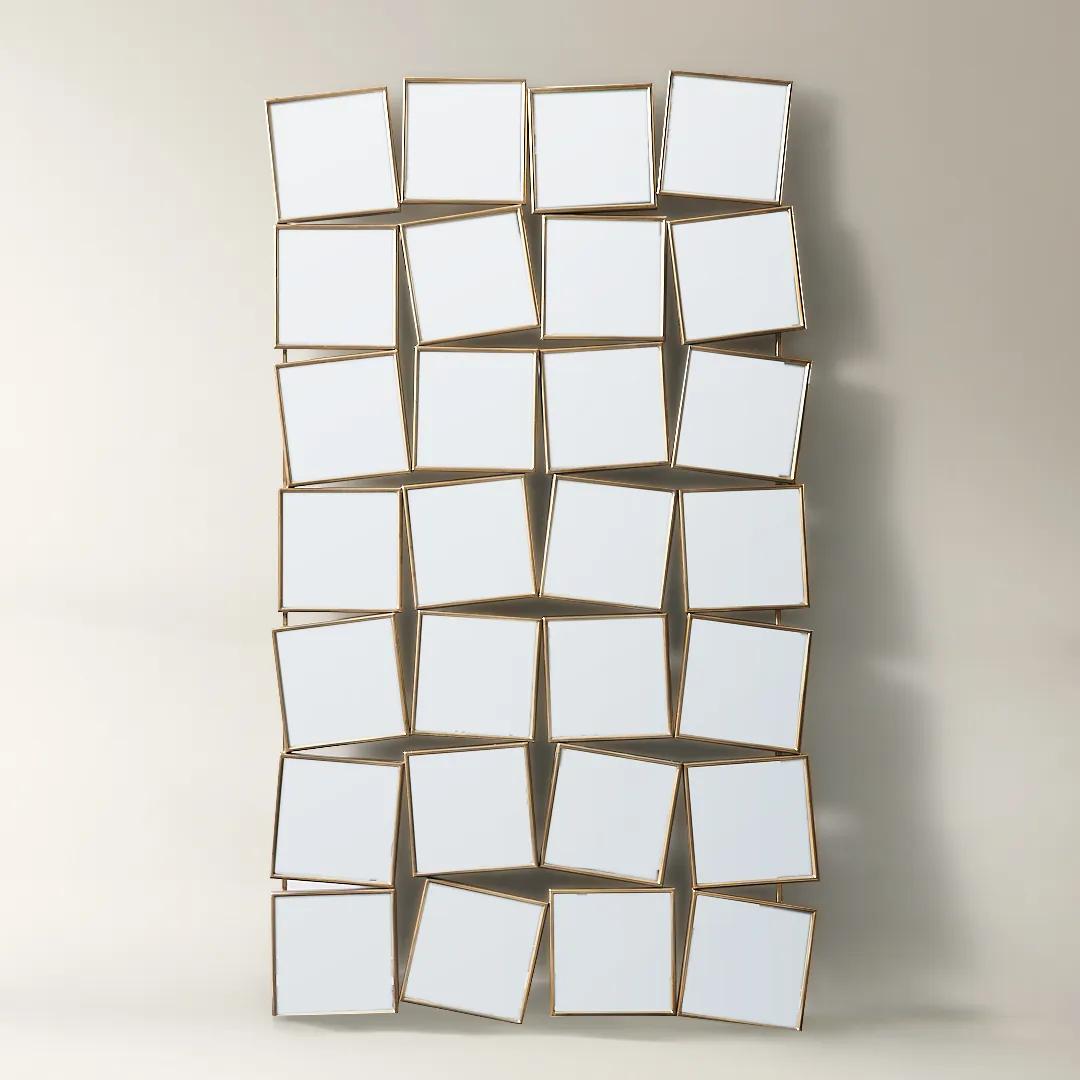
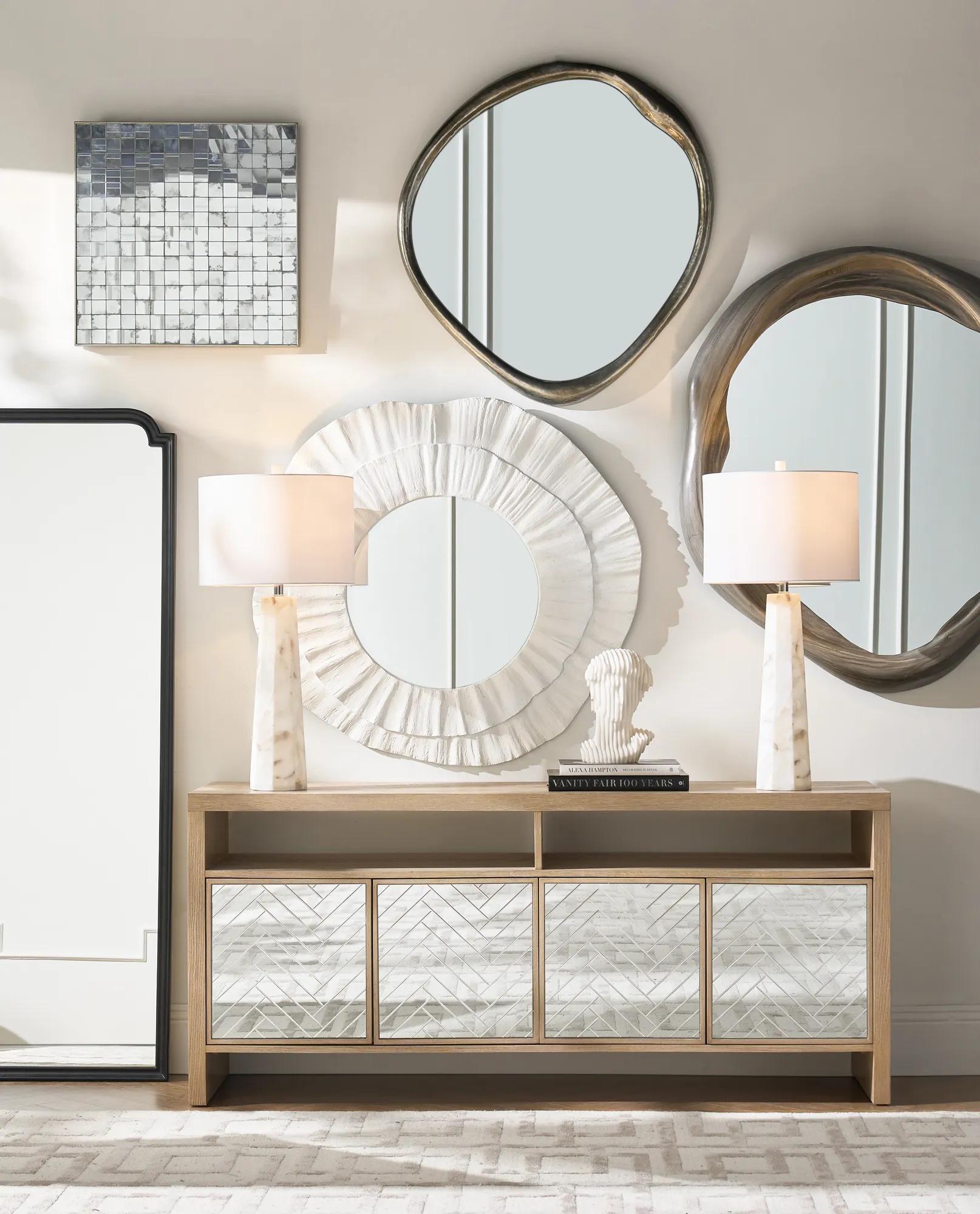 Futuro Wall Mirror$499
An antiqued silver mirror featuring aged glass tiles for a striking blend of vintage and modern style.
Add To Cart -

 Titan II Framed Printed Wall Mirror 40" x 60"$1529
A striking modern mirror designed to elevate contemporary spaces with artistic flair.
Add To Cart

Decorative Round Wall Mirrors
Explore decorative round wall mirrors that bring sculptural balance and reflected light to your space. A circular silhouette softens the lines of a console or mantel, creating an expressive focal point in an entryway, living room, or bedroom. Consider scale, frame design, and finish to choose a mirror that complements your furnishings while giving the wall a distinct point of view.
Decorative round wall mirrors bring a graceful curve to rooms defined by straight lines, creating a focal point that feels both architectural and expressive. Their circular silhouette softens the edges of consoles, dressers, mantels, and upholstered furniture, while the reflective surface introduces light and visual depth. Unlike artwork, a mirror’s composition changes with its surroundings: a chandelier becomes part of the scene, a sculptural vase appears from another angle, and a beautifully dressed window adds dimension to an otherwise quiet wall. In an entryway, a round mirror above a console creates a polished arrival and offers a convenient place for a final glance before leaving. In a living room, it can anchor a seating arrangement or bring balance to a mantel without competing with the furniture’s strong horizontal lines. A bedroom mirror above a dresser adds a softer counterpoint to storage furniture, especially when paired with a luminous lamp and a few carefully chosen objects. Scale determines whether the effect feels intimate or commanding. A mirror measuring approximately 24 to 30 inches across may suit a narrower console or a modest wall, while a diameter of 36 inches or more can hold its own above substantial furniture. The expansive proportions of Large Round Decorative Mirrors create a particularly dramatic focal point where generous wall space calls for presence. As a starting point, a mirror above furniture often looks balanced when its outer width is roughly two-thirds to three-quarters of the furniture’s width, though surrounding artwork, lamps, and architectural details can change that relationship. Leaving approximately four to eight inches between the bottom of the frame and a console or mantel can visually connect the pieces without crowding the surface. Placement also shapes the reflection. A mirror opposite or near a window can redirect available daylight, but the most compelling position is one that reflects something worth seeing rather than a cluttered countertop or an exposed utility area.
The frame gives a round wall mirror its distinctive character, turning a familiar shape into a design statement. Slender metal frames emphasize the clean outline of the circle and allow the reflection to take center stage. Gold-tone and brass-tone finishes introduce warmth beside ivory upholstery, richly colored velvet, or dark wood, while silver-tone and polished chrome finishes create a cooler, gleaming accent. Black metal offers a crisp outline against pale walls and can echo the details of lighting, cabinet hardware, or window frames. A brushed or antiqued surface generally reflects less light than a highly polished finish, giving the same circular form a different mood. Wood frames bring grain and depth to the composition, whether the profile is smooth and sculptural or detailed with carving and dimensional beads. Painted and lacquered finishes can make the frame feel more graphic, while molded resin or composite frames may accommodate elaborate relief patterns and sweeping decorative profiles. Material names alone do not determine durability; construction, finish quality, frame joints, backing, and mounting hardware all deserve attention. Beveled mirror edges introduce a subtle border that catches light, while mirrored frames extend the reflective effect beyond the central glass. Frameless round mirrors keep the emphasis on shape and reflection, making them a poised companion to more ornate furniture or patterned walls. Sunburst-inspired surrounds and layered circular details offer greater ornament, with an overall footprint that may be considerably larger than the reflective glass itself. Both measurements matter when considering fit. A deeply sculpted frame also projects farther into the room than a slim profile, an important distinction along a narrow hallway or behind a door. Finish coordination need not mean exact matching: a warm metallic mirror can share a room with darker accents when the contrast is repeated thoughtfully. Beneath the mirror, a tall ceramic vessel on one side and a lower arrangement of books or decorative objects on the other create a composed asymmetry, leaving enough open space for the circular silhouette to remain clear.
A decorative round mirror should suit the way a room is used as comfortably as it suits the room’s aesthetic. In a dressing area, clear glass and a practical hanging height matter more than an intentionally distressed reflection. Antiqued mirror finishes can bring atmospheric depth to a decorative vignette, but their mottled surfaces are less suited to detailed grooming. In a bathroom or powder room, suitability depends on the mirror’s construction and the manufacturer’s recommendations for moisture exposure; a decorative frame intended for a dry living space should not automatically be treated as bathroom-ready. Durable use also begins with secure installation. The mirror’s weight, wall material, and specified hanging system determine the appropriate hardware, and drywall anchors should be rated for the load rather than chosen solely for convenience. Larger or heavier mirrors may require attachment to studs or professional installation, particularly above furniture or in frequently used spaces. A paper template matching the mirror’s full outer dimensions can help confirm placement before holes are made, revealing whether the frame clears nearby sconces, outlets, and door swings. Once installed, regular care preserves both the reflection and the surrounding finish. A soft, lint-free cloth removes light dust, and mirror-safe cleaner applied to the cloth rather than sprayed directly onto the glass helps keep excess liquid from collecting at the edges or reaching the backing. Abrasive pads and harsh chemicals can damage glass coatings, metallic finishes, and decorative surfaces; wood, lacquer, and textured frames should be cleaned according to their own care instructions. These considerations make round accent mirrors especially appealing to design-conscious homeowners, apartment dwellers seeking visual depth, and anyone giving a frequently used room a more considered composition. They can also make a meaningful housewarming or wedding gift when the recipient’s style, wall space, and installation needs are known. Whether framed in a restrained metallic edge or surrounded by sculptural detail, a round mirror gives a room something distinctive: an artful outline that holds light, reflects personal taste, and brings the surrounding furnishings into sharper conversation.
FAQs
Decorative round wall mirrors bring a sculptural counterpoint to a range of interiors. A slender metal frame complements modern spaces, while a sunburst silhouette introduces Art Deco-inspired drama. For a glamorous layered look, pair an ornate frame with velvet upholstery, lacquered furniture, and expressive artwork.
Let the frame finish set the mood. Gold and brass tones lend warmth and opulence, while silver and chrome create a crisp, polished impression. Black frames offer a graphic accent, and wood introduces organic texture. Echo a finish already present in your lighting or hardware for cohesion, or mix metals deliberately for a more collected composition.
Treat the mirror as the focal point of an artful vignette. Arrange a sculptural vase, a distinctive table lamp, and a curated stack of books beneath it, varying their profiles to create visual rhythm. An asymmetrical arrangement brings expressive movement to the mirror’s circular silhouette, while paired accents create a more formal mood.
A round wall mirror adds a striking change of shape among framed prints, photographs, and paintings. Connect it to the surrounding artwork through a shared finish or color palette, then let its curved outline interrupt the arrangement’s straight lines. For a richly layered composition, combine abstract art with textured wall accents and a mirror framed in gleaming metal.
Framed round wall mirrors use materials such as metal or wood to define their silhouette and establish a decorative point of view. Frameless designs place the emphasis on the mirrored surface and its edge treatment, creating a fluid, polished look. Choose a distinctive frame for ornamental drama or a frameless style to complement a room already rich in pattern and texture.