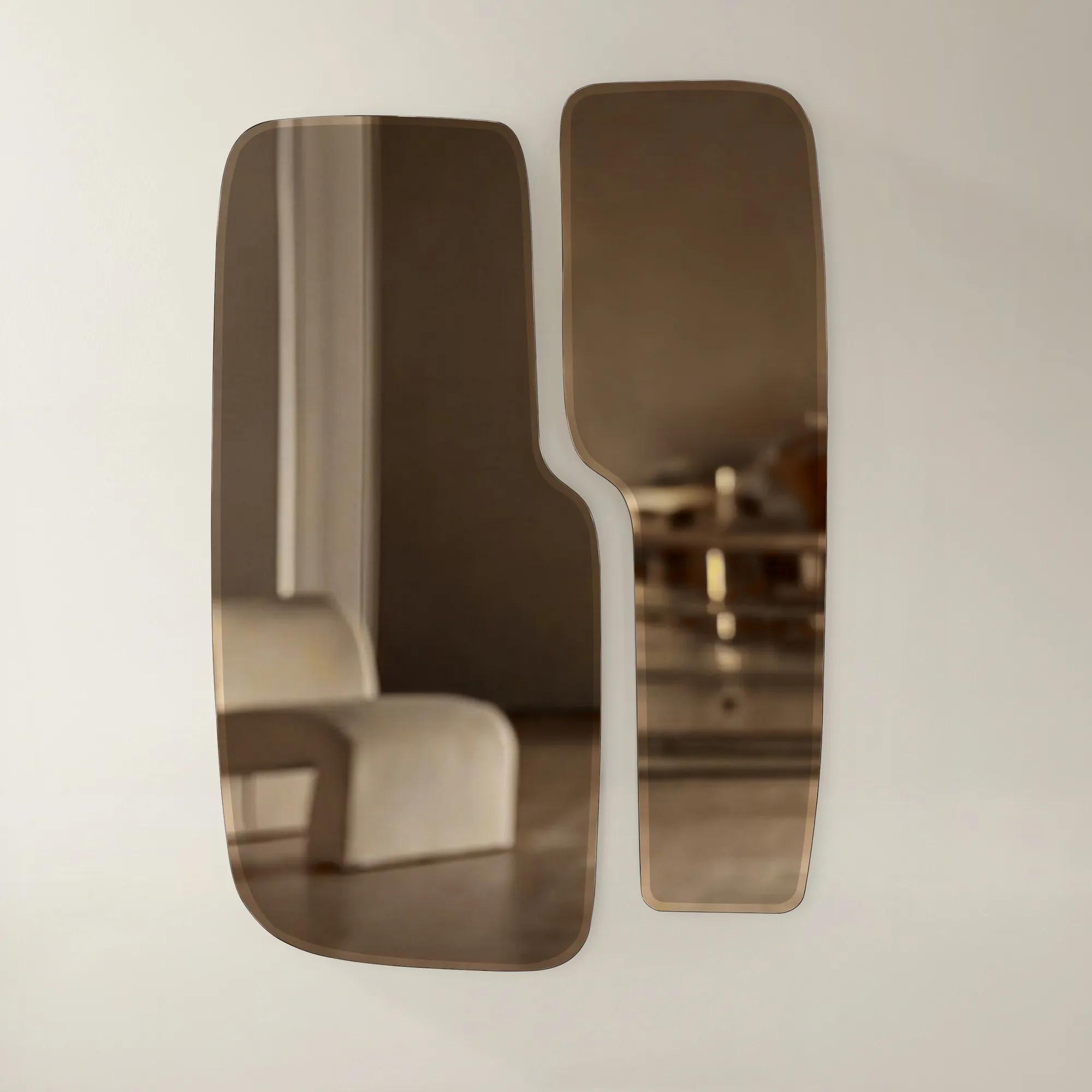
Decorative White Wall Mirrors
Decorative White Wall Mirrors
-
.jpeg?w=1200&h=1200) Oceano White Resin Round Wall Mirror 42.7" x 40.2"$699
Oceano White Resin Round Wall Mirror 42.7" x 40.2"$699A white wall mirror featuring an organic shape and sandy texture for a serene, coastal-inspired accent.
Add To Cart -
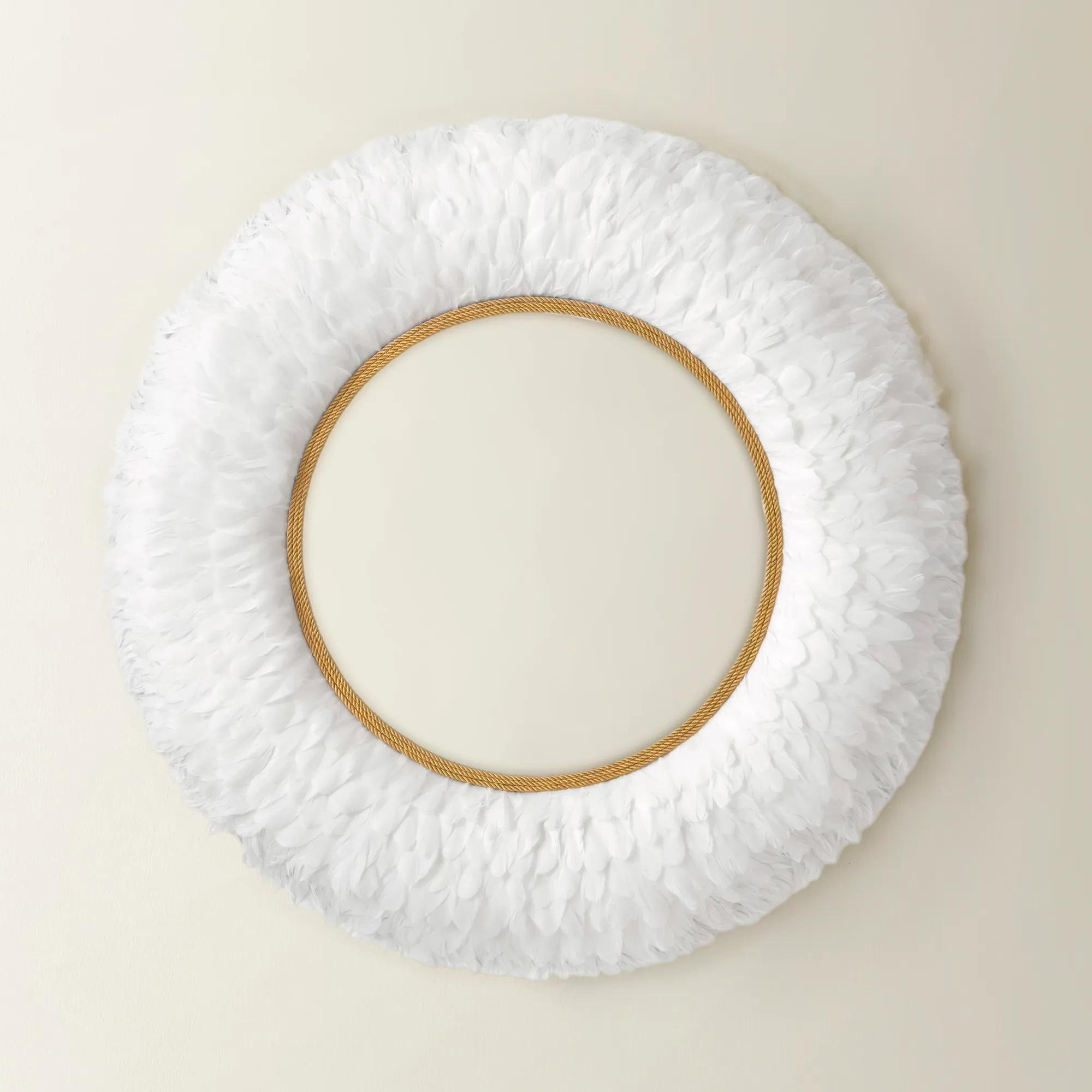
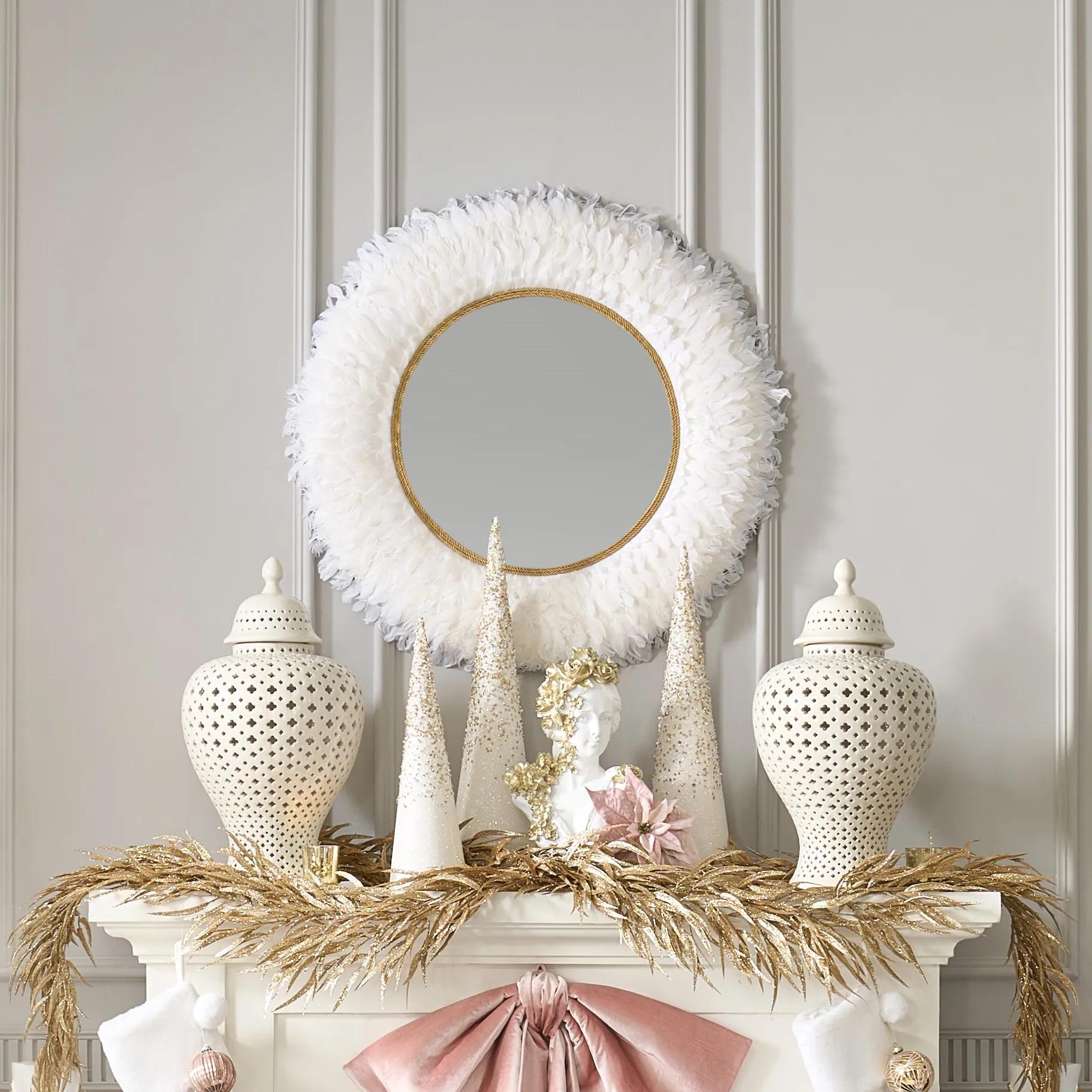 Nikki Chu - Daybreak Feather Mirror$499
A dramatic white feather-framed mirror accented with a gleaming gold inner border for added texture.
Add To Cart -
.jpeg?w=1200&h=1200)
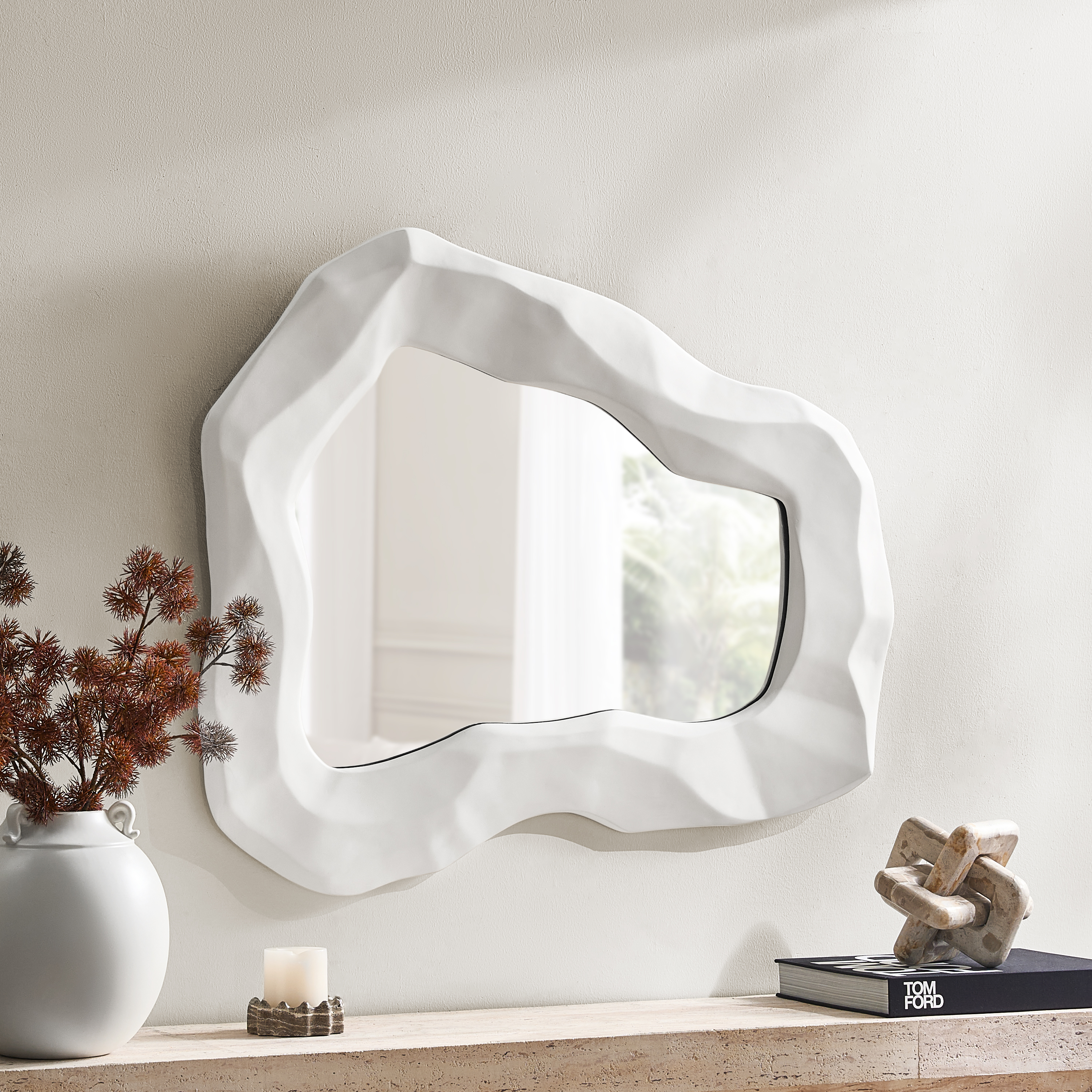 Islay Wall Mirror - White$549
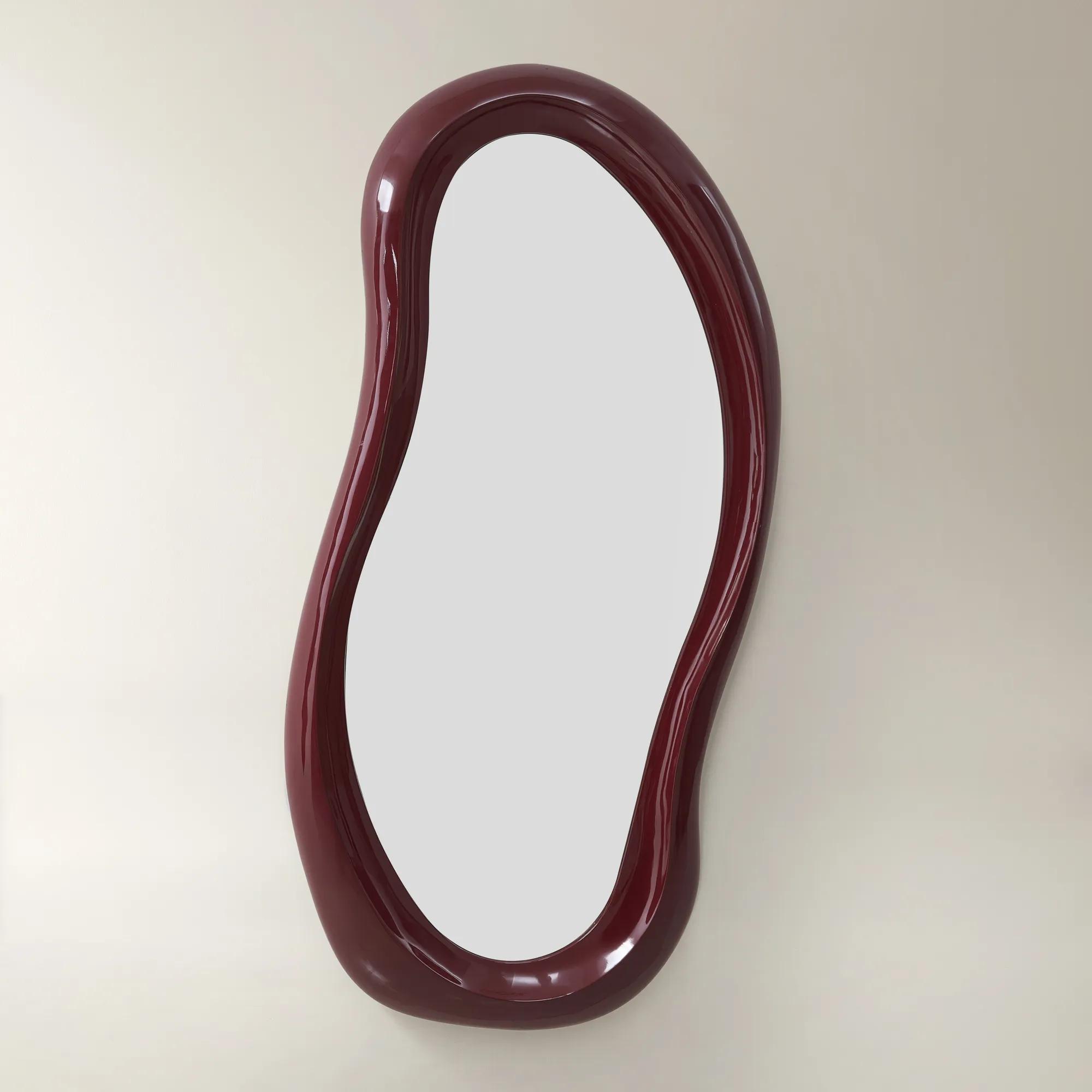
A sculpted resin-framed mirror in matte white with an organic, asymmetrical silhouette for modern interiors.
Add To Cart -
.jpeg?w=1200&h=1200) Celine White And Gold Resin Round Wall Mirror 46.5" x 38.5"$699
Celine White And Gold Resin Round Wall Mirror 46.5" x 38.5"$699A curvaceous wall mirror featuring a white and gold frame for a touch of modern glamour.
Add To Cart

Decorative White Wall Mirrors
Decorative white wall mirrors transform any space into a luminous tableau, capturing light and amplifying drama with a single, artful flourish. These statement pieces are more than mere reflections—they are sculptural accents that evoke serenity and sophistication, inviting the eye to linger on their radiant frames. Whether gracing a grand entryway or adding dimension to an intimate nook, decorative white wall mirrors infuse interiors with airy elegance and modern allure. Each mirror becomes a canvas for your personal style, casting a spell of refinement that elevates every moment at home.
Decorative white wall mirrors pair reflective glass with white or off-white frames to bring light, dimension, and a distinctive architectural presence to an interior. Their appeal lies in contrast: a pale frame can feel quietly sculptural against a white wall or strikingly graphic against charcoal, sapphire, or richly patterned wallpaper. The finish draws attention to the silhouette, allowing an arch, carved border, or undulating edge to become part of the room’s composition. Arched white wall mirrors introduce graceful height above consoles and dressers, while round designs soften the strong lines of rectangular furniture. Wavy frames add expressive movement, and starburst shapes spread outward like a piece of dimensional wall art. Ornate profiles lend depth to an otherwise restrained setting; slim, smooth borders let the reflection take center stage. White is not a single effect, either. Crisp white feels polished and precise, ivory brings a softer warmth, and an antiqued white finish can emphasize recessed carving and raised ornament. These differences become especially noticeable beside upholstery, painted millwork, and stone surfaces, where undertones influence how comfortably the pieces relate. A creamy frame beside warm marble creates a different mood from a brilliant white frame above a dark lacquered console. Reflective surfaces also redistribute existing light, which can make a room feel more open without changing its dimensions. Placed adjacent to a window, a mirror can capture daylight and an appealing view; positioned opposite one, it may offer a stronger reflection, though direct sun and glare deserve consideration. In a living room, a white-framed mirror can echo the shape of an accent chair or introduce a deliberate contrast to a low, linear sofa. In an entryway, it brings a luminous focal point to the arrival space while offering a convenient final glance before stepping out. The result is both decorative and useful: an object with the visual presence of art and an everyday role in the home.
Scale determines whether a decorative white wall mirror reads as a delicate accent or a commanding feature. Overall dimensions include the frame, so a generously carved border may leave less reflective glass than a slender frame of the same exterior size. That distinction matters above a dressing table, where a clear, usable reflection may be as important as the surrounding detail. Over a console, sideboard, or dresser, a mirror narrower than the furniture beneath it usually creates a grounded composition, with enough exposed wall on either side to give the frame definition. A tall arched mirror can emphasize vertical space, while a horizontal rectangle can extend the visual rhythm of a long dining room buffet. Smaller round mirrors or coordinated arrangements can introduce a measured pattern along a hallway, provided the spacing feels intentional rather than crowded. Paper templates offer a practical way to judge the outline before installation, especially when an elaborate frame looks larger on the wall than its measurements suggest. Consider the reflection from seated and standing positions as well: a chandelier, artwork, or beautifully dressed window adds depth, whereas a cluttered countertop becomes twice as visible. In dining spaces, reflected pendants and candlelight can enrich the atmosphere without adding another decorative object to the table. In bedrooms, a white wall mirror brings contrast to upholstered furniture and can serve a dressing area when mounted at a suitable height. For a bathroom or powder room, decorative appeal should be paired with a product specifically suited to the expected humidity and splashes; not every decorative frame or mirror backing is intended for damp conditions. Above a mantel, clearance from heat and the installation requirements of the fireplace also matter. White frames work particularly well with gleaming metals, translucent glass, plush textiles, and dark wood, allowing several finishes to share a room without competing equally for attention. For a more graphic counterpart, Black Decorative Wall Mirrors offer a deeper outline that can connect with dark hardware, furniture legs, or architectural trim.
Materials and construction shape both the character and longevity of white-framed wall mirrors. Painted wood can support clean-lined profiles or intricate carving, with grain and joinery sometimes contributing subtle texture beneath the finish. Engineered wood offers another foundation for painted frames, though exposed edges and prolonged moisture require particular care. Molded resin can accommodate elaborate scrollwork, fluting, and sculptural contours, while painted or powder-coated metal can produce a crisp, slender perimeter. The material alone does not establish weight or durability; frame dimensions, glass thickness, backing, finish quality, and construction all contribute. A glossy white surface emphasizes curves and catches highlights, while a matte or distressed treatment gives ornament a softer, more tactile appearance. Beveled glass adds another decorative detail, creating a narrow border that catches light around the reflection. For everyday grooming, clear, undistorted glass and comfortable placement are especially important; for a decorative arrangement, silhouette and proportion may carry more visual weight. Installation should always follow the manufacturer’s directions, using the designated hanging points and hardware suitable for both the mirror’s weight and the wall construction. Drywall, masonry, and plaster can require different mounting solutions, and a substantial mirror may call for professional installation. A wall mirror should not be leaned against a surface unless its design permits that use. Once mounted, gentle maintenance helps preserve the pale finish and reflective surface. Dust the frame with a soft cloth, using a soft brush for detailed recesses when appropriate, and follow the specified cleaning instructions. Applying an approved glass cleaner to the cloth rather than spraying the mirror directly helps limit moisture reaching the frame, backing, and glass edges. Abrasive pads and harsh cleaners can damage decorative coatings, particularly raised details and glossy surfaces. For someone furnishing a first home, refreshing an established room, or celebrating a housewarming, a white decorative mirror can be a thoughtful gift when the recipient’s wall space, taste, and installation needs are known. Its lasting appeal comes from that balance of expression and purpose: luminous glass, a considered silhouette, and a frame that gives the surrounding room a more distinctive point of view.
FAQs
A decorative white wall mirror instantly elevates the atmosphere by reflecting natural and artificial light, creating a sense of openness and tranquility. Its luminous frame can soften a room, highlight architectural features, and add a touch of refined elegance—making even the simplest spaces feel artful and inviting.
White wall mirrors are remarkably versatile and complement a wide range of design aesthetics. They shine in coastal and contemporary settings, bring freshness to traditional rooms, and offer a crisp contrast in eclectic or maximalist spaces. Their clean palette allows them to blend seamlessly with both bold colors and muted neutrals.
Absolutely—a white wall mirror, especially with an ornate or sculptural frame, can serve as the focal point of any room. Positioned above a mantel, console, or in an entryway, it draws the eye and sets the tone for the entire space, combining artistry with functionality.
A decorative white wall mirror makes a thoughtful and sophisticated gift, perfect for housewarmings, weddings, anniversaries, or milestone celebrations. Its timeless appeal and ability to complement any décor ensure it will be cherished and displayed with pride for years to come.
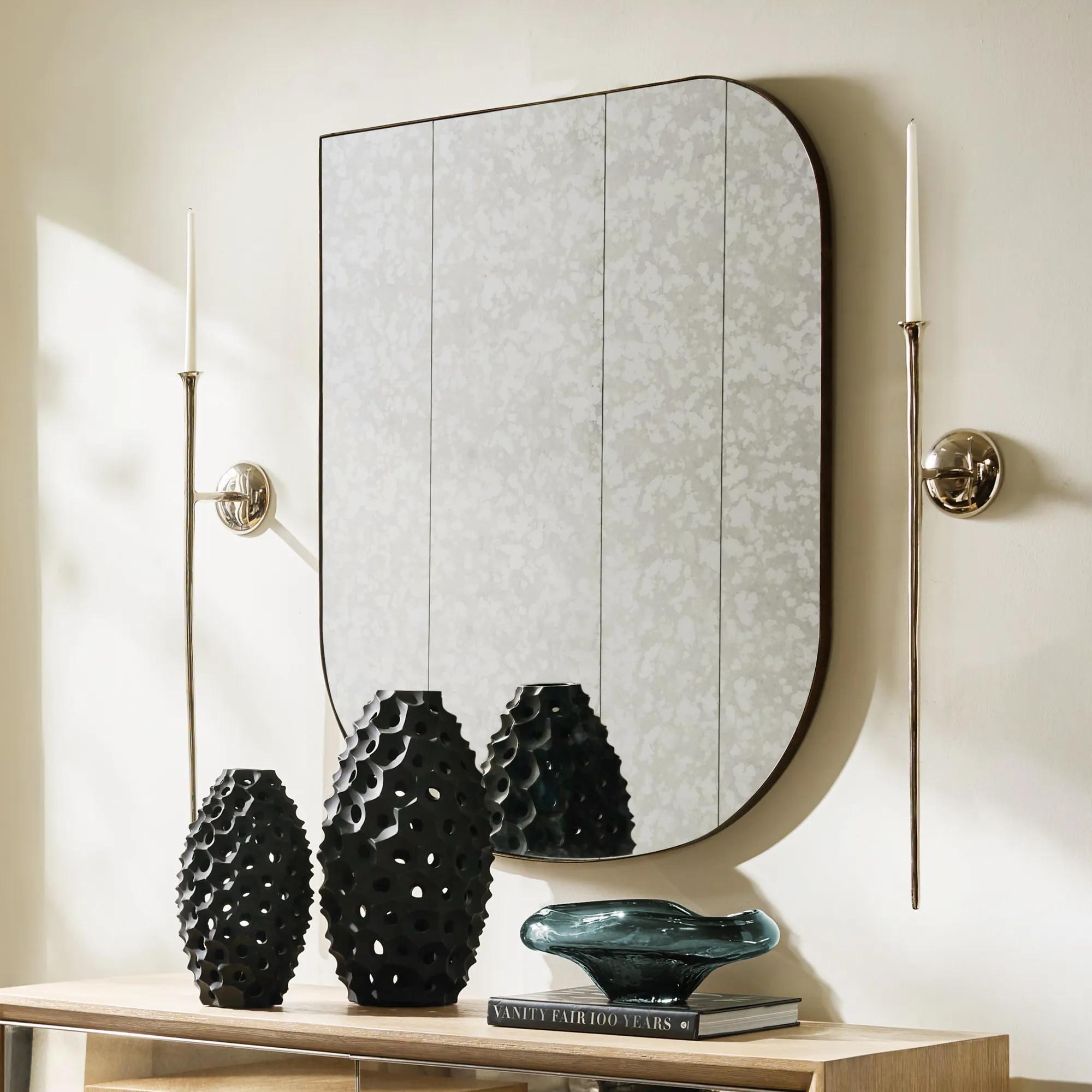
Styling a white wall mirror is an opportunity for creative expression. Pair it with metallic sconces for added glamour, layer it above textured consoles, or surround it with art and photographs for a curated gallery effect. White mirrors also pair beautifully with contrasting frames, such as those found in black collections, to create depth and visual intrigue.
.jpeg?w=1080&h=1080)