Custom Fabric Upholstered Bar Stools
Custom Fabric Upholstered Bar Stools
-
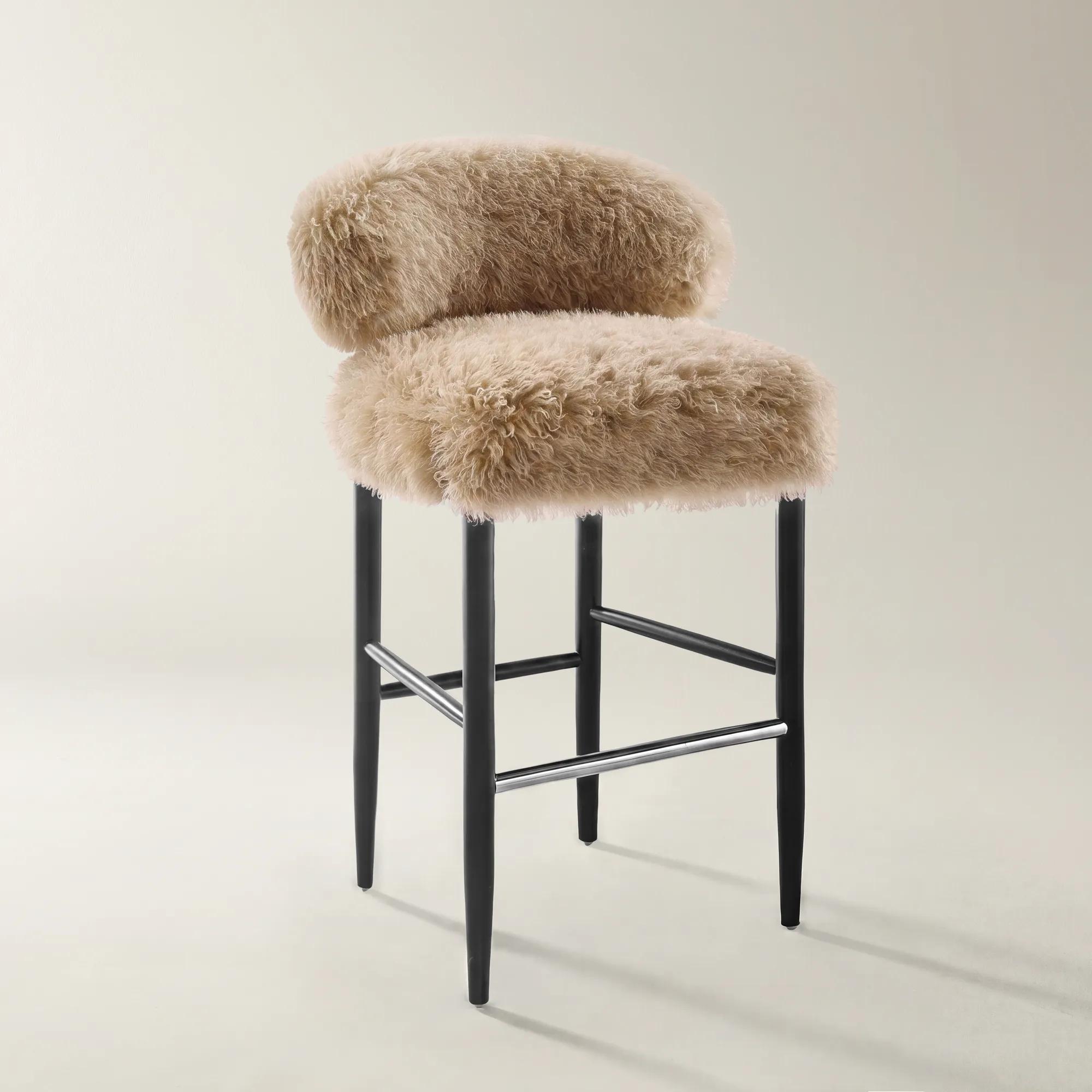 Anna Tan Faux Fur Bar/Counter Stool$549
A tan faux-fur bar stool with a sculpted padded seat and tapered solid-rubberwood legs.
Add To Cart -
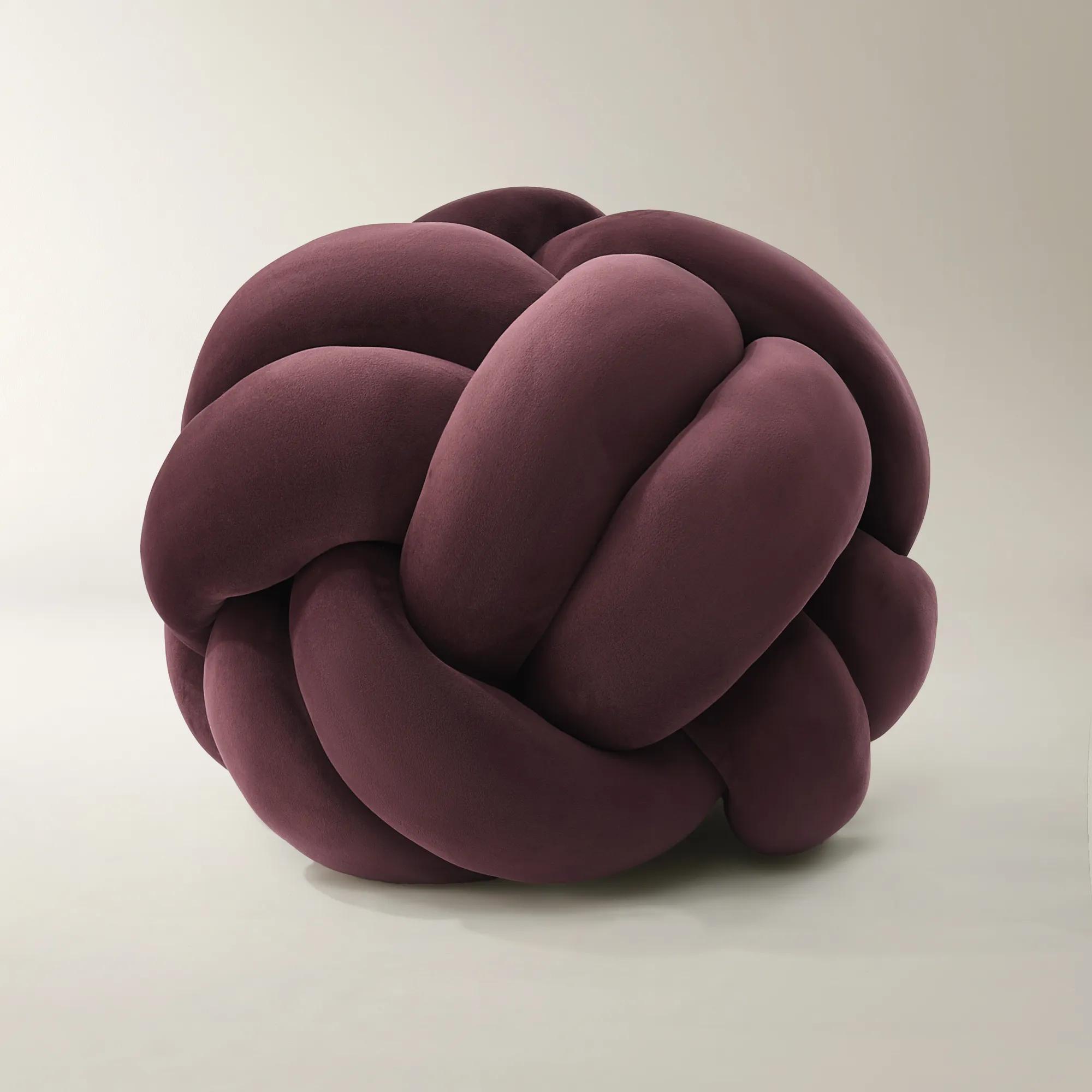
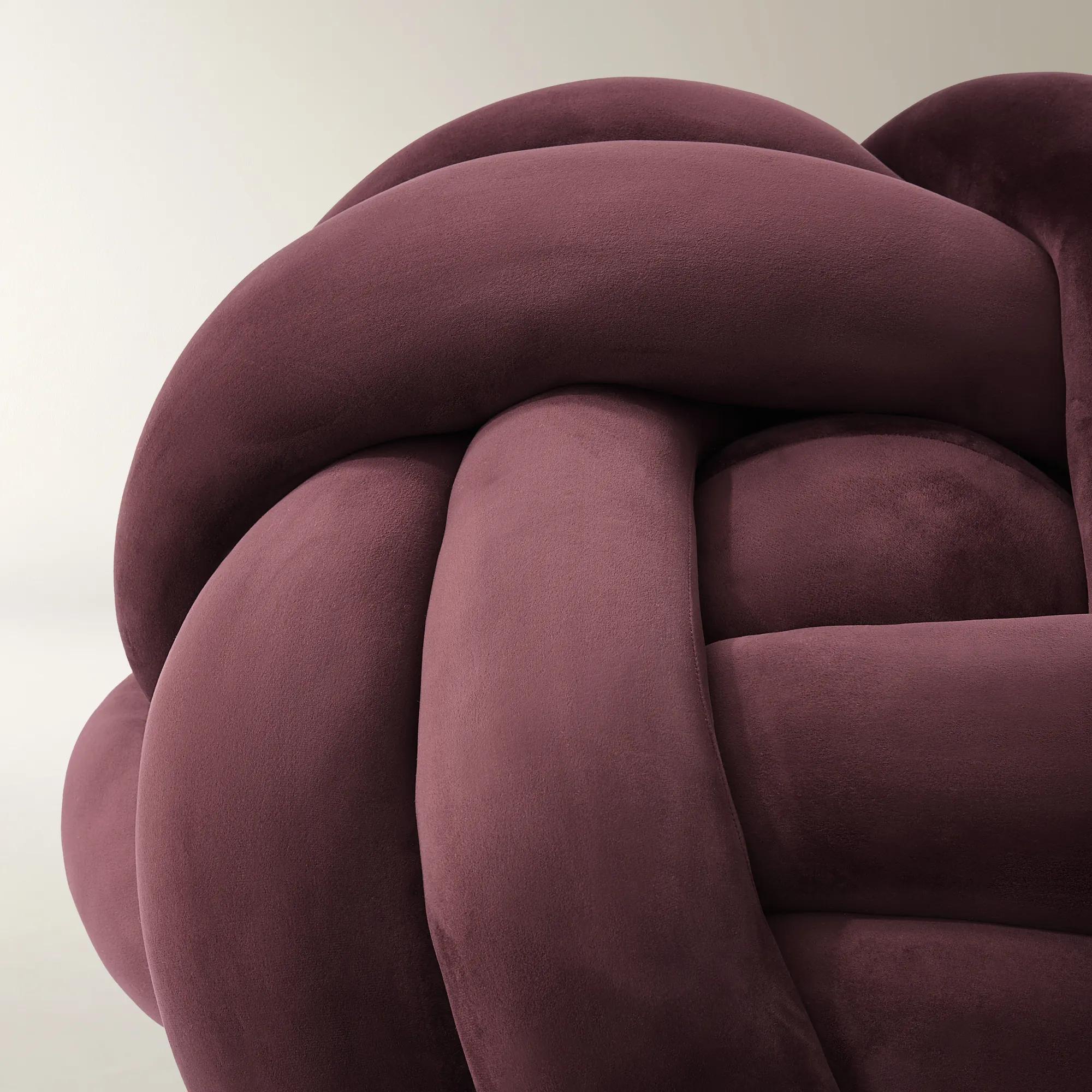 Loopie Fig Velvet Stool (34.5")$399
An oversized, knot-inspired stool hand-upholstered in plush fig velvet for bold sculptural appeal.
Add To Cart -
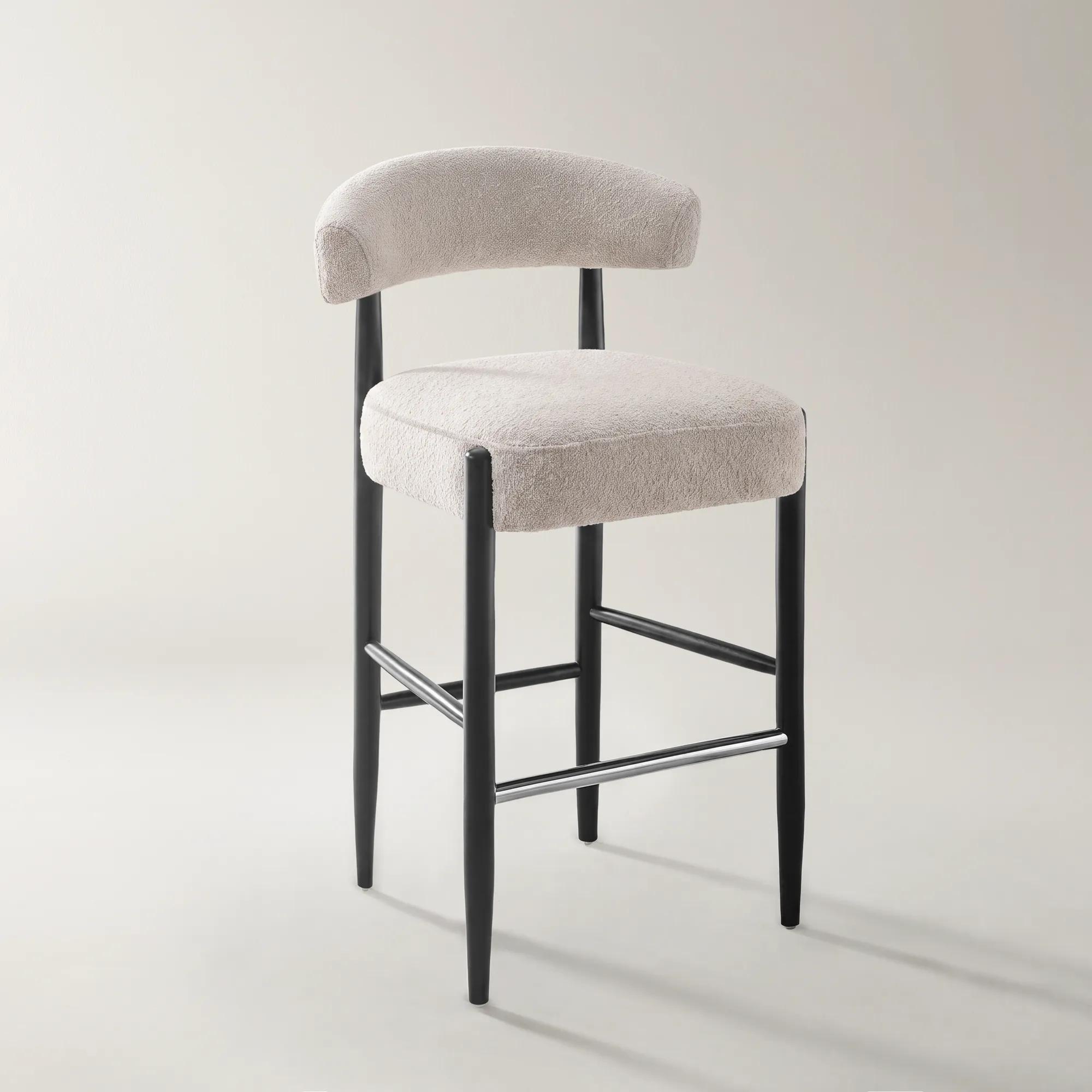 Anna Ivory Performance Boucle Bar/Counter Stool$449
An ivory performance-bouclé bar stool with sculpted padded support and tapered solid-rubberwood legs.
Add To Cart -
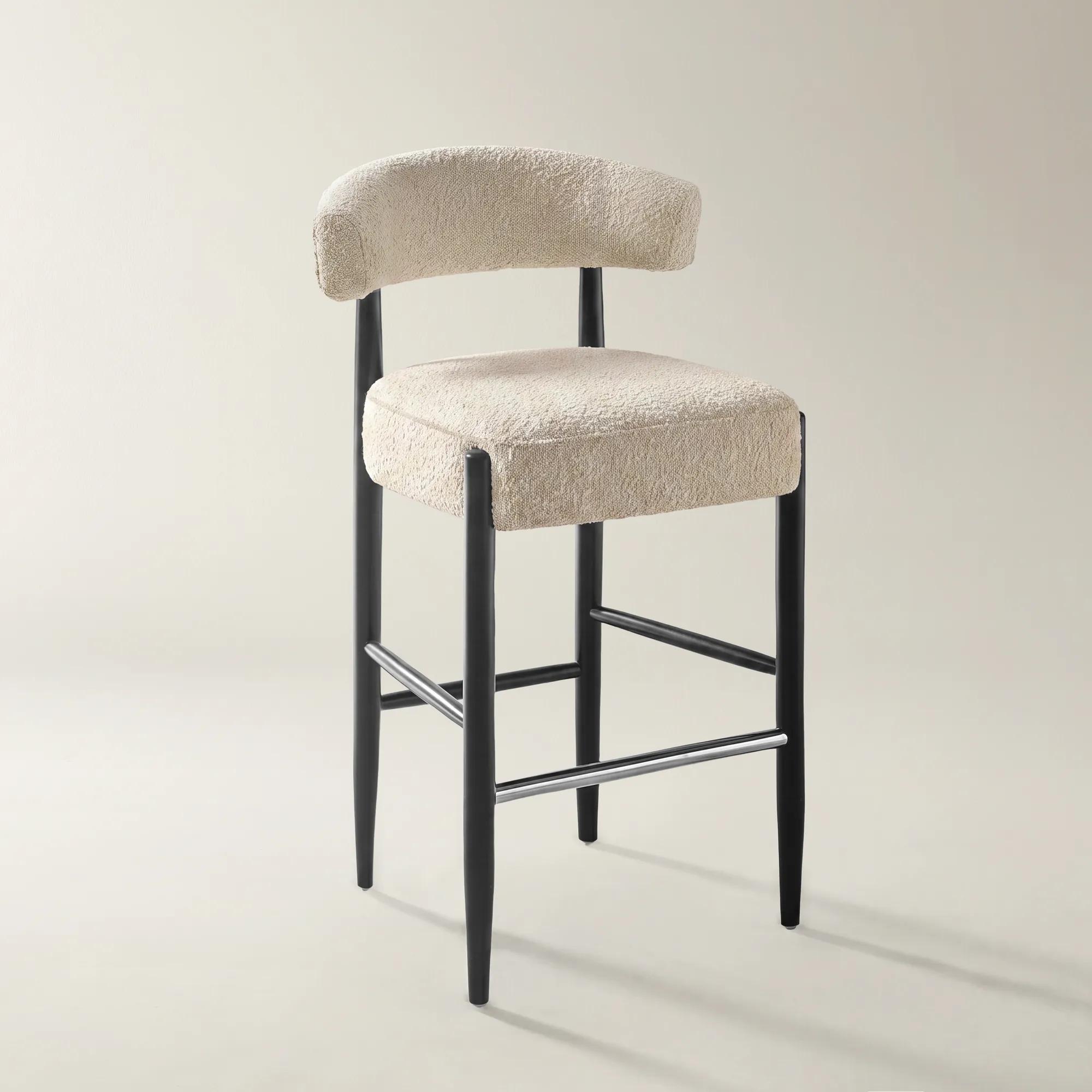 Anna Ivory Performance Boucle Bar/Counter Stool$449
A counter stool with ivory performance boucle upholstery, sculpted support, and tapered solid rubberwood legs.
Add To Cart -
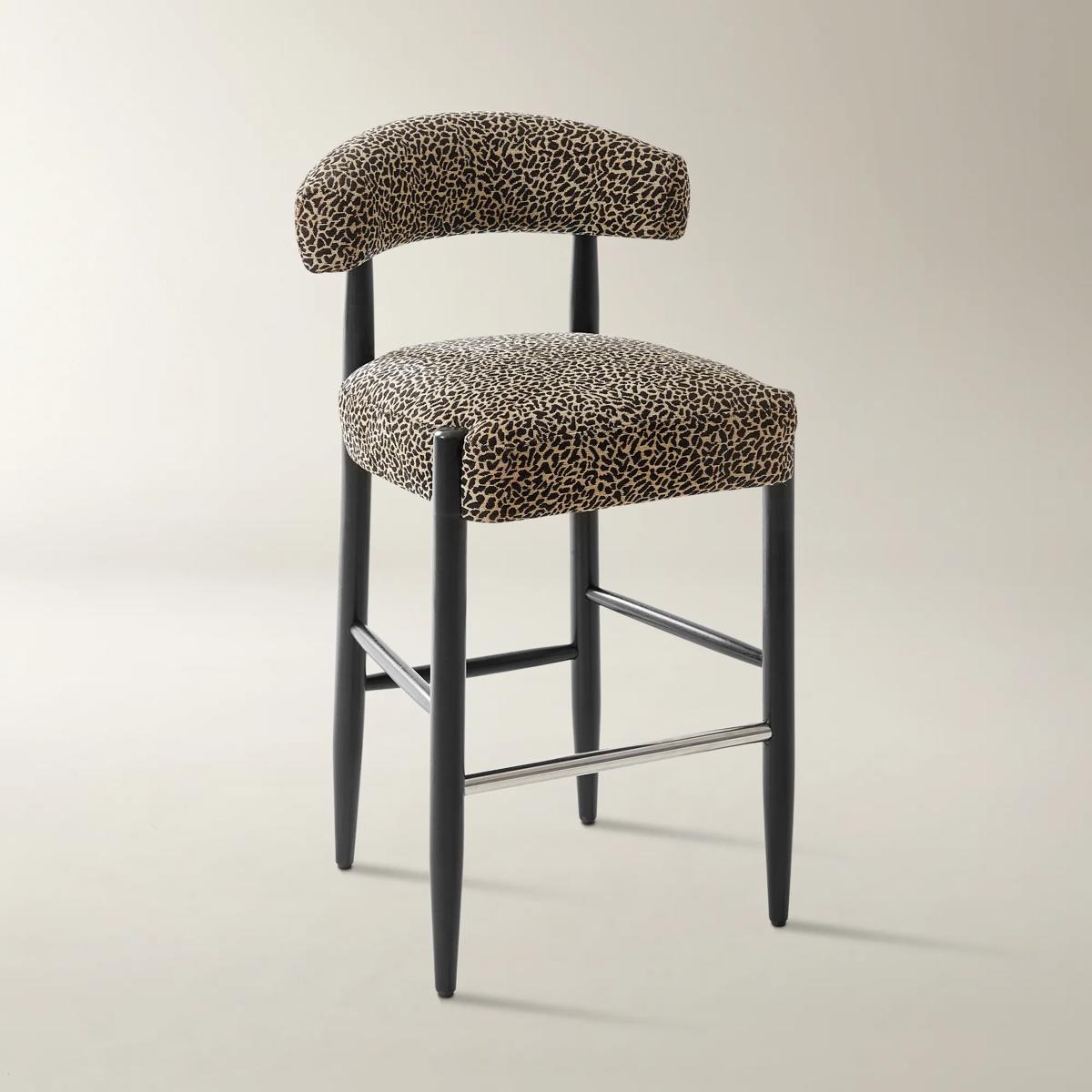
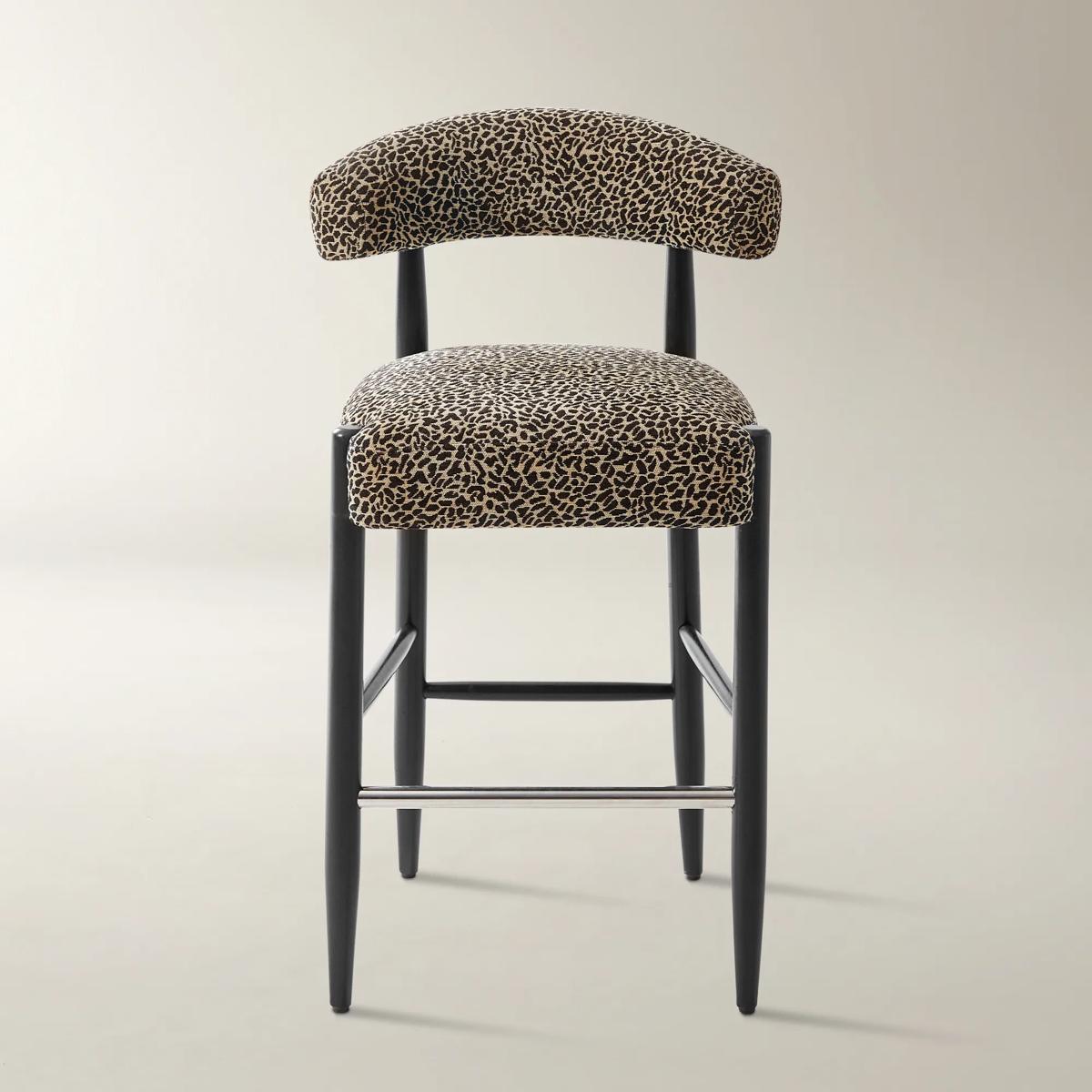 Anna Leopard Chenille Bar/Counter Stool$449
A leopard-patterned chenille bar stool with sculpted padded support and tapered solid rubberwood legs.
Add To Cart -
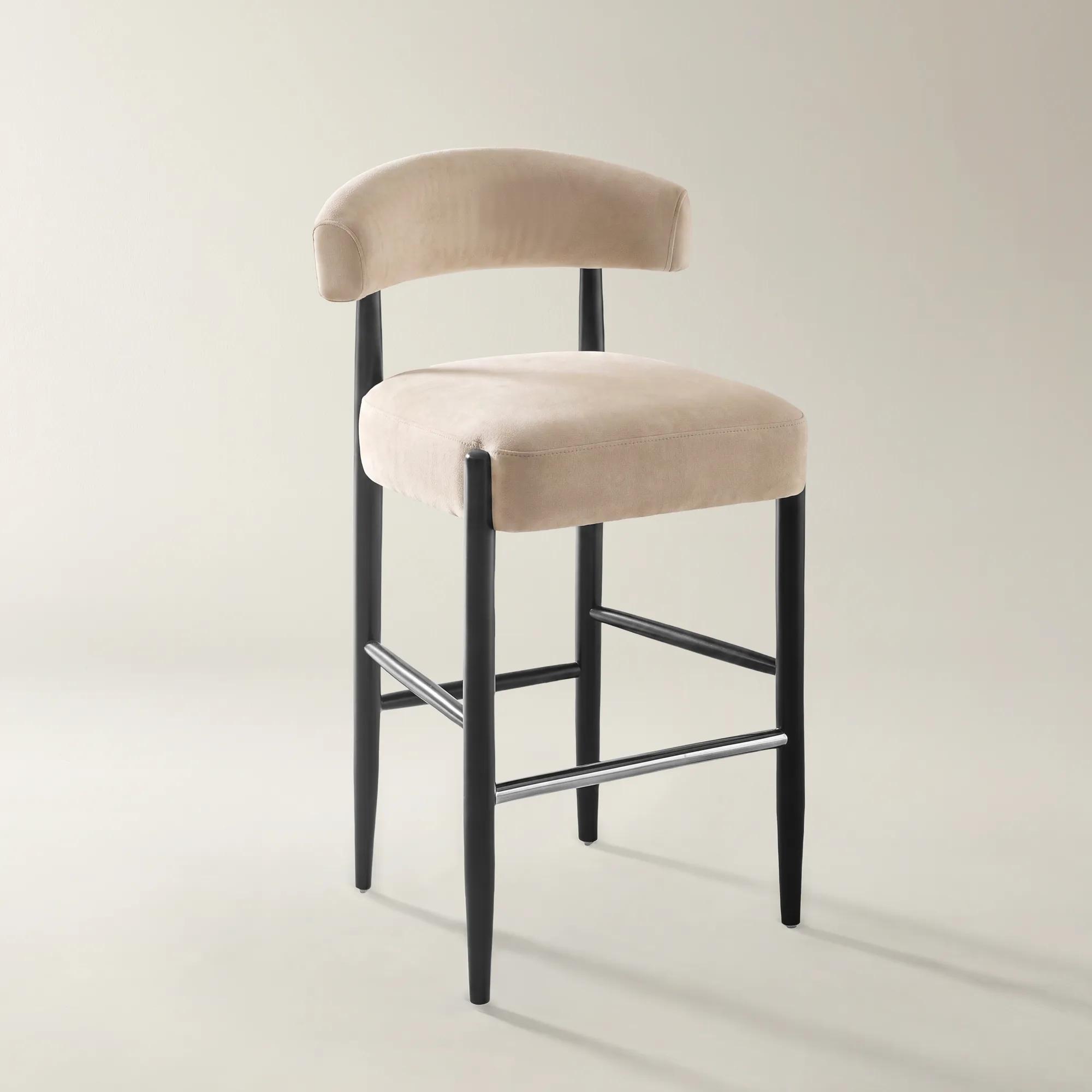 Anna Simply Taupe Velvet Bar/Counter Stool$449
A taupe velvet counter stool with a sculpted back, padded seat, and tapered solid-rubberwood base.
Add To Cart -
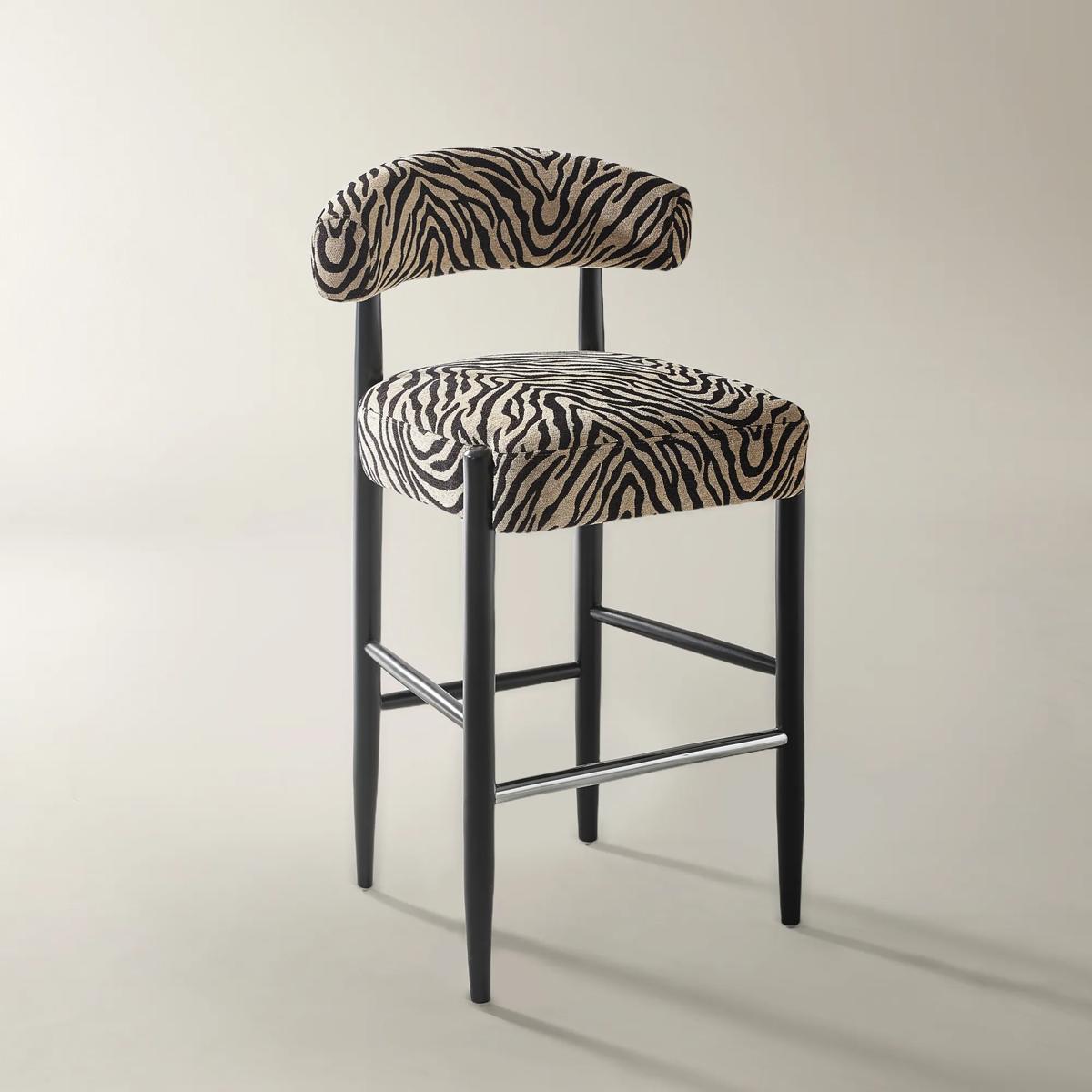
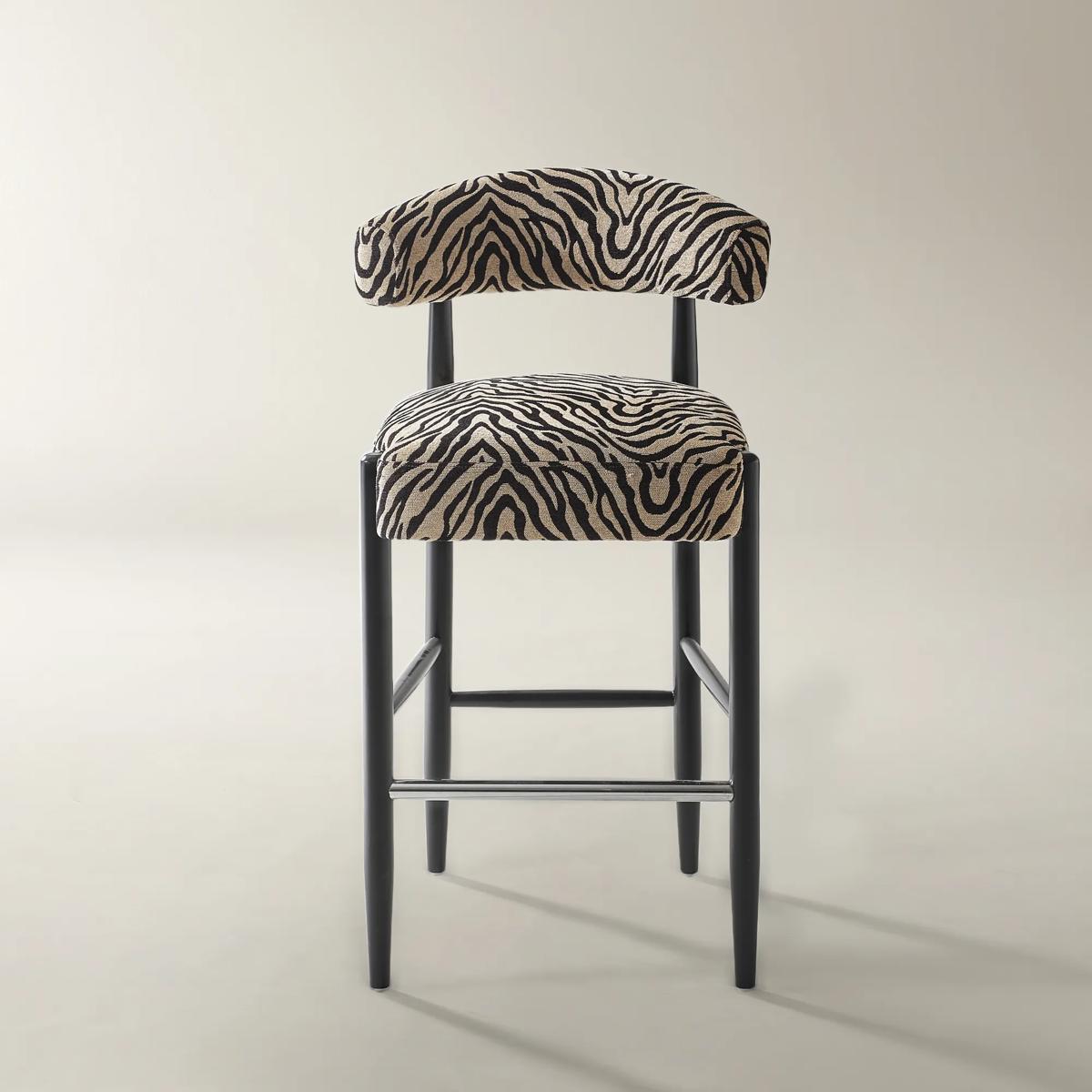 Anna Zebra Chenille Bar/Counter Stool$449
A bar stool with zebra-patterned chenille upholstery, sculpted padding, and tapered solid-rubberwood legs.
Add To Cart -
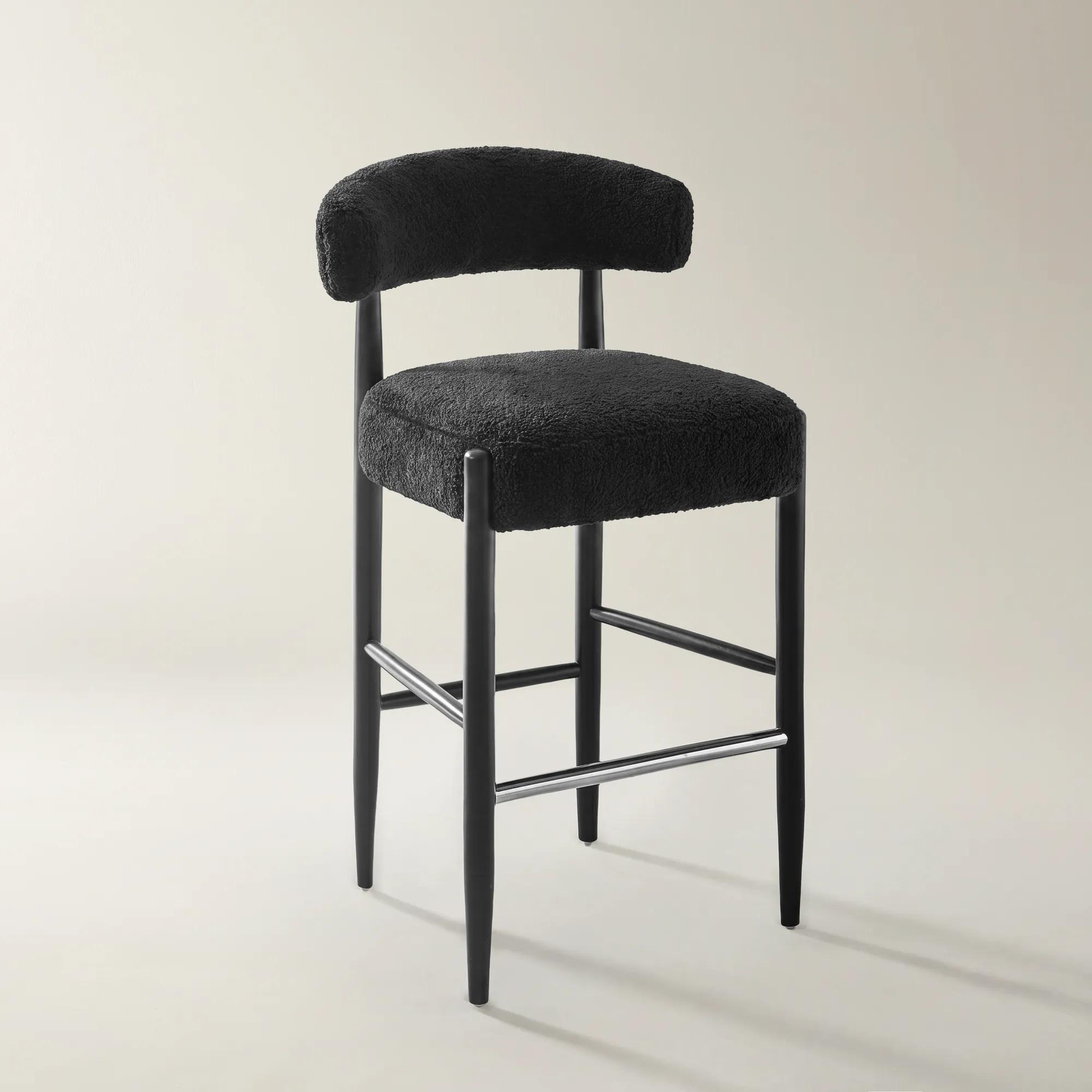 Anna Black Chenille Bar/Counter Stool$449
A black chenille counter stool with a sculpted padded seat and solid rubberwood legs.
Add To Cart -
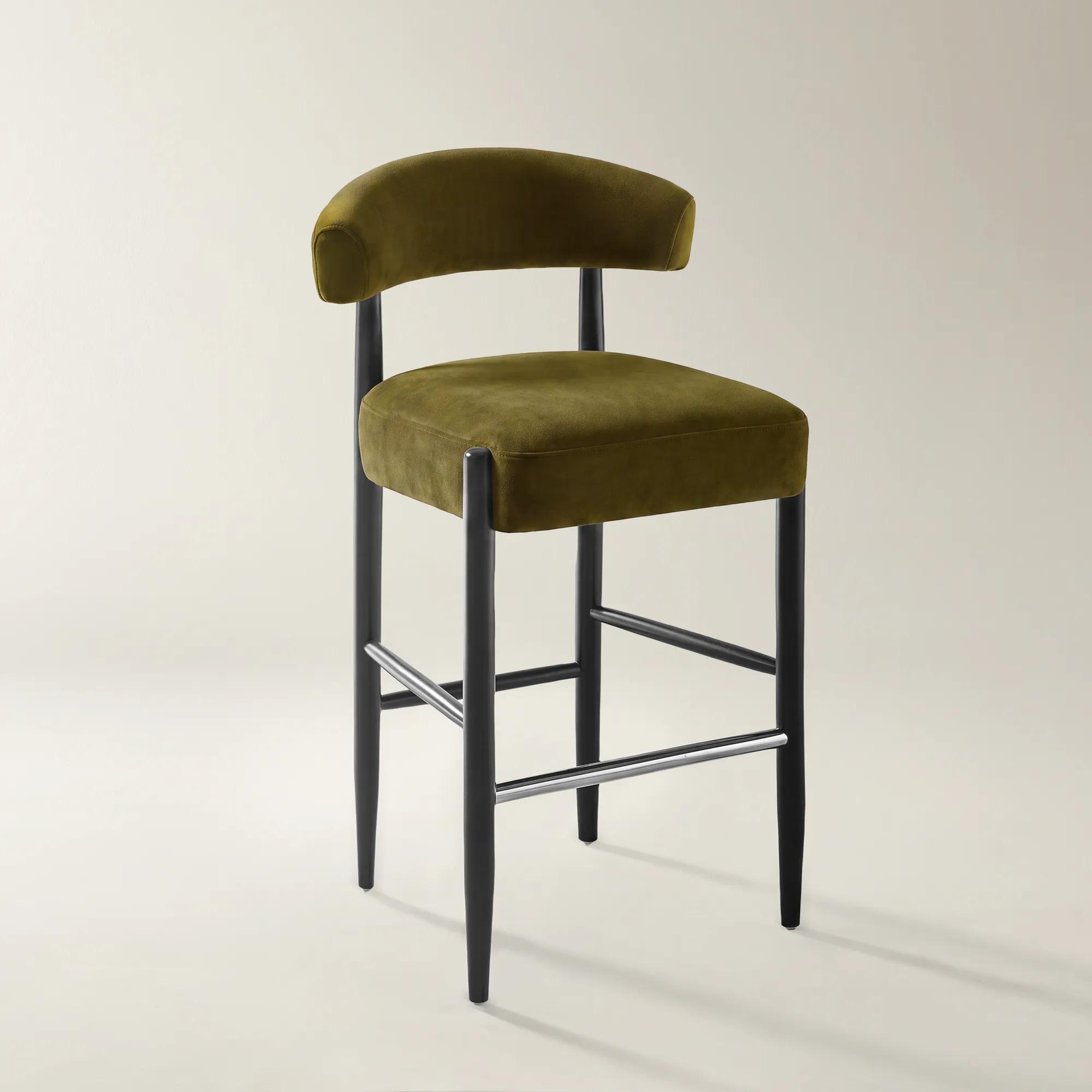 Anna Deep Olive Velvet Bar/Counter Stool$449
A green velvet bar stool with a sculpted padded seat, tailored upholstery, and tapered solid-rubberwood legs.
Add To Cart -
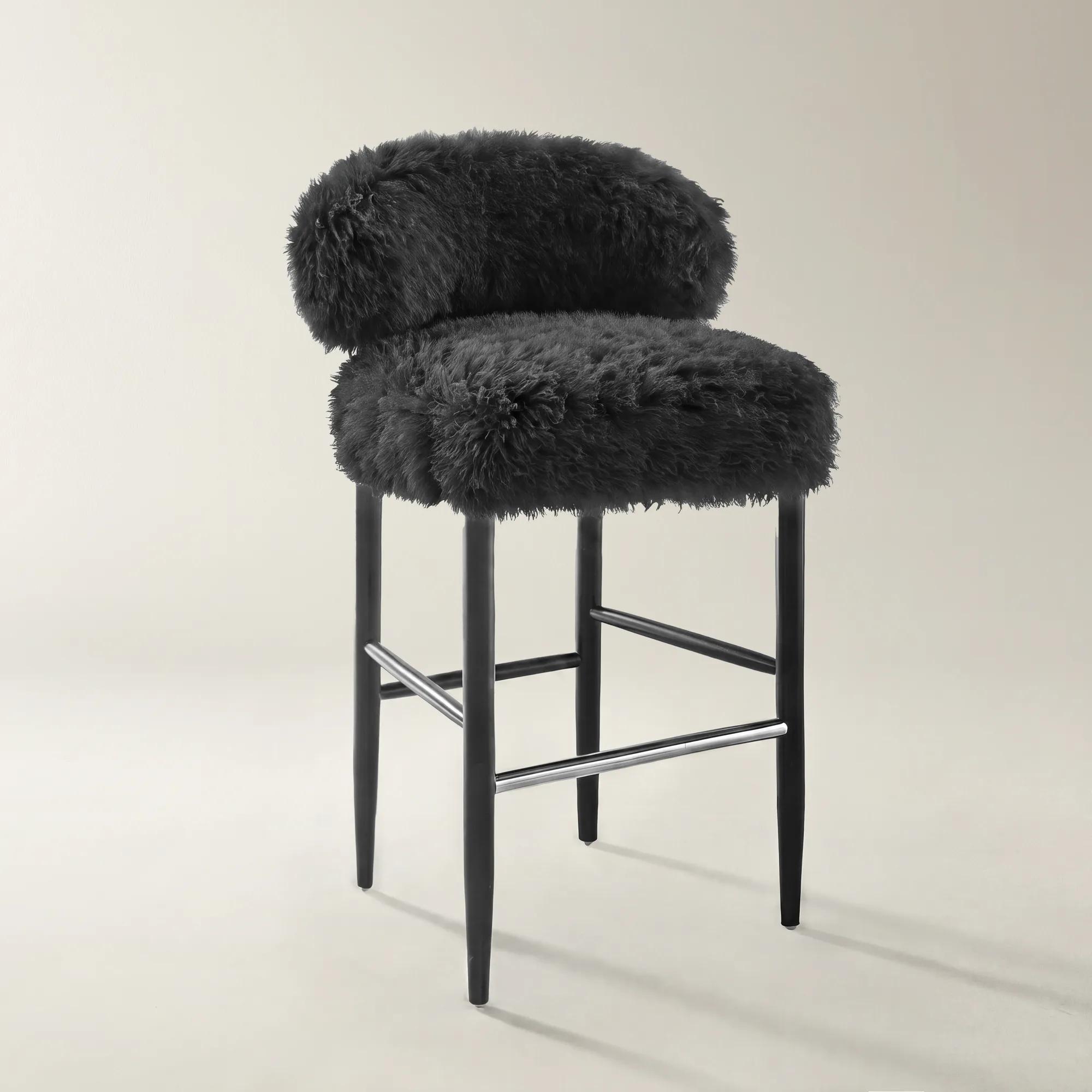 Anna Black Faux Fur Bar/Counter Stool$549
A black faux-fur bar stool with a sculpted back, padded seat, and solid rubberwood legs.
Add To Cart -
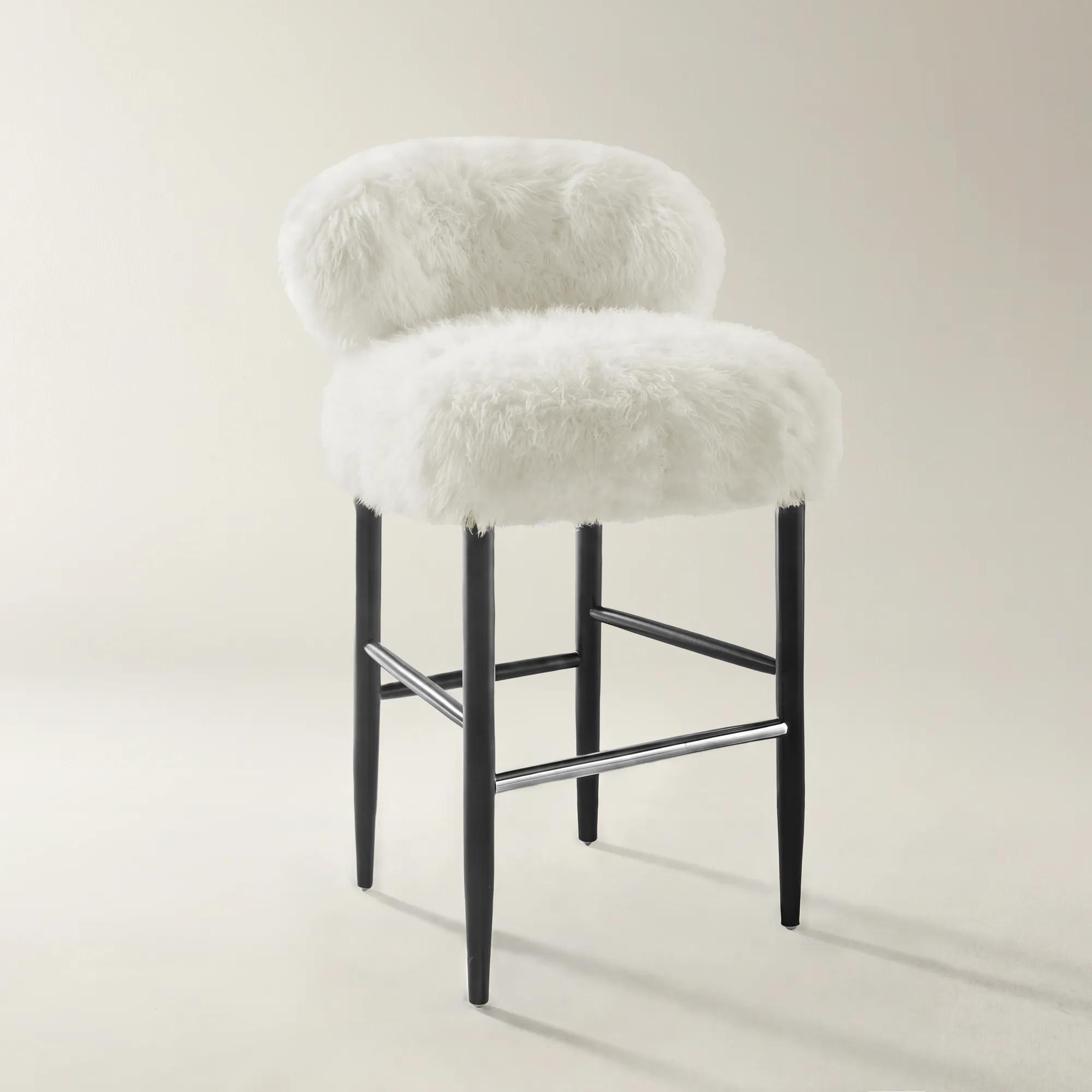 Anna Ivory Faux Fur Bar/Counter Stool$549
An ivory faux-fur counter stool with sculpted support, padded seating, and tapered solid-rubberwood legs.
Add To Cart -
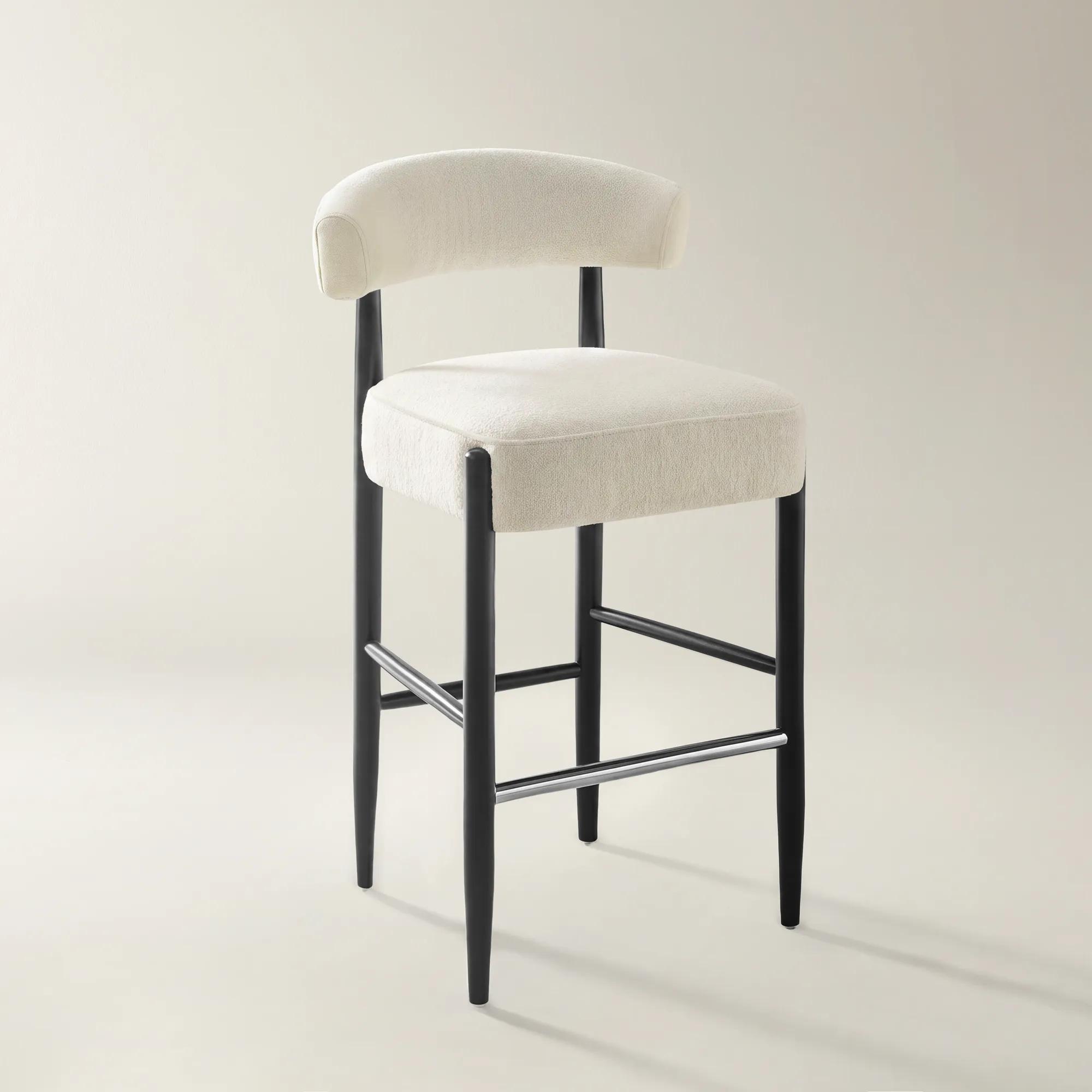 Anna Ivory Performance Chenille Bar/Counter Stool$449
An ivory performance-chenille bar stool with a sculpted back, padded seat, and tapered solid-rubberwood legs.
Add To Cart -
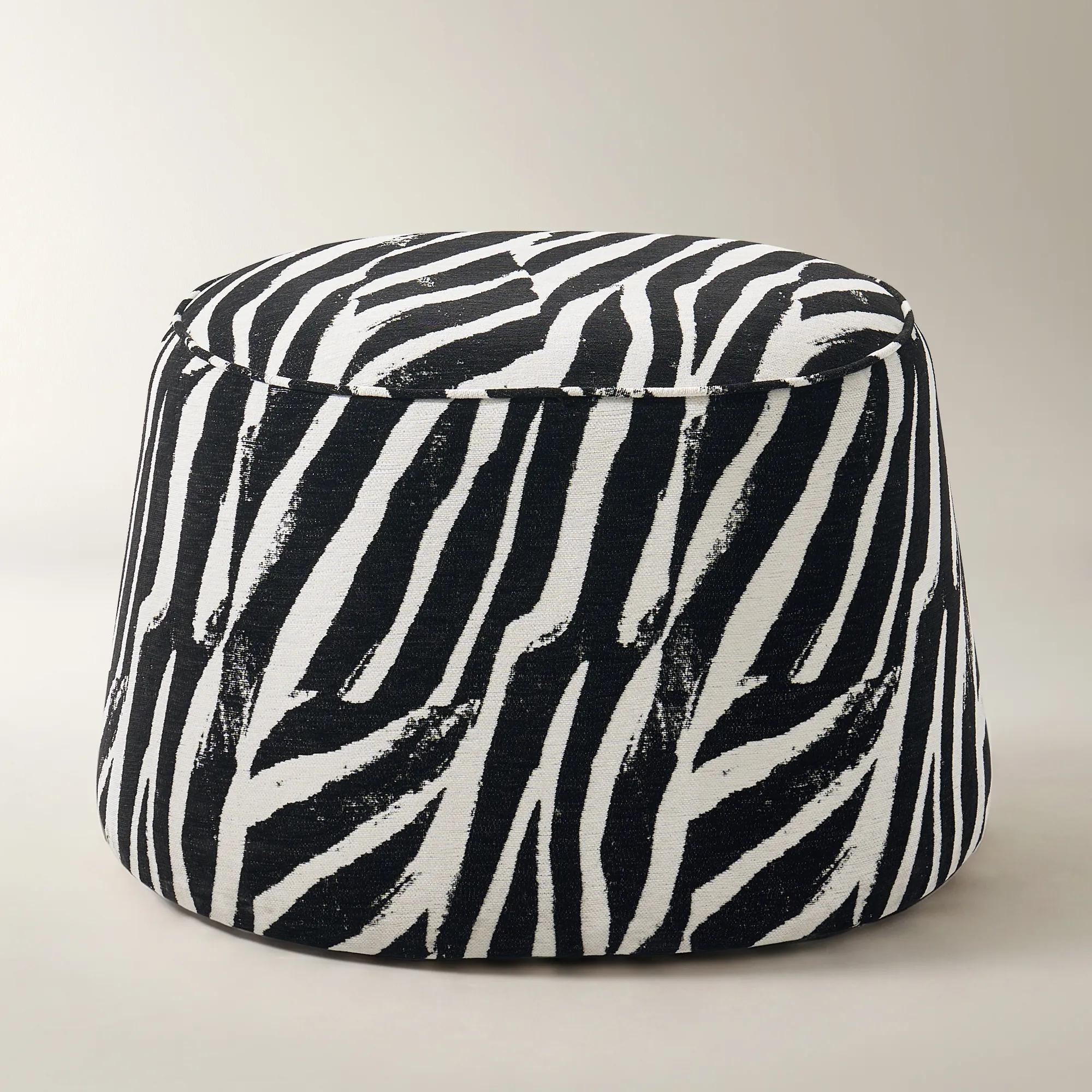 Avery White/Black Performance Chenille Stool$399
A sculpted drum accent stool in black and white performance chenille with an animal-inspired pattern.
Add To Cart -
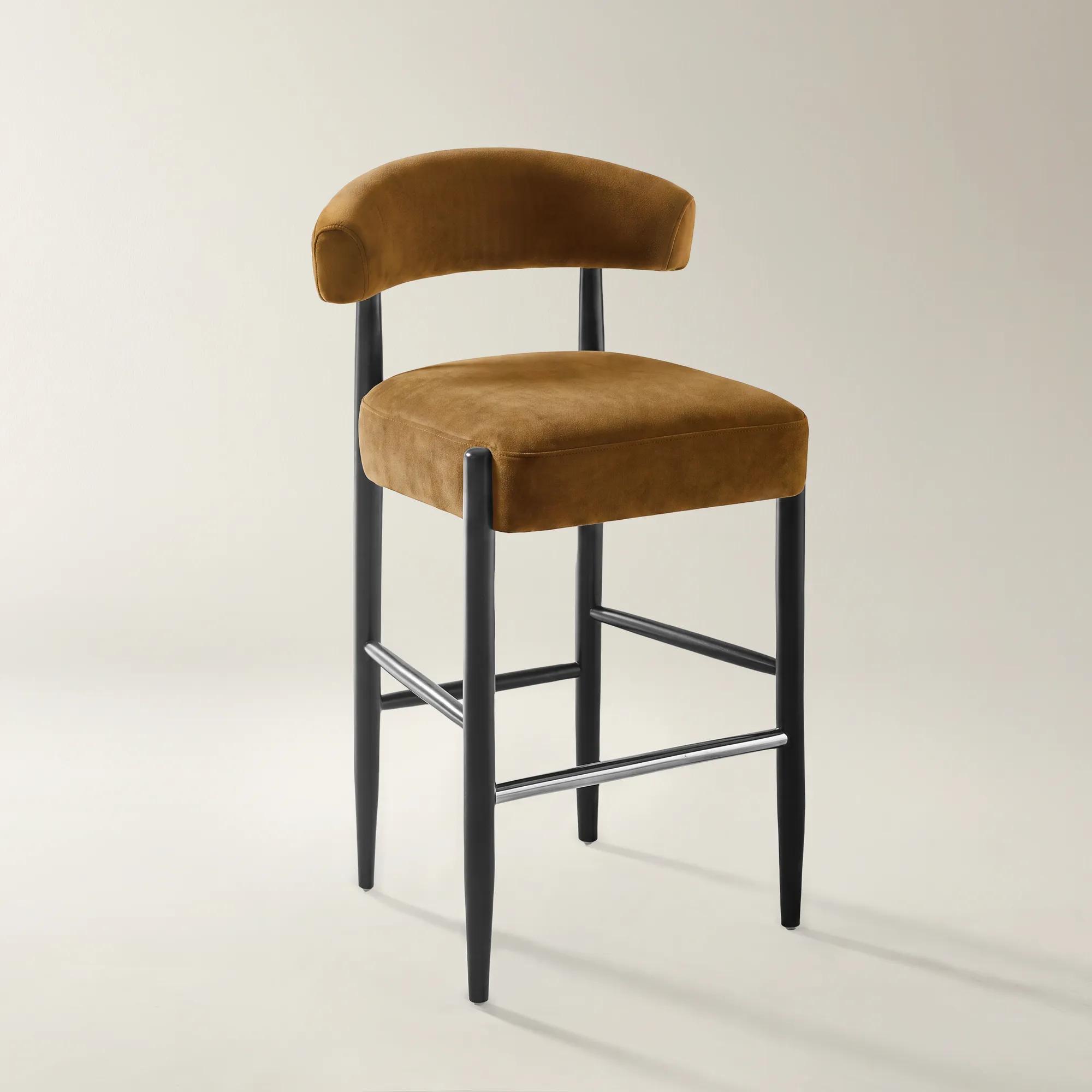
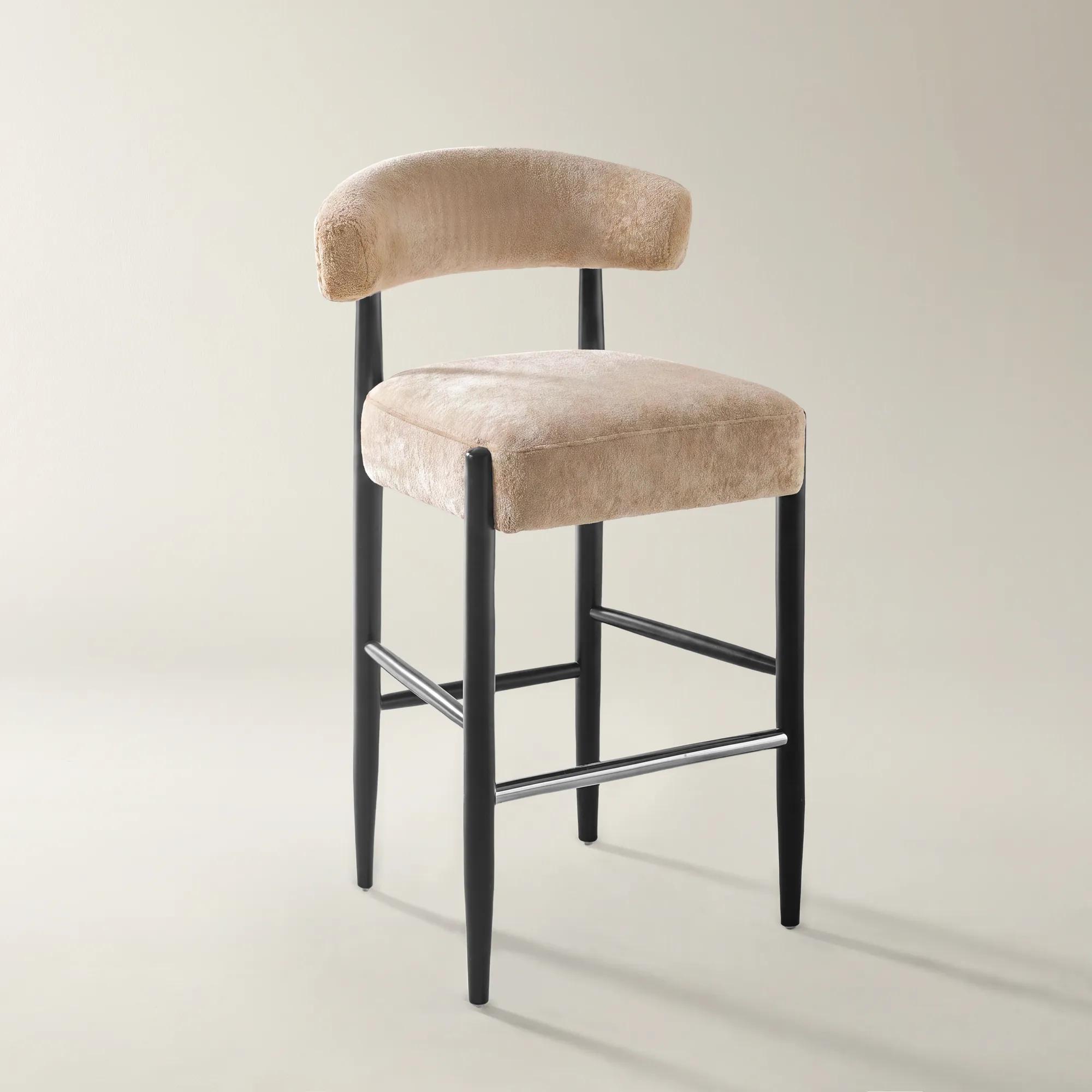 Anna Light Brown Chenille Bar/Counter Stool$449
A brown chenille counter stool with a sculpted back, padded seat, and tapered solid-rubberwood legs.
Add To Cart -
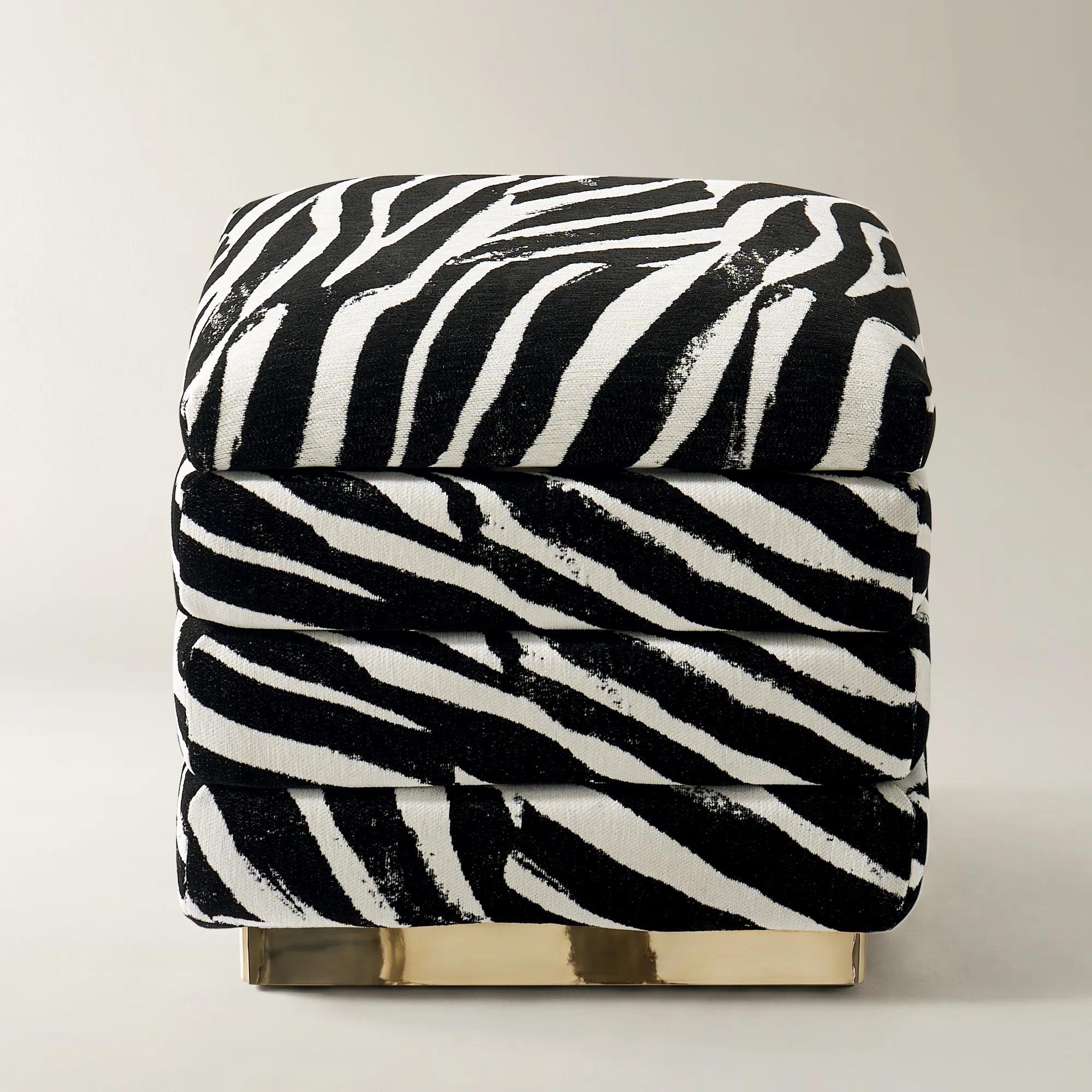
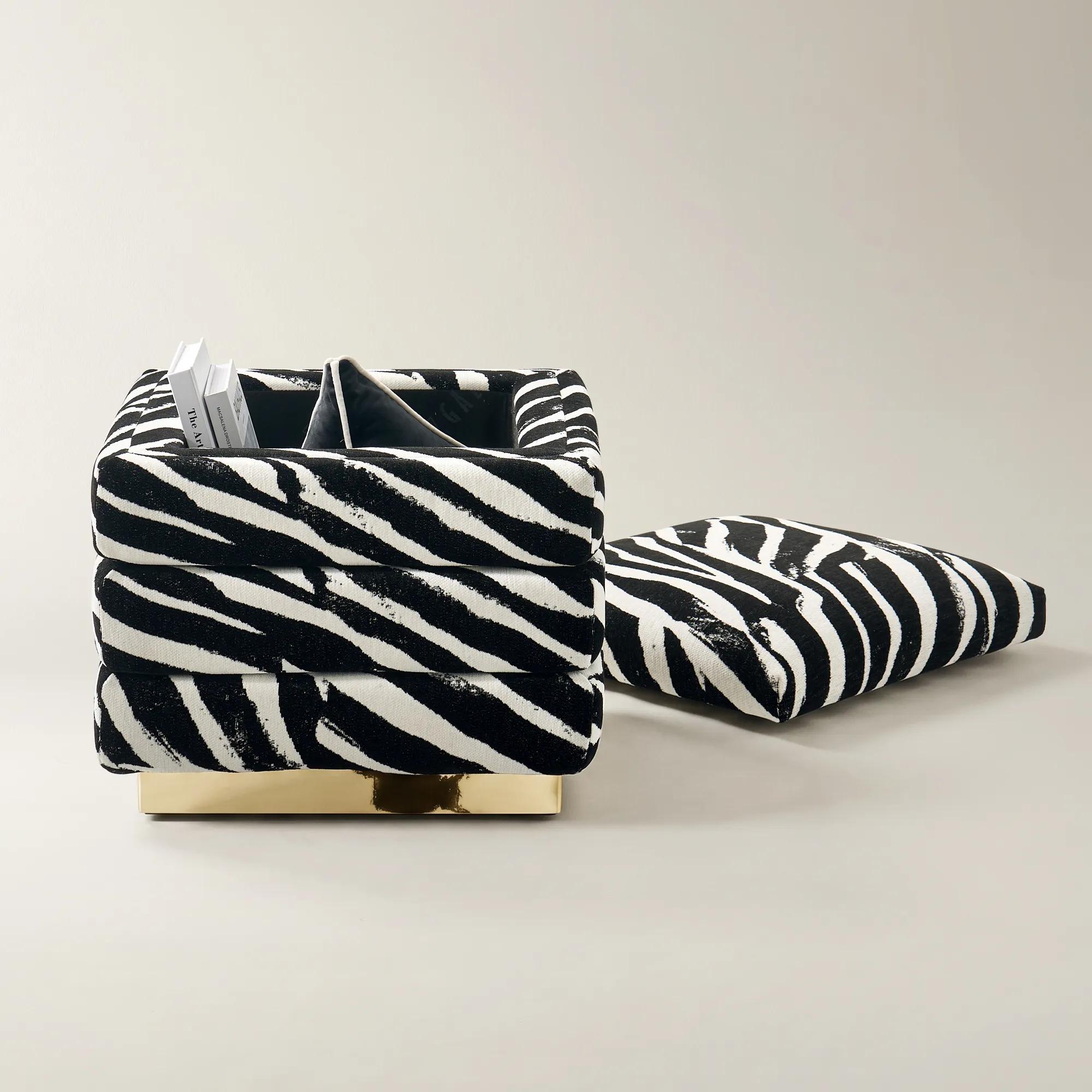 Gable White/Black Performance Chenille Stool$399
A plush white and black chenille stool with hidden storage and a polished gold stainless steel base.
Add To Cart -
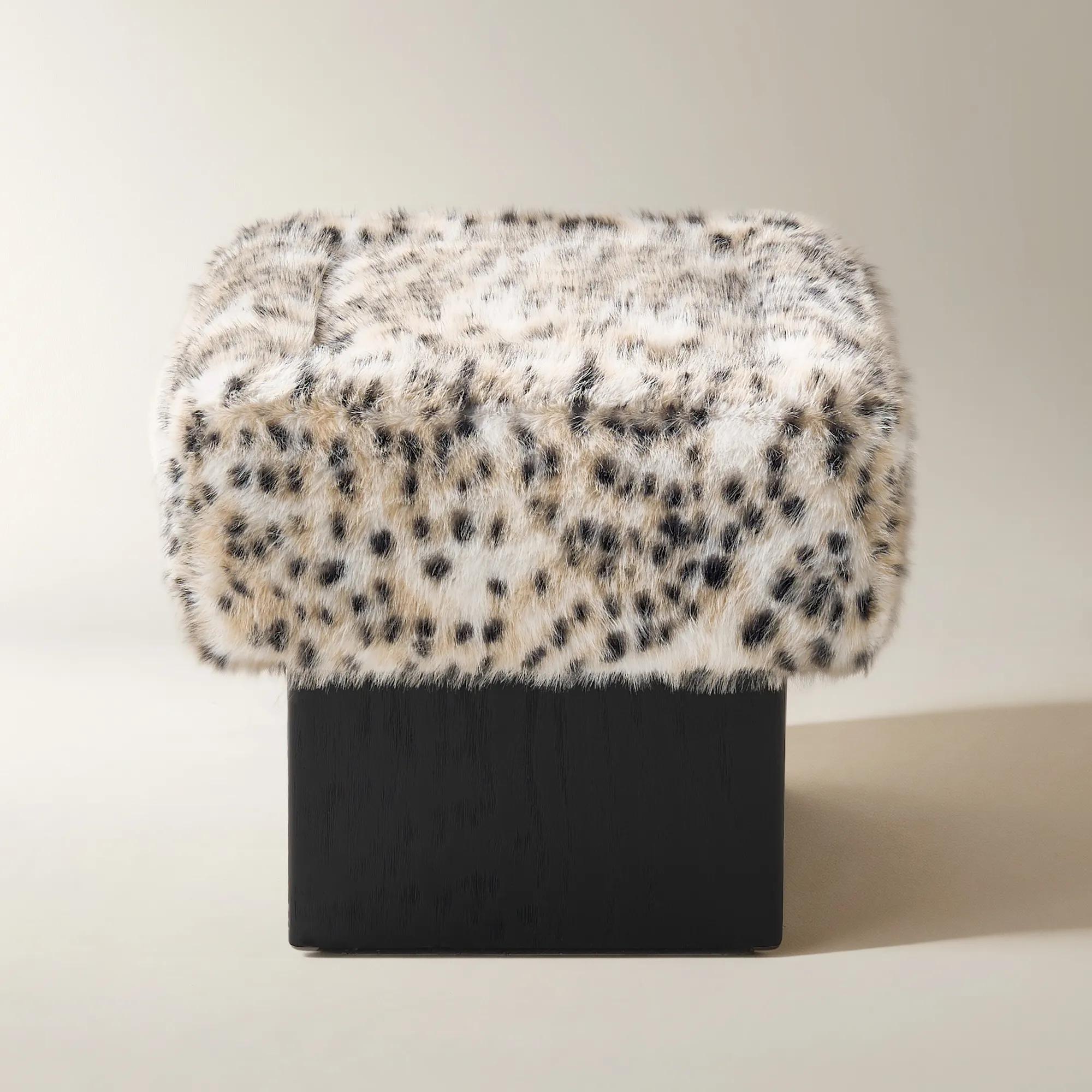 Reims Spotted Faux Fur Stool$399
A plush spotted faux fur stool with a sculpted cushion and solid rubberwood base for modern contrast.
Add To Cart -
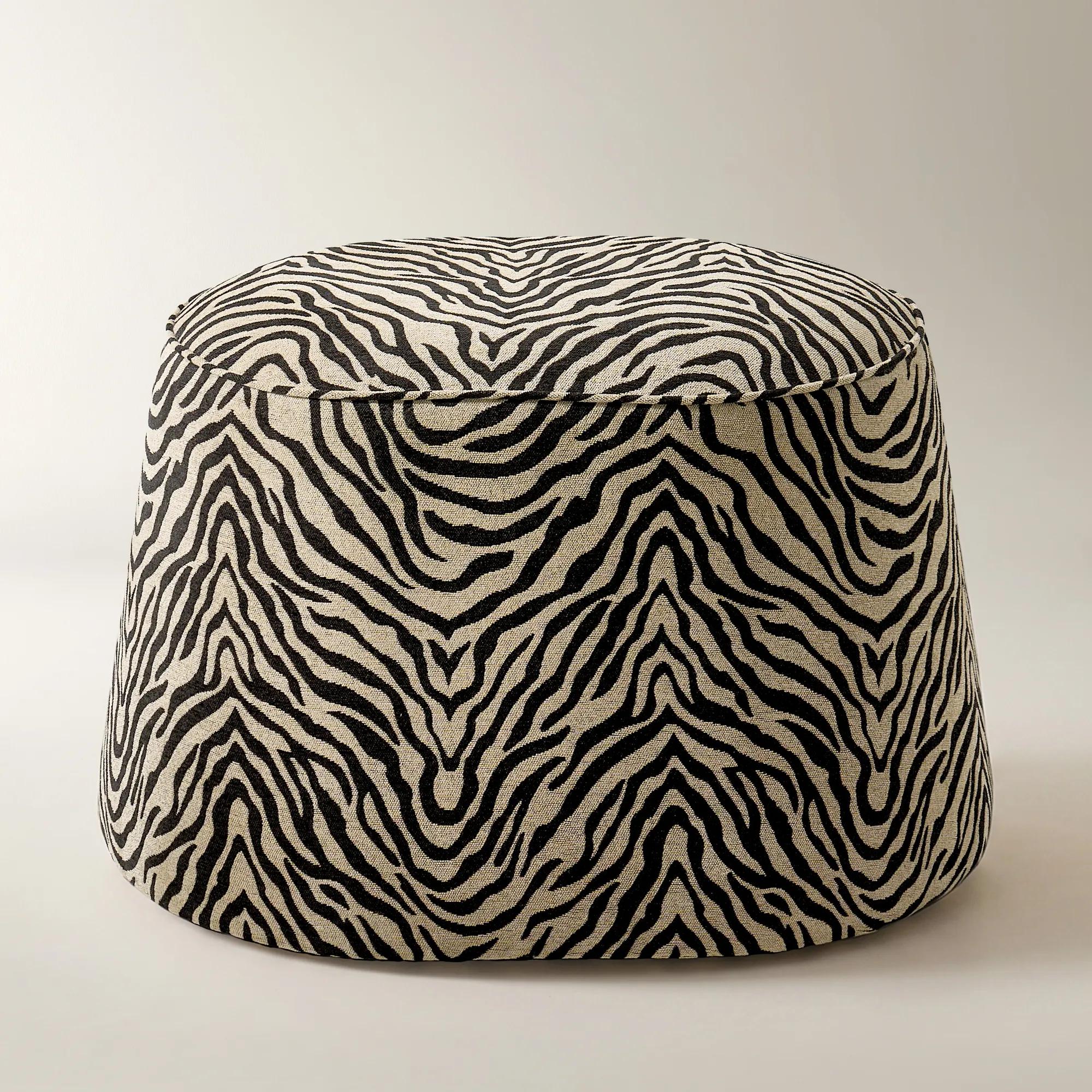 Avery Zebra Performance Chenille Stool$399
A sculpted drum-shaped accent stool upholstered in zebra-patterned performance chenille for bold, modern style.
Add To Cart -
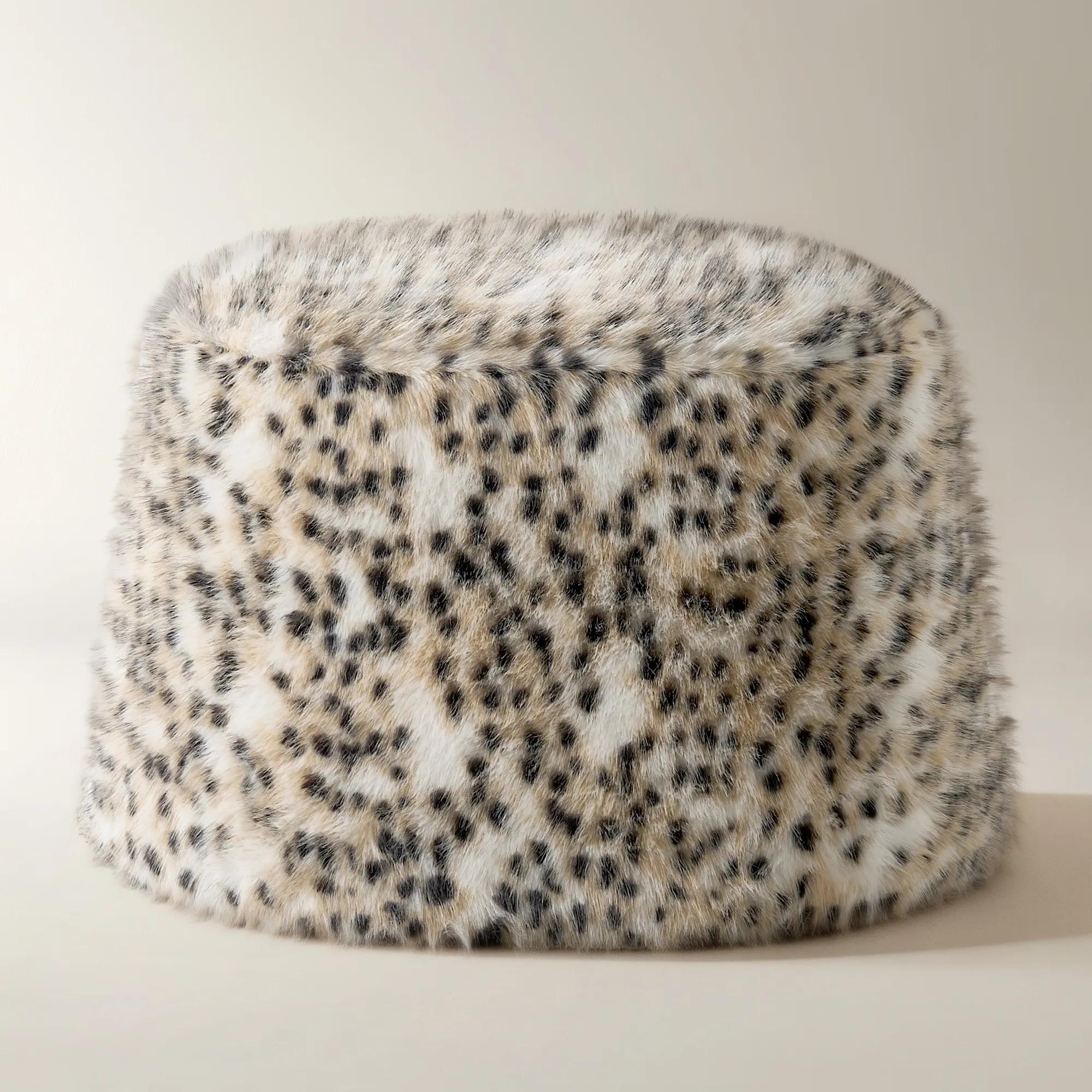
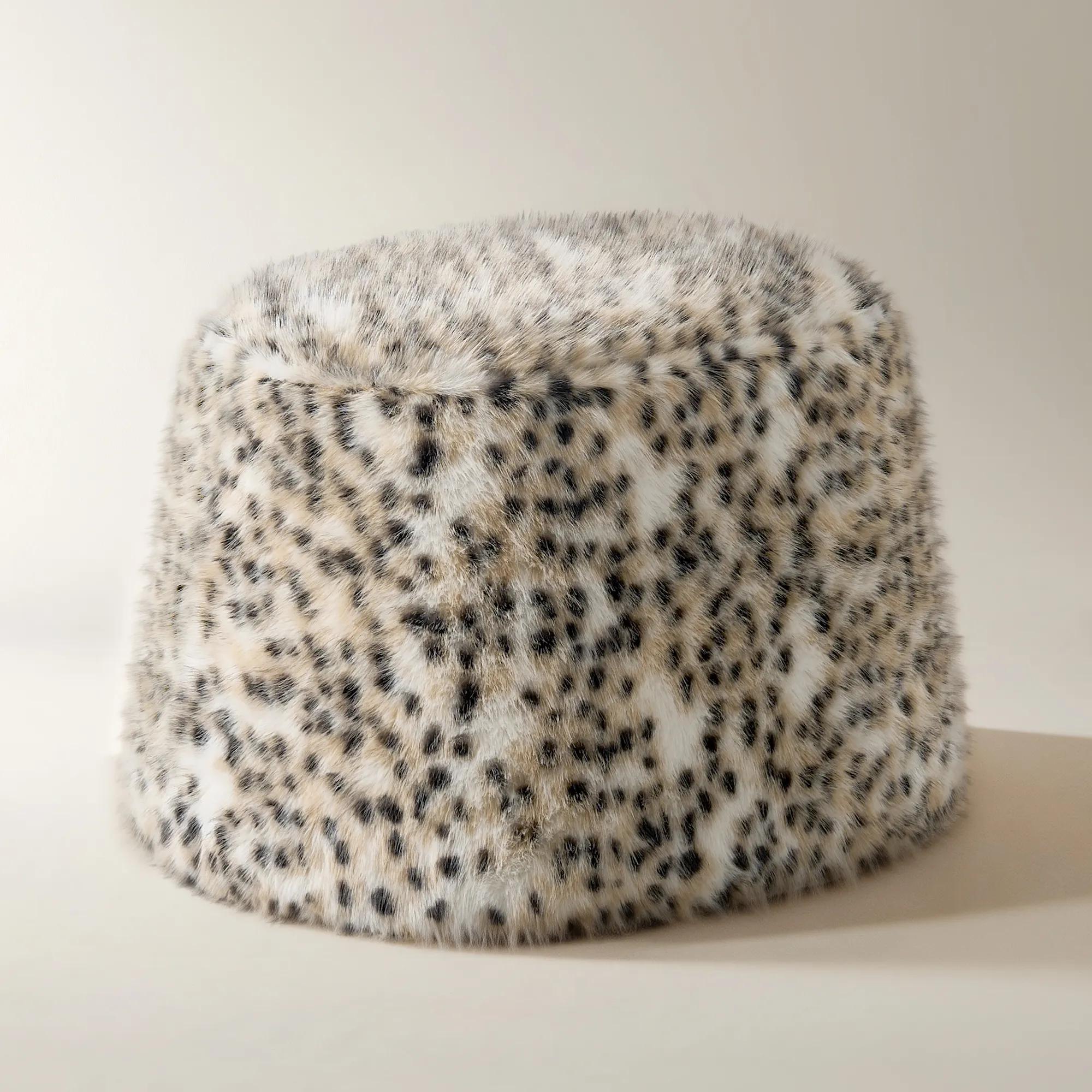 Avery Spotted Faux Fur Stool$399
A sculpted drum stool wrapped in plush spotted faux fur for bold, modern accent seating.
Add To Cart -
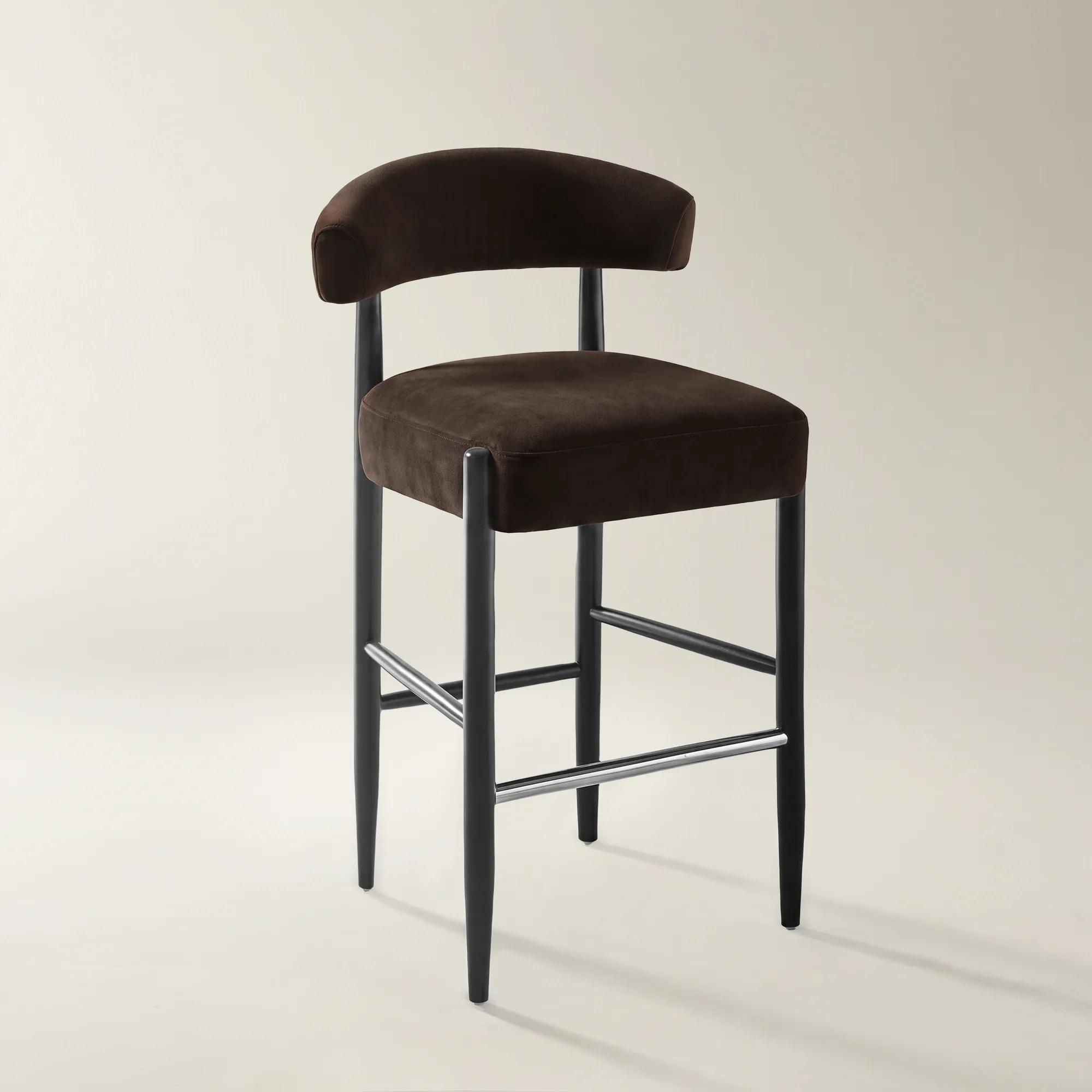
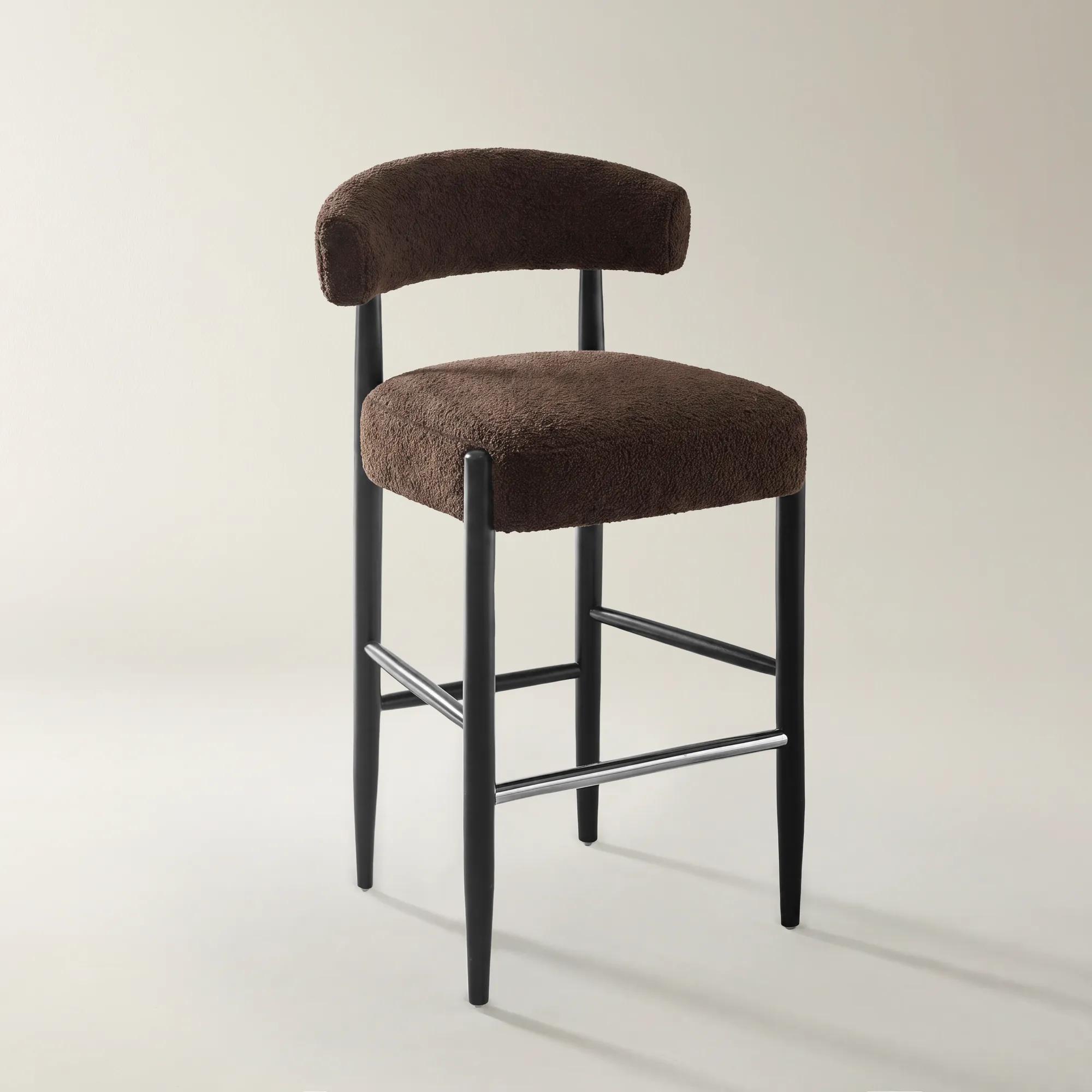 Anna Dark Chocolate Chenille Bar/Counter Stool$449
A dark chocolate chenille counter stool with a sculpted padded seat and solid rubberwood legs.
Add To Cart -
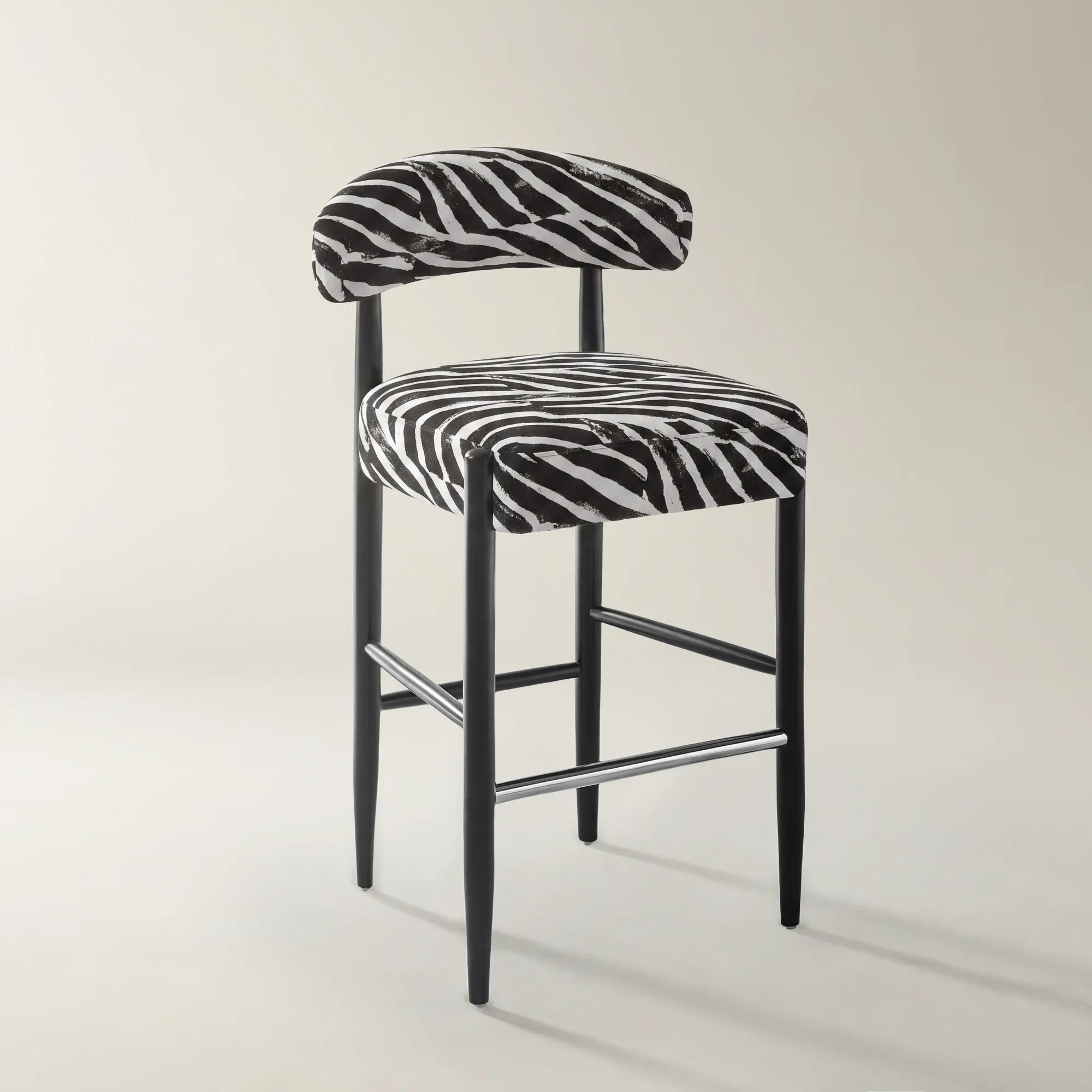 Anna White/Black Performance Chenille Bar/Counter Stool$449
A black-and-white chenille bar stool with a sculpted back, padded seat, and tapered solid rubberwood legs.
Add To Cart -
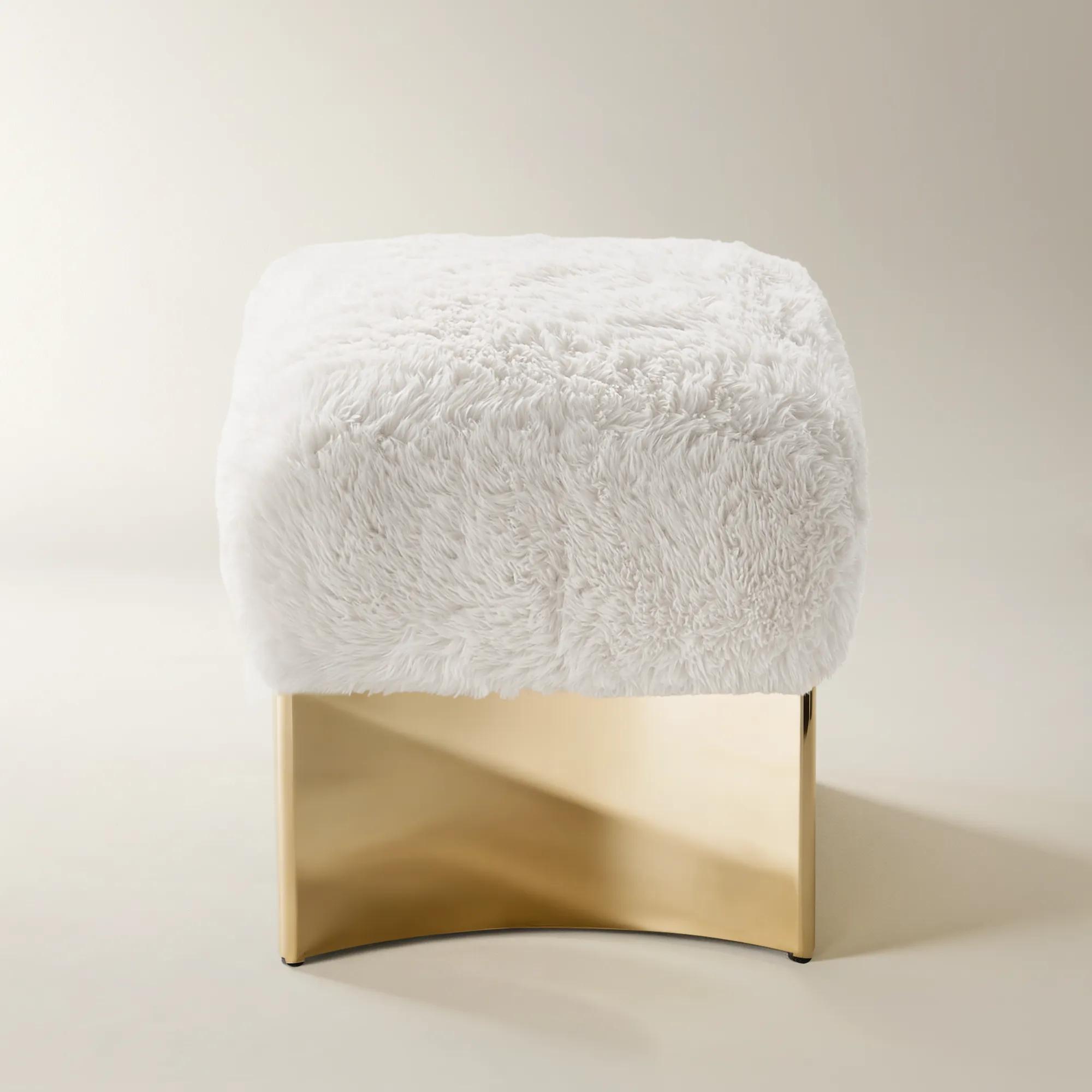 Lush White Faux Fur Stool$499
A sculptural white faux fur stool with a plush seat and polished gold stainless steel base.
Add To Cart -
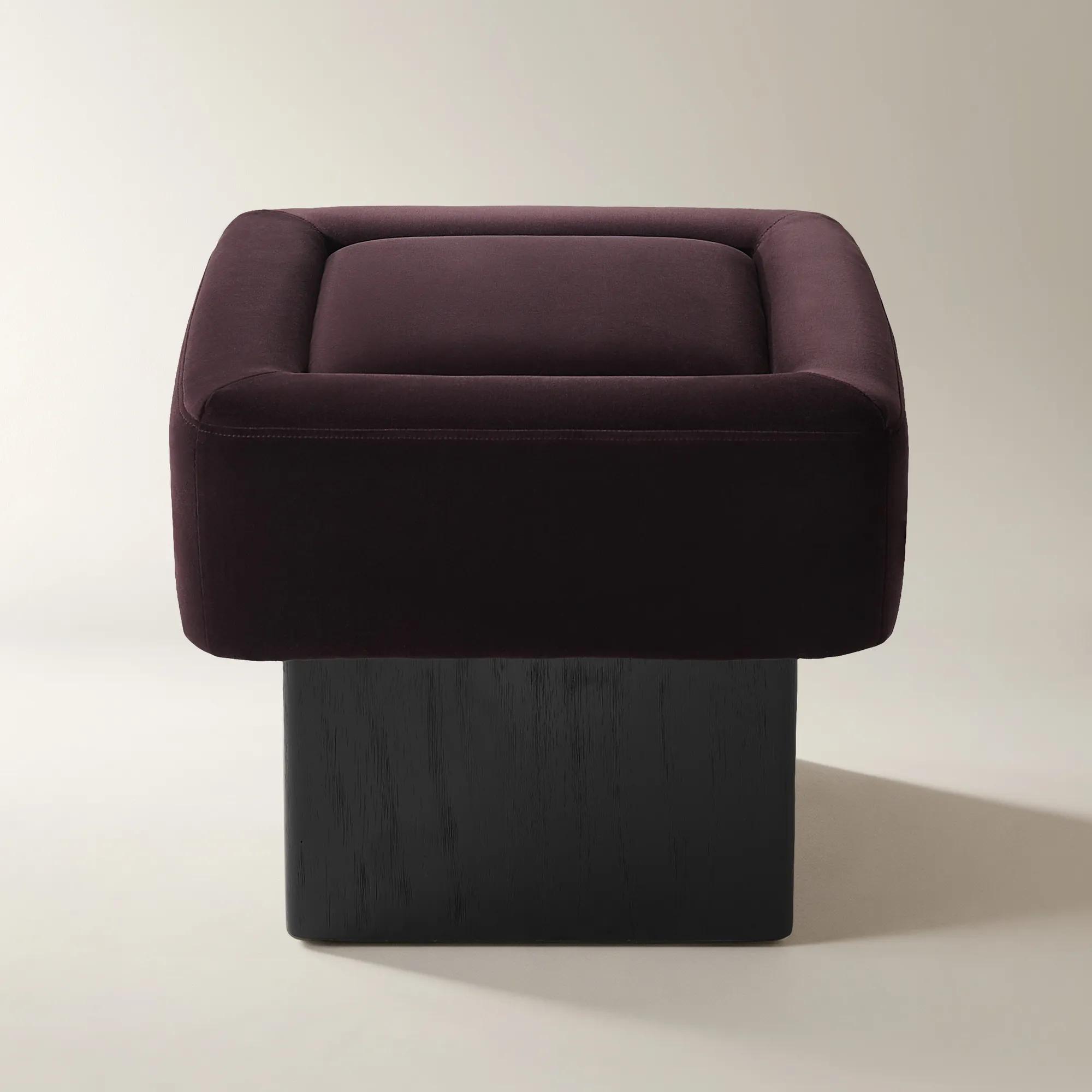 Reims Fig Velvet Stool$399
A plush fig-colored velvet stool featuring a sculpted cushion and a solid rubberwood base for modern contrast.
Add To Cart -
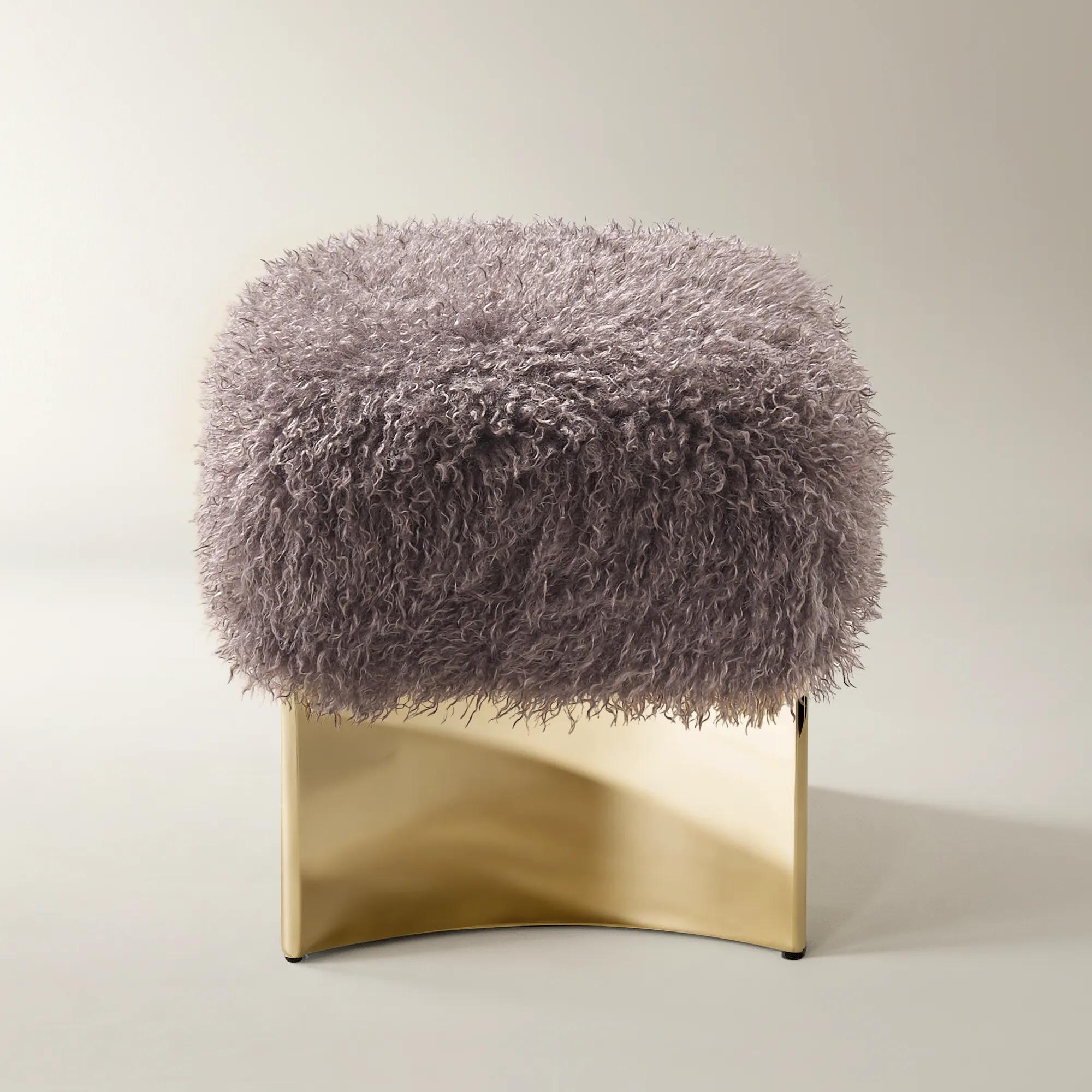 Lush Smoked Plum Faux Fur Stool$499
A sculptural smoked plum faux fur stool with a plush seat and polished gold stainless steel base.
Add To Cart -
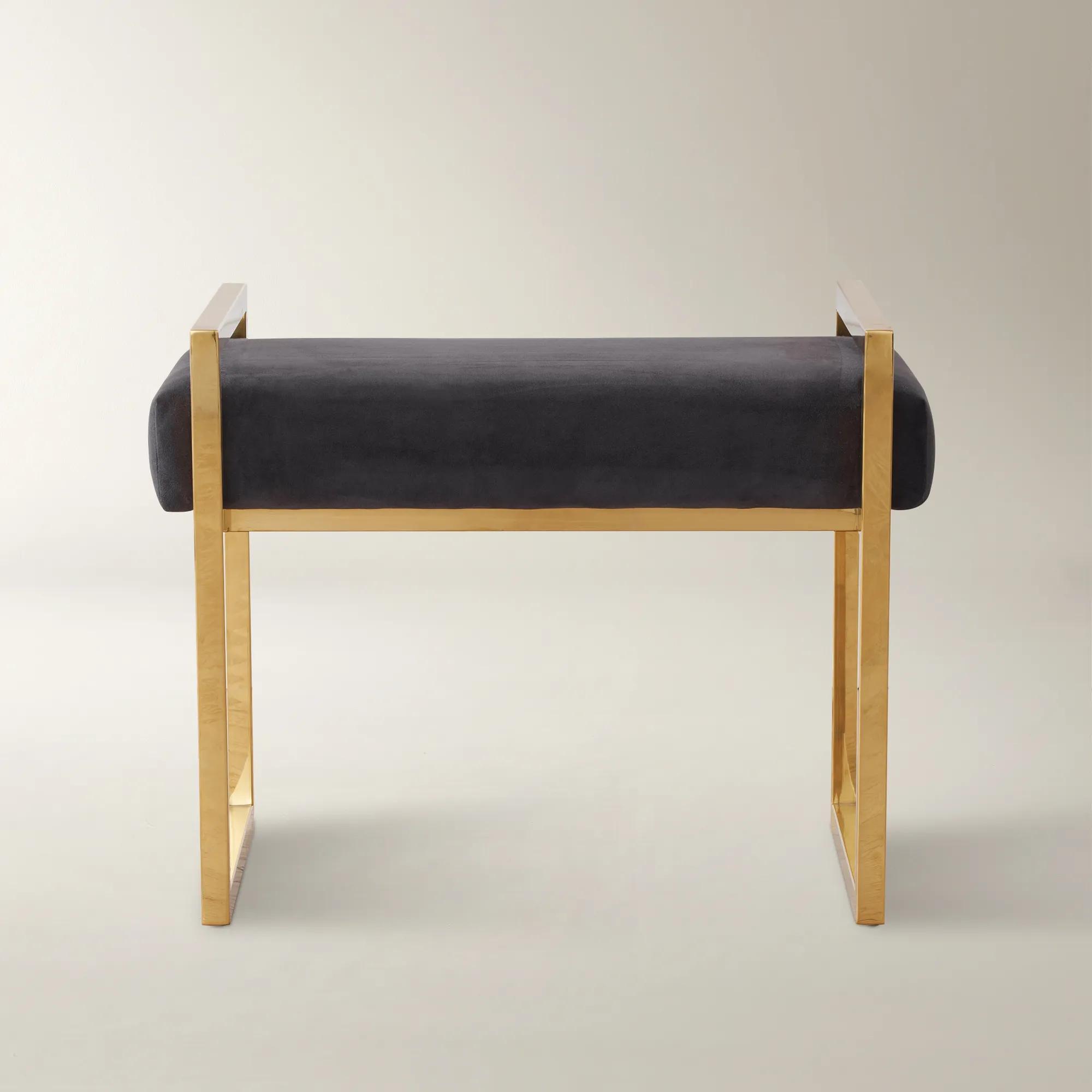
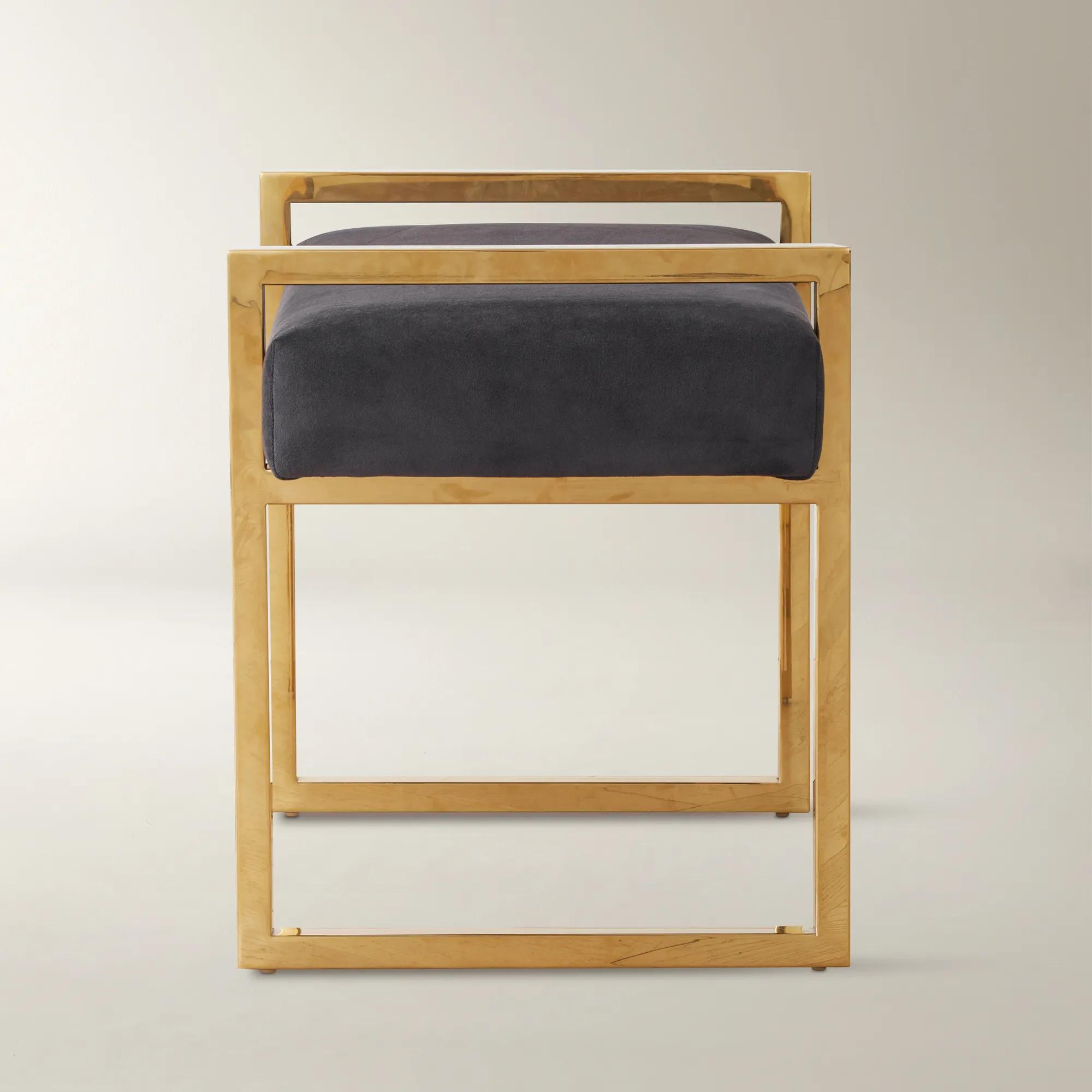 Clara Accent Stool$499
A plush black velvet stool with a high-density foam seat and polished gold metal legs.
Add To Cart

Custom Fabric Upholstered Bar Stools
Explore custom fabric upholstered bar stools to bring tailored texture and expressive style to your home bar or kitchen seating area. Consider upholstery that complements your room’s palette, and check seat height and overall dimensions against your counter or bar to create a well-proportioned arrangement with room to sit comfortably.
Custom fabric upholstered bar stools combine bar-height seating with fabric selected to complement a room’s palette, texture, and character. More than a place to perch, they bring a tailored presence to home bars, elevated breakfast ledges, and entertaining spaces where seating remains part of the composition even after the last glass is cleared. Custom upholstery generally means choosing fabric or color within a defined stool design, rather than changing every dimension or structural detail. That distinction matters when creating a coordinated arrangement: the silhouette establishes the architectural line, while the upholstery supplies softness, depth, and personality. A lustrous velvet can lend a sculptural seat an almost jewel-like richness; a finely woven fabric introduces quieter dimension without surrendering sophistication. Linen-look blends create an airy visual texture, while substantial textured weaves can give a sleek frame greater warmth and presence. Fiber content and weave influence how a fabric feels, wears, and responds to cleaning, so appearance is only one part of the selection. Velvet has a directional pile that catches light differently as it is touched or viewed from another angle, creating a nuanced surface rather than perfectly uniform color. Patterned fabrics can introduce movement, while a solid upholstery color allows curves, seams, and tailored edges to take the spotlight. Fabric samples are particularly valuable beside cabinetry, flooring, and stone: a warm ivory may appear creamy against dark wood yet take on a different cast beside cool gray surfaces. Viewing a sample under both natural and installed lighting gives a more reliable impression than a screen alone. The frame contributes just as much to the atmosphere. Wood brings grain and organic contrast; metal can establish a crisp outline or a gleaming accent. Together, upholstery and structure allow a row of bar stools to read as a deliberate design statement, whether the surrounding room is richly layered or anchored by a few commanding forms.
Proportion gives custom fabric upholstered bar stools their sense of belonging. Bar stools and counter stools serve different surface heights, and the right relationship makes a beautifully upholstered seat comfortable enough to enjoy beyond a brief conversation. Bar-height surfaces commonly measure about 40 to 42 inches from the floor, with seat heights often around 28 to 30 inches; counter-height surfaces are commonly about 34 to 36 inches high, with seats around 24 to 26 inches. Actual dimensions should guide the pairing, with approximately 10 to 12 inches between the top of the seat and the underside of the surface generally providing comfortable legroom. A thick countertop, decorative apron, or support bracket can reduce that clearance, even when the overall surface height seems suitable. For lower kitchen islands and counter-height gathering spaces, Custom Upholstered Counter Stools offer the more appropriate seating category. Width deserves equal attention. Allowing roughly 26 to 30 inches of horizontal space per seat is a useful starting point, though broad silhouettes, upholstered arms, and swivel movement may require more generous spacing. A stool should slide into place without crowding its neighbor, and an occupied seat should leave sufficient room for people to pass behind it. Back height also changes the visual rhythm of a room. Lower backs preserve sightlines across an open floor plan, while taller upholstered backs create a more pronounced, enveloping presence. Arms can make leisurely conversation feel especially inviting, but their height needs to clear the bar if the stools are intended to tuck underneath. A footrest gives the feet a natural resting point, an important detail when the seat sits well above the floor. Swivel mechanisms can ease entry and encourage conversation across adjoining spaces, while stationary designs maintain a composed alignment. Seat depth, cushion firmness, and back angle complete the experience: a plush appearance alone does not reveal how supportive a stool will feel during an extended gathering.
Lasting appeal comes from matching upholstery and construction to the way the room is actually used. In a home where the bar doubles as a daily gathering place, a tightly woven fabric, supportive cushioning, and a stable frame deserve as much consideration as color. Solid wood and metal frames can both provide dependable support when well constructed; secure joints, appropriate reinforcement, and a balanced base matter more than the material name alone. Weight limits and intended-use specifications should match the household, and residential seating should not be assumed suitable for commercial settings. Performance upholstery can be a compelling choice around drinks and shared dishes, but the term describes different qualities across fabrics rather than a universal promise. Stain resistance, abrasion resistance, and ease of cleaning are separate characteristics, and no upholstery should be treated as impervious to spills or wear. Homes with pets may benefit from smooth, close-woven surfaces rather than open loops that can catch claws, although any fabric can show damage under repeated scratching. For households with children, accessible footrests and steady, appropriately proportioned seating warrant particular attention. Routine care helps preserve the fabric’s tailored character: gentle vacuuming with an upholstery attachment removes dust and crumbs before they settle into seams, while prompt blotting helps keep a spill from spreading. Cleaning should follow the fabric’s designated care instructions, since some materials tolerate water-based solutions and others require solvent-based or professional treatment. Rubbing, oversaturating cushions, or applying an untested household cleaner can leave marks or alter the surface. Prolonged direct sunlight may also affect color, making placement and window treatments part of long-term fabric care. Protective floor glides suited to the flooring help reduce scuffs as seating moves, and periodic checks of fasteners keep the frame secure. These practical details support the pleasure of the setting rather than detract from it. For hosts who linger over conversation, design enthusiasts composing an expressive interior, or households turning an elevated counter into a favorite meeting place, thoughtfully chosen upholstery brings tactile richness to an often highly visible seat. The result is seating with a purposeful fit and a distinctive point of view—softness against stone, texture beside polished finishes, and a confident line repeated across the room.
FAQs
Custom fabric upholstered bar stools bring a personal design perspective to a kitchen island or home bar. Upholstery becomes part of the room’s composition, introducing color, texture, or pattern that echoes your style. Think of each stool as an opportunity to turn an everyday gathering place into an expressive focal point.
Take your cue from the room’s most compelling elements, such as veined stone, dramatic artwork, or richly finished cabinetry. A tonal fabric creates a polished, layered effect, while a contrasting hue gives the seating a more commanding presence. Consider the color in both daylight and evening lighting before settling on your palette.
Texture adds depth even within a restrained color palette. A plush surface lends visual richness, a pronounced weave introduces dimension, and a smooth fabric emphasizes the stool’s silhouette. Consider how the upholstery will converse with nearby surfaces: textured seating can create a striking counterpoint to gleaming stone, glass, or metallic accents.
Bar stools and dining chairs can feel beautifully connected without wearing identical upholstery. Repeat a shared color, pattern detail, or visual texture, then introduce contrast elsewhere. This approach gives an open-plan space a considered rhythm while allowing each seating area to express its own character.
Solid upholstery draws attention to sculptural lines and creates a rich backdrop for statement lighting or artwork. Patterned fabric makes the seating itself part of the visual drama. Let the surrounding room guide the balance: intricate finishes may call for a solid, while quieter surfaces can give an expressive pattern room to shine.