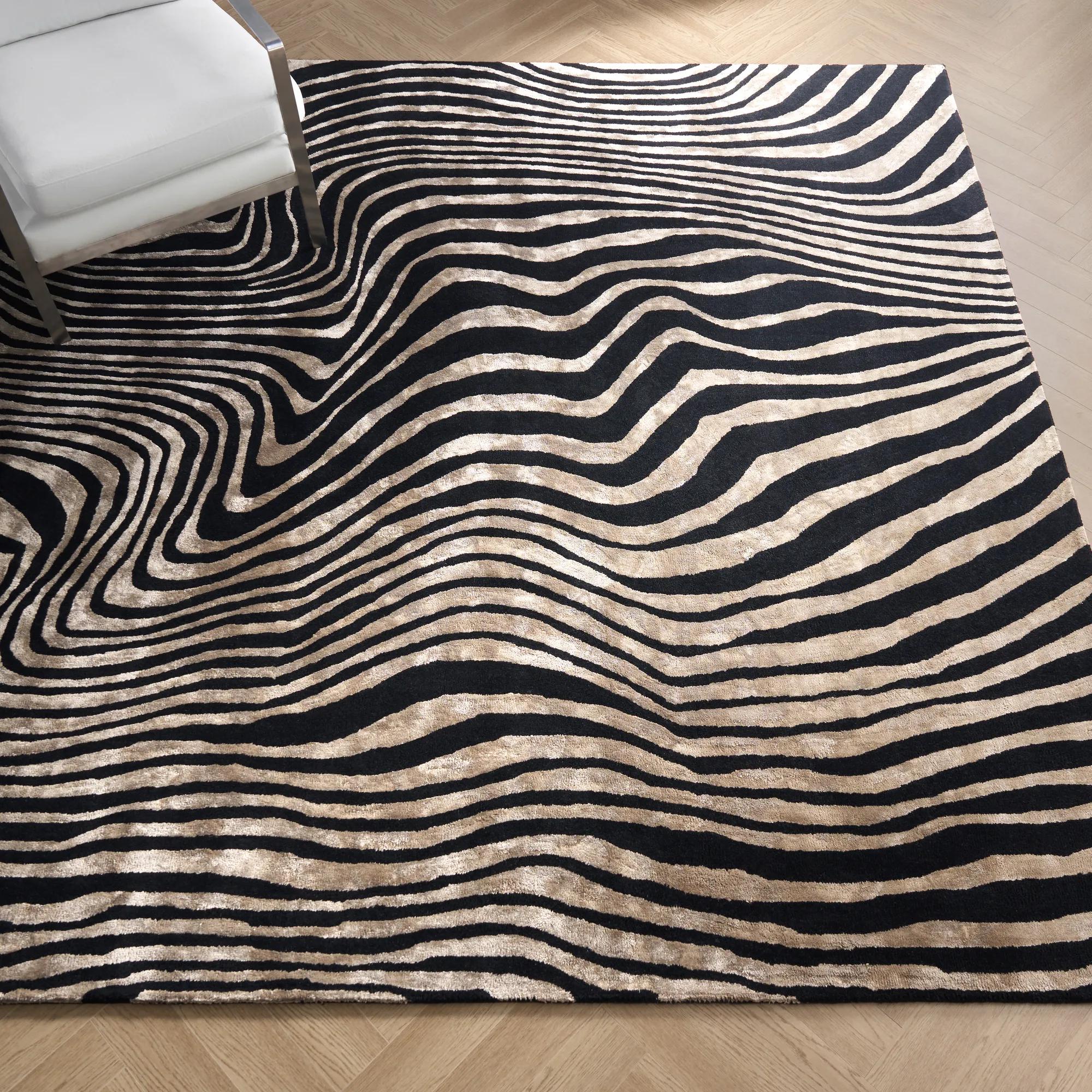
Contemporary Textured Rugs
Contemporary Textured Rugs
-
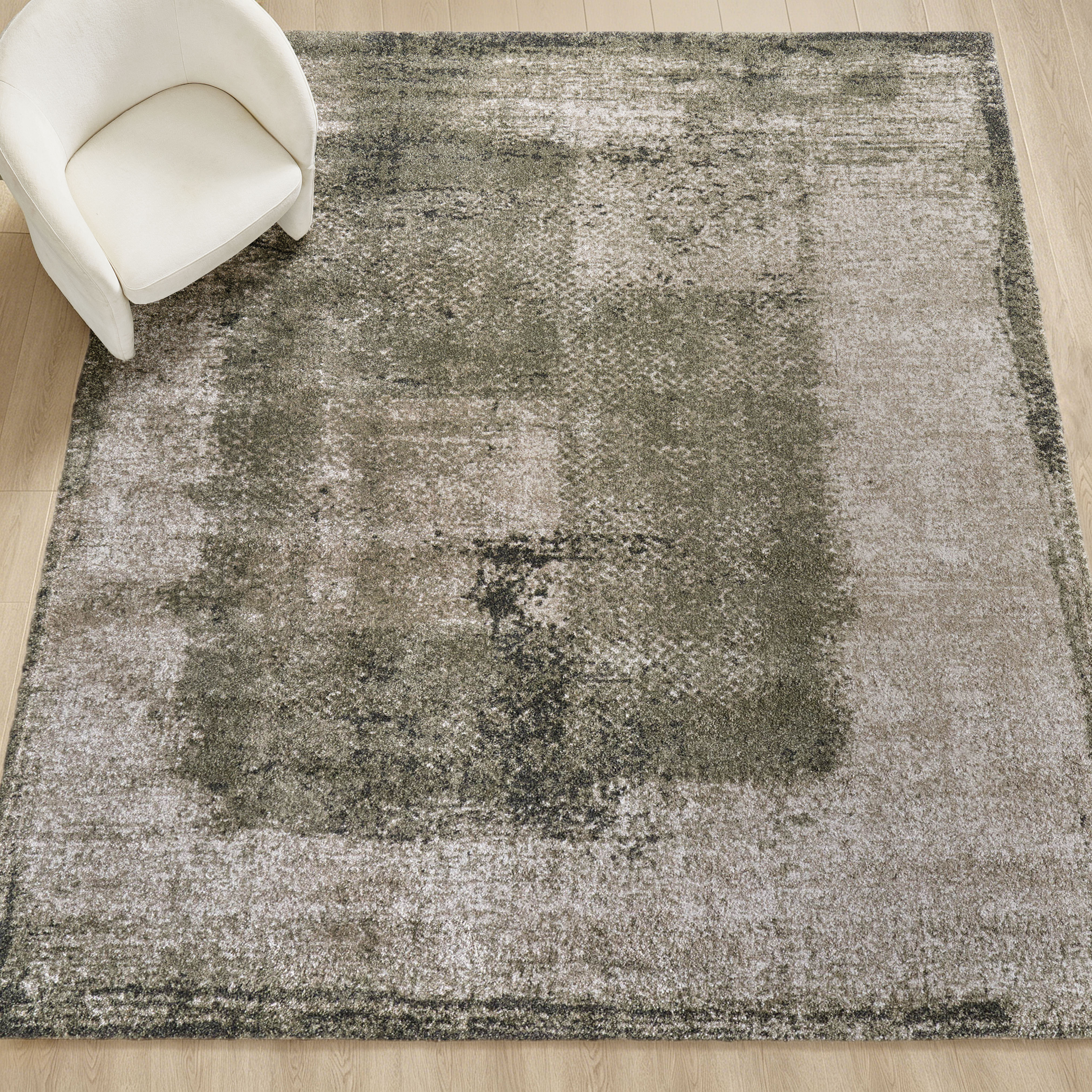
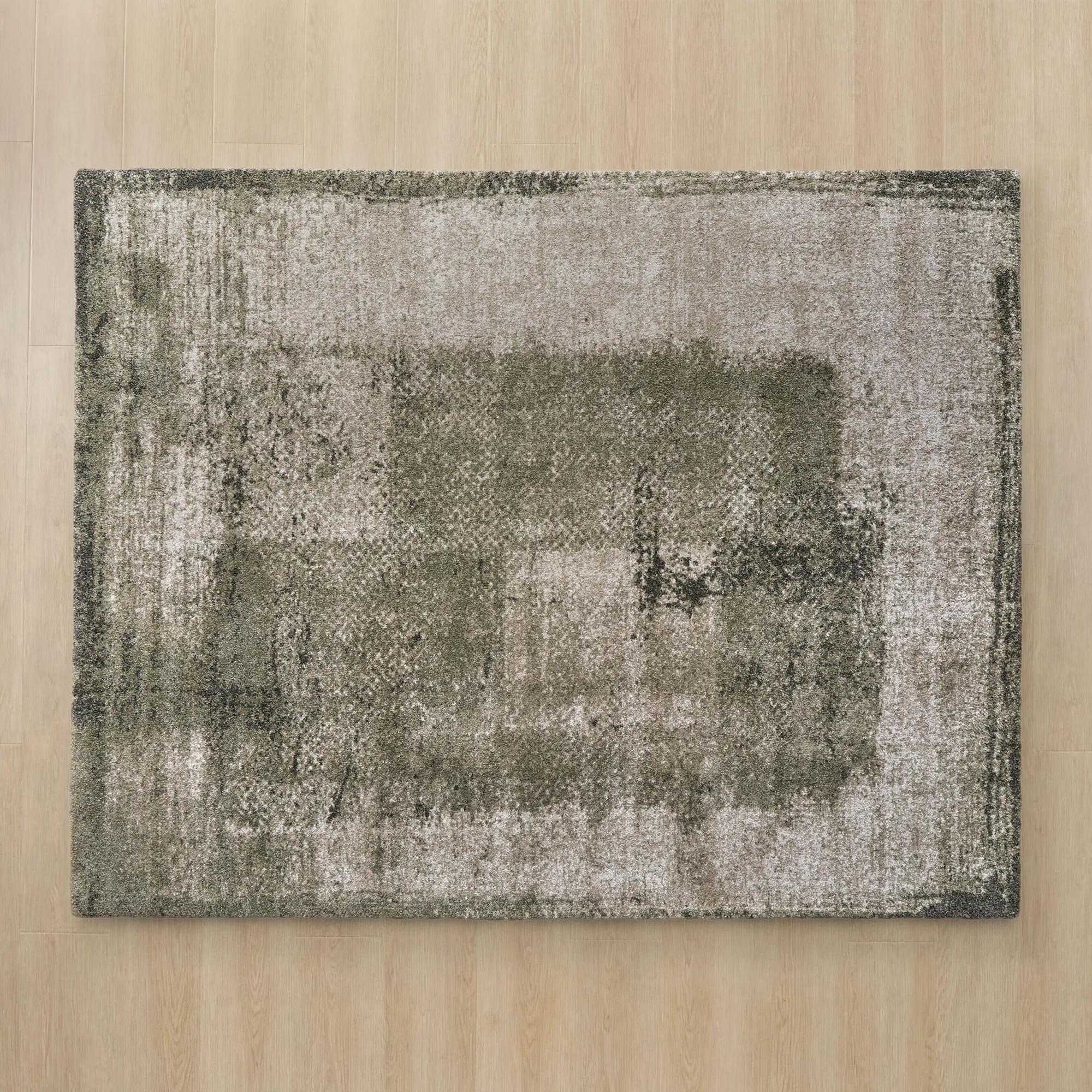 Irving Abstract Moss Green/Beige/Grey Performance Power Loomed Rug$399
An abstract rug in moss green, beige, and grey with plush, durable polypropylene-polyester construction.
Add To Cart -
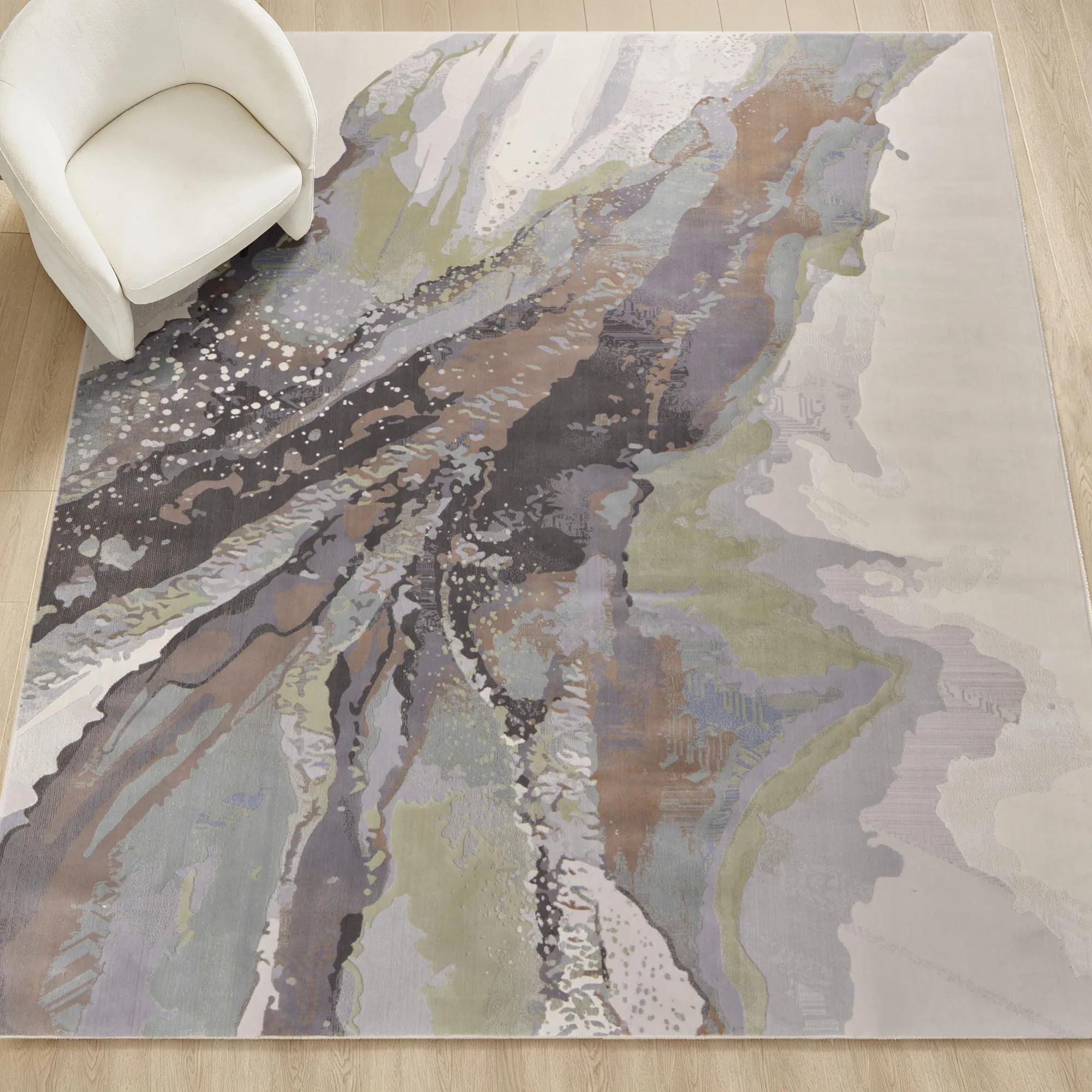
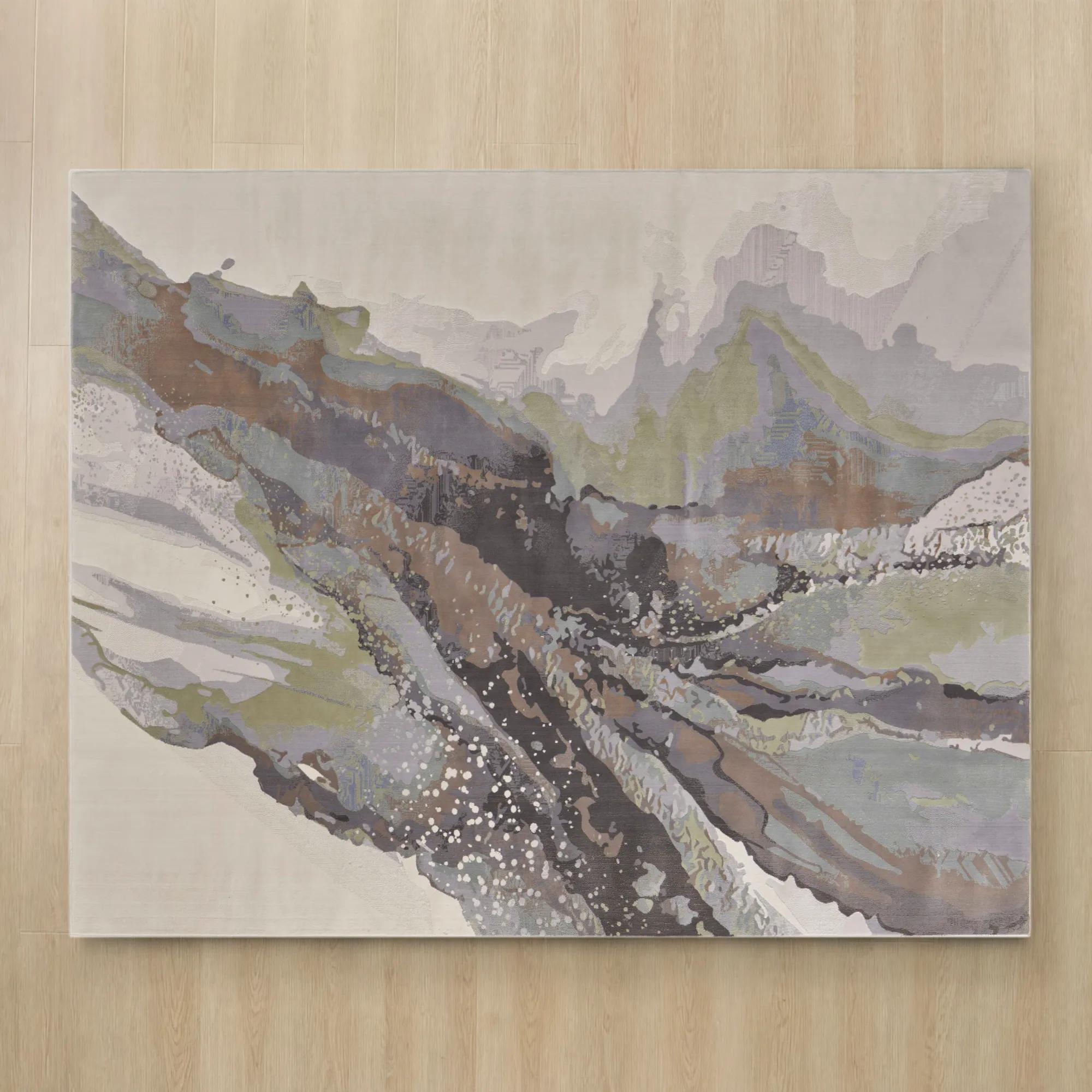 Nerissa Abstract Ivory/Grey/Blue/Green Performance Power Loomed Rug$449
An abstract rug in ivory, grey, blue, and green with a textured, stain-resistant polypropylene-polyester blend.
Add To Cart -
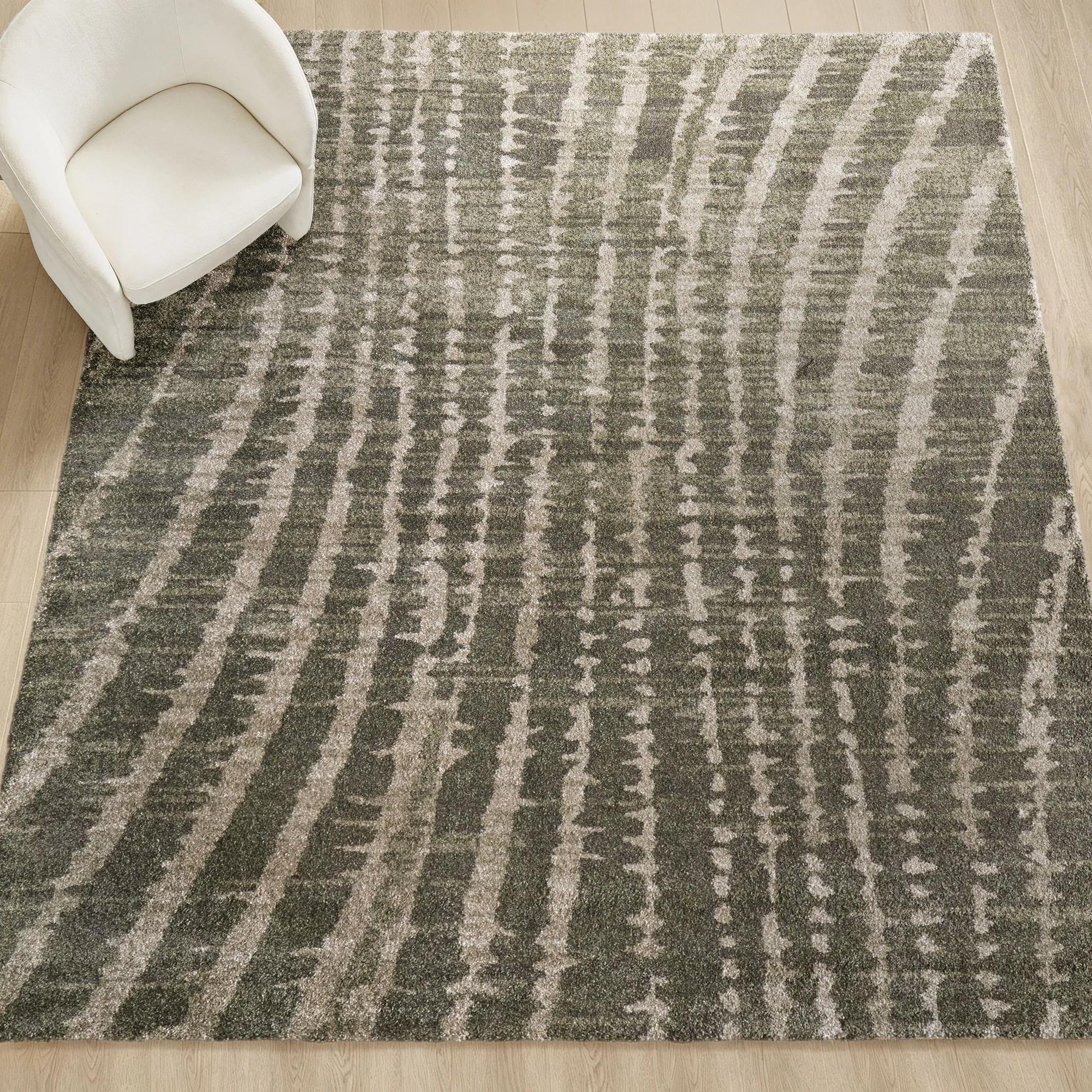
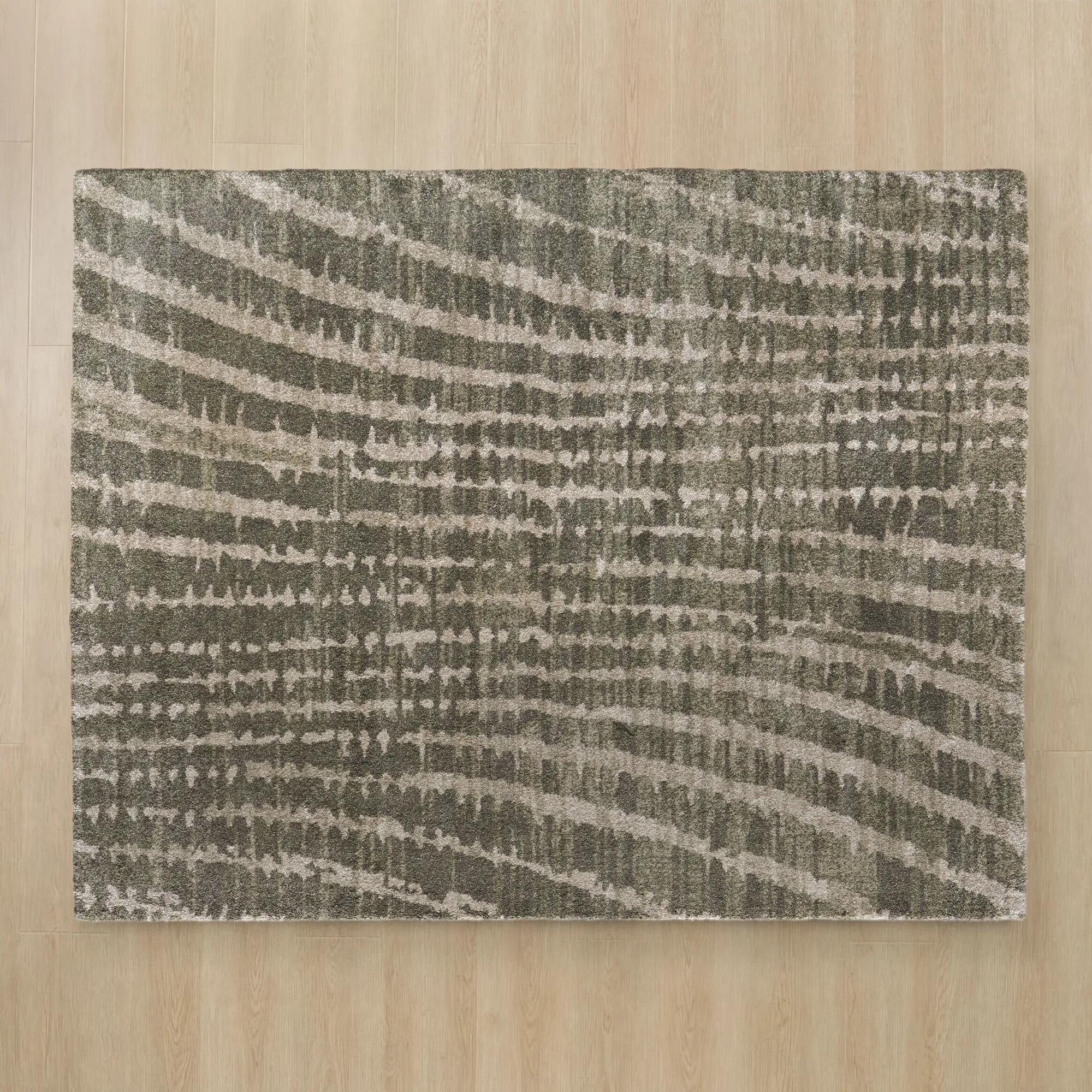 Tempo Green/Grey/Beige Performance Power Loomed Rug$849
An abstract charcoal grey and beige rug featuring plush cut pile and durable polypropylene-polyester construction.
Add To Cart -
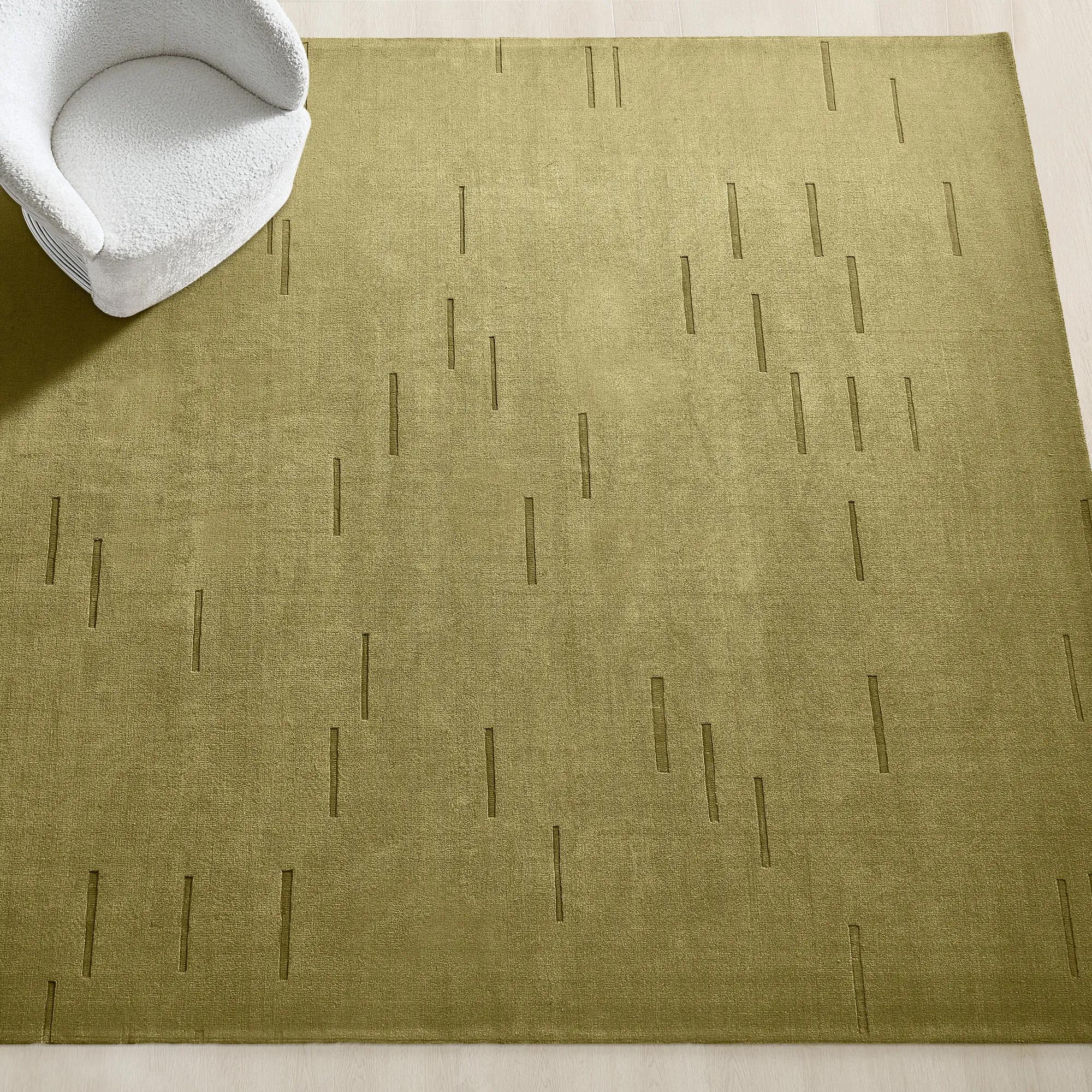
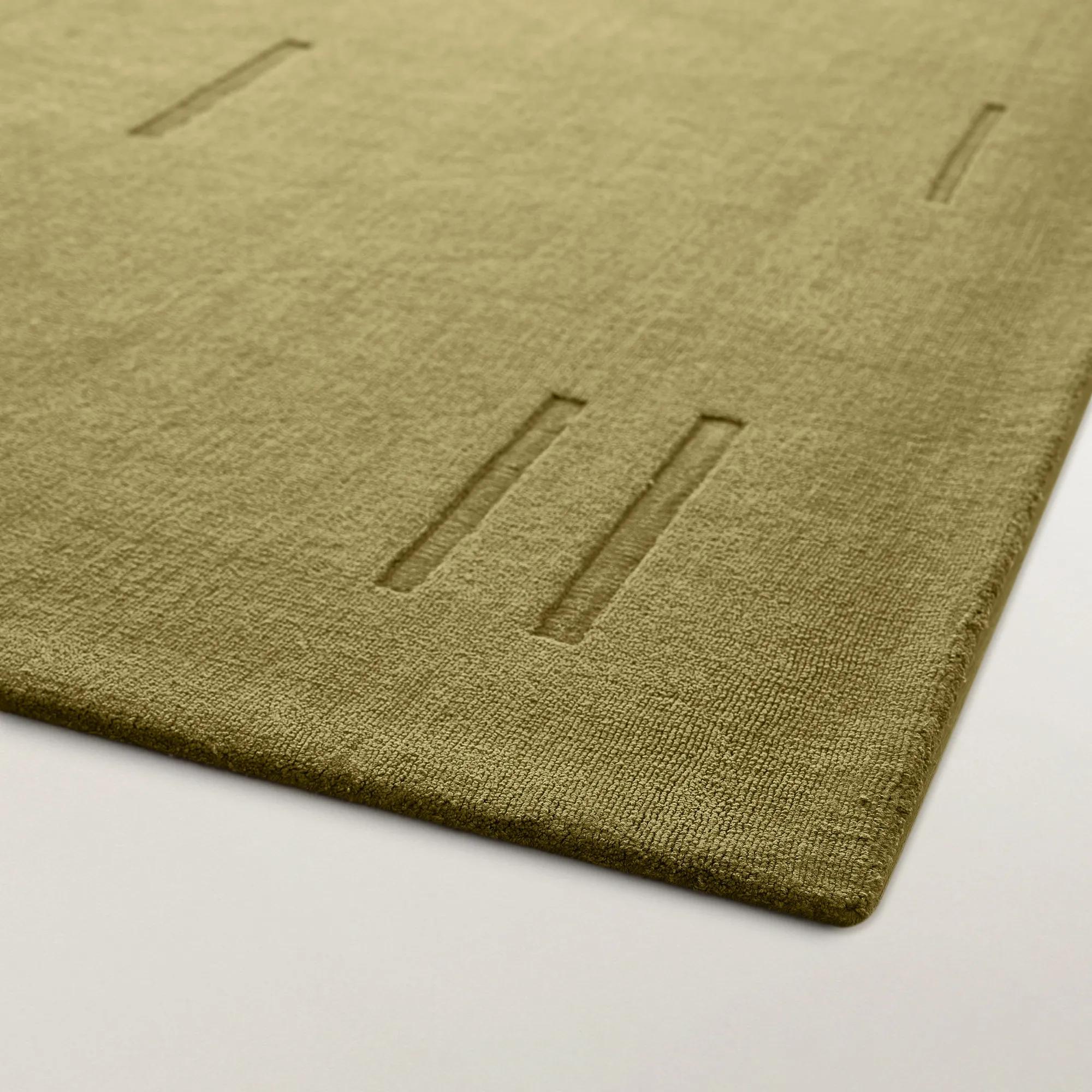 Lamita Muted Olive Green Wool Blend Rug$699
A muted olive green wool-blend rug bringing soft texture and understated sophistication to modern interiors.
Add To Cart -
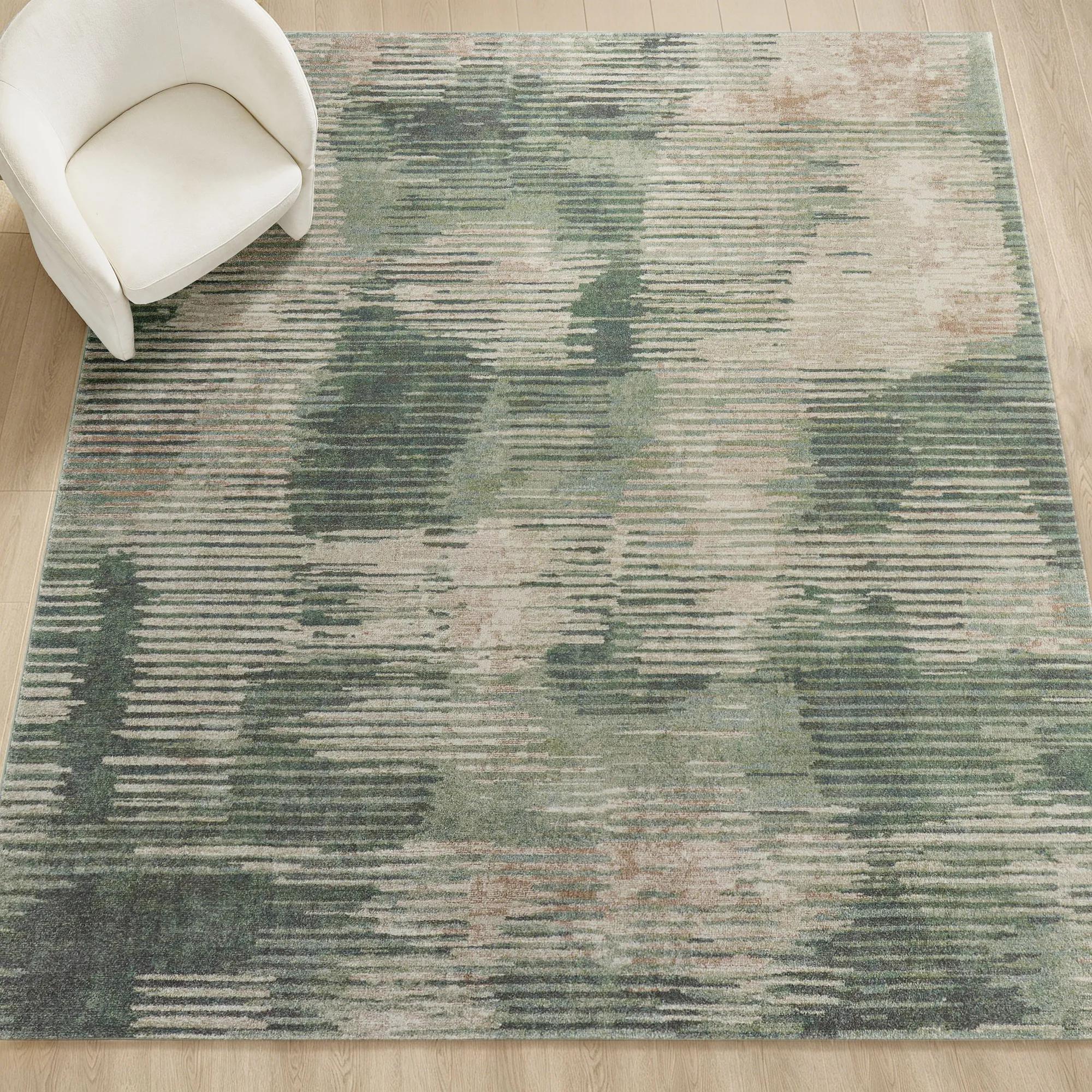
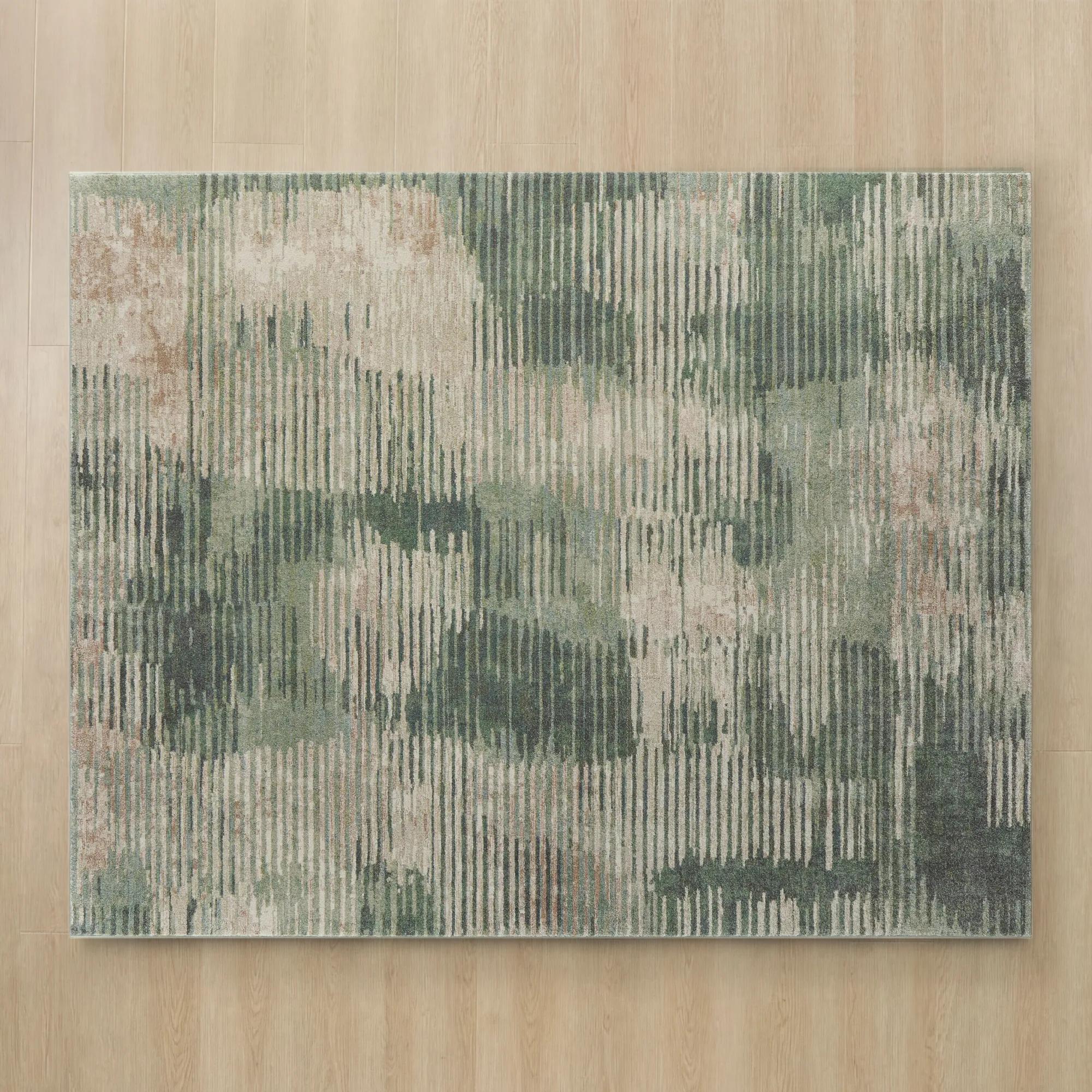 Sylvan Green/Beige Power Loomed Rug$689
A contemporary rug featuring a smoked olive green and beige organic pattern with a soft, power-loomed polypropylene pile.
Add To Cart -
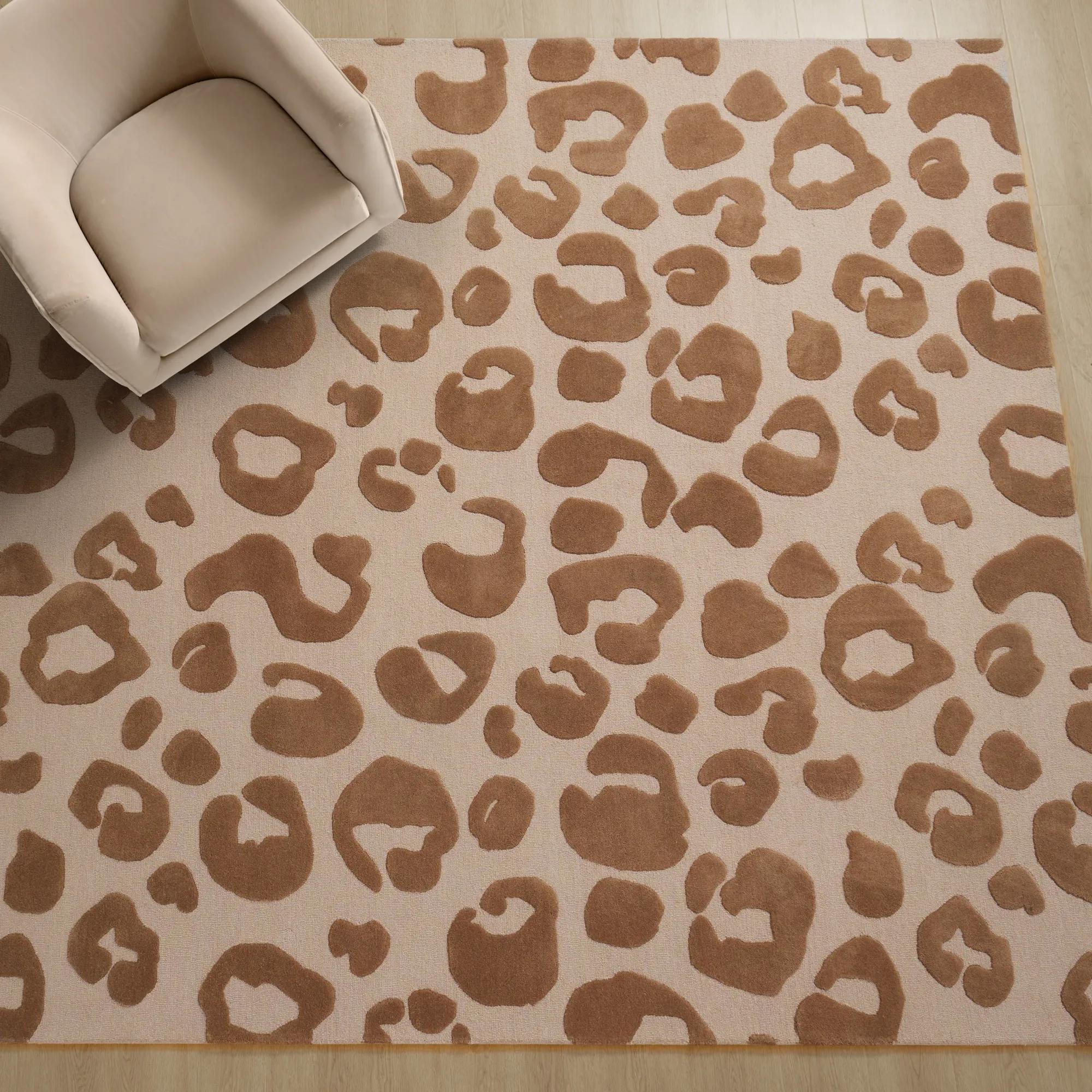 Pounce Hand-Tufted Tawny Brown Leopard Print Wool Rugs$999
A hand-tufted pure wool rug in tawny brown with a bold oversized leopard print and sculptural texture.
Add To Cart -
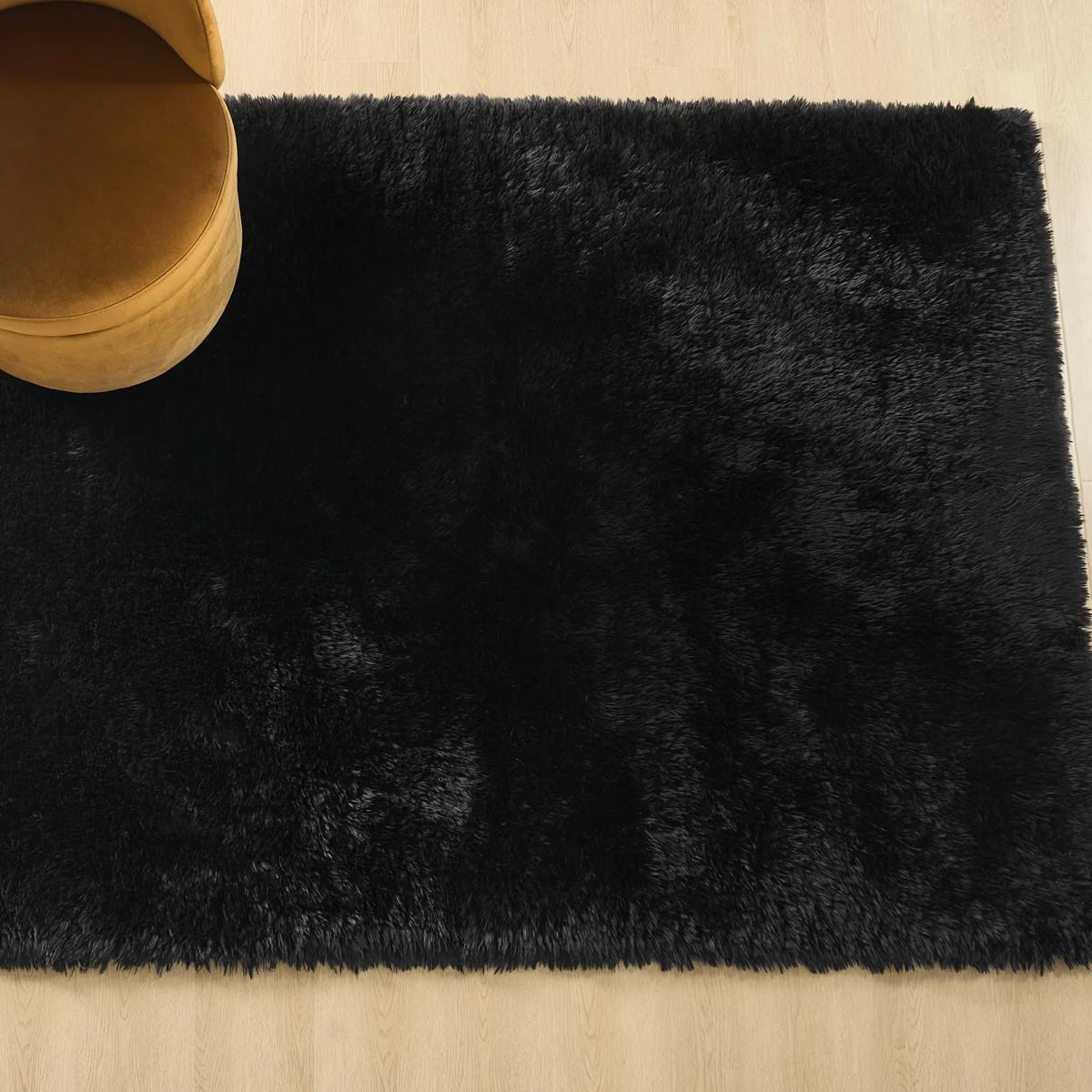
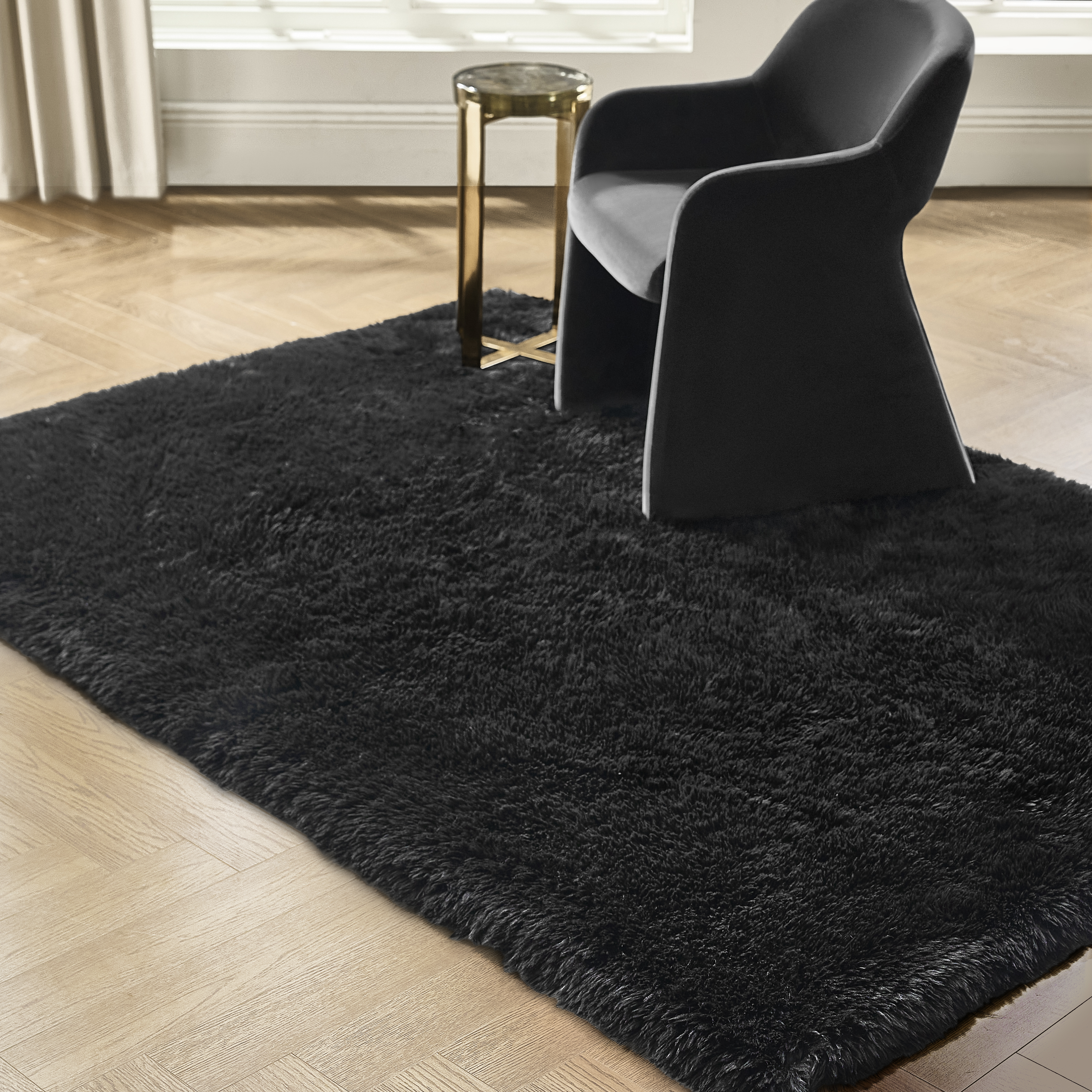 Lustre Shag Rug - Black$299
A plush, ultra-soft high-pile rug in deep black polyester with a non-slip backing for modern elegance.
Add To Cart -
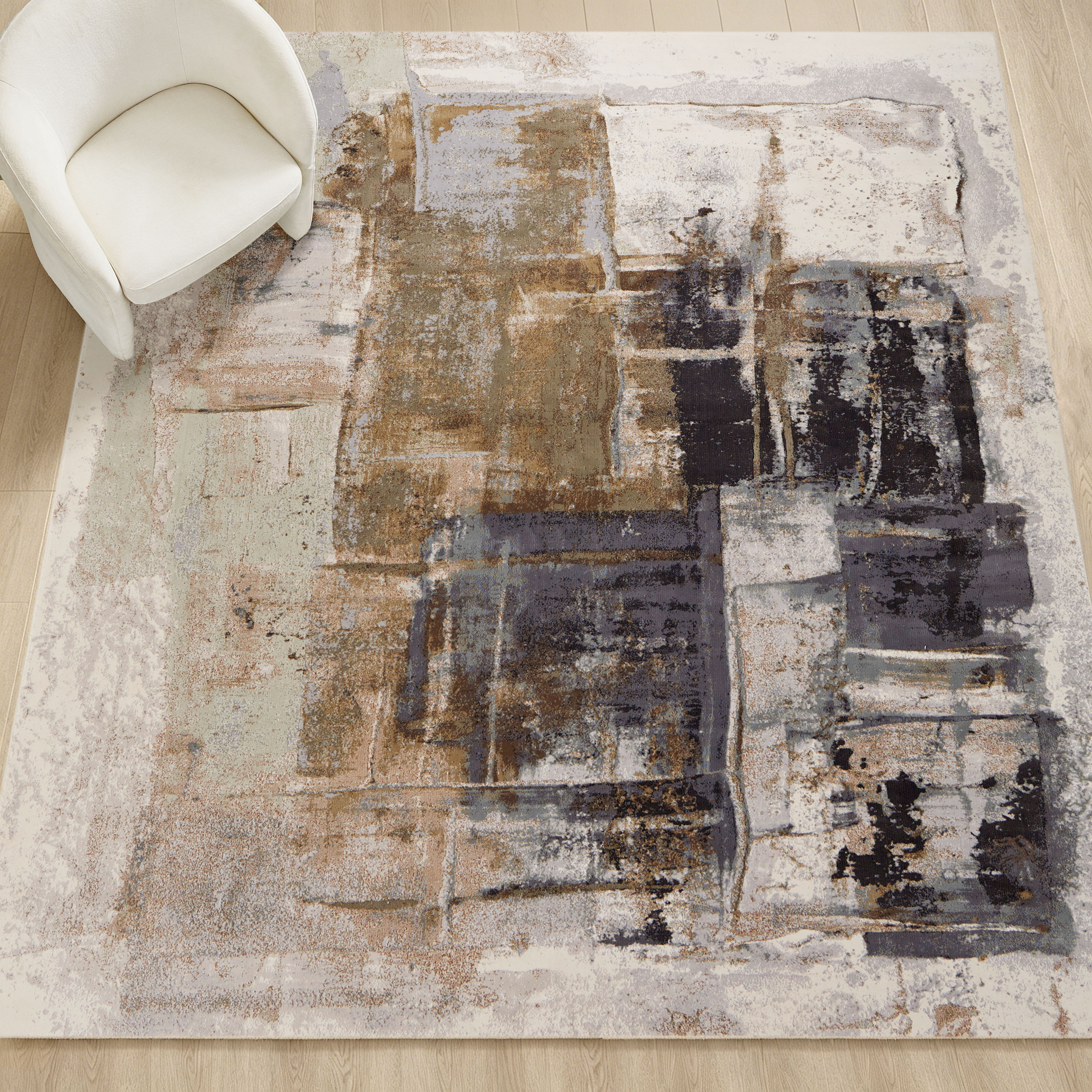
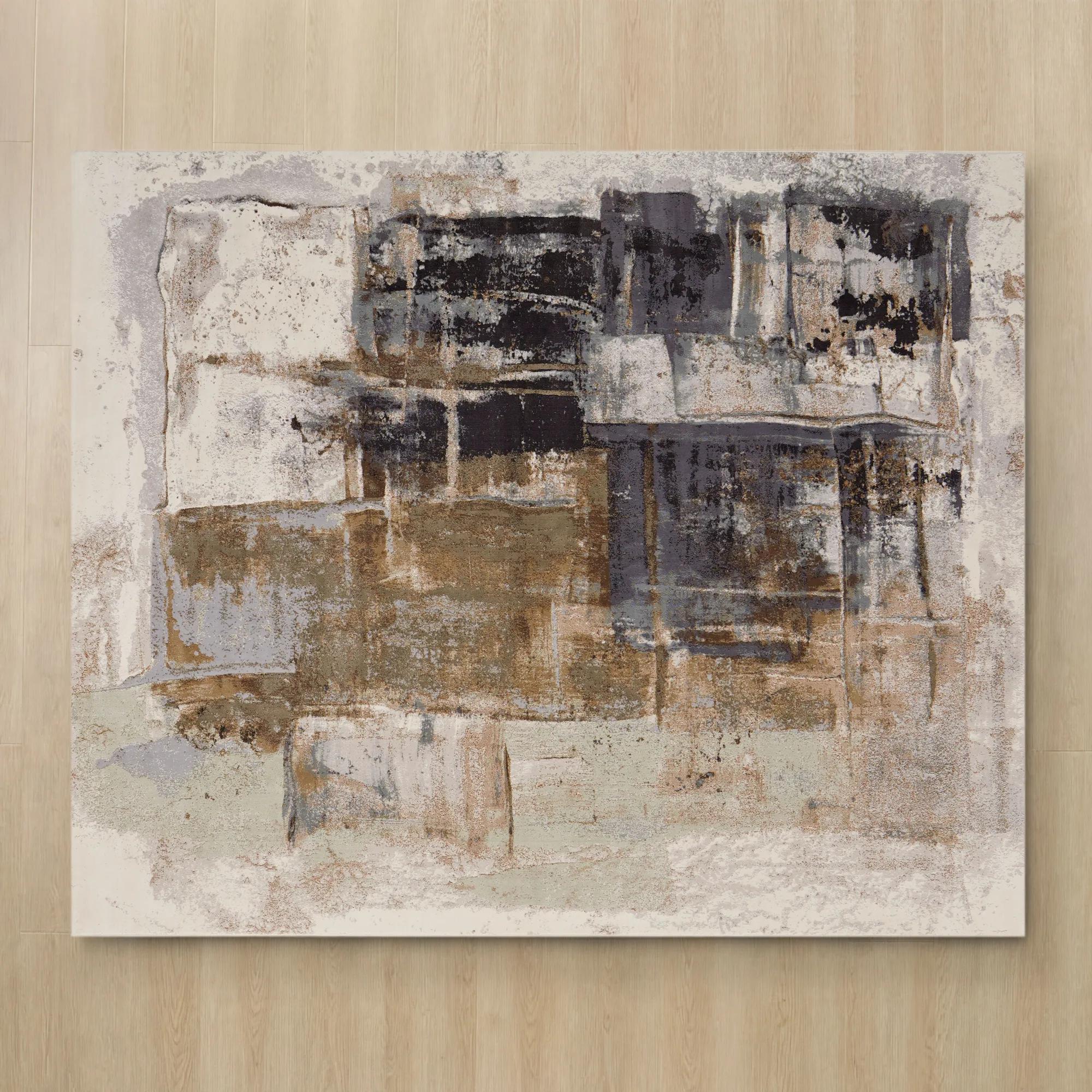 Gaia Abstract Grey/Charcoal/Ivory/Gold/Blue Performance Power Loomed Rug$1749
An abstract rug in grey, charcoal, ivory, gold, and blue with a soft, stain-resistant performance blend.
Add To Cart -
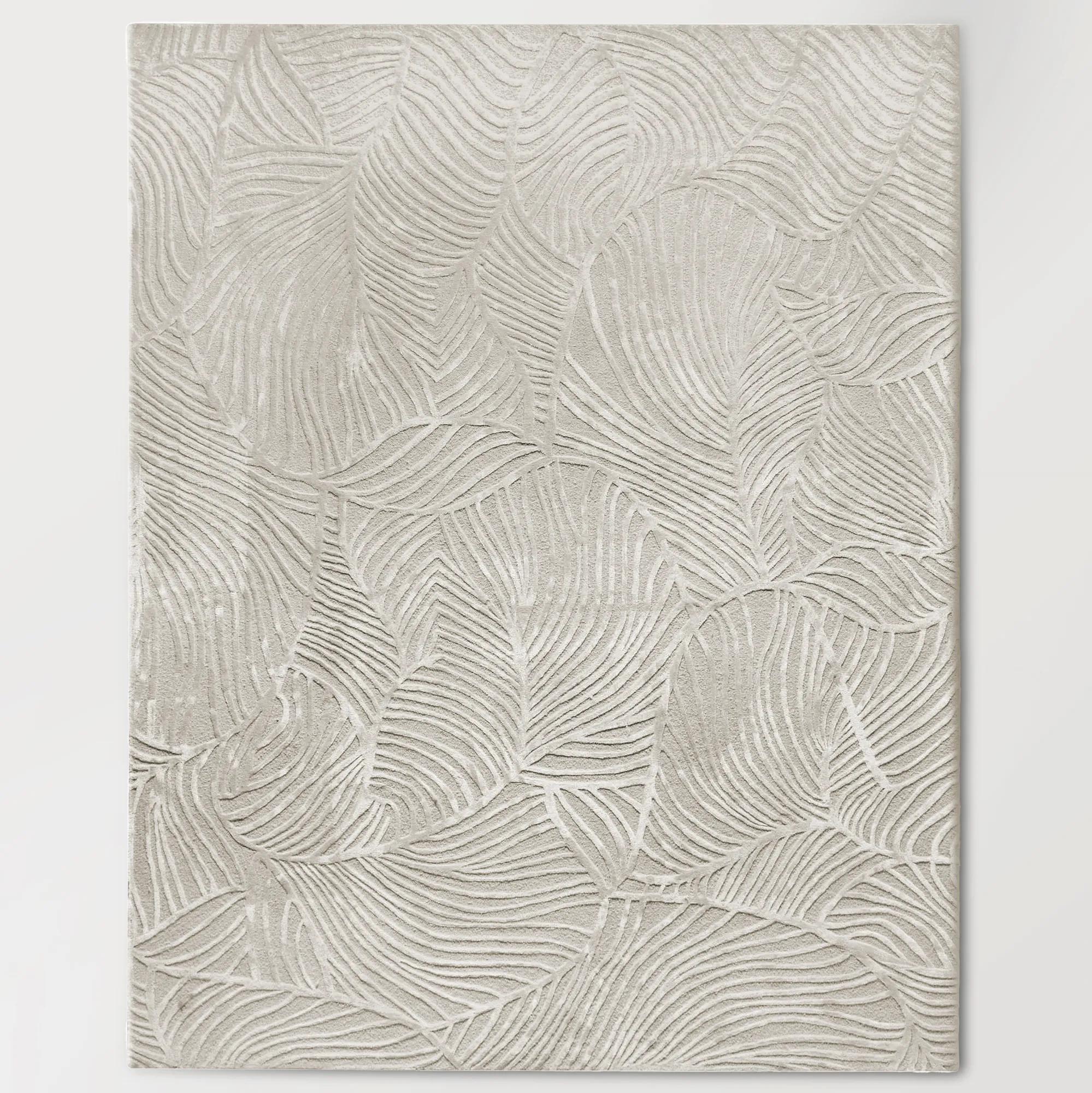 Palm Hand-Tufted Ivory Wool Blend Rug$1499
An ivory rug featuring a dynamic palm-leaf design with high-low pile in viscose and wool.
Add To Cart -
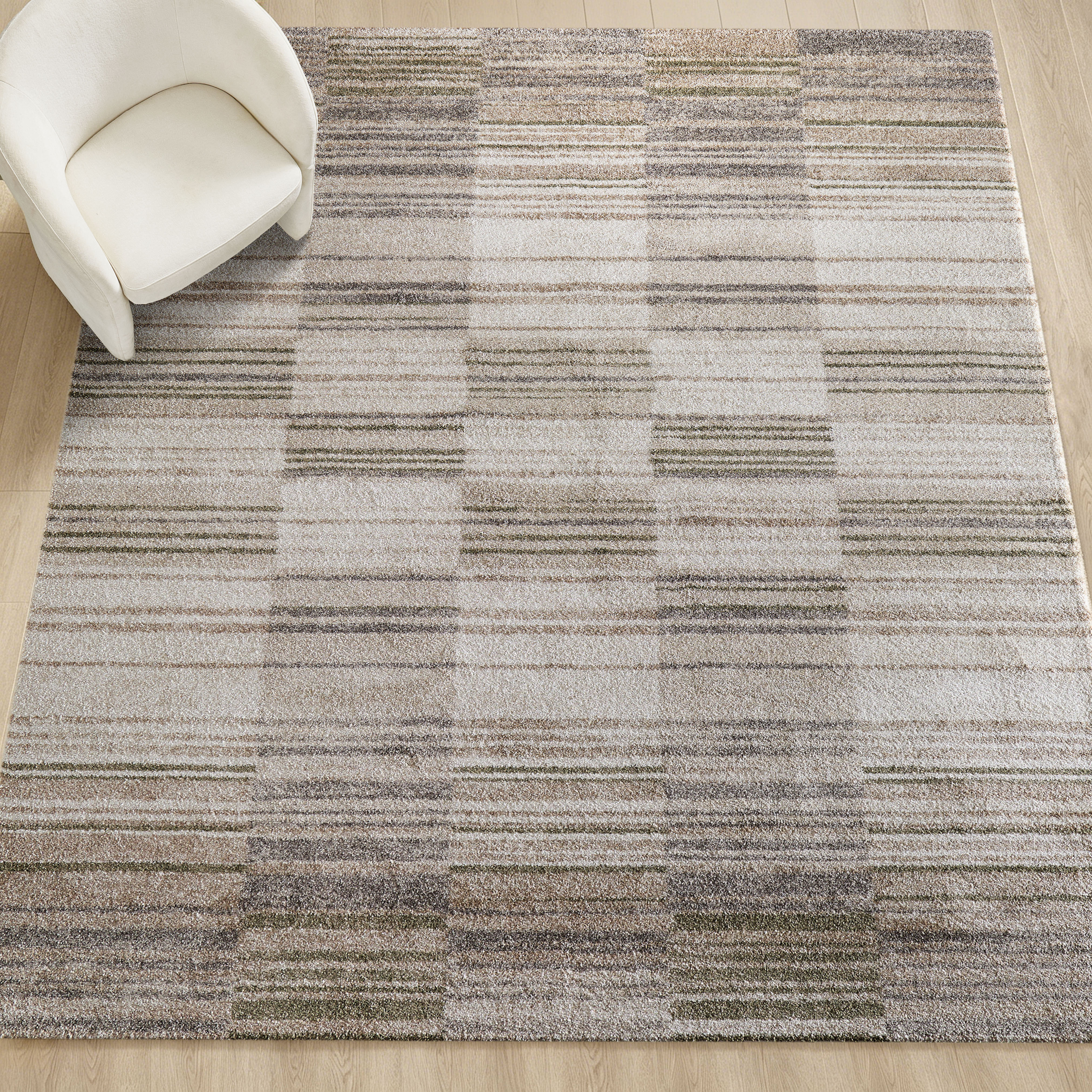
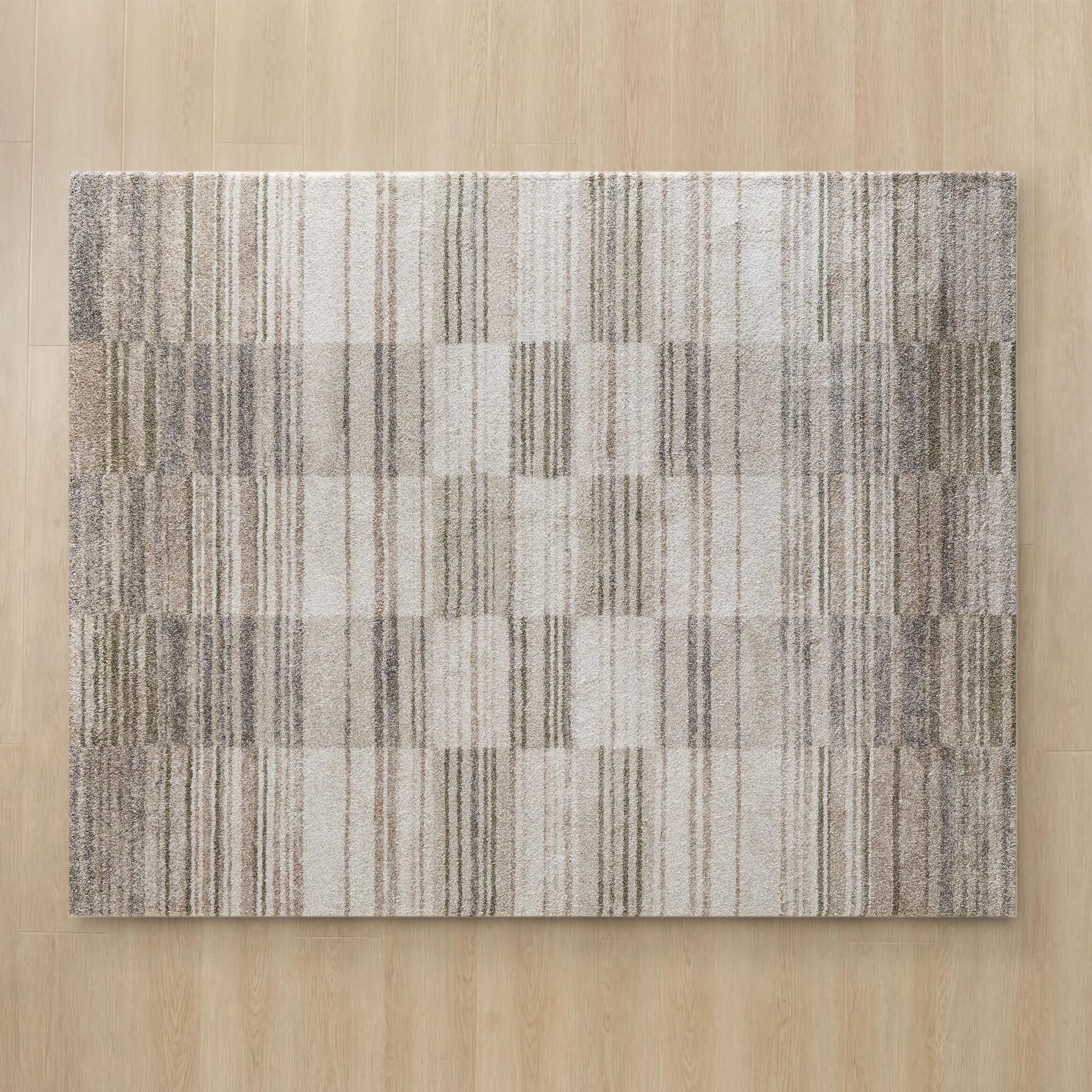 Checka Grey/Tan/Ivory/Soft Green Performance Power Loomed Rug$1349
A plush, power-loomed rug featuring a soft check pattern in grey, tan, ivory, and green.
Add To Cart -
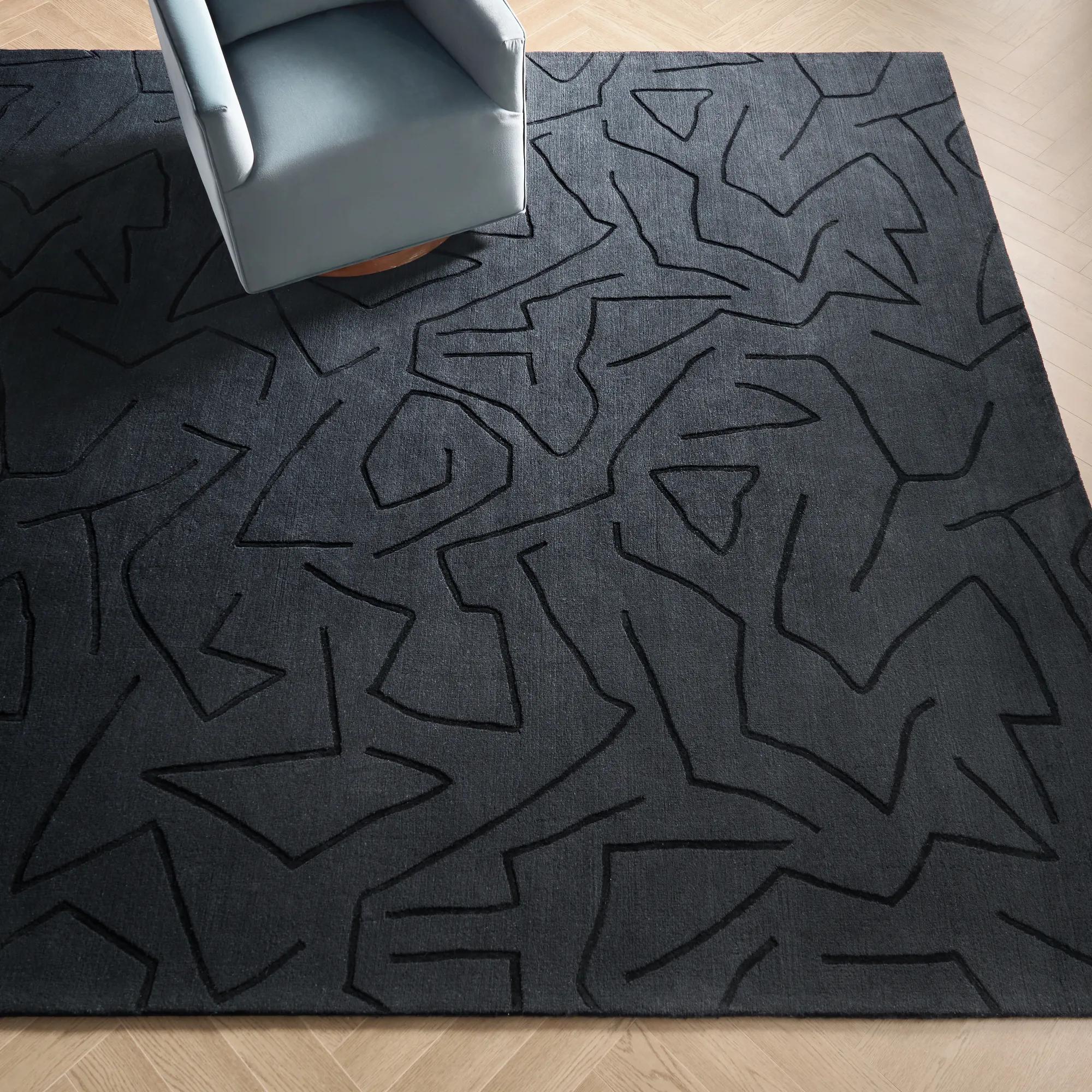 Carved Maze Rug$1999
A hand-loomed black rug crafted from wool and viscose, featuring an intricately carved, textured design.
Add To Cart -
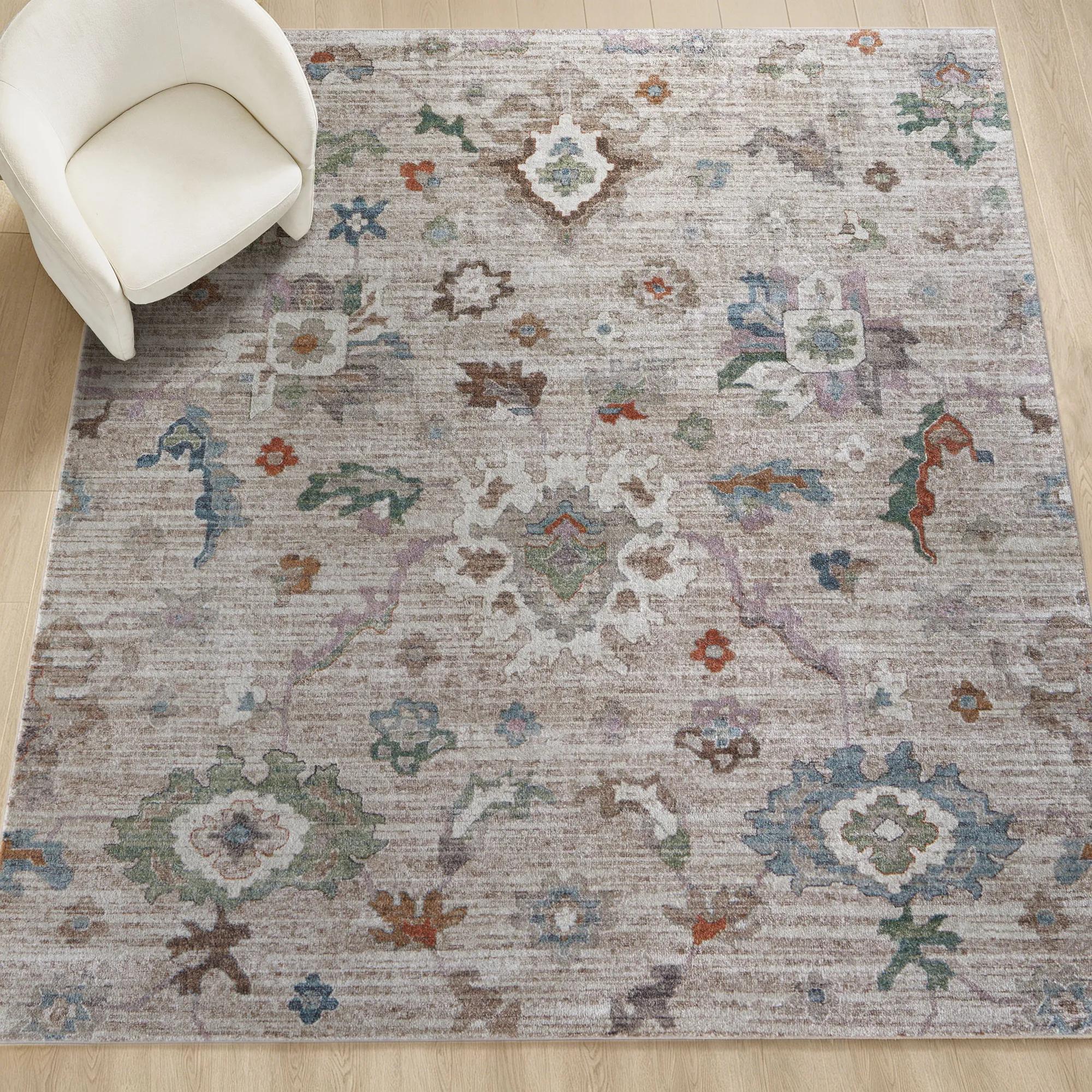
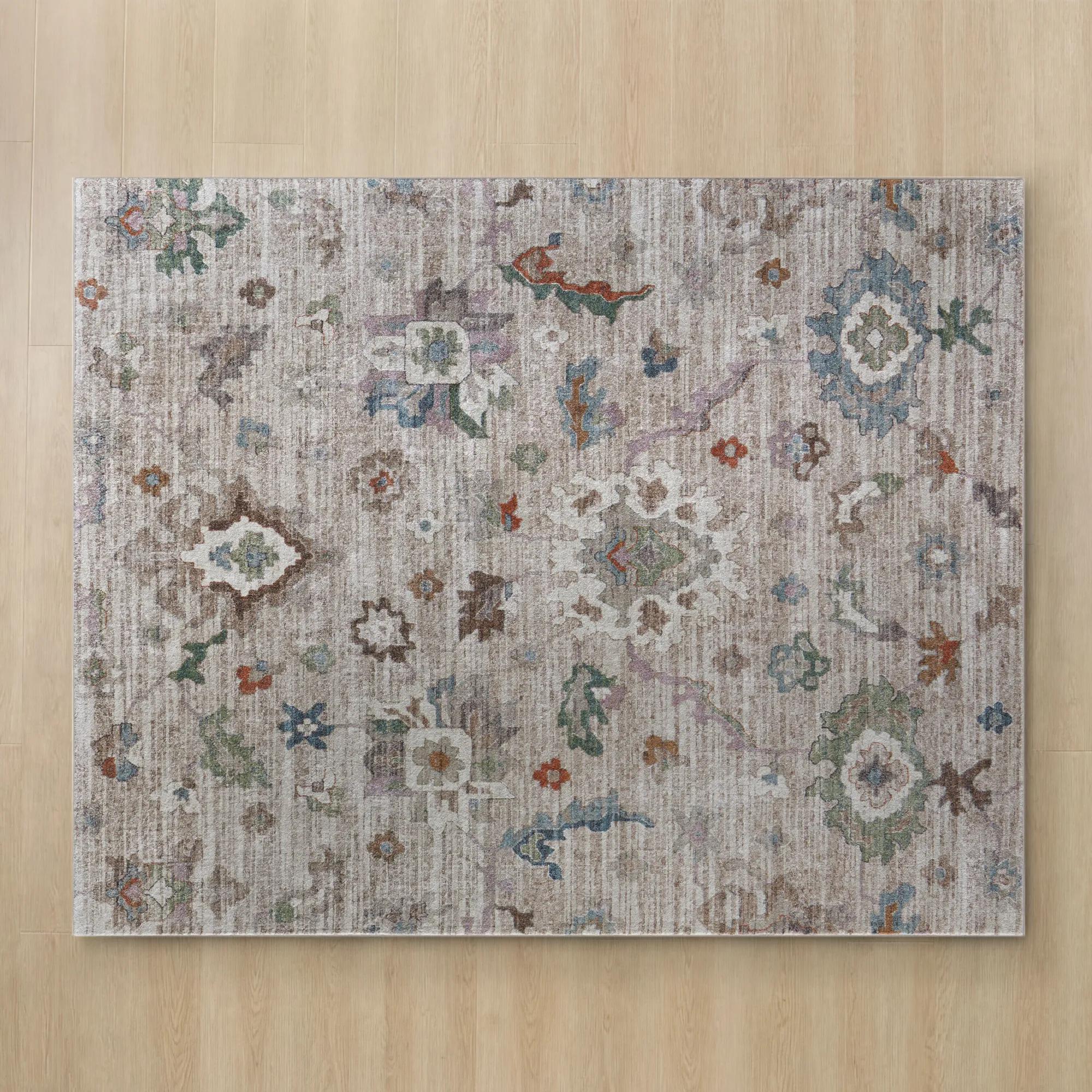 Ariella Floral Taupe/Ivory/Beige/Blue/Green Performance Power Loomed Rug$1499
A Persian-inspired rug in taupe, ivory, beige, blue, and green with a plush, power-loomed polypropylene pile.
Add To Cart -
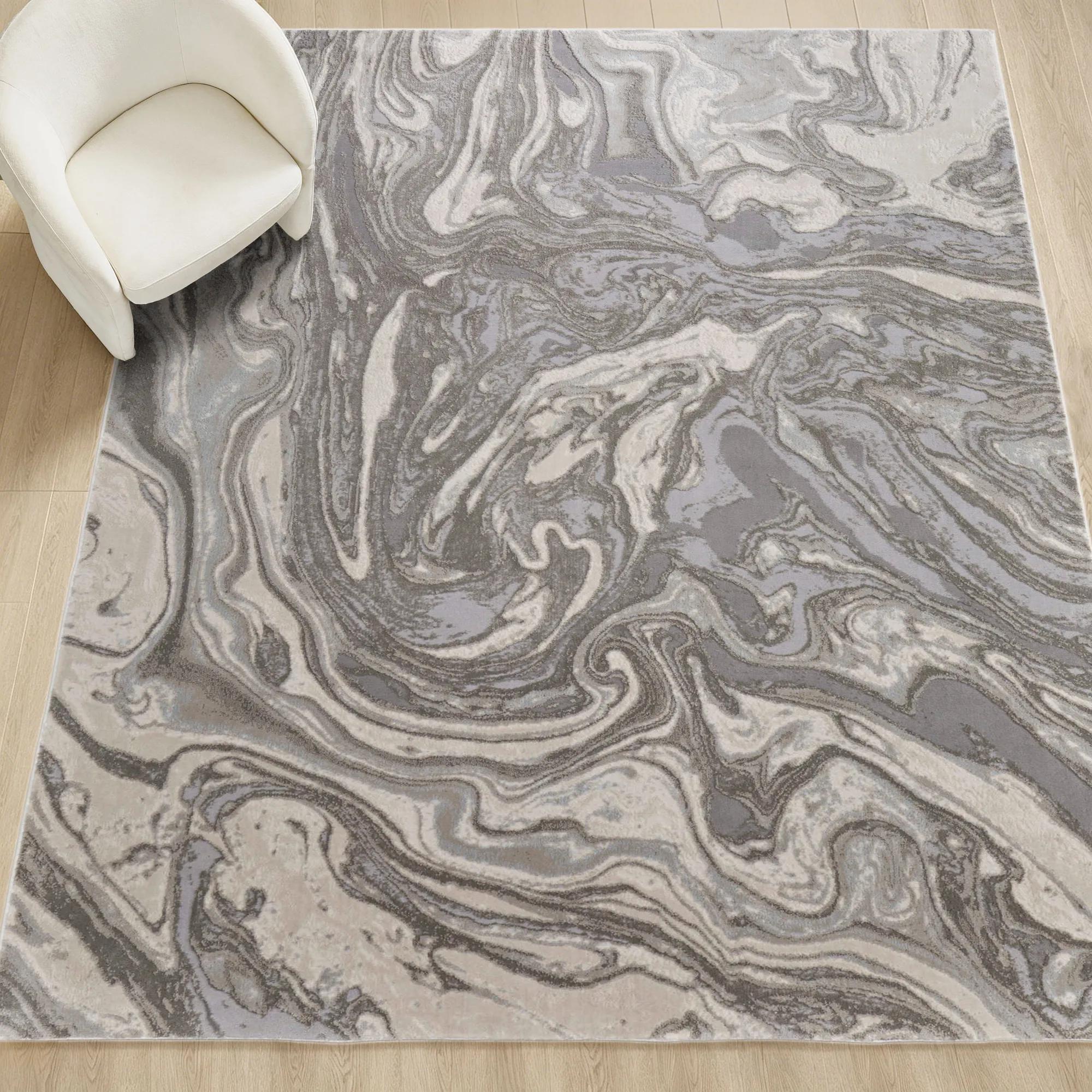
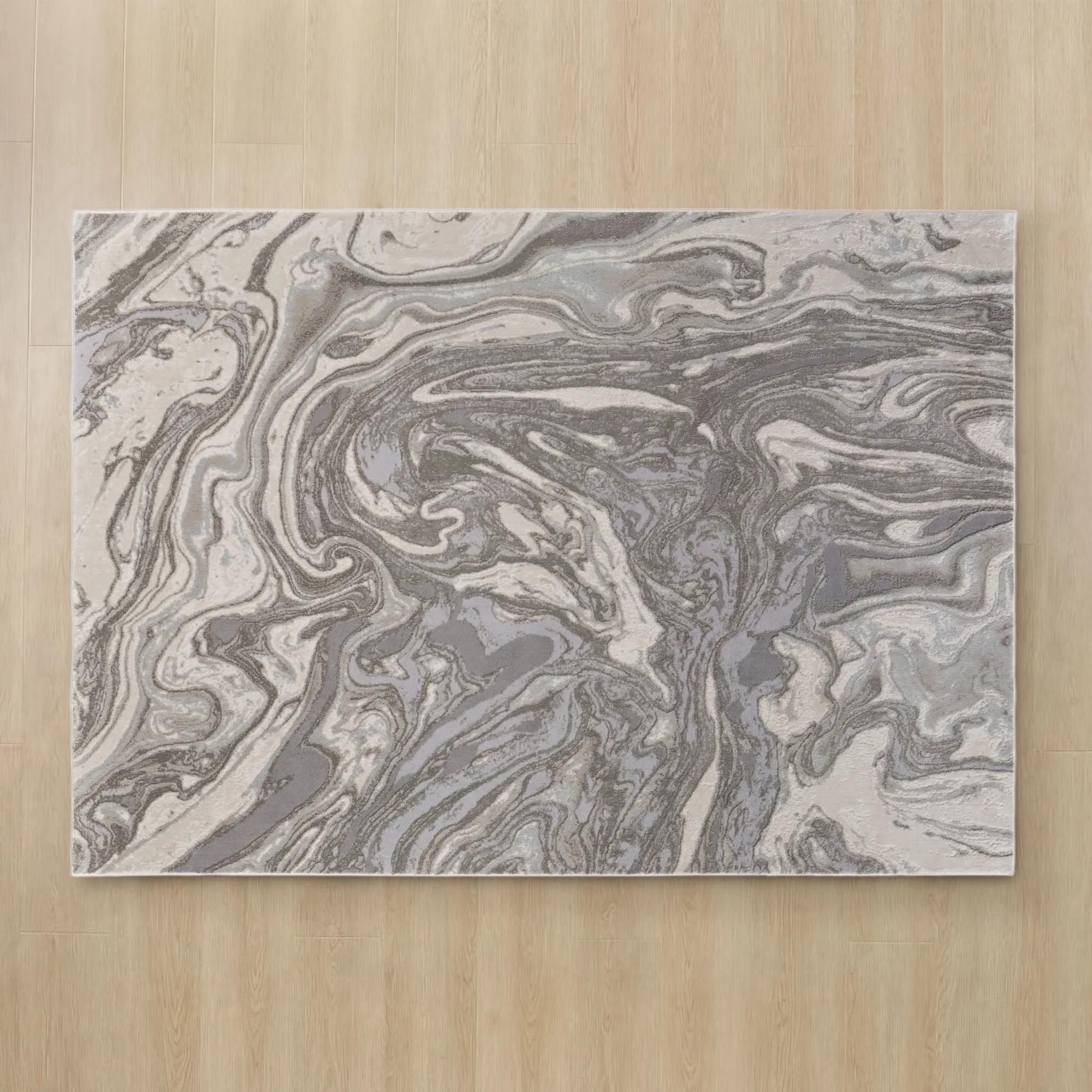 Marbre Marbled Grey/Taupe/Powder Blue Performance Power Loomed Rug$379
A softly marbled rug in grey, taupe, and powder blue with a textured, stain-resistant polypropylene blend.
Add To Cart -
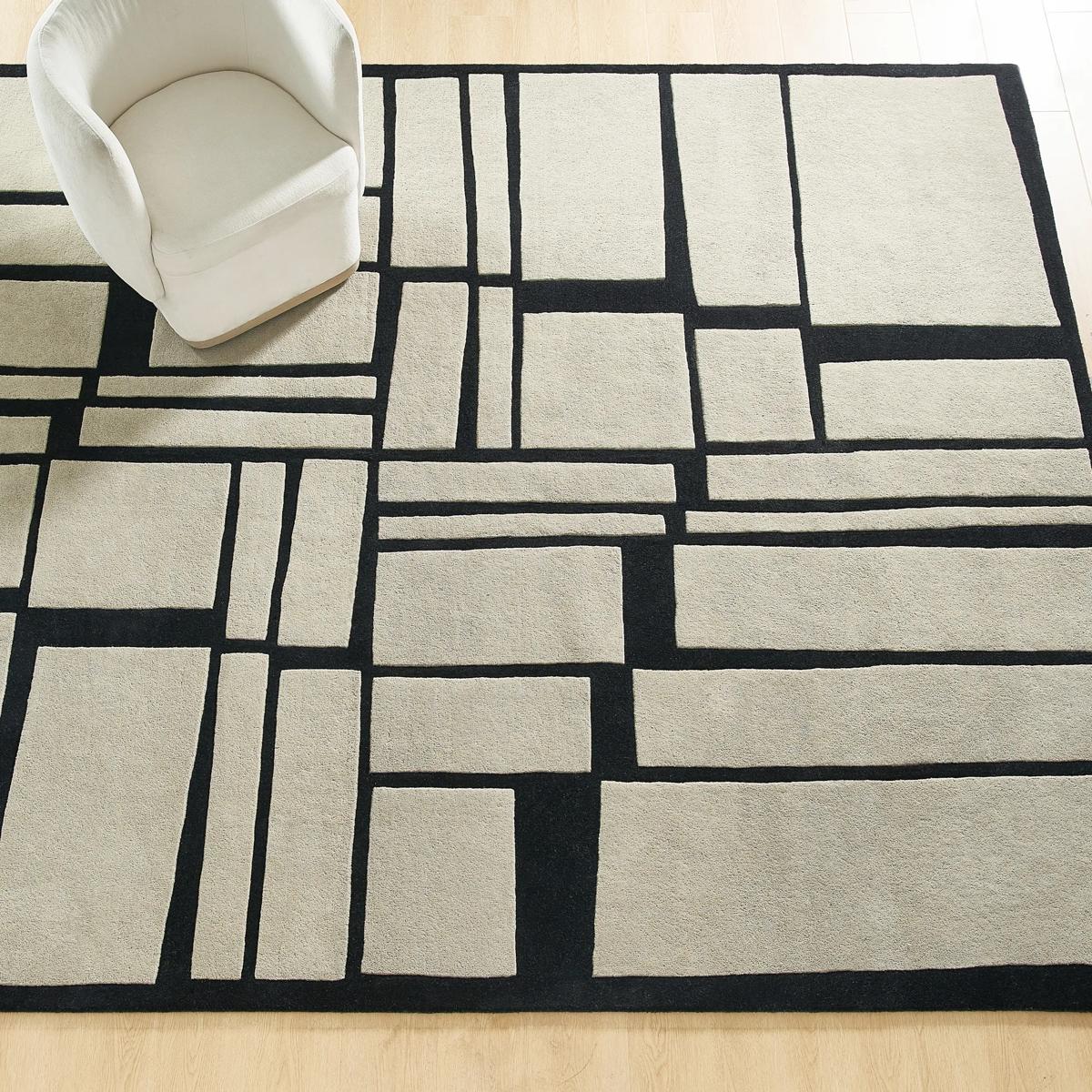 Novak Hand-Tufted Natural/Black Wool Rug$949
A hand-tufted wool rug featuring a bold black and natural grid design for modern, graphic appeal.
Add To Cart -
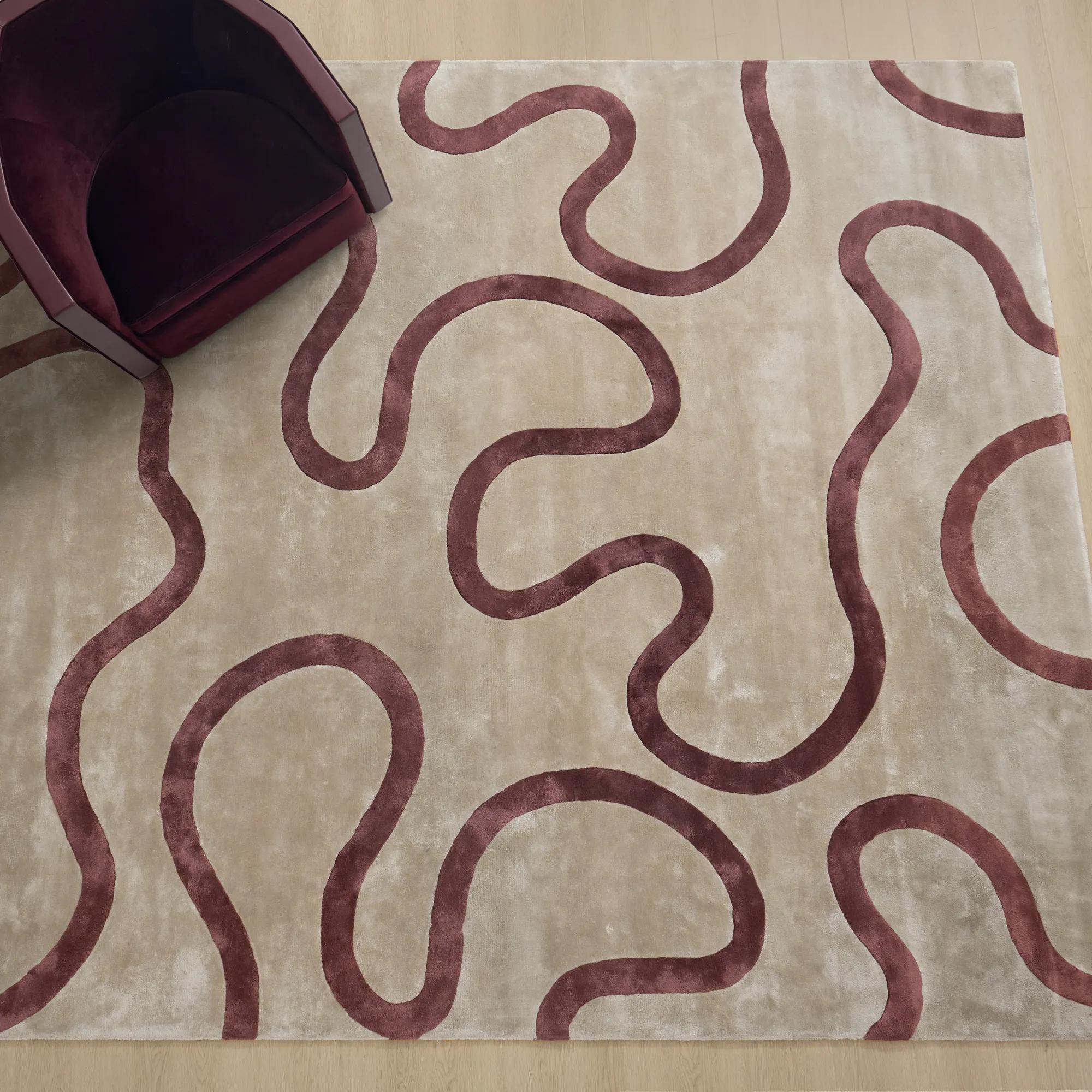 Seraphine Hand-Tufted Fig/Taupe Viscose Loop Rugs$1799
A hand-tufted wool rug featuring bold fig and taupe loops for a graphic, Deco-inspired statement.
Add To Cart -
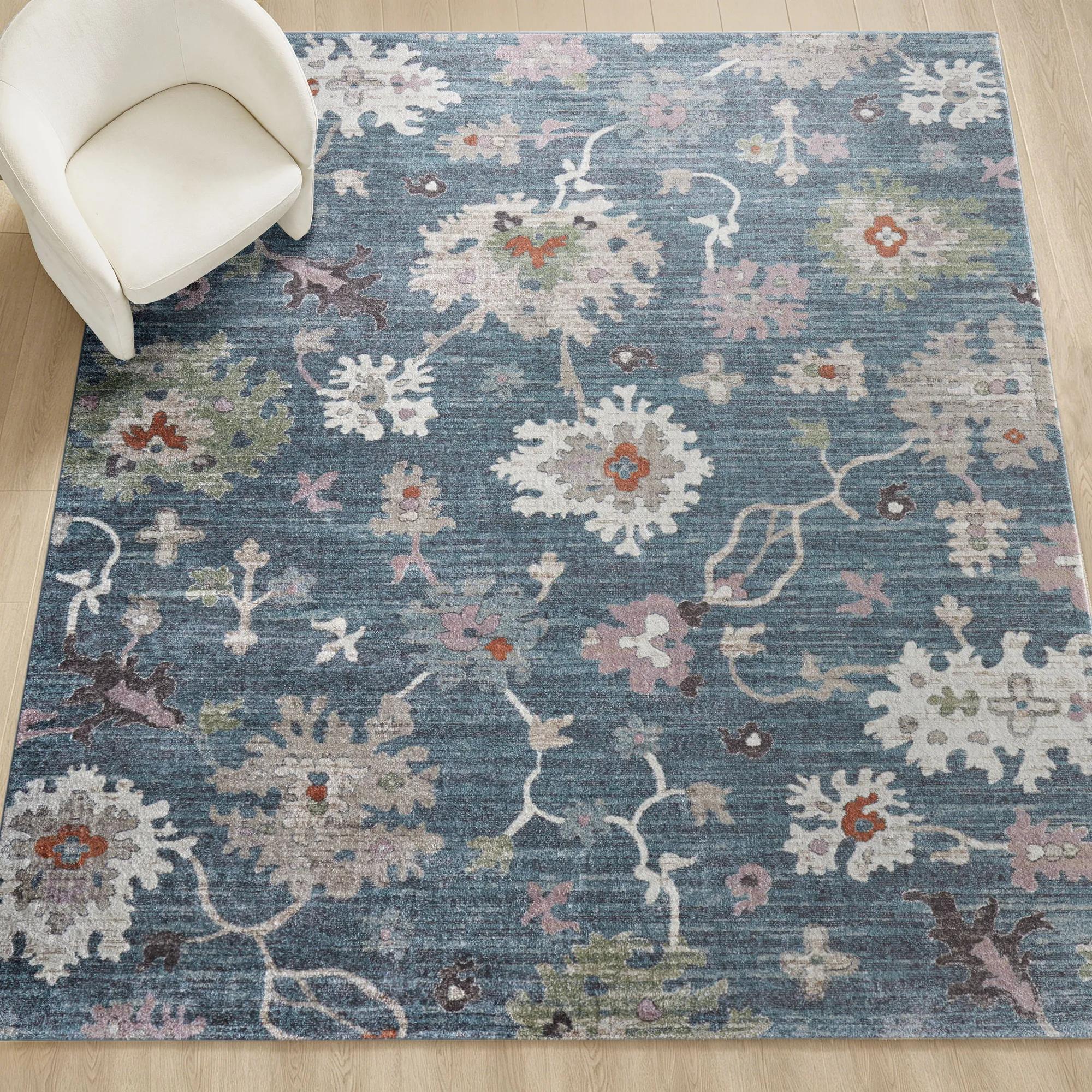
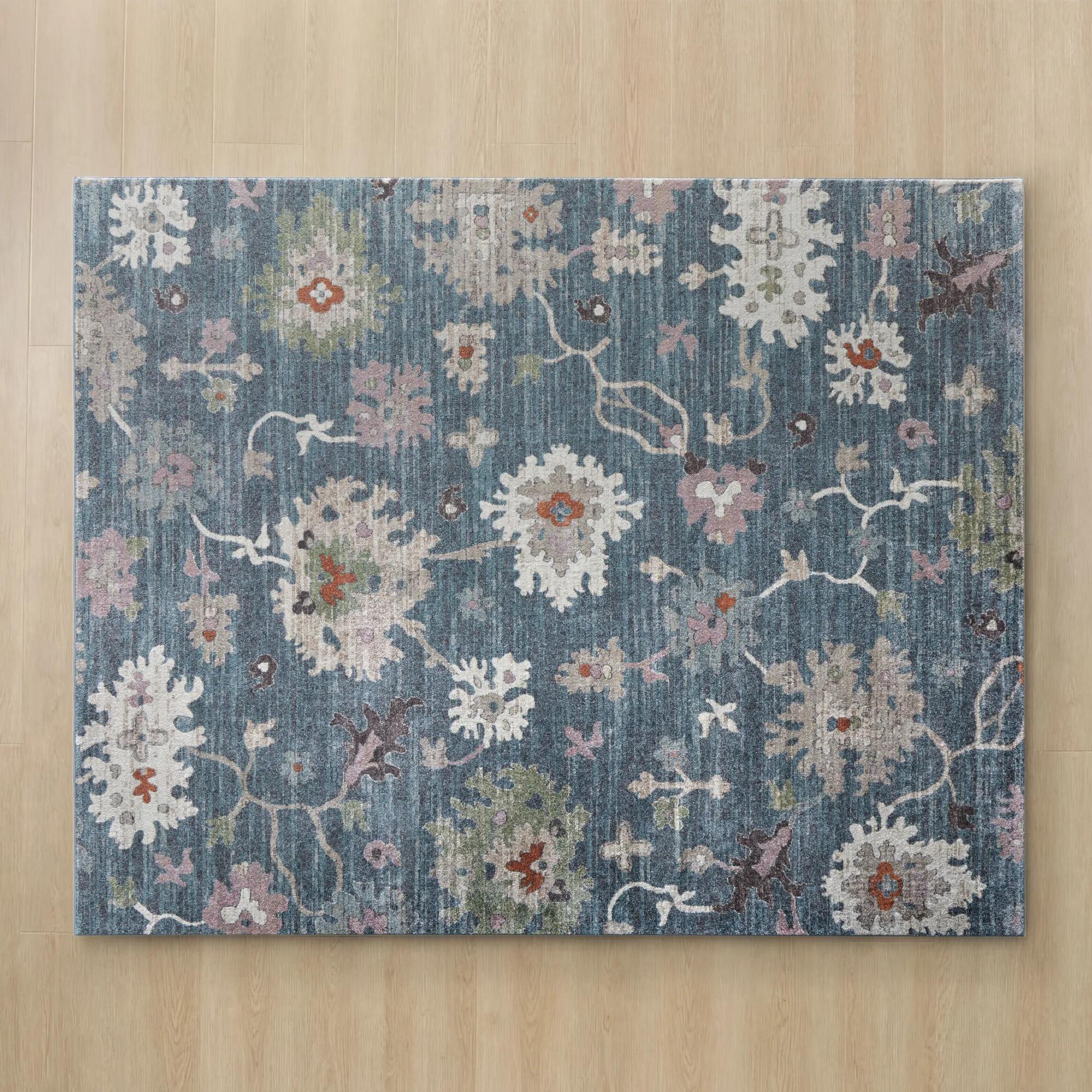 Ariella Floral Blue/Ivory/Beige/Green/Rose Dust Performance Power Loomed Rug$689
A Persian-inspired rug in blue, ivory, beige, green, and rose dust with plush, stain-resistant polypropylene.
Add To Cart -
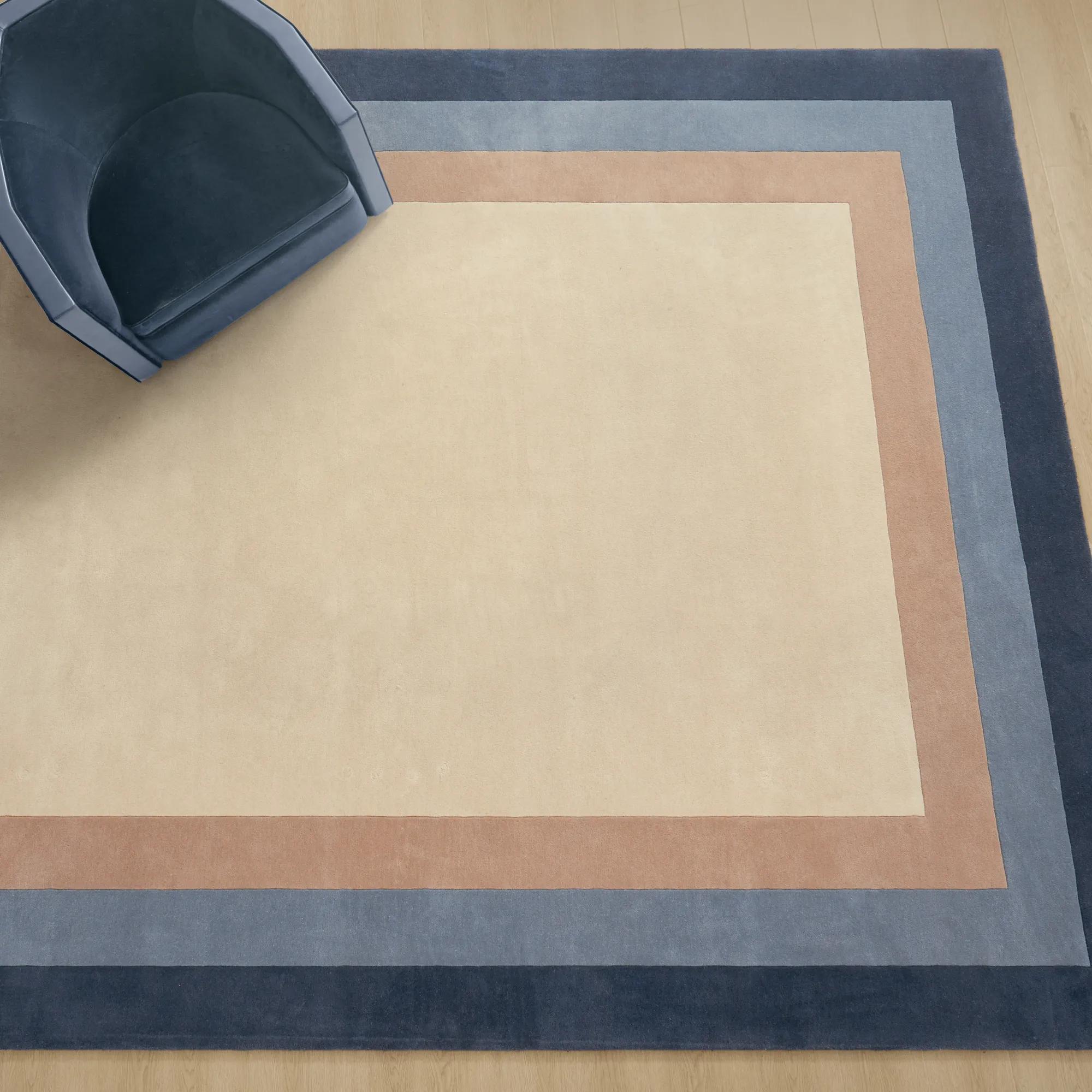 Bastien Hand-Tufted Blue/Taupe/Ivory Wool Border Rugs$1499
A hand-tufted wool rug featuring a bold color-blocked border in dusty blue, taupe, and ivory tones.
Add To Cart -
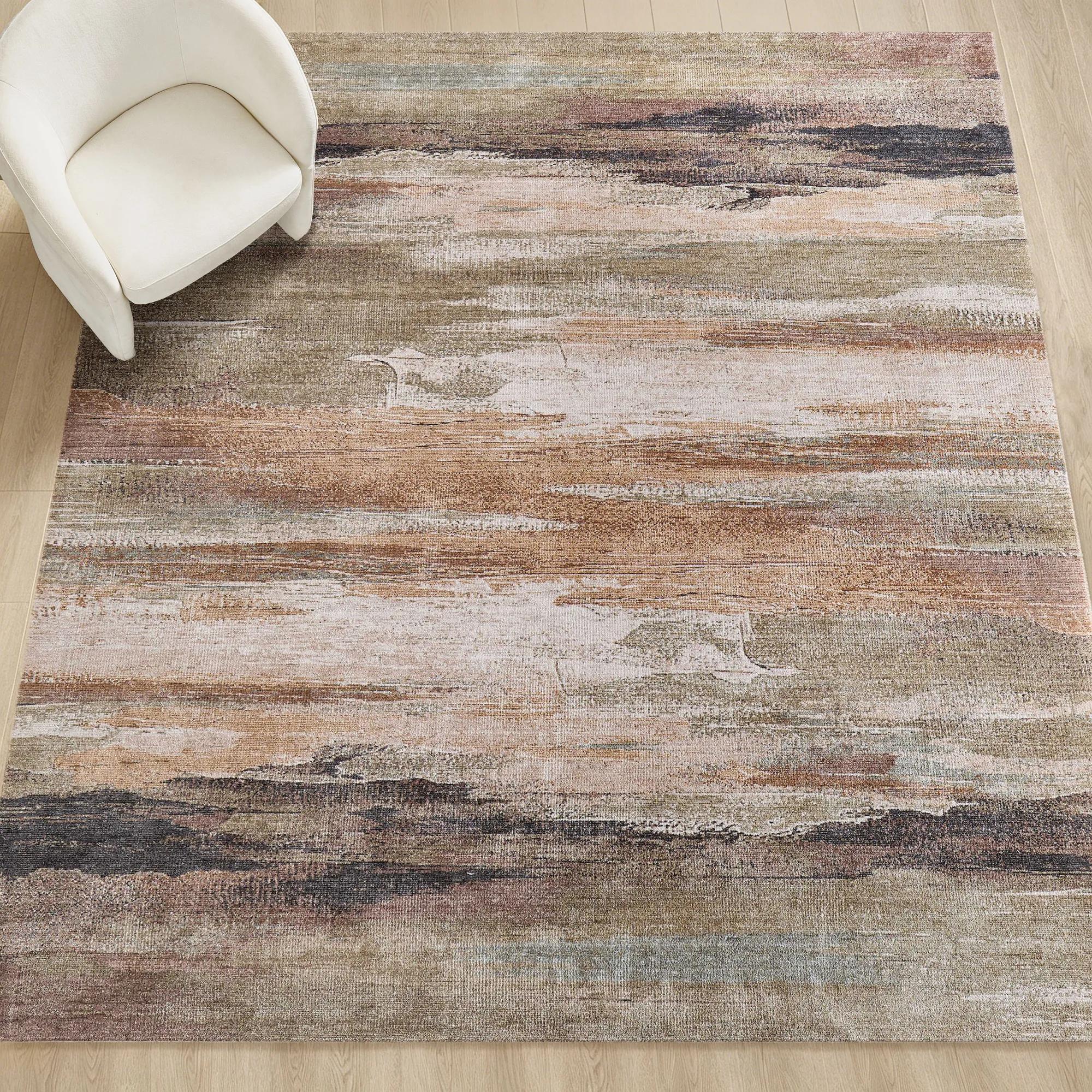
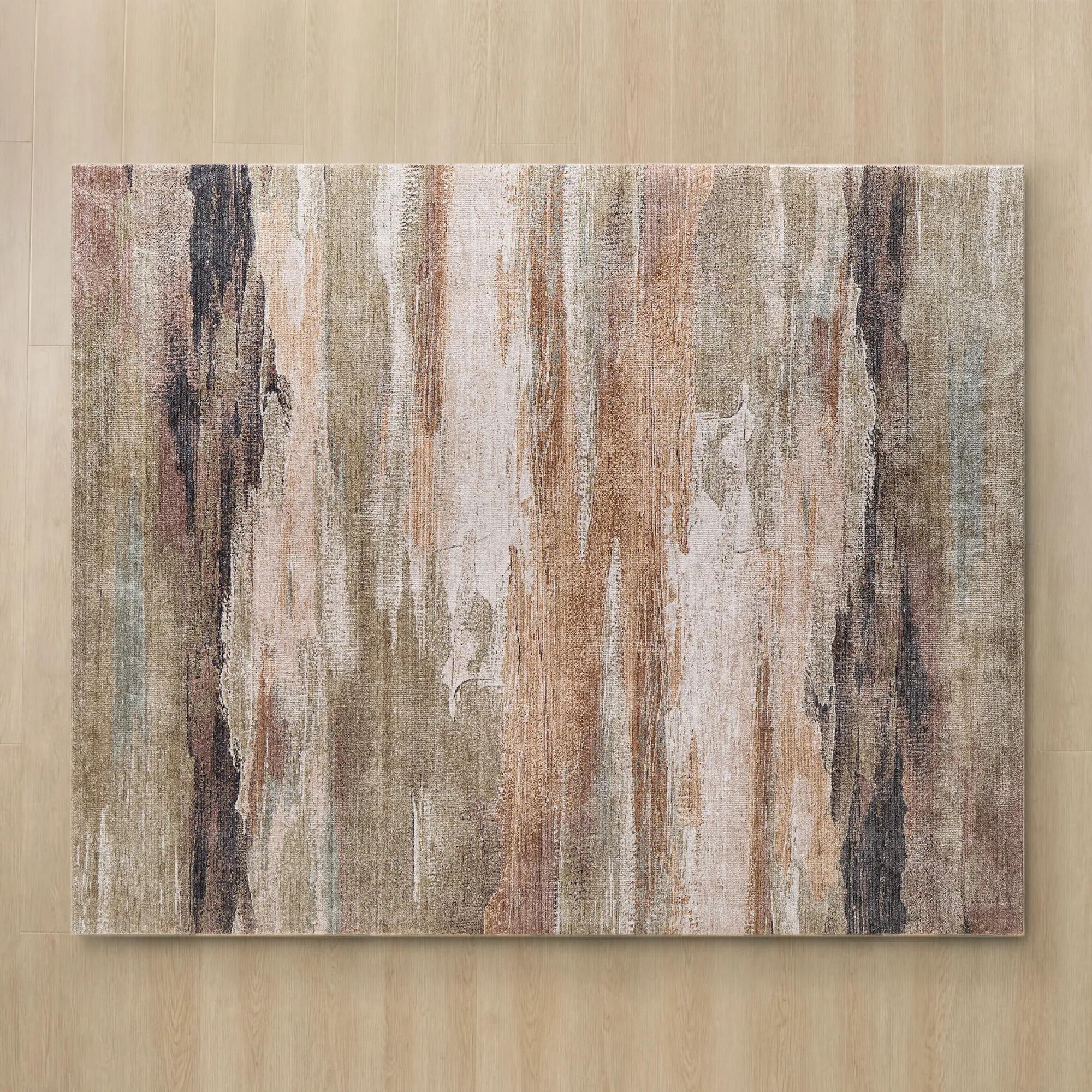 Sedona Rust/Beige/Moss Green/Charocal/Blue Performance Power Loomed Rug$599
A plush, power-loomed polyester rug featuring a rich abstract pattern in rust, beige, moss green, charcoal, and blue.
Add To Cart -
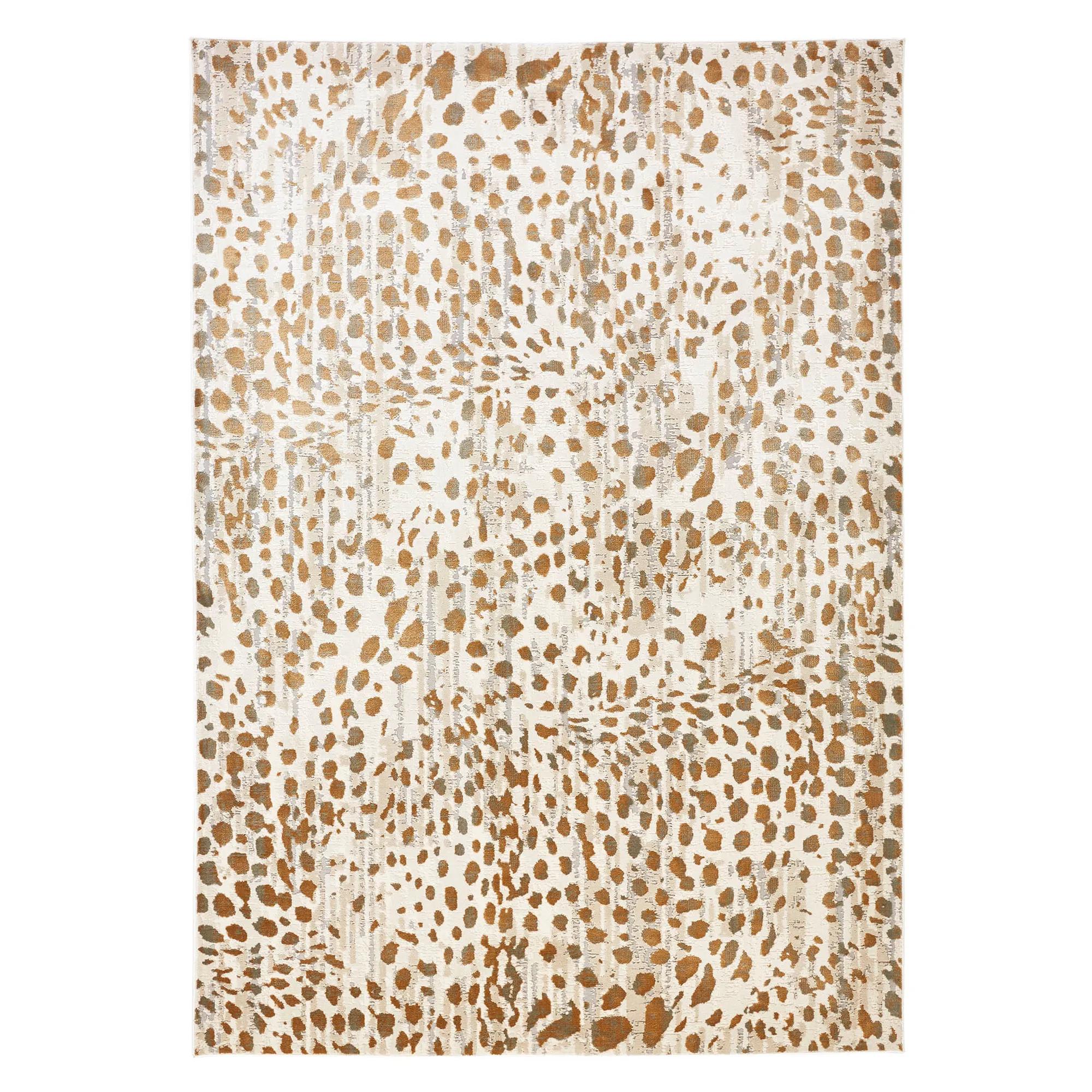
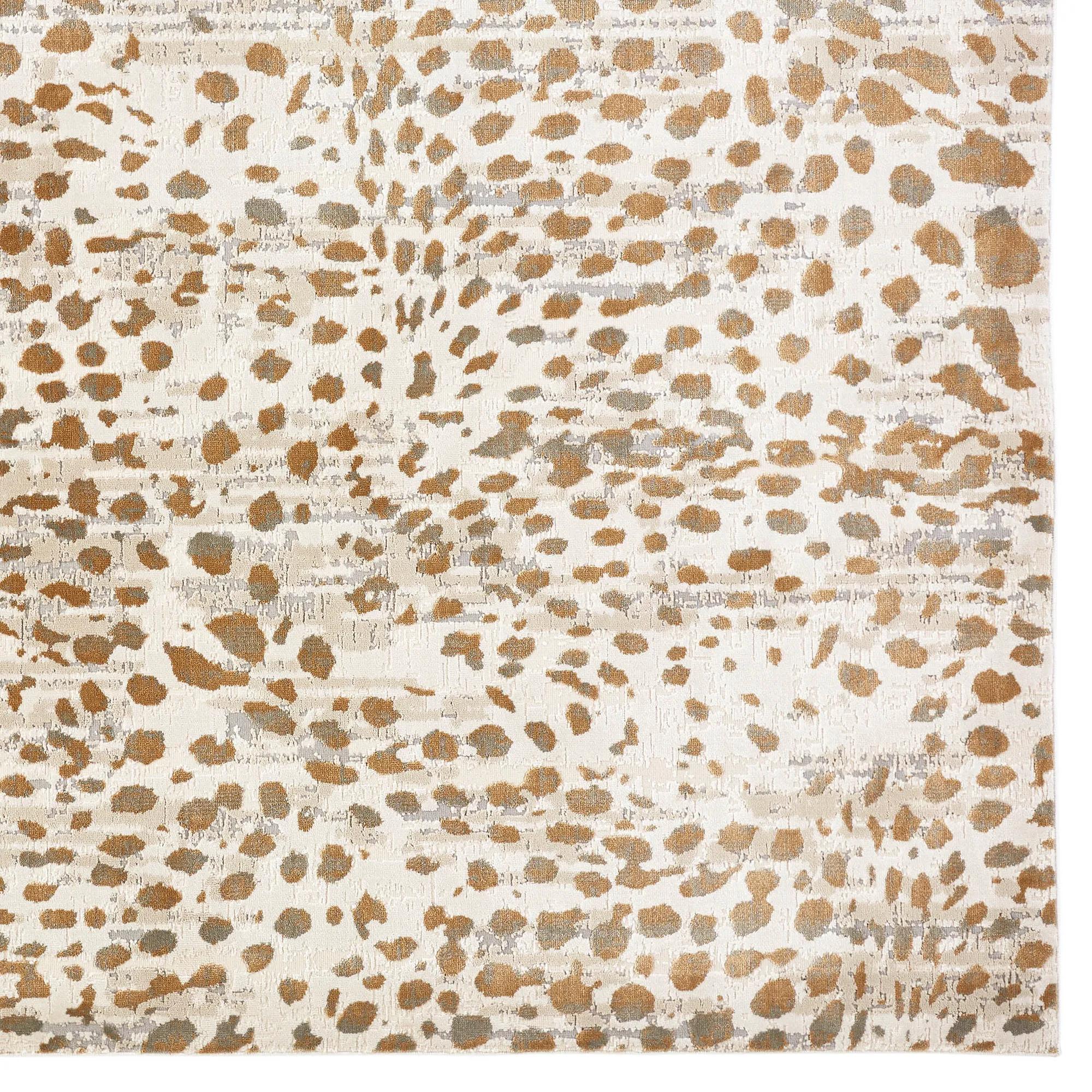 Amur Ivory/Natural Animal Print Power-Loomed Rug$399
A hand-tufted wool and viscose rug featuring a gold chain link design on neutral grey.
Add To Cart -
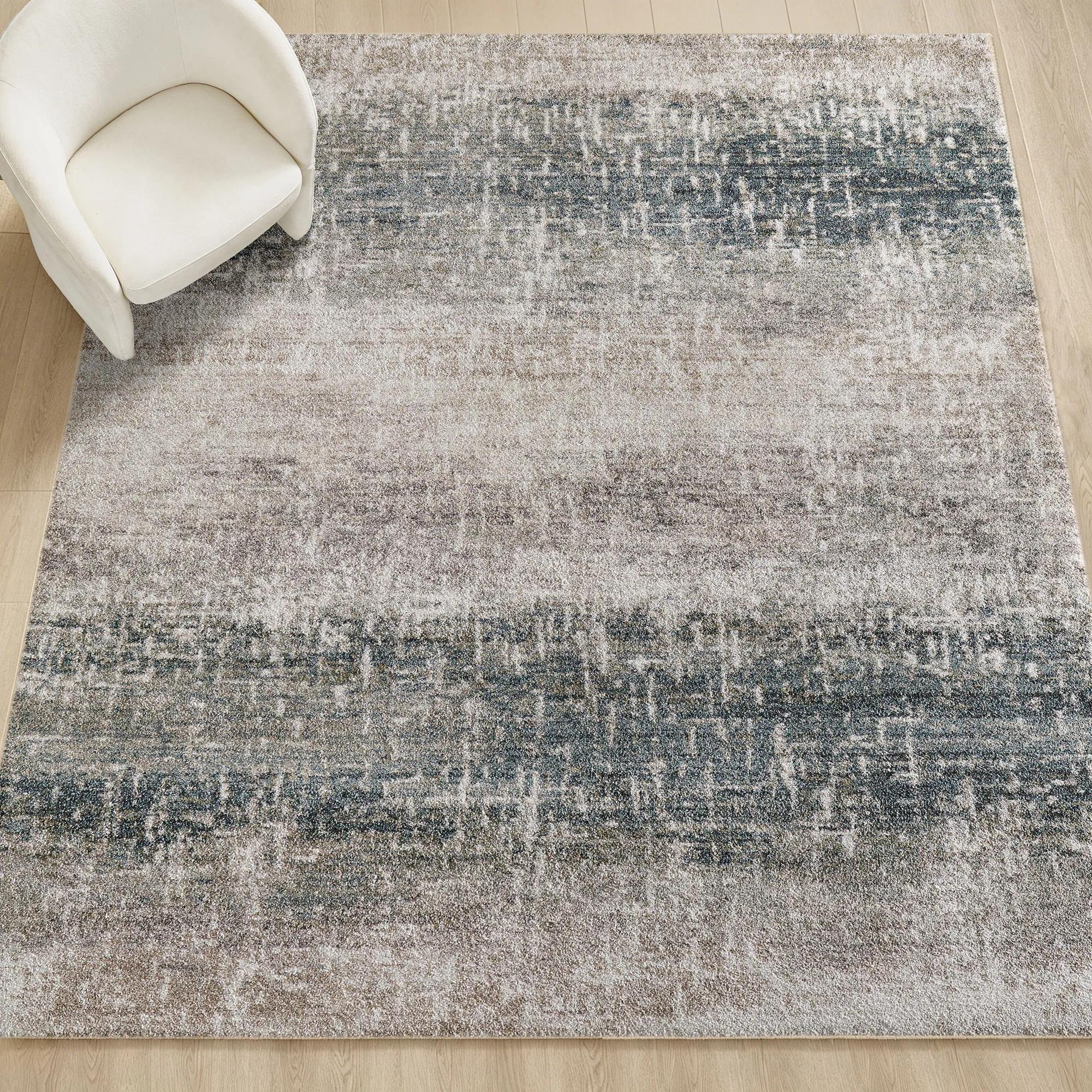
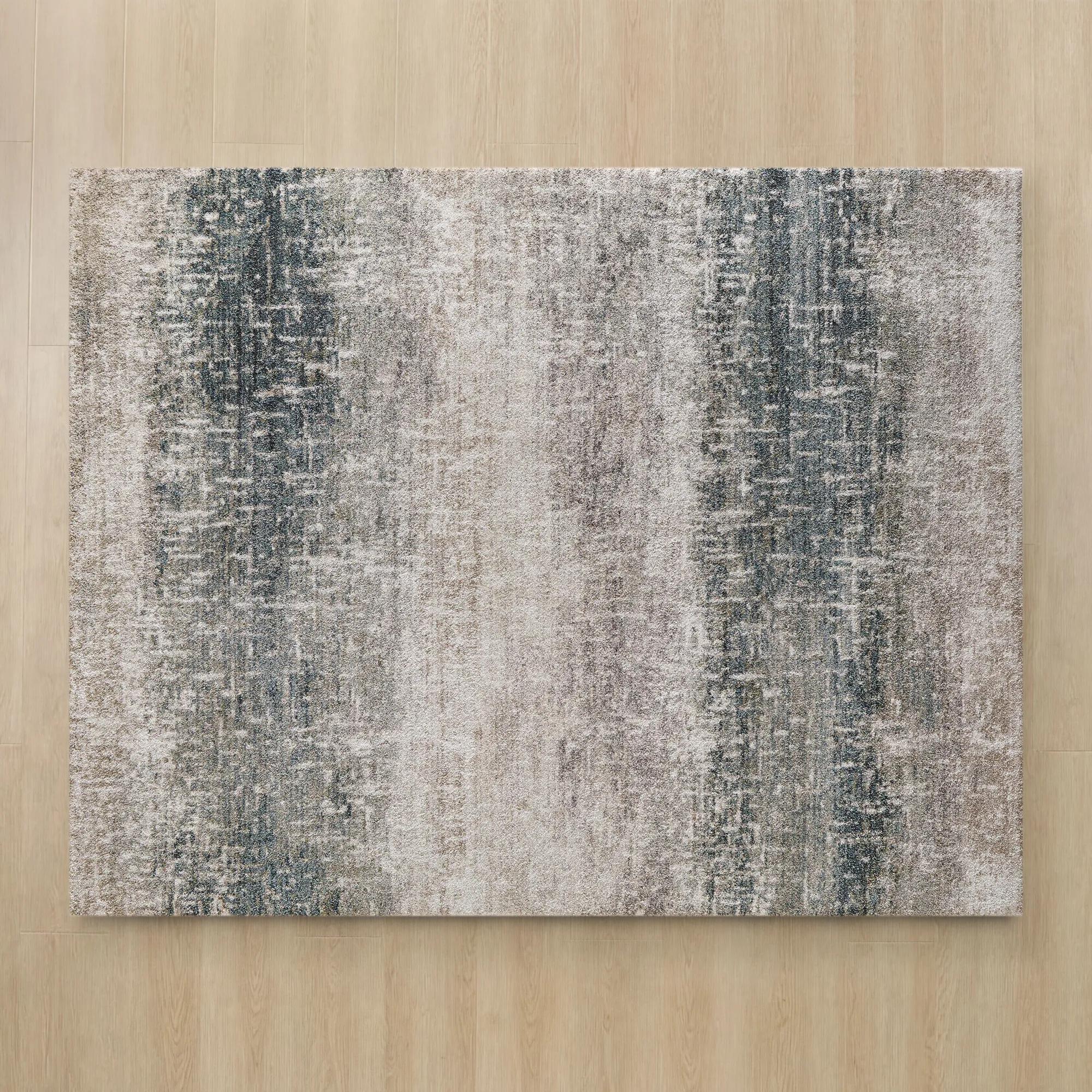 Collier Taupe/Grey/Blue/Green Performance Power Loomed Rug$399
An abstract rug in taupe, grey, blue, and green with a plush, stain-resistant polypropylene-polyester blend.
Add To Cart -
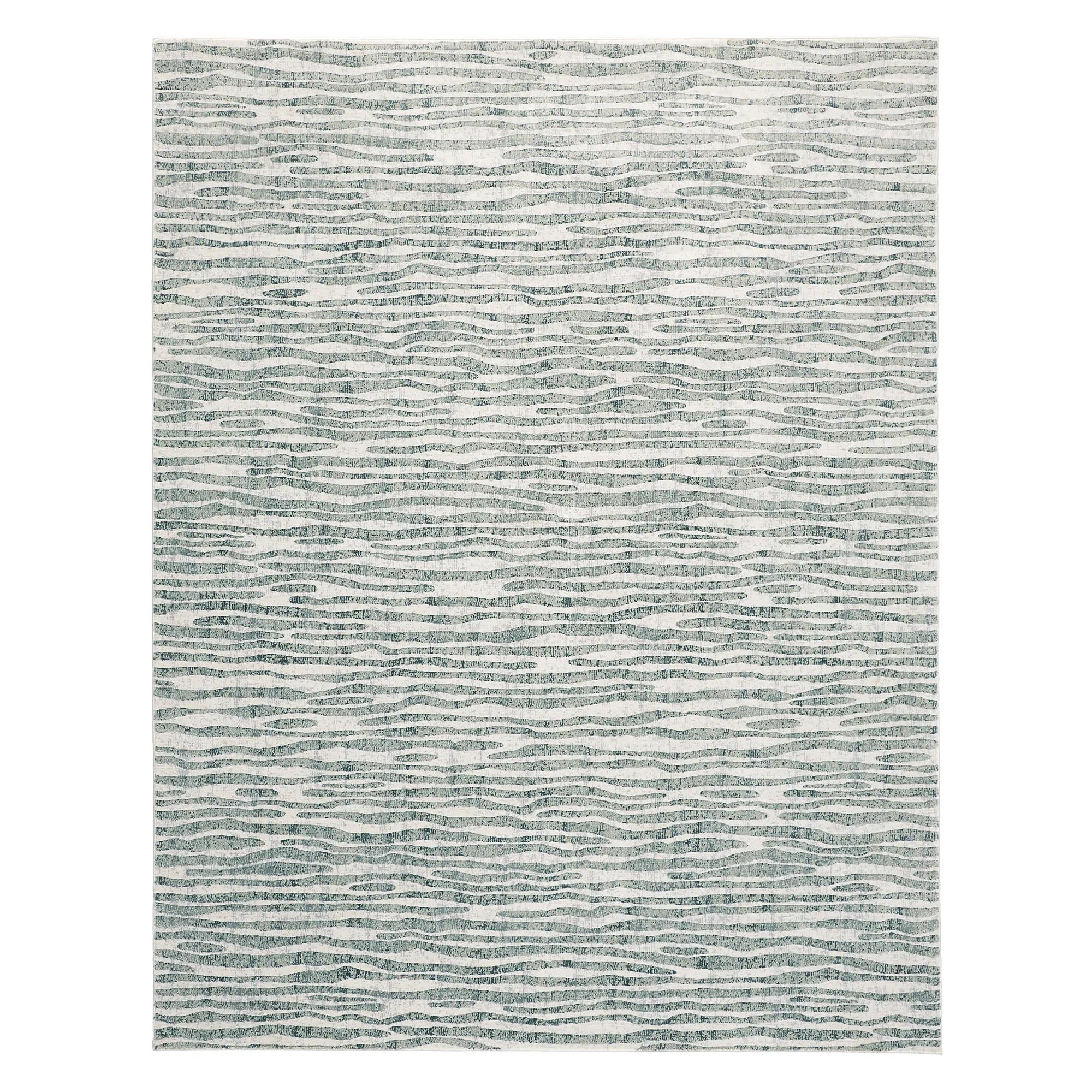 Samantha Power-Loomed Aqua/Grey Rug$719
A machine-woven rug featuring silvery-aqua and green accents on an ivory and grey polypropylene base.
Add To Cart -
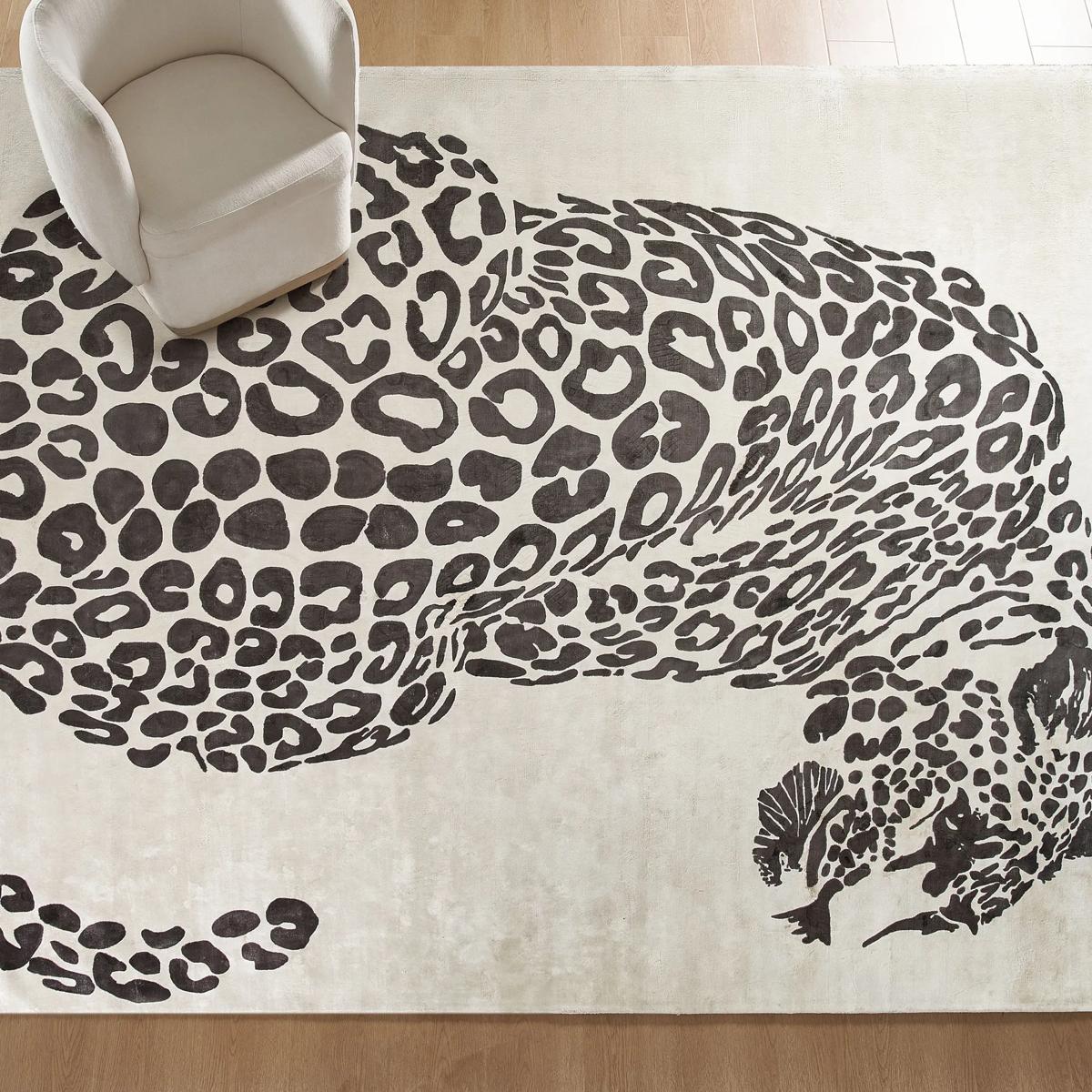 Pardus Leopard Hand-Loomed Ivory/Black Rug$499
An artful ivory and black viscose rug featuring a bold leopard motif and a smooth, silky texture.
Add To Cart -
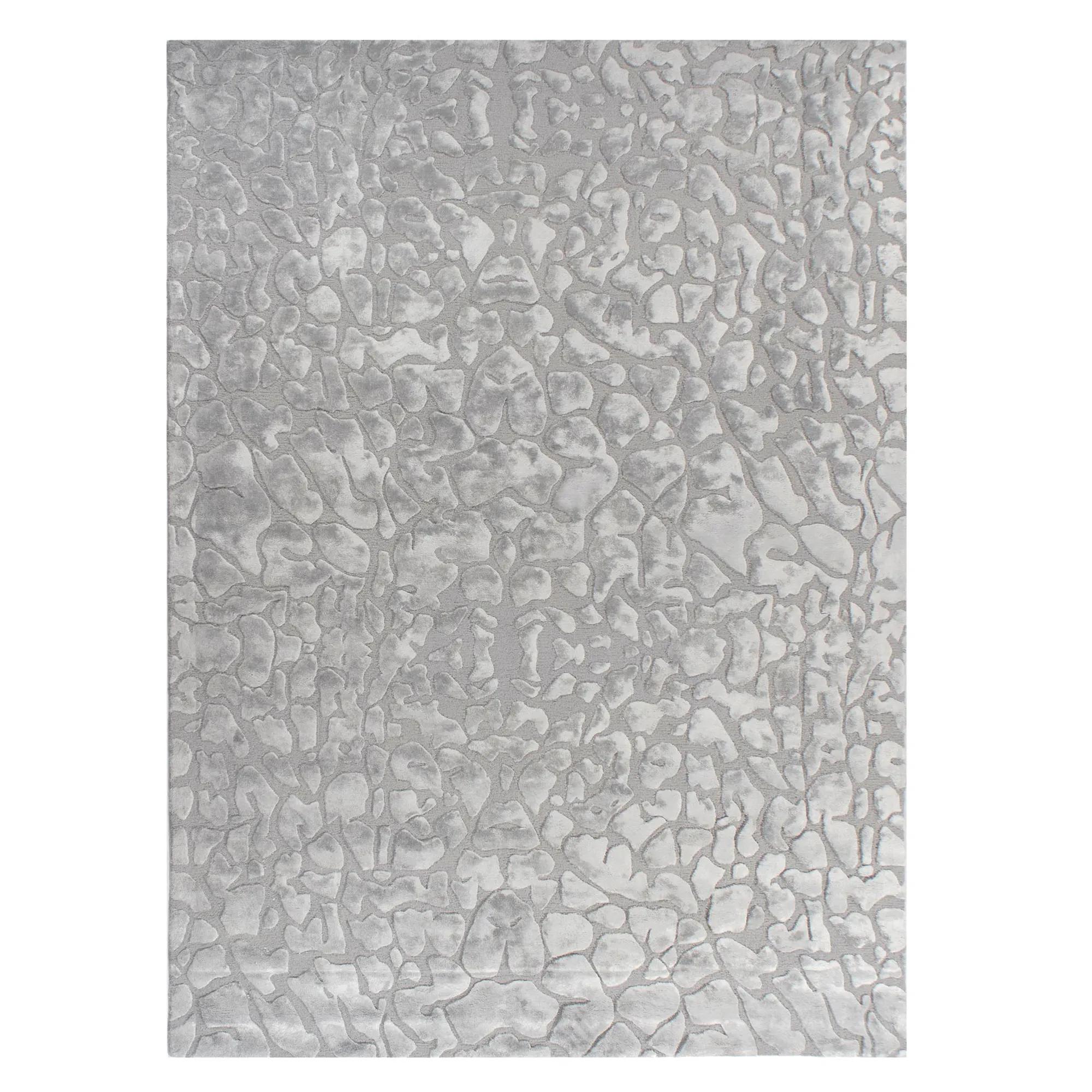
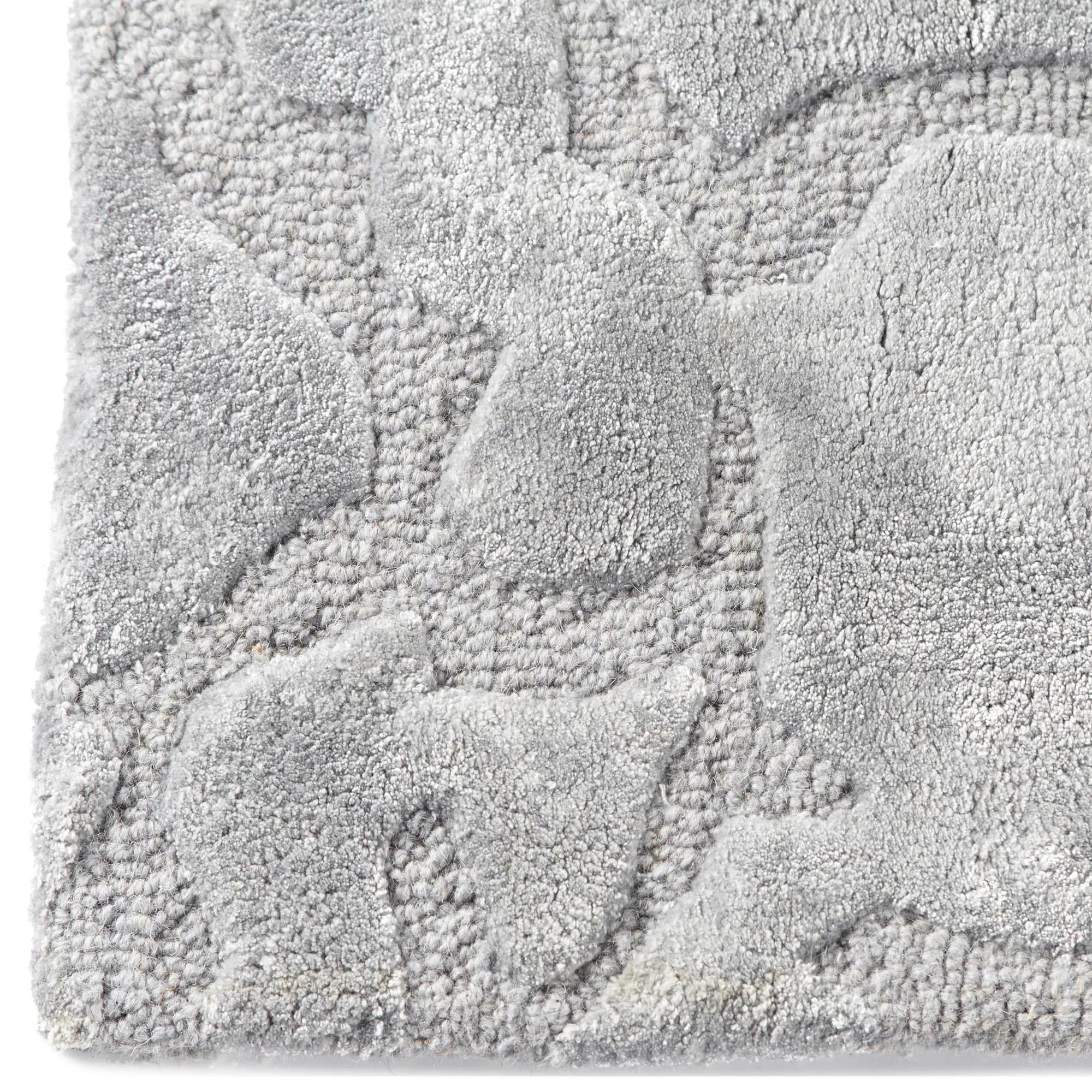 Nola Hand-Tufted Cool Grey Wool Blend Rug$849
A hand-tufted silver rug with contrasting pile heights, crafted from wool and viscose for plush texture.
Add To Cart -
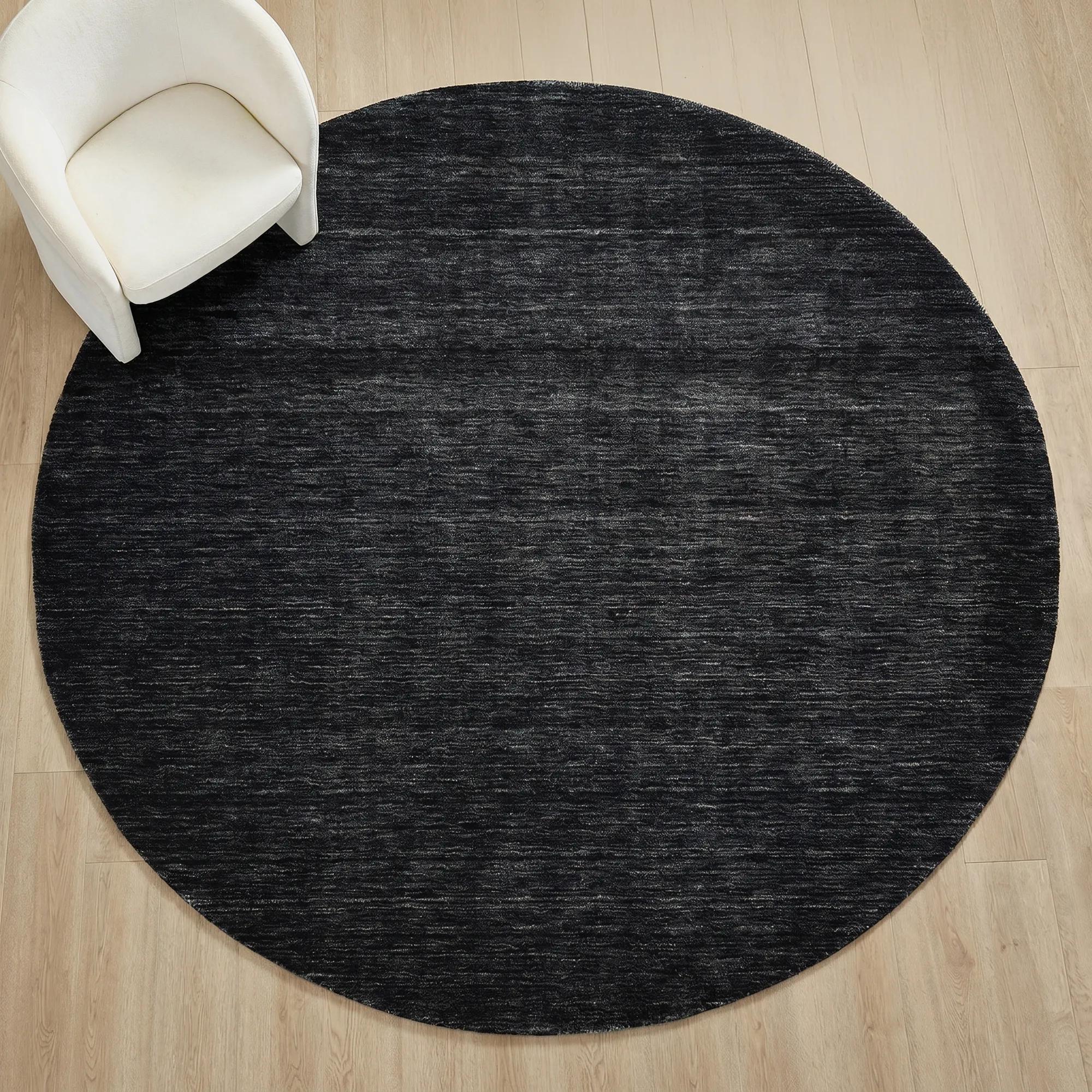 Juni Hand Woven Heathered Black Rug$799
A handwoven round wool rug in heathered black, offering durable texture and moody, contemporary style.
Add To Cart

Contemporary Textured Rugs
Explore contemporary textured rugs that bring depth to modern interiors and create a richly layered foundation for your furniture. Whether you’re defining a seating area or adding dimension to a bedroom, consider how each area rug’s texture complements your decor, then compare dimensions and care requirements to find the right fit for your space.
Contemporary textured rugs bring tactile depth and sculptural definition to a room through high-low pile, raised patterns, carved lines, and variations in weave. Rather than relying on bold color alone, these area rugs create visual interest through their surfaces: a sweeping ridge catches the light, a recessed geometric motif adds precision, and a softly irregular pattern gives an otherwise polished space an expressive foundation. The effect can be understated or dramatic, depending on the contrast between the raised and flat sections, the density of the pile, and the surrounding furnishings. Ivory, champagne, taupe, and gray allow dimensional details to take center stage, while deeper shades can lend the same patterns a richer, more graphic presence. Against a sleek sofa, reflective coffee table, or sculptural accent chair, a textured rug introduces a tactile counterpoint that makes the arrangement feel considered rather than overly coordinated. Subtle tonal variations also give large expanses of flooring more movement without competing with artwork or decorative objects. For spaces built around this balance of clean lines and expressive surfaces, Modern Textured Area Rugs offer a closely related design direction. In a living room, an abstract high-low pattern can establish the seating area as a distinct composition; in a bedroom, a plush surface beside the bed adds a sumptuous finishing layer. A restrained geometric texture can bring definition to a home office, especially when paired with streamlined furniture and a carefully chosen chair mat where needed. These rugs suit interiors that welcome detail but do not need every element to announce itself through color. Texture provides another vocabulary: ripples, channels, loops, and relief that reveal themselves differently as someone moves through the room. A rug with sweeping organic lines can soften angular furniture, while a more structured pattern can bring a sense of order to curved silhouettes and generously upholstered seating.
Materials and construction shape how a contemporary textured rug looks, feels, and performs in everyday life. Wool offers natural resilience and a substantial hand, making it appealing for living areas where softness and regular use need to coexist. Some wool rugs shed loose fibers, particularly early in their use, and their appearance still depends on appropriate care and construction. Cotton can contribute a softer, more relaxed finish, often as part of a blend or a flatter woven structure. Synthetic fibers such as polyester and polypropylene can offer practical advantages, including varying degrees of stain resistance and straightforward maintenance, though performance differs by fiber, weave, backing, and manufacturer guidance. Viscose lends a luminous, silk-like sheen that can make raised patterns appear especially fluid, but it is more sensitive to moisture and crushing and is generally better suited to spaces where spills and heavy traffic are less likely. Blended fibers can balance several qualities, so the material label matters as much as the initial impression. Construction adds another layer of character: cut pile can feel velvety, looped surfaces create a nubby texture, and combinations of the two produce pronounced dimensional effects. Hand-tufted, handwoven, and machine-made rugs each encompass a wide range of finishes; the construction method alone does not determine durability. For a household with children, frequent guests, or pets, a lower, denser pile may be easier to maintain than a deeply sculpted surface that holds crumbs or catches claws. A loftier rug can be a more indulgent choice beside a bed or in a quieter sitting area. The most compelling selection brings the desired atmosphere into balance with the room’s actual routines, whether that means a defined surface beneath a conversation area or a softer landing in a private retreat.
Scale gives that texture its architectural presence. In a living room, an area rug generally looks more integrated when it extends beneath at least the front legs of the main seating pieces, rather than sitting as a small island under the coffee table. A larger rug can connect a spacious sectional and accent chairs, allowing its pattern to read across the full arrangement. In a bedroom, extending the rug beyond the sides and foot of the bed keeps the textured surface visible and places softness where feet naturally land. Beneath a dining table, enough clearance for chairs to remain on the rug when pulled out is essential; an extension of approximately 24 to 30 inches beyond the tabletop on each side is a useful starting point, with the final fit determined by chair size and movement. Lower-pile textures are often more practical there because chairs glide more easily and crumbs are less likely to settle deeply into the surface. Door clearance, nearby walkways, and the height of adjacent flooring also deserve attention, especially with thicker piles. A properly sized rug pad compatible with both the rug backing and the floor can help limit shifting, add cushioning, and reduce wear from movement. Preserving the dimensional finish calls for care matched to the fibers and construction. Regular vacuuming with a suitable setting helps remove grit before it works into the pile; raised loops, fringe, and delicate fibers may require suction-only cleaning rather than a rotating brush. Spills should be blotted promptly with a clean, undyed cloth, without rubbing or saturating the rug, and any cleaning solution should follow the manufacturer’s instructions. Viscose and other moisture-sensitive materials may require professional attention. Periodic rotation helps distribute exposure to foot traffic and light, while furniture coasters can reduce concentrated pressure beneath heavy pieces. With thoughtful proportions and appropriate care, a contemporary textured rug becomes more than a decorative layer: it gives the room a distinct tactile identity and brings its furnishings into a confident, cohesive composition.
FAQs
Contemporary textured rugs bring modern design into three dimensions through tactile surfaces, sculpted details, or variations in pile. Rather than relying on color alone, they use depth and shadow to create visual intrigue, giving a room a richly layered foundation.
A textured rug creates a compelling contrast with sleek furniture, balancing crisp silhouettes and gleaming finishes with tactile depth. Pair subtle texture with sculptural seating for a composed look, or introduce more pronounced relief beneath streamlined furnishings to make the floor an expressive part of the room.
Consider whether your rug should anchor the palette or introduce a dramatic contrast. Ivory, taupe, and charcoal let texture take the spotlight, while a deeper hue can bring richness to a lighter room. Echo a tone from your artwork or upholstery to give the composition a deliberate connection.
Texture describes variations in a rug’s surface, while pattern refers to its visual arrangement of motifs or colors. A rug can feature either or both. Tonal texture offers dimension with subtle contrast, while a textured pattern adds another layer of expression through raised lines, shapes, or sculpted effects.
Yes. A tonal textured rug can ground vivid artwork and statement accents without competing for attention. Let its surface bring quiet depth, then repeat a color or shape elsewhere in the room. For a more theatrical composition, pair expressive rug texture with a focused palette that keeps every detail connected.