Contemporary Silver Area Rugs
Contemporary Silver Area Rugs
-
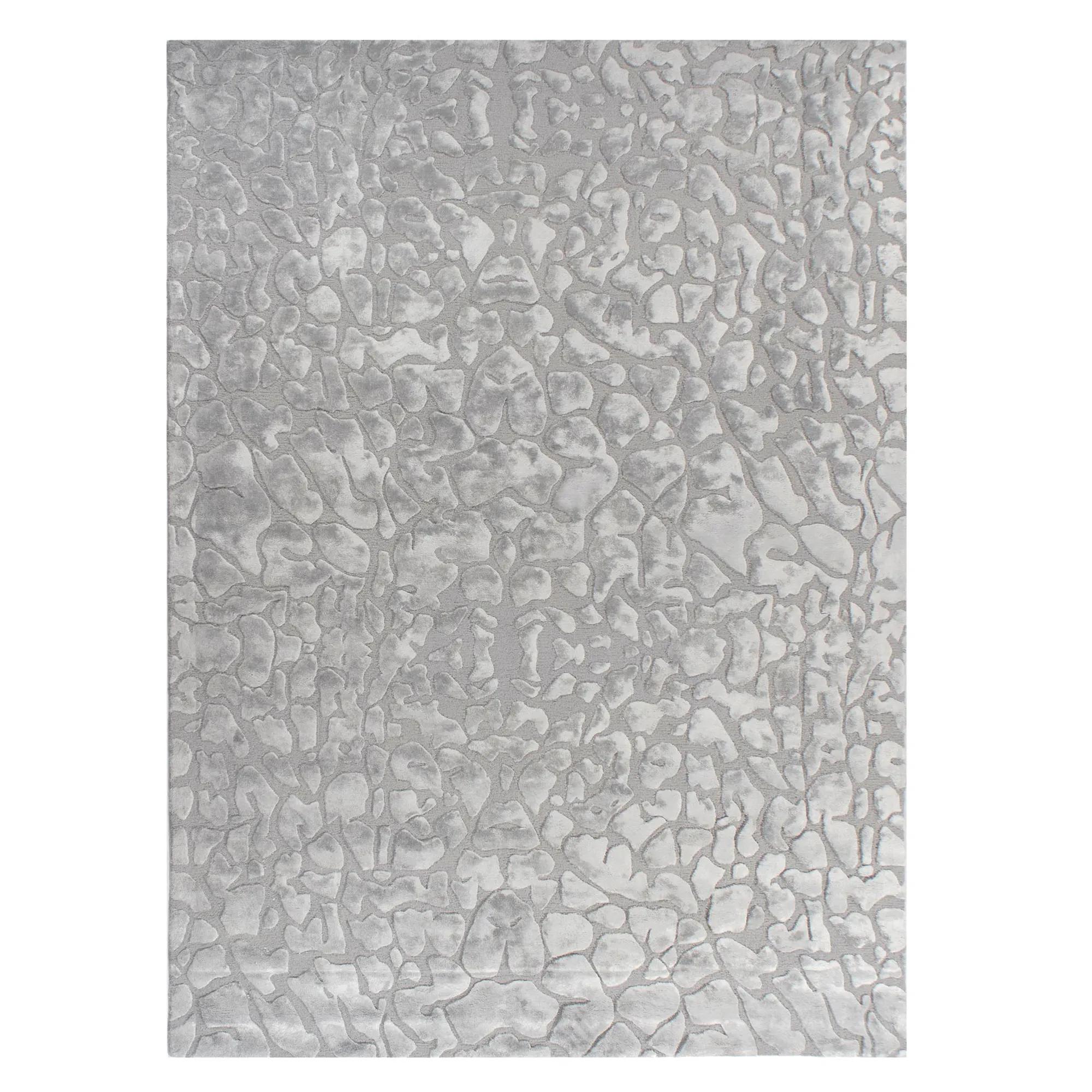
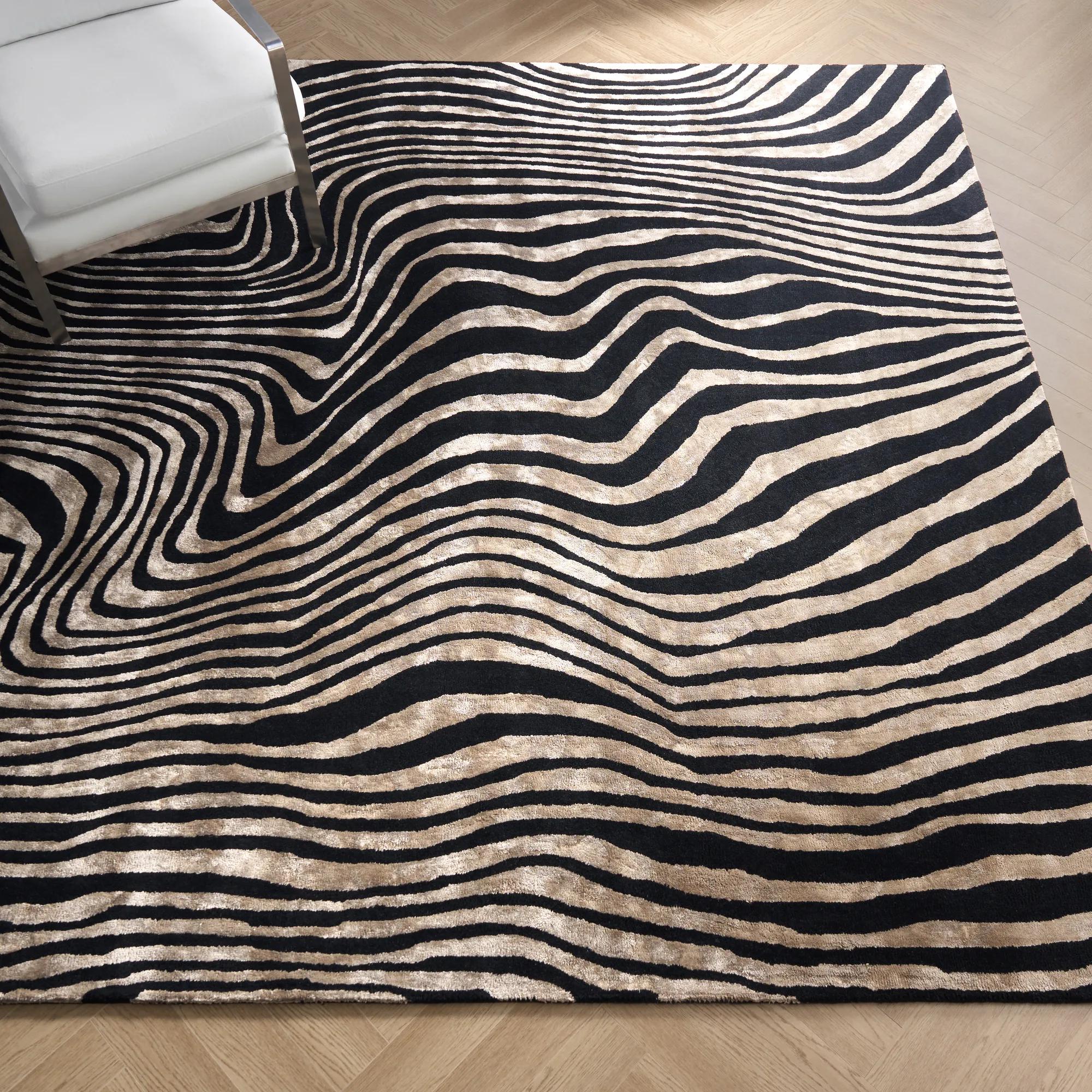
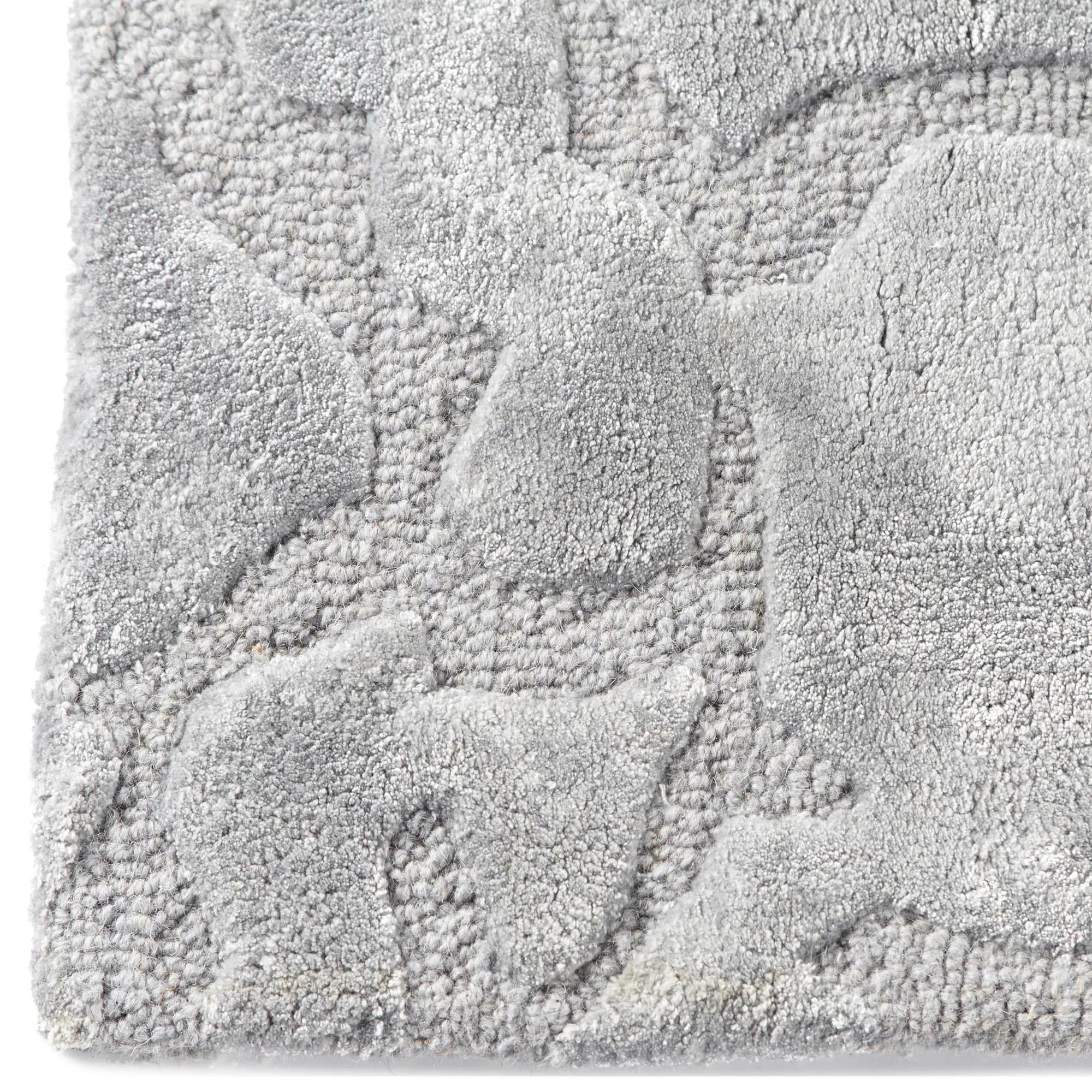 Nola Hand-Tufted Cool Grey Wool Blend Rug$849
A hand-tufted silver rug with contrasting pile heights, crafted from wool and viscose for plush texture.
Add To Cart -
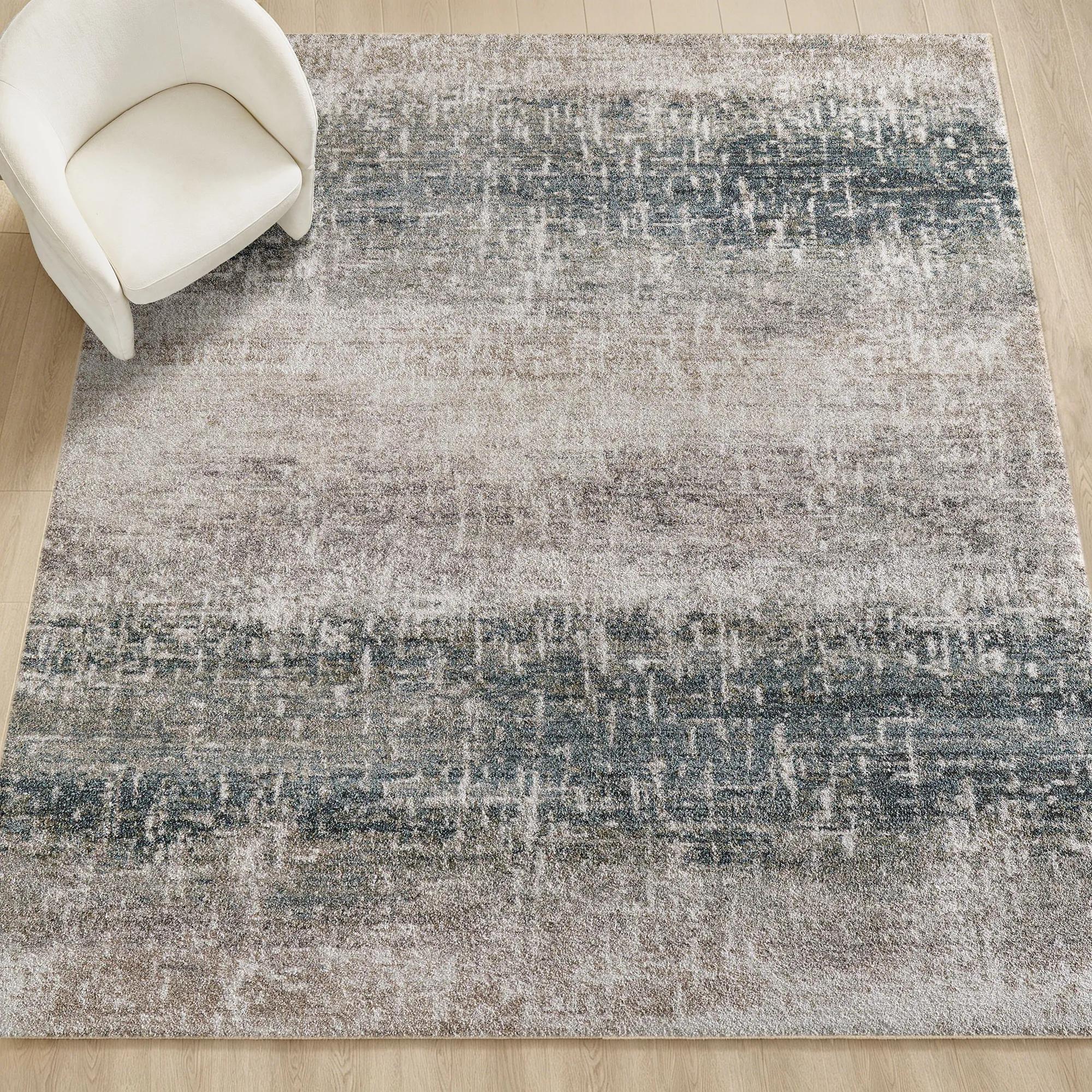
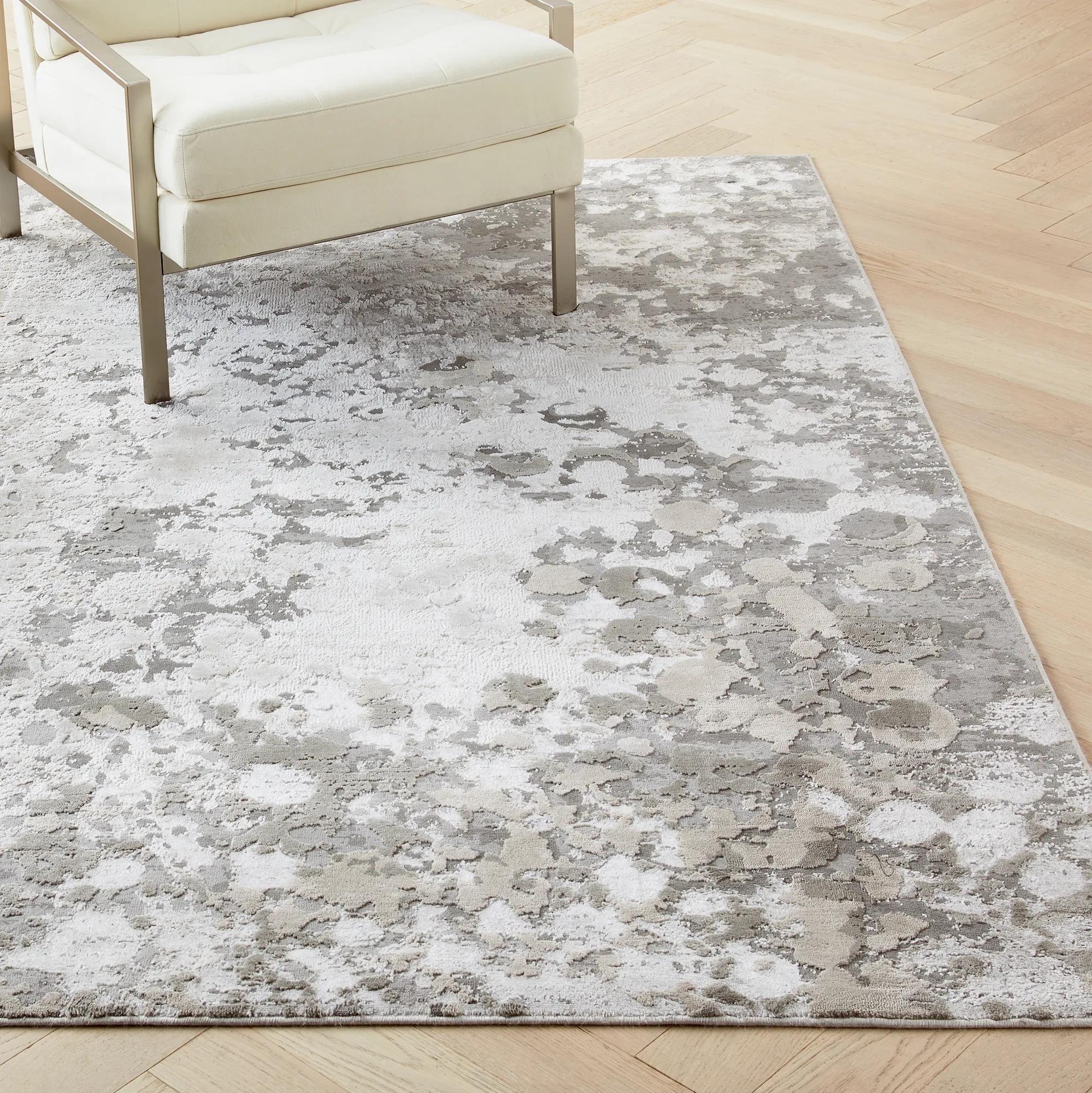 Mercury Power-Loomed Silver/Grey/Beige Rug$449
A neutral floor covering featuring a silver, grey, and beige palette with a soft, textured polyester blend.
Add To Cart -
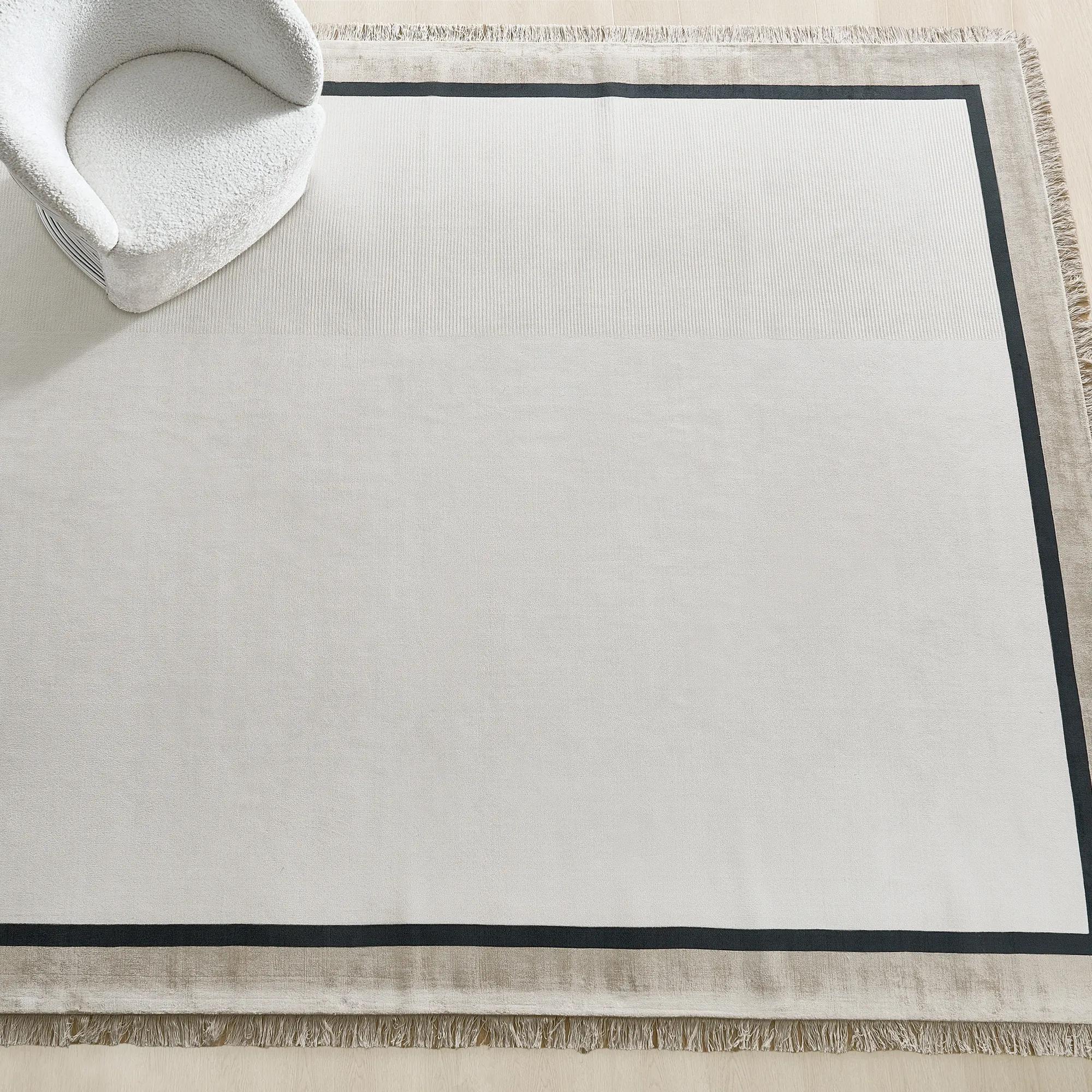
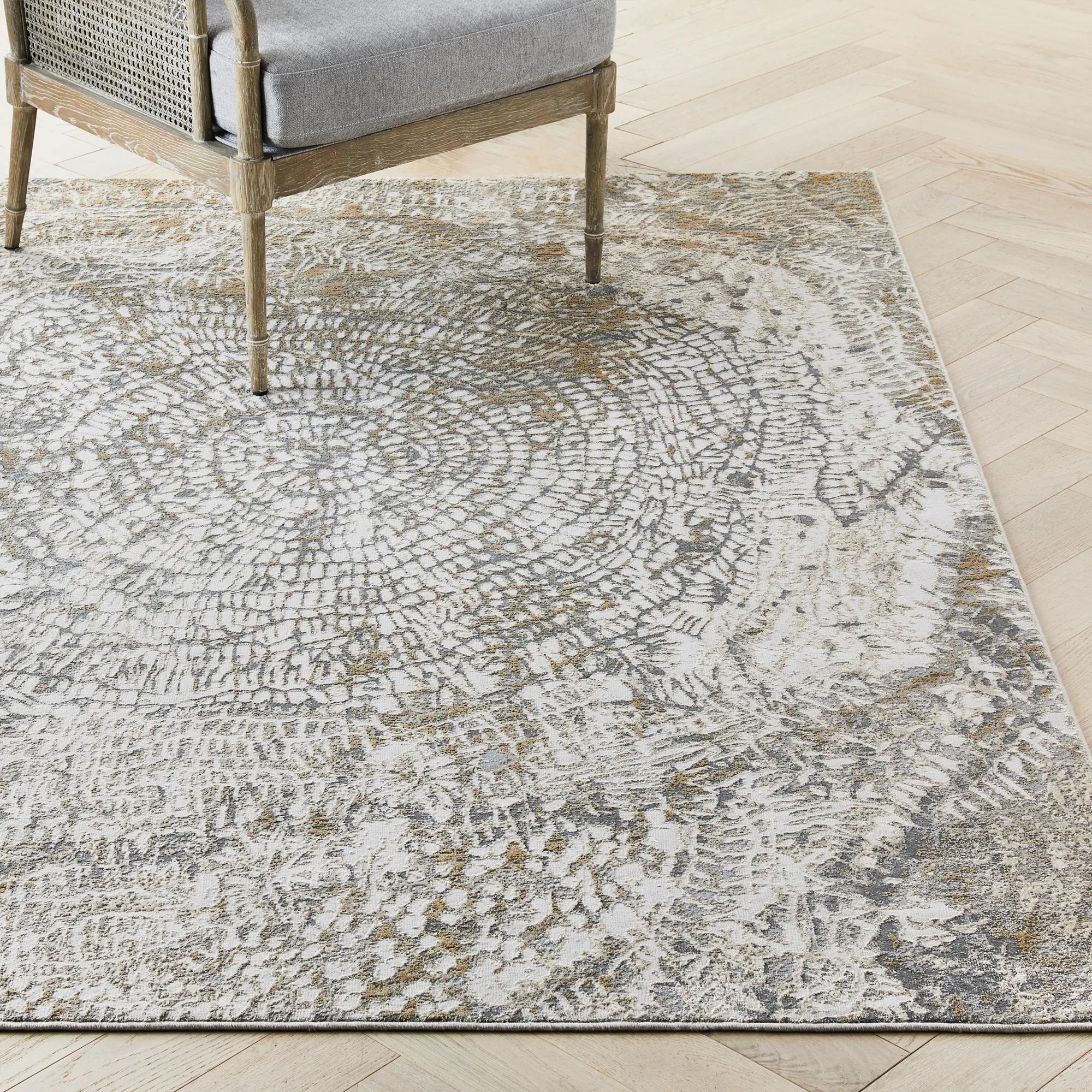 Nautilus Power-Loomed Silver/Grey/Natural Rug$999
A machine-woven ivory rug featuring subtle tonal variations and a durable polypropylene blend construction.
Add To Cart -
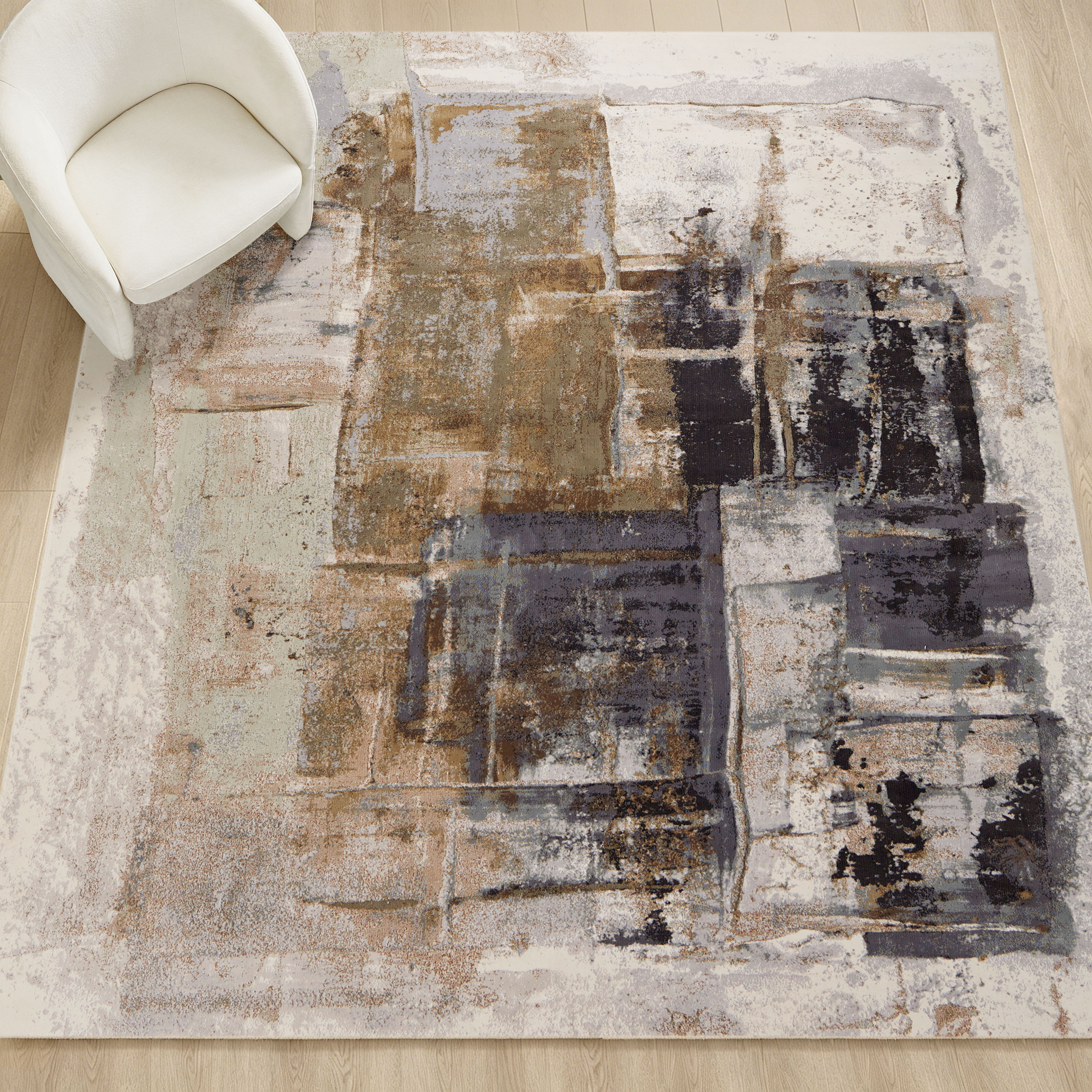
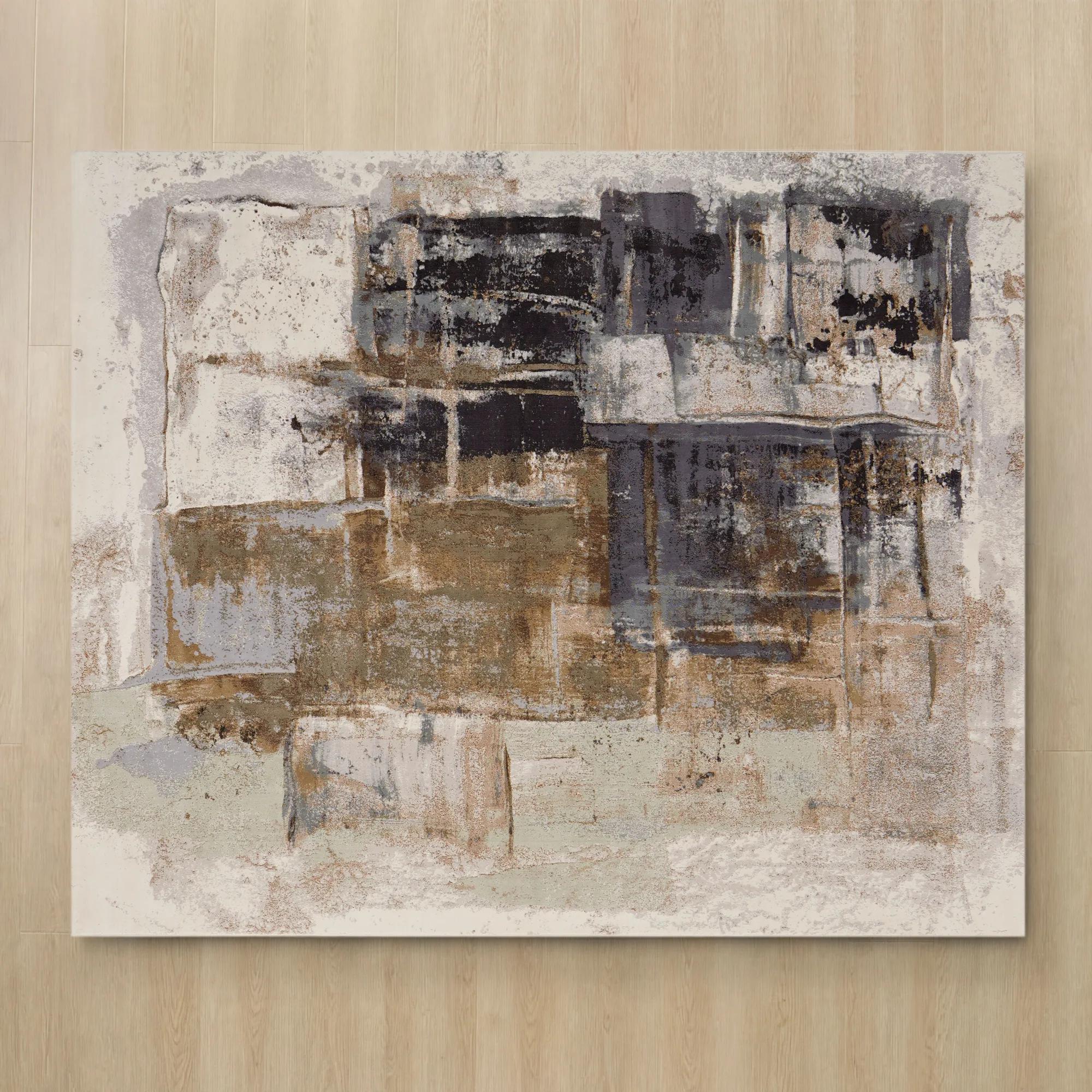 Gaia Abstract Grey/Charcoal/Ivory/Gold/Blue Performance Power Loomed Rug$949
An abstract rug in grey, charcoal, ivory, gold, and blue with a soft, stain-resistant performance blend.
Add To Cart -
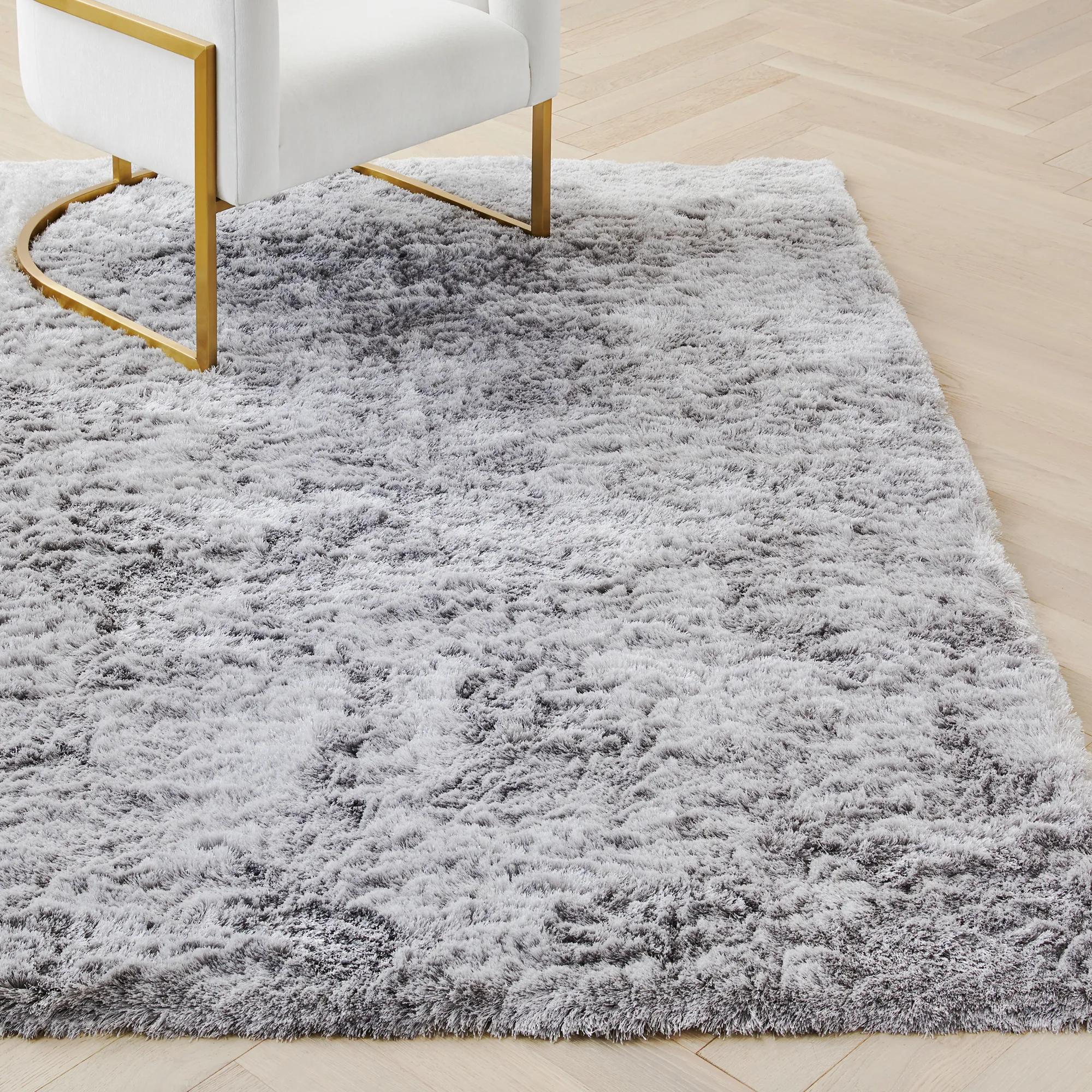 Indochine Shag Platinum Rug$399
A platinum-toned shag rug with a subtle sheen and plush 1.5" polyester pile for luxurious texture.
Add To Cart -
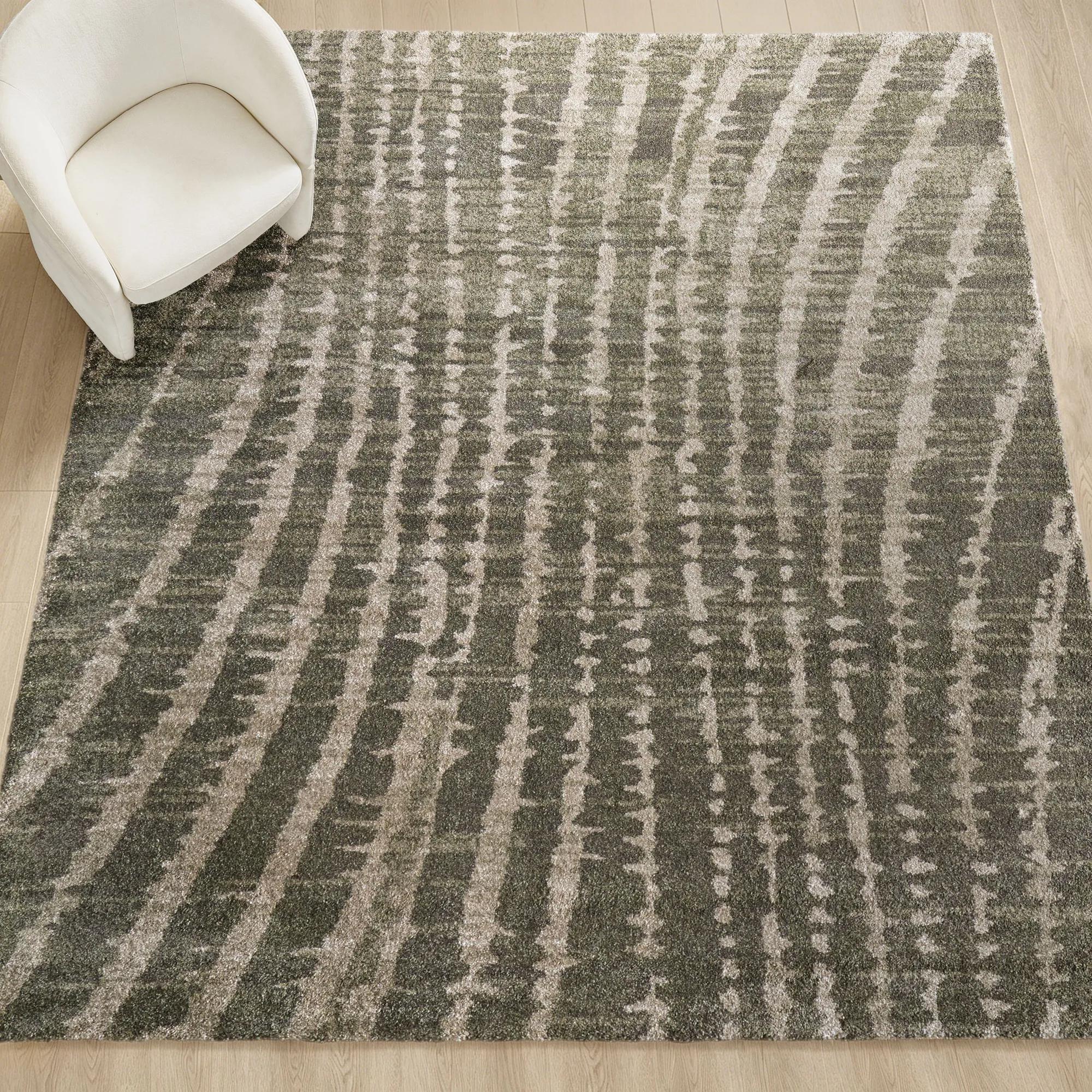
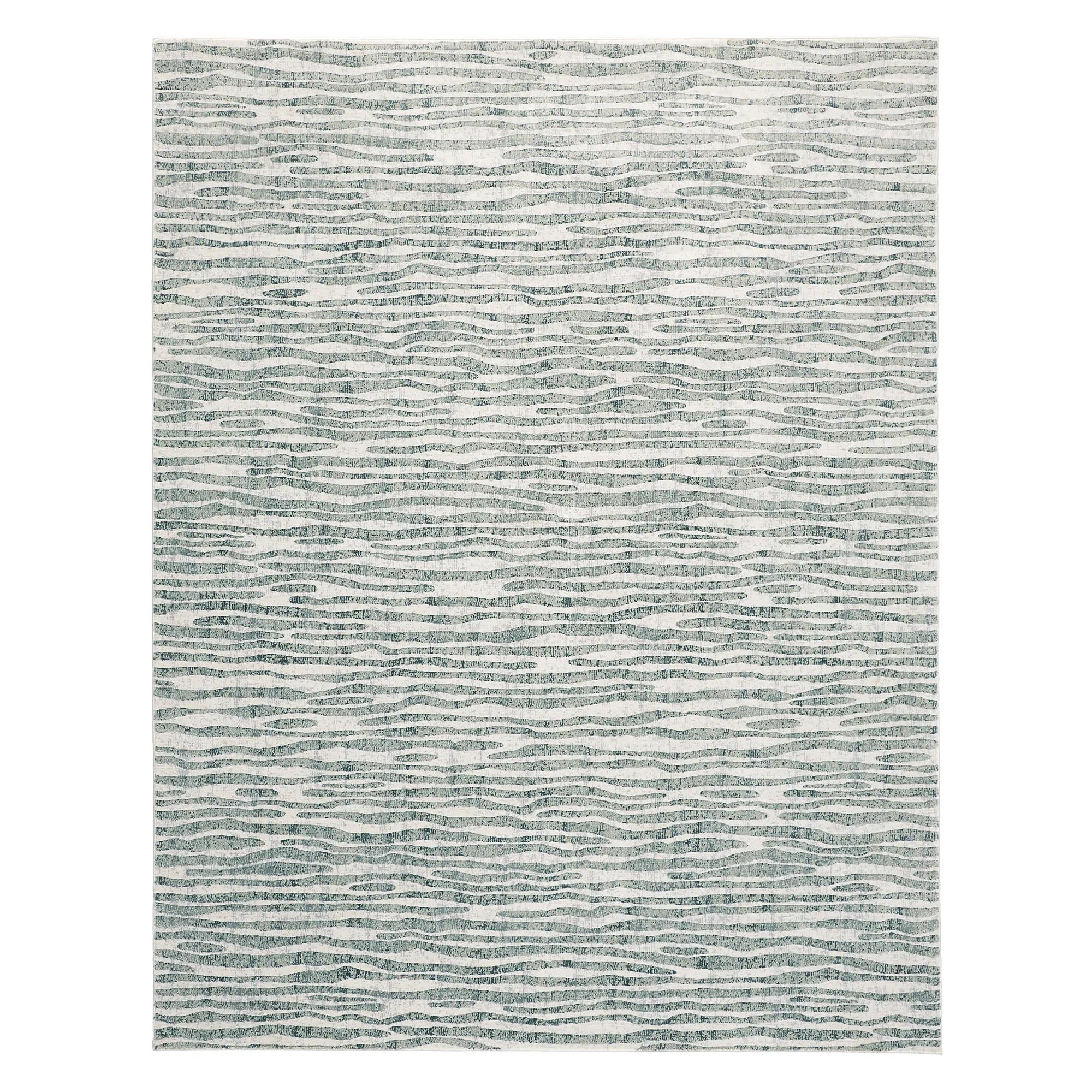 Samantha Power-Loomed Aqua/Grey Rug$719
A machine-woven rug featuring silvery-aqua and green accents on an ivory and grey polypropylene base.
Add To Cart

Contemporary Silver Area Rugs
Contemporary silver area rugs are the epitome of modern allure—where shimmering tones and sleek design converge to create a canvas of pure sophistication. Each piece is a study in contrast, capturing the interplay of light and shadow to transform ordinary floors into statements of style. Whether anchoring a dramatic living room or lending a touch of luster to a serene bedroom retreat, these rugs invite you to indulge in the art of elevated living. Let your space radiate with the cool elegance and undeniable glamour that only contemporary silver area rugs can deliver.
Contemporary silver area rugs bring a luminous neutral palette to modern interiors, pairing shades of pale gray, pewter, and platinum with abstract patterns, sculptural texture, or crisp geometric lines. Their appeal lies in the balance between visual drama and versatility: silver can soften a room filled with strong architectural shapes while giving quieter furnishings a more expressive foundation. The color does not necessarily indicate metallic fibers or a reflective finish. Some silver rugs have a matte, finely textured surface; others feature lustrous yarns or variations in pile that catch the light differently as the viewing angle changes. That distinction shapes the mood of a space. A brushed, low-contrast design creates a composed backdrop beneath a richly upholstered sofa, while a high-low pattern introduces dimension beside smooth stone and glass. Against ivory seating, a silver area rug adds definition without the sharpness of a dark border. Alongside charcoal upholstery or blackened wood, lighter silver tones create contrast that keeps the composition from feeling visually dense. Warm brass, cognac leather, and walnut offer another direction, bringing warmth to the cool palette and making the room feel layered rather than strictly coordinated. Blue undertones can connect beautifully with navy accents, while warmer gray shades sit comfortably beside taupe and cream. Contemporary patterns range from sweeping, painterly marks to precise grids, allowing the rug to act as either an artistic focal point or a subtle thread between furnishings. In an open living area, that flexibility is especially valuable: a silver ground can connect different finishes without requiring every element to match. Pattern scale matters, too. Broad gestures remain legible across a generous seating arrangement, while smaller motifs create an intricate texture that reveals itself more closely. The result is a foundation with presence, capable of grounding bold furniture without diminishing its silhouette.
The most compelling silver rug feels proportionate to the furniture above it and the architecture around it. In a living room, a generous footprint that accommodates at least the front legs of the main seating pieces helps the arrangement read as one deliberate composition. A small rug floating beneath only the coffee table can make an otherwise expansive room feel disconnected. Equally important is the visible flooring around the edges: a consistent border gives the rug definition and preserves the beauty of wood, tile, or stone beyond it. In a bedroom, a silver area rug extending beyond the sides and foot of the bed creates a soft landing while framing the bed as the room’s central statement. Measuring the exposed rug beside the bed, rather than relying on the bed’s dimensions alone, helps establish a more comfortable scale. Dining spaces call for a different balance of elegance and movement. The rug should extend far enough beyond the tabletop for chairs to remain on its surface when pulled out; approximately 24 to 30 inches on each side is a useful starting point, adjusted for the chairs and room layout. A lower pile generally allows dining chairs to move more easily, while a pronounced sculpted surface may be better appreciated in a sitting area where its relief remains visible. Door clearance and nearby walkways deserve attention, especially where a plush rug could interfere with an opening door. In a home office, a flatter construction may better suit rolling chairs, though compatibility depends on the rug, chair, and any protective mat involved. Silver’s understated color also makes it a sophisticated choice for multifunctional rooms, where a patterned surface can define a reading corner or distinguish a conversation area from the surrounding space. A properly sized rug pad, selected for both the rug and the flooring beneath it, helps reduce shifting and adds cushioning without extending beyond the edges. Those practical details allow the finished room to feel as assured as it looks.
Material and construction determine how a contemporary silver area rug feels underfoot, responds to daily activity, and holds its appearance over time. Wool offers natural resilience and a substantial hand, with shedding possible, particularly when a rug is new. Synthetic fibers such as nylon, polyester, and polypropylene have different performance characteristics, and some constructions offer useful resistance to everyday wear or staining; the individual care specifications matter more than a broad fiber label. Viscose and similar lustrous fibers can create a beautiful, silk-like effect that gives silver tones exceptional depth, but they may be more sensitive to moisture, abrasion, and changes in pile direction. Such surfaces often suit lower-traffic rooms where their sheen can remain the focus. A dense, lower pile can be practical in frequently used seating areas, while a deeper pile brings a sumptuous feel to bedrooms and intimate lounges. Homes with pets benefit from considering the texture as carefully as the color, since prominent loops may catch claws and highly lustrous surfaces can reveal tracking. For a gentler visual expression, soft silver area rugs offer a complementary direction, particularly where muted tones and subtle texture support the furnishings rather than command attention. Care should always follow the rug’s label, including instructions for vacuum settings, spot treatment, and professional cleaning. Gentle, regular vacuuming helps remove grit before it settles into the pile, but rotating brushes are not appropriate for every construction. Spills generally call for prompt blotting with a clean, absorbent cloth rather than rubbing, followed by treatment appropriate to the fiber; excess moisture can damage delicate yarns or backing. Periodic rotation can help distribute wear and exposure to light. Silver is versatile, but it is not inherently stain-concealing, and pale grounds may show dark debris even when a varied pattern softens the appearance of everyday use. With material, proportion, and care aligned to the room, a silver rug becomes more than a neutral layer: it gives the entire setting depth, cohesion, and a distinctly polished point of view.
FAQs
Contemporary silver area rugs are remarkably versatile, making them a striking foundation for a range of interior styles. They shine in modern, minimalist spaces where their metallic sheen adds dimension, but also complement glam, Art Deco, and transitional rooms by echoing mirrored finishes and crystal accents. Whether your aesthetic leans toward urban sophistication or eclectic artistry, a silver rug can unify your décor with a touch of luminous elegance.
Layering a silver area rug is an artful way to add depth and intrigue to your space. Consider positioning it beneath a bold, patterned rug for a chic, textural contrast, or let it anchor a grouping of plush ottomans and sculptural accent chairs. The reflective quality of silver pairs beautifully with glass, velvet, and lacquered surfaces, creating a dynamic interplay of light and shadow throughout the room.
Absolutely. Many contemporary silver area rugs are crafted from durable fibers designed to withstand the bustle of everyday life. Opt for rugs with a dense, low pile and resilient materials such as high-quality synthetics or blended fibers for spaces like entryways, living rooms, or dining areas. Their ability to mask minor spills and footprints makes them both practical and visually captivating.
Silver is a natural harmonizer, effortlessly enhancing a wide spectrum of color palettes. Pair with cool neutrals—such as charcoal, slate, or dove grey—for a monochromatic, serene look. For added drama, introduce jewel tones like sapphire, emerald, or amethyst. Silver also provides a sophisticated counterpoint to blush pinks, deep navy, or even bold black-and-white schemes, allowing your room to radiate with contemporary allure.
A contemporary silver area rug makes an unforgettable gift for milestone celebrations, housewarmings, or anniversaries. Its timeless elegance and versatility suit a variety of tastes, and it serves as a daily reminder of the giver’s thoughtfulness. Whether presented to a design enthusiast or someone embarking on a new chapter, a silver rug is a gift that transforms a house into an expressive, artful home.