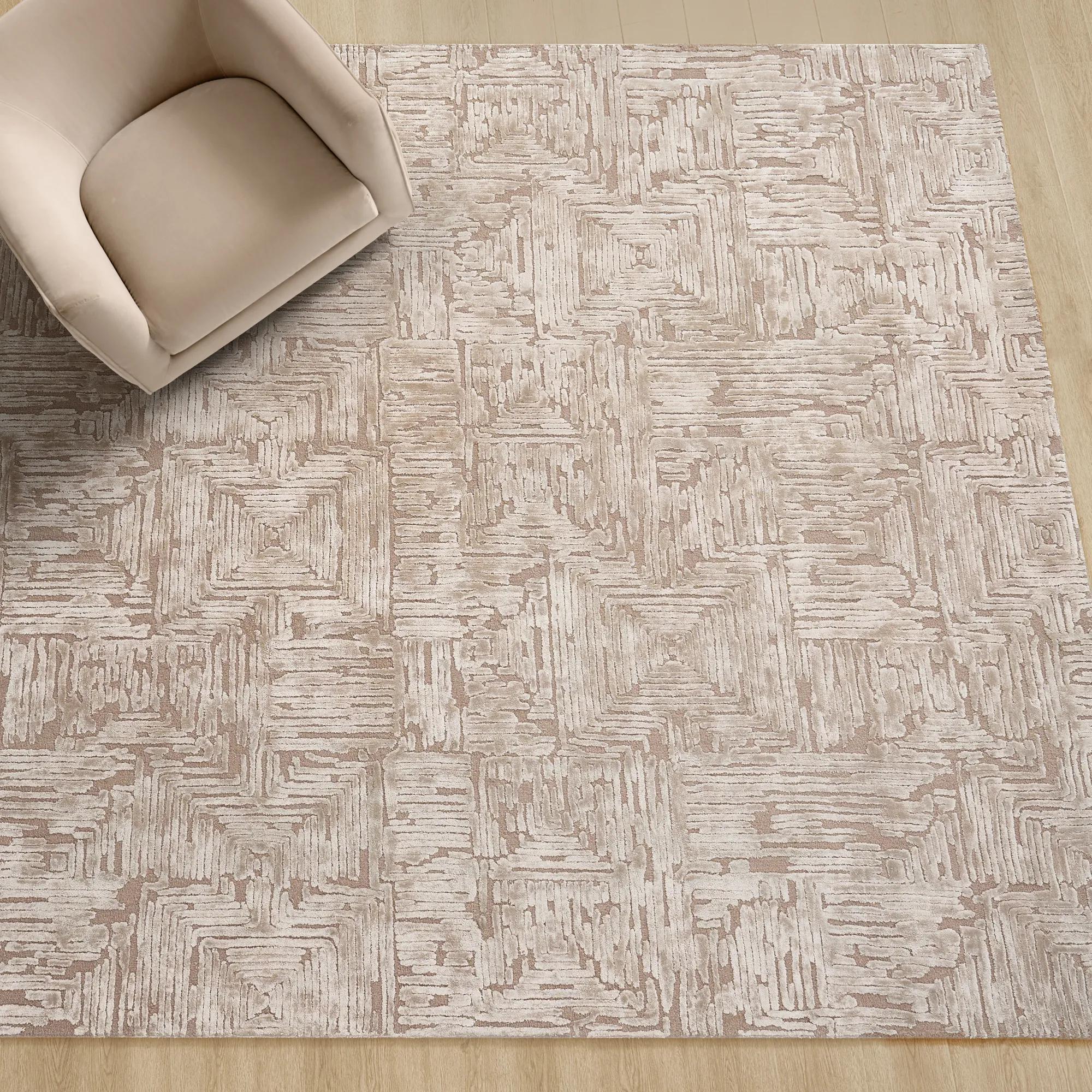
Contemporary Silver Floor Rugs
Contemporary Silver Floor Rugs
-
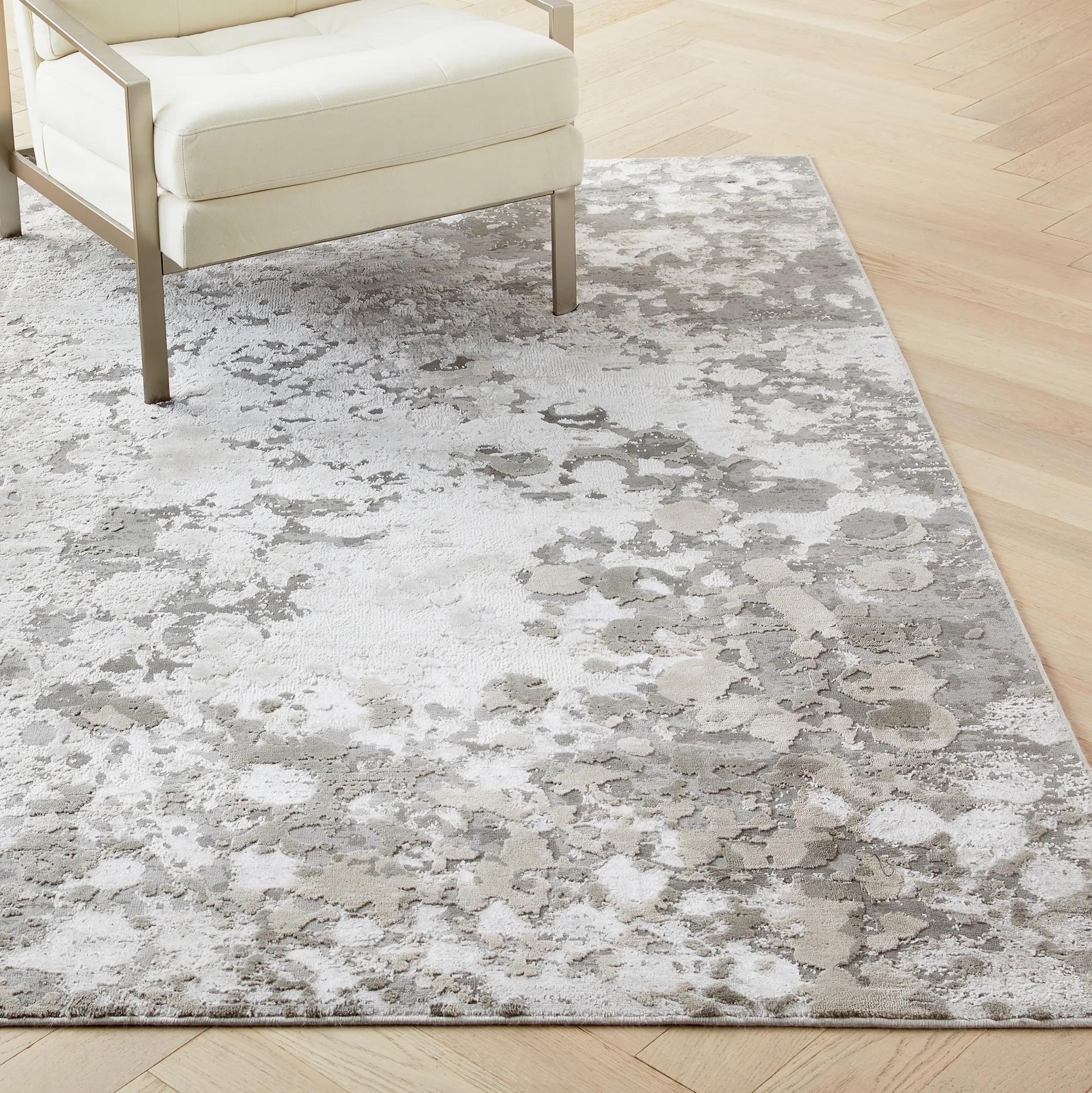 Mercury Power-Loomed Silver/Grey/Beige Rug$249
A neutral floor covering featuring a silver, grey, and beige palette with a textured polyester blend.
Add To Cart -
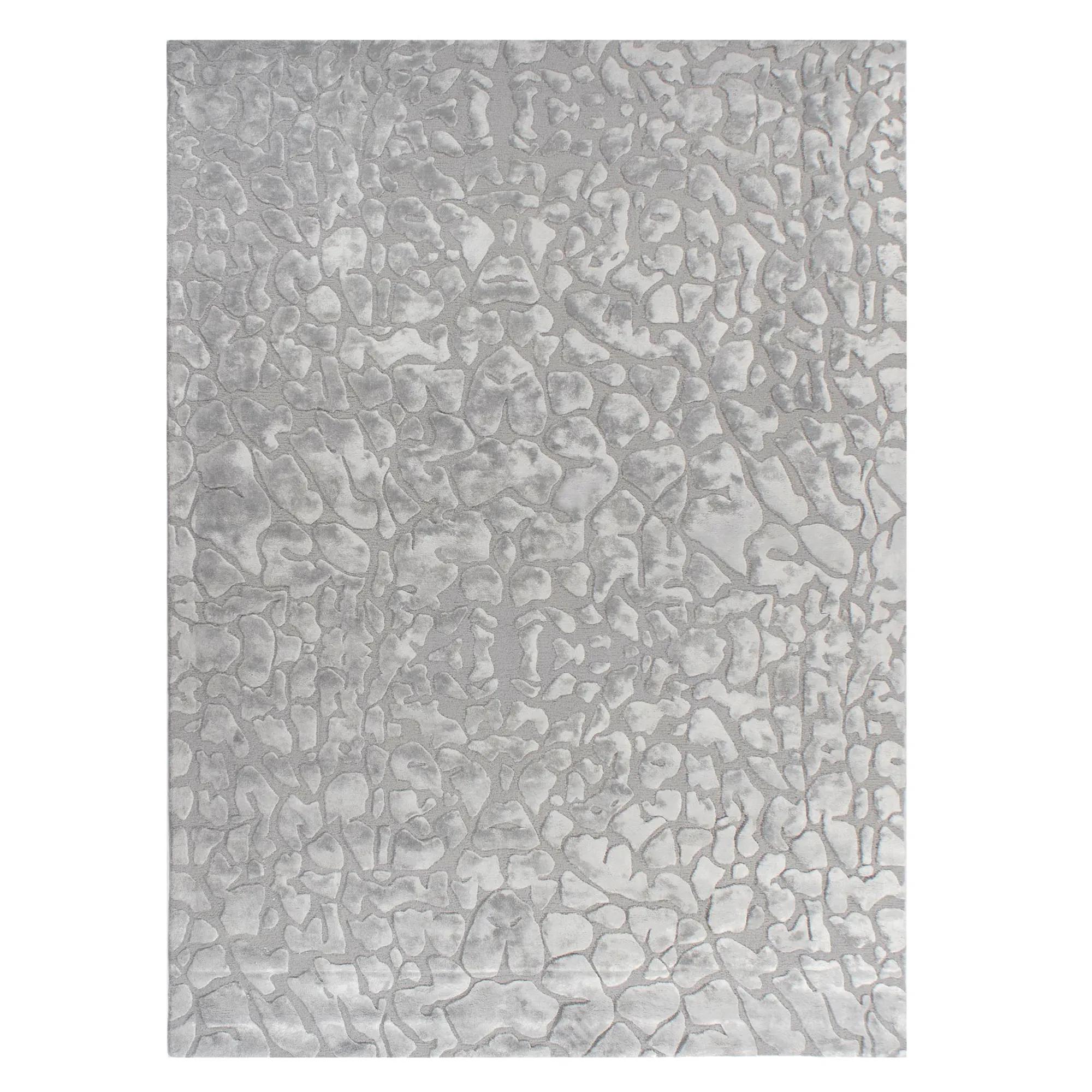
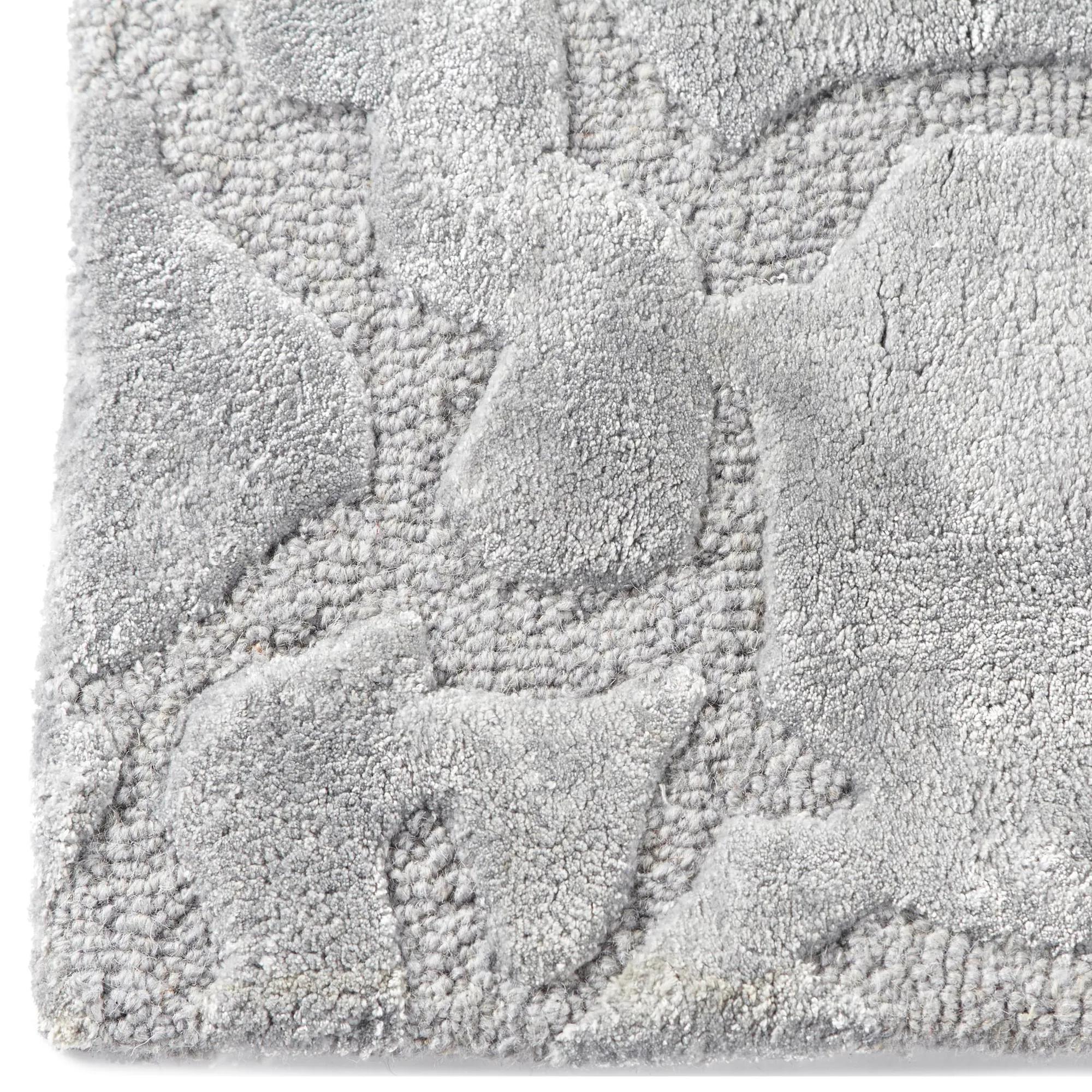 Nola Hand-Tufted Cool Grey Wool Blend Rug$849
A hand-tufted silver rug with contrasting pile heights, crafted from wool and viscose for plush texture.
Add To Cart -
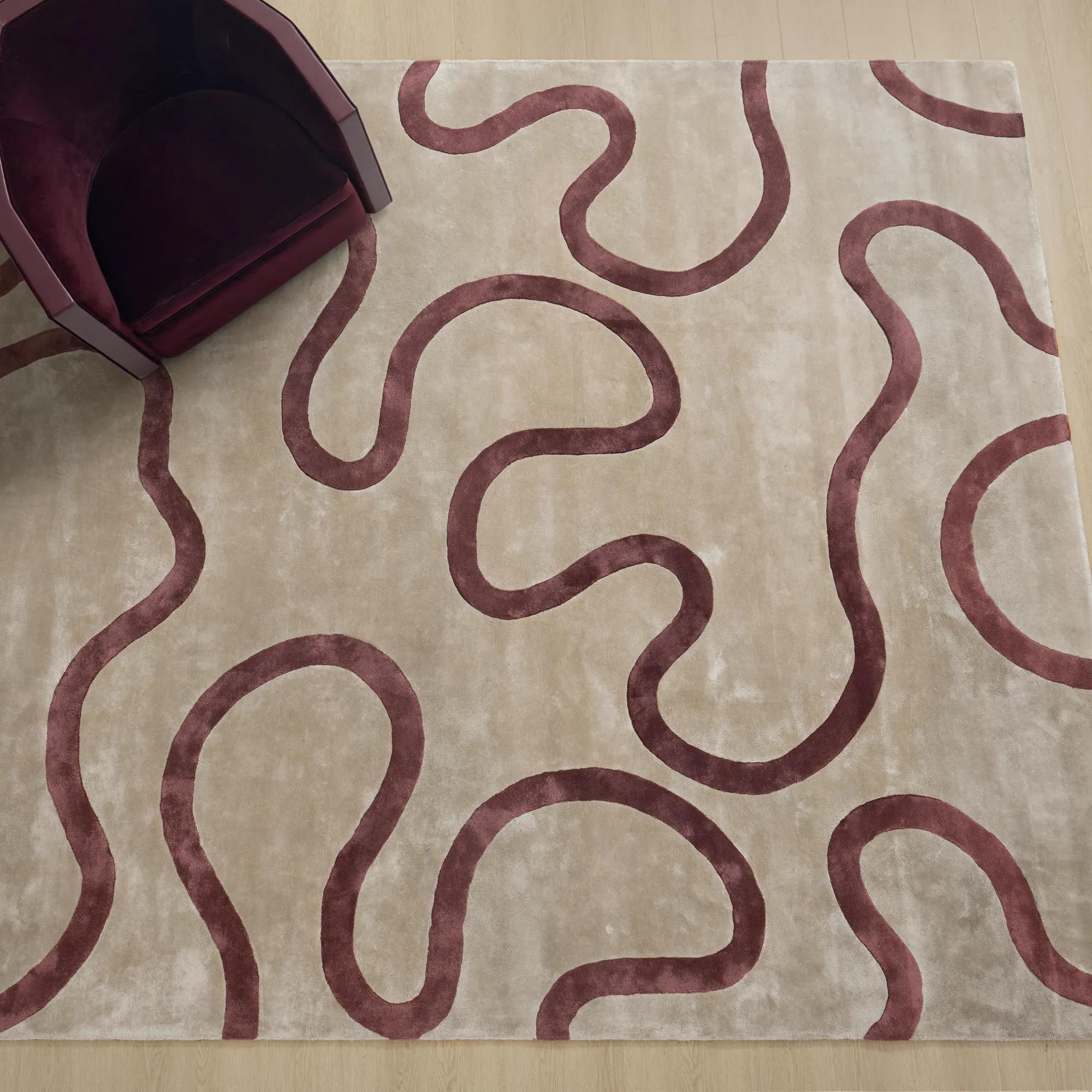
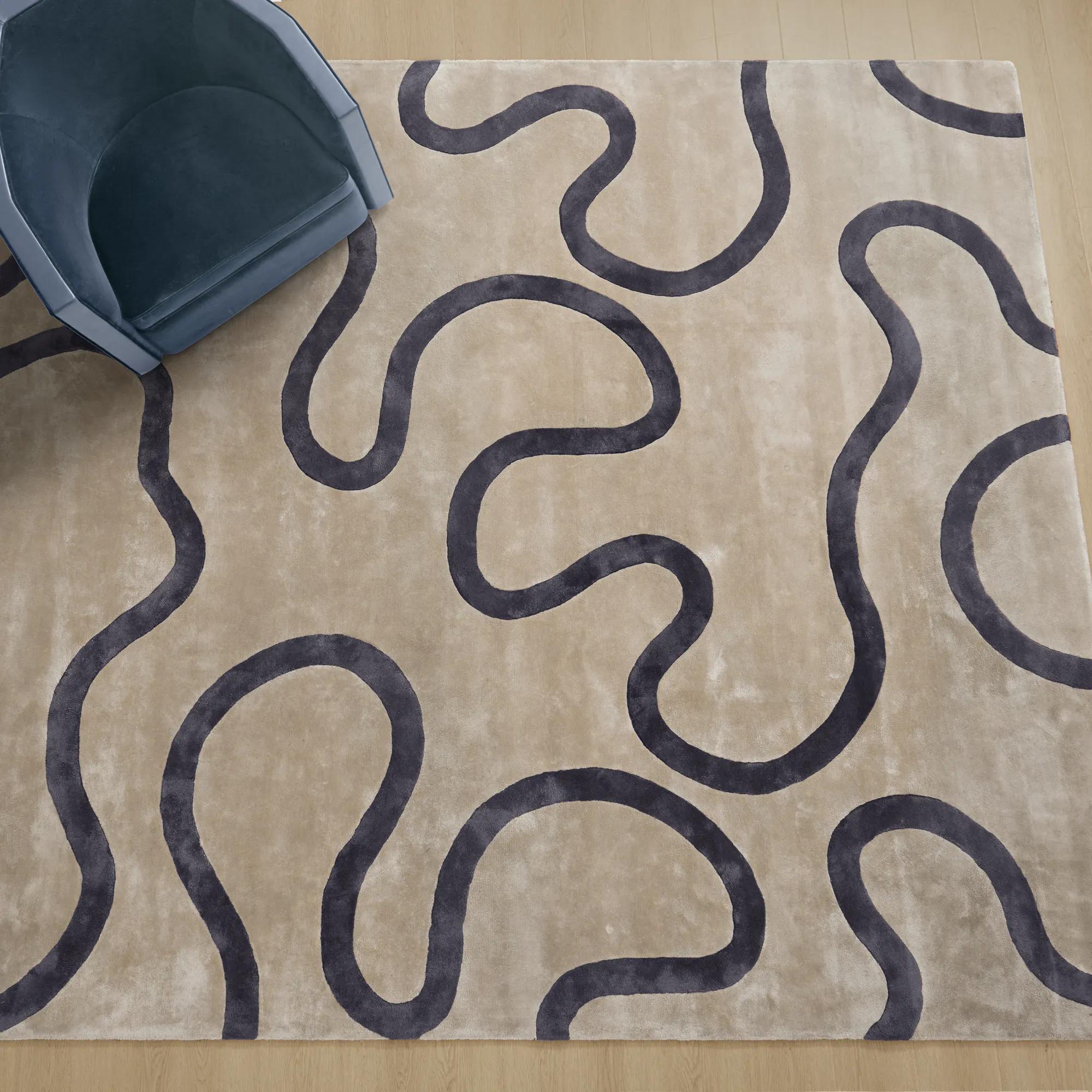 Seraphine Hand-Tufted Smoked Pearl/Taupe Viscose Loop Rugs$599
A hand-tufted viscose rug featuring bold loop patterns in smoked pearl and taupe for modern elegance.
Add To Cart -
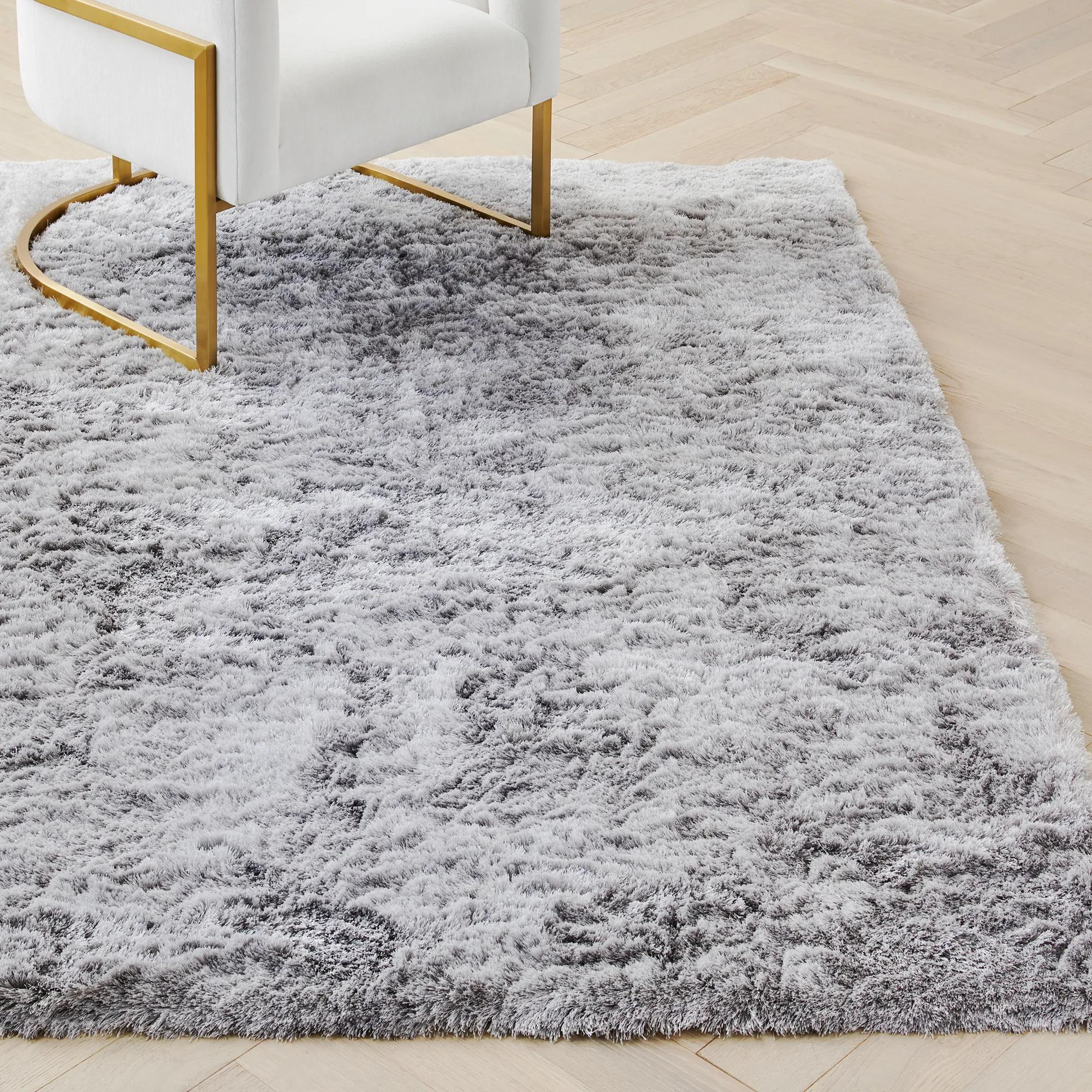 Indochine Shag Platinum Rug$399
A platinum-toned shag rug with a subtle sheen and plush 1.5" polyester pile for luxurious texture.
Add To Cart -
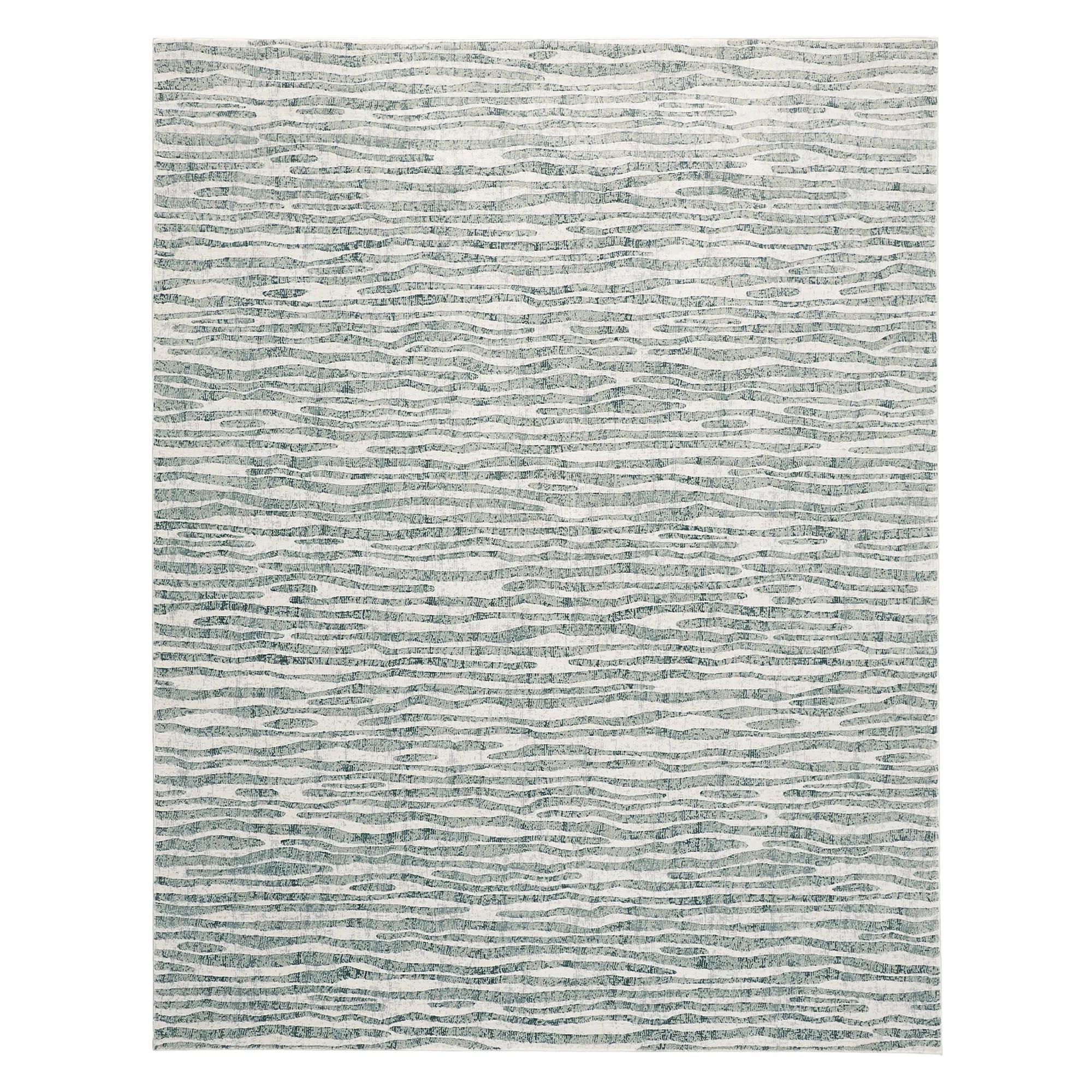 Samantha Power-Loomed Aqua/Grey Rug$719
A machine-woven rug featuring silvery-aqua and green accents on an ivory and grey polypropylene base.
Add To Cart -
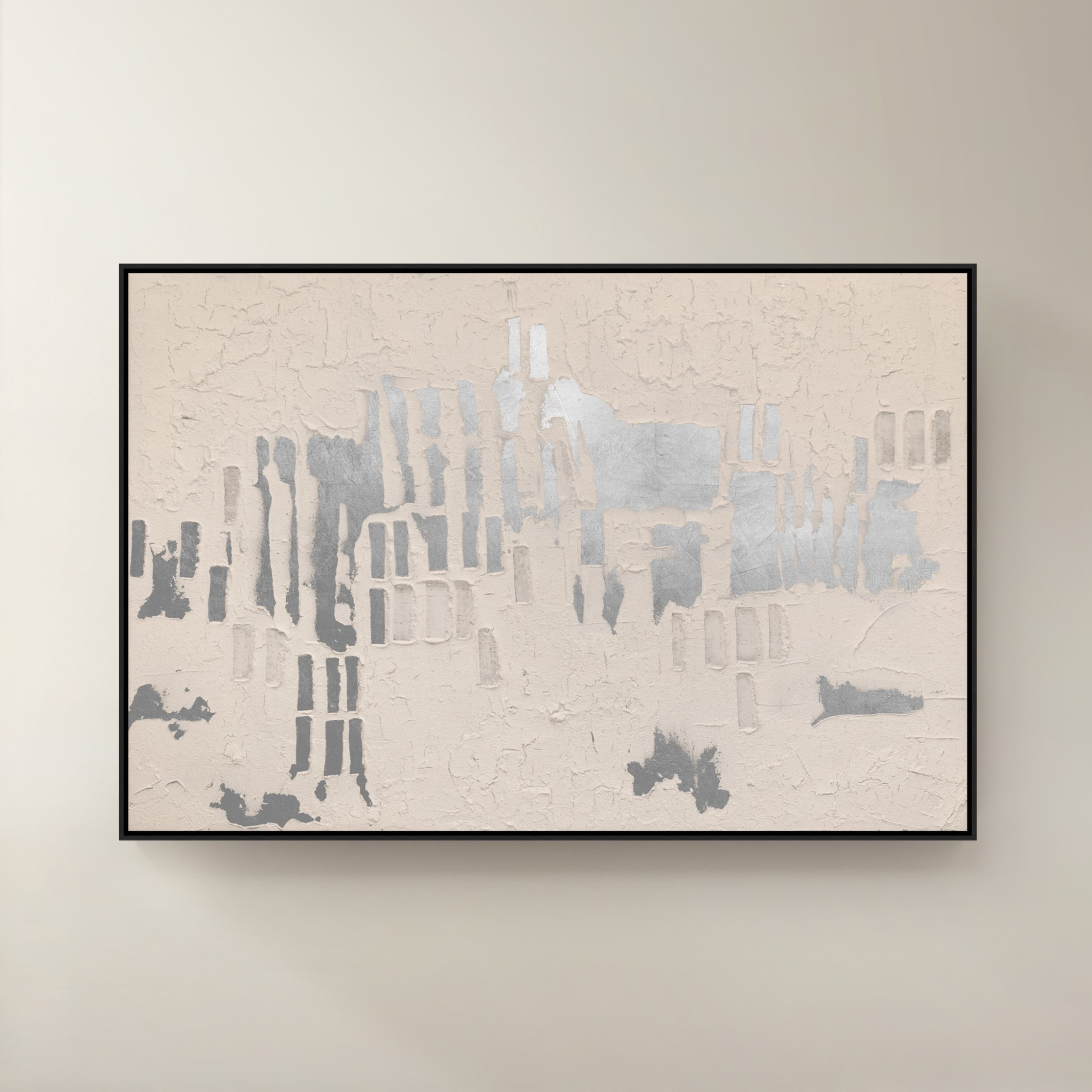
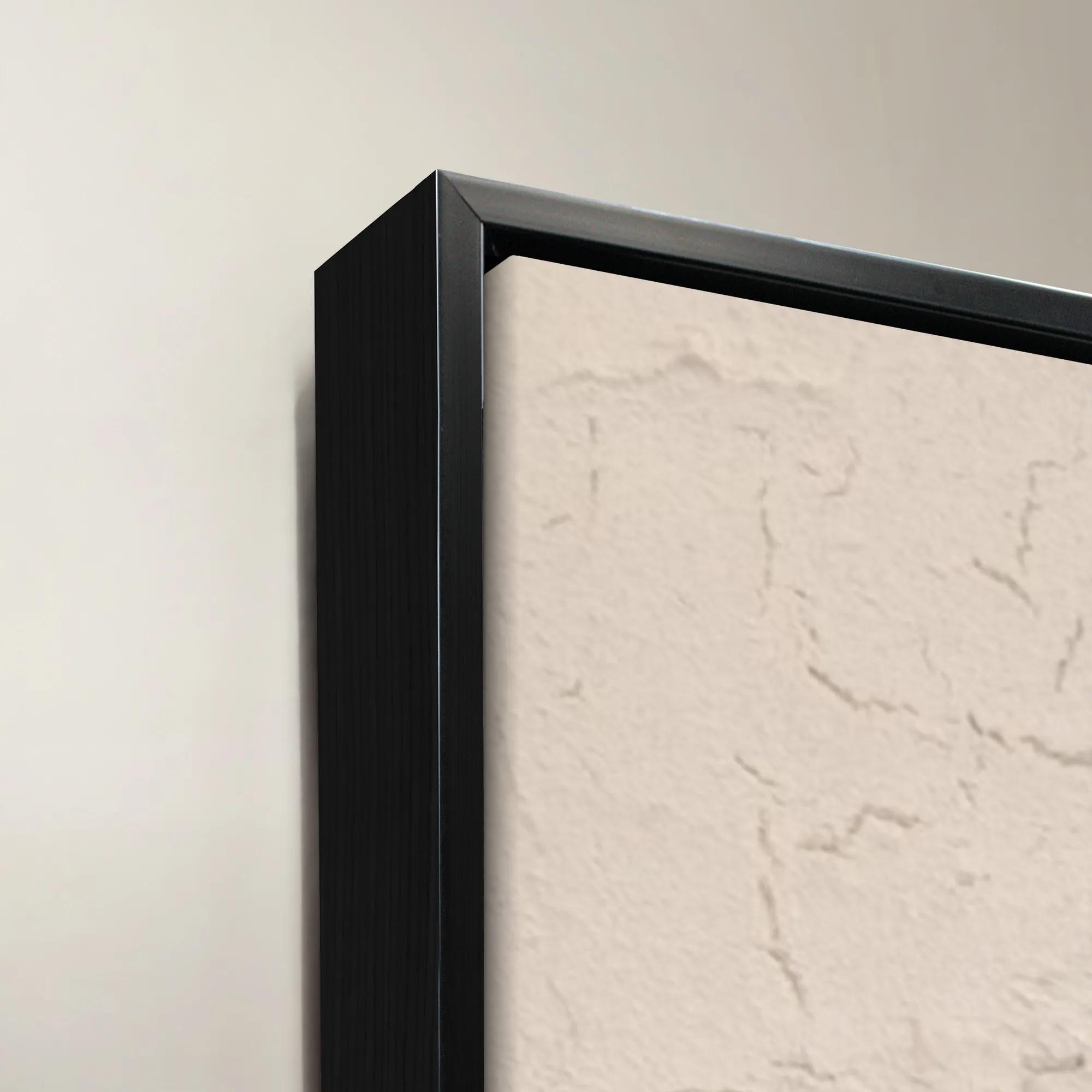 Silver Reverie Framed Painted Wall Art 60" x 40"$1699
A silver-toned painted canvas artwork framed for a sophisticated, contemporary wall display.
Add To Cart -
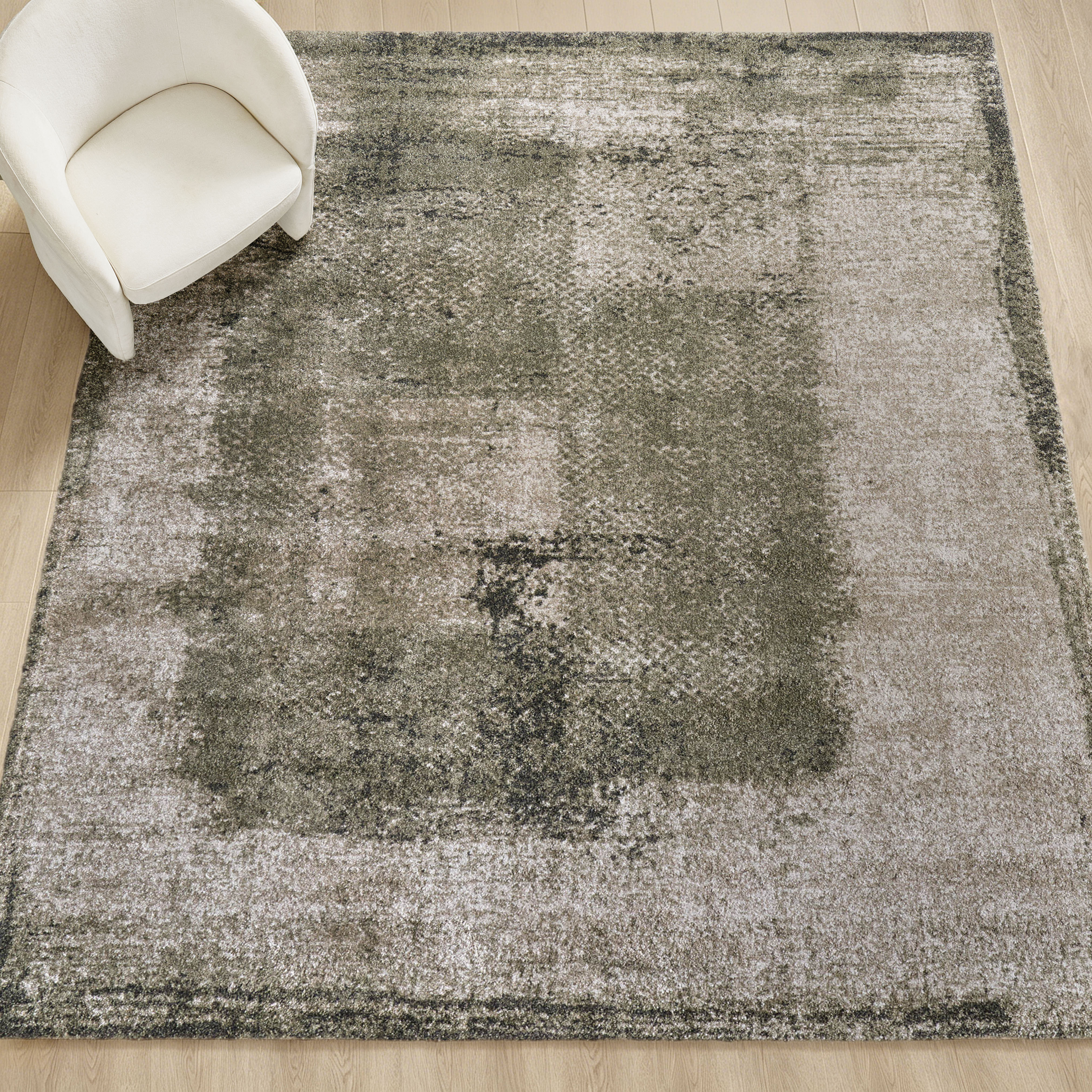
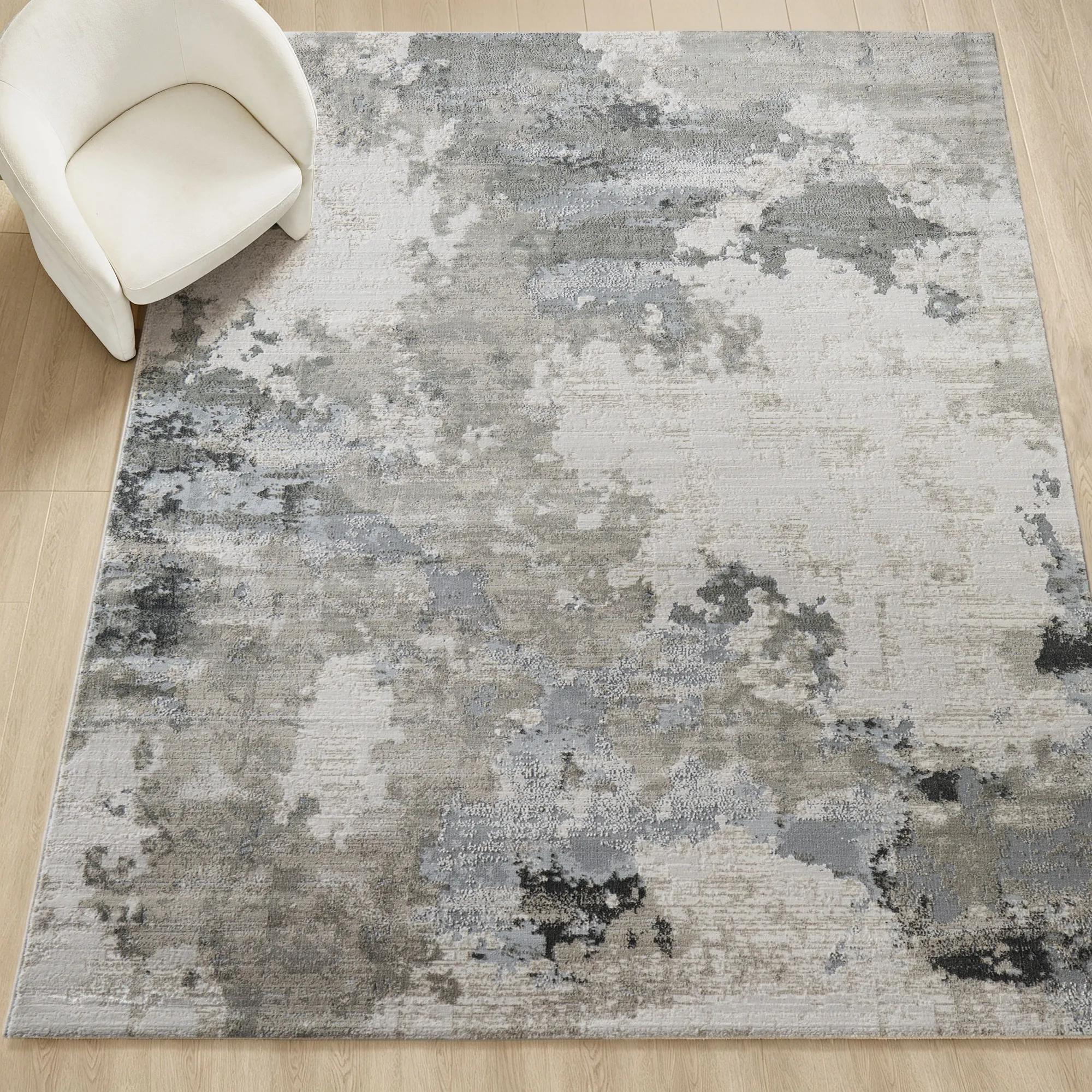 Alarion Abstract Grey/Muted Blue/Ivory Performance Power Loomed Rug$1499
A power-loomed rug featuring a distressed abstract pattern in grey, muted blue, and ivory with stain resistance.
Add To Cart -
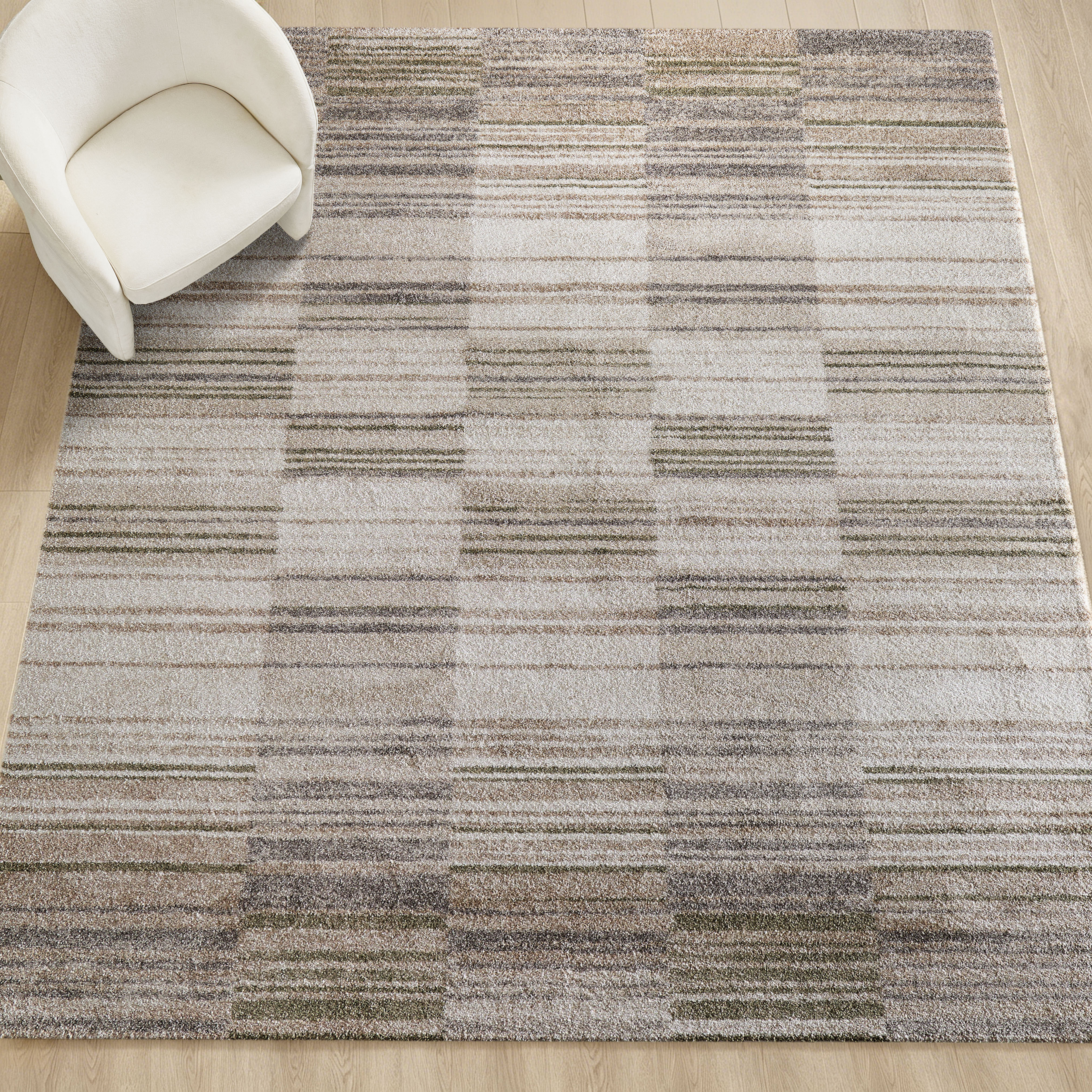
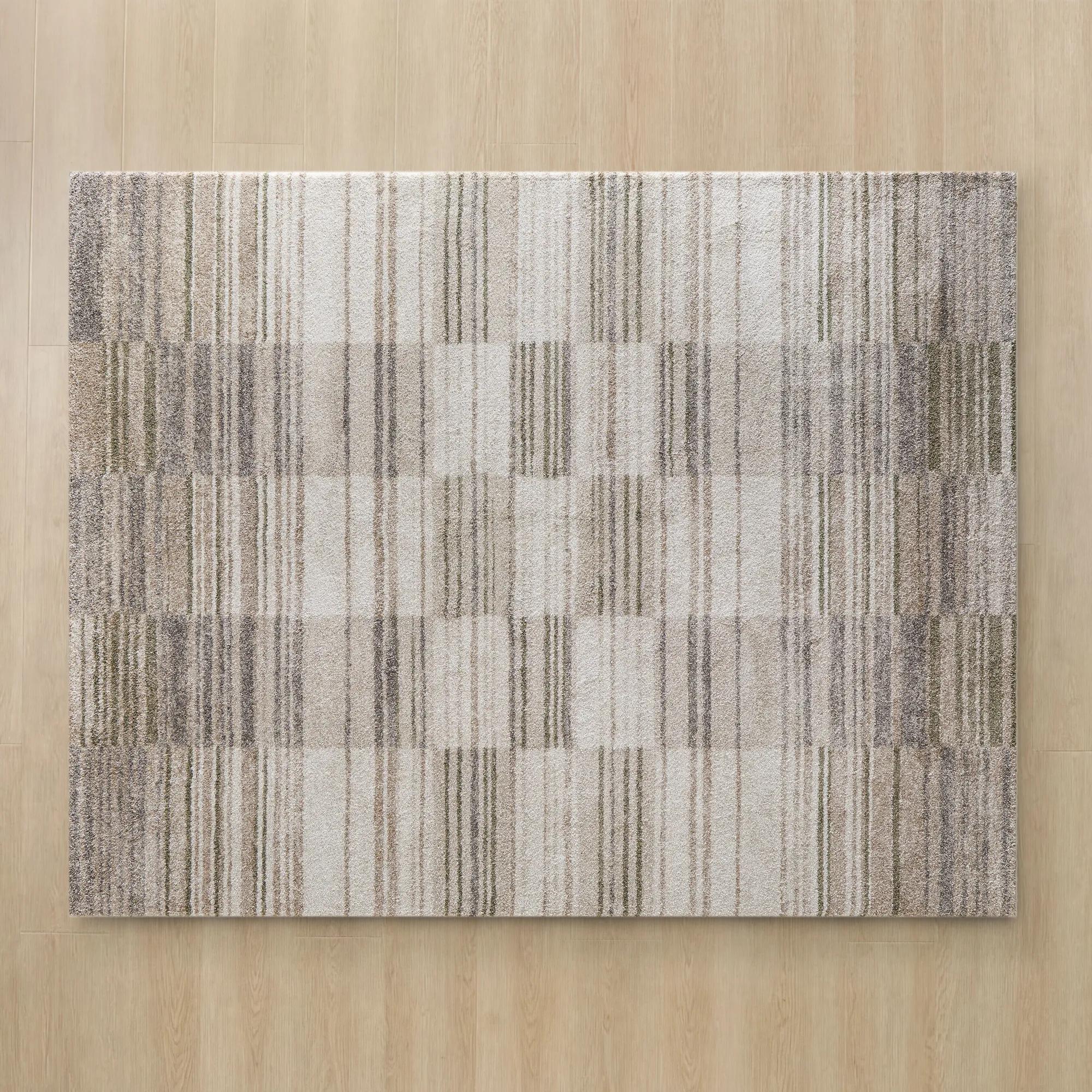 Checka Grey/Tan/Ivory/Soft Green Performance Power Loomed Rug$399
A plush, power-loomed rug featuring a soft check pattern in grey, tan, ivory, and green.
Add To Cart -
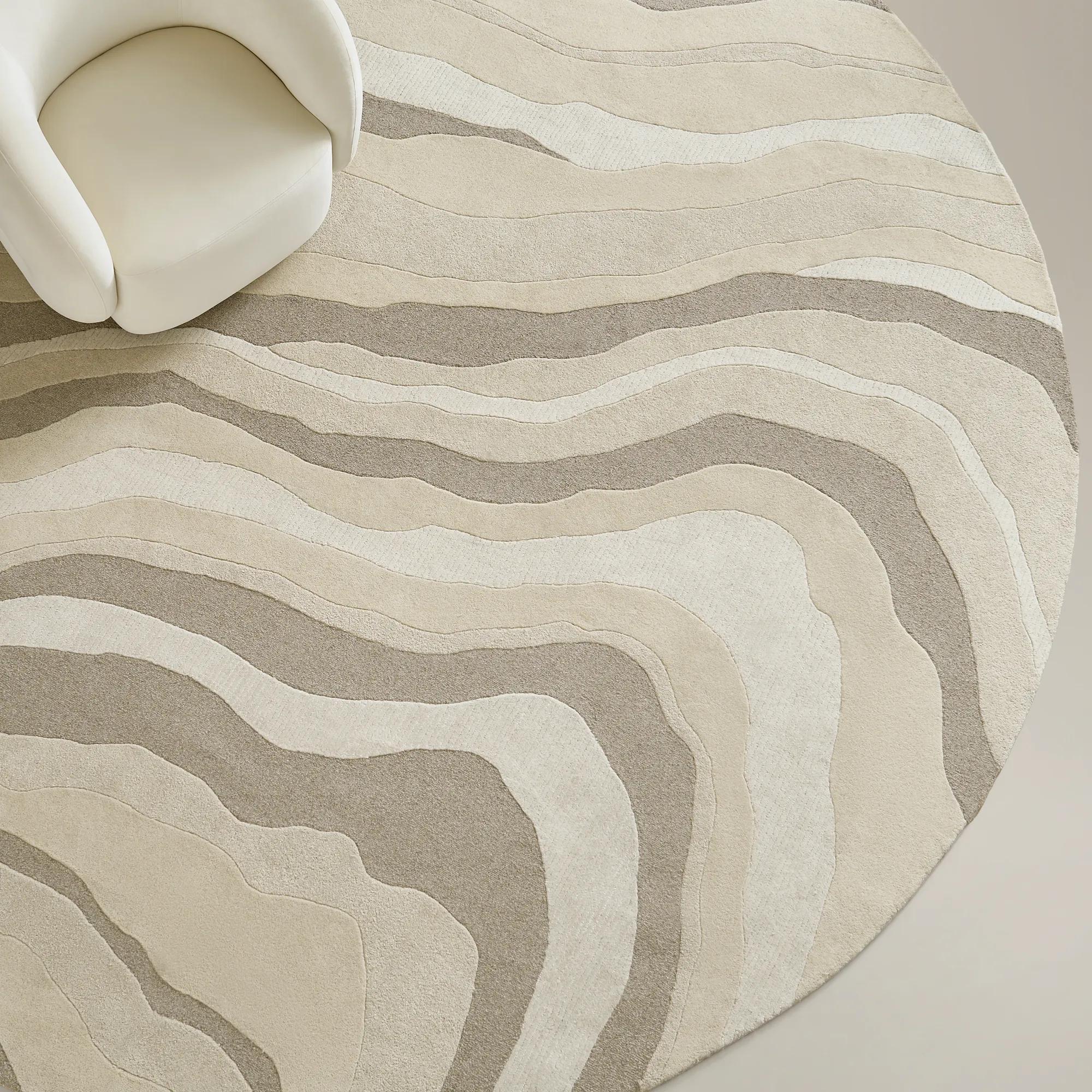 Kadence Hand-Tufted White/Ivory/Tan Wool Round Rug 12"$1799
A hand-tufted round rug in white, ivory, and tan, crafted from 100% wool for natural warmth.
Add To Cart -
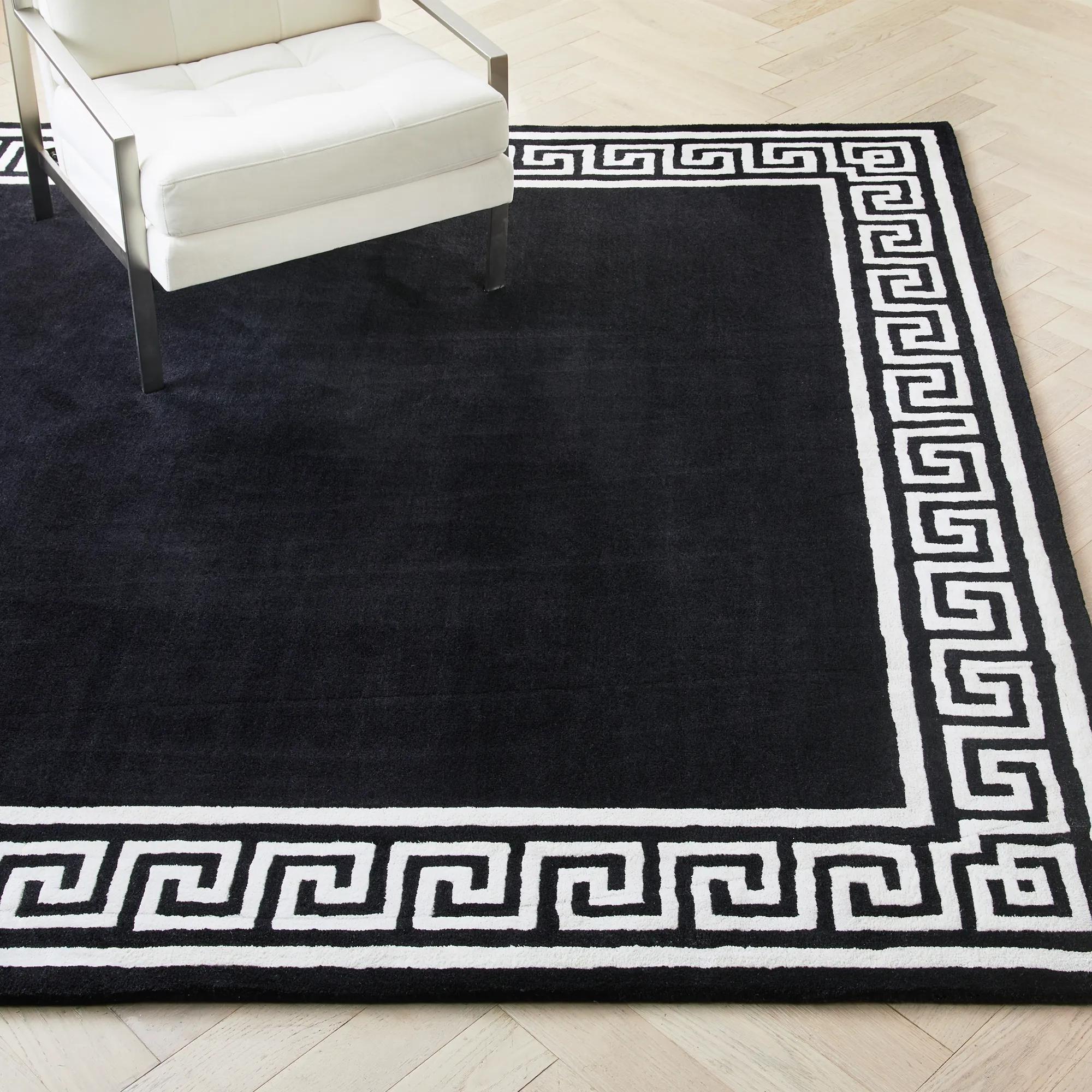
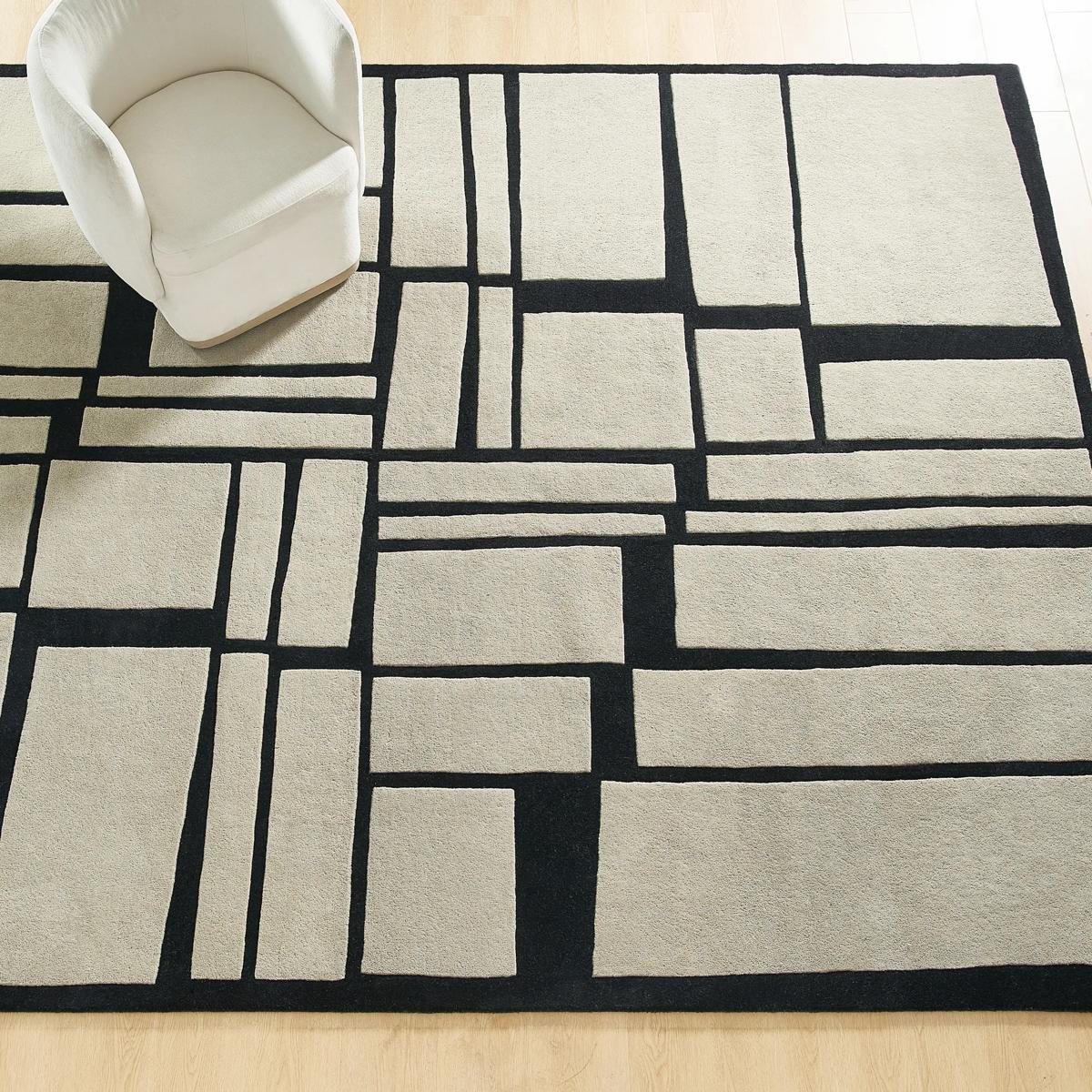 Novak Hand-Tufted Natural/Black Wool Rug$949
A hand-tufted wool rug featuring a bold black and natural grid design for modern, graphic appeal.
Add To Cart -
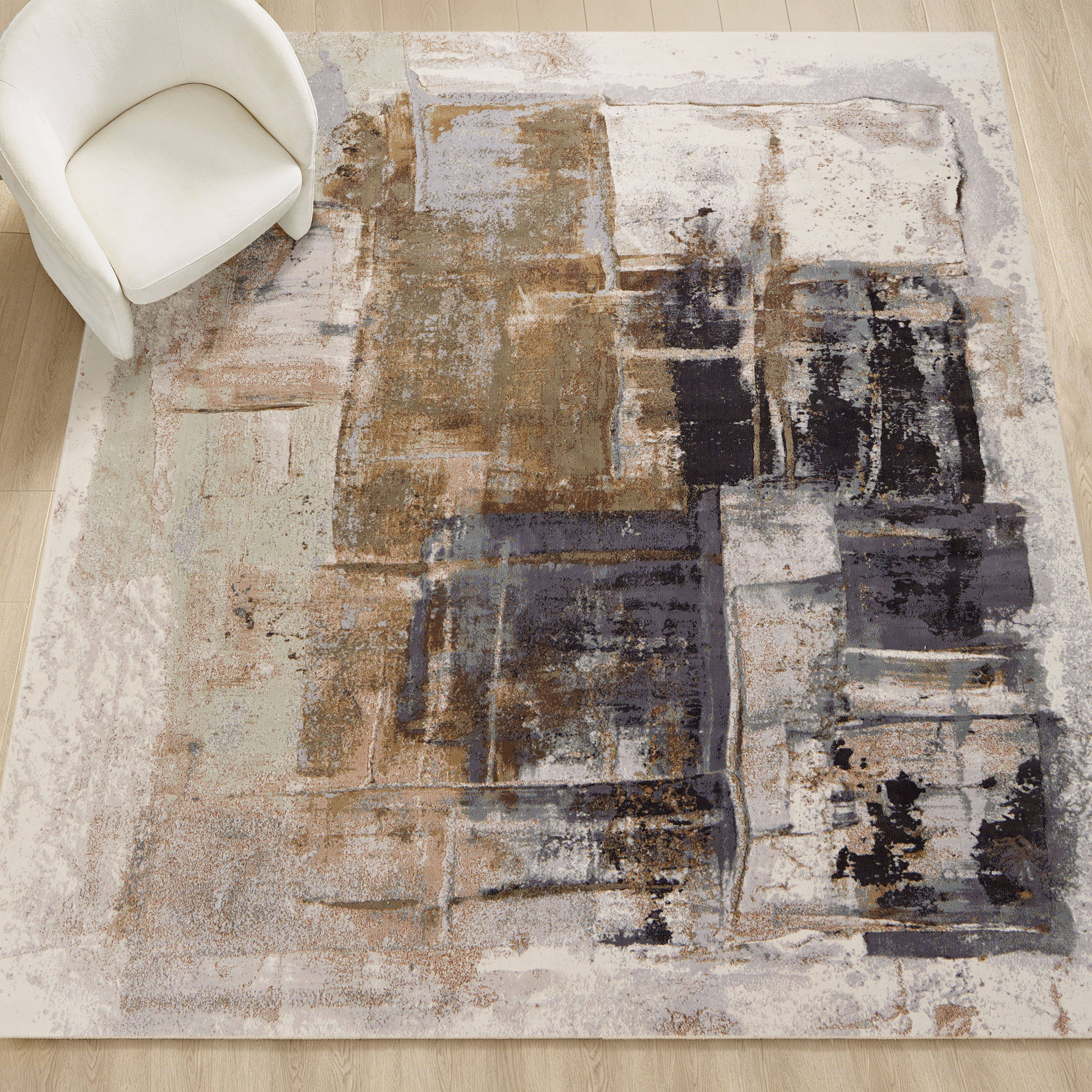
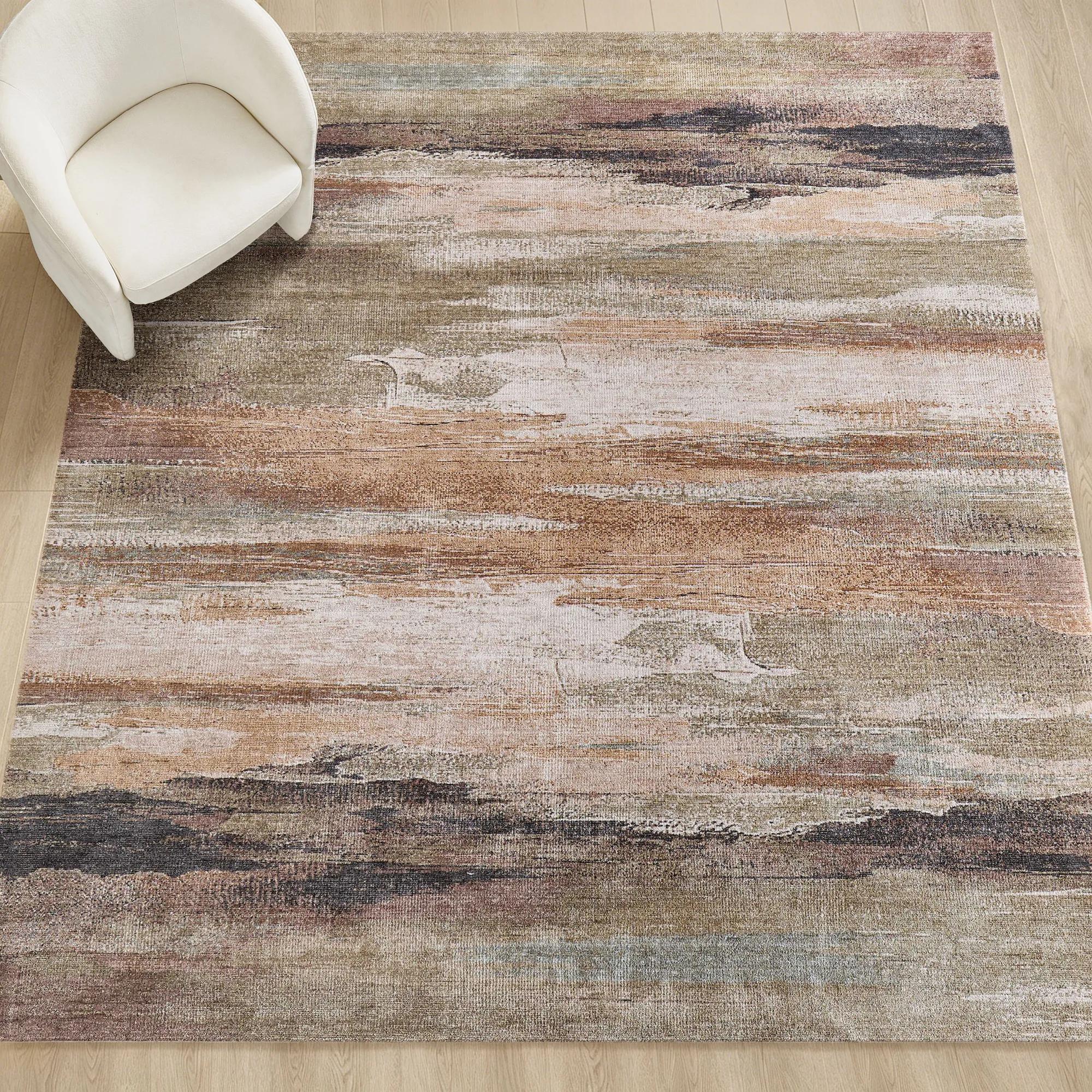
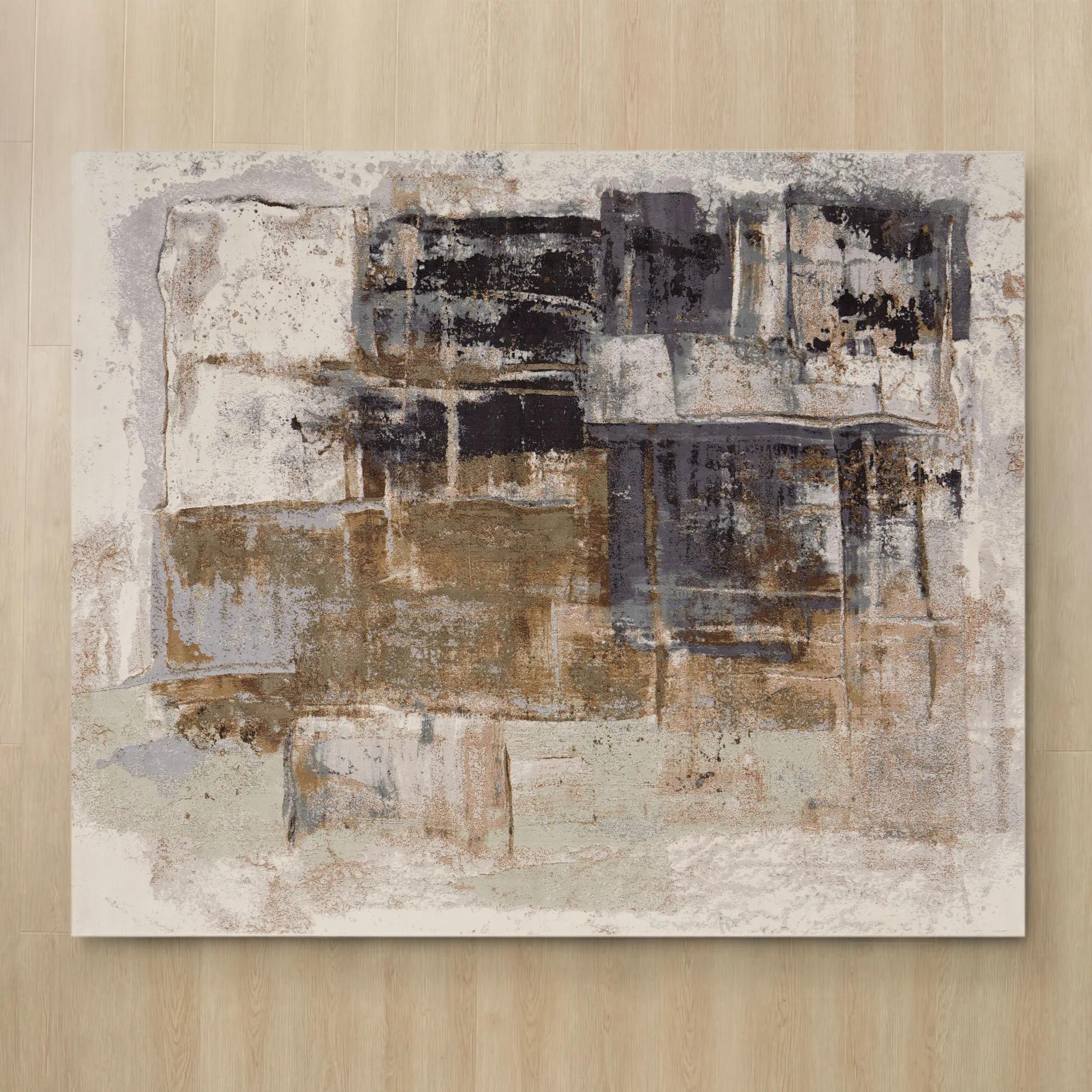 Gaia Abstract Grey/Charcoal/Ivory/Gold/Blue Performance Power Loomed Rug$1549
An abstract rug in grey, charcoal, ivory, gold, and blue with a soft, stain-resistant performance blend.
Add To Cart -
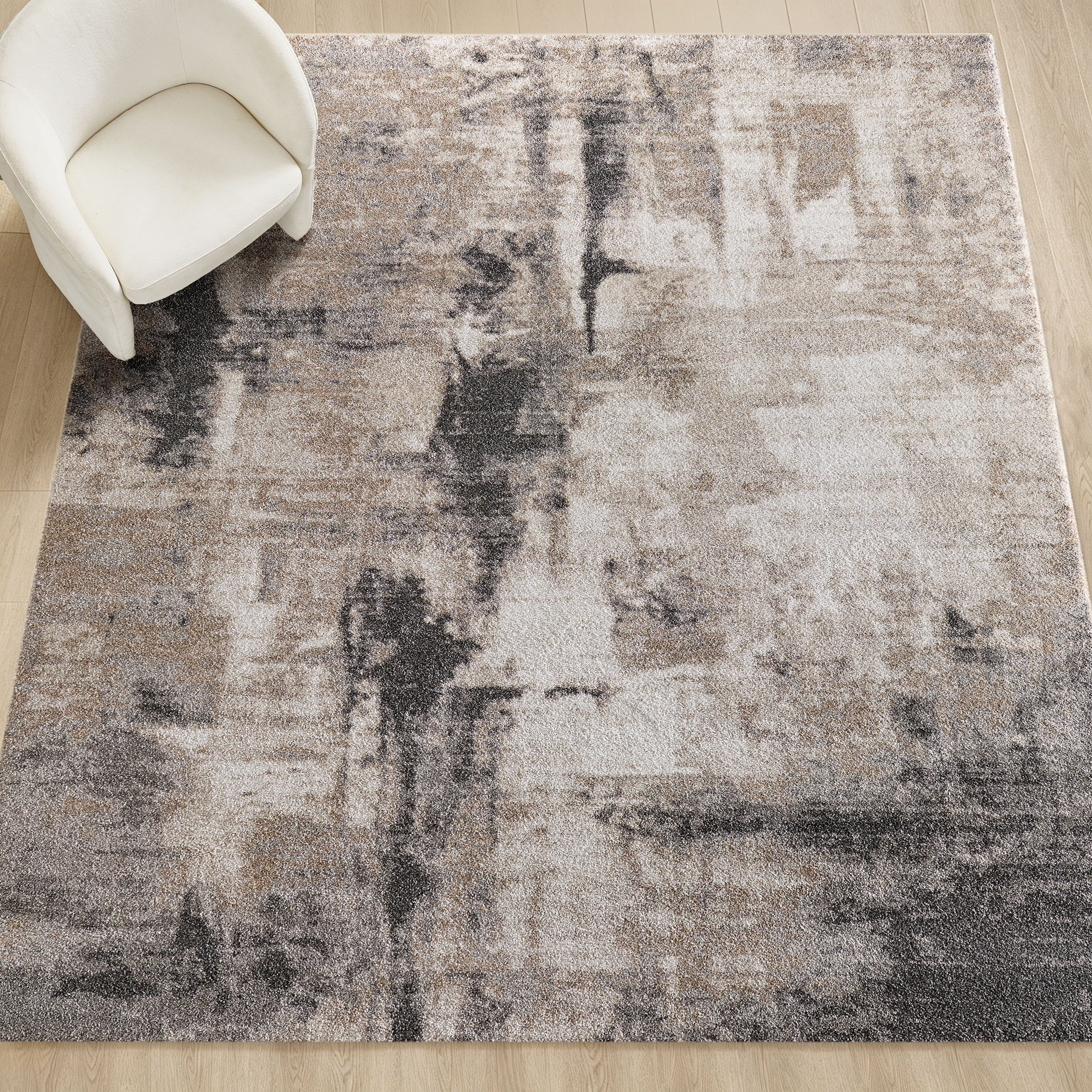
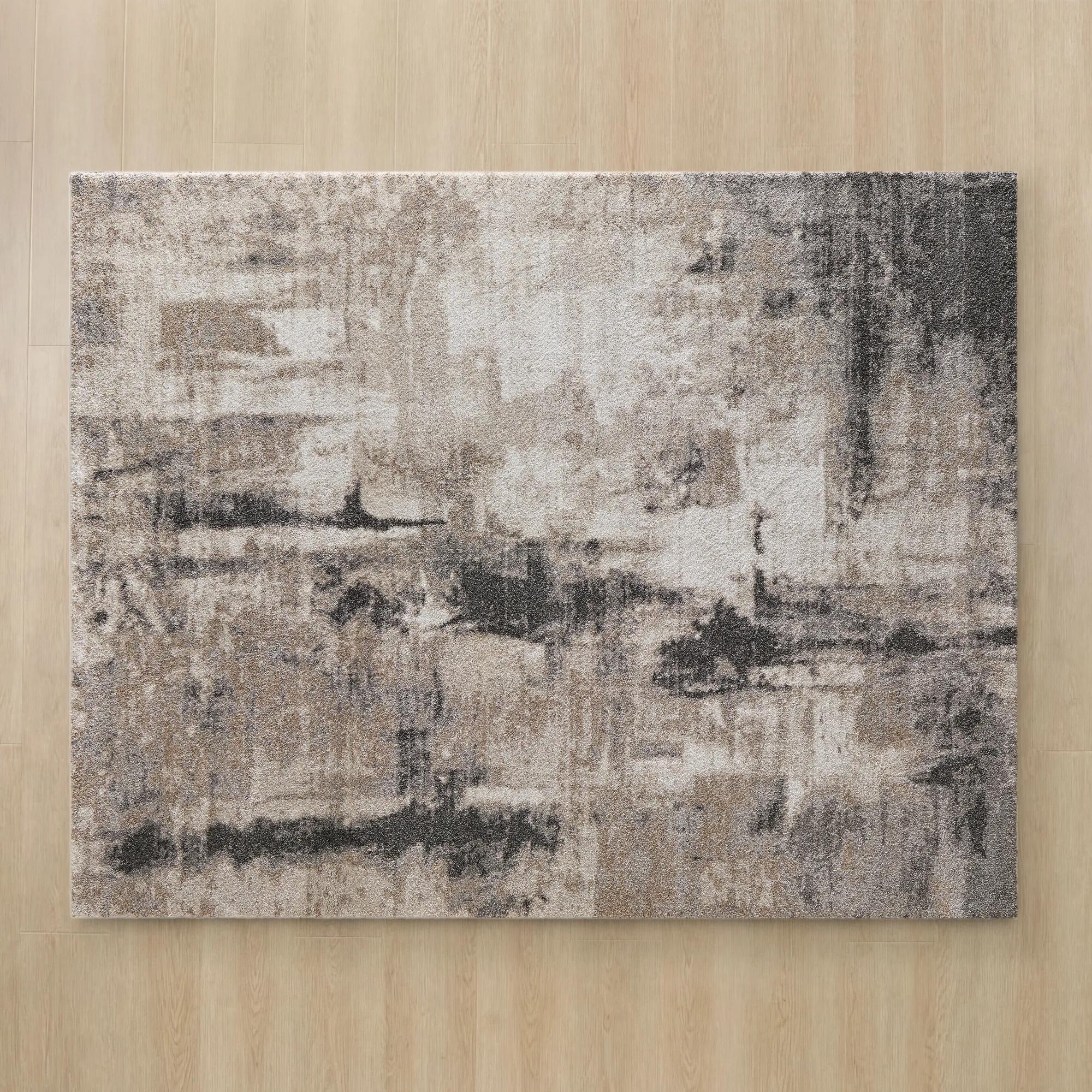 Atlas Abstract Grey/Taupe/Ivory/Charcoal Performance Power Loomed Rug$1349
An abstract rug in grey, taupe, ivory, and charcoal with a plush, stain-resistant polypropylene-polyester blend.
Add To Cart

Contemporary Silver Floor Rugs
Contemporary silver floor rugs transform any space into a stage for luminous living, where artistry meets everyday elegance. Shimmering with subtle sophistication, these rugs evoke the allure of moonlit evenings and urban glamour, casting a radiant foundation beneath your most cherished pieces. Whether anchoring a daring vignette or infusing a room with silvery serenity, contemporary silver floor rugs invite you to revel in drama, texture, and light—each step an expression of bold personal style. Let your home gleam with possibility and make every moment unforgettable.
Contemporary silver floor rugs create a luminous, modern foundation for living rooms, bedrooms, dining areas, and open-plan interiors. Their appeal lies in the balance between expressive surface detail and a remarkably versatile palette: silver can read as misty gray, polished pewter, or a pale platinum tone, depending on the fibers, finish, and surrounding light. The color itself does not guarantee a reflective surface; that distinctive glimmer usually comes from lustrous yarns, changes in pile direction, or contrasts between matte and silky textures. A softly shaded rug can bring depth to a room without competing with sculptural furniture, while an oversized geometric motif or sweeping abstract pattern makes the floor part of the composition. Against ivory upholstery, silver feels fluid and tonal. Beside a charcoal sectional, it creates definition; paired with jewel-toned velvet, it gives saturated color a poised backdrop. Warm wood and brushed brass introduce a compelling counterpoint, preventing a predominantly gray interior from feeling visually one-note. For rooms with mirrored accents or glass tables, a rug with substantial texture brings softness beneath the gleaming surfaces. In a quieter setting, a subtle high-low design can supply the drama through relief rather than bold contrast, revealing its pattern as the viewing angle changes. Undertones deserve particular attention: blue-leaning silver emphasizes a crisp palette, while warmer gray-silver shades tend to sit more comfortably beside beige, taupe, and natural oak. Photographs may not capture these distinctions fully, so a material swatch, when offered, can help establish how the shade behaves beside flooring and upholstery. Pattern scale matters just as much as color. Broad, atmospheric markings can make a generous seating area feel cohesive, while a finer repeating design introduces rhythm beneath streamlined furnishings. For anyone drawn to an interior with presence rather than visual clutter, a contemporary silver area rug offers an artful way to connect furniture, textiles, and architectural details without making every surface compete for attention.
Material and construction determine how that beautiful foundation feels and performs in everyday life. Wool typically offers resilience, a substantial hand, and natural resistance to soiling, though it still needs prompt attention when spills occur and may shed, especially early in use. Its often more subdued finish is particularly effective when the desired look is rich and dimensional rather than overtly glossy. Viscose can introduce a silk-like sheen that gives silver tones striking movement, but it is sensitive to moisture and abrasion; spills and repeated traffic may leave visible changes in texture or appearance. A wool-viscose blend can combine contrasting surface qualities, although its care requirements should still account for the more delicate fiber. Polyester often contributes softness, color clarity, and some stain resistance, while polypropylene is commonly chosen for moisture resistance and practical upkeep. Neither is impervious to staining, and oily marks can be difficult to remove from some synthetic fibers. Fiber content alone is not a durability rating: pile density, backing, yarn quality, and construction all influence how a rug holds its shape and appearance. In a family room where children play and pets settle near the sofa, a dense, lower-pile design with clearly stated cleaning instructions may be a more suitable choice than a delicate, deeply lustrous surface. In a bedroom or formal sitting room with lighter traffic, a plush pile can create a sumptuous landing underfoot. Raised patterns bring sculptural detail, but their recesses may require more careful vacuuming, and loops can catch on pet claws. Under a dining table, a relatively low, even pile generally allows chairs to move more easily and makes crumbs less likely to disappear into the surface. A home office calls for similar attention to chair movement, since casters can compress or disturb some rug constructions. Silver floor rugs are most successful when their tactile character suits the room’s actual routines, letting the finish feel intentional without requiring the household to tiptoe around it.
Scale gives a silver rug its architectural influence, turning separate pieces of furniture into a composed setting. In a living room, a rug large enough to sit beneath at least the front legs of the main seating pieces usually feels more connected than one floating beneath the coffee table alone. An 8-by-10-foot or 9-by-12-foot size is often a useful starting point for a seating arrangement, but furniture placement and room dimensions should determine the final proportions. Marking the proposed outline with painter’s tape helps reveal whether the rug reaches beyond the sofa, clears a doorway, and leaves an intentional border of exposed flooring. For dining areas, allowing roughly 24 to 30 inches of rug beyond each table edge generally gives chairs room to remain on the surface when pulled out; generous chairs may need additional clearance. Beside a bed, the priority is a comfortable expanse where feet land rather than a narrow sliver hidden beneath the frame. Round rugs can echo a circular table or soften an angular arrangement, while rectangular shapes establish a strong axis in elongated rooms. A compatible rug pad adds cushioning, helps limit shifting, and can reduce wear from movement between the rug and floor. Its material should suit the flooring manufacturer’s recommendations, and its thickness should not interfere with doors or create an awkward edge. Once placed, regular care preserves the distinction between intentional tonal variation and accumulated soil. Vacuum according to the care label, adjusting suction and avoiding aggressive brush action on delicate fibers, fringe, or raised details. Rotate the rug periodically where practical to distribute traffic and light exposure, and blot spills promptly with a clean, undyed cloth rather than rubbing them across the pile. Do not assume a silver rug is washable or suitable for steam cleaning; water-sensitive fibers and certain backings require specialist treatment. Protective furniture cups can help distribute concentrated weight, while keeping edges flat supports easier movement through the space. For a palette that places greater emphasis on gray shading alongside silver’s luminous character, contemporary silver grey rugs offer a closely related direction. Thoughtful proportions, an appropriate construction, and attentive care allow the rug’s texture and tone to remain the room’s defining foundation: expressive enough to hold the eye, composed enough to bring everything around it into focus.
FAQs
Contemporary silver rugs are remarkably versatile, complementing a spectrum of design styles from modern glam and art deco to minimalist and transitional spaces. Their reflective tones and subtle sheen harmonize beautifully with mirrored furniture, glass accents, and metallic finishes, while also adding a touch of sophistication to neutral palettes and bold, color-rich interiors alike.
A silver area rug naturally draws the eye with its luminous finish and textural depth. To create a striking focal point, position the rug in a central area—such as under a statement coffee table or beneath a dramatic chandelier—and complement it with contrasting textures and curated accessories. The interplay of light on the rug’s surface will anchor the room and set the tone for the entire space.
Absolutely. Silver metallic rugs add a layer of sophistication when paired with plush throws, velvet pillows, or even smaller accent rugs. Layering different textures and patterns can create a curated, designer look, allowing the metallic sheen of the rug to peek through and add dimension to your decor.
Both natural and artificial lighting can amplify the beauty of a metallic silver rug. Daylight will highlight its shimmering threads, while evening lighting—such as warm sconces or pendant lights—can cast a golden glow, creating a dynamic interplay of shadow and shine that transforms the mood of your room.
Yes, a silver abstract rug is uniquely adaptable, lending an artistic edge to formal living rooms, dining areas, or home offices, while also bringing a touch of glamour to more relaxed settings like bedrooms or reading nooks. Its bold pattern and reflective qualities can elevate any environment, making it a stunning choice for a variety of spaces.