Contemporary Side Tables For Reading Nooks
Contemporary Side Tables For Reading Nooks
-
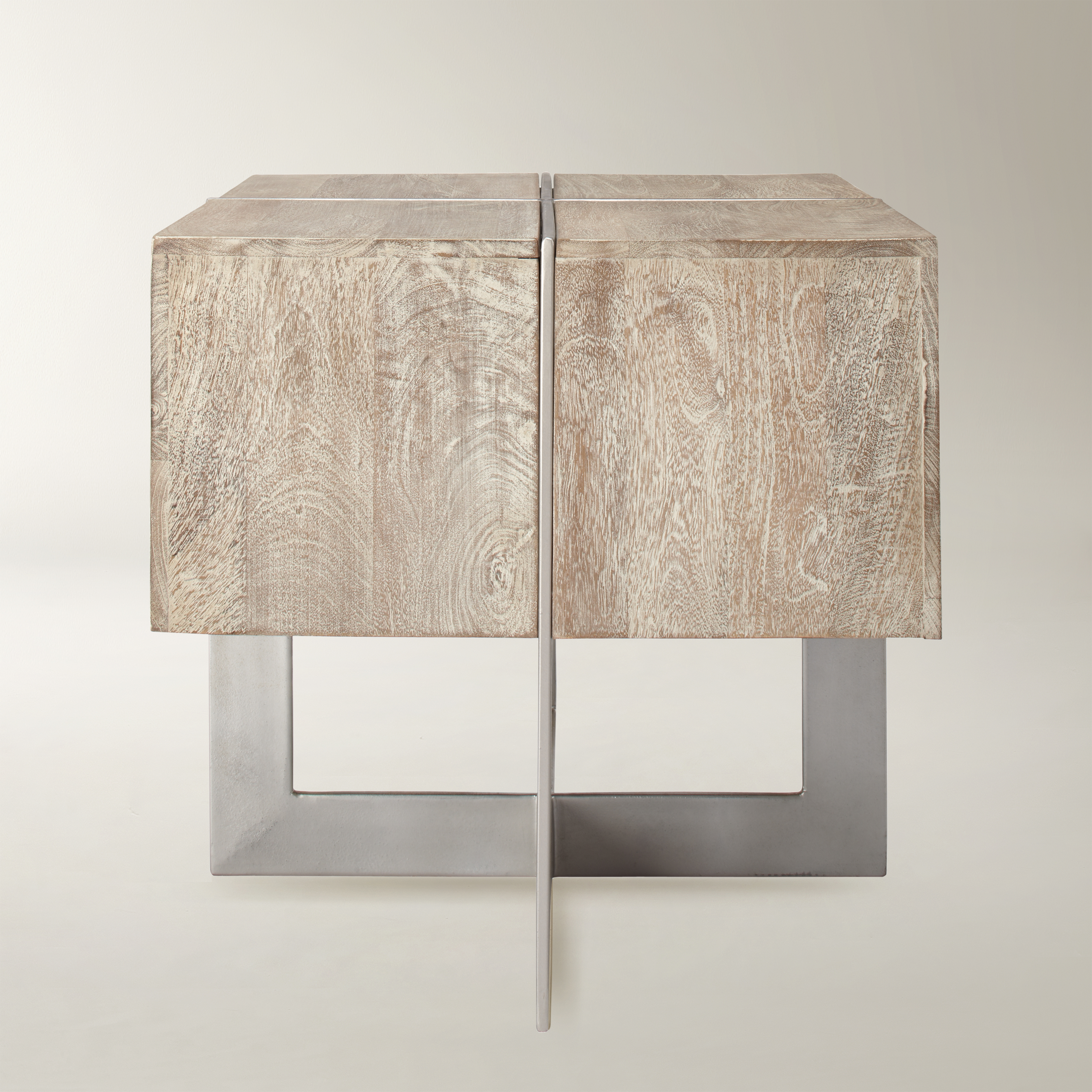
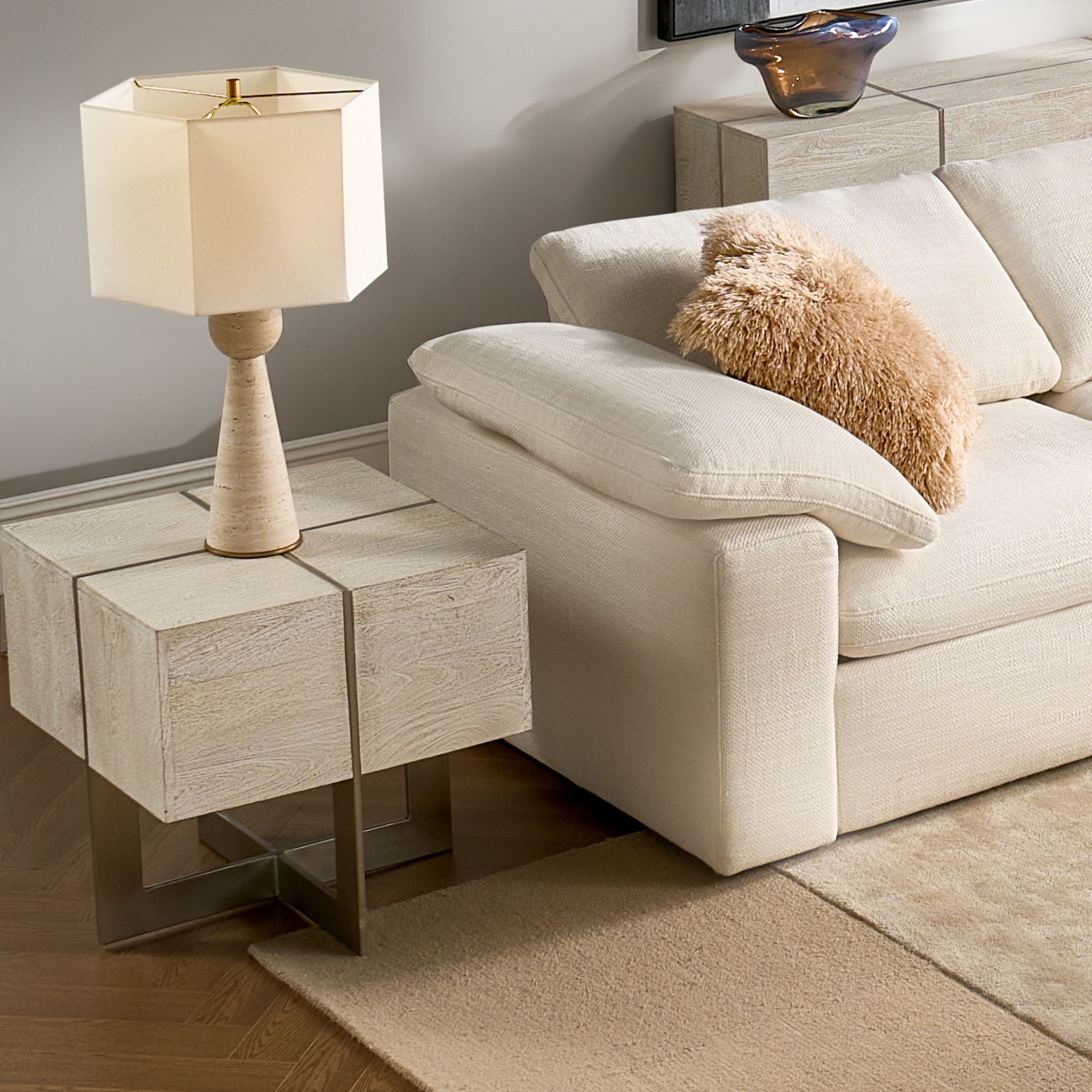 Clifton Square Natural Mango Wood End Table (24")$599
A handcrafted mango wood end table with a whitewashed finish and antiqued silver iron legs.
Add To Cart -
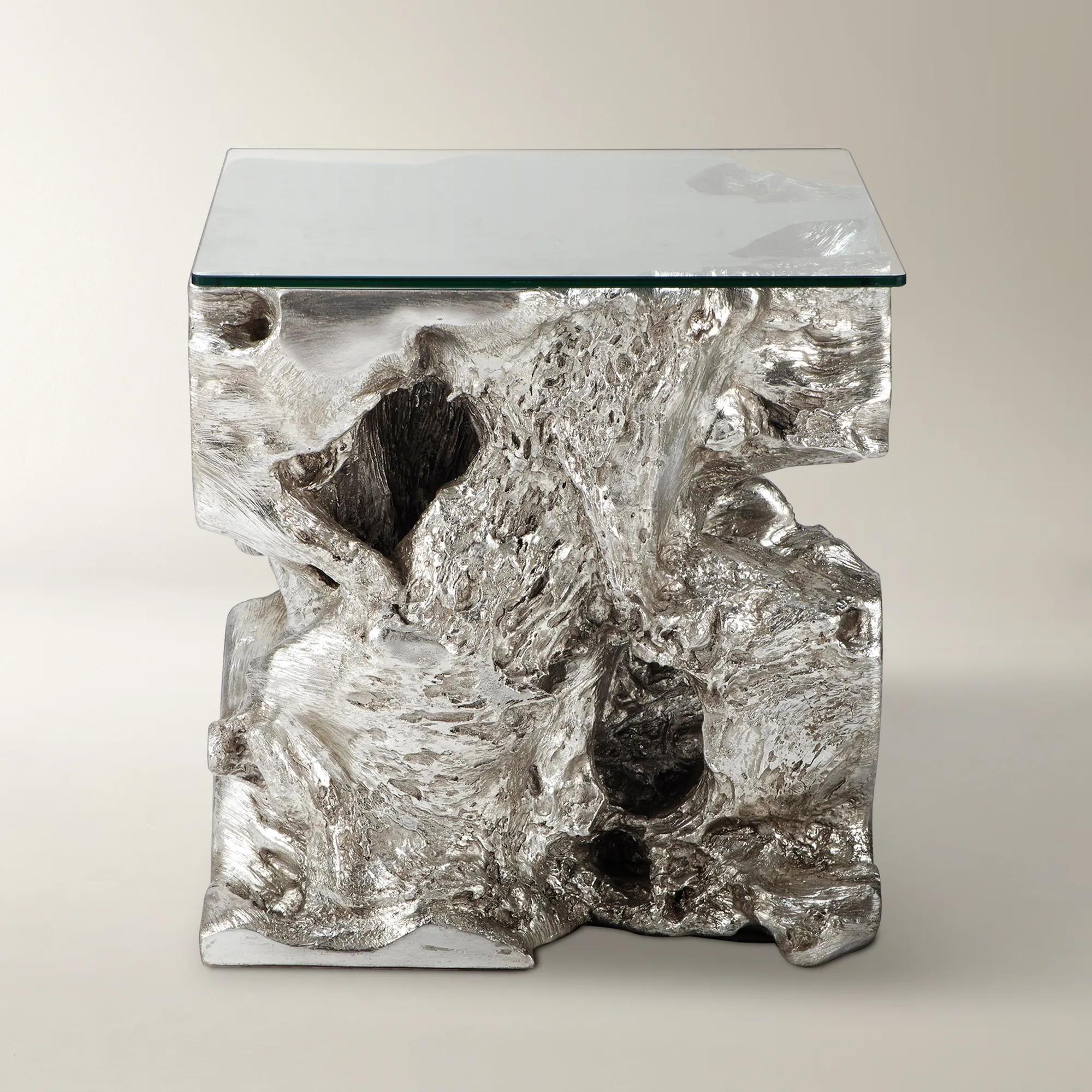 Sequoia Silver Resin End Table With Glass Top (22")$999
A sculptural end table featuring a silver leaf resin base and tempered glass top for modern elegance.
Add To Cart -
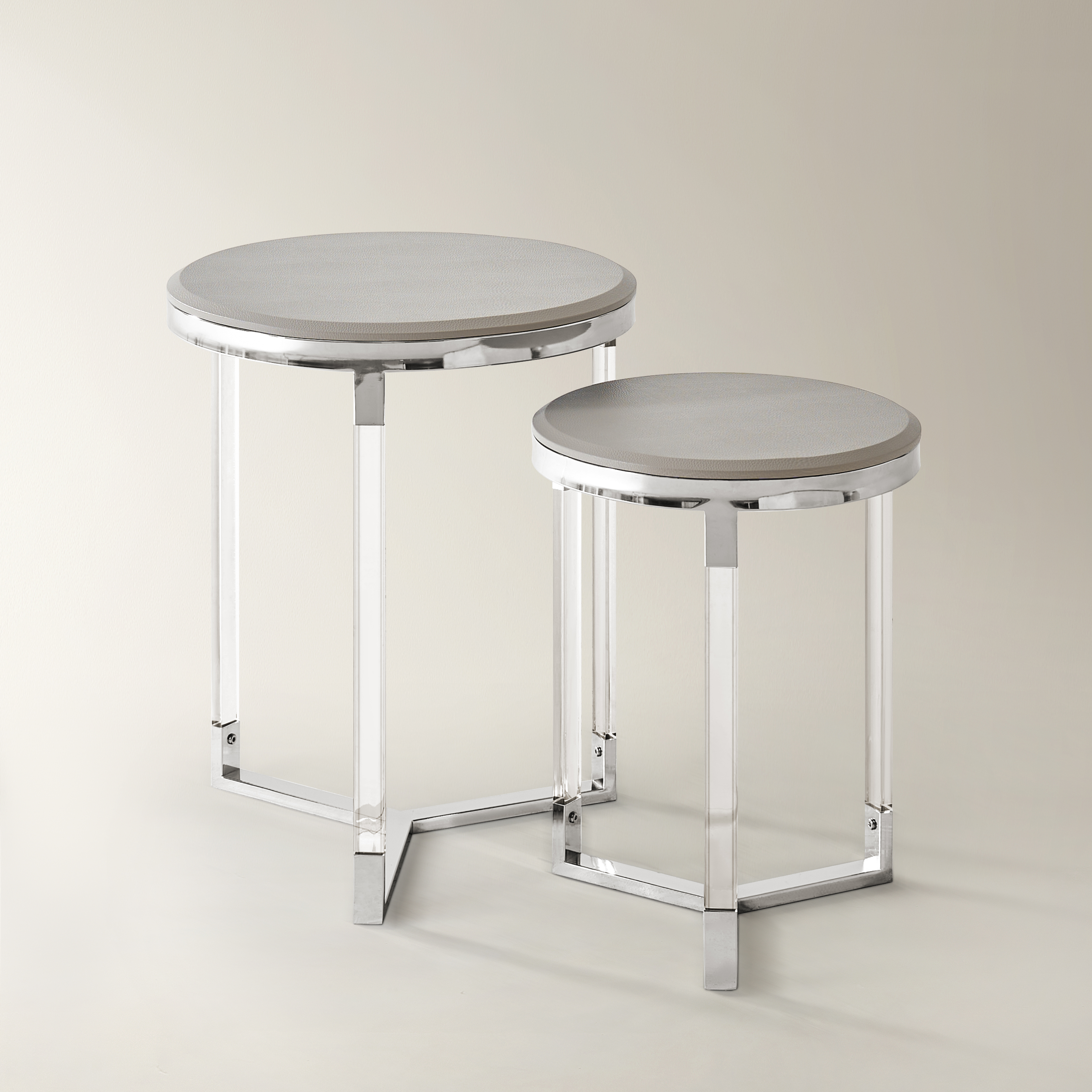
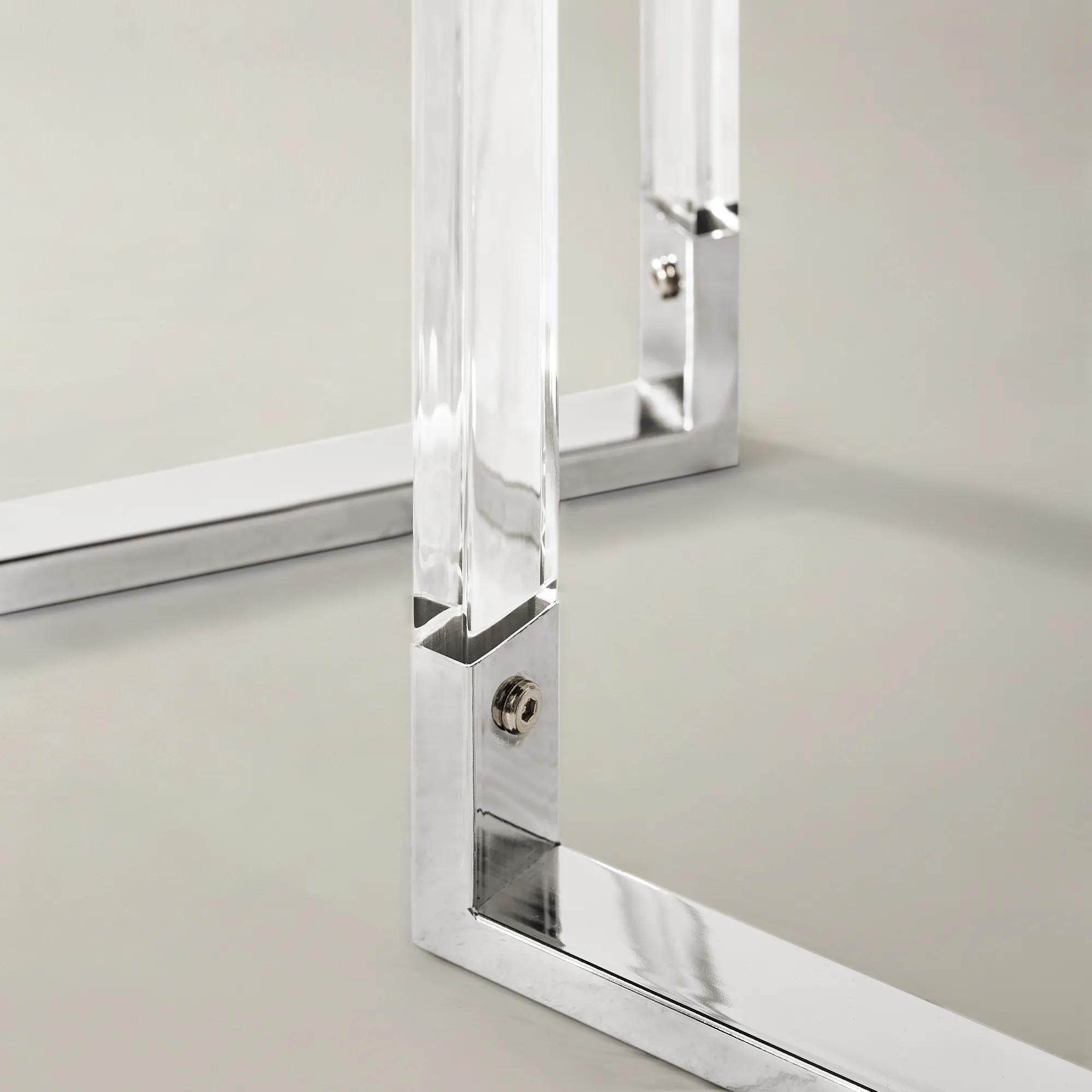 Murano Round Grey Accent Table With Faux Leather Top Set Of 2 (14.5"-18.5")$399
A bold set of two accent tables featuring mixed woods, acrylic legs, and faux leather tops.
Add To Cart -
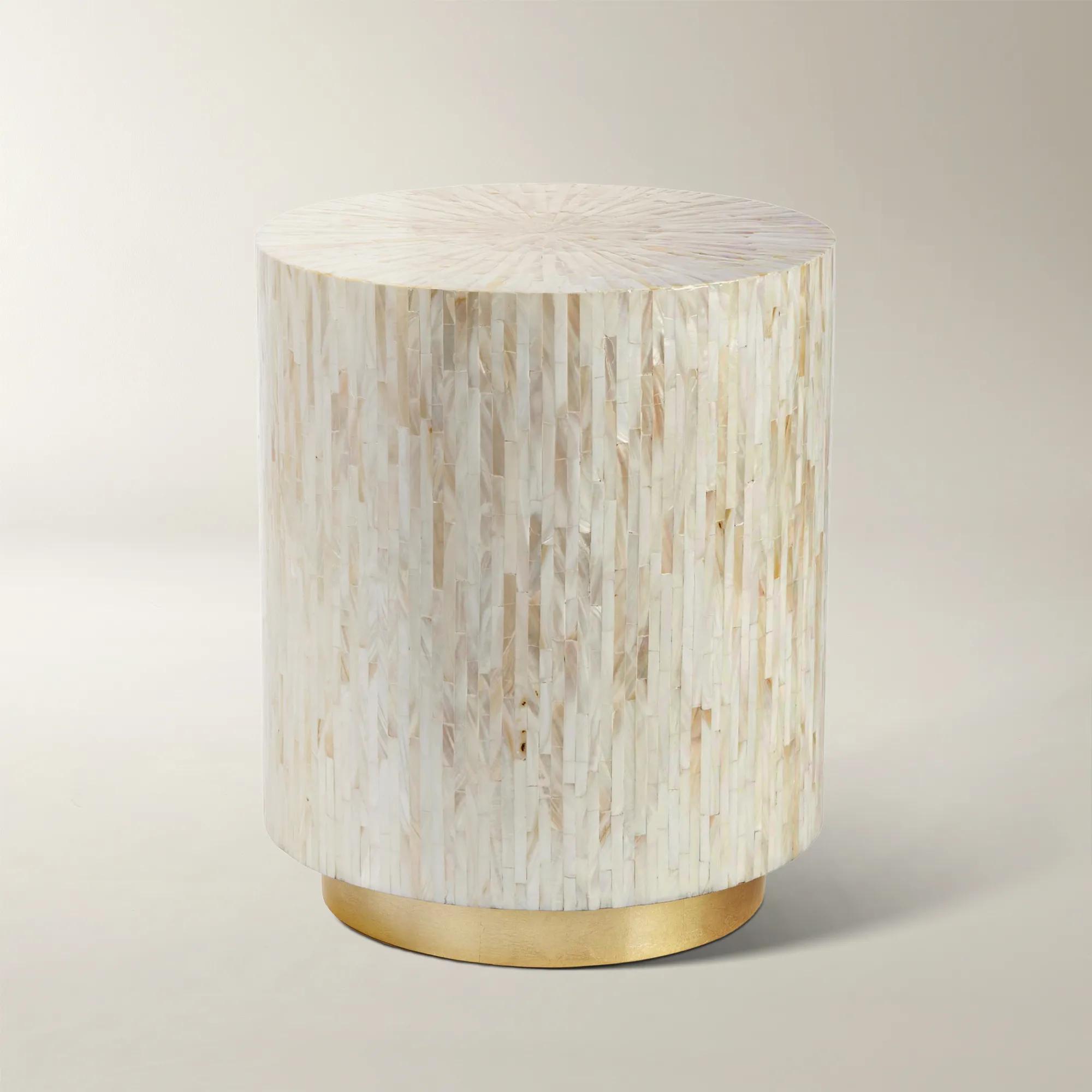 Alexandria Round Mosaic Platinum End Table (13.75")$299
A glamorous accent table featuring hand-applied mother-of-pearl mosaic and a gold leaf-accented base.
Add To Cart -
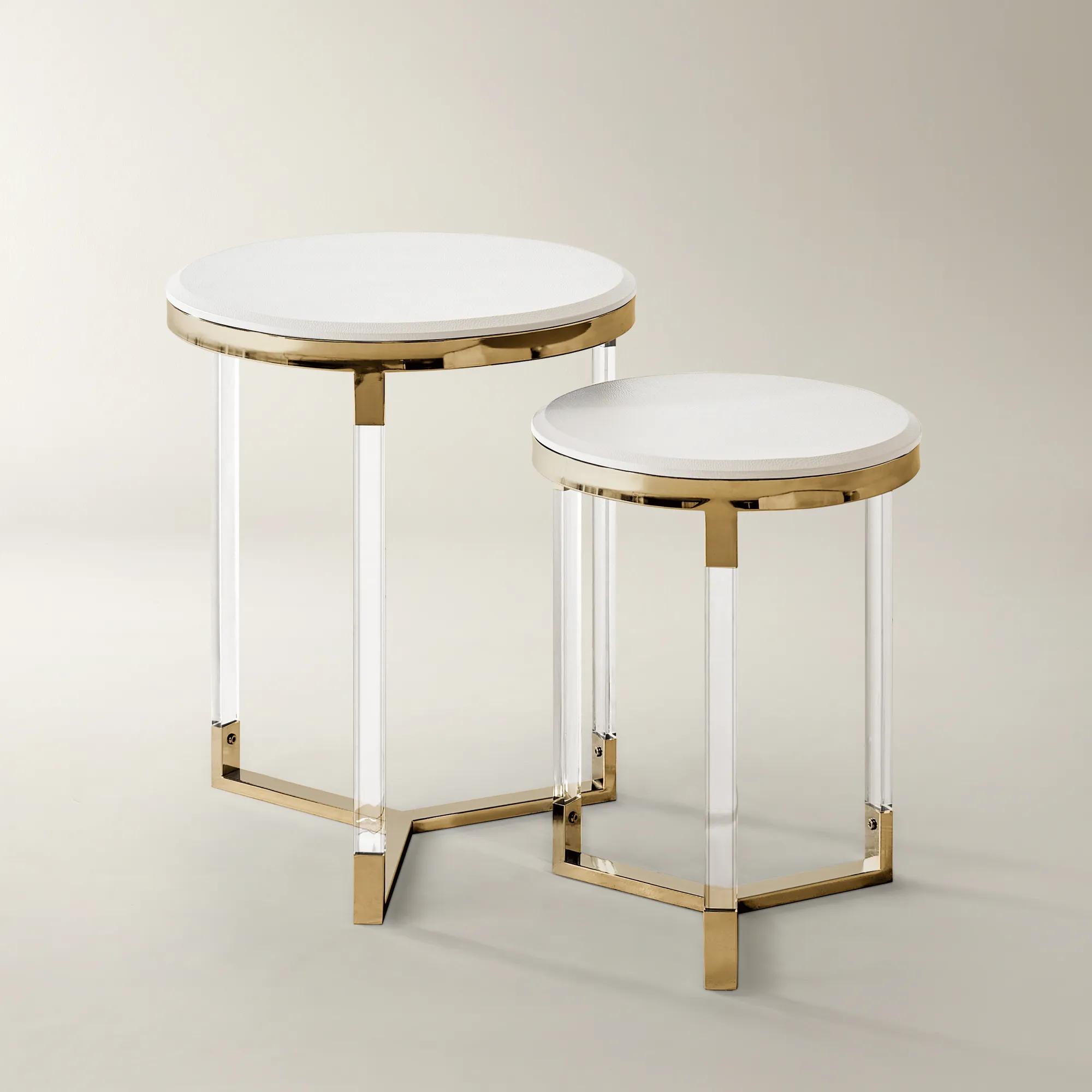
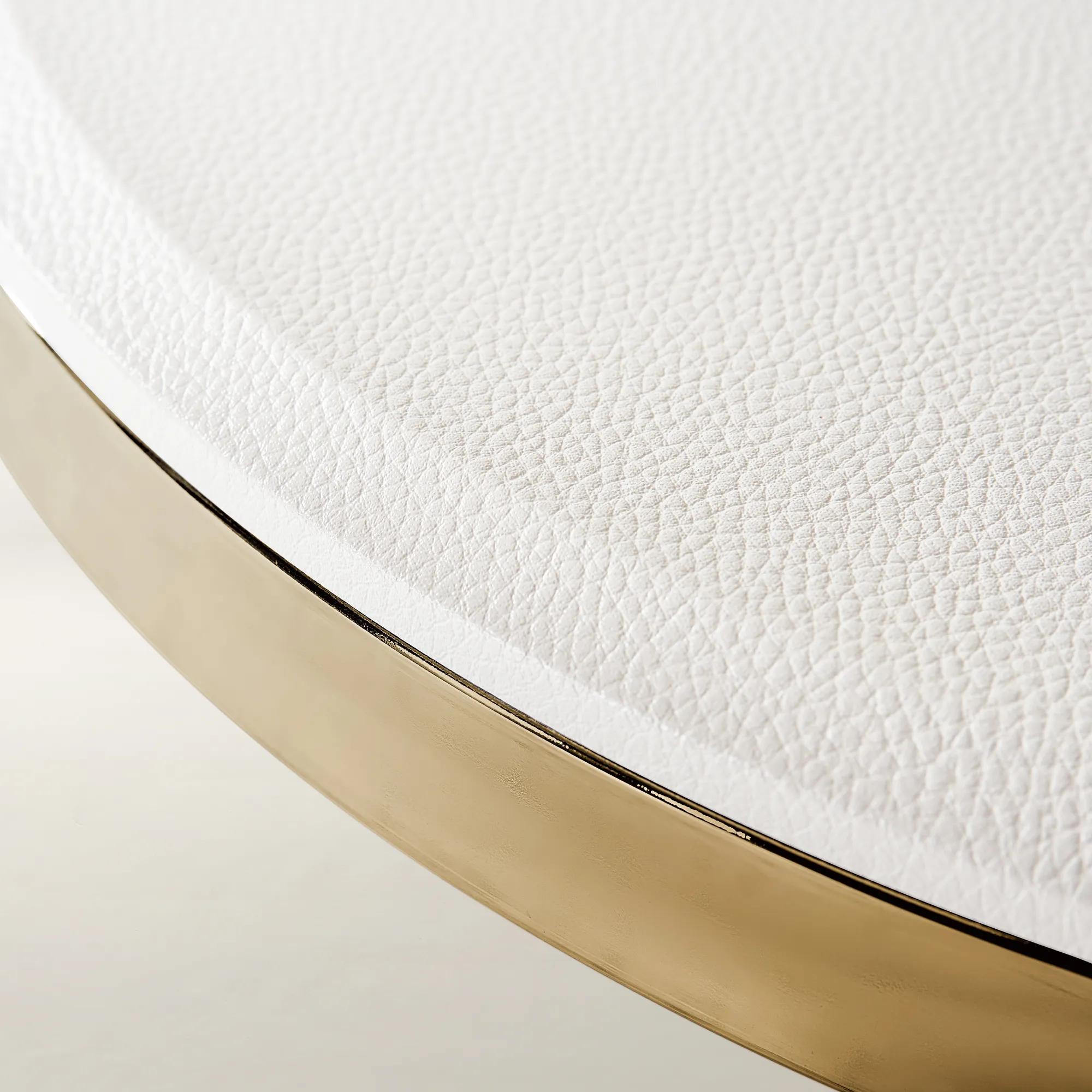 Murano Round White Accent Table With Faux Leather Top Set Of 2 (14.5"-18.5")$399
A set of two accent tables featuring mixed woods, faux leather tops, and acrylic legs with metallic finishes.
Add To Cart -
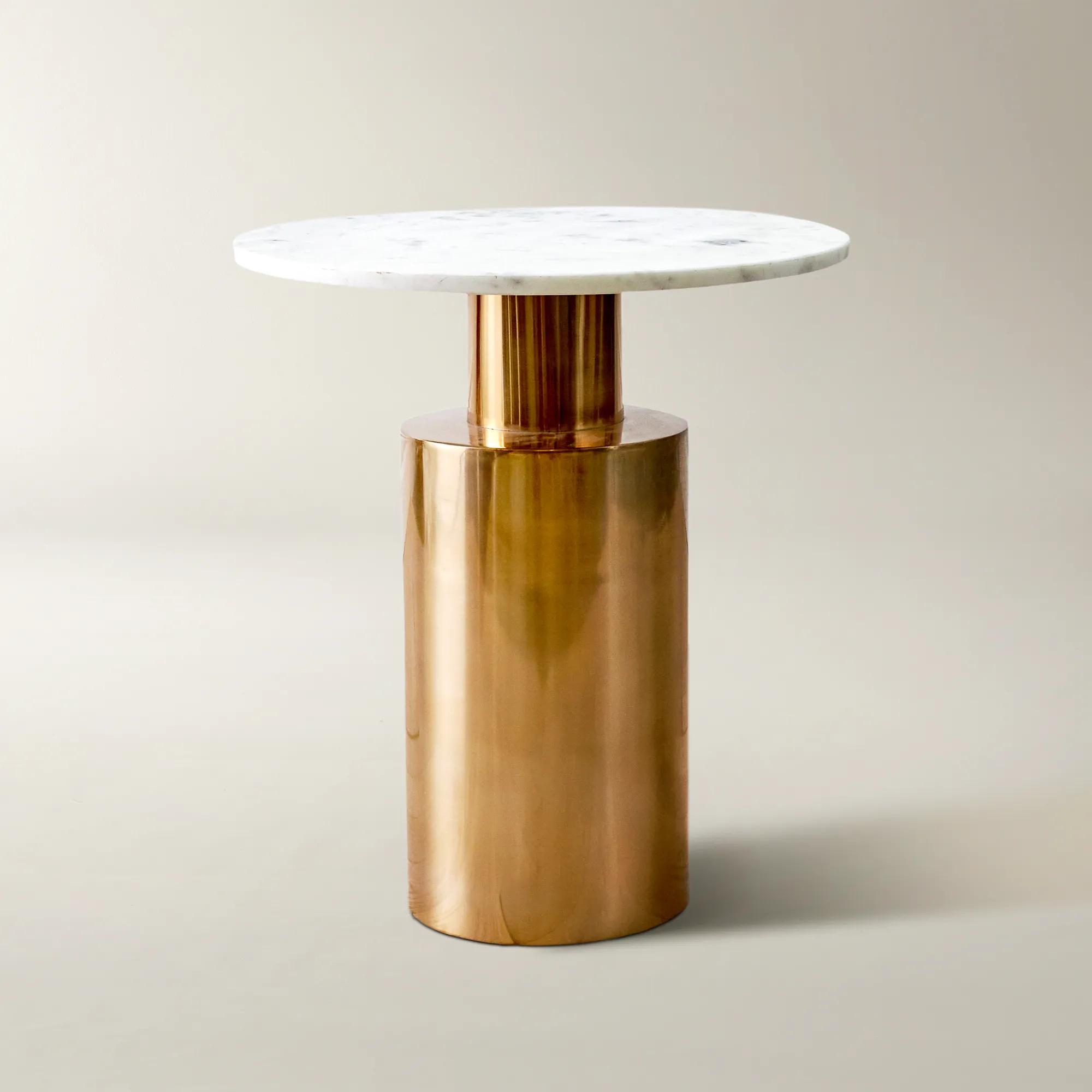 Capri Round White Marble Accent Table (16")$299
A striking accent table featuring a white marble top and gold-finished stainless steel base.
Add To Cart -
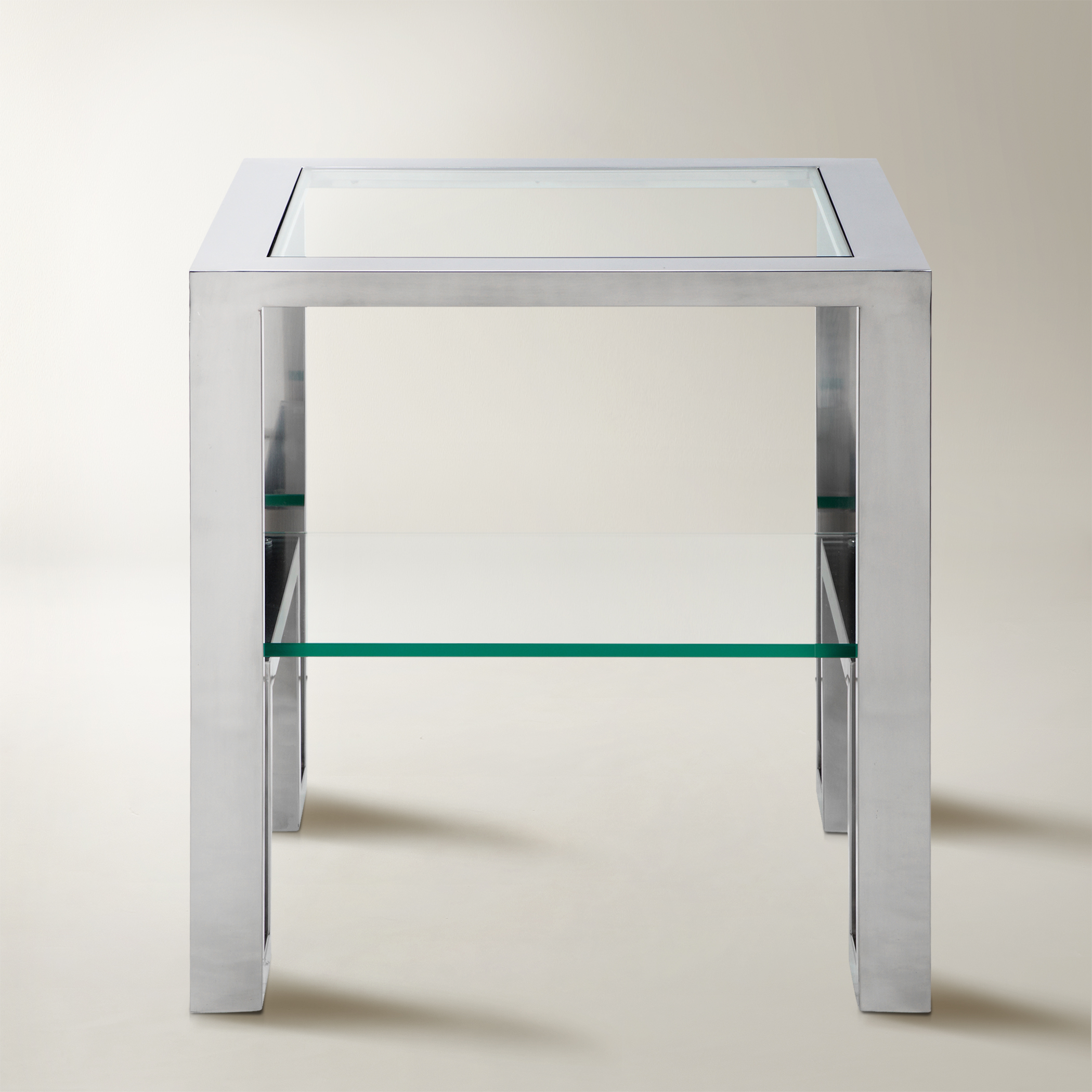
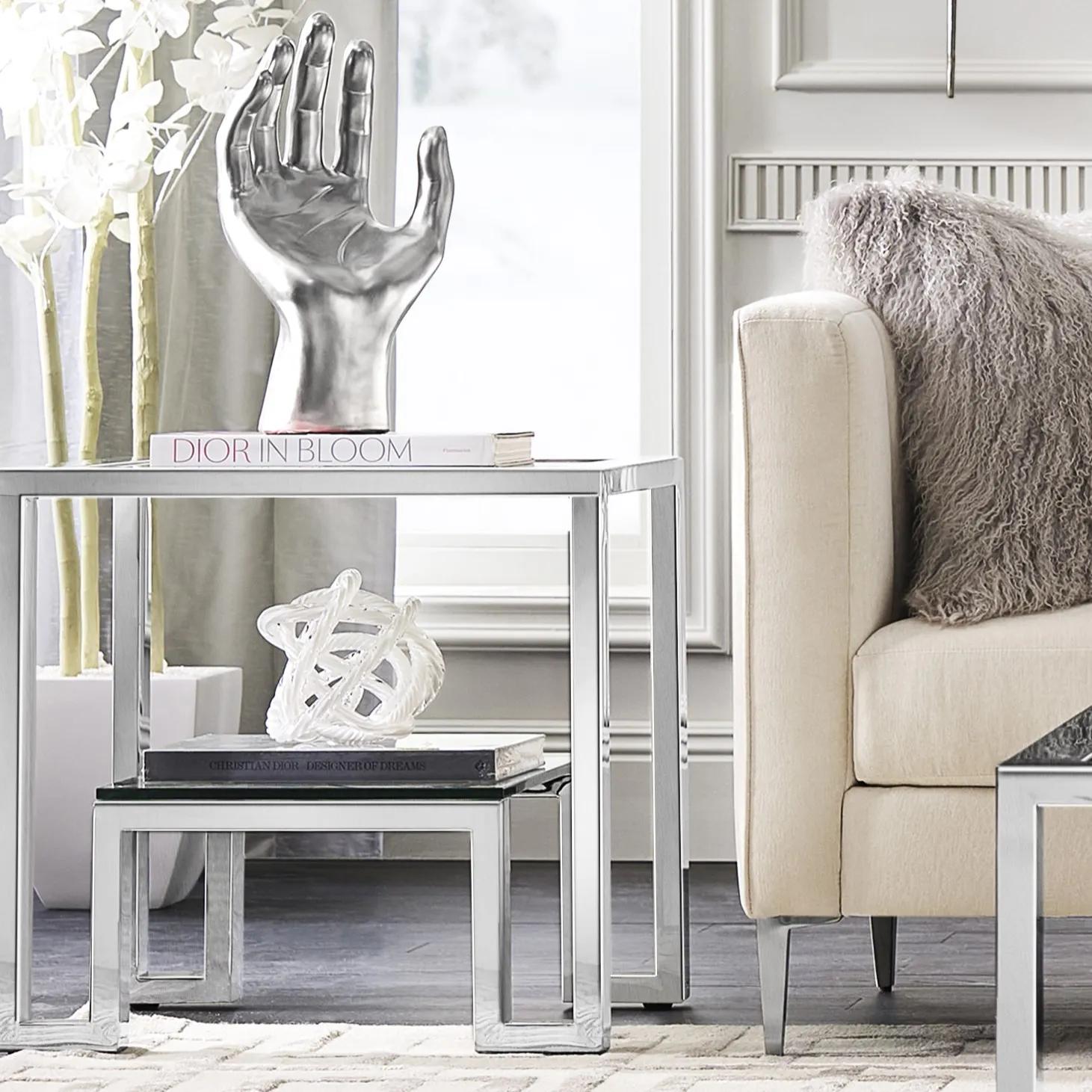 Duplicity Square Silver Stainless Steel End Table With Glass Top (24")$749
A modern end table featuring a stainless steel frame, tempered glass top, and floating bottom shelf.
Add To Cart -
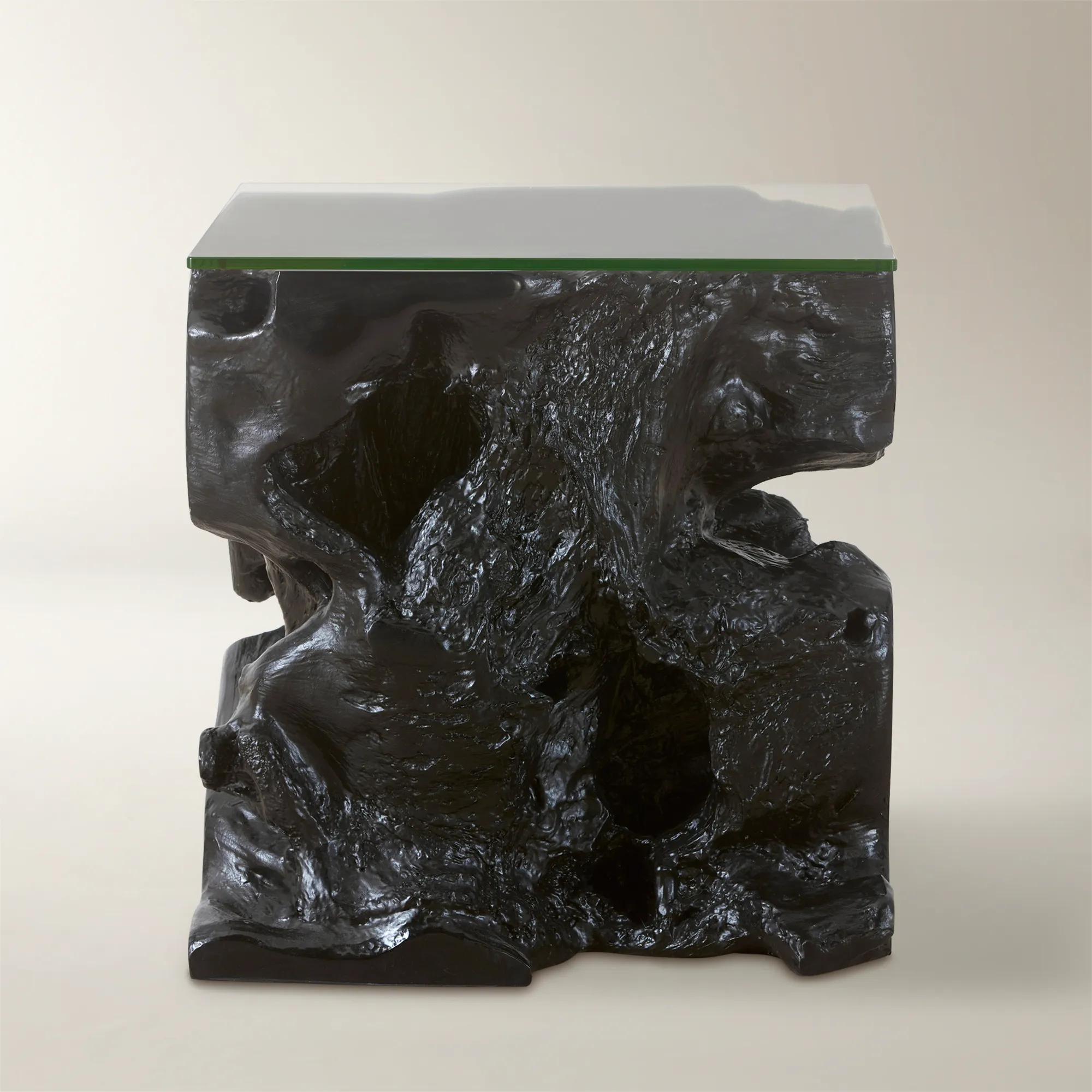 Sequoia Black Resin End Table With Glass Top (22")$999
A sculptural black resin and stone end table inspired by Acacia roots, suitable for indoor or outdoor use.
Add To Cart -
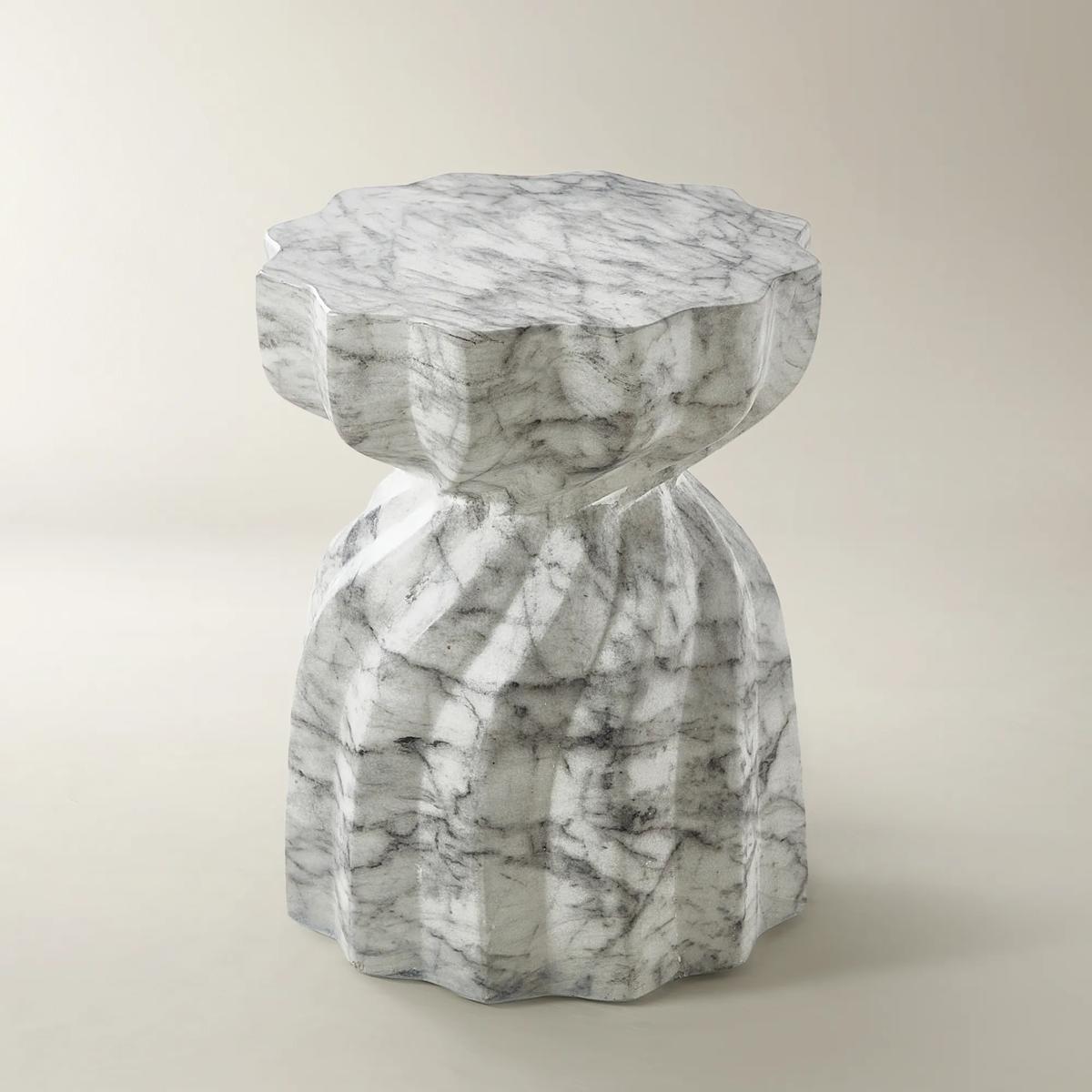
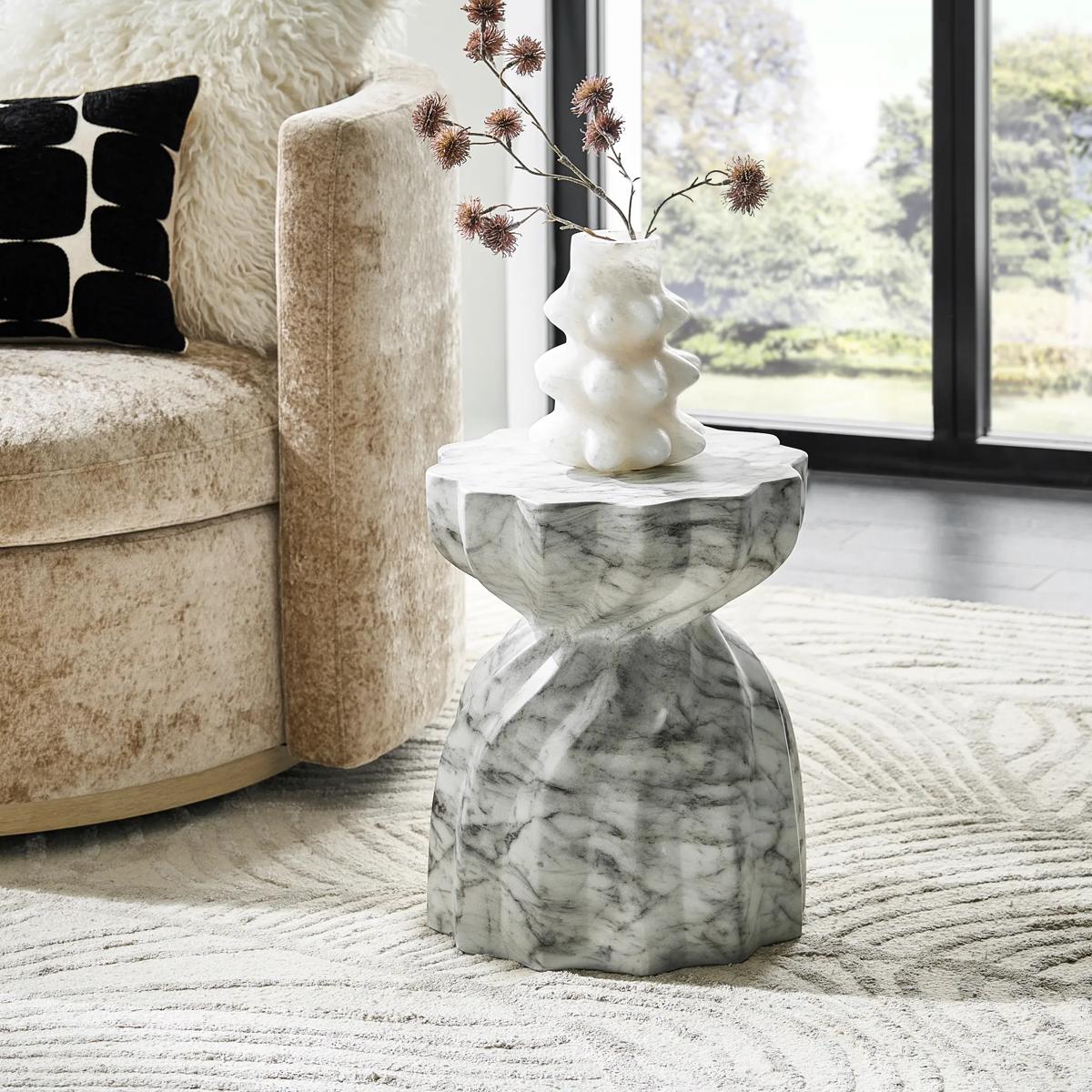 Lithia Scalloped White Concrete Indoor/Outdoor Side Table (15")$349
A white concrete side table with a scalloped silhouette and marble-look finish for indoor-outdoor living.
Add To Cart -
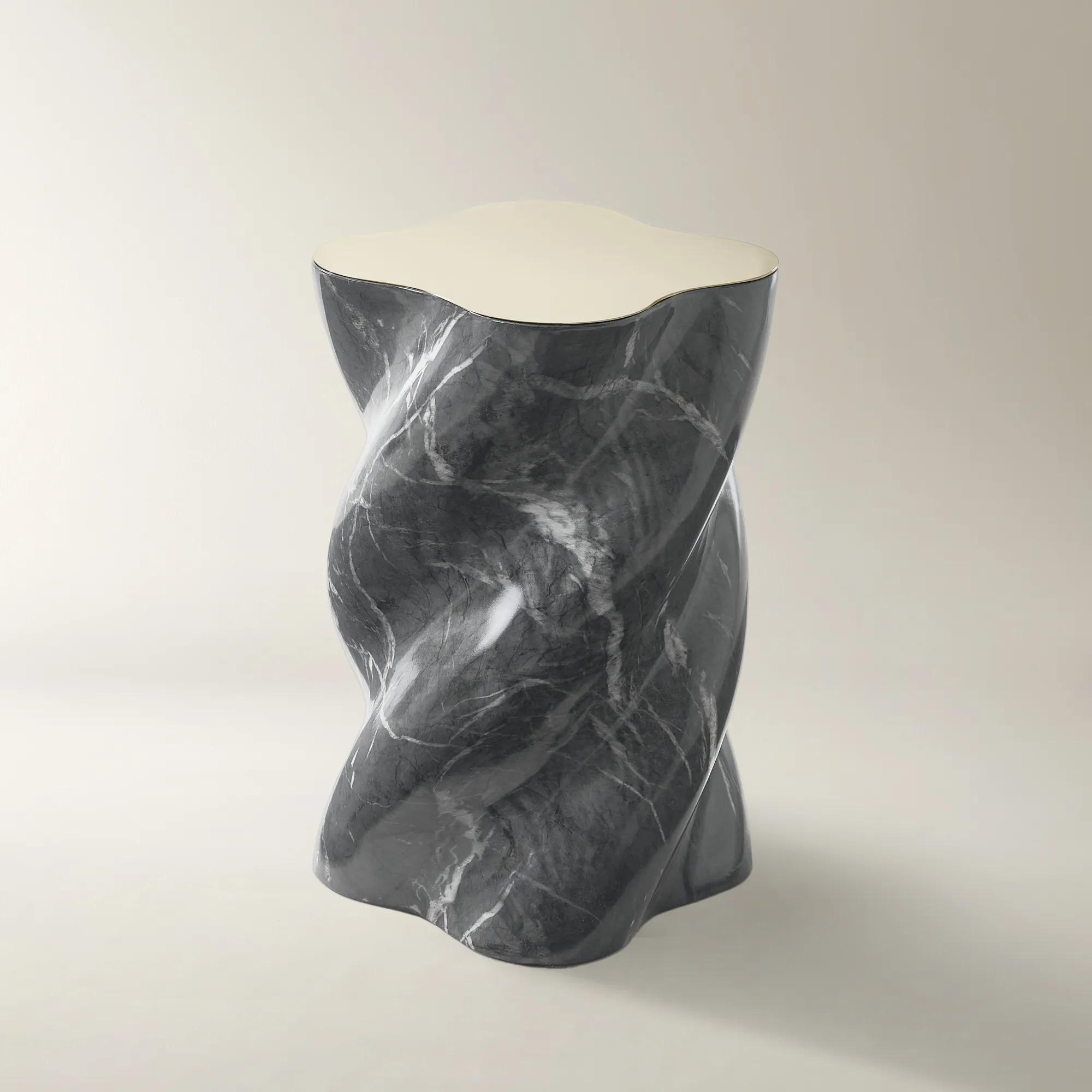 Vega Bvlgary Black Concrete Indoor/Outdoor Side Table With Stainless Steel Top (13.8")$459
A black concrete side table with a sculptural pedestal, removable stainless-steel top, and marble-inspired finish.
Add To Cart -
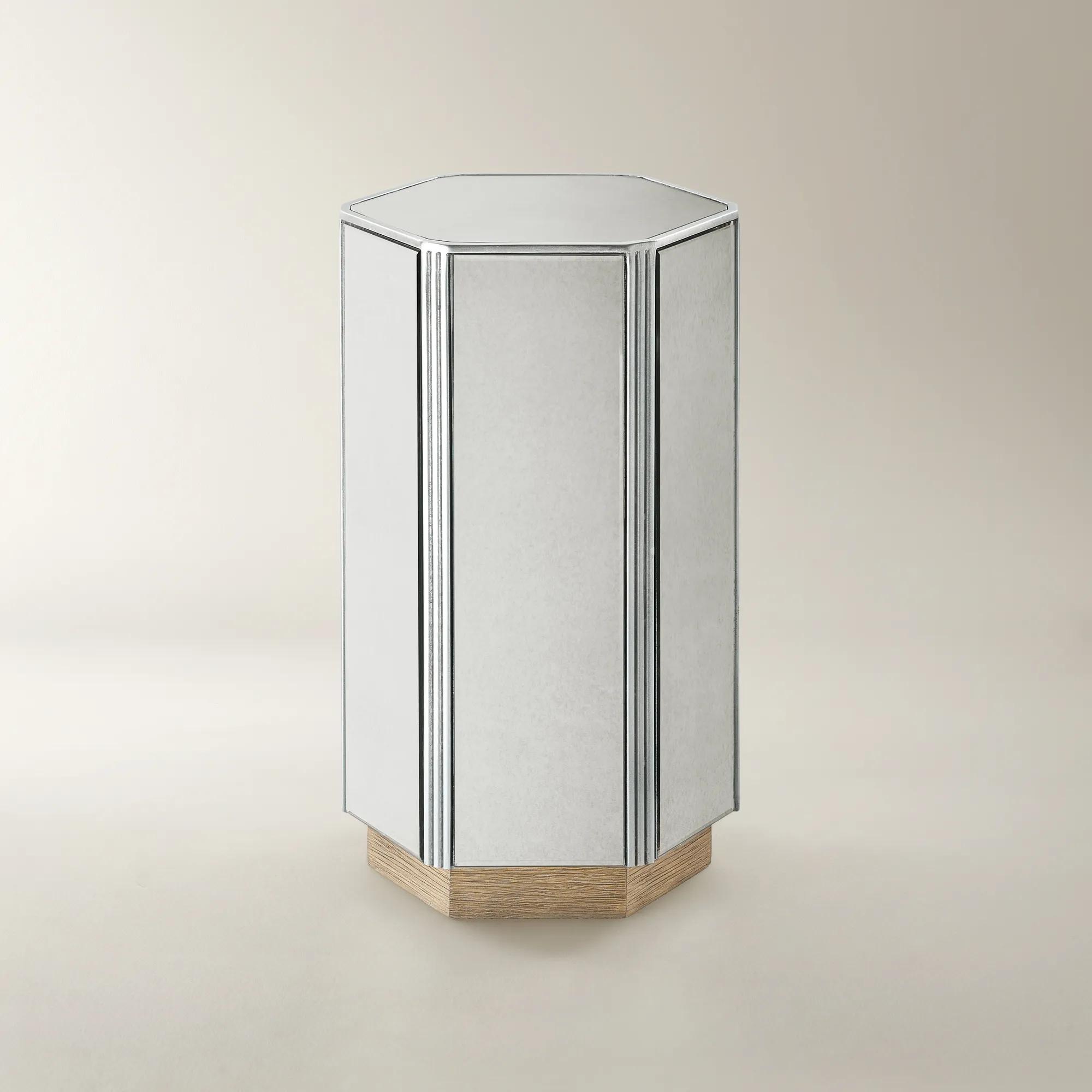 Glimmer Silver Mirrored End Table (12")$399
A chic side table featuring an antique silver mirror top and warm oak veneer base with handcrafted details.
Add To Cart -
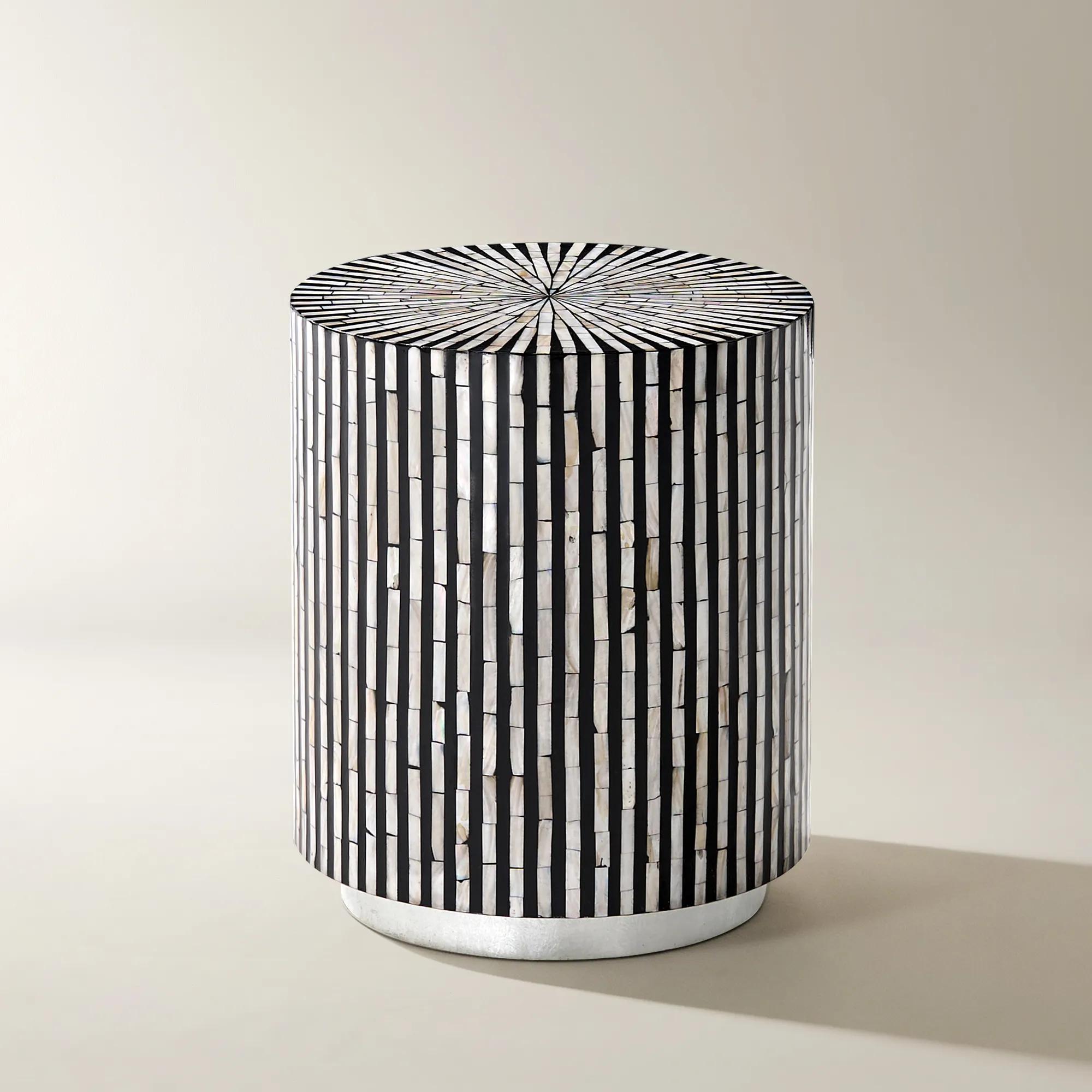
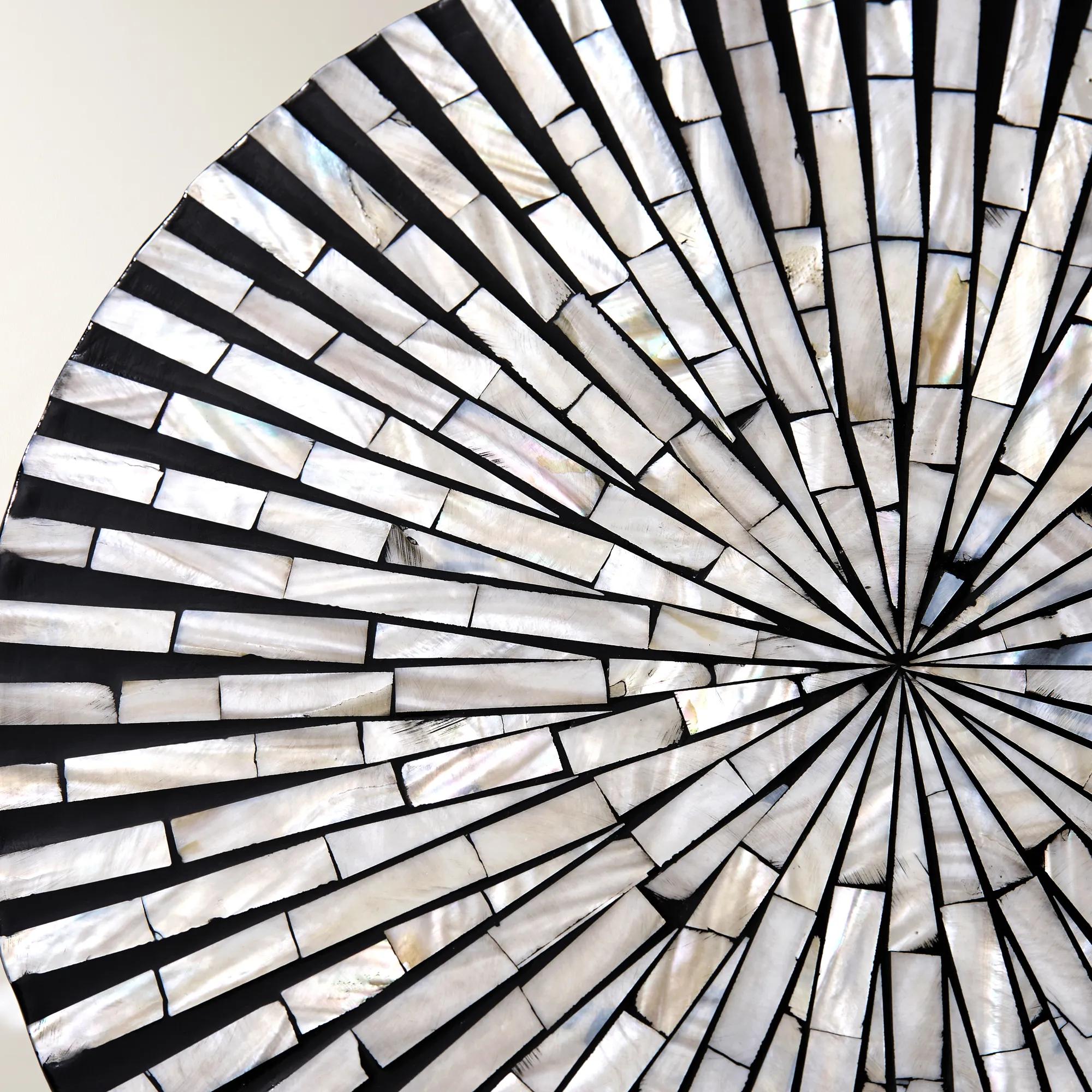 Marina Round Mosaic Black End Table (13.75")$299
A sculptural black end table featuring hand-applied mother-of-pearl mosaic and a silver leaf–accented base.
Add To Cart -
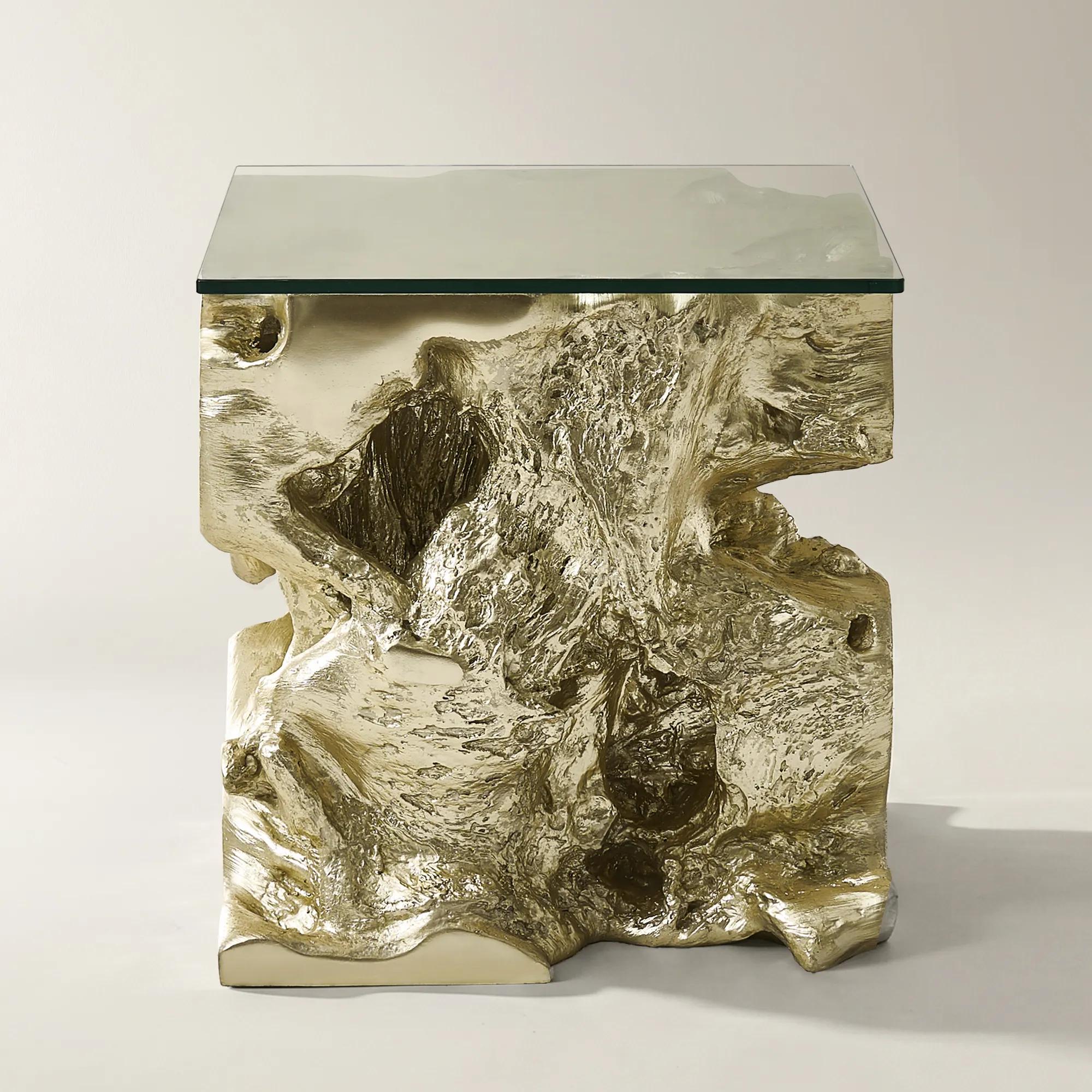 Sequoia Champagne Gold Resin End Table With Glass Top (22")$999
A sculptural resin end table with a champagne gold leaf finish and a clear tempered glass top.
Add To Cart -
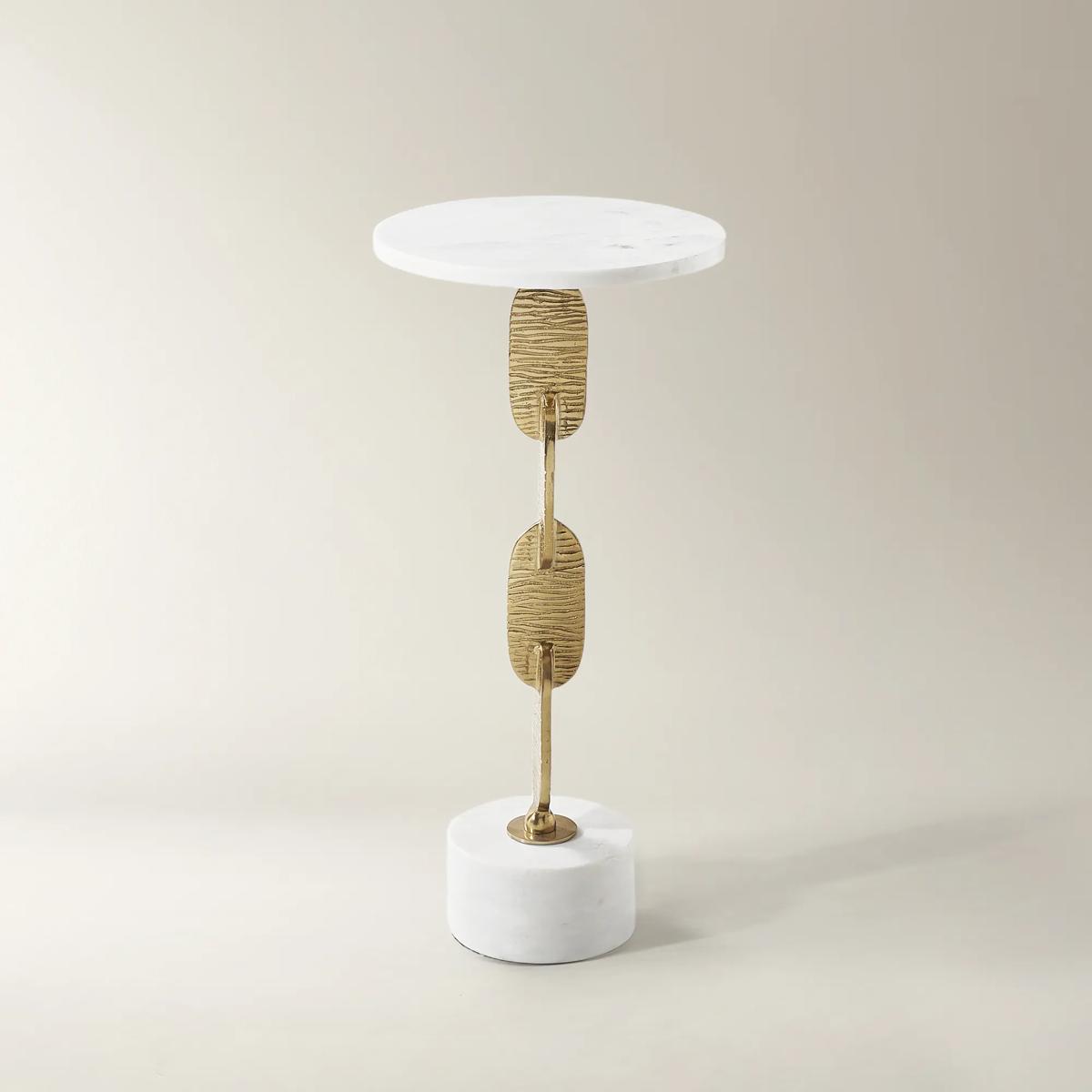
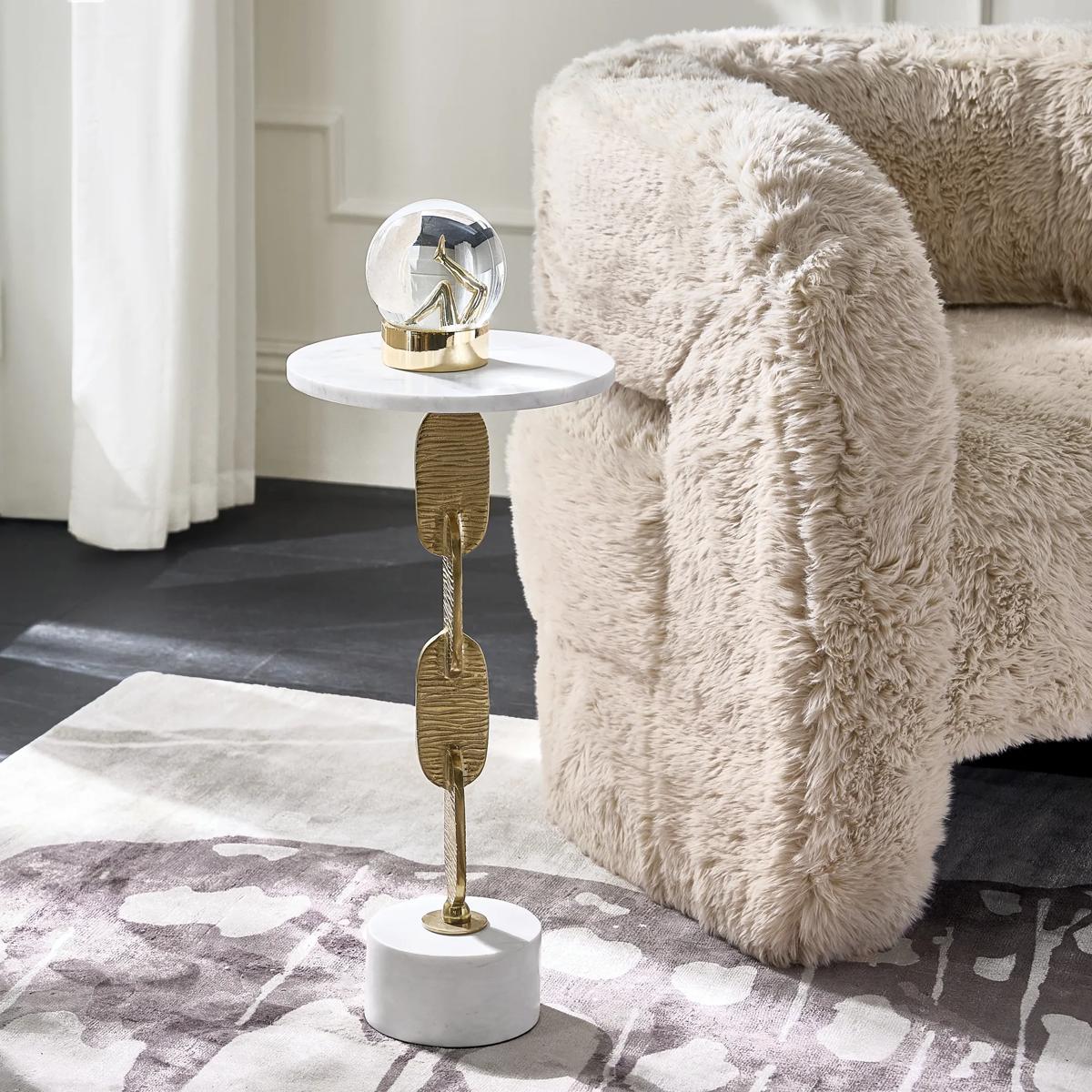 Luna Round White Marble Side Table (11.25")$199
A sculptural side table featuring a genuine white marble top and an open gold-finished metal frame.
Add To Cart -
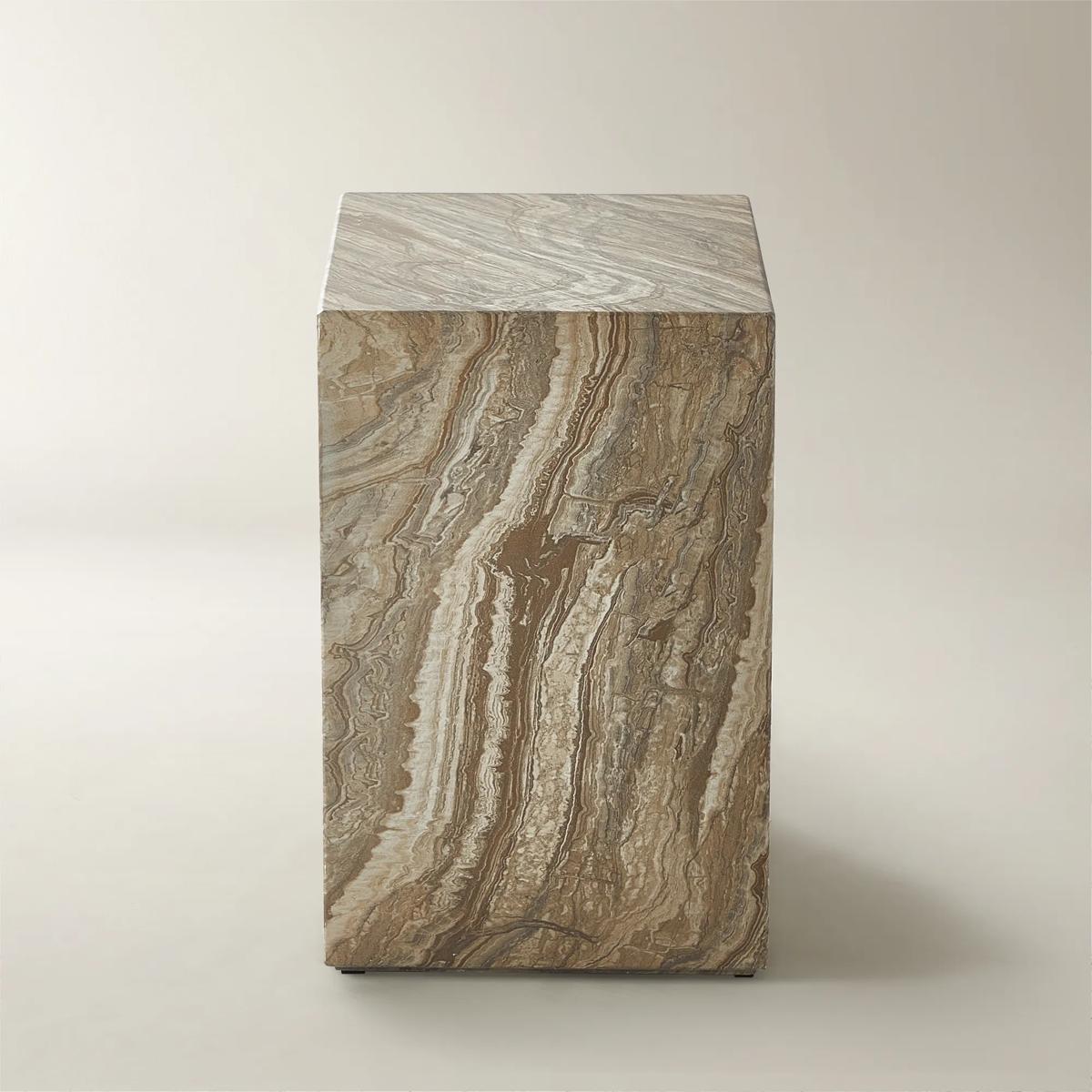
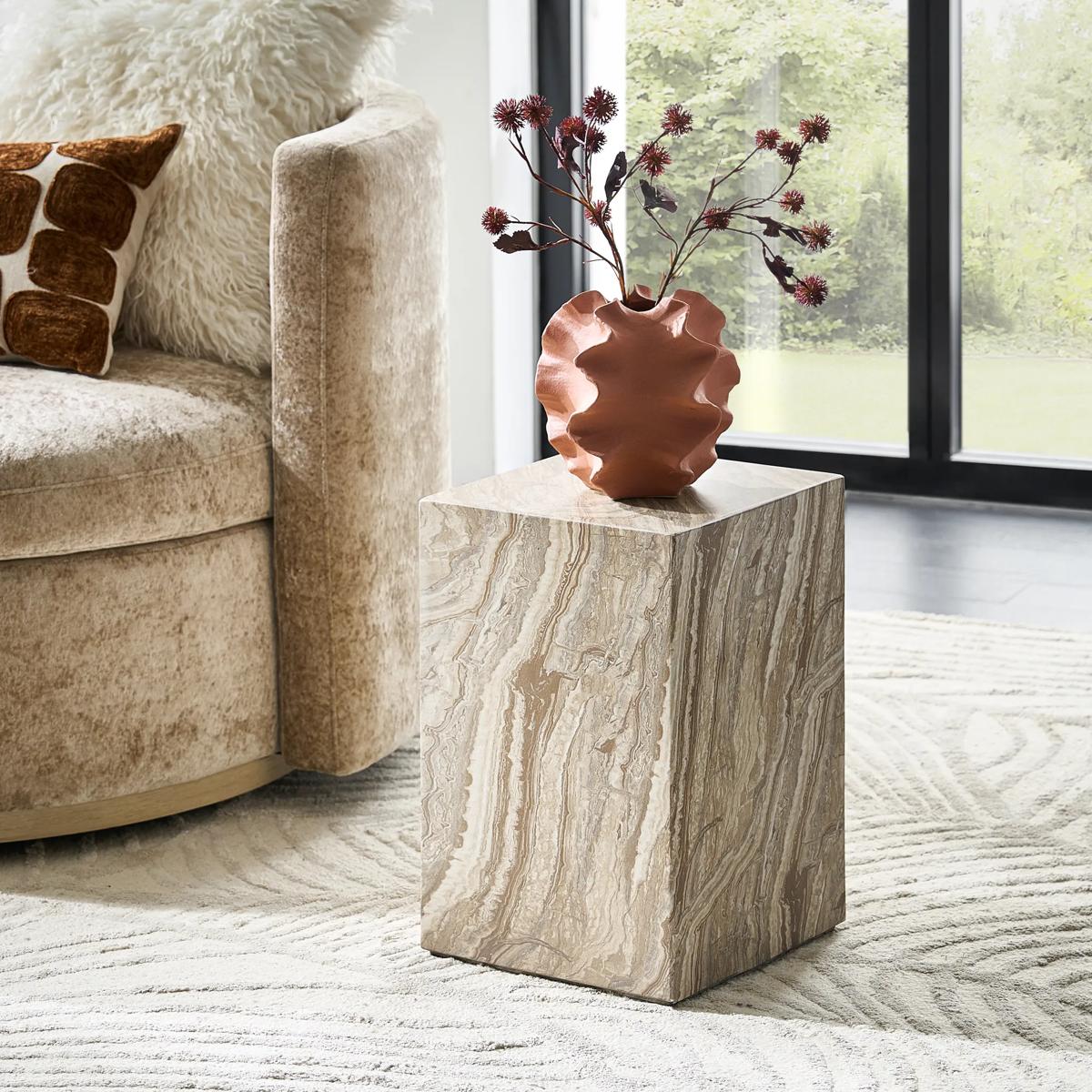 Strata Square Brown Concrete Indoor/Outdoor Side Table (11.8")$299
A brown concrete side table with a sculptural cuboid profile and marble-look finish, indoors or outdoors.
Add To Cart -
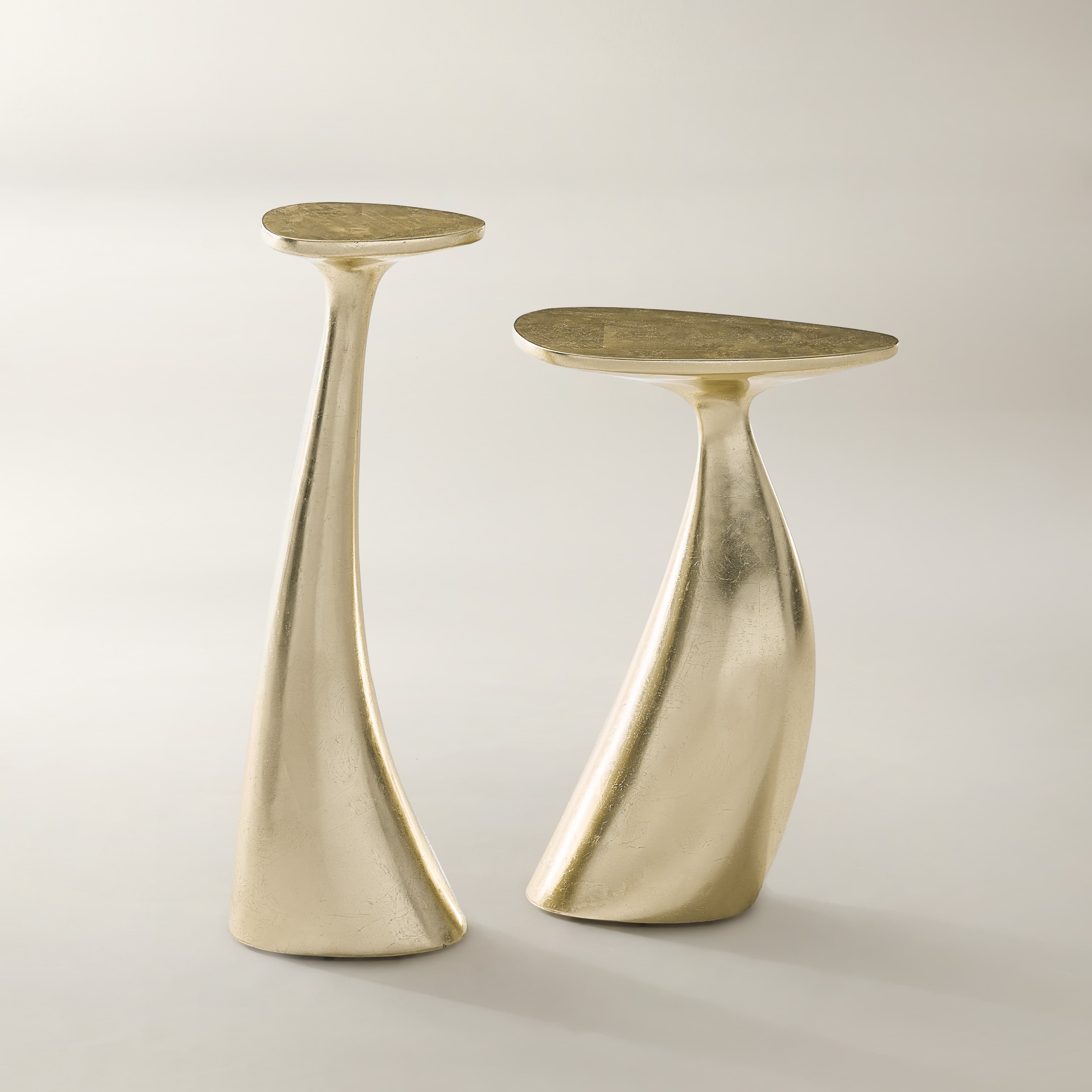 Thalia Soft Gold Side Table Set Of 2 (8"-12.5")$699
A sculptural duo of gold leaf fiberglass tables with fluid lines and a warm, luminous finish.
Add To Cart -
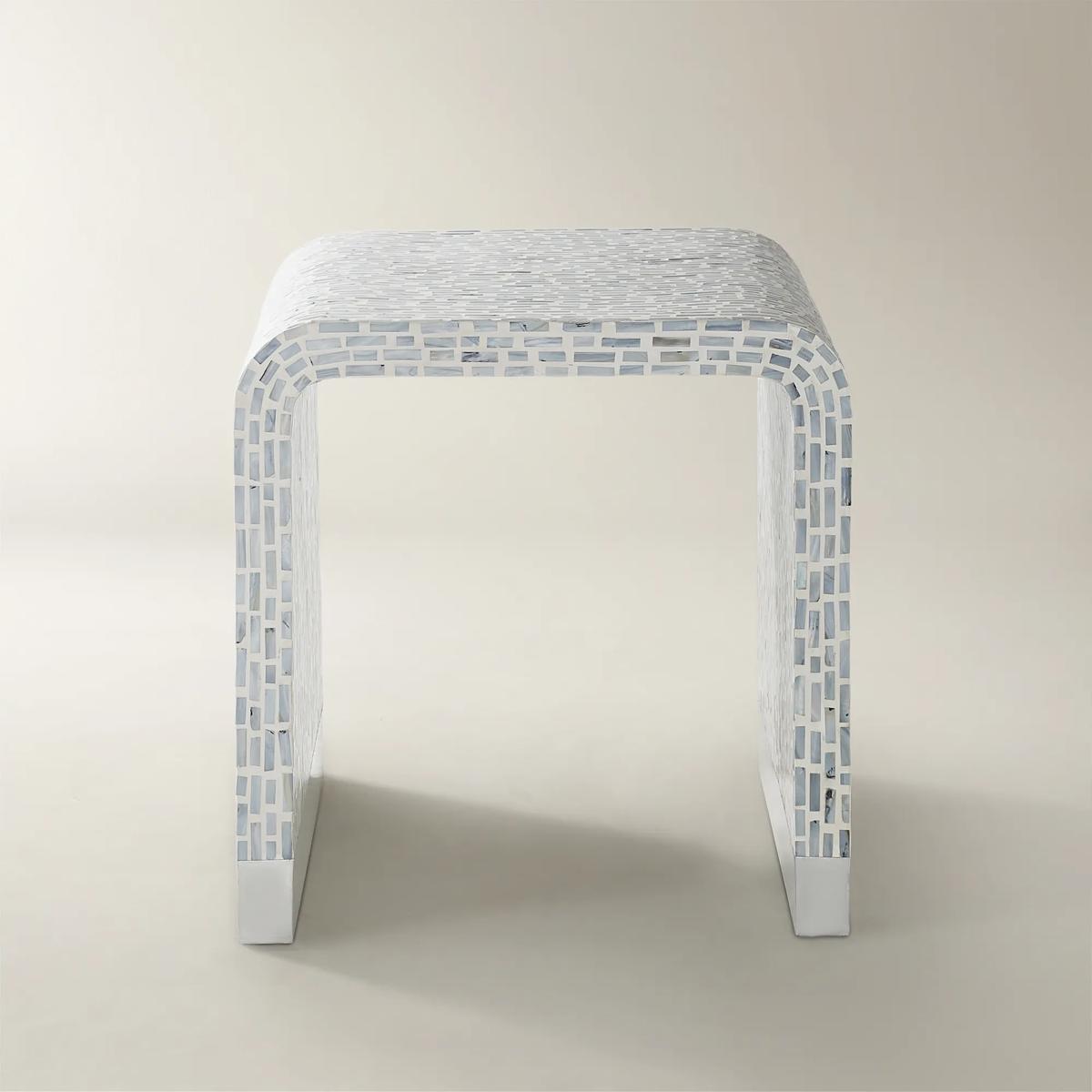
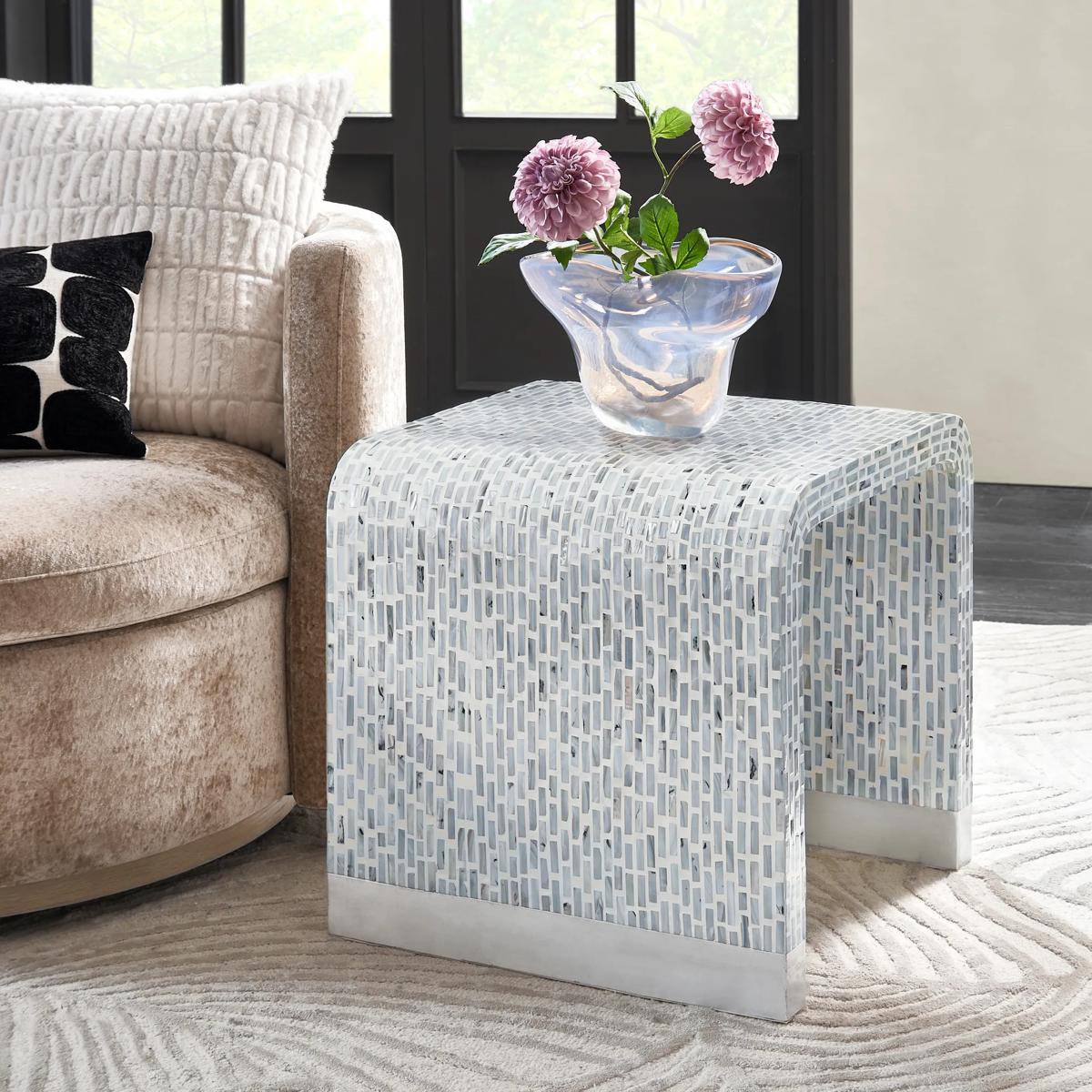 Iridia Blue Side Table (21.6")$399
A handcrafted end table featuring iridescent blue mother-of-pearl inlay and a silver leaf base.
Add To Cart -
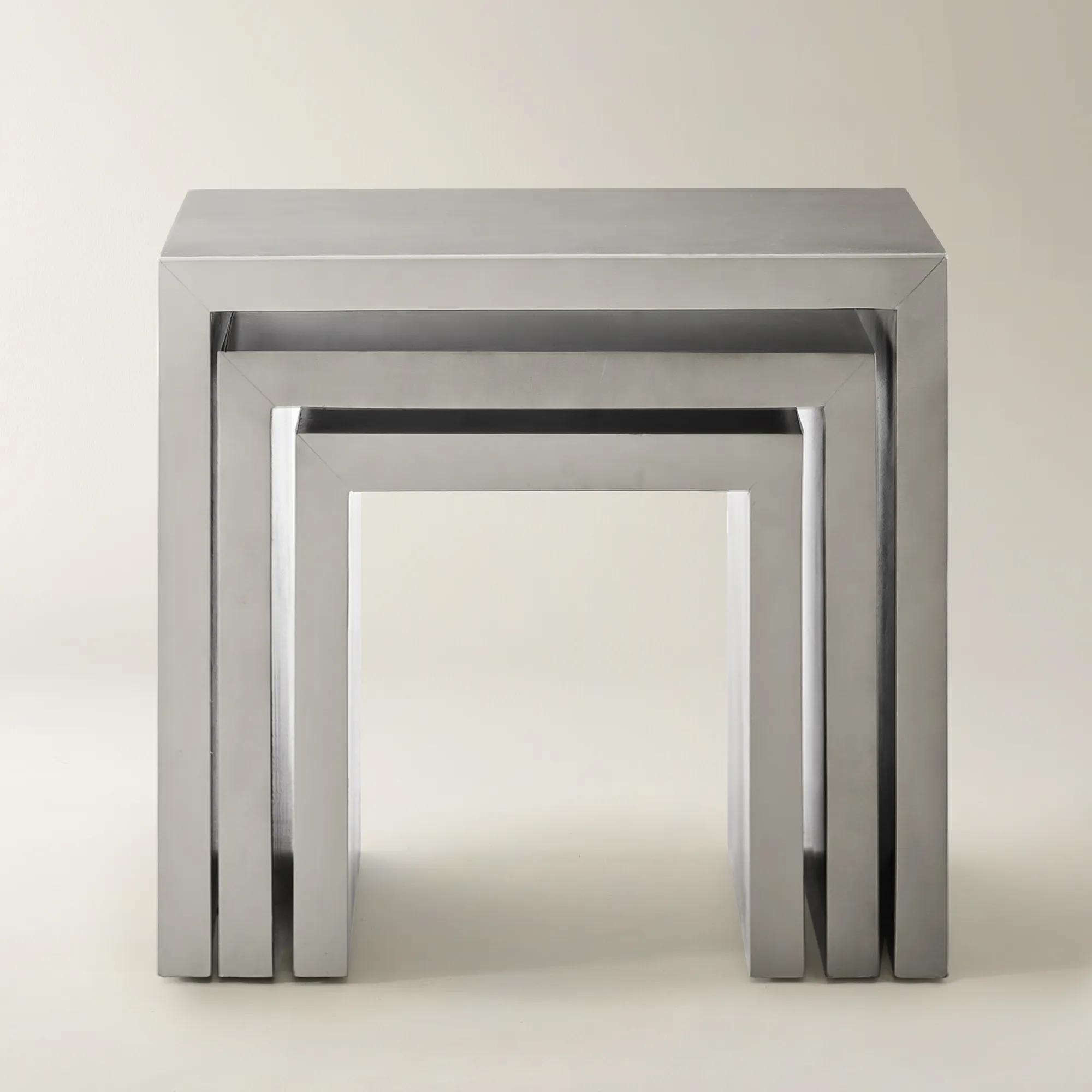
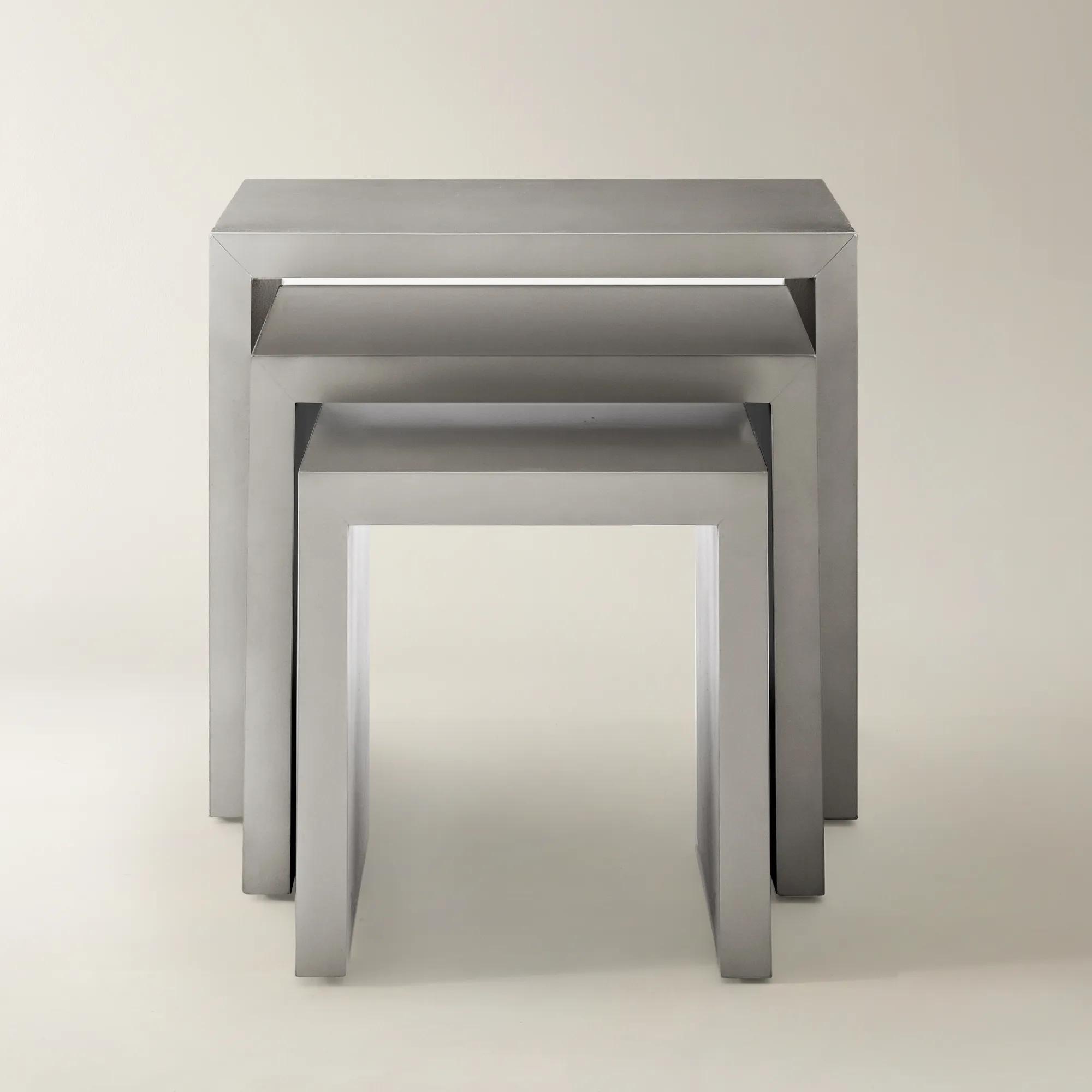 Astair Silver Nesting Accent Table Set Of 3 (16.25"-25.5")$349
A trio of engineered wood nesting tables with a sleek silver metallic finish and minimalist block silhouette.
Add To Cart -
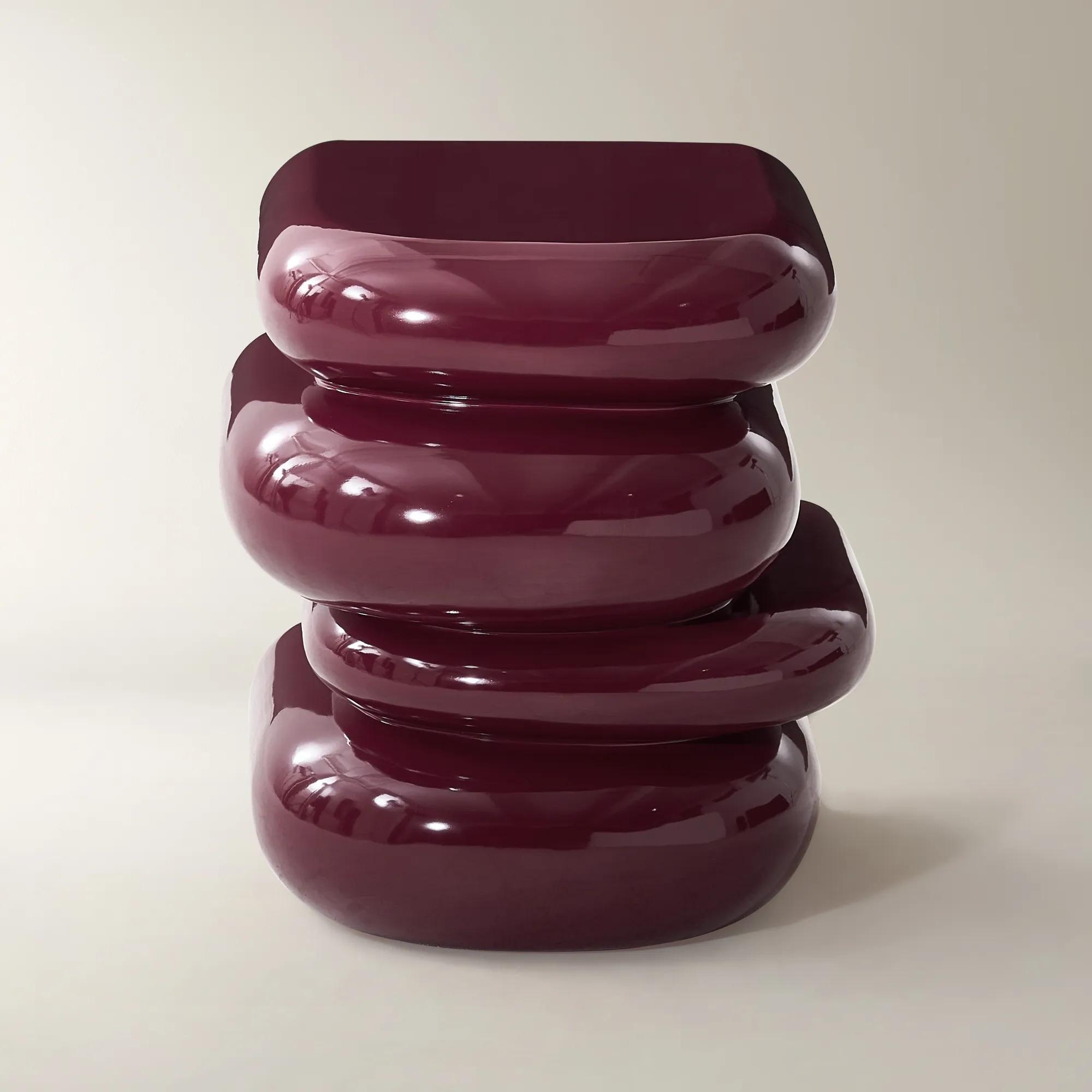 Forma Stacked Ox Blood Side Table (19.9")$499
A sculptural accent table crafted from high-gloss ox blood fiberglass with softly stacked, rounded tiers.
Add To Cart -
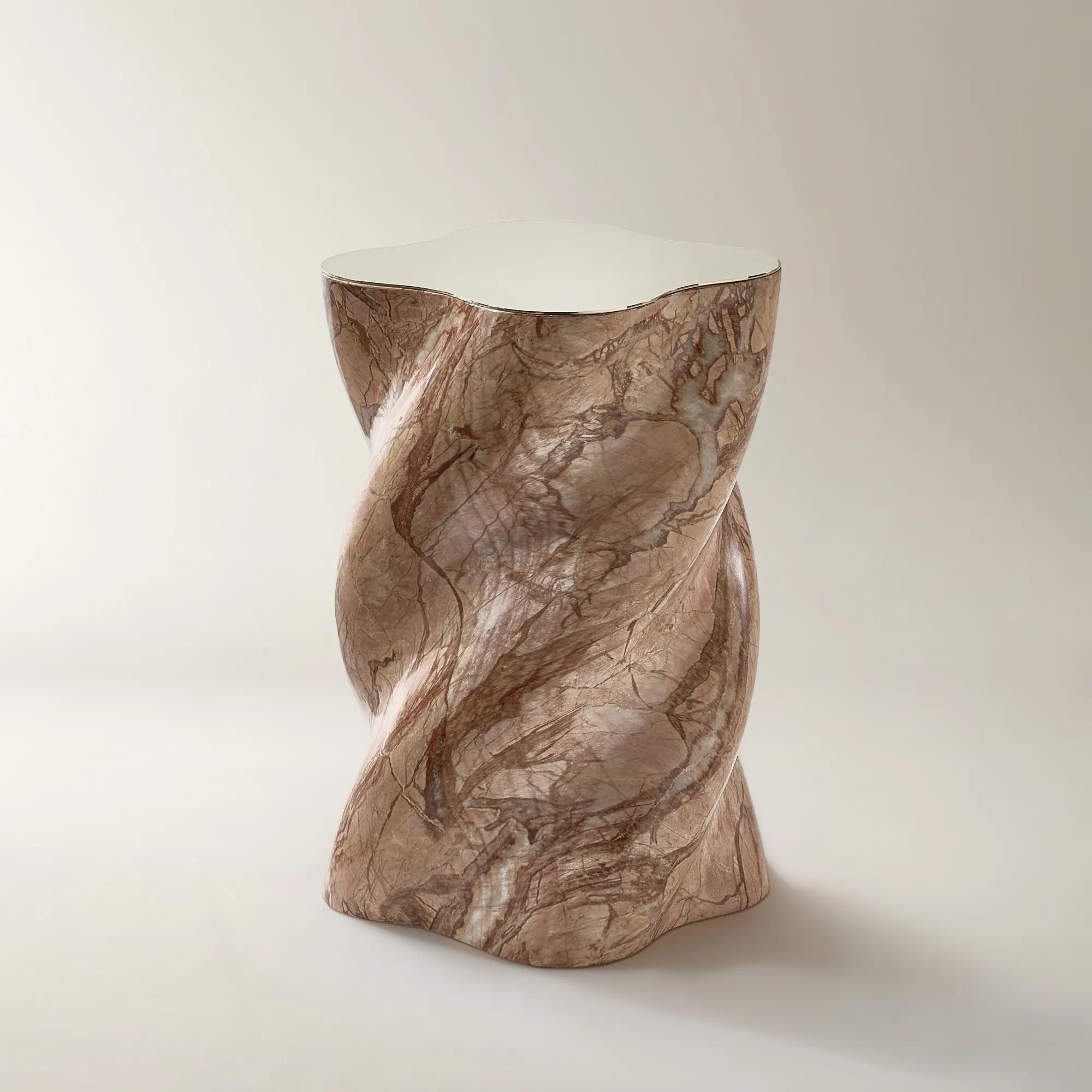
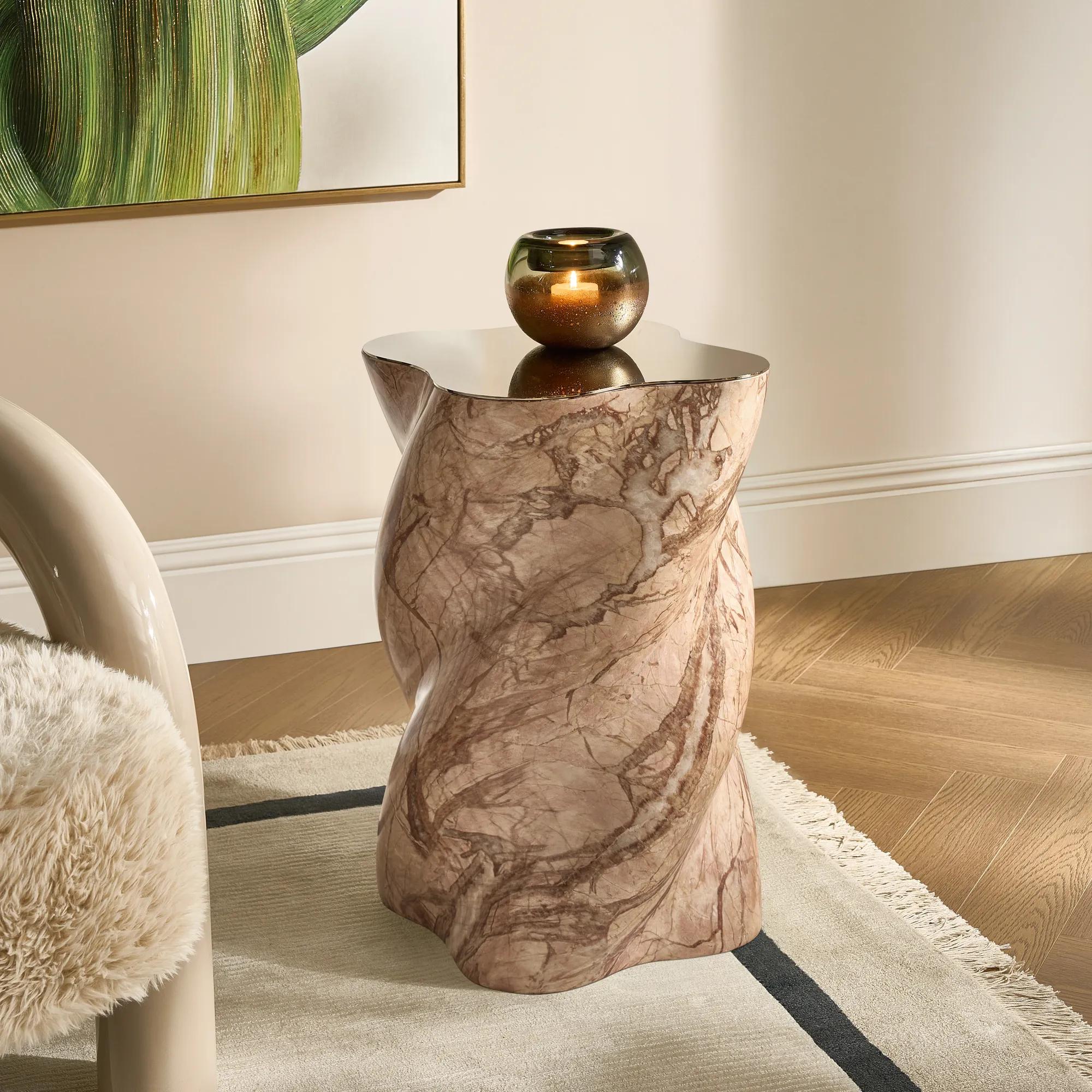 Vega Concrete Indoor/Outdoor Side Table With Stainless Steel Top (13.8")$459
A black, orange, or green concrete side table with removable stainless-steel top and marble-inspired veining.
Add To Cart -
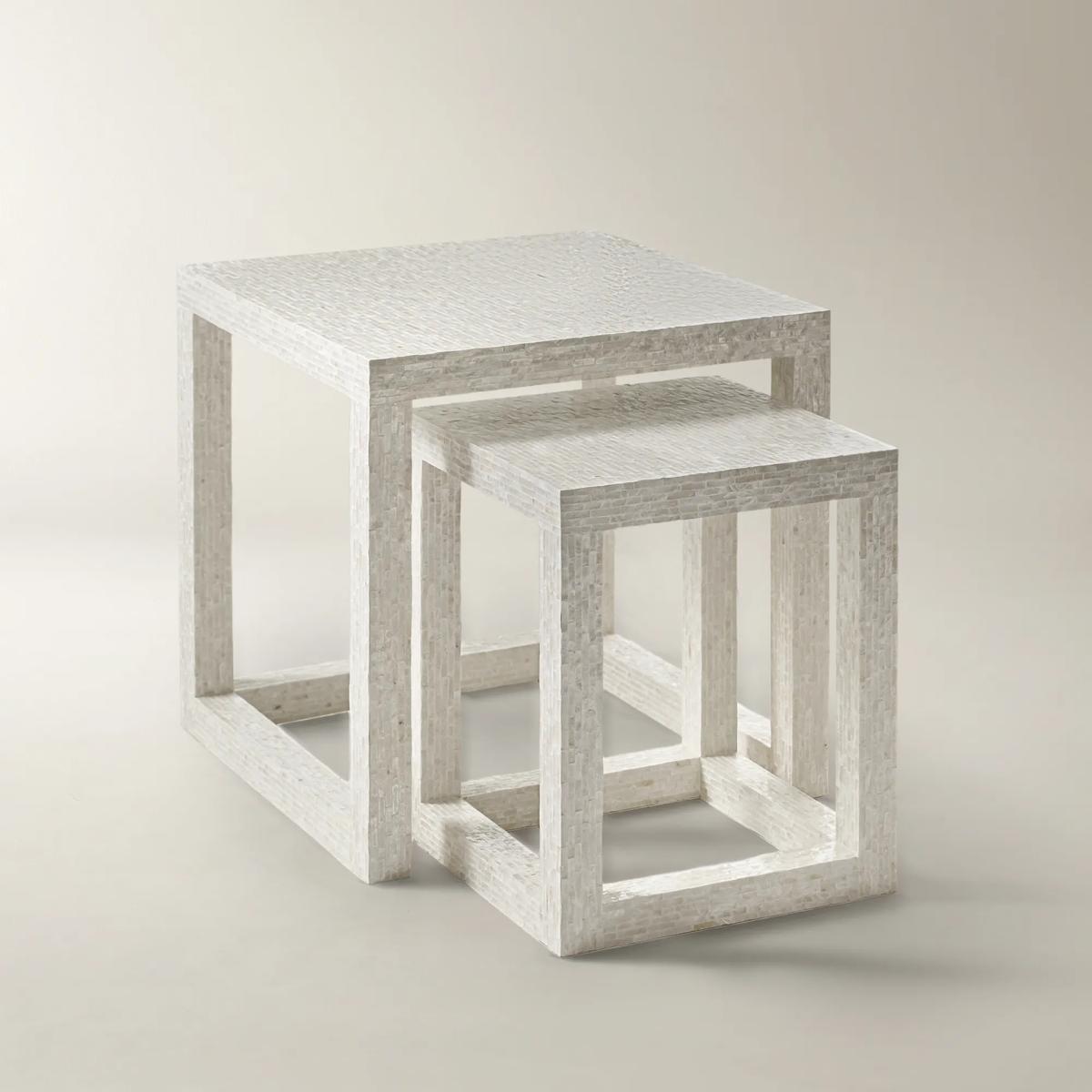 Ivori Square White Nesting Accent Table Set Of 2 (16.5"-23.75")$599
A handcrafted white nesting table featuring radiant mother-of-pearl inlay for a unique, iridescent accent.
Add To Cart -
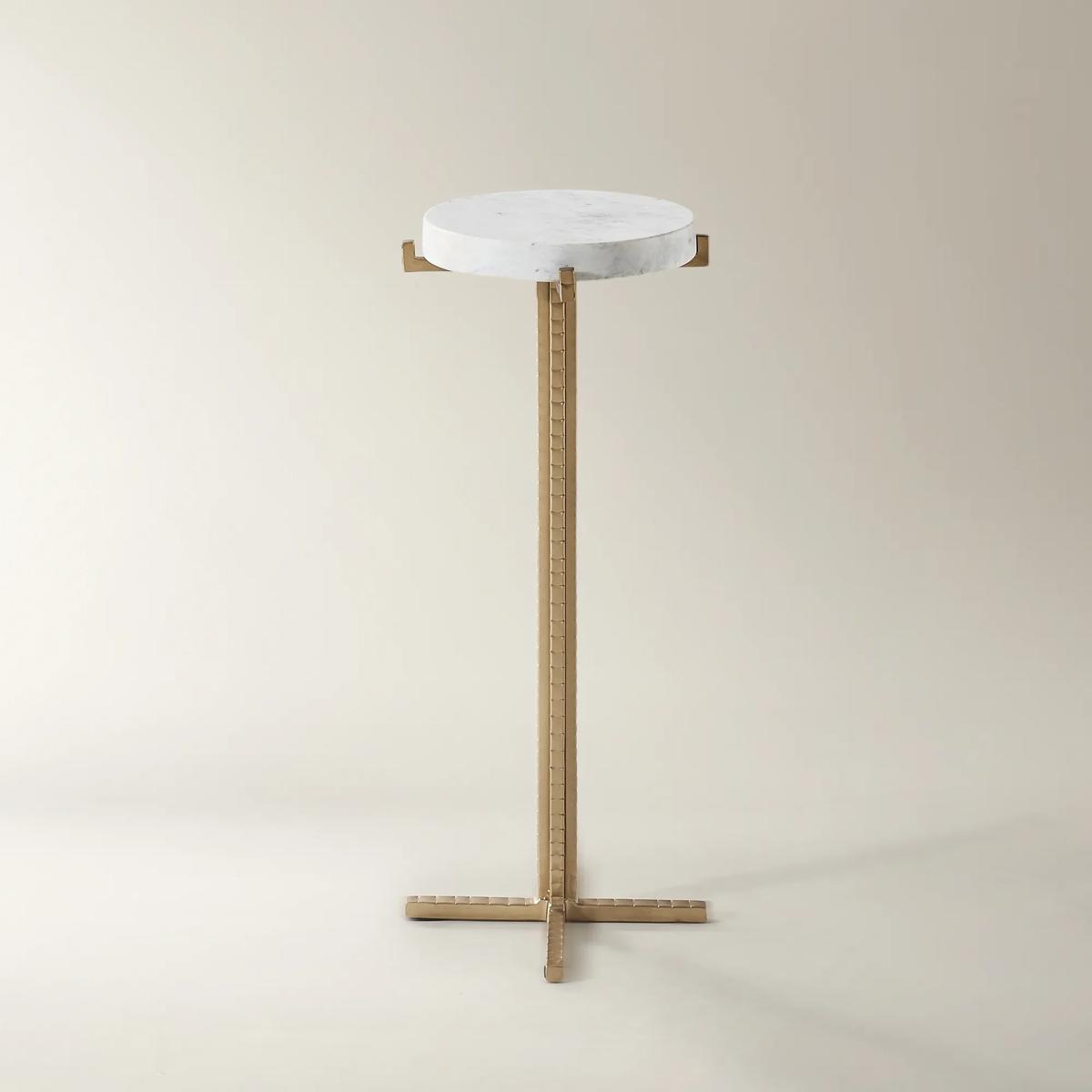 Anya Round White Marble Side Table (10")$199
A sculptural side table featuring a genuine white marble top and gold-finished metal pedestal base.
Add To Cart -
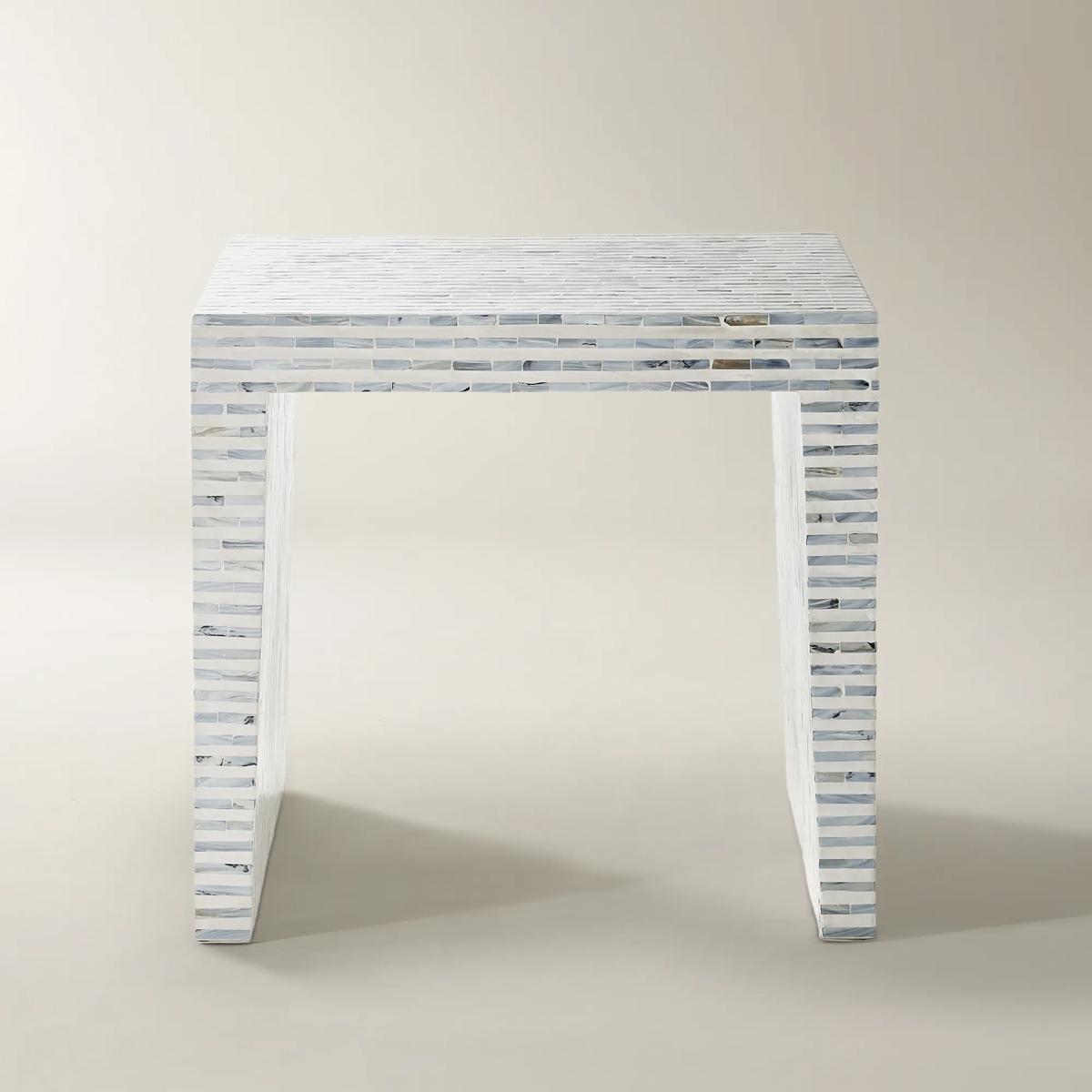
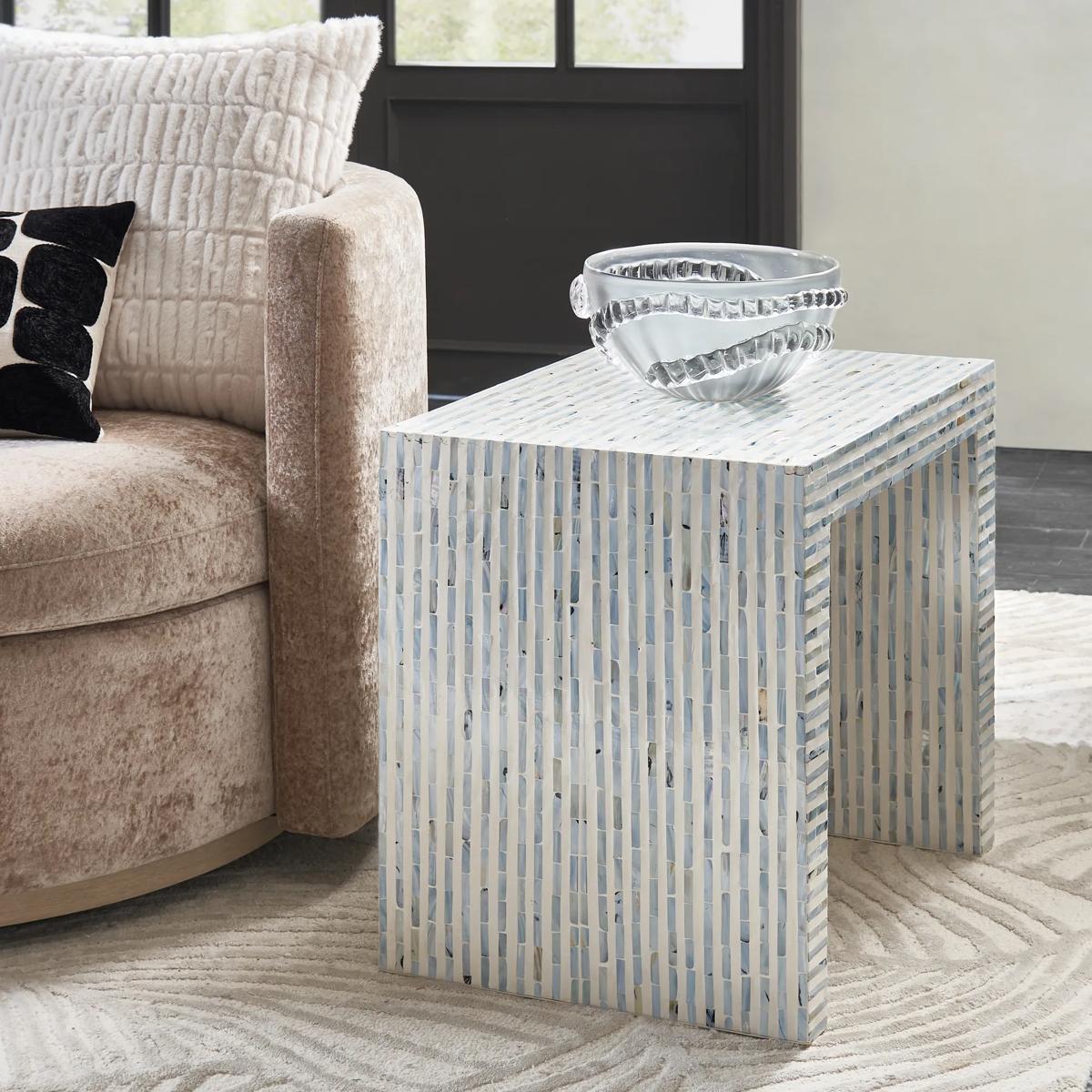 Stella Blue End Table(24")$399
A handcrafted end table featuring genuine blue mother-of-pearl inlay for a unique, iridescent accent.
Add To Cart -
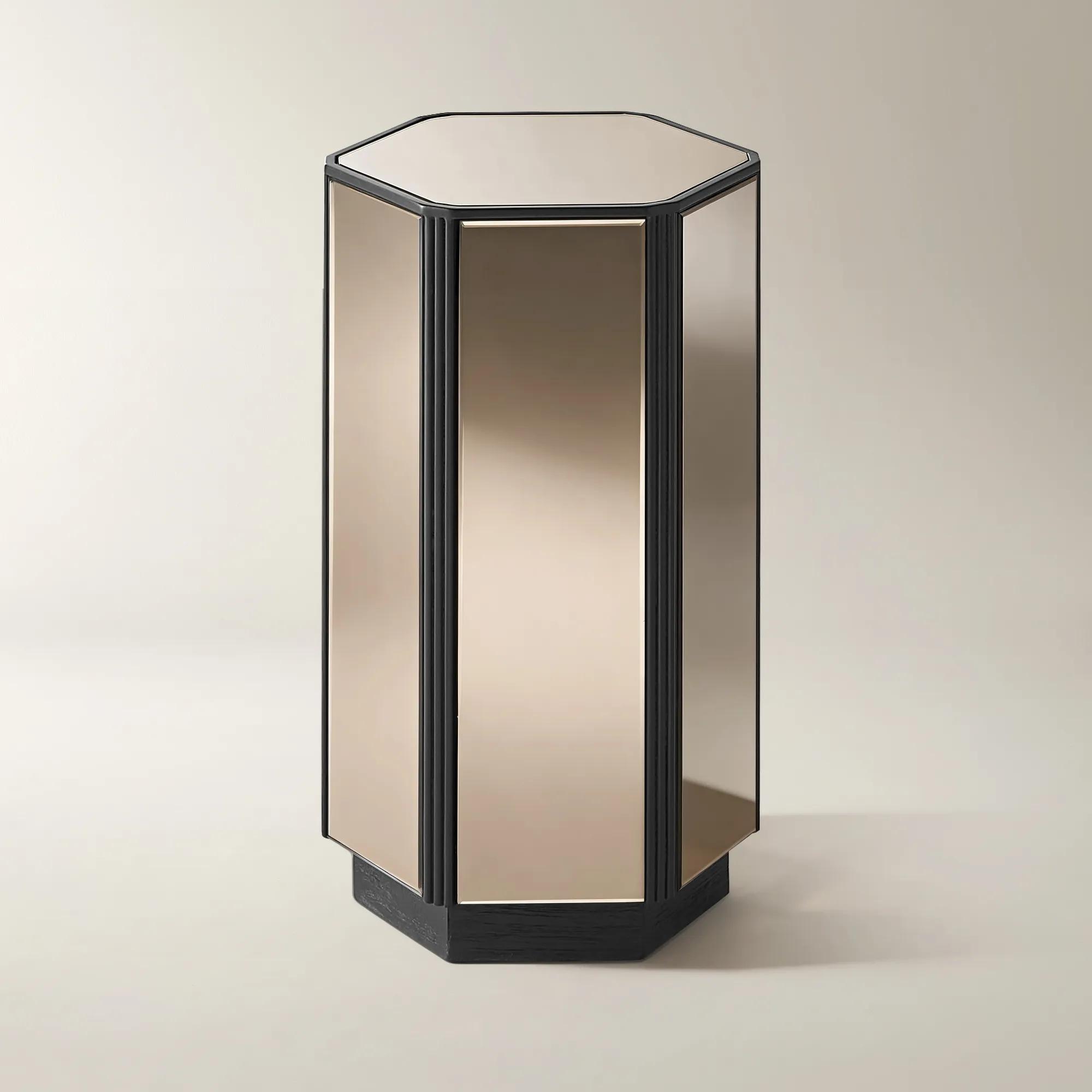 Glimmer Bronze Mirrored End Table (12")$399
A sculptural end table featuring bronze mirror panels and a black oak base for modern elegance.
Add To Cart

Contemporary Side Tables For Reading Nooks
Find contemporary side tables for reading nooks that pair modern lines with a convenient spot for your book and drink. As you browse accent tables, compare tabletop space, overall scale, and height relative to your chair’s arm. Choose proportions that leave room to move and a silhouette that gives your reading corner a sculptural finishing touch.
Contemporary side tables for reading nooks combine sculptural silhouettes, compact proportions, and a surface for books, a drink, or a reading lamp. Beside an upholstered chair, the right table gives a quiet corner definition: a gleaming metal frame introduces a fine architectural line, a rounded pedestal softens an angular arrangement, and a richly grained wood top adds depth against plush fabric. These small furnishings carry considerable visual weight because they sit close to the seat and become part of the reading ritual. A place to set down a novel should feel as considered as the chair itself, with enough room for everyday essentials and enough character to hold its own. Contemporary design leaves room for both restraint and drama, from slender open bases to substantial geometric forms that read almost as sculpture. The most comfortable proportions depend on the surrounding furniture rather than the room’s square footage alone. A tabletop near the height of the chair arm generally makes a cup or book easier to reach without an awkward stretch. Its width and depth should leave space to sit down, stand up, and move through the room comfortably, especially when a reading nook occupies a bedroom corner or the end of a sofa. A round top can soften a close arrangement, while a narrow rectangular profile can sit neatly along an arm without projecting as far into a walkway. C-shaped side tables offer another compact silhouette, though their usefulness depends on whether the base clears the chair’s feet and underside. Tables paired with statement chairs for reading nooks can echo a curve, repeat a metallic detail, or introduce a deliberate contrast. A streamlined table beside generously scaled upholstery lets texture take the spotlight; a bolder pedestal beside a tailored chair creates a more expressive balance. For a recliner, the arrangement also needs to accommodate the extended footrest and moving back. Those small clearances help a dramatic pairing remain comfortable in daily use.
Materials shape both the mood of a reading nook and the care its side table will need. Glass brings visual lightness to a compact corner, allowing an expressive base or patterned rug to remain visible through the top. Clear surfaces can also reveal fingerprints and dust readily, making regular wiping part of their upkeep. Metal introduces polish and definition, whether the effect is softly brushed, dark and architectural, or luminous enough to reflect a nearby lamp. The finish matters as much as the underlying material: abrasive pads and harsh cleaners can damage decorative coatings, so manufacturer-approved care is essential. Marble and other natural stones offer distinctive veining and a substantial presence, with variations that give each surface its own composition. Their beauty calls for thoughtful use, particularly around coffee, tea, and acidic drinks. Coasters and prompt attention to spills help protect the surface, while any sealing requirements depend on the particular stone and finish. Wood brings a different richness, balancing sleek upholstery and reflective accents with grain, tone, and tactile depth. Solid wood, wood veneer, and engineered wood have different constructions, but all benefit from protection against standing moisture and excessive heat. Veneer deserves the same careful handling as other decorative surfaces; aggressive scrubbing or sanding can damage its thin outer layer. Across materials, durability depends on construction, finish, intended use, and care rather than appearance alone. A broad pedestal may look grounded, but a stable connection between base and top remains important; an airy frame can serve beautifully when its joints and surface are suited to the expected load. Books become heavy in a stack, and a lamp adds concentrated weight, so stated weight limits matter for both tops and shelves. A side table is not a seat or step. Beneath it, appropriate floor protection can help prevent scratches, while a level position keeps the surface steady. When a table straddles the edge of a thick rug, even a striking silhouette can become unsettled; keeping the base evenly supported preserves both its poise and its usefulness.
Storage gives contemporary accent tables another role in a reading nook, creating space for the objects that make the corner personal without crowding the main surface. An open lower shelf can hold the next few books in a reading queue, leaving the tabletop available for a lamp and a cup. Shelf clearance matters for oversized art books, while the shelf’s depth determines whether a favorite hardcover rests securely rather than extending beyond the edge. A drawer offers a discreet place for reading glasses, bookmarks, charging cables, or a journal, with its opening direction worth considering when the table sits close to upholstery. Open-frame tables feel lighter within a compact arrangement, while enclosed forms create a stronger visual anchor and conceal small essentials. Neither approach needs elaborate styling. A ceramic vessel, a small stack of books, and the glow of a well-positioned lamp can give the surface a composed, lived-in character. Where the table supports the reading light, the lamp base needs enough space to sit fully on the top without forcing a drink to the perimeter. Cord routing deserves equal attention, with a clear path to an outlet that does not cross a walking area. A nearby floor lamp can free more tabletop space when the footprint is especially petite. For apartment readers, a compact side table can define a retreat within a larger living area; in a bedroom, it can distinguish an occasional chair from the bedside arrangement. In a shared household, accessible storage makes it easier to return glasses and books to their places. A side table can also make a thoughtful housewarming gift when the recipient’s measurements, materials, and decorating preferences are known. Its appeal lies in that close relationship between expression and everyday use: a beautiful surface at hand, a sculptural detail beside a favorite chair, and a reading nook that feels complete without feeling crowded.
FAQs
Contemporary side tables combine expressive shapes, clean lines, and distinctive finishes. In a reading nook, a sculptural pedestal, curved silhouette, or asymmetric base creates an artful counterpoint to a sumptuous chair, giving your personal retreat a confident design identity.
Marble brings dramatic veining, glass introduces an airy shimmer, and polished metal adds a jewelry-like gleam. Lacquered surfaces offer saturated color or glossy contrast, while richly grained wood lends warmth. Choose a material that echoes your room’s mood or introduces an unexpected accent.
Create a dialogue between contrasting textures and shapes. A gleaming metal side table brings crisp definition to a velvet reading chair, while a curved wood table adds warmth beside tailored upholstery. Repeat a finish or color from nearby decor to make the pairing feel intentional rather than overly matched.
Build an edited composition with a favorite book, a sculptural table lamp, and one expressive accent, such as a faceted vase or decorative box. Vary textures while keeping the palette deliberate. Leave part of the tabletop exposed so its finish becomes part of the vignette.
Drawer side tables conceal bookmarks, reading glasses, and personal essentials behind a polished exterior. Open-shelf designs make books and collected objects part of the decor, creating a more layered composition. The distinction is visual as well as practical: concealed details versus an artfully displayed personal collection.