Contemporary Low Beds
Contemporary Low Beds
-

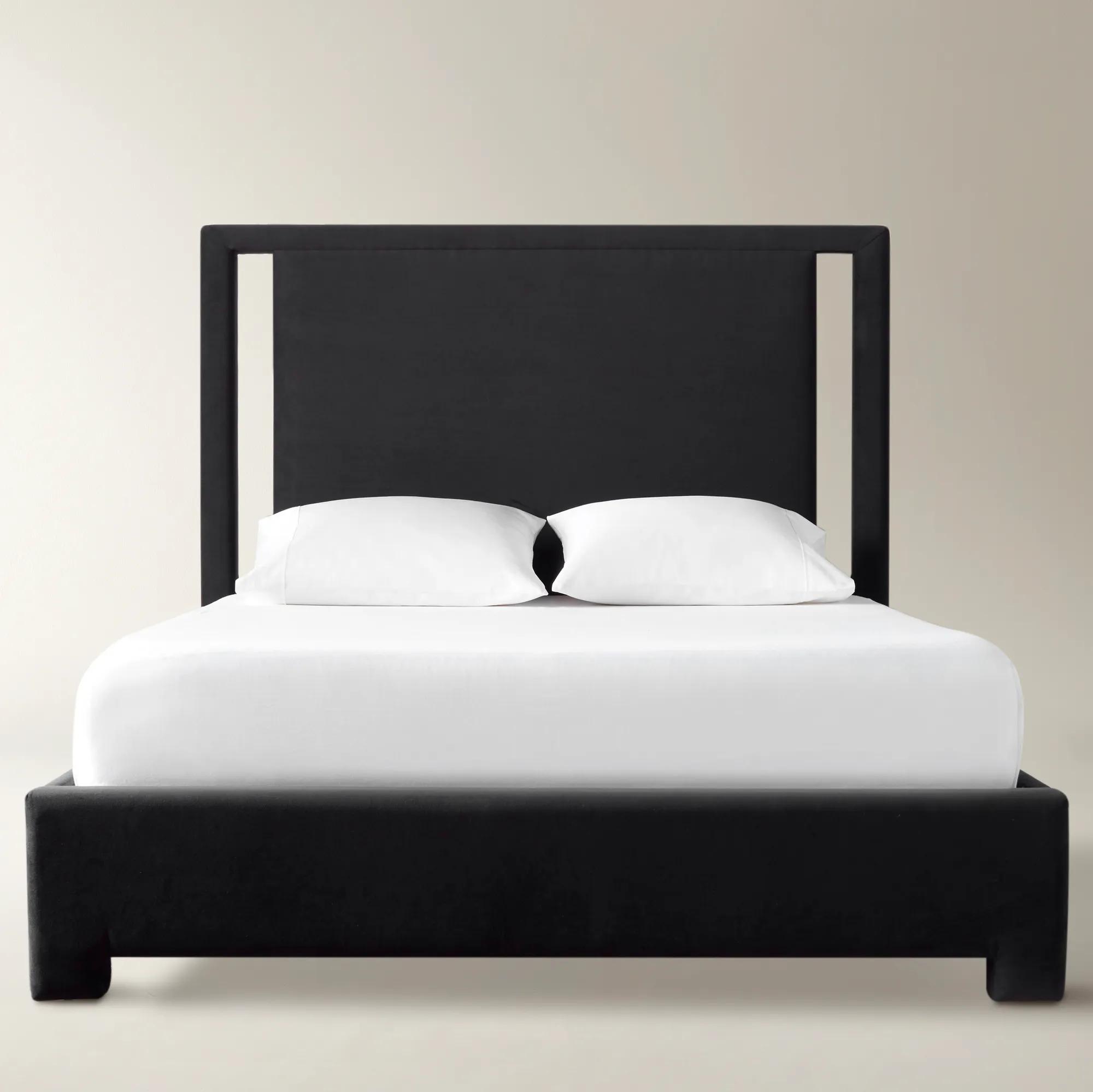
 Tenley Bed$2599
A modern bed with a kiln-dried hardwood frame and plush, high-density foam headboard in oyster linen.
Add To Cart -
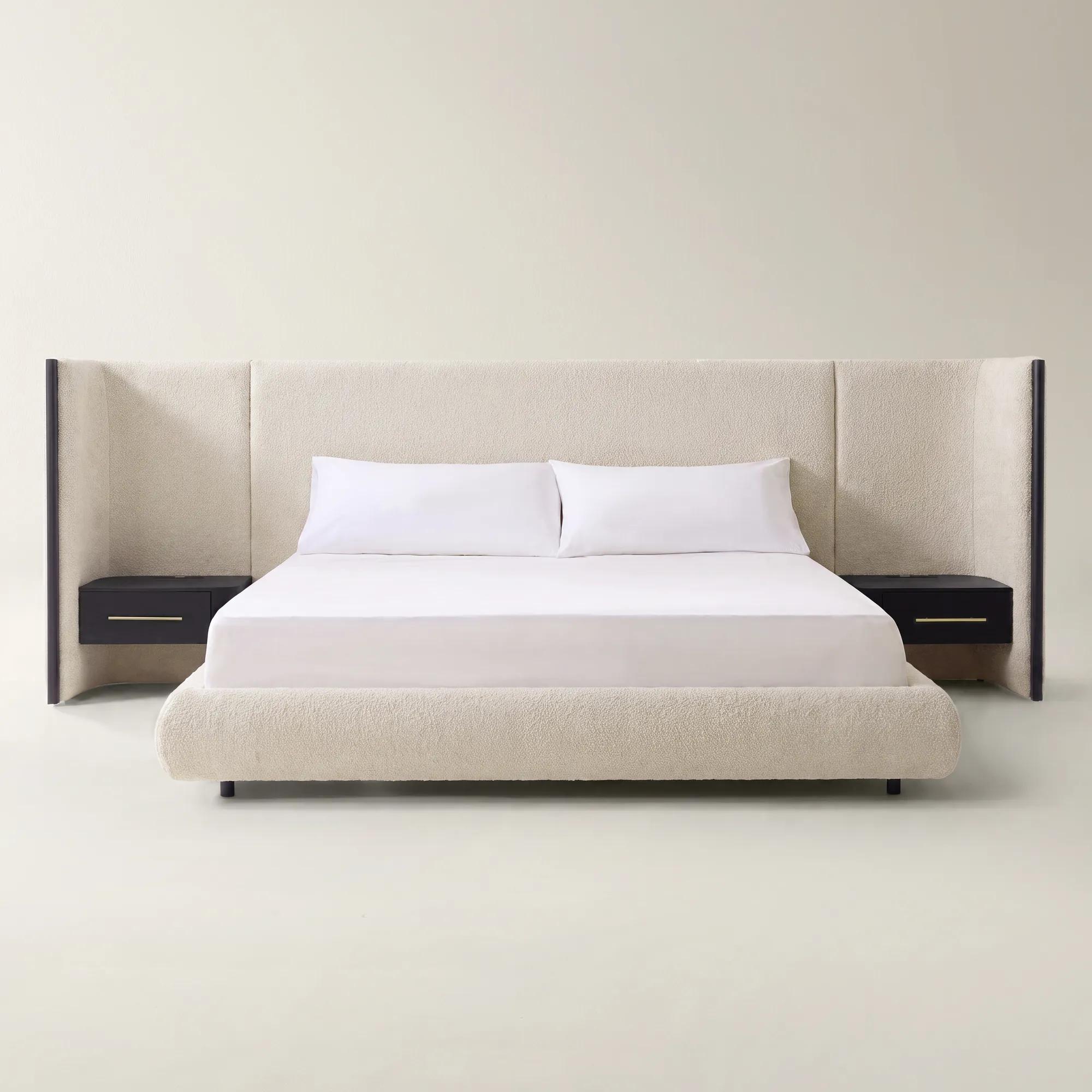
 Sierra Ivory Performance Boucle Upholstered King Bed With Nightstands$2999
An ivory performance boucle king platform bed featuring an extended headboard, floating nightstands, and black wood trim.
Add To Cart -
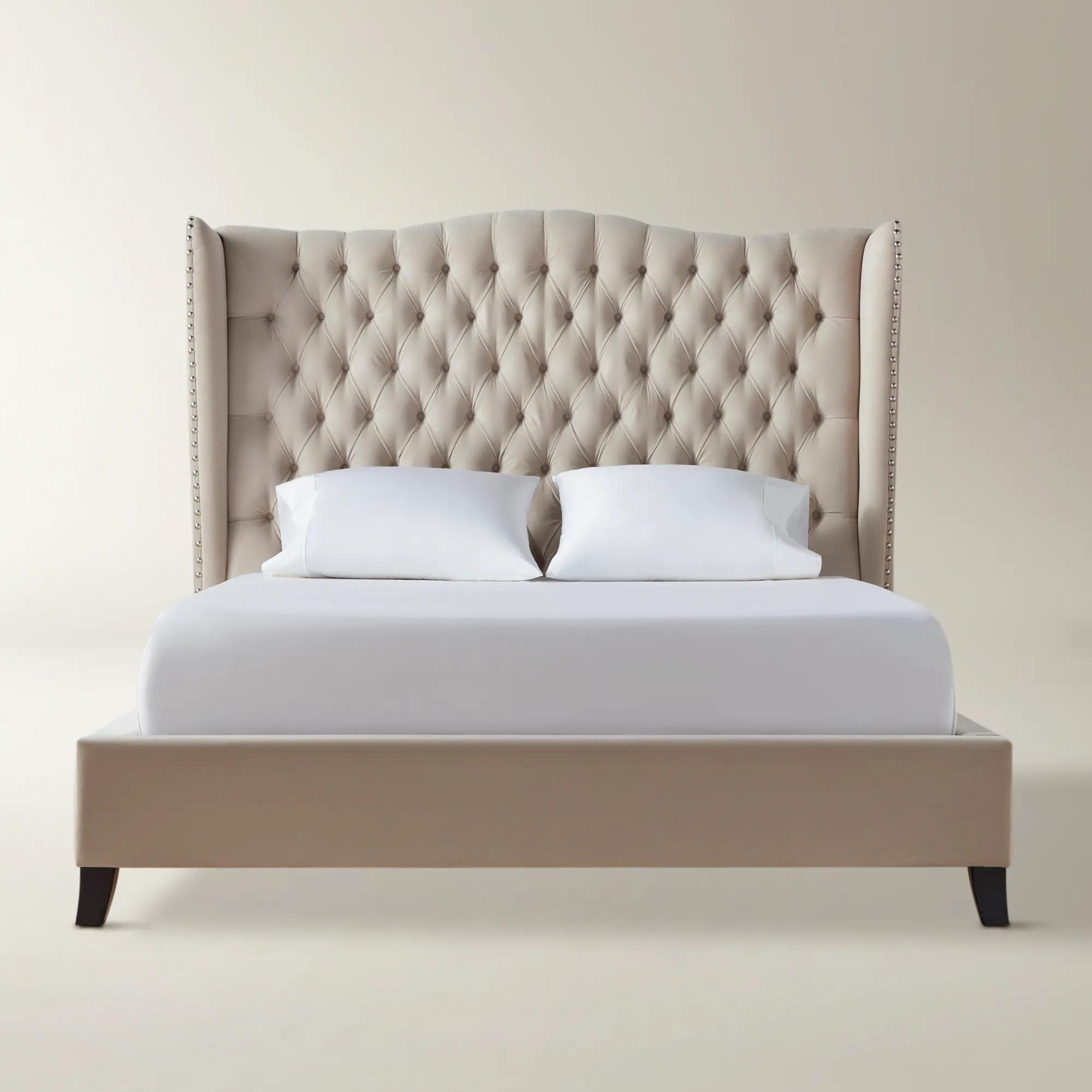
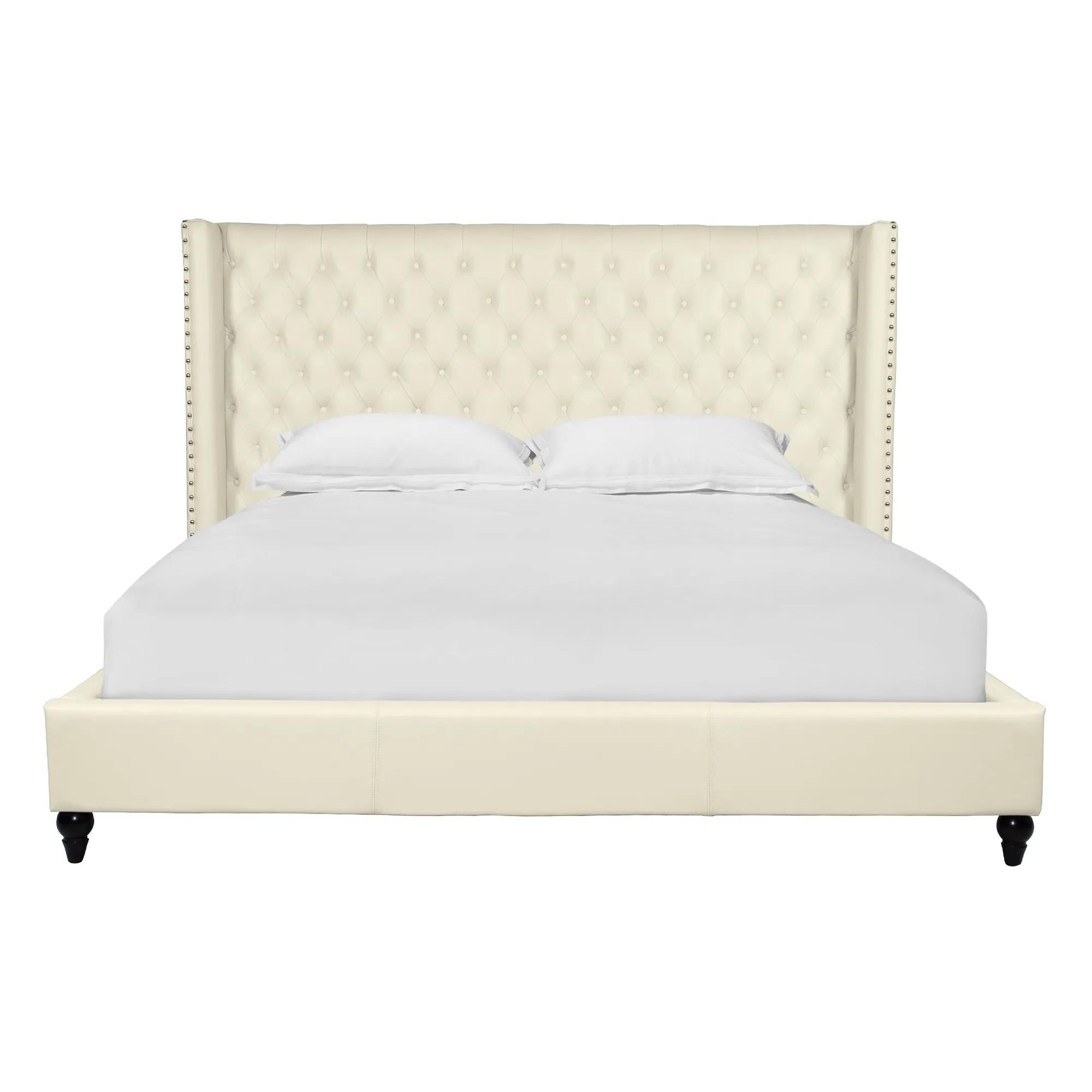
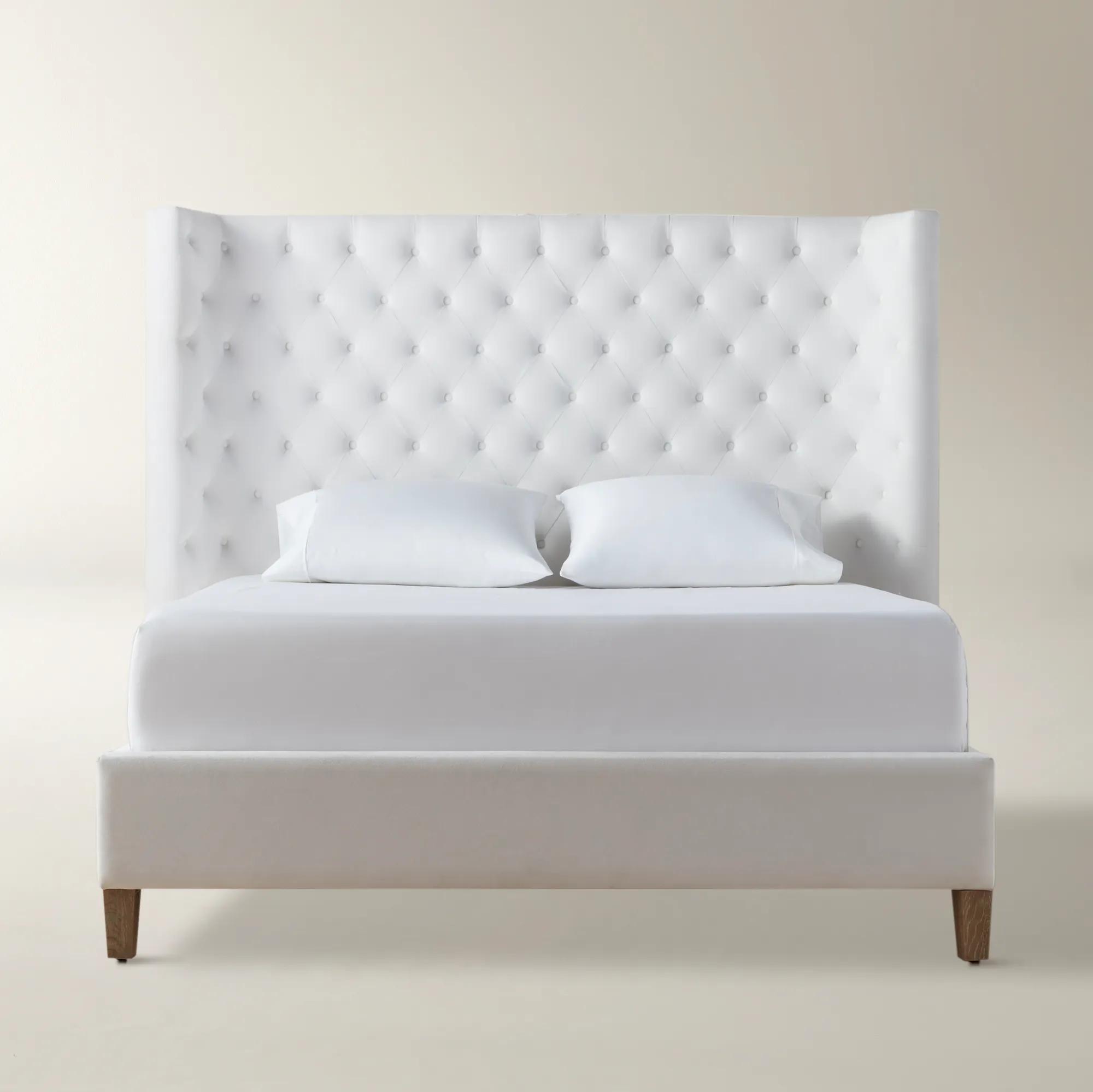 Jen Bed$3099
A glamorous wingback bed with hand-applied diamond button tufting and plush Bella Velvet White upholstery.
Add To Cart -
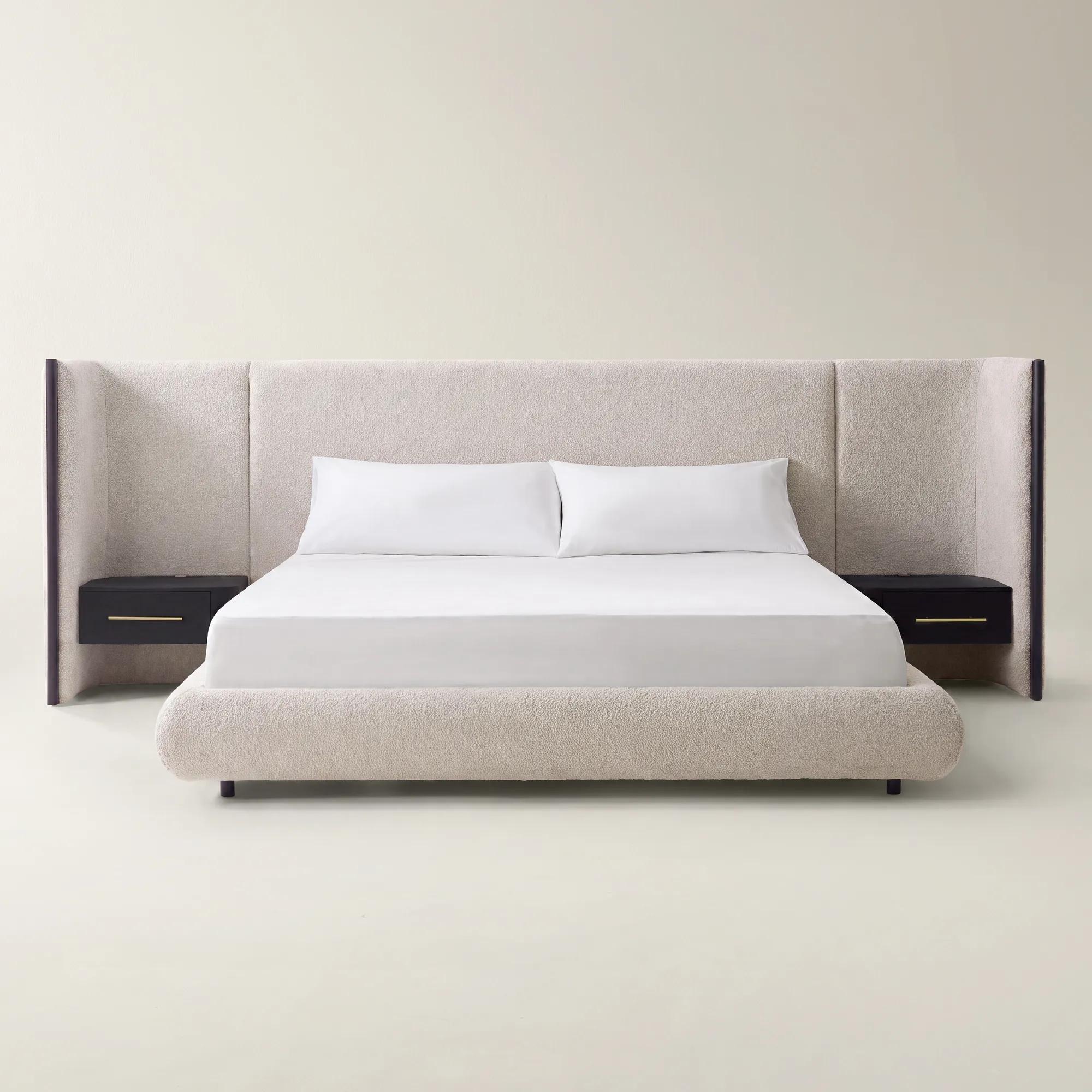
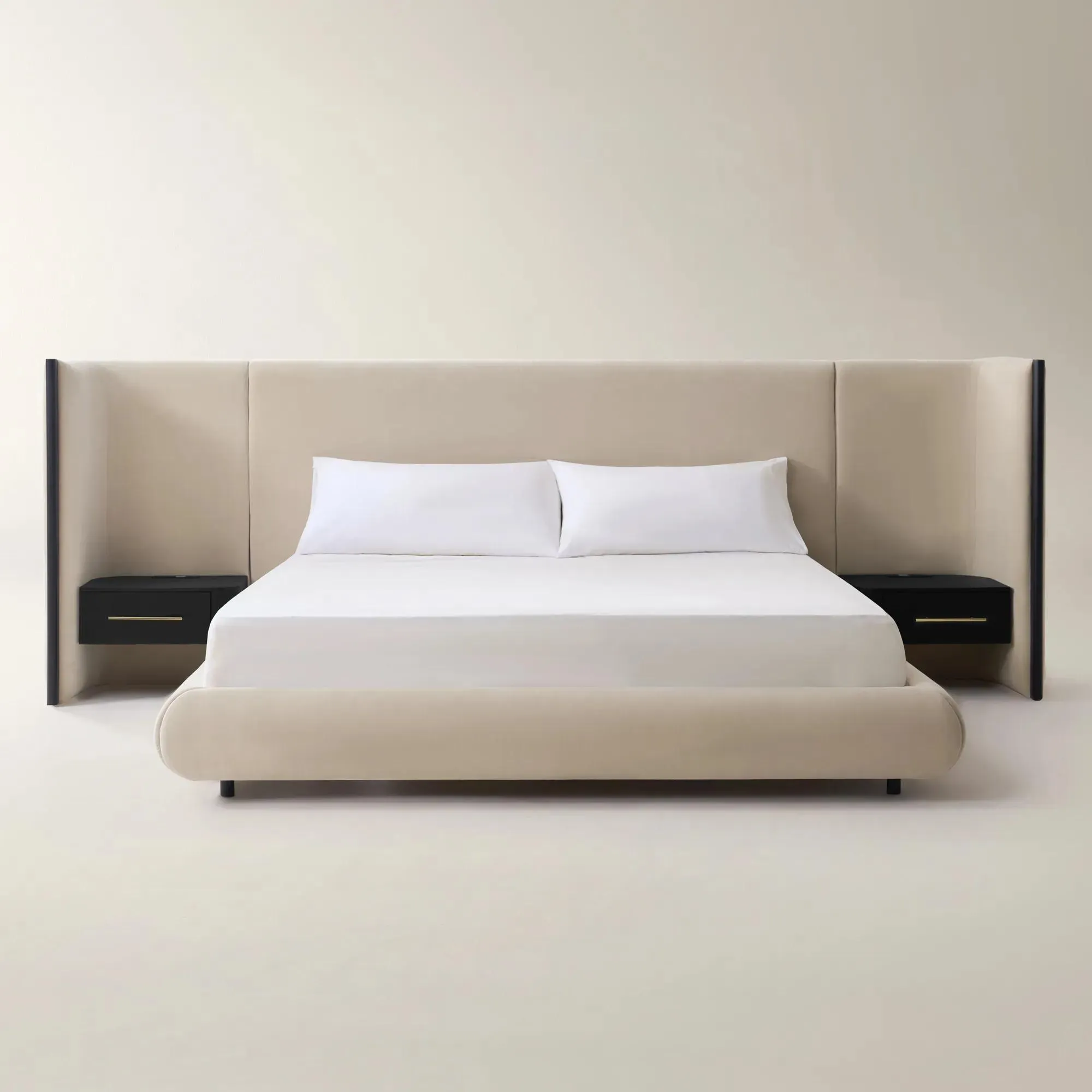
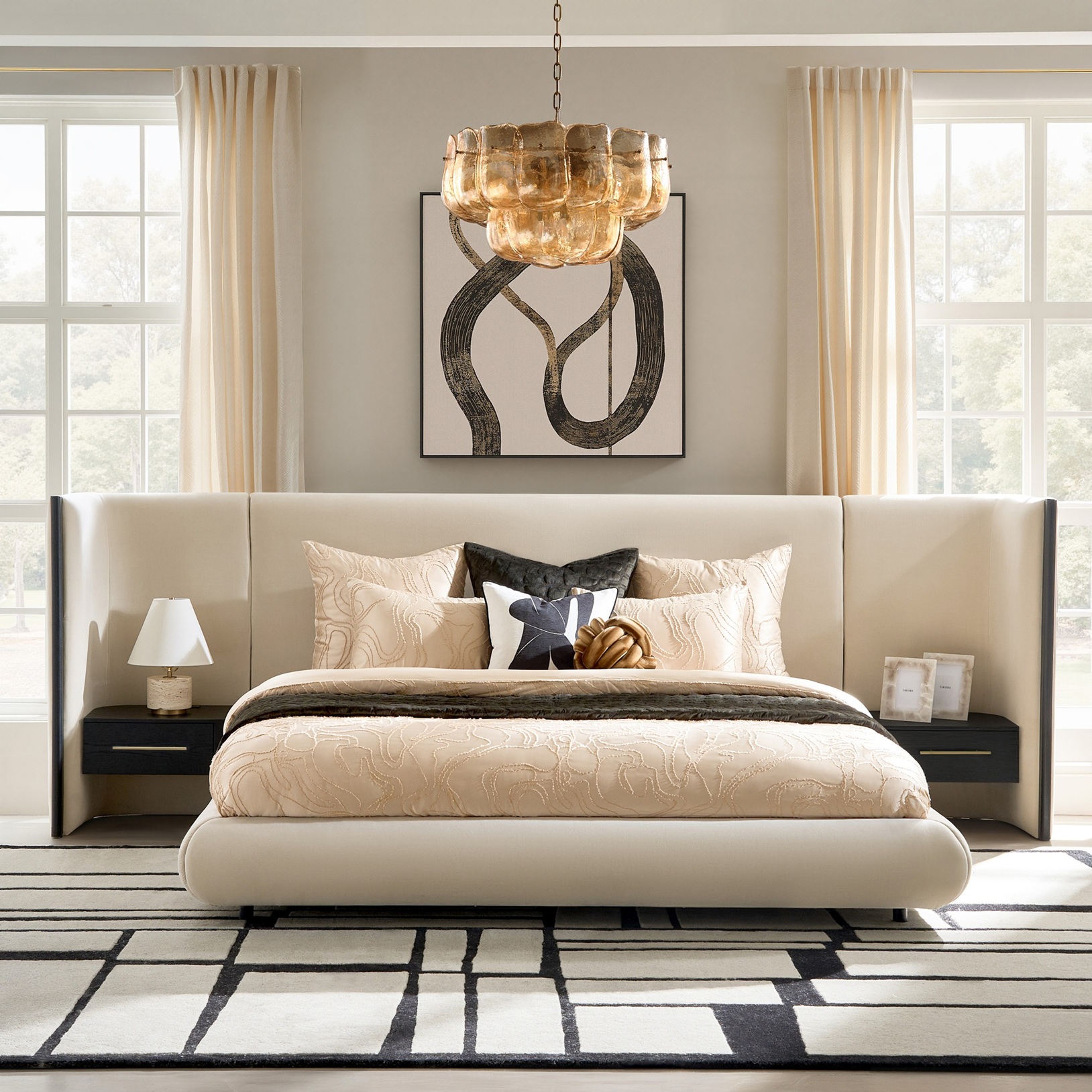 Sierra Ivory Performance Boucle Upholstered King Bed With Nightstands$2999
An ivory performance boucle upholstered platform bed featuring an extended headboard, floating nightstands, and built-in power access.
Add To Cart -
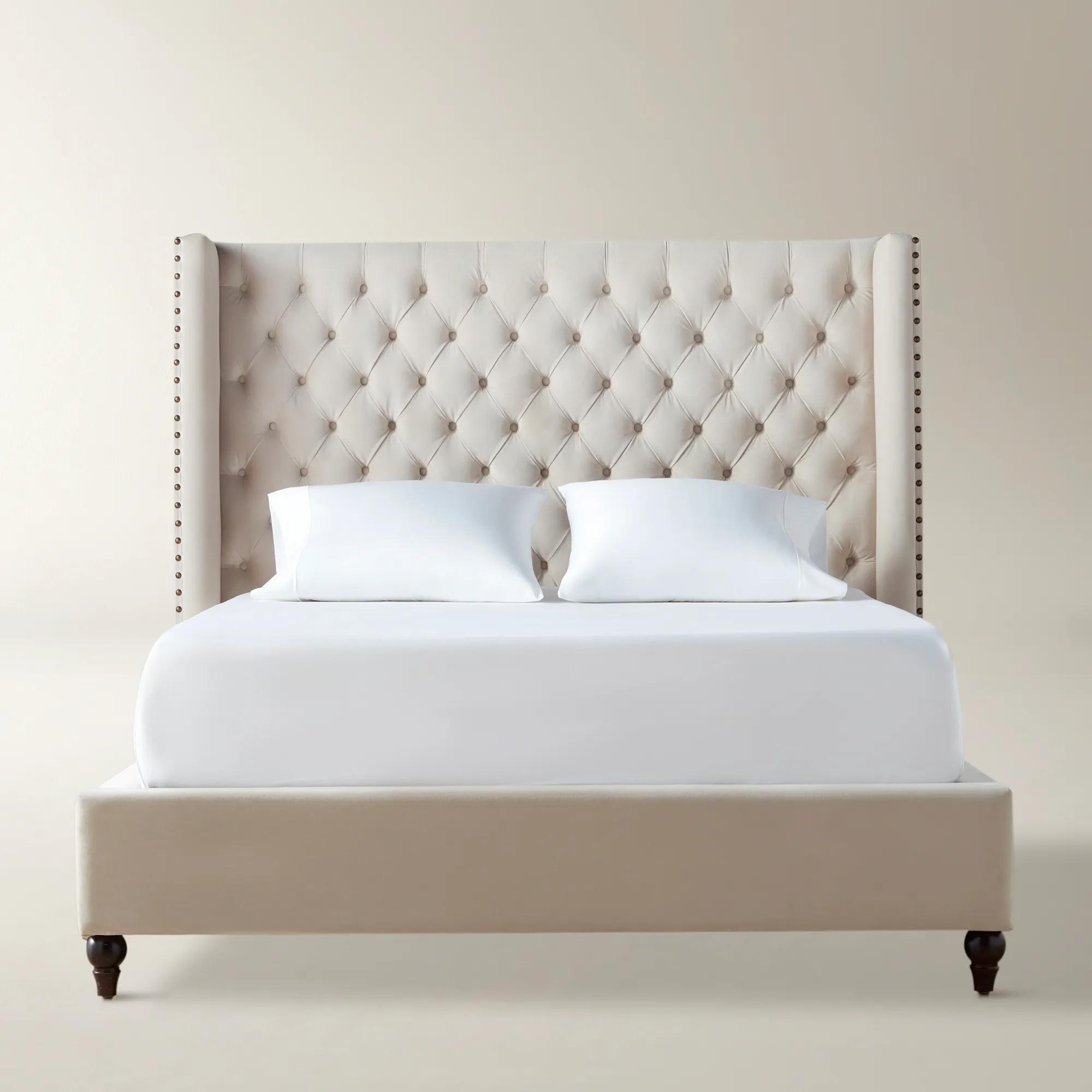
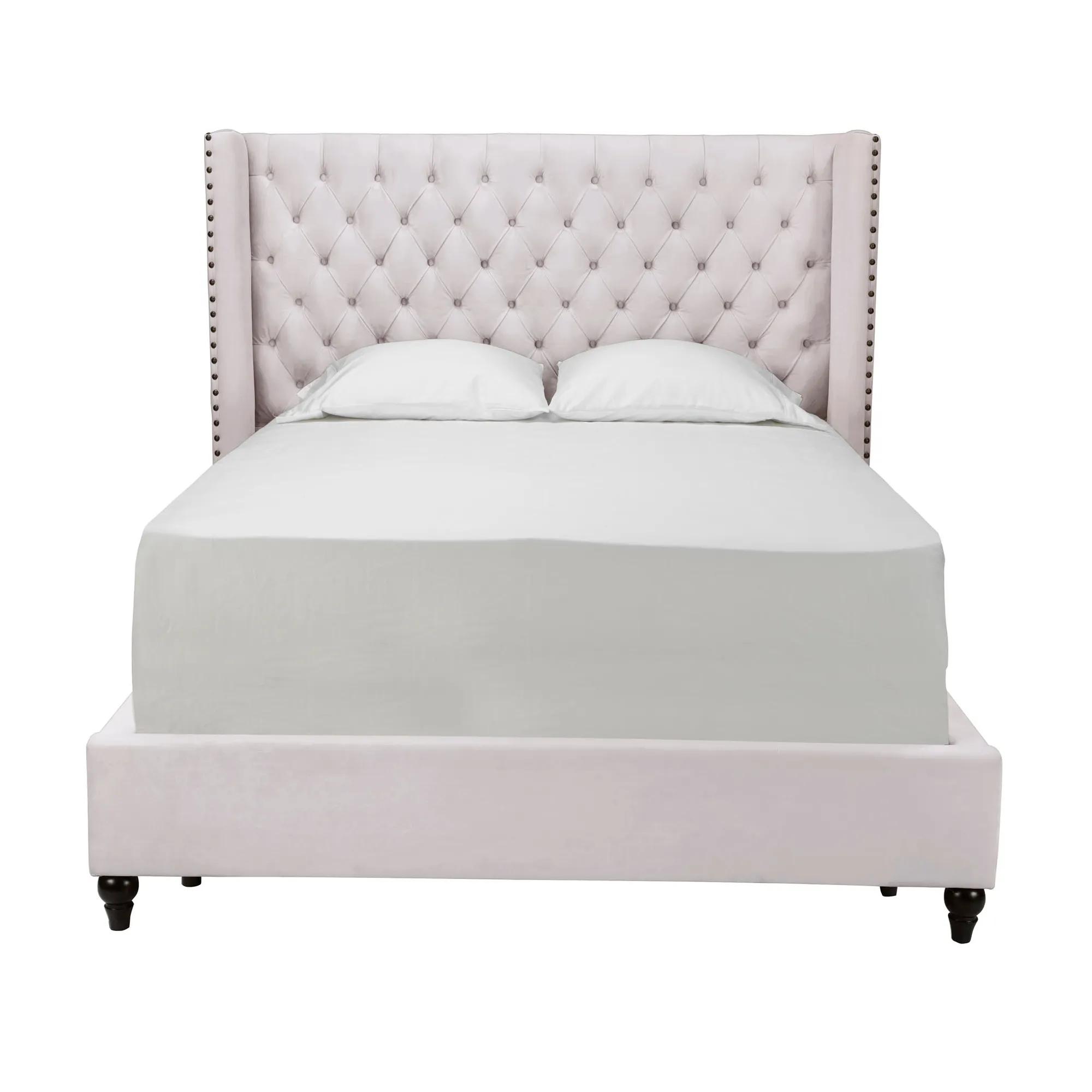
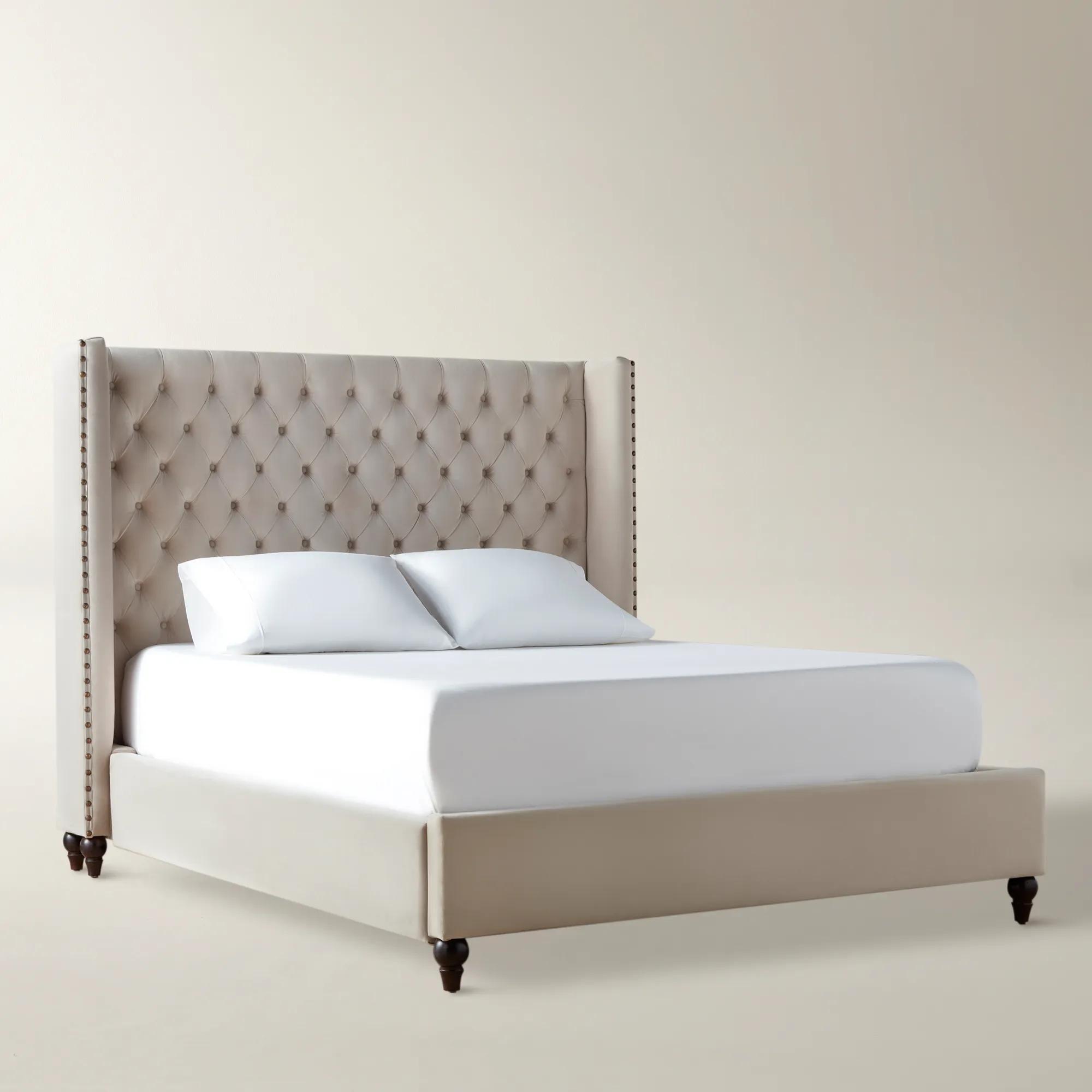 Roberto Bed$2299
A stately bed featuring diamond tufting, hand-applied nailheads, and plush Bella Velvet Pearl upholstery.
Add To Cart -
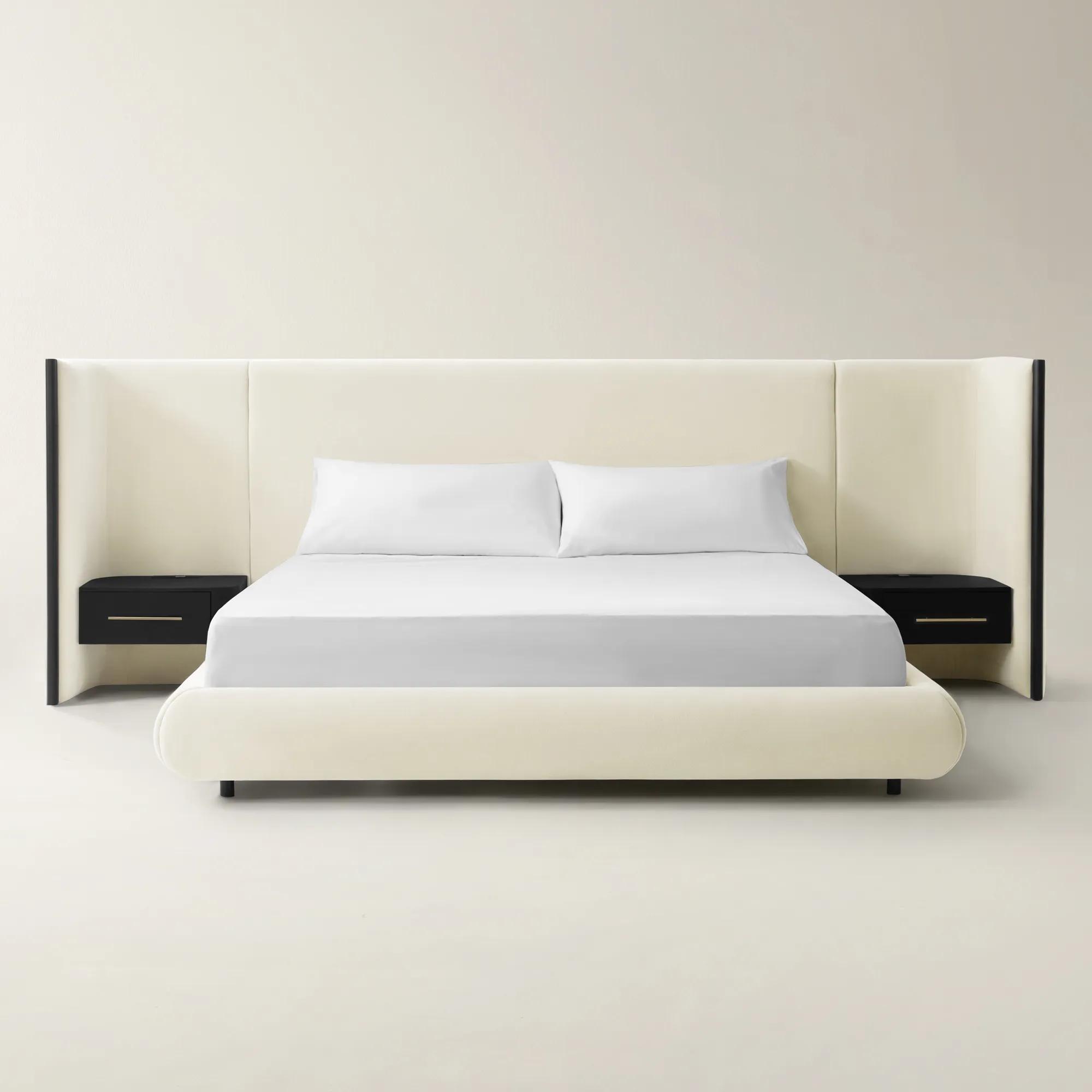 Sierra Cloud Velvet Upholstered Queen Bed With Nightstands$2699
A modern platform bed featuring plush velvet upholstery, black wood trim, and integrated floating nightstands with power access.
Add To Cart -
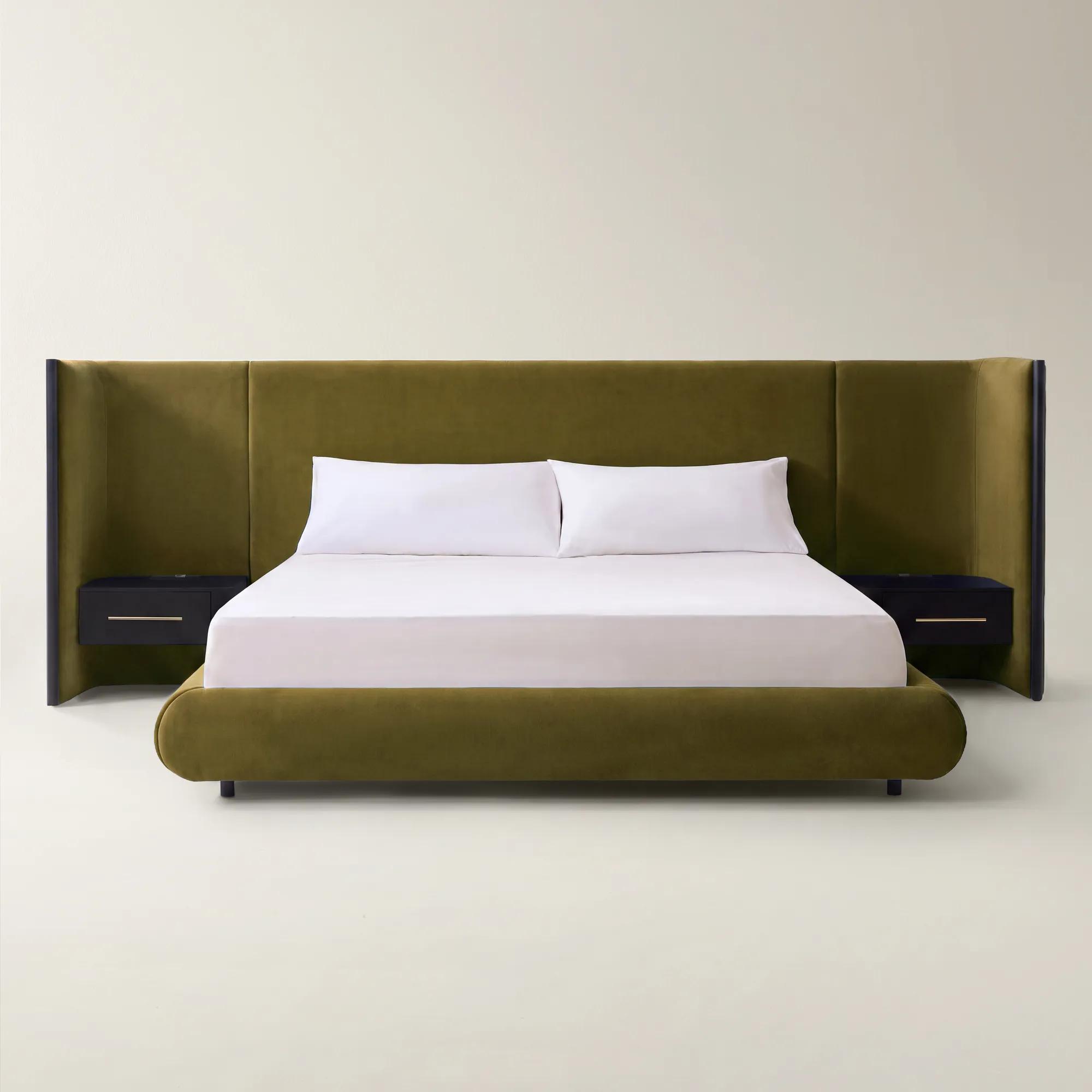 Sierra Deep Olive Velvet Upholstered Queen Bed With Nightstands$2699
A deep olive velvet platform bed featuring an extended headboard, floating nightstands, and built-in power access.
Add To Cart -
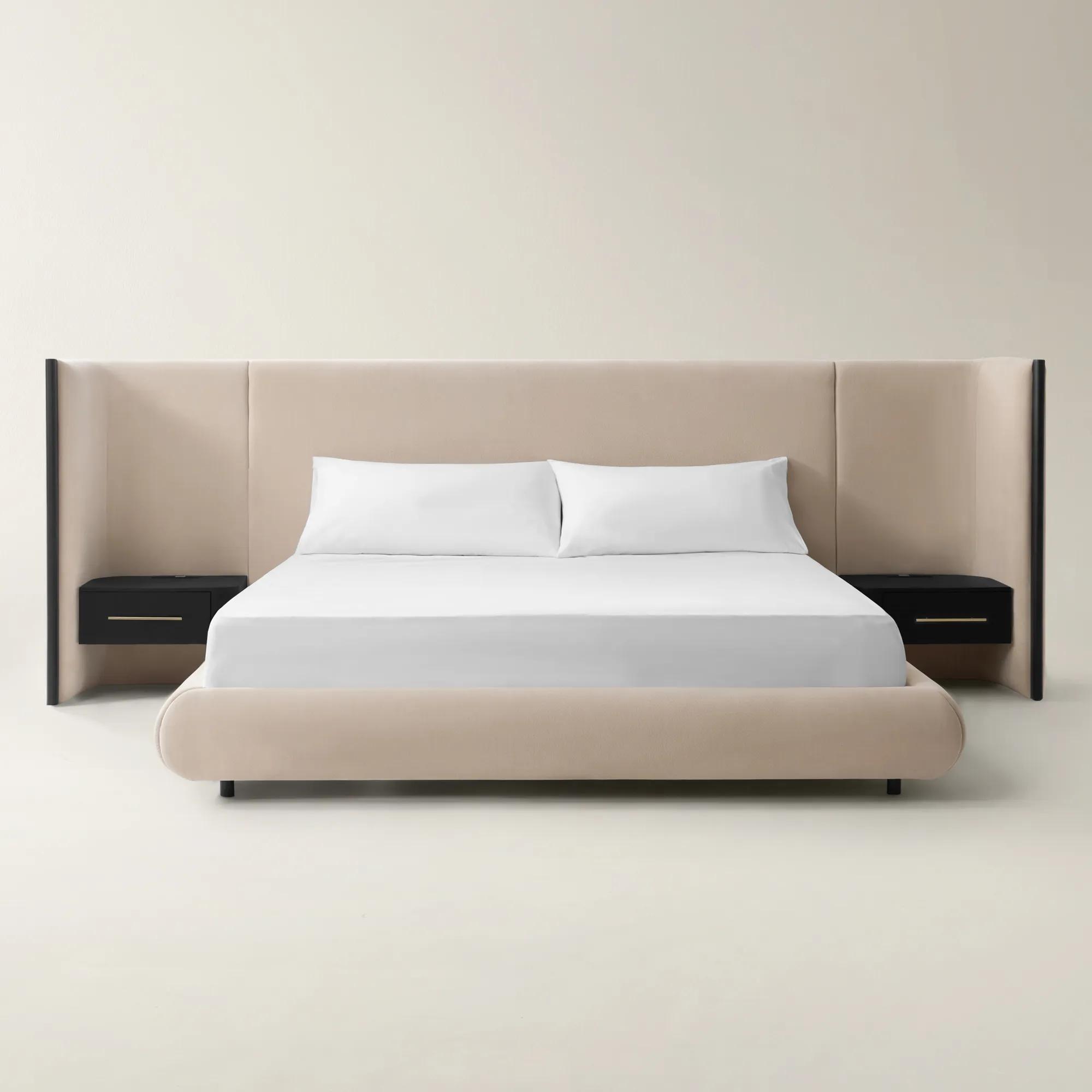 Sierra Simply Taupe Velvet Upholstered Queen Bed With Nightstands$2699
A taupe velvet platform bed featuring an extended headboard, black wood trim, and floating nightstands.
Add To Cart -
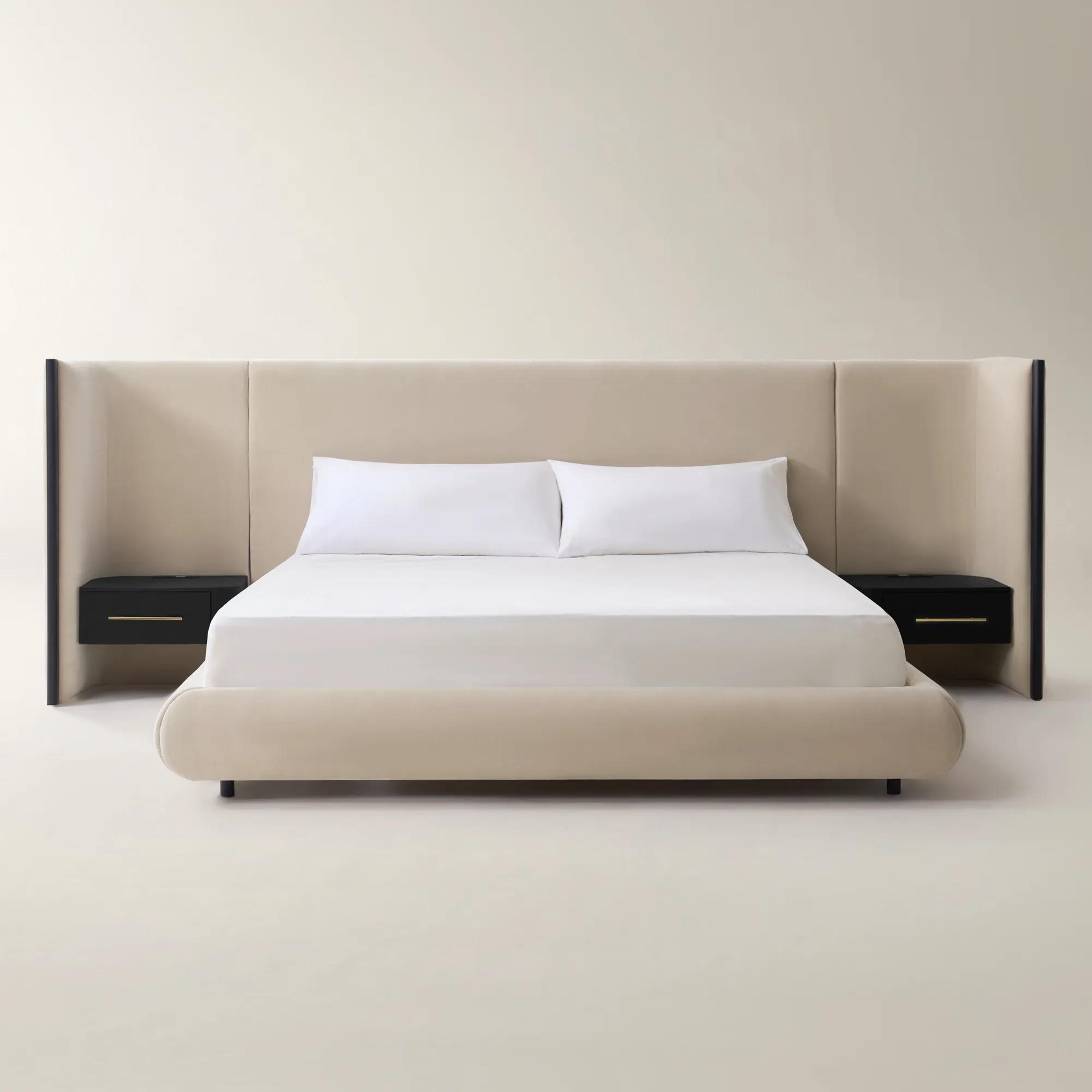 Sierra Oatmeal Velvet Upholstered Queen Bed With Nightstands$2699
A modern oatmeal velvet bed with an extended headboard, floating nightstands, and built-in power access.
Add To Cart -
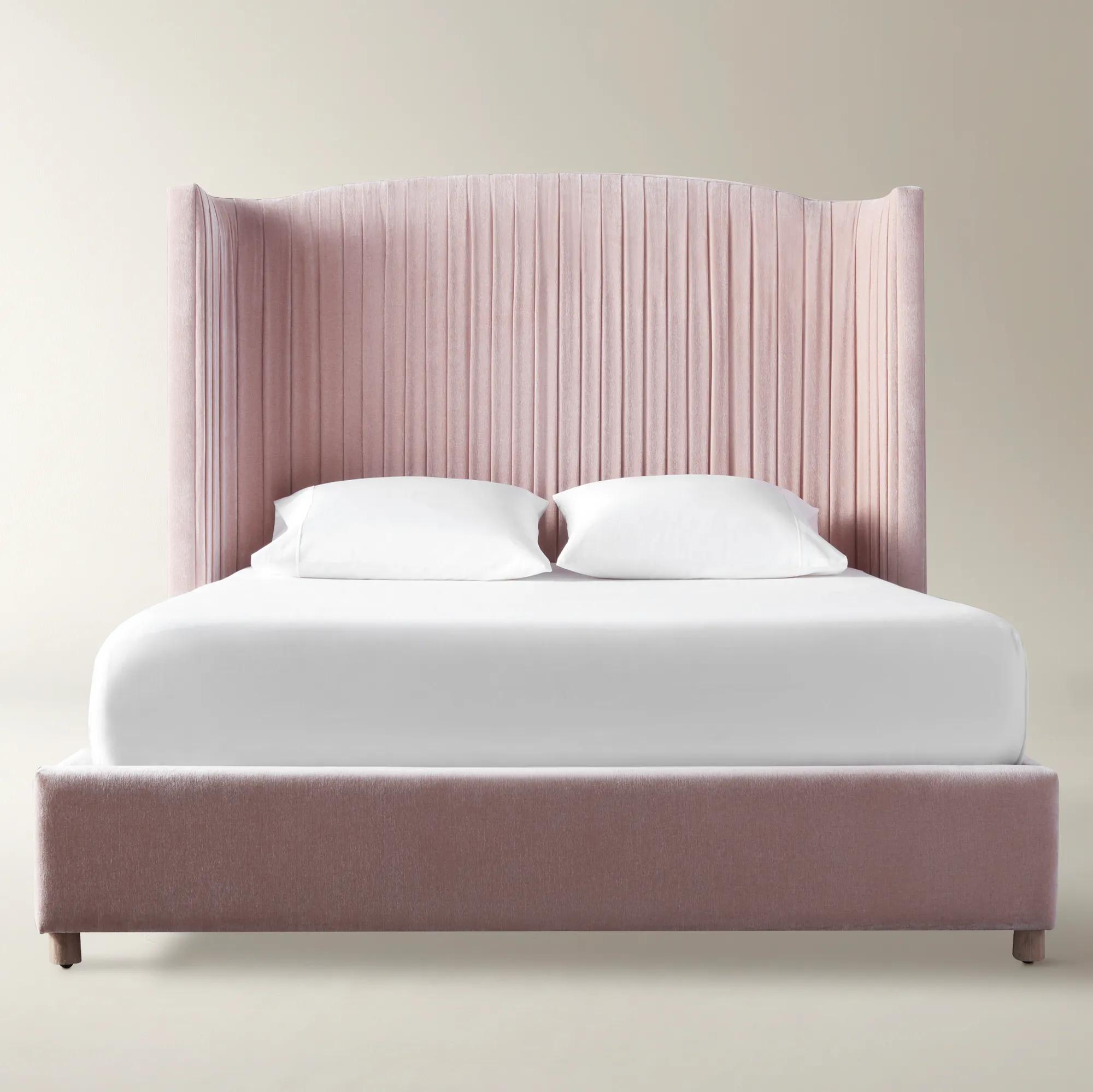
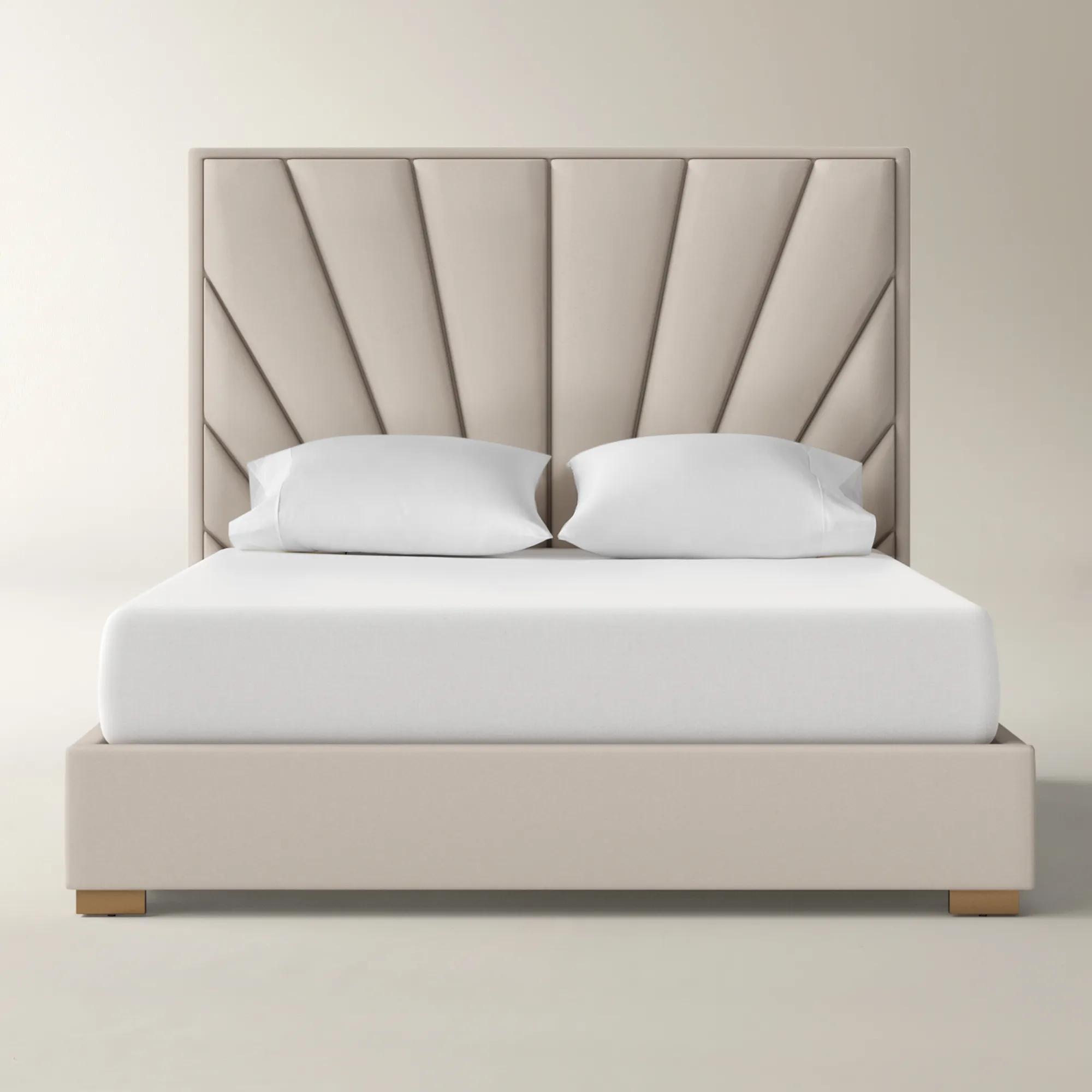 Adriana Platform Bed - 68"H$2649
A hand-crafted platform bed featuring a fan-patterned, upholstered headboard in plush velvet or chenille fabric.
Add To Cart -
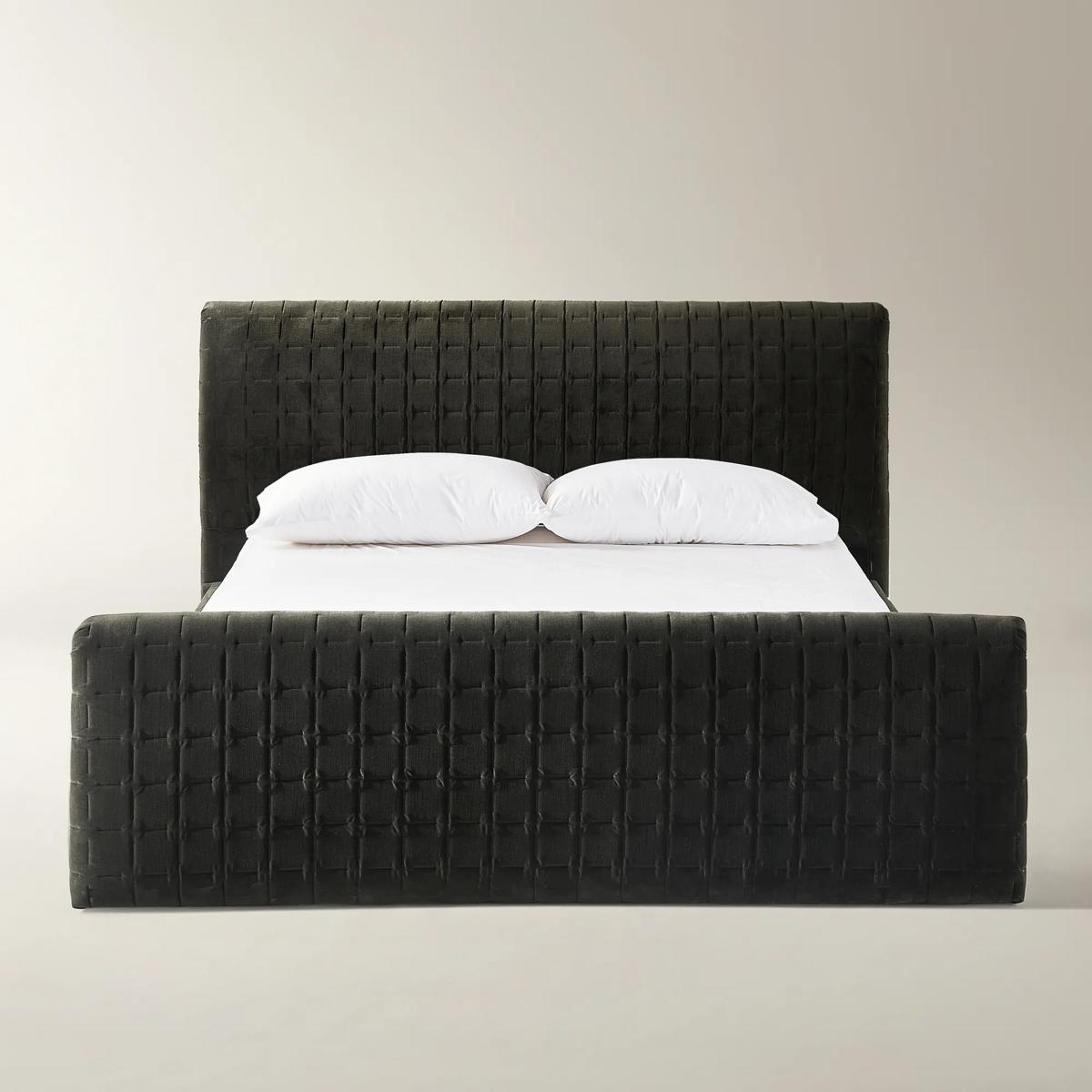 Vanta Charcoal Velvet Upholstered Queen Platform Bed$2299
A sculptural bed featuring charcoal velvet upholstery, three-dimensional checker quilting, and sleek stainless steel inlays.
Add To Cart -
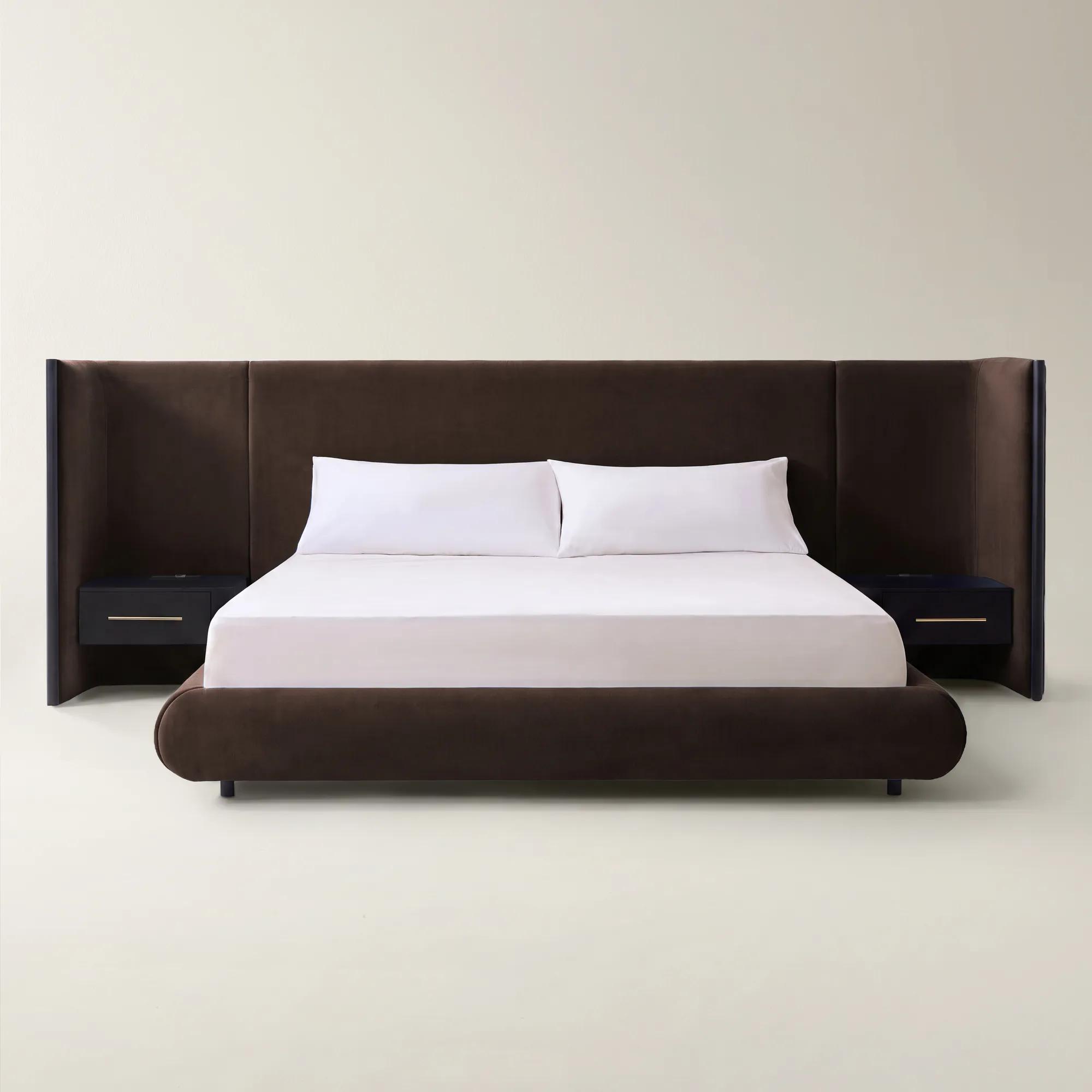 Sierra Dark Chocolate Velvet Upholstered Queen Bed With Nightstands$2699
A dark chocolate velvet platform bed featuring an extended headboard, black wood trim, and floating nightstands.
Add To Cart -
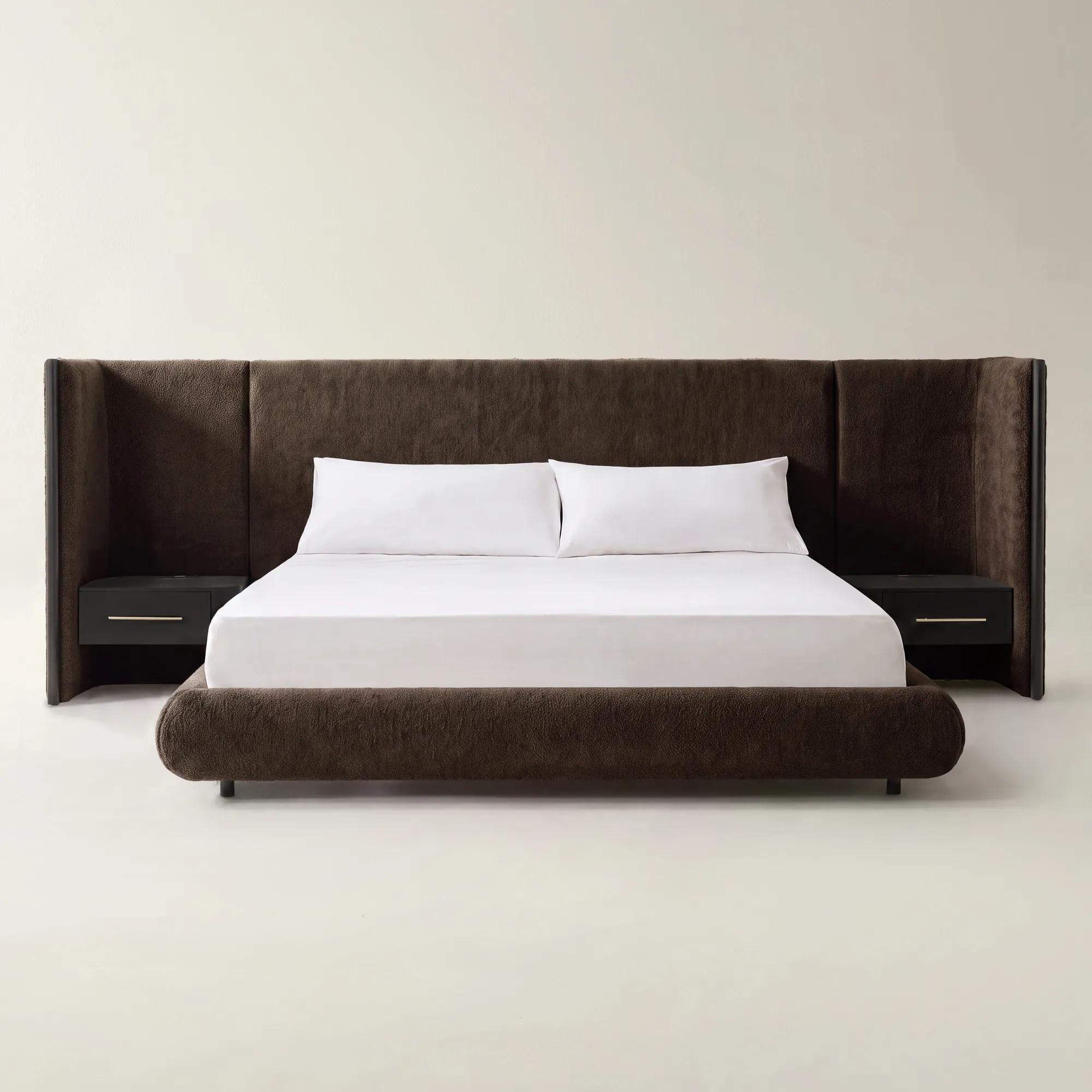 Sierra Dark Chocolate Chenille Upholstered Queen Bed With Nightstands$2799
A dark chocolate chenille platform bed featuring an extended headboard, floating nightstands, and black wood trim.
Add To Cart

Contemporary Low Beds
Contemporary low beds invite you to redefine your sanctuary with a daring sense of sophistication. These artful foundations transform sleep into an elevated experience, merging streamlined silhouettes with an unmistakable air of modern glamour. Each piece is a study in balance—where minimal height amplifies the drama of your space and invites every detail to shine. Whether you crave an urban retreat or a gallery-inspired escape, contemporary low beds are the canvas upon which bold dreams are built, grounding your bedroom in chic serenity and undeniable style.
Contemporary low beds bring a grounded, architectural presence to the bedroom, pairing a close-to-the-floor silhouette with the drama of beautiful proportions. Their appeal lies in the relationship between the bed and the space around it: a lower sleeping surface leaves more wall visible, gives artwork room to command attention, and can make the ceiling feel more expansive without changing the room’s dimensions. Low-profile bed frames are defined by their reduced height, though there is no single standard measurement that makes a bed “low.” The finished sleeping height depends on both the frame and the mattress, so a substantial mattress can noticeably change the effect of an otherwise sleek base. Many contemporary low beds use platform construction, with slats or a solid deck supporting the mattress rather than a traditional box spring; however, low height alone does not guarantee that a frame is designed for use without a foundation. The architectural clarity shared with Contemporary Platform Beds makes this silhouette especially compelling in rooms where texture, proportion, and a few expressive details set the mood. A wide upholstered headboard can stretch across the wall like a tailored backdrop, while an exposed wood platform introduces crisp edges and visible grain. Neither approach requires a spare or austere bedroom. Sumptuous bedding, a sculptural lamp, and a gleaming bedside accent can give a low bed an unmistakably glamorous presence. In a primary suite, the horizontal profile establishes a composed focal point; in a guest bedroom, it can create a polished retreat without the visual weight of a tall footboard. For someone furnishing a first apartment or reimagining a longtime bedroom, the attraction is equally personal: a bed that feels intentional, expressive, and connected to the architecture rather than simply placed against a wall. A restrained frame can let richly textured textiles take center stage, while a broad, sculpted base becomes the defining gesture itself.
Materials shape that impression as much as silhouette. Wood low beds reveal their character through grain, finish, and the thickness of the rails, whether the effect is pale and luminous or deep and richly contrasted. Solid wood and engineered wood serve different structural and design purposes, and either deserves consideration alongside the quality of the joinery, center supports, and finish. An upholstered low bed brings a softer visual edge, with fabric extending the bedroom’s palette across a generous surface. Velvet can catch the light with a subtle change in tone, while woven upholstery offers a more textured, tailored expression. Leather and leather-look coverings have their own distinctive feel and care requirements; the material description matters more than appearance alone. For households with pets, children, or frequent overnight guests, tightly woven fabrics, accessible cleaning instructions, and clearly stated durability information can be especially useful. Construction beneath the surface deserves equal attention. A mattress needs the support specified by its manufacturer, including any requirements for slat spacing, a center rail, or additional legs. Closely spaced slats can support airflow beneath the mattress, but suitability varies by mattress type, and a solid platform may have different ventilation considerations. Adding a box spring to a frame intended for direct mattress support can alter both the intended proportions and the overall sleeping height, so the bed and mattress specifications should be considered together. The same care applies to adjustable bases: compatibility should be explicitly confirmed rather than assumed from the frame’s open appearance. A beautifully finished bed earns its place through everyday stability as well as visual impact. Secure connections, appropriate support for the chosen size, and adherence to the stated weight capacity help preserve that reassuring sense of substance. In a bedroom used for reading, watching a film, or lingering over a quiet morning, the headboard’s height and upholstery also influence comfort. A low frame with a generous headboard can offer a striking balance: grounded below, enveloping above, and substantial enough to anchor layered pillows without losing its sculptural outline.
Scale becomes especially important when a low bed has wide side rails, an extended platform, or an oversized headboard. A standard queen mattress measures approximately 60 by 80 inches, while a standard king measures approximately 76 by 80 inches, but the complete bed can occupy considerably more space. Overall frame dimensions, not mattress dimensions alone, determine how comfortably the bed sits between nightstands and how much room remains to move around it. In a compact bedroom, a narrow perimeter may preserve circulation; in a larger suite, a broader platform can give the arrangement an expansive, gallery-like presence. Projecting corners deserve attention along the route between the doorway, closet, and bathroom, particularly where bedding might obscure the frame’s edge. Bedside furniture also looks and functions differently beside a lower sleeping surface. A nightstand close to mattress height keeps a glass of water or a reading lamp within comfortable reach, while a very tall chest can overpower the composition. Daily comfort matters just as much as visual balance. Getting into and rising from a low bed requires more bending at the knees and hips, which may not suit someone with limited mobility or joint discomfort. Considering the combined frame-and-mattress height helps establish whether the silhouette supports the sleeper’s routine. Clearance underneath affects practical upkeep, too: some frames allow room for a vacuum attachment, while near-floor designs may require moving the bed for thorough cleaning. Upholstery benefits from regular gentle vacuuming and prompt attention to spills according to the fabric instructions. Wood finishes generally call for a soft cloth and manufacturer-approved care, with excess moisture and abrasive cleaners avoided; upholstered, leather, and metal details each need treatment appropriate to their surface. Periodic checks of fasteners and supports help keep the frame secure. With those everyday details resolved, contemporary low beds offer a distinctive foundation for a bedroom with presence—one where rich materials, deliberate proportions, and personal expression make the entire room feel considered.
FAQs
Contemporary low beds are celebrated for their streamlined, minimalist silhouettes and close-to-the-floor profiles, which create a sense of openness and modernity in the bedroom. Unlike traditional beds, which often feature ornate headboards or elevated frames, low beds emphasize clean lines and a grounded aesthetic, allowing other design elements—like statement lighting or bold artwork—to shine. Their sculptural presence transforms the bedroom into a curated, gallery-inspired retreat.
To amplify the drama of a contemporary low bed, layer it with sumptuous bedding, tactile throws, and an array of decorative pillows in contrasting textures and tones. Consider pairing the bed with oversized area rugs to define the space and add warmth. Sculptural bedside tables, gleaming metallic accents, and dramatic wall art can further elevate the room, turning the bed into a true centerpiece of artistic expression.
A contemporary low bed makes a thoughtful and luxurious gift for anyone embarking on a new chapter—such as newlyweds, recent graduates, or loved ones moving into a new home. It’s especially suited for design enthusiasts who appreciate bold, modern aesthetics and value both comfort and style in their personal spaces.
Contemporary low beds have a transformative effect on a bedroom’s ambiance. Their grounded profiles create an inviting sense of intimacy and relaxation, while their sleek design introduces a touch of modern sophistication. The result is a space that feels both serene and visually striking, encouraging rest and creative self-expression.
Absolutely. Contemporary low beds are remarkably versatile, complementing a wide range of interior styles—from urban lofts with industrial accents to serene, monochromatic retreats. Their minimalist form serves as a canvas for both bold, statement-making decor and subtle, layered textures, allowing you to tailor the look to your unique vision.