Contemporary Beds With Hardwood Frame
Contemporary Beds With Hardwood Frame
-

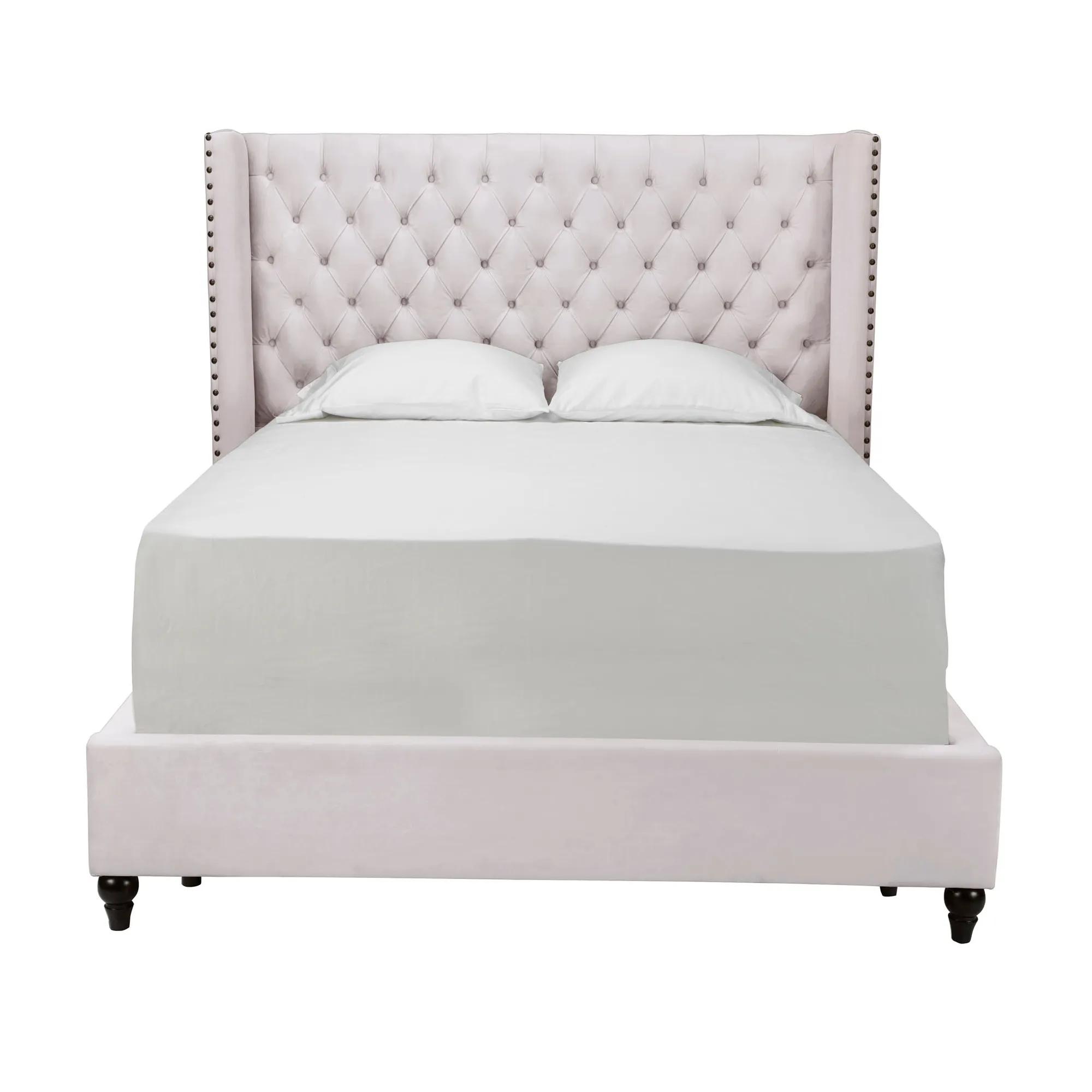
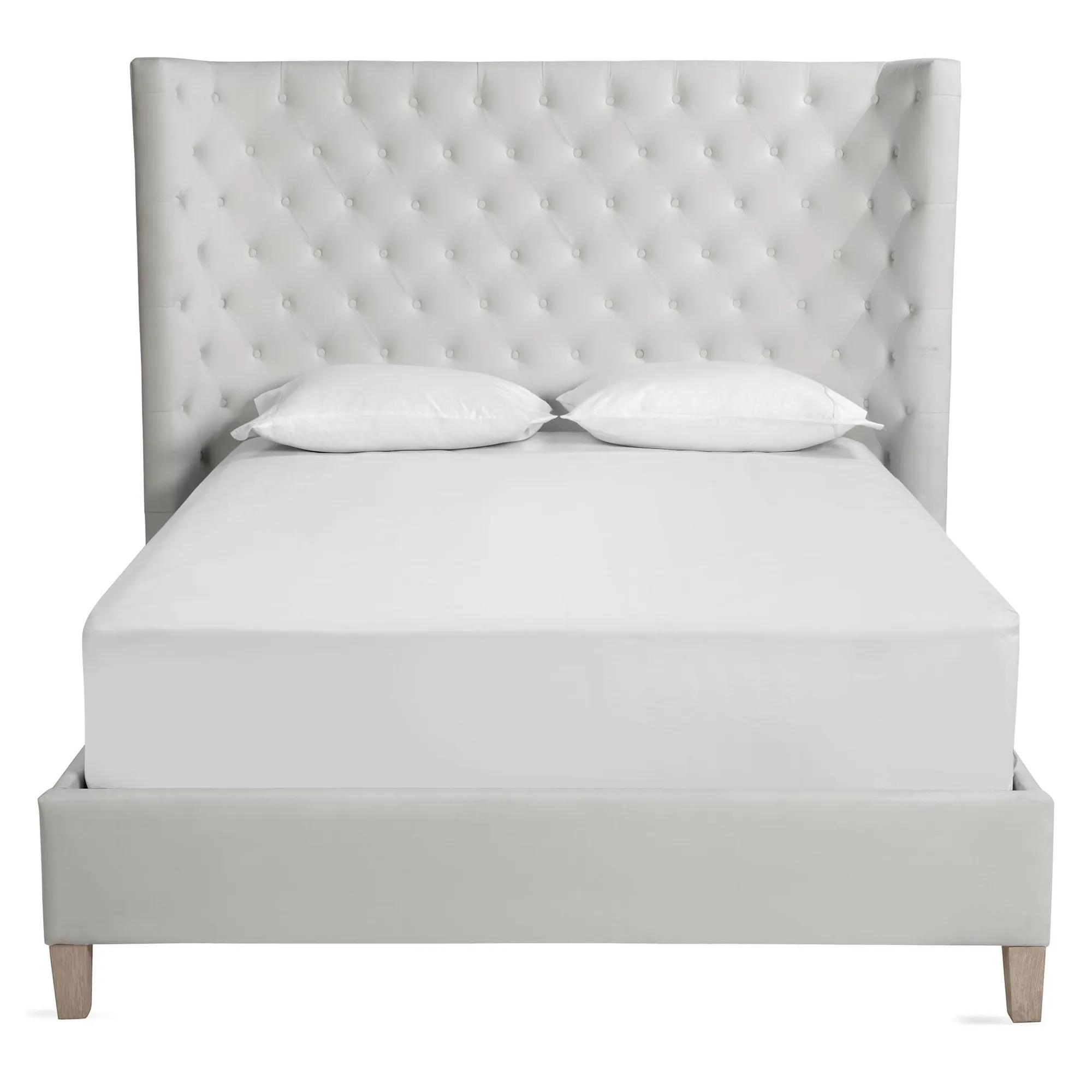
 Tenley Bed$2299
A modern bed with a kiln-dried hardwood frame and plush, high-density foam headboard in oyster linen.
Add To Cart -
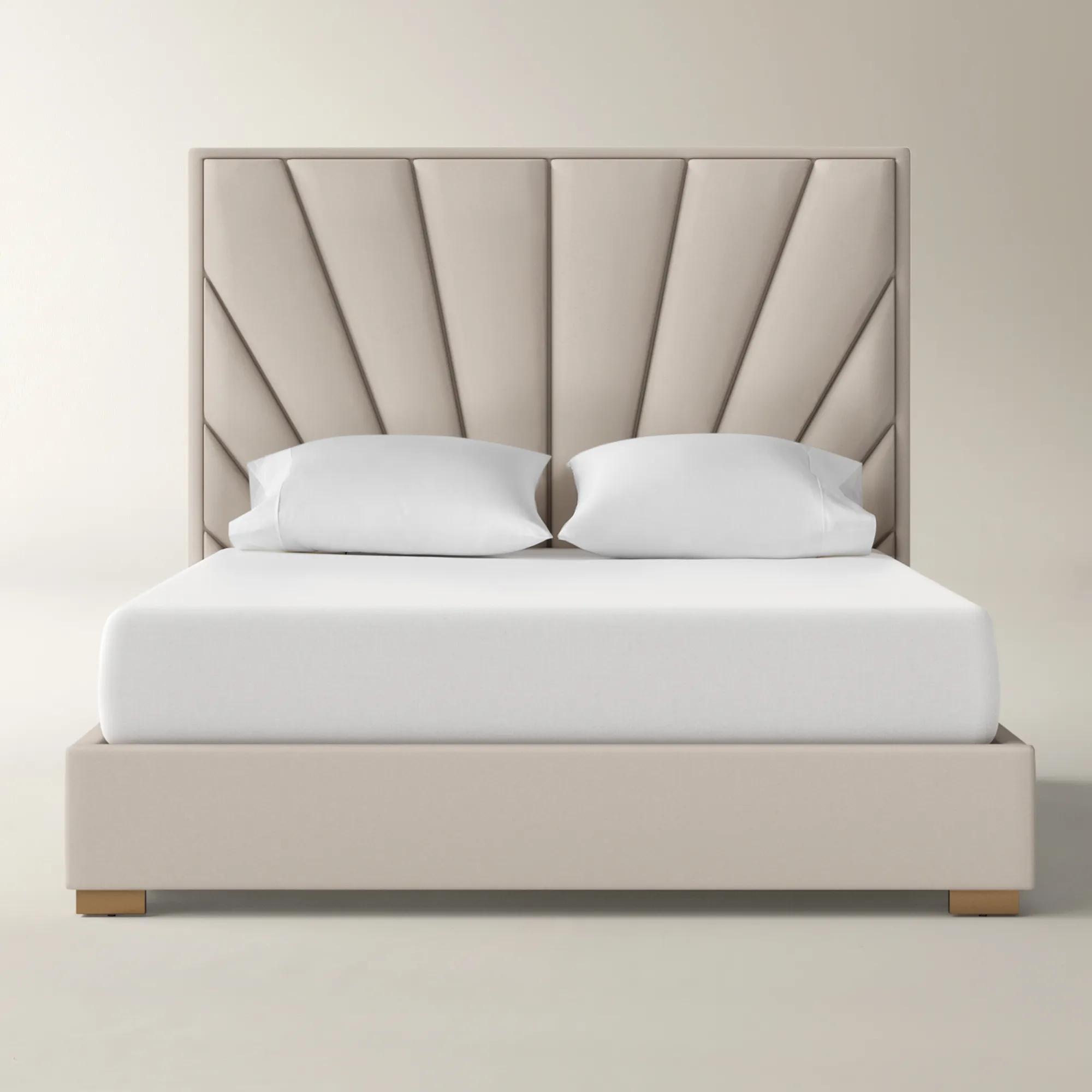 Adriana Platform Bed - 68"H$2899
A hand-crafted platform bed featuring a fan-patterned, upholstered headboard in plush velvet or chenille fabric.
Add To Cart -
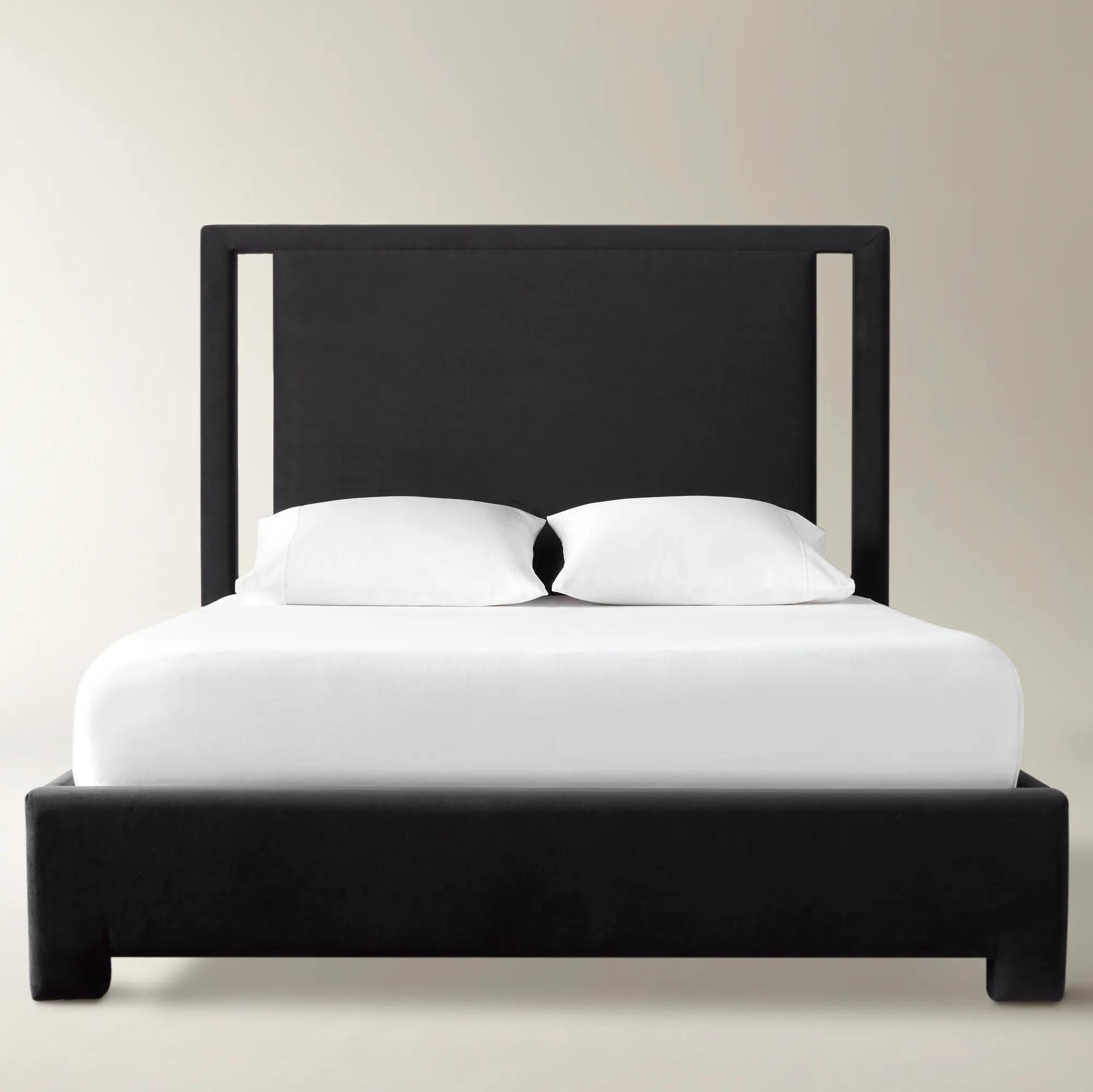
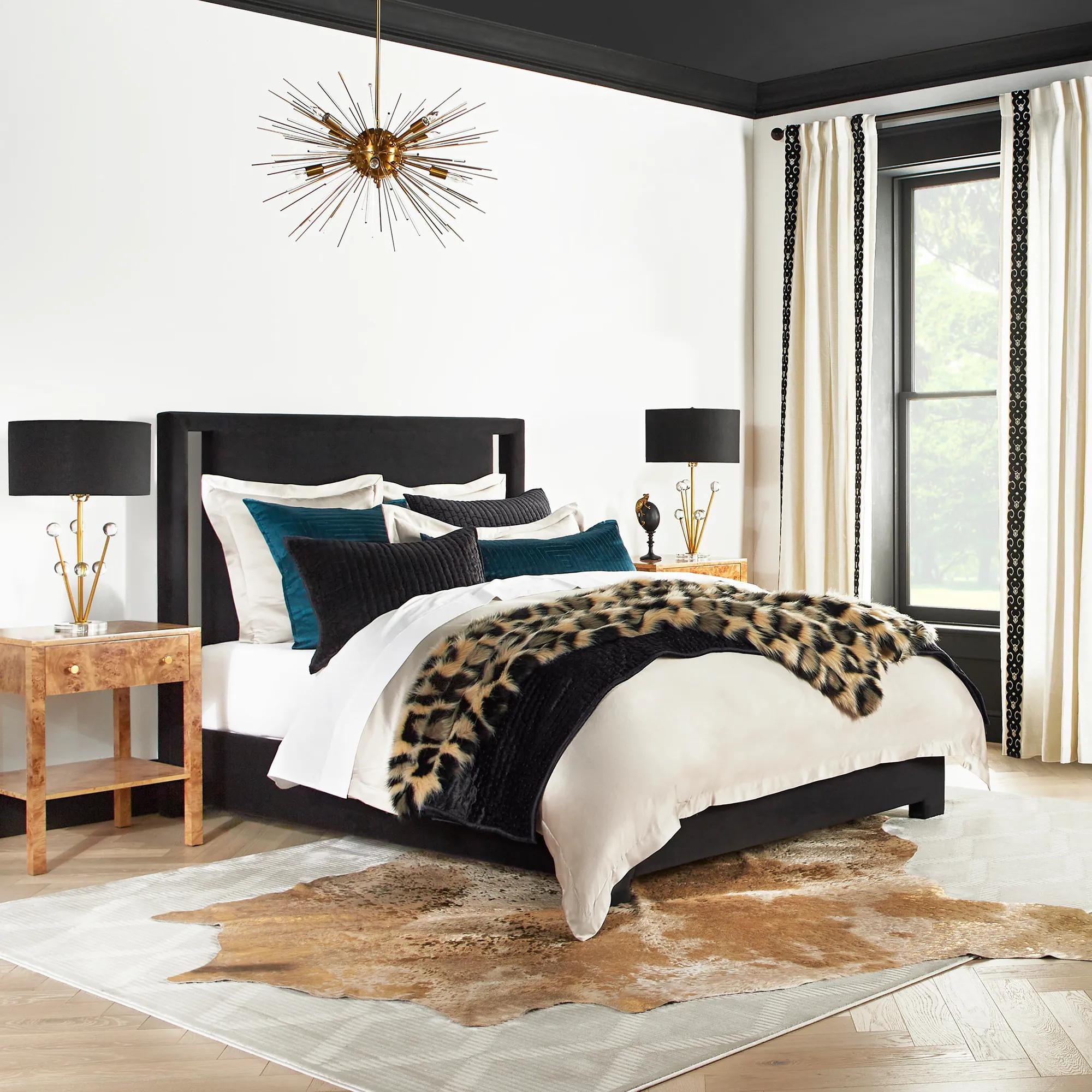 Roya Platform Bed$1949
An elegant platform bed featuring kiln-dried hardwood, hand-tailored velvet upholstery, and dramatic headboard cutouts.
Add To Cart -
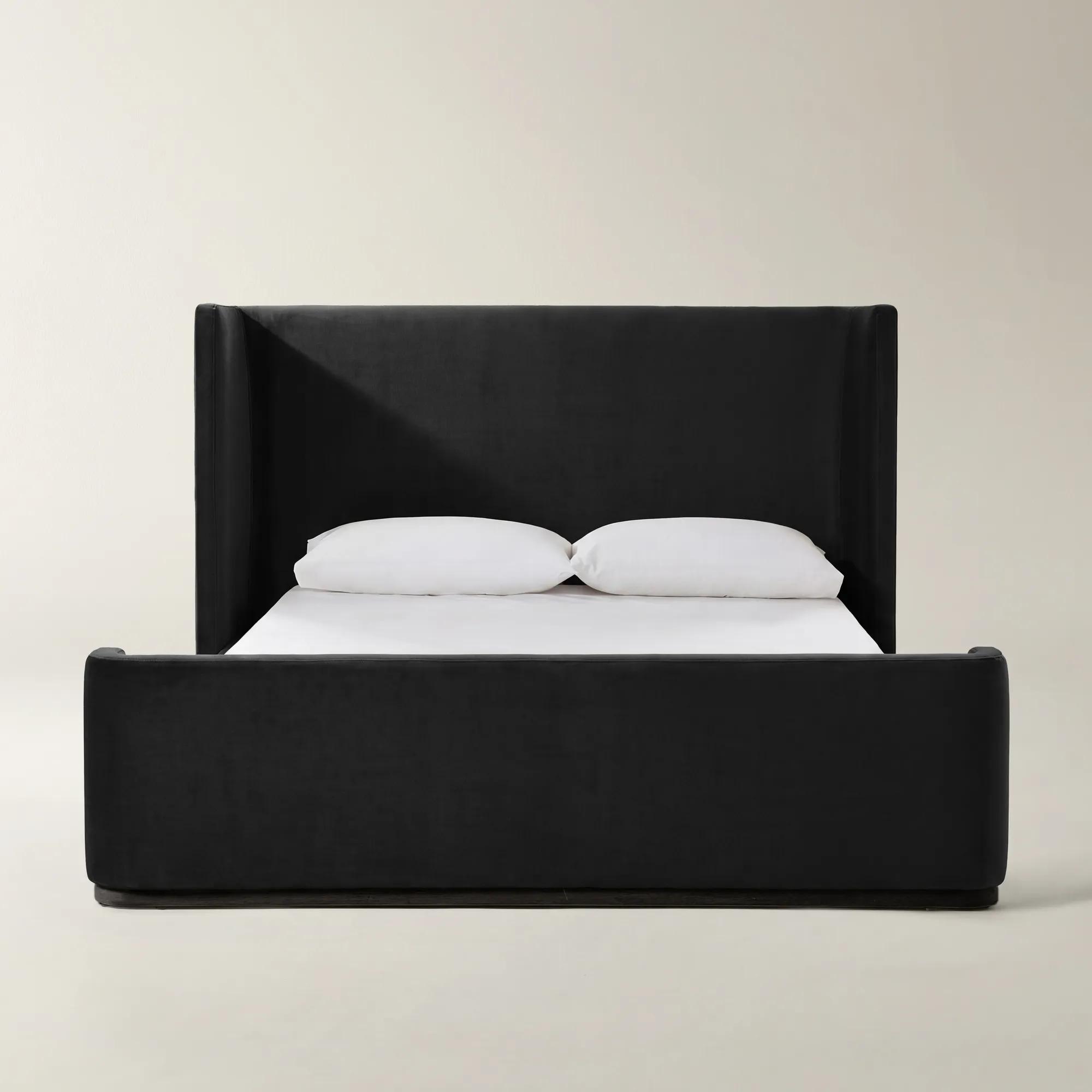
 Stria Charcoal Velvet Upholstered King Platform Bed$2499
A charcoal velvet platform bed featuring a sculptural wingback headboard and FSC-certified solid oak base.
Add To Cart -
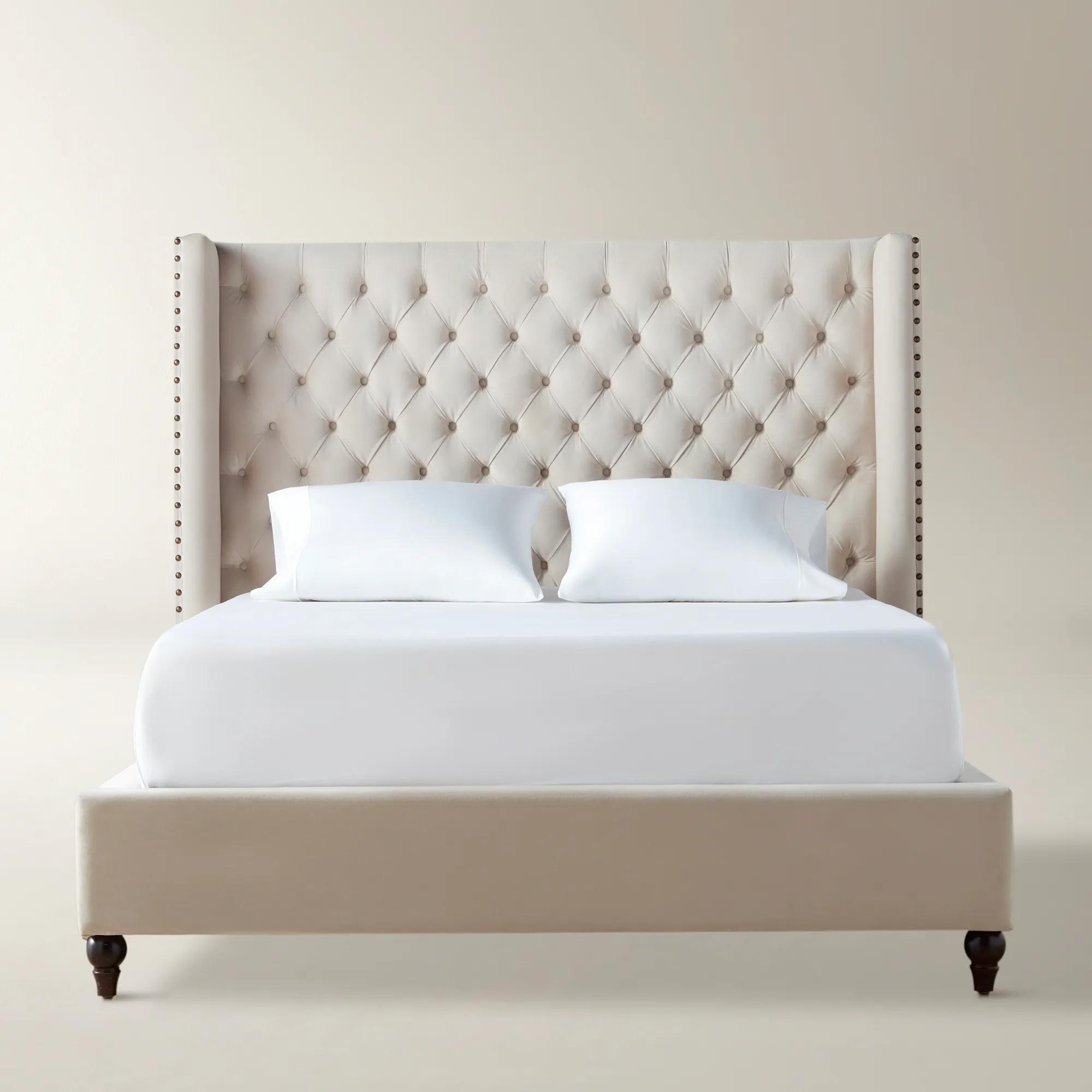
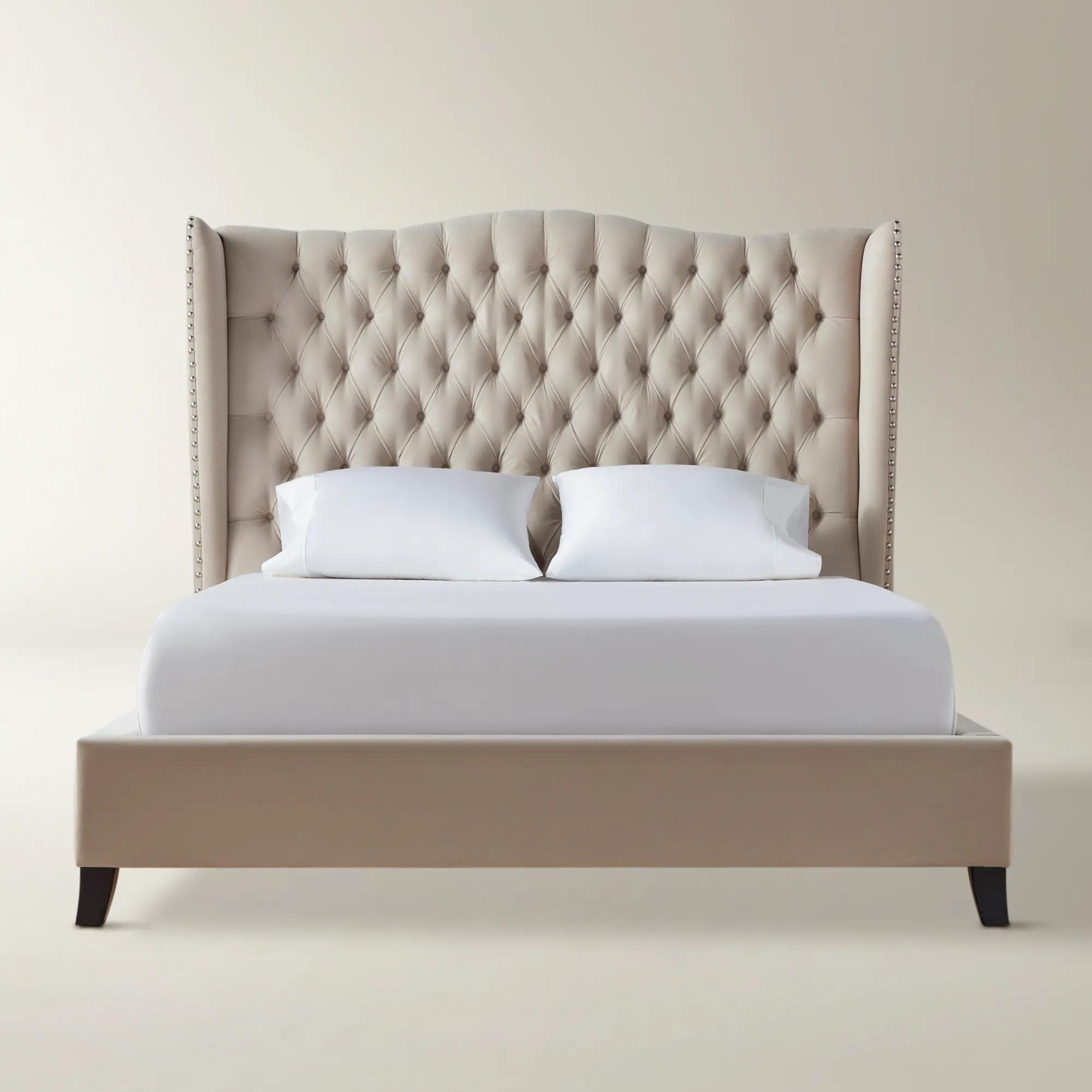
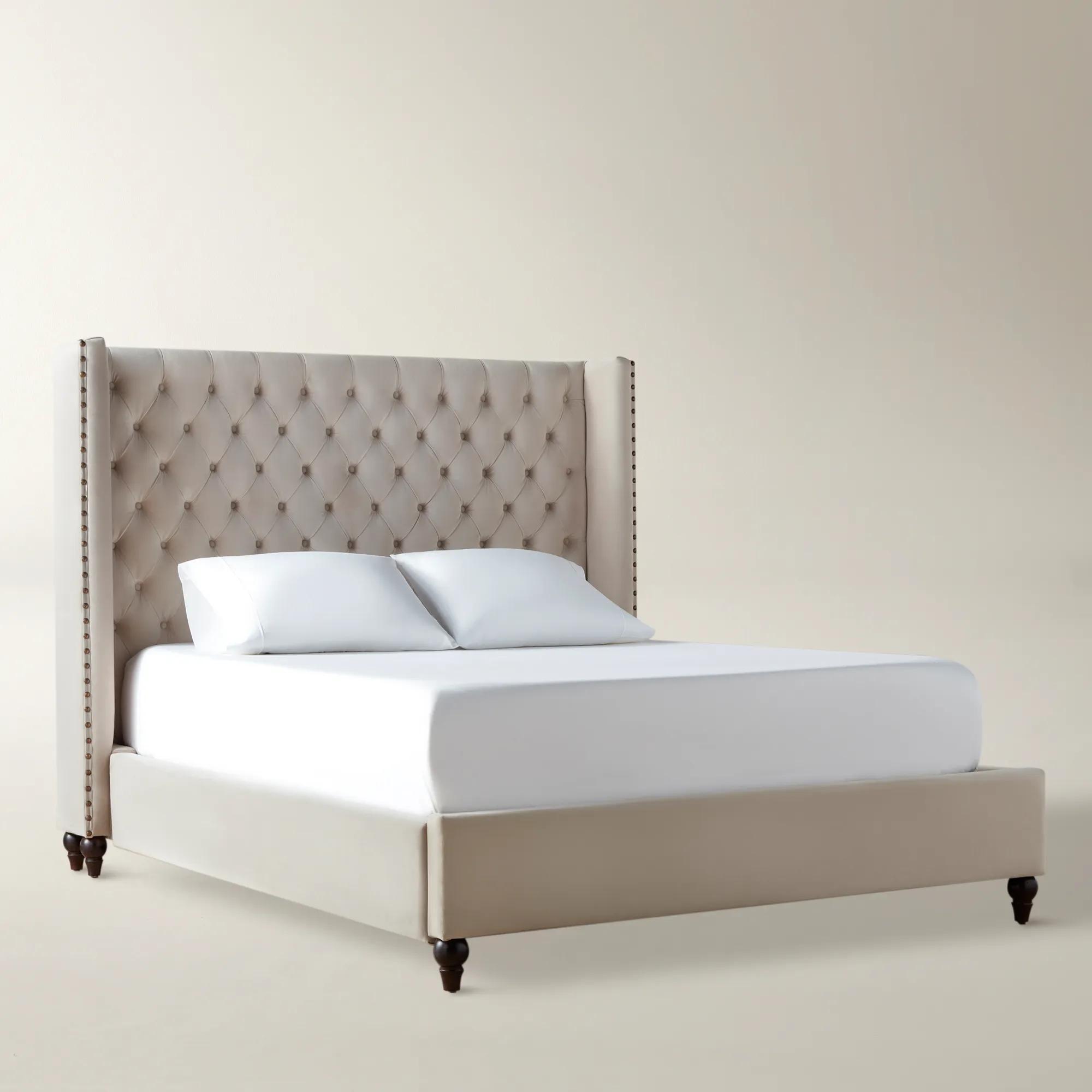 Roberto Bed$1799
A handcrafted bed featuring diamond tufting, Bella Velvet Pearl upholstery, and antique brass nailhead trim.
Add To Cart -
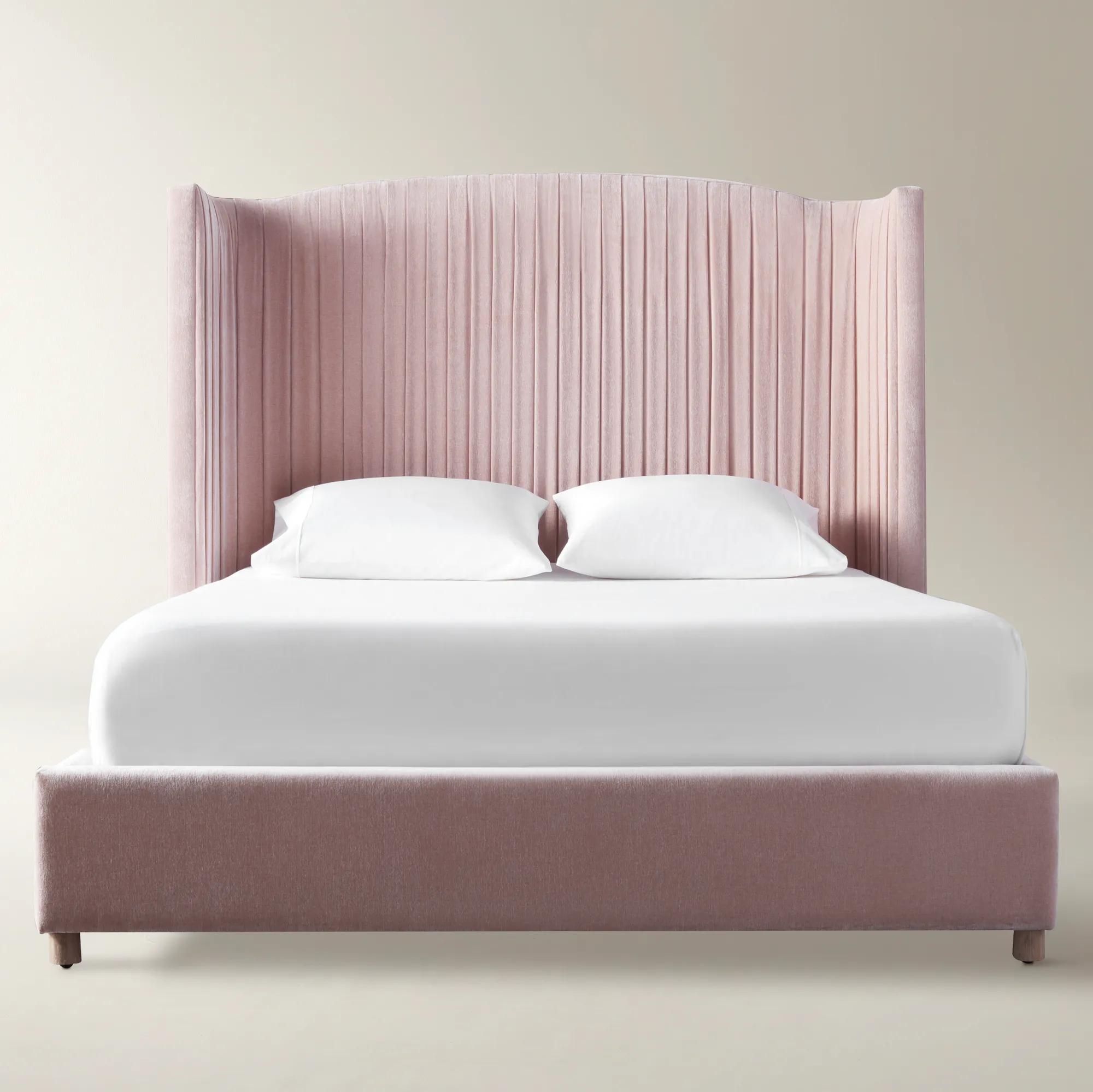
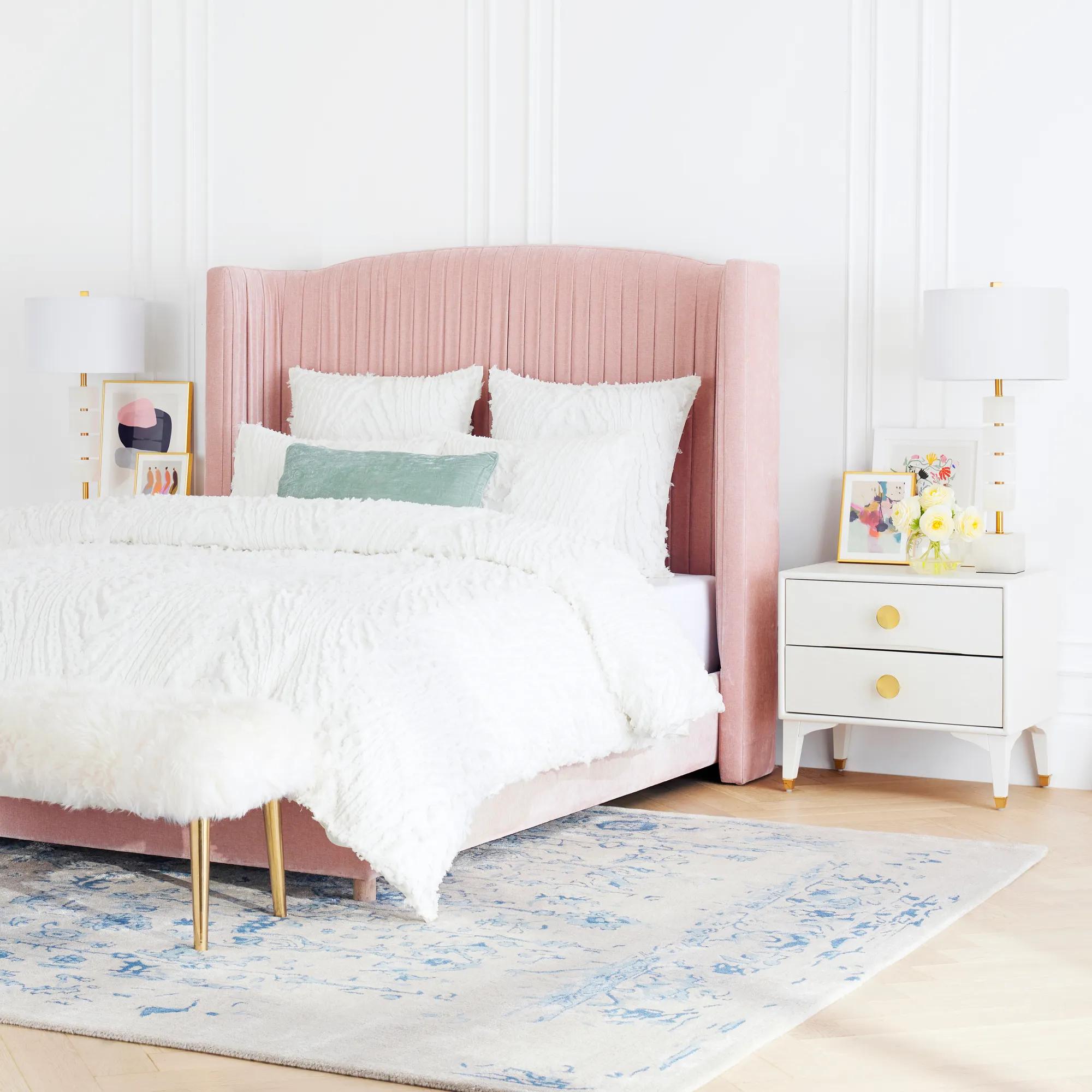 Larissa Platform Bed$3649
An elegantly curved wingback bed with hand-pleated chenille upholstery and a kiln-dried hardwood frame.
Add To Cart -
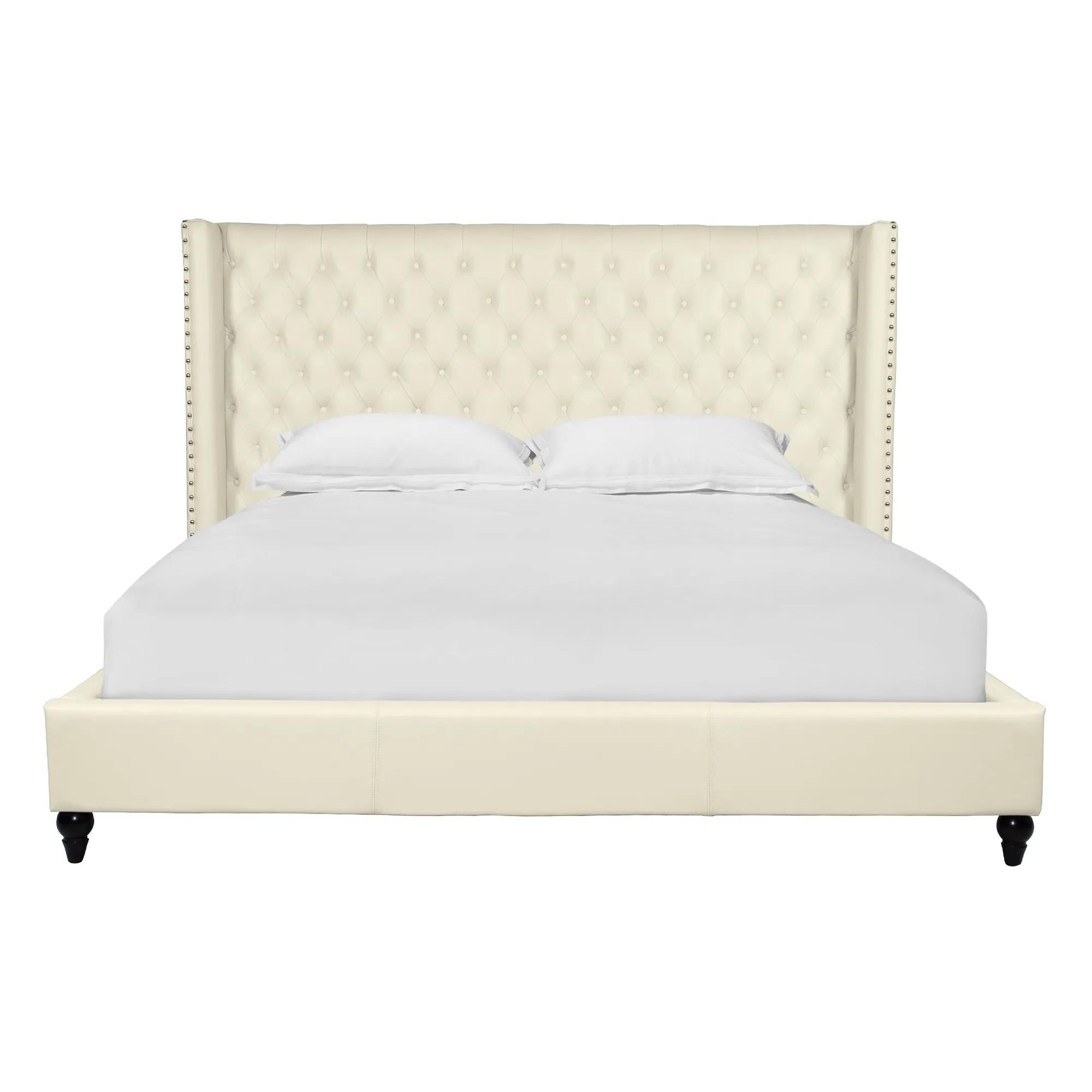
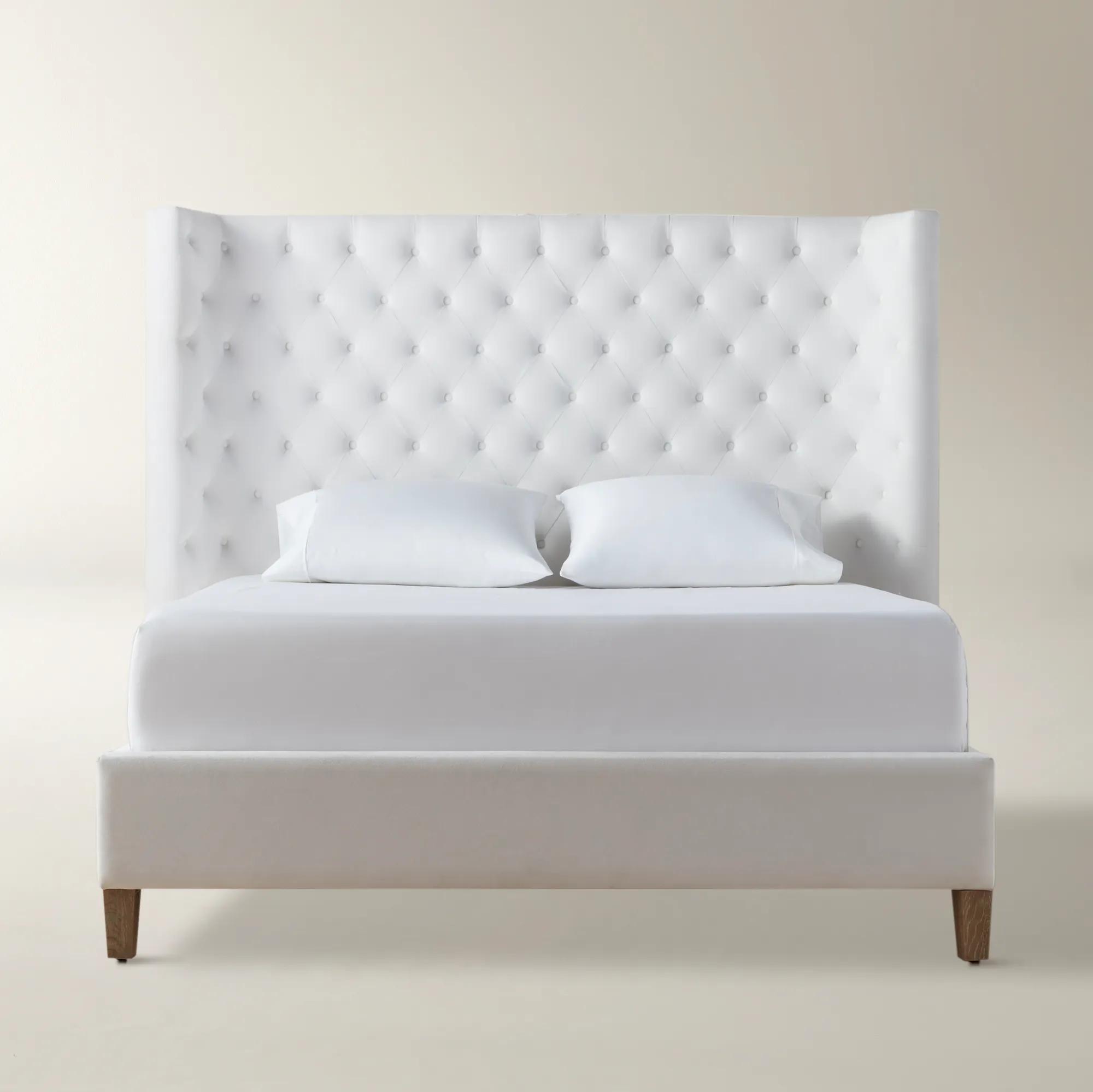 Jen Bed$3449
A glamorous wingback bed with hand-applied diamond button tufting and plush white velvet upholstery.
Add To Cart -
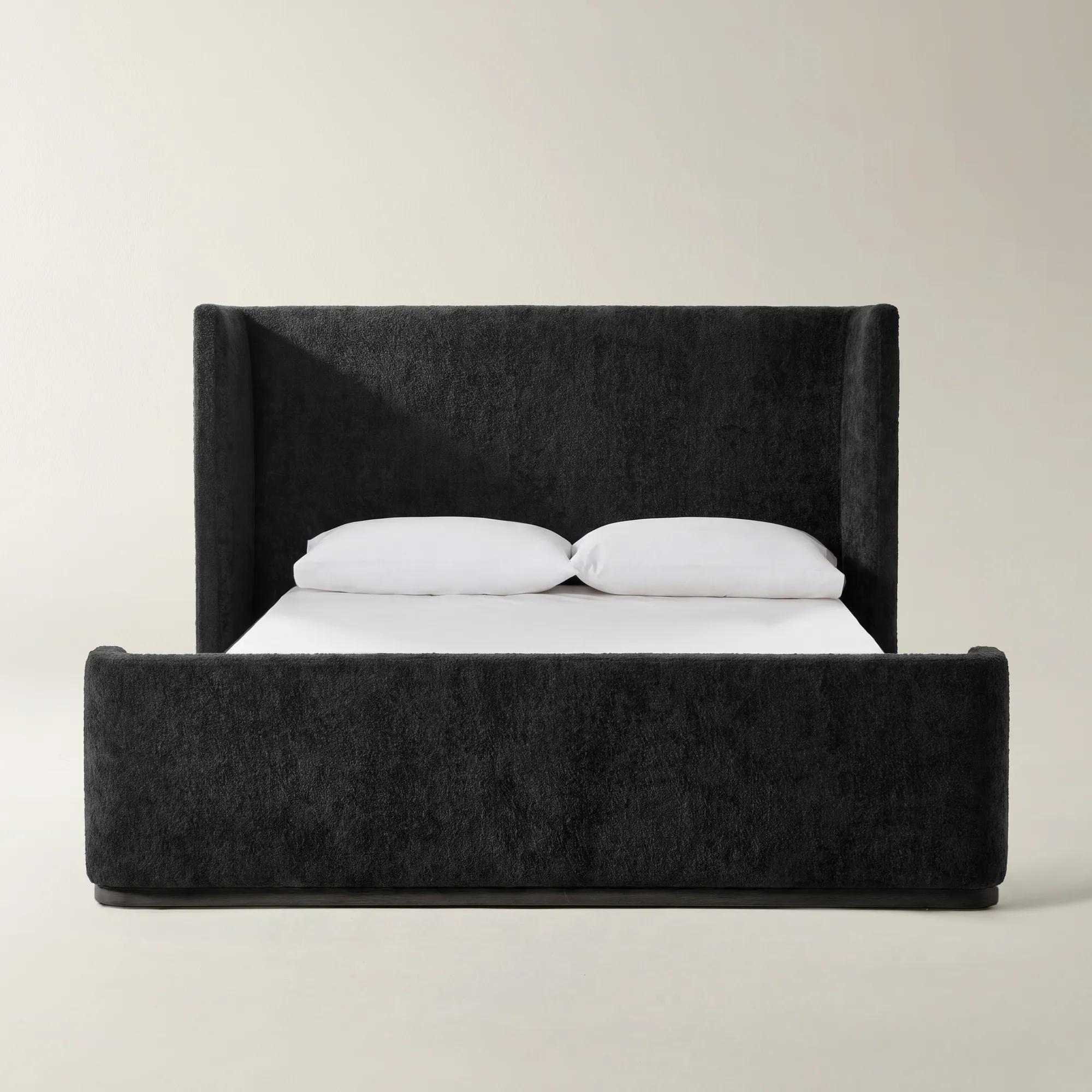 Stria Black Chenille Upholstered Queen Platform Bed$2299
A sculptural black chenille platform bed featuring a tall wingback headboard and FSC-certified solid oak base.
Add To Cart -
Stria Black Chenille Upholstered King Platform Bed$2499
A sculptural black chenille wingback platform bed with an FSC-certified solid oak base and supportive construction.
Add To Cart -
Stria Charcoal Velvet Upholstered Queen Platform Bed$2299
A charcoal velvet upholstered platform bed with a sculptural wingback headboard and FSC-certified solid oak base.
Add To Cart -
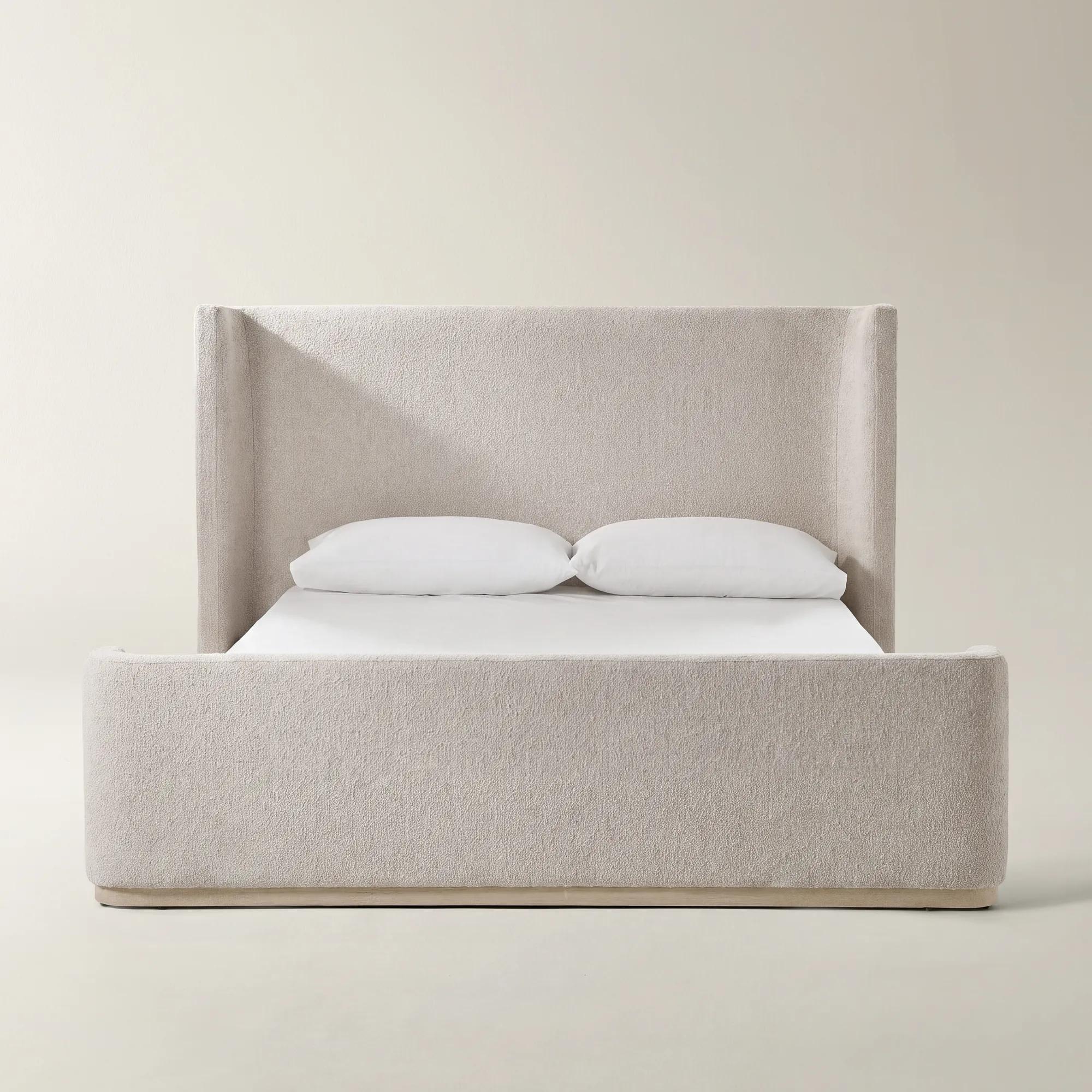 Stria Ivory Performance Boucle Upholstered Queen Platform Bed$2399
A sculptural ivory performance boucle platform bed featuring a wingback headboard and FSC-certified solid oak base.
Add To Cart -
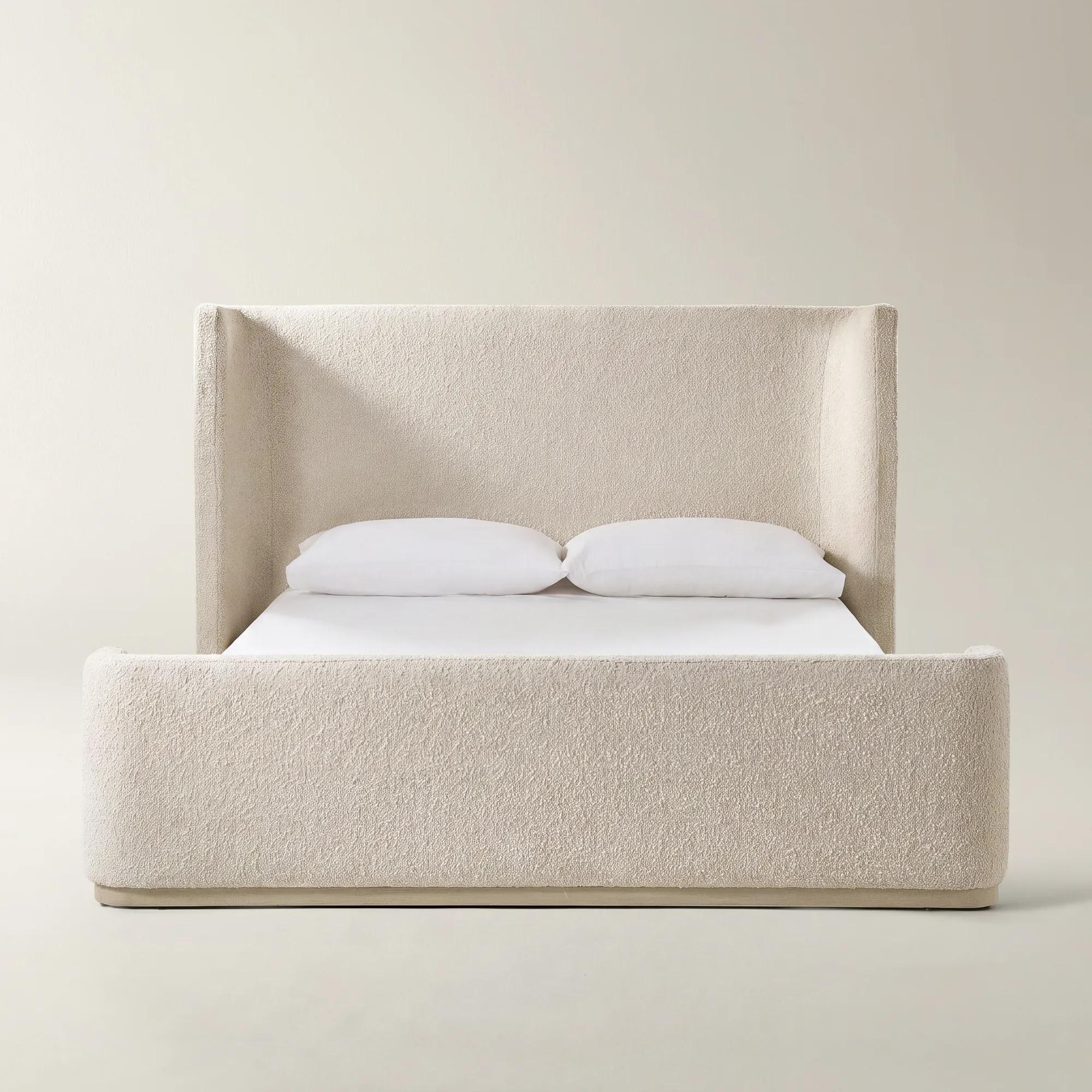 Stria Ivory Performance Boucle Upholstered Queen Platform Bed$2399
A sculptural ivory performance bouclé platform bed featuring a wingback headboard and FSC-certified solid oak base.
Add To Cart -
Stria Ivory Performance Boucle Upholstered King Platform Bed$2599
An ivory performance boucle platform bed with wingback headboard, FSC-certified oak base, and supportive hardwood construction.
Add To Cart -
Stria Ivory Performance Boucle Upholstered King Platform Bed$2599
An ivory boucle platform bed with a wingback headboard, FSC-certified oak base, and supportive construction.
Add To Cart -
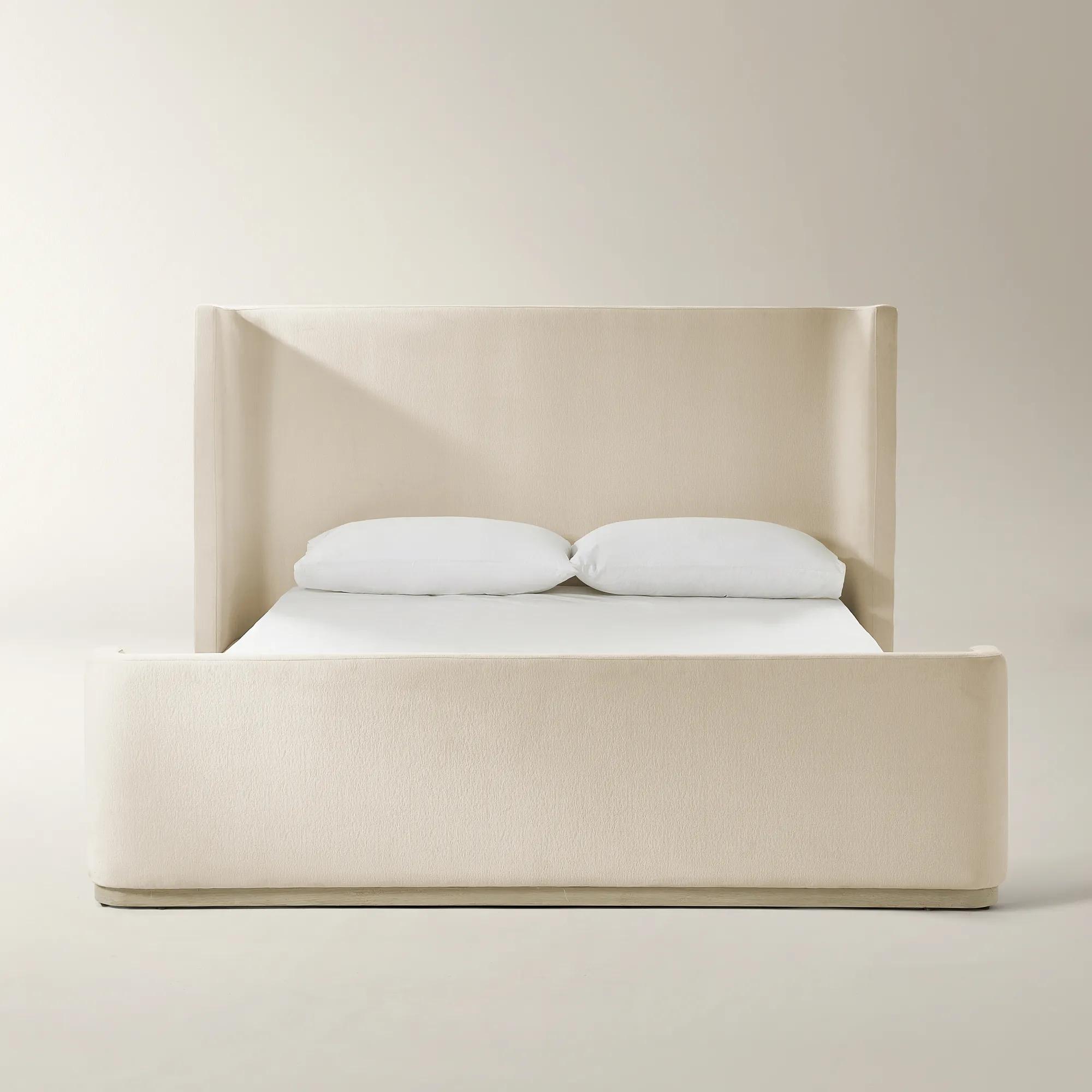 Stria Oatmeal Velvet Upholstered Queen Platform Bed$2299
A sculptural oatmeal velvet platform bed with a tall wingback headboard and FSC-certified solid oak base.
Add To Cart -
Stria Oatmeal Velvet Upholstered King Platform Bed$2499
A sculptural oatmeal velvet platform bed featuring a wingback headboard and FSC-certified oak base.
Add To Cart -
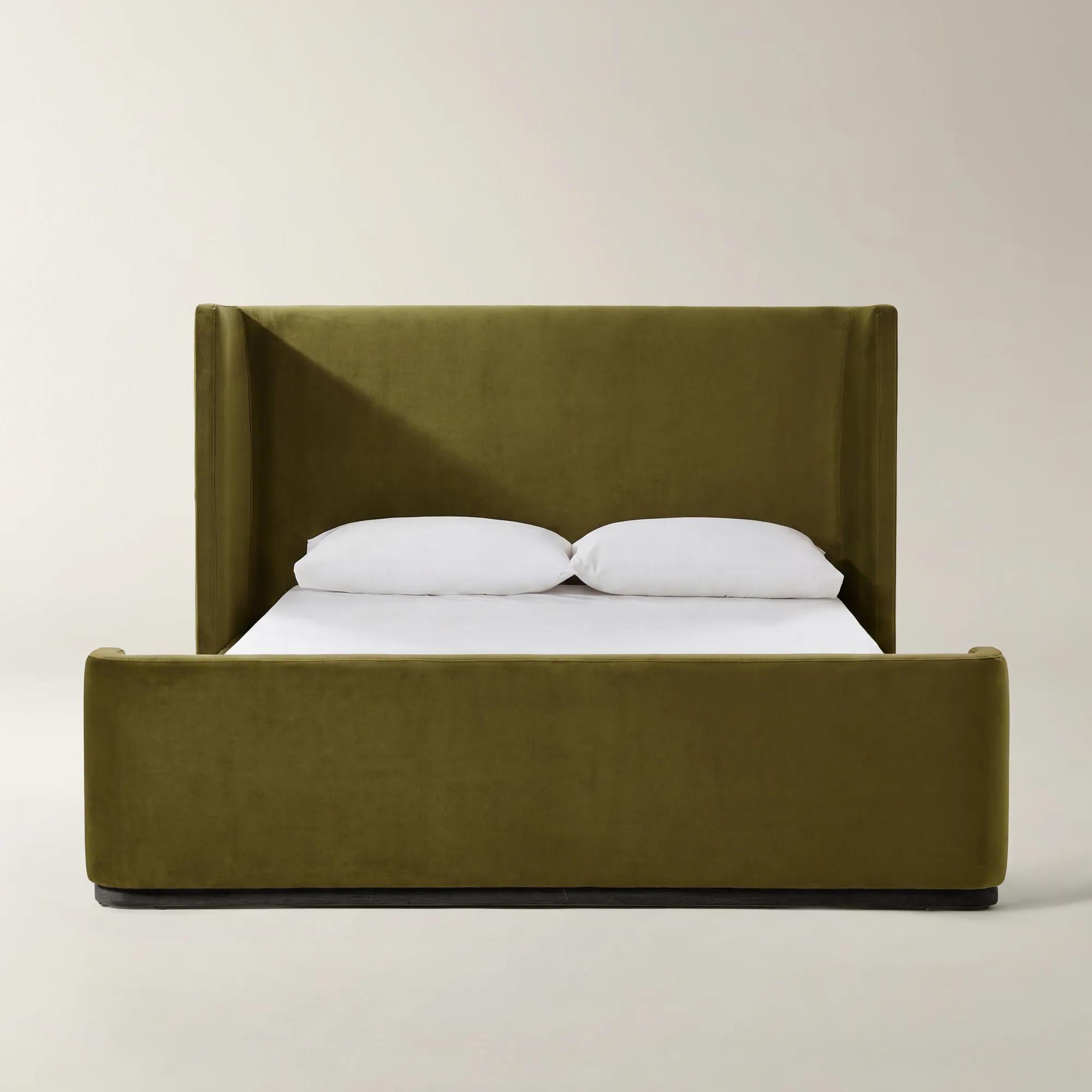 Stria Deep Olive Velvet Upholstered Queen Platform Bed$2299
A deep olive velvet bed with a sculptural wingback headboard, supportive cushioning, and FSC-certified oak base.
Add To Cart -
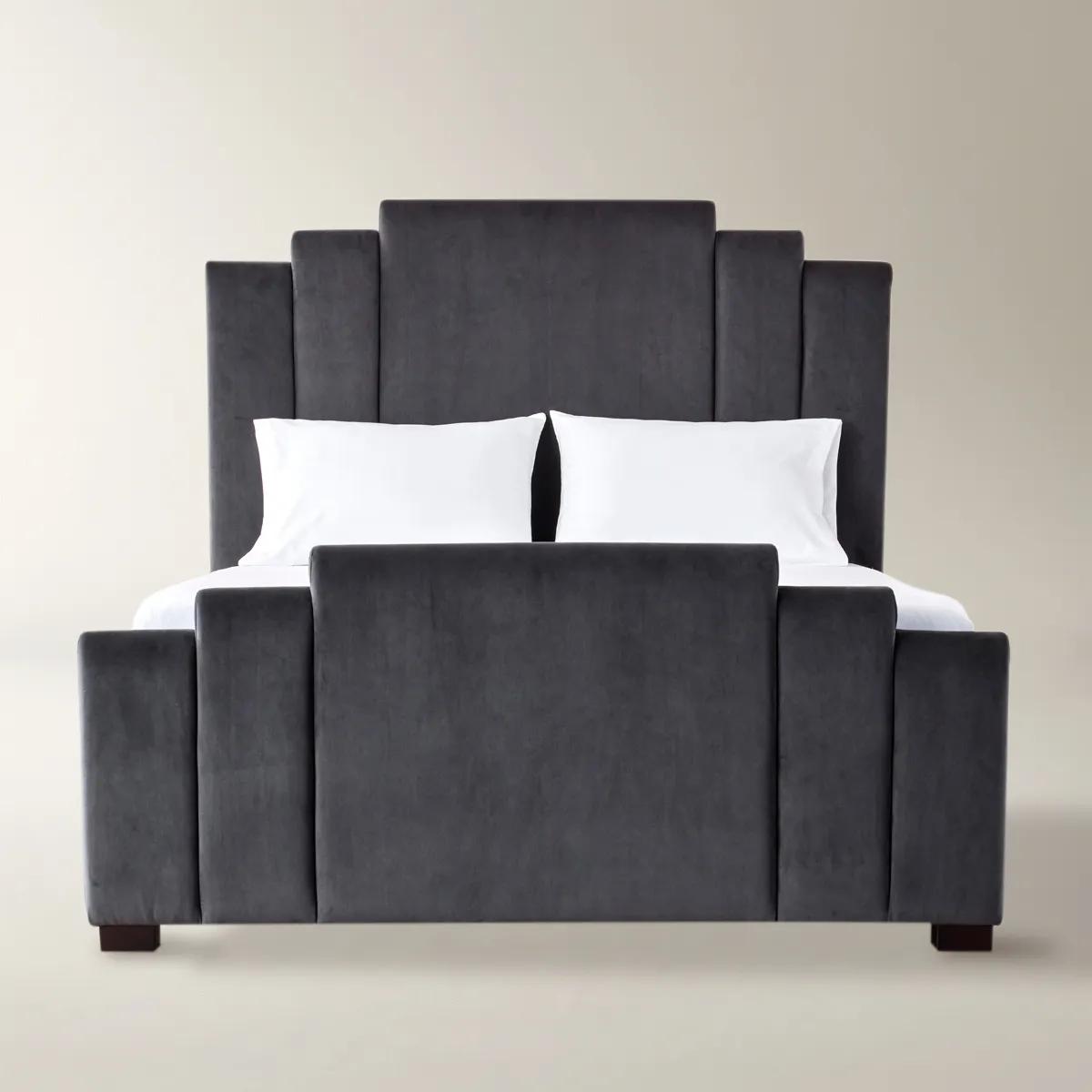 Marlow Bed$2549
A dramatic bed handcrafted from kiln-dried hardwood and plush gunmetal velvet with dimensional channel detailing.
Add To Cart -
 Stria Deep Olive Velvet Upholstered King Platform Bed$2499
A deep olive velvet platform bed with a sculptural wingback headboard and FSC-certified oak base.
Add To Cart -
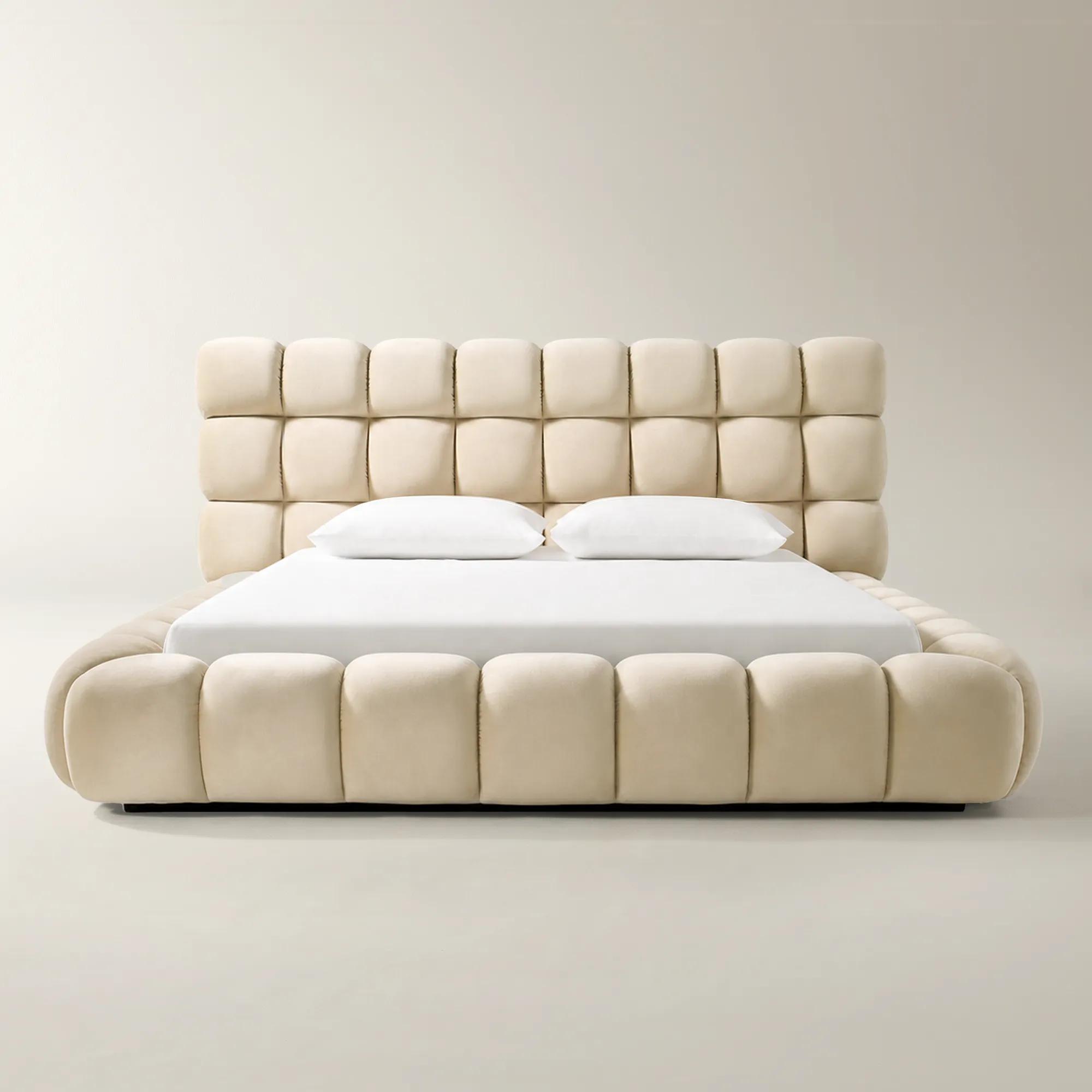 Paloma Tufted Oatmeal Velvet Upholstered King Platform Bed$2599
A sculptural platform bed upholstered in oatmeal velvet with plush tufted blocks and fully wrapped design.
Add To Cart -
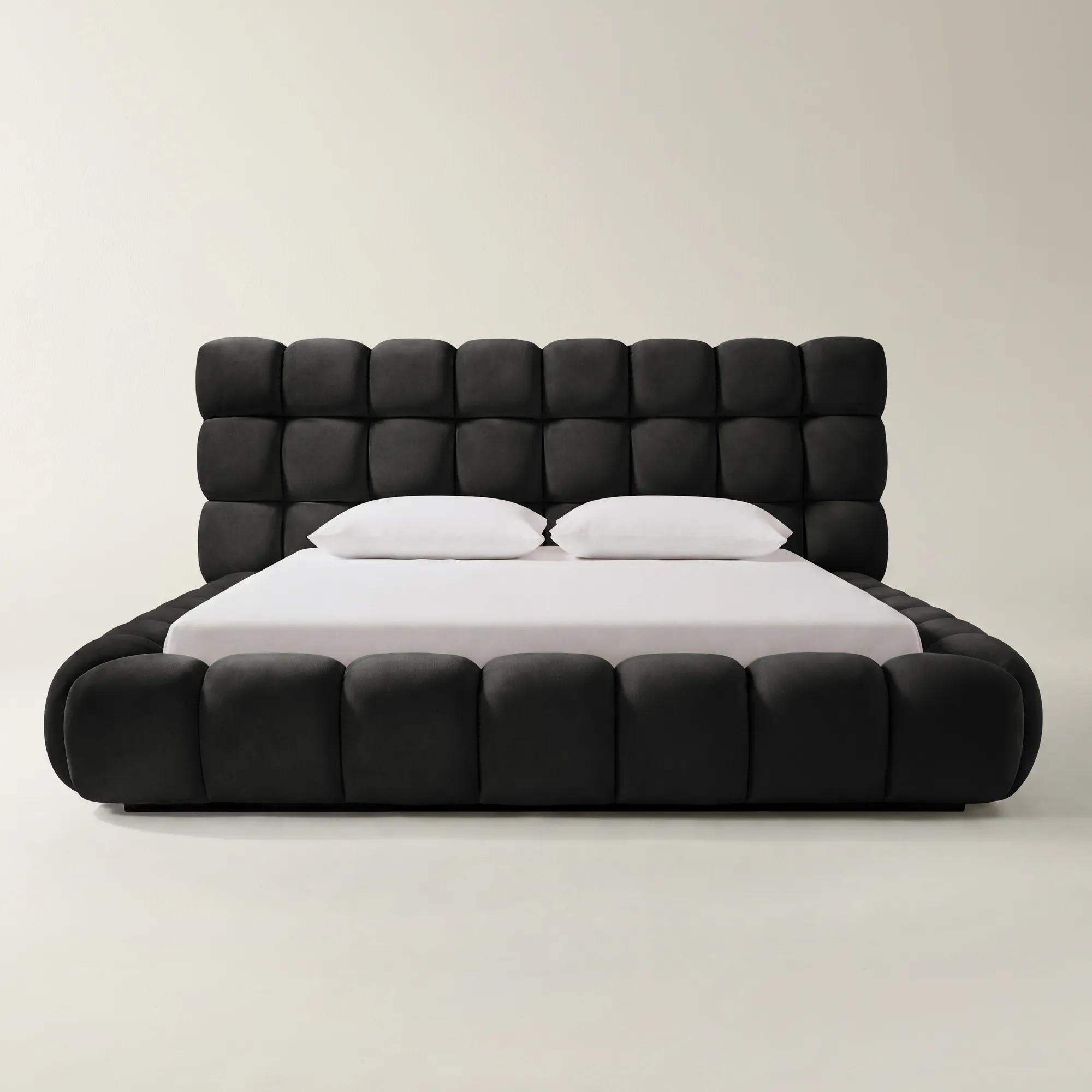 Paloma Tufted Charcoal Velvet Upholstered Queen Platform Bed$2399
A sculptural charcoal velvet platform bed with plush wrapped upholstery, solid wood construction, and supportive slats.
Add To Cart -
Stria Ivory Performance Chenille Upholstered King Platform Bed$2499
An ivory chenille wingback bed with plush upholstery and a hand-finished solid oak base for modern comfort.
Add To Cart -
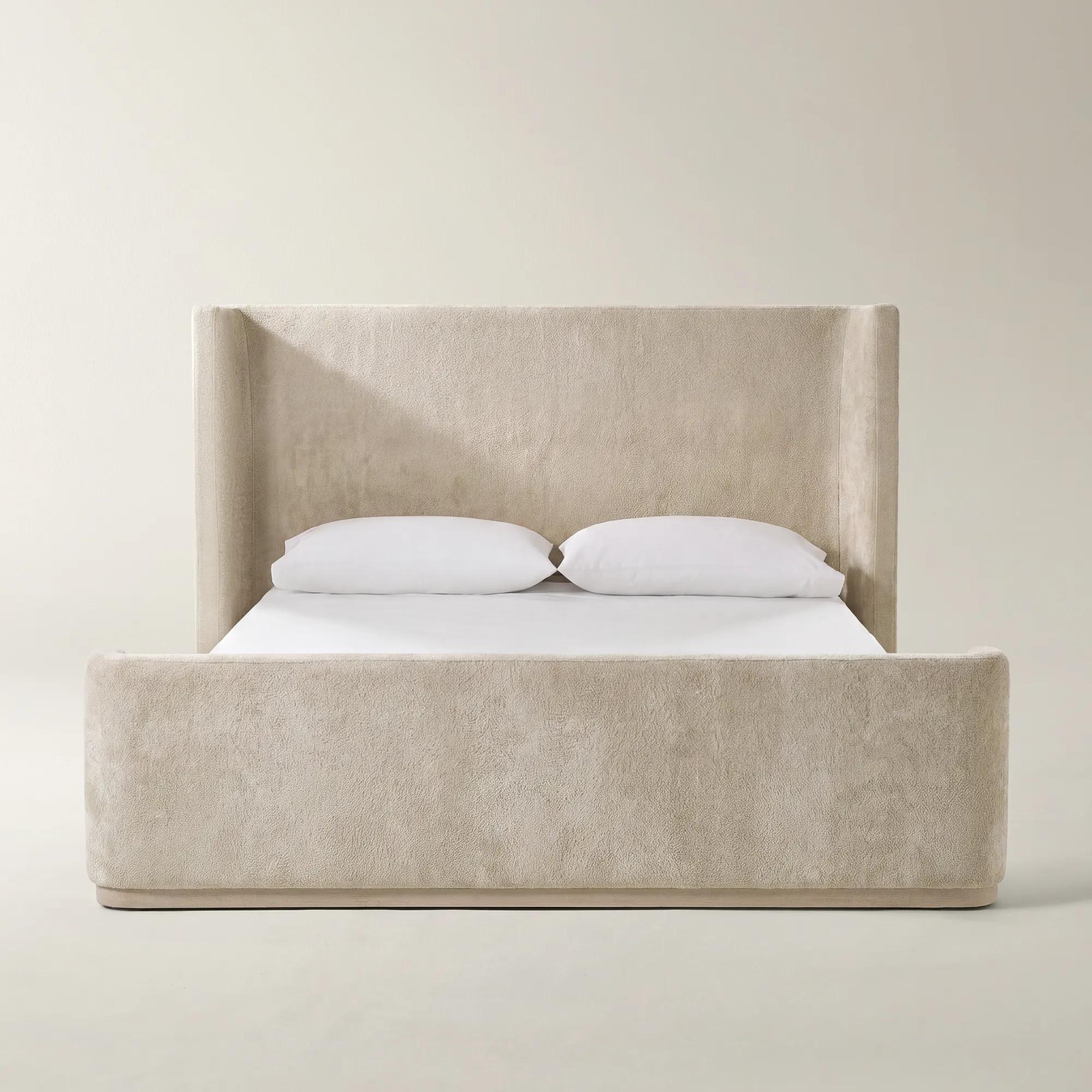 Stria Light Brown Chenille Upholstered Queen Platform Bed$2299
A light brown chenille-upholstered platform bed with a sculptural wingback headboard and FSC-certified oak base.
Add To Cart -
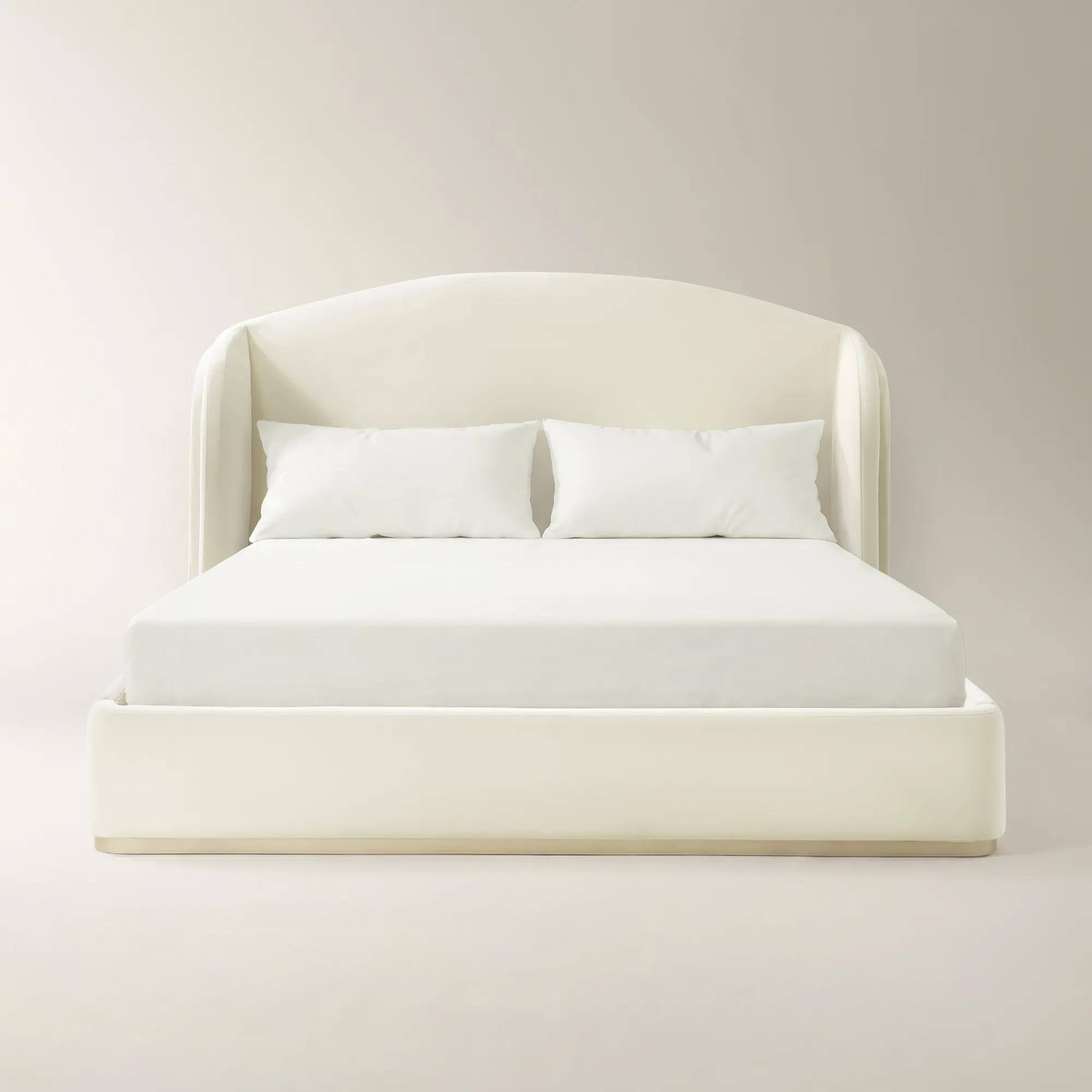 Glimmer Cloud Velvet Upholstered King Platform Bed$2299
A luxurious king platform bed featuring plush velvet upholstery, a sculpted headboard, and a gold metallic base.
Add To Cart

Contemporary Beds With Hardwood Frame
Contemporary beds with hardwood frame invite you to reimagine your sanctuary as a gallery of modern artistry and enduring elegance. Each piece is a statement—sleek silhouettes meet the warmth and strength of natural wood, transforming your bedroom into a stage for both restful retreat and bold self-expression. Whether you crave minimalist drama or sculptural intrigue, these beds anchor your space with architectural presence, offering a foundation where dreams are not only made, but beautifully displayed. Let your room become a canvas for sophistication, grounded in the timeless allure of hardwood craftsmanship.
Contemporary beds with hardwood frames combine architectural silhouettes with the warmth of wood, creating a substantial foundation for a modern bedroom. Their character comes from the relationship between structure and surface: a broad headboard that anchors the wall, slender rails that reveal the floor beneath, or a richly finished base that gives layered bedding a dramatic outline. Hardwood framing may be visible or concealed beneath upholstery, so the look can range from sculptural and wood-forward to sumptuous and tailored. Oak, walnut, maple, and other hardwoods bring different grain patterns and color variations when used in exposed components. Oak often has pronounced grain, walnut is known for its rich brown tones, and maple typically offers a finer, more understated texture. Finishes can soften or intensify those natural qualities, allowing the same wood species to take on very different personalities. The term hardwood frame describes construction rather than a guarantee that every surface is solid wood; a bed may combine solid hardwood structural members with veneered panels, engineered wood components, metal hardware, or upholstered sections. A wood veneer is a thin layer of wood applied over a substrate, offering the appearance of natural grain without making the underlying panel solid hardwood. These distinctions matter because appearance alone does not reveal how a bed is built. Well-fitted joints, secure rail connections, and an appropriately designed support system contribute to lasting stability. Kiln-dried hardwood, when specified, has undergone controlled drying to reduce moisture before construction, though wood still responds to its surrounding environment. Hardwood is not an automatic measure of scratch resistance or overall quality; species, finish, joinery, and everyday treatment all influence performance. What makes these beds especially compelling is their visual balance: organic texture lends depth to contemporary geometry, while a confident silhouette gives the bedroom a focal point that can hold its own beside oversized artwork, luminous lighting, and richly layered textiles.
Proportion gives that presence its polish. Contemporary hardwood beds belong in primary bedrooms, thoughtfully appointed guest rooms, and other sleeping spaces where the frame can serve both daily routines and a deliberate design vision. A low platform can leave more wall visible above the headboard, while a taller upholstered profile creates a stronger backdrop for generous pillows and an expansive duvet. Neither approach is inherently better for a compact or spacious room; the full footprint, surrounding furniture, and height of the ceiling shape the effect. Mattress size is only the starting point. A standard queen mattress measures 60 by 80 inches, and a standard king measures 76 by 80 inches, but the bed’s outer dimensions may extend considerably beyond those measurements. Projecting rails, winged headboards, and substantial footboards all require additional space. Clearance around the frame allows comfortable movement, access to nightstands, and room to open nearby dressers or closet doors. The combined height of the frame, support surface, and mattress also determines how easy the bed is to enter and leave, an important consideration for someone who prefers a higher seat or has difficulty lowering onto a very low platform. Headboard height relative to the mattress affects how much of its design remains visible once pillows are arranged. Many platform beds support a mattress directly on slats or a deck without a box spring, but that suitability depends on the individual construction and mattress requirements. Slat spacing, center supports, weight limits, and any required foundation should align with the manufacturer’s specifications for both pieces. A substantial hardwood frame cannot compensate for an incompatible support system. Designs with integrated drawers can add concealed storage for linens, provided there is enough clearance to extend them fully; open space beneath a raised frame offers a different kind of flexibility. Delivery access matters as well, particularly with broad headboards and narrow stair turns. These practical details allow the bed’s scale to feel intentional rather than imposing, with space for daily life around its statement-making form.
The finish and surrounding textures determine how a hardwood-framed bed settles into the room. Deep wood tones against ivory bedding create a crisp, gallery-like contrast, while lighter finishes take on greater depth beside charcoal upholstery, smoky glass, or brushed metal accents. An upholstered headboard introduces another layer of texture and can provide a cushioned surface for sitting up with a book, although its comfort depends on the padding and profile. Velvet brings a pronounced play of light; woven fabrics offer a more tactile, tailored expression. For another interpretation of an upholstered statement, Contemporary Leather Bed Frames introduce the distinctive surface character of leather into the bedroom palette. Whatever the upholstery, its cleaning requirements are separate from those of exposed wood. Regular dusting with a soft, clean cloth helps keep wood surfaces free of particles that can dull or scratch a finish. Spills deserve prompt attention, and any damp cleaning should follow the manufacturer’s care instructions rather than soaking the surface. Abrasive pads, harsh cleaners, and unapproved polishes can damage finishes; decorative oils and waxes are not appropriate for every treatment. Prolonged direct sunlight may alter wood and fabric color, while excess moisture can affect wood components. Upholstered areas benefit from care suited to their fabric or leather type, including attention to any cleaning code provided. Stability also deserves occasional attention: hardware may need checking according to assembly instructions, and moving the bed is best handled by lifting or disassembling it as directed rather than dragging it across the floor. For households with pets, children, or frequent overnight guests, finish resilience and upholstery maintenance deserve as much consideration as the silhouette. With those details addressed, the styling can be unapologetically expressive. A sculptural lamp, a generous rug, and bedding with contrasting sheen and texture give the frame room to reveal its character. The result is a bedroom grounded in material depth, with hardwood structure supporting a distinctly personal vision of contemporary luxury.
FAQs
Contemporary beds with hardwood frames are characterized by sleek profiles, clean lines, and a focus on material artistry. These beds often highlight the natural grain and texture of wood, using finishes that range from deep espresso to soft, pale oak. Minimalist details, low-profile platforms, and sculptural headboards are common, creating a look that is both modern and timeless.
A hardwood bed frame grounds a bedroom with a sense of permanence and luxury. The rich, tactile quality of solid wood adds warmth and depth to the space, while contemporary styling ensures the room feels fresh and inviting. The result is a bedroom that feels both curated and comfortable—a true retreat for rest and self-expression.
A contemporary hardwood bed makes a remarkable gift for anyone moving into a new home, newlyweds creating their first shared space, or design enthusiasts seeking a dramatic bedroom upgrade. It’s a thoughtful gesture that combines utility with artistry, offering the recipient a foundation for years of inspired living.
To accentuate the bold lines and natural beauty of a contemporary hardwood bed, layer luxurious textiles such as velvet throws, crisp linens, and plush pillows. Metallic or mirrored accents, statement lighting, and curated artwork can add a touch of drama and sophistication, while neutral palettes allow the wood’s texture and tone to take center stage.
The finish of the wood plays a pivotal role in defining the mood of your bedroom. Dark stains like walnut or espresso evoke a sense of opulence and intimacy, while lighter finishes such as ash or natural oak create an airy, serene ambiance. The chosen finish can either anchor a bold, dramatic design or set the stage for a calm, minimalist retreat.