Colorful Wall Decors
Colorful Wall Decors
-
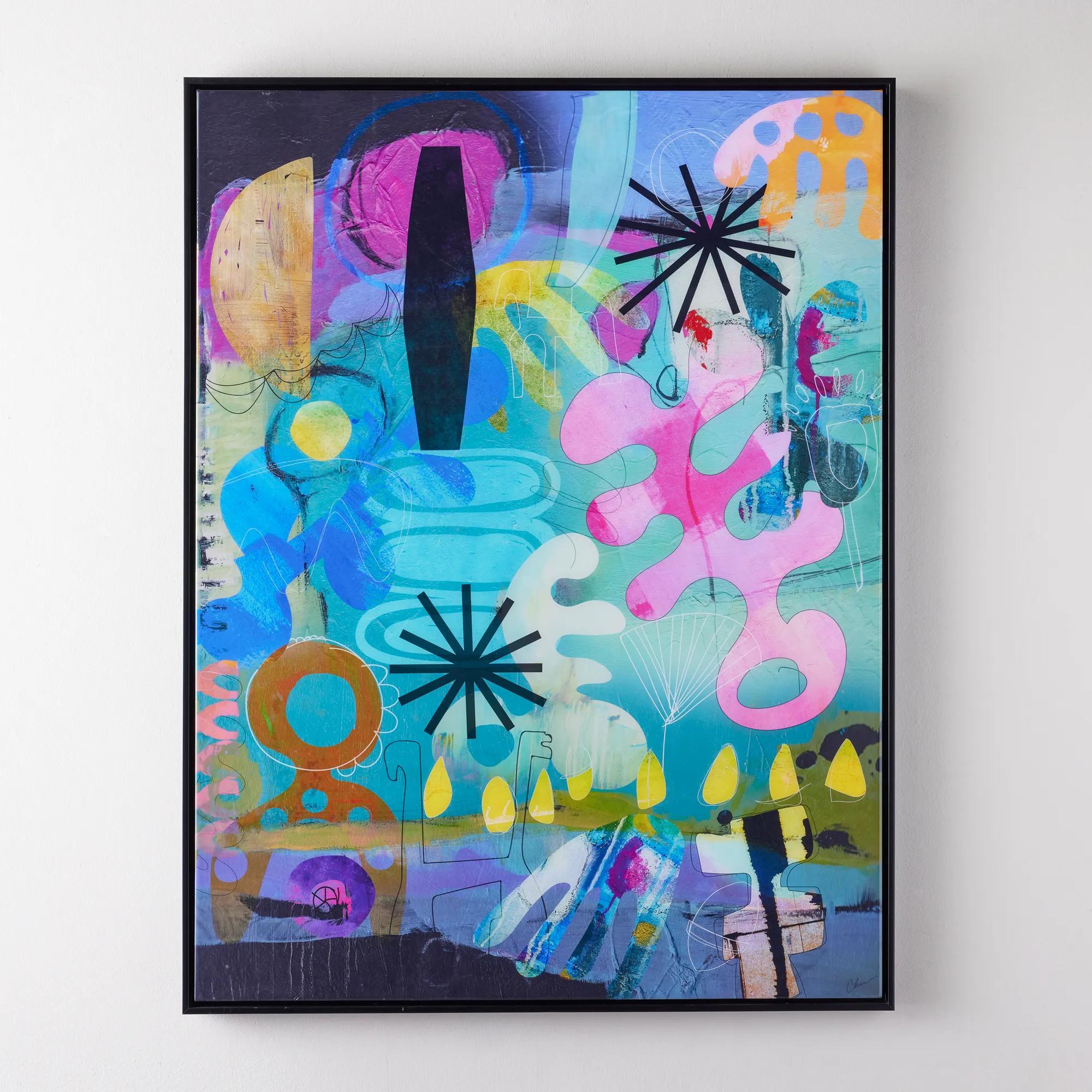
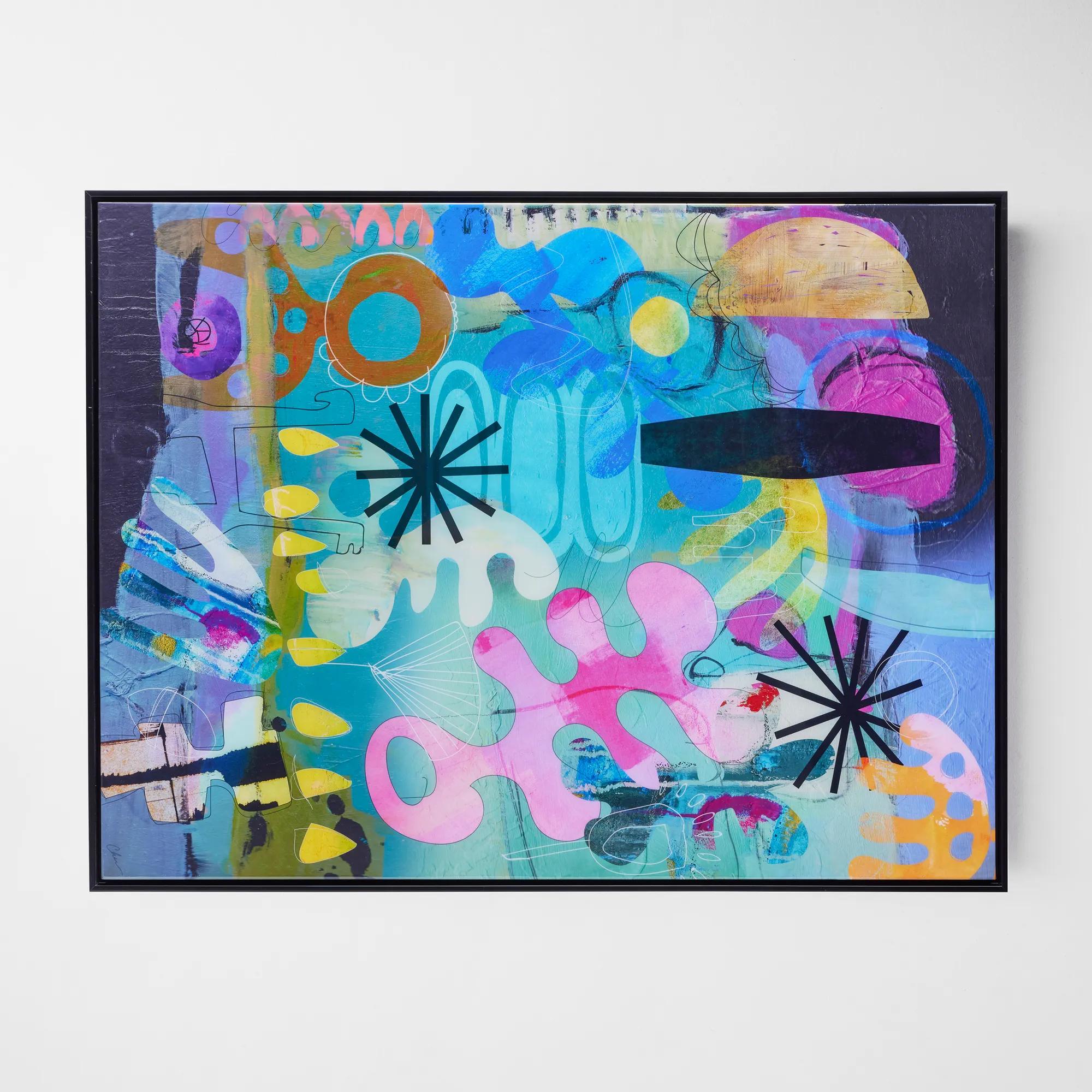 Nikki Chu Detailed Vision Framed Wall Art 54" x 41"$1099
A vibrant, high-gloss artwork with a black frame, designed to hang vertically or horizontally.
Add To Cart -
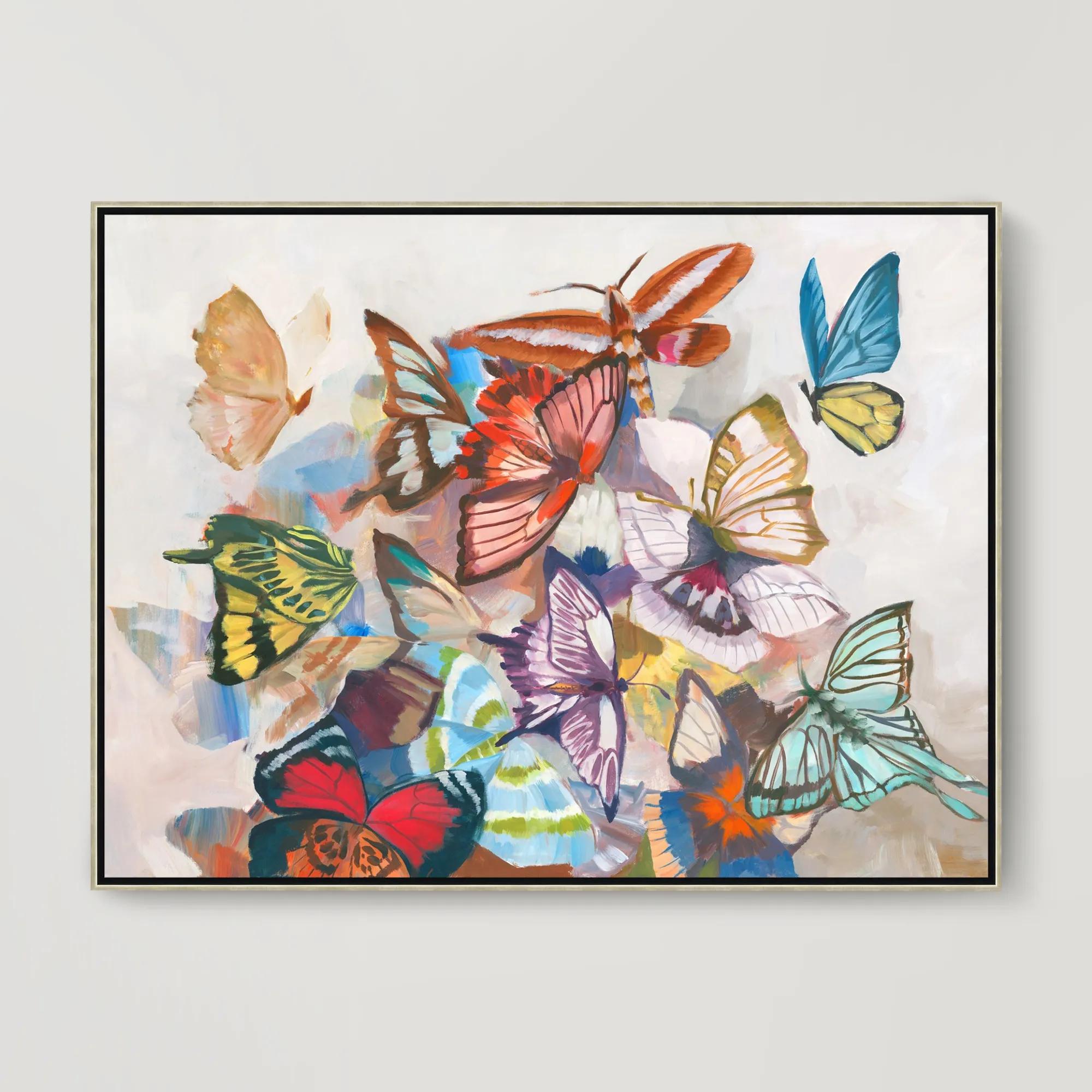 Sugar Wings Framed Wall Art 49.5" x 37.5"$799
A vibrant gallery-wrapped canvas artwork with hand-applied brush gel finish in a sleek silver floater frame.
Add To Cart -
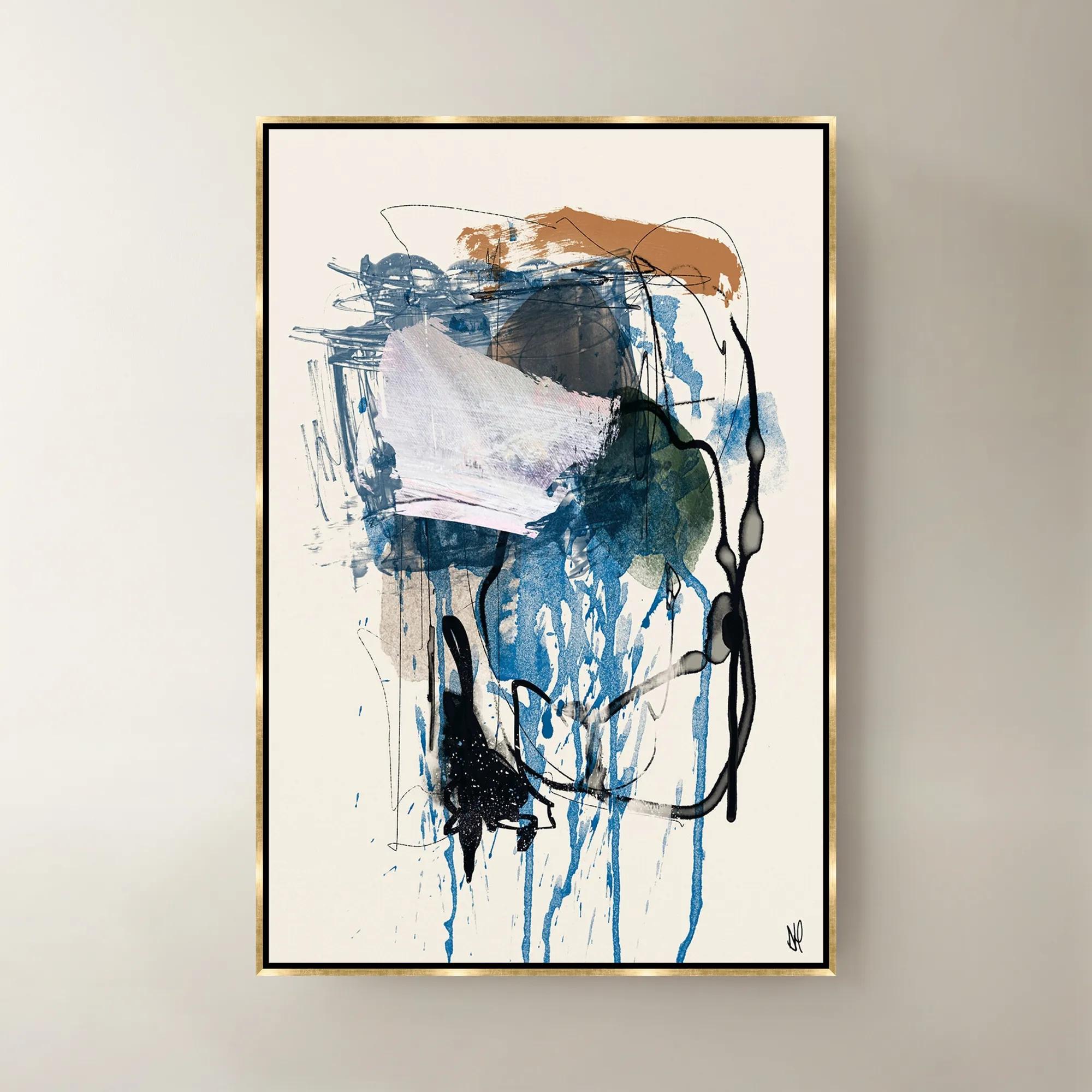
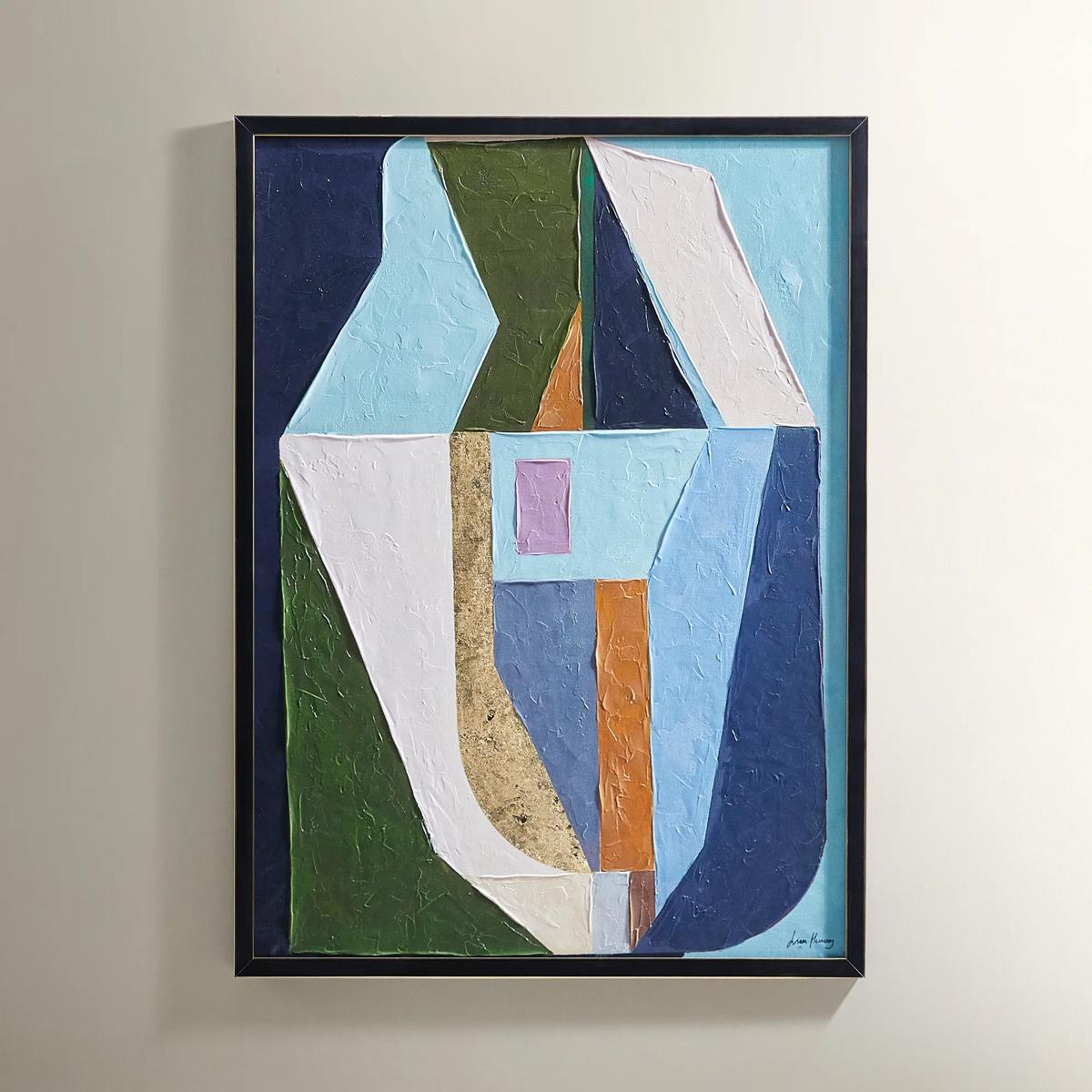 Thought Provoking Painting 2$249
A hand-embellished canvas artwork featuring textured strokes in deep blue, olive green, and gold accents.
Add To Cart -
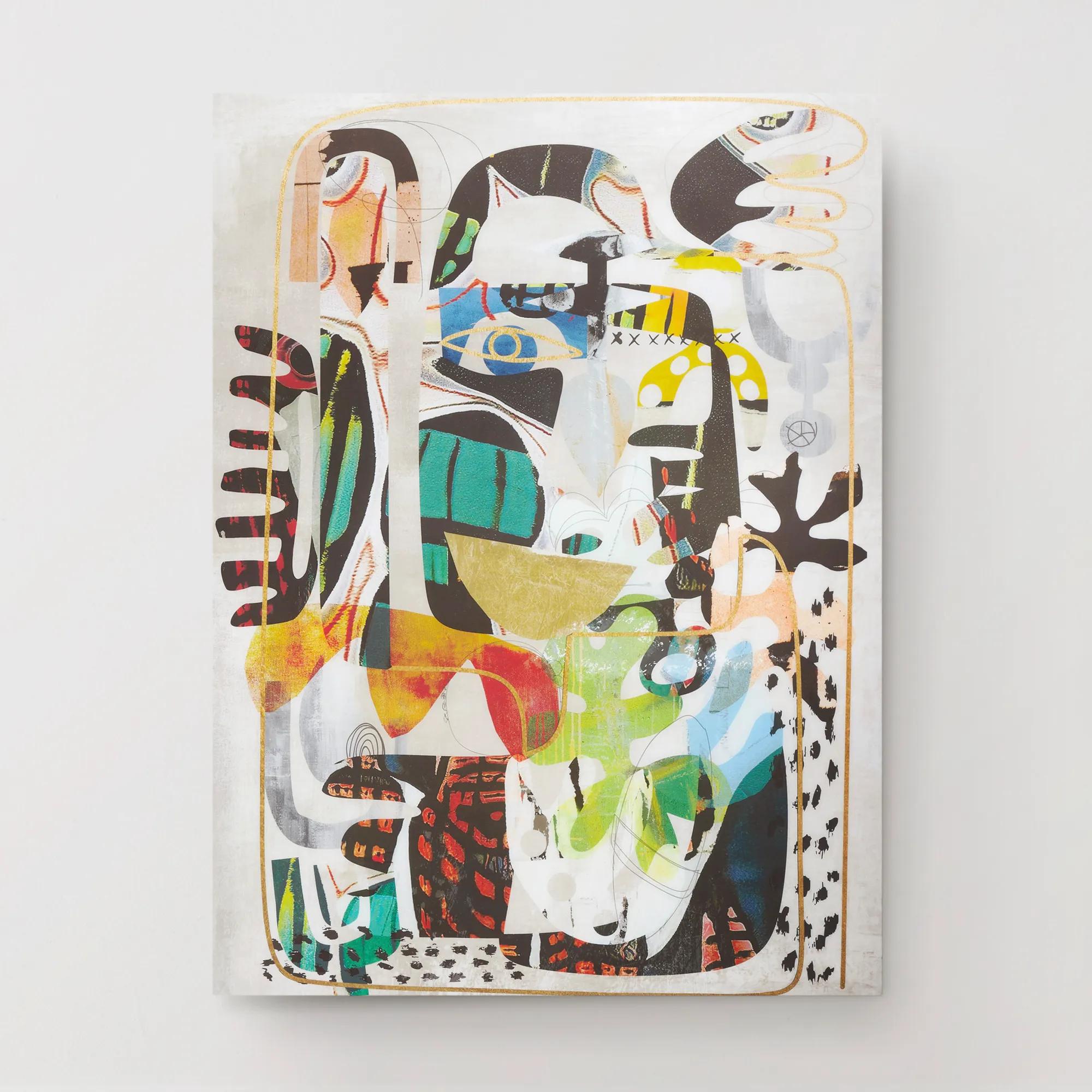
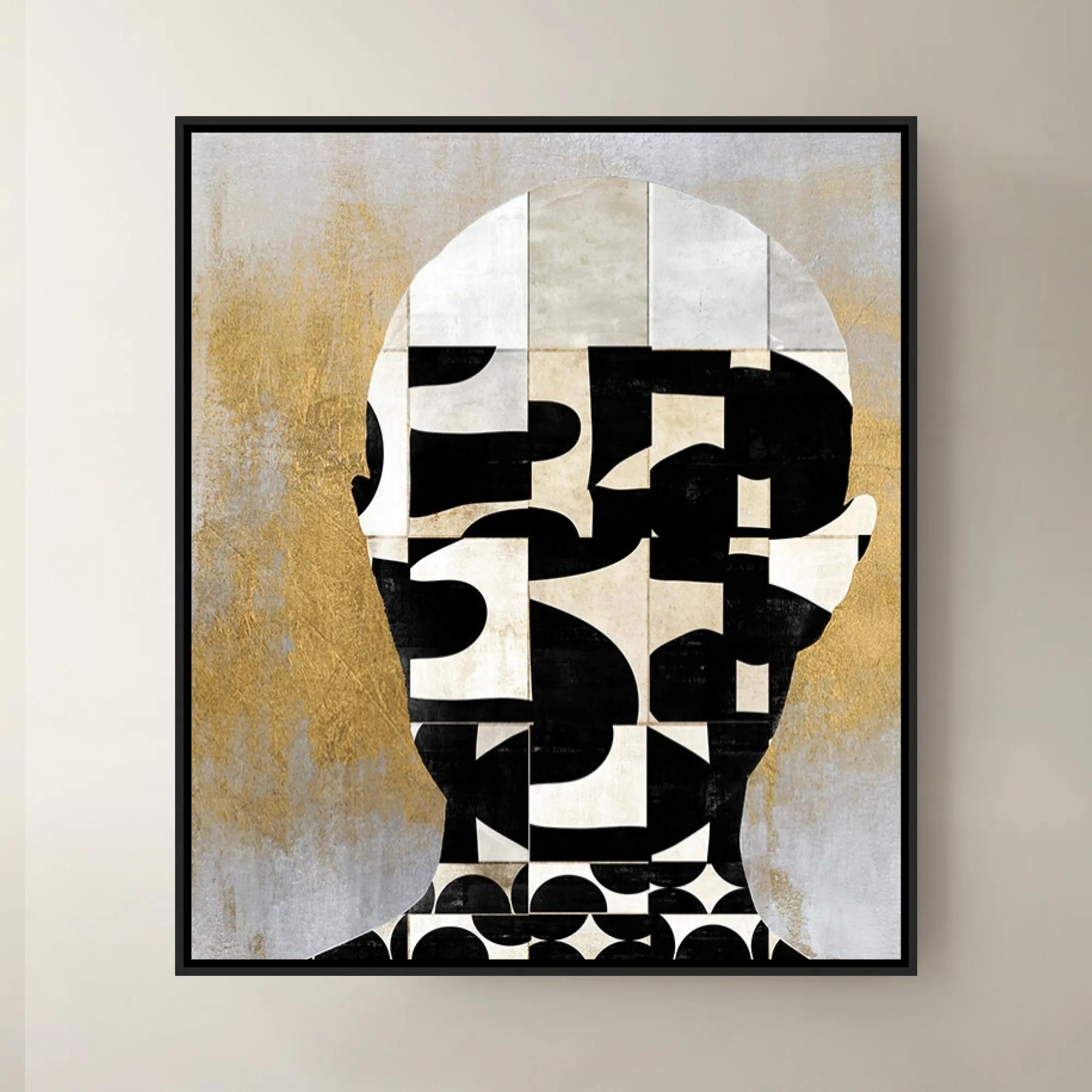
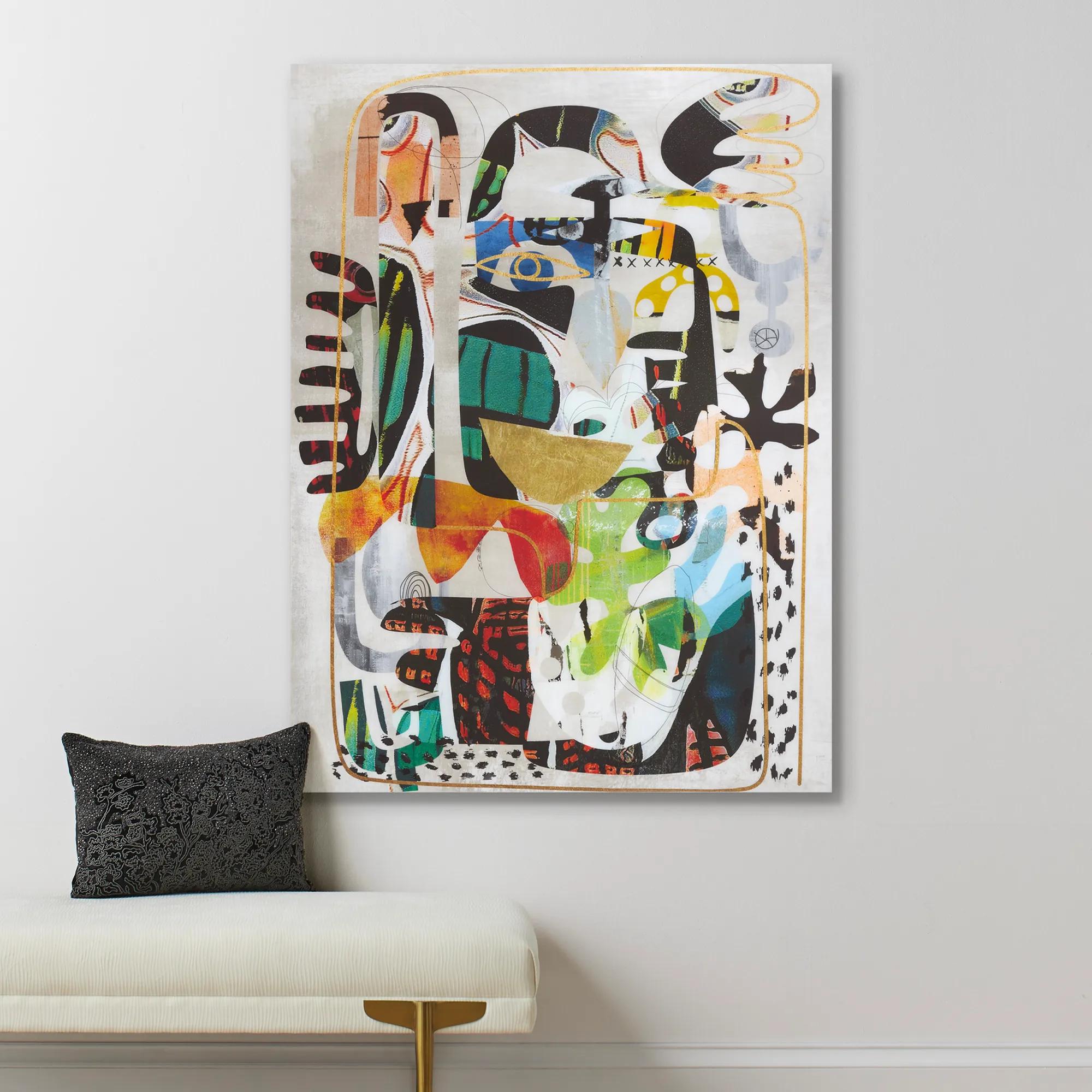 Nikki Chu Masked Wall Art 40" x 54"$899
A vibrant giclee print on canvas featuring a hand-applied glossy finish for a modern statement.
Add To Cart -
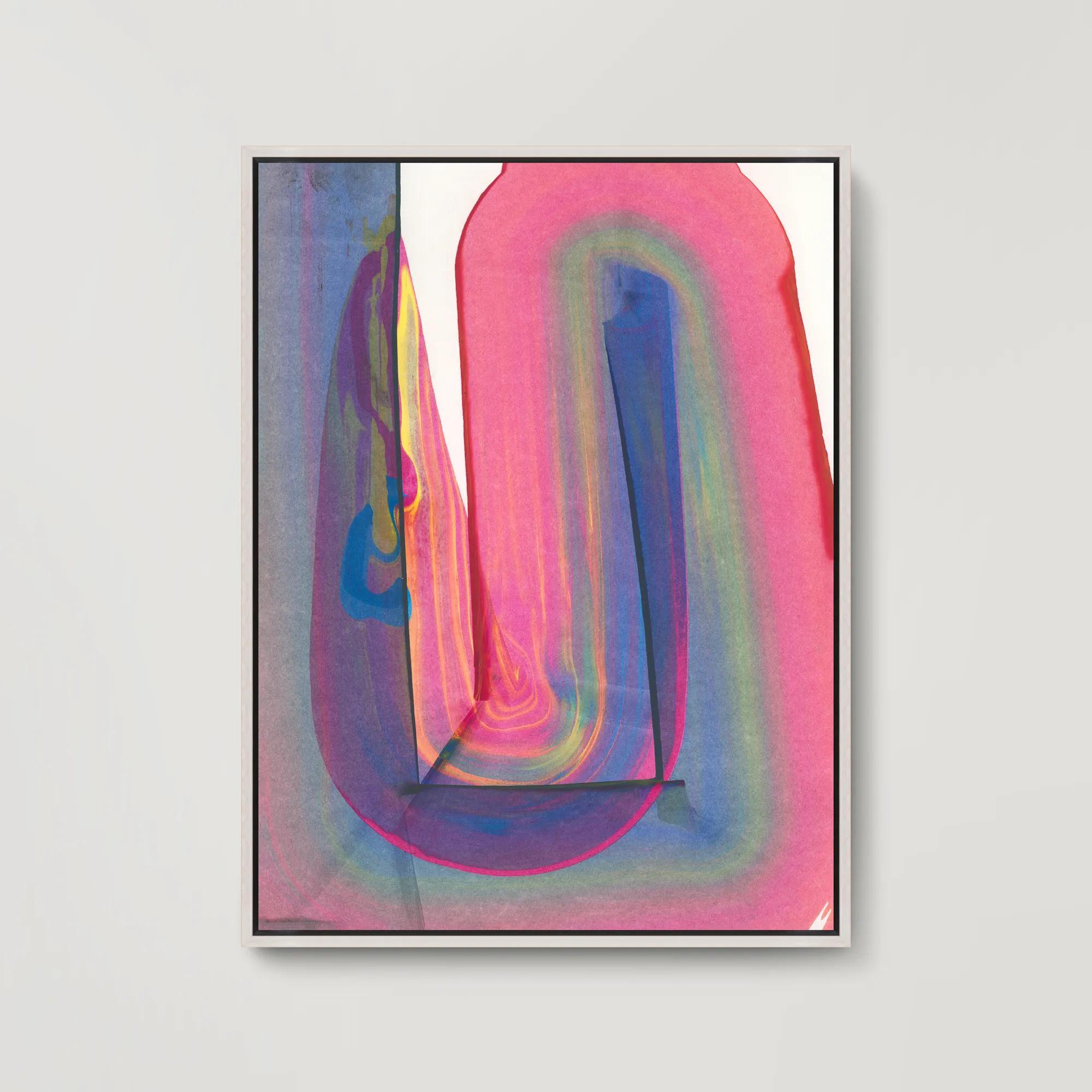
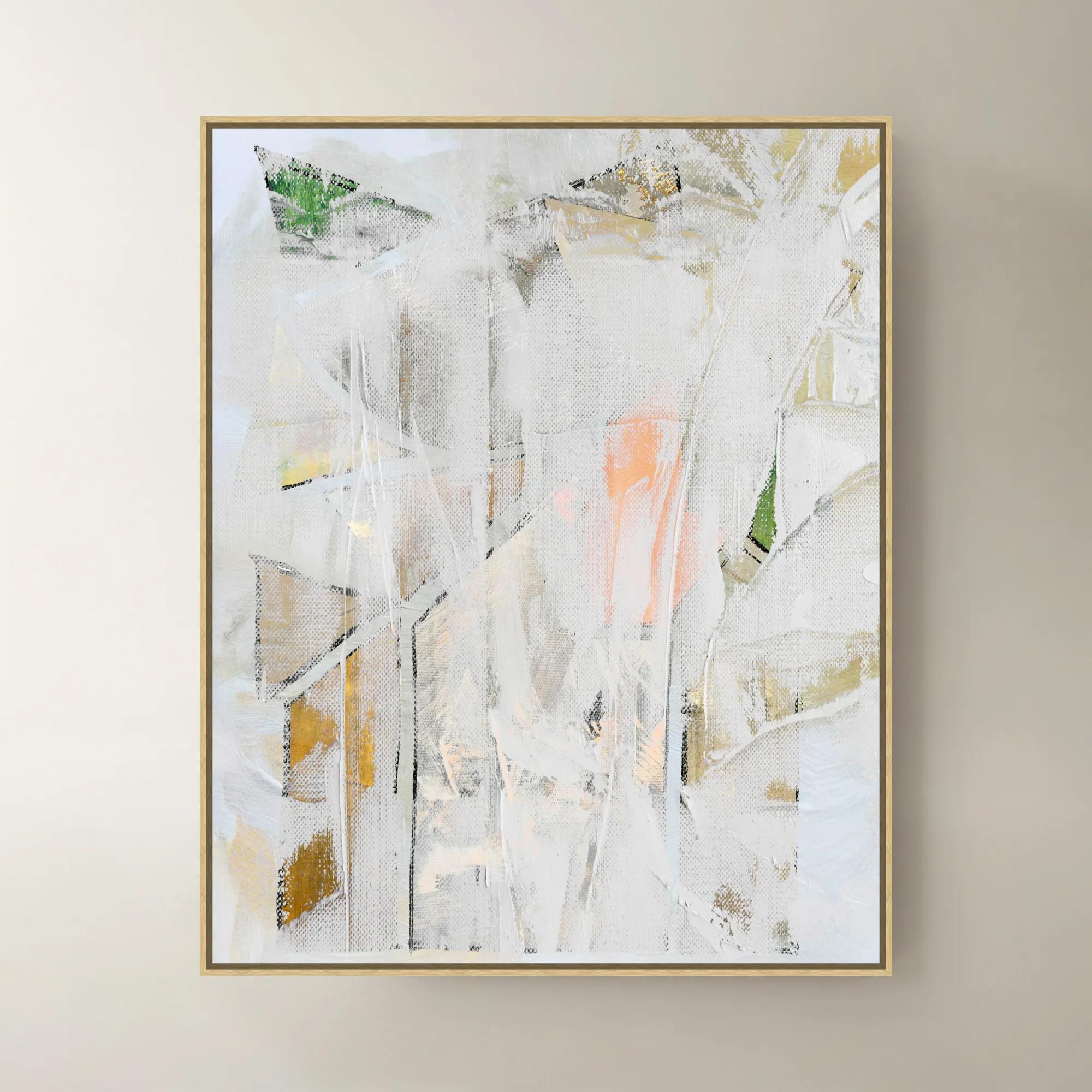
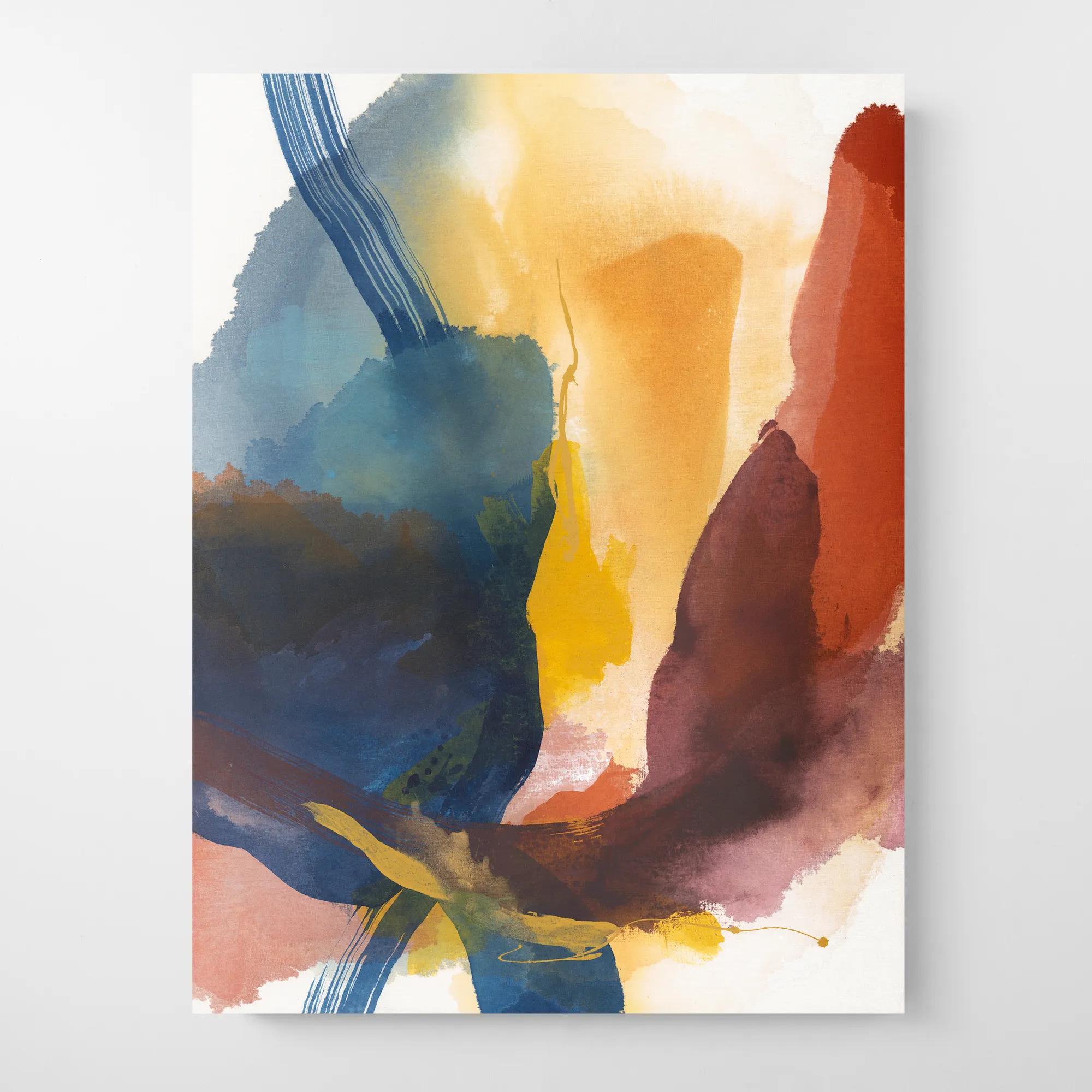
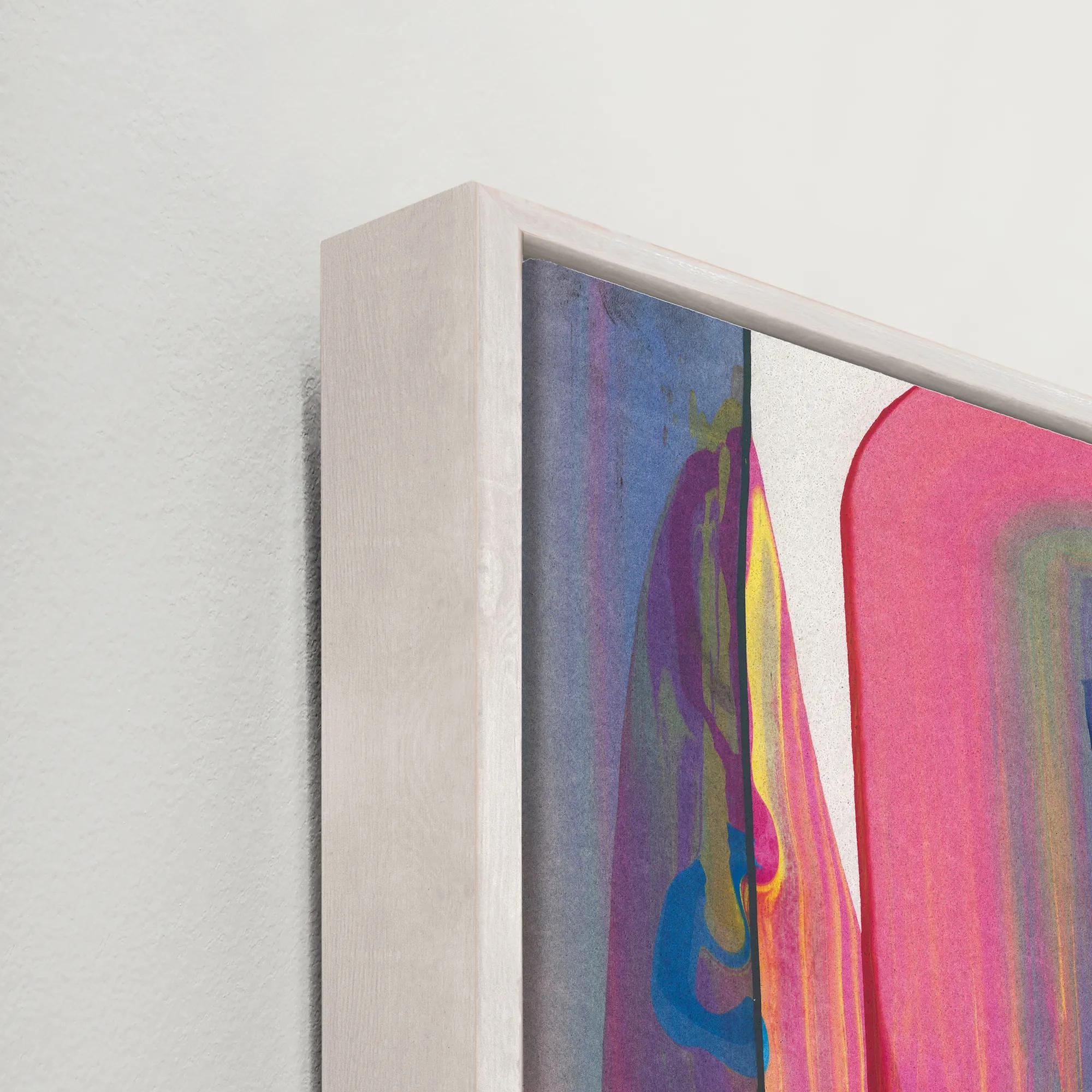 Color In Motion Framed Wall Art 31.5" x 41.5"$699
A gallery-wrapped abstract artwork featuring layered translucent paint and expressive brushstrokes in a white floater frame.
Add To Cart -
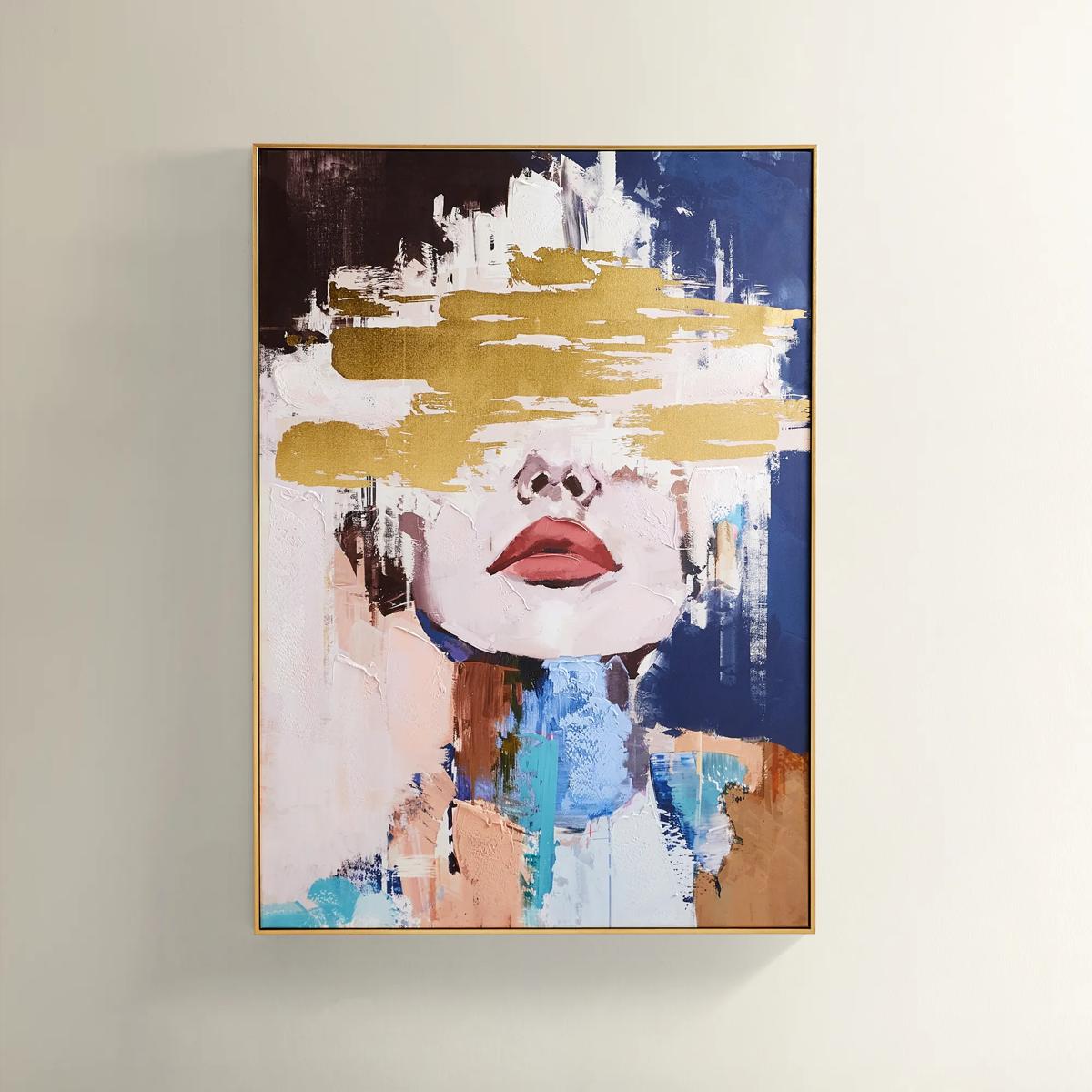
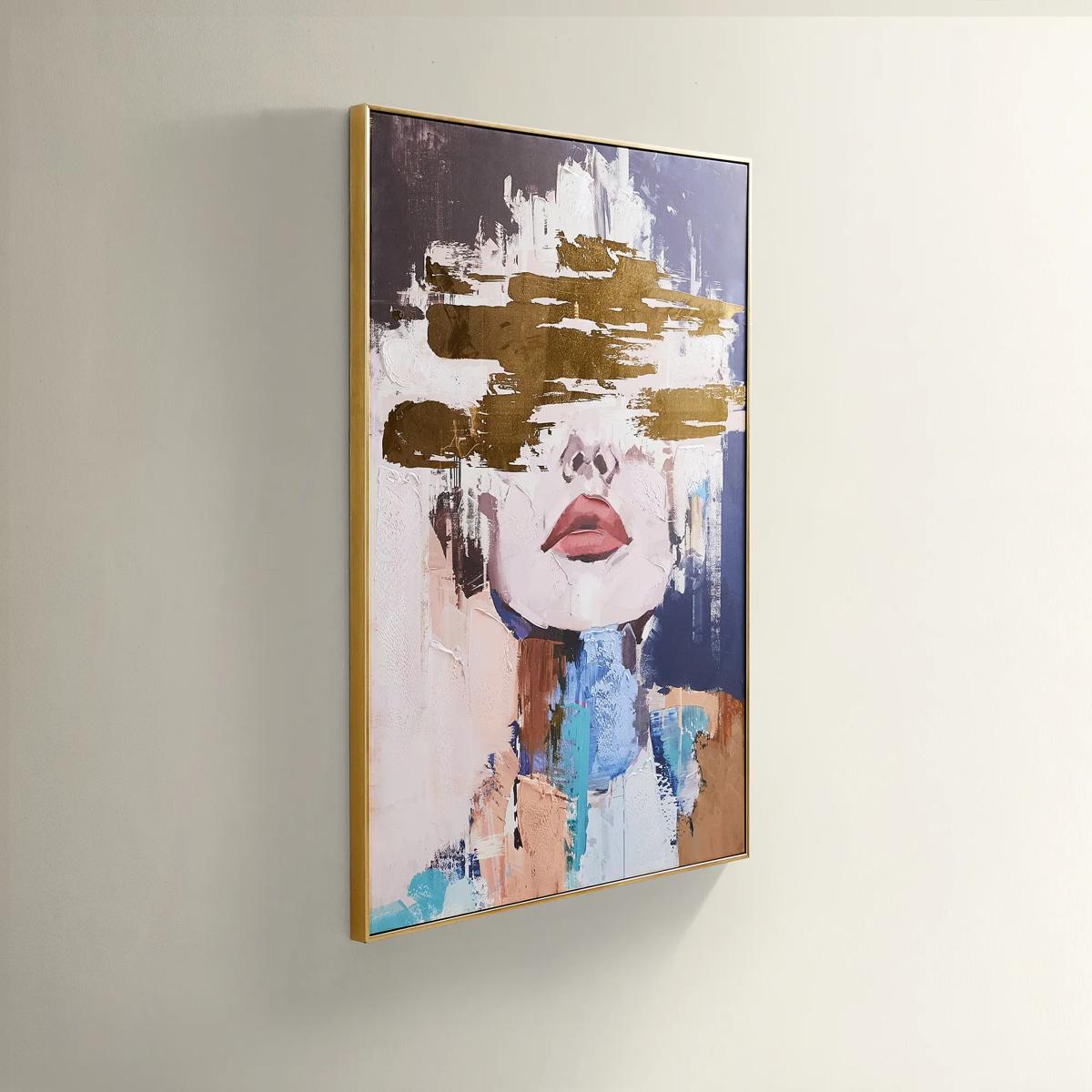 Waiting in Color Gold Foil Painted Wall Art 39.25" x 55"$499
A hand-painted abstract portrait in vivid blue, blush, and gold foil, framed in luxe gold.
Add To Cart -
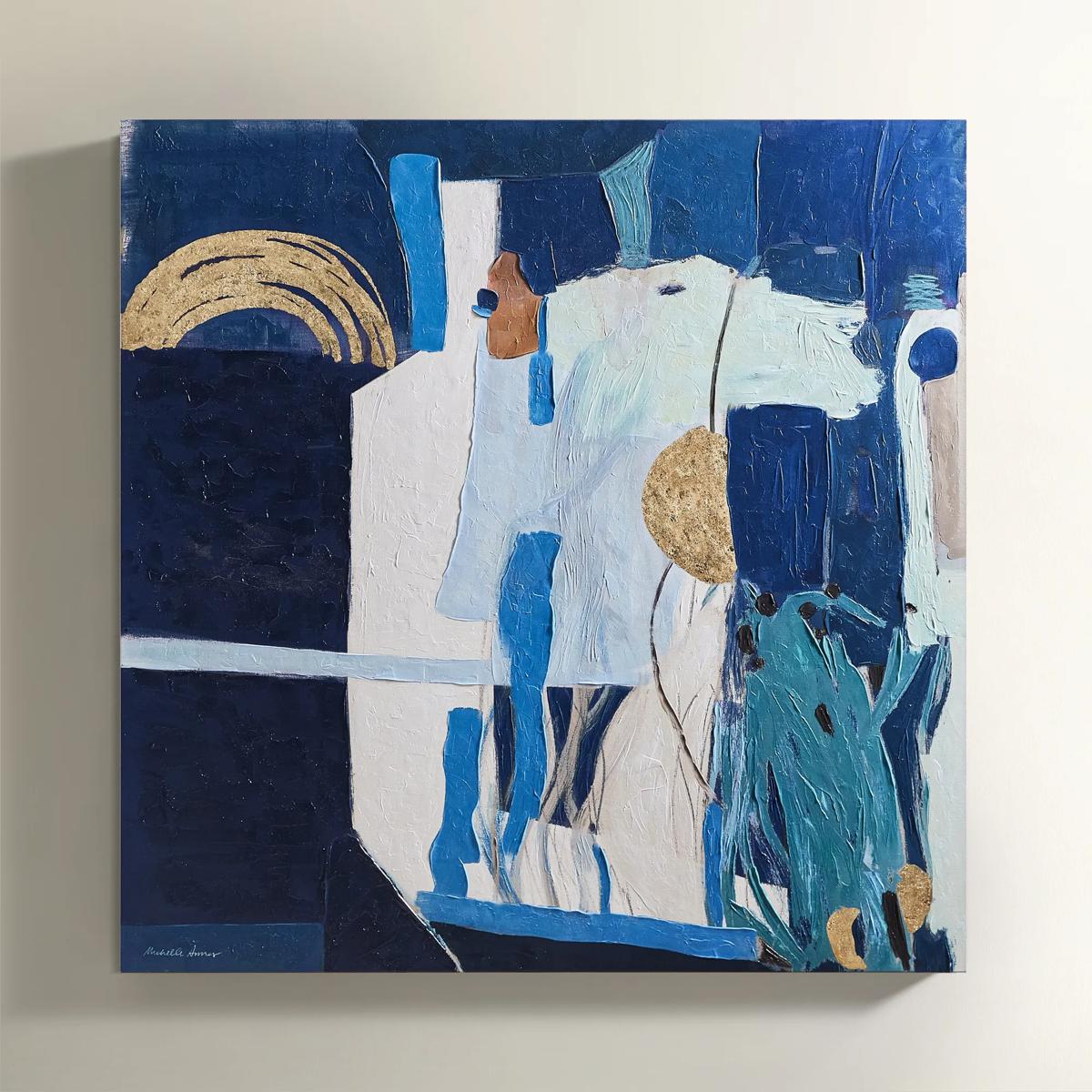
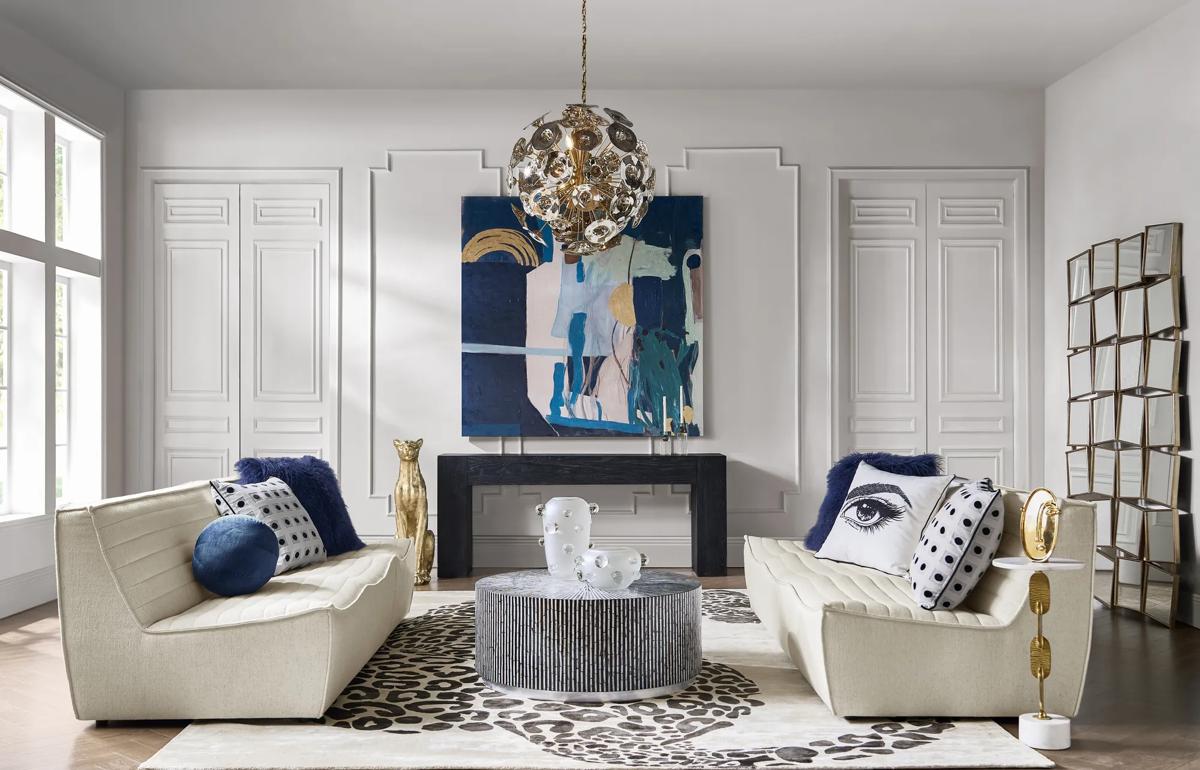 In Flux Painting$699
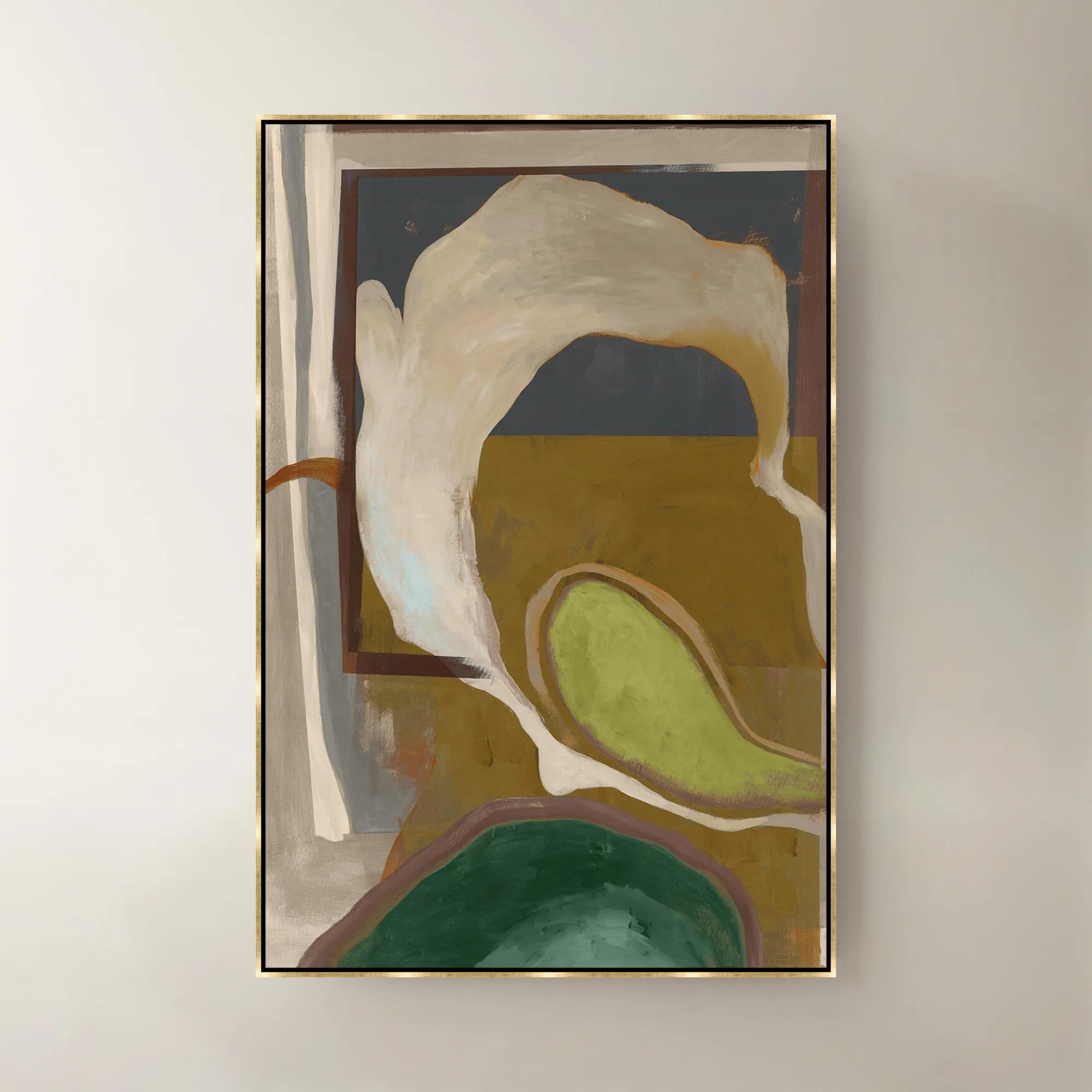
A hand-embellished canvas artwork featuring deep teal, green, ivory, and gold in a black Art Deco frame.
Add To Cart -
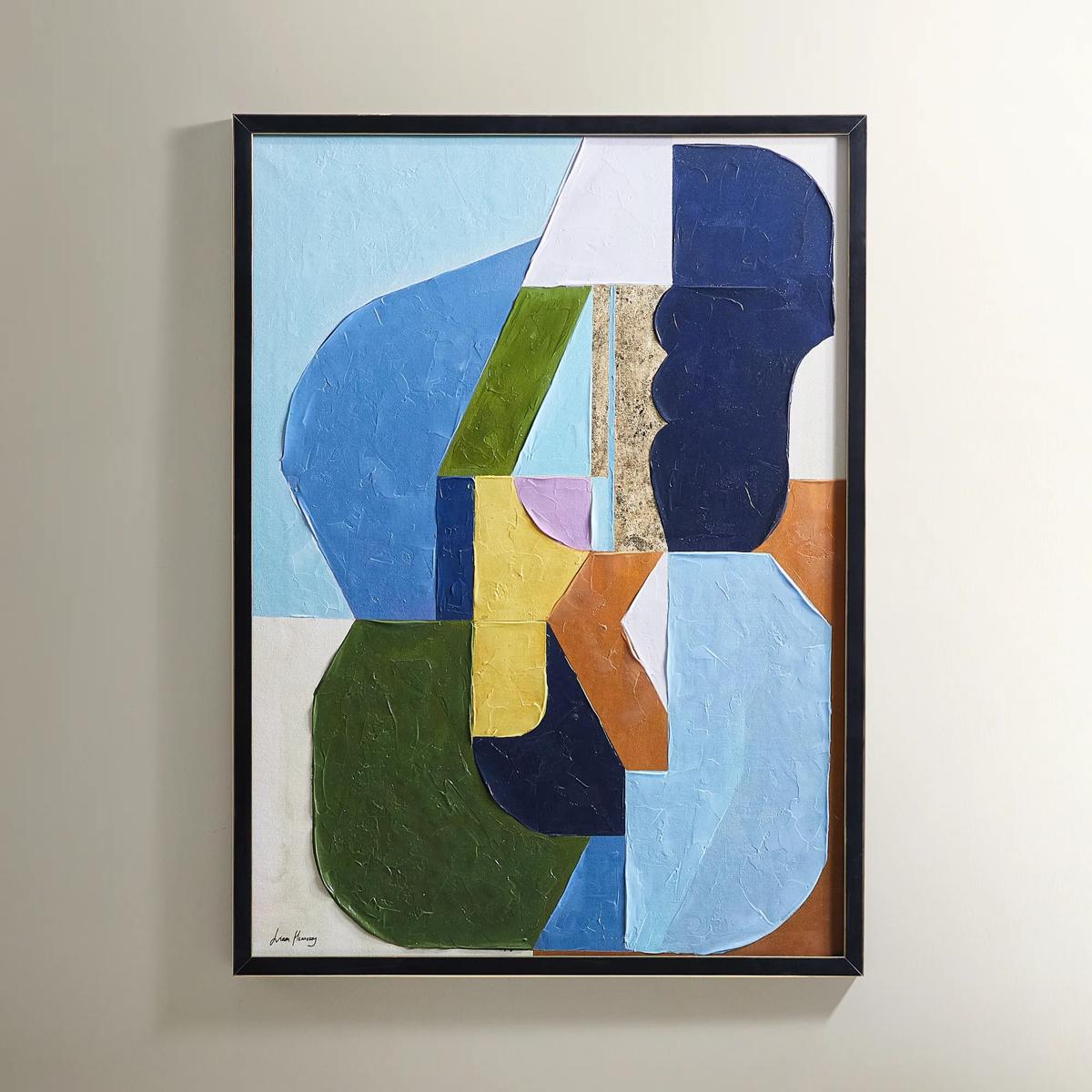
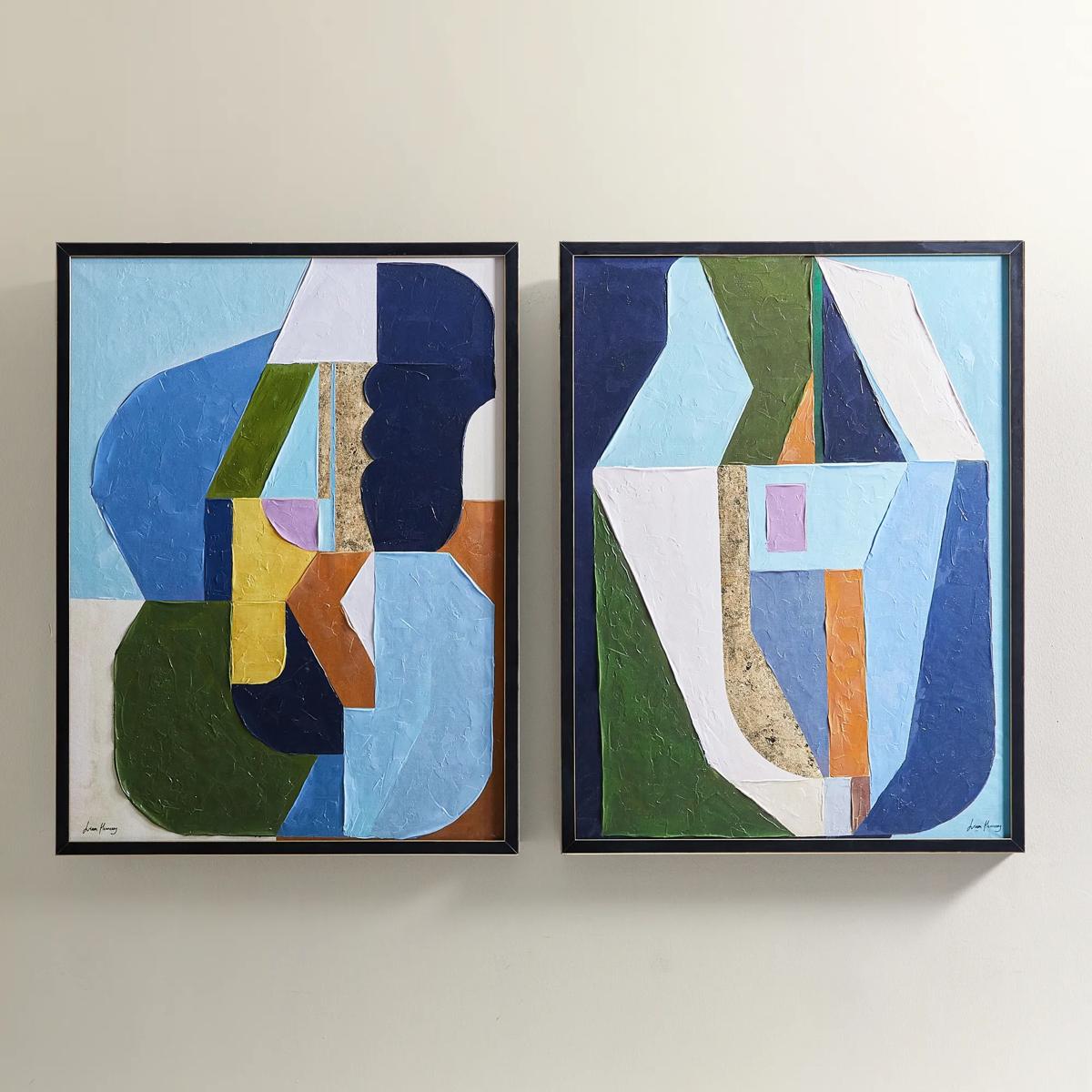 Thought Provoking Painting 1$249
A hand-embellished canvas artwork featuring textured strokes in deep blue, olive green, and gold accents.
Add To Cart

Colorful Wall Decors
Colorful wall decors transform blank walls into vibrant expressions of personality and panache. Each piece is an invitation to indulge in chromatic artistry, where bold hues and captivating patterns ignite the senses and set the stage for unforgettable interiors. Whether you crave a splash of jewel-toned drama or a playful burst of contemporary color, these striking accents promise to infuse your space with energy, movement, and undeniable flair. Let your walls become a gallery of imagination—where every glance reveals a fresh perspective and every moment feels alive with creative spirit.
Colorful wall decor gives a room a point of view, turning an expanse of painted wall into an expression of personal taste. Saturated blue, vivid coral, luminous gold, and layered green can introduce energy without changing the furniture that already makes a space feel like home. In a living room anchored by a cream sofa, a sweeping abstract composition brings movement to the seating area; against charcoal walls, jewel-toned artwork creates a deeper, more enveloping mood. Color can be exuberant or restrained, with broad strokes that command attention or delicate washes that reveal their nuances up close. That range makes decorative wall art as compelling for a first apartment as it is for a carefully collected home. Abstract art lends itself to expressive interiors, while botanical imagery, graphic arrangements, and painterly landscapes offer different ways to bring the natural world or an artistic gesture indoors. A blush-and-burgundy palette can soften the geometry of a dining room, while cobalt and ochre give a quiet entryway a confident introduction. The strongest connections often come from repeating just one or two colors already present in a rug, an accent pillow, or a favorite decorative object rather than matching every element. A surprising accent shade keeps the composition from feeling overly coordinated. For a more defined presentation, colorful framed wall art brings expressive imagery together with a crisp architectural border, giving even fluid brushwork a sense of structure. Metallic frames can catch the light beside a chandelier, while dark frames emphasize contrast and pale finishes leave more attention on the colors within. Whether the mood is theatrical, romantic, or quietly luminous, colorful wall decorations create a visual center that makes the surrounding furnishings feel intentional. Their appeal extends beyond a particular decorating style: a single daring composition can animate a tailored interior, while a layered arrangement can enrich a room already filled with texture, pattern, and treasured objects.
Material and scale shape that impression as much as the palette itself. Printed canvas typically offers a softly textured surface, allowing a colorful composition to feel less reflective and more integrated with upholstered furnishings. Art on paper can preserve fine lines and subtle tonal shifts, with framing and a mat adding space around the image. Decorative metal wall pieces introduce a different kind of presence, bringing dimensional shadows and glints of light into the arrangement. Wood elements can add grain and warmth, while glass or acrylic glazing changes how framed imagery interacts with daylight and lamps. Each material deserves consideration in relation to the room, especially where reflections, humidity, or frequent activity may affect the display. Across a generous wall, an undersized composition can seem disconnected from the furniture beneath it; above a narrow console, an oversized arrangement may overwhelm the vignette. A grouping spanning roughly two-thirds to three-quarters of the furniture’s width often feels balanced, though ceiling height, nearby windows, and the artwork’s visual weight can shift that proportion. Leaving comfortable space above a sofa or headboard helps the display feel connected without crowding the people using the room. In a dining area, artwork should also feel engaging from a seated position, not only from the doorway. Multi-piece arrangements offer flexibility around architectural details, and consistent spacing gives varied imagery a deliberate rhythm. A tall vertical composition can emphasize height beside a bookcase, while a broad horizontal piece echoes the low silhouette of a sofa. Painter’s tape or paper templates can make dimensions easier to judge before hanging, particularly when several pieces need to share a wall. Size descriptions should be checked for whether they include the frame, since the full outer dimensions determine the fit. Weight matters, too: wall decor needs hardware suited to both the piece and the wall construction, with heavier displays requiring appropriately rated anchors or support. Thoughtful placement allows expressive color to feel assured rather than crowded, preserving enough open wall for each composition to register.
Colorful wall art belongs in the spaces where its character can be enjoyed every day, from a lively family room to a bedroom that calls for a gentler wash of color. In a home office, a dynamic composition can provide an engaging backdrop without introducing another object to the desk. Along a hallway, a series of related hues can connect rooms with different furnishings; in an entryway, a single bold display establishes the home’s personality before the rest of the interior comes into view. Lighting affects all of these settings. Natural light reveals subtle color variations, but prolonged direct sunlight can fade pigments and affect paper or canvas, so a bright wall outside the sun’s direct path is often preferable. Nearby lamps or thoughtfully positioned picture lighting can reveal texture after dark without creating distracting glare across glazing. Long-term beauty also depends on construction and care. Secure frame joints, suitable backing, and correctly installed hanging hardware all contribute to a stable presentation, while material-specific care instructions help protect the finish. A soft, dry cloth is appropriate for dusting many frames, but textured artwork may need a different approach; cleaning sprays should never be applied directly to the image or allowed to seep beneath a frame. Glazing should be cleaned according to its material, since acrylic and glass can require different products. Unless expressly designed for those conditions, decorative artwork is best kept away from steamy bathrooms, cooking splashes, and exposed outdoor spaces. These considerations make colorful decor especially rewarding for people who enjoy expressive interiors but want pieces that remain beautiful through everyday living. It can also be a thoughtful housewarming or wedding gift when the recipient’s taste, wall space, and preferred colors are known. A palette drawn from a beloved room feels more personal than a purely trend-led choice. With color, proportion, and presentation working together, wall decor becomes more than a finishing touch: it gives familiar surroundings depth, distinction, and an unmistakably individual spirit.
FAQs
When selecting colorful wall decor, consider the overall mood and palette of your space. For a cohesive look, pick pieces that echo accent colors already present in your textiles or accessories. If you crave contrast, choose artwork that introduces a fresh pop of color, creating a focal point that enlivens the room. Trust your instincts—art should resonate with your personal taste and the atmosphere you wish to create.
Colorful wall decor shines when thoughtfully placed. Try clustering several pieces in a gallery wall arrangement for an eclectic, curated effect, or let a single vibrant artwork stand alone as a dramatic centerpiece. Consider layering wall art with mirrors, sconces, or sculptural accents to add dimension and intrigue. Hallways, stairwells, and unexpected nooks can also become striking showcases for bold color.
Absolutely. Colorful wall decor is a thoughtful and memorable gift for housewarmings, weddings, anniversaries, or milestone birthdays. It’s a beautiful way to celebrate someone’s personality and style, and every time they see the piece, they’ll be reminded of your meaningful gesture. Choose artwork that reflects their taste or commemorates a shared memory for a truly personal present.
Colorful wall decor is a powerful tool for setting the tone of a space. Vibrant hues can energize a living area or home office, while softer pastels or cool tones can create a calming retreat in bedrooms or reading nooks. The subject matter and style of the artwork also play a role—abstract pieces can spark imagination, while landscapes or botanicals may evoke tranquility.
Seek out pieces crafted with attention to detail, such as archival-quality prints, hand-painted canvases, or mixed-media works that incorporate metallic leaf, textured brushwork, or dimensional elements. Finishes like glossy resin, floating frames, or metallic accents can enhance the vibrancy and sophistication of the artwork, ensuring your decor feels both luxurious and enduring.