Armless Chairs For Stylish Seating
Armless Chairs For Stylish Seating
-
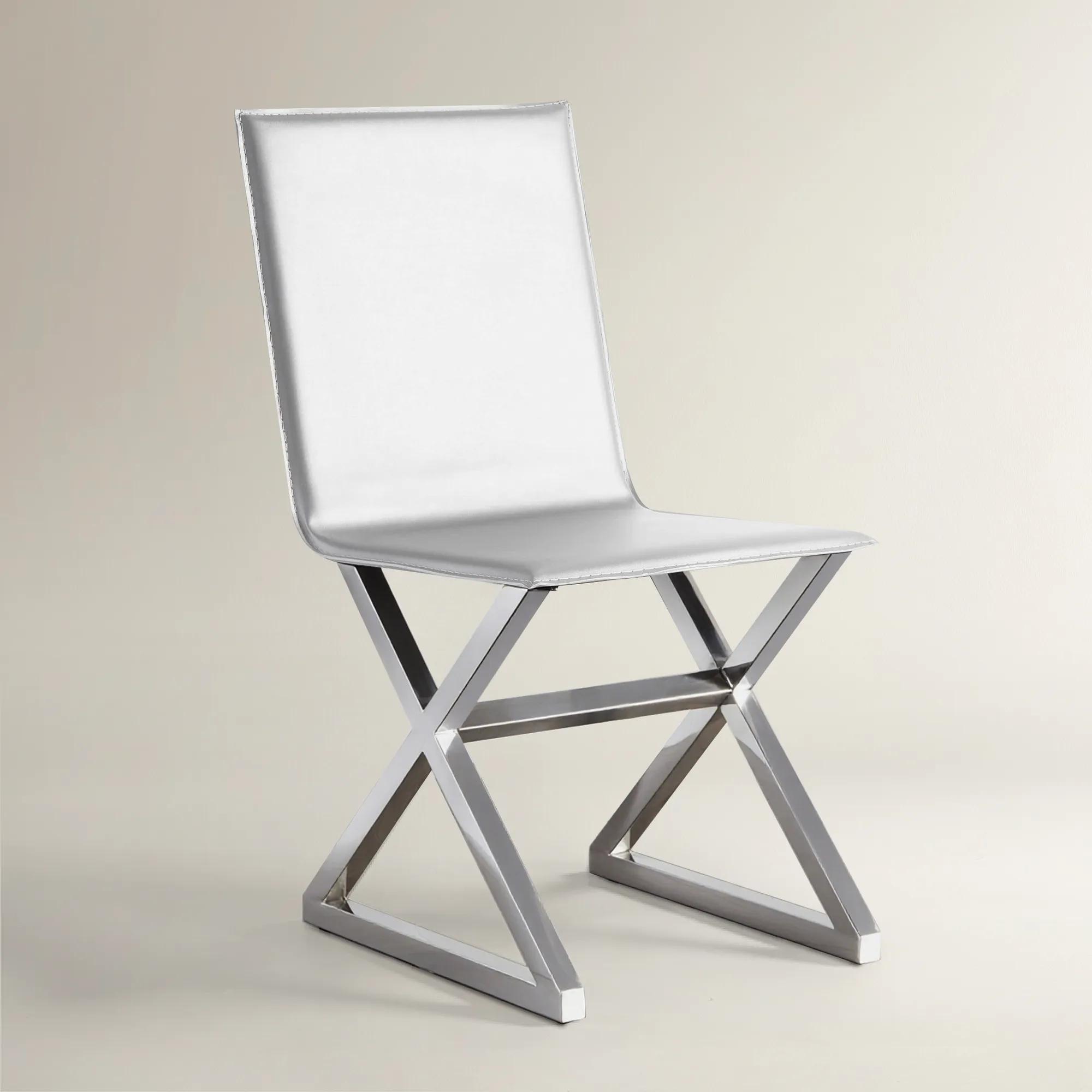
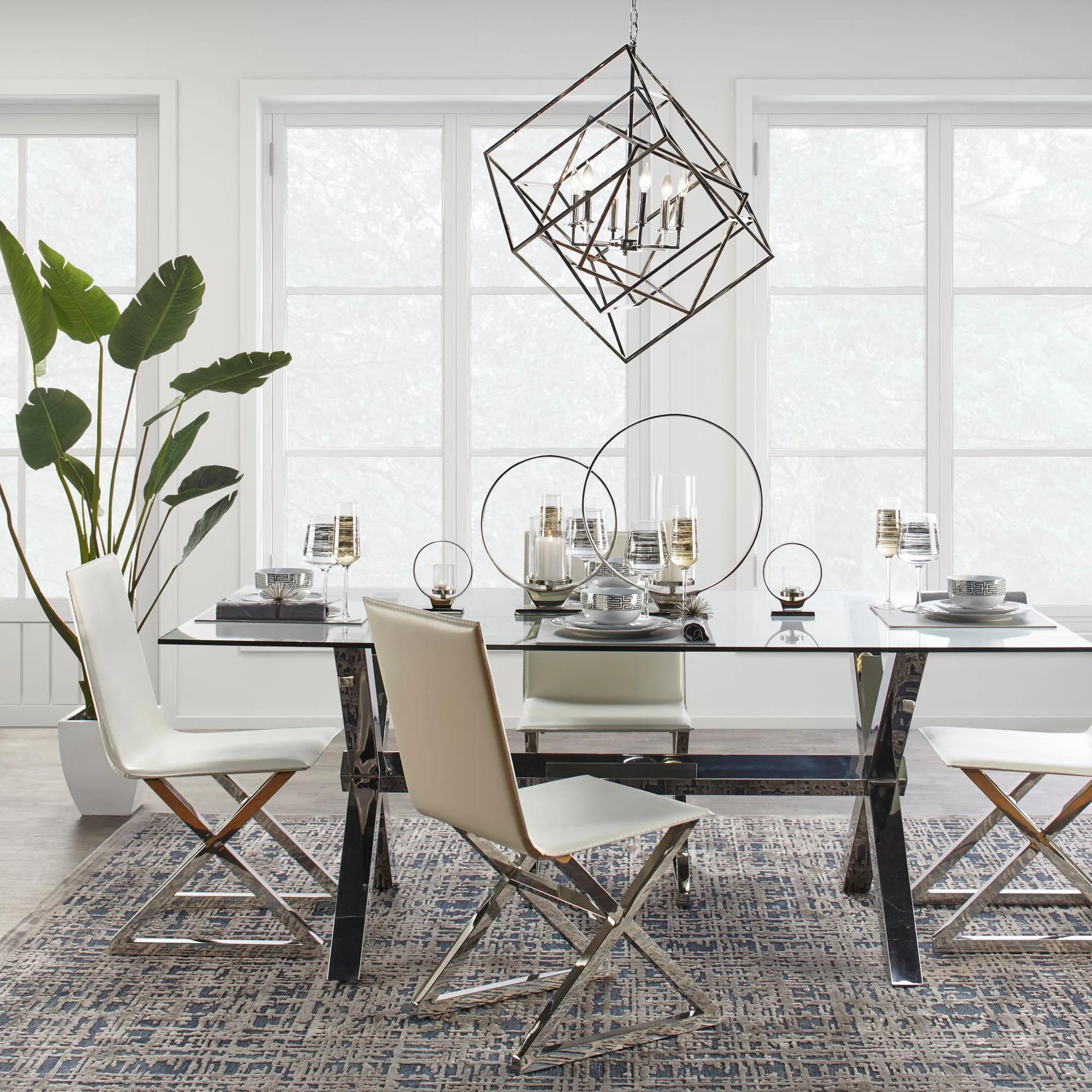 Axis Dining Chair - Set of 2$399
A contemporary chair set featuring white bonded leather upholstery and a polished stainless steel base.
Add To Cart -
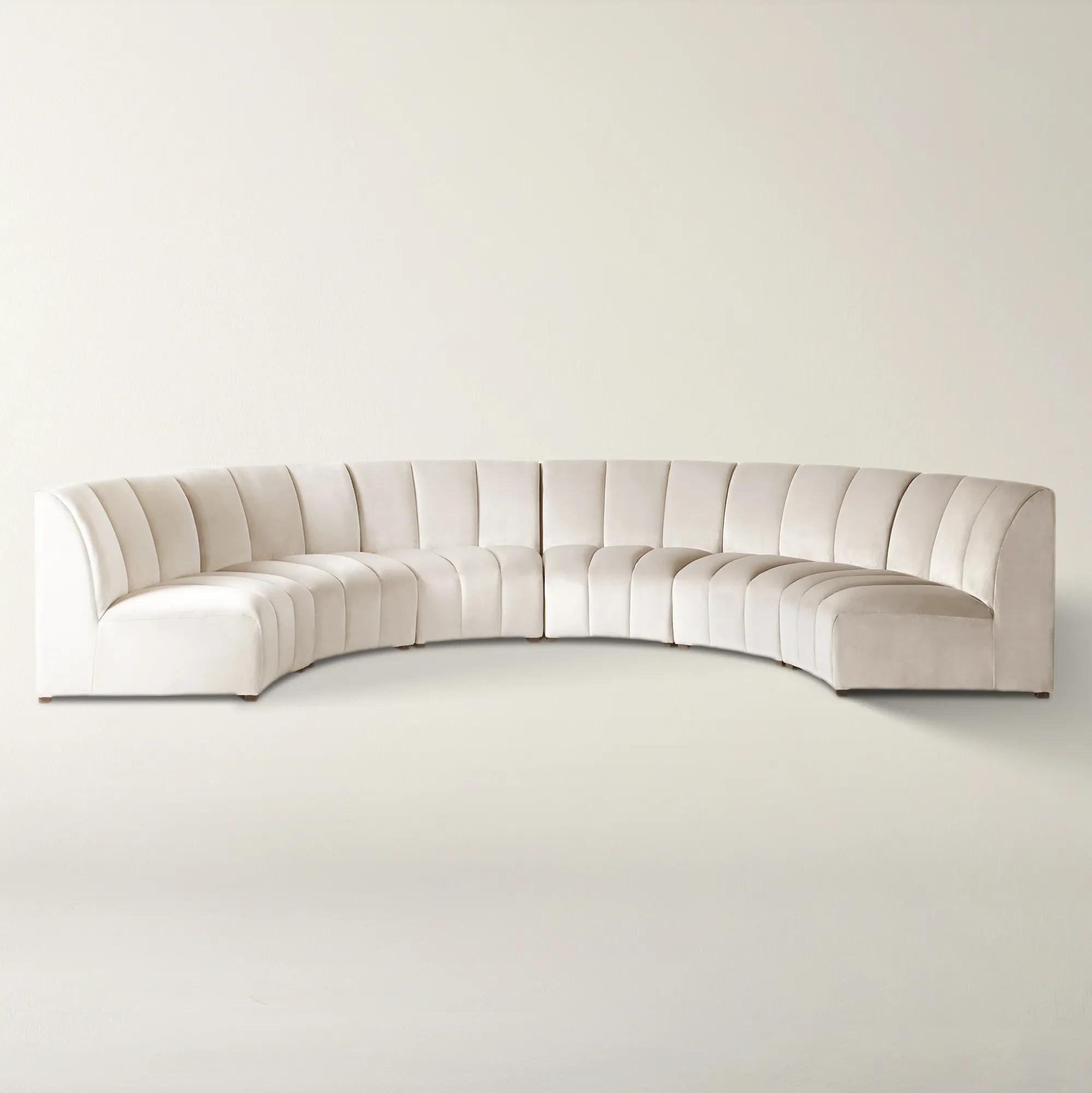 Jayce 6-Piece Channel-Tufted Ivory Velvet Sectional Sofa$5499
A modern curved sectional in stain-resistant Velvet Ivory with deep channel tufting and plush, structured cushions.
Add To Cart -
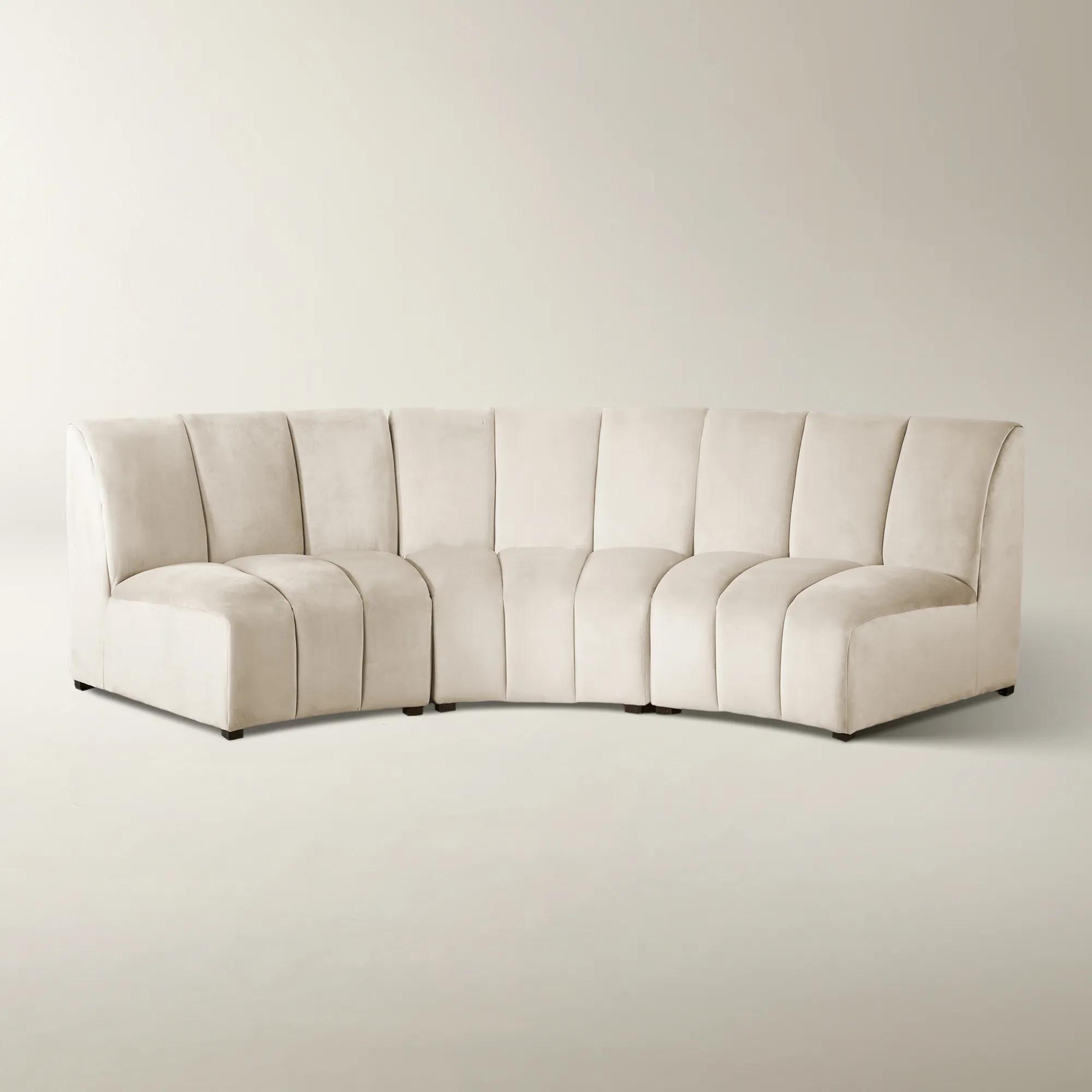
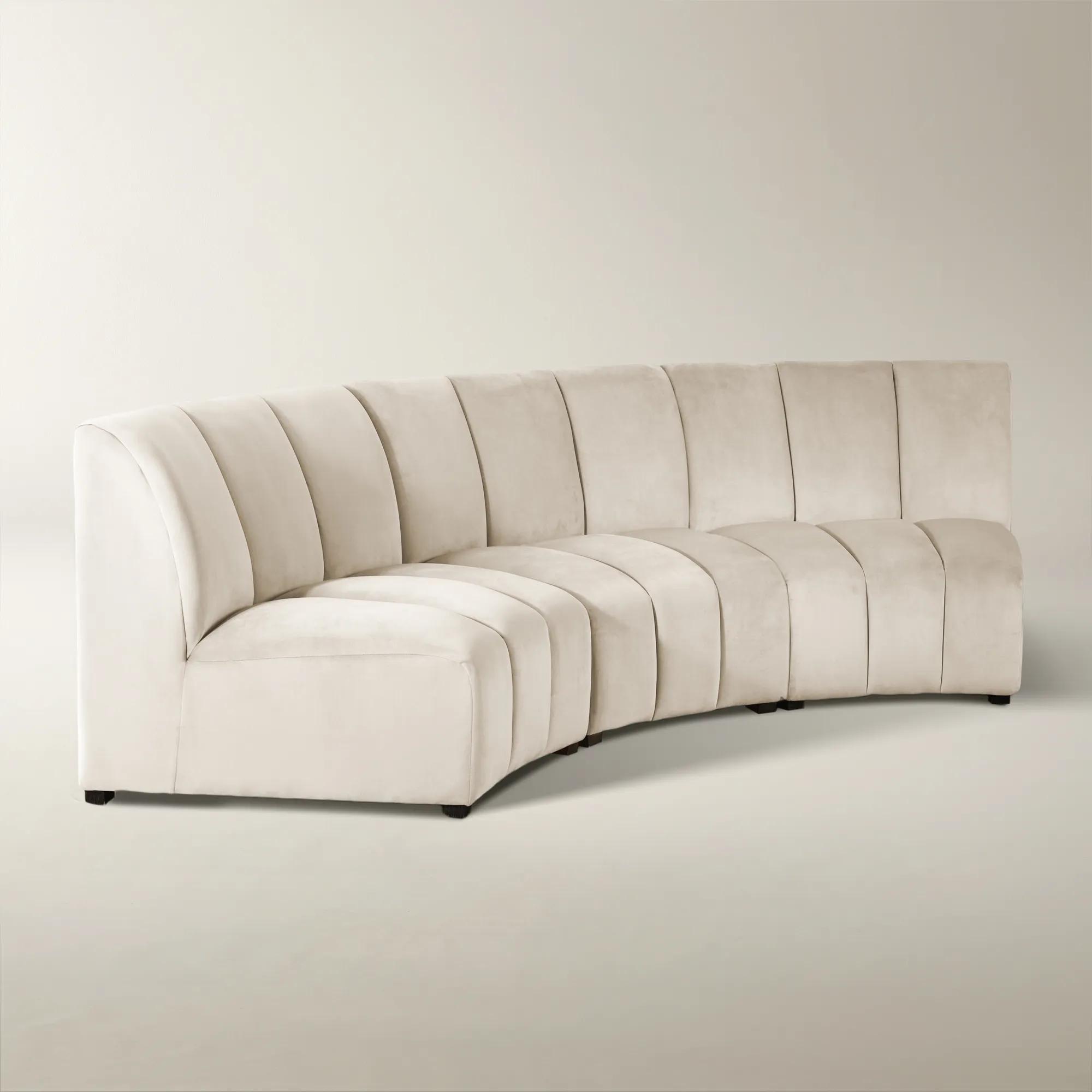 Jayce 3-Piece Channel-Tufted Ivory Velvet Sectional Sofa$2799
A modern curved sectional in stain-resistant Velvet Ivory with deep channel tufting and plush, structured cushions.
Add To Cart -
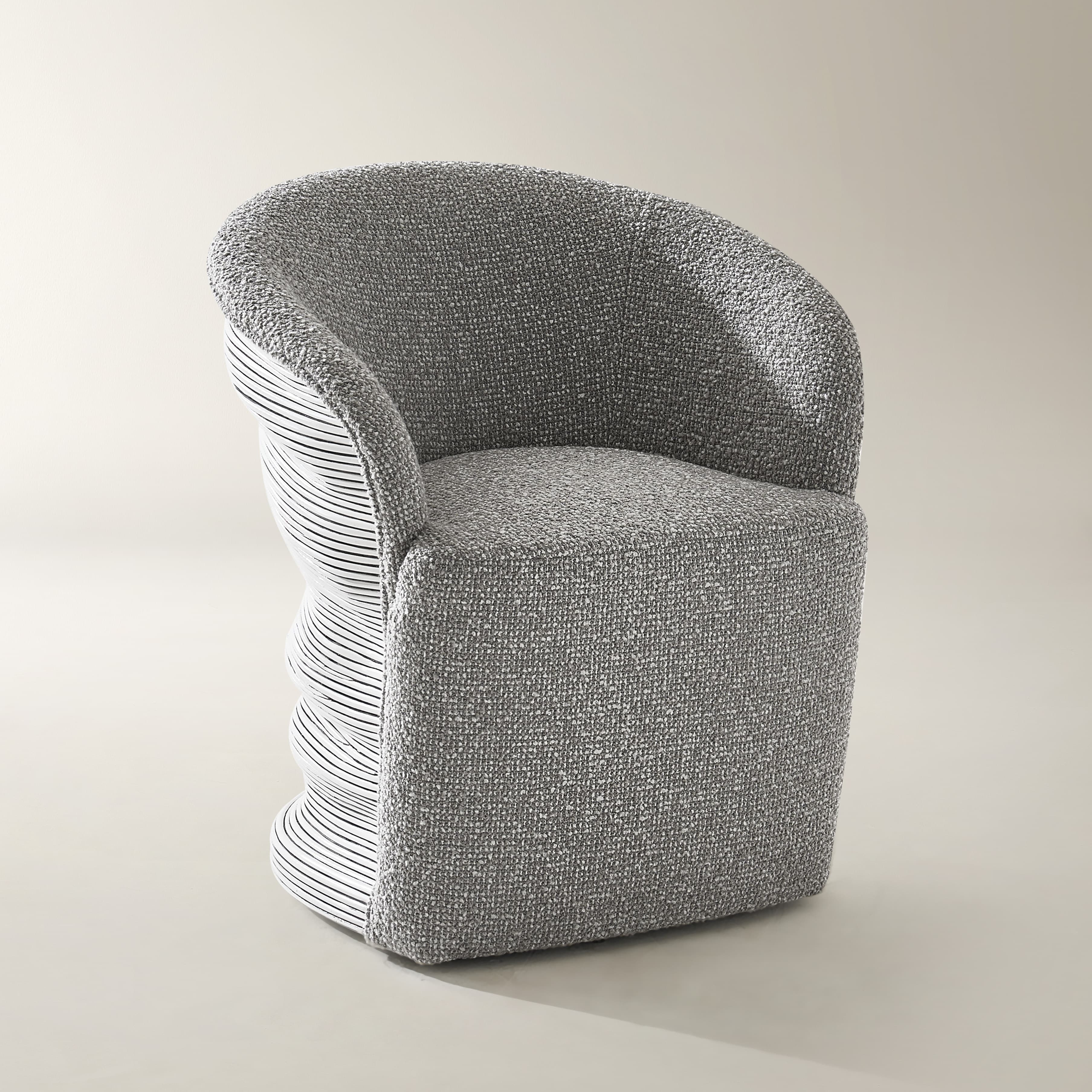
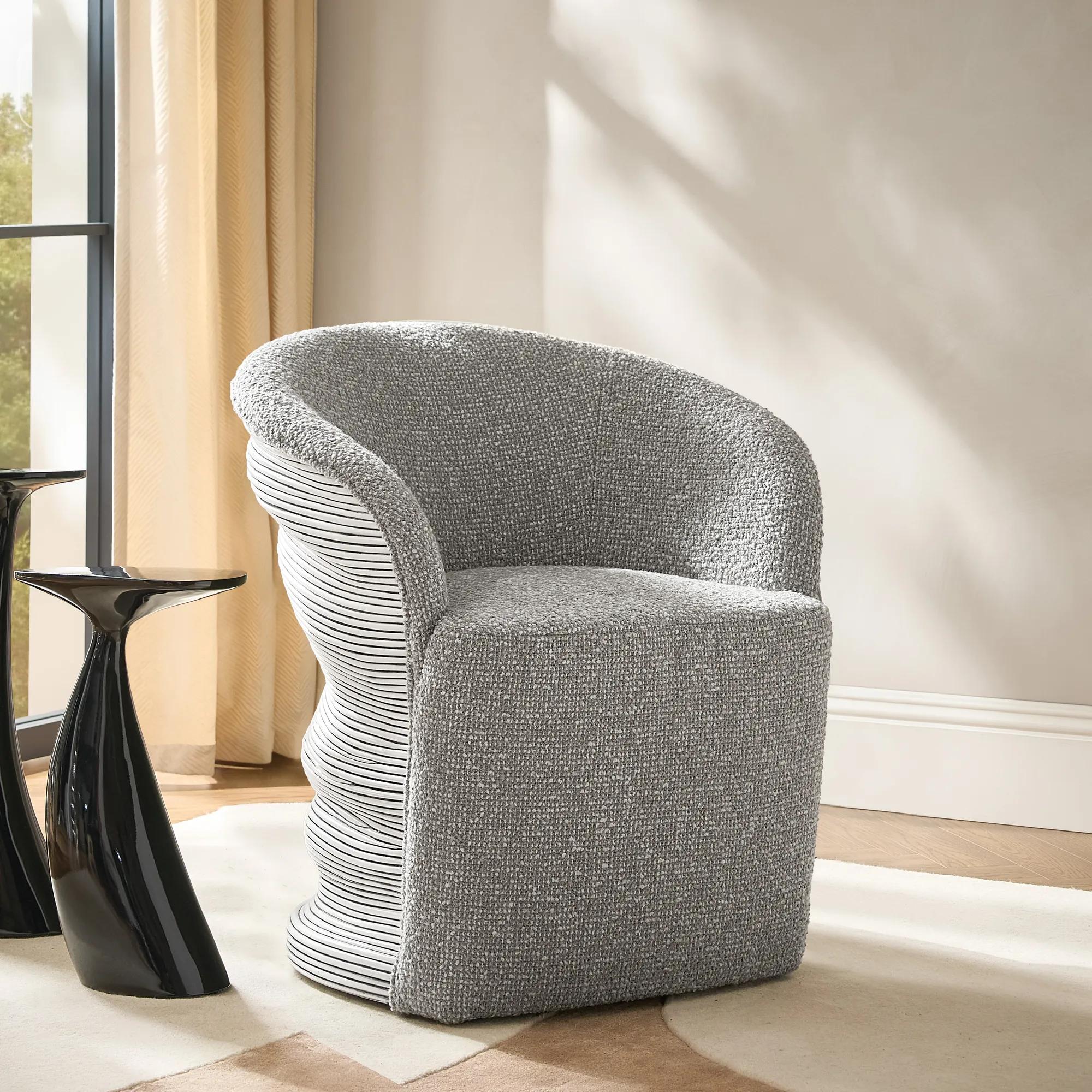 Cairo Rattan Grey Chenille Dining Chair$899
A handwoven natural rattan swivel chair in grey chenille, blending sculptural form with plush comfort.
Add To Cart -
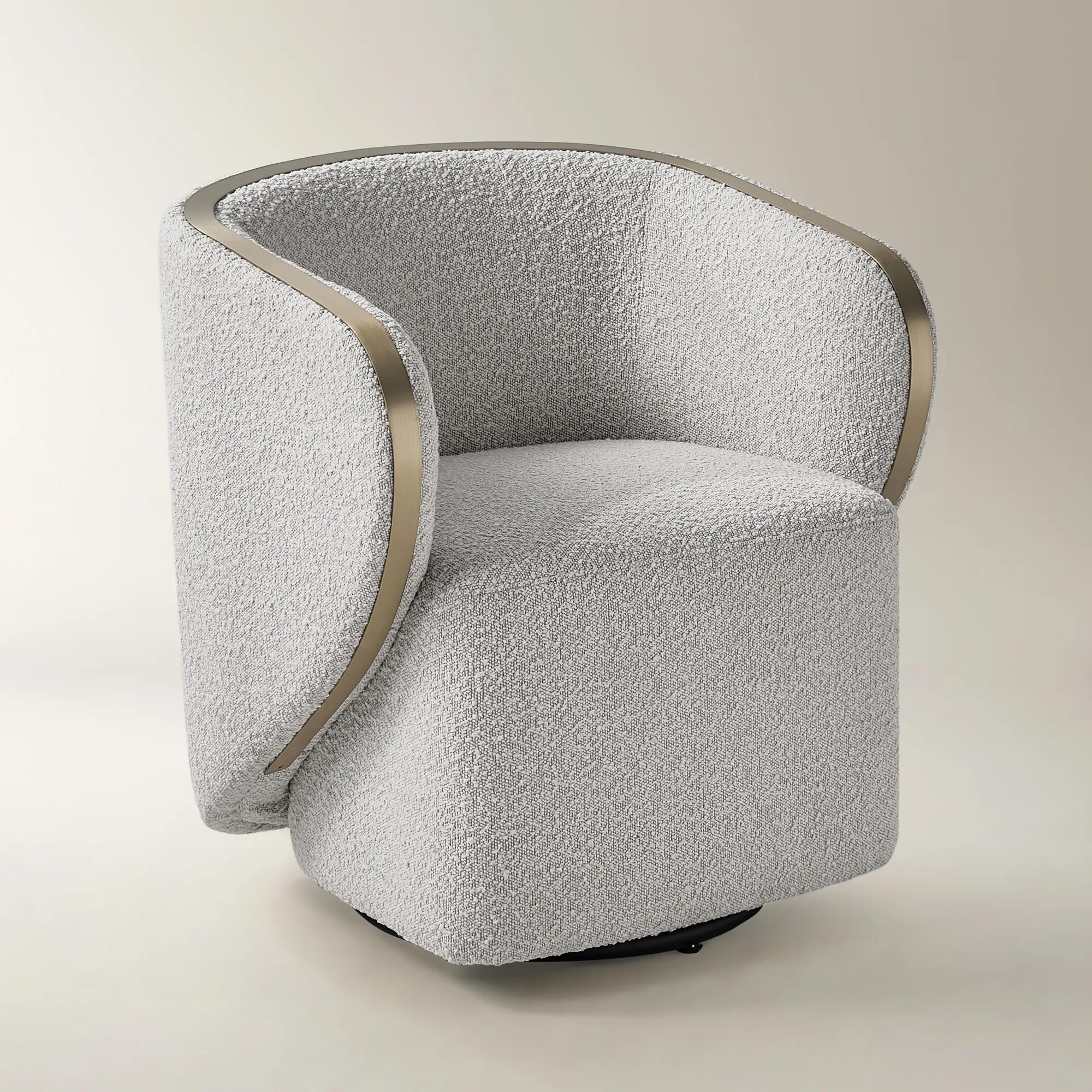 Nova Light Grey Performance Boucle Swivel Dining Chair$599
A sculptural light grey chair in water-repellent boucle with metallic trim and a smooth 360° swivel base.
Add To Cart -
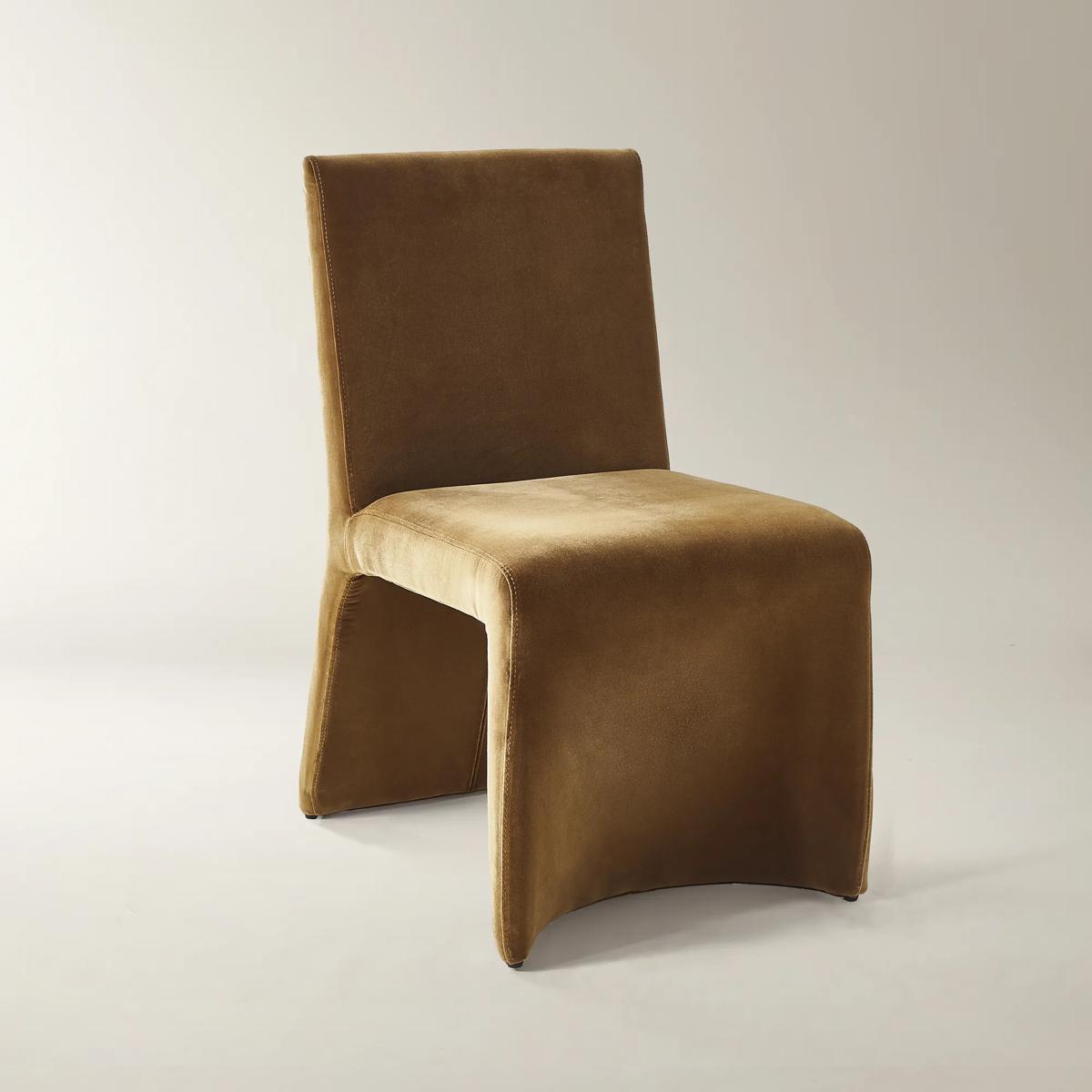 Elara Roasted Pecan Velvet Dining Chair Set Of 2$699
A pair of mustard velvet dining chairs featuring curved ergonomic silhouettes and hand-upholstered, reinforced construction.
Add To Cart -
-0.jpeg?w=1200&h=1200)
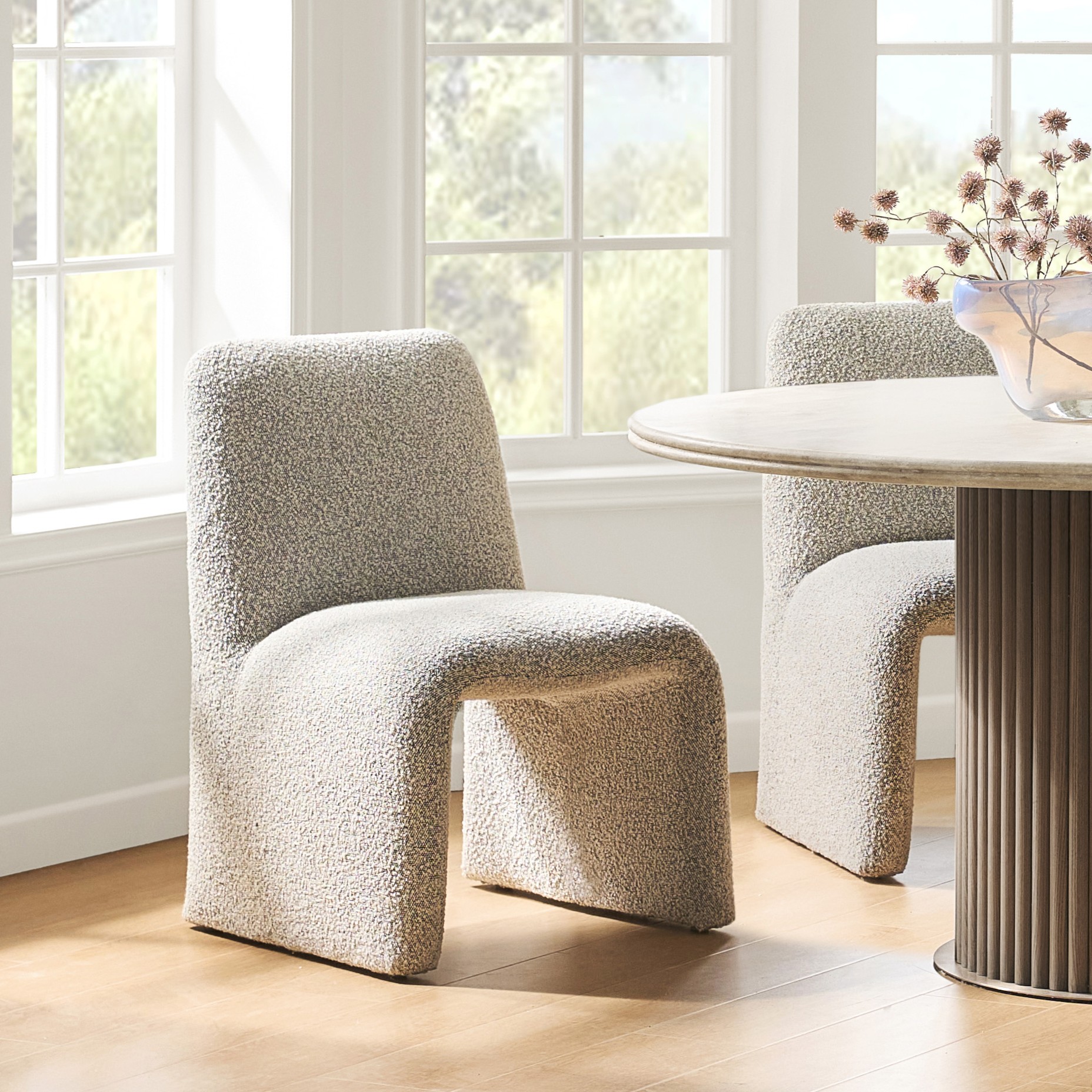 Cayenne Grey Boucle Dining Chair$399
A modern armless chair in grey boucle upholstery with a sleek metal frame and hand-crafted details.
Add To Cart -
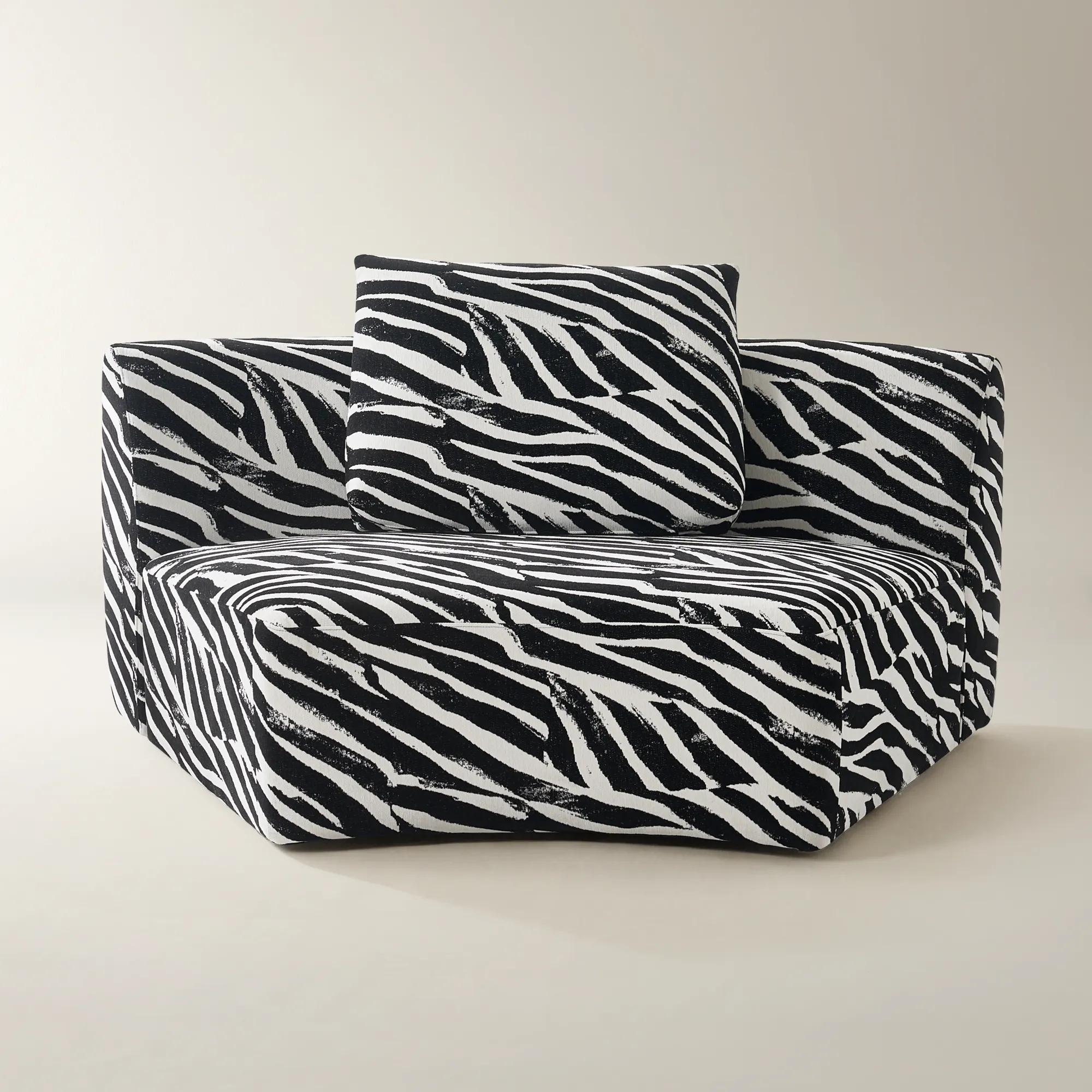
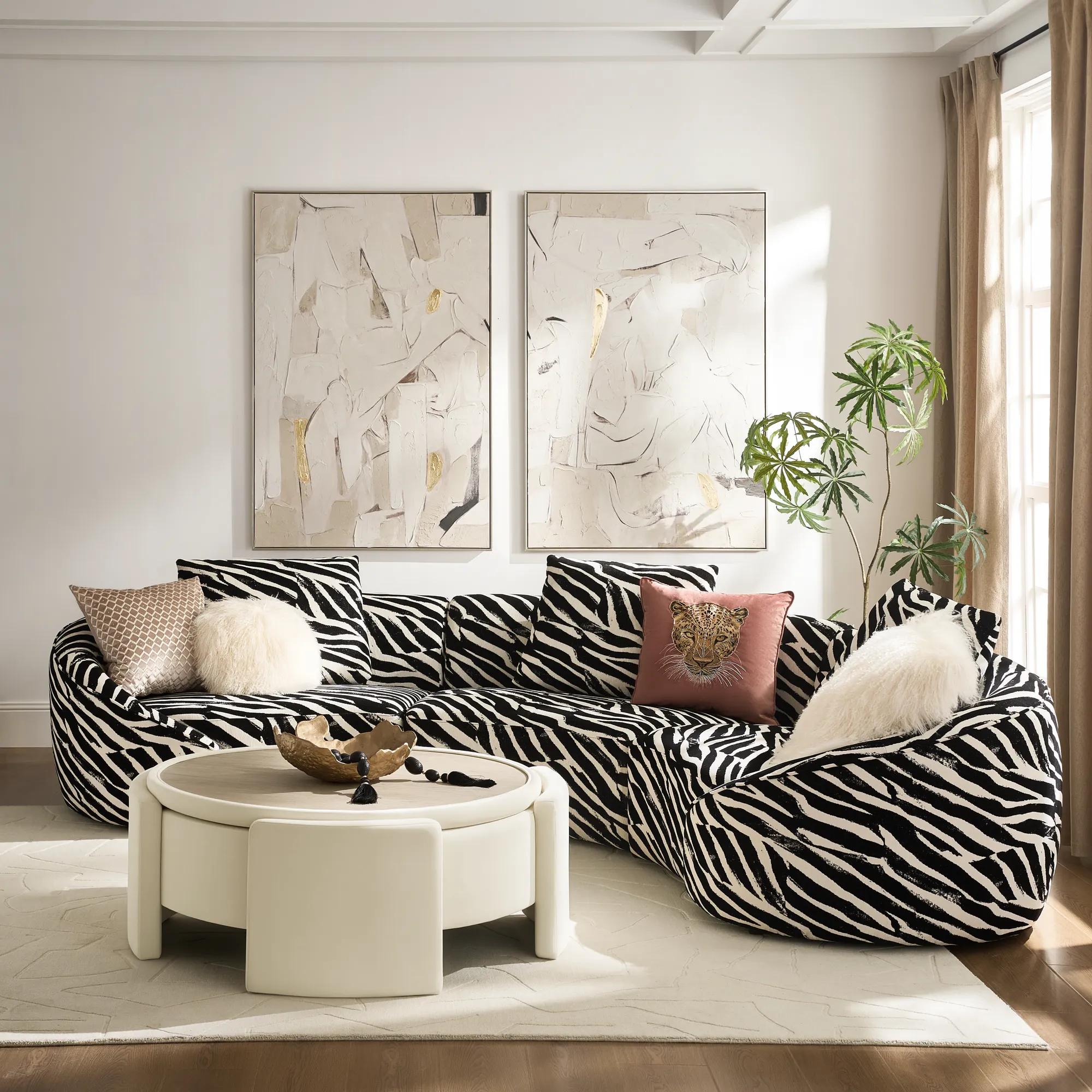 Irene White/Black Performance Chenille Armless Chair$1149
A sculptural armless chair in black and white performance chenille with high-resiliency foam cushions.
Add To Cart -
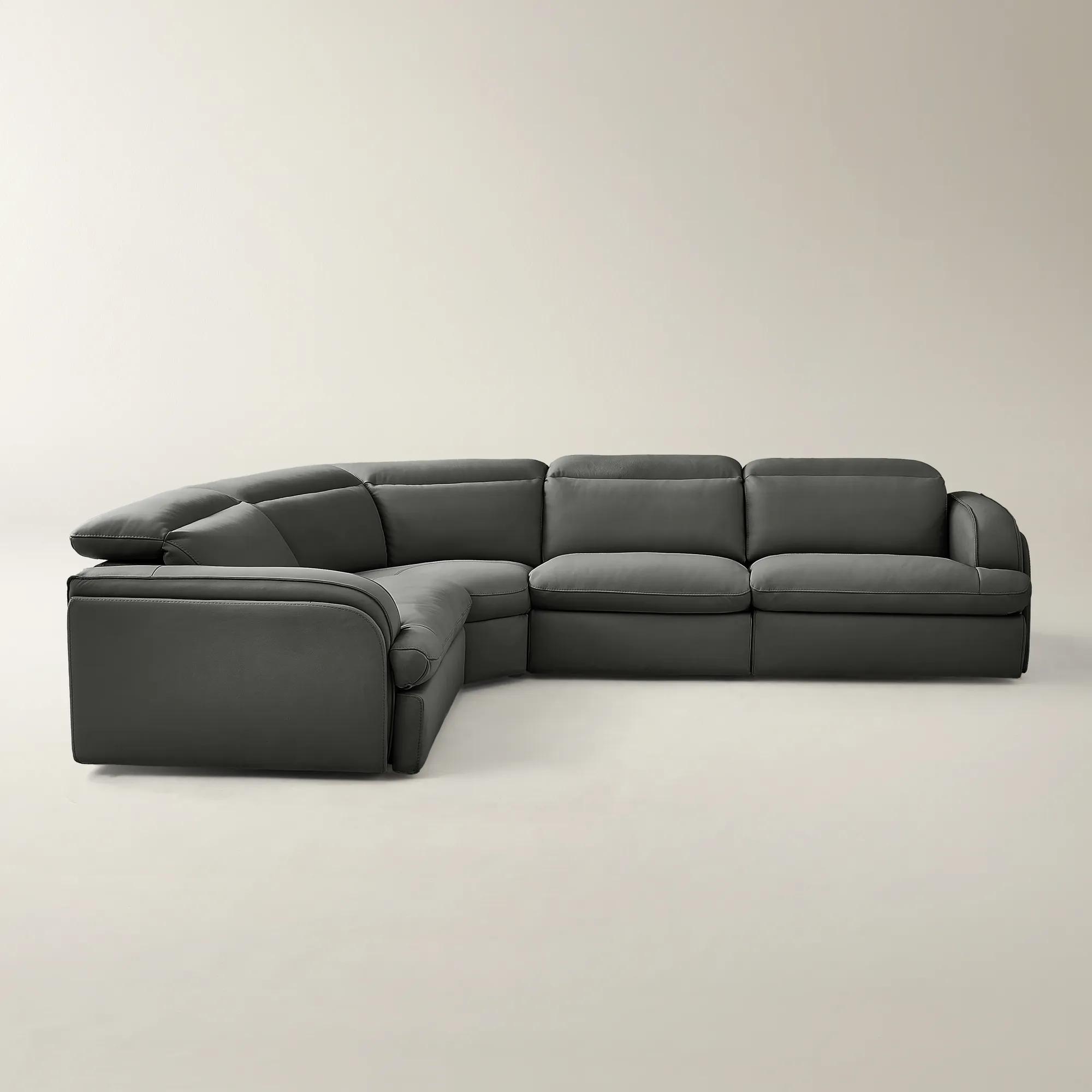
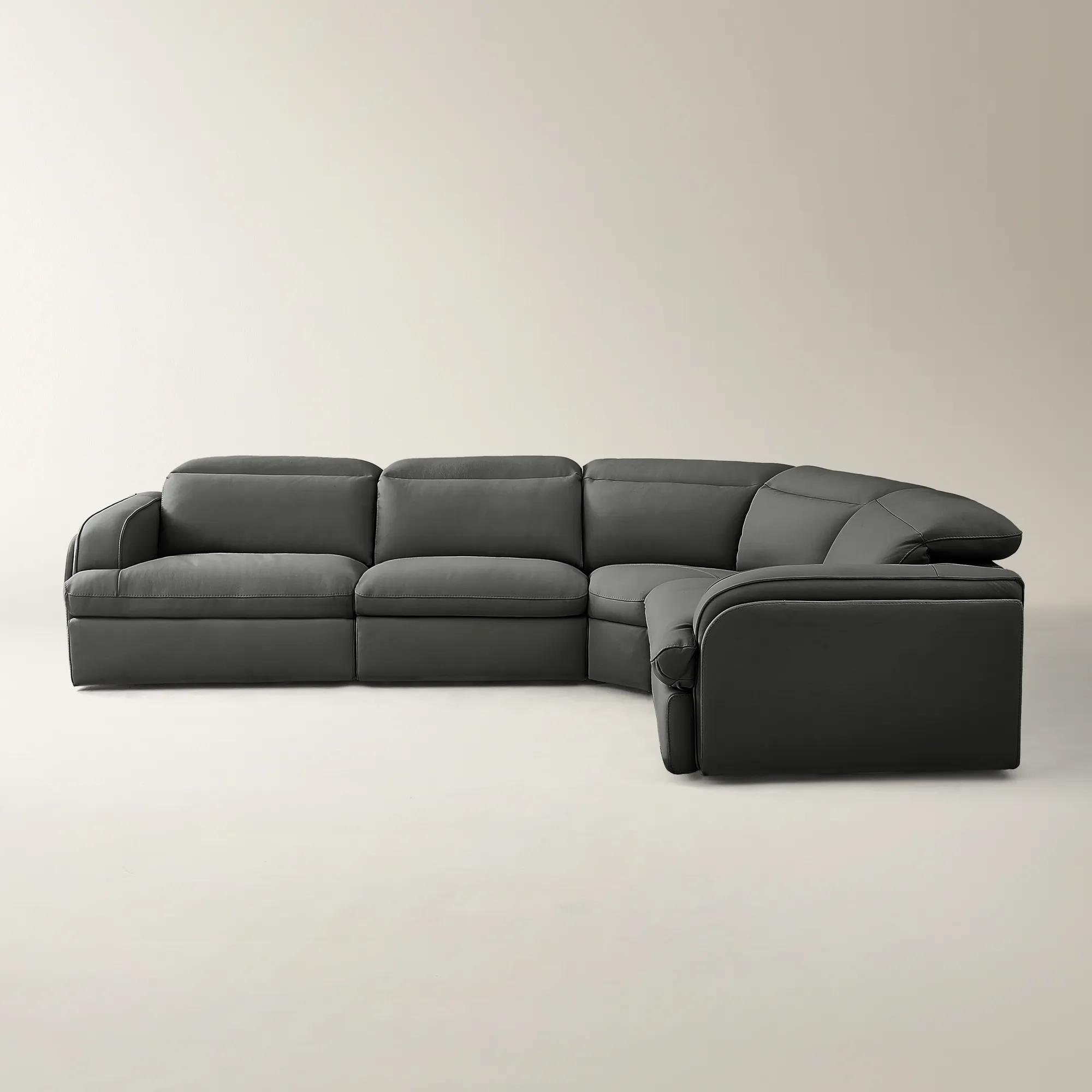
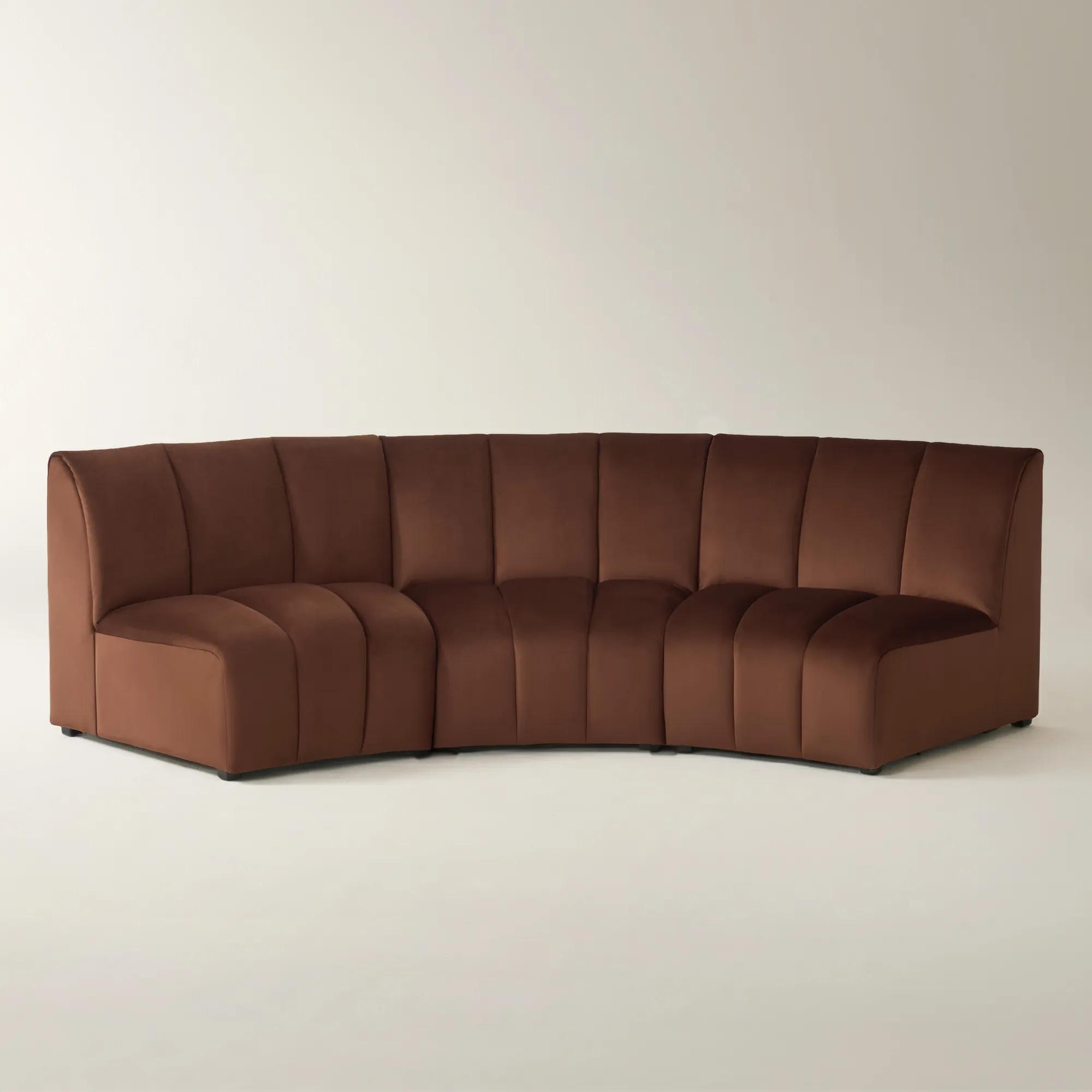 Jayce 3-Piece Channel-Tufted Burnt Umber Velvet Sectional Sofa$2799
A modern curved sectional in silver grey velvet with deep channel tufting and plush, water-repellent upholstery.
Add To Cart -
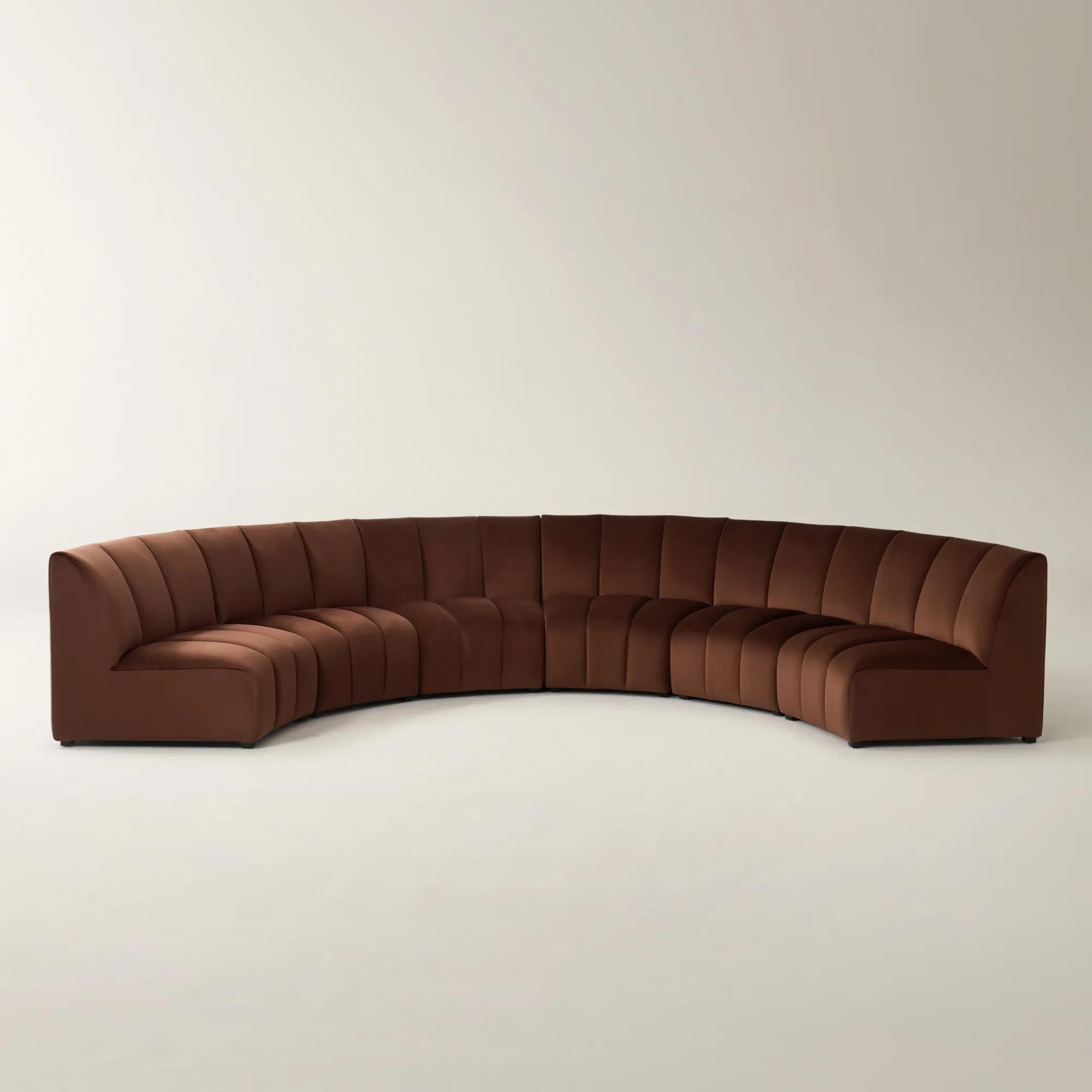
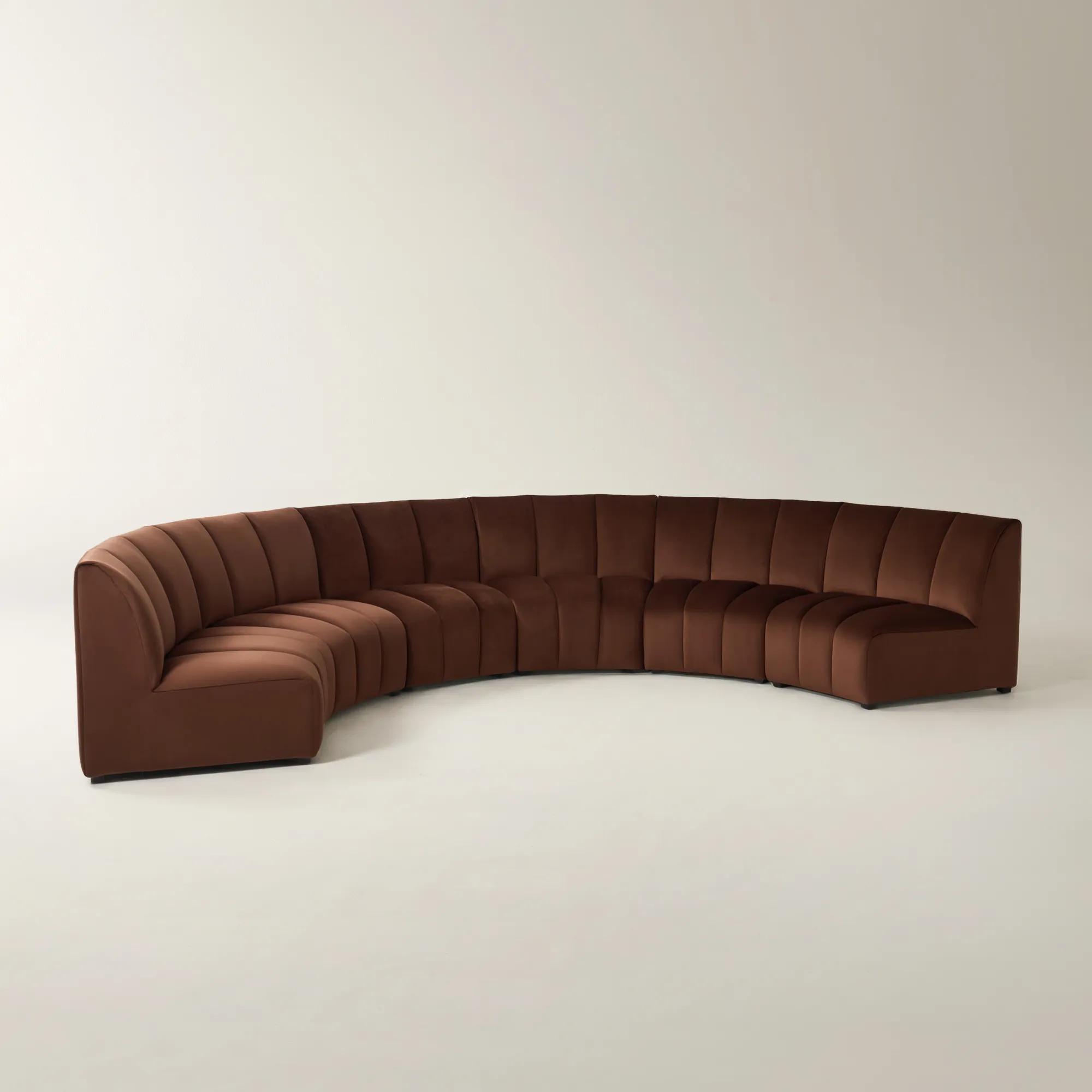 Jayce 6-Piece Channel-Tufted Burnt Umber Velvet Sectional Sofa$5499
A modern curved sectional in silver grey velvet with deep channel tufting and plush, high-density foam cushions.
Add To Cart -
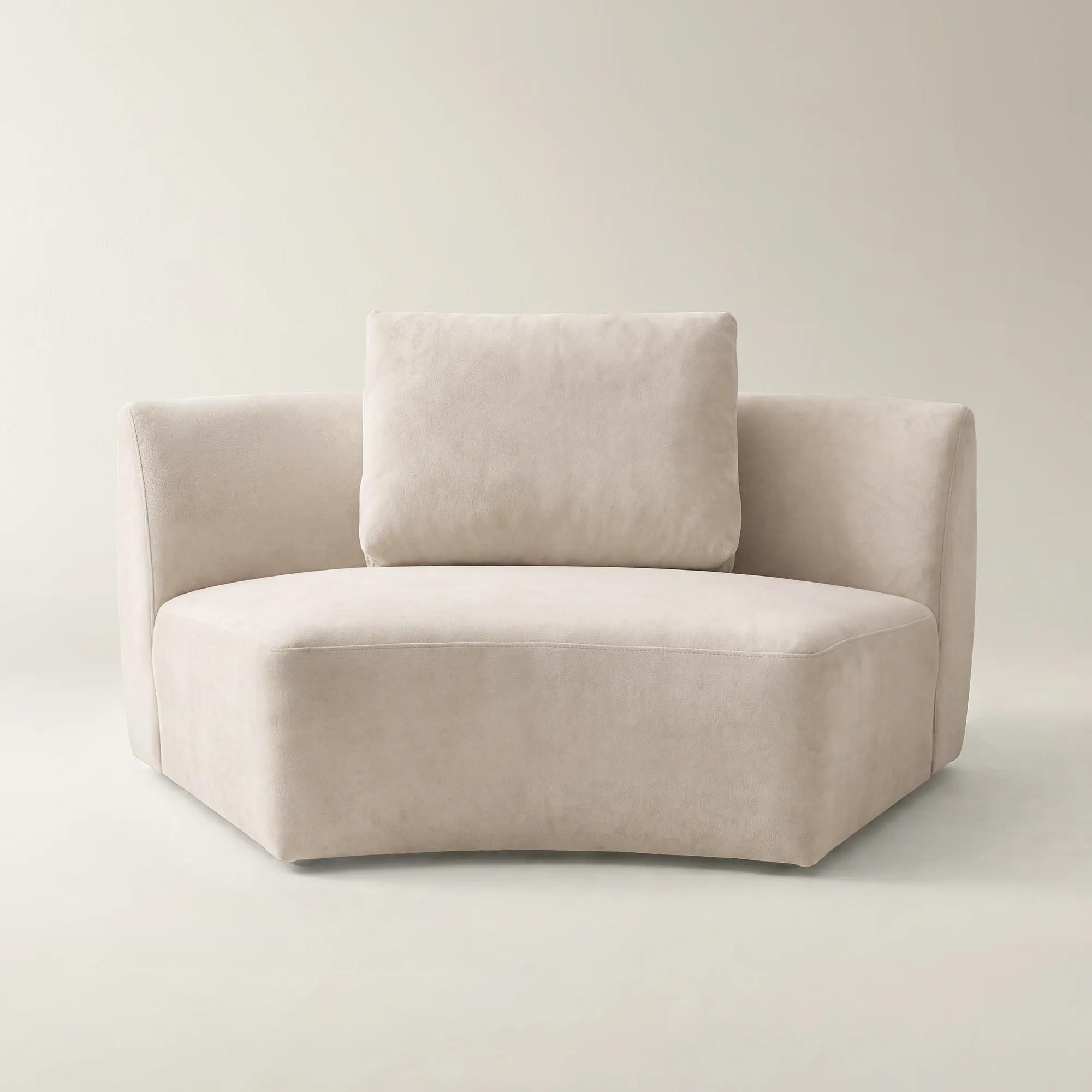
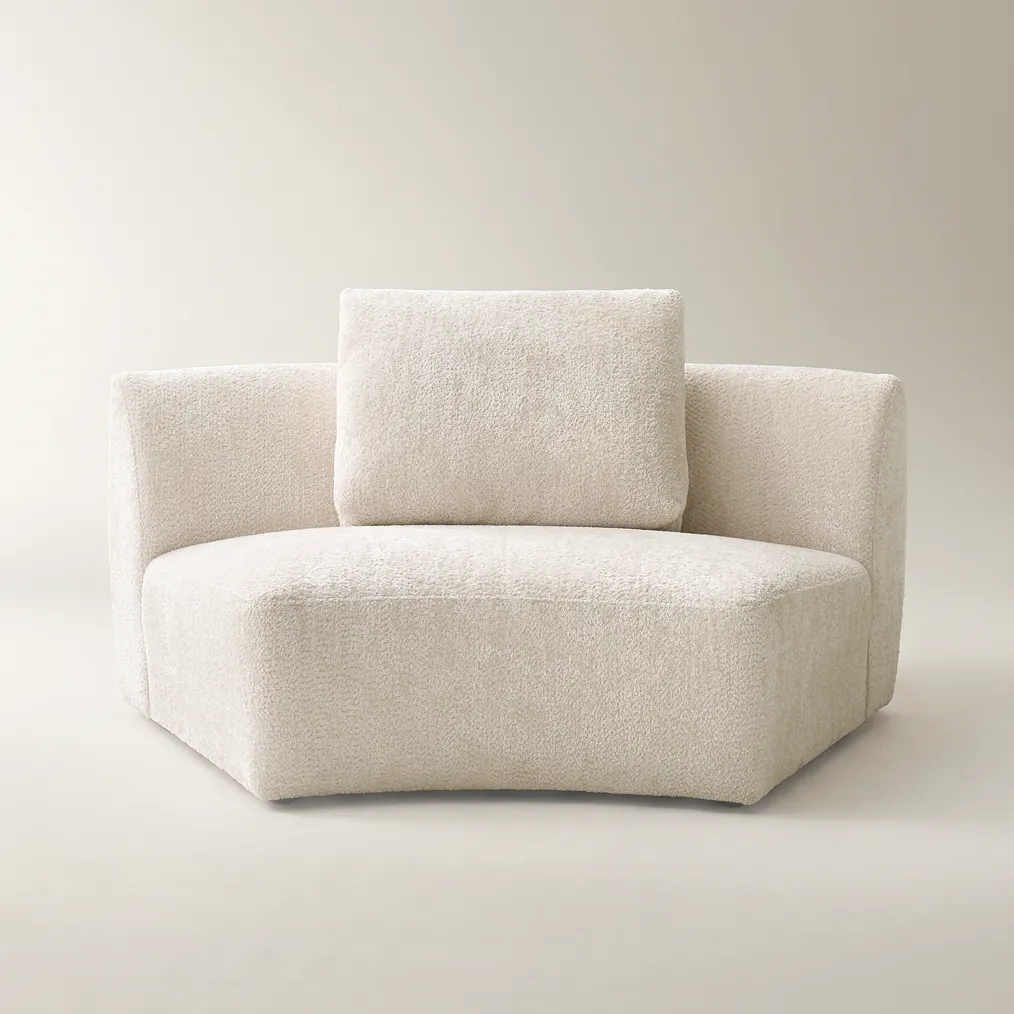 Irene Oatmeal Velvet Armless Chair$1049
An armless chair featuring oatmeal velvet upholstery, sculptural curves, and plush, high-resiliency foam cushions.
Add To Cart -
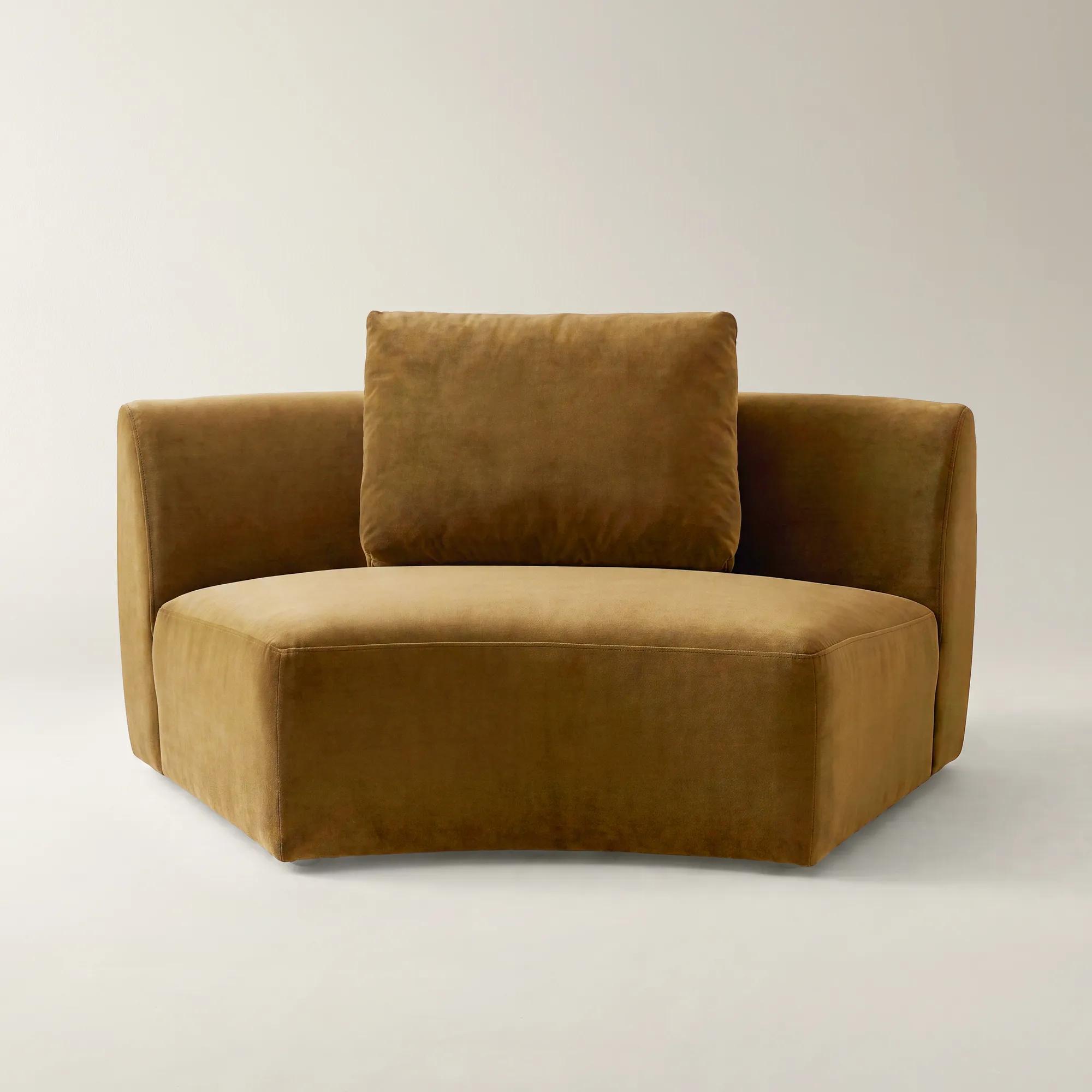 Irene Roasted Pecan Velvet Armless Chair$1049
A sculptural armless chair upholstered in roasted pecan velvet with high-resiliency foam cushions for enduring comfort.
Add To Cart -
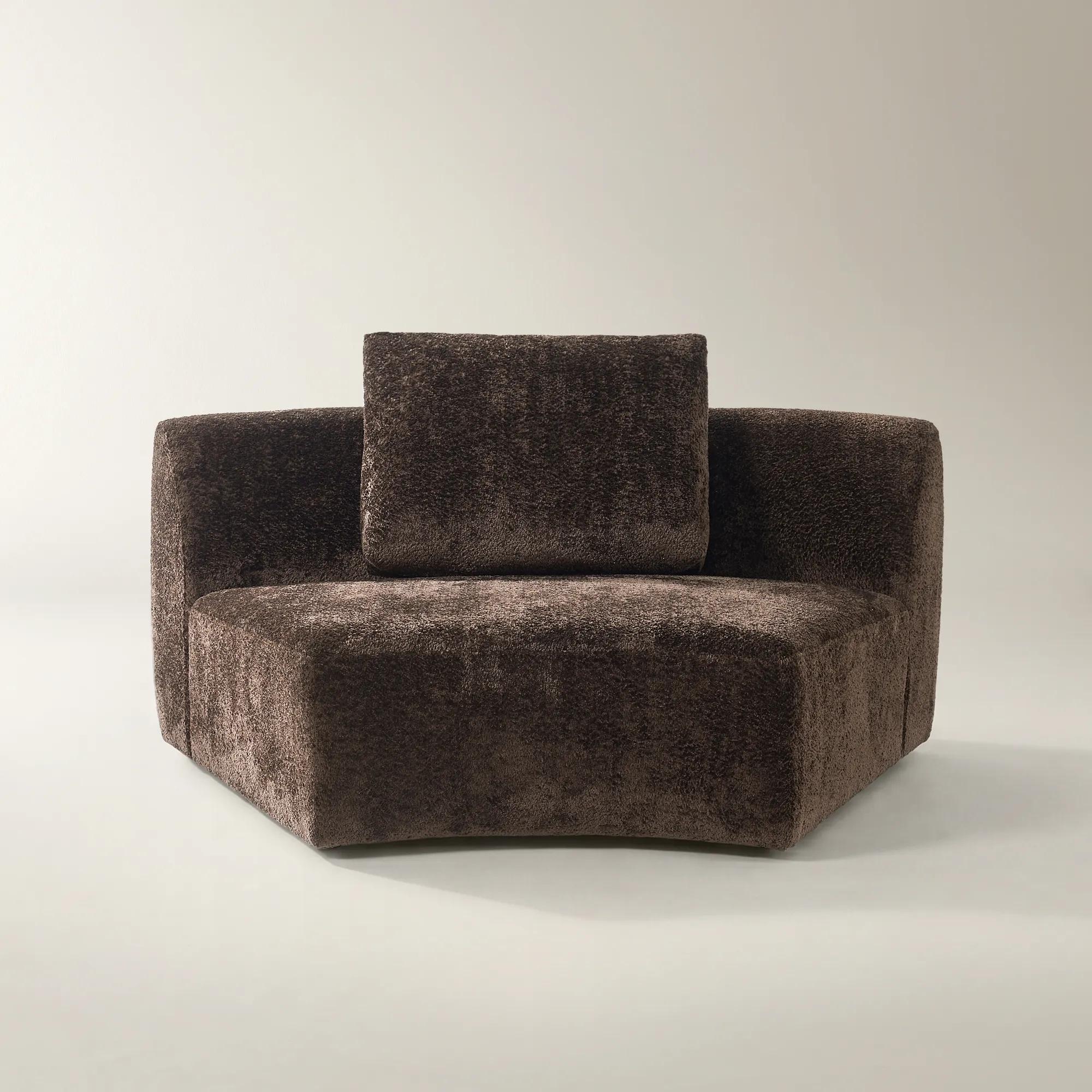
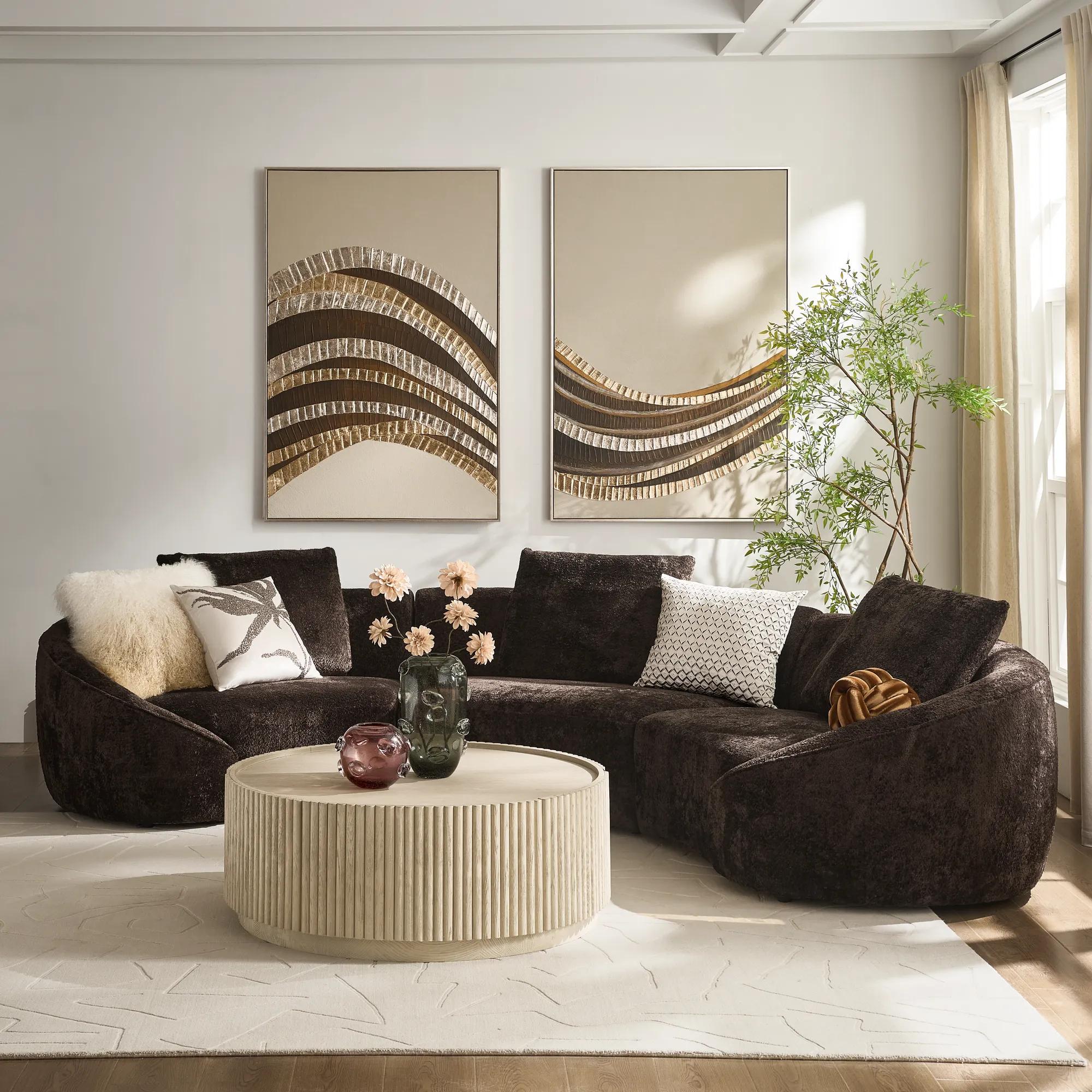 Irene Dark Chocolate Chenille Armless Chair$1049
A sculptural armless chair upholstered in dark chocolate chenille with high-resiliency foam cushions and artisan detailing.
Add To Cart -
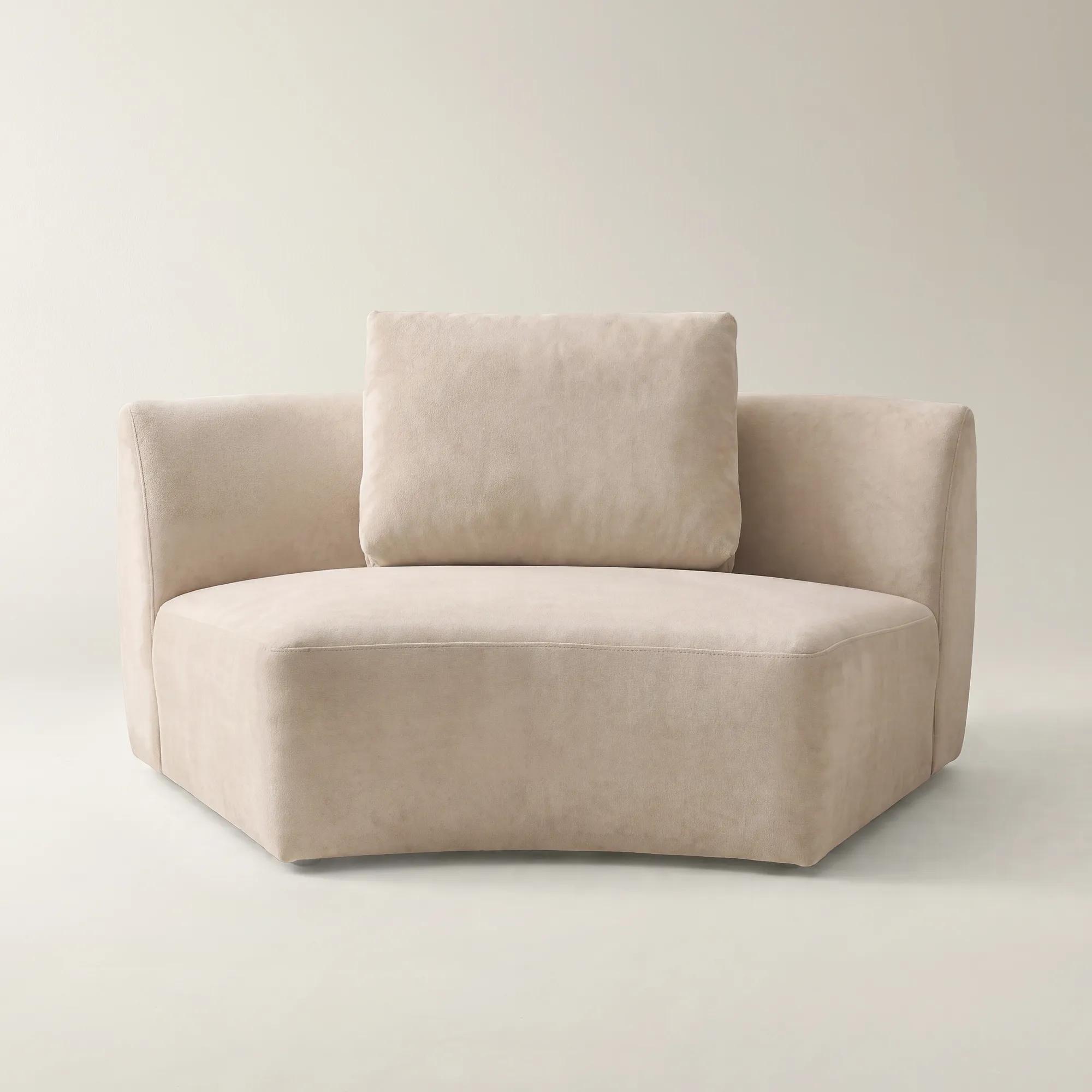 Irene Simply Taupe Velvet Armless Chair$1049
A sculptural armless chair in simply taupe velvet, featuring high-resiliency foam cushions and artisan tailoring.
Add To Cart -
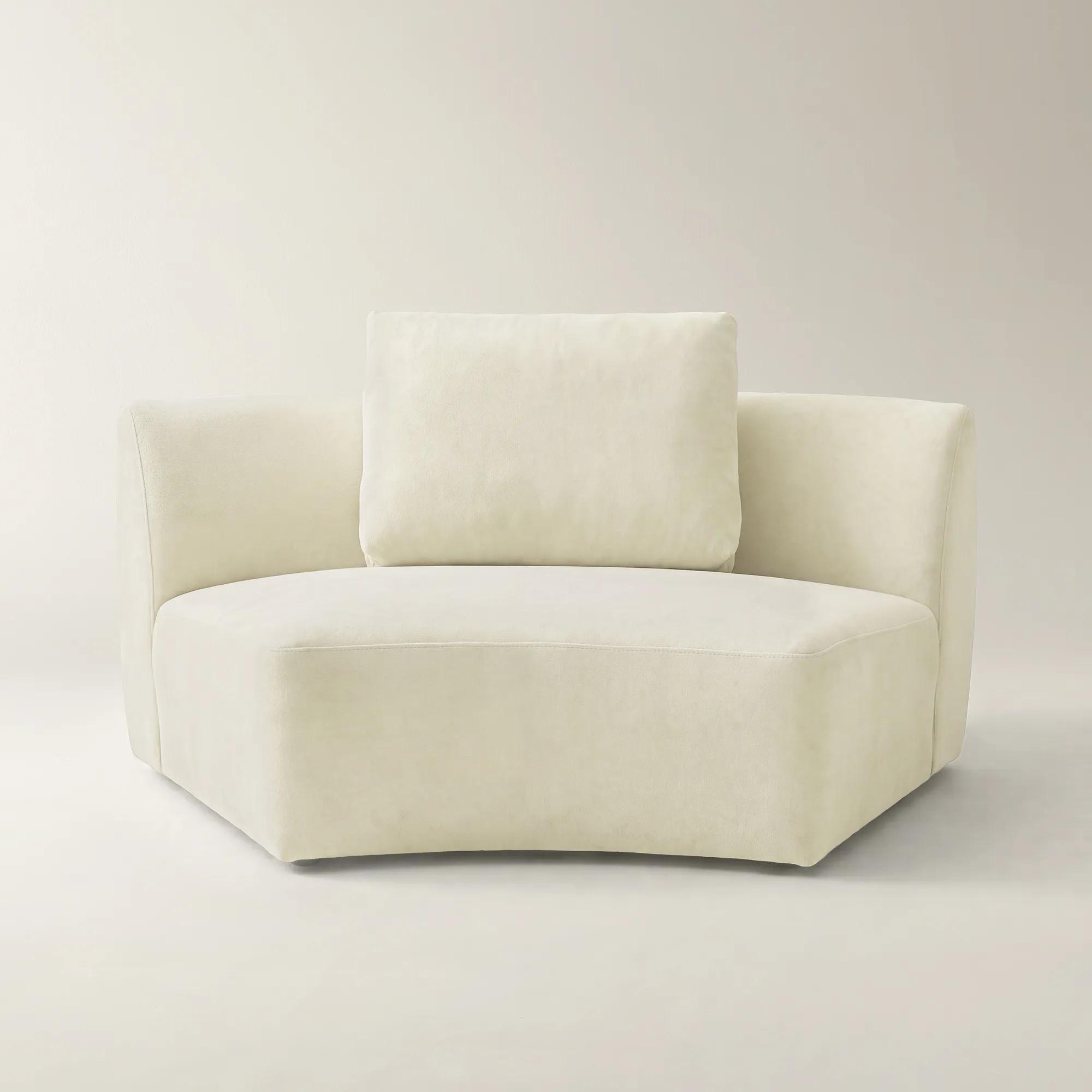 Irene Cloud Velvet Armless Chair$1049
A sculptural armless chair upholstered in cloud velvet with high-resiliency foam cushions and artisan detailing.
Add To Cart -
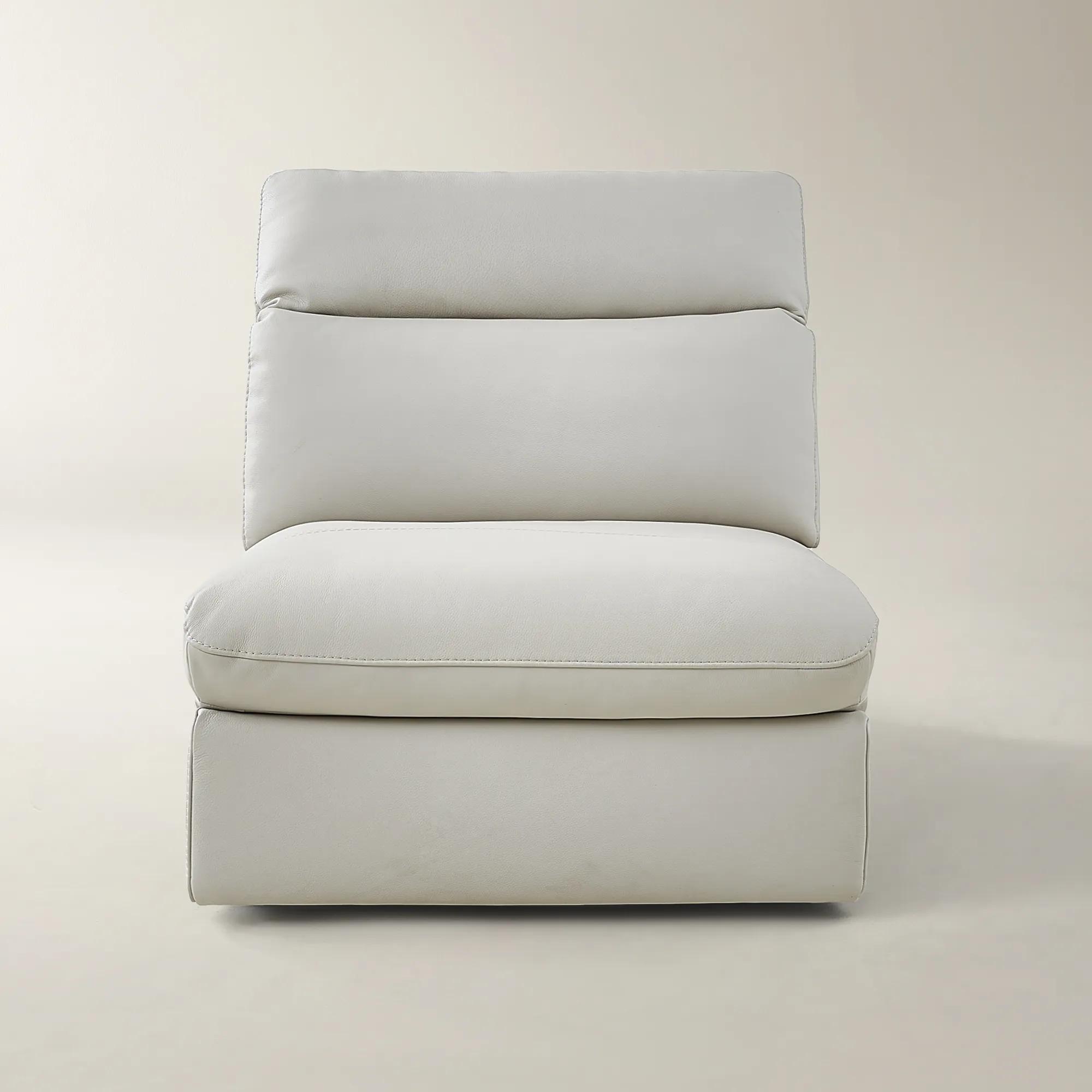
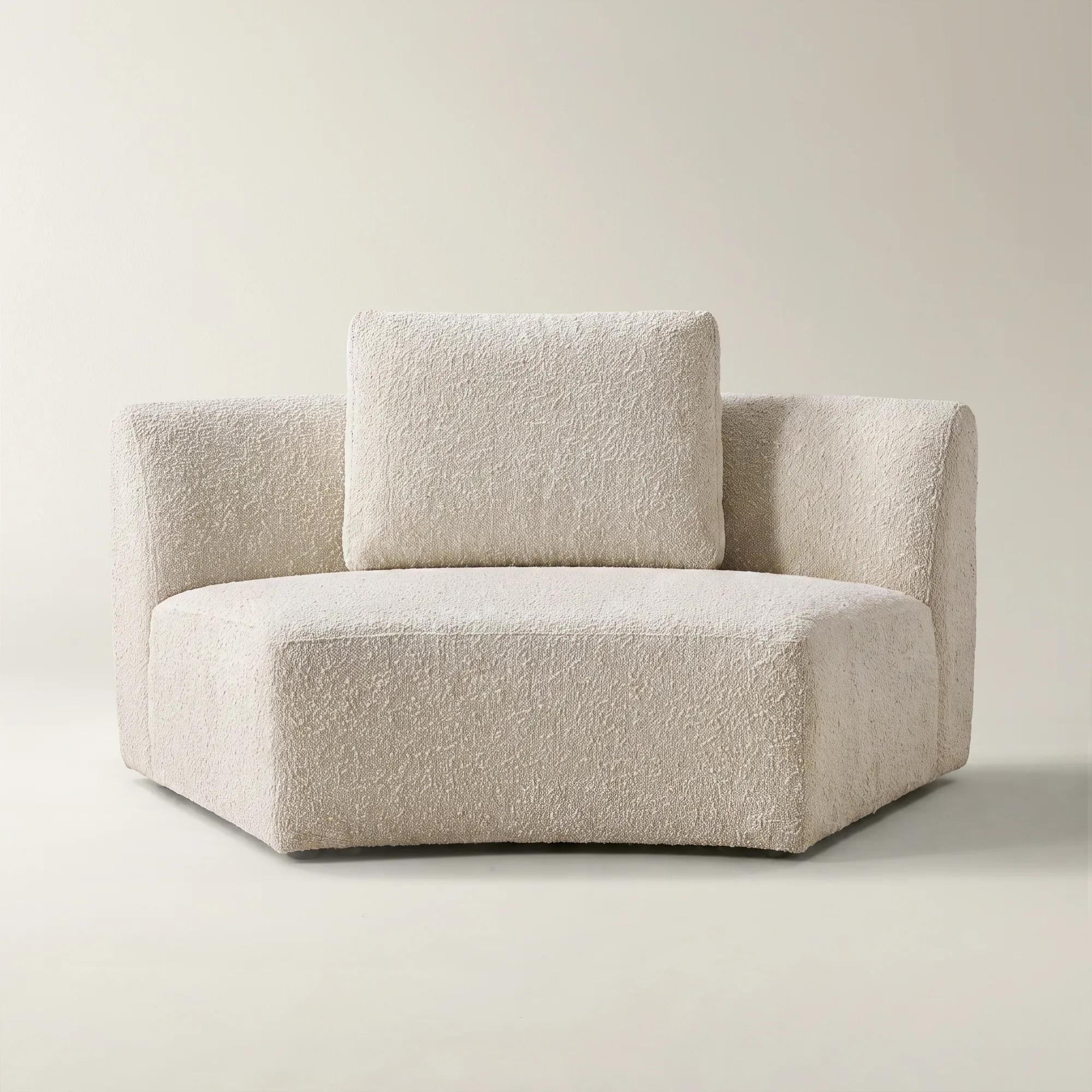 Irene Ivory Performance Boucle Armless Chair$1149
An armless chair in ivory performance boucle with sculptural curves, high-resiliency foam, and artisan detailing.
Add To Cart -
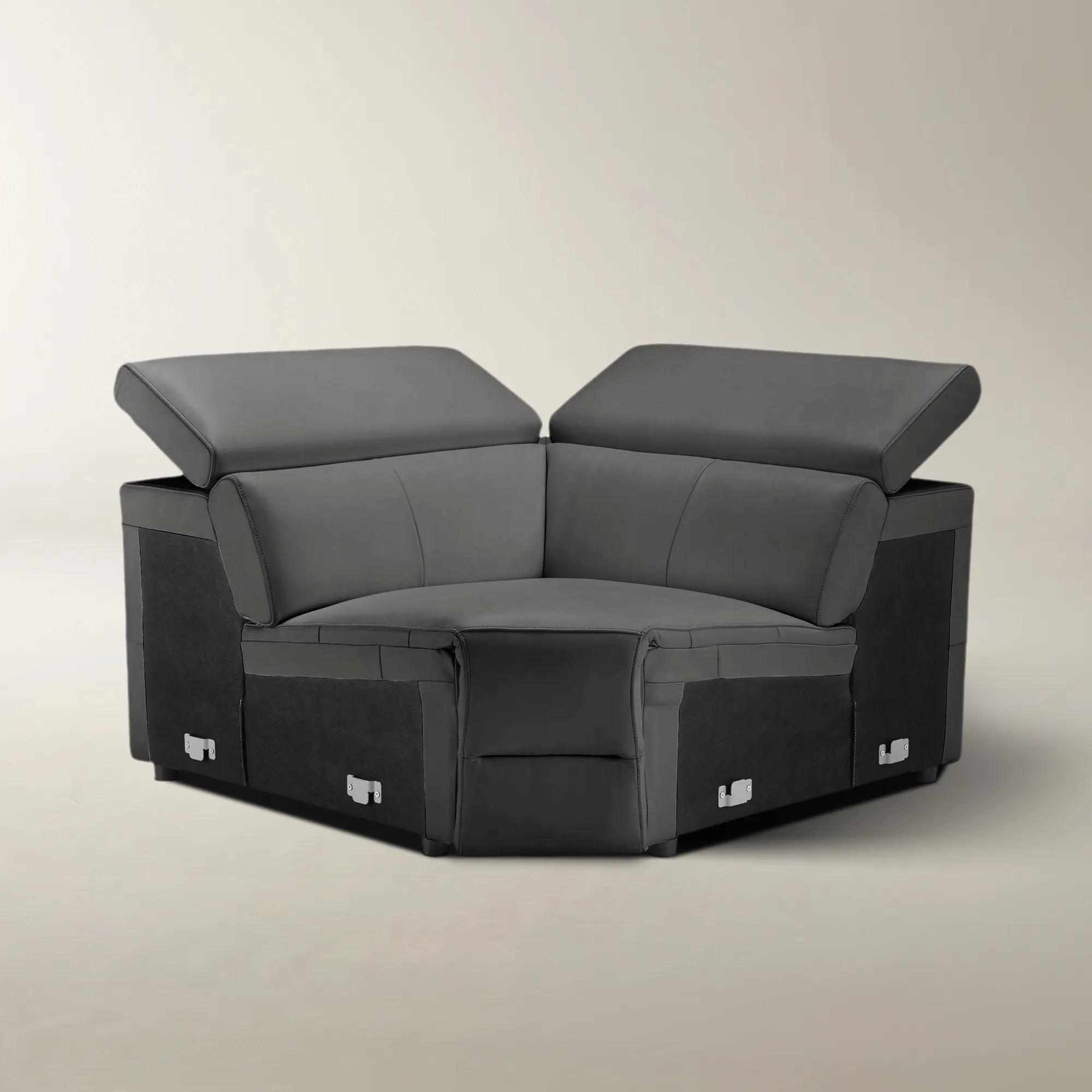
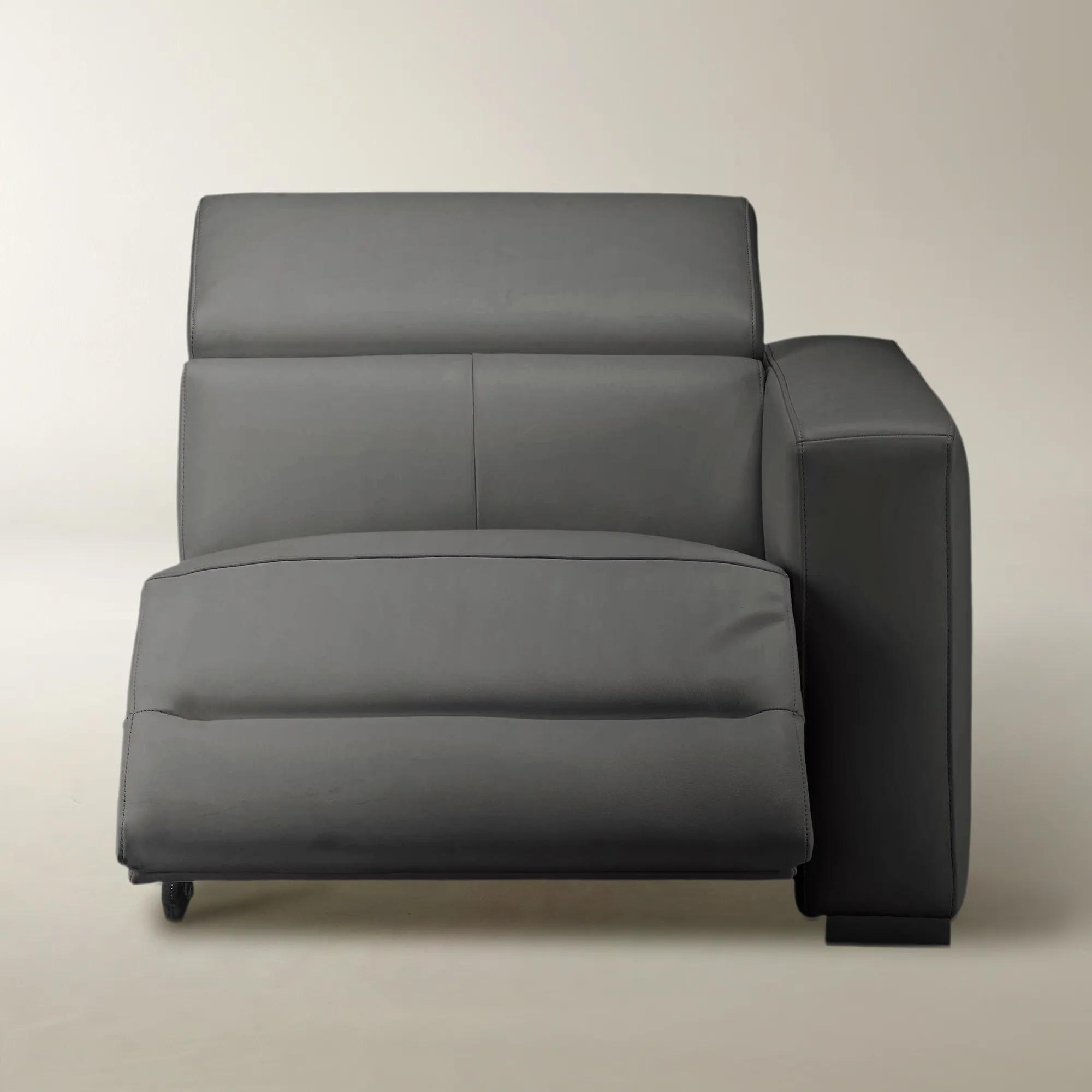
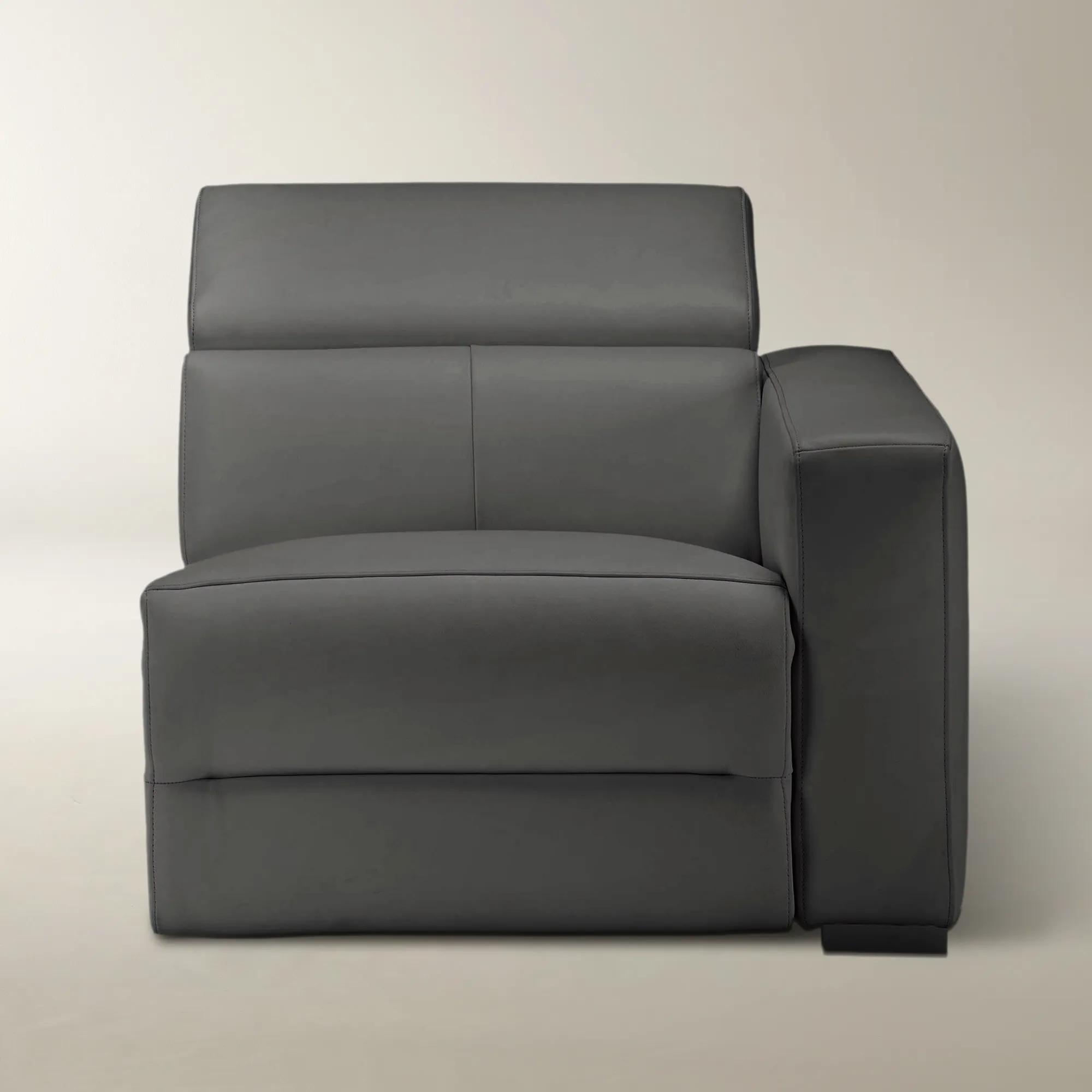
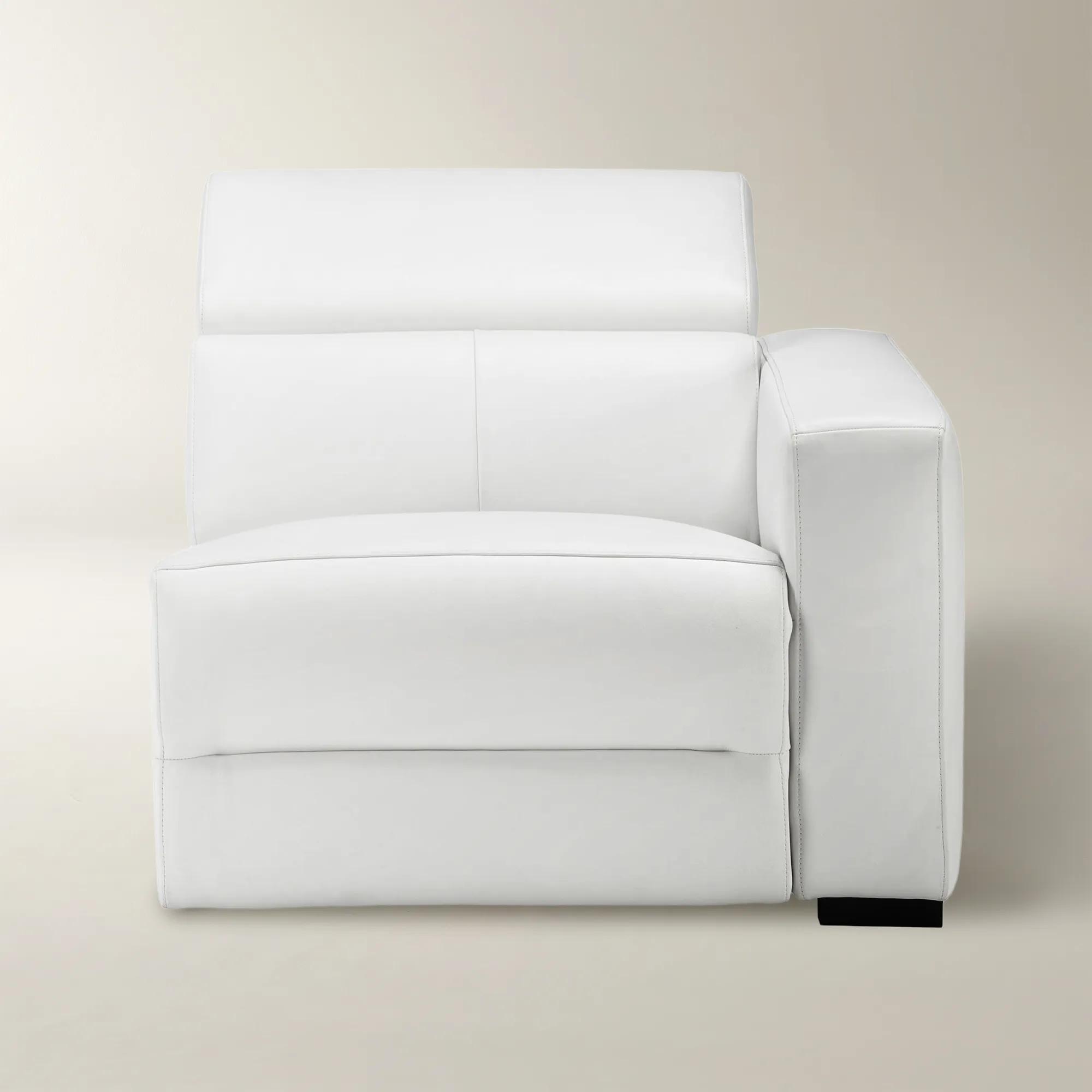
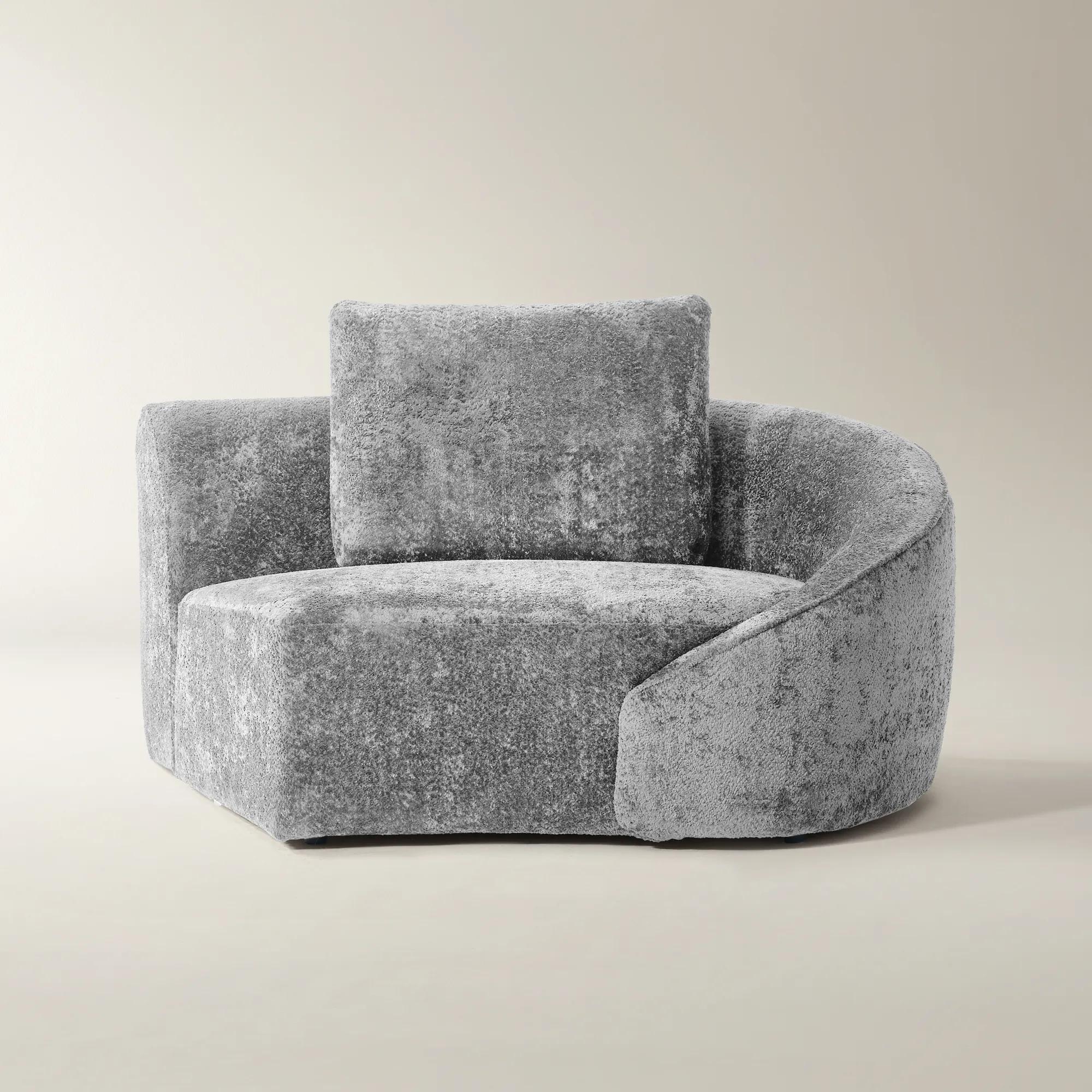 Irene Grey Chenille Right-Arm Chair$1299
A customizable seating collection featuring left arm, right arm, and armless chair components for versatile arrangements.
Add To Cart -
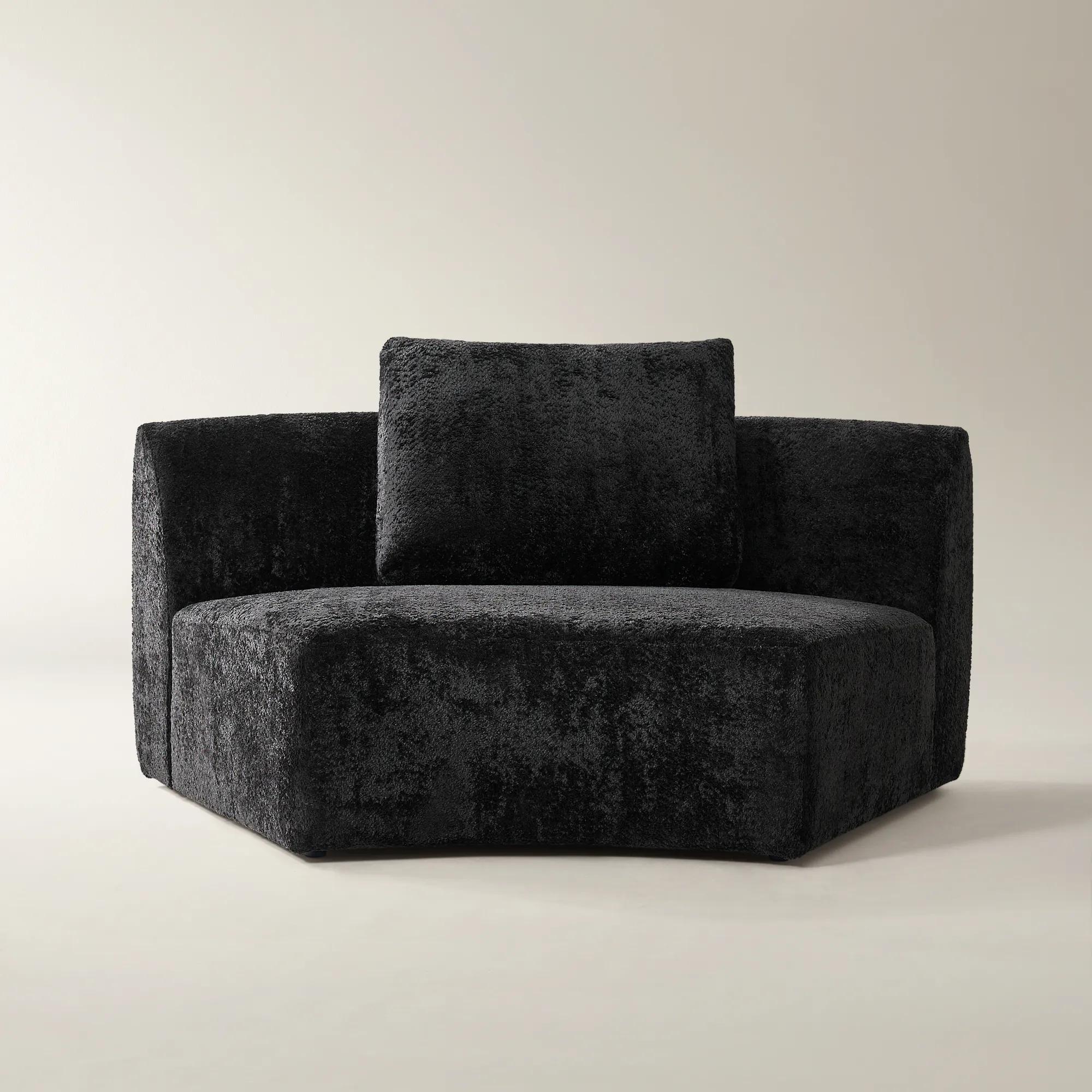
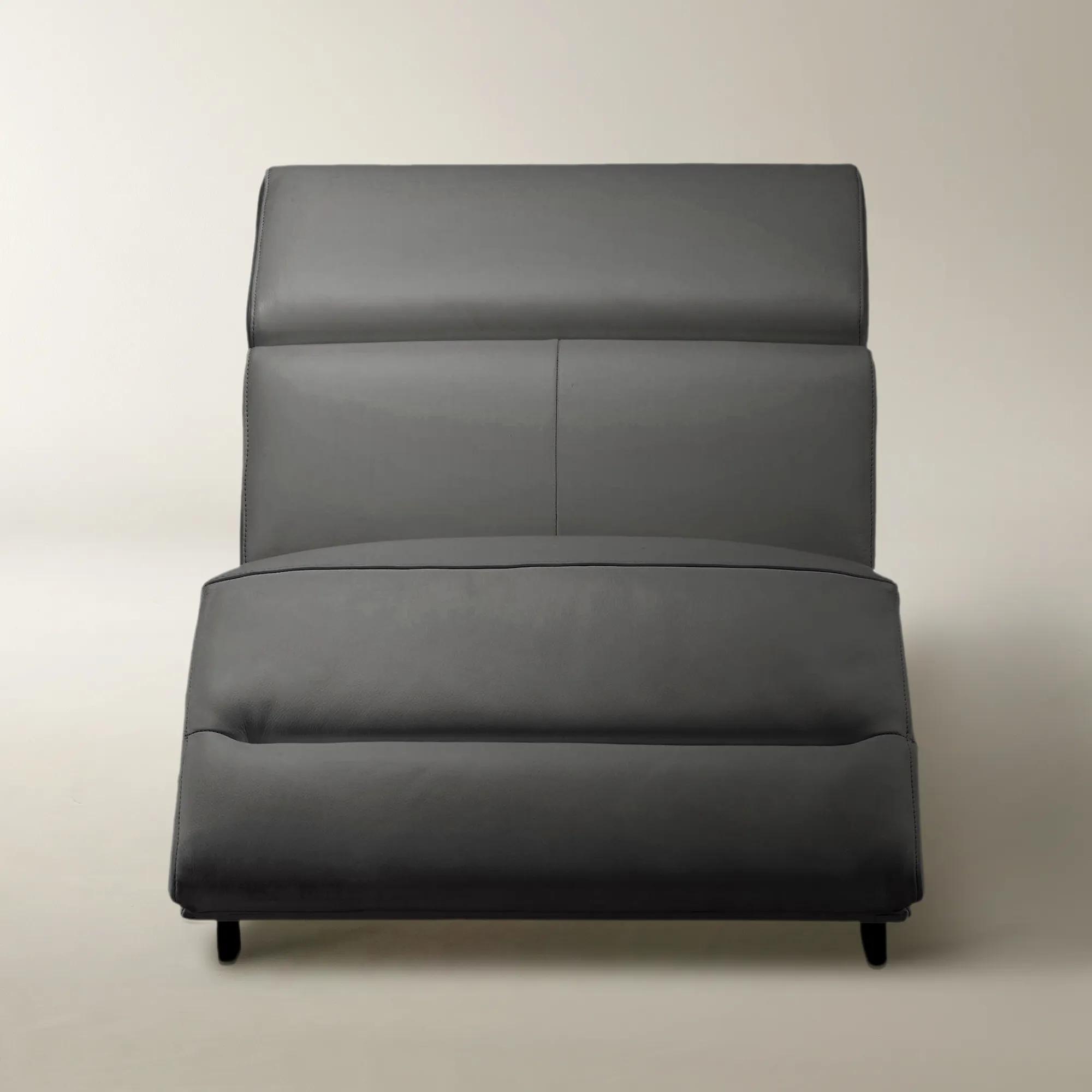
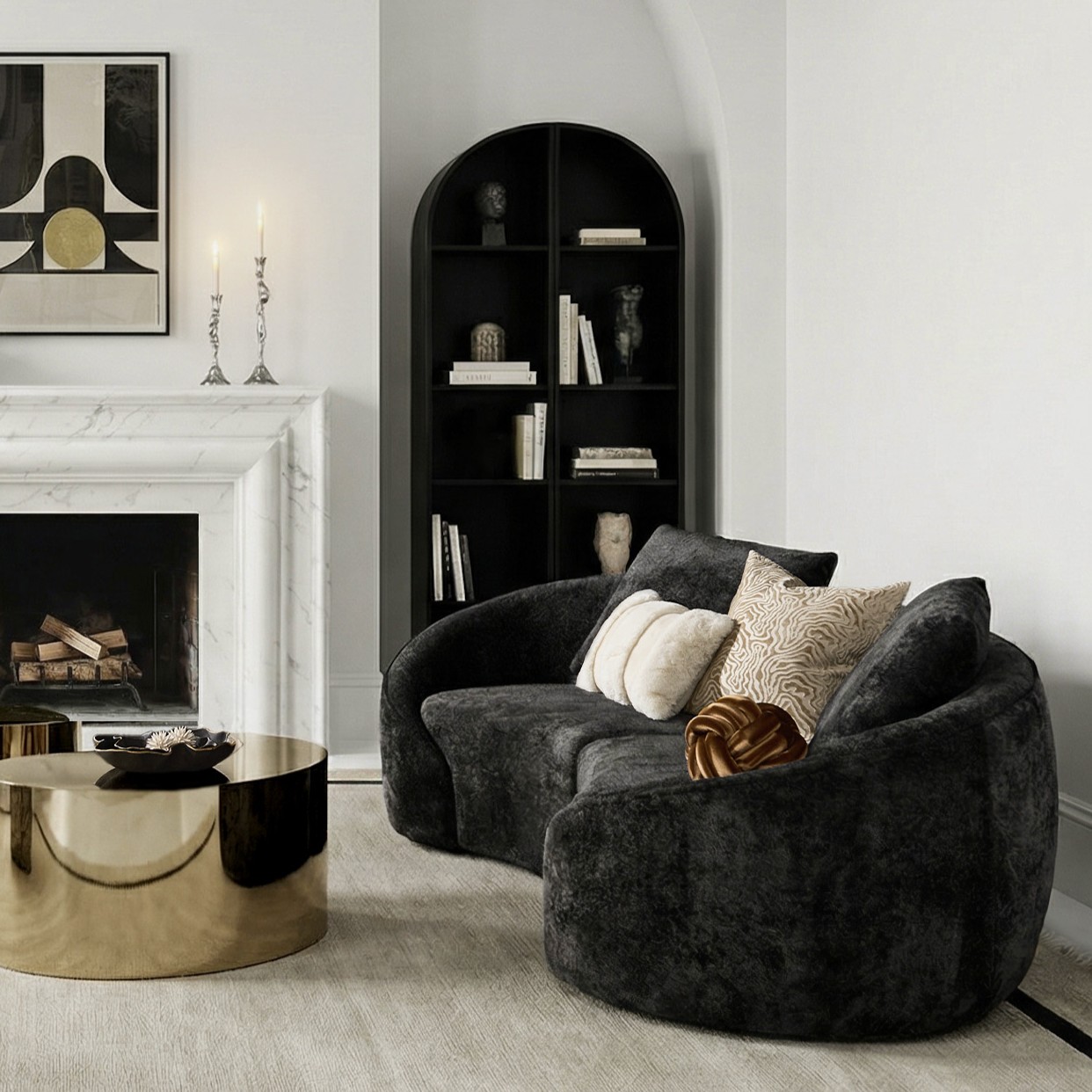 Irene Black Chenille Armless Chair$1049
A customizable seating collection featuring left arm, right arm, and armless chair components for versatile arrangements.
Add To Cart -
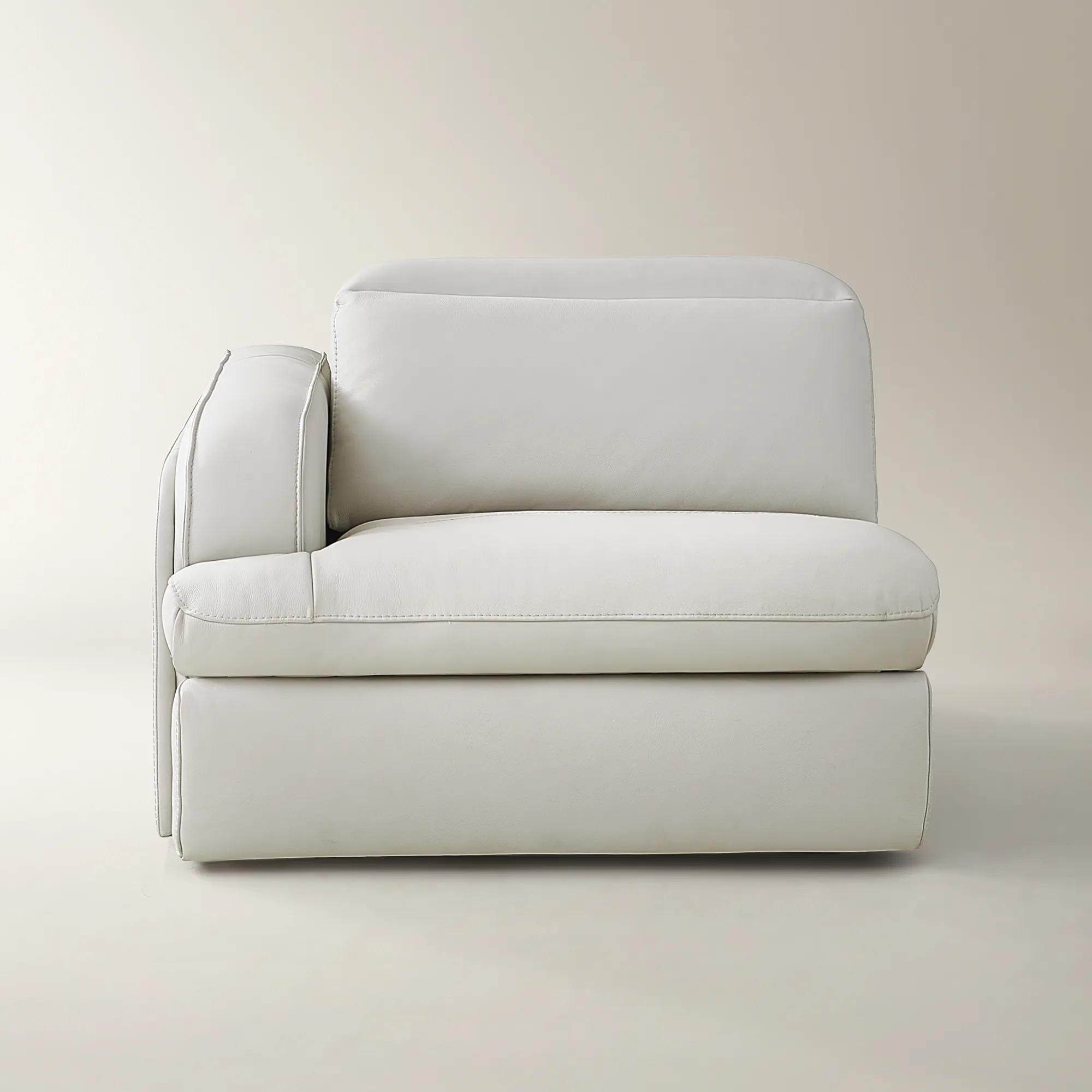
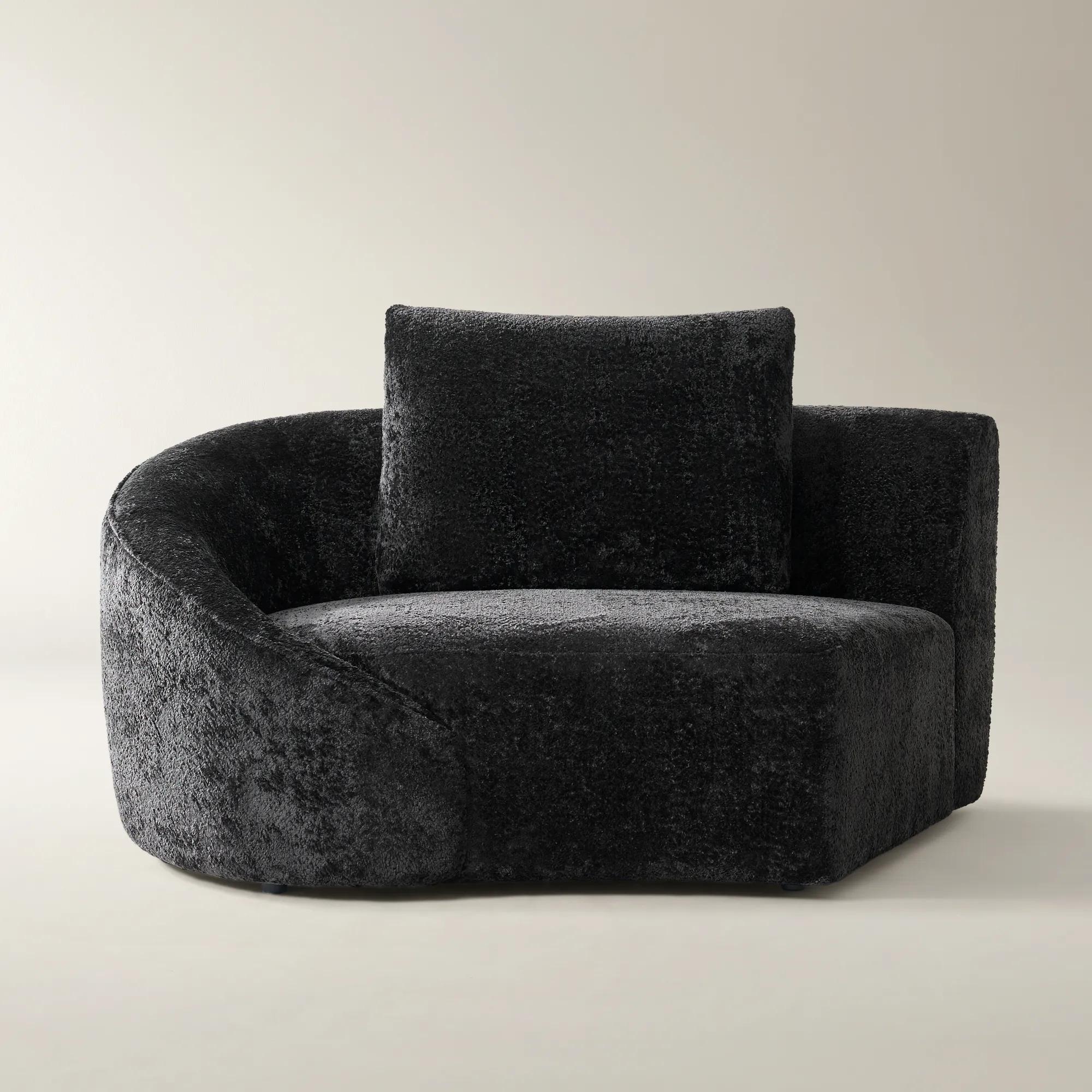 Irene Black Chenille Left-Arm Chair$1299
A customizable seating solution featuring left, right, and armless chair components for modern living rooms.
Add To Cart -
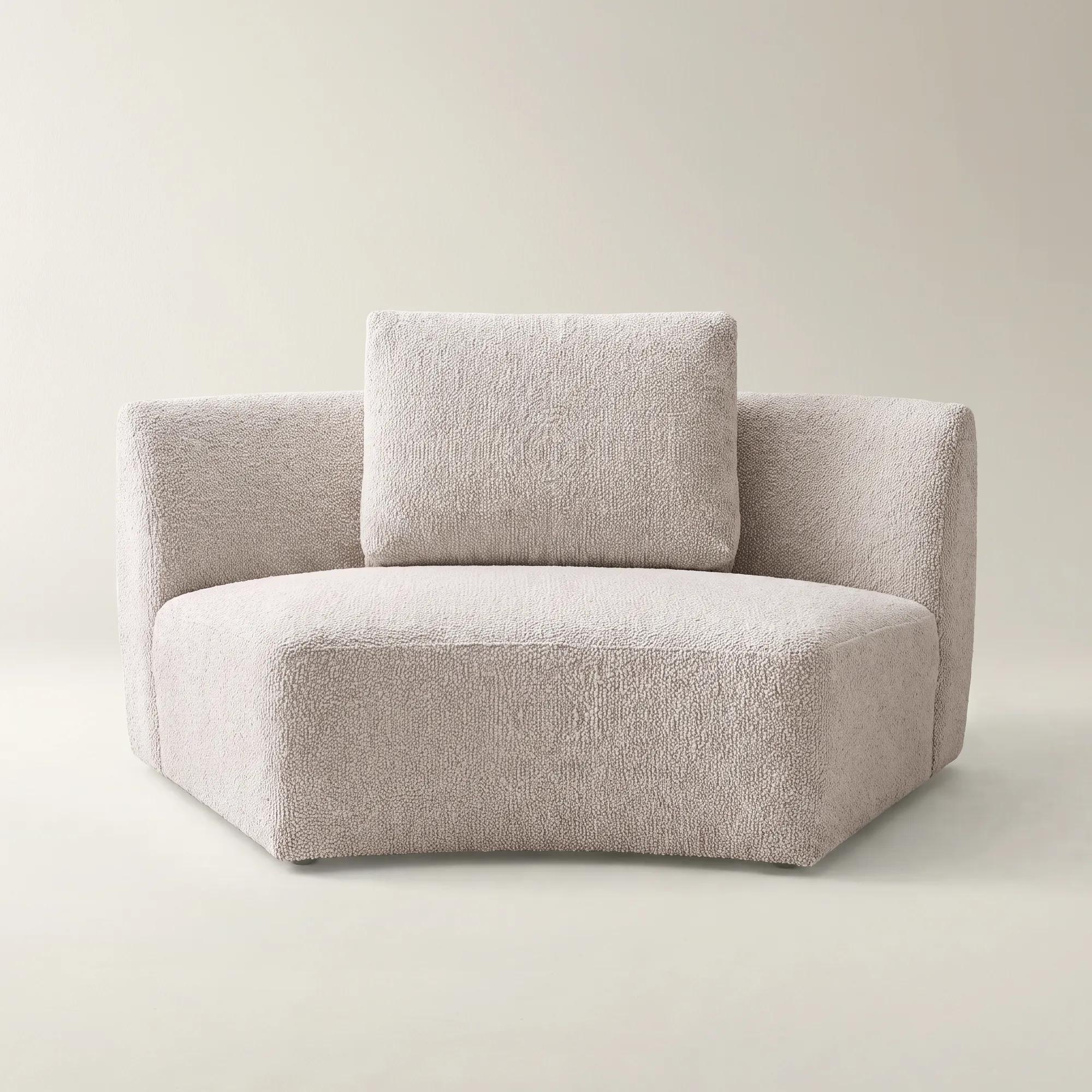 Irene Ivory Performance Boucle Armless Chair$1149
An armless chair featuring ivory performance boucle upholstery, sculptural curves, and high-resiliency foam cushions.
Add To Cart -
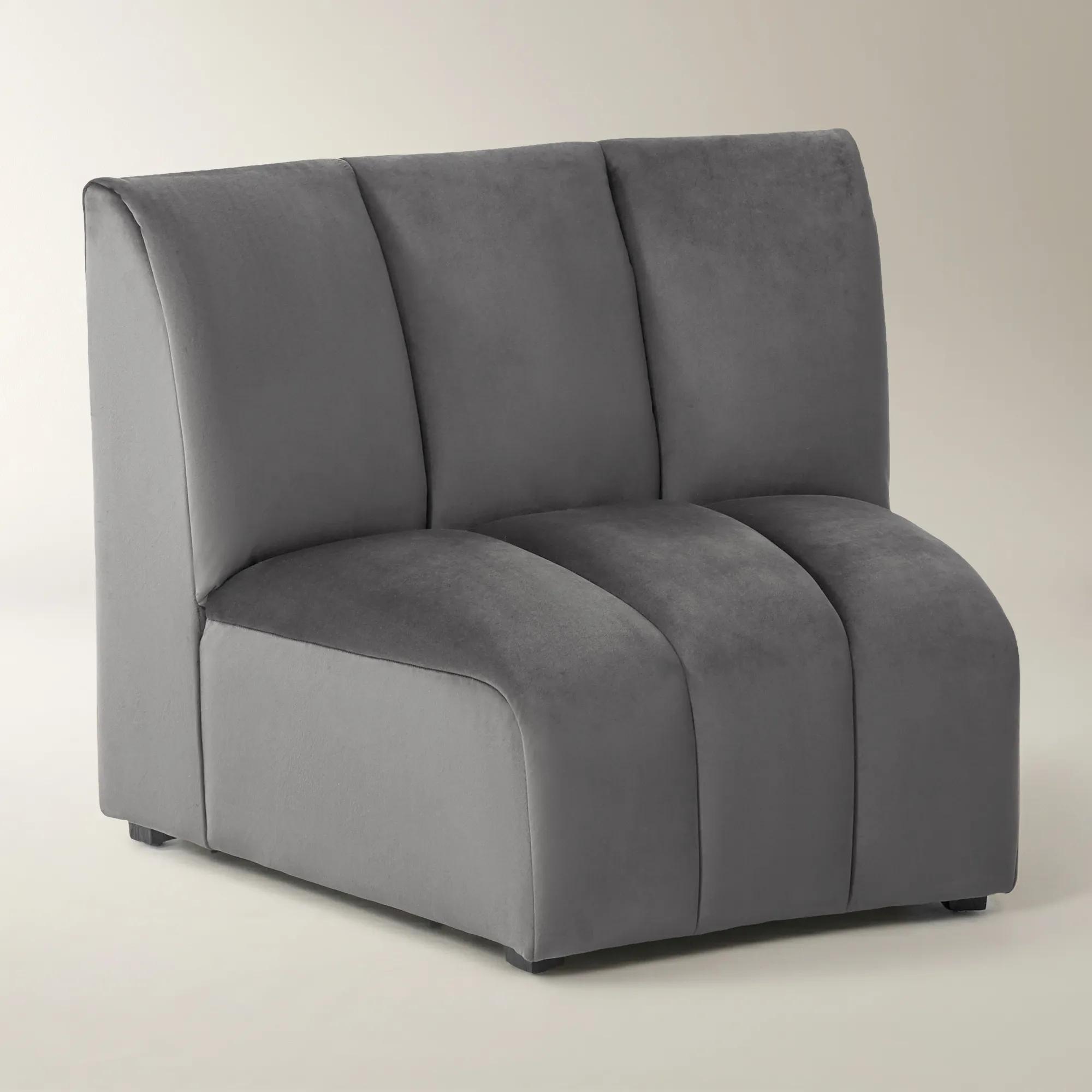
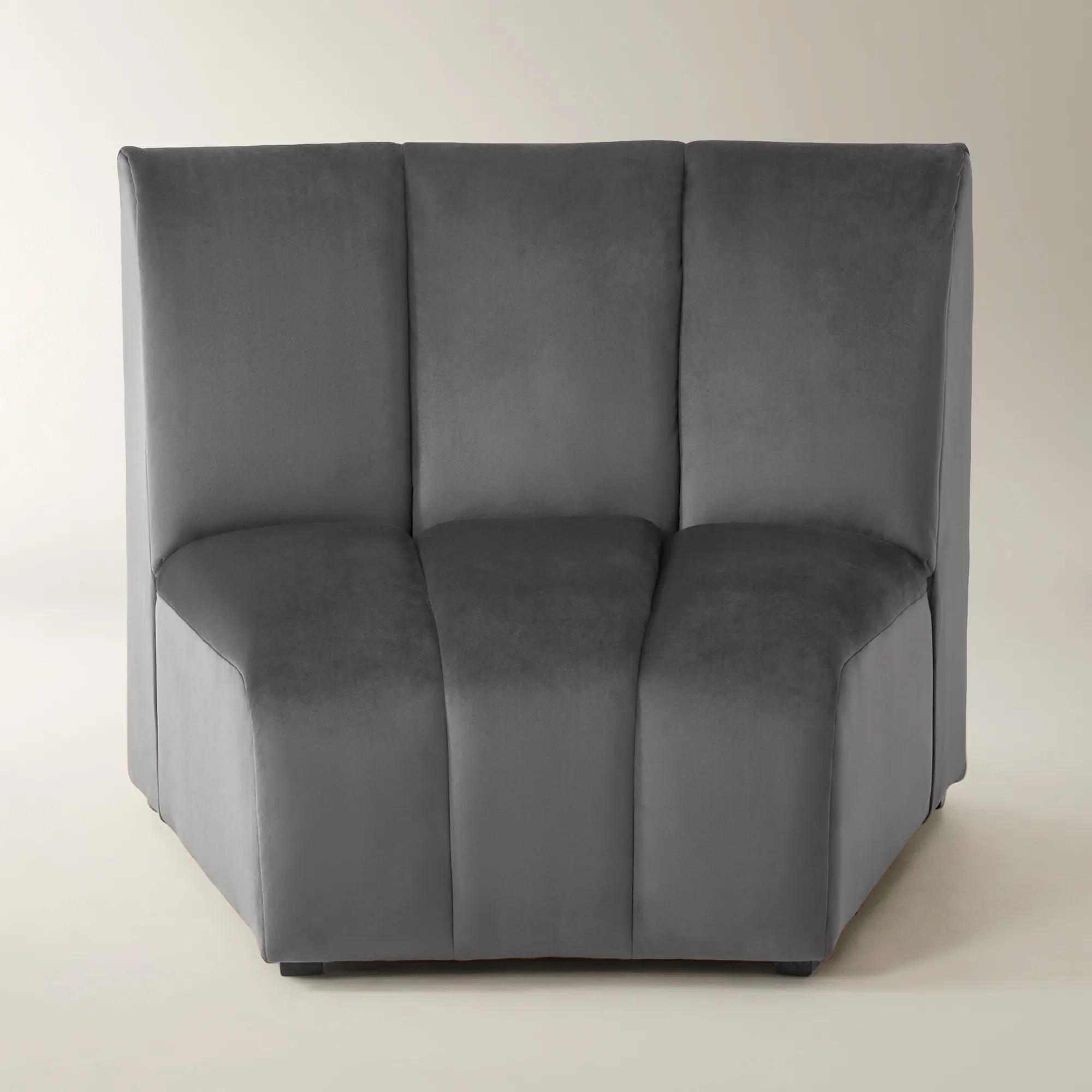 Jayce Channel-Tufted Smoked Pearl Velvet Armless Chair$949
A modern armless chair in silver grey velvet with deep channel tufting and plush, structured cushioning.
Add To Cart -
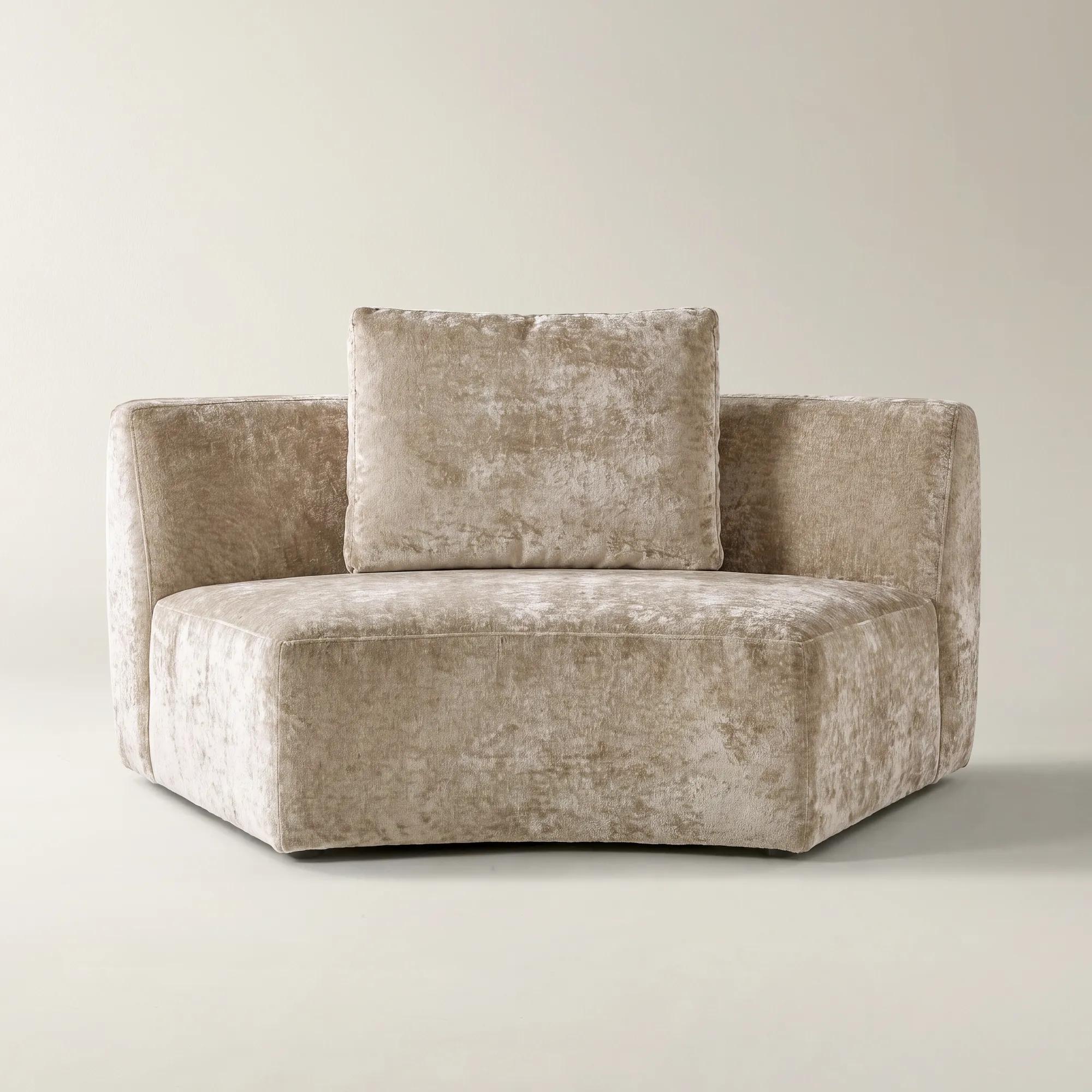 Irene Light Brown Chenille Armless Chair$1049
A sculptural armless chair upholstered in light brown chenille with high-resiliency foam cushions for lasting comfort.
Add To Cart -
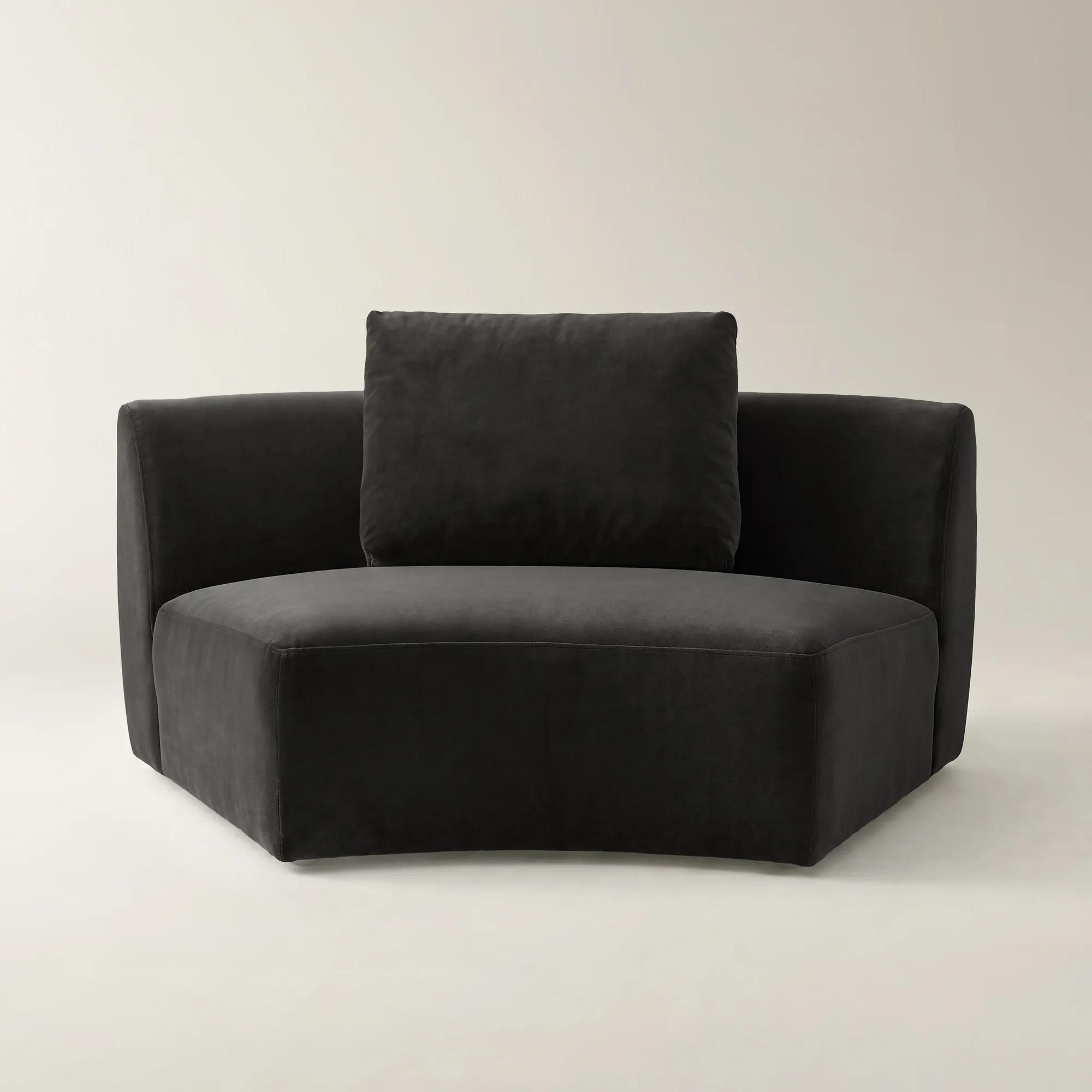 Irene Charcoal Velvet Armless Chair$1049
A sculptural armless chair upholstered in charcoal velvet with high-resiliency foam cushions and artisan detailing.
Add To Cart -
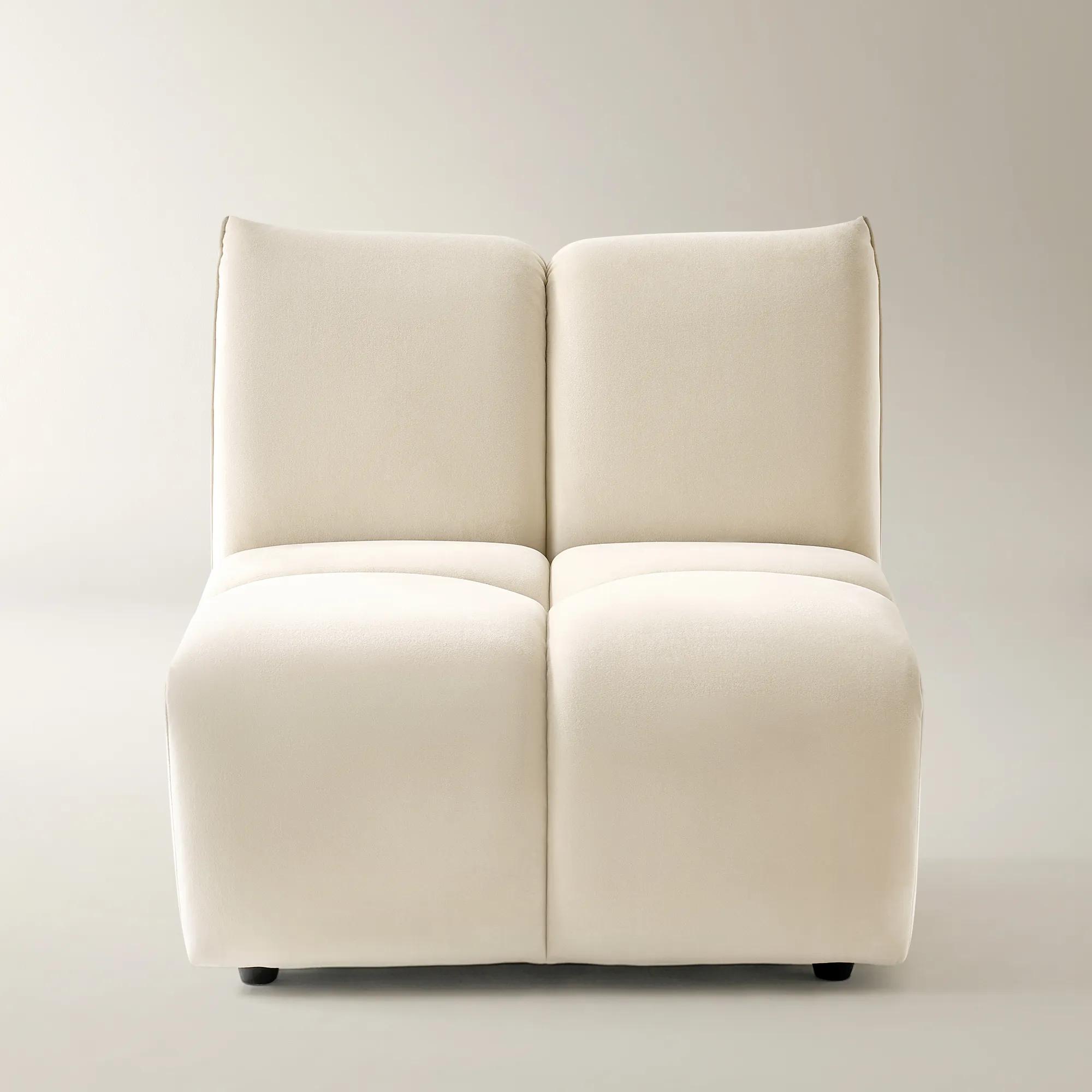
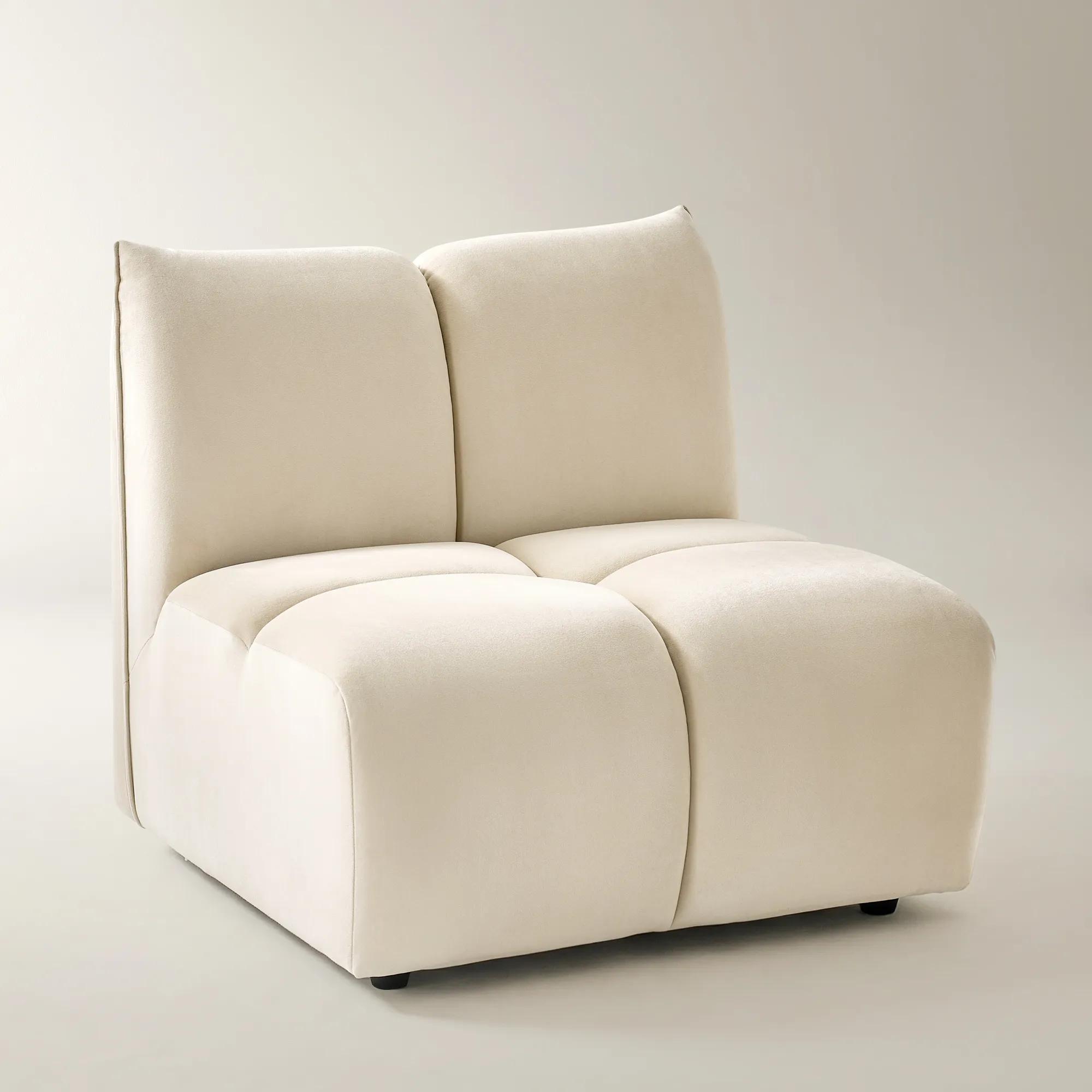 Reina Tufted Oatmeal Velvet Armless Chair$799
A plush oatmeal velvet armless chair featuring channel tufting, deep seating, and an architectural winged profile.
Add To Cart

Armless Chairs For Stylish Seating
Armless chairs for stylish seating transform any room into a showcase of modern sophistication and expressive design. With their sleek silhouettes and open profiles, these statement pieces invite you to reimagine your space—offering both versatility and undeniable allure. Whether gracing a glamorous dining setting or punctuating a chic living area, armless chairs create an artful balance of comfort and elevated style. Discover how the right seating can infuse your home with drama, personality, and an unmistakable sense of luxury.
Armless chairs bring expressive style to a room through an open-sided silhouette that puts upholstery, proportion, and sculptural detail in full view. Without arms framing the seat, these chairs often have a lighter visual presence than comparable armchairs, making them especially appealing for intimate sitting areas, bedroom corners, and living rooms where every piece needs to contribute without overwhelming the composition. Their actual footprint varies, however; a generously padded armless accent chair can feel every bit as substantial as a traditional lounge chair. The distinction is in the openness of the design, which allows the shape of the back, the sweep of the seat, and the finish of the legs to become the focal points. Slipper chairs are a familiar expression of this style, typically pairing an upholstered seat and back with a relatively low profile suited to bedrooms and relaxed conversation areas. Taller, more upright designs can bring a tailored presence to dining spaces, while purpose-built armless desk chairs offer a different balance of support and movement for workspaces. Each serves a distinct role, united by a silhouette that feels composed from multiple angles. In a living room, two armless chairs opposite a sofa create a conversational arrangement without introducing a heavy wall of upholstery. Beside a bedroom dresser, a single chair provides a graceful place to sit while dressing, with enough character to hold its own against a large mirror or dramatic artwork. A curved back softens a room filled with angular furniture, while a squared profile echoes the precision of a geometric rug or architectural console. Armless chairs for stylish seating are particularly compelling when their restraint of form is paired with something sumptuous: richly colored fabric, dimensional texture, gleaming legs, or a carefully placed seam. The result is seating that contributes to the room’s atmosphere as clearly as its artwork, yet remains inviting enough for an unhurried conversation or a quiet moment with a book.
Material gives that open silhouette its personality. Velvet upholstery catches light across its pile, creating subtle shifts in color that lend even a simple chair a sense of depth. Jewel tones can make the seat a deliberate focal point, while ivory, taupe, or charcoal allows texture and contour to carry the drama. Bouclé brings a more tactile effect, with a looped surface that contrasts beautifully against polished stone, glass, and smooth wood. Tightly woven upholstery offers a tailored appearance, and leather introduces distinctive grain and a surface that may develop character with use, depending on its finish. Beyond appearance, fabric composition, construction, and recommended care help determine how well a chair suits everyday life. A decorative seat in a dressing area has different demands than a favorite living room chair used daily by children, adults, and visiting friends. Performance fabrics may offer useful resistance to certain spills or stains, but those qualities vary, and no upholstery should be assumed to be stainproof. Looped fabrics can catch on claws or sharp accessories, while velvet may show pressure marks or changes in pile direction that are part of its surface character. Routine care should follow the upholstery label: gentle vacuuming with an appropriate attachment can lift dust from seams, and spills are best addressed promptly using the specified method rather than an improvised cleaner. Direct sunlight can affect color, so placement matters as much as cleaning. Beneath the upholstery, frame construction, secure joints, cushion support, and a suitable weight capacity all contribute to lasting performance. Solid wood, engineered wood, and metal can each serve structural roles; the complete construction matters more than a single material claim. Exposed wood legs lend warmth, while polished or brushed metal introduces a sharper accent. Protective pads appropriate for the floor help preserve the surface below. These practical details allow a chair’s beauty to remain part of daily living rather than something reserved for display.
Fit is where an armless chair becomes truly personal. Overall width and depth establish its place in the room, but seat height, usable seat depth, back angle, and cushion firmness shape the experience of sitting. A deep, low seat may invite lounging yet feel less convenient for someone who prefers an upright posture or needs an easier transition to standing. Without armrests to push against, an armless design may not be the best choice for every person with mobility limitations. For everyday comfort, the intended sitter should be able to rest their feet securely and feel supported by the back rather than perched on the front edge. Scale deserves equal attention in the surrounding arrangement. A petite slipper chair can disappear beside an oversized sectional, while a broad upholstered seat may crowd a narrow bedroom passage despite its open sides. Measuring the entire chair and preserving comfortable walking routes creates a setting that feels generous rather than congested. At a vanity or desk, the absence of arms removes one potential obstacle to tucking the chair in, but seat height, cushion thickness, and clearance beneath the apron still need to work together. A decorative accent chair is well suited to occasional correspondence; longer work sessions generally call for seating designed with appropriate adjustment and ergonomic support. Around a dining table, upright armless dining chairs can provide a polished rhythm, provided their height and width suit both the tabletop and the spacing between place settings. For hosts, a pair of accent chairs with a small table between them offers an intimate destination within a larger gathering, giving guests a convenient surface for a glass and a comfortable angle for conversation. Seating arrangements with that social focus are also reflected in Armless Chairs For Entertaining Guests. Finishing touches need not compete with the upholstery: a slim floor lamp can trace the curve of a chair back, and a contrasting rug can define the seating area without enclosing it. Whether selected for an apartment living room, a dressing space, or a spacious sitting room, the most compelling armless chair balances expressive design with the way the space is actually lived in. Its presence feels intentional, its comfort appropriate to the occasion, and its details unmistakably part of the room’s larger story.
FAQs
Armless chairs are remarkably adaptable and can complement a variety of design aesthetics. Their sleek, streamlined form is perfect for modern and contemporary spaces, while bold fabrics and sculptural details allow them to shine in glam, eclectic, or transitional interiors. For a luxe effect, consider pairing velvet or metallic-finished armless chairs with mirrored or marble accents. In more relaxed settings, linen or textured upholstery can add warmth and charm.
Armless chairs excel as statement pieces, especially when chosen in dramatic colors, rich textures, or eye-catching silhouettes. Position one as a focal point in a reading nook, entryway, or at the end of a dining table. For added impact, pair two armless chairs with a bold side table or striking floor lamp to create a sophisticated conversation area that draws the eye and invites guests to linger.
Absolutely. Armless chairs are a host’s best-kept secret for flexible, stylish seating. Their open design encourages easy conversation and can be rearranged effortlessly to accommodate gatherings of any size. Whether you’re hosting a cocktail party or an intimate dinner, these chairs offer comfort and elegance without crowding the space, making every guest feel at home.
Popular materials for armless chairs include plush velvets, crisp linens, tactile boucles, and supple leathers, each offering a distinct mood and sensory experience. Metallic or lacquered legs introduce a hint of glamour, while natural wood finishes provide warmth and organic appeal. Mixing and matching these materials allows you to tailor the chair to your unique style and the atmosphere you wish to create.
Yes, armless chairs are exceptionally versatile and can elevate nearly any room in the home. Use them at a vanity or desk in the bedroom, as accent seating in a hallway or entry, or as chic options around a dining table. Their compact footprint makes them ideal for smaller spaces, while their expressive designs ensure they never fade into the background.