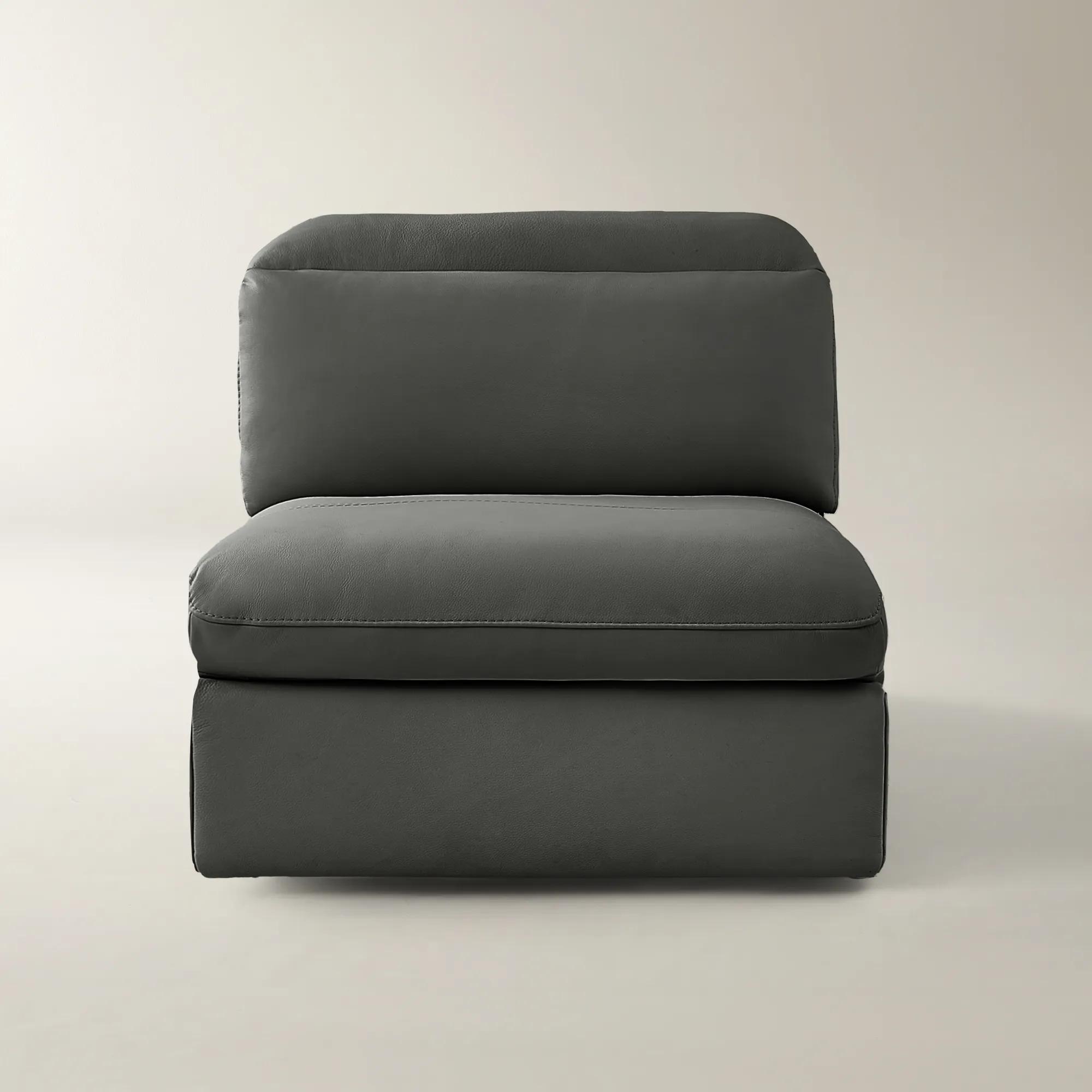
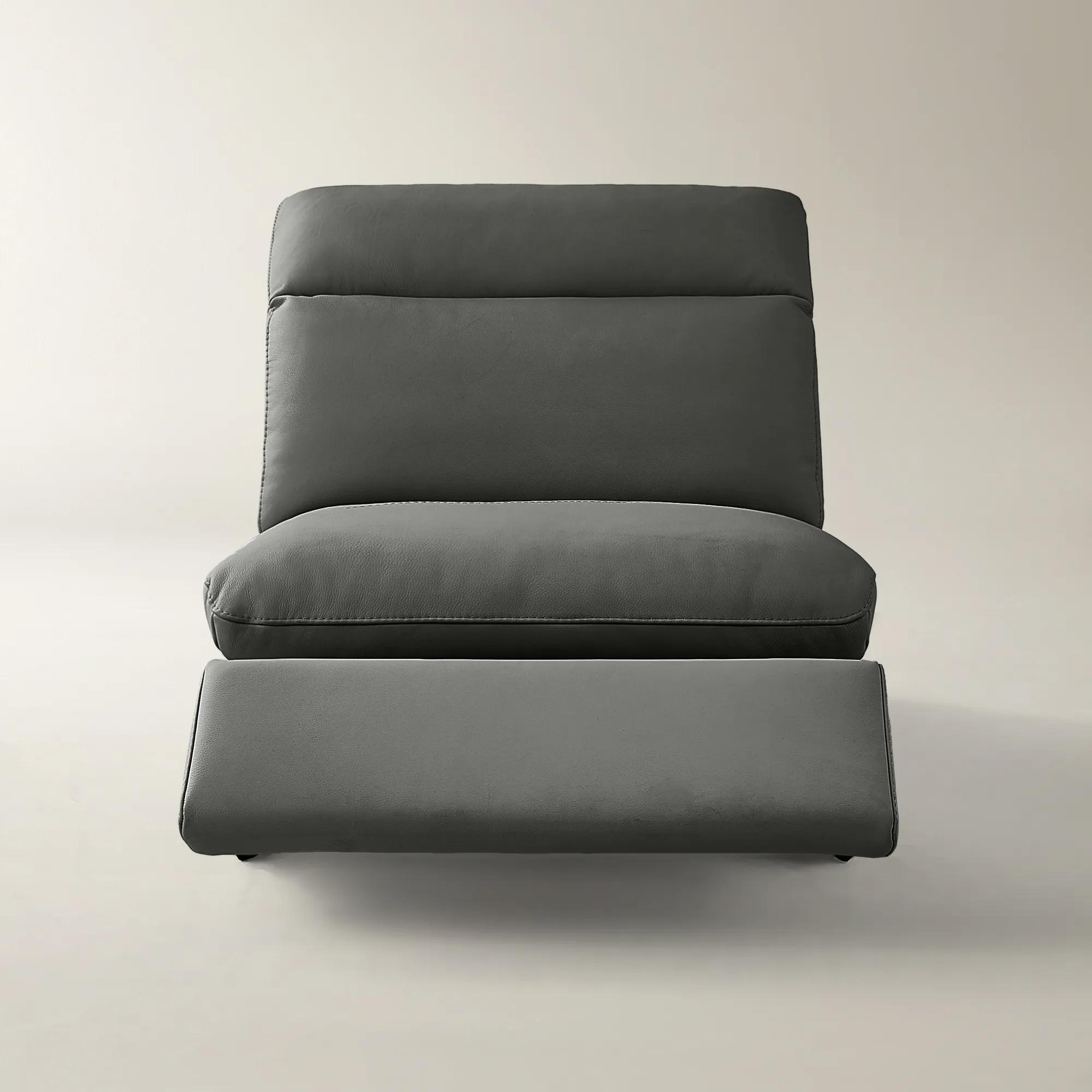
Armless Chairs For Family Rooms
Armless Chairs For Family Rooms
-
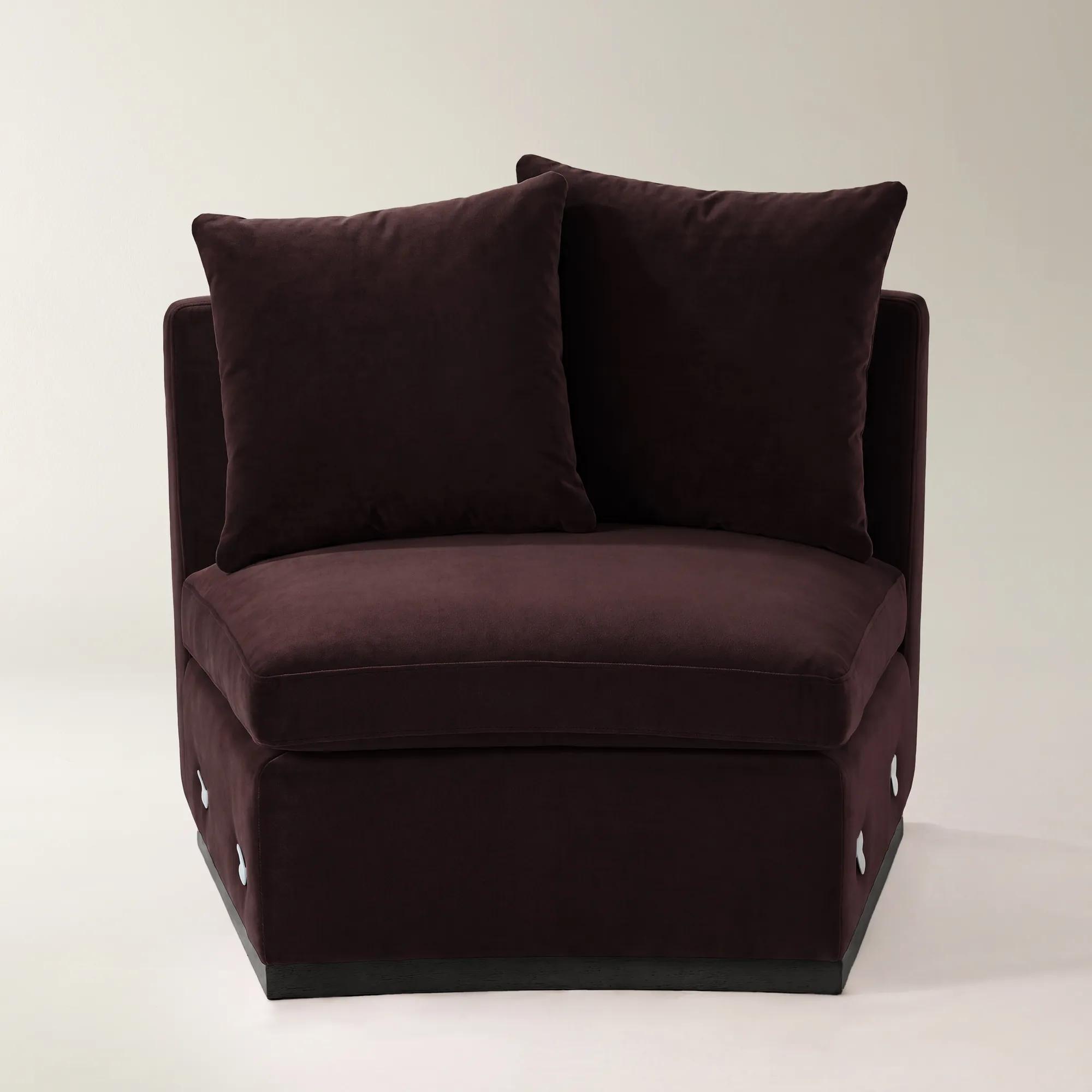
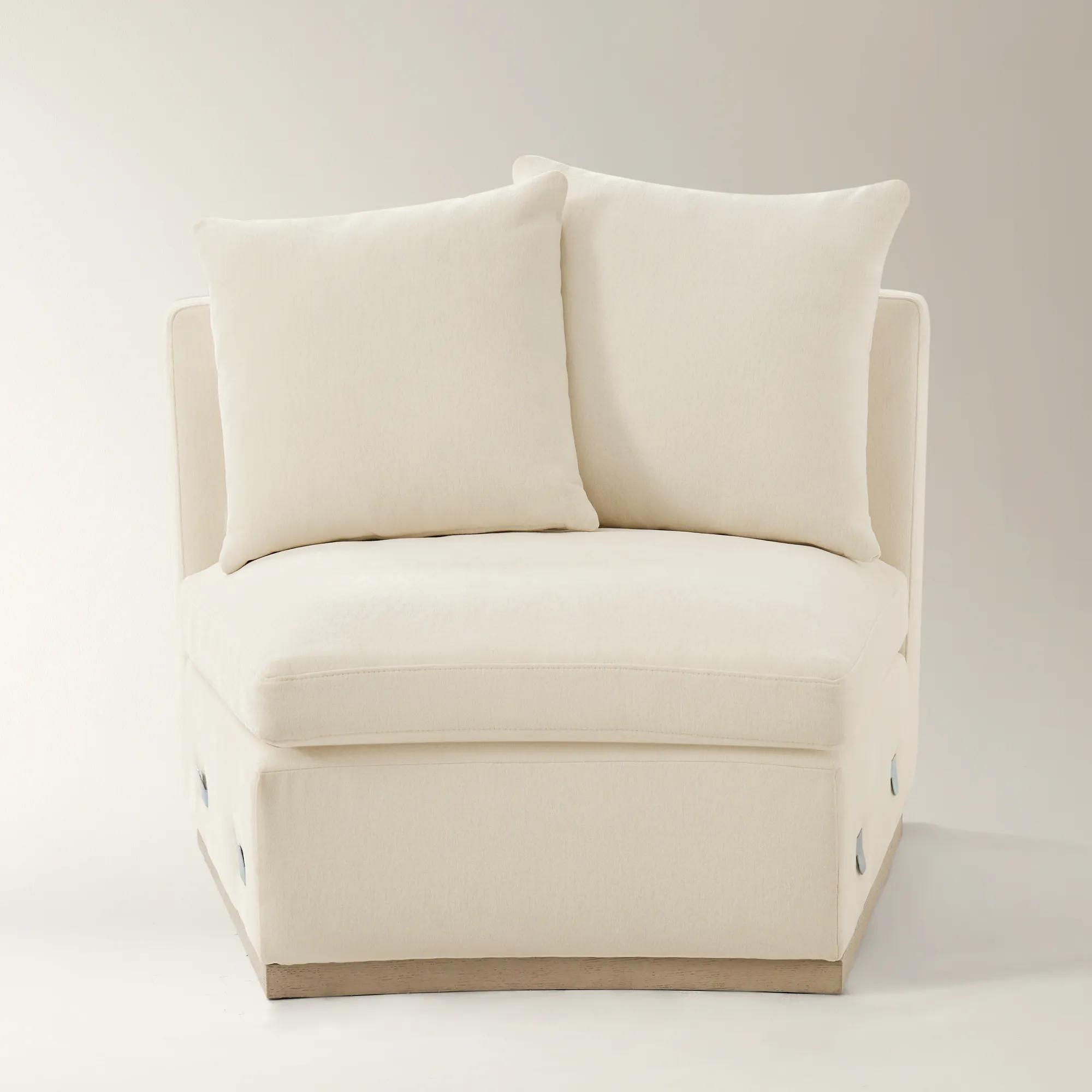
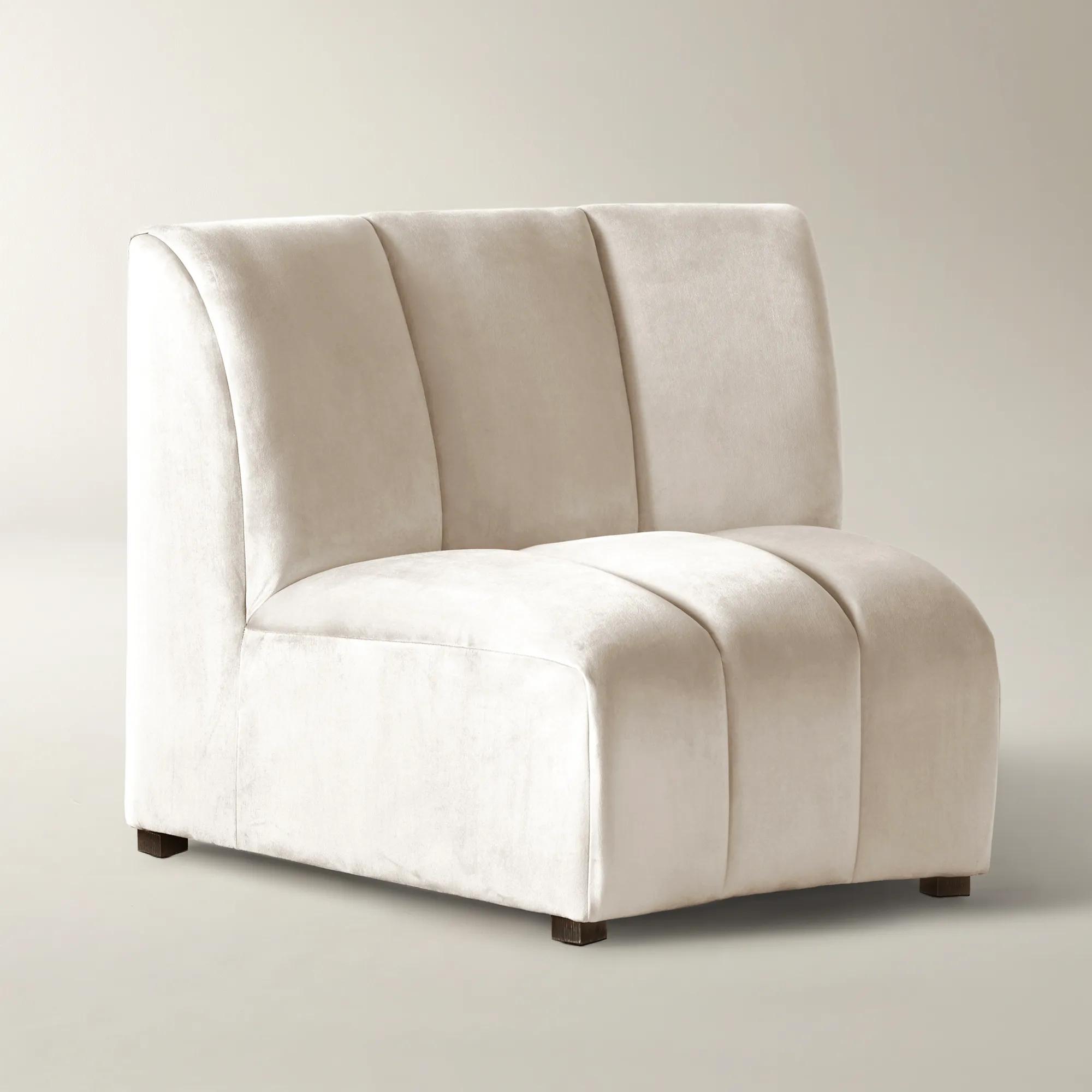 Jayce Channel-Tufted Ivory Velvet Armless Chair$949
A modern armless chair in water-repellent, stain-resistant Velvet Ivory with deep channel tufting and plush padding.
Add To Cart -
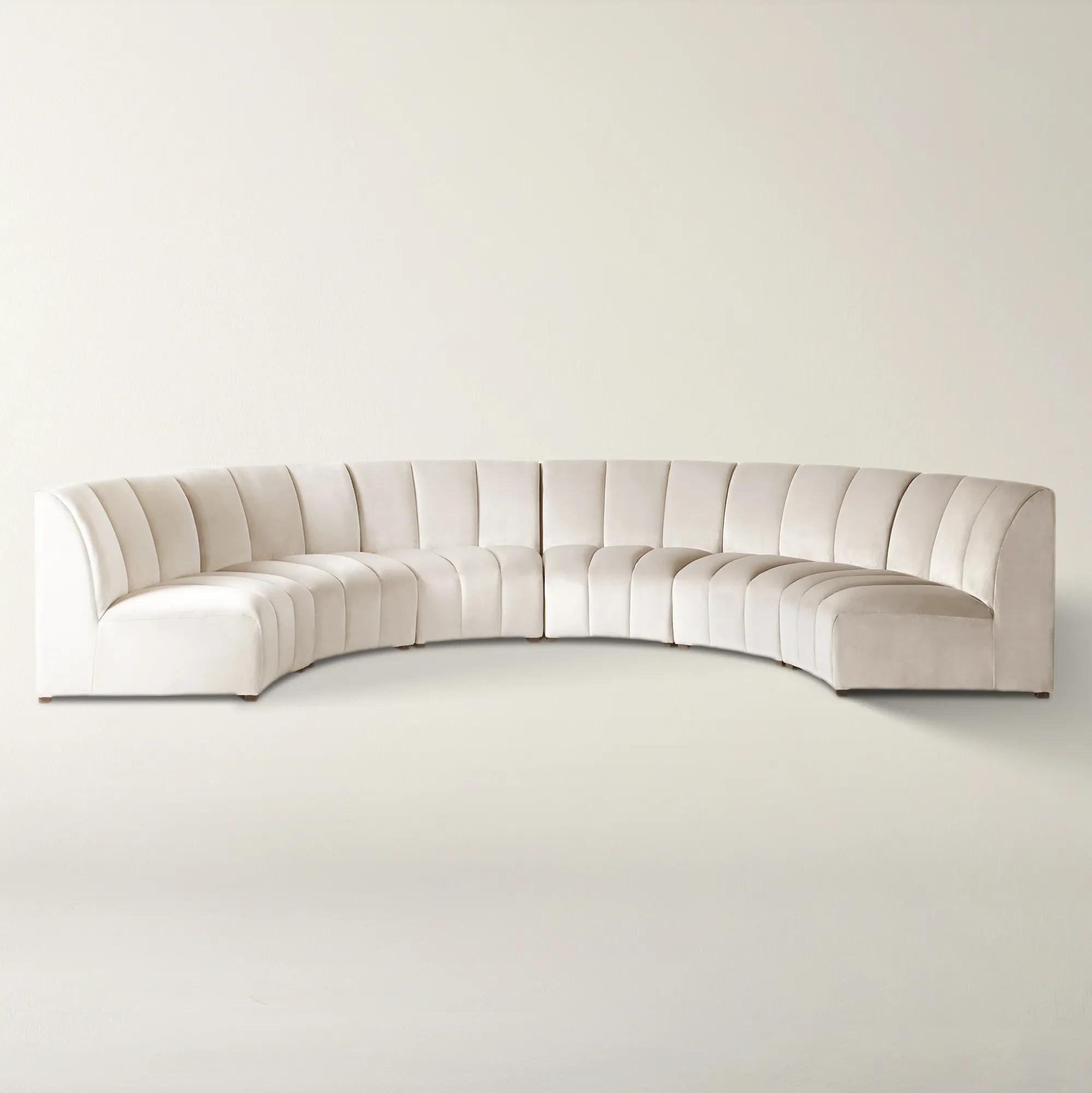 Jayce 6-Piece Channel-Tufted Ivory Velvet Sectional Sofa$5499
A modern curved sectional in stain-resistant Velvet Ivory with deep channel tufting and plush, structured cushions.
Add To Cart -
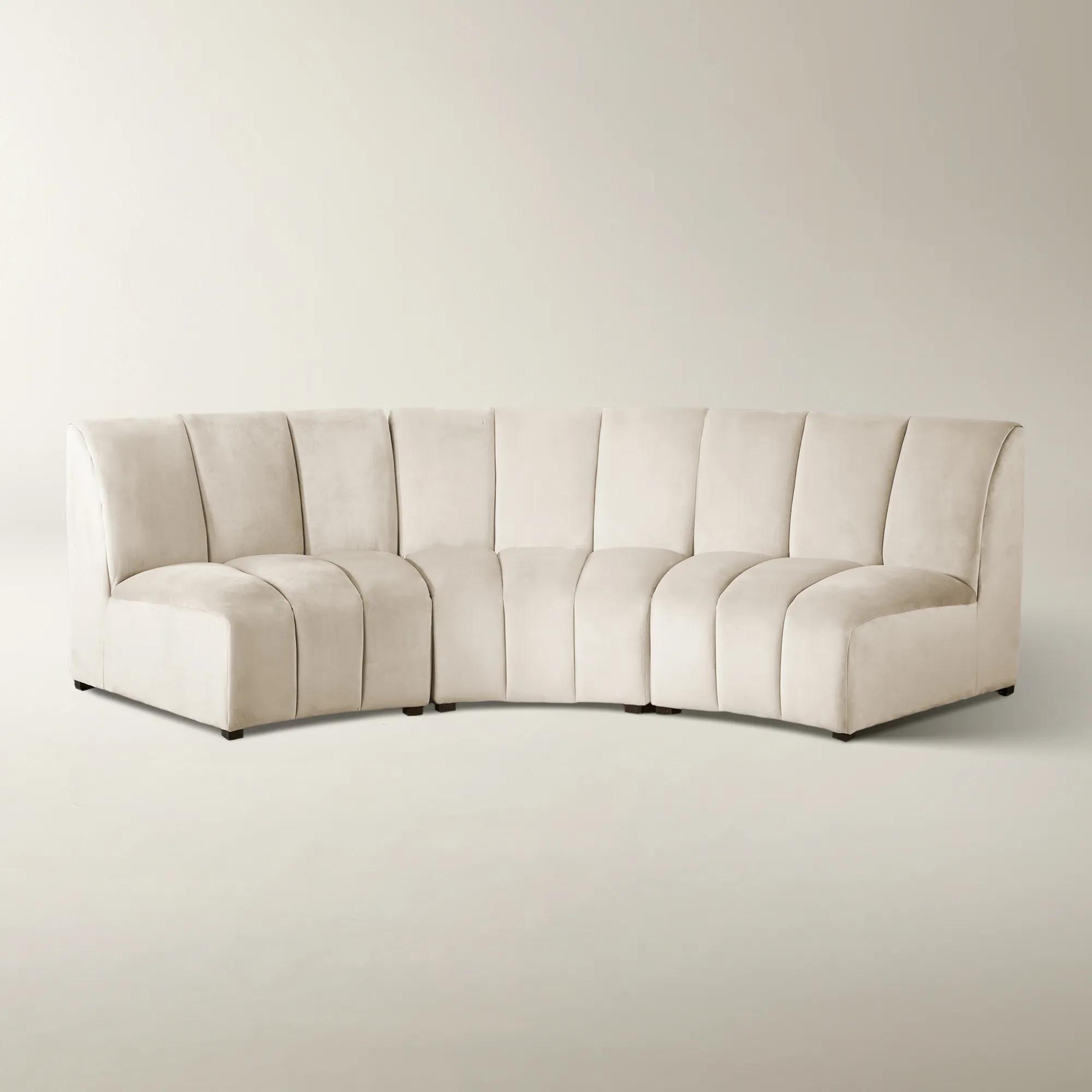
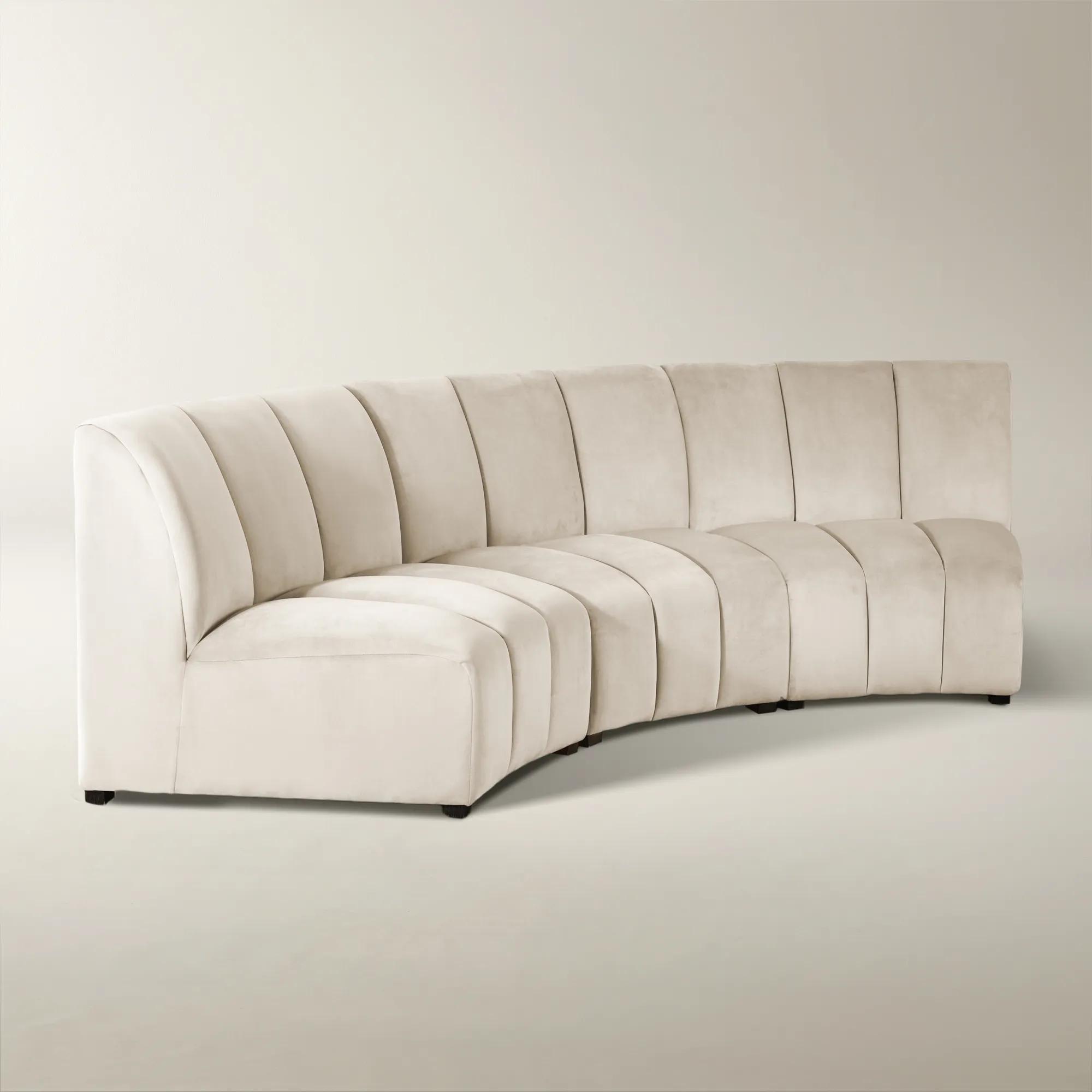 Jayce 3-Piece Channel-Tufted Ivory Velvet Sectional Sofa$2799
A modern curved sectional in stain-resistant Velvet Ivory with deep channel tufting and plush, structured cushions.
Add To Cart -
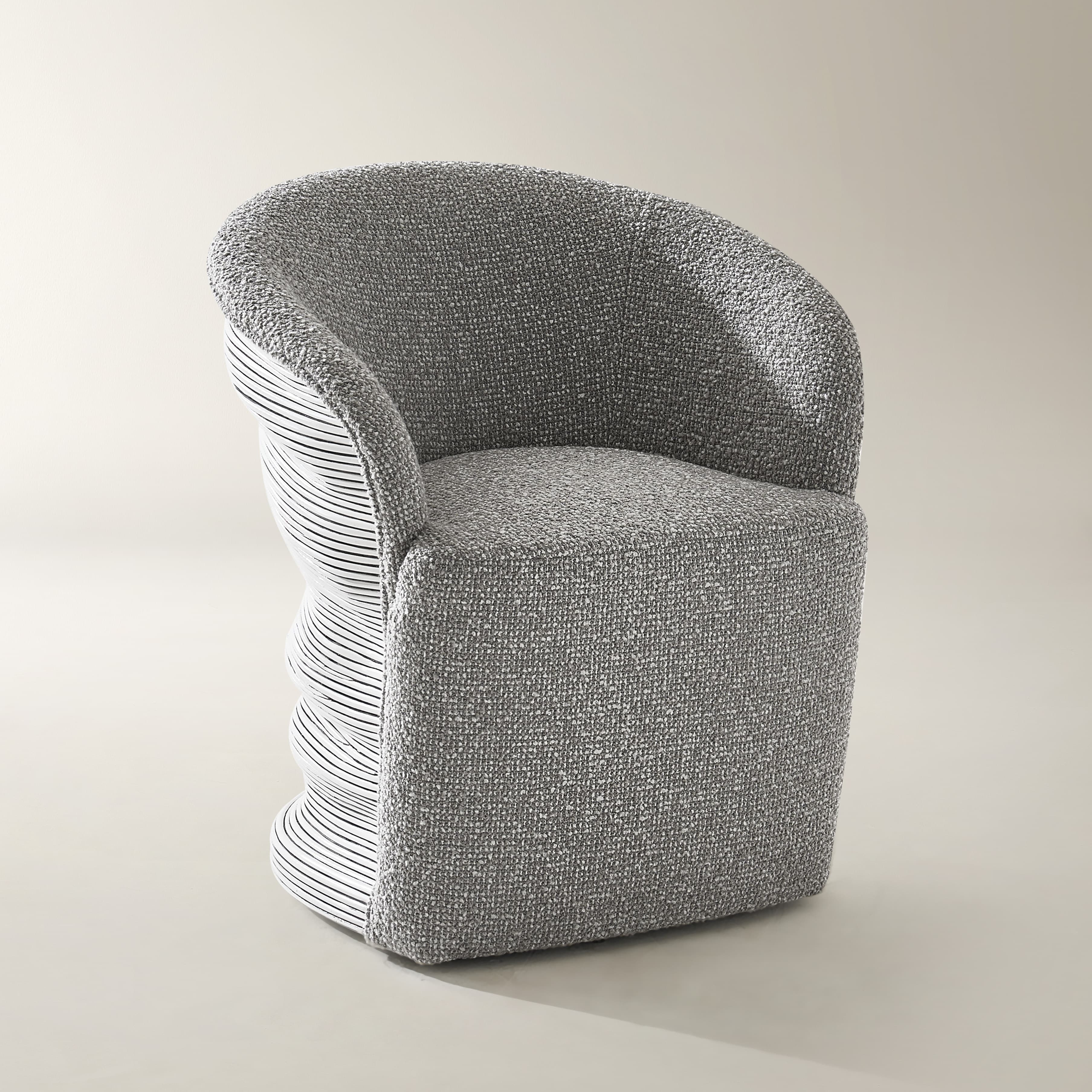
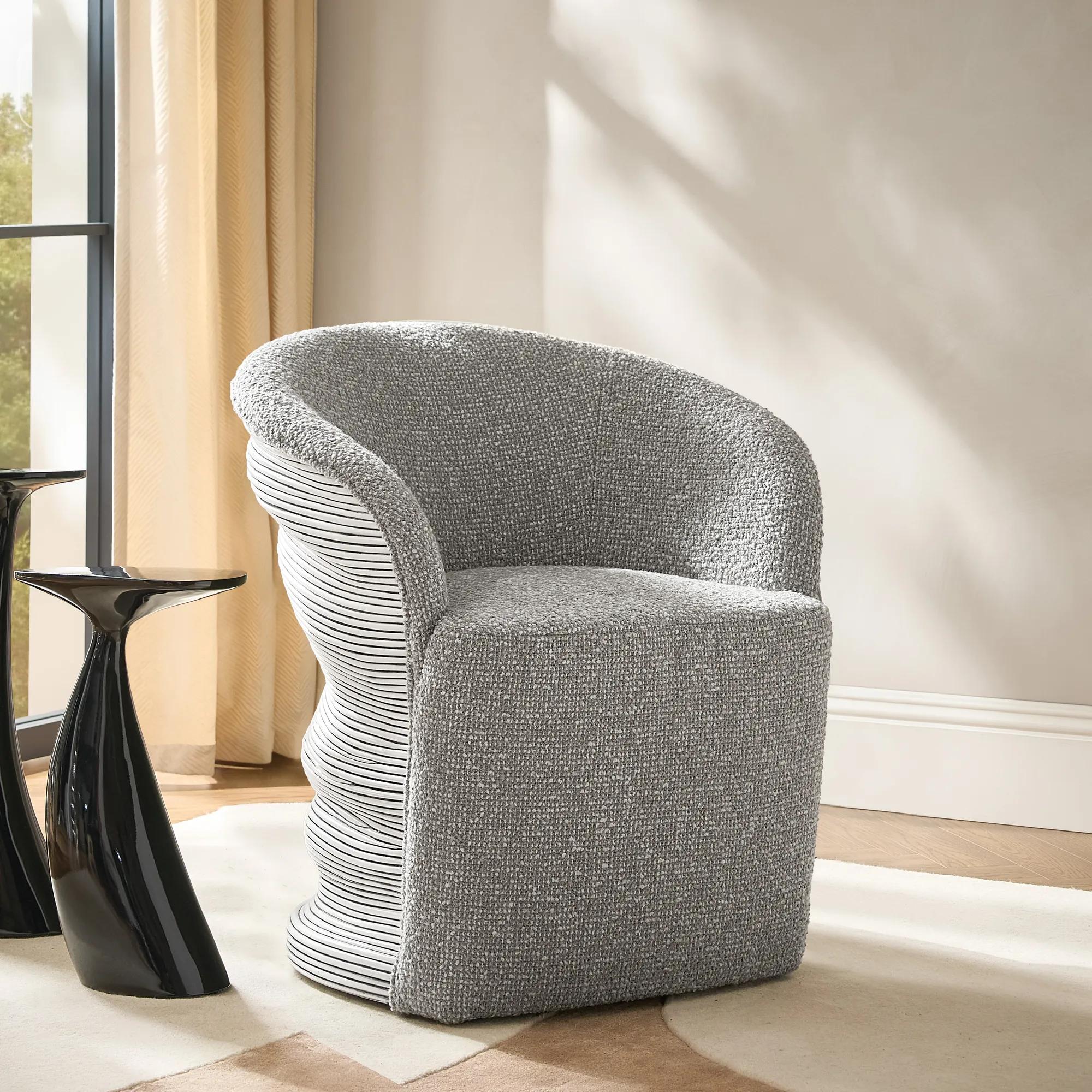 Cairo Rattan Grey Chenille Dining Chair$899
A handwoven natural rattan swivel chair in grey chenille, blending sculptural form with plush comfort.
Add To Cart -
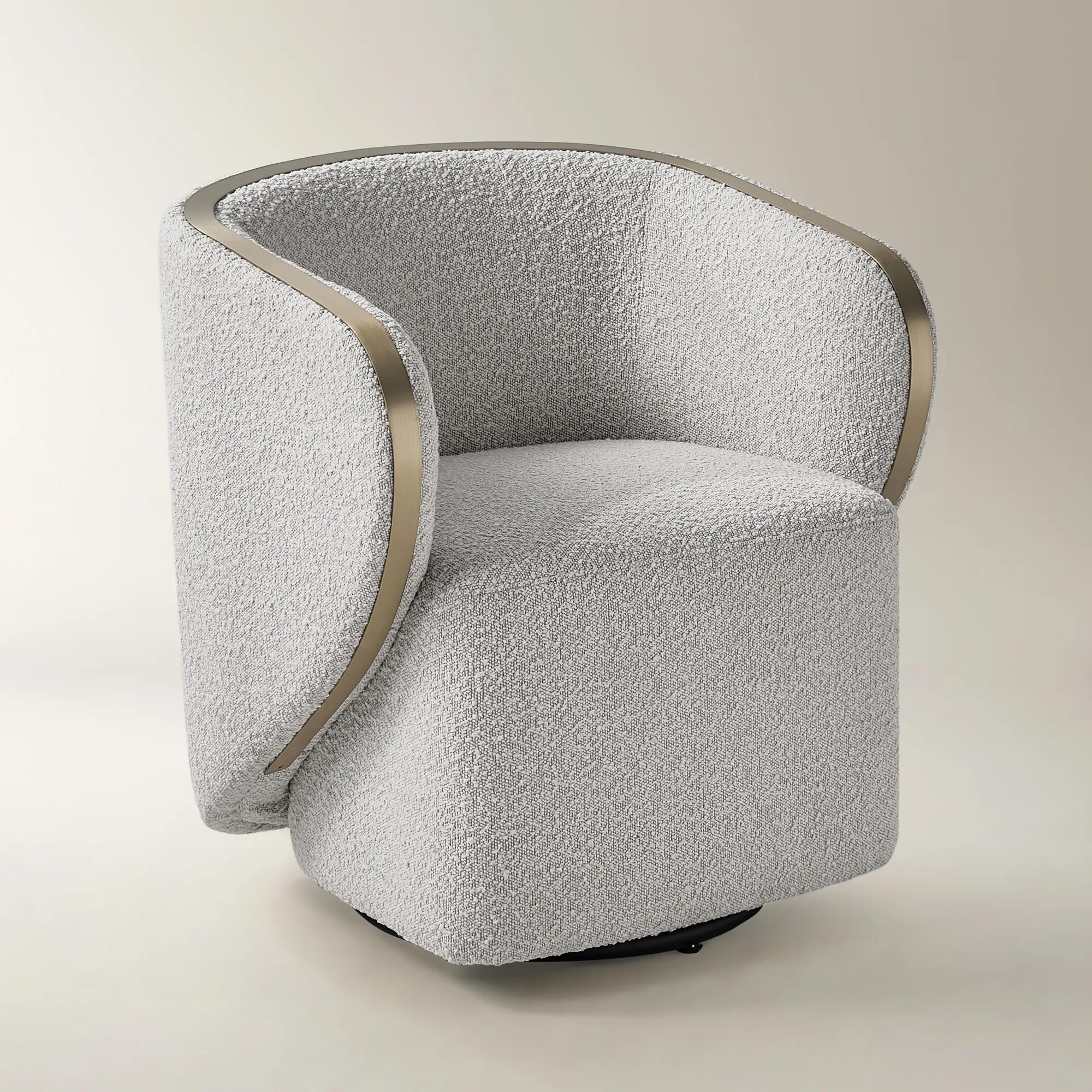 Nova Light Grey Performance Boucle Swivel Dining Chair$599
A sculptural light grey chair in water-repellent boucle with metallic trim and a smooth 360° swivel base.
Add To Cart -
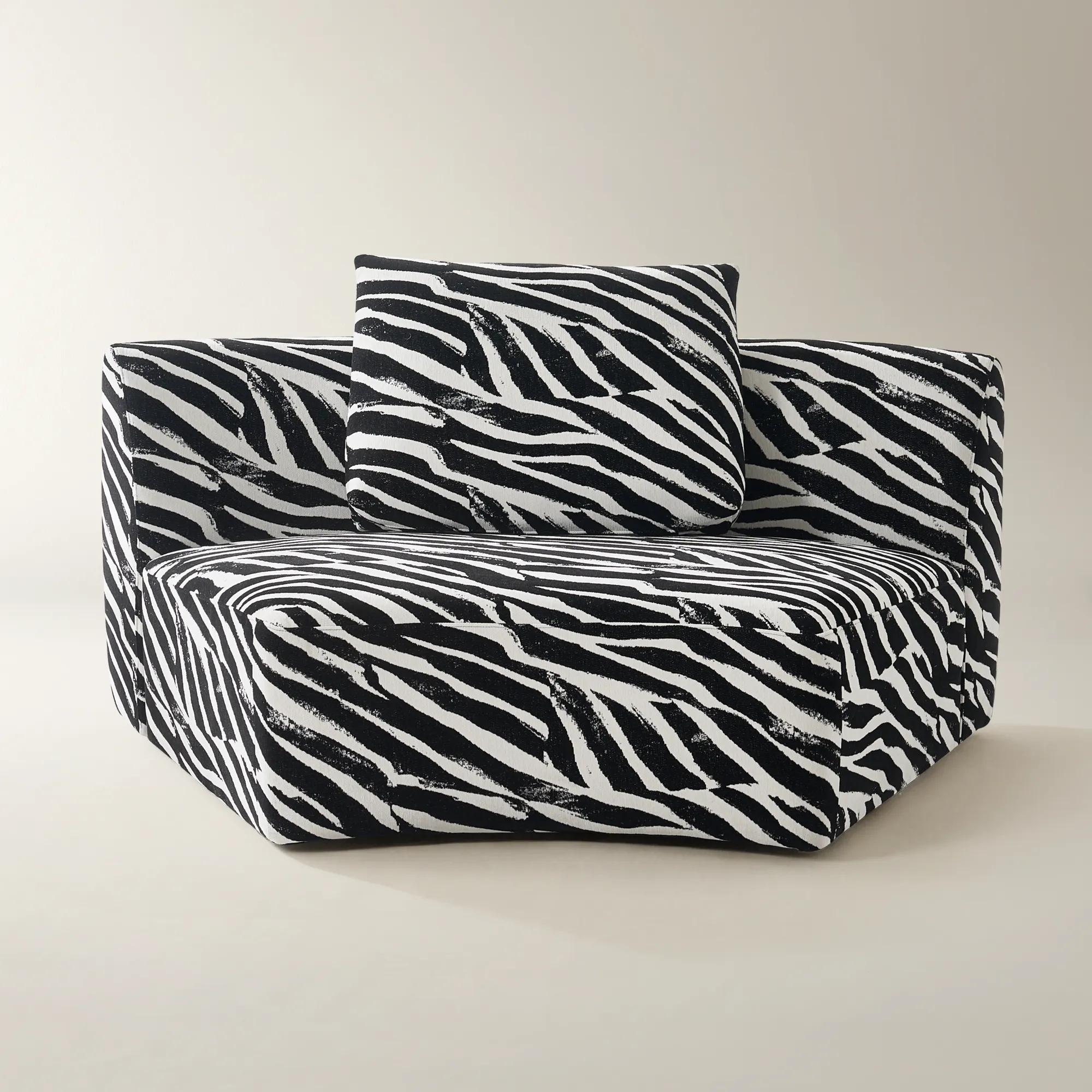
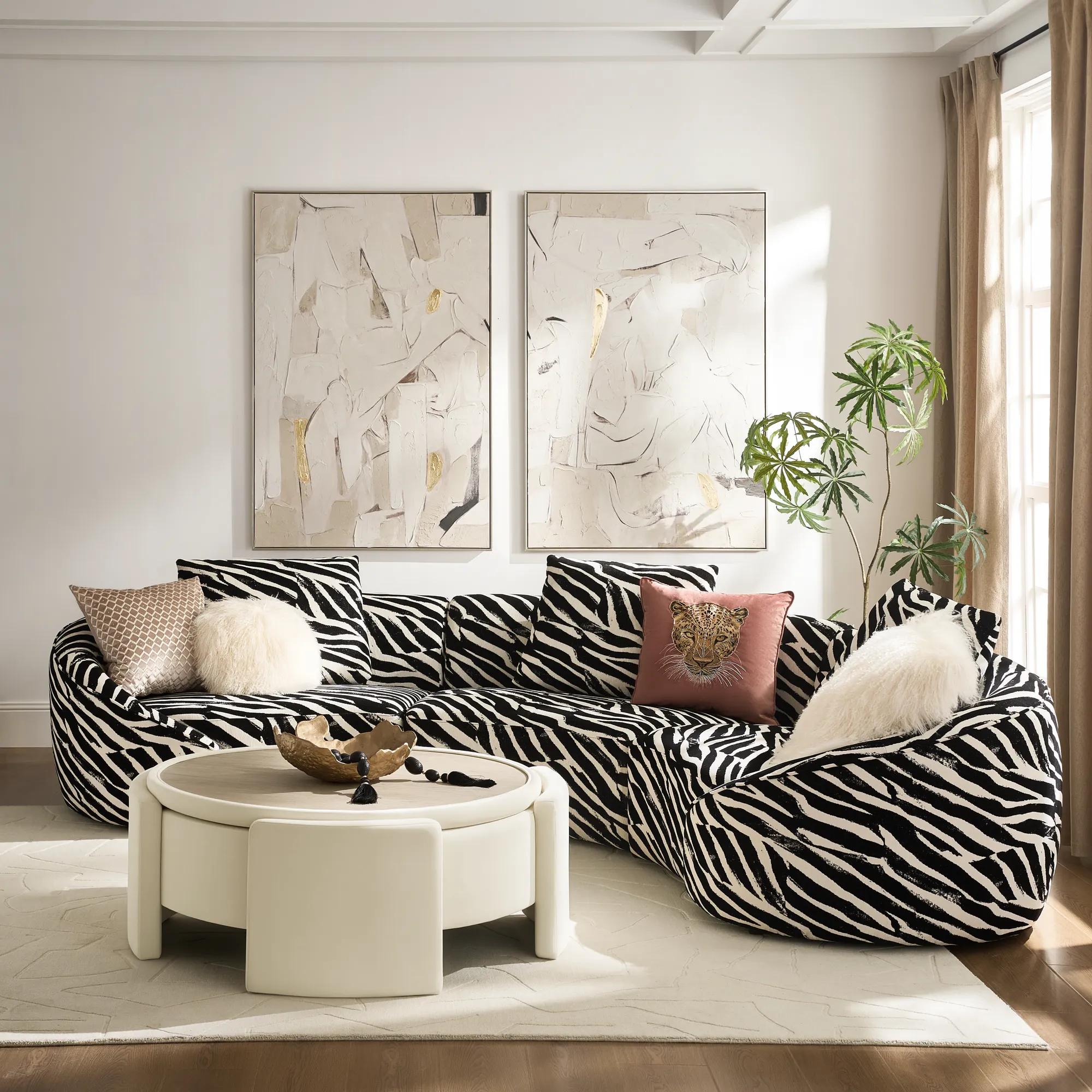 Irene White/Black Performance Chenille Armless Chair$1149
A sculptural armless chair in black and white performance chenille with high-resiliency foam cushions.
Add To Cart -
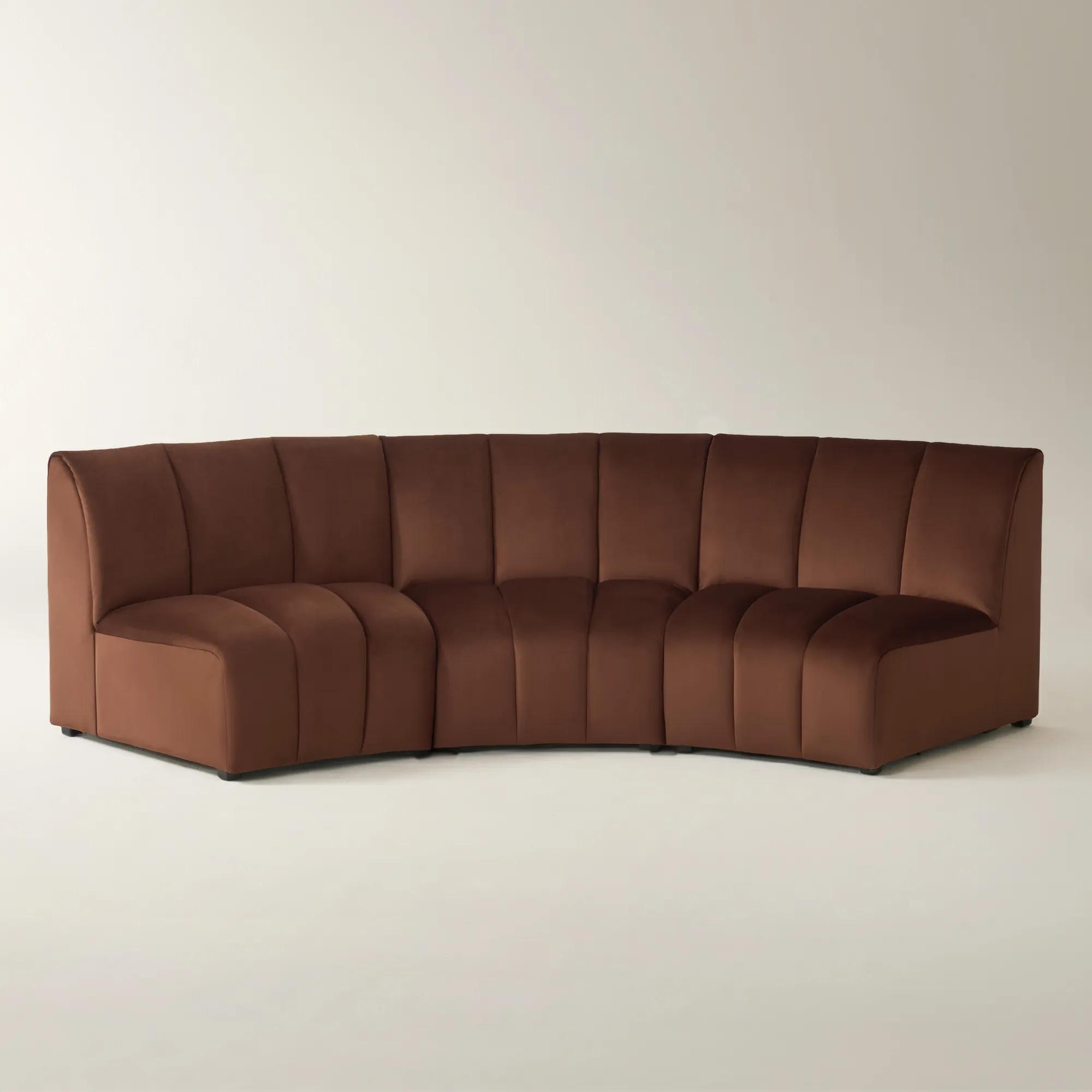 Jayce 3-Piece Channel-Tufted Burnt Umber Velvet Sectional Sofa$2799
A modern curved sectional in silver grey velvet with deep channel tufting and plush, water-repellent upholstery.
Add To Cart -
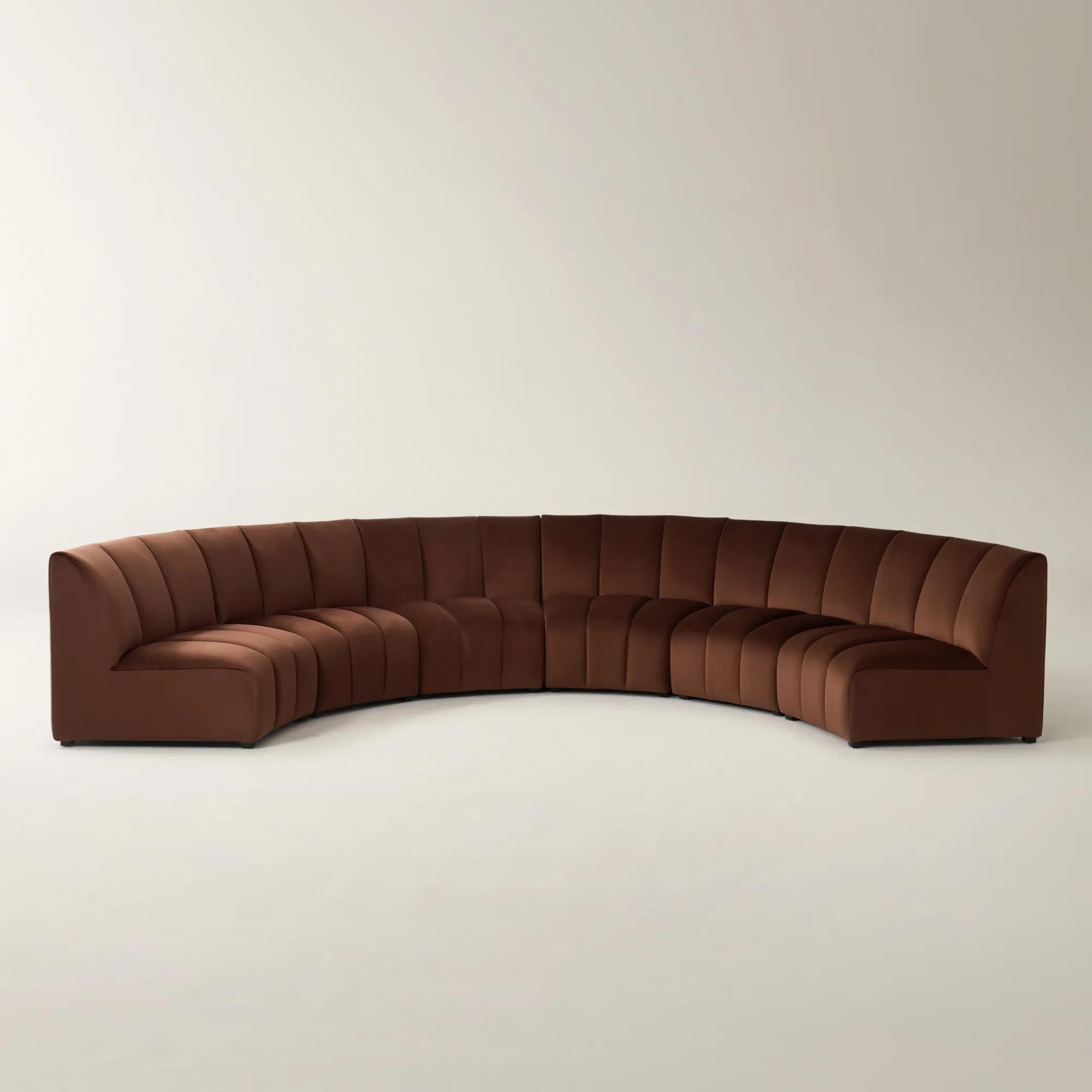
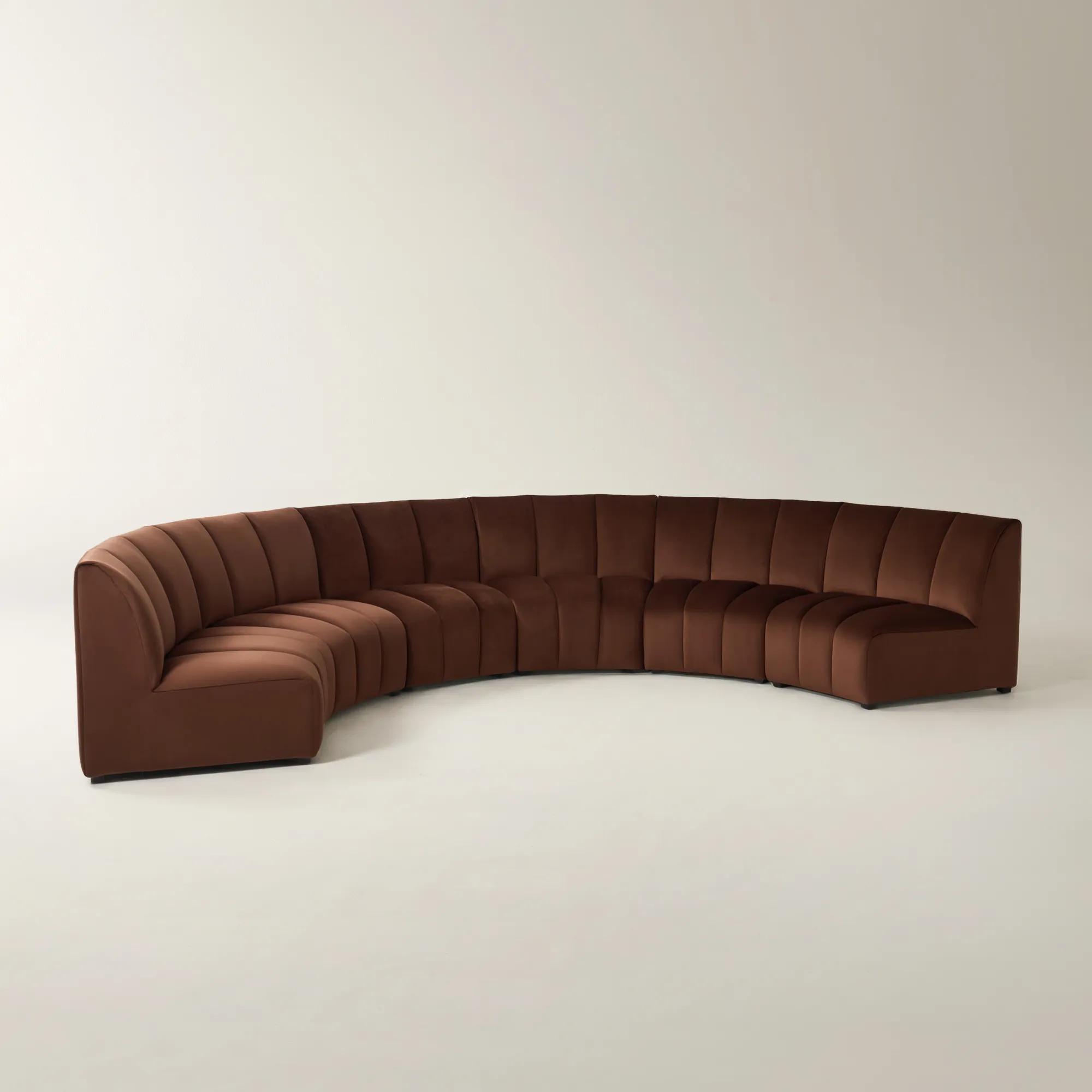 Jayce 6-Piece Channel-Tufted Burnt Umber Velvet Sectional Sofa$5499
A modern curved sectional in silver grey velvet with deep channel tufting and plush, high-density foam cushions.
Add To Cart -
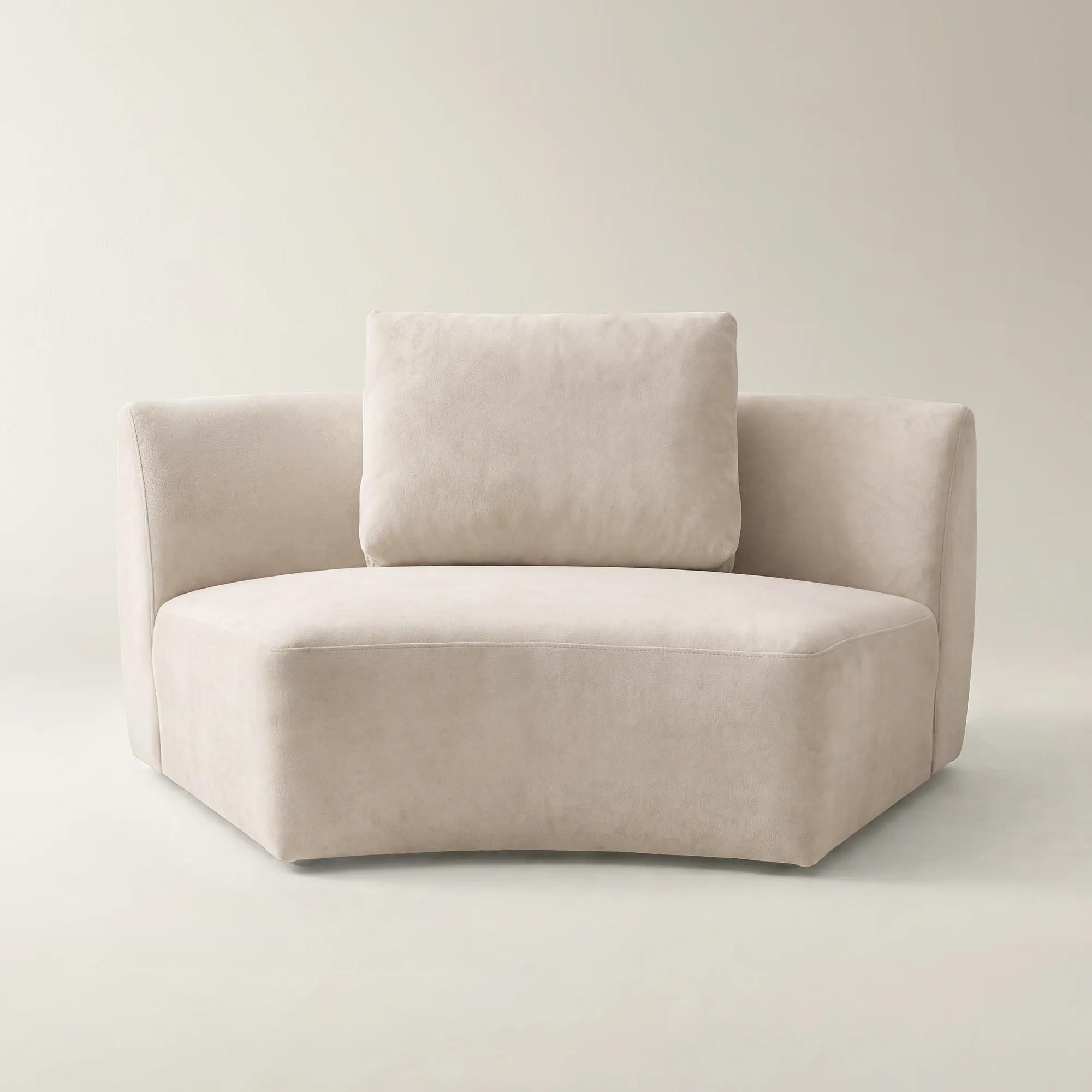
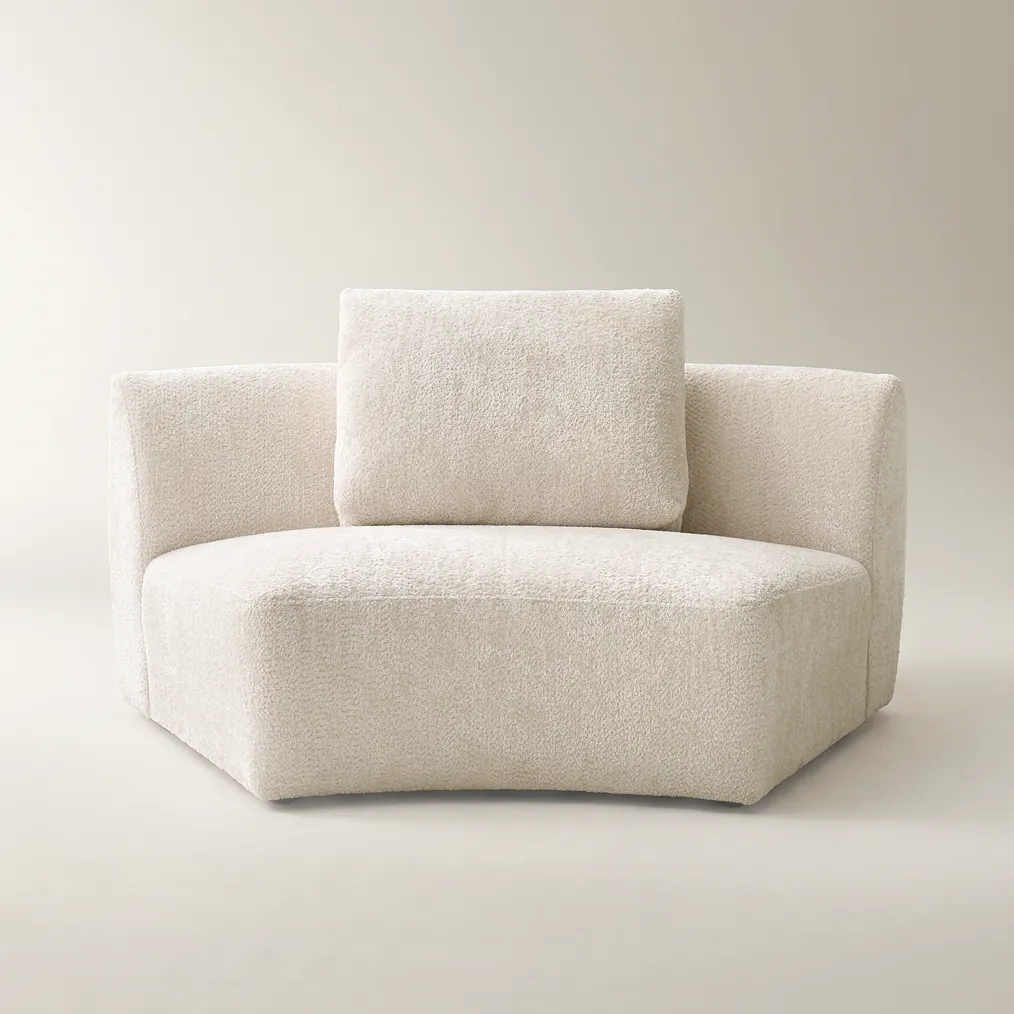 Irene Oatmeal Velvet Armless Chair$1049
An armless chair featuring oatmeal velvet upholstery, sculptural curves, and plush, high-resiliency foam cushions.
Add To Cart -
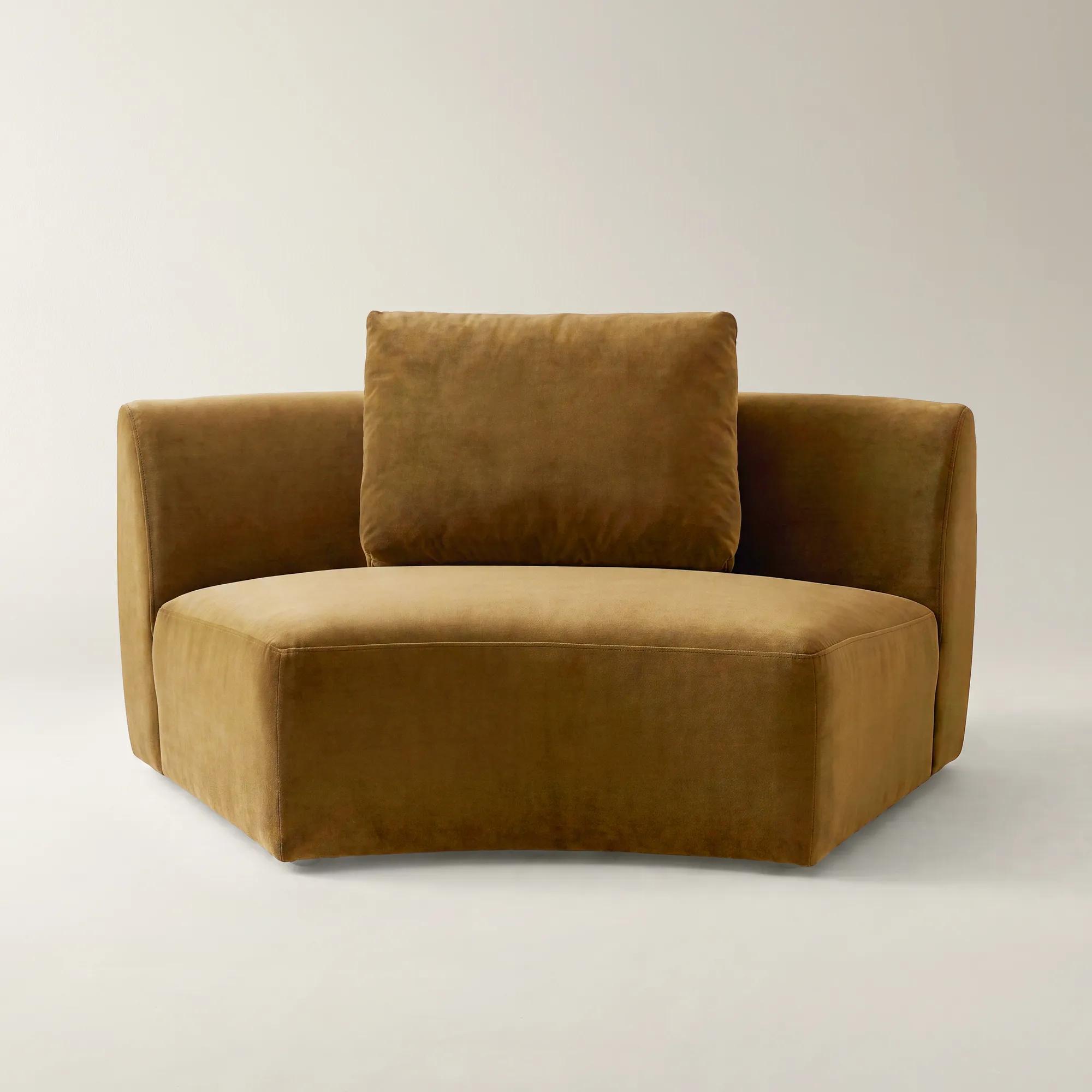 Irene Roasted Pecan Velvet Armless Chair$1049
A sculptural armless chair upholstered in roasted pecan velvet with high-resiliency foam cushions for enduring comfort.
Add To Cart -
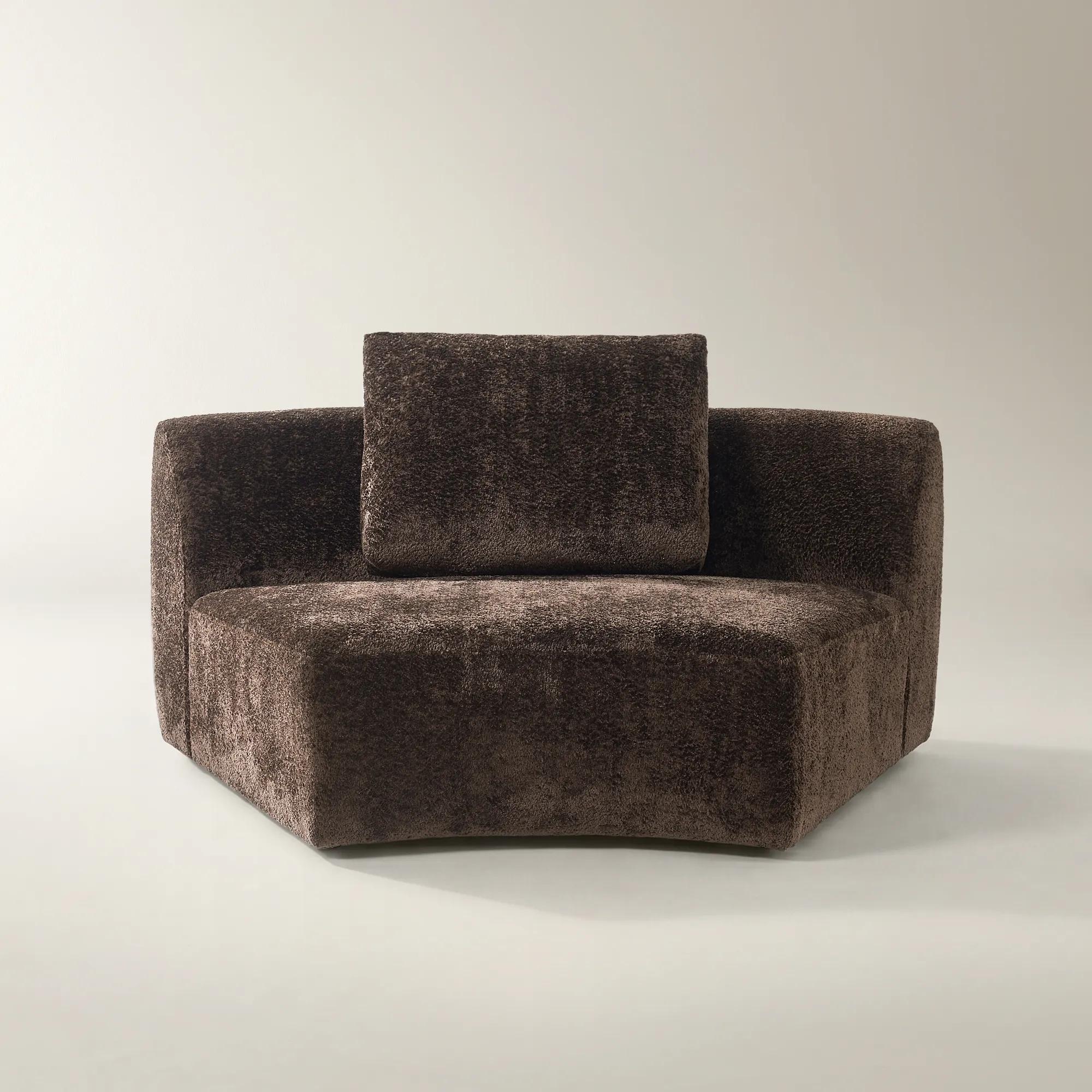
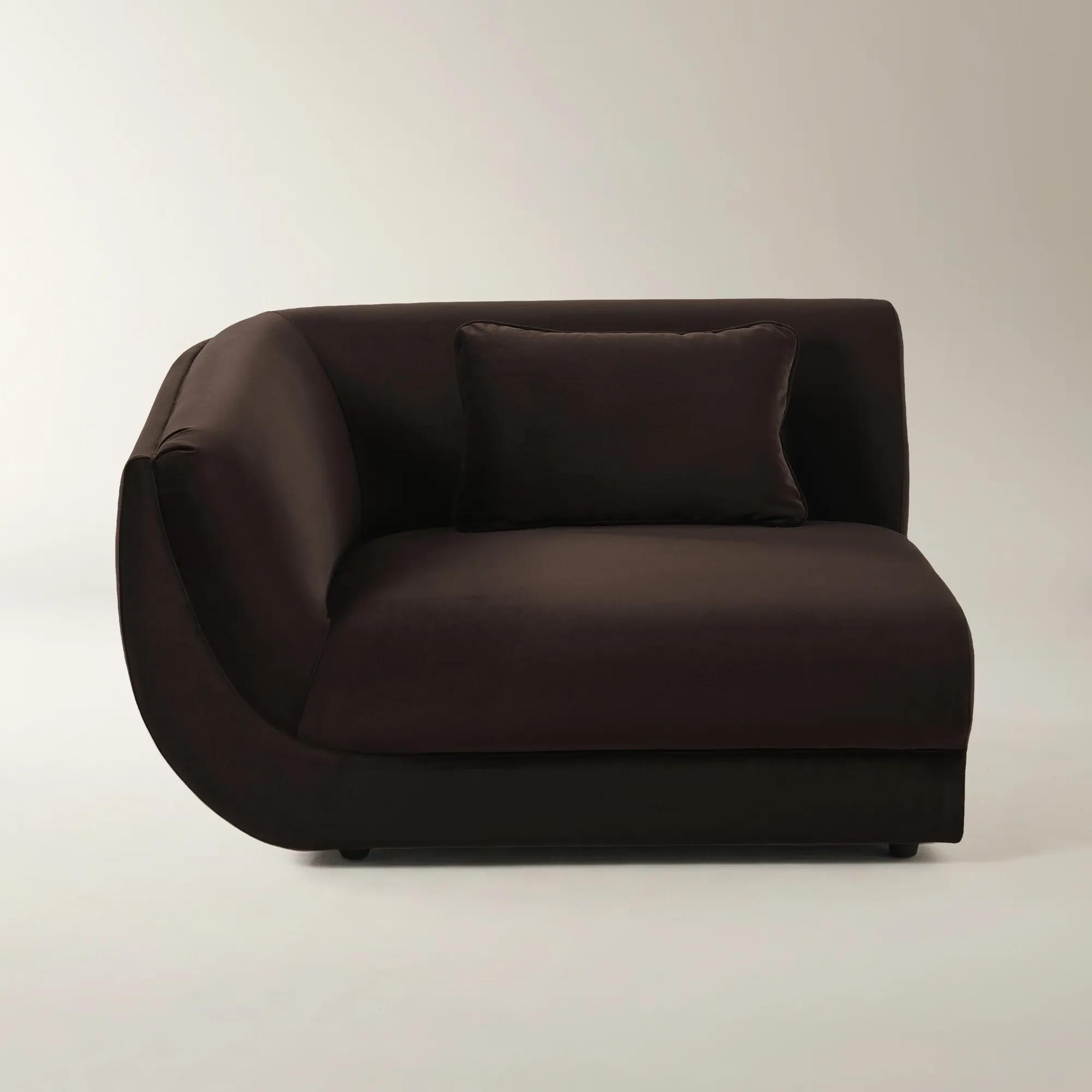
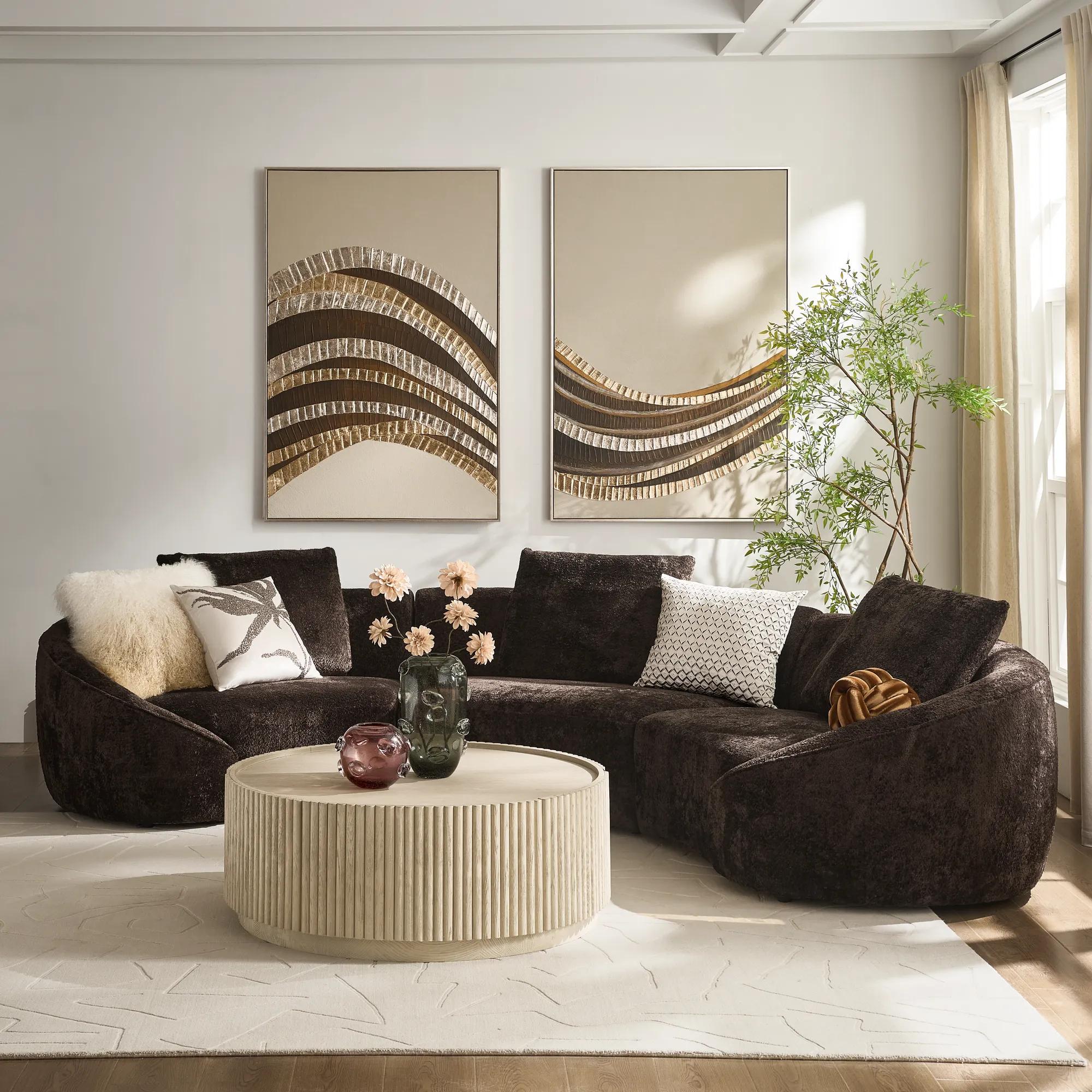 Irene Dark Chocolate Chenille Armless Chair$1049
A sculptural armless chair upholstered in dark chocolate chenille with high-resiliency foam cushions and artisan detailing.
Add To Cart -
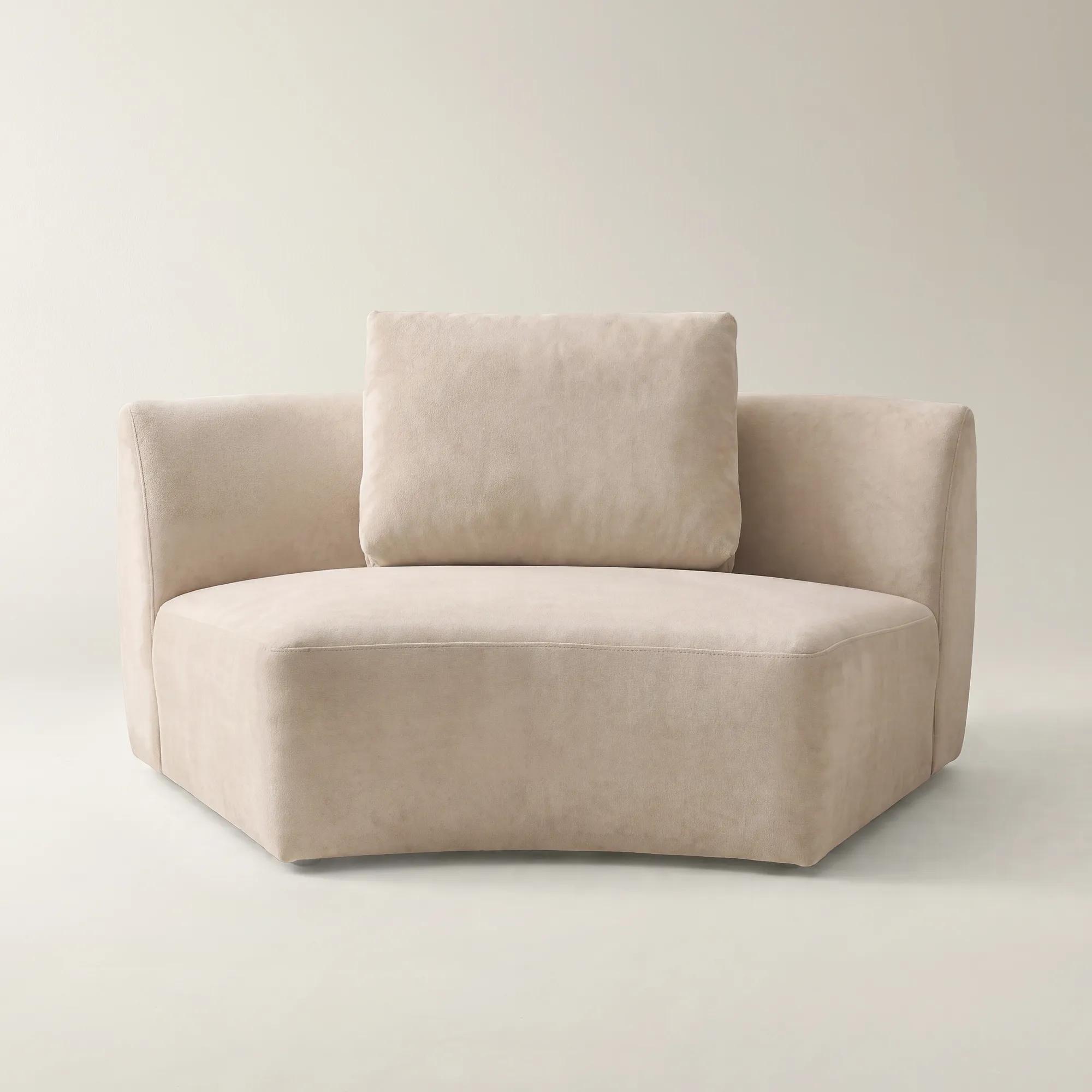 Irene Simply Taupe Velvet Armless Chair$1049
A sculptural armless chair in simply taupe velvet, featuring high-resiliency foam cushions and artisan tailoring.
Add To Cart -
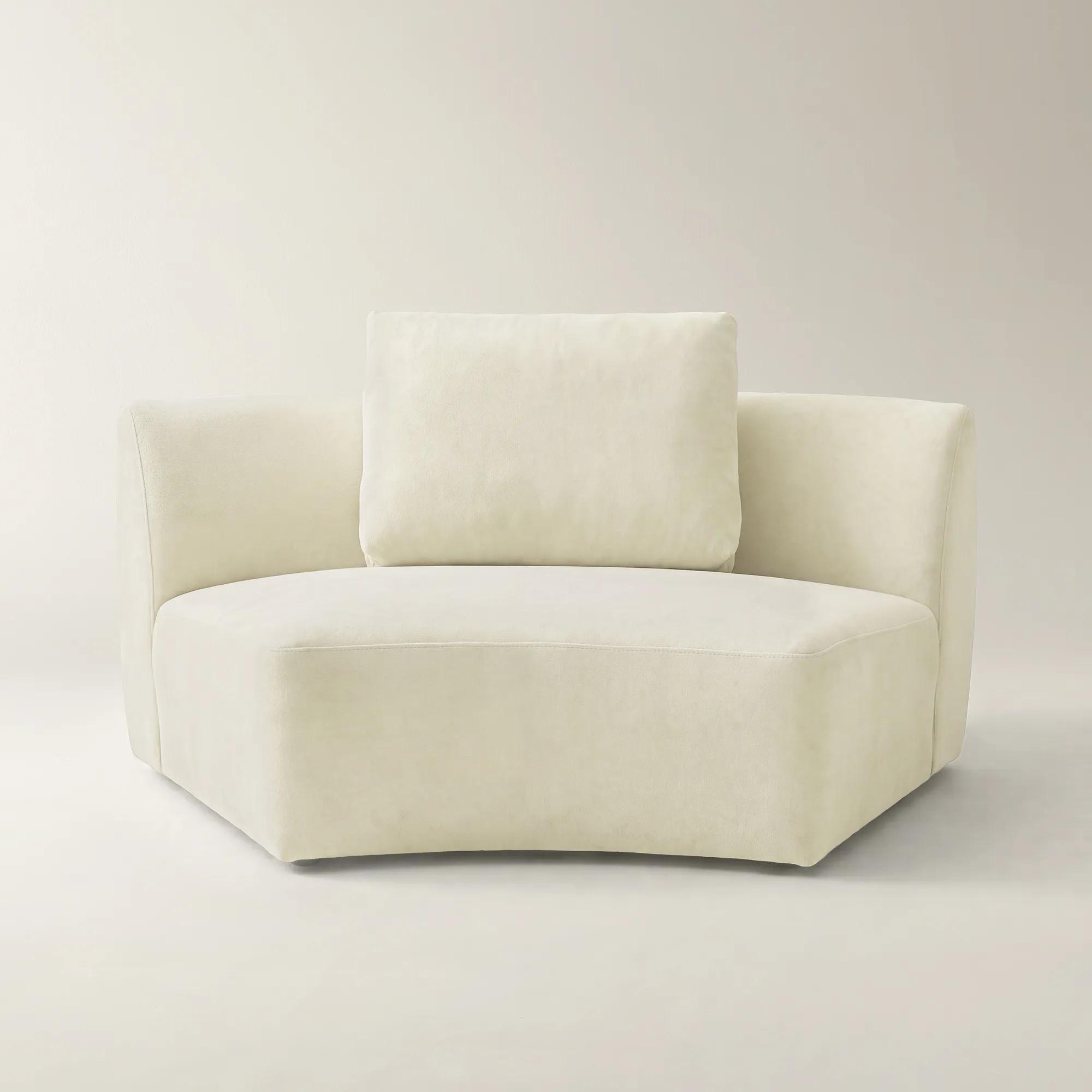 Irene Cloud Velvet Armless Chair$1049
A sculptural armless chair upholstered in cloud velvet with high-resiliency foam cushions and artisan detailing.
Add To Cart -
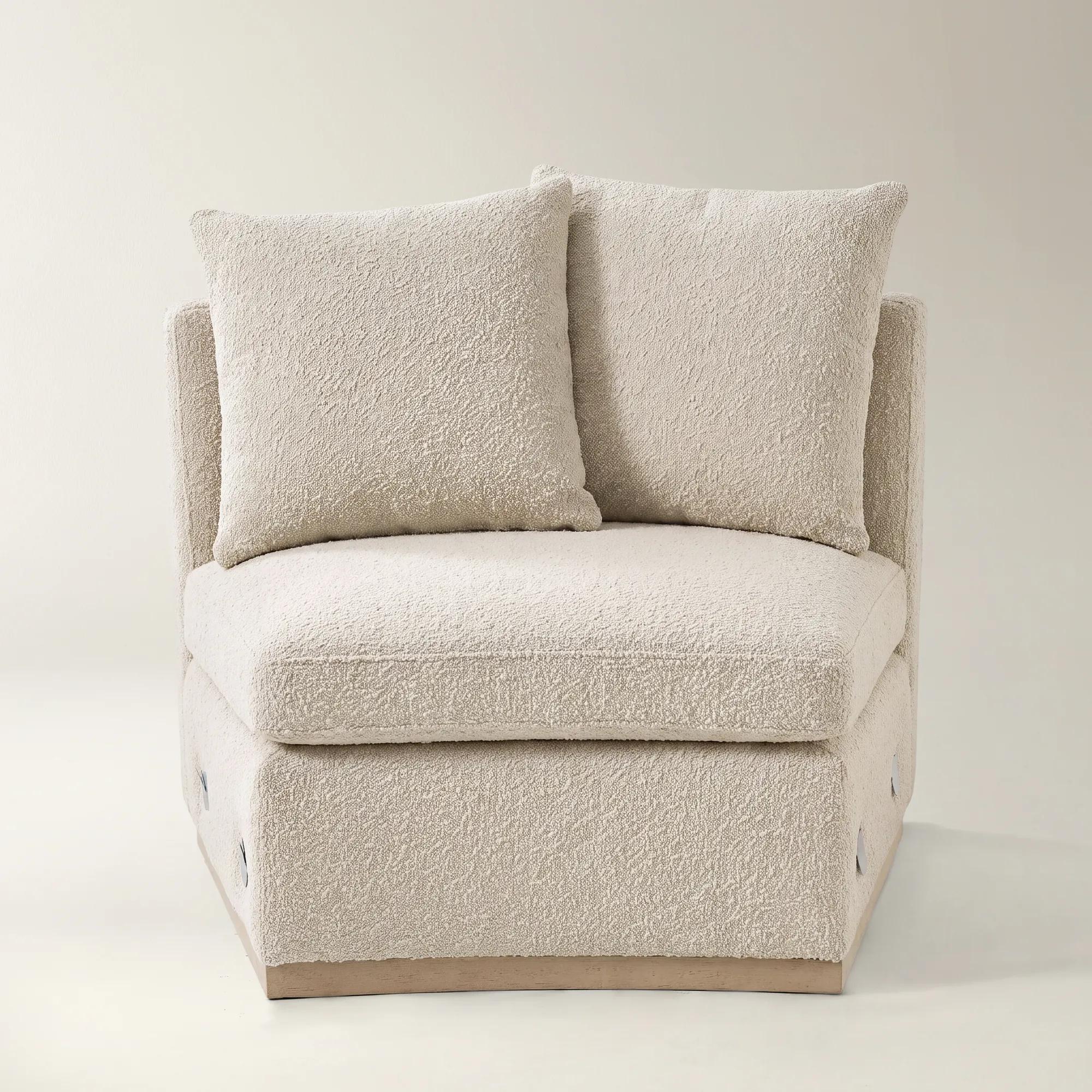
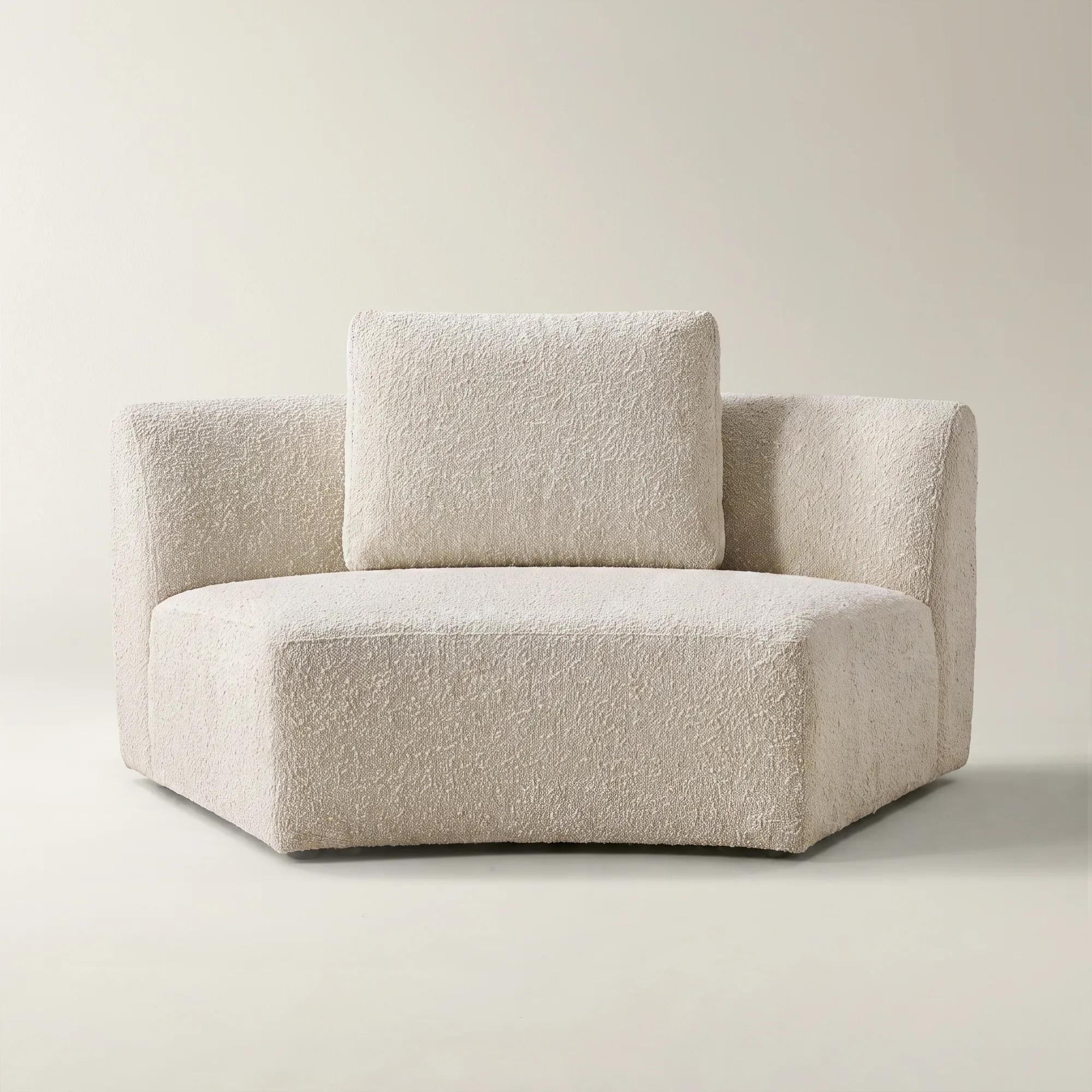 Irene Ivory Performance Boucle Armless Chair$1149
An armless chair in ivory performance boucle with sculptural curves, high-resiliency foam, and artisan detailing.
Add To Cart -
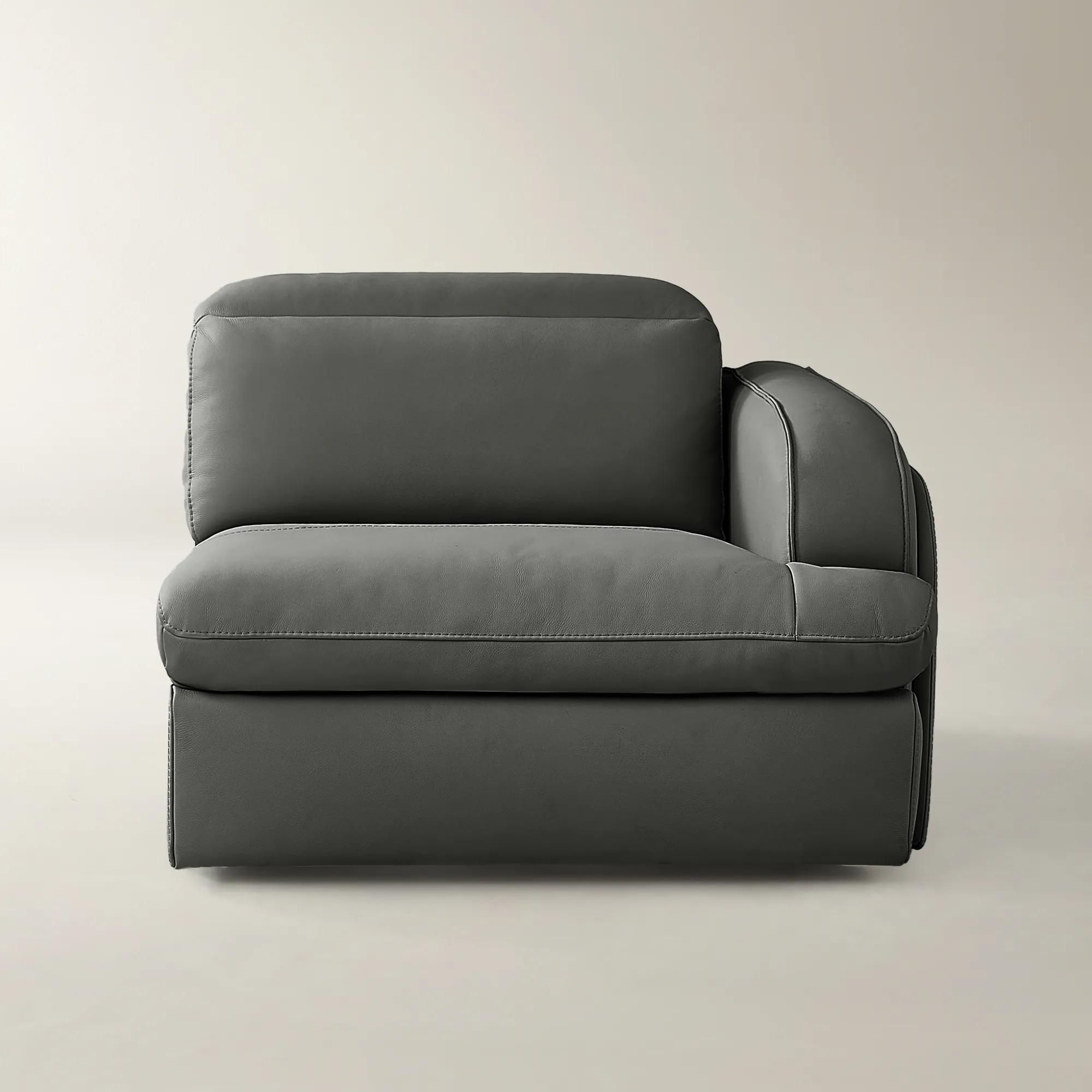
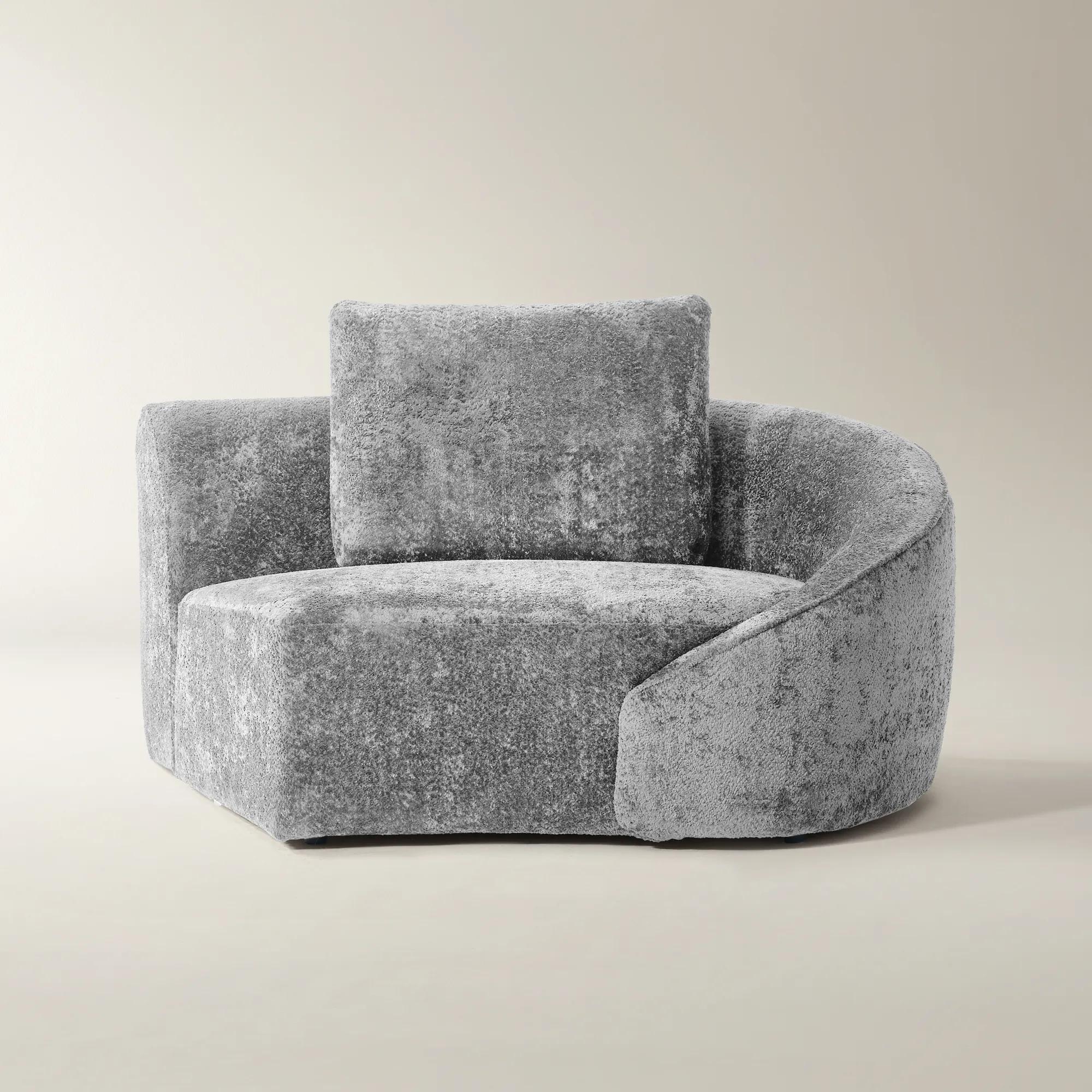 Irene Grey Chenille Right-Arm Chair$1299
A customizable seating collection featuring left arm, right arm, and armless chair components for versatile arrangements.
Add To Cart -
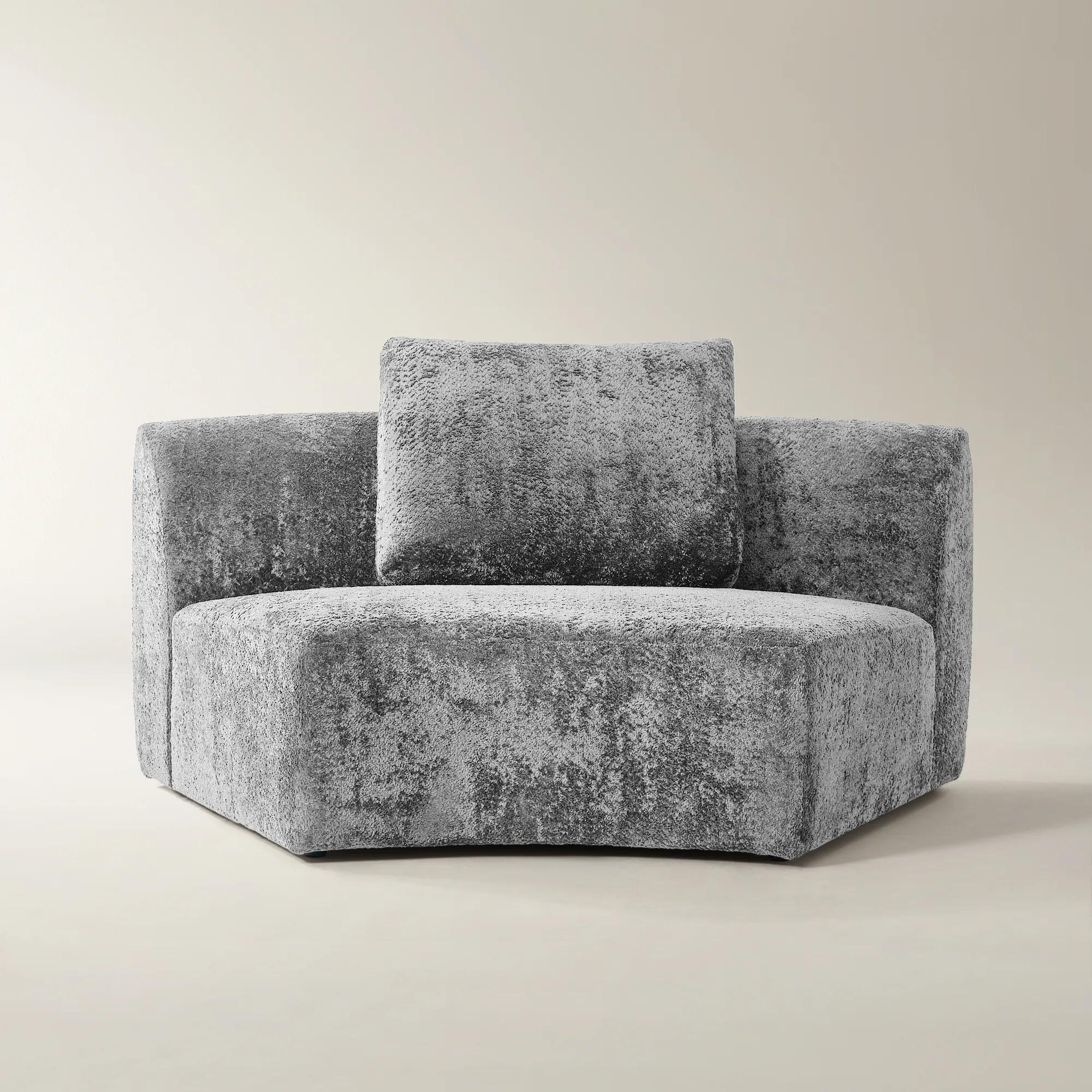 Irene Grey Chenille Armless Chair$1049
A customizable seating solution featuring left, right, and armless chair components for modern living rooms.
Add To Cart -
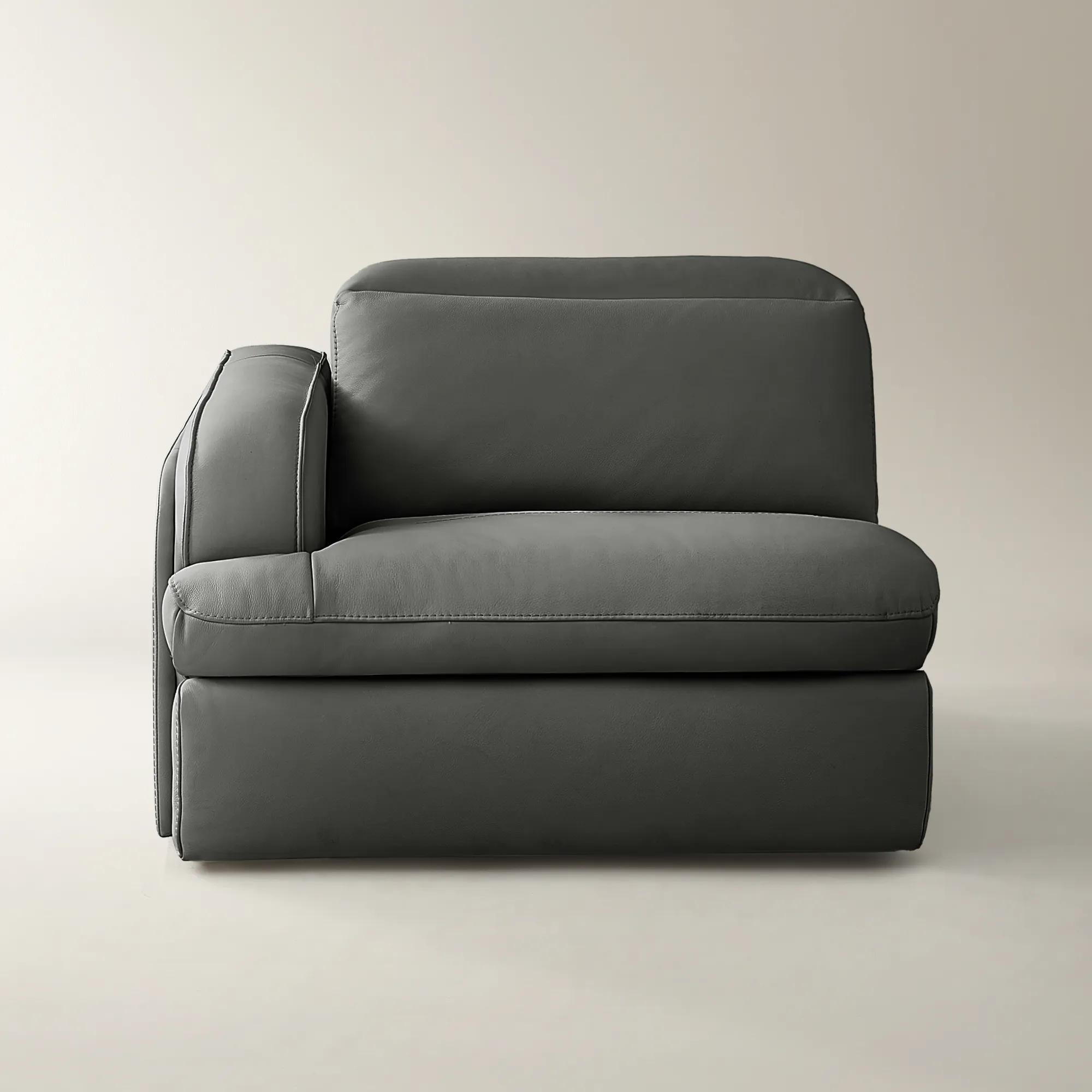
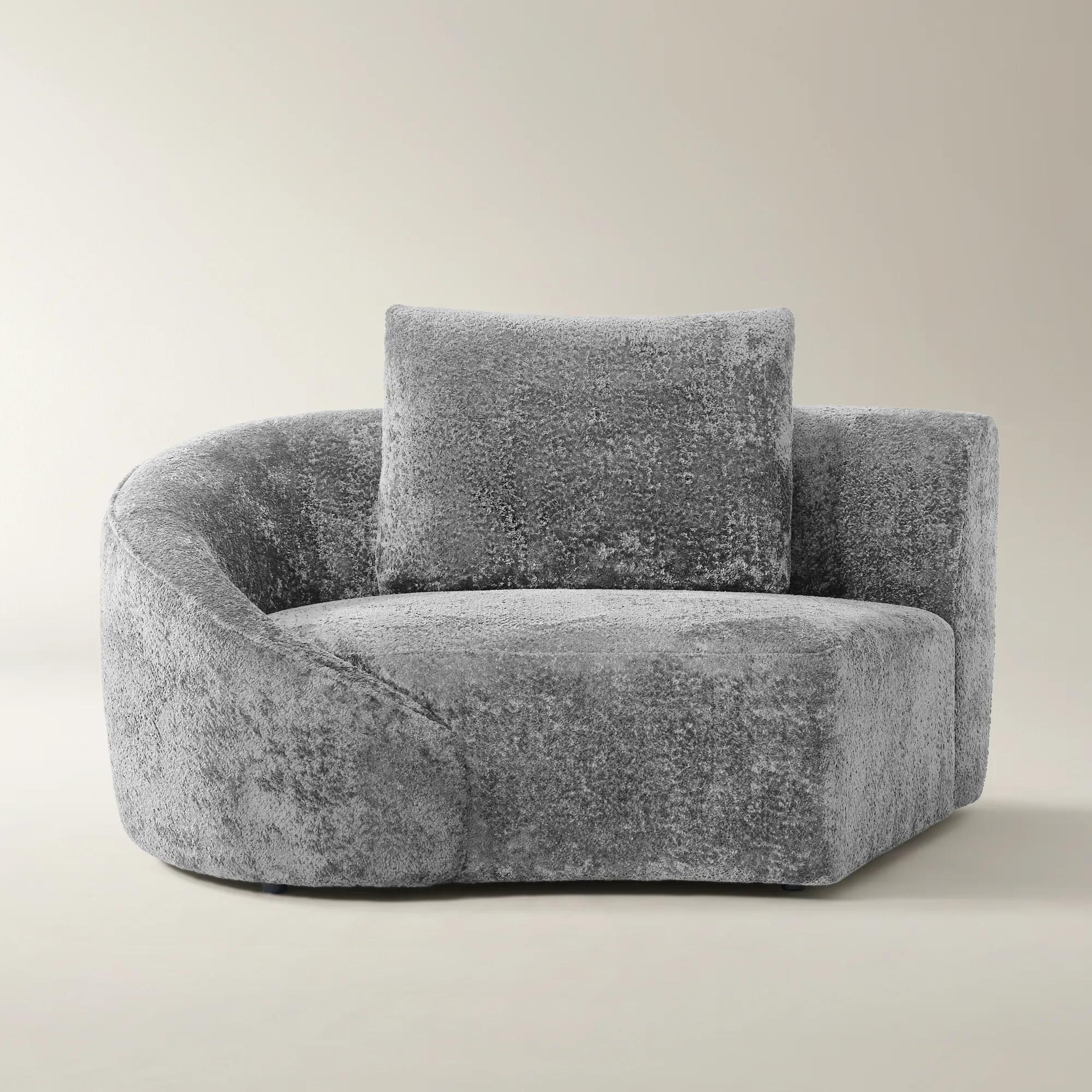 Irene Grey Chenille Left-Arm Chair$1299
A customizable seating collection featuring left arm, right arm, and armless chair components for versatile arrangements.
Add To Cart -
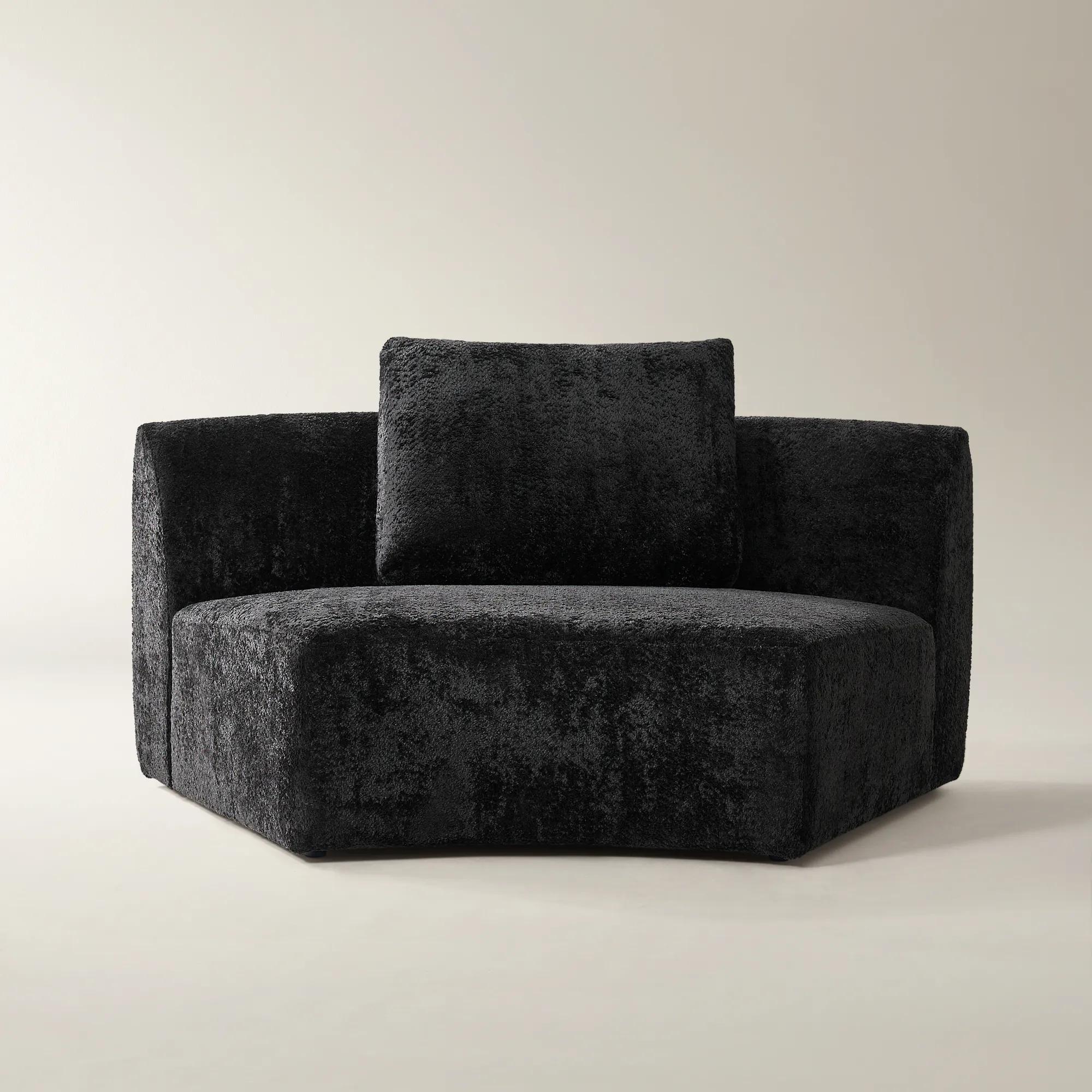
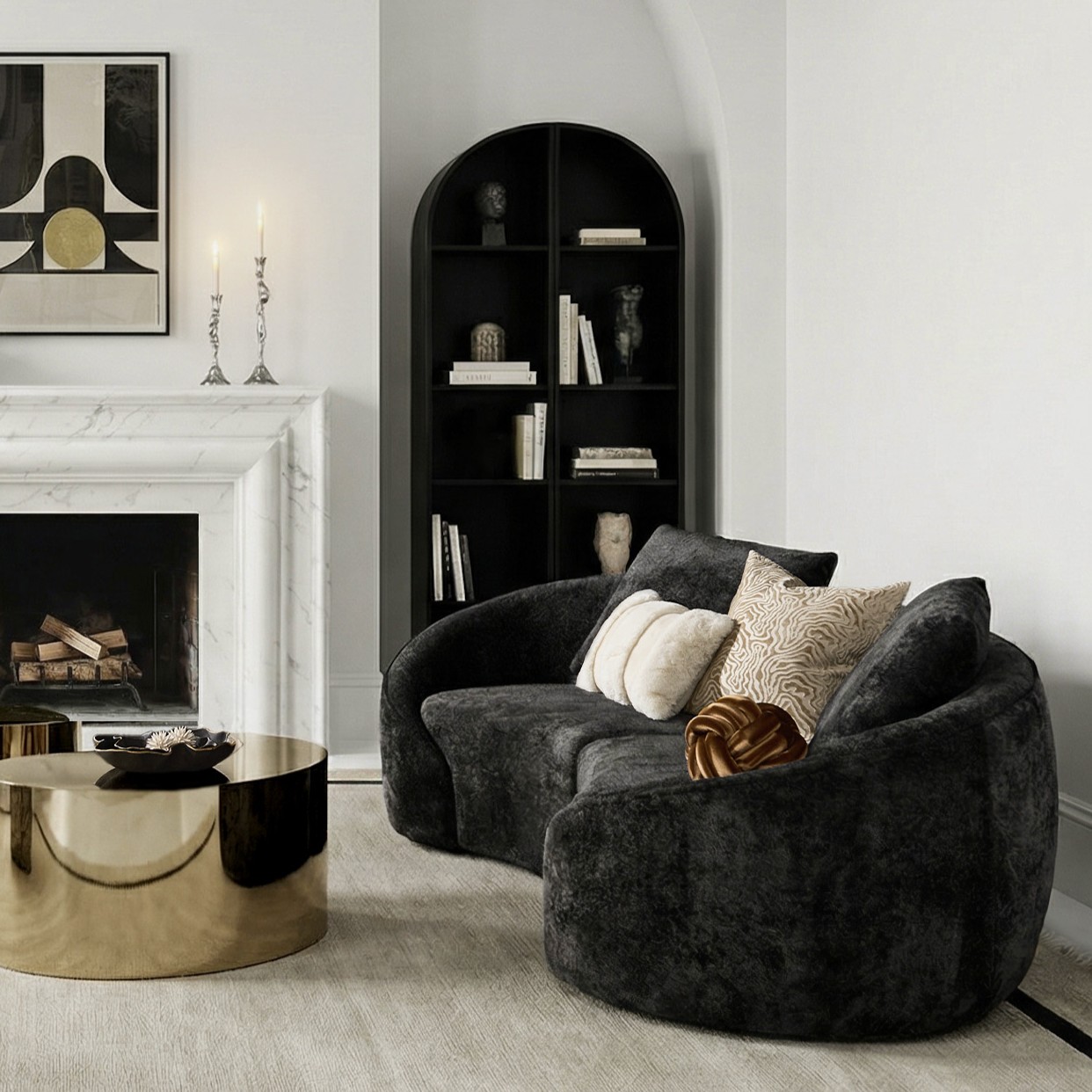 Irene Black Chenille Armless Chair$1049
A customizable seating collection featuring left arm, right arm, and armless chair components for versatile arrangements.
Add To Cart -
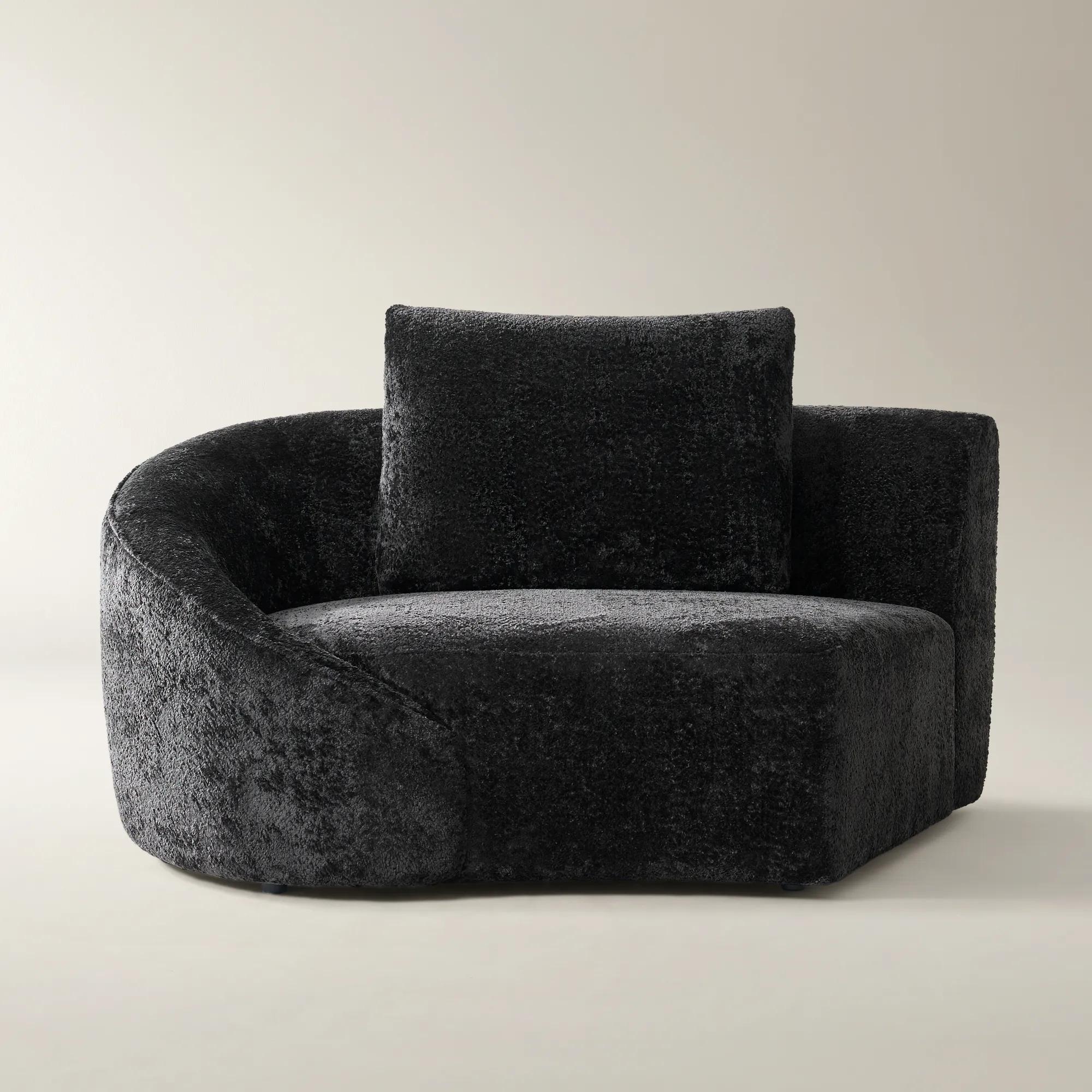 Irene Black Chenille Left-Arm Chair$1299
A customizable seating solution featuring left, right, and armless chair components for modern living rooms.
Add To Cart -
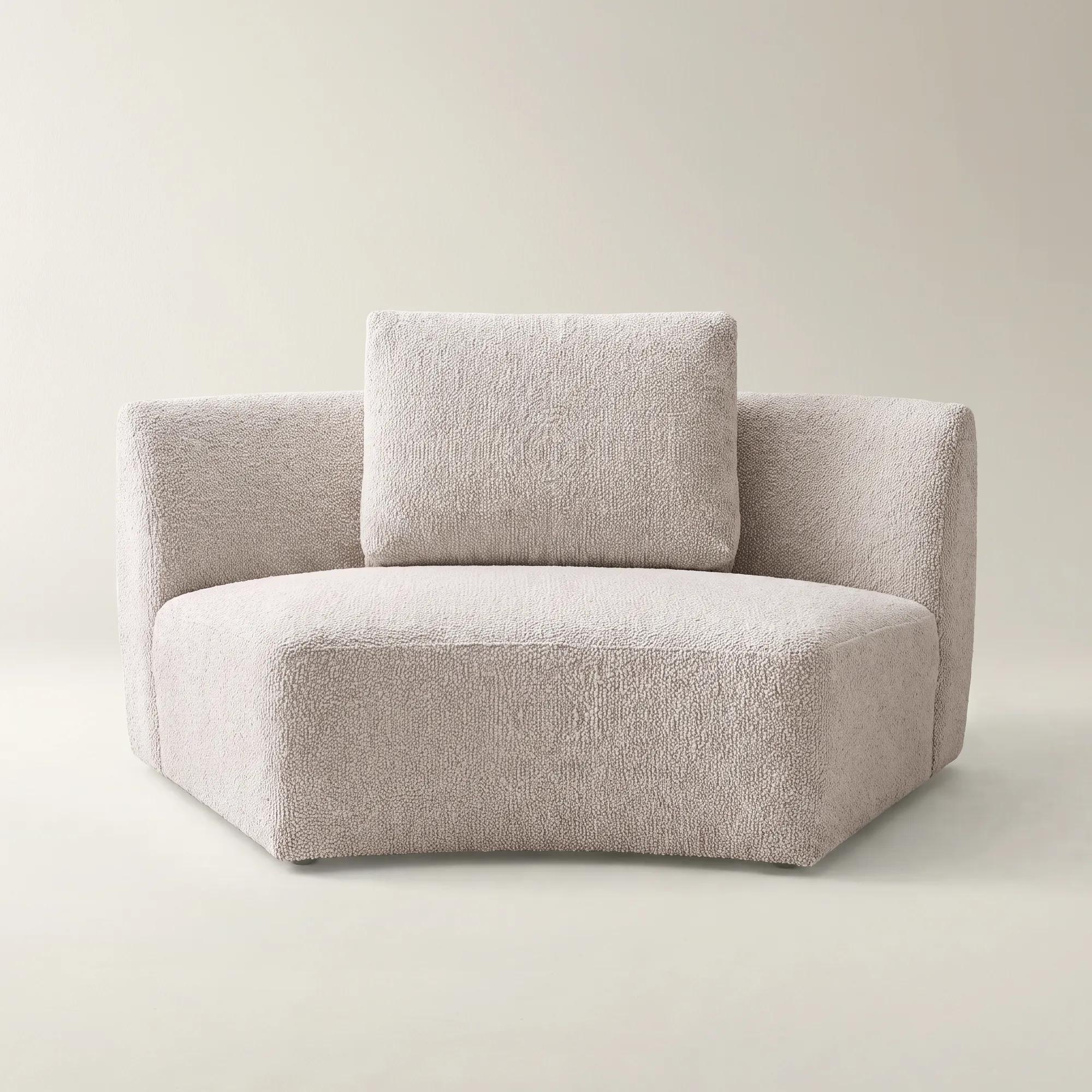 Irene Ivory Performance Boucle Armless Chair$1149
An armless chair featuring ivory performance boucle upholstery, sculptural curves, and high-resiliency foam cushions.
Add To Cart -
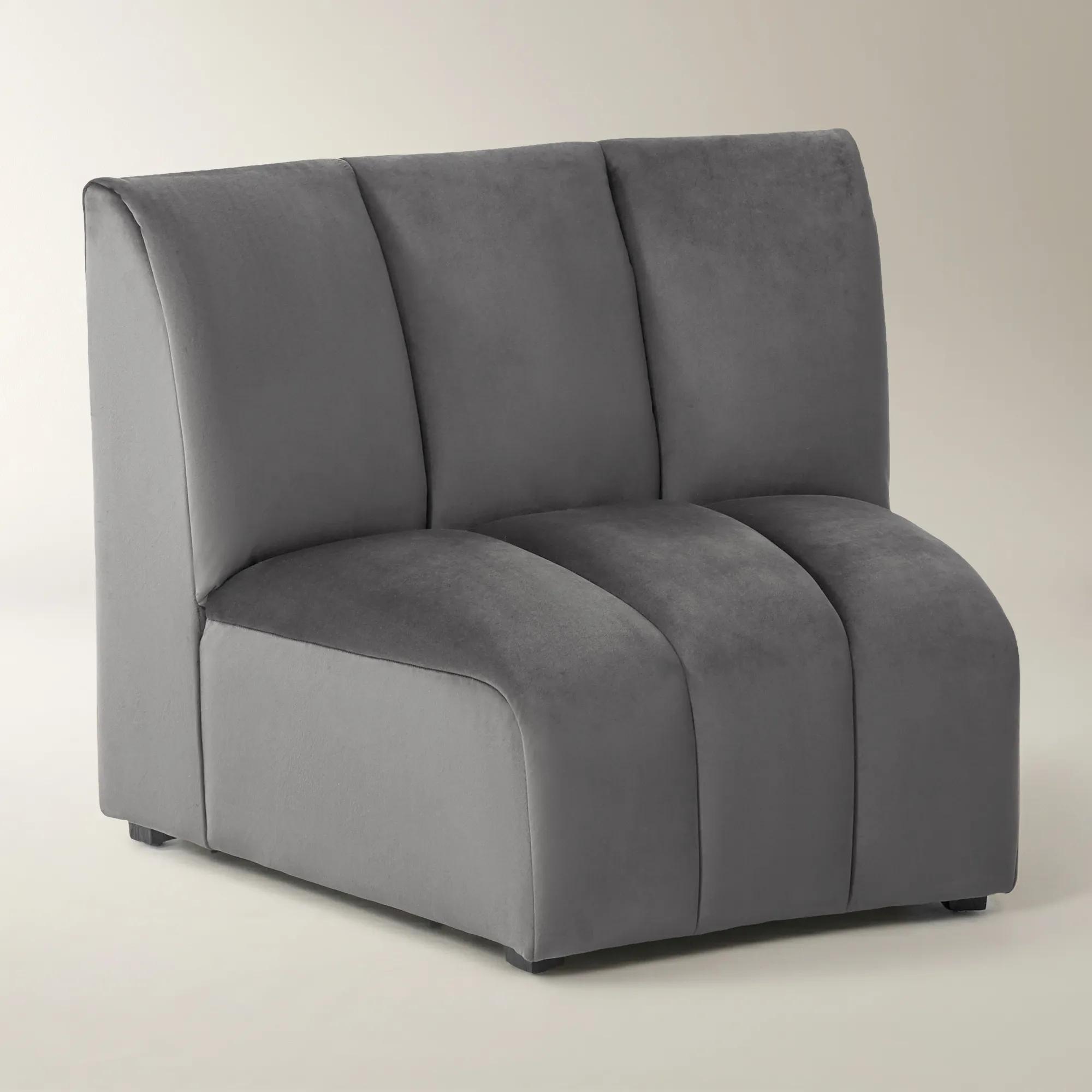
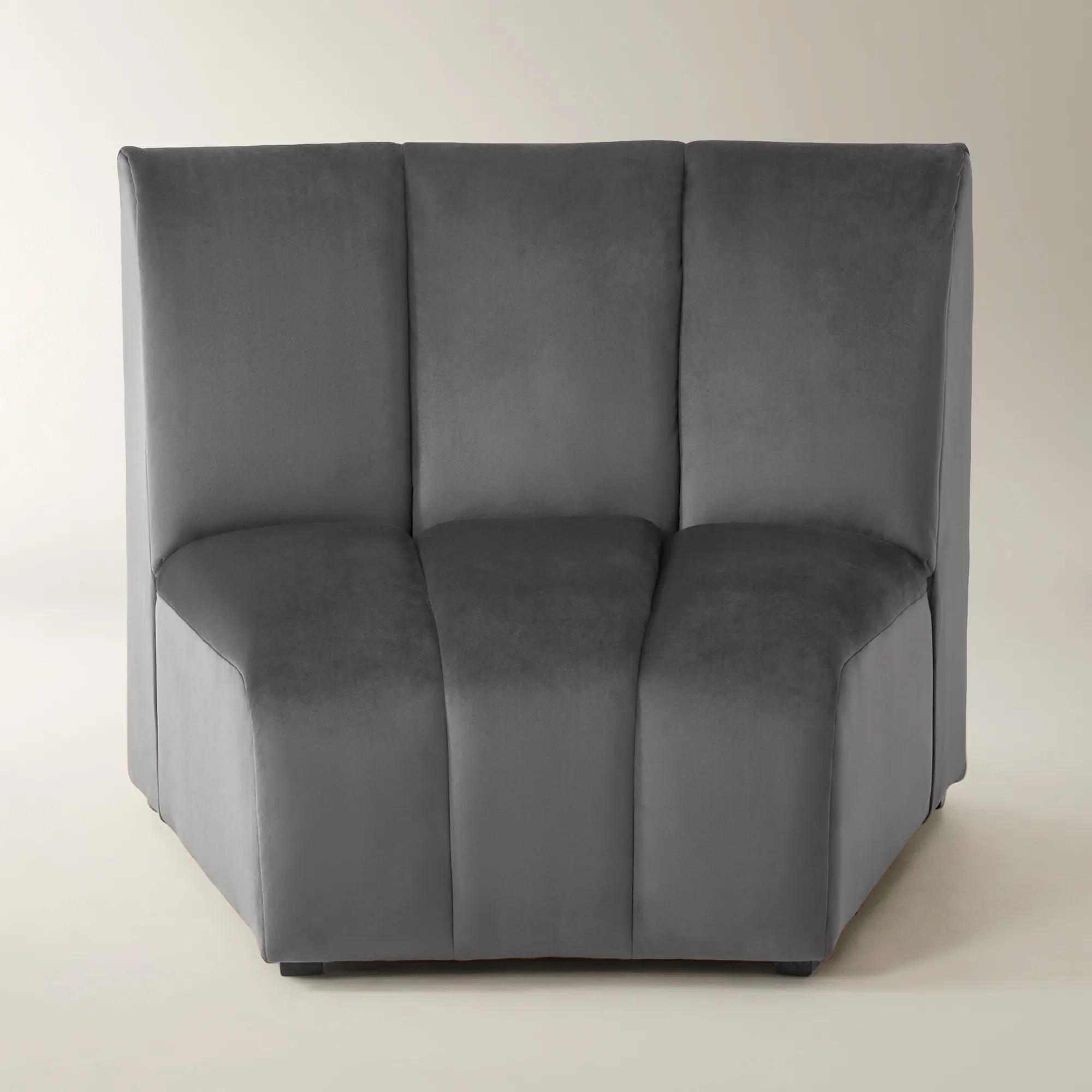 Jayce Channel-Tufted Smoked Pearl Velvet Armless Chair$949
A modern armless chair in silver grey velvet with deep channel tufting and plush, structured cushioning.
Add To Cart -
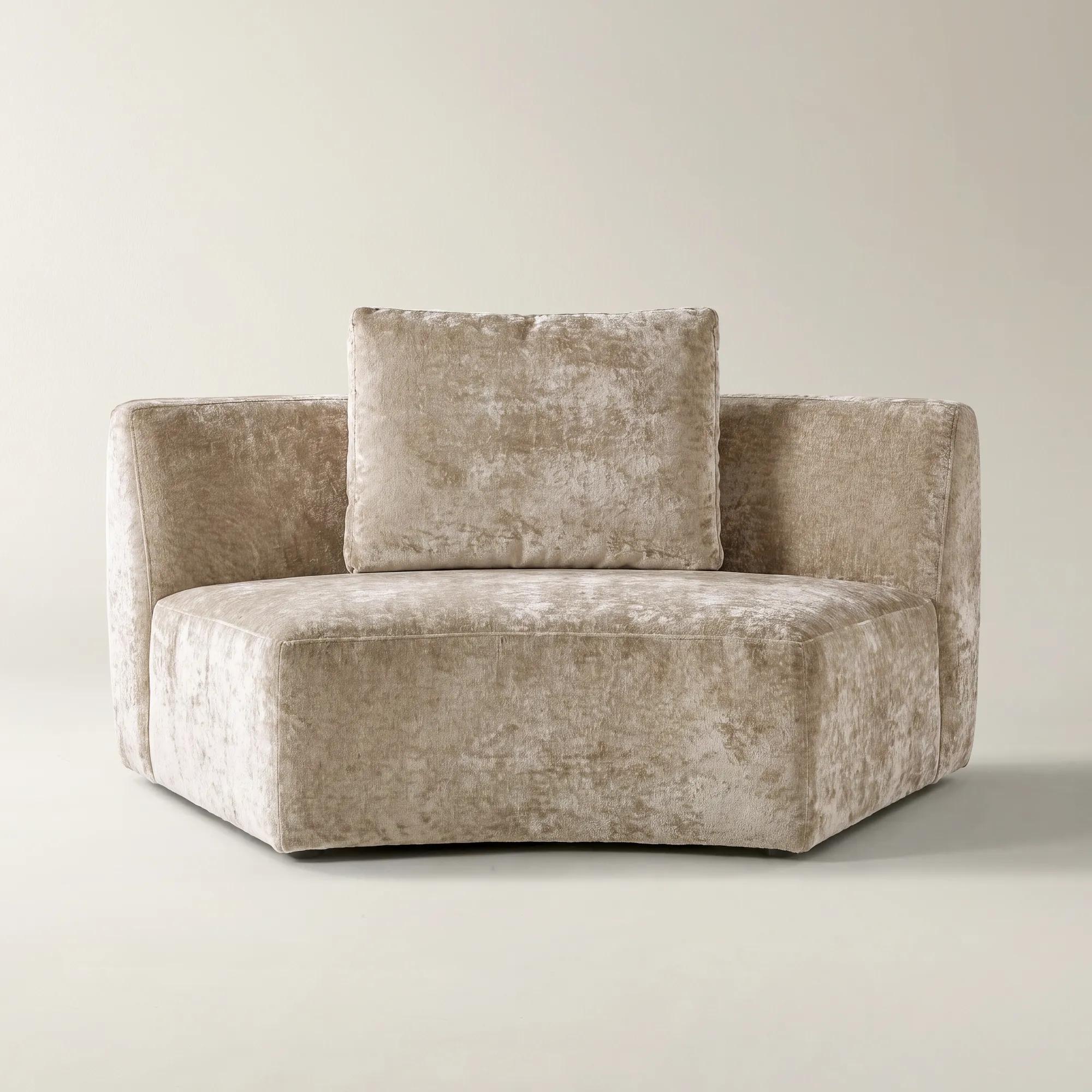 Irene Light Brown Chenille Armless Chair$1049
A sculptural armless chair upholstered in light brown chenille with high-resiliency foam cushions for lasting comfort.
Add To Cart -
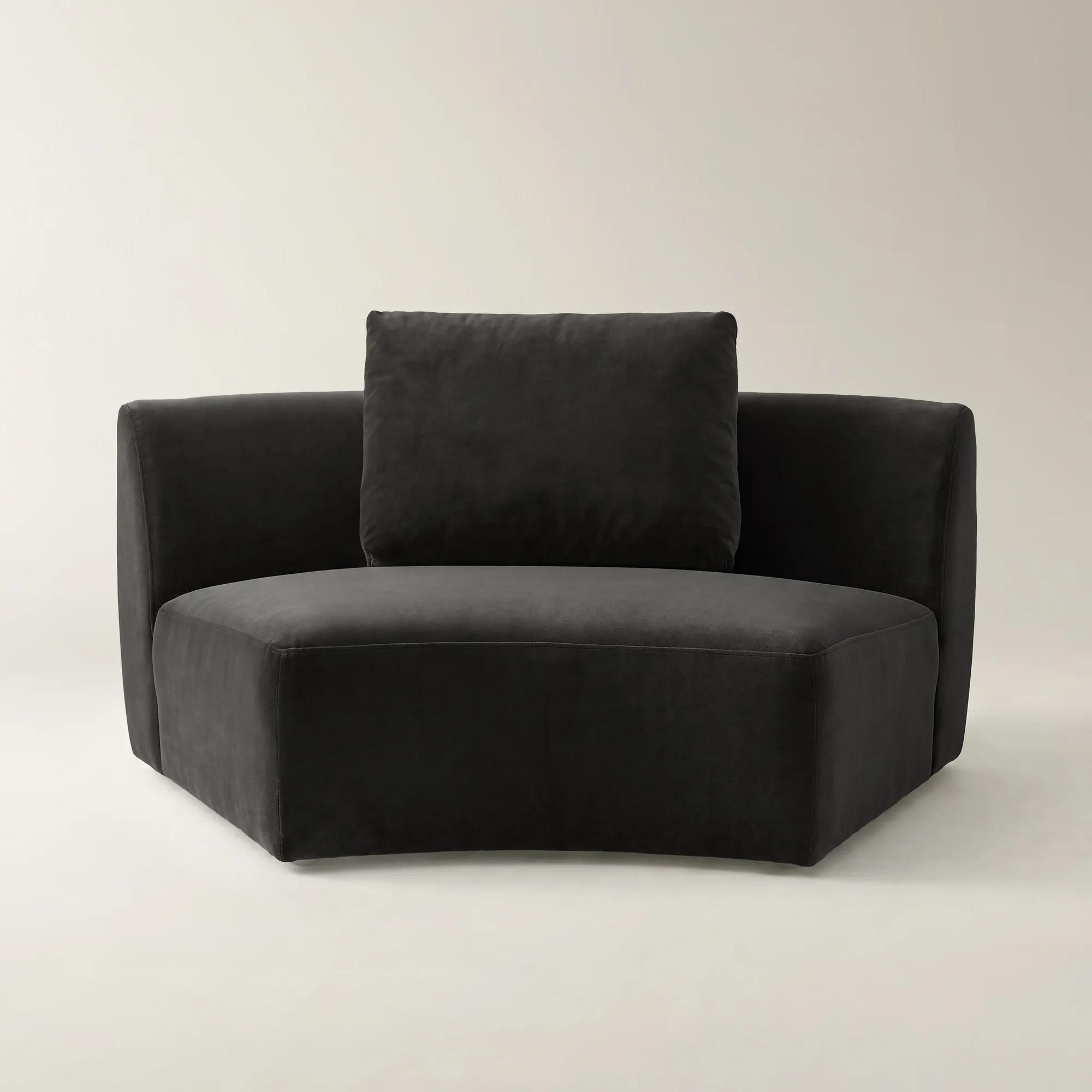 Irene Charcoal Velvet Armless Chair$1049
A sculptural armless chair upholstered in charcoal velvet with high-resiliency foam cushions and artisan detailing.
Add To Cart -
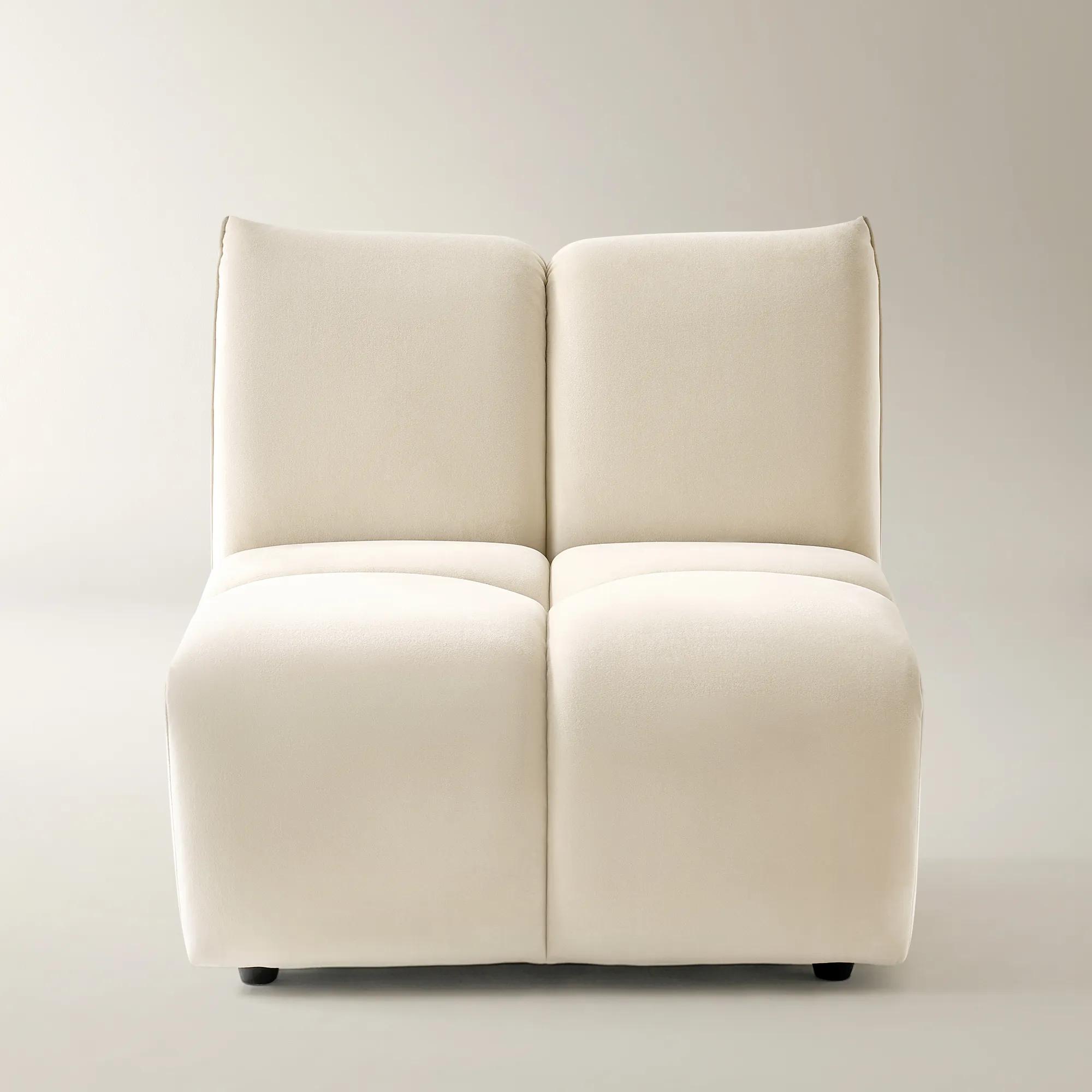
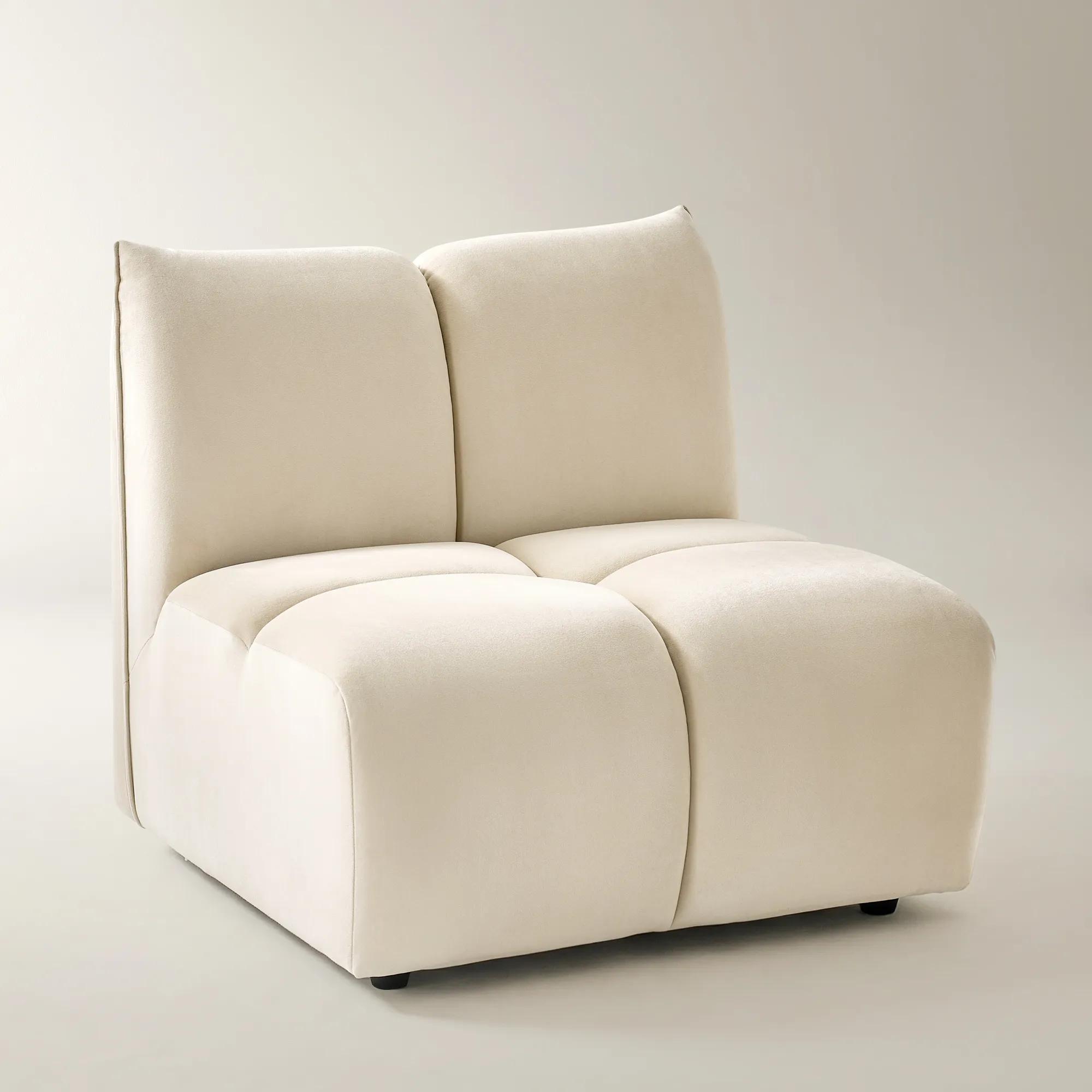 Reina Tufted Oatmeal Velvet Armless Chair$799
A plush oatmeal velvet armless chair featuring channel tufting, deep seating, and an architectural winged profile.
Add To Cart

Armless Chairs For Family Rooms
Armless chairs for family rooms invite a new level of artistry into your everyday gathering space—effortlessly blending form and function while leaving room for imagination to flourish. With their sleek silhouettes and open profiles, these chairs transform the family room into a stage for connection, conversation, and creative expression. Whether you’re curating a cozy corner or orchestrating a grand seating arrangement, armless designs offer versatility and visual intrigue, allowing every detail of your décor to shine. Elevate your family room with pieces that promise both comfort and captivating style, making every moment at home feel exquisitely composed.
Armless chairs for family rooms bring sculptural presence to the spaces where everyday life unfolds, offering extra seating without the visual weight of broad upholstered arms. Their open sides reveal more of the surrounding room, helping a seating arrangement feel less enclosed while leaving beautiful upholstery and expressive silhouettes in full view. The effect is especially striking beside a substantial sofa: a curved back, a tailored slipper-chair profile, or a deep seat introduces contrast without competing for attention. Although many armless accent chairs have a compact footprint, the absence of arms does not automatically mean smaller dimensions; generously scaled styles can occupy as much floor space as a traditional lounge chair. Their particular strength is visual lightness, paired with the freedom to approach the seat from either side. In a family room that hosts conversation, movie nights, and quieter moments with a book, that openness creates useful flexibility. Two chairs facing a sofa establish a balanced gathering space, while a single chair angled toward a sectional softens the geometry of a larger arrangement. A small table between a pair gives drinks and reading glasses a dedicated landing place, particularly valuable when there are no chair arms to support a relaxed elbow. For households that love expressive interiors, upholstery becomes an especially compelling canvas. Jewel-toned velvet can lend depth to a neutral room, an ivory textured weave can brighten a composition of dark wood and metal, and an artful pattern can connect colors already present in a rug or wall art. The silhouette keeps these choices from feeling overly heavy. Even in a spacious family room, armless seating has a distinct purpose: it adds another layer of shape, texture, and personality without turning every piece into a solid upholstered block. The result can feel richly composed yet welcoming, with enough individuality to make the room memorable and enough versatility to accommodate the people who use it every day.
The right proportions make that visual drama comfortable to live with. Overall width and depth determine how an armless chair fits into a layout, but seat height, usable seat depth, and back angle determine how it feels once someone settles in. A chair with a seat height close to that of the surrounding sofa generally creates a more cohesive conversation area, keeping guests at a comfortable level relative to one another. A deeper, reclined seat often suits lounging, while a shallower seat with a more upright back may feel better for conversation or reading with feet resting on the floor. Taller adults and shorter family members can experience the same chair very differently, so dimensions deserve as much attention as the outline. A decorative pillow can offer some additional back support, though it also reduces usable seat depth. Armless designs are not the ideal choice for everyone: someone who relies on armrests to sit down or stand up may be better served by supportive seating with arms. Within the room, measure the entire chair footprint rather than judging its size from a photograph, and account for nearby doors, drawers, and reclining furniture. Leaving approximately 30 to 36 inches for a main walking route is a useful starting point where space permits, with more clearance needed for some mobility requirements. Around a coffee table, roughly 16 to 18 inches between the table edge and seating is a common planning range that balances reach and legroom. These measurements should support the household’s actual movement rather than force a rigid arrangement. In a family room open to the kitchen, a pair of narrower chairs can define the lounge area without creating a wall of furniture. Beside a window, one thoughtfully placed chair can form a quieter retreat while still turning toward the main conversation. If seating will shift for gatherings, consider the chair’s weight and use floor protectors appropriate to the flooring; an open silhouette does not necessarily mean a piece is easy to move.
Materials and construction give armless family room chairs their lasting character, shaping both their appearance and their response to daily use. Velvet brings a luminous surface that changes with the light, lending even a restrained silhouette a sense of ceremony. Its pile may show pressure marks or shading, which can be part of the fabric’s natural appearance rather than a defect. Woven upholstery offers a different kind of richness, from finely tailored textures to more pronounced bouclé loops; in homes with pets, those loops warrant consideration because claws can catch in them. Leather introduces depth and a distinctive hand, but its maintenance and response to spills depend on the finish, so care requirements should be checked rather than assumed. For seating that welcomes frequent snacks, visiting children, or a favorite pet, performance upholstery can be worth considering, provided its stated properties address the household’s needs. Stain resistance, cleanability, and resistance to wear are separate qualities, and no fabric label makes a chair immune to damage. Beneath the upholstery, sturdy frame joints, dependable seat suspension, and cushions suited to repeated use matter more than plushness alone. High-density foam can help cushions retain their shape, although foam density and seat firmness are not the same thing. Exposed wood lends warmth and definition, while metal bases can contribute a crisp, architectural accent; either should feel stable and be appropriate for the intended load. Routine care preserves the composition: vacuum upholstery with a suitable attachment, blot spills promptly rather than rubbing, and follow the manufacturer’s cleaning code before applying any solution. Removable cushion covers are not necessarily machine washable, and prolonged direct sunlight can fade many upholstery materials. For a brighter interpretation of the same open-sided silhouette, armless chairs for summer living rooms offer another setting for exploring airy arrangements and expressive texture. In a family room, that visual openness remains appealing throughout the year. During the cooler months, a softly draped throw adds warmth without concealing the chair’s form, allowing practical, frequently used seating to retain the polished presence of a carefully chosen design element.
FAQs
Armless chairs offer a sleek, open profile that enhances the flow of a family room, making spaces feel larger and more inviting. Their versatile design allows for flexible placement, easy rearrangement, and seamless coordination with existing décor, all while delivering comfort and a touch of modern glamour.
Armless accent chairs can be used to introduce bold color, luxurious texture, or sculptural form, tying together various elements of your family room. Whether paired in symmetry or used as striking standalone pieces, they provide an opportunity to echo the room’s palette, highlight statement art, or complement your favorite accessories.
An armless chair makes an inspired gift for design enthusiasts, new homeowners, or anyone looking to refresh their living space. Its versatile style and comfort make it a thoughtful present for newlyweds, recent graduates, or loved ones celebrating a milestone, inviting them to create their own signature space.
Armless chairs are exceptionally adaptable, allowing you to shift their placement or update their look with throws and pillows as the seasons change. In winter, they provide cozy seating by the fire; in summer, they can be rearranged for more open, breezy layouts, ensuring your family room remains both stylish and functional year-round.
Absolutely. Armless seating is ideal for delineating spaces within an open-concept layout. Use them to create intimate conversation areas, reading nooks, or to subtly separate the lounge from the dining zone, all without visually interrupting the flow of the room.