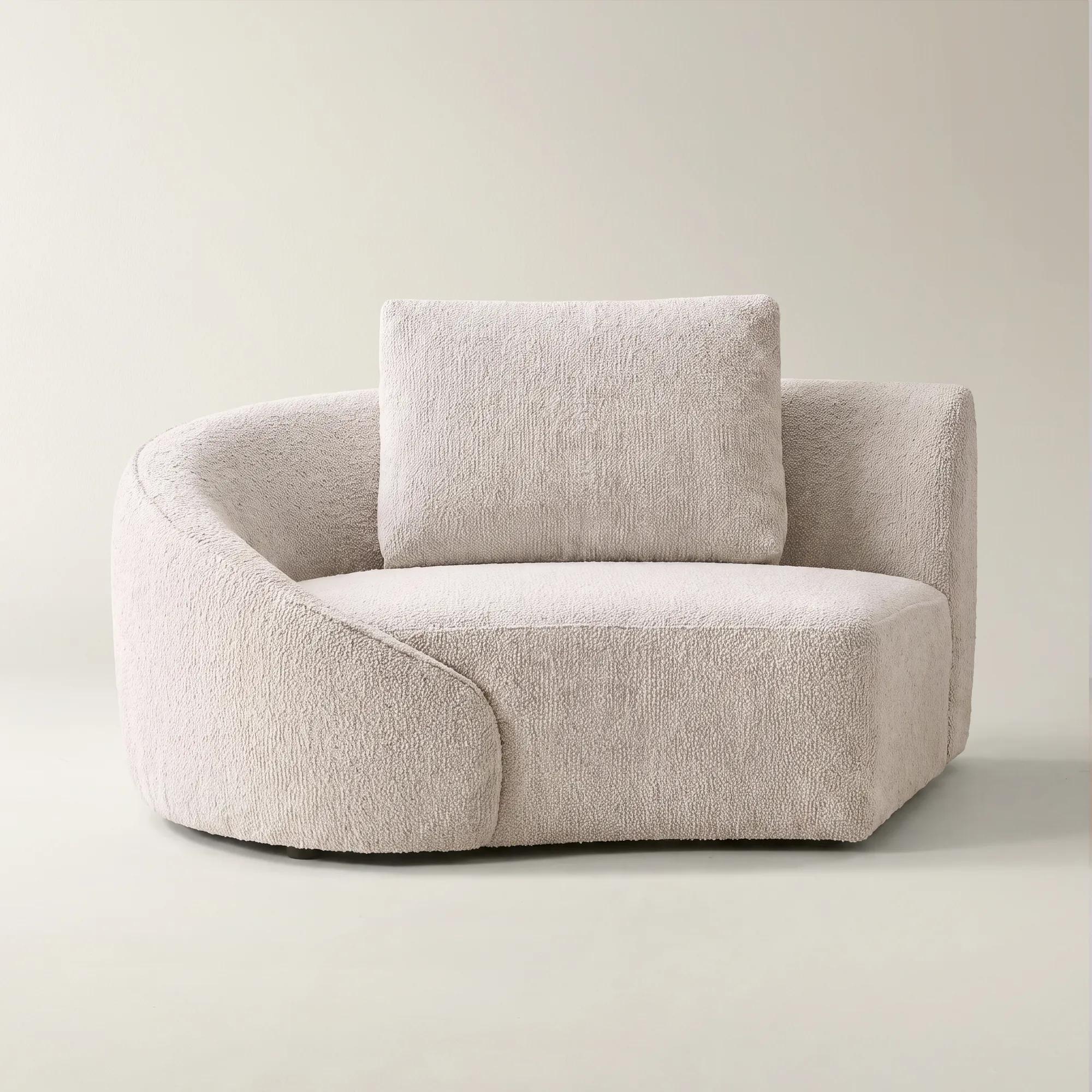
Armless Chairs For Small Spaces
Armless Chairs For Small Spaces
-
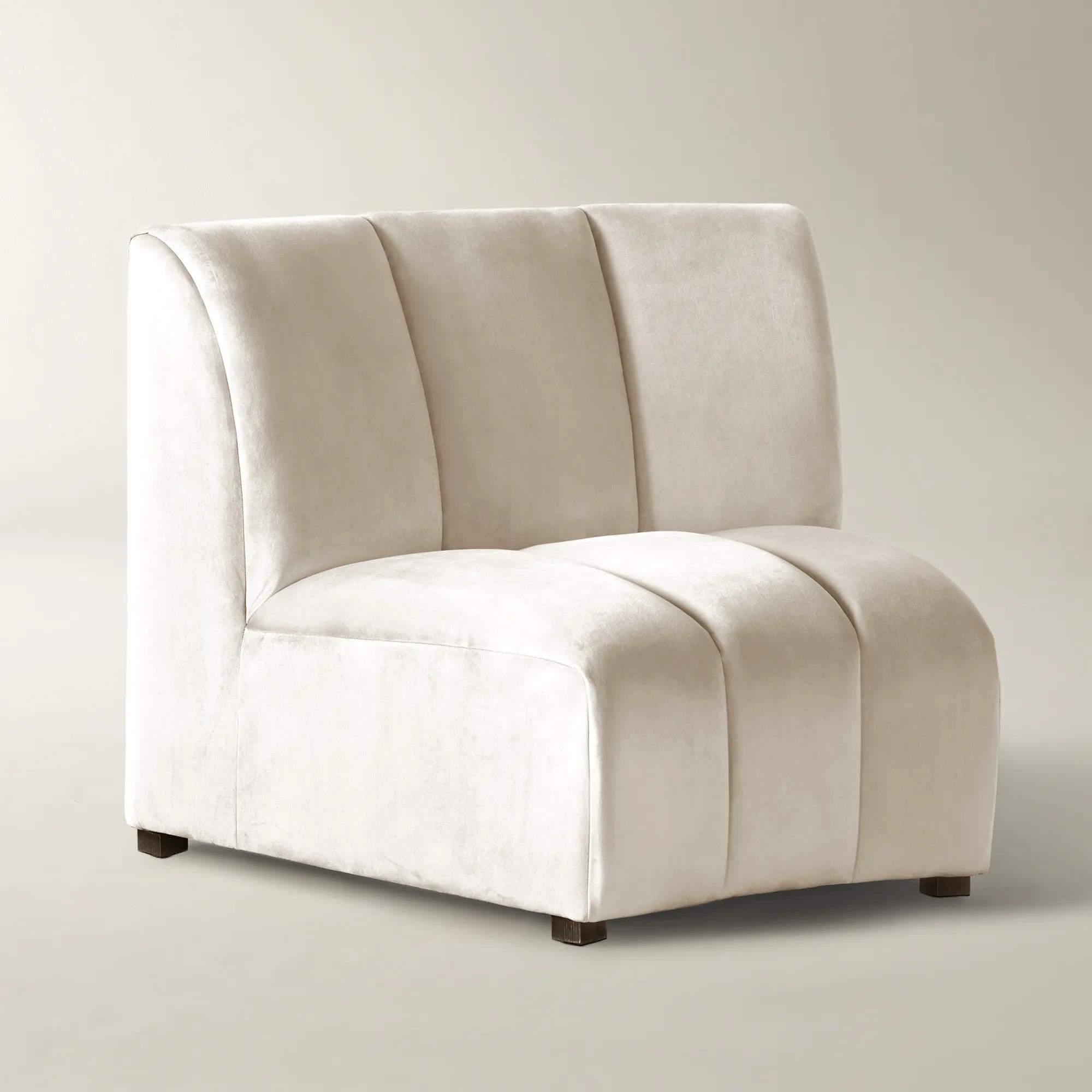 Jayce Channel-Tufted Ivory Velvet Armless Chair$949
A modern armless chair in water-repellent, stain-resistant Velvet Ivory with deep channel tufting and plush padding.
Add To Cart -
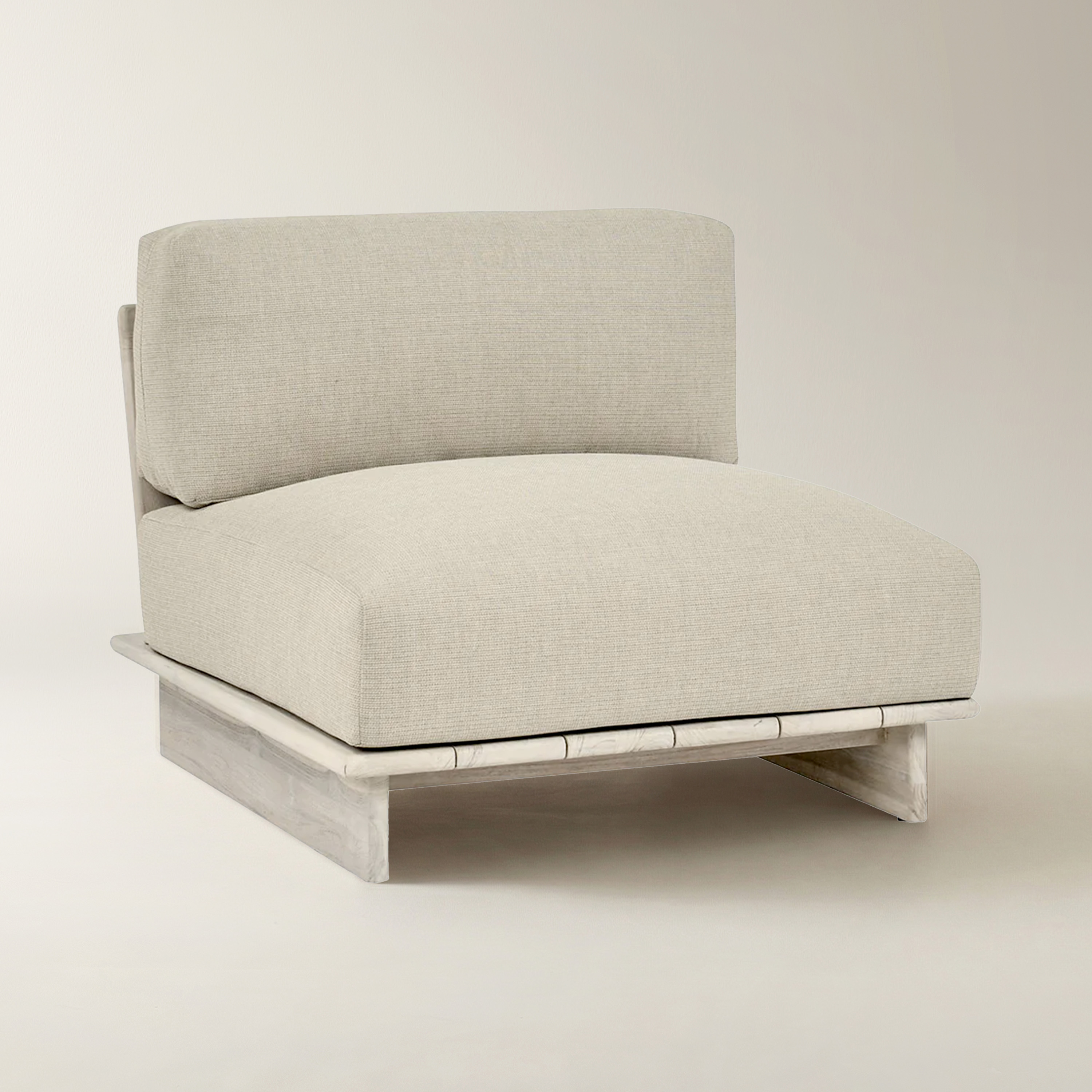 Livia Taupe Outdoor Armless Chair$2599
A taupe outdoor furniture component designed to complement modern exterior living spaces.
Add To Cart -

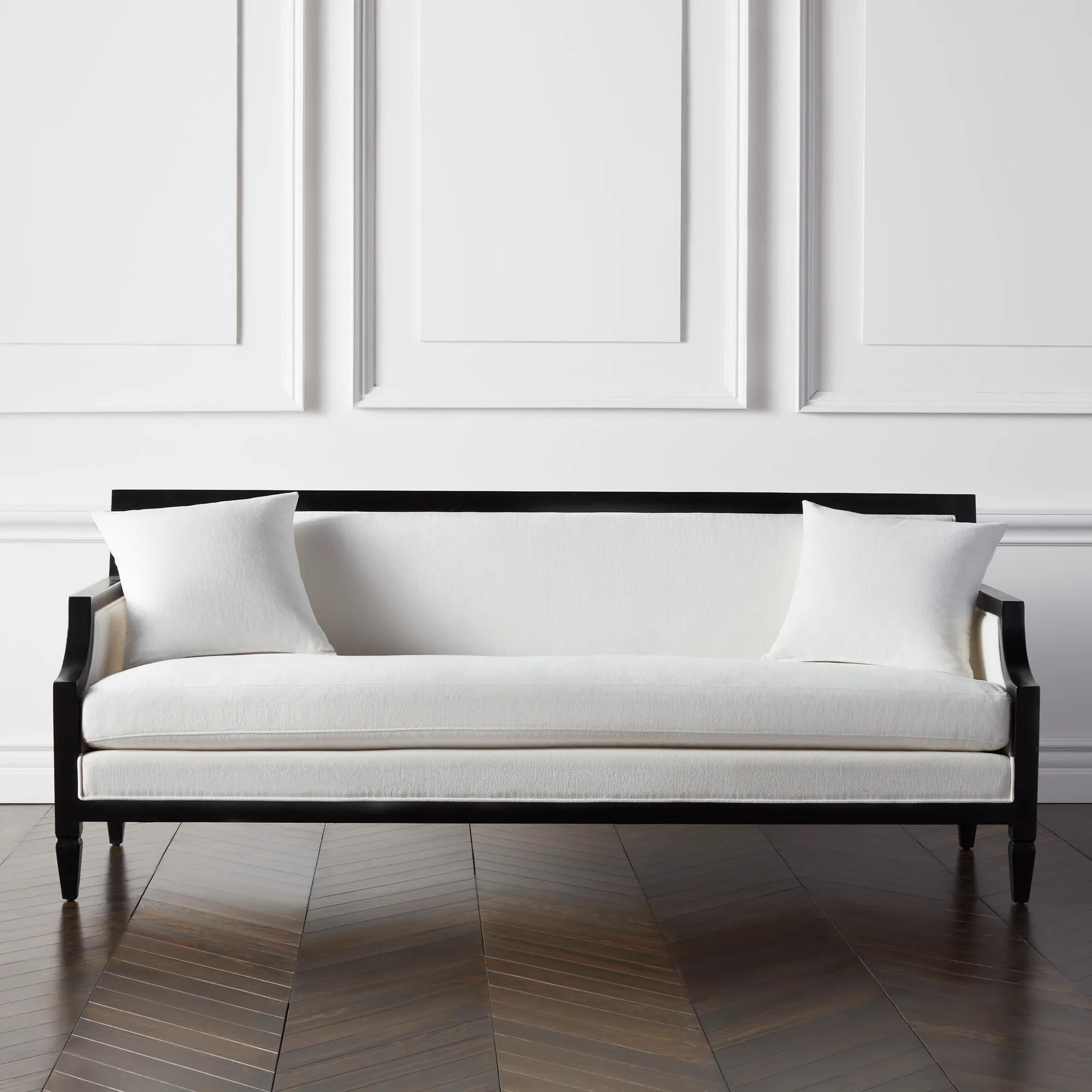
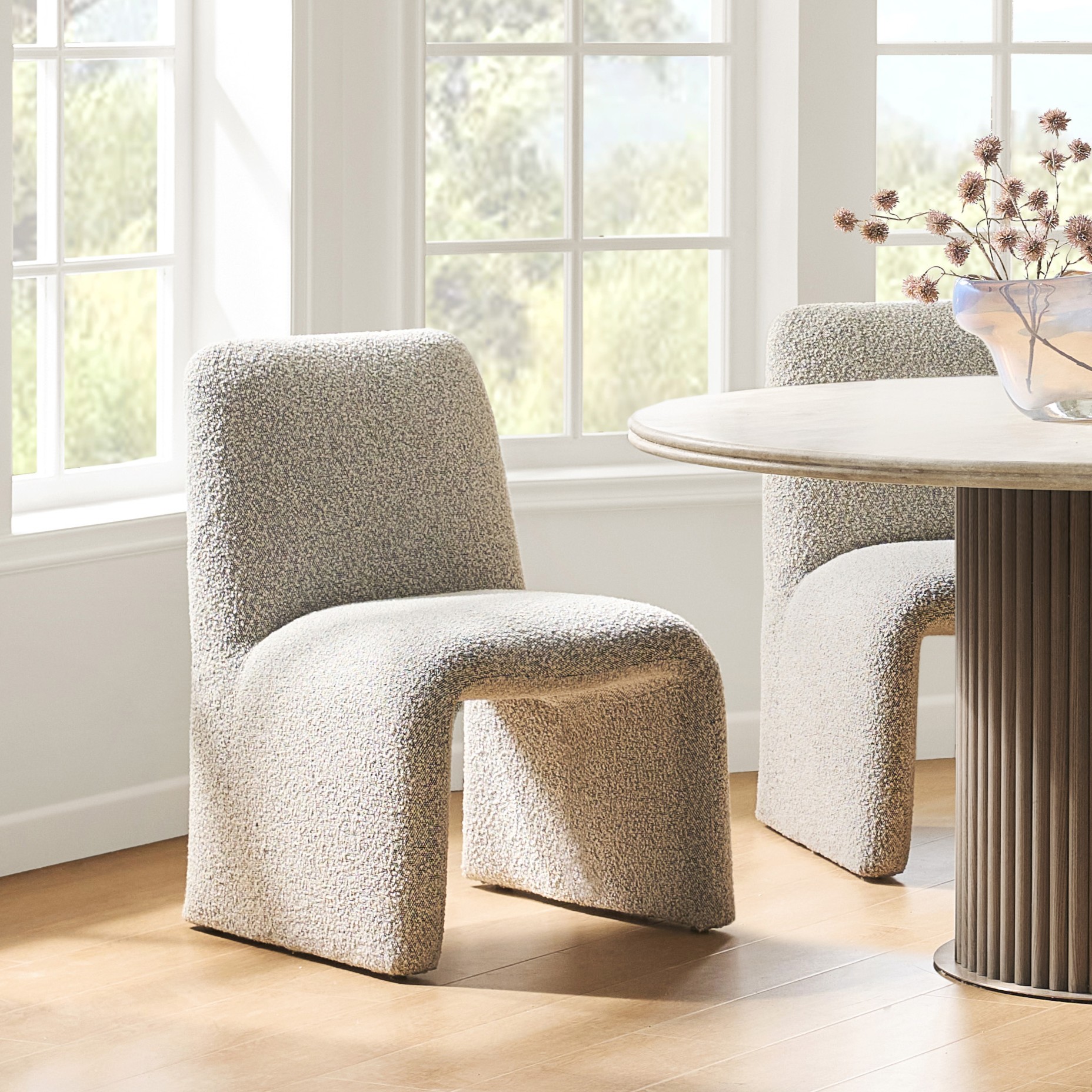 Cayenne Grey Boucle Dining Chair$399
A modern armless chair in grey boucle upholstery with a sleek metal frame and hand-crafted details.
Add To Cart -
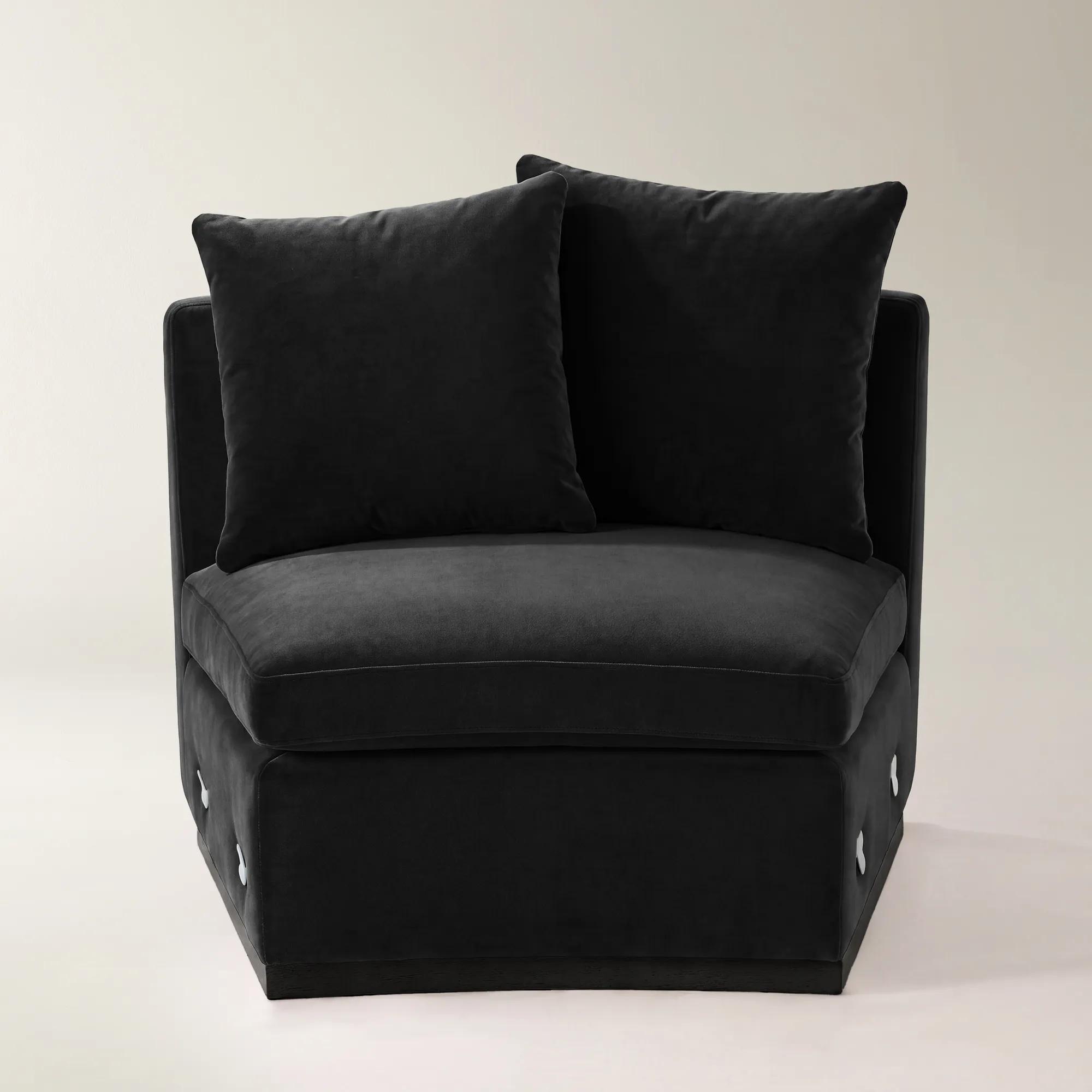
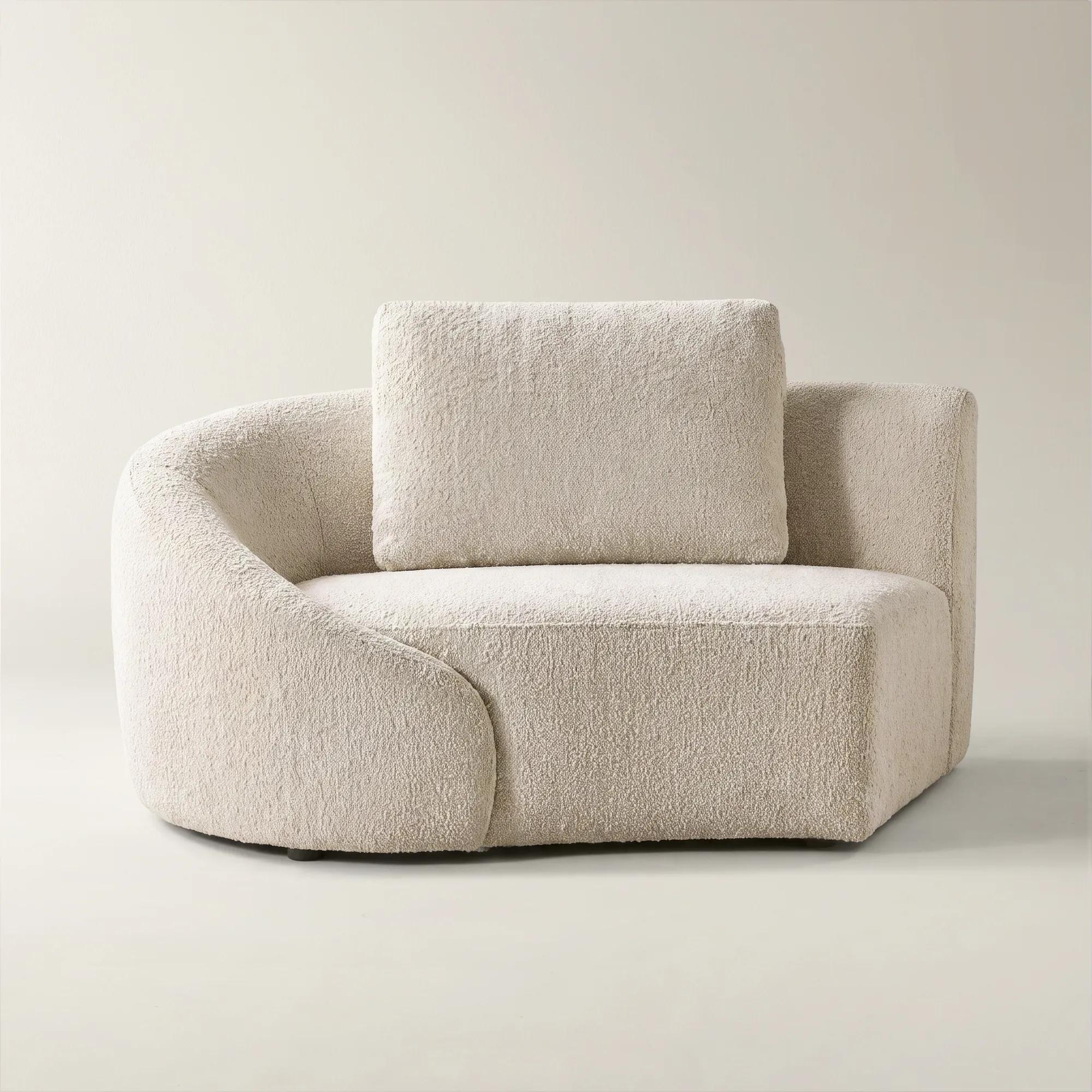
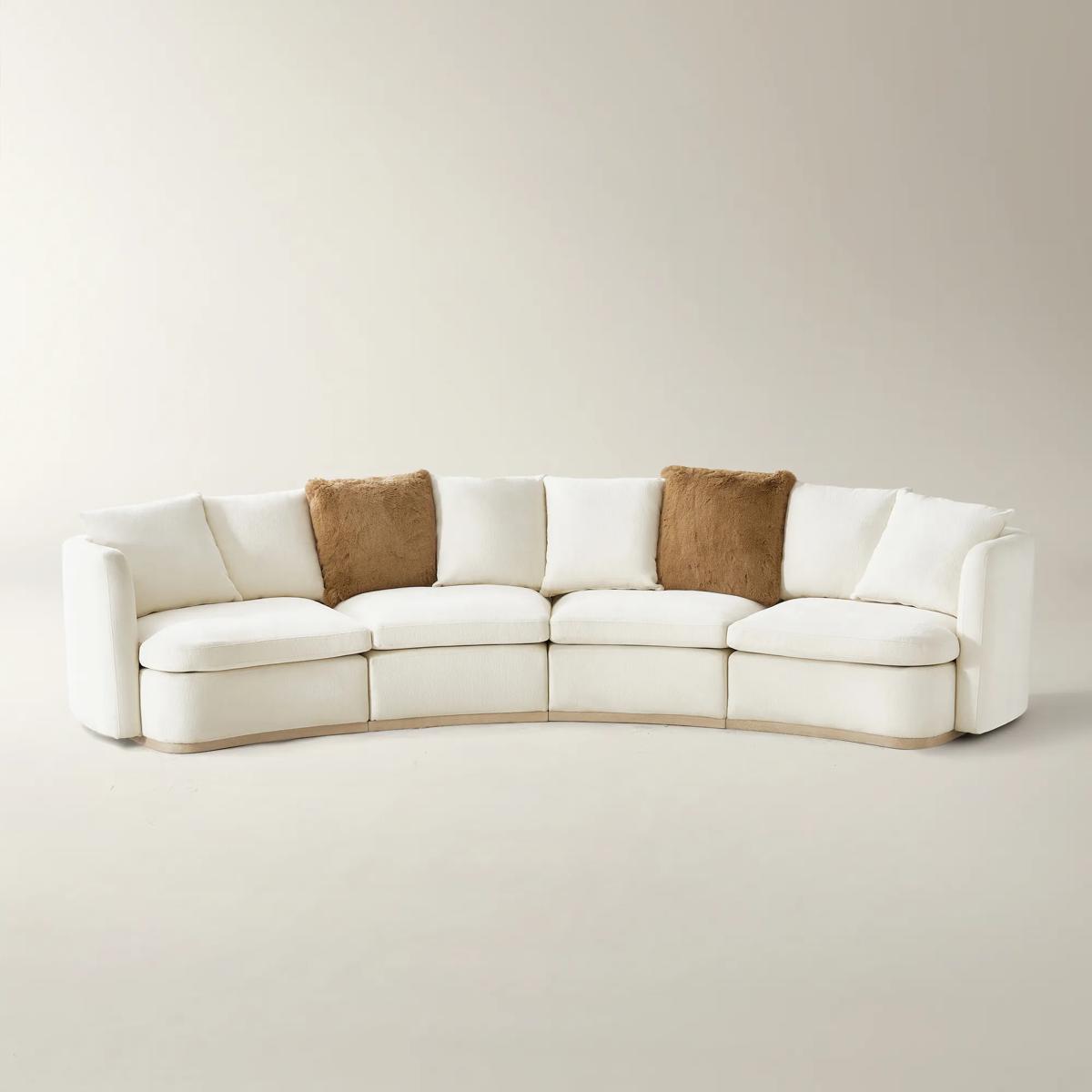 Stria Charcoal Velvet Armless Chair$1099
A sculptural charcoal velvet armless chair featuring layered foam-and-down cushioning and a kiln-dried wood frame.
Add To Cart -
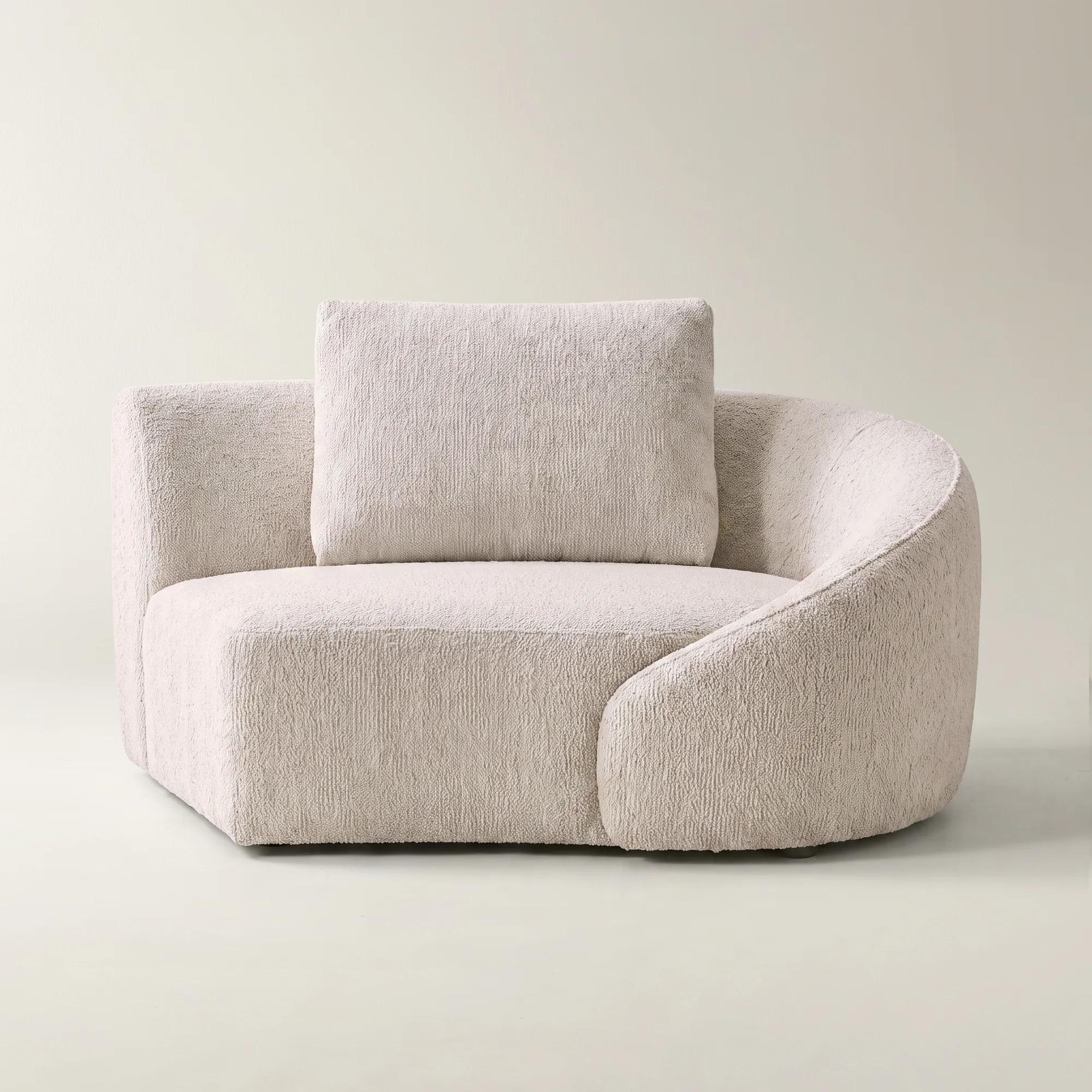
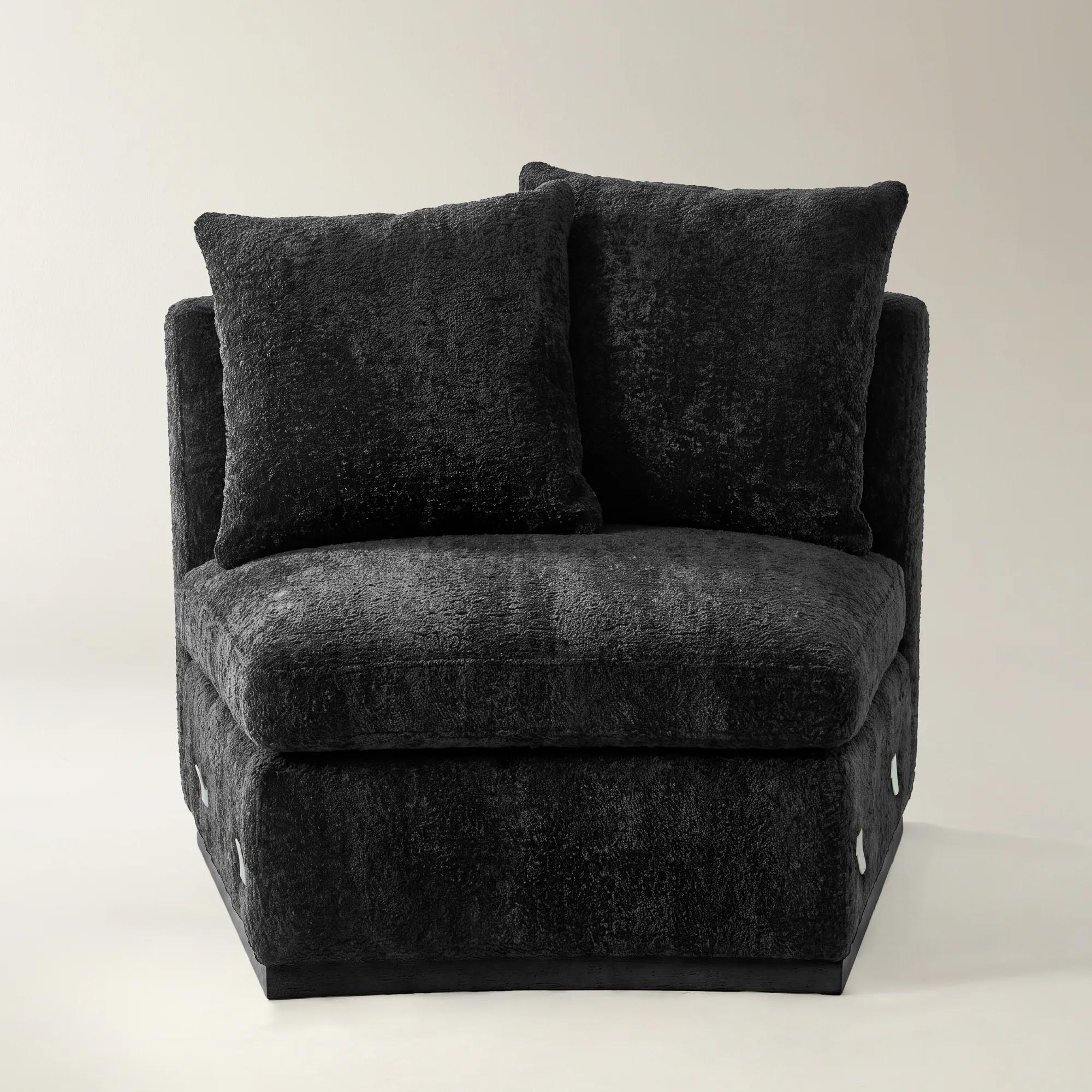 Stria Black Chenille Armless Chair$1099
A sculptural black chenille armless chair with kiln-dried wood construction, solid oak base, and layered cushioning.
Add To Cart -
 Jocelyn Channel-Tufted Oatmeal Velvet Armless Chair$1399
An armless chair upholstered in oatmeal velvet with deep channel tufting and a flowing, curved silhouette.
Add To Cart -
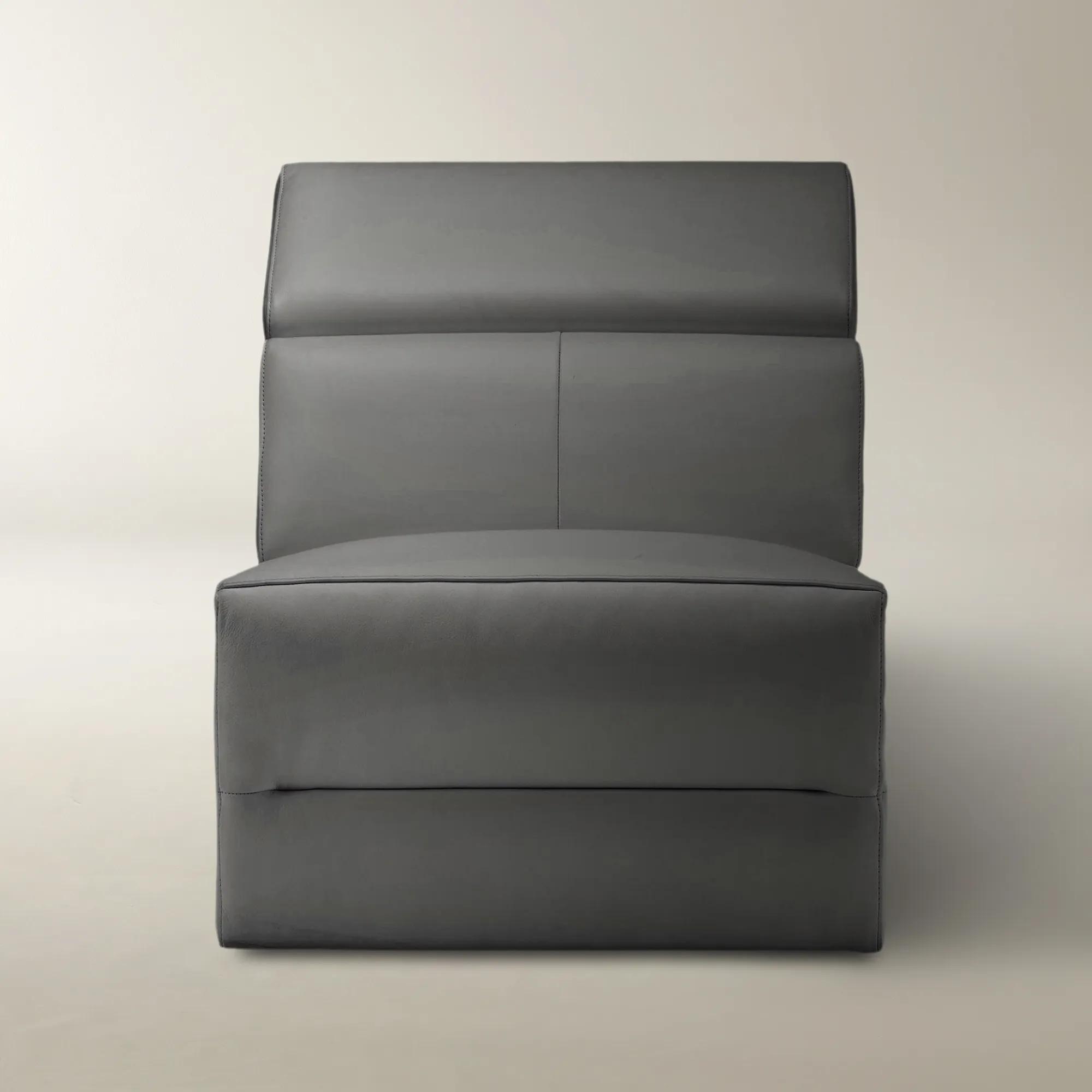
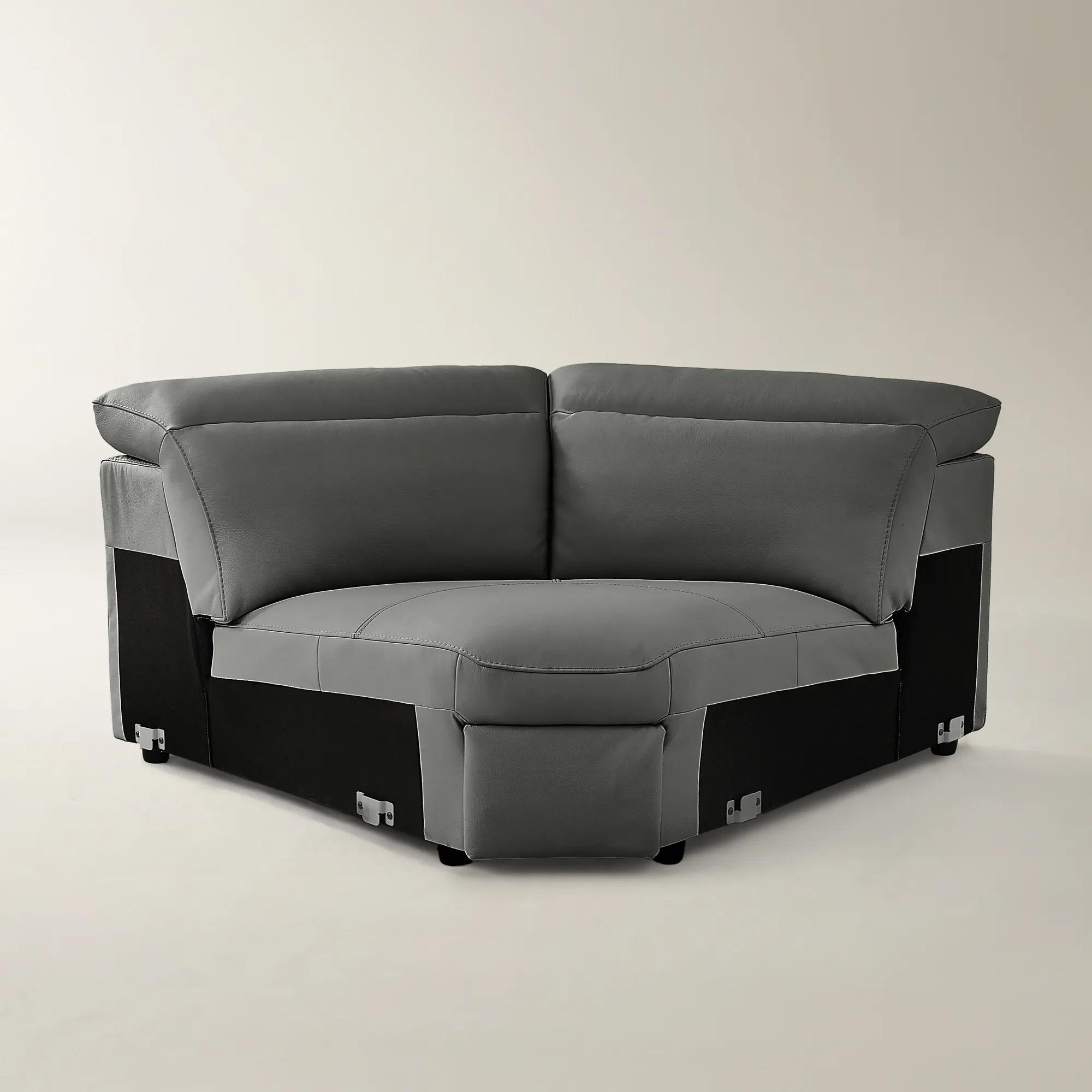
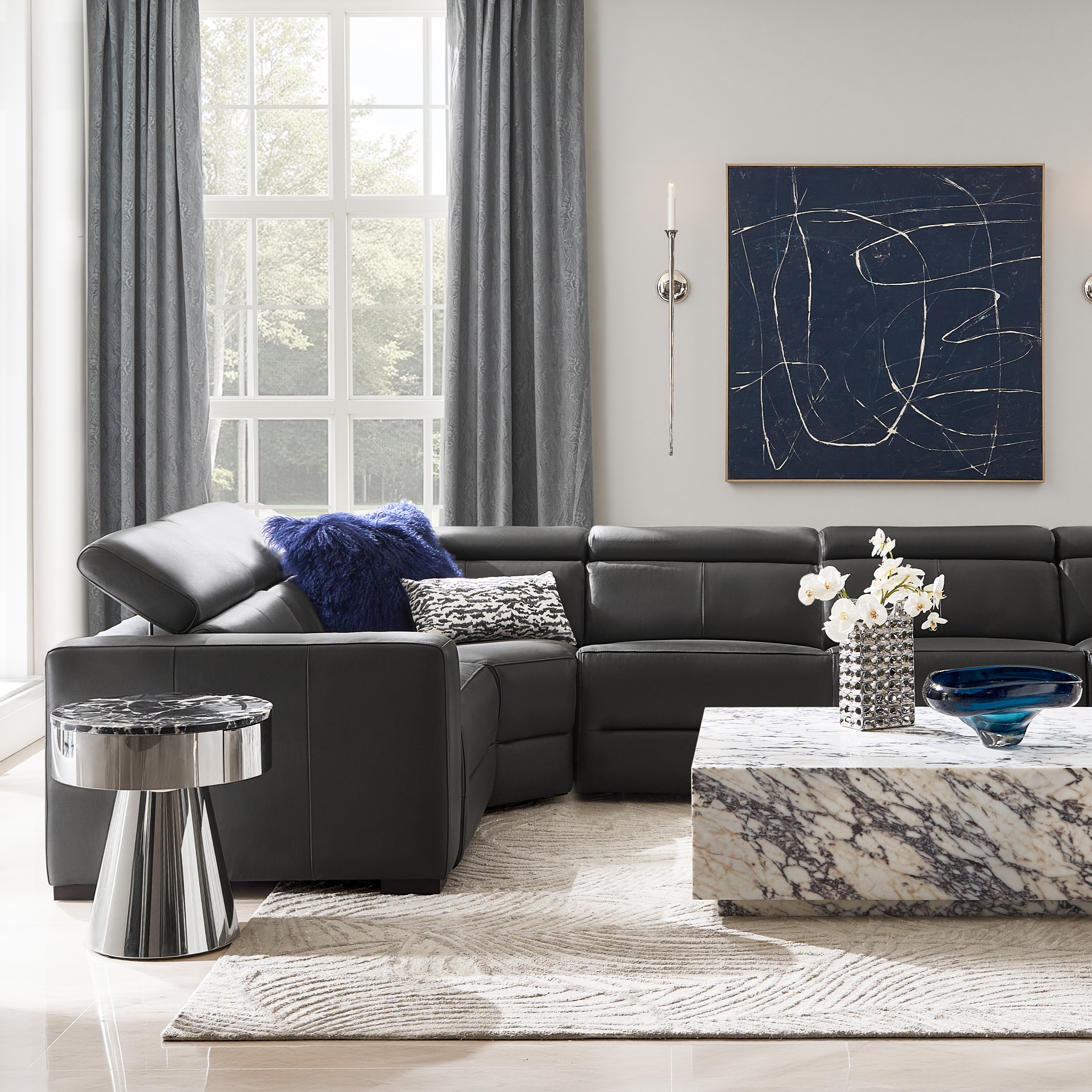 Verona Charcoal Leather Armless Chair$1099
A charcoal semi-aniline leather sectional featuring adjustable headrests and optional power-reclining seats for comfort.
Add To Cart -
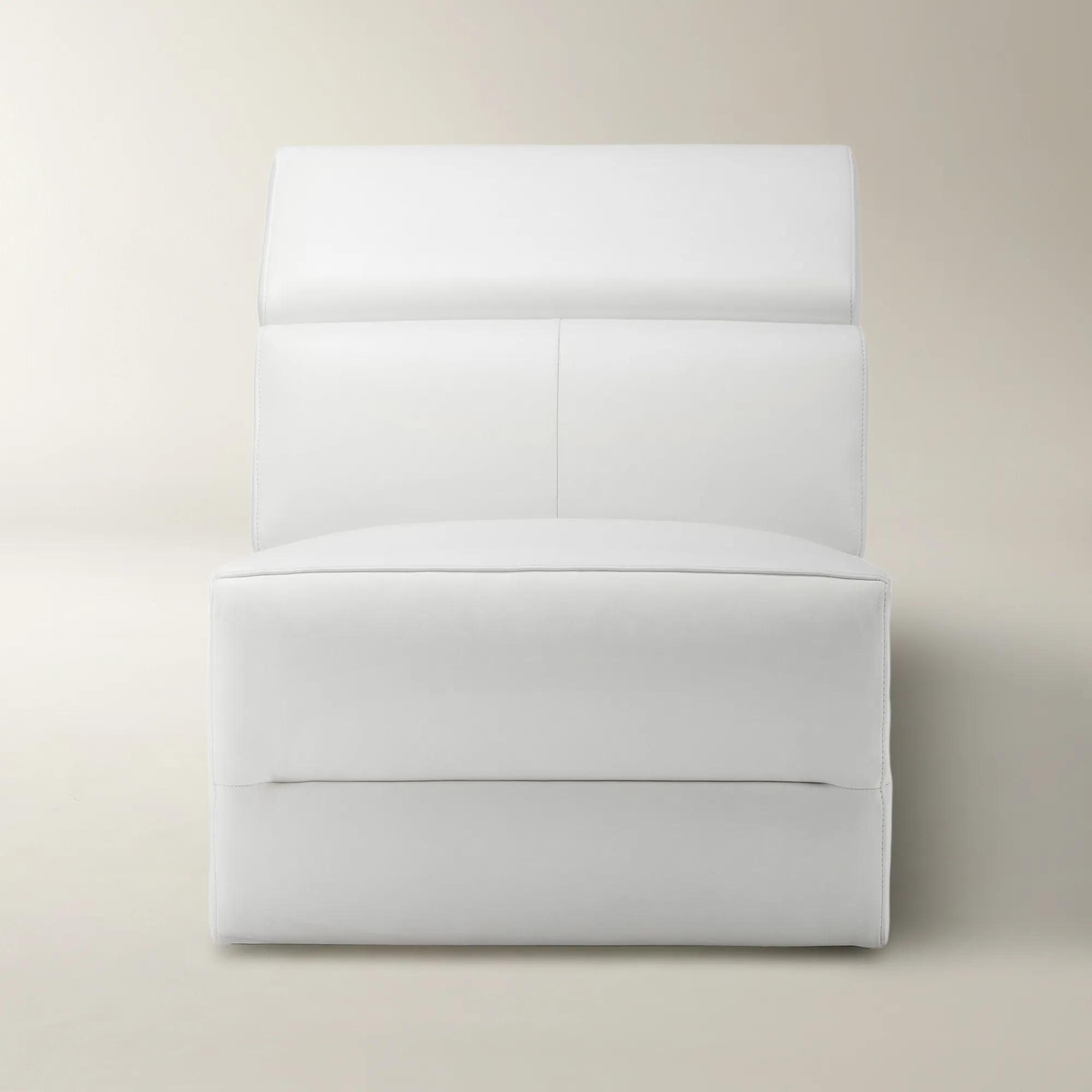
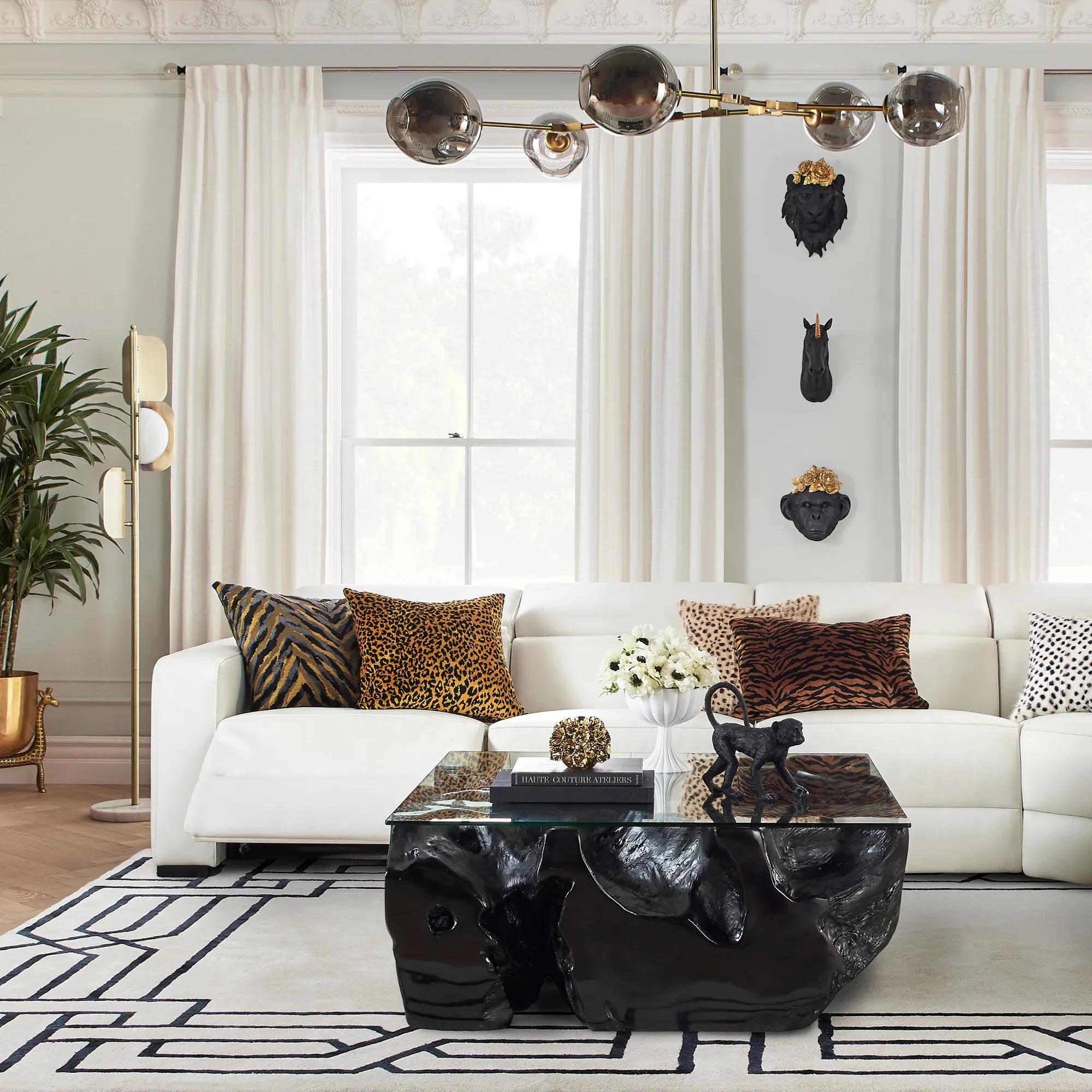 Verona White Leather Armless Chair$1099
A modern sectional upholstered in supple white semi-aniline leather with adjustable headrests and power-reclining options.
Add To Cart

Armless Chairs For Small Spaces
Armless chairs for small spaces invite you to reimagine your interiors with an air of effortless sophistication. These artful silhouettes slip seamlessly into compact rooms, offering a stage for bold design without overwhelming the scene. Each chair becomes a brushstroke—sleek, sculptural, and endlessly versatile—transforming every corner into a curated moment of style. Elevate your space with seating that celebrates both form and function, allowing your personal aesthetic to shine in even the most intimate settings.
Armless chairs for small spaces offer seating without projecting armrests, helping compact rooms feel more open and leaving greater flexibility around the seat. Their streamlined silhouettes can make room for an additional place to sit without the visual weight of a traditional armchair, although overall dimensions—not the absence of arms alone—determine how much space a chair requires. In an apartment living room, a petite slipper chair can bring a sculptural note to the corner beside a sofa; in a bedroom, an upholstered armless accent chair can turn an otherwise overlooked alcove into an inviting retreat. The appeal is both practical and expressive: an uninterrupted seat, a graceful profile, and the opportunity to introduce sumptuous fabric or a striking curve without overwhelming the room. Fit begins with the chair’s full width, depth, and height, along with the space needed to approach it comfortably. A generous seat can still have a substantial footprint, while angled legs or a reclining back may extend farther than expected. Doorways, nearby drawers, and the route between a sofa and coffee table all deserve consideration. For conversation areas, a chair with a seat height close to that of the surrounding furniture generally creates a more comfortable arrangement. Seat depth matters just as much: a shallow seat may suit an upright perch, while a deeper design invites a more relaxed posture but requires additional floor space. Lower backs can preserve a view across the room, whereas taller backs create a stronger visual presence and may offer more upper-body support, depending on their shape. Armless seating also allows entry from the side, which can be useful beside a low table or within an open seating arrangement. For anyone who relies on armrests when sitting down or standing up, however, an armed chair may be the better choice. Compact seating feels most luxurious when its proportions serve the person using it as thoughtfully as they serve the room.
Materials give a small chair its character, turning a modest footprint into a richly layered design statement. Velvet brings depth and a light-catching surface that can shift from luminous to shadowed as the viewing angle changes. A tightly woven upholstery fabric offers a more tailored effect, while bouclé introduces dimensional texture that feels especially expressive against smooth walls, glass, or polished metal. Leather can lend a crisp, architectural presence, though its finish and care requirements vary considerably. In a compact interior, the relationship between upholstery and the base makes a noticeable difference: slender exposed legs reveal more of the floor, while a fully upholstered base creates a grounded, sculptural impression. Neither approach is inherently better; one emphasizes openness, the other presence. Pale upholstery can soften a densely furnished corner, and saturated color can give a small chair the authority of a much larger statement piece. Beyond appearance, the fabric should suit the chair’s intended use. A frequently used living room seat faces different demands from an occasional bedroom accent, especially in a household with pets or children. Where performance upholstery is specified, its stated resistance to stains or wear should be checked rather than assumed; resistant does not mean impervious. Textured or looped fabrics may be more vulnerable to snagging, and velvet can show changes in pile direction without being damaged. Construction matters beneath the surface, too. Frame materials, joint quality, seat support, cushion resilience, and the manufacturer’s weight limit all help determine whether a chair is suited to everyday use. Firm cushioning may retain a tailored outline, while softer padding creates a more enveloping sit. Care should follow the upholstery’s cleaning instructions: regular gentle vacuuming can remove surface dust, spills generally call for prompt blotting rather than rubbing, and cleaning products should be tested only as directed. Keeping upholstery away from prolonged direct sunlight and protecting floors with appropriate glides can help preserve both the chair and its setting. These details allow a compact accent to remain an enduring part of the room rather than merely a decorative gesture.
The most compelling small-space seating feels intentional, not squeezed into whatever square footage remains. A pair of armless chairs positioned opposite a compact sofa can create a balanced conversation area, provided the arrangement leaves comfortable passage between pieces. Where only one chair fits, placing it slightly toward the sofa can draw it into the conversation rather than leave it stranded against a wall. A narrow side table offers a landing place for a book or glass without requiring the reach of a larger coffee table, and a floor lamp can add definition without taking up tabletop space. In a studio, an armless accent chair can help distinguish a sitting area from the sleeping space while keeping sightlines relatively open. Beside a bedroom dresser, it provides a considered place to sit while dressing; near a window, it can anchor a quiet reading corner when the back support and seat depth suit longer stretches of use. Dining and desk settings require closer attention to proportions. An armless chair may slide beneath a table or work surface, but only when its seat height, back shape, and overall width allow sufficient clearance. A decorative accent chair is not automatically a substitute for an ergonomic task chair during extended computer work. For a cohesive interior, repeating one finish or color elsewhere in the room often creates a stronger connection than matching every piece. A gleaming metal base might echo a mirror frame, while richly textured upholstery can draw out a subtle tone in a rug. The silhouettes explored in Armless Chairs For Stylish Seating offer further inspiration for seating that carries a distinctive visual point of view. In a small room, restraint in the number of furnishings leaves more opportunity for each detail to register: a sweeping back, a beautifully finished leg, a luminous fabric. Armless chairs make that balance possible, offering a place to settle while allowing the surrounding space—and the personality expressed within it—to remain fully in view.
FAQs
Armless chairs are incredibly versatile and can complement a range of interior styles, from modern glam and art deco to transitional and eclectic. Their sleek lines and open silhouettes make them a natural fit for contemporary spaces, while luxurious fabrics and bold finishes allow them to shine in more opulent or expressive interiors. Whether your space exudes minimalist sophistication or maximalist flair, armless chairs can be styled to suit your unique aesthetic.
Yes, many armless chairs are designed with comfort in mind, featuring plush cushioning, ergonomic support, and high-quality upholstery. Without arms, these chairs offer greater freedom of movement and an inviting seat, making them ideal for long conversations, leisurely reading, or dining. Look for models with thoughtfully contoured backs and generous padding to ensure both comfort and style.
Armless chairs can be styled as standout accent pieces by choosing bold upholstery colors, eye-catching patterns, or distinctive textures. Position them in unexpected places—such as a hallway vignette, at the foot of the bed, or flanking a fireplace—to create visual interest and a sense of curated luxury. Pair with decorative pillows, throws, or metallic side tables to enhance their presence and tie the look together.
Armless chairs make thoughtful gifts for anyone starting a new chapter, such as recent graduates, newlyweds, or those moving into a new home. They are especially appreciated by design enthusiasts who value both aesthetics and functionality, and by those living in apartments or smaller spaces where versatility is key. The gift of an armless chair is a gesture of style, comfort, and elevated living.
Popular materials for armless chairs include sumptuous velvets, rich linens, and tactile bouclé fabrics, often paired with gleaming metallic or lacquered wood legs. Finishes range from polished gold and chrome to deep espresso and high-gloss white, allowing you to select a chair that perfectly complements your decor. These materials not only add visual interest but also speak to a sense of luxury and craftsmanship.