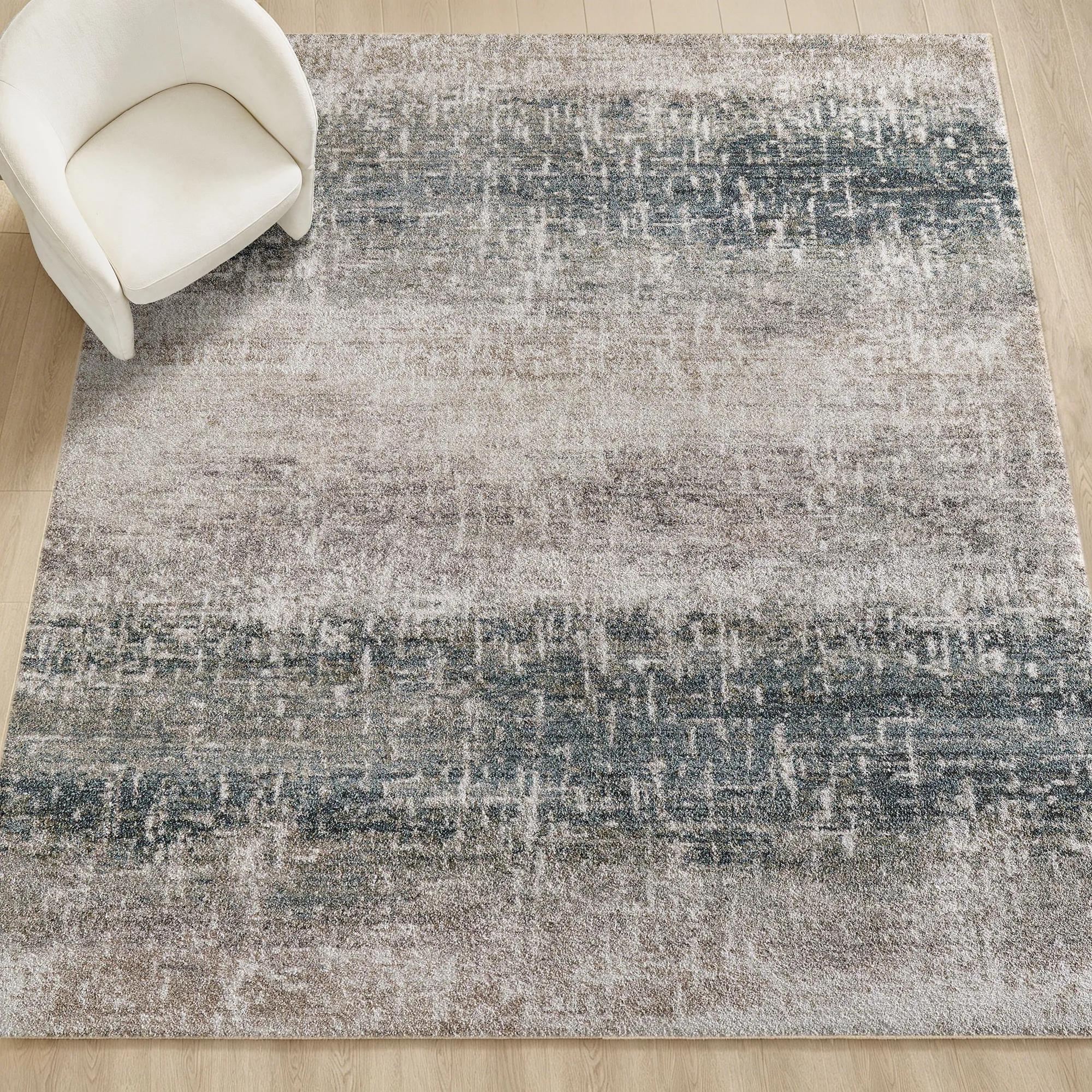
Area Rugs For Family Rooms
Area Rugs For Family Rooms
-
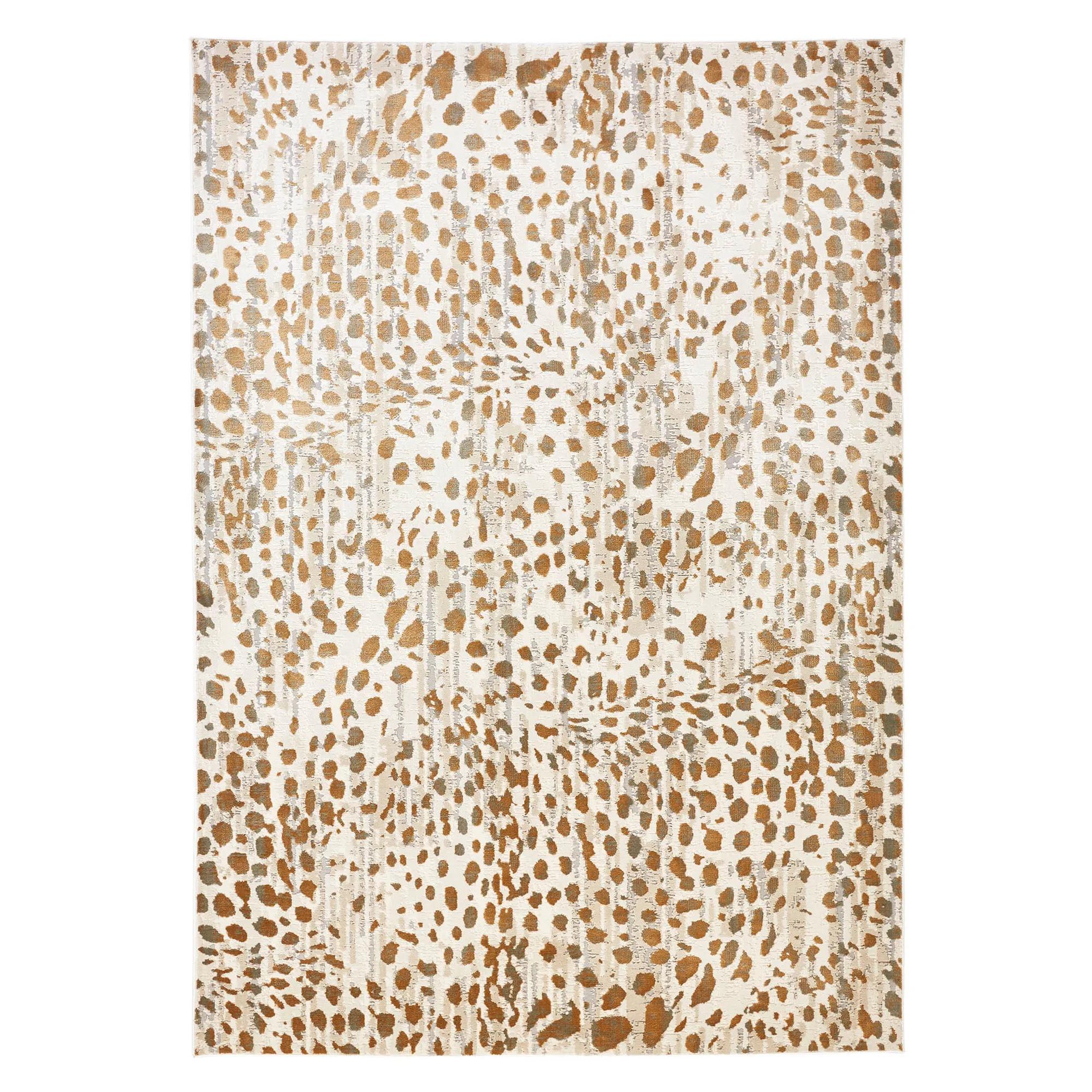
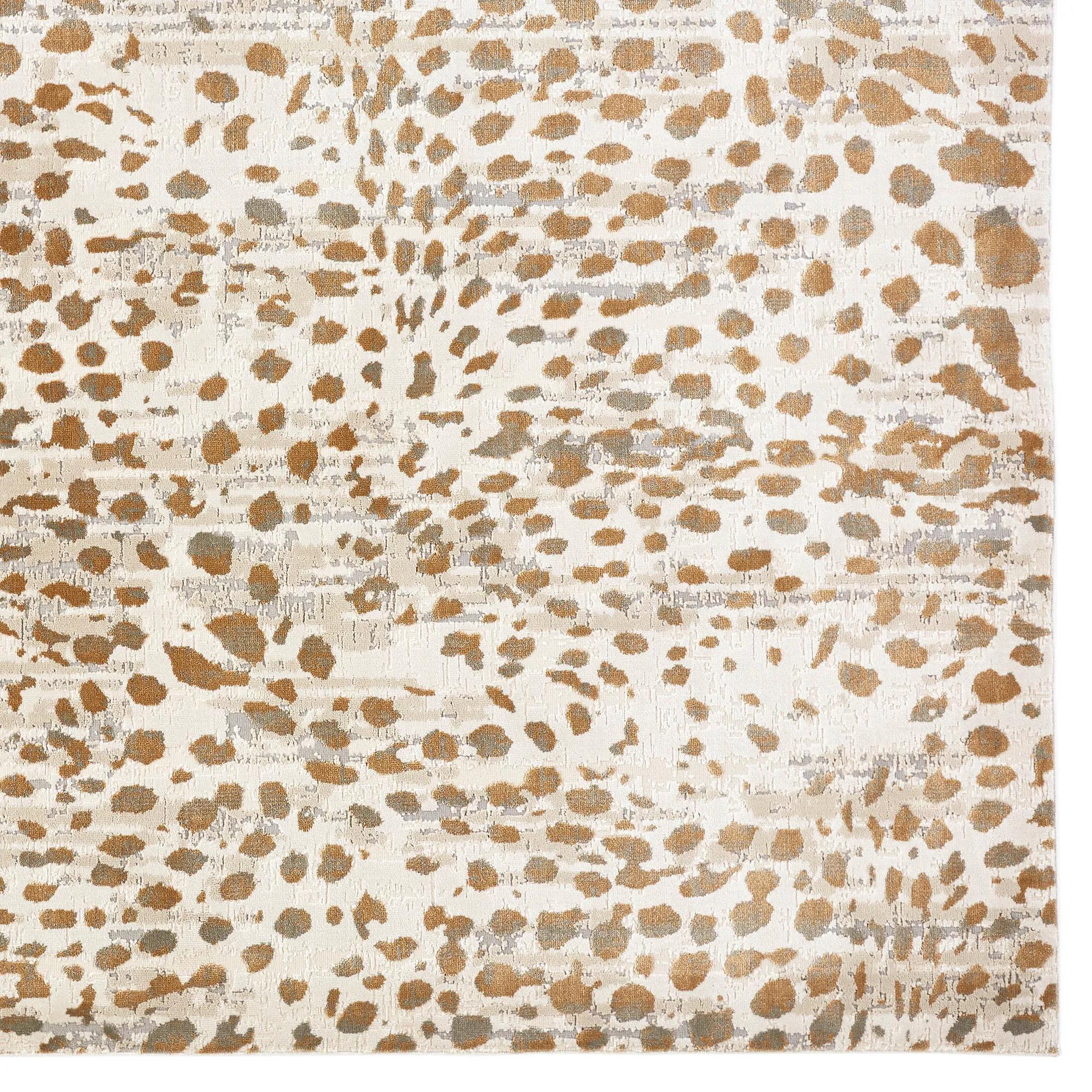 Amur Ivory/Natural Animal Print Power-Loomed Rug$399
A hand-tufted wool and viscose rug featuring a gold chain link design on neutral grey.
Add To Cart -
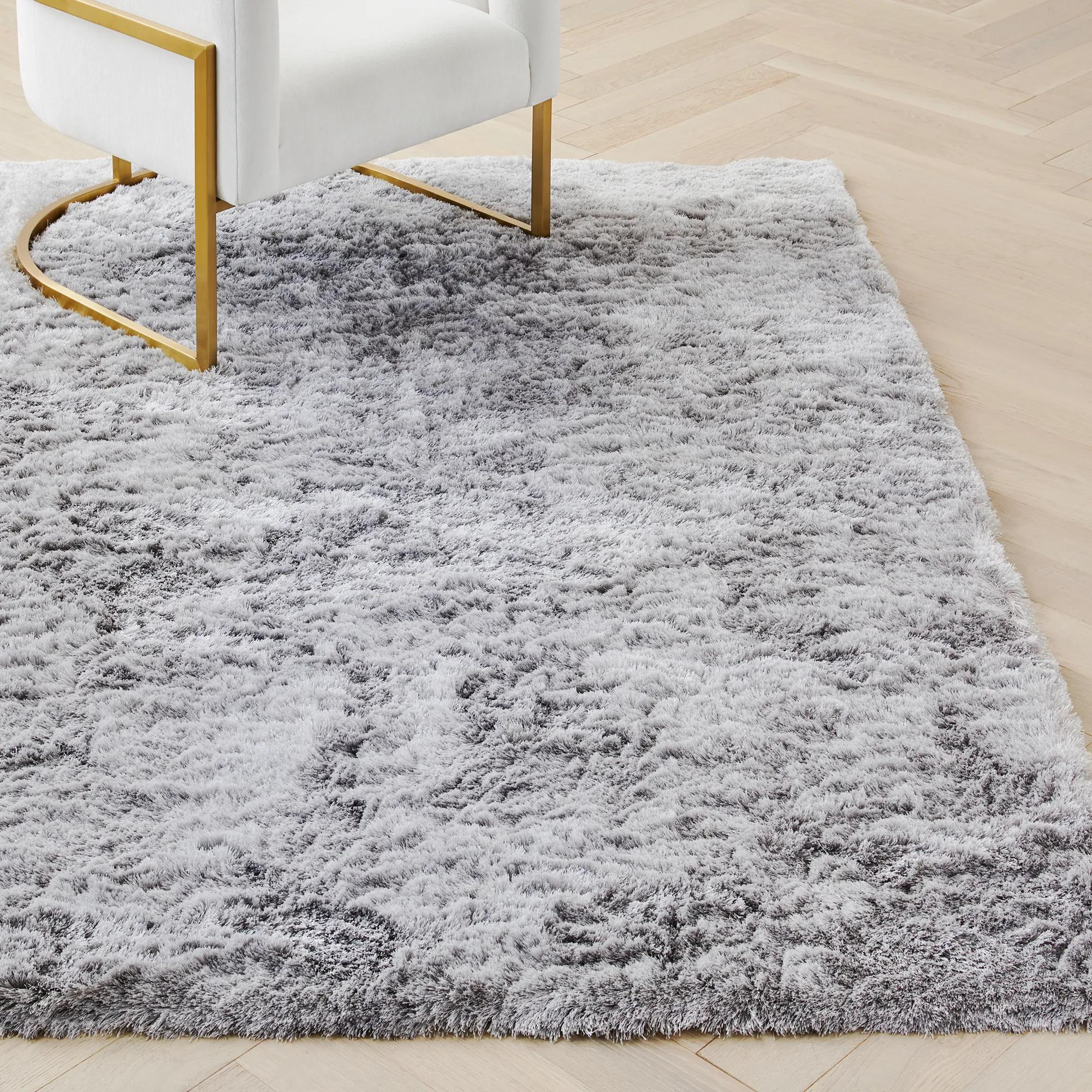 Indochine Shag Platinum Rug$399
A platinum-toned shag rug with a subtle sheen and plush 1.5" polyester pile for luxurious texture.
Add To Cart -
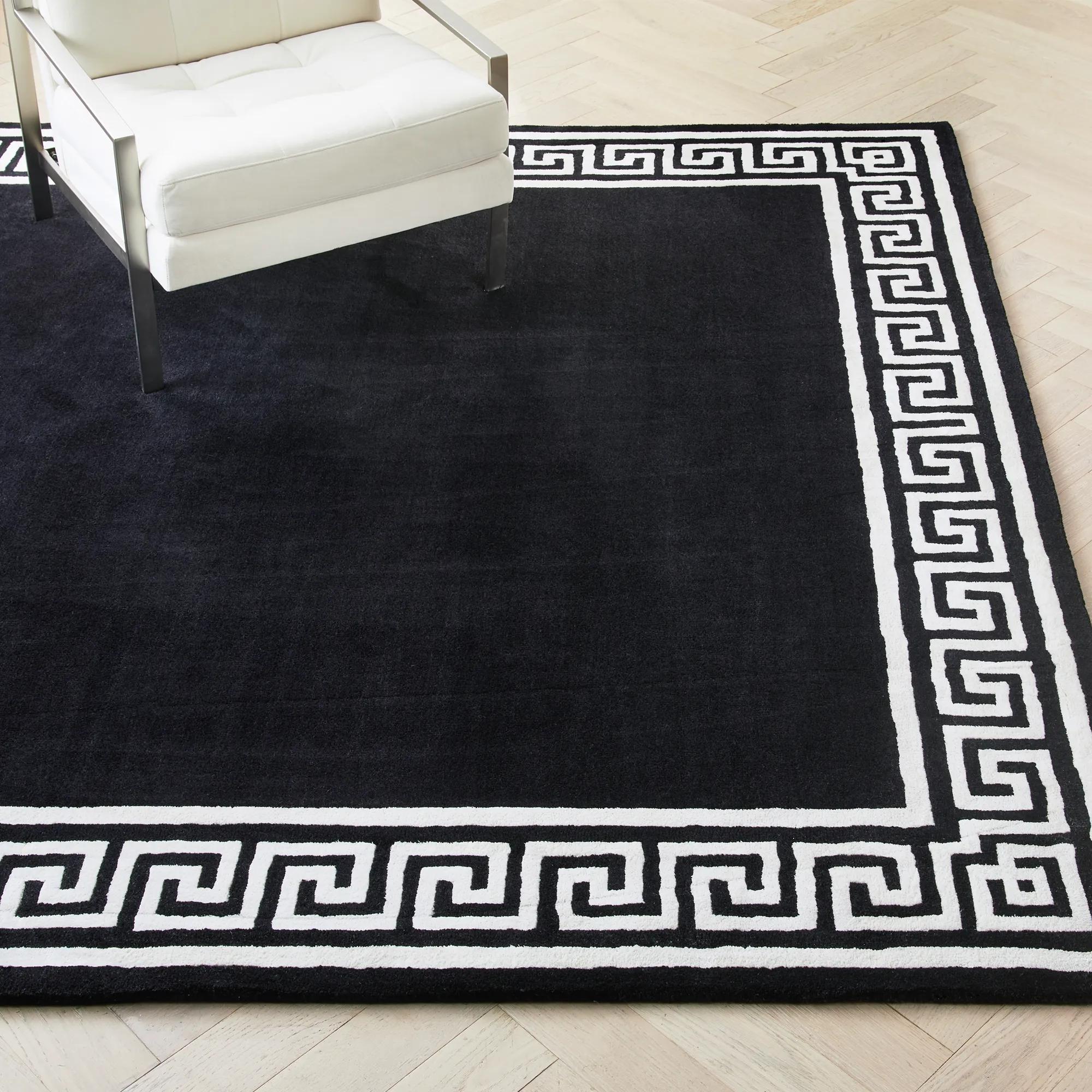
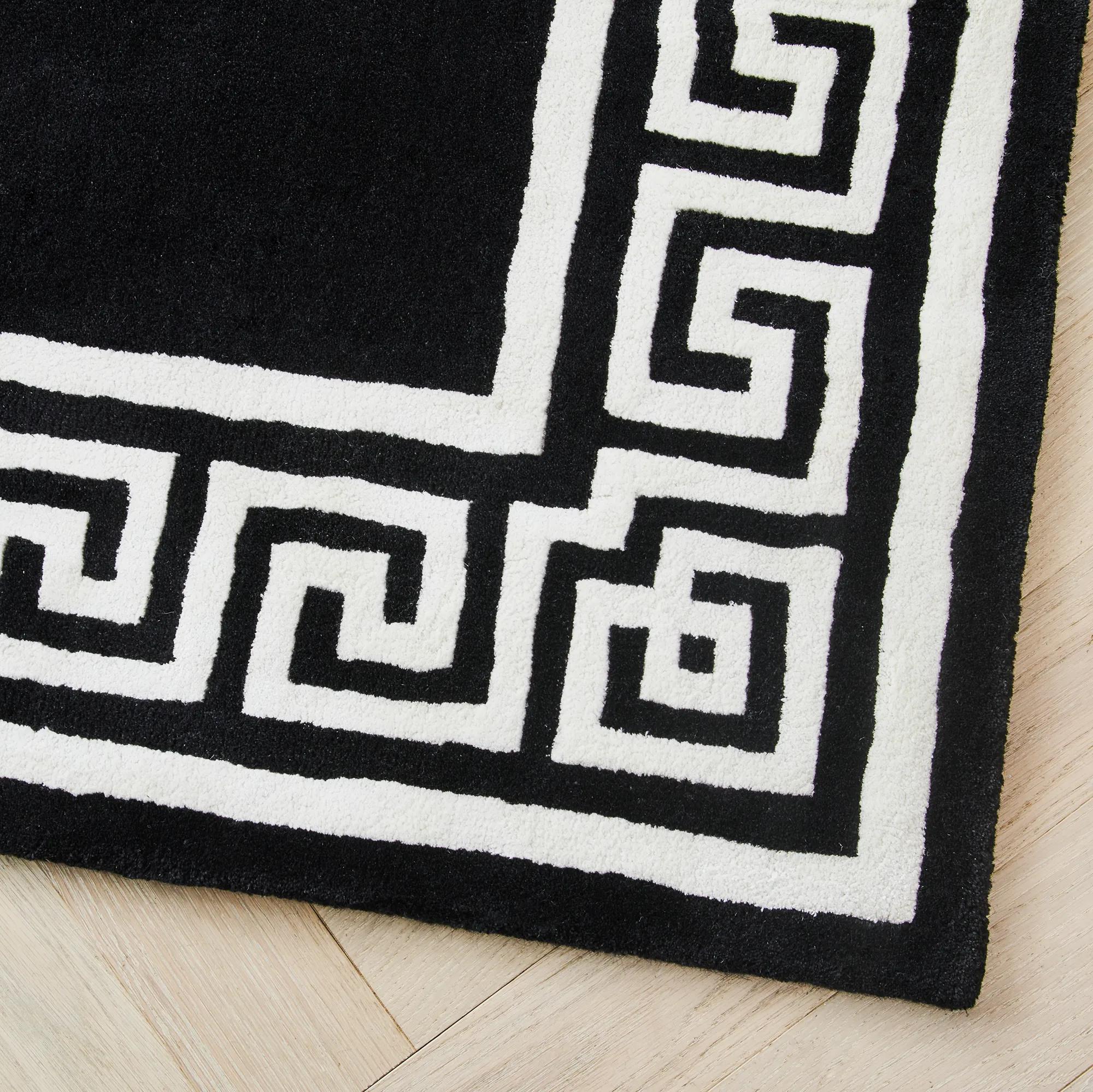 Greek Key Rug - Black/Ivory$1199
A hand-tufted black and ivory rug featuring a classic Greek key pattern in wool and viscose.
Add To Cart -
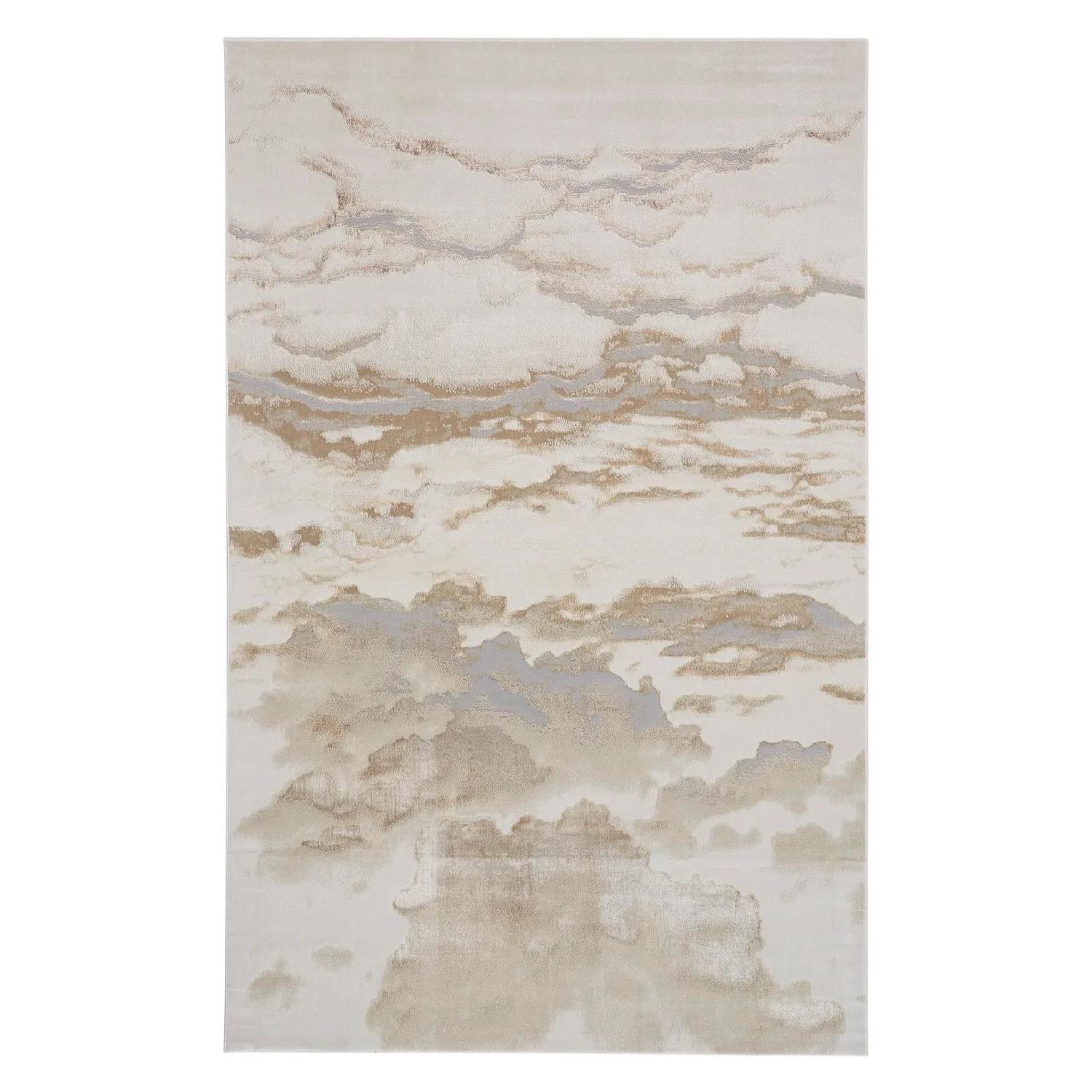
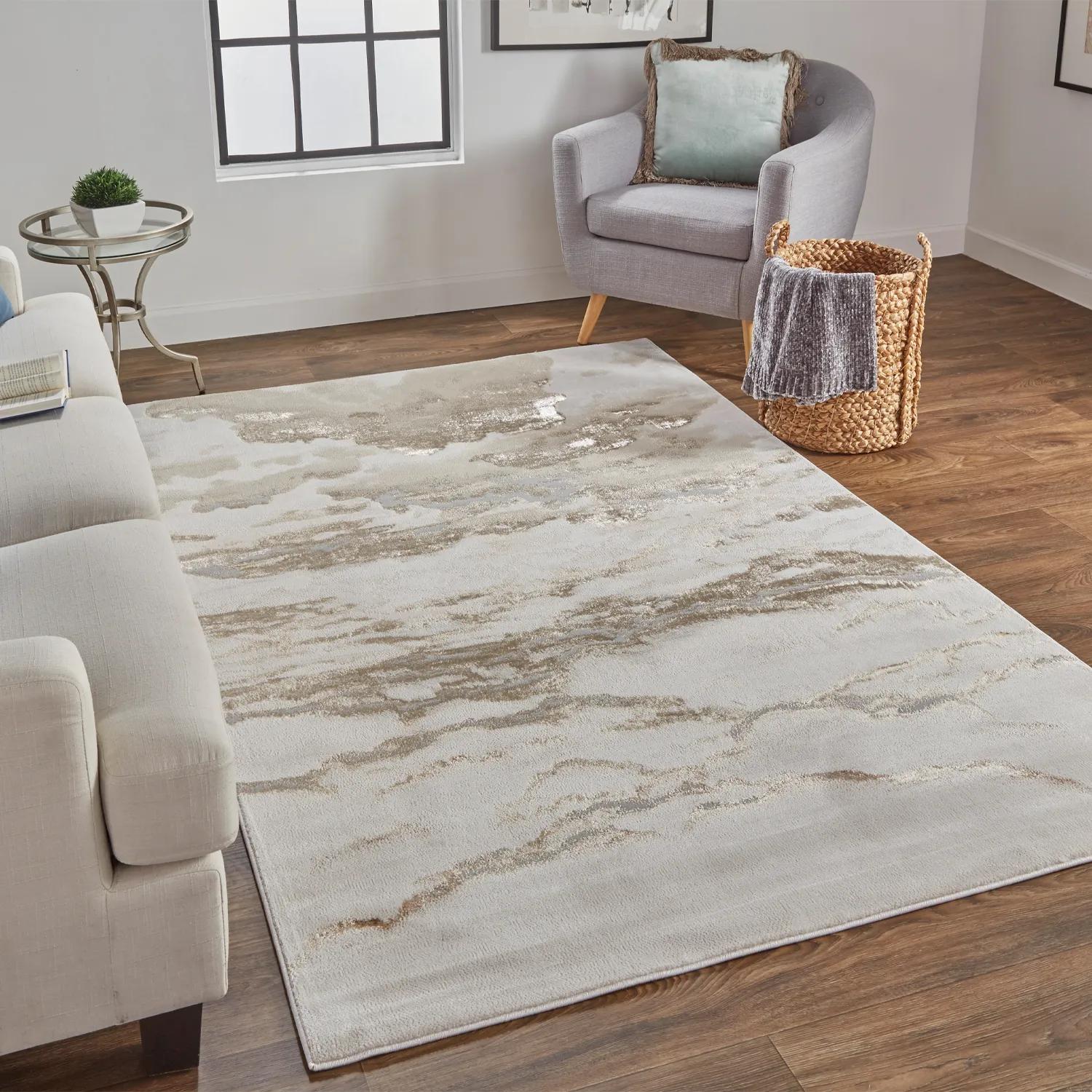 Tide Power-Loomed Beige/Gold/Ivory Rug$899
A machine-made rug in beige and gold, crafted from ultra-soft polyester and polypropylene for elegant spaces.
Add To Cart -
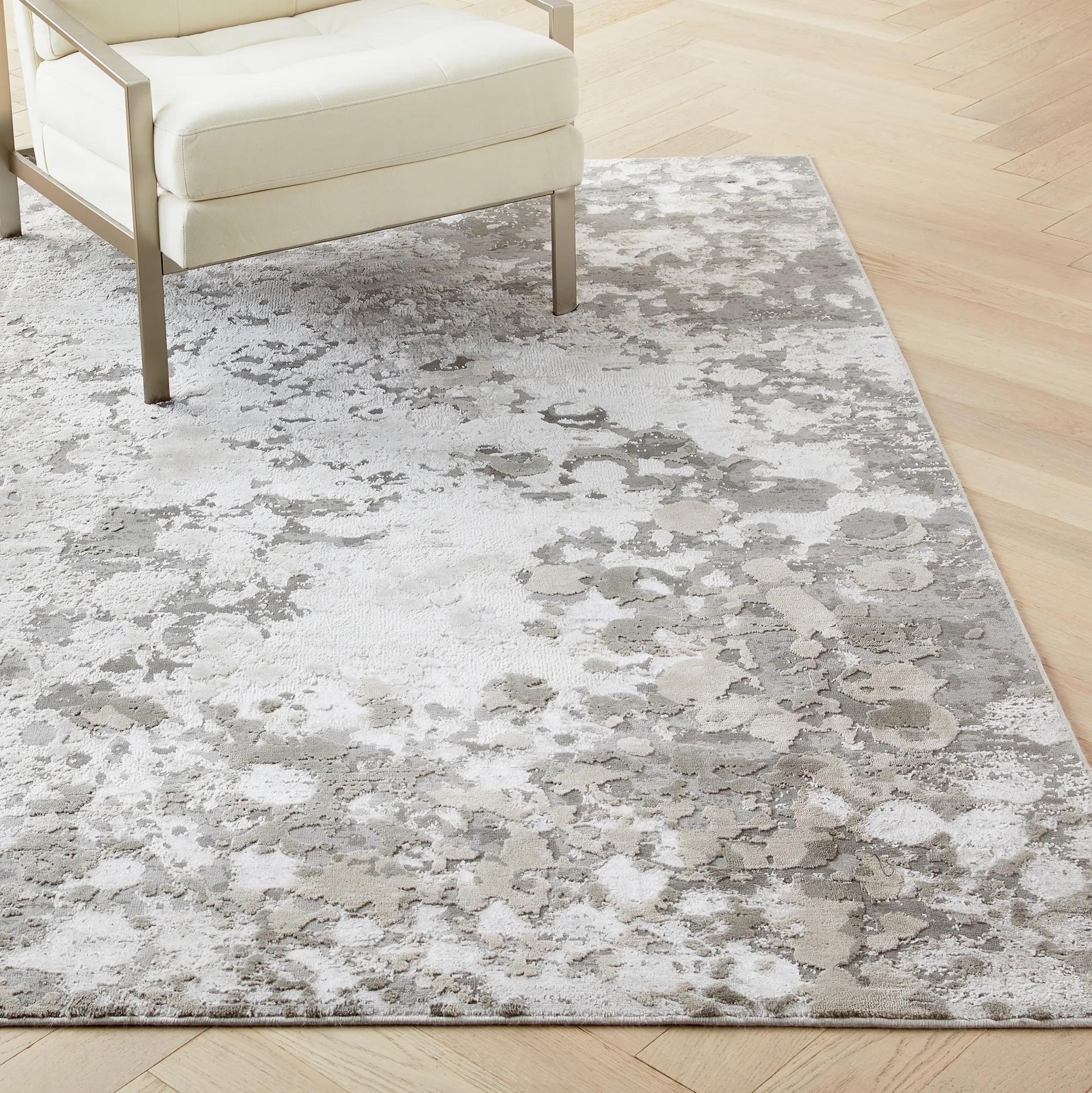 Mercury Power-Loomed Silver/Grey/Beige Rug$249
A neutral floor covering featuring a silver, grey, and beige palette with a textured polyester blend.
Add To Cart -
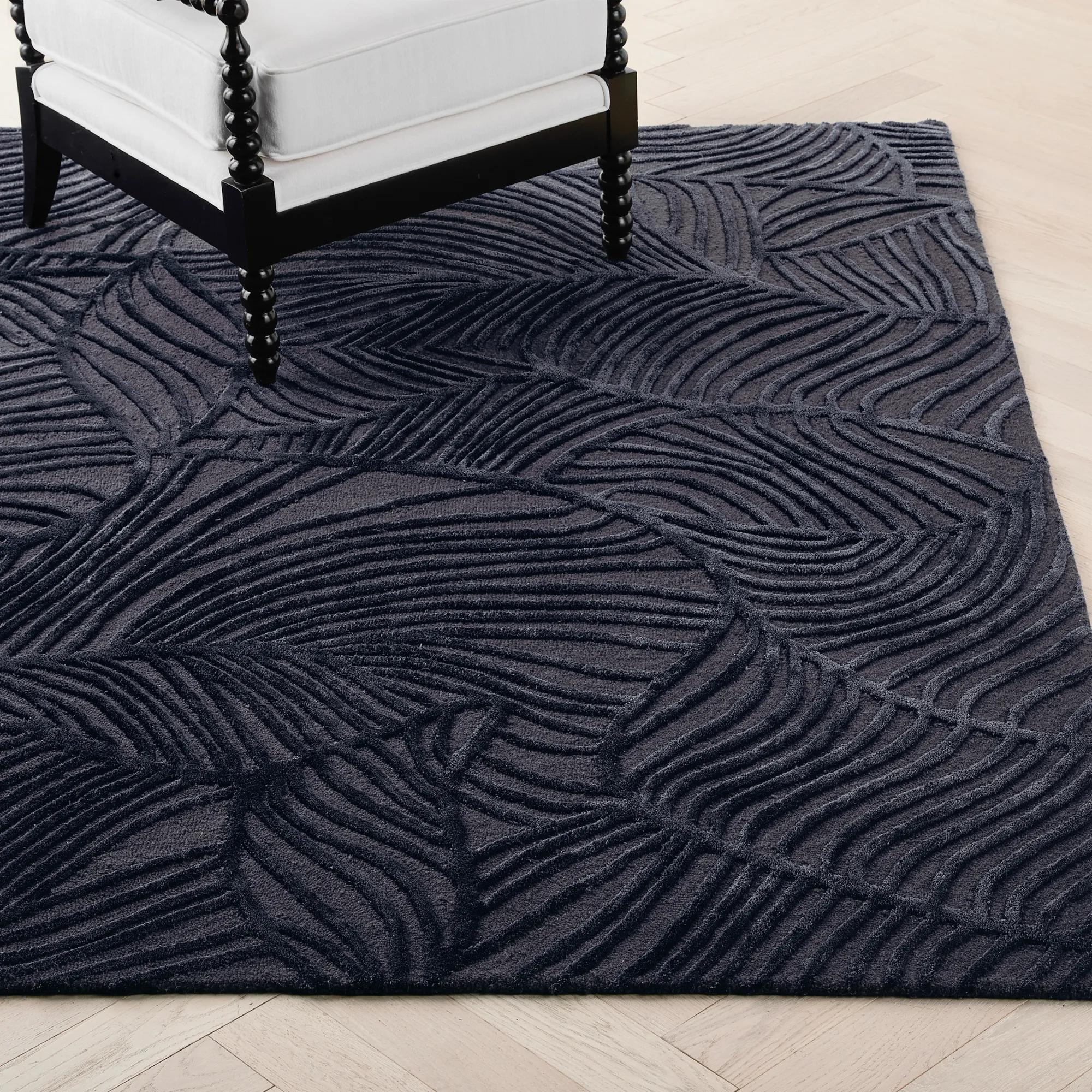
 Palm Rug - Charcoal$1499
A charcoal rug featuring a dynamic palm-leaf design with a textured high-low viscose and wool pile.
Add To Cart -
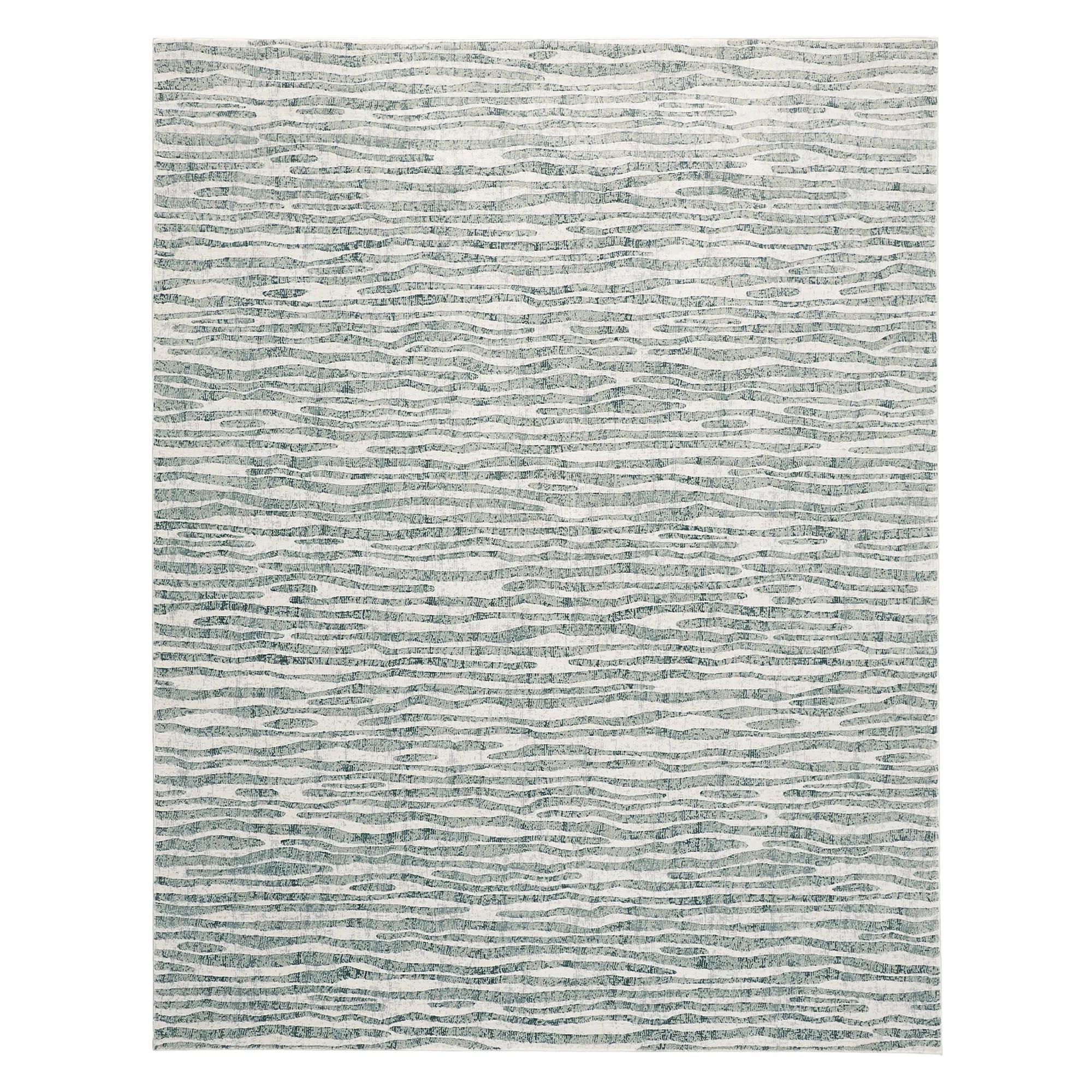 Samantha Power-Loomed Aqua/Grey Rug$719
A machine-woven rug featuring silvery-aqua and green accents on an ivory and grey polypropylene base.
Add To Cart -
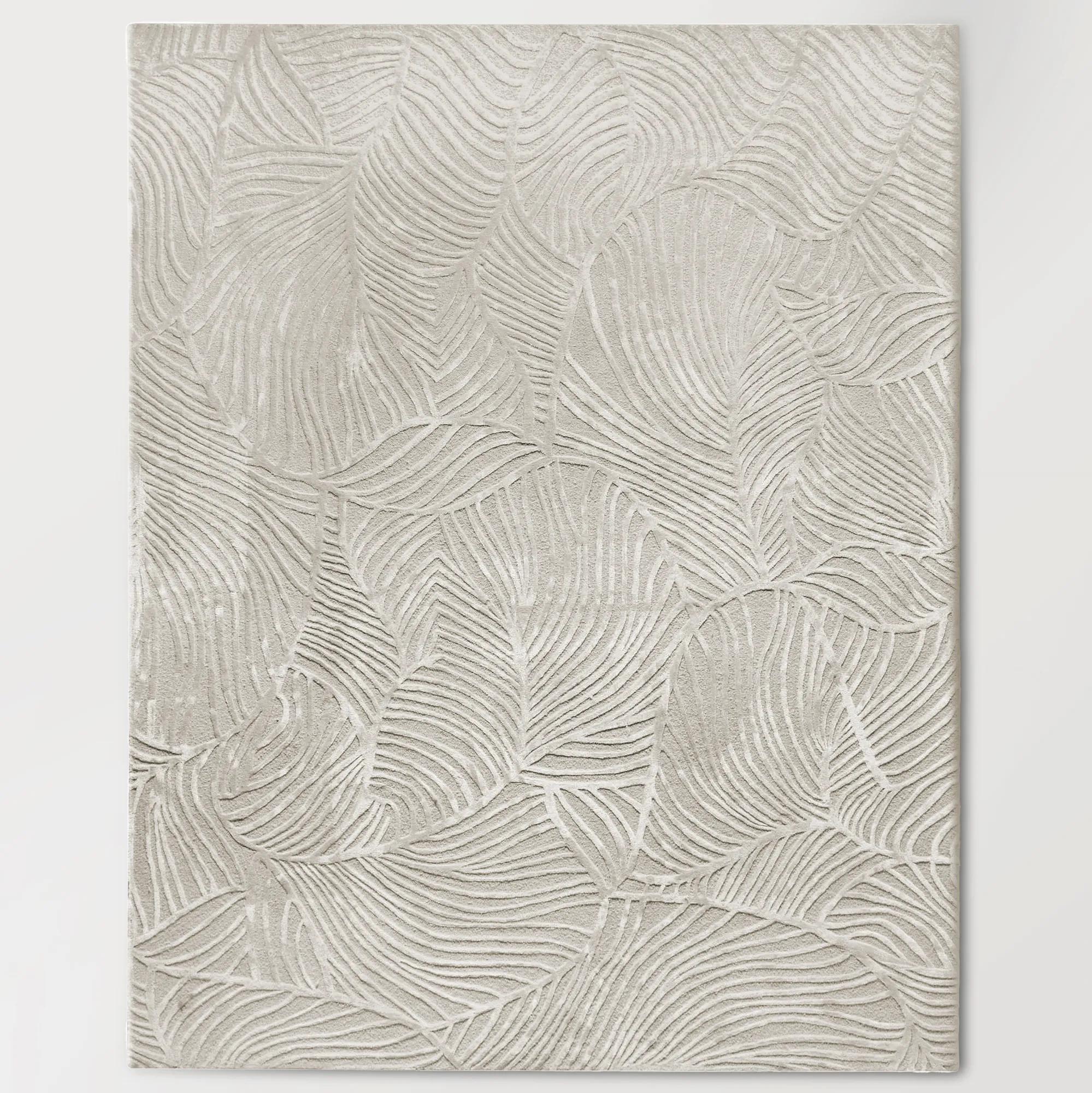 Palm Hand-Tufted Ivory Wool Blend Rug$999
An ivory rug featuring a dynamic palm-leaf design with high-low pile in viscose and wool.
Add To Cart -
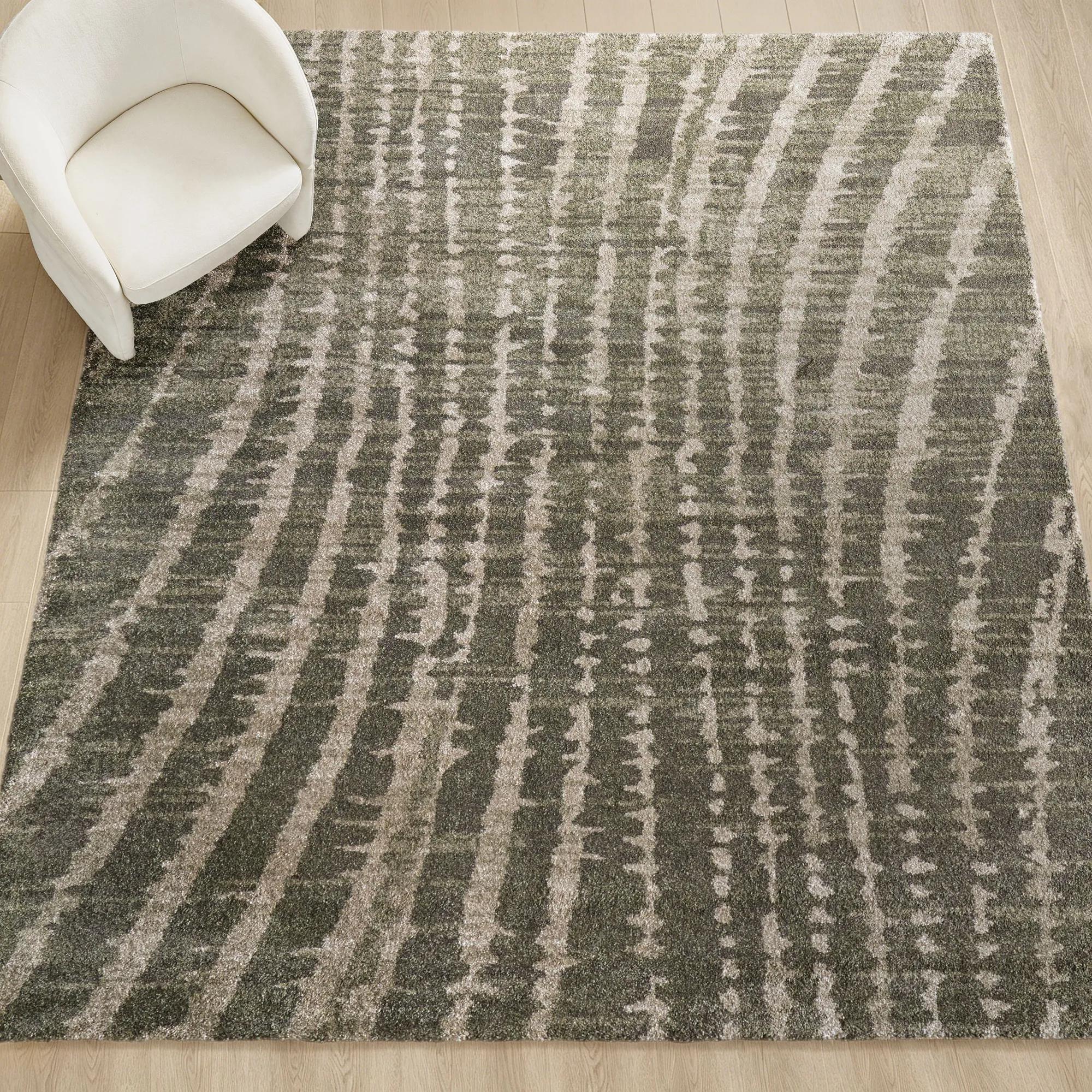
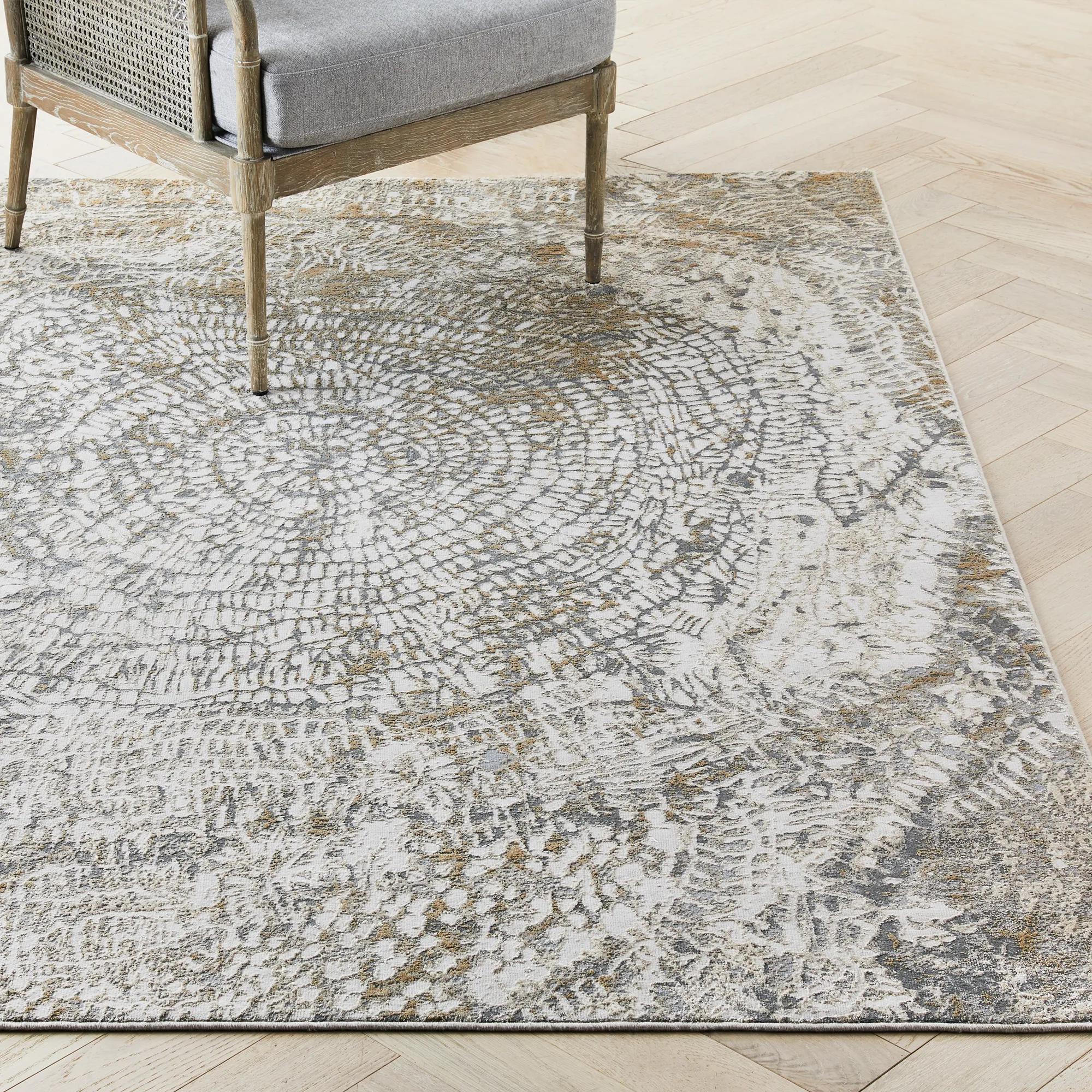 Nautilus Power-Loomed Silver/Grey/Natural Rug$449
A machine-woven ivory rug featuring subtle tree ring-inspired patterns in durable polypropylene and viscose.
Add To Cart -
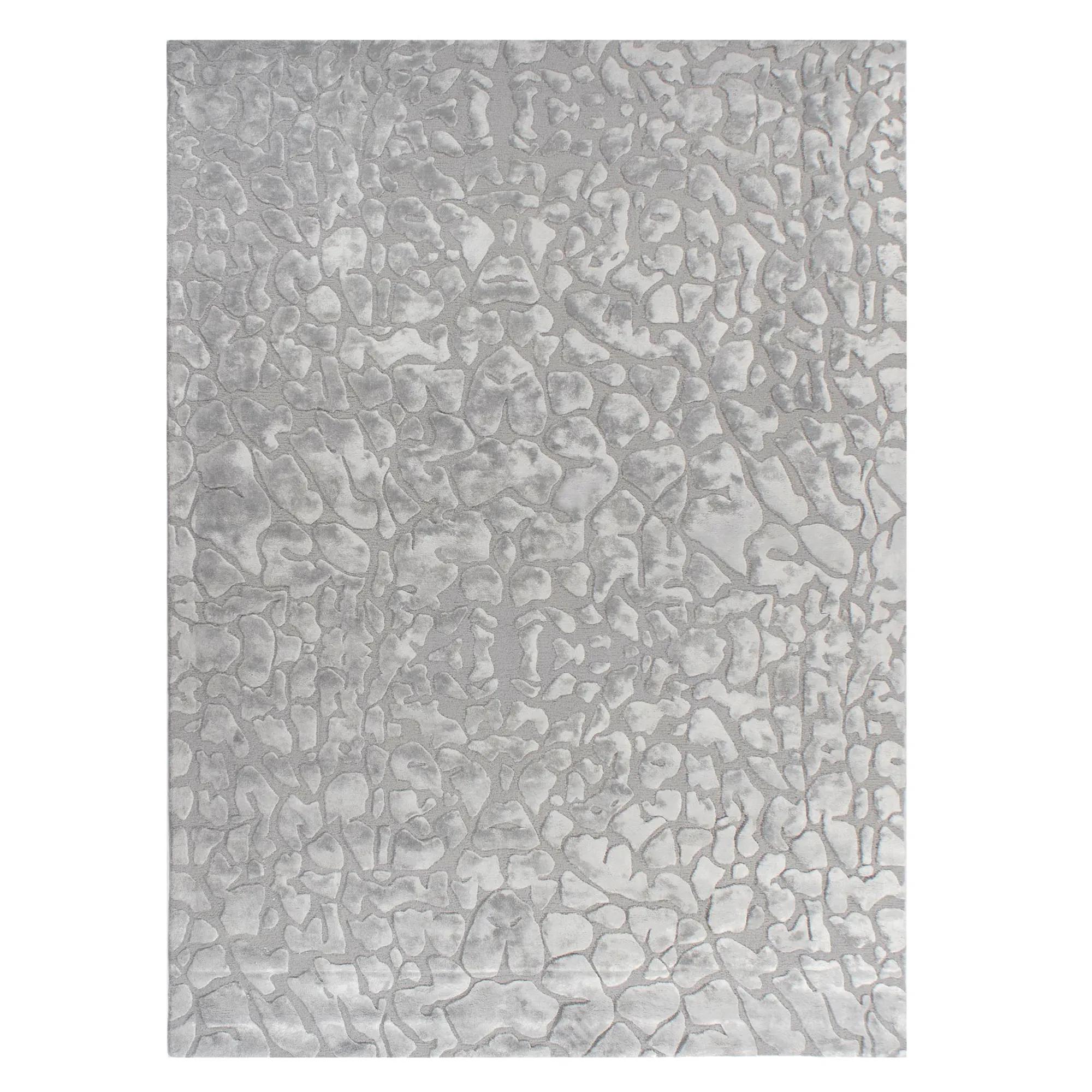
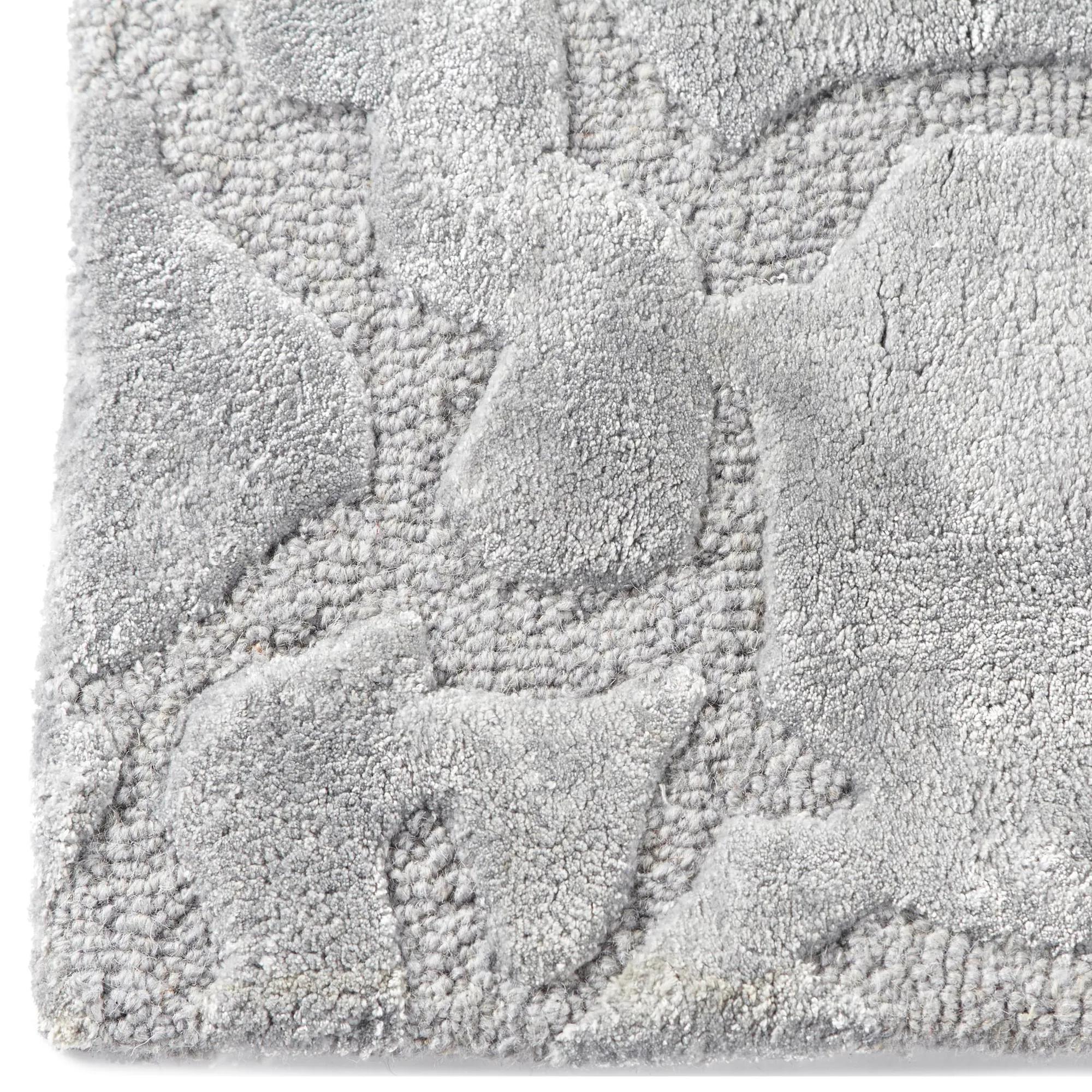 Nola Hand-Tufted Cool Grey Wool Blend Rug$849
A hand-tufted silver rug with contrasting pile heights, crafted from wool and viscose for plush texture.
Add To Cart -
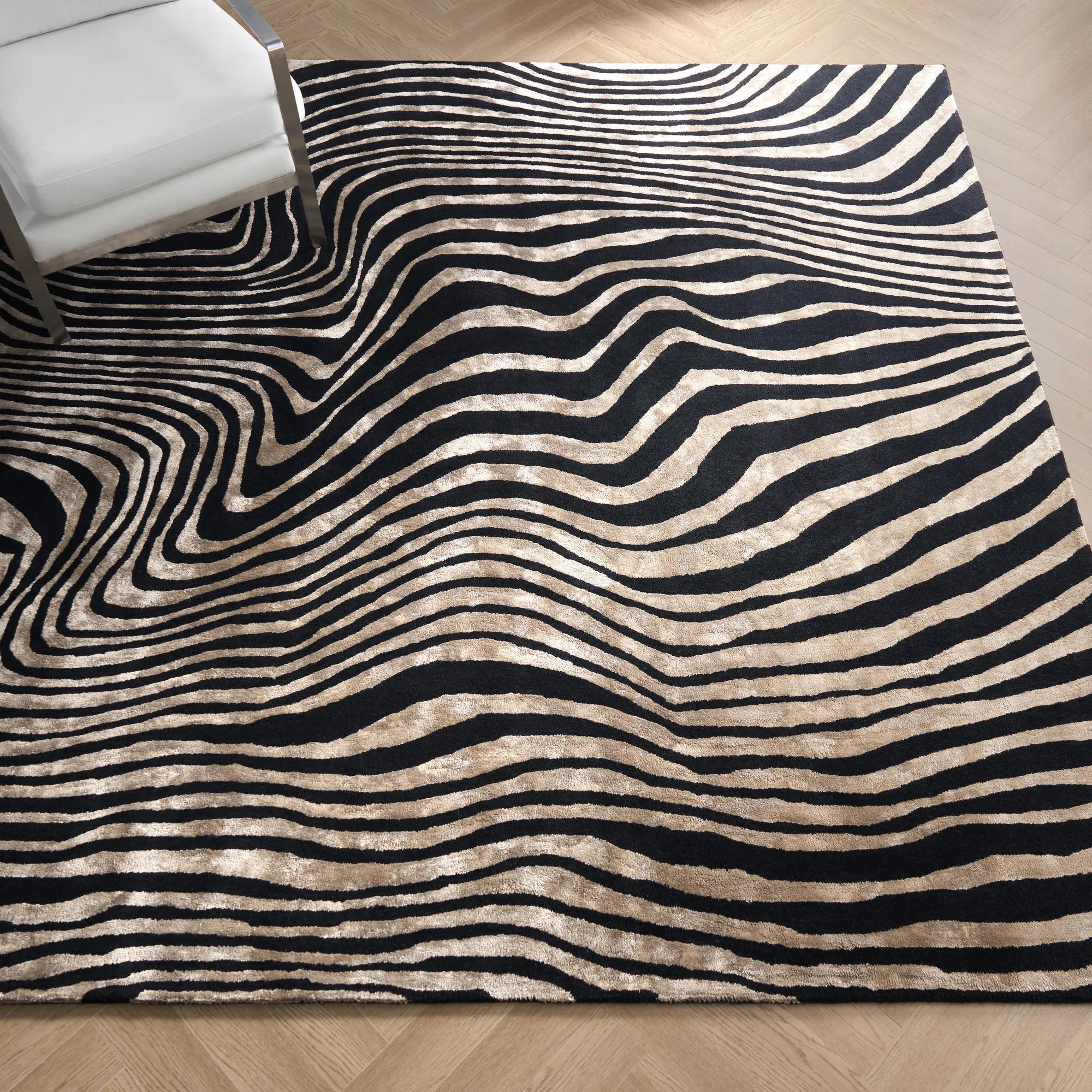
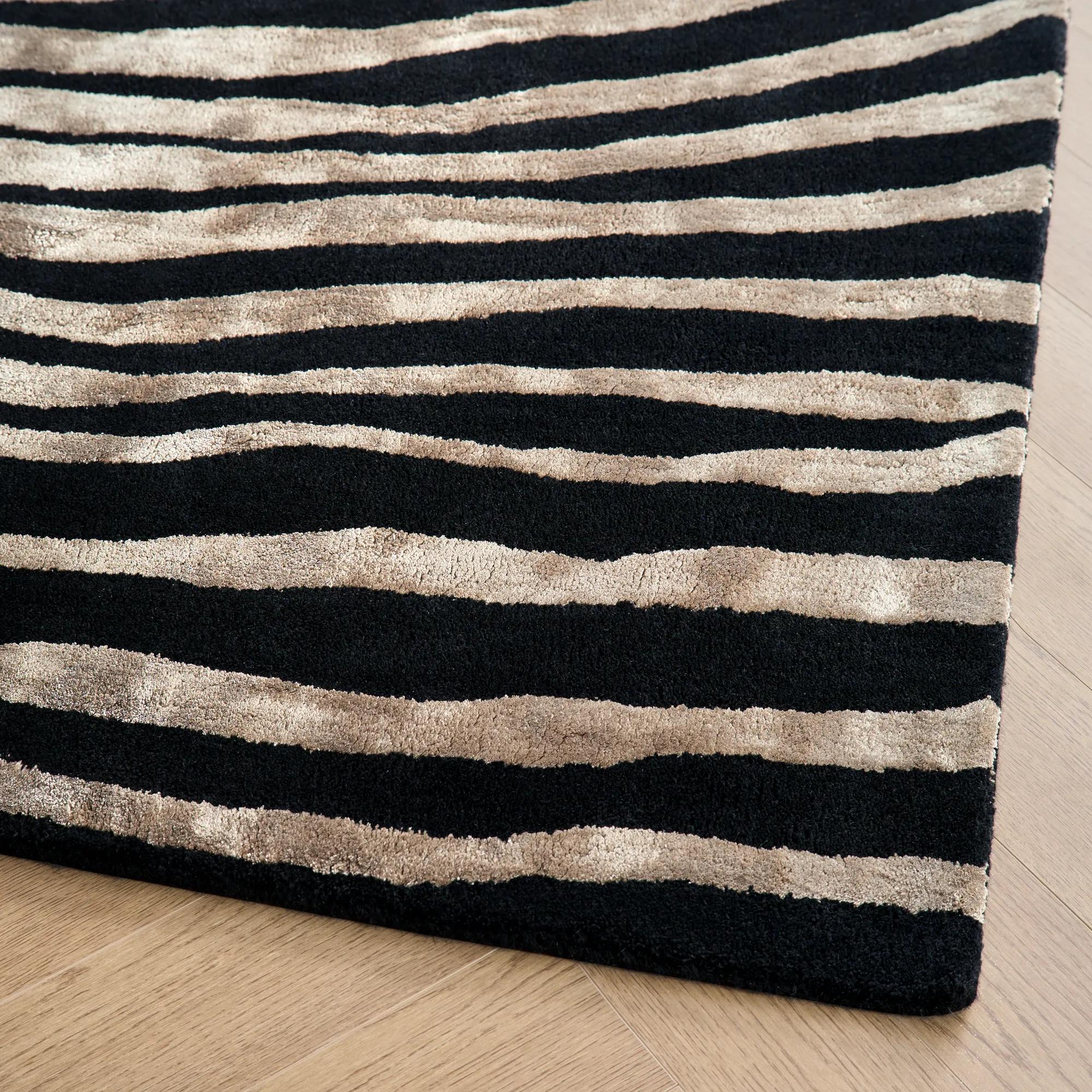 Abstract Zebra Hand-Tufted Black/Taupe Wool Blend Rug$599
An artisan hand-tufted rug in black and taupe wool-viscose, featuring a striking abstract zebra pattern.
Add To Cart -
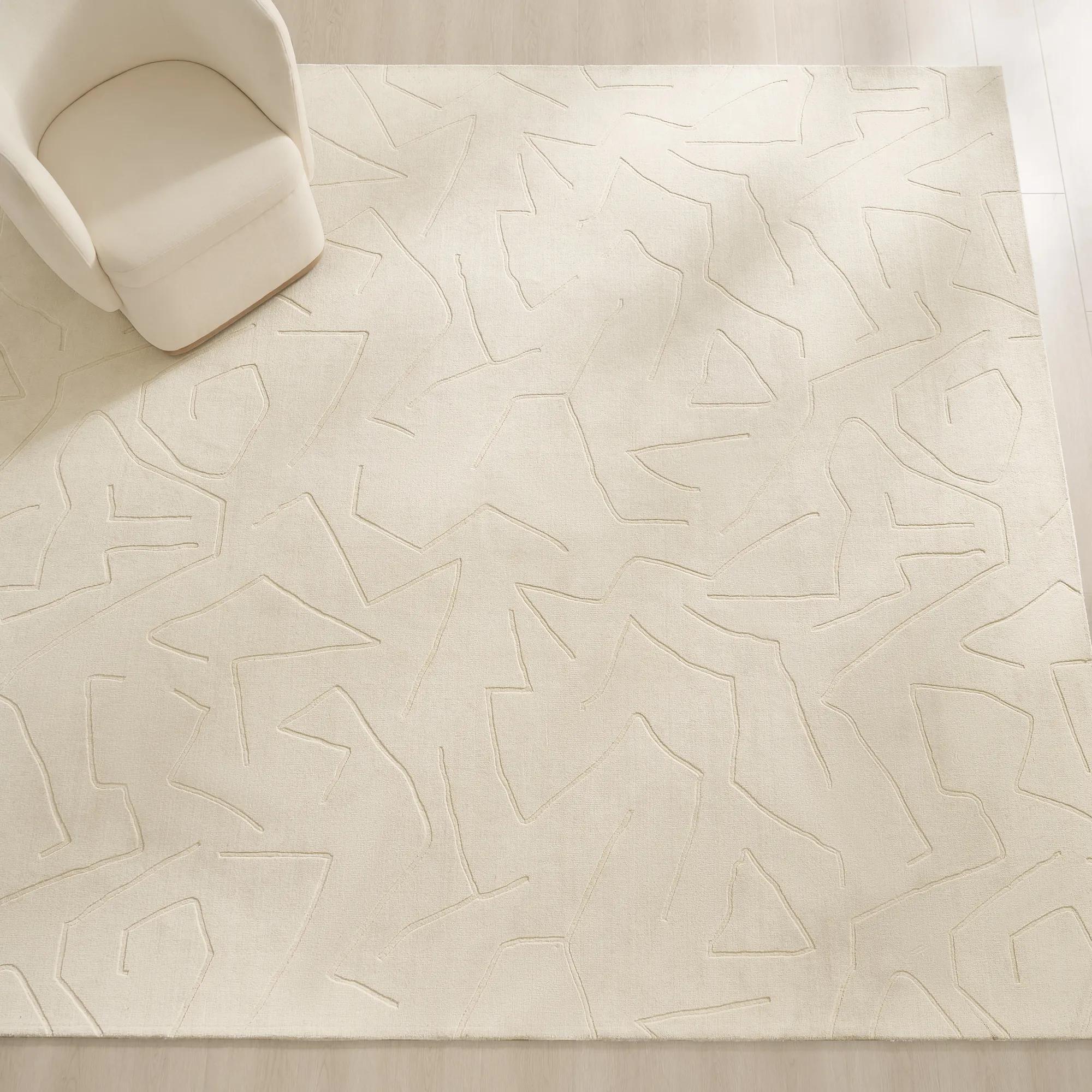 Carved Maze Ivory Hand-Loomed Wool Blend Rug$699
A hand-loomed ivory wool-blend rug featuring a carved maze pattern for modern, textural appeal.
Add To Cart -
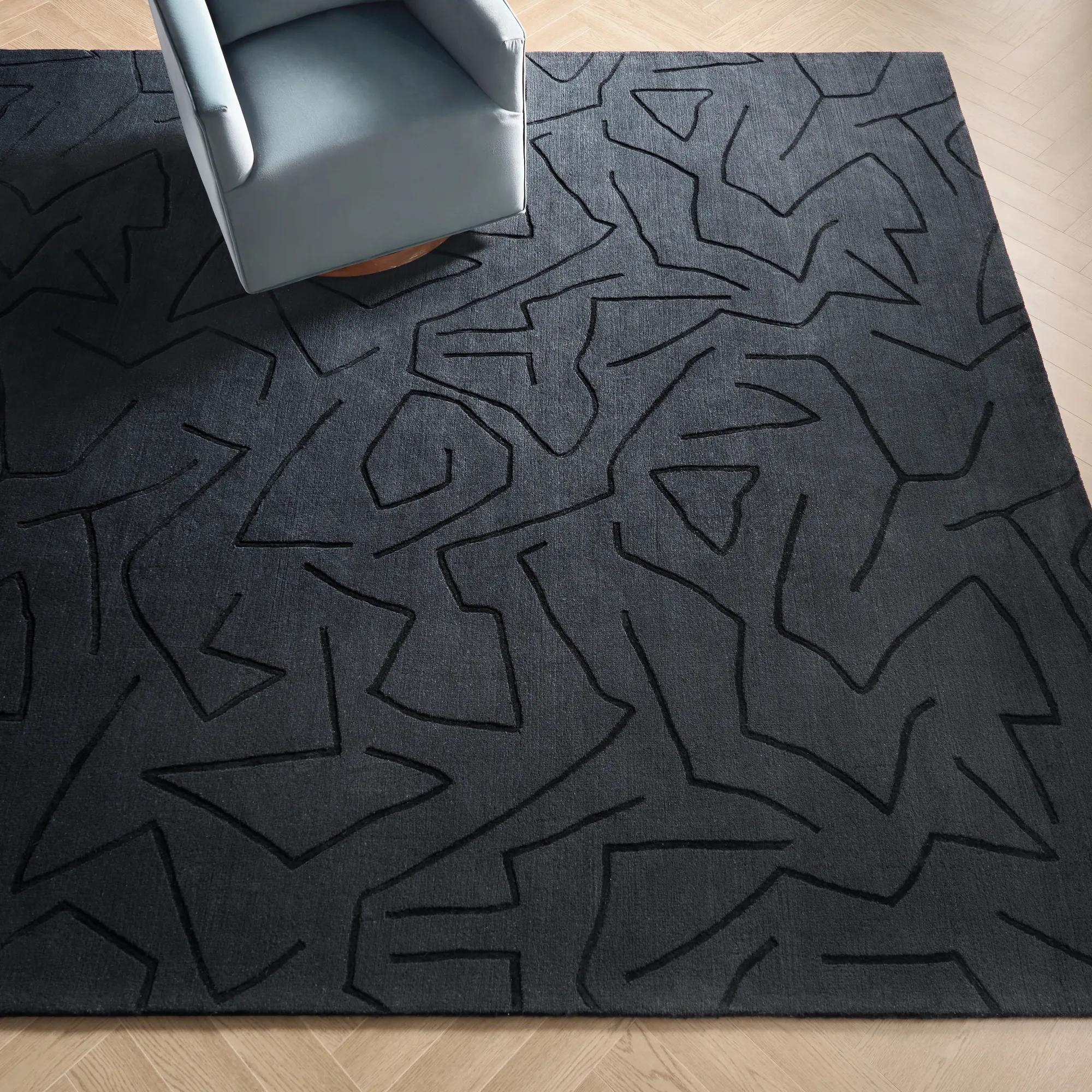 Carved Maze Rug$699
A hand-loomed black rug crafted from wool and viscose, featuring a carved maze design for added texture.
Add To Cart -
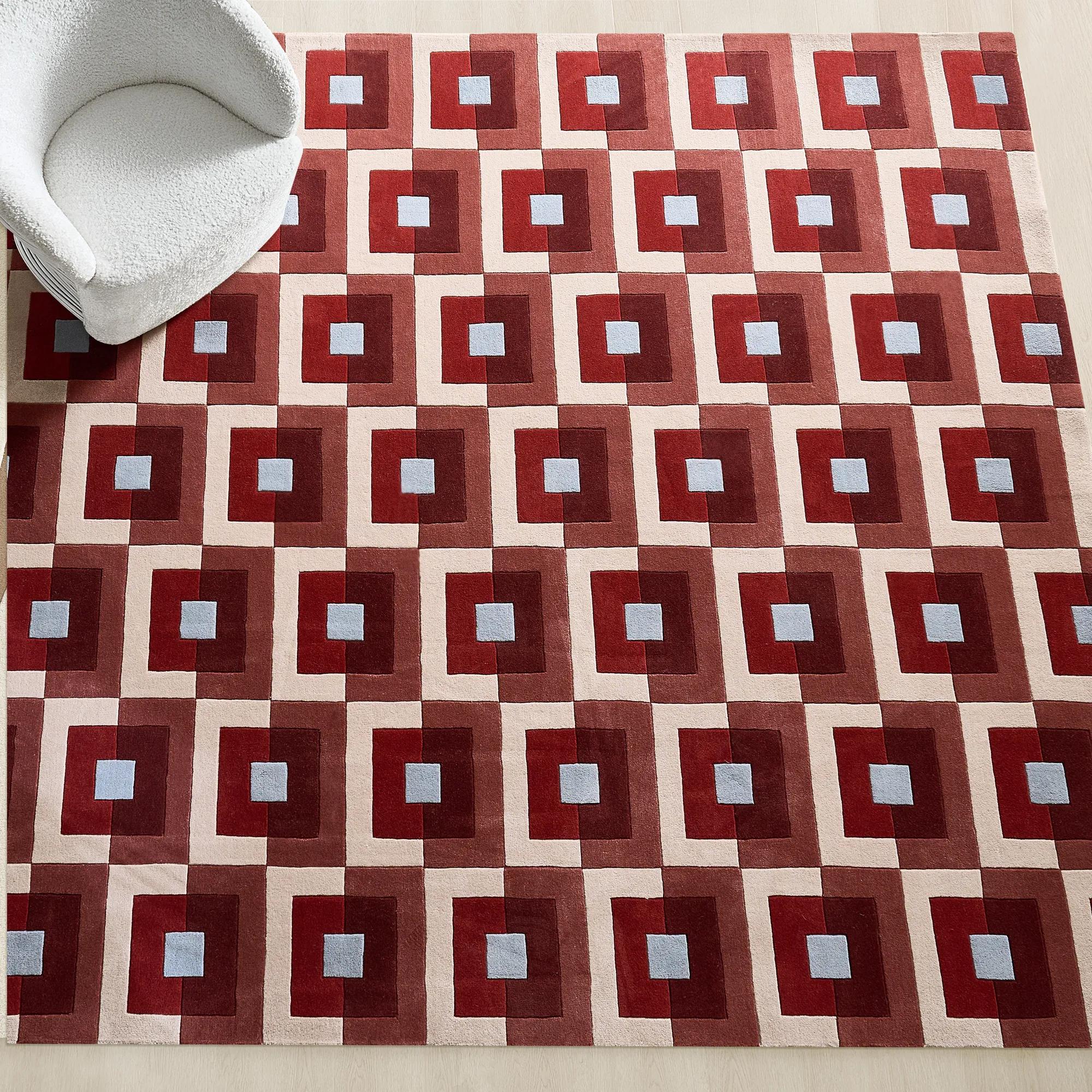
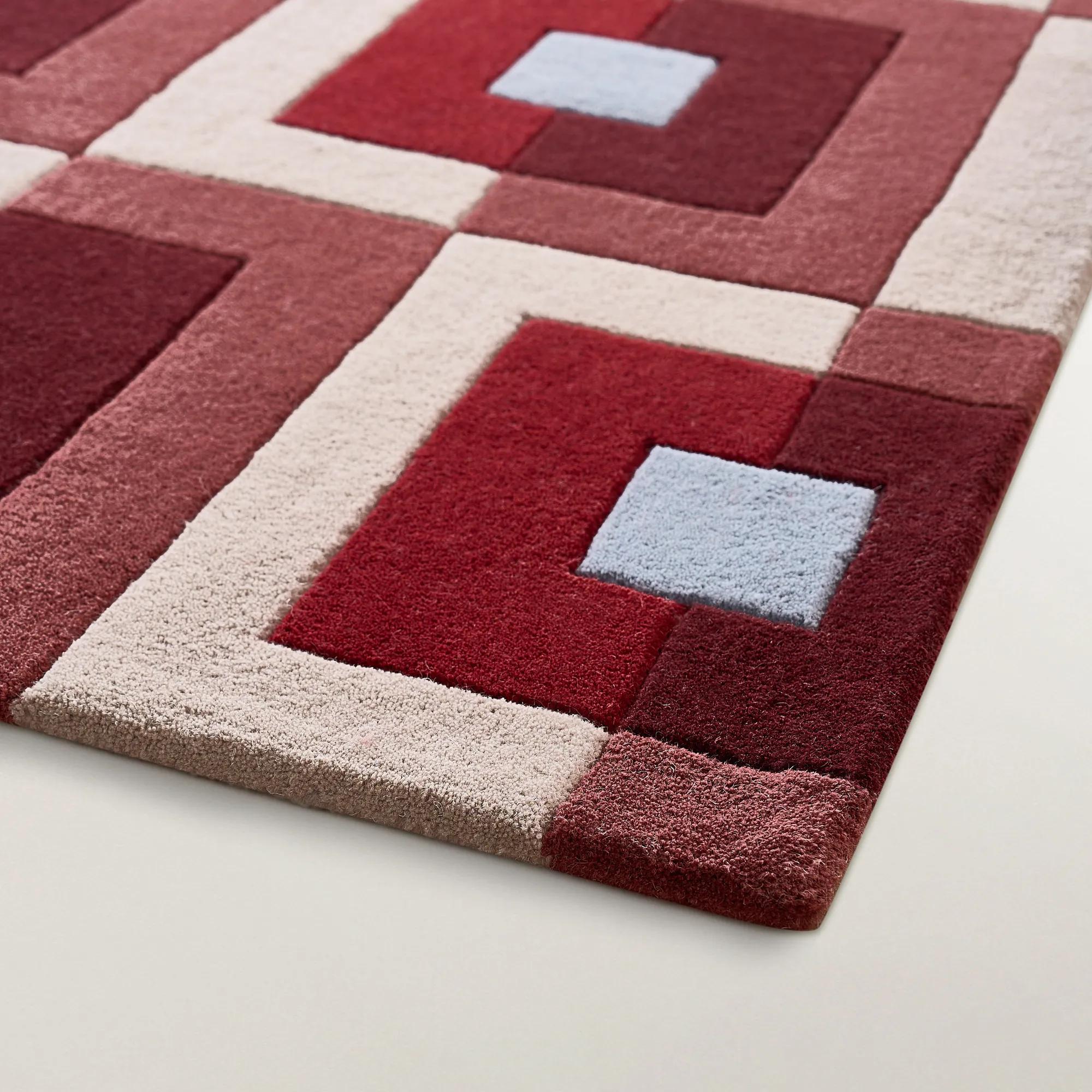 Geo Pop Wool Rug - Oxblood Red/Airy Blue$1099
A geometric wool rug blending oxblood red and airy blue for bold, modern interiors.
Add To Cart -
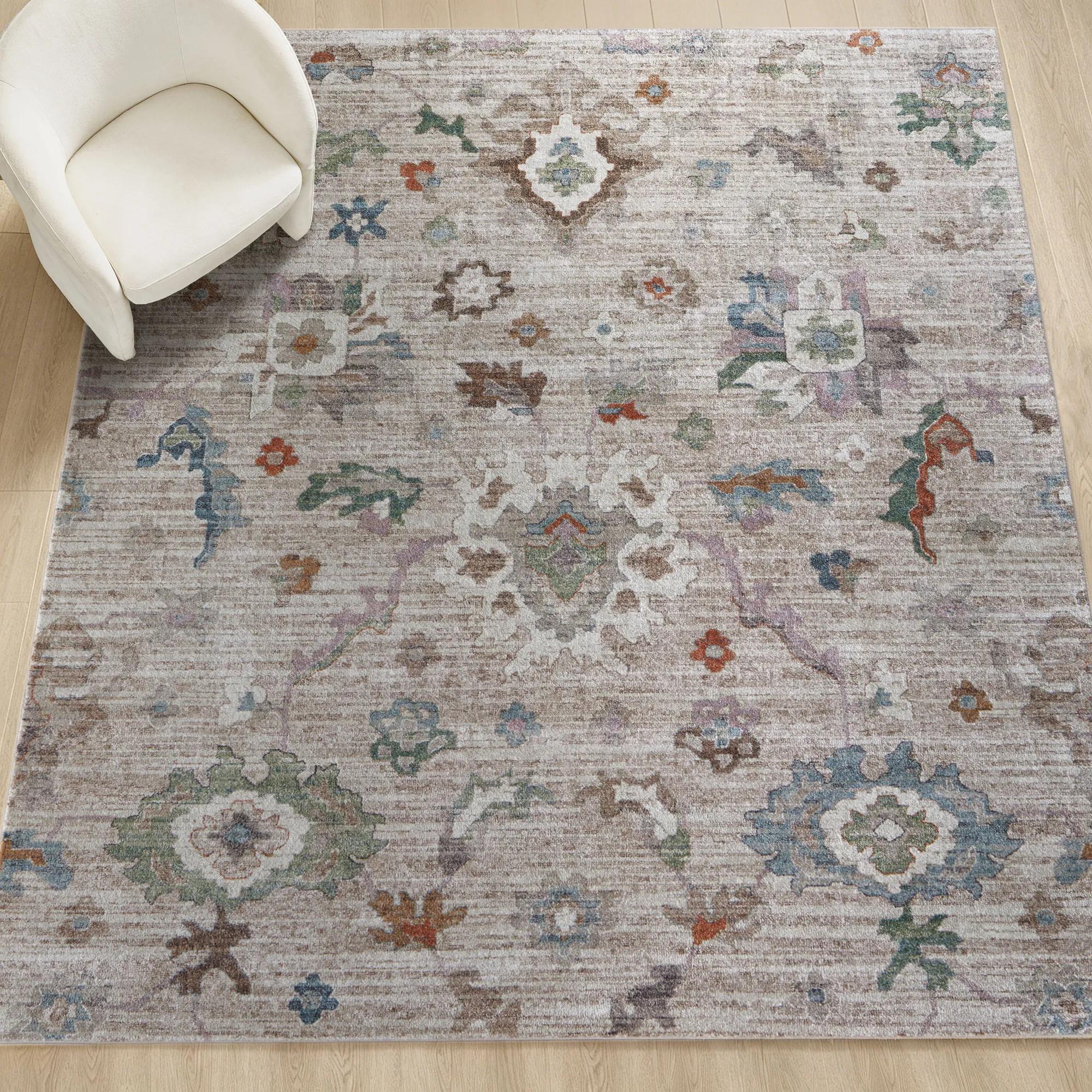
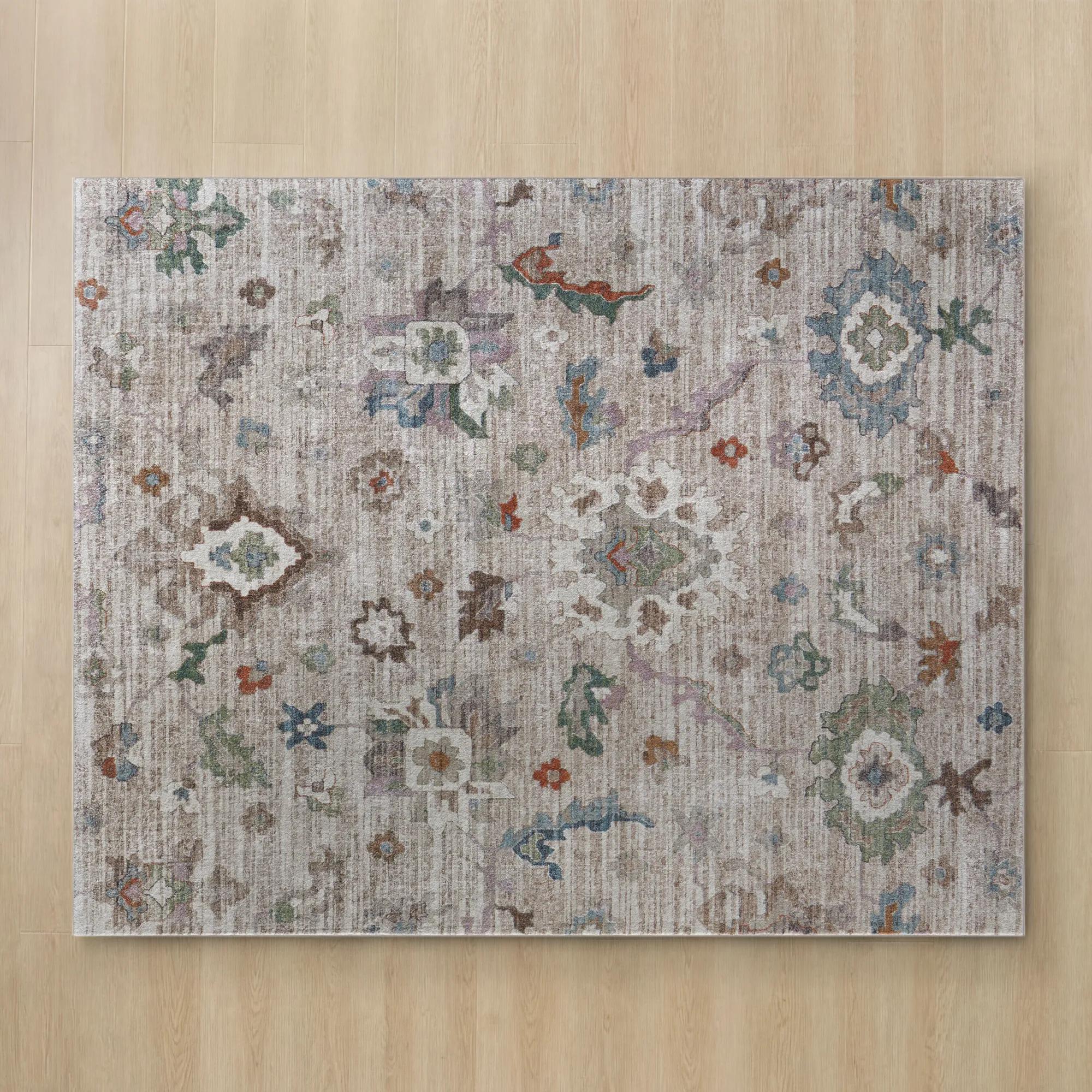 Ariella Floral Taupe/Ivory/Beige/Blue/Green Performance Power Loomed Rug$1399
A Persian-inspired rug in taupe, ivory, beige, blue, and green with a plush, power-loomed polypropylene pile.
Add To Cart -
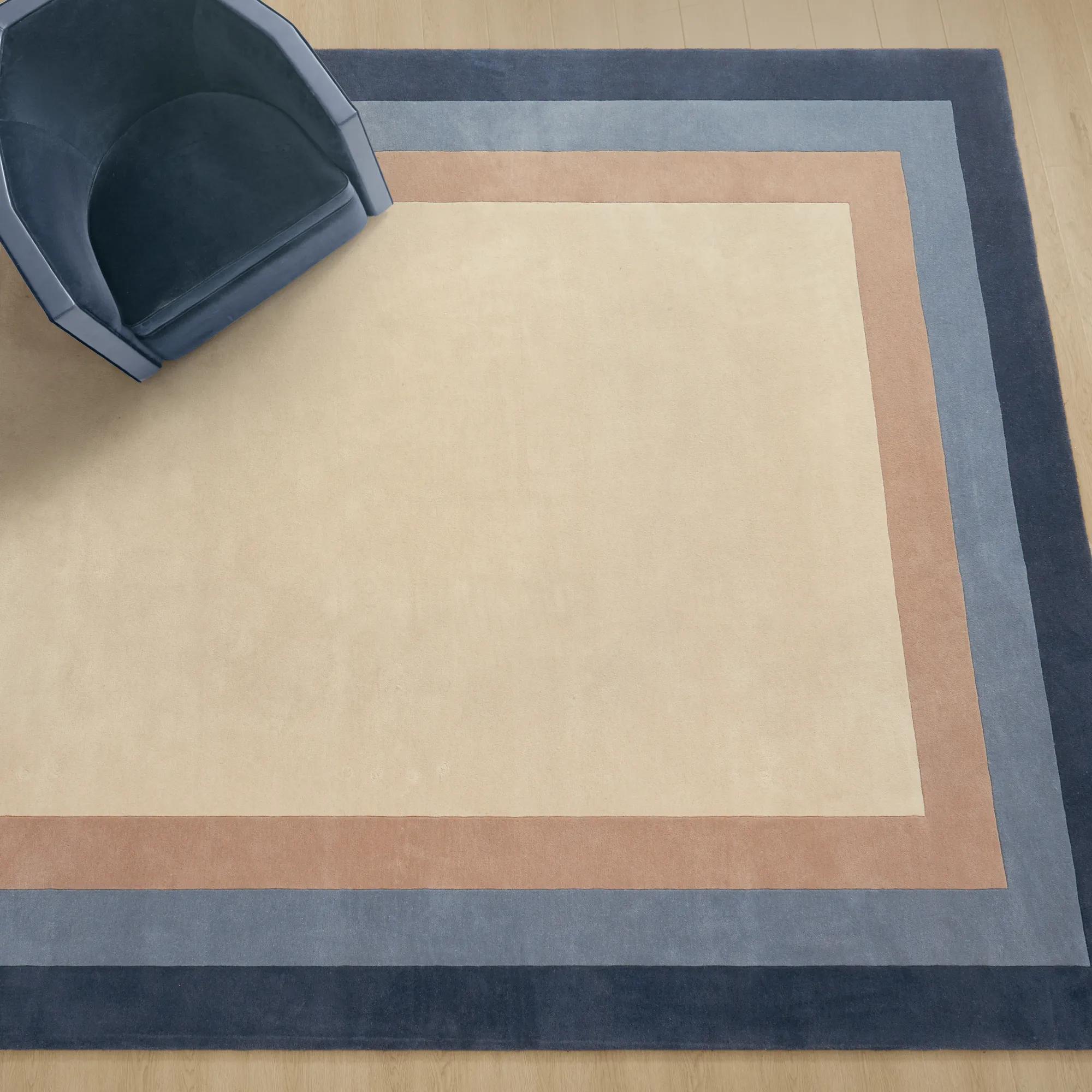 Bastien Hand-Tufted Blue/Taupe/Ivory Wool Border Rugs$1499
A hand-tufted wool rug featuring a bold color-blocked border in dusty blue, taupe, and ivory tones.
Add To Cart -
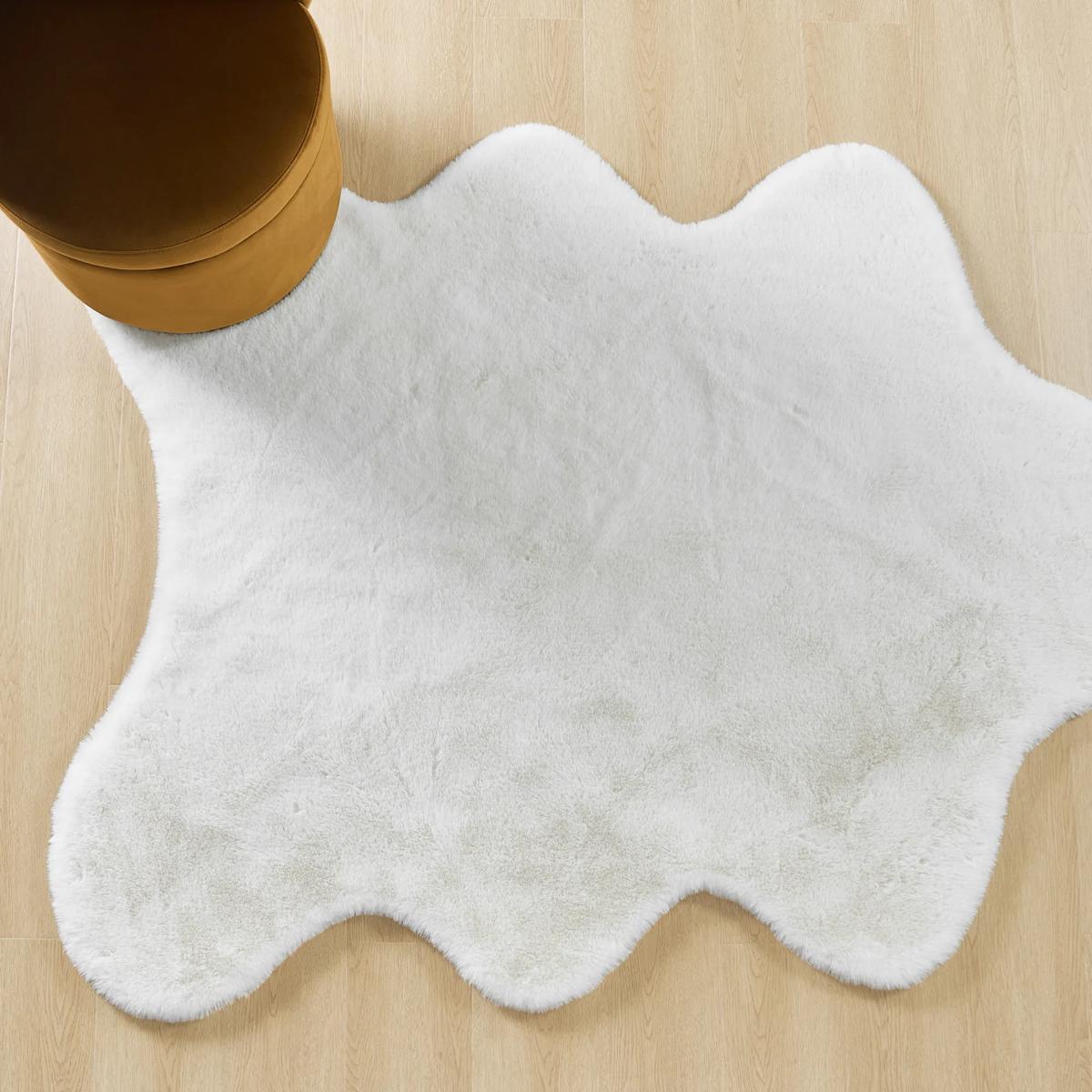
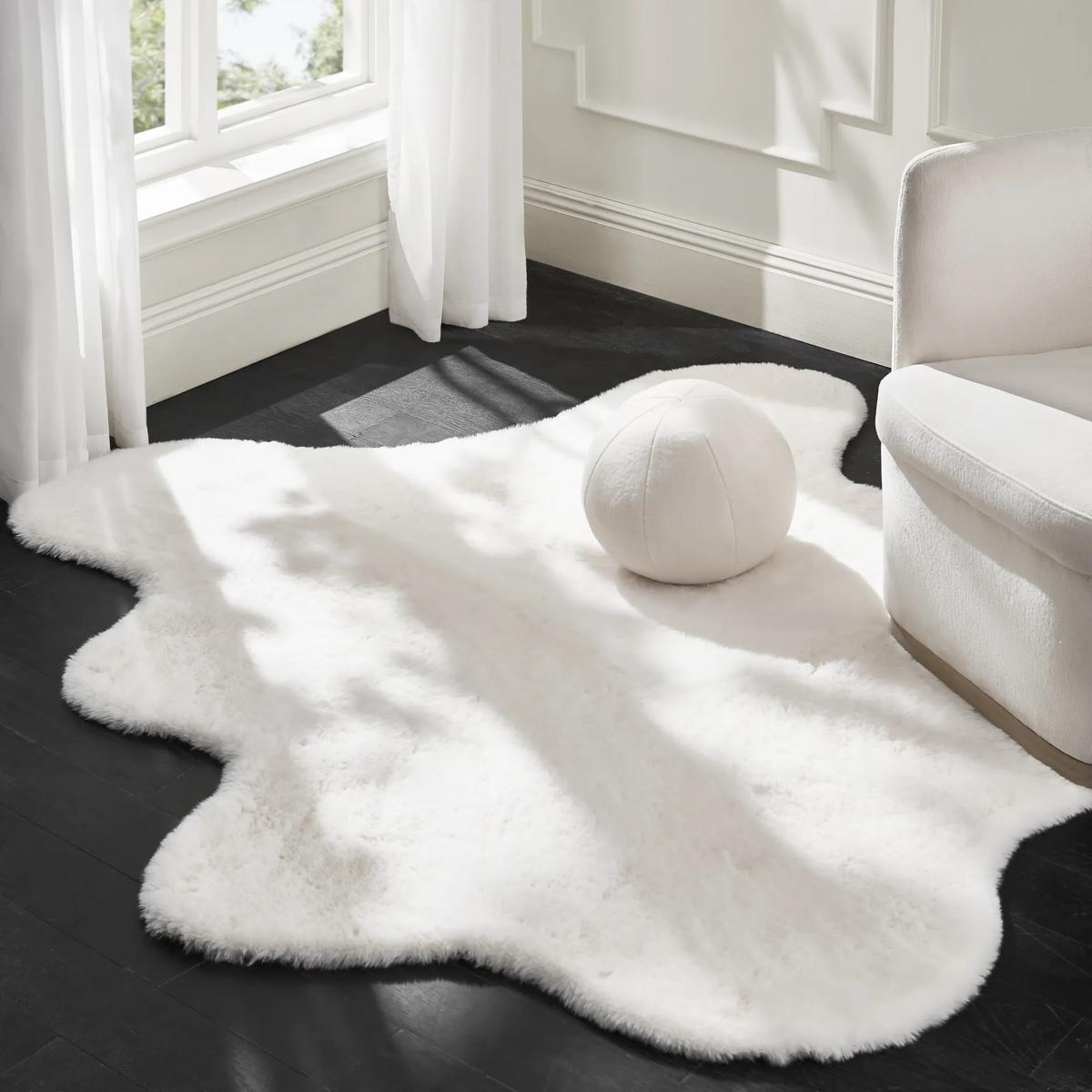 Odin Faux Fur White Shaped Rug 5' x 6'$249
A plush, cloud-shaped white rug with ultra-soft polyester pile and a practical non-slip backing.
Add To Cart -
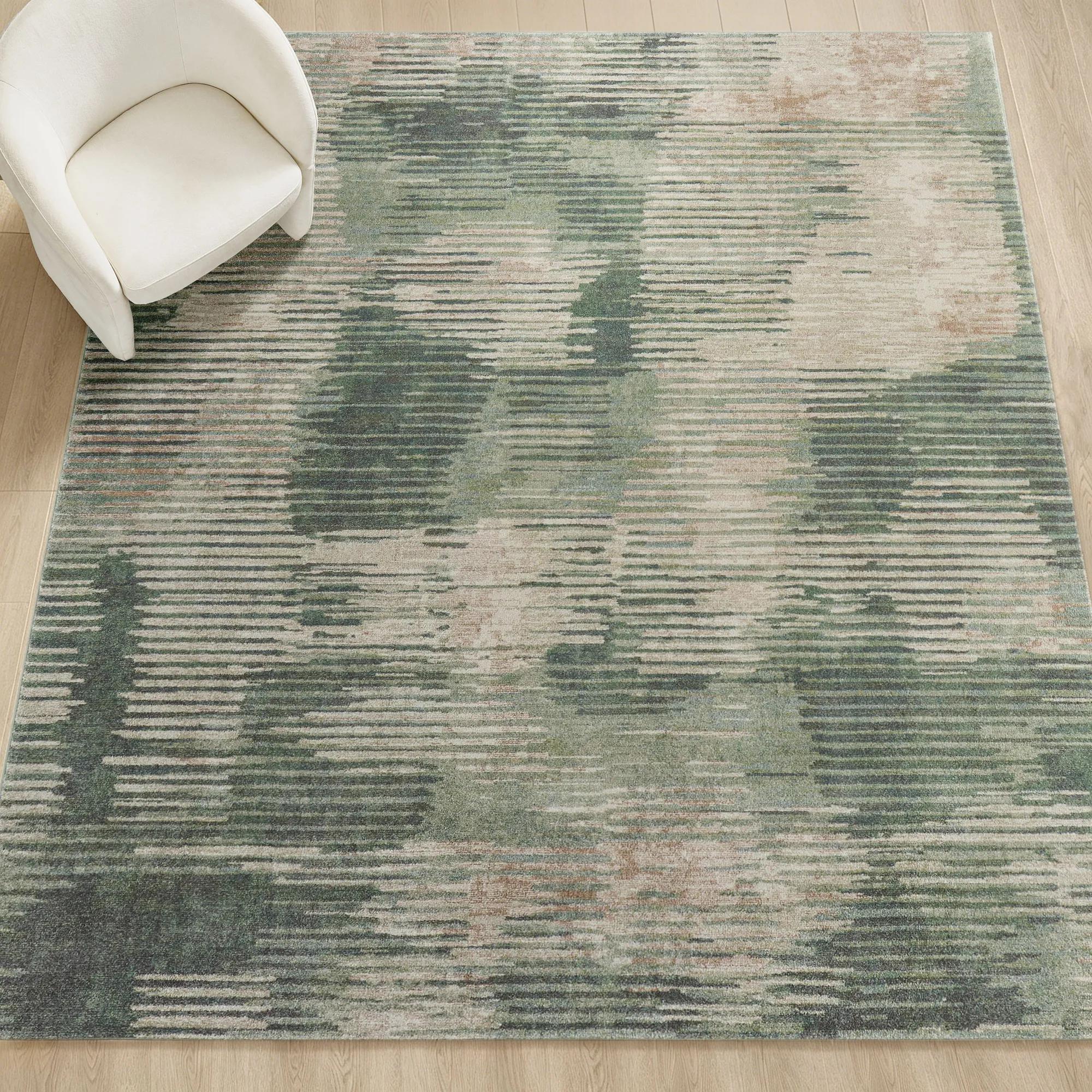
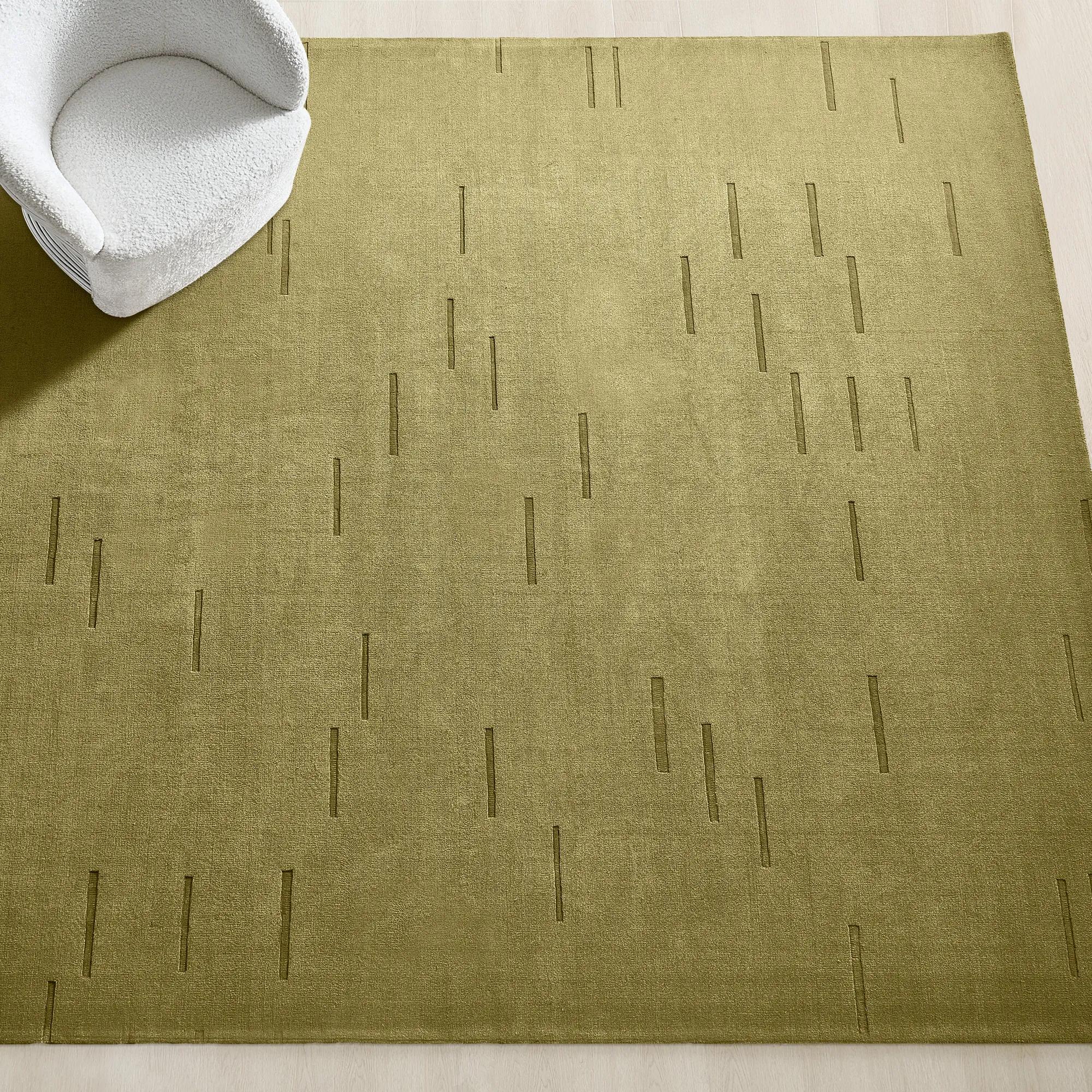
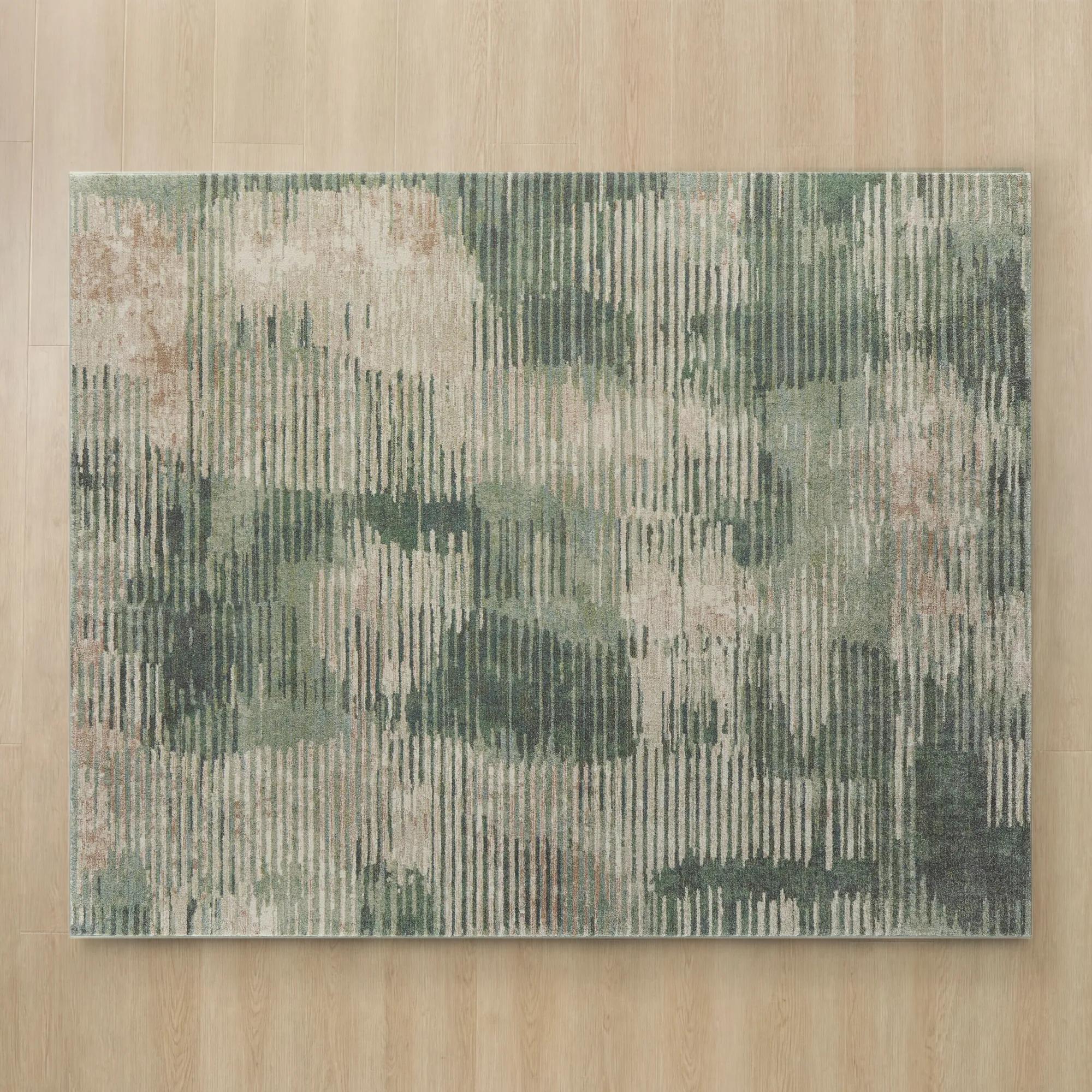 Sylvan Green/Beige Power Loomed Rug$689
A contemporary rug featuring a smoked olive green and beige organic pattern with a soft, power-loomed polypropylene pile.
Add To Cart -
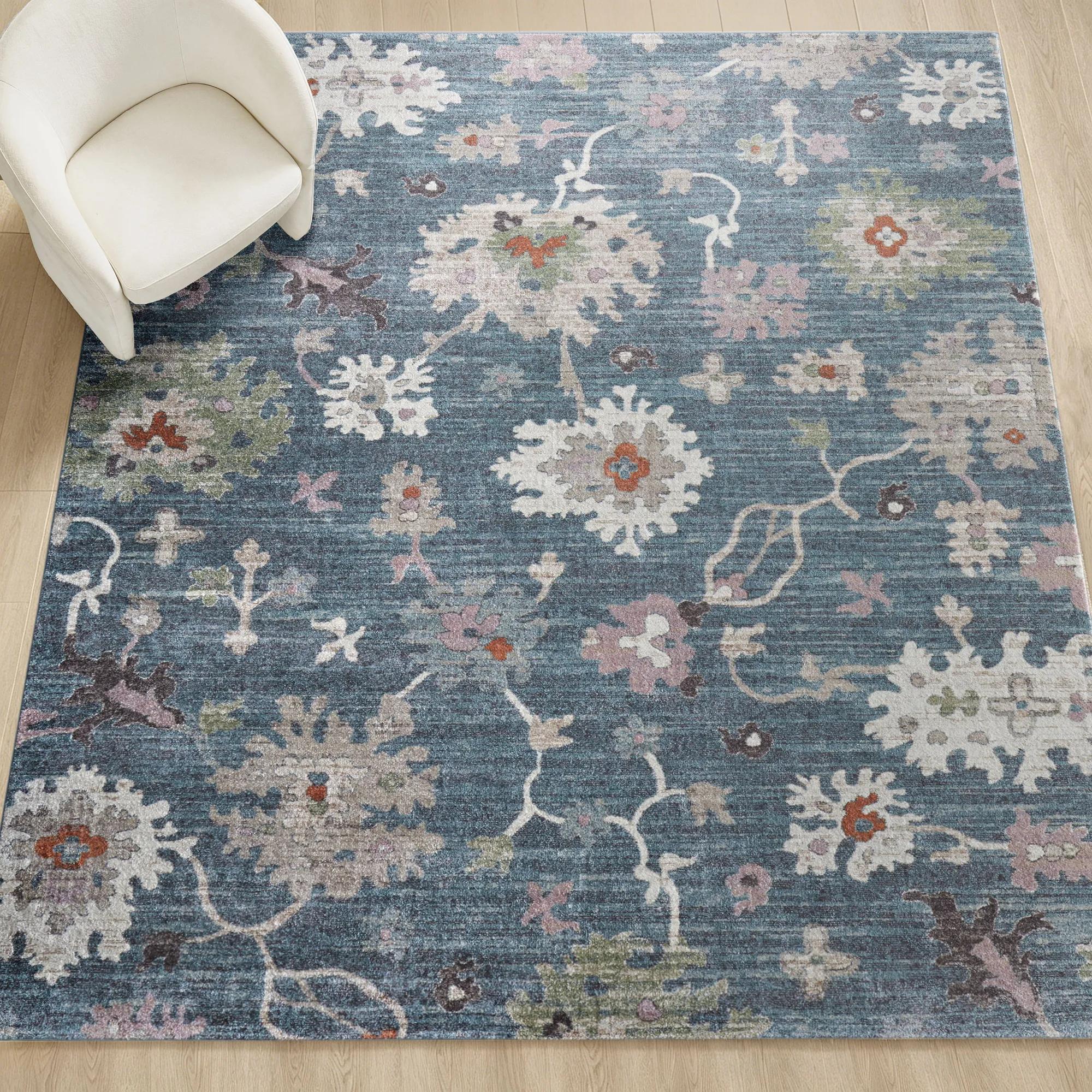
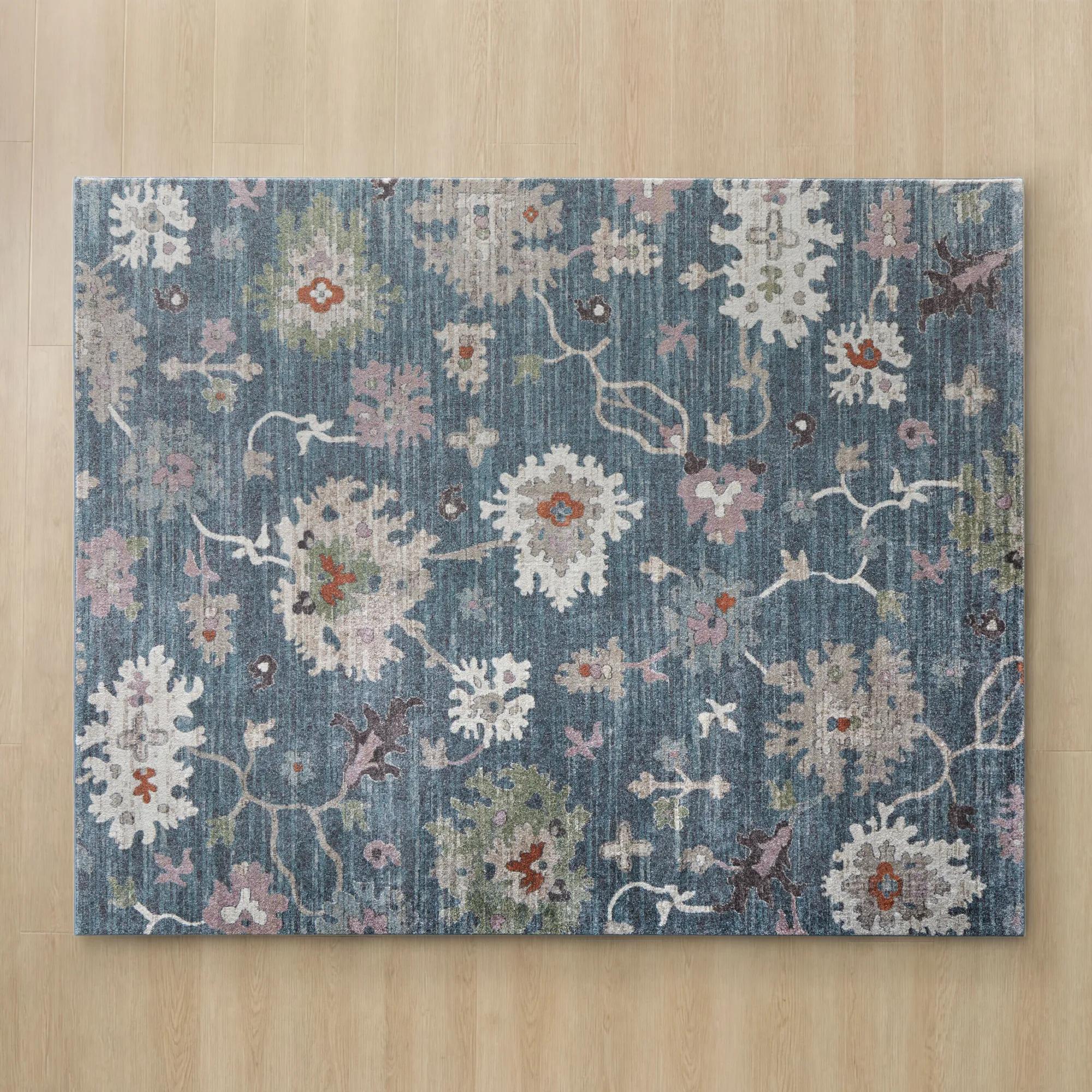 Ariella Floral Blue/Ivory/Beige/Green/Rose Dust Performance Power Loomed Rug$1499
A Persian-inspired rug in blue, ivory, beige, green, and rose dust with plush, stain-resistant polypropylene.
Add To Cart -
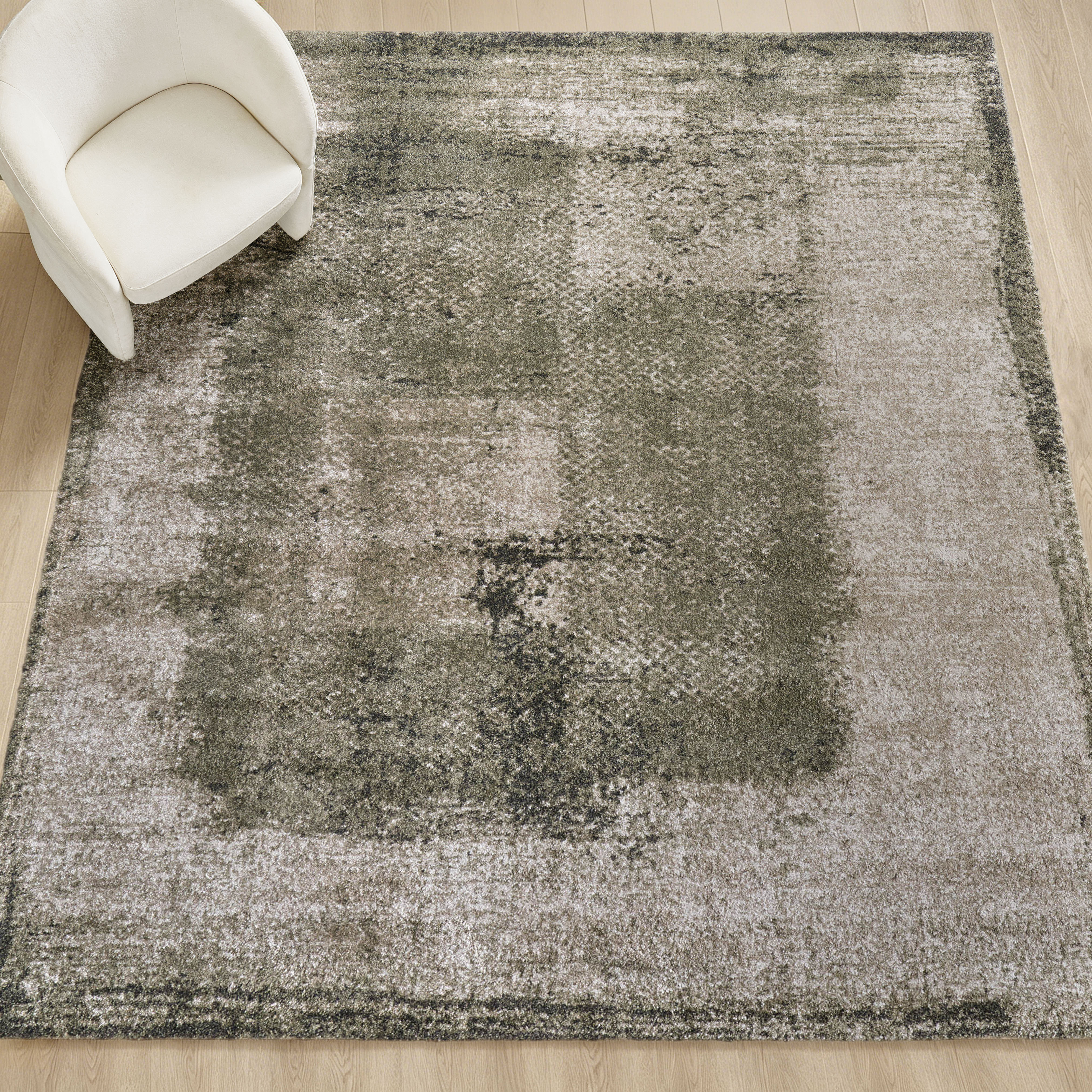
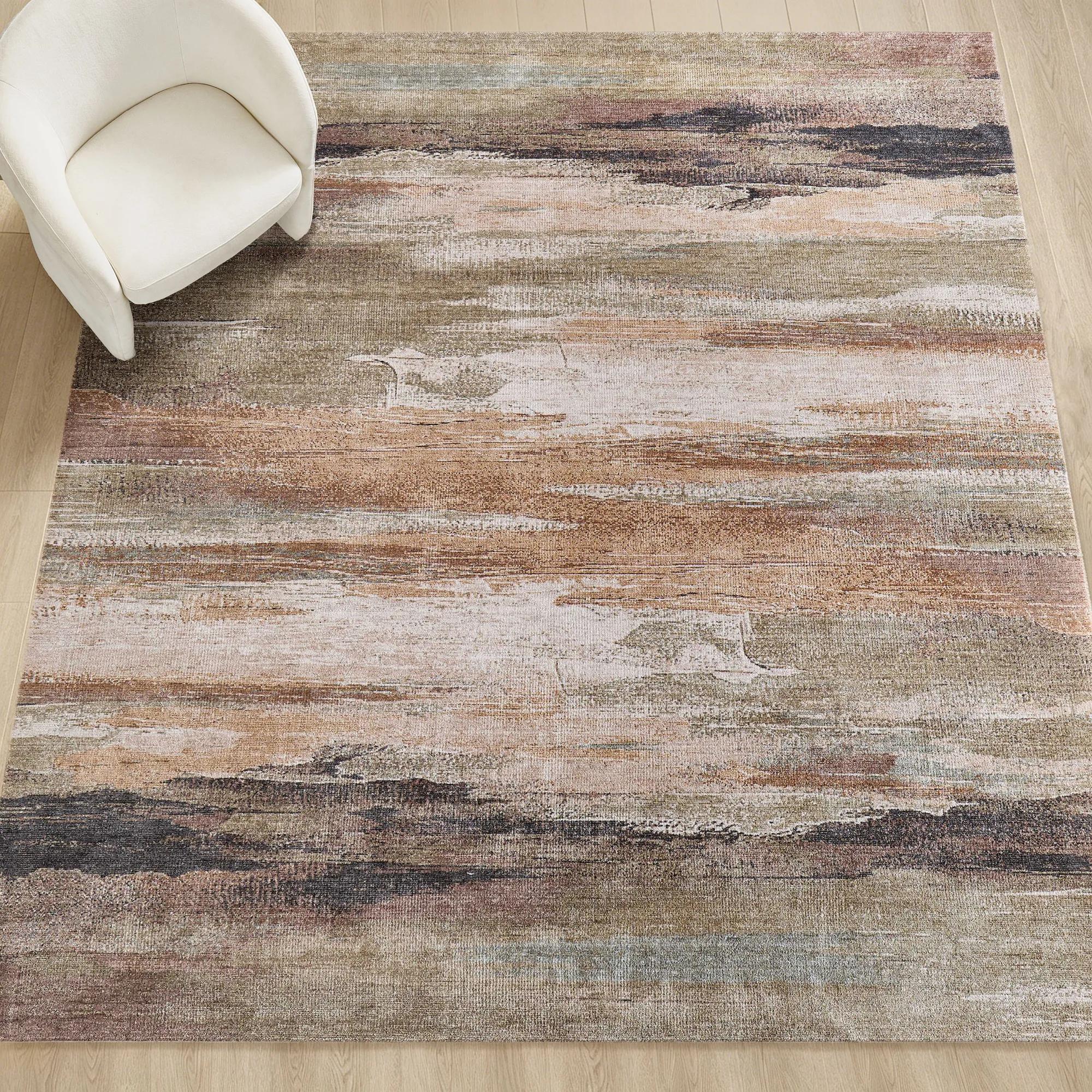
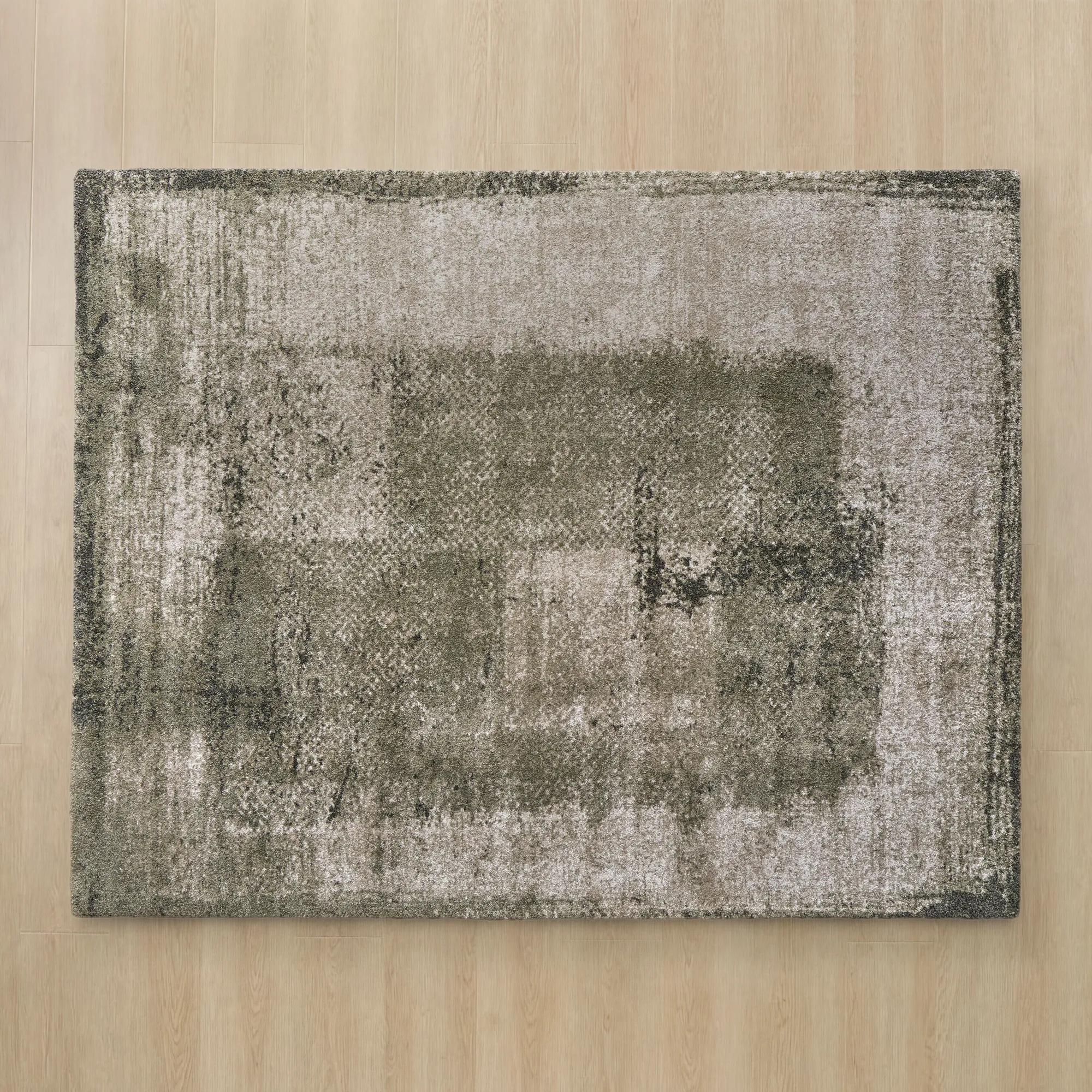 Irving Abstract Moss Green/Beige/Grey Performance Power Loomed Rug$1649
An abstract rug in moss green, beige, and grey with plush, durable polypropylene and polyester construction.
Add To Cart -
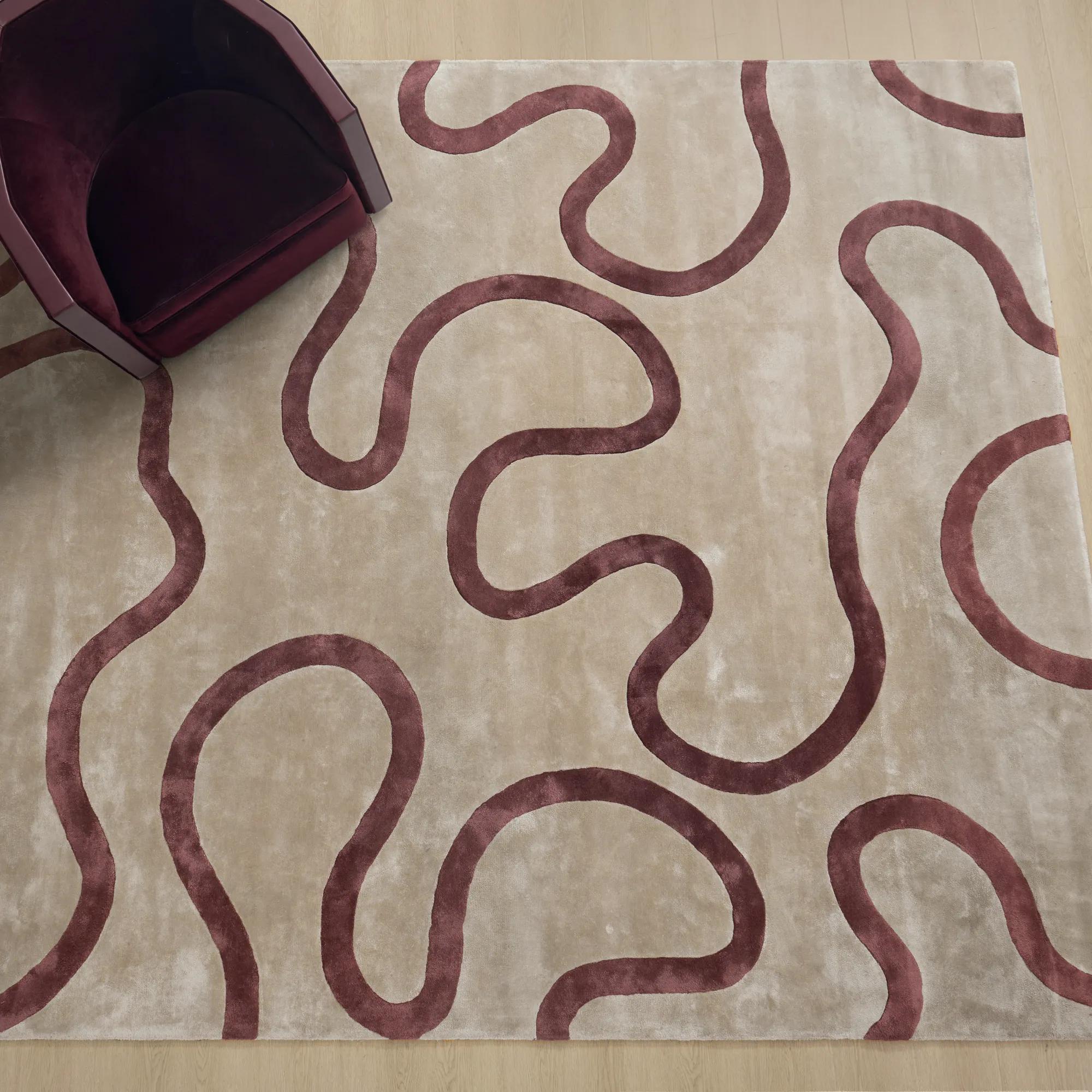 Seraphine Hand-Tufted Fig/Taupe Viscose Loop Rugs$1199
A hand-tufted wool rug featuring bold fig and taupe loops for playful movement and Deco-inspired style.
Add To Cart -
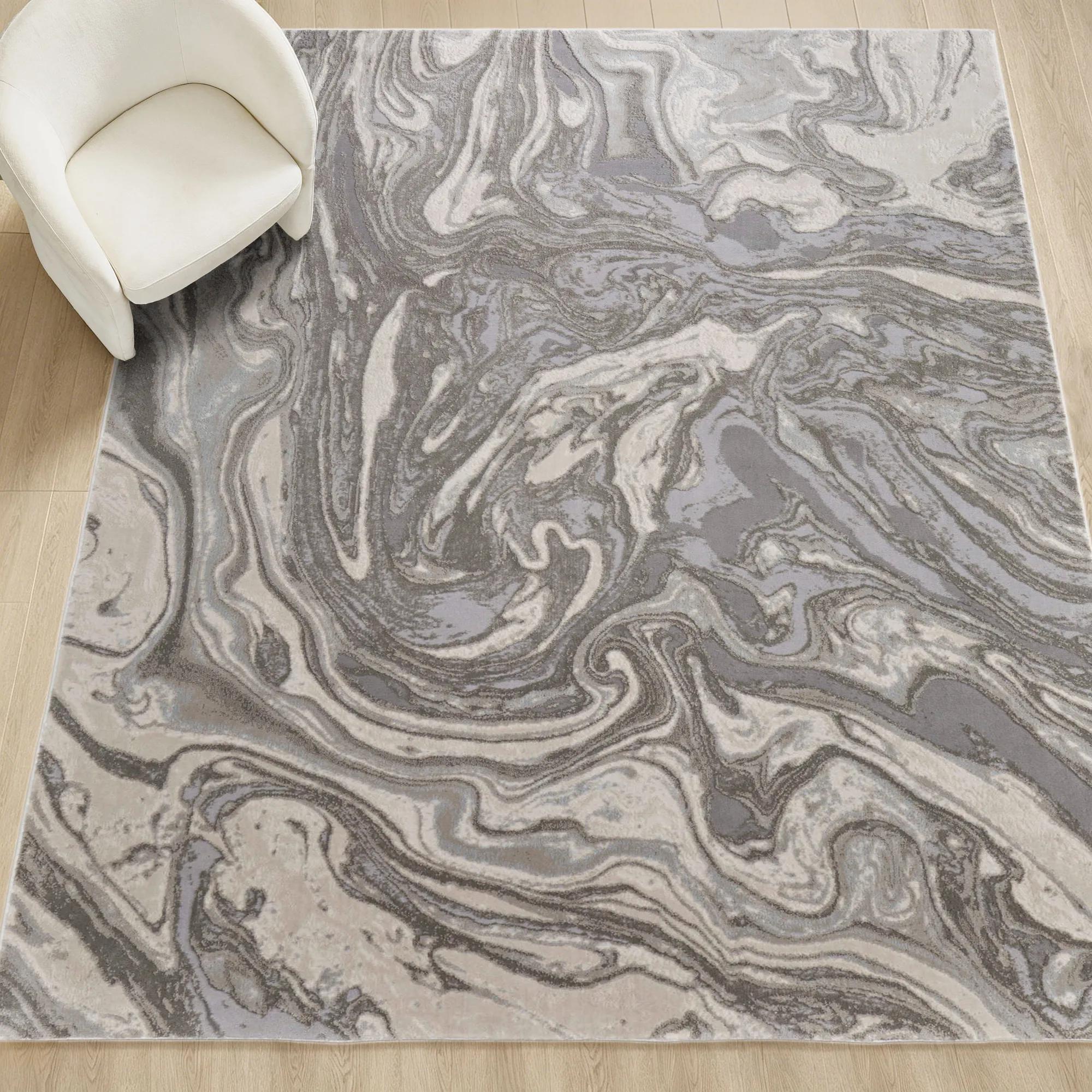
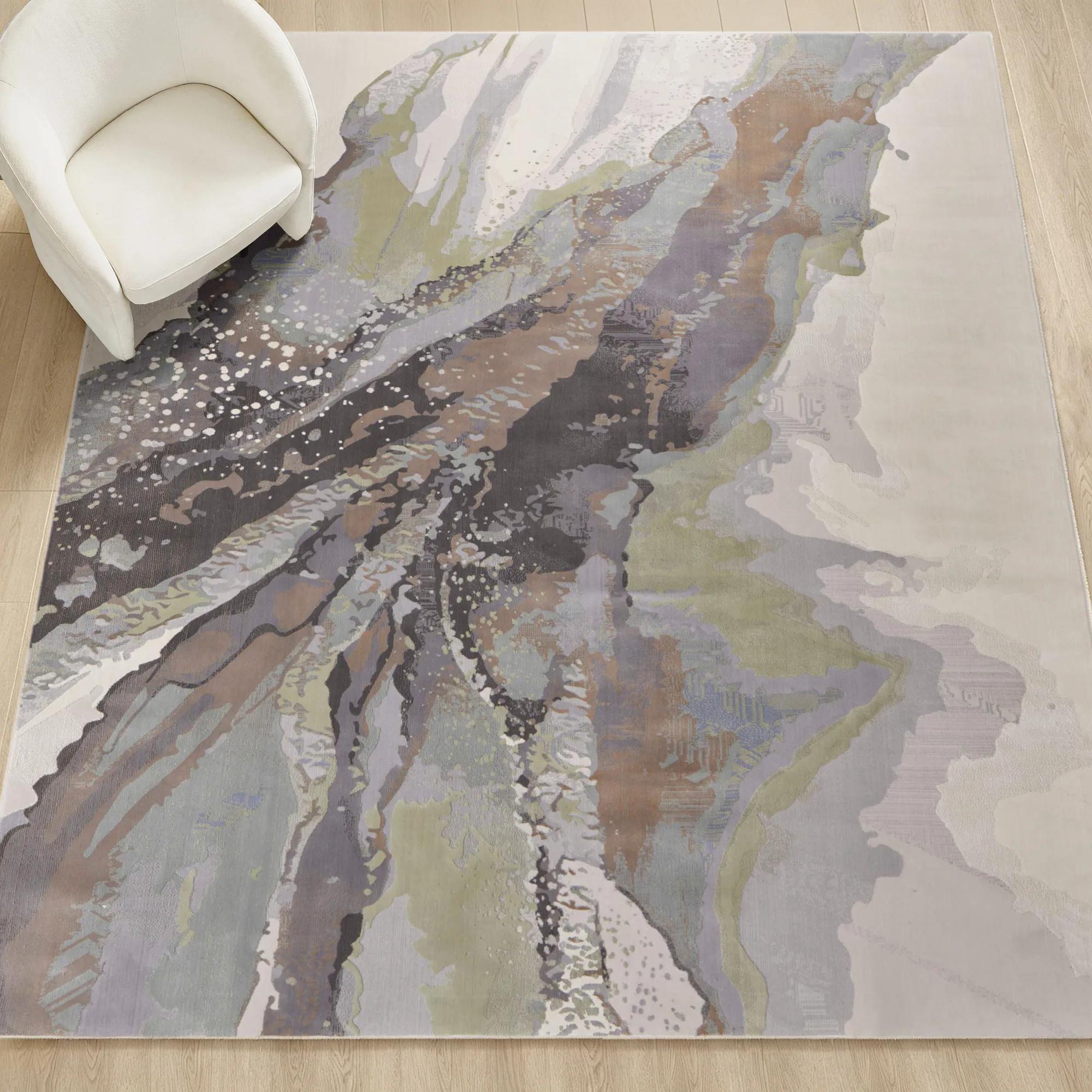
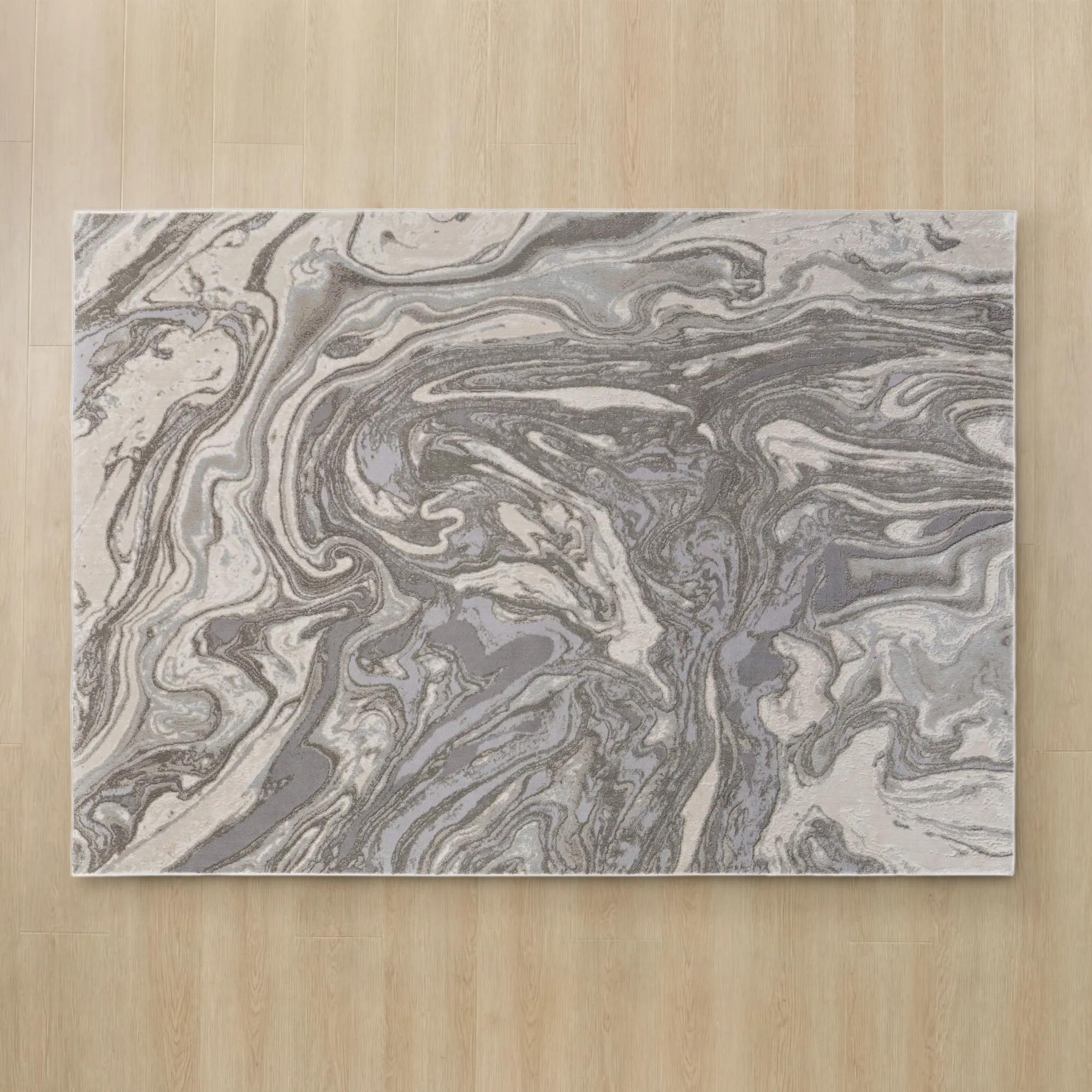 Marbre Marbled Grey/Taupe/Powder Blue Performance Power Loomed Rug$1499
A softly marbled rug in grey, taupe, and powder blue with a textured, stain-resistant performance blend.
Add To Cart -
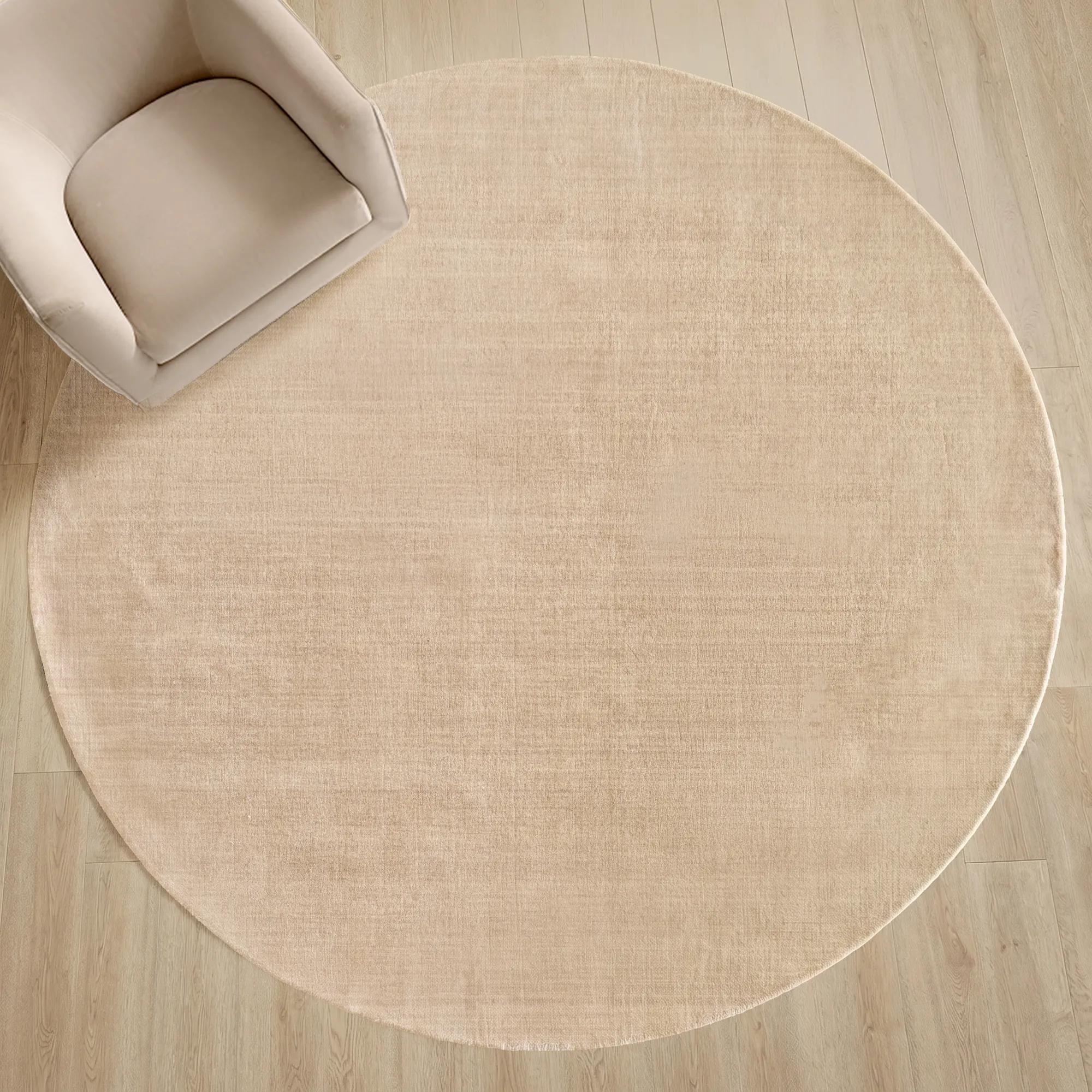 Juni Hand Woven Heathered Warm Beige Round Rug$1399
A handwoven round wool rug in heathered warm beige, offering refined texture and everyday durability.
Add To Cart -
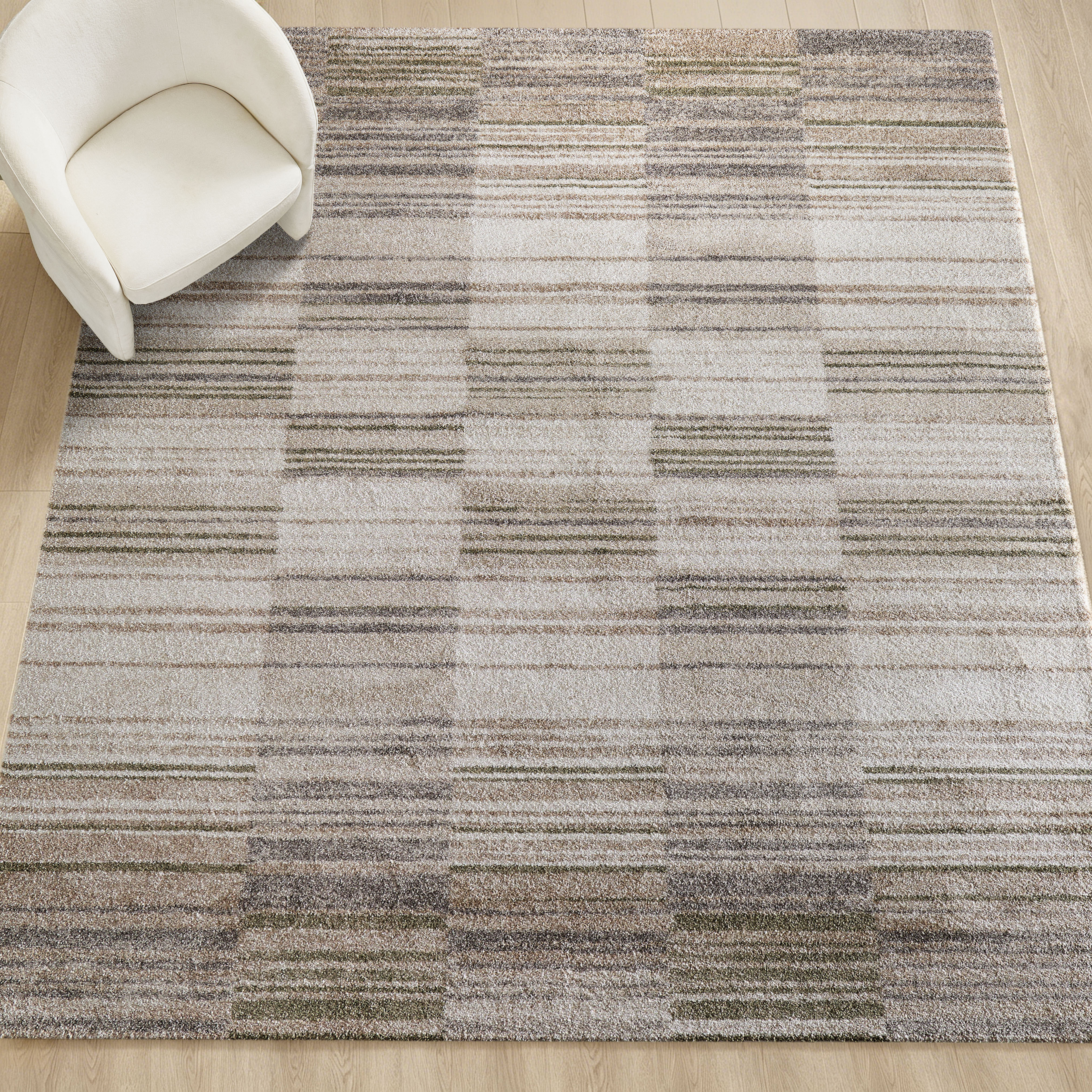
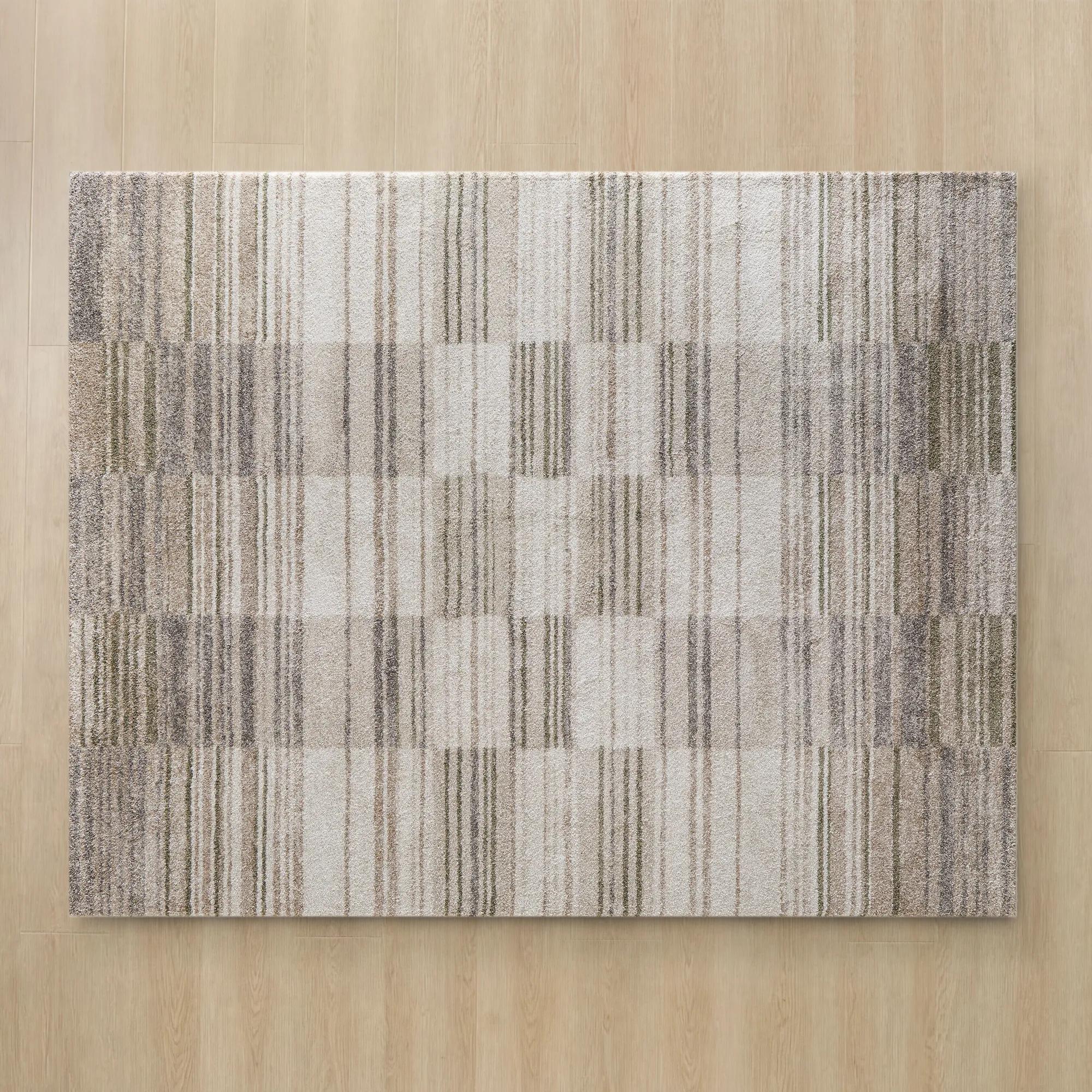 Checka Grey/Tan/Ivory/Soft Green Performance Power Loomed Rug$399
A plush, power-loomed rug featuring a soft check pattern in grey, tan, ivory, and green.
Add To Cart

Area Rugs For Family Rooms
Explore area rugs for family rooms that bring your seating arrangement into focus with expressive color, pattern, and texture. Look for a rug size that connects your sofa and accent chairs, creating a cohesive gathering space with room to move. Balance a dramatic design against understated furniture, or choose subtle tones to let statement pieces take center stage.
Area rugs for family rooms bring a sense of composition to the space where daily life unfolds, turning a sofa, a pair of chairs, and a coffee table into an inviting place to gather. Beyond their visual presence, rugs soften footfalls, add comfort underfoot, and help absorb some of the sound in rooms filled with conversation and activity. A sweeping abstract pattern can introduce an artistic focal point, while a tonal design lends depth to richly upholstered seating without competing for attention. Ivory, charcoal, taupe, and silver-gray palettes create elegant foundations; saturated color gives a room a more expressive point of view. Subtle variations in tone can also make everyday lint and small marks less conspicuous than they would be against a solid, uniform background. Scale is equally important to the finished effect. For many standard seating arrangements, an 8' x 10' or 9' x 12' area rug provides enough coverage for at least the front legs of the sofa and adjacent chairs to rest comfortably on its surface. A 5' x 8' rug may suit a compact family room, but the furniture footprint—not the room label—determines whether it feels generous or undersized. Large sectionals and expansive, open-concept spaces may call for a 9' x 12' rug or a larger size to frame the full gathering area. Measuring the seating arrangement and outlining a proposed rug size with painter’s tape helps reveal whether chair legs, a chaise, or an ottoman will sit where intended. Leave a visible border of flooring where the layout allows, and keep rug edges clear of door swings and busy passageways. In an open floor plan, a well-proportioned rug establishes a distinct lounge area without interrupting the connection to adjoining spaces. The result feels deliberate: furniture belongs together, pathways remain comfortable, and the room gains a foundation with enough presence to hold its own beneath statement upholstery, sculptural tables, and layered lighting.
Material and construction shape how a family room rug looks, feels, and responds to everyday use. Low-pile rugs are often a strong fit for active households because their shorter fibers make crumbs and surface debris easier to reach during vacuuming, while their lower profile accommodates furniture and frequent movement. Polypropylene and polyester are common synthetic options that can offer stain resistance and dependable performance, although their durability and cleaning requirements vary by construction and finish. Neither fiber makes a rug immune to spills, so prompt attention still matters. Wool offers resilient fibers, substantial texture, and natural resistance to some soiling, making it a compelling choice for a family room that balances frequent use with careful maintenance. Some wool rugs shed loose fibers, particularly early in their use, and they may require cleaning methods different from those suited to synthetic designs. Viscose and other fibers prized for a luminous, silk-like appearance generally need more cautious handling around moisture and heavy traffic; that dramatic sheen is better suited to a seating area where spills are less likely. Flatwoven designs create a tailored surface, while cut pile introduces softness and carved textures bring dimension to a restrained palette. Households with pets may prefer constructions without prominent loops that claws can catch, and families with young children often value a surface that is comfortable for floor play yet straightforward to maintain. Machine-washable rugs can be useful in those settings, provided the care label permits washing and the rug’s dimensions and weight are compatible with the machine. For a more enveloping texture, Shag Rugs For Family Rooms offer a plush direction beneath relaxed seating. Their longer pile creates sumptuous depth, though it can hold more debris and requires a cleaning routine suited to the fibers. The most satisfying choice pairs the desired atmosphere with the realities of the room, whether that means frequent movie nights, children building on the floor, or a pet claiming the space beside the sofa.
Thoughtful care preserves the color, texture, and definition that make an area rug such an influential part of a family room. A properly fitted rug pad helps reduce shifting, adds cushioning, and can lessen friction between the rug and the floor. The pad should be slightly smaller than the rug so its edges remain concealed, with a material approved for the flooring beneath it; certain backings may be unsuitable for particular hardwood finishes or other surfaces. Rugs placed over carpet also benefit from a pad specifically designed for that application rather than one intended for hard flooring. Routine vacuuming removes grit before it works deeper into the pile, but suction strength and brush settings should follow the rug manufacturer’s recommendations. Rotating brushes can be too aggressive for some shag, looped, fringed, or delicate constructions. When a drink spills beside the coffee table, blotting promptly with a clean, absorbent cloth is generally preferable to rubbing, which can spread the stain and disturb the fibers. Any cleaning solution should be appropriate for the material and tested in an inconspicuous area before broader use. Excess moisture can damage certain fibers or backings, and professional cleaning may be the appropriate option when specified by the care instructions. Periodic rotation, when practical, helps distribute wear from a favorite seat or a heavily traveled route, while window coverings can reduce prolonged direct sunlight that may fade some dyes. Furniture placement deserves attention as well: stable legs, suitable protectors, and careful lifting rather than dragging help protect the rug’s surface. These details allow beauty and daily use to coexist. A family room rug can provide a comfortable setting for shared games, lend softness beneath a reading chair, or visually connect a sectional with surrounding accent seating. With proportion, material, and maintenance considered together, the rug becomes more than a decorative layer. It gives the room texture, character, and a gracious sense of belonging without asking everyday life to become less expressive.
FAQs
Abstract motifs, artful geometrics, and richly textured solids bring expressive elegance to a family room. An area rug with subtle sheen lends luminosity beneath sculptural furniture, while a painterly pattern creates a striking foundation for velvet upholstery and gleaming metallic accents.
Wool, cotton, and synthetic fibers such as polyester and polypropylene are common choices for family room area rugs. Wool offers natural texture and a sumptuous feel, while cotton brings a softer, more relaxed visual character. Synthetic fibers appear in an array of finishes, from matte woven surfaces to lustrous piles. Consider the fiber, construction, and care requirements alongside the mood you want to create.
Draw inspiration from your upholstery, artwork, and decorative accents. Ivory, taupe, and silver-gray create a refined backdrop for expressive furnishings, while sapphire, emerald, or charcoal introduce depth and drama. For a cohesive composition, choose a rug that echoes an accent color already woven through the room.
Let the rug establish the room’s artistic rhythm. Pair an intricate motif with solid upholstery so its details can command attention, or contrast a fluid abstract design with clean-lined furniture. When mixing patterns across rugs, pillows, and drapery, vary their visual density and repeat a few colors for a layered, intentional look.
Follow the rug’s care label, since fibers and constructions call for different approaches. Vacuum with settings appropriate for the material, blot spills promptly rather than rubbing, and rotate the rug periodically to distribute everyday wear. For deeper cleaning, consult the manufacturer’s guidance or a professional rug cleaner to help preserve its texture and distinctive finish.